Article

Antenatal Care Visits and Exclusive Breastfeeding Among Refugee and Host Community Women in South Sudan


by
Thonaeng Charity Molelekoa
and
Abayomi Samuel Oyekale
*
Department of Agricultural Economics and Extension, North-West University Mafikeng Campus, Mmabatho 2735, South Africa
*
Author to whom correspondence should be addressed.
Int. J. Environ. Res. Public Health 2026, 23(9), 1218; https://doi.org/10.3390/ijerph23091218
Submission received: 24 July 2026 / Revised: 12 September 2026 / Accepted: 14 September 2026 / Published: 15 September 2026
(This article belongs to the Special Issue Research on Global Health Economics and Policy)

Highlights

Public health relevance—How does this work relate to a public health issue?
  • Higher usage of nurses/midwives for both ANC and delivery assistance was reported among refugees than among women in their host community.
  • Lower ANC adequacy was associated with refugee status but higher exclusive breastfeeding.
Public health significance—Why is this work of significance to public health?
  • ANC visits were associated with exclusive breastfeeding in the combined samples and among refugees.
  • Different factors explain ANC visits and exclusive breastfeeding durations among refugees and host community women.
Public health implications—What are the key implications or messages for practitioners, policy makers and/or researchers in public health?
  • Integrate breastfeeding education and support into ANC services, particularly in refugee settings.
  • Strengthen interventions that improve ANC utilization among refugees and expand accessible maternal healthcare services in rural areas.

Abstract

The need to promote maternal and child health is a concurrent legislative agenda in many developing countries. This is particularly important in South Sudan due to protracted economic fragility. Although previous studies have examined the determinants of antenatal care (ANC) utilization and exclusive breastfeeding (EBF) among refugees and other vulnerable populations, limited empirical evidence has examined the association between ANC visits and EBF in displacement settings. Therefore, this study determined the association between ANC visits and EBF among refugees and host community members in South Sudan. The study was based on cross-sectional secondary data, which were collected in 2023 by the United Nations High Commissioner for Refugees (UNHCR), as part of the Forced Displacement Survey in South Sudan. The data were analyzed with a control function instrumental variable Poisson regression. The results showed that 61.54% of the women breastfed exclusively for six months and 8.14% did not breastfeed. Refugees reported a higher use of skilled ANC providers. The control function instrumental variable Poisson regression results confirmed the endogeneity of ANC visits, given the statistical significance of the control function parameter (p < 0.05). Also, ANC was significantly and positively associated with the number of months of EBF (p < 0.01). The results showed differences in the correlates of ANC visits and EBF duration across residence statuses. The combined analysis revealed a positive association between ANC visits and consultations with doctors and with nurses, while food problems, unchanged household income, urban residence, and some forms of delivery assistance had negative associations among some population groups. In the pooled and refugee results, civil-issued identification had a positive association with ANC visits. Also, income resilience showed different associations with EBF among host community women, and regional differences were observed among refugees. The findings highlight the need to strengthen access to adequate ANC and integrate breastfeeding counselling into maternal healthcare services delivered by skilled healthcare providers while tailoring interventions to the distinct circumstances of refugee and host community populations.

1. Introduction

The need to promote maternal and child health is a public health concern of global priority. This can be buttressed by the need to concurrently reduce maternal and child mortality rates, which were estimated at 260,000 maternal deaths in 2023 and 4.9 million child deaths in 2024 [1]. Although maternal mortality declined by approximately 40% between 2000 and 2023, and child mortality by about 50% between 2000 and 2024 [2], progress remains insufficient. This is particularly concerning given that most pregnancy- and childbirth-related complications leading to maternal deaths are preventable [3]. Moreover, these deaths are disproportionately concentrated in low- and middle-income countries, with sub-Saharan Africa and South Asia accounting for 87% of global maternal deaths in 2023 [1]. Consequently, there is a growing global demand for sustainable interventions to improve maternal and child health outcomes as a prerequisite for achieving some of the Sustainable Development Goals (SDGs) [4].
In displacement contexts, barriers to healthcare access and heightened vulnerability further exacerbate maternal and child health risks [5]. Women in conflict-affected settings face a higher risk of dying from pregnancy-related complications and account for nearly two-thirds of global maternal deaths. This is often linked to inadequate utilization of antenatal care, for which a minimum of eight contacts are recommended by the WHO [5]. More importantly, in 2023, these settings accounted for approximately 160,000 maternal deaths due to weak health systems, inadequate infrastructure, and protracted conflicts [6,7,8]. These challenges are compounded by mobility constraints, shortages of skilled health personnel, financial constraints, socio-cultural barriers, and disrupted medical supply chains [9,10,11,12]. The implications of these for maternal and neonatal health, particularly in relation to pregnancy complications and inadequate antenatal and postnatal care, are severe [13,14].
Limited access to quality healthcare during pregnancy significantly increases the risk of complications, with some potentially fatal consequences [13,15]. Inadequate access to skilled medical care during pregnancy and childbirth therefore contributes to adverse birth outcomes and increases the likelihood of preventable maternal and neonatal deaths [7,8,10]. Beyond its role in preventing pregnancy-related complications, antenatal care can be conceptually linked to effective breastfeeding since it provides an important platform for health education and counselling on maternal and newborn care, including recommended infant feeding practices. Therefore, access to health education through ANC visits can promote effective childcare, including exclusive breastfeeding [16,17,18].
Furthermore, the World Health Organization (WHO) recommends exclusive breastfeeding of infants during the first six months of neonate life as a fundamental pillar of optimum health [19]. This recommendation has been widely adopted and represents a major component of ANC education due to the excellent nutritional composition of breastmilk, which supports effective infant growth, immune system and cognitive development [17,18,20,21]. Specifically, breastmilk has been recognized as an efficient promoter of infant growth and a significant source of protection against highly infectious diseases such as diarrhea and pneumonia, which are among the primary causes of infant and neonatal mortality [19,20]. It should be further emphasized that the campaign for exclusive breastfeeding has been amplified by its excellent attributes in supporting infant cognitive development, as well as neurological and immune system development [20,21]. Together, these properties are important contributors to children’s long-term health outcomes [18,20].
However, there are still issues with women’s adherence to the recommendation on exclusive breastfeeding. This is particularly the case in low-resource and economically fragile settings such as refugee camps, where lactating women may experience excessive stress and are often predisposed to inadequate intake of nutritious foods [22,23,24]. Also, exclusive breastfeeding may be affected by inadequate health education, the mother’s illness, the child’s illness, maternal employment status, low breastmilk production, cultural barriers and painful nipples [10,12,25,26,27]. Effective counselling through utilization of maternal reproductive healthcare services may provide an important platform for promoting exclusive breastfeeding [17,18,28].
Research evidence on ANC adequacy and timeliness among refugees is mixed. Inadequate and untimely utilizations were reported in some studies [9,10,29,30], while some found adequate utilization [14,30,31]. These findings suggest substantial variations in ANC utilization across displacement settings. Although significant obstetric risk outcomes were not observed, some disparities in ANC utilization had been reported among refugees and asylum seekers [29]. In some other empirical contexts, the role of demographic variables such as employment status, marital status, maternal and spouse education, and the number of children was explored [9,14,30,31]. Moreover, other studies explored factors such as duration of stay at the current location, ease of accessing transportation facilities and perception of pregnancy danger signs [31,32].
Furthermore, evidence on exclusive breastfeeding (EBF) in displacement contexts has revealed some prevalence variability and differences in associated correlates. Some authors have reported low compliance with EBF, ranging between 35.5 and 49.6% [33,34]. This suggests an inability to attain the WHO’s recommendation due to some persistent socioeconomic challenges. In other studies, exclusive breastfeeding was associated with maternal education, gender of the child, child delivery mode, health insurance subscription, prior breastfeeding experience, maternal age, intention to practice, child delivery facility, and adequacy of available counselling [33,34,35,36,37,38]. Interruption of exclusive breastfeeding had also been found to be associated with breastfeeding problems and delay in initiating breastfeeding [35]. These findings suggest the interplay of several socioeconomic and contextual factors in influencing EBF.
This study seeks to fill a major gap. Specifically, despite the substantial body of research on the correlates of ANC and EBF, the interrelationship between ANC adequacy and EBF in the context of human displacement has not been sufficiently explored. The need to address this gap within an African displacement setting is underscored by the need to promote maternal and child health outcomes in South Sudan. Therefore, this study examines the relationship between ANC visits and EBF among refugee and host community women in South Sudan using a control function instrumental variable Poisson regression approach.

2. Materials and Methods

2.1. Data and Sampling Methods

The data for this study were collected by the United Nations High Commissioner for Refugees (UNHCR) in 2023 as part of the Forced Displacement Survey (FDS). The survey sought to understand the socioeconomic conditions of refugees and host communities in South Sudan prior to April 2023, when conflicts escalated. The survey was conducted by trained enumerators between April and December 2023, using computer-assisted personal interviewing (CAPI).
Respondents were selected using a stratified multi-stage sampling design, which was implemented by forming five strata comprising three for refugees (Pariang, Mabane, and a combined stratum of Central Equatoria, West Equatoria, and Jonglei) and two host community strata (Pariang and Mabane). Primary sampling units (PSUs) were defined within each stratum based on geographical classifications. Refugee households were selected using systematic random sampling from a compiled sampling frame derived from the Google Open Buildings database. Host households were selected using stratified random sampling. Also, in each of the selected households, four interviews were scheduled to complete four questionnaires. These comprised a household questionnaire for the household head, an adult questionnaire for a household member aged 15 years or older, a caregiver questionnaire for a child under five, and a women’s questionnaire for women who had given birth in the preceding two years. Each of the respondents was properly weighted to promote the representativeness of the estimated parameters. There were 3100 households targeted in the survey, comprising 2100 refugee and 1000 host community households, of which 3078 were successfully interviewed (2086 refugees and 992 hosts). For this study, the analytical sample comprised 969 refugee women and 495 host community women who had given birth within the two years preceding the survey. The respondents consented to participate in the survey, with a response rate of 97% and a refusal rate of 0.4% [39]. However, 265 women did not respond to the question on the months of exclusive breastfeeding and were therefore excluded from the analysis. This implies that the analytical sample is 1199 women, comprising 828 refugees and 371 host community members. Exclusion of these women from the analysis could potentially introduce selection bias if their characteristics differ systematically from those of women who responded to exclusive breastfeeding duration. Therefore, we have acknowledged this concern as one of the limitations of this study.

2.2. Model Specification

We estimated a control function instrumental variable Poisson regression to ensure estimation of consistent parameters in the presence of an endogenous regressor [40,41]. The choice of this model was inspired by the possibility of omitting some potential correlates of exclusive breastfeeding, such as cultural identity, knowledge of breastfeeding, and maternal perception of personal health status. These omitted variables could also be correlated with ANC visits, thereby producing an endogeneity issue that is expressed by a significant correlation between the error terms in the exclusive breastfeeding and ANC visits models. This model is appropriate when two dependent variables are count variables and one is suspected to be endogenous in the other model. The endogenous regressor is estimated with instrumental variables that must be correlated with the endogenous variable but not correlated with the dependent variable [42,43,44,45]. The estimated models have E B F i (which denotes ith woman’s number of months of exclusive breastfeeding) and A N C i (the number of antenatal care visits) as dependent variables, with the latter being suspected to be endogenous in the former. The estimated model is specified as Equation (1) below:
E B F i = e x p ( β 0 + φ A N C i + k = 1 2 γ k P k i + l = 1 4 π l D l i + η F P i + z = 1 4 τ z I n c z i + r = 1 2 ϱ r U r i + z = 1 4 z S Z z i + z = 1 4 ϵ z A S z i + ϵ I D i + e i )
At the first stage of estimation, the determinants of ANC visits were modelled by selected instrumental variables and other exogenous covariates in Equation (2) below:
A N C i   =   e x p ( 0   +   k   =   1 2 θ k P k i   +   l   =   1 4 ϑ l D l i   +   κ F P i   +   z   =   1 4 ω z I n c z i + r   =   1 2 ϱ r U r i     +   z   =   1 4 z S Z z i   +   z   =   1 4 Ψ z A S z i   +   ϵ I D i   +   m   =   1 2 σ m S m i   +   m   =   1 2 μ m O I D m i   +   v )
where P k i denotes ANC providers who were coded as doctors (yes = 1, 0 otherwise) and nurses/midwives (yes = 1, 0 otherwise); D l i represents delivery assistance coded as doctor (yes = 1, 0 otherwise), nurse/midwife (yes = 1, 0 otherwise), traditional birth attendant (yes = 1, 0 otherwise), and relative/friend (yes = 1, 0 otherwise); F P i is food problems (yes = 1, 0 otherwise); I n c z i denotes income change, with reduced being the reference coded as do not know (yes = 1, 0 otherwise), increased (yes = 1, 0 otherwise), no income (yes = 1, 0 otherwise), and the same (yes = 1, 0 otherwise); U r i denotes place of residence, with peri-urban as the reference category, coded as rural (yes = 1, 0 otherwise) and urban (yes = 1, 0 otherwise); S Z z i denotes the sampling zones, with hosts Mabane being the reference group and hosts Pariang coded as (yes = 1 and 0 otherwise), Refugees Mabane coded as (yes = 1 and 0 otherwise), Refugees Pariang coded as (yes = 1 and 0 otherwise) and Refugees WE CE Jong; A S z i denotes ownership of some assets coded as chair (yes = 1 and 0 otherwise), mattress (yes = 1 and 0 otherwise), bed (yes = 1 and 0 otherwise), mobile phone (yes = 1 and 0 otherwise), and pair of shoes (yes = 1 and 0 otherwise); I D i is possession of civil identity (yes = 1, 0 otherwise); S m i denotes safety perception, with “always feel safe” coded as the reference category and never feel safe (yes = 1, 0 otherwise) and sometimes feel safe (yes = 1, 0 otherwise); O I D m i is possession of other identification documents coded as passport (yes = 1, 0 otherwise) and other means of identification (yes = 1, 0 otherwise).

2.3. Exclusion Criteria for Selected Instrumental Variables

It is important to explain the exclusion criteria for the estimated models. We selected the state of security and possession of a passport and other identification documents as instrumental variables. Their selection is based on several conceptual issues that are directly related to women’s decisions to attend ANC. Specifically, safety remains one of the major factors that determines human movements in displacement settings. Therefore, attendance at ANC may be affected by conflicts and associated insecurity. The perceived level of safety in a society will define ANC utilization intensity. Although, societal safety is understood as a promoter of ANC utilization, it is perceived as not conceptually relevant in explaining the decision to exclusively breastfeed. This has been amplified in some previous studies, which emphasized the role of insecurity in accessing ANC [46,47,48,49,50,51]. The other set of instrumental variables is the possession of identification documents, which may promote access to healthcare facilities in some displacement contexts [52]. It has been emphasized that the lack of identification documents often underscores inadequate access to healthcare services among refugees [53,54]. This can also define the level of movement and business conduct.

3. Results

Table 1 shows the distribution of the healthcare providers who were used by the respondents. It is revealed that among the groups that used doctors for ANC, refugees had the highest percentage (38.60%). Among those who used nurses/midwives, 80.29% were refugees. It was further revealed that 2.36% of the host community members used traditional birth attendants. Information on child delivery assistance shows that 22.06% of the refugees were assisted by doctors. In addition, 81.42% of the refugees were assisted by nurses/midwives during childbirth. Among those who visited traditional birth attendants for child delivery, 17.37% were host community members. Also, 13.33% of the host community members were assisted by their friends/relatives.
Figure 1 shows the distribution of women’s ANC visits among refugees and host community members in South Sudan. It revealed that 27.86% of the refugees visited healthcare facilities for ANC four times, while 22.39% of them visited five times. However, 15.15% of the host community members visited five times.
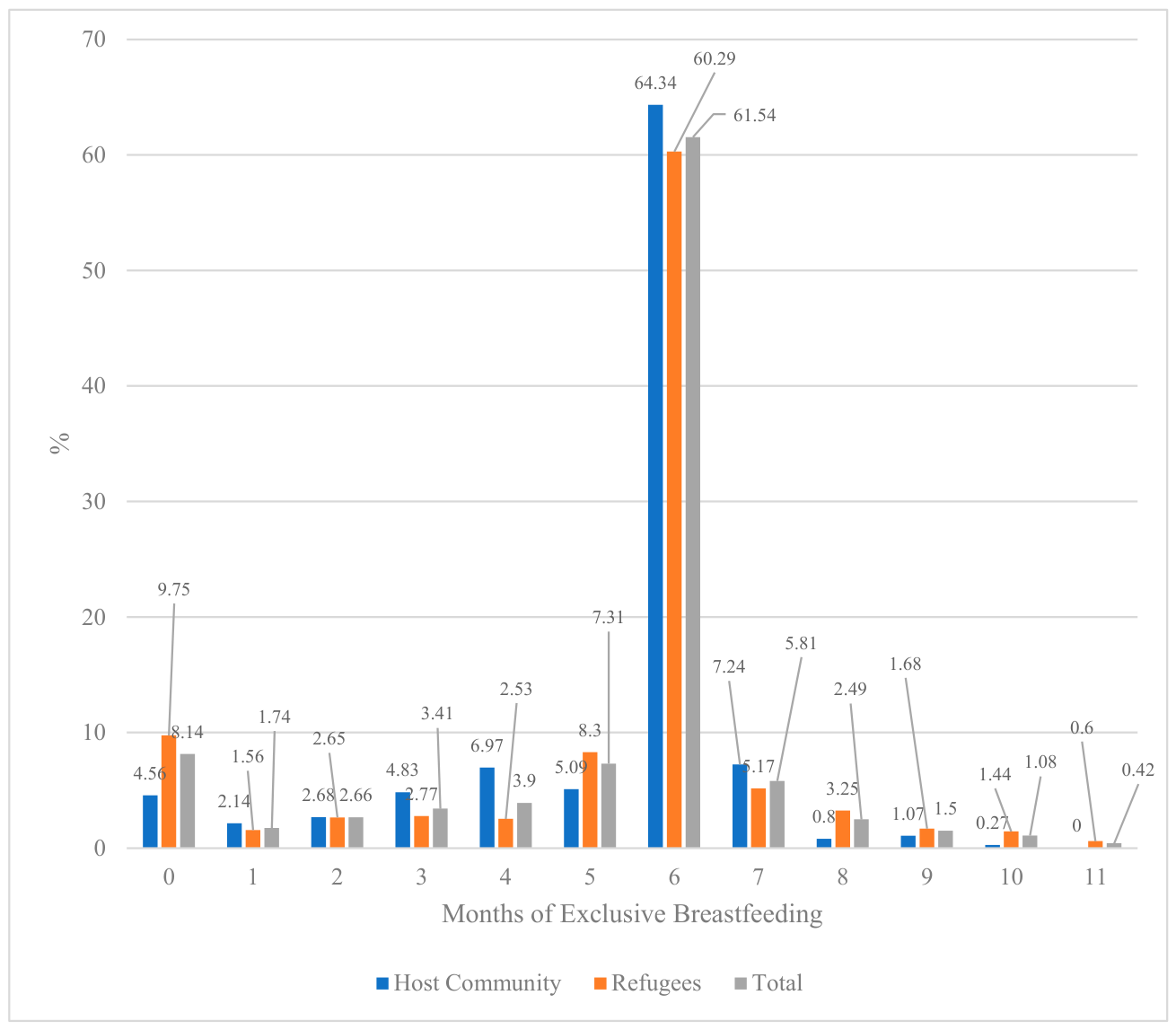
Figure 2 shows the distribution of women’s months of exclusive breastfeeding. It was revealed that six months was the highest number of months for which women breastfed, where 64.34% were host community members, followed by 61.54% of combined data and 60.29% of refugees.

3.1. Results of Control Function IV Poisson Regression

3.1.1. Determinants of ANC Visits

Table 2 presents the results of the first stage of econometric modelling with the estimation of the determinants of ANC visits. The results were separately estimated for pooled data, refugees and host community members. The instrumental variables were perceived safety and possession of identity documents. In the pooled analysis, compared with those who always feel safe, the expected number of ANC visits of those who never feel safe and sometimes feel safe significantly increased (p < 0.05) by 49.69% and 69.91%, respectively. Among refugees, compared with those who always feel safe, the expected number of ANC visits of those who sometimes feel safe significantly increased (p < 0.05) by 49.83%. Also, among host community members, compared with those who always feel safe, the expected number of ANC visits of those who never feel safe and sometimes feel safe significantly increased (p < 0.05) by 147.22% and 93.60%, respectively. Based on possession of legal documents, in the combined analysis, possession of other identity documents significantly reduced the expected number of ANC visits among the combined respondents by 36.89%. The parameter of possession of civil identification document shows statistical significance (p < 0.05) in the pooled and refugee models. This implies that, compared with those who had no civil identification documents, the expected number of ANC visits of those with documents significantly increased by 87.9% and 69.9%, respectively, among the pooled and refugee respondents.
Table 2 further shows that in the pooled and host community members results, the expected number of ANC visits increased significantly (p < 0.01) by an average of 113.2% and 637.4% among the combined respondents and host community members who consulted with doctors during ANC respectively. Similarly, the expected number of ANC visits significantly increased (p < 0.05) by an average of 268.40%, 168.90% and 957.00% among the pooled, refugee and host community respondents who consulted with nurses during ANC respectively. In addition, based on the parameters for child delivery assistance, the parameters for host community members showed statistical significance (p < 0.01) for doctors, nurses or midwives and traditional birth attendants. These imply that those who consulted doctors, nurses or midwives and traditional birth attendants for childbirth had their expected number of ANC visits at approximately 8.7, 4.8 and 3.9 times those who did not use these outlets, respectively. In addition, in the pooled analysis, women who were assisted by relatives or friends for child delivery had their expected number of ANC visits being lower by 70.6%.
Among the regional variables, the results show that compared to host community members who resided in Mabane, the pooled respondents, refugees and host community members in Pariang had their expected number of ANC visits being significantly lower by 64.6%, 45.80% and 48.00%, respectively (p < 0.10). Based on the sector of residence, in the pooled analysis, the expected number of ANC visit significantly reduced by 56.90% among urban residents when compared with residents in peri-urban areas. Also, among refugees and compared with peri-urban residents, urban residents had their expected number of ANC visits being significantly lower by 62.40%.
Furthermore, among the food problem and income change variables, some of the parameters showed statistical significance (p < 0.10). The results showed that a unit increase in the number of food problems reduced the expected number of ANC visits by 5.90% and 3.60%, respectively. Also, compared with those who had decreased incomes, those who had no income among host community members had their expected number of ANC visits lower by 53.60%. In the pooled analysis, those who reported no income change had their expected number of ANC visits lower by 24.90% when compared with those with decreased incomes.
The results also indicated that a unit increase in the total number of people residing in the house is associated with a 3.5% and 5.70% reduction in the expected number of ANC visits among the pooled and host community members, respectively. Finally, the expected numbers of ANC visits among women from households that owned phones were higher by 40.5% and 29.80% in the pooled and refugee models, respectively. Also, women from households where members owned shoes had their expected number of ANC visits being higher by 46.80% and 39.10% in the combined and refugee models, respectively.

3.1.2. Determinants of Exclusive Breastfeeding

The results in Table 3 show that the estimated error correlation parameters in the pooled and refugee models are statistically significant (p < 0.05). This implies that the unobserved factors affecting EBF are correlated with ANC utilization in those models. This confirms the endogeneity of the ANC visit variable in the pooled and refugee models. Therefore, failure to account for this problem would produce inconsistent estimates of the association between EBF and ANC visits. However, in the host community model, the error correlation parameter did not show statistical significance (p > 0.10). This suggests that there is insufficient evidence to reject the null hypothesis that ANC visits are exogenous in the EBF equation for host community members. Nevertheless, the control function results were retained to ensure consistency of the estimation framework across the estimated models.
Table 3 further shows that the parameter of ANC visits in the pooled results showed statistical significance (p < 0.01) with a positive sign. This implies that holding other variables constant, a unit increase in ANC visits is associated with a 25.50% increase in the expected number of months of exclusive breastfeeding. Moreover, the parameters for ANC visits for refugees are statistically significant (p < 0.05). This implies that a unit increase in the number of ANC visits among refugees is associated with a 21.4% increase in the months of exclusive breastfeeding among refugees. Furthermore, a marginal statistical significance was shown by the estimated results for host community members (p < 0.10). These imply that a unit increase in the number of ANC visits is associated with 14.20% increase in the expected number of months of exclusive breastfeeding. These results further suggest that ANC utilization promotes EBF among refugees and host community members.
Table 3 further shows that the ANC providers’ parameters in the pooled regression show statistical significance (p < 0.01). These indicate that the respondents who attended ANC with doctors and nurses had their expected number of exclusive breastfeeding months reduced by 19.85% and 28.99%, respectively. However, among refugees, those who attended ANC with nurses had their expected number of exclusive breastfeeding months significantly lower by 21.30%. In the model for host community members, the expected number of exclusive breastfeeding significantly reduced (p < 0.10) by 30.20% and 28.47% respectively among those who consulted doctors and nurses. Among the variables that captured delivery assistance, only the parameter of friends and relatives in the pooled model showed statistical significance (p < 0.05). This implies that the expected number of exclusive breastfeeding months by those who got childbirth assistance from friends and relatives was higher by 32.27%.
Moreover, the parameters of food problems in the pooled and refugee results showed statistical significance (p < 0.10). This implies that among the combined respondents and refugees, a unit increase in the number of reported food problems increased the expected number of exclusive breastfeeding months by 1.36% and 1.40%, respectively. In addition, some of the income resilience variables show statistical significance (p < 0.05) in the pooled and host community members models. The results indicate that among the respondents, compared to those with decreased incomes, those without income had their expected number of exclusive breastfeeding months higher by 18.07%. This can be compared with those with increased income and no income in the host community members with increases of 20.85% and 28.05%, respectively, in their expected number of exclusive breastfeeding months.
Among the variables that capture the sector of residence, the parameters for rural and urban residence show statistical significance in the pooled and refugee models. These reveal that among the respondents and compared with those who resided in peri-urban areas, rural and urban residents had expected exclusive breastfeeding months higher by 13.00% and 32.78%, respectively. Among refugees, residents in rural and urban areas had their expected number of exclusive breastfeeding months higher by 33.45% and 51.68%, respectively. Similarly, across the parameters for regions, compared to the host members from Mabane, the respondents and refugees living among the host communities in Pariang had their expected number of exclusive breastfeeding months higher by 32.15% and 51.68%, respectively.

4. Discussion

Maternal and child healthcare services are important mechanisms of public health interventions, especially among vulnerable populations such as refugees. Adequate ANC attendance and EBF are also important for reducing both maternal and child morbidity and mortality [55]. Therefore, understanding the determinants of ANC visits and EBF among refugees and host community members is of significant policy relevance, especially in low-resource environment settings that are characterized by displacement, insecurity and limited access to healthcare services. The results showed that refugees recorded a higher utilization of skilled ANC healthcare providers and delivery services compared to host community members. Specifically, these refugees were mostly assisted by nurses/midwives and doctors during both ANC consultations and childbirth. These findings are expected and in line with those of Sami et al. [22] because charitable interventions targeting refugees often prioritize maternal and child healthcare services through structured health programmes largely delivered by nurses and support from international organizations.
Similar findings were emphasized in the studies of Rustad et al. [8], King et al. [11] and Prabhakar et al. [56] where refugees receiving assistance demonstrated improved access to maternal healthcare services compared to surrounding host populations. However, the findings are contrary to those of Zihindula et al. [57] and Okegbile et al. [24] who revealed that refugees experienced challenges in accessing formal healthcare services due to financial, legal and social limitations.
The findings further revealed that four and five ANC visits were the most common frequencies among the women. However, these numbers are below the WHO-recommended minimum of eight ANC contacts. Although refugees recorded a higher proportion using skilled ANC providers than host community women, the regression results did not show any significant association with ANC visits. This suggests that access to skilled ANC providers does not necessarily translate into utilization of sufficient contacts as recommended by the WHO. This connotes non-compliance with the World Health Organization’s [15] recommendation on minimum ANC attendance for improved maternal and neonatal outcomes. Higher ANC attendance among refugees may be associated with targeted awareness campaigns, free maternal healthcare services and support from agencies operating in refugee settlements [11].
The results also showed that six months was the common duration of EBF across all the groups. This finding is in line with [15], which recommends EBF for the first six months of an infant’s life. This high occurrence of EBF among refugees and host community members might be associated with increased awareness of breastfeeding benefits and maternal healthcare education programmes [17,21]. Similar findings had been reported in some African countries, where maternal healthcare interventions significantly improved breastfeeding practices among vulnerable women [21,28,58,59].
The estimated instrumental variable Poisson regression parameter for ANC visits in the EBF models showed statistical significance. The positive and significant effect of ANC on EBF suggests that women who adequately attended ANC had more months of breastfeeding their infants exclusively. These findings are expected because ANC services serve as important platforms for educating mothers about appropriate infant feeding practices [12,59]. Some studies [60,61] have shown that women who frequently interacted with healthcare professionals during pregnancy were more likely to adopt recommended breastfeeding practices.
The findings further revealed that among the women and host community members, having a doctor as ANC provider significantly increased the expected number of ANC visits. Similarly, ANC consultations with nurses/midwives increased ANC visits, irrespective of the women’s residence status. These findings are expected and are in line with that of Coleman et al. [62] who highlighted that access to qualified healthcare professionals often improves healthcare confidence and continuity of maternal healthcare utilization. The findings also reflect the understanding that qualified medical personnel are the best channels for ANC consultations to avoid preventable pregnancy complications [63]. They also underscore the fact that pregnant women often look for specialized antenatal healthcare services that only qualified doctors could offer [64]. However, it should be noted that in some displacement settings, women with high-risk pregnancies that require specialized consultations may fail to complete the recommended number of ANC visits because of financial constraints, mobility challenges or some health complications [65,66,67,68]. It was also found that the nature of child delivery assistance can be fundamental in explaining the number of ANC visits. This is particularly interesting in the context of this study because of the differences in observed associations across the different groups. Specifically, while reliance on relatives or friends for child delivery is negatively associated with the number of ANC visits among the pooled data, the findings for the host community speak to the opposite. These findings underscore the fact that ANC consultations often progress into childbirth delivery choices within a systematic continuum that is defined by skilled personnel utilization for ANC, leading to subsequent use of skilled delivery services. This is in line with the findings of Woldegiorgis et al. [69] and Chukwuma et al. [70] who found association between consultations with skilled medical practitioners for ANC and childbirth assistance by skilled medical practitioners. Moreover, statistical insignificance of the results for refugees suggests existence of heterogeneity in the maternal healthcare-seeking behaviour across the two populations. This reflects differences in access to healthcare facilities across some displacement settings and the fact that traditional birth attendants may still play important roles in childbirth among economically vulnerable populations [22,71].
It should be further emphasized that the level of households’ food problems, income resilience and household assets are essential socioeconomic indicators that may define women’s choice of the sources and number of ANC visits. Our findings suggest that the associations of these factors vary across women’s residence status. Precisely, the number of food problems that households faced reduced the number of ANC among refugees and the combined respondents. This suggests that women who were facing food problems may not prioritize ANC due to some pressing financial constraints. This is in line with the findings of Zeleke et al. [72] who reported that women from food-insecure households had lesser use of ANC. This is closely related to the role of income and its resilience. Our findings showed that having the same income and receiving no income reduced the number of ANC visits among the combined women and host community members, respectively. This goes in line with the finding of Okedo-Alex et al. [73] who emphasized the role of income in ANC utilization. In addition, our finding alludes to the role of household wealth, with ownership of a mobile phone and shoes associated with ANC utilization. This corroborates the findings of Andegiorgish et al. [74] who emphasized the role of wealth in ANC utilization.
The relevance of place of residence is underscored by the association between urban residence and the number of ANC visits among refugees and the combined respondents. Specifically, contrary to expectation, women from urban areas had a lower expected number of ANC visits. We also found regional disparities in the number of ANC visits, with respondents from Pariang having lower average numbers. This may underscore the fact that some healthcare facilities in some parts of South Sudan regions were non-functional due to persistent conflicts. This has been emphasized by the findings of Mugo et al. [11], Adeyanju et al. [75], Bayo et al. [76] and Mugo et al. [77]. The findings also buttressed the association of community safety perception with ANC visits. Insecurity perception was found not to be negatively associated with the number of ANC visits. This may be the case due to essentiality of ANC as a means of avoiding pregnancy-related complications. Therefore, the notion that ANC is regarded as an important preventive intervention for pregnancy-related risks may promote its utilization in the event of conflicts. This is supported by the finding of Mugo et al. [77] which emphasized that although conflicts are barriers to healthcare service utilization, women’s perceived benefits of these services make them explore every avenue to access ANC even in tumultuous times.
It was further found that possession of identification documents is associated with the number of ANC visits among the combined women and refugees. This highlights the need for proper documentation as a prerequisite for healthcare service utilization in some displacement settings. Precisely, issuance of identification documents connotes a planning process that facilitates service delivery by humanitarian agencies. These documents are also essential for free movement of refugees and asylum seekers [52,53,54].
The results also revealed that having doctors and nurses as ANC providers reduced the months of EBF among the women, irrespective of their immigration status. This is contrary to the findings of McFadden et al. [18] and Mäkelä et al. [78] who revealed the positive role of healthcare professionals in promoting breastfeeding practices. This finding may reflect differences in the quality of breastfeeding counselling, limited postnatal follow-up services or cultural influences that affect breastfeeding decisions regardless of healthcare interactions. It may also be associated with complicated deliveries such as cesarian section or maternal health complications which delay breastfeeding initiation [79,80]. However, having traditional birth attendants as delivery assistants was positively associated with the months of EBF. This may be linked to cultural familiarity, emotional support and traditional childcare practices that encourage immediate breastfeeding after delivery [22,81]. Similar findings were revealed by Majok & Akech [82], where traditional birth attendants played a supportive role in promoting breastfeeding practices.
The findings of this study further showed that residing in rural and urban areas was positively associated with the months of EBF across all models. In the case of refugees, rural areas may have targeted healthcare interventions and stronger community outreach programmes that facilitate maternal healthcare utilization [9,83]. In addition, we found some regional differences in women’s EBF durations, with those from the Pariang region having higher EBF durations. This finding does not portray Pariang as probably a better region in terms of economic conditions and welfare of refugees in those camps but emphasizes that the women can make informed decisions on their children’s health with basic health interventions and proper guidance from healthcare personnel. This also resonates with the findings of Gee et al. [71] who highlighted the role of healthcare interventions in influencing women’s decisions to initiate breastfeeding.
The number of food problems is also positively associated with the months of EBF in the pooled and refugee samples, although with a very small magnitude. This underscores the fact that in the presence of food constraints, nursing mothers may opt for prolonged breastfeeding as a way of salvaging the situation. However, some authors [84,85] have highlighted some negative associations between food insecurity and EBF duration, emphasizing that maternal hunger would reduce breastfeeding duration due to the mother’s frailty and nutritional deficiencies. Moreover, our results emphasized a positive association of income increase and absence of household income with EBF durations among host community women. This finding further reiterates the role of economic engagements as a correlate of making child health-promoting decisions in displacement settings. Specifically, the fundamental differences in access to economic opportunities between refugees and host community women are evidenced in the statistical insignificance of the parameters for refugees [86]. This connotes the significance of economic integration in defining child health among displaced populations, which is in line with the findings of Na et al. [87] and Koray et al. [88] but contrary to those of Mohammed et al. [89] who found an inconsistent association between wealth and EBF.

Limitation of the Study

There are limitations to this study which need to be emphasized. It should be acknowledged that the study was not longitudinal in nature, thereby limiting the evaluation of changes in ANC visits and EBF duration across time. This may be fundamentally important for policy design given some conflict transitions in South Sudan. In addition, we could not establish any causal inferences because of the cross-sectional nature of the study with heavy reliance on respondents’ memory recall. Therefore, some recall errors are possible, which may have affected the precision of the presented findings. Also, inclusion of women in the sampling frame based on current breastfeeding may have introduced some selection biases since women with younger and older infants may have systematically different breastfeeding exposures and durations. Another important caveat is the fact that the ANC visits failed to reckon the quality of received services, which may be critical in influencing EBF duration.

5. Conclusions

Maternal and child healthcare services remain central to achieving the Sustainable Development Goals (SGDs) related to maternal health, child survival, nutrition and universal health coverage. However, vulnerable populations such as refugee women and host community members continue to experience inequalities in healthcare utilization and maternal health outcomes. This study has provided important insights into the determinants of antenatal care adequacy and exclusive breastfeeding among refugees and host community members in South Sudan. The findings revealed significant differences in healthcare utilization patterns between refugees and host community members. Refugees demonstrated higher utilization of skilled healthcare providers during ANC consultations and delivery assistance as well as longer EBF durations. However, refugees also experienced fewer ANC visits compared to host community members. The study further established that ANC visits are associated with EBF, underscoring the complementary relationship between maternal healthcare utilization and child wellbeing. The statistical significance of the control function term reemphasizes the need to treat ANC visits as endogenous, without which our estimated parameters would be inconsistent.
This study underscores the need for government, humanitarian organizations and healthcare stakeholder interventions to strengthen maternal and child healthcare services among refugees and host communities. It emphasizes the need for interventions that address removal of barriers to ANC utilization, with emphasis on regional differences and the need for economic inclusion of the refugee population. It further reveals the need to integrate quality and inclusive breastfeeding counselling services through skilled healthcare providers into ANC services, focusing on addressing some cultural barriers and misconceptions. Similarly, interventions to promote healthcare accessibility among refugees and host community members in rural and urban South Sudan are important, with particular attention to enhancing urban women’s ANC utilization in the context of conflicts through promotion of human safety.

Author Contributions

T.C.M. and A.S.O. conceptualized and wrote the entire paper. All authors have read and agreed to the published version of the manuscript.

Funding

This research received no external funding.

Institutional Review Board Statement

Ethical review and approval were waived because the study is based on secondary data from the 2023 Forced Displacement Survey (FDS) conducted in South Sudan.

Informed Consent Statement

Patient consent was waived because the study is based on secondary data from the 2023 Forced Displacement Survey (FDS) conducted in South Sudan.

Data Availability Statement

The data for this study are in custody of the UNHCR.

Acknowledgments

The authors acknowledge the permission granted by the UNHCR to use the data.

Conflicts of Interest

The authors declare no conflicts of interest.

Abbreviations

The following abbreviations are used in this manuscript:
ANCAntenatal Care
CAPIComputer-Assisted Personal Interviewing
EBFExclusive Breastfeeding
FDSForced Displacement Survey
IDPsInternally Displaced Persons
PSUsPrimary Sampling Units
SDGsSustainable Development Goals
UNHCRUnited Nations High Commissioner for Refugees
WHOWorld Health Organization

References

  1. World Health Organization. Maternal Mortality; World Health Organization: Geneva, Switzerland, 2025; Available online: https://www.who.int/news-room/fact-sheets/detail/maternal-mortality (accessed on 23 July 2026).
  2. World Health Organization. Progress in Reducing Child Deaths Slows as 4.9 Million Children Die Before Age Five; World Health Organization: Geneva, Switzerland, 2026; Available online: https://www.who.int/news/item/18-03-2026-progress-in-reducing-child-deaths-slows-as-4.9-million-children-die-before-age-five (accessed on 23 July 2026).
  3. Dowou, R.K.; Amu, H.; Saah, F.I.; Adeagbo, O.; Bain, L.E. Increased investment in universal health coverage in sub-Saharan Africa is crucial to attain the Sustainable Development Goal 3 targets on maternal and child health. Arch. Public Health 2023, 81, 34. [Google Scholar] [CrossRef] [Scilit]
  4. World Health Organization. Maternal Mortality in Fragile and Conflict Affected Situations: Technical Brief; World Health Organization: Geneva, Switzerland, 2026; Available online: https://www.who.int/publications/i/item/9789240115545 (accessed on 23 July 2026).
  5. World Health Organization. WHO Recommendations on Antenatal Care for a Positive Pregnancy Experience; World Health Organization: Geneva, Switzerland, 2016; Available online: https://www.who.int/publications/i/item/9789241549912 (accessed on 23 July 2026).
  6. Sami, S.; Mayai, A.; Sheehy, G.; Lightman, N.; Boerma, T.; Wild, H.; Tappis, H.; Ochan, W.; Wanyama, J.; Spiegel, P. Maternal and child health service delivery in conflict-affected settings: A case study example from Upper Nile and Unity states, South Sudan. Confl. Health 2020, 14, 34. [Google Scholar] [CrossRef] [Scilit]
  7. Rustad, S.A.; Binningsbø, H.M.; Gjerløw, H.; Mwesigye, F.; Odokonyero, T.; Østby, G. Maternal health care among refugees and host communities in northern Uganda: Access, quality, and discrimination. Front. Glob. Women’s Health 2021, 2, 626002. [Google Scholar] [CrossRef] [Scilit]
  8. Alibhai, K.M.; Ziegler, B.R.; Meddings, L.; Batung, E.; Luginaah, I. Factors impacting antenatal care utilization: A systematic review of 37 fragile and conflict-affected situations. Confl. Health 2022, 16, 33. [Google Scholar] [CrossRef] [Scilit]
  9. Saunders, S.L.; Sutcliffe, K.L.; McOrist, N.S.; Levett, K.M. The associations between women who are immigrants, refugees, or asylum seekers, access to universal healthcare, and the timely uptake of antenatal care: A systematic review. Aust. N. Z. J. Obstet. Gynaecol. 2023, 63, 134–145. [Google Scholar] [CrossRef] [Scilit]
  10. King, J.; Prabhakar, P.; Singh, N.; Sulaiman, M.; Greco, G.; Mounier-Jack, S.; Borghi, J. Assessing equity of access and affordability of care among South Sudanese refugees and host communities in two districts in Uganda: A cross-sectional survey. BMC Health Serv. Res. 2022, 22, 1165. [Google Scholar] [CrossRef] [Scilit]
  11. Mugo, N.S.; Dibley, M.J.; Agho, K.E. Prevalence and risk factors for non-use of antenatal care visits: Analysis of the 2010 South Sudan household survey. BMC Pregnancy Childbirth 2015, 15, 68. [Google Scholar] [CrossRef] [Scilit]
  12. Heslehurst, N.; Brown, H.; Pemu, A.; Coleman, H.; Rankin, J. Perinatal health outcomes and care among asylum seekers and refugees: A systematic review of systematic reviews. BMC Med. 2018, 16, 89. [Google Scholar] [CrossRef] [Scilit]
  13. Simon, D.; Michael, D.; Rahman, M.S.; Hiott, M.C.; Rahim, A.K.; Sanin, K.I.; Tofail, F.; Wuermli, A.J. Predictors of antenatal care utilization among the Rohingya population in the refugee camps of Cox’s Bazar, Bangladesh. Confl. Health 2025, 20, 1. [Google Scholar] [CrossRef] [Scilit]
  14. World Health Organization. WHO Recommendations on Antenatal Care for a Positive Pregnancy Experience: Screening, Diagnosis and Treatment of Tuberculosis Disease in Pregnant Women; World Health Organization: Geneva, Switzerland, 2023. [Google Scholar]
  15. Ricci, S. Essentials of Maternity, Newborn, and Women’s Health Nursing; Lippincott Williams & Wilkins: Philadelphia, PA, USA, 2024. [Google Scholar]
  16. Biks, G.A.; Tariku, A.; Tessema, G.A. Effects of antenatal care and institutional delivery on exclusive breastfeeding practice in northwest Ethiopia: A nested case–control study. Int. Breastfeed. J. 2015, 10, 30. [Google Scholar] [CrossRef] [Scilit]
  17. Abdulahi, M.; Fretheim, A.; Argaw, A.; Magnus, J.H. Breastfeeding education and support to improve early initiation and exclusive breastfeeding practices and infant growth: A cluster randomized controlled trial from a rural Ethiopian setting. Nutrients 2021, 13, 1204. [Google Scholar] [CrossRef] [Scilit]
  18. McFadden, A.; Siebelt, L.; Marshall, J.L.; Gavine, A.; Girard, L.-C.; Symon, A.; MacGillivray, S. Counselling interventions to enable women to initiate and continue breastfeeding: A systematic review and meta-analysis. Int. Breastfeed. J. 2019, 14, 42. [Google Scholar] [CrossRef] [Scilit]
  19. World Health Organization. Exclusive Breastfeeding for Six Months Best for Babies Everywhere; World Health Organization: Geneva, Switzerland, 2023. [Google Scholar]
  20. Victora, C.G.; Bahl, R.; Barros, A.J.D.; França, G.V.A.; Horton, S.; Krasevec, J.; Murch, S.; Sankar, M.J.; Walker, N.; Rollins, N.C. Breastfeeding in the 21st century: Epidemiology, mechanisms, and lifelong effect. Lancet 2016, 387, 475–490. [Google Scholar] [CrossRef] [Scilit]
  21. Chipojola, R.; Khwepeya, M.; Gondwe, K.W.; Rias, Y.A.; Huda, M.H. The influence of breastfeeding promotion programs on exclusive breastfeeding rates in sub-Saharan Africa: A systematic review and meta-analysis. J. Hum. Lact. 2022, 38, 466–476. [Google Scholar] [CrossRef] [Scilit]
  22. Gee, S.; Vargas, J.; Foster, A.M. “We need good nutrition but we have no money to buy food”: Sociocultural context, care experiences, and newborn health in two UNHCR-supported camps in South Sudan. BMC Int. Health Hum. Rights 2018, 18, 40. [Google Scholar] [CrossRef] [Scilit]
  23. Walters, C.N.; Rakotomanana, H.; Komakech, J.J.; Kabahenda, M.; Joyce, J.M.; Hildebrand, D.A.; Ciciolla, L.; Stoecker, B.J. Breastfeeding among South Sudanese refugees in protracted settlements in Adjumani district, Uganda: Facilitators and barriers. Int. Breastfeed. J. 2023, 18, 18. [Google Scholar] [CrossRef] [Scilit]
  24. Okegbile, E.O.; Goldsmith, M.M.; Crist, J.D. South Sudanese refugee women’s healthcare access and use: An integrative review. Int. J. Afr. Nurs. Sci. 2020, 13, 100216. [Google Scholar] [CrossRef] [Scilit]
  25. Kavle, J.A.; LaCroix, E.; Dau, H.; Engmann, C. Addressing barriers to exclusive breast-feeding in low- and middle-income countries: A systematic review and programmatic implications. Public Health Nutr. 2017, 20, 3120–3134. [Google Scholar] [CrossRef] [Scilit]
  26. Wu, Q.; Tang, N.; Wacharasin, C. Factors influencing exclusive breastfeeding for 6 months postpartum: A systematic review. Int. J. Nurs. Knowl. 2022, 33, 290–303. [Google Scholar] [CrossRef] [Scilit]
  27. Ozkaya, M.; Korukcu, O.; Aune, I. Breastfeeding attitudes of refugee women from Syria and influencing factors: A study based on the transition theory. Perspect. Public Health 2022, 142, 46–55. [Google Scholar] [CrossRef] [Scilit]
  28. Engebretsen, I.M.S.; Nankabirwa, V.; Doherty, T.; Diallo, A.H.; Nankunda, J.; Fadnes, L.T.; Ekström, E.-C.; Ramokolo, V.; Meda, N.; Sommerfelt, H.; et al. Early infant feeding practices in three African countries: The PROMISE-EBF trial promoting exclusive breastfeeding by peer counsellors. Int. Breastfeed. J. 2014, 9, 19. [Google Scholar] [CrossRef] [Scilit]
  29. Malebranche, M.; Norrie, E.; Hao, S.; Brown, G.; Talavlikar, R.; Hull, A.; De Vetten, G.; Nerenberg, K.A.; Metcalfe, A.; Fabreau, G. Antenatal care utilization and obstetric and newborn outcomes among pregnant refugees attending a specialized refugee clinic. J. Immigr. Minor. Health 2020, 22, 467–475. [Google Scholar] [CrossRef] [Scilit]
  30. Nakisita, O.; Orach, C.G.; Kagayi, J.; Bukenya, J.; Bagonza, A.; Nabiwemba, E.; Nalwadda, C. Utilization of antenatal care services and associated factors among urban refugee adolescents in Kampala, Uganda. Afr. Health Sci. 2025, 25, 70. [Google Scholar] [CrossRef] [Scilit]
  31. Okot, I.; Bukenya, J.; Bigirwamukama, S.; Kirumira, B.; Orach, C.G. Prevalence and factors associated with antenatal care services utilisation among urban refugees in Kampala, Uganda. J. Interv. Epidemiol. Public Health 2026, 9, 31. [Google Scholar] [CrossRef] [Scilit]
  32. Abbasi-Kangevari, M.; Amin, K.; Kolahi, A.A. Antenatal care utilisation among Syrian refugees in Tehran: A respondent-driven sampling method. Women Birth 2020, 33, e117–e121. [Google Scholar] [CrossRef] [Scilit]
  33. Halasa, S.; Safadi, R.; Nabolsi, M.; Dohrn, J.; Ahmad, M. Breastfeeding practices and exclusive breastfeeding among Syrian refugee mothers in Jordanian host communities. J. Migr. Health 2025, 11, 100324. [Google Scholar] [CrossRef] [Scilit]
  34. Daher, S.; Ziade, F.; Nasreddine, L.; Baroudi, M.; Naja, F. Breastfeeding and complementary feeding in fragile settings: The case of Syrian refugees and their host communities in North Lebanon. Int. Breastfeed. J. 2022, 17, 37. [Google Scholar] [CrossRef] [Scilit]
  35. Getachew, D.; Haftu, D.; Yosef, T. Determinants of early interruption of exclusive breastfeeding at Dollo Ado refugee camps, Dollo Ado district, Ethiopia. Pan Afr. Med. J. 2023, 45, 105. [Google Scholar] [CrossRef] [Scilit]
  36. Dennis, M.L.; Benova, L.; Abuya, T.; Quartagno, M.; Bellows, B.; Campbell, O.M.R. Initiation and continuity of maternal healthcare: Examining the role of vouchers and user-fee removal on maternal health service use in Kenya. Health Policy Plan. 2019, 34, 120–131. [Google Scholar] [CrossRef] [Scilit]
  37. Senghore, T.; Omotosho, T.A.; Ceesay, O.; Williams, D.C.H. Predictors of exclusive breastfeeding knowledge and intention to or practice of exclusive breastfeeding among antenatal and postnatal women receiving routine care: A cross-sectional study. Int. Breastfeed. J. 2018, 13, 9. [Google Scholar] [CrossRef] [Scilit]
  38. Yalcin, S.S.; Aydin Aksoy, E.; Yalcin, S.; Eryurt, M.A. Breastfeeding status and determinants of current breastfeeding of Syrian refugee children in Turkey. Int. Breastfeed. J. 2023, 18, 10. [Google Scholar] [CrossRef] [Scilit]
  39. United Nations High Commissioner for Refugees (UNHCR). Forced Displacement Survey: South Sudan 2023; World Bank–UNHCR Joint Data Center on Forced Displacement: Copenhagen, Denmark, 2024; Available online: https://www.jointdatacenter.org/wp-content/uploads/2024/07/FDS-SSD-Report.pdf (accessed on 23 July 2026).
  40. D’Haultfœuille, X.; Hoderlein, S.; Sasaki, Y. Testing and relaxing the exclusion restriction in the control function approach. J. Econom. 2024, 240, 105075. [Google Scholar] [CrossRef] [Scilit]
  41. Cameron, A.C.; Trivedi, P.K. Microeconometrics Using Stata (Vol. 2); Stata Press: College Station, TX, USA, 2010. [Google Scholar]
  42. Gui, R.; Meierer, M.; Schilter, P.; Algesheimer, R. REndo: Internal instrumental variables to address endogeneity. J. Stat. Softw. 2023, 107, 1–43. [Google Scholar] [CrossRef] [Scilit]
  43. Graf-Vlachy, L.; Wagner, S. Cleaning up confounding: Accounting for endogeneity using instrumental variables and two-stage models. ACM Trans. Softw. Eng. Methodol. 2024, 33, 199. [Google Scholar] [CrossRef] [Scilit]
  44. Ke, Z.; Zhang, Y.; Hou, Z.; Zyphur, M.J. Addressing endogeneity in meta-analysis: Instrumental variable based meta-analytic structural equation modeling. J. Manag. 2025, 51, 3286–3320. [Google Scholar] [CrossRef] [Scilit]
  45. Khatib, S.F. An assessment of methods to deal with endogeneity in corporate governance and reporting research. Corp. Gov. Int. J. Bus. Soc. 2025, 25, 606–630. [Google Scholar] [CrossRef] [Scilit]
  46. Lateef, M.A.; Kuupiel, D.; Mchunu, G.G.; Pillay, J.D. Utilization of Antenatal Care and Skilled Birth Delivery Services in Sub-Saharan Africa: A Systematic Scoping Review. Int. J. Environ. Res. Public Health 2024, 21, 440. [Google Scholar] [CrossRef] [Scilit]
  47. Stojanovski, K.; Holla, A.; Hoxha, I.; Howell, E.; Janevic, T. The influence of ethnicity and displacement on quality of antenatal care: The case of Roma, Ashkali, and Balkan Egyptian communities in Kosovo. Health Hum. Rights 2017, 19, 35–48. [Google Scholar]
  48. Mullany, L.C.; Beyrer, C.; Lee, T.J.; Lee, C.I.; Yone, L.; Paw, P.; Oo, E.K.S.; Maung, C. Access to essential maternal health interventions and human rights violations among vulnerable communities in eastern burma. PLoS Med. 2008, 5, 1689–1698. [Google Scholar] [CrossRef] [Scilit]
  49. Leone, T.; Alburez-Gutierrez, D.; Ghandour, R.; Coast, E.; Giacaman, R. Maternal and child access to care and intensity of conflict in the occupied Palestinian territory: A pseudo longitudinal analysis (2000–2014). Confl. Health 2019, 13, 36. [Google Scholar] [CrossRef] [Scilit]
  50. Solanke, B.L. Factors associated with use of maternal healthcare services during the Boko Haram insurgency in North-East Nigeria. Med. Confl. Surviv. 2018, 34, 158–184. [Google Scholar] [CrossRef] [Scilit]
  51. Mugo, N.S.; Dibley, M.J.; Damundu, E.Y.; Alam, A. “The system here isn’t on patients’ side”—Perspectives of women and men on the barriers to accessing and utilizing maternal healthcare services in South Sudan. BMC Health Serv. Res. 2018, 18, 10. [Google Scholar] [CrossRef] [Scilit]
  52. United Nations High Commissioner for Refugees (UNHCR). Introduction to the Guidance on Registration and Identity Management. Guidance on Registration and Identity Management. Available online: https://www.unhcr.org/registration-guidance/chapter1/introduction-to-the-guidance-on-registration/ (accessed on 4 September 2026).
  53. Sawadogo, P.M.; Sia, D.; Onadja, Y.; Beogo, I.; Sangli, G.; Sawadogo, N.; Gnambani, A.; Bassinga, G.; Robins, S.; Nguemeleu, E.T. Barriers and facilitators of access to sexual and reproductive health services among migrant, internally displaced, asylum seeking and refugee women: A scoping review. PLoS ONE 2023, 18, e0291486, Correction in PLoS ONE 2025, 20, e0332052. [Google Scholar] [CrossRef] [Scilit]
  54. Shafiq, Y.; Muhammad, A.; Kumar, K.; Wajid Ali, Z.; Noor, S.; Suhag, Z.H.; Tahir, R.; Jan, A.; Ragazzoni, L.; Barone-Adesi, F.; et al. Toward resilient maternal, neonatal and child health care: A qualitative study involving Afghan refugee women in Pakistan. Health Serv. Insights 2025, 18, 11786329241310733. [Google Scholar] [CrossRef] [Scilit]
  55. Lokko, C.; Sackey, J.; Lokko, F.; Mensah, C.A. Factors associated with exclusive breastfeeding among infants of working mothers in Ghana: A secondary analysis of the 2022 demographic and health survey. BMC Public Health 2025, 25, 4132. [Google Scholar] [CrossRef] [Scilit]
  56. Prabhakar, P.; Singh, N.S.; Sulaiman, M.; King, J.; Saddique, Z.; Mounier-Jack, S.; Asinde, B.; Namakula, S.; Namatovu, J.; Kapiti, R.; et al. Sexual and reproductive healthcare utilisation and affordability for South Sudanese refugees and host populations in Northern Uganda: A mixed methods study. PLoS Glob. Public Health 2023, 3, e0002351. [Google Scholar] [CrossRef] [Scilit]
  57. Zihindula, G.; Meyer-Weitz, A.; Akintola, O. Access to health care services by refugees in Southern Africa: A review of literature. S. Afr. J. Demogr. 2015, 16, 7–35. [Google Scholar]
  58. Trafford, Z.; Jewett, S.; Swartz, A.; LeFevre, A.E.; Winch, P.J.; Colvin, C.J.; Barron, P.; Bamford, L. Reported infant feeding practices and contextual influences on breastfeeding: Qualitative interviews with women registered to MomConnect in three South African provinces. Int. Breastfeed. J. 2020, 15, 81. [Google Scholar] [CrossRef] [Scilit]
  59. Tongun, J.B.; Sebit, M.B.; Ndeezi, G.; Mukunya, D.; Tylleskar, T.; Tumwine, J.K. Prevalence and determinants of pre-lacteal feeding in South Sudan: A community-based survey. Glob. Health Action 2018, 11, 1523304. [Google Scholar] [CrossRef] [Scilit]
  60. Tongun, J.B.; Tumwine, J.K.; Ndeezi, G.; Sebit, M.B.; Mukunya, D.; Nankunda, J.; Tylleskar, T. The effect of health worker training on early initiation of breastfeeding in South Sudan: A hospital-based before and after study. Int. J. Environ. Res. Public Health 2019, 16, 3917. [Google Scholar] [CrossRef] [Scilit]
  61. Ujjiga, T.T.A.; Ochi, E.B. Infant Feeding Practice and Maternal Factors Influencing Exclusive Breast Feeding: A Cross-sectional Study in Warrap State, South Sudan. Texila Int. J. Public Health 2022, 10, 15–23. [Google Scholar] [CrossRef] [Scilit]
  62. Coleman, J.; Black, V.; Thorson, A.E.; Eriksen, J. Evaluating the effect of maternal mHealth text messages on uptake of maternal and child health care services in South Africa: A multicentre cohort intervention study. Reprod. Health 2020, 17, 160. [Google Scholar] [CrossRef] [Scilit]
  63. Gumede, S.; Black, V.; Naidoo, N.; Chersich, M.F. Attendance at antenatal clinics in inner-city Johannesburg, South Africa and its associations with birth outcomes: Analysis of data from birth registers at three facilities. BMC Public Health 2017, 17, 443. [Google Scholar] [CrossRef] [Scilit]
  64. Mwenebanda, E.; Machado, A.; Patel, A.I.; Nyondo-Mipando, A.L.; Chiumia, I.K. Factors influencing antenatal care attendance in the eight contact era policy: A case of selected maternal health service facilities in Blantyre, Malawi. BMC Pregnancy Childbirth 2024, 24, 704. [Google Scholar] [CrossRef] [Scilit]
  65. Jinga, N.; Mongwenyana, C.; Moolla, A.; Malete, G.; Onoya, D. Reasons for late presentation for antenatal care: Healthcare providers’ perspective. BMC Health Serv. Res. 2019, 19, 1016. [Google Scholar] [CrossRef] [Scilit]
  66. Ahinkorah, B.O.; Ameyaw, E.K.; Seidu, A.A.; Odusina, E.K.; Keetile, M.; Yaya, S. Examining barriers to healthcare access and utilization of antenatal care services: Evidence from demographic health surveys in sub-Saharan Africa. BMC Health Serv. Res. 2021, 21, 125. [Google Scholar] [CrossRef] [Scilit]
  67. Bekele, Y.; Ngoma, R.L.; Abeje, G.; Erbas, B.; Batra, M. Effect of perceived distance to health facility on antenatal care service use in sub-Saharan Africa: Do socio-demographic characteristics modify these associations? Women’s Health 2026, 22, 17455057261446938. [Google Scholar] [CrossRef] [Scilit]
  68. Fagbamigbe, A.F.; Idemudia, E.S. Barriers to antenatal care use in Nigeria: Evidences from non-users and implications for maternal health programming. BMC Pregnancy Childbirth 2015, 15, 95. [Google Scholar] [CrossRef] [Scilit]
  69. Woldegiorgis, M.A.; Hiller, J.; Mekonnen, W.; Meyer, D.; Bhowmik, J. Determinants of antenatal care and skilled birth attendance in sub-Saharan Africa: A multilevel analysis. Health Serv. Res. 2019, 54, 1110–1118. [Google Scholar] [CrossRef] [Scilit]
  70. Chukwuma, A.; Wosu, A.C.; Mbachu, C.; Weze, K. Quality of antenatal care predicts retention in skilled birth attendance: A multilevel analysis of 28 African countries. BMC Pregnancy Childbirth 2017, 17, 152. [Google Scholar] [CrossRef] [Scilit]
  71. Sami, S.; Kerber, K.; Kenyi, S.; Amsalu, R.; Tomczyk, B.; Jackson, D.; Dimiti, A.; Scudder, E.; Meyers, J.; De Charles Umurungi, J.P.; et al. State of newborn care in South Sudan’s displacement camps: A descriptive study of facility-based deliveries. Reprod. Health 2017, 14, 161. [Google Scholar] [CrossRef] [Scilit]
  72. Zeleke, E.A.; T/Haymanot, A.N. Food Insecurity Associated with Attendance to Antenatal Care Among Pregnant Women: Findings from a Community-Based Cross-Sectional Study in Southern Ethiopia. J. Multidiscip. Healthc. 2020, 13, 1415–1426. [Google Scholar] [CrossRef] [Scilit]
  73. Okedo-Alex, I.N.; Akamike, I.C.; Ezeanosike, O.B.; Uneke, C.J. Determinants of antenatal care utilisation in sub-Saharan Africa: A systematic review. BMJ Open 2019, 9, e031890. [Google Scholar] [CrossRef] [Scilit]
  74. Andegiorgish, A.K.; Elhoumed, M.; Qi, Q.; Zhu, Z.; Zeng, L. Determinants of antenatal care use in nine sub-Saharan African countries: A statistical analysis of cross-sectional data from Demographic and Health Surveys. BMJ Open 2022, 12, e051675. [Google Scholar] [CrossRef] [Scilit]
  75. Adeyanju, G.C.; Schrage, P.; Jalo, R.I.; Abreu, L.; Schaub, M. Armed violent conflict and healthcare-seeking behavior for maternal and child health in sub-Saharan Africa: A systematic review. PLoS ONE 2025, 20, e0317094. [Google Scholar] [CrossRef] [Scilit]
  76. Bayo, P.; Belaid, L.; Ochola, E.; Tahir, E.O.; Dimiti, A.; Greco, D.; Zarowsky, C. Maternal and neonatal health care service utilisation in the wake of active conflict and socio-economic downturn in Torit County, Republic of South Sudan. Afr. J. Reprod. Health 2021, 25, 30–42. [Google Scholar]
  77. Mugo, N.; Zwi, A.B.; Botfield, J.R.; Steiner, C. Maternal and Child Health in South Sudan: Priorities for the Post-2015 Agenda: Priorities for the Post-2015 Agenda. Sage Open 2015, 5, 2158244015581190. [Google Scholar] [CrossRef] [Scilit]
  78. Mäkelä, H.; Axelin, A.; Kolari, T.; Kuivalainen, T.; Niela-Vilén, H. Healthcare professionals’ breastfeeding attitudes and hospital practices during delivery and in neonatal intensive care units: Pre and post implementing the Baby-Friendly Hospital Initiative. J. Hum. Lact. 2022, 38, 537–547. [Google Scholar] [CrossRef] [Scilit]
  79. Zanardo, V.; Svegliado, G.; Cavallin, F.; Giustardi, A.; Cosmi, E.; Litta, P.; Trevisanuto, D. Elective cesarean delivery: Does it have a negative effect on breastfeeding? Birth 2010, 37, 275–279. [Google Scholar] [CrossRef] [Scilit]
  80. Nguyen, T.T.T.; Nishino, K.; Le, L.T.H.; Inthaphatha, S.; Yamamoto, E. Strong negative association between cesarean delivery and early initiation of breastfeeding practices among Vietnamese mothers: A secondary analysis of the Viet Nam Sustainable Development Goal Indicators on Children and Women Survey. Nutrients 2023, 15, 4501. [Google Scholar] [CrossRef] [Scilit]
  81. Syam, A.; Abdul-Mumin, K.H.; Iskandar, I. What mothers, midwives, and traditional birth helpers said about early initiation of breastfeeding in Buginese-Bajo culture. SAGE Open Nurs. 2021, 7, 23779608211040287. [Google Scholar] [CrossRef] [Scilit]
  82. Majok, A.; Akech, J.D. Integrating traditional birth attendants into the formal health system: A qualitative exploration of strategies for improving perinatal outcomes in South Sudan. Afr. J. Public Health Health Syst. 2025, 2, 45–57. [Google Scholar] [CrossRef]
  83. Østby, G.; Tollefsen, A.F. Forced displacement and utilization of maternal health care services in host communities: Micro-level evidence from Sub-Saharan Africa, 1986–2016. J. Refug. Stud. 2025, 38, 655–673. [Google Scholar] [CrossRef] [Scilit]
  84. Webb-Girard, A.; Cherobon, A.; Mbugua, S.; Kamau-Mbuthia, E.; Amin, A.; Sellen, D.W. Food insecurity is associated with attitudes towards exclusive breastfeeding among women in urban Kenya. Matern. Child Nutr. 2012, 8, 199–214. [Google Scholar] [CrossRef] [Scilit]
  85. Orr, S.K.; Dachner, N.; Frank, L.; Tarasuk, V. Relation between household food insecurity and breastfeeding in Canada. CMAJ 2018, 190, E312–E319. [Google Scholar] [CrossRef] [Scilit]
  86. United Nations High Commissioner for Refugees (UNHCR). Regional Program on Enhancing the Investment Climate for the Economic Empowerment of Refugee, Returnee and Host/Return Community Women in the East and Horn of Africa and Great Lakes Region. UNHCR. 2025. Available online: https://www.unhcr.org/africa/publications/regional-program-enhancing-investment-climate-economic-empowerment-refugee-returnee (accessed on 27 June 2026).
  87. Na, M.; Jennings, L.; Talegawkar, S.A.; Ahmed, S. Association between women’s empowerment and infant and child feeding practices in sub-Saharan Africa: An analysis of Demographic and Health Surveys. Public Health Nutr. 2015, 18, 3155–3165. [Google Scholar] [CrossRef] [Scilit]
  88. Koray, M.H.; Wanjiru, J.N.; Kerkula, J.S.; Dushimirimana, T.; Mieh, S.E.; Curry, T.; Mugisha, J.; Kanu, L.K. Factors influencing exclusive breastfeeding in Sub-Saharan Africa: Analysis of demographic and health surveys. BMC Public Health 2025, 25, 1790. [Google Scholar] [CrossRef] [Scilit]
  89. Mohammed, S.; Calvert, C.; Webb, E.L.; Glynn, J.R.; Filteau, S.; Price, A.; Dube, A.; Mugisha, J.O.; Makanga, R.; Marston, M.; et al. Socioeconomic pattern of breastfeeding in sub-Saharan Africa: An individual participant data meta-analysis of six longitudinal cohorts. BMJ Public Health 2025, 3, e001298. [Google Scholar] [CrossRef] [Scilit]
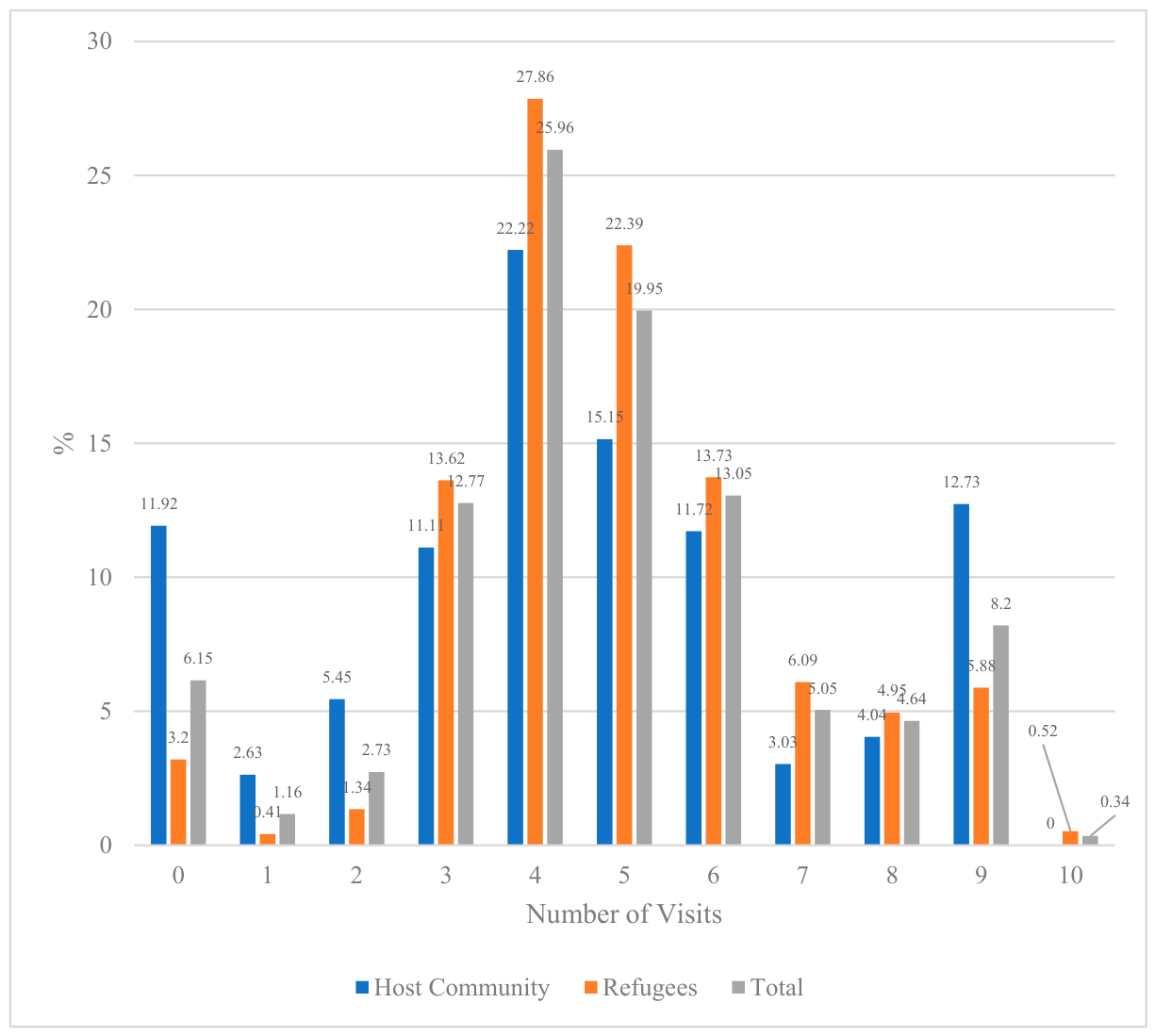
Figure 1. Percentage of women’s ANC visits.
Ijerph 23 01218 g001
Figure 2. Percentage distribution of women’s months of exclusive breastfeeding.
Ijerph 23 01218 g002
Table 1. Distribution of respondents based on the sources of ANC and child delivery assistance.
VariableHost CommunityRefugeesAll
ANC Provider
Doctor29.4938.6035.52
Nurse/midwife64.6580.2975.00
Other Qualified 0.000.100.07
Traditional Birth Attendant2.630.411.16
Community Health Worker0.610.000.20
Delivery assistance
Doctor10.6122.0618.19
Nurse/midwife57.3781.4273.29
Traditional birth attendant17.3711.7613.66
Community health worker0.400.210.27
Relative/friend13.330.724.99
No one5.450.101.91
Table 2. Results of first stage instrumental variable Poisson regression for determinants of the number of ANC visits.
PooledRefugeesHost Community
VariableCoef.Z-StatExponentCoef.Z-StatExponentCoef.Z-StatExponent
ANC Provider—Doctor0.757 ***3.912.1320.2871.381.3321.998 ***5.117.374
ANC Provider—Nurses/Midwives1.304 ***5.673.6840.989 ***3.402.6892.358 ***6.4710.570
Delivery assistance: Doctor0.2751.191.3170.1970.841.2182.272 ***3.309.699
Delivery assistance: Nurse/midwife0.4561.611.5780.1590.531.1721.758 ***3.055.801
Delivery assistance: Traditional
attendants
0.4161.311.5160.3500.941.4191.591 **2.494.909
Delivery assistance: relative/friend−1.223 ***−2.950.294−1.483 **−2.030.2270.5520.891.737
Food and income conditions
Food problems−0.061 ***−3.130.941−0.037 *−1.780.964−0.065−1.480.937
Income: don’t know−0.367−0.940.693−1.011 ***−3.210.364−0.163−0.160.850
Income: increased−0.029−0.190.971−0.042−0.260.959−0.020−0.060.980
No household income−0.165−0.670.8480.0800.261.083−0.767 **−1.980.464
Income remained same−0.287 *−1.890.751−0.046−0.260.955−0.144−0.580.866
Residence (Peri Urban is reference)
Rural −0.221−1.110.802−0.285−0.850.7520.1710.691.186
Urban−0.841 ***−3.040.431−0.977 **−2.530.376−0.131−0.170.877
Region: Hosts Mabane is reference
Hosts: Pariang−1.039 ***−3.710.354---−0.653 **−2.100.520
Refugees: Maban0.2811.281.324------
Refugees: Pariang−0.209−0.740.811−0.613 *−1.790.542---
Refugees: WE CE Jong---0.0400.171.041---
Legal and household characteristics
Civil-Issued Identification0.631 ***3.101.8790.530 **2.051.6990.3310.931.392
Number of people in house−0.036**−2.390.965−0.027−1.510.973−0.059 **−2.380.943
Chairs0.0360.251.037−0.170−1.120.8440.540 *1.861.716
Mattress−0.105−0.610.900−0.616 ***−3.230.5400.3411.081.406
Bed0.0460.351.047−0.135−0.940.8740.2550.991.290
Mobile Phone0.340 ***2.611.4050.261 *1.861.2980.3141.251.369
Shoes0.384 ***2.591.4680.330 **2.051.3910.2360.901.266
Instruments
Safety: Always feel safe is reference
Safety: never feel safe0.403 **2.371.4960.1500.771.1620.905 ***2.862.472
Safety: sometimes feel safe0.530 ***3.761.6990.404 **2.461.4980.661 ***2.631.937
Passport for Identification0.2861.001.3310.4891.381.631−0.459−1.030.632
Other Identification−0.460 **−2.300.631−0.364 *−1.750.695−0.972−1.540.378
Constant4.129 ***9.7062.1164.757 ***9.29116.3960.8531.142.347
Observations1199 828 371
Note: * Statistically significant at 10%, ** Statistically significant at 5%, *** Statistically significant at 1%.
Table 3. Control function Poisson regression results for the determinants of months of exclusive breastfeeding.
Pooled RefugeesHost Community
VariableCoef.Z-StatExponentCoef.Z-StatExponentCoef.Z-StatExponent
ANC visits0.227 ***3.281.2550.194 **2.061.2140.133 *1.711.142
Maternal characteristics
ANC Provider—Doctor−0.221 ***−3.070.802−0.084−1.270.919−0.360 **−1.990.698
ANC Provider—Nurses/Midwives−0.342 ***−3.320.710−0.239 **−2.110.787−0.335 *−1.670.715
Delivery assistance: Doctor−0.047−0.690.954−0.029−0.420.971−0.195−0.920.823
Delivery assistance: Nurse/midwife−0.053−0.580.9480.0210.221.021−0.133−0.790.875
Delivery assistance: Traditional attendants−0.017−0.170.9830.0690.621.071−0.181−1.080.834
Delivery assistance: relative/friend0.317 **2.221.3730.1630.551.1770.0200.151.020
Food and income conditions
Food problems0.013 *1.711.0130.014 *1.661.014−0.007−0.660.993
Income: don’t know0.0800.601.0830.1400.691.150−0.158−0.720.854
Income: increased0.0470.981.0480.0030.061.0030.189 ***2.951.208
No household income0.166 **2.391.1810.1241.491.1320.247 ***2.641.280
Income remained same0.0741.501.077−0.017−0.320.9830.0791.521.082
Residence (Peri Urban is reference)
Rural 0.122 *1.921.1300.289 ***2.631.335−0.045−0.720.956
Urban0.283 ***2.991.3270.417 ***2.921.5170.0230.121.023
Region: Hosts Mabane is reference
Hosts: Pariang0.279 **2.421.322---0.1041.111.110
Refugees: Mabane0.0640.961.066------
Refugees: Pariang0.1421.581.1530.243 **2.261.275---
Refugees: WE CE Jong---−0.111−1.600.895---
Legal and household characteristics
Civil-Issued Identification−0.194 ***−2.640.824−0.162 *−1.840.850−0.167 *−1.910.846
Number of people in house0.0030.781.0030.0020.361.0020.0010.221.001
Chairs0.0010.031.0010.0330.661.034−0.057−0.810.945
Mattress0.0571.091.0590.1211.391.1290.0180.291.018
Bed−0.016−0.400.9840.0030.061.003−0.037−0.630.964
Mobile Phone−0.062−1.350.940−0.017−0.330.983−0.071−1.300.932
Shoes−0.100 *−1.890.905−0.074−1.240.929−0.051−0.880.950
Control function
ANC residual (û)−0.218 ***−3.130.804−0.191 **−2.020.826−0.114−1.430.892
Constant0.573 *1.661.7740.4650.981.5921.580 ***7.764.855
Observations1199 828 371
Note: * Statistically significant at 10%, ** Statistically significant at 5%, *** Statistically significant at 1%.
Disclaimer/Publisher’s Note: The statements, opinions and data contained in all publications are solely those of the individual author(s) and contributor(s) and not of MDPI and/or the editor(s). MDPI and/or the editor(s) disclaim responsibility for any injury to people or property resulting from any ideas, methods, instructions or products referred to in the content.