


Journal Description
Electrochem
Electrochem
is an international, peer-reviewed, open access journal on electrochemistry published quarterly online by MDPI.
- Open Access— free for readers, with article processing charges (APC) paid by authors or their institutions.
- High Visibility: indexed within Scopus, CAPlus / SciFinder, and other databases.
- Rapid Publication: manuscripts are peer-reviewed and a first decision is provided to authors approximately 24.6 days after submission; acceptance to publication is undertaken in 6.3 days (median values for papers published in this journal in the first half of 2025).
- Journal Rank: CiteScore - Q1 (Materials Chemistry)
- Recognition of Reviewers: APC discount vouchers, optional signed peer review, and reviewer names published annually in the journal.
- Journal Cluster of Chemical Reactions and Catalysis: Catalysts, Chemistry, Electrochem, Inorganics, Molecules, Organics, Oxygen, Photochem, Reactions, Sustainable Chemistry.
Latest Articles
Electrochemical Behavior of Yttrium–Magnesium Intermediate Alloy Preparation Process by Molten Salt Electrolysis
Electrochem 2025, 6(4), 43; https://doi.org/10.3390/electrochem6040043 - 4 Dec 2025
Abstract
►
Show Figures
Yttrium–magnesium alloys are commonly employed as processing additives in magnesium alloy materials. Incorporating yttrium into magnesium alloys via Y-Mg intermediate alloys not only minimizes oxidation and burn-off loss but also simplifies operational procedures. Utilizing yttrium–magnesium alloys ensures a stable composition and reliable quality
[...] Read more.
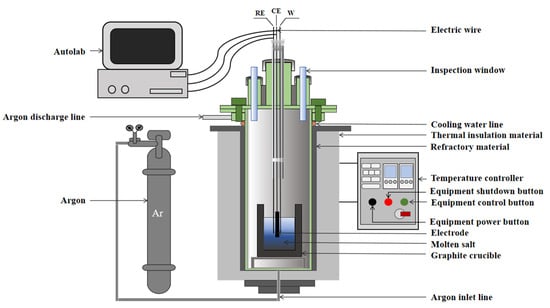
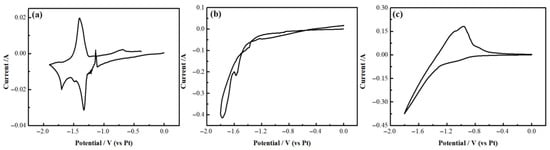
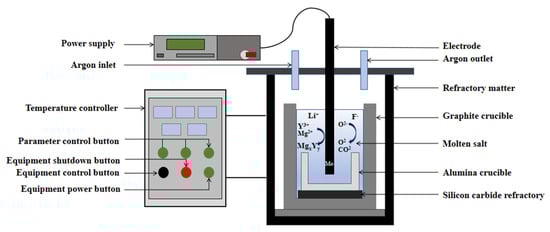
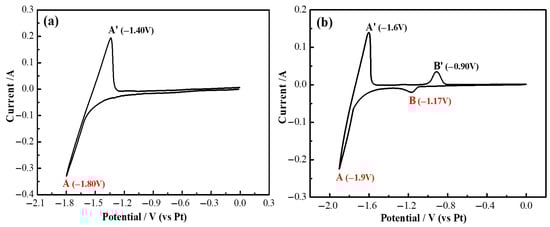
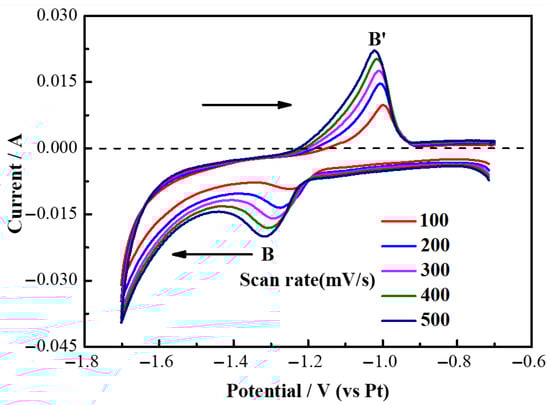
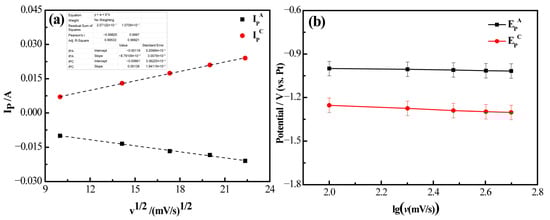
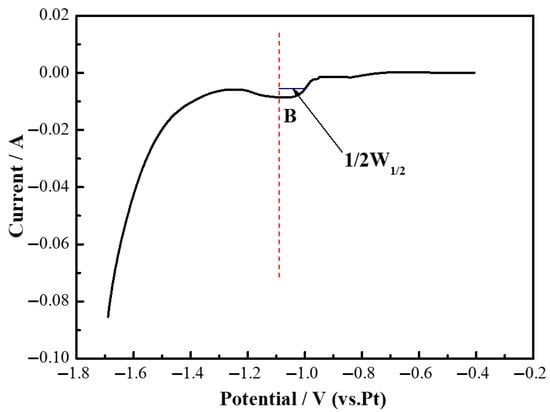
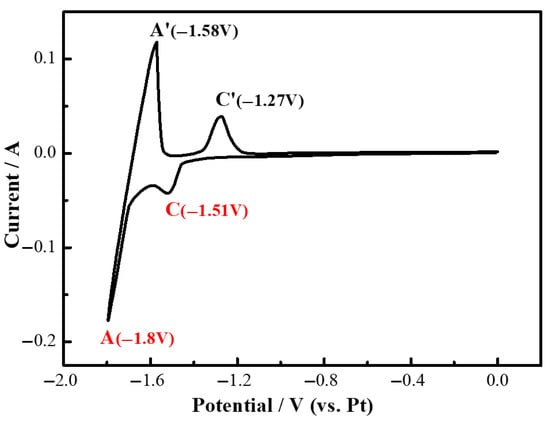
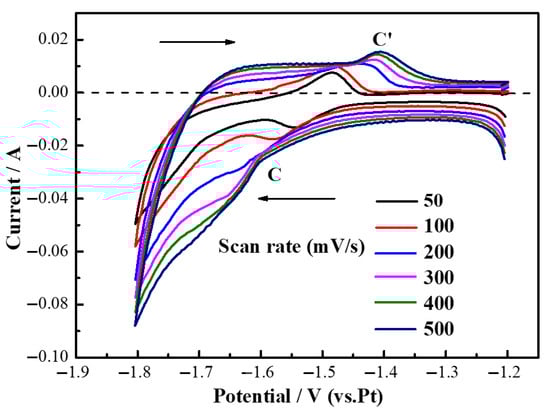
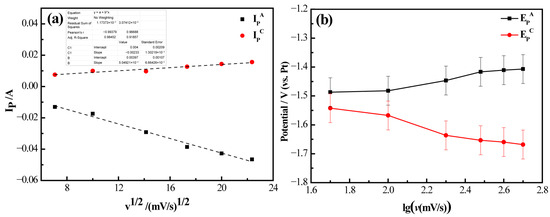
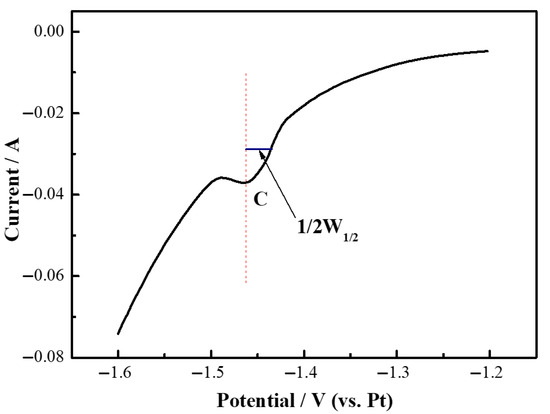
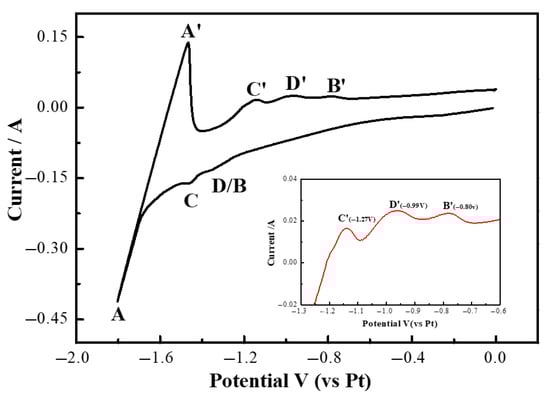
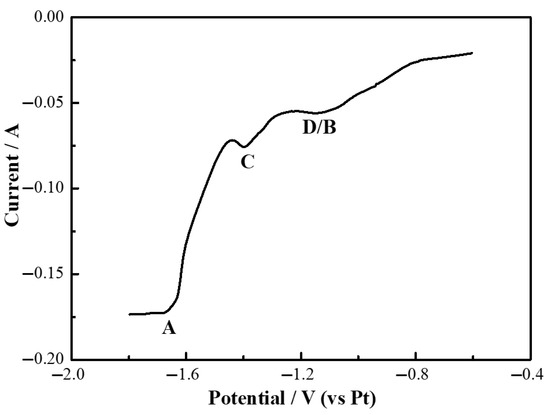
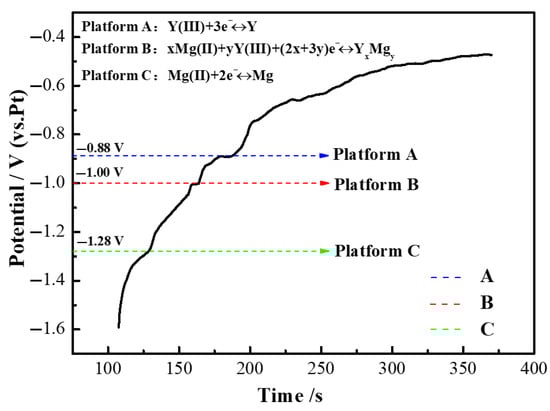
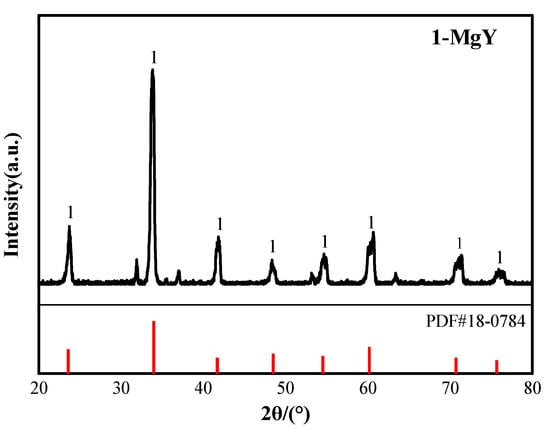
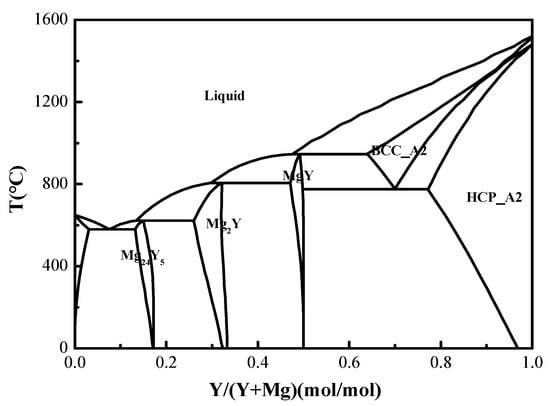
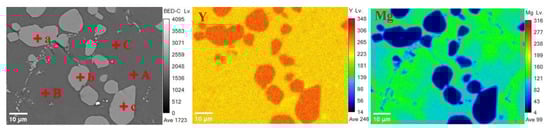
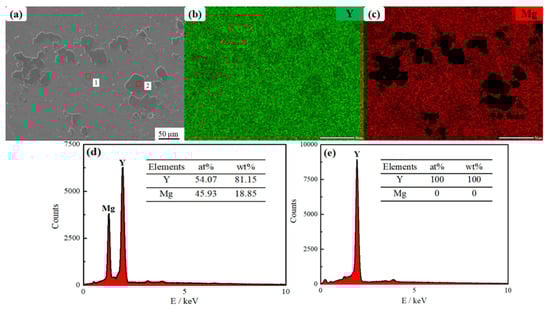
Yttrium–magnesium alloys are commonly employed as processing additives in magnesium alloy materials. Incorporating yttrium into magnesium alloys via Y-Mg intermediate alloys not only minimizes oxidation and burn-off loss but also simplifies operational procedures. Utilizing yttrium–magnesium alloys ensures a stable composition and reliable quality of magnesium alloy products, while contributing to reduced production costs and minimized environmental pollution. In this study, a molten salt co-reduction method was developed for the preparation Y-Mg intermediate alloys. The electrochemical co-reduction behaviors of Y(III) and Mg(II), as well as the transient states of Y-Mg intermediate alloys, were systematically investigated by transient electrochemical techniques. Results indicated that the reduction of Y(III) at the molybdenum (Mo) cathode is a reversible electrochemical process, whereas the reduction of Mg(II) is irreversible and diffusion-controlled. The diffusion coefficient of Y(III) and Mg(II) in the fluoride salt at 1000 °C were determined to be 3.98 × 10⁻⁵ cm2/s and 1.16 × 10⁻³ cm2/s, respectively. Electrochemical calculations revealed that the reduction of Y(III) involves a single-step transfer of three electrons, while Mg(II) involves a single-step transfer of two electrons. The corresponding electrode reactions are Y(III) + 3e−→Y and Mg(II) + 2e−→Mg, respectively. A Y-Mg alloy sample prepared by constant-current molten salt electrolysis primarily consists of the MgY phase with a composition of 88.38 wt% yttrium and 11.62 wt% magnesium.
Full article
Open AccessArticle
Influence of a Plasma Nitriding Treatment on the Corrosion Behavior of API 5L X70 Steel in Simulated Soil Solution
by
O. A. González Noriega, A. Flores Nicolás, J. Uruchurtu Chavarín, A. Torres Islas, E. C. Menchaca Campos and H. Martínez Valencia
Electrochem 2025, 6(4), 42; https://doi.org/10.3390/electrochem6040042 - 27 Nov 2025
Abstract
In this work, plasma nitriding was carried out to improve the corrosion resistance of API 5L X70 steel. The process was conducted at different treatment times, 4, 6, 8, and 10 h, to determine which one provides greater resistance to corrosion. The conditions
[...] Read more.
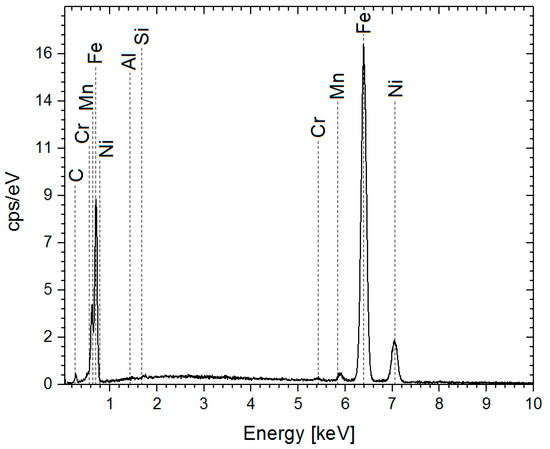
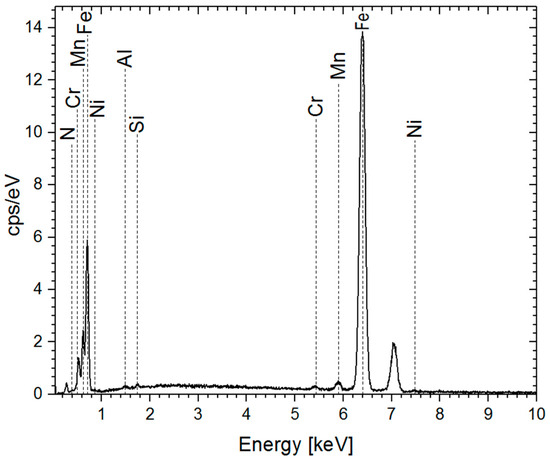
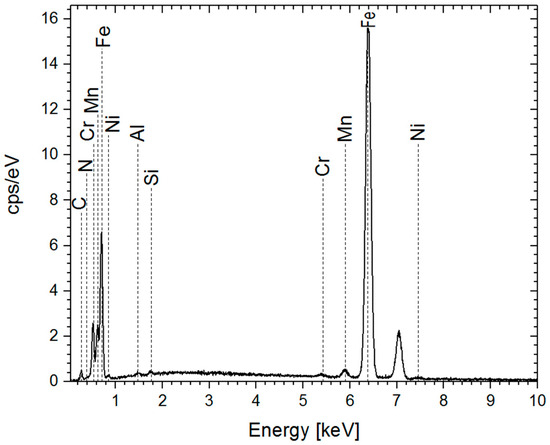
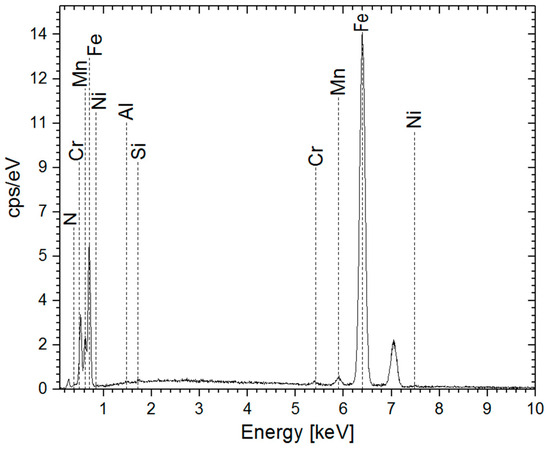
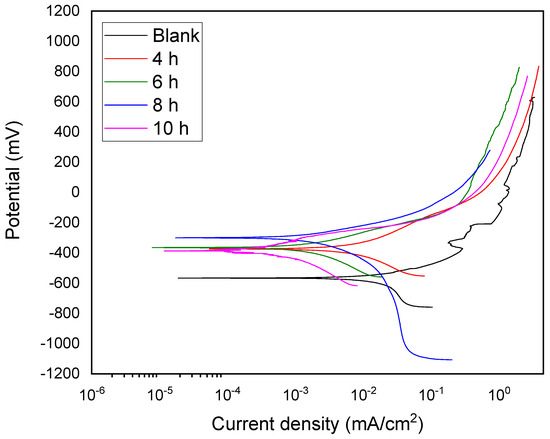
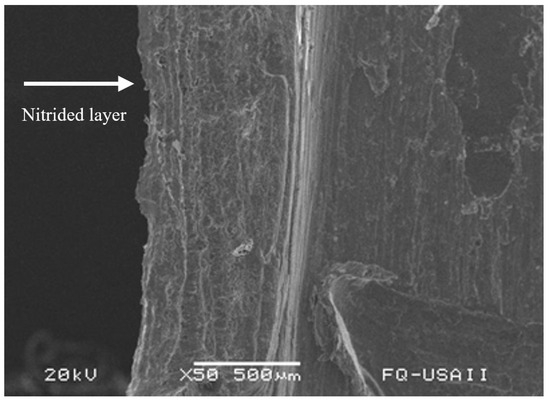
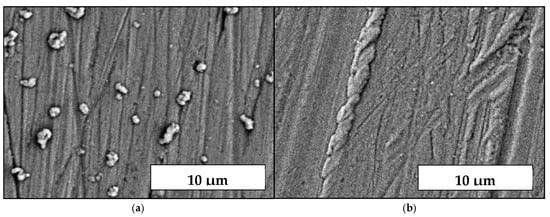
In this work, plasma nitriding was carried out to improve the corrosion resistance of API 5L X70 steel. The process was conducted at different treatment times, 4, 6, 8, and 10 h, to determine which one provides greater resistance to corrosion. The conditions under which the nitriding was carried out were as follows: a mixture of 20% N2 and 80% H2 at 3 torr pressure, a current of 2.6 × 10⁻⁶ A, a voltage of 360 V, and the temperature inside the plasma chamber was 550 °C. The blank and nitrided materials were characterized using dispersive energy spectroscopy and scanning microscopy to study their morphology and chemical composition. In addition, open potential circuit, electrochemical impedance spectroscopy, and potentiodynamic polarization curves in simulated soil solution were performed to evaluate the materials’ corrosion resistance. The treatment achieved at 10 h presented the greatest corrosion resistance, reducing the corrosion current density up to three orders of magnitude. The thickness reached 678.75 µm for this condition.
Full article
(This article belongs to the Topic Advances in Chemistry and Chemical Engineering, 2nd Edition)
►▼
Show Figures

Figure 1
Open AccessArticle
A New Hope for All-Diamond Electrodes? The Interdigitated Double Diamond Electrode
by
Manuel Zulla, Carolin Messerschmidt, Hanadi Ghanem, Johannes Bähr, Lukas Hegemann and Stefan Rosiwal
Electrochem 2025, 6(4), 41; https://doi.org/10.3390/electrochem6040041 - 22 Nov 2025
Abstract
Nowadays, the development of efficient water treatment processes is increasingly driven by the need to provide solutions for contaminants of emerging concern. Electrochemical advanced oxidation processes (EAOPs) based on diamond electrodes can be part of innovative removal concepts. However, expensive substrates, energy-intensive chemical
[...] Read more.
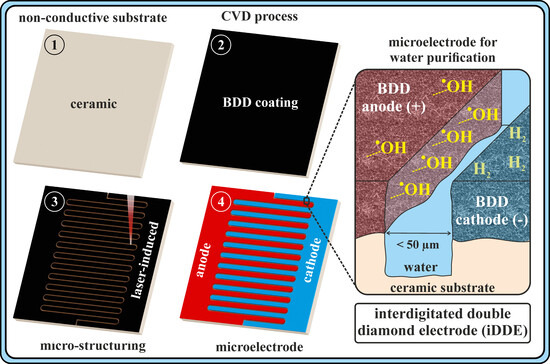
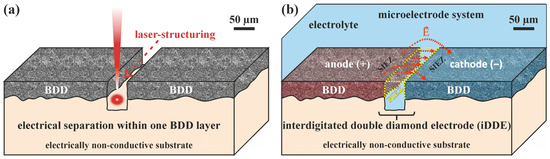
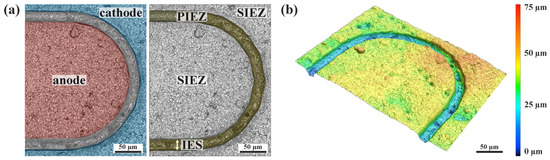
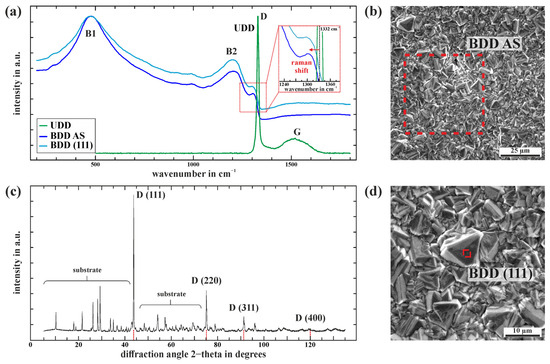
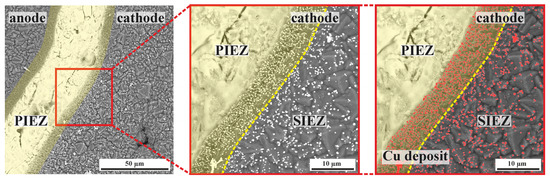
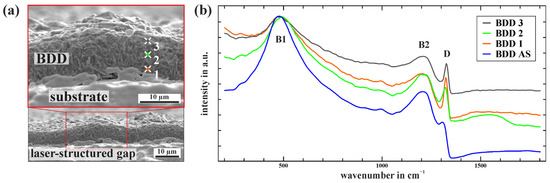
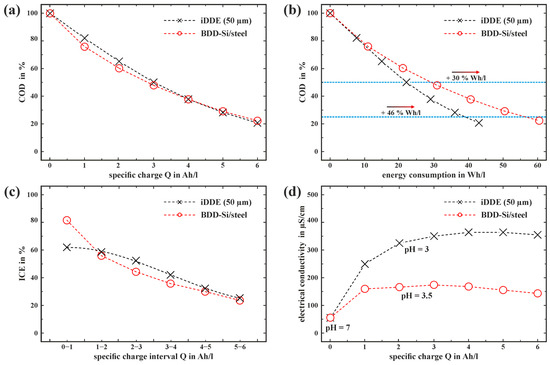
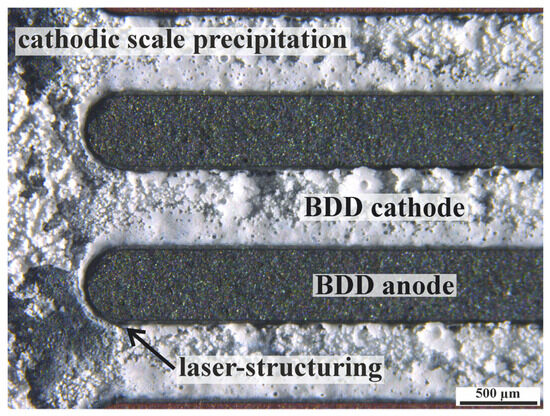
Nowadays, the development of efficient water treatment processes is increasingly driven by the need to provide solutions for contaminants of emerging concern. Electrochemical advanced oxidation processes (EAOPs) based on diamond electrodes can be part of innovative removal concepts. However, expensive substrates, energy-intensive chemical vapor deposition (CVD) of diamond, and market availability complicate matters for diamond electrodes to gain traction in the water treatment sector. In addition, it has to be stated that the mining and complex processing of necessary substrates like Si, Ti, Nb, or Ta need a significant amount of fresh water, which counteracts the need for more sustainability in the field of EAOPs. In this context, a ceramic-based boron-doped diamond (BDD) electrode is presented, which addresses this dilemma. The presented concept of the so-called interdigitated double diamond electrode (iDDE) consumes 14–46% less energy in batch-mode experiments to degrade an organic model molecule compared to standard BDD technology in a poorly conductive electrolyte (κ < 350 µS/cm). Laser-induced micro-structuring of the BDD layer reduces the interelectrode spacing (IES) of the iDDE to below 50 µm. The structuring approach at the micrometer scale enables the treatment of electrically low-conductivity electrolytes more energy efficiently, while reducing the need for a supporting electrolyte or a proton exchange membrane. Degradation experiments and Raman measurements reveal different properties of an iDDE compared to standard BDD technology. The iDDE concept highlights the need to understand the significance of non-uniform current density distributions on the general electrochemical activity of BDD electrodes.
Full article
(This article belongs to the Special Issue Feature Papers in Electrochemistry)
►▼
Show Figures

Graphical abstract
Open AccessReview
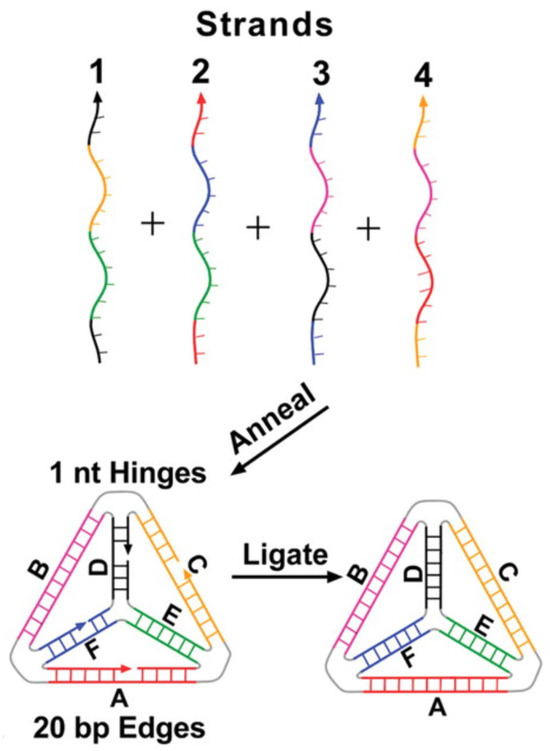
Exploring DNA Nanostructures as Surface Engineering Techniques for Optimizing Nucleic Acid Biosensor Performance
by
Kepler Pyle, Naz Savranoğlu, Selin Naz Avdan and Soha Ahmadi
Electrochem 2025, 6(4), 40; https://doi.org/10.3390/electrochem6040040 - 20 Nov 2025
Abstract
►▼
Show Figures
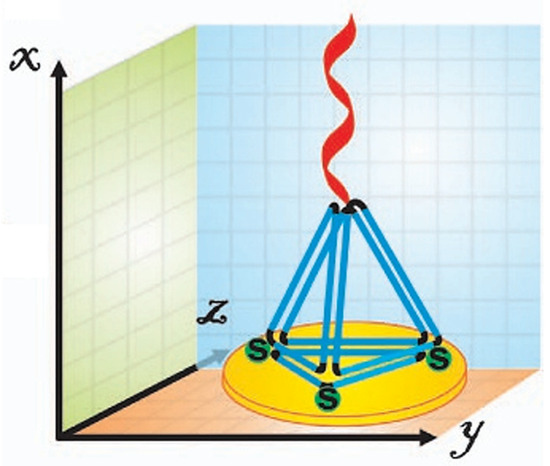
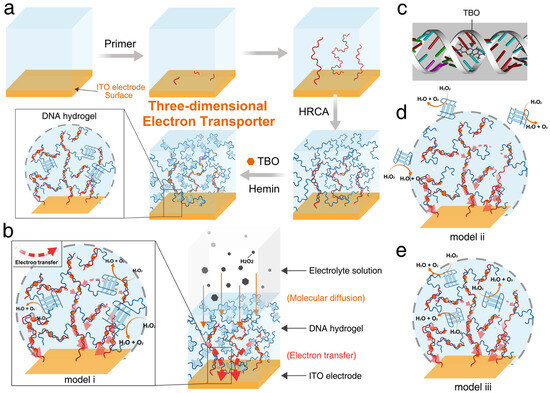
Surface modification of nucleic acid-based electrochemical biosensors has been at the forefront of research since their inception. Effective modification ensures the optimization of the sensitivity, specificity, and stability of modern biosensors. Recent advances in DNA nanotechnology have enabled the development of novel electrochemical
[...] Read more.
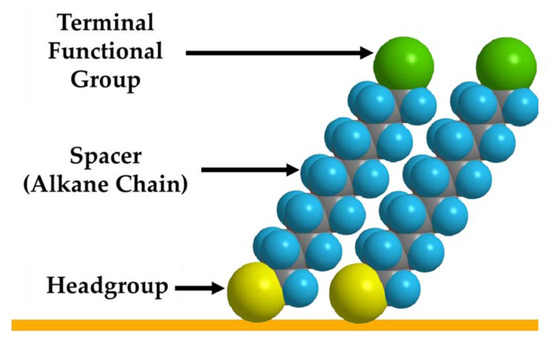
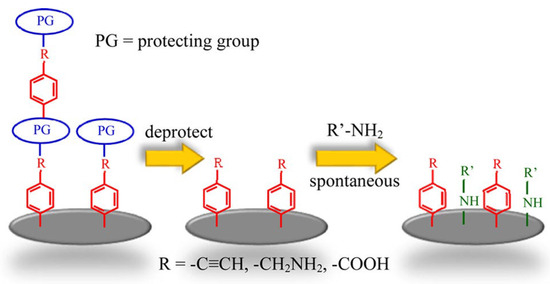
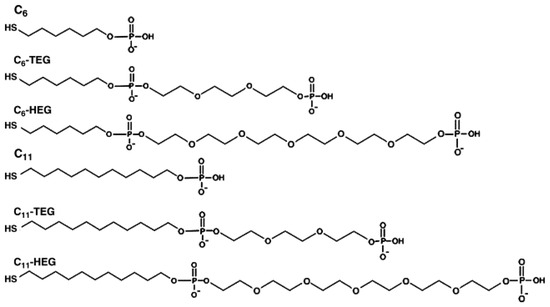
Surface modification of nucleic acid-based electrochemical biosensors has been at the forefront of research since their inception. Effective modification ensures the optimization of the sensitivity, specificity, and stability of modern biosensors. Recent advances in DNA nanotechnology have enabled the development of novel electrochemical biosensor interfaces with precise assembly and high biocompatibility. In this review, we explore three strategies for enhancing biosensor performance: the integration of tetrahedral DNA nanostructures (TDNs), self-assembled monolayers (SAMs), and DNA-based hydrogels. TDNs offer well-defined geometry and controlled spatial presentation of capture probes, significantly reducing background noise and improving target accessibility. SAMs provide a robust and tunable platform for anchoring these nanostructures, enabling reproducible and chemically stable interfaces. DNA hydrogels serve as a responsive and flexible scaffold capable of signal amplification and analyte retention. These surface architectures enhance sensitivity and minimize non-specific adsorption (NSA). We discuss recent applications and experimental outcomes, highlighting how each component is driving the next generation of nucleic acid-based biosensors.
Full article

Figure 1
Open AccessArticle
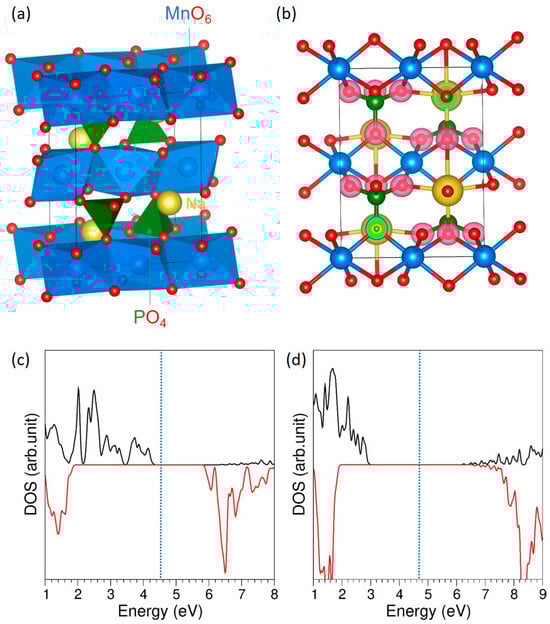
Defect Engineering and Na-Ion Transport in NaMnPO4: A Computational Perspective
by
G. M. P. Dananjana Galappaththi, Poobalasingam Abiman, Poobalasuntharam Iyngaran and Navaratnarajah Kuganathan
Electrochem 2025, 6(4), 39; https://doi.org/10.3390/electrochem6040039 - 10 Nov 2025
Abstract
►▼
Show Figures
Rechargeable sodium-ion batteries (SIBs) have attracted considerable attention owing to the natural abundance and accessibility of sodium. Maricite NaMnPO4, a phosphate-based cathode material with high theoretical capacity, suffers from blocked sodium-ion diffusion channels. In this study, atomistic simulations using pair potentials
[...] Read more.
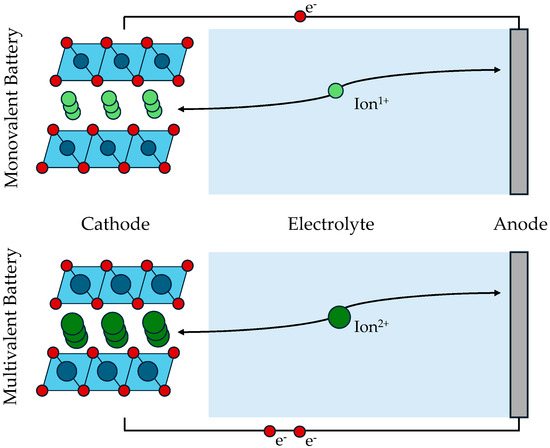
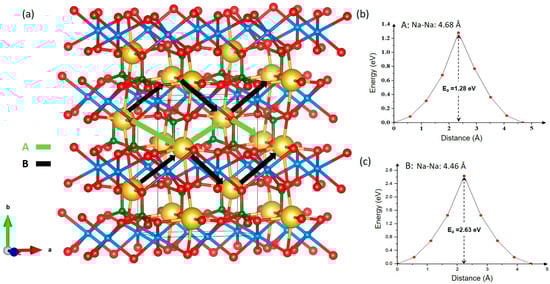
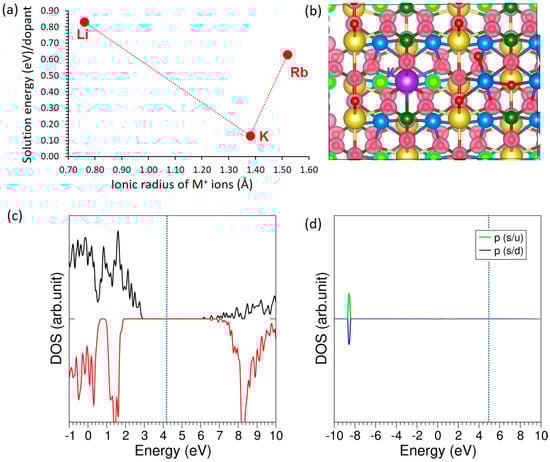
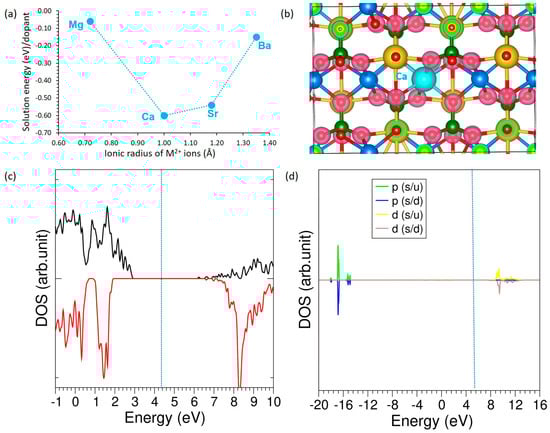
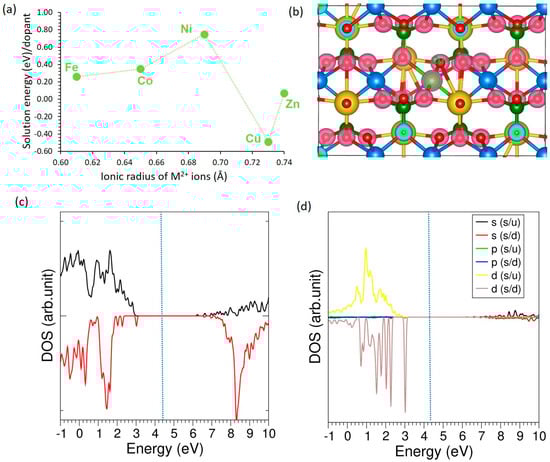
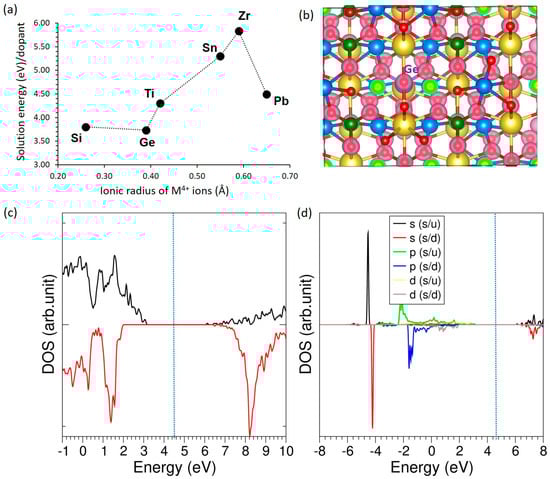
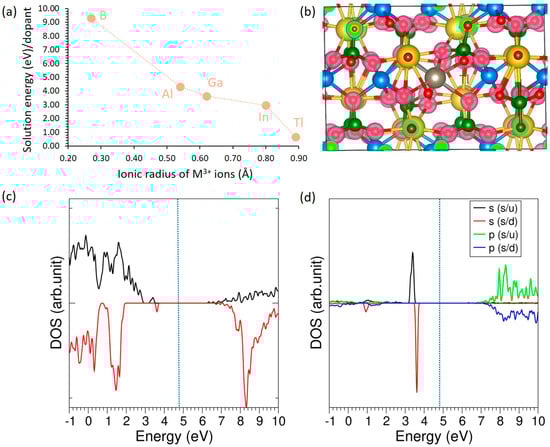
Rechargeable sodium-ion batteries (SIBs) have attracted considerable attention owing to the natural abundance and accessibility of sodium. Maricite NaMnPO4, a phosphate-based cathode material with high theoretical capacity, suffers from blocked sodium-ion diffusion channels. In this study, atomistic simulations using pair potentials and density functional theory (DFT) are employed to investigate intrinsic defect mechanisms, sodium-ion migration pathways, and the role of dopant incorporation at Na, Mn, and P sites in generating Na vacancies and interstitials. Among the intrinsic defects, the Na–Mn anti-site cluster emerges as the most favorable, exhibiting a very low formation energy of 0.12 eV, while the Na Frenkel pair (1.93 eV) is the next most stable defect, indicating that sodium diffusion is primarily facilitated by vacancy formation. Nevertheless, sodium-ion mobility in NaMnPO4 remains limited, as reflected by the relatively high migration activation energy of 1.28 eV. Among the isovalent substitutions, K is predicted to be the most favorable dopant at the Na site, whereas Ca and Cu are the most favorable at the Mn site. Thallium is identified as a promising dopant at the Mn site for generating Na vacancies that facilitate Na-ion migration, while Ge substitution at the P site is predicted to enhance the sodium content in the material.
Full article

Figure 1
Open AccessReview
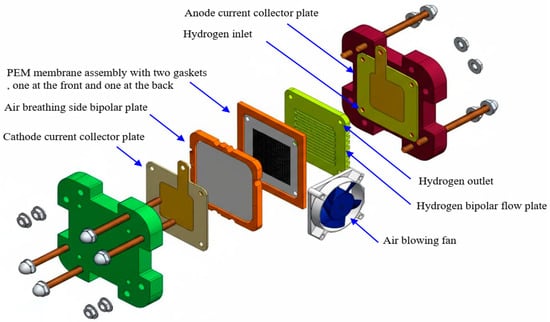
Water Management Strategies for Proton Exchange Membrane Fuel Cells: A Comprehensive Review
by
Mahfouz Saeed, Mohamed A. El-Hameed, Essa Al-Hajri and Adnan Kabbani
Electrochem 2025, 6(4), 38; https://doi.org/10.3390/electrochem6040038 - 27 Oct 2025
Abstract
►▼
Show Figures
Proton exchange membrane fuel cells (PEMFCs) are a promising clean energy technology due to their zero gas emissions, low operating temperature, and high efficiency. This review synthesizes research from 2015–2025 on (i) materials-level approaches (advanced/modified PFSA membranes and composite membranes) that improve water
[...] Read more.
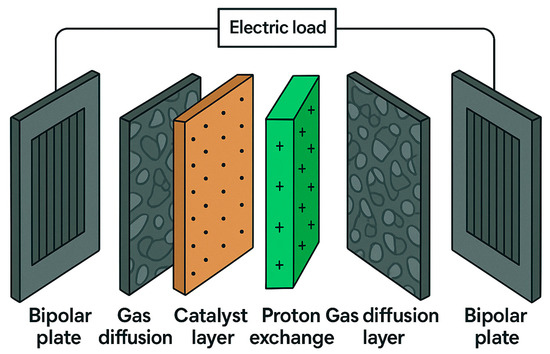
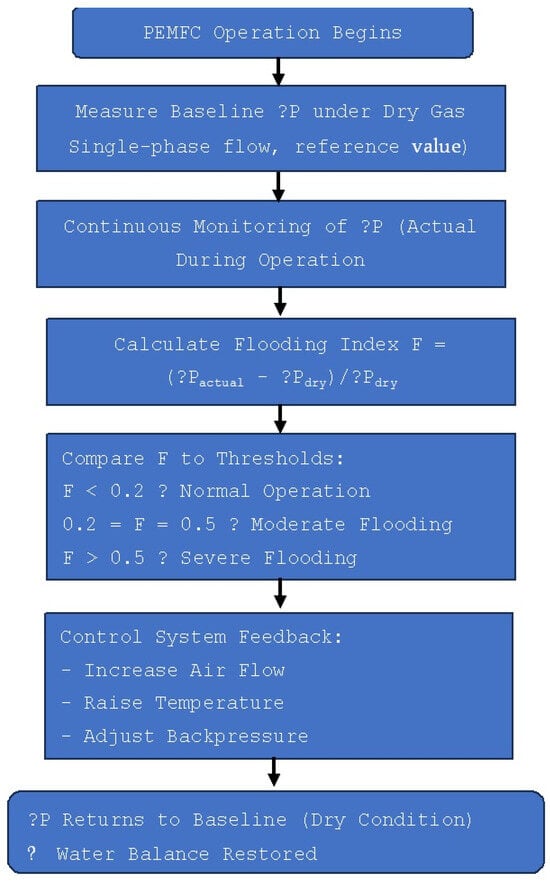
Proton exchange membrane fuel cells (PEMFCs) are a promising clean energy technology due to their zero gas emissions, low operating temperature, and high efficiency. This review synthesizes research from 2015–2025 on (i) materials-level approaches (advanced/modified PFSA membranes and composite membranes) that improve water retention and ionic conduction, (ii) engineered gas diffusion layers and hydrophobic/hydrophilic gradients (including Janus and asymmetric GDL architectures) that facilitate directional water transport and have been shown to increase peak power density in some reports (e.g., from ≈1.17 to ≈1.89 W·cm−2 with Janus GDL designs), (iii) flow-field design strategies. This review examines the key aspects of water management in PEMFCs, including their impact on cell performance, the underlying causes of related issues, and the mechanisms of water transport within these cells. Additionally, it discusses the methods and materials used to enhance water management, highlighting recent advancements and potential directions for future research. Topics such as water transport, water flooding, and water control strategies in PEMFCs are also addressed. Both excess water (flooding) and water depletion (dehydration) can negatively influence fuel cell performance and lifespan. Particular attention is given to water dehydration, with a detailed discussion of its effects on the cathode, Anode, gas diffusion layer, catalyst layer, and flow channels.
Full article

Figure 1
Open AccessReview
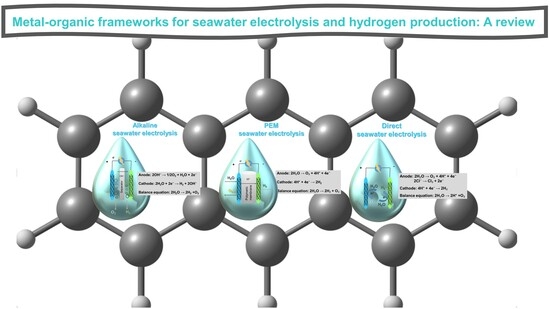
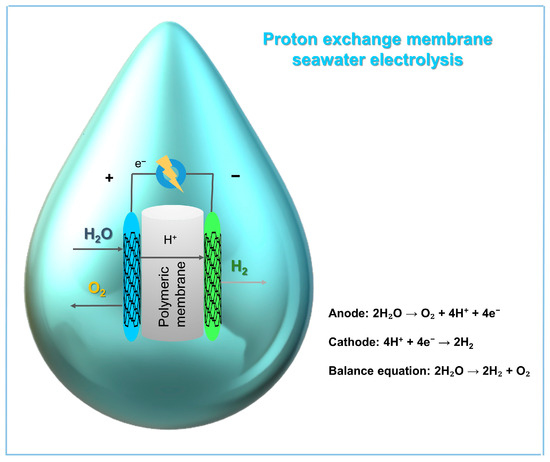
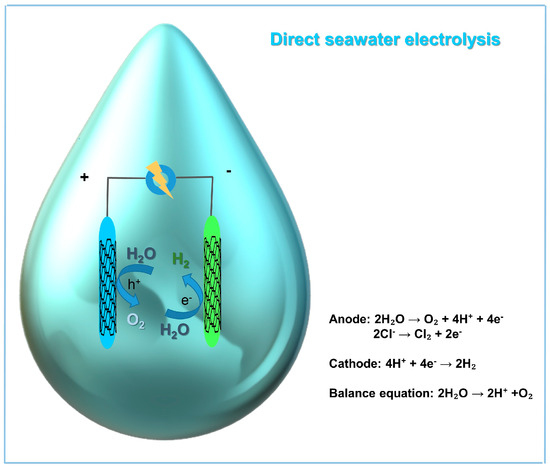
Metal–Organic Frameworks for Seawater Electrolysis and Hydrogen Production: A Review
by
Ivelina Tsacheva, Mehmet Suha Yazici, Abdul Hanif Mahadi, Aytekin Uzunoglu and Dzhamal Uzun
Electrochem 2025, 6(4), 37; https://doi.org/10.3390/electrochem6040037 - 20 Oct 2025
Abstract
►▼
Show Figures
Electrolysis utilizing renewable electricity is an environmentally friendly, non-polluting, and sustainable method of hydrogen production. Seawater is the most desirable and inexpensive electrolyte for this process to achieve commercial acceptance compared to competing hydrogen production technologies. We reviewed metal–organic frameworks as possible electrocatalysts
[...] Read more.
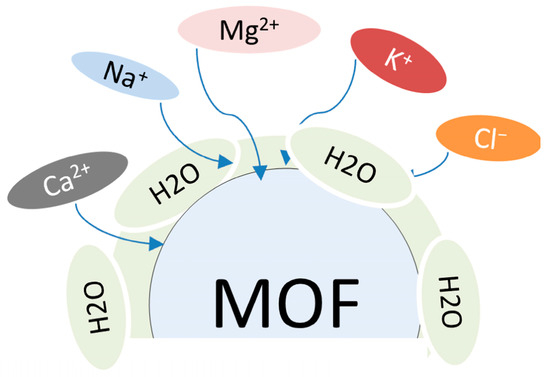
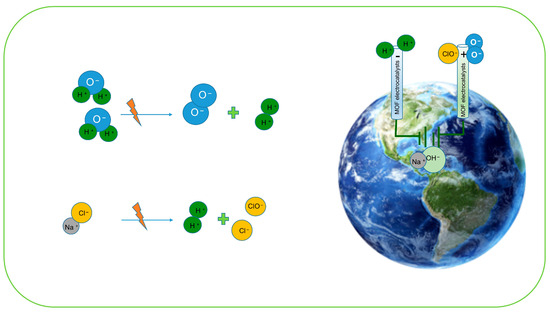
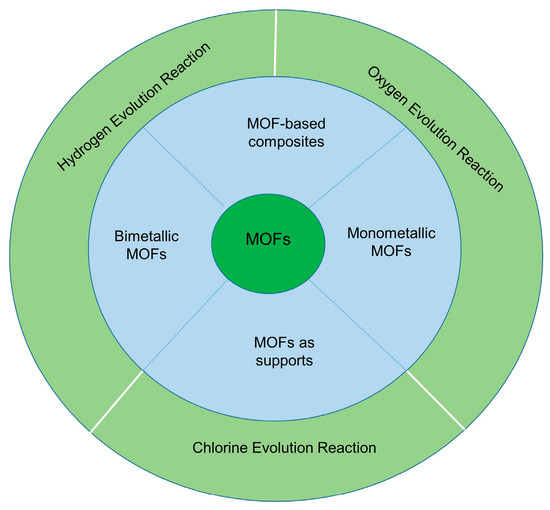
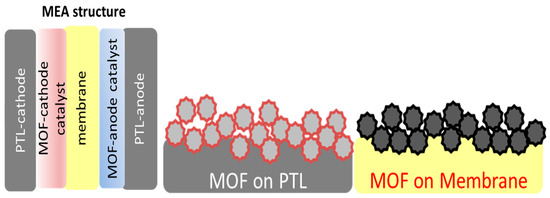
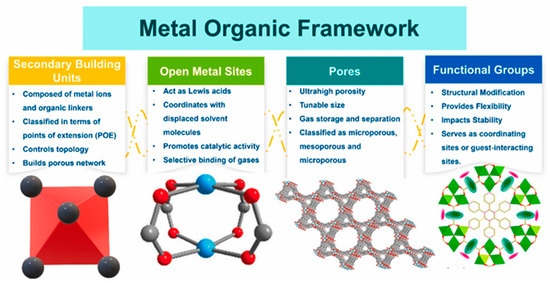
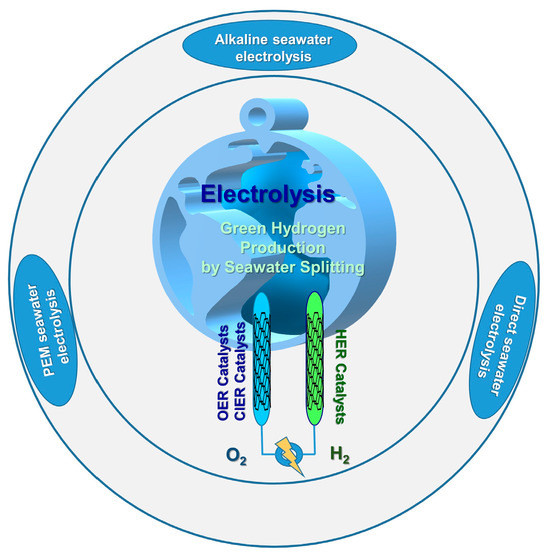
Electrolysis utilizing renewable electricity is an environmentally friendly, non-polluting, and sustainable method of hydrogen production. Seawater is the most desirable and inexpensive electrolyte for this process to achieve commercial acceptance compared to competing hydrogen production technologies. We reviewed metal–organic frameworks as possible electrocatalysts for hydrogen production by seawater electrolysis. Metal–organic frameworks are interesting for seawater electrolysis due to their large surface area, tunable permeability, and ease of functional processing, which makes them extremely suitable for obtaining modifiable electrode structures. Here we discussed the development of metal–organic framework-based electrocatalysts as multifunctional materials with applications for alkaline, PEM, and direct seawater electrolysis for hydrogen production. Their advantages and disadvantages were examined in search of a pathway to a successful and sustainable technology for developing electrode materials to produce hydrogen from seawater.
Full article

Graphical abstract
Open AccessReview
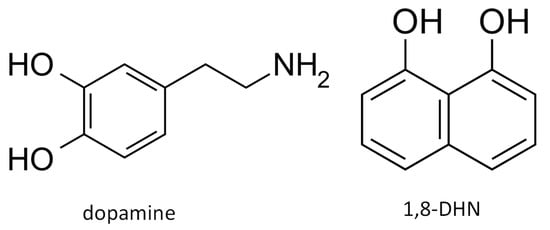
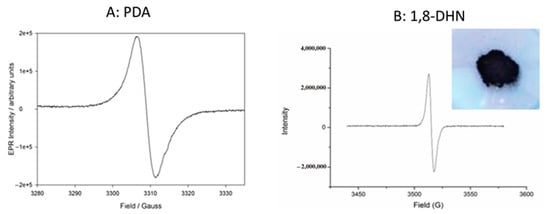
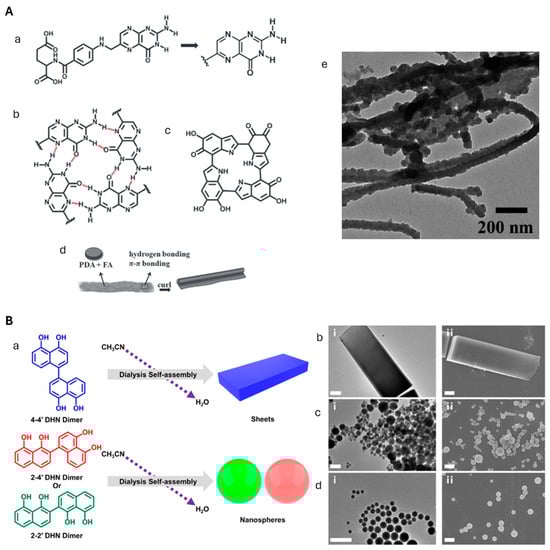
Electrochemical and Redox Strategies for the Synthesis of Catecholamine- and Dihydroxynaphthalene-Based Materials: A Comparative Review
by
Chloé Laporte and Vincent Ball
Electrochem 2025, 6(4), 36; https://doi.org/10.3390/electrochem6040036 - 18 Oct 2025
Abstract
►▼
Show Figures
Melanins are multifunctional biopolymers with unique properties, ranging from UV and radiation protection to antioxidant activity and metal chelation, making them highly attractive for biomedical applications. Despite extensive research, the mechanisms underlying melanin formation remain only partially understood, and access to these biopolymers
[...] Read more.
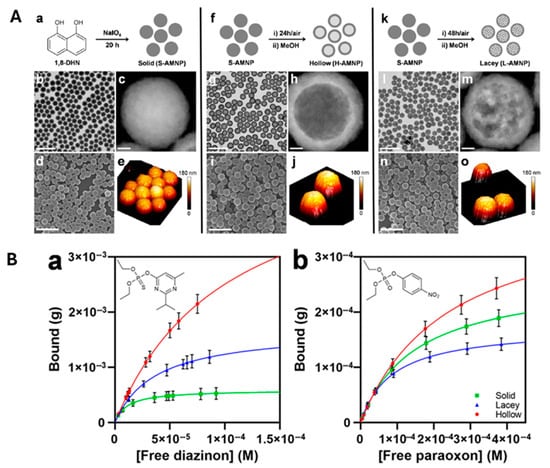
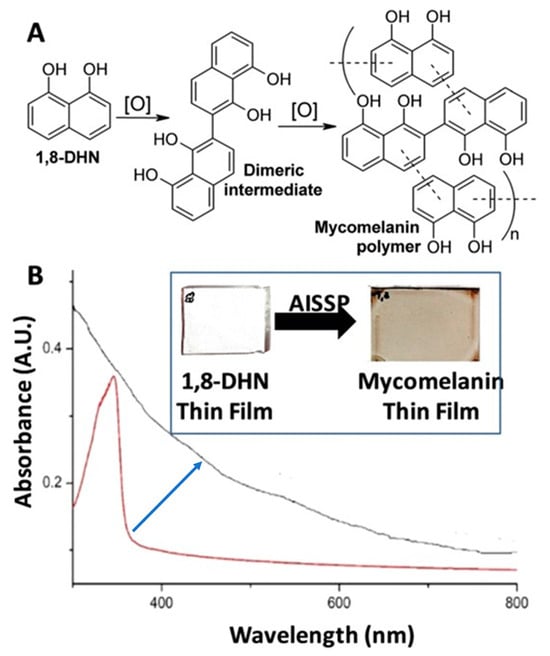
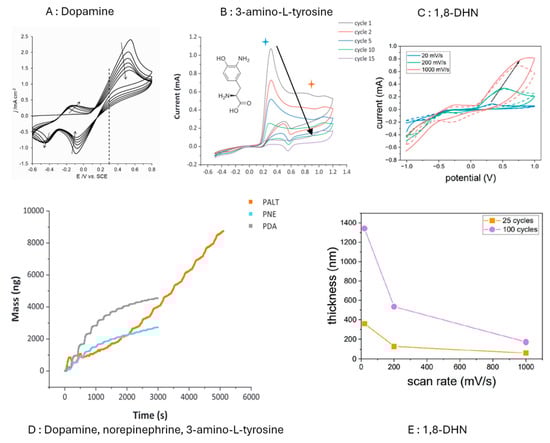
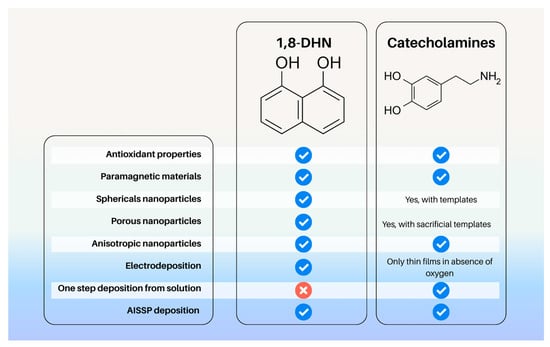
Melanins are multifunctional biopolymers with unique properties, ranging from UV and radiation protection to antioxidant activity and metal chelation, making them highly attractive for biomedical applications. Despite extensive research, the mechanisms underlying melanin formation remain only partially understood, and access to these biopolymers therefore relies on suitable molecular precursors. While most studies have focused on catecholamine-derived eumelanins such as 3,4-dihydroxyphenylalanine (L-DOPA) and dihydroxyindole (DHI), nitrogen-free precursors such as 1,8-dihydroxynaphthalene (1,8-DHN) are emerging as promising routes to allomelanins. To date, however, these two precursor classes have largely been investigated separately, limiting a broader understanding of structure–function relationships. This review aims to compare electrochemical and redox-based pathways to catecholamine- and DHN-derived materials, emphasizing both their common principles and distinctive features. By bridging these parallel research streams, we propose a methodological framework for guiding future research on melanin-inspired materials and bioelectrochemical technologies.
Full article

Figure 1
Open AccessArticle
Analytical–Computational Integration of Equivalent Circuit Modeling, Hybrid Optimization, and Statistical Validation for Electrochemical Impedance Spectroscopy
by
Francisco Augusto Nuñez Perez
Electrochem 2025, 6(4), 35; https://doi.org/10.3390/electrochem6040035 - 8 Oct 2025
Abstract
►▼
Show Figures
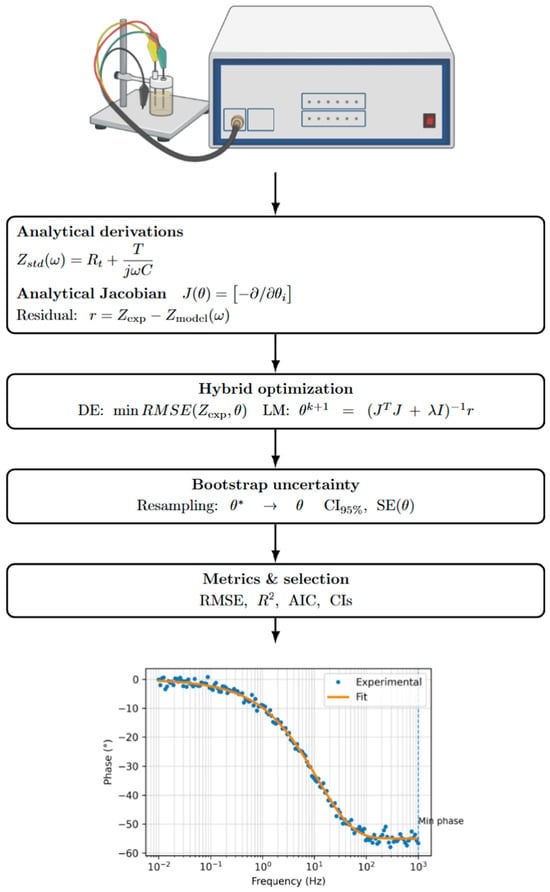
Background: Electrochemical impedance spectroscopy (EIS) is indispensable for disentangling charge-transfer, capacitive, and diffusive phenomena, yet reproducible parameter estimation and objective model selection remain unsettled. Methods: We derive closed-form impedances and analytical Jacobians for seven equivalent-circuit models (Randles, constant-phase element (CPE), and Warburg impedance
[...] Read more.
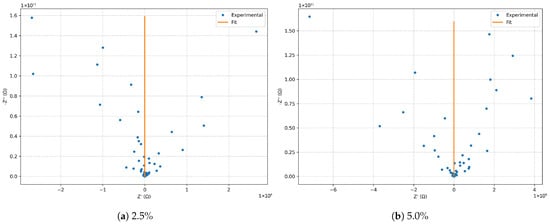
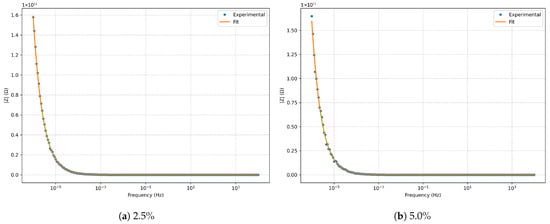
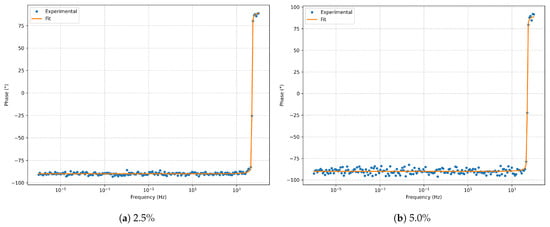
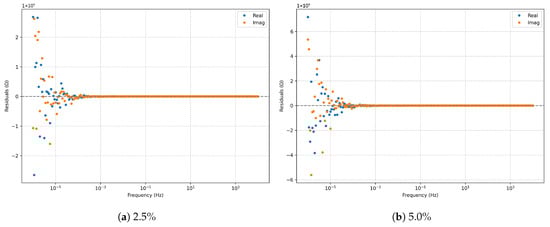
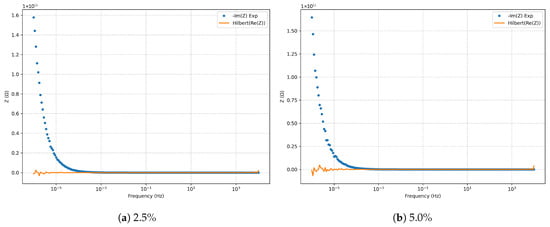
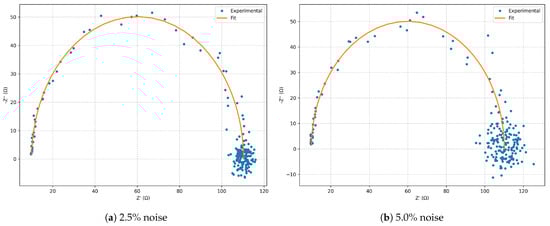
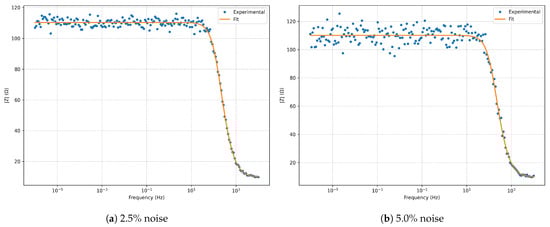
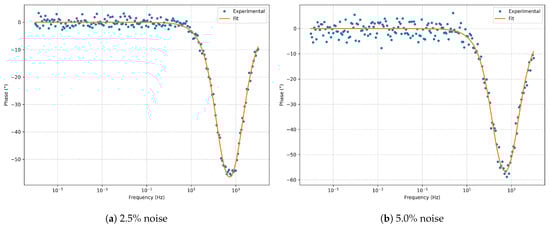
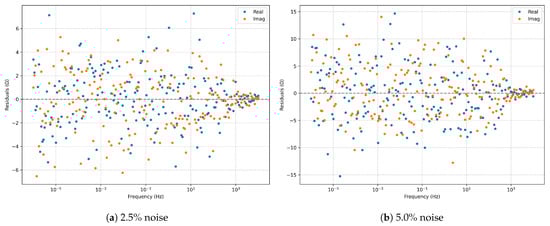
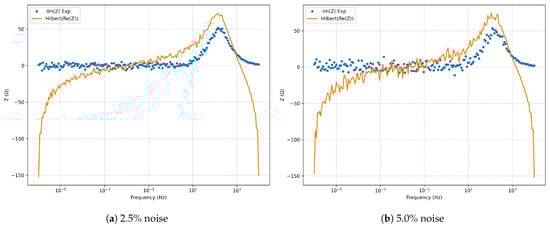
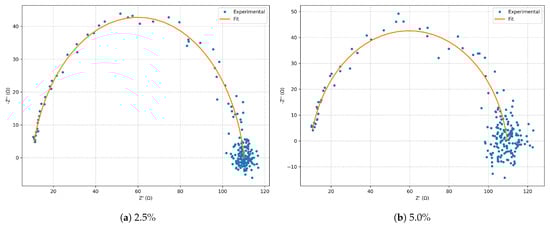
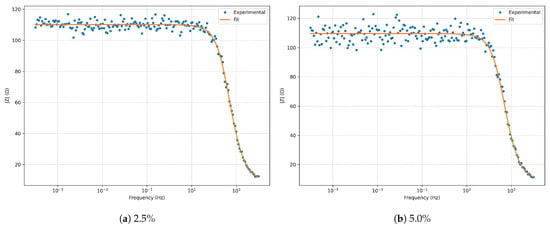
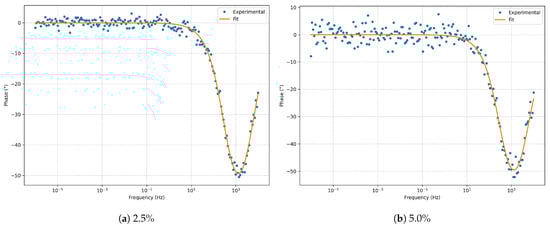
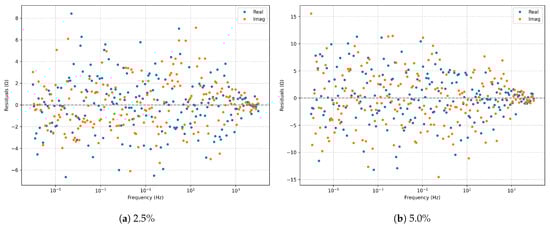
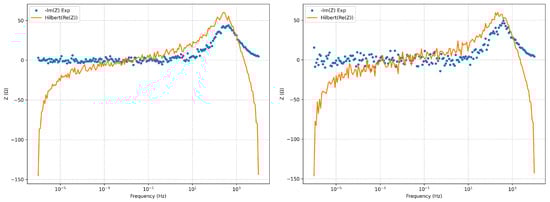
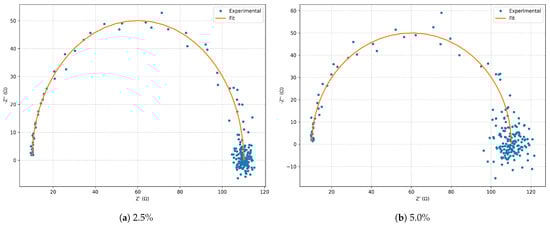
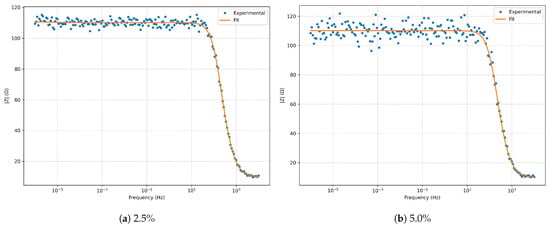
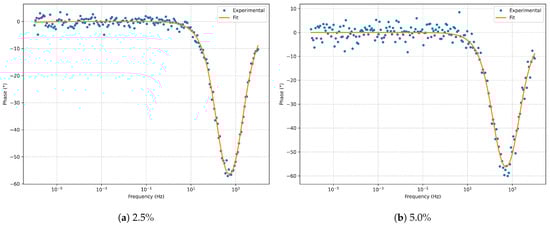
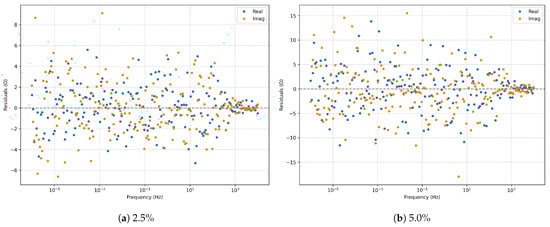
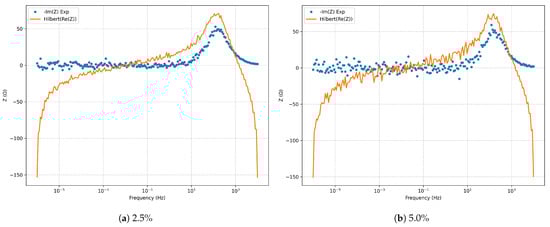
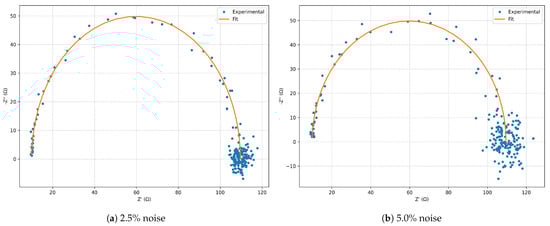
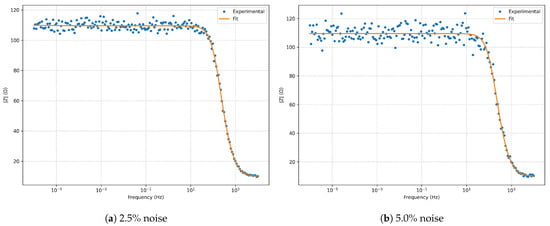
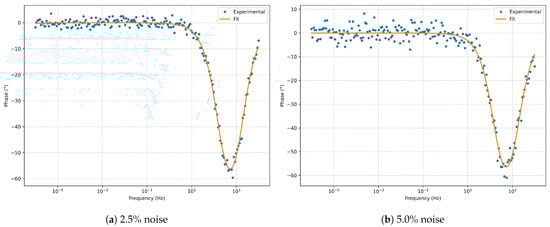
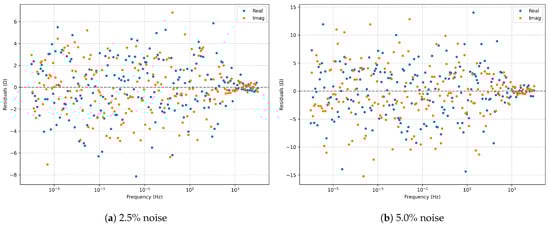
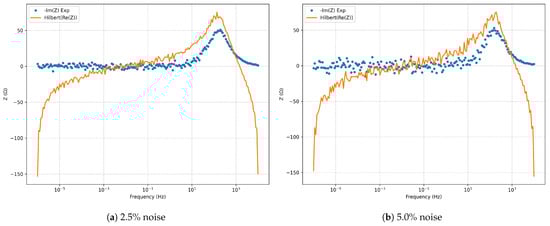
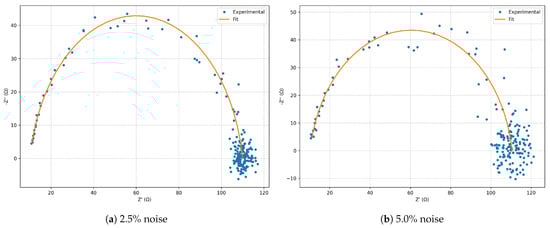
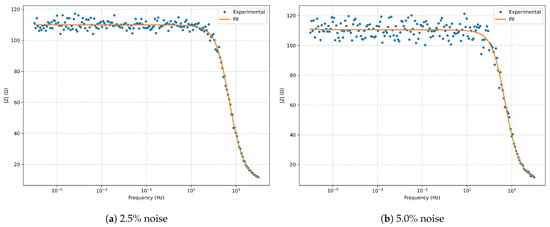
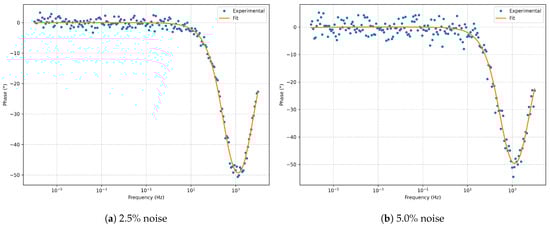
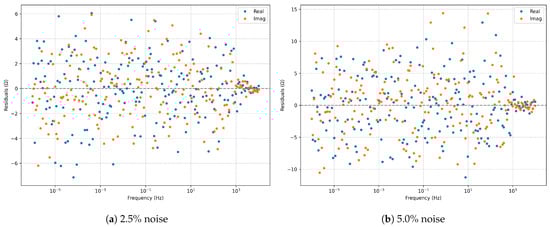
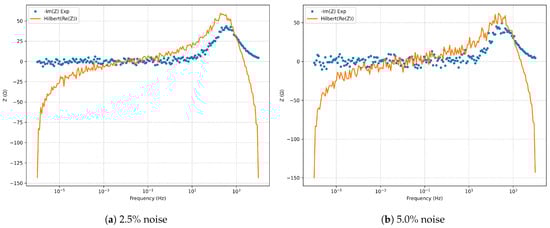
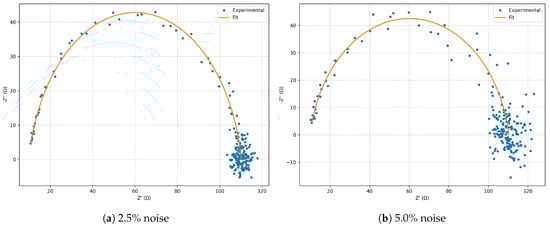
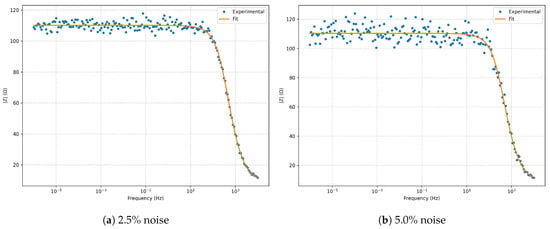
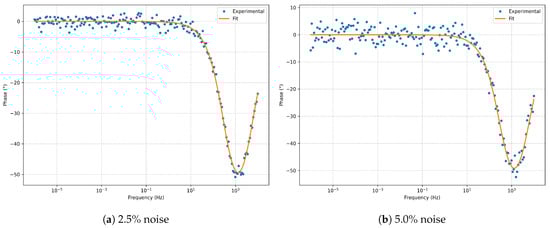
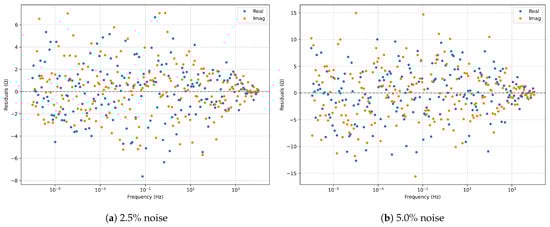
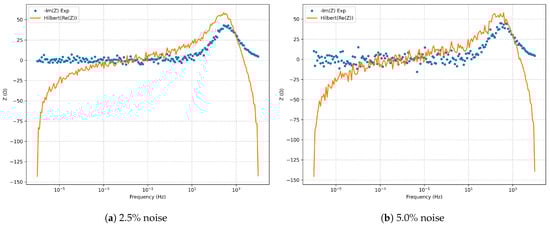
Background: Electrochemical impedance spectroscopy (EIS) is indispensable for disentangling charge-transfer, capacitive, and diffusive phenomena, yet reproducible parameter estimation and objective model selection remain unsettled. Methods: We derive closed-form impedances and analytical Jacobians for seven equivalent-circuit models (Randles, constant-phase element (CPE), and Warburg impedance (ZW) variants), enforce physical bounds, and fit synthetic spectra with 2.5% and 5.0% Gaussian noise using hybrid optimization (Differential Evolution (DE) → Levenberg–Marquardt (LM)). Uncertainty is quantified via non-parametric bootstrap; parsimony is assessed with root-mean-square error (RMSE), Akaike Information Criterion (AIC), and Bayesian Information Criterion (BIC); physical consistency is checked by Kramers–Kronig (KK) diagnostics. Results: Solution resistance ( ) and charge-transfer resistance ( ) are consistently identifiable across noise levels. CPE parameters and diffusion amplitude exhibit expected collinearity unless the frequency window excites both processes. Randles suffices for ideal interfaces; Randles+CPE lowers AIC when non-ideality and/or higher noise dominate; adding Warburg reproduces the tail and improves likelihood when diffusion is present. The architecture offers the best trade-off when heterogeneity and diffusion coexist. Conclusions: The framework unifies analytical derivations, hybrid optimization, and rigorous statistics to deliver traceable, reproducible EIS analysis and clear applicability domains, reducing subjective model choice. All code, data, and settings are released to enable exact reproduction.
Full article

Graphical abstract
Open AccessArticle
Exploring Binder–Ionic Liquid Electrolyte Systems in Silicon Oxycarbide Negative Electrodes for Lithium-Ion Batteries
by
Ivonne E. Monje, Nedher Sanchez-Ramírez, Laurence Savignac, Pedro H. Camargo, Steen B. Schougaard, Daniel Bélanger and Roberto M. Torresi
Electrochem 2025, 6(3), 34; https://doi.org/10.3390/electrochem6030034 - 12 Sep 2025
Abstract
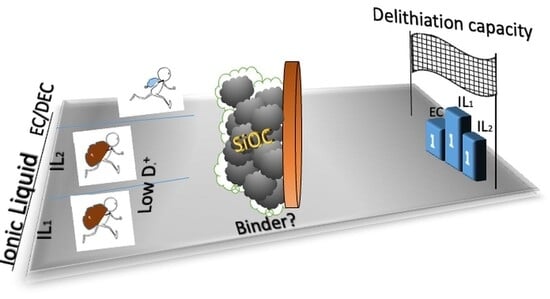
Enhancing the safety of lithium-ion batteries (LIBs) by replacing flammable electrolytes is a key challenge. Ionic liquid (IL)-based electrolytes are considered an interesting alternative due to their thermal and chemical stability, high voltage stability window, and tunable properties. This study investigates the electrochemical
[...] Read more.
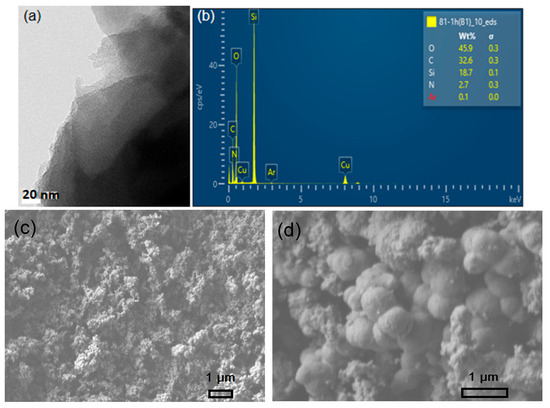
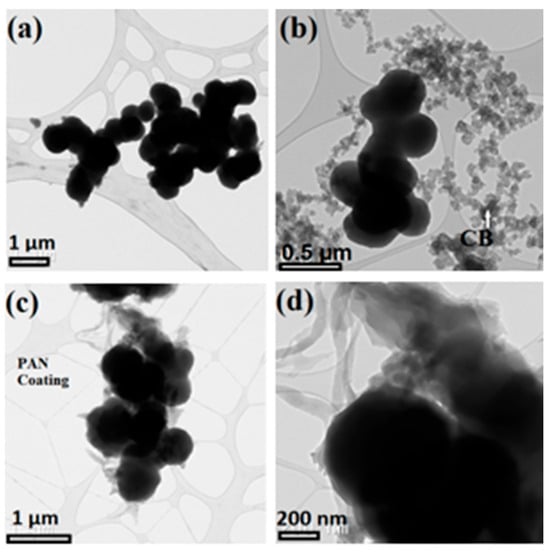
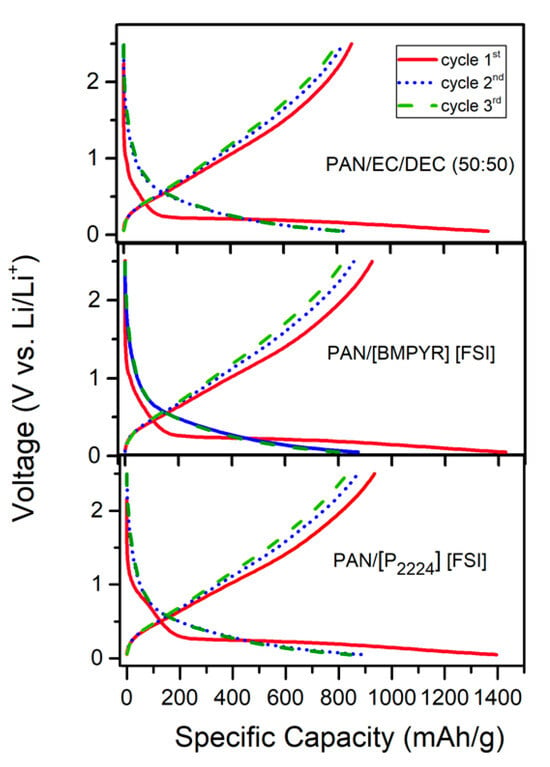
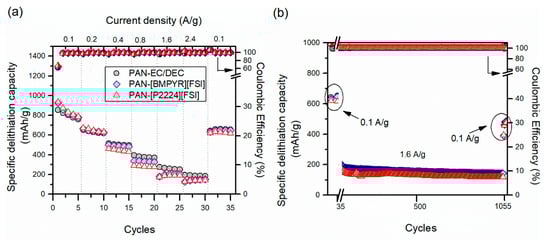
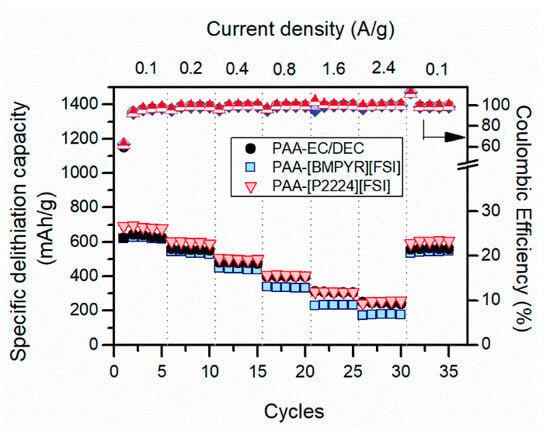
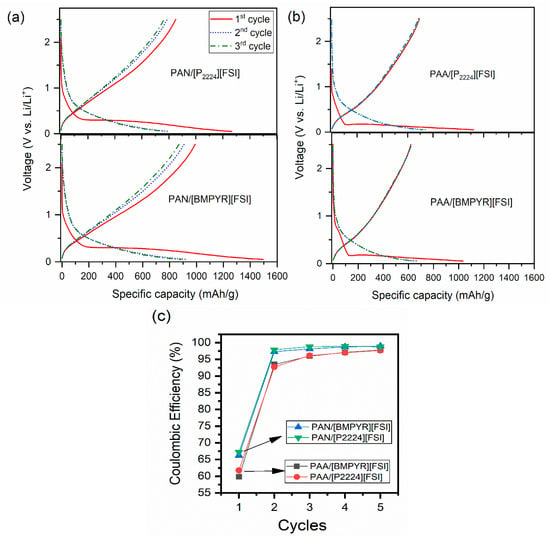
Enhancing the safety of lithium-ion batteries (LIBs) by replacing flammable electrolytes is a key challenge. Ionic liquid (IL)-based electrolytes are considered an interesting alternative due to their thermal and chemical stability, high voltage stability window, and tunable properties. This study investigates the electrochemical behavior of two newly synthesized ILs, comparing them to conventional alkyl carbonate-based electrolytes. Nitrogen-doped carbon silicon oxycarbide (NC-SiOC), used as the active material in negative electrodes, was combined with two polymeric binders: poly(acrylic acid) (PAA) and poly(acrylonitrile) (PAN). NC-SiOC/PAN electrodes exhibited a significantly higher initial charge capacity—approximately 25–30% greater than their PAA-based counterparts in the first cycle at 0.1 A g−1 (850–990 mAh g−1 vs. 600–700 mAh g−1), and demonstrated an improved initial Coulombic efficiency (67% vs. 62%). Long-term cycling stability over 1000 cycles at 1.6 A g−1 retained 75–80% of the initial 0.1 A g−1 capacity. This outstanding performance is attributed to the synergistic effects of nitrogen-rich carbonaceous phases within the NC-SiOC material and the cyclized-PAN binder, which facilitate structural stability by accommodating volumetric changes and enhancing solid electrolyte interphase (SEI) stability. Notably, despite the lower ionic transport properties of the IL electrolytes, their incorporation did not compromise performance, supporting their feasibility as safer electrolyte alternatives. These findings offer one of the most promising electrochemical performances reported for SiOC materials to date.
Full article
(This article belongs to the Special Issue Silicon Electrochemistry: Fundamentals and Modern Applications)
►▼
Show Figures

Graphical abstract
Open AccessArticle
Estimation of Lead Acid Battery Degradation—A Model for the Optimization of Battery Energy Storage System Using Machine Learning
by
Arief S. Budiman, Rayya Fajarna, Muhammad Asrol, Fitya Syarifa Mozar, Christian Harito, Bens Pardamean, Derrick Speaks and Endang Djuana
Electrochem 2025, 6(3), 33; https://doi.org/10.3390/electrochem6030033 - 5 Sep 2025
Abstract
►▼
Show Figures
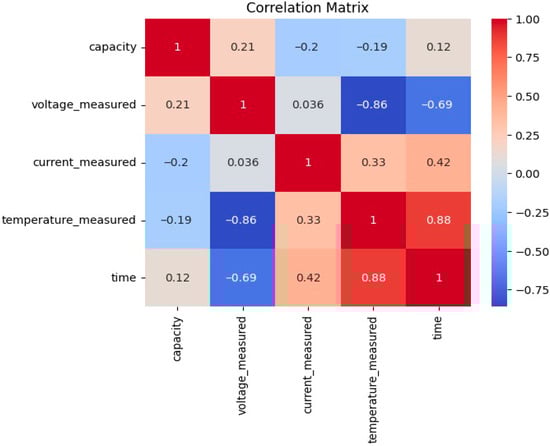
Energy storage systems are becoming increasingly important as more renewable energy systems are integrated into the electrical (or power utility) grid. Low-cost and reliable energy storage is paramount if renewable energy systems are to be increasingly integrated into the power grid. Lead-acid batteries
[...] Read more.
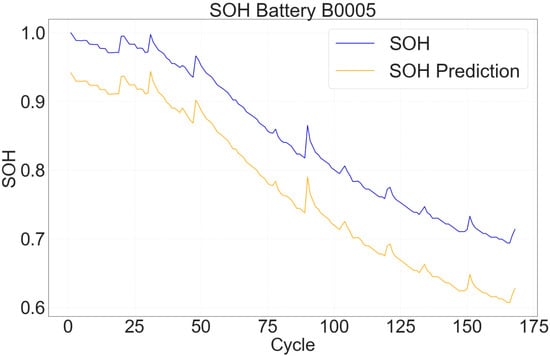
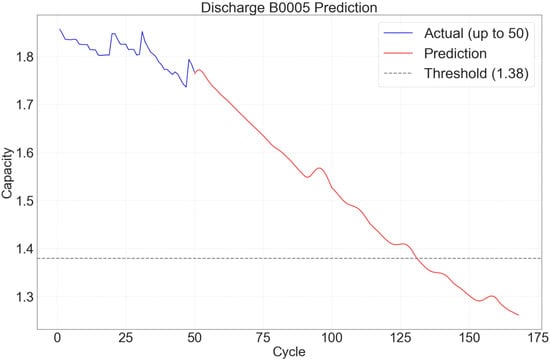
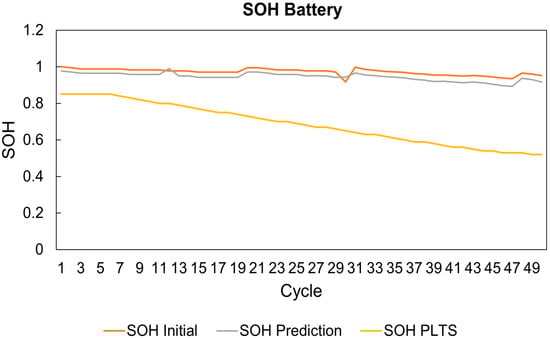
Energy storage systems are becoming increasingly important as more renewable energy systems are integrated into the electrical (or power utility) grid. Low-cost and reliable energy storage is paramount if renewable energy systems are to be increasingly integrated into the power grid. Lead-acid batteries are widely used as energy storage for stationary renewable energy systems and agriculture due to their low cost, especially compared to lithium-ion batteries (LIB). However, lead-acid battery technology suffers from system degradation and a relatively short lifetime, largely due to its charging/discharging cycles. In the present study, we use Machine Learning methodology to estimate the battery degradation in an energy storage system. It uses two types of datasets: discharge condition and lead acid battery data. In the initial analysis, the Support Vector Regression (SVR) method with the RBF kernel showed poor results, with a low accuracy value of 0.0127 and RMSE 5377. On the other hand, the Long Short-Term Memory (LSTM) method demonstrated better estimation results with an RMSE value of 0.0688, which is relatively close to 0.
Full article

Figure 1

Open AccessArticle
Charge Transfer Rates Controlled by Frequency Dispersion of Double-Layer Capacitances
by
Koichi Jeremiah Aoki and Jingyuan Chen
Electrochem 2025, 6(3), 32; https://doi.org/10.3390/electrochem6030032 - 5 Sep 2025
Cited by 1
Abstract
►▼
Show Figures
Reported rate constants of charge transfer reactions (CTs) have ranged widely, depending on techniques and timescales. This fact can be attributed to the time-dependent double-layer capacitance (DLC), caused by solvent interactions such as hydrogen bonds. The time variation of the DLC necessarily affects
[...] Read more.
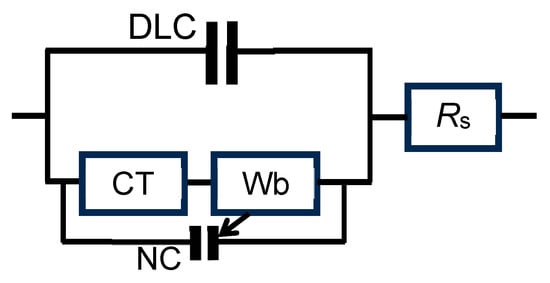
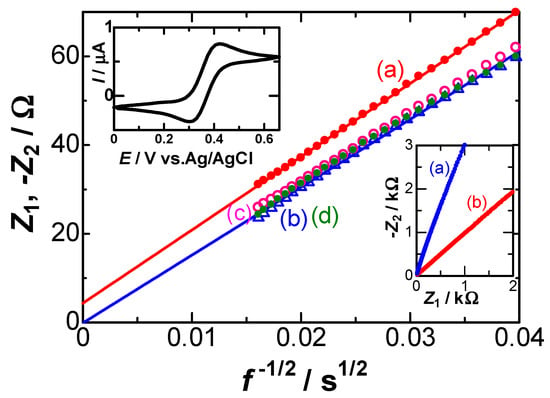
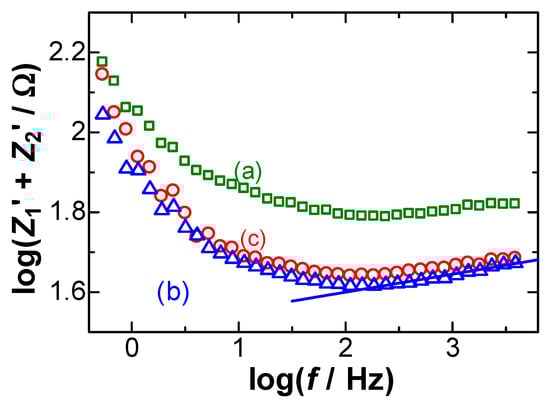
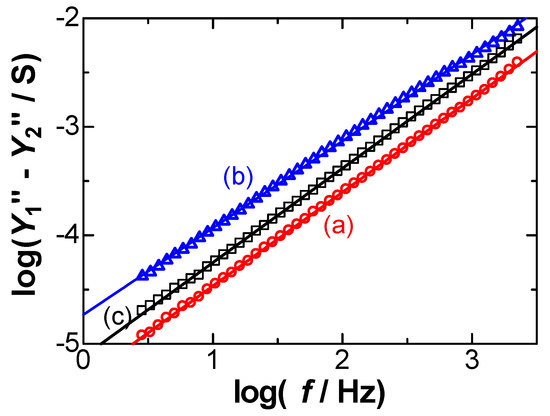
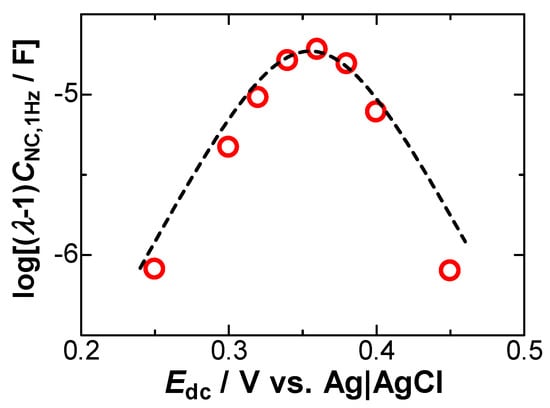
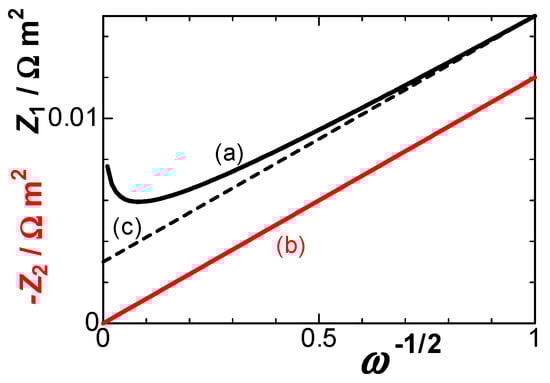
Reported rate constants of charge transfer reactions (CTs) have ranged widely, depending on techniques and timescales. This fact can be attributed to the time-dependent double-layer capacitance (DLC), caused by solvent interactions such as hydrogen bonds. The time variation of the DLC necessarily affects the heterogeneous electrode kinetics. The delay by the solvation, being frequency dispersion, is incorporated into the CT kinetics in this report on the basis of the conventional reaction rate equations. It is different from the absolute rate theory. This report insists on a half value of the transfer coefficient owing to the segregation of the electrostatic energy from the chemical one. The rate equation here is akin to the Butler–Volmer one, except for the power law of the time caused by the delay of the DLC. The dipoles orient successively other dipoles in a group associated with the delay, which resembles that in the DLC. The delay suppresses the observed currents in the form of a negative capacitance. The above behavior was examined with a ferrocenyl derivative by ac impedance methods. The delay from diffusion control was attributed to the negative capacitance rather than the CT, even if the conventional DLC effect was corrected.
Full article

Figure 1
Open AccessArticle
Stability of TiO2–Polypyrrole Heterojunctions for Photoelectrochemical Water Oxidation
by
Jhon Puerres, Pablo Ortiz and María T. Cortés
Electrochem 2025, 6(3), 31; https://doi.org/10.3390/electrochem6030031 - 20 Aug 2025
Abstract
►▼
Show Figures
TiO2 composites with polypyrrole have gained attention for various applications; however, some reported results on the suitability of this heterojunction for photoelectrochemical water oxidation do not agree. In this sense, it is relevant to further study this material to clarify the role
[...] Read more.
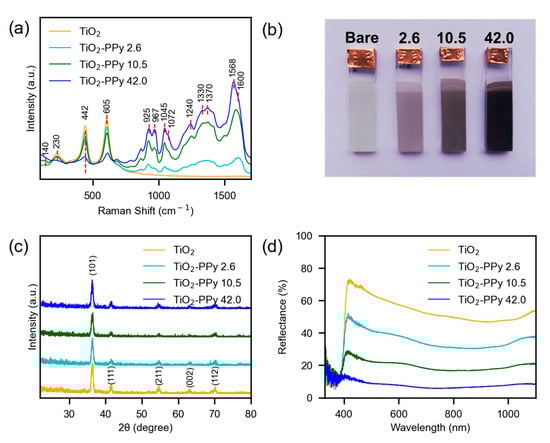
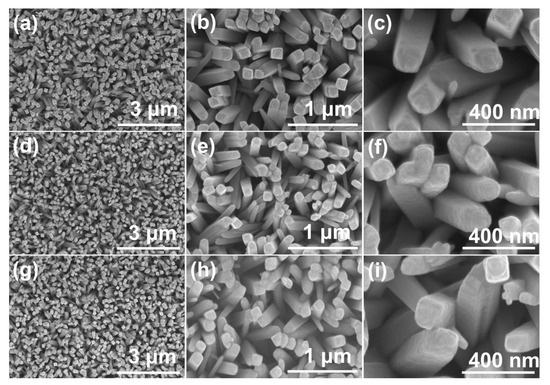
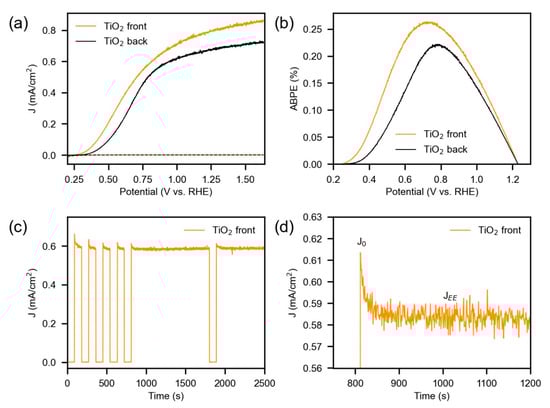
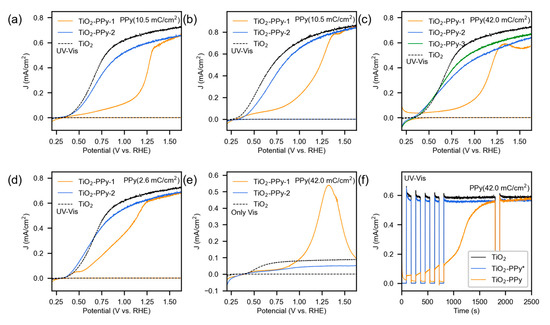
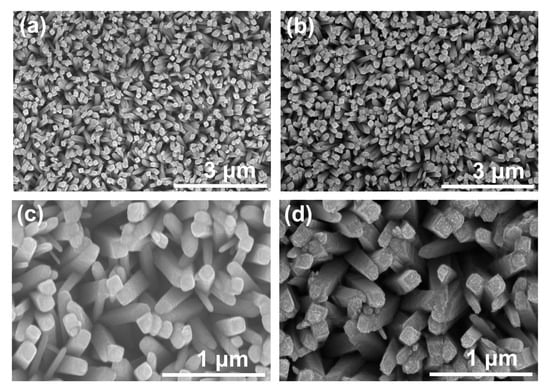
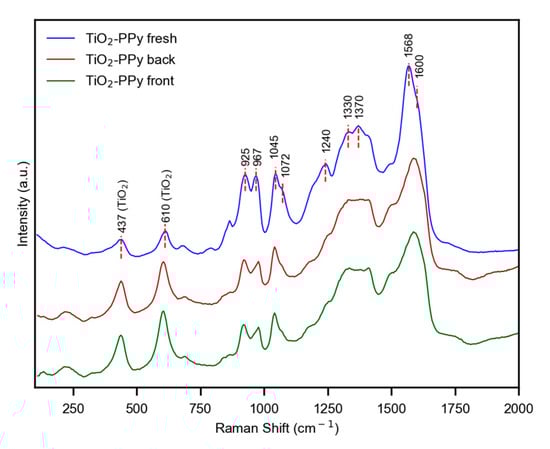
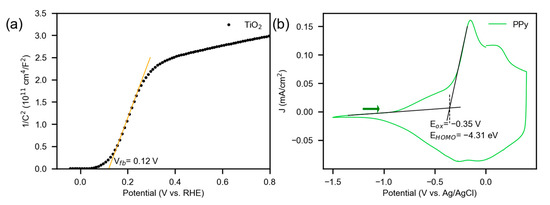
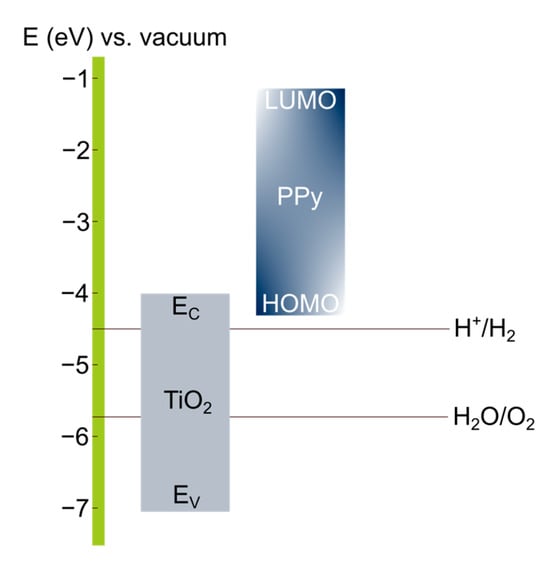
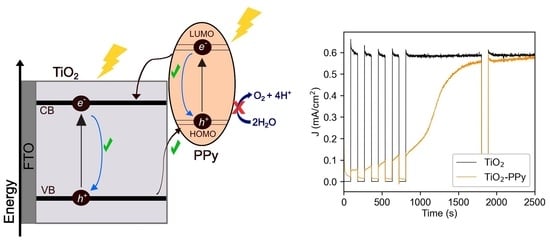
TiO2 composites with polypyrrole have gained attention for various applications; however, some reported results on the suitability of this heterojunction for photoelectrochemical water oxidation do not agree. In this sense, it is relevant to further study this material to clarify the role of polypyrrole in this system. Here, TiO2 nanorods were grown on fluorine-doped tin oxide (FTO) substrates by a hydrothermal route; then, polypyrrole coatings were electrochemically synthetized on TiO2 nanorods using a galvanostatic signal. The heterojunctions were characterized by different spectroscopic, microscopic, and electrochemical techniques. As a result, it was found that the polypyrrole underwent a rapid degradation process and that this process occurred independently of the amount of polymer deposited on the TiO2, the illumination direction (back and front of the photoanode), and the type of light used (UV-Vis and Vis). In addition, from the measurements of the band positions of TiO2 and the HOMO level of polypyrrole, it was shown that the TiO2–polypyrrole heterojunction is not suitable for achieving the transfer of photogenerated holes to the electrolyte. These findings contribute to understanding the properties and interaction of two components of wide interest in materials science.
Full article

Graphical abstract
Open AccessArticle
Ternary Nickel-Iron-Phosphorus (NiFeP) Electrocatalysts for Alkaline Water Splitting
by
Raminta Šakickaitė, Zita Sukackienė, Virginija Kepenienė, Aldona Balčiūnaitė, Raminta Stagniūnaitė, Gitana Valeckytė and Loreta Tamašauskaitė-Tamašiūnaitė
Electrochem 2025, 6(3), 30; https://doi.org/10.3390/electrochem6030030 - 15 Aug 2025
Abstract
►▼
Show Figures
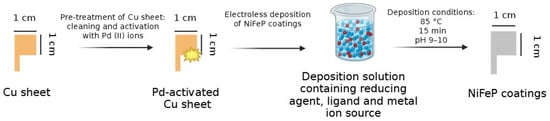
In this study, ternary NiFeP coatings were fabricated on a copper substrate using a simple, fast, and cost-effective electroless deposition method. The coatings were named Ni85Fe4P12, Ni80Fe8P12, and Ni75Fe
[...] Read more.
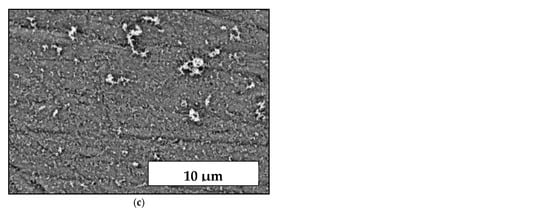
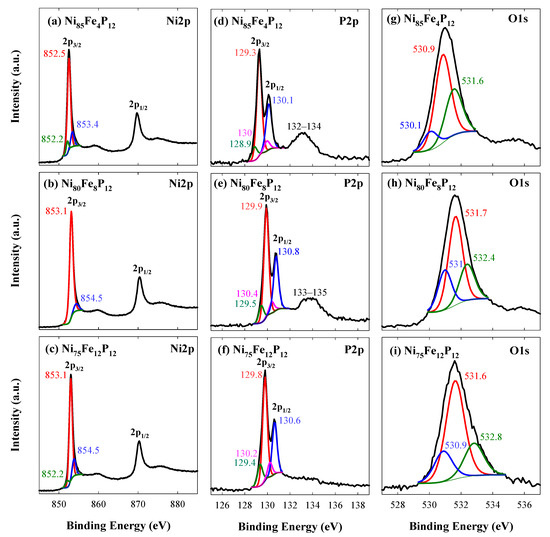
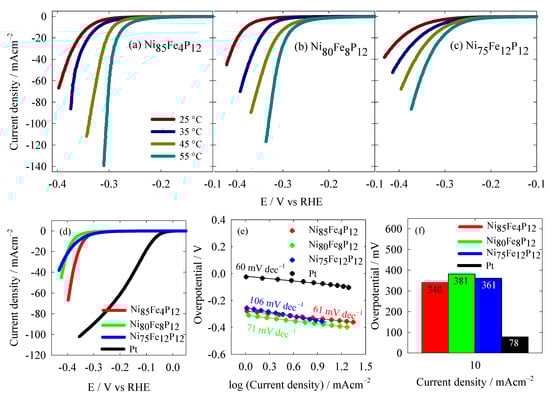
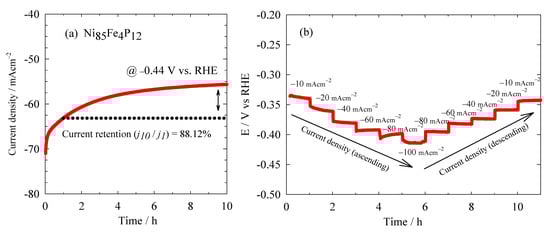
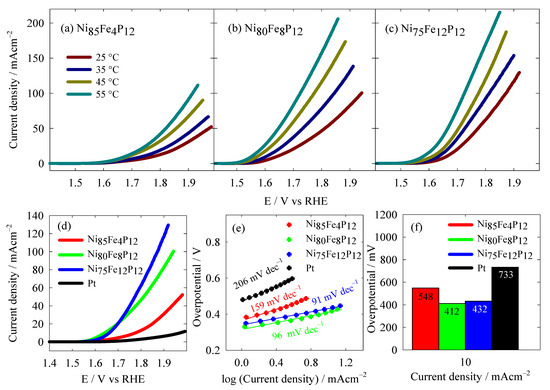
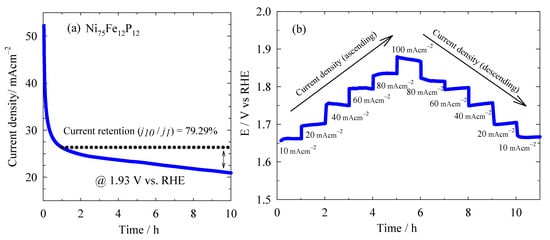
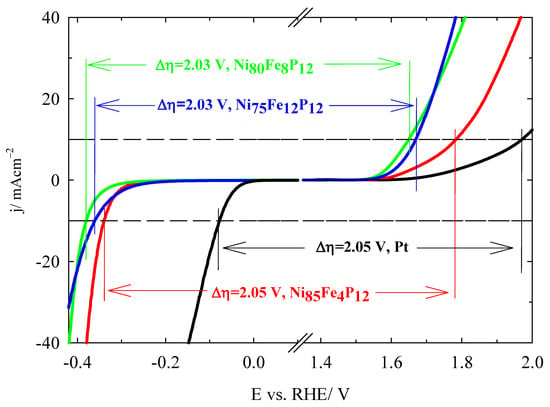
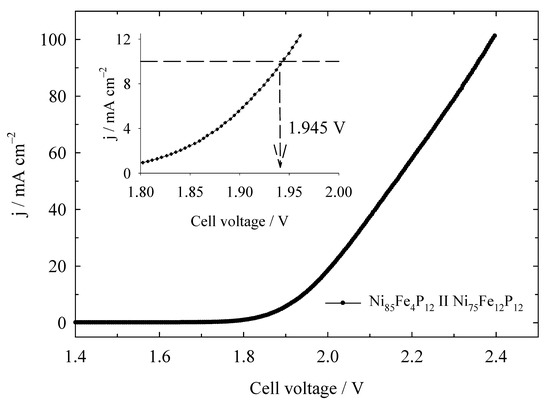
In this study, ternary NiFeP coatings were fabricated on a copper substrate using a simple, fast, and cost-effective electroless deposition method. The coatings were named Ni85Fe4P12, Ni80Fe8P12, and Ni75Fe12P12, indicating 4, 8, and 12 at % of Fe, respectively. The surface morphology and composition of the coatings were characterized using scanning electron microscopy (SEM) and energy dispersive X-ray analysis (EDX). The activity of the prepared coatings was evaluated using the water-splitting reaction to determine the hydrogen evolution reaction (HER) and oxygen evolution reaction (OER) in a 1 M KOH electrolyte solution. Electrochemical measurements were carried out in a temperature range from 25 °C to 55 °C. The HER and OER current density values increased by up to 2.58 and 2.13 times, respectively, with temperature increase compared to the result at 25 °C. All three coatings demonstrated activity in both reactions. Ni85Fe4P12 exhibited the highest catalytic efficiency in the HER, with the overpotential of 340 mV at 10 mAcm−2 and a Tafel slope of 61 mVdec−1. In the OER, the efficiency of the NiFeP catalysts correlated with their Fe content. The overpotential was 412 mV for Ni80Fe8P12 and 432 mV for Ni75Fe12P12 at 10 mAcm−2 with Tafel slopes of 96 and 91 mVdec−1, respectively. This study underscores the critical influence of Fe content on the catalytic efficiency of NiFeP coatings, with reduced Fe content enhancing HER and increased Fe content benefits OER.
Full article

Figure 1

Open AccessArticle
Unraveling the Role of Aluminum in Boosting Lithium-Ionic Conductivity of LLZO
by
Md Mozammal Raju, Yi Ding and Qifeng Zhang
Electrochem 2025, 6(3), 29; https://doi.org/10.3390/electrochem6030029 - 4 Aug 2025
Abstract
►▼
Show Figures
The development of high-performance solid electrolytes is critical to advancing solid-state lithium-ion batteries (SSBs), with lithium lanthanum zirconium oxide (LLZO) emerging as a leading candidate due to its chemical stability and wide electrochemical window. In this study, we systematically investigated the effects of
[...] Read more.
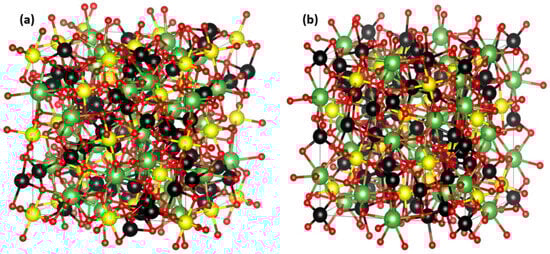
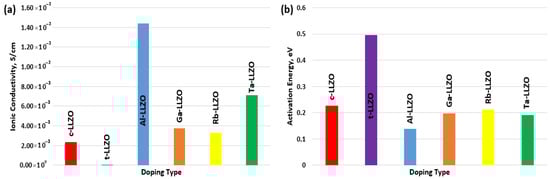
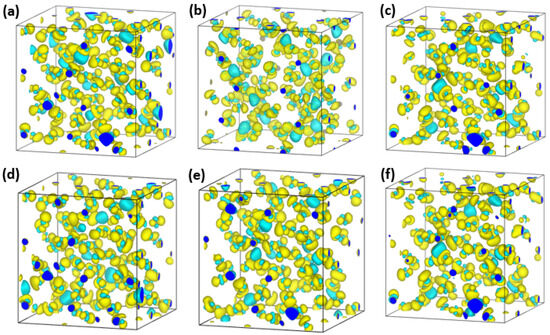
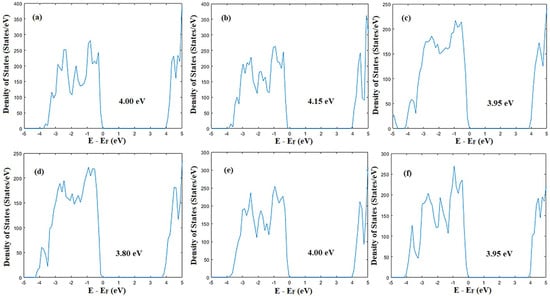
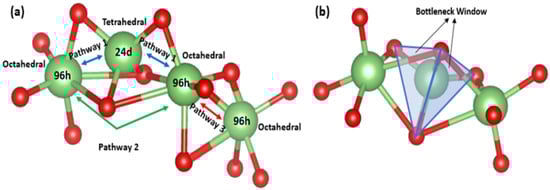
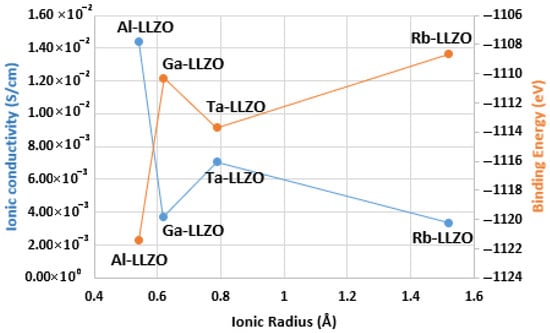
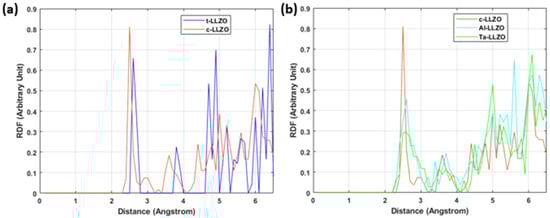
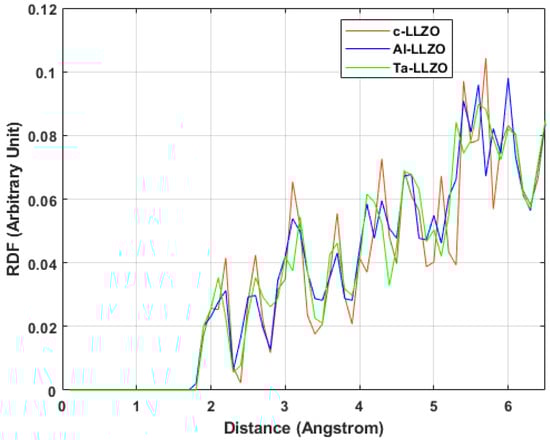
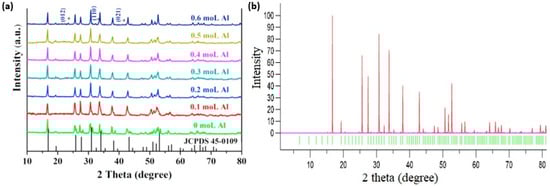
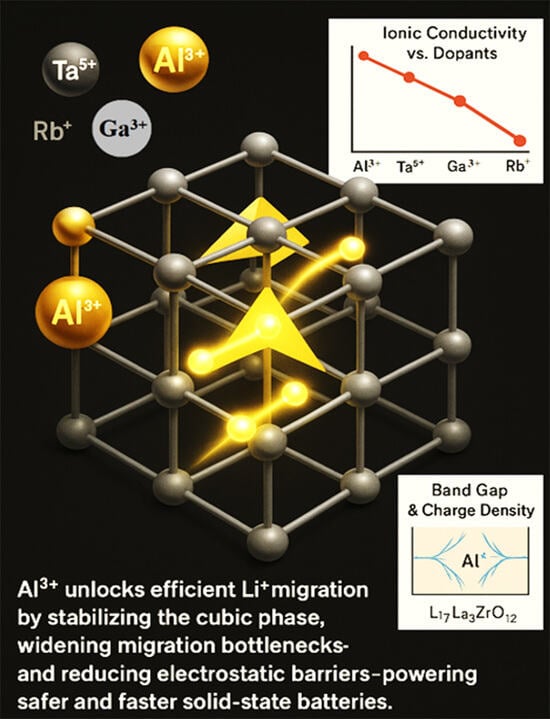
The development of high-performance solid electrolytes is critical to advancing solid-state lithium-ion batteries (SSBs), with lithium lanthanum zirconium oxide (LLZO) emerging as a leading candidate due to its chemical stability and wide electrochemical window. In this study, we systematically investigated the effects of cation dopants, including aluminum (Al3+), tantalum (Ta5+), gallium (Ga3+), and rubidium (Rb+), on the structural, electronic, and ionic transport properties of LLZO using density functional theory (DFT) and ab initio molecular dynamics (AIMD) simulations. It appeared that, among all simulated results, Al-LLZO exhibits the highest ionic conductivity of 1.439 × 10⁻² S/cm with reduced activation energy of 0.138 eV, driven by enhanced lithium vacancy concentrations and preserved cubic-phase stability. Ta-LLZO follows, with a conductivity of 7.12 × 10⁻³ S/cm, while Ga-LLZO and Rb-LLZO provide moderate conductivity of 3.73 × 10⁻³ S/cm and 3.32 × 10⁻³ S/cm, respectively. Charge density analysis reveals that Al and Ta dopants facilitate smoother lithium-ion migration by minimizing electrostatic barriers. Furthermore, Al-LLZO demonstrates low electronic conductivity (1.72 × 10⁻⁸ S/cm) and favorable binding energy, mitigating dendrite formation risks. Comparative evaluations of radial distribution functions (RDFs) and XRD patterns confirm the structural integrity of doped systems. Overall, Al emerges as the most effective and economically viable dopant, optimizing LLZO for scalable, durable, and high-conductivity solid-state batteries.
Full article

Graphical abstract
Open AccessReview
Electrochemical (Bio) Sensors Based on Metal–Organic Framework Composites
by
Ping Li, Ziyu Cui, Mengshuang Wang, Junxian Yang, Mingli Hu, Qiqing Cheng and Shi Wang
Electrochem 2025, 6(3), 28; https://doi.org/10.3390/electrochem6030028 - 4 Aug 2025
Abstract
Metal–organic frameworks (MOFs) have characteristics such as a large specific surface area, distinct functional sites, and an adjustable pore size. However, the inherent low conductivity of MOFs significantly affects the charge transfer efficiency when they are used for electrocatalytic sensing. Combining MOFs with
[...] Read more.
Metal–organic frameworks (MOFs) have characteristics such as a large specific surface area, distinct functional sites, and an adjustable pore size. However, the inherent low conductivity of MOFs significantly affects the charge transfer efficiency when they are used for electrocatalytic sensing. Combining MOFs with conductive materials can compensate for these deficiencies. For MOF/metal nanoparticle composites (e.g., composites with gold, silver, platinum, and bimetallic nanoparticles), the high electrical conductivity and catalytic activity of metal nanoparticles are utilized, and MOFs can inhibit the agglomeration of nanoparticles. MOF/carbon-based material composites integrate the high electrical conductivity and large specific surface area of carbon-based materials. MOF/conductive polymer composites offer good flexibility and tunability. MOF/multiple conductive material composites exhibit synergistic effects. Although MOF composites provide an ideal platform for electrocatalytic reactions, current research still suffers from several issues, including a lack of comparative studies, insufficient research on structure–property correlations, limited practical applications, and high synthesis costs. In the future, it is necessary to explore new synthetic pathways and seek; inexpensive alternative raw materials.
Full article
(This article belongs to the Special Issue Feature Papers in Electrochemistry)
►▼
Show Figures

Figure 1
Open AccessArticle
Red-Billed Blue Magpie Optimizer for Modeling and Estimating the State of Charge of Lithium-Ion Battery
by
Ahmed Fathy and Ahmed M. Agwa
Electrochem 2025, 6(3), 27; https://doi.org/10.3390/electrochem6030027 - 31 Jul 2025
Cited by 2
Abstract
►▼
Show Figures
The energy generated from renewable sources has an intermittent nature since solar irradiation and wind speed vary continuously. Hence, their energy should be stored to be utilized throughout their shortage. There are various forms of energy storage systems while the most widespread technique
[...] Read more.
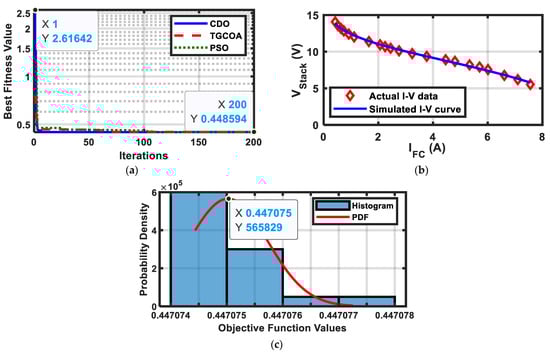
The energy generated from renewable sources has an intermittent nature since solar irradiation and wind speed vary continuously. Hence, their energy should be stored to be utilized throughout their shortage. There are various forms of energy storage systems while the most widespread technique is the battery storage system since its cost is low compared to other techniques. Therefore, batteries are employed in several applications like power systems, electric vehicles, and smart grids. Due to the merits of the lithium-ion (Li-ion) battery, it is preferred over other kinds of batteries. However, the accuracy of the Li-ion battery model is essential for estimating the state of charge (SOC). Additionally, it is essential for consistent simulation and operation throughout various loading and charging conditions. Consequently, the determination of real battery model parameters is vital. An innovative application of the red-billed blue magpie optimizer (RBMO) for determining the model parameters and the SOC of the Li-ion battery is presented in this article. The Shepherd model parameters are determined using the suggested optimization algorithm. The RBMO-based modeling approach offers excellent execution in determining the parameters of the battery model. The suggested approach is compared to other programmed algorithms, namely dandelion optimizer, spider wasp optimizer, barnacles mating optimizer, and interior search algorithm. Moreover, the suggested RBMO is statistically evaluated using Kruskal–Wallis, ANOVA tables, Friedman rank, and Wilcoxon rank tests. Additionally, the Li-ion battery model estimated via the RBMO is validated under variable loading conditions. The fetched results revealed that the suggested approach achieved the least errors between the measured and estimated voltages compared to other approaches in two studied cases with values of 1.4951 × 10⁻⁴ and 2.66176 × 10⁻⁴.
Full article

Figure 1

Open AccessArticle
Electrocoagulation of Spent Coolant by Dissimilar Fe-Al Combination
by
Shu Pei Ng, Weiyi Wu, Min Qian, Yuelong Preston Zhu, Xinying Deng, Shuyun Chng, Yi Jin Tan, Yi Qing Kek, Shi Jun Zachary Yong, Li Wei Low and Wenjin Yan
Electrochem 2025, 6(3), 26; https://doi.org/10.3390/electrochem6030026 - 11 Jul 2025
Cited by 1
Abstract
Electrocoagulation is rapidly gaining prominence in wastewater treatment due to its capabilities and less reliance on additional chemicals. While a lot of research efforts have been focused on the influence of the anode material, power supply, and reactor design, the contribution of the
[...] Read more.
Electrocoagulation is rapidly gaining prominence in wastewater treatment due to its capabilities and less reliance on additional chemicals. While a lot of research efforts have been focused on the influence of the anode material, power supply, and reactor design, the contribution of the cathode to contaminant removal has been less explored. In this study, we investigated the performance of stainless steel (SS-304) and aluminium (Al-6061) electrodes in both similar and dissimilar configurations for a 120 min electrocoagulation treatment of spent machinery coolant. The anode–cathode configurations, including SS-SS, Al-Al, SS-Al and Al-SS, have been investigated. Additionally, we examined the effects of the initial pH and agitation methods on the process performance. Our findings indicated that the type of cathode could significantly affect the floc formation and contaminant removal. Notably, the combination of an Al anode and SS cathode (Al(A)-SS(C)) demonstrated a synergistic improvement in the Chemical Oxygen Demand (COD), with a removal of 84.3% within a short treatment time (<20 min). The final COD removal of 91.4% was achieved with a turbidity level close to 12 Nephelometric Turbidity Units (NTU). The Al anode readily released the Al ions and formed light flocs at the early stage of electrocoagulation, while the SS cathode generated heavy Fe hydroxides that mitigated the flotation effect. These results demonstrated the cathode’s significant contribution in electrocoagulation, leading to potential savings in the treatment time required.
Full article
(This article belongs to the Special Issue Feature Papers in Electrochemistry)
►▼
Show Figures

Figure 1
Open AccessArticle
Chemical Stability of PFSA Membranes in Heavy-Duty Fuel Cells: Fluoride Emission Rate Model
by
Luke R. Johnson, Xiaohua Wang, Calita Quesada, Xiaojing Wang, Rangachary Mukundan and Rajesh Ahluwalia
Electrochem 2025, 6(3), 25; https://doi.org/10.3390/electrochem6030025 - 4 Jul 2025
Cited by 1
Abstract
►▼
Show Figures
Laboratory data from in-cell tests at and near open circuit potentials (OCV) and ex-situ H2O2 vapor exposure tests are used to develop a fluoride emission rate (FER) model for a state-of-the-art 12-µm thin, low equivalent weight, long-chain perfluorosulfonic acid (PFSA)
[...] Read more.
Laboratory data from in-cell tests at and near open circuit potentials (OCV) and ex-situ H2O2 vapor exposure tests are used to develop a fluoride emission rate (FER) model for a state-of-the-art 12-µm thin, low equivalent weight, long-chain perfluorosulfonic acid (PFSA) ionomer membrane that is mechanically reinforced with expanded PTFE and chemically stabilized with 2 mol% cerium as an anti-oxidant. The anode FER at OCV linearly correlates with O2 crossover from the cathode and the high yield of H2O2 at anode potentials, as observed in rotating ring disk electrode (RRDE) studies. The cathode FER may be linked to the energetic formation of reactive hydroxyl radicals (·OH) from the decomposition of H2O2 produced as an intermediate in the two-electron ORR pathway at high cathode potentials. Both anode and cathode FERs are significantly enhanced at low relative humidity and high temperatures. The modeled FER is strongly influenced by the gradients in water activity and cerium concentration that develops in operating fuel cells. Membrane stability maps are constructed to illustrate the relationship between the cell voltage, temperature, and relative humidity for FER thresholds that define H2 crossover failure by chemical degradation over a specified lifetime.
Full article

Figure 1

Open AccessArticle
Amperometric Alcohol Vapour Detection and Mass Transport Diffusion Modelling in a Platinum-Based Sensor
by
Luke Saunders, Ronan Baron and Benjamin R. Horrocks
Electrochem 2025, 6(3), 24; https://doi.org/10.3390/electrochem6030024 - 3 Jul 2025
Abstract
An important class of analytes are volatile organic carbons (VOCs), particularly aliphatic primary alcohols. Here, we report the straightforward modification of a commercially available carbon monoxide sensor to detect a range of aliphatic primary alcohols at room temperature. The mass transport mechanisms governing
[...] Read more.
An important class of analytes are volatile organic carbons (VOCs), particularly aliphatic primary alcohols. Here, we report the straightforward modification of a commercially available carbon monoxide sensor to detect a range of aliphatic primary alcohols at room temperature. The mass transport mechanisms governing the performance of the sensor were investigated using diffusion in multiple layers of the sensor to model the response to an abrupt change in analyte concentration. The sensor was shown to have a large capacitance because of the nanoparticulate nature of the platinum working electrode. It was also shown that the modified sensor had performance characteristics that were mainly determined by the condensation of the analyte during diffusion through the membrane pores. The sensor was capable of a quantitative amperometric response (sensitivity of approximately 2.2 µA/ppm), with a limit of detection (LoD) of 17 ppm methanol, 2 ppm ethanol, 3 ppm heptan-1-ol, and displayed selectivity towards different VOC functional groups (the sensor gives an amperometric response to primary alcohols within 10 s, but not to esters or carboxylic acids).
Full article
(This article belongs to the Special Issue Feature Papers in Electrochemistry)
►▼
Show Figures

Figure 1
Highly Accessed Articles
Latest Books
E-Mail Alert
News
Topics
Topic in
Catalysts, Electrochem, Materials, Molecules, Nanomaterials, Electronic Materials, Reactions
Electrocatalytic Advances for Sustainable Energy
Topic Editors: Yang Liu, Bangwei DengDeadline: 31 December 2026
Special Issues
Special Issue in
Electrochem
Feature Papers in Electrochemistry
Guest Editor: Masato SoneDeadline: 31 December 2025
Special Issue in
Electrochem
Fuel Cells: Performance and Durability
Guest Editors: Fatemeh Gholami, Martin TomasDeadline: 31 December 2025
Special Issue in
Electrochem
Lithium-Ion Battery Second-Life Applications and Recycling
Guest Editors: Qi Zhang, Yunlong Shang, Zhongkai ZhouDeadline: 30 June 2026