


Journal Description
Cells
Cells
is an international, peer-reviewed, open access journal on cell biology, molecular biology, and biophysics, published semimonthly online by MDPI. The Nordic Autophagy Society (NAS), the Spanish Society of Hematology and Hemotherapy (SEHH), the International Cell Death Society (ICDS), and the Spanish Group for Hematopoietic Transplantation and Cell Therapy (GETH-TC) are affiliated with Cells, and their members receive discounts on the article processing charges.
- Open Access— free for readers, with article processing charges (APC) paid by authors or their institutions.
- High Visibility: indexed within Scopus, SCIE (Web of Science), PubMed, MEDLINE, PMC, CAPlus / SciFinder, and other databases.
- Journal Rank: JCR - Q2 (Cell Biology) / CiteScore - Q1 (General Biochemistry, Genetics and Molecular Biology)
- Rapid Publication: manuscripts are peer-reviewed and a first decision is provided to authors approximately 15.5 days after submission; acceptance to publication is undertaken in 2.8 days (median values for papers published in this journal in the second half of 2025).
- Recognition of Reviewers: reviewers who provide timely, thorough peer-review reports receive vouchers entitling them to a discount on the APC of their next publication in any MDPI journal, in appreciation of the work done.
- Sections: published in 21 topical sections.
- Companion journal: Organoids.
Impact Factor:
6.0 (2025);
5-Year Impact Factor:
6.6 (2025)
Latest Articles
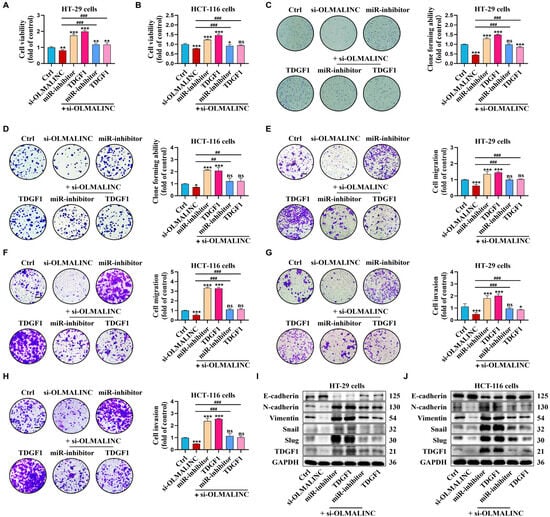
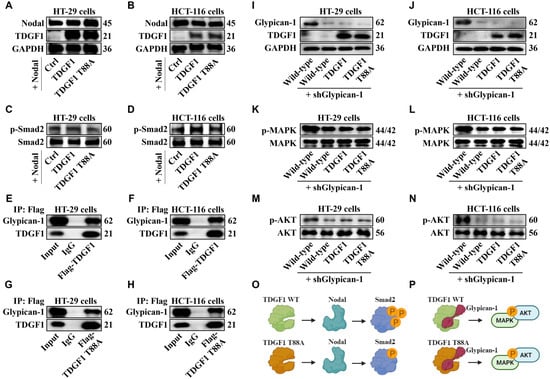
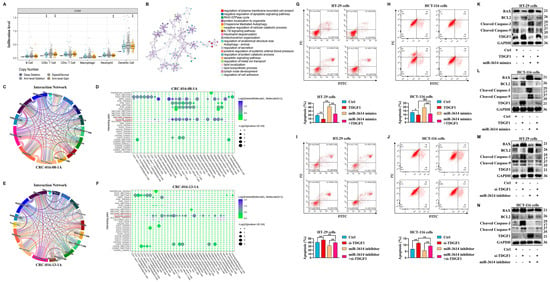
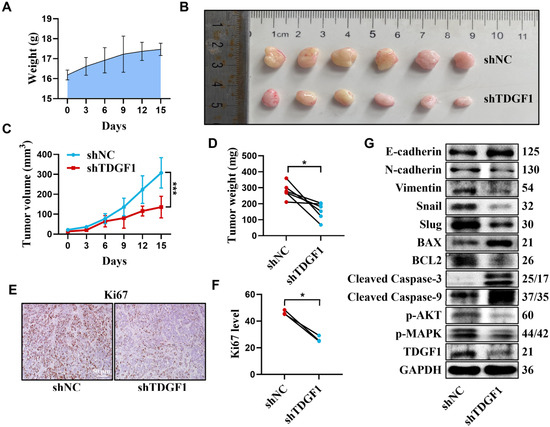
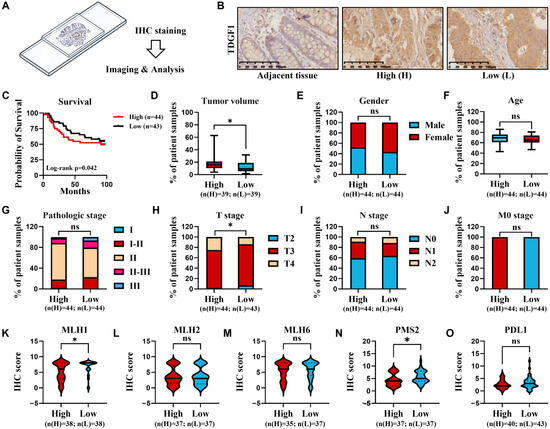
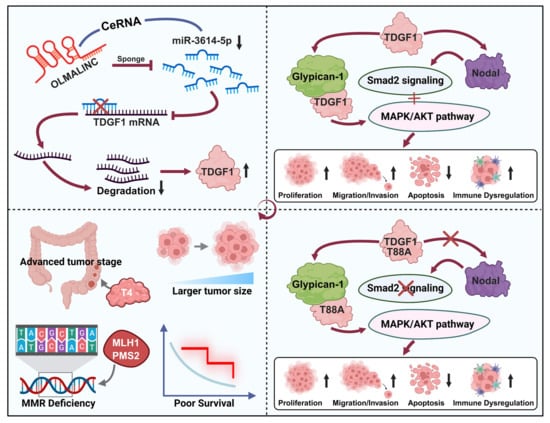
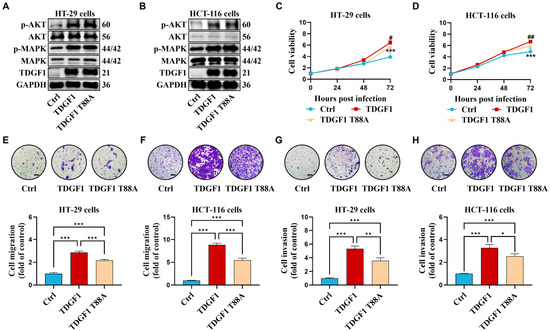
TDGF1 Mediates the Oncogenic Effects of the OLMALINC/miR-3614-5p ceRNA Axis in Colon Cancer Through Nodal/Smad2 and Glypican-1/MAPK-AKT Signaling
Cells 2026, 15(13), 1141; https://doi.org/10.3390/cells15131141 (registering DOI) - 23 Jun 2026
Abstract
►
Show Figures
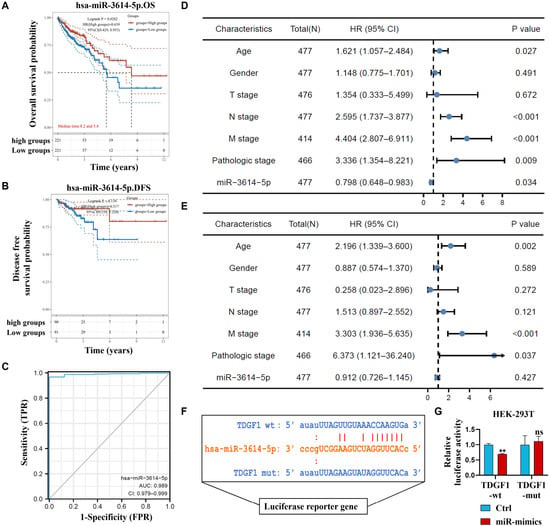
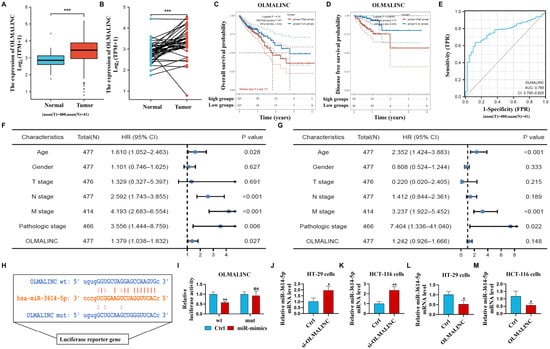
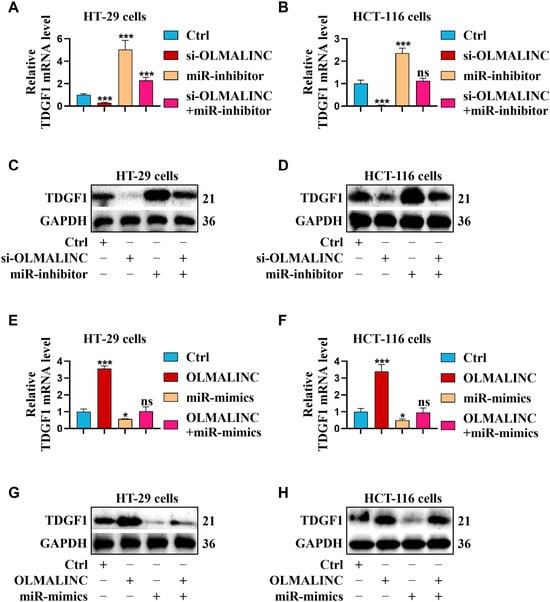
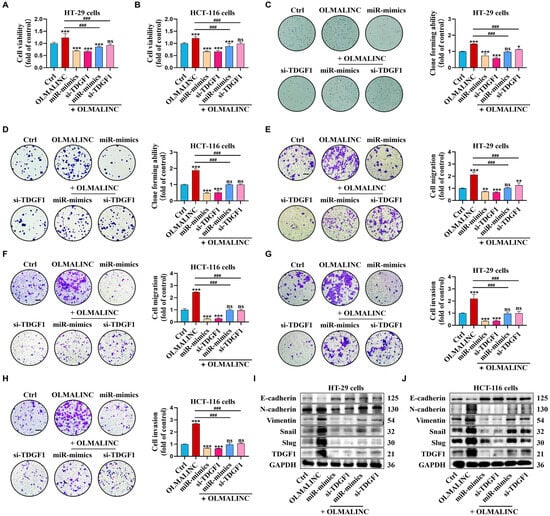
The multifaceted oncogenic role of teratocarcinoma-derived growth factor 1 (TDGF1) in colon cancer remains incompletely understood. Through integrative bioinformatic and functional analyses, we identified a novel competing endogenous RNA (ceRNA) axis wherein the long non-coding RNA OLMALINC directly sponges hsa-miR-3614-5p, leading to the
[...] Read more.
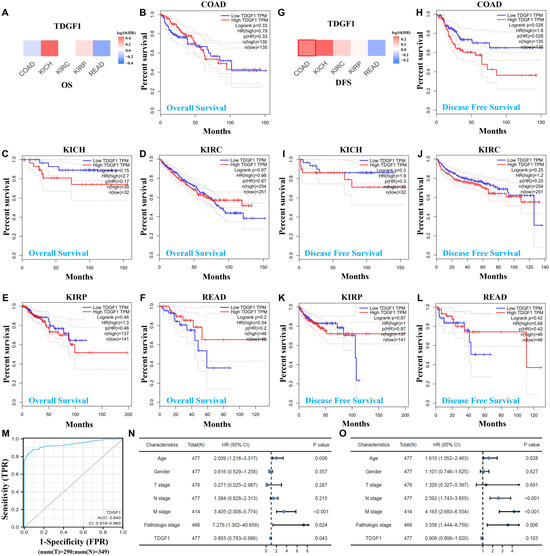
The multifaceted oncogenic role of teratocarcinoma-derived growth factor 1 (TDGF1) in colon cancer remains incompletely understood. Through integrative bioinformatic and functional analyses, we identified a novel competing endogenous RNA (ceRNA) axis wherein the long non-coding RNA OLMALINC directly sponges hsa-miR-3614-5p, leading to the derepression of TDGF1. This OLMALINC/miR-3614-5p/TDGF1 axis promoted colon cancer cell proliferation, migration, invasion, and anti-apoptosis in vitro, whereas TDGF1 knockdown significantly suppressed tumor growth in vivo. Mechanistically, TDGF1 co-activated oncogenic signaling via the Thr88-dependent Nodal/Smad2 cascade and the Glypican-1-mediated MAPK/AKT pathway. Beyond cell-autonomous effects, transcriptomic and single-cell analyses revealed that elevated TDGF1 correlates with an immunosuppressive microenvironment, characterized by reduced immune infiltration and altered LGALS9-CD44 malignant-T cell communication. Clinically, high TDGF1 expression in a tissue microarray cohort was significantly associated with advanced T stage, reduced expression of specific mismatch repair proteins (MLH1/PMS2), and poor overall survival. Collectively, this study delineates the OLMALINC/miR-3614-5p/TDGF1 regulatory circuit and establishes TDGF1 as a multifaceted driver of tumor progression, highlighting its potential as a prognostic biomarker and therapeutic target in colon cancer.
Full article
Open AccessReview
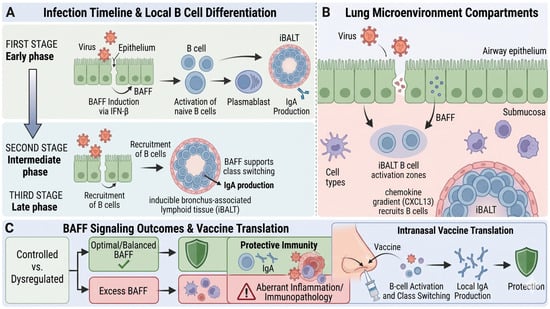
BAFF as a Key Modulator of Respiratory Mucosal B Cell Immunity in Viral Infection and Mucosal Vaccination
by
Wael Alturaiki
Cells 2026, 15(13), 1140; https://doi.org/10.3390/cells15131140 (registering DOI) - 23 Jun 2026
Abstract
►▼
Show Figures
Mucosal immunity in the respiratory tract provides the first line of defense against airborne pathogens, yet most current vaccines fail to induce strong and durable immune responses at these sites. Respiratory viruses, including respiratory syncytial virus (RSV), influenza viruses, and coronaviruses, remain major
[...] Read more.
Mucosal immunity in the respiratory tract provides the first line of defense against airborne pathogens, yet most current vaccines fail to induce strong and durable immune responses at these sites. Respiratory viruses, including respiratory syncytial virus (RSV), influenza viruses, and coronaviruses, remain major global health threats, in part due to their ability to evade long-term mucosal protection. Although systemic vaccination generates robust circulating immunity, it induces limited local responses, particularly secretory immunoglobulin A (IgA), which is critical for preventing viral entry and transmission at the airway surface. The mechanisms regulating B cell responses within the airway mucosa are not fully understood. B cell–activating factor (BAFF), a member of the tumor necrosis factor (TNF) superfamily, has emerged as an important context-dependent regulator of mucosal B cell immunity. BAFF is produced by airway epithelial cells and multiple myeloid populations, including dendritic cells and neutrophils, and is rapidly induced during respiratory viral infection through type I interferon–dependent pathways. Functionally, BAFF supports B cell survival, differentiation, and class-switch recombination, promoting the generation of antibody-secreting plasma cells and enhancing IgA production. In the lung, these effects align with early, intermediate, and late stages of the response, supporting initial local antibody production, the formation of inducible bronchus-associated lymphoid tissue (iBALT), and the development of tissue-resident memory B cells that sustain long-term immunity. Although BAFF plays an essential role in mucosal immunity, its activity requires tight regulation to maintain immune balance. Current evidence supports BAFF as a promising immunomodulatory component and highlights its potential as an adjuvant platform for enhancing mucosal vaccine efficacy, warranting further investigation as a potential adjuvant in this context.
Full article

Figure 1
Open AccessArticle
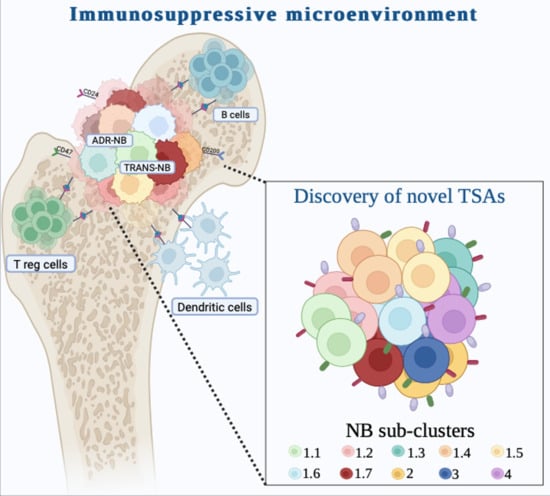
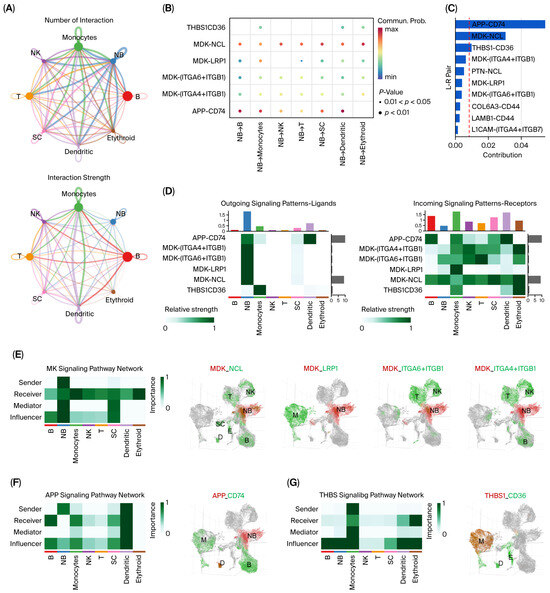
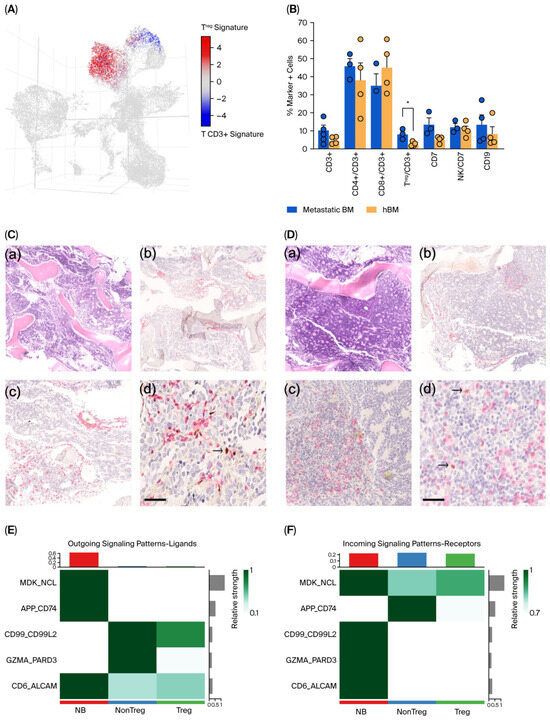
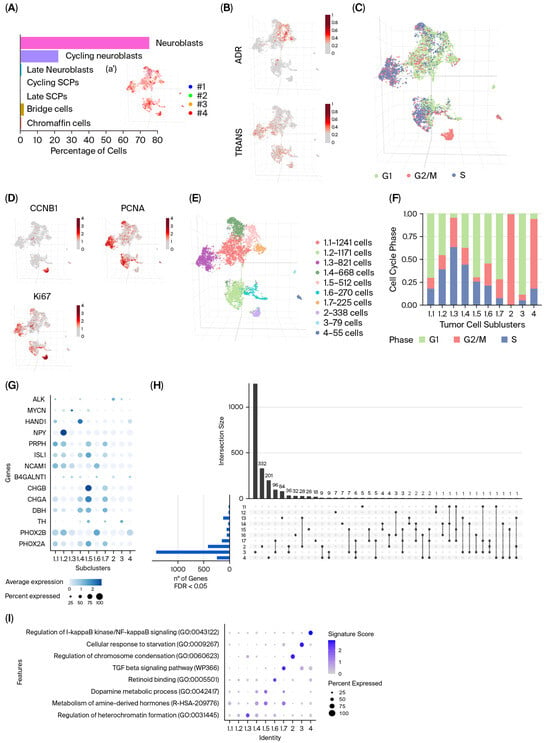
Comparative Study of Single-Cell and Bulk RNA Sequencing Data from Metastatic Bone Marrow Neuroblastoma Samples
by
Sanja Aveic, Alessandro Davini, Sara Menegazzo, Marcella Pantile, Carlo Zanon, Anna Corrà, Giovanni Faggin, Diana Corallo, Danilo Pellin, Luisa Santoro, Chiara Frasson, Angelica Zin, Samuela Francescato, Bartolomeo Rossi, Ioana Ancuta Neculaescu, Martina Pigazzi, Barbara Buldini, Elisabetta Viscardi and Alessandra Biffi
Cells 2026, 15(13), 1139; https://doi.org/10.3390/cells15131139 (registering DOI) - 23 Jun 2026
Abstract
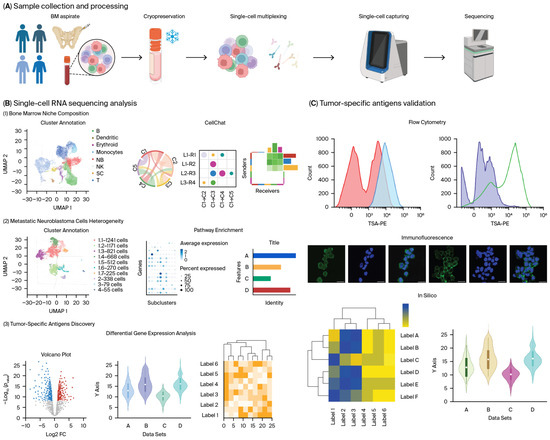
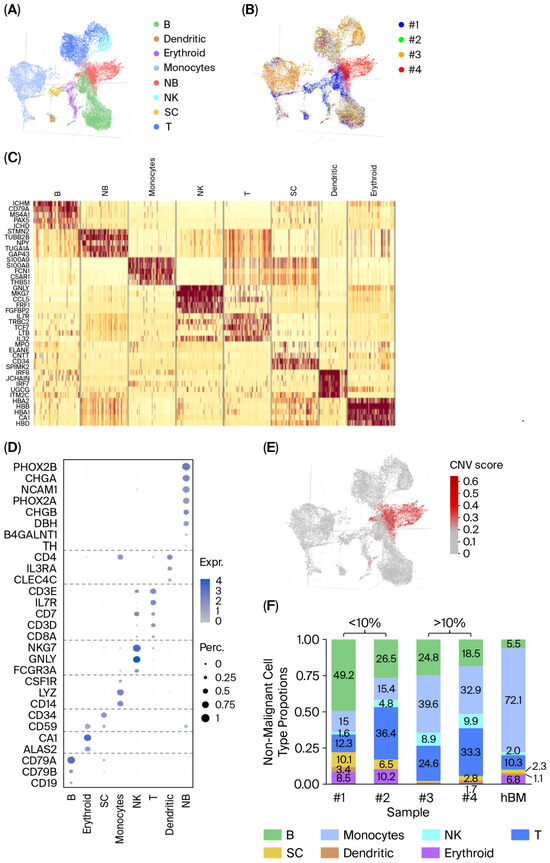
Neuroblastoma is characterized by frequent involvement of bone marrow (BM) as a site of cell dissemination and spread. In this study, single-cell RNA sequencing (scRNA-seq) was used to analyze the cellular heterogeneity of a subset of metastatic BM samples collected at initial diagnosis.
[...] Read more.
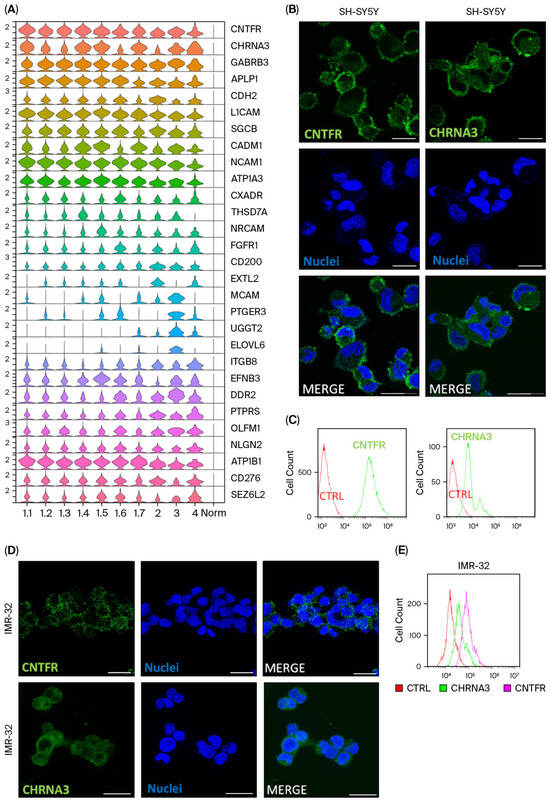
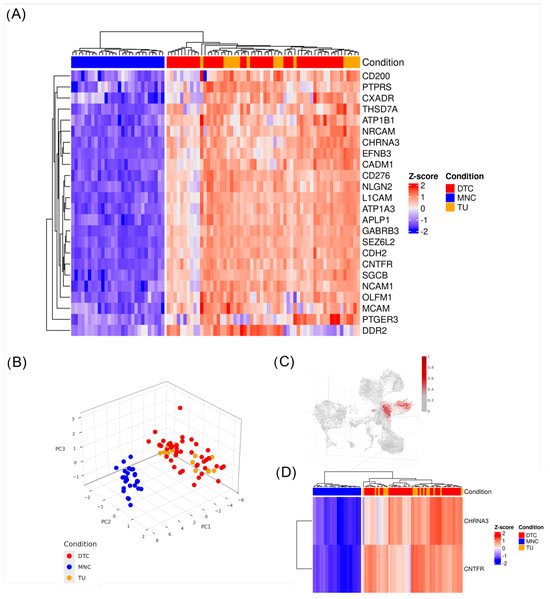
Neuroblastoma is characterized by frequent involvement of bone marrow (BM) as a site of cell dissemination and spread. In this study, single-cell RNA sequencing (scRNA-seq) was used to analyze the cellular heterogeneity of a subset of metastatic BM samples collected at initial diagnosis. Comparison of the single-cell data with bulk RNA sequencing further refined the analysis. An enrichment of regulatory T cells relative to a healthy control and activation of the CD24, CD47, and CD200 “don’t eat me” signals were documented. Computational analyses highlighted communication between neuroblastoma and myeloid cells via the amyloid precursor protein (APP) and midkine (MK) signaling networks. Within neuroblastoma cells, mutually exclusive adrenergic and transitory cell states were identified, and ten sub-clusters were denoted. In addition, common and unique tumor cell antigens were investigated. CNTFR and CHRNA3, as high-ranking candidates, were validated, confirming their strong selectivity for neuroblastoma cells. Taken together, these findings support the existence of a significant tumor-dependent modulation of the BM ecosystem, which should be considered when introducing immunotherapy. Furthermore, they highlight the potential to investigate new antigens at the single-cell resolution.
Full article
(This article belongs to the Section Cellular Pathology)
►▼
Show Figures

Graphical abstract
Open AccessArticle
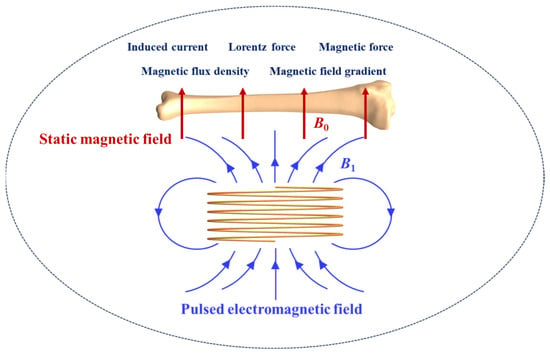
Combined Electromagnetic Fields Mitigate Unloading-Induced Bone Loss by Enhancing Osteogenic Responses via Multiphysics-Induced Mechanotransduction
by
Chao Cai, Shenghang Wang, Junyu Liu, Mengxuan Zheng, Weihao Ren, Fengyi Xue, Xin Zhang, Bo Zong, Jiancheng Yang, Weikang Sun, Zhihua Li, Tinghua He, Xiaotong Zhang and Peng Shang
Cells 2026, 15(13), 1138; https://doi.org/10.3390/cells15131138 (registering DOI) - 23 Jun 2026
Abstract
Unloading-induced bone loss is a major medical challenge during long-duration human spaceflight, largely driven by suppressed osteoblast-mediated bone formation, and practical countermeasures are needed. Electromagnetic stimulation has shown benefits for bone repair, and its non-invasiveness supports potential space use; however, its single-modality efficacy
[...] Read more.
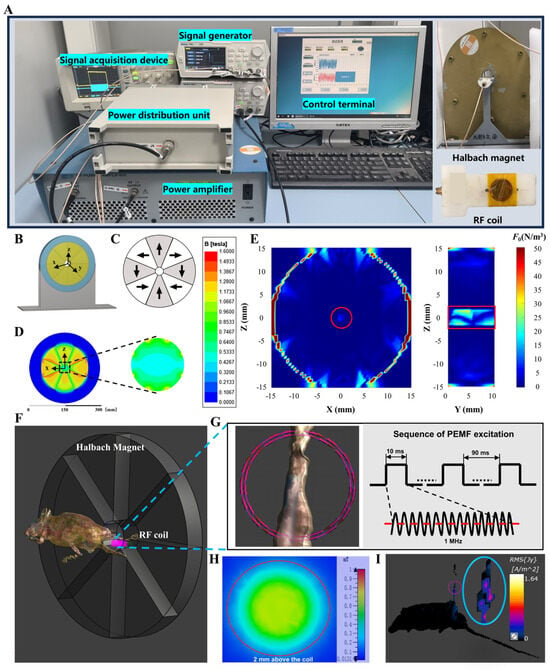
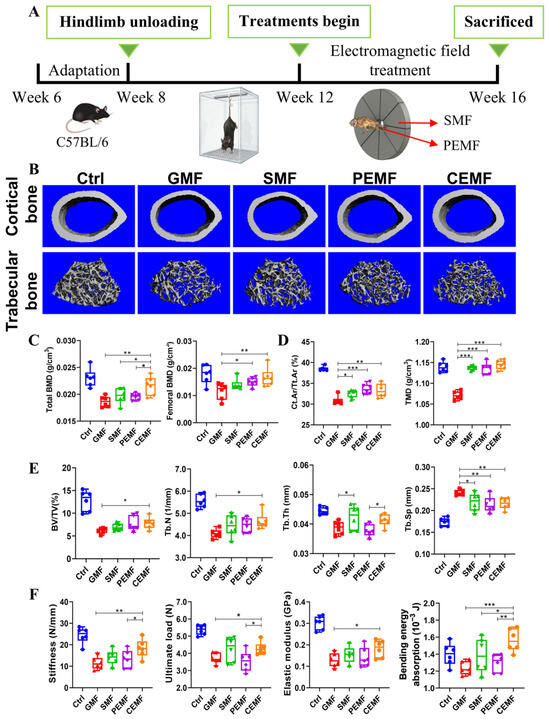
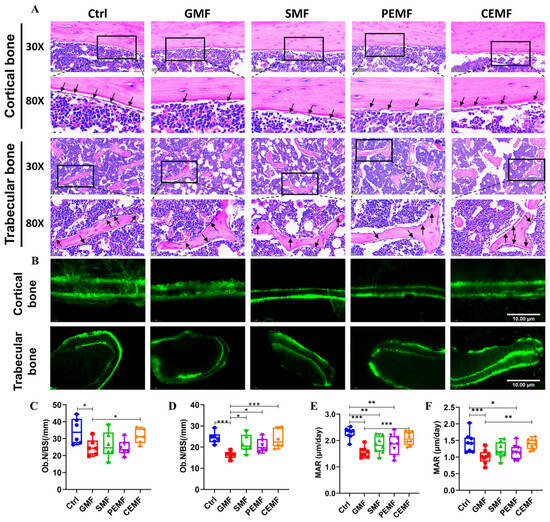
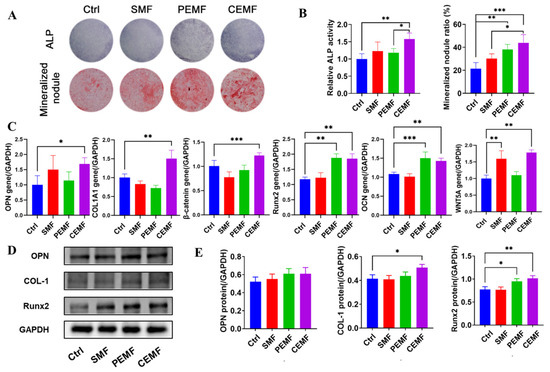
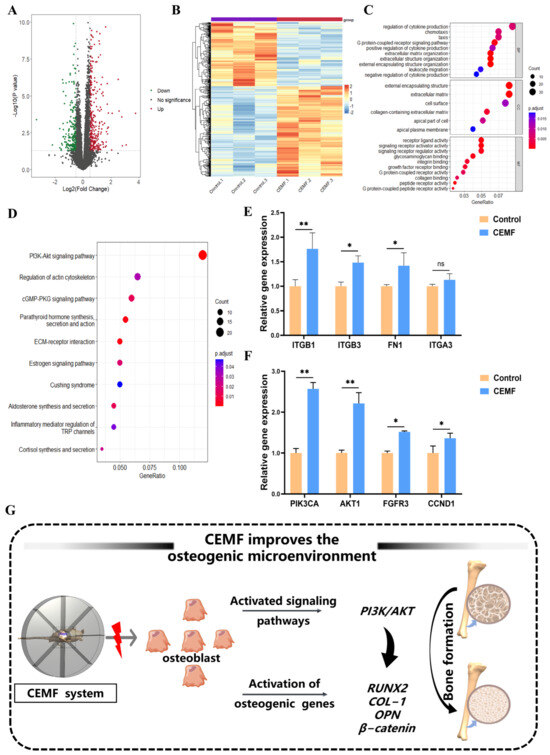
Unloading-induced bone loss is a major medical challenge during long-duration human spaceflight, largely driven by suppressed osteoblast-mediated bone formation, and practical countermeasures are needed. Electromagnetic stimulation has shown benefits for bone repair, and its non-invasiveness supports potential space use; however, its single-modality efficacy remains limited. Here, we investigated a combined electromagnetic field (CEMF) integrating a static magnetic field (SMF, 0.4–0.6 T) and a pulsed electromagnetic field (PEMF, 0.38 ± 0.19 mT) to attenuate unloading-related bone loss and examine field-induced mechanical stimulation. Finite-element simulations mapped magnetic flux density, field gradient, induced current density, and Lorentz force density in bone tissue. CEMF was evaluated in vivo in hindlimb unloading (HLU) mice and in vitro in MC3T3-E1 osteoblasts. CEMF improved bone mineral density, trabecular and cortical microarchitecture, and mechanical properties in HLU mice, with increased osteoblast number and mineral apposition rate. In vitro, CEMF promoted osteogenic differentiation and upregulated COL1A1 and RUNX2. Transcriptome analysis suggested activation of ECM–integrin mechanical signaling and the PI3K–AKT pathway. These findings indicate that CEMF-induced multiphysics stimulation enhances osteogenic responses and may serve as a complementary, non-invasive countermeasure for spaceflight-associated bone loss.
Full article
(This article belongs to the Topic Magnetic Biology and Bioelectromagnetic Technology)
►▼
Show Figures

Figure 1
Open AccessReview
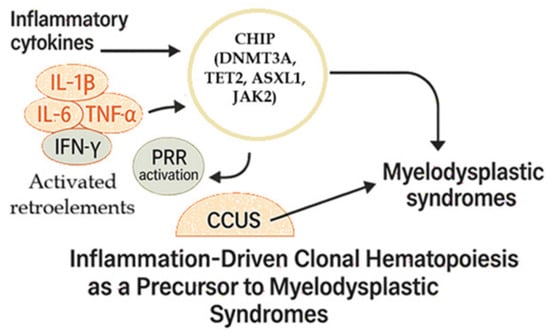
Inflammatory Signatures in MDS: The Missing Link Between Genetics, Microenvironment, and Therapy
by
Adele Bottaro, Maria Elisa Nasso, Giuseppe Mirabile, Manlio Fazio and Alessandro Allegra
Cells 2026, 15(13), 1137; https://doi.org/10.3390/cells15131137 (registering DOI) - 23 Jun 2026
Abstract
Myelodysplastic syndromes are clonal hematopoietic neoplasms in which ineffective hematopoiesis arises within the context of chronic inflammation and immune dysregulation. Growing evidence indicates that aging-associated inflammaging and inflammation-driven remodeling of the bone marrow microenvironment are not secondary phenomena, but active forces that shape
[...] Read more.
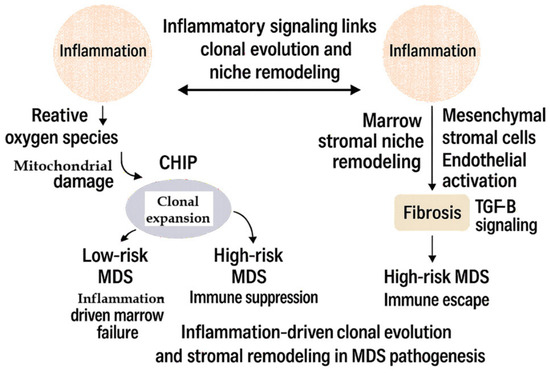
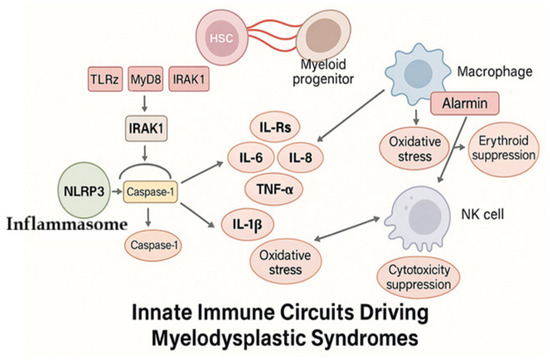
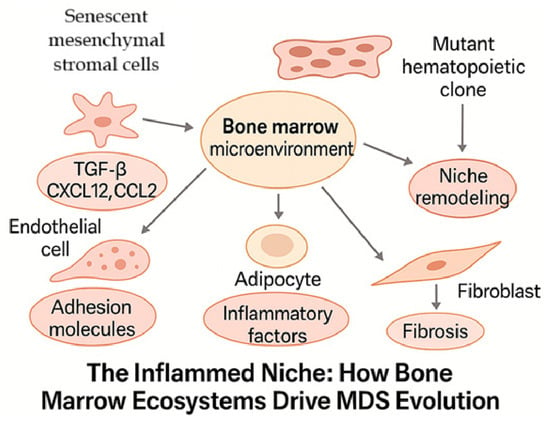
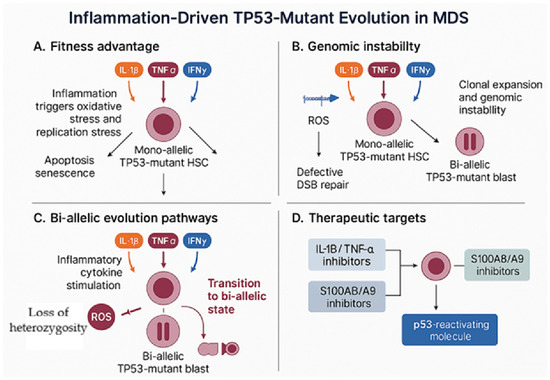
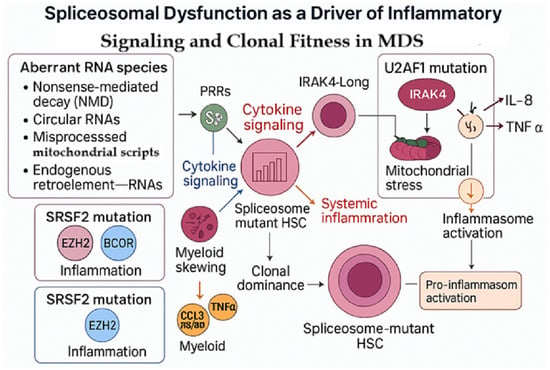
Myelodysplastic syndromes are clonal hematopoietic neoplasms in which ineffective hematopoiesis arises within the context of chronic inflammation and immune dysregulation. Growing evidence indicates that aging-associated inflammaging and inflammation-driven remodeling of the bone marrow microenvironment are not secondary phenomena, but active forces that shape clonal selection, lineage commitment, and disease evolution. This narrative review integrates recent insights from translational immunology, stem cell biology, multi-omics analyses, and clinical studies to examine the reciprocal interplay between inflammation and myelodysplastic syndrome pathogenesis. Chronic inflammatory stress imposes selective pressure on hematopoietic stem cells, favoring the expansion of mutation-bearing clones characteristic of clonal hematopoiesis and overt disease. As inflammation persists, immune dysfunction, together with stromal alterations, progressively reinforce ineffective hematopoiesis and clonal dominance. Genetic lesions, including TP53 and spliceosome mutations, further amplify inflammatory signaling and reshape the marrow niche, conferring clonal fitness and genomic instability. Clinically, readily accessible peripheral blood inflammatory indices reflect these biological processes and correlate with prognosis and therapeutic response. Collectively, these observations position inflammation as a unifying determinant of myelodysplastic syndrome initiation, progression, and treatment sensitivity. Integrating inflammatory signatures with genomic profiling may refine risk stratification and support the development of therapeutic strategies aimed at restoring marrow homeostasis and limiting inflammation-driven clonal evolution.
Full article
(This article belongs to the Special Issue Cellular Immunotherapies and Immune Modulation in Hematologic Cancers)
►▼
Show Figures

Figure 1
Open AccessArticle
MSTNDel73C Mutation Modulates Glycerophospholipid Metabolism During Osteogenic Differentiation of Sheep BMSCs
by
Luyu Wang, Yanhao Liu, Aowu Wu, Jingchao Cao, Yiping Zhao, Yibo Wang, Wenxi Ning, Zhengxing Lian and Kun Yu
Cells 2026, 15(13), 1136; https://doi.org/10.3390/cells15131136 (registering DOI) - 23 Jun 2026
Abstract
Myostatin (MSTN) is a well-established negative regulator of skeletal muscle growth; however, its role in bone metabolism and osteogenic differentiation remains incompletely understood. In this study, untargeted and targeted metabolomic analyses were performed to investigate the metabolic effects of the MSTNDel73C mutation
[...] Read more.
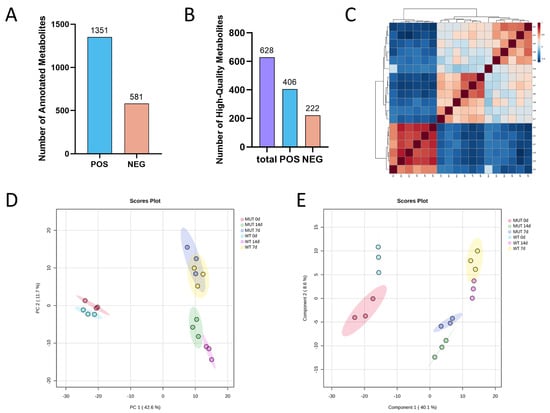
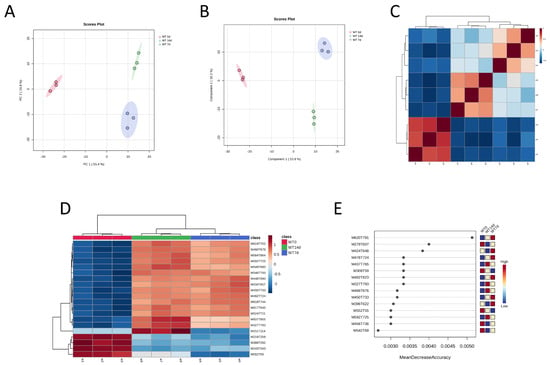
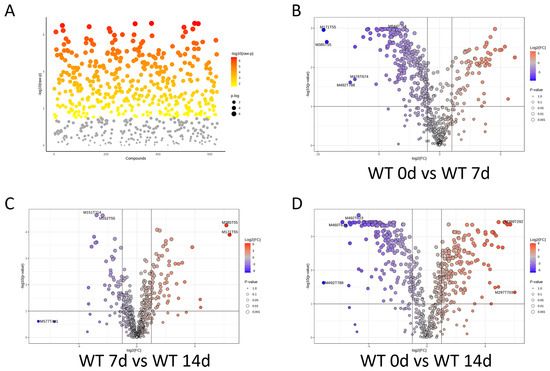
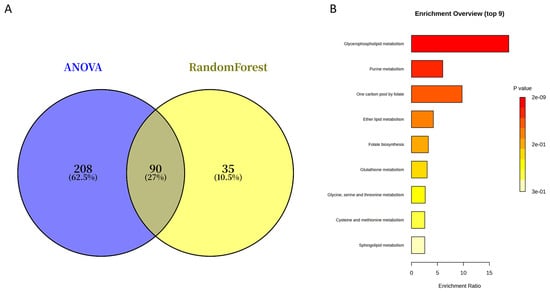
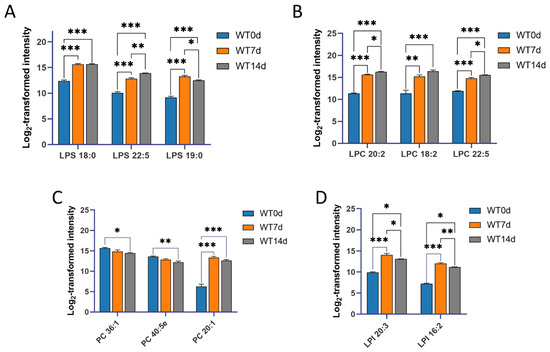
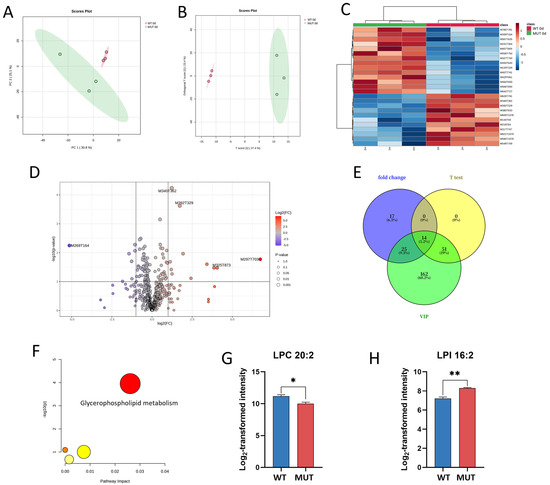
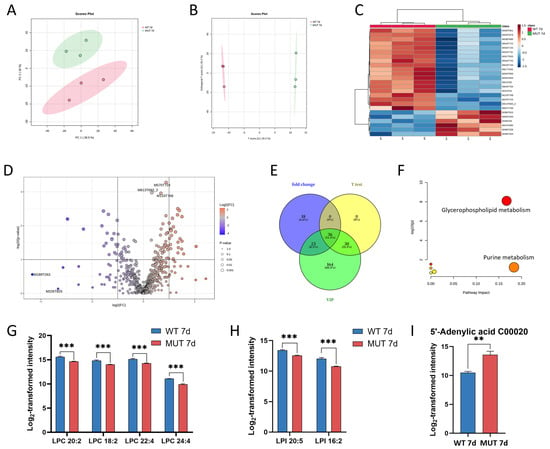
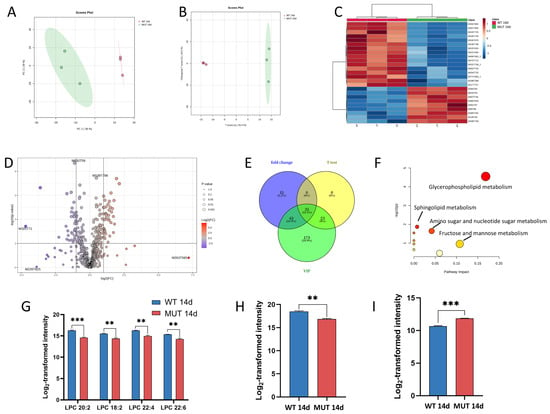
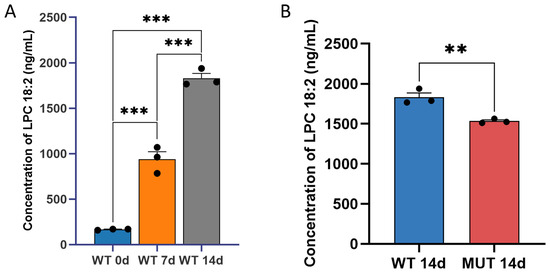
Myostatin (MSTN) is a well-established negative regulator of skeletal muscle growth; however, its role in bone metabolism and osteogenic differentiation remains incompletely understood. In this study, untargeted and targeted metabolomic analyses were performed to investigate the metabolic effects of the MSTNDel73C mutation during osteogenic differentiation of sheep bone marrow mesenchymal stem cells (BMSCs). Metabolomic profiles were analyzed in wild-type and MSTNDel73C mutant BMSCs at 0, 7, and 14 days of osteogenic induction. During normal osteogenic differentiation, metabolites related to glycerophospholipid metabolism were repeatedly detected among significantly altered features, accompanied by marked increases in multiple lysophospholipid subclasses, including lysophosphatidylcholine (LPC), lysophosphatidylserine (LPS), and lysophosphatidylinositol (LPI). In contrast, MSTNDel73C mutation was associated with significant reductions in several LPC and LPI species (p < 0.01 or p < 0.001), suggesting altered lipid metabolic profiles during differentiation. Targeted metabolomic validation further confirmed the altered abundance pattern of LPC 18:2. Collectively, these findings suggest that MSTN mutation is closely associated with metabolic remodeling during osteogenic differentiation and suggest potential involvement of glycerophospholipid-related metabolites involved in MSTN-related regulation of sheep BMSC osteogenesis.
Full article
(This article belongs to the Topic Metabolomics: Evaluating the Metabolic Profile of Biological Samples)
►▼
Show Figures

Figure 1
Open AccessReview
Understanding the Role of Fibrotic Scarring in Shaping the Lesion Site and Neural Repair After Spinal Cord Injury
by
Camilo Jubino Londoño and Binhai Zheng
Cells 2026, 15(13), 1135; https://doi.org/10.3390/cells15131135 (registering DOI) - 23 Jun 2026
Abstract
Following spinal cord injury (SCI), a complex lesion scar forms at the injury site that matures and remodels over weeks, profoundly influencing neural repair and functional recovery. This lesion consists of a fibrotic scar at its core surrounded by an astrocytic scar (or
[...] Read more.
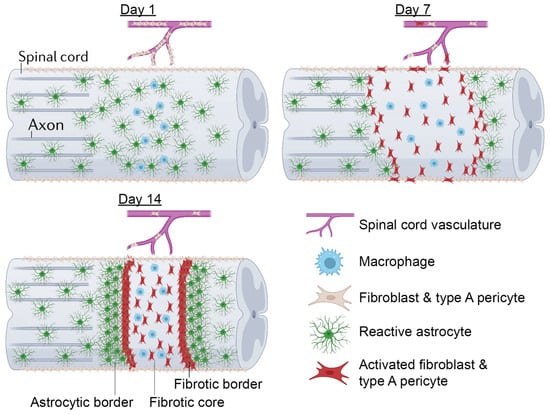
Following spinal cord injury (SCI), a complex lesion scar forms at the injury site that matures and remodels over weeks, profoundly influencing neural repair and functional recovery. This lesion consists of a fibrotic scar at its core surrounded by an astrocytic scar (or border). While the astrocytic scar has been extensively studied for decades, the fibrotic scar has only recently emerged as a critical player in post-injury pathophysiology. Fibrotic scarring plays a dual role: it contributes to tissue stabilization and limits secondary damage, yet its persistence can pose a barrier that inhibits axonal regeneration and hinders recovery. Despite growing interest, key aspects of fibrotic scar formation and function remain poorly understood. This review synthesizes the current knowledge of fibrotic scarring after SCI, including its temporal progression, cellular composition, molecular mechanisms, and interactions with other cell types at the injury site, and we discuss emerging therapeutic strategies targeting fibrosis. We further highlight critical knowledge gaps and outline future directions to define how fibrotic scarring shapes the injury microenvironment and influences neural repair.
Full article
(This article belongs to the Special Issue Basic Mechanisms and Emerging Therapeutic Strategies for Spinal Cord Injury)
►▼
Show Figures

Figure 1
Open AccessReview
Autophagy Stress Responses in Localized Prostate Cancer: A Flux-Aware Framework for Disease-Relevant Interpretation
by
Zaira Edith Hernández-Ramírez, Enoc Mariano Cortés Malagón, Jonathan Puente-Rivera and Javier Flores-Estrada
Cells 2026, 15(13), 1134; https://doi.org/10.3390/cells15131134 (registering DOI) - 23 Jun 2026
Abstract
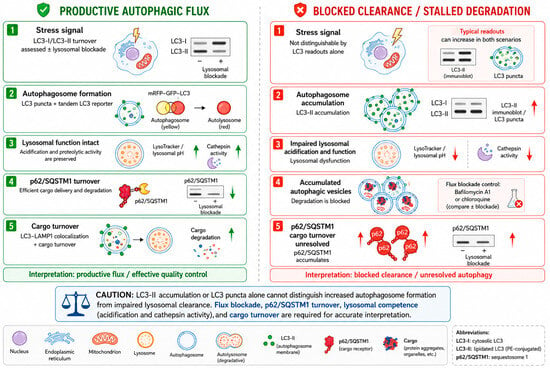
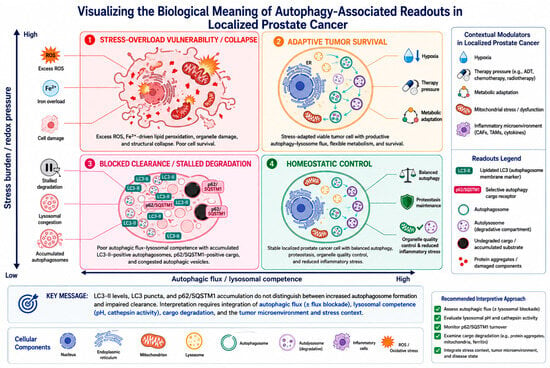
Autophagy-associated readouts in localized prostate cancer cannot be interpreted based on LC3, p62/SQSTM1, or LC3 puncta alone. In line with the concept of autophagy as a stress-response system, this review proposes a flux-aware, organelle-centered framework for assigning biological meaning to autophagy-related changes under
[...] Read more.
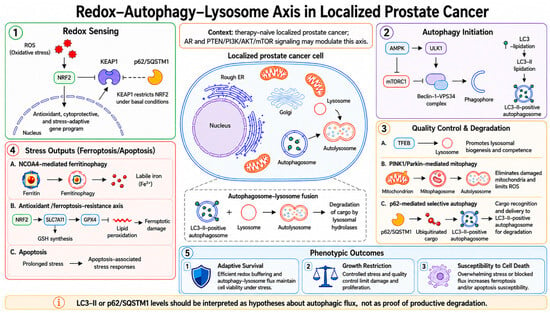
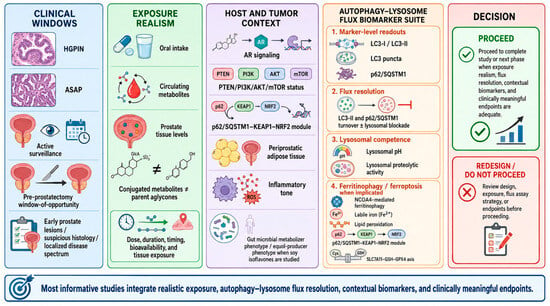
Autophagy-associated readouts in localized prostate cancer cannot be interpreted based on LC3, p62/SQSTM1, or LC3 puncta alone. In line with the concept of autophagy as a stress-response system, this review proposes a flux-aware, organelle-centered framework for assigning biological meaning to autophagy-related changes under disease-relevant stress. The framework integrates oxidative burden, lysosomal competence, selective autophagy, mitophagy, ferritinophagy, p62/SQSTM1-NRF2 signaling, ferroptosis-aware controls, and disease-stage context to distinguish four interpretive states: homeostatic quality control, adaptive tumor survival, blocked clearance, and stress-overload vulnerability. Flavonoid-associated responses are used as stress-test examples because they expose recurrent limitations in the field, including supraphysiologic exposures, limited metabolite realism, static-marker inflation, and insufficient assessment of lysosomal function. However, the framework is not restricted to dietary compounds; it applies to metabolic, pharmacological, inflammatory, androgen-related, radiation-associated, or therapy-induced perturbations in which autophagy-associated markers are altered without resolution of flux or organelle function. By linking autophagosome formation, cargo turnover, lysosomal acidification, redox buffering, and phenotype-level endpoints, this review defines a practical evidence hierarchy for interpreting autophagy in localized prostate cancer and for prioritizing translational vulnerabilities arising from organelle crosstalk. This contribution is primarily conceptual and is operationalized methodologically through flux-based evaluation criteria and translationally through disease-window-specific study-design recommendations.
Full article
(This article belongs to the Special Issue Autophagy in Stress Responses: From Molecular Mechanisms to Disease Relevance)
►▼
Show Figures

Figure 1
Open AccessReview
Prostate Club-like Cells Reveal Context-Dependent Epithelial States in Homeostasis Remodeling and Cancer
by
Shuai Tang, Ximo Wang, Kian Fogarty, Fangmin Chen, Kai Li, Minghao Zhang, Mingui Fu and Benyi Li
Cells 2026, 15(13), 1133; https://doi.org/10.3390/cells15131133 (registering DOI) - 23 Jun 2026
Abstract
Prostate club-like cells have emerged as a recurrent but conceptually unsettled epithelial population across normal prostate, benign remodeling, inflammatory lesions, and prostate cancer. Although the term derives from airway biology, current evidence suggests that, in the prostate, these cells are better viewed as
[...] Read more.
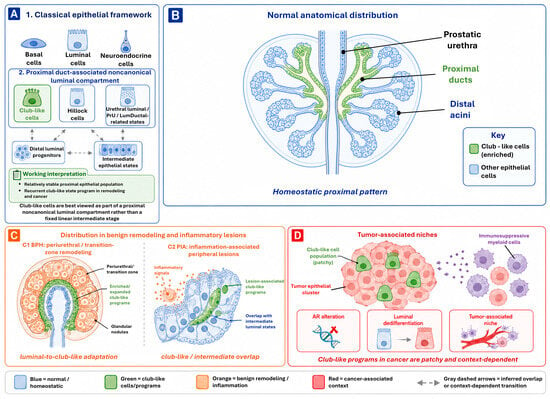
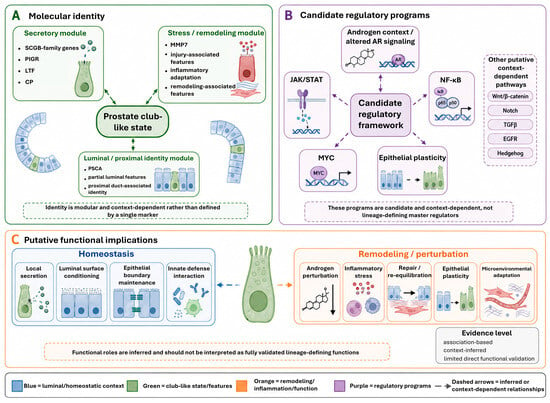
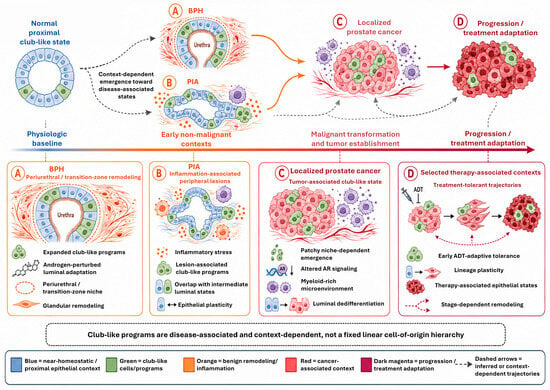
Prostate club-like cells have emerged as a recurrent but conceptually unsettled epithelial population across normal prostate, benign remodeling, inflammatory lesions, and prostate cancer. Although the term derives from airway biology, current evidence suggests that, in the prostate, these cells are better viewed as context-dependent noncanonical epithelial states than as a definitive lineage. Single-cell, spatial transcriptomic, and integrative studies place club-like cells most consistently in the prostatic urethra and proximal ducts under near-homeostatic conditions, whereas related programs reappear in benign prostatic hyperplasia, proliferative inflammatory atrophy, and tumor-associated niches. Across these contexts, club-like states intersect with androgen perturbation, inflammatory remodeling, epithelial plasticity, and treatment adaptation. Molecularly, they are defined less by a single marker than by a partially overlapping secretory, stress-associated, and remodeling-related gene program, with variable relationships to urethral luminal, intermediate, and progenitor-like epithelial states. This review synthesizes current evidence on the definition, distribution, molecular identity, functional implications, and disease relevance of prostate club-like cells. We argue that their main significance lies in clarifying prostate epithelial heterogeneity and state transitions, while key priorities include harmonized nomenclature, longitudinal sampling, spatial validation, and functional perturbation.
Full article
(This article belongs to the Section Cellular Pathology)
►▼
Show Figures

Figure 1
Open AccessReview
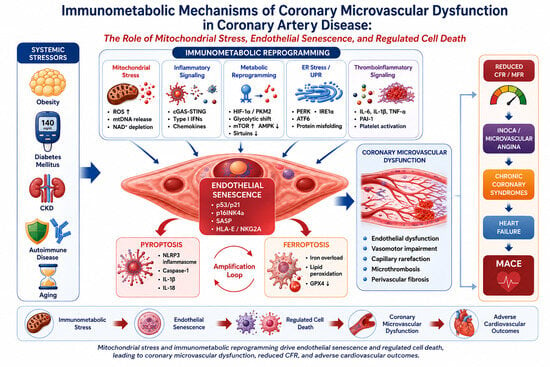
Immunometabolic Mechanisms of Coronary Microvascular Dysfunction in Coronary Artery Disease: The Role of Mitochondrial Stress, Endothelial Senescence, and Regulated Cell Death
by
Mateusz Lucki, Ewa Lucka, Przemysław Mitkowski and Maciej Lesiak
Cells 2026, 15(13), 1132; https://doi.org/10.3390/cells15131132 (registering DOI) - 23 Jun 2026
Abstract
Chronic coronary syndromes (CCSs) are increasingly recognized as complex immunometabolic vascular disorders in which coronary microvascular dysfunction (CMD), persistent low-grade inflammation, oxidative stress, and maladaptive cellular remodeling contribute to ischemic symptoms and adverse outcomes beyond epicardial stenosis. CMD represents a heterogeneous condition comprising
[...] Read more.
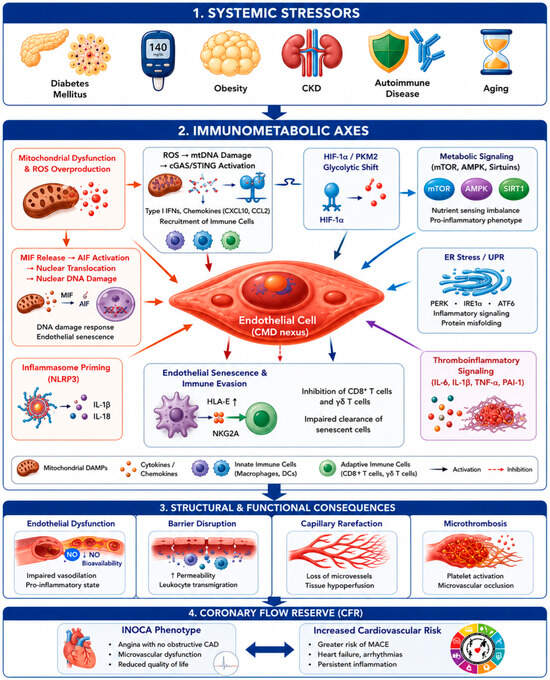
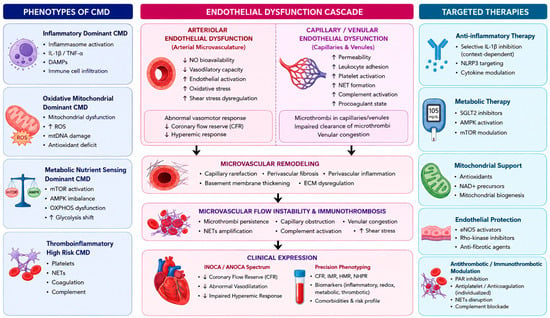
Chronic coronary syndromes (CCSs) are increasingly recognized as complex immunometabolic vascular disorders in which coronary microvascular dysfunction (CMD), persistent low-grade inflammation, oxidative stress, and maladaptive cellular remodeling contribute to ischemic symptoms and adverse outcomes beyond epicardial stenosis. CMD represents a heterogeneous condition comprising both functional and structural endotypes and constitutes a major determinant of myocardial ischemia, heart failure progression, and adverse cardiovascular outcomes, even in the absence of obstructive coronary artery disease. Emerging evidence indicates that immunometabolic reprogramming of endothelial cells, vascular smooth muscle cells, and immune cells sustains microvascular dysfunction in CCSs. Metabolic shifts toward glycolysis, mitochondrial dysfunction, redox imbalance, and dysregulated lipid metabolism promote chronic inflammatory activation within the coronary microenvironment. Convergent mitochondrial stress (including NAD+ decline) and redox injury promote endothelial senescence and increase susceptibility to regulated cell death, progressively limiting vasodilatory reserve and predisposing to microvascular rarefaction. Pyroptosis and ferroptosis-like lipid peroxidation further exacerbate endothelial barrier disruption and inflammatory amplification. In parallel, inflammasome activation, iron-dependent lipid peroxidation, impaired autophagy, and endoplasmic reticulum stress form interconnected molecular networks that amplify vascular injury through self-reinforcing mechanisms. This narrative review integrates mechanistic and translational evidence linking immunometabolic dysregulation, mitochondrial stress, thromboinflammatory signaling, endothelial senescence, and regulated cell death to distinct CMD endotypes. We propose a systems-level framework in which coronary microvascular dysfunction is conceptualized as an immunometabolic vascular network disorder, with reduced coronary flow reserve (CFR)—often termed myocardial flow reserve (MFR) in PET studies—emerging as the integrative functional endpoint of these interacting molecular perturbations and a robust predictor of major cardiovascular events.
Full article
(This article belongs to the Special Issue Chronic Coronary Syndromes: Cellular Pathways, Comorbidities, and Prognostic Determinants)
►▼
Show Figures

Graphical abstract

Open AccessReview
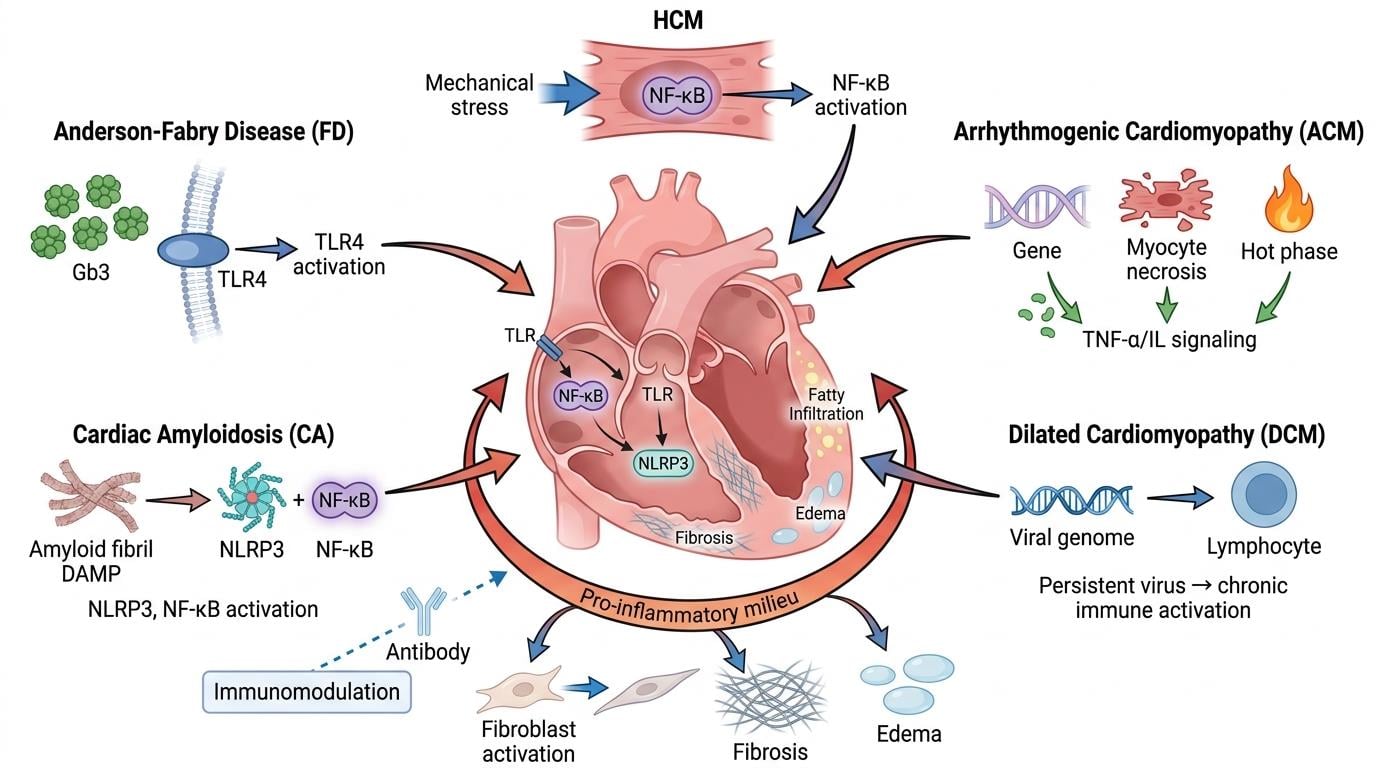
Inflammation in Cardiomyopathies: Cellular Mechanisms Across Cardiac Phenotype
by
Antonio Lattanzio, Giulia Marchionni, Giulia Pecci, Federico Ciccarelli, Silvia Stavagna, Jacopo Costantino, Federico Ballatore, Maria Alfarano, Francesco Ciciarello and Cristina Chimenti
Cells 2026, 15(12), 1131; https://doi.org/10.3390/cells15121131 (registering DOI) - 22 Jun 2026
Abstract
Cardiomyopathies are traditionally classified by structural and genetic phenotypes, but emerging evidence highlights chronic myocardial inflammation as a pivotal driver of disease progression across different etiologies. This review synthesizes the current literature on the cellular and molecular inflammatory mechanisms underlying hypertrophic cardiomyopathy, Anderson–Fabry
[...] Read more.
Cardiomyopathies are traditionally classified by structural and genetic phenotypes, but emerging evidence highlights chronic myocardial inflammation as a pivotal driver of disease progression across different etiologies. This review synthesizes the current literature on the cellular and molecular inflammatory mechanisms underlying hypertrophic cardiomyopathy, Anderson–Fabry disease, cardiac amyloidosis, arrhythmogenic cardiomyopathy, and dilated cardiomyopathy. Across these distinct conditions, endogenous triggers such as metabolic substrates, misfolded amyloid fibrils, mechanical stress, or viral genomes act as damage-associated molecular patterns. These stimuli activate innate and adaptive immune cascades, notably the Toll-like receptors, the NF-κB pathway, and the NLRP3 inflammasome. This immune activation establishes a pro-inflammatory microenvironment that promotes fibroblast reprogramming, myocardial edema, and progressive fibrotic or fibro-fatty remodeling. Inflammation is an active, core pathophysiological mechanism rather than a passive secondary bystander in cardiomyopathies. Recognizing these shared immune pathways provides a framework for improved risk stratification and highlights the potential for targeted immunomodulatory therapies to alter disease trajectories.
Full article
(This article belongs to the Special Issue Immunoregulation in Cardiovascular Disease)
►▼
Show Figures

Graphical abstract

Open AccessReview
IL-4/IL-13-Driven Dysregulation of Epidermal Lipid Metabolism in Atopic Dermatitis: An Immunometabolic Link Between Type 2 Inflammation and Barrier Dysfunction
by
Klara Andrzejczak, Agata Sternak, Wiktor Witkowski, Aleksandra Flak, Joanna Maj and Małgorzata Ponikowska
Cells 2026, 15(12), 1130; https://doi.org/10.3390/cells15121130 (registering DOI) - 22 Jun 2026
Abstract
Atopic dermatitis (AD) is a chronic immune-mediated inflammatory skin disease characterized by a complex and dynamic interplay between immune dysregulation and epidermal barrier dysfunction. Emerging evidence supports an integrated pathogenic model in which immune activation and barrier impairment form a bidirectional and self-reinforcing
[...] Read more.
Atopic dermatitis (AD) is a chronic immune-mediated inflammatory skin disease characterized by a complex and dynamic interplay between immune dysregulation and epidermal barrier dysfunction. Emerging evidence supports an integrated pathogenic model in which immune activation and barrier impairment form a bidirectional and self-reinforcing axis rather than representing separate processes. This review synthesizes current knowledge on the role of IL-4/IL-13-dependent signaling in regulating keratinocyte lipid metabolism and its impact on epidermal barrier integrity. IL-4/IL-13 signaling via the JAK-STAT pathway, particularly STAT6, contributes to keratinocyte dysfunction, resulting in impaired differentiation and coordinated alterations in lipid metabolism, including fatty acid elongation and ceramide synthesis. These cytokine-driven processes disrupt the organization of the stratum corneum lipid matrix, resulting in increased transepidermal water loss, enhanced skin permeability, and susceptibility to microbial colonization, thereby promoting chronic inflammation. Collectively, these findings support the concept that IL-4/IL-13-mediated dysregulation of keratinocyte lipid metabolism may represent an important immunometabolic mechanism linking type 2 inflammation with secondary barrier dysfunction in atopic dermatitis, thereby contributing to disease persistence. Targeting both immune pathways and epidermal lipid homeostasis may represent an effective strategy to restore barrier function and improve clinical outcomes.
Full article
(This article belongs to the Special Issue Lipid Homeostasis in Health and Disease)
Open AccessArticle
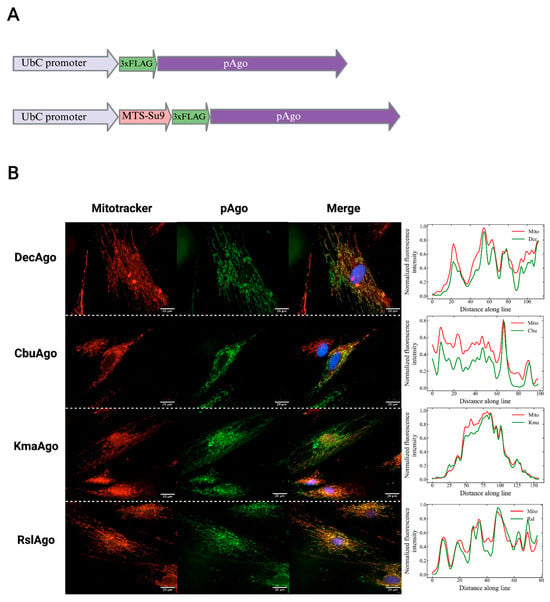
Activity of DNA- and RNA-Guided Prokaryotic Argonautes in Human Mitochondria
by
Beatrisa Rimskaya, Ekaterina Kropocheva, Iaroslava Ponomareva, Lada Karchemkina, Lidiya Lisitskaya, Daria Gelfenbein, Egor Ulashchik, Vadim Shmanai, Andrey Kulbachinskiy and Ilya Mazunin
Cells 2026, 15(12), 1129; https://doi.org/10.3390/cells15121129 (registering DOI) - 22 Jun 2026
Abstract
Precise manipulation of mitochondrial DNA (mtDNA) by CRISPR-Cas systems remains challenging, largely due to inefficient import of guide RNAs, motivating the exploration of alternative programmable nucleases. Here, we show that prokaryotic Argonaute nucleases (pAgos) of various classes can be efficiently targeted to human
[...] Read more.
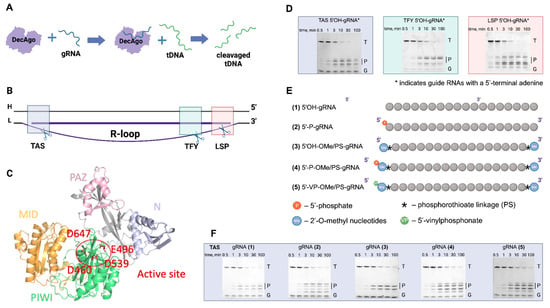
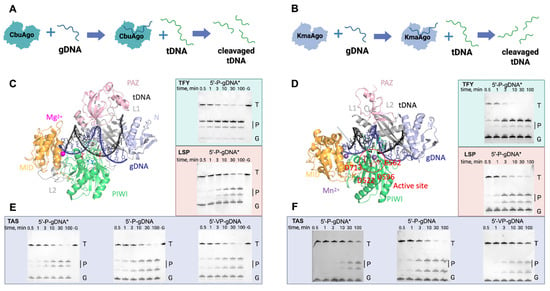
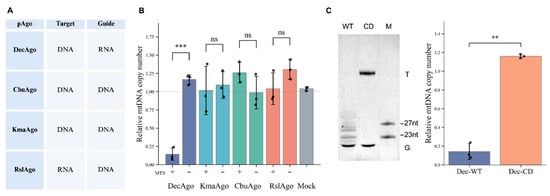
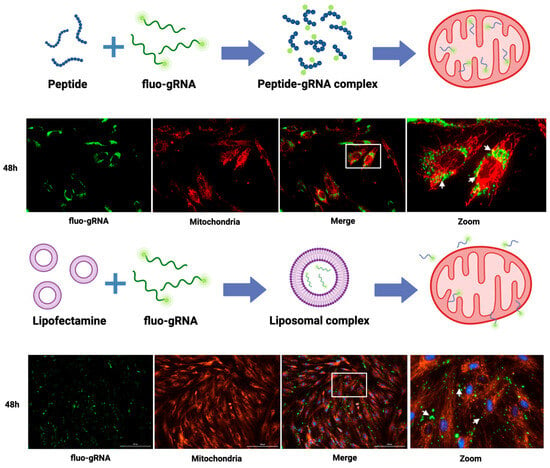
Precise manipulation of mitochondrial DNA (mtDNA) by CRISPR-Cas systems remains challenging, largely due to inefficient import of guide RNAs, motivating the exploration of alternative programmable nucleases. Here, we show that prokaryotic Argonaute nucleases (pAgos) of various classes can be efficiently targeted to human mitochondria. Using the Su9 mitochondrial targeting sequence from Neurospora crassa, we achieved robust mitochondrial import of four pAgos—DecAgo, CbuAgo, KmaAgo and RslAgo. As a functional readout of their activity in cells, we targeted the single-stranded D-loop region, which plays a central role in mtDNA replication and maintenance, reasoning that cleavage at this site was expected to potentially result in a reduction in mtDNA copy number. Of the four enzymes, only RNA-guided DecAgo induced a pronounced reduction in mtDNA levels, decreasing copy number approximately fivefold within 48 h. Unexpectedly, this effect occurred independently of exogenous guides, suggesting that DecAgo may utilize endogenous mitochondrial guide RNAs. These findings identify DecAgo as an active nuclease in human mitochondria and reveal a previously unrecognized mode of targeting, highlighting the need to further investigate the underlying mechanism and the potential role of endogenous guide molecules, as well as improving targeting specificity.
Full article
(This article belongs to the Special Issue Mitochondria at the Crossroad of Health and Disease—Second Edition)
►▼
Show Figures

Figure 1
Open AccessReview
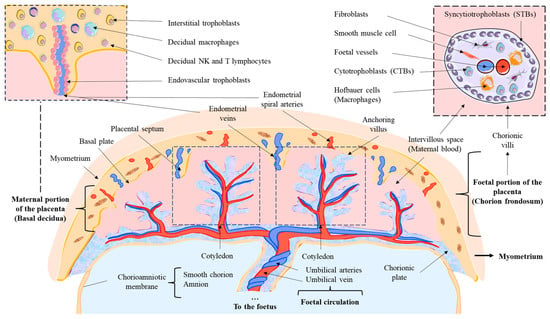
Placental Pathophysiology in Maternal Psychoactive Substance Use: Biological, Clinical, and Forensic Perspectives
by
Oscar Fraile-Martinez, Natalia Rubio-Bedoya, Cielo García-Montero, Diego Liviu Boaru, Patricia de Castro-Martinez, Julia Bujan, Laura López-González, Raul Díaz-Pedrero, Natalio García-Honduvilla, Melchor Álvarez-Mon, Miguel A. Saez, Juan A. De León-Luis, Coral Bravo and Miguel A. Ortega
Cells 2026, 15(12), 1128; https://doi.org/10.3390/cells15121128 (registering DOI) - 22 Jun 2026
Abstract
Maternal psychoactive substance use during pregnancy represents a major threat to placental integrity and fetal development. As the central interface for maternal–fetal exchange, the placenta is highly susceptible to psychoactive substances, including alcohol, tobacco, cannabis, cocaine, opioids, and synthetic drugs, which can cross
[...] Read more.
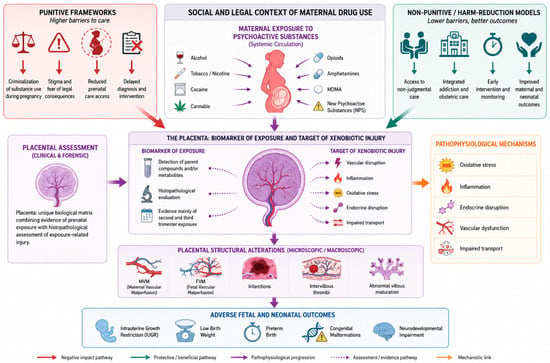
Maternal psychoactive substance use during pregnancy represents a major threat to placental integrity and fetal development. As the central interface for maternal–fetal exchange, the placenta is highly susceptible to psychoactive substances, including alcohol, tobacco, cannabis, cocaine, opioids, and synthetic drugs, which can cross the placental barrier and induce structural and functional alterations. This review synthesizes current evidence on the biological mechanisms, diagnostic approaches, and forensic relevance of psychoactive substances-induced placental pathology. We summarize how different substances disrupt placental vascularization, oxidative balance, epigenetic regulation, and cellular viability, leading to impaired nutrient and oxygen transfer and increasing the risk of adverse outcomes such as intrauterine growth restriction, preterm birth, congenital anomalies, and long-term neurodevelopmental impairment. We further discuss the role of placental tissue in identifying prenatal drug exposure and reconstructing exposure timelines. Beyond its clinical relevance, placental examination provides objective evidence with potential forensic value in cases of suspected maternal substance use, while also informing non-punitive, evidence-based interventions. Overall, integrating placental pathology into reproductive health research and prenatal care offers a multidisciplinary framework to improve maternal–fetal outcomes and guide public health strategies addressing substance use during pregnancy.
Full article
(This article belongs to the Special Issue Cellular and Molecular Mechanisms of Placental Development and Function)
►▼
Show Figures

Figure 1
Open AccessArticle
PACAP and Maxadilan (PAC1 Agonist) Influence Plaque Progression, Migratory Ability, and Mitochondrial Morphology and Dynamics in Vascular Smooth Muscle Cells
by
Julia Brauschke, Lisa-Marie Schütz, Gabriel A. Bonaterra, Ralf Kinscherf and Anja Schwarz
Cells 2026, 15(12), 1127; https://doi.org/10.3390/cells15121127 (registering DOI) - 22 Jun 2026
Abstract
Background: Pituitary adenylate cyclase-activating polypeptide (PACAP) functions as an anti-atherogenic neuropeptide. Maxadilan, a PAC1 receptor agonist, offers atheroprotection by acting downstream of vascular inflammation caused by hypercholesterolemia. This study aims to explore how PACAP and Maxadilan influence migration and apoptosis in human coronary
[...] Read more.
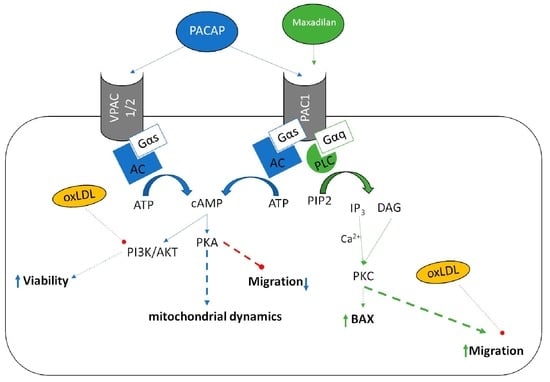
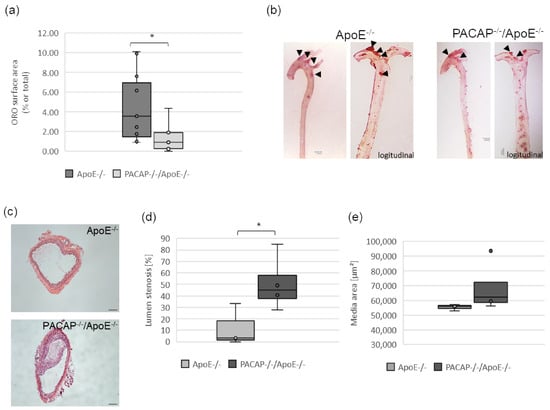
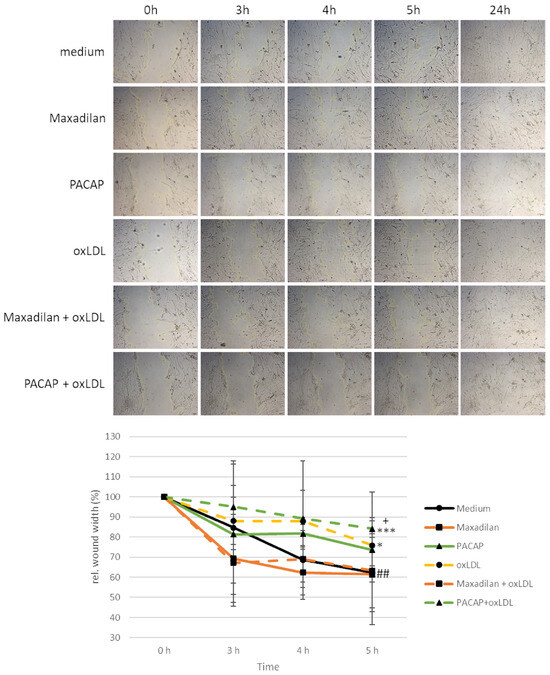
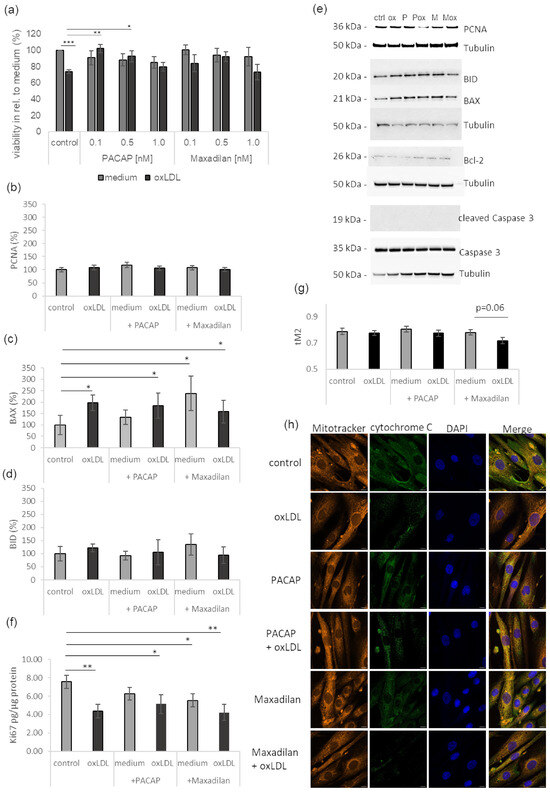
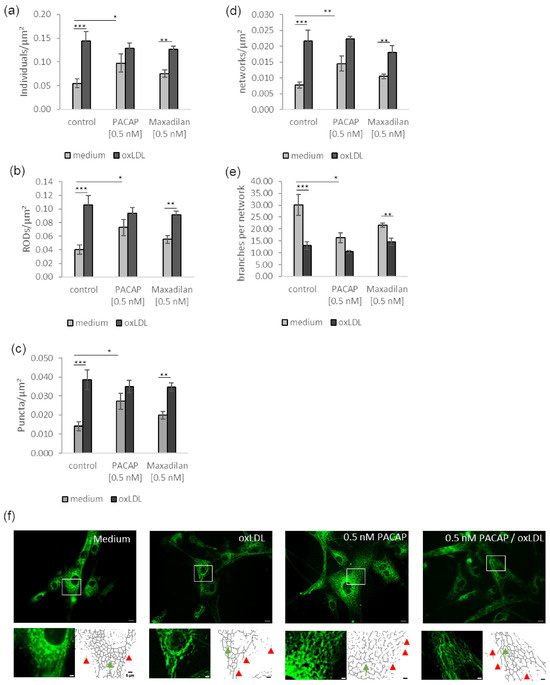
Background: Pituitary adenylate cyclase-activating polypeptide (PACAP) functions as an anti-atherogenic neuropeptide. Maxadilan, a PAC1 receptor agonist, offers atheroprotection by acting downstream of vascular inflammation caused by hypercholesterolemia. This study aims to explore how PACAP and Maxadilan influence migration and apoptosis in human coronary artery smooth muscle cells (HCASMCs). Methods: To investigate the role of PACAP deficiency in the pathogenesis of atherosclerosis under standard chow (SC) in vivo, PACAP−/−-mice were crossed with ApoE−/−-mice to generate PACAP−/−/ApoE−/−-mice. The whole aorta was isolated and stained with OilRedO (ORO). Atherosclerotic lesions and lumen stenosis in the brachiocephalic trunk were quantified using ImageJ 1.54p (Fiji). To further investigate the role of PACAP and Maxadilan in the pathogenesis of atherosclerosis with special respect to HCASMC under a lipid-enriched environment, HCASMCs were treated with oxLDL, with or without PACAP or Maxadilan. Uptake and accumulation of oxLDL were analyzed using BodipyTM493/503, and cell viability was assessed with PrestoBlue®. Cell migration was evaluated using the scratch assay and the MRI wound-healing tool in ImageJ (Fiji). Mitochondrial morphology was examined with MitoTracker Green and the MiNA tool in ImageJ (Fiji). Apoptotic processes were analyzed by Western blot, immunocytofluorescence staining, and ELISA. Results: In vivo, PACAP−/−/ApoE−/−-mice showed increased lumen stenosis and decreased plaque burden compared with ApoE−/−-mice. In vitro, PACAP enhanced the viability of oxLDL-treated HCASMCs, while neither PACAP nor Maxadilan influenced lipid content in HCASMCs, regardless of oxLDL presence. Both oxLDL and PACAP slowed cell migration, but Maxadilan increased migration in oxLDL-treated HCASMCs. The protein level of the proliferation marker Ki67 was reduced in cells treated with oxLDL and Maxadilan. Additionally, BAX, which promotes intrinsic apoptosis, was elevated in HCASMCs stimulated with Maxadilan and oxLDL. Investigations of mitochondrial morphology indicated that oxLDL and PACAP increased the individual and network structures, with a decrease in branches per network. Conclusion: Our data highlight the complex role of the PACAP/PAC1 system in vascular pathology and suggest that selective modulation—such as targeted PAC1 activation or PACAP supplementation—could lead to new strategies for stabilizing atherosclerotic plaques. In the long term, this could improve the balance between plaque formation and vascular function.
Full article
(This article belongs to the Section Cells of the Cardiovascular System)
►▼
Show Figures

Graphical abstract
Open AccessArticle
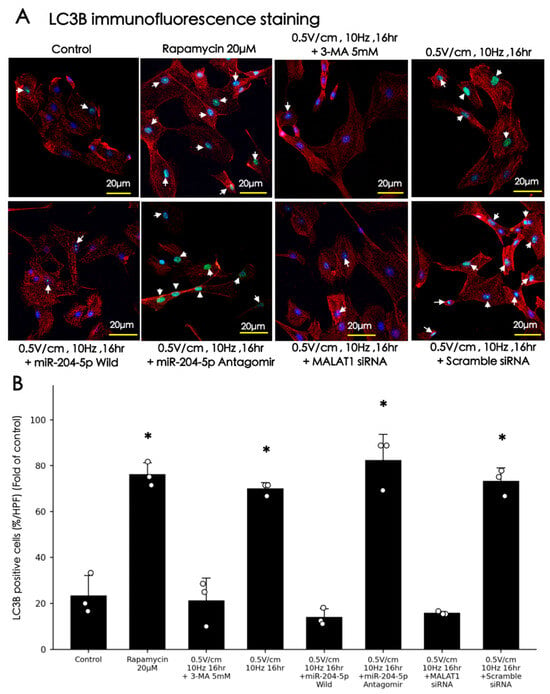
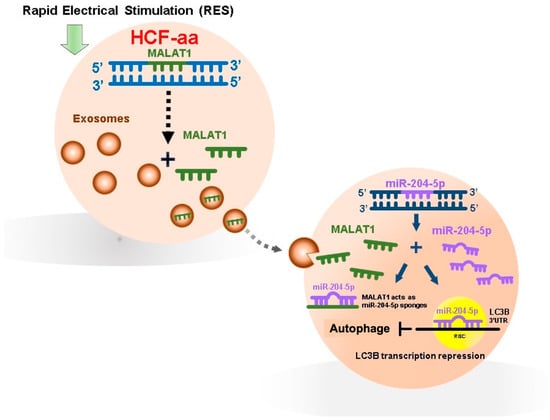
Exosomal MALAT1 from Rapid Electrical Stimulation-Treated Atrial Fibroblasts Activates Autophagy by Downregulating miR-204-5p and Upregulating LC3B
by
Su-Kiat Chua, Bao-Wei Wang, Ying-Ju Yu, Wei-Jen Fang, Chiu-Mei Lin, Cheng-Yen Chuang and Kou-Gi Shyu
Cells 2026, 15(12), 1126; https://doi.org/10.3390/cells15121126 (registering DOI) - 22 Jun 2026
Abstract
Background: Atrial fibrillation (AF) is the most common sustained cardiac arrhythmia and is strongly associated with atrial structural remodeling driven by activated cardiac fibroblasts. Autophagy has been implicated in AF-related atrial remodeling; however, the non-coding RNA mechanisms that govern autophagic activation in atrial
[...] Read more.
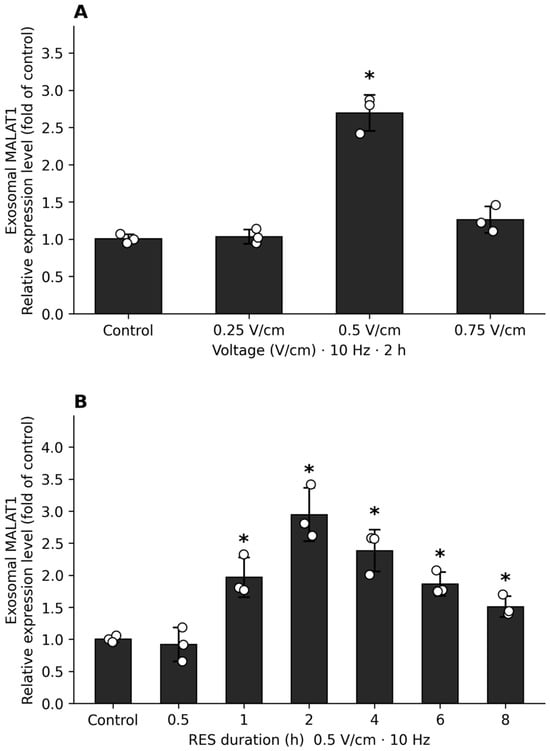
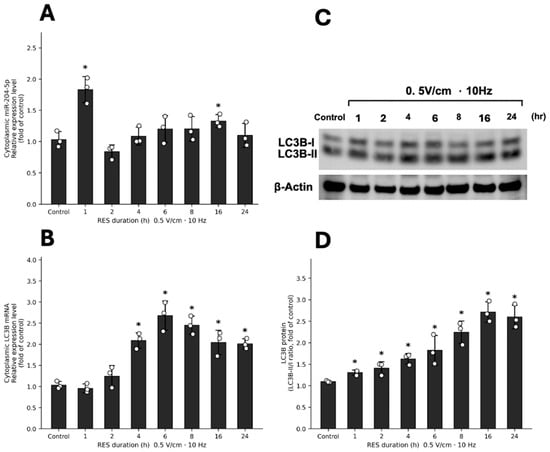
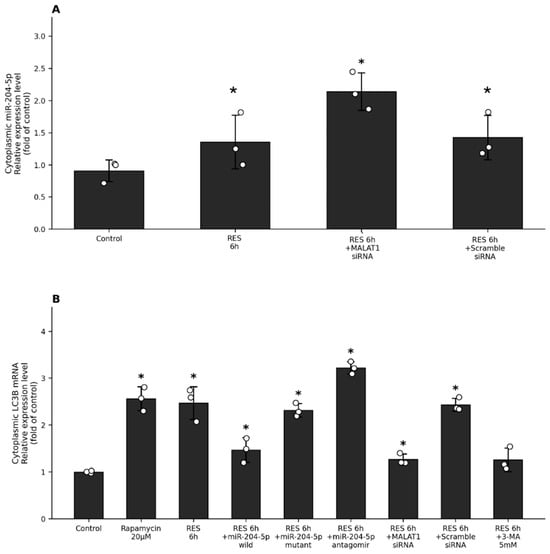
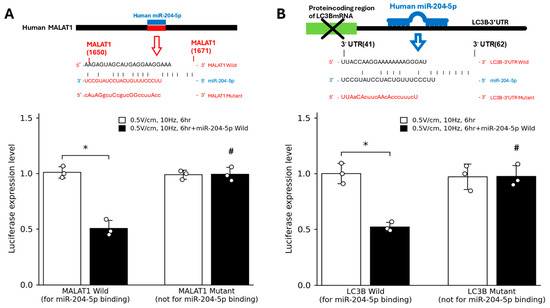
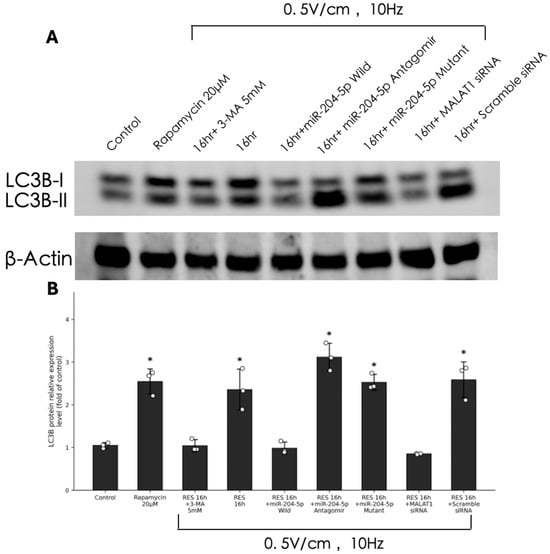
Background: Atrial fibrillation (AF) is the most common sustained cardiac arrhythmia and is strongly associated with atrial structural remodeling driven by activated cardiac fibroblasts. Autophagy has been implicated in AF-related atrial remodeling; however, the non-coding RNA mechanisms that govern autophagic activation in atrial fibroblasts under rapid electrical stress remain poorly understood. Methods: Human cardiac fibroblasts from adult atria (HCF-aa) were subjected to rapid electrical stimulation (RES) at 0.5 V/cm and 10 Hz. Expression levels of exosomal metastasis-associated lung adenocarcinoma transcript 1 (MALAT1), cytoplasmic miR-204-5p, and microtubule-associated protein light chain 3B (LC3B) were measured using quantitative real-time PCR and Western blot analyses. Luciferase reporter assays were performed to confirm direct molecular interactions. The functional roles of MALAT1 siRNA, miR-204-5p mimics/antagomirs, rapamycin, and 3-methyladenine (3-MA) on LC3B expression and autophagic activation were assessed by Western blot and immunofluorescence confocal microscopy for LC3B puncta formation. Results: RES significantly induced exosomal MALAT1 expression in a voltage- and time-dependent manner, peaking at 2 h post-stimulation, while cytoplasmic MALAT1 levels remained unchanged. Cytoplasmic miR-204-5p exhibited an initial transient rise followed by a significant decline at 2 h, inversely correlating with peak MALAT1 levels. LC3B mRNA and protein expression subsequently increased, peaking at 6 and 16 h, respectively. Luciferase reporter assays confirmed that miR-204-5p directly binds both the MALAT1 transcript and the 3′-UTR of LC3B mRNA. MALAT1 knockdown augmented miR-204-5p levels and suppressed LC3B expression, while miR-204-5p overexpression attenuated RES-induced LC3B upregulation and LC3B puncta accumulation. Conversely, miR-204-5p inhibition further enhanced autophagic activation, as evidenced by increased LC3B puncta density. Conclusions: In HCF-aa subjected to RES, MALAT1 functions intracellularly as a competing endogenous RNA to putatively sequester miR-204-5p, thereby de-repressing LC3B expression and promoting autophagic activation. Concurrent exosomal secretion of MALAT1 may additionally serve as a paracrine signal to neighboring cells, though this requires future conditioned-media transfer experiments to confirm.
Full article
(This article belongs to the Special Issue Advances in the Cellular and Molecular Mechanisms of Cardiovascular Diseases)
►▼
Show Figures

Figure 1
Open AccessArticle
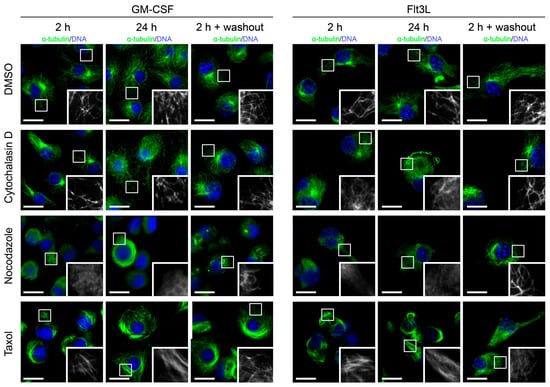
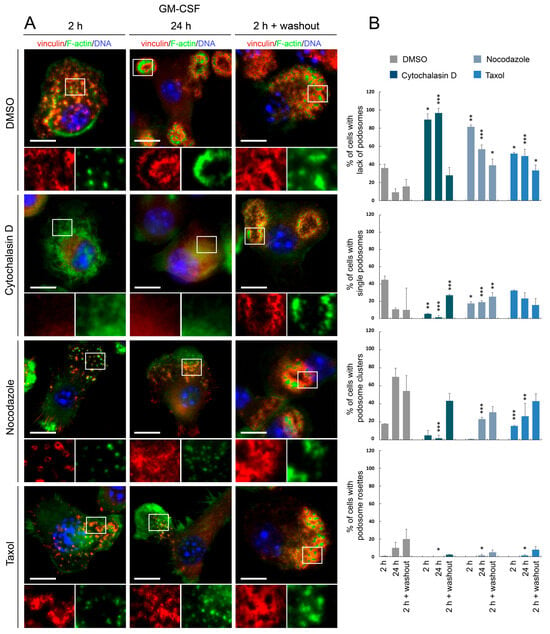
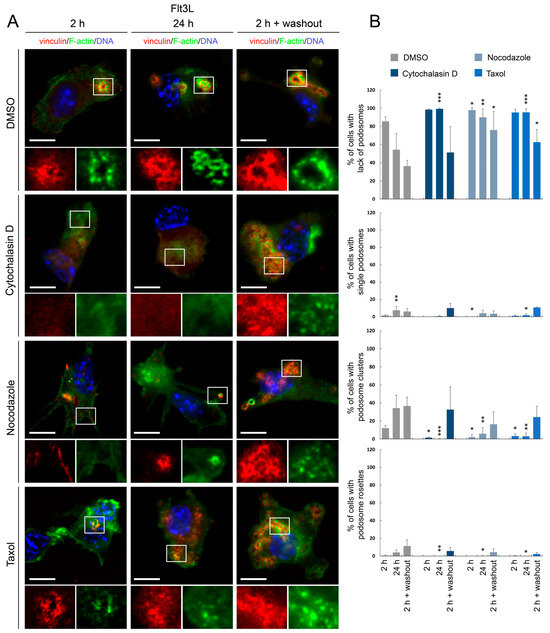
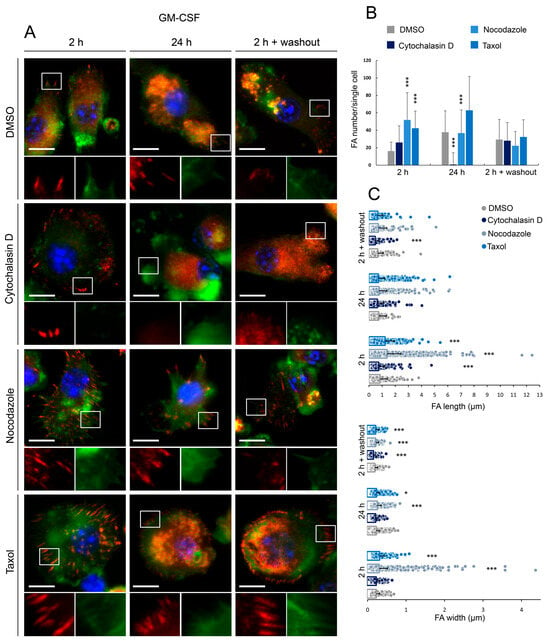
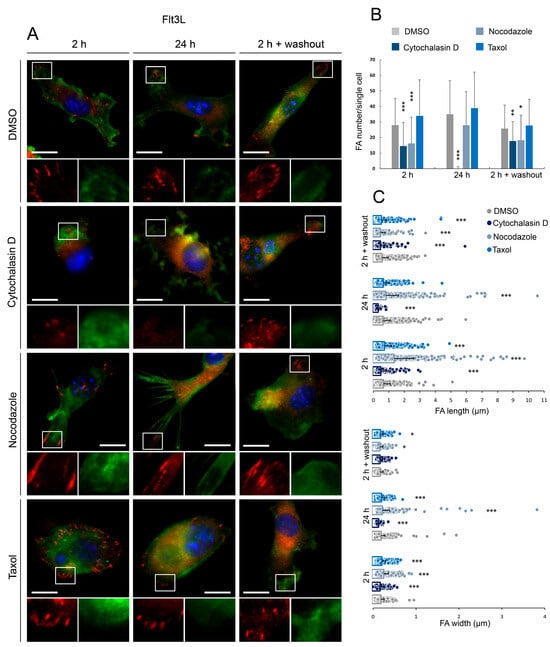
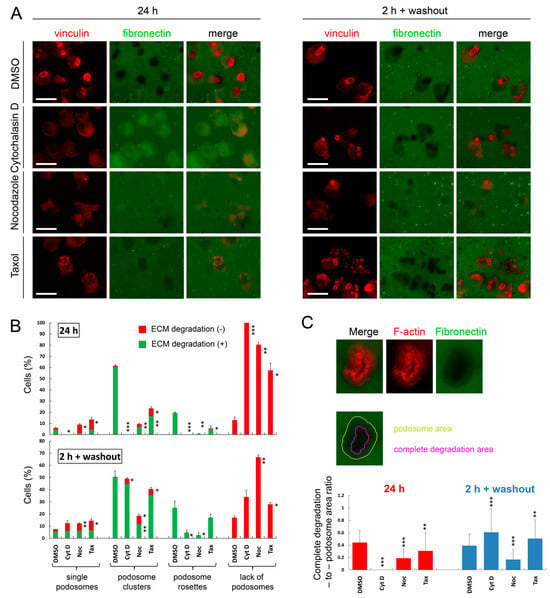
Cytoskeletal Regulation of Podosome-Focal Adhesion Balance in GM-CSF- and Flt3L-Derived Dendritic Cells
by
Zuzanna Biernacka, Karolina Gregorczyk-Zboroch, Iwona Lasocka, Michalina Bartak, Małgorzata Gieryńska, Justyna Struzik, Felix N. Toka and Lidia Szulc-Dąbrowska
Cells 2026, 15(12), 1125; https://doi.org/10.3390/cells15121125 (registering DOI) - 22 Jun 2026
Abstract
Dendritic cells (DCs) are key antigen-presenting cells essential for the initiation of immune responses. Their migration is tightly regulated by adhesive structures, including podosomes and focal adhesions (FAs), allowing for interactions with the extracellular matrix (ECM) for coordinated cell movement. The organization and
[...] Read more.
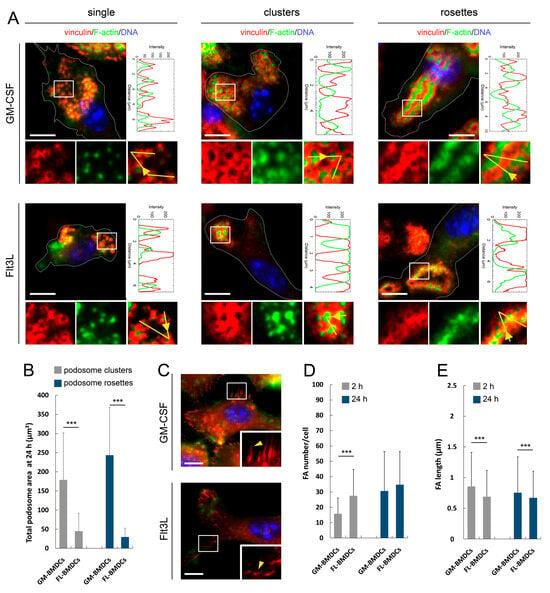
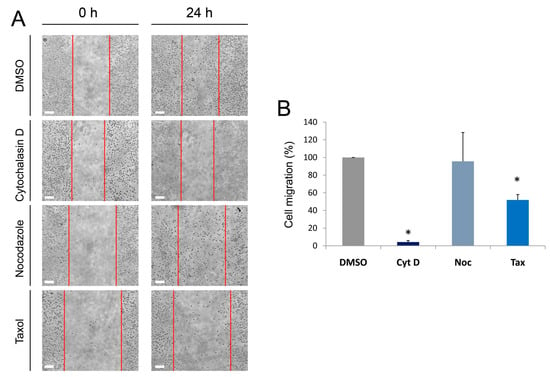
Dendritic cells (DCs) are key antigen-presenting cells essential for the initiation of immune responses. Their migration is tightly regulated by adhesive structures, including podosomes and focal adhesions (FAs), allowing for interactions with the extracellular matrix (ECM) for coordinated cell movement. The organization and dynamics of these structures are controlled by actin and microtubule cytoskeletons; however, the mechanisms governing their balance in distinct DC subsets are not completely understood. In this study, we investigated cytoskeletal regulation of the interplay between podosomes and FAs in GM-CSF-derived inflammatory-like DCs (GM-BMDCs) and Flt3L-derived conventional DCs (FL-BMDCs). GM-BMDCs showed a higher capacity to form podosomes compared with FL-BMDCs, which exhibited fewer and less prominent structures. Actin depolymerization resulted in the complete loss of podosomes, whereas disruption of microtubules induced podosome reorganization and altered the structure of FAs. Importantly, cytoskeletal perturbation in both DC subsets led to podosome dissolution, highlighting the requirement of cytoskeletal integrity for their maintenance. Furthermore, actin integrity was essential for podosome-mediated ECM degradation and efficient migration of GM-BMDCs, while microtubules fine-tuned the balance between podosome and focal adhesion dynamics, thereby regulating DC motility.
Full article
(This article belongs to the Special Issue Cell Migration and Invasion)
►▼
Show Figures

Figure 1
Open AccessReview
ARGLU1 in Glioma: A Novel Potential Regulator of Splicing, DNA Repair, and Therapeutic Resistance
by
Xi Wu, Dongye Yi, Dongjun Tie, Mengqi Du, Meiying Wang, Zhuang Yu and Younian Xu
Cells 2026, 15(12), 1124; https://doi.org/10.3390/cells15121124 (registering DOI) - 22 Jun 2026
Abstract
ARGLU1 (Arginine and Glutamate Rich1) is a newly identified nuclear protein with suggested multifunctional roles that may be implicated in the pathogenesis and therapeutic resistance of glioma, the most common primary malignant brain tumor. The high heterogeneity and treatment resistance of gliomas pose
[...] Read more.
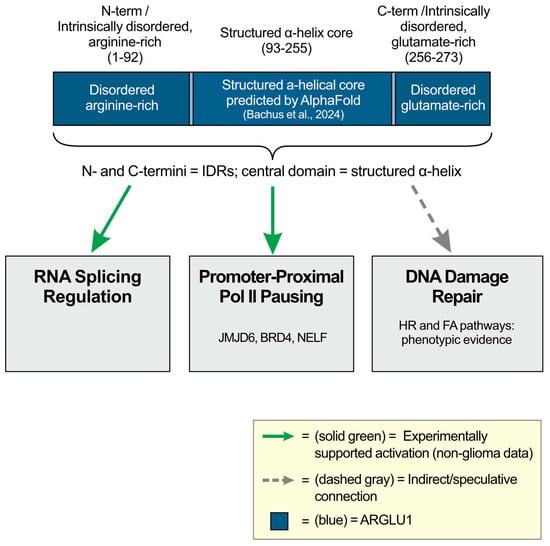
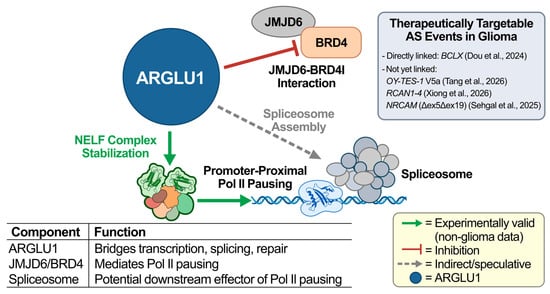
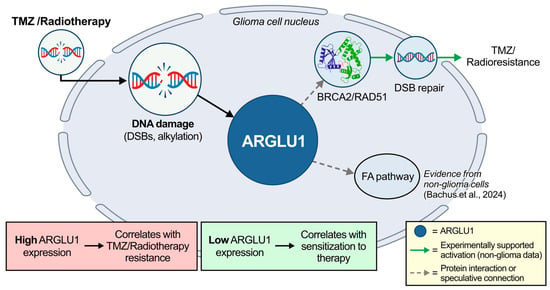
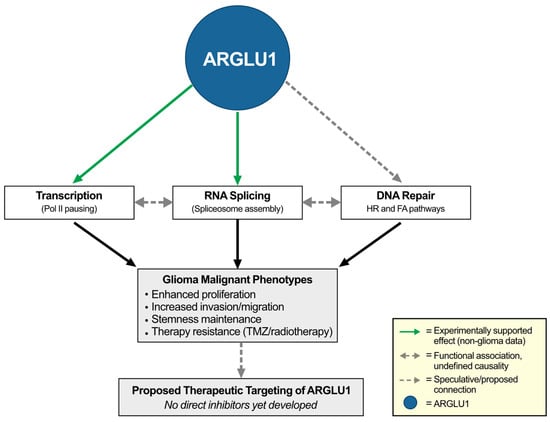
ARGLU1 (Arginine and Glutamate Rich1) is a newly identified nuclear protein with suggested multifunctional roles that may be implicated in the pathogenesis and therapeutic resistance of glioma, the most common primary malignant brain tumor. The high heterogeneity and treatment resistance of gliomas pose central challenges in clinical management. ARGLU1 has been implicated in maintaining genomic stability and may contribute to tumor progression by regulating RNA splicing and DNA damage repair pathways. This review systematically summarizes the structural and functional features of ARGLU1 and discusses its potential molecular mechanisms in glioma. These include its influence on the spliceosome assembly, alternative splicing events, and key DNA repair pathways such as homologous recombination (HR) and Fanconi anemia (FA). Furthermore, it discusses the hypothesis that ARGLU1 may enhance DNA repair capacity and thereby influence glioma resistance to temozolomide (TMZ) and radiotherapy. Targeting ARGLU1 may offer a strategy to overcome this resistance. Finally, the review outlines current research limitations and future directions, aiming to provide a new theoretical foundation for the precision treatment of glioma.
Full article
(This article belongs to the Special Issue Control of Gene Expression by Co-Transcriptional Processes in Cell Homeostasis and Cell Fate Specification: Second Edition)
►▼
Show Figures

Figure 1
Open AccessReview
Fate Bifurcation of Cellular Senescence: Dynamic Regulation from Tumor Suppression to Recurrence Risk
by
Xiuhong Chen, Huilong Liu, Qipeng Shu, Yuntao Tang, Jia Zhang, Weizhe Yu and Shangze Li
Cells 2026, 15(12), 1123; https://doi.org/10.3390/cells15121123 (registering DOI) - 22 Jun 2026
Abstract
Cellular senescence is a state of stable cell cycle arrest triggered by various internal and external stressors. It represents an important tumor-suppressive mechanism that effectively prevents the proliferation of damaged cells. During tumor initiation and progression, cellular senescence plays a dual and paradoxical
[...] Read more.
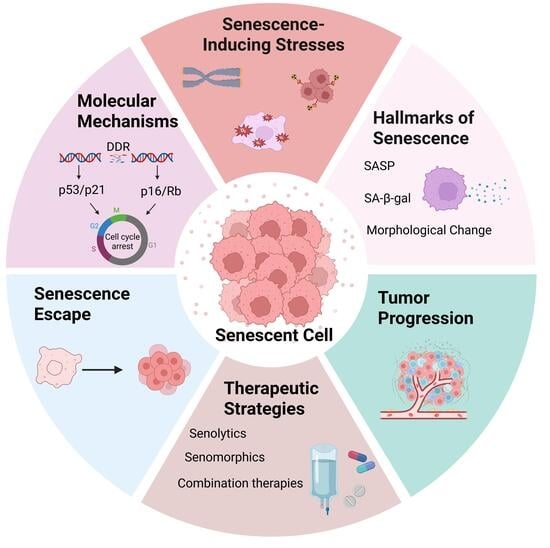
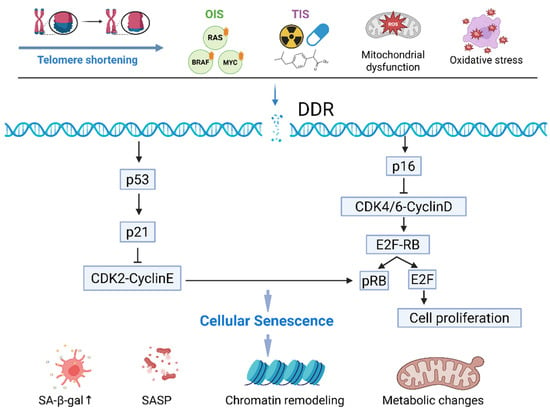
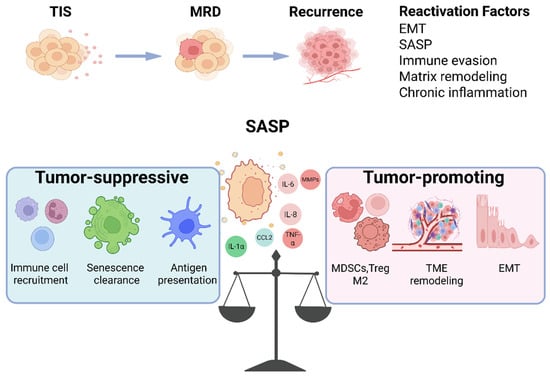
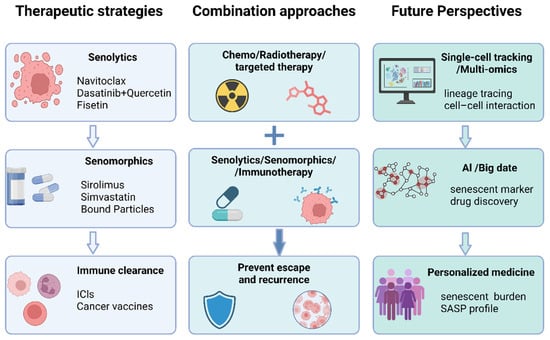
Cellular senescence is a state of stable cell cycle arrest triggered by various internal and external stressors. It represents an important tumor-suppressive mechanism that effectively prevents the proliferation of damaged cells. During tumor initiation and progression, cellular senescence plays a dual and paradoxical role. On one hand, it induces cell cycle arrest to inhibit the development of tumors in potentially malignant cells. On the other hand, it can promote tumor progression through the senescence-associated secretory phenotype (SASP), which enhances inflammation and extracellular matrix remodeling. This review outlines the definition and key characteristics of cellular senescence and analyzes different senescence-inducing stimuli along with their underlying molecular mechanisms. It further discusses the molecular basis for the maintenance of stable senescence, mechanisms to escape growth arrest, and how these cells contribute to tumor recurrence through dedifferentiation and acquisition of stemness properties. Additionally, the dual regulatory role of SASP in tumor progression is examined. In terms of cancer therapy, with a deeper understanding of the mechanisms of senescent cells, treatment strategies are gradually shifting from single senescence-inducing approaches to more comprehensive combinatorial strategies. Meanwhile, the integration of single-cell omics technologies with artificial intelligence and machine learning offers new prospects for personalized therapy.
Full article
(This article belongs to the Special Issue Cellular Senescence and Transformation: Unraveling the Biological Links Between Aging and Cancer)
►▼
Show Figures

Graphical abstract
Open AccessReview
Mechanisms and Therapeutic Targets of Hypoxia-Mediated Modifications in Glycolysis and Lactylation in Rheumatoid Arthritis
by
Niqin Xiao, Heguo Yan, Yujiang Xi, Yundong Xu, Jian Zhang, Zhaofu Li and Zhaohu Xie
Cells 2026, 15(12), 1122; https://doi.org/10.3390/cells15121122 (registering DOI) - 22 Jun 2026
Abstract
Rheumatoid arthritis (RA) is an autoimmune disease primarily characterized by chronic, erosive polyarthritis. It is associated with a high rate of disability, and its pathogenesis remains incompletely understood. Uncontrolled chronic inflammation, synovial hyperplasia, Pannus formation, and bone destruction in RA patients remain the
[...] Read more.
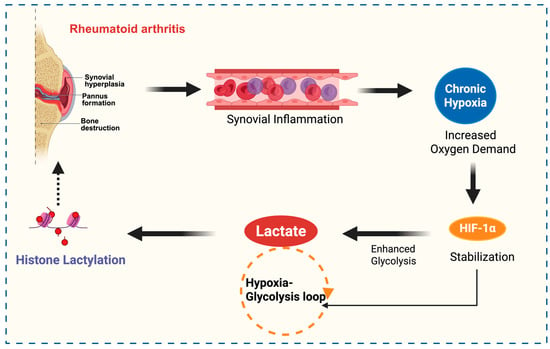
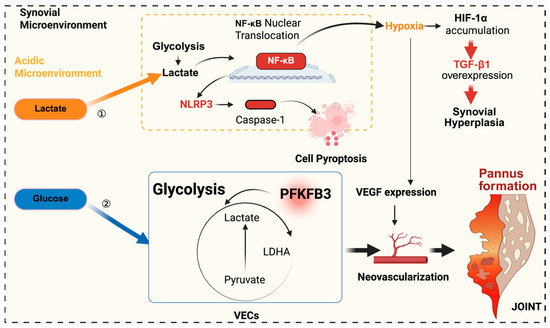
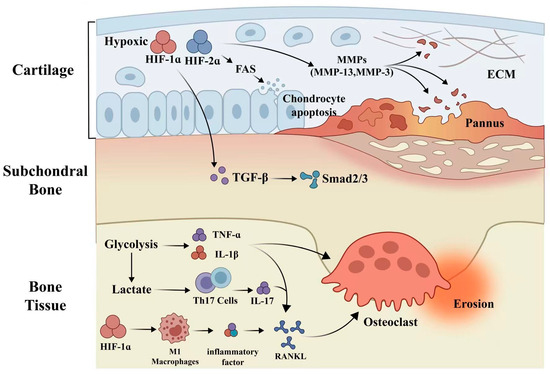
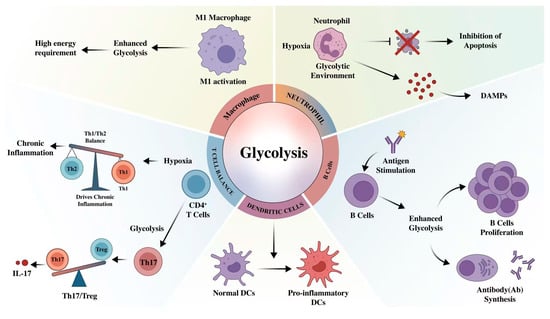
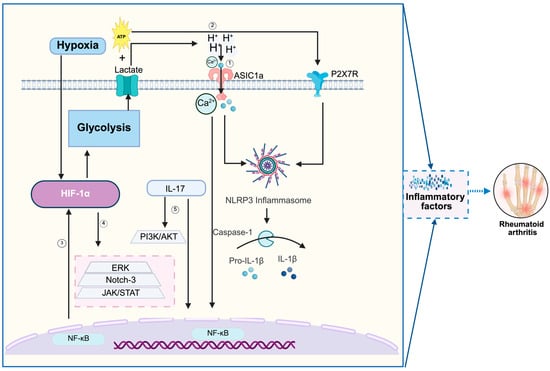
Rheumatoid arthritis (RA) is an autoimmune disease primarily characterized by chronic, erosive polyarthritis. It is associated with a high rate of disability, and its pathogenesis remains incompletely understood. Uncontrolled chronic inflammation, synovial hyperplasia, Pannus formation, and bone destruction in RA patients remain the core challenges facing current clinical treatment, and the inflammatory response is generally considered the initiating factor for this series of pathological processes. In an inflammatory environment, the body’s metabolic rate accelerates, leading to increased local oxygen consumption and ultimately creating a hypoxic microenvironment. Research has shown that under hypoxic conditions, glycolysis serves as the body’s primary energy pathway and is essential for sustaining the inflammatory response. Furthermore, lactate, a byproduct of glycolysis, functions not only as a metabolic byproduct but also as a precursor molecule; through lactylation, it contributes to the progression of RA. Although this metabolic–epigenetic axis is a common feature of various chronic inflammatory diseases, its effects on joint pathology may contribute to RA progression. Therefore, this article focuses on the intrinsic connections among hypoxia, glycolysis, and lactylation, and systematically reviews the immunological and inflammatory mechanisms of glycolysis in RA, the relationship between glycolysis and synovial hyperplasia, Pannus formation, and bone destruction in RA, and the role of lactate modification in promoting the pathological progression of RA. It also summarizes the latest research advances in RA therapies targeting hypoxia, glycolysis, and lactate modification, aiming to provide a theoretical basis for a deeper understanding of the pathogenesis of RA and the development of targeted treatment strategies.
Full article
(This article belongs to the Special Issue Autoimmune Diseases: Immune Cells and Genetic and Epigenetic Regulations)
►▼
Show Figures

Figure 1
Journal Menu
► ▼ Journal Menu-
- Cells Home
- Aims & Scope
- Editorial Board
- Reviewer Board
- Topical Advisory Panel
- Early Career Editorial Board
- Instructions for Authors
- Special Issues
- Topics
- Sections & Collections
- Article Processing Charge
- Indexing & Archiving
- Editor’s Choice Articles
- Most Cited & Viewed
- Journal Statistics
- Journal History
- Journal Awards
- Society Collaborations
- Conferences
- Editorial Office
Journal Browser
► ▼ Journal BrowserHighly Accessed Articles
Latest Books
E-Mail Alert
News
Topics
Topic in
Biomedicines, Biomolecules, Cancers, Cells, Hematology Reports, IJMS
Advances in Molecular Pathogenesis and Targeted Therapies for Multiple Myeloma
Topic Editors: Chung Hoow Kok, Cindy H. S. Lee, Claudio CerchioneDeadline: 3 August 2026
Topic in
Biology, Biomolecules, Cancers, Cells, IJMS, Pharmaceuticals, Kinases and Phosphatases
Kinases in Cancer and Other Diseases, 2nd Edition
Topic Editors: Jonas Cicenas, Anna M. CzarneckaDeadline: 31 August 2026
Topic in
Pharmaceuticals, Medical Sciences, JCM, Vision, Reports, Cells, IJMS
New Developments in Glaucoma Diagnostics and Therapeutics
Topic Editors: Shan C. Lin, Sunee ChansangpetchDeadline: 30 September 2026
Topic in
Cells, IJMS, Metabolites, Physiologia, Life
Animal Models of Human Disease 3.0
Topic Editors: Sigrun Lange, Jameel M. InalDeadline: 31 October 2026
Conferences
Special Issues
Special Issue in
Cells
The Orchestration of Glial Cells in Health and Disease
Guest Editor: Keying ZhuDeadline: 25 June 2026
Special Issue in
Cells
Regenerating Poorly Vascularized Tissues
Guest Editor: Simone PaciniDeadline: 25 June 2026
Special Issue in
Cells
Extracellular Vesicles Based Drug Delivery
Guest Editors: Giovanni Camussi, Cristina GrangeDeadline: 25 June 2026
Special Issue in
Cells
Inflammation and Atherosclerosis: Emerging Mechanisms, Biomarkers and Therapeutic Opportunities
Guest Editor: Victoria McGilliganDeadline: 25 June 2026
Topical Collections
Topical Collection in
Cells
Recent Advances in Liver Repair Strategies
Collection Editor: Mustapha Najimi
Topical Collection in
Cells
The Current Applications and Potential of Human Pluripotent Stem Cells
Collection Editor: Leila Maouche-Chretien
Topical Collection in
Cells
Cellular Senescence and Extracellular Vesicles Crosstalk
Collection Editors: Lucio Barile, Edoardo Lazzarini