

Journal Menu
► ▼ Journal Menu-
- Antibiotics Home
- Aims & Scope
- Editorial Board
- Reviewer Board
- Topical Advisory Panel
- Early Career Editorial Board
- Instructions for Authors
- Special Issues
- Topics
- Sections & Collections
- Article Processing Charge
- Indexing & Archiving
- Editor’s Choice Articles
- Most Cited & Viewed
- Journal Statistics
- Journal History
- Journal Awards
- Society Collaborations
- Conferences
- Editorial Office
Journal Browser
► ▼ Journal BrowserNeed Help?
Announcements
26 June 2026
Antibiotics | “Pharmacokinetics and Pharmacodynamics of Drugs” Section Information Update
To further enhance the quality of the Section “Pharmacokinetics and Pharmacodynamics of Drugs” in Antibiotics (ISSN 2079-6382) and the papers published in it, under the guidance of our Section Editor-in-Chief, Dr. Dario Cattaneo, the Section has updated the “Section Information”. The original version and the updated version are listed below:
Section Information (new version):
Pharmacokinetics (PK) describes the concentration–time profile of a drug in the body, whereas pharmacodynamics (PD) relates drug exposure to its biological effects, such as the ability of an antibiotic to inhibit or kill bacteria. In simple terms, PK reflects what the body does to the drug, while PD reflects what the drug does within the body.
Whilst this edition of the Journal is PK/PD of drugs, as the journal title suggests, it will concentrate on antibiotics.
Unlike many other therapeutic agents, the PD effects of antibiotics are not easily or immediately measurable at the bedside. For example, the PD response to noradrenaline can be titrated to a target blood pressure, and the effect of insulin can be monitored directly through blood glucose levels. In contrast, the clinical impact of antibiotic exposure is far less straightforward to quantify, often requiring integration of microbiological, pharmacological, and clinical outcomes.
Over the past decade, it has become increasingly clear that successful treatment of infection depends not only on selecting the appropriate antimicrobial agent, but also on optimizing its exposure—administering the right drug, at the right dose, at the right time, and in the right patient. PK/PD principles therefore play a critical role in maximizing efficacy, minimizing toxicity, and limiting the emergence of antimicrobial resistance.
For this reason, we particularly welcome original research that bridges pharmacological theory and clinical practice, including studies that evaluate PK/PD relationships in real-world clinical settings. Contributions based on clinical cohorts, therapeutic drug monitoring, special populations, and real-life treatment strategies are especially encouraged, as they provide insights that extend beyond controlled experimental conditions and directly inform patient care.
The growing body of PK/PD literature reflects the recognition that dose optimization is as important as drug selection in modern antimicrobial therapy. Through this issue, we aim to further highlight the importance of PK/PD-driven approaches and to foster the submission of high-quality studies that advance the clinical application of these principles in the management of infectious diseases.
Section Information (old version):
Pharmacokinetics (PK) describes the concentration-time profile of a drug in the body. Pharmacodynamics (PD) correlates the concentration of a drug (e.g., antibiotic) with its effect (ability to kill bacteria). PK is what the body does to the drug; PD is what the drug does within the body.
Whilst this edition of the Journal is PK/PD of drugs, as the title of the journal suggests, it will concentrate on antibiotics.
It is important to point out that it is easy to monitor the pharmacodynamic effect of noradrenaline, namely, to titrate the drug to a predetermined blood pressure. It is also easy to monitor the PD effect of insulin, specifically monitoring glucose. The PD of antibiotics, however, is not straightforward.
We are realizing that not only is it important to prescribe the correct antibiotic for any infection, it is also important to administer it timeously and in the correct dose such that its PD produces optimal effects.
Hence, PK/PD of antibiotics is appearing in the literature more commonly, and with this edition, we will provide continuing emphasis on these important issues.
For more detailed information, please visit the following link: https://www.mdpi.com/journal/antibiotics/sections/Pharmacokinetics_Drugs.
Antibiotics Editorial Office
24 June 2026
Antibiotics Receives an Updated Impact Factor of 5.5

We are pleased to share that Antibiotics (ISSN 2079-6382) was awarded an increased Impact Factor of 5.5 in the 2025 Journal Citation Reports™ released by Clarivate in June 2026. Antibiotics ranks in Q1 (18 among 141 titles) in the “Infectious Diseases” category.
The 2025 Journal Impact Factor is calculated by dividing the number of citations received in 2025 to all publications in the journal from 2023 and 2024 by the total number of citable publications from those same years.
To learn more, visit our journal statistics website for detailed metrics.
The support and dedication of all the editors, reviewers, authors, and readers are an integral part of the journal’s performance. We would like to take this opportunity to thank all of you who have contributed to the journal.
17 June 2026
2025 Impact Factors Released
Impact Factors measure how often articles in scientific journals are cited—specifically, the average number of citations received in a given year by articles published in that journal over the previous two years, as tracked in the Web of Science. For researchers, the number answers a practical question: how often is work published in this journal being picked up and built upon?
The metric is assigned to the journal as a whole, not to individual articles. A high Impact Factor tells you something useful about a journal's place in its field; it tells you less about any single paper within it.
For a complementary, article-level view, MDPI lists an Altmetric score on each article page. Where the Impact Factor tracks academic citations, the Altmetric score captures broader online attention: how an article is being shared, discussed, and referenced beyond the journal literature. Together, they offer two different ways of asking the same question: is this research reaching people?
With 2025 CiteScores from Scopus published a few weeks ago, Clarivate has now released this year's Journal Impact Factors in the Journal Citation Reports (JCR).
254 MDPI Journals Saw a Rise in Impact Factor
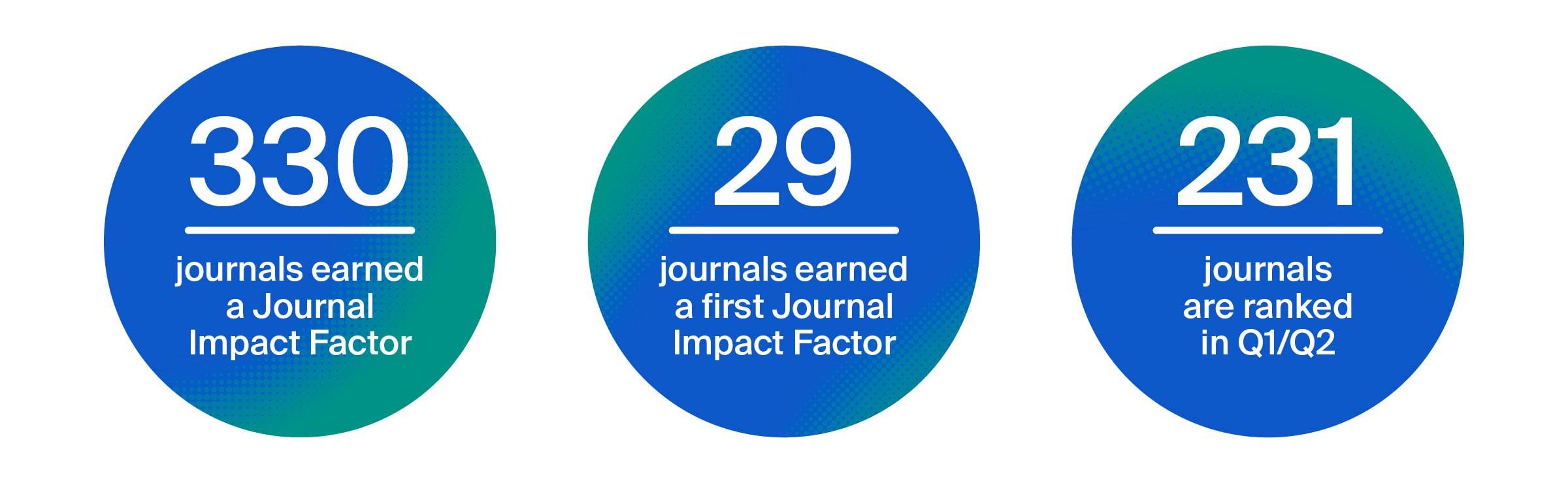
This year's JCR include 330 MDPI journals across a wide range of disciplines. Of these, 231 journals are placed in the top 50% (Q1 or Q2) of their respective subject categories, a result that spans fields as different as materials science, public health, environmental studies, and mathematics. 78 journals hold a top-quartile position (Q1), and 33 journals have a JIF of 5.0 or above.
- 330 journals earned a Journal Impact Factor (JIF)
- 29 journals earned a first JIF
- 254 journals had an increase in JIF
- 71% of ranked journals are in Q1 or Q2
For the full metrics on any MDPI journal, visit our Web of Science journals overview page or a journal's individual statistics page.
29 MDPI Journals Received Their First Journal Impact Factor
A first Impact Factor is a confirmation for an emerging journal. It marks the point at which a journal has been publishing long enough, and cited broadly enough, to enter the formal record of scientific influence. For the research communities those journals serve, it signals that the work being published is being read and built upon.
This year, 29 MDPI journals received a Journal Impact Factor for the first time, across a range of emerging and established research areas. Each represents years of editorial development and peer review—recognized in 2026 for the first time in the JCR.
This is also part of a longer shift in how science gets indexed. When the Emerging Sources Citation Index (ESCI) launched in 2016, 24 MDPI journals were included. By 2024 that number had grown to over 200, reflecting a broader change in the visibility of open access publishing within major citation tracking systems, not just at MDPI but across the sector.
Open Access with Impact
MDPI journals have received a total of 25.2 million citations in Web of Science. That figure matters less as a measure of MDPI's reach and more as a measure of what happens when research is freely available: it gets found, read, and used. Open access is only meaningful if the work actually travels and citations are one indicator that it does.
More than 4.6 million authors have published with MDPI. That breadth, across disciplines, institutions, and geographies, is what makes open access at this scale worth doing.
Thank You to the MDPI Scholarly Community
These results belong to the people who do the actual work: the Editors-in-Chief who set the standards, the Editorial Board Members and reviewers who hold them, and the authors who choose open access for their research. The numbers in the Journal Citation Reports are the downstream effect of decisions made at the desk, in the review, and at submission. Thank you for making them.
Data: 2025 Journal Impact Factors, Journal Citation Reports™ (Clarivate, 2026)
10 June 2026
Antibiotics Receives an Increased CiteScore of 10.2

We are pleased to share that Antibiotics (ISSN 2079-6382) has received an increased CiteScore of 10.2 in June 2026. The CiteScore ranks Q1 in six categories in Scopus, and ranks 4 out of 79 titles (Q1) in the “General Pharmacology, Toxicology and Pharmaceutics” category, an impressive achievement for a journal running in Volume 15.
You can find more statistics on our website.
The current CiteScores measure the average number of citations within a journal over a four-year window (2022–2025). The Scopus database provides a comprehensive suite of metrics that support informed publishing strategies, research evaluation and enable benchmarking of journal performance.
This achievement reflects the collective efforts of our authors, reviewers, and editors. Together we will continue to track the progress of Antibiotics and its growing impact in antibiotics and antimicrobial field.
4 June 2026
Open Access, Broadly Recognized: 363 MDPI Journals Receive CiteScores for 2025
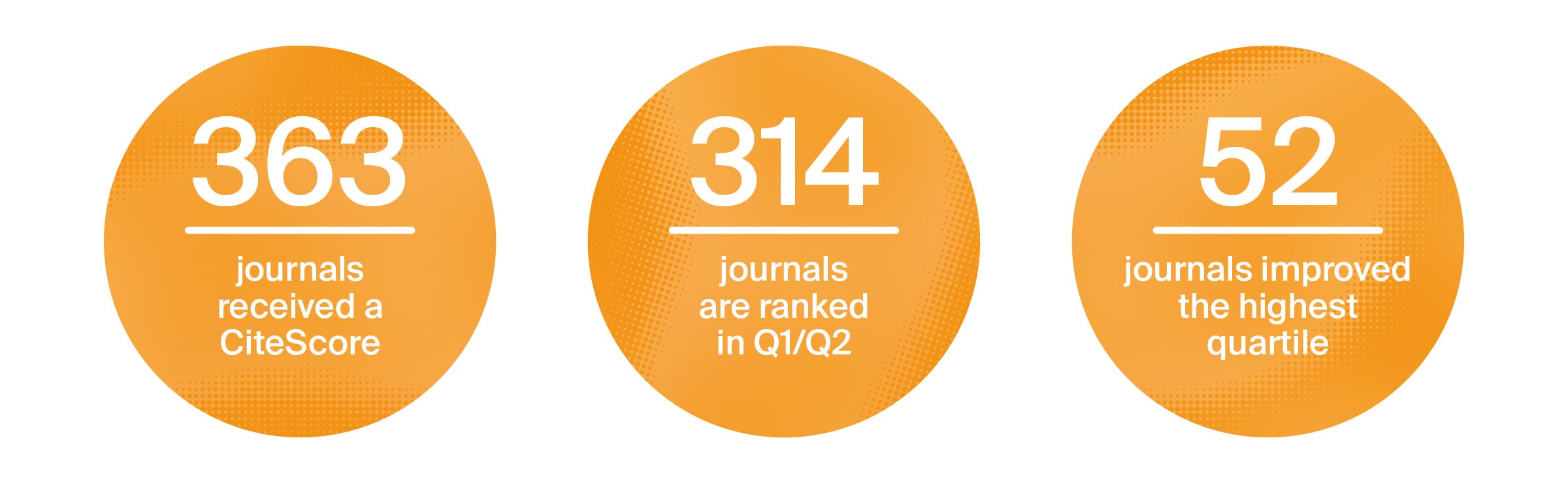
The 2025 CiteScore metrics have been officially released by Scopus, and the results confirm what has become a consistent pattern for MDPI's journal portfolio: broad recognition across disciplines, steady improvement across the majority of ranked titles, and a growing presence at the top of subject category rankings.
CiteScore, published annually by Elsevier's Scopus database, measures the average citations received by articles published in a journal over a four-year window. As a complement to the Journal Impact Factor, which uses a two-year window based on the Web of Science database, CiteScore provides an alternative, long-term perspective on citation performance.
The 365 MDPI journals in Scopus (as of May 2026) are indexed across a wide range of subject categories, ensuring that open access research remains highly discoverable to a global readership through one of the most widely used platforms in academic publishing.
Data Summary (2025 CiteScores)
- New Additions: 41 MDPI journals received a CiteScore for the first time.
- Trending Upward: 234 of 322 previously ranked journals (73%) saw an increase in their CiteScore compared to last year.
- High Visibility: 314 journals (86%) rank in Q1 or Q2 in at least one subject category.
- Elite Performance: 42 journals rank in the top 10% of their subject categories.
Portfolio Performance
Among the 322 journals that held a CiteScore in 2024, 234 saw an increase this year. Quartile improvements outnumbered declines across the portfolio, with 52 journals moving to a higher quartile and only 20 seeing a decline. Furthermore, no previously ranked journals were removed. The 42 journals now ranked in the top 10% of their subject categories are drawn from a strong foundation of 178 journals holding a Q1 position.
With the large majority of our indexed portfolio ranked in the top half of research fields, researchers can confidently choose MDPI to meet funder mandates for high-quality, fully compliant Open Access publishing.
Exceptional Achievements for Foods and Life
Notably, both Foods and Life achieved a 99th percentile ranking in their respective subject categories for the 2025 CiteScores. This outstanding placement positions them as leading journals in their fields and highlights the high visibility and global impact of the open access research they publish.
Journal Metrics and Beyond
Journal-level metrics describe outlets, not individual articles. An increasing number of funders and institutions—including signatories of DORA and the Coalition for Advancing Research Assessment—now explicitly encourage evaluation at the article level rather than by the journal in which research appears. MDPI supports this direction: we report CiteScore alongside the Journal Impact Factor, Journal Citation Indicator, and article-level usage data because no single number captures the full reach and contribution of published research.
Thank You
These results reflect the sustained effort of thousands of editors-in-chief, editorial board members, reviewers, and authors across every field MDPI serves. The metrics are the outcome; the work is yours.
1 June 2026
MDPI INSIGHTS: The CEO’s Letter #35 – 30 Years of Open Science, Open Access Policies, Spain Summit, MMCS 2026 & Antibiotics 2026

Welcome to the MDPI Insights: The CEO's Letter.
In these monthly letters, I will showcase two key aspects of our work at MDPI: our commitment to empowering researchers and our determination to facilitating open scientific exchange.
Opening Thoughts

30 Years of Open Science, Built Together
This month, we officially launched MDPI’s 30th Anniversary campaign and dedicated anniversary website, marking an important milestone in our journey as an open access publisher. What began in 1996 with a single journal and the simple belief that scientific knowledge should be shared openly and freely has grown into a global publishing organization supporting more than 500 journals, 68,000 Editorial Board Members, and millions of researchers worldwide.
The anniversary page, entitled 30 Years of Open Science, Built Together, reflects on the people, milestones, and partnerships that have shaped MDPI over the past three decades. It includes a retrospective of our development, key moments in the evolution of open access, landmark research articles, journal anniversaries, an interview with the CEO, and perspectives from colleagues and partners who have contributed to our success.

Looking back, one of the most striking aspects of our journey is not simply our growth, but the broader transformation of scholarly publishing itself.
Open access has moved from a niche concept to a widely adopted publishing model, helping make research more accessible, discoverable, and impactful for researchers, institutions, policymakers, and society.
MDPI has been part of this transition and continues to invest in the people, technology, partnerships, and research integrity infrastructure needed to support high-quality open science at scale.
While anniversaries naturally encourage reflection, they are also an opportunity to look ahead. The challenges facing scholarly publishing today, including research integrity, artificial intelligence, accessibility, and global participation in science, will require continued collaboration across the research ecosystem. As we celebrate 30 years of publishing, our focus remains on supporting researchers, strengthening trust in open science, and helping shape the future of scholarly communication together.
I encourage you to visit the anniversary page, explore the milestones, and take a moment to reflect on the role each of us has played in contributing to MDPI’s story.
Thank you for being part of this journey.
Impactful Research

Highlights from MMCS 2026 in Beijing (14-17 May)
From 14–17 May, MDPI hosted The 5th Molecules Medicinal Chemistry Symposium (MMCS 2026) in Beijing, China, bringing together academia and industry to explore advances in chemical biology, medicinal chemistry, and drug discovery.
The conference hosted more than 230 attendees from 37 countries and regions, alongside 257 submissions and 145 accepted abstracts. With a significant increase in attendance – up by 100 participants compared with the previous edition – the popularity of MMCS continues to grow in terms of its international profile and scientific relevance within this rapidly evolving field.

The scientific program covered seven themes:
- Chemical Biology for Drug Discovery
- Medicinal Chemistry Research Progress
- Natural Products in Drug Discovery
- AI-enabled Drug Discovery
- GPCR & Ion Channel Targeted Drug Development
- Innovative Proximity-Based Drug Modalities
- Biocatalysis for Natural Product & Drug Synthesis
The event featured three plenary speakers, 14 keynote speakers, 35 selected oral presentations, and 98 poster presentations, creating opportunities for open scientific exchange and collaboration. Conference Chair Prof. Dr. Diego Muñoz-Torrero described this edition as one of the most successful MMCS events to date.
|
|
|


Thanks to our Sponsors
MMCS 2026 secured sponsorship support from 12 industrial partners, 11 of which set up on-site exhibition booths. Covering biopharmaceutical R&D, life science supplies, pharmaceutical experimental instruments, and industrial service sectors, exhibitors were able to connect their businesses directly with attendees and make connections at the conference.

30th Anniversary Celebration of Molecules
During the conference, we also celebrated the 30th anniversary of Molecules, one of MDPI’s flagship journals. The celebration brought together Section Editors-in-Chief, Editorial Board Members, MDPI leadership, and editorial colleagues to reflect on the journal’s development, achievements, and continued future growth.

Events such as MMCS 2026 highlight the important role conferences play in creating scientific exchange and collaboration, and in connecting our research communities in person.
They also reflect the continued development of MDPI’s conference portfolio and our commitment to supporting academic engagement beyond publishing alone. Thanks to everyone involved in organizing and contributing to the success of this event.
Inside MDPI

Open Access Policies Continue to Accelerate Globally
One of the clearest indicators of the continued momentum behind open access is the growing number of national and institutional policies supporting, and increasingly requiring, open dissemination of research.
Around the world, governments, funding agencies, and universities are building their open access mandates, with increasing focus on transparency, rights retention, and public accessibility of publicly funded research. While these policies vary across regions, the broader direction is clear: expectations around openness and compliance continue to accelerate.
For researchers, navigating these evolving requirements can be complex and time-consuming. Supporting the research community therefore means not only publishing high-quality open access content but also helping stakeholders better understand changing requirements and emerging opportunities. At MDPI, we see this as an important part of our role within scholarly communication.
“Expectations around openness and compliance continue to accelerate”
Through the MDPI Blog, our Content team continues to publish monthly articles overviewing different countries’ relationships with open access, exploring their histories, policies, opportunities, and statistics. All this information is centralized into an article which contains brief summaries of each country, with links to all the full articles, and is updated monthly.
Recent Policy Developments
South Africa
In 2026, South Africa’s Department of Science and Innovation introduced the South African Open Science Policy. The policy states that: “Open access shall be required for publications arising from publicly funded research, and desirable for research from all sources of funding.”
The policy envisions a coordinated and broad approach to open science that will sustainably and ethically drive socio-economic development by increasing the practice of open science through policy, training, incentivization, and infrastructure.
Canada
In Canada, the Tri-Agency OA Policy on Publications was revised, removing the 12-month embargo for research that must be deposited in a repository with an open license and with author rights retained.
The Agencies argue that “societal advancement is made possible through widespread and barrier-free access to cutting-edge research and knowledge.”
Chile
Chile is a collaborative and engaged member of the global open access movement.
The National Research and Development Agency (Agencia Nacional de Investigación y Desarrollo, or ANID) is Chile’s main funding agency for R&D. It mandates that all beneficiaries must deposit the final version of their published scientific output, with an embargo period of up to 12 months, into a repository.
ANID also supports the InES Open Science funding program, which allows universities to request funding for capacity and infrastructure building. Further, Chile is an active participant in various international initiatives, such as Redalyc, SciELO, and Red de Repositorios Latinoamericanos.
Openness Beyond Research
At MDPI, openness remains one of our core values, ensuring that research outputs are freely accessible to anyone. This commitment also extends to sharing knowledge about the scholarly publishing landscape itself, which we practice on the MDPI Blog through various topics, including open access, recent advances in science, and opportunities for researchers.
As the open access landscape continues to evolve, helping researchers, institutions, editors, and partners navigate these changes will remain an important priority for us.

Thank You
I would like to thank Jack McKenna (Senior Content Specialist, MDPI) from our Content team for his ongoing work on the MDPI Blog series covering global open access policy developments. Initiatives such as this help make complex policy discussions more accessible and useful to the wider research community.
Coming Together for Science

Reflections from the MDPI Spain Summit 2026 in Valencia (21 May)

On 21 May, we hosted the MDPI Spain Summit 2026 in Valencia.
The Summit brought together 30 Editorial Board Members and MDPI colleagues for a discussions on the future of publishing, research integrity, peer review, artificial intelligence, and the evolving research landscape in Spain.
We hosted participants from leading Spanish institutions and spoke on the importance of Spain as a major contributor to global open access (OA) research. In 2025 alone, Spain ranked among the leading countries worldwide for OA publishing, with more than 85% of publications made openly accessible. MDPI also continues to play a significant role within the Spanish research ecosystem.
MDPI in Spain
Spain remains one of MDPI's most important academic markets and a leading contributor to OA research globally. Ever since our Barcelona office opened in 2016 (Happy 10th Anniversary!), MDPI Spain has been actively supporting researchers, institutions, societies, and academic partners across the country. Today, the office plays an important role in creating engagement with the Spanish scholarly community through editorial support, partnerships, conferences, training initiatives, and outreach activities.
A cluster of high-level indicators highlight both the strength of the local research ecosystem and MDPI’s role within it:
- 43,218 total publications in Spain in 2025, of which 35,728 (83%) were open access (49% Gold OA).
- 211,200+ total publications (2021–2025), with 84% published open access.
- 13,444 MDPI publications from Spanish institutions in 2025, representing 14% of all open access publications in Spain.
- More than115,100 MDPI publications from Spanish institutions since 1996.
- More than 4,500 Editorial Board Members from Spain, including more than 150 Chief Editors and 57 Associate Editors.
- 42 institutional partners participating in MDPI’s Institutional Open Access Program (IOAP).
- Spain ranks second globally for MDPI society affiliations, with 26 affiliated society agreements currently in place.
Program Overview
What made this summit special was the openness of the discussions around the research landscape in Spain and the role MDPI plays within the market. General topics of the presentations included:
- MDPI Introduction – Stefan Tochev (CEO).
- Engagement with the Academic Community – Dr. Marta Colomer (External Affairs Lead).
- Latest Developments in the Editorial Process – Dr. Jordi Martinez (Deputy Managing Editor).
- Research integrity and Publication Ethics – Slavomir Nikodijevic (Research Integrity Specialist).
- A 360 View of Academic Publishing – Prof. Dr. Luis Angel Ruiz Fernandez (EBM of Remote Sensing).
|
|
|
|
|
|
|
|


Panel Discussion
We also hosted a panel discussion moderated by Marta, entitled “The Future of Academic Publishing” with Prof. Luis Ruiz, Prof. Marta Feliz (EBM of the journal Catalysts), Dr. Enric Sayas (Product Owner, AI & Technology Innovation), and myself. The discussion looked at the evolving role of editors, the future of peer review, and the growing importance of maintaining trust, ethics, and research integrity in an era increasingly influenced by artificial intelligence.
|
|
|
|


Themes from the Summit
Several themes emerged throughout the discussions, reflecting broader conversations taking place across publishing:
- The academic community values efficient publishing workflows, but expectations around scientific quality and editorial rigor continue to rise.
- Reviewer fatigue and long-term sustainability of peer review remain major challenges across the industry.
- AI is rapidly changing scholarly communication and requires transparent and responsible governance.
- Reputation and trust continue to depend on long-term engagement, transparency, and quality-focused decision-making.
“Maintaining an open dialogue with researchers, editors, reviewers, and institutions remains a priority for MDPI”
It was constructive to see the willingness of participants to engage directly and candidly with us. These conversations provide insights that help inform how we continue to develop our editorial processes, engagement activities, and support for the research community. While certain discussions included concerns, there was also recognition that open dialogue between publishers and the research community is essential if we want to improve scholarly communication together.
|
|
|
|


Events such as this are increasingly important for MDPI. They allow us to present our perspective, to listen to the experiences, expectations, and concerns of editors, reviewers, and researchers, and to address these accordingly.
Thank You
Thank you to our Barcelona Office and all colleagues involved in organizing the summit, as well as all participants for contributing to these thoughtful and constructive discussions.
|
|
|
|
|
|
|
|


As publishing continues to evolve, maintaining an open dialogue with researchers, editors, reviewers, and institutions remains an important priority for MDPI. Events such as the Spain Summit play an important role in helping us to build relationships, foster trust, and better understand the needs of our community.
Closing Thoughts

Highlights from Antibiotics 2026 in Barcelona (11–14 May)
This week, MDPI hosted the Antibiotics 2026 — Advances in Antimicrobial Action and Resistance conference in Barcelona, bringing together academics and industry experts to discuss one of the most important scientific and public health challenges of our time: antimicrobial resistance.
The conference welcomed 145 attendees from 42 different countries and territories, alongside 265 submissions and 127 accepted abstracts, showing the international reach of the event and the strong scientific interest in this rapidly evolving field.

Scientific Exchange on a Global Challenge
Antimicrobial resistance continues to be a global concern, creating collaboration across disciplines, institutions, and regions. The conference program focused on a range of topics including:
- Antimicrobial resistance mechanisms
- One Health approaches to antimicrobial stewardship
- Discovery of novel antimicrobial agents
- Innovation in clinical strategies and treatment approaches
- Ethnopharmacology and emerging therapies
Through keynote plenaries, invited lectures, oral presentations, and poster sessions, the conference created a platform for dialogue and scientific exchange.
|
|
|


International Participation and Collaboration
One of the highlights of the event was the diversity of participation across both geography and expertise. Researchers and speakers from Europe, North America, Asia, Africa, Australia, and Latin America took part in discussions throughout the conference, highlighting the global nature of both the challenge and the scientific response.
The scientific program included:
- 2 keynote speakers
- 10 invited speakers
- 36 selected talks
- 78 posters
The conference brought together perspectives from academia, healthcare, and industry, helping facilitate interdisciplinary collaboration around future approaches to antimicrobial research and resistance management.
|
|
|
|


The Role of Conferences in Scholarly Communication
Conferences are an important platform for collaboration, scientific exchange, and community-building. Events such as Antibiotics 2026 show the value of bringing researchers together in person to discuss emerging challenges, share new findings, and strengthen international networks across disciplines and regions.

Thank You
I would like to thank the conference chairs, speakers, participants, sponsors, and the entire MDPI conference team for their work in making this event a success. The engagement and positive feedback from attendees highlight the importance of our events in addressing some of the most pressing scientific challenges facing society today.

Chief Executive Officer
MDPI AG
26 May 2026
Meet Us at the KMB 2026 53rd Annual Meeting and International Symposium, 24–26 June 2026, Gyeongju, Republic of Korea

Conference: KMB 2026 53rd Annual Meeting and International Symposium
Booth Number: N/A
Date: 24–26 June 2026
Location: HICO, Gyeongju, Republic of Korea
KMB is a leading academic organization in Korea dedicated to microbiology, biotechnology, and related multidisciplinary fields. KMB 2026 53rd Annual Meeting and International Symposium (KMB 2026) aims to foster academic networking and human exchange through various sessions covering the entire spectrum of microbiology and biotechnology.
MDPI is excited to join KMB 2026 as an exhibitor. Taking place in Gyeongju from 24 to 26 June 2026, this conference will be a major opportunity for advancement of the bio-industry.
We warmly welcome all attendees to our booth to share their valued research findings. We look forward to the opportunity to engage in professional exchange and explore how we can support your scholarly journey through potential collaborations.
The following MDPI journals will be represented at the conference:
- IJMS;
- Microorganisms;
- Applied Microbiology;
- Fermentation;
- JoF;
- Antibiotics;
- Bacteria;
- Epigenomes;
- Foods;
- Immuno;
- Microbiology Research;
- Plants;
- SynBio;
- JGBG;
- Marine Drugs.
Our team is excited to welcome you to our booth for a face-to-face discussion and to assist with any of your inquiries. For more information regarding this conference, please visit the following website: https://www.kormb.or.kr/abstract/2026_spring/.
21 May 2026
Meet Us at the Northern European Conference on Travel Medicine (NECTM10), 3–5 June 2026, Belfast, UK

Conference: The Northern European Conference on Travel Medicine (NECTM10)
Date: 3–5 June 2026
Location: Belfast, UK
We are excited to announce that MDPI will participate as an exhibitor at the Northern European Conference on Travel Medicine (NECTM10) from 3 to 5 June 2026.
NECTM was founded by twelve travel health organizations and societies in eight countries to meet common educational needs in the expanding multidisciplinary field of travel medicine. The first biennial conference was successfully held in Edinburgh in 2006, followed by Bergen, Hamburg, Dublin, Helsinki, London, Stockholm, Rotterdam, and Copenhagen. Between 500 and 1000 travel medicine specialists and practitioners across Europe and beyond meet every other year to share the latest scientific updates, discuss ideas, interact, learn, and enjoy the experience together—always with smiles on our faces. Every NECTM is unique and reflects current scientific challenges as well as specific travel medicine issues.
If you are planning to attend the above conference, please feel free to reach out to us. Our delegates look forward to meeting you in person at booth 7 and answering any questions that you may have.
For more information about the conference, please visit the following website: https://mkon.nu/nectm_10/nectm.
14 May 2026
Antibiotics Exceptional Reviewers List 2026

We are thrilled to share the updated 2026 Exceptional Reviewers List. This program was established to recognize and honor scholars who have consistently delivered exceptional review reports to our journal. Committed to fostering rigorous research and promoting knowledge exchange, Antibiotics (ISSN: 2079-6382) acknowledges the vital role our reviewers play in maintaining the quality and integrity of the articles we publish. According to surveys conducted in 2025, 93% of our authors rated the peer review process as good or excellent, reflecting the strength and effectiveness of our reviewer community.
We would like to express our sincere appreciation to all the reviewers who have generously volunteered their time and expertise to assist in Antibiotics’s peer-review process. Their dedication and attention to detail in evaluating manuscripts, offering valuable feedback, and contributing to academic rigor are truly commendable.
The Exceptional Reviewers List was introduced in April 2025. Each quarter, we will select a group of outstanding reviewers and introduce them here.
Q1
Name: Prof. Chyer Kim
Affiliation: Virginia State University, USA
Name: Prof. Madubuike Anyanwu
Affiliation: University of Nigeria, Nigeria
“As a scientific researcher, I consider manuscript reviewing an obligation rather than a choice, as the constructive criticisms I provide help safeguard the quality and integrity of science and also help me continually refine my research and writing skills. This recognition and award strengthen my commitment to engaging in more peer review activities.”
Name: Dr. Jianneng Yao
Affiliation: Kunming Medical University, China
Name: Dr. Olga Adriana Caliman-Sturdza
Affiliation: Stefan cel Mare University of Suceava, Romania
“Being a reviewer improves my scientific creativity, trains my critical spirit and stimulates me to be up to date with the latest news in my field. Also, through my activity as a reviewer, I strive to contribute to the academic activity and support colleagues in their research work through my feedback.”
Name: Dr. Aiken Dao
Affiliation: University of Sydney, Australia
14 May 2026
Meet Us at the ASM Microbe 2026, 4–7 June 2026, Washington, USA

Conference: ASM Microbe 2026
Date: 4–7 June 2026
Location: Washington, USA
MDPI will be attending the ASM Microbe 2026 as an exhibitor. We welcome researchers from different backgrounds to visit and share their latest ideas with us.
ASM Microbe 2026 is transforming the way we connect with science. For the first time, they are hosting three independent meetings under one roof and offering the most comprehensive access to cutting-edge research and experts driving discovery in your field.
Delve into your scientific community by attending 1 of 3 distinct meetings—Health, Applied & Environmental Microbiology or Mechanism Discovery. Each offers a focused, in-depth experience tailored to your field, providing the latest research, perspectives and developments shaping the future of microbial science. Wherever your expertise lies, you will find a meeting that speaks directly to your science at ASM Microbe.
- Shape the Direction of Microbial Science: Collaborate with peers who are setting research agendas and driving progress across academia, industry and government. ASM Microbe brings together the most accomplished minds across disciplines to advance collective understanding and influence the future of microbial research and application.
- Discover Tools, Ideas and Industry Innovations: Visit the dynamic exhibit hall where leading companies showcase the latest technologies, products and solutions. Connect with industry experts, gain insights into emerging tools and uncover opportunities to advance your research and applications.
- Uncover the Latest Breakthroughs in Microbial Science: Explore the poster hall and cutting-edge abstracts to discover the newest findings presented by scientists from around the world. Gain insights that advance your research, spark new ideas and reveal trends shaping the future of the field.
- Connect With the Brightest Minds: Build collaborations and form new partnerships across academia, industry and government. Network with peers and mentors who can challenge your thinking and amplify your science.
- Be Part of the Conversation That Moves Science Forward: ASM Microbe 2026 brings together your community to present research, define priorities, share perspectives and accelerate discovery. From the leading experts shaping the field, to the rising stars driving the next generation of discoveries, this is where leaders convene, game-changing research is unveiled and the next era of microbial science takes shape.
The following open acess journals will be represented:
- Microorganisms;
- Fermentation;
- Life;
- JoF;
- Vaccines;
- Applied Microbiology;
- Aerobiology;
- Tropical Medicine and Infectious Disease;
- Antibiotics;
- Microbiology Research;
- Zoonotic Diseases;
- Pathogens;
- Bacteria;
- Acta Microbiologica Hellenica.
If you are planning to attend this conference, please do not hesitate to start an online conversation with us. Our delegates look forward to meeting you in person and answering any questions that you may have. For more information about the conference, please visit the following website: https://asm.org/events/asm-microbe/home.
