



-
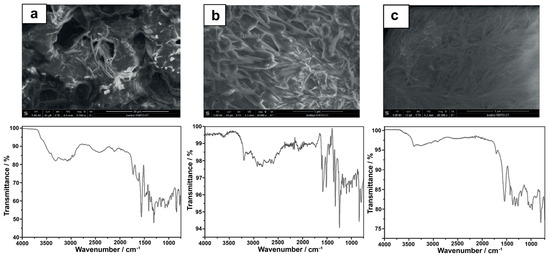
Electrochemical DNA Biosensor for Detection of Hepatitis C Virus Using a 3D Poly-L-Lysine/Carbon Nanotube Film -
Development of a Paper-Based Electrochemical Immunosensor for Cardiac Troponin I Determination Using Gold Nanoparticle-Modified Screen-Printed Electrodes -
Organic Field-Effect Transistor Biosensors for Clinical Biomarkers: Materials, Architectures, and Translational Applications
Journal Description
Chemosensors
Chemosensors
is an international, scientific, peer-reviewed, open access journal on the science and technology of chemical sensors and related analytical methods and systems, published monthly online by MDPI.
- Open Access— free for readers, with article processing charges (APC) paid by authors or their institutions.
- High Visibility: indexed within Scopus, SCIE (Web of Science), CAPlus / SciFinder, Inspec, Engineering Village and other databases.
- Journal Rank: JCR - Q2 (Instruments and Instrumentation) / CiteScore - Q1 (Physical and Theoretical Chemistry)
- Rapid Publication: manuscripts are peer-reviewed and a first decision is provided to authors approximately 19.1 days after submission; acceptance to publication is undertaken in 2.6 days (median values for papers published in this journal in the second half of 2025).
- Recognition of Reviewers: reviewers who provide timely, thorough peer-review reports receive vouchers entitling them to a discount on the APC of their next publication in any MDPI journal, in appreciation of the work done.
Impact Factor:
3.7 (2024);
5-Year Impact Factor:
3.8 (2024)
Latest Articles
Eco-Friendly Nanocellulose Optical Chemosensor Immobilized with ADOL for Mercury Detection in Industrial Wastewater
Chemosensors 2026, 14(2), 45; https://doi.org/10.3390/chemosensors14020045 - 5 Feb 2026
Abstract
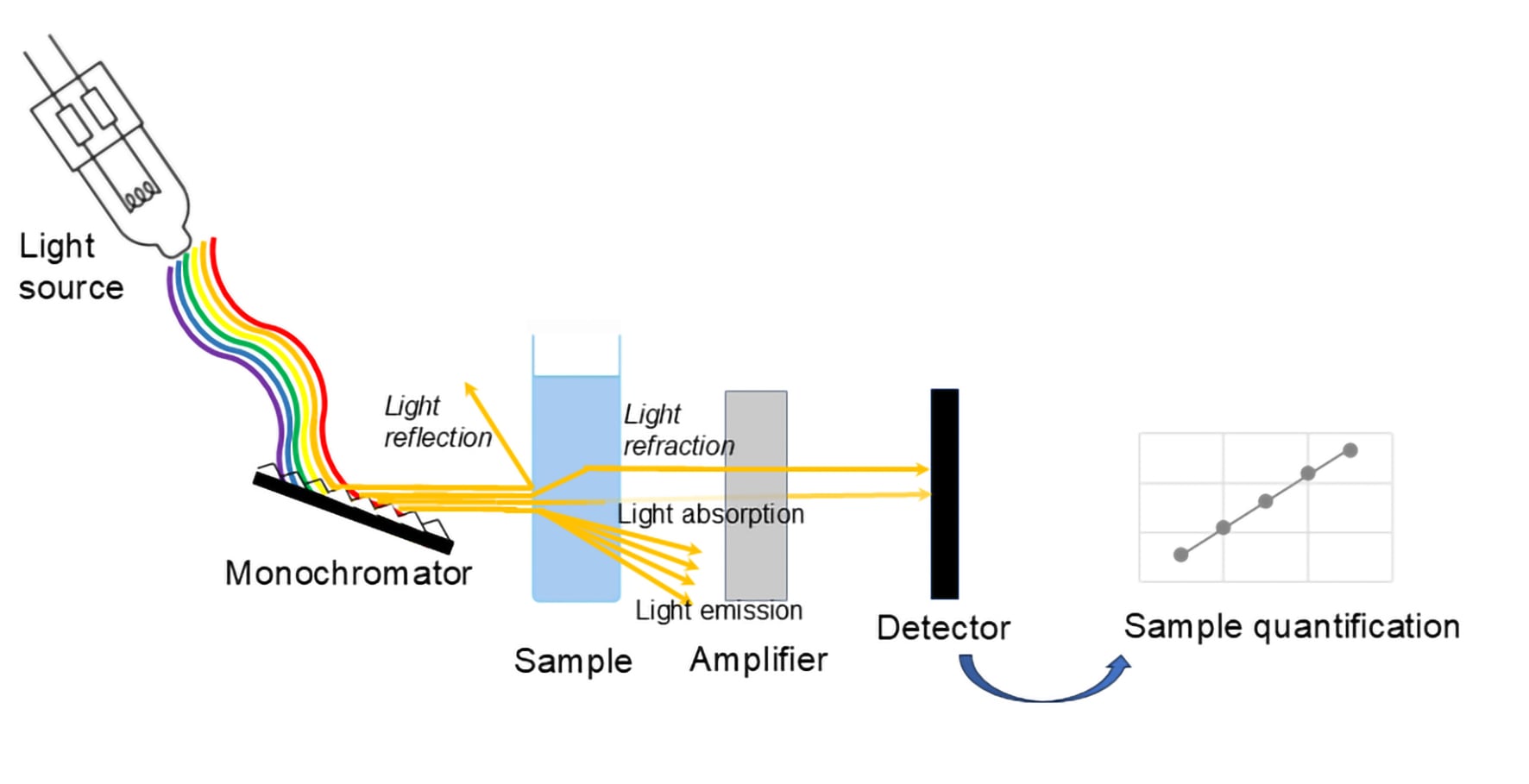
A novel chemosensor has been developed for the accurate and sensitive detection of Hg2+ ions in industrial wastewater. This sensor uses a stick-like nanocellulose architecture synthesized via a green method. The unique morphology and surface area of nanocellulose make it an ideal
[...] Read more.
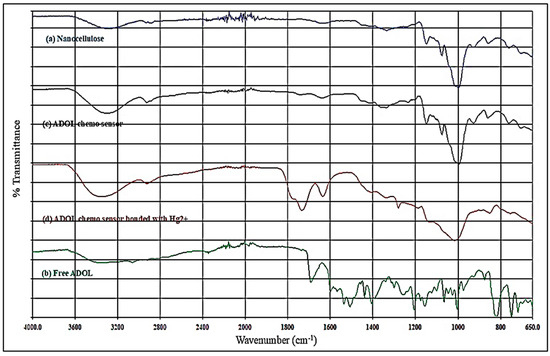
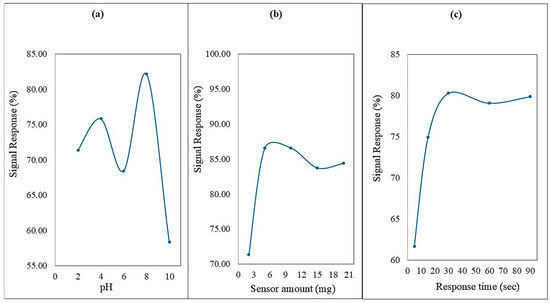
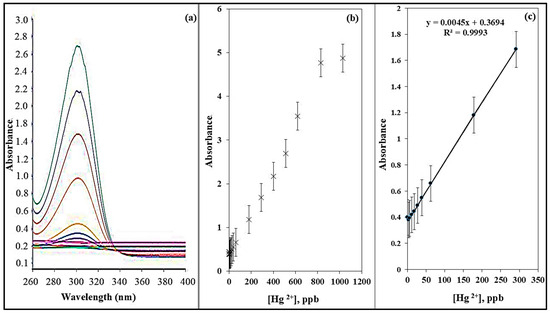
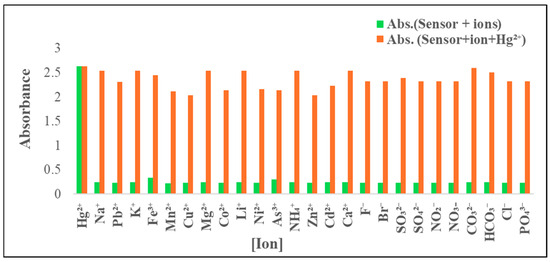
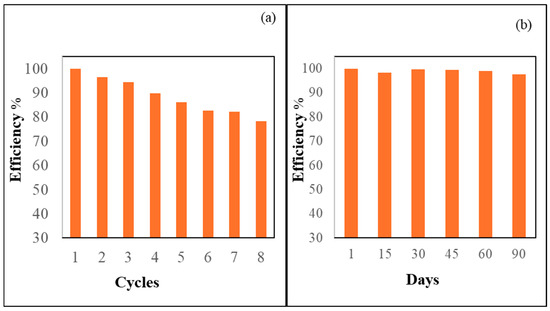
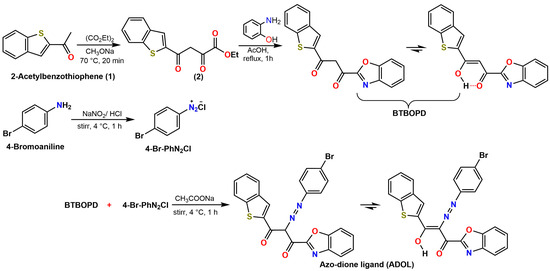
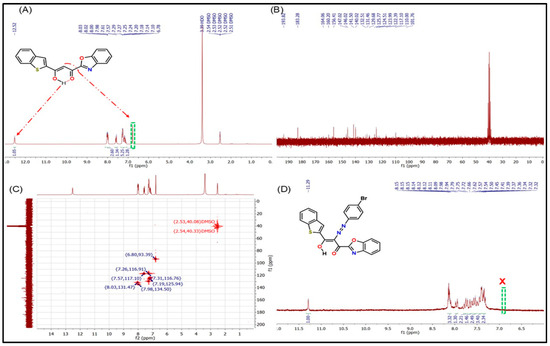
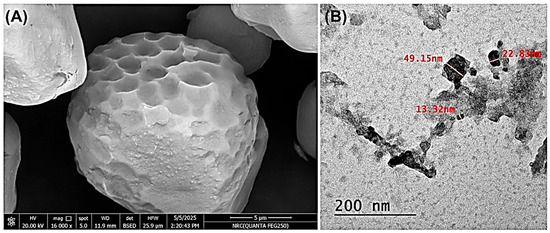
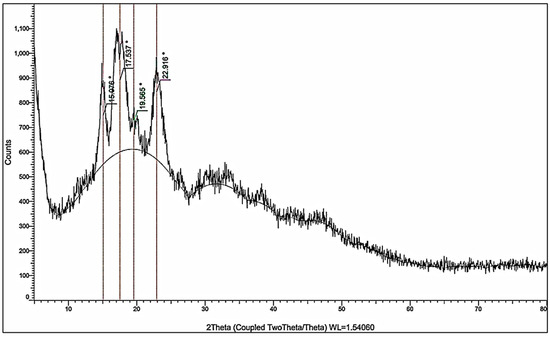
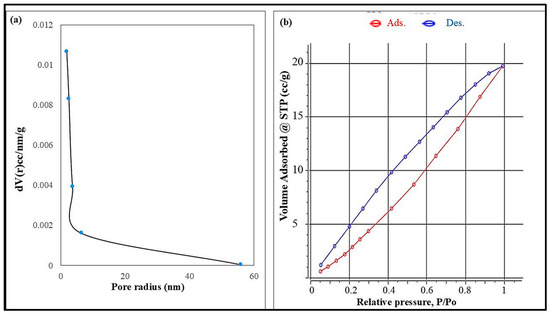
A novel chemosensor has been developed for the accurate and sensitive detection of Hg2+ ions in industrial wastewater. This sensor uses a stick-like nanocellulose architecture synthesized via a green method. The unique morphology and surface area of nanocellulose make it an ideal mesoporous substrate for immobilizing the chromophore 1-(benzothiophenyl)-3-(benzooxazolyl)-2-((4-bromophenyl)diazenyl)propane-1,3-dione (azo-dione ligand, ADOL). Comprehensive characterization of the fabricated chemosensor and its nanocellulose base was carried out using FTIR, SEM, TEM, BET surface area, and XRD to evaluate their structural and morphological properties. Spectrophotometric parameters, including pH, response time, selectivity, and sensitivity, were extensively optimized to ensure optimal sensing performance, enabling detection of Hg2+ at very low concentrations. Method validation was performed in accordance with ICH (International Council for Harmonisation) guidelines, confirming the reliability of the sensor in terms of limit of detection (LOD), limit of quantification (LOQ), linearity, and precision. The spectrophotometric method achieved a highly sensitive LOD of 9.07 µg L−1. Moreover, the ADOL chemosensor demonstrated excellent reusability, maintaining performance over five cycles following regeneration with 0.1 M thiourea, underscoring its sustainability. Finally, the sensor exhibited outstanding performance in detecting Hg2+ across various industrial wastewater samples, highlighting its practical applicability, exceptional selectivity, and high sensitivity for real-world environmental monitoring.
Full article
(This article belongs to the Section Optical Chemical Sensors)
►
Show Figures
Open AccessArticle
Low-Cost Particulate Matter and Gas Sensor Systems for Roadside Environmental Monitoring: Mechanistic and Predictive Insights from One-Year Urban Measurements
by
Dan-Marius Mustață, Ioana Ionel, Daniel Bisorca and Venera-Stanca Nicolici
Chemosensors 2026, 14(2), 44; https://doi.org/10.3390/chemosensors14020044 - 4 Feb 2026
Abstract
Roadside public transport stops represent localized air pollution hotspots where short-term exposure may differ substantially from levels reported by urban background monitoring. This study investigates the application of low-cost air quality sensors for long-term characterization of particulate matter and gaseous pollutants in a
[...] Read more.
Roadside public transport stops represent localized air pollution hotspots where short-term exposure may differ substantially from levels reported by urban background monitoring. This study investigates the application of low-cost air quality sensors for long-term characterization of particulate matter and gaseous pollutants in a traffic-dominated urban microenvironment. The novelty of this work lies in the combined use of collocated low-cost sensors, energy-independent solar-powered deployment, height-resolved placement representative of different breathing zones, and integrated statistical and predictive analysis to resolve exposure-relevant pollutant dynamics at a single transport stop. Hourly concentrations of particulate matter (PM) PM1, PM2.5, PM10, nitrogen dioxide (NO2), and ozone (O3) were measured over one year at a roadside transport stop adjacent to a four-lane urban road carrying approximately 30,000 vehicles per day. Measurements were obtained using two collocated low-cost sensor units based on optical particle sensing for particulate matter and electrochemical sensing for gases, together with concurrent meteorological observations. Strong agreement between the two particulate matter sensors supported the use of averaged concentrations. Mean PM2.5 concentrations were substantially higher in winter (32.4 µg/m3) than in summer (10.4 µg/m3), indicating pronounced seasonal variability. PM1 and PM2.5 exhibited closely aligned temporal patterns, while PM10 showed greater variability. NO2 displayed sharp diurnal peaks associated with traffic activity, whereas O3 exhibited opposing seasonal and diurnal behavior and was negatively correlated with both PM2.5 (r = −0.32) and NO2 (r = −0.29). One-hour-ahead predictive models incorporating meteorological and temporal variables achieved coefficients of determination up to 0.84. The results demonstrate that energy-independent low-cost sensor systems can robustly capture temporal patterns, pollutant interactions, and short-term predictability in localized roadside environments relevant to exposure assessment.
Full article
(This article belongs to the Special Issue Advances in Gas Sensors and their Application)
►▼
Show Figures

Graphical abstract
Open AccessReview
Nanostructure-Enhanced Optical Sensing Platforms for Pesticide Analysis in Food and Water Samples: A Review
by
Aurelia Magdalena Pisoschi, Loredana Stanca, Florin Iordache, Iuliana Ionascu, Iuliana Gajaila, Ovidiu Ionut Geicu, Liviu Bilteanu and Andreea Iren Serban
Chemosensors 2026, 14(2), 43; https://doi.org/10.3390/chemosensors14020043 - 4 Feb 2026
Abstract
Pesticides are applied to promote performances in the agricultural field, sustaining crop productivity by counteracting the damages induced by pests and weeds. Under conditions of uncontrolled application, their negative influences exerted on soil, water and biodiversity mean contamination of food and impact on
[...] Read more.
Pesticides are applied to promote performances in the agricultural field, sustaining crop productivity by counteracting the damages induced by pests and weeds. Under conditions of uncontrolled application, their negative influences exerted on soil, water and biodiversity mean contamination of food and impact on human health. The reactive oxygen species generation induced by pesticides impair the antioxidant protective ability. For humans, pesticides can have cytotoxic, carcinogenic, and mutagenic potential. They can be classified relying on the chemical structure or on the targeted organism. Optical sensors are based on UV-Vis absorption, fluorescence, chemiluminescence, surface plasmon resonance or Raman scattering. Based on their coloring features, nanomaterials are used in optical sensing platforms. They impart high specific surface area, small sizes, facility of surface modification by biorecognition elements (enzyme, antibody, aptamer, molecularly-imprinted polymer) and promote sensitivity and selectivity in biosensing platforms. The present paper highlights the performances of the optical sensing platforms in pesticide assay. Relevant novel applications are discussed critically, following the attempts to improve analytical features of chemical and biochemical sensors. Critical comparison of the techniques is performed in the last section. Advances in nanofabrication like the inclusion of novel nanomaterials and optimizing data interpretation by integration of algorithms can further enhance performances.
Full article
(This article belongs to the Special Issue Feature Review Papers in Chemical/Bio-Sensors and Analytical Chemistry in 2025)
►▼
Show Figures

Graphical abstract
Open AccessArticle
Green Synthesis of ZnO Nanoparticles Using Retama raetam Leaf Extract for VOC Sensing Applications
by
Tarek Sekrafi, Mosaab Echabaane, Ahmadou Ly, Marc Debliquy, Chérif Dridi and Driss Lahem
Chemosensors 2026, 14(2), 42; https://doi.org/10.3390/chemosensors14020042 - 4 Feb 2026
Abstract
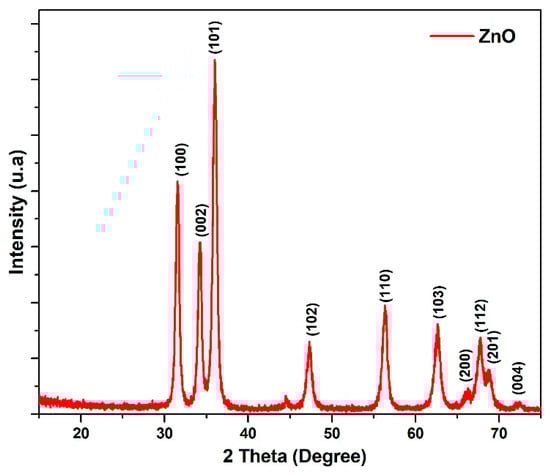
The green synthesis of zinc oxide nanoparticles (ZnO NPs) using Retama raetam leaf extract via microwave irradiation was investigated. The biosynthesized NPs were characterized using scanning electron microscopy (SEM), energy dispersive X-ray spectroscopy (EDS), X-ray diffraction (XRD), Fourier transform infrared spectroscopy (FTIR), and
[...] Read more.
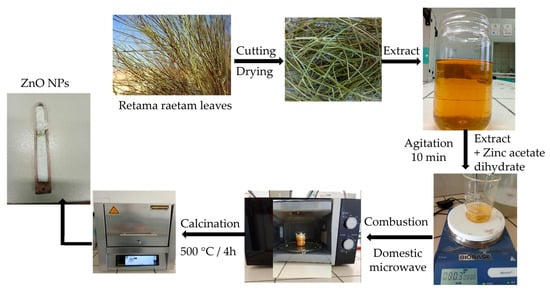
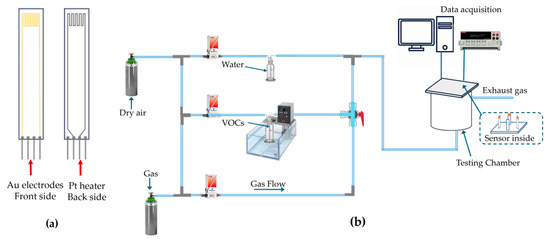
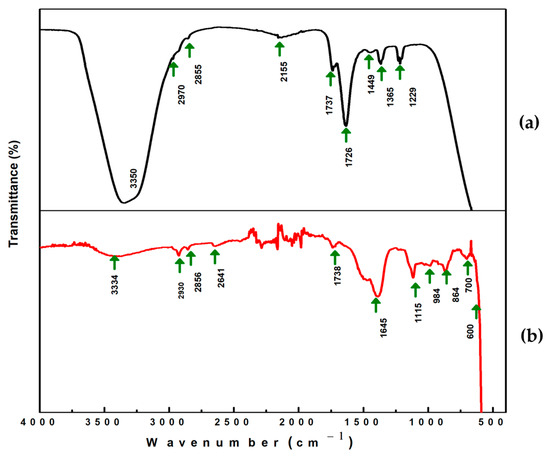
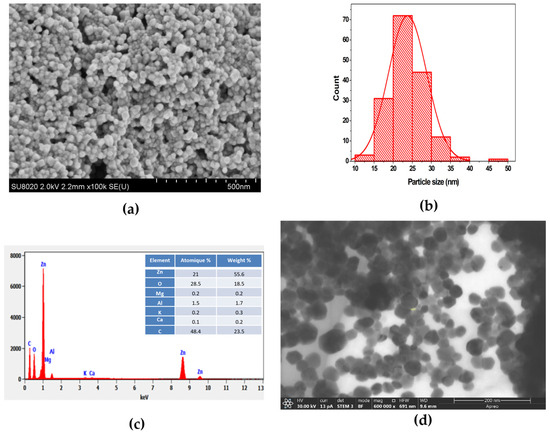
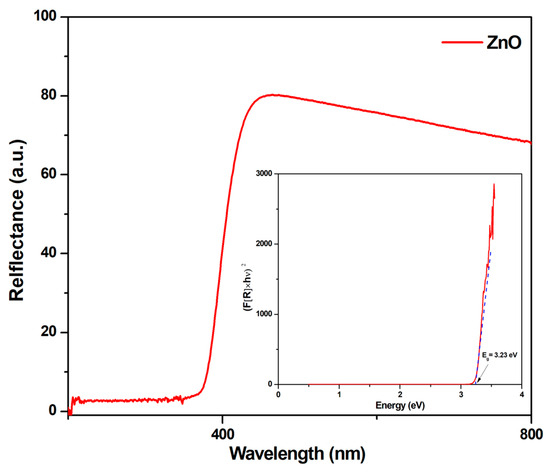
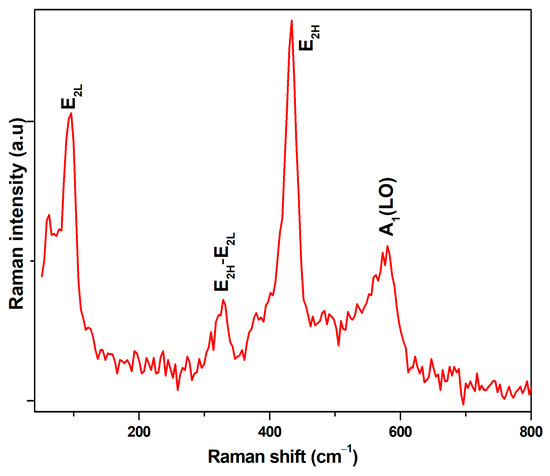
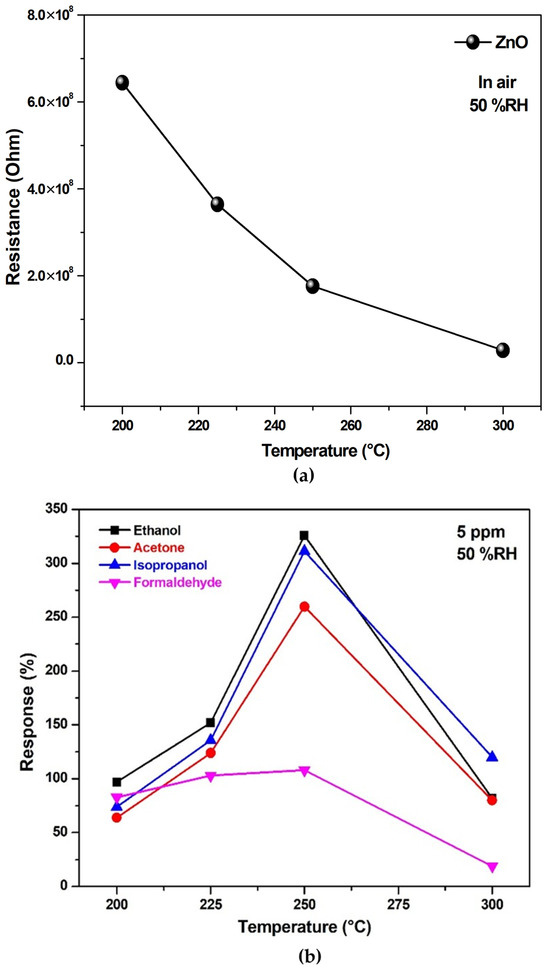
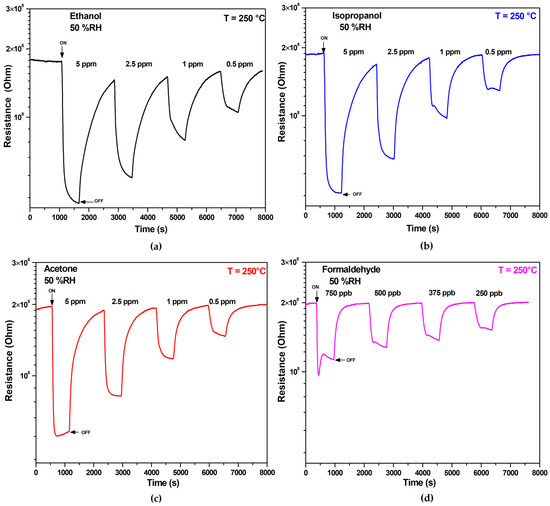
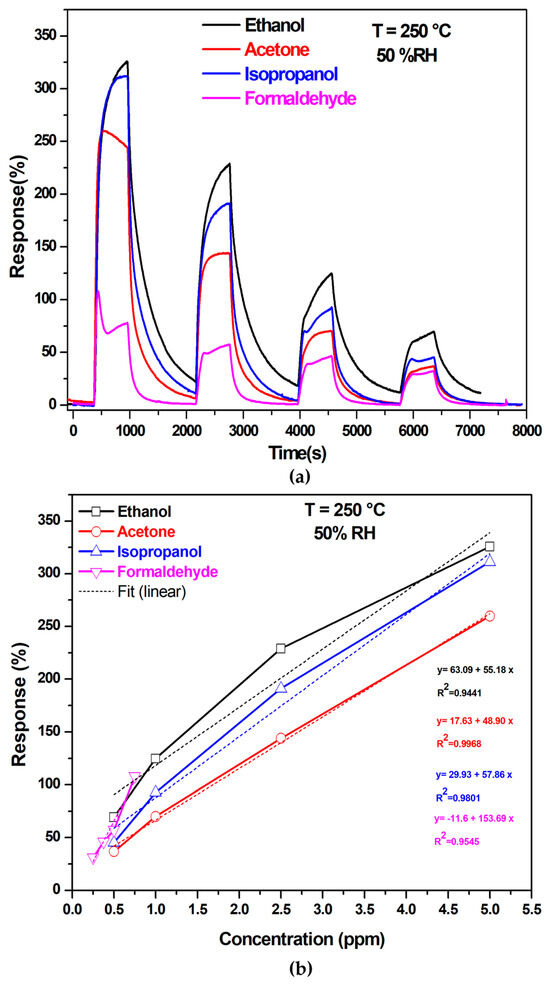
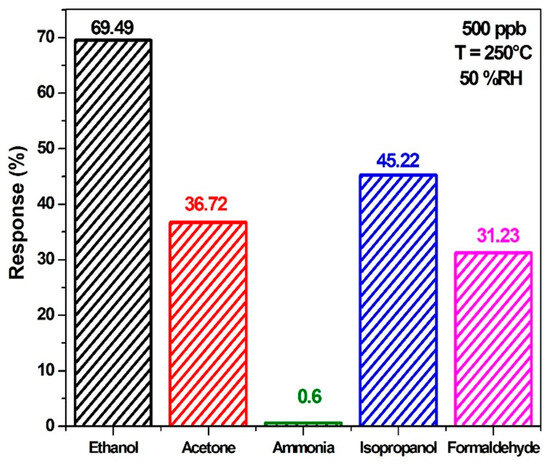
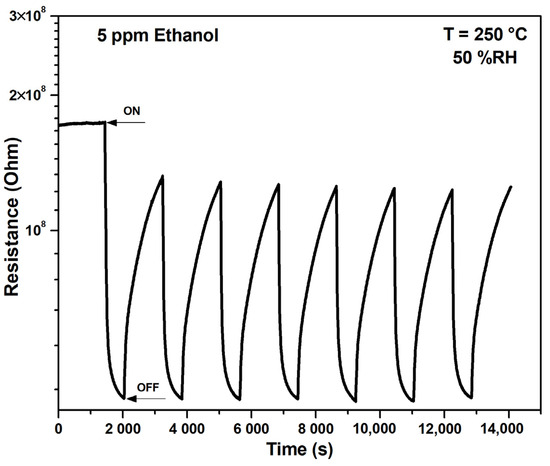
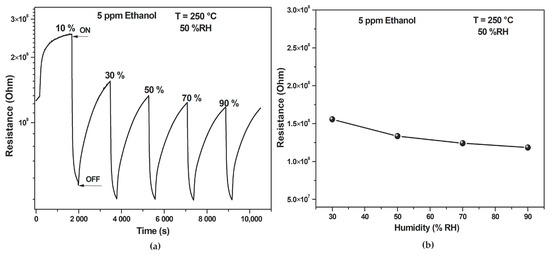
The green synthesis of zinc oxide nanoparticles (ZnO NPs) using Retama raetam leaf extract via microwave irradiation was investigated. The biosynthesized NPs were characterized using scanning electron microscopy (SEM), energy dispersive X-ray spectroscopy (EDS), X-ray diffraction (XRD), Fourier transform infrared spectroscopy (FTIR), and UV-Vis spectrophotometry. An XRD pattern confirmed the formation of a hexagonal wurtzite structure. An FTIR analysis indicated the interactions of the NPs with bioactive molecules involved in their synthesis. SEM and STEM imaging determined the morphology of the NPs with an average size of 14 nm. Furthermore, the biosynthesized ZnO NPs were used as a sensitive layer for detecting volatile organic compounds (VOCs) at low concentrations ranging from 0.5 to 5 ppm. The response sensor measured at an optimum operating temperature of 250 °C and 50% relative humidity (RH). The sensor exhibited a strong response to 5 ppm ethanol (325%), a detection limit as low as 4 ppb and an excellent stability across varying humidity levels.
Full article
(This article belongs to the Special Issue Chemical Sensors for Bio-Medical and Environmental Applications, 2nd Edition)
►▼
Show Figures

Figure 1
Open AccessArticle
In Situ Formation of Quantum Dots as a Novel Fluorescence Probe for Phosphate Anion Detection
by
Xiuhua You, Zhijun Li, Youjiao Wu, Xinhua Ma, Yiwei Wang, Shurong Tang and Wei Chen
Chemosensors 2026, 14(2), 41; https://doi.org/10.3390/chemosensors14020041 - 3 Feb 2026
Abstract
A new fluorescence detection method for PO43− was developed through the in situ synthesis of cadmium sulfide quantum dots (CdS QDs). Without PO43−, the CdS QDs could not be effectively formed by only the S2− and Cd
[...] Read more.
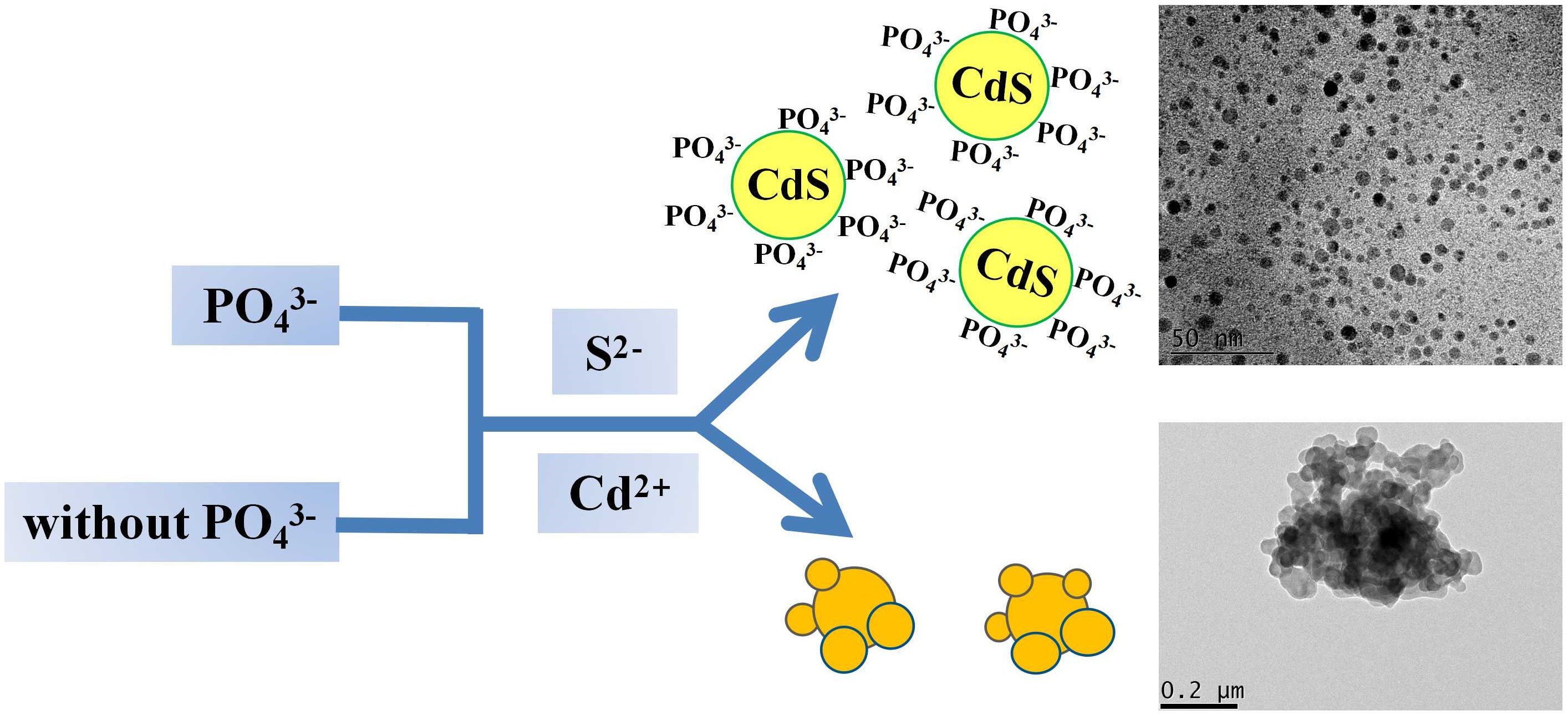
A new fluorescence detection method for PO43− was developed through the in situ synthesis of cadmium sulfide quantum dots (CdS QDs). Without PO43−, the CdS QDs could not be effectively formed by only the S2− and Cd2+ in the solution. As a stabilizer, PO43− is an essential component to regulate the in situ synthesis of CdS QDs. The fluorescence intensity following the addition of different concentrations of PO43− was monitored for quantification. Under optimum conditions, the fluorescence intensity shows a linear relationship with concentrations ranging from 3.0 to 300 µM, and a detection limit of 2.9 µM. This assay was successfully employed to assess PO43− in tap water and wastewater. Compared with traditional methods, which require pre-synthesizing QDs and tethering them with recognition elements to achieve sample detection, the proposed method is simpler and quicker. It takes less than 5 min to complete PO43− detection.
Full article
(This article belongs to the Section Applied Chemical Sensors)
►▼
Show Figures

Graphical abstract
Open AccessArticle
Heavy Metal Ion Detection by Carbonized Metal–Organic–Framework (MOF-C) Nanocomposite-Modified Electrochemical Sensors
by
Wei Wang, Peiting Zhao, Chenjie Wang, Aixuan Xu, Wei Ma, Gan Wang, Zehua Han, Yishan Lu, Jin Yan and Ran Peng
Chemosensors 2026, 14(2), 40; https://doi.org/10.3390/chemosensors14020040 - 3 Feb 2026
Abstract
Efficient detection of heavy metal ions in complex marine environments is essential to the safety of marine organisms and human beings. This study developed a novel screen-printed-electrode (SPE) electrochemical sensor for rapid on-site determination of typical heavy metal ions such as Cu2+
[...] Read more.
Efficient detection of heavy metal ions in complex marine environments is essential to the safety of marine organisms and human beings. This study developed a novel screen-printed-electrode (SPE) electrochemical sensor for rapid on-site determination of typical heavy metal ions such as Cu2+, Pb2+, Cd2+, and Hg2+ in seawater. The sensor employs a three-electrode system, with the working electrode modified with a composite of metal–organic framework-derived carbon (MOF-C) and multiwalled carbon nanotubes (MWCNTs), thereby significantly enhancing detection sensitivity and selectivity. By optimizing square-wave anodic stripping voltammetry (SWASV) parameters, detection limits of 0.83, 0.40, 1.05, and 0.30 μM for the detection of Cu2+, Pb2+, Cd2+, and Hg2+ ions were achieved. In mixed-ion detection, excellent peak separation and strong resistance to interferences were demonstrated. Experimental results demonstrate that the sensor exhibits good linear response, excellent interference resistance, and high practicality, providing a new approach for rapid on-site determination of heavy metal pollution in marine environments.
Full article
(This article belongs to the Special Issue Advanced Nanomaterials-Based (Bio-)Sensors for Electrochemical Detection and Analysis: 2nd Edition)
Open AccessArticle
Electrochemical Characterization of pH Indicators in Deep Eutectic Solvent for Carbon Dioxide Sensing
by
Fabiola Zanette, Rossella Svigelj and Rosanna Toniolo
Chemosensors 2026, 14(2), 39; https://doi.org/10.3390/chemosensors14020039 - 3 Feb 2026
Abstract
In this study, we present a new approach for detecting carbon dioxide based on the voltammetric behavior of selected pH indicators in a deep eutectic solvent (DES). The sensing strategy exploits the electrochemical oxidation potentials of acid–base indicators, in contrast to their conventional
[...] Read more.
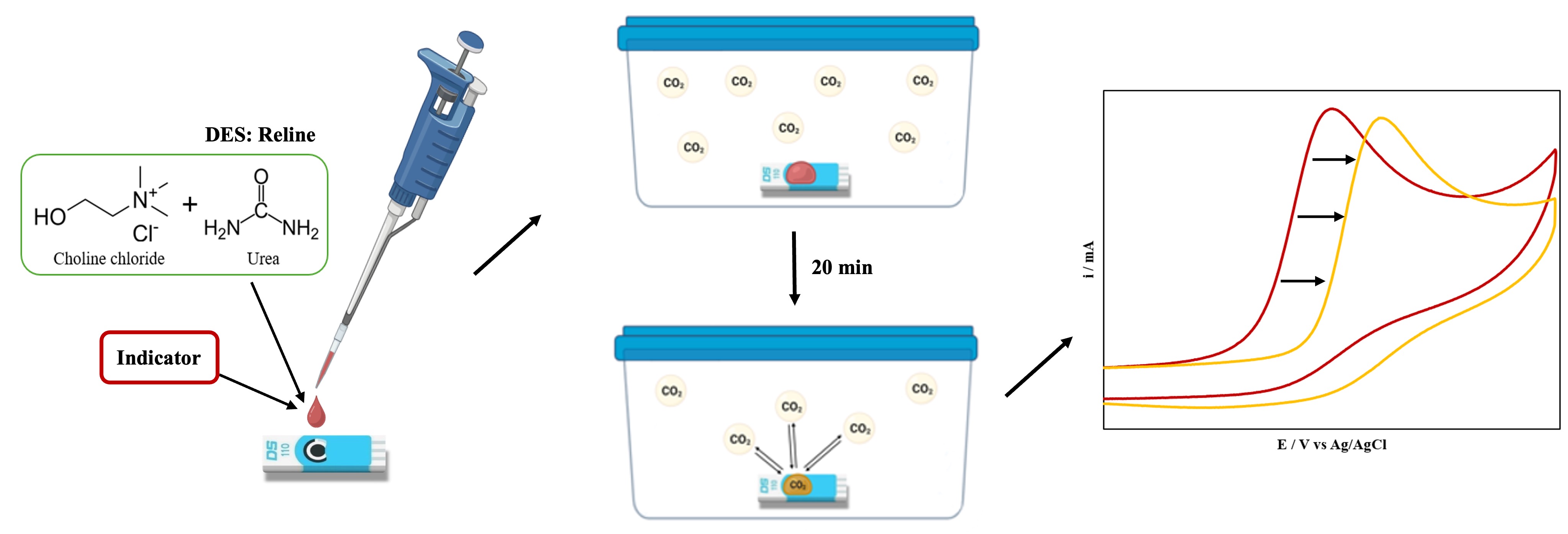
In this study, we present a new approach for detecting carbon dioxide based on the voltammetric behavior of selected pH indicators in a deep eutectic solvent (DES). The sensing strategy exploits the electrochemical oxidation potentials of acid–base indicators, in contrast to their conventional use in spectrophotometric analyses. For this purpose, a screen-printed carbon electrode (SPCE) coated with a thin film of DES containing an acid–base indicator was employed. This approach takes advantage of the unique properties of DESs, which make them safe and appealing electrolytes for gas sensing applications. It also exploits the behavior of acid–base indicators, which can exist in protonated or deprotonated forms with distinct oxidation potentials; the electron-rich basic form oxidizes at a lower potential than its protonated counterpart. Phenol Red (PR), Bromocresol Purple (BCP), and Bromothymol Blue (BTB) were investigated, and their voltammetric behavior was studied in different pH buffers as well as in reline DES. The pH dependence of their oxidation potential was used as the analytical parameter, varying in response to the concentration of acidic species in the gas phase. The proposed strategy was evaluated by performing CO2 measurements, achieving limits of detection (LOD) and quantification (LOQ) of 2083 and 6875 ppm, respectively. The same approach was then applied to monitor food freshness via CO2 detection, with results comparing favorably to nondispersive infrared (NDIR) methods for carbon dioxide analysis.
Full article
(This article belongs to the Special Issue Applications of Electronic Nose (E-Nose) and Electronic Tongue (E-Tongue) in Food Quality)
►▼
Show Figures

Graphical abstract
Open AccessReview
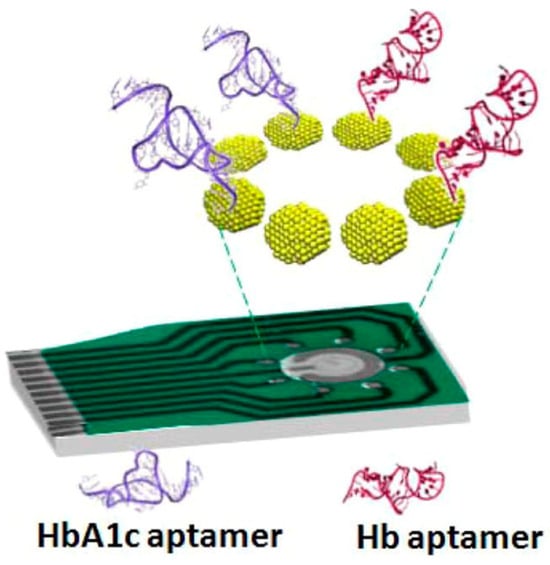
Electrochemical Strategies to Evaluate the Glycosylation Status of Biomolecules for Disease Diagnosis
by
Roberto María-Hormigos, Olga Monago-Maraña and Agustin G. Crevillen
Chemosensors 2026, 14(2), 38; https://doi.org/10.3390/chemosensors14020038 - 3 Feb 2026
Abstract
Aberrant glycosylation is linked to several diseases, making glycoproteins and their glycoforms promising biomarkers. Traditional methods like mass spectrometry offer high sensitivity but are costly, time-consuming, and unsuitable for point-of-care testing. Electrochemical biosensors emerge as an attractive alternative due to their simplicity, affordability,
[...] Read more.
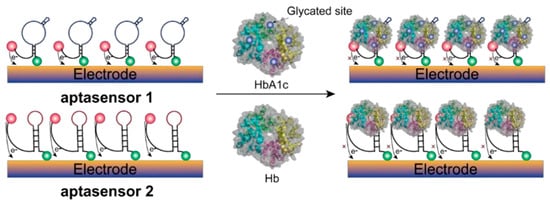
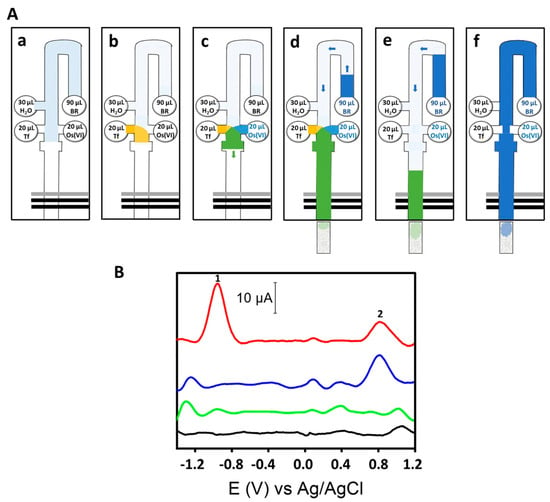
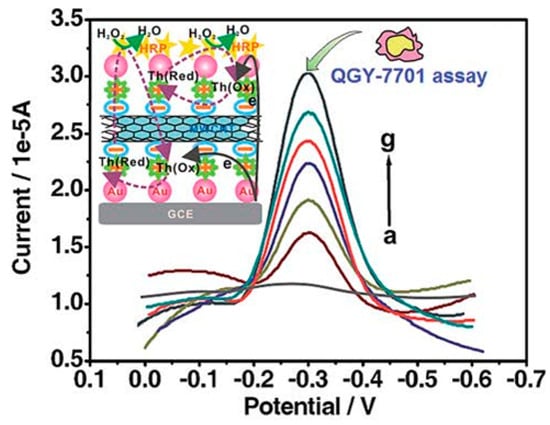
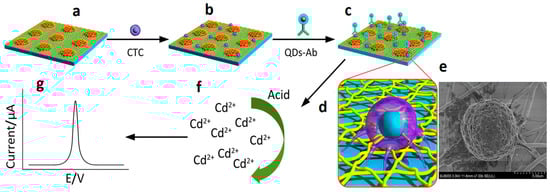
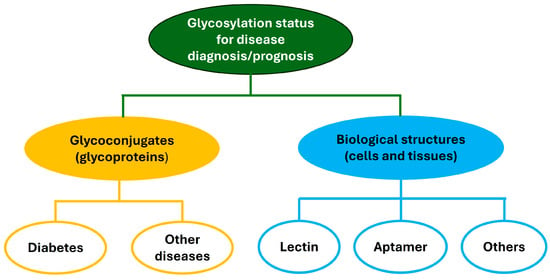
Aberrant glycosylation is linked to several diseases, making glycoproteins and their glycoforms promising biomarkers. Traditional methods like mass spectrometry offer high sensitivity but are costly, time-consuming, and unsuitable for point-of-care testing. Electrochemical biosensors emerge as an attractive alternative due to their simplicity, affordability, portability, and rapid response. This review focuses on electrochemical strategies developed to assess the glycosylation level of a specific glycoprotein or biological structure rather than merely glycoprotein or cell concentration, as in previous reviews. Approaches include the use of aptamers, boronic acid derivatives, antibodies, and lectins, often combined with nanomaterials for enhanced sensitivity. Applications span the diagnosis/prognosis of several illnesses such as diabetes, congenital disorders of glycosylation, cancer, and neurodegenerative diseases. Innovative designs incorporate microfluidic and paper-based platforms for faster, low-cost analysis, while strategies using dual-signal acquisition or competitive assays improve accuracy. Despite promising sensitivity and selectivity, most sensors require multi-step protocols and lack of validation in clinical samples. Future research should focus on simplifying procedures, integrating microfluidics, and exploring novel capture or detection probes such as metal complexes or metal–organic frameworks. Overall, electrochemical sensors hold significant potential for point-of-care testing, enabling rapid and precise evaluation of glycosylation status, which could drive cell-based biomarker discovery and disease diagnostics.
Full article
(This article belongs to the Special Issue Feature Review Papers in Chemical/Bio-Sensors and Analytical Chemistry in 2025)
►▼
Show Figures

Figure 1
Open AccessReview
Multi-Way Data Analysis Nowadays: Taking Advanced Chemometric Tools to Everyday Analytical Chemistry Applications
by
Marta Guembe-Garcia, Lisa Rita Magnaghi, Guglielmo Emanuele Franceschi, Antonio Bova and Raffaela Biesuz
Chemosensors 2026, 14(2), 37; https://doi.org/10.3390/chemosensors14020037 - 2 Feb 2026
Abstract
Multi-way analysis has become one of the most powerful and versatile chemometric approaches for dealing with the increasing complexity of data generated in modern analytical chemistry. Advances in instrumentation, the widespread use of hyphenated techniques, and the inherently multidimensional nature of many experimental
[...] Read more.
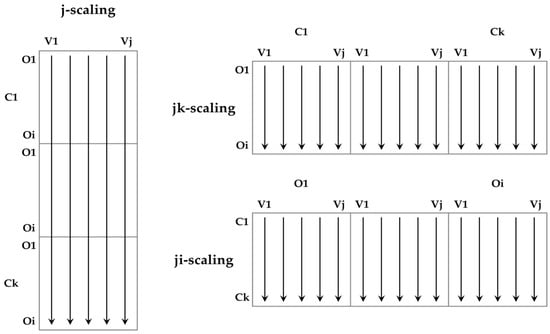
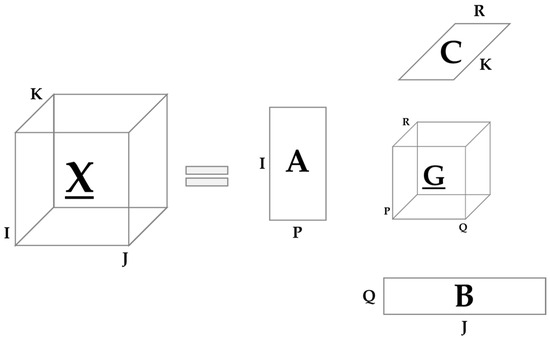
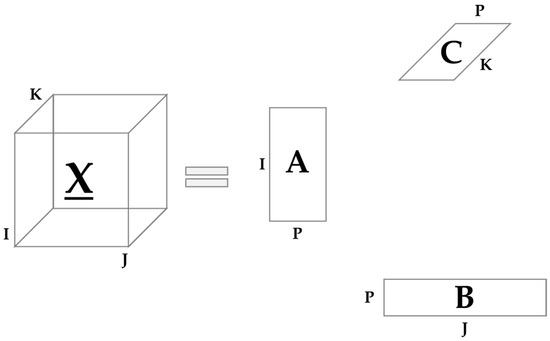
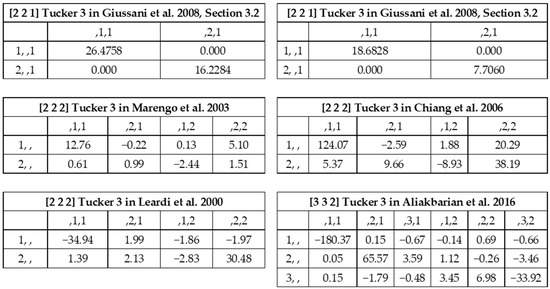
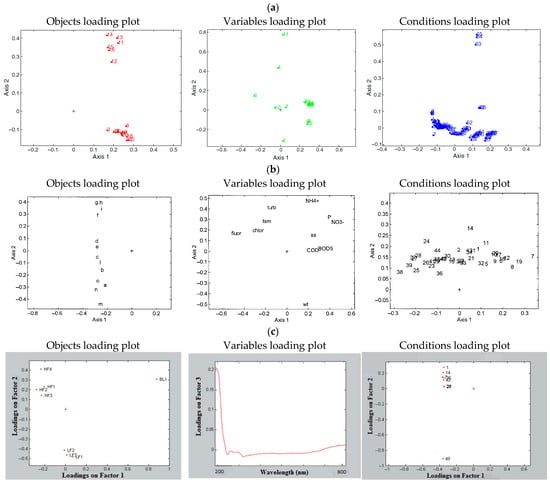
Multi-way analysis has become one of the most powerful and versatile chemometric approaches for dealing with the increasing complexity of data generated in modern analytical chemistry. Advances in instrumentation, the widespread use of hyphenated techniques, and the inherently multidimensional nature of many experimental designs require methods capable of preserving structural relationships within datasets. In this context, multi-way tools such as Tucker 3, PARAFAC, or other supervised variants provide rigorous and interpretable descriptions of variability across multiple modes (samples, variables, conditions), enabling the extraction of meaningful patterns, improved noise handling, and enhanced robustness, compared with traditional bilinear approaches. This review offers a critical overview of the most commonly applied multi-way algorithms and their practical use in fields such as environmental chemistry, food science, clinical diagnostics, industrial process monitoring, and pharmaceutical analysis. The essential steps of the workflow, from data acquisition and preprocessing to model selection and interpretation, are discussed, highlighting their impact on model reliability. A dedicated section summarizes the software environments available for performing multi-way analyses, guiding readers in selecting the most suitable tools for their needs. Overall, this review emphasizes how multi-way chemometrics is becoming increasingly crucial for converting complex, high-dimensional data into reliable and actionable chemical knowledge.
Full article
(This article belongs to the Special Issue Advanced Chemometric Methods for Analytical Applications)
►▼
Show Figures

Figure 1

Open AccessArticle
Electrochemical Sensor Based on a Fe3O4 and Graphene Composite for the Detection of Myristicin
by
Dewi Murniati, Deden Saprudin, Irmanida Batubara, Budi Riza Putra and Utami Dyah Syafitri
Chemosensors 2026, 14(2), 36; https://doi.org/10.3390/chemosensors14020036 - 2 Feb 2026
Abstract
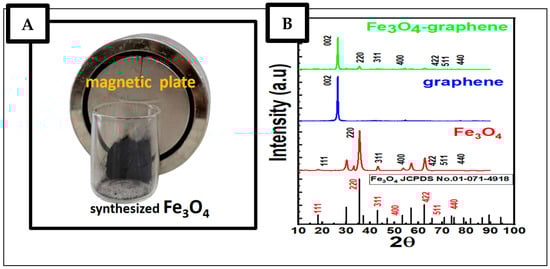
This study aims to develop an electrochemical sensor based on a glassy carbon electrode (GCE) modified with Fe3O4 and graphene for the detection of myristicin as a characteristic compound in nutmeg plants. Electrode modification materials were prepared from a combination
[...] Read more.
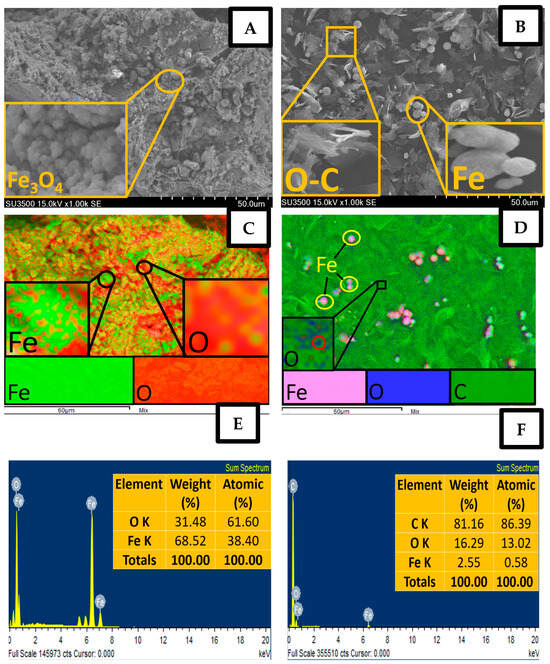
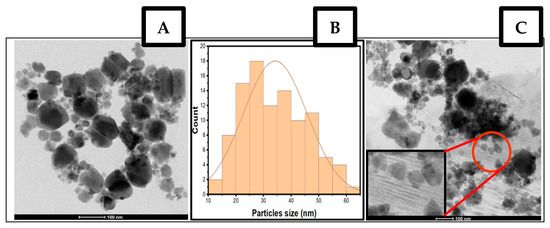
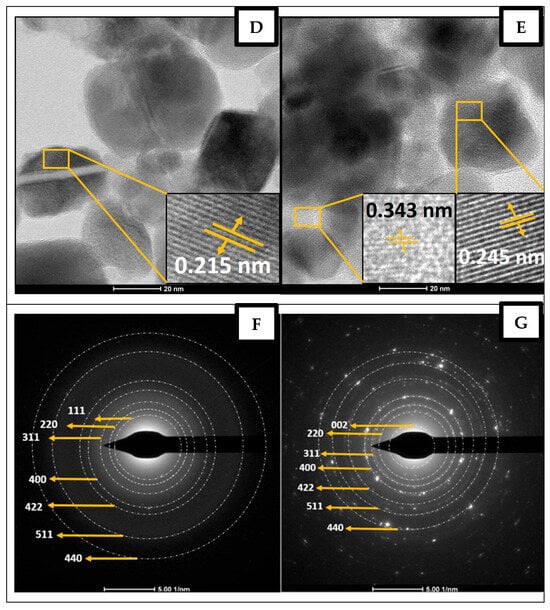
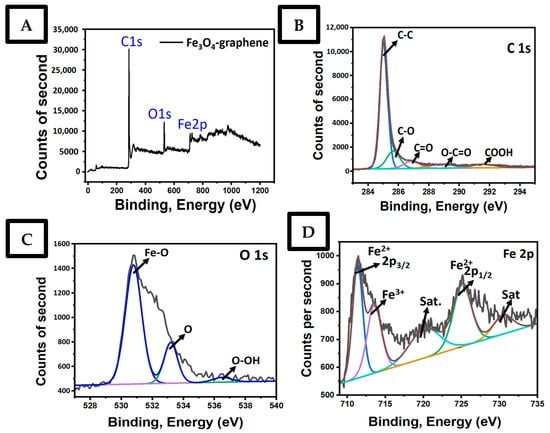
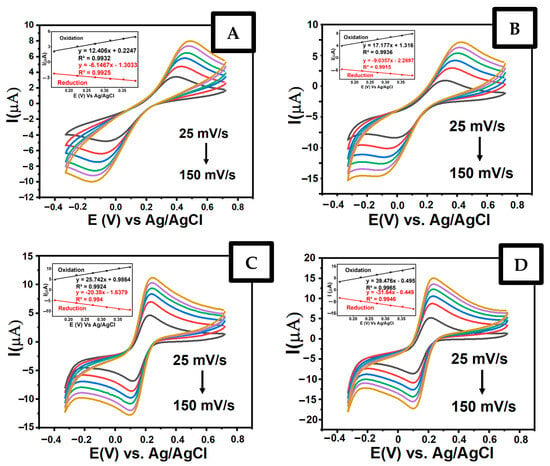
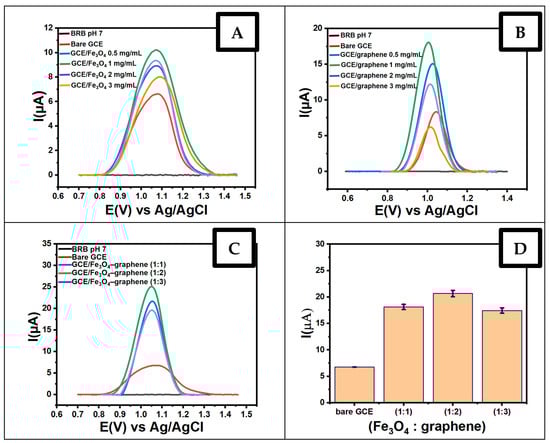
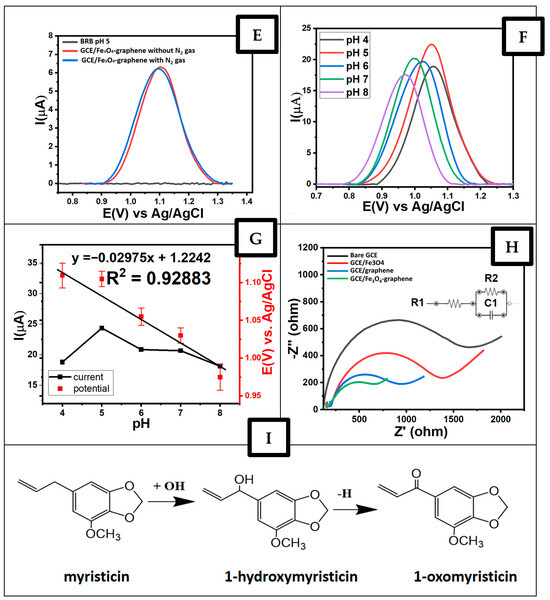
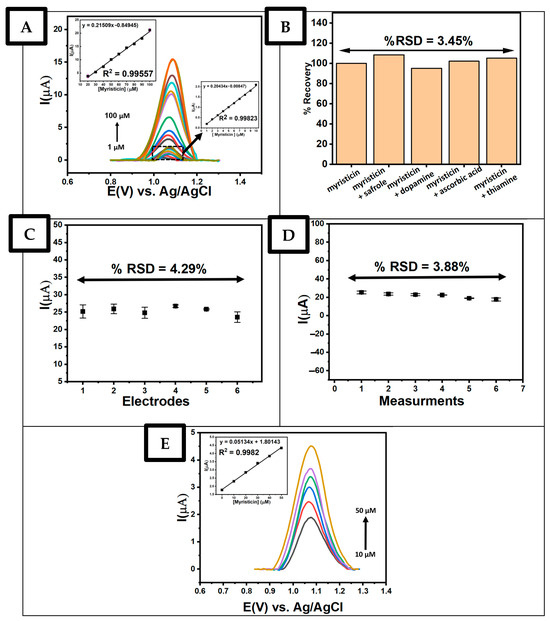
This study aims to develop an electrochemical sensor based on a glassy carbon electrode (GCE) modified with Fe3O4 and graphene for the detection of myristicin as a characteristic compound in nutmeg plants. Electrode modification materials were prepared from a combination of graphene and magnetite, synthesized via a hydrothermal method, and further characterized using X-ray diffraction (XRD), scanning electron microscope–energy dispersive spectroscopy (SEM-EDS), and transmission electron microscopy (TEM). The two modifying materials were then optimized, and the optimum conditions were obtained at a w/w ratio of 1:2, which was applied to the GCE surface using the drop-casting technique. The electrochemical performance of the Fe3O4/graphene-modified electrode was evaluated under optimum experimental conditions using a Britton–Robinson buffer solution at pH 5. The scan-rate analysis of the electrode to evaluate its electrochemical performance showed an increase in surface area from 0.101 cm2 for the bare GCE to 0.534 cm2 for the GCE/Fe3O4–graphene. Electroanalytical performance was evaluated using differential pulse voltammetry (DPV), which showed a linear response over the concentration range of 1–100 µM, with a limit of detection of 0.19 µM and a limit of quantitation of 0.58 µM. The developed electrode was applied successfully to detect myristicin in nutmeg seed extract samples, and its calculated concentrations were not significantly different from those obtained with the GC-MS method. These results suggest that the developed sensor may have further potential as an alternative detection tool for characterizing electroactive compounds in nutmeg plants.
Full article
(This article belongs to the Special Issue (Bio)Chemical Sensing in Real-World Applications—a Dedicated Issue for Young Researchers)
►▼
Show Figures

Figure 1
Open AccessArticle
Untargeted Metabolomics and Multivariate Data Processing to Reveal SARS-CoV-2 Specific VOCs for Canine Biodetection
by
Diego Pardina Aizpitarte, Eider Larrañaga, Ugo Mayor, Ainhoa Isla, Jose Manuel Amigo and Luis Bartolomé
Chemosensors 2026, 14(2), 35; https://doi.org/10.3390/chemosensors14020035 - 2 Feb 2026
Abstract
The exceptional olfactory capabilities of trained detection dogs demonstrate high potential for identifying infectious diseases. However, safe and standardized canine training requires specific chemical targets rather than infectious biological samples. This study presents an analytical proof-of-concept combining untargeted metabolomics and machine learning (ML)
[...] Read more.
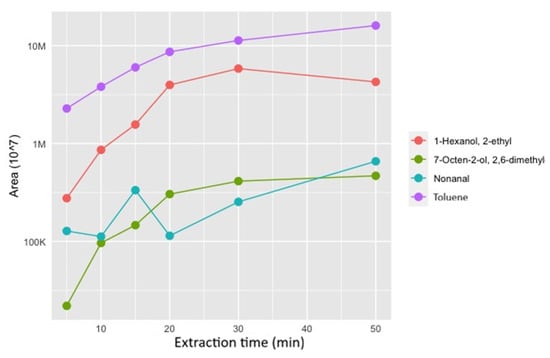
The exceptional olfactory capabilities of trained detection dogs demonstrate high potential for identifying infectious diseases. However, safe and standardized canine training requires specific chemical targets rather than infectious biological samples. This study presents an analytical proof-of-concept combining untargeted metabolomics and machine learning (ML) to decode the specific odor profile of SARS-CoV-2 infection. Using headspace solid-phase microextraction gas chromatography coupled with time-of-flight mass spectrometry (HS-SPME-GC/MS-ToF), axillary sweat samples from 76 individuals (SARS-CoV-2 positive and negative) were analyzed. Data preprocessing and dimensionality reduction were performed to feed a Partial Least Squares-Discriminant Analysis (PLS-DA) model. The optimized model achieved an overall accuracy of 79%, with a specificity of 89% and sensitivity of 70% in external validation, identifying a specific panel of Volatile Organic Compounds (VOCs) as discriminant biomarkers. The optimized model achieved robust classification performance, effectively distinguishing infected individuals from healthy controls based solely on their volatilome. Six VOCs were found to be consistently presented in COVID-19-positive individuals. These compounds were proposed as candidate odor signatures for constructing artificial training aids to standardize and accelerate the training of detection dogs. This study establishes a framework where machine learning-driven metabolomic profiling directly informs biological sensor training, offering a novel synergy between ML and biological intelligence in disease detection. This study establishes a scalable computational framework to translate biological samples into chemical data, providing the scientific basis for designing safe, synthetic K9 training aids for future infectious disease outbreaks without the biosafety risks associated with handling live pathogens.
Full article
(This article belongs to the Special Issue Artificial Intelligence (AI)/Machine Learning (ML)-Assisted Chemical Sensors)
►▼
Show Figures

Figure 1

Open AccessArticle
Benchtop Volatilomics and Machine Learning for the Discrimination of Coffee Species
by
Catherine Kiefer, Steffen Schwarz, Nima Naderi, Hadi Parastar, Sascha Rohn and Philipp Weller
Chemosensors 2026, 14(2), 34; https://doi.org/10.3390/chemosensors14020034 - 2 Feb 2026
Abstract
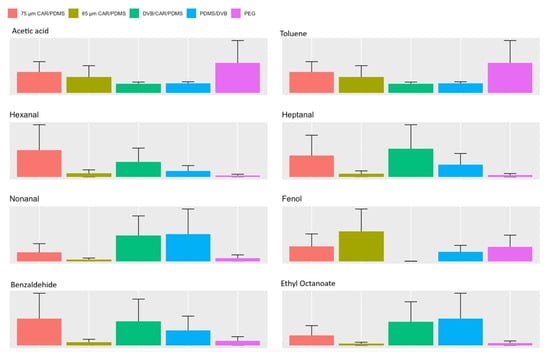
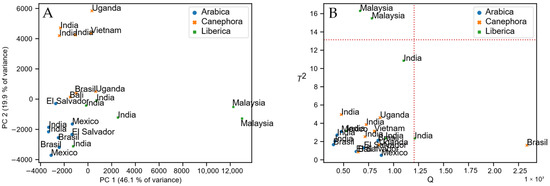
The main characteristics of the large number of coffee species are differences in aroma and caffeine content. Labeled blends of Coffea arabica (C. arabica) and Coffea canephora (C. canephora) are common to broaden the flavor profile or enhance the
[...] Read more.
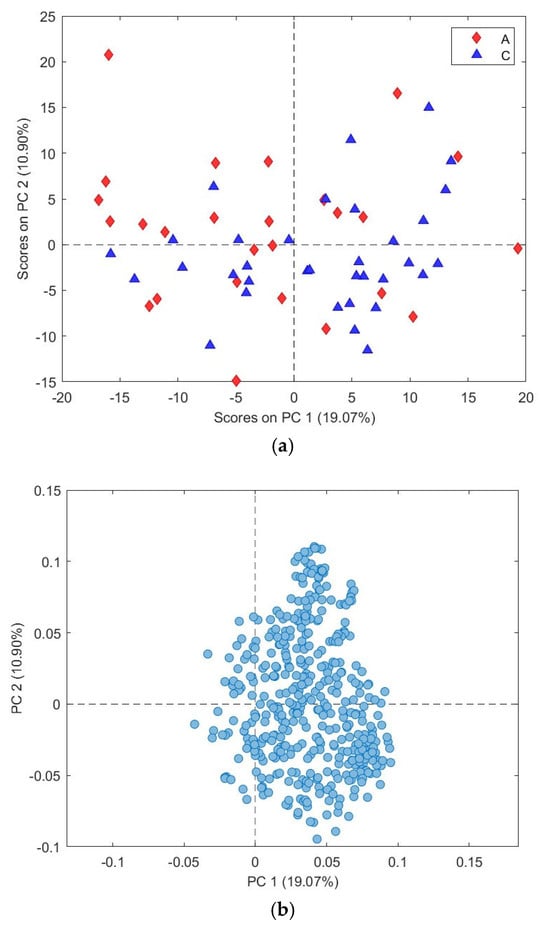
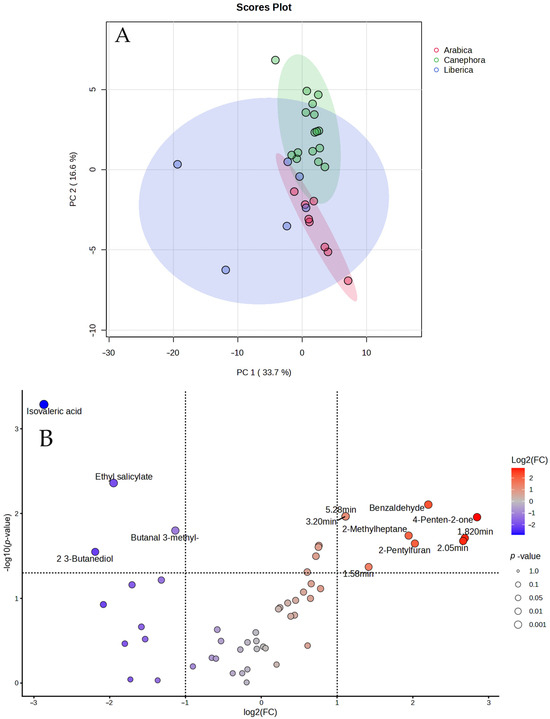
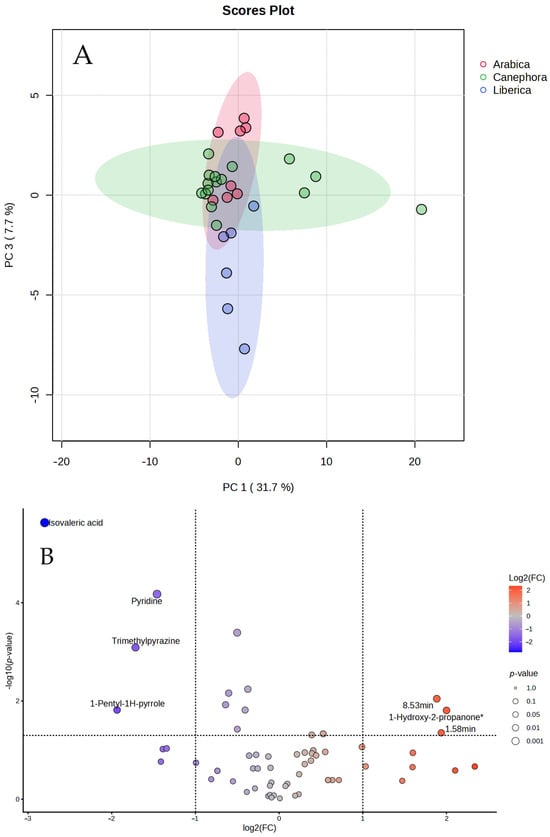
The main characteristics of the large number of coffee species are differences in aroma and caffeine content. Labeled blends of Coffea arabica (C. arabica) and Coffea canephora (C. canephora) are common to broaden the flavor profile or enhance the stimulating effect of the beverage. New emerging species such as Coffea liberica (C. liberica) further increase the variability in blends. However, significant price differences between coffee species increase the risk of unlabeled blends and thus influence food quality and safety for consumers. In this study, a prototypic hyphenation of trapped headspace-gas chromatography-ion mobility spectrometry-quadrupole mass spectrometry (THS-GC-IMS-QMS) was used for the detection of characteristic compounds of C. arabica, C. canephora, and C. liberica in green and roasted coffee samples. For the discrimination of coffee species with IMS data, multivariate resolution with multivariate curve resolution–alternating least squares (MCR-ALS) prior to partial least squares–discriminant analysis (PLS-DA) was evaluated. With this approach, the classification accuracy, as well as sensitivity and specificity, of the PLS-DA model was significantly improved from an overall accuracy of 87% without prior feature selection to 92%. As MCR-ALS preserves the physical and chemical properties of the original data, characteristic features were determined for subsequent substance identification. The simultaneously generated QMS data allowed for partial annotation of the characteristic volatile organic compounds (VOC) of roasted coffee.
Full article
(This article belongs to the Special Issue GC, MS and GC-MS Analytical Methods: Opportunities and Challenges (Fourth Edition))
►▼
Show Figures

Figure 1

Open AccessReview
Advances and Prospects of Chemiresistive Breath Humidity Sensors
by
Yiming Qiao, Mingna Yang, Siyu Rao, Cong Ji, Xuemin Duan, Xiaomei Yang, Shuai Chen and Ling Zang
Chemosensors 2026, 14(2), 33; https://doi.org/10.3390/chemosensors14020033 - 1 Feb 2026
Abstract
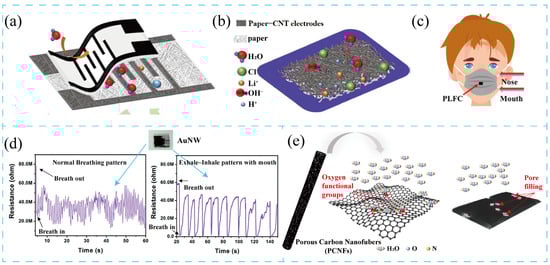
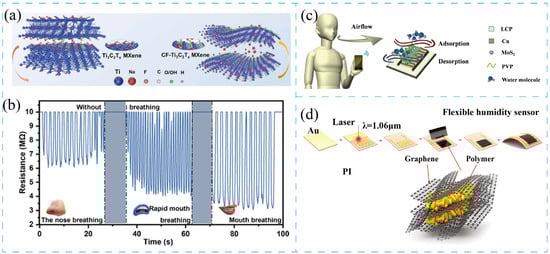
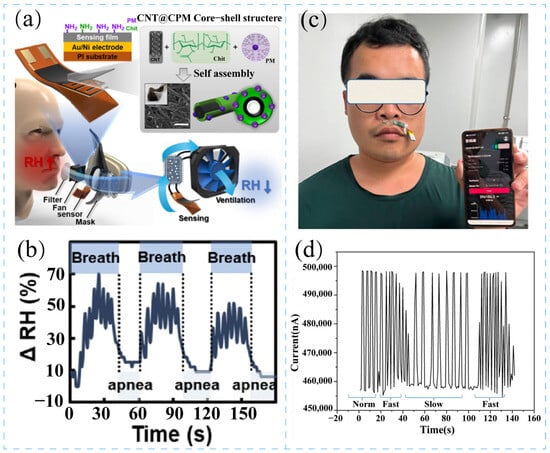
Chemiresistive breath humidity sensors (CRBHSs) have emerged as a promising technology for non-invasive health monitoring, offering high sensitivity, a simple device architecture, strong miniaturization potential, and low power consumption. This review summarizes recent progress in CRBHSs from three core perspectives: sensing mechanisms, material
[...] Read more.
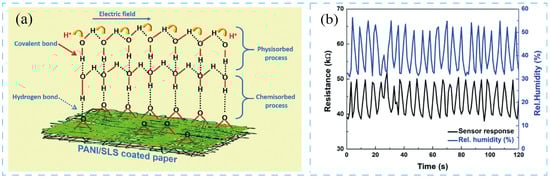
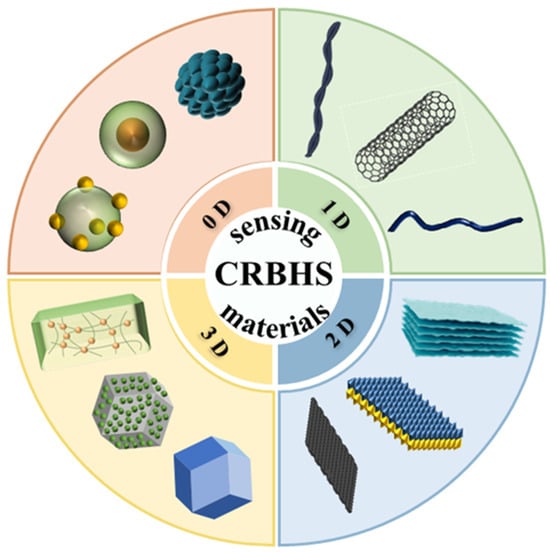
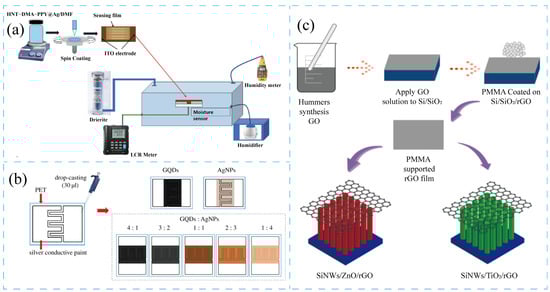
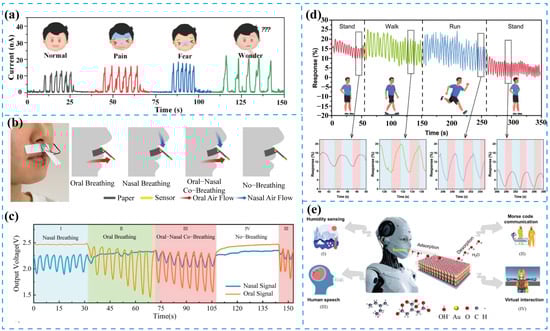
Chemiresistive breath humidity sensors (CRBHSs) have emerged as a promising technology for non-invasive health monitoring, offering high sensitivity, a simple device architecture, strong miniaturization potential, and low power consumption. This review summarizes recent progress in CRBHSs from three core perspectives: sensing mechanisms, material systems, and device applications. First, we outline the fundamental sensing principles, emphasizing the Grotthuss proton-hopping mechanism and the resistance modulation associated with water adsorption/desorption. Next, we discuss structural engineering strategies for zero-dimensional (0D), one-dimensional (1D), two-dimensional (2D), and three-dimensional (3D) sensing materials, highlighting how dimensional design can balance water uptake, charge transport, mechanical compliance, and wearability. Finally, we review representative applications ranging from healthcare diagnostics and respiratory monitoring to emotion- and behavior-related assessment. Overall, this review integrates the mechanism–material–application relationship to provide a cohesive understanding of CRBHSs; identifies key challenges such as environmental stability and anti-interference performance; and outlines future directions, including performance optimization, flexible/wearable integration, and intelligent sensor systems.
Full article
(This article belongs to the Special Issue Feature Review Papers in Chemical/Bio-Sensors and Analytical Chemistry in 2025)
►▼
Show Figures

Figure 1

Open AccessArticle
Porous-Architecture-Driven Performance of Electrospun SnO2 Nanofibers for Reliable H2S Detection
by
Milica Počuča-Nešić, Katarina Vojisavljević, Slavica Savić Ružić, Zorica Marinković Stanojević, Aleksandar Malešević, Tian Tian, Nan Ma, Rong Qian, Mao Huang, Matejka Podlogar, Goran Branković and Zorica Branković
Chemosensors 2026, 14(2), 32; https://doi.org/10.3390/chemosensors14020032 - 1 Feb 2026
Abstract
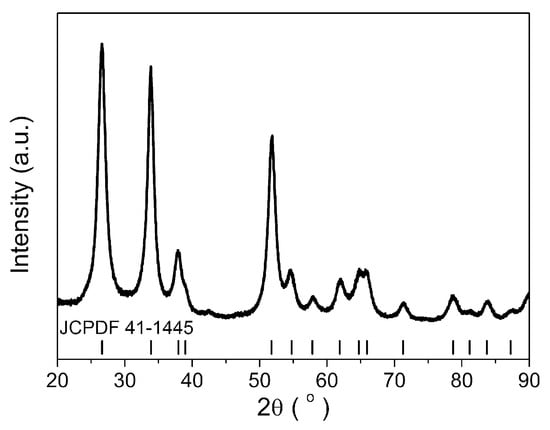
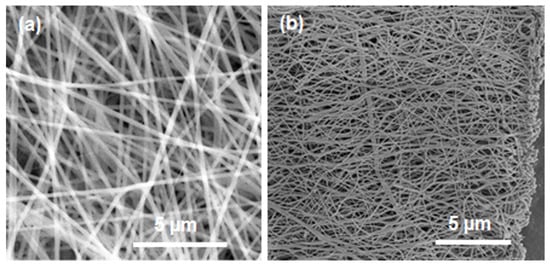
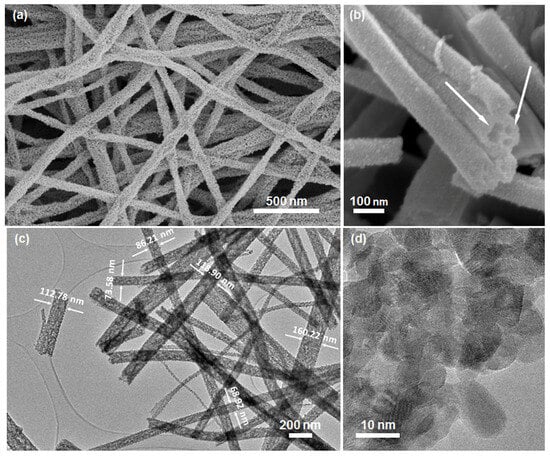
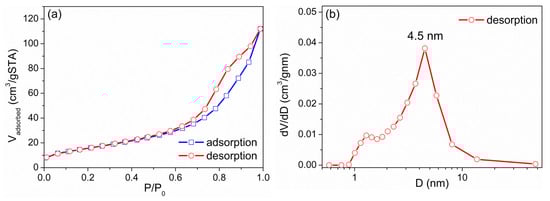
Pure SnO2 nanofibers were synthesized via an electrospinning method and subsequently calcined at 550 °C to investigate the structure–property relationship governing H2S gas sensing performance. X-Ray diffraction confirmed the formation of the crystalline rutile-type SnO2. FE-SEM and TEM
[...] Read more.
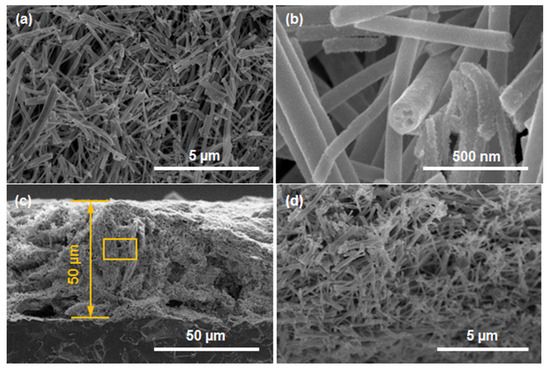
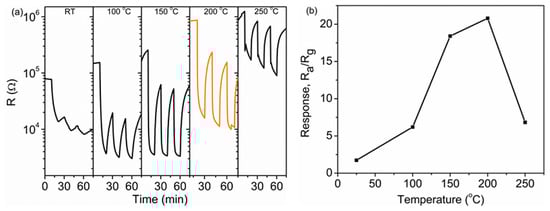
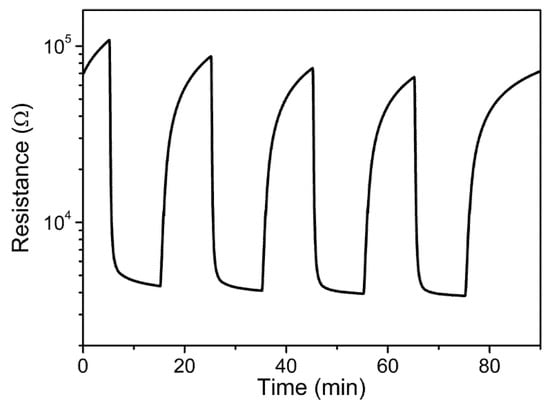
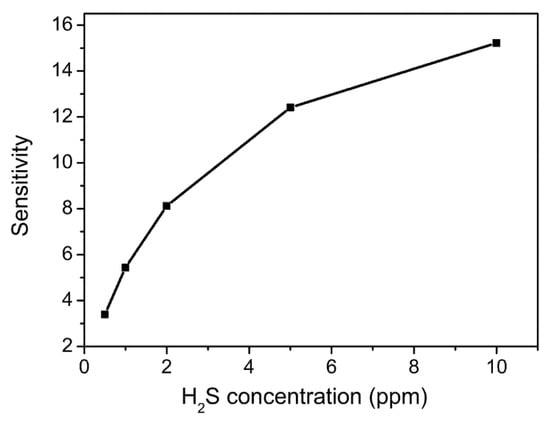
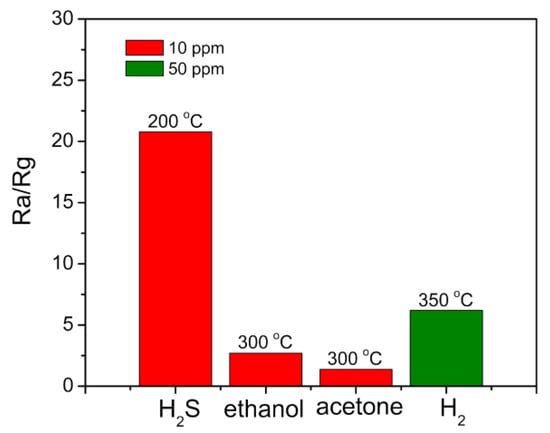
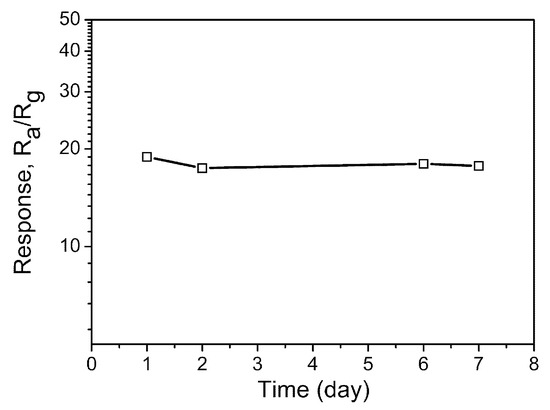
Pure SnO2 nanofibers were synthesized via an electrospinning method and subsequently calcined at 550 °C to investigate the structure–property relationship governing H2S gas sensing performance. X-Ray diffraction confirmed the formation of the crystalline rutile-type SnO2. FE-SEM and TEM methods revealed a hierarchically porous morphology with fiber diameters ranging from 70 to 160 nm. BET measurements indicated a high specific surface area of 75 m2/g, consistent with the observed porous architecture. Gas sensing measurements toward H2S revealed a pronounced response value of 25 at 200 °C with the response time of 23 s, both superior to those recorded for acetone, ethanol, and hydrogen. The enhanced sensitivity and dynamic response are attributed to the large surface area and interconnected porous network of the nanofibers, which provide the abundant active sites and facilitate efficient gas diffusion.
Full article
(This article belongs to the Section Nanostructures for Chemical Sensing)
►▼
Show Figures

Figure 1
Open AccessArticle
Efficiently Monitoring Trace Nitrophenol Pollutants in Water Through the Dispersive Solid-Phase Extraction Based on Porous Organic Polymer-Modified Cellulose Nanofiber Membrane
by
Xiaoyu He, Wangcheng Lan, Yuancai Lv, Xiaojing Li and Chen Tian
Chemosensors 2026, 14(2), 31; https://doi.org/10.3390/chemosensors14020031 - 29 Jan 2026
Abstract
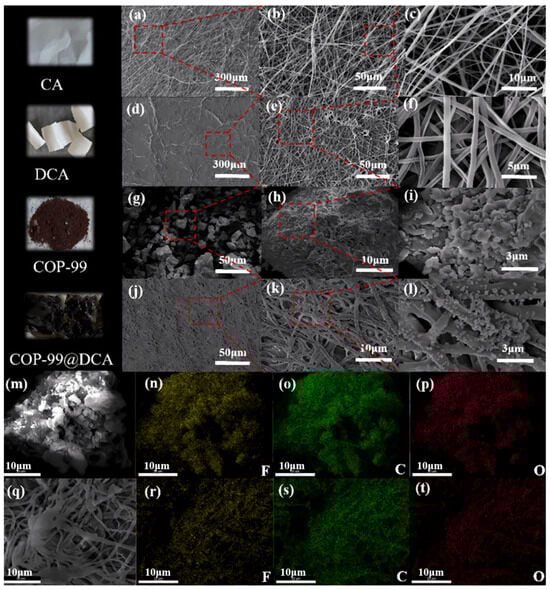
Monitoring trace nitrophenol pollutants in water has garnered considerable attention. A porous organic polymer-modified cellulose nanofiber membrane (COP-99@DCA) was fabricated via in situ growth of a porous organic polymer on an electrospun cellulose nanofiber membrane. The resulting brown COP-99@DCA composite possessed abundant functional
[...] Read more.
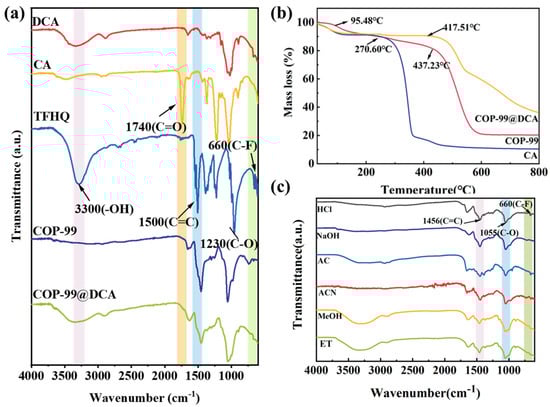
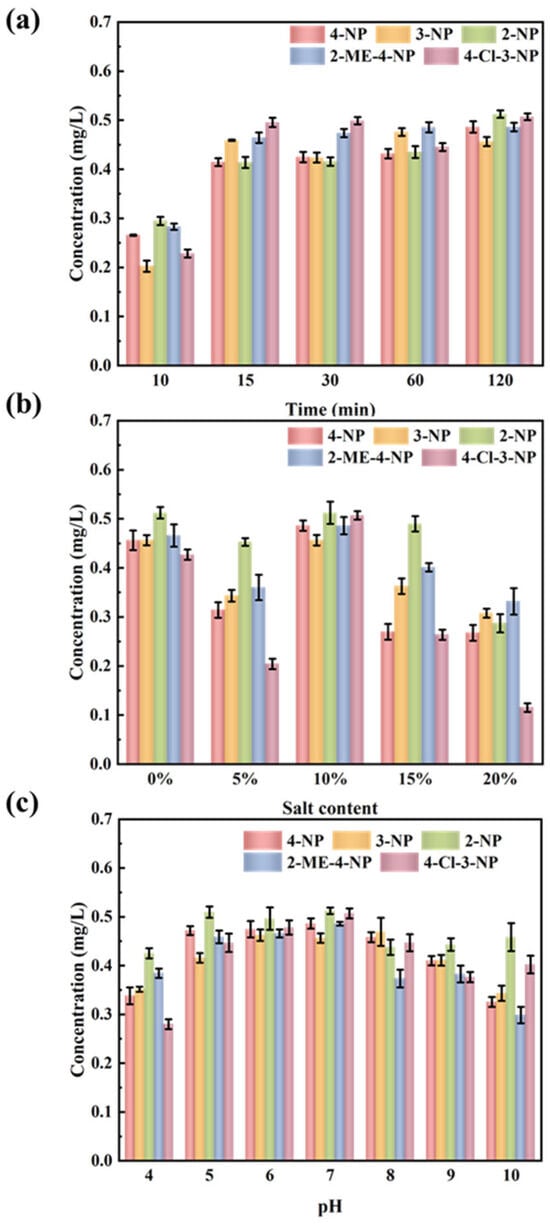
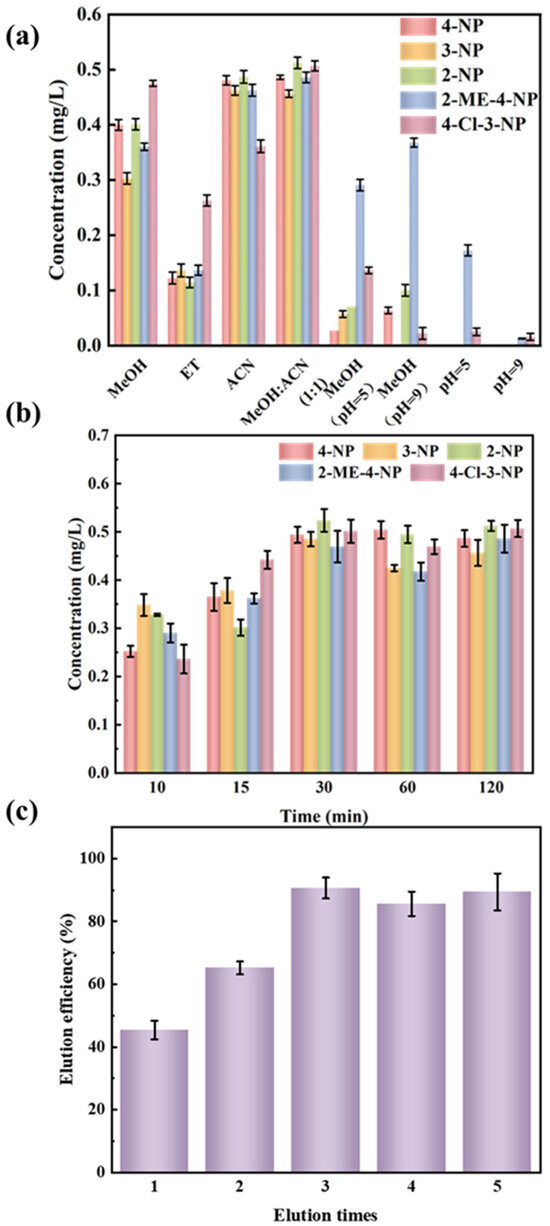
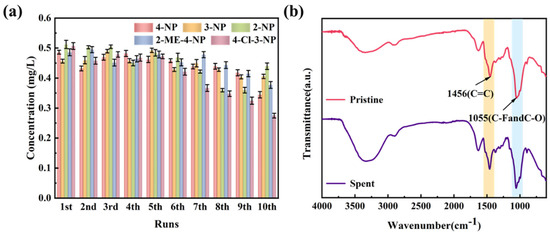
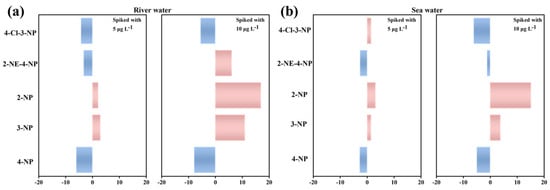
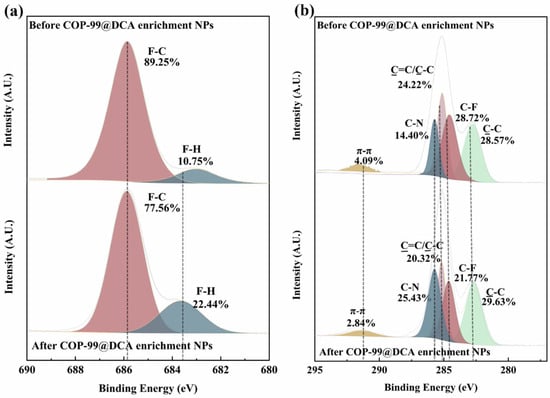
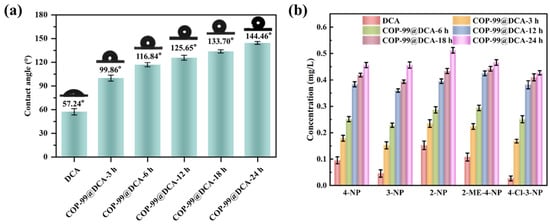
Monitoring trace nitrophenol pollutants in water has garnered considerable attention. A porous organic polymer-modified cellulose nanofiber membrane (COP-99@DCA) was fabricated via in situ growth of a porous organic polymer on an electrospun cellulose nanofiber membrane. The resulting brown COP-99@DCA composite possessed abundant functional groups, including C-F, C-O, and hydroxyl groups, and exhibited excellent thermal and chemical stability. Furthermore, when employed as a sorbent in dispersive solid-phase microextraction (d-SPME), COP-99@DCA efficiently enriched trace nitrophenols in water. Under optimal enrichment and desorption conditions, the enrichment efficiencies for five nitrophenol congeners ranged from 97.24% to 102.46%. Mechanistic investigations revealed that the efficient enrichment of trace nitrophenols by COP-99@DCA was primarily governed by hydrogen bonding, π-π stacking, and hydrophobic interactions. Coupled with solid-phase extraction (SPE) pre-treatment, high-performance liquid chromatography (HPLC) enabled the sensitive detection of trace nitrophenols. The established calibration curves exhibited favorable linearity, with low limits of quantitation (LOQs) ranging from 0.5 to 1 μg/L and low limits of detection (LODs) between 0.08 and 0.1 μg/L. Moreover, practical applications in real water samples confirmed the outstanding enrichment performance of COP-99@DCA. At spiked concentrations of 5 and 10 μg/L, the recovery rates were 85.35–113.55% and 92.17–110.46%, respectively. These results demonstrate the great potential of COP-99@DCA for practical water sample analysis. Collectively, these findings provide a novel strategy for the design of pre-treatment materials for the analysis of trace organic pollutants.
Full article
(This article belongs to the Special Issue (Bio)Chemical Sensing in Real-World Applications—a Dedicated Issue for Young Researchers)
►▼
Show Figures

Figure 1
Open AccessReview
Bioactive Peptides from Natural Sources: Biological Functions, Therapeutic Potential and Applications
by
Francisca Rodríguez-Cabello, Lyanne Rodríguez, Fanny Guzmán, Basilio Carrasco, Sigrid Sanzana, Andrés Trostchansky, Iván Palomo and Eduardo Fuentes
Chemosensors 2026, 14(2), 30; https://doi.org/10.3390/chemosensors14020030 - 27 Jan 2026
Abstract
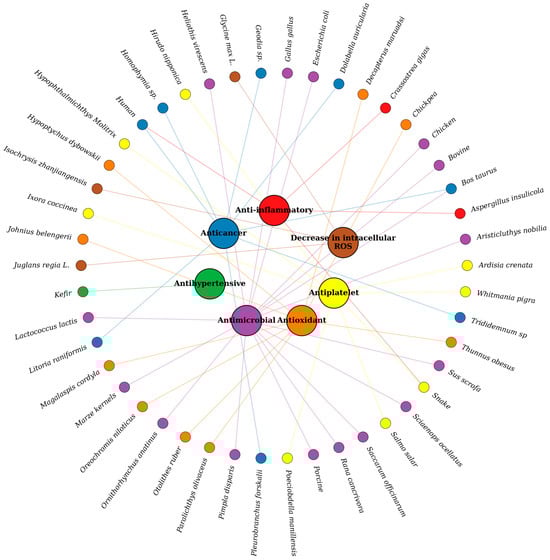
Natural bioactive peptides have emerged as pivotal candidates in modern science due to their multifaceted biological activities and versatile applications across biomedicine, biotechnology, and nutraceuticals. These molecules exhibit a broad pharmacological spectrum including antimicrobial, antiplatelet, antioxidant, antihypertensive, and antitumor properties, positioning them as
[...] Read more.
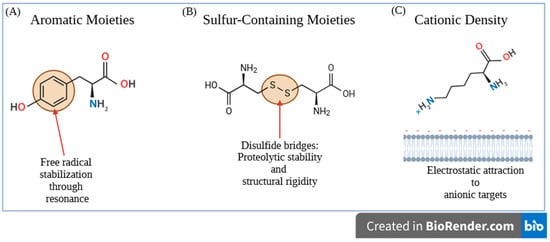
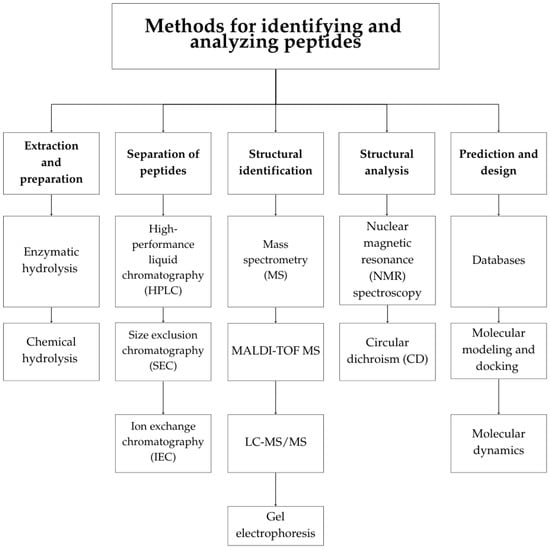
Natural bioactive peptides have emerged as pivotal candidates in modern science due to their multifaceted biological activities and versatile applications across biomedicine, biotechnology, and nutraceuticals. These molecules exhibit a broad pharmacological spectrum including antimicrobial, antiplatelet, antioxidant, antihypertensive, and antitumor properties, positioning them as potent therapeutic agents and essential functional food constituents. Compared to synthetic alternatives, their inherent structural diversity, biocompatibility, and biodegradability offer a superior safety profile by minimizing systemic toxicity and adverse effects. This review provides a comprehensive analysis of the primary natural reservoirs of these peptides, which encompass terrestrial flora and fauna as well as marine organisms and microorganisms, while elucidating their complex mechanisms of action and structure–function relationships. Furthermore, we evaluate contemporary methodologies for peptide identification and optimization, such as high-throughput proteomics, computational modeling, and strategic chemical modifications aimed at enhancing metabolic stability and bioavailability. Although bottlenecks in extraction, scalable production, and proteolytic susceptibility persist, recent breakthroughs in recombinant technology and rational design are facilitating their industrial translation. Finally, we discuss future perspectives focused on the synergy between artificial intelligence, nanotechnology, and sustainable circular economy strategies to maximize the therapeutic accessibility and functional efficacy of natural peptides.
Full article
(This article belongs to the Special Issue GC, MS and GC-MS Analytical Methods: Opportunities and Challenges (Fourth Edition))
►▼
Show Figures

Figure 1

Open AccessArticle
Evaluation of Phytoremediation Effectiveness Using Laser-Induced Breakdown Spectroscopy with Integrated Transfer Learning and Spectral Indices
by
Yi Lu, Zhengyu Tao, Xinyu Guo, Tingqiang Li, Wenwen Kong and Fei Liu
Chemosensors 2026, 14(2), 29; https://doi.org/10.3390/chemosensors14020029 - 24 Jan 2026
Abstract
Phytoremediation is an eco-friendly and in situ solution for remediating heavy metal-contaminated soils, yet practical application requires timely and accurate effectiveness evaluation. However, conventional chemical analysis of plant parts and soils is labor-intensive, time-consuming and limited for large-scale monitoring. This study proposed a
[...] Read more.
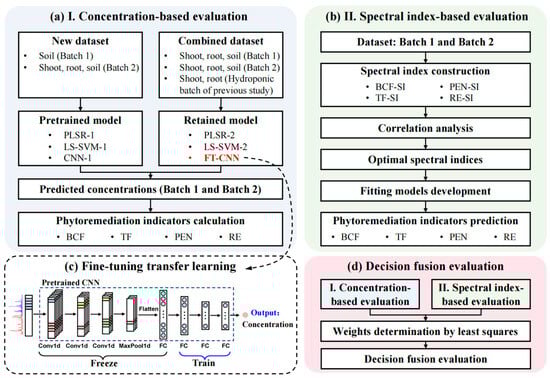
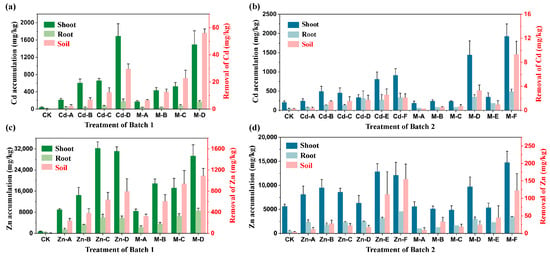
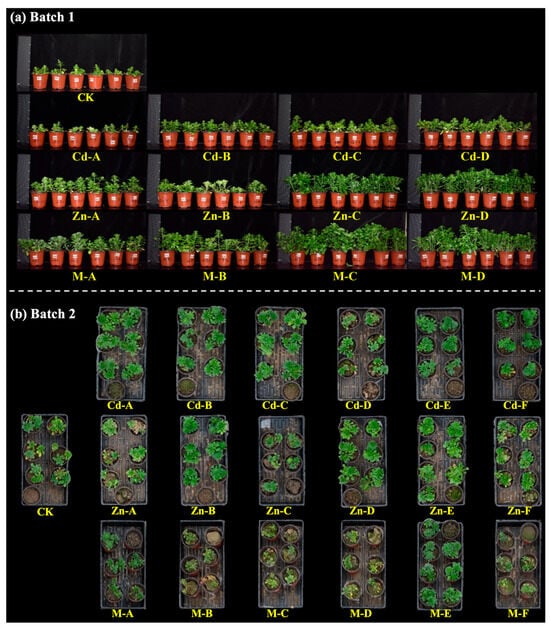
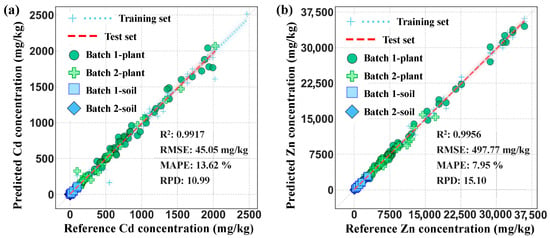
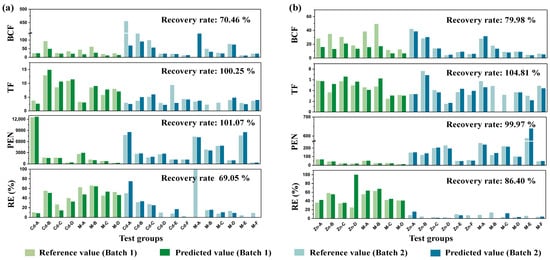
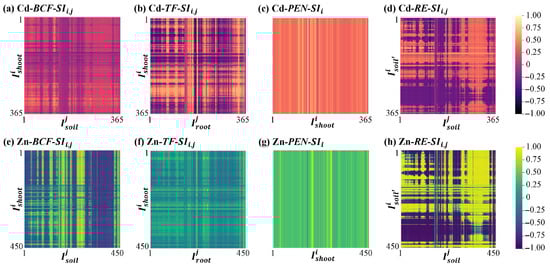
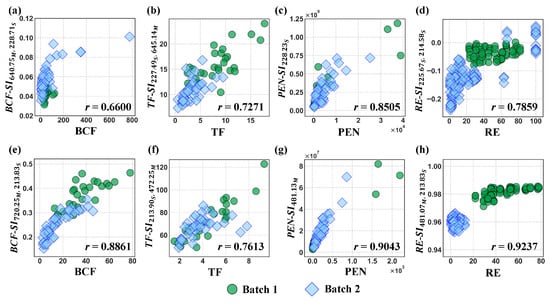
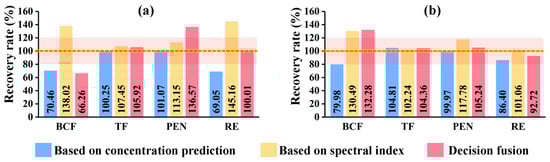
Phytoremediation is an eco-friendly and in situ solution for remediating heavy metal-contaminated soils, yet practical application requires timely and accurate effectiveness evaluation. However, conventional chemical analysis of plant parts and soils is labor-intensive, time-consuming and limited for large-scale monitoring. This study proposed a rapid sensing framework integrating laser-induced breakdown spectroscopy (LIBS) with deep transfer learning and spectral indices to assess phytoremediation effectiveness of Sedum alfredii (a Cd/Zn co-hyperaccumulator). LIBS spectra were collected from plant tissues and diverse soil matrices. To overcome strong matrix effects, fine-tuned convolutional neural networks were developed for simultaneous multi-matrix quantification, achieving high-accuracy prediction for Cd and Zn (R2test > 0.99). These predicted concentrations enabled calculating conventional phytoremediation indicators like bioconcentration factor (BCF), translocation factor (TF), plant effective number (PEN), and removal efficiency (RE), yielding recovery rates near 100% for TF and PEN. Additionally, novel spectral indices (SIs)—directly derived from characteristic wavelength combinations—were constructed to bypass intermediate quantification. SIs significantly improved the direct evaluation of Zn removal and translocation. Finally, a decision-level fusion strategy combining concentration predictions and SIs enhanced Cd removal assessment accuracy. This study validates LIBS combined with intelligent algorithms as a rapid sensor tool for monitoring phytoremediation performance, facilitating sustainable environmental management.
Full article
(This article belongs to the Special Issue Application of Laser-Induced Breakdown Spectroscopy, 2nd Edition)
►▼
Show Figures

Figure 1
Open AccessArticle
An Ultrasensitive Ethanolamine Sensor Based on MoO3/BiOI Heterostructure at Room Temperature
by
Xiaomeng Zheng, Qi Liu, Qingjiang Pan and Guo Zhang
Chemosensors 2026, 14(1), 28; https://doi.org/10.3390/chemosensors14010028 - 18 Jan 2026
Abstract
Ethanolamine (EA) is a widely used yet toxic volatile organic compound (VOC). However, existing gas sensors for EA detection face persistent challenges in achieving exceptional sensitivity and low detection limits at room temperature (RT). In this study, a novel and high-performance EA sensor
[...] Read more.
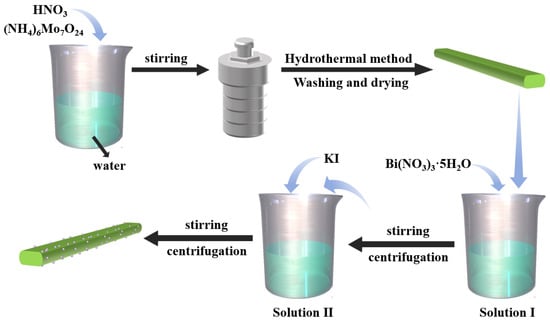
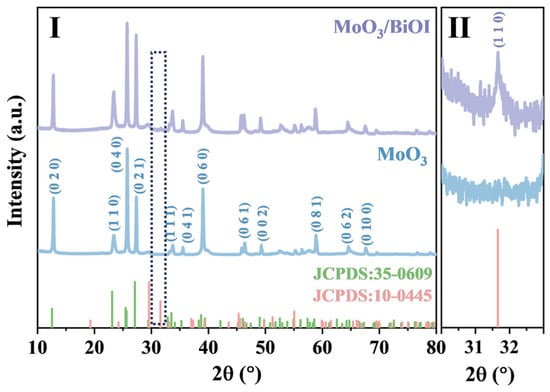
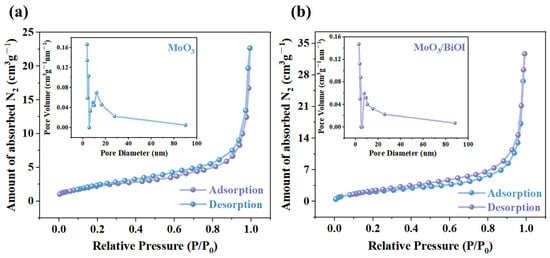
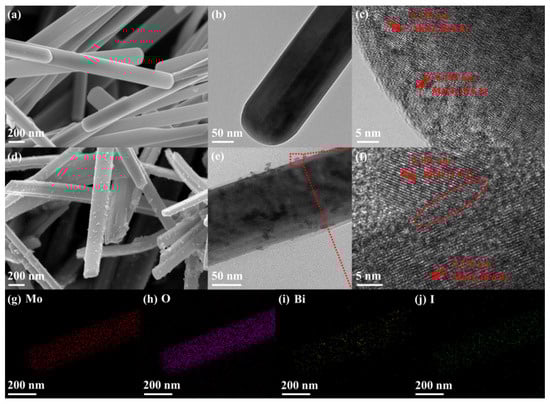
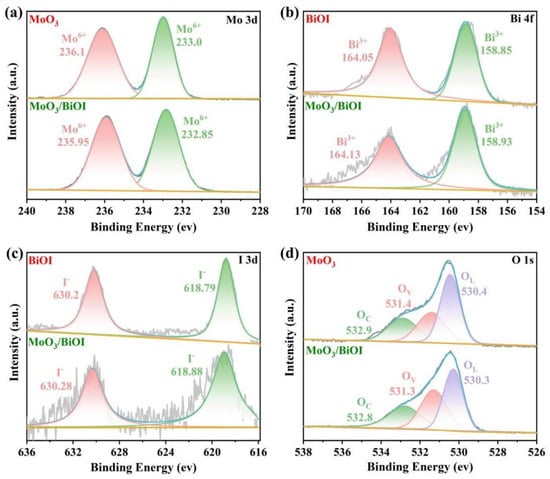
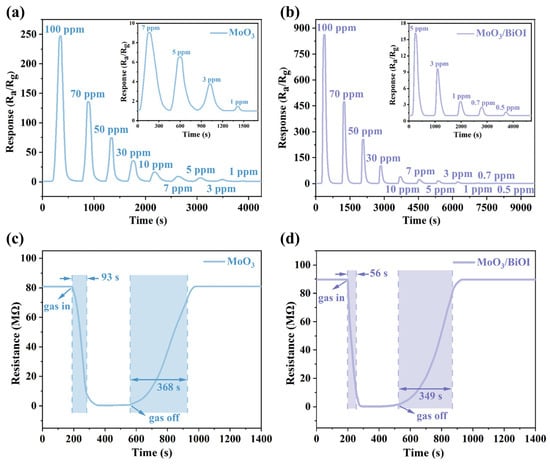
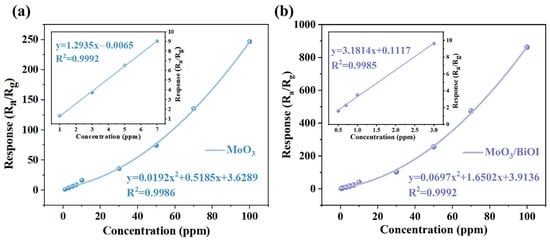
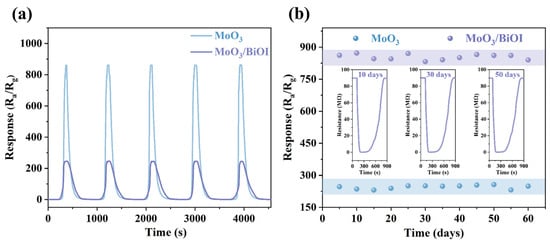
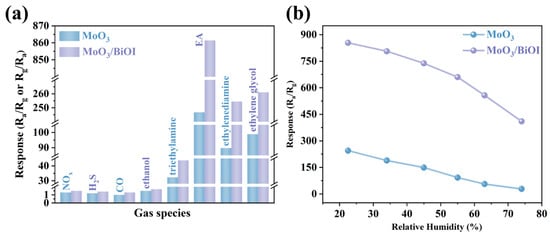
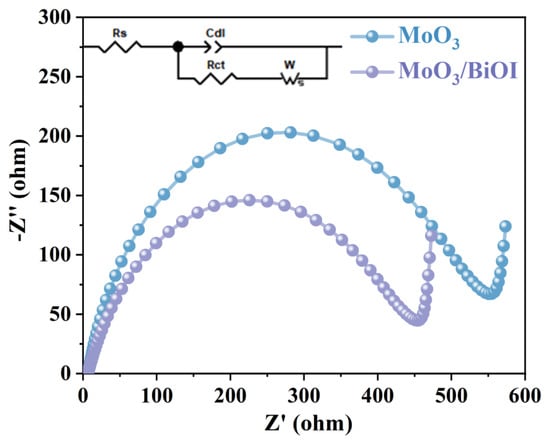
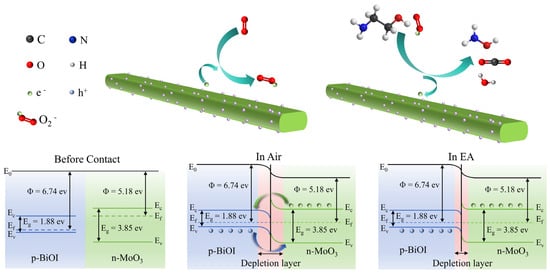
Ethanolamine (EA) is a widely used yet toxic volatile organic compound (VOC). However, existing gas sensors for EA detection face persistent challenges in achieving exceptional sensitivity and low detection limits at room temperature (RT). In this study, a novel and high-performance EA sensor based on the MoO3/BiOI composite was prefabricated using hydrothermal and cyclic impregnation methods. The response value toward 100 ppm EA reached 861.3, which was 3.5-times higher compared to that of pure MoO3. In addition, the MoO3/BiOI composite exhibited a low detection limit (0.13 ppm), excellent selectivity, short response/recovery times, exceptional repeatability and long-term stability. The outstanding gas sensing performance of the MoO3/BiOI is attributed to the formation of a p-n heterojunction, synergistic effects between the two materials, abundant adsorbed oxygen species and superior charge transfer efficiency. The sensor developed in this work effectively addresses the long-standing challenges, demonstrating unprecedented practical application potential for EA gas detection. Simultaneously, this study provides a novel strategy, a new approach and a promising material for the subsequent development of advanced amine sensors.
Full article
(This article belongs to the Special Issue Novel Materials for Gas Sensing)
►▼
Show Figures

Figure 1
Open AccessReview
Peptide Identity of Electrochemically Deposited Polyarginine: A Critical Assessment
by
Ivan Švancara and Milan Sýs
Chemosensors 2026, 14(1), 27; https://doi.org/10.3390/chemosensors14010027 - 16 Jan 2026
Abstract
This review examines the feasibility of electrochemical synthesis of poly-L-arginine (PArg) using repetitive cyclic voltammetry in neutral aqueous phosphate-buffered saline. Previous studies on electrochemical deposition of PArg onto different carbonaceous electrode materials are discussed with respect to the already reported mechanistic models. Some
[...] Read more.
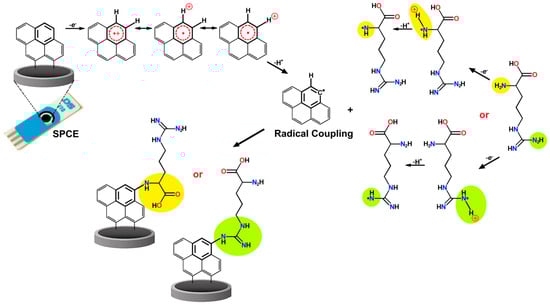
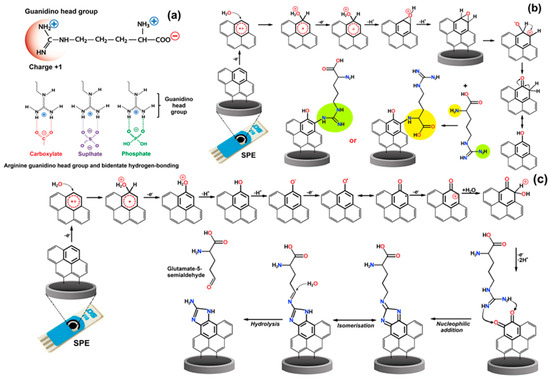
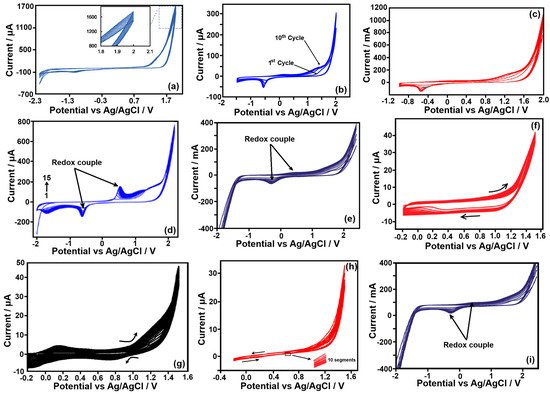
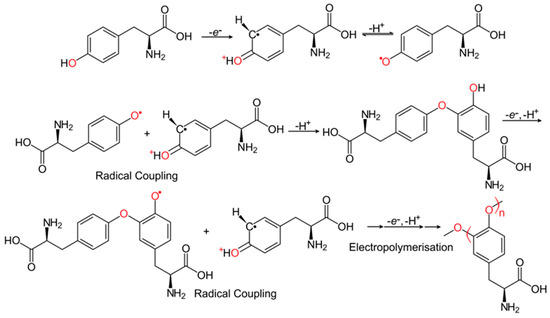
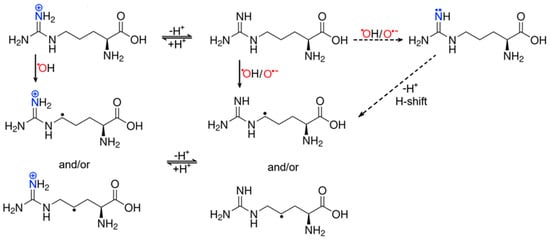
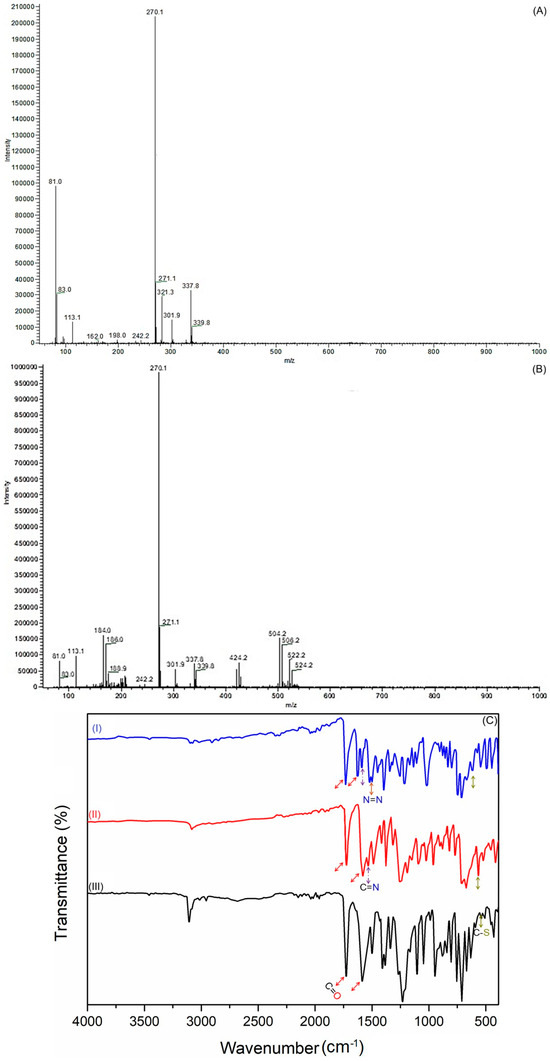
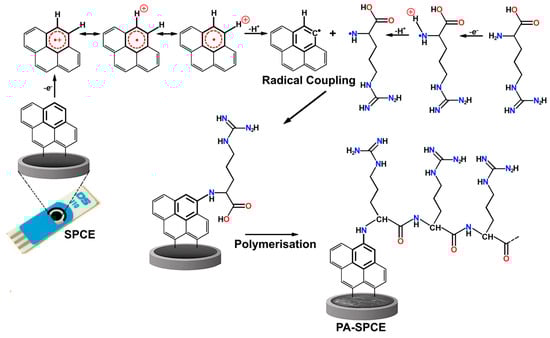
This review examines the feasibility of electrochemical synthesis of poly-L-arginine (PArg) using repetitive cyclic voltammetry in neutral aqueous phosphate-buffered saline. Previous studies on electrochemical deposition of PArg onto different carbonaceous electrode materials are discussed with respect to the already reported mechanistic models. Some controversial interpretations are of interest, predominantly the formation of peptide bonds during the electropolymerisation of L-arginine. Several alternative anodic pathways are considered via the possibilities and limitations of ways of attaching L-arginine molecules to the electrode surface. Furthermore, the role of oxygen-containing surface groups is discussed, as this aspect has been largely overlooked in the context of L-arginine deposition, despite the O-terminating character of the electrode surface and its effect on the reactivity of the nucleophilic guanidine group in L-arginine. Also, the application of extremely high potentials around +2 V vs. Ag/AgCl/3 mol L−1 KCl is considered, as it can lead to the generation of reactive oxygen species that may interfere with or even govern the entire deposition process. Thus, the absence of such considerations may raise doubts about the peptide nature of the electrochemically assisted polymerisation of this basic amino acid. Finally, it seems that the identity of the electrochemically synthesised PArg does not correspond to that of this polymer prepared by conventional methods, such as solid-phase peptide synthesis, solution-phase synthesis, or N-carboxy-anhydride polymerisation, and therefore the whole process remains unproved.
Full article
(This article belongs to the Special Issue New Electrodes Materials for Electroanalytical Applications)
►▼
Show Figures

Figure 1
Open AccessArticle
Theoretical Analysis of MIR-Based Differential Photoacoustic Spectroscopy for Noninvasive Glucose Sensing
by
Tasnim Ahmed, Khan Mahmud, Md Rejvi Kaysir, Shazzad Rassel and Dayan Ban
Chemosensors 2026, 14(1), 26; https://doi.org/10.3390/chemosensors14010026 - 16 Jan 2026
Abstract
Diabetes is a developing global health concern that cannot be cured, necessitating frequent blood glucose monitoring and dietary management. Photoacoustic Spectroscopy (PAS) in the mid-infrared (MIR) region has recently emerged as a viable noninvasive blood glucose monitoring technique. However, MIR-PAS confronts significant challenges:
[...] Read more.
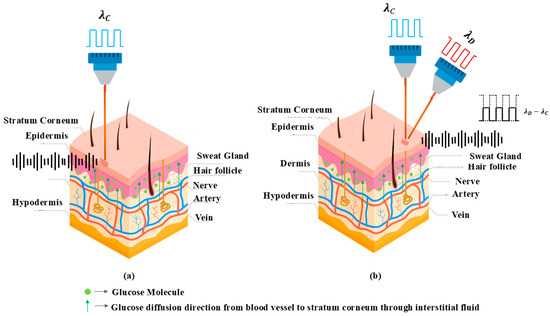
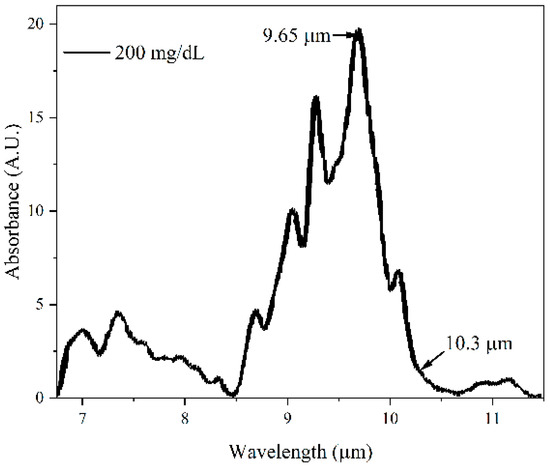
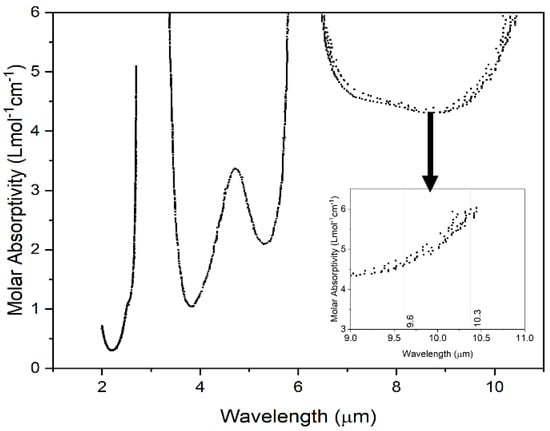
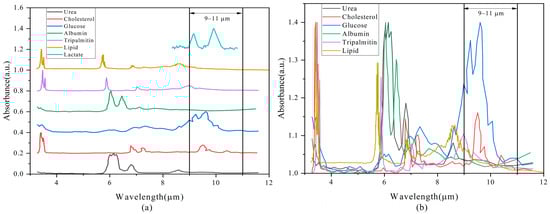
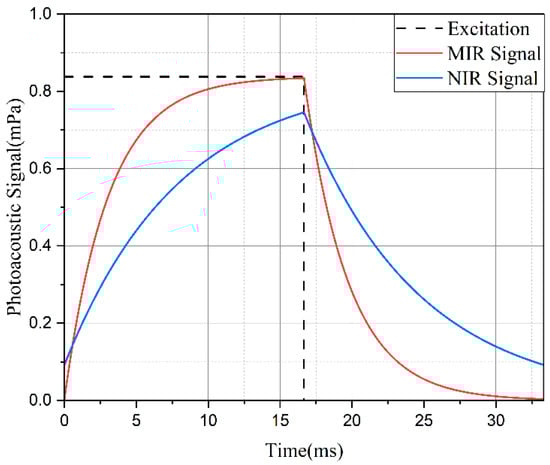
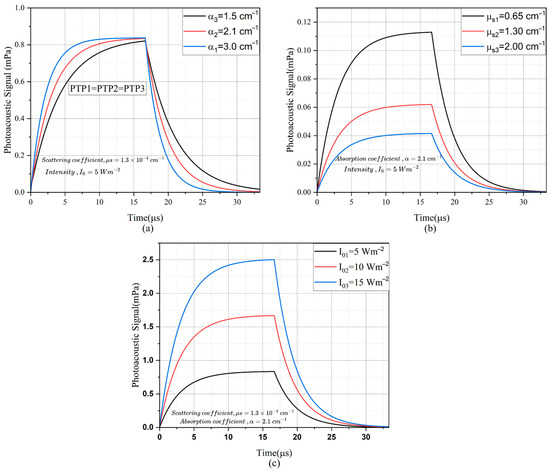
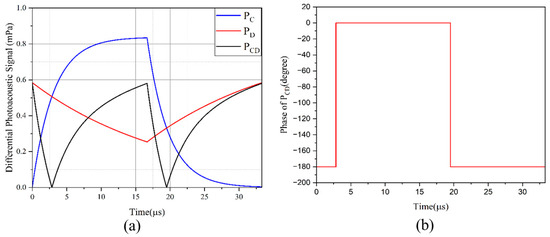
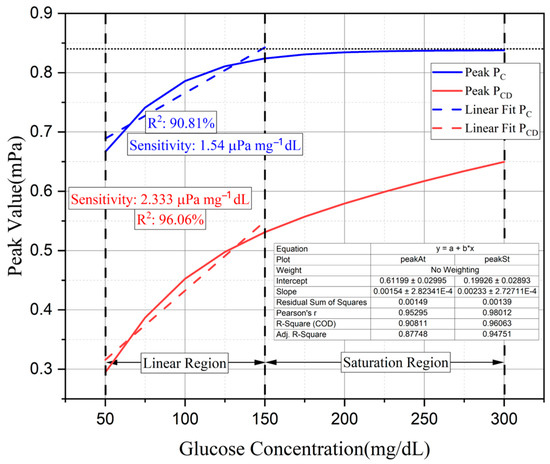
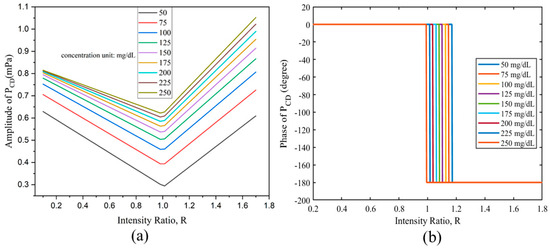
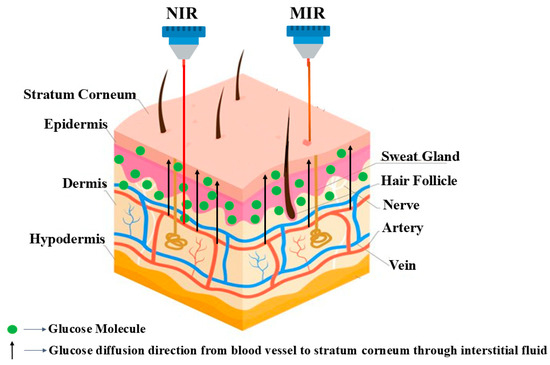
Diabetes is a developing global health concern that cannot be cured, necessitating frequent blood glucose monitoring and dietary management. Photoacoustic Spectroscopy (PAS) in the mid-infrared (MIR) region has recently emerged as a viable noninvasive blood glucose monitoring technique. However, MIR-PAS confronts significant challenges: (i) Water absorption, which reduces light penetration, and (ii) interference from other blood components. This paper systematically analyzes the background of photoacoustic signal generation and proposes a differential PAS (DPAS) in the MIR region for removing the background signals arising from water and other interfering components of blood, which improves the overall detection sensitivity. A detailed mathematical model with an explanation for choosing two suitable MIR quantum cascade lasers for this differential scheme is presented here. For single-wavelength PAS (SPAS), a detection sensitivity of µPa mg−1 dL was obtained from the proposed model. Alternatively, µPa mg−1 dL detection sensitivity was found by implementing the DPAS scheme, which is about 1.5 times higher than SPAS. Moreover, DPAS facilitates an additional parameter, a differential phase shift between two laser responses, that has an effective correlation with the glucose concentration variation. Thus, MIR-based DPAS could be an effective way of monitoring blood glucose levels noninvasively in the near future.
Full article
(This article belongs to the Section Optical Chemical Sensors)
►▼
Show Figures

Figure 1
Journal Menu
► ▼ Journal Menu-
- Chemosensors Home
- Aims & Scope
- Editorial Board
- Reviewer Board
- Topical Advisory Panel
- Photography Exhibition
- Instructions for Authors
- Special Issues
- Topics
- Sections & Collections
- Article Processing Charge
- Indexing & Archiving
- Editor’s Choice Articles
- Most Cited & Viewed
- Journal Statistics
- Journal History
- Journal Awards
- Conferences
- Editorial Office
Journal Browser
► ▼ Journal BrowserHighly Accessed Articles
Latest Books
E-Mail Alert
News
Topics
Topic in
Analytica, Foods, Molecules, Processes, Separations, Chemosensors
Application of Chromatography-Mass Spectrometry and Related Techniques, 2nd Edition
Topic Editors: Chao Kang, Ronald BeckettDeadline: 30 April 2026
Topic in
Beverages, Foods, Molecules, Nutrients, Separations, Chemosensors
Advances in Analysis of Food and Beverages, 2nd Edition
Topic Editors: Constantinos G. Tsiafoulis, Anna M. KaczmarekDeadline: 31 May 2026
Topic in
Chemosensors, JMMP, Materials, Nanomaterials, Sensors
Functional Materials for Chemical Sensing and Environmental Sustainability: Trends, Concepts and Applications
Topic Editors: Michele Penza, Guanying Chen, Anming HuDeadline: 30 June 2026
Topic in
Molecules, Biomimetics, Chemosensors, Life, AI, Sci
Recent Advances in Chemical Artificial Intelligence
Topic Editors: Pier Luigi Gentili, Jerzy Górecki, David C Magri, Pasquale StanoDeadline: 15 October 2026
Conferences
Special Issues
Special Issue in
Chemosensors
Recent Advances in Field-Effect Transistor-Based Sensors
Guest Editor: Xiaofeng LiuDeadline: 15 February 2026
Special Issue in
Chemosensors
Applications of Electronic Nose (E-Nose) and Electronic Tongue (E-Tongue) in Food Quality
Guest Editor: Celia García-HernándezDeadline: 15 February 2026
Special Issue in
Chemosensors
Novel Gas Sensing Approaches: From Fabrication to Application
Guest Editors: Guillem Domènech-Gil, Donatella PuglisiDeadline: 20 February 2026
Special Issue in
Chemosensors
Advanced Enzyme-Based Sensors
Guest Editors: Nuanfei Zhu, Jinyu Zhu, Dali WeiDeadline: 25 February 2026
Topical Collections
Topical Collection in
Chemosensors
Novel Chirogenic Systems and Sensing Materials for Stereoselective Sensors Development
Collection Editors: Victor Borovkov, Riina Aav, Roberto Paolesse, Manuela Stefanelli, Donato Monti
Topical Collection in
Chemosensors
Sustainable Metal Oxide Materials for Sensing Applications
Collection Editors: Ana Rovisco, Elisabetta Comini
Topical Collection in
Chemosensors
Recent Advances in Multifunctional Sensing Technology for Gas Analysis
Collection Editor: Simonetta Capone