
Journal Description
Agronomy
Agronomy
is an international, peer-reviewed, open access journal on agronomy and agroecology published semimonthly online by MDPI. The Spanish Society of Plant Biology (SEBP) is affiliated with Agronomy and their members receive discounts on the article processing charges.
- Open Access— free for readers, with article processing charges (APC) paid by authors or their institutions.
- High Visibility: indexed within Scopus, SCIE (Web of Science), GEOBASE, PubAg, AGRIS, and other databases.
- Journal Rank: JCR - Q1 (Agronomy) / CiteScore - Q1 (Agronomy and Crop Science)
- Rapid Publication: manuscripts are peer-reviewed and a first decision is provided to authors approximately 17 days after submission; acceptance to publication is undertaken in 1.8 days (median values for papers published in this journal in the second half of 2025).
- Recognition of Reviewers: reviewers who provide timely, thorough peer-review reports receive vouchers entitling them to a discount on the APC of their next publication in any MDPI journal, in appreciation of the work done.
- Companion journals for Agronomy include: Seeds, Agrochemicals, Grasses and Crops.
- Journal Cluster of Agricultural Science: Agriculture, Agronomy, Horticulturae, Soil Systems, AgriEngineering, Crops, Seeds, Grasses, Agrochemicals and AI and Precision Agriculture.
Impact Factor:
3.4 (2024);
5-Year Impact Factor:
3.8 (2024)
Latest Articles
A Review of Crop Attribute Detection for Agricultural Harvesting Machinery
Agronomy 2026, 16(10), 973; https://doi.org/10.3390/agronomy16100973 (registering DOI) - 13 May 2026
Abstract
Crop attribute detection, as a key component of intelligent agricultural harvesting machinery, plays a crucial role in harvesting efficiency, loss reduction, and autonomous operation control. Compared with existing reviews on artificial intelligence and sensing technologies in agriculture, this review focuses on crop attribute
[...] Read more.
Crop attribute detection, as a key component of intelligent agricultural harvesting machinery, plays a crucial role in harvesting efficiency, loss reduction, and autonomous operation control. Compared with existing reviews on artificial intelligence and sensing technologies in agriculture, this review focuses on crop attribute detection scenarios oriented toward the intelligent decision-making and control requirements of agricultural harvesting machinery. It mainly analyzes crop attributes that affect harvesting operations, as well as the sensors and algorithms involved in detecting these attributes, and further clarifies the relationship between detection methods and control decisions in agricultural harvesting machinery. For grain crops, the key attributes relevant to harvesting operations include plant height, plant density, spike number, crop lodging, canopy structure, and crop position. For fruit and vegetable crops, the key attributes relevant to harvesting operations include maturity, position, and quality. From the perspectives of multi-source data acquisition, data analysis, and attribute detection algorithms, the key technologies in the field of crop attribute detection are systematically summarized and analyzed, including sensors used in crop attribute detection, such as RGB, spectral, near-infrared, and LiDAR sensors, as well as data analysis and recognition approaches, such as image classification, object detection, and point cloud analysis. The complexity of field environments and the dynamics of machine operation are analyzed, highlighting the technical bottlenecks of current detection systems in environmental adaptability, real-time responsiveness, and resistance to interference. To address these challenges, feasible optimization directions were proposed, including multi-sensor fusion, weakly supervised learning, and few-shot learning. This review aims to provide systematic references and theoretical support for the coordinated development of crop detection and control decision-making in intelligent agricultural harvesting systems.
Full article
(This article belongs to the Section Precision and Digital Agriculture)
Open AccessArticle
Parameter-Efficient Domain Adaptation and Lightweight Decoding for Agricultural Monocular Depth Estimation
by
Yanliang Mao, Wenhao Zhao and Liping Chen
Agronomy 2026, 16(10), 972; https://doi.org/10.3390/agronomy16100972 (registering DOI) - 13 May 2026
Abstract
Reliable monocular depth estimation (MDE) is essential for agricultural robots and unmanned platforms, where low-cost visual perception is required for safe navigation and scene understanding in complex field environments. However, general-purpose depth foundation models remain limited by substantial domain gaps in agriculture, while
[...] Read more.
Reliable monocular depth estimation (MDE) is essential for agricultural robots and unmanned platforms, where low-cost visual perception is required for safe navigation and scene understanding in complex field environments. However, general-purpose depth foundation models remain limited by substantial domain gaps in agriculture, while full fine-tuning of large backbones is computationally expensive and less suitable for deployment on resource-constrained platforms. In this paper, an efficient agricultural MDE framework, termed AgriLoRA-DA, is proposed based on Depth-Anything-V2. Specifically, the pretrained DINOv2 encoder is kept frozen and adapted using LoRA in selected attention projections, while the original Dense Prediction Transformer (DPT) decoder is replaced with a lightweight Lite-FPNHead to reduce decoding overhead and improve deployment efficiency. Experiments conducted on the WE3DS dataset indicate that, although Depth-Anything-V3 provides the strongest zero-shot generalization among the evaluated baselines, target-domain adaptation is still necessary for WE3DS agricultural scenes. After adaptation, AgriLoRA-DA achieves the best overall performance with AbsRel = 0.0133, SqRel = 3.518, RMSE = 132.264, log10 = 0.0057, and delta1 = 0.9990, while requiring only 0.19 M (0.87%) trainable parameters. These results suggest that parameter-efficient adaptation and lightweight decoding provide a practical direction for deployable depth estimation in crop-row scenes similar to WE3DS, while broader cross-dataset validation remains an important direction for future work.
Full article
(This article belongs to the Special Issue Enhancing Generalization in Agricultural AI: Bridging Data Gaps and Boosting Model Robustness)
Open AccessReview
Enhancing the Quality of Peony Coral’s Cut Flowers: Challenges and Countermeasures
by
Xingshu Wei, Shiqi Li, Yanbing Wang, Shuaiying Shi, Tian Shi and Guoan Shi
Agronomy 2026, 16(10), 971; https://doi.org/10.3390/agronomy16100971 (registering DOI) - 13 May 2026
Abstract
As representatives of early-flowering herbaceous peony types, certain cultivars known as the ‘Coral’ series are highly prized in the global cut flowers market for their unique dynamic color transitions from orange-red (amber) to creamy yellow during the florescence and senescence periods. Despite their
[...] Read more.
As representatives of early-flowering herbaceous peony types, certain cultivars known as the ‘Coral’ series are highly prized in the global cut flowers market for their unique dynamic color transitions from orange-red (amber) to creamy yellow during the florescence and senescence periods. Despite their strong growth vigor and high commercial value, these cultivars face critical postharvest preservation challenges, most notably rapid petal abscission and short vase life. Previous studies have confirmed that postharvest quality deterioration of these peony cut flowers, including undesired color fading and accelerated senescence of petals, is closely associated with ethylene and ROS accumulation. To address these development impediments, systematic optimization of the entire industrial chain is essential. Proposed countermeasures include preharvest regulation of environmental conditions and cultivation practices to establish a foundation for quality formation, as well as postharvest strategies such as precise harvest timing, anti-ethylene treatments, and full cold-chain logistics. Meanwhile, simplifying the distribution system and optimizing terminal vase preservation techniques are also crucial to maintain postharvest quality. In the long term, promoting sustainable development of the global cut-flower industry will require breeding new germplasm with low ethylene sensitivity from a global perspective, continuously optimizing agronomic practices to overcome year-round supply constraints, and accelerating the application of intelligent technologies such as the Internet of Things (IoT) in full chain quality management.
Full article
(This article belongs to the Special Issue Applications of Pre- and Post-Harvest Techniques in Horticultural Products—2nd Edition)
Open AccessArticle
Growth-Stage-Specific Soil Fertility and Its Contribution to Rice Yield Under Agronomic Measures in Saline–Alkaline Paddy Fields
by
Zhenghui Lv, Junjia Qi, Yi Wang, Ying Zhao, Shengjie Kan and Tida Ge
Agronomy 2026, 16(10), 970; https://doi.org/10.3390/agronomy16100970 (registering DOI) - 13 May 2026
Abstract
Reclaiming saline–alkaline soil is critical for food security and land expansion. While paddy rice is the key pioneer crop for remediation, the soil fertility–yield relationship remains poorly understood. To optimize remediation strategies, this study evaluated soil fertility under 16 agronomic treatments—integrating irrigation quality,
[...] Read more.
Reclaiming saline–alkaline soil is critical for food security and land expansion. While paddy rice is the key pioneer crop for remediation, the soil fertility–yield relationship remains poorly understood. To optimize remediation strategies, this study evaluated soil fertility under 16 agronomic treatments—integrating irrigation quality, fertilizer regimes, and soil amendments—across three rice growth stages (tillering, heading, and maturity) in the Yellow River Delta using the minimum data set (MDS), integrated soil fertility index (SFI), and random forest models. Saline water irrigation increased soil salinity by 24.6%, while straw returning and desulfurization gypsum reduced salinity by 18.3% and 22.7%, respectively. Straw, biochar, and desulfurization gypsum significantly influenced soil organic carbon (SOC), total nitrogen (TN), inorganic nitrogen (NH4+-N, NO3−-N), and available phosphorus (AP), with effects varying across growth stages. Growth-stage-specific MDS indicators were significantly correlated with SFI based on the total data set (R2 = 0.70, 0.65, and 0.81, p < 0.01), and stage-specific SFI was significantly positively related to rice yield. Notably, heading-stage SFI, although relatively low, explained the highest yield variance (R2 = 0.51, p < 0.01) and prediction accuracy (%IncMSE = 25.22), especially under conventional NPK combined with full straw incorporation and desulfurization gypsum. These findings highlight the critical role of heading-stage soil fertility in regulating rice production, providing a targeted nutrient management blueprint for saline–alkaline paddy fields in the Yellow River Delta. Overall, this study offers a reliable scientific template to enhance yield and promote sustainable agriculture in comparable saline–alkaline paddy fields globally.
Full article
(This article belongs to the Section Farming Sustainability)
Open AccessArticle
Yield Change in Winter Wheat and Rapeseed in Water Shortage Under the Influence of Plant Growth-Promoting Microorganisms and Calcium
by
Mariam Zareyan, Rima Mockevičiūtė, Virgilija Gavelienė, Jose Luis Araus, Sigita Jurkonienė and Vaidevutis Šveikauskas
Agronomy 2026, 16(10), 969; https://doi.org/10.3390/agronomy16100969 (registering DOI) - 13 May 2026
Abstract
Due to drought stress caused by climate change, a growing global population, and limited land resources, interest in sustainable agriculture is growing. In this study, we evaluate the impact of commercial plant-based probiotics, several beneficial microorganisms, and calcium salts on the growth and
[...] Read more.
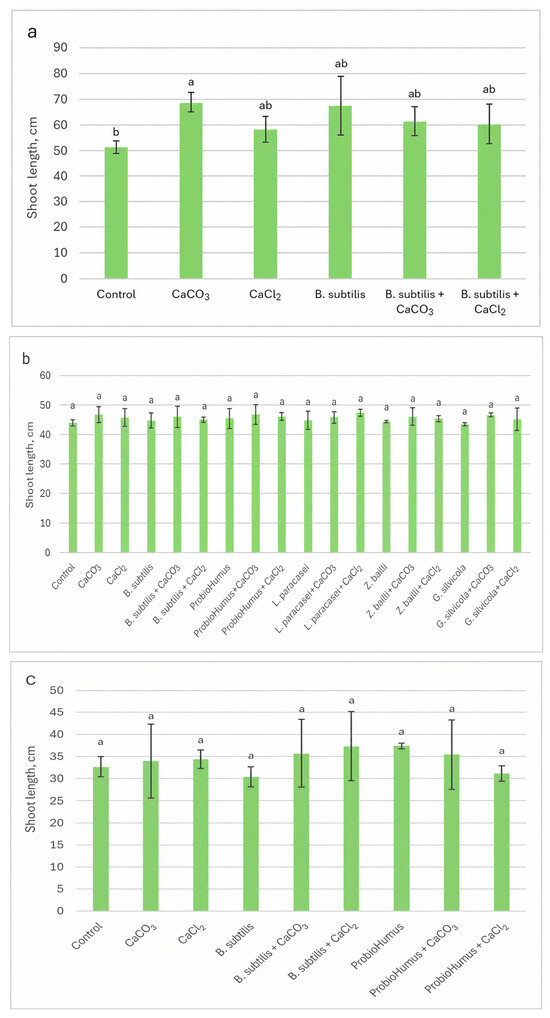
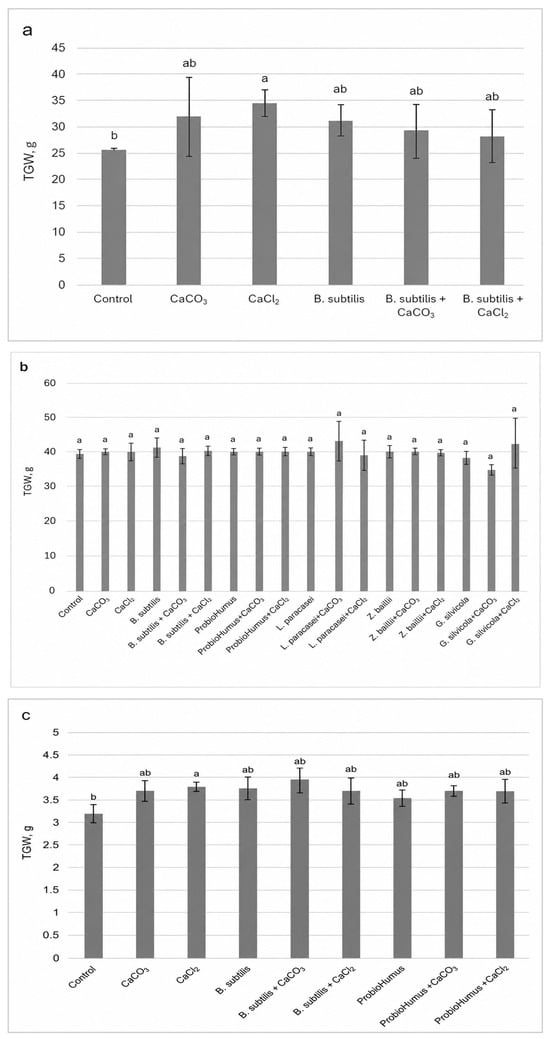
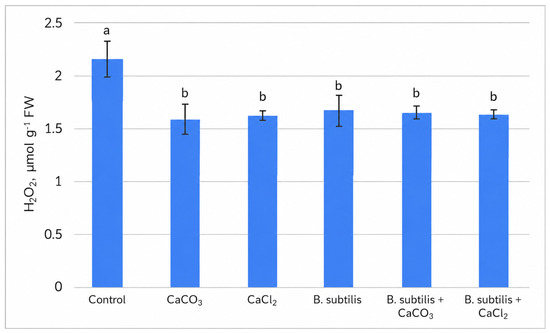
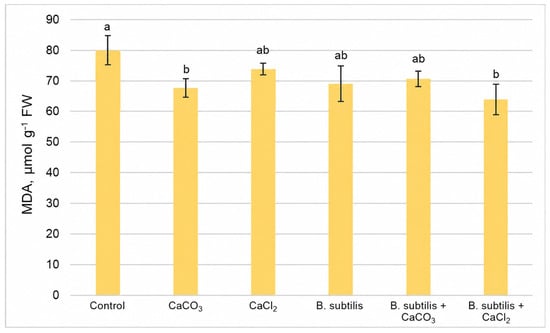
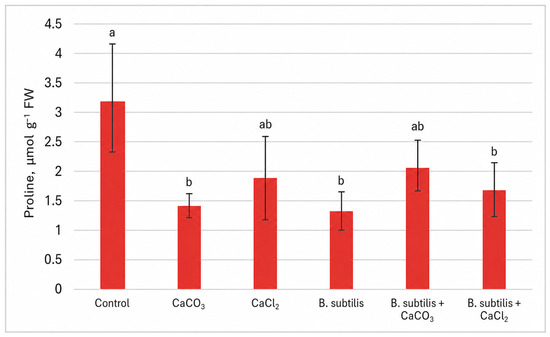
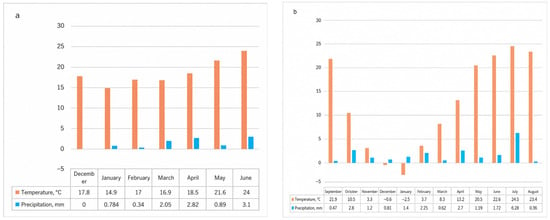
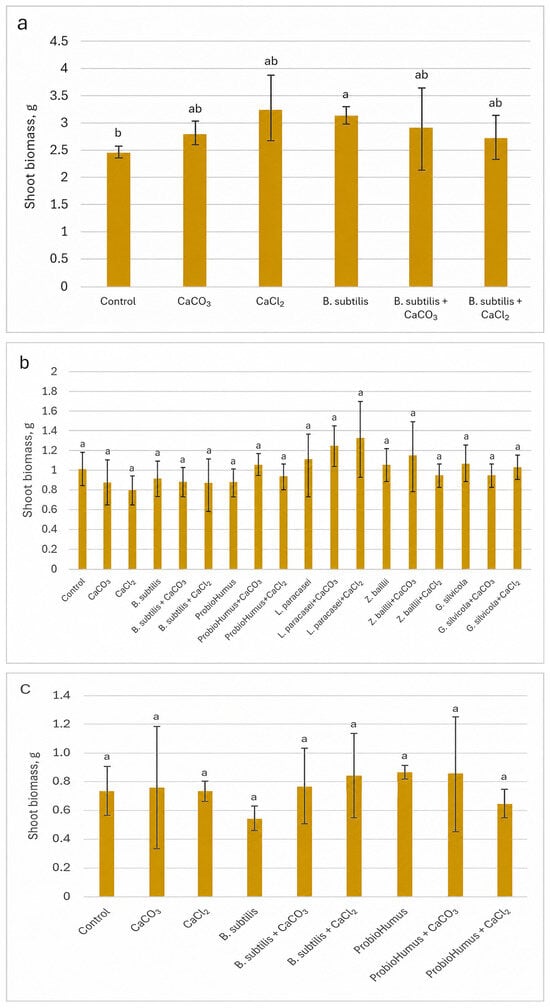
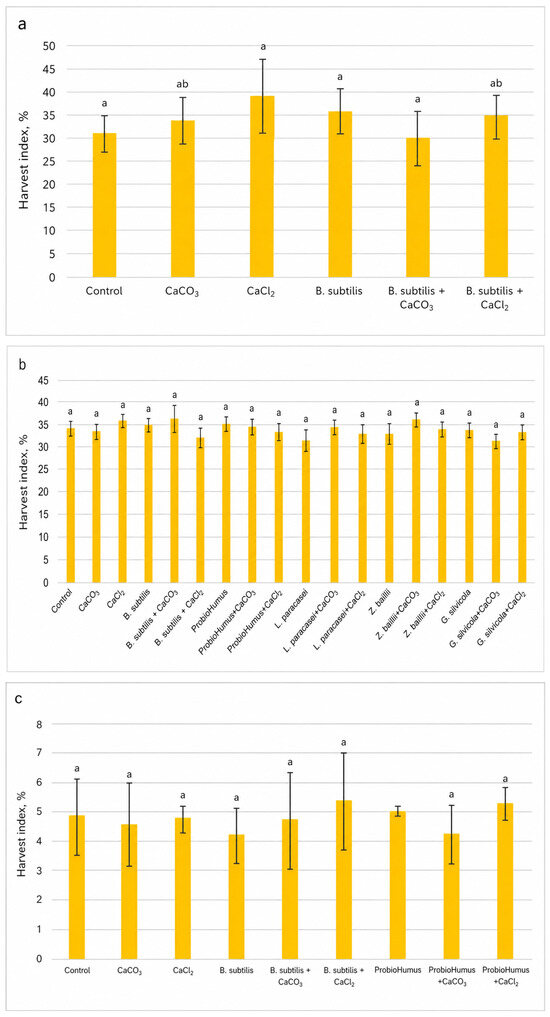
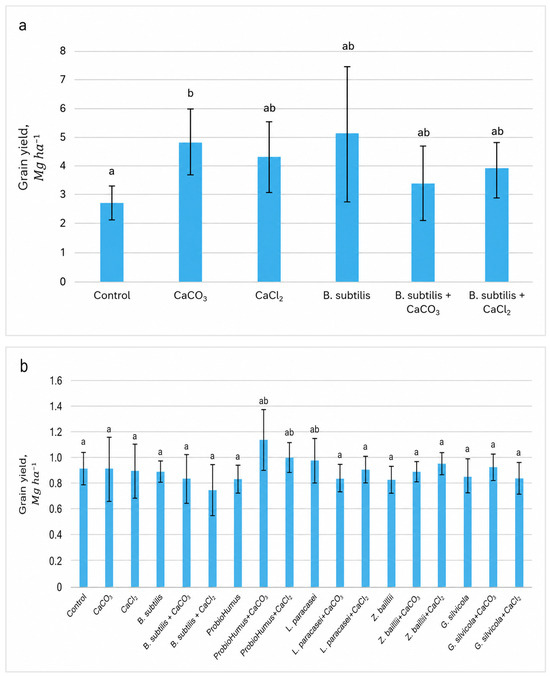
Due to drought stress caused by climate change, a growing global population, and limited land resources, interest in sustainable agriculture is growing. In this study, we evaluate the impact of commercial plant-based probiotics, several beneficial microorganisms, and calcium salts on the growth and yield of winter wheat and winter rapeseed under limited water resources. The study was conducted in field conditions in two countries simultaneously with different climatic conditions: Spain and Lithuania. Soil was supplemented with calcium in two forms: CaCO3 and CaCl2. Seeds were treated with microorganisms before sowing, and plants were sprayed with them in the spring. The plants inoculated with beneficial microorganisms showed improvement in yield, with harvest index increasing by 5–10% in treated plants. Grain yield was enhanced across treatments, with ProbioHumus + CaCO3 showing the highest yield in Lithuania. Additionally, treated plants exhibited significantly lower stress indicators, with Bacillus subtilis + CaCl2 decreasing lipid peroxidation by 27%. This study provides further evidence that plant treatment with beneficial microorganisms and calcium can contribute to a more environmentally sustainable agriculture.
Full article
(This article belongs to the Special Issue Biostimulants for Sustainable Crop Productivity and Protection: From Concept to Application)
►▼
Show Figures

Figure 1
Open AccessArticle
Soil Acidification by Urea Application Modifies the Adsorption of Glyphosate and Its Main Degradation Product, AMPA, in Volcanic Soils
by
Graciela Palma, Milko A. Jorquera, Ricardo Ramírez, César Llafquen and Gabriela Briceño
Agronomy 2026, 16(10), 968; https://doi.org/10.3390/agronomy16100968 (registering DOI) - 13 May 2026
Abstract
Urea is the most widely used nitrogen fertilizer worldwide, and its application leads to soil acidification, which can potentially change the behavior of agrochemicals such as glyphosate and its main degradation product, aminomethylphosphonic acid (AMPA). This study assessed how urea-induced acidification influences the
[...] Read more.
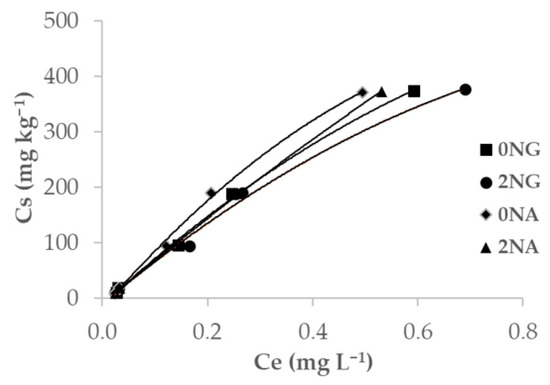
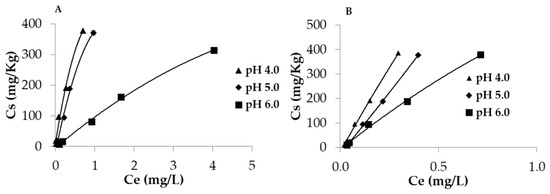
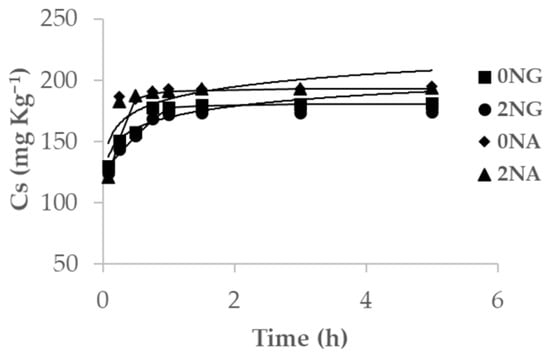
Urea is the most widely used nitrogen fertilizer worldwide, and its application leads to soil acidification, which can potentially change the behavior of agrochemicals such as glyphosate and its main degradation product, aminomethylphosphonic acid (AMPA). This study assessed how urea-induced acidification influences the adsorption of glyphosate and AMPA in an Andisol. Batch equilibrium experiments were conducted to evaluate adsorption kinetics and isotherms with and without urea (200 kg N ha−1), as well as under controlled pH conditions (pH 4, 5, and 6). Kinetic data were analyzed using pseudo-first-order, pseudo-second-order, Elovich, and intraparticle diffusion models, while adsorption isotherms were described using the Freundlich model. Results showed clear differences in sorption behavior between both compounds. AMPA exhibited higher sorption capacity, faster equilibrium, and minimal effect from urea addition. In contrast, glyphosate adsorption was significantly reduced by urea, showing lower kinetic parameters. Mechanistic analysis indicated that AMPA retention is governed by chemisorption and intraparticle diffusion processes, whereas glyphosate adsorption is more influenced by surface interactions and competition with urea. Overall, urea application may increase glyphosate mobility in Andisols, while AMPA remains strongly retained, highlighting the role of fertilization in herbicide fate.
Full article
(This article belongs to the Section Soil and Plant Nutrition)
►▼
Show Figures

Figure 1
Open AccessArticle
Agroforestry-Based Nature Actions for Climate Change Mitigation Through Soil Carbon Storage in Zamora Chinchipe
by
Leticia Jiménez, Romina Donoso, Rubén Carrera, Natacha Fierro, Jefferson Lasso, Junior Roa, Juan Merino and Daniel Capa-Mora
Agronomy 2026, 16(10), 967; https://doi.org/10.3390/agronomy16100967 (registering DOI) - 13 May 2026
Abstract
Agroforestry systems are a sustainable strategy for climate change mitigation by enhancing carbon sequestration in agricultural soils, particularly in regions like Zamora Chinchipe, where they improve soil resilience and productivity in deforested landscapes. This study evaluated soil carbon storage under different land-use systems—forest,
[...] Read more.
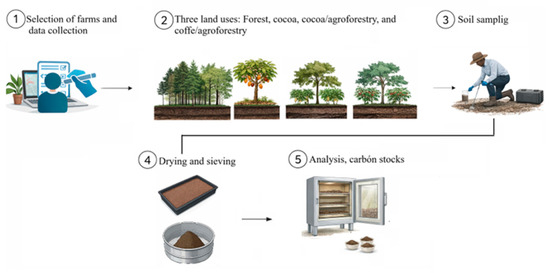
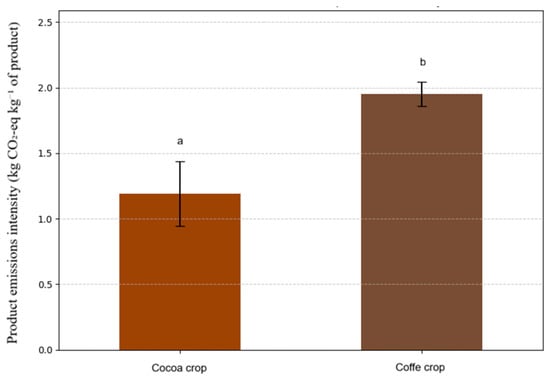
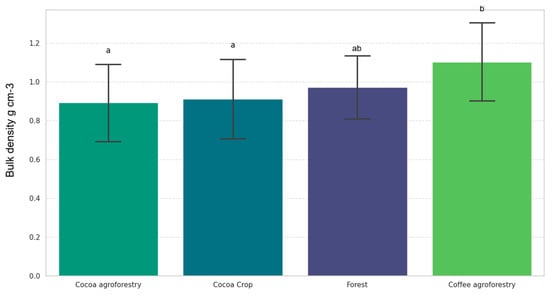
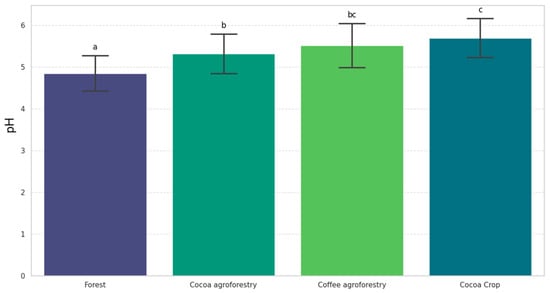
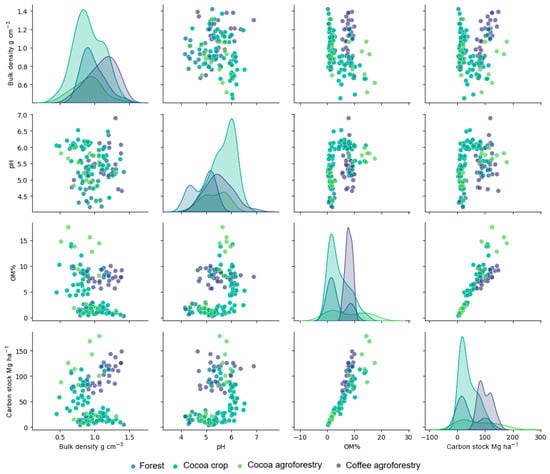
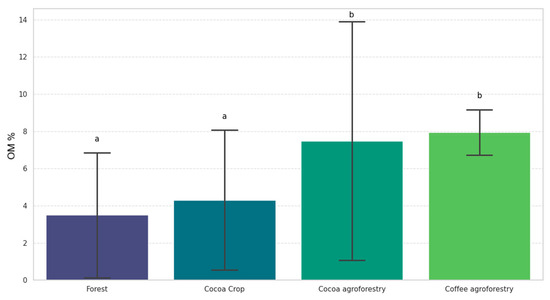
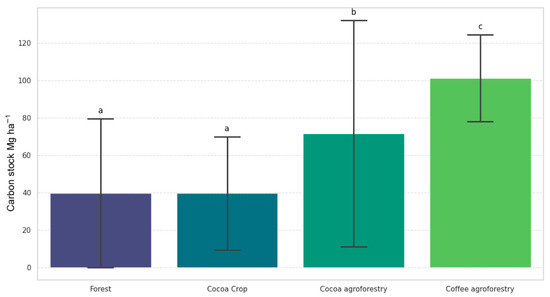
Agroforestry systems are a sustainable strategy for climate change mitigation by enhancing carbon sequestration in agricultural soils, particularly in regions like Zamora Chinchipe, where they improve soil resilience and productivity in deforested landscapes. This study evaluated soil carbon storage under different land-use systems—forest, cacao monoculture, cacao-based agroforestry, and coffee-based agroforestry—as a climate change mitigation strategy. Data were collected from cacao and coffee producers regarding crop management practices on their farms. Soil samples were collected at a depth of 20 cm and analyzed for bulk density (BD), pH, soil organic matter (SOM), and carbon stocks. Land-use systems showed that coffee-based agroforestry stored 101.22 Mg ha−1 of carbon and cacao-based agroforestry 71.55 Mg ha−1, both exceeding values observed in cacao monoculture and even forest systems. These results suggest that cacao and coffee agroforestry systems have a greater capacity for carbon sequestration compared to monoculture systems. However, the contribution of forests should not be underestimated, as these findings are based only on the surface soil layer, which limits a comprehensive assessment of the full carbon storage potential of forest ecosystems in Zamora Chinchipe. Agroforestry systems emerge as viable and sustainable alternatives for soil carbon storage, as they integrate trees and crops, promoting long-term carbon sequestration in soils.
Full article
(This article belongs to the Section Farming Sustainability)
►▼
Show Figures

Figure 1
Open AccessArticle
Residual Effects of Methods Used to Correct Soil Acidity on Soil Chemical Properties in an Agropastoral System
by
Wander L. B. Borges, Marcelo Andreotti, Luan C. P. da Cruz, Douglas Y. O. de Oliveira, João F. Borges, Laryssa de C. Silva and Jorge Luiz Hipólito
Agronomy 2026, 16(10), 966; https://doi.org/10.3390/agronomy16100966 (registering DOI) - 12 May 2026
Abstract
Surface and subsurface acidity (pH < 4.4) limit nutrient availability, restrict root exploration, and impair crop yields in agricultural and agropastoral systems. Subsurface acidity (0.4–0.8 m layer) is a critical limiting factor for mature tropical soils. Methodologies that provide amelioration of surface and
[...] Read more.
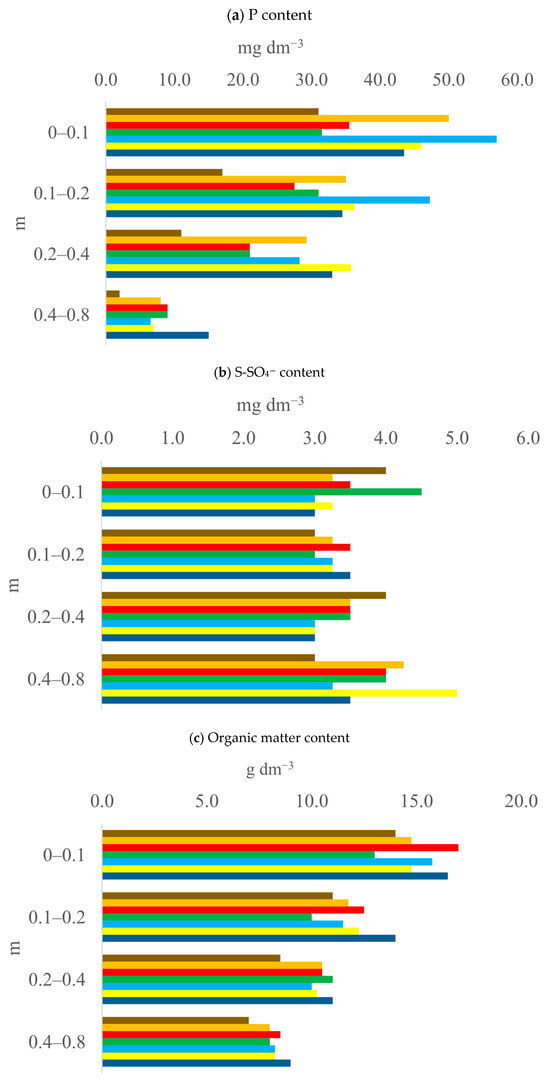
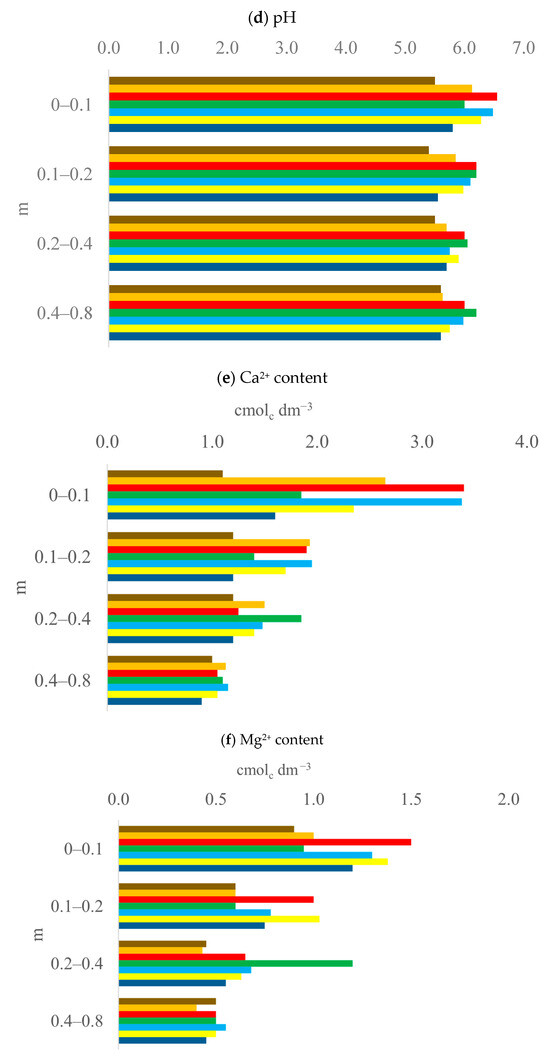
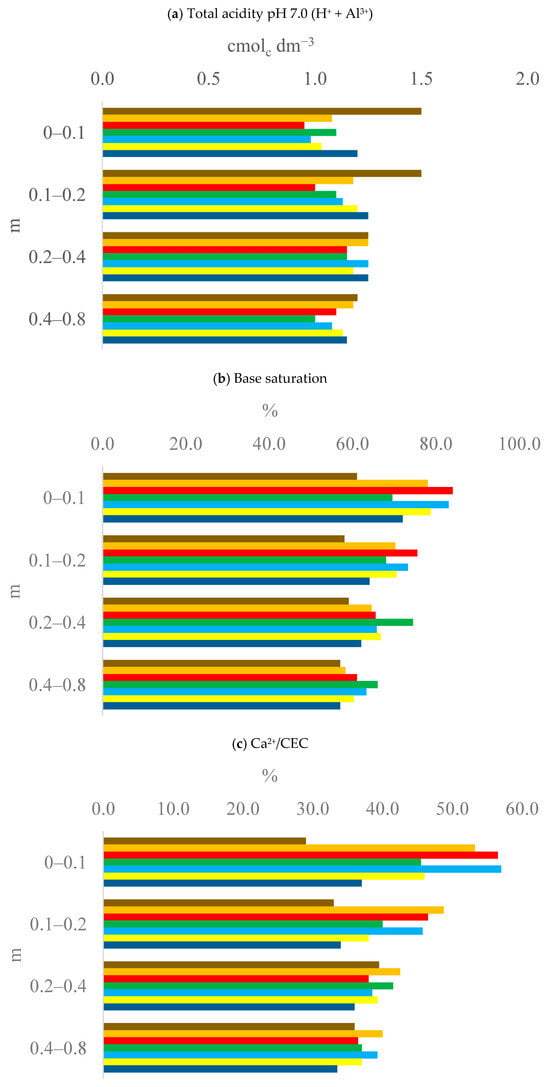
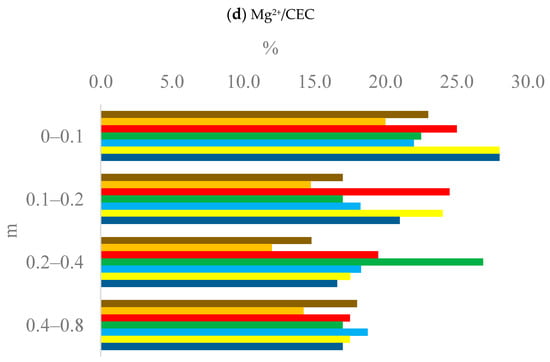
Surface and subsurface acidity (pH < 4.4) limit nutrient availability, restrict root exploration, and impair crop yields in agricultural and agropastoral systems. Subsurface acidity (0.4–0.8 m layer) is a critical limiting factor for mature tropical soils. Methodologies that provide amelioration of surface and subsurface acidity and improvements in soil chemical fertility are necessary to decrease production costs and increase crop yields. This study evaluated the long-term ability of different methodologies for applying calcium (Ca) compounds (limestone (LS), phosphogypsum (PG), and hydrated lime (HL)) to ameliorate surface and subsurface acidity and improve soil chemical fertility. The results showed that the correction of surface acidity by treatments T2 (no-till/LS + PG), T3 (conventional tillage/LS + PG), T5 (no-till/HL + PG) and T6 (minimum tillage/HL + PG) persisted two years after application, as evidenced by higher pH and base saturation (BS) and lower total acidity in the 0.0–0.2 m layer compared with the control. By contrast, the improvement in acidity in the 0.4–0.8 m layer that was previously observed after subsurface application of HL in the 2017–2018 season (T6 and T7, minimum tillage/HL + PG) was lost. Moreover, the improvements in Ca2+ content and Ca2+/cation exchange capacity (CEC) observed after applying LS plus PG persisted in the 0.0–0.1 m layer only. However, the improvements in Mg2+ content and Mg2+/CEC after applying HL plus PG were not maintained. In addition, the positive effects of Ca compounds on sulfate-S (S-SO42−) content throughout the soil profile (0.0–0.8 m) did not persist. By contrast, after two seasons, Ca compound application had residual positive effects on P content in the 0.1–0.8 m layer and organic matter (OM) content in the 0.2–0.8 m layer, which were previously not observed.
Full article
(This article belongs to the Section Soil and Plant Nutrition)
►▼
Show Figures

Figure 1
Open AccessReview
An Ecosystem Framework for Tomato Precision Agriculture: Integrating Measurement, Understanding, Optimization, Prediction, and Diagnosis
by
Sangyoon Lee, Hongseok Mun, Joonmo Kang and Byeongeun Moon
Agronomy 2026, 16(10), 965; https://doi.org/10.3390/agronomy16100965 (registering DOI) - 12 May 2026
Abstract
Tomato (Solanum lycopersicum L.) production faces increasing pressure from resource scarcity and climate change, creating demand for more precise and adaptive management. However, adoption in commercial systems remains limited because many advanced technologies are costly, poorly interoperable, or difficult for growers to
[...] Read more.
Tomato (Solanum lycopersicum L.) production faces increasing pressure from resource scarcity and climate change, creating demand for more precise and adaptive management. However, adoption in commercial systems remains limited because many advanced technologies are costly, poorly interoperable, or difficult for growers to interpret. This review addresses that gap by organizing recent advances into a five-stage production ecosystem framework: Measurement, Understanding, Optimization, Prediction, and Diagnosis. Unlike previous precision agriculture reviews that mainly summarize sensing, modeling, artificial intelligence, and robotics as separate topics, this framework emphasizes stage-linked integration and decision support relevance across practical tomato production. Measurement establishes the data foundation through sensor networks and imaging; Understanding converts observations into physiological insight using process-based models; Optimization applies these insights to water, nutrient, and microclimate management. Prediction uses machine learning and explainable artificial intelligence to anticipate yield, quality, and stress responses, while Diagnosis supports timely disease detection and vision-based intervention. Overall, this review shows that progress in tomato precision agriculture depends less on isolated algorithmic advances than on cost-effective, modular, interpretable, and operationally feasible systems for commercial deployment.
Full article
(This article belongs to the Collection AI, Sensors and Robotics for Smart Agriculture)
Open AccessArticle
DCFENet: A Dual-Branch Collaborative Feature Enhancement Network for Farmland Boundary Detection
by
Mengyao Lan, Bangjun Huang and Peng Wu
Agronomy 2026, 16(10), 964; https://doi.org/10.3390/agronomy16100964 (registering DOI) - 12 May 2026
Abstract
Farmland resources are fundamental to human survival and play a vital role in ensuring global food security. However, farmland boundary detection remains a significant technical challenge due to the low proportion of boundary pixels, multi-scale variations, and weak boundary continuity. To address these
[...] Read more.
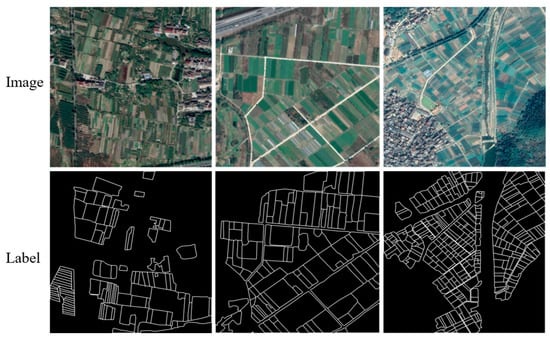
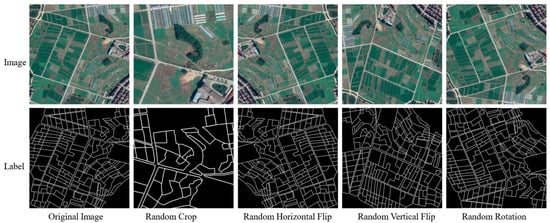
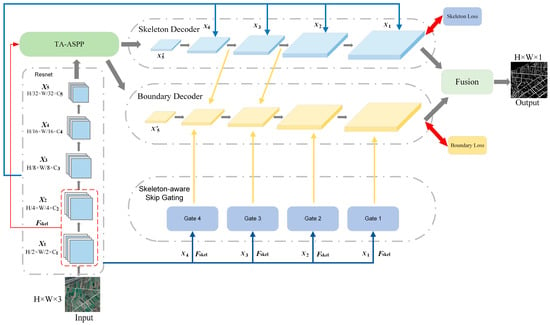
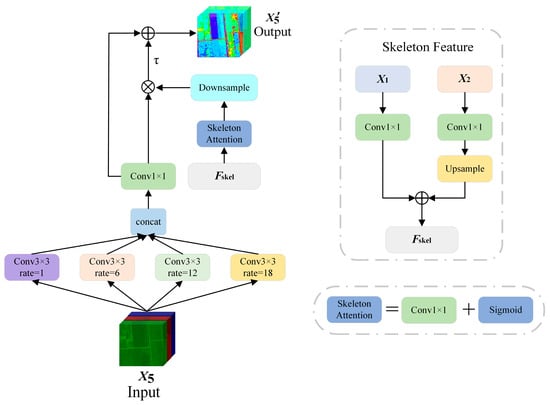
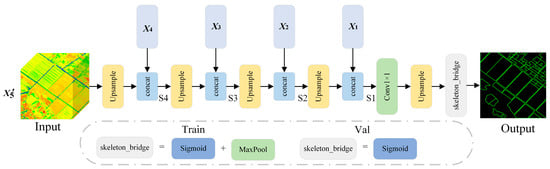
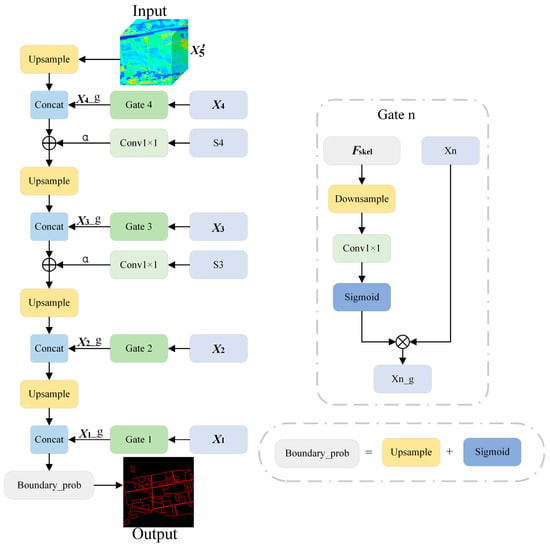
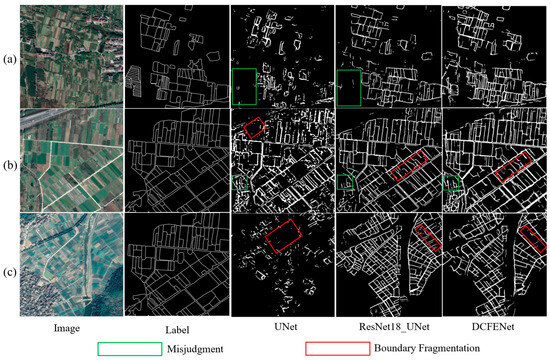
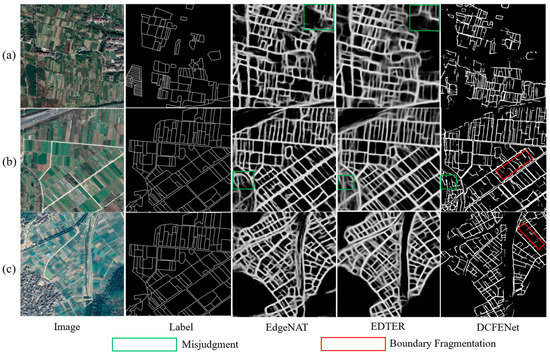
Farmland resources are fundamental to human survival and play a vital role in ensuring global food security. However, farmland boundary detection remains a significant technical challenge due to the low proportion of boundary pixels, multi-scale variations, and weak boundary continuity. To address these issues, this study proposes DCFENet, a dual-branch collaborative feature enhancement network. Specifically, a multi-scale feature fusion attention module TA-ASPP (Task-Aware Atrous Spatial Pyramid Pooling) is designed, which effectively enhances the network’s perception of farmland boundary features by integrating multi-scale dilated convolutions with skeleton-aware attention. In addition, a dual-branch decoding structure is proposed to enhance boundary localization and global topology modeling through boundary-aware gating and cross-branch feature fusion, thereby improving the boundary continuity. Furthermore, a collaborative constraint mechanism is proposed for dual-branch decoding, which supervises the two decoders using boundary loss and skeleton loss, thereby enhancing structural consistency and topology preservation. Experimental results demonstrate that DCFENet achieves precision, recall, and boundary IoU of 74.5%, 68.1%, and 77.4%, respectively, representing an improvement of 26.8%, 36.3%, and 13.2% compared with ResNet18_UNet. It also outperforms mainstream methods such as UNet, EdgeNAT, and EDTER. In terms of computational efficiency, DCFENet contains 26.43 M parameters and 37.43 G FLOPs, with a memory usage of 1.03 GB and an inference speed of 97.97 FPS, achieving a good balance between accuracy and efficiency. The results demonstrate the efficiency and accuracy of DCFENet in extracting farmland boundaries from high-resolution remote sensing images, providing technical support for farmland management and the advancement of precision and digital agriculture.
Full article
(This article belongs to the Special Issue Remote Sensing and GIS in Sustainable and Precision Agriculture)
►▼
Show Figures

Figure 1
Open AccessArticle
Automated High-Frequency RGB Imaging for Biomass Estimation in Hydroponics
by
Andrius Grigas, Tomas Krilavičius, Eimantas Zaranka, Danylo Abramov, Sarwan Shafeeq, Dainius Savickas, Indrė Bručienė, Veronika Bryskina, Deividas Valiuška and Rūta Juozaitienė
Agronomy 2026, 16(10), 963; https://doi.org/10.3390/agronomy16100963 (registering DOI) - 12 May 2026
Abstract
Accurate, non-destructive estimation of crop biomass is essential for automated high-frequency monitoring and optimization in controlled-environment agriculture, yet standardized approaches remain limited for short-cycle hydroponic systems. This study introduces a reproducible and fully automated method for estimating the biomass of hydroponically grown wheat
[...] Read more.
Accurate, non-destructive estimation of crop biomass is essential for automated high-frequency monitoring and optimization in controlled-environment agriculture, yet standardized approaches remain limited for short-cycle hydroponic systems. This study introduces a reproducible and fully automated method for estimating the biomass of hydroponically grown wheat sprouts (HWSs) using high-frequency RGB imaging. The workflow integrates image preprocessing, tray segmentation, and canopy feature extraction with synchronized load-cell measurements to enable continuous, non-invasive growth tracking. To account for irrigation events and associated weight fluctuations, raw mass signals were processed using a second-order low-pass Bessel filter, preserving underlying biomass trends while removing short-term oscillations. Across 3024 paired image–mass observations collected under commercial cultivation conditions, several canopy coverage, color-based indices (AGI, Proxy NDVI), and texture features exhibited strong predictive relationships with biomass. Features reflecting greenness, canopy density, and color uniformity were positively associated with plant mass, whereas brightness- and red-channel features showed consistent negative relationships. Feature selection using an elastic-net approach identified a compact subset of informative predictors, improving model stability and interpretability. Under a nested cross-validation framework based on contiguous interval splits within sprout-growth cohorts, support vector regression (SVR) achieved the best predictive performance, with an sMAPE of 3.64% and an RMSE of 0.16 kg. Additional experiments under altered illumination conditions showed that including light intensity as an explicit covariate improved model robustness across lighting regimes. These results demonstrate that combining elastic-net feature selection with environmental covariates provides a robust and transferable framework for visual biomass estimation in hydroponic HWS. More broadly, the proposed pipeline enables non-destructive crop monitoring and supports the development of intelligent, feedback-driven control strategies for hydroponic production systems.
Full article
(This article belongs to the Special Issue Application and Innovation of Digital Technologies in Controlled Environment Agriculture)
Open AccessArticle
BTH-Induced Resistance in Rice Impairs Magnaporthe oryzae Metabolic Fitness and Suppresses Key Virulence Genes
by
Ruiming Zhang, Yao Sun, Yanan He, Yaping Li, Yongbin Peng, Chongke Zheng, Lixia Xie, Conghui Jiang, Jinjun Zhou, Guanhua Zhou, Wei Sun, Chang-Jie Jiang and Xianzhi Xie
Agronomy 2026, 16(10), 962; https://doi.org/10.3390/agronomy16100962 (registering DOI) - 12 May 2026
Abstract
Induced resistance primes host immunity for enhanced protection; however, how pathogens respond to this primed state remains poorly understood. Here, we investigated the molecular responses of the rice blast fungus Magnaporthe oryzae during infection of benzothiadiazole (BTH)-primed rice. Seed priming with BTH conferred
[...] Read more.
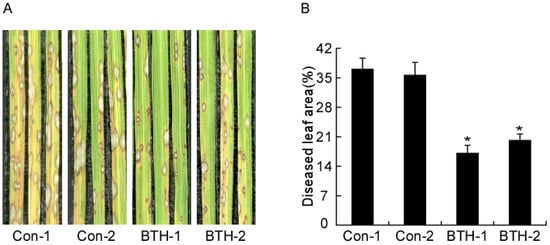
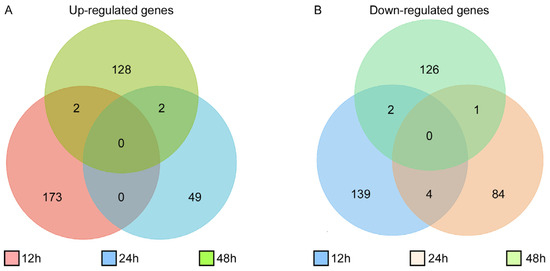
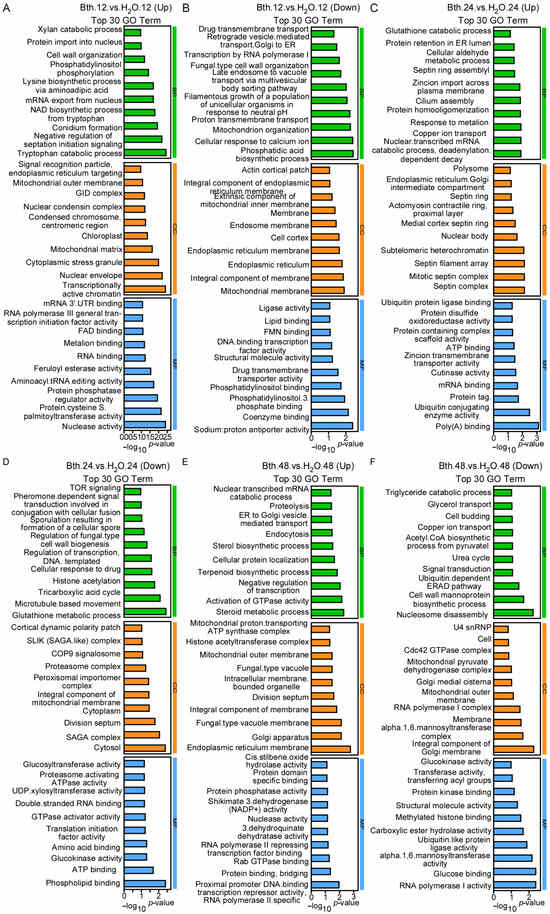
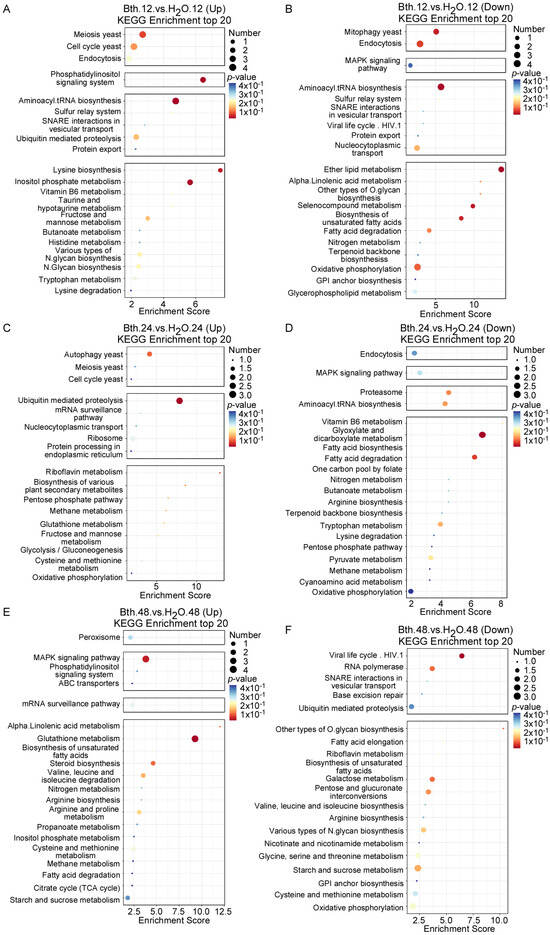
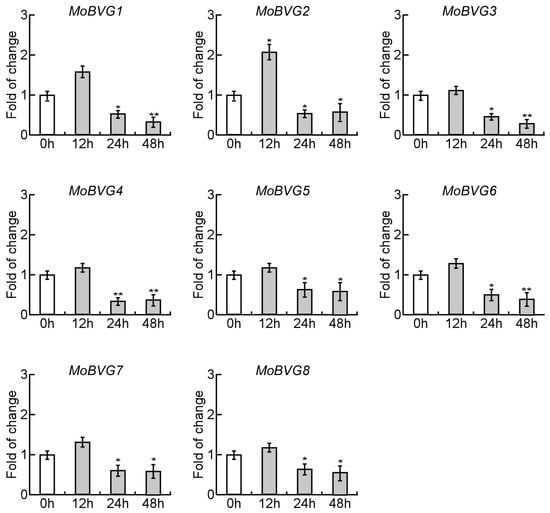
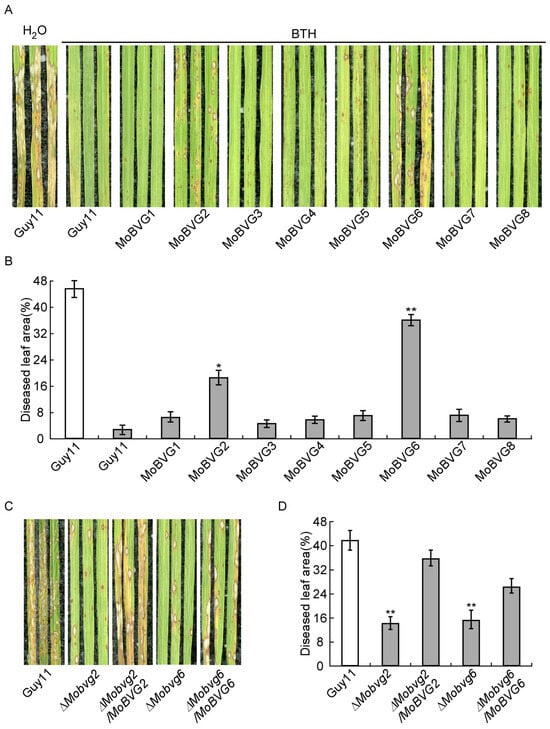
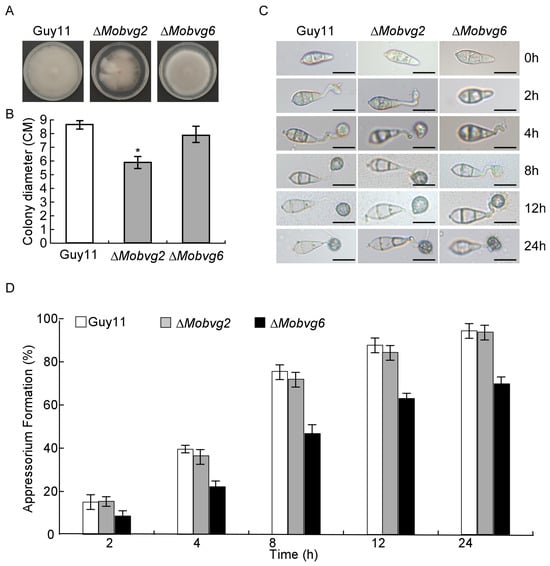
Induced resistance primes host immunity for enhanced protection; however, how pathogens respond to this primed state remains poorly understood. Here, we investigated the molecular responses of the rice blast fungus Magnaporthe oryzae during infection of benzothiadiazole (BTH)-primed rice. Seed priming with BTH conferred long-lasting resistance against M. oryzae at the four-leaf stage. Time-course transcriptomic analyses (12–48 hpi) identified 699 differentially expressed genes (DEGs) in M. oryzae, revealing a distinct temporal transition during infection of BTH-primed rice. The fungal transcriptional response shifted from early growth and environmental sensing to enhanced protein turnover, metabolic repression, energy depletion, and genomic instability, indicating progressive impairment of fungal fitness by host immunity. From these DEGs, eight BTH-suppressed candidate virulence genes (MoBVG1–8) were selected for functional characterization. Gene overexpression analyses showed that two genes, MoBVG2 and MoBVG6, significantly increased pathogenicity on BTH-primed rice, while knockout analyses confirmed that both are required for full pathogenicity on non-primed control plants. MoBVG2 encodes a reactive oxygen species (ROS)-scavenging effector, and MoBVG6 encodes an environmental sensor, highlighting the importance of ROS detoxification and environmental perception for successful host colonization. Functional analyses further revealed that MoBVG2 contribute to vegetative growth, while MoBVG6 is required for proper appressorium development. Together, these findings suggest that BTH-induced resistance restricts blast disease by impairing fungal metabolic fitness and suppressing key virulence genes, providing novel insights into the pathogen-side molecular mechanisms underlying chemically induced resistance in plants.
Full article
(This article belongs to the Special Issue New Insights into Fungal Pathogenicity, Pathogen–Host Interactions, and Host Immunity)
►▼
Show Figures

Figure 1
Open AccessArticle
Suitability Analysis of Rice Cropping Patterns in China Using the MaxEnt Model
by
Yunyi Cai, Tao Qian, Chuanhai Hua, Haokai Zhu, Bing Liu, Liujun Xiao, Yan Zhu, Weixing Cao and Chongya Jiang
Agronomy 2026, 16(10), 961; https://doi.org/10.3390/agronomy16100961 (registering DOI) - 12 May 2026
Abstract
Climate warming is reshaping hydrothermal resources for rice production, but the climatic responses of different rice-based cropping systems have not been sufficiently compared. This study evaluated the climatic suitability and dominant climatic controls of four major rice cropping systems in China: single-season rice,
[...] Read more.
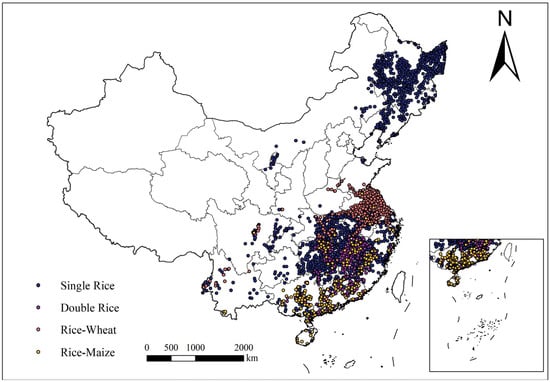
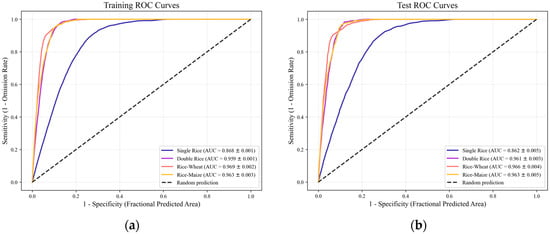
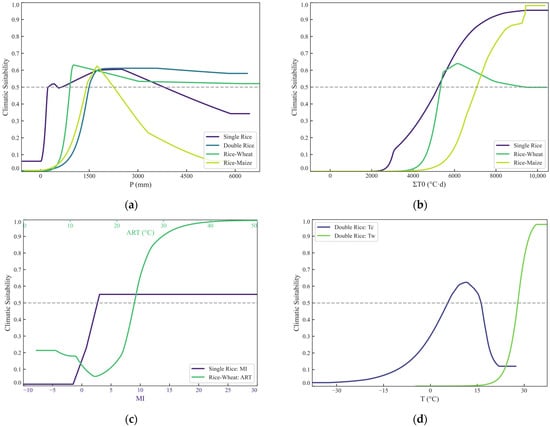
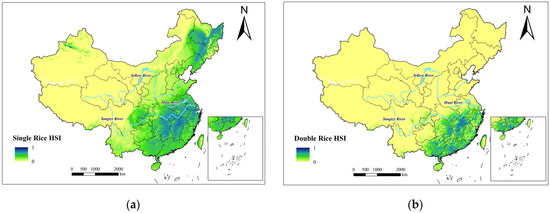
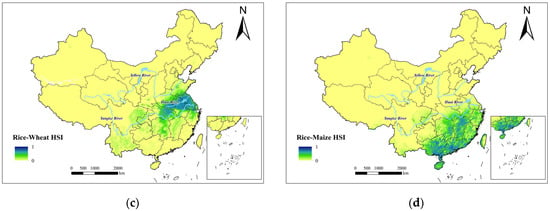
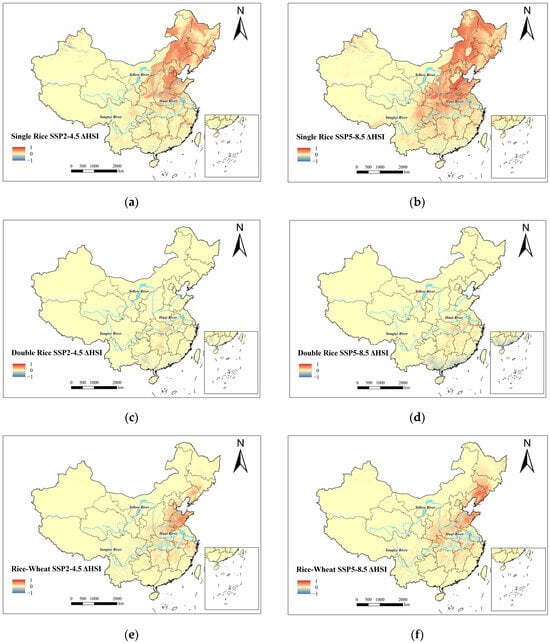
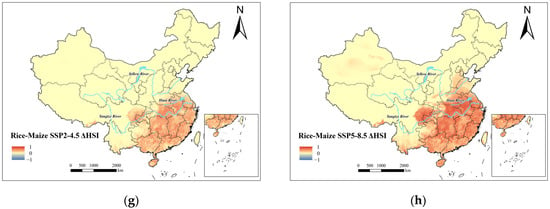
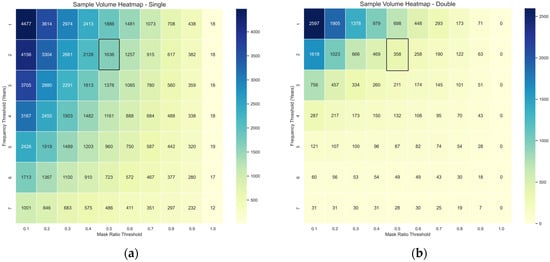
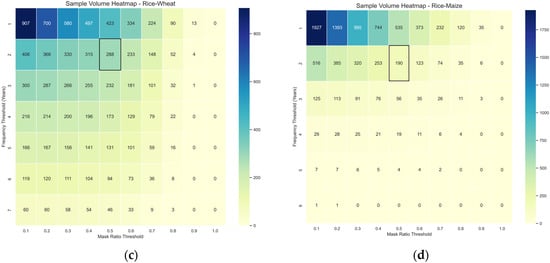
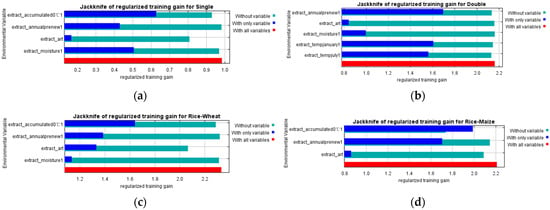
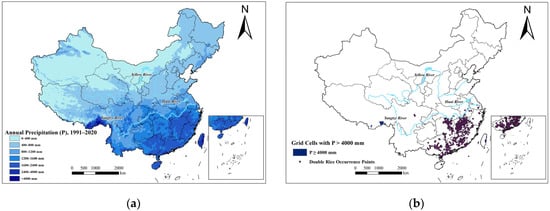
Climate warming is reshaping hydrothermal resources for rice production, but the climatic responses of different rice-based cropping systems have not been sufficiently compared. This study evaluated the climatic suitability and dominant climatic controls of four major rice cropping systems in China: single-season rice, double-season rice, rice–wheat rotation, and rice–maize rotation. Occurrence records were extracted from ChinaCP and screened using a 30 m rice distribution mask. MaxEnt models were calibrated using agroclimatic variables for the historical baseline and end-century SSP2-4.5 and SSP5-8.5 scenarios. The models showed good presence–background discrimination, with mean training AUC values of 0.868 ± 0.001, 0.959 ± 0.001, 0.969 ± 0.002, and 0.963 ± 0.003 for the four systems, respectively. Dominant climatic controls differed among systems. Single-season rice, rice–wheat rotation, and rice–maize rotation were mainly associated with heat accumulation, with temperature ≥0 °C (AT0) showing the highest permutation importance of 55.9%, 59.8%, and 77.0%, respectively. Double-season rice showed a distinct response constrained by precipitation and monthly temperature conditions, with annual precipitation contributing 69.8%. Scenario-based projections for 2081–2100 indicated a system-specific redistribution of climatic suitability, with northward increases most evident for single-season rice and rice–wheat rotation, localized changes for double-season rice, and increased suitability for rice–maize rotation mainly in Southwest and parts of South China. Changes were stronger under SSP5-8.5. These findings show that rice-based cropping systems should not be treated as a single uniform category in climate-change suitability assessments.
Full article
(This article belongs to the Special Issue Application of Machine Learning and Modelling in Food Crops)
►▼
Show Figures

Figure 1
Open AccessArticle
Spatial, Temporal, and Vertical Variability of Greenhouse Microclimate and Artificial Neural Network-Based Prediction Under Korean Summer and Winter Conditions
by
Md Nasim Reza, Md Razob Ali, Hongbin Jin, Sakib Robin, Md Aminur Rahman, Hyeunseok Choi and Sun-Ok Chung
Agronomy 2026, 16(10), 960; https://doi.org/10.3390/agronomy16100960 (registering DOI) - 12 May 2026
Abstract
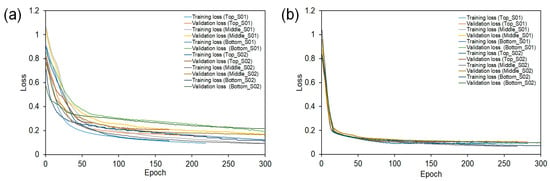
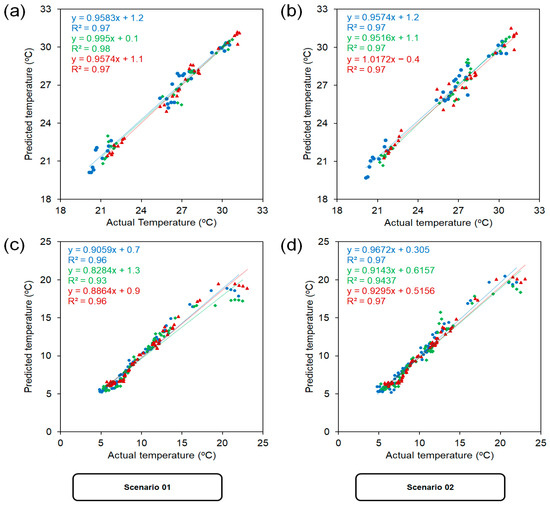
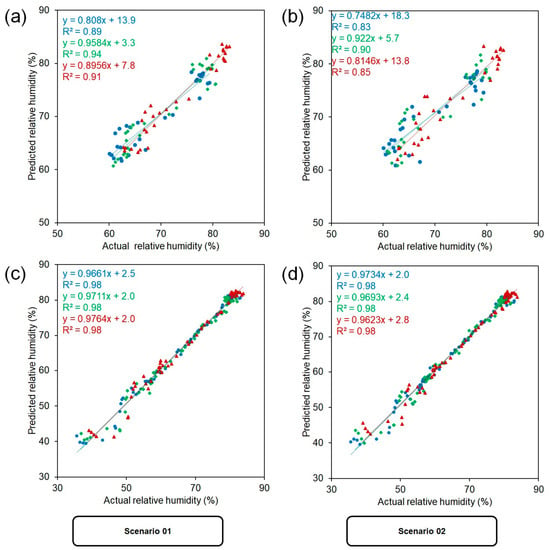
Understanding greenhouse microclimatic variability is essential for precise environmental monitoring and control. This study evaluated temperature, relative humidity, CO2 concentration, and light intensity variability in Korean greenhouses during summer and winter, and developed artificial neural network (ANN) models to predict indoor temperature
[...] Read more.
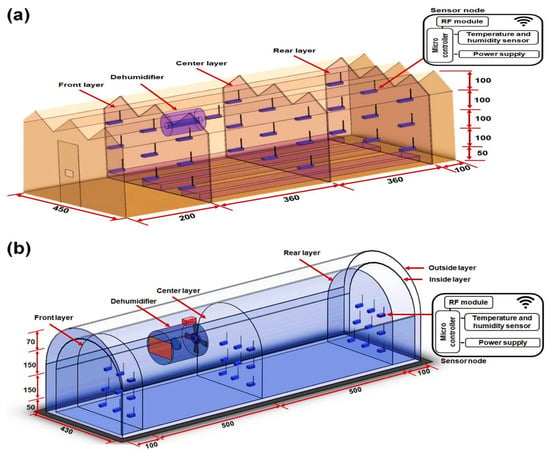
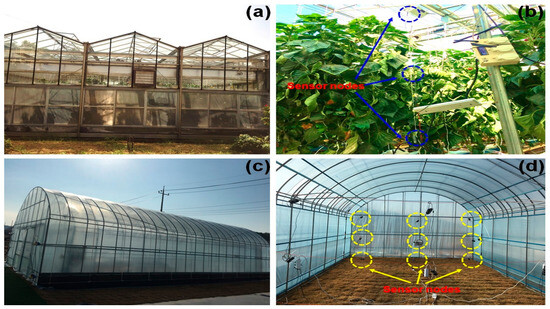
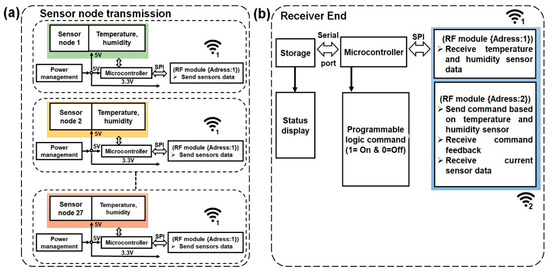
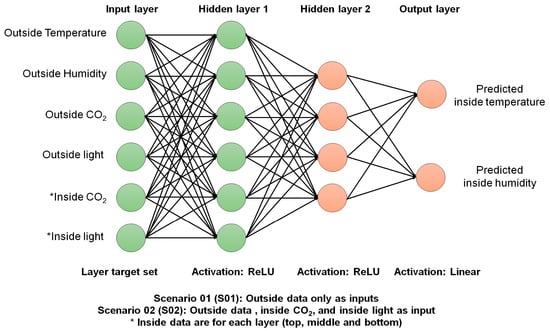
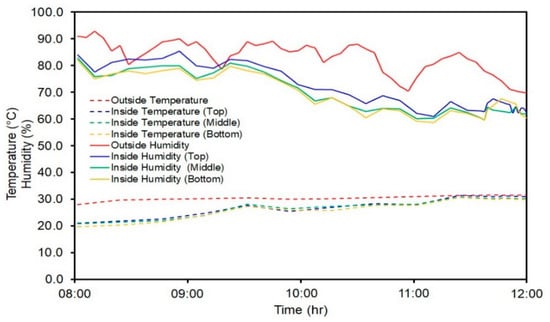
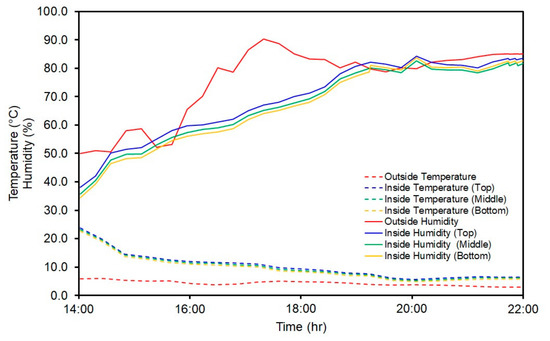
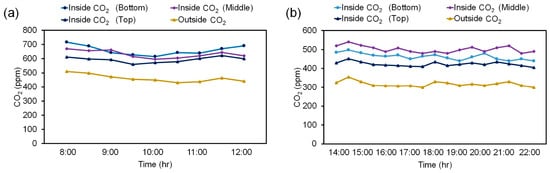
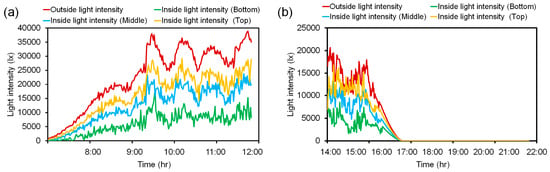
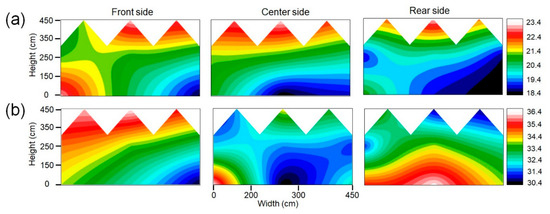
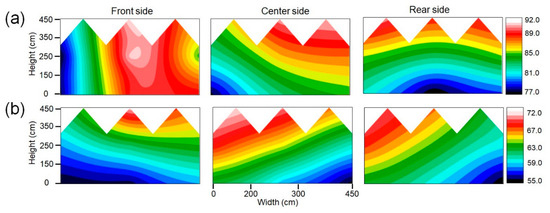
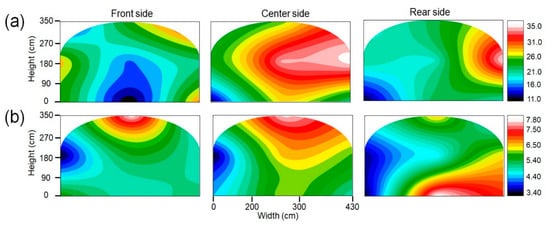
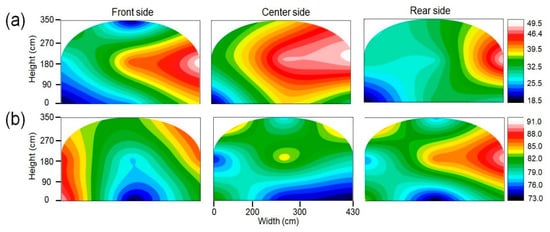
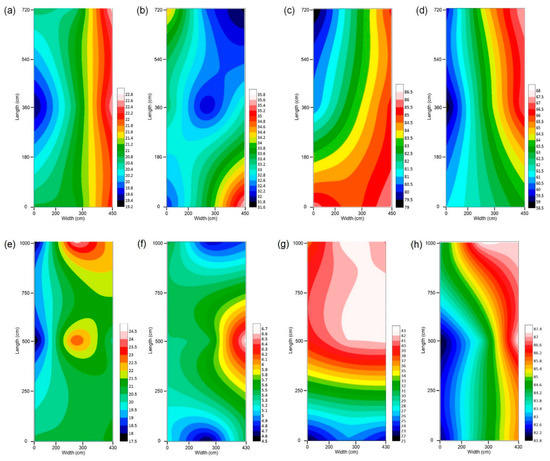
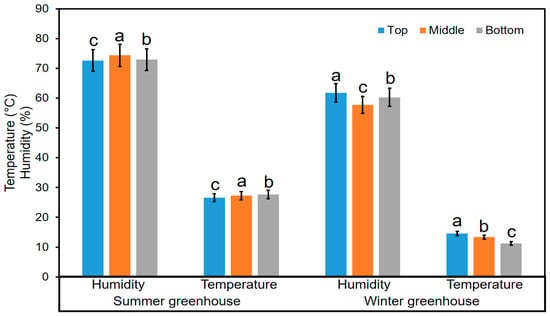
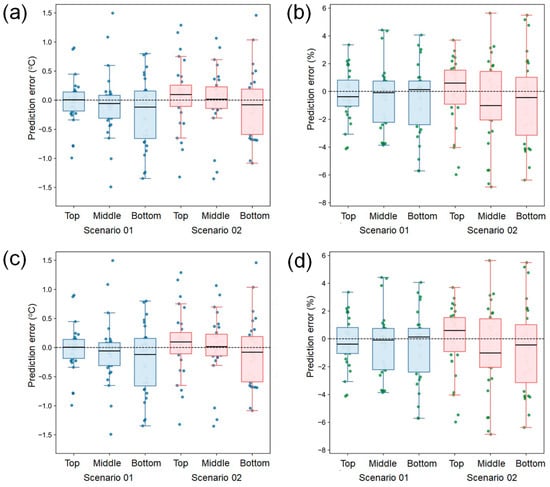
Understanding greenhouse microclimatic variability is essential for precise environmental monitoring and control. This study evaluated temperature, relative humidity, CO2 concentration, and light intensity variability in Korean greenhouses during summer and winter, and developed artificial neural network (ANN) models to predict indoor temperature and relative humidity at different layers. A glass greenhouse and an arched-frame double-layer plastic greenhouse were monitored during summer and winter, respectively. A wireless sensor network was deployed at multiple spatial positions and vertical layers, and layer-specific artificial neural network (ANN) models were developed to predict indoor temperature and relative humidity at the top, middle, and bottom layers. The measured results revealed clear temperature and humidity stratification, with the top layer generally showing a higher temperature and lower humidity than the middle and bottom layers. In summer, temperatures reached 36.4 °C, while relative humidity ranged from 55% to 92%, while in winter, temperature varied from 3.4 °C to 35.0 °C and relative humidity ranged from 73% to 91%. Spatial contour mapping showed clear microclimatic gradients, and ANOVA with Tukey’s HSD tests confirmed significant differences among sensor locations (p < 0.05). The ANN models predicted indoor temperature with high accuracy, with R2 values generally above 0.95, while humidity prediction showed larger errors.
Full article
(This article belongs to the Section Precision and Digital Agriculture)
►▼
Show Figures

Figure 1
Open AccessArticle
Impact of Organic Digestate on Soil and Crop Nitrogen During Critical Periods of Winter Oilseed Rape Growth
by
Witold Szczepaniak, Remigiusz Łukowiak and Hanna Klikocka
Agronomy 2026, 16(10), 959; https://doi.org/10.3390/agronomy16100959 (registering DOI) - 12 May 2026
Abstract
We hypothesized that the application of digestate (D) to winter oilseed rapeseed would have the same effect on seed production as nitrogen fertilizer (Nf). It impacts yield by altering the mass of readily available N in the vegetative and reproductive periods
[...] Read more.
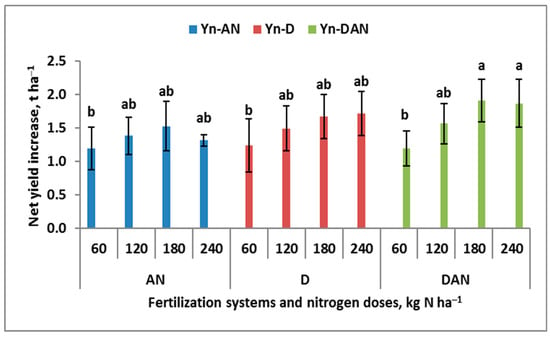
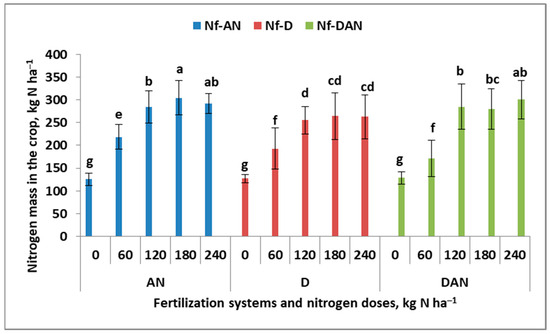
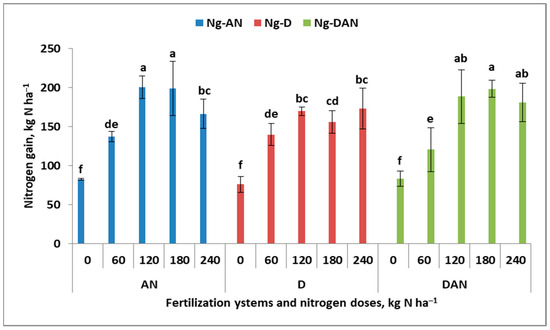
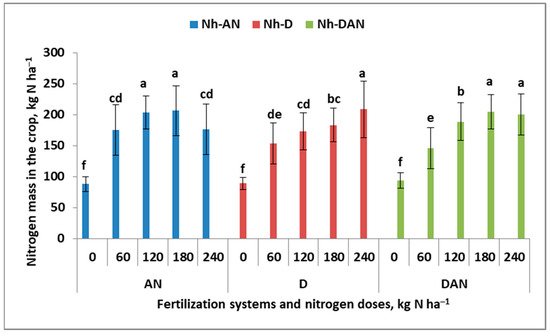
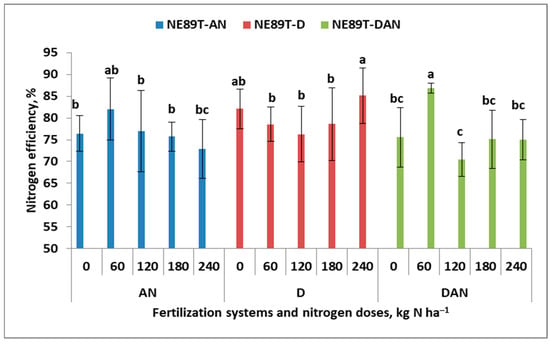
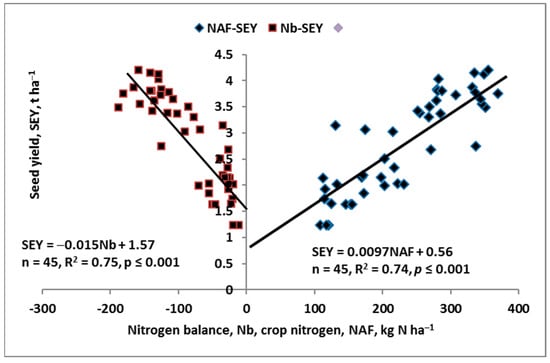
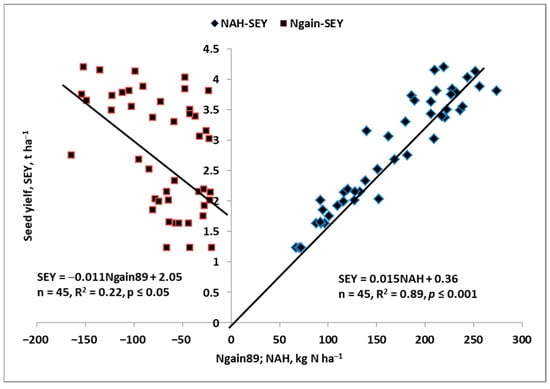
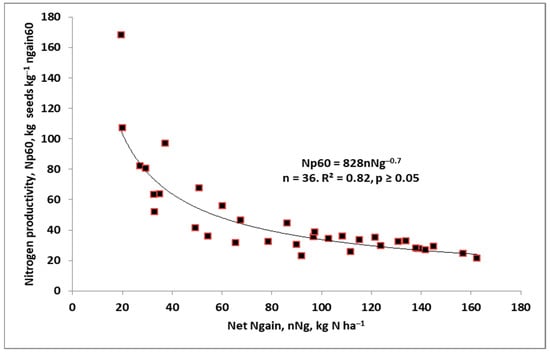
We hypothesized that the application of digestate (D) to winter oilseed rapeseed would have the same effect on seed production as nitrogen fertilizer (Nf). It impacts yield by altering the mass of readily available N in the vegetative and reproductive periods of plant growth. This allows for a good yield forecast. This hypothesis was assessed in field experiments with rapeseed carried out in 2015/2016, 2016/2017, and 2017/2018. The experiment included three N fertilization systems (FSs): AN, based on ammonium nitrate (AN); D, with digestate-based N; DAN, using 2/3 of digestate + 1/3 of AN—and five Nf doses: 0, 80, 120, 160, and 240 kg N ha−1. The net seed yield increase due to N application was 1.44 t ha−1 in the AN system, 1.53 t ha−1 in D, and 1.77 t ha−1 in DAN. The optimal N rates were 160, 250, and 224 kg N ha−1. The N economy of winter oilseed rapeseed was assessed in two periods: vegetative—before anthesis (from the rosette stage to the beginning of anthesis, BBCH 30–BBCH 60) and reproductive (from the beginning of anthesis to full maturity, BBCH 60–BBCH 89). The mass of available N at the beginning of anthesis increased by 54.3% (151 kg N ha−1 to 233 N ha−1) and doubled (151 kg N ha−1 to 302 kg N ha−1) compared to its value at the rosette stage, taking into account the mass of N in the rapeseed canopy and its total mass in the soil/rapeseed continuum. No differences in NUE were found for the tested N carriers. The net increase in N available resources resulting from the application of N fertilizer was 55.1, 104.9, 102.8, and 93.0 kg N ha−1 for respective plots fertilized with 60, 120, 180, and 240 kg N ha−1. Three N indices were measured at the beginning of rapeseed anthesis—N in crop biomass (NAF, r = 0.87 ***), N balance (Nb60, r = 0.87 ***), and N released from soil resources (Ngain60, r = 0.79 ***)—and showed potential for seed yield (SEY) prediction. The linear dependence of SEY on these indicators indicates that the potential of the rapeseed canopy to effectively accumulate N during the vegetative growth was too low. This limitation was fully confirmed by analogous N management indicators, but developed for rapeseed during the seed-filling period. The key indicator of SEY at harvest was the N mass in rapeseed biomass (NAH, r = 0.95 ***). N from digestate acted as a slow-release fertilizer, giving it an advantage over ammonium nitrate. In summary, digestate is an optimal N carrier under conditions of average rapeseed yield.
Full article
(This article belongs to the Special Issue Fertilizer Innovation and Practice in Sustainable Intensified Agriculture)
►▼
Show Figures

Figure 1
Open AccessArticle
Effect of Foliar Biostimulants on Soybean Growth and Yield Across Different Tillage Systems
by
Sushil Thapa, Racquel Gorden, Michelle Santiago and Anna C. Ortiz
Agronomy 2026, 16(10), 958; https://doi.org/10.3390/agronomy16100958 (registering DOI) - 12 May 2026
Abstract
Climate variability and widespread synthetic agrochemical use have increased interest in biostimulants (BS) that enhance plant growth, stress tolerance, and yield by stimulating natural plant processes. A two-site field study, conducted under no-till and tilled systems, evaluated the effects of the foliar biostimulant
[...] Read more.
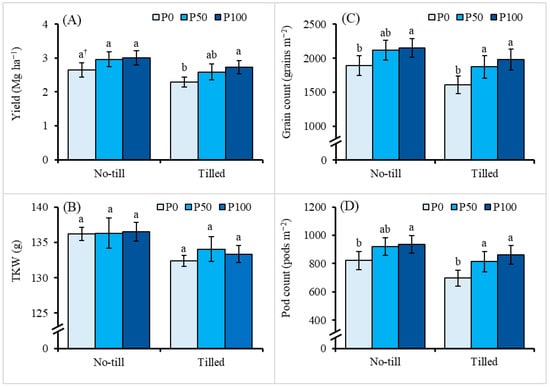
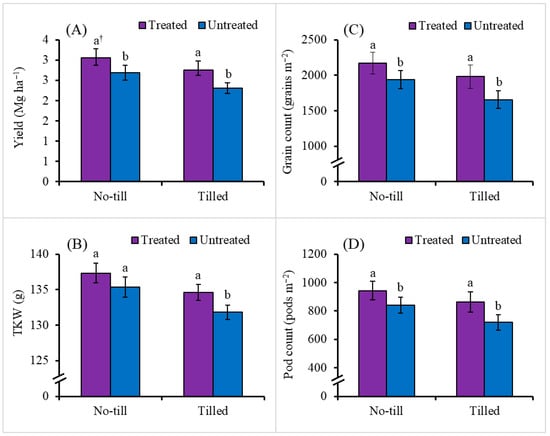
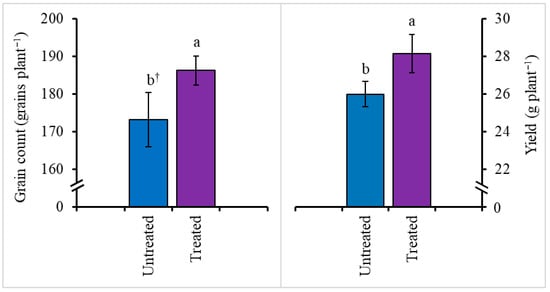
Climate variability and widespread synthetic agrochemical use have increased interest in biostimulants (BS) that enhance plant growth, stress tolerance, and yield by stimulating natural plant processes. A two-site field study, conducted under no-till and tilled systems, evaluated the effects of the foliar biostimulant “Source” on soybean growth and yield at three phosphorus (P) rates (0%, 50%, and 100% of soil test recommendations) because of its potential to replace phosphorus inputs. A complementary greenhouse study was conducted to evaluate the effect of the biostimulant on different soybean hybrids. Measured at various dates after planting (DAP), leaf relative water content (LRWC) and normalized difference vegetation index (NDVI) mostly showed insignificant responses to P treatments, but significant responses to BS. Grain yield increased significantly with individual BS and P applications in both tillage systems. Under no-till conditions, BS increased yield by 13.0% (3.05 vs. 2.70 Mg ha−1), and P100 increased yield by 13.5% (3.0 vs. 2.65 Mg ha−1). Under tilled conditions, BS and P100 increased yield by 19.6% (2.75 vs. 2.30 Mg ha−1) and 19.2% (2.72 vs. 2.28 Mg ha−1), respectively, compared with the control. Yield gains were primarily driven by increased pod density and grain number. Greenhouse experiments supported these trends, with BS-treated plants producing more grains per plant (187.6 vs. 171.3) and higher yield per plant (28.8 vs. 25.7 g). Results indicated that biostimulant application improved physiological performance and increased soybean yields, comparable to full-rate phosphorus, highlighting its potential as a sustainable approach under increasing environmental and input-related challenges.
Full article
(This article belongs to the Special Issue Effects of Different Biostimulants and Biochars on Crop Production and Quality)
►▼
Show Figures

Figure 1
Open AccessArticle
Plant Volatiles and Essential Oils Induce Sex-Specific Behavioral Responses and Concentration-Dependent Toxicity in the Invasive Pest Bagrada hilaris
by
Camila C. Santander, Marta V. Albornoz, M. Fernanda Flores, Eduardo Oyanedel, Wilson Barros-Parada and Armando Alfaro-Tapia
Agronomy 2026, 16(10), 957; https://doi.org/10.3390/agronomy16100957 (registering DOI) - 12 May 2026
Abstract
Bagrada hilaris (Burmeister) (Hemiptera: Pentatomidae) is an invasive pest that causes significant damage to Brassica crops worldwide. This study evaluated behavioral and toxicological responses of adults B. hilaris to plant volatiles and essential oils (EOs). Y-tube olfactometer assays revealed sex-specific responses to plant-emitted
[...] Read more.
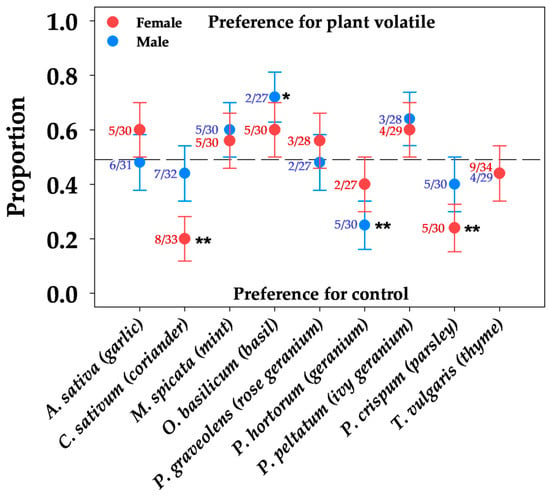
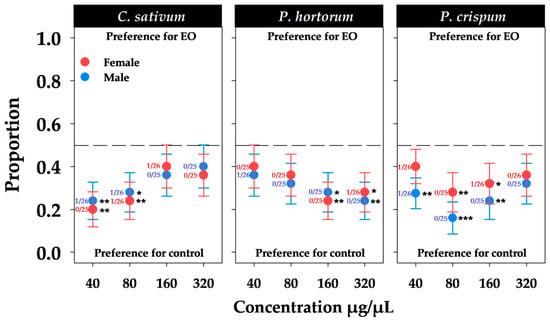
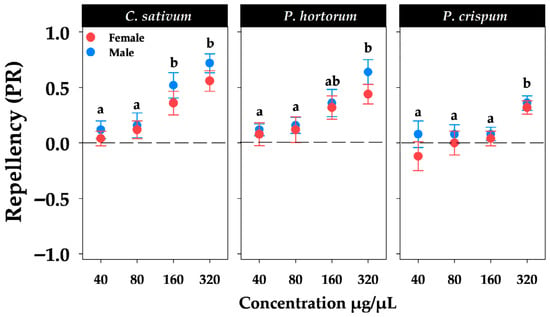
Bagrada hilaris (Burmeister) (Hemiptera: Pentatomidae) is an invasive pest that causes significant damage to Brassica crops worldwide. This study evaluated behavioral and toxicological responses of adults B. hilaris to plant volatiles and essential oils (EOs). Y-tube olfactometer assays revealed sex-specific responses to plant-emitted volatiles: females were repelled by Coriandrum sativum and Petroselinum crispum, while males responded to Pelargonium hortorum. Essential oils exhibited non-linear concentration-dependent effects, with C. sativum EO inducing repellency at 40–80 µg/µL and P. hortorum at 160–320 µg/µL. In contrast, repellency index was not influenced by sex, but strongly driven by concentration, with C. sativum and P. hortorum most effective, and P. crispum showing weaker yet consistent responses. Toxicity assays demonstrated greater male susceptibility, with lower LC50 and LC90 values for C. sativum and P. hortorum. Gas chromatography-mass spectrometry (GC-MS) analysis of EOs matrix identified linalool, β-citronellol, trans-geraniol, and myristicin as the predominant constituents. Importantly, repellency occurred at lower concentrations than mortality thresholds, indicating distinct behavioral and physiological mechanisms. These findings support integrating C. sativum and P. hortorum essential oils into sustainable pest management strategies for B. hilaris.
Full article
(This article belongs to the Special Issue Sustainable Management of Arthropod Pests in Agriculture)
►▼
Show Figures

Figure 1
Open AccessArticle
Silicon Dioxide Nanoparticles Mitigate PEG-Induced Drought Stress in Carya cathayensis by Improving Physiological Characteristics and Ultrastructure
by
Yecheng Wang, Zhenyang Pu, Minjie Lai, Qunhao Wan, Junle Chen, Longjun Cheng and Zhengjia Wang
Agronomy 2026, 16(10), 956; https://doi.org/10.3390/agronomy16100956 (registering DOI) - 12 May 2026
Abstract
Drought frequently threatens the yield and quality of Carya cathayensis Sarg. cultivated in mountainous regions. To search for effective drought-resistant regulators is of great significance for alleviating short-term seasonal drought in C. cathayensis during dry seasons, thereby stabilizing its yield and quality. Silicon
[...] Read more.
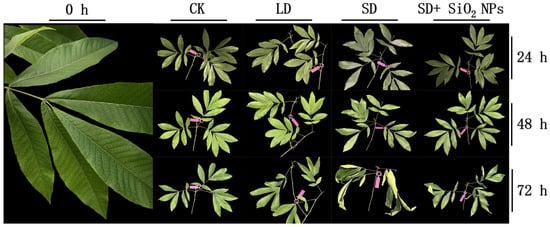
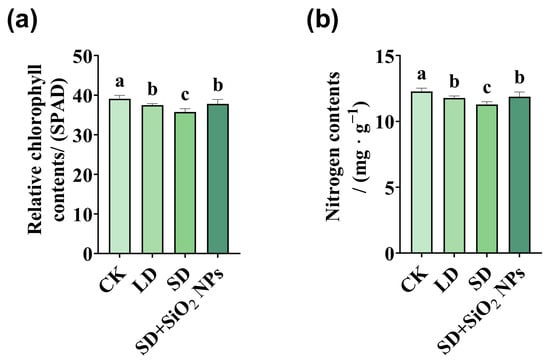
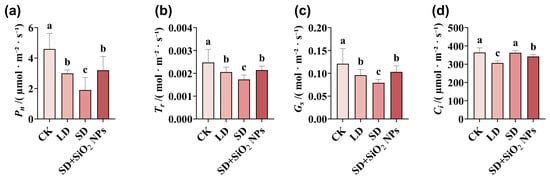
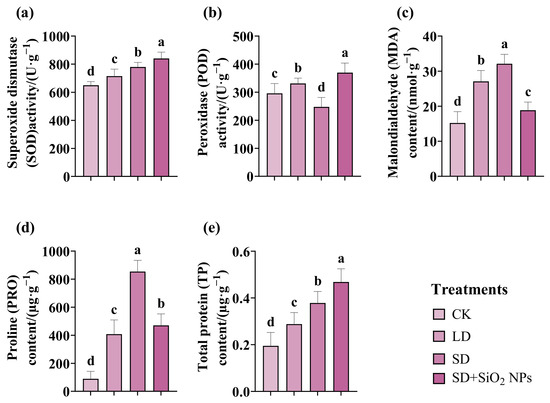
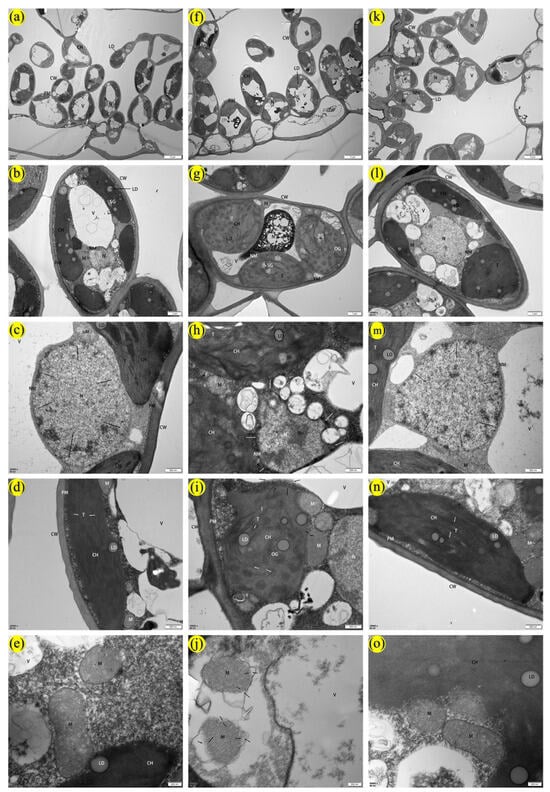
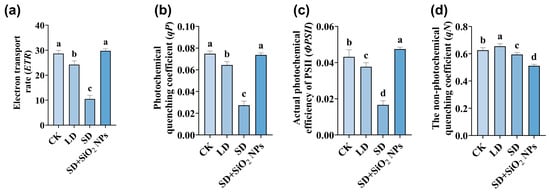
Drought frequently threatens the yield and quality of Carya cathayensis Sarg. cultivated in mountainous regions. To search for effective drought-resistant regulators is of great significance for alleviating short-term seasonal drought in C. cathayensis during dry seasons, thereby stabilizing its yield and quality. Silicon dioxide nanoparticles (SiO2 NPs) mitigate abiotic stress in plants. To give insight into the regulatory role of SiO2 NPs in mitigating drought stress, polyethylene glycol 6000 (PEG-6000) was used to simulate varying degrees of drought conditions, and the growth phenotype, photosynthetic physiological characteristics, antioxidant defense system, and cellular ultrastructure of C. cathayensis leaves were analyzed to evaluate the impacts of foliar-applied exogenous SiO2 NPs. The results indicated that, compared with severe drought, 200 mg/L SiO2 NP application to plants under severe drought treatment significantly increased superoxide dismutase and peroxidase activities and chlorophyll and nitrogen contents, while malondialdehyde levels decreased. Furthermore, SiO2 NP application notably enhanced the net photosynthetic rate, stomatal conductance, and electron transport efficiency. This effectively alleviated both stomatal and non-stomatal limitations, thereby mitigating drought-induced photosynthetic inhibition. Additionally, Transmission electron microscopy revealed that SiO2 NPs effectively preserved the structural integrity of chloroplasts, mitochondria, and nuclei, reducing drought-induced ultrastructural damage. In conclusion, exogenous SiO2 NPs enhance drought tolerance in C. cathayensis by synergistically modulating photosynthesis, antioxidant defense, and cellular structural stability.
Full article
(This article belongs to the Section Plant-Crop Biology and Biochemistry)
►▼
Show Figures

Figure 1
Open AccessArticle
Characterization and Genetic Analysis of Traits in Autotetraploid Progeny of a Gossypium herbaceum L.
by
Lili Feng, Lexiang Wang, Jiamin Li, Xianglong Li, Erhua Rong and Yuxiang Wu
Agronomy 2026, 16(10), 955; https://doi.org/10.3390/agronomy16100955 (registering DOI) - 11 May 2026
Abstract
Polyploidization is a key pathway for species formation and genetic innovation; approximately 70% of angiosperms have undergone at least one whole-genome duplication event during their evolutionary history. To determine the genetic and phenotypic stability of artificially induced autotetraploids across generations, this study utilized
[...] Read more.
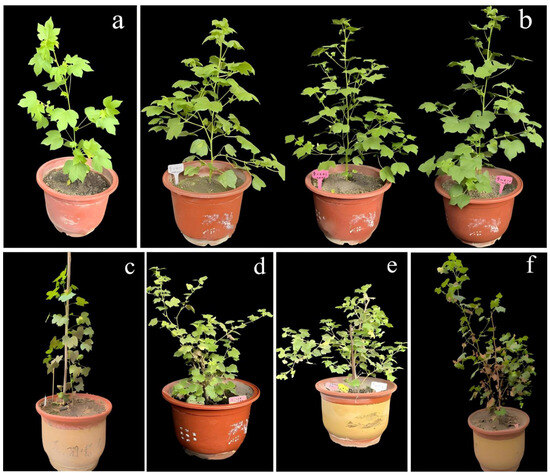
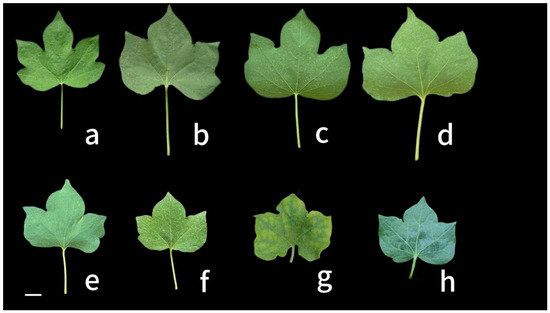
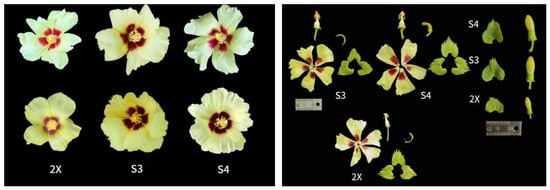
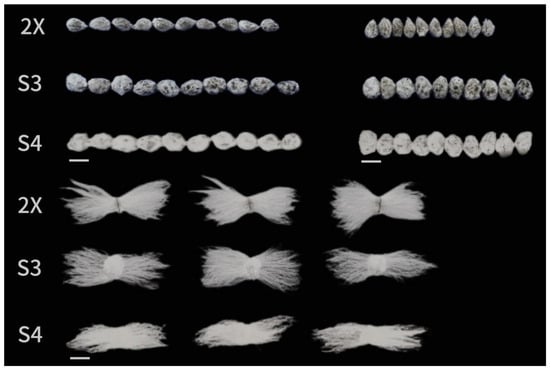
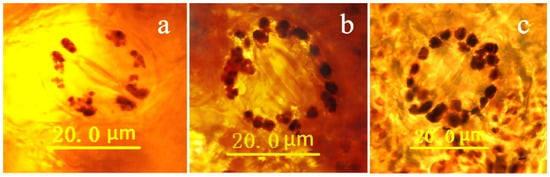
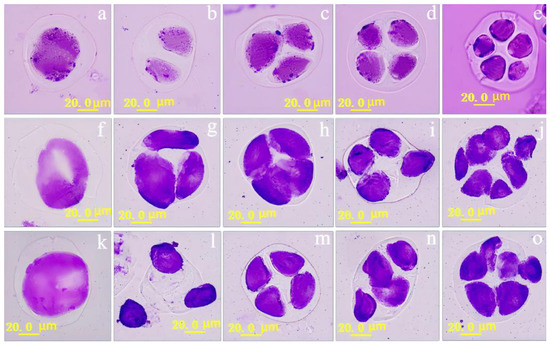
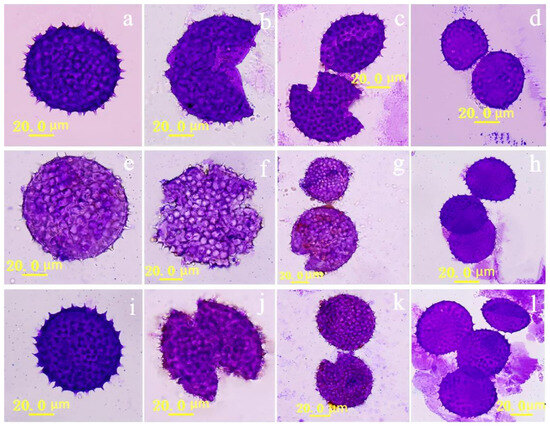
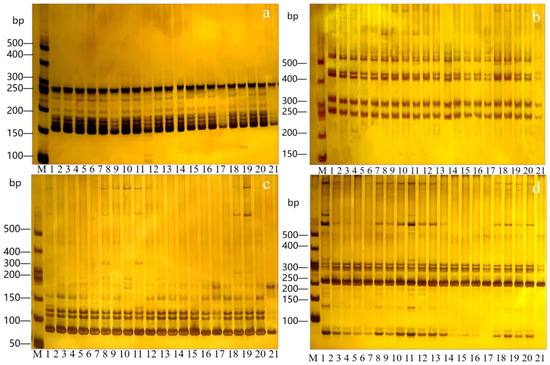
Polyploidization is a key pathway for species formation and genetic innovation; approximately 70% of angiosperms have undergone at least one whole-genome duplication event during their evolutionary history. To determine the genetic and phenotypic stability of artificially induced autotetraploids across generations, this study utilized a colchicine-induced autotetraploid of Gossypium herbaceum as experimental material and conducted systematic comparative analyses of morphological, cytological, and molecular marker characteristics in the S3 and S4 generations. The results showed that, compared with the 2×, seed weight in the S3 generation increased by 59.4% (to 89.22 mg), and in the S4 generation increased by 65.0% (to 92.40 mg), while there was no significant difference in fiber length. The leaf area of tetraploids decreased significantly during the flower-bell stage. Observation of pollen mother cell meiosis revealed that the proportions of normal tetrads in the S3 and S4 generations were 73.80% and 81.80%, respectively, and the proportions of normal pollen grains were 79.60% and 80.60%, respectively. Cytological stability was markedly improved in the S4 generation. A total of 34 alleles were amplified by SSR molecular marker analysis, of which 23 (67.60%) were polymorphic. The primers NBRI_G1015 and NAU1164 exhibited the highest polymorphism rates, at 87.50% and 83.30%, respectively. The average genetic diversity index (He) was 0.1411, indicating a highly inbred genetic background. The banding patterns of S3 and S4 are highly consistent, with strong signal intensity; not only do they amplify bands consistent with those of diploids, but they also exhibit specific new bands and band deletions. In summary, this autotetraploid material exhibits stable morphological advantages and genetic uniformity. As generations progress, its meiotic behavior and genetic structure tend to stabilize. The S4 generation exhibits greater cytological stability and genetic uniformity than the S3 generation, making it a highly promising new germplasm resource for cotton polyploid breeding.
Full article
(This article belongs to the Section Crop Breeding and Genetics)
►▼
Show Figures

Figure 1
Open AccessArticle
Phosphate Mining Residues as Novel Substrate for Advanced Vertical Flow Constructed Wetlands: A Circular Economy Approach
by
Meryem Hdidou, Mohamed Chaker Necibi, Jérôme Labille, Amal An-nori, Bouchaib Gourich and Nicolas Roche
Agronomy 2026, 16(10), 954; https://doi.org/10.3390/agronomy16100954 (registering DOI) - 11 May 2026
Abstract
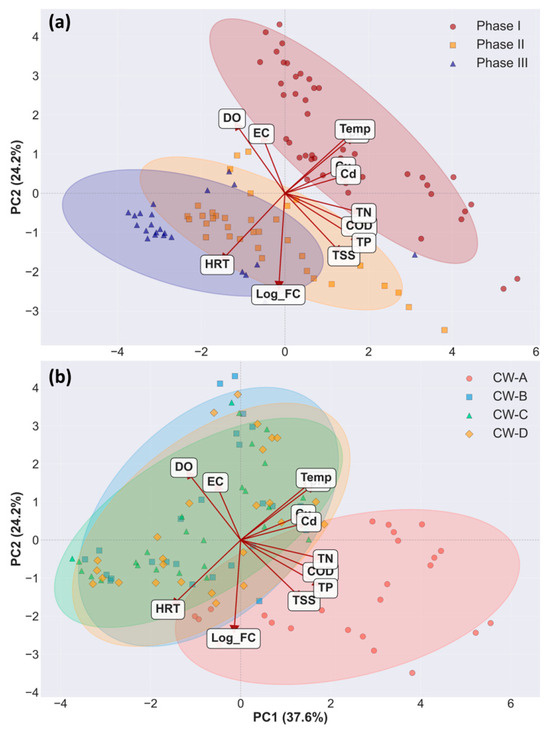
Constructed wetlands offer a sustainable, decentralized solution for wastewater treatment and reuse in Morocco. This study evaluated mesocosm-scale advanced vertical flow constructed wetlands (AVFCWs) incorporating locally sourced reactive media to assess phosphate mining residues as a novel substrate. Accordingly, four configurations were compared:
[...] Read more.
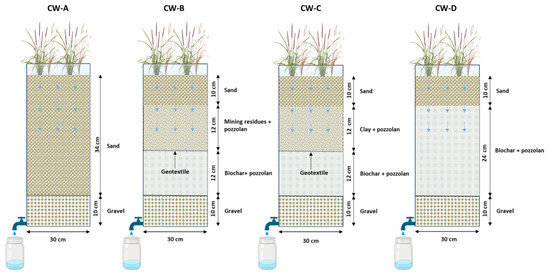
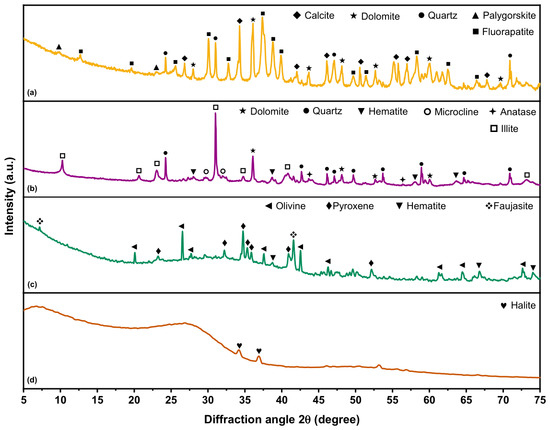
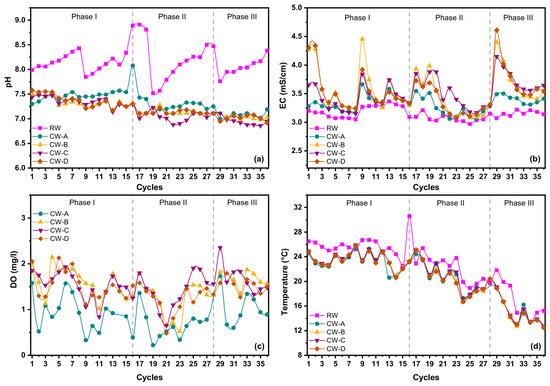
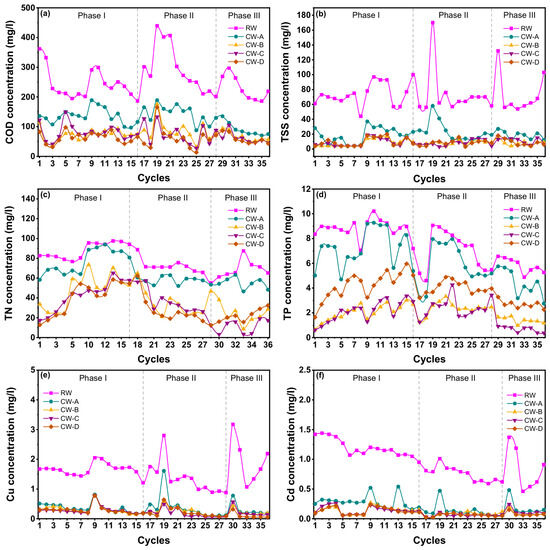
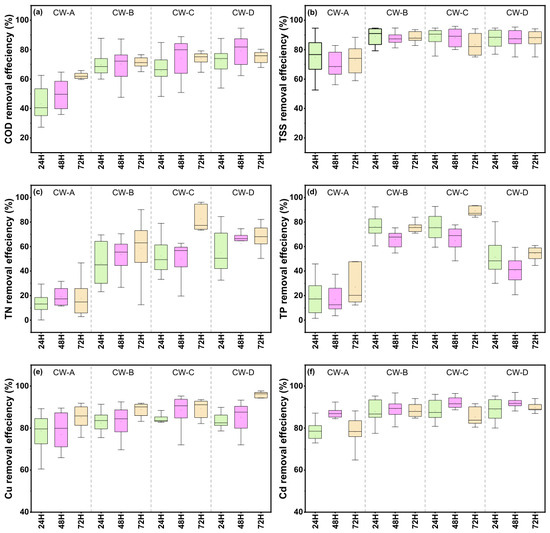
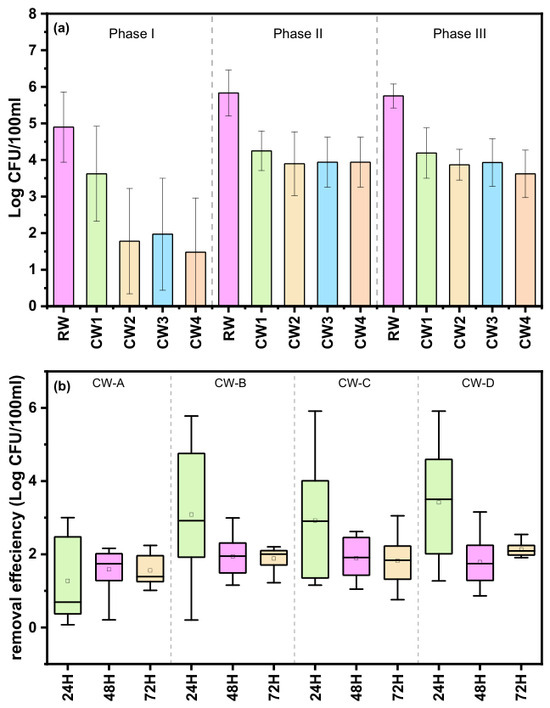
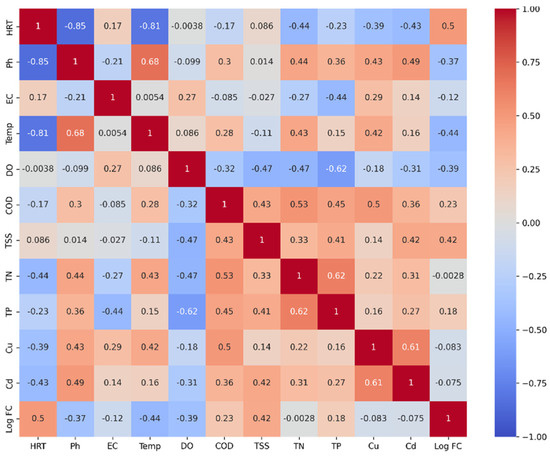
Constructed wetlands offer a sustainable, decentralized solution for wastewater treatment and reuse in Morocco. This study evaluated mesocosm-scale advanced vertical flow constructed wetlands (AVFCWs) incorporating locally sourced reactive media to assess phosphate mining residues as a novel substrate. Accordingly, four configurations were compared: a sand-based control (CW-A) and three amended systems combining pozzolan with phosphate mining residues (CW-B), clay (CW-C), and biochar (CW-D), operated in batch mode under hydraulic retention times (HRTs) of 24, 48, and 72 h. The incorporation of reactive media significantly improved treatment efficiency, with CW-D achieving high removal efficiencies across most parameters. COD and TSS removal reached 80% and 88%, respectively, while nitrogen removal exceeded 82% in optimal configurations. Phosphorus removal reached 76% in CW-B and 88% in CW-C. The removal of Cd and Cu exceeded 85% in all systems, with phosphate mining residues demonstrating strong potential for metal immobilization. However, despite these high removal efficiencies, the treated effluent did not meet Moroccan reuse standards for cadmium and fecal coliforms, indicating that single-stage AVFCWs are insufficient for safe agricultural reuse and require additional polishing steps. Extended HRT improved AVFCWs’ performance, but increased water loss, reaching up to 28% due to evapotranspiration. Hence, phosphate mining residues emerge as a promising substrate, pending further optimization, while supporting circular economy objectives.
Full article
(This article belongs to the Special Issue Old Challenges and Modern Solutions in Farmland Soils: Addressing Heavy Metals, Microplastics, and GHG Emissions)
►▼
Show Figures

Figure 1
Journal Menu
► ▼ Journal Menu-
- Agronomy Home
- Aims & Scope
- Editorial Board
- Reviewer Board
- Topical Advisory Panel
- Instructions for Authors
- Special Issues
- Topics
- Sections & Collections
- Article Processing Charge
- Indexing & Archiving
- Editor’s Choice Articles
- Most Cited & Viewed
- Journal Statistics
- Journal History
- Journal Awards
- Society Collaborations
- Conferences
- Editorial Office
Journal Browser
► ▼ Journal BrowserHighly Accessed Articles
Latest Books
E-Mail Alert
News
Topics
Topic in
Agronomy, Crops, Plants
Abiotic Stress Responses in Wheat: Perspectives on Productivity and Sustainability
Topic Editors: Wenshan Guo, Jinfeng Ding, Min ZhuDeadline: 22 May 2026
Topic in
IJMS, Agronomy, Plants, CIMB
Leguminomics: From Genomic Blueprints to Sustainable Agriculture
Topic Editors: Qingshan Chen, Dawei XinDeadline: 31 May 2026
Topic in
Agronomy, Crops, Foods, Plants, Agriculture, Horticulturae
Multidisciplinary Advances in Tea Science: Smart Cultivation, Digital Processing, and Health Innovation
Topic Editors: Chunwang Dong, Lin Chen, Yang LiDeadline: 30 June 2026
Topic in
Agriculture, Agronomy, Ecologies, IJPB, Plants, Soil Systems
The Role of Plant-Soil Interactions on Crop Yields and Carbon Sequestration
Topic Editors: Jifu Ma, Meng Zhou, Caiqing QinDeadline: 31 July 2026
Conferences
14 May 2026
Agronomy Webinar | Strategies for Effective Integrated Pest Management in Staple Crop Production, 14 May 2026

14–16 September 2026
The 5th International Electronic Conference on Forests–Forests at the Crossroads: Integrating Ecology, Technological Innovation, and Governance

Special Issues
Special Issue in
Agronomy
Innovative Agricultural Inputs and Soil–Plant–Microbe Interactions for Sustainable Agronomy
Guest Editors: Wenwen Gong, Gang Liang, Anxiang LuDeadline: 15 May 2026
Special Issue in
Agronomy
Innovative Agronomic Approaches for Valorizing Waste and By-Products from Agriculture
Guest Editor: Weronika Cieciura-WłochDeadline: 15 May 2026
Special Issue in
Agronomy
The Role of Nutrients in Crop Performance Under Biotic and Abiotic Stresses
Guest Editors: Marta Nunes Da Silva, Carla Sofia Sancho Dos SantosDeadline: 15 May 2026
Special Issue in
Agronomy
Impacts of CRISPR–Cas in Evolving Agriculture and Plant Biotechnology
Guest Editor: Yupeng CaiDeadline: 15 May 2026
Topical Collections
Topical Collection in
Agronomy
Towards Sustainable Intensification of Crop Production—Yield Gaps and Water Use Efficiency in Farming Systems
Collection Editors: Anita Ierna, Paula Paredes
Topical Collection in
Agronomy
Genetic Diversity Evaluation of the Fruit Trees
Collection Editors: Santiago Pereira-Lorenzo, José Iñaki Hormaza, Ana Ramos-Cabrer
Topical Collection in
Agronomy
Crop Physiology and Stress
Collection Editor: María del Pilar Cordovilla
Topical Collection in
Agronomy
A Series of Special Reviews and Topic Analyses That Explore Major Trends and Challenges in Agronomy
Collection Editors: Peter Langridge, Leslie A. Weston, Ilias Travlos