Journal Description
Scientia Pharmaceutica
is an international, peer-reviewed, open access journal related to the pharmaceutical sciences, published quarterly online. It is the official journal of the Austrian Pharmaceutical Society (ÖPhG). Society members receive discounts on the article processing charges.
- Open Access— free for readers, with article processing charges (APC) paid by authors or their institutions.
- High Visibility: indexed within Scopus, ESCI (Web of Science), Embase, CAPlus / SciFinder, and other databases.
- Journal Rank: JCR - Q2 (Pharmacology and Pharmacy) / CiteScore - Q2 (Pharmaceutical Science)
- Rapid Publication: manuscripts are peer-reviewed and a first decision is provided to authors approximately 24.8 days after submission; acceptance to publication is undertaken in 4.5 days (median values for papers published in this journal in the first half of 2026).
- Recognition of Reviewers: Reviewers whose reports are timely and of high quality receive an APC discount voucher for a future publication in an MDPI journal. Become a reviewer.
- Journal Clusters-Pharmaceutical Science: Scientia Pharmaceutica, Marine Drugs, Pharmaceuticals, Pharmaceutics, Pharmacy, Biologics, Future Pharmacology, Pharmacoepidemiology, Drugs and Drug Candidates and Journal of Pharmaceutical and BioTech Industry.
Impact Factor:
3.6 (2025);
5-Year Impact Factor:
3.3 (2025)
Latest Articles
Antiplasmodial Potential of Compounds from the Bark of Mitragyna inermis (Rubiaceae): In Silico and In Vitro Studies Against LDH, PKG Enzymes and 3D7/Dd2 Strains
Sci. Pharm. 2026, 94(3), 83; https://doi.org/10.3390/scipharm94030083 (registering DOI) - 20 Sep 2026
Abstract
►
Show Figures
Background: Plasmodium falciparum, the most virulent malaria parasite, continues to develop resistance to available drugs. Mitragyna inermis (Rubiaceae) is traditionally used in Africa for the treatment of malaria and has shown antiplasmodial activity against P. falciparum. Previous studies on this plant and
[...] Read more.
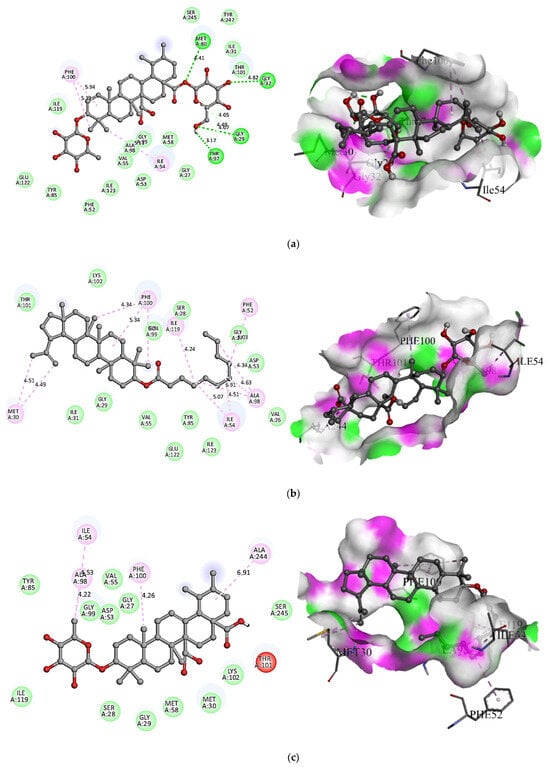
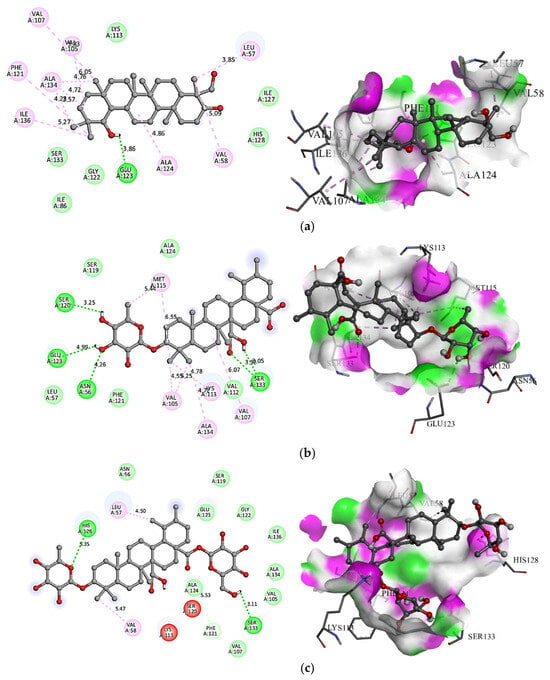
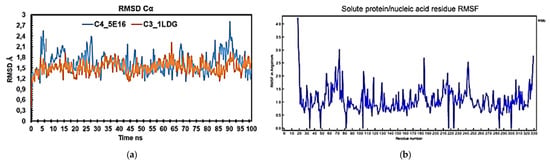
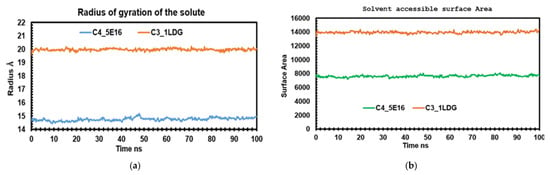
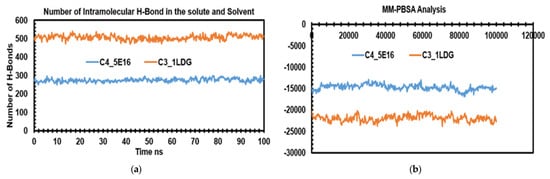
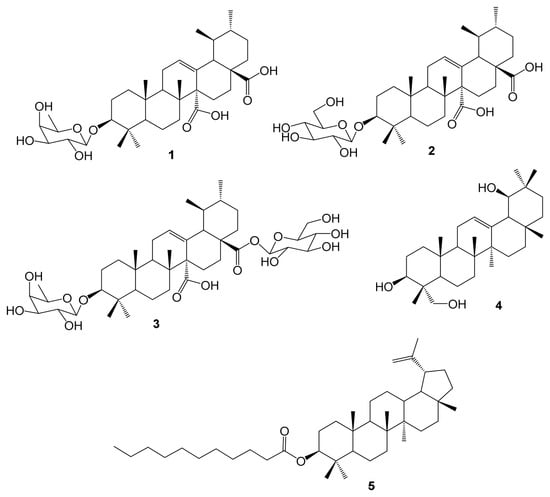
Background: Plasmodium falciparum, the most virulent malaria parasite, continues to develop resistance to available drugs. Mitragyna inermis (Rubiaceae) is traditionally used in Africa for the treatment of malaria and has shown antiplasmodial activity against P. falciparum. Previous studies on this plant and related species (M. speciosa, M. ciliata) have focused on crude extracts and indole alkaloids, reporting moderate antiplasmodial activity, but the specific contribution of pure quinovic acid glycosides, the major triterpenes glycosides of M. inermis stem bark, to antiplasmodial activity and to inhibition of key parasite enzymes such as lactate dehydrogenase (PfLDH) and protein kinase G (PfPKG) has never been evaluated. Objective: The present study aimed to isolate and characterize compounds from the stem bark of M. inermis and to evaluate their antiplasmodial activity against Pf3D7 and PfDd2 strains and their binding potential to PfLDH and PfPKG through experimental and computational approaches. Methods: Phytochemical investigation was conducted using column chromatography, and structures were elucidated by ESI-MS and 1/2D NMR spectroscopy. Antiplasmodial activity was assessed against chloroquine-sensitive (Pf3D7) and chloroquine-resistant (PfDd2) strains of P. falciparum. Molecular docking, ADMET prediction, and 100-ns molecular dynamics simulations targeting PfLDH and PfPKG were performed. Results: Five compounds were isolated and identified as quinovic acid 3-O-β-D-fucopyranoside (1), quinovic acid 3-O-β-D-glucopyranoside (2), quinovic acid 3β-O-β-D-fucopyranosyl-28-O-β-D-glucopyranosyl ester (3), olean-12-ene-3β,19β,24-triol (4), and lupeol-3-O-undecanoate (5). Compounds 4 and 5 are reported for the first time from the genus Mitragyna. Compound 3 exhibited the highest antiplasmodial activity against both PfDd2 (35.86 ± 0.83 μM) and Pf3D7 (29.89 ± 3.91 μM) strains, and showed the strongest binding affinity toward PfLDH (−8.2 kcal/mol). MD simulations confirmed the stability of the C3_PfLDH complex throughout the 100 ns simulation period. Conclusions: Compounds 1–4 displayed moderate in vitro antiplasmodial activity against Pf3D7 and PfDd2, with compound 3 being the most active among the isolated constituents. Docking and molecular-dynamics analyses suggested stable interactions of selected compounds with PfLDH and the PfPKG N-terminal cGMP-binding domain. However, these computational findings do not establish direct enzyme inhibition. The results support further investigation of M. inermis triterpenoids as phytochemical scaffolds, including cytotoxicity/selectivity testing, direct target-based assays and structural optimization.
Full article
Open AccessArticle
Development and Optimization of a Self-Nano-Emulsifying Drug-Delivery System (SNEDDS) of Ibuprofen by Implementing a Box–Behnken Experimental Design
by
María José Jiménez, Keyner De La Cruz and Reinaldo G. Sotomayor
Sci. Pharm. 2026, 94(3), 82; https://doi.org/10.3390/scipharm94030082 (registering DOI) - 20 Sep 2026
Abstract
►▼
Show Figures
Ibuprofen is a widely used non-steroidal anti-inflammatory drug (NSAID) with antipyretic, analgesic, and anti-inflammatory activity; however, its low aqueous solubility limits its dissolution rate and, consequently, its oral bioavailability. This study aimed to develop and physicochemically characterize an ibuprofen-loaded self-nanoemulsifying drug delivery system
[...] Read more.
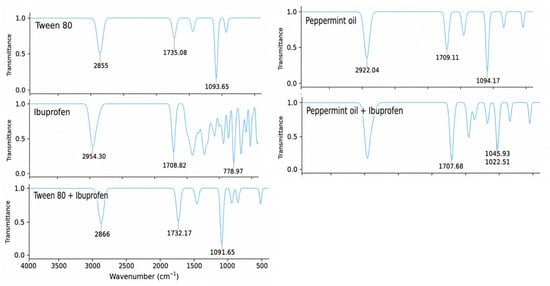
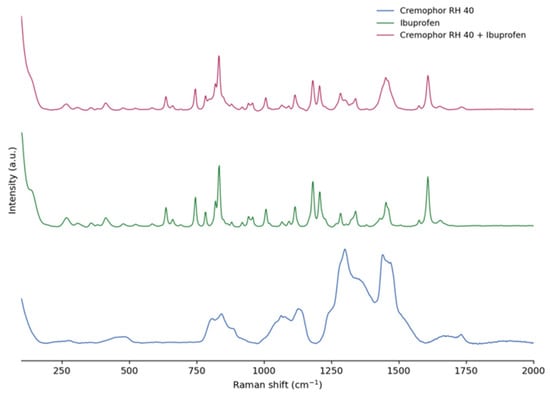
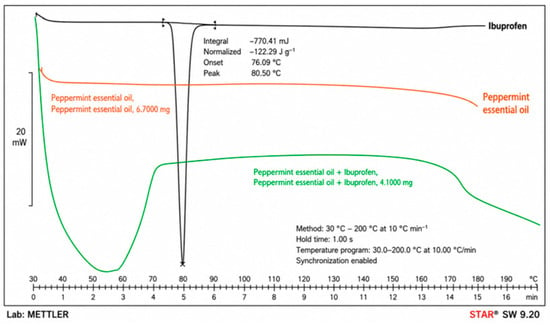
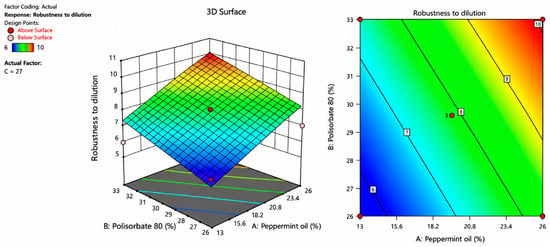
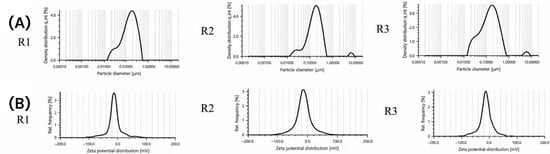
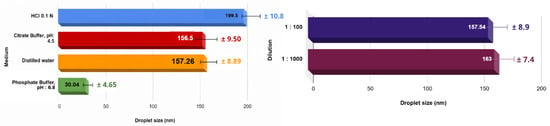
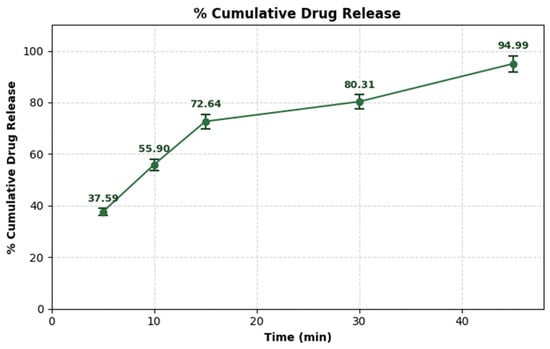
Ibuprofen is a widely used non-steroidal anti-inflammatory drug (NSAID) with antipyretic, analgesic, and anti-inflammatory activity; however, its low aqueous solubility limits its dissolution rate and, consequently, its oral bioavailability. This study aimed to develop and physicochemically characterize an ibuprofen-loaded self-nanoemulsifying drug delivery system (SNEDDS) using a Box–Behnken experimental design. Fifteen formulations were prepared and evaluated based on CQAs: cloud point, robustness to dilution, self-emulsification time, droplet size, zeta potential, and polydispersity index (PDI). The experimental responses were subjected to statistical analysis; robustness to dilution as the only response yielding a statistically valid and predictive model within the studied design space, which was used as the sole optimization criterion. The optimal formulation was evaluated and characterized according to previously established CQAs and subjected to thermodynamic stability testing and stress testing over one month. The optimized formulation exhibited rapid self-emulsification, with a self-emulsification time of 37.02 s, a cloud point of 64.87 °C, and high robustness to dilution across different pH conditions and dilution volumes. Moreover, it exhibited a mean droplet size below 157 nm, a zeta potential of −15.43 ± 0.58 mV, and a PDI of 0.251, suggesting adequate colloidal stability and uniformity of the dispersed system. These physicochemical attributes support the potential of the developed system as a platform for further biopharmaceutical evaluation of ibuprofen oral delivery.
Full article

Figure 1
Open AccessArticle
UHPLC-UV Method for Vancomycin Quantification in Human Plasma by Simple Protein Precipitation: Development and Validation for Therapeutic Drug Monitoring
by
Joanne Palomino Saavedra, Yina Pájaro González, Donaldo de la Hoz Santander, Edwin Enrique Tenorio Jiménez, Orison Hernández Gámez and Gina Paola Domínguez Moré
Sci. Pharm. 2026, 94(3), 81; https://doi.org/10.3390/scipharm94030081 (registering DOI) - 19 Sep 2026
Abstract
Vancomycin (VCN) is a glycopeptide antibiotic widely used to treat Gram-positive infections such as those caused by methicillin-resistant Staphylococcus aureus (MRSA). Its narrow therapeutic window, high interindividual pharmacokinetic variability, and dose-dependent nephrotoxicity support the need for therapeutic drug monitoring (TDM). In this study,
[...] Read more.
Vancomycin (VCN) is a glycopeptide antibiotic widely used to treat Gram-positive infections such as those caused by methicillin-resistant Staphylococcus aureus (MRSA). Its narrow therapeutic window, high interindividual pharmacokinetic variability, and dose-dependent nephrotoxicity support the need for therapeutic drug monitoring (TDM). In this study, a UHPLC-UV method for VCN quantification in human plasma was developed and validated according to ICH M10 guidelines, using a one-step protein precipitation requiring only 100 µL of plasma. Clinical applicability was preliminarily explored in three hospitalized patients, where the area under the concentration-time curve over 24 h to minimum inhibitory concentration ratio (AUC24/MIC) was estimated using PrecisePK, NextDose, and TDMx Bayesian software platforms before and after dose adjustment. The method showed linearity from 0.5 to 100 µg/mL (r2 > 0.99), with accuracy within ±7% and precision below 11%. Acceptance criteria for selectivity and matrix effect were met, and stability was confirmed under multiple conditions, including clinically relevant storage and transport. Pre-adjustment AUC24/MIC values were outside the target window of 400–600 in all patients, confirming the pertinence of implementing model-informed precision dosing as a routine TDM practice in Colombian health institutions.
Full article
Open AccessArticle
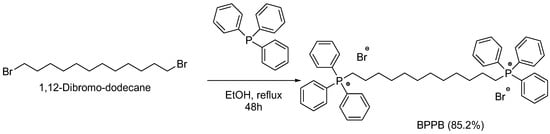
1,12-Bis-Triphenyl Phosphonium Dodecane Bromide Nanovesicles as Potential Inhibitors of MDR Staphylococcal Biofilms
by
Silvana Alfei, Maria Luisa Cristina, Marina Sartini, Gianluca Ottria, Guendalina Zuccari, Caterina Reggio and Anna Maria Schito
Sci. Pharm. 2026, 94(3), 80; https://doi.org/10.3390/scipharm94030080 (registering DOI) - 19 Sep 2026
Abstract
►▼
Show Figures
Multidrug resistance (MDR) has become a major global health threat, leading to the emergence of difficult-to-treat bacterial “superbugs” among both Gram-positive and Gram-negative species. In hospital settings, biofilm (BF)-producing staphylococci further aggravate this problem by markedly increasing tolerance to conventional antibiotics, thereby promoting
[...] Read more.
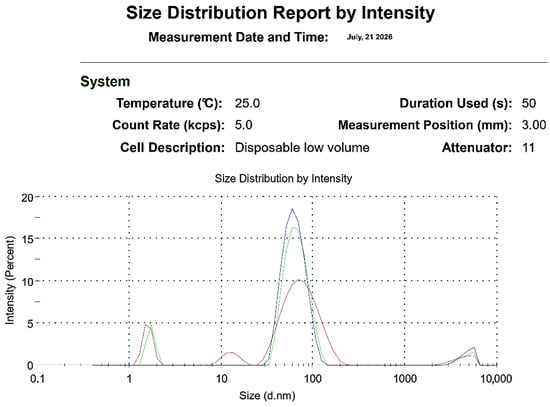
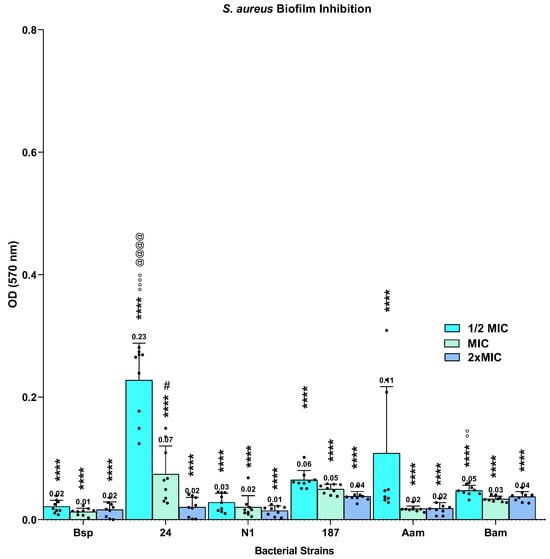
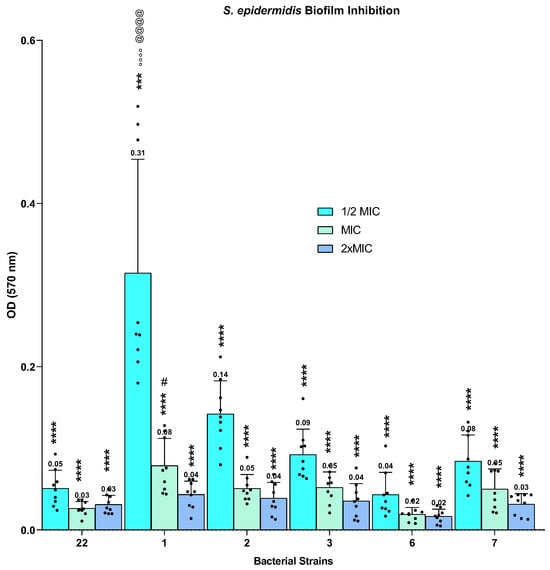
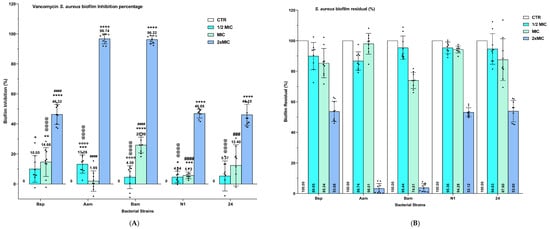
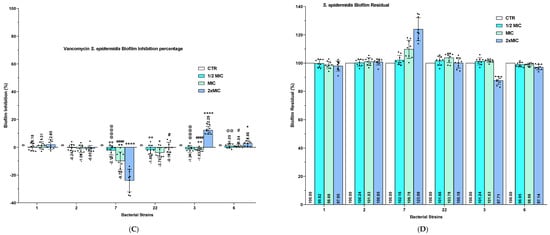
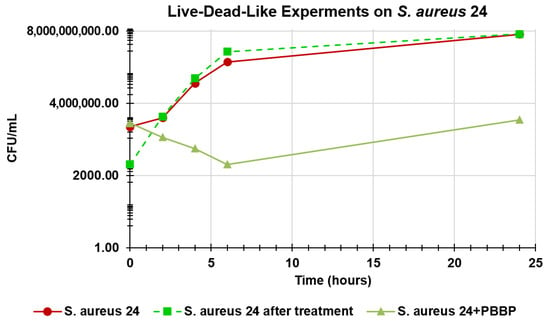
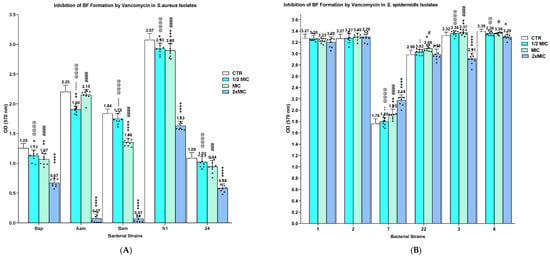
Multidrug resistance (MDR) has become a major global health threat, leading to the emergence of difficult-to-treat bacterial “superbugs” among both Gram-positive and Gram-negative species. In hospital settings, biofilm (BF)-producing staphylococci further aggravate this problem by markedly increasing tolerance to conventional antibiotics, thereby promoting chronic and potentially life-threatening infections. In the present study, previously synthesized and characterized 1,12-bis-triphenyl phosphonium dodecane bromide nanovesicles (BPPB, 45 nm, water) were assayed by DLS in a medium (TSB), which was used for microbiologic tests, to assess the actual particle size (≈65 nm) existing in this biological setting, with PDI (0.37) and zeta potential (+6.1 mV). Although never investigated for its effects on the formation of staphylococcal BF, BPPB was, for the first time, evaluated as a potential novel agent to combat its development. A total of 12 highly BF-producing isolates from our collection, comprising six Staphylococcus aureus and six S. epidermidis strains, were selected because they are strong BF producers. Their full antibiogram was determined, and they were tested against BPPB to determine minimum inhibitory concentrations (MICs). Subsequently, BF inhibition activity was evaluated at ½ MIC, MIC, and 2× MIC concentrations. Vancomycin (V), used as a reference antibiotic, was tested under the same experimental conditions. BPPB exhibited MIC values ranging from 0.125 to 0.250 µg/mL, which were 1–8-fold lower than those of V. V did not inhibit BF formation by S. epidermidis at all and inhibited BF formation by Bam and Aam S. aureus isolates (96–97% inhibition) only at max concentrations (2 × MIC). Conversely, BPPB demonstrated potent and consistent inhibition activity against all strains, irrespective of species or resistance profile, as determined by VITEK. BF inhibition values of 83–99%, 95–>99%, and 98–>99% were observed at ½ MIC, MIC, and 2 × MIC, respectively. To confirm that BF inhibition did not arise from killing bacteria, determinations of bacterial colony count after BPPB treatment at 4 × MIC for 24 h were performed, establishing full vitality and a regrowth of 45% with respect to the inoculum. Once reseeded as in the control, treated bacteria grew exactly as the control. Overall, the findings confirmed the nanosized dimension of BPPB particles, which remained <100 nm, including in the complex biological medium; this highlighted the strong BF-forming capability and MDR phenotype of the selected staphylococcal isolates, as well as the remarkable antibacterial and BF inhibition efficacy of BPPB nanovesicles, significantly outperforming vancomycin. Importantly, the low cytotoxicity previously observed against eukaryotic Cos-7 and HepG2 cells, resulting in high selectivity index (SI) values (23.0–90.5), supports BPPB as a promising candidate for the development of new NM-based therapeutic strategies against MDR staphylococcal BF-associated infections.
Full article

Figure 1
Open AccessArticle
Structural Characterization and Cytotoxic Effects of Bioactive Compounds Isolated from Caulerpa sertularioides Against Human Cancer Cell Lines
by
Edgar Sandoval-Petris, Rosalio Ramos-Payan, Hisila del Carmen Santacruz-Ortega, Maribel Plascencia-Jatomea, María Guadalupe Burboa-Zazueta, Idalia Osuna-Ruíz, Elsa Maribel Aguilar-Medina and Carmen María López-Saiz
Sci. Pharm. 2026, 94(3), 79; https://doi.org/10.3390/scipharm94030079 - 9 Sep 2026
Abstract
Compounds isolated from the macroalga Caulerpa sertularioides have been reported to exhibit cytotoxic activity. The objective of this study was to assess the antioxidant effects of compounds isolated from C. sertularioides as well as their antiproliferative effect against cancerous cell lines and to
[...] Read more.
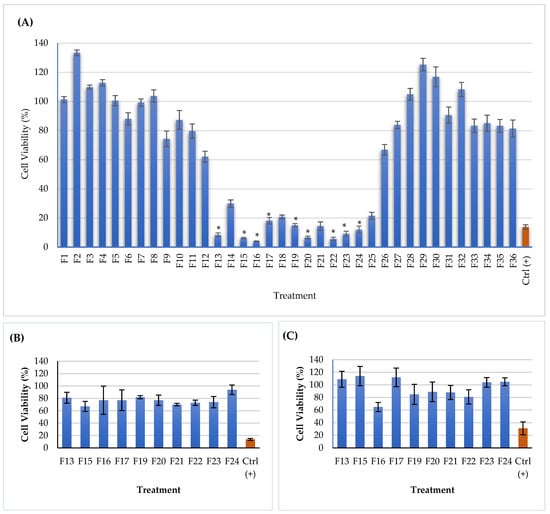
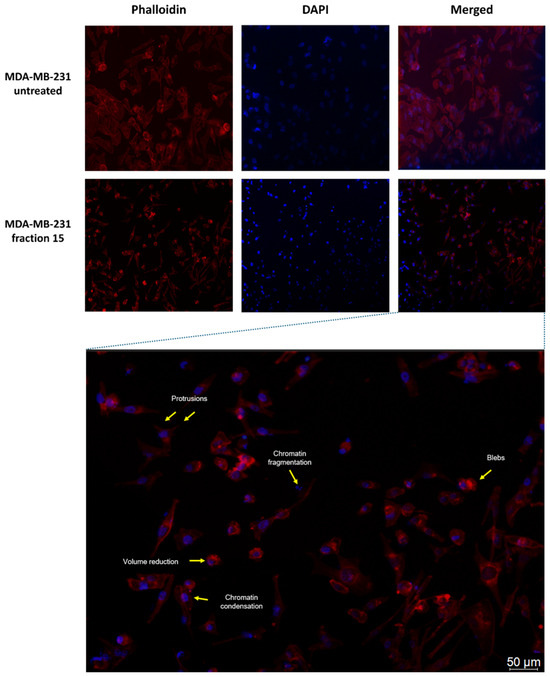
Compounds isolated from the macroalga Caulerpa sertularioides have been reported to exhibit cytotoxic activity. The objective of this study was to assess the antioxidant effects of compounds isolated from C. sertularioides as well as their antiproliferative effect against cancerous cell lines and to elucidate their chemical structure. The antiproliferative activity of C. sertularioides extracts was evaluated using the MTT standard assay in cancerous and non-cancerous cell lines. Morphological changes were observed via fluorescence microscopy, and the chemical structure of bioactive compounds was determined by nuclear magnetic resonance. Antioxidant activity was assessed using ABTS and DPPH methods. Among all extracts, the acetone extract exhibited the highest antioxidant activity (IC50 of 27.3 ± 6.1 μg/mL) in the ABTS assay, which classifies it as a very potent antioxidant. Among the tested extracts, the hexane extract showed the strongest antiproliferative activity in breast (MDA-MB-231) and cervical cancer (HeLa) cell lines. The most active fraction (F15), obtained by open-column chromatography of hexane extract, exhibited the highest bioactivity against the MDA-MB-231 cell line (IC50 of 55 ± 3.1 µg/mL); these cells exhibited morphological changes consistent with apoptosis. NMR analysis revealed signals tentatively assigned to 1-monolinolein, glycerol, bis(2-ethylhexyl) phthalate and bis(2-ethylhexyl) terephthalate. These findings support the potential of C. sertularioides as a source of bioactive compounds with antioxidant and antiproliferative properties.
Full article
(This article belongs to the Special Issue Anticancer Potential of Natural Products)
►▼
Show Figures

Figure 1
Open AccessReview
Monoclonal Antibody Therapies in Chronic Inflammatory Diseases: Periodontal Outcomes, Oral Safety, and Clinical Implications—A Scoping Review
by
Adrian Stan, Sorina Nicoleta Munteanu, Alina Plesea-Condratovici, Liliana Mititelu-Tartau, Beatrice Rozalina Buca, Aurelia Romila, Liliana Lacramioara Pavel and Mihaela Moisei
Sci. Pharm. 2026, 94(3), 78; https://doi.org/10.3390/scipharm94030078 - 8 Sep 2026
Abstract
Monoclonal antibody-based therapies are widely used in chronic immune-mediated diseases, but their periodontal effects, dentoalveolar safety signals, and exposure characteristics remain incompletely characterized. This scoping review mapped periodontal clinical outcomes, biomarkers, microbiological and imaging findings, dentoalveolar safety, administration, treatment exposure, and pharmaceutical-context reporting.
[...] Read more.
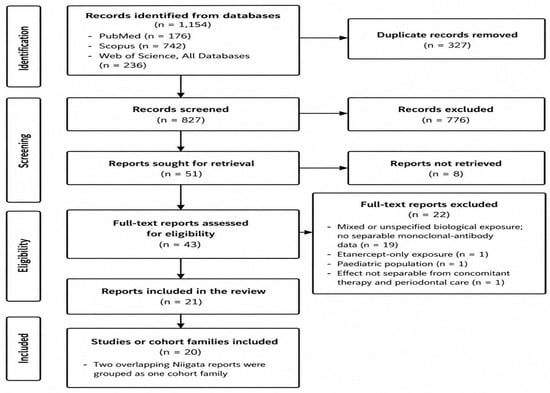
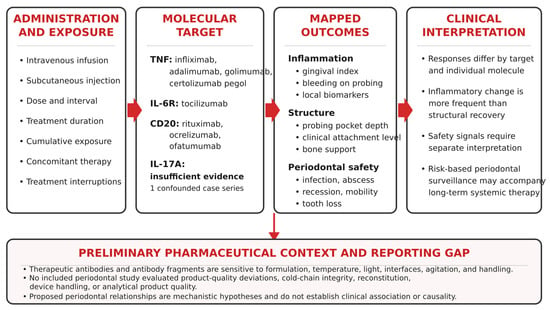
Monoclonal antibody-based therapies are widely used in chronic immune-mediated diseases, but their periodontal effects, dentoalveolar safety signals, and exposure characteristics remain incompletely characterized. This scoping review mapped periodontal clinical outcomes, biomarkers, microbiological and imaging findings, dentoalveolar safety, administration, treatment exposure, and pharmaceutical-context reporting. PubMed, Scopus, and Web of Science were searched in July 2026 without publication-year or language restrictions. Twenty-one reports representing 20 studies or cohort families were included. Evidence mainly concerned rheumatoid arthritis and therapies targeting tumor necrosis factor, interleukin-6 receptor, and cluster of differentiation 20. Evidence for interleukin-17A inhibition was insufficient and derived from one confounded five-patient case series. Tocilizumab showed the most consistent reductions in gingival inflammation and bleeding on probing, while structural changes were smaller and inconsistent. Tumor necrosis factor-directed findings were heterogeneous. Small rituximab studies showed favorable clinical or biomarker signals, whereas pharmacovigilance identified infectious and destructive dentoalveolar signals. Exposure reporting was incomplete, and no included periodontal study evaluated formulation stability, storage, cold-chain integrity, or handling deviations. This review integrates treatment-effect evidence, safety signals, and exposure variables across antibody targets and identifies a pharmaceutical–periodontal reporting gap requiring prospective investigation.
Full article
(This article belongs to the Special Issue Monoclonal Antibodies in the Treatment of Diseases: Focus on Stability, Storage, and Administration)
►▼
Show Figures

Figure 1
Open AccessReview
The Role of Phenolic Compounds in NF-κB, Nrf2, and STAT3 Transcription Factors Regulation: Therapeutic Potential and Limitations in Cancer Treatment
by
Eirini Roungeri, Evangelia K. Konstantinou, Kallirroi Dimiza, Maria Dimitriou, Anastasios Darras and Athanasios A. Panagiotopoulos
Sci. Pharm. 2026, 94(3), 77; https://doi.org/10.3390/scipharm94030077 - 4 Sep 2026
Abstract
Cancer is still one of the major causes of death globally. While there are many cancer therapies, they often come with significant adverse effects and limitations. A lot of studies have shown that using natural products can improve the efficacy of conventional therapies
[...] Read more.
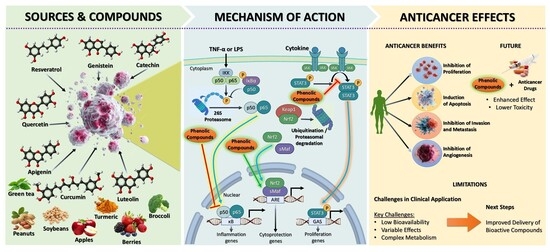
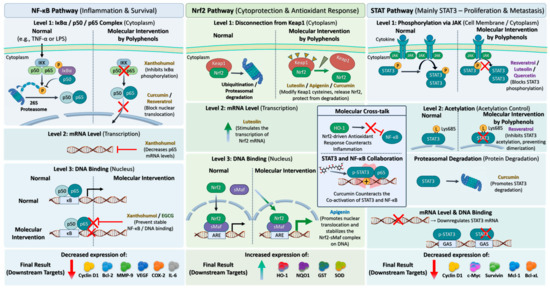
Cancer is still one of the major causes of death globally. While there are many cancer therapies, they often come with significant adverse effects and limitations. A lot of studies have shown that using natural products can improve the efficacy of conventional therapies and decrease their toxicity. Natural products and their derivatives encompassing unmodified molecules, semi-synthetic analogs, and synthetic structures featuring natural pharmacophores, represent a major foundation for approved anticancer agents. Phenolic compounds are a large family of naturally occurring compounds found in plants and have attracted a lot of attention for their potential anticancer properties. Preclinical studies have shown that phenolic compounds have anticancer activity through different mechanisms, mainly by modulating inflammation, which plays a critical role in cancer development. Inflammatory processes in cancer involve complex molecular mechanisms regulated by both oncogenic and tumor-suppressing transcription factors. This review focuses on how phenolic compounds regulate transcription factors, such as nuclear factor kappa-light-chain-enhancer of activated B-cells (NF-κB), nuclear factor erythroid 2-related factor 2 (Nrf2), and signal transducer and activator of transcription 3 (STAT3), which are critical in cancer-related gene expression, ultimately leading to the inhibition of cancer cell proliferation, invasion, and metastasis. Furthermore, phenolic compounds have been shown to synergize with conventional anticancer drugs, enhancing their efficacy and reducing side effects. This review investigates the role of phenolic compounds in regulating transcription factors in cancer animal models, highlighting both the therapeutic potential and limitations of these compounds in cancer prevention and treatment.
Full article
(This article belongs to the Special Issue Anticancer Potential of Natural Products)
►▼
Show Figures

Graphical abstract
Open AccessArticle
Translating the Properties of Physicochemical Dressings into Clinical Decision-Making for Heavily Exuding Wounds
by
Paulina Sánchez-Toledo, Rosa M. Salgado, Silvestre Ortega-Peña and Edgar Krötzsch
Sci. Pharm. 2026, 94(3), 76; https://doi.org/10.3390/scipharm94030076 - 4 Sep 2026
Abstract
►▼
Show Figures
Introduction: Heavily exuding wounds can macerate perilesional skin and favour infection. Information on the properties and use time of dressings should be clear and available to healthcare providers. Methods: Our aim was to evaluate the updated series of the AQUACEL® dressing family,
[...] Read more.
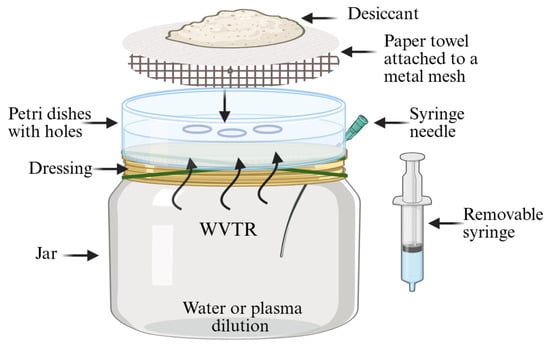
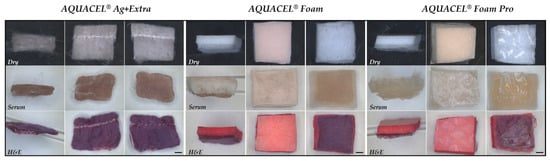
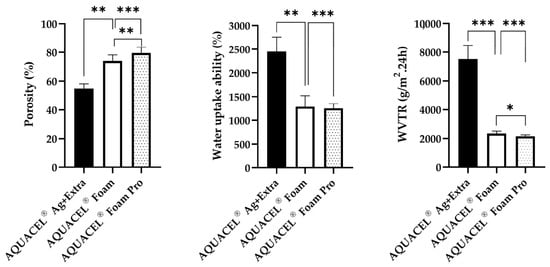
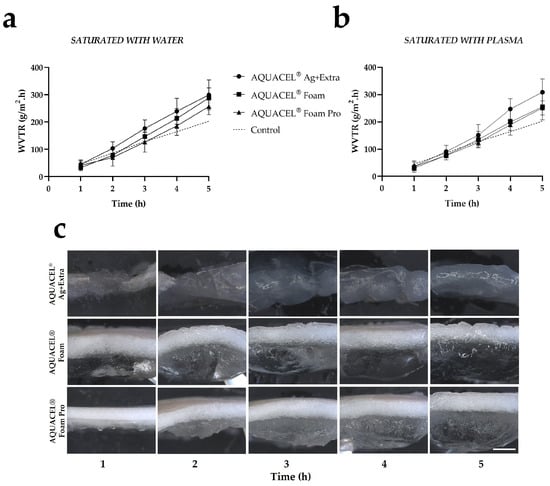
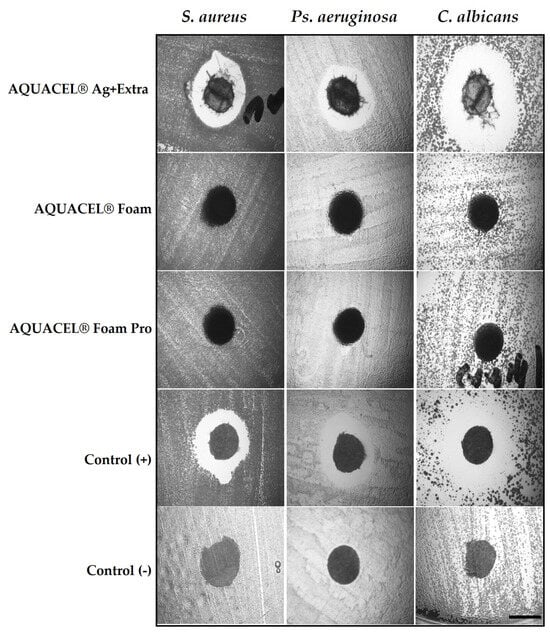
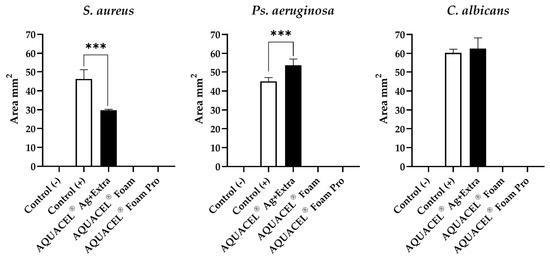
Introduction: Heavily exuding wounds can macerate perilesional skin and favour infection. Information on the properties and use time of dressings should be clear and available to healthcare providers. Methods: Our aim was to evaluate the updated series of the AQUACEL® dressing family, because their evolution from a single layer of carboxymethylcellulose (NaCMC) to a multicomponent antiseptic or its combination with polyurethane covered with a silicon layer has developed the technology beyond simple exudate absorption. Using gravimetric analysis, we evaluated the porosity, water uptake, and water vapour transmission rate (WVTR) of AQUACEL® Ag+Extra, AQUACEL® Foam, and Foam Pro. By modifying the method of measuring WVTR, we assessed this outcome during the progressive saturation of the dressings. We also performed a disc diffusion assay on agar to determine the antimicrobial effects of the dressings. Results: Independently of porosity, a second layer of cellulose in AQUACEL® Ag+Extra doubles water uptake and quadruples WVTR compared to foam forms. When the different dressings were evaluated for WVTR under progressive saturation, we did not observe any statistically significant changes, indicating that retained liquids do not alter dressing properties, which is a more biologically suitable approach. Despite the acidic character of the cellulose hydrofibre contained in the three dressings, the lack of any antiseptics in the foam forms makes them unsuitable for use in colonised or infected wounds, although they can act as a physical barrier for microorganisms and mechanical damage. The opposite results were observed for the AQUACEL® Ag+Extra dressing, which contains silver, EDTA, and benzethonium chloride. Discussion: Data on the physicochemical composition of dressings can enable healthcare providers to choose the appropriate dressing series to use during wound bed preparation and beyond.
Full article

Figure 1
Open AccessArticle
Integrated Pharmacognostic, LC-MS Metabolomic Profiling and Biological Evaluation of Elymus repens (L.) Gould
by
Nyshanbay Konash, Jennyfer A. Aldana-Mejía, Sebastian John Adams, Kumar Katragunta, Kiran Kumar Tatapudi, Bharathi Avula, Ji-Yeong Bae, Ikhlas A. Khan, Galiya Sayakova, Kairat Zhakipbekov, Serzhan Mombekov and Samir A. Ross
Sci. Pharm. 2026, 94(3), 75; https://doi.org/10.3390/scipharm94030075 - 2 Sep 2026
Abstract
►▼
Show Figures
Elymus repens (L.) Gould has a long history of use in traditional medicine across the British Isles, particularly among Gaelic and Anglo-Saxon communities, where it has been employed as a diuretic and anti-inflammatory agent. Despite its ethnopharmacological significance, comprehensive insights into its phytochemical
[...] Read more.
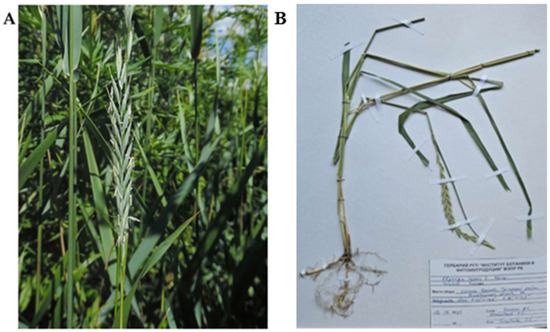
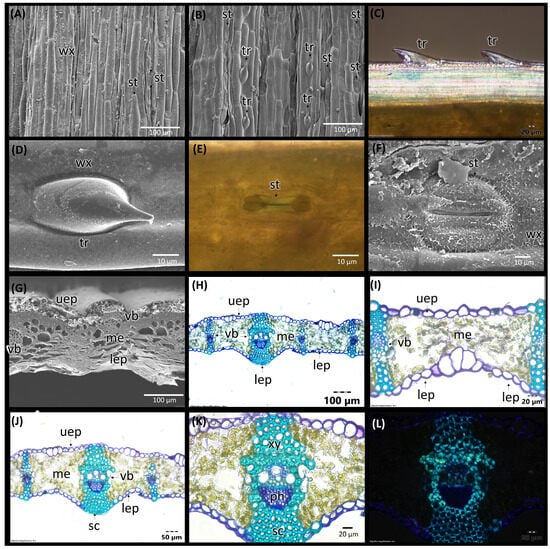
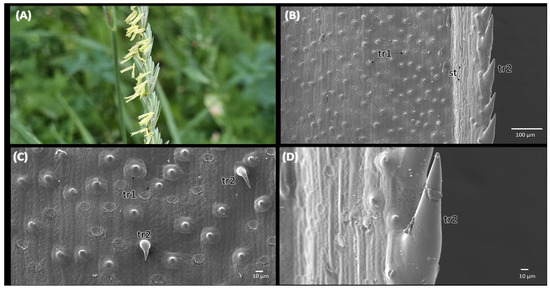
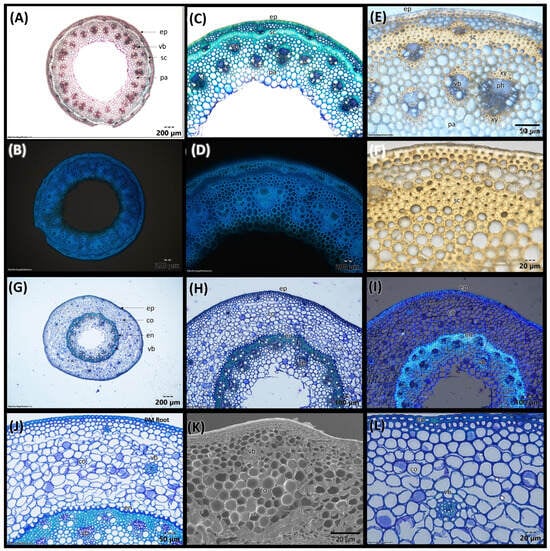
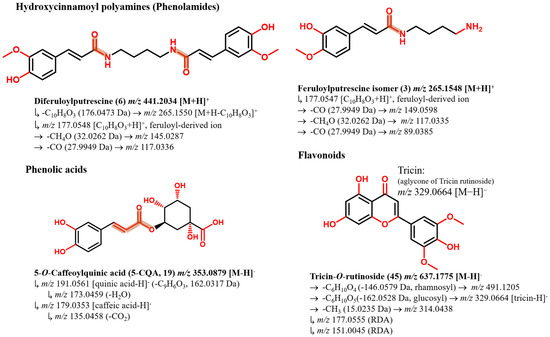
Elymus repens (L.) Gould has a long history of use in traditional medicine across the British Isles, particularly among Gaelic and Anglo-Saxon communities, where it has been employed as a diuretic and anti-inflammatory agent. Despite its ethnopharmacological significance, comprehensive insights into its phytochemical composition and biological activities remain limited. The present study aimed to provide an integrated characterization of E. repens through macro- and microscopic analyses, advanced phytochemical profiling, and evaluation of the biological activities of the rhizome part. Microscopic examination revealed distinct anatomical features differentiating rhizome and stem, leaf tissues, supporting accurate identification and pharmacognostic standardization. Chemical profiling using Liquid Chromatography-Quadrupole Time-of-Flight Mass Spectrometry (LC-QToF-MS) enabled the tentative identification of 93 metabolites, including amino acids, in aerial and rhizome extracts. These compounds were primarily classified into polyamines (e.g., feruloylputrescine, hydroxycoumaroylagmatine), phenolic acids (gallic, vanillic, and ferulic acids), flavonoids (apigenin, tricin, saponarin analogues), amino acids (arginine, tyrosine, tryptophan), organic acids (malic, succinic acids), nucleosides (adenosine, thymidine), and phospholipids. Biological evaluation demonstrated that the hydroethanolic rhizome extract exhibited notable antifungal activity against Aspergillus fumigatus (IC50 = 34.9 µg/mL). Additionally, hydroethanolic extracts of both the aerial and rhizome parts showed no cytotoxicity in the Artemia salina lethality assay at concentrations up to 10 mg/mL, indicating a favorable preliminary safety profile. Of particular interest is tricin, which possesses anti-inflammatory, antioxidant, antimicrobial, and potential nephroprotective therapeutic effects; its mechanism of action is associated with the suppression of oxidative stress, the inhibition of pro-inflammatory mediators, and the disruption of metabolic processes in microbial cells. Overall, this study provides a comprehensive phytochemical and pharmacognostic characterization of E. repens, highlighting its potential as a source of bioactive compounds. The metabolite profile obtained directly from the biologically active extract, combined with its proven antifungal activity, serves as direct confirmation of the antimicrobial aspect of this plant’s traditional use, while its broader applications in ethnomedicine require targeted pharmacological testing. These findings contribute valuable data for chemotaxonomic classification and future pharmacological investigations.
Full article

Figure 1
Open AccessArticle
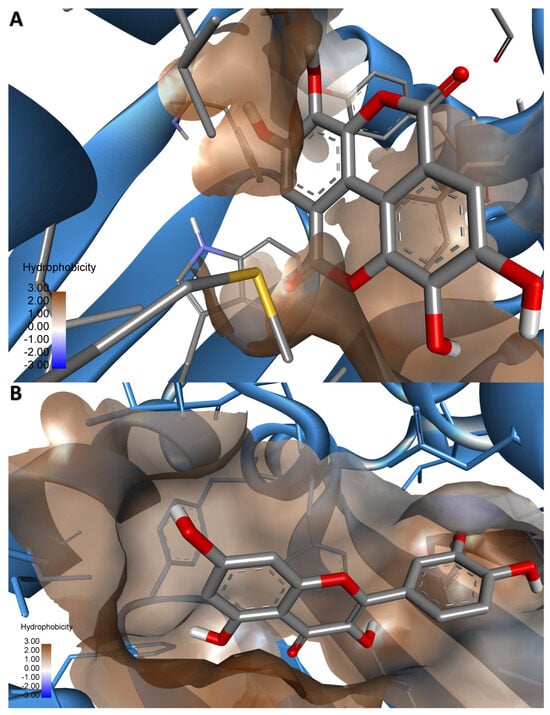
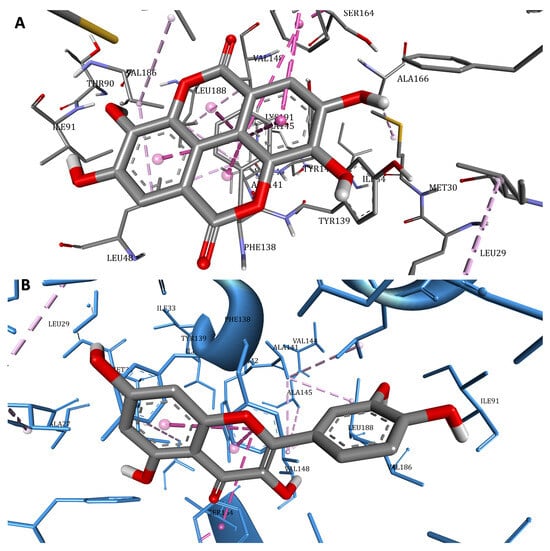
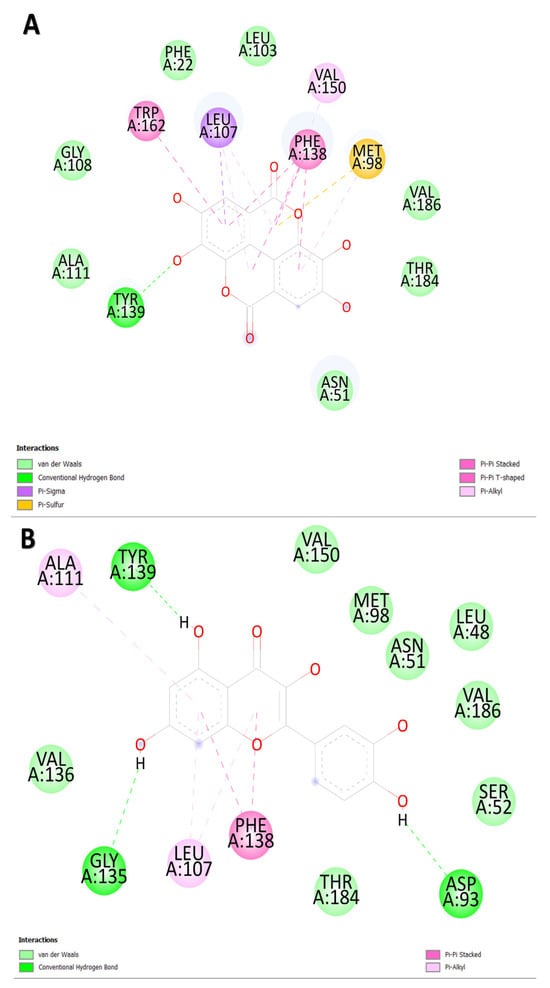
Potential Ligands to 3-Dehydroquinate Dehydratase (SaDHQD) of Staphylococcus aureus, Evaluated by Molecular Docking and In Vitro Assays to Develop an Antibiotic Drug
by
Julio Cesar Armenta-Gorosave, Gerson Ney Hernández-Acevedo, Brenda Chimal-Vega, Donato A. Rechy Iruretagoyena, Ricardo Delgadillo-Valles and José Luis Vique-Sánchez
Sci. Pharm. 2026, 94(3), 74; https://doi.org/10.3390/scipharm94030074 - 31 Aug 2026
Abstract
The World Health Organization (WHO) estimates that by 2050, bacterial resistance will cause 10 million deaths, of which approximately one million are associated with multidrug-resistant (MDR) microorganisms. Staphylococcus aureus is one of the bacteria with high resistance to the most widely used antibiotics
[...] Read more.
The World Health Organization (WHO) estimates that by 2050, bacterial resistance will cause 10 million deaths, of which approximately one million are associated with multidrug-resistant (MDR) microorganisms. Staphylococcus aureus is one of the bacteria with high resistance to the most widely used antibiotics that cause infections worldwide. Reports show that approximately 80% of S. aureus strains are resistant to penicillin (methicillin resistance), and that this resistance has been developing since the 1960s (WHO). On the other hand, there are new potential targets to develop new antibiotic drugs; notably, the 3-dehydroquinate dehydratase of S. aureus (SaDHQD) is relevant for this, due to the SaDHQD involved in the metabolism of the S. aureus, which is necessary in the shikimate pathway. This study proposes two compounds against SaDHQD to develop a new antibiotic drug. We performed in silico and in vitro assays for it, and in this way, this study proposes compounds that could be selected against SaDHQD, for the development of a new antibiotic drug.
Full article
(This article belongs to the Topic Research in Pharmacological Therapies, 2nd Edition)
►▼
Show Figures

Figure 1
Open AccessArticle
Native Tapioca Starch Agglomerated Using Its Gelatinized Dispersion for Tablet Production by Direct Compression
by
Rapee Jarungsirawat, Chaipat Siriwachirachai and Thaned Pongjanyakul
Sci. Pharm. 2026, 94(3), 73; https://doi.org/10.3390/scipharm94030073 - 31 Aug 2026
Abstract
►▼
Show Figures
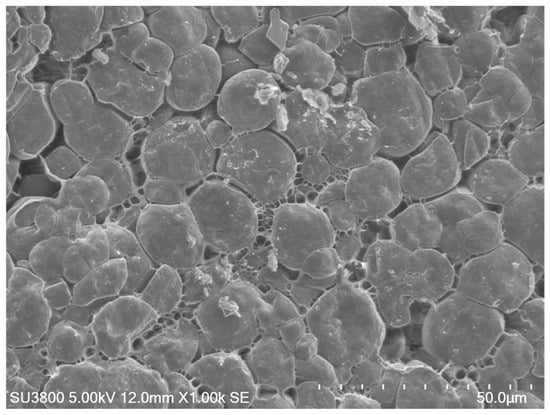
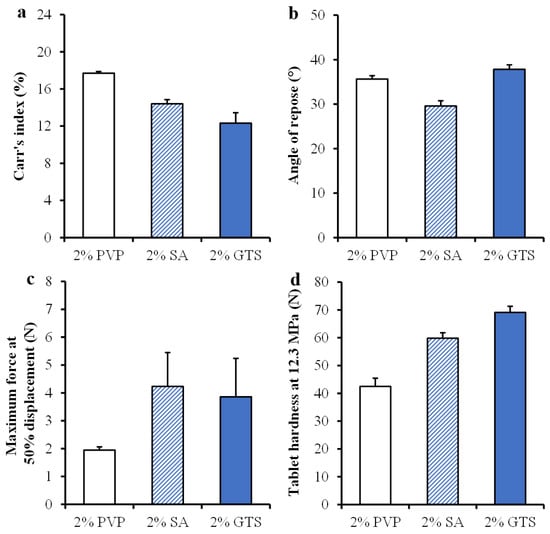
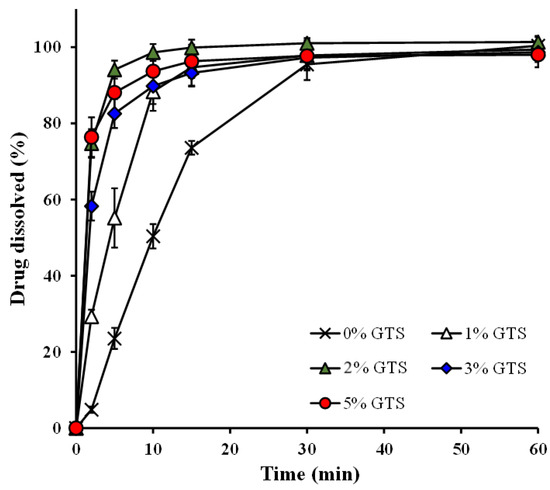
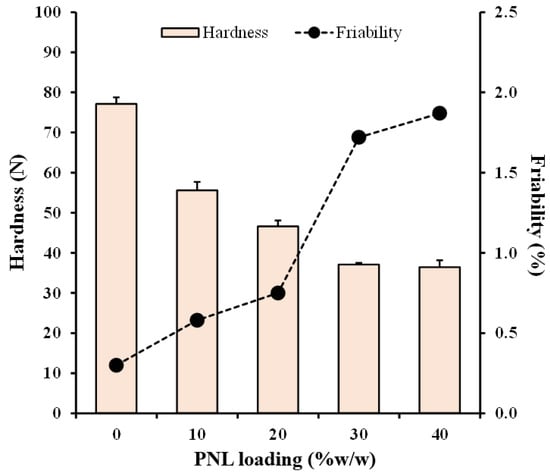
This study aimed to investigate the physical properties of native tapioca starch (TS) ag-glomerated using its gelatinized dispersion as an agglomerating agent and to evaluate the performance of the resulting agglomerate tablets. The results demonstrate that TS agglomerated with gelatinized tapioca starch (GTS)
[...] Read more.
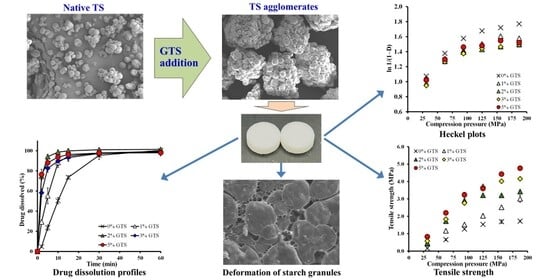
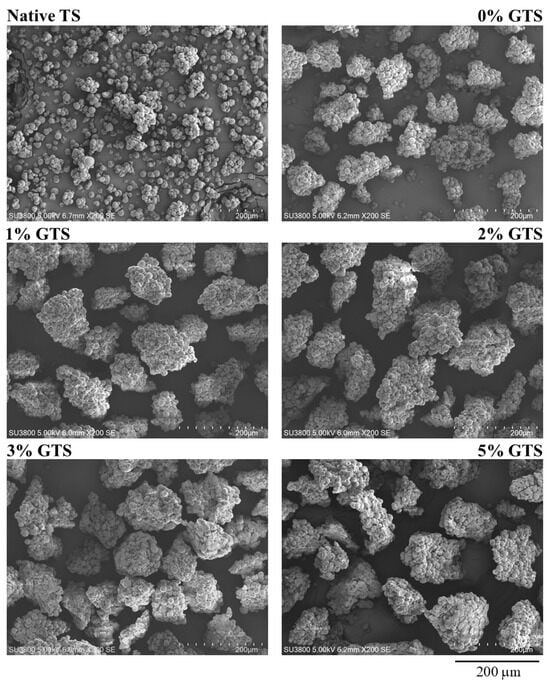
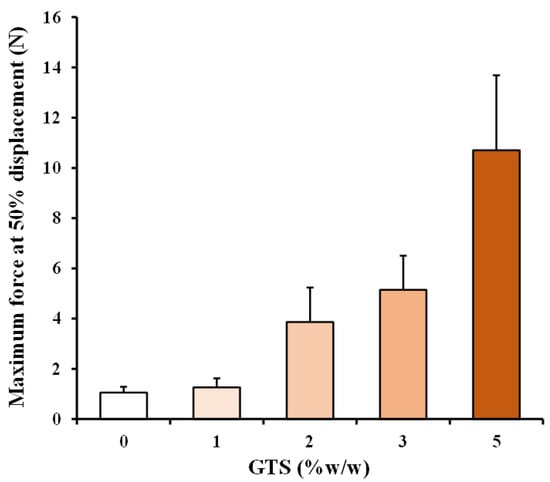
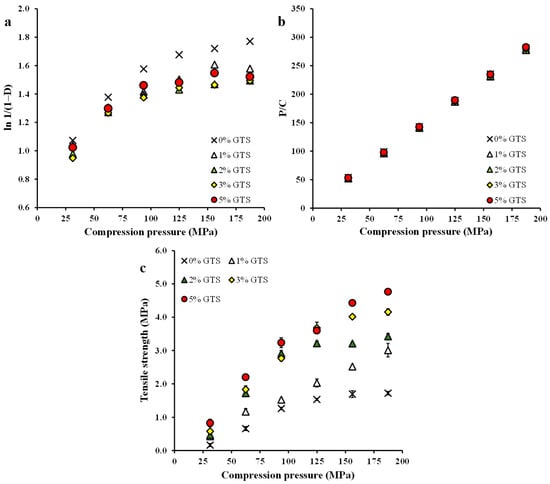
This study aimed to investigate the physical properties of native tapioca starch (TS) ag-glomerated using its gelatinized dispersion as an agglomerating agent and to evaluate the performance of the resulting agglomerate tablets. The results demonstrate that TS agglomerated with gelatinized tapioca starch (GTS) exhibited increased particle strength as GTS content increased. Moreover, particle flowability was enhanced compared with that of native TS. The compressibility of TS agglomerates increased with higher GTS content, thereby reducing resistance to volume reduction and enhancing the plasticity of particle deformation under pressure, resulting in the greater tensile strength of the tablets. GTS showed superior performance to polyvinylpyrrolidone and sodium alginate at the concentration of 2% w/w in terms of Carr’s index and tablet hardness. Propranolol HCl (PNL) tablets prepared from agglomerates with GTS exhibited higher hardness than those without GTS, with tablet hardness increasing proportionally to GTS content. Additionally, GTS facilitated faster tablet disintegration, thereby accelerating PNL dissolution. In drug-loading tests, agglomerate tablets containing 3% GTS maintained acceptable physical properties when the PNL content did not exceed 20% w/w. Higher PNL loading may be achievable by increasing compression pressure. These findings indicate that native TS agglomerated with GTS is a promising tablet diluent for direct compression.
Full article

Graphical abstract
Open AccessArticle
Development and Microstructural Analysis of Rapid-Release Acanthus montanus Effervescent Mouthwash Tablets for Oral Care
by
Piyanut Thongphasuk, Nuntachai Hanpramukkun, Arthimond Vutthiphong, Ratana Charoenwattanasatien, Phakkhananan Pakawanit and Sucharat Limsitthichaikoon
Sci. Pharm. 2026, 94(3), 72; https://doi.org/10.3390/scipharm94030072 - 29 Aug 2026
Abstract
►▼
Show Figures
The translation of underutilized botanical resources into advanced therapeutic dosage forms represents a critical frontier in pharmaceutical sciences. This study systematically characterizes the phytochemical and biological profiles of three Acanthus species (Acanthus ebracteatus, Acanthus ilicifolius, and Acanthus montanus) to
[...] Read more.
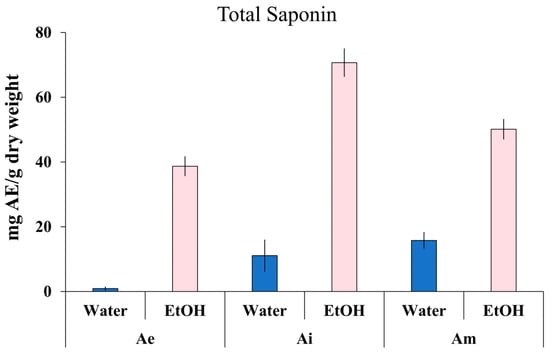
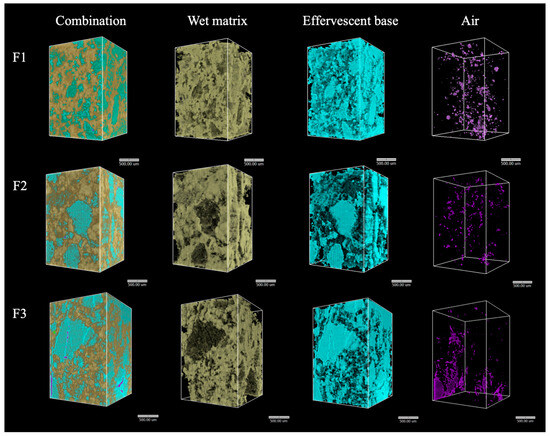
The translation of underutilized botanical resources into advanced therapeutic dosage forms represents a critical frontier in pharmaceutical sciences. This study systematically characterizes the phytochemical and biological profiles of three Acanthus species (Acanthus ebracteatus, Acanthus ilicifolius, and Acanthus montanus) to develop a functional, rapid-release effervescent mouthwash tablet for oral mucosal repair. Phytochemical screening demonstrated that ethanolic extraction selectively concentrated bioactive phenolics and saponins compared to conventional aqueous methods. The ethanolic A. montanus extract emerged as the premier candidate, exhibiting the highest total phenolic content, excellent biocompatibility with human gingival fibroblasts, and significant promotion of in vitro cellular migration. Furthermore, it demonstrated robust, broad-spectrum antimicrobial efficacy against key cariogenic (Streptococcus mutans) and opportunistic (Candida albicans) oral pathogens. To transition this botanical discovery into a viable delivery system, the optimized extract was integrated into an effervescent base via wet granulation utilizing absolute ethanol, followed by blending with extragranular excipients and single-stroke compression. The resulting optimized matrix, incorporating 10% sodium starch glycolate, achieved an ideal mechanical-kinetic balance, yielding exceptional structural toughness (0.23% friability) and rapid disintegration (2.02 min). Advanced 3D synchrotron X-ray tomographic microscopy revealed that this specific super-disintegrant ratio generates a highly interconnected, porous internal architecture driving accelerated capillary-mediated breakdown. Ultimately, this study successfully translates a botanical extract into a mechanistically optimized, functionally validated dosage form for targeted oral therapies.
Full article

Figure 1
Open AccessArticle
Phytochemical Study and Cytotoxic Properties of Hydroalcoholic Extracts of Epilobium parviflorum Schreb.: In Silico and In Vitro Insights
by
Christian Goldiș, Roxana Racoviceanu, Mihaela Jorgovan, Roxana Negrea-Ghiulai, Codruța Șoica, Alexandra Prodea, Oana Bătrîna, Gabriela Antal and Alexandra Mioc
Sci. Pharm. 2026, 94(3), 71; https://doi.org/10.3390/scipharm94030071 - 23 Aug 2026
Abstract
Epilobium parviflorum Schreb. is a medicinal plant used traditionally against inflammatory disorders whose cytotoxic potential is still incompletely revealed. The current study investigates the phytochemical composition and in vitro cytotoxic activity of four hydroalcoholic extracts prepared from the aerial parts of E. parviflorum
[...] Read more.
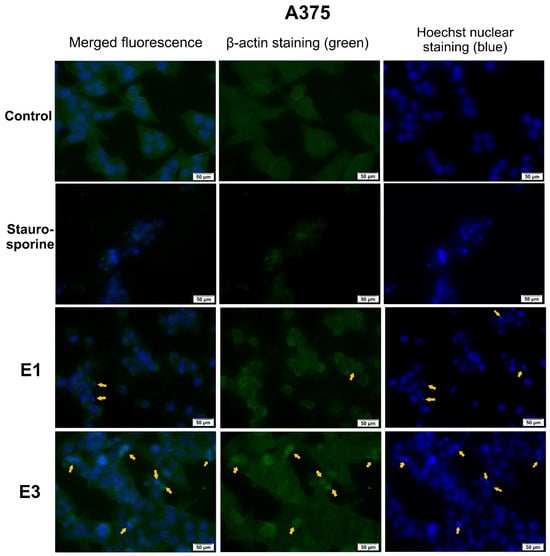
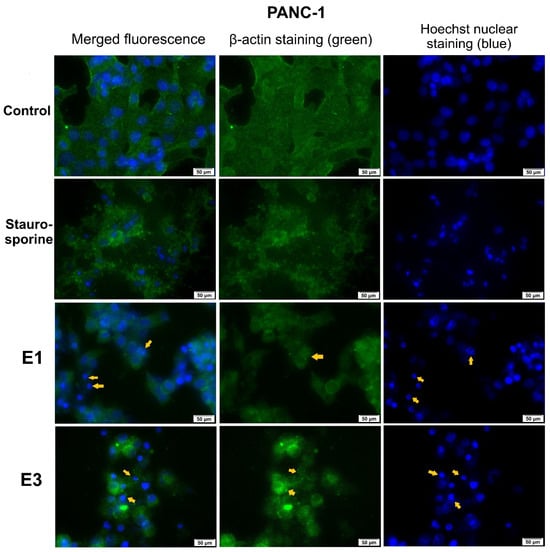
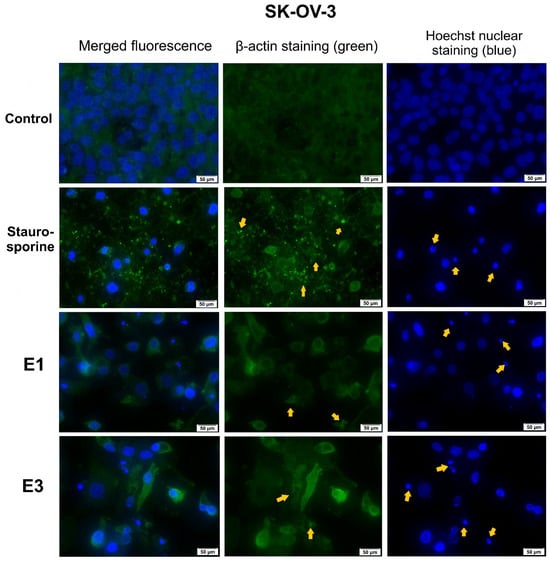
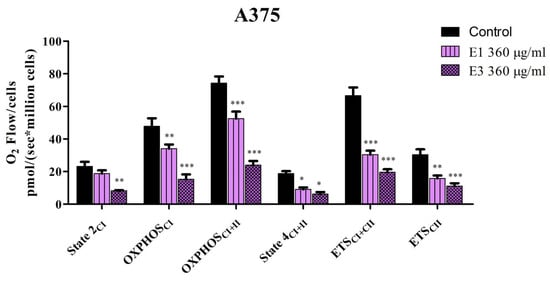
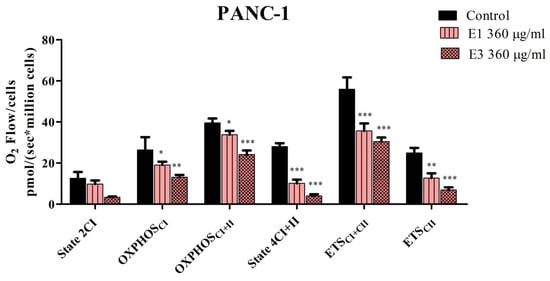
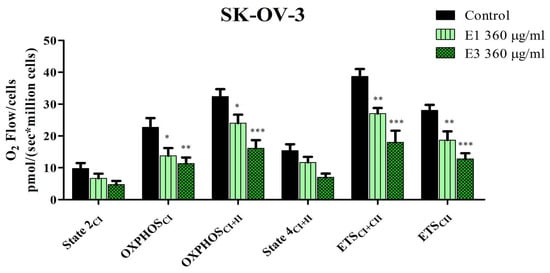
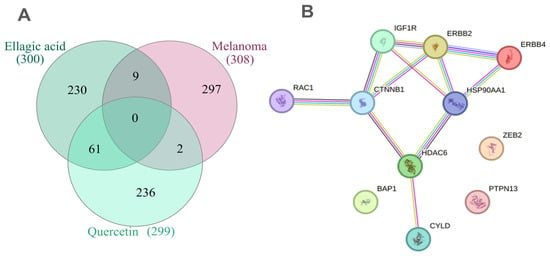
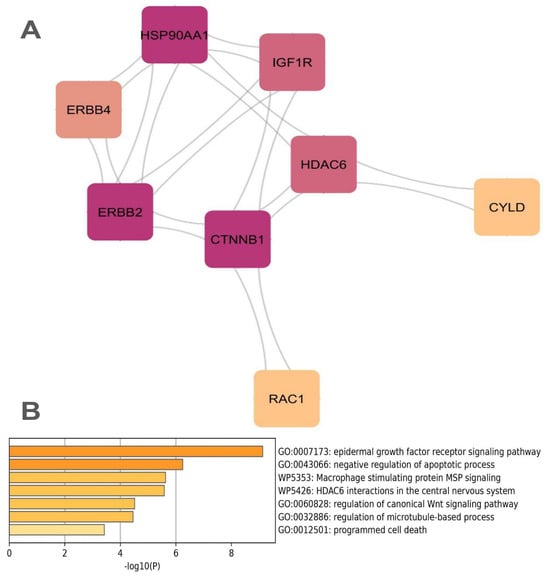
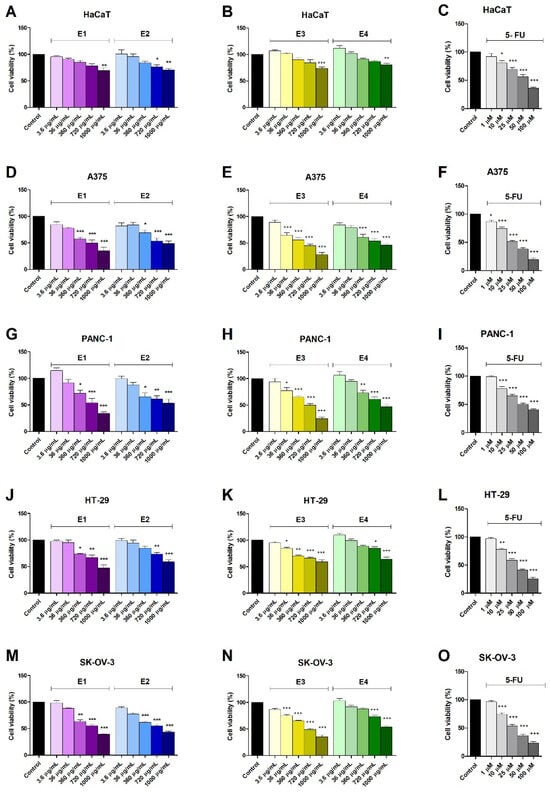
Epilobium parviflorum Schreb. is a medicinal plant used traditionally against inflammatory disorders whose cytotoxic potential is still incompletely revealed. The current study investigates the phytochemical composition and in vitro cytotoxic activity of four hydroalcoholic extracts prepared from the aerial parts of E. parviflorum by using maceration and Soxhlet extraction. The extracts were characterized in terms of total phenolic, flavonoid and tannins composition and LC-MS was used to identify its individual polyphenols. Their biological effects were assessed against four cancer cell lines (A375 melanoma, HT-29 colorectal adenocarcinoma, PANC-1 pancreatic carcinoma and SK-OV-3 ovarian adenocarcinoma cells), while using HaCaT keratinocytes as healthy cells in order to assess selectivity. Cell viability, cytoskeletal and nuclear morphology, mitochondrial respiration and network pharmacology were further investigated. A complex phenolic profile was revealed, with hyperoside being identified as the main component in all extracts while the extraction parameters strongly influenced the recovery of various phenolic compounds. All extracts reduced cancer cell viability in a dose-dependent manner after 24 h exposure, with the most pronounced effects observed at 720 and 1000 μg/mL, while HaCaT cells were left relatively unaffected. The morphological assessment indicated nuclear condensation, fragmentation and cytoskeletal disruption following the application of extracts. Moreover, high-resolution respirometry showed reduced oxidative phosphorylation and electron transfer system capacity thus indicating that early mitochondrial dysfunction may contribute to the cytotoxic effects. Network pharmacology revealed that ERBB2, CTNNB1, HSP90AA1 and HDAC6 might act as molecular targets in melanoma. Thus, these findings support the hypothesis that E. parviflorum hydroalcoholic extracts, particularly the 40% ethanol Soxhlet extract, may serve as important sources of bioactive phytocompounds with antiproliferative and apoptotic properties.
Full article
(This article belongs to the Special Issue Anticancer Potential of Natural Products)
►▼
Show Figures

Figure 1
Open AccessReview
Quinoline Scaffold in Drug Discovery: Synthetic Strategies, Therapeutic Applications, and Emerging Drug Candidates
by
Ayoub El-Mrabet, Amal Haoudi, Amine Ez-Zoubi, Rachid Bouzammit, Abdellatif Alami and Ahmed Mazzah
Sci. Pharm. 2026, 94(3), 70; https://doi.org/10.3390/scipharm94030070 - 20 Aug 2026
Abstract
►▼
Show Figures
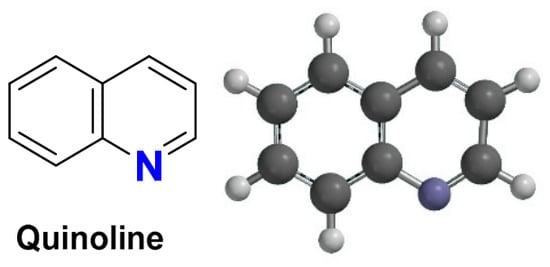
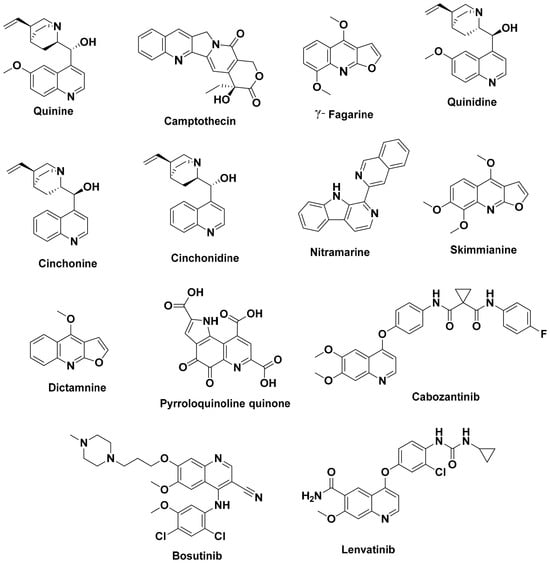
Quinoline is a bicyclic aromatic heterocycle composed of a fused benzene and pyridine ring, and it has held an important place in medicinal chemistry for nearly two centuries. F. Runge first isolated it from coal tar in 1834, and it was later found
[...] Read more.
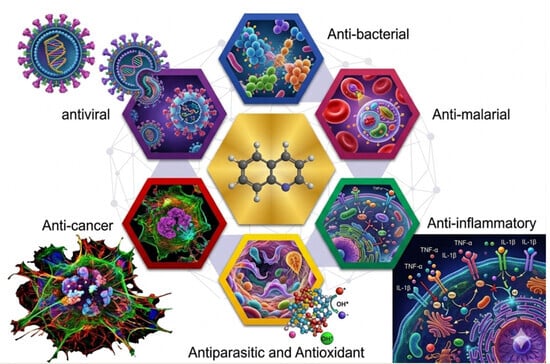
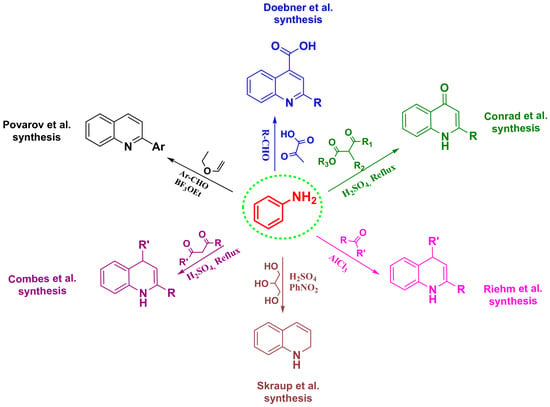
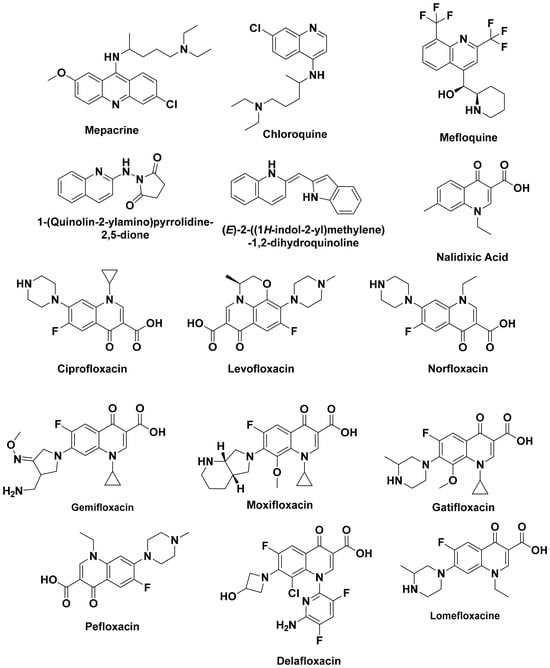
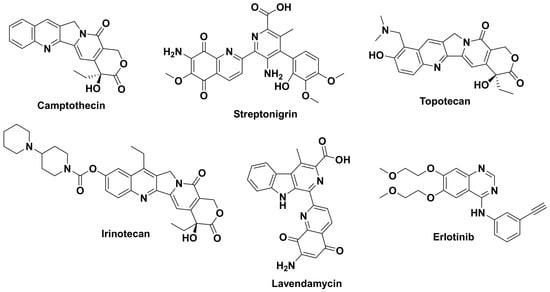
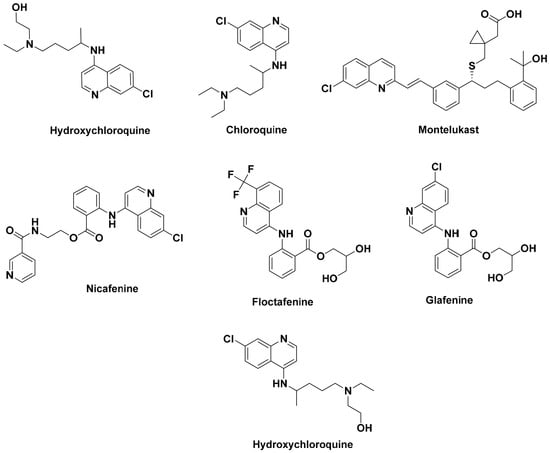
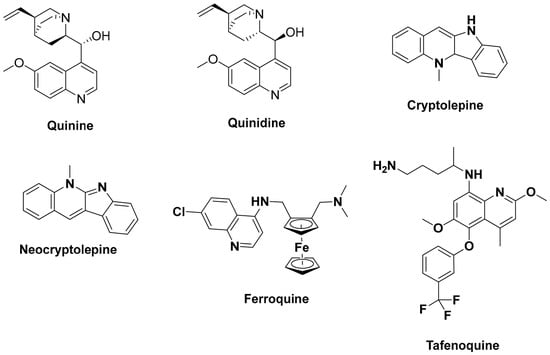
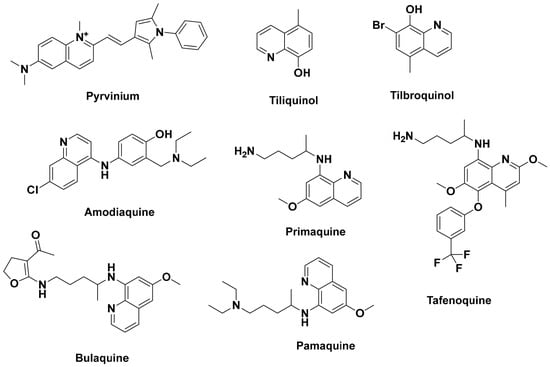
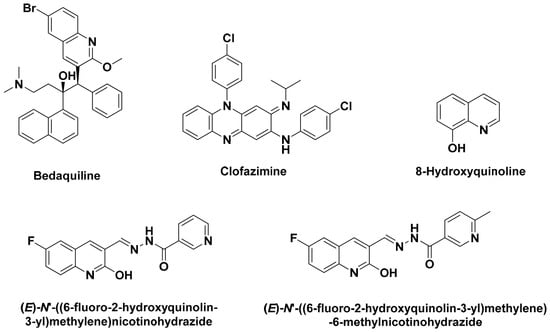
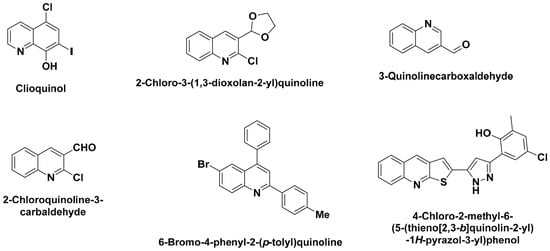
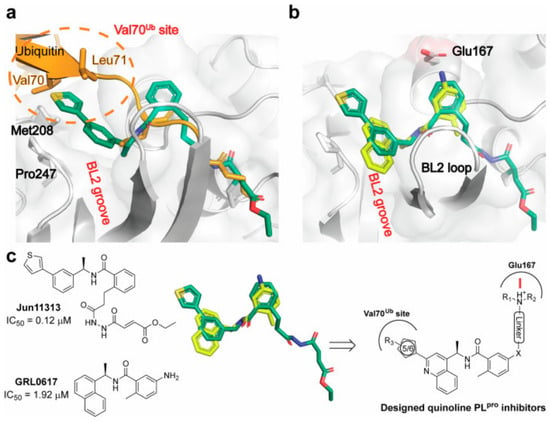
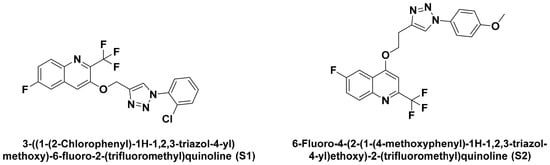
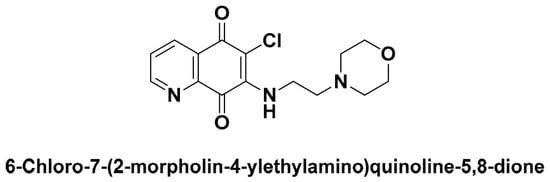
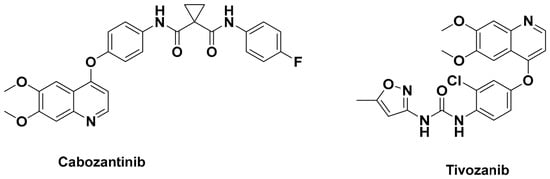
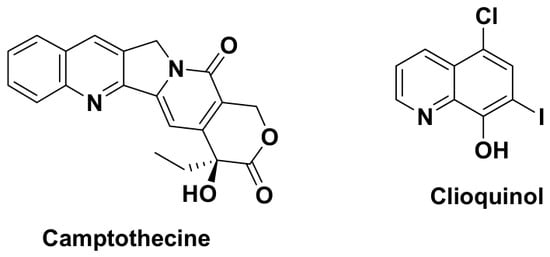
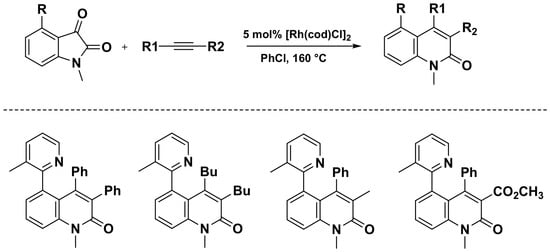
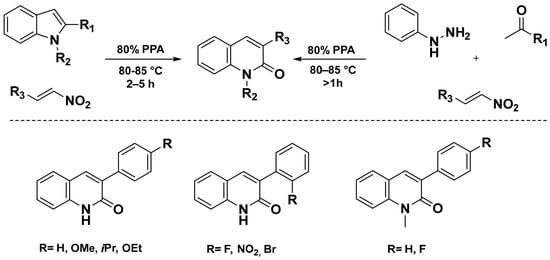
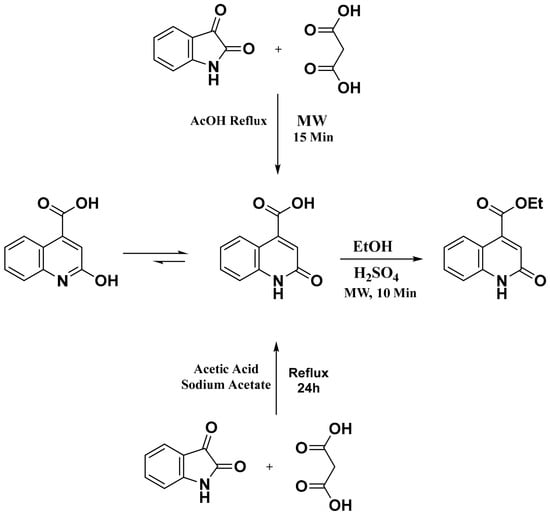
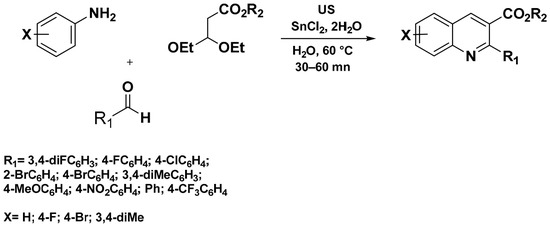
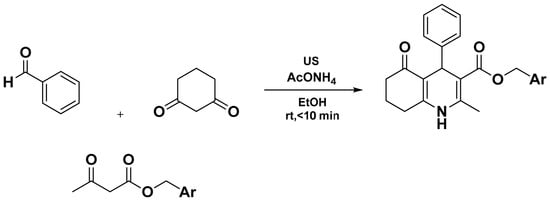
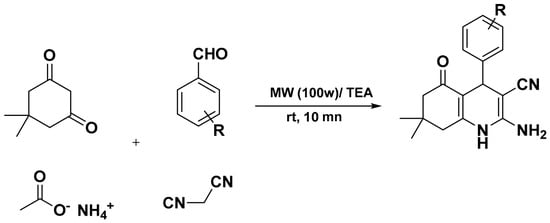
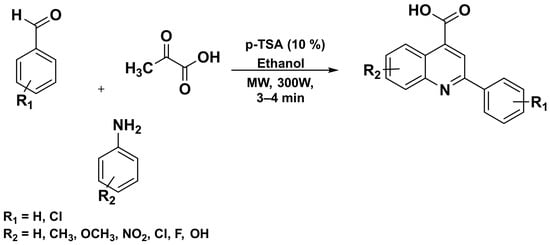
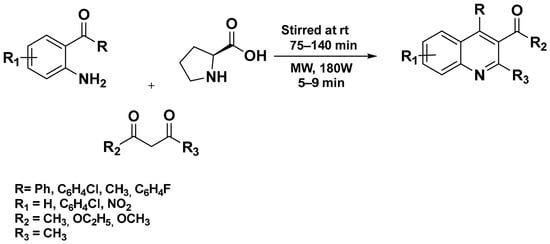
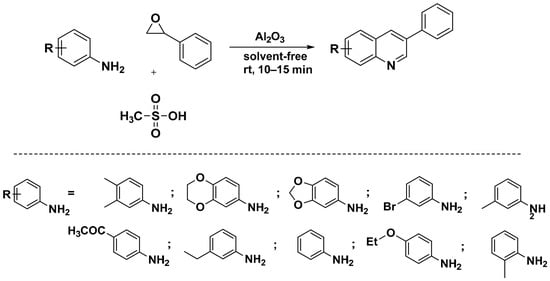
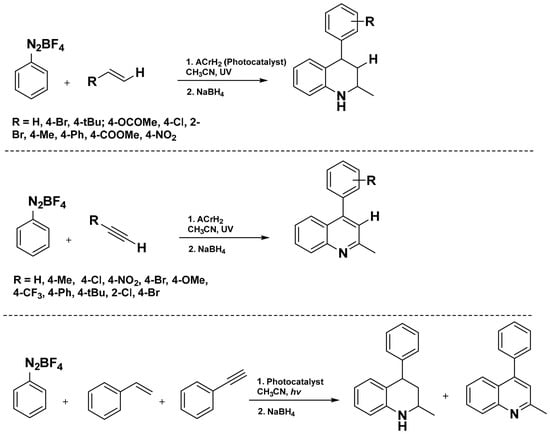
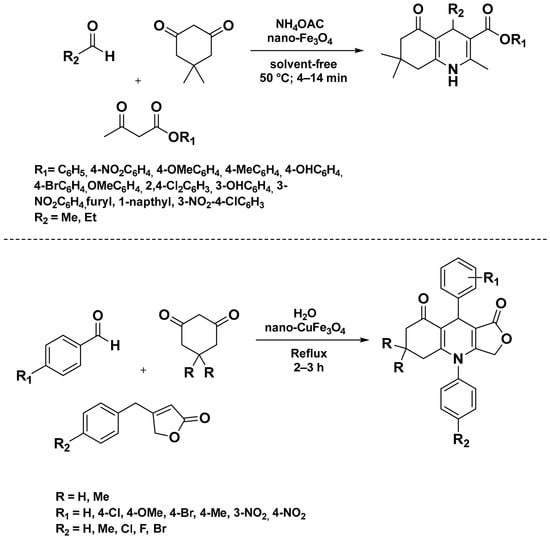
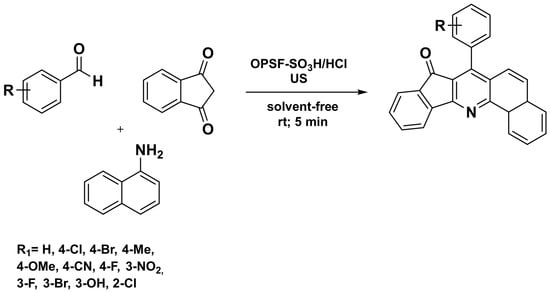
Quinoline is a bicyclic aromatic heterocycle composed of a fused benzene and pyridine ring, and it has held an important place in medicinal chemistry for nearly two centuries. F. Runge first isolated it from coal tar in 1834, and it was later found to form the structural core of well-known natural products such as quinine, camptothecin, and γ-fagarine. Its asymmetric electron distribution, amphoteric character, and ability to undergo both electrophilic and nucleophilic substitution confer considerable pharmacophoric versatility on the quinoline scaffold. This review covers the chemistry and therapeutic relevance of quinoline derivatives, with an emphasis on their pharmacological significance rather than on their synthesis alone. It begins with a brief account of the scaffold’s structural features and main synthetic routes, then examines the biological activities reported for quinoline-based compounds, including antibacterial, anticancer, anti-inflammatory, antimalarial, antiparasitic, antitubercular, antioxidant, and antiviral activities, together with structure–activity relationships discussed at the level of specific ligand–target interactions where data allow. The last section covers more recent directions in quinoline-based drug discovery, including PROTAC degraders, kinase inhibitors, and multitarget-directed ligands, an area not extensively addressed in earlier reviews of this scaffold. The literature surveyed here shows that quinoline derivatives continue to serve as a versatile scaffold for generating new leads, linking established synthetic chemistry with current mechanistic and computational approaches. The continued diversification of quinoline-based chemotypes and their biological mechanisms reinforces the importance of this scaffold as a versatile platform for medicinal chemistry and drug discovery.
Full article

Graphical abstract
Open AccessReview
Cytokines, the Tumor Microenvironment, and Selected Plant-Derived Natural Products
by
Yulin Ren and A. Douglas Kinghorn
Sci. Pharm. 2026, 94(3), 69; https://doi.org/10.3390/scipharm94030069 - 19 Aug 2026
Abstract
Cytokines are produced by immune and other cells and work as cellular messengers to regulate an immune response and other biological processes. As the main components of the tumor microenvironment (TME), cytokines are involved in the major events of cancer development, including cancer
[...] Read more.
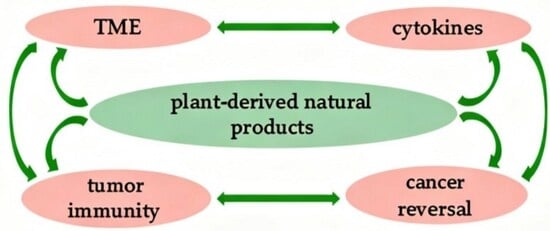
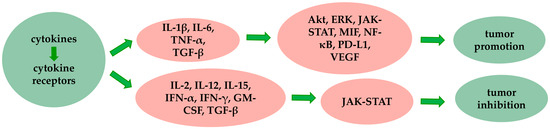
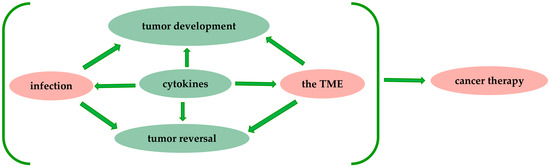
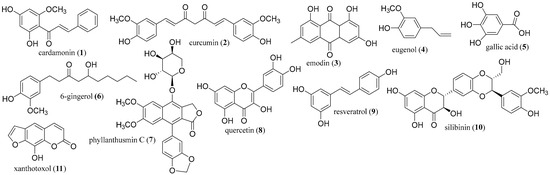
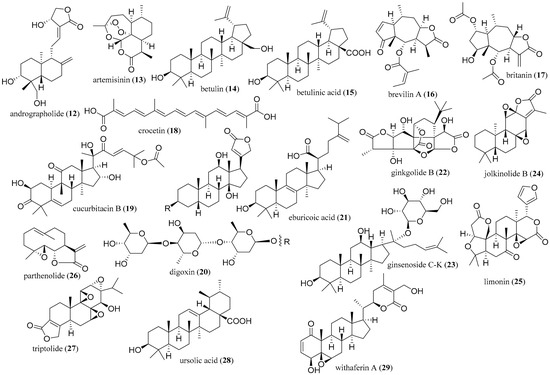
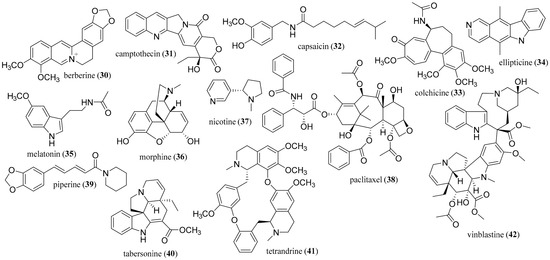
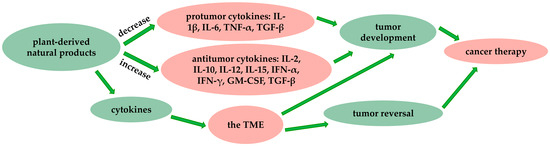
Cytokines are produced by immune and other cells and work as cellular messengers to regulate an immune response and other biological processes. As the main components of the tumor microenvironment (TME), cytokines are involved in the major events of cancer development, including cancer and cancer stem cell proliferation, angiogenesis, invasion, and metastasis. They also modulate immune functions and inhibit tumor progression and resistance to conventional therapies and thus have been regarded as promising targets for cancer treatment. Recently, tumor reversibility has attracted wide interest, for which the TME plays a critical role. Many plant-derived products exhibit potential tumor-inhibitory and cytokine-modulatory activities, including andrographolide, artemisinin, berberine, camptothecin, capsaicin, curcumin, digoxin, morphine, paclitaxel, and vinblastine, indicating their possible use in cancer reversal. Thus, in the present review, correlations among cytokines, the TME, tumor immunity, and tumor reversibility have been discussed, and the potential effects of selected plant-derived natural products on these issues have been addressed.
Full article
(This article belongs to the Special Issue Anticancer Potential of Natural Products)
►▼
Show Figures

Graphical abstract
Open AccessCommunication
Tea Beverage-Dependent Reduction in Risperidone Concentration Following Mixing with Risperidone Oral Solution
by
Hiroyuki Suzuki, Yosuke Nishikawa, Shurito Odashima, Taisuke Konno, Ryusuke Ouchi, Daisuke Kikuchi, Kensuke Usui, Kouji Okada, Shigeki Kisara, Hitoshi Nakamura and Yuriko Murai
Sci. Pharm. 2026, 94(3), 68; https://doi.org/10.3390/scipharm94030068 - 18 Aug 2026
Abstract
►▼
Show Figures
Risperidone (RIS) oral solution has a bitter taste and is sometimes mixed with beverages to improve palatability and medication adherence. Although the package insert advises against mixing with tea beverages, the effects of beverage type and tea leaf variety on RIS concentration remain
[...] Read more.
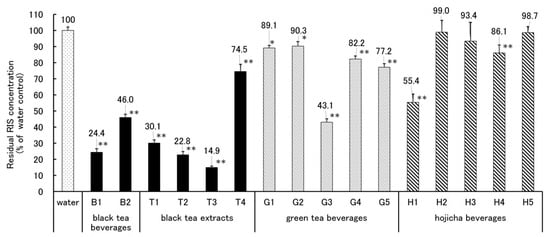
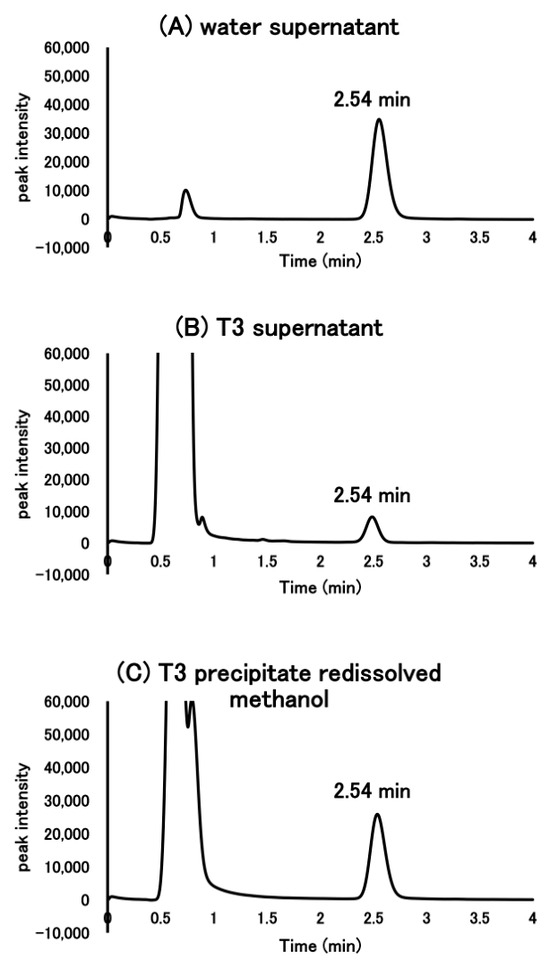
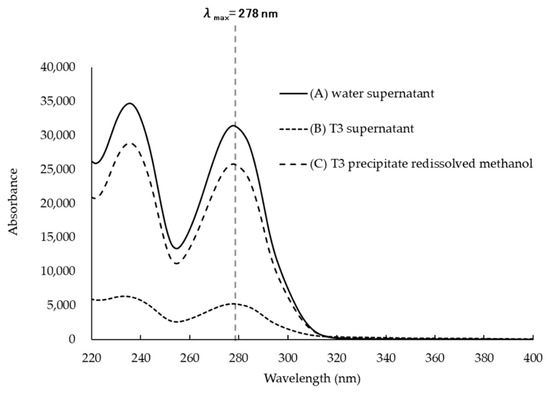
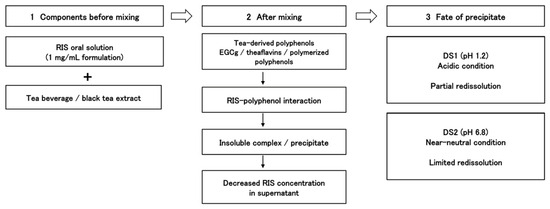
Risperidone (RIS) oral solution has a bitter taste and is sometimes mixed with beverages to improve palatability and medication adherence. Although the package insert advises against mixing with tea beverages, the effects of beverage type and tea leaf variety on RIS concentration remain unclear. RIS oral solution was mixed with commercially available black tea, green tea, and hojicha beverages, and black tea leaf extracts. RIS concentration in the supernatant was quantified by high-performance liquid chromatography, and its recovery from precipitates was evaluated in selected samples. RIS concentration decreased in all black tea and green tea beverages and black tea extracts, whereas some hojicha beverages showed no significant decrease. The extent of reduction differed among beverage types and black tea leaf varieties. RIS was substantially recovered from precipitates redissolved in methanol or dissolution test fluid 1 (pH 1.2), whereas recovery from dissolution test fluid 2 (pH 6.8) was lower. Chromatographic and UV spectral analyses supported the presence of RIS in redissolved precipitates. The reduction in RIS concentration is associated, at least in part, with transfer into precipitates and depends on beverage type and tea leaf variety. These findings support the recommendation to avoid diluting RIS oral solution with tea beverages.
Full article

Figure 1
Open AccessArticle
Development and Validation of a Capillary Zone Electrophoresis Method with Indirect UV Detection for the Simultaneous Determination of Azelaic Acid and Salicylic Acid in Pharmaceutical and Cosmetic Preparations
by
Șoimița Emiliana Măgerușan, Gabriel Hancu and Eleonora Mircia
Sci. Pharm. 2026, 94(3), 67; https://doi.org/10.3390/scipharm94030067 - 8 Aug 2026
Abstract
►▼
Show Figures
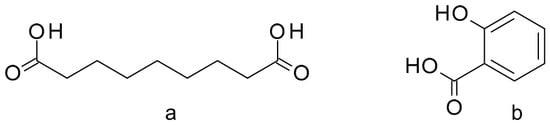
Azelaic acid (AZA) and salicylic acid (SA) are widely used active ingredients in pharmaceutical and cosmetic formulations for the treatment of acne, rosacea, hyperpigmentation, and other dermatological conditions. Despite their frequent co-administration, analytical methods for their simultaneous determination remain limited. In the present
[...] Read more.
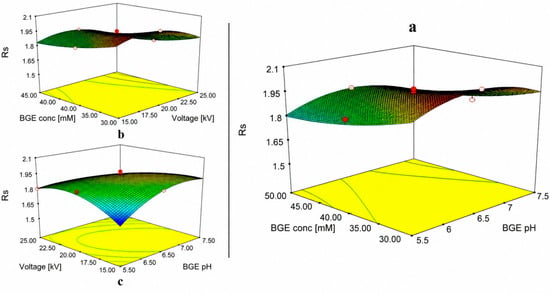
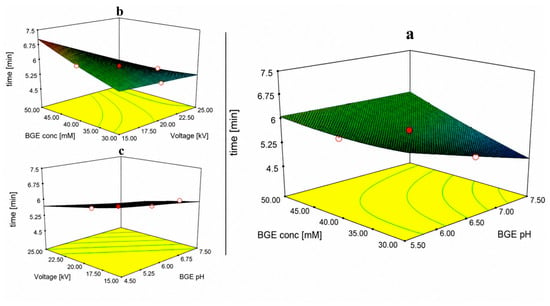
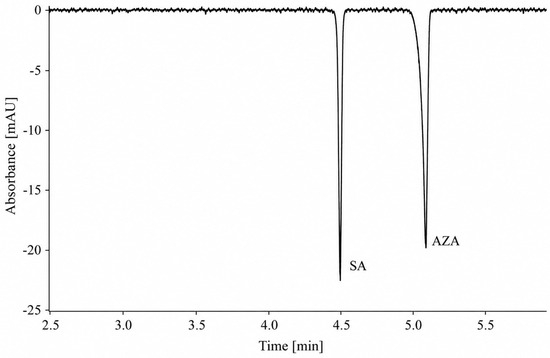
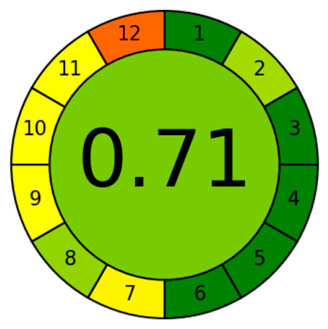
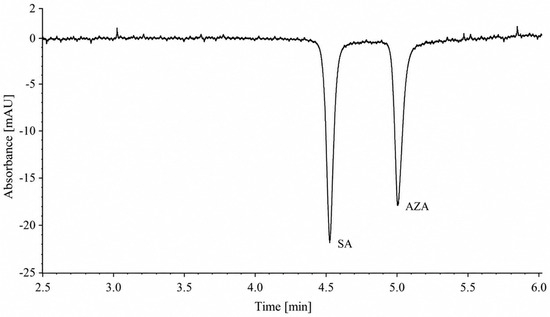
Azelaic acid (AZA) and salicylic acid (SA) are widely used active ingredients in pharmaceutical and cosmetic formulations for the treatment of acne, rosacea, hyperpigmentation, and other dermatological conditions. Despite their frequent co-administration, analytical methods for their simultaneous determination remain limited. In the present study, a capillary electrophoresis (CE) method with indirect UV detection was developed and validated for the simultaneous determination of AZA and SA in pharmaceutical and cosmetic preparations. Preliminary experiments demonstrated that direct UV detection was unsuitable because of the weak UV absorbance of AZA; therefore, indirect UV detection based on a sodium benzoate background electrolyte (BGE) was used. Following an initial one-factor-at-a-time (OFAT) screening, method optimization was performed using a face-centered central composite design (CCD) to evaluate the effects of BGE concentration, BGE pH, and separation voltage on the separation. The optimum separation was achieved using a 30 mM sodium benzoate BGE at pH 6.5 containing 5% (v/v) methanol, a separation voltage of +18 kV, a capillary temperature of 20 °C, and indirect UV detection at 230 nm. Baseline separation of both analytes was achieved within 5 min. The method was validated according to the ICH Q2(R2) guideline and demonstrated satisfactory accuracy, linearity, precision, selectivity, sensitivity, and robustness. The developed procedure was successfully applied to the analysis of commercial cosmetic formulations containing AZA, SA, or both active ingredients, providing assay results consistent with the declared contents. The proposed CE method provides a simple, rapid, cost-effective, and environmentally friendly alternative for the routine quality control of pharmaceutical and cosmetic formulations containing AZA and SA.
Full article

Figure 1
Open AccessReview
Bioactive Properties and Pharmaceutical Potential of New World Mistletoes of the Genus Tristerix: A Review
by
Erick Poulsen-Silva, María Carolina Otero, Diego Verdugo-Igor, Gloria González, Sofía Díaz-Cornejo, Camila Fuentes, Maite Rodríguez-Díaz, Cristian Atala and Felipe Gordillo-Fuenzalida
Sci. Pharm. 2026, 94(3), 66; https://doi.org/10.3390/scipharm94030066 - 7 Aug 2026
Abstract
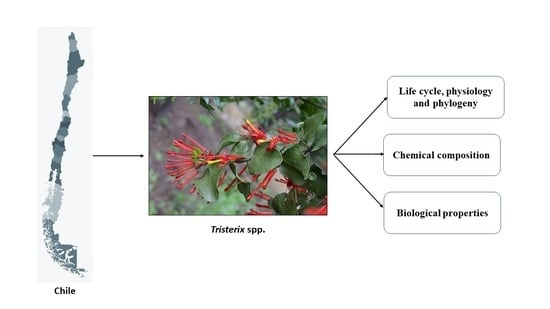
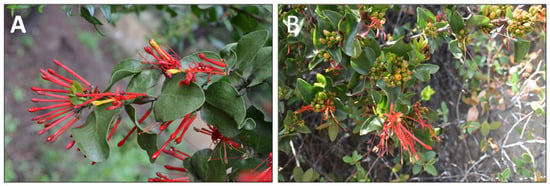
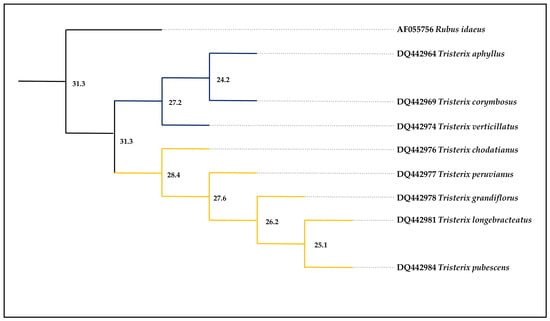
Mistletoes of the genus Tristerix, native to South America, represent a unique group of mostly hemiparasitic plants with potential medicinal applications. This review synthesizes existing knowledge on their biological and phytochemical properties, focusing on three main species endemic to Chile: Tristerix aphyllus
[...] Read more.
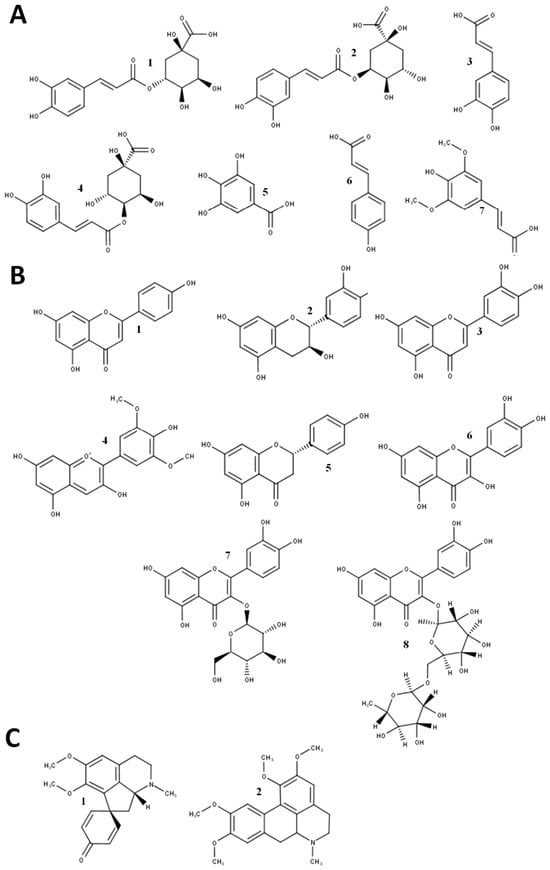
Mistletoes of the genus Tristerix, native to South America, represent a unique group of mostly hemiparasitic plants with potential medicinal applications. This review synthesizes existing knowledge on their biological and phytochemical properties, focusing on three main species endemic to Chile: Tristerix aphyllus, T. corymbosus, and T. verticillatus. These species exhibit diverse interactions with host plants, animal pollinators, and seed dispersers, where host identity can influence their chemical profile. Around 17 metabolites have been found in flowers, fruits, and leaves from Tristerix spp., including flavonoids (e.g., quercetin, apigenin, luteolin), phenolic acids (e.g., caffeic acid; gallic acid), and alkaloids (e.g., pronuciferine and glaucine). Those have demonstrated antioxidant, anti-inflammatory, antimicrobial, and anti-tumoral properties. Despite their traditional uses in Chilean medicine for ailments such as gastric ulcers and throat infections, experimental research on Tristerix spp. remains scarce. This review highlights their bioactive potential, emphasizing the need for further investigation into their pharmacological applications, including in vivo and clinical studies.
Full article
(This article belongs to the Topic Natural Products and Drug Discovery—2nd Edition)
►▼
Show Figures

Graphical abstract
Open AccessArticle
Orotic Acid–1,2,4-Triazole Hybrids as Potential MMP-2,9 Modulating Wound-Healing Agents: Synthesis, Molecular Docking and Biological Evaluation
by
Yuriy Karpenko, Volodymyr Parchenko, Lyudmila Kucherenko, Tetiana Chetvertak, Oleksii Bihdan, Iryna Pukhalska, Olena Roik, Daria Safronova, Ihor Meladze and Inna Bushueva
Sci. Pharm. 2026, 94(3), 65; https://doi.org/10.3390/scipharm94030065 - 5 Aug 2026
Abstract
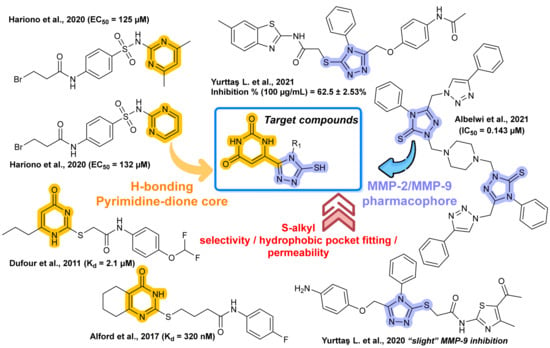
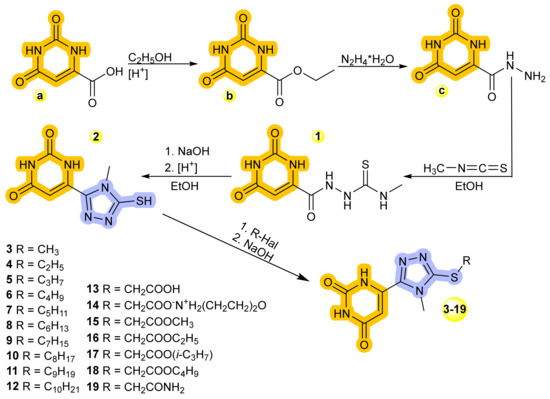
The matrix metalloproteinases MMP-2 and MMP-9 are involved in extracellular matrix remodeling, inflammatory response, and tissue remodeling, and overactivity of certain metalloproteinases may also contribute to chronic wound healing. The aim of this work was to synthesize novel hybrid derivatives of orotic acid
[...] Read more.
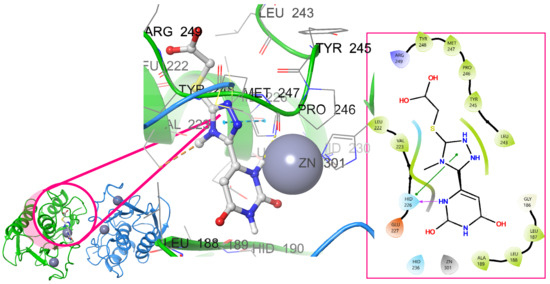
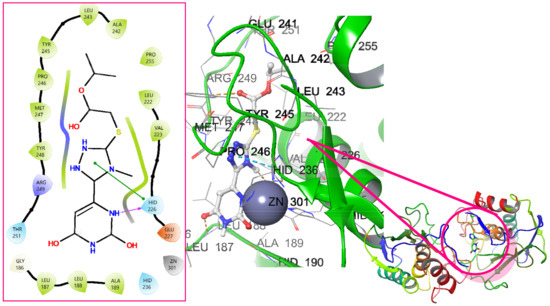
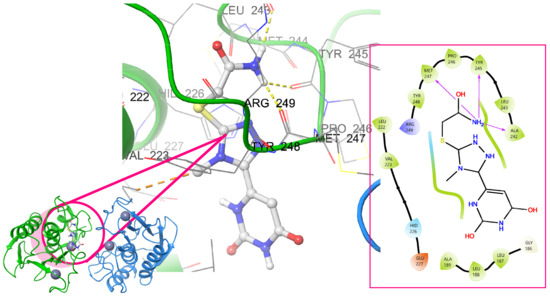
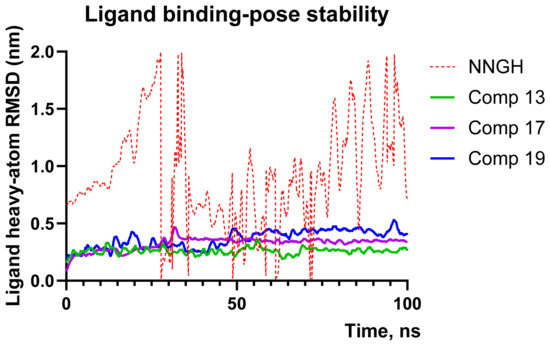
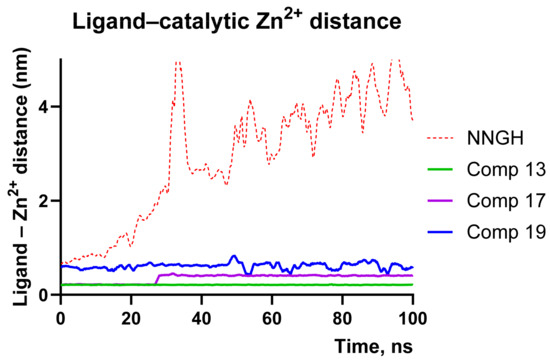
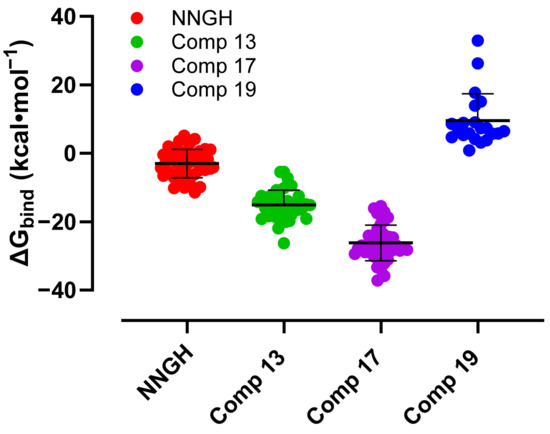
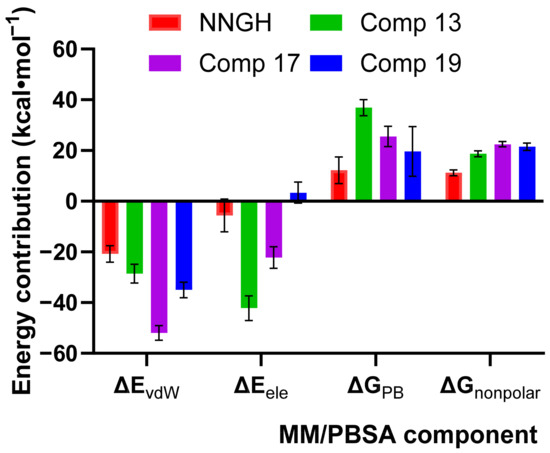
The matrix metalloproteinases MMP-2 and MMP-9 are involved in extracellular matrix remodeling, inflammatory response, and tissue remodeling, and overactivity of certain metalloproteinases may also contribute to chronic wound healing. The aim of this work was to synthesize novel hybrid derivatives of orotic acid and 1,2,4-triazole and investigate them as potential modulators of MMP-2/MMP-9. The structure of the compounds was confirmed by 1H, 13C NMR spectroscopy, LC–MS, and elemental analysis. Pharmacokinetic properties were calculated using SwissADME, and enzyme interactions were characterized using molecular docking strategies, protein–ligand contact analysis, and 100 ns molecular dynamics. The inhibitory effect was also assessed in vitro by fluorimetry at a concentration of 10 μM. The compounds had an acceptable drug-like profile, without violations of Lipinski’s rule and PAINS warnings. The highest affinity for MMP-9 was also found for the three target proteins 17, 19 and 13, which showed values of −9.65, −9.47 and −9.17 kcal/mol, respectively, compared to −8.37 kcal/mol for NNGH. Dynamic molecular analysis confirmed the stability of the 13–MMP-9 complex. Compounds 17 and 13 inhibited MMP-9 by 94.2 ± 4.8% and 85.2 ± 3.8%, respectively, with little effect on MMP-2, whereas compound 19 showed balanced inhibition of MMP-2 and MMP-9 by 74.2 ± 4.4% and 79.2 ± 2.8%, respectively. The results identified 13 and 17 as potential compounds with preferential effects on MMP-9, and 19 as a possible dual inhibitor for wound healing activity studies.
Full article
(This article belongs to the Special Issue Heterocyclic Chemistry in Drug Design 3.0)
►▼
Show Figures

Figure 1
Open AccessArticle
Identifying and Evaluating Flavonoids as Potential Inhibitors of SARS-CoV-2 Main Protease (Mpro/3CL) Through Docking and Molecular Dynamics
by
Getulio Flores-Tlalpa, Lenin Domínguez-Ramírez, Luis Márquez-Domínguez, Julio Reyes-Leyva, Paulina Cortés-Hernández, Fabiola Domínguez, Jesús Hernández, Irma Herrera-Camacho and Gerardo Santos-López
Sci. Pharm. 2026, 94(3), 64; https://doi.org/10.3390/scipharm94030064 - 31 Jul 2026
Abstract
►▼
Show Figures
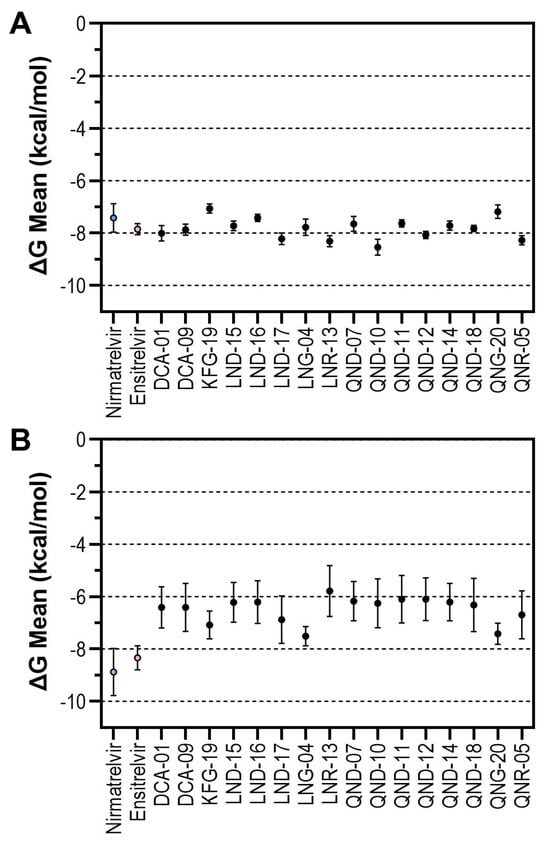
Although the acute phase of the SARS-CoV-2 pandemic has subsided, the continued emergence of viral variants underscores the need for structurally diverse antiviral inhibitors. In this study, molecular docking followed by molecular dynamics (300 ns) simulations and binding free energy calculations using the
[...] Read more.
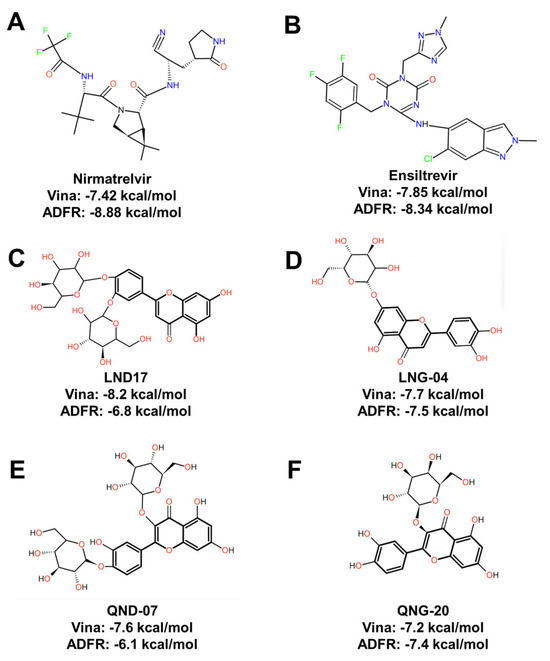
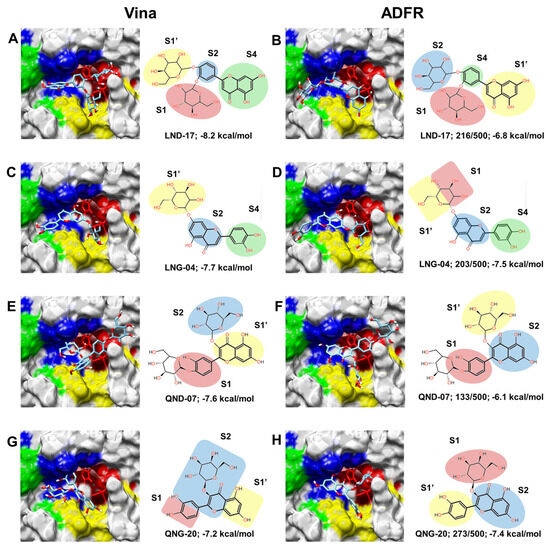
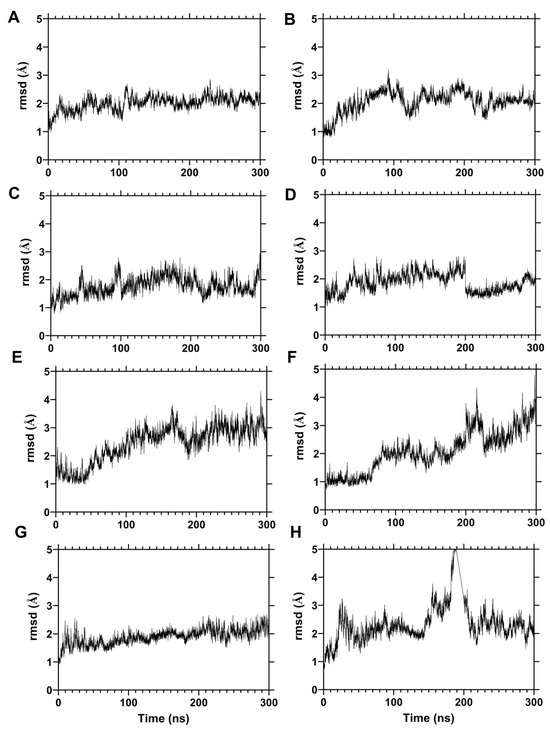
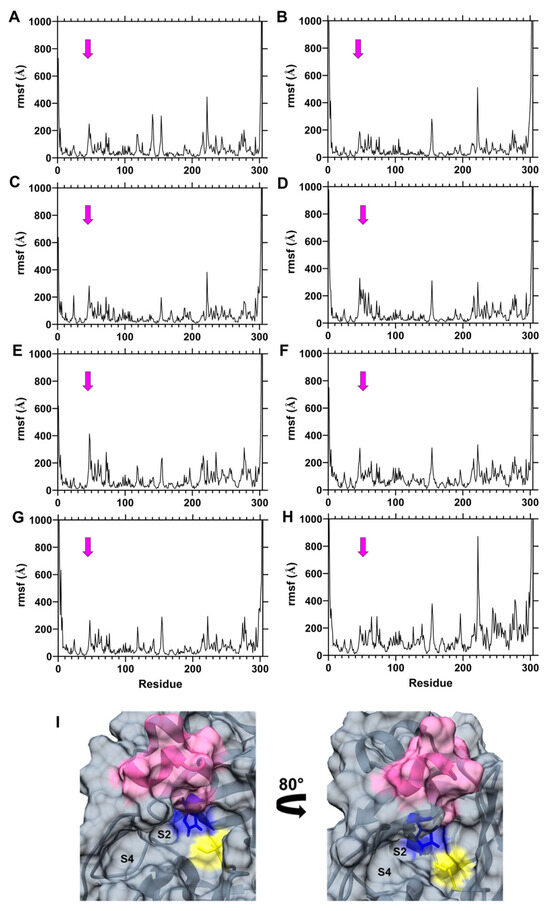
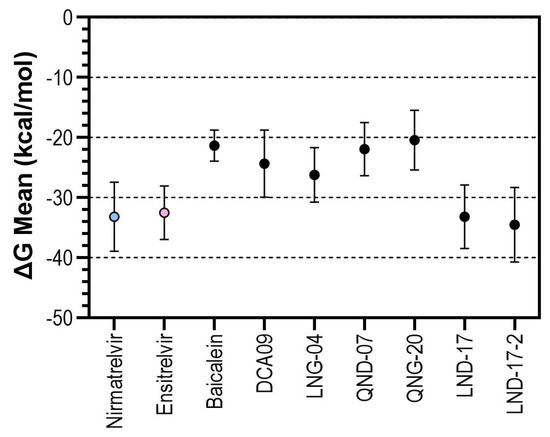
Although the acute phase of the SARS-CoV-2 pandemic has subsided, the continued emergence of viral variants underscores the need for structurally diverse antiviral inhibitors. In this study, molecular docking followed by molecular dynamics (300 ns) simulations and binding free energy calculations using the Molecular Mechanics Poisson–Boltzmann Surface Area (MM-PBSA) method were employed to evaluate substituted flavonoids derived from Taraxacum officinale and Urtica dioica as potential inhibitors of the SARS-CoV-2 main protease (Mpro/3CLpro). Docking analysis identified several derivatives with favorable binding scores; however, dynamic refinement revealed differential stability among the ligand–protein complexes. Among the evaluated compounds, the luteolin derivative LND-17 showed the most consistent performance, exhibiting binding free energy estimates approaching those obtained for the reference inhibitors nirmatrelvir and ensitrelvir, sustained catalytic pocket occupancy, and energetic contributions involving the catalytic dyad (His41 and Cys145). Additional derivatives, including LNG-04, QND-07, and QNG-20, showed moderate stabilization but lower overall consistency. These findings highlight glycosylated flavonoids as promising scaffolds for future structure-based optimization and provide structural insights to guide experimental validation.
Full article

Figure 1
Journal Menu
► ▼ Journal MenuJournal Browser
► ▼ Journal BrowserHighly Accessed Articles
Latest Books
E-Mail Alert
News
15 September 2026
Meet Us at the 2026 Fall International Convention of The Pharmaceutical Society of Korea (PSK 2026), 21–23 October 2026, Suwon, Republic of Korea
1 September 2026
MDPI INSIGHTS: The CEO’s Letter #38 – 2 Million Published Articles, Outstanding Reviewers, Michele Parrinello Award, AIS 2026 & WSF-12
Topics
Topic in
Biomedicines, IJMS, Sci. Pharm., Molecules, Future Pharmacology, Biomolecules
Natural Products and Drug Discovery—2nd Edition
Topic Editors: Sonia Piacente, Marta MenegazziDeadline: 30 September 2026
Topic in
Bioengineering, Molecules, Pharmaceuticals, Pharmaceutics, Processes, Sci. Pharm.
Complementary Strategies in Drug Delivery: From Particle Engineering to System Optimization
Topic Editors: Barbara R. Conway, Hisham Al-ObaidiDeadline: 30 October 2026
Topic in
Antibiotics, CIMB, IJMS, Pharmaceutics, Sci. Pharm., SynBio, Pharmaceuticals
Design, Synthesis, and Development of Antimicrobial Drugs
Topic Editors: Hao Wang, Wenxuan ZhangDeadline: 30 November 2026
Topic in
Biomedicines, IJMS, Medicines, Molecules, Pharmaceuticals, Sci. Pharm.
New Compounds Discovery and Development in Medicine — Advances in Research on Potential Therapeutic Agents and Drug Candidates, 2nd Edition
Topic Editors: Monika Wujec, Anna Bogucka-Kocka, Przemysław Kołodziej, Jacek BoguckiDeadline: 31 December 2026
Special Issues
Special Issue in
Sci. Pharm.
Monoclonal Antibodies in the Treatment of Diseases: Focus on Stability, Storage, and Administration
Guest Editor: Stefano RugaDeadline: 31 October 2026
Special Issue in
Sci. Pharm.
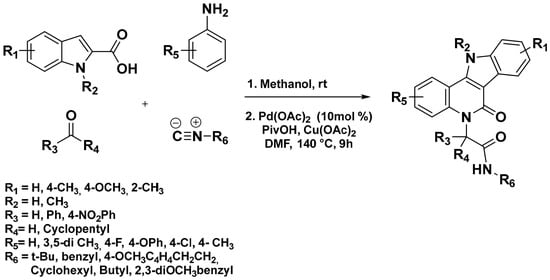
Heterocyclic Chemistry in Drug Design 3.0
Guest Editors: Roman B. Lesyk, Monika WujecDeadline: 31 October 2026
Special Issue in
Sci. Pharm.
Pharmaceutical Applications of Heterocyclic Compounds
Guest Editor: Thierry BessonDeadline: 31 October 2026
Special Issue in
Sci. Pharm.
Innovative Perspectives in Ocular Drug Research
Guest Editor: Susi BurgalassiDeadline: 31 October 2026