
Journal Description
Life
Life
is an international, peer-reviewed, open access journal related to fundamental themes in life sciences from basic to applied research, published monthly online by MDPI. The Spanish Association for Cancer Research (ASEICA) is affiliated with Life and its members receive a discount on the article processing charges.
- Open Access— free for readers, with article processing charges (APC) paid by authors or their institutions.
- High Visibility: indexed within Scopus, SCIE (Web of Science), PubMed, PMC, CAPlus / SciFinder, and other databases.
- Journal Rank: JCR - Q1 (Biology) / CiteScore - Q1 (Paleontology)
- Rapid Publication: manuscripts are peer-reviewed and a first decision is provided to authors approximately 16.6 days after submission; acceptance to publication is undertaken in 2.4 days (median values for papers published in this journal in the second half of 2025).
- Recognition of Reviewers: reviewers who provide timely, thorough peer-review reports receive vouchers entitling them to a discount on the APC of their next publication in any MDPI journal, in appreciation of the work done.
- Testimonials: See what our editors and authors say about Life.
- Companion journals for Life include: Physiologia and Hydrobiology.
Impact Factor:
3.4 (2024);
5-Year Impact Factor:
3.4 (2024)
Latest Articles
Genomic Landscape of Poorly Differentiated Gastric Carcinoma: An AACR GENIE® Project
Life 2026, 16(2), 209; https://doi.org/10.3390/life16020209 (registering DOI) - 27 Jan 2026
Abstract
Poorly differentiated gastric carcinoma (PGC) is aggressive, yet subtype-specific genomics are under-characterized. We queried AACR Project GENIE® (cBioPortal v18.0-public; 12 August 2025) for PGC and analyzed somatic alterations from targeted panels (depth ≥ 100×; variant allele frequency ≥ 5%). Mutation and copy
[...] Read more.
Poorly differentiated gastric carcinoma (PGC) is aggressive, yet subtype-specific genomics are under-characterized. We queried AACR Project GENIE® (cBioPortal v18.0-public; 12 August 2025) for PGC and analyzed somatic alterations from targeted panels (depth ≥ 100×; variant allele frequency ≥ 5%). Mutation and copy number frequencies were summarized, co-occurrence and exclusivity were tested, and primary versus metastatic tumors were compared using chi-square with Benjamini–Hochberg correction. The cohort included 189 tumors from 188 patients (71% primary; 25% metastatic), with primary and metastatic tumor samples being collected from different patients. Recurrently mutated genes were TP53 (48.7%), CDH1 (31.2%), ARID1A (21.2%), KMT2C (8.5%), and POLD1 (7.4%); additional alterations involved ERBB3, KMT2D, KEL, CDKN2A, and FAT1 (≈1–7%). Amplifications in CCNE1 (8.2%) and FGFR2 (7.6%) were common, alongside gains in MET, MYC, KRAS, and ERBB2 and losses in CDKN2A/CDKN2B, CDH1, and PTEN. Significant co-occurrence was observed for POLD1–KMT2D (p < 0.001), POLD1–ARID1A (p < 0.001), and ARID1A–KMT2D (p < 0.001), while TP53 was mutually exclusive with ARID1A (p = 0.029) and CDH1 (p = 0.041). CDH1 (48.9% vs. 29.6%; p = 0.021) and MLH1 (8.5% vs. 1.5%; p = 0.040) were enriched in metastases, and CCNE1 alterations showed female predominance (p = 2.83 × 10⁻⁴). Several “primary-only” findings likely reflect small denominators and require replication. PGC demonstrates a mutational framework dominated by TP53, CDH1, ARID1A, and recurrent CCNE1/FGFR2 amplifications, underscoring dysregulation of cell cycle and chromatin-remodeling pathways as key drivers. Co-occurrence of POLD1, ARID1A, and KMT2D suggests coordinated disruption of DNA repair and epigenetic regulation, whereas mutual exclusivity of TP53, ARID1A, and CDH1 indicates distinct tumorigenic routes. Metastatic enrichment of CDH1 and MLH1 supports their roles in invasion and therapeutic resistance. Together, these findings highlight candidate biomarkers and actionable pathways warranting validation in larger, multi-omic cohorts to refine precision treatment strategies for this aggressive gastric cancer subtype.
Full article
(This article belongs to the Section Genetics and Genomics)
►
Show Figures
Open AccessArticle
Isotopic Niche of Three Sympatric Mustelids
by
Linas Balčiauskas, Andrius Garbaras, Rasa Vaitkevičiūtė Koklevičienė, Inga Garbarienė and Laima Balčiauskienė
Life 2026, 16(2), 208; https://doi.org/10.3390/life16020208 (registering DOI) - 27 Jan 2026
Abstract
Although sympatric carnivores typically exhibit dietary differentiation to reduce interspecific competition, contemporary isotopic comparisons of European mustelids remain scarce. In this study, we present the first modern stable isotope analysis of hair to evaluate the dietary niches and trophic relationships of pine martens
[...] Read more.
Although sympatric carnivores typically exhibit dietary differentiation to reduce interspecific competition, contemporary isotopic comparisons of European mustelids remain scarce. In this study, we present the first modern stable isotope analysis of hair to evaluate the dietary niches and trophic relationships of pine martens (Martes martes), stone martens (Martes foina), and European polecats (Mustela putorius) in Lithuania and Latvia. The stable carbon and nitrogen isotope values differed among the species. M. martes showed lower δ15N values and more depleted δ13C signatures than the two more synanthropic species. Isotopic niche analyses revealed that M. martes occupied the broadest niche, while M. foina and M. putorius exhibited narrower niches with substantial overlap. Habitat influenced trophic position: individuals from settlements showed higher δ15N values than those from forests or wetlands. In contrast, sex- and age-related differences were weak or absent. These results demonstrate that despite partial spatial coexistence, sympatric mustelids differ primarily in isotopic niche structure rather than mean isotope values and that human-modified environments promote trophic convergence among generalist mesocarnivores. However, the small sample sizes for M. foina and M. putorius mean that estimates of isotopic niche width and overlap should be regarded as preliminary, and observed sex- and age-related patterns likely reflect limited statistical power rather than the absence of intraspecific dietary variation.
Full article
(This article belongs to the Section Diversity and Ecology)
►▼
Show Figures

Figure 1
Open AccessSystematic Review
Comparative Rehabilitation Benefits of Water-Based Versus Land-Based Exercise in Patients with Chronic Obstructive Pulmonary Disease: A Systematic Review and Meta-Analysis
by
Weiping Du, Jianhua Zhou and Aiping Chi
Life 2026, 16(2), 207; https://doi.org/10.3390/life16020207 - 27 Jan 2026
Abstract
Patients with chronic obstructive pulmonary disease (COPD) commonly experience impaired lung function, reduced exercise tolerance, and respiratory muscle weakness. Owing to the unique properties of the aquatic environment, water-based exercise may provide rehabilitation benefits that differ from those of traditional land-based exercise. Objective
[...] Read more.
Patients with chronic obstructive pulmonary disease (COPD) commonly experience impaired lung function, reduced exercise tolerance, and respiratory muscle weakness. Owing to the unique properties of the aquatic environment, water-based exercise may provide rehabilitation benefits that differ from those of traditional land-based exercise. Objective: This systematic review and meta-analysis aimed to compare the effects of water-based versus land-based exercise on lung function, exercise capacity, and respiratory muscle function in patients with COPD, thereby providing evidence to inform the optimization of pulmonary rehabilitation exercise modalities. Methods: PubMed, Web of Science, CNKI, and other databases were systematically searched to identify randomized controlled trials comparing water-based and land-based exercise interventions in adults with COPD. Primary outcomes included lung function (FEV1% predicted and FEV1/FVC), exercise capacity (six-minute walk distance, 6MWD), respiratory muscle strength (maximal inspiratory pressure (MIP]) and maximal expiratory pressure (MEP). Meta-analyses were performed using Stata 17.0. Results: A total of 14 RCTs were included. Meta-analysis showed that, compared with land-based exercise, water-based exercise significantly improved FEV1% predicted (WMD = 3.33, 95% CI: 0.02–6.64) and FEV1/FVC (WMD = 4.00, 95% CI: 1.27–6.73). Regarding exercise capacity, water-based exercise significantly increased 6MWD (WMD = 47.81 m, 95% CI: 20.19–75.44), with more pronounced improvements observed in short-term interventions (≤8 weeks). Respiratory muscle function analyses demonstrated significant improvements in MIP (WMD = 14.22 cmH2O, 95% CI: 7.75–20.69) and MEP (WMD = 14.40 cmH2O, 95% CI: 4.92–23.89). Conclusions: Compared with land-based exercise, water-based exercise demonstrates consistent advantages in improving exercise capacity and respiratory muscle function in patients with COPD and shows additional benefits for lung function indices. Therefore, water-based exercise may serve as a valuable adjunct to land-based training within pulmonary rehabilitation programs.
Full article
(This article belongs to the Special Issue Advances on Physiotherapy and Functional Rehabilitation in Chronic Conditions)
►▼
Show Figures

Figure 1
Open AccessArticle
The Prognostic Significance of Bronchoalveolar Lavage Cellular Analysis in Evaluating Disease Burden in Non-Cystic Fibrosis Bronchiectasis
by
Ahmet Yurttaş, Deniz Çelik, Sertan Bulut, Özkan Yetkin and Hüseyin Lakadamyalı
Life 2026, 16(2), 206; https://doi.org/10.3390/life16020206 - 27 Jan 2026
Abstract
Objective: This study aimed to investigate the relationship between bronchoalveolar lavage (BAL) cellular profiles, microbiological status, and clinical outcomes such as hospital admission in adult patients with non-cystic fibrosis bronchiectasis. Methods: A retrospective cross-sectional study was conducted on thirty adult bronchiectasis patients. Demographic,
[...] Read more.
Objective: This study aimed to investigate the relationship between bronchoalveolar lavage (BAL) cellular profiles, microbiological status, and clinical outcomes such as hospital admission in adult patients with non-cystic fibrosis bronchiectasis. Methods: A retrospective cross-sectional study was conducted on thirty adult bronchiectasis patients. Demographic, clinical, and laboratory data were collected. The cellular components of BAL fluid (macrophages, neutrophils, lymphocytes, and eosinophils) were analyzed. Patients were grouped according to the presence of microbial culture growth and history of hospitalization in the past year. Statistical analyses were performed to determine significant relationships. Results: The median age was 57 years, and the gender distribution was equal. There was no significant difference in BAL cellular profiles between groups with and without culture growth. However, in the group with a hospital admission in the past year, BAL showed a significantly lower percentage of alveolar macrophages (20% vs. 47%, p = 0.011) and a higher percentage of eosinophils (5% vs. 1%, p = 0.036). The hospitalized group also showed a trend toward a higher neutrophil percentage and a lower lymphocyte/neutrophil ratio. Furthermore, surprising associations were noted, such as a higher BAL macrophage count in married individuals and higher BAL eosinophilia in patients with diabetes. Conclusions: BAL cellular analysis provides valuable information beyond routine microbiological investigations in bronchiectasis. The low-alveolar-macrophage and high-eosinophil profile was found to be significantly associated with hospitalization, and this profile has the potential to serve as a prognostic biomarker in defining the “high-risk” phenotype. These findings highlight the complexity of the local inflammatory response and reveal the potential role of BAL in developing personalized treatment strategies for patients with bronchiectasis.
Full article
(This article belongs to the Special Issue Pathology, Diagnosis, and Treatments of Airway Diseases)
Open AccessArticle
Simulated Oxygen Supply Efficiency Assessment to Represent Stored Red Blood Cells Quality
by
Zongtang Chu, Guoxing You, Weidan Li, Peilin Shu, Dong Qin, Lian Zhao, Hong Zhou and Ying Wang
Life 2026, 16(2), 205; https://doi.org/10.3390/life16020205 - 26 Jan 2026
Abstract
Hemolysis rate is usually used as the acceptance criterion for stored red blood cells (RBCs) in clinical practice. However, there is a current lack of parameters for the characterization of hemoglobin quality. This study aimed to incorporate oxygen affinity, cooperativity, and the Bohr
[...] Read more.
Hemolysis rate is usually used as the acceptance criterion for stored red blood cells (RBCs) in clinical practice. However, there is a current lack of parameters for the characterization of hemoglobin quality. This study aimed to incorporate oxygen affinity, cooperativity, and the Bohr effect into a parameter system to monitor oxygen supply efficiency in stored RBCs, potentially serving as a basis for quality assessment. Han Chinese blood from plains, Tibetan blood from plateau, bovine hemoglobin (bHb), and a dextran–bovine hemoglobin conjugate (Dex20-bHb) were analyzed using the BLOODOX-2018. Oxygen affinity (P50) was determined by oxygen dissociation curves (ODCs) at pH = 7.4. Cooperativity was assessed through the Hill coefficient, calculated from the fitting range of the Hill equation. The Bohr effect was evaluated by the acid-base sensitivity index (SI) under simulated pH conditions of the lungs (pH = 7.6) and tissues (pH = 7.2) to calculate corresponding P50 values. Oxygen partial pressures (PO2) simulating lungs (PO2 = 100 mmHg for plains and 60 mmHg for plateau) and tissues (PO2 = 40 mmHg for plains and 30 mmHg for plateau) were used to calculate theoretical oxygen-release capacities in both environments. Multiple regression analysis explored relationships among parameters, constructing a system to assess changes in rat RBCs during storage. Optimized test methods determined P50, Hill coefficient, SI, and theoretical oxygen-release capacities for Han Chinese blood, Tibetan blood, bHb, and Dex20-bHb samples in various environments. We constructed a parameter system to characterize blood’s oxygen supply efficiency, revealing the significant influence of the Bohr effect. This influence varied with environmental changes in oxygen affinity. We validated the system using stored rat RBCs, finding consistent P50 trends with predictions, and initial increases in Hill coefficient and SI followed by decreases. Theoretical oxygen-release capacities varied significantly between plateau and plain environments. These results support using oxygen supply efficiency to assess RBC storage quality for developing transfusion strategies. P50, Hill coefficient, SI, and theoretical oxygen-release capacity in different environments can be incorporated into blood oxygen supply efficiency characterization systems to assess the quality changes in RBCs during storage.
Full article
(This article belongs to the Section Physiology and Pathology)
►▼
Show Figures

Figure 1
Open AccessArticle
Postoperative Antibiotic Escalation After Major Free-Flap Reconstruction Requiring ICU Admission: Associations with Day-1 Procalcitonin, Shock, and Microbiological Positivity
by
Wei-Hung Chang, Kuang-Hua Cheng, Ting-Yu Hu, Hui-Fang Hsieh and Kuan-Pen Yu
Life 2026, 16(2), 204; https://doi.org/10.3390/life16020204 - 26 Jan 2026
Abstract
Major reconstructive free-flap surgery often requires ICU admission, yet early signals associated with postoperative antibiotic escalation remain poorly characterized. We conducted a single-center retrospective cohort study of 119 consecutive postoperative ICU admissions after major free-flap reconstruction. Exposures were postoperative day-1 procalcitonin (PCT) and
[...] Read more.
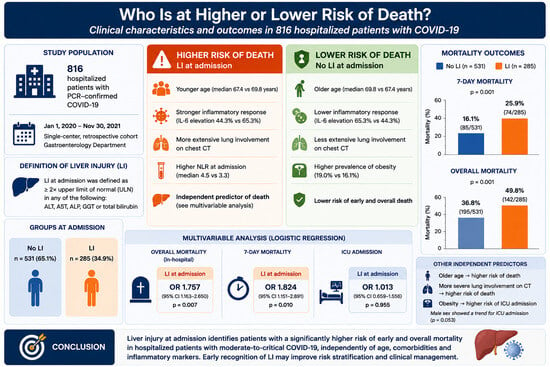
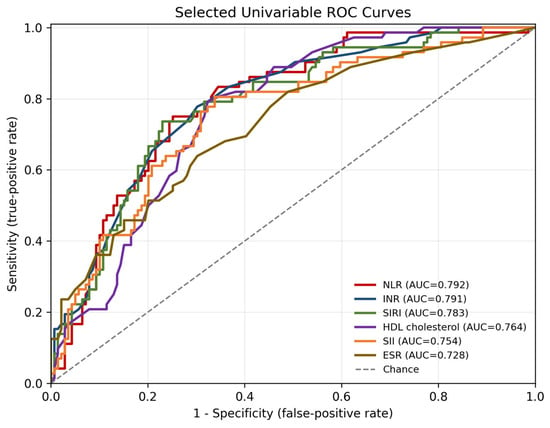
Major reconstructive free-flap surgery often requires ICU admission, yet early signals associated with postoperative antibiotic escalation remain poorly characterized. We conducted a single-center retrospective cohort study of 119 consecutive postoperative ICU admissions after major free-flap reconstruction. Exposures were postoperative day-1 procalcitonin (PCT) and documented postoperative shock; the primary endpoint was clinician-initiated antibiotic escalation (“upgrade”), and secondary endpoints were documented microbiological positivity and ICU mechanical ventilation duration. Escalation occurred in 85/119 admissions (71.4%). Day-1 PCT was higher with escalation (median 0.25 vs. 0.135 ng/mL; p = 0.033), and shock was more frequent (59/85 [69.4%] vs. 13/34 [38.2%]; p = 0.003). Escalation was associated with longer ventilation (median 3515 vs. 2170 min; p < 0.001) and higher rates of any positive culture (54/85 [63.5%] vs. 8/34 [23.5%]; p < 0.001). In multivariable logistic regression adjusting for operative time and intraoperative IV volume, shock remained independently associated with escalation (adjusted OR 3.52, 95% CI 1.48–8.36; p = 0.004), whereas log-transformed PCT was not (p = 0.224). PCT showed modest apparent discrimination for escalation (AUC 0.63), improving to 0.71 when combined with shock. These findings should be interpreted as observational associations with escalation behavior, supporting prospective evaluation of physiology-plus-biomarker stewardship approaches.
Full article
(This article belongs to the Special Issue Critical Issues in Intensive Care Medicine)
►▼
Show Figures

Figure 1
Open AccessArticle
Factors Affecting Recovery from Post-Traumatic Amnesia During Inpatient Brain Injury Rehabilitation: A Retrospective Cohort Study
by
Rathi Ratha Krishnan, Yuhan Yang, Emily Yee and Karen Sui Geok Chua
Life 2026, 16(2), 203; https://doi.org/10.3390/life16020203 - 26 Jan 2026
Abstract
Background: Longer post-traumatic amnesia (PTA) durations in traumatic brain injury (TBI) are associated with worse functional outcomes, poorer cognition, and persistent disability. A retrospective cohort study was conducted to evaluate factors affecting PTA duration and emergence. Methods: Data extraction of discharged records of
[...] Read more.
Background: Longer post-traumatic amnesia (PTA) durations in traumatic brain injury (TBI) are associated with worse functional outcomes, poorer cognition, and persistent disability. A retrospective cohort study was conducted to evaluate factors affecting PTA duration and emergence. Methods: Data extraction of discharged records of adult TBI was performed between 1 April 2022 and 4 May 2023. Independent variables collected include socio-demographic, acute TBI, and rehabilitation characteristics. Admission/discharge Functional Independence Measure (FIM) was the main rehabilitation outcome measure charted. Dependent variables included PTA duration ≤ 30 days, >30 days, and PTA emergence. Results: A total of 189 datasets were analysed. Median age (IQR) 64 years (26), 145 males (76.7%), and 64.6% >55 years. PTA ≥ 30 days were correlated with the following factors: older age (66 years vs. 59.5 years, p = 0.017), presence of ICU admission (75.2% vs. 61.4%, p = 0.029), longer ICU stays (5 days vs. 3 days, p = 0.001), and longer duration of inpatient hospitalization (acute length of stay, ALOS 23 days vs. ALOS 14 days, p < 0.001). Age ≥ 55 years were 5.6 times as likely (p = 0.011) to be in prolonged PTA, an additional day’s stay in the acute hospital increased the odds by 1.15 (p < 0.001), and every score lost in the total admission FIM from 40 and below increased the odds of prolonged PTA by 3.35 times (p = 0.014). Conclusions: This study demonstrated that older age at TBI onset and longer ALOS significantly increased the risk of prolonged PTA duration. Conversely, higher admission FIM score, lower age at admission, and shorter ALOS were associated with lower PTA duration.
Full article
(This article belongs to the Special Issue Physical Medicine and Rehabilitation: Trends and Applications—4th Edition)
Open AccessArticle
Postoperative Pain and Opioid Use Following Lower-Limb Escharectomy and Skin Grafting Under a Standardized Regional Anesthesia Protocol: A Retrospective Study
by
Francesco Coppolino, Francesco Coletta, Antonio Tomasello, Pasquale Rinaldi, Maria Rosaria Cavezza, Romolo Villani, Francesca Schettino, Ilaria Mataro, Antonio Scalvenzi, Caterina Aurilio, Pasquale Sansone, Maria Caterina Pace and Vincenzo Pota
Life 2026, 16(2), 202; https://doi.org/10.3390/life16020202 - 26 Jan 2026
Abstract
Background: Pain management in patients with severe burns remains one of the most complex challenges in perioperative care. Burn-related pain is multifactorial, resulting from tissue destruction, intense inflammation, surgical procedures, and repeated dressing changes. Opioids remain the cornerstone of analgesia; however, prolonged use
[...] Read more.
Background: Pain management in patients with severe burns remains one of the most complex challenges in perioperative care. Burn-related pain is multifactorial, resulting from tissue destruction, intense inflammation, surgical procedures, and repeated dressing changes. Opioids remain the cornerstone of analgesia; however, prolonged use is associated with tolerance, dependence, adverse effects, and prolonged hospitalization. Multimodal and opioid-sparing strategies, including regional anesthesia, may improve postoperative outcomes by enhancing analgesia while reducing systemic drug exposure. This study aimed to evaluate the effectiveness of a standardized regional anesthesia protocol in reducing postoperative pain and opioid requirements in burn patients undergoing lower-limb escharectomy and autologous skin grafting. Methods: We conducted a retrospective, single-center analysis of 25 adult patients with deep thermal burns of the lower limbs who underwent escharectomy and split-thickness skin grafting. All patients received a combined ultrasound-guided sciatic popliteal block and adductor canal block on both the burned limb and the donor site. Ropivacaine 0.375% with clonidine was administered without exceeding a total dose of 3.0 mg/kg. Postoperative pain was assessed using the Numerical Rating Scale (NRS), and opioid consumption was recorded as rescue doses in intravenous morphine equivalents. Secondary outcomes included perioperative complications and 30-day hospital readmission. Results: Regional anesthesia provided effective postoperative pain control. Thirty-two percent of patients reported no pain (NRS 0), 52% reported mild pain (NRS 1–3), and 16% reported moderate pain (NRS 4–6). No patient reported severe pain (NRS 7–10). Only four patients (16%) required rescue opioids. No perioperative complications or block-related adverse events occurred, and no patient required hospital readmission within 30 days. Conclusions: In this cohort, regional anesthesia was associated with satisfactory postoperative analgesia and minimal opioid requirements. By reducing opioid exposure, this approach may help improve patient comfort and potentially limit opioid-related adverse effects. Larger prospective studies are needed to confirm these findings and to assess long-term outcomes.
Full article
(This article belongs to the Special Issue Pain: New Insights into Mechanisms, Diagnosis, Therapy, and Management)
►▼
Show Figures

Figure 1
Open AccessArticle
Increased Mortality Among Young Systemic Sclerosis Patients During the COVID-19 Pandemic: A Nationwide Data Analysis from Thailand
by
Chingching Foocharoen, Patnarin Pongkulkiat, Tippawan Onchan, Siraphop Suwannaroj, Sarrote Boonkerd, Plumekamol Tangwattanakunchai and Ajanee Mahakkanukrauh
Life 2026, 16(2), 201; https://doi.org/10.3390/life16020201 - 26 Jan 2026
Abstract
Background: Beyond the direct COVID-19 effects, the pandemic’s broader impact on vulnerable groups, such as patients with systemic sclerosis (SSc), is particularly concerning, especially regarding any resulting increase in overall mortality due to healthcare access disruptions. We aimed to determine excess all-cause mortality
[...] Read more.
Background: Beyond the direct COVID-19 effects, the pandemic’s broader impact on vulnerable groups, such as patients with systemic sclerosis (SSc), is particularly concerning, especially regarding any resulting increase in overall mortality due to healthcare access disruptions. We aimed to determine excess all-cause mortality in SSc patients before and during the pandemic. Methods: We examined mortality data from Thailand’s Ministry of Public Health database for adults with SSc (ICD-10: M34). According to the WHO methodology, a negative binomial distribution model was used to estimate the expected number of deaths using pre-pandemic data (1 January 2015–31 December 2019). We evaluated actual versus expected deaths during the pandemic (1 January 2020 to 31 December 2022), defining excess mortality as the difference between observed and projected deaths under normal conditions. Results: The total number of all-cause deaths in Thailand was 2,325,384 in the pre-pandemic period and 1,634,121 during the pandemic period. The mortality rate among patients with SSc was 3693 before and 3107 during the pandemic. Of those with SSc, 1785 of the deceased were female, and the observed mortality was significantly lower than expected, with an excess death count of −368 (95% CI: −459 to −277), as well as in males with an excess death count of −123 (95% CI: −198 to −48). However, younger SSc patients (aged 18–29 years) experienced significantly higher excess mortality, with an excess death count of 11 (95% CI: 4–18). Conclusions: During the COVID-19 pandemic, neither sex had significantly higher SSc mortality; however, mortality in younger SSc patients increased significantly compared to pre-pandemic levels, underscoring the need for tailored therapies.
Full article
(This article belongs to the Special Issue Clinical Manifestations and Treatment of Autoimmune Diseases: 2nd Edition)
►▼
Show Figures

Figure 1
Open AccessArticle
Alteplase and Angioedema: Can Clinical Exome Sequencing Redefine the Paradigm?
by
Marina Tarsitano, Maurizio Russo, Vincenzo Andreone, Maria Bova, Francesco Palestra, Paolo Candelaresi, Giovanna Servillo, Anne Lise Ferrara, Gilda Varricchi, Luigi Ferrara, Stefania Loffredo and Massimiliano Chetta
Life 2026, 16(2), 200; https://doi.org/10.3390/life16020200 - 26 Jan 2026
Abstract
Intravenous thrombolysis with recombinant tissue-type plasminogen activator (tPA) remains a keystone of acute ischemic stroke treatment but in a subset of patients is complicated by angioedema, a potentially life-threatening adverse event largely mediated by bradykinin signaling. The unpredictable and idiosyncratic nature of this
[...] Read more.
Intravenous thrombolysis with recombinant tissue-type plasminogen activator (tPA) remains a keystone of acute ischemic stroke treatment but in a subset of patients is complicated by angioedema, a potentially life-threatening adverse event largely mediated by bradykinin signaling. The unpredictable and idiosyncratic nature of this reaction has long suggested an underlying genetic contribution, yet its molecular architecture has remained poorly characterized. We hypothesized that alteplase-associated angioedema represents a multigenic susceptibility phenotype, arising from the convergence of rare genetic variants across multiple interacting physiological systems rather than from a single causal variant. To explore this hypothesis, we performed clinical exome sequencing in a cohort of 11 patients who developed angioedema following alteplase administration. Rather than identifying a shared pathogenic variant, we observed distinct yet convergent patterns of genetic vulnerability, allowing patients to be grouped according to dominant, but overlapping, biological axes. These included alterations affecting bradykinin regulation (e.g., ACE, SERPING1, XPNPEP2), endothelial structure and hemostasis (e.g., VWF, COL4A1), neurovascular and calcium signaling (e.g., SCN10A, RYR1), and vascular repair or remodeling pathways (e.g., PSEN2, BRCA2). Notably, many of the identified variants were classified as Variant of Uncertain Significance (VUS) or likely benign significance in isolation. However, when considered within an integrated, pathway-based framework, these variants can be interpreted as capable of contributing cumulatively to system level fragility, a phenomenon best described as “contextual pathogenicity”. Under the acute biochemical and proteolytic stress imposed by thrombolysis, this reduced physiological reserve may allow otherwise compensated vulnerabilities to become clinically manifest. Together, these findings support a model in which severe alteplase-associated angioedema appears as an emergent property of interacting genetic networks, rather than a monogenic disorder. This systems level perspective underscores the limitations of gene centric interpretation for adverse drug reactions and highlights the potential value of pathway informed, multi-genic approaches to risk stratification. Such frameworks may ultimately contribute to safer, more personalized thrombolytic decision, while providing a conceptual foundation for future functional and translational studies.
Full article
(This article belongs to the Special Issue Breaking the Code: How Genome Sequencing Is Revolutionizing the Diagnosis of Rare Diseases)
►▼
Show Figures

Figure 1
Open AccessHypothesis
Synthetic Integration of an FCS into Coronaviruses—Hype or an Unresolved Biorisk? An Integrative Analysis of DNA Repair, Cancer Research, Drug Development, and Escape Mutant Traits
by
Siguna Mueller
Life 2026, 16(2), 199; https://doi.org/10.3390/life16020199 - 25 Jan 2026
Abstract
A 19 nt fragment that spans the SARS-CoV-2 furin cleavage site (FCS) is identical to the reverse complement of a proprietary human DNA repair gene sequence. Rather than interpreting this overlap as evidence of a laboratory event, this article uses it as a
[...] Read more.
A 19 nt fragment that spans the SARS-CoV-2 furin cleavage site (FCS) is identical to the reverse complement of a proprietary human DNA repair gene sequence. Rather than interpreting this overlap as evidence of a laboratory event, this article uses it as a theoretical springboard to explore underappreciated biorisk concerns, specifically in the context of cancer research. Although they are RNA viruses, coronaviruses are capable of hijacking host DNA damage response (DDR) pathways, exploiting nuclear functions to enhance replication and evade innate immunity. Under selective pressures (antivirals, DDR antagonists, or large-scale siRNA libraries designed to silence critical host genes), escape mutants may arise with fitness advantages. Parallel observations involving in vivo RNA interference via chimeric viruses lend plausibility to some of the key aspects underlying unappreciated biorisks. The mechanistic insights that incorporate DNA repair mechanisms, CoVs in the nucleus, specifics of viruses in cancer research, anticancer drugs, automated gene silencing experiments, and gene sequence overlaps identify gaps in biorisk policies, even those unaccounted for by the potent “Sequences of Concern” paradigm. Key concerning attributes, including genome multifunctionality, such as NLS/FCS in SARS-CoV-2, antisense sequences, and their combination, are further described in more general terms. The article concludes with recommendations pairing modern technical safeguards with enduring ethical principles.
Full article
(This article belongs to the Section Microbiology)
Open AccessArticle
Effects of Balanced Dietary Patterns and/or Integrated Exercise on Serum 1,5-Anhydroglucitol and CVD Risk Factors in Individuals with Prediabetes
by
Ting Zhu, Da Pan, Lanlan Gui, Wei Yan, Ligang Yang, Wang Liao, Shaokang Wang and Guiju Sun
Life 2026, 16(2), 198; https://doi.org/10.3390/life16020198 - 25 Jan 2026
Abstract
This study aimed to identify metabolomic biomarkers for diabetes progression and validate their response to lifestyle intervention. A two-phase design was employed: first, untargeted metabolomics distinguished normoglycemic, prediabetic (PDM), and diabetic (DM) individuals, identifying 1,5-anhydroglucitol (1,5-AG) as the most significant biomarker for differentiating
[...] Read more.
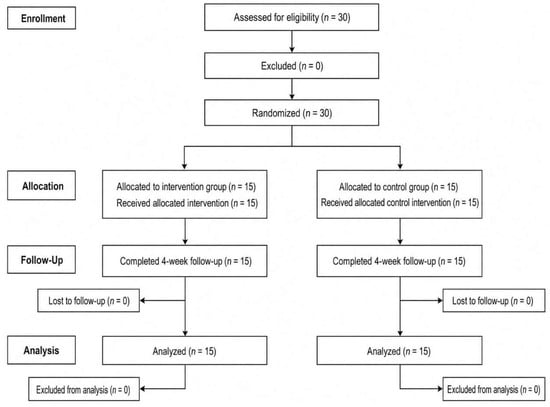
This study aimed to identify metabolomic biomarkers for diabetes progression and validate their response to lifestyle intervention. A two-phase design was employed: first, untargeted metabolomics distinguished normoglycemic, prediabetic (PDM), and diabetic (DM) individuals, identifying 1,5-anhydroglucitol (1,5-AG) as the most significant biomarker for differentiating PDM from DM (apparent AUC = 0.97, 95% CI: 0.95–1.00; corrected AUC = 0.94, 95% CI: 0.83–1.00; q < 0.001). Second, in a 3-month randomized controlled trial involving 300 adults with PDM, the combined diet and exercise intervention significantly improved fasting blood glucose and glycated hemoglobin levels, while concurrently elevating serum 1,5-AG levels compared with the control group, though it did not yield significant improvements in other cardiovascular disease-related risk factors including body mass index, waist circumference, systolic blood pressure, and diastolic blood pressure. The intervention also showed a trend toward reduced diabetes incidence. Integrated analysis establishes 1,5-AG as a sensitive biomarker of dysglycemia that is responsive to lifestyle modification, supporting its potential as a mechanistic tool for monitoring intervention efficacy in diabetes prevention.
Full article
(This article belongs to the Section Physiology and Pathology)
►▼
Show Figures

Figure 1
Open AccessArticle
Prevalence, Clinical Characteristics, and Predictors of Difficult-to-Treat Inflammatory Bowel Disease in a Real-World Taiwanese Cohort
by
Shun-Wen Hsiao, Pei-Yuan Su, Chen-Ta Yang, Yang-Yuan Chen and Hsu-Heng Yen
Life 2026, 16(2), 197; https://doi.org/10.3390/life16020197 - 24 Jan 2026
Abstract
A subset of patients with inflammatory bowel disease (IBD) remains refractory to treatment despite multiple lines of advanced therapies. These patients are often categorized as having difficult-to-treat (DTT) IBD. We retrospectively analyzed 354 patients with IBD (including 112 with Crohn’s disease [CD] and
[...] Read more.
A subset of patients with inflammatory bowel disease (IBD) remains refractory to treatment despite multiple lines of advanced therapies. These patients are often categorized as having difficult-to-treat (DTT) IBD. We retrospectively analyzed 354 patients with IBD (including 112 with Crohn’s disease [CD] and 242 with ulcerative colitis [UC]) from a real-world cohort. Baseline demographic and disease characteristics, treatment history, and outcomes were compared between the DTT-IBD and non-DTT-IBD groups. Logistic regression analysis was performed to identify factors associated with DTT-IBD in CD and UC cohorts. Approximately 10.6% of the patients exposed to advanced therapy fulfilled the definition of DTT-IBD (CD: 9.8%, UC: 11.4%). Compared with patients with non-DTT-IBD, those with DTT-IBD exhibited a significantly higher exposure to multiple biologic classes, including antitumor necrosis factor (94.1% vs. 59.0%), anti-integrin (94.1% vs. 47.2%), anti-interleukin-12/23 (88.2% vs. 19.4%), and Janus kinase inhibitors (35.3% vs. 0.7%). The DTT-IBD group had a significantly lower clinical remission rate at the last follow-up than the non-DTT-IBD group (52.9% vs. 85.4%, p = 0.001). A longer interval from diagnosis to the initiation of advanced therapy was independently associated with DTT-IBD in CD (OR: 1.014 per month, 95% CI: 1.001–1.026, p = 0.026). No significant predictors for UC were identified. In conclusion, DTT-IBD, characterized by extensive biologic exposure and suboptimal long-term remission rates, accounts for approximately 10% of patients with IBD receiving advanced therapy. In CD, delayed initiation of advanced therapy may contribute to refractoriness. These findings emphasize the unmet need for earlier therapeutic intervention, better predictive markers of treatment response, and novel therapeutic mechanisms.
Full article
(This article belongs to the Special Issue Novel Therapies for Chronic Inflammatory Diseases and Autoimmune Diseases)
Open AccessArticle
Manual Dexterity Rehabilitation in Parkinson’s Disease and Paranoid Schizophrenia: A Controlled Study
by
Tatiana Balint, Alina-Mihaela Cristuta, Adina Camelia Slicaru, Ilie Onu, Daniel Andrei Iordan and Ana Onu
Life 2026, 16(2), 196; https://doi.org/10.3390/life16020196 - 24 Jan 2026
Abstract
Background: Manual dexterity (MD) impairment is a frequent and disabling feature in patients with Parkinson’s disease (PD) and paranoid schizophrenia (PS), significantly affecting functional independence and activities of daily living. However, rehabilitation strategies specifically targeting fine motor control remain insufficiently integrated into routine
[...] Read more.
Background: Manual dexterity (MD) impairment is a frequent and disabling feature in patients with Parkinson’s disease (PD) and paranoid schizophrenia (PS), significantly affecting functional independence and activities of daily living. However, rehabilitation strategies specifically targeting fine motor control remain insufficiently integrated into routine physiotherapy (PT). Objective: This study investigated the effects of a structured, progressive PT program incorporating targeted MD training on upper limb function in patients with PD and PS. Methods: A prospective, exploratory, interventional study was conducted in 30 patients, allocated to either an experimental group (EG, n = 20) or a control group (CG, n = 10). Participants had PD (Hoehn and Yahr stages II–III) or chronic, clinically stable PS. MD was assessed using the Purdue Pegboard Test, Coin Rotation Task, and Kapandji opposition score. The EG completed a four-phase, 40-week dexterity-oriented rehabilitation program, while the CG received standard disease-specific PT. Between-group differences in change scores were analyzed using one-way ANOVA. Results: The EG showed significantly greater improvements than the CG in thumb opposition, psychomotor processing speed, and unilateral and bilateral fine motor performance (p < 0.001 for all), with large to very large effect sizes (η2 = 0.45–0.76). No significant between-group differences were observed for complex sequential assembly tasks. Conclusions: Integrating targeted MD training into structured PT programs significantly improves fine motor performance in patients with PD and PS, supporting its inclusion in rehabilitation protocols for residential and outpatient care settings.
Full article
(This article belongs to the Special Issue Physical Medicine and Rehabilitation: Trends and Applications—4th Edition)
►▼
Show Figures

Figure 1
Open AccessReview
Airway Management in the ICU and Emergency Department in Resource-Limited Settings
by
Sahil Kataria, Deven Juneja, Ravi Jain, Tonny Veenith and Prashant Nasa
Life 2026, 16(2), 195; https://doi.org/10.3390/life16020195 - 23 Jan 2026
Abstract
Airway management is central to the care of critically ill patients, yet it remains one of the most challenging interventions in emergency departments and intensive care units. Patients often present with severe physiological instability, limited cardiopulmonary reserve, and high acuity, while clinicians often
[...] Read more.
Airway management is central to the care of critically ill patients, yet it remains one of the most challenging interventions in emergency departments and intensive care units. Patients often present with severe physiological instability, limited cardiopulmonary reserve, and high acuity, while clinicians often work under constraints related to time for preparation, equipment availability, trained workforce, monitoring, and access to advanced rescue techniques. These challenges are particularly pronounced in low- and middle-income countries and other resource-limited or austere environments, where the margin for error is narrow and delays or repeated attempts in airway management may rapidly precipitate hypoxemia, hemodynamic collapse, or cardiac arrest. Although contemporary airway guidelines emphasize structured preparation and rescue pathways, many assume resources that are not consistently available in such settings. This narrative review discusses pragmatic, context-adapted strategies for airway management in constrained environments, with emphasis on physiology-first preparation, appropriate oxygenation and induction techniques, simplified rapid-sequence intubation, and the judicious use of basic airway adjuncts, supraglottic devices, and video laryngoscopy, where available. Adapted difficult airway algorithms, front-of-neck access in the absence of surgical backup, human factors, team training, and ethical considerations are also addressed. This review aims to support safer and effective airway management for critically ill patients in resource-limited emergency and intensive care settings.
Full article
(This article belongs to the Special Issue Intensive Care Medicine: Current Concepts and Future Perspectives)
►▼
Show Figures

Figure 1
Open AccessArticle
The Effects of Comorbidities on Outcomes After Total Hip Replacement
by
Hou Hoi Iong, Chih-Hung Chang, Jwo-Luen Pao, Wen-Chih Chen, Shang-Ming Lin and Cheng-Tzu Wang
Life 2026, 16(2), 194; https://doi.org/10.3390/life16020194 - 23 Jan 2026
Abstract
Background: The relationship between comorbidity burden, as measured by the American Society of Anesthesiologists (ASA) classification, and functional recovery after total hip replacement (THR) remains uncertain. This study aimed to clarify whether ASA grade independently predicts postoperative patient-reported outcomes. Methods: We conducted a
[...] Read more.
Background: The relationship between comorbidity burden, as measured by the American Society of Anesthesiologists (ASA) classification, and functional recovery after total hip replacement (THR) remains uncertain. This study aimed to clarify whether ASA grade independently predicts postoperative patient-reported outcomes. Methods: We conducted a retrospective analysis of 218 consecutive patients from a prospectively maintained institutional registry who underwent primary unilateral THR between March 2021 and March 2024 in a single center. Patients were stratified into ASA 1–2 and ASA 3 groups. The Oxford Hip Score (OHS, 0–48) was collected preoperatively and at 1 week, 3 months, and 6 months postoperatively. Between-group differences were assessed, and multivariable linear regression was used to identify predictors of 6-month OHS. Results: Compared with ASA 1–2 patients, ASA 3 patients had lower preoperative OHS and longer hospital stay, but both groups showed substantial improvement over time and achieved excellent mean OHS at 6 months. In the adjusted model, higher ASA grade remained an independent negative predictor of 6-month OHS, whereas higher preoperative OHS and BMI were positive predictors. Conclusions: Despite presenting with worse baseline function and requiring longer hospitalization, ASA 3 patients experienced clinically meaningful recovery and achieved favorable 6-month outcomes after THR. Higher ASA status should therefore inform perioperative optimization rather than preclude surgery.
Full article
(This article belongs to the Special Issue Osteoarthritis: New Insights into Mechanisms, Diagnosis, Therapy and Management)
►▼
Show Figures

Figure 1
Open AccessArticle
Selective Motor Entropy Modulation and Targeted Augmentation for the Identification of Parkinsonian Gait Patterns Using Multimodal Gait Analysis
by
Yacine Benyoucef, Jouhayna Harmouch, Borhan Asadi, Islem Melliti, Antonio del Mastro, Pablo Herrero, Alberto Carcasona-Otal and Diego Lapuente-Hernández
Life 2026, 16(2), 193; https://doi.org/10.3390/life16020193 - 23 Jan 2026
Abstract
Background/Objectives: Parkinsonian gait is characterized by impaired motor adaptability, altered temporal organization, and reduced movement variability. While data augmentation is commonly used to mitigate class imbalance in gait-based machine learning models, conventional strategies often ignore physiological differences between healthy and pathological movements, potentially
[...] Read more.
Background/Objectives: Parkinsonian gait is characterized by impaired motor adaptability, altered temporal organization, and reduced movement variability. While data augmentation is commonly used to mitigate class imbalance in gait-based machine learning models, conventional strategies often ignore physiological differences between healthy and pathological movements, potentially distorting meaningful motor dynamics. This study explores whether preserving healthy motor variability while selectively augmenting pathological gait signals can improve the robustness and physiological coherence of gait pattern classification models. Methods: Eight patients with Parkinsonian gait patterns and forty-eight healthy participants performed walking tasks on the Motigravity platform under hypogravity conditions. Full-body kinematic data were acquired using wearable inertial sensors. A selective augmentation strategy based on smooth time-warping was applied exclusively to pathological gait segments (×5, σ = 0.2), while healthy gait signals were left unaltered to preserve natural motor variability. Model performance was evaluated using a hybrid convolutional neural network–long short-term memory (CNN–LSTM) architecture across multiple augmentation configurations. Results: Selective augmentation of pathological gait signals achieved the highest classification performance (94.1% accuracy, AUC = 0.97), with balanced sensitivity (93.8%) and specificity (94.3%). Performance decreased when augmentation exceeded an optimal range of variability, suggesting that beneficial augmentation is constrained by physiologically plausible temporal dynamics. Conclusions: These findings demonstrate that physiology-informed, selective data augmentation can improve gait pattern classification under constrained data conditions. Rather than supporting disease-specific diagnosis, this proof-of-concept study highlights the importance of respecting intrinsic differences in motor variability when designing augmentation strategies for clinical gait analysis. Future studies incorporating disease-control cohorts and subject-independent validation are required to assess specificity and clinical generalizability.
Full article
(This article belongs to the Section Biochemistry, Biophysics and Computational Biology)
►▼
Show Figures

Figure 1
Open AccessReview
Sickle Cell Disease and Male Infertility: Pathophysiological Mechanisms, Clinical Manifestations, and Fertility Preservation Strategies—A Narrative Review
by
Christos Roidos, Aris Kaltsas, Evangelos N. Symeonidis, Vasileios Tzikoulis, Nikolaos Pantazis, Chara Tsiampali, Natalia Palapela, Athanasios Zachariou, Nikolaos Sofikitis and Fotios Dimitriadis
Life 2026, 16(2), 192; https://doi.org/10.3390/life16020192 - 23 Jan 2026
Abstract
Sickle cell disease (SCD) is an inherited hemoglobinopathy in which hemoglobin S polymerization drives hemolysis and vaso-occlusion with progressive organ morbidity. Male reproductive impairment is increasingly recognized but remains underreported. This narrative review summarizes mechanistic pathways, clinical manifestations, and fertility preservation options relevant
[...] Read more.
Sickle cell disease (SCD) is an inherited hemoglobinopathy in which hemoglobin S polymerization drives hemolysis and vaso-occlusion with progressive organ morbidity. Male reproductive impairment is increasingly recognized but remains underreported. This narrative review summarizes mechanistic pathways, clinical manifestations, and fertility preservation options relevant to men with SCD. PubMed, the Cochrane Library, and Medscape were searched through 31 December 2025 for human studies addressing endocrine changes, semen quality, priapism and erectile dysfunction, oxidative stress, and treatment-related gonadotoxicity. Evidence supports converging mechanisms: recurrent vaso-occlusion and chronic hypoxia may injure the seminiferous epithelium and impair Leydig cell steroidogenesis; oxidative stress and inflammation contribute to sperm DNA and membrane damage; and disease-modifying or curative therapies such as hydroxyurea and hematopoietic stem cell transplantation can further compromise spermatogenesis. Clinically, men with SCD may present with oligozoospermia, azoospermia, hypogonadism, and sexual dysfunction, particularly after recurrent ischemic priapism. Fertility preservation should be discussed early, ideally before prolonged hydroxyurea exposure or transplantation, and may include semen cryopreservation and testicular sperm extraction (TESE) with assisted reproduction when needed. Prospective longitudinal studies are required to define reproductive trajectories and optimize counseling and management.
Full article
(This article belongs to the Section Medical Research)
►▼
Show Figures

Figure 1
Open AccessArticle
The Role of Homocysteine in Pediatric MASLD: A Bipotential Biomarker of Cardiovascular Risk and Liver Fibrosis
by
Antonella Mosca, Nadia Panera, Giulia Andolina, Luca Della Volpe, Anna Pastore, Maria Rita Braghini, Lidia Monti, Paola Francalanci, Giovanna Soglia, Andrea Pietrobattista and Anna Alisi
Life 2026, 16(2), 191; https://doi.org/10.3390/life16020191 - 23 Jan 2026
Abstract
The increasing prevalence of metabolic dysfunction-associated fatty liver disease (MASLD) in children requires robust, non-invasive biomarkers to enable accurate disease staging and risk stratification. Elevated serum levels of homocysteine (Hcy) have emerged as potential risk factors for cardiometabolic disease in adults, including MASLD.
[...] Read more.
The increasing prevalence of metabolic dysfunction-associated fatty liver disease (MASLD) in children requires robust, non-invasive biomarkers to enable accurate disease staging and risk stratification. Elevated serum levels of homocysteine (Hcy) have emerged as potential risk factors for cardiometabolic disease in adults, including MASLD. In this observational retrospective study, we investigated the role of serum Hcy levels as a potential biomarker for disease severity and liver fibrosis in a pediatric cohort of 182 children with MASLD. In 89 patients, liver biopsy allowed the classification into metabolic dysfunction-associated steatohepatitis (MASH). Associations between Hcy, metabolic parameters, fibrosis scores, and histological features were examined, and the diagnostic performance of Hcy for liver fibrosis was evaluated using ROC analysis. Multivariate analyses identified elevated Hcy levels as independently associated with HOMA-IR (β = 0.55; p = 0.049), TG/HDL ratio (β = 3.23; p = 0.002), and liver fibrosis (β = 2.59; p = 0.04). Hcy showed a predictive accuracy of 81% for fibrosis. However, the combined diagnostic models of Hcy with non-invasive fibrotic scores (i.e., APRI and FIB-4) or TG/HDL ratio showed only a modest accuracy (AUC = 0.62–0.69). In conclusion, our data suggest that Hcy is associated with fibrosis and cardiometabolic risk. However, these results should be interpreted as exploratory and do not establish homocysteine as a diagnostic biomarker.
Full article
(This article belongs to the Special Issue Metabolic Health: The Interplay Between NAFLD, MAFLD, MASLD and Cardiovascular Disease)
►▼
Show Figures

Figure 1
Open AccessArticle
Hemoglobin-to-Red Cell Distribution Width Ratio and Vitamin D Status as Early Predictors of Cardiovascular Risk in Primary Sjögren’s Syndrome
by
Francesca Coppi, Francesco Sbarra, Aurora Vicenzi, Cecilia Campani, Martina Moretti, Dilia Giuggioli, Caterina Vacchi, Amelia Spinella, Daniela Aschieri, Anna Vittoria Mattioli, Francesco Fedele, Alessio Baccarani, Marcello Pinti, Alessandra Dei Cas, Federica Fantuzzi, Leila Bigdelu, Gianluca Pagnoni and Susan Darroudi
Life 2026, 16(2), 190; https://doi.org/10.3390/life16020190 - 23 Jan 2026
Abstract
Introduction: Primary Sjögren’s (pSS) is an autoimmune disease that affects several organs, especially the heart, and raises cardiovascular risk. Investigating the associations of hemoglobin-to-red cell distribution width (RDW) ratio (HRR), vitamin D status, and cardiac function could provide valuable insights and biomarkers regarding
[...] Read more.
Introduction: Primary Sjögren’s (pSS) is an autoimmune disease that affects several organs, especially the heart, and raises cardiovascular risk. Investigating the associations of hemoglobin-to-red cell distribution width (RDW) ratio (HRR), vitamin D status, and cardiac function could provide valuable insights and biomarkers regarding early cardiovascular risk in patients with pSS. Method: This cross-sectional study involved 61 patients diagnosed with pSS based on ACR/EULAR criteria. Data on demographics, hematological (Hb, RDW), echocardiography, and serum vitamin D levels were collected. Echocardiograms were conducted by trained cardiologists following established guidelines, while vitamin D levels were measured using ELISA. Statistical analyses, including univariate linear regression, were performed with SPSS in order to identify whether HRR tertiles were related to cardiac function and vitamin D status. Results: A study of 61 pSS patients (mean age 59.8 years, 89% female) revealed that patients with a lower hemoglobin-to-RDW ratio (HRR ≤ 0.98) had significantly higher pulmonary artery pressures (PAPs) and lower values for the tricuspid annular plane systolic excursion (TAPSE)/PAPs ratio, contributing to poor right heart function. These associations were particularly strong in patients with insufficient levels of vitamin D (<30 ng/mL), while differences in other echocardiographic parameters remained nonsignificant between HRR groups. Conclusions: These findings underscore the clinical value of HRR as a composite biomarker that reflects the interplay between anemia, inflammation, and cardiovascular health in primary Sjögren’s disease. They also suggest that vitamin D status may be an important therapeutic consideration to mitigate cardiopulmonary risks in this population.
Full article
(This article belongs to the Special Issue Feature Papers in Medical Research: 4th Edition)
►▼
Show Figures

Figure 1
Journal Menu
► ▼ Journal Menu-
- Life Home
- Aims & Scope
- Editorial Board
- Reviewer Board
- Topical Advisory Panel
- Instructions for Authors
- Special Issues
- Topics
- Sections & Collections
- Article Processing Charge
- Indexing & Archiving
- Editor’s Choice Articles
- Most Cited & Viewed
- Journal Statistics
- Journal History
- Journal Awards
- Society Collaborations
- Conferences
- Editorial Office
Journal Browser
► ▼ Journal BrowserHighly Accessed Articles
Latest Books
E-Mail Alert
News
Topics
Topic in
Animals, Arthropoda, Diversity, Insects, Life, Pathogens
Arthropod Biodiversity: Ecological and Functional Aspects, 2nd Edition
Topic Editors: Paolo Solari, Roberto M. Crnjar, Anita Giglio, Gianluca TettamantiDeadline: 31 January 2026
Topic in
Antioxidants, Cancers, Gastroenterology Insights, Life, Nutrients
Oxidative Stress and Diet: The Health Implications of Advanced Glycation and Lipid Oxidation End-Products
Topic Editors: Joseph Kanner, Ron KohenDeadline: 31 March 2026
Topic in
Antioxidants, IJMS, JFMK, Life, Physiologia
Skeletal Muscle Adaptations to Oxidative Stress
Topic Editors: Guglielmo Duranti, Zsolt RadakDeadline: 30 April 2026
Topic in
CIMB, IJMS, Reprod. Med., Biology, Life
Recent Research in Germ Cells
Topic Editors: Malgorzata Kloc, Jacek KubiakDeadline: 31 May 2026
Conferences
Special Issues
Special Issue in
Life
3D Imaging and Facial Reconstruction
Guest Editor: Marios PapadakisDeadline: 30 January 2026
Special Issue in
Life
Advancing Nanotechnology in Cancer Theranostics
Guest Editor: Yulia MerkherDeadline: 30 January 2026
Special Issue in
Life
Targeting Hormonal Regulation in Prostate Cancer
Guest Editor: Marília FigueiraDeadline: 30 January 2026
Special Issue in
Life
Physical Medicine and Rehabilitation: Trends and Applications—4th Edition
Guest Editors: Li-Wei Chou, Jiunn-Horng Kang, Krisna Piravej, Karen Sui Geok ChuaDeadline: 30 January 2026
Topical Collections
Topical Collection in
Life
Heart Failure and Heart Transplantation
Collection Editors: Rasmus Rivinius, Andreas Doesch, Daniel Oehler
Topical Collection in
Life
Antimicrobial Resistance
Collection Editors: Caterina Aurilio, Antonella Paladini, Pasquale Sansone, Vincenzo Pota
Topical Collection in
Life
State of the Art in Plant Science
Collection Editors: Kousuke Hanada, Yoshiteru Noutoshi
Topical Collection in
Life
Retinal Disease and Metabolism
Collection Editors: Yohei Tomita, Ayumi Ouchi