Synthetic Integration of an FCS into Coronaviruses—Hype or an Unresolved Biorisk? An Integrative Analysis of DNA Repair, Cancer Research, Drug Development, and Escape Mutant Traits


Abstract
1. Motivation
Then the woman whose son was alive said to the king, because her heart yearned for her son, “Oh, my lord, give her the living child, and by no means slay it.” But the other said, “It shall be neither mine nor yours; divide it.” The king responded, “Give the living baby to the first woman, and don’t kill him. She is his mother.”
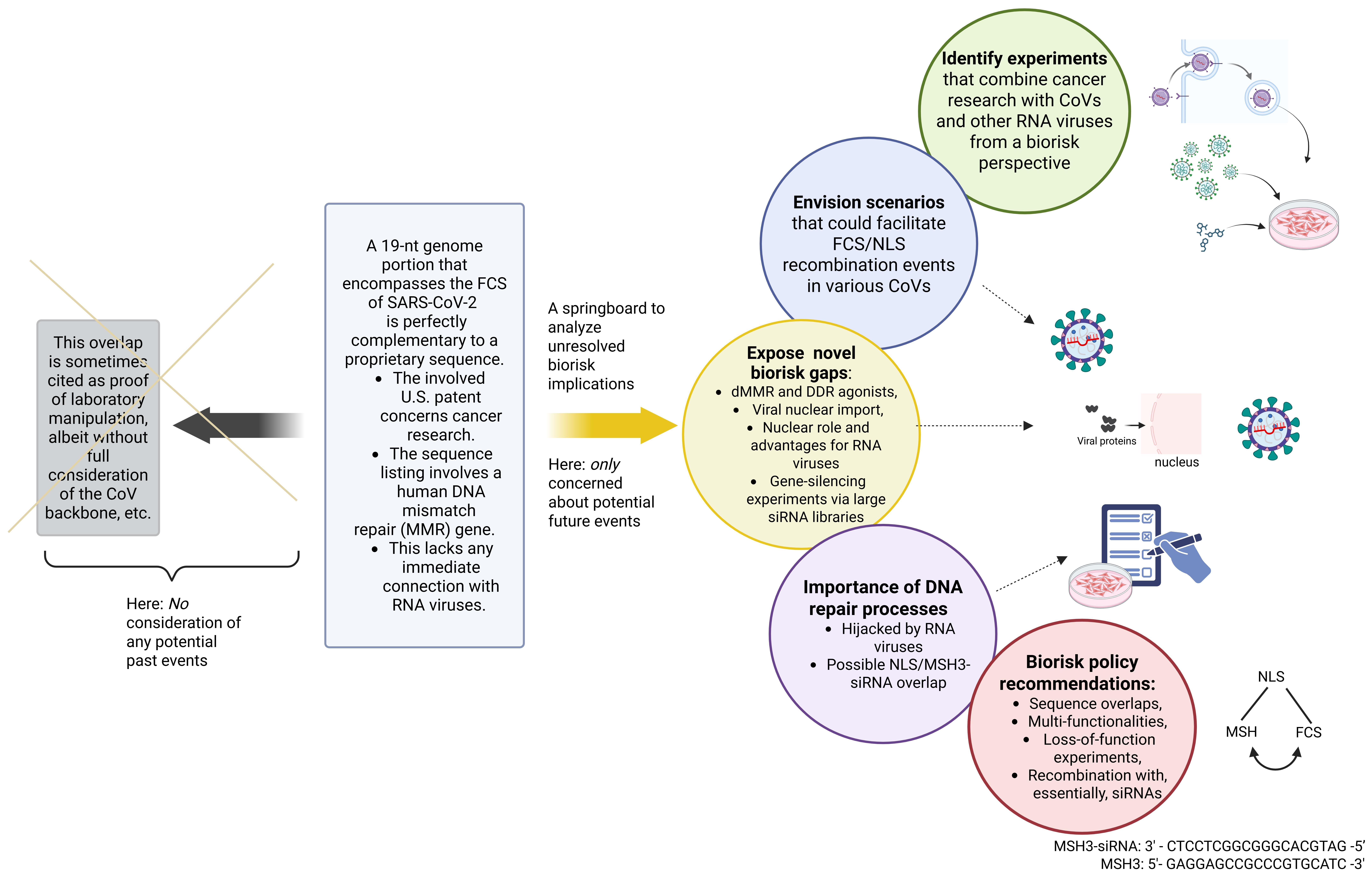
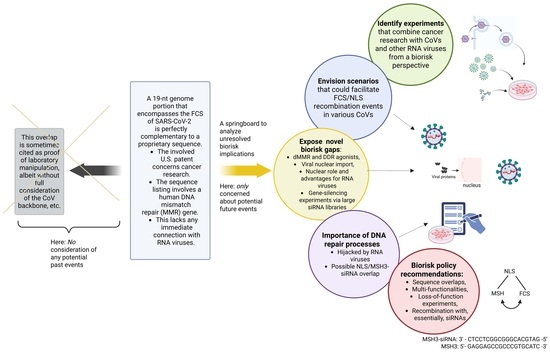
- A vast spectrum of laboratory experiments that could result in the postulated FCS recombination event in various CoVs is described. These considerations provide the mechanistic underpinning of processes that could converge in the type of situation envisioned by Ambati and colleagues.
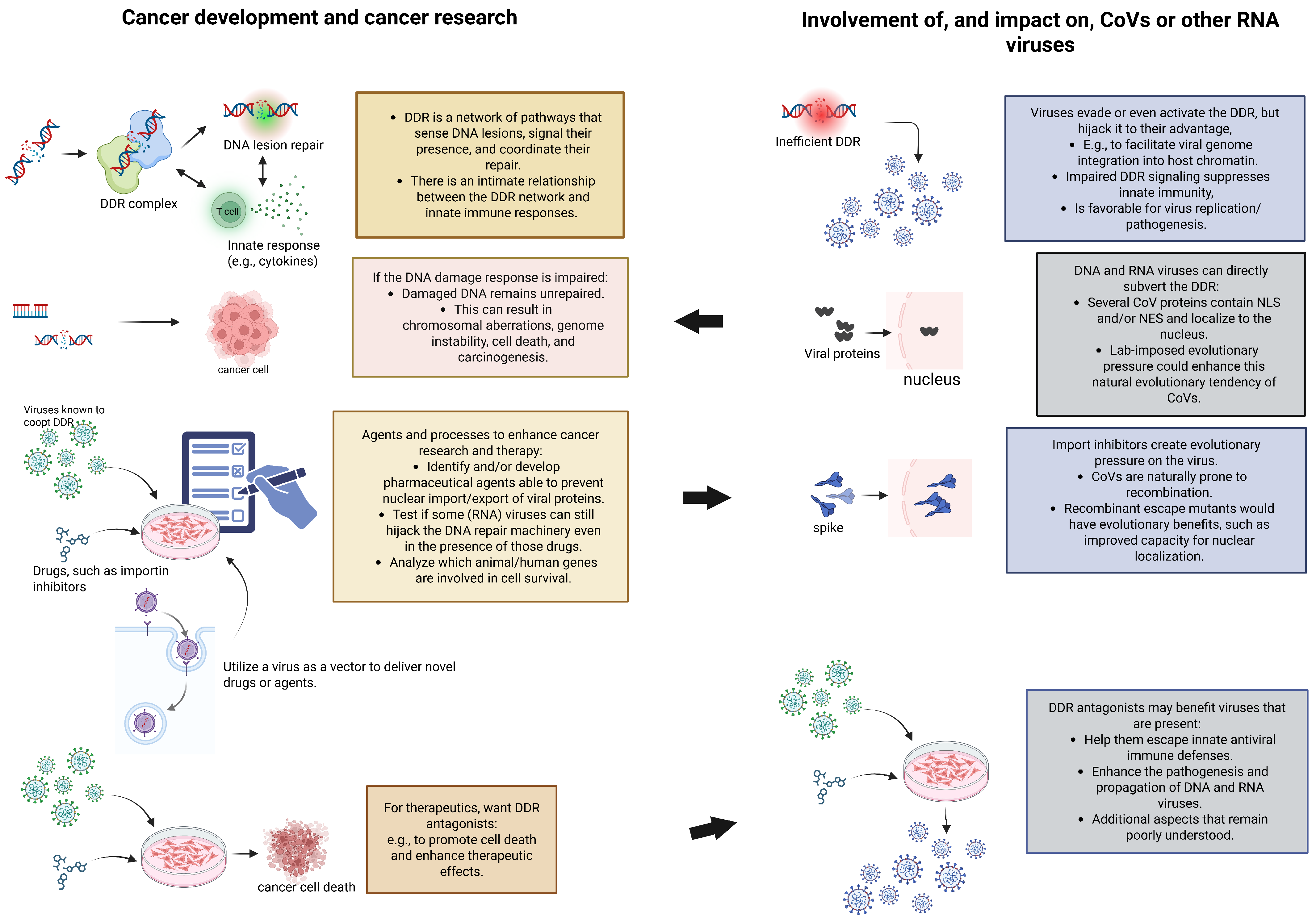
- Much focus is placed on RNA viruses and their nuclear role, including their hijacking of DDR processes and DNA repair. It describes how some of these attributes overlap with viruses utilized in cancer research and foster recombinant escape mutants.
- The article also considers the possibility that acquired sequences could be expressed as siRNAs. Very similar scenarios have been described during influenza virus research. An extensive host–gene knockout screen involving siRNAs transfected into cells exposed to the virus identified a related MSH gene as the most critical component for viral clearance and cell survival.
- A central concern emerges, therefore, via experiments that employ large libraries of RNAs with regulatory capacities, e.g., for the deliberate silencing of host genes during infection with (oncogenic) viruses or during chemotherapy, where the suppression of MSH3 is a pivotal aspect.
- Informed by the complex interplay that could foster an Ambati et al.-like recombination event, specific gaps in biorisk policies are identified. Although some of these are addressed by the recently developed “Sequences of Concern” paradigm, this potent framework also does not cover several of the new vulnerabilities. Specific biorisk attributes that could enable an Ambati et al.-type event, supported by genome functionality and their combination, such as the NLS/FCS overlap in SARS-CoV-2, antisense sequences, and specific evolutionary pressure, are highlighted and extended to more general terms.
- The various indistinguishability scenarios create a theoretical bottleneck that calls for a refinement of biosafety and biosecurity principles. The article concludes with recommendations gleaned from the mechanistic underpinnings of the Ambati et al.-type scenario and those developed in related fields facing analogous challenges.
2. Background on CoV Recombination, the Gene Sequence Overlap Identified by Ambati et al. [1], Overlapping Functional Elements, and Key Questions
2.1. Coronavirus Recombination
2.1.1. Homologous vs. Non-Homologous Recombination

| Key Consideration | Rationale |
|---|---|
| The sequence surrounding the SARS-CoV-2 FCS, as postulated by Ambati and colleagues [1]. |
|
| The involvement of MSH3, as first suggested by Ambati et al. [1]. |
|
| The potential role of DDR agonists [8]. |
|
| The potential role of MSH3 in DNA damage repair and cancer [8]. |
|
| Switch the focus/language: an NLS besides an FCS [8]. | An unexpected mystery surrounding SARS-CoV-2 was identified by Sattar et al. [16] in some elegant experiments, which showed the following:
|
| Recombination involving CoVs [8]. |
|
2.1.2. Recombination as a Part of Replication and the Generation of Complementary Strands
2.1.3. Non-Replicative Recombination

2.2. Likelihood Estimates Versus Maintenance of Recombinants with Evolutionary Advantage
- It has been known for thirty years that various experimental conditions can effectively trigger rapid RNA virus evolution, endowing them with potent evolutionary advantages.
- Various experimental conditions are well established to advance the natural propensity of RNA viruses for recombination.
- Recombination plays important roles in the spread, virulence, pathogenesis, and vaccine escape of viruses; for example, the emergence of novel CoVs with enhanced virulence can be explained by recombination events.
- For the same results to be produced by mutation alone, this would require long spans of time. Via recombination, CoV evolution does not unfold via a slow accumulation of adaptive mutations in a piecemeal fashion. The non-continuous process substantially complicates likelihood estimates in addition to the known defects of sequence-based measures and determinants.
- CoV recombination is a promiscuous event that is significantly influenced by evolutionary mechanisms and selection processes. The selection and propagation of recombinant mutants are driven by their replication fitness and the prevailing selection pressures.
2.3. The DNA Damage Response, DNA Repair, and Host Homologous Recombination
2.4. Gene Overlaps and Overlapping Functional Elements
2.5. The FCS Vs. an NLS
2.6. Guiding Questions
- The mapping of nuclear import/export of viral proteins.
- The development of agents that block viral hijacking of host DNA damage and repair systems.
- The utilization of a CoV as a vector to deliver novel drugs or agents, genetic material, or other aspects to examine or influence cancer development and the effectiveness of novel therapeutics and interventions.
3. Coronaviruses and the Nucleus
3.1. DDR Antagonism, a Double-Edged Sword: The Potential for Viral Evolution
3.2. Nuclear Import and Export Signals in CoVs
- Several CoV proteins contain NLS and/or NES and localize to the nucleus [42].
- The SARS-CoV N protein contains multiple NLSs, and its nucleolar localization was indeed observed [42].
- In 2020, using a bioinformatic analysis, Singh and Singh [47] reported that the S2 subunit of SARS-CoV-2 strongly interacts with the key human tumor suppressor proteins p53 and BRCA-1/2. These proteins are critical for maintaining genome integrity, regulating the cell cycle, DNA repair, and apoptosis. This computational study laid the basis for the idea that SARS-CoV-2 infection or spike protein expression might play a role in cancer-related pathways and DNA damage responses, which was validated in 2024 [43].
3.3. Expected Characteristics of Escape Mutants with an Improved Nuclear Presence
- An NLS that improves nuclear entry of spike or other viral proteins. Indeed, from the viral “perspective,” recombinant mutants may particularly be selected and maintained for their improved capacity for nuclear translocation, which could be facilitated by a novel NLS as often acquired by CoVs.
- An enhanced FCS that boosts infectivity. Interestingly, the selective pressure that mediates the acquisition of a novel NLS may inadvertently generate an FCS. This phenomenon was demonstrated by Sattar and colleagues [16], who showed that both the spike (S) protein and mRNA translocate into the nucleus in SARS-CoV-2-infected cells. While nuclear translocation is mediated by a NLS within the S protein, this newly identified NLS motif is located at the FCS.
- Altered sensitivity to chemotherapeutics and stronger evasion of antiviral immunity.
- Ability to manipulate host DDR, cause DNA damage, or affect cell-cycle checkpoints for viral advantage.
3.4. Evidence of Coronaviruses Entering the Nucleus and Subverting Host Immune Processes
3.4.1. Advantages for CoVs That Enter the Nucleus
- Several human CoVs before SARS-CoV-2 (SARS-CoV-1, MERS-CoV) induce host DNA damage responses and cellular stress [42]. CoV clearance is enhanced by blocking nuclear entry, while viral infection is reduced by inhibiting nuclear export. Notably, pharmacological inhibition of nuclear export leads to nuclear accumulation of viral proteins and significantly diminishes infection [42].
- Several studies have revealed that SARS-CoV-2 can induce DNA damage, genomic instability, cell cycle deregulation, and impair DNA repair mechanisms during its replication in mammalian cells (reviewed in [24,48,49]). A separate study reported that SARS-CoV-2 infection triggers a rapid induction of the DDR, which is quickly downregulated thereafter [42]. The virus-induced DNA damage elicited an altered DNA damage response [49,50]. Curiously, the key viral proteins involved in [50] are ORF6, NSP13, and N. Although the S protein may not be directly responsible, the spike protein’s heightened nuclear translocation could indirectly support these phenomena. By hijacking the cell’s import/export machinery, it may favor the nuclear trafficking of viral proteins over host proteins.
- By entering the nucleus, viral proteins can disrupt host nuclear–cytoplasmic trafficking, leading to impaired nucleocytoplasmic transport and inhibition of innate immunity. This is well documented for various CoVs [51]. Specifically, SARS-CoV-2 Nsp1 has been reported to inhibit mRNA nuclear export, further contributing to host mRNA export inhibition and viral pathogenesis [52]. SARS-CoV-2 Orf6 positions itself within the nuclear pore complex (NPC) through interaction with the Rae1/Nup98 complex [53]. This blocks both protein import and mRNA export through the NPC, ultimately supporting viral replication within host cells.
- Nuclear localization could help the virus evade cytoplasmic innate immune sensors, shielding viral RNA and proteins from detection and degradation. The interaction of viral proteins within the nucleus (or even viral mRNA [16]) may subvert host transcriptional or critical host defense processes supporting viral persistence.
- Indirect evidence that nuclear import of viral proteins can benefit RNA viruses can also be seen in how they respond to certain drugs. Agents known to target the nuclear import pathways or that block nuclear entry of viral proteins primarily act by inhibiting host nuclear transport receptors (importins). Specifically, ivermectin is a proven inhibitor of importin-mediated nuclear transport, and several studies have demonstrated that it markedly enhances SARS-CoV-2 clearance [42].
3.4.2. CoVs with Enhanced Nuclear Entry and Immune Evasion Traits Can Have a Particular Benefit in a Cancer Environment
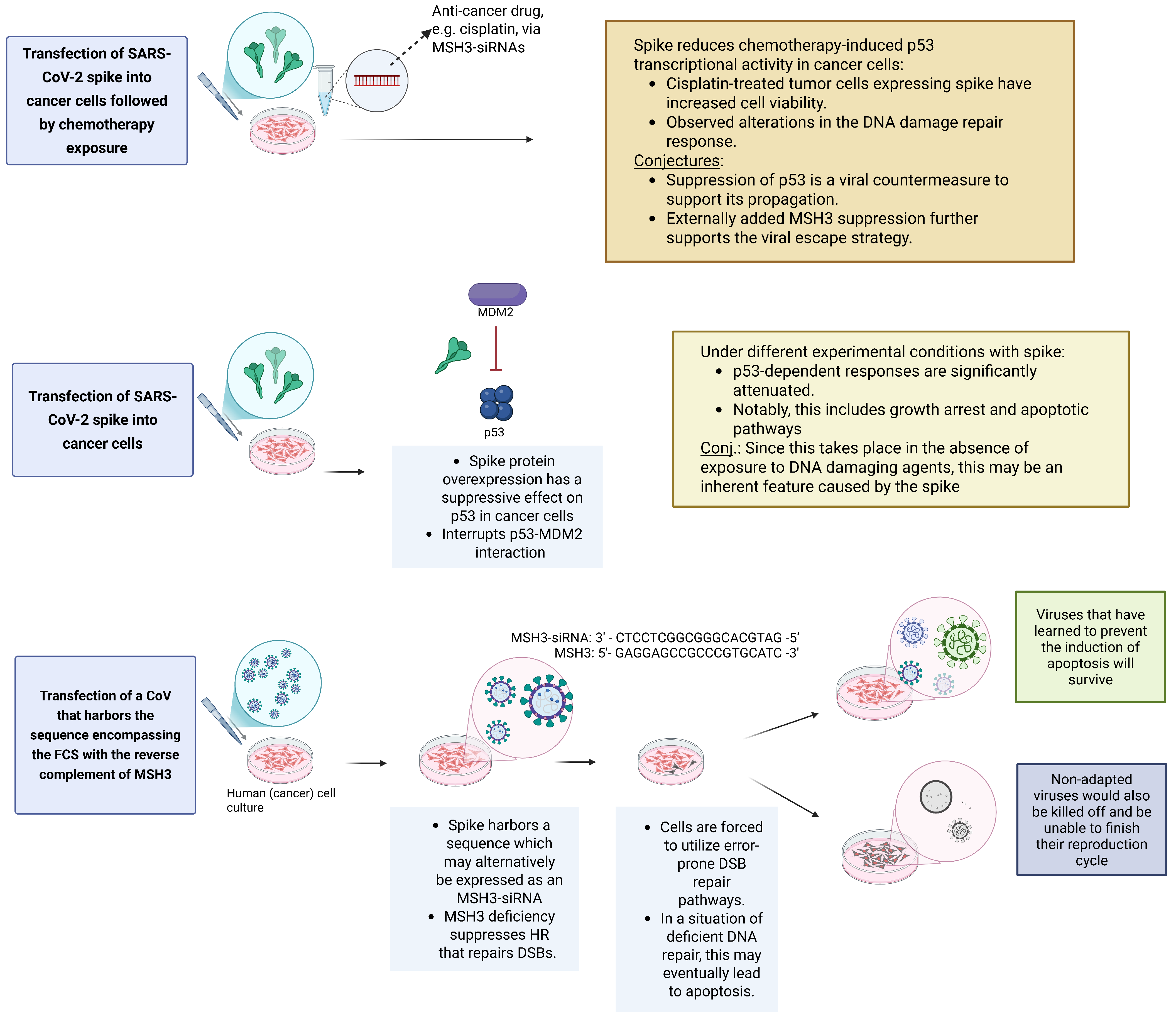
- The SARS-CoV-2 spike protein suppressed p53 transcriptional activity in cancer cells.
- This suppression was specifically observed in the case of chemotherapy-induced activation of p53-dependent genes.
- The suppressive effect was observed even after nutlin exposure in wild-type p53-expressing cells. Nutlin compounds are useful in experimental cancer research as they specifically inhibit the interaction between the tumor suppressor protein p53 and its negative regulator, MDM2 [55]. Under normal conditions, MDM2 binds to p53 and targets it for degradation. By blocking this interaction, nutlin stabilizes and activates p53, leading to increased p53 activity in cells that have wild-type (non-mutated) p53.
- Yet, as spike interrupted the MDM2-p53 interaction, it suppressed p53’s transcription of key genes involved in cell cycle arrest or apoptosis (p21, DR5, MDM2).
- The p53 suppression resulted in increased viability and chemoresistance of spike-expressing cancer cells.
- Showed that p53 stabilization seems to be caused by cell–cell fusion or induction of reactive oxygen species (ROS), both of which are known stressors that can activate p53 pathways.
- Used normal (non-cancer) cells.
- Relied on a different experimental setup: Ref. [57] utilized SARS-CoV-2 or a pseudo-typed virus expressing spike protein rather than the transfection of a spike-expressing plasmid. Even though Ref. [56] studied fusogenicity and syncytia formation in SARS-CoV-2-infected cultures and reported increased p53 and p21 proteins, Zhang and El-Deiry [43] identified some inconsistencies, showing the disappearance of p53 and p21 in their study [56].
4. Viruses in Cancer Research and Gene-Silencing Experiments During RNA Virus Infection
4.1. Increased Reliance on Viruses to Target Cancer
- Certain viruses (oncolytic viruses—OVs) are engineered for targeted infection and intracellular proliferation within tumor cells. The aim is to provoke both innate and adaptive immune reactions in the host and to promote tumor cell death. Moreover, the ruptured tumor cells can release their progeny OVs and continue infecting the remaining tumor cells, which is thought to help continuously kill tumor cells [61,62].
- Viruses are engineered and developed as vectors for specifically delivering different genes, therapeutic agents, and immune-stimulating agents [61].
- Viruses are used to stimulate the host antitumor immune response [61].
- Viruses for cancer imaging and diagnostics: Oncolytic viruses are widely used to improve the efficacy of tumor imaging as they can be modified not only to target and replicate in tumor cells but also to carry specific reporter genes [61].
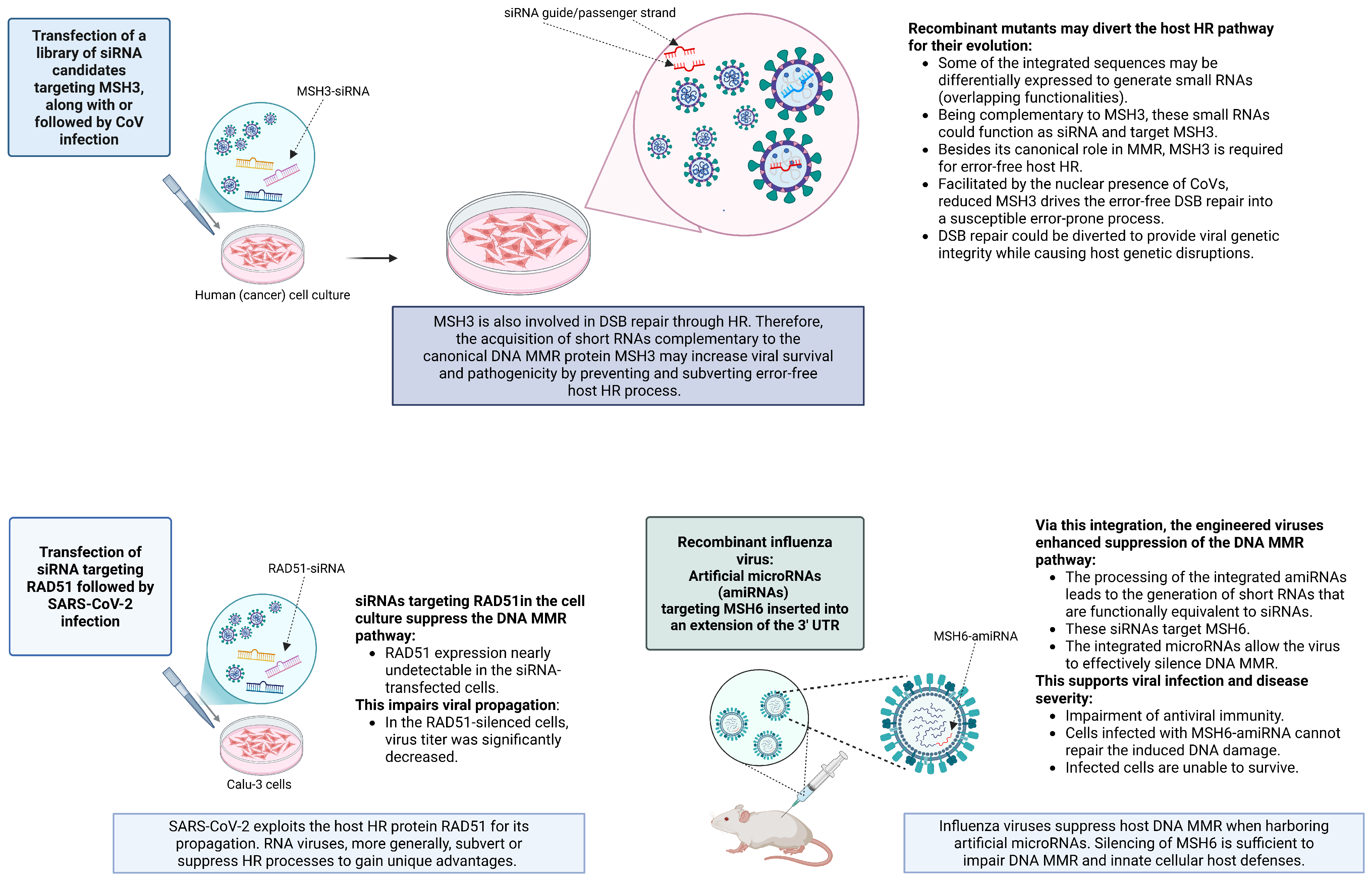
- Viruses can also be engineered to analyze how oncogenic viruses impair host processes, such as DDR. Particularly, viruses have been manufactured that artificially enhance suppression of the DNA MMR pathway [46]. Specifically, a recombinant influenza strain was created by adding microRNA sequences into an extended 3′-UTR that downregulates MSH6 function.
4.2. General Biosafety and Biosecurity Concerns Involving Oncolytic Viruses
- A well established method for designing oncolytic viruses consists of “Directed Evolution” [65]. With this approach, viral diversity can be increased by pooling an array of serotypes and then passaging the pools under specific conditions. Indeed, aiming to facilitate the utilization of these viruses, these conditions are often precisely those that invite recombination events. Via this method, a novel chimeric oncolytic virus was already created in 2008 [65]. However, as the focus is usually to increase drug potency and selectivity of specific cancer cells, this cannot exclude unanticipated recombinants with off-target or adverse effects. Li et al. [63] even fear that viral shedding could cause homologous recombination between an oncolytic virus and a residual wild-type virus. Nonetheless, the potential for recombination with synthetic genetic material, the core of the Ambati et al. postulate, does not seem to have been considered. Furthermore, as OVs are intended to spread robustly between tumor cells, recombinant mutations could be considerably harmful as they are often associated with enhanced viral fitness and pathogenicity [17,18,19]. These adaptations may also involve enhanced tissue tropism or the capacity to disseminate to close contacts.
- The application of viruses to deliver genetic or bioactive cargo is particularly concerning as it (a) could unwittingly endow viruses with unrecognized biological activities (such as with the unanticipated double FCS/NLS functionality) and (b) create an environment that places evolutionary pressure on the virus; (c) if escaped, these viruses may more effectively evade host immune defenses.
- The pursuit to stimulate the host antitumor immune response via viruses raises the question of variable, disparate immune profiles encountered in different contexts. Additionally, as viruses can exploit cancer-specific defects, increase genetic variation, and alter the tumor microenvironment and immune signaling, this creates non-intuitive consequences for viral persistence and cancer progression [66,67]. As a result, this may engender the opposite effects than intended, fostering viral evolution and escape.
- The concern with viruses for imaging is their systemic distribution, often performed on healthy subjects as diagnostics or in a specific cancer microenvironment. Again, a specialized oncogenic niche and immune impairment could foster viral persistence and drive such viruses to unintended adaptations, especially in a context that supports frequent recombination, as is the case with CoVs.
4.3. Viruses in the Context of siRNA Knockdown—Analogous Scenarios to the Ambati et al. [1] Postulate
4.3.1. Silencing of the DNA MMR During Influenza Infection via Chimeric Viruses
4.3.2. Demonstration of the Importance of DNA MMR
- Chambers et al. performed a loss-of-function siRNA (small interfering RNA) screen targeting human genes involved in DNA repair, oxidative stress, and genome stability. This involved a total of 23,349 siRNAs targeting 7783 genes.
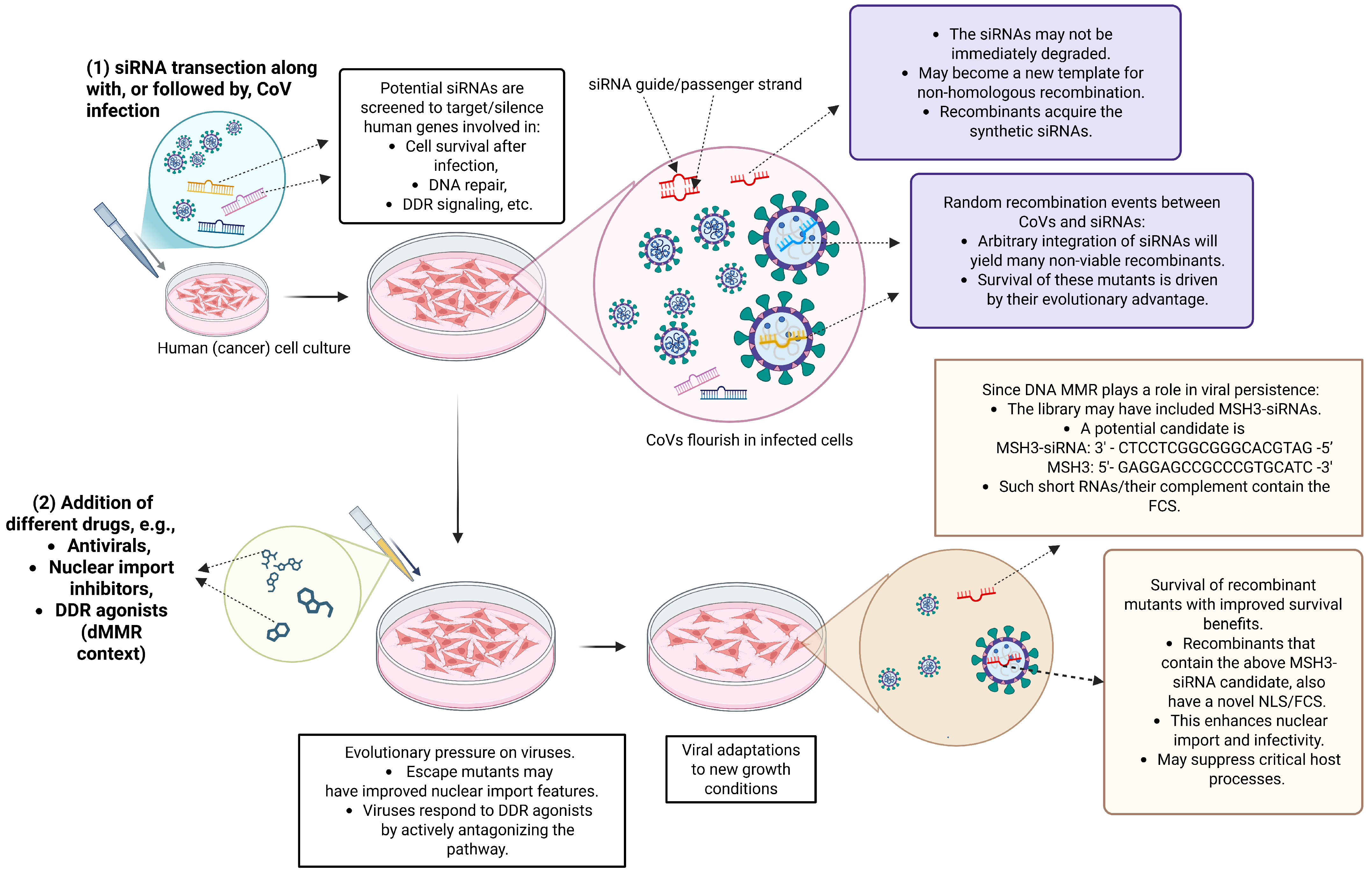
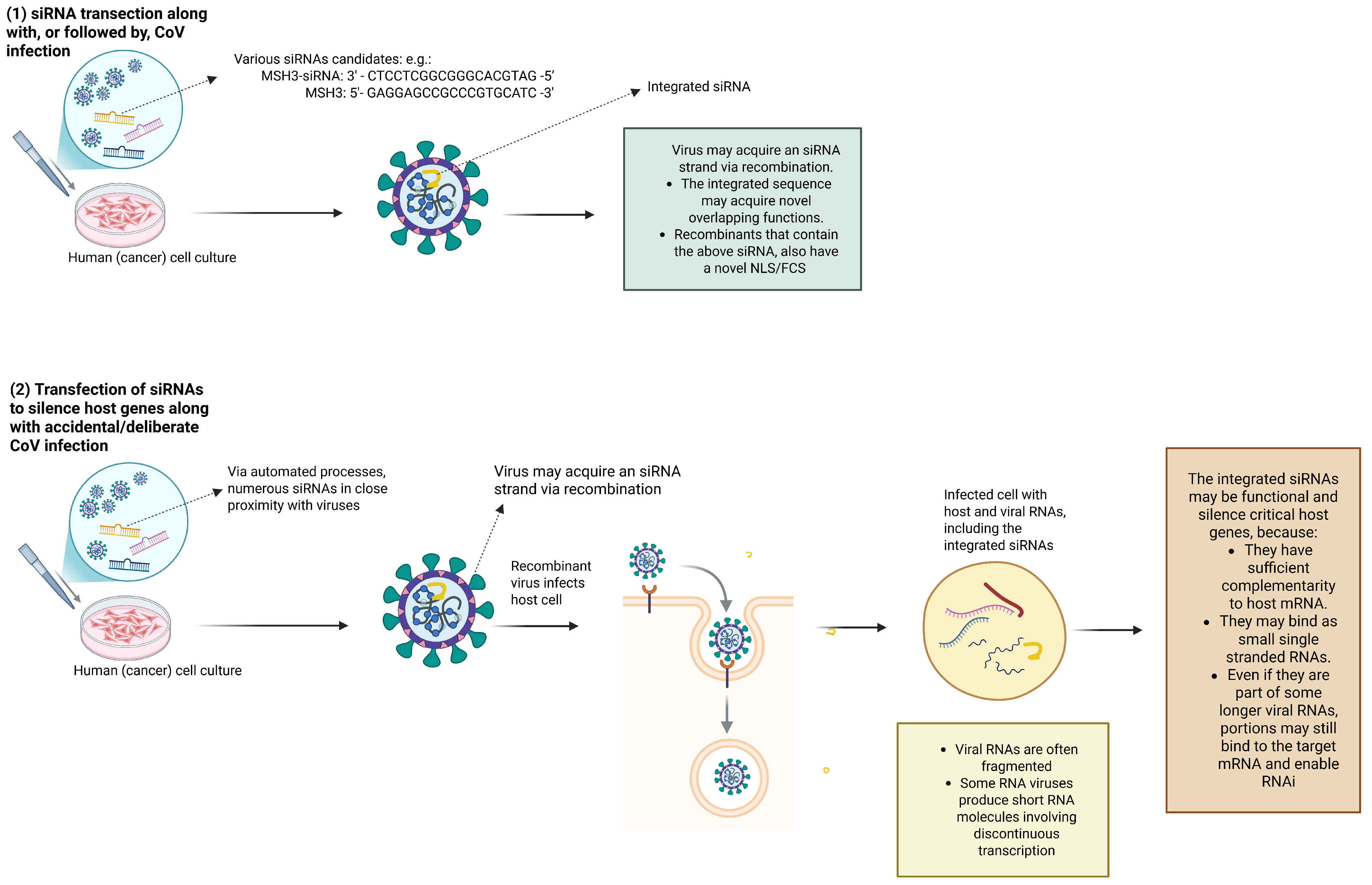
- The basic step of the experiments in Ref. [46] closely resembles the situation considered in this article. Cells containing a reporter gene were transfected with siRNAs and then infected with an RNA virus.
- In Ref. [46], the enormous siRNA library allowed systematic knockdown of thousands of genes in H441 cells. When followed by infection and automated survival readout, this enabled the recognition of host genes that are crucial for epithelial cell survival after influenza infection.
- The experimental setup, by targeting viral genes or host factors essential for viral replication, may create an environment that could drive the emergence of escape mutants. The authors accounted for this possibility, e.g., by measuring viral fitness and disease outcomes in different animal models with varying degrees of MMR suppression.
4.3.3. In Vivo RNAi Screening via Chimeric Viruses
4.4. Is the DNA MMR Repair System Also a Key Host–Pathogen Interface for CoV Infection?
4.4.1. The MMR Pathway Is Required for Viral Clearance—Prolonged SARS-CoV-2 Persistence in a dMMR Context
4.4.2. Deliberate Generation of a CoV to Induce Suppression of Some DNA MMR Pathways?
4.5. In Vitro RNAi Screens and the Concern of CoV Recombination
5. Potential Impact of an Ambati et al.-Type Sequence Homology on DSB DNA Repair and SARS-CoV-2 Evolution
5.1. SARS-CoV-2 and Homologous Recombination (HR)
- Interestingly, despite its central role in DNA repair and anticipated nuclear localization, Pham et al. found that RAD51 accumulated in the cytoplasm of SARS-CoV-2-infected cells.
- Silencing of RAD51 impaired SARS-CoV-2 propagation. As the RAD51 protein co-localized with replicating viral RNA, these findings strongly indicate that SARS-CoV-2 exploits host cellular RAD51 to promote viral propagation.
- An immediate consequence of this proposition is that RAD51 inhibition may serve as a novel therapeutic agent for the treatment of COVID-19. The study found that multiple RAD51 inhibitors provided antiviral activities against SARS-CoV-2 both in vitro and in the Syrian hamster model.
5.2. Could SARS-CoV-2 Potentially Hijack HR via MSH3?
5.2.1. Could the Reverse Complement to MSH3, When Expressed, Silence Host MMR Processes?
- Pivotal for the experiments by Chambers et al. is the finding that viruses with essentially anti-MDA6 siRNAs in their genome prevented club cell survival and increased the severity of the disease. In other words, the integration of these sequences in the engineered viruses enabled the virus to silence the host MMR cellular survival and antiviral response.
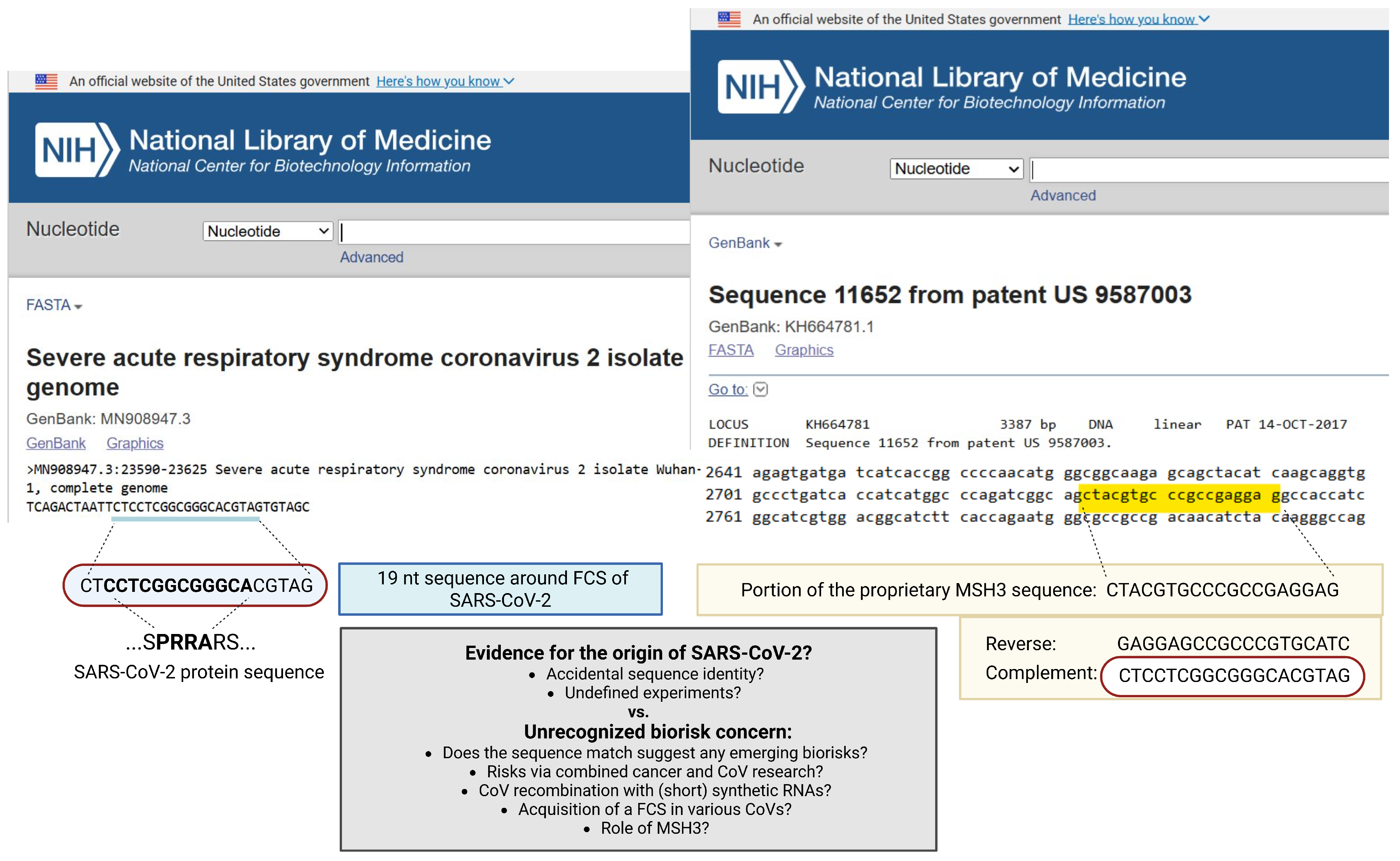
- Now, if the insertion of the anti-MDA6 siRNAs in IAV increased the survival and pathogenicity of this virus, it is tempting to ask if the analogous situation could apply to SARS-CoV-2 via its 19 nt sequence insert that is complementary to MSH3? Alternatively, one may wonder whether specific mutations in this genome portion could further enhance the capacity of future variants to more effectively target MSH3 and induce MSH3 silencing with notable clinical effects.
5.2.2. The Non-Canonical but Critical Role of MSH3 in HR
- MSH3 is involved in DSB repair through HR, unique among the MMR proteins.
- HR is mostly active during S- and G2-phases when sister chromatids are available to serve as the template during the repair to facilitate proper repair. This is unlike nonhomologous end-joining (NHEJ) repair, which is more error-prone and used when there is no sister chromatid available [25].
- MSH2-MSH3 also inhibits access of POL, which promotes polymerase -mediated end-joining (TMEJ), also known as microhomology-mediated end-joining (MMEJ), another major DSB repair pathway, which, however, is also more error-prone than HR [27].
- Based on their ability to recognize mismatched DNA sequences, MSH2-MSH3 has also been suggested to reject invading strands with imperfectly matched template DNA to prevent recombination between divergent DNA sequences. [27].
- Importantly, MSH3 deficiency suppresses HR that repairs DSBs in an essentially error-free manner [14].
- When MSH2 or MSH3 is depleted, error-prone processes for DSB repair via TMEJ and NHEJ are enhanced [25].
5.2.3. Error-Prone DSB Repair Processes May Be Advantageous to Viruses
5.3. May MSH3 Deficiency Drive Viral Evolution and Escape?
5.3.1. SARS-CoV-2 and Its Paradoxical Suppression of p53 in Cancer Cells
- The spike protein interrupts p53-MDM2 protein interaction.
- The suppression of p53 occurs even in the presence of chemotherapy (e.g., cisplatin), which normally induces p53 activation.
- Cisplatin-treated tumor cells expressing spike have increased cell viability as compared to control cells.
5.3.2. MSH3 and Anticancer Drugs
- Cytotoxic drugs, such as cisplatin, cause DNA lesions, such as interstrand cross-links (ICL), leading to the inhibition of DNA synthesis and cell growth [75].
- In tumors with existing deficiencies in DNA repair, cells are unable to adequately repair the cisplatin-induced DNA damage, exacerbating the instability of the genome. This process ultimately triggers apoptosis, causing cancer cells to die.
- The DNA repair deficiency is directly linked to MSH3. Whereas MSH3, in complex with MSH2, recognizes the cisplatin-generated ICLs and promotes the repair of the resulting DSBs, MSH3 deficiency suppresses HR that repairs DSBs. Thereby, MSH3 status can determine the extent of apoptosis and cytotoxicity of anticancer drugs.
- Notably, MSH3 inhibition can occur via multiple pathways, such as siRNAs targeting MSH3.
5.3.3. Is p53 Inhibition in Cancer Cells a Viral Escape Strategy to Responses Evoked by Its HR Subversion?
5.4. Potential Biological and Biorisk Implications of the Putative MSH3-siRNA
- Generally, MSH3 suppression results in unrepaired damage and mutations, which, in turn, activate oncogenes or inactivate tumor suppressor genes that ultimately cause genomic instability. This increases the risk of cancer [74]. Thus, viruses that harbor potential MSH3-siRNAs may, likewise, promote cellular transformation by co-opting host HR and the fidelity of DSB repair.
- The virus-induced inhibition of p53, even when exposed to anticancer drugs, severely hampers cancer patients undergoing chemotherapy.
- The host–pathogen interplay in such a situation is insufficiently understood for CoVs. The full scope of downstream effects triggered by MSH3 silencing, and how this could drive viral evolution, is unknown.
- Besides biosafety concerns involving accidental and unrecognized recombination events with RNAi potentials, they may also lend themselves to malicious exploitation.
6. Implications for Biodefense Preparedness and Response
6.1. The Potential of Bioweapons Research Masquerading as a Beneficial One
6.2. Bypassing Traditional and Advanced Biorisk Management Regimes
- Sequence multifunctionality: One of the main points made in [8] and extended above is that the potential integration event of the FCS in a susceptible CoV might not emerge because of some evolutionary advances via this cleavage site per se, but rather, in the context of nuclear trafficking. Instead, the direct consequence would be the relocation of the spike protein/mRNA into the nucleus, conferring some advantage as commonly exploited by nuclear CoVs. In return, the overlapping function as FCS would additionally enhance viral entry and contribute to the unique pathogenic features of the virus.
- The sequence insert may involve the reverse complement of a synthetic sequence rather than one with a targeted activity.
- Besides the FCS/NLS overlap, the one between the FCS and the reverse of the MSH3 sequence portion establishes another multifunctionality aspect.
- These traits, applied in these ways, result in a combination of the individual effects (transitivity).
- The involvement of the well documented MSH3 gene and/or a patented sequence information would hardly trigger biorisk scrutiny and oversight, as it would be associated with benign and harmless research.
6.3. Subverting the SoC Framework and Opportunities for Improvement
- One may not have to begin with a clearly defined SoC, and, nonetheless, end up with such. Specifically, the above does not start with a defined pathogenic sequence per se. Instead, it hinges on a synthetic fragment associated with a human gene. Thus, a SoC-guided biorisk management approach would not flag MSH3 as a concerning sequence. Indeed, before the work by Ambati et al. [1], there was no reason to do so. More generally, however, the SoC approach, including its rubric, may not be easily extendable, if at all, to synthetic sequences, and particularly, as these are often proprietary.
- The comprehension of what functions are concerning is necessarily limited. Specifically, even though numerous immune-subverting activities related to SARS-CoV-2 SoCs are listed in [9], the key players analyzed above are not covered. Other functions, such as “within-cell motility,” are regarded as of “lowest concern,” and it does not seem that this category includes functions like nuclear localization. Also, the hijacking of the DDR mechanisms is not mentioned, and the possibility that some viruses subvert these by activating them seems to contradict the hierarchy that “immune-subverting” sequences would be “the worst” of SoCs. Even though the list of functions of SoCs presented in [9] is extensive and their key aspects come across as compelling, such omissions or seeming counter-examples merely reflect the very often very irrational and seemingly illogical pathogen–host interactions and astonishing ways in which certain viruses escape host immune recognition and antiviral defense processes, and our limited comprehension of the complex host–pathogen interplay.
- Besides, or rather than, a sequence of interest itself, it may be its reverse complement that has a harmful property. Multifunctionality further vastly extends the scope of concerning candidates.
- The harmful attributes may not be caused by specific features of a SoC, or even some of its multiple functions, considered separately. The combined multifunctionality of these elements can produce synergistic effects that are not apparent when each function is considered in isolation.
6.4. Potentials of Sequence Multifunctionality to Be Diverted for Malicious Use
6.4.1. Multiple Functionalities Could Conceal a Hidden Malignant Function When Not Recognized
- Similar or same proteins playing opposing roles: Plants respond to pathogen exposure by activating the expression of a group of pathogenesis-related (PR) defense proteins. Surprisingly, copies of genes encoding PR-like proteins are also frequently identified in the genomes of fungi and other phytopathogens, which employ these proteins to bolster their virulence and suppress plant immunity. The surprising fact that emerges is that these conserved proteins act as antimicrobial agents when produced by the host plant but simultaneously suppress plant immunity when generated by the pathogen [81]. These multifunctional proteins—used by plants as antimicrobial agents yet co-opted by pathogens to enhance virulence and suppress host immunity—are only now beginning to be understood. Presenting only one facet of the protein’s activity while masking the other creates an opening for malicious use in sensitive contexts, which may, for example, foster pathogen takeover of susceptible plants. Analogous, more general dual functionalities of similar proteins in animals and humans could have unprecedented applications as biological warfare agents, for the malicious effects could only be triggered in specific contexts.
- The HIV-1 Rev protein’s arginine-rich motif (ARM) is both an RNA-binding domain (RBD) and an NLS: As indicated above, an NLS may not be on the top SoC list. Although the framework does not mention it directly, an NLS would likely fall into the lower-risk category of SoCs under Godbold et al. [9], given that intracellular protein trafficking is deemed one of the least problematic functions. Likewise, the RNA-binding capacity does not seem to have triggered their classification as a function related to a SoC, for these are primarily considered in the context of pathogenic functions. As a result, this double functionality in the HIV-1 Rev protein might escape oversight. Nonetheless, it harbors a concerning attribute, which is to facilitate the nuclear export of viral mRNAs to the cytoplasm, where they are either translated or packaged into assembling virions [82,83]. Therefore, even though critical for HIV-1 replication, the concerning feature of the HIV Rev motif could be concealed behind either or both of the above functions, which appear benign.
- Engineered fusion proteins often contain sequences designed to perform multiple roles, e.g., involving signal peptides that direct proteins to particular destinations in the cell while incorporating protease cleavage sites that allow the protein to become active or to be released from a membrane-bound state [84]. This dual functionality, targeting via the signal peptide and subsequent activation via proteolytic cleavage, is a common strategy for protein therapeutics [85]. Fusion proteins that contain concerning sequences might nonetheless escape SoC oversight and regulation when they (a) are expressed in non-replicating, nonpathogenic, or cell-free systems; (b) contain benign domains that mask a covert, malicious role; and (c) combine functional domains or underappreciated multifunctionalities in novel ways whose attributes and impact may not be foreseen or well characterized.
6.4.2. Existing Biorisk Comprehension of Overlapping or Multifunctional Elements Requires Substantial Revision
- Synthetic constructs with overlapping genes are thought to stabilize synthetic designs because mutations impact both genes simultaneously. Such a gene stabilization is aimed to reducing horizontal gene transfer and guaranteeing biocontainment.
- It is thought that gene overlaps may help prevent the unintended dissemination of genetically engineered DNA, in that artificially created overlaps enhance the evolutionary stability of engineered genes by embedding them within an essential gene (such as one conferring antibiotic resistance).
- Specifically, Leonard et al. [86] created overlapping genes by insertion of an “inner” gene, encoded in an alternate frame, into a flexible region of an “outer” gene. By directly linking the evolutionary fate of the engineered gene (the inner gene) with that of an overlapped gene, this coupling is believed to reduce the likelihood of mutations and stabilize the engineered gene. This is because mutations disrupting the inner gene would also impair the outer gene’s function, which is critical for the organism’s survival (e.g., antibiotic resistance).
- In a concrete demonstration of this, Leonard et al. [86] created a new overlapping gene pair of bacterial toxins within an antibiotic resistance gene. Selecting bacterial toxin genes as the “inner genes” is intended to limit horizontal gene transfer (HGT) of the resistance gene, thereby reducing the risk of spreading antibiotic resistance.
- The rationale for this is that any transfer of the resistance gene to a new host would also transfer the toxin due to their overlap. If the recipient organism lacks the matching antitoxin, toxin expression becomes lethal, blocking successful transfer and thereby limiting HGT.
- Biocontainment by the Leonard et al. method hinges on the survival of the host. The choice of an antibiotic resistance gene as the outer gene is expected to ensure that mutations disrupting the inner gene would likely impair antibiotic resistance, leading to the host’s death under selective pressure.
- This rationale is similar to considerations that challenge the feasibility of an Ambati-type et al. postulate. In such a case, selective pressure on an RNA virus, e.g., to hinder its nuclear import/export, might be expected to harm RNA viruses. However, escape mutants would gain enhanced capabilities, allowing them to evade host antiviral defenses whilst hijacking DDR responses.
- Likewise, then, it seems possible that, as the evolutionary fate of the overlapping genes is tied together, selective pressure could enable the development of novel bacterial escape mutants that would make them even more resistant. This could facilitate the spread of resistance to multiple antibiotics and essential drugs, and enable the covert use of biological weapons against patients with bacterial infections under the guise of a therapeutic intervention.
6.5. siRNAs Engendering Undefined Activities vs. Unintended Integration of De Facto siRNAs
6.5.1. From Deliberate Gene Silencing to Unintended Biological Functions: An Underappreciated Biorisk
6.5.2. Unintended or Covert Integration of Sequences Which, When Expressed by a Virus, Function as siRNAs
6.6. Recommendations
- The prediction of the bioweapons potential via the agent per se, e.g., based on their potential to cause harm, is very restricted. This is the pivotal insight of the SoC framework developed by Godbold and colleagues [9]. This potent approach may be strengthened by incorporating additional sequences and functions of concern, as exemplified above. In addition, the model could be enhanced by accounting for the effects of the reverse complement, not just the individual sequences, and by exploring possible synergistic or overlapping activities.
- Even though predicting transitive and synergistic outcomes may be challenging to model, the SARS-CoV-2 NLS/FCS overlap demonstrates the feasibility and biological relevance of such effects.
- Generally, it is expected that vulnerabilities and hazardous scenarios derive from gain-of-function studies. Ironically, the above-mentioned concerns arise from loss-of-function experiments instead.
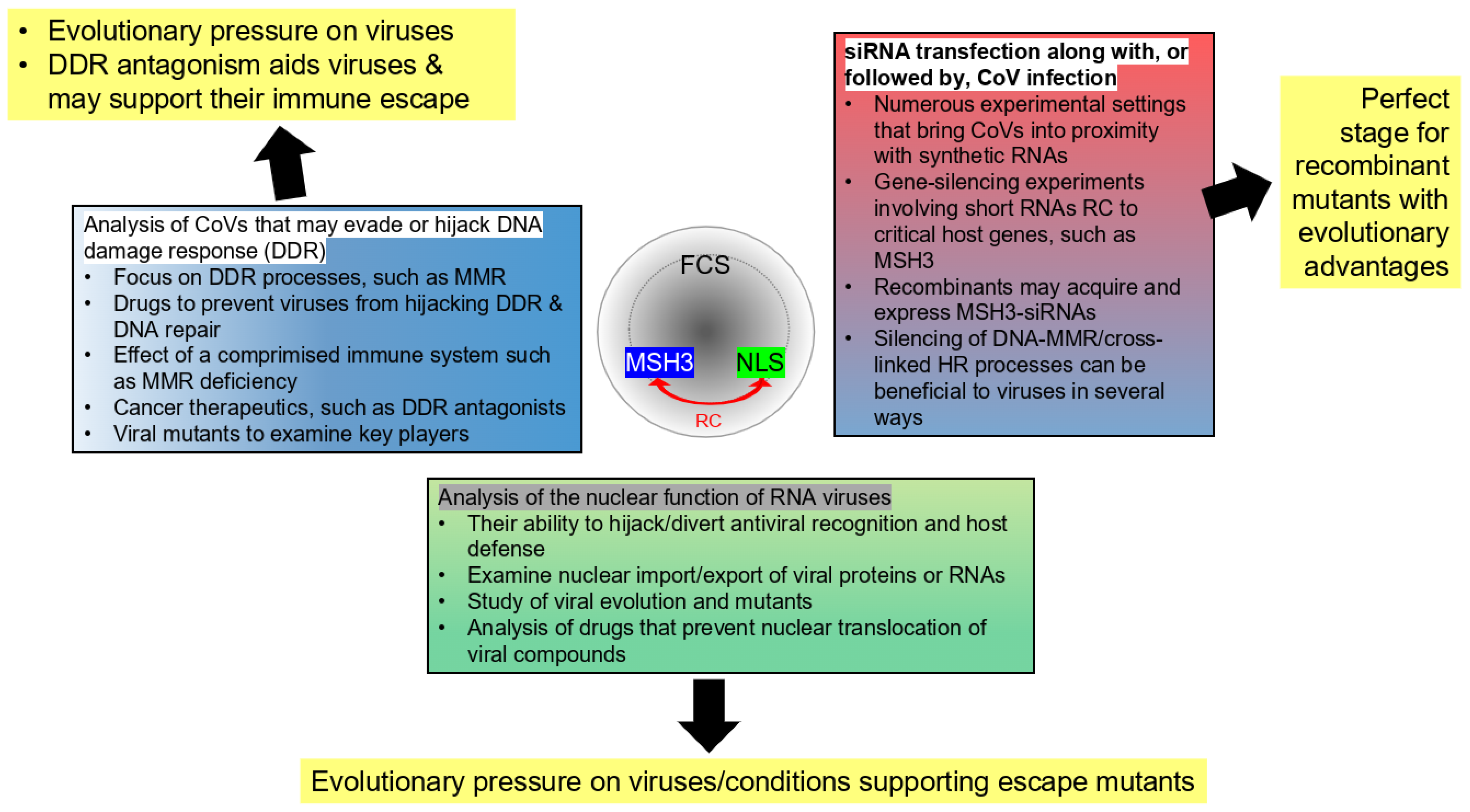
- Biorisk concerns may emerge in the context of gene silencing, particularly when this involves a library of short RNAs with (potential) regulatory function. Regulatory RNAs, when targeting viral genes, can directly put selective pressure on viruses. Additionally, when transfected into cell culture, synthetic RNAs targeting host genes or other short RNAs deemed harmless can also be exposed to the virus, for example, to examine cell survival. When viruses acquire siRNAs intended to silence host genes during cell culture experiments, this raises the concern that they could be expressed, inducing RNAi that suppresses key host processes. Whereas the situation of bacteria integrating antibiotic resistance genes is a well studied problem, the analogous situation involving viruses does not seem to have been appreciated for its biorisk potential. The implications could be profound.
- siRNAs targeting MSH3 are also widely used for chemotherapy. For example, the United States patent application US 18/566,561 [89] describes the characteristics of the siRNAs based on dsRNAs involving a sense or antisense strand which “is complementary to 19 contiguous nucleotides of an MSH3 gene.” Inhibition or knockdown of MSH3 via transfection of siRNA duplexes is demonstrated using a cell-based assay and involves a large library of sense/antisense pairs to target MSH3. However, the concern of recombination with a CoV, including when these are present as contaminants, does not seem to have been described.
- Practically, appropriate siRNAs may not a priori be clearly defined. In an automated setting that involves large siRNA libraries, this may include candidates that may not have the intended silencing capacity. The approach of experimentally validating and identifying those candidates with optimized function would inherently involve the transfection of countless short RNAs into sensitive cell environments.
- A library of potential candidates that, for experimental validation, also harbors the concern for recombination events with viruses not intentionally analyzed but accidentally left over in the culture as contaminants. The converse is also true. Extensive gene-silencing work may produce stray short RNAs that remain undetected, thereby risking accidental exposure in other pathogen-related studies.
- The entertainment could be disguised as benign, e.g., masquerading as cancer research.
- The agents involved can be portrayed as harmless, including non-human CoVs unable to infect humans and well described entities, such as short gene sequences resembling human genes.
- Harmful siRNAs that may potentially be acquired by CoVs could be hidden inside an extensive library, thwarting any practical manual screening for dangerous activity.
- The above focuses on one hypothetical scenario, involving the sequence encompassing the FCS, of how experimental conditions and viral evolution could converge and create biorisk hazards. It is unlikely this is the only such potentially perilous integration scenario. Other sequences, processes, and circumstances similar to the above, able to cause unrelated detrimental recombination events, cannot be ruled out.
7. Limitations and Synopsis of Future Research
8. Conclusions
Funding
Data Availability Statement
Acknowledgments
Conflicts of Interest
Abbreviations
| CoV | coronavirus |
| DDR | DNA damage response |
| dMMR | a deficiency in DNA mismatch repair |
| DSB | double strand break |
| HR | homologous recombination |
| FCS | furin cleavage site |
| IAV | influenza A virus |
| miRNA | micro RNAs |
| MSH3 | the DNA mismatch repair protein, MutS Homolog 3 |
| MMR | DNA mismatch repair |
| NES | nuclear export signal |
| NLS | nuclear localization signal |
| OV | oncolytic virus |
| RNAi | RNA interference, |
| siRNA | small interfering RNAs |
References
- Ambati, B.K.; Varshney, A.; Lundstrom, K.; Palú, G.; Uhal, B.D.; Uversky, V.N.; Brufsky, A.M. MSH3 homology and potential recombination link to SARS-CoV-2 furin cleavage site. Front. Virol. 2022, 2, 834808. [Google Scholar] [CrossRef] [Scilit] [PubMed]
- Bancel, S.; Chakraborty, T.; De Fougerolles, A.; Elbashir, S.M.; John, M.; Roy, A.; Whoriskey, S.; Wood, K.M.; Hatala, P.; Schrum, J.P.; et al. Modified Polynucleotides for the Production of Oncology-Related Proteins and Peptides. US Patent 9587003, 13 March 2017. [Google Scholar]
- Thi Nhu Thao, T.; Labroussaa, F.; Ebert, N.; V’kovski, P.; Stalder, H.; Portmann, J.; Kelly, J.; Steiner, S.; Holwerda, M.; Kratzel, A.; et al. Rapid reconstruction of SARS-CoV-2 using a synthetic genomics platform. Nature 2020, 582, 561–565. [Google Scholar] [CrossRef] [Scilit]
- Sethumadhavan, M.K.; Sajimon, M.J.; Mohapatra, P.; Raj, V.S. A rapid and efficient reverse genetics method for generating RNA viruses. Int. J. Infect. Dis. 2025, 152, 107475. [Google Scholar] [CrossRef] [Scilit]
- Pollett, S.; Conte, M.A.; Sanborn, M.; Jarman, R.G.; Lidl, G.M.; Modjarrad, K.; Maljkovic Berry, I. A comparative recombination analysis of human coronaviruses and implications for the SARS-CoV-2 pandemic. Sci. Rep. 2021, 11, 17365. [Google Scholar] [CrossRef] [Scilit]
- Holmes, E.C.; Goldstein, S.A.; Rasmussen, A.L.; Robertson, D.L.; Crits-Christoph, A.; Wertheim, J.O.; Anthony, S.J.; Barclay, W.S.; Boni, M.F.; Doherty, P.C.; et al. The origins of SARS-CoV-2: A critical review. Cell 2021, 184, 4848–4856. [Google Scholar] [PubMed]
- Mueller, S. Facing the 2020 Pandemic: What does Cyberbiosecurity want us to know to safeguard the future? Biosaf. Health 2020, 3, 11–21. [Google Scholar]
- Mueller, S. Recombination between coronaviruses and synthetic RNAs and biorisk implications motivated by a SARS-CoV-2 FCS origin controversy. Front. Bioeng. Biotechnol. 2023, 11, 1209054. [Google Scholar]
- Godbold, G.D.; Hewitt, F.C.; Kappell, A.D.; Scholz, M.B.; Agar, S.L.; Treangen, T.J.; Ternus, K.L.; Sandbrink, J.B.; Koblentz, G.D. Improved understanding of biorisk for research involving microbial modification using annotated sequences of concern. Front. Bioeng. Biotechnol. 2023, 11, 1124100. [Google Scholar] [CrossRef] [Scilit] [PubMed]
- Wang, H.; Cui, X.; Cai, X.; An, T. Recombination in positive-strand RNA viruses. Front. Microbiol. 2022, 13, 870759. [Google Scholar] [CrossRef] [Scilit]
- Wells, H.L.; Bonavita, C.M.; Navarrete-Macias, I.; Vilchez, B.; Rasmussen, A.L.; Anthony, S.J. The coronavirus recombination pathway. Cell Host Microbe 2023, 31, 874–889. [Google Scholar] [CrossRef] [Scilit] [PubMed]
- Nagy, P.D.; Simon, A.E. New insights into the mechanisms of RNA recombination. Virology 1997, 235, 1–9. [Google Scholar] [CrossRef] [Scilit]
- Reuvers, T.G.; Kanaar, R.; Nonnekens, J. DNA damage-inducing anticancer therapies: From global to precision damage. Cancers 2020, 12, 2098. [Google Scholar] [CrossRef] [Scilit] [PubMed]
- Park, J.M.; Huang, S.; Tougeron, D.; Sinicrope, F.A. MSH3 mismatch repair protein regulates sensitivity to cytotoxic drugs and a histone deacetylase inhibitor in human colon carcinoma cells. PLoS ONE 2013, 8, e65369. [Google Scholar] [CrossRef] [Scilit] [PubMed]
- Tseng-Rogenski, S.S.; Munakata, K.; Choi, D.Y.; Martin, P.K.; Mehta, S.; Koi, M.; Zheng, W.; Zhang, Y.; Carethers, J.M. The human DNA mismatch repair protein MSH3 contains nuclear localization and export signals that enable nuclear-cytosolic shuttling in response to inflammation. Mol. Cell. Biol. 2020, 40, e00029-20. [Google Scholar] [CrossRef] [Scilit]
- Sattar, S.; Kabat, J.; Jerome, K.; Feldmann, F.; Bailey, K.; Mehedi, M. Nuclear translocation of spike mRNA and protein is a novel feature of SARS-CoV-2. Front. Microbiol. 2023, 14, 155. [Google Scholar] [CrossRef] [Scilit] [PubMed]
- Lai, M.M. Recombination in large RNA viruses: Coronaviruses. In Seminars in Virology; Academic Press: Cambridge, MA, USA, 1996; Volume 7, pp. 381–388. [Google Scholar]
- Alnaji, F.G.; Bentley, K.; Pearson, A.; Woodman, A.; Moore, J.; Fox, H.; Macadam, A.J.; Evans, D.J. Generated randomly and selected functionally? The nature of enterovirus recombination. Viruses 2022, 14, 916. [Google Scholar] [CrossRef] [Scilit]
- Müller, N.F.; Kistler, K.E.; Bedford, T. A Bayesian approach to infer recombination patterns in coronaviruses. Nat. Commun. 2022, 13, 4186. [Google Scholar] [CrossRef] [Scilit] [PubMed]
- Kim, M.J.; Kao, C. Factors regulating template switch in vitro by viral RNA-dependent RNA polymerases: Implications for RNA–RNA recombination. Proc. Natl. Acad. Sci. USA 2001, 98, 4972–4977. [Google Scholar] [CrossRef] [Scilit]
- Arnold, J.J.; Martinez, A.; Jain, A.; Liu, X.; Moustafa, I.M.; Cameron, C.E. Mechanism of forced-copy-choice RNA recombination by enteroviral RNA-dependent RNA polymerases. ACS Bio Med Chem Au 2025, 5, 427–446. [Google Scholar] [CrossRef] [Scilit] [PubMed]
- Dubuy, Y.; Lachuer, H. Commentary: MSH3 homology and potential recombination link to SARS-CoV-2 furin cleavage site. Front. Virol. 2022. [Google Scholar] [CrossRef] [Scilit]
- Weitzman, M.D.; Fradet-Turcotte, A. Virus DNA replication and the host DNA damage response. Annu. Rev. Virol. 2018, 5, 141–164. [Google Scholar] [CrossRef] [Scilit]
- Saladino, N.; Salamango, D.J. Wielding a double-edged sword: Viruses exploit host DNA repair systems to facilitate replication while bypassing immune activation. Front. Virol. 2024, 4, 1410258. [Google Scholar] [CrossRef] [Scilit]
- Tseng-Rogenski, S.S.; Koi, M.; Carethers, J.M. Double strand breaks induce nuclear-cytosolic shuttling of polymorphic DNA mismatch repair protein MSH3 and binding to NEMO/IKKγ in colon cancer cells. Gastro Hep Adv. 2025, 4, 100756. [Google Scholar] [CrossRef] [Scilit] [PubMed]
- Ryan, E.L.; Hollingworth, R.; Grand, R.J. Activation of the DNA damage response by RNA viruses. Biomolecules 2016, 6, 2. [Google Scholar] [CrossRef] [Scilit]
- Oh, J.M.; Kang, Y.; Park, J.; Sung, Y.; Kim, D.; Seo, Y.; Lee, E.A.; Ra, J.S.; Amarsanaa, E.; Park, Y.U.; et al. MSH2-MSH3 promotes DNA end resection during homologous recombination and blocks polymerase theta-mediated end-joining through interaction with SMARCAD1 and EXO1. Nucleic Acids Res. 2023, 51, 5584–5602. [Google Scholar] [CrossRef] [Scilit]
- Chirico, N.; Vianelli, A.; Belshaw, R. Why genes overlap in viruses. Proc. R. Soc. B Biol. Sci. 2010, 277, 3809–3817. [Google Scholar] [CrossRef] [Scilit] [PubMed]
- Shukla, A.; Hilgenfeld, R. Acquisition of new protein domains by coronaviruses: Analysis of overlapping genes coding for proteins N and 9b in SARS coronavirus. Virus Genes 2015, 50, 29–38. [Google Scholar] [CrossRef] [Scilit]
- Jungreis, I.; Nelson, C.W.; Ardern, Z.; Finkel, Y.; Krogan, N.J.; Sato, K.; Ziebuhr, J.; Stern-Ginossar, N.; Pavesi, A.; Firth, A.E.; et al. Conflicting and ambiguous names of overlapping ORFs in the SARS-CoV-2 genome: A homology-based resolution. Virology 2021, 558, 145–151. [Google Scholar] [CrossRef] [Scilit]
- Chan, Y.A.; Zhan, S.H. The emergence of the spike furin cleavage site in SARS-CoV-2. Mol. Biol. Evol. 2022, 39, msab327. [Google Scholar] [CrossRef] [Scilit]
- Liu, S.; Selvaraj, P.; Lien, C.Z.; Nunez, I.A.; Wu, W.W.; Chou, C.K.; Wang, T.T. The PRRA insert at the S1/S2 site modulates cellular tropism of SARS-CoV-2 and ACE2 usage by the closely related Bat RaTG13. J. Virol. 2021, 95, 10–1128. [Google Scholar] [CrossRef] [Scilit]
- Seyran, M.; Takayama, K.; Uversky, V.N.; Lundstrom, K.; Palù, G.; Sherchan, S.P.; Attrish, D.; Rezaei, N.; Aljabali, A.A.; Ghosh, S.; et al. The structural basis of accelerated host cell entry by SARS-CoV-2. FEBS J. 2021, 288, 5010–5020. [Google Scholar] [CrossRef] [Scilit] [PubMed]
- Hatmal, M.M.; Alshaer, W.; Al-Hatamleh, M.A.; Hatmal, M.; Smadi, O.; Taha, M.O.; Oweida, A.J.; Boer, J.C.; Mohamud, R.; Plebanski, M. Comprehensive structural and molecular comparison of spike proteins of SARS-CoV-2, SARS-CoV and MERS-CoV, and their interactions with ACE2. Cells 2020, 9, 2638. [Google Scholar] [CrossRef] [Scilit] [PubMed]
- Moore, P.S.; Chang, Y. Why do viruses cause cancer? Highlights of the first century of human tumour virology. Nat. Rev. Cancer 2010, 10, 878–889. [Google Scholar] [CrossRef] [Scilit]
- Chahine, M.N.; Pierce, G.N. Therapeutic targeting of nuclear protein import in pathological cell conditions. Pharmacol. Rev. 2009, 61, 358–372. [Google Scholar] [CrossRef] [Scilit]
- Hill, R.; Cautain, B.; De Pedro, N.; Link, W. Targeting nucleocytoplasmic transport in cancer therapy. Oncotarget 2013, 5, 11. [Google Scholar] [CrossRef] [Scilit] [PubMed]
- Kosyna, F.K.; Depping, R. Controlling the gatekeeper: Therapeutic targeting of nuclear transport. Cells 2018, 7, 221. [Google Scholar] [CrossRef] [Scilit]
- Liu, C.; Zhao, Y.; Okwan-Duodu, D.; Basho, R.; Cui, X. COVID-19 in cancer patients: Risk, clinical features, and management. Cancer Biol. Med. 2020, 17, 519–527. [Google Scholar] [CrossRef] [Scilit] [PubMed]
- Salunke, A.A.; Nandy, K.; Pathak, S.K.; Shah, J.; Kamani, M.; Kottakota, V.; Thivari, P.; Pandey, A.; Patel, K.; Rathod, P.; et al. Impact of COVID-19 in cancer patients on severity of disease and fatal outcomes: A systematic review and meta-analysis. Diabetes Metab. Syndr. Clin. Res. Rev. 2020, 14, 1431–1437. [Google Scholar] [CrossRef] [Scilit]
- Liu, L.L.; Liao, Y.W.; Yu, X.H.; Rong, L.; Chen, B.G.; Chen, G.; Zeng, G.K.; Yang, L.Y. Clinical characteristics and prognostic factors of COVID-19 infection among cancer patients during the December 2022–February 2023 Omicron variant outbreak. Front. Med. 2024, 11, 1401439. [Google Scholar] [CrossRef] [Scilit] [PubMed]
- Chen, M.; Ma, Y.; Chang, W. SARS-CoV-2 and the Nucleus. Int. J. Biol. Sci. 2022, 18, 4731. [Google Scholar] [CrossRef] [Scilit]
- Zhang, S.; El-Deiry, W.S. Transfected SARS-CoV-2 spike DNA for mammalian cell expression inhibits p53 activation of p21 (WAF1), TRAIL Death Receptor DR5 and MDM2 proteins in cancer cells and increases cancer cell viability after chemotherapy exposure. Oncotarget 2024, 15, 275. [Google Scholar] [CrossRef] [Scilit] [PubMed]
- Xu, Y. DNA damage: A trigger of innate immunity but a requirement for adaptive immune homeostasis. Nat. Rev. Immunol. 2006, 6, 261–270. [Google Scholar] [CrossRef] [Scilit] [PubMed]
- Haque, F.; Lillie, P.; Haque, F.; Maraveyas, A. Deficient DNA mismatch repair and persistence of SARS-CoV-2 RNA shedding: A case report of hereditary nonpolyposis colorectal cancer with COVID-19 infection. BMC Infect. Dis. 2021, 21, 854. [Google Scholar] [CrossRef] [Scilit]
- Chambers, B.S.; Heaton, B.E.; Rausch, K.; Dumm, R.E.; Hamilton, J.R.; Cherry, S.; Heaton, N.S. DNA mismatch repair is required for the host innate response and controls cellular fate after influenza virus infection. Nat. Microbiol. 2019, 4, 1964–1977. [Google Scholar] [CrossRef] [Scilit] [PubMed]
- Singh, N.; Singh, A.B. S2 subunit of SARS-nCoV-2 interacts with tumor suppressor protein p53 and BRCA: An in silico study. Transl. Oncol. 2020, 13, 100814. [Google Scholar] [CrossRef] [Scilit] [PubMed]
- Pánico, P.; Ostrosky-Wegman, P.; Salazar, A.M. The potential role of COVID-19 in the induction of DNA damage. Mutat. Res. Mutat. Res. 2022, 789, 108411. [Google Scholar] [CrossRef] [Scilit]
- Papanikolaou, C.; Rapti, V.; Stellas, D.; Stefanou, D.T.; Syrigos, K.; Pavlakis, G.N.; Souliotis, V.L. Delineating the SARS-CoV-2 induced interplay between the host immune system and the DNA damage response network. Vaccines 2022, 10, 1764. [Google Scholar] [CrossRef] [Scilit] [PubMed]
- Gioia, U.; Tavella, S.; Martínez-Orellana, P.; Cicio, G.; Colliva, A.; Ceccon, M.; Cabrini, M.; Henriques, A.C.; Fumagalli, V.; Paldino, A.; et al. SARS-CoV-2 infection induces DNA damage, through CHK1 degradation and impaired 53BP1 recruitment, and cellular senescence. Nat. Cell Biol. 2023, 25, 550–564. [Google Scholar] [CrossRef] [Scilit] [PubMed]
- Xue, W.; Chu, H.; Wang, J.; Sun, Y.; Qiu, X.; Song, C.; Tan, L.; Ding, C.; Liao, Y. Coronavirus nucleocapsid protein enhances the binding of p-PKCα to RACK1: Implications for inhibition of nucleocytoplasmic trafficking and suppression of the innate immune response. PLoS Pathog. 2024, 20, e1012097. [Google Scholar] [CrossRef] [Scilit] [PubMed]
- Mei, M.; Cupic, A.; Miorin, L.; Ye, C.; Cagatay, T.; Zhang, K.; Patel, K.; Wilson, N.; McDonald, W.H.; Crossland, N.A.; et al. Inhibition of mRNA nuclear export promotes SARS-CoV-2 pathogenesis. Proc. Natl. Acad. Sci. USA 2024, 121, e2314166121. [Google Scholar] [CrossRef] [Scilit]
- Makio, T.; Zhang, K.; Love, N.; Mast, F.D.; Liu, X.; Elaish, M.; Hobman, T.; Aitchison, J.D.; Fontoura, B.M.; Wozniak, R.W. SARS-CoV-2 Orf6 is positioned in the nuclear pore complex by Rae1 to inhibit nucleocytoplasmic transport. Mol. Biol. Cell 2024, 35, ar62. [Google Scholar] [CrossRef] [Scilit] [PubMed]
- Tur-Planells, V.; García-Sastre, A.; Cuadrado-Castano, S.; Nistal-Villan, E. Engineering non-human RNA viruses for cancer therapy. Vaccines 2023, 11, 1617. [Google Scholar] [CrossRef] [Scilit]
- Nag, S.; Qin, J.; Srivenugopal, K.S.; Wang, M.; Zhang, R. The MDM2-p53 pathway revisited. J. Biomed. Res. 2013, 27, 254. [Google Scholar] [CrossRef] [Scilit] [PubMed]
- Lee, J.D.; Menasche, B.L.; Mavrikaki, M.; Uyemura, M.M.; Hong, S.M.; Kozlova, N.; Wei, J.; Alfajaro, M.M.; Filler, R.B.; Müller, A.; et al. Differences in syncytia formation by SARS-CoV-2 variants modify host chromatin accessibility and cellular senescence via TP53. Cell Rep. 2023, 42, 113478. [Google Scholar] [CrossRef] [Scilit] [PubMed]
- Zhang, Y.; Peng, X.; Xue, M.; Liu, J.; Shang, G.; Jiang, M.; Chen, D.; Liu, B.; Wang, Y.; Jia, X.; et al. SARS-COV-2 spike protein promotes RPE cell senescence via the ROS/P53/P21 pathway. Biogerontology 2023, 24, 813–827. [Google Scholar] [CrossRef] [Scilit]
- Wang, X.; Liu, Y.; Li, K.; Hao, Z. Roles of p53-mediated host–virus interaction in coronavirus infection. Int. J. Mol. Sci. 2023, 24, 6371. [Google Scholar] [CrossRef] [Scilit] [PubMed]
- Ma-Lauer, Y.; Carbajo-Lozoya, J.; Hein, M.Y.; Müller, M.A.; Deng, W.; Lei, J.; Meyer, B.; Kusov, Y.; von Brunn, B.; Bairad, D.R.; et al. p53 down-regulates SARS coronavirus replication and is targeted by the SARS-unique domain and PLpro via E3 ubiquitin ligase RCHY1. Proc. Natl. Acad. Sci. USA 2016, 113, E5192–E5201. [Google Scholar] [CrossRef] [Scilit]
- Lodi, G.; Gentili, V.; Casciano, F.; Romani, A.; Zauli, G.; Secchiero, P.; Zauli, E.; Simioni, C.; Beltrami, S.; Fernandez, M.; et al. Cell cycle block by p53 activation reduces SARS-CoV-2 release in infected alveolar basal epithelial A549-hACE2 cells. Front. Pharmacol. 2022, 13, 1018761. [Google Scholar] [CrossRef] [Scilit]
- Javid, H.; Sharbaf Mashhad, A.; Yazdani, S.; Akbari Oryani, M.; Akbari, S.; Rezagholinejad, N.; Tajaldini, M.; Karimi-Shahri, M. The role of viruses in cancer development versus cancer therapy: An oncological perspective. Cancer Med. 2023, 12, 11127–11148. [Google Scholar] [CrossRef] [Scilit] [PubMed]
- Zhu, X.; Fan, C.; Xiong, Z.; Chen, M.; Li, Z.; Tao, T.; Liu, X. Development and application of oncolytic viruses as the nemesis of tumor cells. Front. Microbiol. 2023, 14, 1188526. [Google Scholar] [CrossRef] [Scilit]
- Li, L.; Liu, S.; Han, D.; Tang, B.; Ma, J. Delivery and biosafety of oncolytic virotherapy. Front. Oncol. 2020, 10, 475. [Google Scholar] [CrossRef] [Scilit] [PubMed]
- Ma, X.Y.; Hill, B.D.; Hoang, T.; Wen, F. Virus-inspired strategies for cancer therapy. In Seminars in Cancer Biology; Elsevier: Amsterdam, The Netherlands, 2022; Volume 86, pp. 1143–1157. [Google Scholar]
- Kuhn, I.; Harden, P.; Bauzon, M.; Chartier, C.; Nye, J.; Thorne, S.; Reid, T.; Ni, S.; Lieber, A.; Fisher, K.; et al. Directed evolution generates a novel oncolytic virus for the treatment of colon cancer. PLoS ONE 2008, 3, e2409. [Google Scholar] [CrossRef] [Scilit]
- Tempera, I.; Lieberman, P.M. Oncogenic viruses as entropic drivers of cancer evolution. Front. Virol. 2021, 1, 753366. [Google Scholar] [CrossRef] [Scilit] [PubMed]
- Fernandes, Q.; Folorunsho, O.G. Unveiling the nexus: The tumor microenvironment as a strategic frontier in viral cancers. Cytokine 2025, 185, 156827. [Google Scholar] [CrossRef] [Scilit] [PubMed]
- Heinemann, J.A. Should dsRNA treatments applied in outdoor environments be regulated? Environ. Int. 2019, 132, 104856. [Google Scholar] [CrossRef] [Scilit]
- Varble, A.; Benitez, A.A.; Schmid, S.; Sachs, D.; Shim, J.V.; Rodriguez-Barrueco, R.; Panis, M.; Crumiller, M.; Silva, J.M.; Sachidanandam, R.; et al. An in vivo RNAi screening approach to identify host determinants of virus replication. Cell Host Microbe 2013, 14, 346–356. [Google Scholar] [CrossRef] [Scilit] [PubMed]
- Mueller, S. Challenges and Opportunities of mRNA Vaccines Against SARS-CoV-2; Springer International Publishing: Cham, Switzerland, 2023; Volume 10, pp. 978–983. [Google Scholar]
- Liu, G.C.; Liu, R.Y.; Yan, J.P.; An, X.; Jiang, W.; Ling, Y.H.; Chen, J.W.; Bei, J.X.; Zuo, X.Y.; Cai, M.Y.; et al. The heterogeneity between Lynch-associated and sporadic MMR deficiency in colorectal cancers. JNCI J. Natl. Cancer Inst. 2018, 110, 975–984. [Google Scholar] [CrossRef] [Scilit] [PubMed]
- Pham, T.X.; Huynh, T.T.; Choi, J.; Lee, J.B.; Park, S.C.; Kim, B.; Lim, Y.S.; Hwang, S.B. SARS-CoV-2 exploits cellular RAD51 to promote viral propagation: Implication of RAD51 inhibitor as a potential drug candidate against COVID-19. J. Virol. 2023, 97, e01737-23. [Google Scholar] [CrossRef] [Scilit]
- Incorvaia, L.; Bazan Russo, T.D.; Gristina, V.; Perez, A.; Brando, C.; Mujacic, C.; Di Giovanni, E.; Bono, M.; Contino, S.; Ferrante Bannera, C.; et al. The intersection of homologous recombination (HR) and mismatch repair (MMR) pathways in DNA repair-defective tumors. NPJ Precis. Oncol. 2024, 8, 190. [Google Scholar] [CrossRef] [Scilit]
- Benedetti, F.; Curreli, S.; Gallo, R.C.; Zella, D. Tampering of viruses and bacteria with host DNA repair: Implications for cellular transformation. Cancers 2021, 13, 241. [Google Scholar] [CrossRef] [Scilit]
- Tchounwou, P.B.; Dasari, S.; Noubissi, F.K.; Ray, P.; Kumar, S. Advances in our understanding of the molecular mechanisms of action of cisplatin in cancer therapy. J. Exp. Pharmacol. 2021, 303–328. [Google Scholar] [CrossRef] [Scilit]
- Diehl, W.E.; Lin, A.E.; Grubaugh, N.D.; Carvalho, L.M.; Kim, K.; Kyawe, P.P.; McCauley, S.M.; Donnard, E.; Kucukural, A.; McDonel, P.; et al. Ebola virus glycoprotein with increased infectivity dominated the 2013–2016 epidemic. Cell 2016, 167, 1088–1098. [Google Scholar] [CrossRef] [Scilit] [PubMed]
- Lin, T.H.; Zhu, X.; Wang, S.; Zhang, D.; McBride, R.; Yu, W.; Babarinde, S.; Paulson, J.C.; Wilson, I.A. A single mutation in bovine influenza H5N1 hemagglutinin switches specificity to human receptors. Science 2024, 386, 1128–1134. [Google Scholar] [CrossRef] [Scilit]
- Du, L.; Li, Y.; Jiang, S. Biorisk management in studies of highly pathogenic H5N1 viruses. Future Virol. 2012, 7, 637–639. [Google Scholar] [CrossRef] [Scilit]
- Epstein, G.L. Preventing biological weapon development through the governance of life science research. Biosecurity Bioterrorism Biodefense Strateg. Pract. Sci. 2012, 10, 17–37. [Google Scholar] [CrossRef] [Scilit] [PubMed]
- Gronvall, G.K. National-level biosafety norms needed for dual-use research. Front. Public Health 2014, 2, 84. [Google Scholar] [CrossRef] [Scilit]
- Han, Z.; Schneiter, R. Dual functionality of pathogenesis-related proteins: Defensive role in plants versus immunosuppressive role in pathogens. Front. Plant Sci. 2024, 15, 1368467. [Google Scholar] [CrossRef] [Scilit] [PubMed]
- Zapp, M.L.; Hope, T.J.; Parslow, T.G.; Green, M.R. Oligomerization and RNA binding domains of the type 1 human immunodeficiency virus Rev protein: A dual function for an arginine-rich binding motif. Proc. Natl. Acad. Sci. USA 1991, 88, 7734–7738. [Google Scholar] [CrossRef] [Scilit]
- Sherpa, C.; Grice, S.F.L. Structural fluidity of the human immunodeficiency virus rev response element. Viruses 2020, 12, 86. [Google Scholar] [CrossRef] [Scilit]
- Yu, K.; Liu, C.; Kim, B.G.; Lee, D.Y. Synthetic fusion protein design and applications. Biotechnol. Adv. 2015, 33, 155–164. [Google Scholar] [CrossRef] [Scilit]
- Leader, B.; Baca, Q.J.; Golan, D.E. Protein therapeutics: A summary and pharmacological classification. Nat. Rev. Drug Discov. 2008, 7, 21–39. [Google Scholar] [CrossRef] [Scilit] [PubMed]
- Leonard, S.P.; Halvorsen, T.; Lim, B.; Park, D.M.; Jiao, Y.; Yung, M.; Ricci, D. Creating overlapping genes by alternate-frame insertion. bioRxiv 2024. [Google Scholar] [CrossRef] [Scilit]
- Shao, C.; Ma, X.; Xu, X.; Wang, H.; Meng, Y. Genome-wide identification of reverse complementary microRNA genes in plants. PLoS ONE 2012, 7, e46991. [Google Scholar] [CrossRef] [Scilit] [PubMed]
- Stark, A.; Bushati, N.; Jan, C.H.; Kheradpour, P.; Hodges, E.; Brennecke, J.; Bartel, D.P.; Cohen, S.M.; Kellis, M. A single Hox locus in Drosophila produces functional microRNAs from opposite DNA strands. Genes Dev. 2008, 22, 8–13. [Google Scholar] [CrossRef] [Scilit]
- Bermingham; Anthony, N.; Bettencourt; Brian, R. Methods for the Treatment of Nucleotide Repeat Expansion Disorders Associated with msh3 Activity. Google Patents. US Patent App. 18/566,561, 8 August 2024. [Google Scholar]
- López-Fraga, M.; Martinez, T.; Jiménez, A. RNA interference technologies and therapeutics: From basic research to products. BioDrugs 2009, 23, 305–332. [Google Scholar] [CrossRef] [Scilit] [PubMed]
- Tripathi, G.; Ahad, M.A.; Casalino, G. A comprehensive review of blockchain technology: Underlying principles and historical background with future challenges. Decis. Anal. J. 2023, 9, 100344. [Google Scholar] [CrossRef] [Scilit]
- Rew, L.; Agor, W.; Emery, M.; Harper, S. Intuitive skills in crisis management. Nursingconnections 2000, 13, 45–54. [Google Scholar] [PubMed]
- Peccoud, J.; Gallegos, J.E.; Murch, R.; Buchholz, W.G.; Raman, S. Cyberbiosecurity: From naive trust to risk awareness. Trends Biotechnol. 2018, 36, 4–7. [Google Scholar] [CrossRef] [Scilit]


| Description | Comment | Related Experiments |
|---|---|---|
| Transfect a CoV into a cell line that over-expresses MSH3. | Overexpression is known to compromise DNA mismatch-repair mechanisms, thereby generating a dMMR condition similar to that seen in various cancers. | The consequences of CoV infection for individuals with cancer, notably SARS-CoV-2, have been widely studied (e.g., [39,40,41] |
| In this context, analyze the role of DNA damage repair pathways and test for potential inhibitors thereof. | Pharmacological inhibitors of DDR processes are extensively studied for cancer therapy. The precise link between this and CoV infection and evolution remains unclear. | The use of DDR antagonists on SARS-CoV-2 in the context of cancer has been suggested in [42]. |
| In this context, or more generally, examine the nuclear involvement of CoVs, also in relation to nuclear import or export inhibitors. | Effective inhibitors could create substantial pressure on the virus. Conversely, certain escape mutants may have improved nuclear capabilities. | The effect of ivermectin, as an example of an importin inhibitor, has also been studied in relation to SARS-CoV-2 [42]. |
| Thus, and also in a wider sense, analyse the properties of CoVs alongside other DDR components and the processes that link DNA damage to immune signaling. | The impact of CoVs on pathways of tumorigenesis and response to cancer therapeutics also influences host DNA damage sensing, response, and repair mechanisms. For example, a loss of p53 function is a known driver of cancer development and confers chemo-resistance [43]. | Zhang and El-Deiry [43] specifically studied the effect of SARS-CoV-2 on p53 signaling in cancer cells. |
| Aims and Values | Rationale/Approach | Key Principles |
|---|---|---|
| Foster transparency and accountability | Transparency in processes and decision-making is a prerequisite for building trust and allowing for post hoc analysis. | The 2017 Asilomar AI principles (https://futureoflife.org/open-letter/ai-principles/, last accessed on 17 January 2026.):
|
| Ensure accountability and allocate liability in the case of harm | This is a core principle of the IEEE Global Initiative on Ethics of Autonomous and Intelligent Systems (https://apo.org.au/sites/default/files/resource-files/2017-12/apo-nid123376.pdf, last accessed on 17 January 2026). One central driver is the recognition that “The convergence of intelligent systems and robotics technologies has led to the development of systems with attributes that simulate those of human beings…” which requires ensuring accountability and allocating liability when such systems cause harm. | Legal requirements mandate transparency, participation, and accuracy, including:
|
| Foster traceability | Implement logging and auditing systems that are transparent, secure, and immutable. |
|
| Encourage open documentation of methodologies, assumptions, and limitations | The limitations and assumptions of a system are often not properly documented. | Require a candid documentation of the system, including related data flows, performance, limitations, and risks (https://apo.org.au/sites/default/files/resource-files/2017-12/apo-nid123376.pdf, last accessed on 17 January 2026). “Criteria for such documentation could be: auditability, accessibility, meaningfulness, and readability.” |
| Adopt a range of strategies to quantify performance and risk, especially when new information becomes known | Include models that account for uncertainty and mechanisms for updating our beliefs about an event based on new data. | For example, Bayesian inference is a statistical method that uses Bayes’ theorem to update the probability of a hypothesis as more data becomes available. Unlike traditional inference, which relies on observed data, Bayesian inference is a statistical method that incorporates prior beliefs or existing knowledge, combines this with new evidence, and produces an updated belief (https://sustainabilitymethods.org/index.php/Bayesian_Inference, https://www.wolfram.com/language/introduction-machine-learning/bayesian-inference/, last accessed on 17 January 2026). |
| Leverage interdisciplinary ethical frameworks | Ethical frameworks grounded in first principles (e.g., harm minimization, fairness) can guide actions even in situations of ambiguity, technical undecidability, and when truth is obscured. |
|
| Encourage continuous monitoring and feedback | Ongoing observation can help detect emergent patterns that might reveal truth or risks. |
|
| Cultivate epistemic humility, skepticism, and out-of-the-box thinking | Throughout history, the recognition of the limits of knowledge has often opened the doors of wisdom. | Foster research that questions assumptions and seeks disconfirming evidence.
|
| Insight Described from the OT Account | Potential Interpretation in the FCS Insertion Context |
|---|---|
| Once the link between the “baby” and “its mother” is severed, identifying the truth is much more difficult. |
During a covert biological weapons program, individual components with biological activities can easily be disguised or swapped. In the language of the FCS/NLS insert:
|
| After the fact, and as truth identification was impossible at the level it first presented, a complete solution was possible by the wisdom of an unbiased observer, once he was made aware of the dispute. | If a hazardous sequence is infiltrated into a benign research environment, this would involve experienced and conscientious researchers. Once aware of the feasibility of unwanted recombinants, they could perform adequate monitoring strategies and oversight mechanisms. |
| Regulations, oversight, and work environments that foster passion and compassion may also provide the framework for wisdom and deeper knowledge (intuition). |
| A “true mother” and a “wise king” have a boundless capacity for enlightened instinct, spontaneity, and commitment. |
|
| Category | Suggested Scenario in This Analysis | Related/Analogous Known Scenario |
|---|---|---|
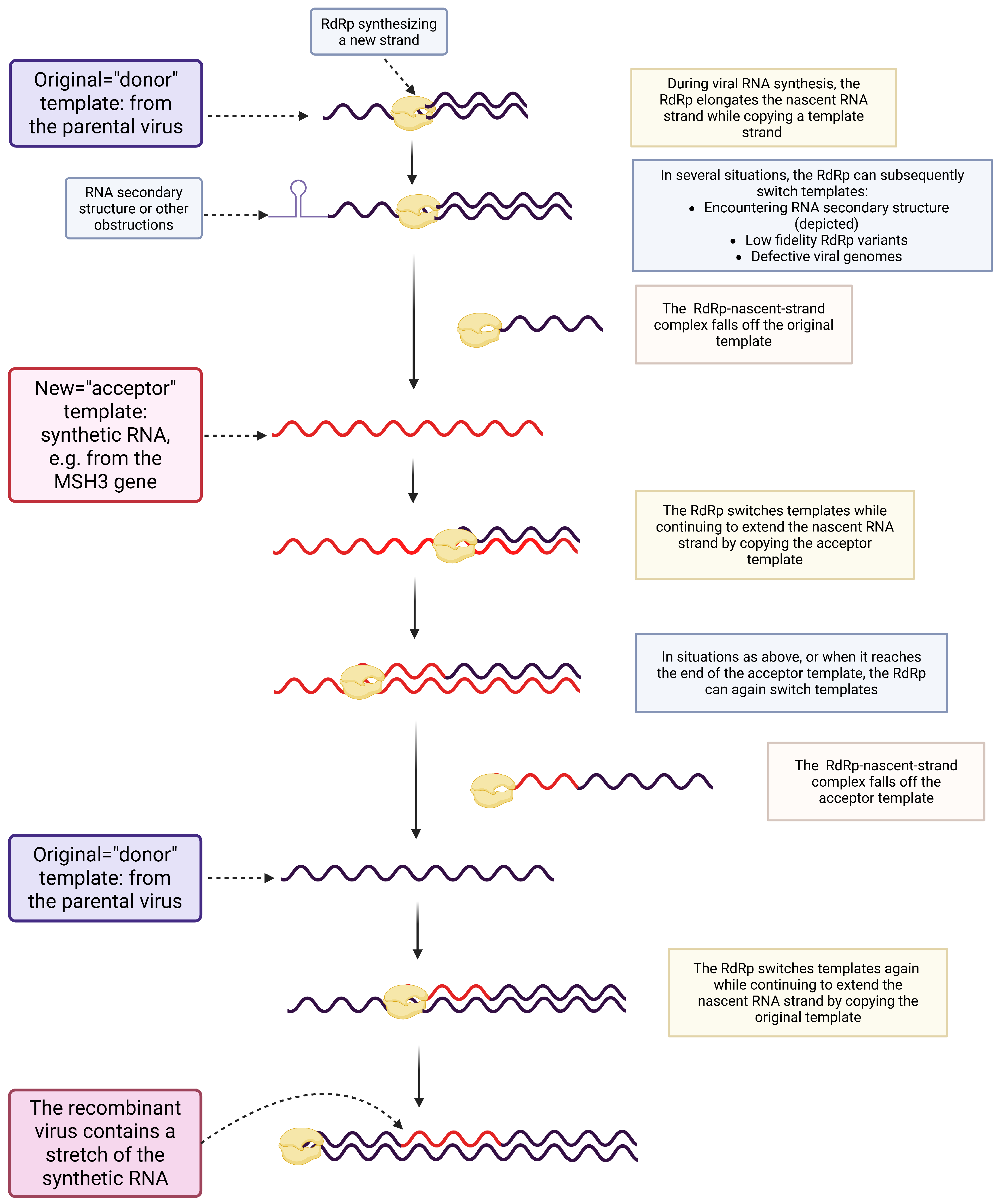
| Mechanistic analogies | Synthetic RNA-mediated recombination (Ambati-type insert): a short synthetic RNA (the 19 nt reverse complement of the proprietary MSH3 sequence) could recombine with some CoVs during replication. This notion was first suggested by Ambati et al. and has remained unproven. | The envisioned mechanistic underpinning is analogous to natural recombination events commonly employed by CoVs and more clearly depicted in Figure 2. |
| The integrated sequence into a CoV may be rather short. | Non-homologous recombination with CoVs takes place when the polymerase encounters a secondary structure or other hindrance during replication, or in the case of a short “acceptor” template. | |
| The FCS/NLS dual function may assist CoV evolution to enhance their nuclear presence. | This aligns with numerous examples of how CoVs, including SARS-CoV-2, utilize the nuclear translocation of their proteins/genetic material to their advantage. | |
| The involvement of the MSH3 gene suggests some role of the host DNA damage response/DNA repair system that the virus uses for its benefit. | That RNA viruses suppress or subvert this host system is well described. | |
| CoVs may acquire RNA fragments that play a role beyond functional genes. Integrated sequences may be processed into virus-derived siRNAs and provide another layer of interaction with host RNA-silencing pathways. | The fact that viruses can express functional siRNAs to impact the host–pathogen interplay has been demonstrated for some viruses but is incompletely understood. Recombination events would further complicate our comprehension of their identify, function, and driving factors. | |
| The integration of an antisense MSH3 sequence portion into a CoV or of other sequences reverse complement to host genes may endow recombinant mutants with the capacity to express these as siRNAs and downregulate critical genes and processes in the host genes. |
| |
| Translational insights (1) | Overlapping functional elements and how these can disguise the integration of sequences with unwanted traits. | Several suggestions are provided of how current biorisk policy might be strengthened. Specific questions include
|
| Translational insights (2) | Concerns involving siRNAs: it is suggested that
| Whereas the engineered integration of de-facto siRNAs into virus to engender in vivo RNAi has been demonstrated, these have not been described within the framework of natural recombination of RNA viruses with synthetic or natural RNAs.
|
| Translational insights (3) | Considerations about SARS-CoV-2’s pathogen–host interaction. Several scenarios are described that provide a rational link of how this sequence homology:
| Paradoxical features of SARS-CoV-2 relative to the suppression of p53 have recently been described.
However, the authors were unable to provide a mechanistic explanation.
|
| Scenarios that call for more experimental caution |
| These laboratory context could unintentionally create the conditions for the Ambati et al.-type recombination or deliberately be misused. They do not seem to have been recognized as biorisks before. |
Disclaimer/Publisher’s Note: The statements, opinions and data contained in all publications are solely those of the individual author(s) and contributor(s) and not of MDPI and/or the editor(s). MDPI and/or the editor(s) disclaim responsibility for any injury to people or property resulting from any ideas, methods, instructions or products referred to in the content. |
© 2026 by the author. Licensee MDPI, Basel, Switzerland. This article is an open access article distributed under the terms and conditions of the Creative Commons Attribution (CC BY) license.
Share and Cite
Mueller, S. Synthetic Integration of an FCS into Coronaviruses—Hype or an Unresolved Biorisk? An Integrative Analysis of DNA Repair, Cancer Research, Drug Development, and Escape Mutant Traits. Life 2026, 16, 199. https://doi.org/10.3390/life16020199
Mueller S. Synthetic Integration of an FCS into Coronaviruses—Hype or an Unresolved Biorisk? An Integrative Analysis of DNA Repair, Cancer Research, Drug Development, and Escape Mutant Traits. Life. 2026; 16(2):199. https://doi.org/10.3390/life16020199
Chicago/Turabian StyleMueller, Siguna. 2026. "Synthetic Integration of an FCS into Coronaviruses—Hype or an Unresolved Biorisk? An Integrative Analysis of DNA Repair, Cancer Research, Drug Development, and Escape Mutant Traits" Life 16, no. 2: 199. https://doi.org/10.3390/life16020199
APA StyleMueller, S. (2026). Synthetic Integration of an FCS into Coronaviruses—Hype or an Unresolved Biorisk? An Integrative Analysis of DNA Repair, Cancer Research, Drug Development, and Escape Mutant Traits. Life, 16(2), 199. https://doi.org/10.3390/life16020199