Topical Advisory Panel applications are now closed. Please contact the Editorial Office with any queries.
-
Metabolic Regulation of Ferroptosis in Breast Cancer -
Reactive Oxygen Species Across Death Pathways: Gatekeepers of Apoptosis, Ferroptosis, Pyroptosis, Paraptosis, and Beyond -
Fusobacterium Nucleatum in Colorectal Cancer: Relationship Among Immune Modulation, Potential Biomarkers and Therapeutic Implications -
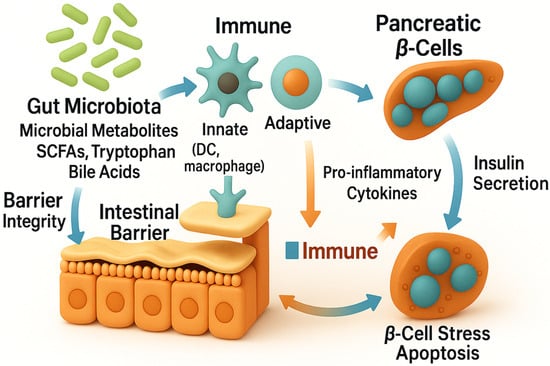
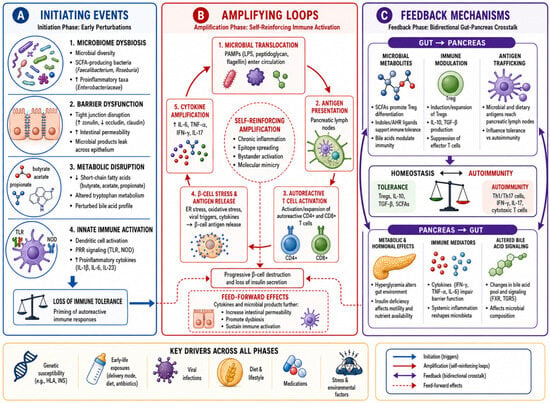
Chronic Stress and Autoimmunity: The Role of HPA Axis and Cortisol Dysregulation -
Astatine-211-Labeled Therapy Targeting Amino Acid Transporters: Overcoming Drug Resistance in Non-Small Cell Lung Cancer
Journal Description
International Journal of Molecular Sciences
is an international, peer-reviewed, open access journal providing an advanced forum for biochemistry, molecular and cell biology, molecular biophysics, molecular medicine, and all aspects of molecular research in chemistry, and published semimonthly online by MDPI. The Epigenetics Society, European Chitin Society (EUCHIS), Spanish Society for Cell Biology (SEBC) and others are affiliated with IJMS and their members receive a discount on the article processing charges.
- Open Access— free for readers, with article processing charges (APC) paid by authors or their institutions.
- High Visibility: indexed within Scopus, SCIE (Web of Science), PubMed, PMC, MEDLINE, Embase, CAPlus / SciFinder, and other databases.
- Journal Rank: JCR - Q1 (Biochemistry and Molecular Biology) / CiteScore - Q1 (Organic Chemistry)
- Rapid Publication: manuscripts are peer-reviewed and a first decision is provided to authors approximately 20.5 days after submission; acceptance to publication is undertaken in 2.6 days (median values for papers published in this journal in the first half of 2025).
- Recognition of Reviewers: reviewers who provide timely, thorough peer-review reports receive vouchers entitling them to a discount on the APC of their next publication in any MDPI journal, in appreciation of the work done.
- Testimonials: See what our editors and authors say about IJMS.
- Companion journals for IJMS include: Biophysica, Stresses, Lymphatics and SynBio.
Impact Factor:
4.9 (2024);
5-Year Impact Factor:
5.7 (2024)
Latest Articles
Involvement of Multiple Ion Channels and Receptors in Mediating the Insecticidal and Repellent Actions of Limonene
Int. J. Mol. Sci. 2026, 27(1), 416; https://doi.org/10.3390/ijms27010416 (registering DOI) - 30 Dec 2025
Abstract
R-limonene has been integrated into various pest control practices as a repellent or an insecticide. However, how limonene induces aversion or mortality remains largely unknown. To elucidate the underlying mechanisms, we conducted behavioral, toxicological, and electrophysiological assays in Aedes aegypti, a primary
[...] Read more.
R-limonene has been integrated into various pest control practices as a repellent or an insecticide. However, how limonene induces aversion or mortality remains largely unknown. To elucidate the underlying mechanisms, we conducted behavioral, toxicological, and electrophysiological assays in Aedes aegypti, a primary vector of human diseases. To investigate whether limonene acts on voltage-gated sodium channels and/or the Rdl (Resistance to dieldrin) receptor, two major targets of neuroactive insecticides, we characterized the effect of limonene on Ae. aegypti sodium and Rdl channels expressed in Xenopus oocytes. Limonene significantly potentiated GABA-induced chloride currents through Rdl in a concentration-dependent manner but had no effect on sodium channels. For repellency, limonene evoked spatial repellency in wild-type mosquitoes; however, the spatial repellency by limonene was significantly reduced in knockout mutants of Orco−/− (odorant receptor co-receptor) and TRPA1−/− (Transient Receptor Protein, subfamily A and member 1). These results indicate that limonene likely targets the Rdl receptor for insecticidal activity and limonene spatial repellency requires both Orco and TRPA1 channels. Our results reveal the involvement of multiple ion channels and receptors in the mosquito nervous system for limonene’s insecticidal and/or spatial repellency actions, highlighting limonene’s potential as a multi-target neuroactive agent for pest control.
Full article
(This article belongs to the Special Issue Circumventing Resistance to Channel-Targeting Insecticides: A Challenge for Global Health and Food Security)
Open AccessPerspective
Caveolin-1 in Skin Protection Against Radiation-Induced Skin Injuries: Pathophysiological Mechanisms and New Avenues for Prevention
by
Ilja L. Kruglikov
Int. J. Mol. Sci. 2026, 27(1), 415; https://doi.org/10.3390/ijms27010415 (registering DOI) - 30 Dec 2025
Abstract
The identification of caveolin-1 (CAV1) as a universal pathophysiological factor and target for treating various cutaneous conditions and the recognition of its role as a universal factor and target in the protection of cells from genotoxic stress have opened new avenues for protecting
[...] Read more.
The identification of caveolin-1 (CAV1) as a universal pathophysiological factor and target for treating various cutaneous conditions and the recognition of its role as a universal factor and target in the protection of cells from genotoxic stress have opened new avenues for protecting skin against radiation-induced skin injuries (RISIs). A significant and rapid increase in CAV1 content in irradiated cells, reaching a maximum at 30–60 min after irradiation, coupled with internalization of epidermal growth factor receptors involved in the activation of homologous recombination and non-homologous end-joining repairing of double-strand breaks in affected cells, can protect the cells from irradiation to some degree. However, a higher level of protection can be achieved when the CAV1 content in the skin is increased before irradiation. Such an enhancement in the expression and translocation of CAV1 can be induced by the local application of thermo-mechanical stress with parameters inducing reinforcement of the actin cytoskeleton in treated cells. The application of very-high-frequency ultrasound waves with frequencies above 10 MHz or combined multi-frequency ultrasound waves can provide new means of protecting against RISIs during radiation therapy without reducing the radiosensitivity of cancer cells.
Full article
(This article belongs to the Section Molecular Pathology, Diagnostics, and Therapeutics)
Open AccessArticle
Establishment of Autoreactive CD4+CD8+ T Cell Hybridomas from Sjögren’s Disease Model, SATB1 Conditional Knockout Mice
by
Shuhei Mashimo, Michitsune Arita, Taku Kuwabara, Taku Naito, Sakurako Takizawa, Akiko Inoue, Akira Ishiko, Motonari Kondo and Yuriko Tanaka
Int. J. Mol. Sci. 2026, 27(1), 414; https://doi.org/10.3390/ijms27010414 (registering DOI) - 30 Dec 2025
Abstract
Sjögren’s disease (SjD), which is also known as Sjögren’s syndrome (SS), is a chronic autoimmune disease characterized by dysfunction of exocrine glands, such as the salivary and lacrimal glands, resulting in xerostomia (dry mouth) and keratoconjunctivitis sicca (dry eyes). Mice in which the
[...] Read more.
Sjögren’s disease (SjD), which is also known as Sjögren’s syndrome (SS), is a chronic autoimmune disease characterized by dysfunction of exocrine glands, such as the salivary and lacrimal glands, resulting in xerostomia (dry mouth) and keratoconjunctivitis sicca (dry eyes). Mice in which the SATB1 gene is conditionally deleted in hematopoietic cells (SATB1cKO mice) develop SS as early as 4 weeks of age; however, the etiology of the disease remains to be elucidated. Here, we found that the frequency of abnormally appearing CD4+CD8+ double positive (DP) T cells in the periphery of SATB1cKO mice was higher in the salivary glands than that in the spleen, suggesting a possible involvement of DP T cells in the pathogenesis of SS in SATB1cKO mice. To investigate the nature of DP T cells, we established DP T cell hybridomas by fusing T cells from the cervical lymph nodes of SATB1cKO mice with the BW5147 thymoma cell line. Among six DP hybridoma clones, the TCRβ gene from five clones exhibited a fetal or immature phenotype. In addition, four out of five clones exhibited upregulated transcription of IL-2 in the salivary glands of T/B cell-deficient RAG2 −/− mice, suggesting that autoreactive T cells were enriched in the DP T cell population of SATB1cKO mice. These results suggest that unusual DP T cells in SATB1cKO mice may be involved in autoimmune pathogenesis in SATB1cKO mice.
Full article
(This article belongs to the Special Issue Autoimmune Diseases: A Swing Dance of Immune Cells, 3rd Edition)
Open AccessArticle
Novel Mixed Cancer-Cell Models Designed to Capture Inter-Patient Tumor Heterogeneity for Accurate Evaluation of Drug Combinations
by
Sampreeti Jena, Daniel C. Kim, Adam M. Lee, Weijie Zhang, Kevin Zhan, Radwa M. Elmorsi, Yingming Li, Scott M. Dehm and R. Stephanie Huang
Int. J. Mol. Sci. 2026, 27(1), 413; https://doi.org/10.3390/ijms27010413 (registering DOI) - 30 Dec 2025
Abstract
Disease heterogeneity across a diverse patient cohort poses challenges to cancer drug development due to inter-patient variability in treatment responses. However, current preclinical models fail to depict inter-patient tumor heterogeneity, leading to a high failure rate when translating preclinical leads into clinical successes.
[...] Read more.
Disease heterogeneity across a diverse patient cohort poses challenges to cancer drug development due to inter-patient variability in treatment responses. However, current preclinical models fail to depict inter-patient tumor heterogeneity, leading to a high failure rate when translating preclinical leads into clinical successes. We integrated the expression profiles of prostate cancer (PC) lines and castration-resistant PC (CRPC) patient tumors to identify cell-lines that transcriptomically match distinct tumor subtypes in a clinical cohort. Representative cell-lines were co-cultured to create “mixed-cell” models depicting inter-patient heterogeneity in CRPC, which were employed to assess drug combinations. When drug combinations previously tested in CRPC clinical cohorts were assessed to establish proof of concept, in vitro responses measured in our models concurred with their known clinical efficacy. Additionally, novel drug combinations computationally predicted to be efficacious in heterogeneous tumors were evaluated. They demonstrated preclinical efficacy in the mixed-cell models, suggesting they will likely benefit heterogeneous patient cohorts. Furthermore, we showed that the current practice of screening cell-lines/xenografts separately and aggregating their responses, failed to detect their efficacy. We believe that the application of our models will enhance the accuracy of preclinical drug assessment, thereby improving the success rate of subsequent clinical trials.
Full article
(This article belongs to the Special Issue Advances in the Translational Preclinical Research)
►▼
Show Figures

Figure 1
Open AccessArticle
α-Klotho Supplementation Mitigates Cumulative Exercise-Induced Fatigue via Coordinated NRF2-Mediated Antioxidant Defense and AKT/GS-Driven Hepatic Glycogen Supercompensation in Mice
by
Lifang Zheng, Yinian Wang, Zirui Xiao, Zhijian Rao and Rengfei Shi
Int. J. Mol. Sci. 2026, 27(1), 412; https://doi.org/10.3390/ijms27010412 (registering DOI) - 30 Dec 2025
Abstract
Exercise-induced fatigue involves oxidative stress and metabolic dysregulation. While the anti-aging protein α-Klotho regulates metabolism and oxidative stress, its role in exercise fatigue is unexplored. This study investigated whether α-Klotho supplementation mitigates cumulative exercise-induced fatigue and elucidated the underlying tissue-specific mechanisms. Male C57BL/6J
[...] Read more.
Exercise-induced fatigue involves oxidative stress and metabolic dysregulation. While the anti-aging protein α-Klotho regulates metabolism and oxidative stress, its role in exercise fatigue is unexplored. This study investigated whether α-Klotho supplementation mitigates cumulative exercise-induced fatigue and elucidated the underlying tissue-specific mechanisms. Male C57BL/6J mice were divided into three groups (n = 10 per group), the control group, fatigue treated with saline, or α-Klotho (0.2 mg/kg, i.p. daily) group. Fatigue was induced by a 6-day exhaustive swimming protocol (5% body weight load). Tissues were collected 24h post-final exercise. Assessments included daily exhaustion time, grip strength, serum creatine kinase (CK), urea nitrogen (BUN), oxidative stress markers (H2O2, MDA, SOD, GSH/GSSG), tissue glycogen, and pathway protein expression (Western blot). α-Klotho supplementation prevented exercise-induced weight loss and restored grip strength. While exhaustive exercise markedly increased serum CK and BUN levels, α-Klotho selectively normalized CK without effecting serum BUN. α-Klotho attenuated oxidative damage by reducing hydrogen peroxide levels while enhancing antioxidant capacity, accompanied by activation of the NRF2/HO-1 pathway and further upregulation of PGC-1α. Notably, α-Klotho induced striking hepatic glycogen supercompensation through activation of the AKT/GS signaling pathway and upregulation of GLUT4, whereas muscle glycogen levels remained unchanged. In conclusion, α-Klotho ameliorates cumulative exercise-induced fatigue through dual recovery-phase mechanisms: NRF2/HO-1-mediated antioxidant protection in skeletal muscle and AKT/GS-triggered hepatic glycogen supercompensation, thereby facilitating oxidative stress resolution and enhancing energy reserve restoration.
Full article
(This article belongs to the Section Molecular Biology)
►▼
Show Figures

Figure 1
Open AccessArticle
Echinacoside as a Novel Ferroptosis Inducer in Hepatocellular Carcinoma: Mechanistic Insights from TP53/SLC7A11/GPX4 Pathway Modulation
by
Pei Wang, Jianhao Lin and Deqi Su
Int. J. Mol. Sci. 2026, 27(1), 411; https://doi.org/10.3390/ijms27010411 (registering DOI) - 30 Dec 2025
Abstract
Despite the known antitumor properties of echinacoside (ECH), its specific role and mechanism in hepatocellular carcinoma (HCC) require in-depth exploration. Our study aimed to decipher the mechanism of ECH against HCC through a multi-disciplinary strategy. We first identified tumor protein p53 (TP53) as
[...] Read more.
Despite the known antitumor properties of echinacoside (ECH), its specific role and mechanism in hepatocellular carcinoma (HCC) require in-depth exploration. Our study aimed to decipher the mechanism of ECH against HCC through a multi-disciplinary strategy. We first identified tumor protein p53 (TP53) as a key mediator and ferroptosis as a critical process, through network pharmacology and enrichment analyses.The direct interaction between ECH and TP53 was validated by molecular docking and dynamics simulations. In vitro assessments demonstrated that ECH suppresses HCC proliferation by activating ferroptosis, marked by increased intracellular Fe2+, lipid peroxidation (LPO), and malondialdehyde (MDA), alongside reduced glutathione (GSH). The ferroptosis inhibitor ferrostatin-1 notably attenuated ECH’s effects, confirming ferroptosis as the primary mode of cell death. Further mechanistic investigation revealed that ECH acts through the TP53/solute carrier family 7 member 11(SLC7A11)/glutathione peroxidase 4(GPX4) pathway. These results collectively identify ECH as a promising ferroptosis-inducing agent for HCC therapy via TP53 activation.
Full article
(This article belongs to the Section Molecular Pharmacology)
►▼
Show Figures

Graphical abstract
Open AccessArticle
Metabolomic Profile of Açai (Euterpe oleracea Mart., Euterpe precatoria Mart.), Mirití (Mauritia flexuosa L.), and Cupuassu (Theobroma grandiflorum (Wild. ex Spreng.) Schum) from Colombian Amazon: Insights into Nutritional Composition and Ripening Dynamics
by
Manuel Salvador Rodríguez, Aida Juliana Martínez León, Lina Sabrina Porras, Iván Alejandro Giraldo, Esmeralda Rojas, Fredy Eduardo Lavao and Kaoma Martínez
Int. J. Mol. Sci. 2026, 27(1), 410; https://doi.org/10.3390/ijms27010410 (registering DOI) - 30 Dec 2025
Abstract
Amazonian fruits are increasingly recognized for their functional properties due to their rich composition of bioactive metabolites. While species such as Euterpe oleracea Mart., Euterpe precatoria Mart., Mauritia flexuosa L., and Theobroma grandiflorum (Wild. ex Spreng.) have been extensively studied in countries like
[...] Read more.
Amazonian fruits are increasingly recognized for their functional properties due to their rich composition of bioactive metabolites. While species such as Euterpe oleracea Mart., Euterpe precatoria Mart., Mauritia flexuosa L., and Theobroma grandiflorum (Wild. ex Spreng.) have been extensively studied in countries like Brazil, research on these fruits in Colombia remains limited. This study aimed to characterize the secondary metabolites in freeze-dried pulp and seed samples of açaí, mirití, and cupuassu at different ripening stages, collected in Mitú (Vaupés, Colombia). Eleven samples of different fruits were collected and analyzed by untargeted metabolomics. Untargeted metabolomic profile was performed using LC-QTOF-MS and GC-QTOF-MS techniques. The pulp of M. flexuosa showed high concentrations of galacturonic acid. In T. grandiflorum, both pulp and seeds contained significant levels of galactose and citric acid. Notably, flavonoids such as fisetin and kaempferol-O-rutinoside were abundant in the pulp of E. oleracea and E. precatoria. Additionally, quinic acid and mannitol were detected in the unripe stages of Euterpe and Mauritia species. The diverse profile of secondary metabolites identified in these Colombian Amazonian fruits underscores their functional and nutritional potential. These findings support further exploration of native species for food, nutraceutical, and industrial applications, contributing to the valorization of Amazonian biodiversity.
Full article
(This article belongs to the Special Issue Cutting-Edge Advances in Natural Bioactive Compounds)
►▼
Show Figures

Figure 1
Open AccessArticle
Search for Potential VDR/Partner Composite Elements in Regulatory DNA of Genes Associated with Respiratory Infections and Atopic Diseases
by
Alexey V. Popov, Dmitry Yu. Oshchepkov, Vladislav V. Kononchuk, Tatiana S. Kalinina, Ilya S. Valembakhov, Alexander D. Lukin, Elena G. Kondyurina, Vera V. Zelenskaya and Valentin Vavilin
Int. J. Mol. Sci. 2026, 27(1), 409; https://doi.org/10.3390/ijms27010409 (registering DOI) - 30 Dec 2025
Abstract
Vitamin D deficiency is associated with the risk of atopic diseases and respiratory infections. The activated vitamin D receptor (VDR) forms a dimer with the retinoid X receptor alpha (RXRA) and binds to VDR/RXRA composite elements (CEs) in enhancers of target genes. However,
[...] Read more.
Vitamin D deficiency is associated with the risk of atopic diseases and respiratory infections. The activated vitamin D receptor (VDR) forms a dimer with the retinoid X receptor alpha (RXRA) and binds to VDR/RXRA composite elements (CEs) in enhancers of target genes. However, VDR/RXRA CEs are identified in only 11.5% of cases in ChIP-Seq peaks. Our hypothesis was that VDR could form a VDR-Partner complex with transcription factor for which CEs have not yet been identified. We utilized Web-MCOT to search for novel VDR/Partner CEs in regulatory DNA. The potential formation of the VDR-Partner protein complex was assessed using the AlphaFold machine learning model. Through real-time RT-PCR, we measured the expression of immune system genes in a culture of U937 macrophage-like cells incubated with the active metabolite of vitamin D, calcitriol. We have predicted novel VDR/NR2C2 and VDR/PPARG CEs in the regulatory regions of immune system genes. We found potential synergism of VDR/NR2C2 and VDR/RXRA CEs in relation to the IRF5 gene, as well as potential synergism of VDR/PPARG and VDR/RXRA CEs for MAPK13. Predicting new regulatory relationships through the identification of new potential VDR/Partner CEs may provide insight into the deep mechanisms of vitamin D involvement in the pathogenesis of atopic dermatitis, bronchial asthma, allergic rhinitis, and pulmonary infections.
Full article
(This article belongs to the Special Issue Vitamin D Signaling in Human Health and Diseases)
►▼
Show Figures

Figure 1
Open AccessReview
Phosphate and Inflammation in Health and Kidney Disease
by
Carlos Novillo-Sarmiento, Raquel M. García-Sáez, Antonio Rivas-Domínguez, Ana Torralba-Duque, Cristian Rodelo-Haad, María E. Rodríguez-Ortiz, Juan R. Muñoz-Castañeda and M. Victoria Pendón-Ruiz de Mier
Int. J. Mol. Sci. 2026, 27(1), 408; https://doi.org/10.3390/ijms27010408 (registering DOI) - 30 Dec 2025
Abstract
Phosphate is emerging as an active mediator of oxidative stress and vascular injury in chronic kidney disease (CKD). This emerging pathophysiological framework, referred to as “Phosphatopathy”, describes the systemic syndrome driven by chronic phosphate overload and characterized by oxidative stress, inflammation, endothelial dysfunction,
[...] Read more.
Phosphate is emerging as an active mediator of oxidative stress and vascular injury in chronic kidney disease (CKD). This emerging pathophysiological framework, referred to as “Phosphatopathy”, describes the systemic syndrome driven by chronic phosphate overload and characterized by oxidative stress, inflammation, endothelial dysfunction, vascular calcification, cellular senescence, and metabolic imbalance. Beyond being a biochemical marker, phosphate overload triggers NOX-derived reactive oxygen species (ROS), activates Wnt/β-catenin and TGF-β signaling, and disrupts the FGF23–Klotho axis, promoting endothelial dysfunction, vascular calcification, and left ventricular hypertrophy (LVH). These pathways converge with systemic inflammation and energy imbalance, contributing to the malnutrition–inflammation–atherosclerosis (MIA) syndrome. Experimental and clinical data reveal that the phosphate/urinary urea nitrogen (P/UUN) ratio is a sensitive biomarker of inorganic phosphate load, while emerging regulators such as microRNA-125b and calciprotein particles integrate phosphate-driven oxidative and inflammatory responses. Therapeutic strategies targeting phosphate burden—rather than serum phosphate alone—include dietary restriction of inorganic phosphate, non-calcium binders, magnesium and zinc supplementation, and activation of important pathways related to the activation of antioxidant defense such as AMP-activated protein kinase (AMPK) and SIRT1. This integrative framework redefines phosphate as a modifiable upstream trigger of oxidative and metabolic stress in CKD. Controlling phosphate load and redox imbalance emerges as a convergent strategy to prevent vascular calcification, improve arterial stiffness, and reduce cardiovascular risk through personalized, mechanism-based interventions.
Full article
(This article belongs to the Special Issue Oxidative Stress and Inflammation in Health and Disease)
Open AccessArticle
Weighted Gene Co-Expression Network Analysis and Alternative Splicing Analysis Reveal Key Genes Regulating Overfeeding-Induced Fatty Liver in Lion-Head Goose
by
Jing Fu, Yezhi Lan, Yuwen Liang, Xiaoguang Yang, Ruize Tang, Yuchuan Wang, Yabiao Luo and Chunpeng Liu
Int. J. Mol. Sci. 2026, 27(1), 407; https://doi.org/10.3390/ijms27010407 (registering DOI) - 30 Dec 2025
Abstract
Lion-head goose is a large-sized breed native to Guangdong Province, China, exhibits remarkable capacity for fatty liver production under overfeeding conditions and is highly valued by local farmers and consumers. However, the molecular mechanisms driving fatty liver development in this breed are still
[...] Read more.
Lion-head goose is a large-sized breed native to Guangdong Province, China, exhibits remarkable capacity for fatty liver production under overfeeding conditions and is highly valued by local farmers and consumers. However, the molecular mechanisms driving fatty liver development in this breed are still unknown. In this study, we evaluated liver weight differences between normally fed and overfed Lion-head geese and further examined sex-specific differences following overfeeding. Overfeeding significantly increased liver weight more than 340%, and males possess a stronger capacity for lipid deposition under the same feeding regimen compared with females. RNA-Seq analysis identified 1476 differentially expressed genes (DEGs) shared by both sexes, which were mainly enriched in lipid and energy metabolism, oxidative stress, and mitochondrial pathways. In addition, 627 male-specific and 420 female-specific DEGs revealed sex-dependent differences, with males showing stronger transcriptional regulation and females exhibiting enhanced antioxidant and detoxification responses. Weighted gene co-expression network analysis (WGCNA) revealed 320 co-hub genes enriched in lipid and energy metabolism in overfeeding-induced fatty liver, along with 9 co-hub genes related to sex differences. Alternative splicing (AS) analysis detected 131 differentially spliced genes (DSGs). Integration of both approaches identified 7 overlapping genes, HYCC2 (Hyccin PI4KA lipid kinase complex subunit 2), AGL (Amylo-Alpha-1,6-Glucosidase and 4-Alpha-Glucanotransferase), CCDC62 (Coiled-coil domain containing 62), IGSF5 (Immunoglobulin superfamily member 5), MGARP (Mitochondria-localized glutamic acid-rich protein), CD80 (Cluster of Differentiation 80), and FPGS (Folylpolyglutamate synthase), as potential key regulators. These findings provide new insights into transcriptional and post-transcriptional regulation of overfeeding-induced fatty liver in geese.
Full article
(This article belongs to the Section Molecular Genetics and Genomics)
Open AccessArticle
Structure–Function Interplay in Piezoelectric PCL/BaTiO3 Scaffolds Fabricated by Phase Separation: Correlation of Morphology, Mechanics, and Cytocompatibility
by
Abdulkareem Alotaibi, Yash Desai, Jacob Miszuk, Jae Hyouk Choi, Konstantinos Michalakis and Alexandros Tsouknidas
Int. J. Mol. Sci. 2026, 27(1), 406; https://doi.org/10.3390/ijms27010406 (registering DOI) - 30 Dec 2025
Abstract
Bone regeneration relies on the coordinated interplay between mechanical and biological cues. Piezoelectric composites, capable of converting mechanical strain into electrical signals, offer a promising approach to stimulate osteogenesis. This study aimed to develop and characterize polycaprolactone (PCL) and barium titanate (BaTiO3
[...] Read more.
Bone regeneration relies on the coordinated interplay between mechanical and biological cues. Piezoelectric composites, capable of converting mechanical strain into electrical signals, offer a promising approach to stimulate osteogenesis. This study aimed to develop and characterize polycaprolactone (PCL) and barium titanate (BaTiO3) composite scaffolds fabricated through thermally induced phase separation (TIPS), and to systematically evaluate the effects of polymer concentration and ceramic incorporation on scaffold morphology, porosity, mechanical properties, and cytocompatibility were systematically evaluated. The resulting scaffolds exhibited a highly porous, interconnected architecture, with 9% PCL formulation showing the most uniform morphology and consistent mechanical and biological behavior. Incorporation of BaTiO3 did not alter pore structure or compromise cytocompatibility but slightly enhanced stiffness and surface uniformity. SEM-based image analysis confirmed homogeneous BaTiO3 dispersion across all formulations. MTT assays and confocal microscopy demonstrated robust pre-osteoblast adhesion and spreading, particularly on denser composite scaffolds, confirming that the inclusion of BaTiO3 supports a favorable environment for cell proliferation. Overall, optimizing polymer concentration and ceramic dispersion enables fabrication of structurally coherent, cytocompatible scaffolds. The findings establish structure–property–biology relationships that serve as a baseline for future investigations into the electromechanical behavior of PCL/BaTiO3 scaffolds and their potential to promote osteogenic differentiation under physiological loading.
Full article
(This article belongs to the Section Materials Science)
Open AccessArticle
New Insights into the Mechanism of Insulin-like Peptide 3 (INSL3) Regulating the Growth and Development of Bovine Follicular Granulosa Cells
by
Hongxian Li, Fenglou He, Xinye Li, Junjie Nie, Hasnain Ali Khan, Chao Chen and Jinling Hua
Int. J. Mol. Sci. 2026, 27(1), 405; https://doi.org/10.3390/ijms27010405 (registering DOI) - 30 Dec 2025
Abstract
Dabie Mountain cattle are characterized by their ability to tolerate coarse feed, strong disease resistance, and delicious meat. Lower reproductive efficiency has become one of the key factors limiting its development. Therefore, this study investigated the developmental patterns of Dabie Mountain cattle follicles
[...] Read more.
Dabie Mountain cattle are characterized by their ability to tolerate coarse feed, strong disease resistance, and delicious meat. Lower reproductive efficiency has become one of the key factors limiting its development. Therefore, this study investigated the developmental patterns of Dabie Mountain cattle follicles and screened key candidate genes for in vitro experimental validation. Research collected granulosa cells from small follicles (<5 mm), medium (5–8 mm), and big (>8 mm), followed by RNA extraction for transcriptomic sequencing. A total of 20,775 genes were identified, including 13,777 (66.3%) differentially expressed genes (DEGs). DEGs showing up-regulation and down-regulated in B vs. S, B vs. M, and M vs. S groups were collected. A total of 19 commonly up-regulated DEGs across the three groups were identified, including genes such as DEFB, FAM124A, and RASSF10. Additionally, 227 commonly down-regulated DEGs were identified, including genes such as INSL3, GAS7, and PAQR7. Protein interaction network analysis revealed an interaction between INSL3 and STAR. Bovine ovarian granulosa cells (GCs) were collected to investigate the effect of the INSL3 on GCs proliferation. The results revealed that INSL3 expression was highest in small follicles and was almost absent in big follicles. Subsequently, the INLS3 gene was knocked down in GCs using small interfering RNA. RT-qPCR results demonstrated that both si-INSL3 (239) and si-INSL3 (392) significantly knock down INSL3 expression (p < 0.01), si-INSL3 (239) for follow-up research. CCK-8 was used to assess cell proliferation, revealing that INSL3 knockdown significantly enhanced GCs viability and number at 24, 48, and 72 h (p < 0.05). Flow cytometry was used to detect cell cycle distribution. The results showed that knockdown of INSL3 expression significantly decreased the proportion of G1 phase cells and significantly increased the number of S phase cells (p < 0.01). RT-qPCR was used to detect the expression of cell proliferation-related genes. The results showed that compared with the siNC group, the expression levels of Myc, PCNA, Cytochrome C, and Cyclin D1 were significantly increased in the si-INSL3 group. In conclusion, knockdown of INSL3 affects follicular development in Dabie Mountain cattle by regulating granulosa cell proliferation in the ovaries, providing new insights into the regulatory mechanisms of follicular development in cattle.
Full article
(This article belongs to the Section Biochemistry)
►▼
Show Figures

Figure 1
Open AccessArticle
Geometric Morphometrics Reveals That Alfacalcidol, but Not Cholecalciferol, Preserves Renal Corpuscle Architecture in Rheumatoid Arthritis in Rats
by
Dina Kapić, Amela Dervišević, Samir Mehmedagić, Muhamed Katica, Asija Začiragić, Almir Fajkić, Aida Bešić, Nadža Kapo-Dolan, Gulali Aktas and Zurifa Ajanović
Int. J. Mol. Sci. 2026, 27(1), 404; https://doi.org/10.3390/ijms27010404 (registering DOI) - 30 Dec 2025
Abstract
Rheumatoid arthritis (RA) is a chronic autoimmune disease characterized by inflammation and destruction of cartilage, as well as by extra-articular manifestations. Rheumatoid nephropathy is a common complication of RA and its principal target is the renal corpuscle. Vitamin D and its analogs exert
[...] Read more.
Rheumatoid arthritis (RA) is a chronic autoimmune disease characterized by inflammation and destruction of cartilage, as well as by extra-articular manifestations. Rheumatoid nephropathy is a common complication of RA and its principal target is the renal corpuscle. Vitamin D and its analogs exert immunomodulatory actions throughout the body due to the widespread of their receptors. Our study aimed to compare the effects of cholecalciferol (vitamin D3) and alfacalcidol on renal corpuscle changes in pristane-induced RA model following a 28-day treatment, using geometric morphometrics. Forty female Wistar rats (190–210 g; 12–13 weeks old) were randomly assigned to four groups: the control (Cont) group (n = 10) received saline i.c., the PIA group (n = 10) was administered pristane i.c., PIA-ALF group (n = 10) was administered pristane i.c. and alfacalcidol orally, and the PIA-CH group (n = 10) was injected i.c. with pristane and received cholecalciferol orally. Pristane administration was used for RA induction. At the end of the experiment, the left kidneys were removed and processed by standard histological procedures for geometric morphometric analysis. Geometric morphometric analysis demonstrated that, compared with the control group, the architecture of the renal corpuscles was altered in the PIA (p < 0.0001) and PIA-CH (p = 0.0065) groups. In contrast, no statistically significant differences were observed in the PIA-ALF group (p = 0.3011). Geometric morphometric analysis demonstrated that alfacalcidol, but not cholecalciferol, exertedaprotective effect on the renal corpuscle architecture in pristane-induced rheumatoid arthritis in rats.
Full article
(This article belongs to the Section Molecular Pathology, Diagnostics, and Therapeutics)
►▼
Show Figures

Figure 1
Open AccessArticle
Ammonium Hydroxide Enhancement of Dietary Protein in High-Fat Diets Modulates Liver Metabolism Signaling in a Sex- and Age-Dependent Manner in C3H/HeJ Mice
by
Benjamin R. Barr, Indhu Subramaniyan, Li Li, Danielle E. Levitt and Lauren S. Gollahon
Int. J. Mol. Sci. 2026, 27(1), 403; https://doi.org/10.3390/ijms27010403 (registering DOI) - 30 Dec 2025
Abstract
(1) Lifestyle changes to modify unhealthy dietary patterns with the goal of preventing MASLD have proven challenging. Here, dietary proteins and their modification with ammonium hydroxide enhancement (AHE) provide molecular evidence that this novel approach may attenuate the development of MASLD without undue
[...] Read more.
(1) Lifestyle changes to modify unhealthy dietary patterns with the goal of preventing MASLD have proven challenging. Here, dietary proteins and their modification with ammonium hydroxide enhancement (AHE) provide molecular evidence that this novel approach may attenuate the development of MASLD without undue dietary adjustments, potentially bypassing non-compliance. (2) High-fat diets containing dietary beef (HFB) or casein (HFC) + AHE (HFBN and HFCN, respectively) were fed to 256 C3H/HeJ female and male mice long term. At 6, 12, or 18 months, hepatic samples were analyzed with targeted metabolomics (glucose, lactate, alanine, glutamine, carnitine) and Western analysis (β-catenin, glutamine synthetase, CYP3A4). RNA sequencing was performed on samples collected at 18 months (n = 3; male HFC n = 2). (3) Metabolomics results showed that at 18 months, hepatic glutamine was greater in HFBN versus HFCN in females, whereas in males, hepatic glutamine, glucose and lactate were lower in HFBN versus HFCN. Additionally, diets with AHE decreased β-catenin and CYP3A4 protein expression in males. Ingenuity pathway analysis (IPA) of RNA-seq data predicted that HFBN activates PPARα signaling in the liver in both sexes compared to HFCN. Inflammatory activity showed predicted activation for females in the HFBN:HFCN comparison. In males, the inflammatory pathway molecular mechanisms of cancer was predicted as deactivated in HFBN:HFCN. (4) Dietary protein source impacts outcomes, and these outcomes improved with AHE. The HFBN diet improves signaling associated with lipid utilization for females and males, and improved inflammatory signaling for males compared with HFCN. Further exploration of AHE as a dietary intervention in high-fat diets is warranted.
Full article
(This article belongs to the Special Issue High Fat Diet Metabolism and Diseases)
►▼
Show Figures

Figure 1
Open AccessArticle
Natural Fatty Acids as Dual ACE2-Inflammatory Modulators: Integrated Computational Framework for Pandemic Preparedness
by
William D. Lituma-González, Santiago Ballaz, Tanishque Verma, J. M. Sasikumar and Shanmugamurthy Lakshmanan
Int. J. Mol. Sci. 2026, 27(1), 402; https://doi.org/10.3390/ijms27010402 (registering DOI) - 30 Dec 2025
Abstract
The COVID-19 pandemic exposed critical vulnerabilities in single-target antiviral strategies, highlighting the urgent need for multi-mechanism therapeutic approaches against emerging viral threats. Here, we present an integrated computational framework systematically evaluating natural fatty acids as potential dual ACE2 (Angiotension Converting Enzyme 2)-inflammatory modulators;
[...] Read more.
The COVID-19 pandemic exposed critical vulnerabilities in single-target antiviral strategies, highlighting the urgent need for multi-mechanism therapeutic approaches against emerging viral threats. Here, we present an integrated computational framework systematically evaluating natural fatty acids as potential dual ACE2 (Angiotension Converting Enzyme 2)-inflammatory modulators; compounds simultaneously disrupting SARS-CoV-2 viral entry through allosteric ACE2 binding while suppressing host inflammatory cascades; through allosteric binding mechanisms rather than conventional competitive inhibition. Using molecular docking across eight ACE2 regions, 100 ns molecular dynamics simulations, MM/PBSA free energy calculations, and multivariate statistical analysis (PCA/LDA), we computationally assessed nine naturally occurring fatty acids representing saturated, monounsaturated, and polyunsaturated classes. Hierarchical dynamics analysis identified three distinct binding regimes spanning fast (τ < 50 ns) to slow (τ > 150 ns) timescales, with unsaturated fatty acids demonstrating superior binding affinities (ΔG = −6.85 ± 0.27 kcal/mol vs. −6.65 ± 0.25 kcal/mol for saturated analogs, p = 0.002). Arachidonic acid achieved optimal SwissDock affinity (−7.28 kcal/mol), while oleic acid exhibited top-ranked predicted binding affinity within the computational hierarchy (ΔGbind = −24.12 ± 7.42 kcal/mol), establishing relative prioritization for experimental validation rather than absolute affinity quantification. Energetic decomposition identified van der Waals interactions as primary binding drivers (65–80% contribution), complemented by hydrogen bonds as transient directional anchors. Comprehensive ADMET profiling predicted favorable safety profiles compared to synthetic antivirals, with ω-3 fatty acids showing minimal nephrotoxicity risks while maintaining excellent intestinal absorption (>91%). Multi-platform bioactivity analysis identified convergent anti-inflammatory mechanisms through eicosanoid pathway modulation and kinase inhibition. This computational investigation positions natural fatty acids as promising candidates for experimental validation in next-generation pandemic preparedness strategies, integrating potential therapeutic efficacy with sustainable sourcing. The framework is generalizable to fatty acids from diverse biological origins.
Full article
(This article belongs to the Section Molecular Informatics)
Open AccessArticle
Mechanisms of Induction of Stimulus-Specific Systemic Responses of Photosynthesis in Wheat Plants
by
Maxim Mudrilov, Maria Ladeynova, Polina Pirogova, Darya Kuznetsova, Sofia Obydennova and Vladimir Vodeneev
Int. J. Mol. Sci. 2026, 27(1), 401; https://doi.org/10.3390/ijms27010401 (registering DOI) - 30 Dec 2025
Abstract
Systemic photosynthetic responses induced by local stimuli are essential for the formation of systemic acquired acclimation. However, the stimulus-specific features of these responses and the mechanisms that underlie their specificity are still unknown. The aim of this study was to identify the mechanisms
[...] Read more.
Systemic photosynthetic responses induced by local stimuli are essential for the formation of systemic acquired acclimation. However, the stimulus-specific features of these responses and the mechanisms that underlie their specificity are still unknown. The aim of this study was to identify the mechanisms of the specificity of photosynthetic responses induced by local heating, burning, and wounding in wheat plants. Photosynthetic responses were multiphasic and included an initial activation of photosynthesis followed by two phases of inactivation, fast and long. The parameters of these responses depended on the type of local stimulus. It has been shown that the activity of Ca2+ channels and H+-ATPase plays a key role in responses to all types of stimuli. Upon burning and wounding, the fast phase of photosynthetic inactivation is induced mainly by the hydraulic wave, whereas its contribution to heat-induced responses is smaller. The long phase of photosynthetic inactivation is mediated by a decrease in stomatal conductance. In the case of heating, the highest amplitude of the long phase of photosynthetic inactivation and the most substantial increase in the jasmonate levels were observed compared to other local stimuli. Jasmonates probably contribute to the long phase of photosynthetic inactivation through stomatal closure. An increase in jasmonate levels upon heating is probably induced by autopropagating signals. These findings suggest that specificity of responses is provided by different contributions of components to a complex long-distance signal.
Full article
(This article belongs to the Special Issue Advanced Plant Molecular Responses to Abiotic Stresses: 2nd Edition)
Open AccessArticle
Analysis of Photosynthetic Parameters, Yield, and Quality Correlations in Herbicide-Tolerant Transgenic Hybrid Cotton
by
Ping He, Meiqi Liu, Haoyu Jiang, Zexing Zhang, Zitang Bian, Yongqiang Liu, Honglei Ma, Jianbo Zhu, Tianqi Jiao and Ruina Liu
Int. J. Mol. Sci. 2026, 27(1), 400; https://doi.org/10.3390/ijms27010400 (registering DOI) - 30 Dec 2025
Abstract
Weed stress remains a major limiting factor in cotton production, and glyphosate-tolerant varieties provide an effective solution for chemical weed control. However, achieving a balance between herbicide tolerance and agronomic physiological traits remains challenging. In this study, three hybrid combinations were generated by
[...] Read more.
Weed stress remains a major limiting factor in cotton production, and glyphosate-tolerant varieties provide an effective solution for chemical weed control. However, achieving a balance between herbicide tolerance and agronomic physiological traits remains challenging. In this study, three hybrid combinations were generated by crossing a glyphosate-tolerant cotton line (GGK2) with conventional elite lines and were comprehensively evaluated. Gene expression analysis revealed that the classical detoxification gene GAT was significantly downregulated in all hybrid combinations, whereas the expression of GR79-EPSPS, a gene associated with glutathione metabolism and oxidative stress response, was markedly elevated, particularly in the GGK2 × Y4 combination. This differential expression pattern suggests that GR79-EPSPS may compensate for the reduced function of GAT by conferring oxidative protection under herbicide stress. Physiological determination indicated that hybrid combinations with enhanced GR79-EPSPS expression, especially GGK2 × Y5, exhibited superior photosynthetic pigment composition and photosystem II (PSII) efficiency, validating the role of GR79-EPSPS in maintaining photosynthetic stability. Agronomic trait assessment demonstrated that GGK2 × Y4 achieved significant biomass accumulation and yield improvement through heterosis, although fiber quality improvement was limited. This study effectively enhanced the herbicide resistance of conventional cotton through crossbreeding and revealed that the interaction between GR79-EPSPS and GAT can improve cotton tolerance to herbicides, thereby providing a breeding strategy for developing cotton varieties with both herbicide tolerance and superior agronomic traits.
Full article
(This article belongs to the Special Issue 25th Anniversary of IJMS: Updates and Advances in Molecular Biology)
Open AccessReview
Microplastics, Endocrine Disruptors, and Oxidative Stress: Mechanisms and Health Implications
by
Kalman Kovacs, Jozsef Bodis and Reka A. A. Vass
Int. J. Mol. Sci. 2026, 27(1), 399; https://doi.org/10.3390/ijms27010399 (registering DOI) - 30 Dec 2025
Abstract
Microplastics and nanoplastics (<5 mm and <1 μm, respectively) are emerging contaminants now ubiquitous across environmental matrices and increasingly recognized for their impacts on human health. These particles commonly adsorb or contain endocrine-disrupting chemicals—such as bisphenol-A and phthalate additives—that together trigger complex biological
[...] Read more.
Microplastics and nanoplastics (<5 mm and <1 μm, respectively) are emerging contaminants now ubiquitous across environmental matrices and increasingly recognized for their impacts on human health. These particles commonly adsorb or contain endocrine-disrupting chemicals—such as bisphenol-A and phthalate additives—that together trigger complex biological responses. This review examines the central role of oxidative stress in mediating the toxicity of microplastics and associated endocrine disruptors across multiple organ systems. We discuss mechanisms including cellular uptake, reactive oxygen species generation, mitochondrial dysfunction, impairment of antioxidant defenses, and activation of key signaling pathways. Organ-specific effects on reproductive health, cardiovascular function, hepatic metabolism, gut barrier integrity, and neurological systems are highlighted. Current evidence strongly supports oxidative stress as a pivotal mechanism linking microplastic exposure to systemic toxicity, underscoring important implications for public health policy and clinical intervention strategies.
Full article
(This article belongs to the Special Issue The Impact of Oxidative Stress on Male and Female Germ Cells: From Redox Biology to Photon Emission)
Open AccessArticle
Co-Cultivation with Eichhornia crassipes Enhances Growth and Ovarian Development of Micropterus salmoides
by
Lin Zhang, Jiahao Liu, Jiawen Hu, Nailin Shao, Yi Sun, Jiahui Xiao, Zhijuan Nie and Pao Xu
Int. J. Mol. Sci. 2026, 27(1), 398; https://doi.org/10.3390/ijms27010398 (registering DOI) - 30 Dec 2025
Abstract
The growth and development of aquaculture organisms are significantly influenced by environmental variations shaped by different aquaculture systems. In this study, a 90-day controlled experiment was conducted to compare two pond culture setups for largemouth bass: with water hyacinth co-planted (FM group) and
[...] Read more.
The growth and development of aquaculture organisms are significantly influenced by environmental variations shaped by different aquaculture systems. In this study, a 90-day controlled experiment was conducted to compare two pond culture setups for largemouth bass: with water hyacinth co-planted (FM group) and without (M group). As this experiment progressed, the FM group exhibited significantly superior water quality (p < 0.05) compared to the M group across multiple parameters, including total nitrogen (TN), total phosphorus (TP), ammonia nitrogen (NH3-N), dissolved oxygen (DO) and transparency, among which, the difference in transparency was especially evident (p < 0.001). Subsequently, by 90 days, the fish body weight, condition factor, and gonadosomatic index (GSI) were significantly higher in the FM group than in the M group, with the GSI difference being particularly pronounced (p < 0.001). While the GSI of M group fishes ranged exclusively from 0.01 to 0.02 (M1), the FM group displayed a much-expanded GSI range of 0.01–0.06, with 21.4% at 0.01–0.02 (FM1), 48.1% at 0.02–0.03 (FM2), and 30.5% at 0.03–0.06 (FM3). Accordingly, omics analyses of ovarian tissues were conducted between the control (M1) and the high-performing groups (FM2 and FM3). The analyses identified significant enrichment of the glycerophospholipid metabolic pathway and a marked upregulation of the Mettl3 gene (log2FC = 12.59) in the FM2 and FM3 than the M1 group, and both the pathway and the Mettl3 gene were actively involved in growth, reproductive processes, and oocyte maturation. Given that water transparency was the most markedly improved parameter, our results indicate that it may be a key driver in upregulating ovarian glycerophospholipid metabolism and Mettl3 expression in largemouth bass, thereby promoting better growth and ovarian development.
Full article
(This article belongs to the Special Issue Molecular Advances in Reproduction and Fertility of Aquatic Animals: 3rd Edition)
Open AccessArticle
Cross-Species Transcriptomic and Metabolomic Analysis Reveals Conserved and Divergent Fatty Acid Metabolic Regulatory Strategies During Mammalian Oocyte Maturation
by
Mostafa Elashry, Yassin Kassim, Bingjie Hu, Hao Sheng, Guangjun Xu, Hagar Elashry and Kun Zhang
Int. J. Mol. Sci. 2026, 27(1), 397; https://doi.org/10.3390/ijms27010397 (registering DOI) - 30 Dec 2025
Abstract
Mammalian oocyte maturation is a metabolically demanding process relying on lipid metabolism that supplies energy, structural substrates, and signaling mediators. However, a comprehensive cross-species understanding of the dynamic requirement for lipids during this process remains elusive, hindering the optimization of assisted reproductive technologies.
[...] Read more.
Mammalian oocyte maturation is a metabolically demanding process relying on lipid metabolism that supplies energy, structural substrates, and signaling mediators. However, a comprehensive cross-species understanding of the dynamic requirement for lipids during this process remains elusive, hindering the optimization of assisted reproductive technologies. Utilizing an integrated single-cell transcriptomic and targeted lipidomic approach, we mapped the metabolic landscape of bovine oocyte maturation. Our analysis uncovered a global transcriptional downregulation, with 3259 genes suppressed during the transition from the germinal vesicle (GV) to the metaphase II (MII) stage. This was particularly apparent in lipid catabolism pathways (e.g., for ACAA1), while mitochondrial energy production genes (ATP6) were upregulated. Lipidomics indicated a selective depletion of saturated fatty acids (SFAs; e.g., C16:0, C18:0) in MII oocytes, while monounsaturated (MUFAs) and polyunsaturated fatty acids (PUFAs) were preferentially retained. Integrated network analysis specified hexadecanoic acid (C16:0) as a central metabolic hub, which rewires its interactions from biosynthetic genes (FASN, ELOVL6) in GV oocytes to degradative enzymes (ACADVL, HADH) in MII oocytes. Expanding to a cross-species transcriptomic atlas, we identified a core set of 59 lipid metabolism genes conserved across bovine, mouse, and human oocytes. Despite this conservation, we discovered stark species-specific regulatory strategies: bovine and human oocytes significantly downregulated fatty acid degradation and elongation post-maturation, whereas murine oocytes maintain pathway activity, upregulating key regulators like Acsl3. Our work unveils an evolutionarily conserved core lipid metabolic program in mammalian oocytes that is adaptively tuned to meet species-specific physiological demands. Bovine and human oocytes prioritize catabolic flexibility, using SFAs for energy, while mouse oocytes maintain their anabolic capacity for membrane biosynthesis. These findings provide a transformative resource for the field, offering biomarkers for oocyte quality and a rationale for enhancing species-tailored lipid formulations to develop in vitro maturation systems and amend reproductive outcomes in both agriculture and medicine.
Full article
(This article belongs to the Section Molecular Biology)
►▼
Show Figures

Figure 1
Journal Menu
► ▼ Journal Menu-
- IJMS Home
- Aims & Scope
- Editorial Board
- Reviewer Board
- Topical Advisory Panel
- Instructions for Authors
- Special Issues
- Topics
- Sections & Collections
- Article Processing Charge
- Indexing & Archiving
- Most Cited & Viewed
- Journal Statistics
- Journal History
- Journal Awards
- Society Collaborations
- Conferences
- Editorial Office
Journal Browser
► ▼ Journal Browser-
arrow_forward_ios
Forthcoming issue
arrow_forward_ios Current issue - Vol. 27 (2026)
- Vol. 26 (2025)
- Vol. 25 (2024)
- Vol. 24 (2023)
- Vol. 23 (2022)
- Vol. 22 (2021)
- Vol. 21 (2020)
- Vol. 20 (2019)
- Vol. 19 (2018)
- Vol. 18 (2017)
- Vol. 17 (2016)
- Vol. 16 (2015)
- Vol. 15 (2014)
- Vol. 14 (2013)
- Vol. 13 (2012)
- Vol. 12 (2011)
- Vol. 11 (2010)
- Vol. 10 (2009)
- Vol. 9 (2008)
- Vol. 8 (2007)
- Vol. 7 (2006)
- Vol. 6 (2005)
- Vol. 5 (2004)
- Vol. 4 (2003)
- Vol. 3 (2002)
- Vol. 2 (2001)
- Vol. 1 (2000)
Highly Accessed Articles
Latest Books
E-Mail Alert
News
Topics
Topic in
Antioxidants, Chemistry, IJMS, Molecules, Pharmaceutics
Natural Bioactive Compounds as a Promising Approach to Mitigating Oxidative Stress
Topic Editors: Andrea Ragusa, Filomena CorboDeadline: 31 December 2025
Topic in
Agriculture, Agronomy, Crops, Plants, IJMS, IJPB
Plant Responses and Tolerance to Salinity Stress, 2nd Edition
Topic Editors: Ricardo Aroca, Pablo CornejoDeadline: 15 January 2026
Topic in
Chemistry, Inorganics, IJMS, Pharmaceuticals
Natural Coumarin and Metal Complexes: Pharmacological Properties and Potential ApplicationsTopic Editors: Dušan Dimić, Edina Avdović, Dejan MilenkovićDeadline: 31 January 2026
Topic in
Agrochemicals, Agronomy, Insects, IJMS, Marine Drugs, Toxins, Agriculture, Biology
Research on Natural Bioactive Product-Based Pesticidal Agents—2nd Edition
Topic Editors: Min Lv, Hui XuDeadline: 28 February 2026
Conferences
Special Issues
Special Issue in
IJMS
Mitochondrial Biology and Human Diseases
Guest Editors: Francesco Bruni, Paola Loguercio PolosaDeadline: 30 December 2025
Special Issue in
IJMS
New Challenges of Parkinson’s Disease, 2nd Edition
Guest Editors: Franca Rosa Guerini, Cristina AgliardiDeadline: 30 December 2025
Special Issue in
IJMS
Neuroimmune Regulation of Acute and Chronic Pain
Guest Editor: Karen M. WagnerDeadline: 30 December 2025
Special Issue in
IJMS
Molecular Mechanisms and Signalling Pathways in Cardiovascular Pathophysiology
Guest Editor: Ernesto Alejandro AielloDeadline: 30 December 2025
Topical Collections
Topical Collection in
IJMS
Genetics and Molecular Breeding in Plants
Collection Editor: Pedro Martínez-Gómez
Topical Collection in
IJMS
Pharmaceutical Nanoimaging and Nanoengineering
Collection Editor: Yuri Lyubchenko
Topical Collection in
IJMS
Latest Review Papers in Molecular Genetics and Genomics
Collection Editor: Salvatore Saccone
Topical Collection in
IJMS
State-of-the-Art Macromolecules in Japan
Collection Editors: Ryoichi Arai, Shunsuke Tomita, Tamotsu Zako, Masafumi Odaka