Plasma and Brain Metabolomics Uncover Modulation of Bile Acid and Pentose Phosphate Pathways by Melissa officinalis in Obese Rat Model

 , , , and
Abstract
1. Introduction
2. Results
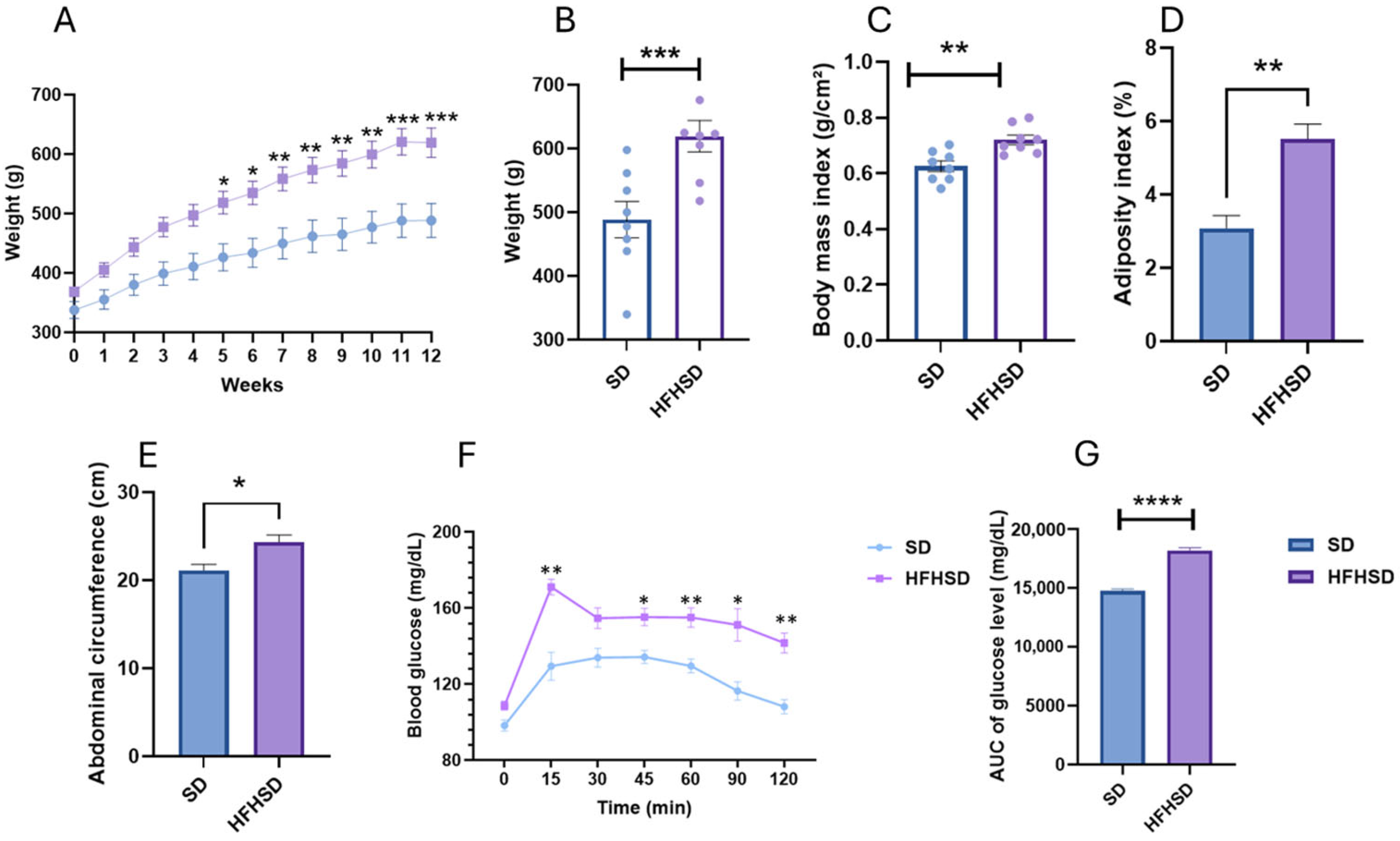
2.1. Obesity Model Validation
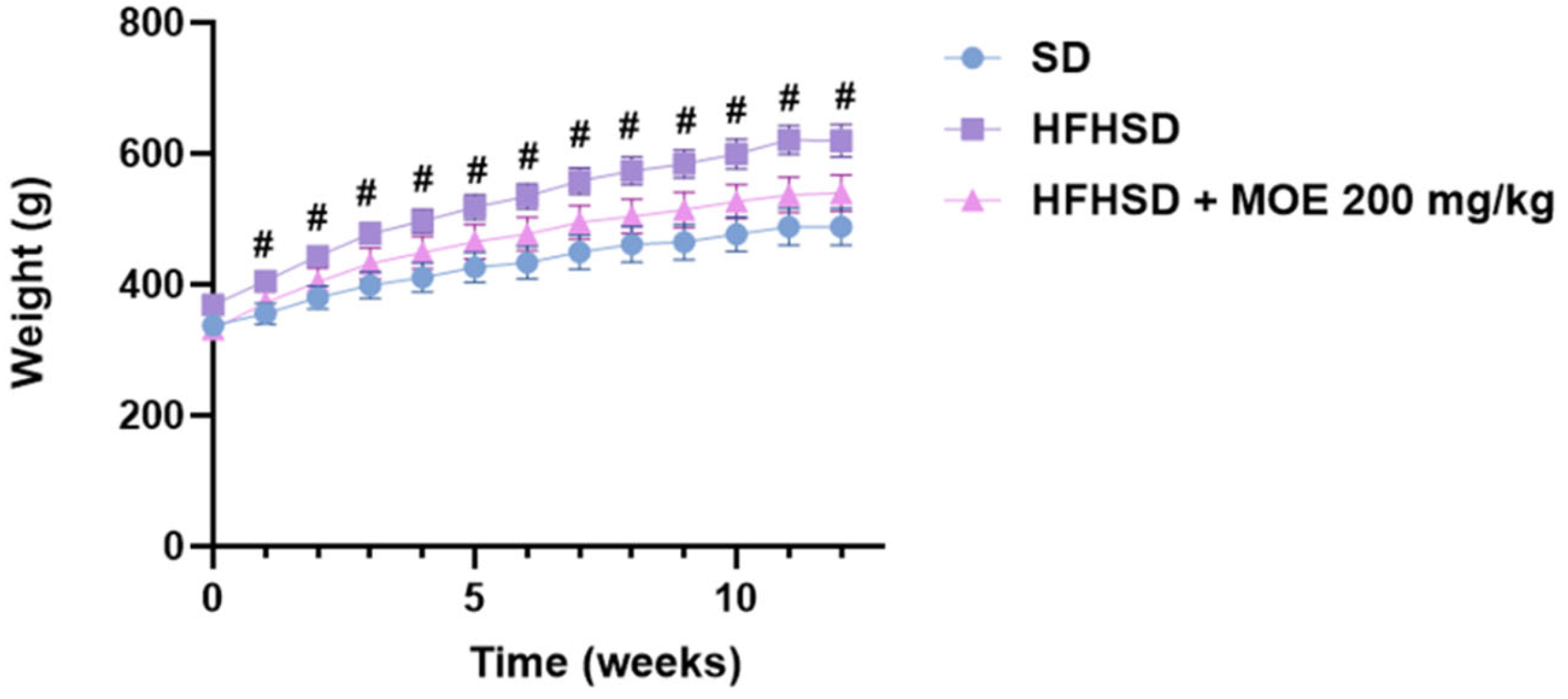
2.2. Impact of MOE on Body Weight
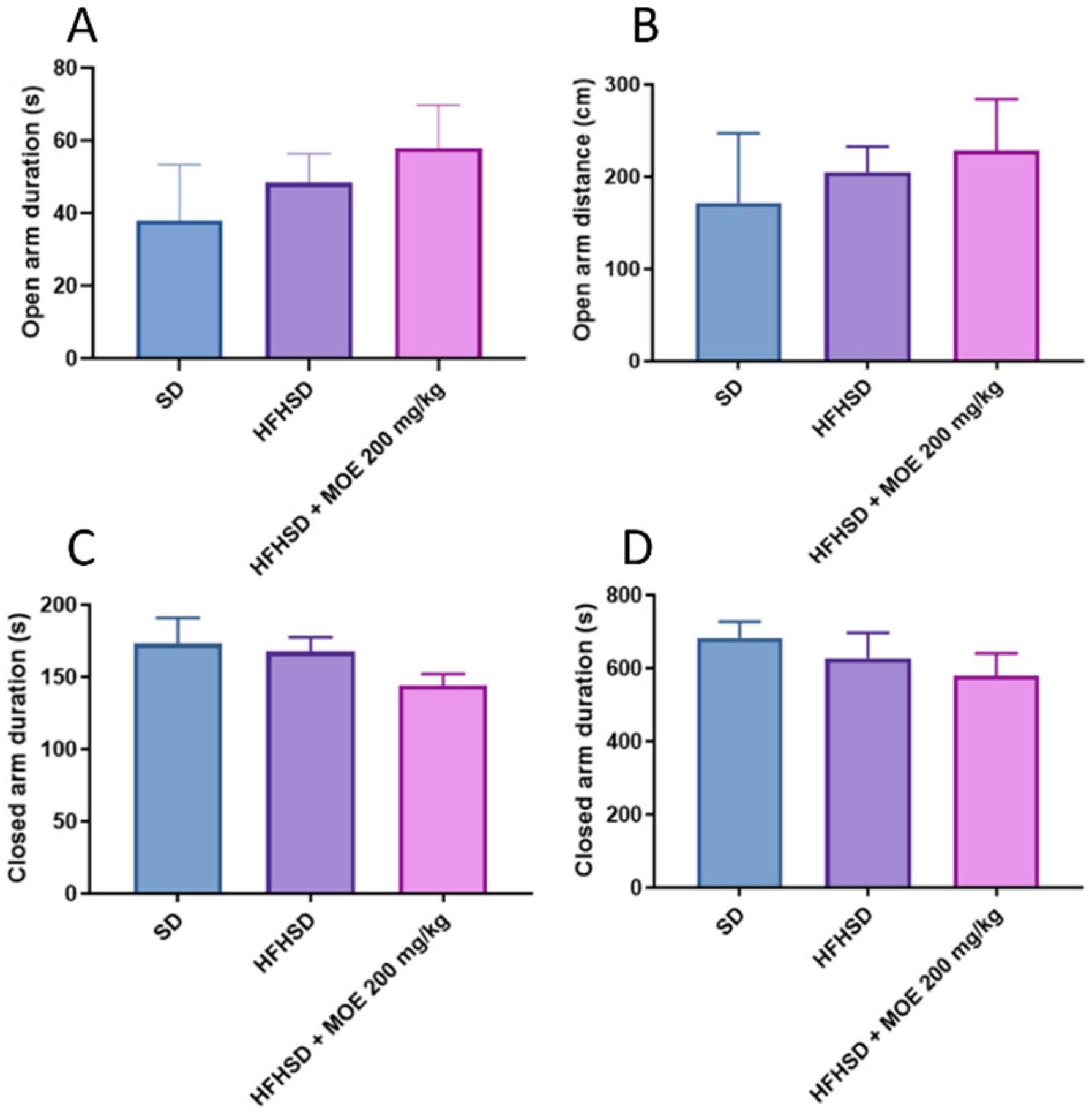
2.3. Behavioral Analysis Using Elevated Plus Maze (EPM)
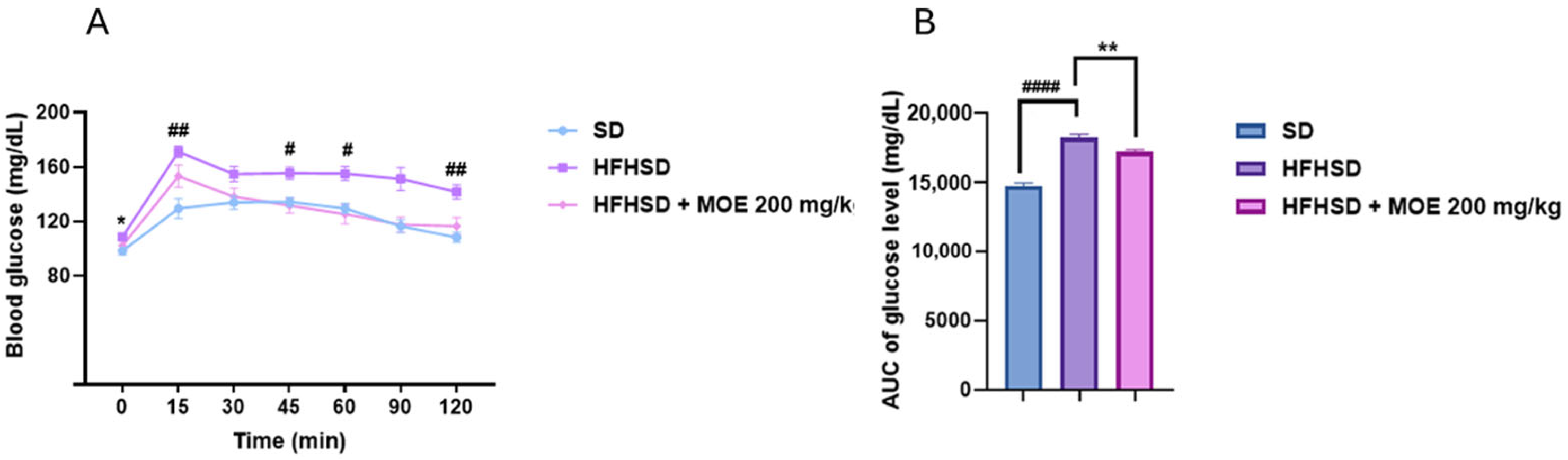
2.4. Effect of MOE on Glucose Homeostasis
2.5. Metabolomics Analysis
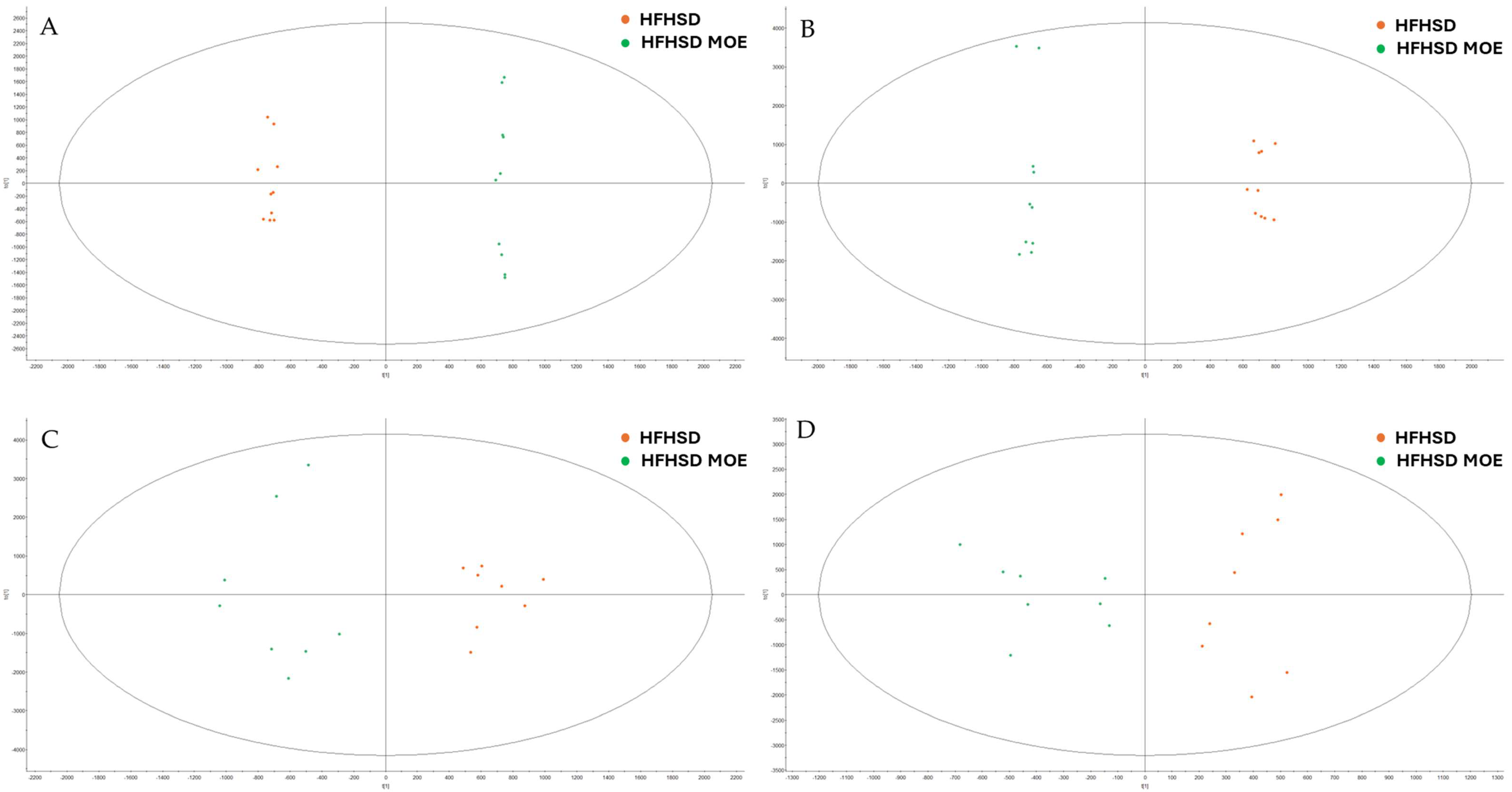
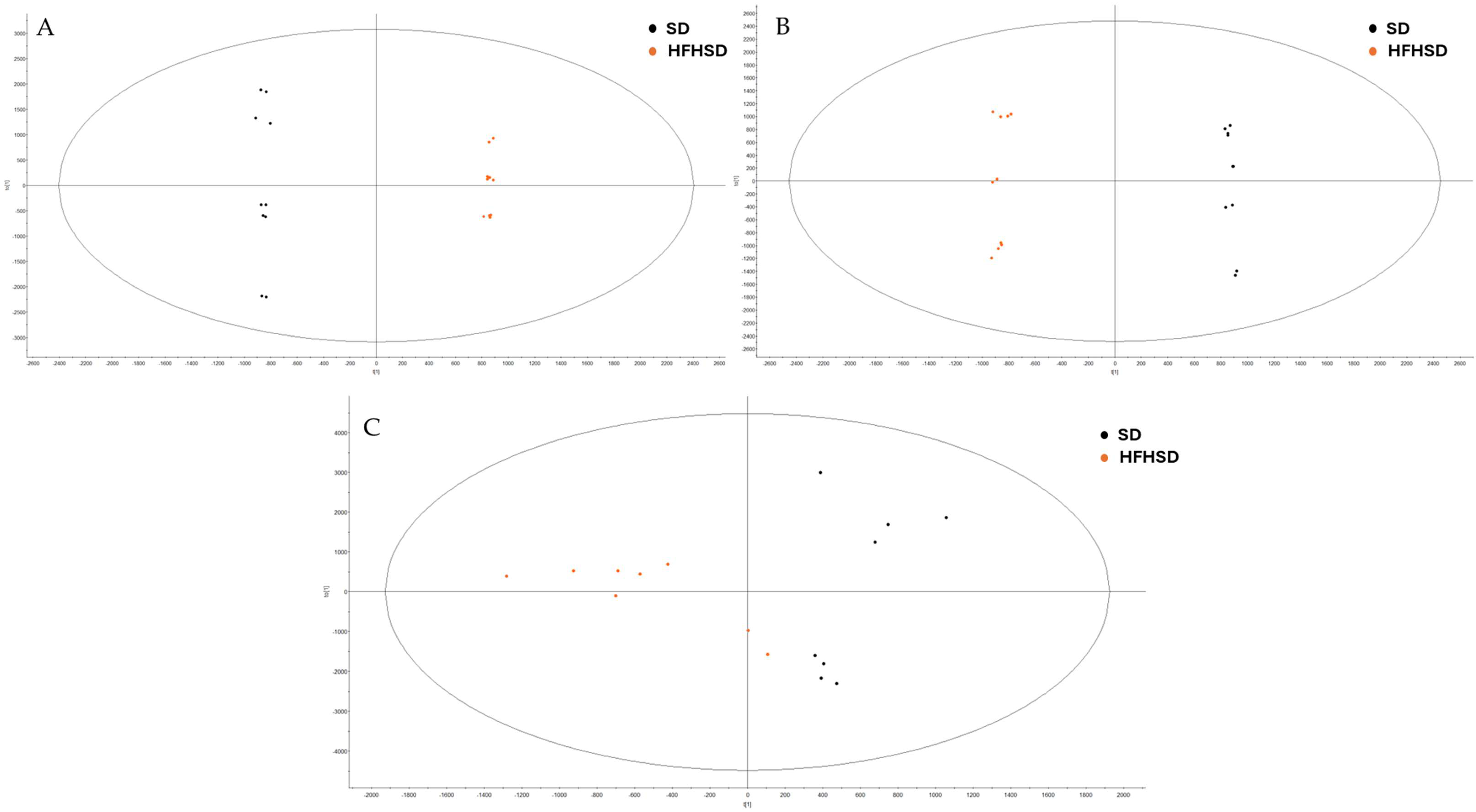
2.5.1. Multivariate Analysis
2.5.2. The Effects on Metabolic Pathways
- Plasma samples
- Brain samples
3. Discussion
4. Materials and Methods
4.1. Ethics
4.2. Animals and Experimental Design
4.3. Weight and Morphometrics Measurements
4.4. Elevated Plus Maze Test (EPM)
4.5. Oral Glucose Tolerance Test (OGTT)
4.6. Blood and Tissue Collection
4.7. Statistical Analysis
4.8. Metabolomic Analysis
4.8.1. Metabolite Extraction from Plasma
4.8.2. Metabolite Extraction from Hypothalamus
4.8.3. UHPLC-MS/MS Metabolomics Analysis
4.8.4. Data Treatment
5. Conclusions
Supplementary Materials
Author Contributions
Funding
Institutional Review Board Statement
Informed Consent Statement
Data Availability Statement
Conflicts of Interest
Abbreviations
| MOE | Melissa officinalis extract |
| SD | Standard diet |
| HFHSD | High-fat high-sucrose diet |
| HFHSD MOE | HFHSD supplemented with MOE |
| EPM | Elevated plus maze |
| OGTT | Oral glucose tolerance test |
| AUC | Area under the curve |
| GABA | γ-aminobutyric acid |
| GABA-T | γ-aminobutyric acid transaminase |
| ONIRIS | Nantes-Atlantic National College of Veterinary Medicine, Food Science and Engineering |
| BW | Body weight |
| BMI | Body mass index |
| AI | Adiposity index |
| VAT | Visceral adipose tissue |
| AC | Abdominal circumference |
| SEM | Standard error of the mean |
| HPO | Hydrophobic extract |
| HPI | Hydrophilic extract |
| ESI | Electrospray ionization |
| OPLS-DA | Orthogonal partial least squares–discriminant analysis |
| VIP | Variable importance in projection |
| KEGG | Kyoto Encyclopedia of Genes and Genomes |
| SMPDB | Small Molecule Pathway Database |
| UHPLC | Ultra-high-performance liquid chromatography |
| QTOF-HRMS | Quadrupole time-of-flight-high resolution mass spectrometry |
| HMDB | Human Metabolome Database |
| MoNA | MassBank of North America |
| OLETF | Otsuka Long-Evans Tokushima fatty |
| PPP | Pentose phosphate pathway |
| BA | Bile acids |
| FXR | Faresoid X receptor |
| TGR5 | Takeda G protein-coupled receptor 5 |
References
- Clinical Behavioral Medicine for Small Animals. 1997. Available online: https://www.elsevierhealth.com.au/clinical-behavioral-medicine-for-small-animals-9780801668203.html?srsltid=AfmBOoomCuCqbve87lOX-RPtO17ZRMYEMNkonStL1g4VGA3z5usHvQXb&__cf_chl_tk=c31.f.2Ge4l0grz8RdoYp8snnBxd8mirTxyXuP3F0h0-1772593361-1.0.1.1-48u8brnitdEpDp.YtK52veu4JGH9wRj1Ad3VpCh0vFE (accessed on 8 July 2025).
- Hennessy, M.B.; Davis, H.N.; Williams, M.T.; Mellott, C.; Douglas, C.W. Plasma cortisol levels of dogs at a county animal shelter. Physiol. Behav. 1997, 62, 485–490. [Google Scholar] [CrossRef]
- Antonio, R.; Souza, R.; Furlan, M.; Pedro, C.; Cassas, F.; Honda, S.; Rodrigues, E. Investigation of urban ethnoveterinary in three veterinary clinics at east zone of São Paulo city, Brazil. J. Ethnopharmacol. 2015, 173, 183–190. [Google Scholar] [CrossRef]
- Pelisoli da Silva, R.; Suyenaga, E.S. Stress and Anxiety in Domestic Cats: Pharmacological and Ethnoveterinary Treatment—A Review. CABI Databases. Available online: https://www.cabidigitallibrary.org/doi/epdf/10.5555/20203163880 (accessed on 8 July 2025).
- Zam, W.; Quispe, C.; Sharifi-Rad, J.; López, M.D.; Schoebitz, M.; Martorell, M.; Sharopov, F.; Fokou, P.V.T.; Mishra, A.P.; Chandran, D.; et al. An Updated Review on The Properties of Melissa officinalis L.: Not Exclusively Anti-anxiety. Front. Biosci (Schol. Ed.) 2022, 14, 16. [Google Scholar] [CrossRef]
- Shakeri, A.; Sahebkar, A.; Javadi, B. Melissa officinalis L.—A review of its traditional uses, phytochemistry and pharmacology. J. Ethnopharmacol. 2016, 188, 204–228. [Google Scholar] [CrossRef]
- Kennedy, D.O.; Scholey, A.B.; Tildesley, N.T.J.; Perry, E.K.; Wesnes, K.A. Modulation of mood and cognitive performance following acute administration of Melissa officinalis (lemon balm). Pharmacol. Biochem. Behav. 2002, 72, 953–964. [Google Scholar] [CrossRef] [PubMed]
- Awad, R.; Muhammad, A.; Durst, T.; Trudeau, V.L.; Arnason, J.T. Bioassay-guided fractionation of lemon balm (Melissa officinalis L.) using an in vitro measure of GABA transaminase activity. Phytother. Res. 2009, 23, 1075–1081. [Google Scholar] [CrossRef] [PubMed]
- Ghazizadeh, J.; Hamedeyazdan, S.; Torbati, M.; Farajdokht, F.; Fakhari, A.; Mahmoudi, J.; Araj-khodaei, M.; Sadigh-Eteghad, S. Melissa officinalis L. hydro-alcoholic extract inhibits anxiety and depression through prevention of central oxidative stress and apoptosis. Exp. Physiol. 2020, 105, 707–720. [Google Scholar] [CrossRef]
- Roy, A.-S.; Aberkane, F.Z.; Cisse, S.; Guibert, A.; Richard, D.; Lerouzic, M.; Suor-cherer, S.; Boisard, S.; Guilet, D.; Benarbia, M.E.A.B.; et al. Metabolomics provides novel understanding of Melissa officinalis mechanism of action ensuring its calming effect on dogs. BMC Vet. Res. 2025, 21, 459. [Google Scholar] [CrossRef]
- Thrailkill, E.A.; Kacelnik, A.; Porritt, F.; Bouton, M.E. Increasing the persistence of a heterogeneous behavior chain: Studies of extinction in a rat model of search behavior of working dogs. Behav. Process. 2016, 129, 44–53. [Google Scholar] [CrossRef] [PubMed]
- Thrailkill, E.A.; Porritt, F.; Kacelnik, A.; Bouton, M.E. Maintaining performance in searching dogs: Evidence from a rat model that training to detect a second (irrelevant) stimulus can maintain search and detection responding. Behav. Process. 2018, 157, 161–170. [Google Scholar] [CrossRef]
- Li, Y.; Cheng, Y.; Zhou, Y.; Du, H.; Zhang, C.; Zhao, Z.; Chen, Y.; Zhou, Z.; Mei, J.; Wu, W.; et al. High fat diet-induced obesity leads to depressive and anxiety-like behaviors in mice via AMPK/mTOR-mediated autophagy. Exp. Neurol. 2022, 348, 113949. [Google Scholar] [CrossRef]
- de Noronha, S.R.; Campos, G.V.; Abreu, A.R.; de Souza, A.A.; Chianca, D.A.; de Menezes, R.C. High fat diet induced-obesity facilitates anxiety-like behaviors due to GABAergic impairment within the dorsomedial hypothalamus in rats. Behav. Brain Res. 2017, 316, 38–46. [Google Scholar] [CrossRef]
- André, C.; Dinel, A.-L.; Ferreira, G.; Layé, S.; Castanon, N. Diet-induced obesity progressively alters cognition, anxiety-like behavior and lipopolysaccharide-induced depressive-like behavior: Focus on brain indoleamine 2,3-dioxygenase activation. Brain Behav. Immun. 2014, 41, 10–21. [Google Scholar] [CrossRef] [PubMed]
- Soodi, M.; Naghdi, N.; Hajimehdipoor, H.; Choopani, S.; Sahraei, E. Memory-improving activity of Melissa officinalis extract in naïve and scopolamine-treated rats. Res. Pharm. Sci. 2014, 9, 107–114. [Google Scholar]
- Kim, J.G.; Park, J.; Baek, S.; Won, S.; Cho, J. Effects of Melissa officinalis Extracts on Obesity and Anxiety. Clin. Nutr. Res. 2025, 14, 65. [Google Scholar] [CrossRef] [PubMed]
- Leopoldo, A.S.; Lima-Leopoldo, A.P.; Nascimento, A.F.; Luvizotto, R.A.M.; Sugizaki, M.M.; Campos, D.H.S.; da Silva, D.C.T.; Padovani, C.R.; Cicogna, A.C. Classification of different degrees of adiposity in sedentary rats. Braz. J. Med. Biol. Res. 2016, 49, e5028. [Google Scholar] [CrossRef] [PubMed]
- Lee, D.; Shin, Y.; Jang, J.; Park, Y.; Ahn, J.; Jeong, S.; Shin, S.S.; Yoon, M. The herbal extract ALS-L1023 from Melissa officinalis alleviates visceral obesity and insulin resistance in obese female C57BL/6J mice. J. Ethnopharmacol. 2020, 253, 112646. [Google Scholar] [CrossRef]
- Shin, Y.; Lee, D.; Ahn, J.; Lee, M.; Shin, S.S.; Yoon, M. The herbal extract ALS-L1023 from Melissa officinalis reduces weight gain, elevated glucose levels and β-cell loss in Otsuka Long-Evans Tokushima fatty rats. J. Ethnopharmacol. 2021, 264, 113360. [Google Scholar] [CrossRef]
- Woo, S.; Yoon, M.; Kim, J.; Hong, Y.; Kim, M.-Y.; Shin, S.S.; Yoon, M. The anti-angiogenic herbal extract from Melissa officinalis inhibits adipogenesis in 3T3-L1 adipocytes and suppresses adipocyte hypertrophy in high fat diet-induced obese C57BL/6J mice. J. Ethnopharmacol. 2016, 178, 238–250. [Google Scholar] [CrossRef]
- Kowalski, G.M.; Bruce, C.R. The regulation of glucose metabolism: Implications and considerations for the assessment of glucose homeostasis in rodents. Am. J. Physiol.-Endocrinol. Metab. 2014, 307, E859–E871. [Google Scholar] [CrossRef]
- Kawano, K.; Hirashima, T.; Mori, S.; Natori, T. OLETF (Otsuka Long-Evans Tokushima Fatty) rat: A new NIDDM rat strain. Diabetes Res. Clin. Pract. 1994, 24, S317–S320. [Google Scholar] [CrossRef]
- Świąder, K.; Wijaya, C.H.; Startek, K. The therapeutic properties of Lemon balm (Melissa officinalis L.): Reviewing novel findings and medical indications. J. Appl. Bot. Food Qual. 2019, 92, 327–335. [Google Scholar] [CrossRef]
- Dahchour, A. Anxiolytic and antidepressive potentials of rosmarinic acid: A review with a focus on antioxidant and anti-inflammatory effects. Pharmacol. Res. 2022, 184, 106421. [Google Scholar] [CrossRef] [PubMed]
- Ramanauskiene, K.; Raudonis, R.; Majiene, D. Rosmarinic Acid and Melissa officinalis Extracts Differently Affect Glioblastoma Cells. Oxid. Med. Cell. Longev. 2016, 2016, 1564257. [Google Scholar] [CrossRef] [PubMed]
- Gileles-Hillel, A.; Soesman, L.H.; Miari, S.; Breuer, O.; Tsabari, R.; Elyashar-Earon, H.; Armoni, S.; Sprikkelman, A.B.; Reiter, J.; Zangen, D.; et al. The utility of glucose area under the curve from the oral glucose tolerance test as a screening tool for cystic fibrosis-related diabetes. Pediatr. Pulmonol. 2022, 57, 2774–2780. [Google Scholar] [CrossRef]
- Qiu, S.; Cai, Y.; Yao, H.; Lin, C.; Xie, Y.; Tang, S.; Zhang, A. Small molecule metabolites: Discovery of biomarkers and therapeutic targets. Signal Transduct. Target. Ther. 2023, 8, 132. [Google Scholar] [CrossRef] [PubMed]
- Haeusler, R.A.; Camastra, S.; Nannipieri, M.; Astiarraga, B.; Castro-Perez, J.; Xie, D.; Wang, L.; Chakravarthy, M.; Ferrannini, E. Increased Bile Acid Synthesis and Impaired Bile Acid Transport in Human Obesity. J. Clin. Endocrinol. Metab. 2016, 101, 1935–1944. [Google Scholar] [CrossRef]
- Li, R.; Andreu-Sánchez, S.; Kuipers, F.; Fu, J. Gut microbiome and bile acids in obesity-related diseases. Best Pract. Res. Clin. Endocrinol. Metab. 2021, 35, 101493. [Google Scholar] [CrossRef]
- Giannini, C.; Mastromauro, C.; Scapaticci, S.; Gentile, C.; Chiarelli, F. Role of bile acids in overweight and obese children and adolescents. Front. Endocrinol. 2022, 13, 1011994. [Google Scholar] [CrossRef]
- Kowalski, G.M.; Carey, A.L.; Selathurai, A.; Kingwell, B.A.; Bruce, C.R. Plasma Sphingosine-1-Phosphate Is Elevated in Obesity. PLoS ONE 2013, 8, e72449. [Google Scholar] [CrossRef]
- Wang, J.; Badeanlou, L.; Bielawski, J.; Ciaraldi, T.P.; Samad, F. Sphingosine kinase 1 regulates adipose proinflammatory responses and insulin resistance. Am. J. Physiol. Endocrinol. Metab. 2014, 306, E756–E768. [Google Scholar] [CrossRef] [PubMed]
- Tulipani, S.; Palau-Rodriguez, M.; Miñarro Alonso, A.; Cardona, F.; Marco-Ramell, A.; Zonja, B.; Lopez De Alda, M.; Muñoz-Garach, A.; Sanchez-Pla, A.; Tinahones, F.J.; et al. Biomarkers of Morbid Obesity and Prediabetes by Metabolomic Profiling of Human Discordant Phenotypes. Clin. Chim. Acta 2016, 463, 53–61. [Google Scholar] [CrossRef]
- Heimerl, S.; Fischer, M.; Baessler, A.; Liebisch, G.; Sigruener, A.; Wallner, S.; Schmitz, G. Alterations of Plasma Lysophosphatidylcholine Species in Obesity and Weight Loss. PLoS ONE 2014, 9, e111348. [Google Scholar] [CrossRef]
- Zheng, X.; Chen, T.; Jiang, R.; Zhao, A.; Wu, Q.; Kuang, J.; Sun, D.; Ren, Z.; Li, M.; Zhao, M.; et al. Hyocholic acid species improve glucose homeostasis through a distinct TGR5 and FXR signaling mechanism. Cell Metab. 2021, 33, 791–803.e7. [Google Scholar] [CrossRef]
- Chen, S.; Shao, Q.; Chen, J.; Lv, X.; Ji, J.; Liu, Y.; Song, Y. Bile acid signalling and its role in anxiety disorders. Front. Endocrinol. 2023, 14, 1268865. [Google Scholar] [CrossRef]
- MahmoudianDehkordi, S.; Bhattacharyya, S.; Brydges, C.R.; Jia, W.; Fiehn, O.; Rush, A.J.; Dunlop, B.W.; Kaddurah-Daouk, R. Gut Microbiome-Linked Metabolites in the Pathobiology of Major Depression with or Without Anxiety—A Role for Bile Acids. Front. Neurosci. 2022, 16, 937906. [Google Scholar] [CrossRef]
- Sacchettino, L.; Costanzo, M.; Veneruso, I.; D’Argenio, V.; Mayer, M.; Napolitano, F.; d’Angelo, D. Altered microbiome and metabolome profiling in fearful companion dogs: An exploratory study. PLoS ONE 2025, 20, e0315374. [Google Scholar] [CrossRef]
- Dedoni, S.; Camoglio, C.; Siddi, C.; Scherma, M.; Fratta, W.; Fadda, P. The Role of Lysophosphatidic Acid in Neuropsychiatric and Neurodegenerative Disorders. Future Pharmacol. 2024, 4, 199–221. [Google Scholar] [CrossRef]
- De Tredern, E.; Rabah, Y.; Pasquer, L.; Minatchy, J.; Plaçais, P.-Y.; Preat, T. Glial glucose fuels the neuronal pentose phosphate pathway for long-term memory. Cell Rep. 2021, 36, 109620. [Google Scholar] [CrossRef] [PubMed]
- Nimgampalle, M.; Chakravarthy, H.; Devanathan, V. Glucose metabolism in the brain: An update. In Recent Developments in Applied Microbiology and Biochemistry; Elsevier: Amsterdam, The Netherlands, 2021; pp. 77–88. [Google Scholar] [CrossRef]
- Wilkins, H.M.; Kirchhof, D.; Manning, E.; Joseph, J.W.; Linseman, D.A. Mitochondrial Glutathione Transport Is a Key Determinant of Neuronal Susceptibility to Oxidative and Nitrosative Stress. J. Biol. Chem. 2013, 288, 5091–5101. [Google Scholar] [CrossRef]
- Detka, J.; Kurek, A.; Kucharczyk, M.; Głombik, K.; Basta-Kaim, A.; Kubera, M.; Lasoń, W.; Budziszewska, B. Brain glucose metabolism in an animal model of depression. Neuroscience 2015, 295, 198–208. [Google Scholar] [CrossRef] [PubMed]
- Ahmad, T.R.; Haeusler, R.A. Bile acids in glucose metabolism and insulin signalling—Mechanisms and research needs. Nat. Rev. Endocrinol. 2019, 15, 701–712. [Google Scholar] [CrossRef]
- Alberto González-Regueiro, J.; Moreno-Castañeda, L.; Uribe, M.; Carlos Chávez-Tapia, N. The Role of Bile Acids in Glucose Metabolism and Their Relation with Diabetes. Ann. Hepatol. 2017, 16, S15–S20. [Google Scholar] [CrossRef]
- Castellanos-Jankiewicz, A.; Guzmán-Quevedo, O.; Fénelon, V.S.; Zizzari, P.; Quarta, C.; Bellocchio, L.; Tailleux, A.; Charton, J.; Fernandois, D.; Henricsson, M.; et al. Hypothalamic bile acid-TGR5 signaling protects from obesity. Cell Metab. 2021, 33, 1483–1492.e10. [Google Scholar] [CrossRef]
- Tao, Y.; Zhou, H.; Li, Z.; Wu, H.; Wu, F.; Miao, Z.; Shi, H.; Huang, F.; Wu, X. TGR5 deficiency-induced anxiety and depression-like behaviors: The role of gut microbiota dysbiosis. J. Affect. Disord. 2024, 344, 219–232. [Google Scholar] [CrossRef]
- Bilan, M.V.; Lieshchova, M.A.; Brygadyrenko, V.V. Impacts on gut microbiota of rats with high-fat diet supplemented by herbs of Melissa officinalis, Lavandula angustifolia and Salvia officinalis. Regul. Mech. Biosyst. 2023, 14, 155–160. [Google Scholar] [CrossRef]
- Duszka, K. Versatile Triad Alliance: Bile Acid, Taurine and Microbiota. Cells 2022, 11, 2337. [Google Scholar] [CrossRef] [PubMed]
- Zhang, Z.; Ji, Y.; Hao, S.; Sun, H.; Qi, J.; Han, W. Effects of Bile Acid Receptor TGR5 Agonist INT-777 on Intestinal Microflora Abundance and Metabolites in Rats with Acute Pancreatitis. 2024. Available online: https://ssrn.com/abstract=4754856 (accessed on 12 November 2025).
- Jin, P.; Deng, S.; Tian, M.; Lenahan, C.; Wei, P.; Wang, Y.; Tan, J.; Wen, H.; Zhao, F.; Gao, Y.; et al. INT-777 prevents cognitive impairment by activating Takeda G protein-coupled receptor 5 (TGR5) and attenuating neuroinflammation via cAMP/ PKA/ CREB signaling axis in a rat model of sepsis. Exp. Neurol. 2021, 335, 113504. [Google Scholar] [CrossRef] [PubMed]
- Mora, S.; Diaz-Veliz, G.; Lungenstrass, H.; García-González, M.; Coto-Morales, T.; Poletti, C.; De Lima, T.C.M.; Herrera-Ruiz, M.; Tortoriello, J. Central nervous system activity of the hydroalcoholic extract of Casimiroa edulis in rats and mice. J. Ethnopharmacol. 2005, 97, 191–197. [Google Scholar] [CrossRef]
- Kim, W.-K.; Jung, J.W.; Ahn, N.Y.; Oh, H.R.; Lee, B.K.; Oh, J.K.; Cheong, J.H.; Chun, H.S.; Ryu, J.H. Anxiolytic-like effects of extracts from Albizzia julibrissin bark in the elevated plus-maze in rats. Life Sci. 2004, 75, 2787–2795. [Google Scholar] [CrossRef]
- Novelli, E.L.B.; Diniz, Y.S.; Galhardi, C.M.; Ebaid, G.M.X.; Rodrigues, H.G.; Mani, F.; Fernandes, A.H.; Cicogna, A.C.; Novelli Filho, J.L.V.B. Anthropometrical parameters and markers of obesity in rats. Lab. Anim. 2007, 41, 111–119. [Google Scholar] [CrossRef]
- Tchkonia, T.; Thomou, T.; Zhu, Y.; Karagiannides, I.; Pothoulakis, C.; Jensen, M.D.; Kirkland, J.L. Mechanisms and metabolic implications of regional differences among fat depots. Cell Metab. 2013, 17, 644–656. [Google Scholar] [CrossRef] [PubMed]
- Zhang, Q.; Nong, Y.; Liu, Z.; Gong, L. Proteinase K Combining Two-Step Liquid–Liquid Extraction for Plasma Untargeted Liquid Chromatography–Mass Spectrometry-Based Metabolomics To Discover the Potential Mechanism of Colorectal Adenoma. Anal. Chem. 2019, 91, 14458–14466. [Google Scholar] [CrossRef] [PubMed]
- Thévenot, E.A.; Roux, A.; Xu, Y.; Ezan, E.; Junot, C. Analysis of the Human Adult Urinary Metabolome Variations with Age, Body Mass Index, and Gender by Implementing a Comprehensive Workflow for Univariate and OPLS Statistical Analyses. J. Proteome Res. 2015, 14, 3322–3335. [Google Scholar] [CrossRef] [PubMed]






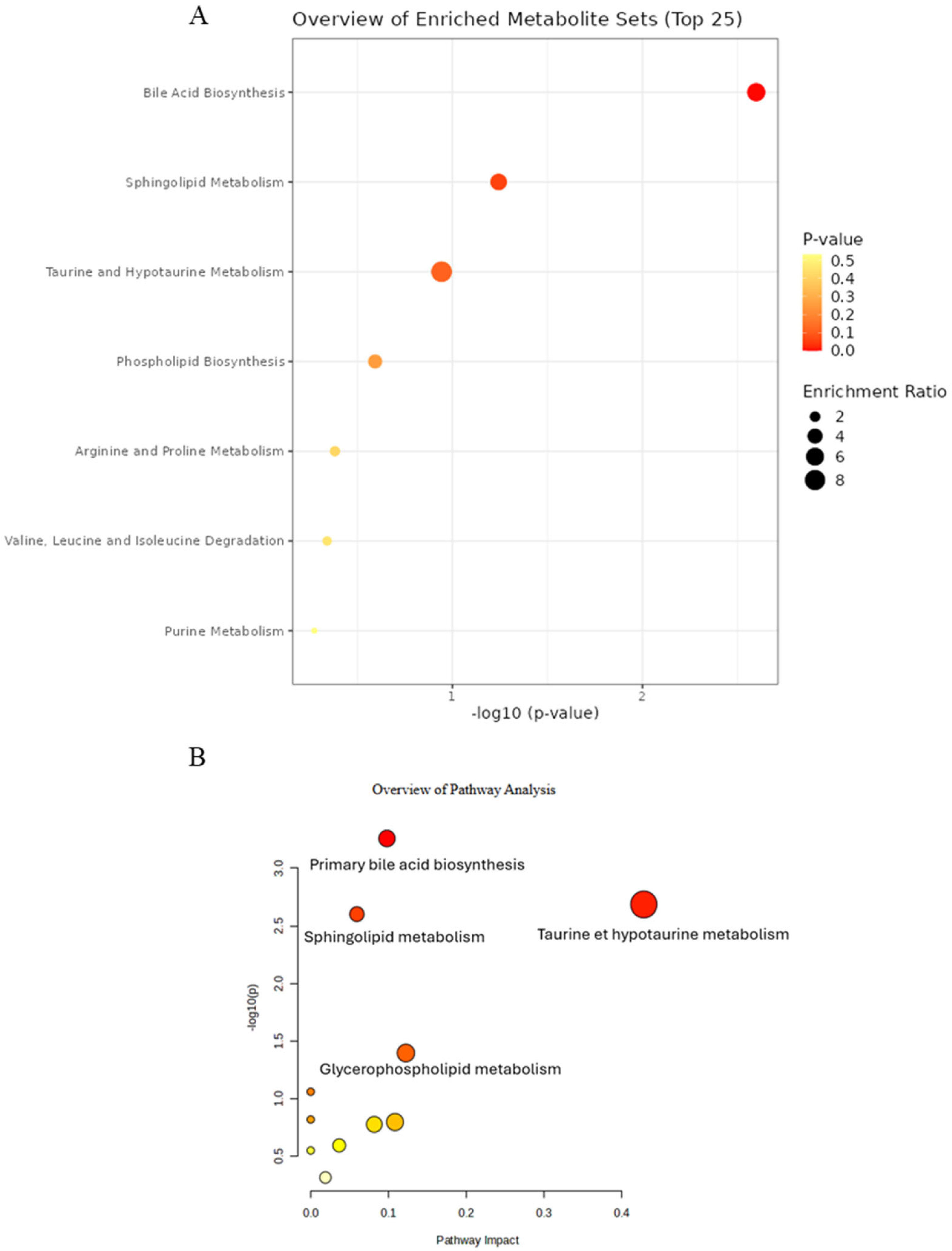
| Pathway Name | Overlapping Metabolites | Metabolite Names | Profile | p-Value | Pathway Impact Score |
|---|---|---|---|---|---|
| Primary bile acid biosynthesis | 4/46 | Taurine | ▲ | 5.50 × 10⁻⁴ | 0.098 |
| 3a,7a,12a-Trihydroxy-5b-cholestan-26-al | ▲ | ||||
| Glycocholic acid | ▼ | ||||
| Taurocholic acid | ▲ | ||||
| Taurine and hypotaurine metabolism | 2/8 | Taurine | ▲ | 2.06 × 10⁻³ | 0.428 |
| Taurocholic acid | ▲ | ||||
| Sphingolipid metabolism | 3/32 | Sphingosine 1-phosphate | ▲ | 2.50 × 10⁻³ | 0.059 |
| Sphinganine 1-phosphate | ▲ | ||||
| Ganglioside GM3 (d18:1/9Z-18:1) | ▼ | ||||
| Glycerophospholipid metabolism | 2/36 | LysoPC(18:2/0:0) | ▼ | 4.02 × 10⁻² | 0.122 |
| PE(14:1(9Z)/20:4(8Z,11Z,14Z,17Z)) | ▲ |
| Pathway Name | Overlapping Metabolites | Metabolite Names | Profile | p-Value |
|---|---|---|---|---|
| Bile acid biosynthesis | 3/65 | Taurocholic acid | ▼ | 4.53 × 10⁻³ |
| Lithocholyltaurine | ▼ | |||
| Taurodeoxycholic acid | ▼ |
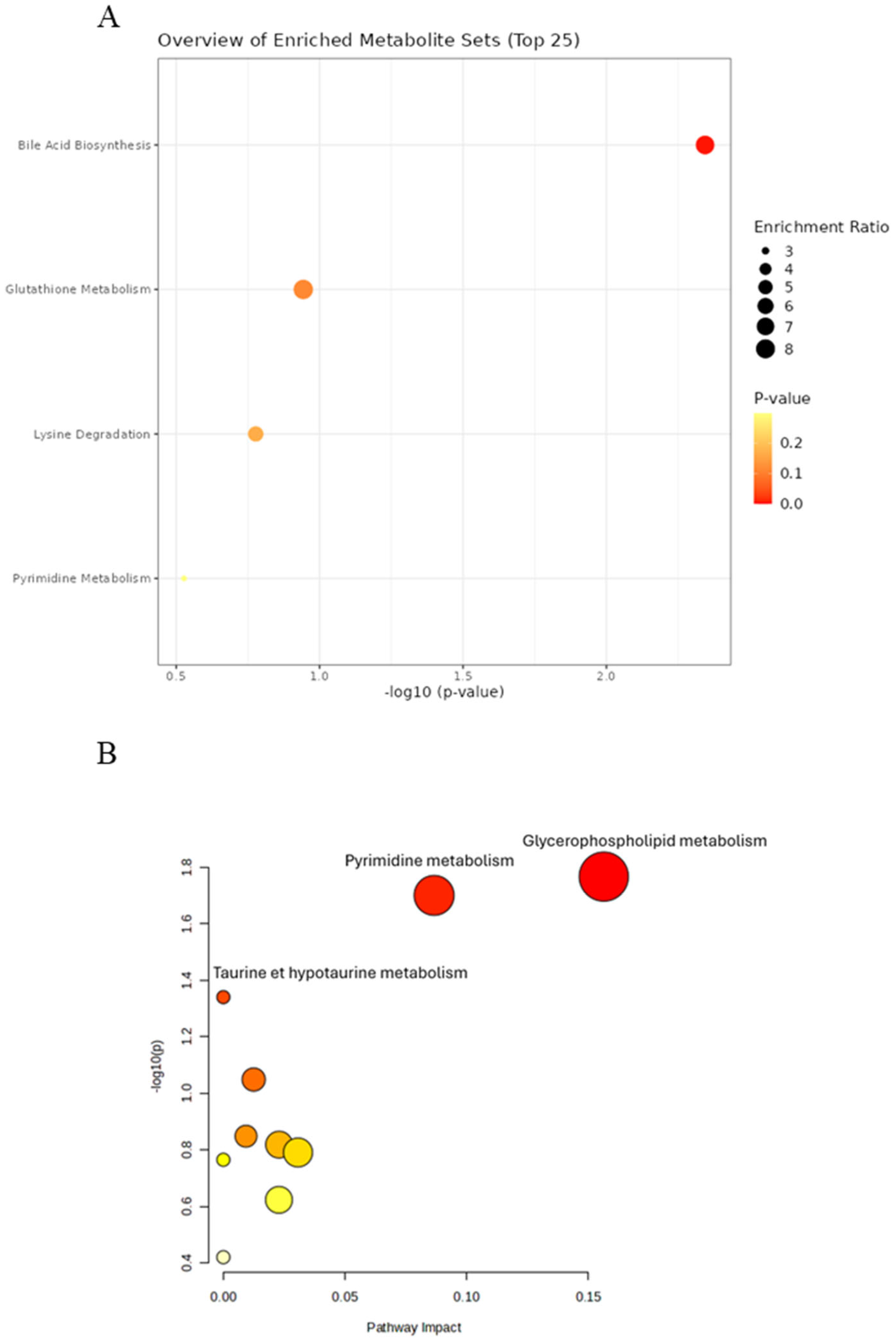
| Pathway Name | Overlapping Metabolites | Metabolite Names | Profile | p-Value | Pathway Impact Score |
|---|---|---|---|---|---|
| Glycerophospholipid metabolism | 2/36 | LysoPE(0:0/18:1(11Z)) | ▲ | 1.71 × 10⁻² | 0.156 |
| LysoPA(18:1(9Z)/0:0) | ▲ | ||||
| Pyrimidine metabolism | 2/39 | dTDP | ▼ | 2.00 × 10⁻² | 0.087 |
| Thymidine 3′,5′-cyclic monophosphate | ▼ |
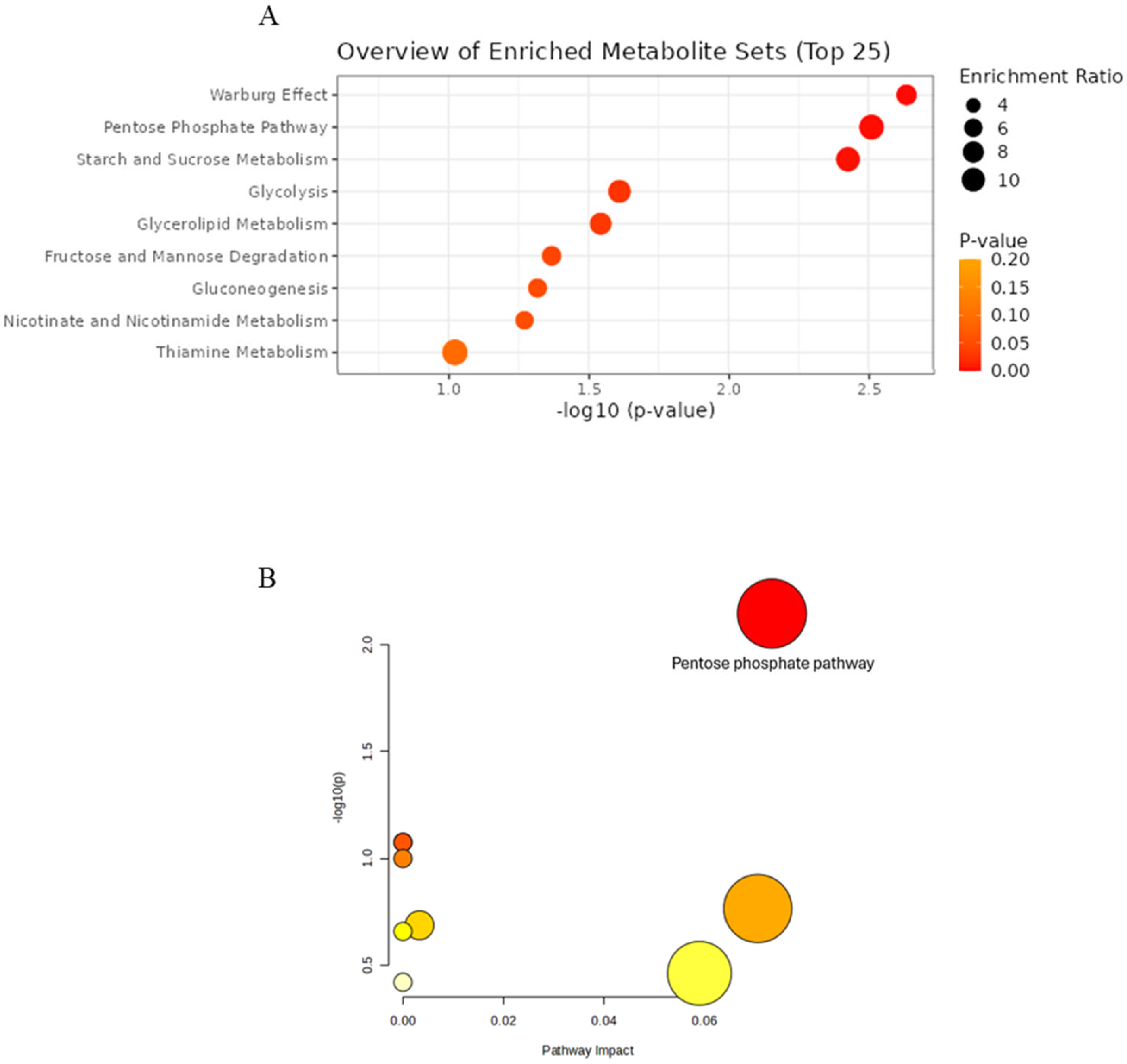
| Pathway Name | Overlapping Metabolites | Metabolite Names | Profile | p-Value |
|---|---|---|---|---|
| Pentose phosphate pathway | 3/29 | D-Sedoheptulose 7-phosphate | ▲ | 3.08 × 10⁻³ |
| D-Erythrose 4-phosphate | ▲ | |||
| Phosphate | ▲ | |||
| Starch and sucrose metabolism | 3/31 | 3-Phosphoglyceric acid | ▲ | 3.74 × 10⁻³ |
| Phosphate | ▲ | |||
| Beta-D-Fructose 6-phosphate | ▲ | |||
| Glycolysis | 2/23 | 3-Phosphoglyceric acid | ▲ | 2.45 × 10⁻² |
| Phosphate | ▲ | |||
| Glycerolipid metabolism | 2/25 | 3-Phosphoglyceric acid | ▲ | 2.86 × 10⁻² |
| Phosphate | ▲ | |||
| Fructose and mannose degradation | 2/31 | GDP-L-fucose | ▲ | 4.28 × 10⁻² |
| Phosphate | ▲ | |||
| Gluconeogenesis | 2/33 | 3-Phosphoglyceric acid | ▲ | 4.81 × 10⁻² |
| Phosphate |
Disclaimer/Publisher’s Note: The statements, opinions and data contained in all publications are solely those of the individual author(s) and contributor(s) and not of MDPI and/or the editor(s). MDPI and/or the editor(s) disclaim responsibility for any injury to people or property resulting from any ideas, methods, instructions or products referred to in the content. |
© 2026 by the authors. Licensee MDPI, Basel, Switzerland. This article is an open access article distributed under the terms and conditions of the Creative Commons Attribution (CC BY) license.
Share and Cite
Aberkane, F.Z.; Ferro Holguín, L.N.; Roy, A.-S.; Maltret, C.; Cisse, S.; Benarbia, M.E.A.; Boisard, S.; Mallem, M.Y.; Guilet, D. Plasma and Brain Metabolomics Uncover Modulation of Bile Acid and Pentose Phosphate Pathways by Melissa officinalis in Obese Rat Model. Int. J. Mol. Sci. 2026, 27, 2391. https://doi.org/10.3390/ijms27052391
Aberkane FZ, Ferro Holguín LN, Roy A-S, Maltret C, Cisse S, Benarbia MEA, Boisard S, Mallem MY, Guilet D. Plasma and Brain Metabolomics Uncover Modulation of Bile Acid and Pentose Phosphate Pathways by Melissa officinalis in Obese Rat Model. International Journal of Molecular Sciences. 2026; 27(5):2391. https://doi.org/10.3390/ijms27052391
Chicago/Turabian StyleAberkane, Fatima Zohra, Laura Natalia Ferro Holguín, Anne-Sophie Roy, Claire Maltret, Sekhou Cisse, Mohammed El Amine Benarbia, Séverine Boisard, Mohamed Yassine Mallem, and David Guilet. 2026. "Plasma and Brain Metabolomics Uncover Modulation of Bile Acid and Pentose Phosphate Pathways by Melissa officinalis in Obese Rat Model" International Journal of Molecular Sciences 27, no. 5: 2391. https://doi.org/10.3390/ijms27052391
APA StyleAberkane, F. Z., Ferro Holguín, L. N., Roy, A.-S., Maltret, C., Cisse, S., Benarbia, M. E. A., Boisard, S., Mallem, M. Y., & Guilet, D. (2026). Plasma and Brain Metabolomics Uncover Modulation of Bile Acid and Pentose Phosphate Pathways by Melissa officinalis in Obese Rat Model. International Journal of Molecular Sciences, 27(5), 2391. https://doi.org/10.3390/ijms27052391