

Journal Description
ISPRS International Journal of Geo-Information
(IJGI) is an international, peer-reviewed, open access journal on geo-information, published monthly online. It is the official journal of the International Society for Photogrammetry and Remote Sensing (ISPRS). Society members receive discounts on the article processing charges. Rejection rate: 74% in 2025.
- Open Access— free for readers, with article processing charges (APC) paid by authors or their institutions.
- High Visibility: indexed within Scopus, SCIE (Web of Science), GeoRef, PubAg, dblp, Astrophysics Data System, Inspec, and other databases.
- Journal Rank: JCR - Q2 (Geography, Physical) / CiteScore - Q1 (Earth and Planetary Sciences (miscellaneous))
- Rapid Publication: manuscripts are peer-reviewed and a first decision is provided to authors approximately 33.1 days after submission; acceptance to publication is undertaken in 2.7 days (median values for papers published in this journal in the second half of 2025).
- Recognition of Reviewers: reviewers who provide timely, thorough peer-review reports receive vouchers entitling them to a discount on the APC of their next publication in any MDPI journal, in appreciation of the work done.
Impact Factor:
2.8 (2024);
5-Year Impact Factor:
3.3 (2024)
Latest Articles
Harnessing Foundation Models for Optical–SAR Object Detection via Gated–Guided Fusion
ISPRS Int. J. Geo-Inf. 2026, 15(4), 160; https://doi.org/10.3390/ijgi15040160 - 8 Apr 2026
Abstract
Remote sensing object detection is fundamental to Earth observation, yet remains challenging when relying on a single sensing modality. While optical imagery provides rich spatial and textural details, it is highly sensitive to illumination and adverse weather; conversely, Synthetic Aperture Radar (SAR) offers
[...] Read more.
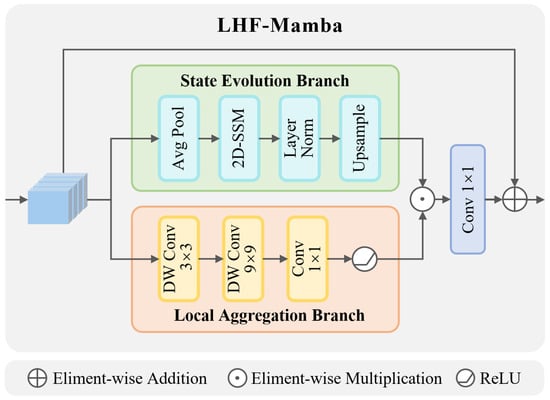
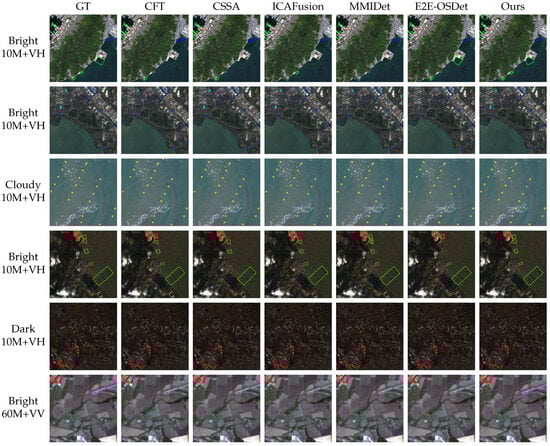
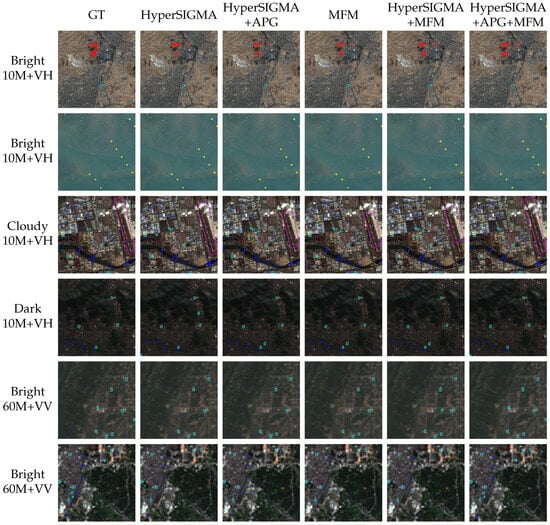
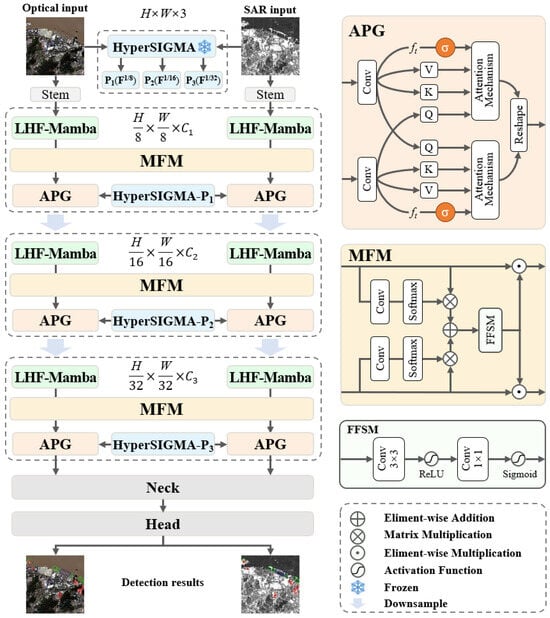
Remote sensing object detection is fundamental to Earth observation, yet remains challenging when relying on a single sensing modality. While optical imagery provides rich spatial and textural details, it is highly sensitive to illumination and adverse weather; conversely, Synthetic Aperture Radar (SAR) offers robust all-weather acquisition but suffers from speckle noise and limited semantic interpretability. To address these limitations, we leverage the potential of foundation models for optical–SAR object detection via a novel gated–guided fusion approach. By integrating transferable and generalizable representations from foundation models into the detection pipeline, we enhance semantic expressiveness and cross-environment robustness. Specifically, a gated–guided fusion mechanism is designed to selectively merge cross-modal features with foundational priors, enabling the network to prioritize informative cues while suppressing unreliable signals in complex scenes. Furthermore, we propose a dual-stream architecture incorporating attention mechanisms and State Space Models (SSMs) to simultaneously capture local and long-range dependencies. Extensive experiments on the large-scale M4-SAR dataset demonstrate that our method achieves state-of-the-art performance, significantly improving detection accuracy and robustness under challenging sensing conditions.
Full article
(This article belongs to the Topic State-of-the-Art Object Detection, Tracking, and Recognition Techniques)
►
Show Figures
Open AccessArticle
Study on the Public Perception Characteristics of Intangible Cultural Heritage in China from the Perspective of Social Media
by
Xing Tu and Yu Xia
ISPRS Int. J. Geo-Inf. 2026, 15(4), 159; https://doi.org/10.3390/ijgi15040159 - 7 Apr 2026
Abstract
Exploring public awareness, participation, and emotional inclination toward intangible cultural heritage (ICH) clarifies public attitudes and demands toward traditional culture, providing a crucial basis for targeted ICH protection and inheritance. Based on ICH text big data collected from China’s mainstream social media platform
[...] Read more.
Exploring public awareness, participation, and emotional inclination toward intangible cultural heritage (ICH) clarifies public attitudes and demands toward traditional culture, providing a crucial basis for targeted ICH protection and inheritance. Based on ICH text big data collected from China’s mainstream social media platform Weibo, this study improves the TF-IDF algorithm, integrates LDA topic analysis for semantic feature mining, and trains a new sentiment analysis model to explore public emotional attitudes and their formation mechanisms. The study is geographically limited to China and covers the entire year of 2023. The results show that: (1) Public ICH perception is multi-dimensional, with close attention to crafts like paper-cutting and traditional Chinese medicine; action-oriented terms reflect dynamic inheritance demands. Public discussions focus on three dimensions: ICH inheritance and development (39%), introduction and promotion (45%), and public experience and participation (16%), with the latter accounting for a low proportion. (2) Public sentiment toward ICH is predominantly positive, with all regions scoring above 0.730 (full score = 1), and Zhejiang (0.751) and Jiangsu (0.750) ranking significantly higher. (3) Spatial econometric analysis reveals marked regional differences in ICH sentiment distribution, mainly affected by three key factors—the number of ICH projects, the number of inheritors, and regional GDP—with regression coefficients of 0.699, 0.632, and 0.458 (p < 0.01). This finding provides a basis for formulating targeted ICH protection strategies.
Full article
(This article belongs to the Topic 3D Documentation of Natural and Cultural Heritage)
Open AccessArticle
Multi-Model Fusion for Street Visual Quality Evaluation
by
Qianhan Wang and Yuechen Li
ISPRS Int. J. Geo-Inf. 2026, 15(4), 158; https://doi.org/10.3390/ijgi15040158 - 6 Apr 2026
Abstract
With accelerating global urbanization and increasingly diverse demands for public spaces, promoting urban low-carbon transitions and enhancing residents’ quality of life have become central missions of modern urban development. As one of the city’s primary arteries, streets—through their green landscapes, slow-moving transportation systems,
[...] Read more.
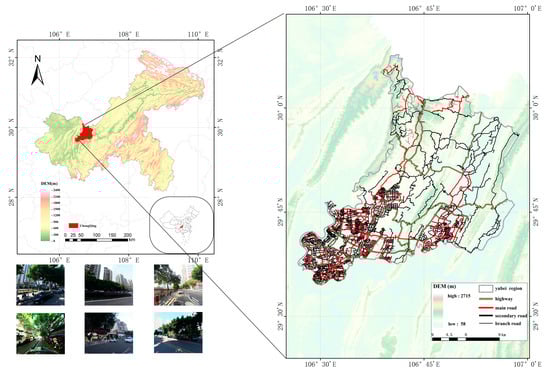
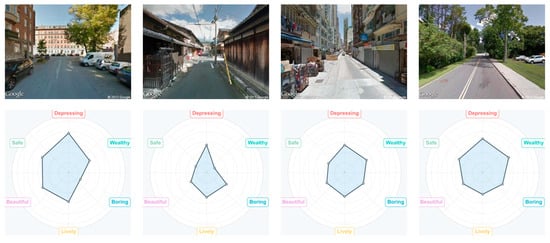
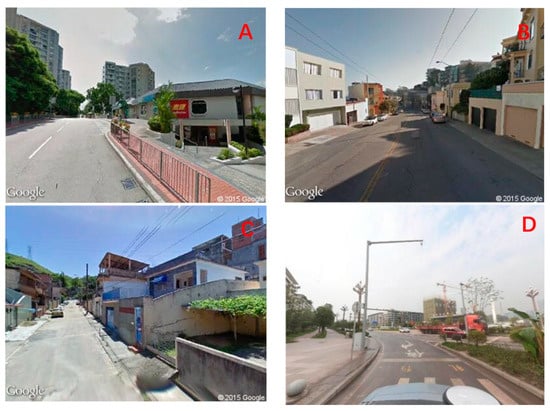
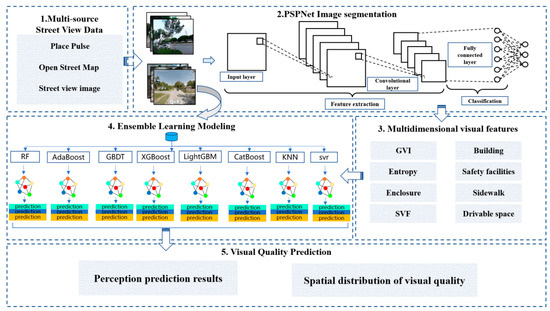
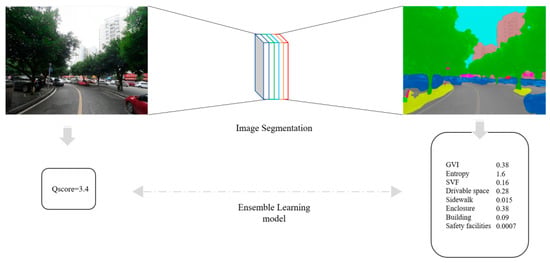
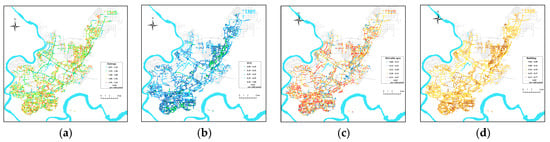
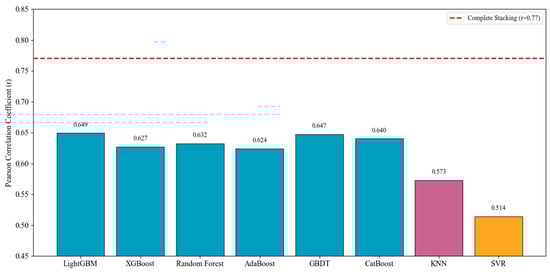
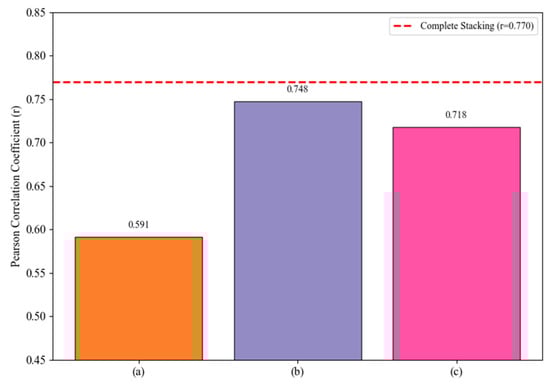
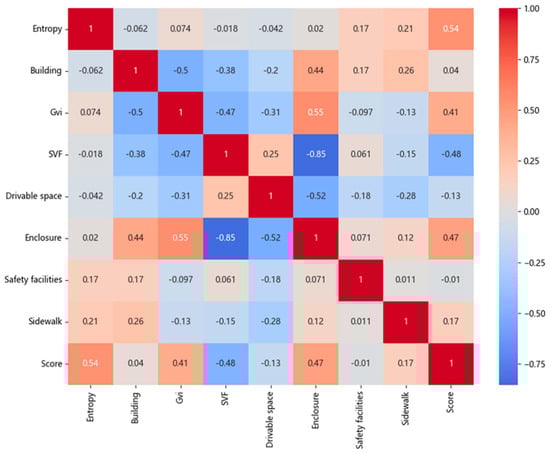
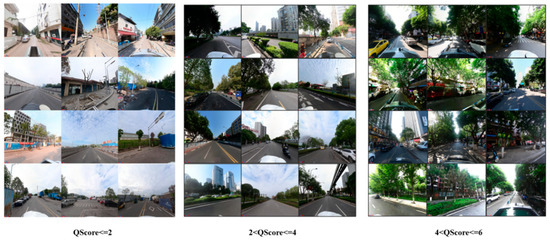
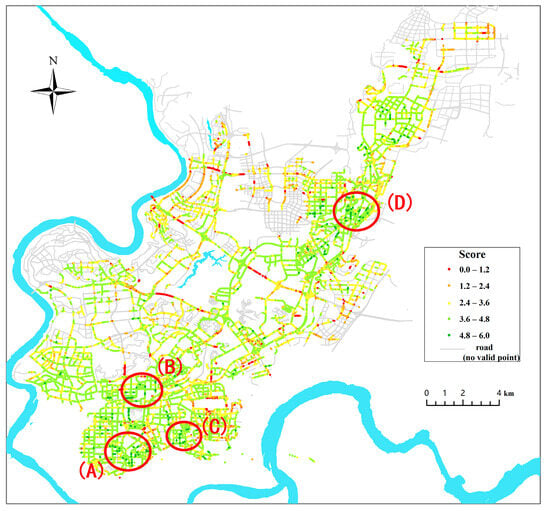
With accelerating global urbanization and increasingly diverse demands for public spaces, promoting urban low-carbon transitions and enhancing residents’ quality of life have become central missions of modern urban development. As one of the city’s primary arteries, streets—through their green landscapes, slow-moving transportation systems, and public facilities—play an indispensable role in reducing carbon emissions, promoting healthy living, and improving residents’ well-being. In this study, the Yubei District of Chongqing was selected as the research area, and an automated evaluation framework was proposed for street visual quality, based on multi-source street view data and ensemble learning. PSP-Net semantic segmentation model was employed to extract eight key visual indicators from street view images, including green view index, Visual Entropy (Entropy), sky view factor (SVF), drivable space, sidewalk, safety facilities, buildings, and enclosure. Based on these features, a Stacking-based ensemble learning model was constructed, integrating multiple base models such as Random Forest, XGBoost, and LightGBM, with Linear Regression as the meta-learner, to predict street visual quality. The results demonstrate that the ensemble model significantly outperforms any single model, achieving a correlation coefficient (r) of 0.77 and effectively capturing the complex perceptual features of street environments. This study provides a reliable, intelligent, and quantitative method for large-scale evaluation of urban street visual quality, while supplying data support and decision-making references for street renewal and spatial optimization.
Full article
(This article belongs to the Special Issue Advances in AI-Driven Geospatial Analysis and Data Generation (2nd Edition))
►▼
Show Figures

Figure 1
Open AccessArticle
A Python GIS-Based Multi-Criteria Assessment to Identify Suitable Areas for Photovoltaic Energy Measures
by
Iván Ramos-Diez, Sara Barilari, Jonas Ljunggren, Sofie Hellsten and Noelia Ferreras-Alonso
ISPRS Int. J. Geo-Inf. 2026, 15(4), 157; https://doi.org/10.3390/ijgi15040157 - 3 Apr 2026
Abstract
The urgency to mitigate greenhouse gas emissions and address the accelerating impacts of climate change has placed renewable energy as a core part of global climate strategies. However, the expansion of renewable infrastructures with a focus on solar systems often generates competition with
[...] Read more.
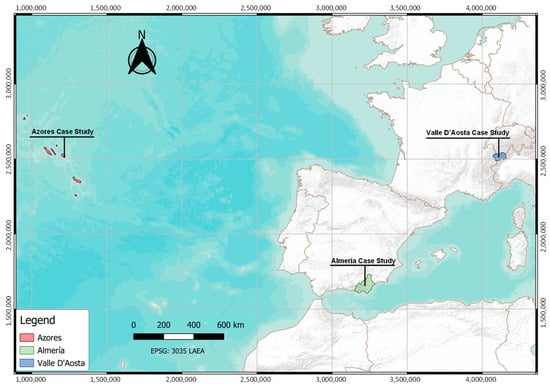
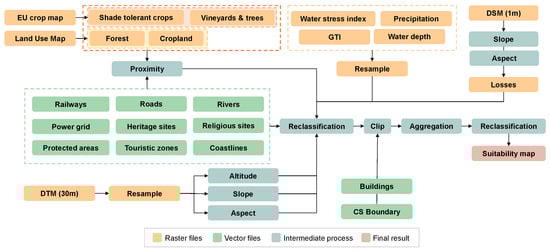
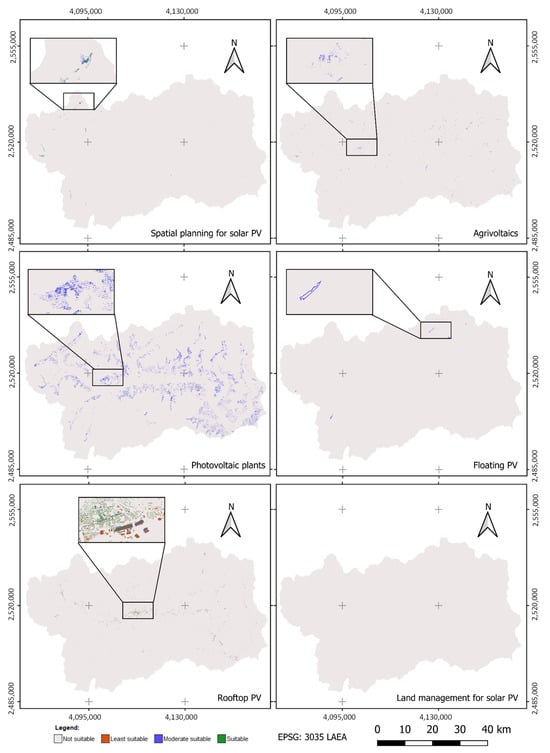
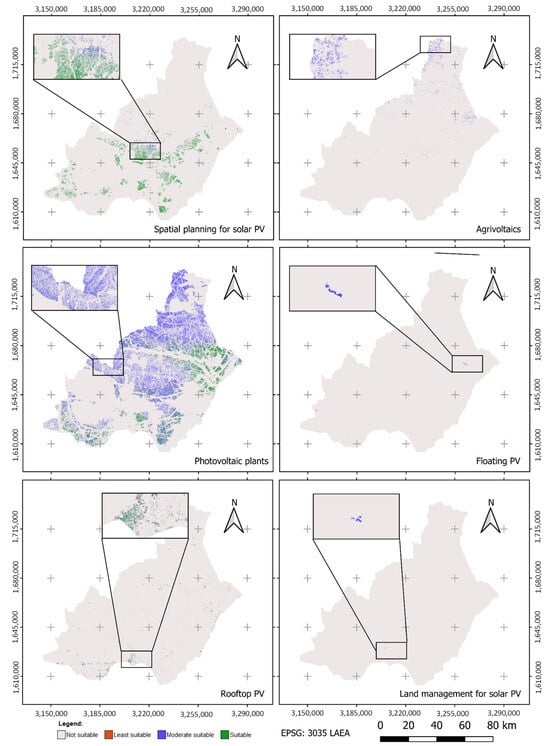
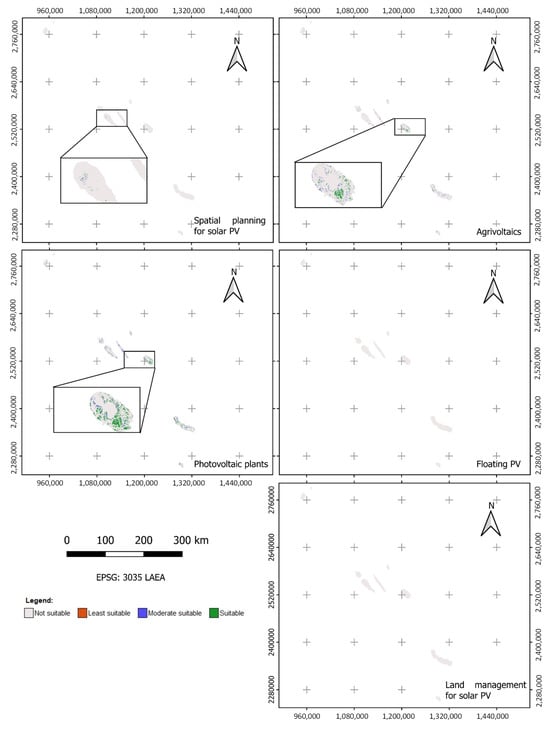
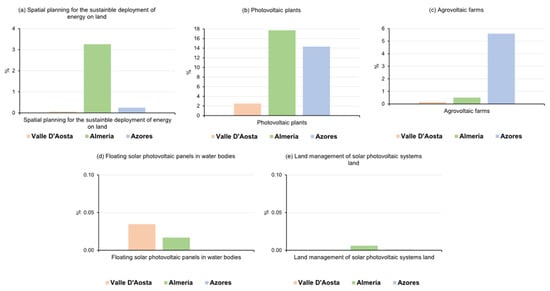
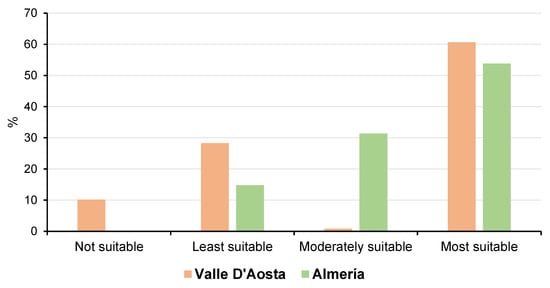
The urgency to mitigate greenhouse gas emissions and address the accelerating impacts of climate change has placed renewable energy as a core part of global climate strategies. However, the expansion of renewable infrastructures with a focus on solar systems often generates competition with other land uses, raising concerns about land availability, environmental integrity, and social acceptance. Renewable energy solutions deployment must be aligned with sustainable land-use planning, particularly in diverse and multifunctional landscapes. This study presents a GIS-based Multi-Criteria Decision-Making (MCDM) methodology to identify the most suitable areas for implementing a set of six land-use-based adaptation and mitigation solutions (LAMSs) focused on solar energy. Using Python-based processing algorithms and high-resolution spatial datasets, the methodology integrates technical, environmental, and socioeconomic criteria to generate suitability maps for three different case studies across Europe: Almería (Spain), Valle d’Aosta (Italy), and the Azores (Portugal). Results reveal significant geographical disparities in suitability due to the different land constraints. Almería and the Azores demonstrate high potential for photovoltaic and agrovoltaic farms, while Valle d’Aosta’s mountainous terrain is more limited for these measures. Floating solar and solar land management measures show limited applicability across all sites. The analysis highlights the value of place-based approaches in energy planning and the utility of GIS-MCDM tools to support evidence-based decision-making, enabling context-sensitive deployment of renewable energy infrastructure.
Full article
(This article belongs to the Special Issue Spatial Data Science and Knowledge Discovery)
►▼
Show Figures

Figure 1
Open AccessArticle
Gray–Green Spatial Structure and Nonlinear Threshold Effects on Street Crime: A CatBoost-Based Analysis of Day–Night Patterns in Shanghai
by
Xuefei Gu and Jieun Seo
ISPRS Int. J. Geo-Inf. 2026, 15(4), 156; https://doi.org/10.3390/ijgi15040156 - 3 Apr 2026
Abstract
Under rapid urbanization, street crime poses growing challenges to urban safety. Existing studies often treat gray and green spaces as independent variables, limiting the understanding of nonlinear crime patterns and spatiotemporal heterogeneity. Using day–night street crime data from Shanghai between 2010 and 2020,
[...] Read more.
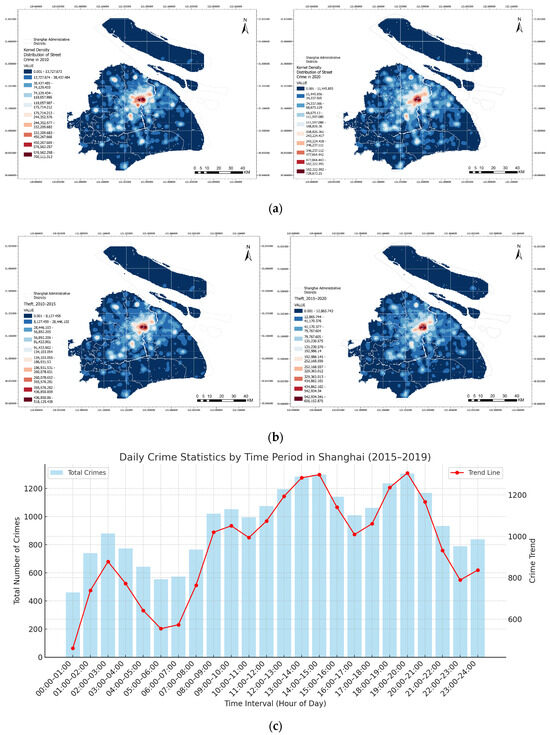
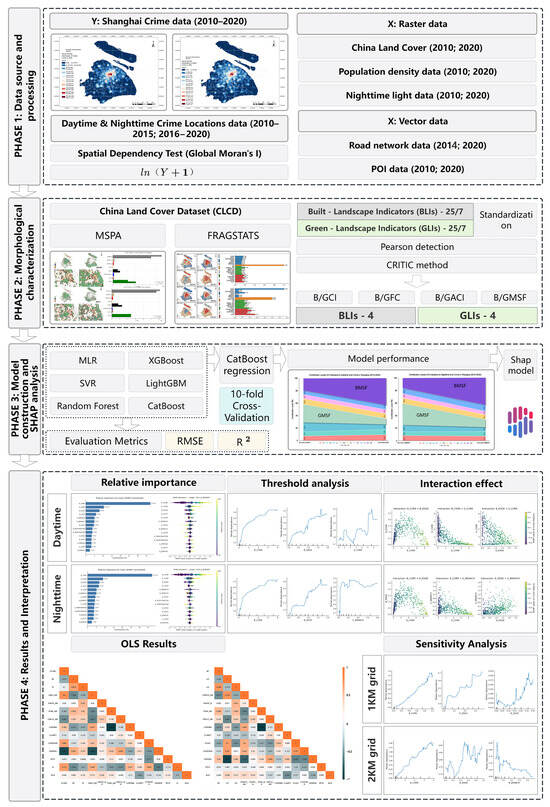
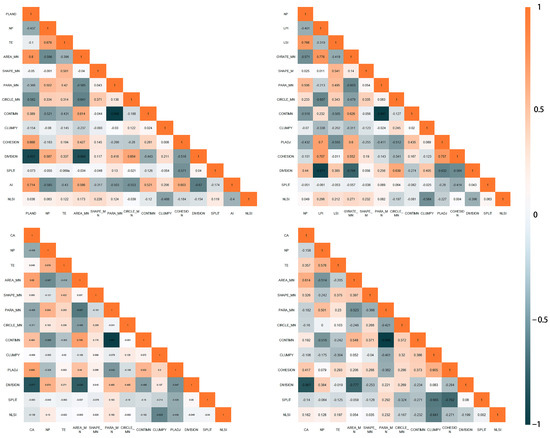
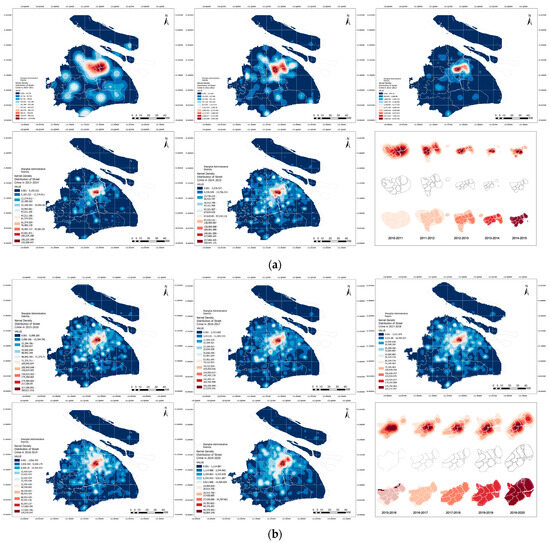
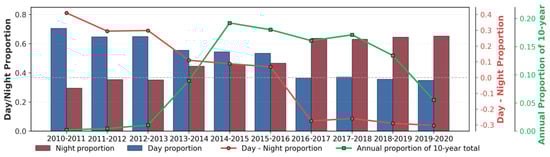
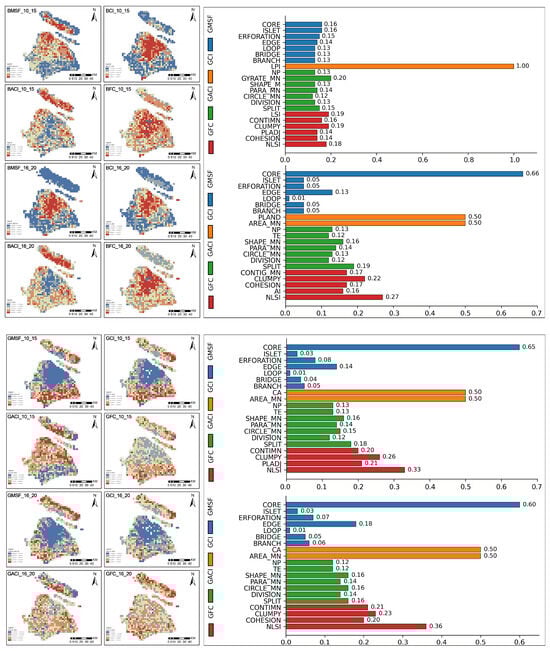
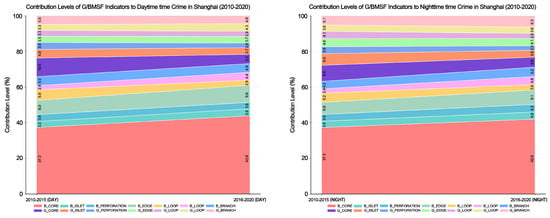
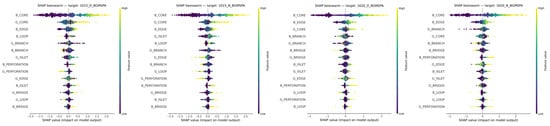
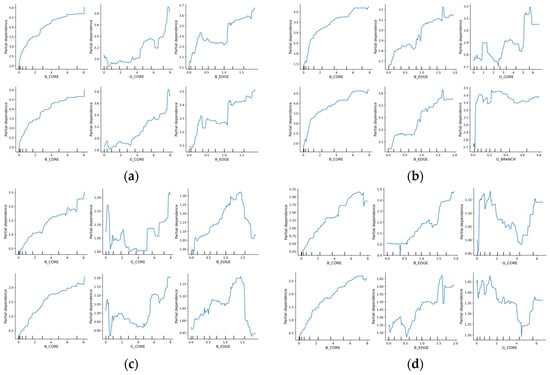
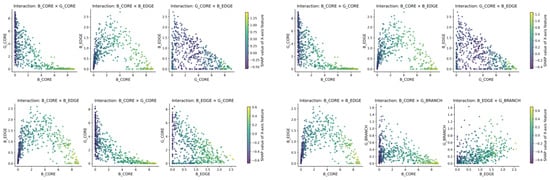
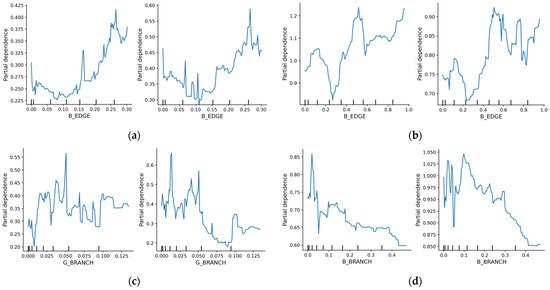
Under rapid urbanization, street crime poses growing challenges to urban safety. Existing studies often treat gray and green spaces as independent variables, limiting the understanding of nonlinear crime patterns and spatiotemporal heterogeneity. Using day–night street crime data from Shanghai between 2010 and 2020, this study applies an interpretable machine learning framework combining CatBoost and SHAP to examine how the coupling of gray–green spatial structures influences street crime. Gray–green spatial morphology is quantified using both MSPA- and Fragstats-based indicators, which are integrated into composite coupling indices. The results indicate that gray–green structural coupling exhibits significant nonlinear and threshold-dependent effects on street crime. Compared with conventional Fragstats metrics, MSPA-based structural indicators demonstrate stronger explanatory power. Theft-specific analysis further indicates that gray-space core–edge structures exhibit higher crime risk at night, with this effect becoming more pronounced in the later period. Across both study periods and day–night contexts, green branch areas (G_BRANCH) consistently show stable inhibitory effects, with the strongest suppression occurring when G_BRANCH values range between 0 and 1.6 and interact with gray core–edge structures (B_CORE and B_EDGE). These findings provide quantitative evidence that gray–green spatial structures function through coupled, nonlinear interactions and offer targeted spatial planning implications for crime prevention in high-density cities.
Full article
(This article belongs to the Topic Geospatial AI: Systems, Model, Methods, and Applications)
►▼
Show Figures

Figure 1

Open AccessArticle
The Influence of Surface Roughness on GIS-Based Solar Radiation Modelling
by
Renata Ďuračiová, Tomáš Ič and Tomasz Oberski
ISPRS Int. J. Geo-Inf. 2026, 15(4), 155; https://doi.org/10.3390/ijgi15040155 - 3 Apr 2026
Abstract
►▼
Show Figures
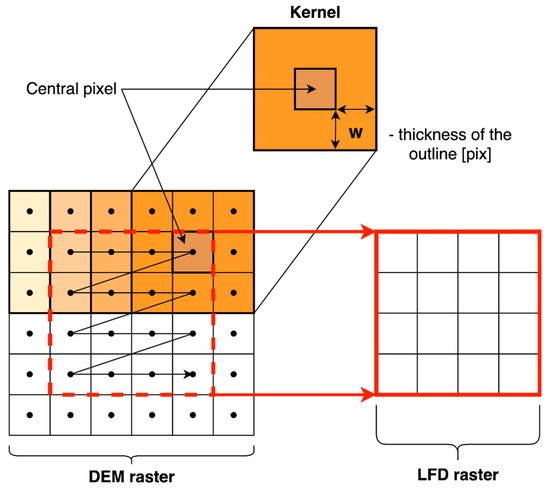
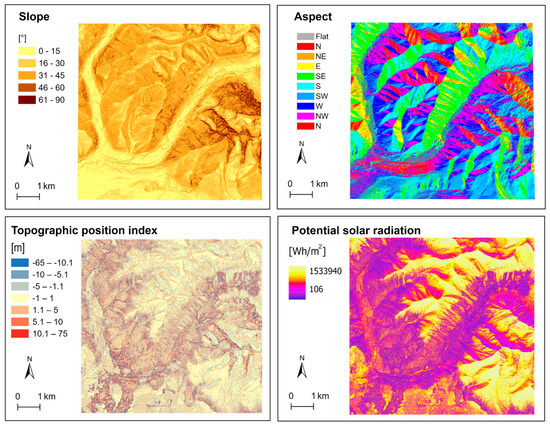
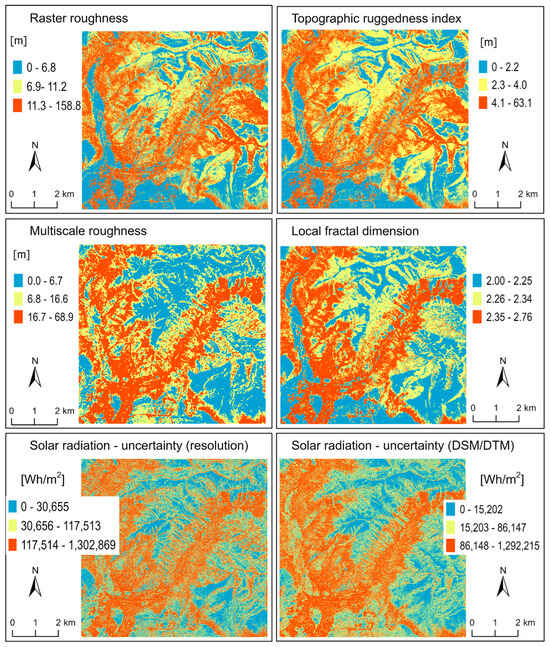
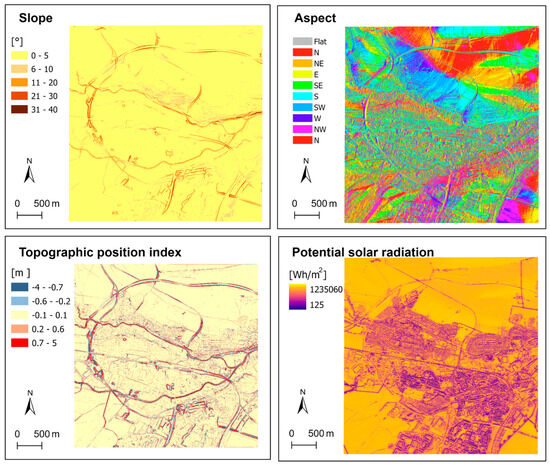
While parameters such as slope and aspect are routinely considered in solar radiation modelling, the role of terrain or surface roughness remains underexplored, with no universally accepted method for its calculation. This study compares several approaches to quantifying terrain or surface roughness in
[...] Read more.
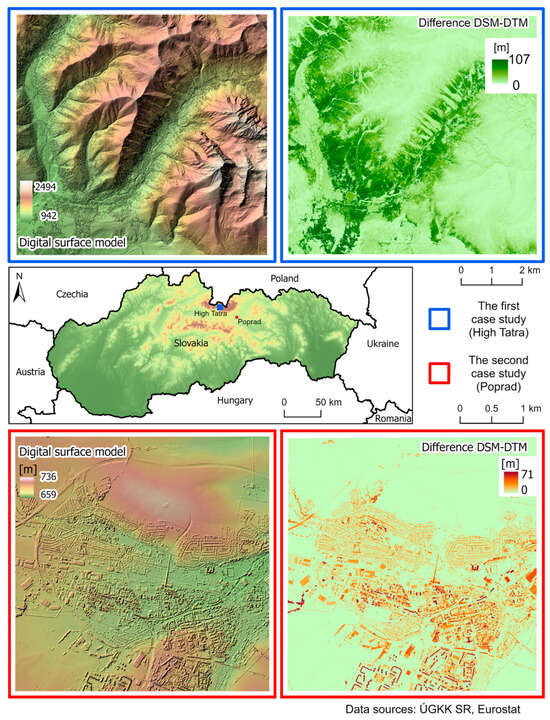
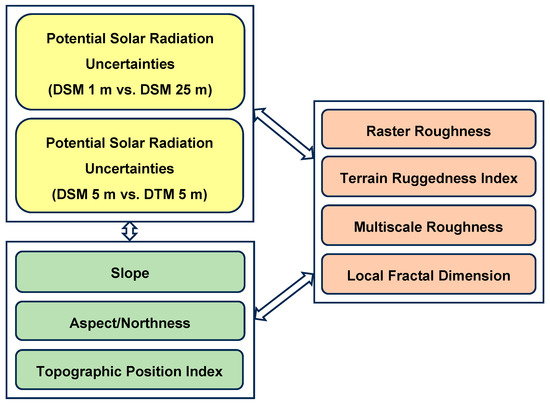
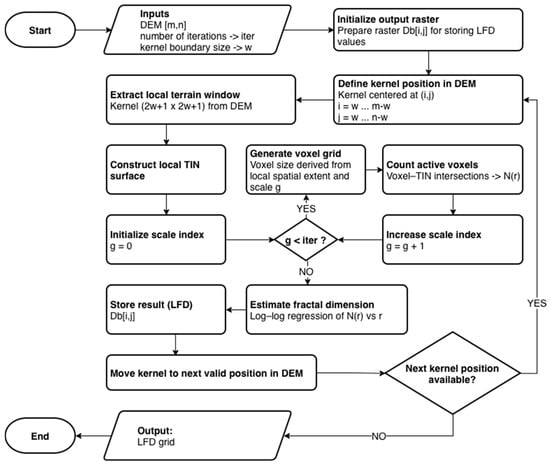
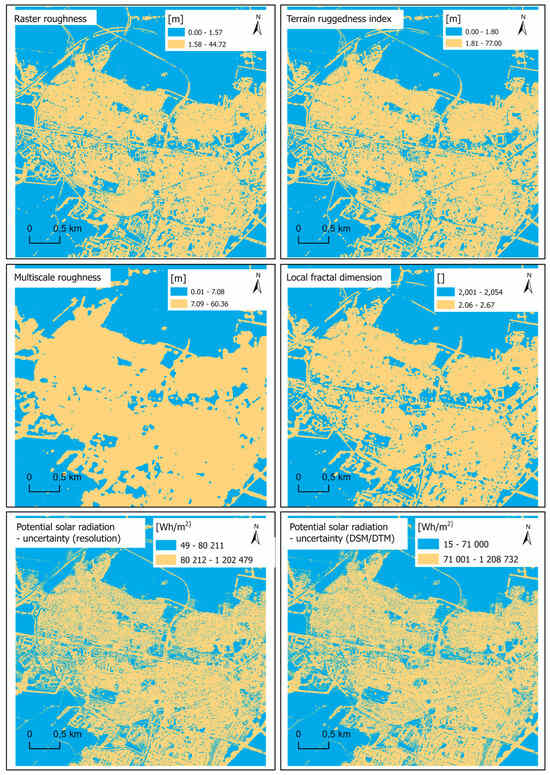
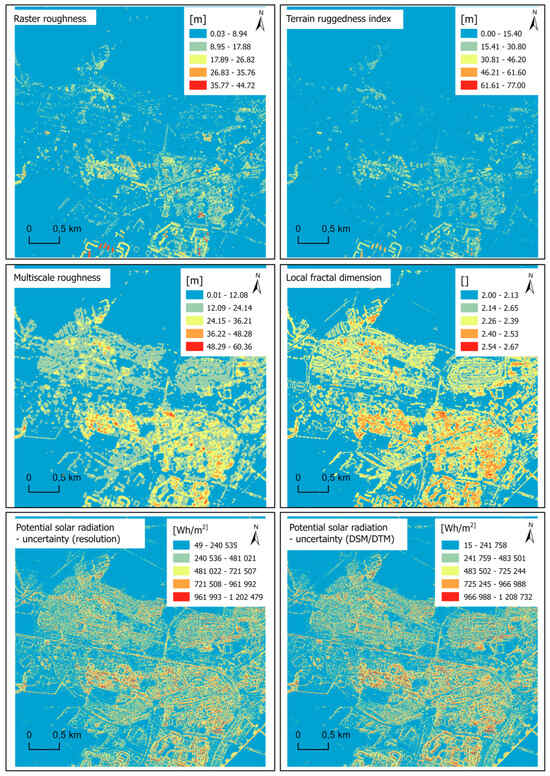
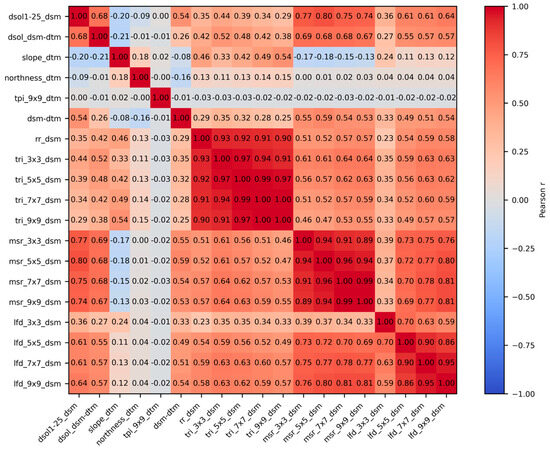
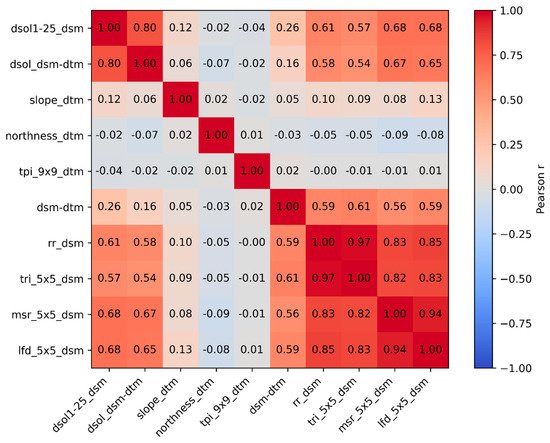
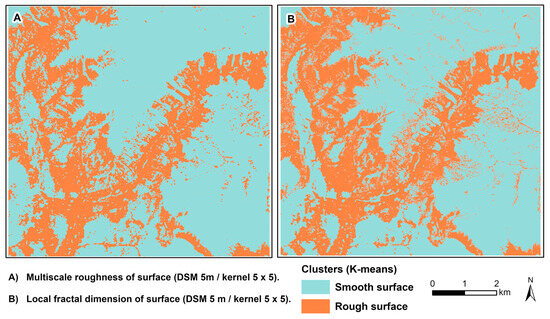
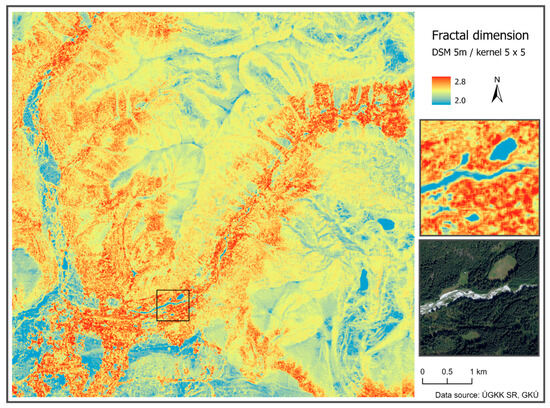
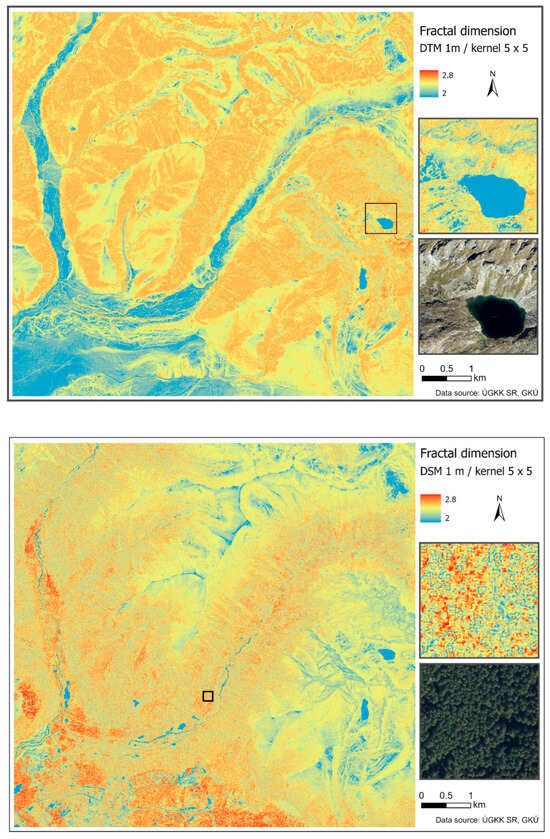
While parameters such as slope and aspect are routinely considered in solar radiation modelling, the role of terrain or surface roughness remains underexplored, with no universally accepted method for its calculation. This study compares several approaches to quantifying terrain or surface roughness in several geographical information system (GIS) environments (ArcGIS, QGIS, WhiteboxTools, and SAGA GIS) and introduces local fractal dimension, computed using a custom Python script, as an additional metric. The aim is to evaluate the influence of surface roughness on potential solar radiation modelling and to examine its relationship with other terrain parameters. The analysis is based on case studies from both a rugged alpine environment in the Tatra Mountains (Tichá and Kôprová dolina (valleys), Kriváň peak; 944–2467 m a.s.l.) and an urban environment (the city of Poprad, near the High Tatras, Slovakia). The results demonstrate that surface roughness can significantly affect potential solar radiation modelling in areas with high surface variability. The findings are applicable not only to solar radiation studies, but also to other fields of spatial modelling, where incorporating surface roughness can improve the accuracy and robustness of spatial analyses and predictions.
Full article

Figure 1
Open AccessArticle
Addressing Issues of SDI Governance and Standardisation: Variety Dynamics Analysis
by
Terence Love
ISPRS Int. J. Geo-Inf. 2026, 15(4), 154; https://doi.org/10.3390/ijgi15040154 - 3 Apr 2026
Abstract
►▼
Show Figures
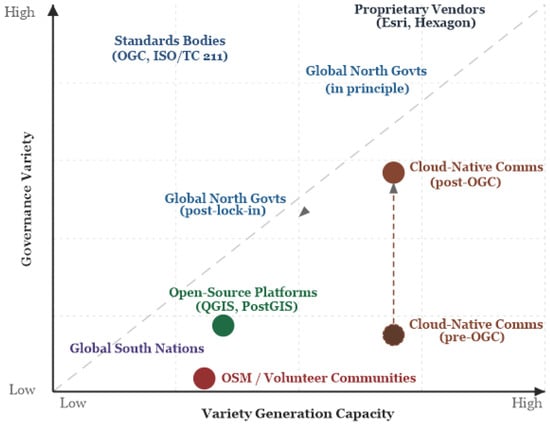
Variety Dynamics (VD) is a new methodology to identify reasons for failures in spatial data infrastructure (SDI) governance and standardisation as well as potential opportunities for improvement. SDI governance and standardisation situations are often shaped by multiple feedback loops and do not conform
[...] Read more.
Variety Dynamics (VD) is a new methodology to identify reasons for failures in spatial data infrastructure (SDI) governance and standardisation as well as potential opportunities for improvement. SDI governance and standardisation situations are often shaped by multiple feedback loops and do not conform to the assumptions needed for causal analysis. This combination is an intrinsic basis for faulty decision and policy making. Variety Dynamics presents geographic information science with a new ability to address the above issues and reveal otherwise hidden structural factors. It shows that most SDI initiatives for change are ineffective because they do not influence variety distributions. Standards are published, coordinating bodies established, and technical platforms deployed without significant changes in equitable outcomes. Variety Dynamics also reveals opportunities for successful SDI policy initiatives leveraging data sovereignty changes that force infrastructure migration and temporarily invert transaction cost structures. After data sovereignty is established, however, any SDI governance and standardisation problems will be likely locked in through path dependencies and accumulated switching costs.
Full article

Figure 1
Open AccessArticle
Effects of HUD Position and Text Information on Navigation Task Performance and Cognitive Load: An Eye-Tracking Study
by
Hao Fang, Hongyun Guo, Dawu Nie, Nai Yang and Kim Un
ISPRS Int. J. Geo-Inf. 2026, 15(4), 153; https://doi.org/10.3390/ijgi15040153 - 2 Apr 2026
Abstract
►▼
Show Figures
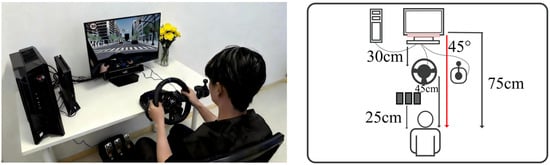
Head-Up Display (HUD) systems are widely used in vehicles to overlay navigation prompts in the driver’s field of view, thereby reducing eyes-off-road time. However, suboptimal information presentation may impose extra cognitive demands and lead to driver distraction. To quantify the effects of key
[...] Read more.
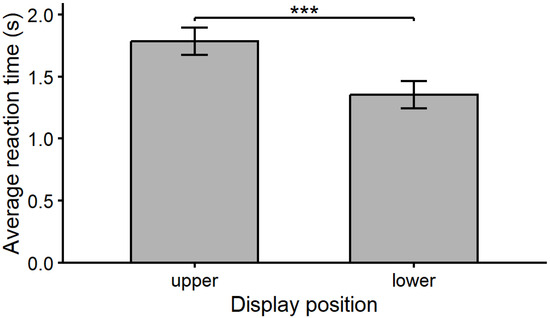
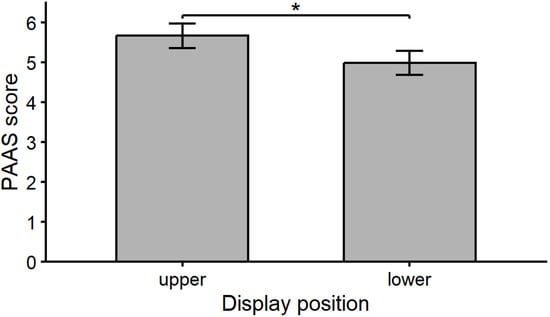
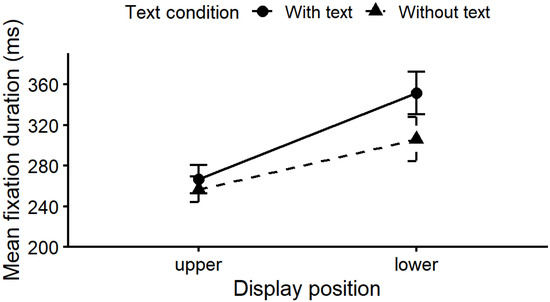
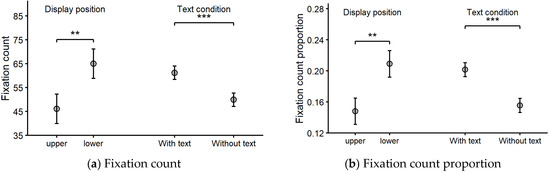
Head-Up Display (HUD) systems are widely used in vehicles to overlay navigation prompts in the driver’s field of view, thereby reducing eyes-off-road time. However, suboptimal information presentation may impose extra cognitive demands and lead to driver distraction. To quantify the effects of key HUD navigation design factors on navigation task performance and cognitive workload, a 2 × 2 within-subjects experiment was conducted, manipulating display position (upper vs. lower visual field) and the presence of textual navigation information (with vs. Without text). Thirty university students with driving experience completed navigation tasks under four conditions in a single-lane urban driving simulation. Each task lasted 2–4 min and included six turning prompts. Task performance (accuracy, mean reaction time, and total driving time), subjective workload (PAAS), and eye-tracking measures (mean fixation duration, mean pupil diameter, fixation count, and fixation count proportion) were collected and analyzed using repeated-measures ANOVA. Results showed that display position significantly affected driving efficiency and subjective workload: lower-field displays produced shorter reaction times and lower PAAS scores, while accuracy and total driving time showed no significant differences. Eye-tracking results indicated higher fixation counts and fixation ratios for lower displays. A significant interaction between display position and text was observed for mean fixation duration, whereas mean pupil diameter showed no significant effects. These findings indicate that display position is a critical factor in HUD navigation design, while textual information primarily influences visual inspection patterns rather than overall navigation task performance.
Full article

Figure 1
Open AccessArticle
Integrating GIS, Climate Hazards, and Gender Safety in Railway Networks: A Spatial Vulnerability Analysis of Serbia
by
Aleksandar Valjarević, Milan Luković, Dragana Radivojević, Kh Md Nahiduzzaman, Hassan Radoine, Tiziana Campisi, Celestina Fazia, Dejan Filipović and Dragana Valjarević
ISPRS Int. J. Geo-Inf. 2026, 15(4), 152; https://doi.org/10.3390/ijgi15040152 - 2 Apr 2026
Abstract
►▼
Show Figures
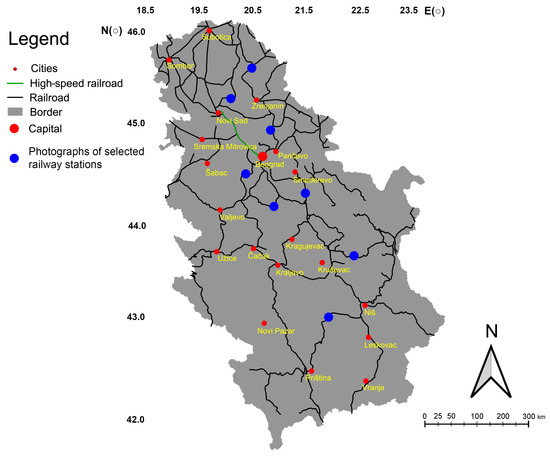
Railway transport plays a crucial role in sustainable and low-carbon mobility; however, the safety and resilience of railway systems are increasingly challenged by aging infrastructure, spatial inequality, and intensifying climate extremes. These challenges are particularly evident in Serbia, where railway stations in rural
[...] Read more.
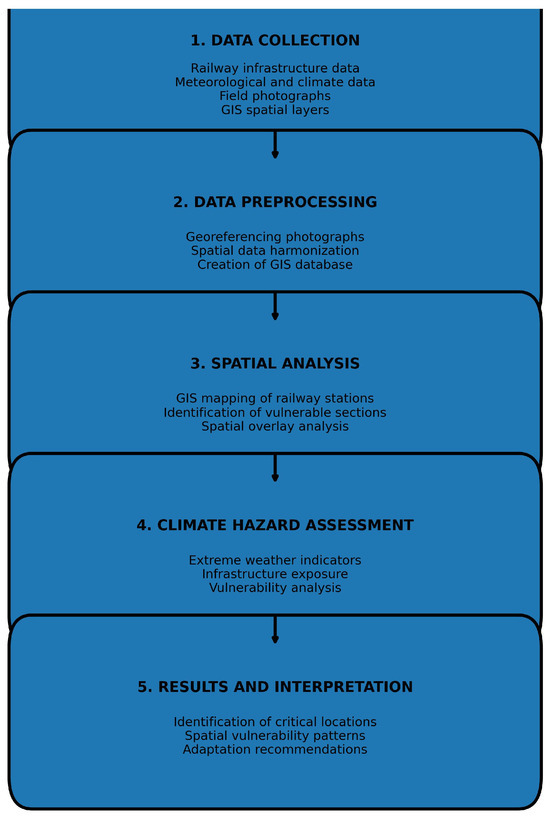
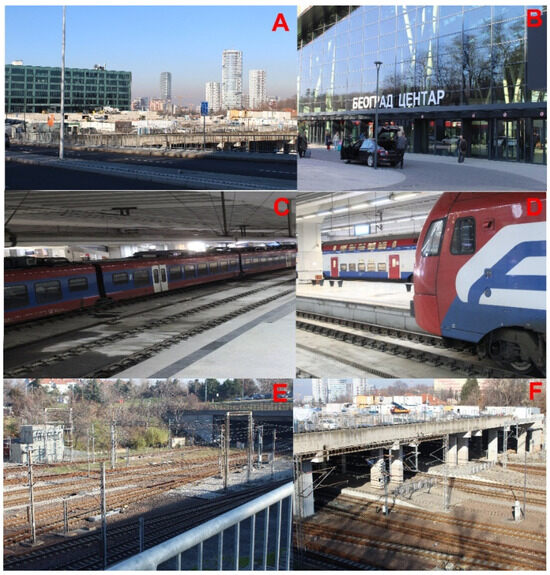
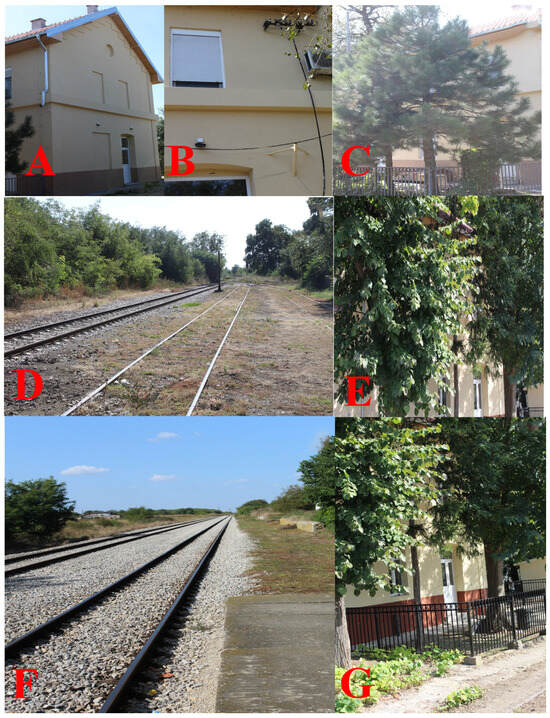
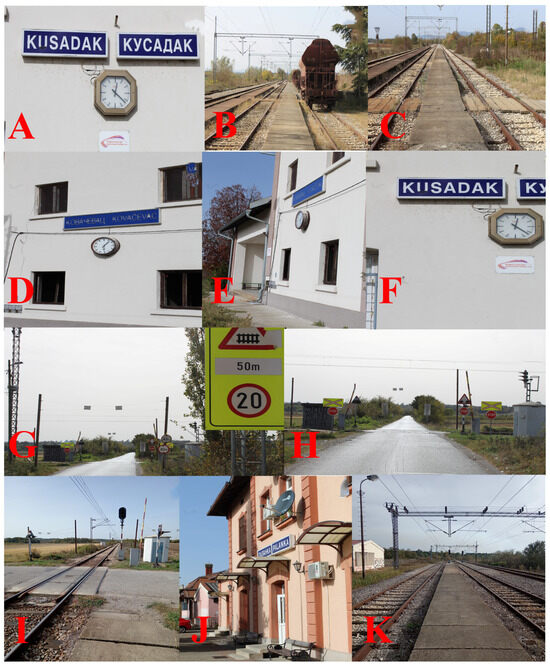
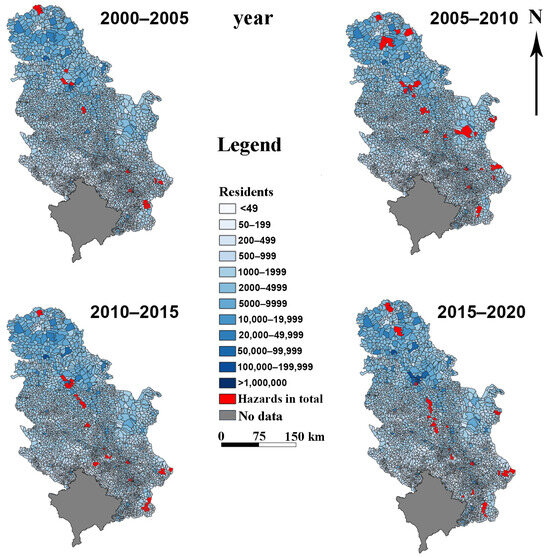
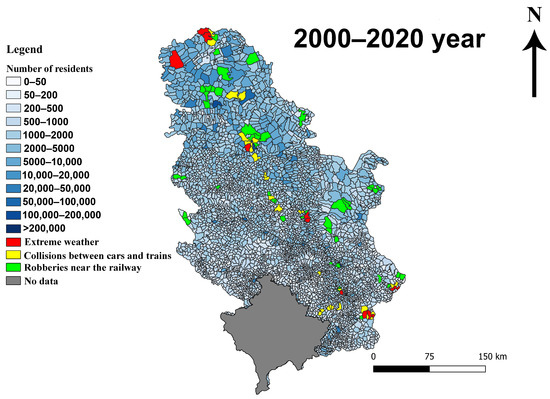
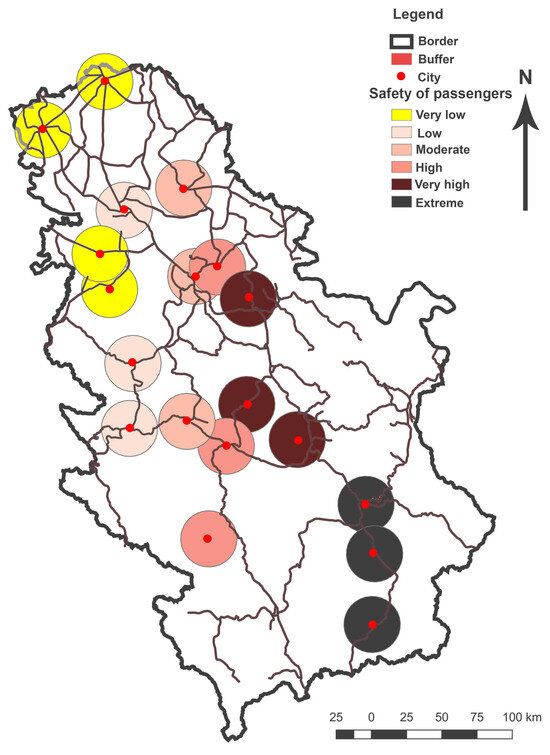
Railway transport plays a crucial role in sustainable and low-carbon mobility; however, the safety and resilience of railway systems are increasingly challenged by aging infrastructure, spatial inequality, and intensifying climate extremes. These challenges are particularly evident in Serbia, where railway stations in rural and peripheral areas often lack adequate safety infrastructure, accessibility, and climate-adaptive design, especially affecting women and other vulnerable passengers. The aim of this study is to develop a GIS-based spatial framework for assessing gender-sensitive railway safety under combined sociospatial and environmental pressures. The analysis integrates multiple geo-information sources, including railway infrastructure data, passenger statistics, safety incidents, and climate hazard indicators such as floods, heatwaves, heavy snowfall, and windstorms. Geographic Information System (GIS) techniques, including kernel density estimation, buffer and zonal statistics, spatial interpolation, and spatial regression, were applied to evaluate spatial safety patterns and environmental risks. The results reveal pronounced regional disparities, with southern and eastern Serbia representing the most vulnerable areas due to inactive stations, poor lighting, limited digital connectivity, and frequent exposure to extreme weather events. Rural railway stations are frequently located in climate risk zones, and many do not meet the minimum safety infrastructure standards. Based on these findings, this study recommends strengthening station lighting and surveillance systems, improving digital connectivity and emergency accessibility, and integrating climate-resilient infrastructure planning into railway modernization strategies. Overall, the findings highlight the importance of combining GIS-based spatial analysis, climate hazard assessment, and gender-sensitive planning to support safer, more inclusive, and climate-resilient railway infrastructure in Serbia.
Full article

Figure 1
Open AccessArticle
The Contribution of Geographic Information Systems to Industrial Location Problems: Case Study for Large Photovoltaic Systems on the Coast of the Region of Murcia, Spain
by
Juan Miguel Sánchez-Lozano, Guido C. Guerrero Liquet, M. S. García-Cascales and Antonio Urbina
ISPRS Int. J. Geo-Inf. 2026, 15(4), 151; https://doi.org/10.3390/ijgi15040151 - 1 Apr 2026
Abstract
►▼
Show Figures
The large-scale deployment of photovoltaic (PV) systems increasingly faces land-use conflicts, particularly in regions with high environmental sensitivity resulting from intensive urban development. Consequently, decision-makers require transparent, spatially explicit tools to identify suitable areas for utility-scale PV installations (>100 kWp). This study addresses
[...] Read more.
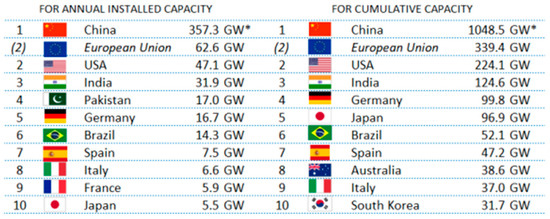
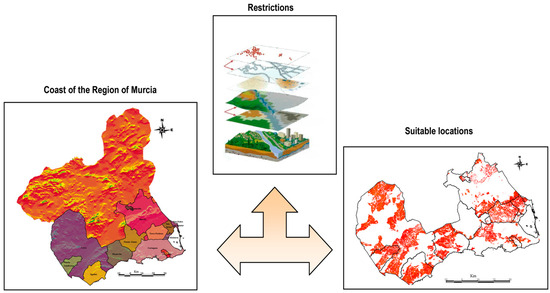
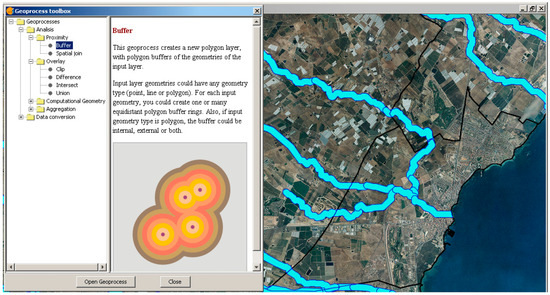
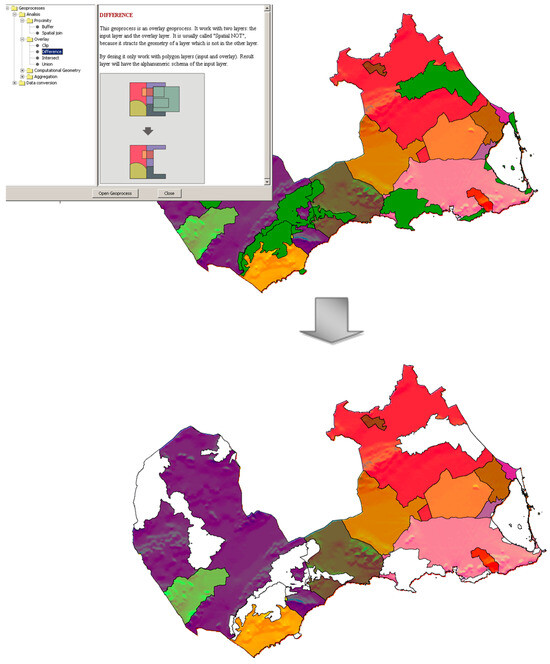
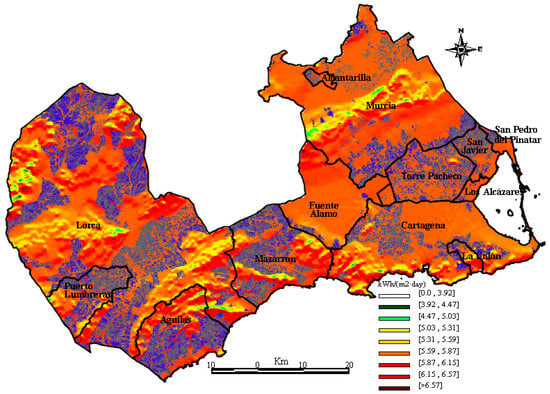
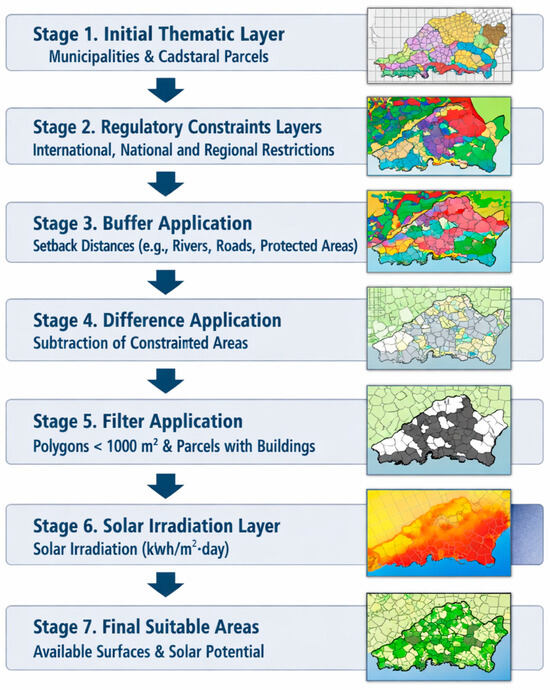
The large-scale deployment of photovoltaic (PV) systems increasingly faces land-use conflicts, particularly in regions with high environmental sensitivity resulting from intensive urban development. Consequently, decision-makers require transparent, spatially explicit tools to identify suitable areas for utility-scale PV installations (>100 kWp). This study addresses these challenges through the application of a Geographic Information System (GIS) to locate optimal sites for solar farms along the coastal zone of the Region of Murcia (southeastern Spain). First, the research characterizes the territorial context and systematically reviews the European, national, and regional regulatory frameworks to identify relevant legal and environmental constraints. These constraints are translated into thematic layers within the GIS environment and progressively applied to exclude unsuitable land through spatial editing and overlay analyses. The remaining feasible areas are subsequently evaluated according to their photovoltaic potential using publicly available solar resource data. The results show that nearly one quarter of the coastal territory is legally and environmentally suitable for PV deployment. Furthermore, due to the favourable geographical conditions of this Spanish region, the annual photovoltaic potential along the coastal zone reaches nearly 48,000 GWh, which would not only meet the Region of Murcia’s annual electricity demand (approximately 8000 GWh) but also supply neighbouring areas in southeastern Spain.
Full article

Figure 1
Open AccessArticle
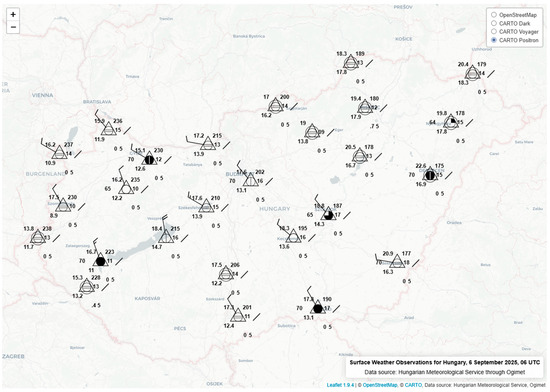
From SYNOP to Station Model Symbols on Web Maps: Leveraging Web Technologies to Implement Standardized WMO Symbology for Synoptic Surface Weather Charts
by
Dániel Balla and Mátyás Gede
ISPRS Int. J. Geo-Inf. 2026, 15(4), 150; https://doi.org/10.3390/ijgi15040150 - 1 Apr 2026
Abstract
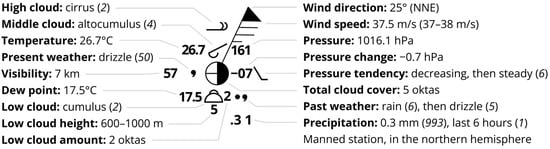
Modern web mapping technologies implement web standards that make the visualization of geoscience data on the web possible using various methods, offering a high degree of customizability for creating web maps. In meteorology, synoptic surface weather charts serve as crucial products to communicate
[...] Read more.
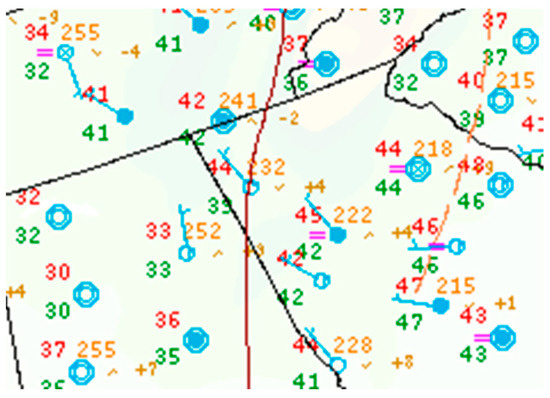
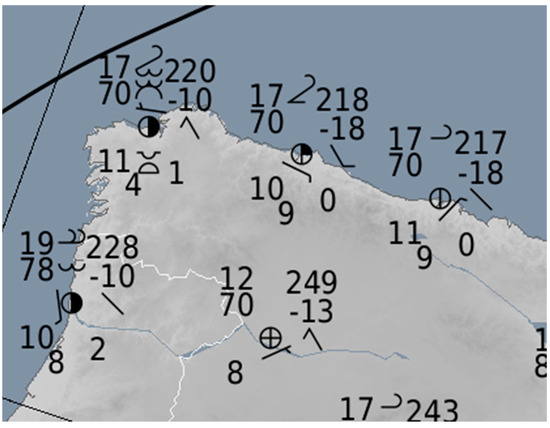
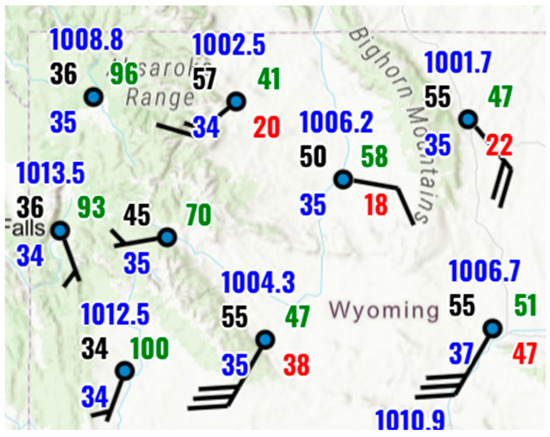
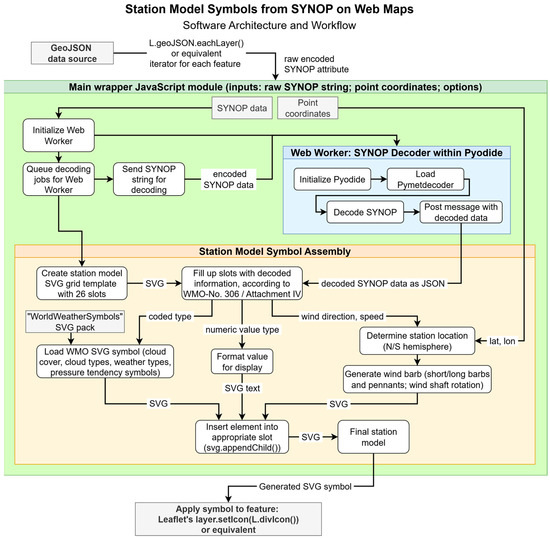
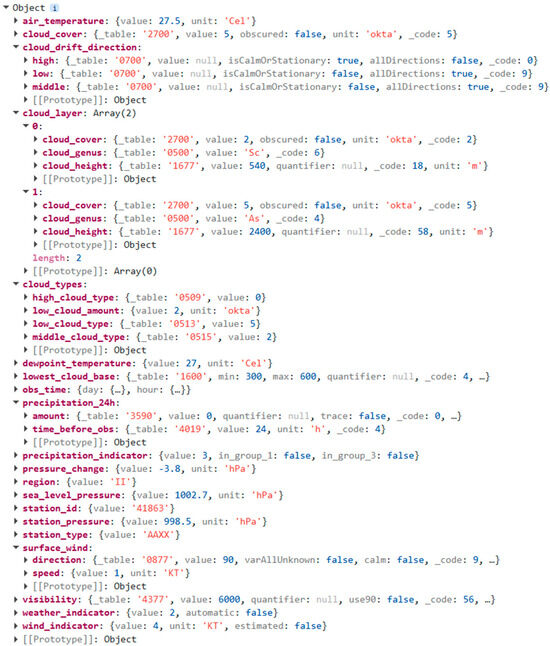
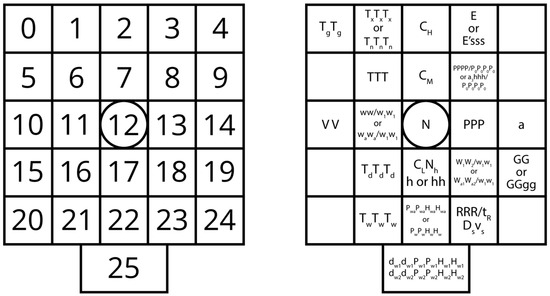
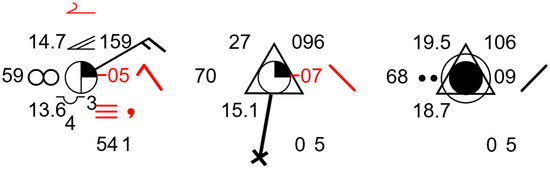
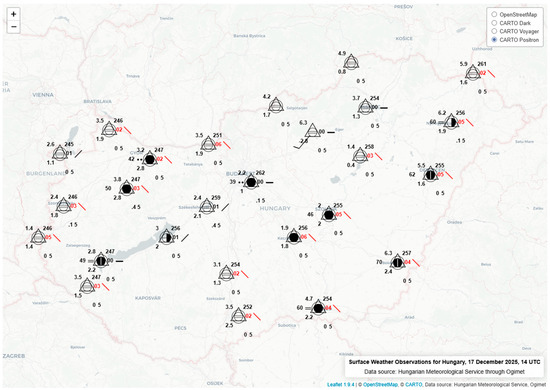
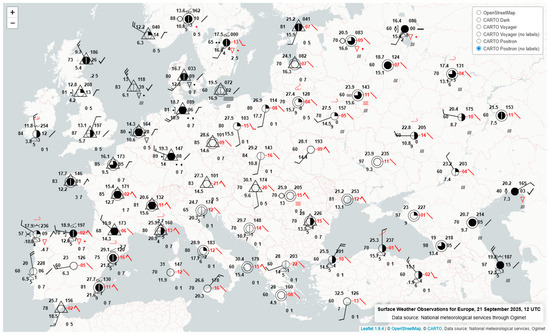
Modern web mapping technologies implement web standards that make the visualization of geoscience data on the web possible using various methods, offering a high degree of customizability for creating web maps. In meteorology, synoptic surface weather charts serve as crucial products to communicate observed surface weather at a point in time. To convey such information, these maps implement complex symbology, such as a multi-element surface station model symbol to indicate station data, isobars, and special line symbology to visualize weather fronts. Synoptic messages (SYNOP standard numerical code by WMO) are periodic meteorological reports of weather observations, exchanged by national meteorological services around the globe. This study focuses on visualizing surface weather data decoded from SYNOP reports. The paper introduces an open-source JavaScript module, which handles data decoding and dynamic symbol generation, using a WMO-compliant method for creating station model vector symbols for observational GeoJSON data on the client-side, in an interactive web mapping environment. Its output is compatible with popular, open-source web mapping libraries. It runs Python in the browser with Pyodide and makes use of the Web Workers API for parallelization, speeding up the decoding and visualization process without blocking the user interface thread. The developed module intends to help with easy representation of surface weather observations on web maps used in meteorology, which can also be implemented in a dynamically updated server–client architecture. The code is presented with a ready-to-use wrapper for Leaflet.
Full article
(This article belongs to the Special Issue Cartography and Geovisual Analytics)
►▼
Show Figures

Figure 1
Open AccessArticle
Geospatial Dasymetric Modeling and Cluster Analysis with Stability Confidence Measures for Identifying Parcel-Level Naturally Occurring Retirement Communities
by
Khac An Dao and Thi Hong Diep Dao
ISPRS Int. J. Geo-Inf. 2026, 15(4), 149; https://doi.org/10.3390/ijgi15040149 - 1 Apr 2026
Abstract
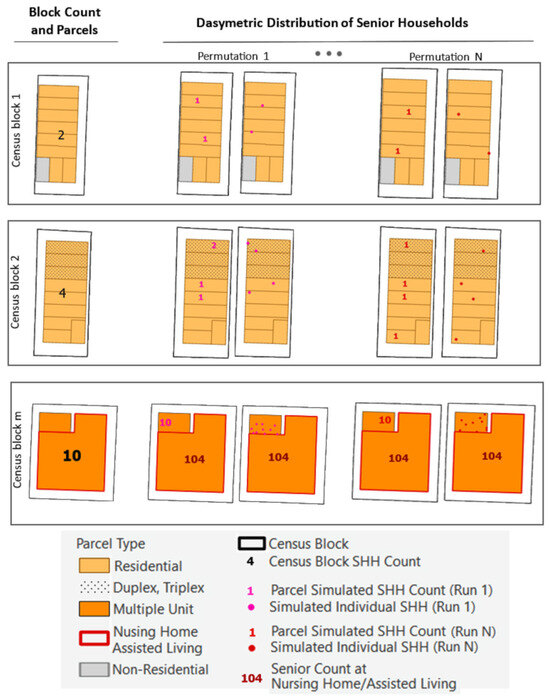
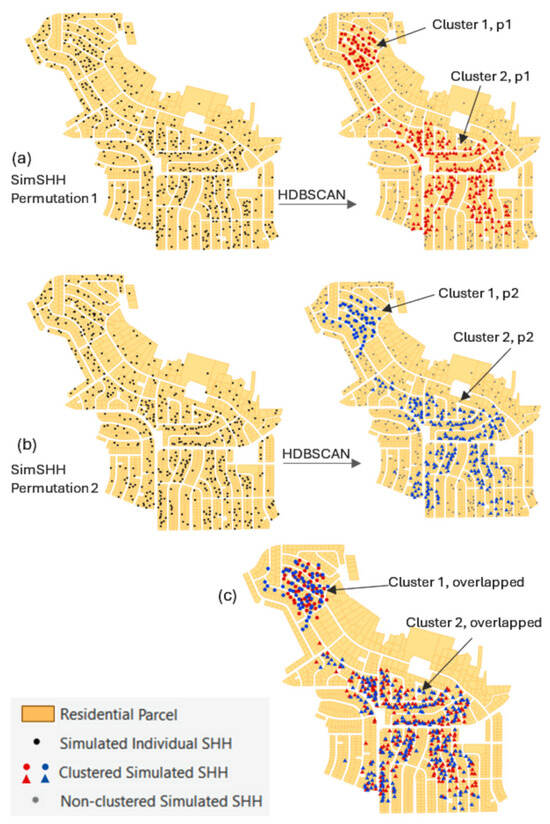
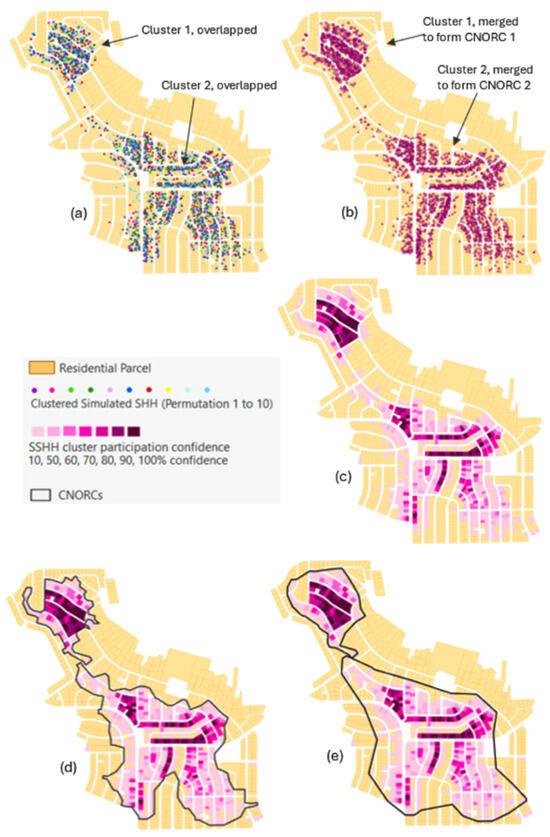
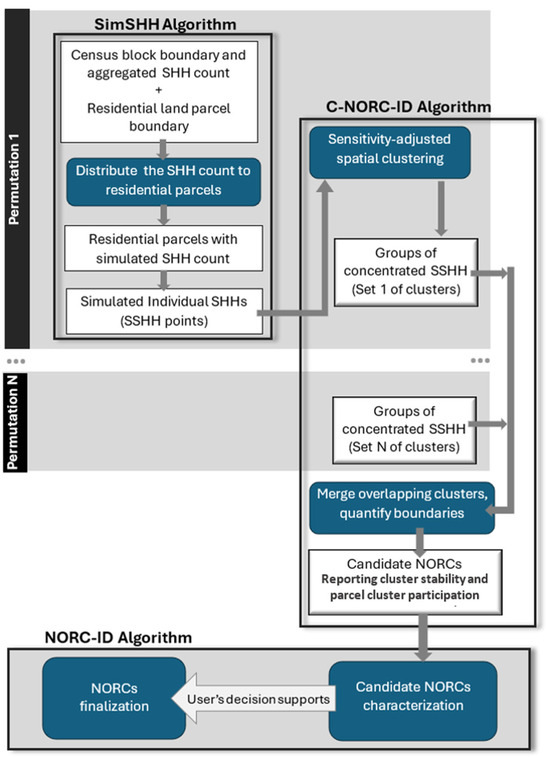
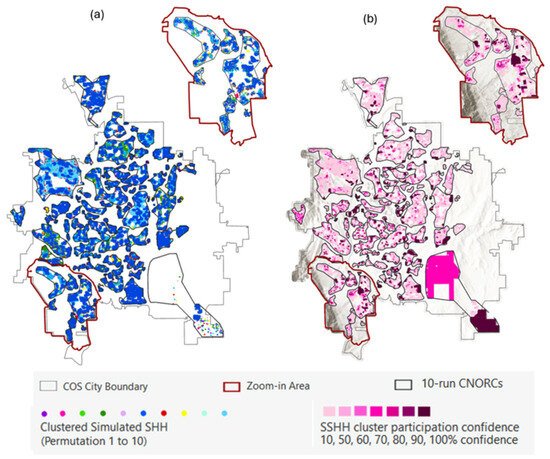
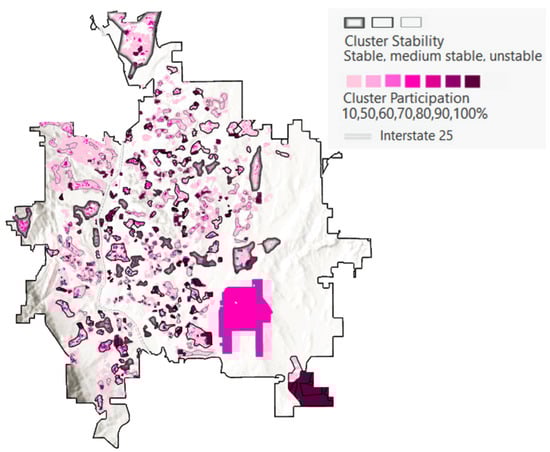
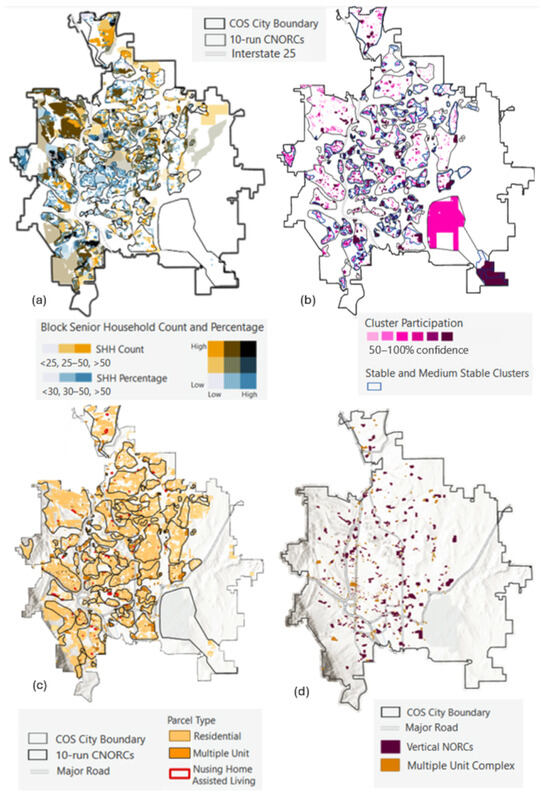
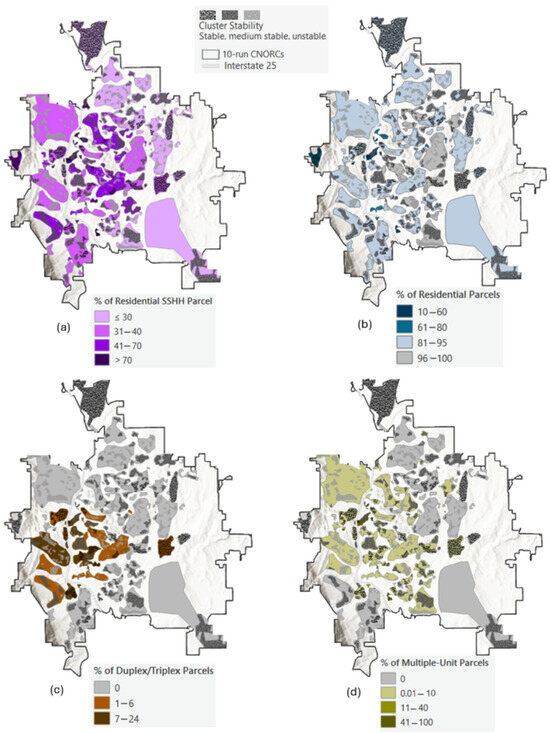
The identification of senior residential concentrations requires geospatial methods that combine fine-scale population modeling with robust uncertainty assessment. This study introduces NORC-SIMCLUST, a framework that integrates dasymetric disaggregation of senior households with density-based clustering and stability confidence measures derived from simulation runs and
[...] Read more.
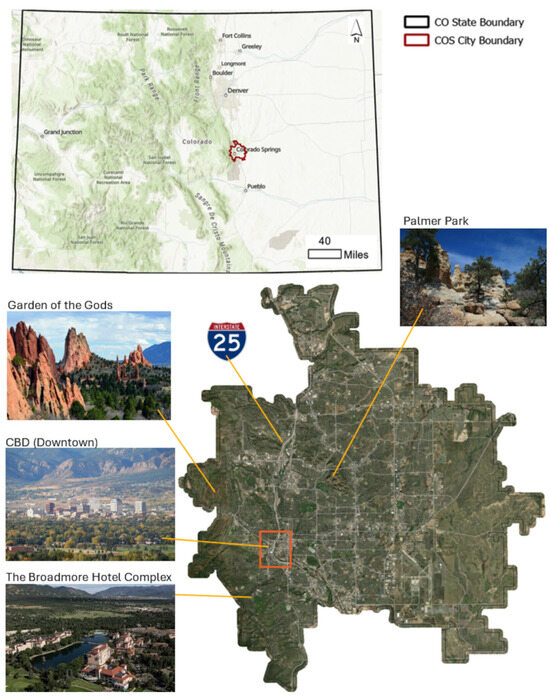
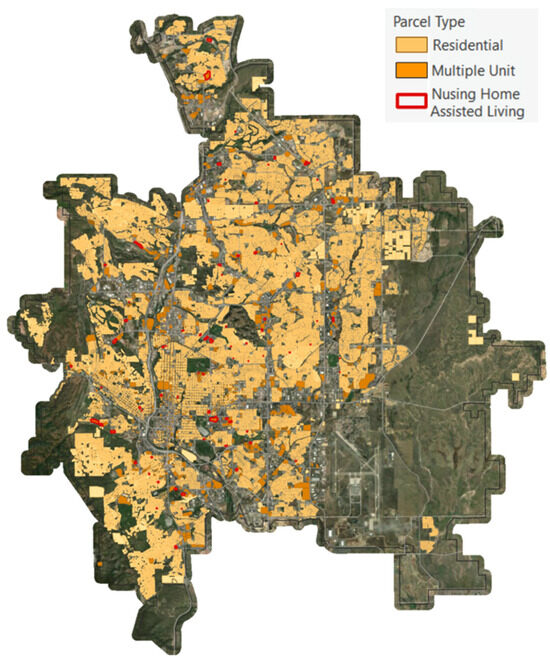
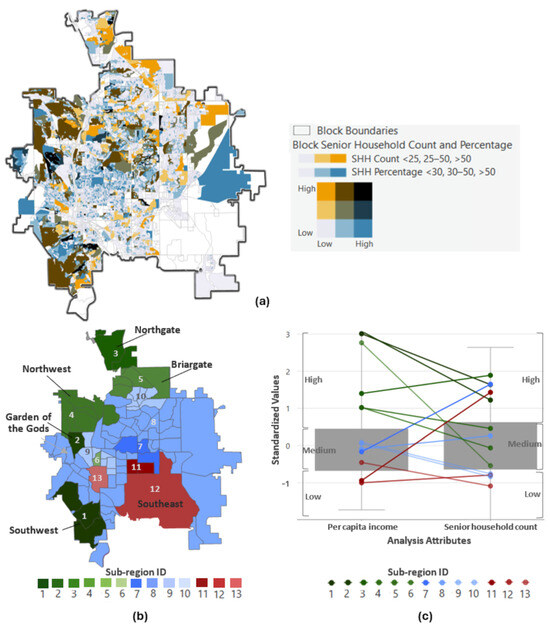
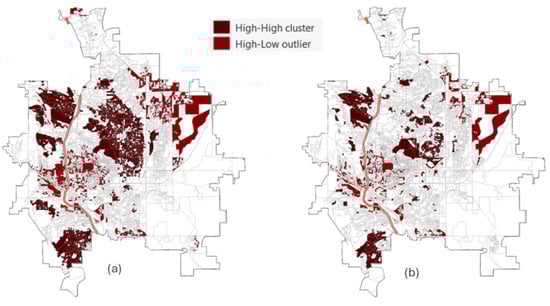
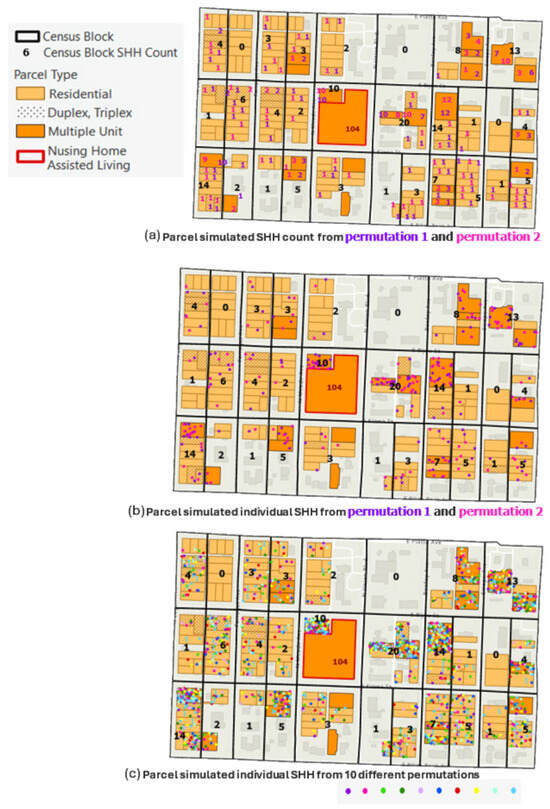
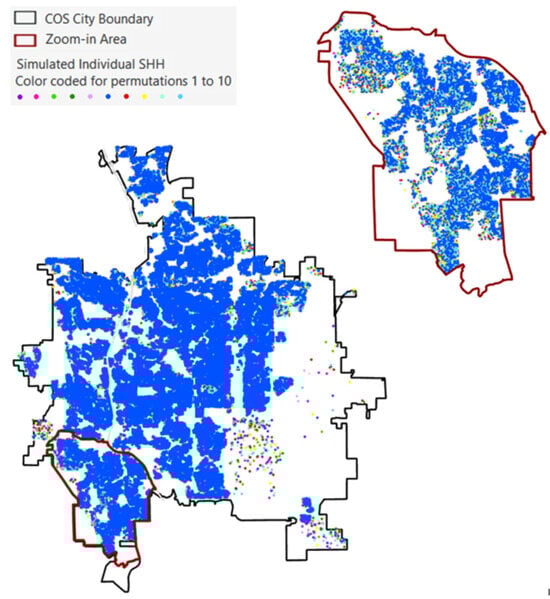
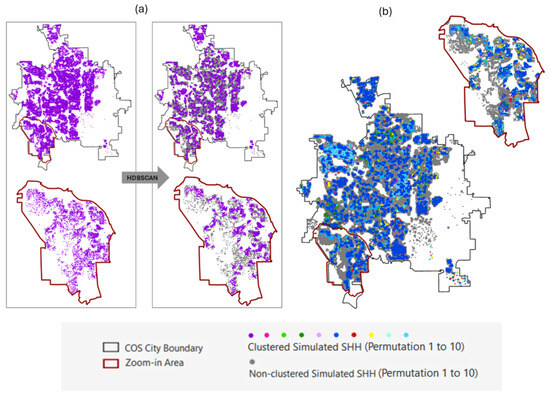
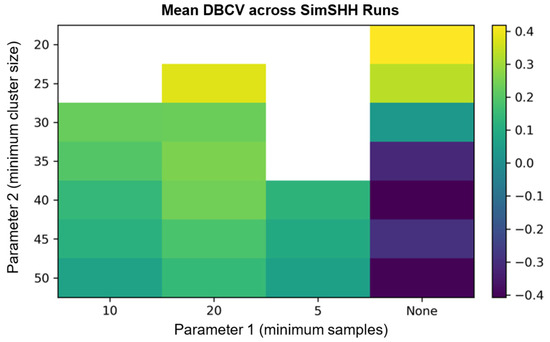
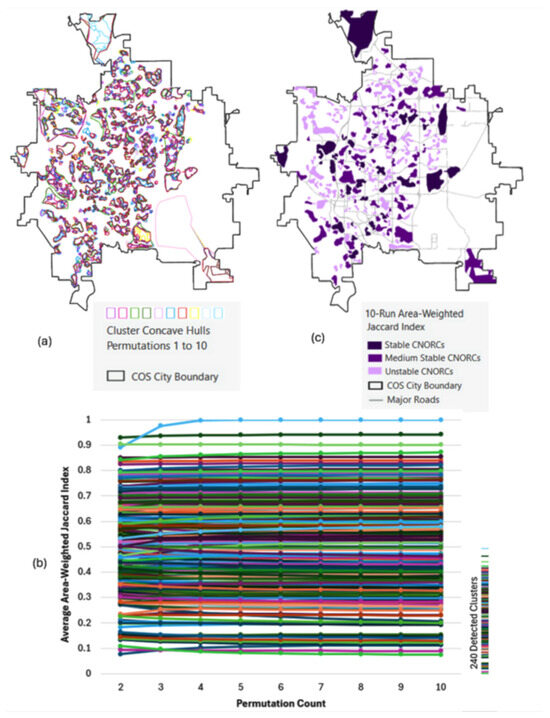
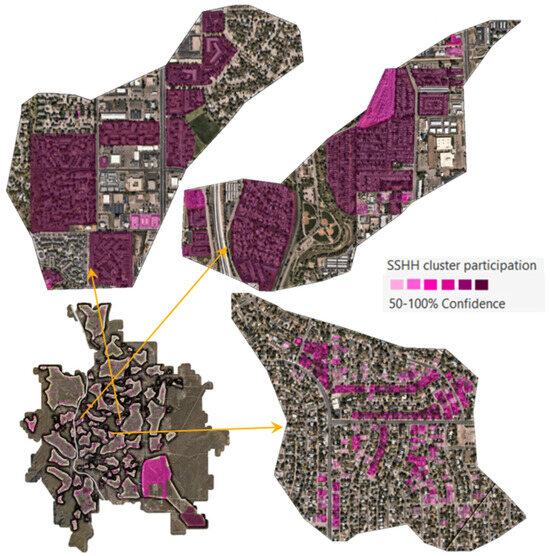
The identification of senior residential concentrations requires geospatial methods that combine fine-scale population modeling with robust uncertainty assessment. This study introduces NORC-SIMCLUST, a framework that integrates dasymetric disaggregation of senior households with density-based clustering and stability confidence measures derived from simulation runs and parameter sweeps. The method creates synthetic microdata by allocating census block senior household counts to residential parcels using housing-unit information, then estimates cluster stability through repeated simulations. By addressing data sparsity and spatial analysis pitfalls inherent in aggregated areal approaches, our work improves reliability and enables the detection of both horizontal and vertical NORCs—an underexplored geospatial challenge. A case study in Colorado Springs, USA, demonstrates enhanced detection reliability and confidence assessment compared to conventional heuristics. This work advances geospatial analytics for aging-in-place research and planning by providing a scalable, reproducible pipeline for demographic simulation, spatial clustering, and uncertainty analysis.
Full article
(This article belongs to the Topic Innovative Approaches in Geospatial Analysis and Modeling of Urban Environments)
►▼
Show Figures

Figure 1

Open AccessArticle
Multilevel Flood Susceptibility Mapping by Fuzzy Sets, Analytical Hierarchy Process, Weighted Linear Combination and Random Forest
by
Pece V. Gorsevski and Ivica Milevski
ISPRS Int. J. Geo-Inf. 2026, 15(4), 148; https://doi.org/10.3390/ijgi15040148 - 1 Apr 2026
Abstract
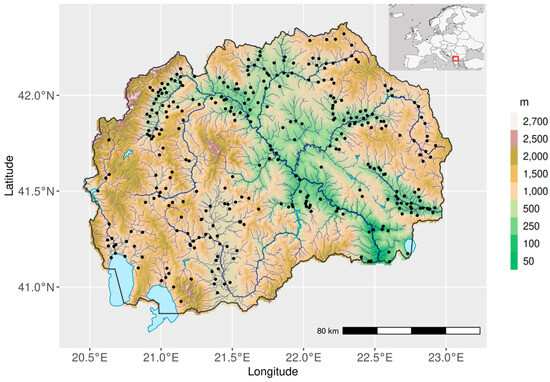
Given the increasing frequency and intensity of floods, which are mostly caused by continuous climate change and growing human pressures on the environment, accurately identifying areas that are susceptible to flooding is a crucial priority for risk reduction and long-term land use planning.
[...] Read more.
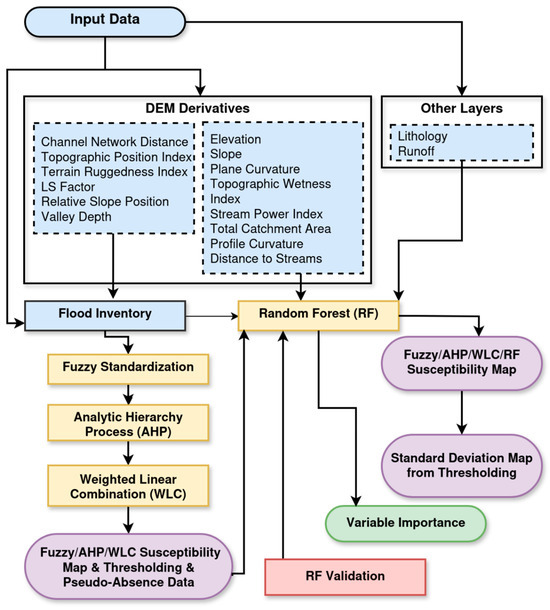
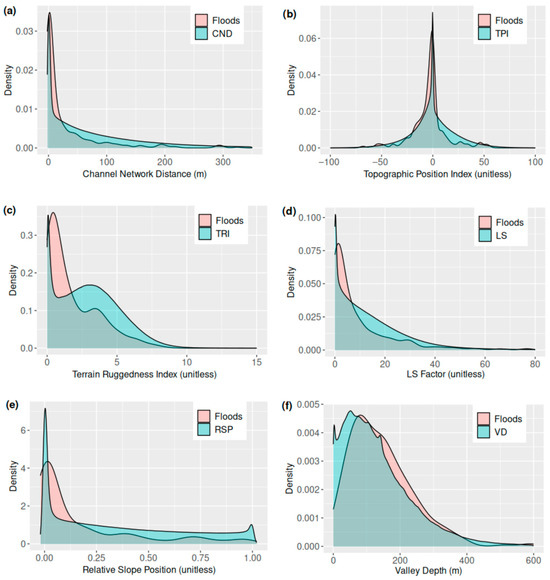
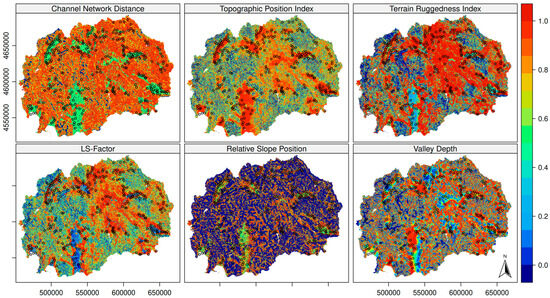
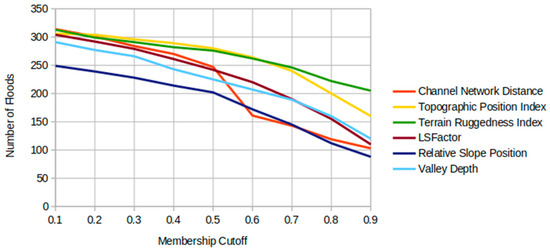
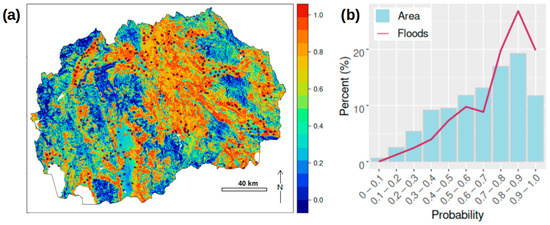
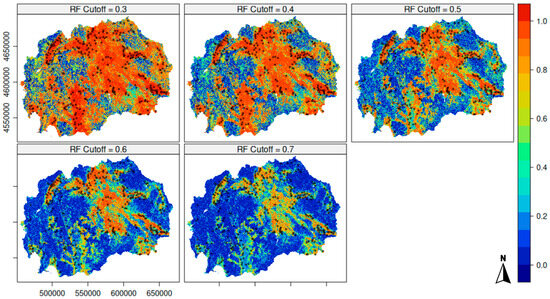
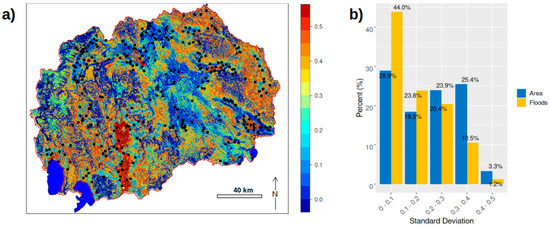
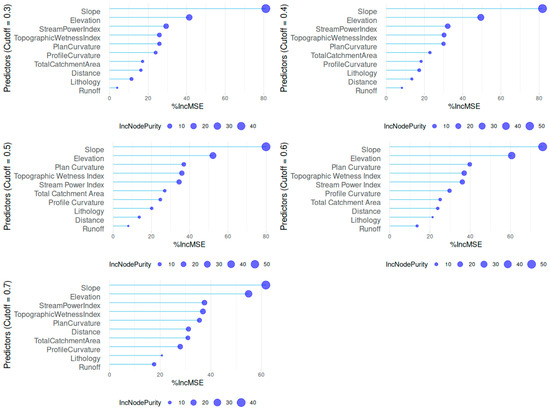
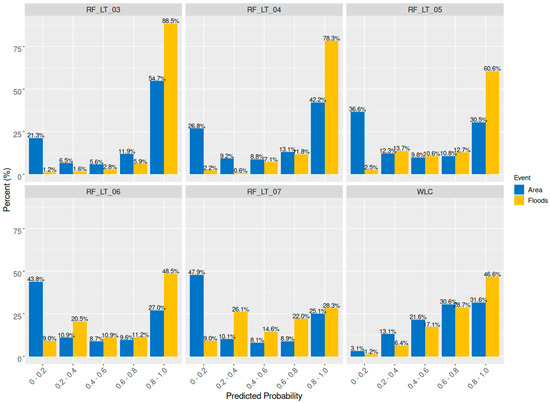
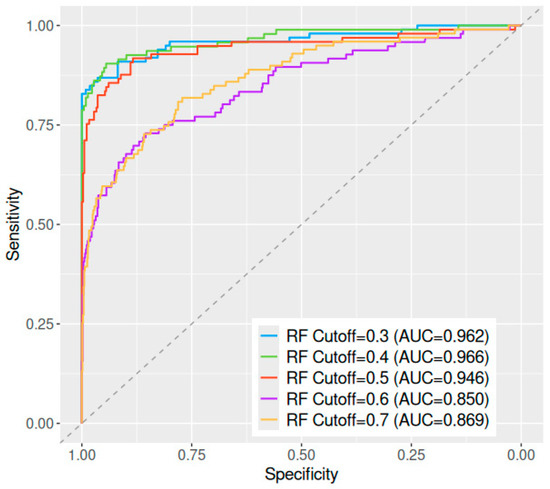
Given the increasing frequency and intensity of floods, which are mostly caused by continuous climate change and growing human pressures on the environment, accurately identifying areas that are susceptible to flooding is a crucial priority for risk reduction and long-term land use planning. Thus, this research examines multilevel flood susceptibility mapping across North Macedonia, using 328 past flood occurrences, 14 conditioning variables derived from a digital elevation model, simplified lithology, and calculated direct runoff. The methodology integrates fuzzy set theory (Fuzzy), analytic hierarchy process (AHP), weighted linear combination (WLC), and random forest (RF) approaches. The two-stage process employs distinct sets of conditioning factors in sequential flood susceptibility mapping: first, generating Fuzzy/AHP/WLC predictions and pseudo-absence data, and second, producing five RF predictions by varying pseudo-absences and binary cutoffs. Validation results indicate that the very high susceptibility class (0.8–1.0) of the Fuzzy/AHP/WLC model predicted 46.6% of flood pixels within 31.6% of the total area. In comparison, the very high susceptibility class of the RF models predicted 88.5%, 78.3%, 60.6%, 48.5%, and 28.3% of flood pixels within 54.7%, 42.2%, 30.5%, 27.0%, and 25.1% of the total area, respectively. The RF models achieved area under the curve (AUC) values exceeding 0.850, with a maximum of 0.966. Additionally, areas of high and low uncertainty were highlighted using a standard deviation map created from the RF models, highlighting agreement/disagreement and potential locations for methodological improvement and focused sampling. The findings also highlight the potential of the multilevel technique for mapping flood susceptibility and call for more research into its potential for future studies and practical uses.
Full article
(This article belongs to the Topic Natural Hazards Monitoring, Risk Assessment, Modelling and Management in the Artificial Intelligence Era)
►▼
Show Figures

Figure 1

Open AccessArticle
View-Invariant 3D Building Retrieval with Topological Perception-Guided Feature Fusion
by
Xinwen Zhang, Yuan Ding, Yi Lu, Xiaoping Rui, Hua Shao and Jin Zhu
ISPRS Int. J. Geo-Inf. 2026, 15(4), 147; https://doi.org/10.3390/ijgi15040147 - 30 Mar 2026
Abstract
►▼
Show Figures
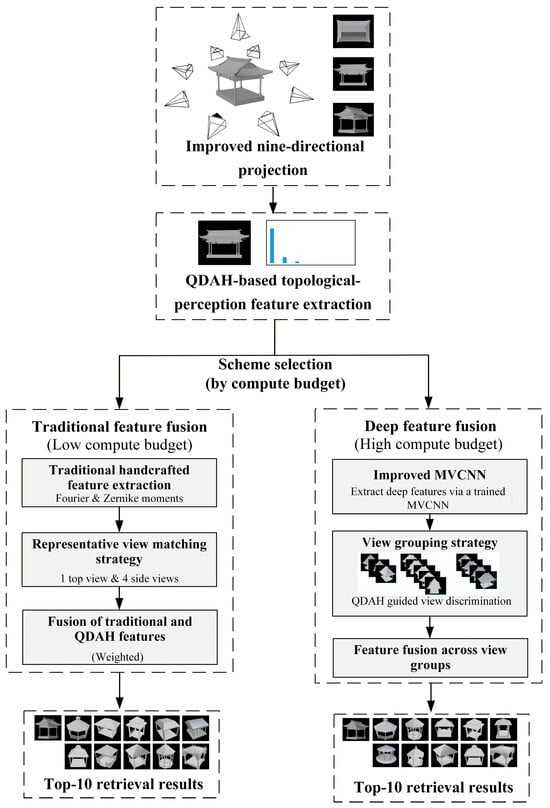
The increasing availability of 3D building models in digital-city applications has made scalable and accurate 3D building model retrieval essential. However, existing methods often struggle to capture the global structure of building models and to achieve stable retrieval results under viewpoint variations. To
[...] Read more.
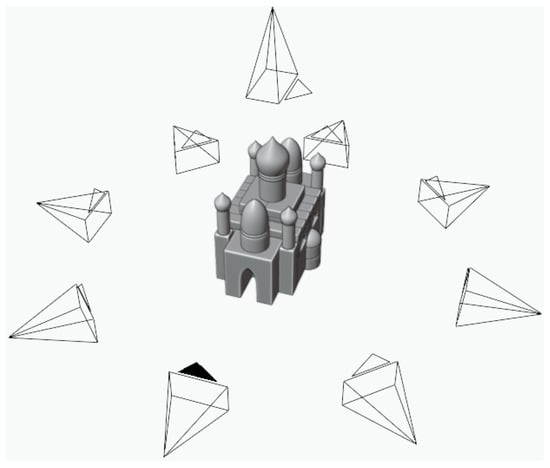
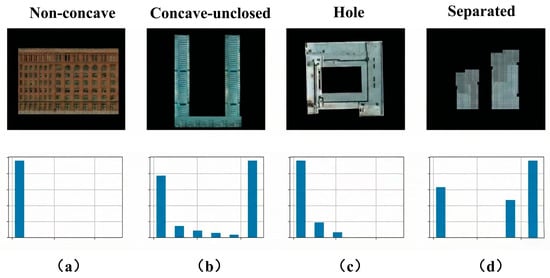
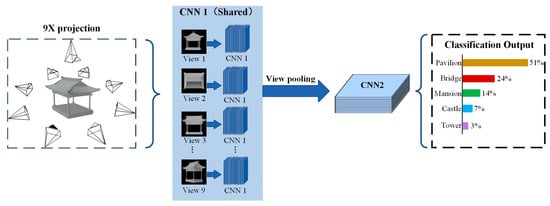
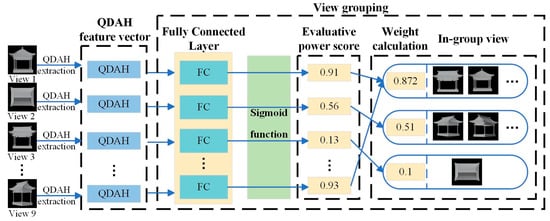
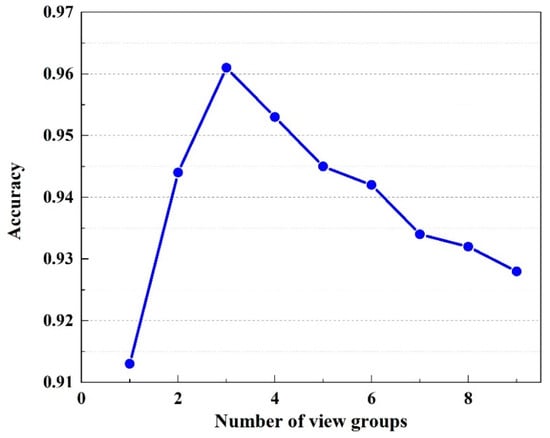
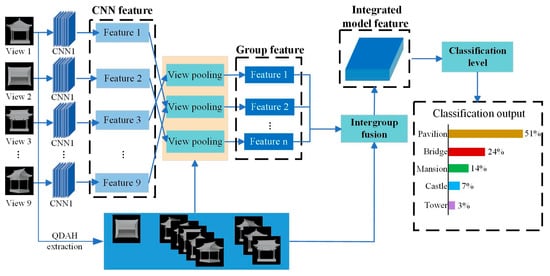
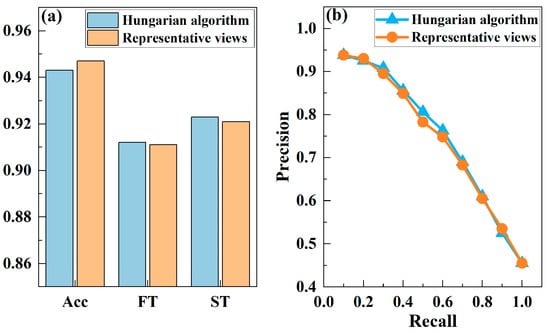
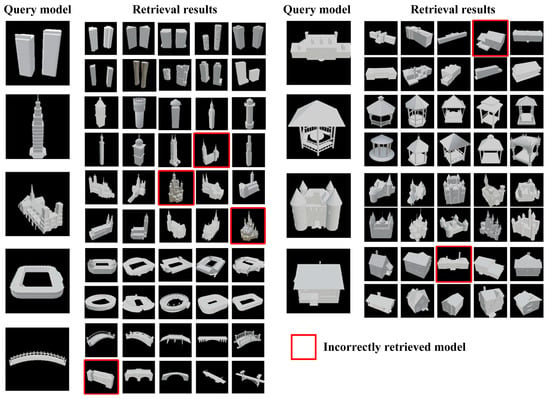
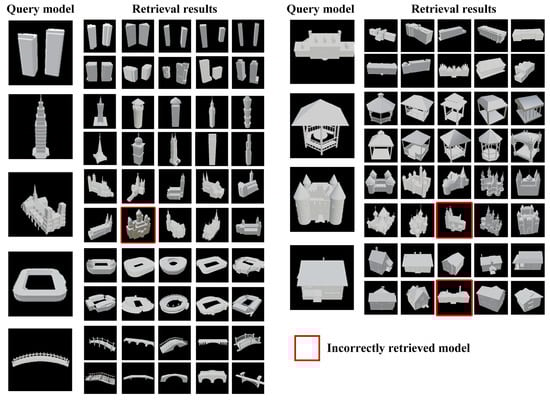
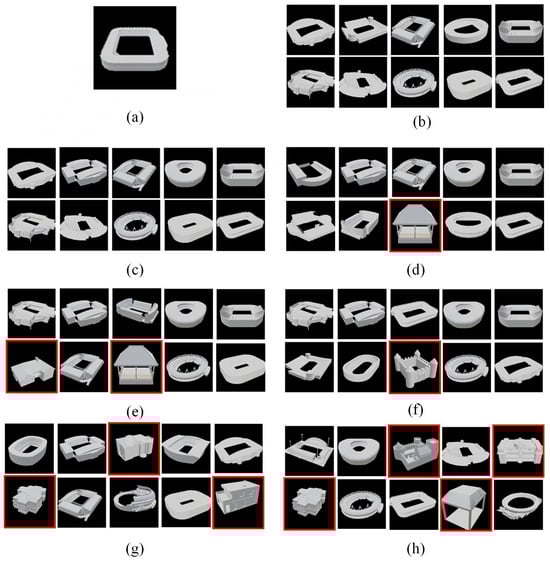
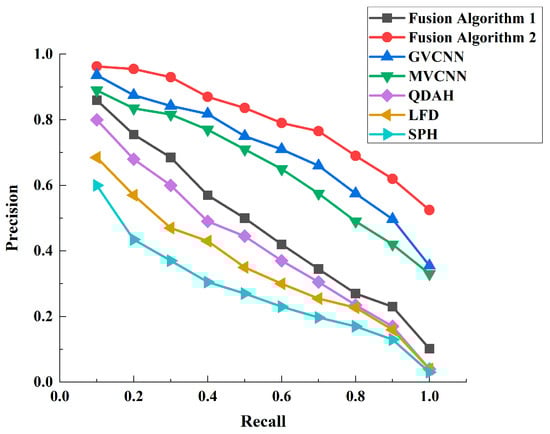
The increasing availability of 3D building models in digital-city applications has made scalable and accurate 3D building model retrieval essential. However, existing methods often struggle to capture the global structure of building models and to achieve stable retrieval results under viewpoint variations. To address these challenges, we propose a topological-perception-guided feature fusion framework with two complementary fusion schemes for different computational budgets. The topological perception features capture global structure and provide relatively viewpoint-stable information, and they are respectively fused with traditional features and deep features for low- and high-compute-budget scenarios. In addition, the topological perception features guide view selection and view grouping to improve retrieval stability. Experiments show that the traditional-feature fusion scheme improves retrieval accuracy by 8.0–25.7 percentage points, while the deep fusion scheme outperforms Multi-view Convolutional Neural Networks (MVCNNs) and Group-View Convolutional Neural Networks (GVCNNs) by 1.2 and 4.0 percentage points, respectively. These results suggest that incorporating topological perception as guidance for feature fusion strengthens global structural representation and supports viewpoint-invariant retrieval for architecturally complex building models.
Full article

Figure 1
Open AccessArticle
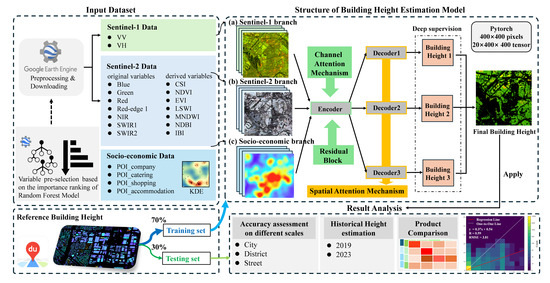
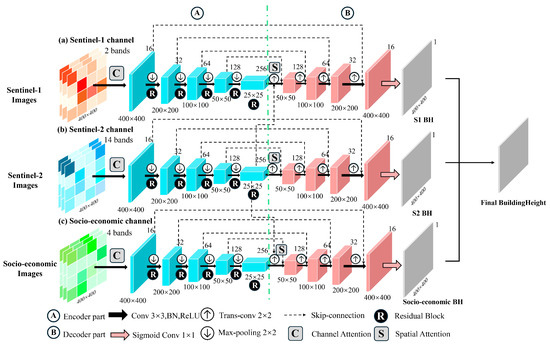
ABHNet: An Attention-Based Deep Learning Framework for Building Height Estimation Fusing Multimodal Data
by
Zhanwu Zhuang, Ning Li, Weiye Xiao, Jiawei Wu and Lei Zhou
ISPRS Int. J. Geo-Inf. 2026, 15(4), 146; https://doi.org/10.3390/ijgi15040146 - 26 Mar 2026
Abstract
►▼
Show Figures
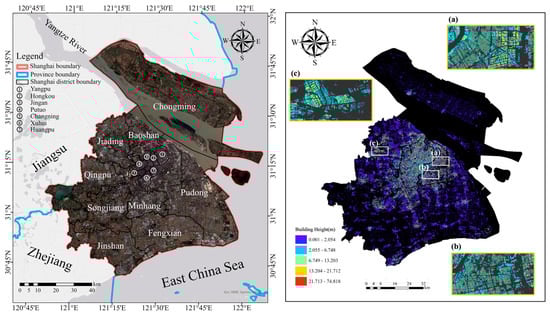
Building height is a key indicator of vertical urbanization and urban morphological complexity, yet accurately mapping building height at fine spatial resolution and large spatial scales remains challenging. This study proposes an attention-based deep learning framework (ABHNet) for building height estimation at a
[...] Read more.
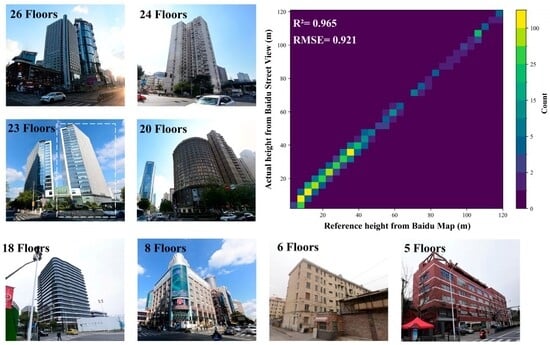
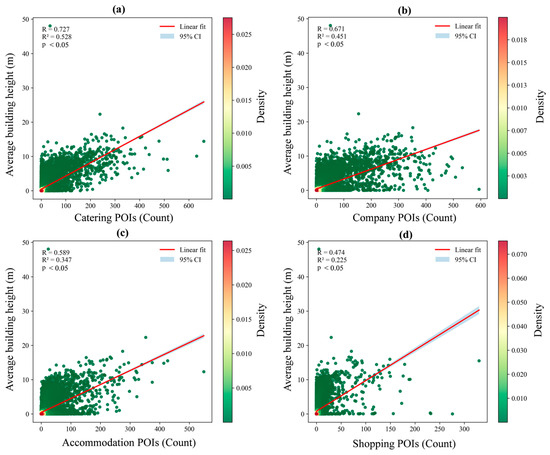
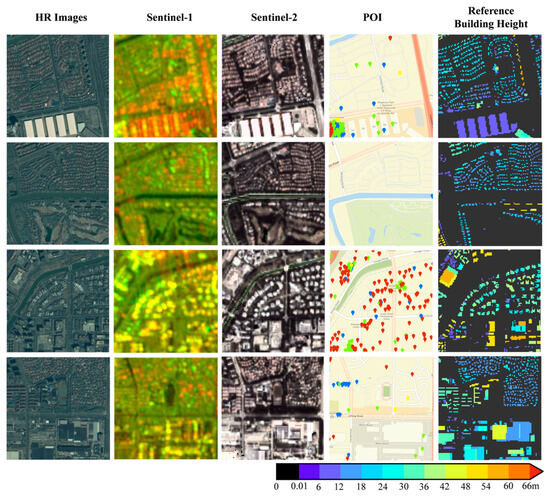
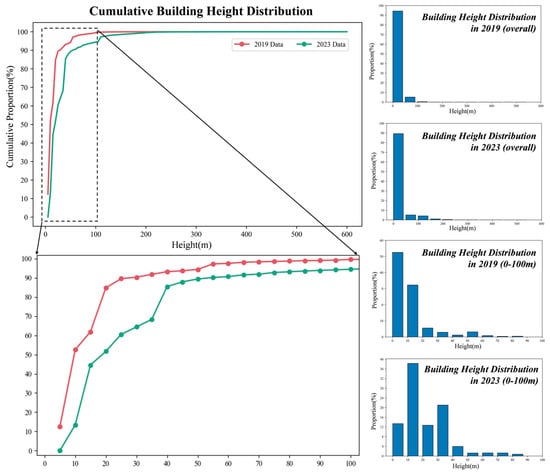
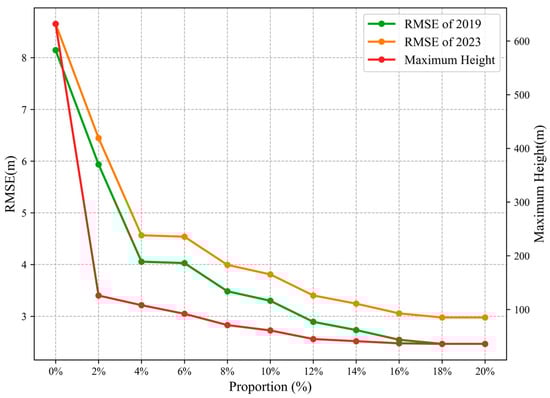
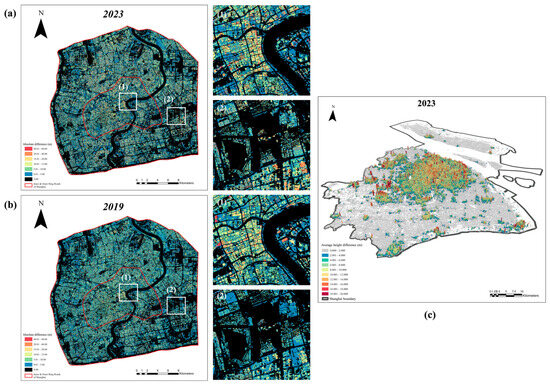
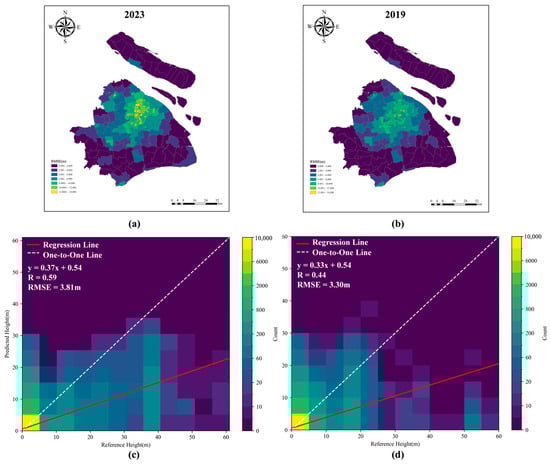
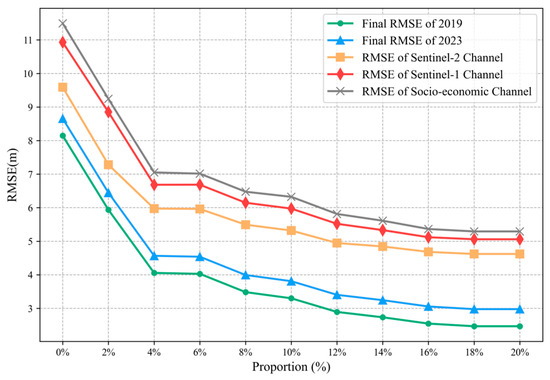
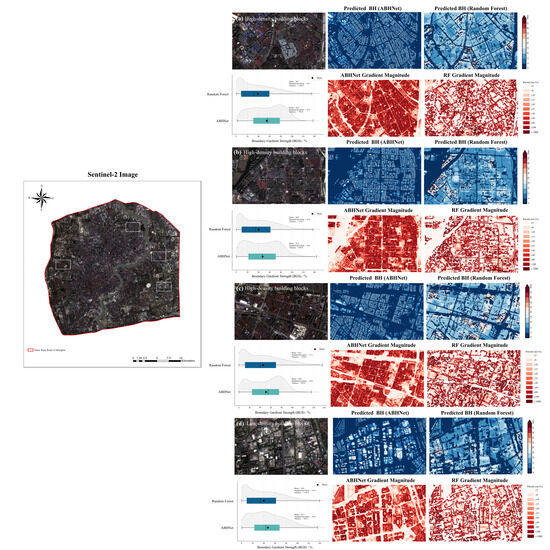
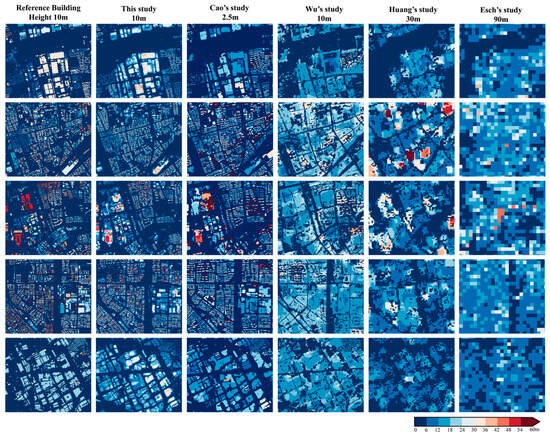
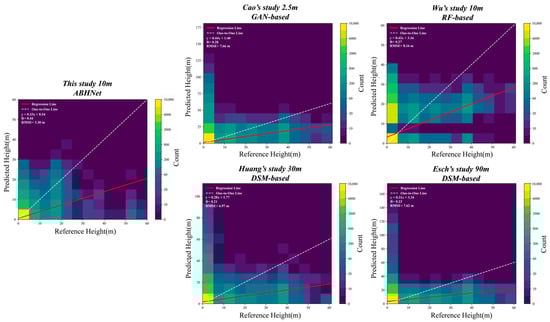
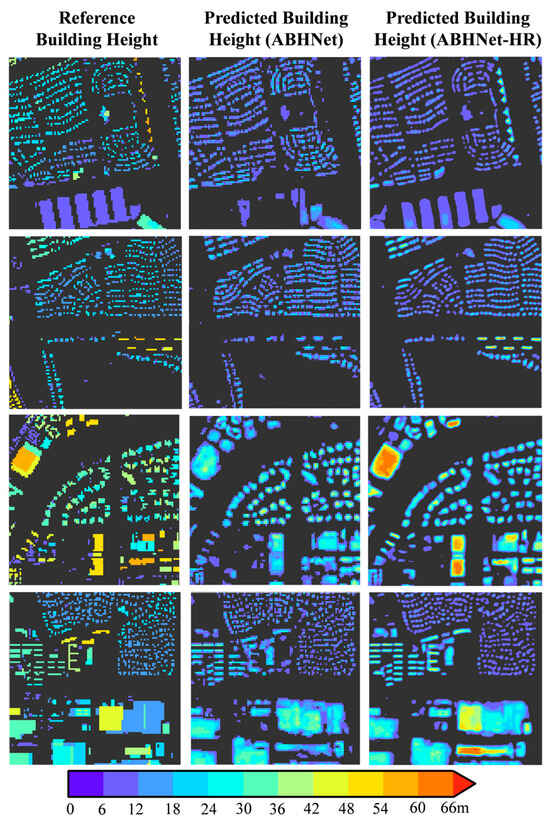
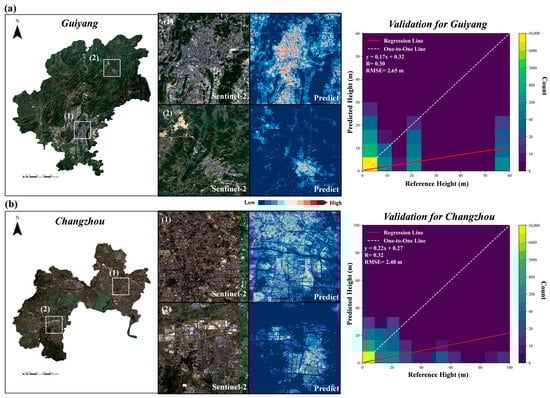
Building height is a key indicator of vertical urbanization and urban morphological complexity, yet accurately mapping building height at fine spatial resolution and large spatial scales remains challenging. This study proposes an attention-based deep learning framework (ABHNet) for building height estimation at a 10 m spatial resolution by integrating multi-source remote sensing data and socioeconomic information. The model jointly exploits Sentinel-1 synthetic aperture radar data, Sentinel-2 multispectral imagery, and point of interest (POI) data. The proposed framework is evaluated in Shanghai, a megacity with dense and vertically complex urban structures, using Baidu Maps-derived building height data as reference information. The results demonstrate that the proposed method achieves accurate building height estimation, with a root mean squared error (RMSE) of 3.81 m and a mean absolute error (MAE) of 0.96 m for 2023, and an RMSE of 3.30 m and an MAE of 0.78 m for 2019, indicating robust performance across different time periods. Also, this model is applied in two other cities (Changzhou and Guiyang) and the results indicate good performance. In addition, the expandability of the framework is examined by incorporating higher-resolution ZY-3 imagery, for which the spatial resolution was increased to 2.5 m, highlighting the potential extension of the model to heterogeneous data sources. Overall, this study demonstrates the effectiveness of attention-based deep learning and multimodal data fusion for large-scale and fine-resolution building height estimation using open-source data.
Full article

Figure 1
Open AccessArticle
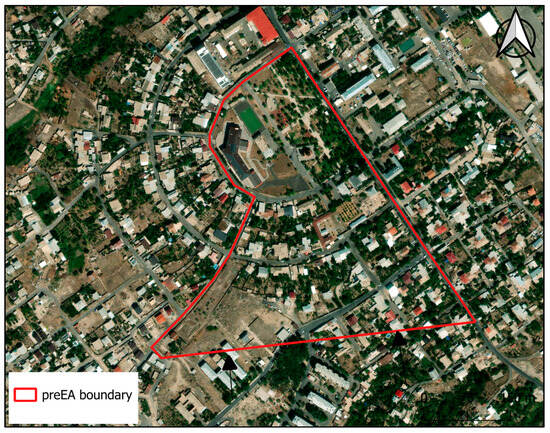
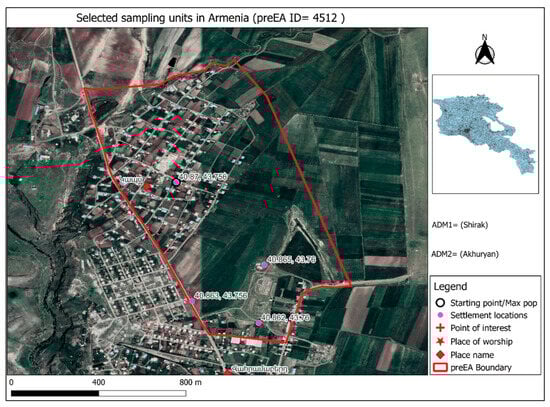
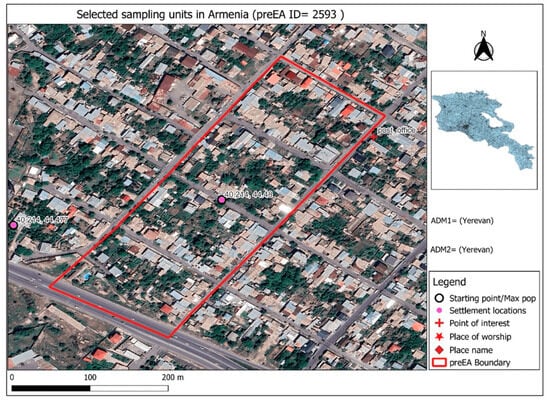
Leveraging Geospatial Techniques and Publicly Available Datasets to Develop a Cost-Effective, Digitized National Sampling Frame: A Case Study of Armenia
by
Saida Ismailakhunova, Avralt-Od Purevjav, Tsenguunjav Byambasuren and Sarchil H. Qader
ISPRS Int. J. Geo-Inf. 2026, 15(4), 145; https://doi.org/10.3390/ijgi15040145 - 26 Mar 2026
Abstract
►▼
Show Figures
The lack of a reliable national sampling frame poses a major challenge for conducting representative population and household surveys, particularly in developing countries affected by displacement and rapid territorial change. This study addresses this gap by developing Armenia’s first digitized national sampling frame,
[...] Read more.
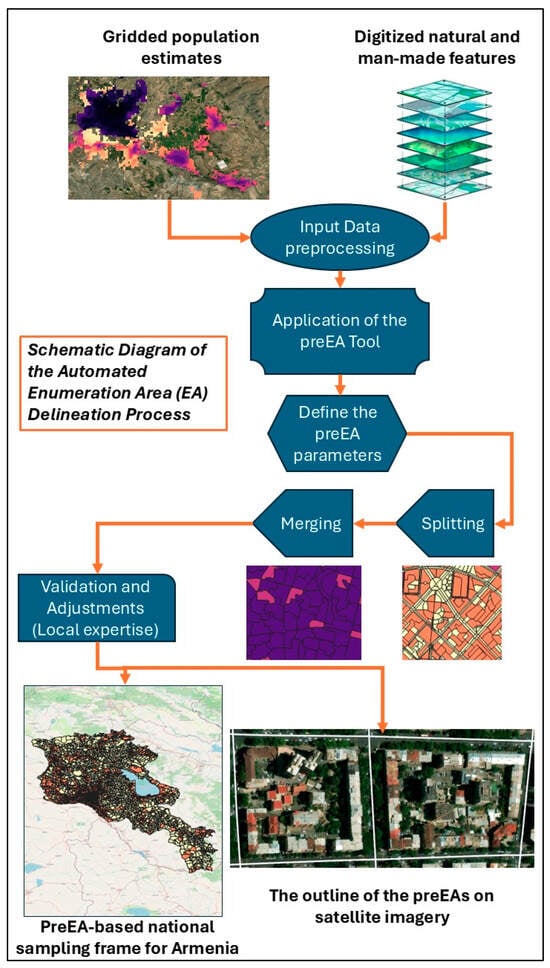
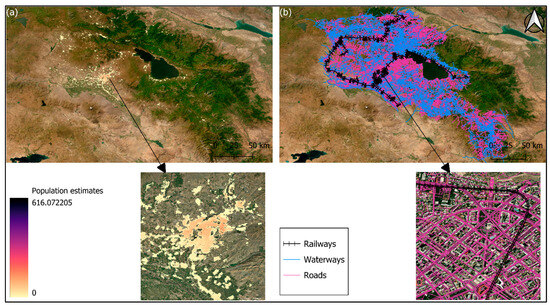
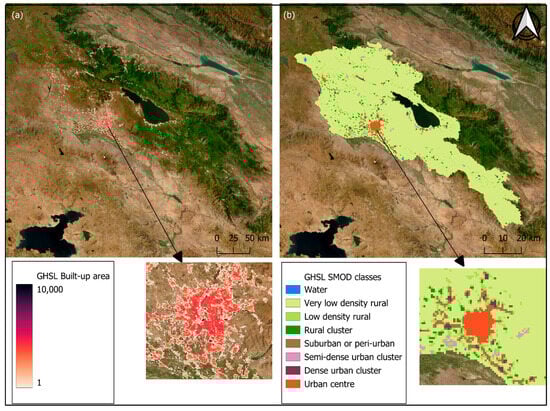
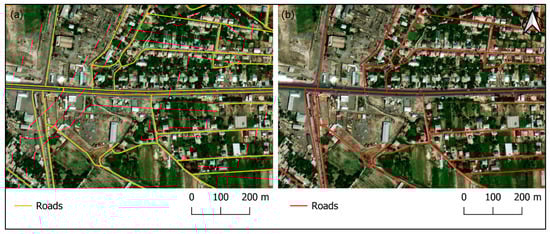
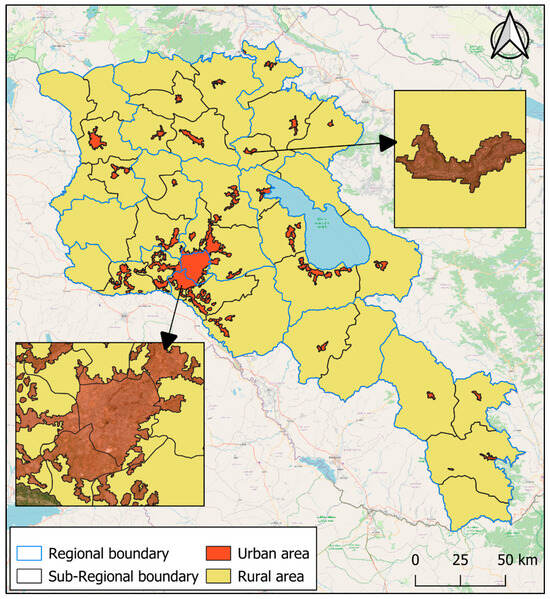
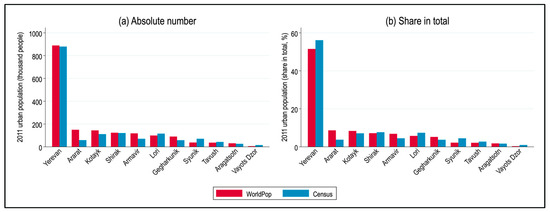
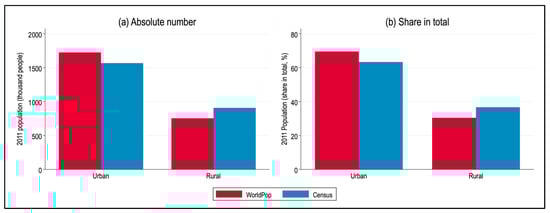
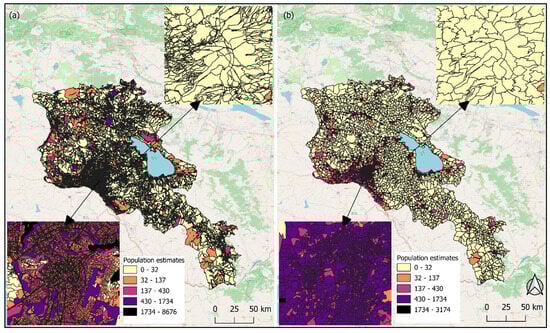
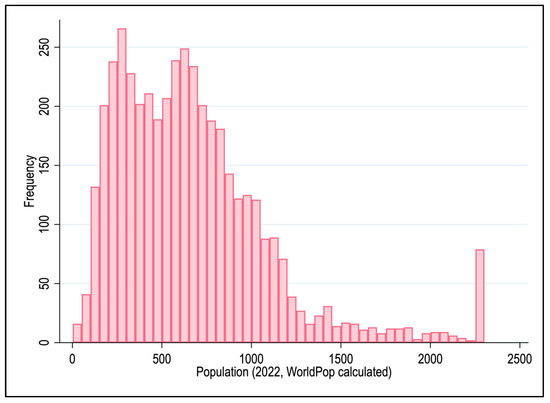
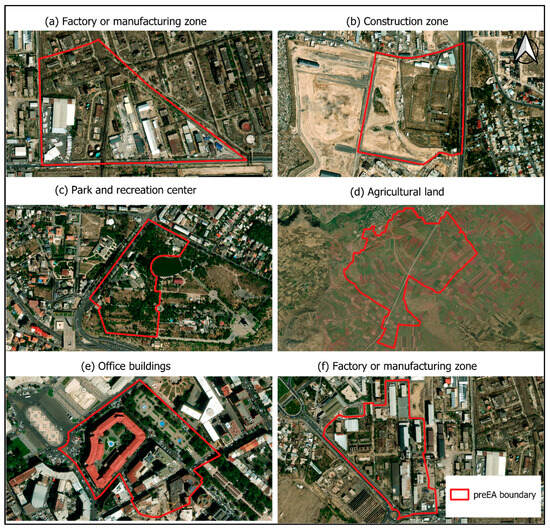
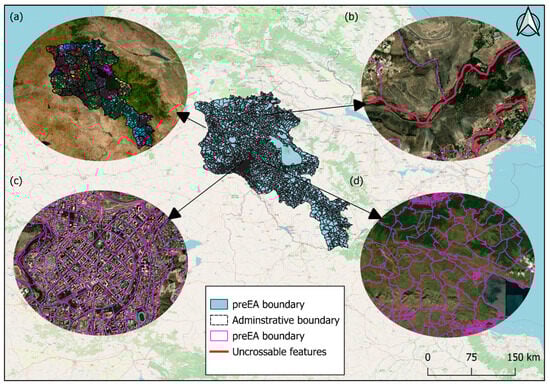
The lack of a reliable national sampling frame poses a major challenge for conducting representative population and household surveys, particularly in developing countries affected by displacement and rapid territorial change. This study addresses this gap by developing Armenia’s first digitized national sampling frame, where accessible survey frames are severely limited. We introduce an innovative pre-EA tool to semi-automatically construct the digital sampling frame using publicly available datasets. Compared with traditional approaches, this method outperforms in several ways: it enables rapid, semi-automated frame construction, minimizes resource requirements, eliminates geometric errors associated with manual digitization, and produces pre-census EAs (pre-EAs) that both nest within administrative boundaries and align with visible ground features. The approach also integrates gridded population data to reflect recent urbanization and migration, generating pre-census EAs and urban–rural classifications suitable for national surveys. The sampling frame was successfully applied in the World Bank’s “Listening to Armenia” survey. Overall, the study demonstrates that automated, data-driven approaches can efficiently produce accurate, scalable, and adaptable national sampling frames, offering potential utility in other countries facing similar constraints.
Full article

Figure 1
Open AccessArticle
LLM-Based Map Conflation: Performance Assessment on Matching Embedded Road Lines
by
Müslüm Hacar and Özge Öztürk Hacar
ISPRS Int. J. Geo-Inf. 2026, 15(4), 144; https://doi.org/10.3390/ijgi15040144 - 25 Mar 2026
Abstract
►▼
Show Figures
Map conflation is essential for integrating heterogeneous road datasets, but it often requires region- and data-specific algorithm design to automate the complex identification of feature-to-feature correspondences. This effort is increased when only cartographic products are available instead of GIS-ready vectors since both digitization
[...] Read more.
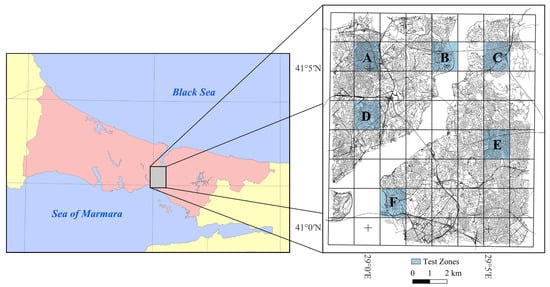
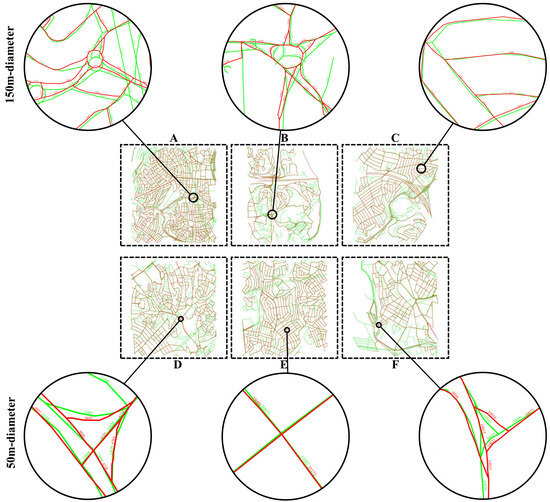
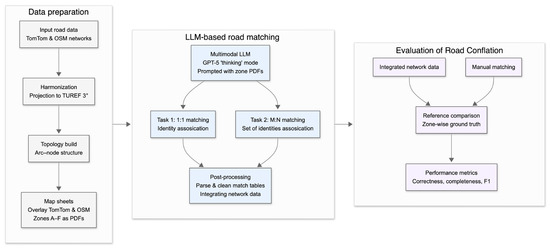
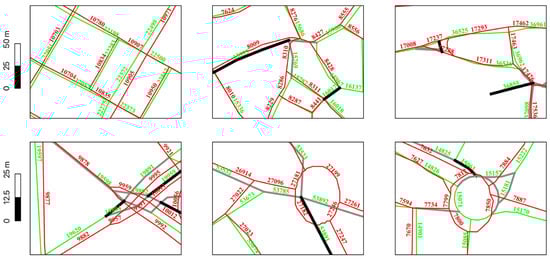
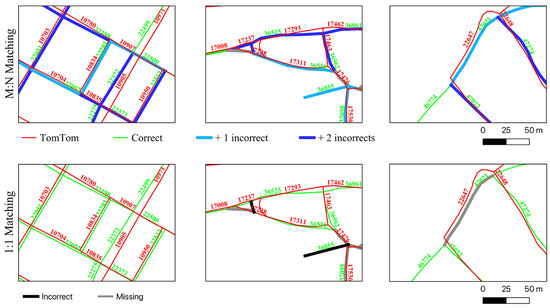
Map conflation is essential for integrating heterogeneous road datasets, but it often requires region- and data-specific algorithm design to automate the complex identification of feature-to-feature correspondences. This effort is increased when only cartographic products are available instead of GIS-ready vectors since both digitization or matching corresponding features manually are labor-intensive. In this study, we assess the performance of a multimodal LLM, GPT-5 “thinking” mode for map conflation directly on a PDF map where road networks from TomTom and OpenStreetMap are embedded as colored polylines. We instruct the LLM to interpret the PDF, extract road geometries and their identifiers, and generate both strict 1:1 and flexible M:N matches. In any hybrid-patterned network cases located around Bosphorus, Istanbul, while M:N matching process increased the number of matches, it also increased false positives and lowered overall F1 scores. In contrast, 1:1 matching produced more balanced correctness-completeness results. The model achieves its highest performance in the cellular-patterned networks. The results show that LLM-based matching can detect a substantial share of true correspondences in such a challenging hybrid setting, but performance clearly depends on the matching strategy: strict or flexible. It highlights both the potential promise and the current limitations of matching embedded road lines.
Full article

Figure 1
Open AccessArticle
Jewelry Store Cluster Forms and Characteristics of Urban Commercial Spaces in Macau
by
Jingwei Liang, Liang Zheng, Qingnian Deng, Yufei Zhu, Jiahai Liang and Yile Chen
ISPRS Int. J. Geo-Inf. 2026, 15(4), 143; https://doi.org/10.3390/ijgi15040143 - 25 Mar 2026
Abstract
As a world-renowned tourist and gaming city, Macau’s jewelry industry has formed significant spatial clustering driven by the integration of the tourism and gaming industries. However, existing research has not thoroughly explored the coupling mechanism between the agglomeration of this high-value industry and
[...] Read more.
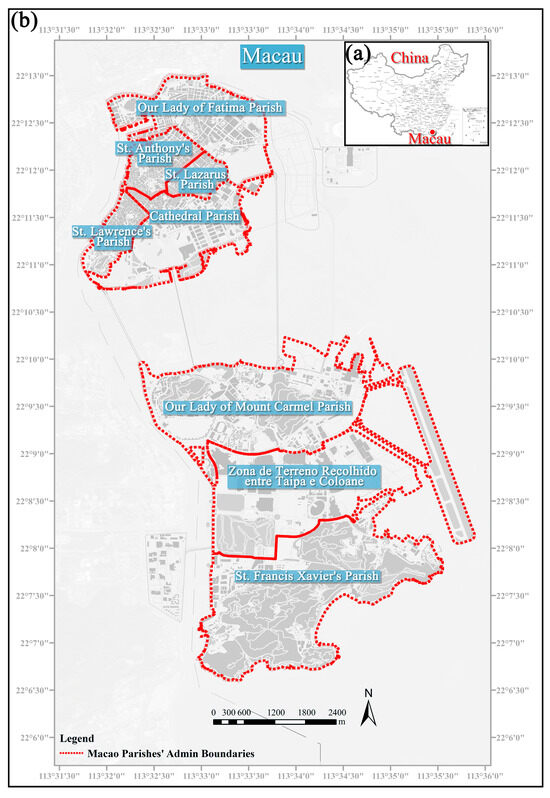
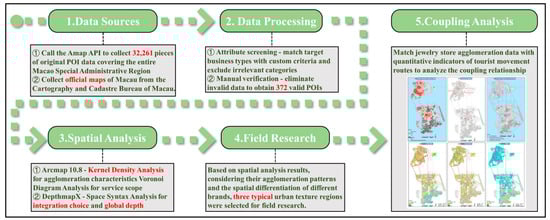
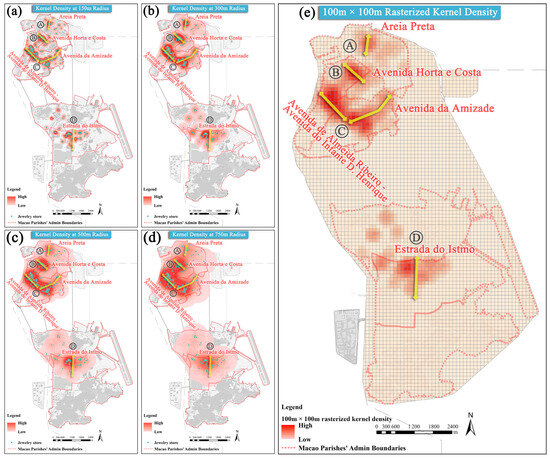
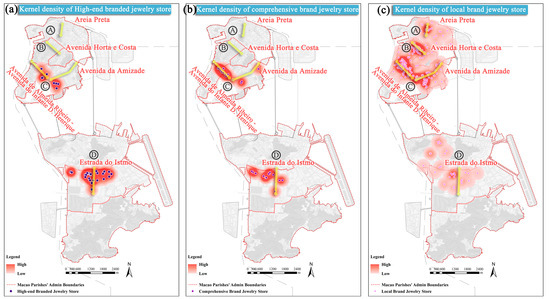
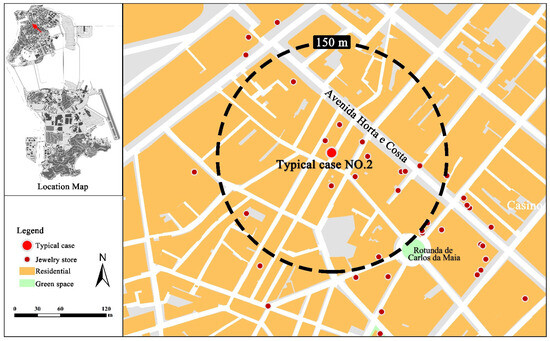
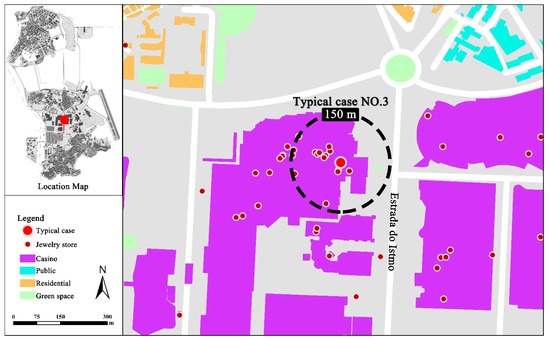
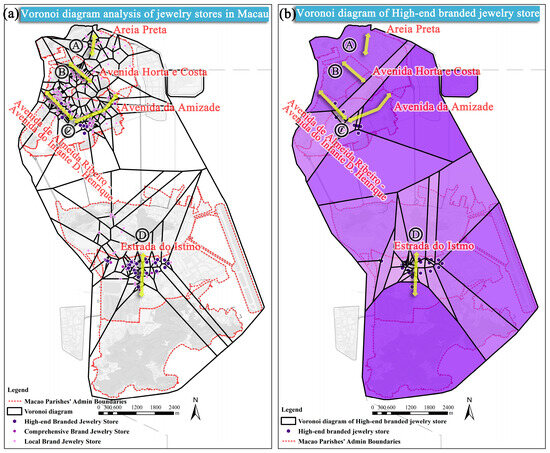
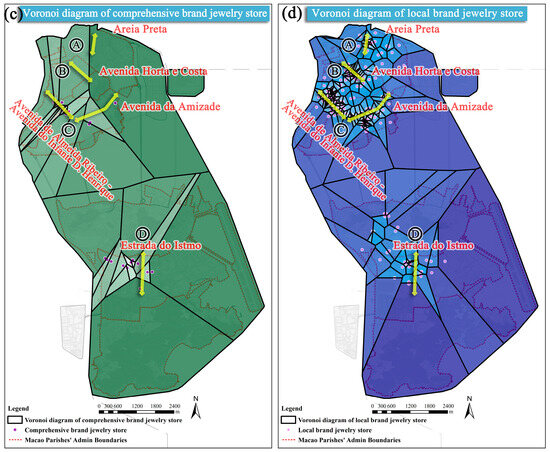
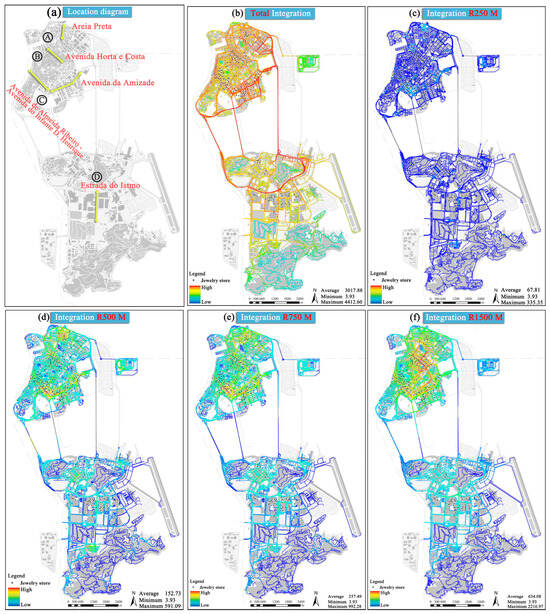
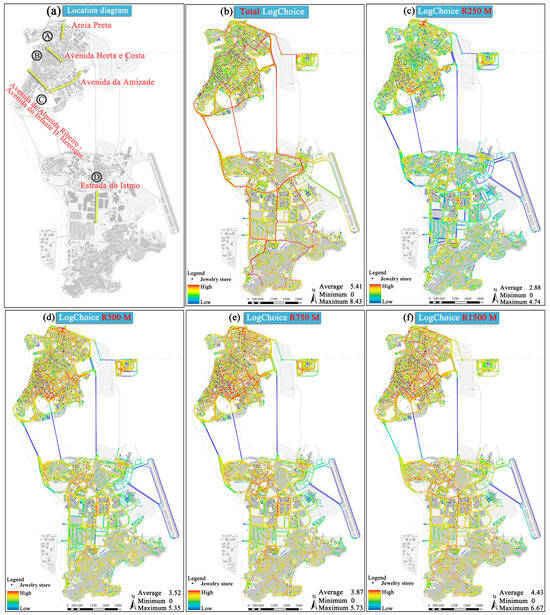
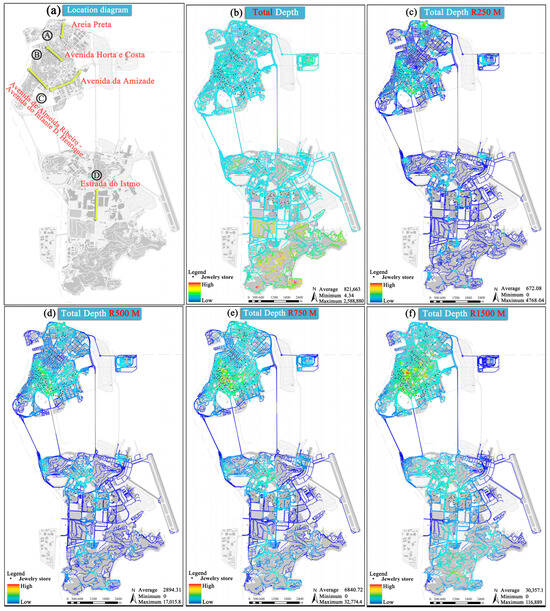
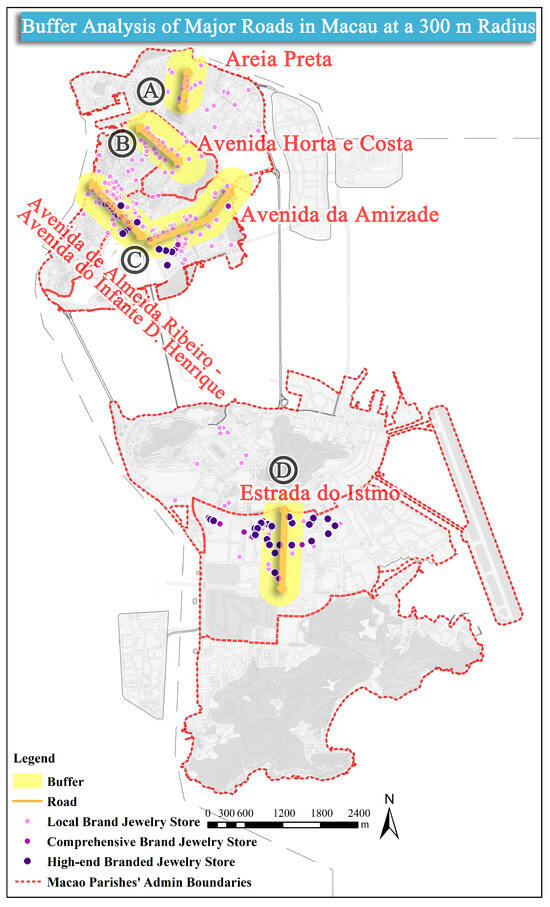
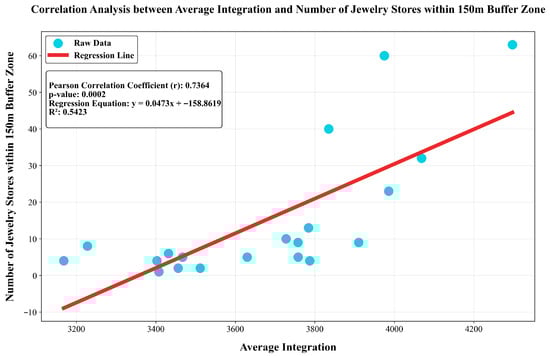
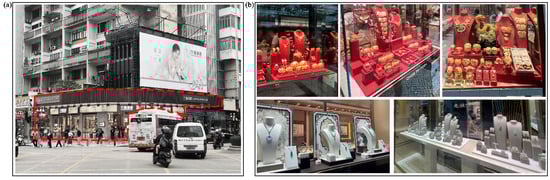
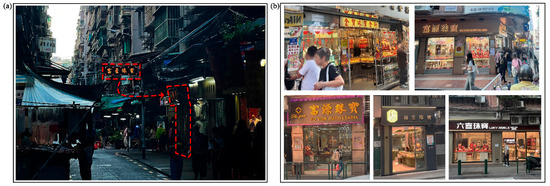
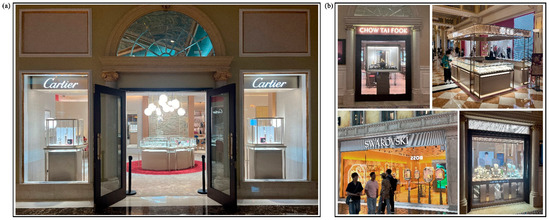
As a world-renowned tourist and gaming city, Macau’s jewelry industry has formed significant spatial clustering driven by the integration of the tourism and gaming industries. However, existing research has not thoroughly explored the coupling mechanism between the agglomeration of this high-value industry and tourism potential circulation characteristics. Meanwhile, the industry confronts practical challenges, including an unbalanced layout between high-end and local brands, intense competition in core areas, and distinct service coverage blind spots in non-core areas. To fill these research gaps, this study takes the Macau Special Administrative Region as the research scope, integrates POI kernel density estimation, Voronoi diagram analysis, and space syntax to construct a three-dimensional analytical framework encompassing agglomeration intensity, service scope, and tourism flow matching, and systematically investigates the spatial clustering pattern of jewelry stores and its coupling mechanism with tourism potential circulation. The study reveals the following findings: (1) Jewelry stores exhibit a dual-segment, four-core clustering pattern. Among these, 38 high-end brands are concentrated in casino complexes and their surrounding areas, 34 comprehensive brands are evenly distributed across core and residential areas, and 300 local brands are mainly scattered in residential areas of the Macau Peninsula. (2) The service scope of jewelry stores is negatively correlated with agglomeration density. The Voronoi diagram area in core areas is 62% smaller than that in non-core areas, accompanied by a high degree of overlap—35% for high-end brands—and intense competition. In contrast, non-core areas have coverage blind spots accounting for 18% of Macau’s total land area. (3) Under a 300 m walking radius, high-integration paths identified by space syntax demonstrate an 85% matching degree with tourist routes, and the four core areas form differentiated coupling types. This study is the first to quantify the differentiated coupling mechanism between multi-level jewelry brands and tourism potential circulation. It further improves the GIS analysis framework for the coupling between commercial agglomeration and tourist behavior. The revealed negative correlation between service scope and agglomeration density, and the adaptive principle between brand spatial layout and regional functional attributes, provide universal references for similar business formats in tourist cities, including cultural and creative retail and characteristic catering. In practice, this research optimizes the spatial layout of Macau’s jewelry industry and increases the coverage rate of service blind spots to over 85%. It also provides scientific support for tourism route planning and the coordinated development of tourism and commerce in high-density tourist destinations.
Full article
(This article belongs to the Topic Innovative Approaches in Geospatial Analysis and Modeling of Urban Environments)
►▼
Show Figures

Figure 1

Open AccessArticle
Mapping Mental Wellbeing and Air Pollution: A Geospatial Data Approach
by
Morgan Ecclestone and Thomas Johnson
ISPRS Int. J. Geo-Inf. 2026, 15(4), 142; https://doi.org/10.3390/ijgi15040142 - 25 Mar 2026
Abstract
Urban air pollution is increasingly recognised as a determinant of mental wellbeing, yet most existing studies rely on static exposure estimates and lack spatial granularity. This limits understanding of how pollutant-specific patterns influence psychological states in real-world settings. To address this gap, we
[...] Read more.
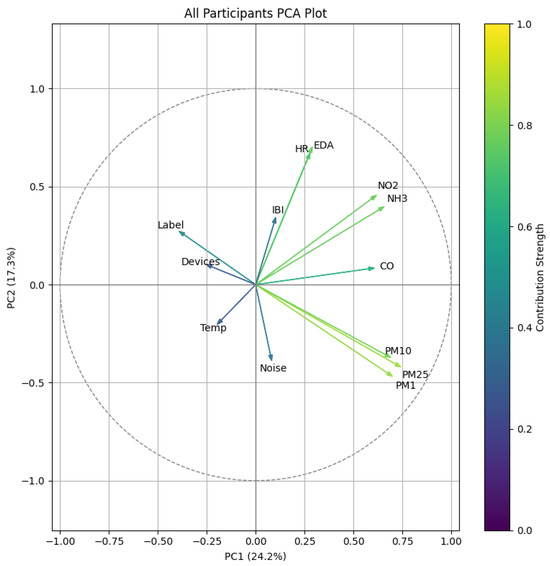
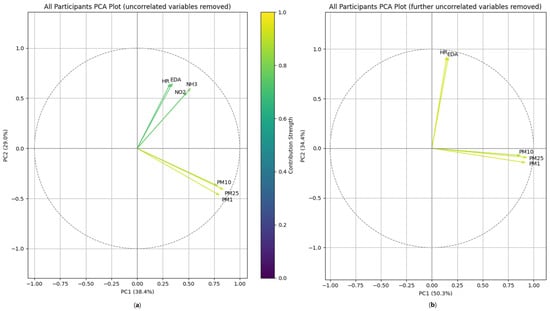
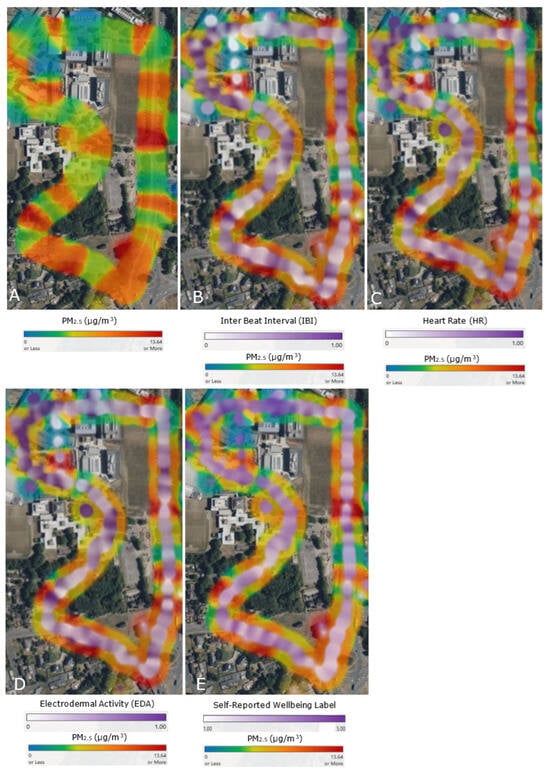
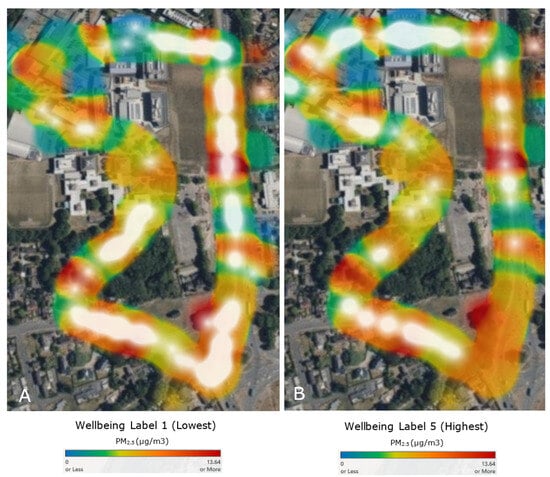
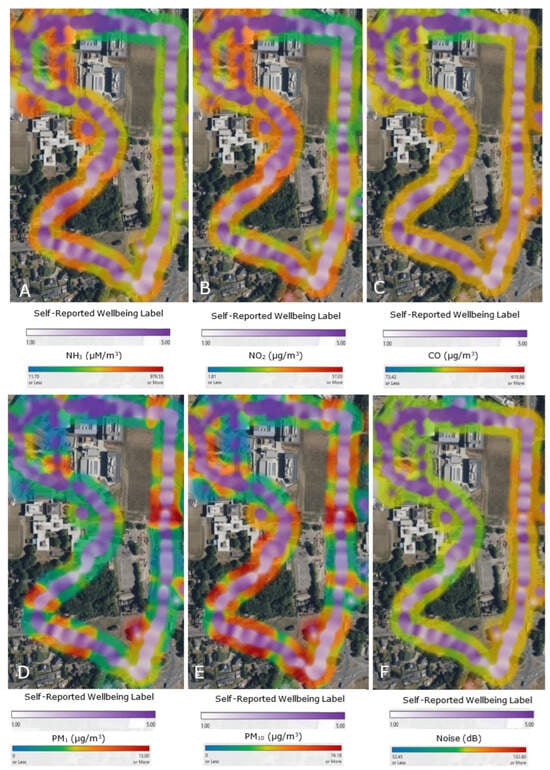
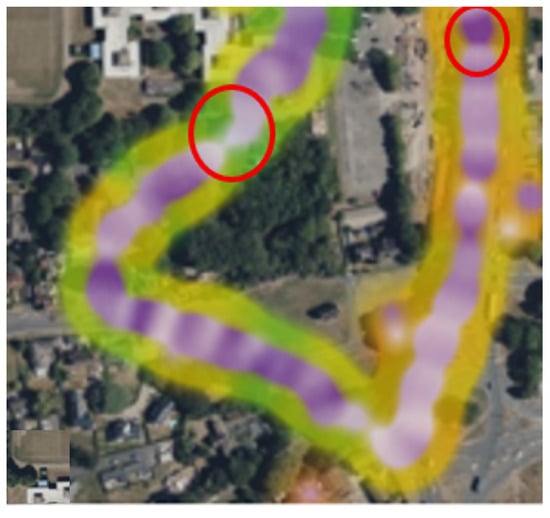
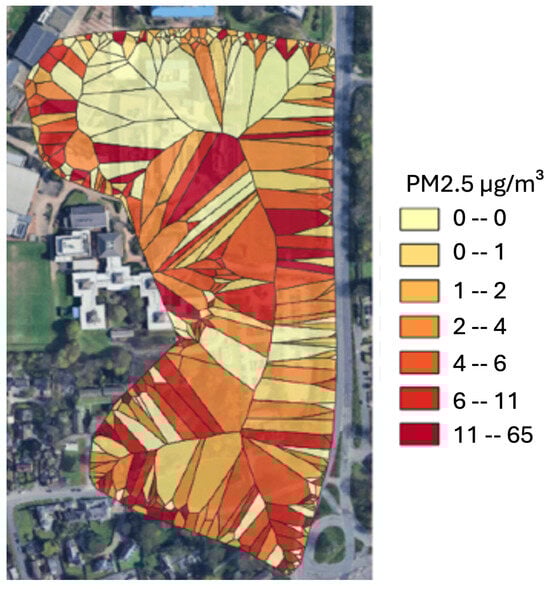
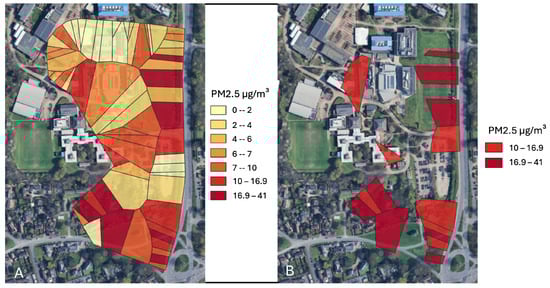
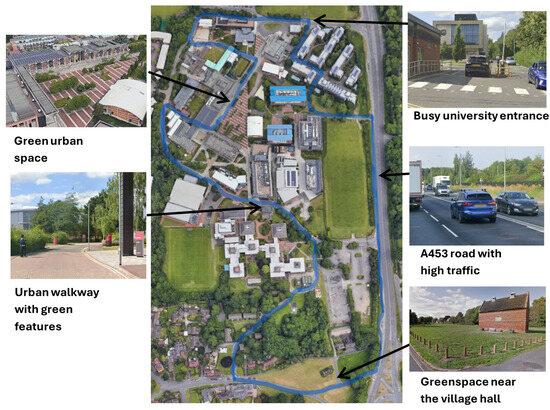
Urban air pollution is increasingly recognised as a determinant of mental wellbeing, yet most existing studies rely on static exposure estimates and lack spatial granularity. This limits understanding of how pollutant-specific patterns influence psychological states in real-world settings. To address this gap, we integrate real-time environmental and physiological data from 40 participants using the DigitalExposome dataset, applying multivariate and spatial analysis techniques. Our findings confirm that Particulate Matter (PM2.5) exerts the strongest negative association with mental wellbeing while extending prior work by establishing a preliminary ranking of other pollutants Particulate Matter (PM10), Particulate Matter (PM1), Carbon Monoxide (CO), Nitrogen Dioxide (NO2), Ammonia (NH3). We applied statistical and spatial analysis methods, including heatmaps and Voronoi diagrams, to explore links between pollutants and wellbeing and compare the relative influence of air pollution and noise. This enabled identification of pollutant-specific hotspots and multi-level wellbeing patterns across individual, accumulated, and collective scales. These results demonstrate the value of spatial analysis for environmental health research and support targeted urban interventions, such as green space placement and traffic re-routing, to mitigate mental wellbeing risks.
Full article
(This article belongs to the Special Issue HealthScape: Intersections of Health, Environment, and GIS&T (2nd Edition))
►▼
Show Figures

Figure 1
Open AccessArticle
Where Matters: Geographic Influences on Emergency Response—A Case Study of Dallas, Texas
by
Yanan Wu, Yalin Yang and May Yuan
ISPRS Int. J. Geo-Inf. 2026, 15(4), 141; https://doi.org/10.3390/ijgi15040141 - 25 Mar 2026
Abstract
Does where an incident happens affect how quickly first responders arrive? Timely emergency responses are important to urban safety. However, the combined influence of street-level environments, operational conditions, and neighborhood contexts on dispatch performance remains unclear. We examined such geographical complexity by modeling
[...] Read more.
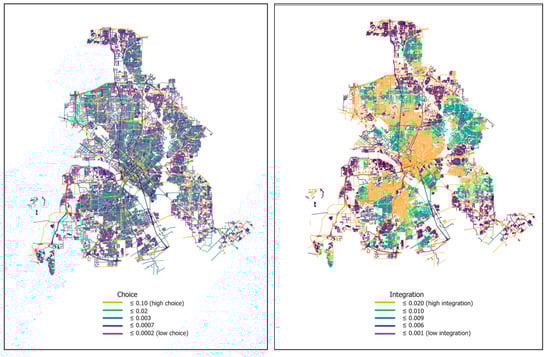
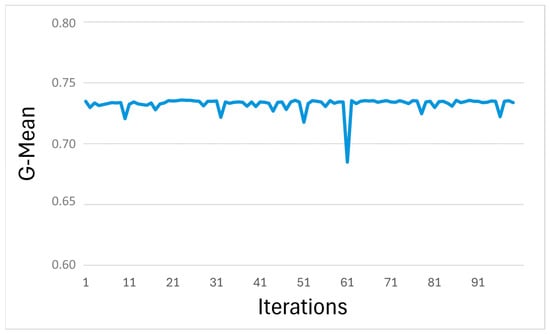
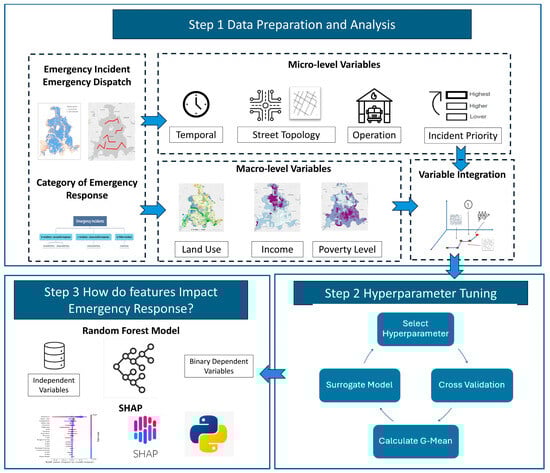
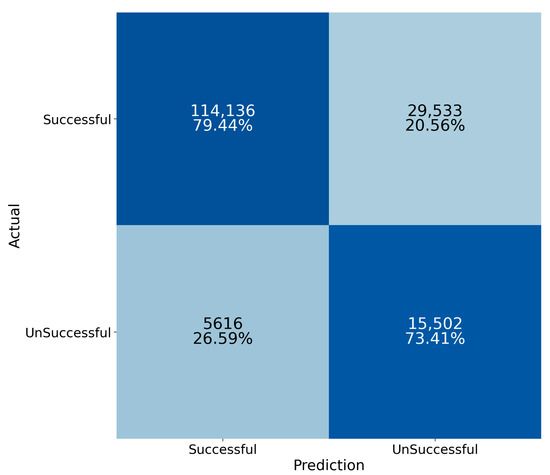
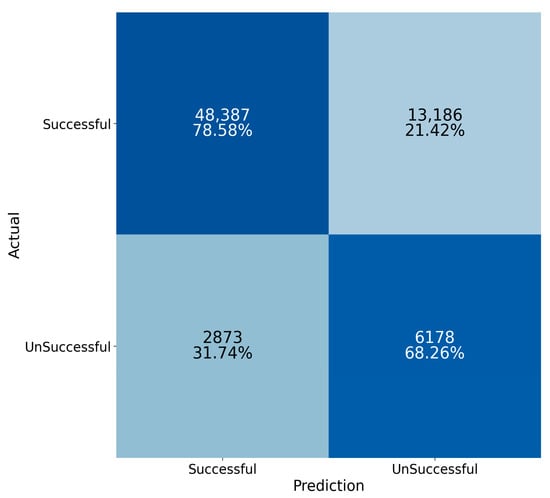
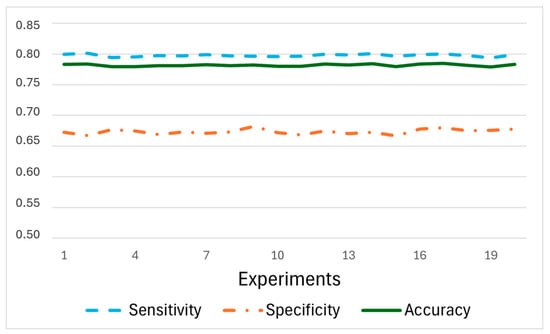
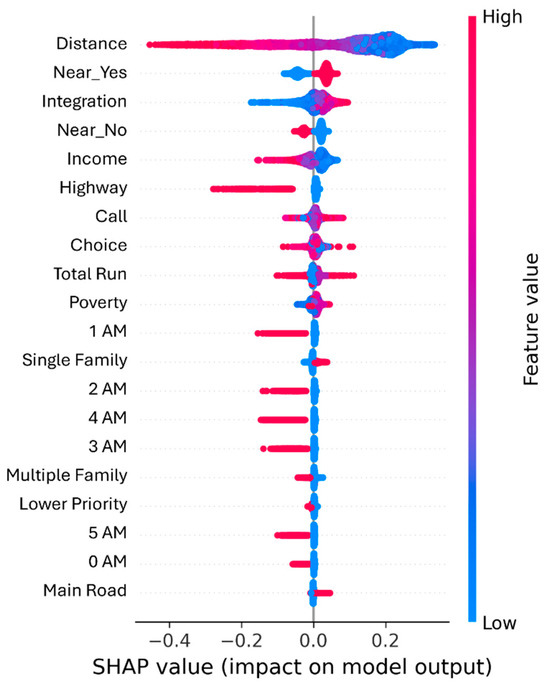
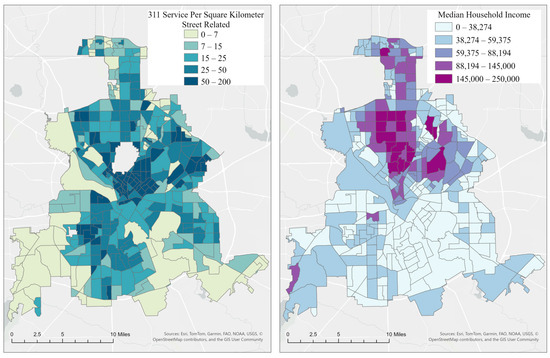
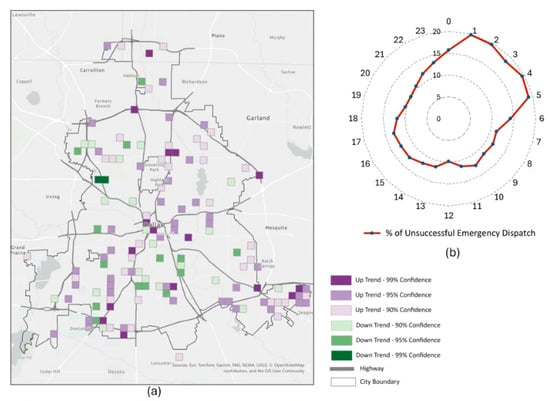
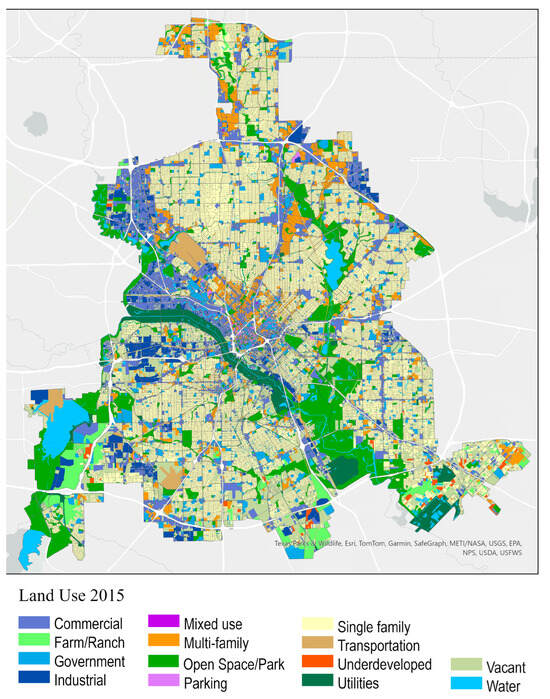
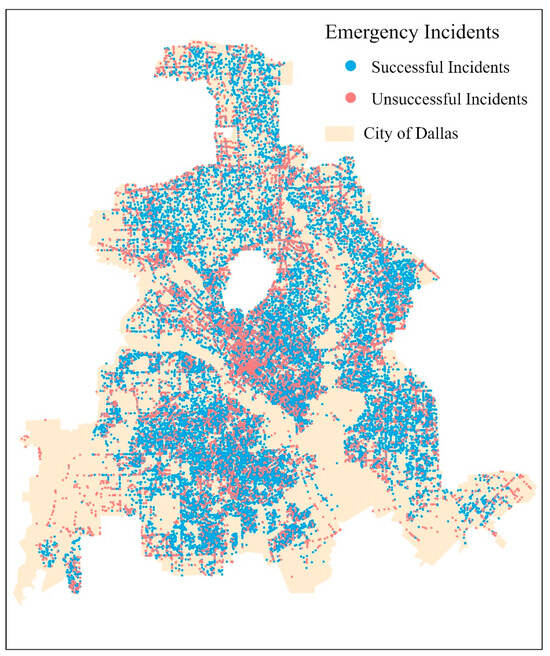
Does where an incident happens affect how quickly first responders arrive? Timely emergency responses are important to urban safety. However, the combined influence of street-level environments, operational conditions, and neighborhood contexts on dispatch performance remains unclear. We examined such geographical complexity by modeling geographic predictors for whether emergency vehicles successfully arrived at incidents in the city of Dallas within the city’s eight-minute benchmark. Using 250,647 incidents and 56 million GPS points along emergency dispatch routes in 2016, we compiled fourteen spatial and operational variables for every incident to train a Bayesian-optimized random forest classifier. The fourteen variables characterized street network topology, roadway attributes, land use, and socioeconomic status, and the model achieved an accuracy of 77.26% in predicting whether emergency response arrived at an incident within eight minutes. A longer distance to dispatch stations, dispatching from non-nearest stations, and low street–network integration were the strongest predictors of unsuccessful responses. Higher-income areas showed slightly elevated unsuccessful rates linked to frequent construction-related disruptions. These findings highlight emergency response as a coupled spatial–operational–temporal process and underscore the need for context-sensitive dispatch strategies and coordinated urban planning.
Full article
(This article belongs to the Topic Innovative Approaches in Geospatial Analysis and Modeling of Urban Environments)
►▼
Show Figures

Figure 1

Journal Menu
► ▼ Journal Menu-
- IJGI Home
- Aims & Scope
- Editorial Board
- Reviewer Board
- Topical Advisory Panel
- Instructions for Authors
- Special Issues
- Topics
- Topical Collections
- Article Processing Charge
- Indexing & Archiving
- Editor’s Choice Articles
- Most Cited & Viewed
- Journal Statistics
- Journal History
- Journal Awards
- Society Collaborations
- Conferences
- Editorial Office
Journal Browser
► ▼ Journal BrowserHighly Accessed Articles
Latest Books
E-Mail Alert
News
Topics
Topic in
Architecture, Buildings, Infrastructures, Sensors, Sustainability, IJGI, Automation
Innovative Horizons: Digital Technologies in Modern Construction and Infrastructure
Topic Editors: Zhen Lei, Ala Suliman, Hexu LiuDeadline: 30 May 2026
Topic in
AI, Applied Sciences, Electronics, J. Imaging, Sensors, IJGI
State-of-the-Art Object Detection, Tracking, and Recognition Techniques
Topic Editors: Mang Ye, Jingwen Ye, Cuiqun ChenDeadline: 30 June 2026
Topic in
Algorithms, Data, Earth, Geosciences, Mathematics, Land, Water, IJGI
Applications of Algorithms in Risk Assessment and Evaluation
Topic Editors: Yiding Bao, Qiang WeiDeadline: 31 July 2026
Topic in
Applied Sciences, Drones, Geomatics, Heritage, IJGI, Remote Sensing, Sensors
3D Documentation of Natural and Cultural Heritage
Topic Editors: Lorenzo Teppati Losè, Elisabetta Colucci, Arnadi MurtiyosoDeadline: 31 August 2026
Conferences
Special Issues
Special Issue in
IJGI
Indoor Mobile Mapping and Location-Based Knowledge Services
Guest Editors: Eliseo Clementini, Zhiyong ZhouDeadline: 30 June 2026
Special Issue in
IJGI
HealthScape: Intersections of Health, Environment, and GIS&T (2nd Edition)
Guest Editors: Lan Mu, Jue YangDeadline: 30 June 2026
Special Issue in
IJGI
Spatial Data Science and Knowledge Discovery
Guest Editors: Jingzhong Li, Dev Raj Paudyal, Binbin LuDeadline: 30 June 2026
Special Issue in
IJGI
Testing the Quality of GeoAI-Generated Data for VGI Mapping
Guest Editors: James D. Carswell, Lasith NiroshanDeadline: 30 June 2026