Journal Description
Current Oncology
Current Oncology
is an international, peer-reviewed, open access journal that since 1994 represents a multidisciplinary medium for clinical oncologists to report and review progress in the management of this disease, and published monthly online by MDPI (from Volume 28, Issue 1 - 2021). The Canadian Association of Medical Oncologists (CAMO), Canadian Association of Psychosocial Oncology (CAPO), Canadian Association of General Practitioners in Oncology (CAGPO), Cell Therapy Transplant Canada (CTTC) and others are affiliated with Current Oncology and their members receive discounts on the article processing charges.
- Open Access— free for readers, with article processing charges (APC) paid by authors or their institutions.
- High Visibility: indexed within Scopus, SCIE (Web of Science), PubMed, MEDLINE, PMC, Embase, and other databases.
- Journal Rank: JCR - Q2 (Oncology) / CiteScore - Q1 (Oncology)
- Rapid Publication: manuscripts are peer-reviewed and a first decision is provided to authors approximately 22.8 days after submission; acceptance to publication is undertaken in 2.6 days (median values for papers published in this journal in the second half of 2025).
- Recognition of Reviewers: APC discount vouchers, optional signed peer review, and reviewer names published annually in the journal.
- Journal Clusters of Oncology: Cancers, Current Oncology, Onco and Targets.
Impact Factor:
3.4 (2024);
5-Year Impact Factor:
3.3 (2024)
Latest Articles
Real-World 30-Day Mortality After the Last Dose of Immune Checkpoint Inhibitors: A Multicenter Retrospective Cohort Study in Turkey
Curr. Oncol. 2026, 33(6), 340; https://doi.org/10.3390/curroncol33060340 (registering DOI) - 6 Jun 2026
Abstract
Short-term mortality following the last dose of immune checkpoint inhibitors (ICIs) is an increasingly recognized real-world outcome measure, yet its clinical predictors remain poorly characterized. This multicenter retrospective study included 458 consecutive patients with advanced melanoma, non-small cell lung cancer, or renal cell
[...] Read more.
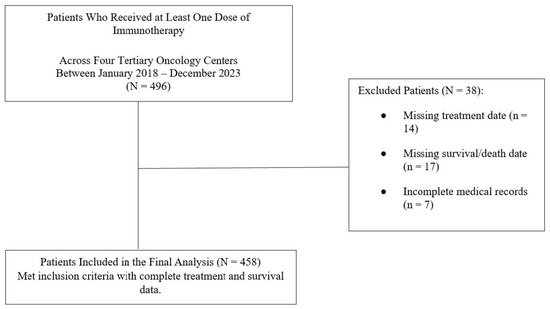
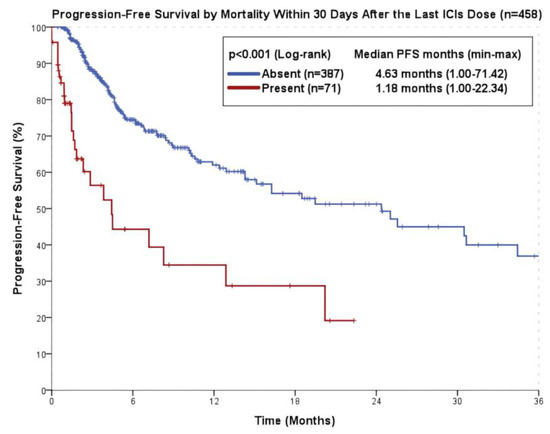
Short-term mortality following the last dose of immune checkpoint inhibitors (ICIs) is an increasingly recognized real-world outcome measure, yet its clinical predictors remain poorly characterized. This multicenter retrospective study included 458 consecutive patients with advanced melanoma, non-small cell lung cancer, or renal cell carcinoma who received ICIs at four tertiary centers in Turkey between 2018 and 2023. The primary endpoint was 30-day mortality after the final ICI dose. Among 458 patients, 71 (15.5%) died within 30 days. Multivariable logistic regression identified ECOG performance status ≥ 2, number of metastatic sites ≥ 3, and log-transformed C-reactive protein-to-albumin ratio (log-CAR) as independent predictors of 30-day mortality in Model 1 (AUC 0.954), while ECOG PS ≥ 2, brain metastasis, metastatic sites ≥ 3, and log-NLR were independent predictors in Model 2 (AUC 0.912). In the lung cancer subgroup, log-CAR and NLR remained independent predictors while ECOG PS did not. Patients who died within 30 days had significantly shorter progression-free survival (1.18 vs. 4.63 months) and overall survival (2.30 vs. 14.39 months) compared with survivors. These findings suggest that routine assessment of inflammatory and nutritional biomarkers alongside tumor burden parameters may help identify patients at high risk of early mortality and inform the timing of supportive care in ICI-treated populations.
Full article
(This article belongs to the Section Palliative and Supportive Care)
►
Show Figures
Open AccessArticle
Identifying Factors Associated with the Acquisition of Multiple Indications for Anticancer Drugs
by
Shutaro Takahashi and Hideki Maeda
Curr. Oncol. 2026, 33(6), 339; https://doi.org/10.3390/curroncol33060339 (registering DOI) - 6 Jun 2026
Abstract
►▼
Show Figures
With the declining success rate of new drug development, lifecycle management strategies have become increasingly important. However, approximately 25–40% of approved drugs remain limited to a single indication. In this study, we compared drugs that obtained multiple indications with those confined to a
[...] Read more.
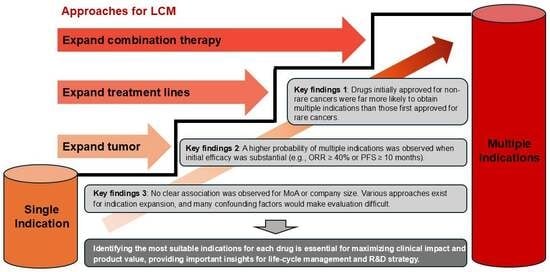
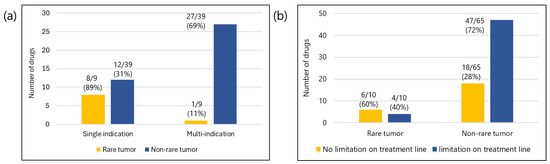
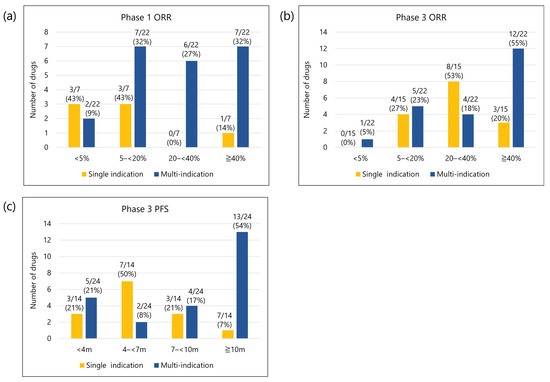
With the declining success rate of new drug development, lifecycle management strategies have become increasingly important. However, approximately 25–40% of approved drugs remain limited to a single indication. In this study, we compared drugs that obtained multiple indications with those confined to a single indication, aiming to identify factors associated with the acquisition of multiple indications. We identified anticancer drugs initially approved by US Food and Drug administration (FDA) between 2015 and 2020. This retrospective observational study includes 48 anticancer drugs for solid tumors. For each drug, data were collected on approved indications, sponsoring company characteristics, and clinical efficacy outcomes, including objective response rate (ORR) and progression-free survival (PFS). The drugs were categorized based on the number of approved indications, and comparative analyses were conducted. No clear association was observed between multiple indication acquisition and factors such as mechanism of action (MoA) or company size at the initial approval. Since additional indications may be obtained through various approaches—including expansion to new tumor types or different lines of therapy—no consistent relationship was observed between specific strategies and the acquisition of multiple indications. In contrast, drugs demonstrating higher clinical efficacy and those initially approved for non-rare cancers were more likely to achieve multiple indications. The factors associated with additional indications varied depending on the approach, and only a limited set of factors consistently correlated with multiple indication acquisition. Notably, clinical efficacy and the tumor type at initial approval appeared to be associated with acquisition of multiple indications. These findings provide important insights into research and development strategies and may inform decision-making in pharmaceutical lifecycle management.
Full article

Graphical abstract
Open AccessSystematic Review
One Surgery, Two Solutions: A Systematic Review of Combined Autologous Breast Reconstruction and Lymphatic Surgery
by
Ion Lingenheil, Lisa Radacher, Hans-Günther Machens, Michael Mayr-Riedler, Katrin Seidenstücker, Niclas Peter Broer and Lisanne Grünherz
Curr. Oncol. 2026, 33(6), 338; https://doi.org/10.3390/curroncol33060338 (registering DOI) - 6 Jun 2026
Abstract
Simultaneous autologous breast reconstruction (ABR) and lymphatic surgery has emerged as a strategy to address breast cancer-related lymphedema (BCRL) while restoring breast contour within a single operative procedure. In light of the diversity of surgical strategies, we aimed to evaluate the current literature
[...] Read more.
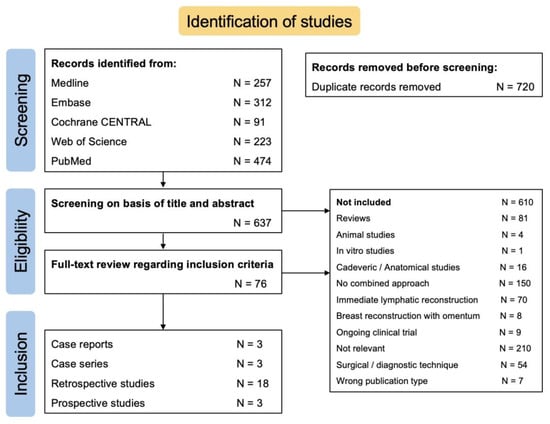
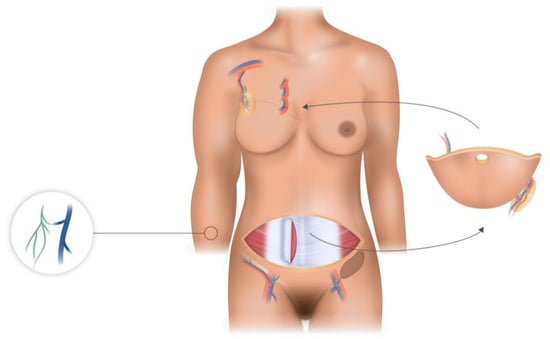
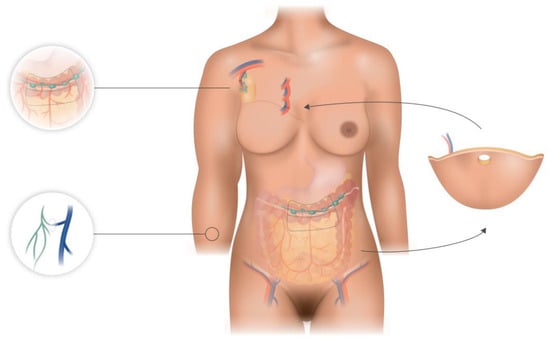
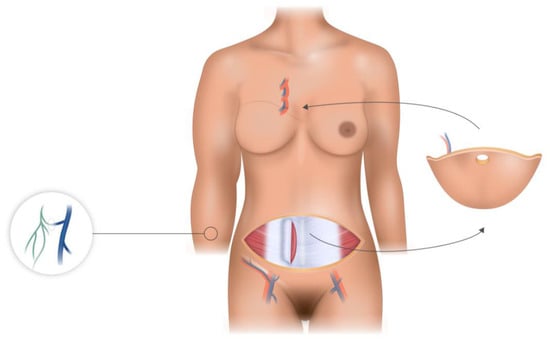
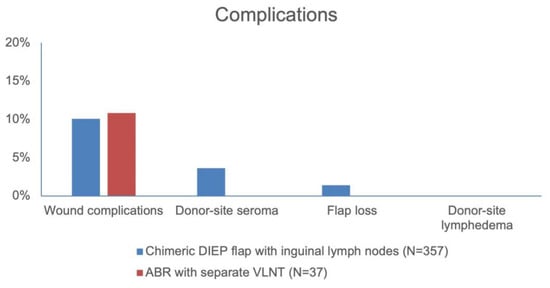
Simultaneous autologous breast reconstruction (ABR) and lymphatic surgery has emerged as a strategy to address breast cancer-related lymphedema (BCRL) while restoring breast contour within a single operative procedure. In light of the diversity of surgical strategies, we aimed to evaluate the current literature on combined ABR and lymphatic surgery, with particular focus on surgical techniques, clinical outcomes, complications, and patient-reported satisfaction. A systematic review was conducted according to PRISMA guidelines and registered in PROSPERO (CRD420251135446). Medline, Embase, CENTRAL, Web of Science, and PubMed were searched through 9 January 2026 Studies reporting outcomes of simultaneous ABR and lymphatic reconstruction were included. Data on surgical techniques, complications, changes in limb volume and cellulitis incidence, and patient-reported outcomes were extracted. Twenty-seven studies including 499 patients (mean follow-up 23 months) were analyzed. The most common approach was a chimeric deep inferior epigastric perforator (DIEP) flap with inguinal lymph nodes (459 patients), followed by ABR with a separate vascularized lymph node transfer and ABR with lymphovenous anastomosis. Most studies reported postoperative reductions in limb volume and cellulitis, with cellulitis reduction rates up to 100%. Patient-reported outcomes (LYMQOL, ULL-27, LYMPH-Q) showed improved quality of life. Complication rates were low, including 4% seroma and 1% flap loss after chimeric DIEP. Simultaneous ABR and lymphatic reconstruction is feasible and associated with improved clinical and patient-reported outcomes. However, heterogeneity limits comparison between the different surgical techniques, and prospective studies with standardized outcomes measurements are needed.
Full article
(This article belongs to the Special Issue Microsurgical Management of Chronic Cancer-Related Lymphedema)
►▼
Show Figures

Figure 1
Open AccessArticle
Salvage Radiotherapy in Isolated Locoregional Recurrence of Pancreatic Adenocarcinoma Post-Radical Surgical Resection: Prudent or Pointless? A Retrospective Comparative Analysis
by
Colin Faulkner, Ayah Erjan, Sara Mheid, Michael Yan, Chaya Ganor Shwaartz, Erica Tsang, Sangeetha Kalimuthu, Teodor Stanescu, Ali Hosni and Aruz Mesci
Curr. Oncol. 2026, 33(6), 337; https://doi.org/10.3390/curroncol33060337 (registering DOI) - 6 Jun 2026
Abstract
Isolated Locoregionally Recurrent Pancreatic Adenocarcinoma (ILRPA) accounts for 25–30% of recurrences after radical resection, yet the role of salvage radiation (RT) in this setting remains controversial due to limited data. We aimed to evaluate the impact of salvage RT on survival outcomes compared
[...] Read more.
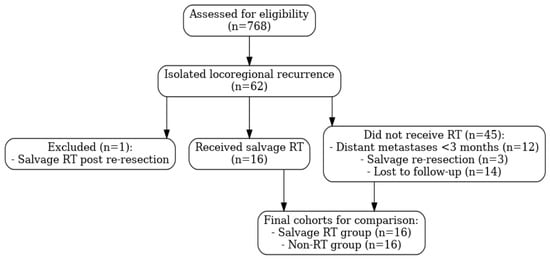
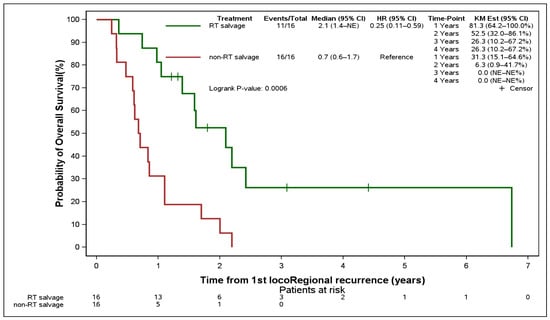
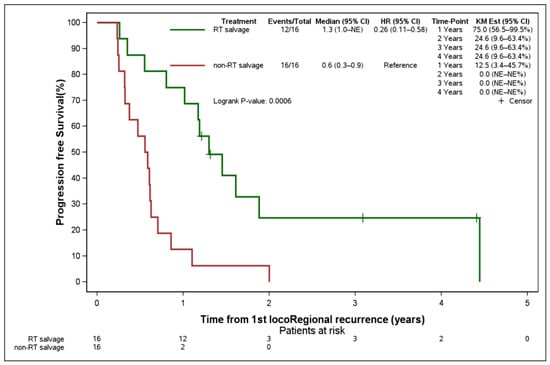
Isolated Locoregionally Recurrent Pancreatic Adenocarcinoma (ILRPA) accounts for 25–30% of recurrences after radical resection, yet the role of salvage radiation (RT) in this setting remains controversial due to limited data. We aimed to evaluate the impact of salvage RT on survival outcomes compared with non-salvage RT in patients with ILRPA. We retrospectively analyzed data of patients with ILRPA post-radical resection treated at our centre between 2012 and 2021. Patients were categorized into two cohorts based on whether salvage RT was administered post-recurrence. Patients who received a minimum of 30 Gy in 10 fractions (BED10 ≥ 39 Gy) were included for analysis. The clinical characteristics, treatments, and outcomes were analyzed. The chi-square or Fisher’s exact test for categorical variables and Student’s t-test or Wilcoxon rank sum test for continuous variables were utilized for comparisons. The Kaplan–Meier method and log-rank test were performed to compare overall survival (OS) and progression-free survival (PFS) between the two groups. OS and PFS were calculated from the time of locoregional recurrence until event or loss of follow-up. Thirty-two patients were identified, with sixteen patients in each group. The patients and tumour characteristics were balanced between the two cohorts, except for chemotherapy, where the salvage RT group tended to receive palliative chemotherapy more than the non-salvage group (p = 0.007). The median radiotherapy dose received for the salvage RT cohort was 50.4 Gy (BED10 = 59.5 Gy). Chemotherapy was restarted in 75% either before, after, or during radiation, and only in 31.25% of patients in the non-salvage group (p = 0.013). Patients who received salvage RT had statistically significantly better median OS and PFS than those who did not (25.2 vs. 8.4 months, p = 0.0006, HR 0.25, 95% CI (0.11–0.59)), (15.6 vs. 7.2 months, p = 0.0006, HR 0.26, 95% CI (0.11–0.58), respectively). Ten patients (62.5%) developed distant metastases (DM) at least 3 months post-recurrence in the salvage RT cohort compared to five patients (31.25%) in the non-salvage RT cohort (p = 0.08). In the salvage RT group, 10/16 patients (62.5%) maintained locoregional disease control post-RT. Salvage RT was associated with better OS and PFS in patients with ILRPA, highlighting its potential as an essential treatment modality. While salvage RT appears beneficial, confounding factors like chemotherapy disparities between groups necessitate further investigation in prospective cohorts.
Full article
(This article belongs to the Special Issue Radiation Therapy and Targeted Therapies for Pancreatic Cancer)
►▼
Show Figures

Figure 1
Open AccessArticle
Predicting Postoperative Complications in Lung Cancer Spinal Metastases: A Nomogram Based on Nutritional, Low Psoas Muscle Index, and Functional Status
by
Xinyao Lv, Ruizhao Zhao, Yuyu Fan, Zijian Wang, Xiutong Fang and Junjie Qiao
Curr. Oncol. 2026, 33(6), 336; https://doi.org/10.3390/curroncol33060336 (registering DOI) - 5 Jun 2026
Abstract
Objective: This study seeks to investigate the association between nutritional, muscular, and functional status and moderate-to-severe postoperative complications (Clavien–Dindo ≥ grade II) in patients with lung cancer spinal metastases and to construct an individualized risk prediction nomogram. Methods: A total of
[...] Read more.
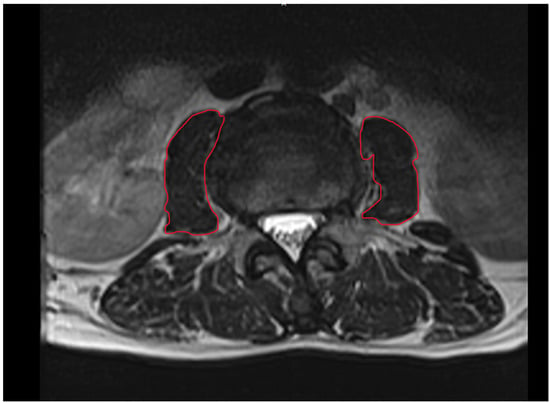
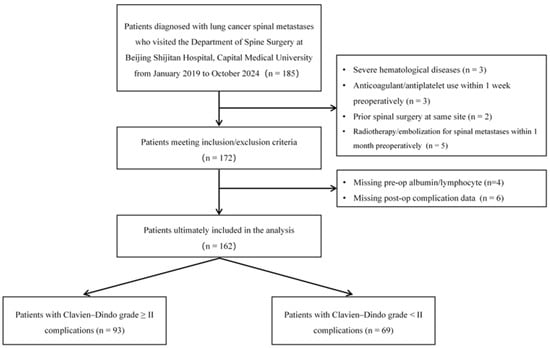
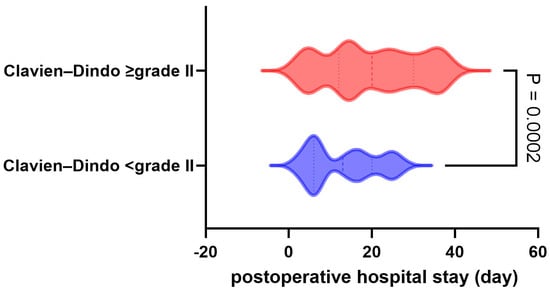
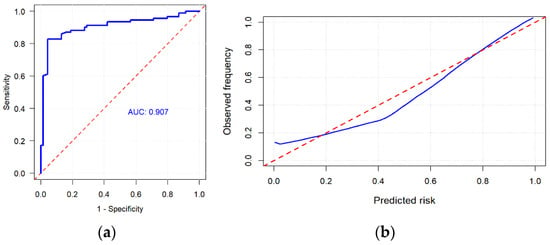
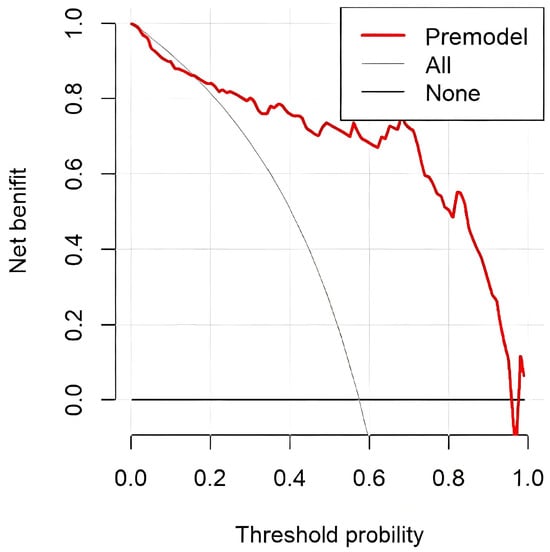
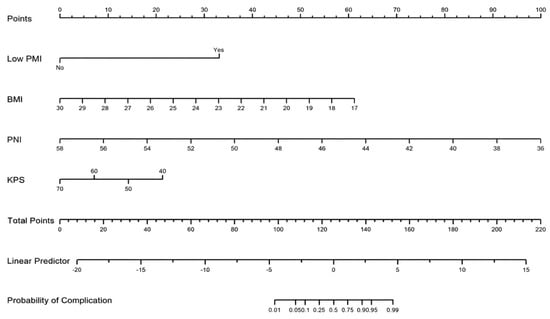
Objective: This study seeks to investigate the association between nutritional, muscular, and functional status and moderate-to-severe postoperative complications (Clavien–Dindo ≥ grade II) in patients with lung cancer spinal metastases and to construct an individualized risk prediction nomogram. Methods: A total of 162 patients with histologically confirmed lung cancer spinal metastases who underwent surgery were retrospectively enrolled. Preoperative clinical data were collected. Univariate and multivariate logistic regression analyses were used to identify independent risk factors for postoperative complications, with variable selection based on a combination of statistical significance and clinical judgment. A nomogram model was constructed and evaluated using receiver operating characteristic curve, calibration curve, and decision curve analysis. Internal validation was performed using the bootstrap method. For exploratory assessment of the model’s clinical stratification capability, patients were classified into low-, medium-, and high-risk groups based on tertiles of the predicted probability. Results: The incidence of Clavien–Dindo ≥ grade II complications during postoperative hospitalization or within 14 days was 57.4%. Multivariate analysis suggested that lower psoas muscle index (low PMI) (OR = 4.131, p = 0.034), lower body mass index (BMI) (continuous: OR = 0.539 per 1 kg/m2 increase, p = 0.001, indicating that lower BMI was associated with higher risk), lower prognostic nutritional index (PNI) (OR = 0.456, p < 0.001), and lower Karnofsky Performance Status (KPS) score (OR = 0.890, p = 0.009) were identified as potential independent factors associated with postoperative complications. The nomogram achieved an Area Under the Curve of 0.907, showed acceptable calibration (Hosmer–Lemeshow test, p = 0.735), and demonstrated a favorable net clinical benefit in the decision curve analysis. In the exploratory risk stratification analysis, complication rates in the low-, medium-, and high-risk groups were 28.8%, 63.6%, and 78.2%, respectively (p < 0.001). Patients with complications had significantly longer hospital stays (median 20 vs. 13 days). Conclusions: In this cohort, low PMI, low BMI, low PNI, and low KPS were identified as potential independent factors associated with short-term moderate-to-severe postoperative complications. The nomogram may preliminarily predict the risk and might serve as a quantitative reference for individualized perioperative management, but its clinical utility requires further confirmation in external validation. The exploratory risk stratification suggests that the model has preliminary potential for clinical discrimination.
Full article
(This article belongs to the Section Surgical Oncology)
►▼
Show Figures

Figure 1
Open AccessCase Report
3D-Printed Bolus-Assisted Radiotherapy for Converting Unresectable Breast Cancer with a Breast Prosthesis into a Resectable Condition: A Case Report
by
Shih-Kai Hung, Wei-Ta Tsai, Chun-Hung Lin, Moon-Sing Lee, Hon-Yi Lin, Liang-Cheng Chen, Chia-Hui Chew, Feng-Chun Hsu and Wen-Yen Chiou
Curr. Oncol. 2026, 33(6), 335; https://doi.org/10.3390/curroncol33060335 (registering DOI) - 5 Jun 2026
Abstract
Background: The use of conventional boluses in recurrent breast cancer often fails to conform to irregular surfaces, leading to air gaps and suboptimal dose distribution. We present a clinical experience involving a 3D-printed conformal bolus for a patient with gross recurrence and
[...] Read more.
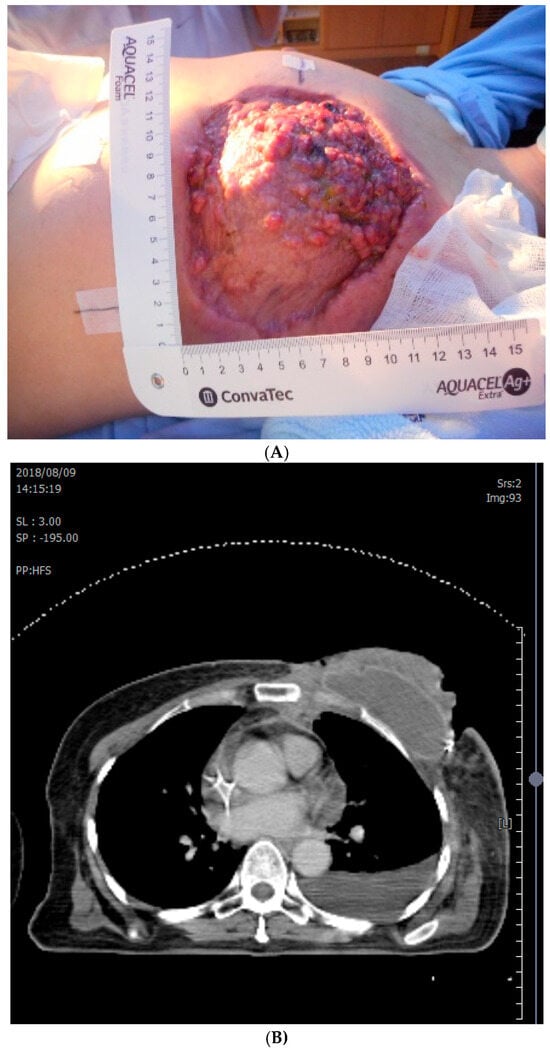
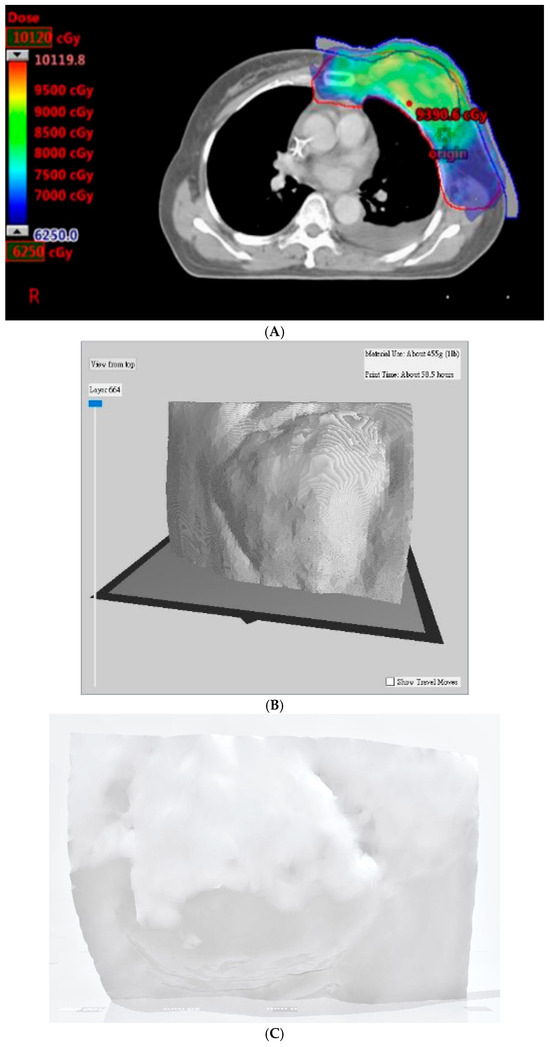
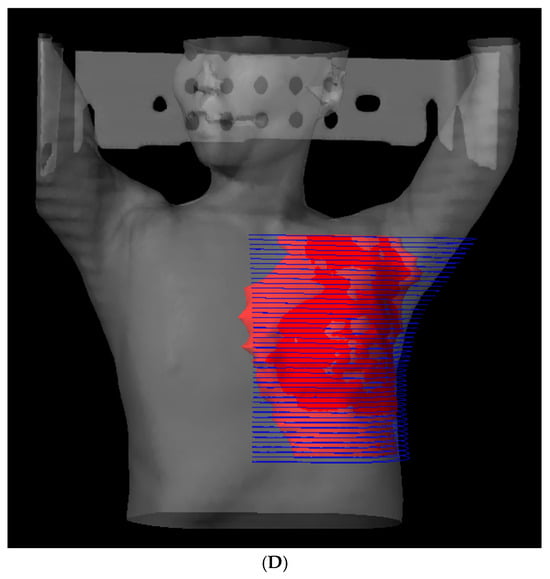
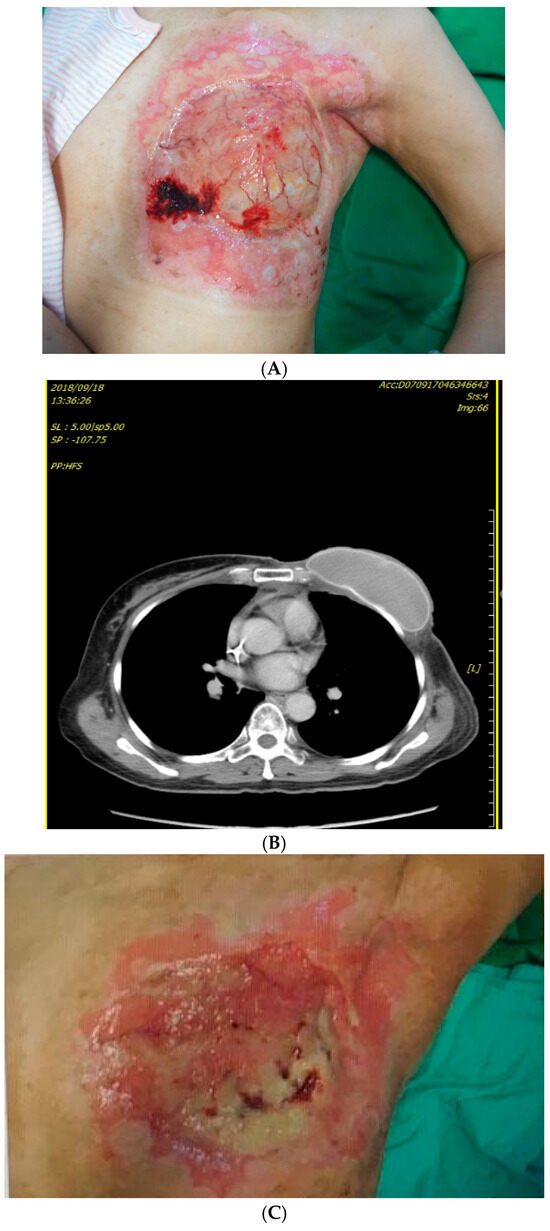
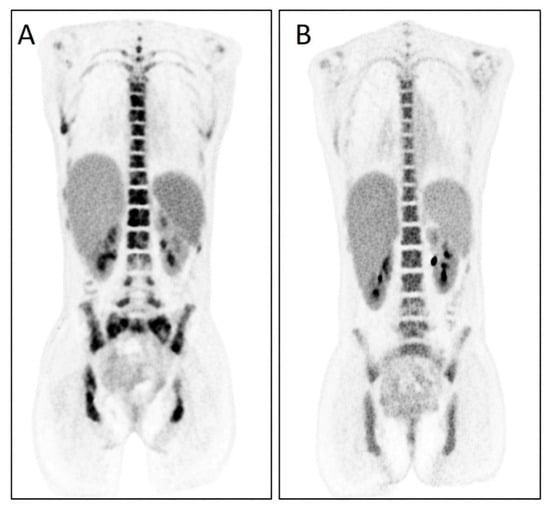
Background: The use of conventional boluses in recurrent breast cancer often fails to conform to irregular surfaces, leading to air gaps and suboptimal dose distribution. We present a clinical experience involving a 3D-printed conformal bolus for a patient with gross recurrence and breast prosthesis invasion—a complex scenario where the treatment goal was surgical conversion. This report aims to generate hypotheses regarding the utility of customized boluses in facilitating the resection of initially unresectable tumors in the presence of reconstructive hardware. Case Presentation: A 58-year-old female with a history of breast cancer and prosthesis reconstruction presented with a rapid chest wall recurrence in 2018. The tumor invaded the overlying skin and the underlying prosthesis, rendering it unresectable. The patient received intensive salvage radiotherapy using Volumetric Modulated Arc Therapy (VMAT) with a dose-escalation regimen and a customized 1 cm 3D-printed bolus. While daily IGRT/CBCT and in vivo dosimetry were not available to definitively quantify the air gap reduction, the technical application of the bolus aimed to optimize surface dose coverage. Two months post-treatment, significant tumor regression was observed, allowing for the successful surgical removal of both the tumor and the prosthesis. Conclusions: To our knowledge, this case illustrates a specialized application of 3D-printed boluses in complex salvage scenarios. Following treatment, the patient experienced improved quality of life through pain reduction and reduced dressing frequency. Although the dramatic tumor response likely reflects the overall intensity of the radiotherapy regimen, our experience suggests that a 3D-printed bolus is a physically plausible tool to aid in achieving local control and facilitating surgical intervention. Further prospective studies are required to isolate the specific dosimetric advantages of this technology over conventional methods.
Full article
(This article belongs to the Collection New Insights into Breast Cancer Diagnosis and Treatment)
►▼
Show Figures

Figure 1

Open AccessArticle
Readiness to Consider and Adopt Genetic and Genomic Tests in Canada—An Update to the State of Readiness Report
by
Don Husereau, Filomena Servidio-Italiano, Monika Slovinec D’Angelo, Vivek Muthu, Michael Mengel, Craig Ivany, Lotte Steuten, Daryl S. Spinner, Brandon Sheffield, Stephen Yip, Philip Jacobs and Larry Arshoff
Curr. Oncol. 2026, 33(6), 334; https://doi.org/10.3390/curroncol33060334 - 4 Jun 2026
Abstract
►▼
Show Figures
(1) Background: Genomic medicine—i.e., the use of laboratory-based biomarkers that measure the expression, function and regulation of genes and gene products to aid healthcare decision making is a rapidly emerging technology. Readiness to consider and adopt new testing programs effectively and avoid critical
[...] Read more.
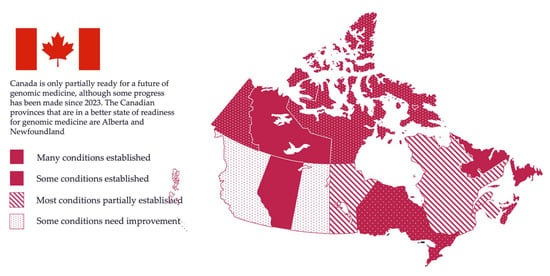
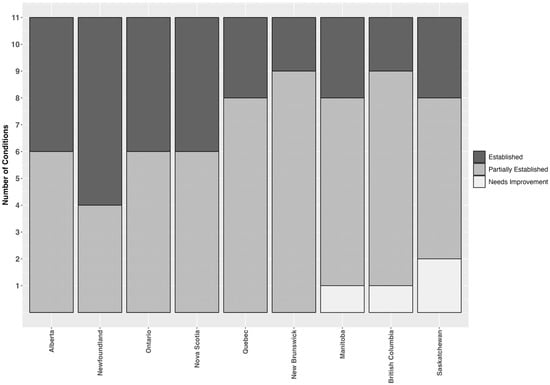
(1) Background: Genomic medicine—i.e., the use of laboratory-based biomarkers that measure the expression, function and regulation of genes and gene products to aid healthcare decision making is a rapidly emerging technology. Readiness to consider and adopt new testing programs effectively and avoid critical challenges requires health systems to harbor a number of key conditions that address infrastructural, as well operational and other needs. This assessment re-examines Canada’s state of readiness since a previously published 2023 assessment. (2) Methods: A mixed-methods approach of a review of the literature and key informant interviews with a purposive sample of experts was used. Health system readiness was assessed using a previously published set of conditions. (3) Results: This updated analysis of Canada’s state of readiness for genetic and genomic testing reveals Canada is only partially ready for a future of genomic medicine, although some progress has been made since 2023. The most established conditions were the use of appropriate service models and the integration of innovation and healthcare delivery functions. They suggest that Canada’s major healthcare regions are moving closer to a state of readiness for the consideration and adoption of new testing required for genomic medicine, although using different approaches and at different rates. These findings should be seen as generalizable to other regions internationally—health systems need to have functions that promote responsiveness and resilience, i.e., are able to recognize valuable innovation and quickly shift priorities and create conditions necessary to enable it.
Full article

Graphical abstract
Open AccessCase Report
Time Is Key: Early Diagnosis of Post-Transplant Lymphoproliferative Disorder Presenting as Primary CNS Diffuse Large B-Cell Lymphoma
by
Asli Altunbas, Aarti Desai, Andrea Muniz, Hussien Al Asi, Rajvi Chaudhary, Laxmi Raj Bangari, Surbhi Dadwal, Jose Ruiz, Juan Leoni, Julie Hammack, Harry Powers, James Foran and Rohan Goswami
Curr. Oncol. 2026, 33(6), 333; https://doi.org/10.3390/curroncol33060333 - 4 Jun 2026
Abstract
Post-transplant lymphoproliferative disorder (PTLD) involving the central nervous system (CNS) is a rare but serious life-threatening complication seen in recipients of solid organ transplant. Primary CNS encompasses 5–15% of all types of PTLD diagnoses, and heart transplant recipients represent 3–5% of those reported
[...] Read more.
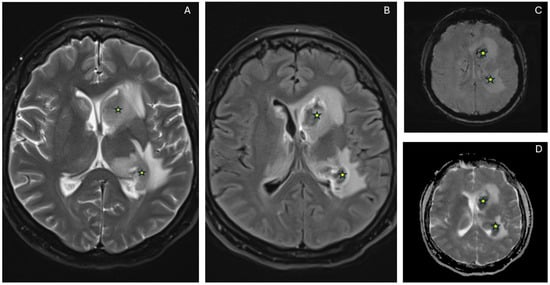
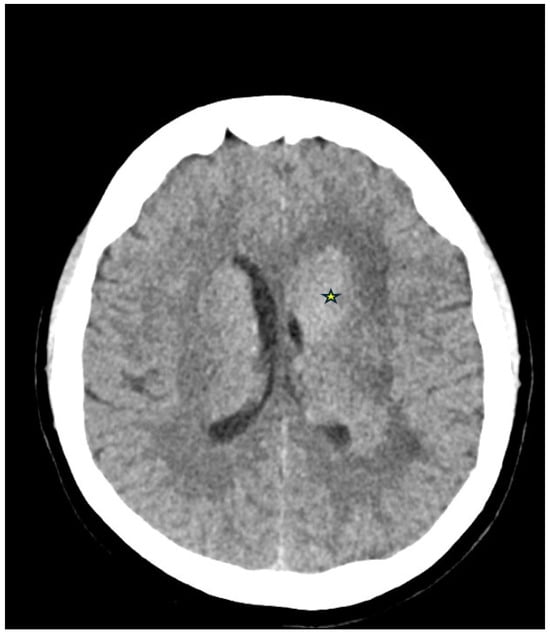
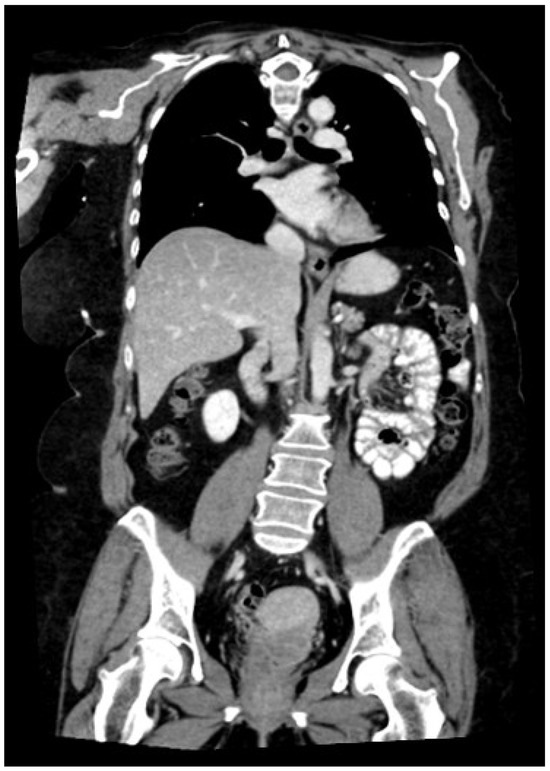
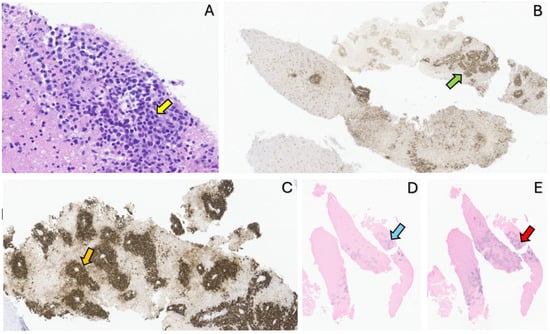
Post-transplant lymphoproliferative disorder (PTLD) involving the central nervous system (CNS) is a rare but serious life-threatening complication seen in recipients of solid organ transplant. Primary CNS encompasses 5–15% of all types of PTLD diagnoses, and heart transplant recipients represent 3–5% of those reported cases. Diagnosis is often delayed due to the highly variable presentation, with some cases remaining undiagnosed for years. Multidisciplinary collaboration is crucial for early diagnosis and management. A 53-year-old woman patient presented with altered mental status. MRI revealed nodular ventriculitis and bilateral periventricular hyperdense infiltrates. CSF studies demonstrated lymphocytic pleocytosis, elevated protein, and EBV-PCR-positive results. A stereotactic brain needle biopsy confirmed the presence of EBV-positive diffuse large B-cell lymphoma, consistent with primary CNS PTLD, 14 months after her heart transplant. Despite appropriate management, the patient experienced progressive neurological decline and ultimately suffered a fatal intracerebral hemorrhage. We demonstrate the importance of the early diagnosis and variable presentation of post-heart-transplant PTLD. The importance of surveillance regardless of EBV status and close monitoring of disease progression due to potential life-threatening complications, such as fatal hemorrhages. Therefore, primary CNS-PTLD remains a challenging disease and is being increasingly recognized with improved transplant recipient survival and prolonged exposure to chronic immunosuppression.
Full article
(This article belongs to the Section Neuro-Oncology)
►▼
Show Figures

Figure 1
Open AccessArticle
Regional Variations in Guideline Concordance for Women with Triple-Negative and HER2+ Breast Cancer in Nova Scotia
by
Andrea Mayo, Hanna Stewart, Tongtong Li, Cameron Penny, Rachel Hemsworth, Ashley Drohan, Katerina Neumann, Boris Gala-Lopez, Richard T. Spence and Gregory Knapp
Curr. Oncol. 2026, 33(6), 332; https://doi.org/10.3390/curroncol33060332 - 2 Jun 2026
Abstract
Background: Systematic neoadjuvant therapy (NAT) is recommended for triple-negative (TNBC) and HER2+ breast cancers when tumor size at diagnosis is ≥2 cm. This study aimed to determine the proportion of patients in Nova Scotia with non-metastatic, incident, ≥2 cm TNBC and HER2+
[...] Read more.
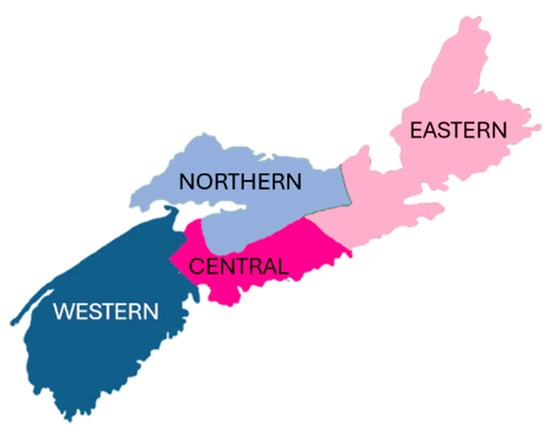
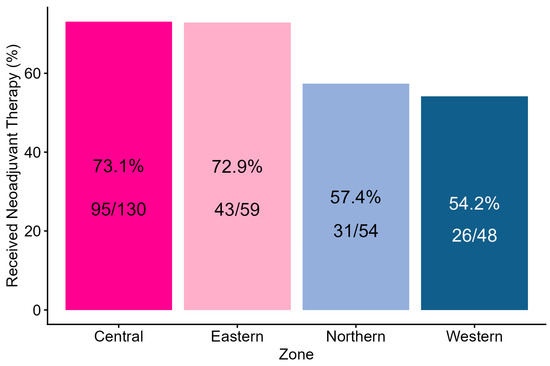
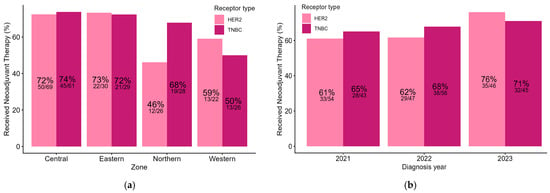
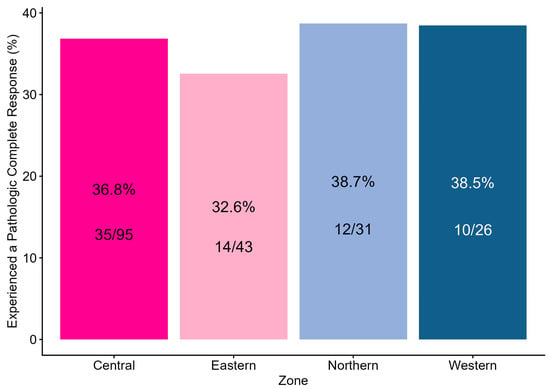
Background: Systematic neoadjuvant therapy (NAT) is recommended for triple-negative (TNBC) and HER2+ breast cancers when tumor size at diagnosis is ≥2 cm. This study aimed to determine the proportion of patients in Nova Scotia with non-metastatic, incident, ≥2 cm TNBC and HER2+ breast cancer who received guideline-concordant NAT, stratified by administrative zone. Methods: This retrospective analysis utilized data from the Nova Scotia Breast Screening Program. Adult patients (18–80 years) with an incident, non-metastatic, ≥T2 breast cancer diagnosis between 2021 and 2023 were considered theoretically eligible for NAT, defined by a wait time of ≥4 months between core biopsy and surgery. Guideline-concordant care was confirmed through chart review and compared across health system administrative zones and over time. Results: Of the 291 women theoretically eligible for NAT, 67.0% received it. Significant differences in NAT receipt were observed across administrative zones (Central 73.1%, Eastern 72.9%, Northern 57.4%, Western 54.2%, p = 0.030). Conclusions: This study identifies meaningful regional disparities in NAT receipt for TNBC and HER2+ breast cancer in Nova Scotia. Targeted strategies to improve guideline concordance are warranted and may lead to better patient outcomes.
Full article
(This article belongs to the Section Breast Cancer)
►▼
Show Figures

Figure 1

Open AccessCase Report
Rhabdomyosarcoma Confined to the Bone Marrow: A Case Report and Literature Review
by
Mohammad Hassan Hodroj, Chloe Batrouni, Alexandre da Silva Faco Junior, Mohammad Amin Salehi and Ramy Saleh
Curr. Oncol. 2026, 33(6), 331; https://doi.org/10.3390/curroncol33060331 - 2 Jun 2026
Abstract
Rhabdomyosarcoma (RMS) confined to the bone marrow represents an exceptionally rare and aggressive presentation that can mimic primary hematological malignancies, often leading to diagnostic delays and therapeutic challenges. We report the case of a 34-year-old woman who presented with clinical and laboratory findings
[...] Read more.
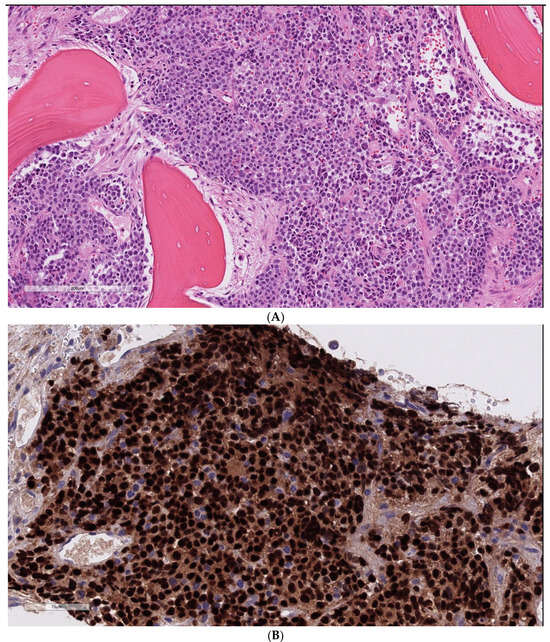
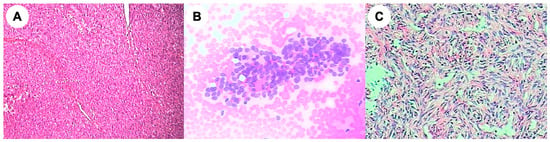
Rhabdomyosarcoma (RMS) confined to the bone marrow represents an exceptionally rare and aggressive presentation that can mimic primary hematological malignancies, often leading to diagnostic delays and therapeutic challenges. We report the case of a 34-year-old woman who presented with clinical and laboratory findings highly suggestive of a hematological disorder, including cytopenias and diffuse bone marrow involvement. Initial evaluation raised suspicion for leukemia; however, comprehensive diagnostic work-up, including immunohistochemistry and molecular studies, ultimately confirmed the diagnosis of PAX3/FOXO1 gene-rearranged alveolar RMS isolated in the bone marrow, with no identifiable primary soft tissue mass. The patient was treated with an intensive multi-agent chemotherapy regimen, resulting in a marked hematological recovery and a significant radiological improvement after a limited number of cycles. We further reviewed the limited literature on bone-marrow-confined RMS, highlighting the proposed pathophysiological mechanisms, diagnostic pitfalls, and reported treatment strategies. Given the absence of standardized management guidelines for this rare entity, therapeutic approaches are often extrapolated from conventional RMS protocols or regimens used for high-grade sarcomas. Our experience supports the potential efficacy of intensive chemotherapy in achieving meaningful clinical responses. This case report emphasizes the challenges in the diagnosis of RMS confined to the bone marrow due to its atypical presentation. It also highlights the poor prognosis and aggressiveness of this entity compared to conventional RMS.
Full article
(This article belongs to the Section Bone and Soft Tissue Oncology)
►▼
Show Figures

Figure 1
Open AccessGuidelines
Consensus Statement from the Society of Gynecologic Oncology of Canada on Folate Receptor α Testing in Ovarian Cancer
by
Kim Ma, Basile Tessier-Cloutier, Alon D. Altman, Mark S. Carey, Josee-Lyne Ethier, Susie Lau, Cheng-Han Lee, Laura Hopkins, Katharina Kieser, Aalok Kumar, Shuk On Annie Leung, Julie M. V. Nguyen, Helen MacKay, Jacob McGee, Lina Salman, Shannon Salvador, Cidalia Sluce, Luiza Tatar, Alicia A. Tone, Anna Tinker, Elizabeth Tremblay, Ana C. Veneziani, Danielle Vicus, Stephen Welch, Sharon Windsor Harker and Melica Nourmoussavi Brodeuradd
Show full author list
remove
Hide full author list
Curr. Oncol. 2026, 33(6), 330; https://doi.org/10.3390/curroncol33060330 - 1 Jun 2026
Abstract
Background: Folate receptor alpha (FRα), commonly expressed in epithelial ovarian cancers, is a clinically actionable biomarker following approval of the antibody–drug conjugate mirvetuximab soravtansine (MIRV). Pivotal trials showed that high FRα expression predicts MIRV benefit, creating the need for standardized testing to ensure
[...] Read more.
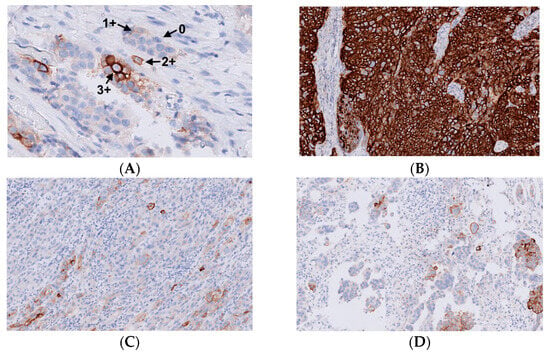
Background: Folate receptor alpha (FRα), commonly expressed in epithelial ovarian cancers, is a clinically actionable biomarker following approval of the antibody–drug conjugate mirvetuximab soravtansine (MIRV). Pivotal trials showed that high FRα expression predicts MIRV benefit, creating the need for standardized testing to ensure timely, equitable access. Methods: To address the need for guidance on FRα testing, the Society of Gynecologic Oncology of Canada convened a multidisciplinary Expert Panel to review the evidence and integrate Canadian clinical, pathology, laboratory, and patient perspectives. Consensus recommendations were developed through structured evidence review, expert discussion, iterative revision, and patient partner input. Results: The panel issued recommendations on the clinical role and timing of FRα testing, tissue requirements, assay selection and validation, interpretation and reporting standards, laboratory quality assurance, reimbursement, and equitable access. It is recommended that FRα testing be available to all patients with epithelial ovarian cancer, with results available no later than platinum-resistant disease, using a validated assay, preferably the Ventana FOLR1 RxDx assay or an appropriately validated laboratory-developed test. Standardized synoptic reporting, participation in external quality assurance programs, and clear patient communication were deemed essential. Conclusions: These recommendations aim to promote integrated, equitable, standardized FRα testing across Canada and support timely identification of patients eligible for FRα-directed therapy, clinical trial enrollment, and future biomarker-driven treatment strategies.
Full article
(This article belongs to the Section Gynecologic Oncology)
►▼
Show Figures

Figure 1

Open AccessArticle
Stage-Specific Healthcare Costs in Cervical Cancer and Cervical Intraepithelial Neoplasia: A Population-Based Analysis Informing Value-Based Oncology and Equitable Prevention
by
Tian-Shyug Lee and Yu-Chiao Wang
Curr. Oncol. 2026, 33(6), 329; https://doi.org/10.3390/curroncol33060329 - 1 Jun 2026
Abstract
Persistent challenges in cervical cancer (CC) control highlight the need for stage-specific cost estimates to refine prevention strategies. Structural integration of National Health Insurance (NHI) administrative claims, the Taiwan Cancer Registry (TCR), and the National Cause of Death Registry (NCDR) provided the empirical
[...] Read more.
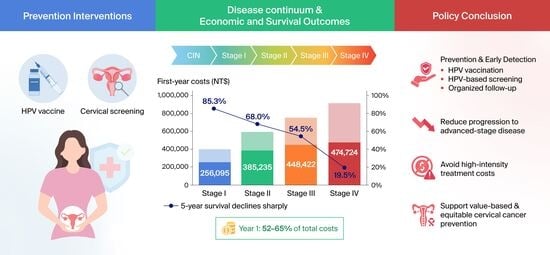
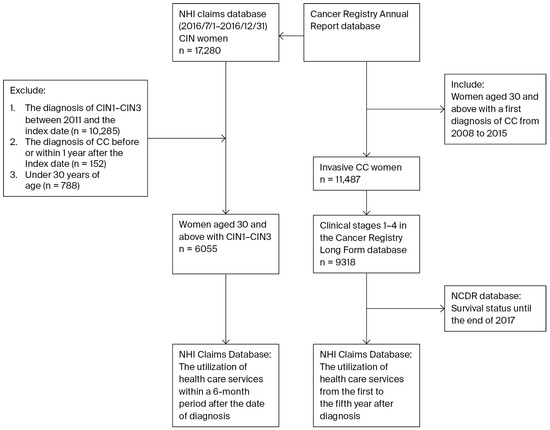
Persistent challenges in cervical cancer (CC) control highlight the need for stage-specific cost estimates to refine prevention strategies. Structural integration of National Health Insurance (NHI) administrative claims, the Taiwan Cancer Registry (TCR), and the National Cause of Death Registry (NCDR) provided the empirical basis for this population-based research. The final analytical sample encompassed 6055 women with cervical intraepithelial neoplasia (CIN) identified in 2016 as well as 9318 patients diagnosed with stage I to IV invasive CC during the 2008 to 2015 period. Reimbursed direct medical costs were estimated for CIN within 6 months after diagnosis and for CC over 5 years after diagnosis. Across CIN grades, no consistent cost gradient was observed, although inpatient utilization was highest in CIN3. Among women with CC, healthcare utilization and expenditures were concentrated in the first year after diagnosis, accounting for 52–65% of the total 5-year costs. After age adjustment, the mean first-year costs increased from NT$256,095 (US$8413) in stage I to NT$474,724 (US$15,595) in stage IV, while 5-year survival declined from 85.3% to 19.5%. These findings show that cervical disease imposes substantial direct medical costs on Taiwan’s healthcare system and provide updated evidence to inform human papillomavirus (HPV) vaccination and CC screening policy.
Full article
(This article belongs to the Special Issue Health Economics in Oncology: Addressing Financial Toxicity, Value-Based Care, and Equity)
►▼
Show Figures

Graphical abstract
Open AccessArticle
Radiotherapy for Adrenal Metastases from Hepatocellular Carcinoma: A 20-Year Bi-Institutional Experience
by
Jeongshim Lee and Myungsoo Kim
Curr. Oncol. 2026, 33(6), 328; https://doi.org/10.3390/curroncol33060328 - 1 Jun 2026
Abstract
Background: To evaluate tumor response, local control (LC), survival, and toxicity after radiotherapy for adrenal metastases from hepatocellular carcinoma (HCC), we conducted a retrospective, bi-institutional study spanning two decades. Methods: Twenty patients received radiotherapy for adrenal metastases (2005–2025). Techniques included three-dimensional conformal radiotherapy,
[...] Read more.
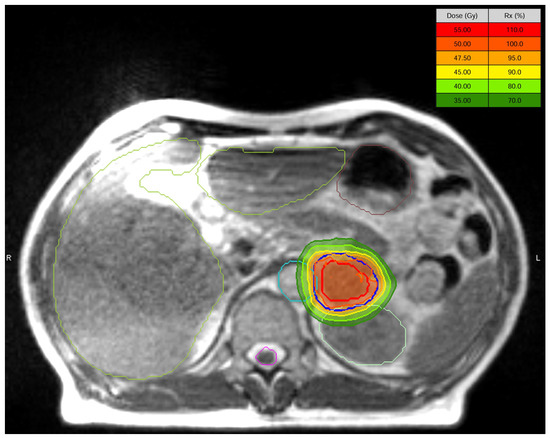
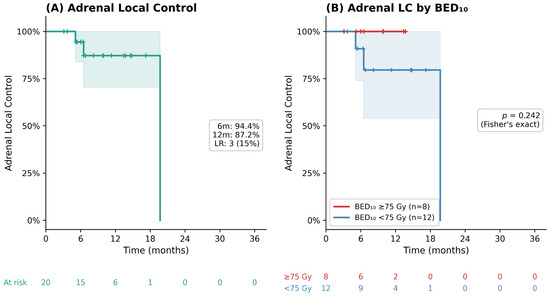
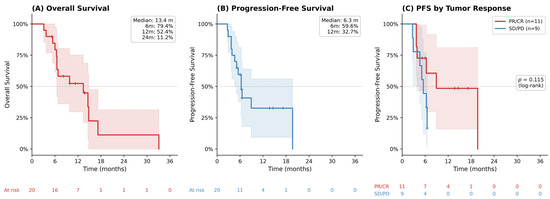
Background: To evaluate tumor response, local control (LC), survival, and toxicity after radiotherapy for adrenal metastases from hepatocellular carcinoma (HCC), we conducted a retrospective, bi-institutional study spanning two decades. Methods: Twenty patients received radiotherapy for adrenal metastases (2005–2025). Techniques included three-dimensional conformal radiotherapy, intensity-modulated radiotherapy, stereotactic body radiotherapy, and MR-guided radiotherapy. Tumor response was assessed using Response Evaluation Criteria in Solid Tumors version 1.1. LC, overall survival (OS), and progression-free survival (PFS) were estimated using Kaplan–Meier; the association between biologically effective dose (BED10) and local recurrence was assessed using Fisher’s exact test. Results: The objective response rate was 55.0%, and the disease control rate was 95.0%. The 6- and 12-month adrenal LC rates were 94.4% and 87.2%; local recurrence occurred in three patients (15.0%). No local recurrence was observed at BED10 ≥ 75 Gy (0/8) versus 25.0% (3/12) at BED10 < 75 Gy. However, this difference did not reach statistical significance (p = 0.242, Fisher’s exact test) and should be interpreted as exploratory and hypothesis-generating given the limited sample size. Median OS was 13.4 months, and median PFS was 6.3 months. Systemic progression was the predominant failure pattern. No grade ≥3 radiotherapy-related toxicity was observed. Conclusions: Radiotherapy achieved favorable LC with acceptable toxicity across a 20-year bi-institutional experience, supporting its role as an effective local treatment modality for adrenal metastases from HCC.
Full article
(This article belongs to the Section Gastrointestinal Oncology)
►▼
Show Figures

Figure 1
Open AccessArticle
Impact of Elevated C-Reactive Protein on Survival Outcomes of Patients with Small Renal Masses: A Retrospective Multicenter Analysis
by
Margaret F. Meagher, Natalie Birouty, Giacomo Musso, Dattatraya Patil, Kazutaka Saito, Yosuke Yasuda, Dhruv Puri, Benjamin Baker, Kit Yuen, Jacob L. Roberts, Aaron Ahdoot, Omer Baker, Mai Dabbas, Julian Cortes, Yasuhisa Fujii, Viraj Master, Michael Liss and Ithaar H. Derweesh
Curr. Oncol. 2026, 33(6), 327; https://doi.org/10.3390/curroncol33060327 - 1 Jun 2026
Abstract
Objective: This study aimed to investigate the impact of elevated CRP on survival outcomes in small renal masses (SRM). Methods: This was a multi-institutional retrospective analysis of SRM (≤3 cm) managed surgically. The cohort was divided into elevated CRP (≥0.5 mg/dL) vs. non-elevated
[...] Read more.
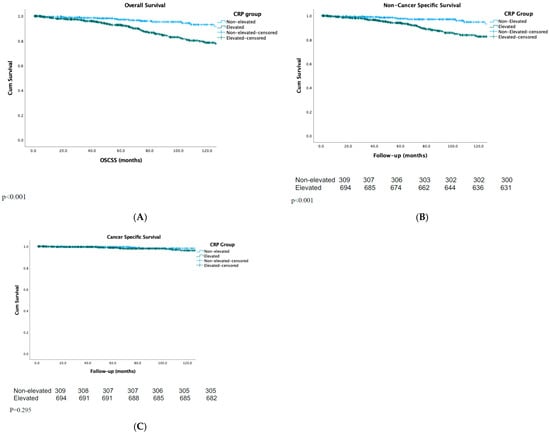
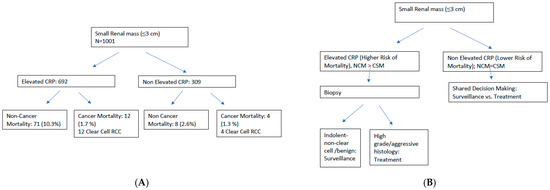
Objective: This study aimed to investigate the impact of elevated CRP on survival outcomes in small renal masses (SRM). Methods: This was a multi-institutional retrospective analysis of SRM (≤3 cm) managed surgically. The cohort was divided into elevated CRP (≥0.5 mg/dL) vs. non-elevated CRP groups (<0.5). The primary outcome was all-cause mortality (ACM). The secondary outcomes were non-cancer (NCM) and cancer-specific mortality (CSM). Cox-regression analysis was used to elucidate predictive factors for mortality outcomes. Kaplan–Meier Analysis (KMA) was performed to analyze 10-year overall (OS), cancer-specific (CSS) and non-cancer-specific survival (NCS). Results: A total of 1001 patients were analyzed (309 non-elevated CRP/692 elevated CRP; median follow-up 70 months). Elevated CRP was an independent predictor for ACM (HR = 2.60, p < 0.001) NCM (HR = 2.90, p = 0.002), and CSM (HR = 1.20, p = 0.011). KMA comparing elevated vs. non-elevated groups revealed greater 10-year OS (p < 0.001) and NCS (p < 0.001) for non-elevated CRP, but no significant difference in 10-year CSS (p = 0.295). A total of 83 deaths were observed in elevated CRP (71 NCM/12 CSM—all clear-cell histology). The sensitivity/specificity of elevated CRP was 0.87/0.33, 0.75/0.81, and 0.90/0.33 for ACM, CSM, and NCM. By utilizing CRP for a decision-making algorithm prioritizing biopsy in CRP elevation and offering surveillance in benign or indolent histology, surgery may be avoided in 218 patients, in whom there were 38 fatalities, all NCM. Conclusions: Elevated CRP was an independent predictor of survival outcomes in SRM ≤ 3 cm. From a competing mortality standpoint, patients with elevated CRP had significantly worsened NCM compared to CSM. In such patients, upfront oncologic risk stratification through biopsy may be considered, and indolent/low-grade neoplasms should be strongly considered for non-surgical management.
Full article
(This article belongs to the Special Issue Advances in Novel Biomarkers for Kidney Cancer)
►▼
Show Figures

Figure 1
Open AccessArticle
Temporal Patterns of Breast Cancer-Related Sickness Absence and Social Insurance Expenditures Among Women in Poland, 2020–2024: A Nationwide Registry-Based Study
by
Piotr Artur Winciunas, Justyna Grudziąż-Sękowska, Agnieszka Mazurek, Kuba Sękowski, Wojciech S. Zgliczyński and Mateusz Jankowski
Curr. Oncol. 2026, 33(6), 326; https://doi.org/10.3390/curroncol33060326 - 1 Jun 2026
Abstract
Background/Objectives: Sickness absence due to breast cancer generates significant indirect costs. This nationwide registry-based study aimed to evaluate temporal patterns and the population-level burden of sickness absence, rehabilitation benefit utilization, and social insurance expenditures related to breast cancer among women in Poland
[...] Read more.
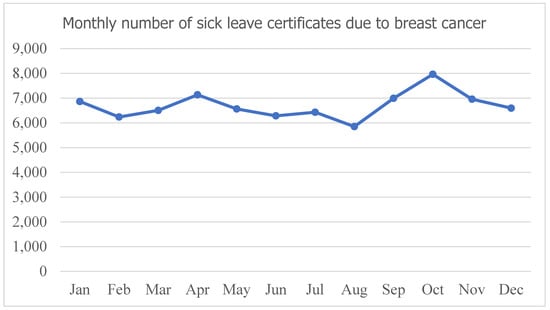
Background/Objectives: Sickness absence due to breast cancer generates significant indirect costs. This nationwide registry-based study aimed to evaluate temporal patterns and the population-level burden of sickness absence, rehabilitation benefit utilization, and social insurance expenditures related to breast cancer among women in Poland between 2020 and 2024. Methods: This nationwide analysis is based on the Social Insurance Institution registry. Data on females unable to work due to breast cancer were analyzed (ICD-10: C50). Short-term sickness absence was analyzed. Results: The number of sick leave days due to breast cancer varied from 1,241,223 in 2021 to 1,444,863 in 2024. The number of sick leave certificates increased every year: from 55,732 in 2020 to 79,979 in 2024. The most dynamic growth between 2020 and 2024 occurred in the 45–49 group, where sick leave days increased +33.4% and certificates increased +70.6%. There were significant regional differences. The sickness absence days per certificate due to breast cancer decreased over time, from 23.5 days in 2020 to 18.1 days in 2024. The total number of medical certificates on rehabilitation benefit due to breast cancer varied from 4811 in 2021 to 5281 in 2024. Social insurance expenditures on sickness absence varied from 112,064.9 thousand PLN (approximately 25.24 million EUR) in 2020 to 207,687.9 thousand PLN (approximately 48.3 million EUR) in 2024 and expenditures on rehabilitation benefits varied from 56,812.8 thousand PLN (12.8 million EUR) in 2020 to 89,692.6 thousand PLN (20.83 million EUR) in 2024. Conclusions: This population-based registry study revealed a high economic burden of sickness absence due to breast cancer in Poland.
Full article
(This article belongs to the Section Breast Cancer)
►▼
Show Figures

Figure 1
Open AccessArticle
Real-World Analysis of Metastatic Renal Cell Carcinoma Patients Treated with Pembrolizumab Plus Axitinib: Evidence from the Campania Oncology Network
by
Marilena Di Napoli, Elisabetta Coppola, Carmine D’Aniello, Sarah Scagliarini, Carlo Buonerba, Andrea Muto, Luigi Formisano, Francesco Sabbatino, Davide Bosso, Sabrina Rossetti, Lorenzo Lobianco, Rosa Tambaro, Fabrizio Di Costanzo, Pasquale Rescigno, Carmela Pisano, Sabrina Chiara Cecere, Anna Passarelli, Jole Ventriglia, Gabriele Calvanese, Maria Rosaria Lamia, Erica Perri, Roberto Contieri, Dario Franzese, Maria Adelina Simeoni, Caterina Mariarosaria Giorgio, Florinda Feroce, Salvatore Stilo, Giovanni Pacifico, Giuseppina Canciello and Sandro Pignataadd
Show full author list
remove
Hide full author list
Curr. Oncol. 2026, 33(6), 325; https://doi.org/10.3390/curroncol33060325 - 30 May 2026
Abstract
Background: Immune checkpoint inhibitor–tyrosine kinase inhibitor combinations represent a standard first-line option for metastatic renal cell carcinoma (mRCC). However, patients enrolled in pivotal trials often differ from those treated in routine practice. We report real-world outcomes of pembrolizumab plus axitinib within the
[...] Read more.
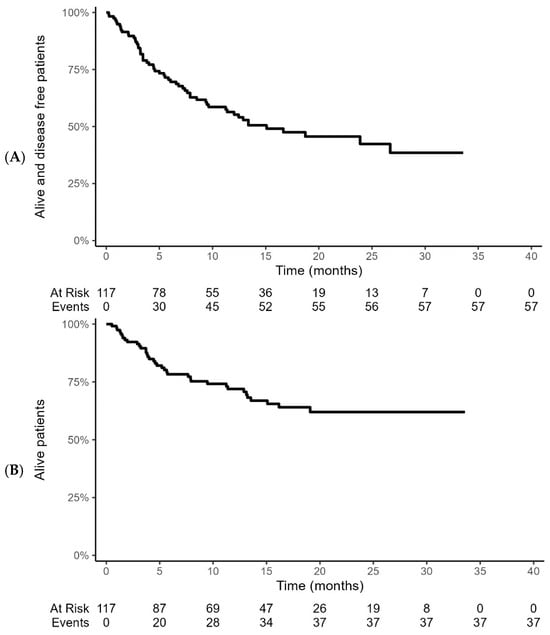
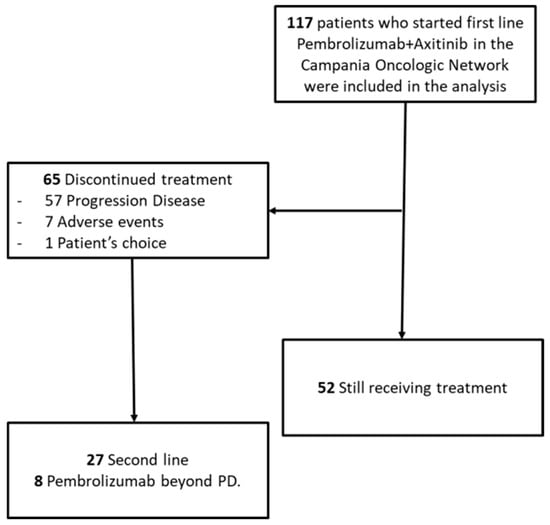
Background: Immune checkpoint inhibitor–tyrosine kinase inhibitor combinations represent a standard first-line option for metastatic renal cell carcinoma (mRCC). However, patients enrolled in pivotal trials often differ from those treated in routine practice. We report real-world outcomes of pembrolizumab plus axitinib within the Campania Oncology Network. Methods: We conducted a multicenter retrospective study including consecutive treatment-naïve mRCC patients who received first-line pembrolizumab plus axitinib between January 2021 and November 2023 across eight regional centers. The primary endpoints were progression-free survival (PFS) and overall survival (OS); secondary endpoints included objective response rate (ORR) and safety. Results: A total of 117 patients were included. IMDC risk was favorable in 19.6%, intermediate/poor in 65%, and unknown in 15.4%. Median age was 59 years, and 53.8% had ECOG performance status ≥ 1. Clear-cell histology accounted for 87.2% of cases; brain metastases were present in 36%. After a median follow-up of 12.8 months, median PFS was 15.1 months (95% CI 9.6–NR), and median OS was not reached. ORR was 27.3%, with a disease control rate of 79.5%; patients with non-clear-cell histology showed an ORR of 41.7%. Disease progression was the main cause of treatment discontinuation (49%), while adverse events (AEs) led to discontinuation in 6% of cases. Grade ≥3 AEs occurred in 14% of patients. Most toxicities were grade 1–2, including diarrhea (23.9%), asthenia (18%), hypothyroidism (12.8%), and hypertension (9.4%). Grade 1–2 AEs were significantly more frequent in females compared with males (57.6% vs. 35.7%, p = 0.05). Conclusions: In this consecutive regional cohort, pembrolizumab plus axitinib showed clinically relevant disease control, although ORR was lower than in pivotal trials. Performance status emerged as a key prognostic factor. Real-world data from oncology networks may support personalized first-line treatment decisions in mRCC.
Full article
(This article belongs to the Section Genitourinary Oncology)
►▼
Show Figures

Figure 1

Open AccessArticle
Implementation Benchmark of Tumor-Agnostic Eligibility Signals Across Routine Comprehensive Genomic Profiling Platforms in Japan: A Nationwide C-CAT Analysis
by
Shinya Kajiura, Naohiko Nakamura and Ryuji Hayashi
Curr. Oncol. 2026, 33(6), 324; https://doi.org/10.3390/curroncol33060324 - 30 May 2026
Abstract
Routine precision oncology requires realistic benchmarks for tumor-agnostic eligibility signals observed in heterogeneous comprehensive genomic profiling (CGP) pathways. We performed a retrospective descriptive analysis of anonymized aggregated nationwide Center for Cancer Genomics and Advanced Therapeutics (C-CAT) data in Japan, including 97,343 CGP-tested cases
[...] Read more.
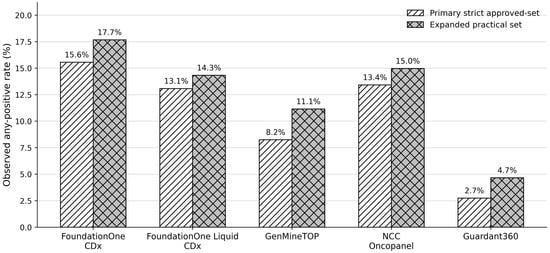
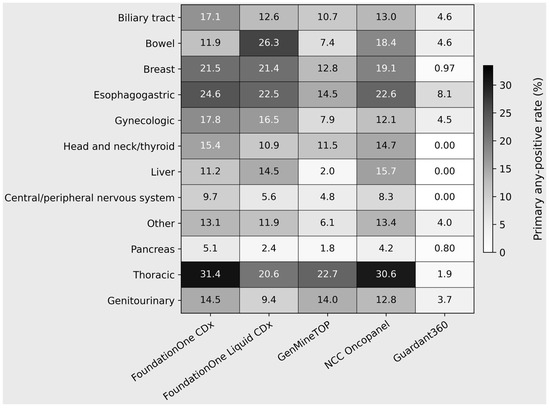
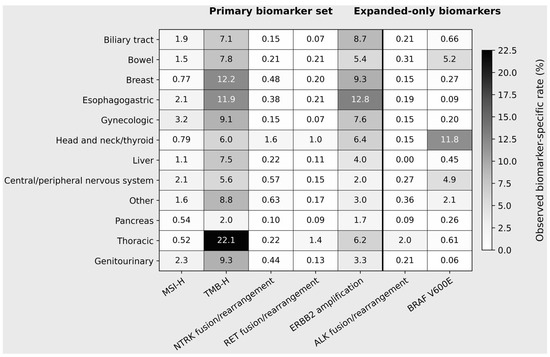
Routine precision oncology requires realistic benchmarks for tumor-agnostic eligibility signals observed in heterogeneous comprehensive genomic profiling (CGP) pathways. We performed a retrospective descriptive analysis of anonymized aggregated nationwide Center for Cancer Genomics and Advanced Therapeutics (C-CAT) data in Japan, including 97,343 CGP-tested cases summarized across five routine CGP platforms and categorized into 12 prespecified organ groups for analysis. The primary strict approved set endpoint was the case-level union of MSI-H, TMB-H, NTRK fusion/rearrangement, RET fusion/rearrangement, and ERBB2 amplification; the expanded practical set endpoint additionally included ALK fusion/rearrangement and BRAF V600E. The primary strict approved set endpoint was observed in 14,005 cases (14.4%), and the expanded practical set endpoint in 15,911 cases (16.3%), adding 1906 cases and increasing the observed rate by 2.0 percentage points. Signals varied across organ groups and platform/specimen contexts. TMB-H and ERBB2 amplification numerically dominated the primary set signal, whereas NTRK and RET fusion/rearrangement remained rare. These observed frequencies should be interpreted as case-level implementation signals surfaced through routine CGP rather than assay superiority evidence, biological prevalence estimates, or treatment-benefit data. This nationwide, platform-aware benchmark supports practical interpretation of tumor-agnostic eligibility signals in routine CGP practice in Japan.
Full article
(This article belongs to the Section Oncology Biomarkers)
►▼
Show Figures

Figure 1
Open AccessCase Report
Pancreatic Metastasis from Intracranial Solitary Fibrous Tumor/Hemangiopericytoma Mimicking a Pancreatic Neuroendocrine Tumor: A Case Report and Focused Literature Review
by
Xiang Kong, Fan Tong, Yaru Liu, Haochen Tang, Huizi Sha and Juan Du
Curr. Oncol. 2026, 33(6), 323; https://doi.org/10.3390/curroncol33060323 - 29 May 2026
Abstract
Solitary fibrous tumor/hemangiopericytoma (SFT/HPC) of the central nervous system is a rare mesenchymal neoplasm with a propensity for late recurrence and distant metastasis. Pancreatic metastasis from intracranial SFT/HPC is exceptionally uncommon and may mimic primary pancreatic neoplasms, particularly pancreatic neuroendocrine tumor (PanNET). We
[...] Read more.
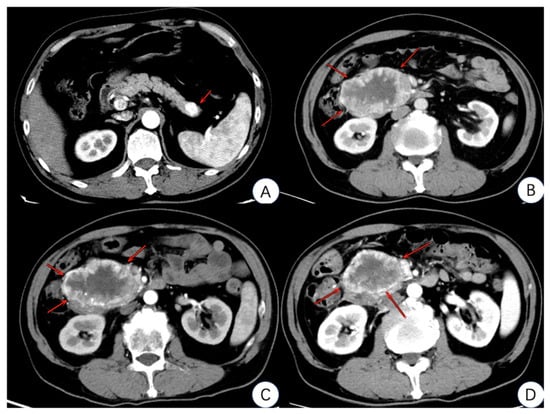
Solitary fibrous tumor/hemangiopericytoma (SFT/HPC) of the central nervous system is a rare mesenchymal neoplasm with a propensity for late recurrence and distant metastasis. Pancreatic metastasis from intracranial SFT/HPC is exceptionally uncommon and may mimic primary pancreatic neoplasms, particularly pancreatic neuroendocrine tumor (PanNET). We report a 52-year-old man with a documented history of recurrent intracranial SFT/HPC, historically diagnosed as hemangiopericytoma, who developed a hypervascular pancreatic tail lesion 11 years after the initial intracranial tumor diagnosis. Contrast-enhanced imaging and endoscopic ultrasound-guided fine-needle aspiration initially suggested a primary pancreatic neoplasm, including solid pseudopapillary neoplasm or PanNET, and a definitive preoperative diagnosis could not be established. Following laparoscopic resection, histopathological examination revealed a spindle-cell tumor with a rich vascular pattern. Immunohistochemistry documented STAT6 positivity, together with vimentin and Bcl-2 positivity, supporting the diagnosis of pancreatic metastasis from SFT/HPC. The patient later developed unresectable recurrent pancreatic disease and underwent stereotactic radiotherapy, showing radiological disease control at follow-up. This case highlights that pancreatic metastasis from intracranial SFT/HPC, although extremely rare, may occur after a prolonged latency period and mimic a hypervascular primary pancreatic neoplasm. In patients with a history of intracranial SFT/HPC, late metastatic disease should be considered, and definitive diagnosis relies on histopathological examination and targeted immunohistochemistry.
Full article
(This article belongs to the Section Gastrointestinal Oncology)
►▼
Show Figures

Figure 1
Open AccessArticle
Association Between Endocrine Therapy and Fracture Risk in Women with Breast Cancer in Germany—A Retrospective Cohort Study
by
Karel Kostev, Maximilian Peters, Henning Sievert and Matthias Kalder
Curr. Oncol. 2026, 33(6), 322; https://doi.org/10.3390/curroncol33060322 - 29 May 2026
Abstract
Background: Aromatase inhibitors (AIs) are widely used in hormone receptor-positive breast cancer but may adversely affect bone health. Evidence on their independent association with fracture risk compared with tamoxifen (TAM) remains inconsistent. Methods: In this retrospective cohort study, women with an initial prescription
[...] Read more.
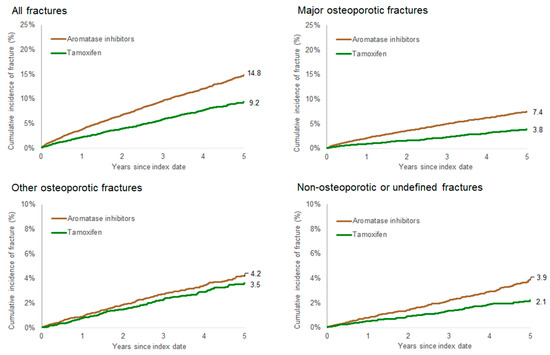
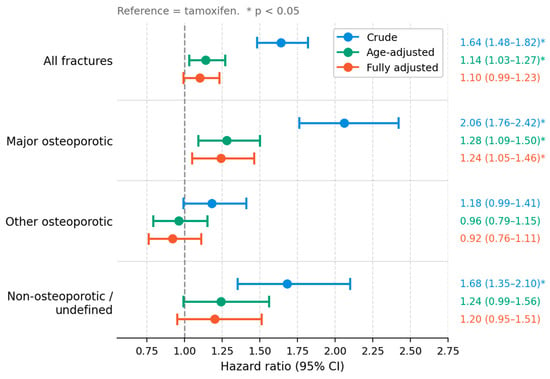
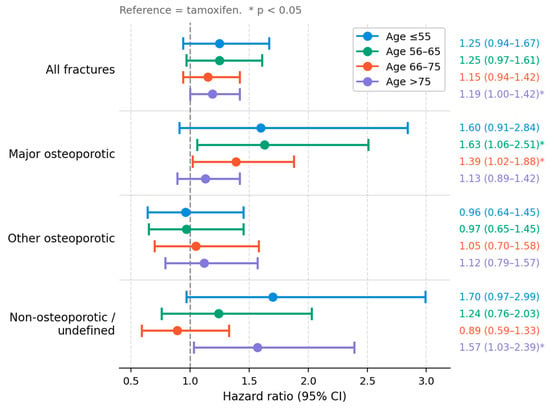
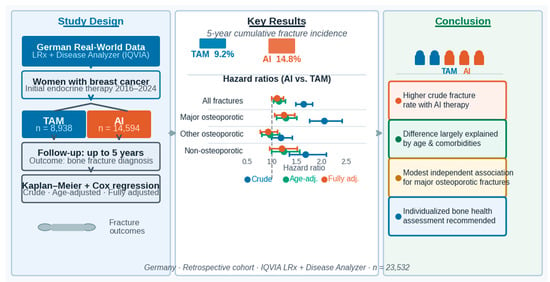
Background: Aromatase inhibitors (AIs) are widely used in hormone receptor-positive breast cancer but may adversely affect bone health. Evidence on their independent association with fracture risk compared with tamoxifen (TAM) remains inconsistent. Methods: In this retrospective cohort study, women with an initial prescription of TAM or AIs between 2016 and 2024 were identified in the IQVIA Longitudinal Prescription (LRx) database. Their prescription histories were combined with records from the IQVIA Disease Analyzer (DA) database using a validated co-therapy-based approach. Patients were then followed for up to five years. Kaplan–Meier analyses estimated cumulative fracture incidence, and Cox regression models assessed associations in unadjusted, age-adjusted, and fully adjusted analyses. Results: The study included 8938 TAM users and 14,594 AI users. Five-year cumulative incidence of all fractures was higher in the AI group than in the TAM group (14.8% vs. 9.2%). In fully adjusted primary analyses, AI therapy was not significantly associated with overall fracture risk (HR 1.10, 95% CI 0.99–1.23). A modest association persisted for major osteoporotic fractures (HR 1.24, 95% CI 1.05–1.46). Secondary exploratory analyses (age-stratified and fracture-type-specific models) showed patterns consistent with the primary results but were not powered or corrected for confirmatory inference. Conclusions: Aromatase inhibitor therapy was associated with a higher fracture incidence than tamoxifen, but much of this difference was explained by age and comorbidities. Both treatment-related effects and underlying patient characteristics contribute to fracture risk, underscoring the importance of individualized bone health assessment and targeted preventive strategies in women receiving endocrine therapy.
Full article
(This article belongs to the Section Breast Cancer)
►▼
Show Figures

Graphical abstract
Open AccessArticle
Effect of Race and Ethnicity on Academic Achievements in Cancer Physicians and Scientists
by
Doreen A. Ezeife, Amanda Khan, Mark Melika-Abusefien, Edouarda Taguedong, Md Mahsin and Shaun K. Loewen
Curr. Oncol. 2026, 33(6), 321; https://doi.org/10.3390/curroncol33060321 - 29 May 2026
Abstract
Background: Diversity in academia promotes research that can reduces health disparities and addresses equity issues for marginalized populations. This study aims to examine the effect of visible minority status on academic achievements in cancer physicians and scientists. Methods: Faculty at the tertiary cancer
[...] Read more.
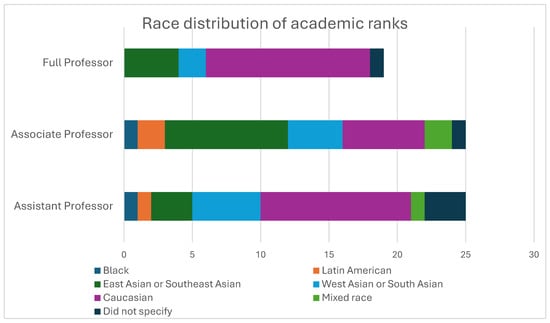
Background: Diversity in academia promotes research that can reduces health disparities and addresses equity issues for marginalized populations. This study aims to examine the effect of visible minority status on academic achievements in cancer physicians and scientists. Methods: Faculty at the tertiary cancer center in Calgary, Alberta, Canada, completed a survey in 2023 to evaluate demographics, academic rank, leadership positions, number of trainees mentored, number of publications, and amount of grant funding. Chi-square tests and regression analyses examined the impact of race and ethnicity on these academic achievements. Results: The survey was completed by 74 faculty members (47% male, 43% female, 9% gender fluid or providing no answer) with a response rate of 26%. Seven percent were Black or Latin American, 18% East Asian or Southeast Asian, 19% West or South Asian, 39% Caucasian, 6% mixed race, and 11% not providing an answer. Visible minorities were underrepresented in the full professor rank (19%) compared to non-visible minorities (38%) and were overrepresented in assistant/associate professors (28% and 53%, respectively), with 41% of non-visible minorities having the title of assistant professor and 21% as associate professor (p = 0.02). Visible minorities were less likely to have both parents college-educated (OR 0.30, 95% CI 0.09–0.92, p = 0.042) and also less likely to have been raised in a home with household income above $100,000 (OR 0.26, 95% CI 0.07–0.90, p = 0.040). Discussion: Visible minorities are underrepresented in the full professor academic rank. Larger studies are needed to evaluate whether race and ethnicity significantly impact achievements in oncology academics.
Full article
(This article belongs to the Special Issue Equity-Oriented Cancer Treatment and Care)
►▼
Show Figures

Figure 1
Journal Menu
► ▼ Journal Menu-
- Current Oncology Home
- Aims & Scope
- Editorial Board
- Reviewer Board
- Topical Advisory Panel
- Instructions for Authors
- Special Issues
- Topics
- Sections & Collections
- Article Processing Charge
- Indexing & Archiving
- Editor’s Choice Articles
- Most Cited & Viewed
- Journal Statistics
- Journal History
- Journal Awards
- Society Collaborations
- Conferences
- Editorial Office
Journal Browser
► ▼ Journal Browser-
arrow_forward_ios
Forthcoming issue
arrow_forward_ios Current issue - Volumes not published by MDPI
Highly Accessed Articles
Latest Books
E-Mail Alert
News
Topics
Topic in
Cancers, Diagnostics, Medicina, Current Oncology
Prostate Cancer: Symptoms, Diagnosis & Treatment—3rd Edition
Topic Editors: Ana Faustino, Lúcio Lara Santos, Paula OliveiraDeadline: 30 June 2026
Topic in
Cancers, Current Oncology, JCM, Medicina, Onco
Cancer Biology and Radiation Therapy: 2nd Edition
Topic Editors: Chang Ming Charlie Ma, Ka Yu Tse, Ming-Yii Huang, Mukund SeshadriDeadline: 25 July 2026
Topic in
Cancers, Diagnostics, Gastrointestinal Disorders, JCM, Current Oncology
Metastatic Colorectal Cancer: From Laboratory to Clinical Studies, 2nd Edition
Topic Editors: Ioannis Ntanasis-Stathopoulos, Diamantis I. TsilimigrasDeadline: 20 August 2026
Topic in
Cancers, Current Oncology, Diseases, Onco
Genomic Signature of Ocular Tumors
Topic Editors: Bita Esmaeli, Natalie WolkowDeadline: 20 October 2026
Conferences
Special Issues
Special Issue in
Current Oncology
Targeted Molecular Therapeutics for Urologic Cancers: Advances, Emerging Strategies, and the Road Ahead
Guest Editor: Carolina D'eliaDeadline: 15 June 2026
Special Issue in
Current Oncology
The Impact of Tumor Microenvironment on Therapeutic Resistance
Guest Editor: Ziqing ChenDeadline: 15 June 2026
Special Issue in
Current Oncology
Recent Advances in Surgical Strategies for Managing Metastatic Colorectal Cancer
Guest Editors: Fabrizio D'Acapito, Marco VairaDeadline: 15 June 2026
Special Issue in
Current Oncology
Surgery and Beyond: The Evolving Landscape of Glioma Management
Guest Editor: Andrea LandiDeadline: 15 June 2026
Topical Collections
Topical Collection in
Current Oncology
New Insights into Prostate Cancer Diagnosis and Treatment
Collection Editor: Sazan Rasul
Topical Collection in
Current Oncology
New Insights into Breast Cancer Diagnosis and Treatment
Collection Editors: Filippo Pesapane, Matteo Suter
Topical Collection in
Current Oncology
Editorial Board Members’ Collection Series: Contemporary Perioperative Concepts in Cancer Surgery
Collection Editors: Vijaya Gottumukkala, Jörg Kleeff