
Journal Description
Construction Materials
is an international, peer-reviewed, open access journal on construction materials published bimonthly online by MDPI.
- Open Access— free for readers, with article processing charges (APC) paid by authors or their institutions.
- High Visibility: indexed within ESCI (Web of Science), Scopus and other databases.
- Journal Rank: CiteScore - Q2 (Engineering (miscellaneous))
- Rapid Publication: manuscripts are peer-reviewed and a first decision is provided to authors approximately 20.9 days after submission; acceptance to publication is undertaken in 5.9 days (median values for papers published in this journal in the second half of 2025).
- Recognition of Reviewers: APC discount vouchers, optional signed peer review, and reviewer names published annually in the journal.
- Construction Materials is a companion journal of Materials.
- Journal Cluster of Civil Engineering and Built Environment: Acoustics, Architecture, Buildings, CivilEng, Construction Materials, Infrastructures, Intelligent Infrastructure and Construction, NDT and Vibration.
Latest Articles
Correction: Steffen et al. Structural Performance of Textile-Reinforced Concrete Sandwich Panels Utilizing GFRP Shear Connectors. Constr. Mater. 2025, 5, 92
Constr. Mater. 2026, 6(3), 27; https://doi.org/10.3390/constrmater6030027 (registering DOI) - 6 May 2026
Abstract
There was an error in the original publication [...]
Full article
Open AccessArticle
Effect of X-Cable Bracing on the Optimized Weight of Planar Steel Frames Under Wind Load: A Parametric Study
by
Mustafa Al-Bazoon, Saba Jasim Al-Rubaye, Faten I. Mussa, Abdulkhaliq A. Jaafer, Lateef Assi and Mohanad M. Abdulazeez
Constr. Mater. 2026, 6(3), 26; https://doi.org/10.3390/constrmater6030026 - 27 Apr 2026
Abstract
►▼
Show Figures
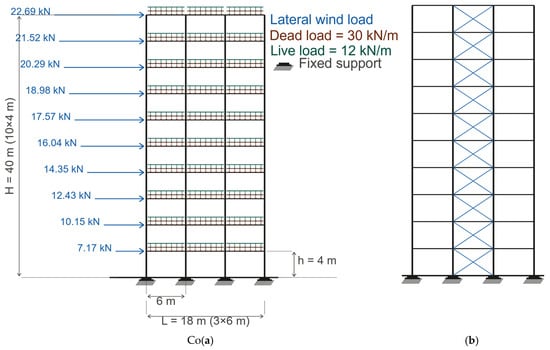
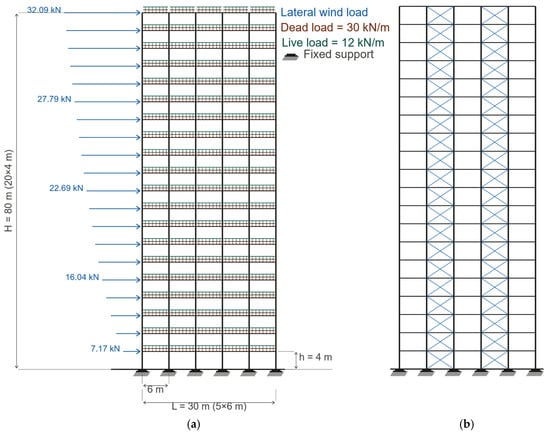
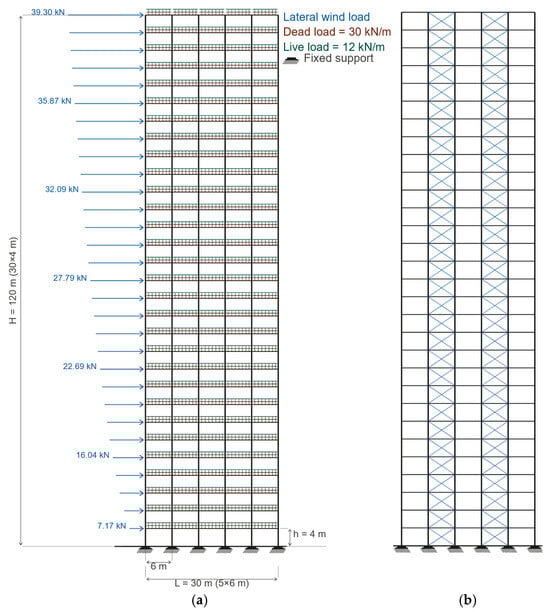
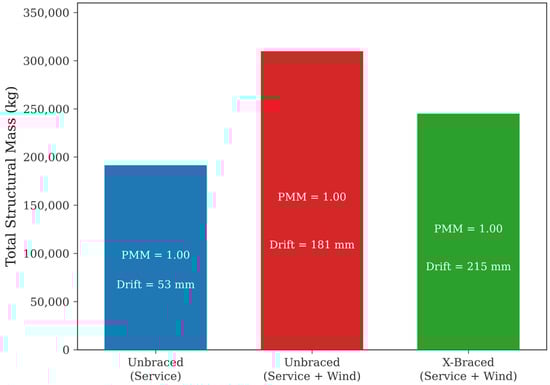
In designing tall buildings, the primary concern is ensuring an effective lateral load-resisting system in addition to the gravity load system, since it largely governs the overall design. This study investigates the influence of X-cable bracing on the structural weight of tall steel
[...] Read more.
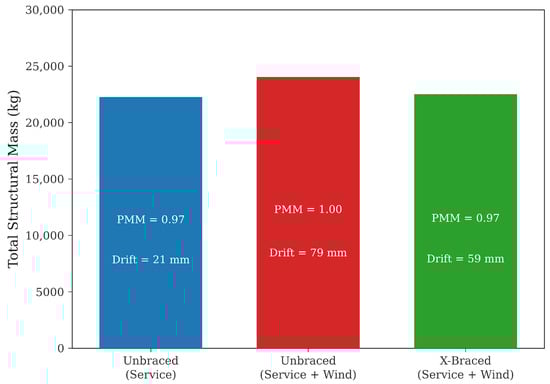
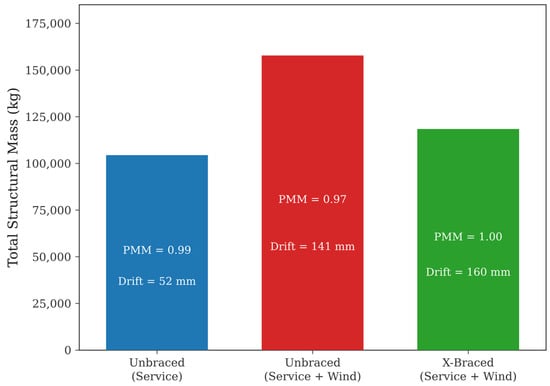
In designing tall buildings, the primary concern is ensuring an effective lateral load-resisting system in addition to the gravity load system, since it largely governs the overall design. This study investigates the influence of X-cable bracing on the structural weight of tall steel frame buildings subjected to service and wind loading. Three numerical case studies, 10-story, 20-story, and 30-story planar steel frames, were modeled and analyzed using SAP2000, then optimized using Differential Evolution (DE) and Enhanced Colliding Bodies Optimization (ECBO) algorithms. These designs were evaluated under both service and wind load conditions, considering strength and drift constraints. The results indicate that the inclusion of wind loads in addition to service loads leads to a higher total structural weight than considering service loads alone, while cable bracing effectively reduces the overall mass by up to 6%, 38%, and 20% for the 10-story, 20-story, and 30-story frames, respectively, compared to unbraced structures, by improving the internal force distribution among structural components. Strength demands, reflected by the interaction ratio, governed all design cases, while lateral displacement was always less than the maximum limit according to AISC and ASCE requirements. Overall, the results highlight the potential of cable bracing systems to deliver efficient tall building designs; however, further studies are needed to generalize these findings to a broader range of building configurations.
Full article

Figure 1
Open AccessArticle
Hydraulic Conductivity of Cracked Concrete Linings
by
Jean-Pierre Giroud
Constr. Mater. 2026, 6(3), 25; https://doi.org/10.3390/constrmater6030025 - 23 Apr 2026
Abstract
Concrete linings are used for water containment, in particular in reservoirs and canals. When the soil underlying a concrete lining has a high permeability, seepage into the ground of water from concrete-lined reservoirs and canals is essentially governed by leakage of water through
[...] Read more.
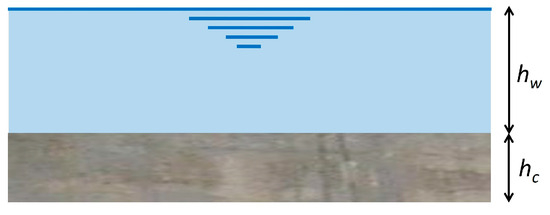
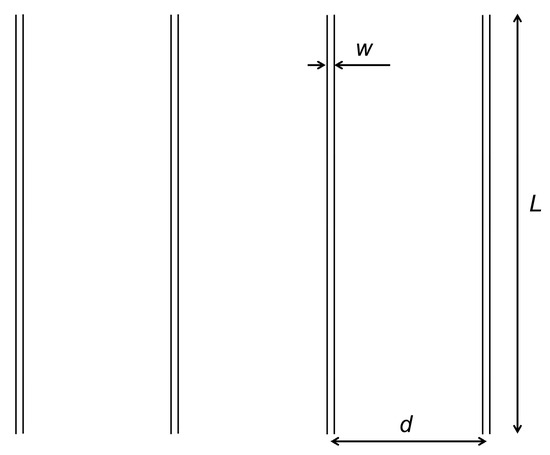
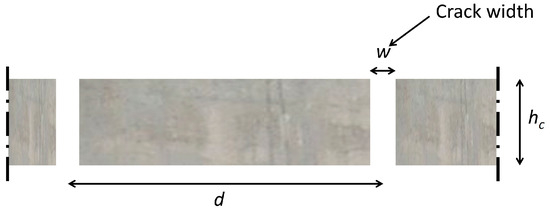
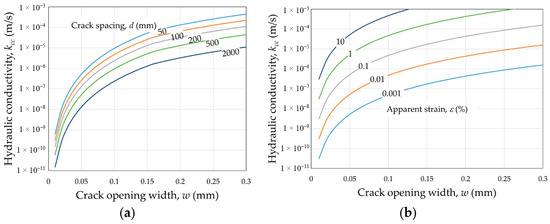
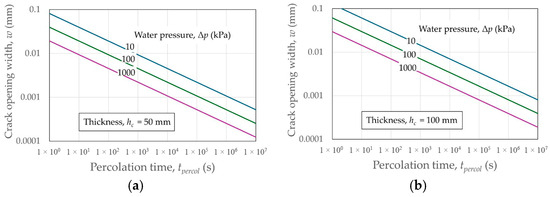
Concrete linings are used for water containment, in particular in reservoirs and canals. When the soil underlying a concrete lining has a high permeability, seepage into the ground of water from concrete-lined reservoirs and canals is essentially governed by leakage of water through the concrete linings. Therefore, it is essential to properly evaluate the hydraulic conductivity of concrete linings. It is known that cracks generally develop in concrete linings. This article provides material data and a method for the evaluation of the hydraulic conductivity of concrete linings, in particular cracked concrete linings, through two approaches. The first approach consists of a review of selected published values of the measured hydraulic conductivity of intact and cracked concrete. The second approach consists in developing an original analytical method to determine the hydraulic conductivity of cracked concrete using the results of an experimental evaluation of the influence, on water flow, of the tortuosity and rugosity of concrete cracks. The results obtained with the two approaches are compared and numerical examples are presented. Based on these results, practical guidance is provided to design engineers for a safe evaluation of the hydraulic conductivity of concrete linings, cracked or not cracked.
Full article
(This article belongs to the Topic Degradation, Repair and Rehabilitation of Reinforced Concrete Structures)
Open AccessArticle
The Effect of a Polymer–Organic Admixture on the Properties of Recycled Aggregate Concrete with Variable Aggregate Types
by
Rauan Lukpanov, Matija Orešković, Artem Chystiakov and Duman Dyussembinov
Constr. Mater. 2026, 6(3), 24; https://doi.org/10.3390/constrmater6030024 - 23 Apr 2026
Abstract
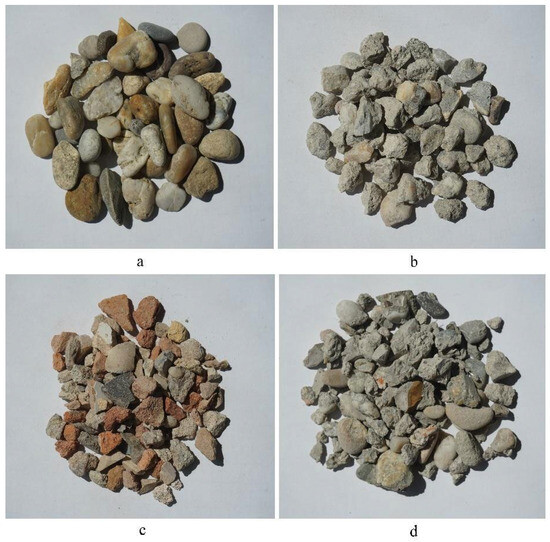
In this study, the characteristics of concretes made from mixed recycled aggregate—the cheapest and most common secondary raw material in construction and demolition waste—were determined. For this study, besides experimental concretes using mixed recycled aggregate, reference compositions were developed using river gravel, recycled
[...] Read more.
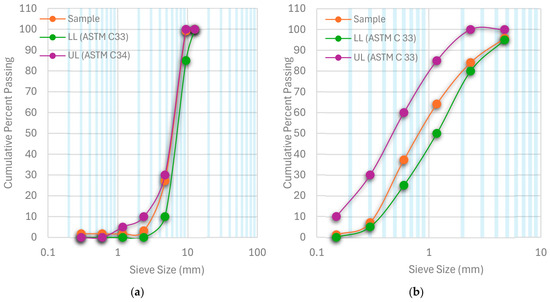
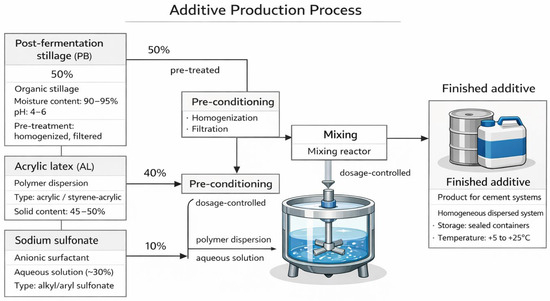
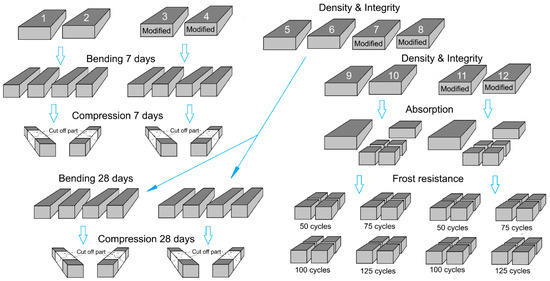
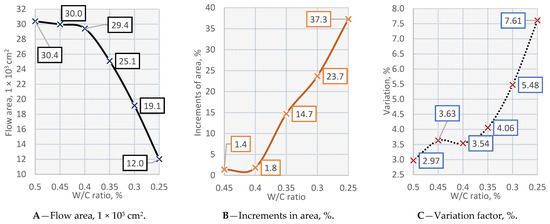
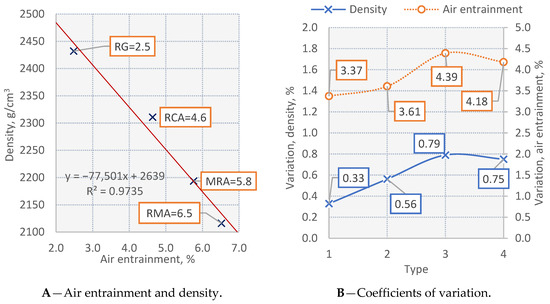
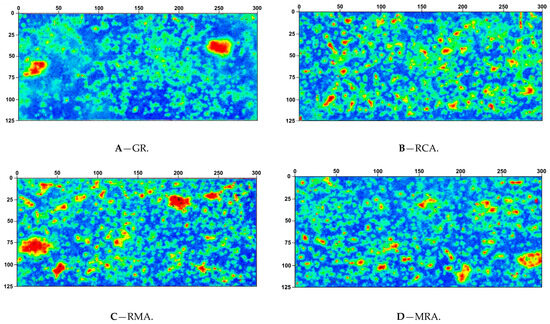
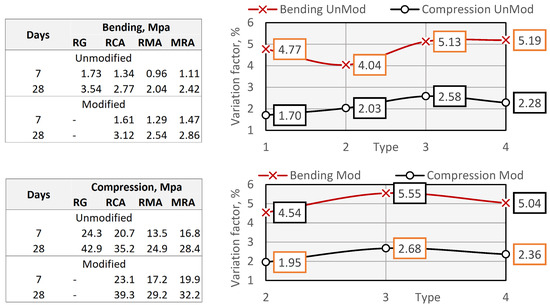
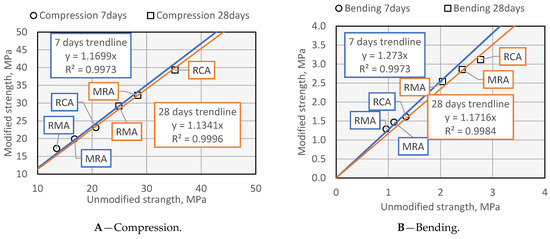
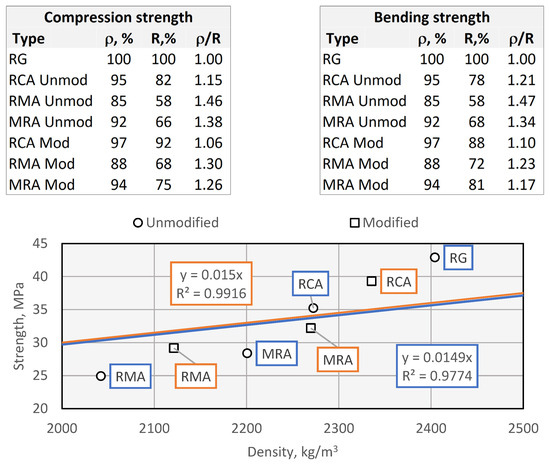
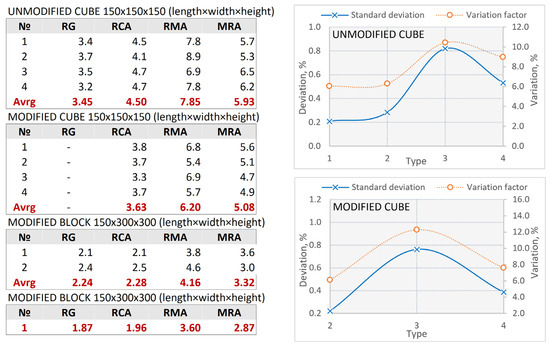
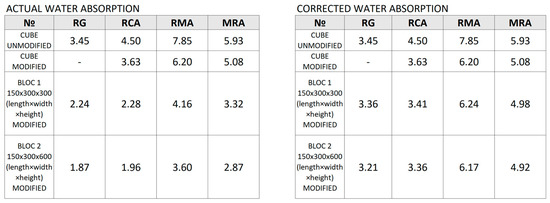
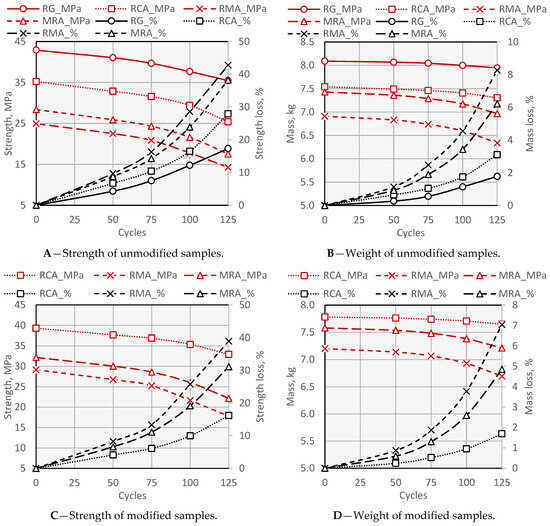
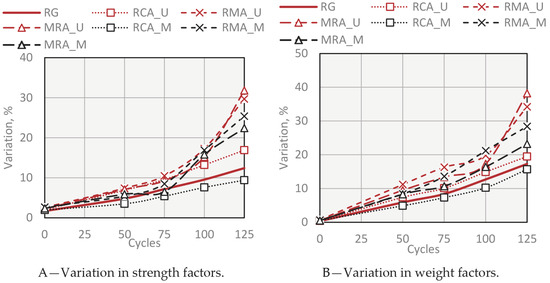
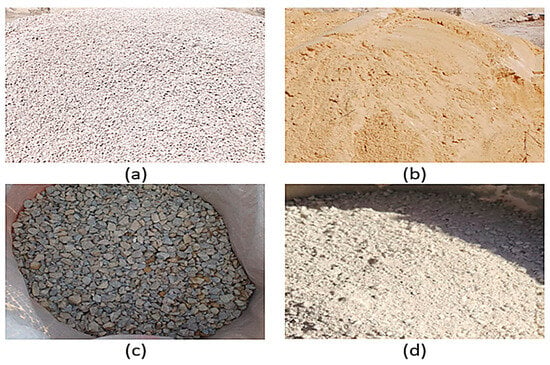
In this study, the characteristics of concretes made from mixed recycled aggregate—the cheapest and most common secondary raw material in construction and demolition waste—were determined. For this study, besides experimental concretes using mixed recycled aggregate, reference compositions were developed using river gravel, recycled concrete aggregate, and recycled masonry aggregate. The workability of concrete mixtures was measured as class S1, which is acceptable for use with slipform concrete pavers, and was achieved by varying the water/cement ratio, considering the different water adsorptions of the concrete fillers. The following mechanical characteristics of the concretes were defined on the 3rd and 28th days: density, compressive strength, flexural strength, water absorption, and frost resistance. The test results showed sufficiently high indicators of strength and durability for the recycled aggregate concretes. Moreover, the strength of the concrete developed from mixed recycled aggregate was comparable with that of the reference concretes. Considering the low strength requirements for the construction of the lower layers of rigid pavements, it was established that such an application of recycled aggregate concrete, including that derived from mixed recycled aggregate, could be permitted.
Full article
Open AccessReview
Sustainability: A Comprehensive Overview of Palm Oil Waste Upcycling in Civil Engineering Applications
by
Nura Shehu Aliyu Yaro, Jacob Adedayo Adedeji, Zesizwe Ngubane and Jacob Olumuyiwa Ikotun
Constr. Mater. 2026, 6(2), 23; https://doi.org/10.3390/constrmater6020023 - 15 Apr 2026
Abstract
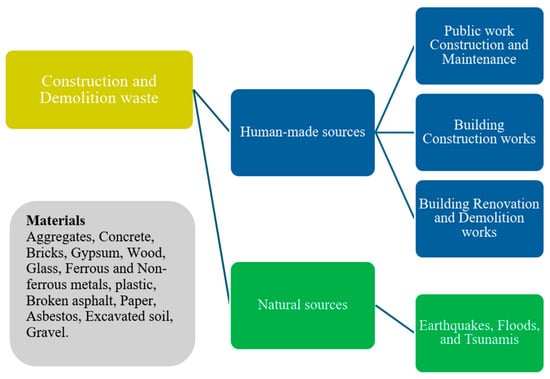
Palm oil waste (POW) is generated during the production of palm oil, and a large quantity of this waste often travels to landfills for disposal. This review aims to provide a comprehensive understanding of the circular economy approach to sustainable engineering and environmental
[...] Read more.
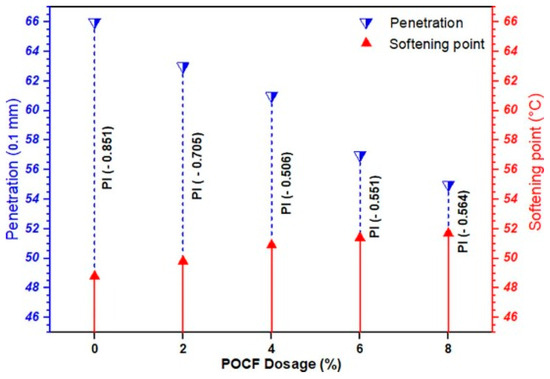
Palm oil waste (POW) is generated during the production of palm oil, and a large quantity of this waste often travels to landfills for disposal. This review aims to provide a comprehensive understanding of the circular economy approach to sustainable engineering and environmental applications of POW, including its generation, disposal concerns, challenges, and prospects. This review provides an overview of the features, composition, and prospective applications of several POWs, including palm oil clinkers (POCs), palm oil fuel ashes (POFAs), palm oil kernel shells (POKSs), and palm oil fibres (POFs). Furthermore, this overview describes the different applications that POW has found, such as sustainable construction materials, renewable energy production, and environmental remediation. Moreover, this review discusses the leaching and risk assessment of POW. The overview also discusses the circular economy implications of using POW. The results showed that while some wastes are reused and recycled, a good quantity are still discarded in environmentally harmful ways. With this overview of a wide circular economy approach to the sustainable use of POW, there will be a rallying call to experts and researchers to identify research gaps that could contribute to the sustainable use of POW. The results of this overview of the sustainable engineering and environmental applications of POW with a circular economy approach indicate that cleaner production technologies and better environmental sustainability of the palm oil industry are feasible through proper waste management, renewable energy generation, resulting in minimal environmental impacts. Furthermore, this analysis will be very useful in providing tools to engineers, environmentalists, and other relevant stakeholders to enable the efficient and sustainable use of POW in the global circular economy.
Full article
(This article belongs to the Special Issue Advances in the Sustainability and Durability of Waste-Based Construction Materials)
►▼
Show Figures

Figure 1
Open AccessArticle
A Mathematical Model for the Pullout Response of Hooked-End Shape Memory Alloy Fibres Embedded into Concrete
by
Demewoz W. Menna and Aikaterini S. Genikomsou
Constr. Mater. 2026, 6(2), 22; https://doi.org/10.3390/constrmater6020022 - 2 Apr 2026
Abstract
►▼
Show Figures
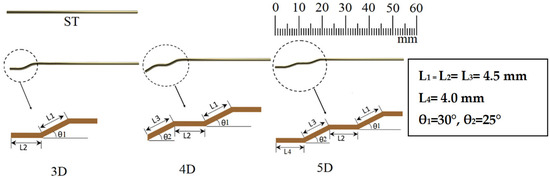
This study investigates the pullout behaviour of hooked-end superelastic shape memory alloy (SMA) fibres embedded in concrete with the aim to develop an analytical model. Single fibre pullout experiments were performed to evaluate the mechanical response of SMA fibres with various hook geometries.
[...] Read more.
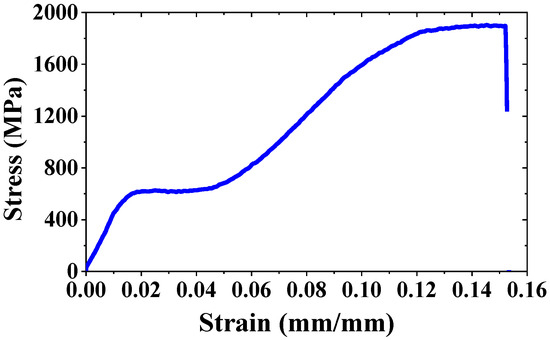
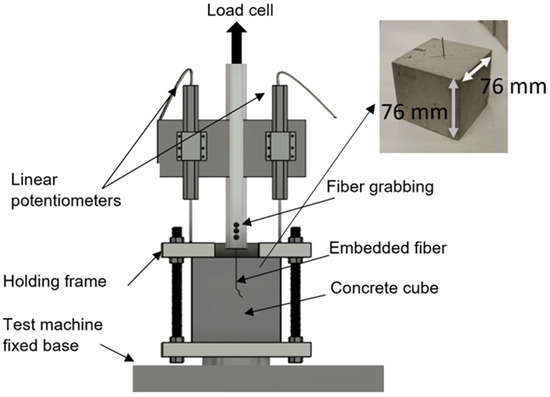
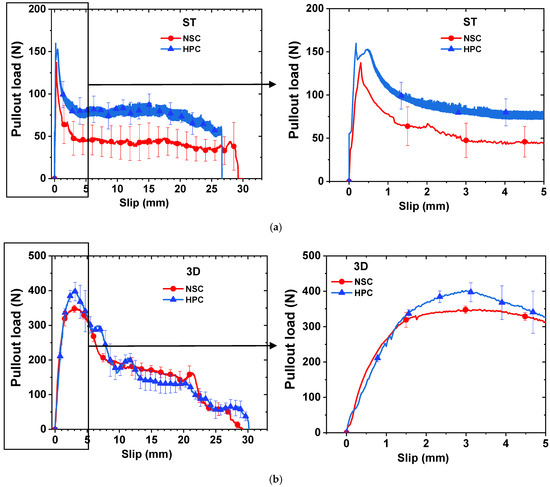
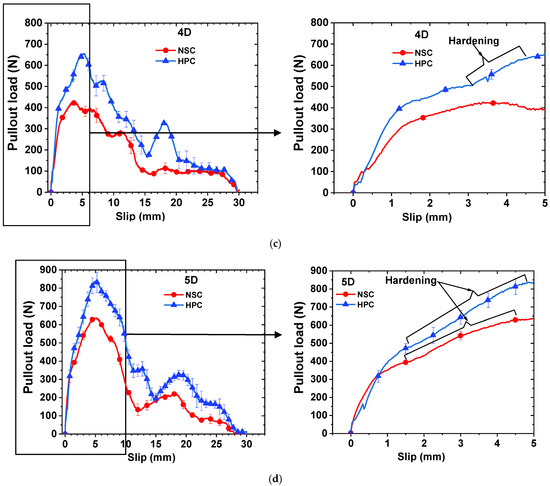
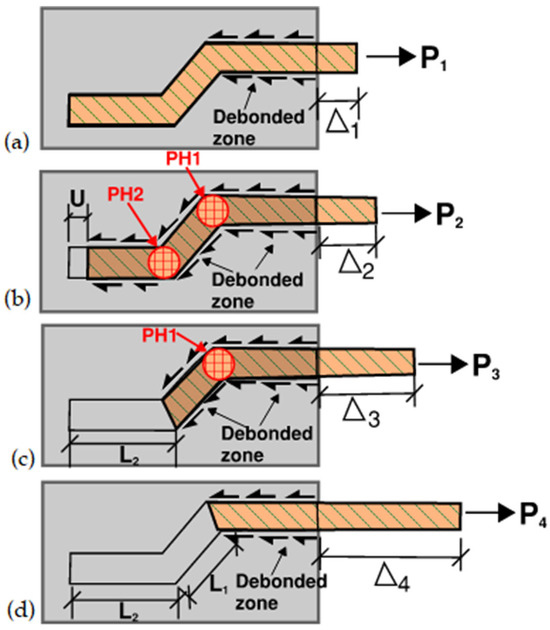
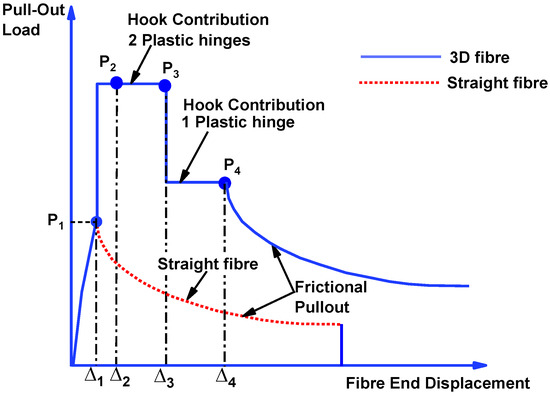
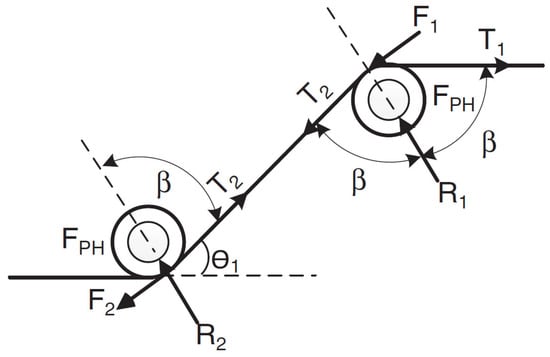
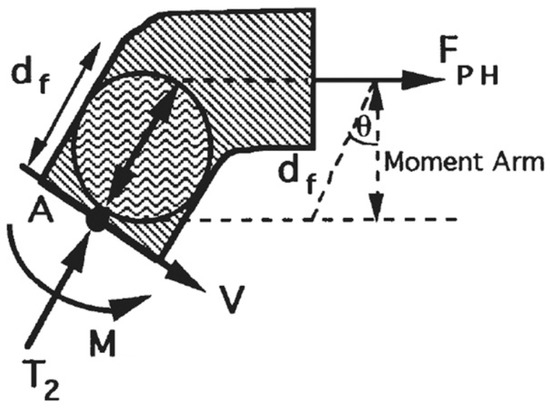
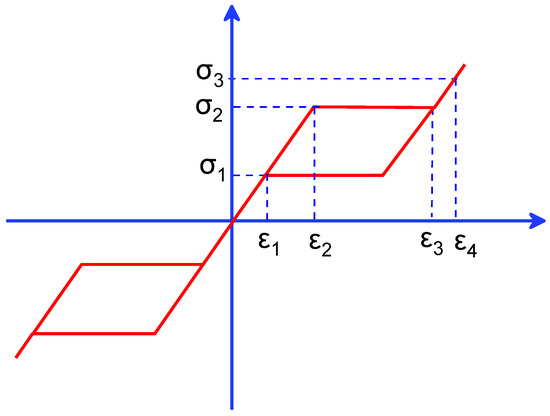
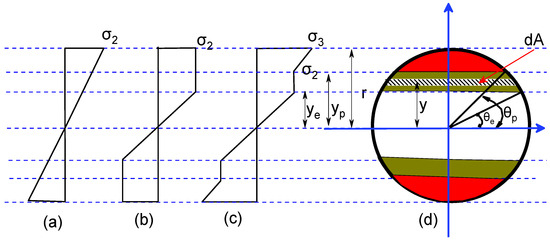
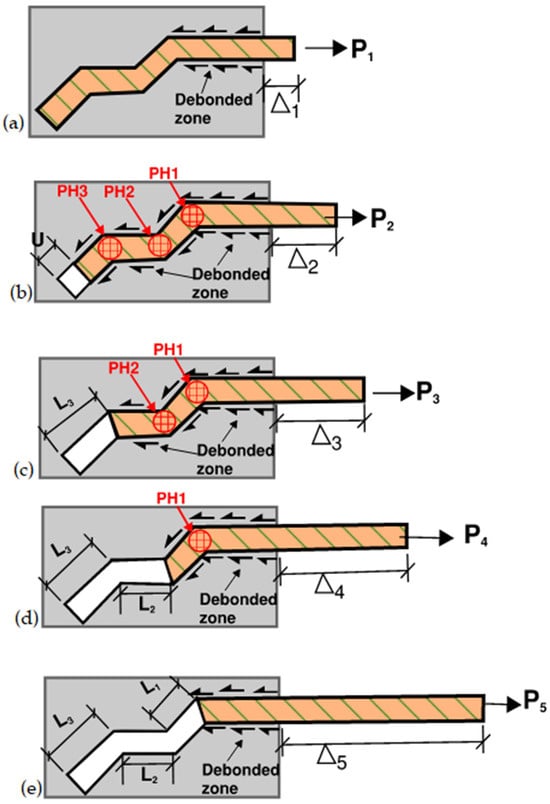
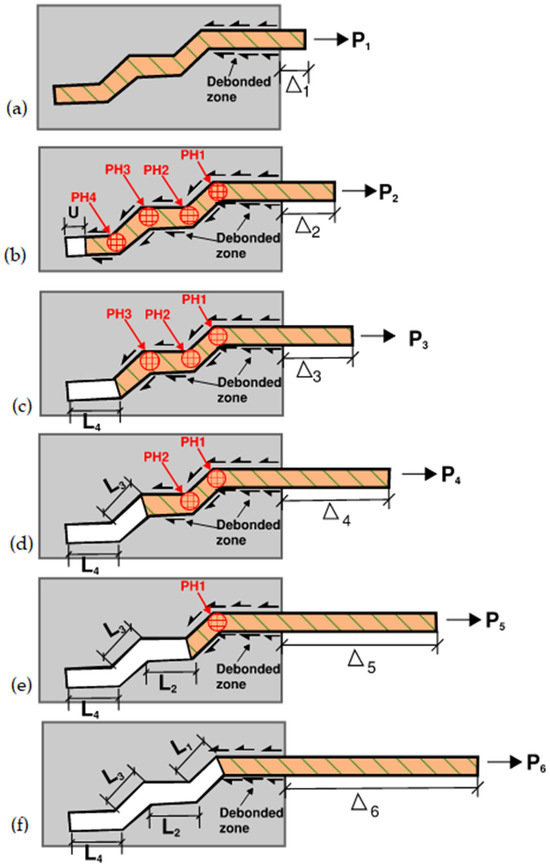
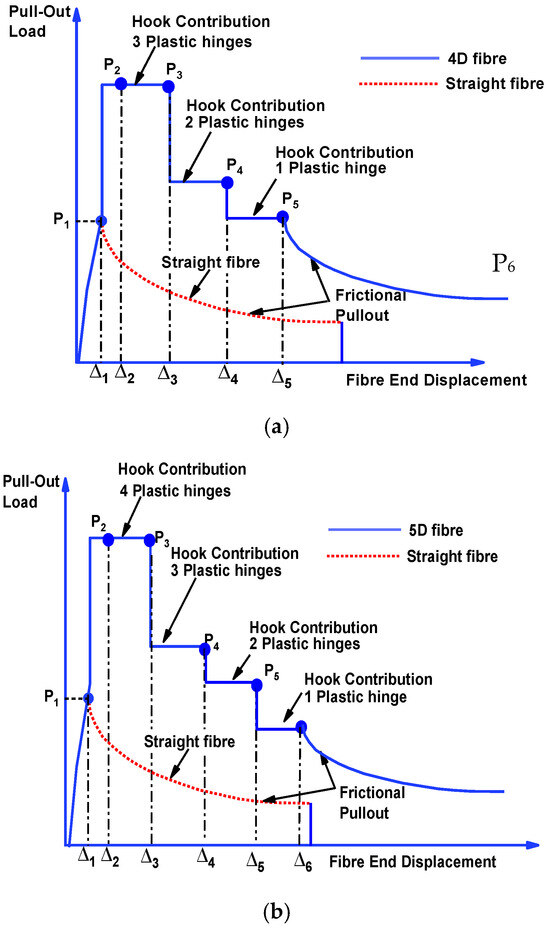
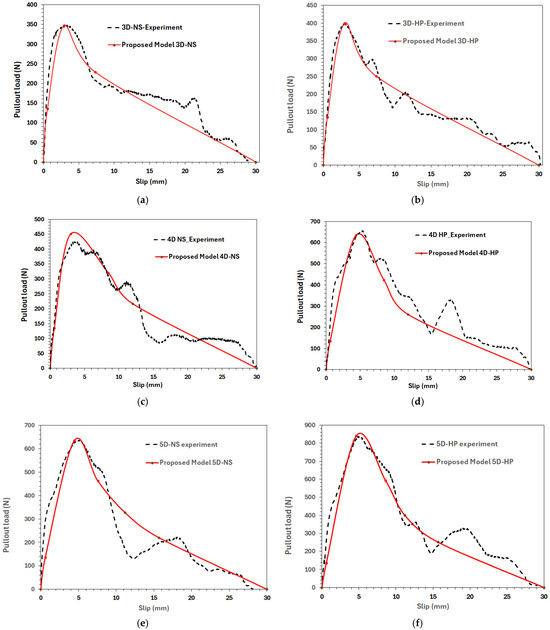
This study investigates the pullout behaviour of hooked-end superelastic shape memory alloy (SMA) fibres embedded in concrete with the aim to develop an analytical model. Single fibre pullout experiments were performed to evaluate the mechanical response of SMA fibres with various hook geometries. A mathematical model based on the friction pulley method was then developed to predict the experimental pullout load versus displacement plots. The model integrates the tensile stress–strain response and the elastic–plastic constitutive behaviour of superelastic SMA materials, while also accounting for fibre slip and superelastic deformation during the pullout process. The pullout process is modelled through staged mechanisms including elastic response and debonding, progressive mechanical anchorage, and frictional pullout. The contribution of mechanical anchorage is governed by the elastic–superelastic strain distribution within the hook bends. The proposed model reasonably reproduces the overall load-slip response, peak pullout load, slip at peak load, and pullout energy for the three different fibre geometries extracted from normal strength and high-performance concrete matrix. The proposed mathematical model offers a transferable and predictive tool for assessing the pullout performance of hooked-end SMA fibres and supports their integration into design of SMA fibre-reinforced cementitious composites.
Full article

Figure 1
Open AccessArticle
Shear Performance of Reinforced Concrete Beams with Varying Recycled Coarse and Fine Aggregate Contents Under Fire Exposure
by
Mu’tasim Abdel-Jaber, Mousa Shhabat, Ahmed Ashteyat, Ahmad Al-Khreisat and Omar Shehabat
Constr. Mater. 2026, 6(2), 21; https://doi.org/10.3390/constrmater6020021 - 31 Mar 2026
Abstract
►▼
Show Figures
The depletion of natural aggregates and the rapid increase in construction and demolition waste have intensified the need for sustainable structural materials. Recycled aggregates (RAs) represent a promising alternative; however, their performance under elevated temperatures remains insufficiently investigated. This study examines the combined
[...] Read more.
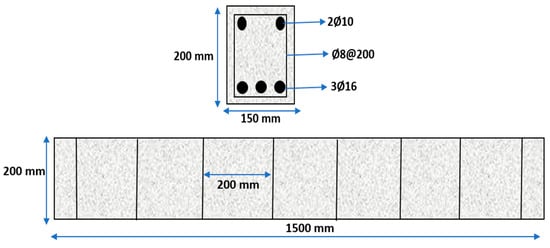
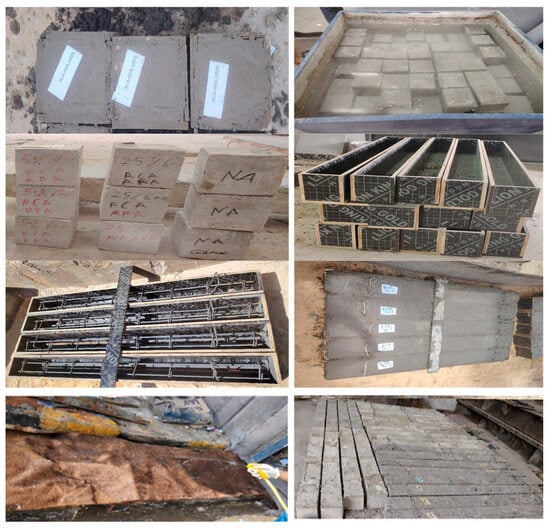
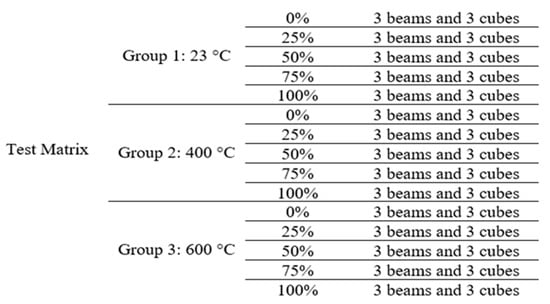
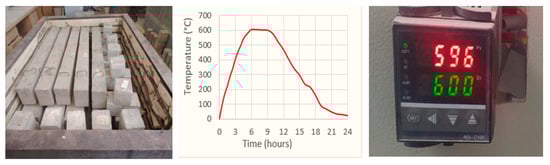
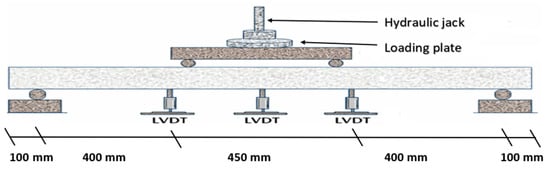
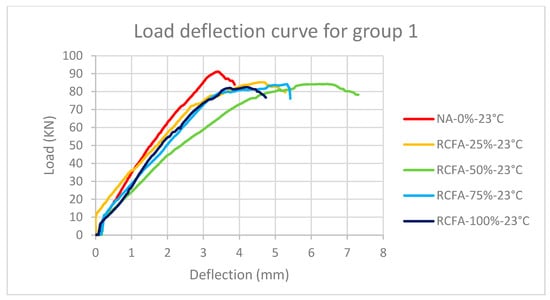
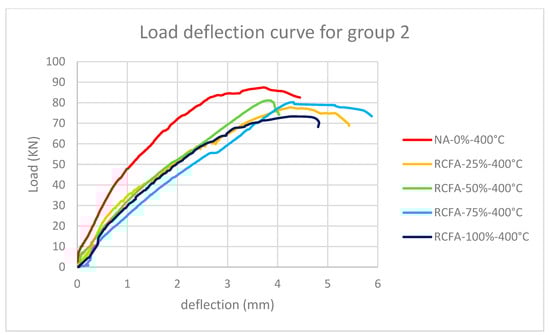
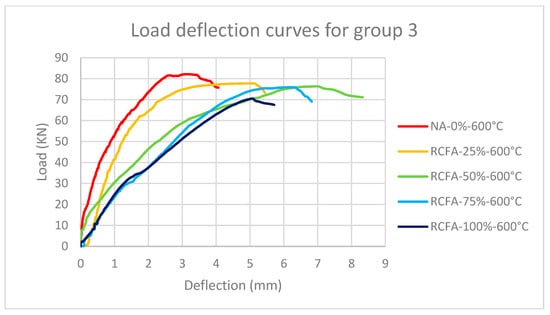
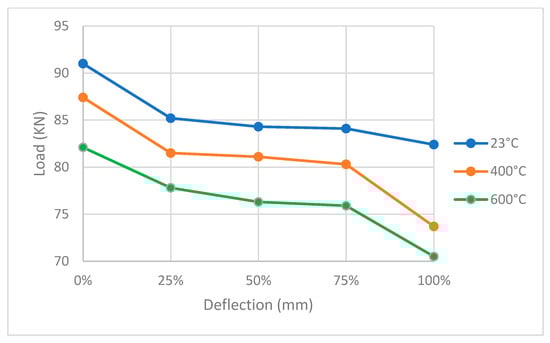
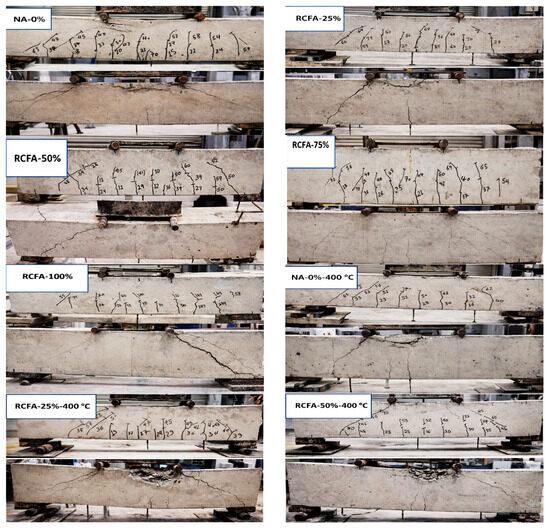
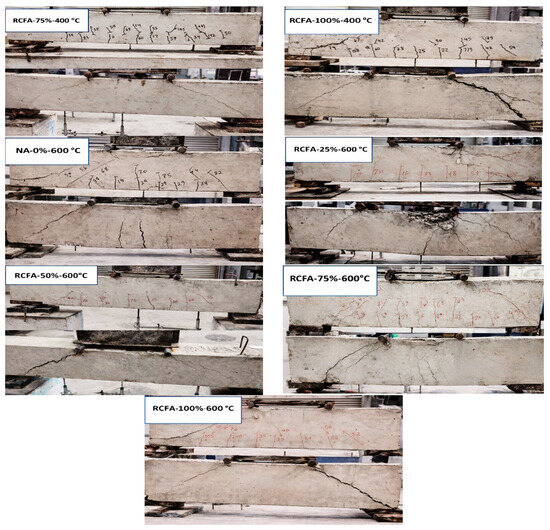
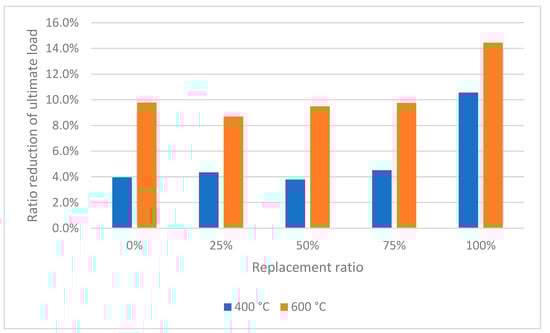
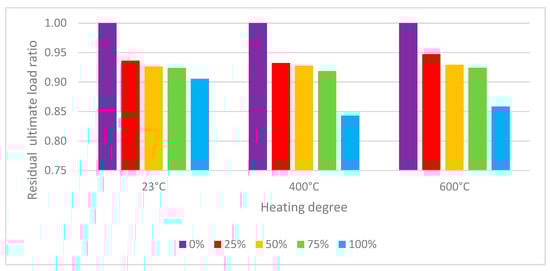
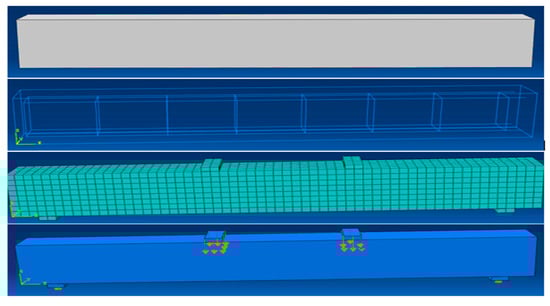
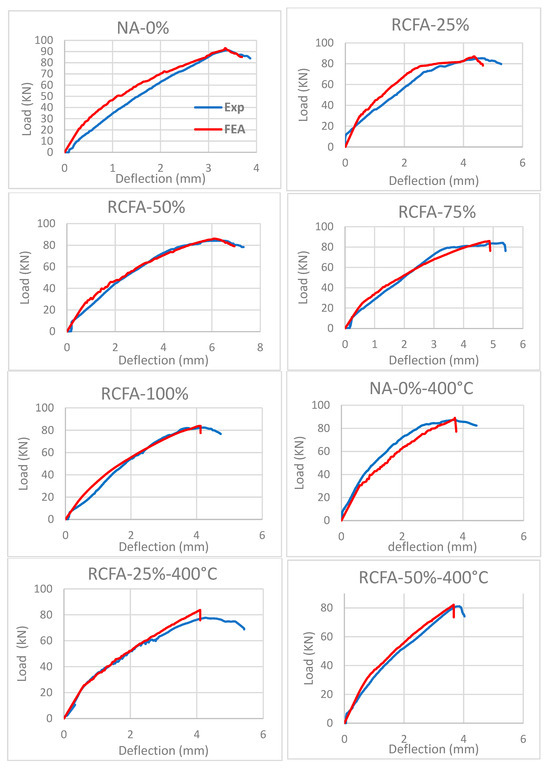
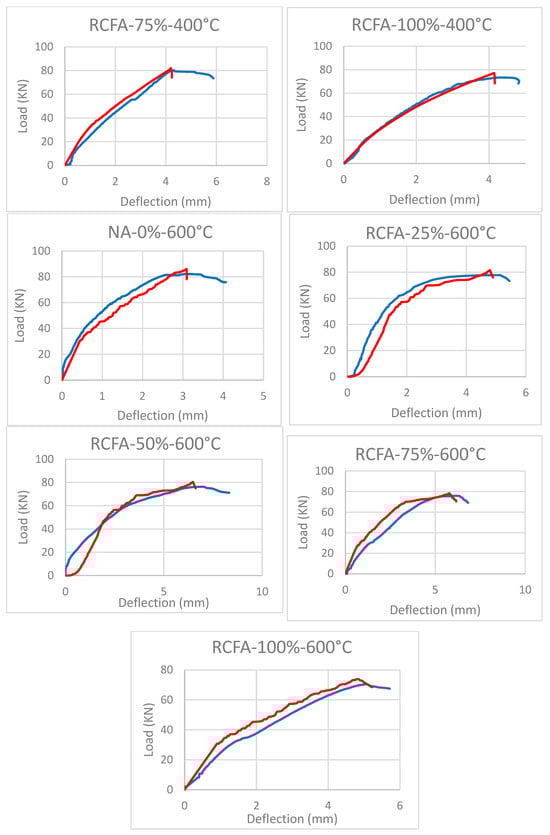
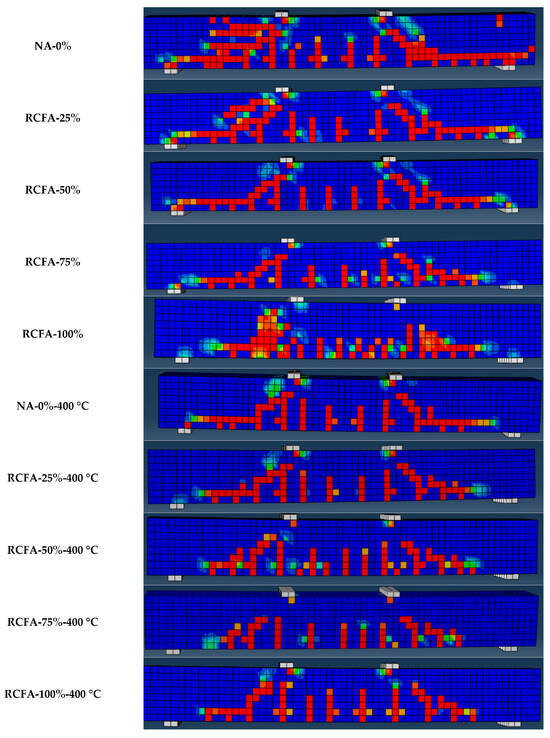
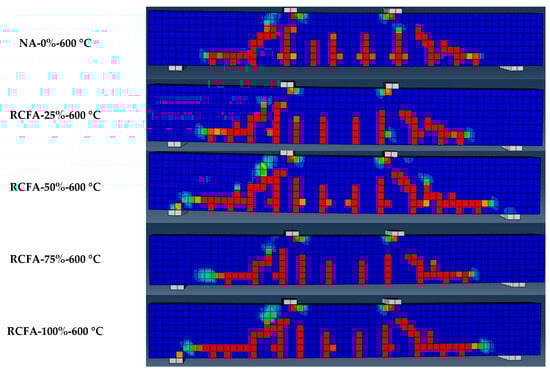
The depletion of natural aggregates and the rapid increase in construction and demolition waste have intensified the need for sustainable structural materials. Recycled aggregates (RAs) represent a promising alternative; however, their performance under elevated temperatures remains insufficiently investigated. This study examines the combined influence of recycled coarse and fine aggregates (RCFA) replacement ratios and fire exposure on the shear behavior of RC beams. Five replacement levels (0%, 25%, 50%, 75%, and 100%) were considered. A total of forty-five beams (1500 × 150 × 200 mm) were tested at 23 °C, 400 °C, and 600 °C. In addition, a finite element model was developed to validate the experimental findings. The results showed at 23 °C, increasing the RA content led to a moderate reduction in the ultimate shear capacity of approximately 6–10%. Fire exposure significantly aggravated strength degradation, with additional reductions of up to 11% at 400 °C and total losses reaching about 22% at 600 °C compared to the control beam at room temperature. Stiffness deterioration and crack propagation became more pronounced with higher temperatures and replacement ratios due to thermal damage to the cement matrix and interfacial transition zones. Nevertheless, moderate replacement levels (25–50%) maintained acceptable residual shear capacity and improved ductility and energy absorption. Numerical predictions closely matched experimental results, with load differences within 1–5%, confirming the model’s reliability.
Full article

Figure 1
Open AccessArticle
Quantifying and Mitigating Carbon Emissions in Long-Span Steel Bridge Construction: Lessons from the Anhsin Bridge in the Ankeng MRT System
by
Tai-Yi Liu, Jui-Jiun Lin, Shih-Ping Ho, Nelson N. S. Chou and Chia-Cheng Lee
Constr. Mater. 2026, 6(2), 20; https://doi.org/10.3390/constrmater6020020 - 27 Mar 2026
Abstract
Construction materials are the primary source of embodied carbon in long-span bridge projects, particularly for steel-intensive structures. This study presents an empirical construction-stage carbon footprint assessment of the Anhsin Bridge, an asymmetric cable-stayed steel truss bridge in Taiwan. Using the emission factor method
[...] Read more.
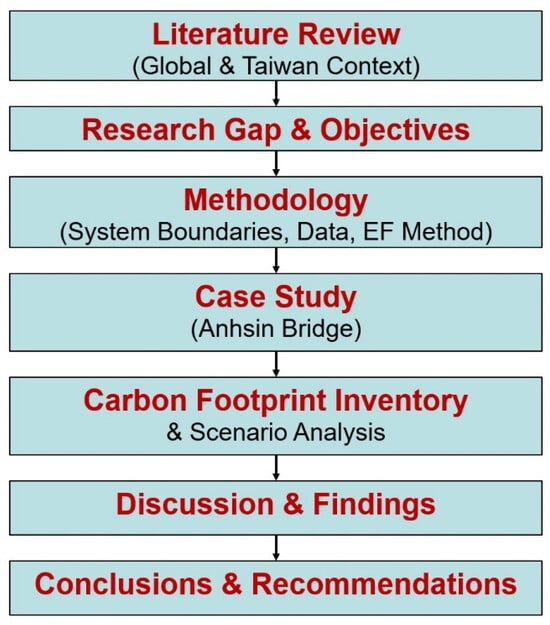
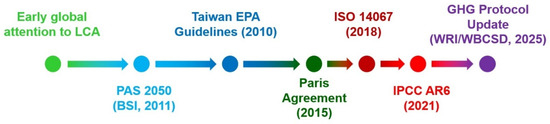
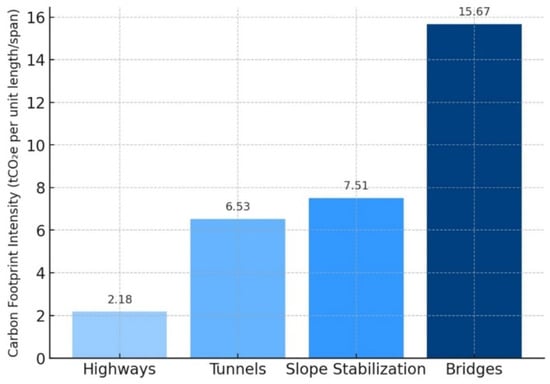
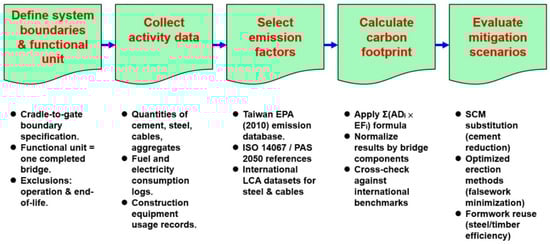
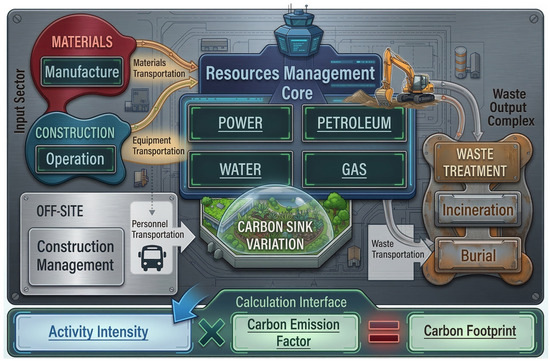
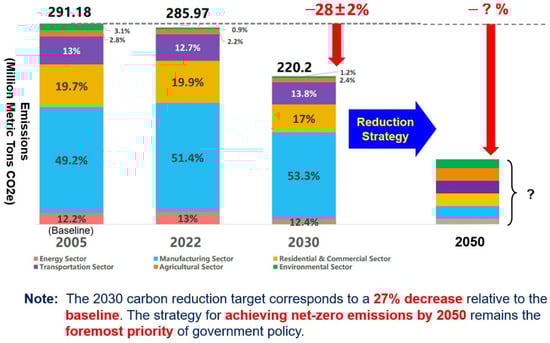
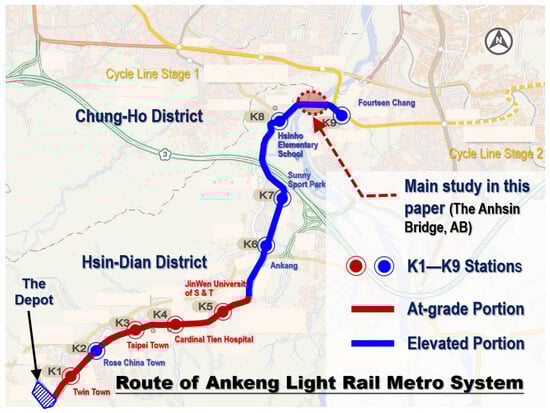
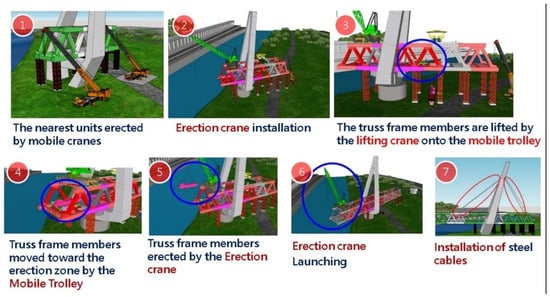
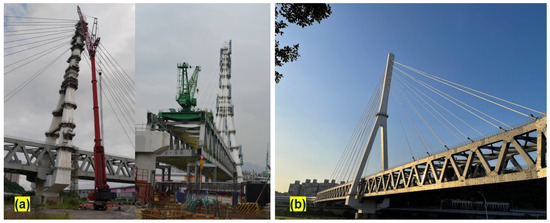
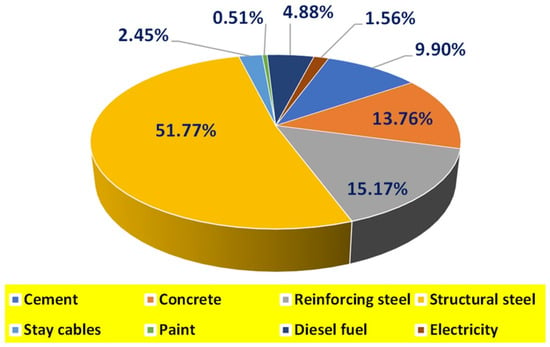
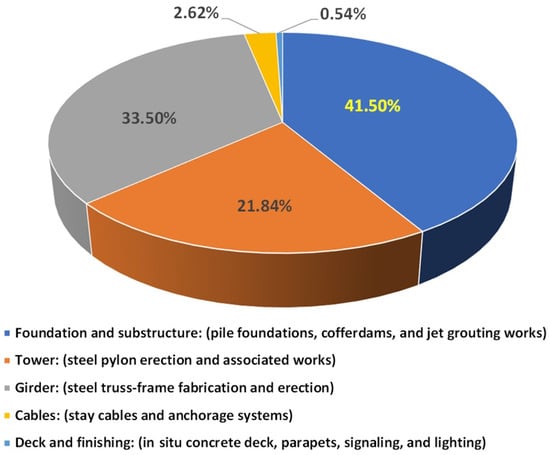
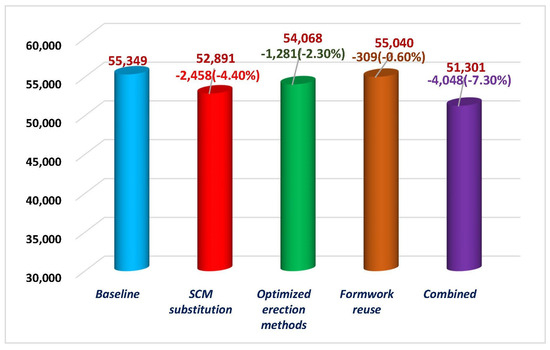
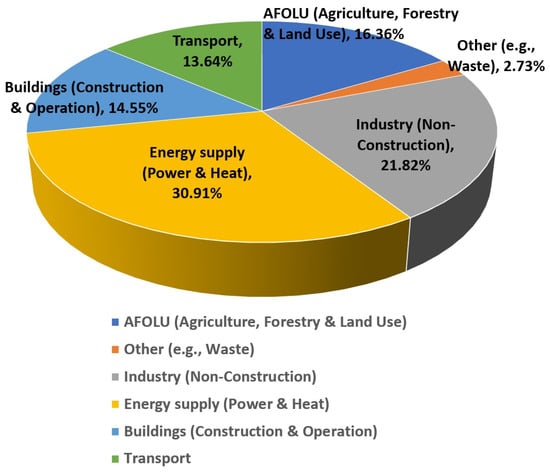
Construction materials are the primary source of embodied carbon in long-span bridge projects, particularly for steel-intensive structures. This study presents an empirical construction-stage carbon footprint assessment of the Anhsin Bridge, an asymmetric cable-stayed steel truss bridge in Taiwan. Using the emission factor method in accordance with ISO 14067 and Taiwan Environmental Protection Administration guidelines, a cradle-to-gate (A1–A5 equivalent) system boundary was applied, covering material production, transportation, and on-site construction activities. Total construction-stage emissions were estimated at 55,349 tCO2e, dominated by structural steel (51.8%), followed by reinforcing steel, concrete, and cement. Material-related emissions accounted for over 90% of the total, highlighting the critical role of material selection in embodied carbon reduction. Three practical mitigation strategies were evaluated using verified project data, as follows: 40% cement substitution with supplementary cementitious materials, optimized steel erection methods, and enhanced reuse of formwork and temporary works. The combined scenario achieved a 7.3% reduction in construction-stage emissions without compromising constructability. The findings demonstrate the effectiveness of material-oriented, constructability-aware strategies for reducing embodied carbon in steel-intensive bridge construction.
Full article
(This article belongs to the Special Issue Development and Engineering Application of Green and Low-Carbon Infrastructure Construction Materials)
►▼
Show Figures

Figure 1
Open AccessArticle
Stress–Strain State and Strength of Fiber-Reinforced Concrete Beams with Basalt, Steel, and Polypropylene Fibers
by
Abdurasul Martazaev and Sobirjon Razzakov
Constr. Mater. 2026, 6(2), 19; https://doi.org/10.3390/constrmater6020019 - 25 Mar 2026
Abstract
Fiber-reinforced concrete has proved to be viable in improving the mechanical characteristics of structural elements to the flexural and shear stresses. The concrete cubes, prisms, and cylinders were standardized, cast and cured after 28 days to assess the baseline mechanical characteristics. Beam specimens
[...] Read more.
Fiber-reinforced concrete has proved to be viable in improving the mechanical characteristics of structural elements to the flexural and shear stresses. The concrete cubes, prisms, and cylinders were standardized, cast and cured after 28 days to assess the baseline mechanical characteristics. Beam specimens were made of different types of fibers, lengths, and different volumetric contents and then subjected to controlled shear tests in which the crack initiation, propagation, and deformation were accurately measured. The experimental data proved that the addition of fibers was highly beneficial in terms of the mechanical performance of concrete. Basalt fibers enhanced compressive strength by up to 20.8 percent and tensile strength by 30.8 percent, whereas steel fibers had the best flexural strength with a maximum compressive and bending strength of 47.2 MPa and 6.56 MPa, respectively, at optimum dosage. Polypropylene fibers also improved performance, but in a lesser manner. The fiber addition served well to reduce the width of cracks and retard crack propagation, thus enhancing load-bearing capacity. These results show that dispersed fiber reinforcement that uses steel and basalt fibers is a practical solution to improving the dispersion of concrete in terms of durability and load-bearing capacity. The research will help guide the selection of fiber and the content in the reinforced concrete work to offer more robust and sustainable solutions to building.
Full article
(This article belongs to the Topic Advanced Composite Materials)
►▼
Show Figures

Figure 1
Open AccessArticle
Tire-Derived Aggregate as a Backfill Alternative for Retaining Walls: Nonlinear Time-History Analysis of Shake Table Tests
by
Il-Sang Ahn and Lijuan Cheng
Constr. Mater. 2026, 6(2), 18; https://doi.org/10.3390/constrmater6020018 - 9 Mar 2026
Abstract
►▼
Show Figures
Tire-Derived Aggregate (TDA) is a recycled fill material made by cutting scrap tires into small pieces that satisfy the gradation requirements in ASTM D 6270. Since its introduction to civil engineering applications, TDA fill and TDA backfill have been successfully implemented in many
[...] Read more.
Tire-Derived Aggregate (TDA) is a recycled fill material made by cutting scrap tires into small pieces that satisfy the gradation requirements in ASTM D 6270. Since its introduction to civil engineering applications, TDA fill and TDA backfill have been successfully implemented in many projects. However, the dynamic behavior of the TDA backfill under significant earthquakes has not been substantially addressed. The present study used nonlinear time-history Finite Element Analysis (FEA) to analyze the dynamic behavior of a retaining wall with TDA backfill captured from the full-scale shake table test. Unlike typical soil failure observed in a similar retaining wall with conventional soil backfill, significant wall sliding occurred because lightweight TDA contributed to reducing the friction resistance of the wall footing. Therefore, the analysis required modeling capability of rigid body motion and impact loading from the separation between the wall stem and the backfill. With adequate friction models and softened contact models, the FEA generated the dynamic motion of the retaining wall that matched well with the measured responses, including the wall sliding. The friction model between the wall footing and soil was most critical in accurately reproducing wall sliding motion. It was determined to use different friction coefficients for the two different earthquakes used in the study in order to simplify the rate dependence of the coefficient. Also, the softened contact model generated more reasonable impact force by allowing overclosure and finite stiffness during impact. The FEA model and modeling technique in the present study can be used for the seismic design of various field-scale retaining walls with TDA backfill.
Full article

Figure 1

Open AccessArticle
Structural Performance with Long-Term Behavior and Environmental Assessment of Cement-Bound Granular Mixtures with Anhydrous Calcium Sulphate: An Experimental and Numerical Investigation
by
Andrea Serpi, James Rombi, Gustavo Boada-Parra, Francesca Maltinti and Mauro Coni
Constr. Mater. 2026, 6(2), 17; https://doi.org/10.3390/constrmater6020017 - 28 Feb 2026
Abstract
In recent decades, the need to embrace the concepts of the circular economy and ecological transition has become increasingly apparent, especially in the civil engineering sector. This research aims to study a Cement-Bound Granular Material (CBGM) pavement layer using the industrial by-product Anhydrous
[...] Read more.
In recent decades, the need to embrace the concepts of the circular economy and ecological transition has become increasingly apparent, especially in the civil engineering sector. This research aims to study a Cement-Bound Granular Material (CBGM) pavement layer using the industrial by-product Anhydrous Calcium Sulphate (ACS) as a partial replacement for Portland Cement (PC) by weight. The dual objective is to reduce environmental impact and ensure long-term high mechanical performance. Mechanical tests conducted at different curing periods (7, 28, 96, and 120 days) showed compressive strength gains of up to 180%. The evolution of the mechanical behavior was correlated with the formation of the gypsum dihydrate and ettringite hydrated phases, found by quantitative XRD analysis, to reinforce the cement matrix. Finite element simulations and fatigue life predictions using Miner’s rule over pavement lifespans of 15, 20, and 30 years indicated an increase in durability by a factor of 4.68 for the ACS-enhanced mixture compared to traditional PC-only formulations. Leaching tests show the material performs within acceptable environmental thresholds, even if its classification and acceptance may differ across regulatory systems, suggesting a solid basis for its application in sustainable practices.
Full article
(This article belongs to the Special Issue Innovative Materials and Technologies for Road Pavements)
►▼
Show Figures

Figure 1
Open AccessArticle
Fire Performance of Recycled Aggregate Concrete: Experimental Assessment of Compressive Strength and Physical Deterioration at Elevated Temperatures
by
Gabriela Peñafiel, Carlos Navarro, Santiago Medina Robalino, Fernanda Pico, Bernarda Abril, Byron Quishpe and Luis Felipe Contreras-Vásquez
Constr. Mater. 2026, 6(2), 16; https://doi.org/10.3390/constrmater6020016 - 27 Feb 2026
Abstract
►▼
Show Figures
Concrete remains one of the most widely utilized construction materials, valued particularly for its exceptional compressive strength. However, exposure to fire can compromise both its internal microstructure and external integrity. This research investigates the behavior of concrete manufactured with recycled concrete coarse aggregate
[...] Read more.
Concrete remains one of the most widely utilized construction materials, valued particularly for its exceptional compressive strength. However, exposure to fire can compromise both its internal microstructure and external integrity. This research investigates the behavior of concrete manufactured with recycled concrete coarse aggregate (RCA) derived from construction waste, aiming to establish experimental evidence of fire’s impact on compressive strength. We employed the Optimal Density Method to design mix proportions targeting 24 MPa compressive strength. The experimental program comprised 45 cylindrical samples distributed across three replacement levels: 0%, 15%, and 30% natural aggregate substitution with RCA. Following 28 days of curing, samples underwent direct fire exposure in a melting furnace. Temperature progression was monitored using a pyrometer, ranging from ambient (0 °C) through 250 °C, 400 °C, 600 °C, to 800 °C, with controlled exposure duration at each level. Three samples were tested at each temperature. After fire exposure, samples were cooled for 24 h at ambient temperature before compression testing. The densities of the fresh specimens were determined to be 2254.06 kg/m3 for HS-0AR%, 2210.09 kg/m3 for HS-15AR%, and 2180.85 kg/m3 for HS-30AR%, with a percentage density variation with respect to HS-0AR% of 1.95% and 3.25%, respectively. Finally, in relation to the compressive strength of concrete, a reduction of 4.34% was observed for 15% AGR and 5.72% for 30%, suggesting that the variations may be due to factors such as the water/cement ratio, the quality of the aggregate, and the curing conditions of concrete. In addition, several pathologies were observed, such as cracking, fissures, color changes, and spalling.
Full article

Figure 1
Open AccessReview
A Focused Review of Nanomaterial-Enhanced Cement-Based Adhesives for Optimized FRP-to-Concrete Bonding
by
Mohammad Al-Zu’bi, Mazen J. Al-Kheetan and Musab Rabi
Constr. Mater. 2026, 6(2), 15; https://doi.org/10.3390/constrmater6020015 - 24 Feb 2026
Abstract
►▼
Show Figures
The ongoing concern about sustainable infrastructure has driven the development of cement-based adhesives (CBAs) for fibre-reinforced polymer (FRP)-based concrete retrofitting. Nevertheless, traditional CBAs usually have low bond strength, low crack resistance, and low long-term durability that undermine the performance of FRP–concrete systems. To
[...] Read more.
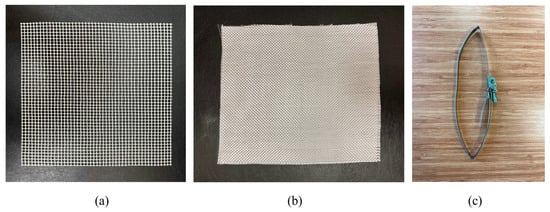
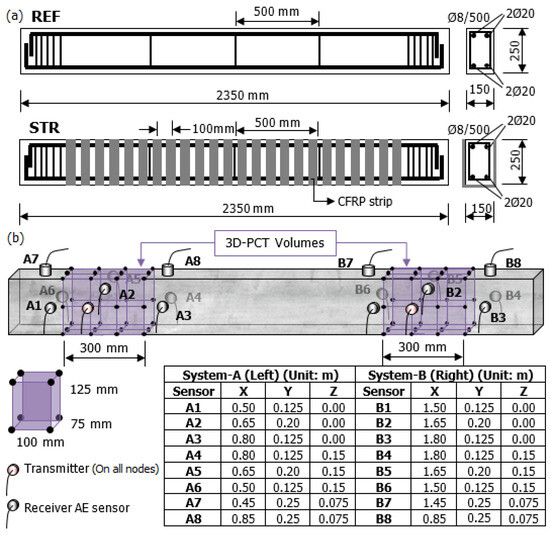
The ongoing concern about sustainable infrastructure has driven the development of cement-based adhesives (CBAs) for fibre-reinforced polymer (FRP)-based concrete retrofitting. Nevertheless, traditional CBAs usually have low bond strength, low crack resistance, and low long-term durability that undermine the performance of FRP–concrete systems. To address these limitations, this focused review examines the potential of nanomaterial-modified CBAs to enhance interfacial bond behaviour and overall structural performance. A systematic assessment of recent experimental studies was used to analyze CBAs modified with nanosilica, carbon nanotubes, graphene oxide, and other nanomaterials. The roles of these nanomaterials in improving adhesion mechanisms, stress transfer efficiency, crack control, and resistance to environmental stressors are critically discussed. We also contrast the performance of neat and nano-modified CBAs in FRP-based retrofitting systems, with particular emphasis on bond behaviour, mechanical response, and durability-related performance. Particular emphasis is put on innovative high-strength self-compacting cementitious adhesives (IHSSC-CAs), which are identified as an emerging class of sustainable bonding materials combining high mechanical performance with improved environmental compatibility in relation to traditional bonding systems. The paper concludes with the identification of key research gaps, a discussion of practical implementation challenges, and an outline of future research directions for the development of next-generation sustainable and resilient concrete retrofitting technologies.
Full article

Figure 1

Open AccessArticle
Effect of Electrochemically Activated Mixing Water on Strength and Pore Structure of Fly-Ash Autoclaved Aerated Concrete
by
Daniyar Akhmetov, Aleksej Aniskin, Baitak Apshikur and Aizhan Baikunirova
Constr. Mater. 2026, 6(1), 14; https://doi.org/10.3390/constrmater6010014 - 22 Feb 2026
Abstract
►▼
Show Figures
This study assessed whether electrochemical activation of mixing water can enhance autoclaved aerated concrete (AAC), in which fly ash replaces sand as the siliceous component. Mixing water was electrolyzed in a diaphragm-type “Melesta” unit to obtain the catholyte and anolyte, and fly ash
[...] Read more.
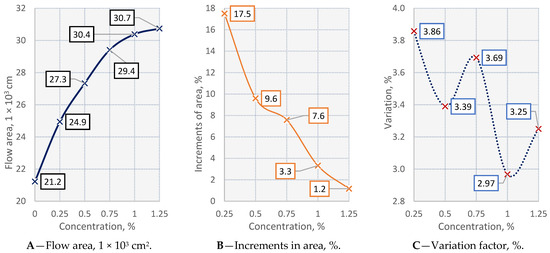
This study assessed whether electrochemical activation of mixing water can enhance autoclaved aerated concrete (AAC), in which fly ash replaces sand as the siliceous component. Mixing water was electrolyzed in a diaphragm-type “Melesta” unit to obtain the catholyte and anolyte, and fly ash was pre-exposed to the catholyte for up to 15 min. The material’s behavior was evaluated using slurry flow tests, scanning electron microscopy, Fourier-transform infrared spectroscopy, macropore-uniformity analysis, mercury intrusion porosimetry, and shrinkage and short-term durability indicators. At an approximately constant density class near 600 kg/m3, the catholyte-pretreated fly-ash AAC mixes showed a near-monotonic increase in compressive strength with increasing fly-ash replacement (relative to the sand-based reference), while fresh-mixture fluidity decreased. The pore structure became more uniform, as indicated by a decrease in the standard deviation of pore diameters from 0.175 to 0.133 mm, and porosimetry indicated a higher micro-porosity fraction in fly-ash AAC than in sand-based AAC. Capillary shrinkage remained essentially unchanged, and short-term durability indicators (durability coefficients after 25 cycles) showed a small improvement. Overall, electrochemically activated water promoted a more regular pore system and stronger interpore walls under autoclave curing, supporting higher fly-ash utilization without loss of dimensional stability. The results are limited to one fly-ash source (Ekibastuz TPP); transferability should be verified using ashes with different glass content, fineness, and carbon/LOI.
Full article

Figure 1

Open AccessArticle
Calcium-Based Wastes as Additives or Binder Substitutes in Mortars: Experimental Research with Oyster Shells or Lime Kiln Dust, Quicklime and a Modified Vinegar Solution
by
Rute Eires, Raphaele Malheiro, Thianne Peixoto and Arlen Zúniga
Constr. Mater. 2026, 6(1), 13; https://doi.org/10.3390/constrmater6010013 - 10 Feb 2026
Abstract
Lime kiln dust (LKD), a by-product of the paper industry, generates about 100 tonnes of waste per 400,000 tonnes of kraft paper produced, while global aquaculture yields more than 16 million tonnes of oysters annually, 65–90% of which is made up of shells.
[...] Read more.
Lime kiln dust (LKD), a by-product of the paper industry, generates about 100 tonnes of waste per 400,000 tonnes of kraft paper produced, while global aquaculture yields more than 16 million tonnes of oysters annually, 65–90% of which is made up of shells. This study explores their valorisation in the production of more eco-friendly mortars by partially replacing hydrated lime with LKD and oyster shell powder (OSP). In addition, a vinegar solution (VS), prepared by reacting oyster shells with white vinegar (~5% acetic acid), was used as an alternative mixing liquid instead of water. The LKD and OSP were tested at different substitution levels, showing promising mechanical performance, supporting their use as sustainable alternatives in mortar production. Replacement levels of 25%, 50% and 90% achieved compressive strengths ≥ 0.4 MPa at 28 days. At 28 days, the reference lime mortar prepared with water reached 0.83 MPa, while the use of the vinegar solution increased the compressive strength to 1.86 MPa, representing an improvement of approximately 124%. Regarding binder replacement by wastes, the most efficient mechanical performance was obtained for mixtures with 50% LKD substitution, reaching 2.04 MPa at 28 days and 3.11 MPa at 60 days, increasing by 10% and 43%, respectively, while mixtures incorporating oyster shell powder showed more stable mechanical behaviour across substitution levels. Using a hot-mixing process with quicklime in the presence of the vinegar-based solution and sand may account for the higher strengths, due to the heat/steam generated during lime hydration prior to moulding and verified by microscopy. In addition, VS-containing mixes showed higher aragonite contents and detectable phosphorus-bearing compounds, which may further contribute to matrix densification and strengthening. Overall, the results indicate that the combined use of uncalcined calcium-based wastes and a vinegar-based solution can contribute to the development of calcium-based mortars with good mechanical performance, supporting circular economy strategies and the reduction in calcined-binder use in construction materials.
Full article
(This article belongs to the Special Issue Advances in the Sustainability and Durability of Waste-Based Construction Materials)
►▼
Show Figures

Figure 1
Open AccessArticle
Modeling of GFRP–Concrete Bond–Slip Behavior: Integrating Neural Networks with Finite Element Analysis
by
Rajeev Devaraj, Ayodele Olofinjana and Christophe Gerber
Constr. Mater. 2026, 6(1), 12; https://doi.org/10.3390/constrmater6010012 - 10 Feb 2026
Abstract
►▼
Show Figures
Glass fibre-reinforced polymer (GFRP) offers a durable, high-tensile strength alternative to steel rebar in reinforced concrete (RC). However, the inherent lack of ductility in GFRP limits its structural applications, which has led to the development of hybrid GFRP–steel RC systems. The composite nature
[...] Read more.
Glass fibre-reinforced polymer (GFRP) offers a durable, high-tensile strength alternative to steel rebar in reinforced concrete (RC). However, the inherent lack of ductility in GFRP limits its structural applications, which has led to the development of hybrid GFRP–steel RC systems. The composite nature of these systems requires an accurate understanding of the bond interaction between GFRP rebar and concrete. Existing bond models often fall short of accurately representing the distinct mechanical properties and surface characteristics of GFRP bars, particularly within finite element (FE) analysis environments. To address this gap, the present study proposes a computational method that employs a feedforward neural network (FFNN) trained on experimental data encompassing a specific range of parameters (bar diameters 8–16 mm, concrete strengths 18–50 MPa), including bar diameter, bond length, concrete strength, and cover thickness. Unlike conventional models that typically focus on peak bond strength, the developed FFNN accurately predicts the complete bond–slip relationship. The developed bond model is then integrated into the FE analysis. The simulation results demonstrate strong agreement with experimental data (average R2 = 0.93) and effectively capture key behavioral aspects such as crack initiation and propagation.
Full article

Figure 1

Open AccessArticle
Principal Component and Multiple Linear Regression Analysis for Predicting Strength in Fiber-Reinforced Cement Mortars
by
Enea Mustafaraj, Erion Luga, Christina El Sawda, Elio Ziade and Khaled Younes
Constr. Mater. 2026, 6(1), 11; https://doi.org/10.3390/constrmater6010011 - 5 Feb 2026
Abstract
Accurate prediction of the mechanical performance of fiber-reinforced cement mortars (FRCM) is challenging because fiber geometry and properties vary widely and interact with the cement matrix in a non-trivial way. In this study, we propose an interpretable, computationally light framework that combines principal
[...] Read more.
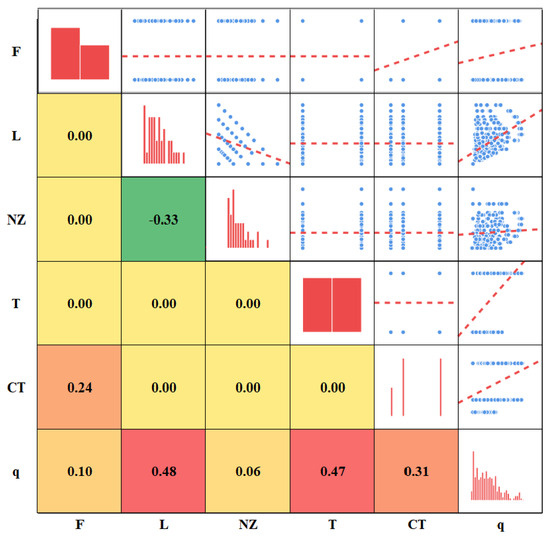
Accurate prediction of the mechanical performance of fiber-reinforced cement mortars (FRCM) is challenging because fiber geometry and properties vary widely and interact with the cement matrix in a non-trivial way. In this study, we propose an interpretable, computationally light framework that combines principal component analysis (PCA) with multiple linear regression (MLR) to predict compressive strength (Cs) and flexural strength (Fs) from mix proportions and fiber parameters. The literature-based dataset of 52 mortar mixes reinforced with polypropylene, steel, coconut, date palm, and hemp fibers was compiled and analyzed, covering Cs = 4.4–78.6 MPa and Fs = 0.75–16.7 MPa, with fiber volume fraction Vf = 0–15% and fiber length Fl = 4.48–60 mm. PCA performed on the full dataset showed that PC1–PC2 explain 53.4% of the total variance; a targeted variable-selection strategy increased the captured variance to 73.0% for the subset used for regression model development. MLR models built using PC1 and PC2 achieved good accuracy in the low-to-mid strength range, while prediction errors increased for higher-strength mixes (approximately Cs ≳ 60 MPa and Fs ≳ 10 MPa). On an independent validation dataset (n = 10), the refined model achieved mean absolute percentage errors of 11.3% for Fs and 18.5% for Cs. The proposed PCA-MLR approach provides a transparent alternative to more complex data-driven predictors, and it can support preliminary screening and optimization of fiber-reinforced mortar designs for durable structural and repair applications.
Full article
(This article belongs to the Topic Advanced Composite Materials)
►▼
Show Figures

Figure 1
Open AccessArticle
Thermal Conductivity and Volumetric Heat Capacity of Recycled Concrete Aggregates Blended with Autoclaved Aerated Concrete Grains for Road Base Materials in Vietnam
by
Van Nam Pham, Toshihiro Sakaki and Ken Kawamoto
Constr. Mater. 2026, 6(1), 10; https://doi.org/10.3390/constrmater6010010 - 3 Feb 2026
Abstract
Thermal properties, such as thermal conductivity (λ) and heat capacity (Cv), are important in understanding heat transport and the urban heat island (UHI) effect. While many studies focus on surface materials rather than roadbed materials, this study targeted
[...] Read more.
Thermal properties, such as thermal conductivity (λ) and heat capacity (Cv), are important in understanding heat transport and the urban heat island (UHI) effect. While many studies focus on surface materials rather than roadbed materials, this study targeted roadbed materials using recycled concrete aggregates mixed with autoclaved aerated concrete (AAC) grains to experimentally measure and to predict the λ and Cv under varied moisture conditions. The results showed that both λ and Cv of all tested samples increased linearly with increasing volumetric water content (θ), and the increment of AAC was effective in reducing the λ values in the whole range of θ. The addition of AAC, on the other hand, did not affect the measured Cv significantly and gave a linear increase in Cv with the increase in θ. The performance of predictive models showed that Archie’s-second-law-based model captured the measured λ values for all tested samples well by modifying the saturation exponent (n = 0.7), and the classic de Vries model predicted the measured Cv well, suggesting that Archie’s-second-law-based model would be useful to evaluate heat transport parameters for roadbed materials in this study.
Full article
(This article belongs to the Topic Green Construction Materials and Construction Innovation)
►▼
Show Figures

Figure 1
Open AccessCommunication
Welding of Steel with a High Carbon Equivalent and Bainite Microstructure with Extremely Low Heat Input
by
Mikhailo Brykov, Vasyl’ Girzhon, Volodymyr Lebedev, Ruslan Kulykovskyi, Oleksii Kapustyan, Olexandr Klymov, Alexey Efremenko and Denys Molochkov
Constr. Mater. 2026, 6(1), 9; https://doi.org/10.3390/constrmater6010009 - 30 Jan 2026
Abstract
Samples of medium-carbon low alloyed steel (0.45 wt% C, 2.61 wt% Mn, 1.57 wt% Si) with bainite microstructure were welded using the cold metal transfer method. A series of single welding “dots” was made to produce welding joints using austenitic welding wires. The
[...] Read more.
Samples of medium-carbon low alloyed steel (0.45 wt% C, 2.61 wt% Mn, 1.57 wt% Si) with bainite microstructure were welded using the cold metal transfer method. A series of single welding “dots” was made to produce welding joints using austenitic welding wires. The heat input was adjusted to the minimal possible level of 500–800 J per “dot”. Tensile tests of welded samples demonstrated that quality welds were obtained. All samples were broken via welded metal, showing tensile strength 530–670 MPa, which is inherent to the material of the welding wires. It was determined that the time required for phase transformations in the heat-affected zone during the thermal cycle is an order of magnitude greater than the time of temperature flash during producing a single welding “dot”. The results of extensive hardness measurements of material in the heat-affected zone, along with macro- and microstructure investigations, are presented. It has been demonstrated that cold metal transfer welding technology can be successfully used for welding steel with high carbon equivalent and bainite microstructure without preheating and with minimal deterioration of properties in the heat-affected zone.
Full article
(This article belongs to the Special Issue Innovations in Sustainable Construction and Road Engineering Materials)
►▼
Show Figures

Figure 1
Open AccessArticle
Durability of One-Part Alkali-Activated Binder Made with Alternative Sodium Silicate
by
Rodrigo H. Geraldo, Jardel P. Gonçalves and Gladis Camarini
Constr. Mater. 2026, 6(1), 8; https://doi.org/10.3390/constrmater6010008 - 28 Jan 2026
Abstract
►▼
Show Figures
Recent studies have highlighted the potential for production of an alternative sodium silicate in powder obtained by mixing NaOH with rice husk ash, followed by a dissolution and drying process. This alternative sodium silicate, when mixed with metakaolin and dried under special conditions,
[...] Read more.
Recent studies have highlighted the potential for production of an alternative sodium silicate in powder obtained by mixing NaOH with rice husk ash, followed by a dissolution and drying process. This alternative sodium silicate, when mixed with metakaolin and dried under special conditions, results in an eco-friendly one-part alkali-activated binder (OPAAB). However, the durability performance of OPAAB incorporating RHA-derived sodium silicate remains largely unexplored. This study focuses on an experimental investigation of OPAAB mortar durability, analyzing permeability, high-temperature exposure, wet-and-dry cycles, and resistance to aggressive environments (sulfate and acid attack). A two-part mix mortar made with the same precursors was used as a reference. It was found that the OPAAB mortars were not affected by the wet-and-dry cycles nor the sulfate attack. Exposure to high temperature (900 °C for 1 h) did not cause specimen failure, which had a residual compressive strength higher than 5 MPa. Finally, exposure to sulfuric acid for 56 days decreased the mechanical strength of the mortars, but all the specimens maintained a residual compressive strength higher than 4 MPa. The durability performance of the mortars produced with OPAAB incorporating RHA-derived sodium silicate was similar to the two-part mix mortars (reference), demonstrating technical feasibility and advancing the understanding of durability aspects for application in civil construction.
Full article

Figure 1
Highly Accessed Articles
Latest Books
E-Mail Alert
News
Topics
Topic in
Applied Sciences, Buildings, Construction Materials, Heritage, Sustainability
Advanced Materials and Innovative Solutions for Seismic Retrofit of Structures and Loss Reduction
Topic Editors: Marco Di Ludovico, Ciro Del VecchioDeadline: 20 May 2026
Topic in
Applied Sciences, Buildings, CivilEng, Construction Materials, Materials
Degradation, Repair and Rehabilitation of Reinforced Concrete Structures
Topic Editors: Hugo Rodrigues, Ana Luísa Velosa, Daniel V. RibeiroDeadline: 20 June 2026
Topic in
Buildings, Construction Materials, Materials, Sustainability
Green Construction Materials and Construction Innovation
Topic Editors: Ahmed Senouci, Walid MaherziDeadline: 31 July 2026
Topic in
Buildings, CivilEng, Construction Materials, Infrastructures, Materials
Sustainable Materials and Resilient Structures: Interdisciplinary Approaches
Topic Editors: Anderson Chu, Adil Tamimi, Haodao Li, Yu-Cun Gu, Baoquan ChengDeadline: 31 August 2026
Conferences
Special Issues
Special Issue in
Construction Materials
Innovative Materials and Technologies for Road Pavements
Guest Editors: Giovanni Giacomello, Andrea BalielloDeadline: 20 May 2026
Special Issue in
Construction Materials
Innovations in Sustainable Construction and Road Engineering Materials
Guest Editors: Yanping Sheng, Zhanping YouDeadline: 20 September 2026
Special Issue in
Construction Materials
Mineral and Metal Materials in Civil Engineering
Guest Editors: Dušan Arsić, Ružica R. NikolićDeadline: 20 December 2026
Special Issue in
Construction Materials
Advanced Construction Steel Structures: Innovations in Design, Fabrication, and Performance
Guest Editor: Lele SunDeadline: 31 December 2026