


Journal Description
Behavioral Sciences
Behavioral Sciences
is an international, peer-reviewed, open access journal on psychology, neuroscience, cognitive science, behavioral biology and behavioral genetics, published monthly online by MDPI.
- Open Access— free for readers, with article processing charges (APC) paid by authors or their institutions.
- High Visibility: indexed within Scopus, SSCI (Web of Science), PubMed, PMC, Embase, PsycInfo, and other databases.
- Journal Rank: JCR - Q2 (Psychology, Multidisciplinary) / CiteScore - Q1 (Ecology, Evolution, Behavior and Systematics)
- Rapid Publication: manuscripts are peer-reviewed and a first decision is provided to authors approximately 32 days after submission; acceptance to publication is undertaken in 3.6 days (median values for papers published in this journal in the second half of 2025).
- Recognition of Reviewers: reviewers who provide timely, thorough peer-review reports receive vouchers entitling them to a discount on the APC of their next publication in any MDPI journal, in appreciation of the work done.
- Companion journal: International Journal of Cognitive Sciences
- Journal Cluster of Education and Psychology: Adolescents, AI in Education, Behavioral Sciences, Education Sciences, International Journal of Cognitive Sciences, Journal of Intelligence, Psychology International and Youth.
Impact Factor:
2.5 (2024);
5-Year Impact Factor:
2.6 (2024)
Latest Articles
Narcissistic Personality Disorder: Trends in Communities and Prison Populations, and Its Association with Criminal Behavior
Behav. Sci. 2026, 16(6), 986; https://doi.org/10.3390/bs16060986 (registering DOI) - 13 Jun 2026
Abstract
This article aims to discuss worldwide trends in the prevalence of narcissistic personality disorder (NPD) among prisoners compared to community samples. We also aim to show how this disorder is associated with criminal behavior and types of offenses. The results of the literature
[...] Read more.
This article aims to discuss worldwide trends in the prevalence of narcissistic personality disorder (NPD) among prisoners compared to community samples. We also aim to show how this disorder is associated with criminal behavior and types of offenses. The results of the literature review document a relatively low and stable prevalence of narcissistic personality disorder compared to the frequency of other specified personality disorders in many countries worldwide. The results suggest that the rates of narcissistic personality disorder among prisoners in many countries are higher than those in communities. It has been found that this disorder is associated with domestic violence and other violent criminal behaviors, particularly with fraud and forgery violations. It has also been shown that offenders with narcissistic personality disorder are perceived as less guilty. Furthermore, research on the treatment of offenders with narcissistic personality disorder is sparse, which indicates that the treatment of NPD is limited, and it poses a challenge for mental health professionals as well as those who work in the penitentiary system.
Full article
Open AccessArticle
How Employee–AI Collaboration Influences Coworkers’ Helping Behaviour: An Attribution Theory Perspective
by
Yepeng Wu and Yuanyuan Jiao
Behav. Sci. 2026, 16(6), 985; https://doi.org/10.3390/bs16060985 (registering DOI) - 12 Jun 2026
Abstract
As artificial intelligence (AI) is increasingly integrated into the workplace, employee–AI collaboration is evolving from a personal productivity tool to a social cue that coworkers can observe and interpret. Existing research has largely emphasised the performance and well-being effects of employee–AI collaboration; however,
[...] Read more.
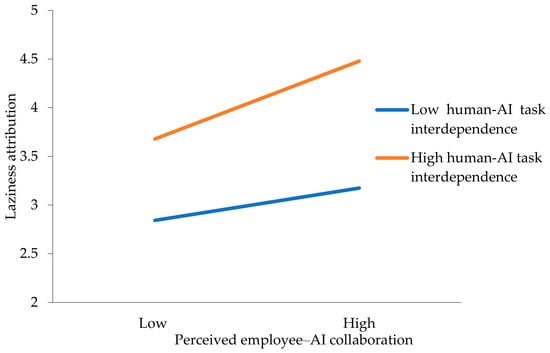
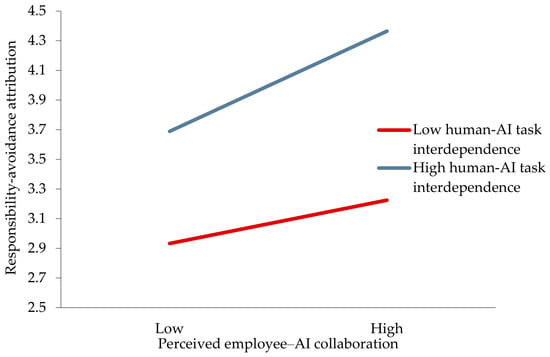
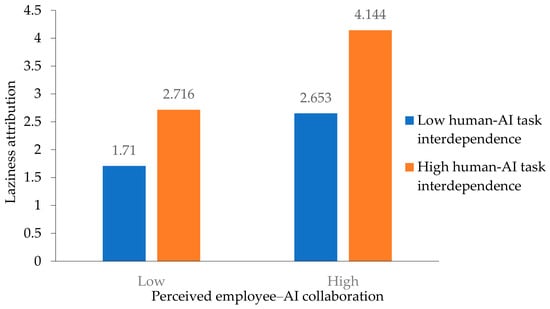
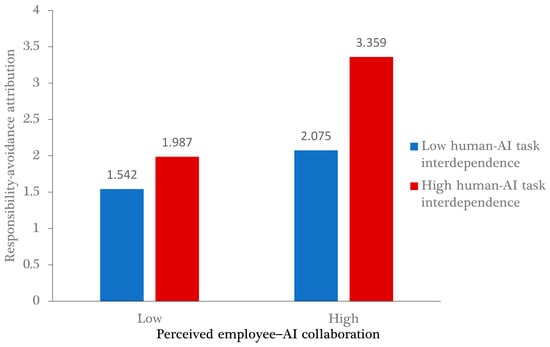
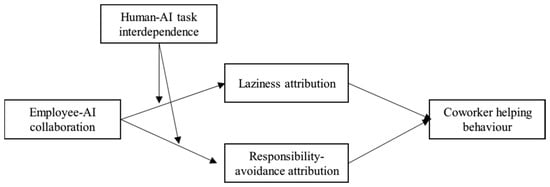
As artificial intelligence (AI) is increasingly integrated into the workplace, employee–AI collaboration is evolving from a personal productivity tool to a social cue that coworkers can observe and interpret. Existing research has largely emphasised the performance and well-being effects of employee–AI collaboration; however, few studies have revealed, from the observer’s perspective, its potential negative spillover mechanisms on coworkers’ helping behaviour. Based on attribution theory, this study constructs a theoretical model of ‘employee–AI collaboration–coworker attributions–coworker helping behaviour’, distinguishing two mechanisms—laziness attribution and responsibility-avoidance attribution—and examines the boundary role of human–AI task interdependence. Study 1, based on 375 two-wave coworker survey responses, tested the hypotheses using hierarchical regression and bootstrapping methods. Study 2 employed a 2 × 2 scenario experiment to further test the effects of employee–AI collaboration and human–AI task interdependence on coworker attributions and willingness to help. The results indicate that higher perceived employee–AI collaboration is associated with lower coworker helping behaviour; laziness attribution and responsibility-avoidance attribution play a mediating role between perceived employee–AI collaboration and coworker helping behaviour. The higher the human–AI task interdependence, the more likely coworkers are to interpret employee–AI collaboration as laziness or responsibility-avoidance, thereby reinforcing the aforementioned negative effects.
Full article
(This article belongs to the Section Organizational Behaviors)
►▼
Show Figures

Figure 1
Open AccessArticle
Bridging the Gap: A Case Study of Tailored Support for Students with Social, Emotional, and Behavioral Needs During the Transition to High School
by
María Reina Santiago-Rosario, Sarah Fairbanks Falcon, Sean C. Austin, Joseph F. T. Nese, Maeghan M. Sullivan, Tony Daza, T. Elyse Calhoun, Haley Cerdan and Rhonda N. T. Nese
Behav. Sci. 2026, 16(6), 984; https://doi.org/10.3390/bs16060984 (registering DOI) - 12 Jun 2026
Abstract
Students with disabilities, particularly those needing additional support or intervention to manage emotions and behaviors, build healthy relationships, and navigate social and academic demands, face heightened risks of high school pushout that can be traced back to their transition into high school. Project
[...] Read more.
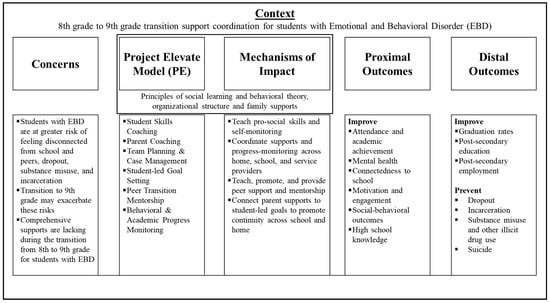
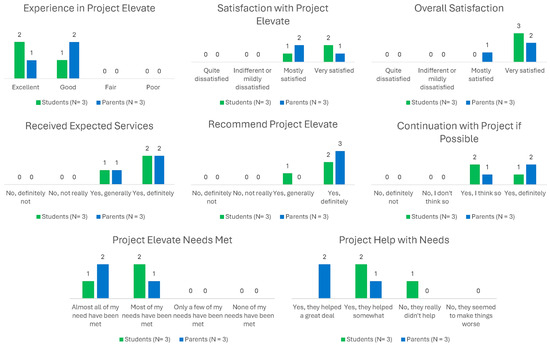
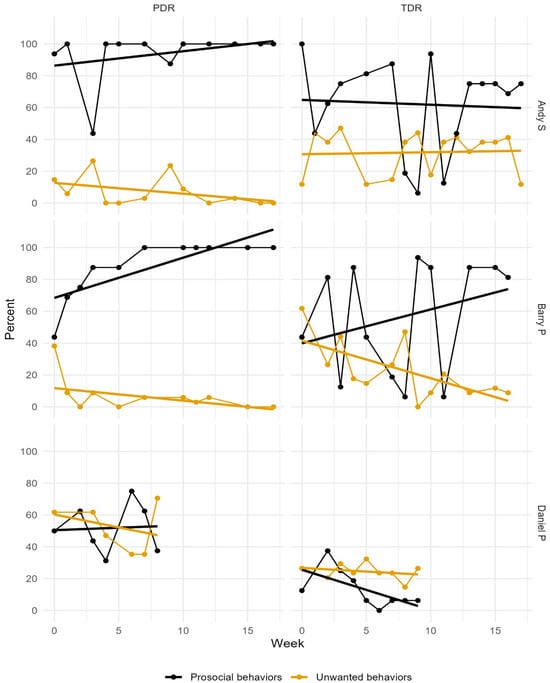
Students with disabilities, particularly those needing additional support or intervention to manage emotions and behaviors, build healthy relationships, and navigate social and academic demands, face heightened risks of high school pushout that can be traced back to their transition into high school. Project Elevate (PE) is a multi-component intervention that strategically invests in early coordinated student, family, and school supports to prevent barriers associated with high school pushout, such as a lack of continuity of effective services across school sites. This mixed-methods pilot study examined the implementation of PE with three 8th-grade students and their parents during their last term in middle school. This study includes quantitative pre–post descriptive analyses of multi-informant reports of students’ social, emotional, and behavioral skills, as well as descriptive analyses of weekly teacher- and parent-reported behavior and student attendance. Qualitative analysis using the Framework Method was applied to student and parent interviews and open-ended responses on a satisfaction questionnaire to understand their experience receiving PE support. Session case notes were also used as contextual data to describe implementation processes and contextualize findings. Results indicated improvements in student attendance and reductions in home-based behavioral concerns, with mixed findings across school-based outcomes. Students and parents reported high satisfaction with the intervention, highlighting the value of individualized support, goal setting, and strengthened communication with schools. Findings from this intervention development pilot study provide preliminary evidence regarding the implementation and perceived value of PE. Results also highlight the importance of culturally responsive, relationship-centered practices that affirm student strengths and support access to educational opportunities. Further investigation of PE in larger studies is warranted.
Full article
(This article belongs to the Special Issue Improving Implementation Support for School Behavioral Health Systems to Amplify Positive Student and School Outcomes)
►▼
Show Figures

Figure 1
Open AccessReview
How Does Barbe-Bleue Subjugate His Wives? Psychological and Social Coercion of Women in Interpersonal Power Contexts: A Scoping Review
by
Elena Duque-Sánchez, Tinka Schubert, Carme Garcia-Yeste and Oriol Rios
Behav. Sci. 2026, 16(6), 983; https://doi.org/10.3390/bs16060983 (registering DOI) - 12 Jun 2026
Abstract
In Paul Dukas’s opera, Ariane et Barbe-Bleue, when the captive wives are allowed to leave their confinement, they refuse to do so and remain with their aggressor. This narrative raises a central question: why do some women remain in violent contexts even
[...] Read more.
In Paul Dukas’s opera, Ariane et Barbe-Bleue, when the captive wives are allowed to leave their confinement, they refuse to do so and remain with their aggressor. This narrative raises a central question: why do some women remain in violent contexts even when apparent pathways for escape exist? This scoping review aims at analysing the psychological and social mechanisms of coercion employed by those who perpetrate violence, clearly stating the focus on the responsibility of the perpetrator and exploring diverse relationship settings. A total of 31 articles from diverse disciplines such as social psychology, sociology, education, and studies on coercive control have been examined to provide insight into: (1) the psychological and (2) social coercion mechanisms and (3) the influence of gender socialisation on perpetuating the subjugation of women. These mechanisms are analysed transversally across intimate partner relationships and coercive family and community systems. Findings reveal that across these geographically, culturally, and religiously diverse settings, as well as across the diverse relationships analysed, similar patterns of psychological and social coercion exist that are framed and reinforced by a gendered socialisation rooted in patriarchal gender roles.
Full article
(This article belongs to the Section Social Psychology)
Open AccessArticle
Examining the Impact of Intrinsic Rewards on Employee Retention: Perceived Organizational Pride as a Mediator in Saudi Higher Education
by
Hammad S. Alotaibi
Behav. Sci. 2026, 16(6), 982; https://doi.org/10.3390/bs16060982 (registering DOI) - 12 Jun 2026
Abstract
►▼
Show Figures
This study examines the relationships between intrinsic motivation factors—task autonomy, personal growth and development opportunities, self-actualization, and decision-making participation—and employee retention, as well as the mediating role of perceived organizational pride. Using a quantitative cross-sectional survey, data were collected from 154 academic staff
[...] Read more.
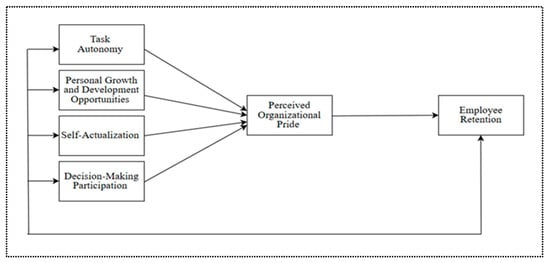
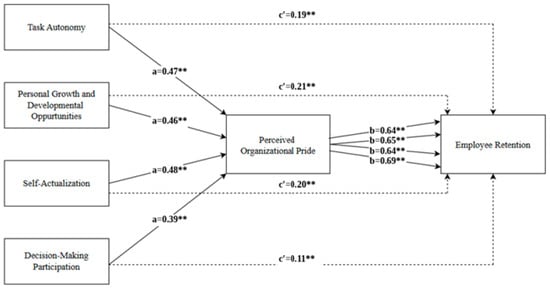
This study examines the relationships between intrinsic motivation factors—task autonomy, personal growth and development opportunities, self-actualization, and decision-making participation—and employee retention, as well as the mediating role of perceived organizational pride. Using a quantitative cross-sectional survey, data were collected from 154 academic staff members at Taif University, Saudi Arabia. CFA supported the measurement model, and the hypotheses were tested using Hayes’ PROCESS macro. The findings show that all intrinsic motivation factors are positively associated with employee retention. Perceived organizational pride also mediates these relationships, suggesting that intrinsically motivating work conditions may support retention by strengthening employees’ pride in institutional membership. The results further indicate that developmental and participative factors show stronger associations with retention than task autonomy. This study contributes to employee retention research by integrating intrinsic motivation and identity-based explanations in the context of Saudi higher education. However, given the cross-sectional design and single-university sample, causal interpretation and generalizability should be treated with caution. The findings highlight the importance of growth-oriented, participative, and pride-enhancing work environments for supporting academic staff retention.
Full article

Figure 1
Open AccessArticle
The Distribution of Asian American Scholarship Awards Among Chinese, Indian, and Filipino Individuals
by
A. Chyei Vinluan, Keith B. Maddox and Jessica D. Remedios
Behav. Sci. 2026, 16(6), 981; https://doi.org/10.3390/bs16060981 (registering DOI) - 12 Jun 2026
Abstract
Perceptions of group typicality can shape how resources, such as scholarships, are distributed among group members. Across two studies, we predicted that East Asian applicants (e.g., Chinese) would be perceived as more typical of Asian Americans and thus more likely to be seen
[...] Read more.
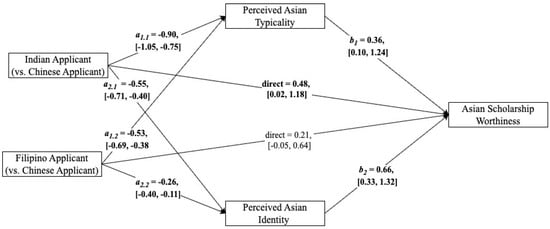
Perceptions of group typicality can shape how resources, such as scholarships, are distributed among group members. Across two studies, we predicted that East Asian applicants (e.g., Chinese) would be perceived as more typical of Asian Americans and thus more likely to be seen as worthy of an Asian American scholarship than their South Asian (e.g., Indian) and Southeast Asian (e.g., Filipino) counterparts. In Study 1, Chinese applicants were rated as more worthy of an Asian American scholarship than both Indian and Filipino applicants. Moreover, perceptions of Asian typicality predicted greater scholarship worthiness. In Study 2, we added a general scholarship condition that did not specify ethnicity to test whether Asian typicality influenced scholarship worthiness when the award was not designated for Asian Americans. However, we did not find the expected interaction between applicant ethnicity and scholarship type. Instead, we found only that the Chinese applicant was rated as more worthy of scholarships, regardless of scholarship type. Overall, perceptions of Asian typicality may guide judgements of scholarship worthiness in contexts where Asian identity is relevant.
Full article
(This article belongs to the Special Issue Social and Structural Influences on Social Identities)
►▼
Show Figures

Figure 1
Open AccessArticle
“Do Health Messages Come from Mars or Venus?” The Effectiveness of Health Communication Depends on Gender Stereotypes in Messages
by
Didier Courbet, Laure Jacquemier, Marie-Pierre Fourquet-Courbet, Esteban Courbet and Fabien Girandola
Behav. Sci. 2026, 16(6), 980; https://doi.org/10.3390/bs16060980 (registering DOI) - 12 Jun 2026
Abstract
Prior research suggests that health messages can affect men and women differently, yet these differences and their underlying mechanisms remain insufficiently understood. Based on the premise that many health messages are implicitly gendered, this randomized controlled experiment (N = 1116), conducted in a
[...] Read more.
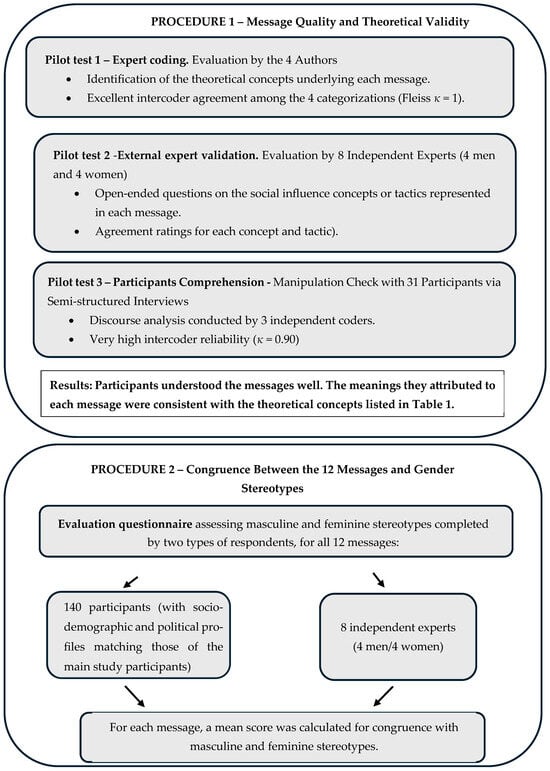
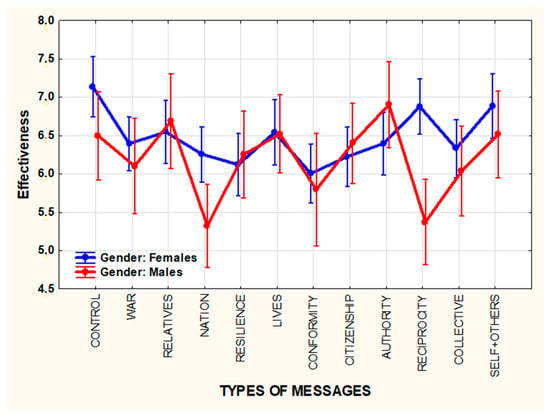
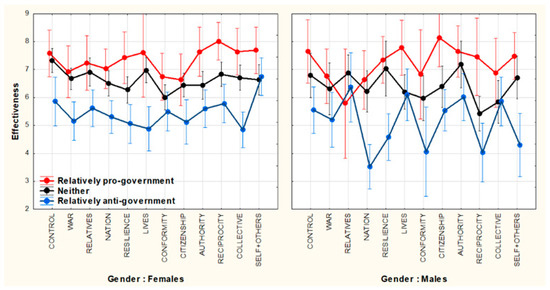
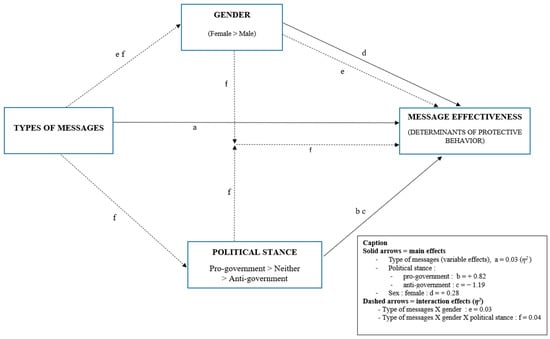
Prior research suggests that health messages can affect men and women differently, yet these differences and their underlying mechanisms remain insufficiently understood. Based on the premise that many health messages are implicitly gendered, this randomized controlled experiment (N = 1116), conducted in a high-risk real-world context, investigates the effectiveness of implicitly gendered messages on psychosocial determinants of protective behaviors, including cognitive, attitudinal, and motivational dimensions, as well as behavioral intentions. Twelve public health messages, derived from commonly used communications and theoretical frameworks, were first evaluated according to their perceived masculinity or femininity, and their effects were then experimentally tested across participants. Results indicate that messages strongly aligned with gender stereotypes produce the largest differences in effectiveness between men and women. For example, authority-based messages (a masculine stereotype) are more effective among men, whereas messages emphasizing social reciprocity or concern for others (feminine stereotypes) are more effective among women. These effects emerge only when recipients are likely to engage in systematic processing, particularly when their political stance diverges from that of the message source (the French government). The results support the gendered message–recipient gender congruence hypothesis, rather than alternative explanations based on gender-specific processing styles, with substantial practical implications.
Full article
(This article belongs to the Special Issue Promoting Behavioral Change to Improve Health Outcomes—2nd Edition)
►▼
Show Figures

Figure 1
Open AccessReview
A Scoping Review of Game-Based Learning for Metacognitive Learning in Primary and Junior Middle Schools
by
Juan Li, Huanghui Zhu, Yanxiong Xiang and Lingyun Huang
Behav. Sci. 2026, 16(6), 979; https://doi.org/10.3390/bs16060979 (registering DOI) - 12 Jun 2026
Abstract
Game-based learning (GBL) has gained widespread attention as an innovative pedagogical approach, yet its potential to enhance students’ metacognitive learning remains underexplored. Guided by self-regulated learning (SRL) theory, the review investigates how GBL design features, such as goal-setting, real-time feedback, progress visualization, and
[...] Read more.
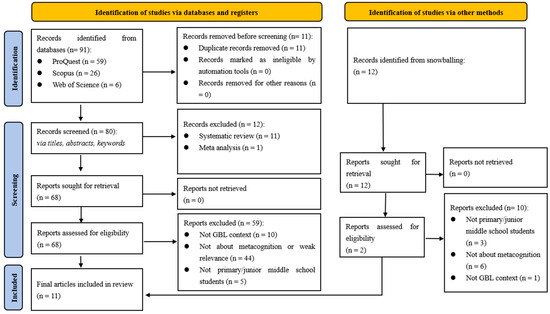
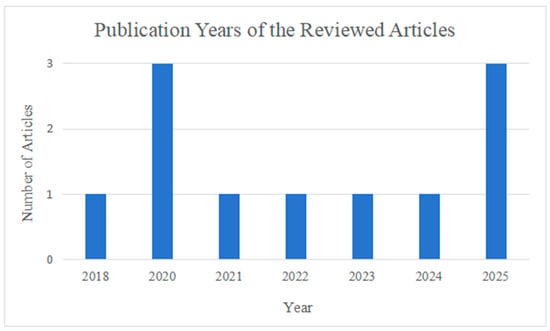
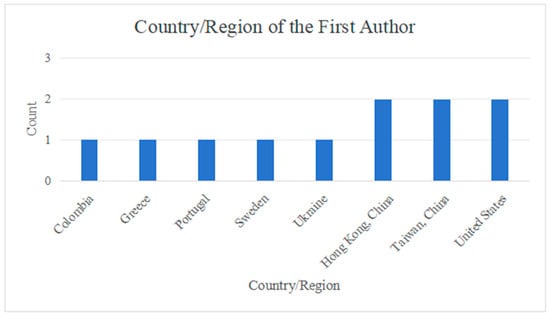
Game-based learning (GBL) has gained widespread attention as an innovative pedagogical approach, yet its potential to enhance students’ metacognitive learning remains underexplored. Guided by self-regulated learning (SRL) theory, the review investigates how GBL design features, such as goal-setting, real-time feedback, progress visualization, and reflection tools, scaffold students’ planning, monitoring, and evaluation strategies. A systematic search across Web of Science, Scopus, and ProQuest identified the studies, which included data from physical classrooms, online learning environments, and mixed settings. This scoping review synthesizes evidence from 11 peer-reviewed studies conducted between 2015 and 2025 to evaluate the impact of GBL on metacognitive learning in primary and junior middle school contexts. Findings reveal that GBL effectively supports metacognitive learning through real-time feedback and progress indicators, though planning and evaluation scaffolds are less comprehensively addressed. Furthermore, digital trace data and behavioral logs are emerging as robust tools for assessing metacognitive processes, offering deeper insights than self-reports alone. However, the review identifies critical gaps, including insufficient focus on junior middle school students, limited representation of non-STEM disciplines, and uneven theoretical grounding across studies. The findings underscore the need for theory-driven design and balanced scaffolding to maximize GBL’s potential in fostering metacognitive competence. This study also provides practical insights for educators to foster students’ metacognitive learning by effectively integrating games into educational practices.
Full article
(This article belongs to the Special Issue Play, Learn, Adapt: The Evolution of Flexible and Gamified Education)
►▼
Show Figures

Figure 1
Open AccessArticle
When and How Ingratiation Boosts Coworker-Directed Cooperative Behavior
by
Yun Chen and Min Cui
Behav. Sci. 2026, 16(6), 978; https://doi.org/10.3390/bs16060978 (registering DOI) - 12 Jun 2026
Abstract
Drawing on moral cleansing theory, this study adopts an actor-centered perspective to examine how ingratiation relates to employees’ moral rumination and subsequent coworker-directed cooperative behavior, thereby offering insights to help organizations to understand and guide such behaviors. Using a multi-wave survey design, this
[...] Read more.
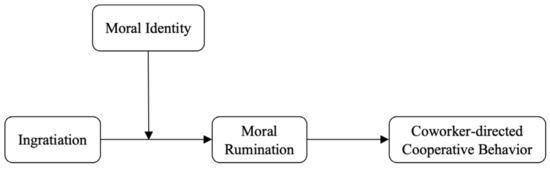
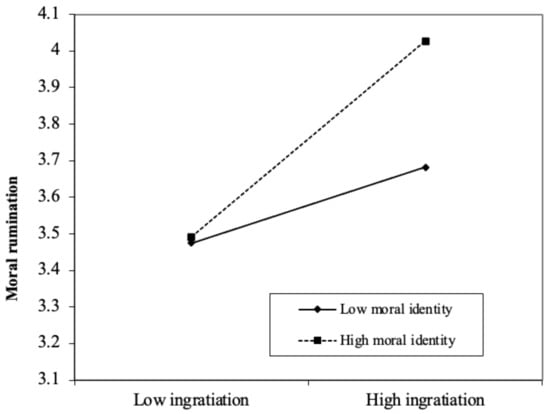
Drawing on moral cleansing theory, this study adopts an actor-centered perspective to examine how ingratiation relates to employees’ moral rumination and subsequent coworker-directed cooperative behavior, thereby offering insights to help organizations to understand and guide such behaviors. Using a multi-wave survey design, this study collected data from 272 employees to examine a theoretical model investigating how employee ingratiation influences coworker-directed cooperative behavior through moral rumination, while also examining the moderating role of employee moral identity. The results indicate that employee ingratiation positively influences moral rumination, which in turn enhances coworker-directed cooperative behavior. Furthermore, the indirect effect of ingratiation on coworker-directed cooperative behavior via moral rumination is strengthened among employees with high moral identity. This study advances the literature by shifting the focus from targets and observers to actors themselves, examining how ingratiation shapes actors’ own moral perception and subsequent behavior. It further contributes by introducing moral rumination as a mediating mechanism and exploring the moderating effect of moral identity, as well as offering new insights into ingratiation in organizational contexts.
Full article
(This article belongs to the Special Issue Cooperation, Trust, and Reciprocity: Theory and Evidence from the Field of Behavioral Economics)
►▼
Show Figures

Figure 1
Open AccessArticle
Friendships and Coping Among Adolescents with LGBTQ+ Parents
by
Jacob S. Withrow, Nita U. Kulkarni and Rachel H. Farr
Behav. Sci. 2026, 16(6), 977; https://doi.org/10.3390/bs16060977 (registering DOI) - 12 Jun 2026
Abstract
Adolescents with LGBTQ+ parents and LGBTQ+ adolescents navigate unique social and identity-related challenges as compared to those without minoritized sexual and/or gender identities. Adolescents with LGBTQ+ parents (regardless of their own sexual or gender identity) and adolescents who personally identify as LGBTQ+ are
[...] Read more.
Adolescents with LGBTQ+ parents and LGBTQ+ adolescents navigate unique social and identity-related challenges as compared to those without minoritized sexual and/or gender identities. Adolescents with LGBTQ+ parents (regardless of their own sexual or gender identity) and adolescents who personally identify as LGBTQ+ are distinct populations, though they sometimes overlap. Research on adolescents with LGBTQ+ parents has often focused on parent–adolescent relationships and family structures. How do friends help youth cope with identity-based minority stressors, like peer microaggressions, bullying, and exclusion, common for those with minoritized identities? Friendships are developmentally pivotal during adolescence, shaping social competence, identity exploration, and psychological adjustment. Grounded in ecological systems, social learning, and minority stress theories, we sought to understand how friendships relate to mental health and coping in adolescents with LGBTQ+ parents. This cross-sectional quantitative study included 98 adolescents (ages 12–19) with LGBTQ+ parents in the U.S., recruited via community sampling and Prolific. Higher-quality peer attachment, conceptualized by trust, communication, and alienation in close friendships, was associated with lower depression and greater social competence, but not associated with anxiety or adaptive coping (after accounting for avoidant coping). Avoidant coping was most strongly associated with poorer mental health. This study, with implications for practice, emphasizes the importance of peer relationships for adolescents with LGBTQ+ parents—particularly how high-quality friendships offer important possible protection via social competence and against depression—while also highlighting the complex interplay between friendships, coping, and adjustment.
Full article
(This article belongs to the Special Issue The Role of Peer Relationships in the Development of Minority Children)
Open AccessArticle
Cognitive Weighting of Constraints on Exercise Participation: A Conjoint Analysis
by
Won-Yong Jang and Eui-Yul Choi
Behav. Sci. 2026, 16(6), 976; https://doi.org/10.3390/bs16060976 (registering DOI) - 12 Jun 2026
Abstract
This study examines how adults with recent exercise participation experience cognitively weigh different perceived constraints on exercise participation and whether these weighting structures can be used for meaningful segmentation. The sample included 283 adults aged 19 years and older who had engaged in
[...] Read more.
This study examines how adults with recent exercise participation experience cognitively weigh different perceived constraints on exercise participation and whether these weighting structures can be used for meaningful segmentation. The sample included 283 adults aged 19 years and older who had engaged in exercise at least once per week for a minimum of 30 min over the past three months. This study aimed to identify the relative importance of perceived exercise participation constraints among adult exercisers, examine differences according to involvement level, and segment participants based on constraint importance. The results showed that, within this sample, intrapersonal constraints, particularly lack of interest and physical fatigue, were the most influential, followed by structural constraints such as time and cost. Constraint prioritization varied by involvement level: highly involved individuals emphasized time burden, whereas less involved individuals highlighted a lack of interest. Cluster analysis identified four distinct segments: interest-constrained beginners, fatigue-sensitive participants, time-constrained active participants, and cost-sensitive experienced participants. These segments differed significantly in demographic and behavioral characteristics, including age, exercise frequency, and participation duration. Overall, the findings suggest that among adults with recent exercise participation experience, perceived exercise participation constraints are cognitively weighted and vary across individuals. This study contributes by applying conjoint analysis to assess the relative importance of multiple perceived constraints and by providing a segmentation-based perspective on how adult exercisers perceive constraints.
Full article
Open AccessArticle
Adaptation and Validation of the Chinese Version of the Digital Self-Efficacy Scale in Chinese First-Year College Students: A Bifactor-ESEM Approach
by
Jingyi Hu, Qian Gu, Chong Yang and Chuanhua Gu
Behav. Sci. 2026, 16(6), 975; https://doi.org/10.3390/bs16060975 (registering DOI) - 12 Jun 2026
Abstract
As digital technology becomes increasingly embedded in higher education, assessing students’ confidence in digital tasks is essential for understanding their adaptation to digital learning environments. This study adapted the Digital Self-Efficacy Scale (DSES) into Chinese and evaluated its psychometric properties among 1502 first-year
[...] Read more.
As digital technology becomes increasingly embedded in higher education, assessing students’ confidence in digital tasks is essential for understanding their adaptation to digital learning environments. This study adapted the Digital Self-Efficacy Scale (DSES) into Chinese and evaluated its psychometric properties among 1502 first-year college students in China. Participants were randomly split into two subsamples for item analysis and exploratory factor analysis, and structural validation respectively. All 25 items demonstrated satisfactory discrimination and homogeneity. Although parallel analysis indicated a four-factor exploratory solution, seven competing models were compared in the confirmatory stage. The Bifactor-ESEM model yielded the best combination of statistical fit and substantive interpretability, suggesting that the Chinese DSES primarily captures an overarching digital self-efficacy dimension, with domain-specific factors retaining limited reliable variance beyond the general factor. Total scores were positively associated with digital maturity (r = 0.642, p < 0.001); however, external validity is limited given that both measures were self-reported and concurrently collected. Gender measurement invariance analyses supported configural, metric, and scalar invariance. Overall, the Chinese DSES demonstrates promising preliminary psychometric properties. The total score is recommended as the primary interpretive unit, with subscale scores used as supplementary descriptive information only.
Full article
(This article belongs to the Section Educational Psychology)
Open AccessSystematic Review
Nature-Based Interventions for Individuals with Psychiatric Disorders: A Mixed Methods Systematic Review with Random-Effects Meta-Analysis of Mental Health and Functional Outcomes
by
Alessandra Giammanco, Erin Grace Lawrence, Ailbhe Madigan, Karol Basta, Giada Tripoli, Aisling O’Neill, Natasha Moses, Helena Farstad, Peter Coventry and Uzma Zahid
Behav. Sci. 2026, 16(6), 974; https://doi.org/10.3390/bs16060974 (registering DOI) - 11 Jun 2026
Abstract
Nature-based interventions (NBIs) are increasingly used in mental health services, but their effectiveness in people with psychiatric disorders, and how these individuals experience them, remains unclear. This review synthesised quantitative and qualitative evidence on NBIs in psychiatric populations. Eligible studies evaluated outdoor NBIs
[...] Read more.
Nature-based interventions (NBIs) are increasingly used in mental health services, but their effectiveness in people with psychiatric disorders, and how these individuals experience them, remains unclear. This review synthesised quantitative and qualitative evidence on NBIs in psychiatric populations. Eligible studies evaluated outdoor NBIs against controlled comparators, excluding neurodevelopmental/degenerative conditions and indoor or virtual interventions. Quantitative outcomes were synthesised using random-effects meta-analysis; qualitative data were analysed using thematic synthesis. Twenty-eight studies were included, mostly involving people with diagnoses of schizophrenia or depression. NBIs were associated with greater improvements in clinical symptoms than controlled comparators (pooled effect size 0.71 [95% CI 0.29–1.12]; p = 0.0009), with moderate heterogeneity (I2 = 48.6%). The qualitative synthesis identified five themes: Being in Nature, Personal Growth, Psychological Wellbeing, Social Relationships, and Physical Benefits. Participants reported reduced stress, improved mood and coping, strengthened identity, enhanced social connection, and increased energy. NBIs, particularly horticultural programmes and guided outdoor activities, may offer promising recovery-oriented adjuncts to psychiatric care. The next step is to build a translational evidence base by harmonising recovery-relevant outcomes and developing pragmatic, scalable models of delivery that can be embedded within routine mental health services, informed by mixed methods evaluation.
Full article
(This article belongs to the Special Issue Nature-Based Interventions for Mental Health)
Open AccessArticle
The Mediating Role of Self-Regulation and Artificial Intelligence Awareness in the Effect of Individual Entrepreneurship Tendencies on Learning Agility in High School Students
by
Merve Coşgun Demirdağ, Najwa Salem Albeladi, Juan Gómez-Salgado and Murat Yıldırım
Behav. Sci. 2026, 16(6), 973; https://doi.org/10.3390/bs16060973 (registering DOI) - 11 Jun 2026
Abstract
Learning agility is considered a key competence for adapting to rapidly changing educational and technological environments. Although entrepreneurial tendencies have been associated with adaptive learning outcomes, the psychological mechanisms underlying this relationship remain insufficiently understood. This study examined whether self-regulation and artificial intelligence
[...] Read more.
Learning agility is considered a key competence for adapting to rapidly changing educational and technological environments. Although entrepreneurial tendencies have been associated with adaptive learning outcomes, the psychological mechanisms underlying this relationship remain insufficiently understood. This study examined whether self-regulation and artificial intelligence (AI) awareness sequentially mediate the relationship between individual entrepreneurial tendencies and learning agility among high school students. The study involved 564 high school students (55% girls, 45% boys; aged 14–19 years, M = 17.02, SD = 1.28) from two public schools in Türkiye. Participants completed validated measures of entrepreneurial tendencies, self-regulation, AI awareness, and learning agility. The hypothesized serial mediation model was tested using PROCESS Macro Model 6. Entrepreneurial tendencies were positively associated with learning agility both directly and indirectly. Self-regulation emerged as a significant independent mediator, and a significant sequential mediation pathway was identified through self-regulation and AI awareness. The findings suggest that entrepreneurial tendencies are associated with higher levels of self-regulation and AI awareness, which are in turn associated with learning agility. The results highlight the importance of self-regulation and AI awareness as factors associated with the relationship between entrepreneurial tendencies and learning agility. Educational practices that foster entrepreneurship, self-regulation, and AI awareness may support students’ adaptability and readiness for rapidly evolving digital learning environments.
Full article
(This article belongs to the Special Issue AI Use and Academic Development)
Open AccessArticle
Meme-Based Packaging as Digital Cultural Translation: How Online Cultural Symbols Shape Purchase and Sharing Intentions
by
Yuchen Song and Kiesu Kim
Behav. Sci. 2026, 16(6), 972; https://doi.org/10.3390/bs16060972 (registering DOI) - 11 Jun 2026
Abstract
Internet memes increasingly move from social media into physical product packaging, yet little is known about how consumers respond when online cultural symbols become package design cues. Drawing on the Stimulus–Organism–Response framework, this study examines how meme-based packaging shapes purchase intention and sharing
[...] Read more.
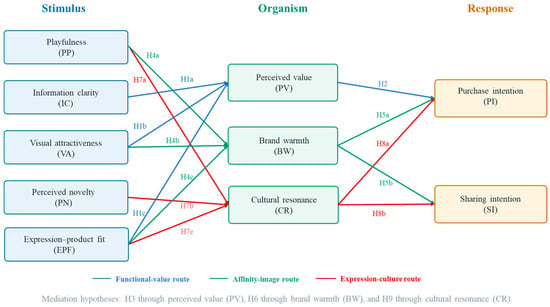
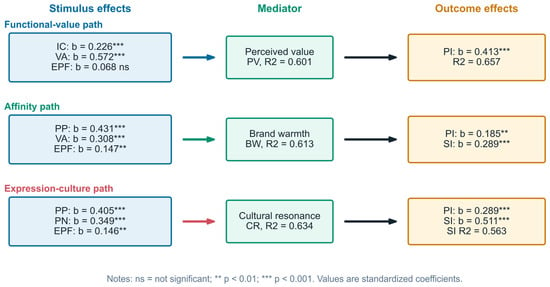
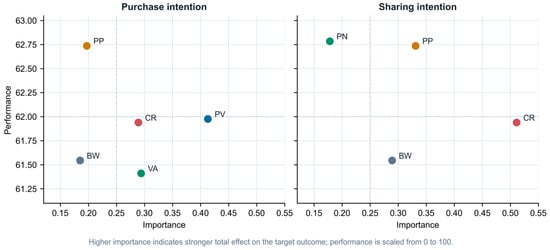
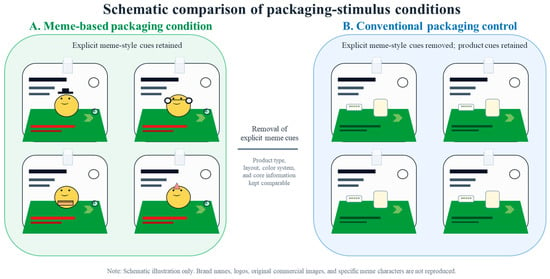
Internet memes increasingly move from social media into physical product packaging, yet little is known about how consumers respond when online cultural symbols become package design cues. Drawing on the Stimulus–Organism–Response framework, this study examines how meme-based packaging shapes purchase intention and sharing intention through perceived value, brand warmth, and cultural resonance. A between-subjects survey experiment was conducted with 305 Chinese adult consumers, who evaluated either a meme-based packaging stimulus or a no-explicit-meme conventional packaging control stimulus. Partial least squares structural equation modeling showed that purchase intention and sharing intention followed different dominant mechanisms. Perceived value was the strongest predictor of purchase intention, whereas cultural resonance was the strongest predictor of sharing intention. Visual attractiveness most strongly enhanced perceived value, while playfulness and expression–product fit contributed more clearly to brand warmth and cultural resonance. Mediation results further showed that brand warmth and cultural resonance consistently transmitted the effects of meme-packaging cues, whereas the value route was more selective. These findings show how online cultural symbols can continue to shape consumer evaluation and social transmission after entering physical product interfaces.
Full article
(This article belongs to the Special Issue Understanding Consumer Behavior in Digital Contexts)
►▼
Show Figures

Figure 1
Open AccessArticle
Structural Factors of Preschoolers’ Creative Personality and Their Impact on Creative Thinking Based on the Componential Model of Creativity
by
Nalanying Pulie, Chao Jin, Wen Liu and Liting Tan
Behav. Sci. 2026, 16(6), 971; https://doi.org/10.3390/bs16060971 (registering DOI) - 11 Jun 2026
Abstract
Early childhood is a critical period for creative personality development. Guided by Amabile’s Componential Model of Creativity, this research explored the higher-order structure, developmental trajectories, and predictive role of preschoolers’ creative personality. Study 1 suggested an emergent three-factor higher-order structure comprising intrinsic driving,
[...] Read more.
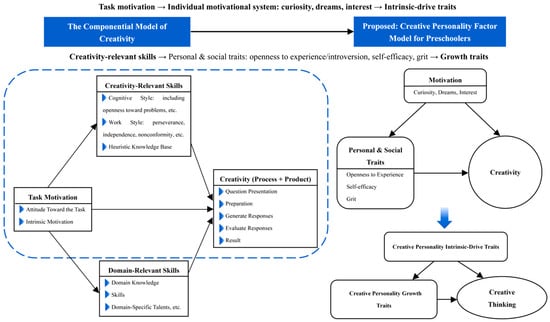
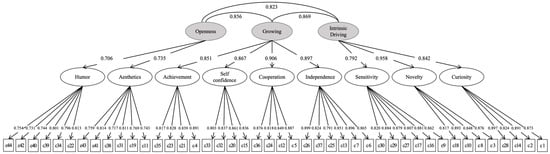
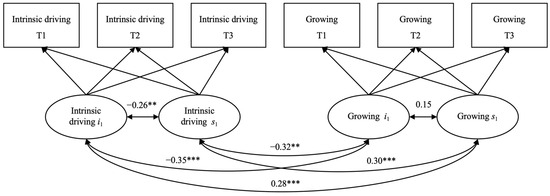
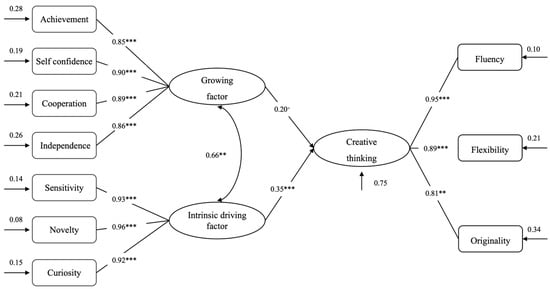
Early childhood is a critical period for creative personality development. Guided by Amabile’s Componential Model of Creativity, this research explored the higher-order structure, developmental trajectories, and predictive role of preschoolers’ creative personality. Study 1 suggested an emergent three-factor higher-order structure comprising intrinsic driving, growing, and openness factors. Due to the longitudinal instability of the openness factor observed at this age, subsequent analyses focused on the two core components. Study 2 employed longitudinal latent growth modeling to examine the developmental trajectories of the intrinsic driving and growing factors across three waves. Study 3 assessed the predictive effects of these two factors on creative thinking performance (specifically figural divergent thinking). The results indicated that: (1) the nine teacher-rated dimensions of preschoolers’ creative personality exhibited preliminary evidence of multidimensional higher-order organization; (2) both intrinsic driving and growing factors significantly increased with age, following distinct linear trajectories; and (3) only the intrinsic driving factor significantly predicted figural divergent thinking in the structural model. While an emergent three-factor structure appeared in cross-sectional data, the longitudinal and predictive findings primarily support the stability and relevance of the core socio-motivational components. Teacher-observed personality tendencies are relevant to early figural divergent thinking but should not be interpreted as evidence for creativity as a whole. These results suggest the relevance of intrinsic driving tendencies to preschoolers’ figural divergent thinking.
Full article
(This article belongs to the Topic Personality, Emotions, and Emotional Intelligence Assessments: New Applications and Instruments)
►▼
Show Figures

Figure 1
Open AccessArticle
The Role of Digital Media in Early Childhood Education and Care: A Qualitative Analysis of Educators’ Perceptions
by
Josipa Jurić, Linda Podrug Krstulović and Ines Blažević
Behav. Sci. 2026, 16(6), 970; https://doi.org/10.3390/bs16060970 (registering DOI) - 11 Jun 2026
Abstract
Digital media is increasingly shaping the ways in which children learn, communicate, and participate in everyday activities from an early age. The aim of this study was to examine how educators in early childhood education and care perceive the role of digital media
[...] Read more.
Digital media is increasingly shaping the ways in which children learn, communicate, and participate in everyday activities from an early age. The aim of this study was to examine how educators in early childhood education and care perceive the role of digital media in children’s learning, behaviour, and development, with particular emphasis on patterns of use, educational potential, and the role of educators and parents in mediating children’s digital experiences. The study specifically contributes to understanding these issues within the Croatian preschool context, where qualitative research on educators’ everyday experiences with digital media remains limited. The study employed a qualitative approach using focus groups conducted with a sample of 20 female educators from Croatia, organised into four focus groups. The data were analysed using thematic analysis. The findings suggest that educators perceive digital media as a useful yet complex pedagogical tool whose value depends on the way it is used. A distinction was particularly evident between passive and active use of digital content, with active, guided, and purposeful use perceived as having greater educational potential. At the same time, educators also recognised the potential of digital media to support children’s learning, motivation, creativity, and engagement when integrated meaningfully into educational activities. Educators emphasized the importance of their own role in guiding children’s digital experiences, as well as the significant influence of the family environment on patterns of media use. They also highlighted challenges related to excessive screen exposure, the lack of clear pedagogical guidelines, and the need for additional professional support. The findings suggest the importance of strengthening educators’ digital competences, supporting collaboration with parents, and developing clearer pedagogical guidance for the use of digital media in early childhood education and care.
Full article
(This article belongs to the Special Issue Young Children's Learning with Digital Media)
Open AccessArticle
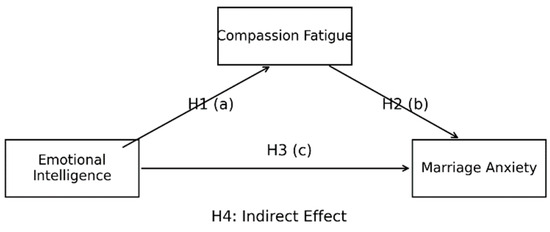
Compassion Fatigue as a Mediator Between Emotional Intelligence and Marital Anxiety Among Unmarried Mental Health Professionals Working in Family and Social Services
by
Gamze Mukba and Serkan Oruç
Behav. Sci. 2026, 16(6), 969; https://doi.org/10.3390/bs16060969 (registering DOI) - 11 Jun 2026
Abstract
Professionals working in family and social services are frequently exposed to emotionally demanding interpersonal experiences, which may influence both their occupational well-being and their perceptions of close relationships. This study was conducted to examine the mediating role of compassion fatigue in the relationship
[...] Read more.
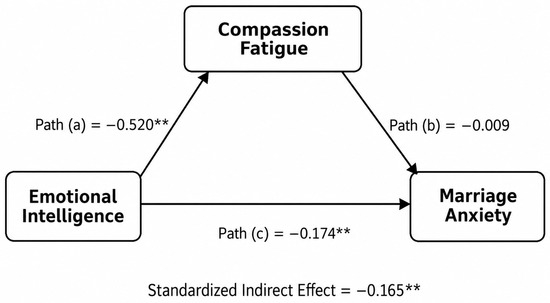
Professionals working in family and social services are frequently exposed to emotionally demanding interpersonal experiences, which may influence both their occupational well-being and their perceptions of close relationships. This study was conducted to examine the mediating role of compassion fatigue in the relationship between emotional intelligence and marital anxiety among unmarried mental health professionals in Türkiye. The sample consisted of 311 unmarried mental health workers, including psychologists, social workers, and psychological counselors employed in provincial directorates of the Ministry of Family and Social Services. Data were collected using the Trait Emotional Intelligence Questionnaire—Short Form (TEQue-SF), the Compassion Fatigue—Short Scale, and the Marital Anxiety Scale. Mediation analysis was conducted using PROCESS Macro Model 4. The findings revealed that emotional intelligence negatively predicted compassion fatigue. Emotional intelligence also negatively predicted marital anxiety, while compassion fatigue did not directly predict marital anxiety. Mediation analysis revealed that compassion fatigue played a significant moderate mediating role in the relationship between emotional intelligence and marital anxiety. These findings suggest that occupational emotional experiences may be indirectly associated with relationship-related concerns among unmarried mental health professionals. The results highlight the importance of considering both emotional intelligence and compassion fatigue in understanding marital anxiety and supporting the development of training, supervision, and psychoeducational interventions aimed at strengthening emotional regulation and professional well-being. Future research including both unmarried and married professionals, as well as longitudinal and mixed-method designs incorporating qualitative interviews, may further clarify these relationships and the mechanisms underlying them.
Full article
(This article belongs to the Section Organizational Behaviors)
►▼
Show Figures

Figure 1
Open AccessReview
Advancing the Use of Restorative Practices to Lessen Inequities in Punitive Discipline and Build Safe, Inclusive, and Nurturing Learning Environments for Traumatized Students
by
Corrine Hays, Ylisse Yepez, Hurley Riley and Todd I. Herrenkohl
Behav. Sci. 2026, 16(6), 968; https://doi.org/10.3390/bs16060968 (registering DOI) - 11 Jun 2026
Abstract
Childhood trauma, encompassing adverse childhood experiences (ACEs) and racially motivated discrimination, poses significant threats to students’ neurological, social–emotional, and academic development. In school contexts, the behavioral effects are often misinterpreted as willful misconduct and addressed through exclusionary disciplinary measures, perpetuating systemic inequities that
[...] Read more.
Childhood trauma, encompassing adverse childhood experiences (ACEs) and racially motivated discrimination, poses significant threats to students’ neurological, social–emotional, and academic development. In school contexts, the behavioral effects are often misinterpreted as willful misconduct and addressed through exclusionary disciplinary measures, perpetuating systemic inequities that disproportionately affect students of color and deepen the school-to-prison pipeline. This article synthesizes research on the intersection between trauma, student learning, and school discipline, emphasizing how trauma-related behaviors are frequently met with responses that fail to address underlying needs. We explore the Trauma-Informed Programs and Practices for Schools (TIPPS) framework as a systems-level model for creating safe, inclusive learning environments. Within this framework, restorative practices are highlighted as a key strategy for reducing reliance on punitive discipline and promoting accountability, relationship-building, and a sense of community. We conclude with actionable recommendations for school practitioners who desire a more active role in restorative practices and advancing trauma-informed, equity-driven system-change consistent with the TIPPS model.
Full article
(This article belongs to the Special Issue A Whole-School Approach to Promote Mental Health, Equity, and Connectedness)
Open AccessArticle
Social Coordination Maintained by Progressive Delay of Coordination-Dependent Reinforcement
by
Firdavs Khaydarov and Kennon A. Lattal
Behav. Sci. 2026, 16(6), 967; https://doi.org/10.3390/bs16060967 (registering DOI) - 11 Jun 2026
Abstract
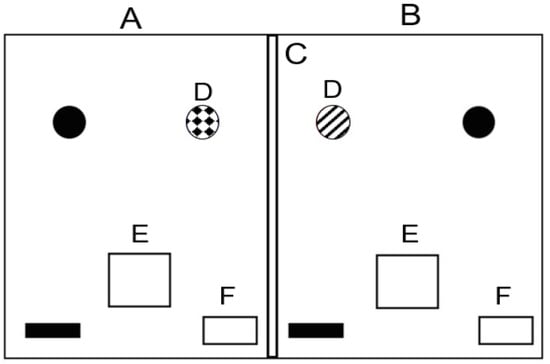
Social coordination refers to conjoint responses of two or more organisms that produce consequences for each and can be maintained by coordination-dependent reinforcement. Previous experimental investigations of coordination typically arranged immediate reinforcement following a coordinated response, leaving the effects of delayed reinforcement on
[...] Read more.
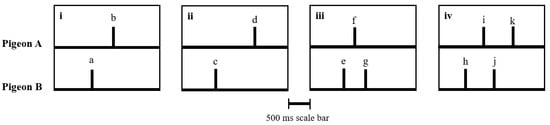
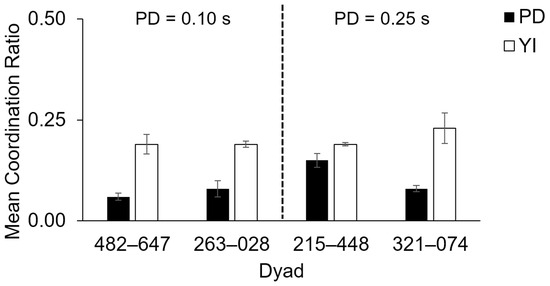
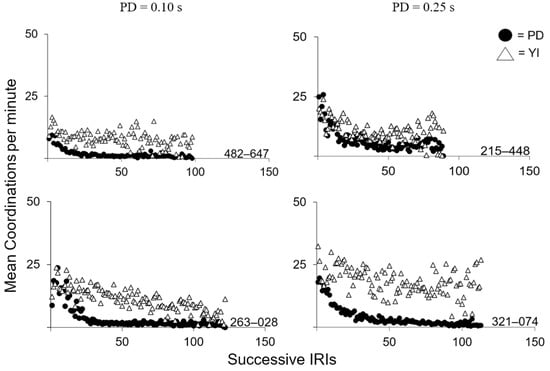
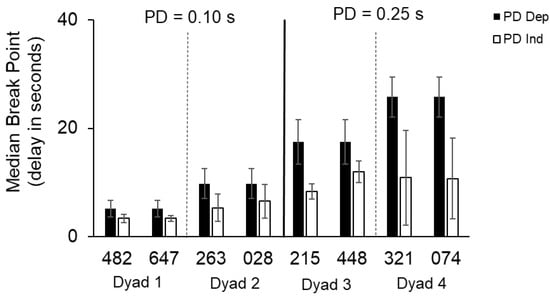
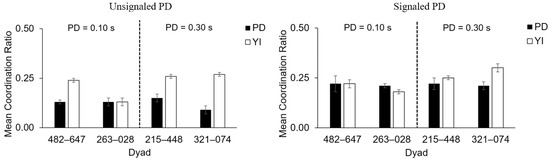
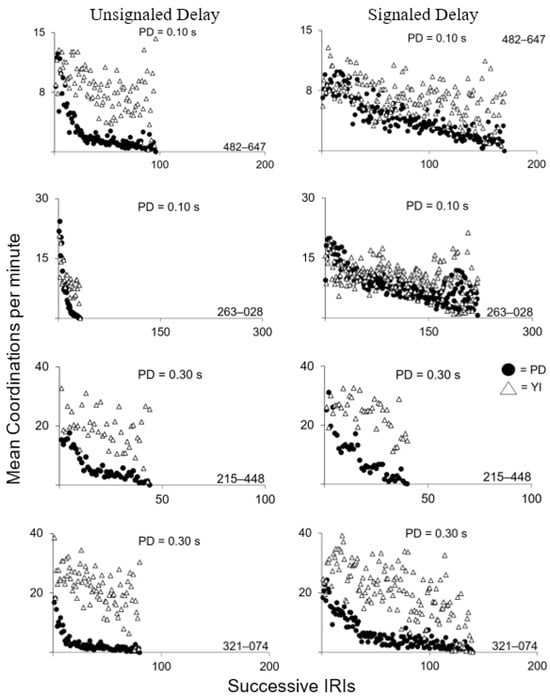
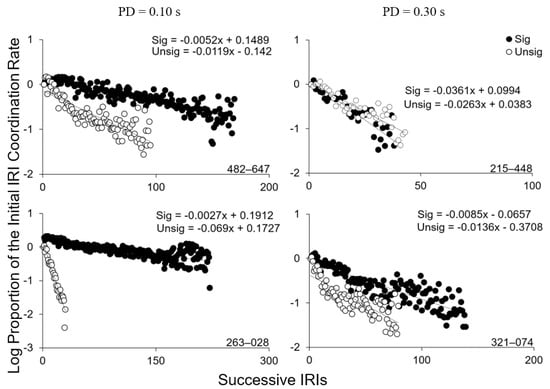
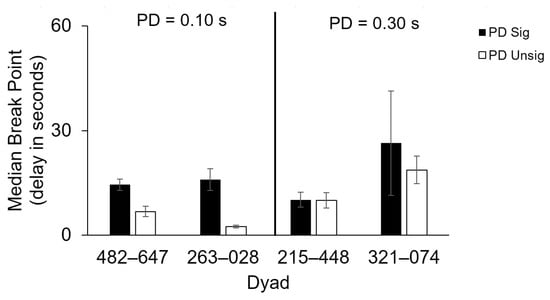
Social coordination refers to conjoint responses of two or more organisms that produce consequences for each and can be maintained by coordination-dependent reinforcement. Previous experimental investigations of coordination typically arranged immediate reinforcement following a coordinated response, leaving the effects of delayed reinforcement on coordination largely unexplored. The present investigation examined the effects of delayed reinforcement on coordinated responding across two experiments using pairs of pigeons. Experiment 1 evaluated the effects of progressively increasing delays of reinforcement on coordinated responding and assessed whether coordination-reinforcer dependency influenced the persistence of coordination. Coordination ratios and coordination rates generally were lower during delayed relative to immediate reinforcement. In addition, break points, which were used as a measure of persistence, were consistently higher during coordination-dependent than coordination-independent delayed reinforcement. Experiment 2 compared coordinated responding maintained under signaled and unsignaled progressively increasing delays of coordination-dependent reinforcement. Coordination generally persisted at higher levels during signaled than unsignaled delays, and coordination ratios and coordination rates maintained under signaled delays more closely resembled performance maintained under immediate reinforcement. These findings suggest that delayed reinforcement weakens coordinated responding and that delay-correlated stimuli may attenuate some of the disruptive effects of delay on coordinated behavior.
Full article
(This article belongs to the Special Issue The Role of Behavior Analysis in Understanding and Promoting Adaptive Social Behavior)
►▼
Show Figures

Figure 1
Journal Menu
► ▼ Journal Menu-
- Behavioral Sciences Home
- Aims & Scope
- Editorial Board
- Reviewer Board
- Topical Advisory Panel
- Instructions for Authors
- Special Issues
- Topics
- Sections
- Article Processing Charge
- Indexing & Archiving
- Editor’s Choice Articles
- Most Cited & Viewed
- Journal Statistics
- Journal History
- Journal Awards
- Conferences
- Editorial Office
Journal Browser
► ▼ Journal BrowserHighly Accessed Articles
Latest Books
E-Mail Alert
News
Topics
Topic in
Behavioral Sciences, EJIHPE, Social Sciences, J. Intell.
Personality and Cognition in Human–AI Interaction
Topic Editors: Virginia Sau Y. Kwan, Samantha McMichael, Julia BrailovskaiaDeadline: 15 June 2026
Topic in
Behavioral Sciences, Digital, Sustainability
Consumer Behavior and Sustainable Marketing Strategy in the Digital Era
Topic Editors: Antiopi Panteli, Basilis BoutsinasDeadline: 30 June 2026
Topic in
Buildings, Forests, Land, Remote Sensing, Behavioral Sciences, Sustainability
Biophilic Cities and Communities: Human-Environment Interaction and Sustainable Governance
Topic Editors: Xin-Chen Hong, Baojie He, Guangyu Wang, Zhaowu Yu, Jiang Liu, Xiong YaoDeadline: 31 July 2026
Topic in
Behavioral Sciences, Children, Healthcare, IJERPH, JFMK, Obesities
The Effect of Physical Activity on the Population's Health
Topic Editors: Stefania Paduano, Federica ValerianiDeadline: 31 August 2026
Conferences
Special Issues
Special Issue in
Behavioral Sciences
Early Communication Intervention for Individuals with Autism
Guest Editors: Cindy Gevarter, Ciara Ousley, Sophia D'AgostinoDeadline: 15 June 2026
Special Issue in
Behavioral Sciences
Mental Health and Behavioral Intervention for Children at Risk
Guest Editors: Yean Wang, Guanghuai Zheng, Xinfeng Tang, Kuo Zhang, Xiaokang LyuDeadline: 15 June 2026
Special Issue in
Behavioral Sciences
The Impact of Domestic Violence on Young Victims and Witnesses: Resilience and Recovery
Guest Editor: Karlie E. StonardDeadline: 18 June 2026
Special Issue in
Behavioral Sciences
Youth, AI, and Social Connection: Identity, Intimacy, and Mental Wellbeing in a Digital Age
Guest Editor: Catherine SmithDeadline: 20 June 2026