You are currently viewing a new version of our website. To view the old version click .

Behavioral Sciences

Behavioral Sciences is an international, peer-reviewed, open access journal on psychology, neuroscience, cognitive science, behavioral biology and behavioral genetics, published monthly online by MDPI.

Indexed in PubMed | Quartile Ranking JCR - Q2 (Psychology, Multidisciplinary)

All Articles (5,485)

In recent years, behavioral economics has revolutionized various fields, including finance, marketing, and public policy. Its application in people management, however, remains an emerging area of exploration. By integrating psychological insights into economic decision-making, behavioral economics offers a nuanced understanding of human behavior, essential for designing effective HR practices. While many of the concepts are not new in organizational behavior research and related fields, thanks to the incorporation of formalized models of choice, behavioral economics brings analytical clarity to domains traditionally studied through descriptive or qualitative methods in the behavioral sciences. This review article delves into how behavioral economics can shed light on key aspects of people management, focusing on five domains: incentives, decision-making, leadership, personalization, and organizational change. We offer a critical overview integrating some of the most well-known findings with applicability in these areas as well as promising avenues for future research. One of the main conclusions is that behavioral economics offers a powerful lens to approach people management, but also that behavioral principles need to be understood in depth (beyond average effects, for example) as generalization is often flawed, claiming for personalized solutions and interventions grounded on comprehensive perspectives.

1 January 2026

Integrative framework: Behavioral economics in people management.

Attention deficit hyperactivity disorder (ADHD) presents significant challenges in all age groups, affecting various aspects of daily functioning and quality of life. Objective: This study aims to explore the rate and associated factors of unemployment among ADHD in adults. A retrospective cohort study was conducted, including 179 adults diagnosed with ADHD seeking consultation at a comprehensive ADHD clinic at a tertiary hospital in urban Oman. Sociodemographic characteristics, clinical presentations, and factors associated with employment status were collected. 41% of the participants were actively seeking employment. Among the correlates of unemployment is obesity (OR 5.64, p = 0.011, 95% CI 1.49–21.43). Other variables, including education level and marital status, also influenced employment rates, with bachelor’s degree holders showing higher chances of unemployment (OR 5.35, p = 0.009, 95% CI 1.52–18.88). Marital status was closely associated with unemployment, with 39.5% of married individuals unemployed (p = 0.022). Furthermore, anxiety disorders were closely associated with unemployment (p = 0.026). Nearly one-third of the cohort had a comorbid substance use disorder (30%), and 6% reported suicidal attempts. This study highlights the significantly high prevalence of job seeking among adults with ADHD. Obesity, education level, marital status, and anxiety disorders were strongly associated with job search.

2 January 2026

The current study explores the social experiences of adolescent and transition-age youths with intellectual disabilities (IDs) and the support mechanisms available to these groups in Saudi Arabia. This study adopts a qualitative methodology with a semi-structured interview constituting the data collection method involving 13 parents with children aged between 11 and 19 years, a critical adolescent period and transition to early adulthood. The results suggest that family, caregivers, community, friendships, and healthcare providers play important roles that impact the quality of life for these groups. The main challenges identified include health-related issues, employment challenges, educational barriers, insufficient services, inadequate community participation, and limited social relationships, with special emphasis on obstacles linked to transition during the 18 to 19-year period when youths must navigate transfers from pediatric to adult services and changes associated with legal rights. This study highlights several reasons it is important to increase awareness and education, while also continuing to improve support systems aimed at dealing with both transition challenges and adolescent needs. The results further illustrate that although support from family provides the foundation for care, systemic changes are needed to promote social inclusion and reduce stigma during critical development periods. The current study contributes to the limited research related to IDs in the context of the Middle East, with special reference to Saudi Arabia. Finally, the discussion highlights several insights that are culturally specific for the development of policy and provision of services associated with the transition from adolescence to early adulthood.

1 January 2026

Family Outcomes of a Community-Based Trial of Project ImPACT

  • Sarah R. Rieth,
  • Marissa Chemotti and
  • Carmen Orendain Soto
  • + 5 authors

Caregiver-mediated approaches in early intervention can provide impactful support for families of young children with social communication needs. Project ImPACT (PI), a caregiver-mediated naturalistic developmental behavioral intervention, was tested for effectiveness in public early intervention (EI) programs in a randomized waitlist-control community trial across California. Participants included EI service providers (n = 47) and caregiver–child dyads (n = 125; ages 14–32 months). Families received services-as-usual (SAU) or PI following provider training in PI. Multilevel models were used to examine provider coaching, caregiver–child interactions, caregiver PI strategy use, parenting stress, self-efficacy in parenting, and child social communication outcomes across approximately four months of services. Provider use of evidence-based coaching significantly improved after PI training. Caregivers who received PI showed greater gains in some domains of parent–child interaction; PI fidelity scores, stress, and self-efficacy did not differ by condition. Child communication outcomes improved over time in both groups, but differences between conditions were not detected during the study time period. Training community EI providers in PI improved coaching quality and enhanced caregiver–child interaction, demonstrating feasible, scalable use of PI in community settings. Differential child-level effects were not detected, underscoring the need for larger samples and longitudinal follow-up.

31 December 2025

News & Conferences

Issues

Open for Submission

Editor's Choice

Reprints of Collections

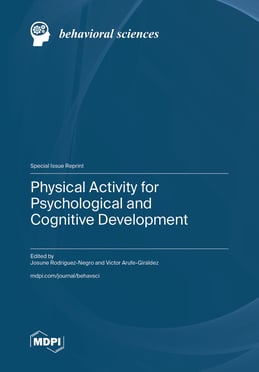
Physical Activity for Psychological and Cognitive Development
Reprint

Physical Activity for Psychological and Cognitive Development

Editors: Josune Rodríguez-Negro, Víctor Arufe-Giráldez
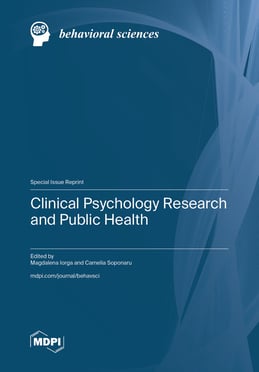
Clinical Psychology Research and Public Health
Reprint

Clinical Psychology Research and Public Health

Editors: Magdalena Iorga, Camelia Soponaru

Get Alerted

Add your email address to receive forthcoming issues of this journal.

XFacebookLinkedIn
Behav. Sci. - ISSN 2076-328X