


-
Glutathione-Mediated Redox Regulation of Immune Dysfunction in COVID-19 and Tuberculosis -
Essential Oils as Antioxidants: Mechanistic Insights from Radical Scavenging to Redox Signaling -
Traffic-Related Emissions Induce Angiotensin II-Dependent Oxidative Stress in the Hippocampus of ApoE-Null Male Mice
Journal Description
Antioxidants
Antioxidants
is an international, peer-reviewed, open access journal related to the science and technology of antioxidants, published monthly online by MDPI. The International Coenzyme Q10 Association (ICQ10A), Israel Society for Oxygen and Free Radical Research (ISOFRR) and European Academy for Molecular Hydrogen Research (EAMHR) are affiliated with Antioxidants and their members receive discounts on the article processing charge.
- Open Access— free for readers, with article processing charges (APC) paid by authors or their institutions.
- High Visibility: indexed within Scopus, SCIE (Web of Science), PubMed, PMC, FSTA, PubAg, CAPlus / SciFinder, and other databases.
- Journal Rank: JCR - Q1 (Chemistry, Medicinal) / CiteScore - Q1 (Food Science)
- Rapid Publication: manuscripts are peer-reviewed and a first decision is provided to authors approximately 18.7 days after submission; acceptance to publication is undertaken in 2.6 days (median values for papers published in this journal in the second half of 2025).
- Recognition of Reviewers: reviewers who provide timely, thorough peer-review reports receive vouchers entitling them to a discount on the APC of their next publication in any MDPI journal, in appreciation of the work done.
- Testimonials: See what our editors and authors say about Antioxidants.
- Companion journal: Oxygen.
Impact Factor:
6.6 (2024);
5-Year Impact Factor:
7.3 (2024)
Latest Articles
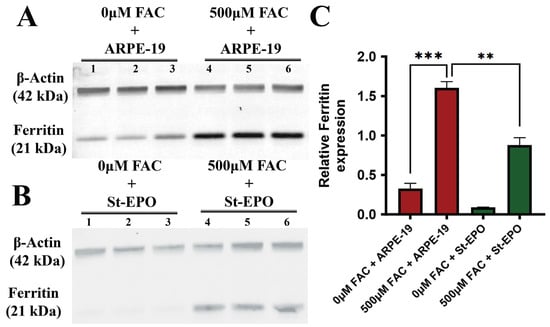
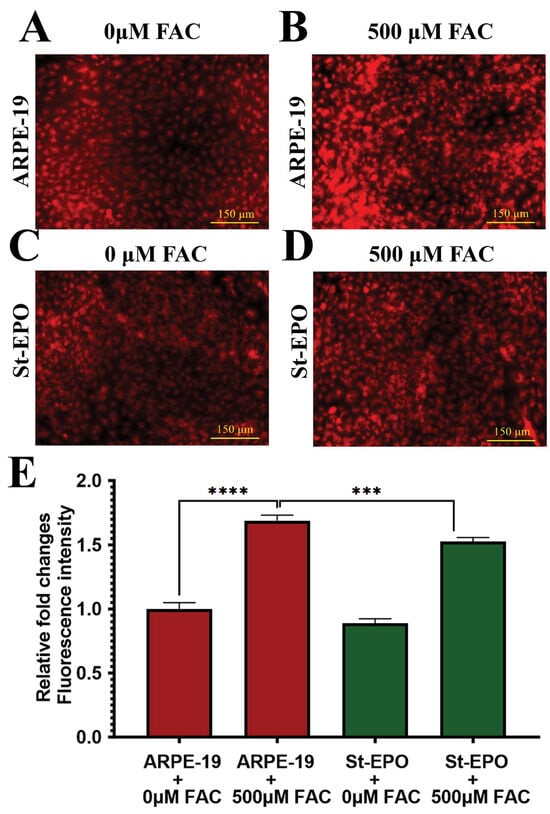
Non-Erythropoietic EPO (EPO-R76E) Protects RPE Cells from Ferroptosis by Modulating the Labile Iron Pool and NRF2-GPX4 Axis
Antioxidants 2026, 15(5), 647; https://doi.org/10.3390/antiox15050647 (registering DOI) - 20 May 2026
Abstract
Retinal pigment epithelium (RPE) degeneration remains a formidable challenge in dry age-related macular degeneration (AMD) research, primarily due to the toxic interplay between iron overload and ferroptosis. We investigated whether EPO-R76E, a non-erythropoietic modified variant of erythropoietin, could effectively interrupt this destructive cycle.
[...] Read more.
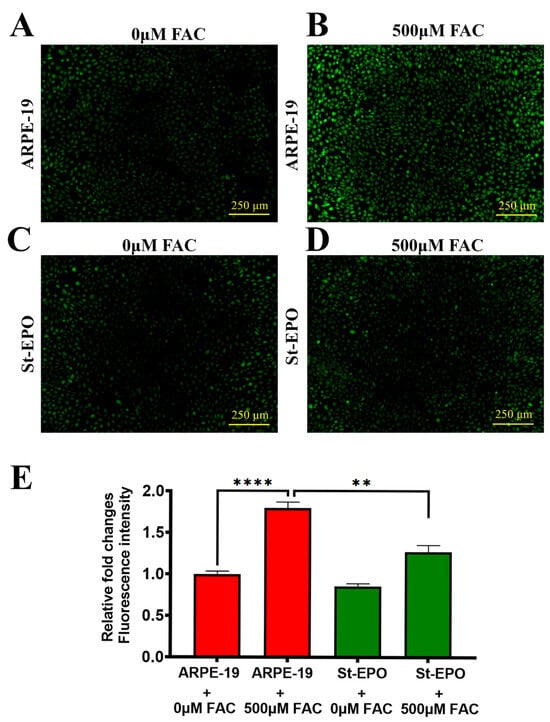
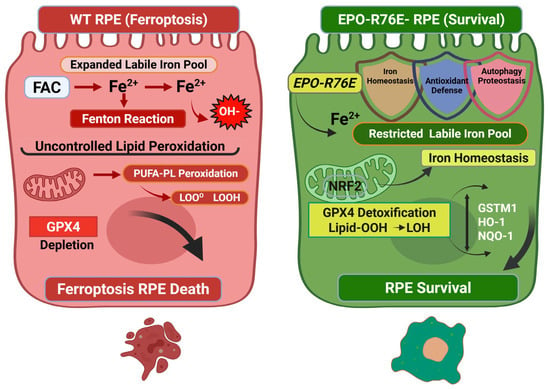
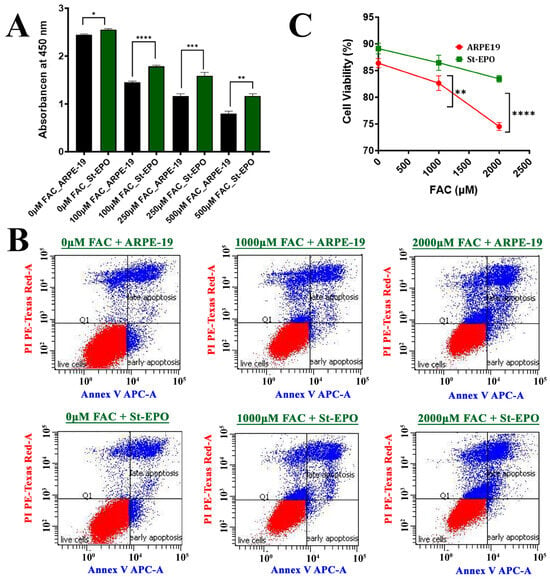
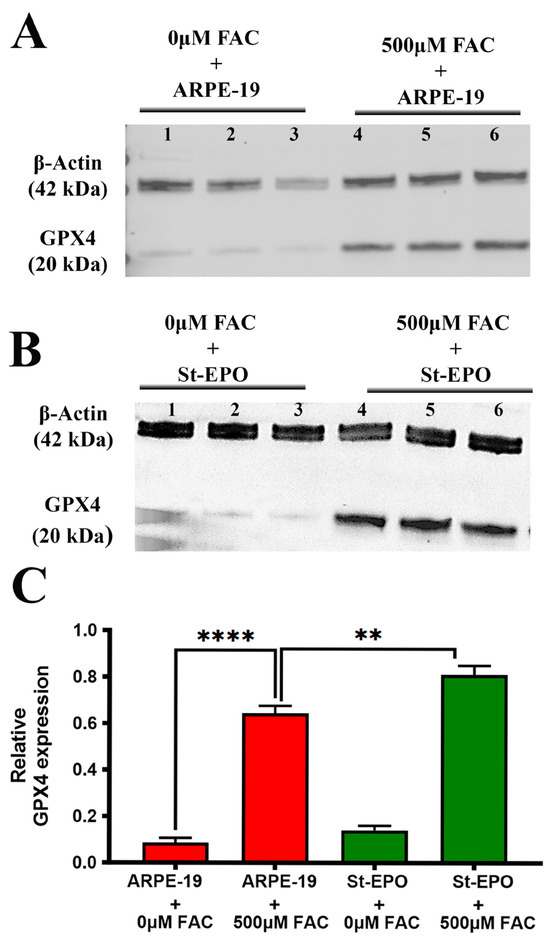
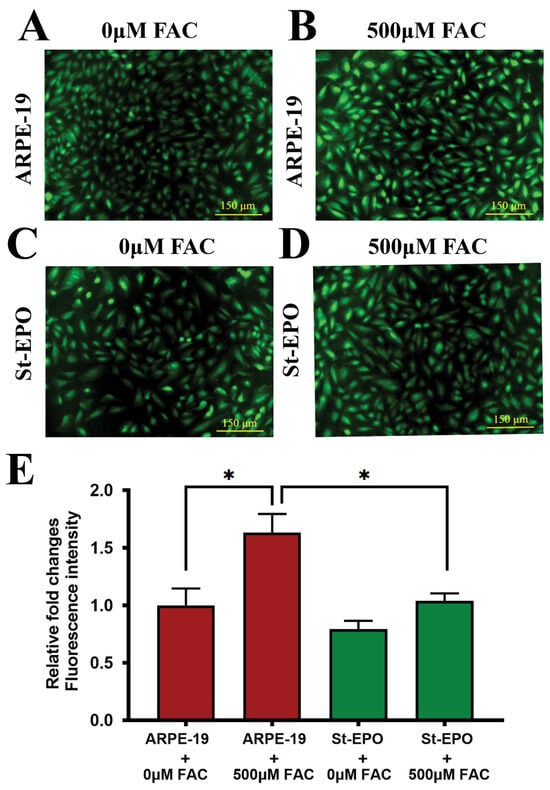
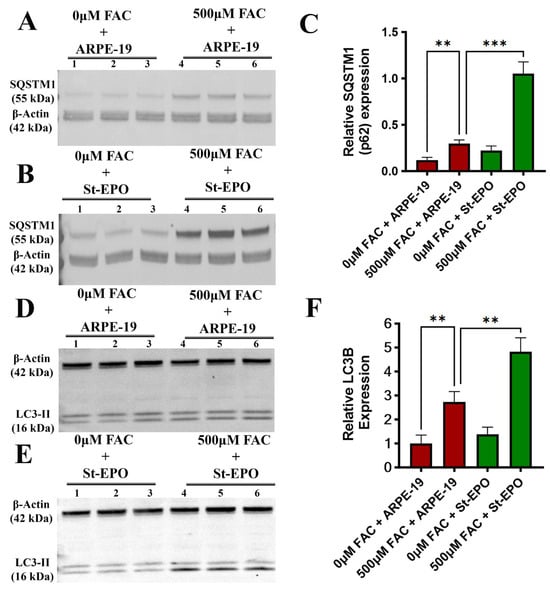
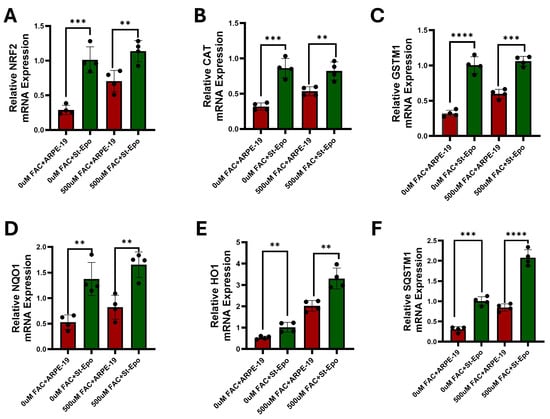
Retinal pigment epithelium (RPE) degeneration remains a formidable challenge in dry age-related macular degeneration (AMD) research, primarily due to the toxic interplay between iron overload and ferroptosis. We investigated whether EPO-R76E, a non-erythropoietic modified variant of erythropoietin, could effectively interrupt this destructive cycle. Using ARPE-19 cells challenged with ferric ammonium citrate (FAC) to model iron-induced toxicity, we show that EPO-R76E confers protection against ferroptosis. Our results demonstrate that this variant significantly reduces the intracellular labile iron pool, directly quenching the lipid peroxidation that drives ferroptotic cell death. This resilience is fueled by a robust upregulation of Glutathione Peroxidase 4 (GPX4) and the broad transcriptional activation of the NRF2 (Nuclear factor erythroid 2-related factor 2) NRF2 antioxidant axis. Furthermore, we found that EPO-R76E enhances autophagic flux, ensuring that cells maintain essential proteostasis and “housekeeping” functions even under metabolic crisis. By integrating iron sequestration with reinforced antioxidant signaling and cellular clearing mechanisms, EPO-R76E stands out as a potent candidate for preserving RPE health. These findings uncover a novel molecular framework for protecting the retina against iron-mediated injury, positioning EPO-R76E as a versatile and targeted gene-based therapeutic for addressing the fundamental causes of retinal degeneration.
Full article
(This article belongs to the Special Issue Novel Antioxidant Mechanisms for Health and Diseases, 2nd Edition)
►
Show Figures
Open AccessArticle
Oxidative Stability and Kinetics of Oxidation of Rosehip, Sunflower, Olive and Jojoba Oils
by
Carmen Fagoaga, Angela Moreno, Nayara Fernández-Julián and Gloria Castellano
Antioxidants 2026, 15(5), 646; https://doi.org/10.3390/antiox15050646 (registering DOI) - 20 May 2026
Abstract
Lipid oxidation affects the quality and functionality of vegetable oils, and its progression depends largely on fatty acid composition and antioxidant content. Oxidation kinetics provide essential information about oxidative resistance in oils. The determination of activation parameters allows for the evaluation of oxidation
[...] Read more.
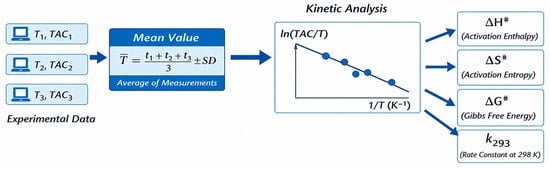
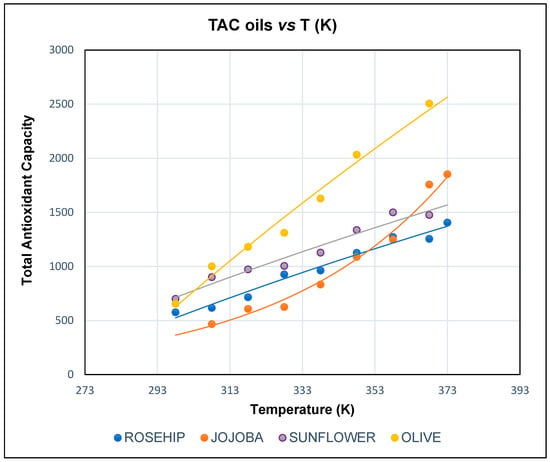
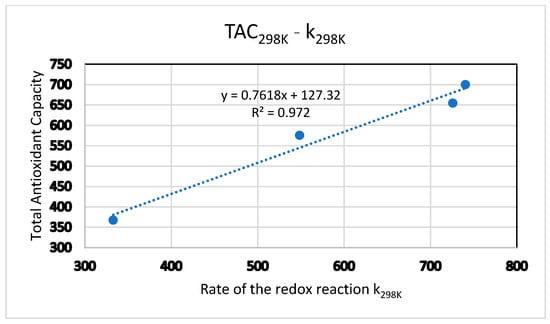
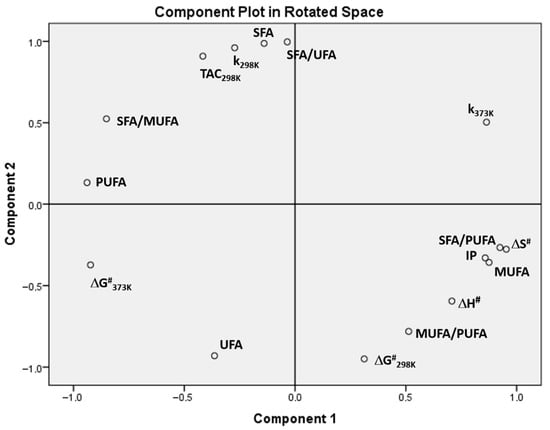
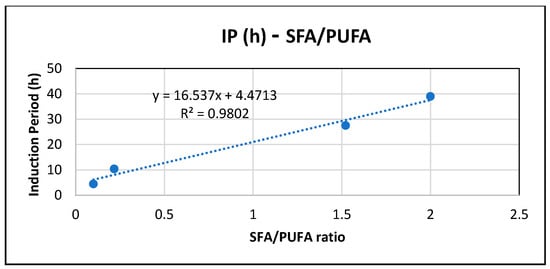
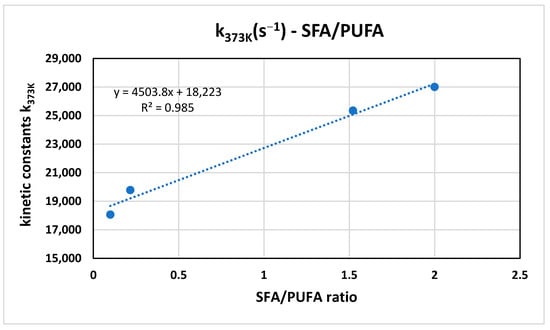
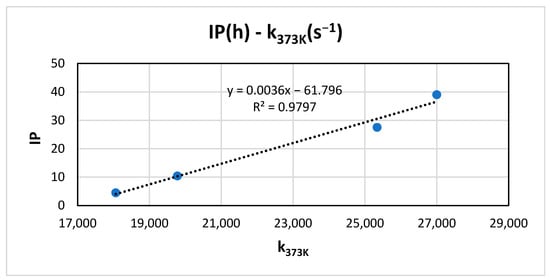
Lipid oxidation affects the quality and functionality of vegetable oils, and its progression depends largely on fatty acid composition and antioxidant content. Oxidation kinetics provide essential information about oxidative resistance in oils. The determination of activation parameters allows for the evaluation of oxidation susceptibility under thermal stress. Oxidative stability and oxidation kinetics at different temperatures of rosehip, sunflower, olive and jojoba oils were studied using both Rancimat and BQC-Redox System methods, enabling the calculation of kinetic constants and thermodynamic activation parameters for the process. BRS measurements showed an increase in total antioxidant capacity (TAC) with temperature in all samples, with olive oil presenting the highest TAC and jojoba the lowest at 298 K, while rosehip oil showed the lowest TAC at 373 K. Kinetic analysis revealed negative ΔS# values, indicating the formation of ordered transition states, and similar activation energies (ΔG# ≈ 56–58 kJ/mol), although jojoba displayed the highest ΔH# and ΔG#. Rancimat analysis at 373 K showed clear differences in oxidative stability: jojoba oil had the longest induction period, followed by olive, sunflower, and rosehip. These results correlated with PUFA levels. Principal component analysis (PCA) confirmed strong associations between induction period, fatty-acid composition, and kinetic parameters, demonstrating good agreement between the two analytical methods.
Full article
(This article belongs to the Special Issue Antioxidant Capacity of Natural Products—3rd Edition)
►▼
Show Figures

Figure 1

Open AccessArticle
NFAT5: A Metabolic Time Capsule Encoding the History of Paternal Metabolic Oxidative Stress Within the Male Reproductive Tract
by
Nicola Mosca, Antonella Migliaccio, Teresa Chioccarelli, Donato Cappetta, Antonella De Angelis, Marialucia Telesca, Liberato Berrino, Danila Valletta, Alice Luddi, Chiara Donati, Paola Piomboni, Charles Coutton, Guillaume Martinez, Gilda Cobellis, Chiara Schiraldi, Nicoletta Potenza, Rosanna Chianese and Francesco Manfrevola
Antioxidants 2026, 15(5), 645; https://doi.org/10.3390/antiox15050645 (registering DOI) - 20 May 2026
Abstract
Leydig cells (LCs) represent a somatic testicular population responsible for testosterone synthesis, a hormone essential for spermatogenesis and male fertility. The obesity condition impairs LC steroidogenic activity, contributing to testicular oxidative stress and male reproductive dysfunctions. Using a high-fat-diet (HFD) murine model, we
[...] Read more.
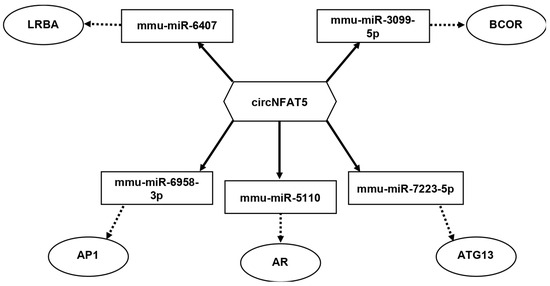
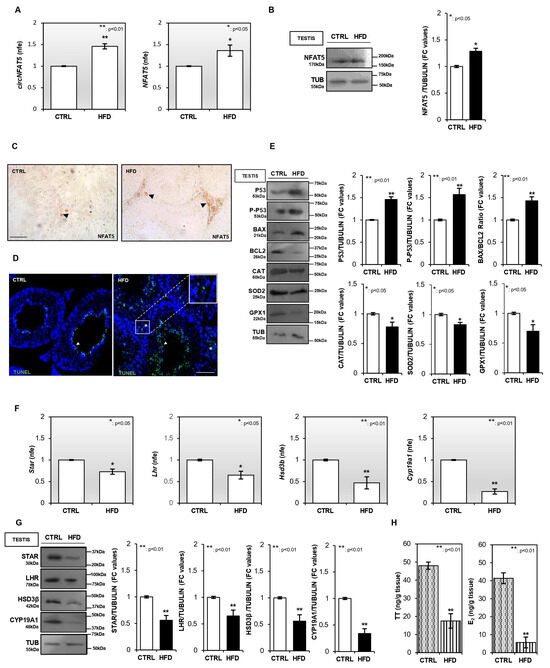
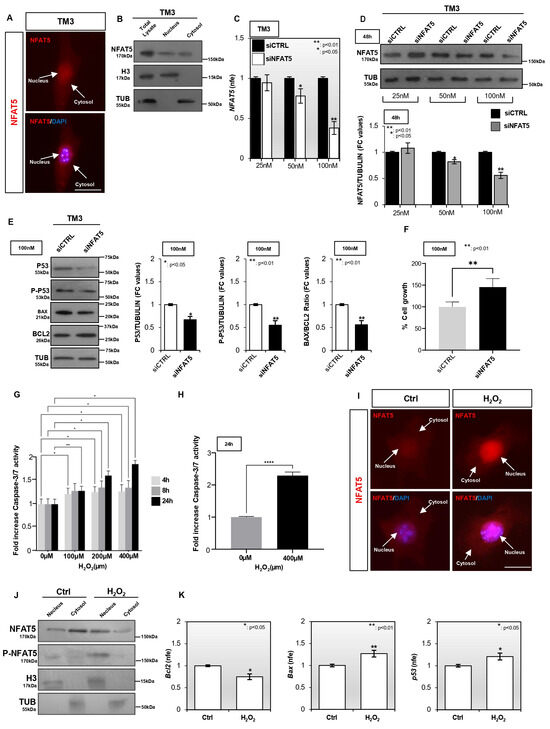
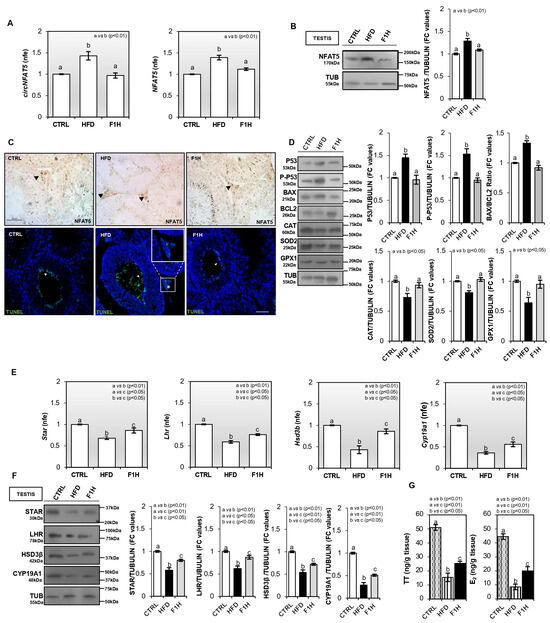
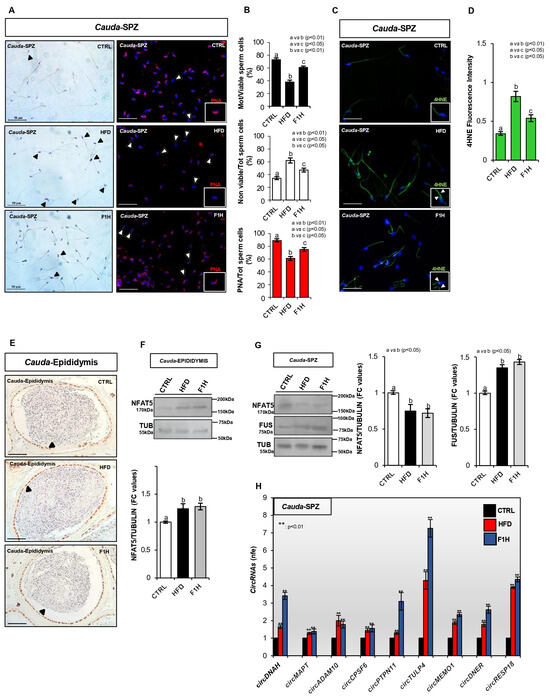
Leydig cells (LCs) represent a somatic testicular population responsible for testosterone synthesis, a hormone essential for spermatogenesis and male fertility. The obesity condition impairs LC steroidogenic activity, contributing to testicular oxidative stress and male reproductive dysfunctions. Using a high-fat-diet (HFD) murine model, we investigated the regulatory role of the nuclear factor of activated T cells 5 (NFAT5s) in the obesity-induced LC damage and the resulting alterations in intergenerationally inherited sperm circRNA cargo. Our findings reveal a significant upregulation of both circNFAT5 and NFAT5 protein levels in HFD testis. This molecular signature correlated with decreased antioxidant defense system, increased LC apoptosis, and impaired steroidogenesis. In vitro experiments, performed in TM3 cells, confirmed that NFAT5 nuclear shuttling drives proapoptotic gene activation, while NFAT5 silencing promotes LC survival. The analysis of HFD progeny (F1H) revealed a full recovery of testis oxidative status and LC apoptosis, linked with the recovery of NFAT5 expression. However, a steroidogenic deficiency persisted in F1H offspring. Notably, HFD and F1H epididymides exhibited NFAT5 overexpression concomitantly with impaired sperm morphology, motility, viability, and altered sperm circRNA profiles alongside a deregulated 4-hydroxy-2-nonenal (4HNE) profile, a marker of sperm oxidative stress. Lastly, an enhanced FUS-related amplification of circRNA perturbations was highlighted in F1H spermatozoa. Collectively, our findings reveal a dual functional role of NFAT5 as a testicular regulator of LC fate and an epididymal sentinel of metabolic stress, in turn linking paternal obesity to the persistent transmission of sperm epigenetic anomalies across the offspring.
Full article
(This article belongs to the Special Issue Effect of Oxidative Stress on Reproduction and Development—3rd Edition)
►▼
Show Figures

Figure 1
Open AccessArticle
Tomato Intake Improves Cognitive Performance and Modulates Functional Brain Networks in Healthy Adults: A Randomized Crossover Clinical Trial
by
Ricardo López-Solís, Carolina Donat-Vargas, Patricia Ramírez-Carrasco, Rocío M. Gutiérrez-Romero, Maria Pérez, Magda Castellví, Beatriz Bosch, Camila Arancibia-Riveros, Alejandro Hinojosa-Moscoso, Carlos Laredo, Emma Muñoz-Moreno, Ana Maria Ruiz-Leon, Rosa Casas, Ramon Estruch, Anna Vallverdú-Queralt, Marina Corrado and Rosa M. Lamuela-Raventós
Antioxidants 2026, 15(5), 644; https://doi.org/10.3390/antiox15050644 (registering DOI) - 19 May 2026
Abstract
Tomatoes are the major dietary source of lycopene, a carotenoid that crosses the blood–brain barrier and exerts antioxidant and anti-inflammatory effects. However, the impact of tomato consumption on cognitive function in healthy adults remains unclear. This study assessed the effects of concentrated tomato
[...] Read more.
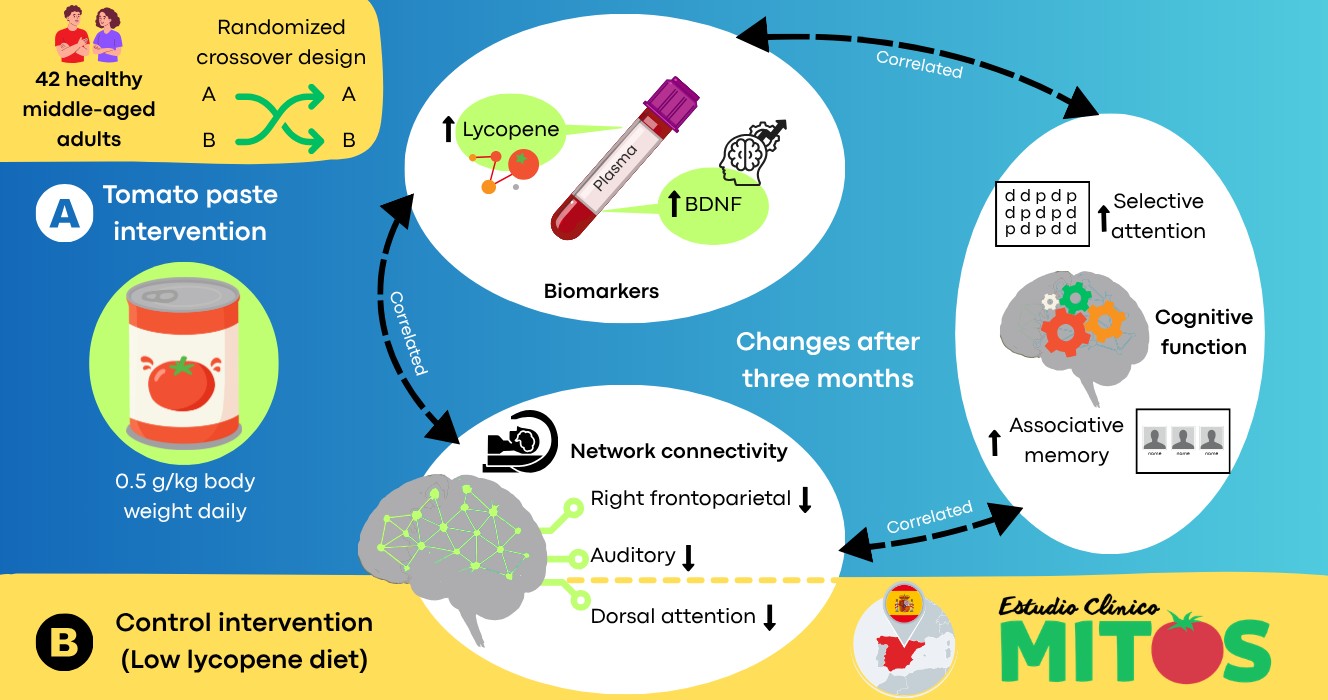
Tomatoes are the major dietary source of lycopene, a carotenoid that crosses the blood–brain barrier and exerts antioxidant and anti-inflammatory effects. However, the impact of tomato consumption on cognitive function in healthy adults remains unclear. This study assessed the effects of concentrated tomato paste on cognitive performance and explored potential mechanisms, including brain-derived neurotrophic factor (BDNF) and functional brain connectivity. A randomized, two-period crossover trial (ClinicalTrials.gov: NCT05891977) was conducted in 47 healthy adults aged 40–55 years assigned to two 3-month interventions separated by a 1-month washout: (a) daily consumption of concentrated tomato paste (0.5 g/kg body weight) and (b) a lycopene-restricted control diet. Cognitive performance was evaluated using validated neuropsychological tests (d2-R, Face-Name Associative Memory Exam, Modified Wisconsin Card Sorting Test), alongside plasma lycopene and BDNF, and resting-state functional magnetic resonance imaging (fMRI). Forty-two participants completed the study. Tomato intake improved selective attention (concentration performance: +7.2 points; processing speed: +8.3 points) and associative memory (face-name matching: +0.8 points). Plasma BDNF showed a borderline increase with tomato intake (mean difference 15.2 ng/mL). Resting-state fMRI revealed changes in brain networks, including reduced connectivity in frontoparietal and auditory networks, contrasting with reductions in the dorsal attention network during the control period. These findings provide evidence that tomato consumption may support cognitive function and modulate brain connectivity in healthy middle-aged adults.
Full article
(This article belongs to the Special Issue Role of Natural Antioxidants on Neuroprotection)
►▼
Show Figures

Graphical abstract
Open AccessArticle
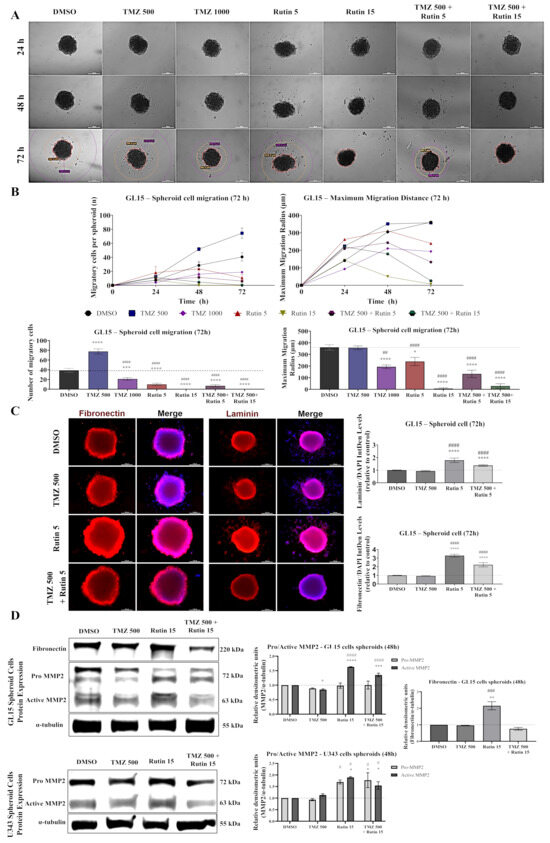
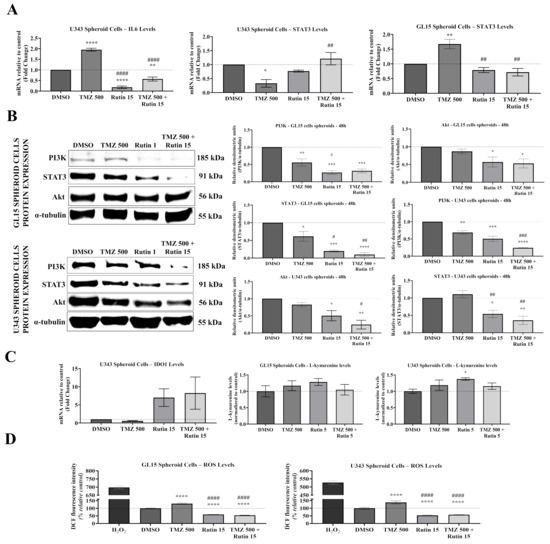
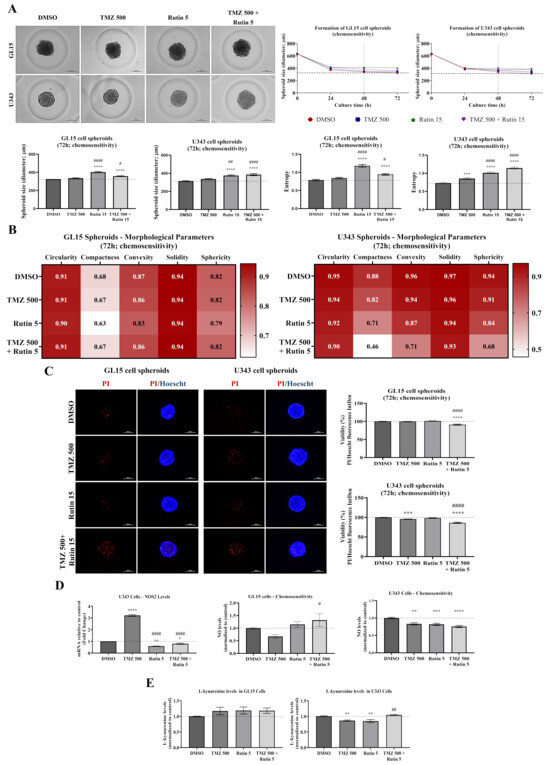
The Flavonoid Rutin Enhances Temozolomide Sensitivity in Glioblastoma Spheroids by Modulating Chemoresistance via PI3K/AKT, STAT3, Redox and Kynurenine Pathways, and Altering ECM Remodeling Associated with Reduced Migration
by
Irlã Santos Lima, Fernanda Vidal Carvalho, Érica Novaes Soares, Monique Reis de Santana, Maria de Fátima Dias Costa, Carolina Kymie Vasques Nonaka, Bruno Solano de Freitas Souza, Henning Ulrich, Cleonice Creusa dos Santos and Silvia Lima Costa
Antioxidants 2026, 15(5), 643; https://doi.org/10.3390/antiox15050643 (registering DOI) - 19 May 2026
Abstract
Introduction: Glioblastoma (GBM) is the most aggressive primary tumor of the central nervous system and is highly resistant to temozolomide (TMZ). Rutin is a potent antioxidant with immunomodulatory and anti-glioma effects in vitro, although its mechanisms of action remain incompletely understood. This study
[...] Read more.
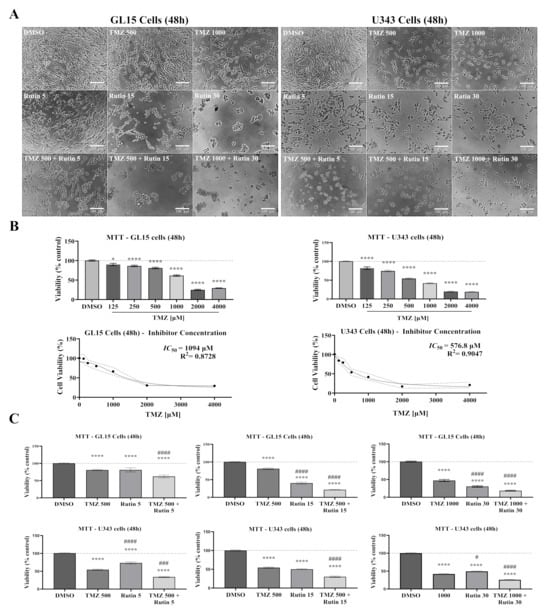
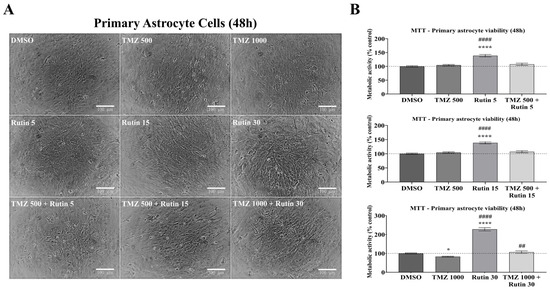
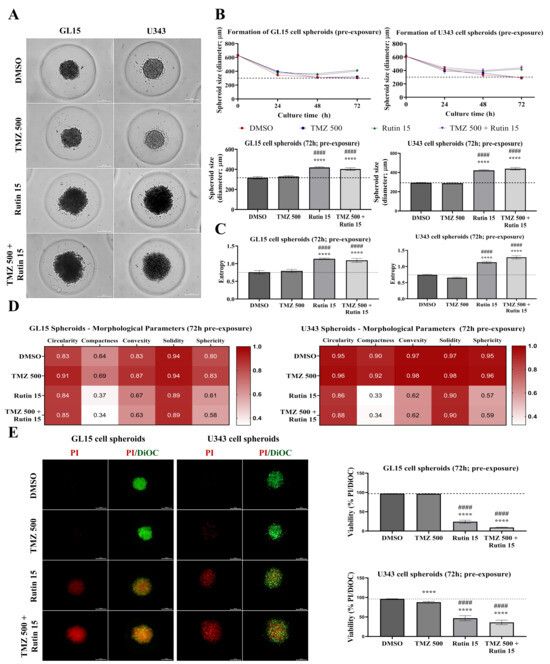
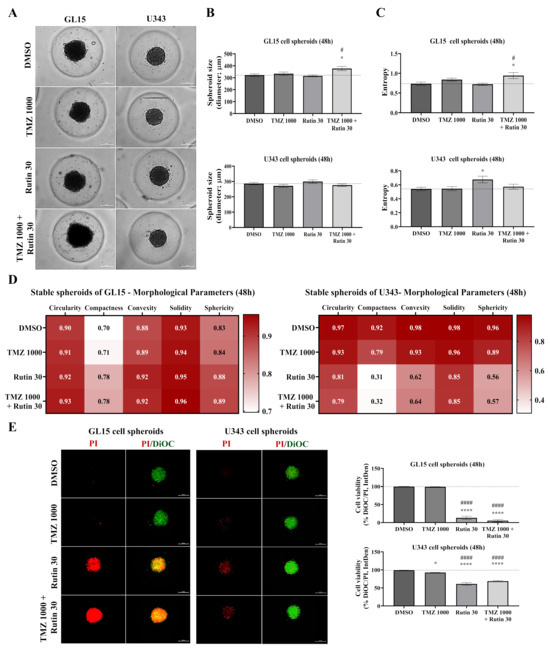
Introduction: Glioblastoma (GBM) is the most aggressive primary tumor of the central nervous system and is highly resistant to temozolomide (TMZ). Rutin is a potent antioxidant with immunomodulatory and anti-glioma effects in vitro, although its mechanisms of action remain incompletely understood. This study investigated the effects of rutin on morphology, viability, redox balance, and pro-tumoral signaling in GBM 2D cultures and 3D spheroids, as well as its association with TMZ sensitivity. Methods: GL15 and U343 human GBM cell lines and primary astrocytes were treated with rutin (5–30 μM) and/or TMZ (125–4000 μM). Cell metabolic activity and viability were assessed by MTT, PI/DiOC18(3) or PI/Hoechst. Cell migration was assessed from spheroid-derived cells, and extracellular matrix (ECM) components (fibronectin and laminin) were evaluated by immunofluorescence. Intracellular reactive oxygen species (ROS) were measured by DCFH-DA fluorescence. IL-6, STAT3, NOS2, and IDO1 gene expression were determined by RT-qPCR, and protein expression of MMP2, fibronectin, STAT3, PI3K, and AKT by Western blotting. Nitric oxide (NO) and L-kynurenine levels were quantified in the supernatant by colorimetric assays. Results: Rutin reduced cell viability and enhanced TMZ cytotoxicity in both 2D and 3D cultures, while exerting selective effects by increasing metabolic activity and attenuating TMZ-induced effects in non-tumoral primary astrocytes. In 3D spheroids, rutin affected structural organization and reduced spheroid-derived cell migration, accompanied by changes in ECM components, including MMP2, fibronectin, and laminin. Rutin decreased intracellular ROS levels and suppressed the TMZ-induced increase in ROS and NOS signaling. These effects were accompanied by modulation of IL-6/STAT3 signaling, along with reduced STAT3, PI3K, and AKT protein levels. Rutin also modulated immunometabolic parameters, including extracellular L-kynurenine and nitric oxide levels, and enhanced TMZ responsiveness following pre-sensitization. Conclusions: Rutin enhances TMZ responsiveness by modulating interconnected pro-tumoral mechanisms, including redox balance, pro-survival signaling, ECM remodeling and migratory behavior, and immunometabolic pathways linked to chemoresistance, supporting its potential as an adjuvant therapeutic strategy.
Full article
(This article belongs to the Special Issue Anti-Cancer Potential of Plant-Based Antioxidants—2nd Edition)
►▼
Show Figures

Figure 1
Open AccessArticle
Holotomography and Multivariate Analysis Reveal Donor-Specific Responses to Antioxidant Supplementation During Stallion Sperm Cryopreservation
by
Graziano Preziosi, Raffaele Boni, Stefano Cecchini Gualandi and Maria Antonietta Ferrara
Antioxidants 2026, 15(5), 642; https://doi.org/10.3390/antiox15050642 (registering DOI) - 18 May 2026
Abstract
Freeze–thaw procedures impair sperm morphology and function, affecting viability, motility, redox balance, and subcellular organization. Although antioxidants may mitigate these effects, their interaction with donor-specific variability remains unclear. We combined quantitative holotomography with conventional physiological assessments within a multivariate framework based on principal
[...] Read more.
Freeze–thaw procedures impair sperm morphology and function, affecting viability, motility, redox balance, and subcellular organization. Although antioxidants may mitigate these effects, their interaction with donor-specific variability remains unclear. We combined quantitative holotomography with conventional physiological assessments within a multivariate framework based on principal component analysis (PCA) and nested cross-validated Linear Discriminant Analysis (LDA) to evaluate donor-specific responses to antioxidant-supplemented cryopreservation. Spermatozoa from ten stallions was analyzed before and after freezing under five conditions: fresh semen; frozen semen with INRA Freeze, frozen semen with HF-20, and HF-20 supplemented with matcha, spirulina, horseradish, or quercetin. For each condition, sperm kinetics, mitochondrial activity, oxidative stress, DNA integrity, and three-dimensional volumetric measurements of whole-cell and subcellular compartments derived from holotomography were integrated into a single dataset. LDA achieved 0.734 cross-validated accuracy for stallion classification, revealing strong donor-specific signatures. In contrast, classification by antioxidant treatment was near chance (0.248). Fresh semen was clearly distinct from all cryopreserved groups. Holotomography showed reduced whole-cell and post-acrosomal/midpiece volumes after freezing, while nuclear volume was unchanged. Antioxidant supplementation produced minor, inconsistent effects, with partial midpiece preservation in some donors but no global pattern. Overall, inter-stallion variability dominates post-thaw sperm phenotype. Antioxidant effects were detectable but modest, supporting individualized strategies to optimize equine semen cryopreservation protocols.
Full article
(This article belongs to the Special Issue Redox Regulation in Animal Reproduction—2nd Edition)
Open AccessReview
Oxidative Stress-Guided Gold Nanoparticles for Cancer Theranostics
by
Yubin Jin, Jiaxuan Zhu, Yang Yang, Zhuhu Li and Yunzhi Qin
Antioxidants 2026, 15(5), 641; https://doi.org/10.3390/antiox15050641 (registering DOI) - 18 May 2026
Abstract
Gold nanoparticles offer a versatile platform for cancer theranostics because their high atomic number can enhance X-ray energy deposition, their plasmonic properties support photothermal and photoacoustic applications, and their surfaces allow drug loading and molecular targeting. However, therapeutic benefit remains heterogeneous because tumor
[...] Read more.
Gold nanoparticles offer a versatile platform for cancer theranostics because their high atomic number can enhance X-ray energy deposition, their plasmonic properties support photothermal and photoacoustic applications, and their surfaces allow drug loading and molecular targeting. However, therapeutic benefit remains heterogeneous because tumor uptake, intratumoral coverage, and subcellular localization determine whether deposited gold can be converted into biologically effective damage. Redox context further shapes this conversion by determining whether AuNP-triggered physical or catalytic events can overcome local buffering and propagate into durable injury. During radiotherapy, AuNPs increase local secondary electron release and ROS formation, which can intensify DNA damage when GSH-dependent peroxide detoxification, thioredoxin-related buffering, and KEAP1-NRF2-regulated antioxidant responses are insufficient to contain the redox burden. In catalytic systems, Au-containing nanozymes can convert endogenous H2O2 into highly reactive radicals and may simultaneously deplete glutathione, thereby amplifying mitochondrial dysfunction and lipid peroxidation. During photoactivation, plasmonic heating and photosensitizer coupling further reshape ROS generation in a time-dependent and location-dependent manner. On the diagnostic side, CT or spectral CT can quantify tumor gold burden and coverage, whereas ROS-responsive photoacoustic, SERS, or fluorescence probes can report treatment-related oxidants and verify whether redox activation has occurred within the tumor. Clinical translation will therefore depend on quantification-guided dosing, definition of spatial coverage and activation timing, standardized redox-response readouts, and long-term safety evaluation.
Full article
(This article belongs to the Special Issue Oxidative Stress in Cancers)
Open AccessArticle
Selective MIF Enolase Inhibitor TE-91 Regulates M1 Polarization and Associated Metabolic Reprogramming
by
Péter Deák, Nikoletta Kálmán, Csenge Antus, Eva M. Böhm, Marcell Krekó, Eszter Vámos, Viola Bagóné Vántus, Katalin Böddi, Lilla Makszin, Tamás Lóránd, Ferenc Gallyas, Jr. and Balázs Radnai
Antioxidants 2026, 15(5), 640; https://doi.org/10.3390/antiox15050640 (registering DOI) - 18 May 2026
Abstract
Macrophage migration inhibitory factor (MIF) has been shown to induce M1 macrophage polarization with oxidative stress and associated metabolic reprogramming. Several tautomerase inhibitors were shown to selectively inhibit either MIF’s ketonase or enolase sub-activities. In this study, we aimed to investigate the role
[...] Read more.
Macrophage migration inhibitory factor (MIF) has been shown to induce M1 macrophage polarization with oxidative stress and associated metabolic reprogramming. Several tautomerase inhibitors were shown to selectively inhibit either MIF’s ketonase or enolase sub-activities. In this study, we aimed to investigate the role of enolase sub-activity in M1 polarization using the selective enolase inhibitor TE-91. We performed in silico molecular docking analysis and physicochemical characterization of TE-91. LPS + IFN-γ-induced RAW264.7 cells were applied as a model for M1 macrophage activation. We performed ROS and nitrite determinations, ELISA, qPCR, and immunoblot analysis, and measured mitochondrial oxygen consumption rate and extracellular acidification rate. Here, we reveal that TE-91 might directly bind to the MIF tautomerase active site. Furthermore, TE-91 reduces M1 activation by enhancing oxidative phosphorylation and reducing the glycolytic activity in LPS + IFN-γ-induced macrophage cells. In the same model, TE-91 reduces TNF-α, IL-6, CCL2, and iNOS mRNA transcription yet fails to modulate PARP1 and SOD2 mRNA transcription. It also decreases ROS, nitrite, and IL-6 production without influencing TNF-α and CCL2 protein production. TE-91 was unable to reduce either HIF-1α mRNA transcription or its protein expression. Finally, TE-91 reduced IL-1β cleavage, without affecting IL-1β protein expression. These results may highlight the importance of tautomerase sub-activities in M1 polarization.
Full article
(This article belongs to the Special Issue Synthetic Compounds: Antioxidant and Anti-Inflammatory Activities, Biomedical Properties and Formulations)
Open AccessArticle
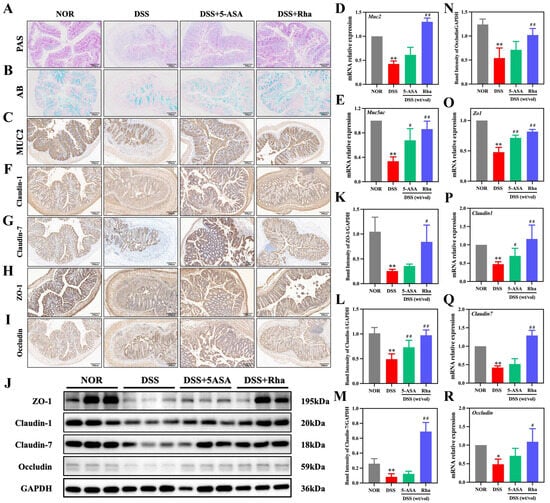
Rhamnocitrin Ameliorates the Intestinal Fibrosis in DSS-Induced Colitis Mice by Modulating Host-Metabolites and Remodeling the Gut Microbiome
by
Ming-Yu Zhang, Zhi-Zhu Ke, Pei-Lin Deng, Yi-Yan Qin, Shu-Lan Mo, Lin-Ting Qiu, Jie-Jing Xu, Chen-Xi Tong and Jia-Le Song
Antioxidants 2026, 15(5), 639; https://doi.org/10.3390/antiox15050639 (registering DOI) - 18 May 2026
Abstract
►▼
Show Figures
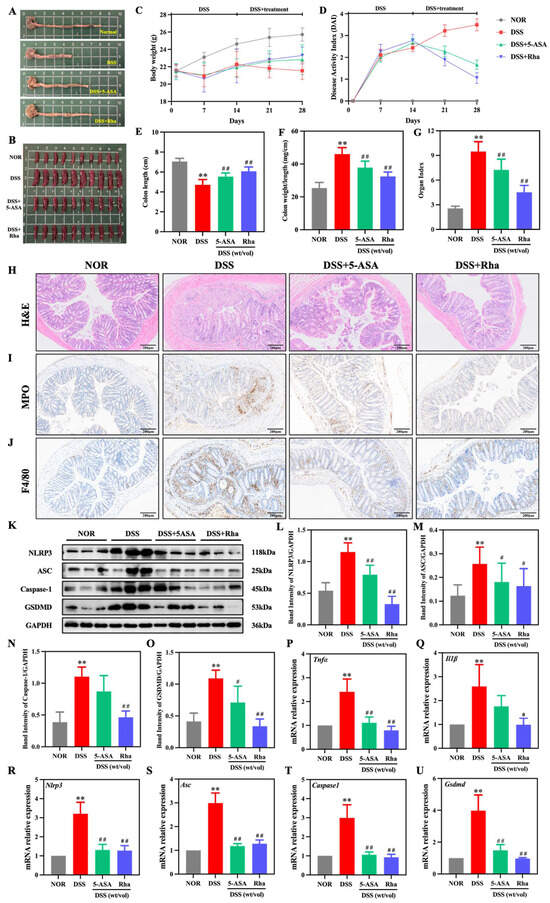
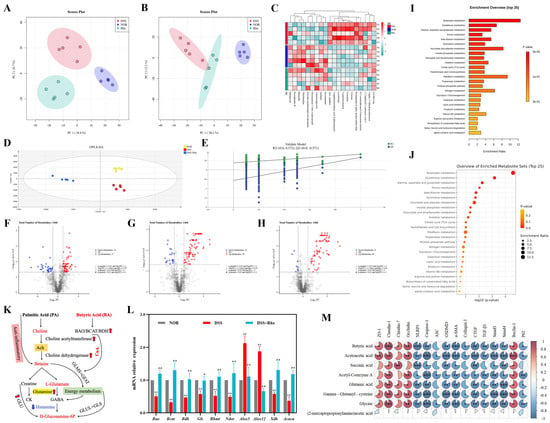
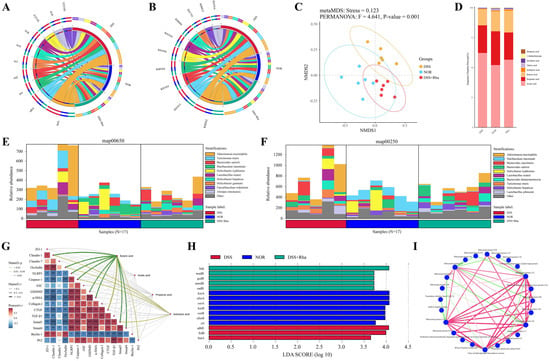
Ulcerative colitis (UC) is characterized by barrier disruption, microbiota dysbiosis, fibrosis, and impaired autophagy. We investigated the effects of Rhamnocitrin (Rha) in dextran sulfate sodium (DSS)-induced chronic UC mice using histological analysis, molecular assays, and multiomics profiling. Rha alleviated weight loss and colon
[...] Read more.
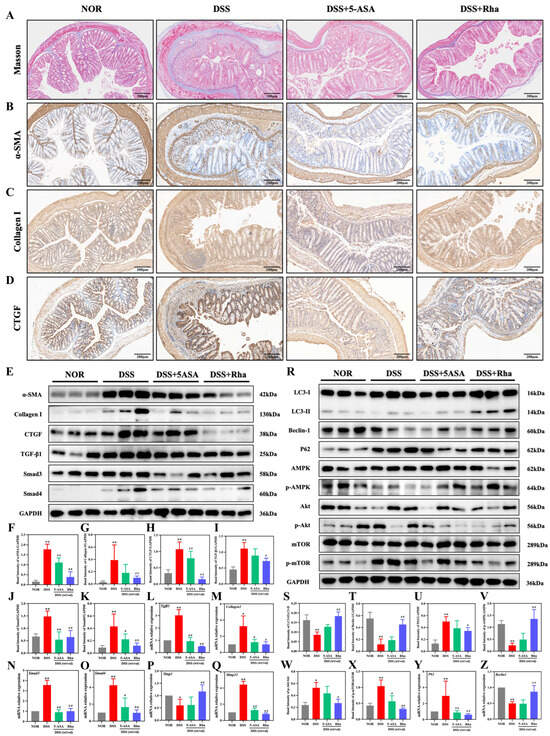
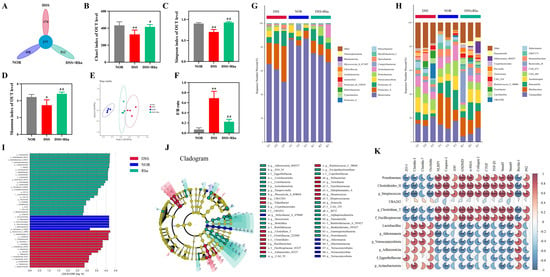
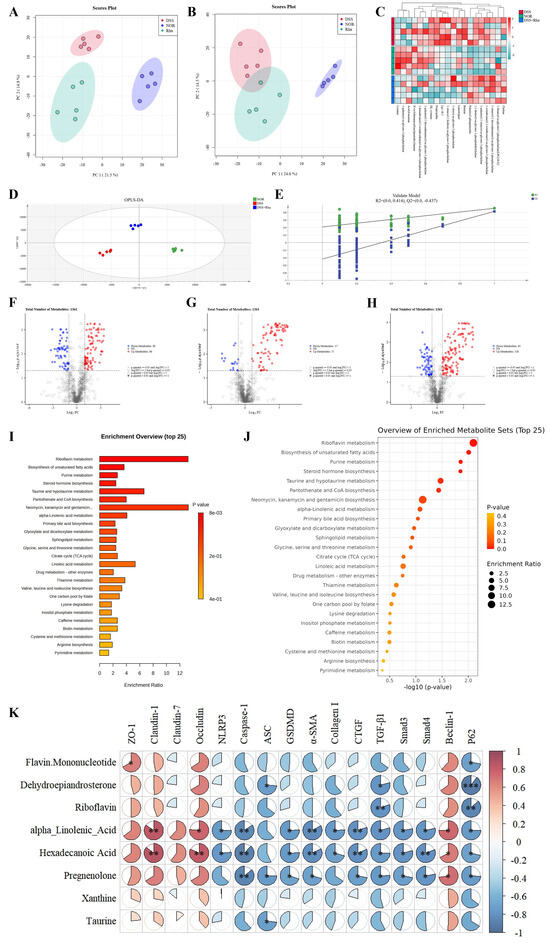
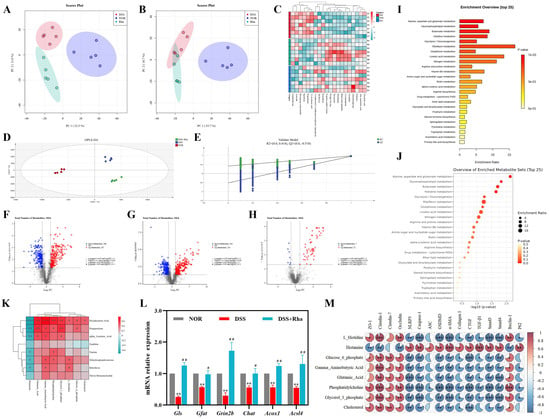
Ulcerative colitis (UC) is characterized by barrier disruption, microbiota dysbiosis, fibrosis, and impaired autophagy. We investigated the effects of Rhamnocitrin (Rha) in dextran sulfate sodium (DSS)-induced chronic UC mice using histological analysis, molecular assays, and multiomics profiling. Rha alleviated weight loss and colon shortening; improved mucus secretion and tight junction protein expression; suppressed NLRP3 inflammasome activation; activated autophagy via AMPK activation and consequent Akt/mTOR inhibition; and attenuated colonic fibrosis. Multiomics analysis integrating 16S rRNA sequencing, metagenomics, and metabolomics revealed that Rha remodels the gut microbiota and is associated with elevated levels of beneficial metabolites, including butyrate in the colon, glutamate and γ-aminobutyric acid in the liver, and α-linolenic acid in the serum. Correlation analysis revealed close associations between microbiota and metabolite alterations, and improved barrier integrity, reduced inflammation, and attenuated fibrosis. These findings suggest that Rha ameliorates chronic UC by modulating autophagy, microbiota composition, and host metabolism across the gut–liver axis.
Full article

Figure 1
Open AccessReview
Translational Feasibility of Curcumin for Treatment of Alzheimer’s Disease: A Critical Appraisal of Clinical Challenges
by
Jasmine Priya Virk, Malika G. Fernando, Prita Riana Asih and Ralph N. Martins
Antioxidants 2026, 15(5), 638; https://doi.org/10.3390/antiox15050638 (registering DOI) - 18 May 2026
Abstract
The absence of robust and effective treatments for Alzheimer’s disease remains a major challenge in modern medicine. As one of the leading causes of death, its increasing prevalence and complex chronic pathogenesis impose a substantial societal and healthcare burden, intensifying the need for
[...] Read more.
The absence of robust and effective treatments for Alzheimer’s disease remains a major challenge in modern medicine. As one of the leading causes of death, its increasing prevalence and complex chronic pathogenesis impose a substantial societal and healthcare burden, intensifying the need for effective therapeutic strategies. Current treatments remain limited, with minimal impact on cognitive decline in symptomatic patients. Curcumin, the bioactive ingredient in turmeric, has taken precedence over other natural products due to its potent antioxidative and anti-inflammatory properties. Numerous publications have extensively reported on the therapeutic effect of curcumin in animal models of Alzheimer’s disease. However, no curcumin formulation has demonstrated consistent clinical efficacy against Alzheimer’s or other neurodegenerative diseases to date. Over the years, many critics have argued that curcumin’s undesirable chemical properties, mainly low bioavailability and rapid metabolism, pose significant barriers to its therapeutic use to target the brain. Considerable funding and research effort on emerging technologies such as nanoparticles and intranasal delivery continue to drive curcumin preclinical and clinical trials, prompting reflection on the rationale for continued investment. This narrative review critically dissects this disconnect, arguing that many purported benefits remain insufficiently substantiated, and identifying important opportunities where future research may hold promise for an effective treatment.
Full article
(This article belongs to the Special Issue Oxidative Stress and Its Mitigation in Neurodegenerative Disorders)
Open AccessArticle
Spermidine Targets Ovarian Granulosa Cells via Activating the FHC/SLC7A11 Axis to Regulate Iron Homeostasis and Ameliorate Iron Overload-Induced Ovarian Dysfunction
by
Chun-Yang Niu, Dong-Mei Jiang, Xin Wang, Guan-Hua Chen, Shuo Li, Yong-Ni Guo, Cheng-Weng Ji, Xiao-Guang An, Wei-Kang Ling, Yu-Xin Qi, Xin-Yi Wang, Lu Lu, Xun Wang and Bo Kang
Antioxidants 2026, 15(5), 637; https://doi.org/10.3390/antiox15050637 (registering DOI) - 18 May 2026
Abstract
Females with iron overload suffer from follicular dysplasia, and effective therapeutic strategies for preserving fertility remain lacking. As a natural aliphatic polyamine, spermidine exerts antioxidant activity and plays an anti-ferroptosis role in the pathogenesis of various diseases. However, the role and underlying mechanism
[...] Read more.
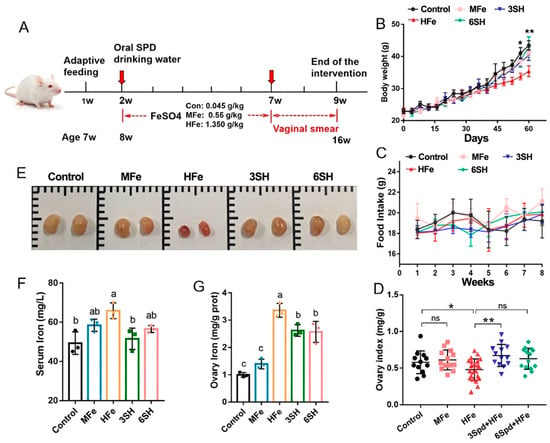
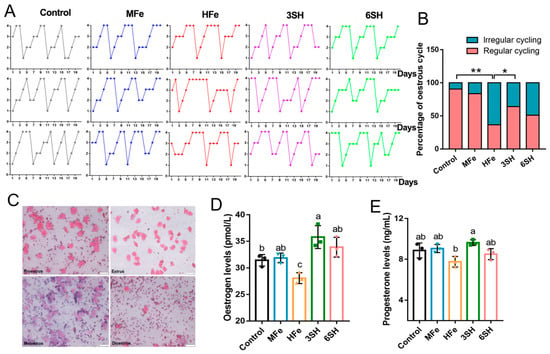
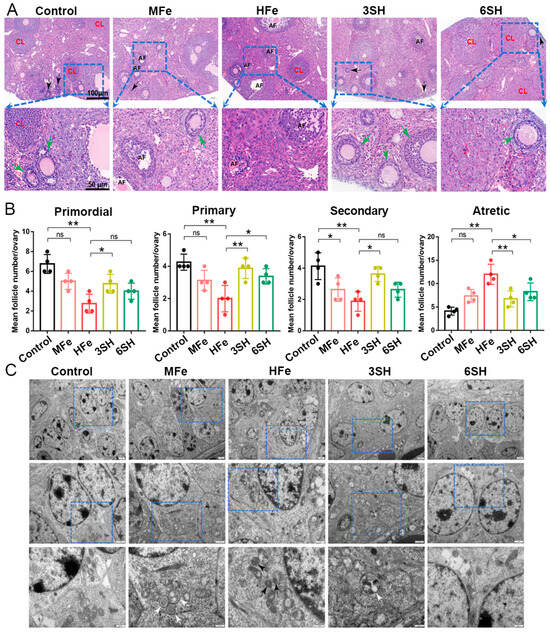
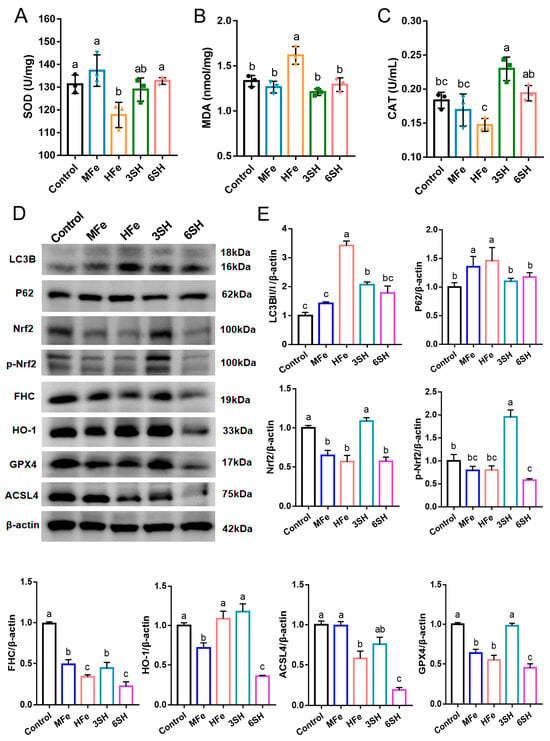
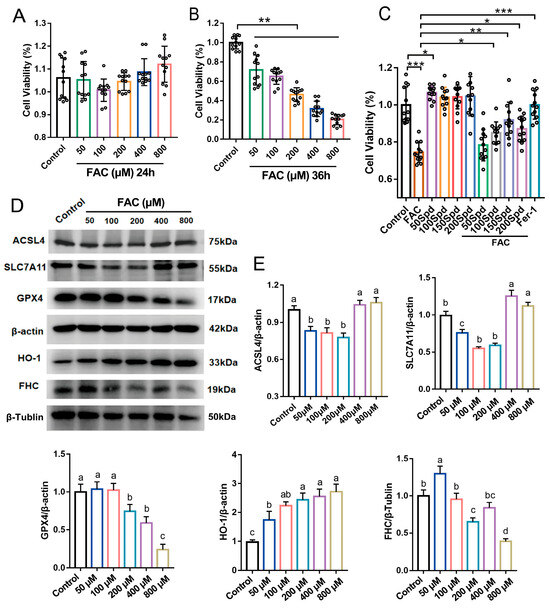
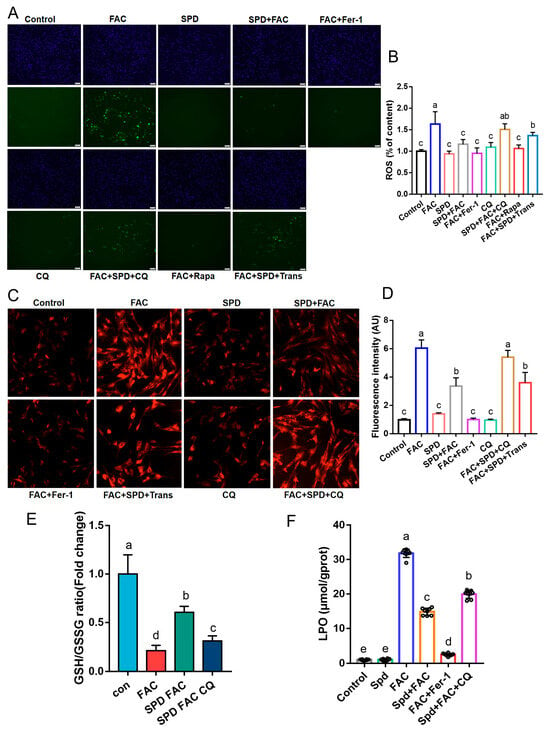
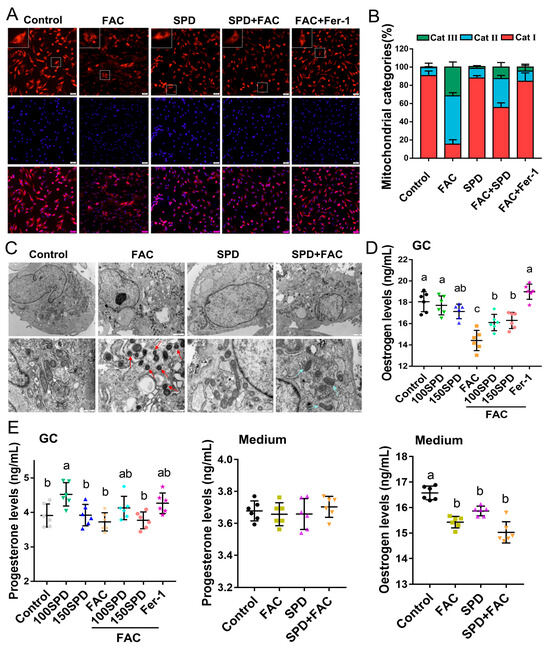
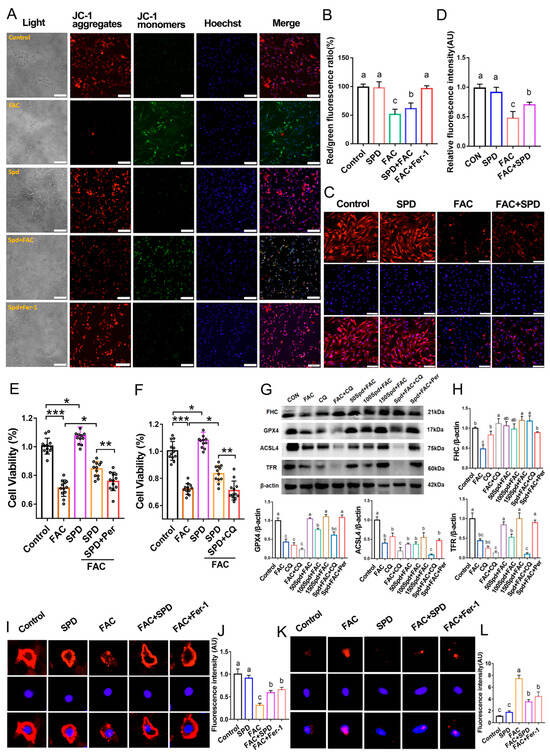
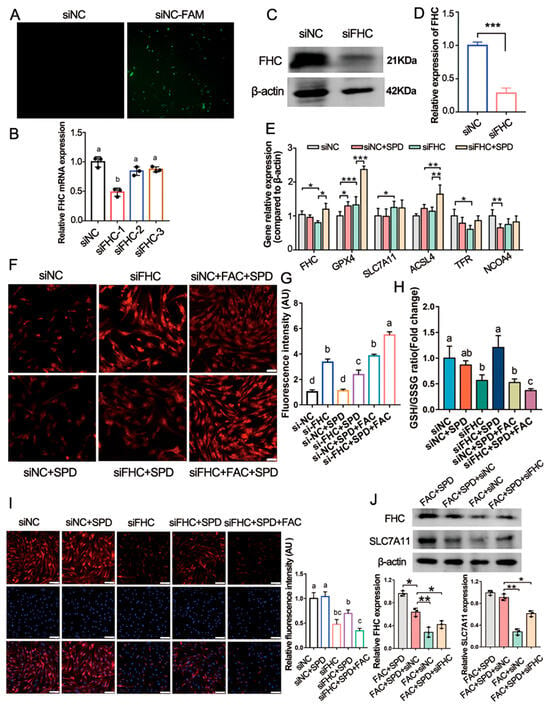
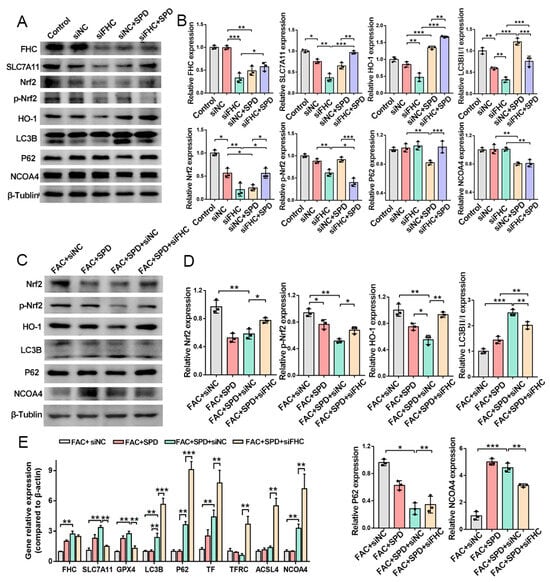
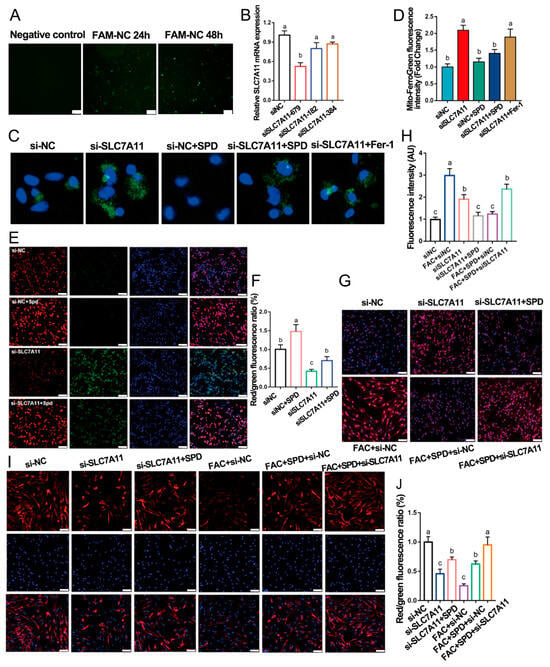
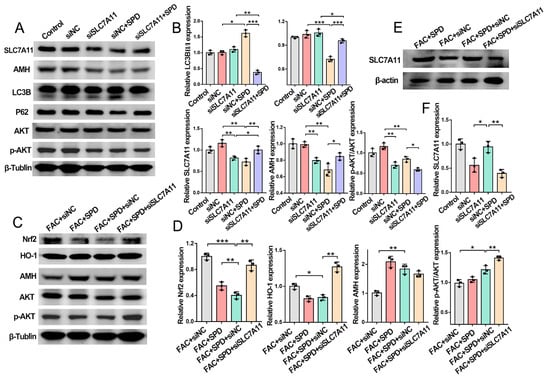
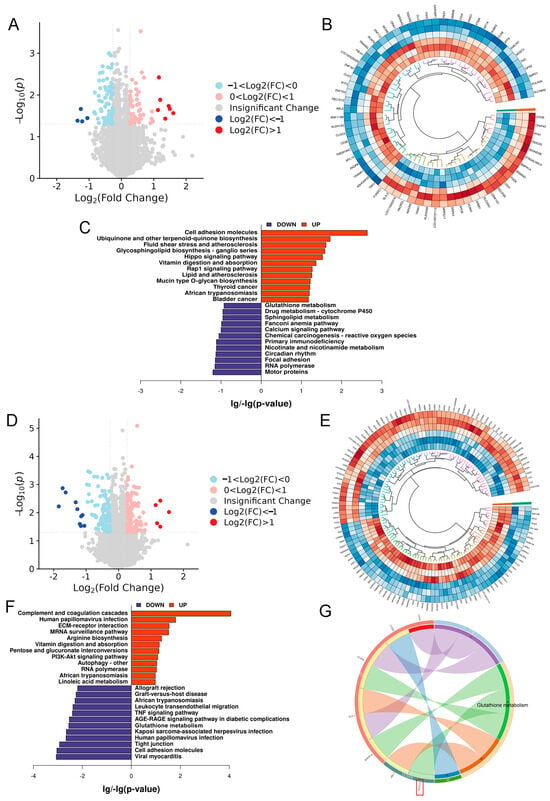
Females with iron overload suffer from follicular dysplasia, and effective therapeutic strategies for preserving fertility remain lacking. As a natural aliphatic polyamine, spermidine exerts antioxidant activity and plays an anti-ferroptosis role in the pathogenesis of various diseases. However, the role and underlying mechanism of spermidine in iron overload-induced ovarian ferroptosis remain largely elusive. This study aimed to investigate the therapeutic potential of spermidine against iron overload-induced ferroptosis in ovarian granulosa cells and elucidate its molecular mechanism. As a result, iron overload models were established in female mice (in vivo, ferrous sulfate) and porcine ovarian granulosa cells (in vitro, ferric ammonium citrate), with spermidine administered at 3 mM (in vivo) or 150 μM (in vitro). Ferritin heavy chain (FHC) and solute carrier family 7 member 11 (SLC7A11) silencing were performed via siRNA transfection, and relevant controls were set. In vivo studies showed that spermidine elevated serum estradiol and progesterone levels, enhanced ovarian catalase (CAT) and superoxide dismutase (SOD) activities, improved granulosa cell mitochondrial morphology, and increased estrous cycle regularity from 35.6% (high-iron group) to 63.1%. In vitro, spermidine improved ferric ammonium citrate (FAC)-impaired cell viability; attenuated reactive oxygen species (ROS) accumulation; upregulated FHC, Nrf2/p-Nrf2/GPX4, SLC7A11 and anti-müllerian hormone (AMH) expression; and inhibited excessive autophagy (decreased LC3BII/I ratio). Mechanistically, spermidine activated AKT-mediated autophagy, modulated iron homeostasis and glutathione (GSH) synthesis via FHC, alleviated ferroptosis-related Nrf2/p-Nrf2/HO-1 pathway overactivation, reduced lipid peroxidation and DNA damage, and restored mitochondrial function. SLC7A11 silencing disrupted glutathione metabolism, induced mitochondrial ROS accumulation, and inhibited autophagy. Proteomic analysis identified microsomal glutathione S-transferase 3 (MGST3) as a potential key downstream target of spermidine in suppressing SLC7A11-mediated ferroptosis. This study reveals a novel therapeutic strategy wherein spermidine protects against ovarian ferroptosis and preserves ovarian function by regulating iron homeostasis through the FHC/SLC7A11 axis.
Full article
(This article belongs to the Section Health Outcomes of Antioxidants and Oxidative Stress)
►▼
Show Figures

Figure 1
Open AccessArticle
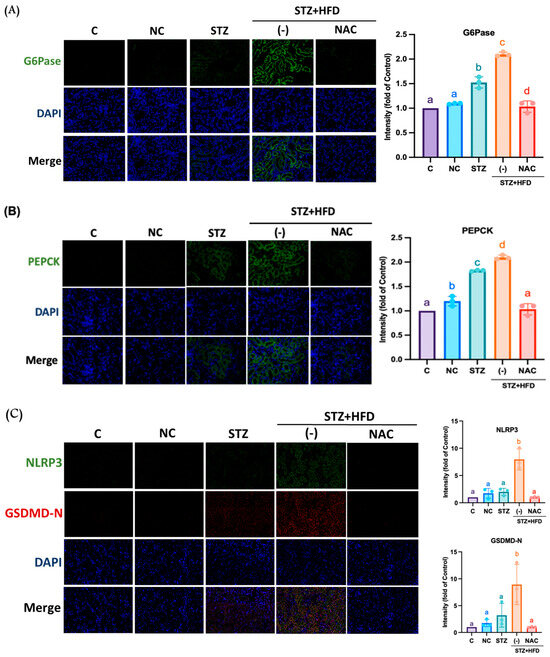
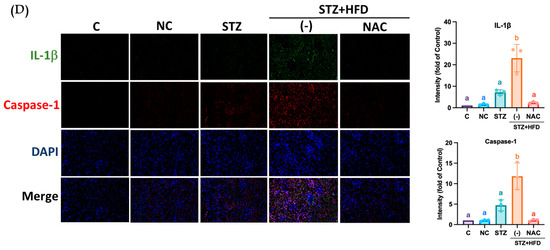
N-Acetylcysteine Mitigates Renal Fibrosis by Modulating Inflammasome and Gluconeogenic Pathways Under Cardiometabolic Stress
by
Ching-Chun Chen, Hui-Pei Huang, I-Ning Tsai, Huei-Jane Lee and Chau-Jong Wang
Antioxidants 2026, 15(5), 636; https://doi.org/10.3390/antiox15050636 (registering DOI) - 17 May 2026
Abstract
Cardio-renal metabolic (CRM) syndrome, characterized by insulin resistance and dyslipidemia, disrupts renal insulin signaling, enhances oxidative stress, and activates inflammasome pathways, ultimately promoting renal fibrosis and kidney dysfunction. Aberrant renal gluconeogenesis has emerged as a critical contributor to tubular injury under cardiometabolic stress;
[...] Read more.
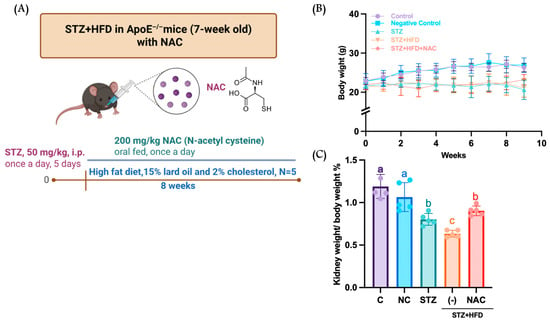
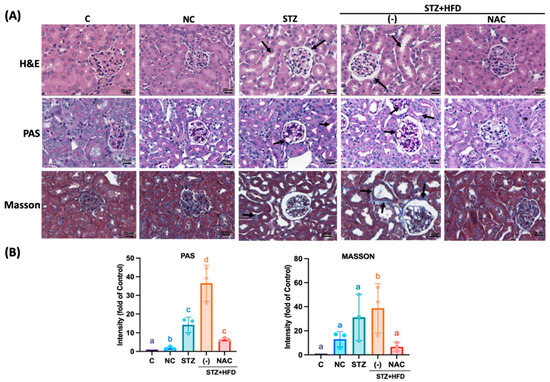
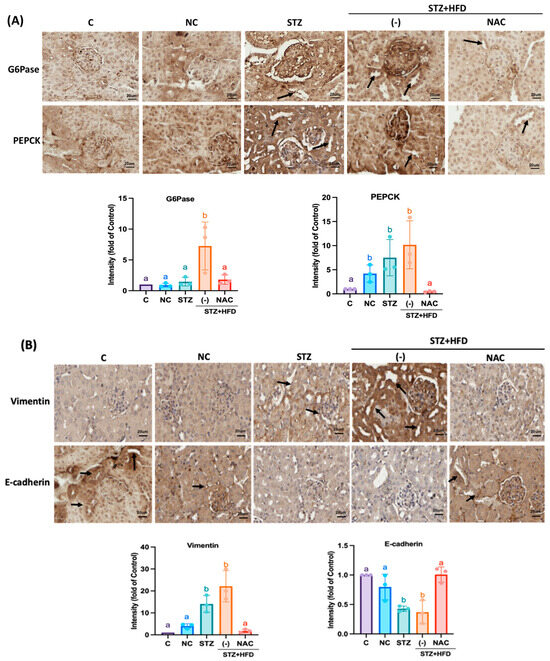
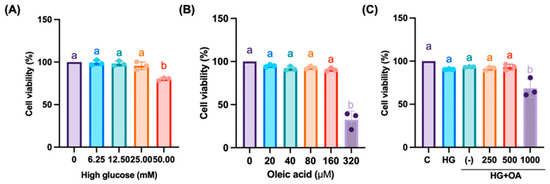
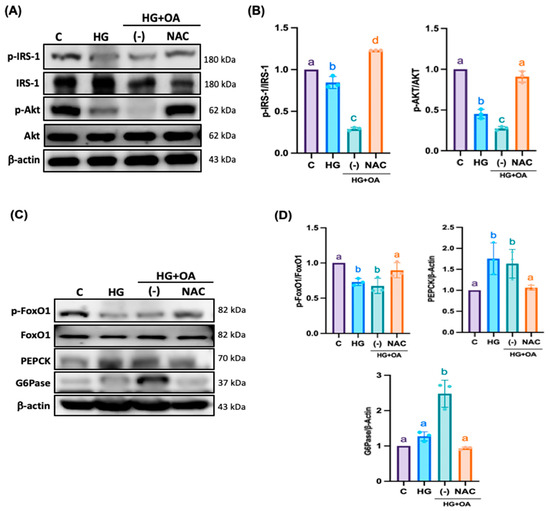
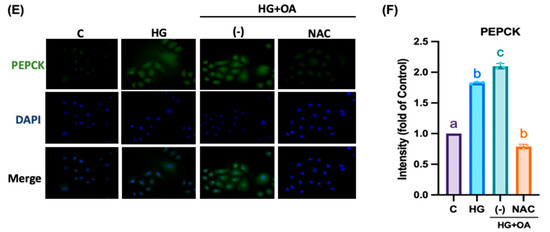
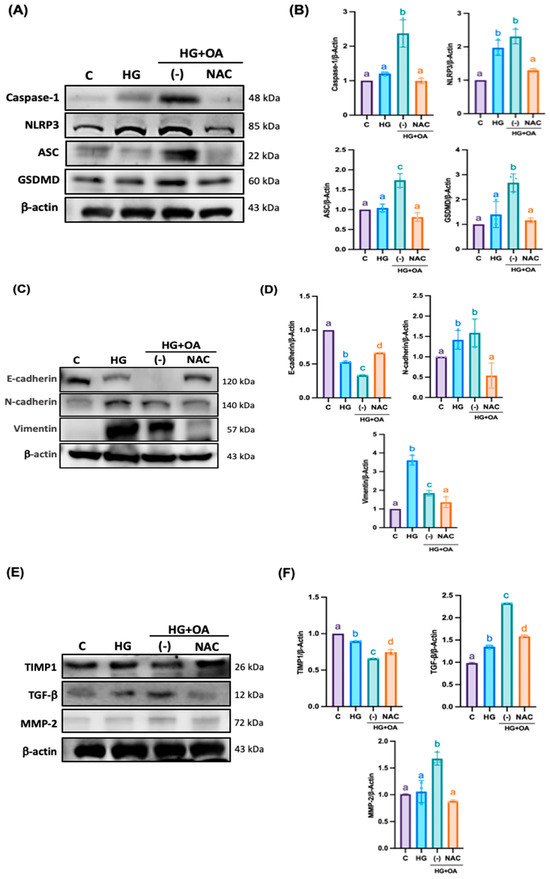
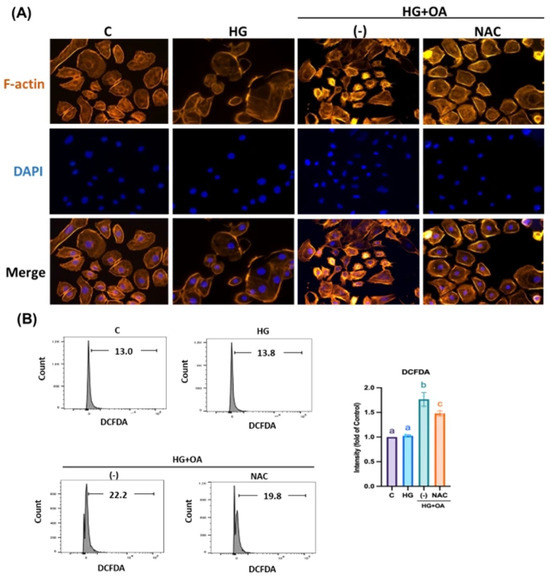
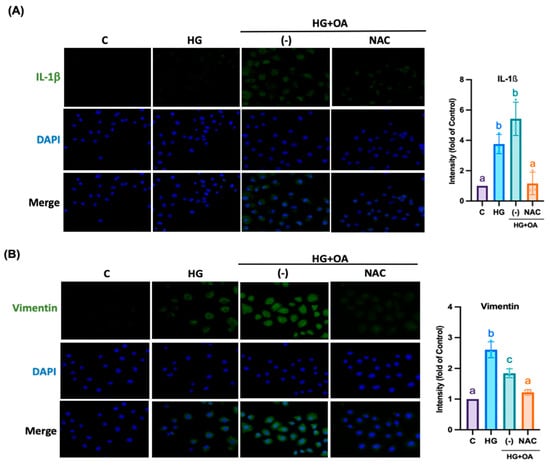
Cardio-renal metabolic (CRM) syndrome, characterized by insulin resistance and dyslipidemia, disrupts renal insulin signaling, enhances oxidative stress, and activates inflammasome pathways, ultimately promoting renal fibrosis and kidney dysfunction. Aberrant renal gluconeogenesis has emerged as a critical contributor to tubular injury under cardiometabolic stress; however, its mechanistic linkage to inflammatory and fibrotic remodeling remains incompletely defined. In this study, ApoE−/− mice subjected to streptozotocin administration and a high-fat diet developed pronounced cardiometabolic dysfunction, accompanied by elevated blood urea nitrogen, creatinine, uric acid, and glycated hemoglobin levels, as well as severe renal histopathological alterations. N-Acetylcysteine (NAC) supplementation significantly improved metabolic abnormalities and attenuated tubular dilation, glomerular hypertrophy, and mesangial expansion. Mechanistically, NAC suppressed renal gluconeogenesis by downregulating glucose-6-phosphatase and phosphoenolpyruvate carboxykinase expression and mitigated epithelial–mesenchymal transition by restoring E-cadherin and reducing vimentin expression, thereby limiting fibrotic remodeling. Consistent with in vivo findings, NAC reduced reactive oxygen species production, restored PI3K/Akt-dependent insulin signaling, and inhibited inflammasome activation in NRK-52E renal tubular cells exposed to high glucose and oleic acid, resulting in attenuation of inflammatory signaling and gluconeogenic activity. Collectively, these results demonstrate that NAC mitigates cardiometabolic stress-induced renal injury by modulating inflammasome activation and gluconeogenic reprogramming, highlighting its potential as a mechanistic modulator of renal fibrosis under CRM conditions.
Full article
(This article belongs to the Section Health Outcomes of Antioxidants and Oxidative Stress)
►▼
Show Figures

Figure 1

Open AccessReview
Pyrrolizidine Alkaloid-Induced Hepatotoxicity: A Narrative Review on Molecular Mechanisms and Detoxification Strategies
by
Yizhuo Fang, Xiaosong Zhang, Chongshan Dai and Zhihui Hao
Antioxidants 2026, 15(5), 635; https://doi.org/10.3390/antiox15050635 (registering DOI) - 16 May 2026
Abstract
Pyrrolizidine alkaloids (PAs), a category of naturally occurring secondary metabolites, are commonly found in various botanical sources. Accumulating evidence indicates that PAs and their biologically active metabolites can interact with cellular components and trigger a variety of toxic effects in animals and humans.
[...] Read more.
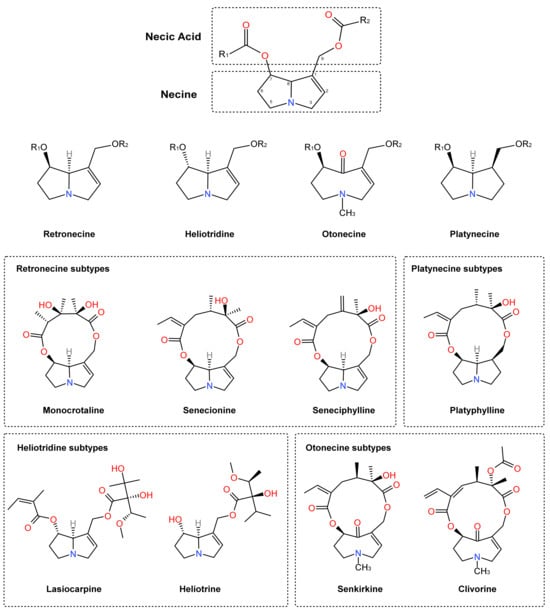
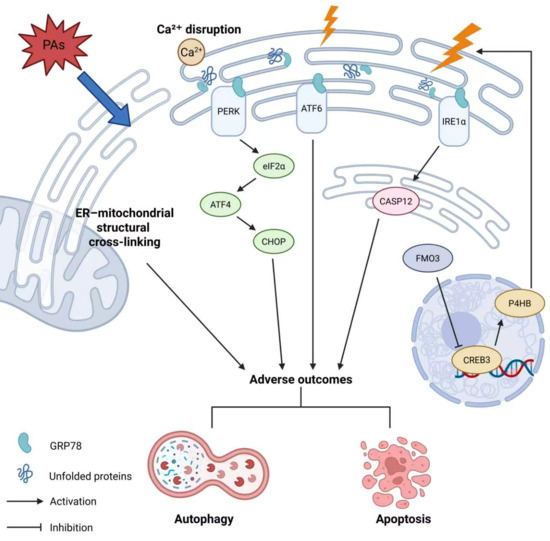
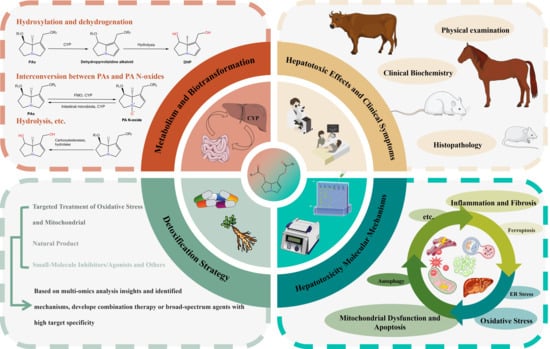
Pyrrolizidine alkaloids (PAs), a category of naturally occurring secondary metabolites, are commonly found in various botanical sources. Accumulating evidence indicates that PAs and their biologically active metabolites can interact with cellular components and trigger a variety of toxic effects in animals and humans. Notably, PAs exhibit significant hepatotoxic potential via nutritional supplements, environmental dissemination, food chain contamination, and broader ecological pollution. In this review, we summarize PA-induced hepatotoxicity in humans and animals and the underlying molecular mechanisms. It involves oxidative stress, mitochondrial dysfunction, apoptosis, ER stress, inflammation, autophagy, and ferroptosis. Several key signaling pathways, such as nuclear factor-erythroid 2 related factor 2 (Nrf2), mitogen-activated protein kinase (MAPK), protein kinase RNA-like endoplasmic reticulum kinase (PERK), toll like receptor 4 (TLR4), nuclear factor kappa-B (NF-κB), transforming growth factor beta (TGF-β), p53, farnesoid X receptor (FXR), and pregnane X receptor (PXR), are also implicated. Furthermore, this review discusses diagnostic approaches, metabolic activation pathways, and detoxification strategies targeting PA-induced liver injury. Collectively, this review provides a comprehensive understanding of the molecular basis of PA hepatotoxicity and underscores the urgent need for improved risk assessment, early diagnosis, and effective detoxification interventions to mitigate PA-related liver diseases in humans and animals.
Full article
(This article belongs to the Topic Recent Advances in Veterinary Pharmacology and Toxicology, 2nd Edition)
►▼
Show Figures

Figure 1
Open AccessArticle
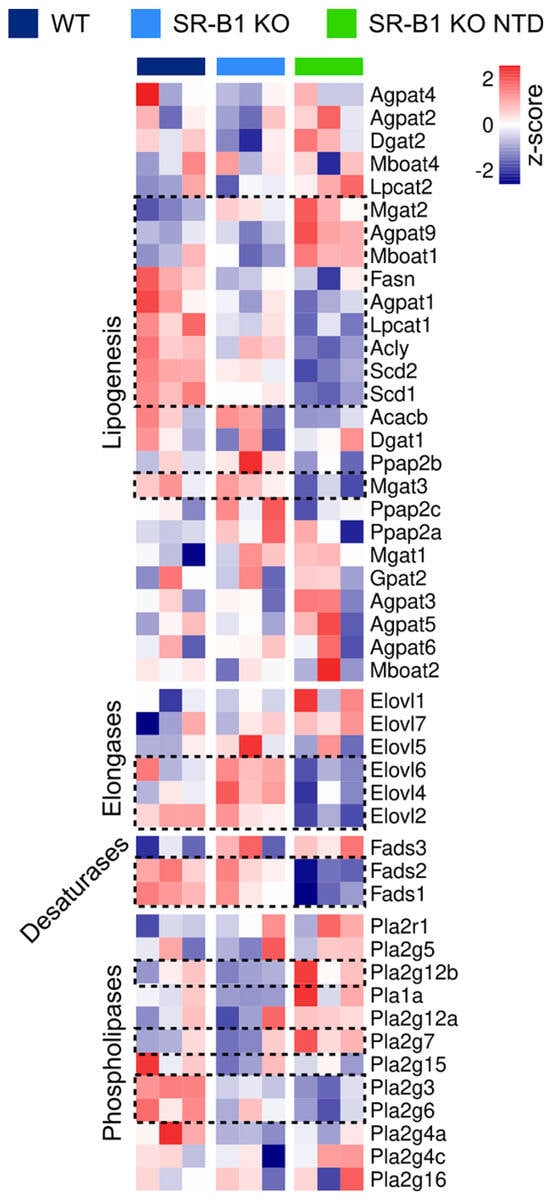
Lipid Remodeling in Mouse SR-B1-Deficient Embryos with Oxidative Stress-Associated Neural Tube Defects
by
Alonso Quiroz, Nicolás Santander, Greene D. E. Nicolás, Kit-Yi Leung and Dolores Busso
Antioxidants 2026, 15(5), 634; https://doi.org/10.3390/antiox15050634 (registering DOI) - 16 May 2026
Abstract
Neural tube defects (NTD) are congenital malformations that lead to structural abnormalities of the brain or spine. Mouse embryos deficient in Scavenger Receptor Class B Type 1 (SR-B1 KO), the main receptor for high-density lipoproteins, exhibit a high incidence of anterior NTD, which
[...] Read more.
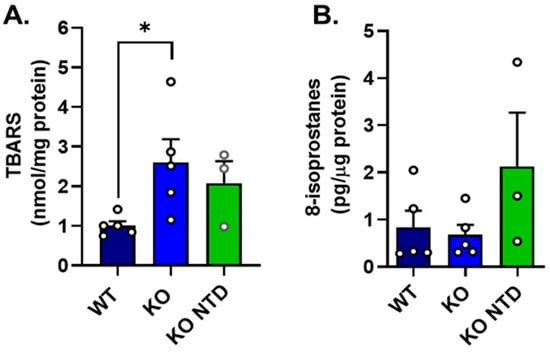
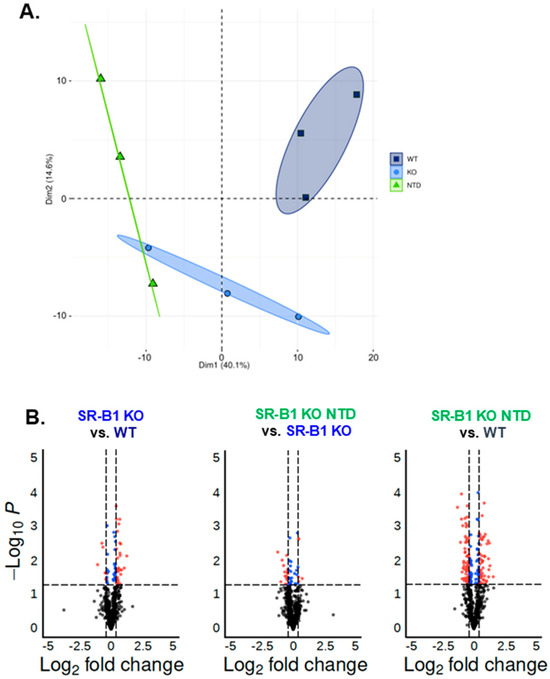
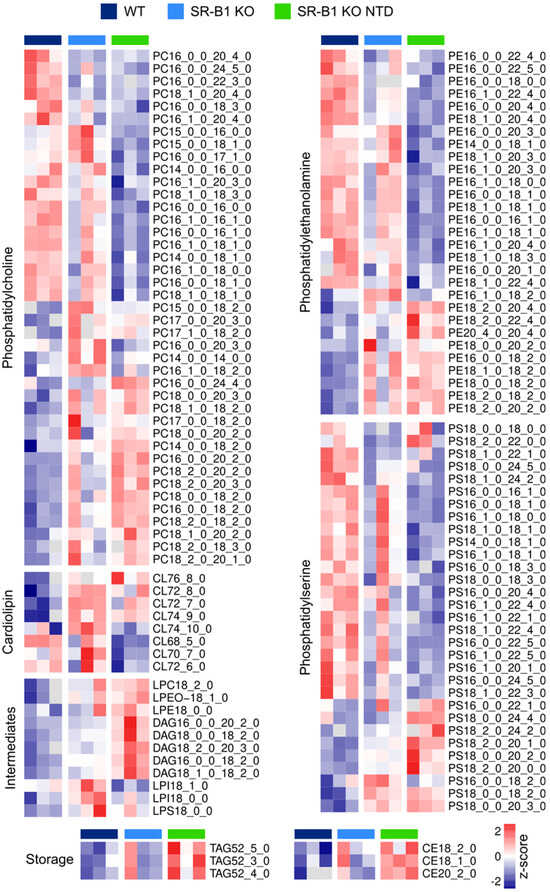
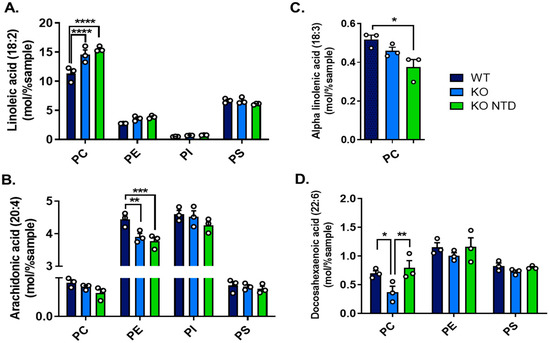
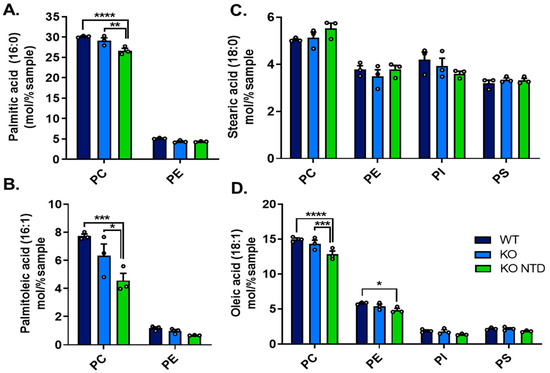
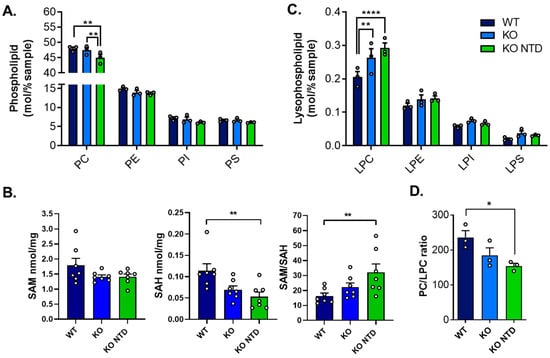
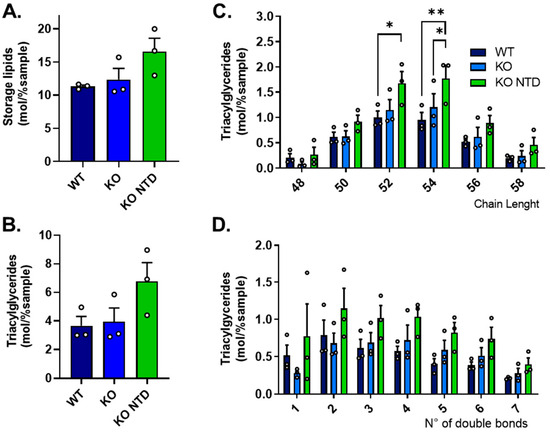
Neural tube defects (NTD) are congenital malformations that lead to structural abnormalities of the brain or spine. Mouse embryos deficient in Scavenger Receptor Class B Type 1 (SR-B1 KO), the main receptor for high-density lipoproteins, exhibit a high incidence of anterior NTD, which is associated with vitamin E deficiency and elevated levels of reactive oxygen species (ROS). Maternal supplementation with vitamin E, a micronutrient with antioxidant properties, completely prevents the occurrence of NTD and normalizes ROS levels in SR-B1 KO embryos, suggesting a contribution of oxidative stress to NTD in this model. In this work, we showed that SR-B1 KO embryos at gestational day E9.5 display higher levels of lipoperoxidative damage markers. Analysis of data obtained through shotgun lipidomics evidenced a selective and coordinated reorganization of fatty acid distribution, characterized by altered polyunsaturated and monounsaturated composition, together with reduced phosphatidylcholine and increased lysophosphatidylcholine levels, and diversion of fatty acids into triacylglyceride storage. Transcriptomic analysis revealed a coordinated upregulation of genes involved in phospholipid synthesis and remodeling, consistent with the altered lipid homeostasis observed in SR-B1 KO embryos. Together, these results provide novel information showing a potential link between oxidative stress and disruptions in mammalian embryonic lipid metabolism, highlighting phospholipid remodeling as a potential determinant of susceptibility to NTD.
Full article
(This article belongs to the Special Issue Antioxidant Research in Chile—2nd Edition)
►▼
Show Figures

Figure 1
Open AccessReview
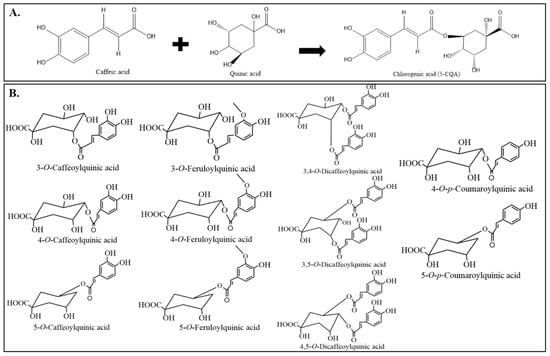
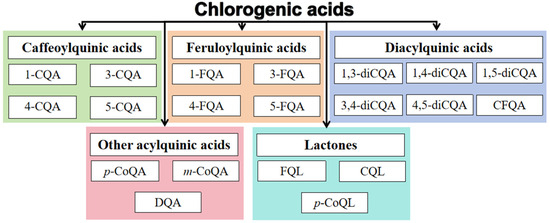
Recent Advances in Chlorogenic Acids for Food Preservation and Shelf-Life Extension
by
Dina Zhang and Fanqianhui Yu
Antioxidants 2026, 15(5), 633; https://doi.org/10.3390/antiox15050633 (registering DOI) - 15 May 2026
Abstract
The use of antioxidants has become a fundamental approach in food preservation to mitigate the adverse effects of oxidative deterioration, such as lipid rancidity and protein degradation. As a result, chlorogenic acids (CGAs), natural phenolic compounds, have attracted considerable attention due to their
[...] Read more.
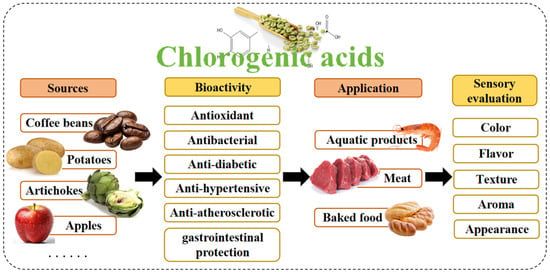
The use of antioxidants has become a fundamental approach in food preservation to mitigate the adverse effects of oxidative deterioration, such as lipid rancidity and protein degradation. As a result, chlorogenic acids (CGAs), natural phenolic compounds, have attracted considerable attention due to their potent antioxidant and antibacterial activity as well as their diverse bioactivities, which are primarily achieved through the direct scavenging of free radicals and indirect inhibition of signaling pathways. Based on this, this review introduces the various derivatives of CGAs and their numerous health benefits, such as hypotensive and hypoglycemic effects, anti-obesity activity, and gastrointestinal flora regulation, and discusses innovative added forms involving novel encapsulation methods such as microcapsules, nanocapsules, and hydrogels. Moreover, this paper also provides a comprehensive summary of the preservation effects and sensory evaluation of CGAs in the food field, which have been proven to significantly extend the shelf life and enhance antioxidant capability in seafood products, meat, and baked goods. Finally, it also highlights the practical limitations of CGAs, including their poor liposolubility, chemical instability, and high thermal sensitivity, as well as the need for their application in a wider range of foods and further research on their influence on sensory evaluation, in order to broaden their application as antioxidants in the future.
Full article
(This article belongs to the Special Issue Natural Bioactive Compounds with Antioxidant and Anti-Inflammatory Potential: From Mechanisms to Applications)
►▼
Show Figures

Figure 1
Open AccessArticle
Sustainable Extraction of Antioxidant Phytocompounds from Yellow Onion Wastes for Value-Added Product Development
by
Anca M. Rosca, Adina I. Gavrila, Ioan Calinescu, Christina Zalaru, Mihaela D. Popescu, Alexandra Ene-Manea and Justinian A. Tomescu
Antioxidants 2026, 15(5), 632; https://doi.org/10.3390/antiox15050632 (registering DOI) - 15 May 2026
Abstract
Yellow onion (Allium cepa L.) outer skins are a high-volume agricultural waste that can be converted into commercially valuable bioproducts using various extraction techniques. This research focused on optimizing a green ultrasound-assisted extraction (UAE) method which allows for the isolation of
[...] Read more.
Yellow onion (Allium cepa L.) outer skins are a high-volume agricultural waste that can be converted into commercially valuable bioproducts using various extraction techniques. This research focused on optimizing a green ultrasound-assisted extraction (UAE) method which allows for the isolation of several phytochemicals valued for their health benefits, such as polyphenols and flavonoids. HPLC/UV analysis of the extracts showed that the main component was quercetin. A one-factor-at-a-time (OFAT) design was used to identify the extraction parameters needed in order to maximize the amount of extracted target phytochemicals. The polyphenols, flavonoids and quercetin contents, along with the antioxidant activity of the extracts, were optimized by response surface methodology using a Box–Behnken design. Ultrasound amplitude, ethanol concentration, and time were selected as the most appropriate variables. The final results showed that TPC ranged from 78.16 to 97.16 mg GAE/g DM, TFC ranged from 22.77 to 26.46 mg QE/g DM, while CUPRAC values varied between 145.24 and 163.75 mg TE/g DM. The optimal extraction conditions were determined using a Box–Behnken model as 30% ultrasound amplitude, 53% ethanol concentration, and an extraction time of 13 min. The use of these conditions allowed the TPC, TFC and CUPRAC to show predicted values of 97.8 mg GAE/g DM, 27.2 mg QE/g DM, and 159.8 mg TE/g DM, respectively. These findings indicate that onion skin extracts could represent a green and promising source of antioxidant phytochemicals.
Full article
Open AccessReview
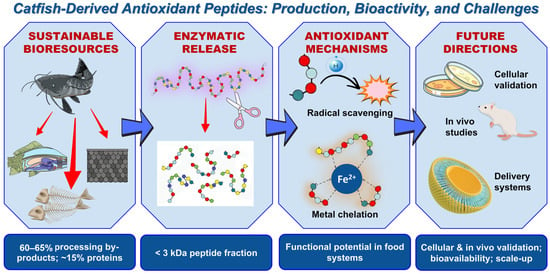
Antioxidant Protein Hydrolysates and Peptides from Catfish: Enzymatic Production, In Vitro Bioactivity, and Translational Gaps for Functional Foods
by
Fai-Chu Wong, Ai-Lin Ooi, Wen-Jie Ng, Fazilah Abd Manan and Tsun-Thai Chai
Antioxidants 2026, 15(5), 631; https://doi.org/10.3390/antiox15050631 (registering DOI) - 15 May 2026
Abstract
Over the past decade, an increasing demand for natural antioxidants has driven research into antioxidant peptides and protein hydrolysates from fish and their processing by-products. Catfishes, especially species like Pangasius and Clarias, generate large amounts of protein-rich by-products, which represent a valuable
[...] Read more.
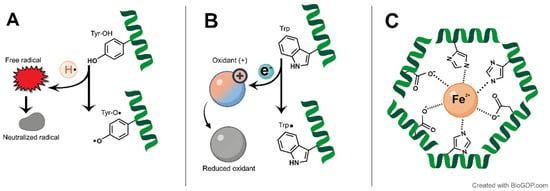
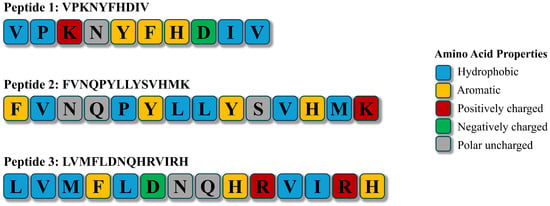
Over the past decade, an increasing demand for natural antioxidants has driven research into antioxidant peptides and protein hydrolysates from fish and their processing by-products. Catfishes, especially species like Pangasius and Clarias, generate large amounts of protein-rich by-products, which represent a valuable bioresource for valorization. This review discusses advances from the past decade in the production, characterization, and antioxidant capacity of protein hydrolysates and peptides that have been discovered from catfish muscle and by-products. This review emphasizes enzymatic hydrolysis strategies, using Alcalase and other commercial and by-product-derived proteases. Potent antioxidant fractions, particularly those with low molecular weight (<3 kDa) and rich in hydrophobic/aromatic amino acids, have been obtained from the hydrolysates. Mechanisms of antioxidant action, which include hydrogen atom transfer and electron transfer, are discussed in this review, along with the efficacy of catfish-derived antioxidant peptides and protein hydrolysates as demonstrated in chemical and in vivo models. Applications in food systems, such as emulsion-type sausages, have shown potential for shelf-life extension. Nevertheless, knowledge gaps remain, which include an over-dependence on in vitro assays, limited identification of antioxidant peptide sequences, and insufficient data on sensory properties, intestinal permeability, bioavailability, and stability under food processing conditions. Future work should prioritize proteomic characterization, cellular validation, flavor-masking strategies, and scalable production protocols to accelerate the application of catfish protein hydrolysates as viable natural antioxidants for the functional food industry.
Full article
(This article belongs to the Special Issue Antioxidant Properties and Applications of Food By-Products—2nd Edition)
►▼
Show Figures

Figure 1
Open AccessArticle
Septic Cardiac Remodeling: A New Concept in Cardiac Dysfunction Induced by Experimental Sepsis
by
Nayane Maria Vieira, Letycia Netto de Paula Cunha, Carolina Rodrigues Tonon, Marina Gaiato Monte, Paola da Silva Ballin, Natália Fernanda Ferreira, Dijon Henrique Salomé de Campos, Camila Renata Correa, Gilson Masahiro Murata, Paulo Eduardo Martins Ribolla, Diego Peres Alonso, Taline Lazzarin, Paula Schmidt Azevedo, Bertha Furlan Polegato, Sergio Alberto Rupp de Paiva, Marina Politi Okoshi, Katashi Okoshi, Camila Molina Soares, Maria Cláudia Irigoyen, Marcos Ferreira Minicucci and Leonardo Zornoffadd
Show full author list
remove
Hide full author list
Antioxidants 2026, 15(5), 630; https://doi.org/10.3390/antiox15050630 (registering DOI) - 15 May 2026
Abstract
►▼
Show Figures
Septic cardiomyopathy is recognized as an acute, transient, and reversible condition. However, septic insult may induce latent changes characteristic of cardiac remodeling, with future consequences. Therefore, the present study aimed to evaluate the morphological and functional cardiac changes in the acute and subacute
[...] Read more.
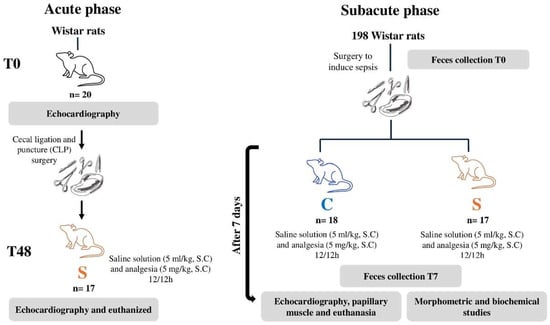
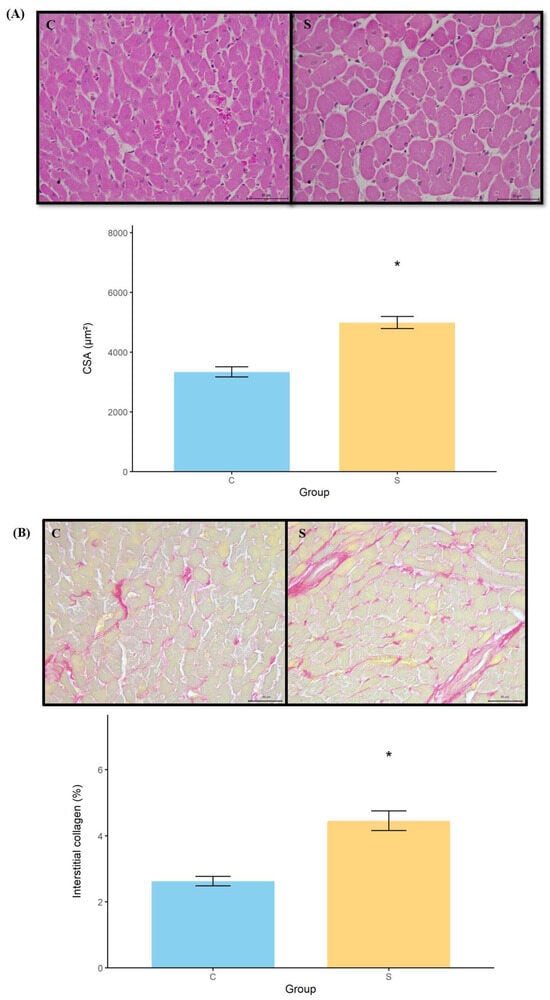
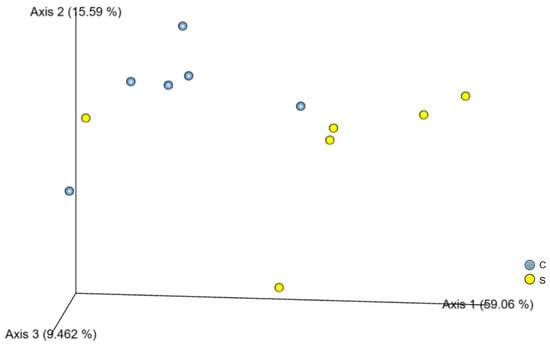
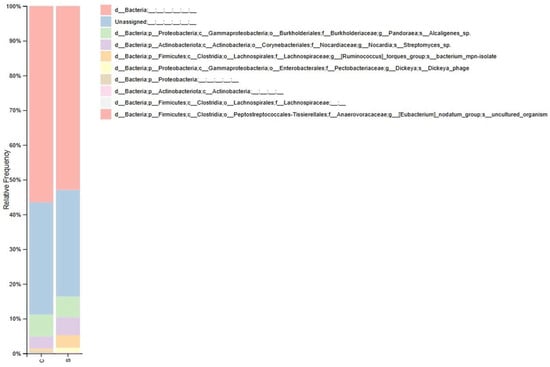
Septic cardiomyopathy is recognized as an acute, transient, and reversible condition. However, septic insult may induce latent changes characteristic of cardiac remodeling, with future consequences. Therefore, the present study aimed to evaluate the morphological and functional cardiac changes in the acute and subacute phases (with 7-day follow-up) in male Wistar rats subjected to experimental sepsis using a cecal ligation and puncture (CLP) model. In the acute phase, the animals underwent echocardiographic assessment at baseline and 48 h after the induction of sepsis. In the subacute 7 days follow-up, animals were allocated in control and sepsis groups. After this period, the animals underwent echocardiographic assessment, followed by euthanasia, papillary muscle testing, and subsequent morphometric and biochemical analyses. Fecal samples from six animals per group were collected at baseline and after 7 days for microbiota analysis. In the acute phase, echocardiographic assessment revealed that, following sepsis, animals exhibited reduced systolic function. In the subacute 7 days follow-up, both echocardiogram and papillary muscles revealed cardiac dysfunction in the sepsis group. Cardiomyocyte cross-sectional area and collagen content were significantly greater in the sepsis group compared with that in the control group. Analysis of maximal enzymatic activities involved in cardiac energy metabolism and oxidative stress biomarkers revealed no significant differences between groups. Considering microbiota assessment, beta diversity analysis revealed significant differences between septic animals and controls. In conclusion, sepsis was associated with persistent systolic/diastolic dysfunction, cardiomyocyte hypertrophy, and fibrosis after 7 days. These data suggest that septic cardiomyopathy should not be considered merely an acute, transient, and reversible condition in this experimental context.
Full article

Figure 1
Open AccessReview
Phyllobilins: Emerging Bioactive Chlorophyll Metabolites and Their Potential Impact on Human Health
by
María del Rosario Serra, Antonio Pérez-Gálvez and María Roca
Antioxidants 2026, 15(5), 629; https://doi.org/10.3390/antiox15050629 - 15 May 2026
Abstract
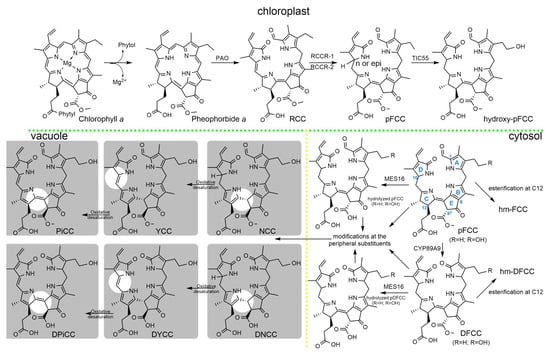
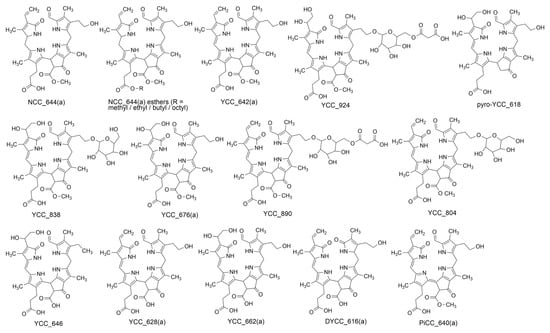
Phyllobilins are chlorophyll metabolites that belong to bilin-type linear tetrapyrroles. Chlorophyll, the omnipresent green pigment from algae to higher plants, is essential for life on Earth, underscoring the significance of its metabolites among phytochemicals. Once largely overlooked, phyllobilins are now gaining recognition for
[...] Read more.
Phyllobilins are chlorophyll metabolites that belong to bilin-type linear tetrapyrroles. Chlorophyll, the omnipresent green pigment from algae to higher plants, is essential for life on Earth, underscoring the significance of its metabolites among phytochemicals. Once largely overlooked, phyllobilins are now gaining recognition for their widespread presence in the human diet through the consumption of fruits and vegetables. This, together with their favorable bioavailability, has heightened the importance of elucidating their bioactive properties. Numerous studies have demonstrated their antioxidant and anticancer activities in vitro, as well as their ability to target actin. The anti-inflammatory effects of phyllobilins have also been demonstrated by evaluating their ability to inhibit the COX-2 pathway or attenuate the activation of the tryptophan–kynurenine pathway. The objective of this review is to highlight the value of phyllobilins by compiling current knowledge, with a particular emphasis on their bioactivity and potential impact on human health.
Full article
(This article belongs to the Special Issue Next-Generation Insights into Anthocyanins and Phytopigments: Bioactivity, Bioavailability, and Health Impacts)
►▼
Show Figures

Figure 1
Open AccessArticle
Thiourea-Based H2S-Releasing Pramipexole Hybrids as Neuroprotective Agents
by
Angela Corvino, Valentina Citi, Antonia Scognamiglio, Alma Martelli, Vincenzo Calderone, Giulia Neggiani, Carmela Fimognari, Ferdinando Fiorino, Elisa Magli, Rosa Sparaco, Vincenzo Santagada, Giuseppe Caliendo and Beatrice Severino
Antioxidants 2026, 15(5), 628; https://doi.org/10.3390/antiox15050628 - 15 May 2026
Abstract
Multitarget hybrid molecules are a promising strategy for treating complex neurodegenerative disorders such as Parkinson’s disease (PD), where dopaminergic dysfunction, oxidative stress, neuroinflammation, and cellular senescence coexist and drive disease progression. Here, we developed pramipexole-derived hydrogen sulfide (H2S)-releasing hybrids using, for
[...] Read more.
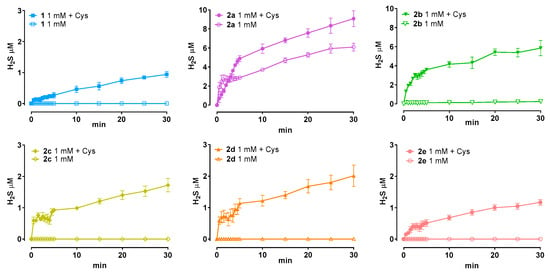
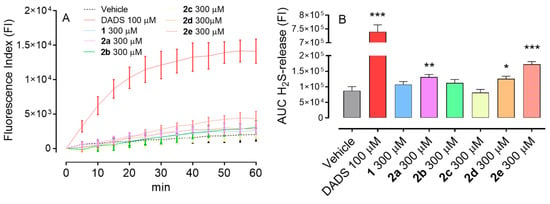
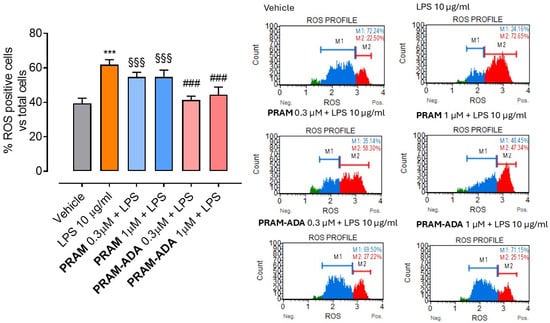
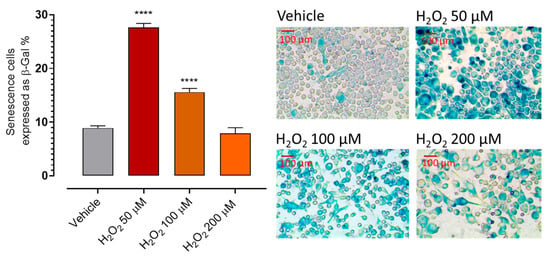
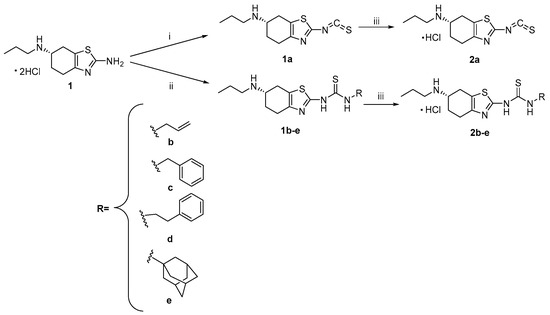
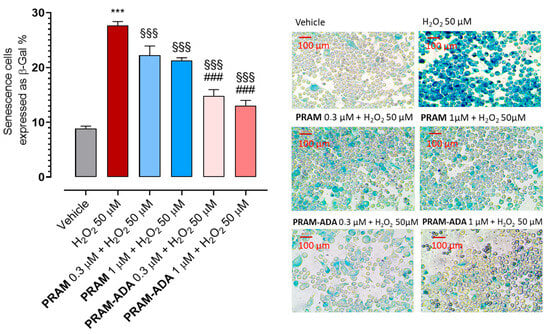
Multitarget hybrid molecules are a promising strategy for treating complex neurodegenerative disorders such as Parkinson’s disease (PD), where dopaminergic dysfunction, oxidative stress, neuroinflammation, and cellular senescence coexist and drive disease progression. Here, we developed pramipexole-derived hydrogen sulfide (H2S)-releasing hybrids using, for the first time, a thiourea moiety as an H2S-donating linker to extend the therapeutic profile of pramipexole beyond dopamine receptor agonism. The hybrids were synthesized and characterized, and their H2S-releasing properties were assessed by amperometric and intracellular detection assays. Among the series, compound 2e (PRAM-ADA) showed the most efficient and sustained H2S release, indicating a favorable thiol-dependent release profile. PRAM-ADA was further evaluated for antioxidant and anti-senescent activities in BV2 microglial cells, as well as for chemical and enzymatic stability under simulated physiological conditions. The hybrid significantly reduced LPS-induced reactive oxygen species accumulation and attenuated oxidative stress–induced cellular senescence, demonstrating a superior cytoprotective profile compared with pramipexole. These findings support the concept that combining dopaminergic activity with controlled H2S donation enhances antioxidant and anti-senescent responses, indicating their potential as multitarget agents with neuroprotective properties relevant to neurodegenerative disorders, including PD.
Full article
(This article belongs to the Special Issue Hydrogen Sulfide, Reactive Sulfur Species, and Donor Compounds: Natural and Synthetic Tools for Physiology and Disease)
►▼
Show Figures

Figure 1
Journal Menu
► ▼ Journal Menu-
- Antioxidants Home
- Aims & Scope
- Editorial Board
- Reviewer Board
- Topical Advisory Panel
- Instructions for Authors
- Special Issues
- Topics
- Sections & Collections
- Article Processing Charge
- Indexing & Archiving
- Editor’s Choice Articles
- Most Cited & Viewed
- Journal Statistics
- Journal History
- Journal Awards
- Society Collaborations
- Conferences
- Editorial Office
Journal Browser
► ▼ Journal BrowserHighly Accessed Articles
Latest Books
E-Mail Alert
News
Topics
Topic in
Antioxidants, Applied Nano, IJMS, Molecules, Nanomaterials, Pharmaceutics
Nanomaterials in Biomedicine: Therapeutic Delivery, Diagnostics, and Beyond
Topic Editors: Hans Bäumler, Radostina GeorgievaDeadline: 31 May 2026
Topic in
Antioxidants, Biomedicines, IJMS, Life, Oxygen, Cosmetics, Nutraceuticals
Oxidative Stress and Inflammation, 3rd Edition
Topic Editors: Maria Letizia Manca, Amparo Nacher, Matteo Perra, Ines Castangia, Mohamad AllawDeadline: 31 July 2026
Topic in
Animals, Antioxidants, Fishes, Biology
Immunology and Disease Prevention and Control in Aquatic Animals
Topic Editors: Hongliang Zuo, Jiejie Sun, Linwei YangDeadline: 31 August 2026
Topic in
Animals, Antioxidants, Metabolites, Pets, Veterinary Sciences
Research on Companion Animal Nutrition
Topic Editors: Baichuan Deng, Lian Li, Yun JiDeadline: 26 October 2026
Conferences
Special Issues
Special Issue in
Antioxidants
Oxidative Stress in Livestock and Poultry—3rd Edition
Guest Editors: Wutai Guan, Shihai ZhangDeadline: 30 May 2026
Special Issue in
Antioxidants
Glutathione Redox Cycle, 2nd Edition
Guest Editor: Alessio BocediDeadline: 30 May 2026
Special Issue in
Antioxidants
Antioxidant Research in Chile—2nd Edition
Guest Editors: Rodrigo Iturriaga, Hugo DiazDeadline: 30 May 2026
Special Issue in
Antioxidants
Oxidative Stress in Plant Stress and Plant Physiology
Guest Editor: Mohsin TanveerDeadline: 30 May 2026
Topical Collections
Topical Collection in
Antioxidants
Advances in Antioxidant Ingredients from Natural Products
Collection Editors: Carla Susana Correia Pereira, Lillian Barros