



Journal Description
Chemosensors
Chemosensors
is an international, scientific, peer-reviewed, open access journal on the science and technology of chemical sensors and related analytical methods and systems, published monthly online by MDPI.
- Open Access— free for readers, with article processing charges (APC) paid by authors or their institutions.
- High Visibility: indexed within Scopus, SCIE (Web of Science), CAPlus / SciFinder, Inspec, Engineering Village and other databases.
- Journal Rank: JCR - Q2 (Instruments and Instrumentation) / CiteScore - Q1 (Physical and Theoretical Chemistry)
- Rapid Publication: manuscripts are peer-reviewed and a first decision is provided to authors approximately 19.8 days after submission; acceptance to publication is undertaken in 3.7 days (median values for papers published in this journal in the first half of 2026).
- Recognition of Reviewers: reviewers who provide timely, thorough peer-review reports receive vouchers entitling them to a discount on the APC of their next publication in any MDPI journal, in appreciation of the work done.
- Journal Cluster of Analysis and Sensing Technologies: Analytica, Biosensors, Chemosensors, Purification, Separations and Spectroscopy Journal.
Impact Factor:
4.4 (2025);
5-Year Impact Factor:
4.4 (2025)
Latest Articles
Chemoresistive Metal Oxide-Based Sensors Synthesized Through Physical Vapor Deposition Techniques for Gas Detection
Chemosensors 2026, 14(7), 155; https://doi.org/10.3390/chemosensors14070155 (registering DOI) - 7 Jul 2026
Abstract
In our day-to-day lives, we are regularly exposed to a wide spectrum of dangerous gases. Their origins vary, ranging from industrial activities to objects found within our very homes. Naturally, there is an interest in developing cost-efficient and durable devices that can successfully
[...] Read more.
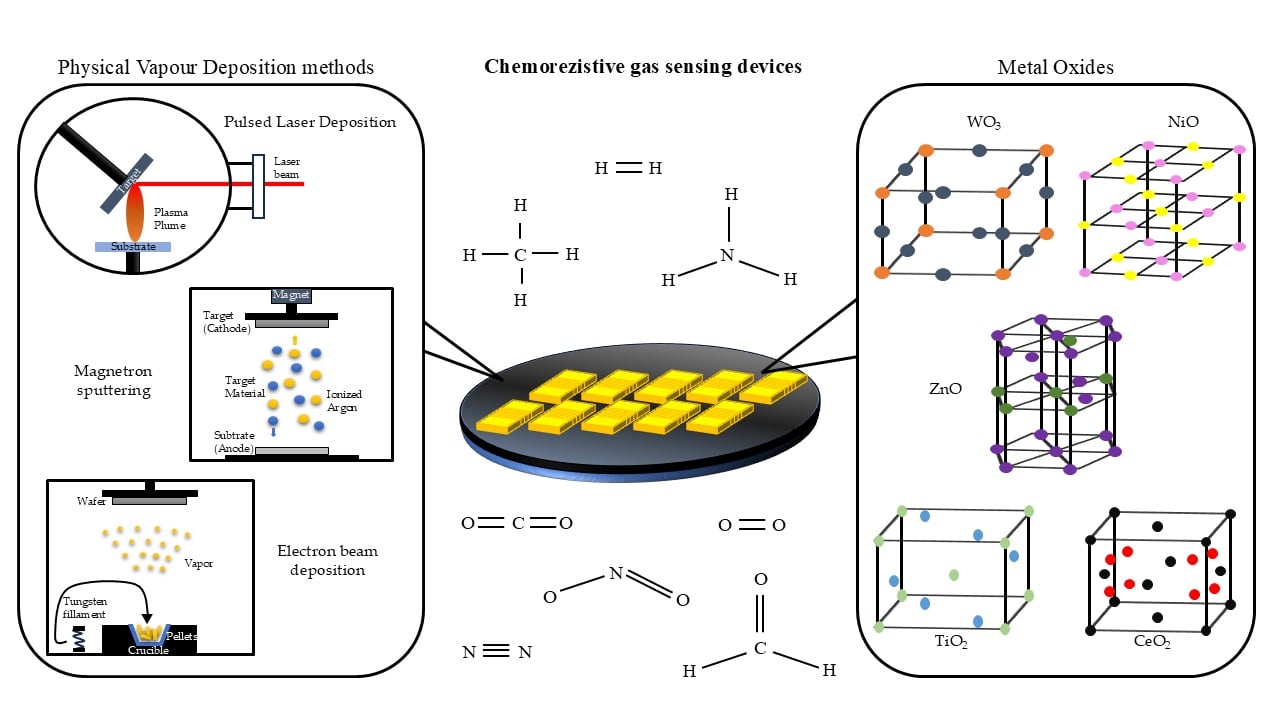
In our day-to-day lives, we are regularly exposed to a wide spectrum of dangerous gases. Their origins vary, ranging from industrial activities to objects found within our very homes. Naturally, there is an interest in developing cost-efficient and durable devices that can successfully track these gases within our environment. One such candidate is represented by chemoresistive gas sensors based on metal oxides. This is due to their simple architecture and the possibility of scaling down their size, making them valid contenders for future advancements in portable gas sensors. This review focuses on chemoresistive gas sensors that have been obtained through different Physical Vapor Deposition (PVD) methods, which are easily scalable for potential technological transfer towards commercialization or are already exploited at the industrial level, and how varying different deposition parameters impacts the structure of the active material, thus modifying the gas sensing properties of the device. In this review, we report results obtained for different metal oxides: WO3, ZnO, CeO2, TiO2, NiO, and SnO2. The main findings of these studies revealed that the sensor’s response was highly impacted by oxygen deficiencies within the deposited material, the specific surface area, and the thickness of the film. Moreover, this study also delves into different strategies of functionalization that result in improved gas sensing properties. Thus, we herein report how tailoring functional properties modifies the gas sensing performance of different metal oxides.
Full article
(This article belongs to the Section Materials for Chemical Sensing)
►
Show Figures
Open AccessArticle
Machine Learning-Based Calibration of Low-Cost PM2.5 Sensors Using Location-Specific Environmental Covariates and Feature Engineering Strategies
by
Hayrettin Gökozan
Chemosensors 2026, 14(7), 154; https://doi.org/10.3390/chemosensors14070154 - 4 Jul 2026
Abstract
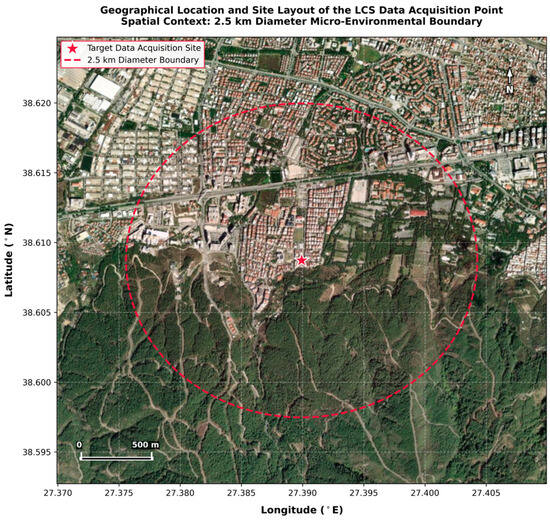
In this study, an integrated machine learning (ML)-based calibration approach was employed for the data-driven calibration of a low-cost PM2.5 sensor. The primary objective was to systematically evaluate the relative contributions of location-specific environmental covariates, auxiliary gaseous pollutants, and Feature Engineering (FE)
[...] Read more.
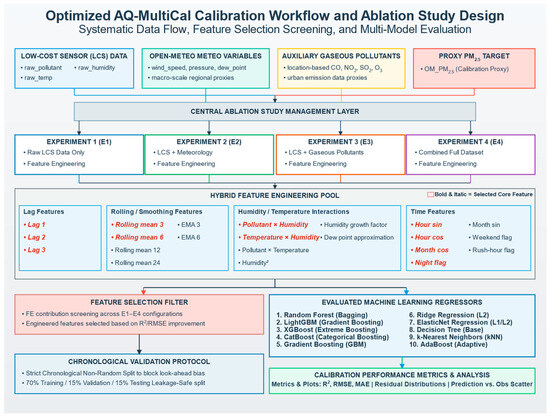
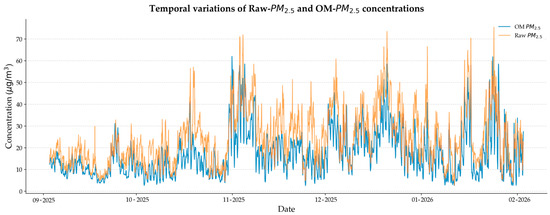
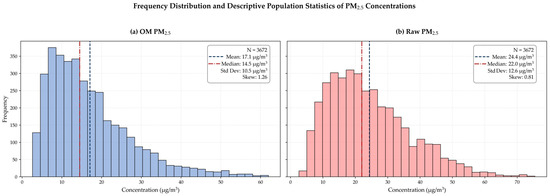
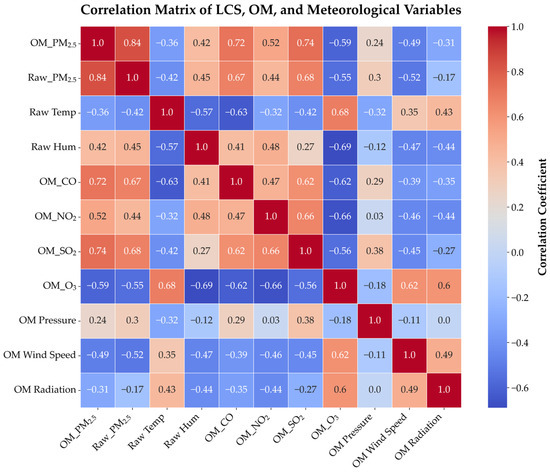
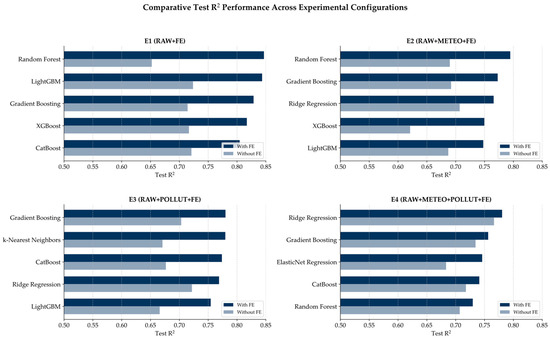
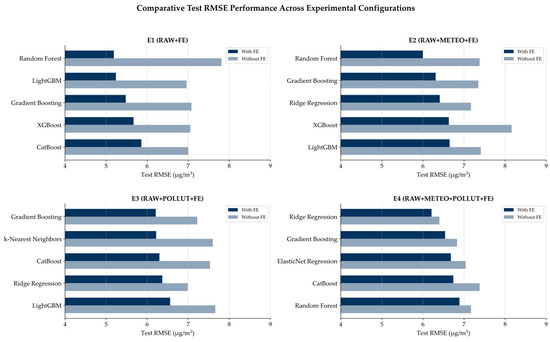
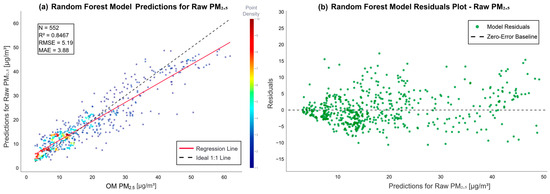
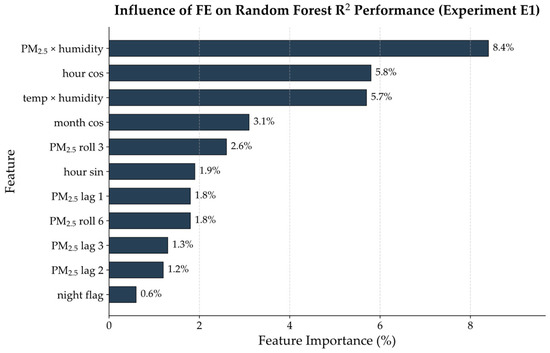
In this study, an integrated machine learning (ML)-based calibration approach was employed for the data-driven calibration of a low-cost PM2.5 sensor. The primary objective was to systematically evaluate the relative contributions of location-specific environmental covariates, auxiliary gaseous pollutants, and Feature Engineering (FE) strategies in the calibration of a low-cost PM2.5 sensor deployed in an outdoor residential environment. For this purpose, a multi-stage experimental framework based on an ablation study design incorporating different environmental information groups was implemented, and the models were evaluated using a leakage-safe time-based validation approach. The results demonstrated that FE strategies significantly improved model performance across all experimental configurations. The highest performance was obtained under the configuration using raw PM2.5 sensor data together with FE-derived features, where the RF model increased the Test R2 value from 0.7237 to 0.8467 and reduced the RMSE from 6.96 µg/m3 to 5.19 µg/m3. Feature importance analyses indicated that humidity-based interaction features and cyclic temporal encoding structures provided substantial contributions to model performance. The findings suggest that meaningful PM2.5 calibration performance can be achieved using location-specific environmental covariates and data-driven FE strategies in scenarios where continuous co-location is not operationally feasible.
Full article
(This article belongs to the Section Analytical Methods, Instrumentation and Miniaturization)
►▼
Show Figures

Figure 1
Open AccessReview
Single-Entity Electrochemistry for Analytical Chemistry: Moving Towards the Limits of Detecting Single Molecules and Single Cells
by
Li Fu, Fei Chen, Yanfei Lv, Shichao Zhao and Cheng-Te Lin
Chemosensors 2026, 14(7), 153; https://doi.org/10.3390/chemosensors14070153 - 3 Jul 2026
Abstract
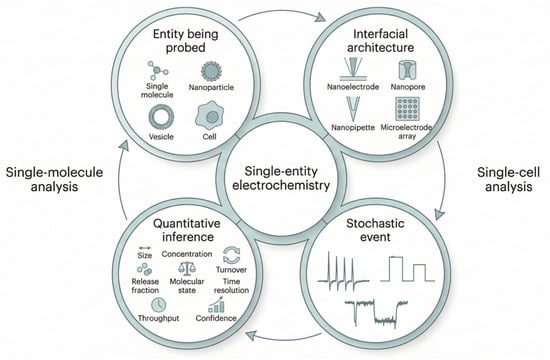
Single-entity electrochemistry (SEE) expands the scope of analytical electrochemical measurement by shifting attention from ensemble-averaged currents to individually resolved stochastic events. This review evaluates progress toward two analytical endpoints, trustworthy detection of single molecules and context-preserving interrogation of single cells, with emphasis on
[...] Read more.
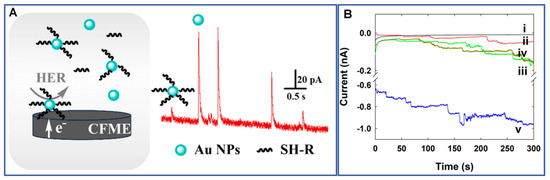
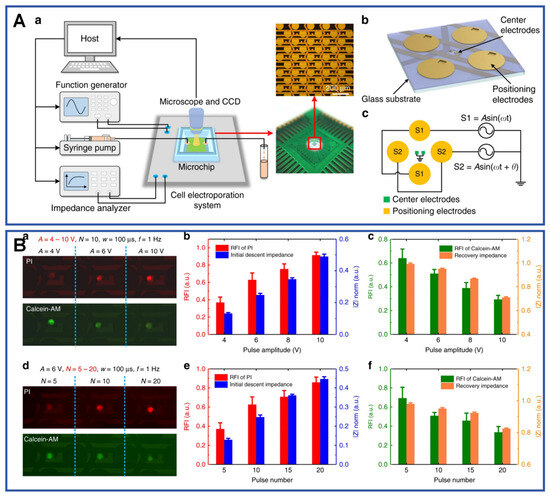
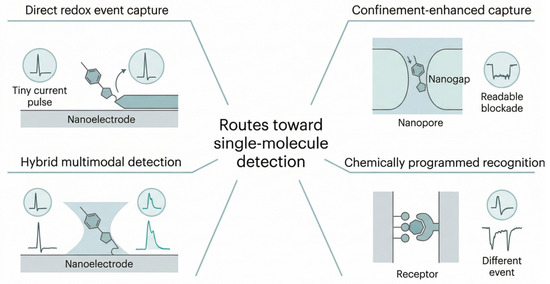
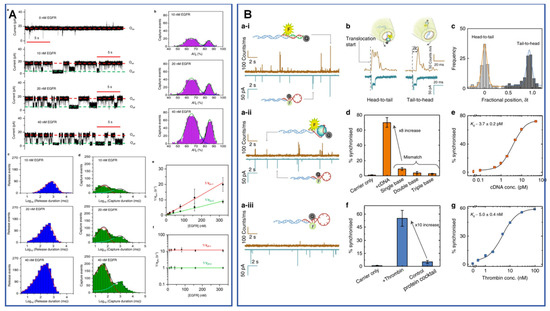
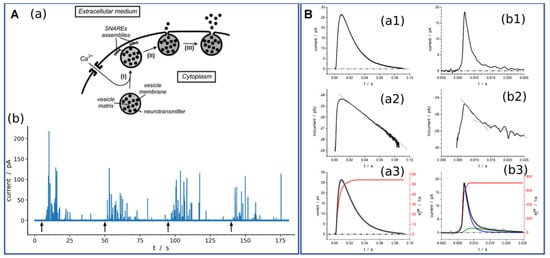
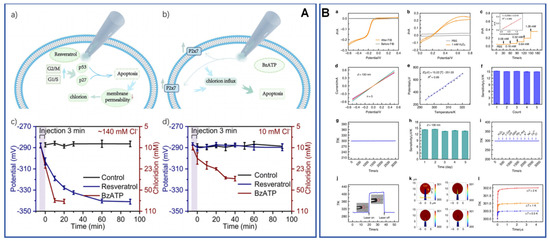
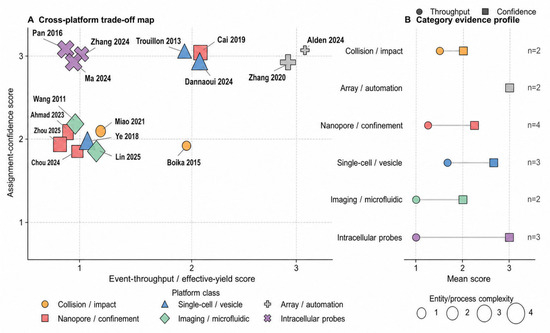
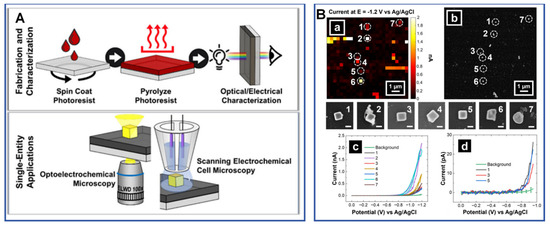
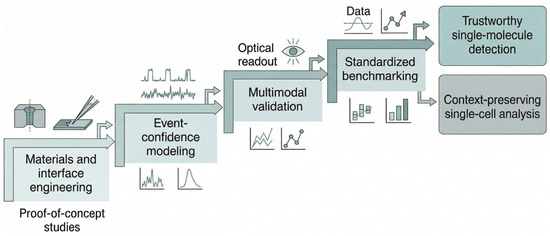
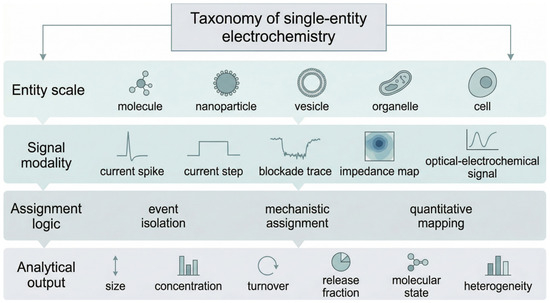
Single-entity electrochemistry (SEE) expands the scope of analytical electrochemical measurement by shifting attention from ensemble-averaged currents to individually resolved stochastic events. This review evaluates progress toward two analytical endpoints, trustworthy detection of single molecules and context-preserving interrogation of single cells, with emphasis on quantitative rigor rather than platform novelty alone. Across nanoparticle collisions, nanopores, confined nanoelectrodes, vesicle electrochemical cytometry, intracellular nanopipettes, and array-enabled single-cell devices, the decisive analytical issue is no longer simply whether one entity can be detected, but whether event assignment, calibration, throughput, and reproducibility are sufficient to support credible inference. Representative primary studies are compared through shared metrics including event frequency, temporal resolution, bandwidth, molecular counts, detection limit, affinity, and effective yield of analyzable events. Particular attention is given to three recurring bottlenecks: interfacial variability, model-dependent event interpretation, and incomplete reporting of denominators such as rejected events, insertion success, and pore-to-pore or cell-to-cell reproducibility. The current evidence base is strongest in secretion and vesicle studies, whereas confinement-enabled and multimodal routes define the leading edge of single-molecule analysis. Overall, SEE is developing not as a single universal platform, but as a family of interface-controlled, data-rich analytical strategies whose future analytical value will depend on standardized reporting, multimodal validation, and benchmarking practices that preserve both sensitivity and confidence of assignment.
Full article
(This article belongs to the Special Issue Electrochemical Sensors and Biosensors: Recent Progress, Challenges, and Future Perspectives)
►▼
Show Figures

Figure 1
Open AccessArticle
Rapid Geographical Origin Discrimination of Tremella fusiform Based on Temporal Response Features of Electronic Nose
by
Ying Li, Meng Liu, Zhaomin Sun, Lei Yu, Feifei Gong and Guangyu Yan
Chemosensors 2026, 14(7), 152; https://doi.org/10.3390/chemosensors14070152 - 1 Jul 2026
Abstract
Rapid geographical origin discrimination of Tremella fuciformis is important for quality control and authenticity assessment; however, conventional analytical methods are often time-consuming and require complex sample preparation. In this study, a rapid discrimination approach was established by integrating electronic nose (E-nose) response fingerprints
[...] Read more.
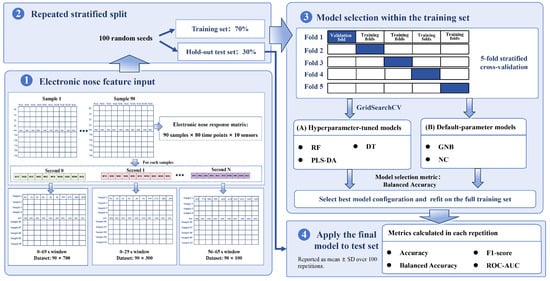
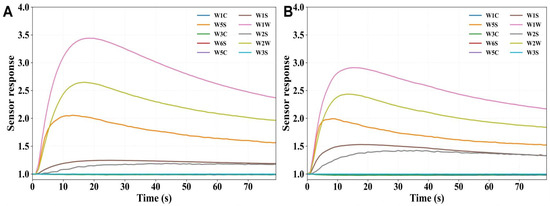
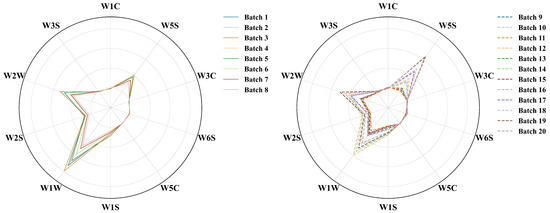
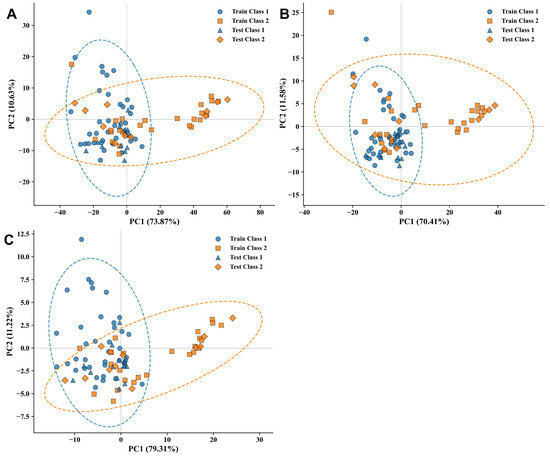
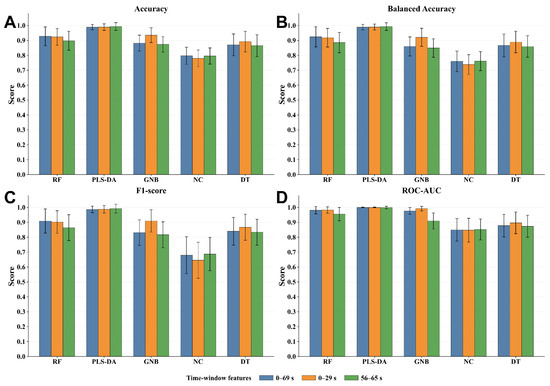
Rapid geographical origin discrimination of Tremella fuciformis is important for quality control and authenticity assessment; however, conventional analytical methods are often time-consuming and require complex sample preparation. In this study, a rapid discrimination approach was established by integrating electronic nose (E-nose) response fingerprints with machine learning. To capture temporal variation in the E-nose signals, fingerprint features were extracted from three response windows: the selected overall response window (0–69 s), the early response window (0–29 s), and the relatively stable response window (56–65 s). Random forest, partial least squares discriminant analysis (PLS-DA), Gaussian naive Bayes, nearest centroid, and decision tree were then constructed and evaluated. Classification performance varied among the temporal-window feature sets. Based on 100 repeated stratified random splits, PLS-DA model using the 56–65 s feature window achieved the best overall classification performance, with accuracy, balanced accuracy, F1-score (the harmonic mean of precision and recall), and ROC-AUC (the area under the receiver operating characteristic curve) values of 0.9933 ± 0.0255, 0.9928 ± 0.0256, 0.9919 ± 0.0293, 0.9991 ± 0.0085, respectively. These findings indicate that E-nose fingerprinting combined with PLS-DA may provide a rapid and effective method for geographical origin discrimination of T. fuciformis.
Full article
(This article belongs to the Section Applied Chemical Sensors)
►▼
Show Figures

Figure 1
Open AccessArticle
Formulation-Aware SW-NIR Spectroscopic Sensing of Bread Staling Using Stratified Chemometric Modeling and Wavelength Selection
by
Shuai Lu, Jiakang Sheng, Yibo Xu, Fan Zhang and Xingyu Song
Chemosensors 2026, 14(7), 151; https://doi.org/10.3390/chemosensors14070151 - 1 Jul 2026
Abstract
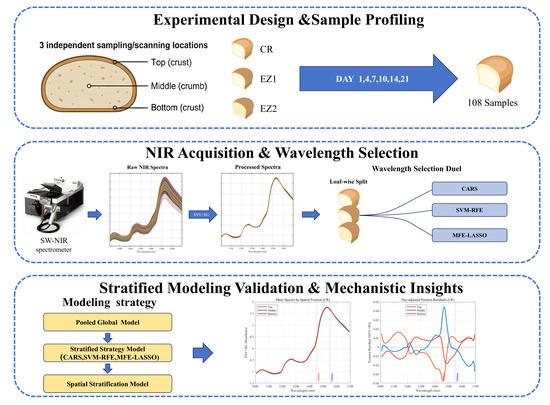
Short-wave near-infrared (SW-NIR) spectroscopy provides a rapid and nondestructive sensing route for monitoring bread staling, but formulation-dependent moisture redistribution and starch retrogradation can make pooled spectral regression unstable. This study investigated a stratified SW-NIR modeling strategy for bread staling prediction using 324 spectra
[...] Read more.
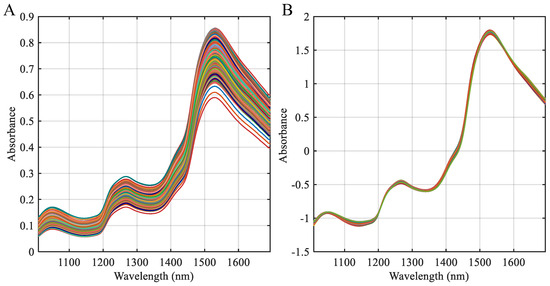
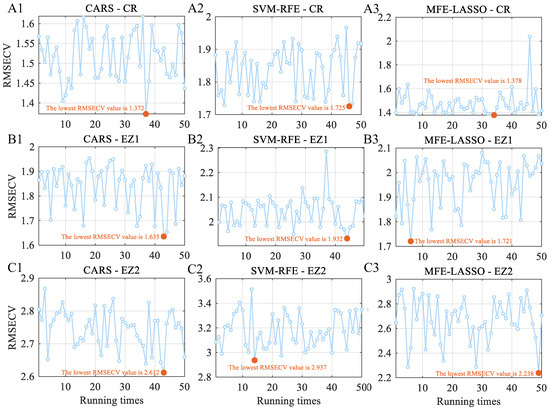
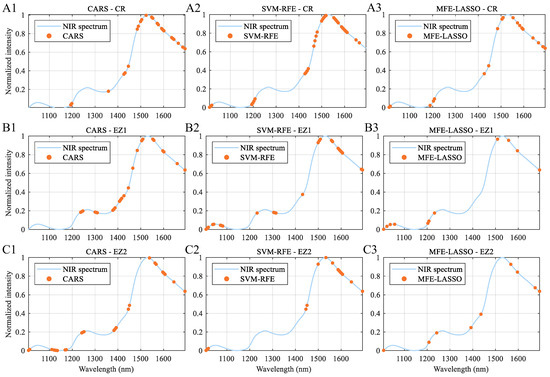
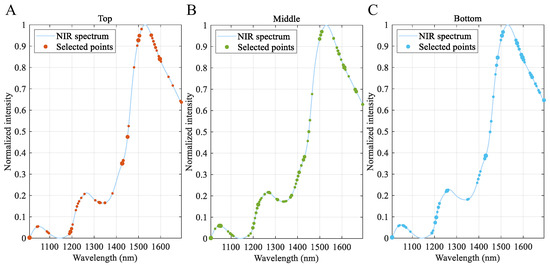
Short-wave near-infrared (SW-NIR) spectroscopy provides a rapid and nondestructive sensing route for monitoring bread staling, but formulation-dependent moisture redistribution and starch retrogradation can make pooled spectral regression unstable. This study investigated a stratified SW-NIR modeling strategy for bread staling prediction using 324 spectra from control bread (CR) and two maltogenic -amylase treatments (EZ1 and EZ2). A global full-spectrum partial least squares (PLS) model was compared with bread-type-specific PLS models; competitive adaptive reweighted sampling (CARS), support vector machine recursive feature elimination (SVM-RFE), and multiple feature-spaces ensemble LASSO (MFE-LASSO) were then each coupled with PLS and evaluated within each bread type. The pooled benchmark achieved a root mean square error of prediction (RMSEP) of 2.28 days, whereas stratified full-spectrum PLS reduced this to 1.86, 2.14, and 2.15 days for CR, EZ1, and EZ2, respectively. In repeated wavelength-selection runs, MFE-LASSO was the most consistently competitive method across bread types. In the representative best-model comparison, MFE-LASSO-PLS yielded the strongest performance for CR (RMSEP = 1.71 days) and EZ1 (RMSEP = 1.43 days), while CARS-PLS gave the lowest RMSEP for EZ2 (2.00 days). An exploratory position-specific analysis within the CR subset further suggested that the middle crumb region carried stronger staling-related spectral information than the top and bottom regions. These results indicate that formulation-aware SW-NIR spectroscopic sensing is a practical strategy for nondestructive bread-staling assessment and that the optimal wavelength-selection method is bread-type-dependent.
Full article
(This article belongs to the Special Issue Spectroscopy, Imaging and Chemometric Modelling for Quality Analysis in Food and Drug Research)
►▼
Show Figures

Graphical abstract
Open AccessArticle
Rational Design of a Hydrophobic Ion-Pair Sensor for Potentiometric Determination of Cationic Surfactants in Disinfectants: Combined Experimental and DFT Study
by
Marija Kraševac Sakač, Maksym Fizer, Hanna Zhukouskaya, Martin Hrubý, Jiří Pánek, Jasmin Suljagić, Dean Marković, Domagoj Drenjančević, Nikola Sakač, Martina Šrajer Gajdošik and Marija Jozanović
Chemosensors 2026, 14(7), 150; https://doi.org/10.3390/chemosensors14070150 - 1 Jul 2026
Abstract
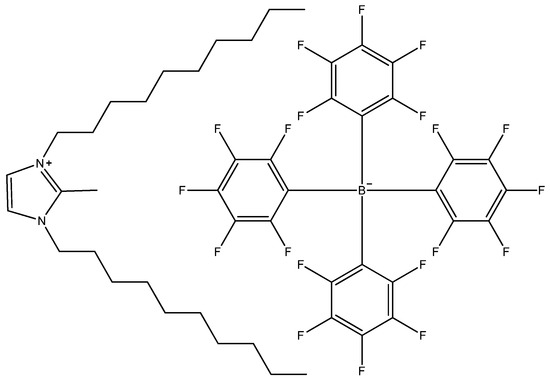
Cationic surfactants are widely used in disinfectants, creating a need for rapid and reliable analytical methods for their determination in complex formulations. In this study, a new hydrophobic ion-pair, 1,3-didecyl-2-methylimidazolium tetrakis(perfluorophenyl)borate (DDMIm–TPFPhB), was developed and applied as an ionophore in a potentiometric sensor.
[...] Read more.
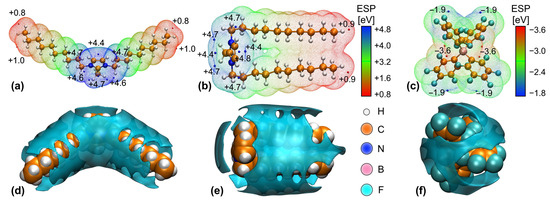
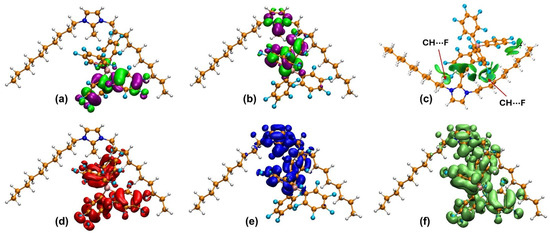
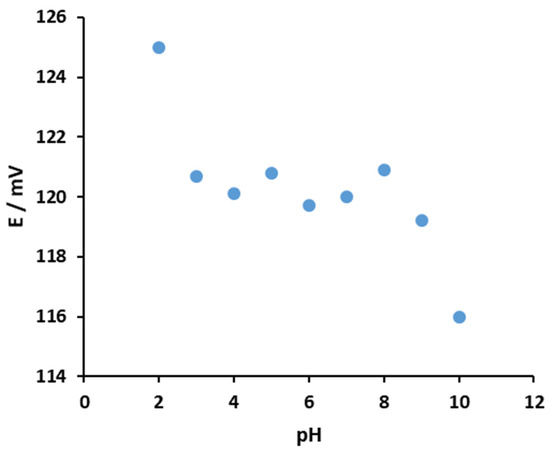
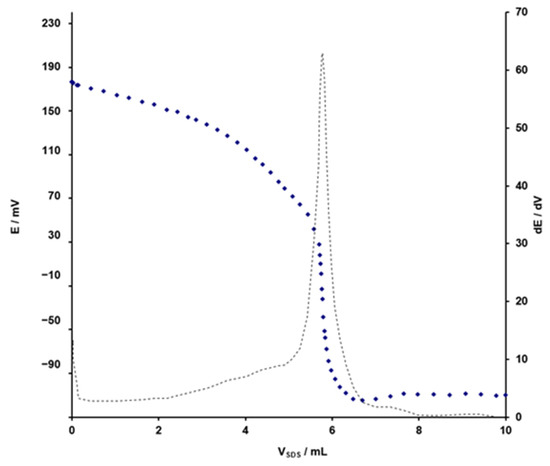
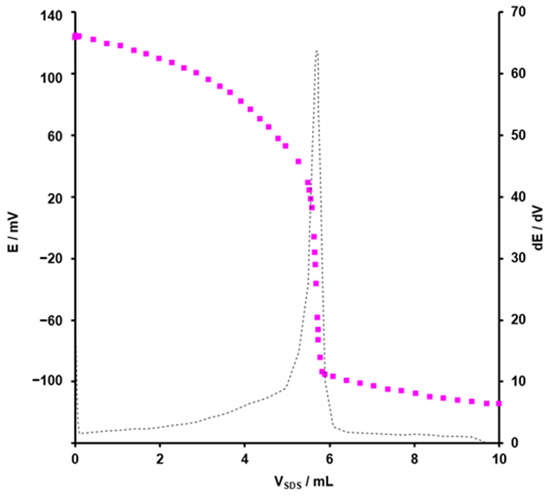
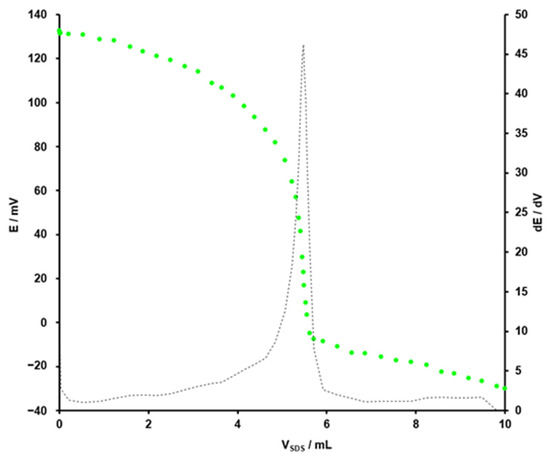
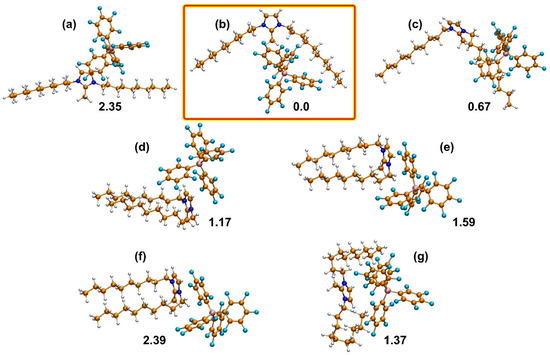
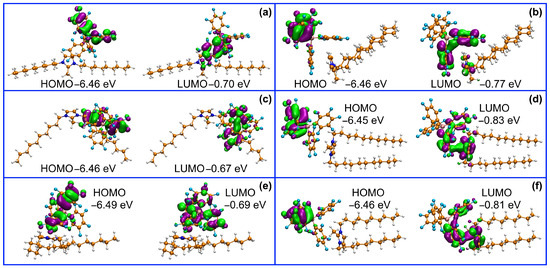
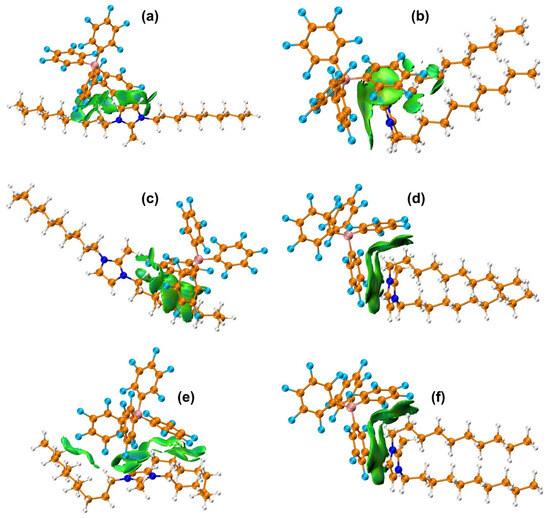
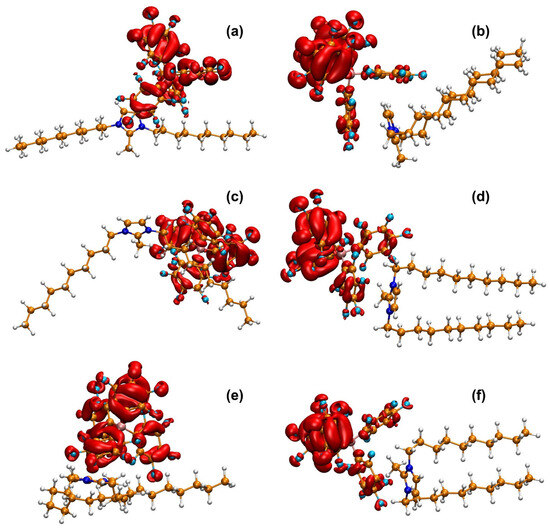
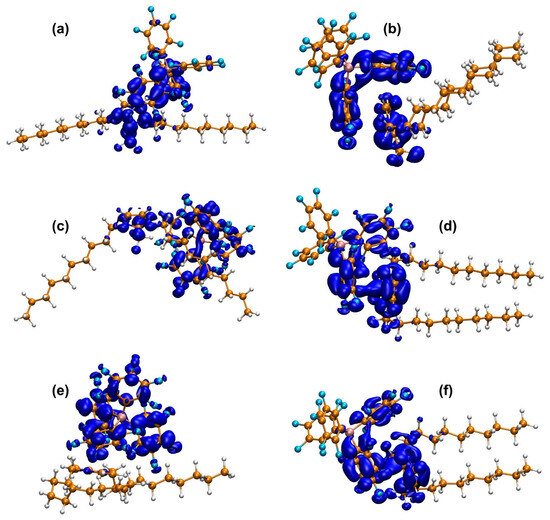
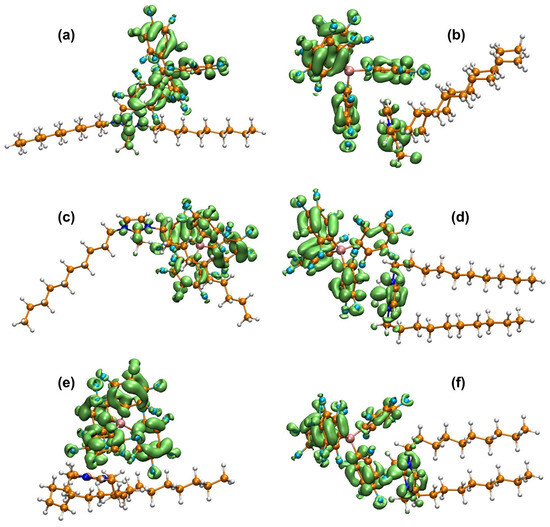
Cationic surfactants are widely used in disinfectants, creating a need for rapid and reliable analytical methods for their determination in complex formulations. In this study, a new hydrophobic ion-pair, 1,3-didecyl-2-methylimidazolium tetrakis(perfluorophenyl)borate (DDMIm–TPFPhB), was developed and applied as an ionophore in a potentiometric sensor. The ion-pair was incorporated into a PVC membrane and evaluated by direct potentiometric measurements and titrations. The sensor exhibited near-Nernstian responses toward selected cationic surfactants (56.8–59.1 mV per decade), low detection limits (1.4–2.2 × 10⁻⁶ M), and stable signal behavior, along with good selectivity and stability over a pH range of 3–9. Application on commercial disinfectant samples showed good agreement with a commercial ion-selective electrode. According to the charge decomposition analysis performed using density functional theory calculations, the number of electrons donated from perfluorotetraphenyl borate to 1,3-didecyl-2-methylimidazolium is 0.25 e. In contrast, the back-donation from the cation to the anion is only 0.05 e, indicating a relatively substantial overall charge transfer of 0.20 e. This pronounced charge transfer, together with dominant dispersion interactions, contributes to enhanced ion-pair stability within the membrane phase, which is reflected in reduced signal drift and improved analytical performance. These findings establish a direct link between molecular-level interactions and sensor behavior, providing a rational basis for the design of potentiometric sensors for real-sample analysis.
Full article
(This article belongs to the Special Issue Potentiometric Sensors in Analytical Chemistry)
►▼
Show Figures

Figure 1
Open AccessArticle
Ultrasensitive and Selective Immuno-Magnetic Ratiometric Fluorescent Sensor for Aflatoxin B1 in Food Matrices
by
Ming Li and Xi Zhang
Chemosensors 2026, 14(7), 149; https://doi.org/10.3390/chemosensors14070149 - 1 Jul 2026
Abstract
Aflatoxin B1 (AFB1), a highly carcinogenic mycotoxin, has been the focus of research for the development of efficient detection methods. In this study, a novel magnetic immuno-ratiometric fluorescent sensing system was constructed for the quantitative detection of AFB1. Green-emitting carbon quantum dots were
[...] Read more.
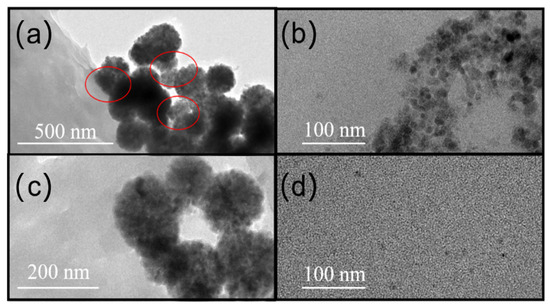
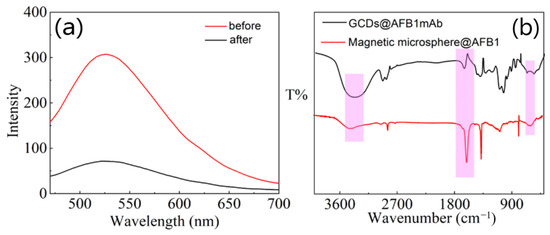
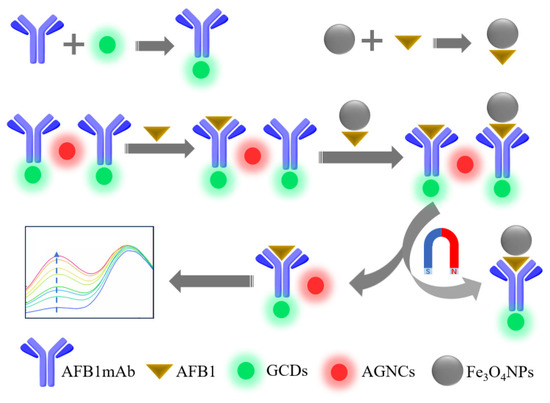
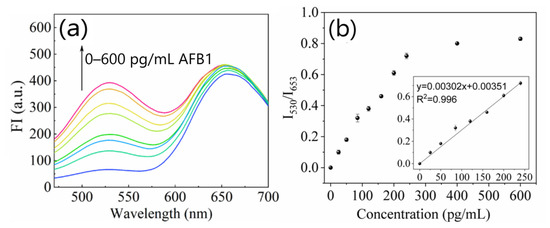
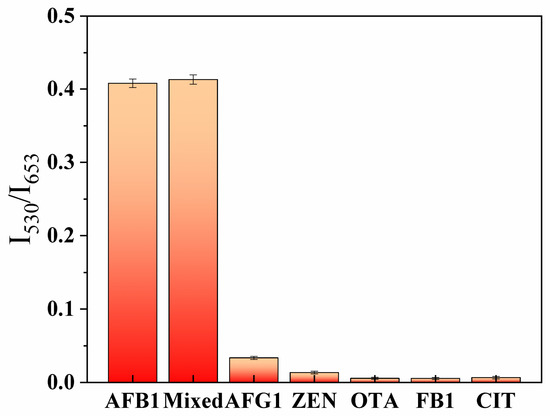
Aflatoxin B1 (AFB1), a highly carcinogenic mycotoxin, has been the focus of research for the development of efficient detection methods. In this study, a novel magnetic immuno-ratiometric fluorescent sensing system was constructed for the quantitative detection of AFB1. Green-emitting carbon quantum dots were conjugated with AFB1 monoclonal antibody to obtain GCDs@AFB1 mAb, and AFB1 oxime was immobilized on Fe3O4 magnetic microspheres to prepare AFB1-Ox@Fe3O4 NPs. After the immune-competitive adsorption of GCDs@AFB1 mAb by AFB1-Ox@Fe3O4 NPs and free AFB1, magnetic separation was performed. Red fluorescent silver nanoclusters were introduced as an internal reference to construct a GCDs-AgNCs ratiometric fluorescent system. The sensor exhibited a good linear response in the range of 0~240 pg/mL with a low limit of detection of 18 pg/mL and excellent selectivity. The spiked recoveries in real samples ranged from 92.14% to 110.02%, with a relative standard deviation of 0.57% to 4.58%. Combining the specific antigen–antibody recognition with magnetic separation technology, this method addresses the issues of poor stability and high environmental interference of traditional fluorescent sensors, and provides a new strategy for the sensitive and stable detection of AFB1.
Full article
(This article belongs to the Section Optical Chemical Sensors)
►▼
Show Figures

Figure 1
Open AccessArticle
Assessment of Cooked Meatballs’ Edibility Using Calibrated MOS Sensors and Microbiological Validation
by
Luigi Masi, Revathy Gurusamy, Daniel Garcia-Romeo, Andreas Schütze, Rafael Pagán and Christian Bur
Chemosensors 2026, 14(7), 148; https://doi.org/10.3390/chemosensors14070148 - 30 Jun 2026
Abstract
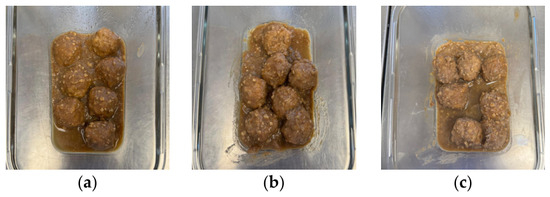
Food waste is often driven by consumer uncertainty about the spoilage of stored food, especially for cooked meal leftovers where microbial growth is the main concern. We analyzed whether metal oxide semiconductor (MOS) gas sensors placed inside ordinary food containers can monitor the
[...] Read more.
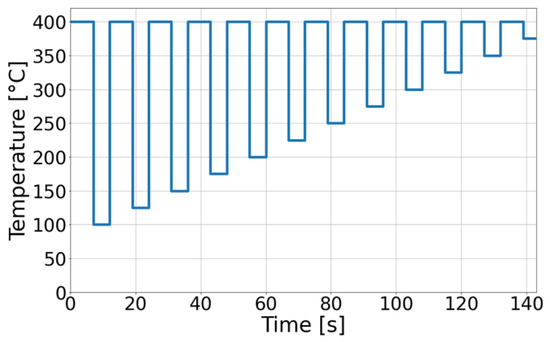
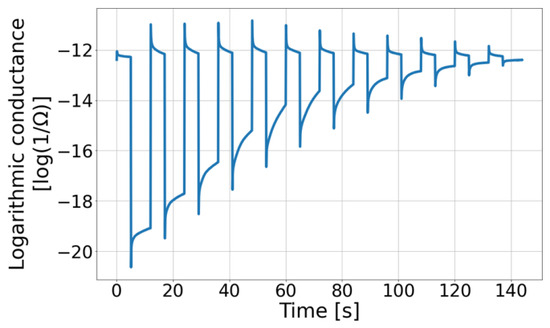
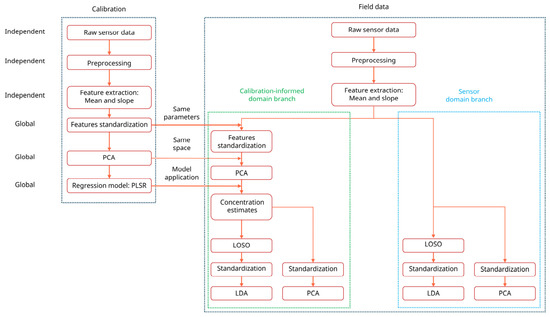
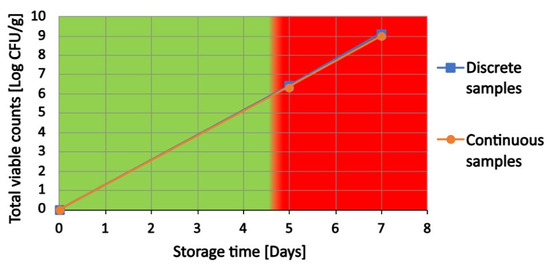
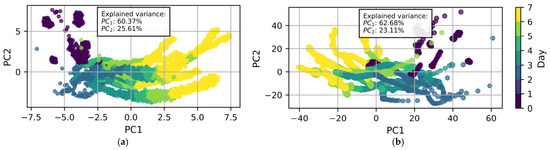
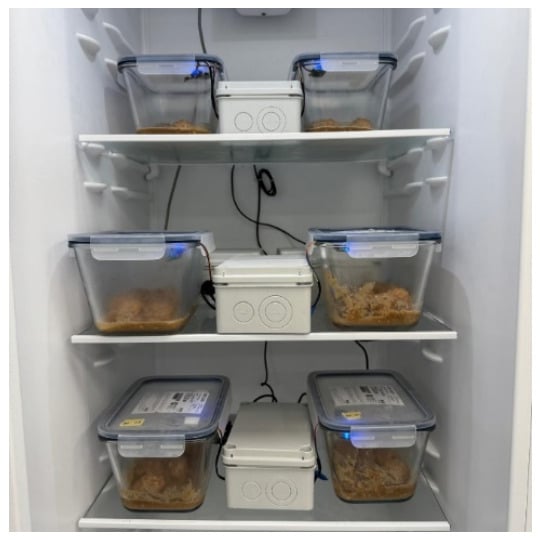
Food waste is often driven by consumer uncertainty about the spoilage of stored food, especially for cooked meal leftovers where microbial growth is the main concern. We analyzed whether metal oxide semiconductor (MOS) gas sensors placed inside ordinary food containers can monitor the edibility of leftovers, specifically cooked meatballs. Sensors were operated using temperature cycling to enhance selectivity, and cycle-aligned features were extracted. A prior calibration campaign produced information used to map cycle-aligned features into estimated gas concentrations for relevant VOCs. Total viable counts, which represent the growth of total number of spoilage microorganisms, were analyzed on days 0, 5 and 7 to determine the food’s freshness. Both the raw sensor features and the calibration-derived gas concentration estimates were analyzed with principal component analysis (PCA) and evaluated with a leave-one-sensor-out (LOSO) binary classifier for multiple food containers. PCA on the calibrated gas estimates revealed a dominant axis that consistently tracks food degradation over time across various containers. LOSO classification accuracy improved from 81.7% using raw sensor features to 87.8% using calibrated gas concentration estimates. These findings represent a proof of principle that calibrated MOS sensor systems can robustly support in situ edibility assessment for cooked food.
Full article
(This article belongs to the Special Issue Applications of Electronic Nose (E-Nose) and Electronic Tongue (E-Tongue) in Food Quality: 2nd Edition)
►▼
Show Figures

Figure 1
Open AccessArticle
A Hybrid Probabilistic Framework for Temporal Drift Compensation in Conductimetric Biosensors: Combining Machine Learning Predictions with Bayesian Latent Process Modeling
by
Sid-Ali Kouras, Ramdane Mahamdi and Fouad Kerrour
Chemosensors 2026, 14(7), 147; https://doi.org/10.3390/chemosensors14070147 - 29 Jun 2026
Abstract
This work aims to study and improve the long-term stability of conductimetric biosensors for urea detection in clinical and environmental samples, which are fundamentally limited by complex thermal and temporal drifts due to temperature-sensitive enzyme kinetics, variations in ionic mobility, and the progressive
[...] Read more.
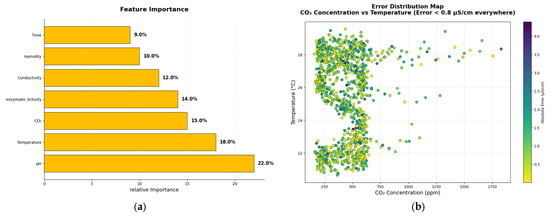
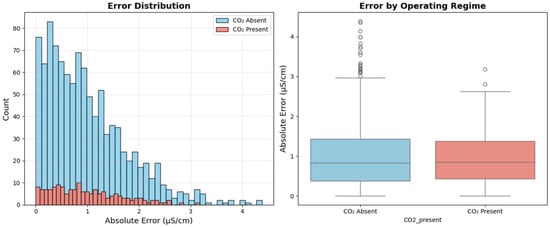
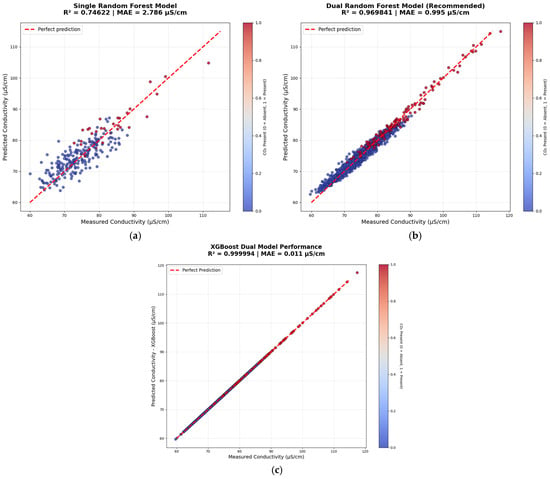
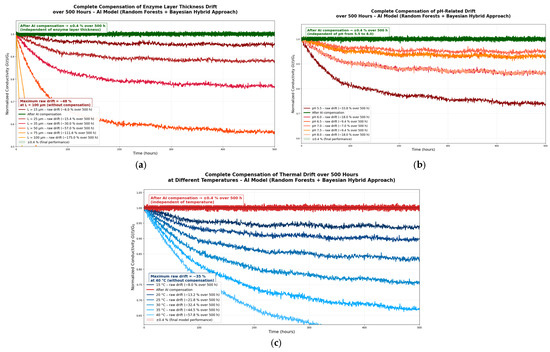
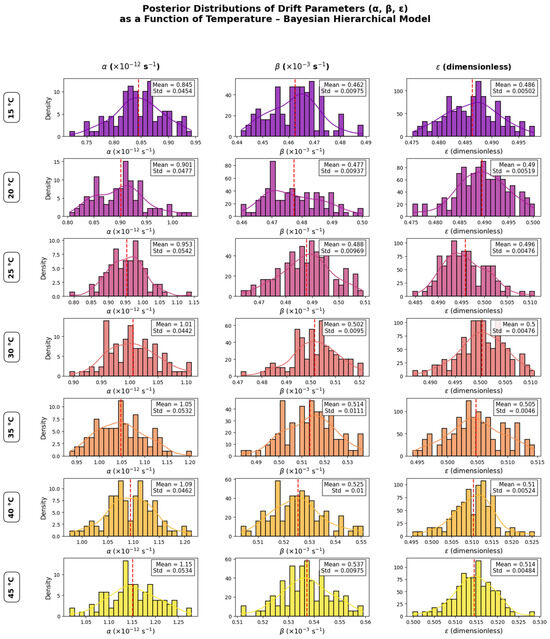
This work aims to study and improve the long-term stability of conductimetric biosensors for urea detection in clinical and environmental samples, which are fundamentally limited by complex thermal and temporal drifts due to temperature-sensitive enzyme kinetics, variations in ionic mobility, and the progressive degradation of the sensing layer. The biosensor targets the urea concentration range 0.01–30 mM, validated against experimental data and covering the clinically relevant range for blood urea detection (2.5–7.5 mM), urine (20–40 mM), and environmental monitoring applications. Conventional calibration techniques, such as the conventional calibration method (based on reference measurements), and purely deterministic correction methods, such as deterministic methods (based on known fixed equations), often prove insufficient because they struggle to capture the non-stationary and inherently stochastic nature of these drifts. In this work, we propose an original hybrid probabilistic framework that synergistically combines machine learning and Bayesian inference for robust adaptive drift compensation. A Random Forest model is first implemented to model the deterministic nonlinear relationships between environmental parameters (temperature, pH, CO2 concentration) and the sensor response. The residual temporal drift is then explicitly modeled as a non-stationary latent stochastic process using Bayesian inference based on a Gaussian process. This approach allows continuous online model updating, real-time uncertainty quantification, and automatic detection of anomalies. The models were trained and validated on a large dataset obtained from multiphysics simulations carried out in COMSOL Multiphysics 5.6. These simulations incorporated enzymatic reactions, thermal effects, and chemical dynamics taking place inside the sensor. Experimental results show that the hybrid approach substantially enhances sensor performance, lowering the root mean square error (RMSE) to below 0.8 μS/cm (corresponding to less than 0.5% of the full-scale response) over a wide temperature range (15–45 °C) and across extended operating periods. This represents a clear improvement over conventional compensation method. By merging the predictive power of ensemble learning with a probabilistic Bayesian model of dynamic drift, this study introduces a fresh perspective on the design of intelligent, self-adaptive, and drift-resistant conductimetric biosensors. The proposed framework holds strong potential for reliable, long-term autonomous operation in urea reliable, long-term autonomous operation in urea monitoring across biomedical diagnostics (kidney/liver function assessment) and environmental surveillance (water eutrophication prevention).
Full article
(This article belongs to the Topic Recent Advances in Chemical Artificial Intelligence)
►▼
Show Figures

Figure 1
Open AccessReview
Transformative Impacts of Laser-Induced Breakdown Spectroscopy on Environmental and Biological Research at Oak Ridge National Laboratory
by
Madhavi Martin
Chemosensors 2026, 14(7), 146; https://doi.org/10.3390/chemosensors14070146 - 26 Jun 2026
Abstract
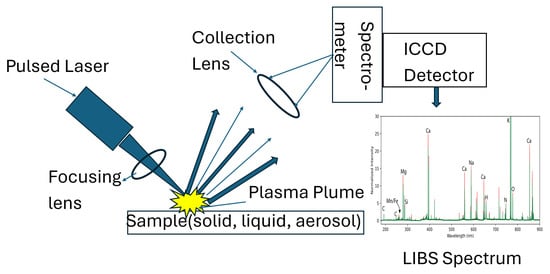
This manuscript will present an advancement of transformative research that has been conducted at Oak Ridge National Laboratory (ORNL) over a 25-year period (2000–2025) on a variety of environmental and biological matrices. These investigations derived a fundamental understanding of how elemental detection and
[...] Read more.
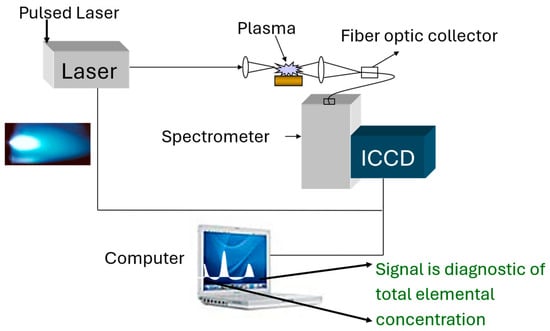
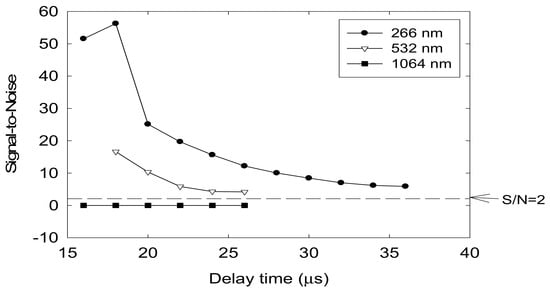
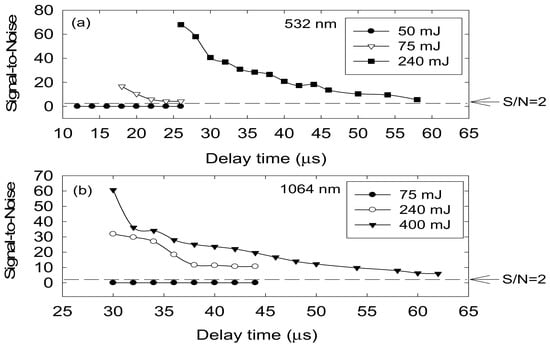
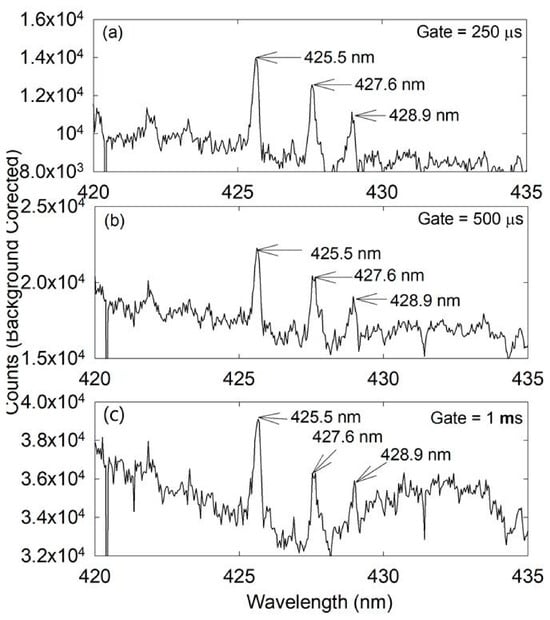
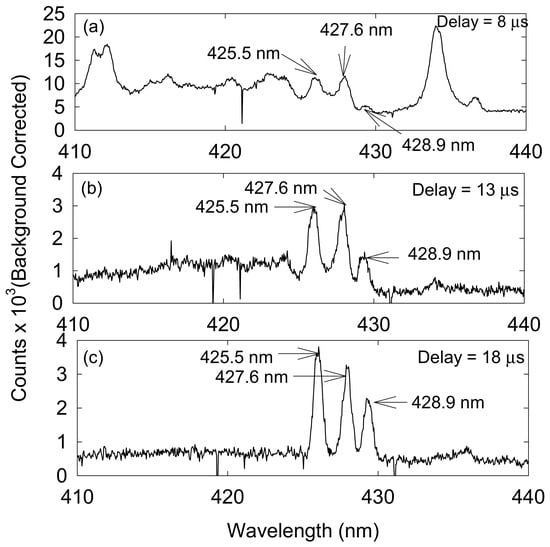
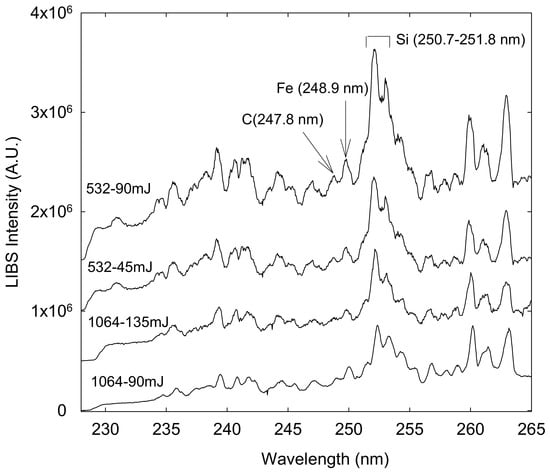
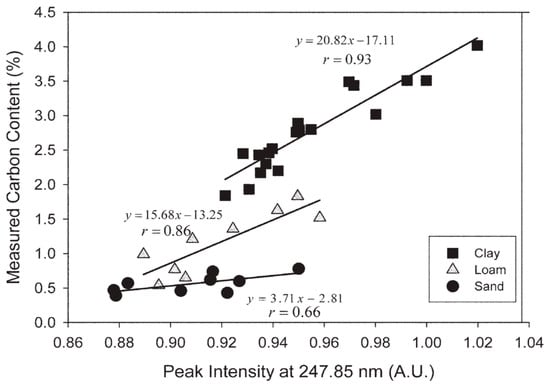
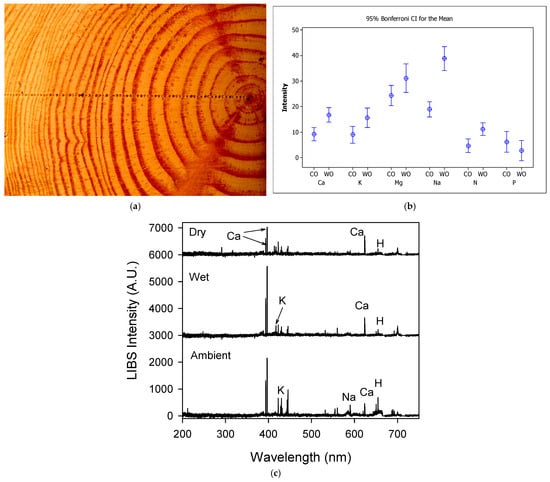
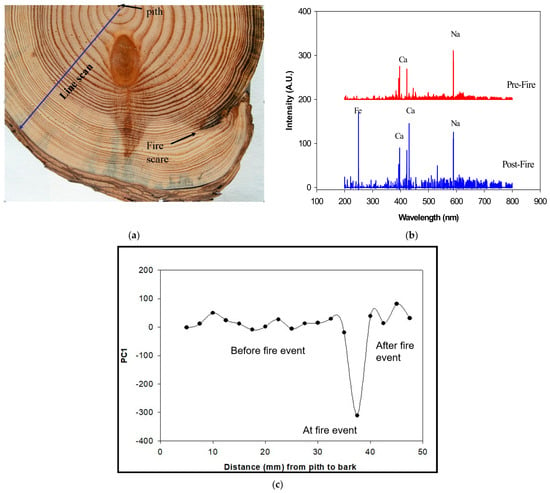
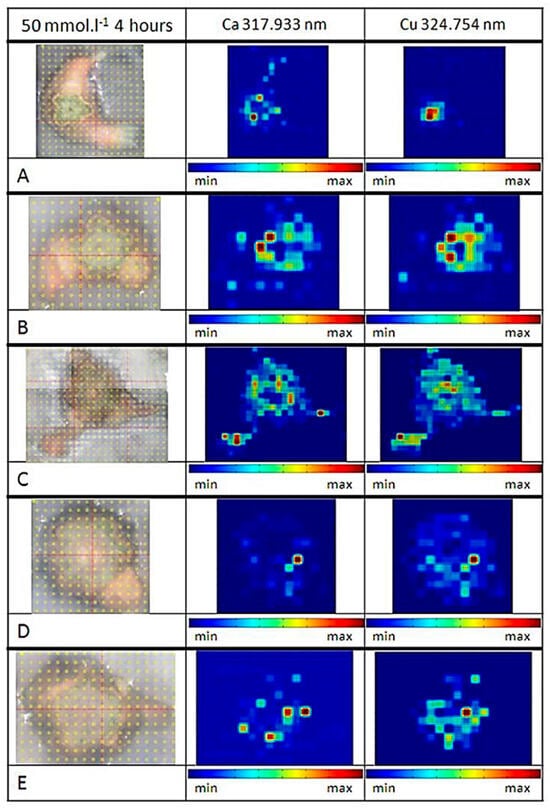
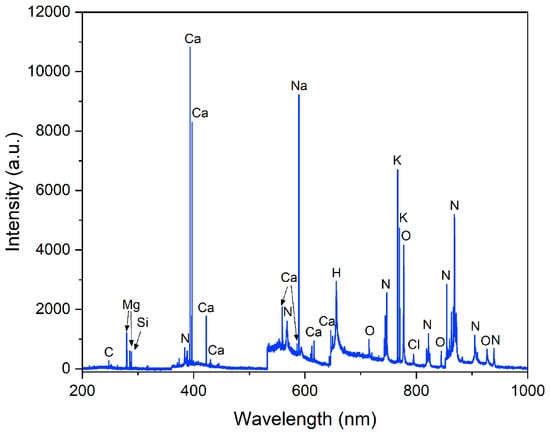
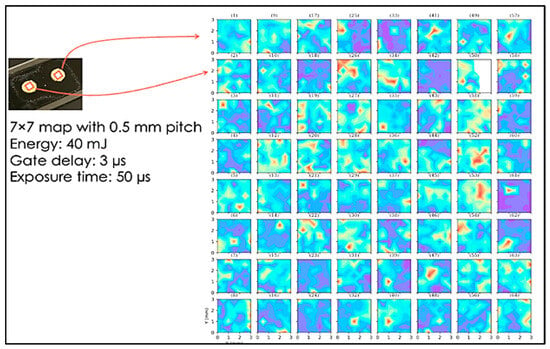
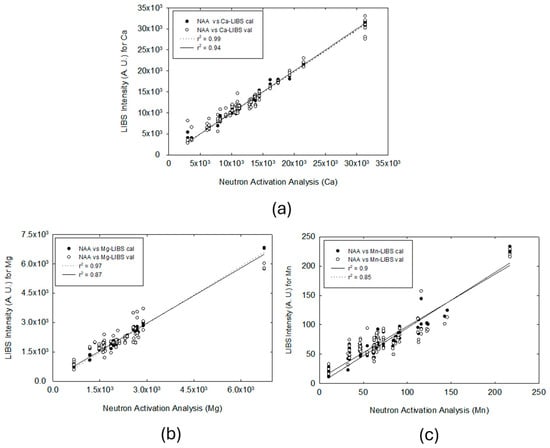
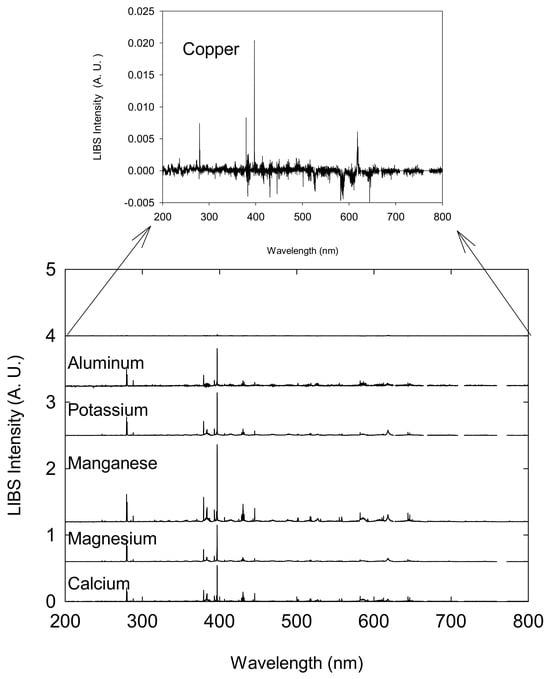
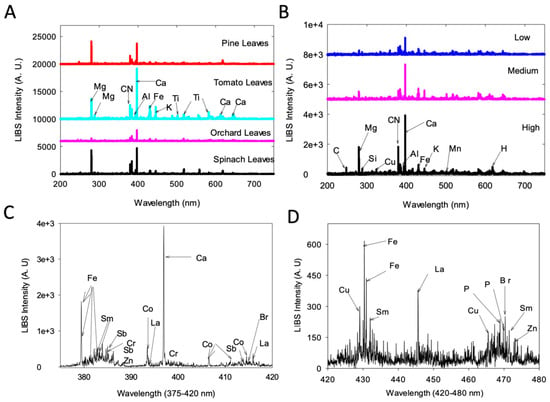
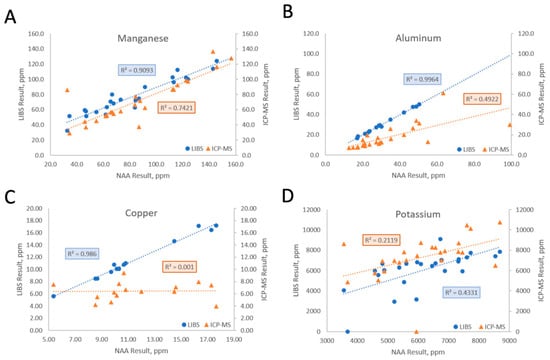
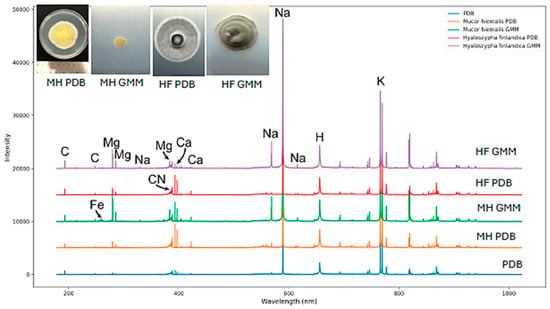
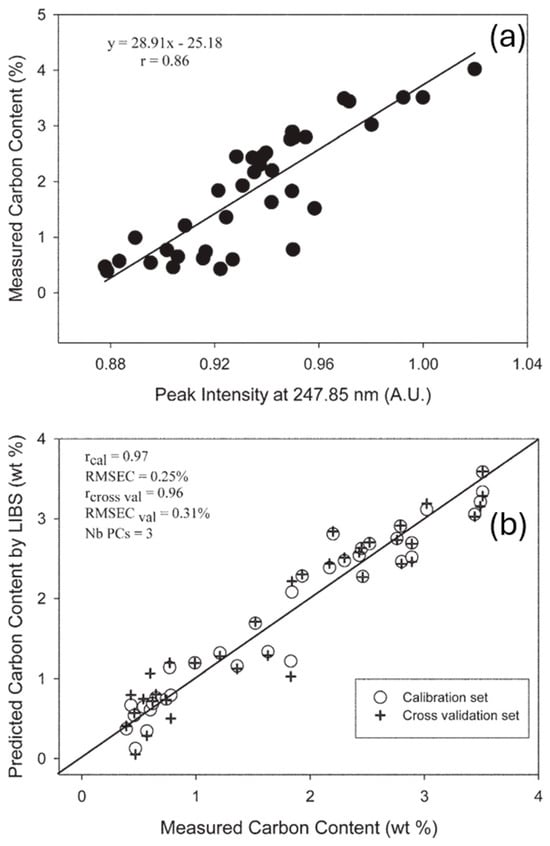
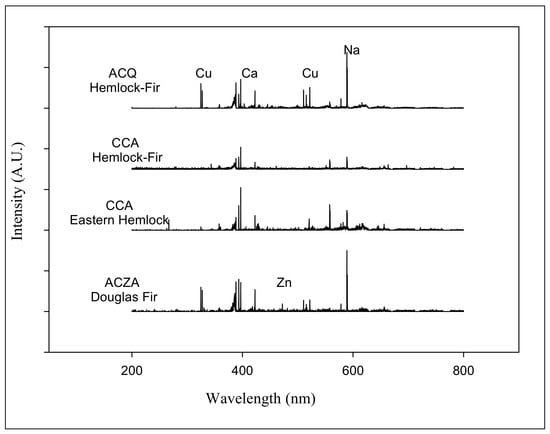
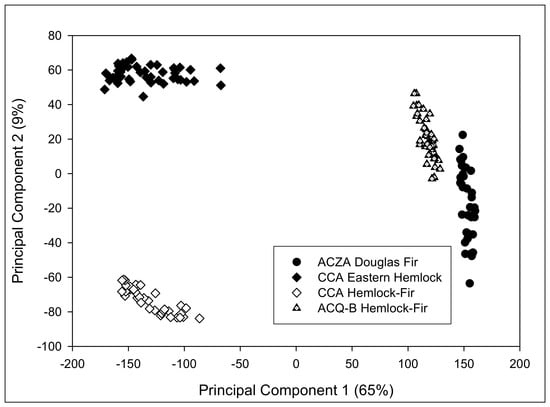
This manuscript will present an advancement of transformative research that has been conducted at Oak Ridge National Laboratory (ORNL) over a 25-year period (2000–2025) on a variety of environmental and biological matrices. These investigations derived a fundamental understanding of how elemental detection and analysis of these matrices led to the knowledge and discovery of natural processes in plants and the environment. Each project led to the initiation of a new research area which unearthed awesome and novel breakthroughs. Highlights are listed below: 1. The preliminary research at ORNL centered on the detection of aerosols utilizing Laser-induced Breakdown Spectroscopy (LIBS) technology. The Clean Air Act Amendment (CAAA) of 1990 highlighted the importance of identifying hazardous air pollutants (HAPs) due to their impact on environmental and human health, thereby underscoring the need to detect various toxic elements. Research in aerosol chemistry aimed to identify these harmful elements released by factories during periods of increased emissions in their manufacturing processes. LIBS emerged as the most effective method for real-time, in situ measurements of metal species in both gaseous and aerosol phases. 2. An understanding of the presence of total carbon in soils gives perspective on how to develop carbon sequestration strategies. The recognition that carbon sinks can evolve back to carbon sources to emit back to the atmosphere was an important consideration. Also, the concentration of carbon in soil indicates the health of land areas for growing crops successfully. 3. The direct detection of most of the elements in a wood sample in a single emission spectrum, without sample preparation, encouraged the research to use the LIBS technique for preservative treated wood coupled with use of multivariate statistical methodology. Additionally, it encouraged the researchers to try to differentiate natural woods from different parts of the country, and it was successfully demonstrated that LIBS coupled with MVA analysis could differentiate wood of different species from each other and of similar species grown in different environments based on their elemental spectra. This was a breakthrough since it revealed a systematic approach to connect elemental scarcity and abundance to either drought or typical rainfall conditions for the hardwood trees grown in specific areas. 4. Furthermore, the research progressed to reveal physiological and developmental processes contributing to biomass production such that the variation in leaf elemental composition increases our understanding of terrestrial nutrient cycles, as well as tracking the transfer of toxic elements from soils to living organisms. 5. Recently another breakthrough viz., ionomics initiated the correlation of elements to specific genes, uncovering the function that the element performed in the plant. More recently, this has been extended from plants to fungi as well as fungi growing in symbiotic relations with plants.
Full article
(This article belongs to the Special Issue Application of Laser-Induced Breakdown Spectroscopy, 3rd Edition)
►▼
Show Figures

Graphical abstract
Open AccessArticle
Portable Multi-Spectral Sensing Platform and Self-Metering Microfluidic Strips for Quantitative Monitoring of o-Phthalaldehyde Disinfectants
by
Hsien-Yi Hsiao, Tzong-Jih Cheng, Hung-Yu Chen and Richie L. C. Chen
Chemosensors 2026, 14(7), 145; https://doi.org/10.3390/chemosensors14070145 - 24 Jun 2026
Abstract
Routine monitoring of ortho-phthalaldehyde (OPA) disinfectants is critical for endoscope reprocessing, yet commercial test strips suffer from subjective visual ambiguity, strict manual timing, and susceptibility to sample matrix dilution. This study proposes a portable multi-spectral colorimetric sensing platform paired with structurally engineered
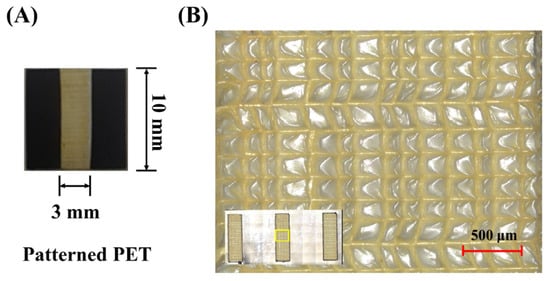
[...] Read more.
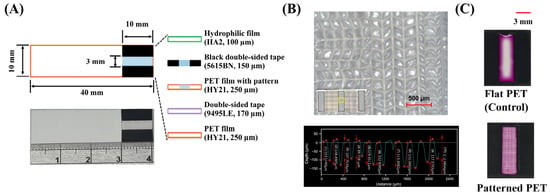
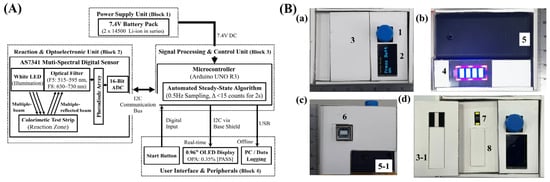
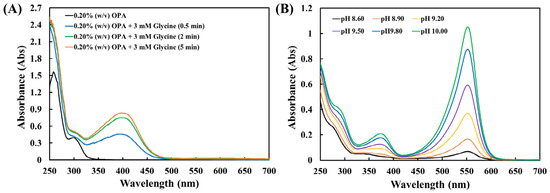
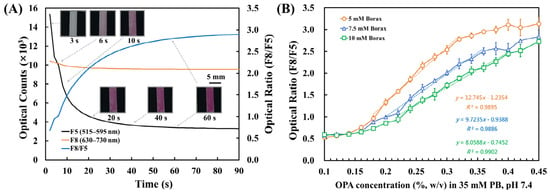
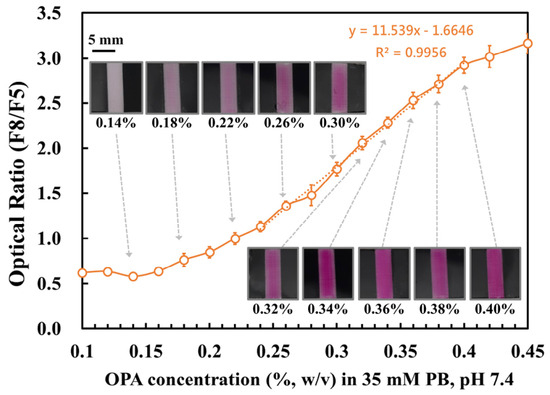
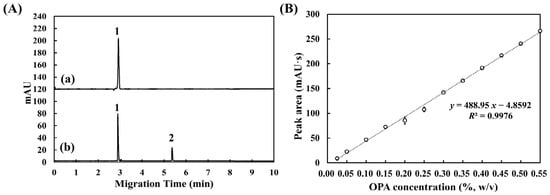
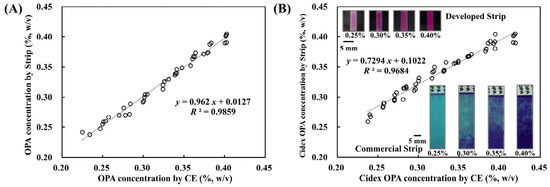
Routine monitoring of ortho-phthalaldehyde (OPA) disinfectants is critical for endoscope reprocessing, yet commercial test strips suffer from subjective visual ambiguity, strict manual timing, and susceptibility to sample matrix dilution. This study proposes a portable multi-spectral colorimetric sensing platform paired with structurally engineered microfluidic plastic strips for quantitative OPA monitoring. The strips utilize a confined microfluidic geometry to achieve capillary-driven volumetric self-metering (5.4 μL), while cross-hatched micro-structures eliminate edge pooling, yielding uniform colorimetric responses. Analytically, the system integrates a matrix-matched reagent formulation, an interference-free indicator, and an automated steady-state ratiometric readout algorithm to counteract physical dilution and spectral interference. Cross-validation against a capillary electrophoresis benchmark confirmed quantitative accuracy (R2 = 0.9684) under physical dilution of real-world CIDEX OPA solutions. This correlation facilitated a matrix-compensated 0.32% diagnostic threshold for unambiguous, automated “[PASS]” or “[FAIL]” alerts. Ultimately, this scalable, cost-effective microfluidic architecture provides an objective point-of-care diagnostic solution, demonstrating translational potential for broad dry chemistry optical detection.
Full article
(This article belongs to the Section Analytical Methods, Instrumentation and Miniaturization)
►▼
Show Figures

Figure 1
Open AccessArticle
A Porous Europium Metal–Organic Framework as a Highly Sensitive Bifunctional Sensor for Isoprocarb and Levofloxacin
by
You Yin, Yuanhong Cheng, Ning Song and Chenghui Zeng
Chemosensors 2026, 14(6), 144; https://doi.org/10.3390/chemosensors14060144 - 22 Jun 2026
Abstract
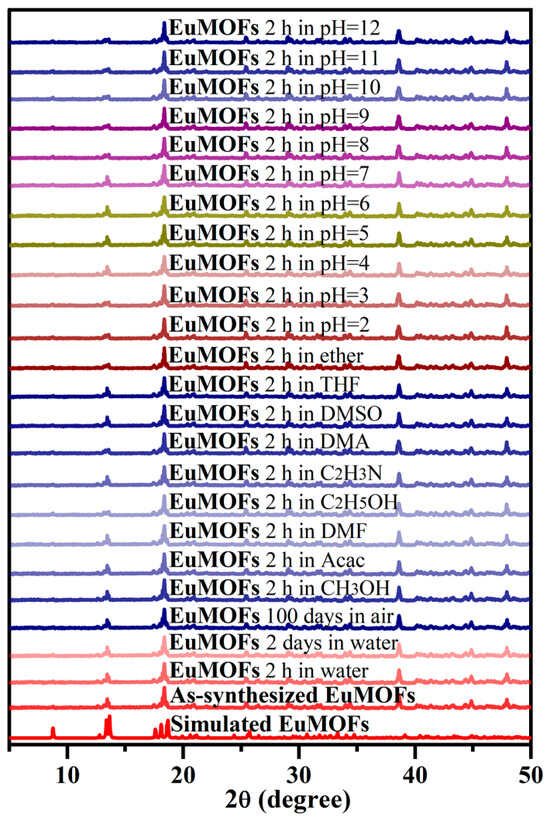
The development of highly sensitive luminescence sensing materials has attracted much attention in recent years. In this study, a new two-dimensional porous europium metal–organic framework (EuMOF, [Eu(DHDA)1.5·3H2O]n; DHDA = 2,2-dihydroxyacetic acid) is obtained,
[...] Read more.
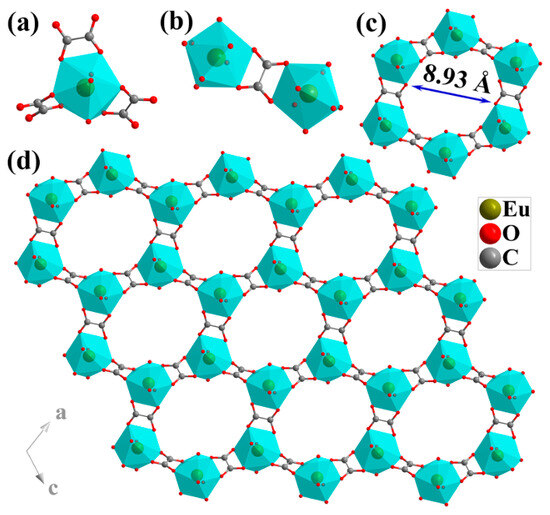
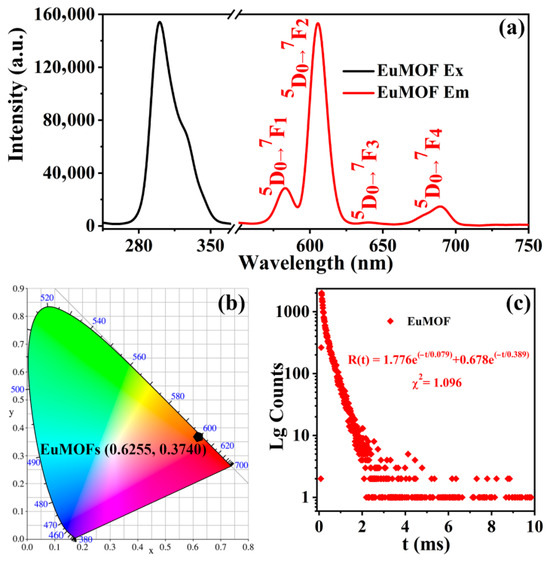
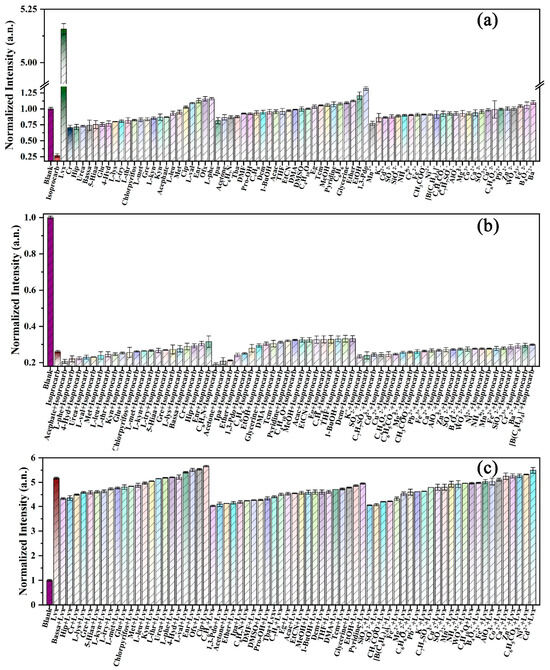
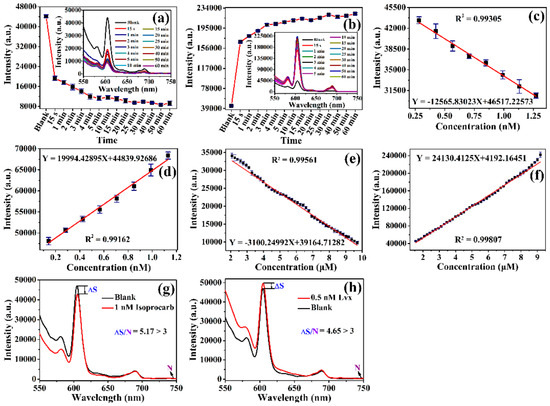
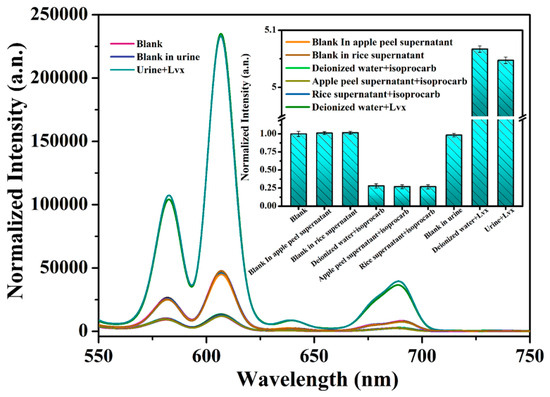
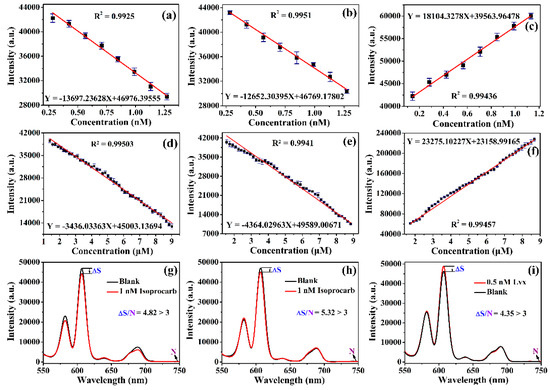
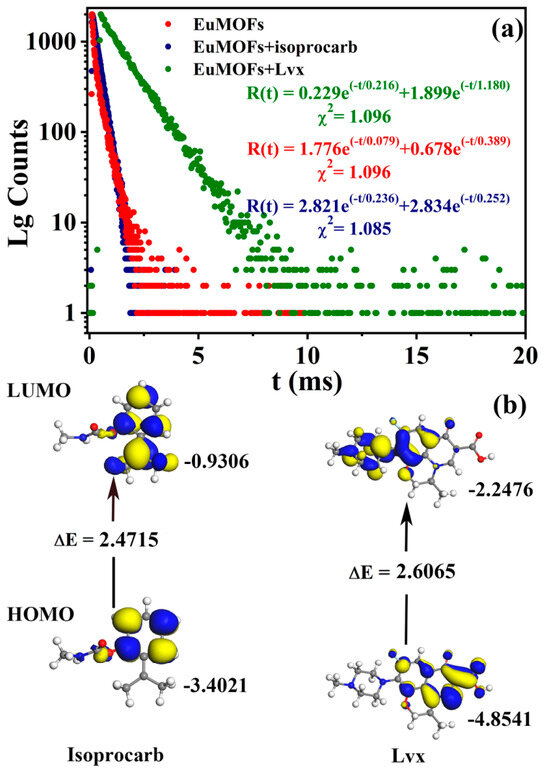
The development of highly sensitive luminescence sensing materials has attracted much attention in recent years. In this study, a new two-dimensional porous europium metal–organic framework (EuMOF, [Eu(DHDA)1.5·3H2O]n; DHDA = 2,2-dihydroxyacetic acid) is obtained, characterized by single-crystal X-ray diffraction, powder X-ray diffraction (PXRD), scanning electron microscopy (SEM), luminescence, and Fourier transform infrared spectroscopy (FT-IR). At the best excitation at 295 nm, EuMOF shows red luminescence (CIE: 0.6255, 0.3740) and has four obvious peaks at 582, 605, 641, and 689 nm, which are due to 5D0 → 7F1, 5D0 → 7F2, 5D0 → 7F3, and 5D0 → 7F4 transitions, respectively. Studies have shown that EuMOF is a stable, fast-responding, and highly sensitive luminescence sensor for isoprocarb and levofloxacin (Lvx) in aqueous solutions, apple peel and rice extract solutions, and real urine, which are closely associated with food safety and human health. The sensing behavior toward isoprocarb and Lvx may be attributed to the specific binding of the two analytes to EuMOF. The sensing of isoprocarb is a dynamic luminescence-quenching process, while that of Lvx is a dynamic luminescence-enhancing process. The limits of detection (LOD) for isoprocarb and Lvx are as low as 1.0 and 0.5 nM, respectively, which are much lower than the Chinese national standard (GB 28260-2011, 2.583 μM). EuMOF also demonstrates strong anti-interference detection of isoprocarb in apple peel and rice extract solutions, as well as Lvx in real urine, with excellent detection stability in a 0.01~9.0 nM range. The recovery rates for isoprocarb and Lvx in real samples are 99.12%~101.25%. This work provides the first bifunctional lanthanide sensor for pesticides and antibiotics.
Full article
(This article belongs to the Special Issue Advanced Metal–Organic Frameworks: Innovations in Sensing and Detection Technologies)
►▼
Show Figures

Figure 1
Open AccessReview
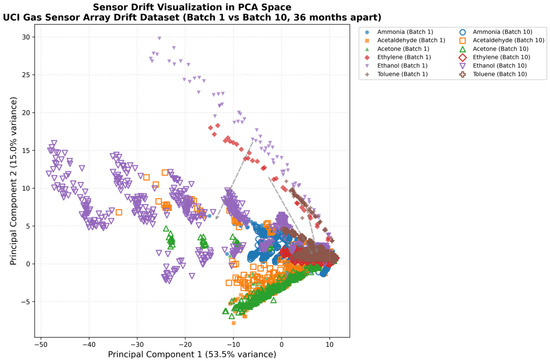
A Comprehensive Review of Algorithms for Drift Compensation in Metal Oxide Semiconductor Gas Sensor Arrays
by
Renbo Li, Zequn Li, Bundi Alfred Kofi, Juan Sun, Yaoyi He and Mingzhi Jiao
Chemosensors 2026, 14(6), 143; https://doi.org/10.3390/chemosensors14060143 - 18 Jun 2026
Abstract
Metal oxide semiconductor (MOS) gas sensors are an important part of electronic nose technology because they are sensitive, cheap, and work well with microfabrication for system integration. But sensor drift makes them less useful for long-term, continuous gas monitoring. Changes in how sensors
[...] Read more.
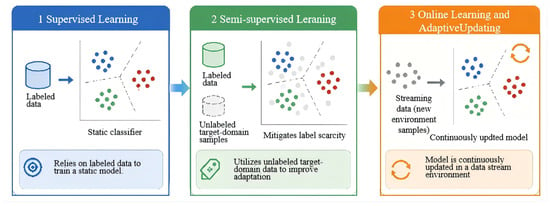
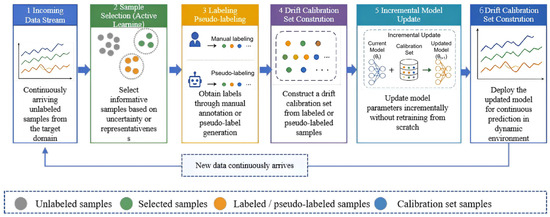
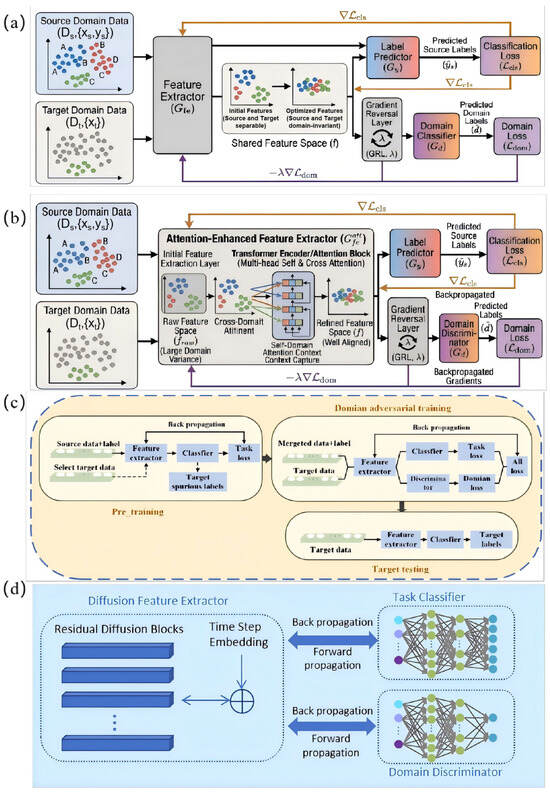
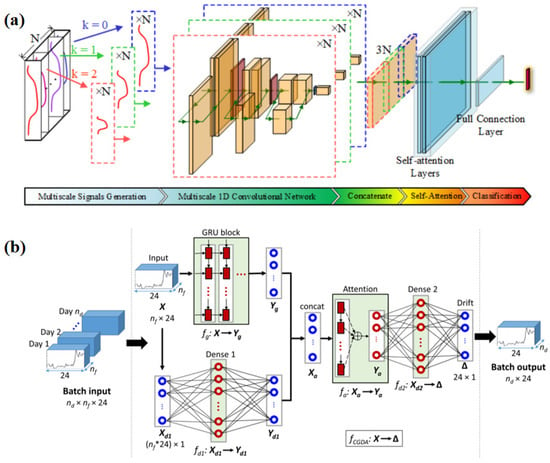
Metal oxide semiconductor (MOS) gas sensors are an important part of electronic nose technology because they are sensitive, cheap, and work well with microfabrication for system integration. But sensor drift makes them less useful for long-term, continuous gas monitoring. Changes in how sensors respond over time make pattern recognition models that were trained at first less accurate. This review looks at new ways to deal with sensor drift, with a focus on transfer learning and deep learning methods that have been developing continuously in the last five years. It emphasizes the shift from conventional recalibration and component correction to sophisticated methodologies, including deep domain adaptation, contrastive representation learning, and attention-based models. The review does not just list these methods; it also analyzes their pros and downsides, especially in situations where there is not much labeled data, drift is hard to anticipate, or the computational resources are limited, which is often the case with edge sensors.
Full article
(This article belongs to the Section Applied Chemical Sensors)
►▼
Show Figures

Figure 1
Open AccessArticle
A Highly Sensitive Coreless Fiber SPR Sensor Based on Au/TiO2 Hyperbolic Metamaterials
by
Fang Wang, Qiwei Guo, Jintao Cai, Lening Sun, Lin Zhang and Xuewen Shu
Chemosensors 2026, 14(6), 142; https://doi.org/10.3390/chemosensors14060142 - 17 Jun 2026
Abstract
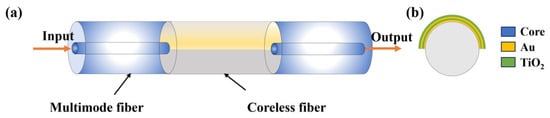
In this work, we propose a hyperbolic metamaterials (HMMs)-based coreless fiber surface plasmon resonance (SPR) sensor. Leveraging the absence of a core in coreless fibers, the evanescent waves at the cladding–external solution interface couple more effectively into the solution, enabling surface plasmon resonance
[...] Read more.
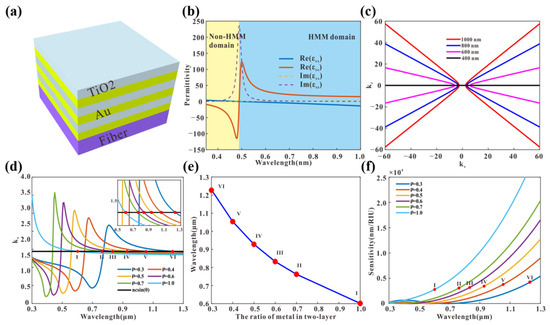
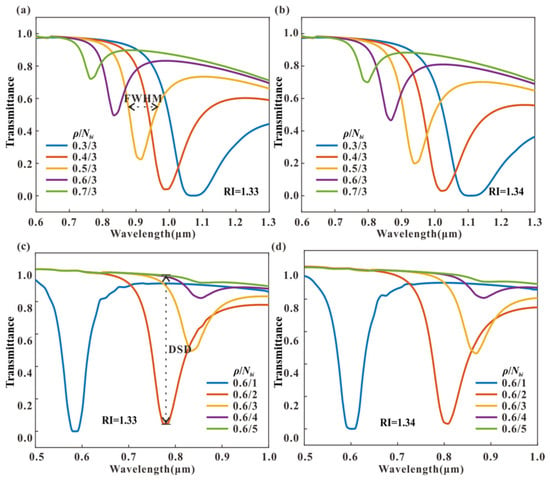
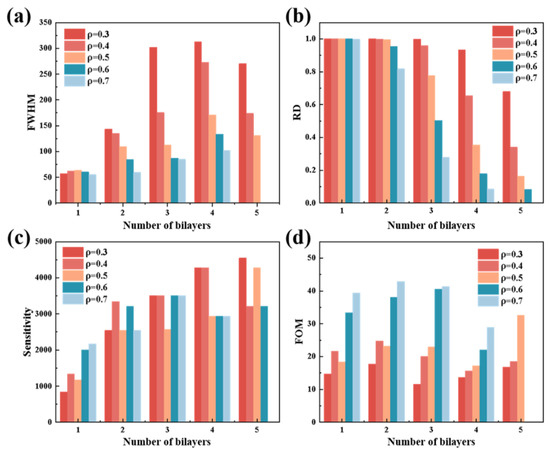
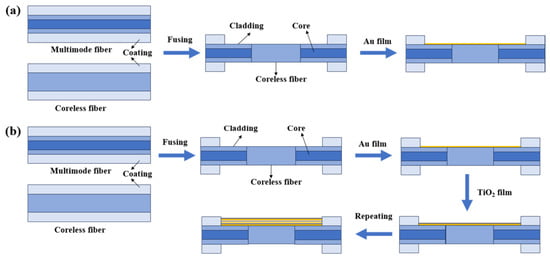
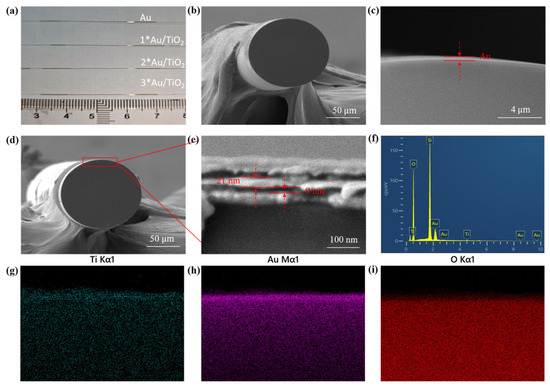
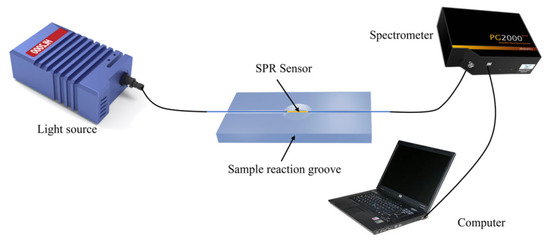
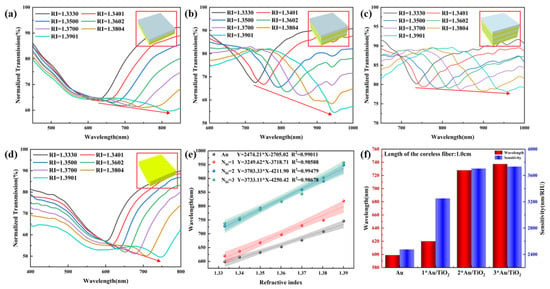
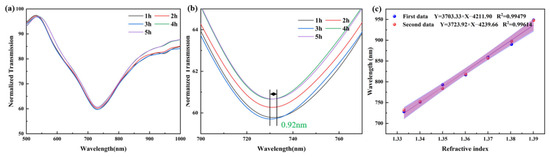
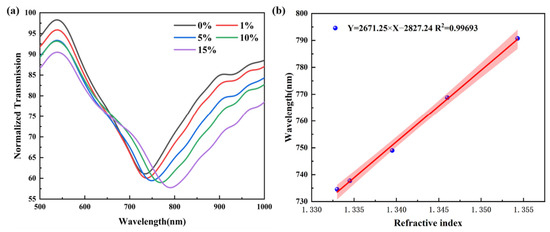
In this work, we propose a hyperbolic metamaterials (HMMs)-based coreless fiber surface plasmon resonance (SPR) sensor. Leveraging the absence of a core in coreless fibers, the evanescent waves at the cladding–external solution interface couple more effectively into the solution, enabling surface plasmon resonance without any additional processing. To enhance sensitivity, we adopted a multimode–coreless–multimode (MCM) structure and grew layered hyperbolic metamaterials as the SPR-excitation-sensitive layer within the coreless region. Through finite element simulations, we optimized HMM parameters and fabricated high-performance HMM-SPR sensors. Test results demonstrate that the fabricated HMM-SPR sensor achieves an optimal refractive index sensitivity of 3703.33 nm/RIU, representing a 49.68% improvement over single-layer gold film SPR sensors. It successfully detects glucose solutions at varying concentrations with a sensitivity of 2671.25 nm/RIU. The high-sensitivity, structurally simple HMM-SPR sensor we proposed demonstrates broad application prospects in biosensing, environmental monitoring, food safety, and other fields.
Full article
(This article belongs to the Special Issue Optical Fiber and Surface Plasmon Resonance Technology for Chemical Sensing)
►▼
Show Figures

Figure 1
Open AccessArticle
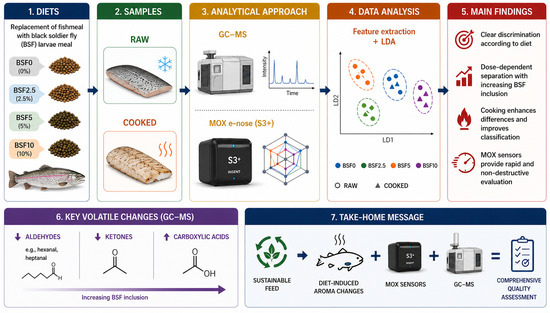
Discrimination of Trout Fed with Traditional and Insect-Based Diets by GC–MS and MOX Sensors: Influence of Cooking on Volatile Profiles
by
Elisabetta Poeta, Estefanía Núñez Carmona, Zaira Loiotine, Francesco Gai, Loredana Tarraran and Veronica Sberveglieri
Chemosensors 2026, 14(6), 141; https://doi.org/10.3390/chemosensors14060141 - 17 Jun 2026
Abstract
The use of insect-based protein sources in aquaculture is gaining increasing attention with Hermetia illucens (black soldier fly, BSF) larvae meal representing a promising substitute to fishmeal (FM). This study evaluated the effect of partial dietary inclusion of BSF meal (BSF0, BSF2.5, BSF5,
[...] Read more.
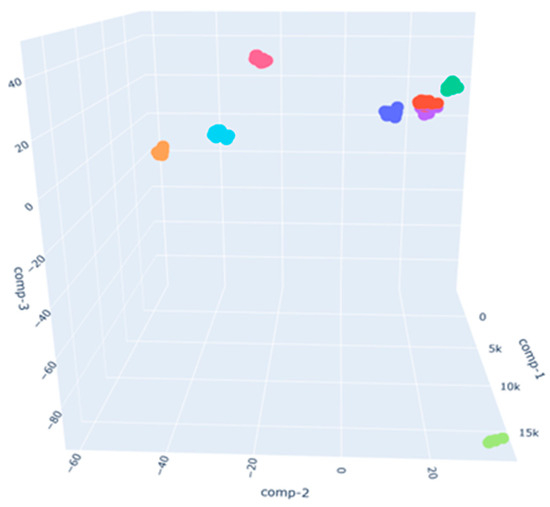
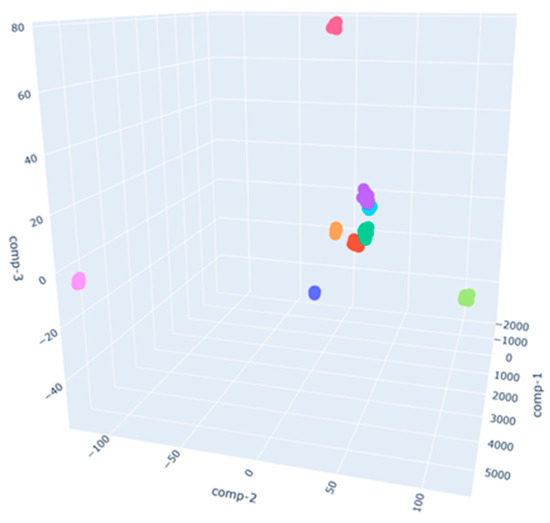
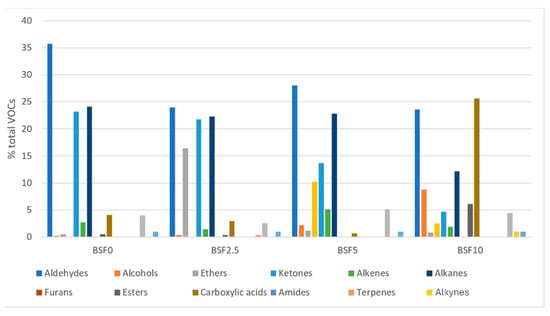
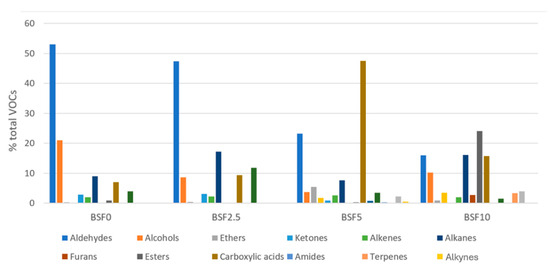
The use of insect-based protein sources in aquaculture is gaining increasing attention with Hermetia illucens (black soldier fly, BSF) larvae meal representing a promising substitute to fishmeal (FM). This study evaluated the effect of partial dietary inclusion of BSF meal (BSF0, BSF2.5, BSF5, BSF10%) on the volatilome of rainbow trout (Oncorhynchus mykiss) fillets, before and after cooking, using gas chromatography–mass spectrometry (GC–MS) and a metal oxide sensor-(MOX)-based device. Fish were fed diets with increasing BSF inclusion, and both raw and cooked fillets were analyzed to assess changes in volatile organic compounds (VOCs). GC–MS enabled the identification and semi-quantitative analysis of VOC classes, while MOX sensor responses were processed using Linear Discriminant Analysis (LDA) to assess discrimination among dietary treatments. Results showed that BSF inclusion influenced the volatile profile, with clearer separation at higher inclusion levels (BSF5–BSF10%), especially in cooked fillets. Thermal processing enhanced these differences. GC–MS analysis revealed a reduction in aldehydes and ketones and an increase in carboxylic acids with higher BSF inclusion. Key compounds such as hexanal and heptanal decreased, indicating changes in lipid-derived volatile pathways. Overall, the integration of GC–MS and MOX sensors proved effective in detecting diet-induced changes, supporting their application as effective and reliable tools for quality assessment in aquaculture products, with potential implications for sensory quality that should be further confirmed through dedicated sensory studies.
Full article
(This article belongs to the Special Issue Nanomaterials in Chemosensors and Biosensors: Development and Application (2nd Edition))
►▼
Show Figures

Graphical abstract
Open AccessReview
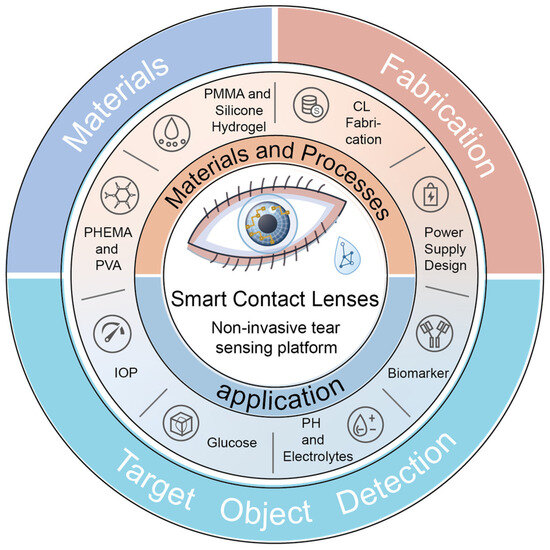
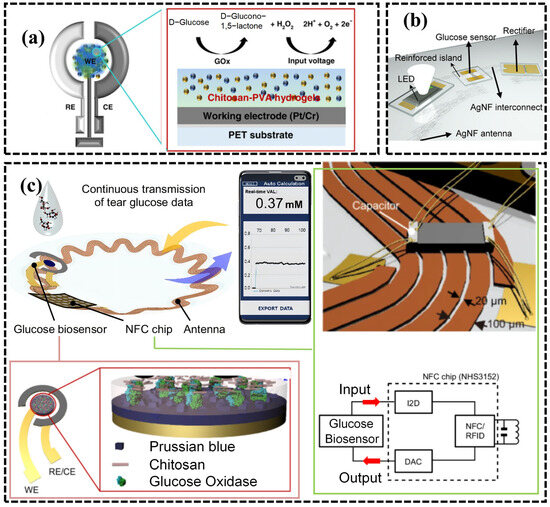
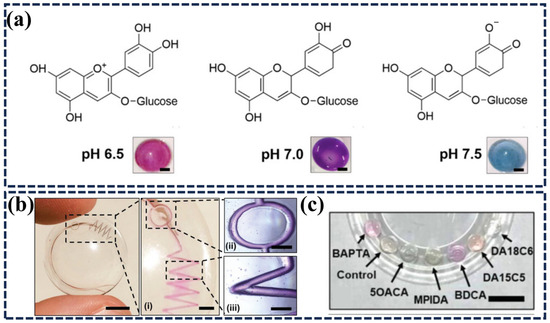
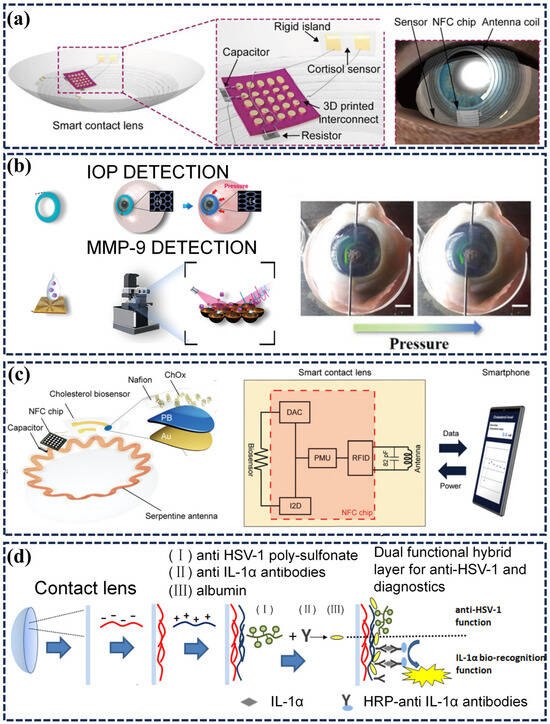
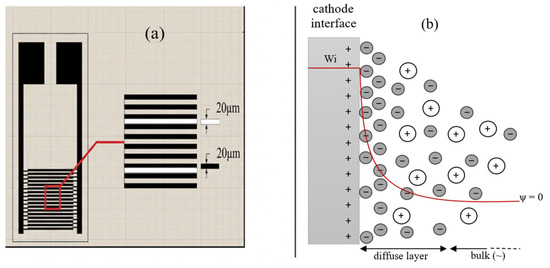
Smart Contact Lens Sensors for Ocular Health Monitoring: Advances in Materials, Fabrication and Application
by
Lichun Gao, Jiancheng Dong and Yang Wang
Chemosensors 2026, 14(6), 140; https://doi.org/10.3390/chemosensors14060140 - 17 Jun 2026
Abstract
Smart contact lens sensors integrate biochemical sensing elements, flexible electronics, power modules, and wireless readout components onto optically transparent contact lens platforms, enabling non-invasive and potentially continuous analysis of tear-derived biomarkers and ocular physiological signals. This review focuses on the translation pathway from
[...] Read more.
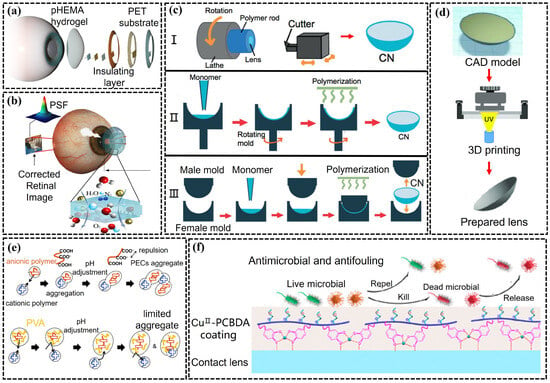
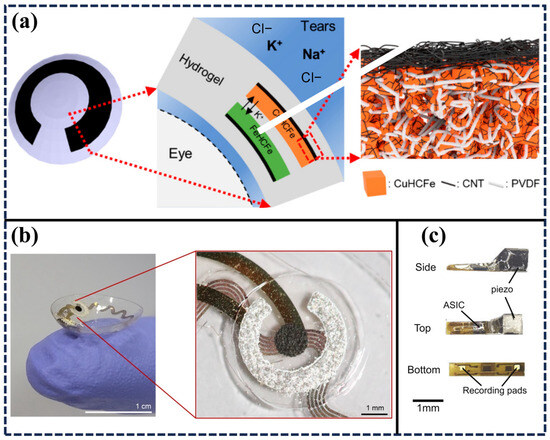
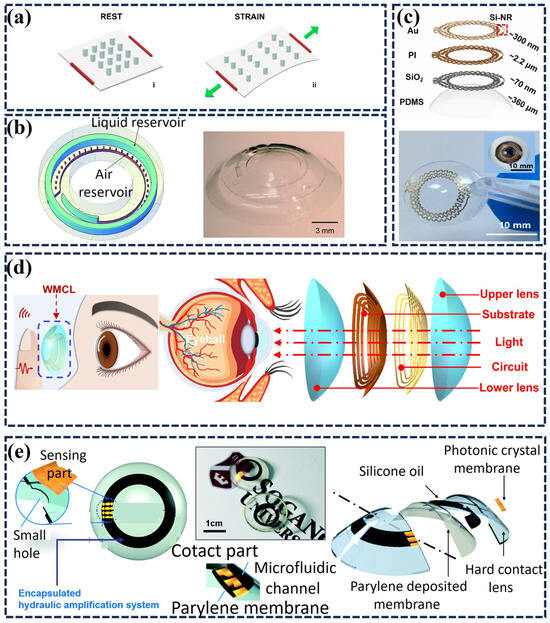
Smart contact lens sensors integrate biochemical sensing elements, flexible electronics, power modules, and wireless readout components onto optically transparent contact lens platforms, enabling non-invasive and potentially continuous analysis of tear-derived biomarkers and ocular physiological signals. This review focuses on the translation pathway from contact lens materials and fabrication methods to sensing mechanisms, tear biomarker interpretation, and clinical deployment. We synthesize recent progress in substrate engineering, manufacturing processes, power delivery, and representative sensing strategies for intraocular pressure, glucose, electrolytes, pH, cortisol, cholesterol, and inflammatory cytokines. Instead of treating these systems as isolated examples, we compare optical/colorimetric, electrochemical, field-effect transistor, microfluidic, and wireless resonant approaches in terms of sensitivity, response time, power/readout requirements, and clinical relevance. Finally, we discuss persistent barriers, including biocompatibility, interface stability, tear-sample variability, calibration, sterilization, regulatory validation, data privacy, and compatibility with commercial contact lens manufacturing.
Full article
(This article belongs to the Section Applied Chemical Sensors)
►▼
Show Figures

Figure 1
Open AccessArticle
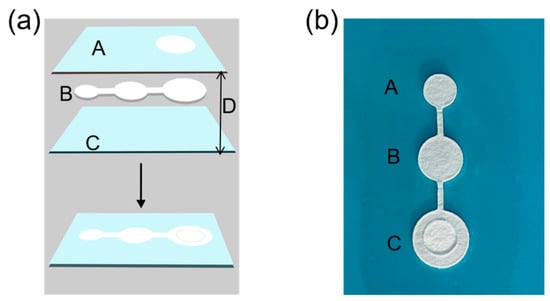
Electrostatically Sealed Paper-Based Microfluidic Device for Environmentally Robust Nitrite Determination by Griess Colorimetry
by
Xiaoli Guo, Mingfei Tong, Danping Xie, Baimei Shi, Xiaoqian Long, Kai Luo, Xuekun Li and Yunhui Zhai
Chemosensors 2026, 14(6), 139; https://doi.org/10.3390/chemosensors14060139 - 16 Jun 2026
Abstract
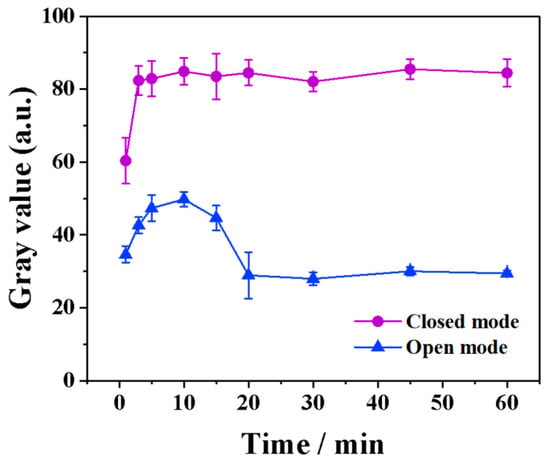
Microfluidic paper-based analytical devices (µPADs) are promising for point-of-care testing, yet most operate in an open-format that is susceptible to solvent evaporation and reagent contamination, causing poor signal stability under changing environments. Here, we present an equipment-free sealing strategy to construct closed µPADs
[...] Read more.
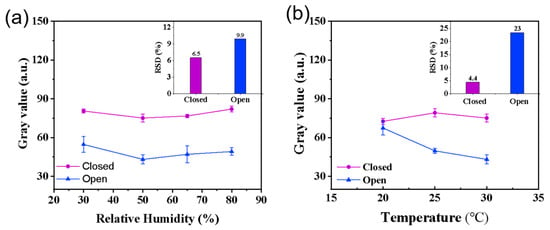
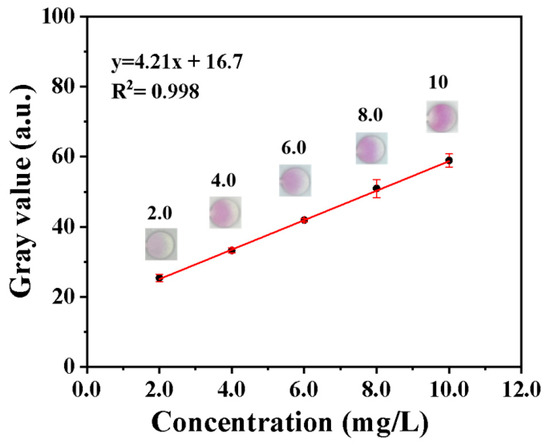
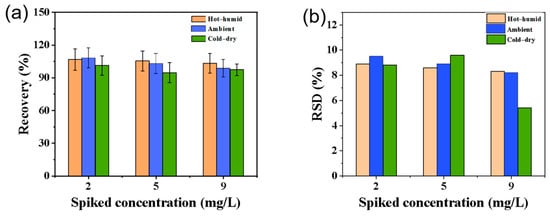
Microfluidic paper-based analytical devices (µPADs) are promising for point-of-care testing, yet most operate in an open-format that is susceptible to solvent evaporation and reagent contamination, causing poor signal stability under changing environments. Here, we present an equipment-free sealing strategy to construct closed µPADs by electrostatically adsorbing two polymer films onto open chips, forming an enclosed microenvironment. Using the Griess colorimetric reaction for nitrite, we benchmarked the closed-format against an open counterpart. At a standard condition, the closed µPAD produced a higher grayscale signal, reached a stable peak within 10 min, and remained stable for >60 min. It also demonstrated superior environmental robustness, yielding consistently smaller relative standard deviations (RSDs) across varying humidity levels and temperatures. With the optimized readout time, nitrite exhibited linear calibration over 2.0–10 mg/L (R2 = 0.998), with a detection limit of 0.75 mg/L. In synthetic urine A, spike–recovery tests at 2.0, 5.0, and 9.0 mg/L gave acceptable recoveries and precision across temperature–humidity conditions (RSD < 10%). Additional verification in synthetic urine B at 5.0 mg/L under an uncontrolled environment further confirmed the practicality of this sealed µPAD for environment-tolerant quantitative nitrite analysis.
Full article
(This article belongs to the Section Analytical Methods, Instrumentation and Miniaturization)
►▼
Show Figures

Figure 1
Open AccessArticle
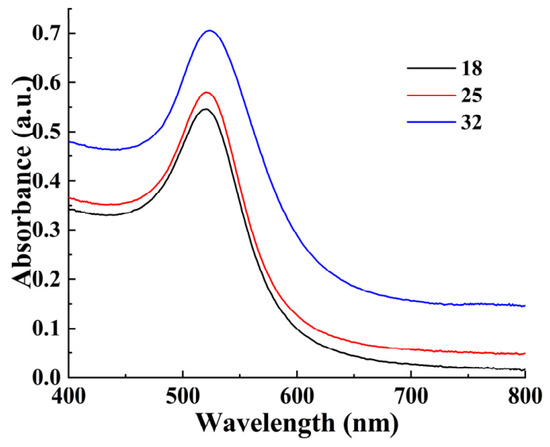
Detection of Hg2+ in Water by Modified Gold Nanoparticles: A Rapid Method and Its Mechanistic Basis
by
Ruoyao Wang, Xing Chen, Chuyu Shang and Yingying Kou
Chemosensors 2026, 14(6), 138; https://doi.org/10.3390/chemosensors14060138 - 16 Jun 2026
Abstract
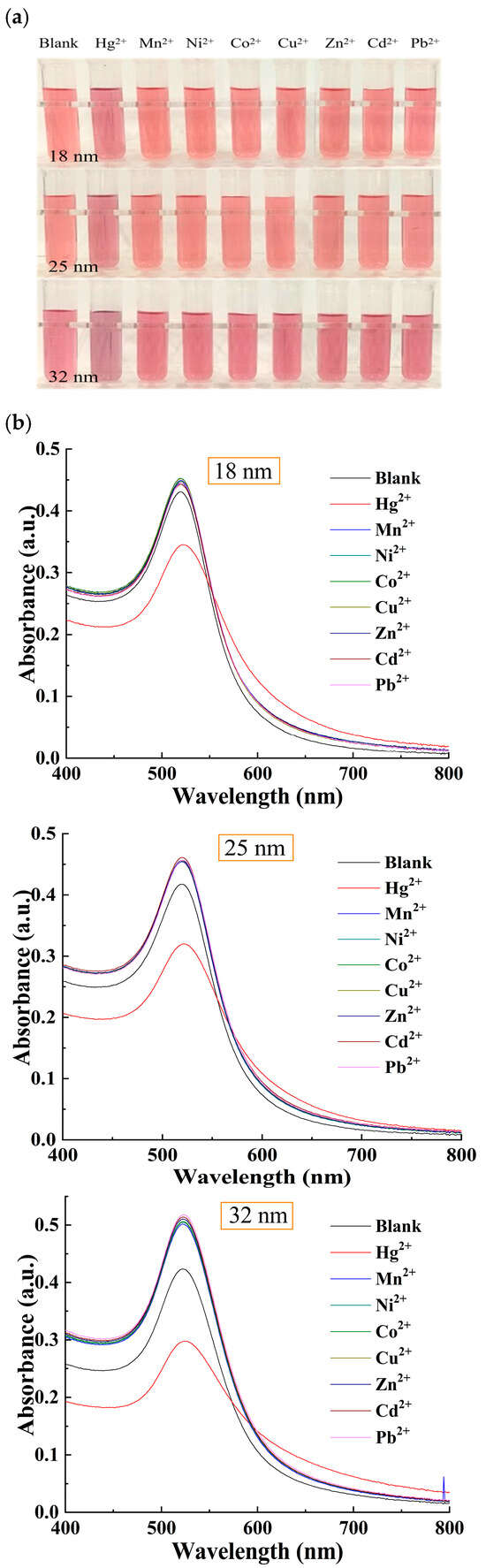
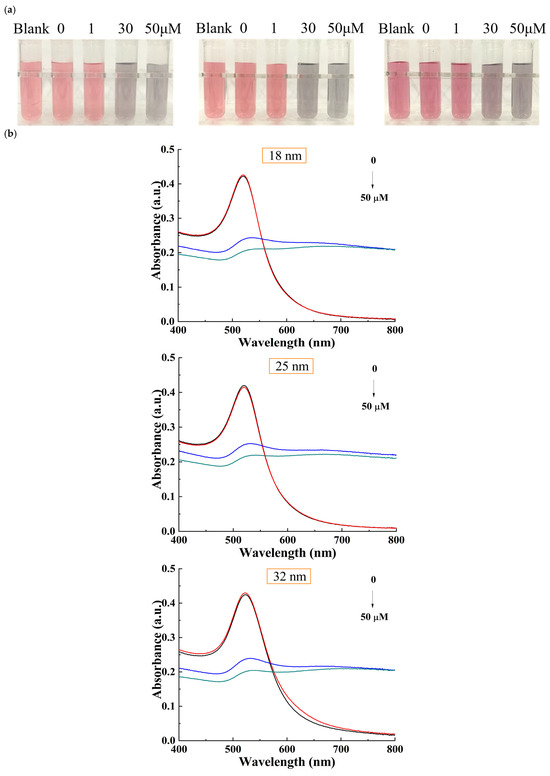
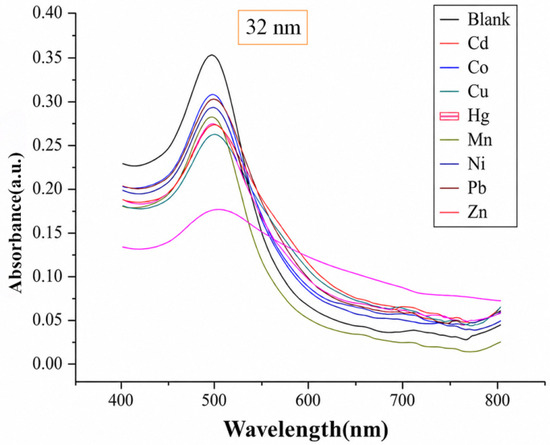
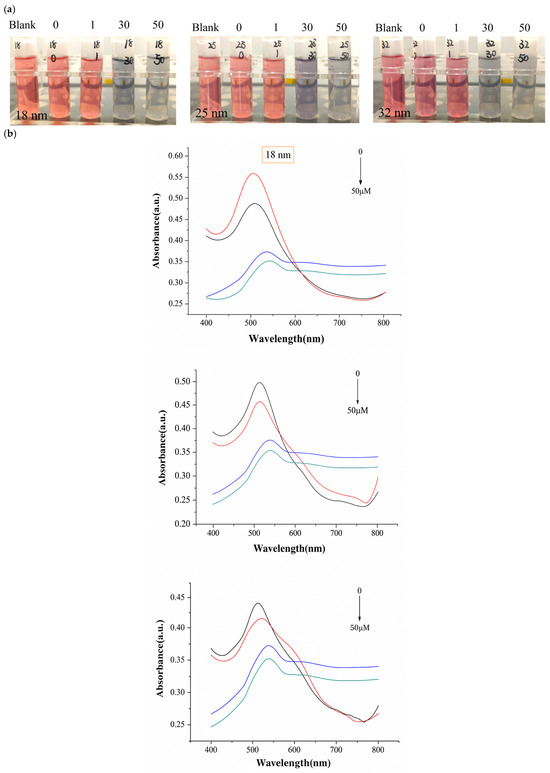
A new sensor was developed to detect Hg2+ ions; different volume ratios of chloroauric acid and sodium citrate were used, which were 1.0, 0.8 and 0.5. Three kinds of gold nanoparticles (AuNPs) with sizes of 18 nm, 25 nm and 32 nm
[...] Read more.
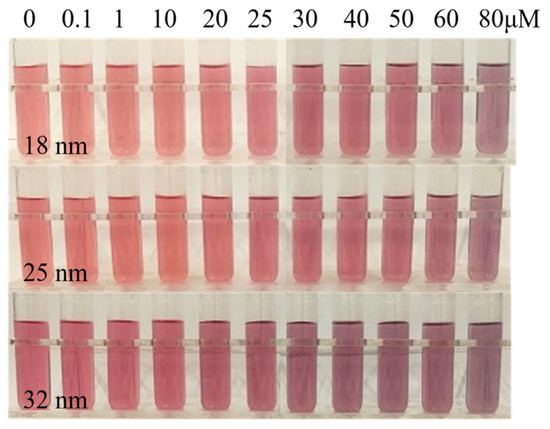
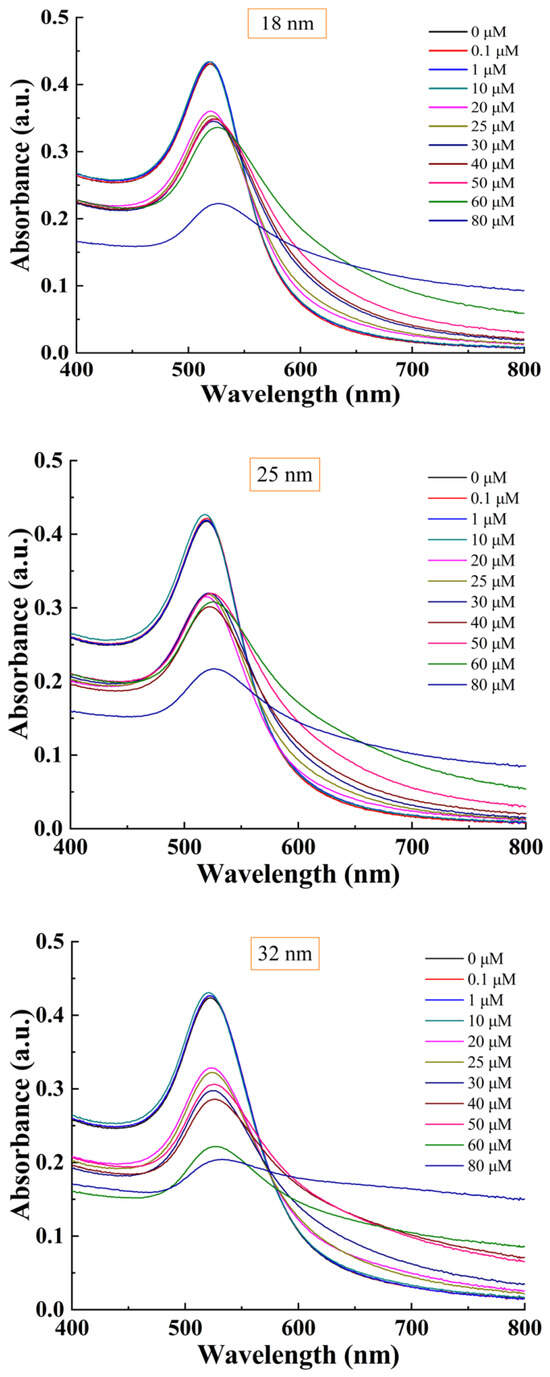
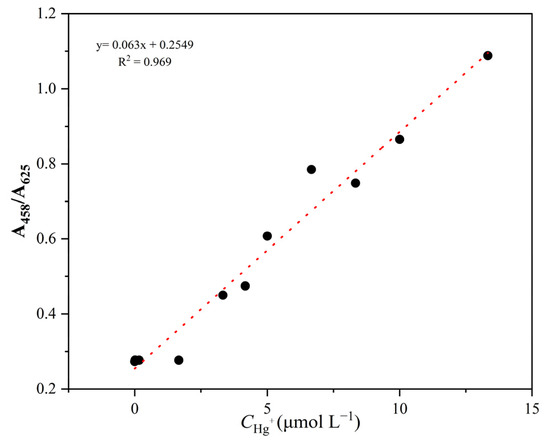
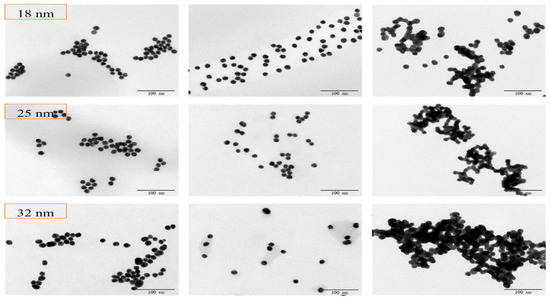
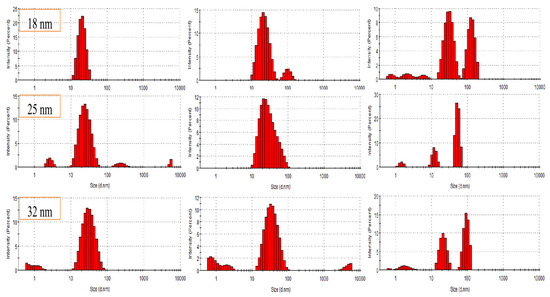
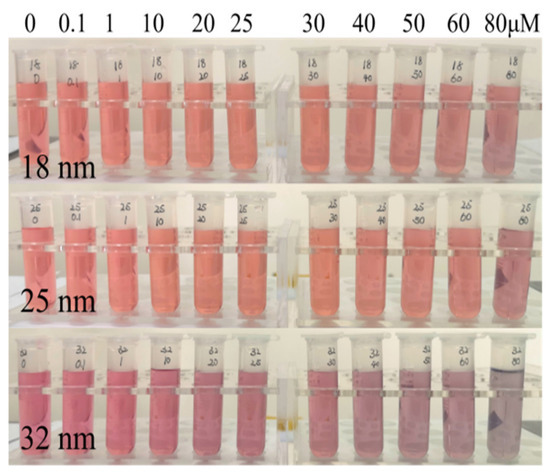
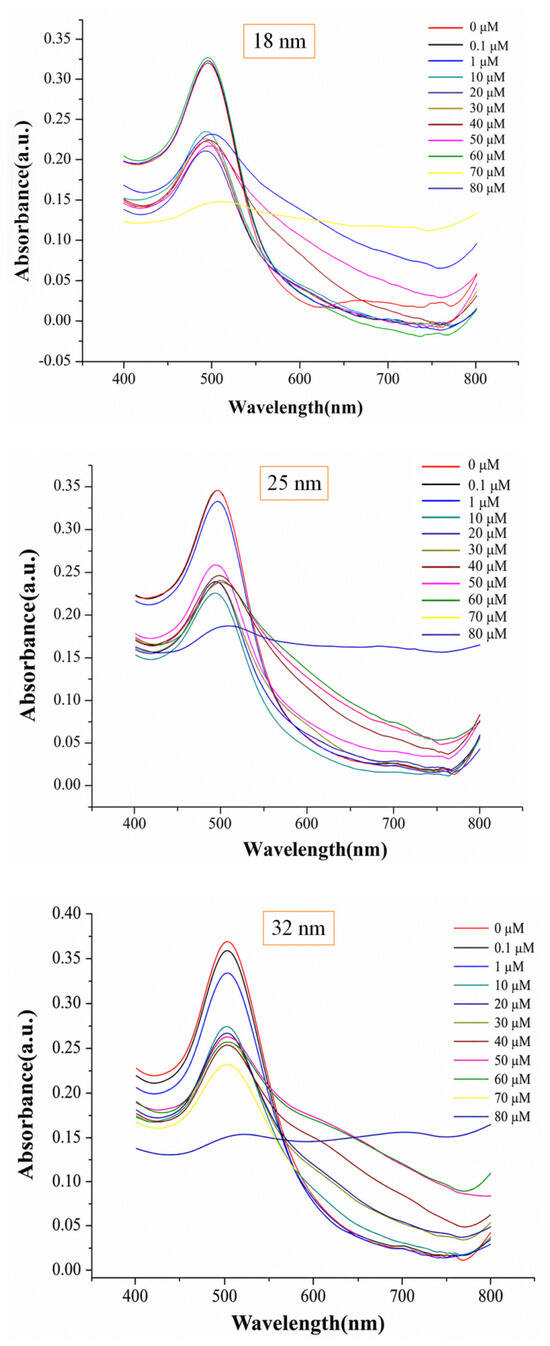
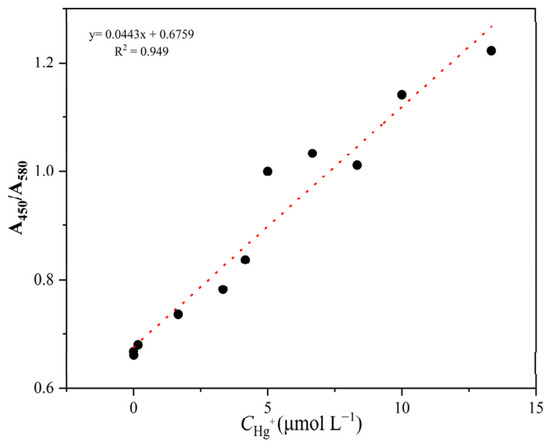
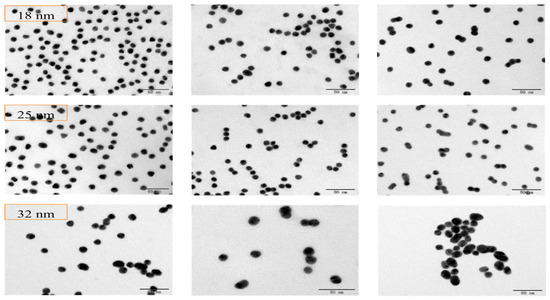
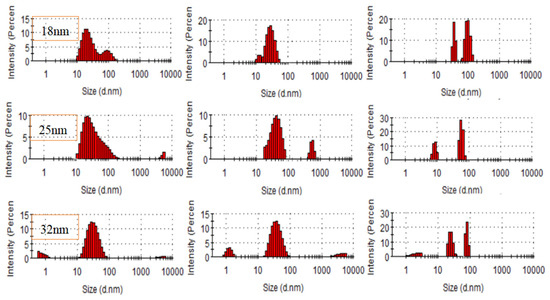
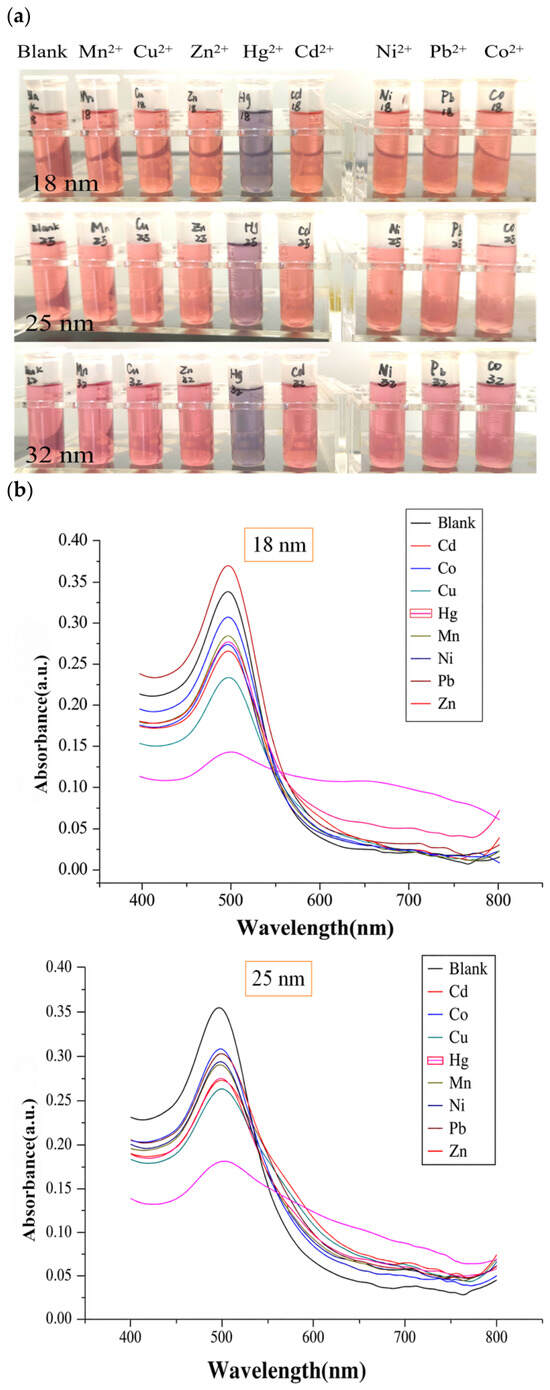
A new sensor was developed to detect Hg2+ ions; different volume ratios of chloroauric acid and sodium citrate were used, which were 1.0, 0.8 and 0.5. Three kinds of gold nanoparticles (AuNPs) with sizes of 18 nm, 25 nm and 32 nm were synthesized in this way. The functional modification with succinimide and glutarimide was performed on these three sizes of AuNPs. Hg2+ was detected by colorimetric detection of AuNPs modified with succinimide and glutarimide. Research shows that, because a complex structure was formed by a coordination reaction with Hg2+, the aggregation of AuNPs occurred, the color changed from red to purple, and the characteristic absorption peak of the UV–visible absorption spectrum was redshifted. The best visual detection limit is 5 μmol/L, showing good selectivity and broad applicability; it was found that the material was specific to the detection of Hg2+. The novelty of this study lies in the use of simple imide-containing modifiers and the systematic comparison of particle-size-dependent colorimetric responses of modified AuNPs toward Hg2+. These results offer a promising approach for tracking and monitoring Hg2+ contamination in aquatic environments.
Full article
(This article belongs to the Special Issue Low-Cost Chemosensors for Applications in Environment, Health, Food, and Industry Process Control, 2nd Edition)
►▼
Show Figures

Figure 1
Open AccessArticle
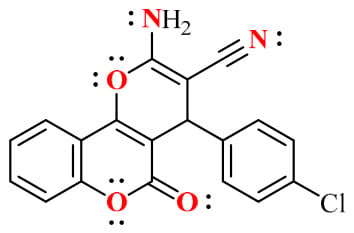
Pyranochromene/Nafion-Modified Glassy Carbon Electrode for Selective Electrochemical Determination of Cd(II): Synthesis, Interfacial Mechanism, and Water Analysis
by
Nada K. H. Alzahrani, Naha Meslet Alsebaii, Fatmah M. Alshareef, Azhaar T. Alsaggaf, Mohamed A. El Hamd, A. Al Solami, Najwa Ali Asiri, Eman Alsolmy and Wejdan T. Alsaggaf
Chemosensors 2026, 14(6), 137; https://doi.org/10.3390/chemosensors14060137 - 14 Jun 2026
Abstract
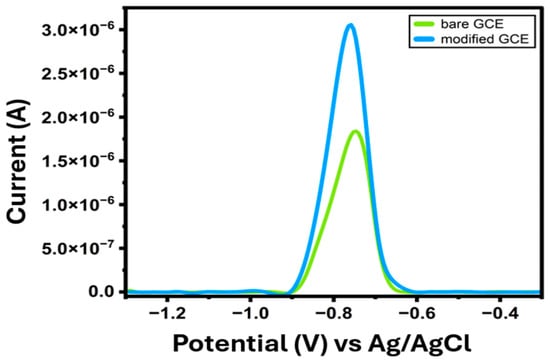
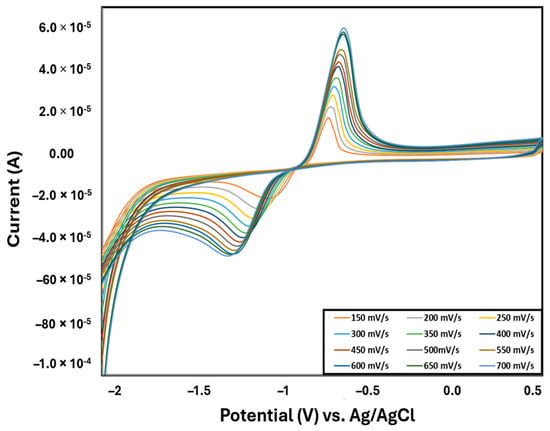
A pyranochromene-based ligand, 2-amino-4-(4-chlorophenyl)-5-oxo-4H,5H-pyrano[3,2-c]chromene-3-carbonitrile (ACLPh-PC-3-CN), was employed as a chelating modifier for the electrochemical determination of Cd(II) in water samples. ACLPh-PC-3-CN was co-immobilized with Nafion on a glassy carbon electrode to form a stable ACLPh-PC-3-CN/Nafion film that combines ligand-based coordination with cation-exchange-assisted preconcentration
[...] Read more.
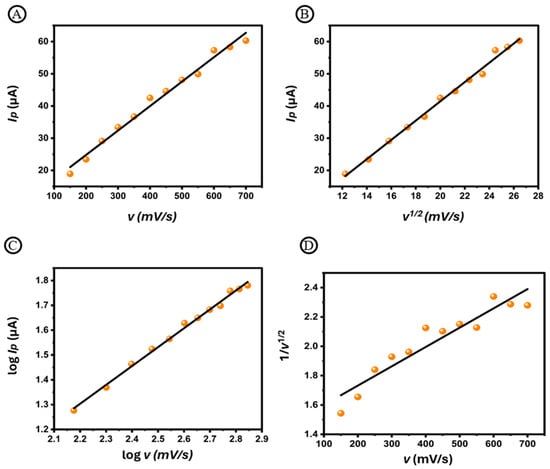
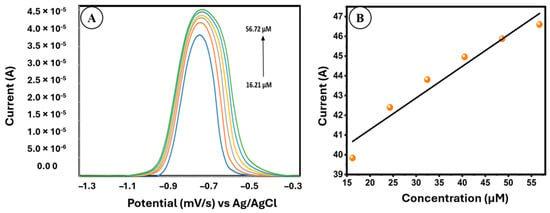
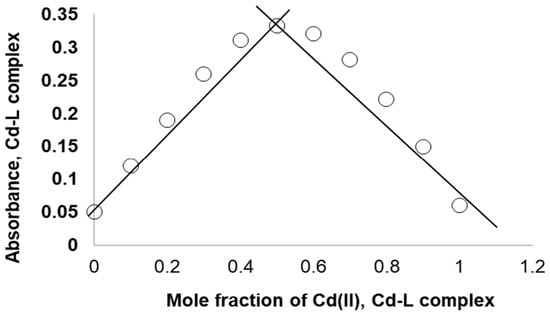
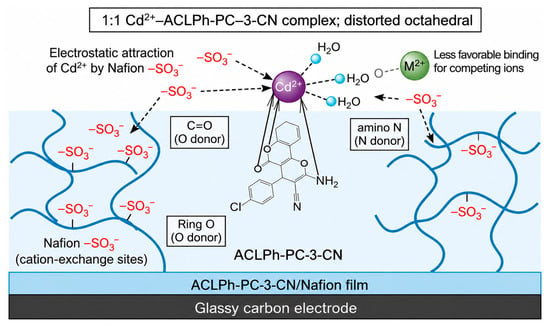
A pyranochromene-based ligand, 2-amino-4-(4-chlorophenyl)-5-oxo-4H,5H-pyrano[3,2-c]chromene-3-carbonitrile (ACLPh-PC-3-CN), was employed as a chelating modifier for the electrochemical determination of Cd(II) in water samples. ACLPh-PC-3-CN was co-immobilized with Nafion on a glassy carbon electrode to form a stable ACLPh-PC-3-CN/Nafion film that combines ligand-based coordination with cation-exchange-assisted preconcentration of Cd2+ at the electrode surface. The Cd(II) response at the modified electrode was characterized by cyclic voltammetry and differential pulse anodic stripping voltammetry, and the data support a predominantly 1:1 Cd(II)–ligand interaction at the interface under the selected conditions. At an optimized pH of 6.0, the sensor provided a linear calibration range from 16.21 to 56.72 μM, with a detection limit of 0.60 μM and a quantification limit of 2.0 μM, and showed good precision (repeatability 2.3% RSD, reproducibility 3.1% RSD) and short-term stability (94% of the initial response after 14 days). The ACLPh-PC-3-CN/Nafion-modified electrode tolerated common inorganic ions and surfactant species (≤5% signal change) and was successfully applied to the determination of Cd(II) in tap water and Red Sea water, affording recoveries between 98.7% and 101%. While the current detection limit is higher than typical guideline values for Cd in drinking water, the proposed sensor compares favorably with several reported electrochemical Cd(II) sensors in terms of simplicity, precision, and matrix tolerance, and represents a useful platform for coordination-based electrochemical sensing of cadmium in environmental water samples.
Full article
(This article belongs to the Section Electrochemical Devices and Sensors)
►▼
Show Figures

Figure 1
Open AccessArticle
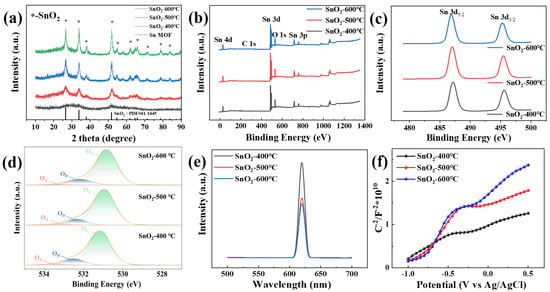
MOF-Derived SnO2 Gas Sensor Towards Triethylamine
by
Zhenyu Wang, Yu Mu, Haizhen Ding, Yuxin Wang and Jing Zhao
Chemosensors 2026, 14(6), 136; https://doi.org/10.3390/chemosensors14060136 - 14 Jun 2026
Abstract
Triethylamine (TEA), a widely used volatile organic compound (VOC), poses severe threats to environmental safety and human health upon accidental leakage, making the development of high-performance TEA detection techniques urgently needed. Herein, we report a Sn-based metal–organic framework (Sn-MOF) constructed from 4,5-dichloroimidazole ligands
[...] Read more.
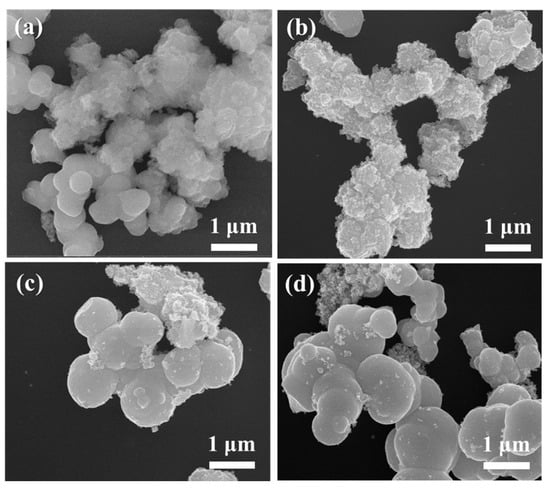
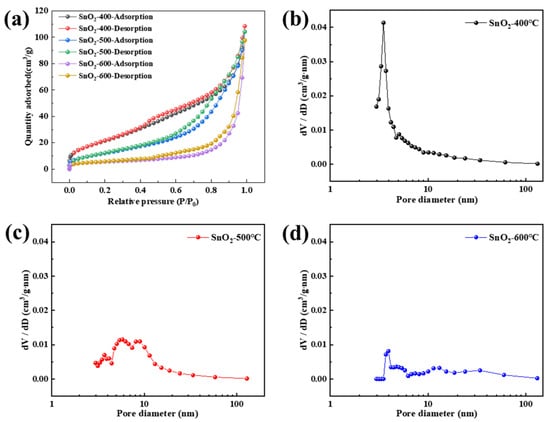
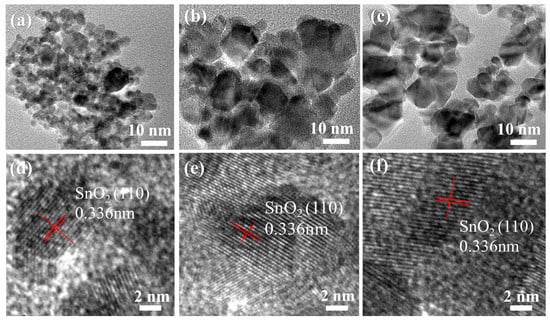
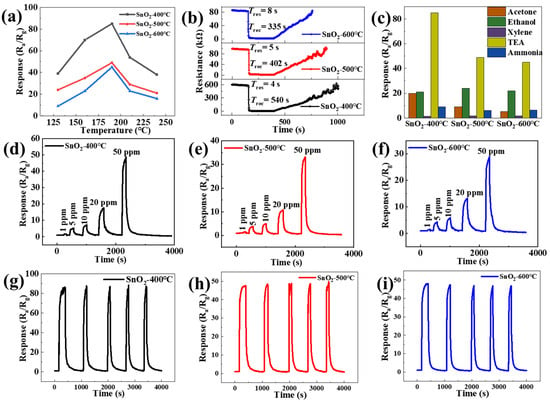
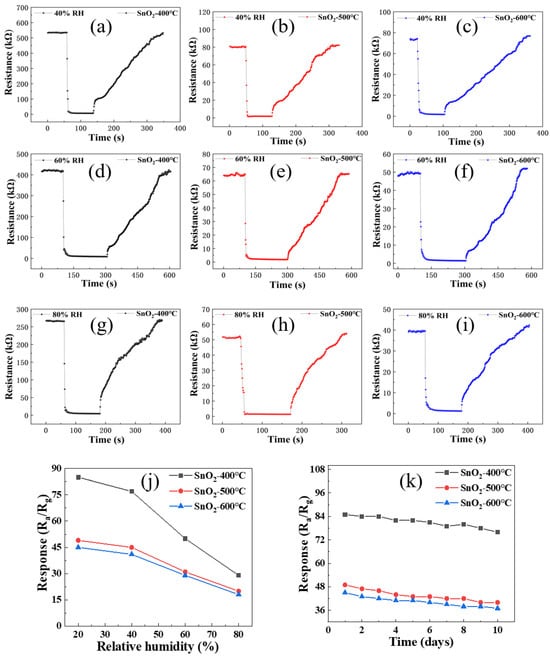
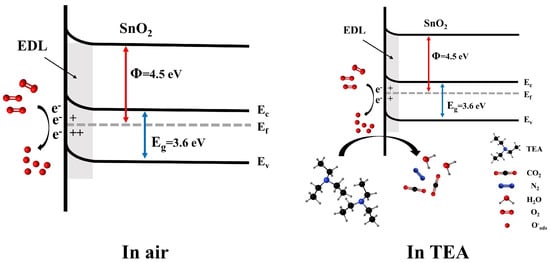
Triethylamine (TEA), a widely used volatile organic compound (VOC), poses severe threats to environmental safety and human health upon accidental leakage, making the development of high-performance TEA detection techniques urgently needed. Herein, we report a Sn-based metal–organic framework (Sn-MOF) constructed from 4,5-dichloroimidazole ligands synthesized via a solvothermal approach. The resulting MOF-derived SnO2 materials were obtained by calcination at 400–600 °C, yielding SnO2 with tunable specific surface area and surface defect-site density. Structural and surface characterizations revealed that the materials consist of primary nanoparticles in the range of 10–50 nm, forming aggregated particles of 1–2 µm. The gas sensing performance toward TEA was systematically evaluated. The SnO2-400 °C sensor exhibited the highest response (S = 85.0) to 100 ppm TEA at 190 °C, with a low detection limit of 1 ppm, superior selectivity, good repeatability, and excellent long-term stability. The observed performance variation was attributed to the combined effects of specific surface area, abundant defect-associated surface sites, and suitable mesoporous structure. This work not only provides a high-performance TEA sensor for industrial and food safety monitoring but also offers a rational strategy for designing MOF-derived metal oxide gas sensors with tailored microstructures and surface defect chemistry.
Full article
(This article belongs to the Special Issue Recent Progress in Nano Material-Based Gas Sensors)
►▼
Show Figures

Figure 1
Journal Menu
► ▼ Journal Menu-
- Chemosensors Home
- Aims & Scope
- Editorial Board
- Reviewer Board
- Topical Advisory Panel
- Early Career Editorial Board
- Photography Exhibition
- Instructions for Authors
- Special Issues
- Topics
- Sections & Collections
- Article Processing Charge
- Indexing & Archiving
- Editor’s Choice Articles
- Most Cited & Viewed
- Journal Statistics
- Journal History
- Journal Awards
- Conferences
- Editorial Office
Journal Browser
► ▼ Journal BrowserHighly Accessed Articles
Latest Books
E-Mail Alert
News
9 October 2025
Meet Us at the 3rd International Conference on AI Sensors and Transducers, 2–7 August 2026, Jeju, South Korea
2 July 2026
MDPI INSIGHTS: The CEO’s Letter #36 – Basel Anniversary Summit, 2025 Impact Factors & CiteScores, CSAL Partnership & ncRNA2026
Topics
Topic in
Molecules, Biomimetics, Chemosensors, Life, AI, Sci
Recent Advances in Chemical Artificial Intelligence
Topic Editors: Pier Luigi Gentili, Jerzy Górecki, David C Magri, Pasquale StanoDeadline: 15 October 2026
Topic in
Analytica, Molecules, Separations, Chemistry, Chemosensors
Advances in Counter-Current Chromatography
Topic Editors: Shihua Wu, Xinyi Huang, Zhi YangDeadline: 30 October 2026
Topic in
Chemosensors, JMMP, Materials, Nanomaterials, Sensors
Functional Materials for Chemical Sensing and Environmental Sustainability: Trends, Concepts and Applications
Topic Editors: Michele Penza, Guanying Chen, Anming HuDeadline: 31 December 2026
Topic in
Analytica, IJMS, Metabolites, Molecules, Separations, Spectroscopy Journal, Chemosensors
Advances in Analysis Methods for Metabolomics and Lipidomics
Topic Editors: Eduardo Sommella, Giulia Mazzoccanti, Emanuela SalviatiDeadline: 31 January 2027
Conferences
Special Issues
Special Issue in
Chemosensors
Chemical Sensors and Molecular Spectroscopy: Advanced Materials, Methods, and Applications
Guest Editor: Mahesh B. DawadiDeadline: 15 July 2026
Special Issue in
Chemosensors
Chemometrics for Analytical Chemistry: Second Edition
Guest Editors: Hailong Wu, Tong WangDeadline: 30 July 2026
Special Issue in
Chemosensors
Microfluidics and 3D Printing for Chemical Sensors
Guest Editors: Stéphane Le Calvé, Bin LuoDeadline: 30 July 2026
Special Issue in
Chemosensors
Feature Papers on Luminescent Sensing (Second Edition)
Guest Editors: Jin-Ming Lin, Qiongzheng Hu, Mashooq KhanDeadline: 31 July 2026
Topical Collections
Topical Collection in
Chemosensors
Novel Chirogenic Systems and Sensing Materials for Stereoselective Sensors Development
Collection Editors: Victor Borovkov, Riina Aav, Roberto Paolesse, Manuela Stefanelli, Donato Monti
Topical Collection in
Chemosensors
Recent Advances in Multifunctional Sensing Technology for Gas Analysis
Collection Editor: Simonetta Capone