

Journal Description
Cells
Cells
is an international, peer-reviewed, open access journal on cell biology, molecular biology, and biophysics, published semimonthly online by MDPI. The Nordic Autophagy Society (NAS), the Spanish Society of Hematology and Hemotherapy (SEHH), the International Cell Death Society (ICDS), and the Spanish Group for Hematopoietic Transplantation and Cell Therapy (GETH-TC) are affiliated with Cells, and their members receive discounts on the article processing charges.
- Open Access— free for readers, with article processing charges (APC) paid by authors or their institutions.
- High Visibility: indexed within Scopus, SCIE (Web of Science), PubMed, MEDLINE, PMC, CAPlus / SciFinder, and other databases.
- Journal Rank: JCR - Q2 (Cell Biology) / CiteScore - Q1 (General Biochemistry, Genetics and Molecular Biology)
- Rapid Publication: manuscripts are peer-reviewed and a first decision is provided to authors approximately 15.5 days after submission; acceptance to publication is undertaken in 2.8 days (median values for papers published in this journal in the second half of 2025).
- Recognition of Reviewers: reviewers who provide timely, thorough peer-review reports receive vouchers entitling them to a discount on the APC of their next publication in any MDPI journal, in appreciation of the work done.
- Sections: published in 21 topical sections.
- Companion journal: Organoids.
Impact Factor:
5.2 (2024);
5-Year Impact Factor:
6.1 (2024)
Latest Articles
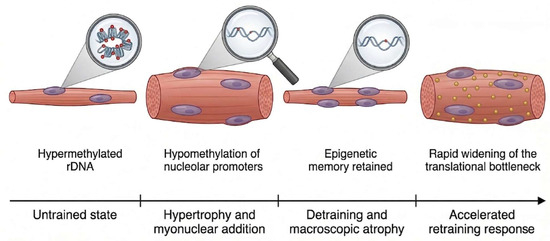
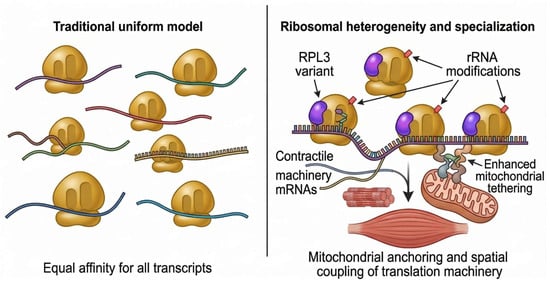
Ribosome Biogenesis as a Putative Bottleneck to Skeletal Muscle Hypertrophy: Mechanisms, Human Evidence, and Practical Modulators
Cells 2026, 15(11), 1041; https://doi.org/10.3390/cells15111041 (registering DOI) - 5 Jun 2026
Abstract
►
Show Figures
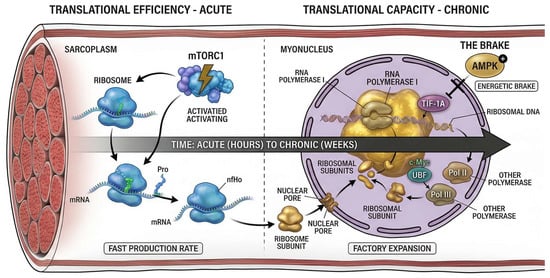
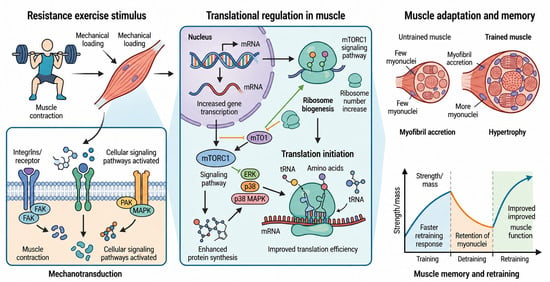
Background: Skeletal muscle hypertrophy has traditionally been attributed to transient spikes in translational efficiency governed by the mTORC1 signaling cascade. However, contemporary molecular evidence reveals that sustained macroscopic growth is strongly associated with the physical expansion of the translational machinery itself. The activation
[...] Read more.
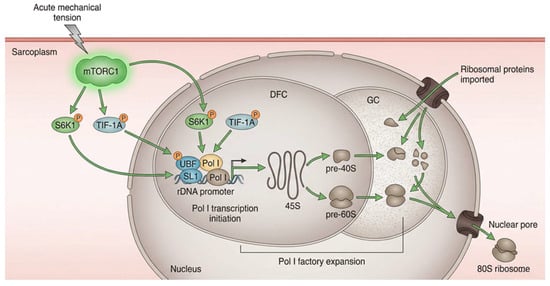
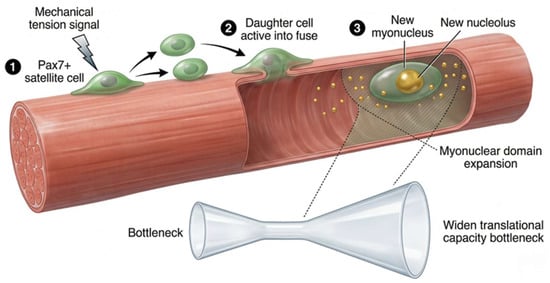
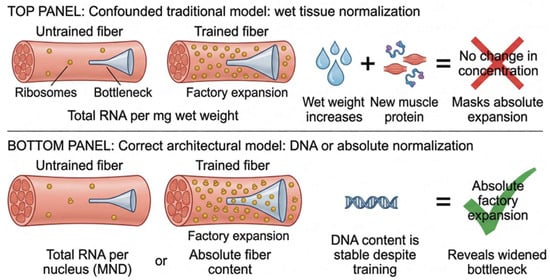
Background: Skeletal muscle hypertrophy has traditionally been attributed to transient spikes in translational efficiency governed by the mTORC1 signaling cascade. However, contemporary molecular evidence reveals that sustained macroscopic growth is strongly associated with the physical expansion of the translational machinery itself. The activation of RNA Polymerase I and the subsequent synthesis of new ribosomes represent a critical biological correlate for long-term protein accretion. Objective: This comprehensive review critically examines ribosome biogenesis as the primary structural bottleneck shaping human skeletal muscle adaptation, differentiating acute signaling efficiency from chronic translational capacity. Synthesis: We dissect the molecular orchestration of nucleolar expansion and critically address the pervasive methodological pitfalls plaguing the current literature. Specifically, we highlight the moving denominator paradox, demonstrating how flawed bulk RNA normalization strategies systematically underestimate true ribosomal accretion in actively growing tissue. By synthesizing in vivo human evidence, we delineate how age, concurrent training, and training volume modulate this structural capacity. We further establish the high-responder phenotype as a function of successful nucleolar adaptation. Finally, we explore advanced molecular frontiers, including epigenetic chromatin remodeling, ribosomal heterogeneity as an emerging frontier, non-coding RNA regulation, and nuclear mechanotransduction via the YAP/TAZ axis. Conclusions: Acute anabolic signaling is merely permissive. Permanent hypertrophic adaptation fundamentally relies on overcoming the translational capacity bottleneck. Shifting the scientific and applied focus toward the architectural expansion of the nucleolus will fundamentally redefine practical hypertrophy programming and clinical interventions for sarcopenia.
Full article
Open AccessArticle
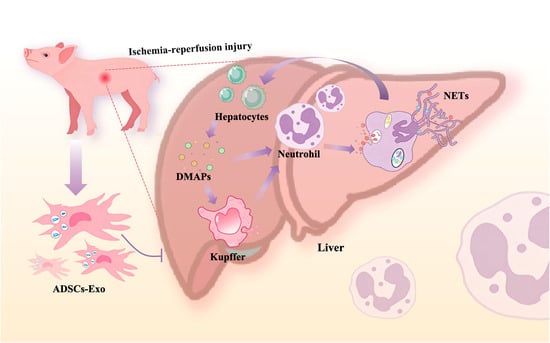
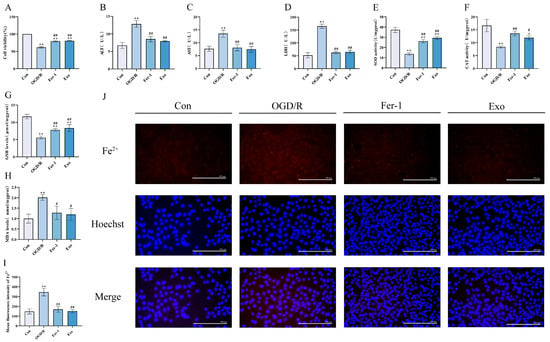
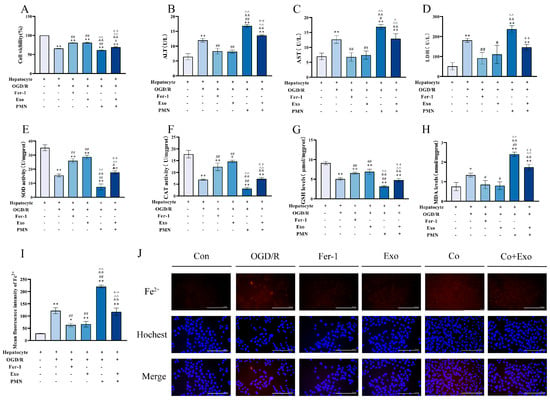
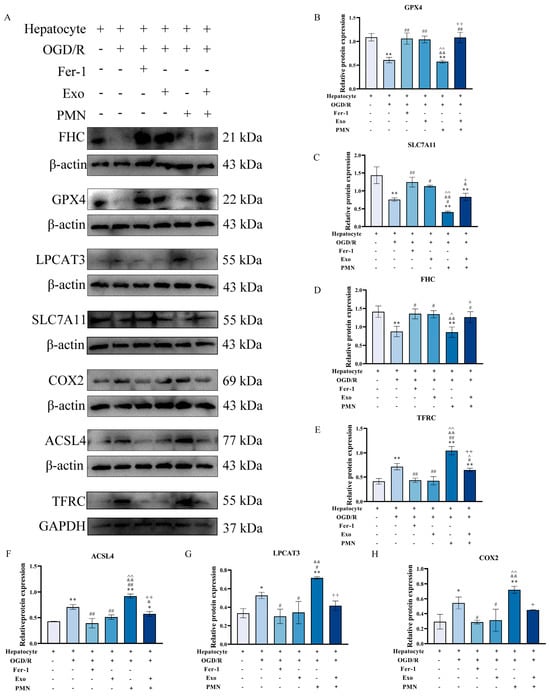
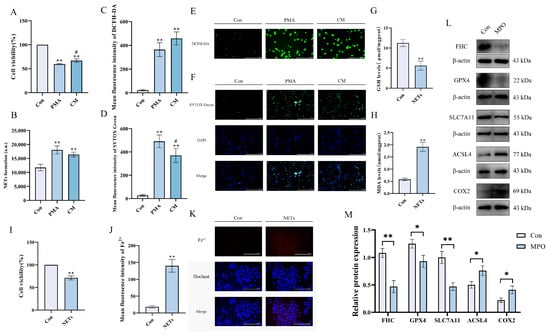
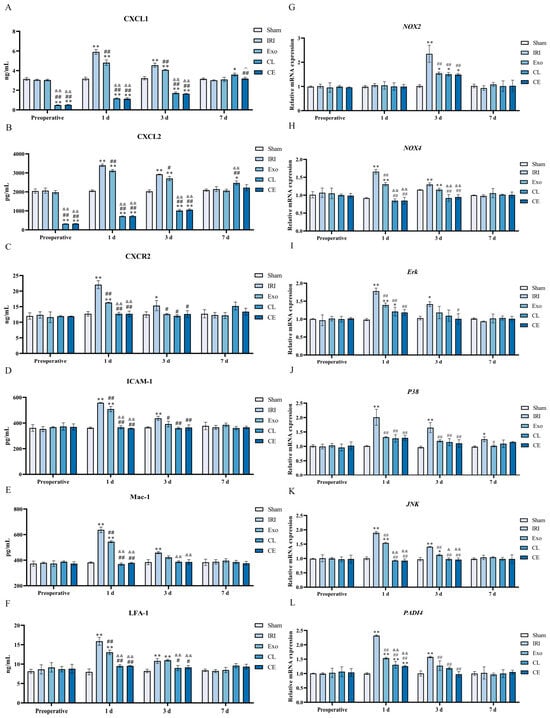
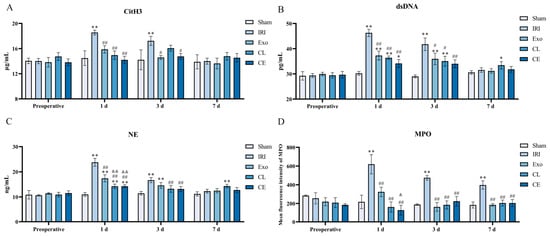
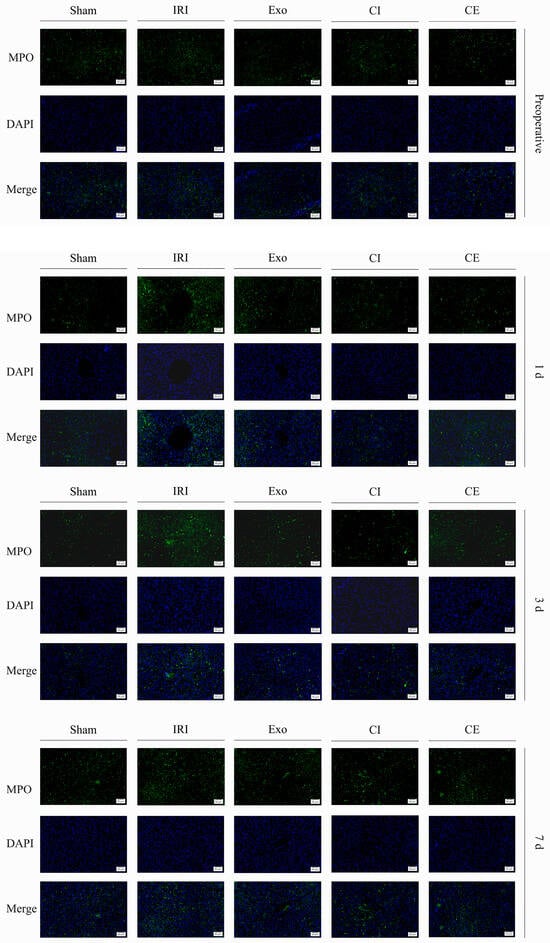
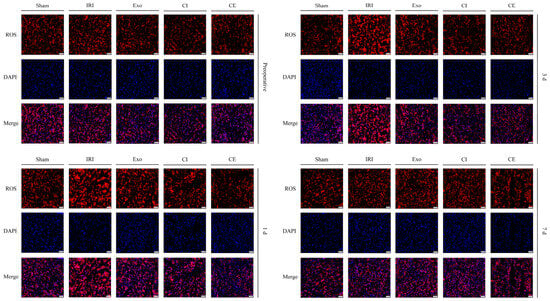
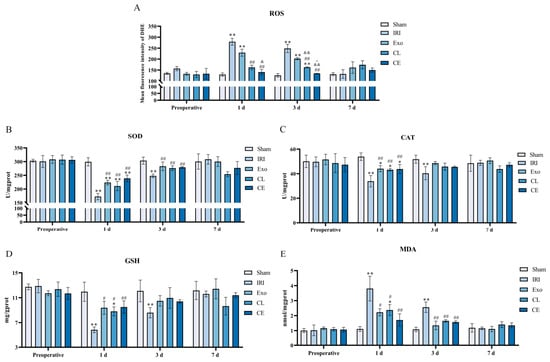
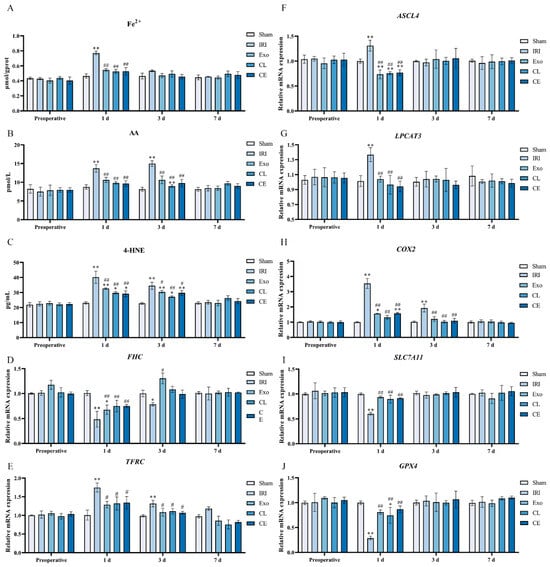
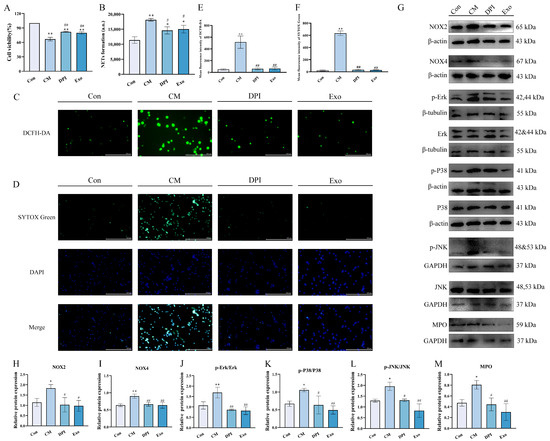
ADSCs-Exo Attenuate NET Formation via the NADPH/MAPK Pathway and Mitigate NETs-Mediated Exacerbation of Hepatocyte Ferroptosis in a Miniature Pig Model of LIRI
by
Xiangyu Lu, Pujun Li, Lei Cao, Tao Liu, Yajun Ma, Yue Wang, Chenxi Piao and Hongbin Wang
Cells 2026, 15(11), 1040; https://doi.org/10.3390/cells15111040 (registering DOI) - 5 Jun 2026
Abstract
The link between neutrophil extracellular traps (NETs) and hepatocyte ferroptosis in liver ischemia–reperfusion injury (LIRI) is unclear. Adipose-derived mesenchymal stem cell exosomes (ADSCs-Exo) hold therapeutic potential for LIRI. This study employed miniature pigs to investigate the NETs’ role and ADSCs-Exo’s protection in LIRI.
[...] Read more.
The link between neutrophil extracellular traps (NETs) and hepatocyte ferroptosis in liver ischemia–reperfusion injury (LIRI) is unclear. Adipose-derived mesenchymal stem cell exosomes (ADSCs-Exo) hold therapeutic potential for LIRI. This study employed miniature pigs to investigate the NETs’ role and ADSCs-Exo’s protection in LIRI. In vitro, established hepatocyte oxygen-glucose deprivation/reoxygenation (OGD/R) model and Transwell co-culture system with polymorphonuclear neutrophils (PMNs). In vivo, a laparoscopic minimally invasive LIRI model was constructed in miniature pigs, followed by ADSCs-Exo intervention. Results demonstrated that NETs exacerbate OGD/R-induced hepatocyte ferroptosis via myeloperoxidase. ADSCs-Exo inhibited NET formation via the NADPH/MAPK pathway, thereby mitigating ferroptosis, and ultimately improved liver histopathology and function. This study is the first to demonstrate in a large animal model that ADSCs-Exo alleviate LIRI by inhibiting NET formation via the NADPH/MAPK pathway, consequently attenuating hepatocyte ferroptosis. These findings provide novel insights into LIRI pathogenesis, support the translational potential of ADSCs-Exo as a cell-free therapeutic strategy, and highlight the value of the miniature pig model in liver research.
Full article
(This article belongs to the Section Stem Cells)
►▼
Show Figures

Graphical abstract
Open AccessReview
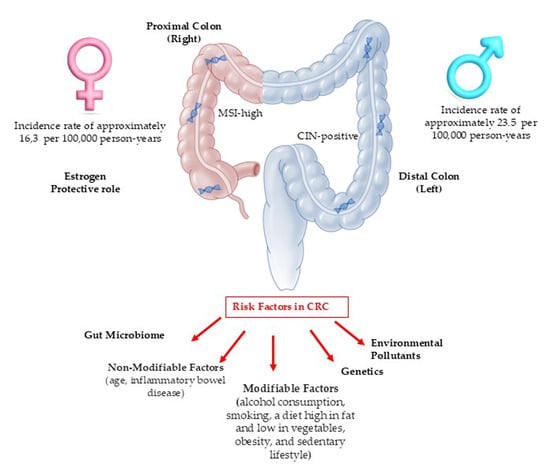
Exploring Risk Factors and Sex Differences in Colorectal Cancer: Insights from Current Evidence
by
Camilla Cittadini, Elisabetta Iessi, Rosa Vona and Paola Matarrese
Cells 2026, 15(11), 1039; https://doi.org/10.3390/cells15111039 (registering DOI) - 5 Jun 2026
Abstract
Colorectal cancer (CRC) is the third most diagnosed malignancy and the second leading cause of cancer-related mortality worldwide. A consistent and epidemiologically well-documented feature of CRC is its sexual dimorphism: age-standardized incidence rates are 33–45% higher in men than in women, and mortality
[...] Read more.
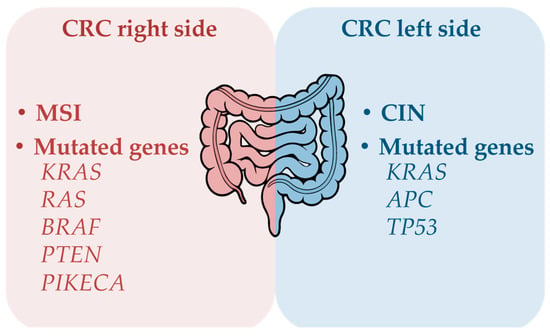
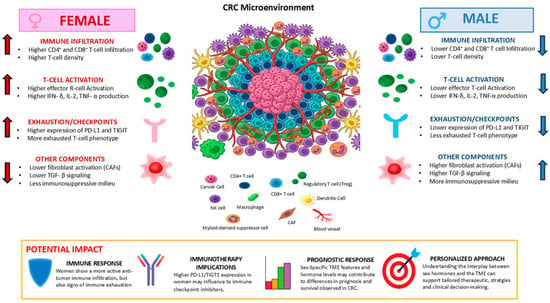
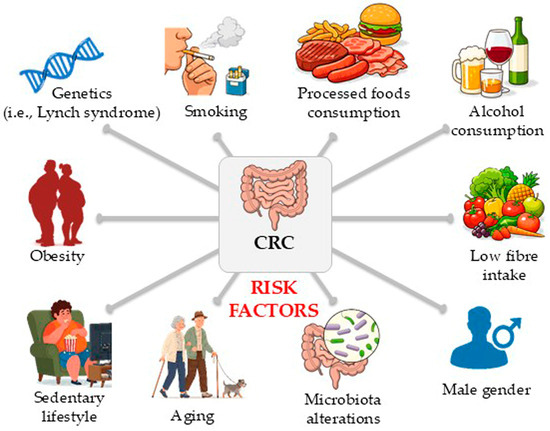
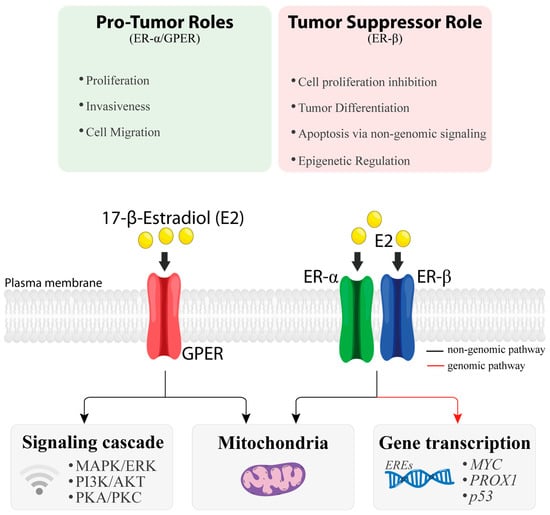
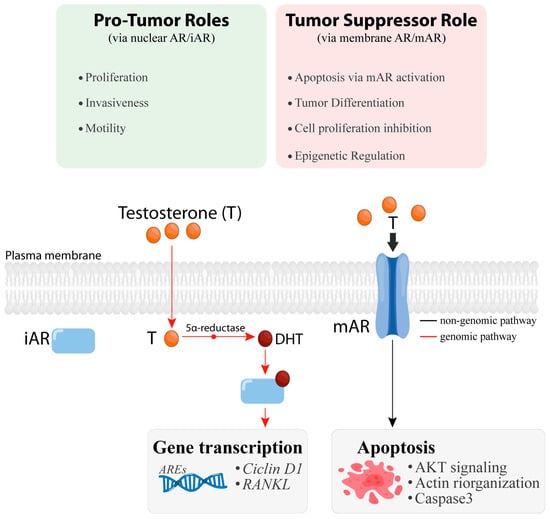
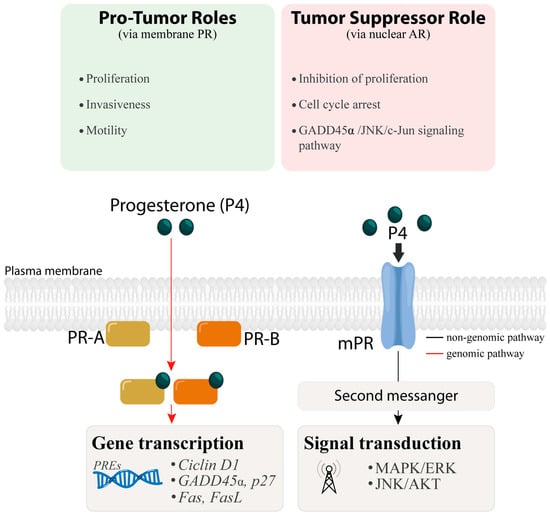
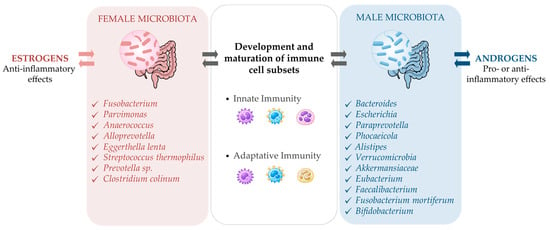
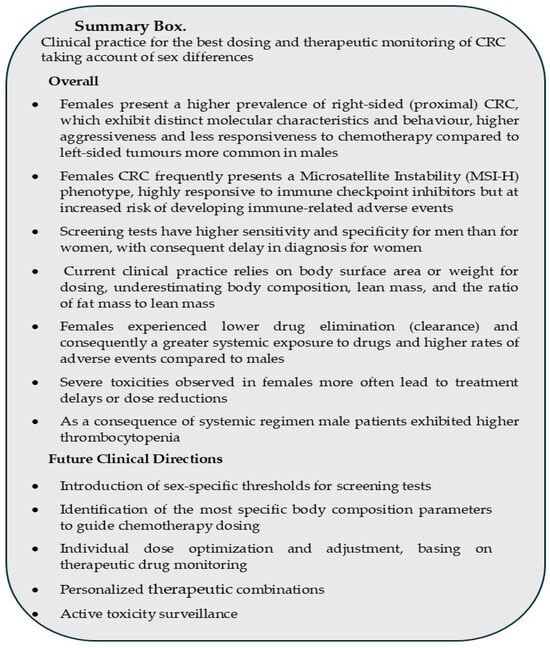
Colorectal cancer (CRC) is the third most diagnosed malignancy and the second leading cause of cancer-related mortality worldwide. A consistent and epidemiologically well-documented feature of CRC is its sexual dimorphism: age-standardized incidence rates are 33–45% higher in men than in women, and mortality rates differ by 43–50%. Beyond epidemiology, biological sex influences tumor location, molecular subtype, and clinical outcome. Women more frequently develop right-sided, microsatellite-unstable tumors driven by the CpG island methylator phenotype pathway, whereas men predominantly present with left-sided, chromosomally unstable tumors harboring APC, KRAS, and TP53 mutations. Sex steroid hormones play a central modulatory role: estrogens, primarily via estrogen receptor β (ERβ), exert tumor-suppressive effects on colonic epithelium, whereas androgens promote pro-inflammatory and pro-tumorigenic signaling through androgen receptor (AR)-dependent pathways. The gut microbiome displays sex-specific compositional profiles (‘microgenderome’) and contributes to sex-specific CRC susceptibility through bidirectional interactions with sex hormones, shaping distinct immunological and metabolic microenvironments. Finally, sex influences the pharmacokinetics of fluoropyrimidines, the toxicity of targeted agents, and the response to immune checkpoint inhibitors. This review summarizes current evidence on sex-related differences in CRC epidemiology, molecular pathology, hormonal regulation, gut microbiota composition, and treatment outcomes, highlighting the need to systematically incorporate sex as a biological variable in CRC research and clinical practice.
Full article
(This article belongs to the Special Issue Cellular Metabolism and Hormonal Signaling in Colorectal Cancer: Biomarkers and Therapeutic Opportunities)
►▼
Show Figures

Graphical abstract
Open AccessArticle
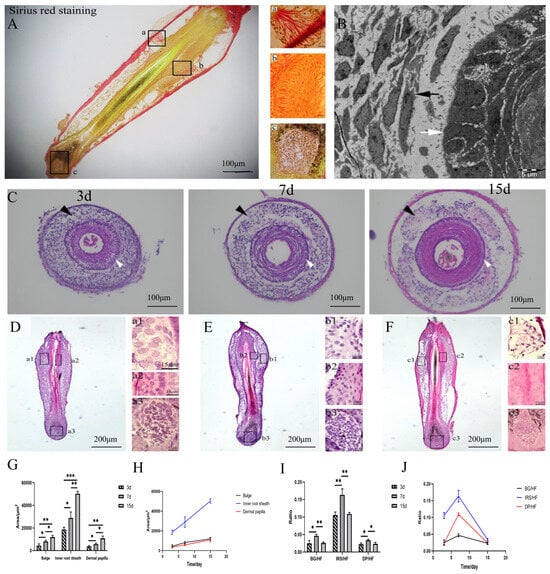
Role of the Wnt/β-Catenin Signaling Pathway in Mediating Outer Root Sheath Stem Cells to Promote Hair Follicle Regeneration and Skin Wound Healing in Mice
by
Hangzhen Zhou, Jiaxin Liu, Lie Yang, Shan Li and Shuwei Li
Cells 2026, 15(11), 1038; https://doi.org/10.3390/cells15111038 (registering DOI) - 5 Jun 2026
Abstract
Hair follicle (HF) stem cells are multipotent adult stem cells that play a key role in the hair follicle cycle. However, it remains poorly understood how the outer root sheath (ORS)—specifically, the stem cells in the bulge region of the hair follicle—promotes skin
[...] Read more.
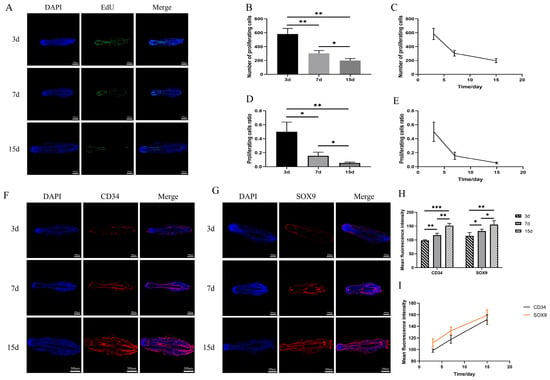
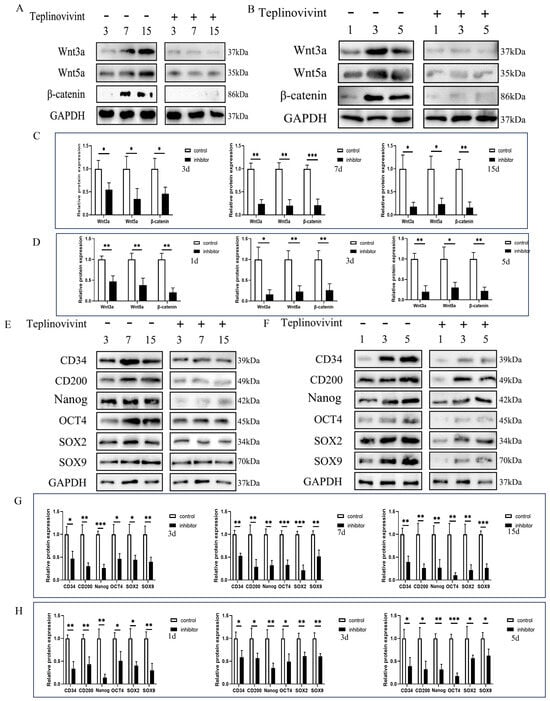
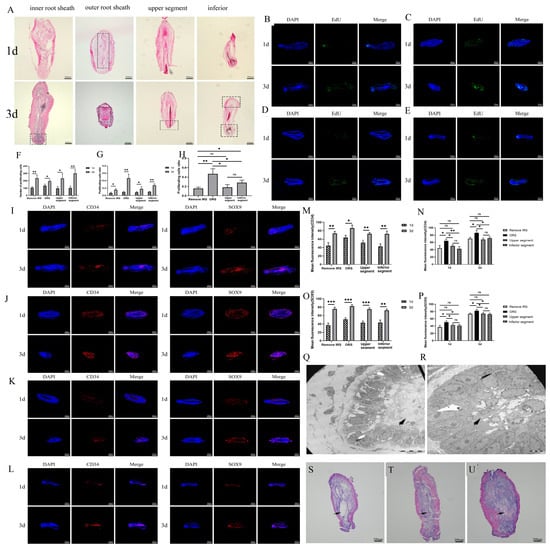
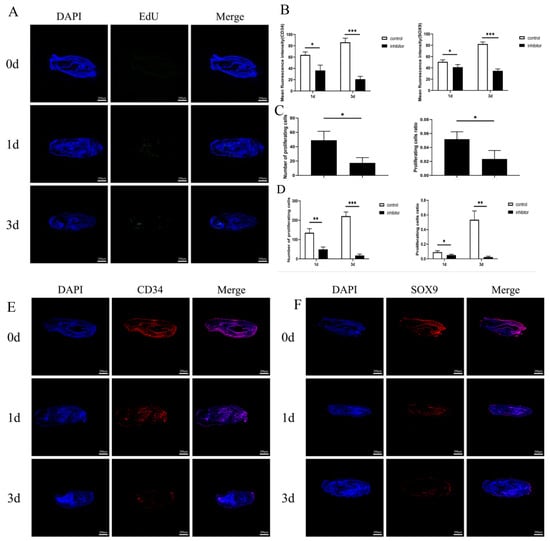
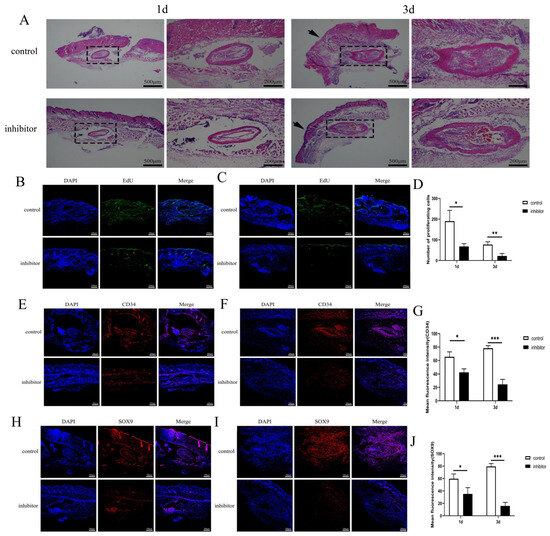
Hair follicle (HF) stem cells are multipotent adult stem cells that play a key role in the hair follicle cycle. However, it remains poorly understood how the outer root sheath (ORS)—specifically, the stem cells in the bulge region of the hair follicle—promotes skin repair. This study aims to investigate the role of bulge stem cells in tissue growth and repair and to determine whether the ORS of transplanted hair follicles can facilitate skin repair. We further seek to elucidate the mechanisms by which bulge stem cells contribute to hair follicle development, regeneration, and skin wound healing. In this study, hair follicle samples were obtained from neonatal mice using microdissection. Hair follicle morphology was assessed by Sirius red staining, H&E staining, and transmission electron microscopy. Immunofluorescence staining was used to detect changes in CD34 and SOX9 protein expression. Additionally, microdissection-based hair follicle transplantation and Western blotting were employed to investigate protein activation and inhibition in the Wnt/β-catenin signaling pathway. The results show that the hair follicle bulge, inner root sheath, and dermal papilla all increase in size as hair follicles grow, with each structure growing relatively rapidly on day 7. Treatment with Teplinovivint effectively inhibits the expression of Wnt/β-catenin signaling pathway-related proteins and hair follicle stem cell markers. Damaged hair follicle tissues cultured in vitro are capable of self-repair. At the transplantation site, the skin gradually closes as the outer root sheath wound heals. In contrast, the central region of the outer root sheath becomes progressively filled with numerous dividing cells and extracellular matrix. The inner portion of the outer root sheath is densely populated with cells, and the markers CD34 and SOX9 are also widely distributed. This indicates that activation of the Wnt/β-catenin signaling pathway enhances the proliferation and differentiation of hair follicle stem cells, thereby promoting hair follicle growth, repair of damaged follicles, and healing of skin wounds. Furthermore, this study demonstrates the feasibility of using transplanted outer root sheath (ORS) to repair skin wounds—specifically, the potential to achieve large-scale hair regeneration from a limited number of hair follicle stem cells—providing a new approach for the clinical treatment of skin injury disorders. Nevertheless, achieving long-term, stable, and scalable clinical translation of ORS stem cells for hair follicle regeneration remains a major challenge.
Full article
(This article belongs to the Special Issue Biochemical Mechanisms and Physiological Implication of Stem Cell Differentiation)
►▼
Show Figures

Figure 1
Open AccessArticle
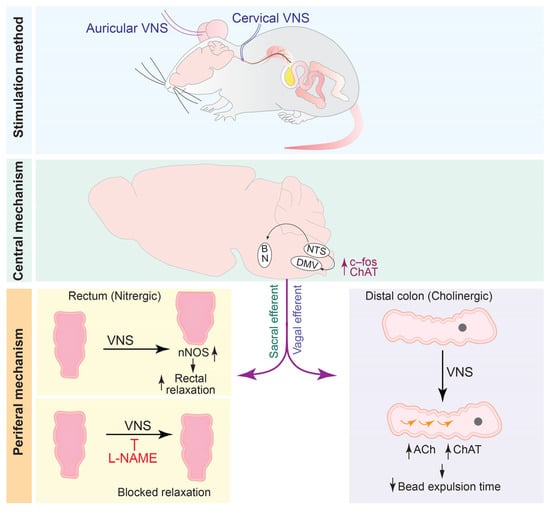
Effects of Vagal Nerve Stimulation on Rectal Tone and Distal Colon Transit in Rats Mediated via the Vagal-Sacral Pathway
by
Yan Li, Yan Wang, Shiying Li, Kaijie Wang, Jahangir Alam, Shiyuan Gong, Ying Zhu and Jiande D. Z. Chen
Cells 2026, 15(11), 1037; https://doi.org/10.3390/cells15111037 (registering DOI) - 5 Jun 2026
Abstract
The vagus nerve (innervating the gut from esophagus to proximal colon) and sacral nerve (innervating distal colon and rectum) are key parasympathetic regulators of gastrointestinal (GI) function. While vagus nerve stimulation (VNS) has shown therapeutic potential in upper GI disorders, its role in
[...] Read more.
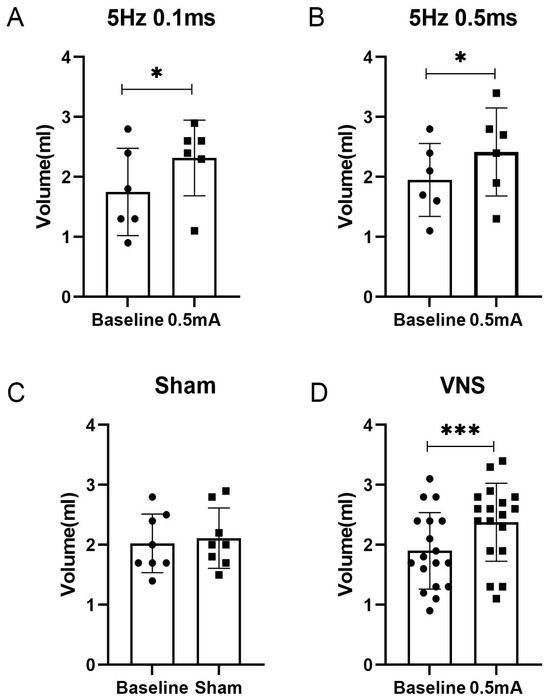
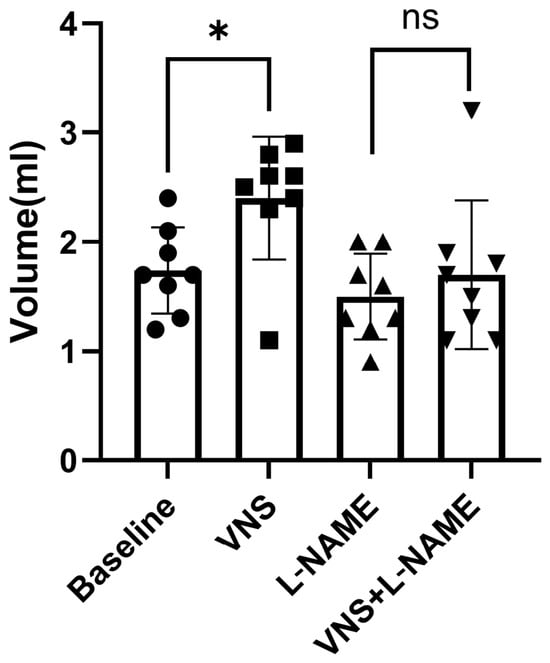
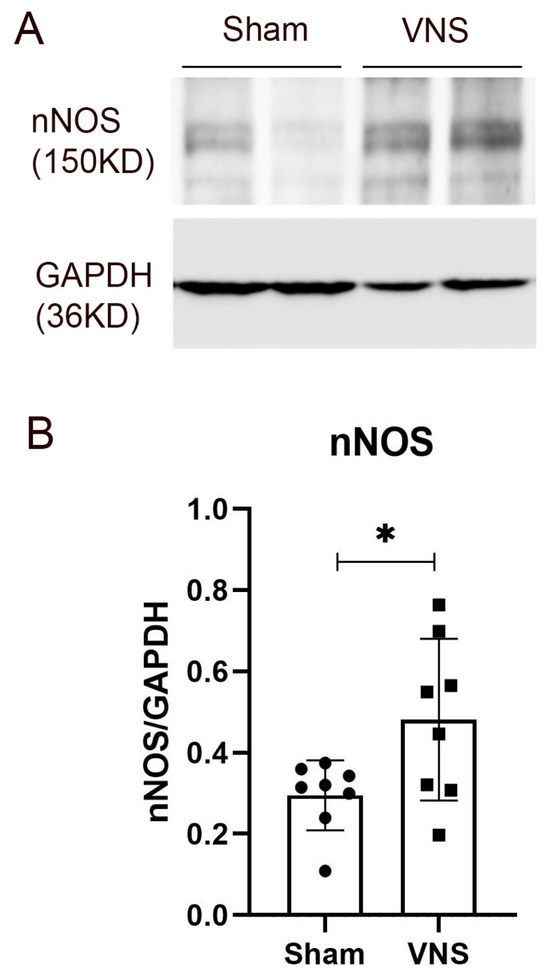
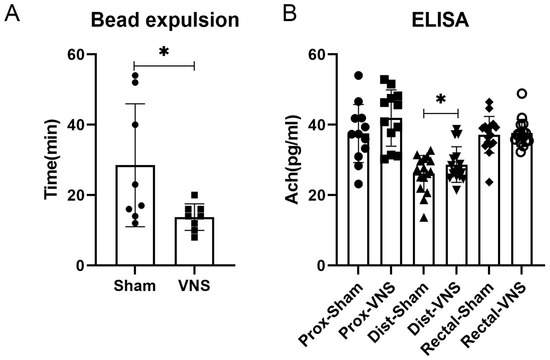
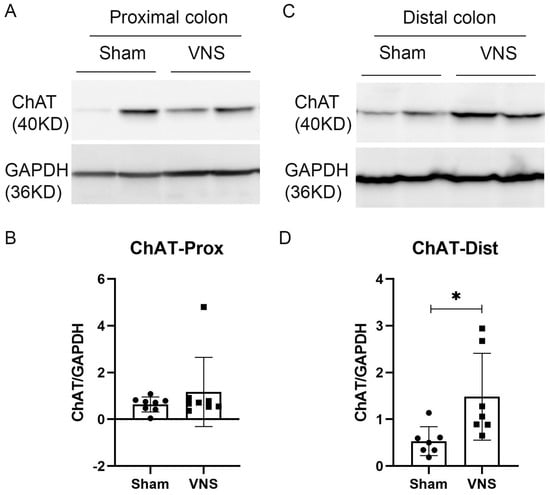
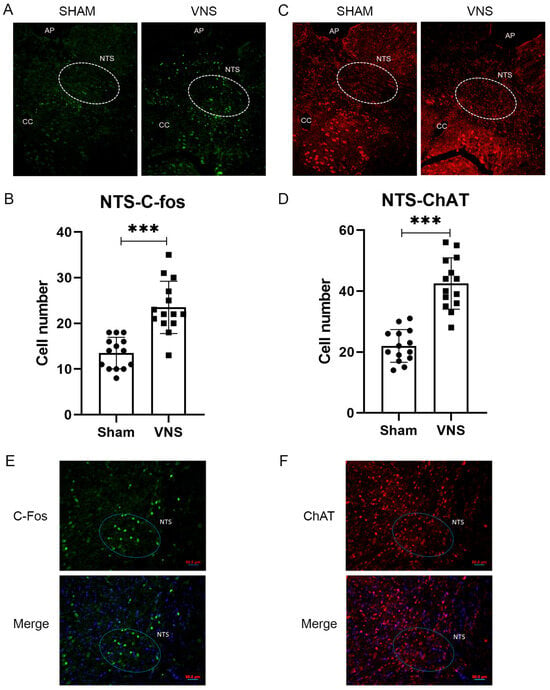
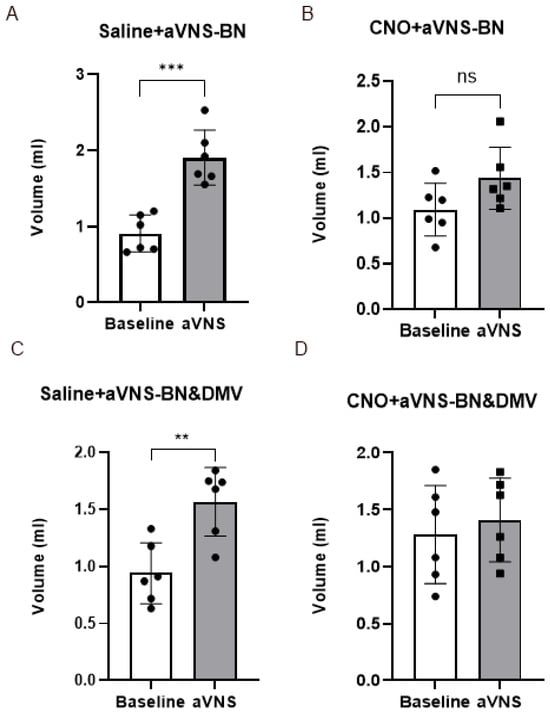
The vagus nerve (innervating the gut from esophagus to proximal colon) and sacral nerve (innervating distal colon and rectum) are key parasympathetic regulators of gastrointestinal (GI) function. While vagus nerve stimulation (VNS) has shown therapeutic potential in upper GI disorders, its role in modulating distal colon and rectal function remains poorly understood. This study investigated the effects and mechanisms of VNS on distal colon transit and rectal tone in rats. Adult male Sprague Dawley rats were implanted with stimulation electrodes at the cervical or auricular vagal afferent nerve. VNS was applied with varying frequencies, pulse widths, and amplitudes. Rectal tone was assessed using a barostat device, and distal colon transit was evaluated using bead expulsion. Nitrergic and cholinergic contributions were examined using L-NAME and nNOS expression, and acetylcholine ELISA and ChAT expression, respectively. Central pathways were investigated by immunofluorescence staining of c-fos and ChAT in the nucleus tractus solitarius (NTS). Sacral efferent pathway was assessed by chemogenetic inhibition of the dorsal motor nucleus of the vagus (DMV) and Barrington nucleus (BN/PMC). VNS (5 Hz, 0.1 and 0.5 ms, 0.5 mA) significantly increased rectal volume, indicating relaxation, and accelerated distal colon transit. L-NAME abolished VNS-induced rectal relaxation, while nNOS expression in the rectum was upregulated, confirming nitrergic mediation. Distal colon transit was associated with increased acetylcholine release and ChAT expression, highlighting cholinergic involvement. VNS enhanced c-fos and ChAT-positive neurons in the NTS, suggesting central integration of vagal afferent signals. Chemogenetic inhibition of DMV and BN attenuated rectal relaxation, indicating that VNS effects are mediated via a vagal–NTS–sacral pathway. VNS modulates distal colon transit and rectal tone through coordinated nitrergic and cholinergic signaling and central vagal-to-sacral circuits. These findings reveal functional crosstalk between vagal and sacral parasympathetic pathways and provide mechanistic insight into potential VNS therapy for lower GI disorders.
Full article
(This article belongs to the Special Issue Neural Governance of Gastrointestinal Motility)
►▼
Show Figures

Graphical abstract
Open AccessArticle
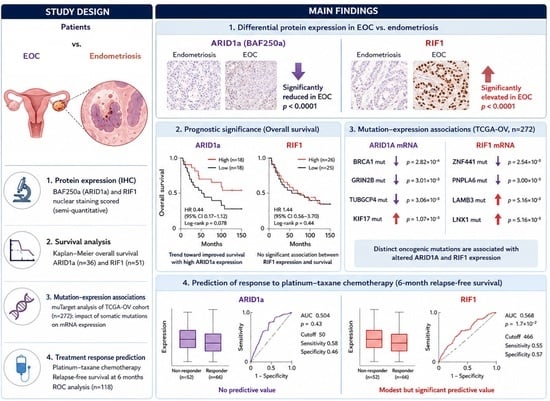
Deciphering the Pleiotropic Role of ARID1a and RIF1 in Endometrioid Ovarian Cancer
by
Pawel Kordowitzki, Renata Voltolini Velho, Sandra Bock, Jalid Sehouli and Sylvia Mechsner
Cells 2026, 15(11), 1036; https://doi.org/10.3390/cells15111036 - 4 Jun 2026
Abstract
Background: Given the challenges in early detection and diagnosis, understanding the molecular underpinnings of endometrioid ovarian cancer (EOC) is crucial for improving patient outcomes. This multi-level study provides a new perspective on EOC, focusing on the expression of ARID1a (BAF250a) and RIF1.
[...] Read more.
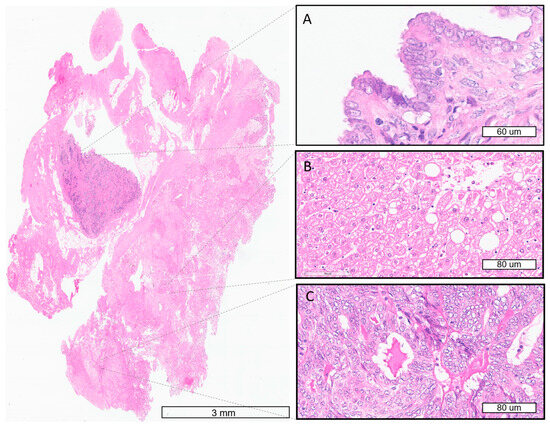
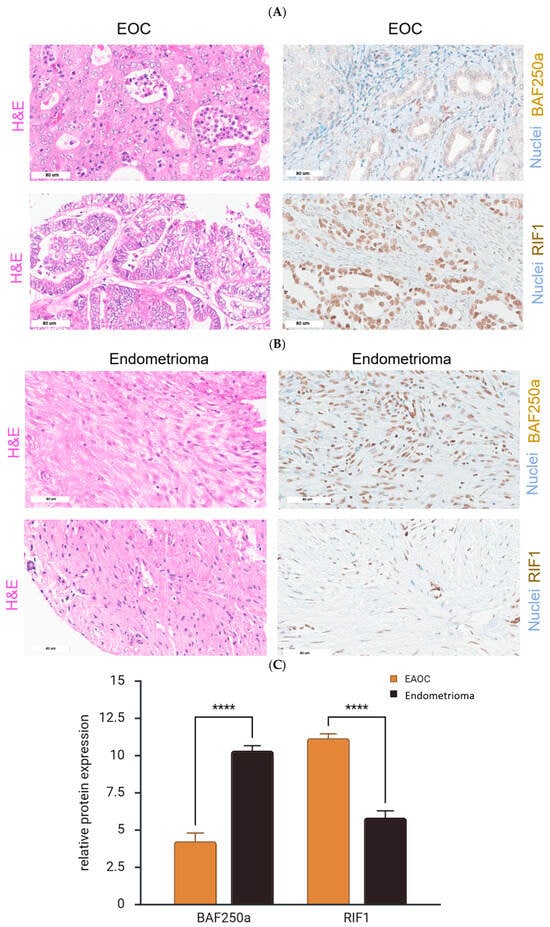
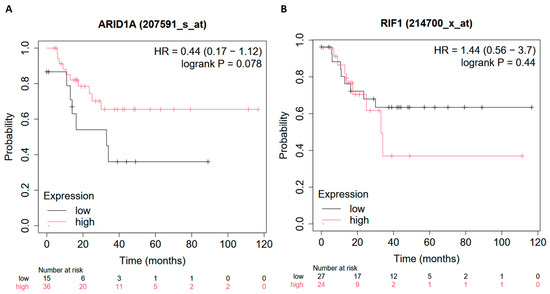
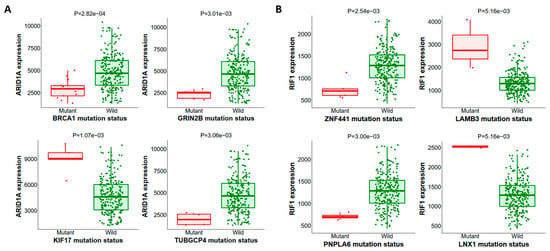
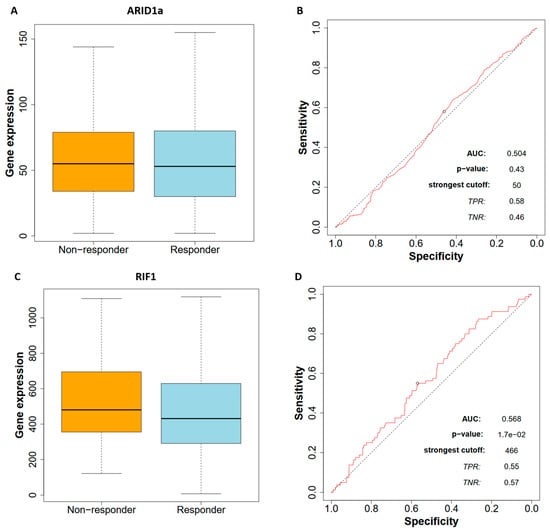
Background: Given the challenges in early detection and diagnosis, understanding the molecular underpinnings of endometrioid ovarian cancer (EOC) is crucial for improving patient outcomes. This multi-level study provides a new perspective on EOC, focusing on the expression of ARID1a (BAF250a) and RIF1. Methods: This study evaluates patient cohorts with EOC through semi-quantitative immunohistochemical staining of BAF250a (protein encoded by ARID1a) and RIF1 proteins alongside mutations that influence the gene expression of ARID1a and RIF1. Besides survival analyses, platinum- and taxane-based treatment responsiveness with regard to ARID1a and RIF1 expression has been analyzed using an online available database. Results: Histological and immunohistochemical analysis of clinical samples revealed a significant reciprocal alteration in protein expression, characterized by a marked reduction in the tumor suppressor BAF250a (p < 0.0001) and a concomitant elevation of RIF1 (p < 0.0001) in EOC compared to controls. Tumors harboring mutations in BRCA1 exhibited significantly (p = 2.82 × 10⁻⁴) lower ARID1a expression levels compared with corresponding wild-type tumors, whereas LAMB3-mutant tumors showed a significant (p = 5.16 × 10⁻³) upregulation of RIF1 mRNA expression. Conclusions: In conclusion, our study offers a new perspective, emphasizing that EOC is a distinct clinical and molecular entity. We demonstrated the expression patterns of ARID1a/BAF250a and RIF1 in EOC, establishing their potential relevance in the context of tumor biology and malignant transformation.
Full article
(This article belongs to the Special Issue Molecular Pathogenesis of Ovarian Cancer and Therapeutic Strategies)
►▼
Show Figures

Graphical abstract
Open AccessArticle
Myeloid Cell Targeting Strategies Show Limited Durable Activity in the Breast Cancer Tumor Microenvironment and Do Not Enhance the Activity of Thermally Ablative Focused Ultrasound
by
Carly M. Van Wagoner, Lydia E. Kitelinger, Matthew R. DeWitt, Claire A. Conarroe, AeRyon Kim, Aaron B. Streit, Richard J. Price and Timothy N. J. Bullock
Cells 2026, 15(11), 1035; https://doi.org/10.3390/cells15111035 - 4 Jun 2026
Abstract
Triple-negative breast cancer (TNBC) is the most aggressive subtype of breast cancer (BrCa), owing to its lack of targetable receptors and resistance to chemical and molecularly targeted therapeutic approaches. While chemotherapy and surgical resection remain the standard of care, these interventions have significant
[...] Read more.
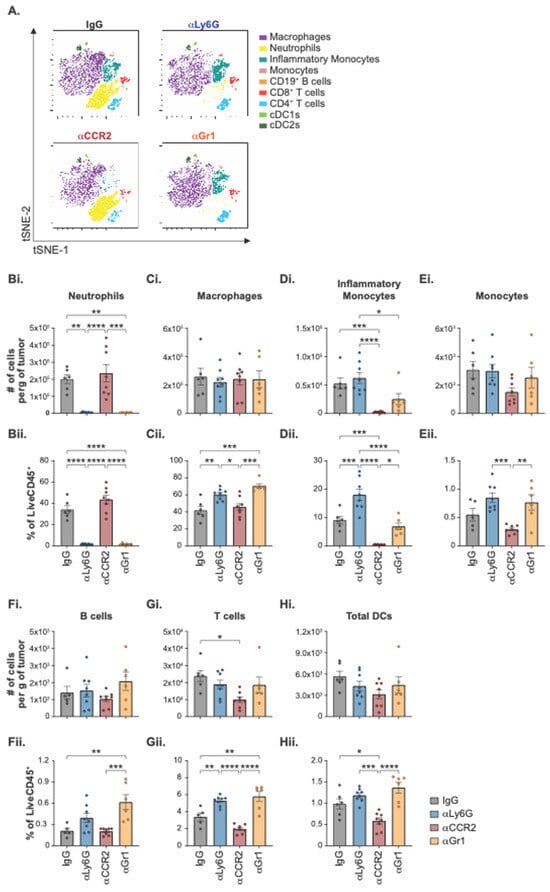
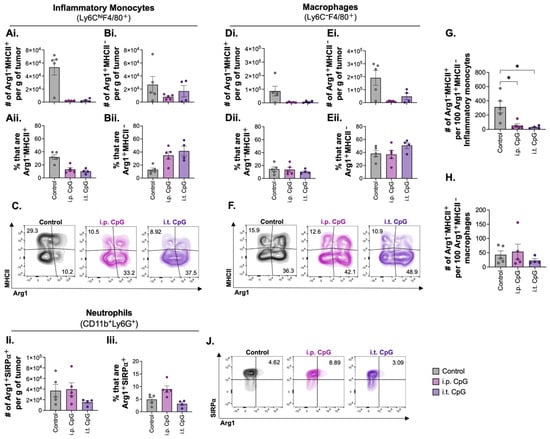
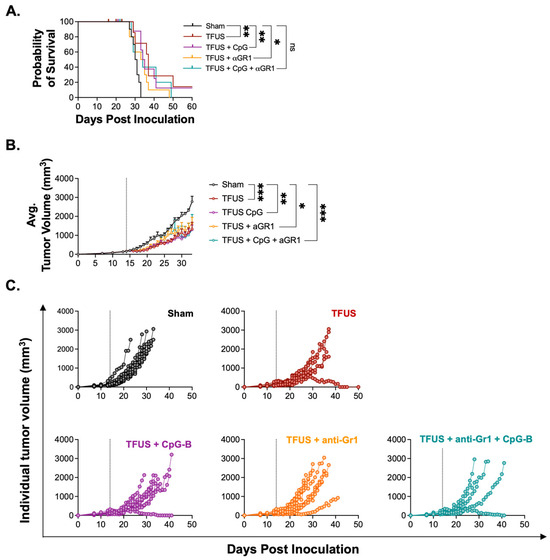
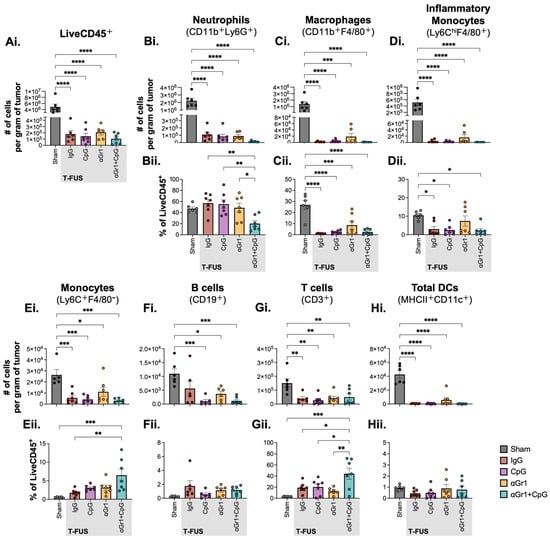
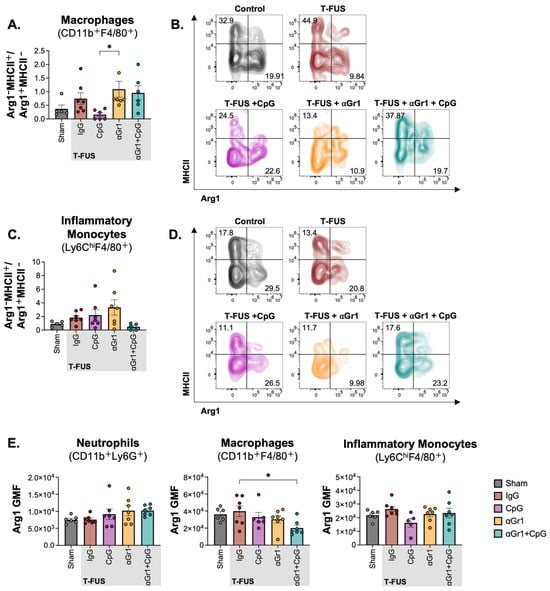
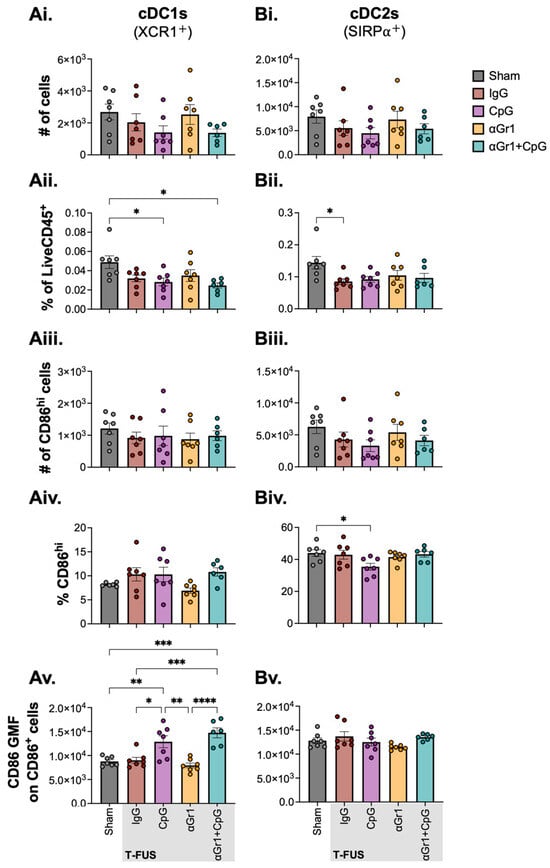
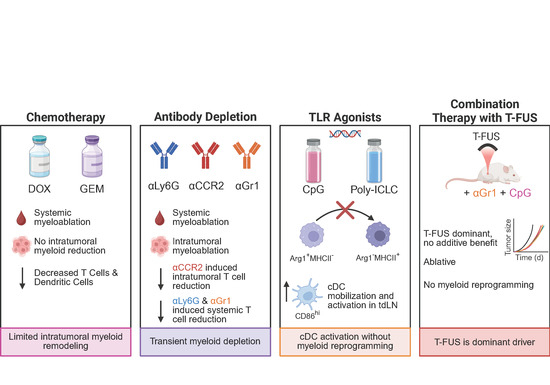
Triple-negative breast cancer (TNBC) is the most aggressive subtype of breast cancer (BrCa), owing to its lack of targetable receptors and resistance to chemical and molecularly targeted therapeutic approaches. While chemotherapy and surgical resection remain the standard of care, these interventions have significant side effects and varying patient outcomes. Thermally ablative focused ultrasound (T-FUS)—a non-invasive and non-ionizing therapy that utilizes targeted acoustic energy to debulk tumors—has displayed immunomodulatory effects in BrCa. However, T-FUS as a monotherapy has had limited clinical efficacy in TNBC due to the presence of anti-inflammatory immunosuppressive myeloid cells (isMCs). We hypothesized that the elimination of isMCs or initiating tumoricidal activity from them would lead to augmented activity of T-FUS. Thus, we interrogated the ability of myeloablative chemotherapies and antibodies; myeloid recruiting chemokine receptor blockade; and TLR agonists to remodel the tumor myeloid populations. Consistent with our previous studies, we found that while myeloablative chemotherapies decreased circulating isMCs, they had little impact on intratumoral isMCs. In contrast, antibodies targeting Ly6C and Ly6G ablated intratumoral isMCs and systemic isMCs, yet their effect was transient and was accompanied by a surprising depletion of T cells. While targeting CCR2, the dominant chemokine receptor for intratumoral isMC diminished a large subset of immunosuppressive cells within the TME; it also depleted T cells and dendritic cells. Contrary to previous studies, TLR stimulation failed to repolarize myeloid cells into a pro-inflammatory, tumoricidal phenotype but did lead to their depletion from the tumor microenvironment (TME) and mobilization of conventional dendritic cells to the draining lymph nodes. We therefore hypothesized that combining isMC depletion and TLR-driven immune activation would enhance FUS efficacy; however, this combinatorial regimen did not enhance overall survival or control tumor volume after T-FUS treatment. Thus, the BrCa TME is highly resistant to approaches intended to remodel the myeloid cell component which fail to synergize with T-FUS-mediated tumor ablation.
Full article
(This article belongs to the Section Cellular Immunology)
►▼
Show Figures

Graphical abstract
Open AccessReview
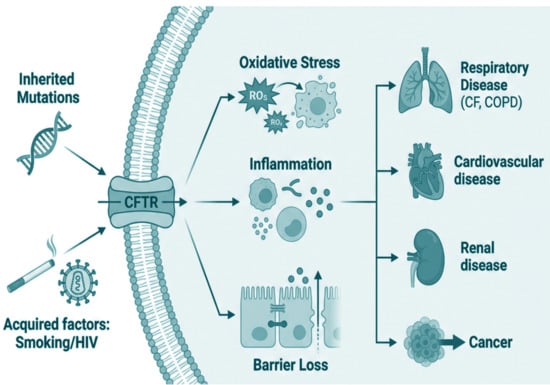
Cystic Fibrosis Transmembrane Conductance Regulator (CFTR) Dysfunction in Human Diseases: Molecular Mechanisms and Pathophysiological Implications
by
Md. Sohanur Rahman and Mohammed Daira
Cells 2026, 15(11), 1034; https://doi.org/10.3390/cells15111034 - 4 Jun 2026
Abstract
Cystic Fibrosis Transmembrane Conductance Regulator (CFTR) dysfunction is increasingly recognized as a key contributor to a broad spectrum of human diseases beyond classical cystic fibrosis (CF). CFTR is a cAMP-regulated chloride and bicarbonate ion channel expressed in both epithelial and non-epithelial tissues, where
[...] Read more.
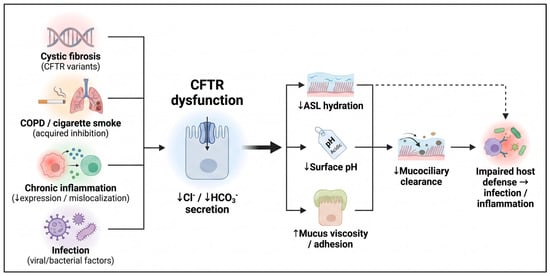
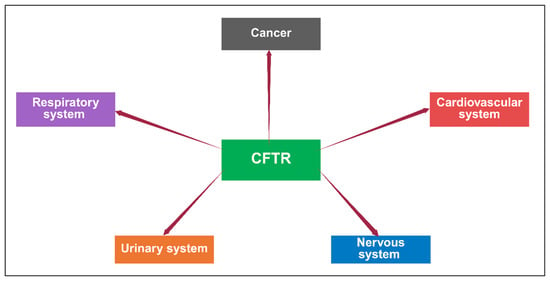
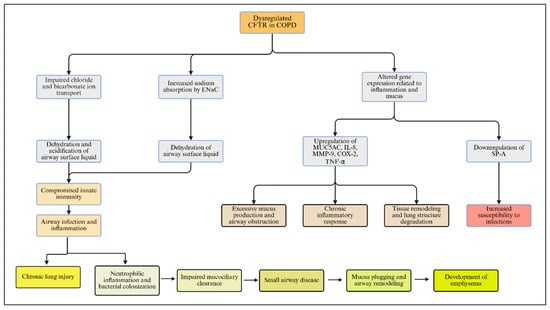
Cystic Fibrosis Transmembrane Conductance Regulator (CFTR) dysfunction is increasingly recognized as a key contributor to a broad spectrum of human diseases beyond classical cystic fibrosis (CF). CFTR is a cAMP-regulated chloride and bicarbonate ion channel expressed in both epithelial and non-epithelial tissues, where it regulates ion homeostasis, mucosal hydration, and cellular signaling. Both inherited CFTR mutations and acquired dysfunction resulting from environmental or inflammatory factors can disrupt these physiological processes and drive disease progression. Current evidence linking CFTR dysregulation to respiratory diseases, such as cystic fibrosis, chronic obstructive pulmonary disease (COPD), asthma, and HIV-associated airway disease, as well as cardiovascular, renal, neurological diseases, and cancer, is comprehensively discussed. Mechanistically, impaired CFTR function promotes oxidative stress, chronic inflammation, epithelial barrier dysfunction, altered mucociliary clearance, and dysregulation of signaling pathways, including NF-κB, TGF-β, PI3K/Akt, MAPK, and Wnt/β-catenin. In the context of HIV infection and cigarette smoke exposure, CFTR suppression is mediated in part by TGF-β signaling and miRNA-dependent mechanisms, resulting in compromised airway defense and increased susceptibility to pulmonary complications. Recent studies further demonstrate that CFTR dysregulation alters the expression of genes involved in fibrosis, inflammation, angiogenesis, and epithelial–mesenchymal transition (EMT). Notably, CFTR may act as either a tumor suppressor or a context-dependent oncogene, depending on tissue type and signaling milieu, highlighting its complex role in cancer biology. Advances in CFTR-targeted therapies, including potentiators, correctors, gene therapy, and combination approaches, have markedly improved outcomes in CF and may offer therapeutic potential for diseases associated with acquired CFTR dysfunction. We summarize the systemic consequences of CFTR dysregulation and the need for further mechanistic and translational research to clarify its role across diverse human diseases.
Full article
(This article belongs to the Special Issue A New Frontier for Cancer Diagnosis and Therapy)
►▼
Show Figures

Graphical abstract
Open AccessArticle
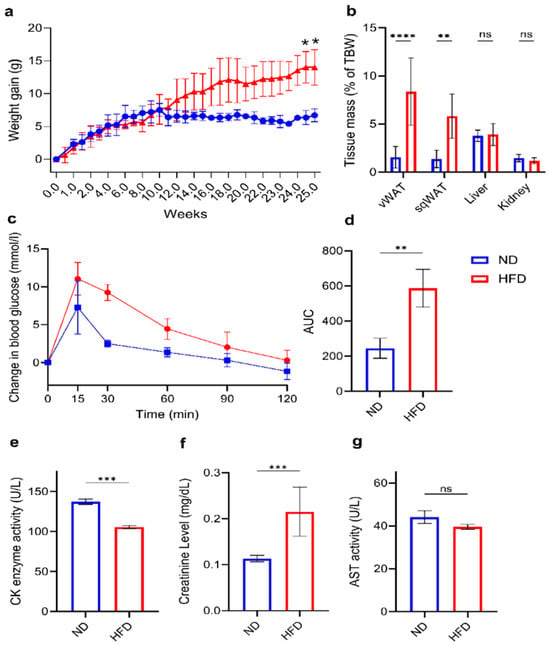
Diet-Induced Amyloid Precursor Protein Dysregulation in Kidney and Adipose Tissue Mediates Mitochondrial Dysfunction
by
Alexandré Delport, Ebrahim Ally, Shantal Maharaj and Raymond Hewer
Cells 2026, 15(11), 1033; https://doi.org/10.3390/cells15111033 - 4 Jun 2026
Abstract
While amyloid precursor protein (APP) overexpression in adipose tissue is a recognized consequence of high-fat diet (HFD) feeding, its role in metabolically active organs and the mechanisms linking it to systematic dysfunction remain unclear. In particular, the potential for diet-induced APP dysregulation in
[...] Read more.
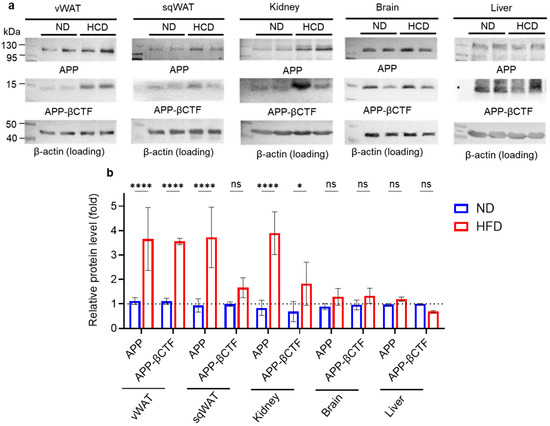
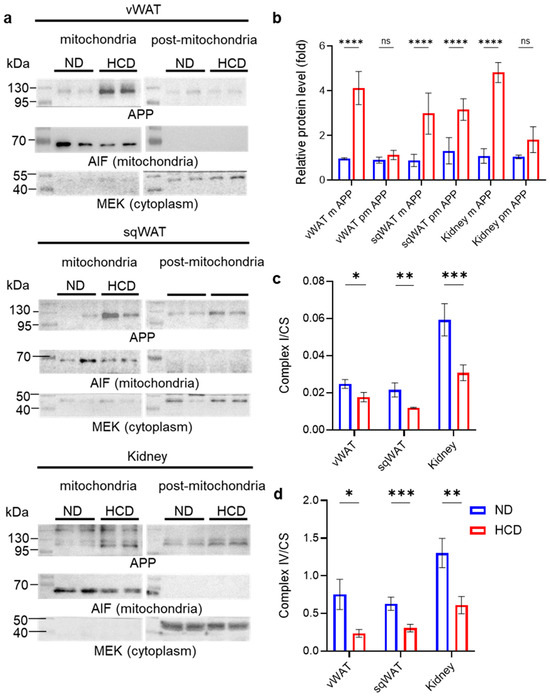
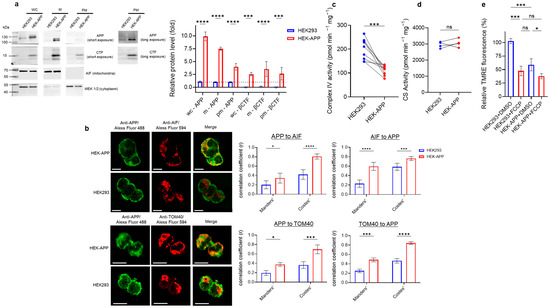
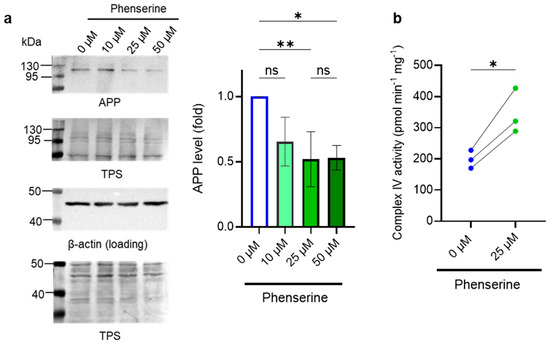
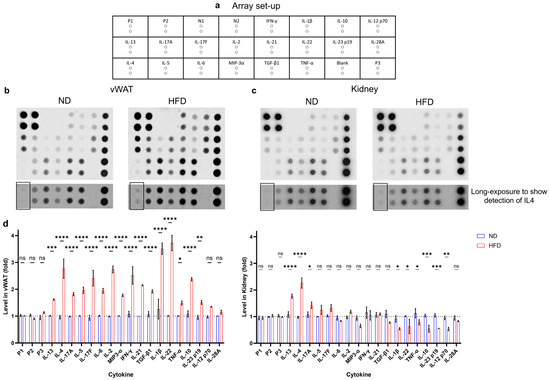
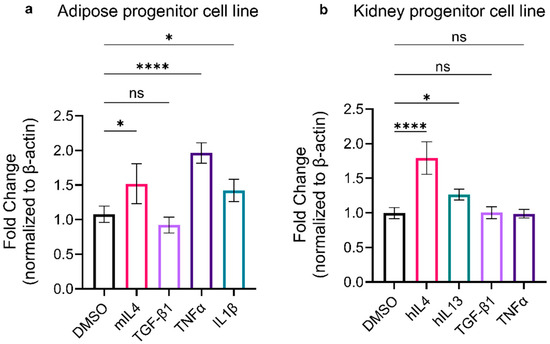
While amyloid precursor protein (APP) overexpression in adipose tissue is a recognized consequence of high-fat diet (HFD) feeding, its role in metabolically active organs and the mechanisms linking it to systematic dysfunction remain unclear. In particular, the potential for diet-induced APP dysregulation in the other tissues and the contribution of its βC-terminal fragment (βCTF) are poorly characterized. Using a high-fat diet (HFD) mouse model to induce systematic metabolic stress, we assessed APP and βCTF levels across multiple tissues. HFD triggered a tissue-specific response, with APP levels increasing >2-fold in visceral and subcutaneous white adipose tissue (WAT) and in the kidney but remained unchanged in the liver and brain. βCTF levels were significantly elevated in the visceral WAT (3-fold) and kidney. In these responsive tissues, APP and βCTF accumulated within mitochondria, which coincided with significantly reduced complex I and IV activities. Complementary in vitro studies confirmed that APP levels can dictate mitochondrial function. Furthermore, we identified that cytokines–IL-4, IL-13, TNF-α, and IL-1β–induced APP transcription, providing a mechanistic link between diet-induced inflammation and APP dysregulation. Collectively, our findings demonstrate that APP is overexpressed in response to HFD in select peripheral tissues, which coincides with reduced mitochondrial complex enzyme activities and increased cytokine levels.
Full article
(This article belongs to the Section Cellular Metabolism)
►▼
Show Figures

Figure 1
Open AccessArticle
Repurposing Rilmenidine as a Potential Antimetastatic Therapy Targeting Nischarin in Pancreatic Ductal Adenocarcinoma
by
Kristina Živić, Marijana Pavlović, Marija Ostojić, Danijel Galun, Aleksandar Pavić, Tatjana Srdić-Rajić and Jelena Grahovac
Cells 2026, 15(11), 1032; https://doi.org/10.3390/cells15111032 - 3 Jun 2026
Abstract
Pancreatic ductal adenocarcinoma (PDAC) is one of the most aggressive cancer types with a dismal prognosis, where early metastatic dissemination and rich desmoplastic stroma limit the therapeutic efficacy. Nischarin (NISCH)/Imidazoline-1 receptor (IR-1) is a potential tumor suppressor that is involved in the regulation
[...] Read more.
Pancreatic ductal adenocarcinoma (PDAC) is one of the most aggressive cancer types with a dismal prognosis, where early metastatic dissemination and rich desmoplastic stroma limit the therapeutic efficacy. Nischarin (NISCH)/Imidazoline-1 receptor (IR-1) is a potential tumor suppressor that is involved in the regulation of cell migration, invasion, and cytoskeletal organization. Importantly, several clinically approved agonists have been shown to target this receptor. This study aimed to examine NISCH expression in PDAC and the effects of its agonists with the intent of drug repurposing. NISCH was expressed in PDAC tumor tissue, in both the epithelial and stromal compartments of tumors, and higher NISCH expression was associated with longer patient survival. Out of the three tested NISCH agonists, moxonidine, clonidine and rilmenidine, rilmenidine was the only one affecting cancer cell viability and at high doses induced cancer cell apoptosis. Transcriptome analysis of rilmenidine-treated PDAC cells revealed changes associated with cytoskeletal organization, translating into decreased adhesion and migration in vitro. In cancer-associated fibroblasts (CAFs), rilmenidine treatment decreased the expression of activation markers and limited cancer cell-CAF cytokine communication in the co-culture. Ultimately, in the in vivo tumor xenograft zebrafish model, rilmenidine reduced the metastatic spread of pancreatic cancer cells. Our results suggest that the NISCH agonist rilmenidine is a promising candidate for drug repurposing as an antimetastatic agent in PDAC, and that NISCH can be a potential target for the development of new PDAC therapeutics.
Full article
(This article belongs to the Special Issue Gastrointestinal Cancer: From Cellular and Molecular Mechanisms to Therapeutic Opportunities)
Open AccessReview
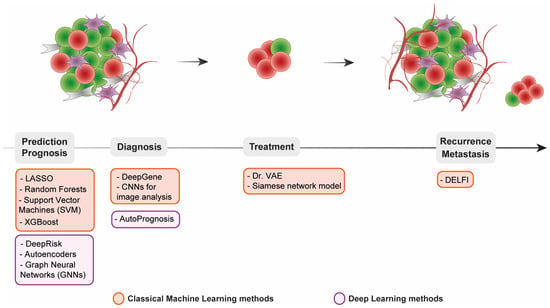
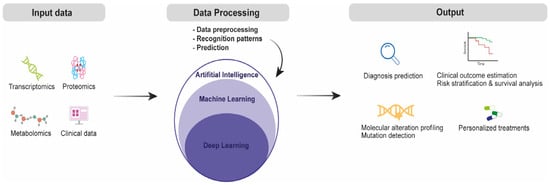
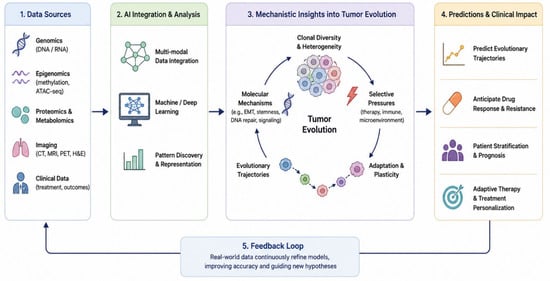
Artificial Intelligence in Tumor Evolution: Understanding Cancer Complexity Through Multi-Modal Data Integration in Precision Oncology
by
Asunción Espinosa-Sánchez and Amancio Carnero
Cells 2026, 15(11), 1031; https://doi.org/10.3390/cells15111031 - 3 Jun 2026
Abstract
Cancer research has undergone a fundamental transformation in recent decades due to the integration of artificial intelligence (AI) models into the study of tumor biology. However, tumor evolution, driven by genetic and phenotypic alterations leading to heterogeneity, resistance and metastasis, remains a major
[...] Read more.
Cancer research has undergone a fundamental transformation in recent decades due to the integration of artificial intelligence (AI) models into the study of tumor biology. However, tumor evolution, driven by genetic and phenotypic alterations leading to heterogeneity, resistance and metastasis, remains a major challenge in oncology. To understand these processes is crucial for developing effective therapeutic strategies and improving patient outcomes. Conventional methods often fail to capture the complexity and dynamics of these processes. In contrast, AI tools have the ability to integrate and analyze large-scale multi-omics, imaging and clinical data, offering the capability to decode tumor complexity. AI-driven methods facilitate multi-modal data integration, enabling the recognition of patterns that connect molecular alterations with phenotypic outcomes. In functional genomics, AI tools predict the effects of genetic variants, identify regulatory elements and map dysregulated pathways, thus clarifying mechanisms underlying tumor development and resistance. In the imaging field, deep learning techniques improve tumor segmentation, characterization and longitudinal monitoring, providing more accurate insights into tumor progression and treatment response. Predictive modeling could allow the anticipation of tumor evolution and drug response, supporting adaptive therapeutic plans and real-time treatment adjustments. Moreover, AI supports biomarker discovery, patient stratification and decision support systems that can improve clinical trial design and accelerate the development of personalized therapies. However, these advances raise important ethical challenges, including data privacy, algorithmic bias and the preservation of patient autonomy. Addressing these concerns is essential to ensure the responsible deployment of AI in oncology.
Full article
(This article belongs to the Special Issue The Artificial Intelligence to the Rescue of Cancer Research)
►▼
Show Figures

Figure 1
Open AccessHypothesis
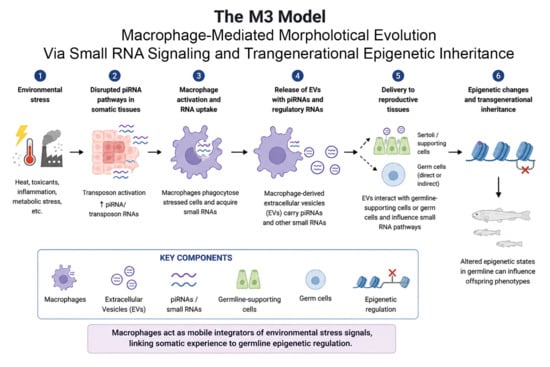
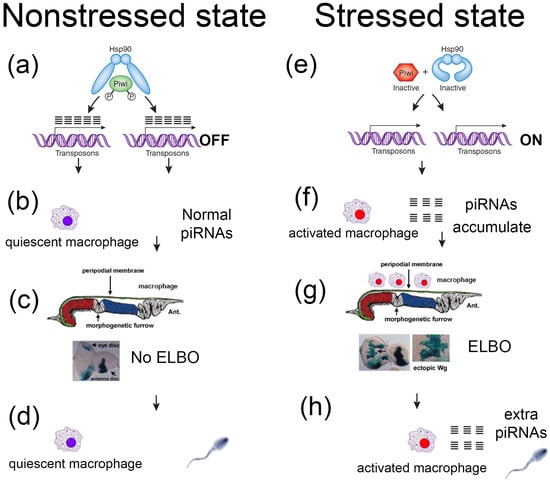
A Theoretical Hypothesis on How Immune Cells May Transmit Acquired Traits: A Macrophage–piRNA Pathway for Transgenerational Inheritance
by
Douglas M. Ruden
Cells 2026, 15(11), 1030; https://doi.org/10.3390/cells15111030 - 3 Jun 2026
Abstract
►▼
Show Figures
Environmental exposures can influence phenotypes across generations, yet the cellular routes by which somatic stress signals reach the germline remain poorly defined. piRNAs are attractive candidates for transgenerational epigenetic inheritance because they silence transposable elements, guide chromatin regulation, carry a stabilizing 3′ 2′-O-methyl
[...] Read more.
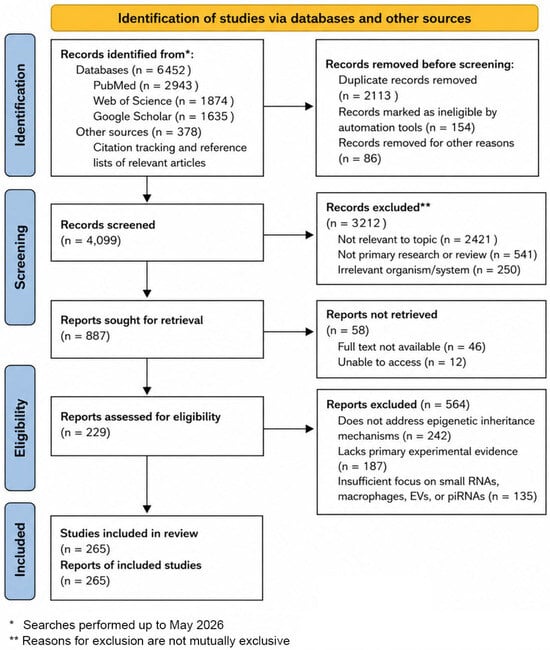
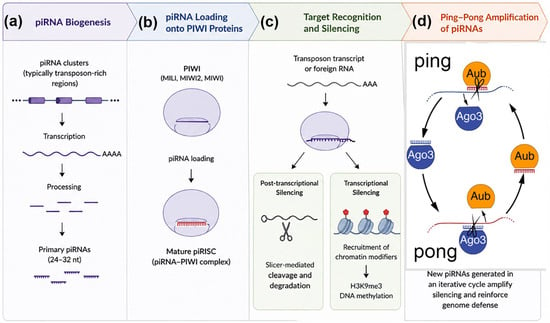
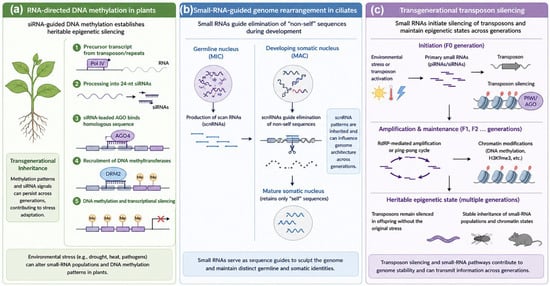
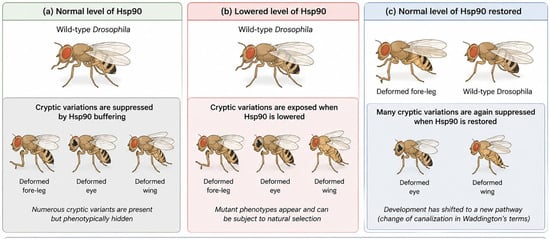
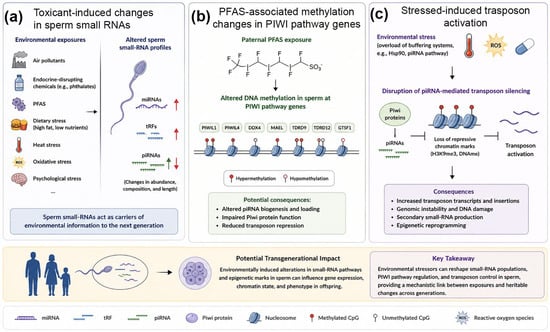
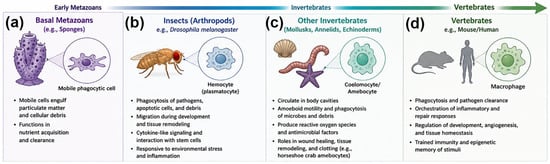
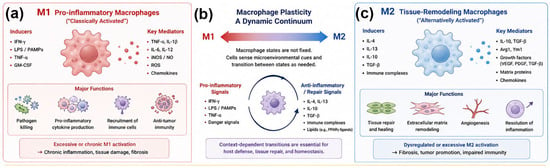
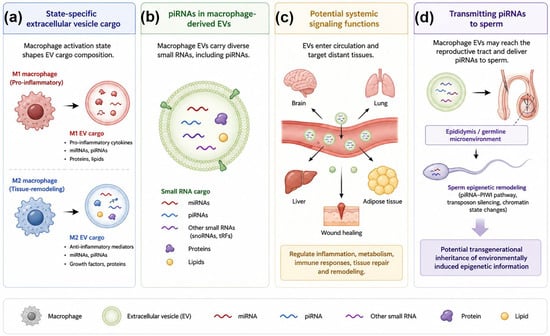
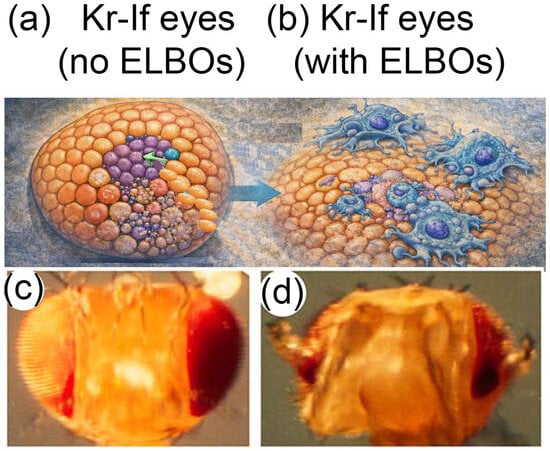
Environmental exposures can influence phenotypes across generations, yet the cellular routes by which somatic stress signals reach the germline remain poorly defined. piRNAs are attractive candidates for transgenerational epigenetic inheritance because they silence transposable elements, guide chromatin regulation, carry a stabilizing 3′ 2′-O-methyl modification, and participate in self-reinforcing amplification pathways, including ping-pong amplification in animals and RNA-dependent RNA polymerase (RdRP)-mediated secondary small-RNA amplification in systems such as C. elegans. This review examines evidence linking piRNAs, macrophage biology, and environmentally induced inheritance. We first summarize small-RNA inheritance in animals, plants, and ciliates, emphasizing C. elegans piRNA-triggered epigenetic memory and plant RNA-directed DNA methylation as parallel small-RNA-based inheritance systems. We then discuss emerging evidence that macrophage polarization states contain distinct piRNA signatures and release extracellular vesicles carrying non-coding RNAs. Finally, we revisit the Drosophila ectopic large bristle outgrowth (ELBO) phenotype as a possible example of macrophage-like hemocytes linking stress, tissue remodeling, and heritable morphological variation. We propose the macrophage-mediated morphological evolution (M3) model as a testable framework connecting environmental stress to transgenerational phenotypes.
Full article

Graphical abstract
Open AccessReview
Emerging Function of Prolactin-Inducible Protein—Is This Important Tear Protein Found in Alzheimer’s Disease?
by
James Chmiel, Wiktor Gawełczyk, Julia Soczyńska and Jerzy Leszek
Cells 2026, 15(11), 1029; https://doi.org/10.3390/cells15111029 - 3 Jun 2026
Abstract
Alzheimer’s disease is characterized by a chronic, long-term neurodegenerative process and an increasing need for easily accessible biomarkers that enable early diagnosis and disease monitoring. For this reason, tears have attracted growing interest as a potential source of such biomarkers, and prolactin-inducible protein
[...] Read more.
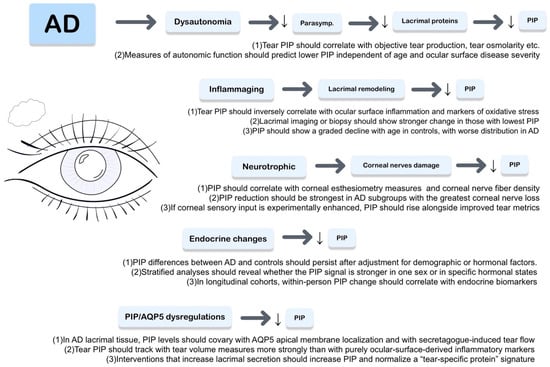
Alzheimer’s disease is characterized by a chronic, long-term neurodegenerative process and an increasing need for easily accessible biomarkers that enable early diagnosis and disease monitoring. For this reason, tears have attracted growing interest as a potential source of such biomarkers, and prolactin-inducible protein is a candidate tear protein of mechanistic interest whose clinical value remains to be established as a biomarker of Alzheimer’s disease. The literature indicates that prolactin-inducible protein is physiologically present in the lacrimal apparatus. Proteomic studies in patients with Alzheimer’s disease have repeatedly demonstrated decreased levels of prolactin-inducible protein in tears, typically accompanied by reduced concentrations of other proteins associated with normal lacrimal gland function. Although the evidence remains inconclusive, these findings suggest that alterations in prolactin-inducible protein levels may reflect lacrimal gland dysfunction related to neurodegenerative processes, autonomic dysregulation, and inflammation. Nevertheless, the lack of specificity of prolactin-inducible protein for Alzheimer’s disease, as well as the influence of various factors on its concentration, limit its value as a standalone biomarker. The most plausible approach is the incorporation of prolactin-inducible protein into multimarker panels, which could enable improved patient stratification and assessment of lacrimal gland dysfunction in Alzheimer’s disease.
Full article
(This article belongs to the Special Issue Aging and Neurodegeneration: Molecular Insights and Emerging Strategies)
►▼
Show Figures

Figure 1
Open AccessArticle
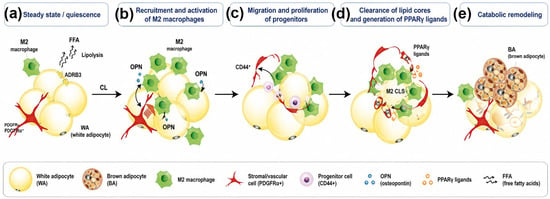
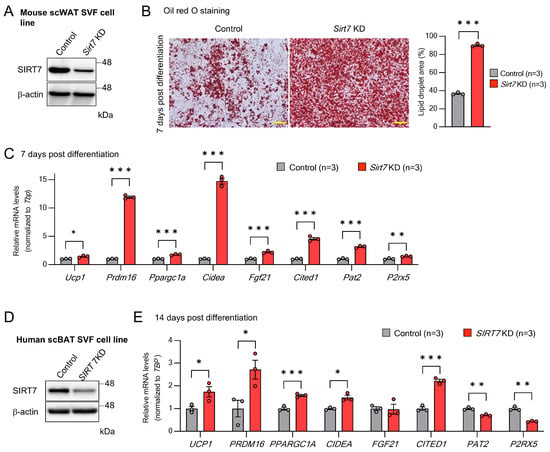
SIRT7 Inhibits Adipose Tissue Browning Through Deacetylation of PPARγ2 at K382
by
Avizit Das, Tatsuya Yoshizawa, Daisuke Yamada, Tomonori Tsuyama, Yoshifumi Sato, Tomoya Mizumoto, Takeshi Yoneshiro, Shingo Kajimura and Kazuya Yamagata
Cells 2026, 15(11), 1028; https://doi.org/10.3390/cells15111028 - 3 Jun 2026
Abstract
Adipose tissue (AT) browning is an inducible cellular phenomenon that promotes lipid oxidation to increase energy expenditure, reducing adiposity. Various transcription regulators involved in the AT browning process have been reported, but their complex molecular mechanisms remain poorly understood. Here, we explore the
[...] Read more.
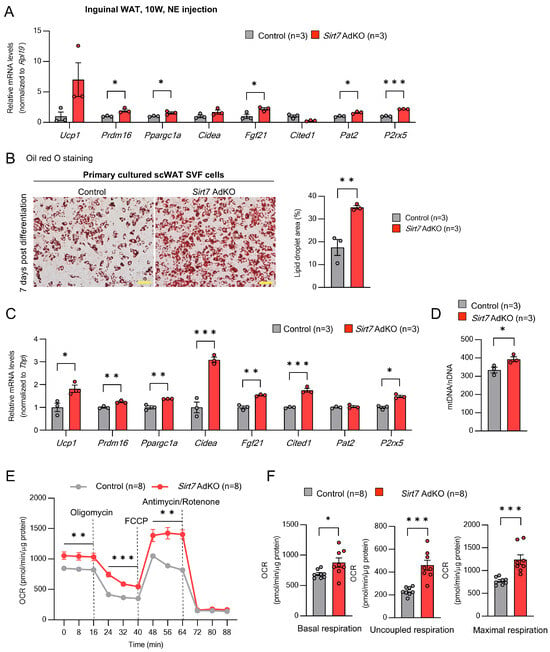
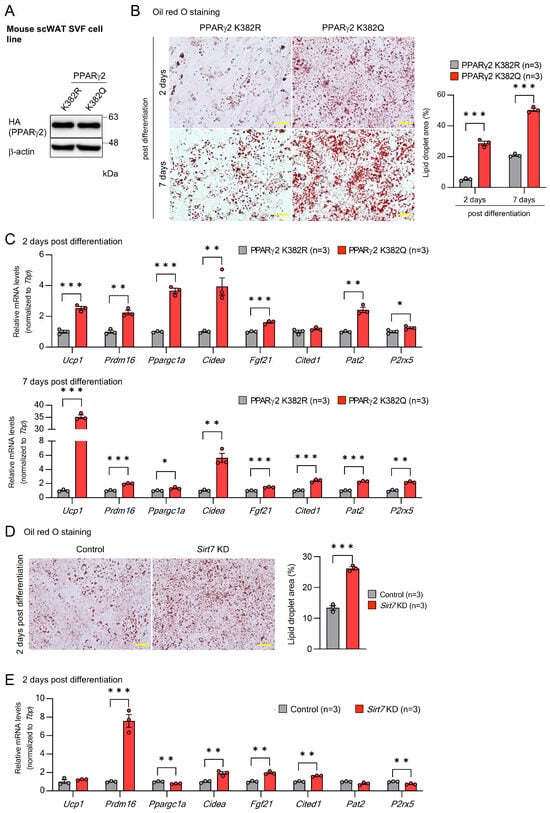
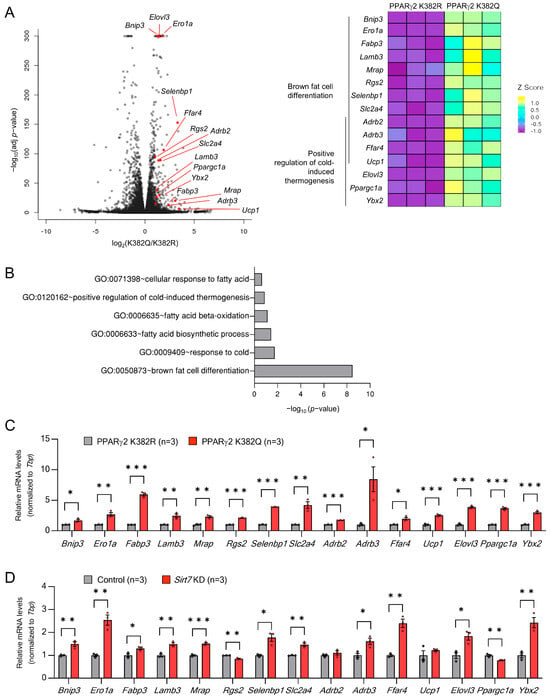
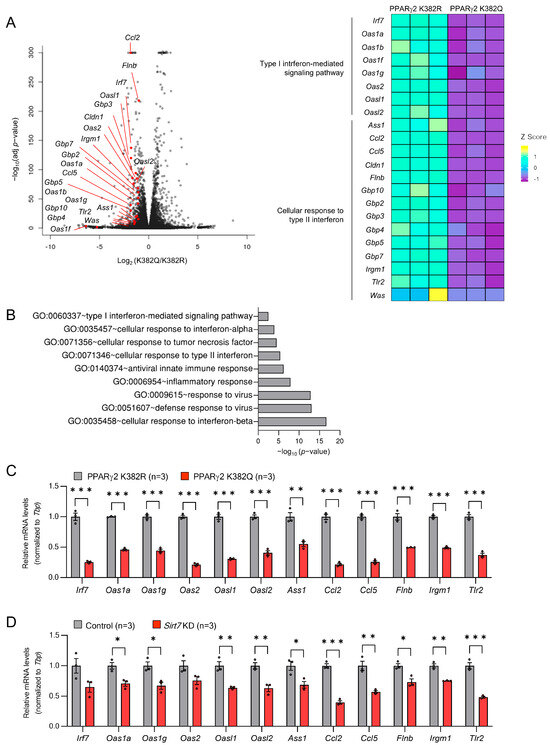
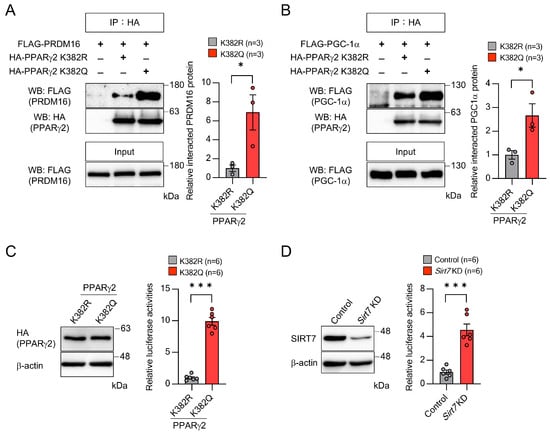
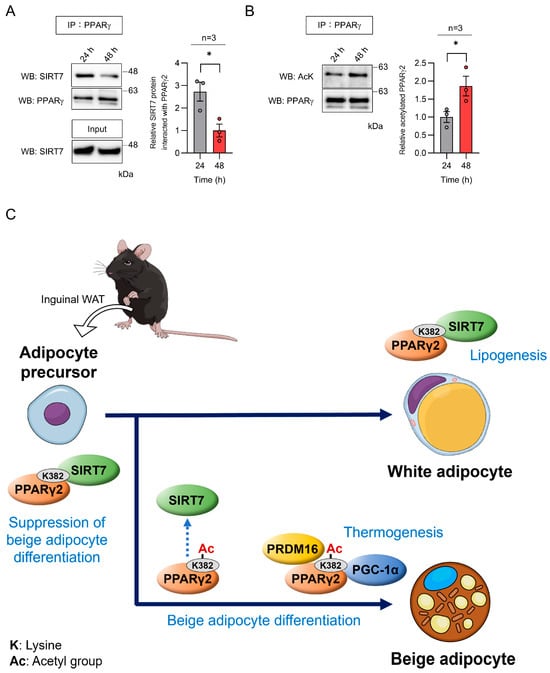
Adipose tissue (AT) browning is an inducible cellular phenomenon that promotes lipid oxidation to increase energy expenditure, reducing adiposity. Various transcription regulators involved in the AT browning process have been reported, but their complex molecular mechanisms remain poorly understood. Here, we explore the effects of SIRT7, one of seven mammalian sirtuins, on AT browning and elucidate the underlying mechanisms. SIRT7 deficiency increased the expression of browning genes in beige adipocytes differentiated from subcutaneous white AT (scWAT) stromal vascular fraction (SVF) cells isolated from adipocyte-specific Sirt7 knockout (Sirt7 AdKO) mice. The effect of SIRT7 on beige adipocyte differentiation was confirmed in Sirt7 knockdown (KD) mouse scWAT and human supraclavicular brown AT (scBAT) SVF cell lines. Mechanistically, SIRT7 deacetylated PPARγ2 (peroxisome proliferator-activated receptor γ2) at lysine (K) 382, thereby attenuating interaction with the transcriptional coactivator PRDM16 (PR domain-containing 16). In differentiated beige adipocytes, the acetylation-mimicking mutant PPARγ2K382Q had higher transcriptional activity compared with the deacetylation-mimicking mutant PPARγ2K382R. Furthermore, the interaction between endogenous SIRT7 and PPARγ2 decreased at the onset of beige adipocyte differentiation. Our findings reveal that SIRT7 is an important thermogenic regulator that puts the brake on AT browning by deacetylating PPARγ2.
Full article
(This article belongs to the Section Cellular Metabolism)
►▼
Show Figures

Figure 1
Open AccessArticle
Whole-Brain Connectome Identifies PMvLepRb Neurons as a Hypothalamic Hub Linking Metabolic State to Instinctive Behavior
by
Xiang Zhang, Ye Dai, Yishuo Shi and Fang Yuan
Cells 2026, 15(11), 1027; https://doi.org/10.3390/cells15111027 - 3 Jun 2026
Abstract
Metabolic state strongly shapes social and reproductive behaviors, yet the neural circuits that convert internal energy signals into behavioral responses remain poorly defined. The ventral premammillary nucleus (PMv) of the hypothalamus has been implicated in this process, particularly through leptin receptor-expressing (LepRb) neurons,
[...] Read more.
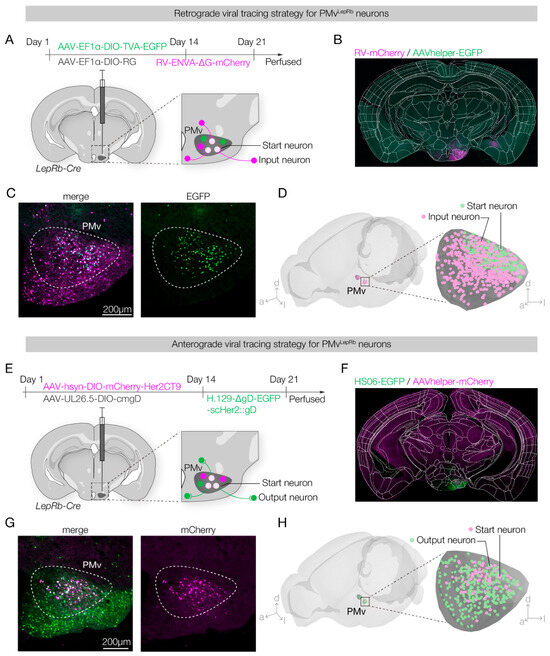
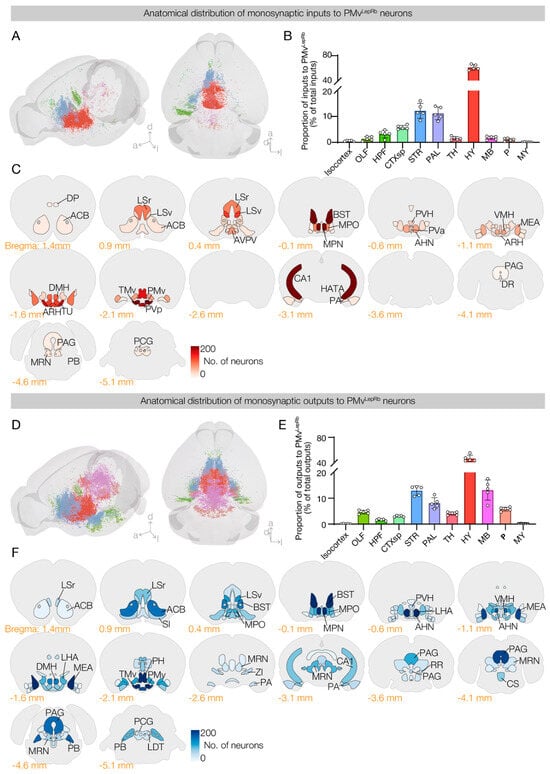
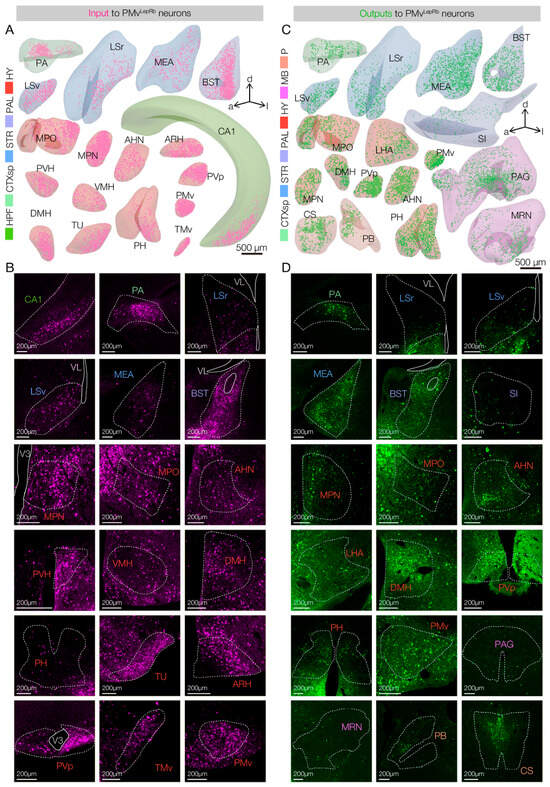
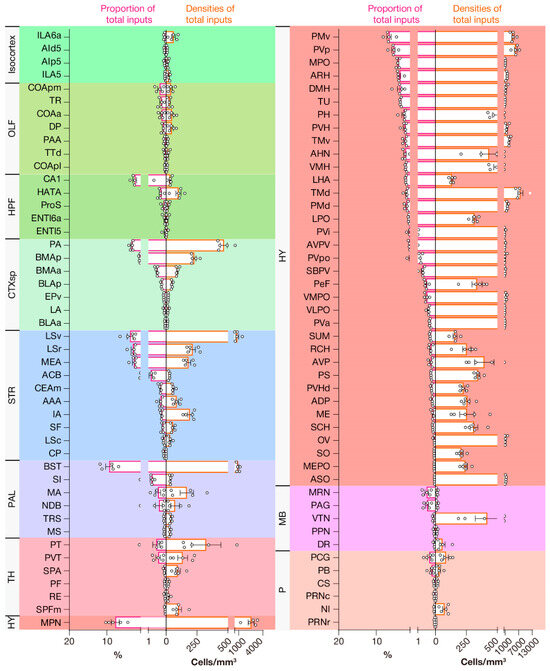
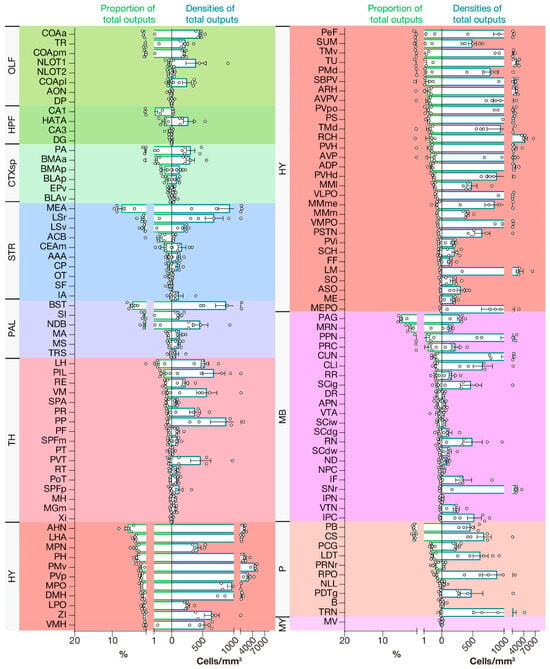
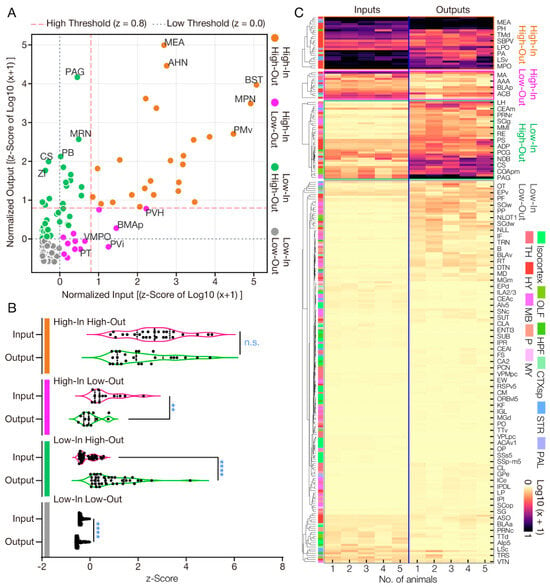
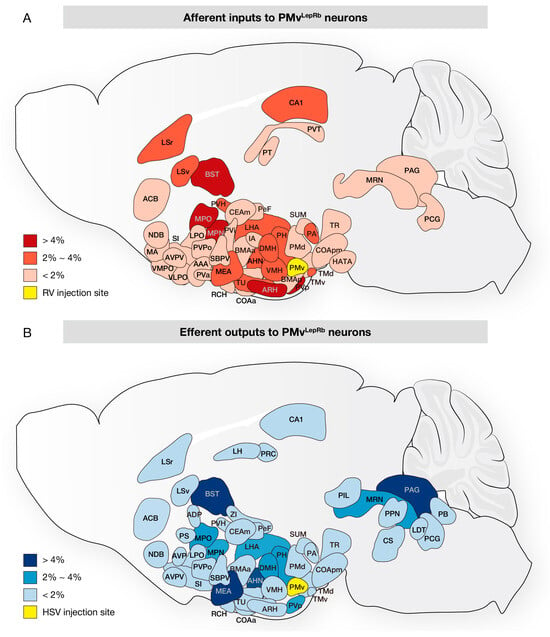
Metabolic state strongly shapes social and reproductive behaviors, yet the neural circuits that convert internal energy signals into behavioral responses remain poorly defined. The ventral premammillary nucleus (PMv) of the hypothalamus has been implicated in this process, particularly through leptin receptor-expressing (LepRb) neurons, but its brain-wide circuit organization is still unclear. Here, we used Cre-dependent retrograde (RV) and anterograde (HSV) viral tracing techniques in LepRb-Cre mice to construct a comprehensive, single-cell-resolution input–output map of PMvLepRb neurons. 3D reconstruction showed that these neurons receive dense convergent inputs, mainly from hypothalamic and forebrain regions involved in energy balance, motivation, and limbic processing. In contrast, their outputs extend not only back to several input regions but also prominently to midbrain and pontine autonomic centers, including the periaqueductal gray (PAG) and parabrachial nucleus (PB). Quantitative analysis revealed that forebrain regions were more likely to participate in reciprocal connectivity, whereas brainstem regions were dominated by outgoing projections. This organization suggests that PMvLepRb neurons are positioned to integrate metabolic and motivational signals and relay them to downstream systems controlling instinctive behavioral and autonomic responses. These findings provide a structural basis for understanding how energy state can influence decisions related to social competition and reproduction.
Full article
(This article belongs to the Section Cellular Neuroscience)
►▼
Show Figures

Figure 1
Open AccessReview
Mitochondrial Dynamics in Cancer Progression and Therapy Resistance: Emerging Roles in Metabolic Reprogramming, Biomarker Discovery, and Precision Medicine
by
Vasudevarao Penugurti, Rajni Kant and Che-Chia Hsu
Cells 2026, 15(11), 1026; https://doi.org/10.3390/cells15111026 - 2 Jun 2026
Abstract
Mitochondria play essential roles in cellular metabolism and signaling, regulating biosynthetic pathways, calcium homeostasis, redox balance, and cell fate beyond ATP production. Their continual remodeling through fusion, fission, and mitophagy maintains mitochondrial quality control and adapts organelle function to cellular demands. Here, we
[...] Read more.
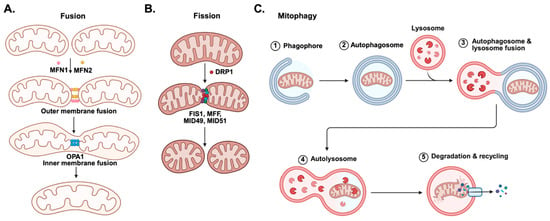
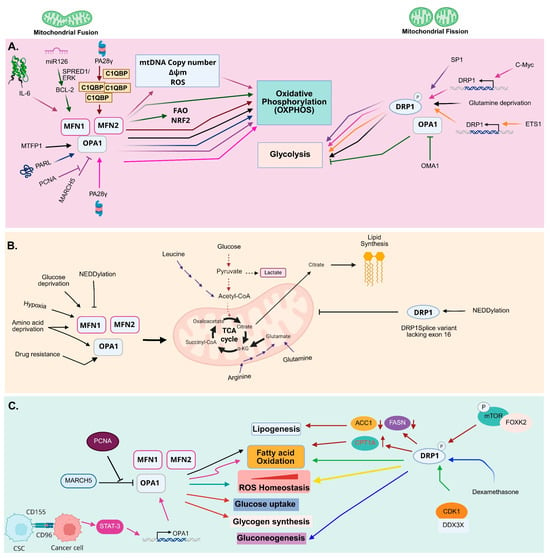
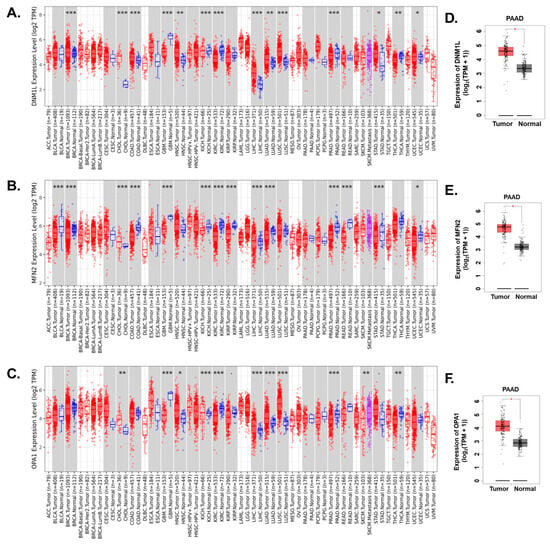
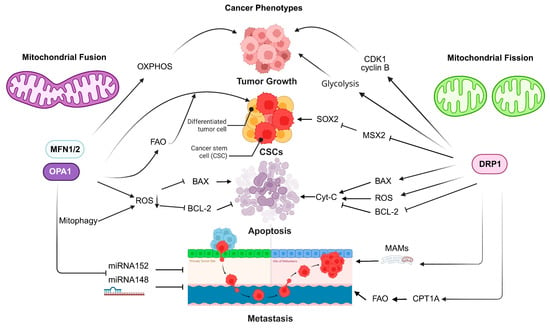
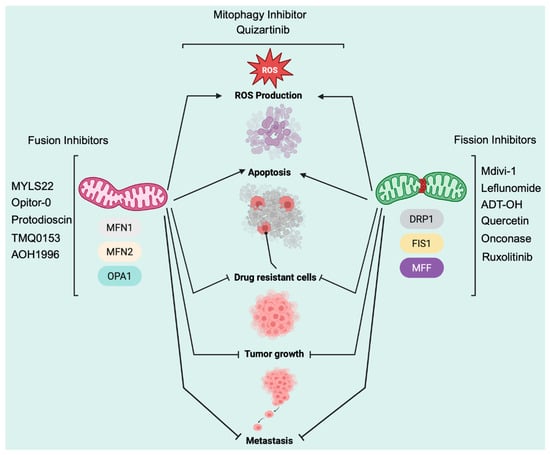
Mitochondria play essential roles in cellular metabolism and signaling, regulating biosynthetic pathways, calcium homeostasis, redox balance, and cell fate beyond ATP production. Their continual remodeling through fusion, fission, and mitophagy maintains mitochondrial quality control and adapts organelle function to cellular demands. Here, we review how mitochondrial dynamics, fusion, fission, and mitophagy modulate metabolic reprogramming and signaling to drive cancer progression and therapy resistance. Emerging evidence indicates that in cancer, mitochondrial fusion enhances respiratory efficiency and oxidative phosphorylation, whereas fission promotes glycolytic adaptation, rapid biomass accumulation, and stress tolerance. Mitophagy further refines metabolic fitness by eliminating damaged mitochondria and sustaining redox homeostasis. Together, these processes underscore that dysregulation of mitochondrial dynamics is a hallmark of cancer and a key driver of metabolic reprogramming and therapeutic resistance. In this review, we summarize how mitochondrial fusion, fission, and mitophagy govern metabolic circuitry in cancer development and therapy resistance. We highlight their functional impact on tumor progression and discuss emerging therapeutic strategies targeting mitochondrial dynamics and associated machinery. Understanding this dynamic metabolic crosstalk may reveal new vulnerabilities and guide the development of mitochondria-targeted cancer therapies.
Full article
(This article belongs to the Special Issue Mitochondrial Dynamics in Health and Disease Metabolism: Mechanisms and Functional Consequences)
►▼
Show Figures

Figure 1
Open AccessArticle
Flexible Cooperation Between Peroxisomes and the Endoplasmic Reticulum During Lipid Synthesis of Dictyostelium
by
Dina Sofia da Silva Telinhos and Markus Maniak
Cells 2026, 15(11), 1025; https://doi.org/10.3390/cells15111025 - 2 Jun 2026
Abstract
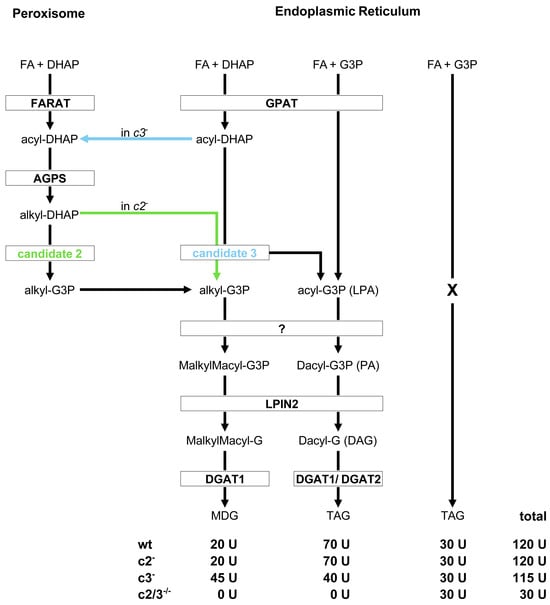
Ether lipids in varying amounts are membrane constituents and storage material in the protist and animal kingdoms, but are largely absent from fungi and plants. Their biosynthesis pathway starts in the peroxisome and involves a set of well-conserved enzymes. Only one step, the
[...] Read more.
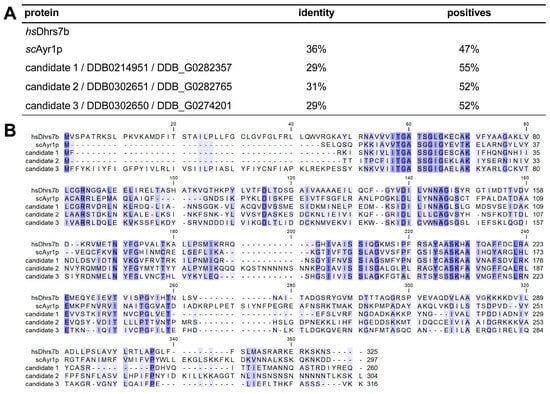
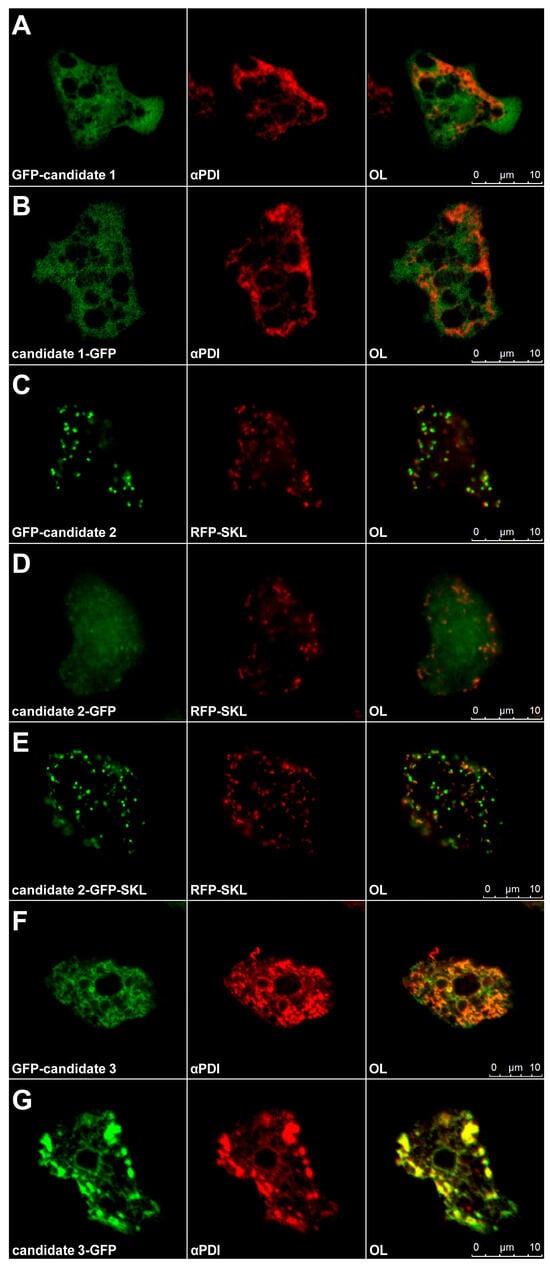
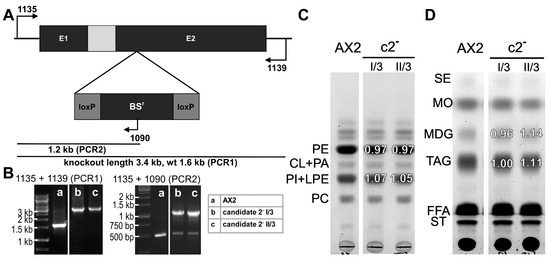
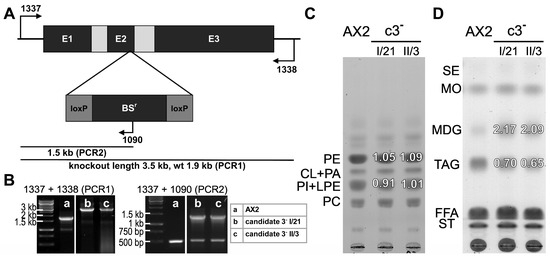
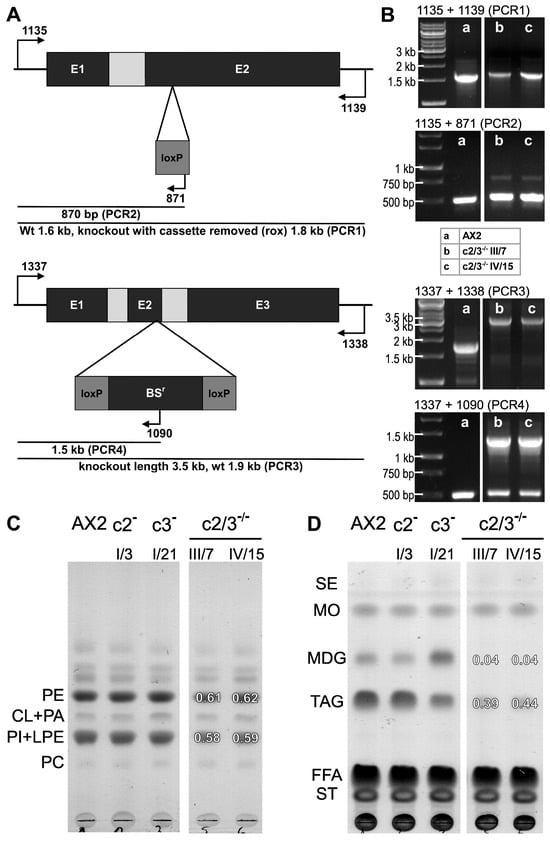
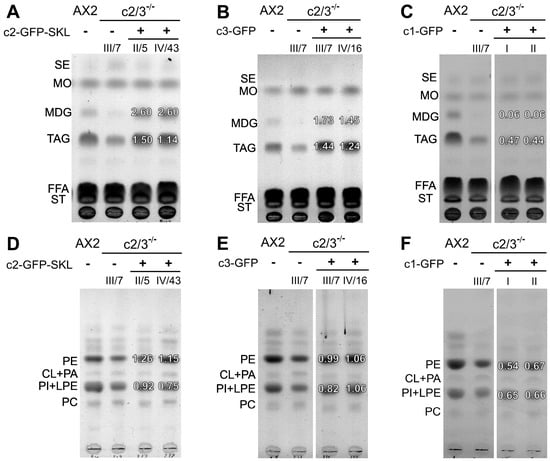
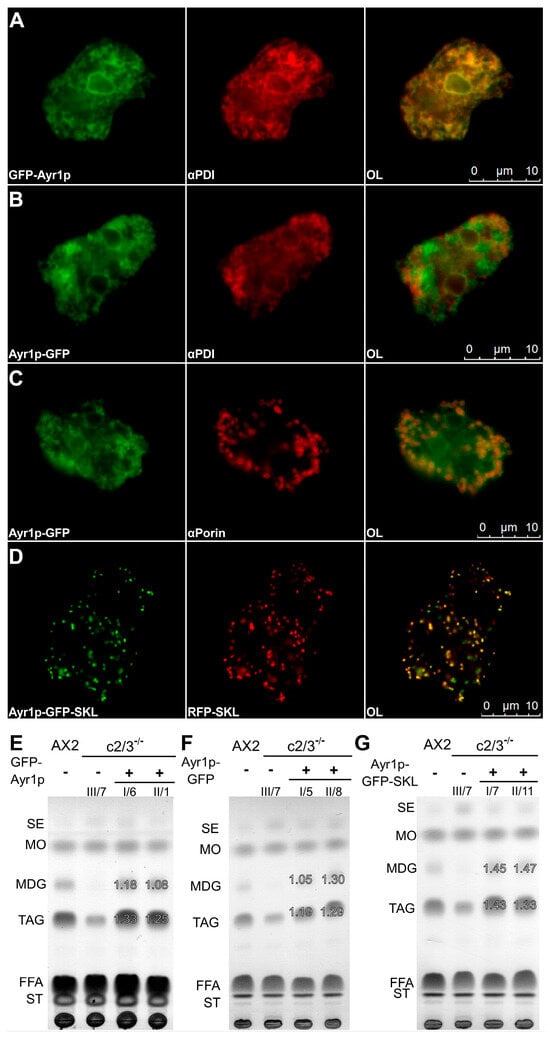
Ether lipids in varying amounts are membrane constituents and storage material in the protist and animal kingdoms, but are largely absent from fungi and plants. Their biosynthesis pathway starts in the peroxisome and involves a set of well-conserved enzymes. Only one step, the reduction of alkyl-dihydroxyacetone-phosphate to alkyl-glycerol-3-phosphate, is mediated by so-called short-chain dehydrogenases/reductases, which are members of huge protein families. Here, using GFP fusions, we identify a peroxisomal enzyme in Dictyostelium, as well as a highly related protein residing in the endoplasmic reticulum. Single-gene knockouts indicate that these enzymes largely compensate for one another, suggesting a flexible redistribution of lipid metabolites between these organelles. The double knockout, however, is severely affected in ether lipid composition and displays a clear growth retardation. The defects can also be reverted by expression of the cognate yeast enzyme, demonstrating conservation of this metabolic step across kingdoms of life.
Full article
(This article belongs to the Special Issue Dictyostelium as a Model in Cell Dynamics and Disease)
►▼
Show Figures

Figure 1
Open AccessArticle
Platelet-Rich Plasma Enhances Adhesion and Short-Term Retention of Bone Marrow-Derived Mesenchymal Stromal Cells to Articular Cartilage
by
Sung Yong Ahn and Chris Hyunchul Jo
Cells 2026, 15(11), 1024; https://doi.org/10.3390/cells15111024 - 2 Jun 2026
Abstract
Mesenchymal stromal cell (MSC) adhesion and retention at sites of cartilage degeneration are critical for improving cartilage repair. This study investigated whether platelet-rich plasma (PRP) enhances the adhesion and short-term retention of bone marrow-derived MSCs (BM-MSCs) and chondrocytes under in vitro and ex
[...] Read more.
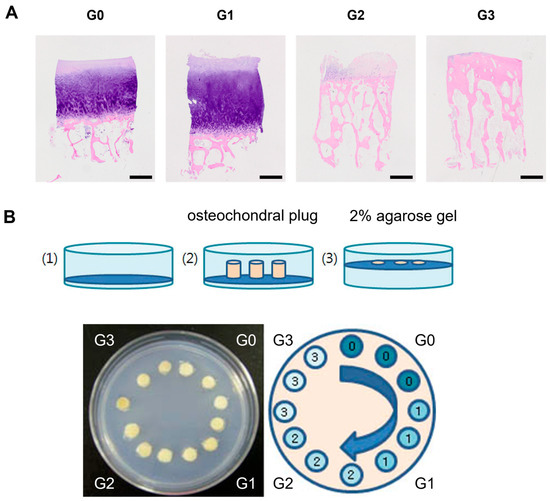
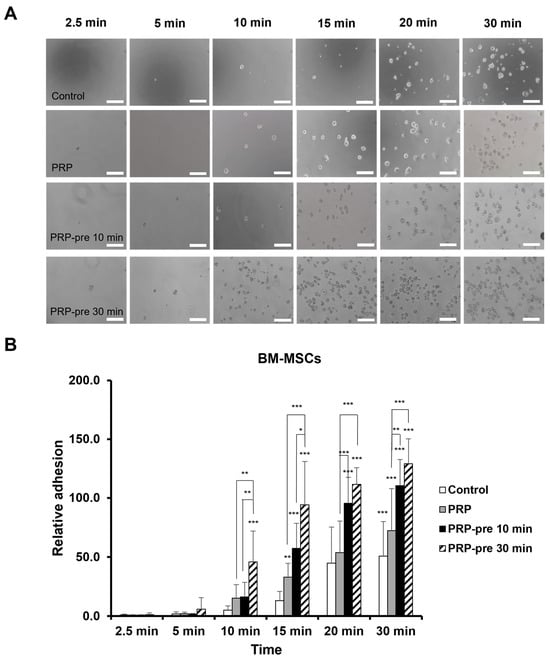
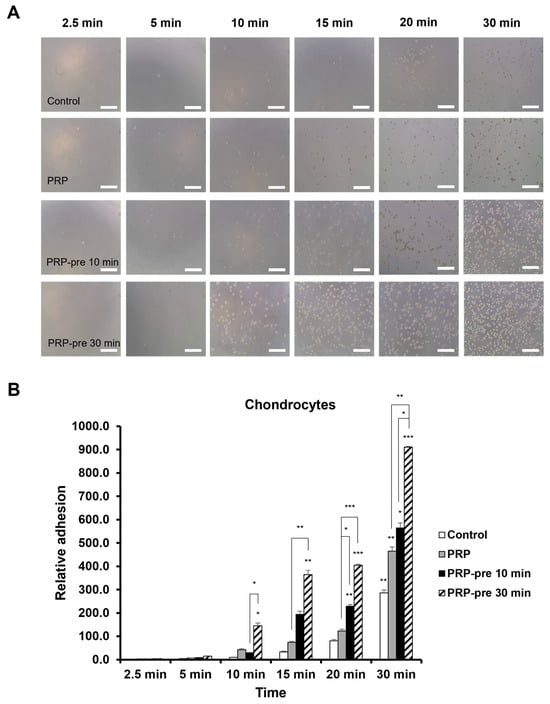
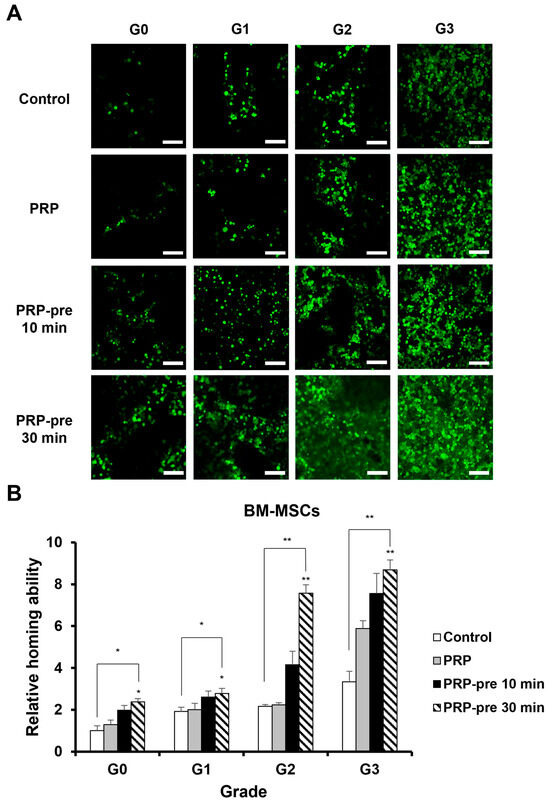
Mesenchymal stromal cell (MSC) adhesion and retention at sites of cartilage degeneration are critical for improving cartilage repair. This study investigated whether platelet-rich plasma (PRP) enhances the adhesion and short-term retention of bone marrow-derived MSCs (BM-MSCs) and chondrocytes under in vitro and ex vivo conditions. BM-MSCs and chondrocytes were treated with PRP or pretreated with PRP for 10 or 30 min, and cell adhesion to collagen-coated surfaces was evaluated using a cell viability assay. Ex vivo adhesion and short-term retention of BM-MSCs on osteochondral discs with varying lesion severity were assessed by fluorescence imaging analysis. PRP significantly enhanced the adhesion of both BM-MSCs and chondrocytes in a time-dependent manner, with the 30 min PRP pretreatment group showing the greatest effect. BM-MSC attachment in the 30 min PRP pretreatment group was significantly higher than that in the untreated control group after 30 min of incubation (p < 0.001), whereas chondrocyte attachment was also significantly increased following PRP pretreatment. In addition, PRP pretreatment significantly enhanced BM-MSC attachment compared with PRP treatment alone at 20 and 30 min of incubation (both p < 0.001). In ex vivo experiments, adhesion and short-term retention increased significantly with increasing lesion severity from G1 to G3 (p < 0.05 and p < 0.01, respectively). In G2 and G3 lesions, PRP pretreatment for 30 min significantly enhanced BM-MSC adhesion and short-term retention compared with the control group (both p < 0.01). These findings suggest that PRP may improve the early adhesion and retention of MSCs on damaged cartilage and support the potential use of PRP as a biological adjunct for MSC-based cartilage repair strategies.
Full article
(This article belongs to the Special Issue Study on Human Mesenchymal Stem Cells—2nd Edition)
►▼
Show Figures

Figure 1
Open AccessArticle
IGF-1 Increases Collagen Deposition by Dermal Fibroblasts: Applications for Tissue Engineering
by
David Brownell, Alexane Thibodeau, Guillaume Locatelli, Aiden Smith, Megan Richer, Stéphane Chabaud and Stéphane Bolduc
Cells 2026, 15(11), 1023; https://doi.org/10.3390/cells15111023 - 2 Jun 2026
Abstract
Tissue engineering using the self-assembly approach represents a promising technology. However, age-related reductions in extracellular matrix deposition by stromal cells limit the mechanical robustness of reconstructed tissues what can be critical for midurethral sling reconstruction. Indeed, stress urinary incontinence predominantly affects women over
[...] Read more.
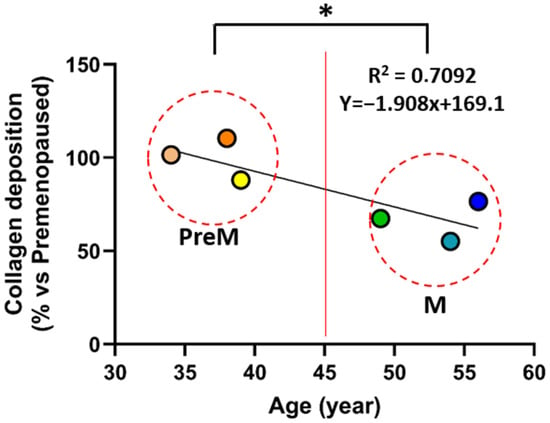
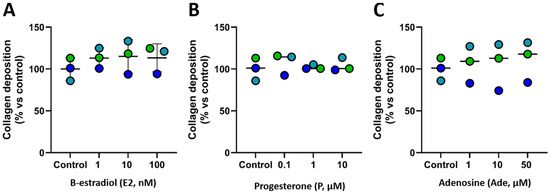
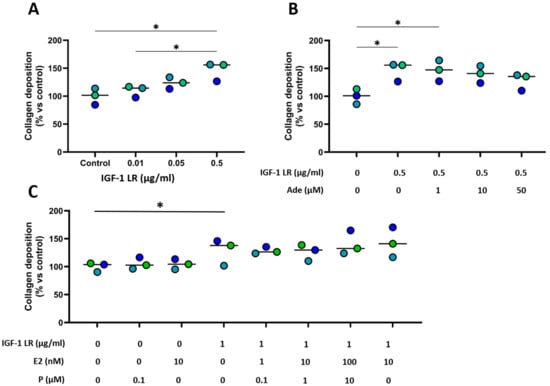
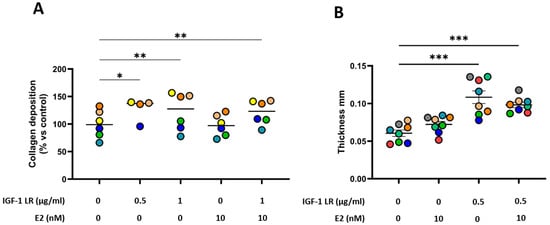
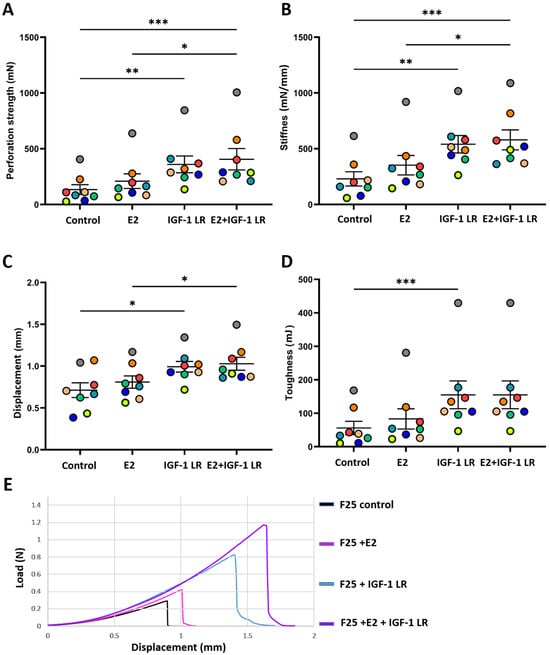
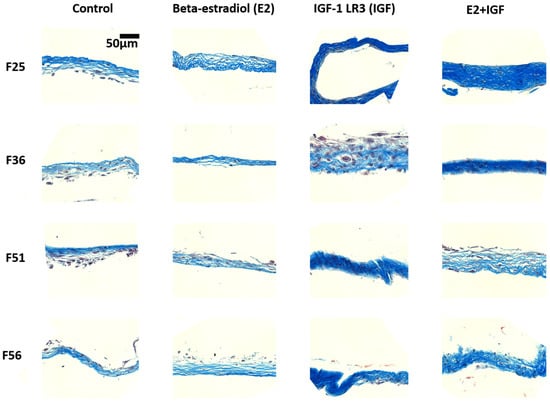
Tissue engineering using the self-assembly approach represents a promising technology. However, age-related reductions in extracellular matrix deposition by stromal cells limit the mechanical robustness of reconstructed tissues what can be critical for midurethral sling reconstruction. Indeed, stress urinary incontinence predominantly affects women over 50 years of age and is commonly treated by implantation of midurethral slings, whose synthetic versions have raised concerns regarding safety and long-term tolerance. In this study, we investigated whether biochemical modulation could enhance collagen deposition and mechanical properties of self-assembled dermal tissues reconstructed from female donors of different ages. Dermal fibroblasts were cultured in the presence of ascorbic acid, and the effects of hormonal supplementation, metabolic and hypoxia-related stimuli, and insulin signaling activation were evaluated using collagen quantification, histological analyses, and mechanical testing. Fibroblasts derived from younger donors deposited significantly more collagen than those from older female donors. Among all tested conditions, insulin like growth factor 1 (IGF 1) markedly increased collagen deposition in a dose-dependent manner, including in fibroblasts from women over 50 years of age, whereas β-estradiol and progesterone had no significant effect on collagen content. Although β-estradiol slightly increased tissue thickness, only IGF-1 supplementation resulted in substantial improvements in perforation strength, stiffness, displacement at break, and toughness. These results demonstrate that IGF-1 is a potent enhancer of extracellular matrix production and mechanical performance in dermal tissues reconstructed by the self-assembly approach, and represents a promising strategy to improve the development of biological midurethral slings.
Full article
(This article belongs to the Special Issue New Advances in Tissue Engineering and Regeneration)
►▼
Show Figures

Figure 1
Open AccessArticle
Functional Characterization of a Novel Homozygous DNAH5 Single-Nucleotide Intronic Deletion in a Consanguineous Portuguese Family with Primary Ciliary Dyskinesia
by
Catarina Hilário, Sara Raimundo, Catarina Dias, Joana Saramago, Telma Oliveira, Rute Pereira, Sofia Quental, João Parente Freixo, Luís Gales, Jorge Oliveira, Rosália Sá and Mário Sousa
Cells 2026, 15(11), 1022; https://doi.org/10.3390/cells15111022 - 2 Jun 2026
Abstract
Primary ciliary dyskinesia (PCD) is a rare genetic disorder mainly characterized by impaired mucociliary clearance and chronic respiratory symptoms. From a consanguineous family, a male patient, although with respiratory complaints since birth, was diagnosed with PCD only in adulthood. Whole-exome sequencing disclosed a
[...] Read more.
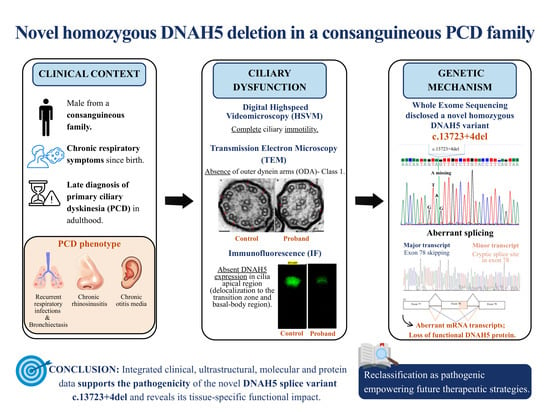
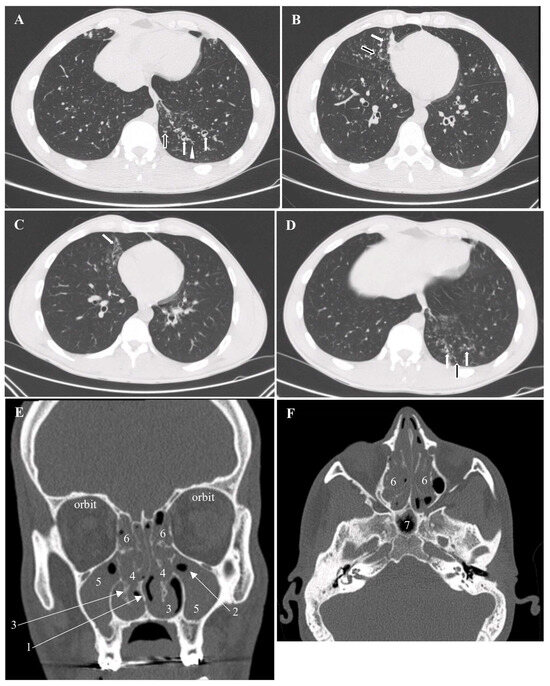
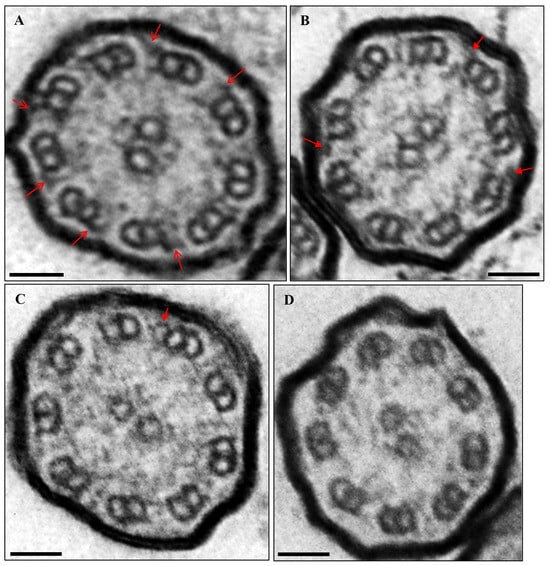
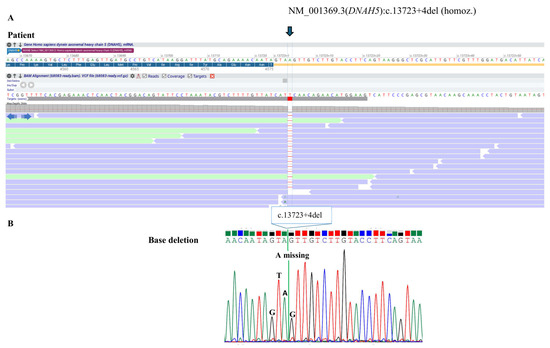
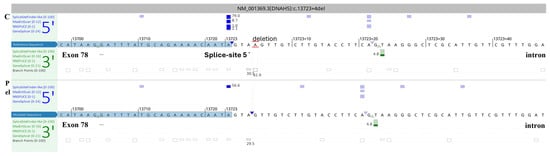
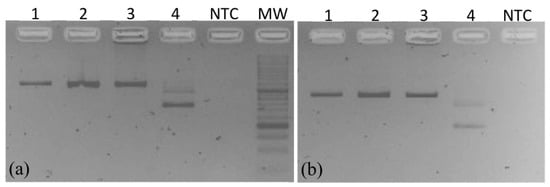
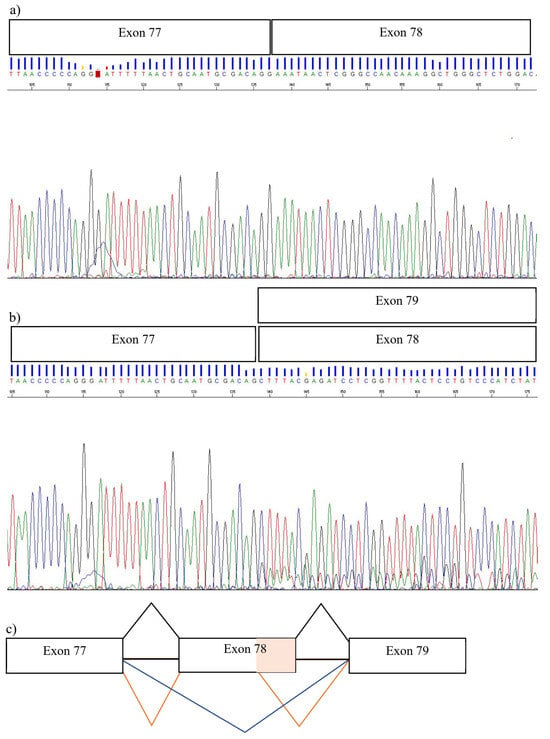
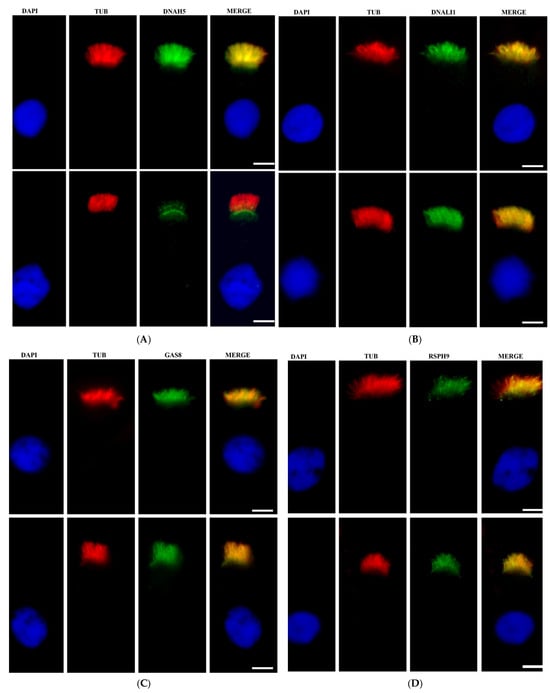
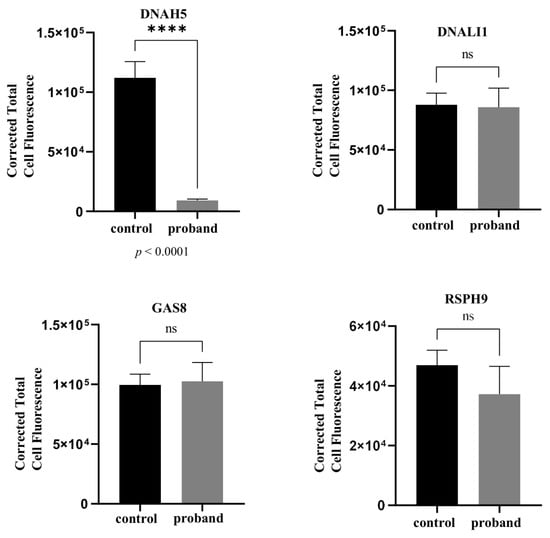
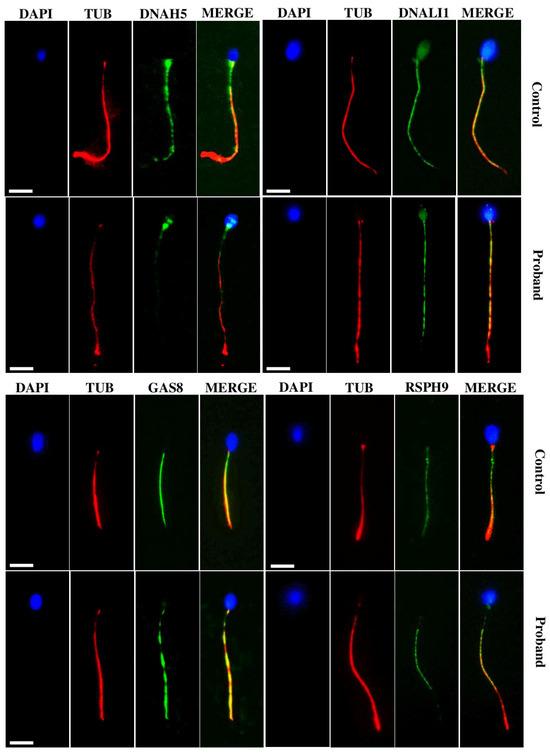
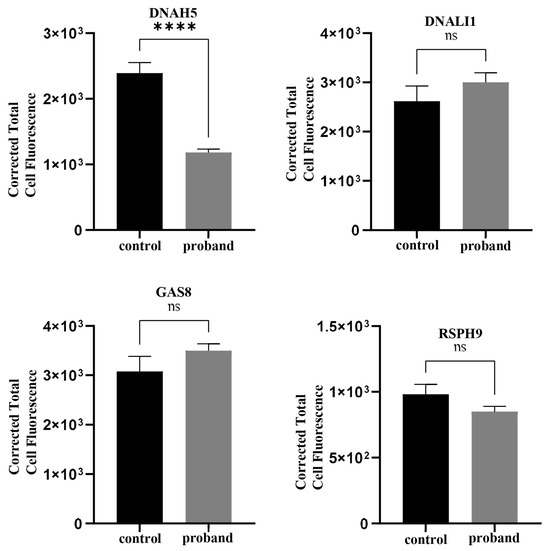
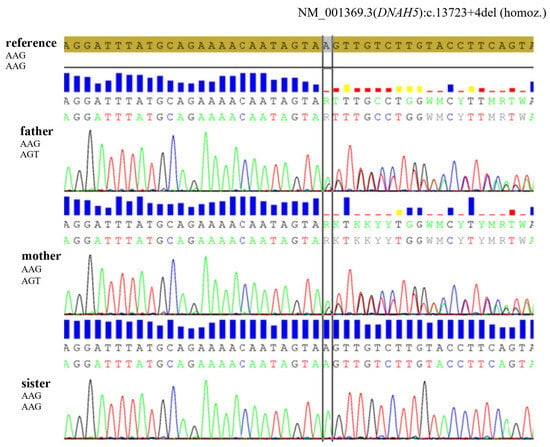
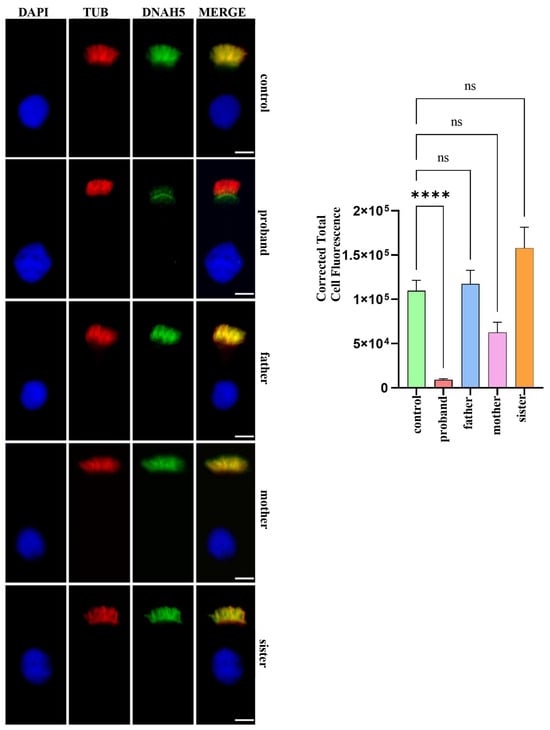
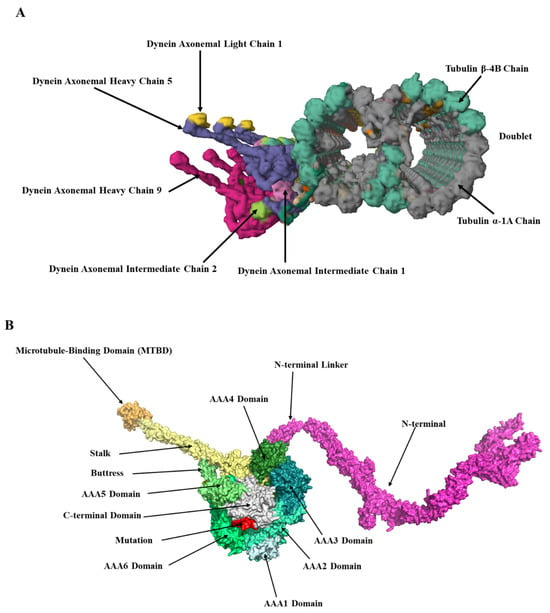
Primary ciliary dyskinesia (PCD) is a rare genetic disorder mainly characterized by impaired mucociliary clearance and chronic respiratory symptoms. From a consanguineous family, a male patient, although with respiratory complaints since birth, was diagnosed with PCD only in adulthood. Whole-exome sequencing disclosed a novel homozygous intronic single-nucleotide deletion, NM_001369.3(DNAH5):c.13723+4del, initially classified as of uncertain clinical significance. Digital highspeed videomicroscopy (HSVM) evidenced a null ciliary beating frequency; transmission electron microscopy showed absence of outer dynein arms (class-1); and immunofluorescence (IF) demonstrated markedly absent DNAH5 protein level in the apical cilia region with delocalization to the transition and basal-body regions. Bioinformatic analysis predicted altered splicing at the donor splice site of exon 78, whereas mRNA sequencing revealed two splicing defects: the mainly expressed transcript corresponding to exon 78 skipping and a minor transcript originated from a cryptic splice site in exon 78. The patient was infertile and showed severe oligoteratozoospermia. Sperm IF analysis revealed absence of DNAH5 from the flagellum with accumulation at the neck region. The family study confirmed homozygosity. The present results support a pathogenic role for the c.13723+4del variant and underscore the importance of integrating clinical, ultrastructural, DNA, mRNA and protein analyses to clarify and contribute to PCD diagnosis.
Full article
(This article belongs to the Section Cellular Pathology)
►▼
Show Figures

Graphical abstract
Journal Menu
► ▼ Journal Menu-
- Cells Home
- Aims & Scope
- Editorial Board
- Reviewer Board
- Topical Advisory Panel
- Early Career Editorial Board
- Instructions for Authors
- Special Issues
- Topics
- Sections & Collections
- Article Processing Charge
- Indexing & Archiving
- Editor’s Choice Articles
- Most Cited & Viewed
- Journal Statistics
- Journal History
- Journal Awards
- Society Collaborations
- Conferences
- Editorial Office
Journal Browser
► ▼ Journal BrowserHighly Accessed Articles
Latest Books
E-Mail Alert
News
Topics
Topic in
Cells, JCM, Organoids, JMP
Novel Discoveries in Oncology 2nd Edition
Topic Editors: Michela Campolo, Giovanna Casili, Alessia Filippone, Marika LanzaDeadline: 20 June 2026
Topic in
Biomedicines, Biomolecules, Cancers, Cells, Hematology Reports, IJMS
Advances in Molecular Pathogenesis and Targeted Therapies for Multiple Myeloma
Topic Editors: Chung Hoow Kok, Cindy H. S. Lee, Claudio CerchioneDeadline: 3 August 2026
Topic in
Biology, Biomolecules, Cancers, Cells, IJMS, Pharmaceuticals, Kinases and Phosphatases
Kinases in Cancer and Other Diseases, 2nd Edition
Topic Editors: Jonas Cicenas, Anna M. CzarneckaDeadline: 31 August 2026
Topic in
Pharmaceuticals, Medical Sciences, JCM, Vision, Reports, Cells, IJMS
New Developments in Glaucoma Diagnostics and Therapeutics
Topic Editors: Shan C. Lin, Sunee ChansangpetchDeadline: 30 September 2026
Conferences
Special Issues
Special Issue in
Cells
Advances in Pulmonary Fibrosis
Guest Editor: Sergio Piñeiro HermidaDeadline: 10 June 2026
Special Issue in
Cells
Molecular Mechanisms of Cardiac Repair and Regeneration
Guest Editor: Mahesh ThirunavukkarasuDeadline: 10 June 2026
Special Issue in
Cells
The Metabolic Edge: How Cancer Cells Adapt, Survive, and Resist Therapy
Guest Editor: Frank SchnütgenDeadline: 10 June 2026
Special Issue in
Cells
Novel Insights into Molecular Mechanisms and Therapy of Myeloma
Guest Editors: Yusuke Furukawa, Jian WuDeadline: 10 June 2026
Topical Collections
Topical Collection in
Cells
Recent Advances in Liver Repair Strategies
Collection Editor: Mustapha Najimi
Topical Collection in
Cells
The Current Applications and Potential of Human Pluripotent Stem Cells
Collection Editor: Leila Maouche-Chretien
Topical Collection in
Cells
Cellular Senescence and Extracellular Vesicles Crosstalk
Collection Editors: Lucio Barile, Edoardo Lazzarini