

Journal Description
Foods
Foods
is an international, peer-reviewed, open access journal on food science published semimonthly online by MDPI. The Italian Society of Food Sciences (SISA) and Spanish Nutrition Foundation (FEN) are affiliated with Foods and their members receive discounts on the article processing charges.
- Open Access— free for readers, with article processing charges (APC) paid by authors or their institutions.
- High Visibility: indexed within Scopus, SCIE (Web of Science), PubMed, PMC, FSTA, AGRIS, PubAg, and other databases.
- Journal Rank: JCR - Q1 (Food Science and Technology) / CiteScore - Q1 (Health Professions (miscellaneous))
- Rapid Publication: manuscripts are peer-reviewed and a first decision is provided to authors approximately 14.8 days after submission; acceptance to publication is undertaken in 2.9 days (median values for papers published in this journal in the first half of 2026).
- Recognition of Reviewers: reviewers who provide timely, thorough peer-review reports receive vouchers entitling them to a discount on the APC of their next publication in any MDPI journal, in appreciation of the work done.
- Companion journals for Foods include: Sustainable Foods and Food Engineering.
- Journal Cluster of Food, Nutrition, and Health Science: Beverages, Dietetics, Foods, Nutraceuticals, Nutrients and Obesities.
Impact Factor:
6.0 (2025);
5-Year Impact Factor:
6.5 (2025)
Latest Articles
Light Intensity and Wavelength Modulate Antioxidant Secondary Metabolites in Embryonic Axis of Chickpea Sprouts
Foods 2026, 15(14), 2578; https://doi.org/10.3390/foods15142578 (registering DOI) - 22 Jul 2026
Abstract
Chickpea (Cicer arietinum L.) is a highly nutritious legume with significant potential as a food plant. With the advent of climate change and the challenge of feeding a growing population, strategies to produce high-nutrient crops are of utmost importance. In this context,
[...] Read more.
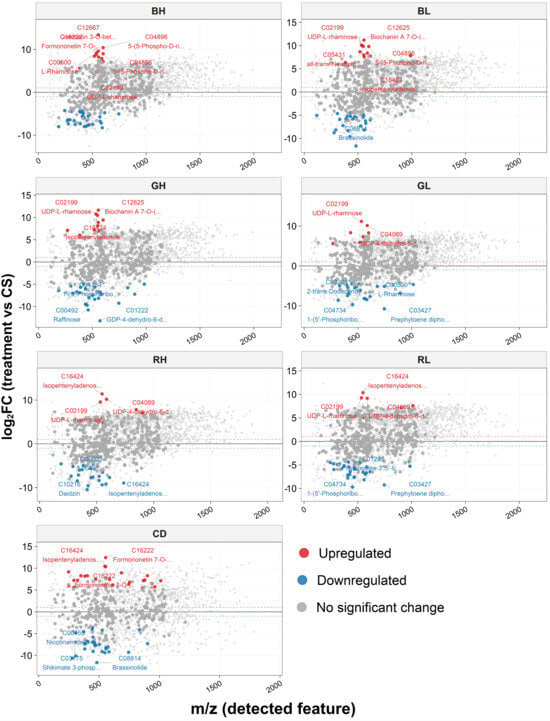
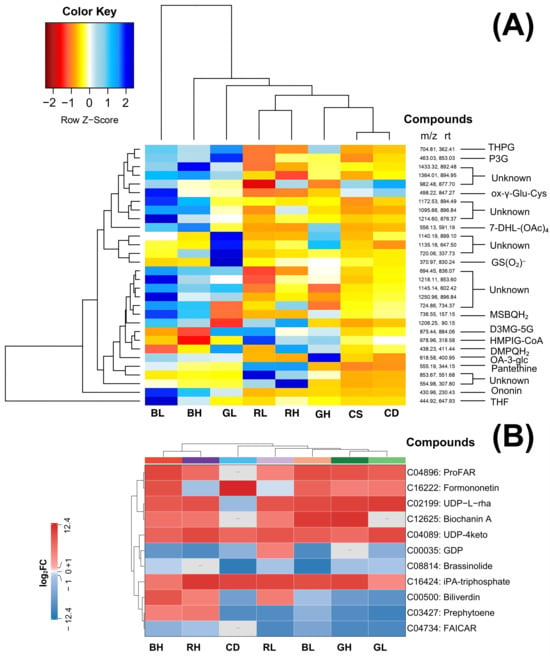
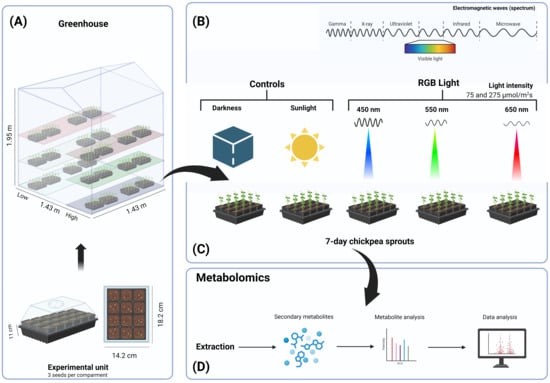
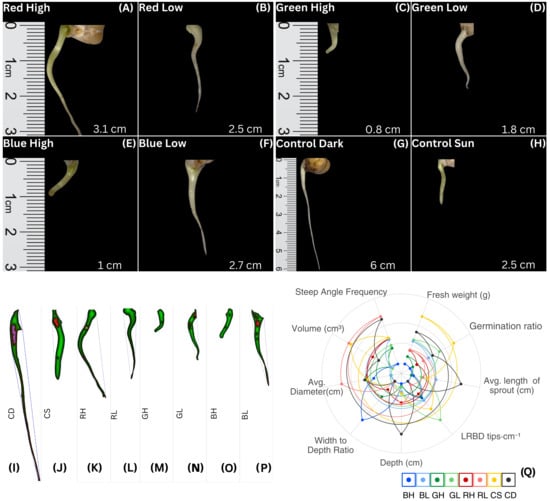
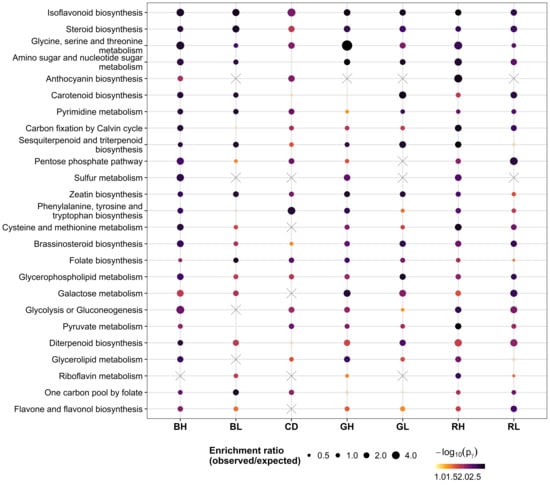
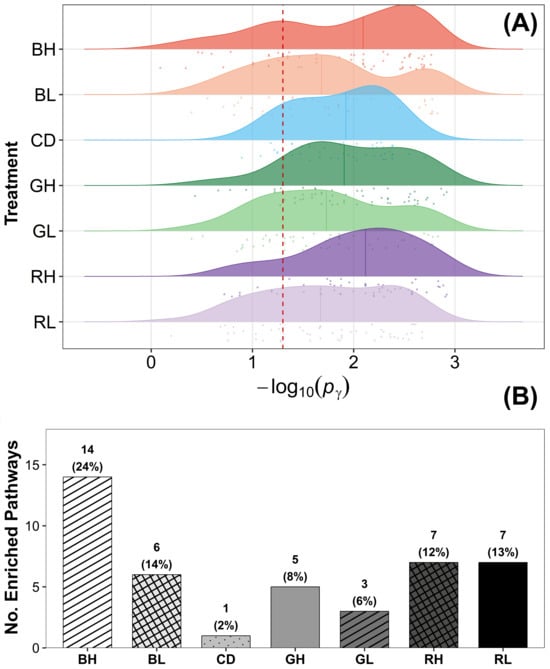
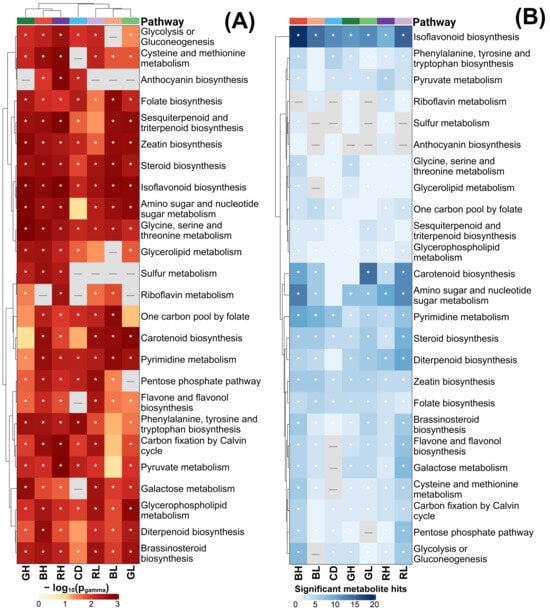
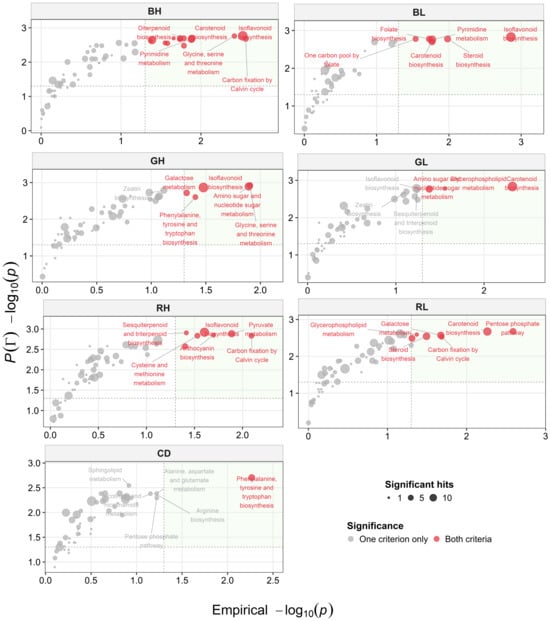
Chickpea (Cicer arietinum L.) is a highly nutritious legume with significant potential as a food plant. With the advent of climate change and the challenge of feeding a growing population, strategies to produce high-nutrient crops are of utmost importance. In this context, this study describes how light intensity and wavelength affect the embryonic axis of chickpea sprout metabolism, using untargeted metabolomics. Chickpea sprouts were grown under varying light wavelengths (red—650, green—550, and blue—450 nm) at two intensities (75 and 275 µmol·m−2·s−1). Analyses were restricted to the embryonic axis (hypocotyl), excluding the cotyledons, which are a reserve-rich tissue. Results showed that high-intensity red light (RH) increased phenolic content by more than 300% compared to controls. Green and blue light treatments significantly increased the protein content by more than twice that of the dark control. Antioxidant activity was significantly higher in sprouts grown under high-intensity blue light (BH). Additionally, the results suggested that pathway regulation is affected not only by wavelength but also by light intensity, with greater significance and effect under BH and RH treatments in isoflavonoid biosynthesis. High quercetin concentration found under BH is hypothesized to explain the high antioxidant activity when compared to the rest. For instance, these findings highlight the potential of light manipulation to modulate and enhance the nutritional and functional qualities of chickpea sprouts’ embryonic axis, contributing to food security and human health. Further studies need to be conducted to answer whether these metabolite changes directly translate to the nutritional quality of the whole edible sprouts.
Full article
(This article belongs to the Special Issue Progress in Fermented and Germinated Grain and Legume Products)
►
Show Figures
Open AccessReview
Converting Food Waste into Value-Added Products: A Review on Current Technologies, Challenges, and Future Perspectives
by
Antonietta Baiano
Foods 2026, 15(14), 2577; https://doi.org/10.3390/foods15142577 (registering DOI) - 22 Jul 2026
Abstract
Food waste has emerged as one of the most pressing global sustainability challenges because of its environmental, economic, and social implications. Nearly one-third of the food produced worldwide is lost or wasted each year, contributing to greenhouse gas emissions, depletion of natural resources,
[...] Read more.
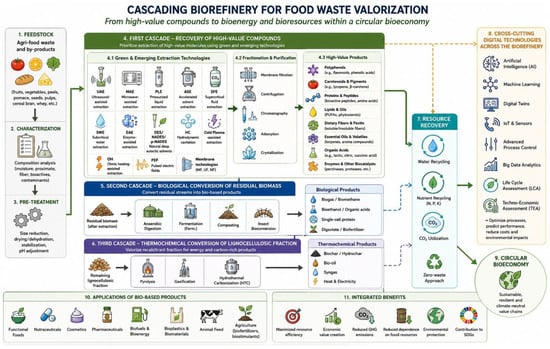
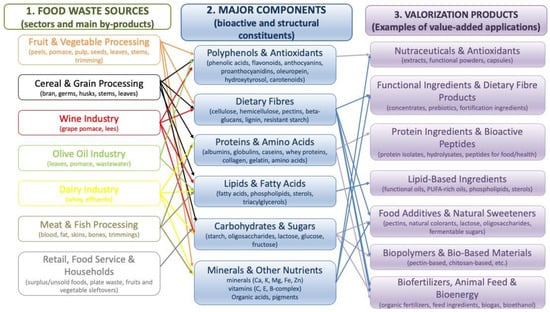
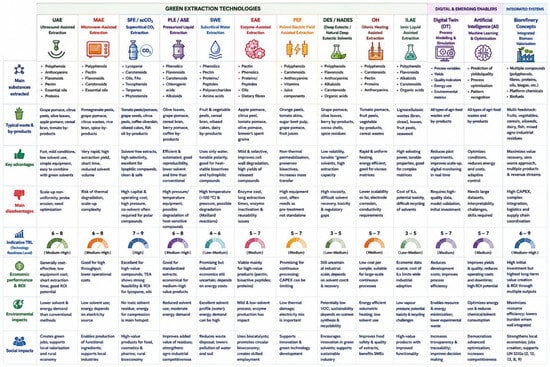
Food waste has emerged as one of the most pressing global sustainability challenges because of its environmental, economic, and social implications. Nearly one-third of the food produced worldwide is lost or wasted each year, contributing to greenhouse gas emissions, depletion of natural resources, and increasing food insecurity. Advances in circular bioeconomy concepts and sustainable processing technologies have transformed food waste from an environmental liability into a valuable feedstock for producing biofuels, bioplastics, bioactive compounds, functional ingredients, prebiotics, and other high-value products. This review critically examines current strategies for converting food waste into value-added products, including green extraction technologies and biochemical, thermochemical, enzymatic, and microbial approaches. Attention is given to major agri-food by-products, such as fruit pomace, vegetable residues, oilseed meals, dairy by-products, and agro-industrial wastes. Emerging developments involving biorefinery concepts, artificial intelligence, digital biorefineries, synthetic biology, and carbon-neutral production systems are also discussed. Furthermore, the review highlights recent applications of waste-derived fibers, antioxidants, and polyphenols in functional foods, especially bakery products. Finally, key challenges related to feedstock heterogeneity, process scalability, regulatory frameworks, economic feasibility, and sustainability assessment are critically analyzed together with future research directions supporting the transition toward resilient circular bioeconomy systems.
Full article
(This article belongs to the Special Issue Converting Food Waste into Value-Added Products (Second Edition))
►▼
Show Figures

Figure 1
Open AccessArticle
Xanthoceras sorbifolium Bunge Leaf Extract Ameliorates Diabetic Nephropathy Through Coordinated Metabolic Reprogramming and Inflammatory Signaling
by
Mengting Han, Xianyu Zhang, Yiqing Jia, Yifei Zhang, Zijin Qin, Shuyu Zhou, Zhe Xu and Hui Zhou
Foods 2026, 15(14), 2576; https://doi.org/10.3390/foods15142576 - 22 Jul 2026
Abstract
Diabetic nephropathy (DN) is a major complication of diabetes, yet effective dietary interventions remain limited. Xanthoceras sorbifolium Bunge leaf extract (XBL) has shown promising bioactivities, but its active components and mechanisms are not well understood. In this study, a comprehensive investigation including chemical
[...] Read more.
Diabetic nephropathy (DN) is a major complication of diabetes, yet effective dietary interventions remain limited. Xanthoceras sorbifolium Bunge leaf extract (XBL) has shown promising bioactivities, but its active components and mechanisms are not well understood. In this study, a comprehensive investigation including chemical profiling, network pharmacology, in vivo validation, and renal multi-omics was conducted. The results show a diverse composition dominated by flavonoids, which were identified as key bioactive contributors. In the streptozotocin-induced DN rat model, XBL administration significantly improved metabolic disorders and renal injury. Integrated metabolomic and transcriptomic analyses demonstrated that XBL alleviates DN by coordinately regulating metabolic reprogramming and inflammation-related signaling pathways. Additionally, representative flavonoids showed α-glucosidase inhibitory activity, supporting their potential role in glucose metabolic regulation. The results from this study suggest that XBL is a promising functional food ingredient for DN intervention.
Full article
(This article belongs to the Special Issue Food Bioactives for Health Promotion: Mechanisms, Metabolism, and Applications)
Open AccessArticle
Structural Characteristics and Efficacy of Polysaccharides from Fenjiu Vinasse in Alleviating DSS-Induced Ulcerative Colitis
by
Huiqin Guo, Yi Chen, Jiangying Shi, Shuhua Shan, Zhuoyu Li, Nifei Wang and Xiushan Dong
Foods 2026, 15(14), 2575; https://doi.org/10.3390/foods15142575 - 22 Jul 2026
Abstract
Vinasse, a major by-product of Fenjiu liquor production, is enriched with polysaccharides. However, their structural characteristics and potential anti-inflammatory functions remain unclear. In this study, polysaccharides from Fenjiu vinasse (VPS) were extracted and fractionated into seven sub-fractions (VPS-20 to VPS-80) via sequential alcohol
[...] Read more.
Vinasse, a major by-product of Fenjiu liquor production, is enriched with polysaccharides. However, their structural characteristics and potential anti-inflammatory functions remain unclear. In this study, polysaccharides from Fenjiu vinasse (VPS) were extracted and fractionated into seven sub-fractions (VPS-20 to VPS-80) via sequential alcohol precipitation. The molecular weight (Mw) of the fractions gradually decreased with increasing ethanol concentration. Monosaccharide composition analysis revealed that VPS and its fractions were mainly composed of glucose, mannose, and galactose. Among them, VPS-30 exhibited the most potent anti-inflammatory activity in LPS-induced RAW 264.7 macrophages by significantly reducing NO, IL-1β, IL-6, and TNF-α production. Structural characterization by methylation analysis and NMR spectroscopy indicated that VPS-30 contained six major glycosidic linkages, including 2,3-Araf, T-Manp, 4-Manp, 3-Galp, 4-Glcp, and 4,6-Manp, and its detailed structure was predicted. Furthermore, in DSS-induced ulcerative colitis (UC) mice, VPS-30 markedly alleviated colonic inflammation, restored intestinal barrier integrity by upregulating MUC-2, occludin, and ZO-1, and reshaped gut microbiota diversity, particularly by increasing beneficial genera such as Limosilactobacillus, Butyricicoccus, and Ligilactobacillus. Overall, these findings suggest that Fenjiu vinasse polysaccharides exert significant anti-inflammatory effects and may serve as promising functional food candidates for UC intervention.
Full article
(This article belongs to the Special Issue Potential Health Benefits of Plant Food-Derived Bioactive Compounds: 2nd Edition)
Open AccessArticle
Integrated Metabolomics and Transcriptomics Provided Novel Insights into the Biosynthetic Regulation of Phenolic Compounds in Vitis heyneana Roem. et Schult. var. adenoclada (Hand.-Mazz.)
by
Yulu Miao, Zhaofei Lan, Rongfu Wei, Jinbiao Liu, Yingfen Yu, Jin Zhang, Mengna Huang, Yibin Lan, Yongmei Zhou, Fengping Pan, Haifeng Jia, Guo Cheng and Sihong Zhou
Foods 2026, 15(14), 2574; https://doi.org/10.3390/foods15142574 - 22 Jul 2026
Abstract
Vitis heyneana Roem. et Schult. var. adenoclada (Hand.-Mazz.) is an important wild grapevine resource with unique berry traits and wine quality characteristics; yet the molecular mechanisms governing its phenolic biosynthesis remain to be further elucidated compared with cultivated Vitis vinifera. This study
[...] Read more.
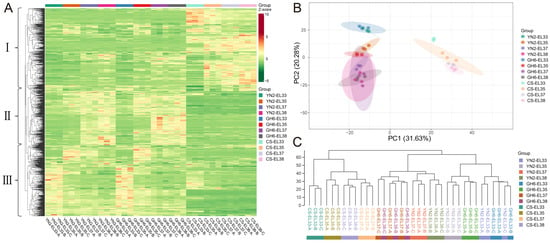
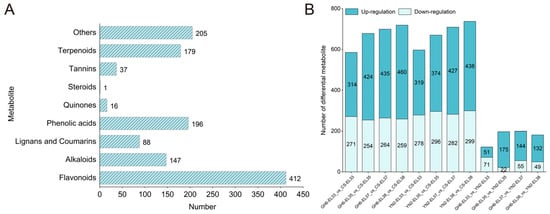
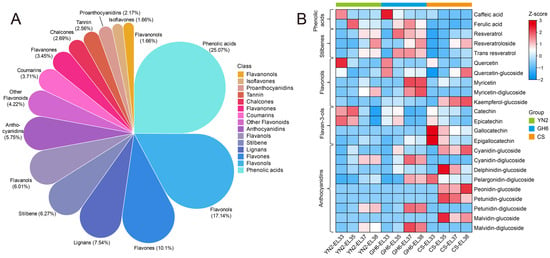
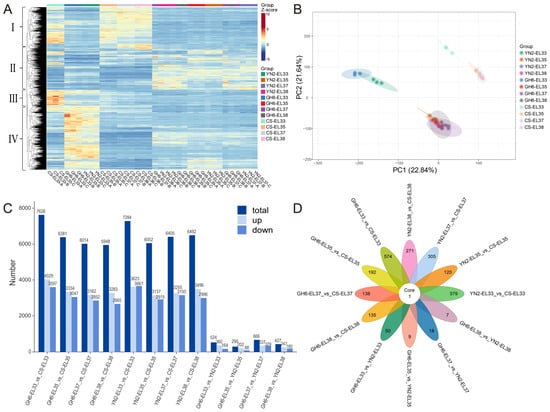
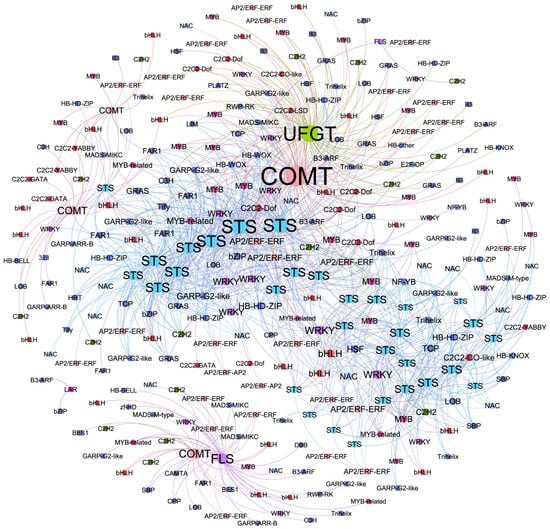
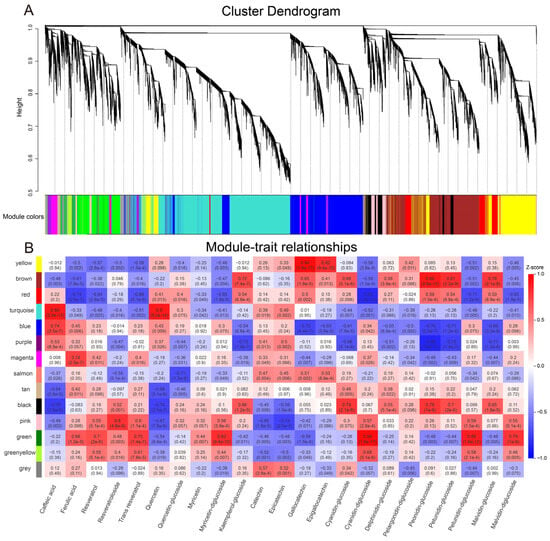
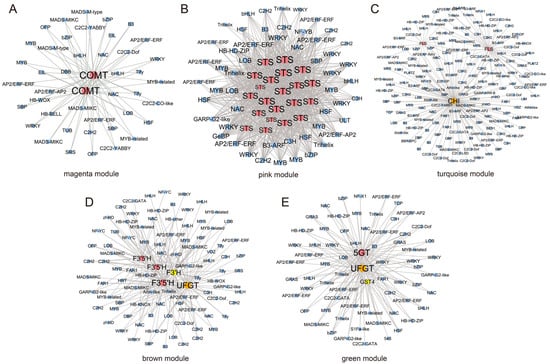
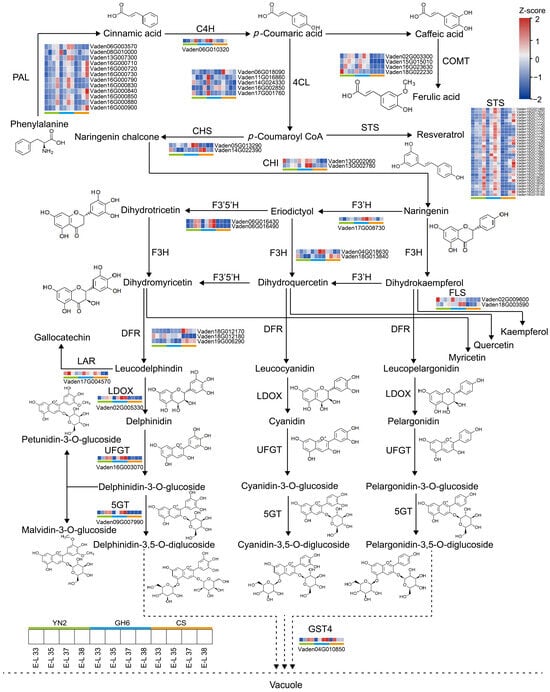
Vitis heyneana Roem. et Schult. var. adenoclada (Hand.-Mazz.) is an important wild grapevine resource with unique berry traits and wine quality characteristics; yet the molecular mechanisms governing its phenolic biosynthesis remain to be further elucidated compared with cultivated Vitis vinifera. This study aimed to systematically characterize the transcriptional and metabolic regulation of phenolic compound accumulation in V. heyneana var. adenoclada using integrated metabolomics and transcriptomics. At the metabolic level, V. heyneana var. adenoclada exhibited significantly higher contents of phenolic acids (caffeic and ferulic acids), resveratrol, flavonols (quercetin and myricetin), flavan-3-ols (catechin and epicatechin), and anthocyanin diglucosides compared with V. vinifera cv. Cabernet Sauvignon. The two tested V. heyneana varieties showed distinct developmental accumulation profiles: Guiheizhenzhu No. 6 accumulated more ferulic acid, resveratrol, myricetin, and anthocyanins at maturity, whereas Yeniang No. 2 showed higher quercetin and flavan-3-ols at the green stage. Integrated multi-omics correlation analyses revealed that the elevated phenolic content is driven by the coordinated upregulation of key structural genes mediated by a complex MYB regulatory network. Specifically, MYB12 (MYBF1) positively correlated with COMT, CHI, DFR, and LAR. MYB5, MYBS3, and MYB61 promoted quercetin synthesis by activating FLS. MYB06, MYB4, and MYB36 enhanced STS transcription to drive resveratrol biosynthesis, whereas MYB1 and MYB5 cooperatively regulated UFGT, 5GT, and GST4, facilitating efficient synthesis and transport of anthocyanin diglucosides. These findings provide comprehensive mechanistic insights into phenolic metabolism in V. heyneana var. adenoclada and establish a valuable theoretical foundation for improving the flavor quality and regional utilization of wild grape wines.
Full article
(This article belongs to the Special Issue Factors Affecting Wine Quality and Flavor)
►▼
Show Figures

Figure 1

Open AccessArticle
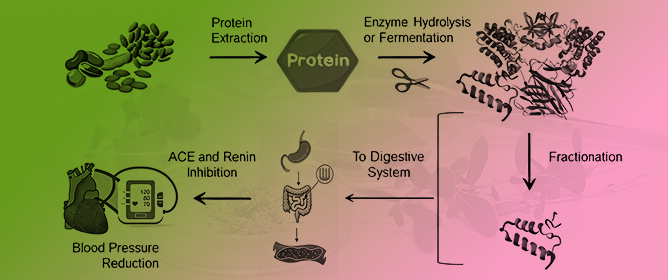
Inhibitory Effects on the Polyol Pathway in Type 2 Diabetic Rats by Chickpea Flavonoid Extract
by
Jingteng Wang, Ting Yang, Jintian Guo, Yuan Li and Yinghua Fu
Foods 2026, 15(14), 2573; https://doi.org/10.3390/foods15142573 - 22 Jul 2026
Abstract
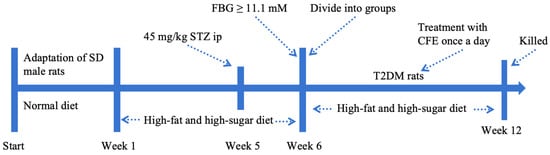
Chickpea is an important source of plant flavonoids in the diet, and flavonoids from chickpea have hypoglycemic activity. In this study, a male SD rat model of type 2 diabetes mellitus (T2DM) induced by a high-fat high-sugar diet combined with streptozotocin (STZ) was
[...] Read more.
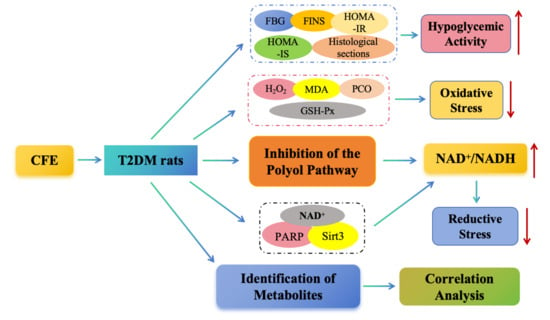
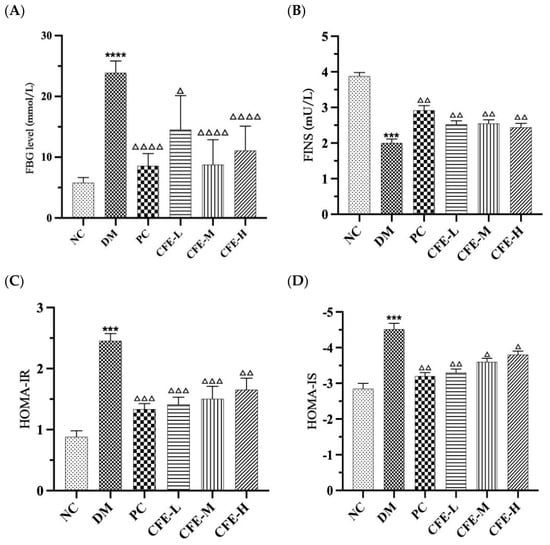
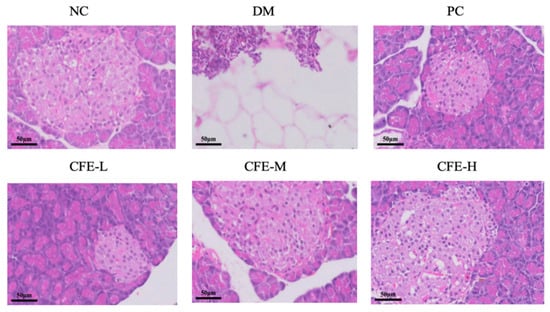
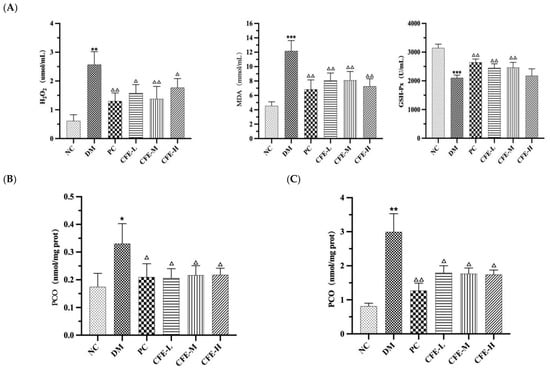
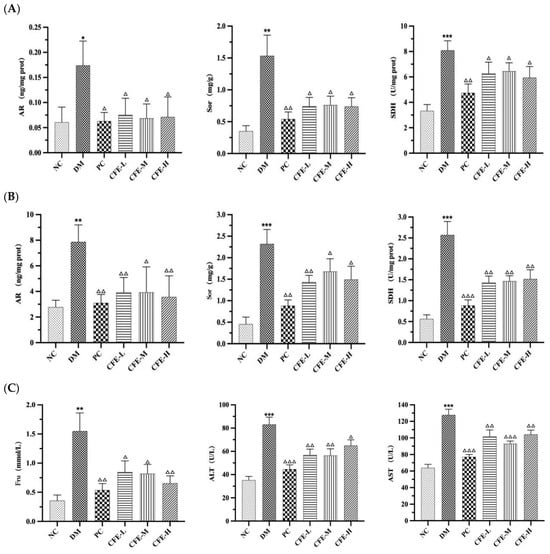
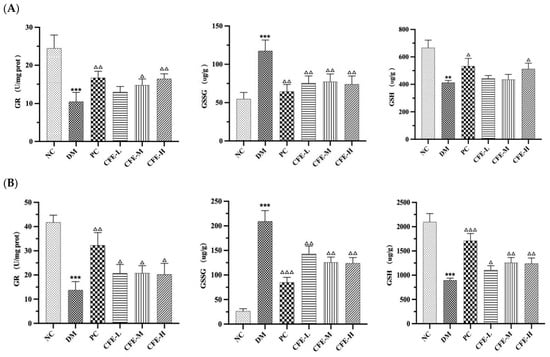
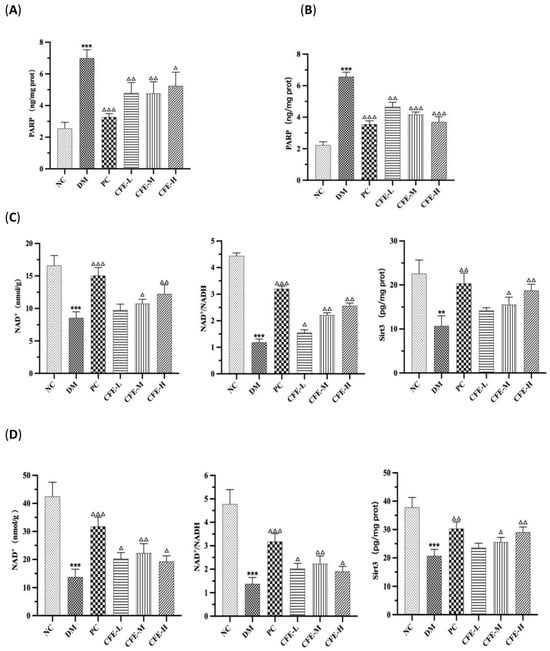
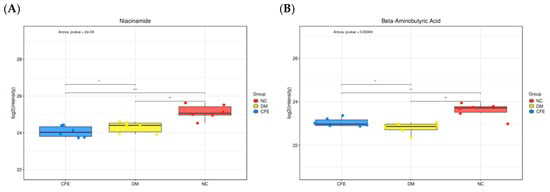
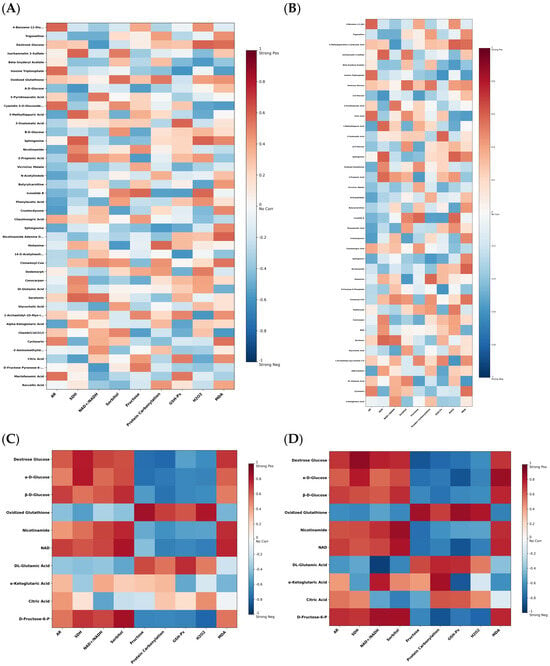
Chickpea is an important source of plant flavonoids in the diet, and flavonoids from chickpea have hypoglycemic activity. In this study, a male SD rat model of type 2 diabetes mellitus (T2DM) induced by a high-fat high-sugar diet combined with streptozotocin (STZ) was used to investigate the inhibitory effects on the polyol pathway (a branch of glucose metabolism) by chickpea flavonoid extract (CFE). The results demonstrated that CFE significantly lowered fasting blood glucose (FBG) level, and reduced insulin resistance in diabetic rats by elevating the homeostasis model assessment of insulin sensitivity (HOMA-IS) and decreasing the homeostasis model assessment of insulin resistance (HOMA-IR). And CFE relieved oxidative stress through reducing H2O2, malondialdehyde (MDA) and carbonylated protein levels, and increasing the activity of glutathione peroxidase (GSH-Px). Moreover, CFE inhibited the polyol pathway by downregulating the aldose reductase (AR) and sorbitol dehydrogenase (SDH) activities, as well as reducing the sorbitol and fructose levels. Meanwhile, CFE also enhanced the antioxidant defense capacity through increasing glutathione reductase (GR) activity and the glutathione (GSH) level, while decreasing the oxidized glutathione (GSSG) level. Further results showed that CFE mitigated reductive stress in T2DM rats via increasing intracellular NAD+ content and the NAD+/NADH ratio, due to suppressing PARP activity and upregulating Sirt3 activity. Furthermore, CFE regulated the levels of metabolites such as nicotinamide and β-aminobutyric acid, and modulated seven metabolic pathways closely associated with the improvement of diabetes and its complications. Ten key differential metabolites were reversed after CFE intervention, which were strongly correlated with the polyol pathway and oxidative stress in T2DM rats. In summary, CFE possessed hypoglycemic activity and could inhibit the polyol pathway, which was considered a promising natural product for diabetes prevention.
Full article
(This article belongs to the Section Food Nutrition)
►▼
Show Figures

Graphical abstract
Open AccessArticle
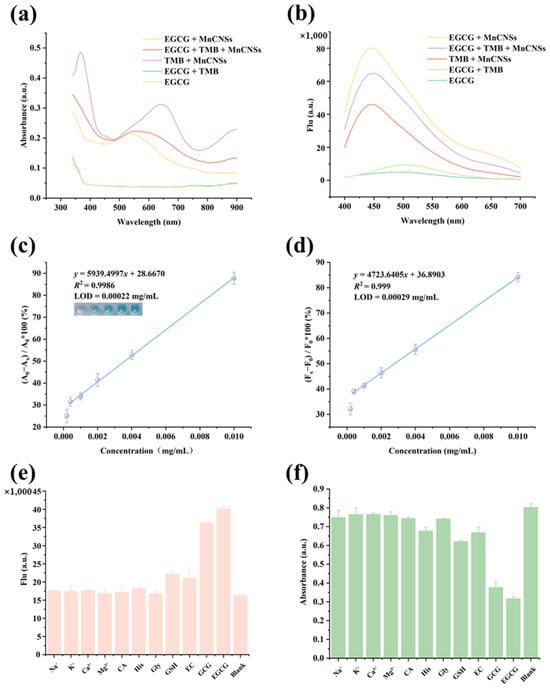
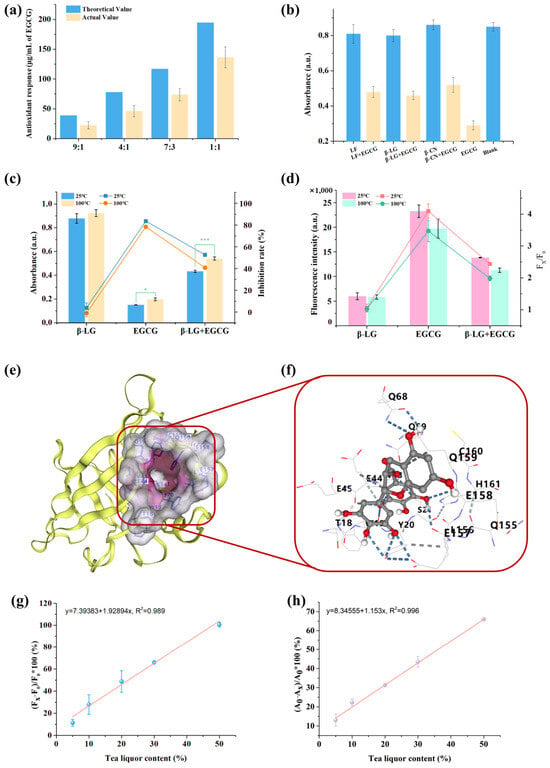
A Dual–Mode Nanozyme Assay Based on Photoactivated Mn–Doped Carbon Nanosheets for Rapid Evaluation of Antioxidant Responses in Tea Beverages and Dairy Tea Matrices
by
Qiongmeng Lu, Qiuju He, Xiling Fang, Zheng Wei, Qi Zhang, Yaxiong Song, Shijie Li and Shuo Wang
Foods 2026, 15(14), 2572; https://doi.org/10.3390/foods15142572 - 22 Jul 2026
Abstract
Rapid and matrix–aware evaluation of antioxidant responses in dairy–containing tea beverages remains challenging because milk components may interfere with the detectable activity of tea polyphenols. In this study, a photoactivated Mn–doped carbon nanosheet (Mn–CNS)–based dual–mode nanozyme assay was developed for the rapid evaluation
[...] Read more.
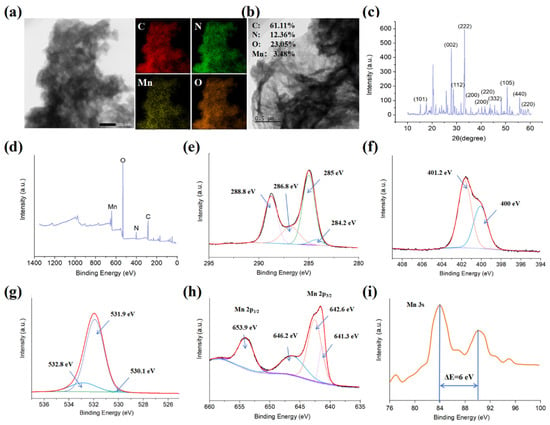
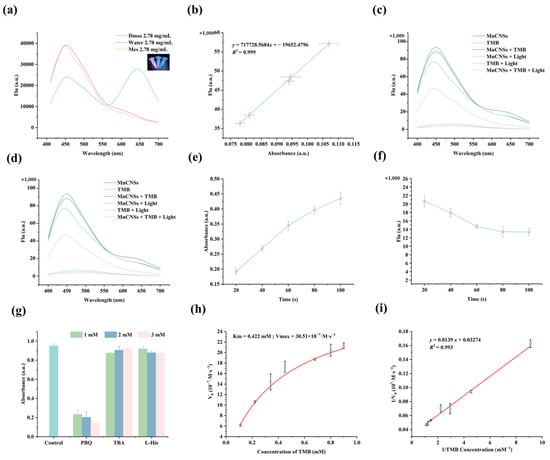
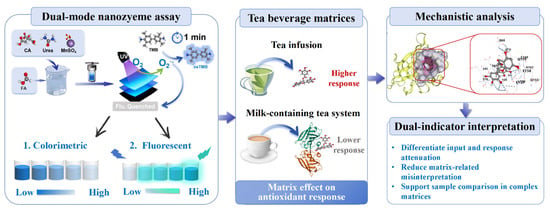
Rapid and matrix–aware evaluation of antioxidant responses in dairy–containing tea beverages remains challenging because milk components may interfere with the detectable activity of tea polyphenols. In this study, a photoactivated Mn–doped carbon nanosheet (Mn–CNS)–based dual–mode nanozyme assay was developed for the rapid evaluation of antioxidant responses in tea beverages and dairy tea matrices. The Mn–CNSs exhibited light–triggered oxidase–like activity toward 3,3′,5,5′–tetramethylbenzidine, enabling synchronized colorimetric and fluorescence readouts within 1 min. Using epigallocatechin gallate as a model antioxidant, the assay showed limits of detection of 0.22 and 0.29 μg/mL in the colorimetric and fluorescence modes, respectively, together with good selectivity and applicability to tea infusions. When applied to milk tea systems, the measurable antioxidant response decreased to 56.9–72.2% of that in corresponding tea infusions, indicating a pronounced matrix–dependent attenuation. Matrix–matched calibration and dual–indicator recovery analysis further distinguished tea infusion recovery from antioxidant response recovery, while molecular docking suggested that β–lactoglobulin–EGCG interactions contributed to the reduced detectable response. These results demonstrate that the proposed dual–mode assay is a rapid tool for antioxidant–response evaluation and highlight the importance of matrix–aware interpretation in complex dairy tea beverages.
Full article
(This article belongs to the Special Issue Emerging Analytical Technologies Based on Various Nano-Structured Materials for Food Analysis)
►▼
Show Figures

Figure 1
Open AccessReview
Traditional and Emerging Maceration Techniques in Red Winemaking: Extraction Mechanisms Shaping Phenolic Composition, Volatile Profile, and Sensory Expression
by
Melita Sternad Lemut, Guillaume Antalick, Piergiorgio Comuzzo and Sabrina Voce
Foods 2026, 15(14), 2571; https://doi.org/10.3390/foods15142571 - 22 Jul 2026
Abstract
Maceration is one of the most important tools available to winemakers for shaping the chemical composition, sensory profile, and overall style of red wines. However, understanding the consequences of different maceration choices remains challenging due to the diversity of available techniques, the complexity
[...] Read more.
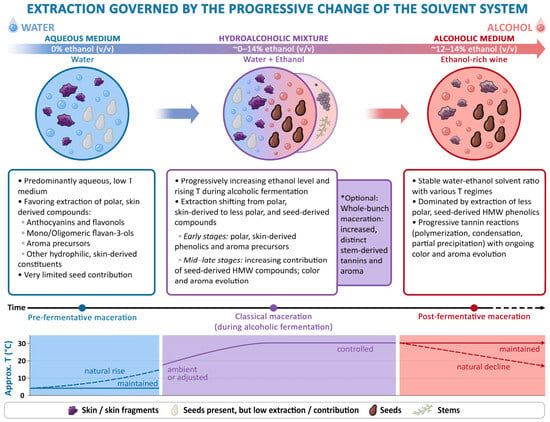
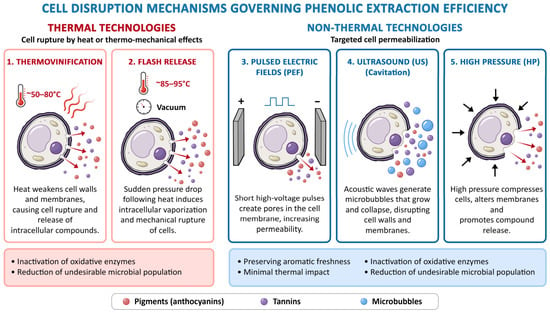
Maceration is one of the most important tools available to winemakers for shaping the chemical composition, sensory profile, and overall style of red wines. However, understanding the consequences of different maceration choices remains challenging due to the diversity of available techniques, the complexity of extraction phenomena, and the fragmented nature of the available literature, which spans a wide range of technological strategies, cultivars, vintages, winemaking conditions, and analytical approaches. This review thus provides a comprehensive overview of traditional, advanced and emerging maceration techniques used in red winemaking. Conventional approaches, including pre-fermentative cold maceration, fermentative maceration, extended post-fermentative maceration, whole-bunch fermentation, and carbonic maceration, are discussed alongside technological modifications such as cryoextraction, thermovinification, flesh-release and Accentuated Cut Edges, as well as emerging and non-thermal technologies including pulsed electric fields, ultrasound, high-pressure processing, microwaves and ohmic heating. Particular attention is given to the mechanisms governing extraction, with emphasis on how processing conditions and tissue-disruption phenomena influence grape cell wall integrity, membrane permeability, and the release of targeted constituents from different grape tissues. Finally, the advantages, limitations, and practical implications of each technique are highlighted for researchers and winemakers, indicating the need for an integrated consideration of chemical, microbiological, sensory, technological, and economic factors when optimizing red wine production.
Full article
(This article belongs to the Special Issue Factors Affecting Wine Quality and Flavor)
►▼
Show Figures

Figure 1

Open AccessArticle
Nutritional, Mineral, Taste, and Metabolic Profiles of Agaricus bisporus Cultivated on Corn Stover Substrate: A High-Quality Alternative to Wheat Straw
by
Keqing Qian, Weijian Li, Dongyan Sun, Zhengxiang Qi, Peng Dong, Ze Liu, Ke Ma, Jingyu Wang, Yu Li, Han Yu, Xiao Li and Bo Zhang
Foods 2026, 15(14), 2570; https://doi.org/10.3390/foods15142570 - 22 Jul 2026
Abstract
This study systematically evaluated substrate-dependent variations in yield, nutritional composition, mineral profiles, taste-active compounds, electronic tongue profile, and metabolome of A. bisporus cultivated on corn stover-based substrates (CM1, CM2, CM3) and wheat straw-based substrate (WM4). Corn stover-based substrates supported the cultivation of A.
[...] Read more.
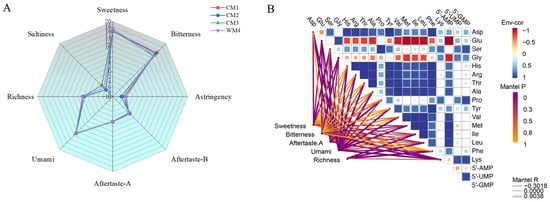
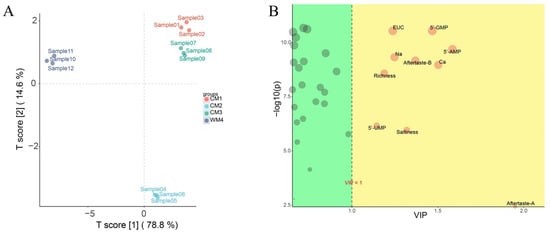
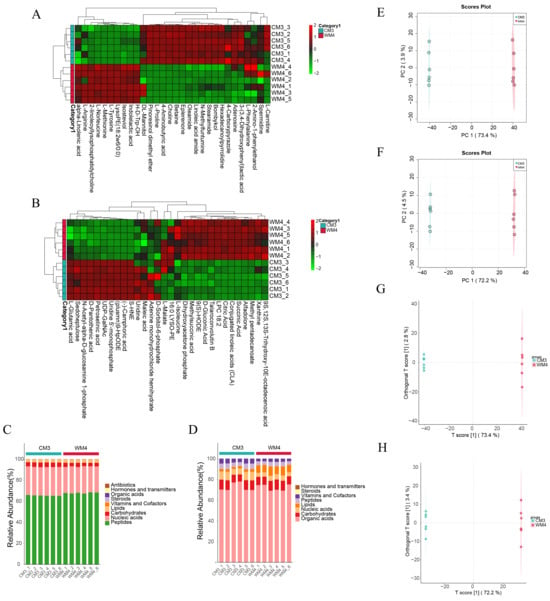
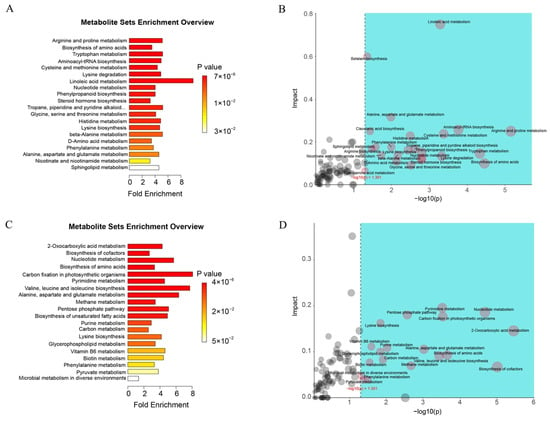
This study systematically evaluated substrate-dependent variations in yield, nutritional composition, mineral profiles, taste-active compounds, electronic tongue profile, and metabolome of A. bisporus cultivated on corn stover-based substrates (CM1, CM2, CM3) and wheat straw-based substrate (WM4). Corn stover-based substrates supported the cultivation of A. bisporus, yielding 20.56–25.63 kg/m2, comparable to WM4 (24.23 kg/m2). Biological efficiency of the corn stover treatments ranged from 80.32% to 88.58%; CM1 and CM2 were comparable to WM4 (91.35%), whereas CM3 showed a significantly lower biological efficiency than WM4 (p < 0.05). Crude protein and mineral elements (Cu, Fe, Zn) were substantially higher in mushrooms from corn stover-based substrates, whereas crude polysaccharide content was greater in WM4. Taste profile analysis revealed that corn stover-based substrates elevated umami and sweet amino acids alongside 5′-GMP and 5′-UMP, leading to enhanced equivalent umami concentration (EUC) and umami perception by the electronic tongue, while WM4 supported higher 5′-AMP accumulation. Non-targeted metabolomics analysis (CM3 vs. WM4) identified 3997 metabolic features. KEGG pathway enrichment analysis revealed that these substrate-dependent metabolic alterations were primarily driven by pathways such as the biosynthesis of amino acids, nucleotide metabolism, and 2-oxocarboxylic acid metabolism, underlying the metabolic adaptation of A. bisporus. These findings provide new insights into the compositional characteristics and quality formation of A. bisporus cultivated on corn stover-based substrates.
Full article
(This article belongs to the Special Issue Edible Mushroom: Nutritional Properties and Its Utilization in Foods)
►▼
Show Figures

Figure 1

Open AccessArticle
Osmotic Dehydration with Alternative Humectants for the Production of Ultrachilled Cherry Tomatoes
by
Efimia Dermesonlouoglou, Despoina Manoleri, Maria Giannakourou and Petros Taoukis
Foods 2026, 15(14), 2569; https://doi.org/10.3390/foods15142569 - 22 Jul 2026
Abstract
The aim of the study was to explore and develop an innovative food category with distinct physicochemical properties (reduced water activity, aw ≤ 0.9) and a lower initial freezing point (IFP), in the range −10 °C to −8 °C, by integrating mild
[...] Read more.
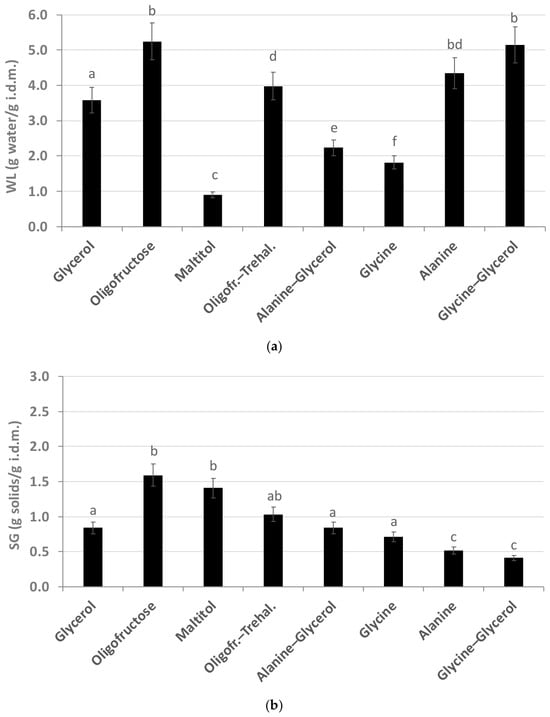
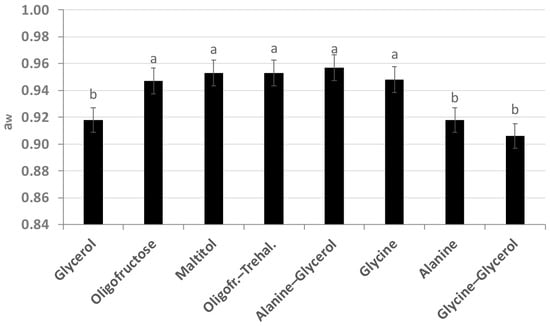
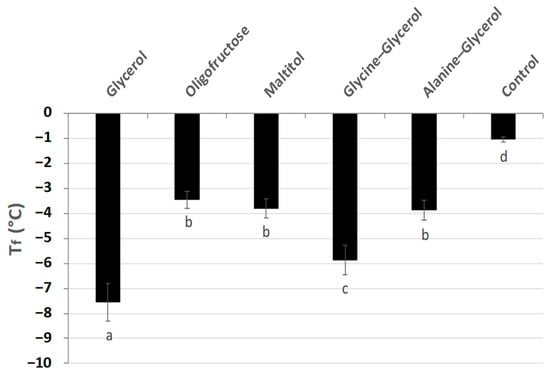
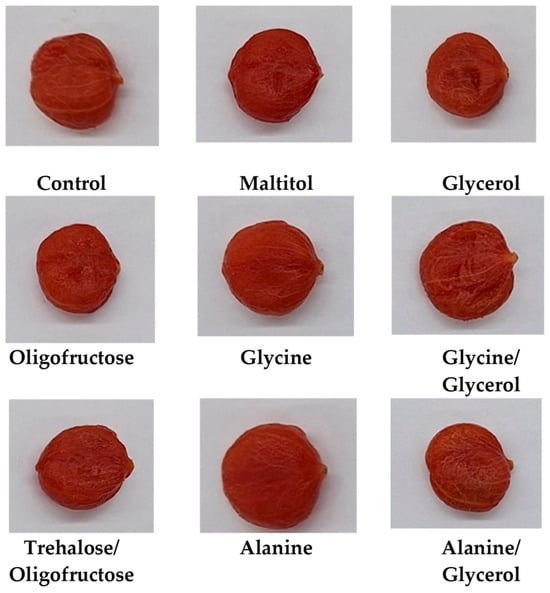
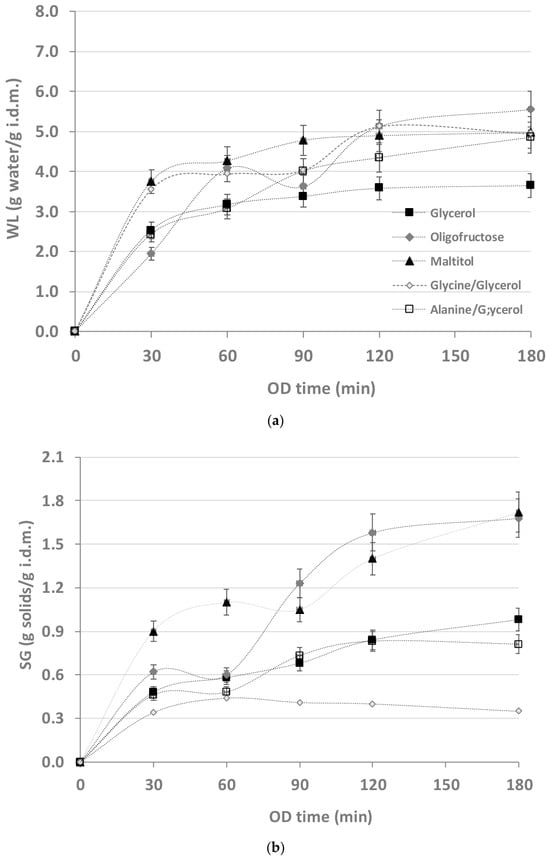
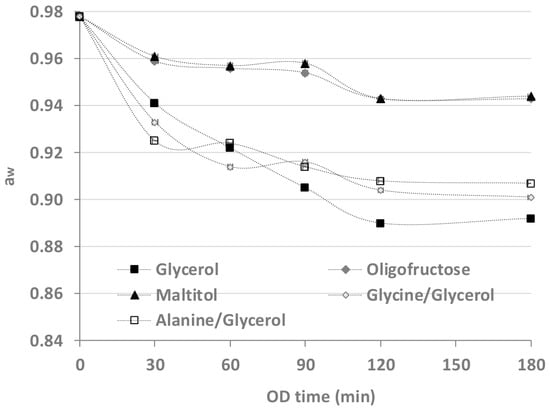
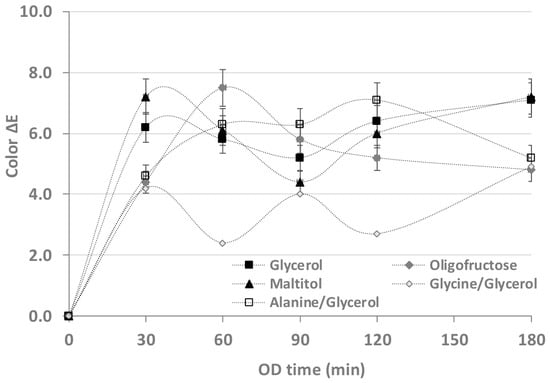
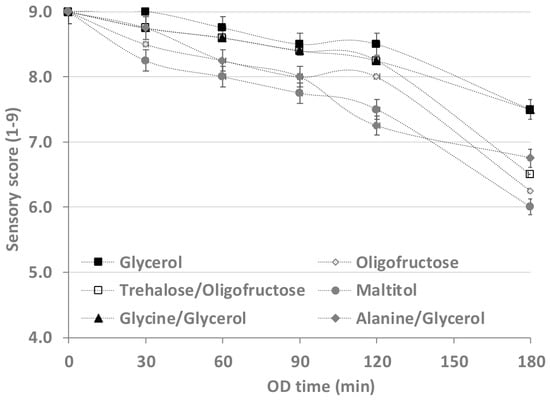
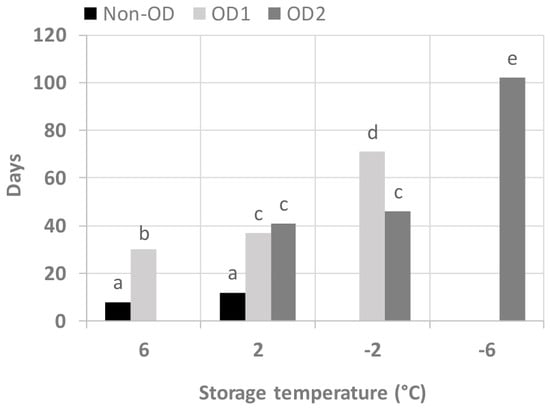
The aim of the study was to explore and develop an innovative food category with distinct physicochemical properties (reduced water activity, aw ≤ 0.9) and a lower initial freezing point (IFP), in the range −10 °C to −8 °C, by integrating mild dehydration techniques (osmotic dehydration (OD)), with the scope of ensuring superior quality until final consumption. In this context, peeled cherry tomatoes were OD-treated at 35 °C for up to 180 min in hypertonic solutions, consisting of alternative humectants (maltitol, oligofructose, glycerol, glycine, alanine, and their combinations, as well as NaCl and CaCl2). Mass transfer (water loss (WL), solid gain (SG)), water activity (aw), IFP, and sensory properties’ changes were monitored during the osmotic process. The most effective osmotic solutions, regarding aw decrease, as well as IFP depression, were glycerol (50%), glycine (11%)–glycerol (39%) and alanine (7%)–glycerol (43%). aw and IFP of OD tomatoes (120 min −35 °C) significantly decreased (up to 0.9063 compared to 0.9778, and up to −7.55 °C) compared to −1.05° C of the untreated sample.
Full article
(This article belongs to the Special Issue Preservation and Shelf Life Extension of Food Products)
►▼
Show Figures

Figure 1

Open AccessArticle
Anti-Fatigue Effects of Donkey Milk and Its Polysaccharides in a Mouse Swimming Model
by
Teng Wang, Yangen Sun, Kaiwen Wang, Chuanliang Ji, Gengli Huang, Jie Xiao, Mengyan Zhang, Jingwen Zhou, Xiaoshu Tang, Xuemei Chen, Bo Hu, Jie Yu and Zhouping Wang
Foods 2026, 15(14), 2568; https://doi.org/10.3390/foods15142568 - 22 Jul 2026
Abstract
Exercise-induced fatigue is a physiological limitation affecting athletic performance and recovery, driven by disrupted energy metabolism, oxidative stress, and inflammation. This study investigated the anti-fatigue effects of donkey milk and its polysaccharides in BALB/c mice using an exhaustive swimming model. Mice were randomly
[...] Read more.
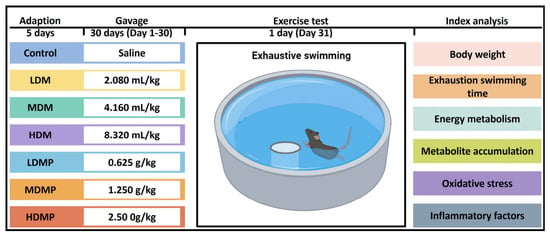
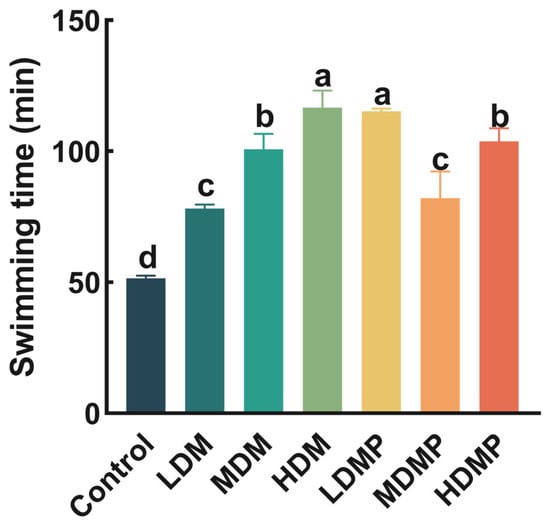
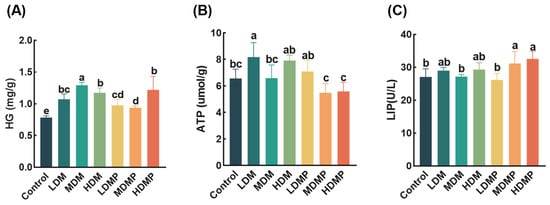
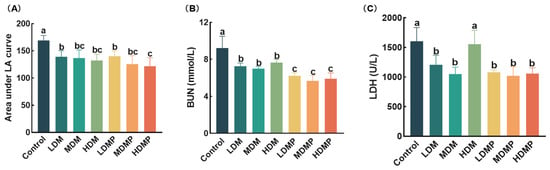
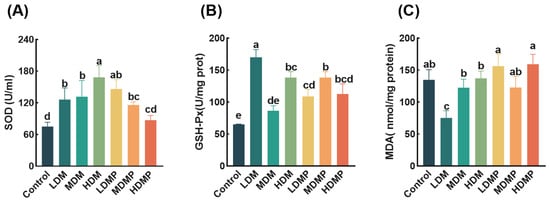
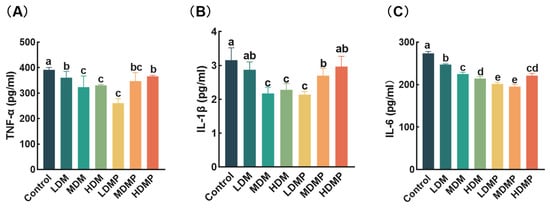
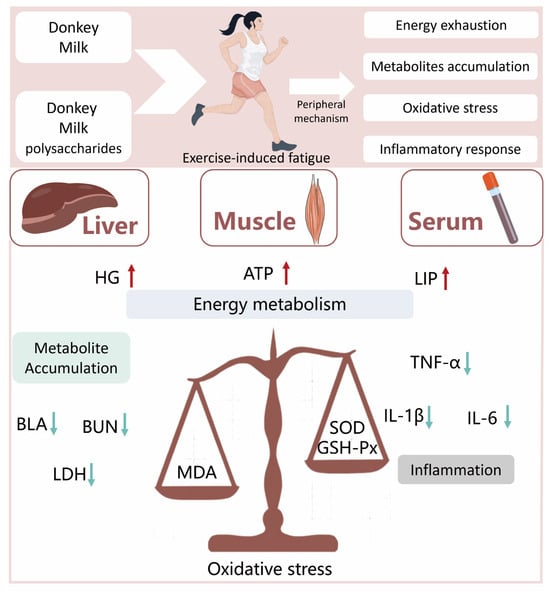
Exercise-induced fatigue is a physiological limitation affecting athletic performance and recovery, driven by disrupted energy metabolism, oxidative stress, and inflammation. This study investigated the anti-fatigue effects of donkey milk and its polysaccharides in BALB/c mice using an exhaustive swimming model. Mice were randomly assigned to seven groups, including a negative control group and separate dose groups receiving donkey milk (2.08, 4.16, or 8.32 mL/kg) or donkey milk polysaccharides (0.625, 1.25, or 2.5 g/kg), for 30 days. Anti-fatigue activity was subsequently evaluated based on exhaustive swimming performance and fatigue-related biochemical parameters. Donkey milk polysaccharides, mainly composed of galactose, exhibited stronger in vitro antioxidant activity than donkey milk, which may be associated with their enhanced radical scavenging capacity. Both treatments significantly prolonged exhaustive swimming time (up to 2.27-fold, p < 0.05) without affecting body weight. They improved energy metabolic status (glycogen, ATP, lipid utilization), reduced fatigue-related metabolite accumulation, enhanced antioxidant capacity, and suppressed oxidative stress and inflammatory responses, with donkey milk polysaccharides generally showing superior efficacy. The in vitro antioxidant activity was consistent with in vivo improvements in oxidative status, supporting a functional link between polysaccharide bioactivity and physiological effects. These findings suggest that donkey milk and its polysaccharides may alleviate exercise-induced fatigue through coordinated regulation of energy metabolism, oxidative stress, and inflammation, providing a mechanistic framework linking polysaccharide composition to anti-fatigue effects.
Full article
(This article belongs to the Section Dairy)
►▼
Show Figures

Figure 1
Open AccessArticle
Consumption of Zinc Biofortified Rice Diet Improved Mineral Availability: An Approach to Address Micronutrient Malnutrition
by
Natesan Ramachandran, Marappan Gopi, Duraisamy Rajendran, Dintaran Pal, Balakrishnan Binsila, Madhusoodanan N. Unnikrishnan, Chirravuri N. Neeraja, Gundallahalli B. Manjunatha Reddy, Arindam Dhali, Sudhir Chandra Roy, Ashish Mishra, Kaliappan Bharathi, Jeeva Mutthu Kumar, Artabandhu Sahoo and Raghavendra Bhatta
Foods 2026, 15(14), 2567; https://doi.org/10.3390/foods15142567 - 22 Jul 2026
Abstract
Zinc (Zn), a micronutrient, plays vital roles in various biological functions and its inadequate intake results in various clinical manifestations. Biofortification of staple crops through breeding approaches has been attempted to ensure a higher dietary intake of Zn. The present study assessed the
[...] Read more.
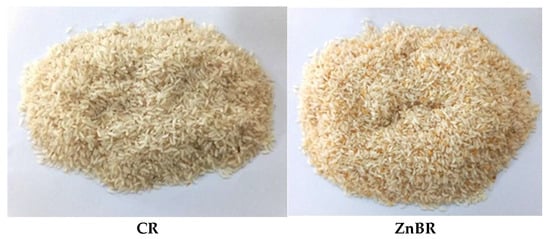
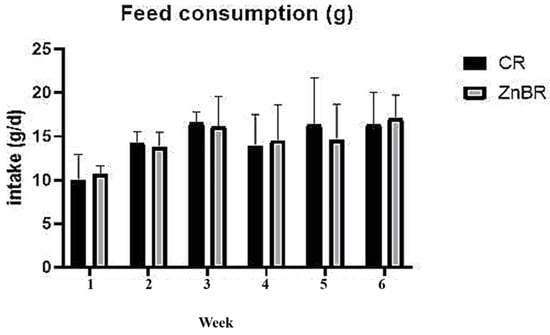
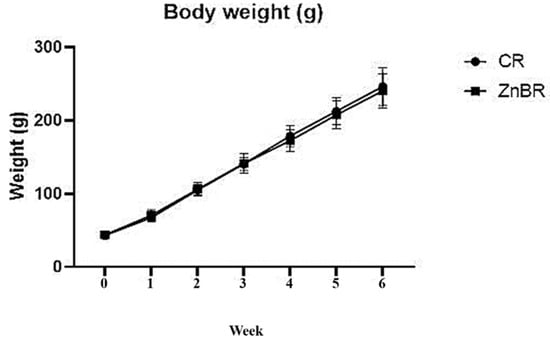
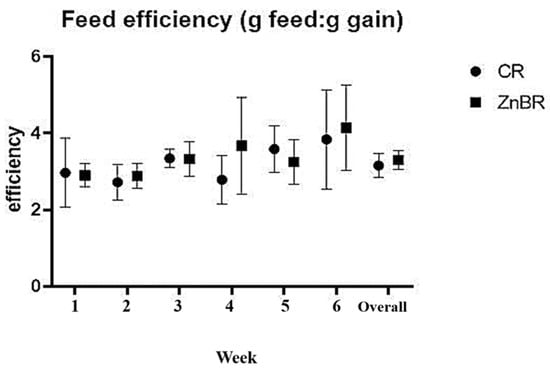
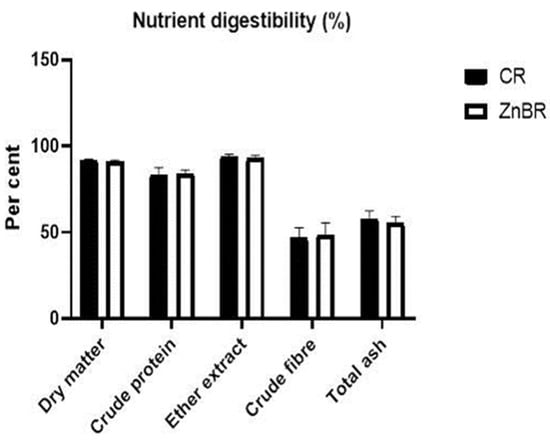
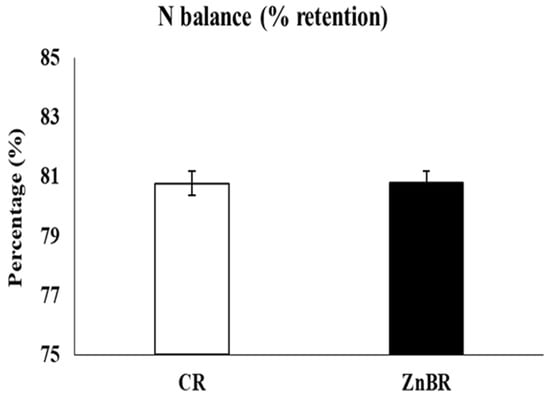
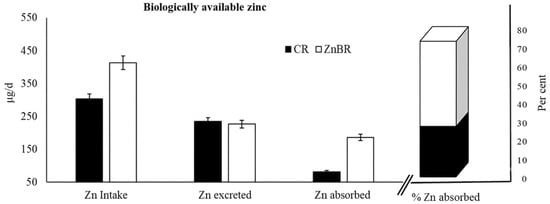
Zinc (Zn), a micronutrient, plays vital roles in various biological functions and its inadequate intake results in various clinical manifestations. Biofortification of staple crops through breeding approaches has been attempted to ensure a higher dietary intake of Zn. The present study assessed the bioavailability of zinc from biofortified rice in Wistar rats. Two rice-based feed pellets were prepared: conventional/control (CR—MTU1010) and Zn-biofortified rice (ZnBR—DRR Dhan 48). Rats were fed their respective diets for 45 days to assess the Zn intake, retention, distribution and excretion. Daily feed intake and weekly body weight were recorded, and a digestion trial was conducted during last five days of the feeding period. Mean body weights at the start and end of experiment were comparable (p > 0.05) (246 and 240 g) with similar feed consumption. Zn absorption from ZnBR was 45.12%, compared to 26.65% from CR. The biologically available zinc from ZnBR was 2.3 times higher than that from CR. Zn content in the major storage tissues was not altered (p > 0.05) due to consumption of ZnBR. The study revealed that biological availability of zinc from ZnBR was higher than that of CR, which could be useful in managing Zn-related malnutrition.
Full article
(This article belongs to the Section Food Nutrition)
►▼
Show Figures

Figure 1
Open AccessReview
Formation, Toxicity, and Analytical Techniques for Small-Molecule α-Dicarbonyl Compounds in Foods
by
Ningbo Wan, Yao Wang, Lijuan Wang, Hongyun Wang, Zhaozhou Li, Lei Hua, Huawei Niu, Xiujin Chen and Jianrui Sun
Foods 2026, 15(14), 2566; https://doi.org/10.3390/foods15142566 - 21 Jul 2026
Abstract
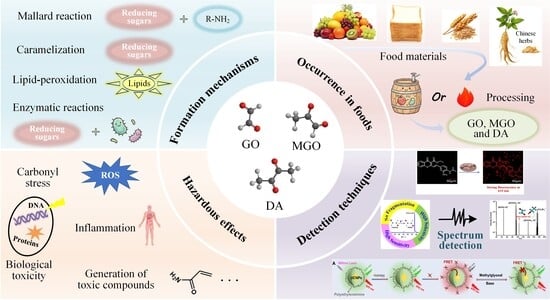
Small-molecule α-dicarbonyl compounds (α-DCs), including glyoxal, methylglyoxal and diacetyl, are electrophilic compounds characterized by two adjacent carbonyls. These compounds ubiquitously occur in various foods and food–medicine homologous herbs, generated via the Maillard reaction, caramelization, lipid peroxidation, and enzymatic reactions during thermal treatment and
[...] Read more.
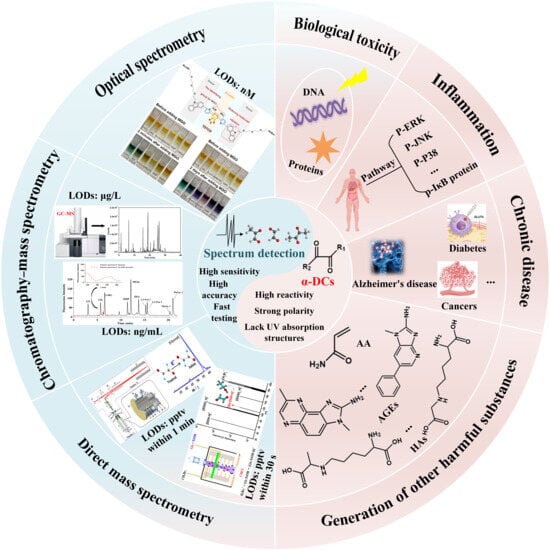
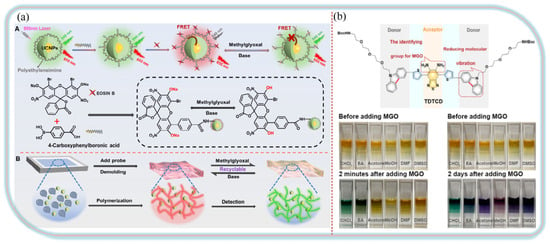
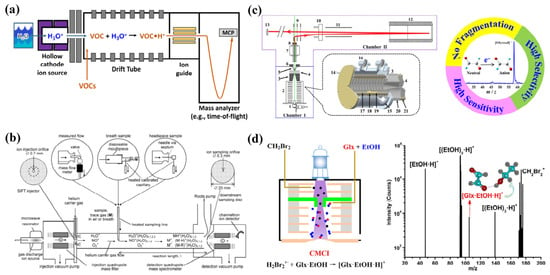
Small-molecule α-dicarbonyl compounds (α-DCs), including glyoxal, methylglyoxal and diacetyl, are electrophilic compounds characterized by two adjacent carbonyls. These compounds ubiquitously occur in various foods and food–medicine homologous herbs, generated via the Maillard reaction, caramelization, lipid peroxidation, and enzymatic reactions during thermal treatment and storage. Upon oral intake, small-molecule α-DCs are rapidly absorbed into systemic circulation, triggering protein and DNA damage, as well as inflammation. They also serve as important precursors to derive other hazards, such as advanced glycosylation end products possessing carcinogenic and genotoxic properties. Small-molecule α-DCs and their derived harmful products accelerate the progression of multiple metabolic diseases, e.g., cancer and diabetes. However, their pathological processes remain poorly elucidated, necessitating highly sensitive and accurate analytical methods. This review also systematically summarizes and discusses the current analytical techniques targeting small-molecule α-DCs. Chromatography and chromatography–mass spectrometry are still frequently used techniques. Given the polarity and weak ultraviolet absorption of small-molecule α-DCs, tedious pretreatment is necessary yet time-consuming. Novel rapid detection techniques such as mass spectrometry probes and direct ionization mass spectrometry have been proposed in recent years. Even so, developing rapid, eco-friendly, highly sensitive and accurate analytical methods remains a key priority for future research.
Full article
(This article belongs to the Topic Development of Rapid Detection Methods for Foodborne Micro/Trace Hazardous Substances)
►▼
Show Figures

Graphical abstract
Open AccessArticle
Mechanisms Associated with Quality Deterioration for Vacuum-Packaged Pork Jerky During Accelerated High-Temperature and High-Humidity Storage
by
Yankun Fu, Changcheng Zhao, Xiaolin Liang, Rong Liu, Pengjie Wang and Shumin Wang
Foods 2026, 15(14), 2565; https://doi.org/10.3390/foods15142565 - 21 Jul 2026
Abstract
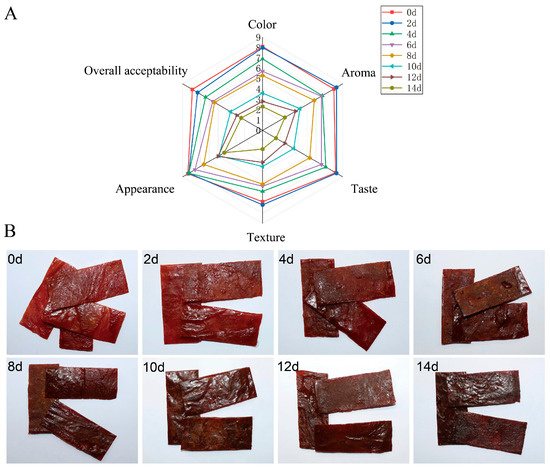
Pork jerky is vulnerable to quality deterioration during distribution, particularly under hot and humid conditions. This study investigated the deterioration pattern and associated mechanisms for vacuum-packaged pork jerky sealed in aluminum foil pouches during accelerated high-temperature and high-humidity storage (65 °C and relative
[...] Read more.
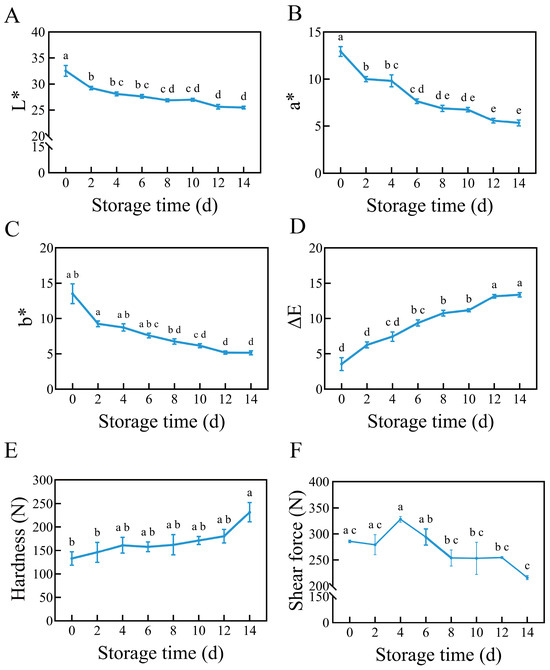
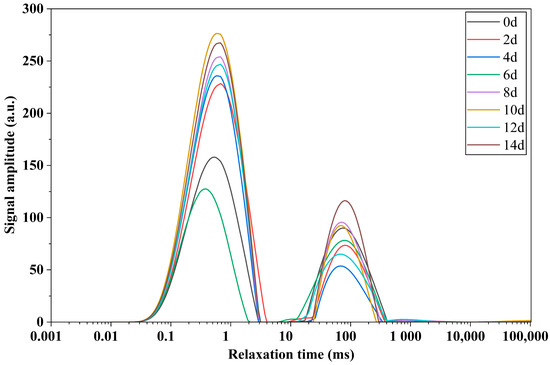
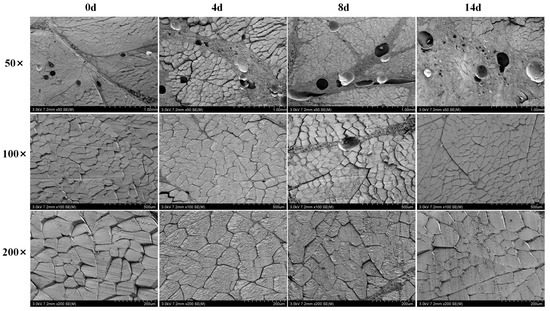
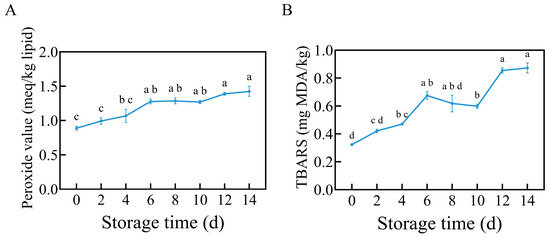
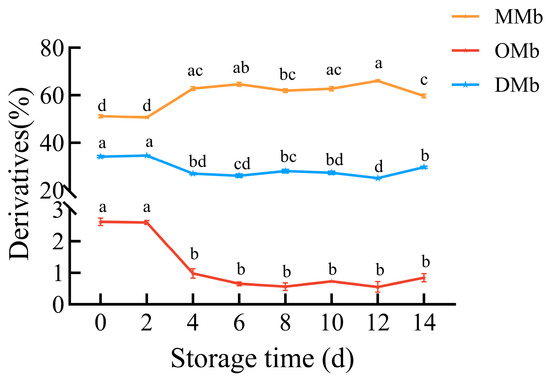
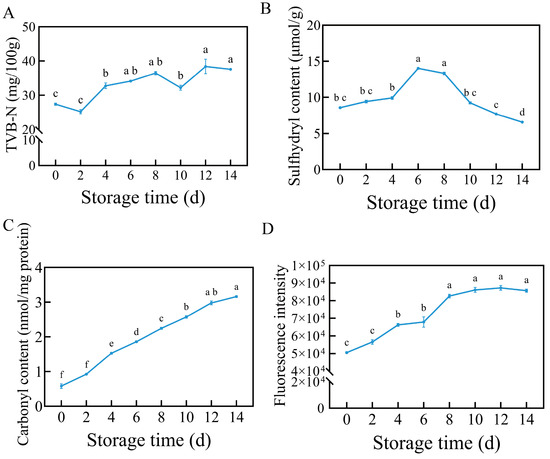
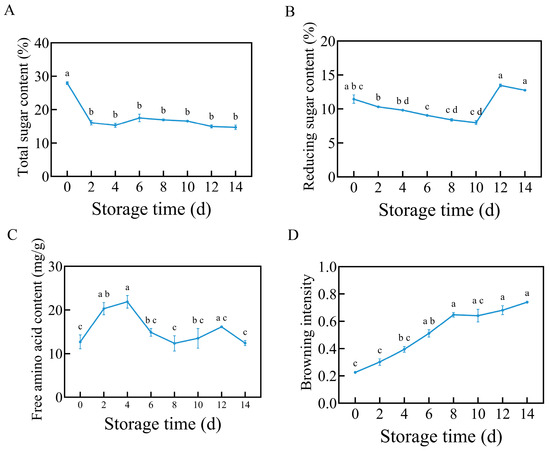
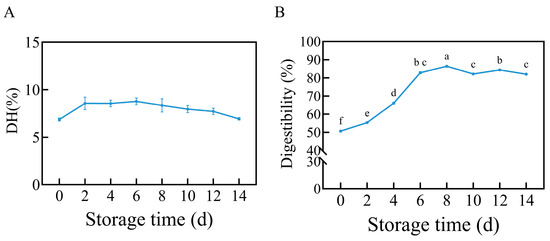
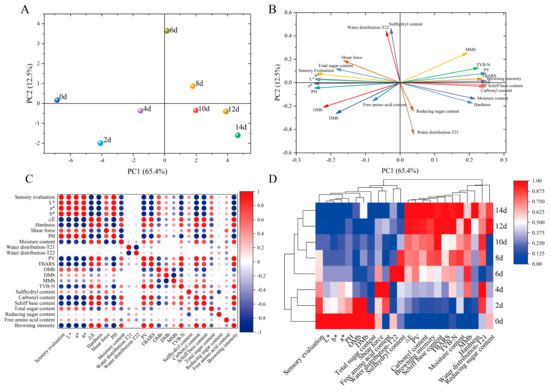
Pork jerky is vulnerable to quality deterioration during distribution, particularly under hot and humid conditions. This study investigated the deterioration pattern and associated mechanisms for vacuum-packaged pork jerky sealed in aluminum foil pouches during accelerated high-temperature and high-humidity storage (65 °C and relative humidity of 85%). The sensory quality, physicochemical properties, oxidation-related changes, non-enzymatic browning, and protein digestibility were evaluated, and multivariate analyses were performed to characterize the deterioration process. Sensory acceptability declined markedly, and the rejection rate reached 50% on day 14, indicating the shelf-life endpoint under the test conditions. Deterioration in quality was mainly characterized by color darkening, texture hardening, water redistribution, and microstructural disruption. Lipid oxidation, protein oxidation, myoglobin oxidation, and non-enzymatic browning progressively intensified during storage and were associated with the observed color deterioration and sensory decline. Microbiological indicators remained below the detection limit throughout storage, suggesting that quality deterioration was primarily associated with chemical rather than microbial changes. Multivariate analyses further suggested that lipid oxidation, protein oxidation, myoglobin oxidation, and non-enzymatic browning were key processes potentially associated with quality loss. These findings provide a basis for shelf-life evaluation and quality control for pork jerky under extreme storage conditions.
Full article
(This article belongs to the Section Meat)
►▼
Show Figures

Figure 1

Open AccessArticle
Aged Pickle Brine Influences Flavor and Bacteria Characteristics of Pickled Chili Peppers
by
Chenshuo Wang, Kaishuang Wei, Zhiji Qin, Zijian Cai, Chenglin Zhu, Zilin Shen, Jiazhuo Gao, Shihong Fang, Zhiyi Fan, Meimei Shi, Ting Li, Weiqin Deng and Luca Laghi
Foods 2026, 15(14), 2564; https://doi.org/10.3390/foods15142564 - 21 Jul 2026
Abstract
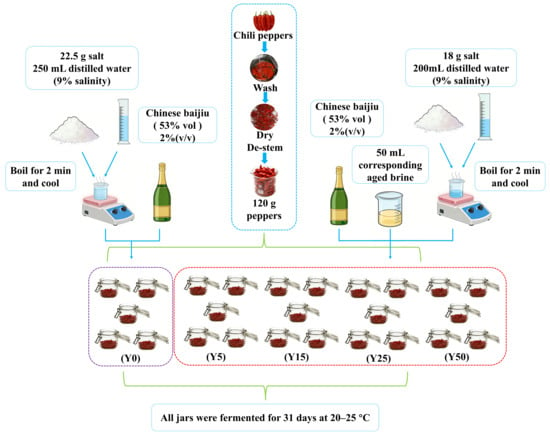
Aging duration of the brine is considered one of the core variables determining the fermentation quality of pickled chili peppers. This study systematically analyzed the dynamic changes in volatile and non-volatile metabolites and bacteria community structure in fermented pickled chili peppers fermented with
[...] Read more.
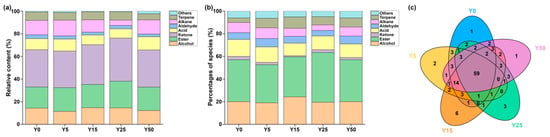
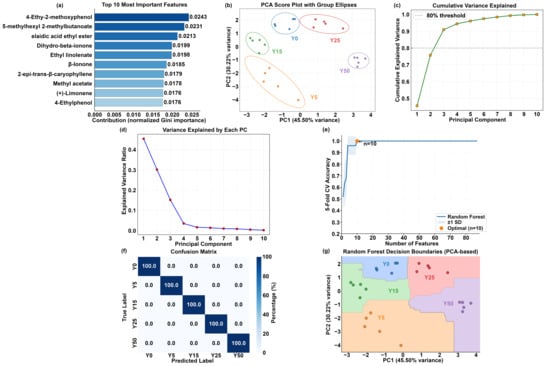
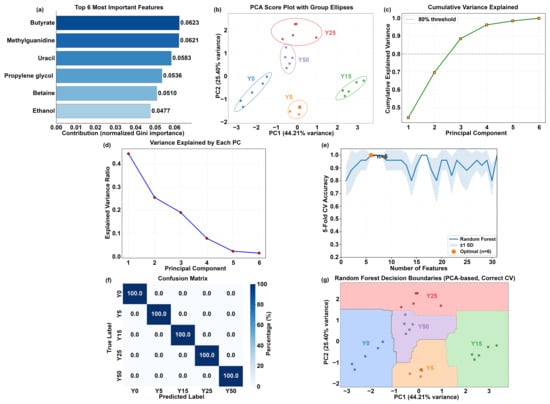
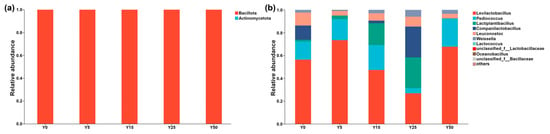
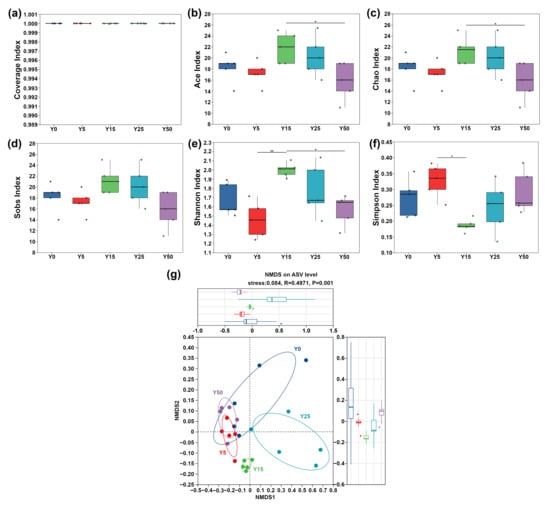
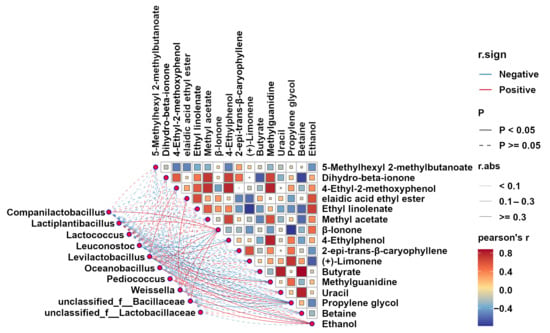
Aging duration of the brine is considered one of the core variables determining the fermentation quality of pickled chili peppers. This study systematically analyzed the dynamic changes in volatile and non-volatile metabolites and bacteria community structure in fermented pickled chili peppers fermented with different pickle brines (aged 0, 5, 15, 25, and 50 years). Results indicate that brine age was significantly associated with both the flavor compound composition and bacteria diversity of fermented pickled chili peppers. GC-MS identified 127 volatile compounds, and RF-based exploratory marker analysis identified 10 candidate volatile markers associated with brine aging. 1H-NMR analysis screening identified six candidate non-volatile metabolites, whose dynamic changes were associated with bacterial degradation of proteins and carbohydrates. The selected marker panels showed internal discriminative consistency within the current dataset, indicating that brine ageing duration was associated with distinguishable metabolic profiles in fermented pickled chili peppers. α-diversity indices showed both species richness and community diversity shifted dynamically. Bacillota dominated the bacterial community, with Levilactobacillus as the most abundant genus. Spearman correlation analysis revealed that Levilactobacillus was significantly positively correlated with 4-ethyl-2-methoxyphenol, 4-ethylphenol, methylguanidine, and propylene glycol, while negatively correlated with β-Ionone and ethanol. Meanwhile, ethanol was positively associated with Weissella, Oceanobacillus, and unclassified_f_Bacillaceae. These findings provide a theoretical basis for understanding the role of aged brine in pickled chili peppers and support the potential application of multi-omics combined with machine learning to assist in fermented food discrimination. However, it is worth noting that, as the initial metabolic composition of the brines was not characterized, the observed differences should be interpreted as a brine-age-associated composite effect rather than being attributed exclusively to the fermentation process.
Full article
(This article belongs to the Special Issue Advances in Food Nutritional Biochemistry: Omics, Bioavailability and Gut Health)
►▼
Show Figures

Figure 1

Open AccessReview
From Source to Utilization: A Review of Influencing Factors and Safety Assessment for High-Value Utilization of Sweet Potato (Ipomoea batatas L.) Leaves
by
Menghuan Sun, Xiaojing Jiang, Yulu Ma, Liang Wang, Ming Zhu, Jun Xing and Jingyang Hong
Foods 2026, 15(14), 2563; https://doi.org/10.3390/foods15142563 - 21 Jul 2026
Abstract
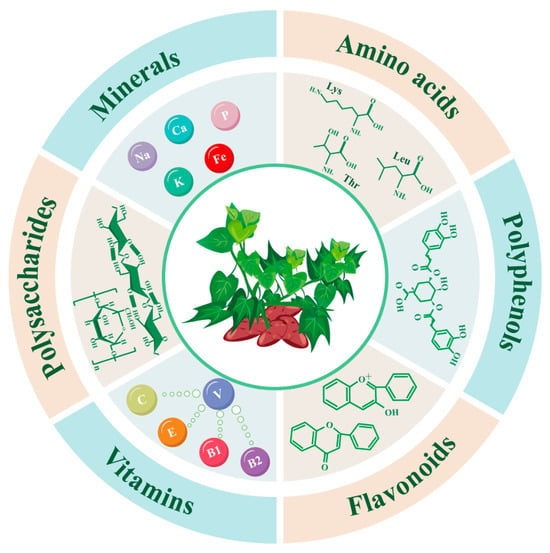
Sweet potato leaves (SPLs), with an annual production of millions of tons, are rich in polyphenols and other bioactive components, yet remain largely discarded or underutilized. This review proposes, for the first time, a “source–process–safety” full-chain cascade framework that elucidates three key aspects:
[...] Read more.
Sweet potato leaves (SPLs), with an annual production of millions of tons, are rich in polyphenols and other bioactive components, yet remain largely discarded or underutilized. This review proposes, for the first time, a “source–process–safety” full-chain cascade framework that elucidates three key aspects: how upstream factors (genotype and harvest period) predetermine raw material quality baselines; how midstream processing mediates the balance between activity retention and flavor improvement; and how downstream applications are subject to the decisive thresholds of heavy metal safety and regulatory compliance. Collectively, this framework provides a theoretical foundation and practical guidance for the high-value utilization of sweet potato leaves.
Full article
(This article belongs to the Section Plant Foods)
►▼
Show Figures

Figure 1
Open AccessReview
Artificial Intelligence in Foodborne Pathogen Detection from Sensing to Food Safety Systems: A Systematic Review
by
Maria Schirone, Giovanni D’Ambrosio and Antonello Paparella
Foods 2026, 15(14), 2562; https://doi.org/10.3390/foods15142562 - 21 Jul 2026
Abstract
This systematic review summarises advances in artificial intelligence (AI) and machine learning (ML) for foodborne pathogen detection, covering applications in various technologies (AI-assisted microscopy, spectroscopy, biosensors and sensor-based systems), food supply chains, analytical performance, operational metrics and regulatory developments, addressing gaps in previous
[...] Read more.
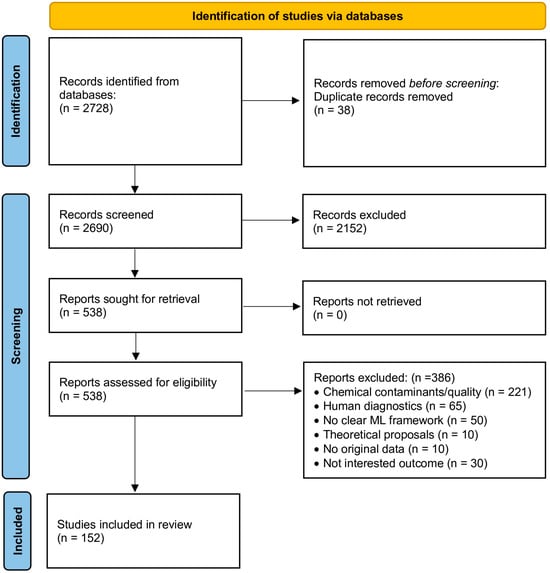
This systematic review summarises advances in artificial intelligence (AI) and machine learning (ML) for foodborne pathogen detection, covering applications in various technologies (AI-assisted microscopy, spectroscopy, biosensors and sensor-based systems), food supply chains, analytical performance, operational metrics and regulatory developments, addressing gaps in previous reviews limited to individual technologies or lacking regulatory analysis. Following PRISMA 2020 guidelines, Scopus, PubMed, and Web of Science were searched from 1 January 2010 to 25 June 2026 using a validated string. Inclusion criteria were explicit detection of a pathogen, clearly described AI/ML algorithm, study evaluation on food or supply chains, and quantitative validation metrics. Exclusion criteria were chemical-only studies, human-diagnostic studies, or purely theoretical studies. Given heterogeneity in the evidence, qualitative quality indicators were favoured over formal quantitative risk-of-bias tools, in distinction to internal cross-validation versus independent external validation. Key data were extracted using a standardised matrix, and after screening and snowballing, the final corpus consisted of 152 studies. CNN (Convolutional Neural Network)-based microscopy provides >99% accuracy in bacterial identification, SERS (Surface-Enhanced Raman Spectroscopy) and CNN 98.68% for pathogens and 99.85% for resistant strains. ML-driven biosensors show 80–100% prediction accuracy in the presence of environmental noise. Yet, performance drops dramatically on external validation, with models falling from 95% internal to 78–82% on independent test sets. Supply chain applications cover meat, dairy, seafood and produce, but most are still at pilot scale. The main constraints are data heterogeneity, lack of public benchmarks, matrix interference, non-standard validation protocols, and regulatory dissonance. However, the integration of AI with Internet of Things (IoT), blockchain and edge computing improves sensitivity, reduces false results and enables real-time monitoring despite the challenges. AI is a powerful decision-support tool that complements existing food safety controls rather than replacing them. To translate these technologies reliably into routine practice, effective implementation requires rigorous external validation and regulatory harmonisation.
Full article
(This article belongs to the Special Issue Machine Learning-Driven Strategies for Pathogen Detection and Food Safety Management)
►▼
Show Figures

Figure 1
Open AccessReview
Dietary and Supplementation Strategies for Modulating Gut Microbiota: A Narrative Review
by
Natalia Ekstedt-Biskot, Dominika Jamioł-Milc, Klaudia Melkis and Joanna Pieczyńska
Foods 2026, 15(14), 2561; https://doi.org/10.3390/foods15142561 - 21 Jul 2026
Abstract
The composition and balance of the gut microbiota are important for human health, as they are involved in metabolic processes, immune regulation, intestinal barrier function, and gut–brain communication. This narrative review summarizes current evidence on dietary and supplementation-based strategies for modulating the gut
[...] Read more.
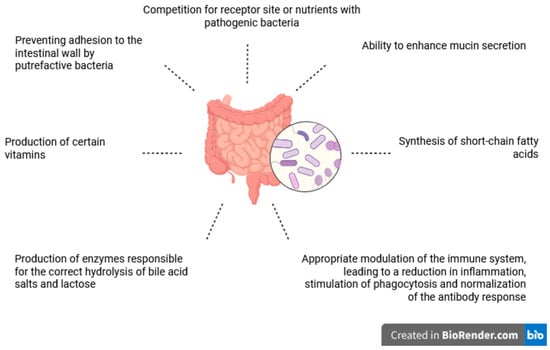
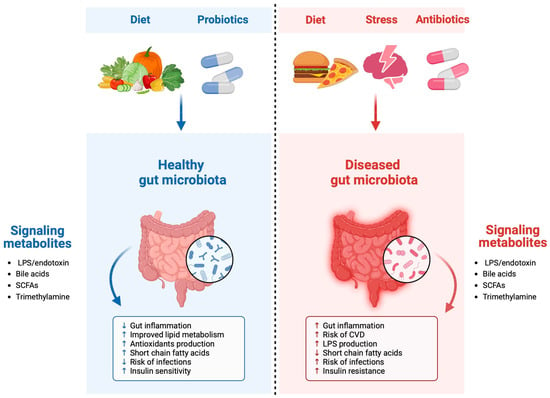
The composition and balance of the gut microbiota are important for human health, as they are involved in metabolic processes, immune regulation, intestinal barrier function, and gut–brain communication. This narrative review summarizes current evidence on dietary and supplementation-based strategies for modulating the gut microbiota, with particular attention to dietary fiber, fermented foods, prebiotics, probiotics, synbiotics, and postbiotics. The review discusses their potential mechanisms of action, including effects on microbial composition, short-chain fatty acid production, intestinal barrier integrity, immune responses, and metabolic homeostasis. Particular emphasis is placed on the context-dependent nature of microbiota modulation, as the effects of dietary and supplementation strategies may vary according to baseline microbiota composition, health status, habitual diet, probiotic strain, dose, and intervention duration. Overall, current evidence suggests that microbiota-targeted nutritional strategies may support gut homeostasis and selected health-related outcomes; however, their effects are not universal and require more personalized and better-controlled approaches in future research.
Full article
(This article belongs to the Special Issue Bioactive Food Ingredients Shaping Gut Microbiota: Composition, Function, and Inter-Individual Variability)
►▼
Show Figures

Figure 1
Open AccessArticle
Structural Analysis of a Non-Starch Polysaccharide Derived from Red Rice Bran and Its Immunomodulatory Properties
by
Juan Liu, Dagang Chen, Xinqiao Zhou, Yangchao Ou, Ke Chen, Chanjuan Ye, Jie Guo and Chuanguang Liu
Foods 2026, 15(14), 2560; https://doi.org/10.3390/foods15142560 - 21 Jul 2026
Abstract
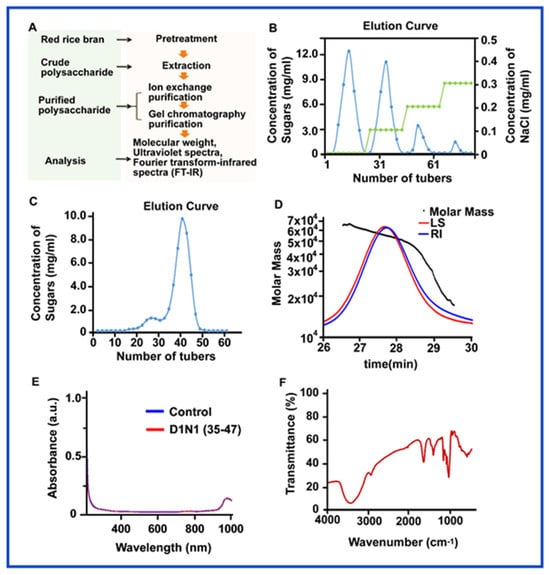
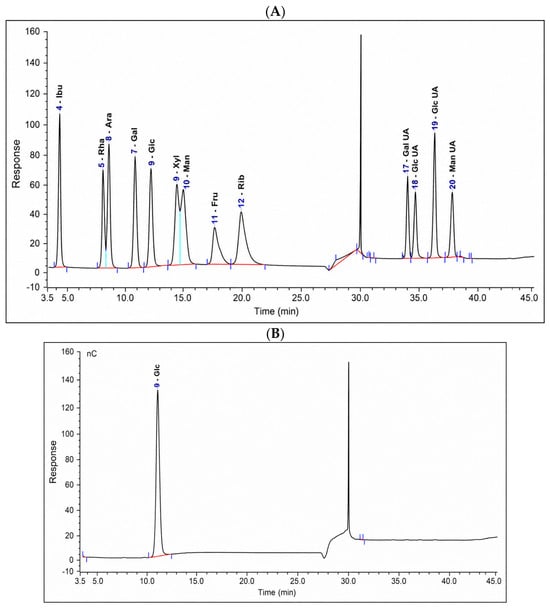
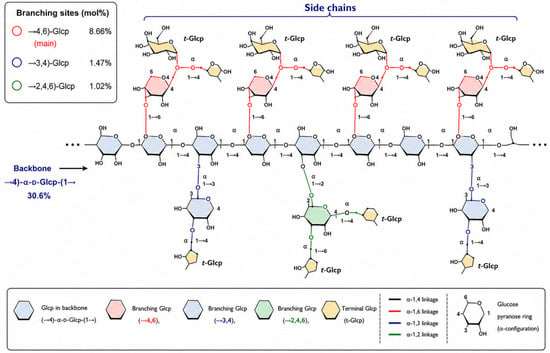
A polysaccharide with water solubility named RRBP was extracted from red rice bran (Oryza sativa L.), and its structural characterization was analyzed. The polysaccharide exhibited a monodisperse molecular weight distribution with an average of 51.4 kDa, and also comprised glucose (98.1%, w
[...] Read more.
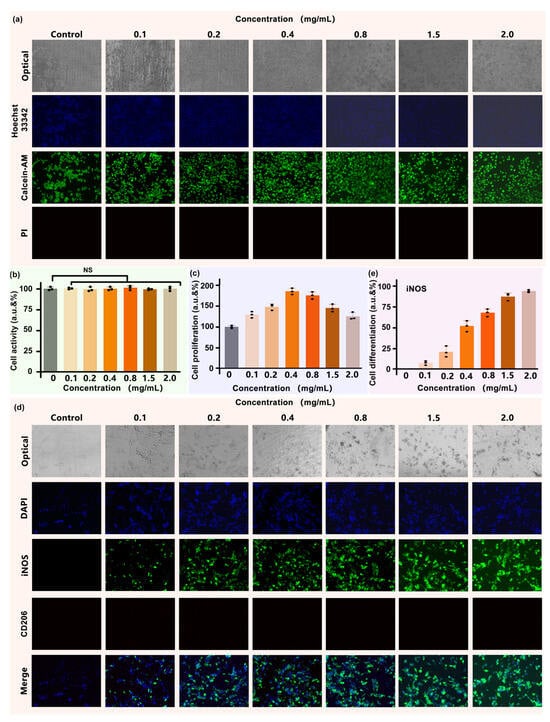
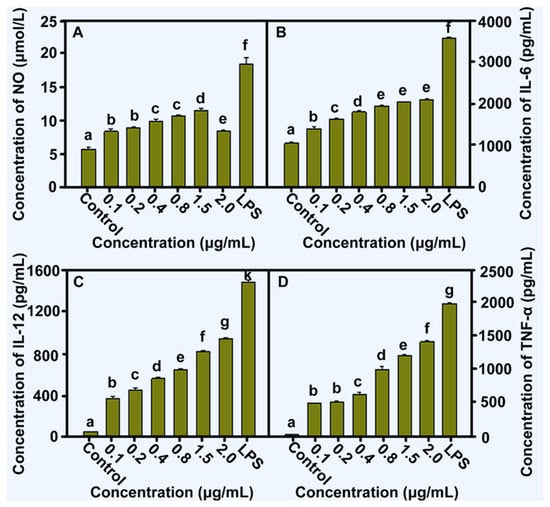
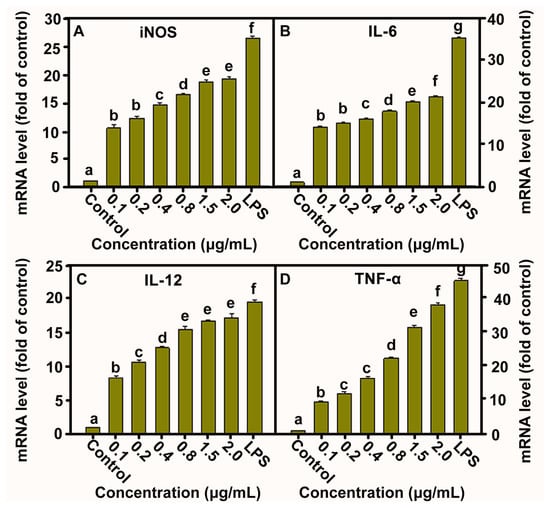
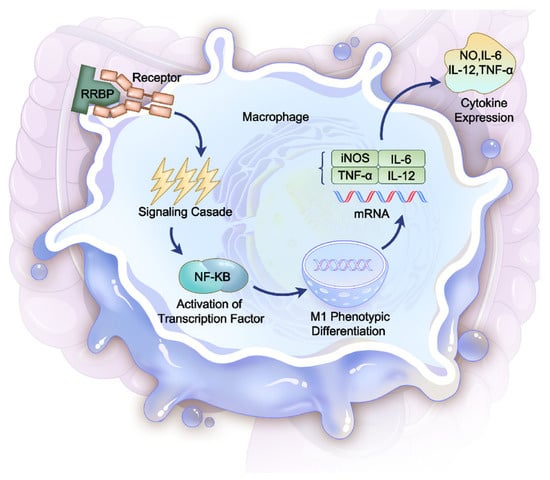
A polysaccharide with water solubility named RRBP was extracted from red rice bran (Oryza sativa L.), and its structural characterization was analyzed. The polysaccharide exhibited a monodisperse molecular weight distribution with an average of 51.4 kDa, and also comprised glucose (98.1%, w/w) and small amounts of arabinose, galactose, xylose, and mannose. Structural investigations using methylation analysis combined with UV and FT-IR spectroscopy demonstrated that RRBP is a structurally complex hyperbranched glucan characterized by an extensive branch with “→4)-α-d-Glcp-(1“→linkages constituting 30.6% of the backbone. RRBP demonstrated concentration-dependent stimulation of nitric oxide (NO) generation along with elevated secretion levels of IL-6 and TNF-α but showed minimal effect on IL-12 production in assays with RAW264.7 macrophage cells. Gene expression profiling verified the enhanced transcription of genes encoding iNOS and pro-inflammatory cytokines including IL-6, TNF-α, and IL-12 following RRBP treatment. Moreover, it is important to note that RRBP was able to promote M1 macrophage activation and exhibited no cytotoxicity, and this implied that RRBP could serve as a biocompatible pro-inflammatory immunostimulant. In summary, these findings suggested that RRBP is a distinctive glucan that possesses selective immunomodulatory properties and could be applied in the development of functional food products designed for targeted immune system modulation.
Full article
(This article belongs to the Special Issue Advanced Research and Development of Carbohydrate from Foods—3rd Edition)
►▼
Show Figures

Figure 1
Open AccessArticle
Solid-State Fermentation of Black Gram: Improvement of Protein Digestibility and Functional Properties for Composite Flour Applications
by
Pardeep Kumar Sadh, Nikhil Dnyaneshwar Patil, Neetu Mundalia, Aarti Bains, Mansuri M. Tosif, Ravinder Kaushik and Prince Chawla
Foods 2026, 15(14), 2559; https://doi.org/10.3390/foods15142559 - 21 Jul 2026
Abstract
This study evaluated the effect of solid-state fermentation (SSF) using Aspergillus awamori on the nutritional, functional, antioxidant, structural, and protein-digestibility properties of black gram (Vigna mungo) flour and its application in wheat-based composite flour. Black gram was fermented for 0–12 days,
[...] Read more.
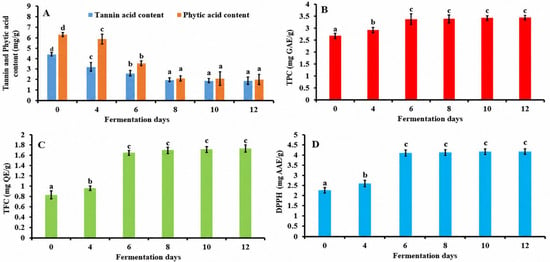
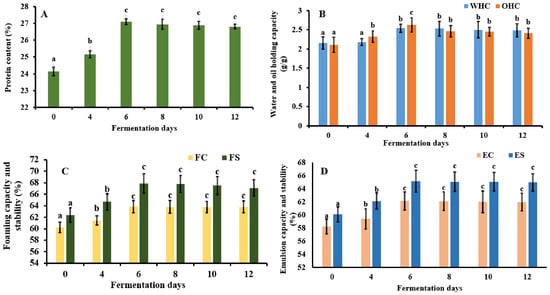
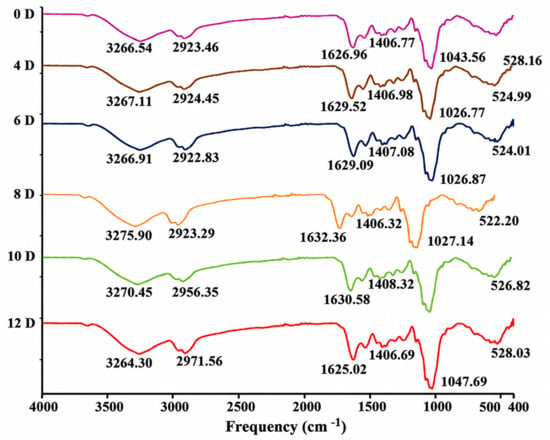
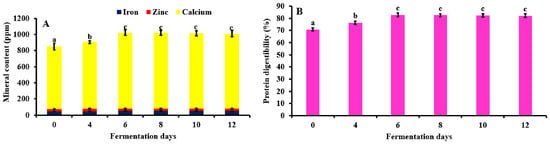
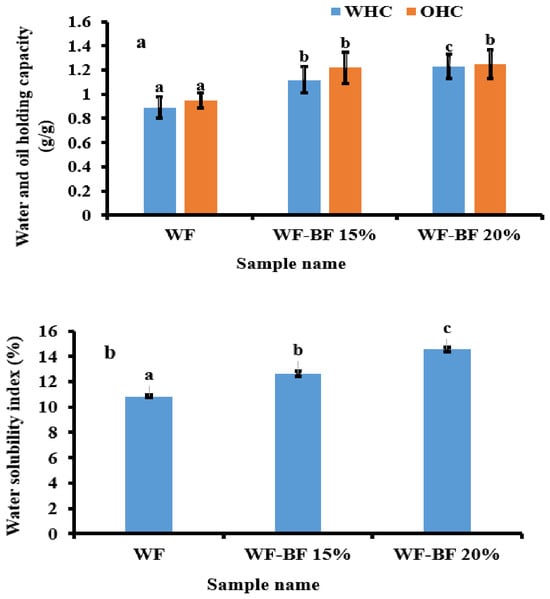
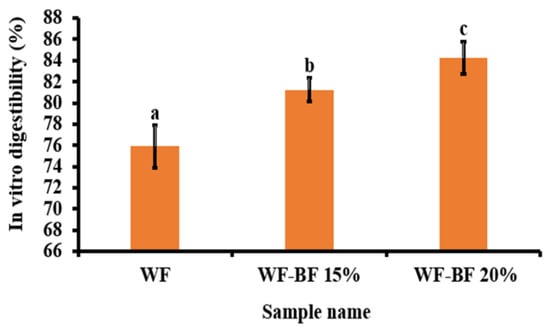
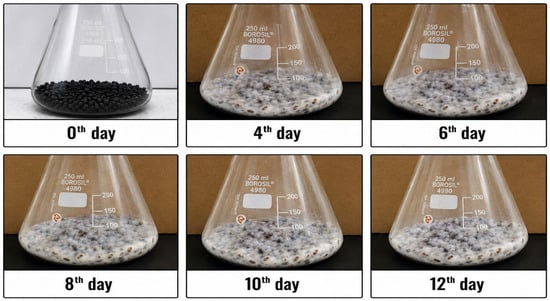
This study evaluated the effect of solid-state fermentation (SSF) using Aspergillus awamori on the nutritional, functional, antioxidant, structural, and protein-digestibility properties of black gram (Vigna mungo) flour and its application in wheat-based composite flour. Black gram was fermented for 0–12 days, and the 6-day fermented sample was selected for flour fortification based on improved nutritional and functional responses. SSF reduced tannin and phytic acid contents while increasing total phenolic content from 2.69 to 3.37 mg GAE/g, total flavonoid content from 0.83 to 1.65 mg QE/g, and DPPH radical-scavenging activity from 2.13 to 4.09 mg AAE/g by day 6. Protein content increased from 24.14% to 27.11%, and in vitro protein digestibility improved from 70.86% to 82.89%. Total amino acid content also increased from 88.71 to 98.24 g/100 g protein by day 6, followed by a decline during prolonged fermentation. Mineral contents, including iron, zinc, and calcium, were also improved after fermentation. Incorporation of 6-day fermented black gram flour into wheat flour enhanced the protein, crude fiber, water-holding capacity, oil-holding capacity, and in vitro protein digestibility of the composite flour. Overall, SSF with A. awamori improved the nutritional and functional quality of black gram and demonstrated its potential as a protein-rich ingredient for fortified cereal–legume composite flour development.
Full article
(This article belongs to the Special Issue Processing and Fermentation of Grain Products: From Digestibility to Bioactivity)
►▼
Show Figures

Figure 1
Journal Menu
► ▼ Journal Menu-
- Foods Home
- Aims & Scope
- Editorial Board
- Reviewer Board
- Topical Advisory Panel
- Early Career Editorial Board
- Instructions for Authors
- Special Issues
- Topics
- Sections & Collections
- Article Processing Charge
- Indexing & Archiving
- Editor’s Choice Articles
- Most Cited & Viewed
- Journal Statistics
- Journal History
- Journal Awards
- Society Collaborations
- Conferences
- Editorial Office
Journal Browser
► ▼ Journal BrowserHighly Accessed Articles
Latest Books
E-Mail Alert
News
Topics
Topic in
Dietetics, Foods, Nutrients
Dietary Carbohydrate Chemistry, Nutrition, and Utilization
Topic Editors: Bin Zhang, Lijun Sun, Zhuqing XieDeadline: 31 July 2026
Topic in
Applied Microbiology, Fermentation, Foods, Microbiology Research, Microorganisms, Nutrients
News and Updates on Probiotics
Topic Editors: Alessandra Pino, Mutamed AyyashDeadline: 30 September 2026
Topic in
Foods, Molecules, Nutrients, Metabolites
Omics Technologies and Other Quality and Safety Methodologies in Nutrition and Health
Topic Editors: Xianjiang Li, Wen MaDeadline: 15 November 2026
Topic in
Applied Microbiology, Microorganisms, Pharmaceuticals, Pharmaceutics, Foods
Probiotics: New Avenues
Topic Editors: Daniela Machado, José Carlos AndradeDeadline: 10 December 2026
Conferences
Special Issues
Special Issue in
Foods
Latest Advances in Beehive Products
Guest Editors: Xiaoming Fang, Xiangxin LiDeadline: 25 July 2026
Special Issue in
Foods
Soybean and Human Nutrition
Guest Editors: Huanyu Zheng, Yang LiDeadline: 25 July 2026
Special Issue in
Foods
Advances in the Recovery of Bioactive Compounds from Foods and Food Processing By-Products and Their Nutritional Impact
Guest Editors: Hung Hong, Michael Netzel, Michael RychlikDeadline: 25 July 2026
Special Issue in
Foods
Advances in Risk Assessment of Emerging Foodborne Microbial Hazards and Contaminants
Guest Editors: Serena Santonicola, Maria Francesca PeruzyDeadline: 25 July 2026
Topical Collections
Topical Collection in
Foods
Phytonutrients in Food: From Traditional to Rational Usage
Collection Editor: Quanhong Li
Topical Collection in
Foods
Milk and Dairy Products: Chemistry, Structure, Processing and Properties
Collection Editor: Débora Parra Baptista
Topical Collection in
Foods
Physicochemical, Biochemical, and Microbiological Characteristics of Cheese
Collection Editors: Richardos Nikolaos Salek, Eva Lorencová, Zuzana Lazárková