



-
Non-Specific Benefits of Seasonal Influenza Vaccination -
AddaVax, AddaS03, and Alum Improve the Breadth of Antibodies Responses Induced by NDV-HXP-S Vaccine in Mice -
Maternal RSV Vaccination and Infant Immunity -
Pneumococcal Meningitis in a Region of Northern Spain, 1993–2023: Incidence Trends, Clinical Features, Recurrences, and Antibiotic Resistance
Journal Description
Vaccines
Vaccines
is an international, peer-reviewed, open access journal on laboratory and clinical vaccine research, utilization and immunization, published monthly online by MDPI.
- Open Access— free for readers, with article processing charges (APC) paid by authors or their institutions.
- High Visibility: indexed within Scopus, SCIE (Web of Science), PubMed, PMC, Embase, CAPlus / SciFinder, and other databases.
- Journal Rank: JCR - Q2 (Medicine, Research and Experimental) / CiteScore - Q1 (Pharmacology (medical))
- Rapid Publication: manuscripts are peer-reviewed and a first decision is provided to authors approximately 18.1 days after submission; acceptance to publication is undertaken in 2.8 days (median values for papers published in this journal in the second half of 2025).
- Recognition of Reviewers: reviewers who provide timely, thorough peer-review reports receive vouchers entitling them to a discount on the APC of their next publication in any MDPI journal, in appreciation of the work done.
Impact Factor:
3.4 (2024);
5-Year Impact Factor:
3.7 (2024)
Latest Articles
Association Between the Introduction of Pediatric Influenza Vaccination and Influenza Diagnoses in Primary Care and Hospitalizations: An Interrupted Time Series Study
Vaccines 2026, 14(5), 372; https://doi.org/10.3390/vaccines14050372 (registering DOI) - 22 Apr 2026
Abstract
Introduction: Influenza has a major impact on public health. The best way to prevent it is through vaccination. In Catalonia, influenza vaccination has been recommended for children aged 6 to 59 months since the 2023–24 season. Objective: To assess the association between the
[...] Read more.
Introduction: Influenza has a major impact on public health. The best way to prevent it is through vaccination. In Catalonia, influenza vaccination has been recommended for children aged 6 to 59 months since the 2023–24 season. Objective: To assess the association between the implementation of this vaccination program and changes in influenza diagnoses in primary care and influenza-related hospitalizations in all age groups. Materials and Methods: Quasi-experimental study with interrupted time series (ITS) analysis. All influenza diagnoses made in primary care (PC) and all influenza-related hospitalizations in the Central Catalonia health region between October 2018 and August 2025 were included. The monthly aggregated cases were analyzed using segmented negative binomial regression models that accounted for temporal trends, the onset of COVID-19, and the introduction of systematic pediatric influenza vaccination. Results: A total of 6804 influenza diagnoses made in PC and 3252 hospitalizations for influenza were analyzed. A statistically significant decrease was observed in the percentage of influenza diagnoses in PC in the 2–4 (13.5% vs. 10.6%) and 5–14 (26.1% vs. 16.3%) age groups. In the ITS analysis conducted in primary care (PC) settings, the vaccination period was significantly associated with a 13% reduction in expected influenza cases among individuals aged 15–64 years (RR 0.87 [0.78; 0.99]). After sensitivity analysis, these results were no longer statistically significant. The ITS analysis in the hospital setting has not shown a significant reduction in expected influenza cases or in expected admissions. Conclusions: Systematic influenza vaccination in children aged 6 to 59 months has not been shown to be associated with a reduction in influenza cases in primary care or hospitals settings during the early stages of implementation of the new vaccination program.
Full article
(This article belongs to the Section Influenza Virus Vaccines)

Open AccessArticle
Enhancing Capsid Stability of a Foot-and-Mouth Disease Virus Vaccine Strain Through VP1-Directed Chimeric Design While Preserving Antigenicity
by
Jong Sook Jin, Sun Young Park, Jae Young Kim, Giyoun Cho, Seung-A HwangBo, Jong-Hyeon Park and Young-Joon Ko
Vaccines 2026, 14(5), 371; https://doi.org/10.3390/vaccines14050371 - 22 Apr 2026
Abstract
Background/Objectives: The efficacy of inactivated foot-and-mouth disease virus (FMDV) vaccines depends on the structural integrity of the 146S virions. However, instability of 146S antigens during vaccine manufacturing and storage can compromise vaccine quality. Despite its high immunogenicity, the Korean serotype O strain
[...] Read more.
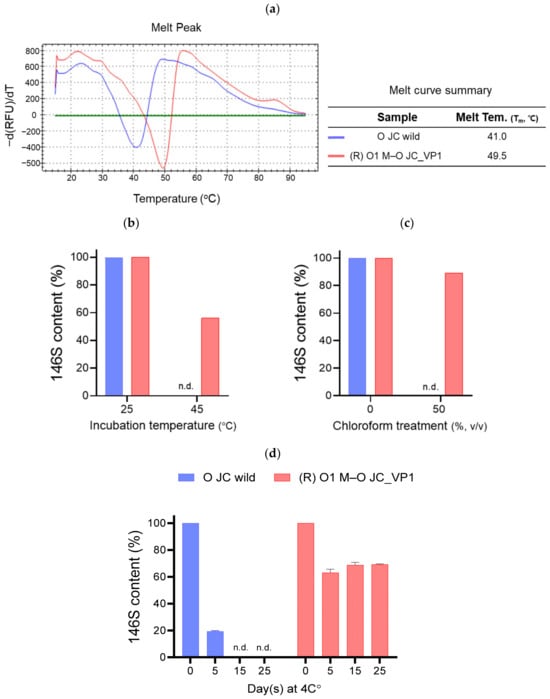
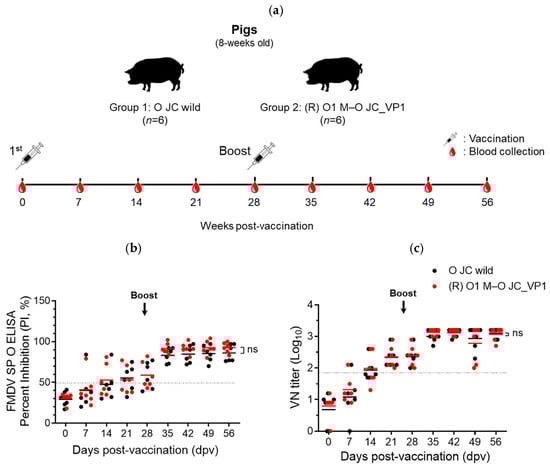
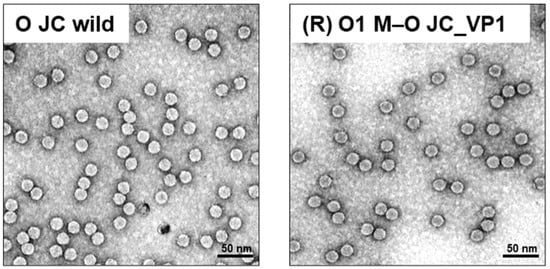
Background/Objectives: The efficacy of inactivated foot-and-mouth disease virus (FMDV) vaccines depends on the structural integrity of the 146S virions. However, instability of 146S antigens during vaccine manufacturing and storage can compromise vaccine quality. Despite its high immunogenicity, the Korean serotype O strain O Jincheon (O JC) exhibits poor physical stability. Methods: To enhance antigenic stability while preserving strain-specific antigenicity, we engineered a VP1-substituted recombinant virus, (R) O1 M–O JC_VP1, by integrating the VP1 coding region of O JC into the O1 Manisa (O1 M) backbone. Results: The resulting chimeric virus exhibited significantly improved capsid stability, as demonstrated by an increased melting temperature and enhanced resistance to thermal stress, chloroform exposure, and long-term storage. Importantly, the recombinant antigen maintained its immunogenicity and induced antibody responses comparable to those induced by the parental O JC strain in vaccinated pigs. Conclusions: These findings demonstrate that VP1-direct chimeric engineering can improve capsid stability without compromising antigenicity and provide a practical approach for developing a stable FMDV vaccine.
Full article
(This article belongs to the Special Issue Vaccines for Porcine Viruses)
►▼
Show Figures

Figure 1
Open AccessArticle
Immunogenicity of an Inactivated DIVA Lumpy Skin Disease Virus Vaccine in Guinea Pigs and Lactating Cows, and Its Effects on Cow Lactation
by
Lilia Testa, Sara Capista, Anna Serroni, Mariangela Iorio, Gaetano Federico Ronchi, Sara Traini, Ivano Di Matteo, Caterina Laguardia, Francesca Profeta, Cristiano Palucci, Marco Caporale, Maria Antonietta Saletti, Alice Marchegiano, Chiara Pinoni, Emanuela Rossi, Romolo Salini, Graziano Aretusi, Gisella Armillotta, Sara Fanì, Francesca Parolini, Mauro Di Ventura and Maria Teresa Mercanteadd
Show full author list
remove
Hide full author list
Vaccines 2026, 14(5), 370; https://doi.org/10.3390/vaccines14050370 - 22 Apr 2026
Abstract
Background: Lumpy skin disease (LSD) is caused by a Capripoxvirus. Live attenuated vaccines, which are commercially available, could be not safe because of the side effects. The aim of this study was the evaluation of the safety, immunogenicity, and effects on the
[...] Read more.
Background: Lumpy skin disease (LSD) is caused by a Capripoxvirus. Live attenuated vaccines, which are commercially available, could be not safe because of the side effects. The aim of this study was the evaluation of the safety, immunogenicity, and effects on the qualitative and quantitative parameters of milk. The feasibility of identifying vaccinated animals using our inactivated vaccine in dairy cows was analysed. The vaccine was tested in guinea pigs as an immunogenicity predictive model. Methods: LSD virus was propagated on Madin–Darby Bovine Kidney (MDBK) cells, then inactivated and supplemented with keyhole limpet hemocyanin (KLH) protein, obtaining a positive marker vaccine. This was inoculated in guinea pigs and in dairy cows, and animal sera were analysed using enzyme-linked immunosorbent assay (ELISA) and a serum neutralisation (SN) test. Quantitative and qualitative analyses were performed on milk. Results: The vaccine was previously tested for efficacy in vaccinated calves, showing a pronounced reduction in clinical symptoms after challenge. The safety and immunogenicity obtained in calves were also confirmed in dairy cows in this study. In fact, high values of the SN test (1:20 to 1:80) and ELISA (90 and 240 S/P%) were obtained after vaccination. Moreover, high immunogenicity of the vaccine was also assessed in guinea pigs. In addition, the results of the milk analyses did not show any differences between vaccinated and control groups. The KLH was able to elicit an immune response detectable using an ELISA (3.0 and 3.5 optical density values). Finally, our vaccine could be used to reduce LSD symptoms and identify vaccinated animals.
Full article
(This article belongs to the Section Veterinary Vaccines)
Open AccessArticle
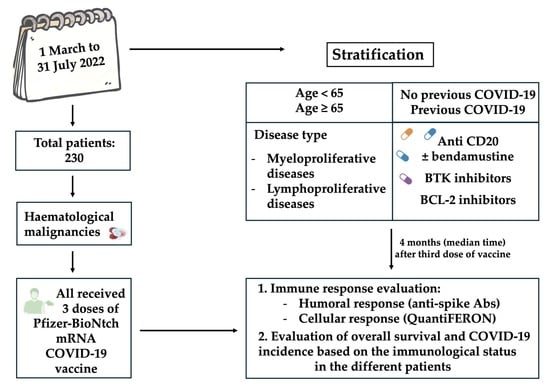
Humoral and Cellular Immune Response in Patients with Hematological Disorders After Three Doses of mRNA COVID-19 Vaccine: A Single-Center Observational Study
by
Rosa Daffini, Francesco Zecchini, Giulia Venneri, Michele Malagola, Chiara Cattaneo, Stefano Calza, Arnaldo Caruso, Alessandra Tucci and Cinzia Giagulli
Vaccines 2026, 14(5), 369; https://doi.org/10.3390/vaccines14050369 - 22 Apr 2026
Abstract
Background: Hematological patients have a high risk of developing severe COVID-19 (37%). Most mRNA vaccine trials in hematological patients showed a low immunogenicity after two doses, while long-term data are scarce. Methods: In this monocentric retrospective observational study, we evaluated humoral and T
[...] Read more.
Background: Hematological patients have a high risk of developing severe COVID-19 (37%). Most mRNA vaccine trials in hematological patients showed a low immunogenicity after two doses, while long-term data are scarce. Methods: In this monocentric retrospective observational study, we evaluated humoral and T cell-mediated immune responses in 230 hematological patients after three doses of the Pfizer-BioNTech mRNA COVID-19 vaccine. Patients were stratified by age, disease type/state, prior COVID-19 infection, and treatment status and regimens (anti-CD20 monoclonal antibodies, BTK and BCL-2 inhibitors, and treatment line). Antibody titer to SARS-CoV-2 was assessed by electrochemiluminescence immunoassay and T cell response by QuantiFERON interferon-γ release assay (IGRA). Data were analyzed using univariate (Fisher’s exact test) and Firth’s bias-reduced penalized-likelihood logistic regression. Results: A robust humoral response was observed with 91.55% of patients developing anti-spike antibodies (GMT 988.83 U/mL). Anti-CD20-bendamustine treatment was associated with a significantly lower antibody positivity compared to untreated subjects. Prior COVID-19 infection significantly boosted both antibody positivity (95.9% vs. 85.2%) and GMT (847.02 U/mL vs. 258.79 U/mL). Conversely, T cell response was suboptimal (36.1% positive), particularly in anti-CD20-bendamustine-treated and multi-treated patients (27.1%), but highest in those treated with BTK inhibitors (50%). Multivariable logistic regression analysis linked multiple treatments to lower T cell response. Following vaccination, 29.1% of patients contracted SARS-CoV-2, but only 0.89% developed severe COVID-19. Conclusions: Three doses of mRNA vaccine elicit a strong humoral but a low T cell response, as detected by IGRA, in hematological patients. These findings underscore the importance of completing vaccination before initiating immunosuppressive therapies.
Full article
(This article belongs to the Special Issue Immunization of Immunosuppressed Patients)
►▼
Show Figures

Graphical abstract
Open AccessArticle
Improving Vaccine Knowledge Among Adolescents Aged 11–14 Years: A Pre–Post School-Based Educational Intervention
by
Vincenza Sansone, Silvia Angelillo, Concetta Paola Pelullo, Francesca Gallè and Gabriella Di Giuseppe
Vaccines 2026, 14(5), 368; https://doi.org/10.3390/vaccines14050368 - 22 Apr 2026
Abstract
Background/Objectives: Schools may represent an ideal setting for increasing vaccine literacy and uptake. This quasi-experimental study took place between February and June 2025 with the aim of assessing the feasibility and effectiveness of a school-based educational intervention about vaccination among Italian adolescents.
[...] Read more.
Background/Objectives: Schools may represent an ideal setting for increasing vaccine literacy and uptake. This quasi-experimental study took place between February and June 2025 with the aim of assessing the feasibility and effectiveness of a school-based educational intervention about vaccination among Italian adolescents. Methods: The European Commission’s e-Bug methodology was used to enhance vaccine knowledge in a sample of students attending four randomly chosen middle schools from Southern Italy. Pre and post-intervention vaccination knowledge was assessed through a questionnaire and compared through the Wilcoxon signed-rank test. Regression models were used to identify predictors of intervention-related outcomes. Results: A total of 262 students (mean age 12.3 ± 0.7 years, 52.3% female) participated in the study. A significant increase in vaccination knowledge score was registered from pre (5.6 ± 1.43) to post-intervention (6.79 ± 1.77). A significant improvement was found to be related to a lower number of cohabitants (OR = 0.61; 95% CI = 0.45–0.82), a lower score in the pre-test (OR = 0.60; 95% CI = 0.47–0.77), having considered the information provided completely clear (OR = 1.98; 95% CI = 1.05–3.74), and being willing to participate in similar future interventions (OR = 2.23; 95% CI = 1.12–4.42). Conclusions: These results show the effectiveness of school-based education strategies in increasing vaccine literacy within the targeted adolescent population. Similar interventions can be useful to increase compliance with vaccination in this age class. Randomized controlled studies are needed to confirm these findings.
Full article
(This article belongs to the Section Vaccines and Public Health)
Open AccessArticle
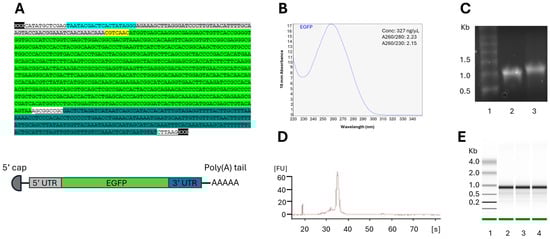
Nucleoside Modifications and Poly(A) Tail Length Greatly Influence Protein Expression from In Vitro-Transcribed mRNA in a Salmonid Cell Line
by
Thea Fossum Krog, Ida Soo Haukland and Gyri Teien Haugland
Vaccines 2026, 14(5), 367; https://doi.org/10.3390/vaccines14050367 - 22 Apr 2026
Abstract
Background/Objectives: It is challenging to develop efficient vaccines against intracellular pathogens such as viruses, and since viral infections are one of the main challenges for farmed salmon, a novel vaccine strategy is needed. mRNA vaccines are optimized and approved for humans, but for
[...] Read more.
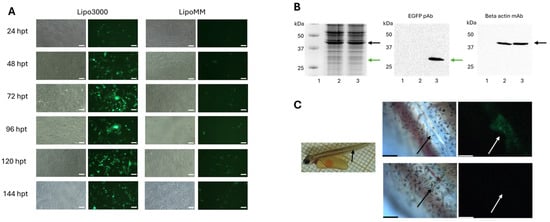
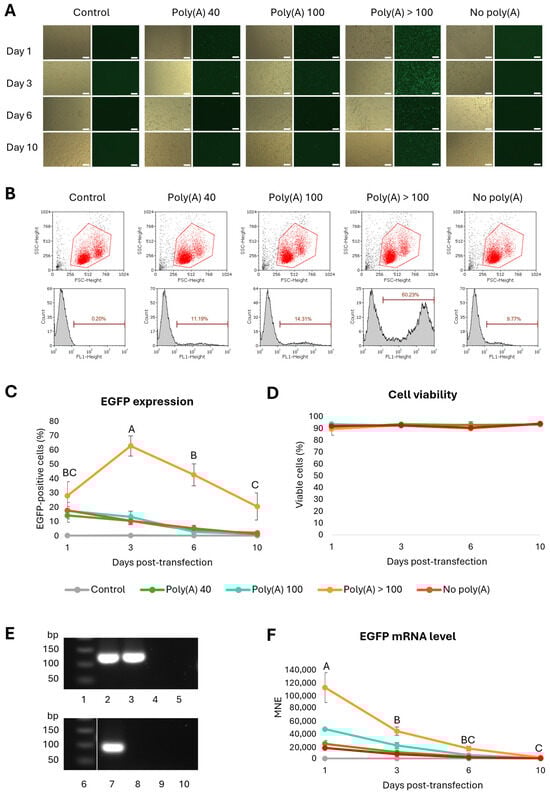
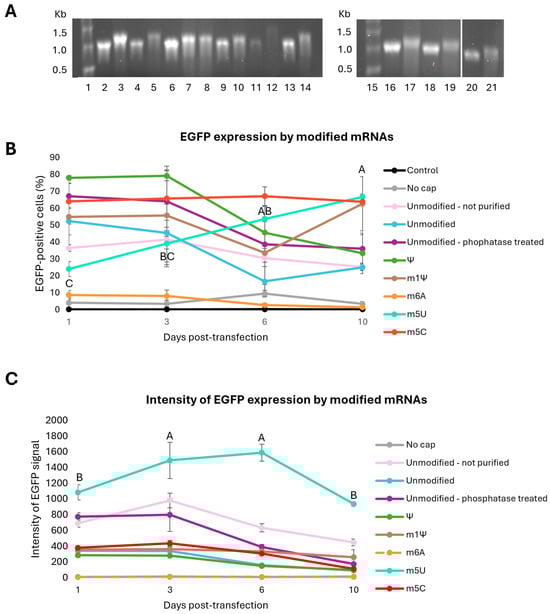
Background/Objectives: It is challenging to develop efficient vaccines against intracellular pathogens such as viruses, and since viral infections are one of the main challenges for farmed salmon, a novel vaccine strategy is needed. mRNA vaccines are optimized and approved for humans, but for fish, the mRNA technology is new, and optimization is required to ensure efficient protein expression. We made an mRNA tailored to salmon and studied the effect of modified nucleosides and the length of the poly(A) tail on protein expression from in vitro-transcribed mRNA in CHSE-214 cells, using enhanced green fluorescent protein (EGFP) as a reporter. Methods: Different lengths of the poly(A) tail were tested, and various modified nucleotides were incorporated in the mRNA during in vitro transcription, including pseudouridine (Ψ), N1-methylpseudouridine (m1Ψ), N6-methyladenosine (m6A), 5-methyluridine (m5U), and 5-methylcytidine (m5C). Protein expression was observed in fluorescence microscopy and quantified using flow cytometry. Results: mRNA containing Ψ resulted in the strongest EGFP expression 1–3 days post-transfection (dpt), while EGFP expression from m5C mRNA was high throughout the experiment (<10 dpt). m5U-containing mRNA had low EGFP expression until 6 dpt, but reached the level of m5C mRNA at 10 dpt. The m5U mRNA, however, expressed EGFP at much higher intensity than all the other mRNAs at all time points. Poly(A) tails with lengths of 40, 100, and >100 were tested, and the one with >100 adenines showed the highest expression. The effects of phosphatase treatment and purification of the mRNA were also investigated. Furthermore, EGFP expression was observed in yolk-sac salmon larvae following micro-injection. Conclusions: Our study provides an important basis for the development of efficient mRNA-based vaccines in the future.
Full article
(This article belongs to the Special Issue The Development of mRNA Vaccines)
►▼
Show Figures

Figure 1
Open AccessArticle
Catch-Up Vaccination Intervention and Study of Infant Vaccine Hesitancy in Health District in Palermo (Italy)
by
Alessandra Fallucca, Roberto Levita, Giuseppe Vella, Angela Sutera, Domenico Mirabile, Antonino Levita, Walter Mazzucco, Francesco Vitale and Alessandra Casuccio
Vaccines 2026, 14(4), 366; https://doi.org/10.3390/vaccines14040366 - 21 Apr 2026
Abstract
Background: Despite the introduction in 2017 of mandatory vaccination for the hexavalent and the measles–mumps–rubella–varicella vaccines, childhood vaccination coverage in Sicily (Italy) remains below the recommended and safety threshold of 95%. A catch-up vaccination intervention was implemented for the pediatric population of the
[...] Read more.
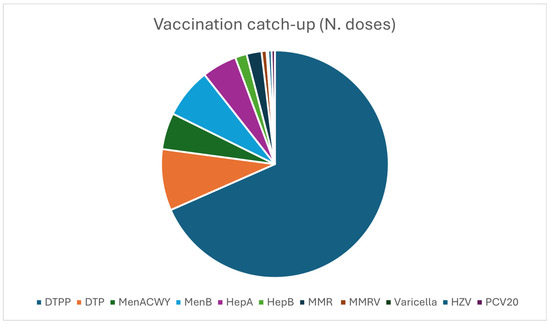
Background: Despite the introduction in 2017 of mandatory vaccination for the hexavalent and the measles–mumps–rubella–varicella vaccines, childhood vaccination coverage in Sicily (Italy) remains below the recommended and safety threshold of 95%. A catch-up vaccination intervention was implemented for the pediatric population of the 2022–2023 birth cohorts residing in a health district of Palermo (Bagheria) where in 2024, 24-month coverage for polio and measles was 77.29% and 77.62%, respectively. Methods: A cross-sectional study with a before–after component was conducted between June 2025 and December 2025, with the aim of evaluating the increase in vaccination coverage. A questionnaire was administered to the parents of non-compliant children to investigate the determinants of infant vaccine hesitancy. Results: Collaboration with primary care pediatricians and the organization of active call sessions and extra vaccination sessions resulted in an increase in vaccination coverage of approximately 10–12 percentage points in both birth cohorts. The investigation of the determinants of vaccination adherence showed some significant associations: “perception of infectious disease risk” (OR: 7.91; p = 0.009) and “expectations of a positive outcome from vaccination” (OR: 8.62; p = 0.003). Vaccine information sources such as the internet and media were associated with refusal of catch-up vaccination (OR 0.47, p < 0.001; and OR 0.13, p = 0.026, respectively). Conclusions: Despite methodological limitations, such as the self-reported nature of the survey data, the study demonstrated the usefulness of local strategies aimed at vaccination catch-up, representing a valuable example of local public health practice and effectively contributing to improved vaccination coverage in the pediatric population.
Full article
(This article belongs to the Special Issue Understanding Infectious Disease Vaccinations: Implications for Health and Safety)
Open AccessReview
Role of Donor Unrestricted T Cells (DURTs) in TB Host Defense: Implications for Novel TB Vaccine Development
by
Dylan Kain, David Michael Lewinsohn and Deborah Anne Lewinsohn
Vaccines 2026, 14(4), 365; https://doi.org/10.3390/vaccines14040365 - 21 Apr 2026
Abstract
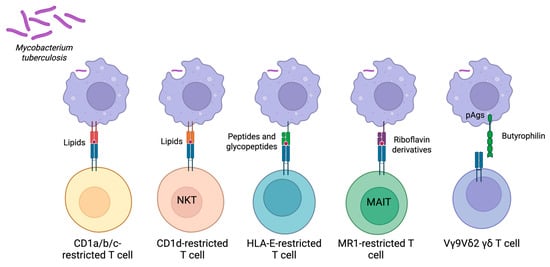
Tuberculosis (TB) is the leading cause of infectious disease-related death globally. Most TB vaccine strategies have focused on conventional CD4 T cell responses, but to date, these have failed to deliver durable sterilizing protection. Donor unrestricted T cells (DURTs), including CD1-restricted T cells,
[...] Read more.
Tuberculosis (TB) is the leading cause of infectious disease-related death globally. Most TB vaccine strategies have focused on conventional CD4 T cell responses, but to date, these have failed to deliver durable sterilizing protection. Donor unrestricted T cells (DURTs), including CD1-restricted T cells, HLA-E-restricted T cells, MR1-restricted T cells and γδ T cells represent an attractive complementary target for future TB vaccine development. They recognize antigens through conserved, non-polymorphic restricting elements and are therefore broadly targetable across genetically diverse populations. They are also enriched at mucosal sites, have rapid effector and cytotoxic capacities and recognize conserved mycobacterial ligands. Emerging human and animal data support their participation in antimycobacterial immunity and suggest they can be shaped by BCG vaccination and other immunization strategies. Here, we review the evidence for DURT involvement in TB host defense, assess their strengths and current limitations as vaccine targets, and discuss how DURT-directed approaches may help to enable faster, broader, and more durable protection against Mycobacterium tuberculosis.
Full article
(This article belongs to the Special Issue Immunobiology of Mycobacterium tuberculosis and Its Implication in Vaccine Design)
►▼
Show Figures

Figure 1
Open AccessArticle
Potential Public Health and Economic Impact of the Next-Generation COVID-19 Vaccine mRNA-1283 in The Netherlands
by
Simon van der Pol, Ekkehard Beck, Tjalke Westra, Maarten Postma and Cornelis Boersma
Vaccines 2026, 14(4), 364; https://doi.org/10.3390/vaccines14040364 - 20 Apr 2026
Abstract
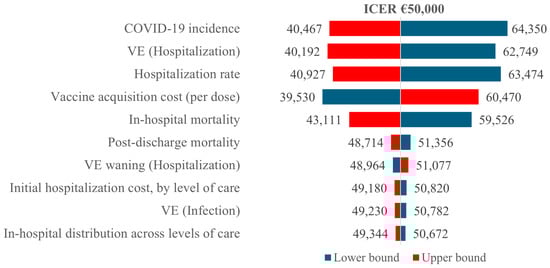
Background: COVID-19 remains a substantial public health challenge in the Netherlands. Next-generation COVID-19 vaccine, mRNA-1283, is approved in the European Union, with potential for higher relative vaccine efficacy compared with originally licensed COVID-19 vaccines. Methods: The potential public health and economic impact of
[...] Read more.
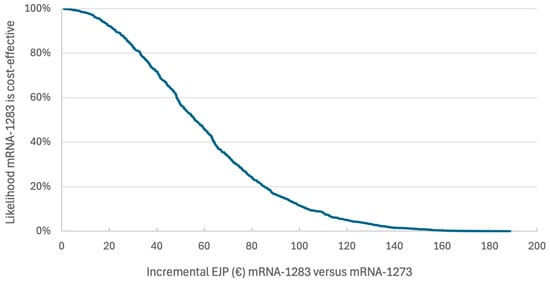
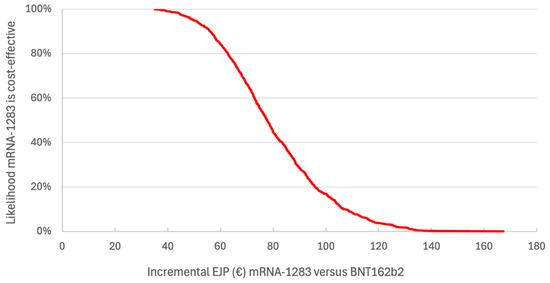
Background: COVID-19 remains a substantial public health challenge in the Netherlands. Next-generation COVID-19 vaccine, mRNA-1283, is approved in the European Union, with potential for higher relative vaccine efficacy compared with originally licensed COVID-19 vaccines. Methods: The potential public health and economic impact of mRNA-1283 in adults ≥ 60 years and high-risk adults aged 18–59 years was modeled versus no vaccination and originally licensed mRNA-1273 and BNT162b2, adapting a published static Markov model with a 1-year time horizon. COVID-19 burden reflected two full post-pandemic seasons. Vaccine efficacy versus mRNA-1273 was based on pivotal phase 3 NextCOVE trial data; efficacy versus BNT162b2 was derived from an indirect treatment comparison. The economically justifiable price (EJP) of mRNA-1283 versus no vaccination and price premiums over existing vaccines were determined at a willingness-to-pay threshold of €50,000/quality-adjusted life-year (QALY) gained. Results: Without COVID-19 vaccination, an estimated 460,000 infections, 23,800 hospitalizations, and 5300 deaths would occur. With current coverage, mRNA-1283 was estimated to prevent 68,000 infections, 5400 hospitalizations, and 1200 deaths, saving 9667 QALYs and over €66.5 million in treatment costs. The EJP was €238 versus no vaccination. Compared with mRNA-1273 and BNT162b2, mRNA-1283 was estimated to prevent additional burden (e.g., 1309 and 1679 hospitalizations, respectively) and was cost-effective at an incremental EJP of €62 versus mRNA-1273 and €80 versus BNT162b2. Conclusions: The results support continued COVID-19 vaccination to mitigate the ongoing health and societal burden of SARS-CoV-2 in the Netherlands. The comparative analyses indicate that mRNA-1283 may be associated with substantial health benefits over originally licensed mRNA vaccines; consequently, its use may further improve health outcomes and economic efficiency within COVID-19 vaccination programs.
Full article
(This article belongs to the Section COVID-19 Vaccines and Vaccination)
►▼
Show Figures

Figure 1
Open AccessArticle
Maternal Vaccination in Lithuania: A Cross-Sectional Study
by
Gabija Matuzaitė and Diana Ramašauskaitė
Vaccines 2026, 14(4), 363; https://doi.org/10.3390/vaccines14040363 - 18 Apr 2026
Abstract
►▼
Show Figures
Objective: Influenza and pertussis vaccines are recommended during pregnancy; however, uptake remains insufficient in many European countries, increasing the risk of preventable infections. Recent recommendations for maternal respiratory syncytial virus vaccination have been endorsed by scientific societies. This study evaluated maternal vaccination coverage,
[...] Read more.
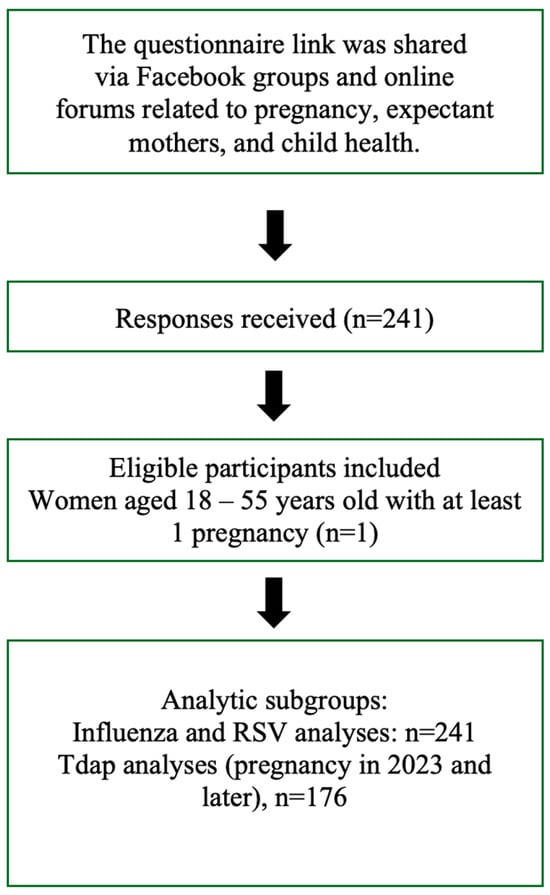
Objective: Influenza and pertussis vaccines are recommended during pregnancy; however, uptake remains insufficient in many European countries, increasing the risk of preventable infections. Recent recommendations for maternal respiratory syncytial virus vaccination have been endorsed by scientific societies. This study evaluated maternal vaccination coverage, knowledge, attitudes, and factors influencing vaccine uptake among Lithuanian women. Methods: A retrospective cross-sectional online survey was conducted between 4 and 14 November 2025 in Lithuania among women aged 18–55 years with at least one previous pregnancy. The questionnaire contained 29 questions on sociodemographic characteristics, obstetric history, vaccination history, attitudes, and informational sources influencing decisions. Internal reliability was confirmed (Cronbach’s α = 0.83). Descriptive statistics were used to summarize the data. Associations between categorical variables were assessed using the Chi-square test or exact tests (Fisher’s exact or Fisher–Freeman–Halton). Binary and multivariable logistic regression analyses were performed to evaluate factors associated with self-reported vaccination uptake and the relationship between influenza and pertussis vaccination. Odds ratios with 95% confidence intervals were calculated. Statistical significance was set at p < 0.05. Results: A total of 241 women participated. Self-reported vaccination coverage during pregnancy was 28.7% for influenza, 43.8% for tetanus–diphtheria–pertussis, and 4.2% for respiratory syncytial virus. Physician’s recommendation was the strongest predictor: women advised to vaccinate were 17.0 times more likely to receive influenza, 16.5 times more likely to receive pertussis, while RSV vaccination occurred almost exclusively among women who reported receiving a physician’s recommendation. Higher uptake was associated with younger maternal age and university education. Reasons for declining vaccination were avoidance of medical interventions and concerns about safety or side effects. Conclusions: Maternal vaccination coverage in Lithuania remains low despite public funding and national recommendations. Strengthening provider communication, improving information strategies, and integrating vaccination counseling into routine antenatal care may increase uptake and enhance maternal and neonatal protection.
Full article

Figure 1
Open AccessArticle
HPV Prevention Strategies in 2024: An Approach by the University of Milan
by
Pier Mario Perrone, Ilaria Casolaro, Serena Pescuma, Ilaria Bruno, Martina Cappellina, Enrico Lupo Maria Caprara, Giovanni Cicconi, Andrea Cinnirella, Alessandro De Monte, Francesca Maria Grosso, Elvira Pantó, Andrea Pedot, Enrico Pigozzi, Simona Scarioni, Sudwaric Sharma, Catia Rosanna Borriello, Fabrizio Pregliasco and Silvana Castaldi
Vaccines 2026, 14(4), 362; https://doi.org/10.3390/vaccines14040362 - 18 Apr 2026
Abstract
Background/Objectives: Human papillomavirus (HPV) infection is a major concern in public health, given its role as a persistent sexually transmitted infection and a causative agent of non-cancerous and cancerous lesions (neoplasms). The increasing infection rates observed in recent years underscore the need
[...] Read more.
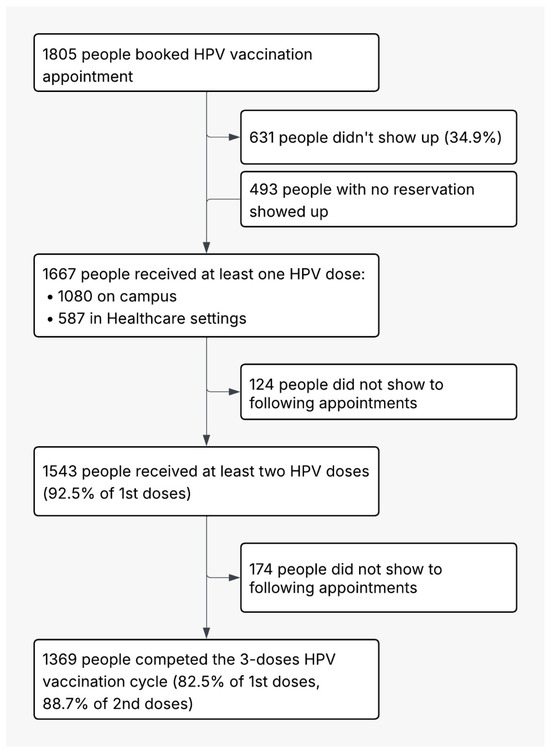
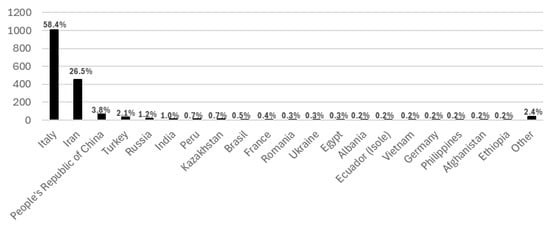
Background/Objectives: Human papillomavirus (HPV) infection is a major concern in public health, given its role as a persistent sexually transmitted infection and a causative agent of non-cancerous and cancerous lesions (neoplasms). The increasing infection rates observed in recent years underscore the need for effective public health measures to address this issue. The objective of this study is to describe the challenges and the results of conducting vaccination campaigns within a university setting and its impact on the HPV vaccination rate. Methods: A multifaceted approach was adopted, entailing the implementation of two distinct interventions. Following the promotional and educational online campaign (described elsewhere), vaccination delivery took place from November 2024 to July 2025 in the university campus and in three university hospitals in Milan. Overall and covariate-specific drop-out rate is calculated; significance is tested through a chi-square test of homogeneity between the population that completed less than three doses vs. those who completed the full cycle. Overall and vaccine-specific vaccination proportion is reported. Results: The vaccination rate for first doses reached 92% of available appointments, with a slight female majority (50.9%) and the 23–26 age as the most represented group (47%). The most represented nationality was Italian (58.4%), followed by Iranian (26.5%). Regarding the vaccination sites, the university venue recorded the highest rates in terms of both vaccines booked (56.4%) and vaccines administered (64.7%). With a net loss in follow up, consistent with WHO data, the three-dose HPV vaccination campaign was completed by 82.5% of participants. A chi-squared test of homogeneity revealed significant differences in age distribution between vaccination groups, χ2 (3) = 347.78, p < 0.001, Cramér’s V = 0.457. Participants who received only one dose were predominantly younger (17–22 years: 71.1% vs. 19.0%, difference = 52.1 percentage points, 95% CI [46.6, 57.7]). Meanwhile, a catch-up strategy raised interest on other crucial vaccinations. Conclusions: The findings pertaining to the vaccination rate underscore the heightened awareness among young adults concerning the HPV vaccine. They further substantiate the efficacy of the integrated strategy encompassing advisory and educational site-based campaigns as an initial measure to attain the WHO-endorsed vaccination rates.
Full article
(This article belongs to the Section Human Papillomavirus Vaccines)
►▼
Show Figures

Figure 1
Open AccessArticle
Taiwan’s Strategy Toward Measles Elimination
by
Fu-Tien Lin, Chin-Hui Yang, Wen-Yueh Cheng and Jean-Yun Chang
Vaccines 2026, 14(4), 361; https://doi.org/10.3390/vaccines14040361 - 17 Apr 2026
Abstract
Background: Sustaining measles elimination in the post-elimination era presents increasing challenges due to global resurgence and waning vaccine-induced immunity. We aimed to evaluate epidemiological trends, vaccination strategies, and population immunity associated with achieving and maintaining measles elimination in Taiwan. Methods: We conducted a
[...] Read more.
Background: Sustaining measles elimination in the post-elimination era presents increasing challenges due to global resurgence and waning vaccine-induced immunity. We aimed to evaluate epidemiological trends, vaccination strategies, and population immunity associated with achieving and maintaining measles elimination in Taiwan. Methods: We conducted a comprehensive analysis of national surveillance data from 1991 to 2024, including case notifications, viral genotypes, vaccination coverage rates, and surveillance performance indicators. Three population-based seroprevalence surveys conducted between 2002 and 2020 were reviewed to assess age-specific immunity. Descriptive analyses were performed to characterize long-term epidemiological and immunological trends. Results: From 1993 to 2024, the annual number of measles cases remained consistently below 50, except in 2019. Vaccination coverage for both MMR1 and MMR2 has exceeded 95% since 1998, with MMR1 coverage remaining above 97% between 2009 and 2024. Genotyping evidence confirms the interruption of endemic transmission since 2006; furthermore, as of 2024, no continuous chains of transmission lasting longer than 12 months have been recorded. National seroprevalence surveys monitoring measles-specific IgG antibodies revealed declining antibody levels among adolescents and young adults, with seropositivity as low as 36.7% in specific cohorts. Despite this, transmission following importations has remained limited, with minimal secondary spread. Conclusions: Taiwan has successfully sustained measles elimination through high vaccination coverage, robust surveillance, and targeted interventions. Although serological evidence indicates waning immunity, epidemiological data suggest preserved population-level protection, likely mediated by immunological memory. Targeted booster strategies for high-risk groups may be more appropriate than universal additional dosing in post-elimination settings.
Full article
(This article belongs to the Special Issue Vaccines and Immunization: Measles, Mumps, and Rubella)
Open AccessSystematic Review
Systematic Review of Safety of MF59-Adjuvanted Influenza Vaccine in Older Adults
by
Matias Edgardo Manzotti, Agustin Bengolea and Hebe Vazquez
Vaccines 2026, 14(4), 360; https://doi.org/10.3390/vaccines14040360 - 17 Apr 2026
Abstract
Background/Objectives: Influenza remains a primary cause of severe illness and death in adults over 60. In this group, immunosenescence and existing health conditions make infections more dangerous and traditional vaccines less effective. The MF59-adjuvanted vaccine was specifically designed to overcome these limitations
[...] Read more.
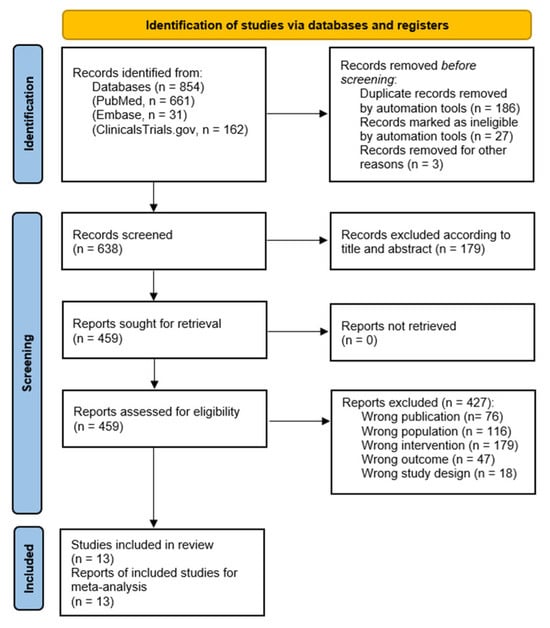
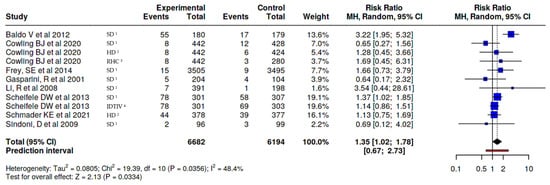
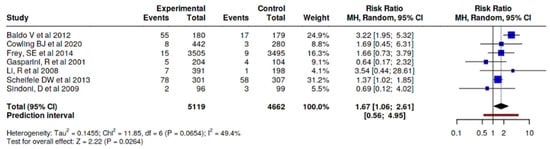
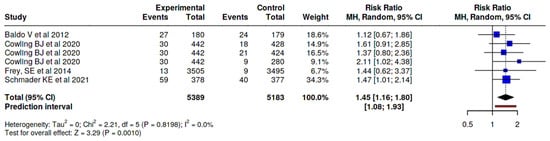
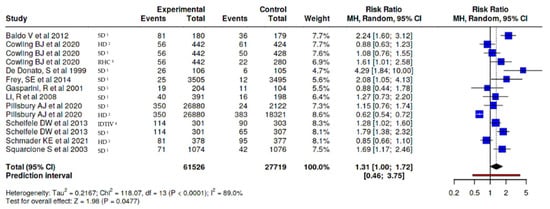
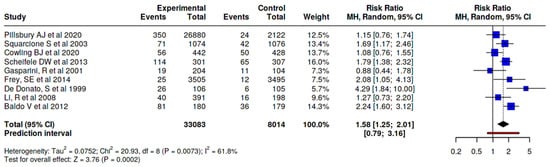
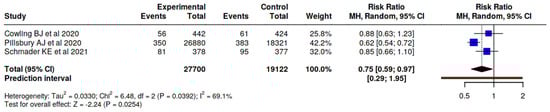
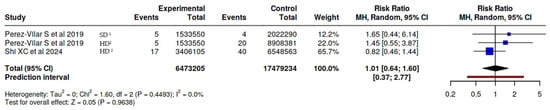
Background/Objectives: Influenza remains a primary cause of severe illness and death in adults over 60. In this group, immunosenescence and existing health conditions make infections more dangerous and traditional vaccines less effective. The MF59-adjuvanted vaccine was specifically designed to overcome these limitations by enhancing the body’s immune activation and antigen presentation. While the vaccine shows clear benefits, some recent concerns regarding vaccine safety have been raised without supporting scientific evidence. Therefore, this systematic review focuses on providing a comprehensive evaluation of its safety outcomes compared to standard vaccines. Methods: Following the PRISMA guidelines, a systematic review and meta-analysis were conducted; two researchers independently assessed the eligibility of the studies, and the risk of bias was assessed using RoB2 and ROBINS tools for randomized clinical trials and observational studies, respectively. Pooled risk estimates were calculated using a random-effects model. Results: Ten RCTs and three non-RCTs meeting the inclusion criteria were included. No significant differences were found for severe systemic outcomes: Guillain–Barré syndrome (RR 1.01, 95% CI 0.64–1.80) and encephalitis (RR 1.23, 95% CI 0.85–1.78). For other systemic adverse effects, there were no significant differences between adjuvanted and non-adjuvanted vaccines; only myalgia showed a small but significant increase with adjuvanted vaccines (RR 1.35, 95% CI 1.02–1.78) compared with non-adjuvanted vaccines. Conclusions: MF59-adjuvanted influenza vaccines have a favorable and well-characterized safety profile in adults aged 60 years and older. Adverse events are predominantly mild and transient, with no evidence of increased risk of serious or immune-mediated outcomes compared with non-adjuvanted vaccines.
Full article
(This article belongs to the Special Issue Vaccines Against Influenza and Other Respiratory Virus Infections)
►▼
Show Figures

Figure 1
Open AccessArticle
The University of Salerno’s Model for Seasonal Influenza Vaccinations in the Workplace
by
Francesco De Caro, Nadia Pecoraro, Francesca Malatesta, Simona Caruccio, Federico Della Rocca, Alessandra Mea, Matteo Tomeo, Raffaele De Caro, Giuseppina Cersosimo, Arcangelo Saggese Tozzi, Anna Luisa Caiazzo, Giovanni Boccia, Emanuela Santoro, Mario Capunzo and Giuseppina Moccia
Vaccines 2026, 14(4), 359; https://doi.org/10.3390/vaccines14040359 - 17 Apr 2026
Abstract
Background: During the flu season, there is an increase in absenteeism due to illness, a drop in productivity, and a greater risk of the virus spreading among workers. Thus, the Italian Ministry of Health recommends vaccination for essential service workers. The University
[...] Read more.
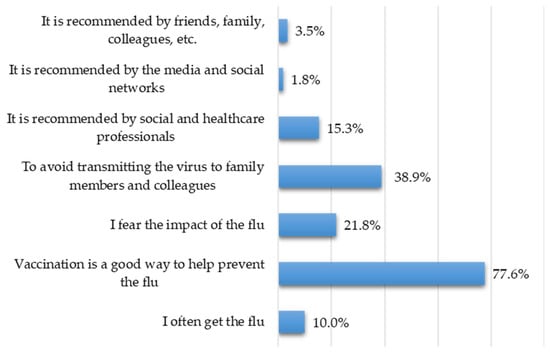
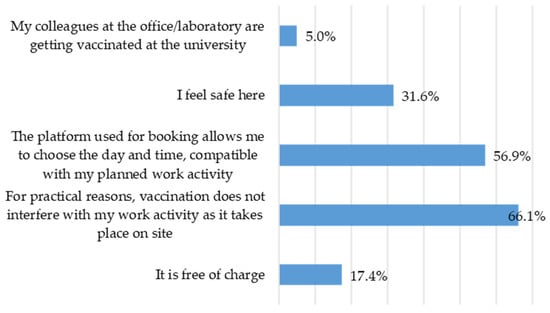
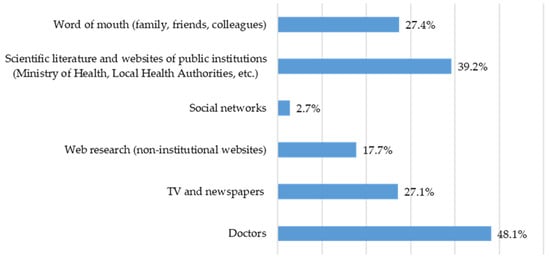
Background: During the flu season, there is an increase in absenteeism due to illness, a drop in productivity, and a greater risk of the virus spreading among workers. Thus, the Italian Ministry of Health recommends vaccination for essential service workers. The University of Salerno, in collaboration with the local health authority of Salerno, offers free vaccination to its employees. Methods: A public health methodology for seasonal influenza vaccination in the workplace is presented—specifically in the university setting—with the aim of identifying individual, contextual, and organizational elements of the model that have promoted vaccination uptake. An ad hoc questionnaire was used (October–December 2025) to survey 399 academic employees, investigating seasonal influenza vaccination in the following aspects: recent personal experiences, motivations, vaccination experiences at university, sources of information, considerations regarding national and local vaccination campaigns, and level of vaccine confidence (VCI). Results: Seasonal influenza vaccination at the University is appreciated for its compatibility with working hours (66.1%), the availability of a platform that allows flexible booking (56.9%), the perception of safety in the environment (31.6%), the fact that the vaccine is free (17.4%), and the involvement of office/laboratory colleagues (5%). Participants appreciate the model and would apply it to other vaccinations at the University and in other institutional settings. A significant relationship (F = 7.24; df = 1; p < 0.05) exists between confidence in the vaccine and the sense of security experienced when receiving the vaccine in the workplace. Data analysis was performed using the IBM SPSS v.28 software. Conclusions: The model proposed can be applied to other institutional contexts, simplifying and facilitating access to vaccines by implementing vaccination campaigns tailored to specific work environments.
Full article
(This article belongs to the Section Vaccines and Public Health)
►▼
Show Figures

Figure 1
Open AccessArticle
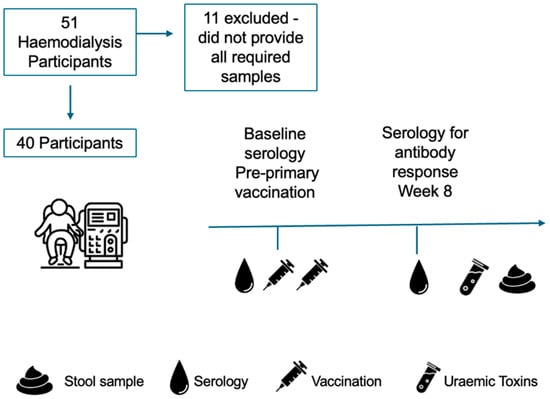
The Role of the Gut Microbiota and Uraemic Toxins in Vaccine Responsiveness Among People Receiving Maintenance Haemodialysis
by
Erin Vaughan, Alexander Gilbert, Bree Shi, Griffith B. Perkins, Huiling Wu and Steve Chadban
Vaccines 2026, 14(4), 358; https://doi.org/10.3390/vaccines14040358 - 17 Apr 2026
Abstract
Background: Patients with kidney failure requiring dialysis experience a high burden of vaccine-preventable diseases, and vaccine hypo-responsiveness is a key contributor. Uraemic toxins and gut dysbiosis are potential causes of hypo-responsiveness. Aim: This study aimed to determine whether uraemic toxin concentrations
[...] Read more.
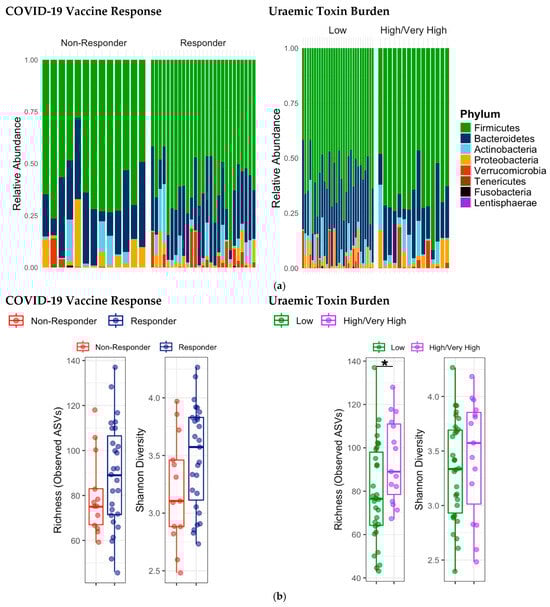
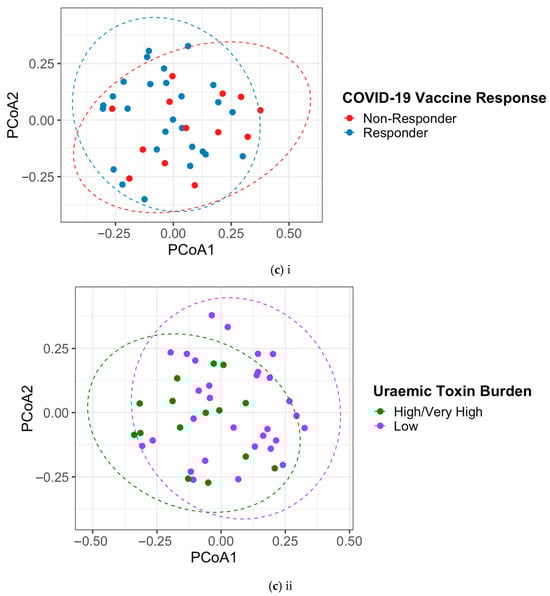
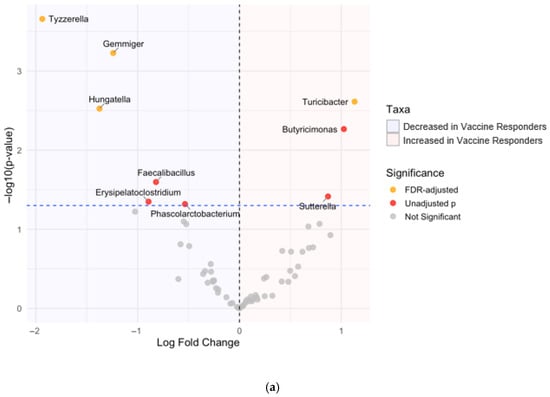
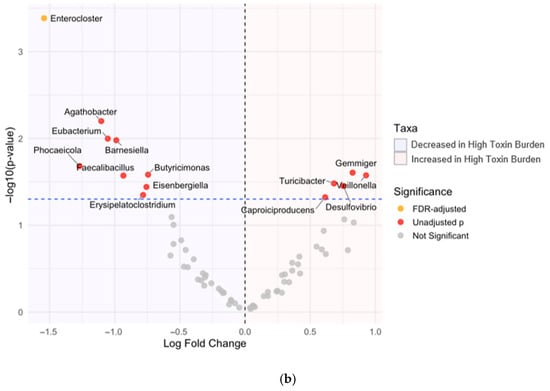
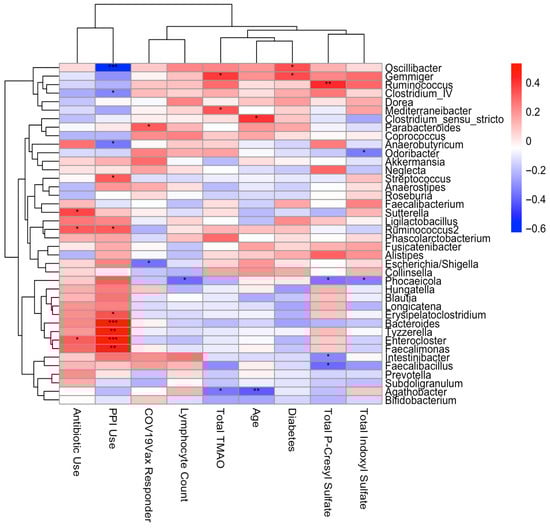
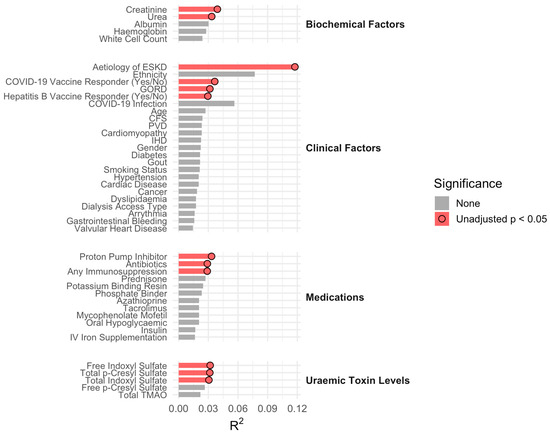
Background: Patients with kidney failure requiring dialysis experience a high burden of vaccine-preventable diseases, and vaccine hypo-responsiveness is a key contributor. Uraemic toxins and gut dysbiosis are potential causes of hypo-responsiveness. Aim: This study aimed to determine whether uraemic toxin concentrations or gut dysbiosis are associated with vaccine response in haemodialysis patients. Methods: This was a single centre, observational cohort study of maintenance dialysis patients receiving a conventional 2-dose primary COVID-19 vaccination course. Demographic, clinical and vaccination data were collected from the eMR. Vaccine response (Elecsys Anti-SARS-CoV-2 immunoassay), serum uraemic toxin concentrations (indoxyl sulphate, p-cresyl sulphate, and trimethylamine N-oxide by liquid chromatography), and stool microbiome (16S rRNA gene sequencing) were measured 8 weeks after the second dose of vaccine. Results: Forty participants (43% female, mean age 66 years; 59% Caucasian) were included, 70% of whom were classified as a vaccine responder. Antibiotic exposure, prednisolone use and lymphopenia were significantly associated with hypo-responsiveness. Microbiome profiling identified differences in beta diversity between responders and non-responders, positively correlated with short-chain fatty acid producers (Parabacteriodes) and negatively with pathobionts (Escherichia/Shigella). Differential abundance analysis identified lower levels of Tyzzerella, Gemmiger, and Hungatella and higher levels of Turicibacter in vaccine responders. Total uraemic toxin burden and individual toxin concentrations did not differ between responders and hypo-responders (all p > 0.05). Stratification by low versus high/very high toxin burden groupings was not associated with response (p > 0.99). Conclusions: Differences in gut microbial composition were observed between vaccine responder groups, while uraemic toxin concentrations were not associated with vaccine responsiveness. These findings suggest gut microbiota composition may contribute to vaccine hypo-responsiveness in individuals receiving dialysis and warrant further investigation in larger mechanistic studies.
Full article
(This article belongs to the Section Vaccination Against Cancer and Chronic Diseases)
►▼
Show Figures

Figure 1
Open AccessArticle
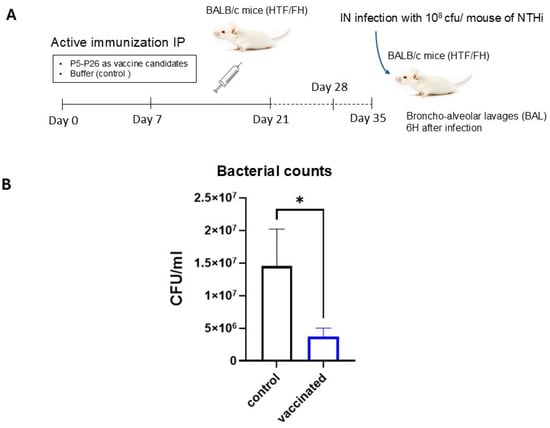
Multi-Antigen Protein Vaccine Confers Protection in a Murine Model Against Intranasal Haemophilus influenzae Challenge
by
Nouria Belkacem, Ala-Eddine Deghmane and Muhamed-Kheir Taha
Vaccines 2026, 14(4), 357; https://doi.org/10.3390/vaccines14040357 - 17 Apr 2026
Abstract
Background: Non-typeable Haemophilus influenzae (NTHi) is a major cause of acute respiratory tract infections and chronic airway disease, despite its clinical importance, no licensed vaccine is available, largely due to the extensive genetic and antigenic diversity among circulating isolates. We previously identified

[...] Read more.
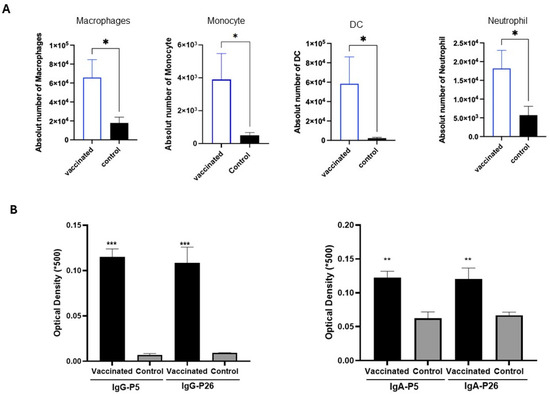
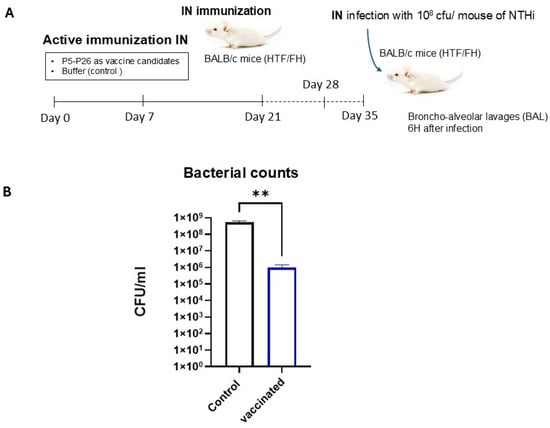
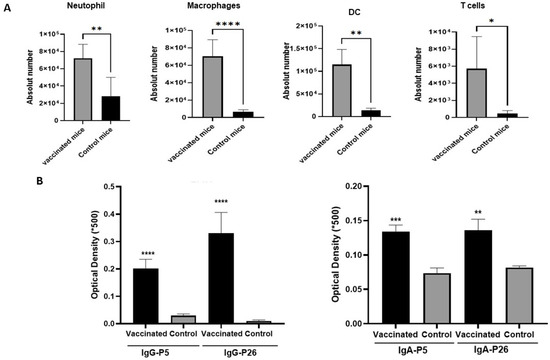
Background: Non-typeable Haemophilus influenzae (NTHi) is a major cause of acute respiratory tract infections and chronic airway disease, despite its clinical importance, no licensed vaccine is available, largely due to the extensive genetic and antigenic diversity among circulating isolates. We previously identified conserved outer membrane proteins capable of inducing systemic protection against NTHi. Methods: In this study, we evaluated whether a multi-antigen protein vaccine composed of conserved NTHi antigens (P5 and P26) could protect against pulmonary infection. Transgenic mice expressing human transferrin and factor H were immunized via the intraperitoneal or intranasal route and challenged intranasally with a clinical NTHi isolate. Bacterial clearance, antigen-specific mucosal and systemic antibody responses, and recruitment of innate immune cells to the airways were assessed. Results: Both immunization routes significantly reduced bacterial loads compared with controls. Vaccination induced robust mucosal and systemic IgG and IgA responses and enhanced early recruitment of macrophages, monocytes, dendritic cells, and neutrophils to the airways. Intranasal immunization elicited strong mucosal antibody responses and was associated with improved local bacterial clearance. Conclusions: These findings demonstrate that multi-antigen vaccines targeting conserved NTHi proteins can elicit effective mucosal and systemic immunity and represent promising candidates for the prevention against NTHi respiratory infections.
Full article
(This article belongs to the Section Vaccines and Public Health)
►▼
Show Figures

Figure 1
Open AccessArticle
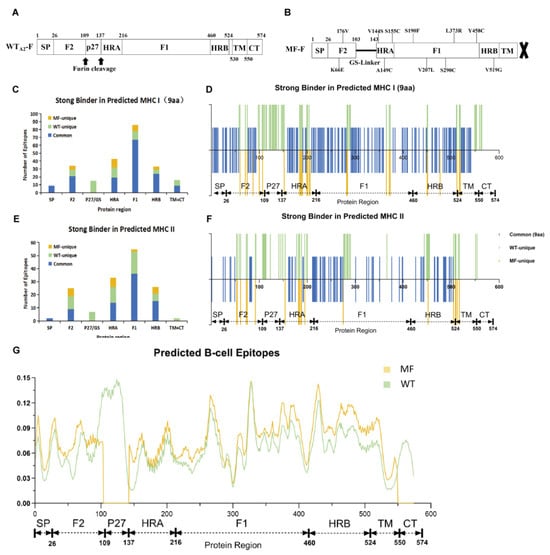
Enhanced Th1 Cellular Immunity Induced by an RSV-F mRNA Vaccine Rationally Designed Using NLP Algorithms
by
Zhi-Wu Xia, Qi Tang, Jun-Jie Pan, Jing Liu, Lan-Xin Jia, Guo-Mei Zhang, Man-Ni Xie, Jia-Hao Zheng, Chuan-Shuo Lv, Lei Zhang, Yan-Hong Shi, Liang He, Min Luo and Jun-Long Zhao
Vaccines 2026, 14(4), 356; https://doi.org/10.3390/vaccines14040356 - 16 Apr 2026
Abstract
Background: Respiratory syncytial virus (RSV) is a leading cause of severe lower respiratory tract infections in infants, seniors, and immunocompromised individuals, contributing substantially to the global disease burden. Given the limited preventive options available, developing an effective and safe vaccine remains a public
[...] Read more.
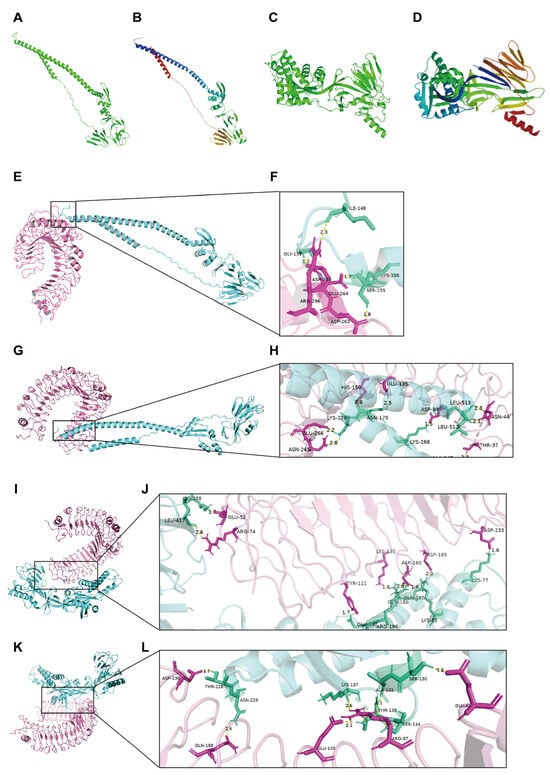
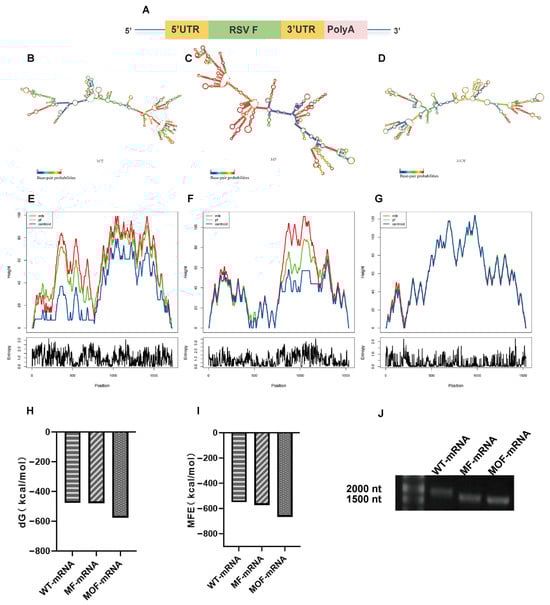
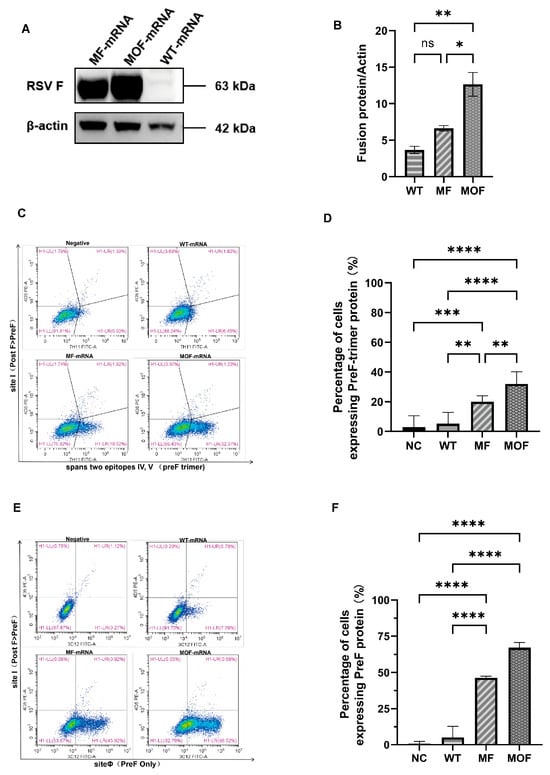
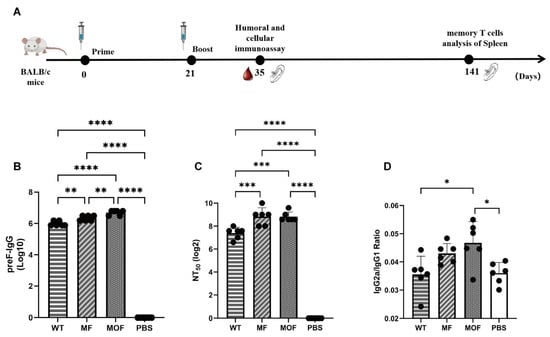
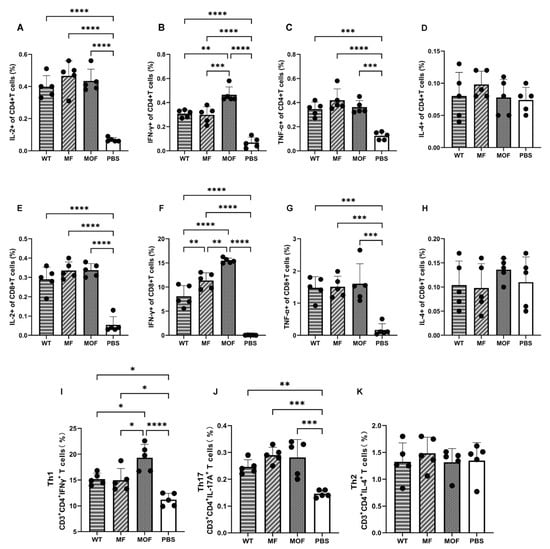
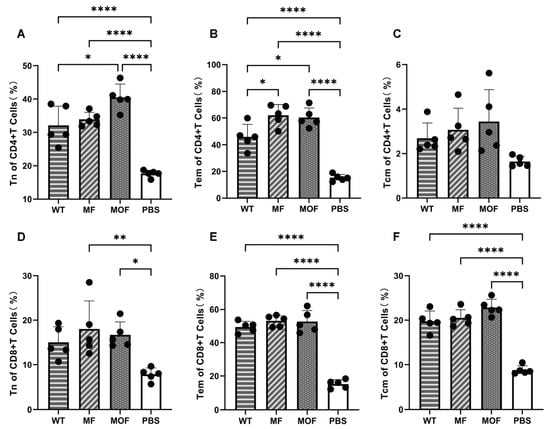
Background: Respiratory syncytial virus (RSV) is a leading cause of severe lower respiratory tract infections in infants, seniors, and immunocompromised individuals, contributing substantially to the global disease burden. Given the limited preventive options available, developing an effective and safe vaccine remains a public health priority. Methods: An mRNA vaccine encoding the RSV PreF protein was designed and prepared. Antigen properties were evaluated in silico, and the coding sequence was optimized using NLP algorithms. The stability and translational efficiency of the mRNA constructs were verified through in vitro and in vivo assays, followed by immunogenicity evaluation of the formulated mRNA vaccines in a BALB/c mouse model. Results: The optimized mRNA showed predicted improvements in structural stability and a lower free energy state, which were associated with increased translational efficacy in vitro. Correct antigen conformation and retention of key epitopes were confirmed by intracellular staining followed by flow cytometry. A balanced Th1-biased immune response was induced in mice, characterized by high levels of neutralizing antibodies and antigen-specific T-cell immunity, along with enhanced memory T-cell proliferation and differentiation, indicating long-term immunological memory. Conclusions: A novel RSV PreF mRNA vaccine was successfully developed via optimization of protein structure and mRNA sequence. Superior immunogenicity was demonstrated in the BALB/c mouse model, together with promising potential in terms of vaccine safety and immunological persistence. These findings represent a promising step forward in the pursuit of an effective RSV vaccine and suggest the potential of the developed mRNA vaccine to induce substantial immune responses that may correlate with protection in future challenge studies.
Full article
(This article belongs to the Section Vaccine Design, Development, and Delivery)
►▼
Show Figures

Figure 1
Open AccessReview
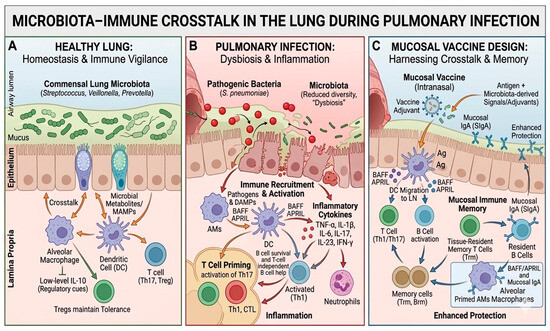
The Role of Lung Microbiota in Shaping Host Immunity and Mucosal Vaccine Responses
by
Wael Alturaiki
Vaccines 2026, 14(4), 355; https://doi.org/10.3390/vaccines14040355 - 16 Apr 2026
Abstract
Respiratory infections remain a leading cause of morbidity and mortality worldwide, highlighting the urgent need to better understand host defense mechanisms in the respiratory tract. Recent advances in sequencing technologies have challenged the traditional view of the lungs as sterile organs and revealed
[...] Read more.
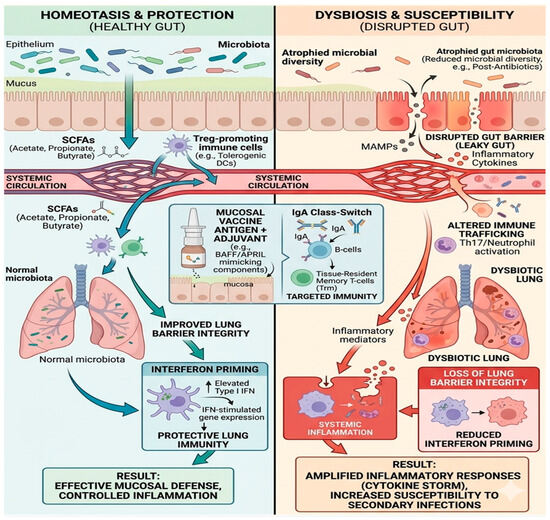
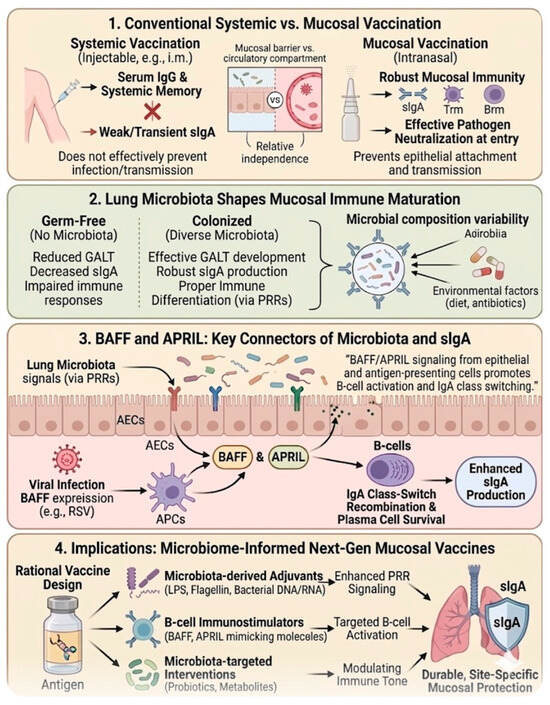
Respiratory infections remain a leading cause of morbidity and mortality worldwide, highlighting the urgent need to better understand host defense mechanisms in the respiratory tract. Recent advances in sequencing technologies have challenged the traditional view of the lungs as sterile organs and revealed the presence of a distinct, low-biomass microbial community known as the lung microbiota. These microbial populations interact closely with airway epithelial cells and immune cells to maintain respiratory homeostasis and regulate host immune responses. In healthy lungs, microbial communities dominated by Firmicutes, Bacteroidetes, and Proteobacteria contribute to immune regulation through interactions with innate and adaptive immune pathways. Microbiota-derived signals are detected by pattern recognition receptors, activating signaling pathways that regulate cytokine production, immune cell recruitment, and T-cell differentiation. In the respiratory mucosa, microbial stimulation can also induce epithelial and antigen-presenting cells to produce B-cell activating factor (BAFF) and a proliferation-inducing ligand (APRIL), which promote immunoglobulin A (IgA) class-switch recombination and support mucosal antibody responses. During pulmonary infection, disruption of microbial communities can lead to dysbiosis that amplifies inflammatory responses, impairs epithelial barrier integrity, and increases susceptibility to secondary bacterial infections. In addition to local microbial interactions, the gut–lung axis represents a key communication pathway linking intestinal microbiota with respiratory immunity through microbial metabolites such as short-chain fatty acids (SCFAs) and immune signaling networks. This review summarizes current insights into microbiota–immune crosstalk in the lung during pulmonary infection and discusses how these interactions may inform mucosal vaccine development. A deeper understanding of host–microbiota interactions may enable microbiome-informed vaccines and therapeutic strategies to improve protection against respiratory diseases.
Full article
(This article belongs to the Section Vaccines Against Tropical and Other Infectious Diseases)
►▼
Show Figures

Figure 1
Open AccessReview
Autoimmune Features of Post-COVID-19 Vaccination Syndrome and Their Impacts on the Renin–Angiotensin System
by
Paolo Bellavite, Giuseppe Di Fede, Mauro Mantovani and Elisabetta Zanolin
Vaccines 2026, 14(4), 354; https://doi.org/10.3390/vaccines14040354 - 16 Apr 2026
Abstract
One of the most critical aspects of post-acute COVID-19 syndrome (PACS) and post-acute COVID-19 vaccination syndrome (PACVS) is the presence of autoantibodies. These autoantibodies are directed against various receptors in the autonomic and cardiovascular systems, including those targeting proteins of the renin–angiotensin system
[...] Read more.
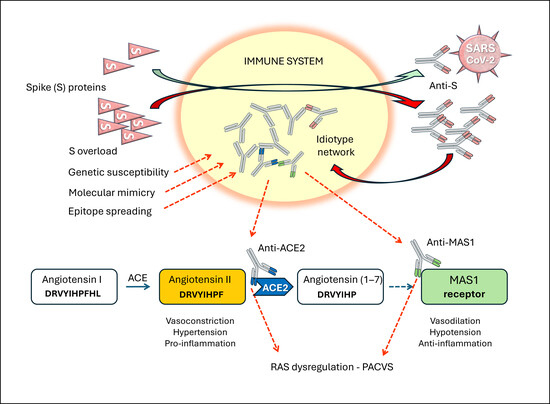
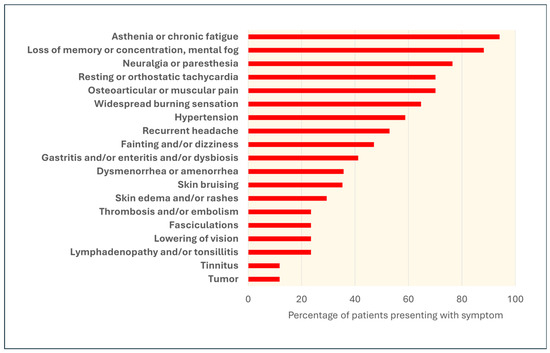
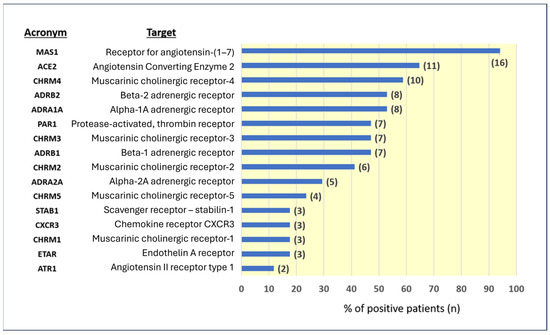
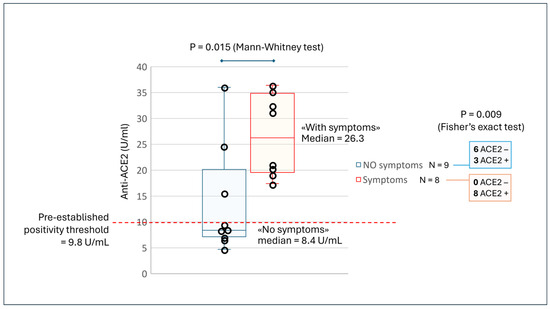
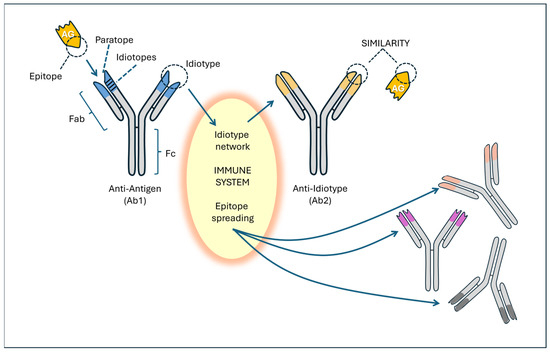
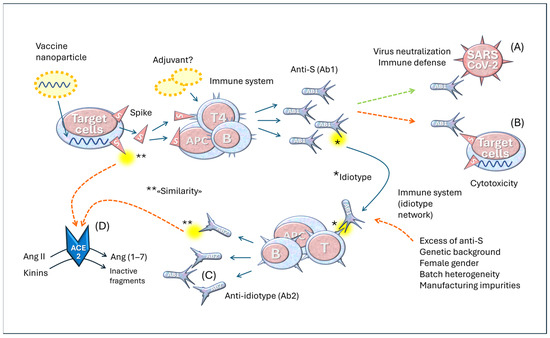
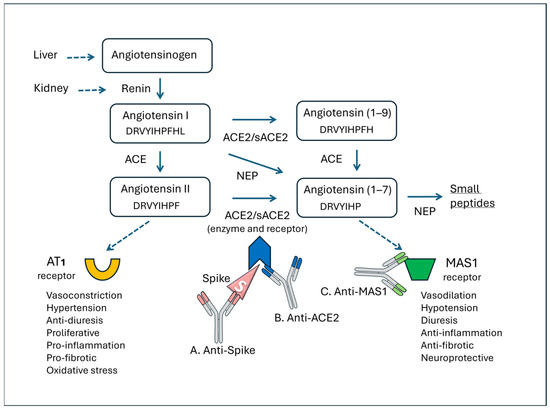
One of the most critical aspects of post-acute COVID-19 syndrome (PACS) and post-acute COVID-19 vaccination syndrome (PACVS) is the presence of autoantibodies. These autoantibodies are directed against various receptors in the autonomic and cardiovascular systems, including those targeting proteins of the renin–angiotensin system (RAS). The RAS plays a central role in regulating vascular homeostasis, inflammation, and endothelial function. During SARS-CoV-2 infection, the interaction of the spike (S) protein with angiotensin-converting enzyme 2 (ACE2) can alter the balance of the RAS, favoring an imbalance towards the ACE/Angiotensin II/AT1R axis, known for its pro-inflammatory, pro-thrombotic, and vasoconstrictive properties. Similar pathological mechanisms also come into play in response to vaccinations that use the S protein as an antigen. Studies conducted by other groups and us on patients with PACS and PACVS have revealed the presence of autoantibodies directed against these RAS components and the mechanisms by which these antibodies can worsen the clinical situation. In particular, anti-ACE2, presumably formed by the anti-idiotype network or molecular mimicry, is correlated with PACVS symptoms in many patients. Furthermore, the presence of anti-MAS1 antibodies can reduce the efficiency of the ACE2/Angiotensin-(1–7)/MAS1 axis, which normally acts as a counter-regulator. Considering this evidence, an analysis of RAS molecules and the autoantibodies implicated in reactions to them may be useful for evaluating a state of persistent dysregulation associated with post-vaccination symptoms such as asthenia, headache, skin edema and bruising, cardiovascular alterations, and neurovegetative manifestations. Finally, we offer insights into diagnosing these multifaceted syndromes and working hypotheses to guide research into possible therapeutic approaches.
Full article
(This article belongs to the Special Issue Mechanisms of Inflammation in Long-COVID/Post-COVID-Vaccination Syndrome)
►▼
Show Figures

Graphical abstract
Open AccessArticle
Vaccination Attitudes in the Adult Population of Kazakhstan: A Nationally Representative Cross-Sectional Study
by
Yerlan Ismoldayev, Anel Ibrayeva, Asset Izdenov, Sergey Lee, Altynay Sadykova, Bolat Sadykov, Shynar Tanabayeva and Ildar Fakhradiyev
Vaccines 2026, 14(4), 353; https://doi.org/10.3390/vaccines14040353 - 16 Apr 2026
Abstract
Background/Objectives: Vaccine hesitancy remains a significant public health challenge worldwide, yet nationally representative data from Central Asia are scarce. Evidence on the multidimensional structure of vaccination attitudes and their social patterning in Kazakhstan is limited. The study aimed to assess the distribution of
[...] Read more.
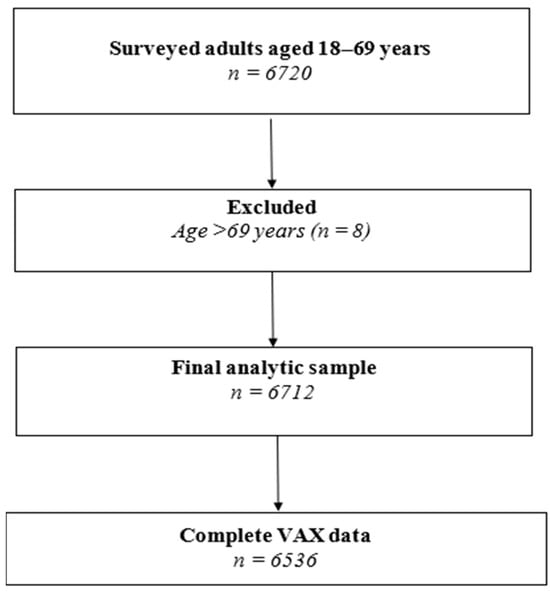
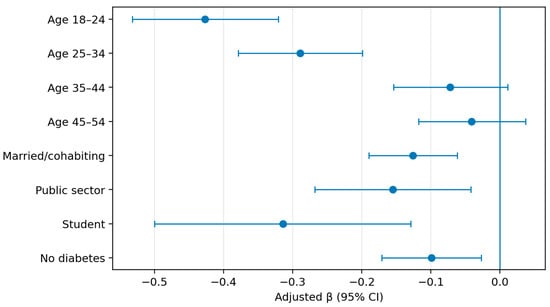
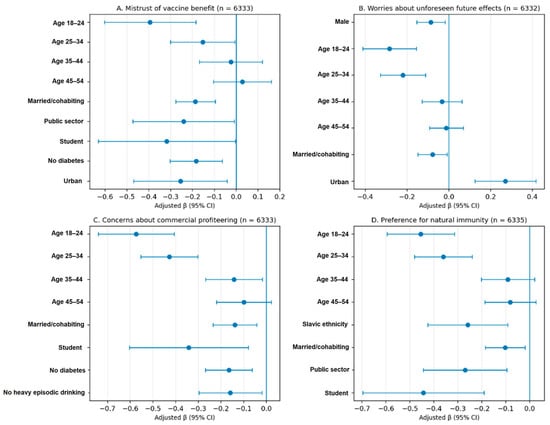
Background/Objectives: Vaccine hesitancy remains a significant public health challenge worldwide, yet nationally representative data from Central Asia are scarce. Evidence on the multidimensional structure of vaccination attitudes and their social patterning in Kazakhstan is limited. The study aimed to assess the distribution of anti-vaccination attitudes among adults in Kazakhstan and to examine their associations with socio-demographic, behavioural, clinical, and territorial characteristics. Methods: We conducted a cross-sectional, nationally representative survey of adults aged 18–69 years across all 17 regions of Kazakhstan between May and October 2025 (n = 6712). A multistage, stratified cluster sampling design was applied, and analyses incorporated sampling weights and design-based corrections. Vaccination attitudes were measured using the 12-item Vaccination Attitudes Examination (VAX) scale, comprising four subscales: mistrust of vaccine benefit, worries about unforeseen future effects, concerns about commercial profiteering, and preference for natural immunity. Internal consistency and confirmatory factor analysis were performed. Design-adjusted linear regression models were used to identify factors independently associated with each subscale and the overall VAX score. Results: The weighted mean overall VAX score was 3.70 (95% CI 3.67–3.73) on a 1–6 scale. The highest scores were observed for worries about unforeseen future effects (4.12; 95% CI 4.10–4.14), followed by preference for natural immunity (3.93; 95% CI 3.87–3.98), concerns about commercial profiteering (3.49; 95% CI 3.45–3.52), and mistrust of vaccine benefit (3.27; 95% CI 3.23–3.31). Internal consistency was high for the overall scale (Cronbach’s α = 0.861), and the four-factor structure demonstrated acceptable fit (CFI = 0.965; TLI = 0.952; RMSEA = 0.071). In multivariable design-adjusted models, age showed a generally consistent gradient, with lower scores in younger groups and the clearest differences observed among the youngest respondents. Married/cohabiting respondents had lower adjusted scores than single respondents across all subscales and for the overall VAX score. Men had lower adjusted worries scores than women, but sex was not independently associated with the overall VAX score. Diabetes was associated with higher adjusted mistrust, concerns about commercial profiteering, and overall VAX score, but not with worries or preference for natural immunity. Territorial differences were domain-specific: urban residence was associated with lower mistrust and higher worries, while macro-region was significant at the factor level only for worries. Conclusions: Anti-vaccination attitudes in Kazakhstan exhibit a multidimensional structure and clear socio-demographic patterning. Concerns about long-term safety were the most prominent attitudinal domain, whereas mistrust of vaccine benefit was comparatively less pronounced. Territorial differences were domain-specific rather than uniform, supporting the need for targeted communication strategies tailored to specific attitudinal domains and population subgroups.
Full article
(This article belongs to the Special Issue Closing Immunization Gaps: Coverage, Vaccine Uptake, and Evidence-Based Strategies in Global Public Health)
►▼
Show Figures

Figure 1
Journal Menu
► ▼ Journal Menu-
- Vaccines Home
- Aims & Scope
- Editorial Board
- Reviewer Board
- Topical Advisory Panel
- Instructions for Authors
- Special Issues
- Topics
- Sections & Collections
- Article Processing Charge
- Indexing & Archiving
- Editor’s Choice Articles
- Most Cited & Viewed
- Journal Statistics
- Journal History
- Journal Awards
- Conferences
- Editorial Office
Journal Browser
► ▼ Journal BrowserHighly Accessed Articles
Latest Books
E-Mail Alert
News
Topics
Topic in
Biomolecules, Cells, IJMS, Pathogens, Vaccines, Biologics, Microorganisms, Biomedicines
Advances in Vaccines and Antimicrobial Therapy—2nd Edition
Topic Editors: Raffaele D’Amelio, Roberto PaganelliDeadline: 30 September 2026
Topic in
Animals, Arthropoda, Insects, Vaccines, Veterinary Sciences, Pathogens
Ticks and Tick-Borne Pathogens: 2nd Edition
Topic Editors: Alina Rodriguez-Mallon, Alejandro Cabezas-CruzDeadline: 31 March 2027
Topic in
Animals, Aquaculture Journal, Biology, Fishes, Pathogens, Vaccines, IJMS
Novel Insights and Advanced Research in Aquatic Animal Diseases and Immunology
Topic Editors: Erlong Wang, Zihao YuanDeadline: 30 July 2027
Conferences
Special Issues
Special Issue in
Vaccines
Vaccines for Poultry Viruses
Guest Editors: Dingxiang Liu, Ying LiaoDeadline: 30 April 2026
Special Issue in
Vaccines
Factors Influencing Vaccine Uptake and Immunization Outcomes
Guest Editors: Sitong Luo, Meiqi Xin, Zixin WangDeadline: 30 April 2026
Special Issue in
Vaccines
Varicella and Zoster Vaccination
Guest Editor: Peter MapleDeadline: 30 April 2026
Special Issue in
Vaccines
Immune Responses in Patients with Chronic Disease After Vaccination
Guest Editors: Nikola Stojanović, Marko BaralicDeadline: 30 April 2026
Topical Collections
Topical Collection in
Vaccines
Research on Monoclonal Antibodies and Antibody Engineering
Collection Editor: Tatsuya Yamazaki
Topical Collection in
Vaccines
Factors Associated with Vaccine Hesitancy
Collection Editor: Brian D. Poole
Topical Collection in
Vaccines
COVID-19 Vaccine Hesitancy: Correlates and Interventions
Collection Editors: Manoj Sharma, Kavita Batra