Systematic Review

Systematic Review of Safety of MF59-Adjuvanted Influenza Vaccine in Older Adults

by
Matias Edgardo Manzotti
1,*,
Agustin Bengolea
1 and
Hebe Vazquez
2
1
Geriatrics Section, Department of Internal Medicine, German Hospital, Buenos Aires C1118AAT, Argentina
2
Stamboulian Foundation, Buenos Aires C1012AAI, Argentina
*
Author to whom correspondence should be addressed.
Vaccines 2026, 14(4), 360; https://doi.org/10.3390/vaccines14040360
Submission received: 16 March 2026 / Revised: 10 April 2026 / Accepted: 14 April 2026 / Published: 17 April 2026
(This article belongs to the Special Issue Vaccines Against Influenza and Other Respiratory Virus Infections)

Abstract

Background/Objectives: Influenza remains a primary cause of severe illness and death in adults over 60. In this group, immunosenescence and existing health conditions make infections more dangerous and traditional vaccines less effective. The MF59-adjuvanted vaccine was specifically designed to overcome these limitations by enhancing the body’s immune activation and antigen presentation. While the vaccine shows clear benefits, some recent concerns regarding vaccine safety have been raised without supporting scientific evidence. Therefore, this systematic review focuses on providing a comprehensive evaluation of its safety outcomes compared to standard vaccines. Methods: Following the PRISMA guidelines, a systematic review and meta-analysis were conducted; two researchers independently assessed the eligibility of the studies, and the risk of bias was assessed using RoB2 and ROBINS tools for randomized clinical trials and observational studies, respectively. Pooled risk estimates were calculated using a random-effects model. Results: Ten RCTs and three non-RCTs meeting the inclusion criteria were included. No significant differences were found for severe systemic outcomes: Guillain–Barré syndrome (RR 1.01, 95% CI 0.64–1.80) and encephalitis (RR 1.23, 95% CI 0.85–1.78). For other systemic adverse effects, there were no significant differences between adjuvanted and non-adjuvanted vaccines; only myalgia showed a small but significant increase with adjuvanted vaccines (RR 1.35, 95% CI 1.02–1.78) compared with non-adjuvanted vaccines. Conclusions: MF59-adjuvanted influenza vaccines have a favorable and well-characterized safety profile in adults aged 60 years and older. Adverse events are predominantly mild and transient, with no evidence of increased risk of serious or immune-mediated outcomes compared with non-adjuvanted vaccines.

1. Introduction

Influenza remains a major cause of hospitalization and mortality worldwide and continues to disproportionately affect older adults. Individuals aged 60 years and older are at increased risk of severe influenza-related outcomes [1], including hospitalization, functional decline, exacerbation of chronic diseases, loss of independence, and death. This increased vulnerability is driven not only by chronological aging itself but also by the high prevalence of frailty, multimorbidity, and age-associated physiological decline that characterize this population. Comorbidities and immunosenescence, a progressive remodeling and decline of both innate and adaptive immune functions associated with aging, contribute to reduced vaccine responsiveness, lower antibody production, impaired cellular immunity, and diminished duration of protection after vaccination, increasing susceptibility to infection, raising the risk of complications, and reducing the effectiveness of preventive interventions [2,3,4]. The standard inactivated influenza vaccine is the primary preventive measure, but its effectiveness is limited in this age group [5]. As a consequence of immunosenescence, standard-dose non-adjuvanted influenza vaccines may provide suboptimal protection in older adults, particularly in those with significant comorbidity burden or frailty. To enhance immune responses in elderly adults, the MF59-adjuvanted influenza vaccine has been developed. Oil-in-water emulsions have been used experimentally as adjuvants for over 100 years. MF59 was developed in the 1990s as a squalene-based oil-in-water emulsion and was the first of its kind. Squalene was chosen as the base for this adjuvant because it is a naturally occurring oil synthesized by humans and, therefore, offers low toxicity potential [6]. It has been used in clinical practice since 1997 in its trivalent formulation and, since 2020, in its quadrivalent formulation [7]. MF59 promotes local innate immune activation, enhances recruitment of antigen-presenting cells, and improves the magnitude and breadth of the immune response to influenza antigens. [8]. Clinical studies and post-marketing surveillance have shown a favorable safety profile, with mostly mild and transient local or systemic reactions [9,10,11]. While several studies report benefits of the MF59-adjuvanted vaccine compared with the standard vaccine, others show inconclusive results, likely due to differences in study design, population characteristics, and influenza seasons [12,13,14]. Although the immunogenicity and effectiveness of MF59-adjuvanted influenza vaccines have been evaluated in multiple studies, safety remains a central issue for clinicians, policymakers, and vaccine recipients. In older adults, where the balance between benefits and tolerability is particularly relevant, concerns about adverse events can influence vaccine acceptance, adherence to immunization recommendations, and confidence in public vaccination programs. This is especially important in the current context, where vaccine-related misinformation and disproportionate attention to isolated safety concerns may undermine trust even in long-established preventive interventions. Available evidence suggests that MF59-adjuvanted influenza vaccines are generally well tolerated and associated primarily with mild and transient local or systemic reactions [15]. However, concerns continue to arise regarding the possibility of increased reactogenicity or rare immune-mediated adverse events, such as Guillain–Barré syndrome or neurological complications, despite the absence of consistent scientific evidence supporting a causal association. In addition, the available literature includes both randomized and observational studies with different comparators, surveillance methods, and outcome definitions, which may complicate interpretation when evidence is reviewed in isolation.
This systematic review focuses on providing a comprehensive evaluation of safety outcomes of the MF59-adjuvanted vaccine in adults aged 60 years and older compared to standard vaccines, with particular emphasis on both common adverse events and serious adverse outcomes of clinical relevance, to inform public health strategies and build vaccine confidence.

2. Materials and Methods

  • Protocol and Registration
The study protocol was registered in PROSPERO (ID: CRD420261288915).
The review process followed the Preferred Reporting Items for Systematic Reviews and Meta-Analyses (PRISMA) guideline [16].
  • Eligibility Criteria
    The review focused on the following PICO question:
    Patients (P): Adults aged ≥60 years, including hospitalized, community-dwelling, and institutionalized (e.g., long-term care and nursing home) individuals, with or without comorbidities
    Intervention (I): Trivalent (TIV) or quadrivalent (QIV) MF59-adjuvanted influenza vaccine
    Comparator (C):
    Primary comparator: Standard-dose influenza vaccine
    Secondary comparator: High dose influenza vaccine (HD) or other formulations
    Outcomes (O):
    Safety: Adverse events of any type and serious adverse events, as defined in primary studies. This systematic review does not include continuous outcome analysis.
  • Inclusion criteria
    Study design: RCTs and observational studies; the rationale for, including both RCTs and observational studies was due to their complementary roles in safety assessment (controlled conditions versus real-world detection of rare events).
    Population: Adults ≥ 60 years, including high-risk groups (hospitalized, community-dwelling, and institutionalized)
    Intervention: MF59-adjuvanted influenza vaccines (TIV or QIV)
    Comparator: Non-adjuvanted influenza vaccines or no vaccination
    Outcomes: Safety outcomes as defined above
    Language: No restriction
    Publication period: From vaccine availability to November 2024
  • Exclusion criteria
    Studies not reporting outcomes of interest
    Non-human studies
    Editorials, letters, commentaries, case reports, and narrative reviews
  • Literature Search
    Electronic search
    A search was conducted in the Cochrane Database of Systematic Reviews (CDSR), Database of Abstracts of Reviews of Effectiveness (DARE), PubMed, LILACS, CINAHL, PsycINFO, EMBASE, and the online database ClinicalTrials.gov. The identification of primary studies was complemented with a specific search in the PubMed database. All searches covered the period from the vaccine availability dates until November 2024, with no restrictions on publication date and status. Search strategy: (“adjuvants vaccine”[Supplementary Concept] OR “adjuvants vaccine”[All Fields] OR “vaccine adjuvant”[All Fields] OR “adjuvants, vaccine”[MeSH Terms] OR (“adjuvants”[All Fields] AND “vaccine”[All Fields]) OR “vaccine adjuvants”[All Fields] OR (“vaccine”[All Fields] AND “adjuvant”[All Fields])) AND (“influenza, human”[MeSH Terms] OR (“influenza”[All Fields] AND “human”[All Fields]) OR “human influenza”[All Fields] OR “flu”[All Fields]) AND (“adult”[MeSH Terms] OR “adult”[All Fields] OR “adults”[All Fields] OR “adult s”[All Fields]).
    Other search sources
    To ensure the identification of articles that may not have been detected by the search strategy or are not available in the included databases, the following sources of information were included:
    RCTs included in other relevant systematic reviews, identified through a manual review.
    Manual review of references from included studies.
  • Study Selection
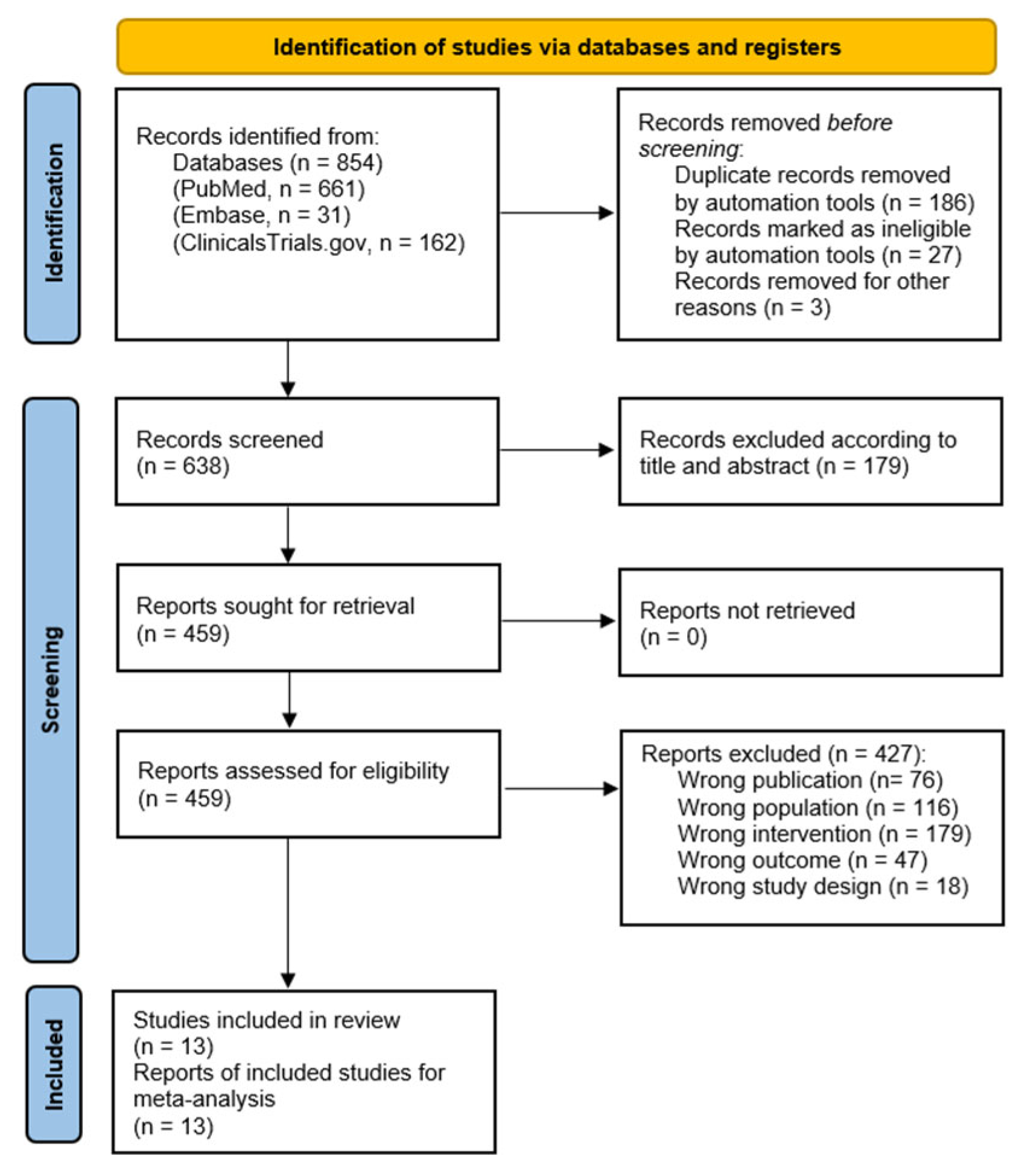
Two independent reviewers (HV and MM) screened titles and abstracts according to the predefined eligibility criteria. Full texts of potentially eligible studies were reviewed independently, with discrepancies resolved by discussion or consultation with a third reviewer (AB). Exclusion reasons and the overall selection process are documented in a PRISMA flow diagram (Figure 1).
  • Data Extraction
    Data extraction was performed independently by two reviewers (HV and MM) using standardized forms. Extracted information included:
    Study characteristics (author, year, country, and design)
    Participant demographics (age, sex, and comorbidities)
    Intervention and comparator details
    Reported outcomes, with a focus on safety for this manuscript: adverse events of any type and serious adverse events, according to definitions in primary studies.
    Discrepancies were resolved by discussion or consulting a third reviewer (AB). Data were entered into pre-designed spreadsheets for analysis.
  • Publication Bias
Publication bias was evaluated using funnel plots and Egger’s test. Egger’s test results indicated no statistically significant evidence of publication bias, with all p-values exceeding 0.05.
  • Risk of Bias/Quality Assessment
    Two reviewers independently assessed the risk of bias of the included studies using validated tools.
    RCTs: Cochrane Risk of Bias 2 (RoB 2) tool [17]. The five domains of bias considered in this tool were bias due to the randomization process, bias due to deviations from intended interventions, bias due to missing outcome data, bias in outcome measurement, and bias in selection of the reported result.
    Observational studies: We evaluated methodological quality and risk of bias using the Risk of Bias in Non-Randomized Studies of Interventions (ROBINS-I) tool [18]. This framework assesses bias in seven domains. The domains assessed by this tool were: confounding factors, classification of interventions, participant selection, study selection, outcome measurement, deviations from planned interventions, missing data, and selection of reported outcomes. Two reviewers independently conducted the assessments. Any disagreement was resolved by consensus, moderated by a third reviewer. Each domain was rated as having low, moderate, serious, or critical risk of bias according to the ROBINS-I criteria. Although risk of bias was assessed at the study level, the certainty of evidence for each outcome was not formally evaluated using the GRADE approach.
    Results are summarized in tables within the manuscript.
  • Data Synthesis
We conducted a meta-analysis through the Web-Based Tool metaanalysisonline platform [19], integrating multiple statistical approaches, including those recommended by the Cochrane Collaboration [20]. This involved selecting studies with significant homogeneity in design, population, interventions, comparators, and reported outcome measures. When studies were considered clinically homogeneous, results were pooled using a random-effects model with the Mantel–Haenszel method to estimate risk ratios (RRs) with 95% confidence intervals. Absolute risk differences (ARDs) and number needed to harm (NNH) were calculated based on pooled event rates to enhance clinical interpretability of statistically significant outcomes. Safety outcomes were summarized narratively and, where possible, quantitatively. Adverse events were classified according to definitions reported in primary studies. Subgroup analyses were planned if sufficient data were available.
  • Effect measures
In the analysis of dichotomous outcomes, we expressed the estimation of the therapeutic impact of the intervention using risk measures along with the 95% confidence interval (CI). Analysis was performed using a random-effects model with the Mantel-Haenszel method to compare the risk ratio.
  • Heterogeneity assessment
Variations in the treatment effect among the different included clinical trials were assessed using the X2 test (Q statistic) and the I2 statistic. Statistically significant heterogeneity was considered when the p-value was <0.1. Potential sources of heterogeneity include differences in study populations, vaccine formulations, follow-up duration, and adverse event definitions.
  • Subgroup analysis
We explored the following potential effect modifiers: (1) Risk of bias; we anticipated bigger beneficial effects in high-risk of bias studies. (2) Type of study; we anticipated bigger beneficial effects in non-RCT studies. (3) Population risk; we anticipated bigger beneficial effects in high-risk individuals. To assess the possibility of a subgroup effect, we employed the Instrument for Credibility Assessment of Effect Modification (ICEMAN) [21,22] designed to evaluate the credibility of a claim of effect modification, also known as a subgroup effect, statistical interaction, moderation, or heterogeneity of treatment effects. Subgroup analyses were planned; however, due to the limited number of studies contributing to each outcome, subgroup results were interpreted cautiously. Formal interaction tests were not emphasized to avoid overinterpretation of underpowered comparisons.
Sensitivity analyses using a leave-one-out approach were conducted for outcomes with moderate heterogeneity to assess the robustness of pooled estimates.

3. Results

3.1. Search Results

Through the search strategy, 638 references were identified for screening by title and abstract. Of these, 459 references were included for full-text evaluation. Finally, 13 trials incorporated safety data [23,24,25,26,27,28,29,30,31,32,33,34,35], 10 RCTs, and 3 non-RCTs. Exclusion reasons for clinical trials and the selection process were recorded in the PRISMA flow diagram (Figure 1). Results were interpreted with consideration of study design and heterogeneity, rather than assuming equivalence across designs.

3.2. Description of Included Studies

The included studies addressed diverse populations and different vaccine comparators. In the 13 studies with systematic safety assessment, 3 observational studies and 10 RCTs, solicited adverse events were recorded during the first 7–14 days after vaccination; unsolicited adverse events were generally monitored for up to 28 days; and serious adverse events were followed from vaccination for approximately 6 to 12 months, depending on the protocol. The characteristics of the included studies for analysis are shown in Table 1.

3.3. Results of Publication Bias Assessment

The funnel plot does not indicate a potential publication bias. The Egger’s test does not support the presence of funnel plot asymmetry (intercept: 2.17, 95% CI: −0.3–4.65, t: 1.721, p-value: 0.113), indicating no strong evidence of publication bias overall. The limitations of these methods are particularly relevant given the small number of studies available for certain outcomes (Supplementary File S1).

3.4. Risk of Bias Assessment

Although certain considerations were identified in some domains of the Risk of Bias in Non-Randomized Studies of Interventions (RoBINS-I V2) tool, the overall interpretation of the risk of bias in the primary studies was low to moderate for adverse events in non-RCTs [29,30,33]; the risk of bias in RCTs was heterogeneous. Of the 10 RCTs, 4 had a low risk of bias [24,26,31,32], 4 a moderate risk [25,27,28,35], and 2 a high-risk of bias [23,34]. Detailed risk of bias assessment is shown in Table 1.

3.5. Safety Results

As safety effects, the primary studies include diverse effects, from local to systemic effects.

3.5.1. Systemic Effects

The main systemic effects that we were most interested in analyzing in this review were Guillain-Barré syndrome, encephalitis or encephalomyelitis, seizures, nephritis, and vasculitis. The evidence for rare adverse events is limited and should be interpreted with caution.
We found no studies that met the inclusion criteria and presented data on seizures, nephritis, and vasculitis.
  • Guillain-Barré syndrome (GBS)
    When we analyzed the data on GBS, we found no significant differences in the risk of developing this syndrome related to the use of adjuvanted vaccines. Of the 2 observational studies that reported on this outcome, one compared the unadjuvanted vaccine, and the other compared both the unadjuvanted and high dose vaccines.
    • MF59-adjuvanted influenza vaccine vs. all other non-adjuvanted influenza vaccines.
    • Altogether 3 observational studies were analyzed with a total of 6,473,205 subjects in the MF59-adjuvanted influenza vaccine experimental cohort and 17,479,234 subjects in the control cohort (non-adjuvanted influenza vaccines). The overall risk ratio was 1.01 with a 95% confidence interval of 0.64–1.6 (Figure 2).
2.
Encephalitis
Only 1 study was found (comparing an adjuvanted vaccine versus a high dose vaccine) and was analyzed with a total of 3,406,105 subjects in the MF59-adjuvanted influenza vaccine experimental cohort and 6,548,563 subjects in the control cohort (HD vaccine). The overall risk ratio is 1.23 with a 95% confidence interval of 0.85–1.78 (Figure 3). No increased risk was observed; however, rare adverse events cannot be definitively excluded.
3.
Other systemic effects
  • Myalgia
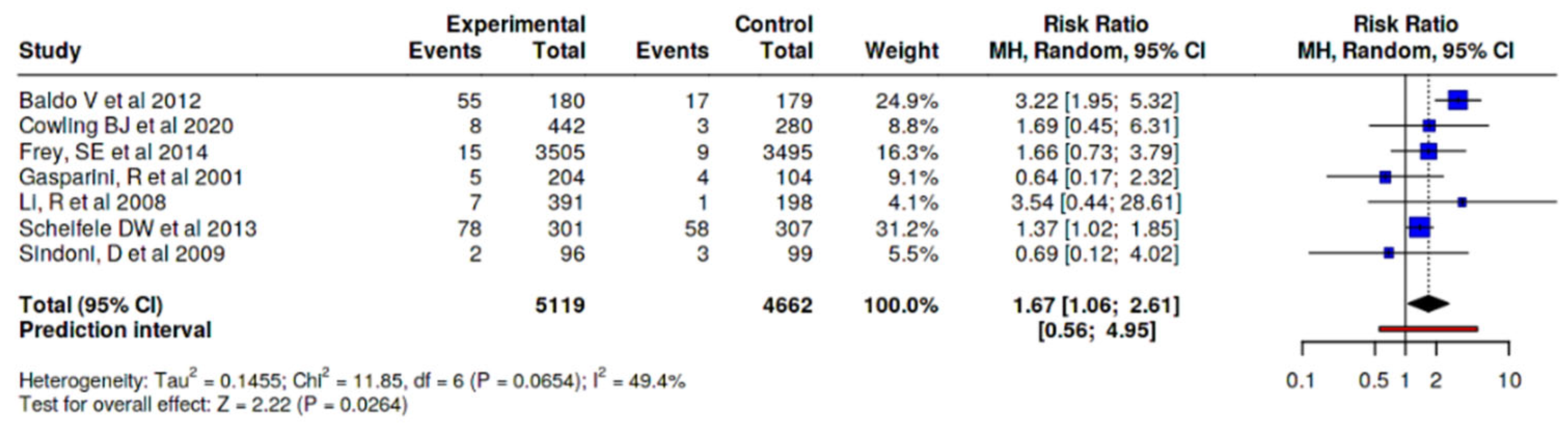
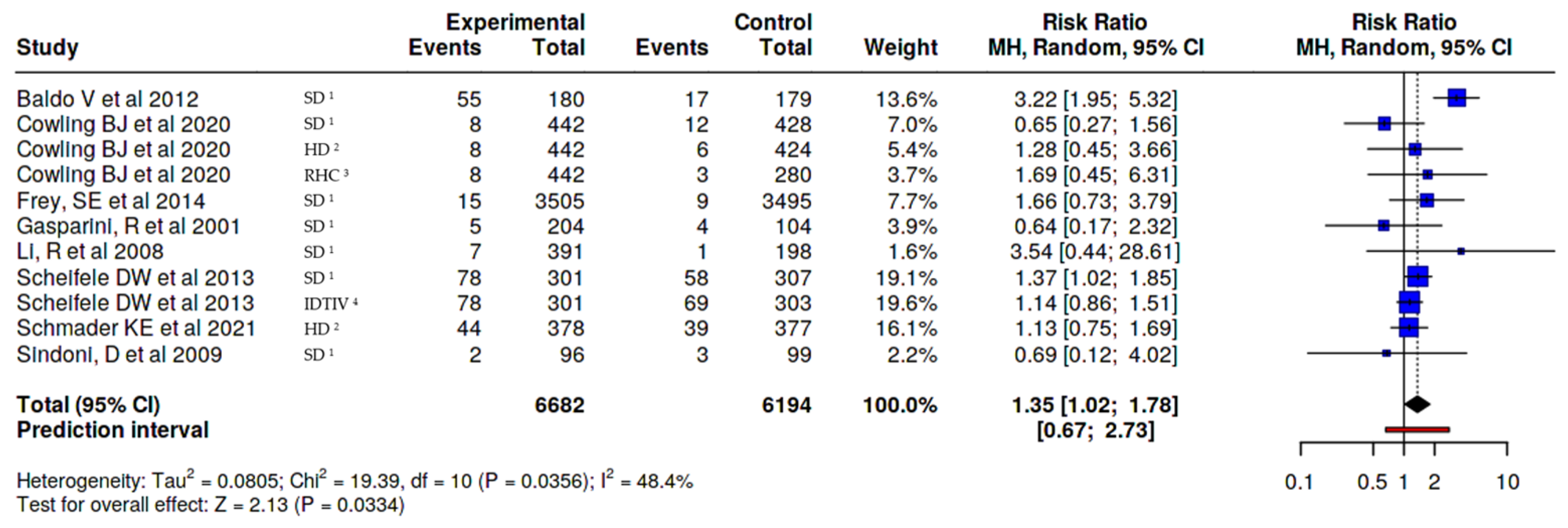
    In myalgia/muscle pain outcome, a difference was observed between those who received the adjuvanted vaccine, with a small increased risk (RR 1.35, 95% CI 1.02–1.78), versus any other type of vaccine (Figure 4), and RR 1.67 (95% CI 1.06–2.61) versus non-adjuvanted trivalent or tetravalent SD vaccines, corresponding to an absolute risk difference of approximately 3.7%, resulting in an estimated number needed to harm (NNH) of 27, depending on baseline risk assumptions. This indicates that one additional adverse event would be expected for every 27 individuals vaccinated with the MF59-adjuvanted vaccine compared to the SD vaccine. (Figure 5).
  • Fatigue
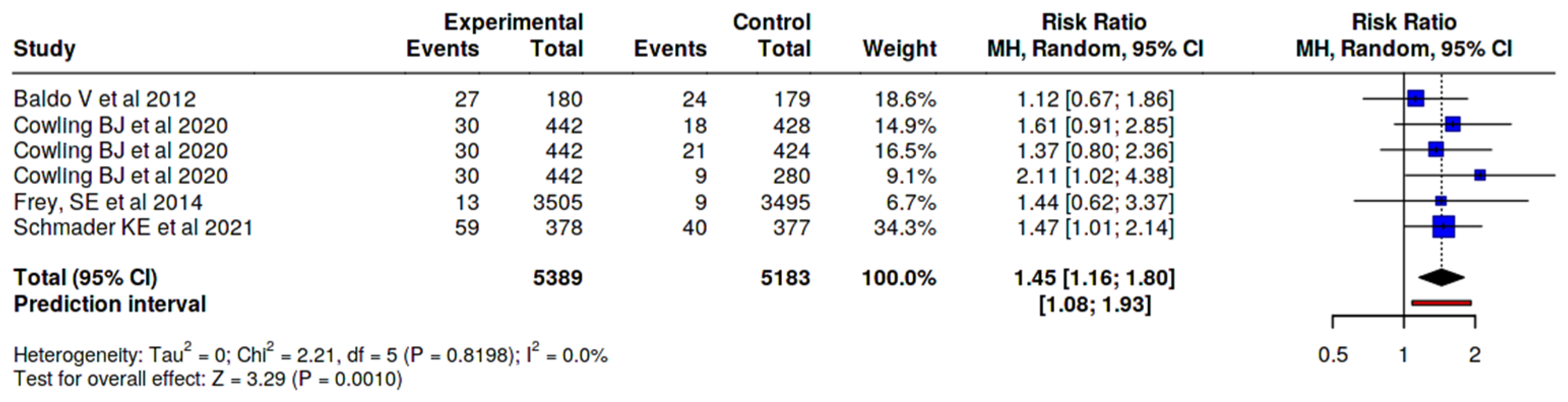
    In fatigue outcome, a difference was observed between those who received the adjuvanted vaccine, with an increased risk (RR 1.45, 95% CI 1.16–1.80), versus any other type of vaccine (Figure 6). No significant differences were observed when the adjuvanted vaccine was compared with SD non-adjuvanted vaccines (RR 1.34, 95% CI 0.95–1.89). However, when compared with the high dose vaccine, a higher risk of fatigue was observed (RR 1.44, 95% CI 1.06–1.96). For fatigue, the increased relative risk corresponded to an absolute risk difference of approximately 4–5%, resulting in an estimated number needed to harm (NNH) of approximately 20–25, depending on baseline risk assumptions. (Figure 7).
We found other systemic effects reported more frequently, such as fever, headache, arthralgia, chills, diarrhea, itching, malaise, tiredness, vomiting, and sleep disturbance. No significant difference was found in the outcomes of any of these adverse effects between patients who received the adjuvanted vaccine versus any other vaccine (Supplementary File S2).

3.5.2. Local Effects

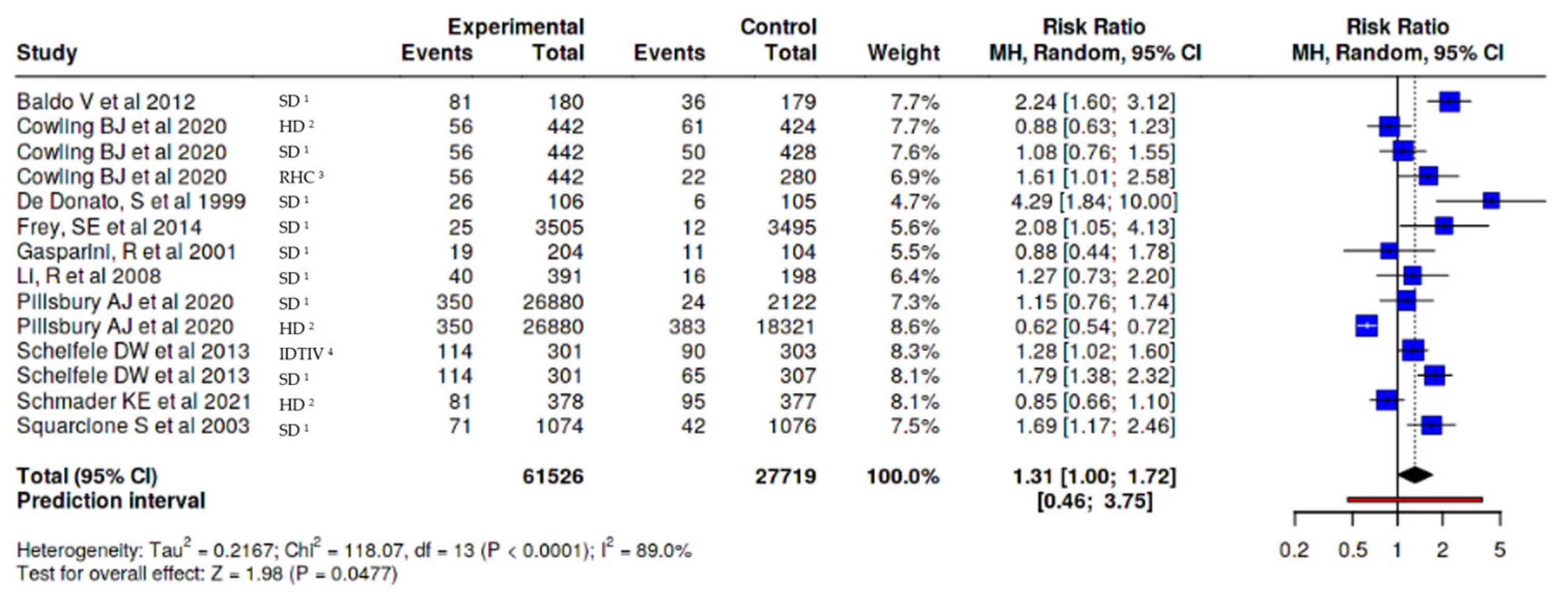
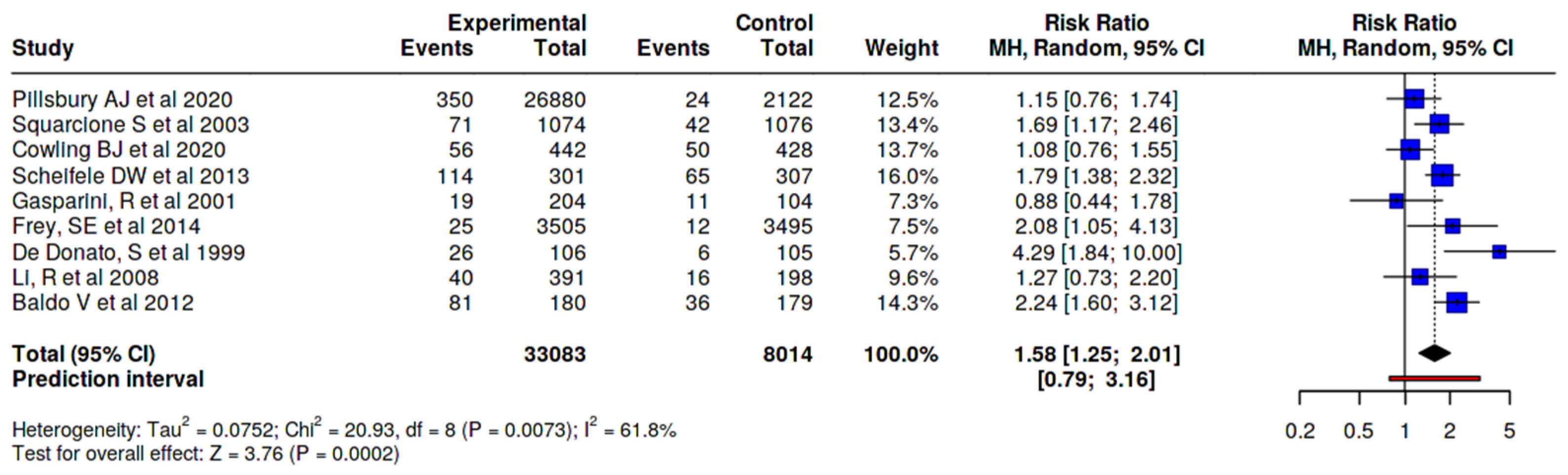
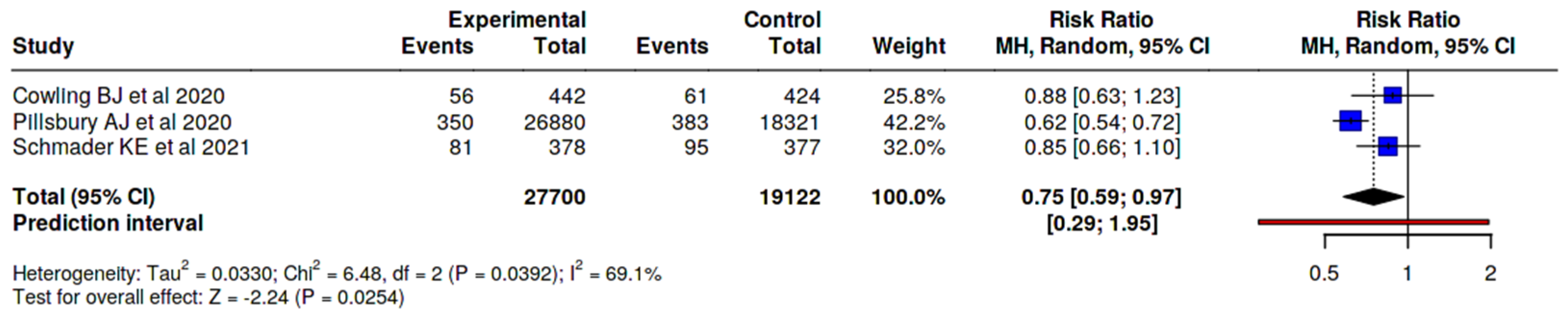
Regarding local adverse effects, we found that the adjuvanted vaccine, compared to the altogether non-adjuvanted vaccine, presents an injection site pain RR 1.31, 95% CI 1.00–1.72 (Figure 8); compared to the non-adjuvanted SD vaccines, it presents a higher risk of injection site pain (RR 1.58, 95% CI 1.25–2.01) (Figure 9). When analyzing this effect versus the high dose vaccine, it was observed that the risk of injection site pain is lower with the adjuvanted vaccine (RR 0.75, 95% CI 0.59–0.97) (Figure 10).

3.6. Subgroup Analysis

No credible subgroup effects were identified. Exploratory subgroup analyses did not identify credible effect modification; however, these findings are limited by the small number of studies per subgroup. Leave-one-out sensitivity analyses did not materially change the direction or magnitude of the pooled estimates.

4. Discussion

This systematic review provides a comprehensive and up-to-date evaluation of the safety profile of the MF59-adjuvanted influenza vaccine in adults aged 60 years and older. Despite many years of experience (since 1997), there is no modern comprehensive synthesis of safety data in the elderly population. This work differs from previous studies by focusing on rare serious adverse events and providing a detailed comparison with different types of vaccines. Previous meta-analyses [12] have primarily focused on efficacy and immunogenicity rather than safety in the elderly. By integrating evidence from randomized controlled trials and large observational studies with systematic adverse event surveillance, our findings consistently demonstrate that MF59-adjuvanted influenza vaccines are well tolerated in older adults, with predominantly mild and transient adverse events and no evidence of an increased risk of serious or immune-mediated adverse outcomes. The relevance of these findings is underscored by the well-recognized impact of immunosenescence on influenza susceptibility and vaccine responsiveness in older populations. Age-related immune dysfunction reduces the effectiveness of standard-dose inactivated influenza vaccines, thereby increasing the need for enhanced vaccine formulations such as adjuvanted or high dose vaccines. In this context, safety considerations are central to vaccine acceptance, regulatory decision-making, and public confidence. Our results support the use of MF59-adjuvanted vaccines as a safe preventive strategy for this high-risk population. Across the included studies, systemic adverse events such as fever, headache, arthralgia, chills, gastrointestinal symptoms, and fatigue were generally comparable between MF59-adjuvanted vaccines and non-adjuvanted formulations. When differences were observed, they were modest and clinically mild. A small but statistically significant increase in myalgia and fatigue was identified in some comparisons, particularly versus non-adjuvanted vaccines or high dose formulations, respectively. Importantly, these symptoms were self-limited and did not translate into increased rates of serious adverse events or vaccine discontinuation. Local reactogenicity, particularly injection-site pain, was more frequently reported with MF59-adjuvanted vaccines compared with standard non-adjuvanted formulations but occurred less often than with high dose influenza vaccines. This gradient of local reactogenicity across enhanced vaccine platforms has been consistently reported in previous trials and post-marketing studies and reflects expected differences in immune stimulation rather than safety concerns. From a clinical perspective, the increased local reactogenicity associated with MF59-adjuvanted vaccines appears acceptable when balanced against the benefits of improved immunogenicity and potential effectiveness in older adults.
A key strength of this review is the focused evaluation of adverse events of special clinical interest in older populations, including Guillain–Barré syndrome, encephalitis or encephalomyelitis, vasculitis, nephritis, and seizures. One of the most clinically reassuring findings of this review is the absence of evidence suggesting an increased risk of serious neurological or immune-mediated adverse events associated with MF59-adjuvanted influenza vaccines. Specifically, no significant increase was observed for Guillain–Barré syndrome or encephalitis in the available comparative analyses, and no eligible studies were identified showing excess risk for seizures, nephritis, or vasculitis. Although some of these outcomes are extremely rare and difficult to study even in large surveillance systems, and rare adverse events cannot be definitively excluded due to limitations in sample size and event frequency, the consistency of the available evidence across observational and randomized data is reassuring. This is especially important because rare neurological events often receive disproportionate attention in public discourse and may contribute to vaccine hesitancy even when causality is unsupported.
At the level of more common adverse outcomes, the overall pattern observed was biologically plausible and clinically acceptable. MF59-adjuvanted vaccines were associated with slightly higher rates of some expected local and systemic reactions compared with standard non-adjuvanted formulations, particularly injection-site pain and, in some analyses, myalgia or fatigue. However, these differences were generally modest and did not translate into an increased burden of serious adverse events. These estimates should be interpreted cautiously, as they are based on pooled event rates and may vary depending on baseline risk across populations. Absolute risk estimates suggest that, although some reactions were more frequent, the magnitude of these differences was small. The estimated NNH values indicate that a relatively large number of individuals would need to be vaccinated for one additional adverse event to occur, supporting the limited clinical impact of these findings.
Furthermore, when compared with high dose influenza vaccines, the MF59-adjuvanted vaccine showed a comparable or in some cases more favorable profile for selected outcomes, such as local pain and fever.
This pattern is consistent with the known mechanism of action of MF59. As a squalene-based oil-in-water adjuvant, MF59 is designed to enhance the innate immune response at the injection site, promote local chemokine production, and facilitate recruitment and activation of antigen-presenting cells. As a result, a modest increase in short-term local or systemic reactions is expected and may reflect effective immune stimulation rather than pathological toxicity. From a clinical standpoint, these reactions are generally self-limited and manageable and should be interpreted in the broader context of the potential benefits of improved immunogenicity and protection in a high-risk population. This review has several strengths, including a broad and systematic search strategy without language restrictions, inclusion of diverse study designs and populations, assessment across multiple influenza seasons, and the use of validated risk-of-bias tools for both randomized and non-randomized studies. Additionally, the application of quantitative synthesis where appropriate, complemented by structured narrative analysis, allowed for a balanced interpretation of heterogeneous safety outcomes. To account for the observed heterogeneity, we examine several contributing factors, such as variations in population profiles, diversity in outcome definitions, and differences in follow-up periods. Nevertheless, certain limitations should be acknowledged. Although serious adverse events were followed for up to 6–12 months in most studies, the included trials and observational analyses may not have been powered to detect extremely rare events. The lack of standardized definitions for adverse events, reporting practices, and follow-up durations across studies may have introduced heterogeneity in some outcomes. Furthermore, standardized adjudication of suspected immune-mediated adverse events was not uniformly applied across studies. This should highlight the need for more standardized safety notifications in future investigations. Subgroup analyses were limited by the small number of studies and should be interpreted with caution, as they may be underpowered to detect true effect modification. Sensitivity analyses suggested that the main findings were robust to the exclusion of individual studies.
Despite these limitations, the findings of this review have important implications for public health and immunization policy. Influenza continues to impose a substantial burden of morbidity, mortality, and functional decline among older adults, particularly those with comorbidities, frailty, or residence in long-term care facilities. Enhanced influenza vaccines represent a critical strategy to mitigate this burden.
Our findings are also relevant for clinicians and vaccination program decision-makers when discussing enhanced influenza vaccine options for older adults. In many settings, healthcare professionals and patients must choose among multiple age-targeted influenza vaccine platforms, including MF59-adjuvanted, high dose, recombinant, or cell-based formulations. While effectiveness and immunogenicity remain key considerations, safety and tolerability often play an important role in patient acceptance and in implementation at the programmatic level.
Overall, the evidence synthesized in this review indicates that MF59-adjuvanted influenza vaccines have a favorable and clinically acceptable safety profile in adults aged 60 years and older, supporting their role as an important preventive strategy in the care of older populations.

5. Conclusions

This systematic review demonstrates that MF59-adjuvanted influenza vaccines have a favorable and well-characterized safety profile in adults aged 60 years and older. Adverse events are predominantly mild and transient, with no evidence of increased risk of serious or immune-mediated outcomes compared with standard-dose or high dose influenza vaccines. Continued post-marketing surveillance and comparative effectiveness research across enhanced vaccine platforms remain essential to optimize influenza prevention strategies and sustain public and professional confidence in vaccination programs for aging populations.

Supplementary Materials

The following supporting information can be downloaded at: https://www.mdpi.com/article/10.3390/vaccines14040360/s1, Table S1: PRISMA 2020 checklist. Figure S1: publication bias assessment. Figure S2: Risk of Fever. Figure S3: Risk of Fever vs. HD. Figure S4: Risk of Headache. Figure S5: Risk of Arthralgia. Figure S6: Risk of Chills. Figure S7: Risk of Diarrhea. Figure S8: Risk of Itching. Figure S9: Risk of Malaise. Figure S10: Risk of Tiredness. Figure S11: Risk of Vomiting. Figure S12: Risk of Sleep Disturbance.

Author Contributions

Conceptualization, M.E.M. and H.V.; methodology, M.E.M., H.V. and A.B.; software, M.E.M.; validation, H.V. and A.B.; formal analysis, M.E.M.; investigation, M.E.M. and H.V.; resources, M.E.M. and H.V.; data curation, M.E.M.; writing—original draft preparation, H.V. and M.E.M.; writing—review and editing, M.E.M., H.V. and A.B.; visualization, M.E.M., H.V. and A.B.; supervision, M.E.M. and H.V.; project administration, H.V.; funding acquisition, H.V. and M.E.M. All authors have read and agreed to the published version of the manuscript.

Funding

This research was funded by CLS Seqirus, grant number 93913243; funding was used to support operational aspects of the study.

Institutional Review Board Statement

Not applicable.

Data Availability Statement

The original contributions presented in this study are included in the article/Supplementary Materials. Further inquiries can be directed to the corresponding author.

Conflicts of Interest

M.M. has received advisory and consultation fees from SCL Seqirus, Sanofi, and Pfizer; H.V. has received advisory and consultation fees from Sanofi, SCL Seqirus, MSD, and GSK; and A.B. declares no conflict of interest. M.M. is a member of an IDMC in clinical trials sponsored by Sanofi. The funders had no role in the study design, data collection, data analysis, data interpretation, manuscript preparation, or the decision to submit the manuscript for publication; all scientific decisions were made independently by the authors.

Abbreviations

The following abbreviations are used in this manuscript:
aTIV adjuvant trivalent influenza vaccine
TIVtrivalent influenza vaccine
QIVquadrivalent influenza vaccine
TIVHD trivalent influenza vaccine high dose
RHCrecombinant hemagglutinin vaccine
IDTIVintradermal trivalent influenza vaccine
HDHigh dose
SDstandard dose

References

  1. Thompson, W.W.; Shay, D.K.; Weintraub, E.; Brammer, L.; Bridges, C.B.; Cox, N.J.; Fukuda, K. Influenza-associated hospitalizations in the United States. JAMA 2004, 292, 1333–1340. [Google Scholar] [CrossRef] [PubMed]
  2. Ciabattini, A.; Nardini, C.; Santoro, F.; Garagnani, P.; Franceschi, C.; Medaglini, D. Vaccination in the elderly: The challenge of immune changes with aging. Semin. Immunol. 2018, 40, 83–94. [Google Scholar] [CrossRef] [PubMed]
  3. McElhaney, J.E. The unmet need in the elderly: Designing new influenza vaccines for older adults. Vaccine 2005, 23, S10–S25. [Google Scholar] [CrossRef] [PubMed]
  4. Macias, A.E.; McElhaney, J.E.; Chaves, S.S.; Nealon, J.; Nunes, M.C.; Samson, S.I.; Seet, B.T.; Weinke, T.; Yu, H. The disease burden of influenza beyond respiratory illness. Vaccine 2021, 39, A6–A14. [Google Scholar] [CrossRef] [PubMed] [PubMed Central]
  5. Belongia, E.A.; Simpson, M.D.; King, J.P.; Sundaram, M.E.; Kelley, N.S.; Osterholm, M.T.; McLean, H.Q. Variable influenza vaccine effectiveness by subtype: A systematic review and meta-analysis of test-negative design studies. Lancet Infect. Dis. 2016, 16, 942–951. [Google Scholar] [CrossRef] [PubMed]
  6. Black, S. Safety and effectiveness of MF-59 adjuvanted influenza vaccines in children and adults. Vaccine 2015, 33, B3–B5. [Google Scholar] [CrossRef] [PubMed]
  7. Podda, A. The adjuvanted influenza vaccines with novel adjuvants: Experience with the MF59-adjuvanted vaccine. Vaccine 2001, 19, 2673–2680. [Google Scholar] [CrossRef] [PubMed]
  8. O’Hagan, D.T.; Ott, G.S.; Nest, G.V.; Rappuoli, R.; Giudice, G.D. The history of MF59® adjuvant: A phoenix that arose from the ashes. Expert Rev. Vaccines 2013, 12, 13–30. [Google Scholar] [CrossRef] [PubMed]
  9. Pellegrini, M.; Nicolay, U.; Lindert, K.; Groth, N.; Della Cioppa, G. MF59-adjuvanted versus non-adjuvanted influenza vaccines: Integrated analysis from a large safety database. Vaccine 2009, 27, 6959–6965. [Google Scholar] [CrossRef] [PubMed]
  10. Tsai, T.F. MF59 adjuvanted seasonal and pandemic influenza vaccines. Yakugaku Zasshi 2011, 131, 1733–1741. [Google Scholar] [CrossRef] [PubMed][Green Version]
  11. Villa, M.; Black, S.; Groth, N.; Rothman, K.J.; Apolone, G.; Weiss, N.S.; Aquino, I.; Boldori, L.; Caramaschi, F.; Gattinoni, A.; et al. Safety of MF59-adjuvanted influenza vaccination in the elderly: Results of a comparative study of MF59-adjuvanted vaccine versus nonadjuvanted influenza vaccine in northern Italy. Am. J. Epidemiol. 2013, 178, 1139–1145. [Google Scholar] [CrossRef] [PubMed] [PubMed Central]
  12. Domnich, A.; Arata, L.; Amicizia, D.; Puig-Barberà, J.; Gasparini, R.; Panatto, D. Effectiveness of MF59-adjuvanted seasonal influenza vaccine in the elderly: A systematic review and meta-analysis. Vaccine 2017, 35, 513–520. [Google Scholar] [CrossRef] [PubMed]
  13. Izurieta, H.S.; Chillarige, Y.; Kelman, J.; Wei, Y.; Lu, Y.; Xu, W.; Lu, M.; Pratt, D.; Chu, S.; Wernecke, M.; et al. Relative Effectiveness of Cell-Cultured and Egg-Based Influenza Vaccines Among Elderly Persons in the United States, 2017–2018. J. Infect. Dis. 2019, 220, 1255–1264, Erratum in J. Infect. Dis. 2019, 220, 179. https://doi.org/10.1093/infdis/jiz112. [Google Scholar] [CrossRef] [PubMed]
  14. Arrazola Martínez, M.P.; Eiros Bouza, J.M.; Plans Rubió, P.; Puig-Barberà, J.; Ruiz Aragón, J.; Torres Lana, A.J. Efficacy, effectiveness and safety of the adjuvanted influenza vaccine in the population aged 65 or over. Rev. Esp. Quimioter. 2023, 36, 334–345. (In Spanish) [Google Scholar] [CrossRef] [PubMed] [PubMed Central]
  15. Askar, M.; Ali, K.A.; Batke, M.; Brugger, T.; Falman, A.; Robertson, A.H.; Pérez, J.J.; Johansen, K.; de Jonge, J.; Krause, T.G.; et al. Relative Efficacy, Effectiveness and Safety of Newer and/or Enhanced Seasonal Influenza Vaccines for the Prevention of Laboratory-Confirmed Influenza in Individuals Aged 18 Years and Over: Update of a Systematic Review. Rev. Med. Virol. 2025, 35, e70020. [Google Scholar] [CrossRef] [PubMed]
  16. Page, M.J.; McKenzie, J.E.; Bossuyt, P.M.; Boutron, I.; Hoffmann, T.C.; Mulrow, C.D.; Shamseer, L.; Tetzlaff, J.M.; Akl, E.A.; Brennan, S.E.; et al. The PRISMA 2020 statement: An updated guideline for reporting systematic reviews. BMJ 2021, 372, n71. [Google Scholar] [CrossRef] [PubMed] [PubMed Central]
  17. Sterne, J.A.C.; Savović, J.; Page, M.J.; Elbers, R.G.; Blencowe, N.S.; Boutron, I.; Cates, C.J.; Cheng, H.Y.; Corbett, M.S.; Eldridge, S.M.; et al. RoB 2: A revised tool for assessing risk of bias in randomised trials. BMJ 2019, 366, l4898. [Google Scholar] [CrossRef] [PubMed]
  18. Sterne, J.A.; Hernán, M.A.; Reeves, B.C.; Savović, J.; Berkman, N.D.; Viswanathan, M.; Henry, D.; Altman, D.G.; Ansari, M.T.; Boutron, I.; et al. ROBINS-I: A tool for assessing risk of bias in non-randomised studies of interventions. BMJ 2016, 355, i4919. [Google Scholar] [CrossRef] [PubMed] [PubMed Central]
  19. Fekete, J.T.; Győrffy, B. MetaAnalysisOnline.com: Web-Based Tool for the Rapid Meta-Analysis of Clinical and Epidemiological Studies. J. Med. Internet Res. 2025, 27, e64016. [Google Scholar] [CrossRef] [PubMed] [PubMed Central]
  20. Chapter 10: Analysing Data and Undertaking Metaanalyses. Available online: https://training.cochrane.org/handbook/current/chapter-10 (accessed on 27 September 2025).
  21. Schandelmaier, S.; Briel, M.; Varadhan, R.; Schmid, C.H.; Devasenapathy, N.; Hayward, R.A.; Gagnier, J.; Borenstein, M.; van der Heijden, G.J.M.G.; Dahabreh, I.J.; et al. Development of the Instrument to assess the Credibility of Effect Modification Analyses (ICEMAN) in randomized controlled trials and meta-analyses. CMAJ 2020, 192, E901–E906. [Google Scholar] [CrossRef] [PubMed] [PubMed Central]
  22. ICEMAN. Available online: https://www.iceman.help/ (accessed on 1 October 2025).
  23. Baldo, V.; Baldovin, T.; Angiolelli, G.; Nacci, P.; Pellegrini, M.; O’Hagan, D.; Groth, N. Immunogenicity and Safety of an MF59®-Adjuvanted and a Non-Adjuvanted Inactivated Subunit Influenza Vaccine in Adults Affected by Chronic Diseases. J. Clin. Trials 2012, 2, 112. [Google Scholar] [CrossRef]
  24. Cowling, B.J.; Thompson, M.G.; Ng, T.W.Y.; Fang, V.J.; Perera, R.A.P.M.; Leung, N.H.L.; Chen, Y.; So, H.C.; Ip, D.K.M.; Iuliano, A.D. Comparative Reactogenicity of Enhanced Influenza Vaccines in Older Adults. J. Infect. Dis. 2020, 222, 1383–1391. [Google Scholar] [CrossRef] [PubMed]
  25. De Donato, S.; Granoff, D.; Minutello, M.; Lecchi, G.; Faccini, M.; Agnello, M.; Senatore, F.; Verweij, P.; Fritzell, B.; Podda, A. Safety and immunogenicity of MF59-adjuvanted influenza vaccine in the elderly. Vaccine 1999, 17, 3094–3101. [Google Scholar] [CrossRef] [PubMed]
  26. Frey, S.E.; Reyes, M.R.; Reynales, H.; Bermal, N.N.; Nicolay, U.; Narasimhan, V.; Forleo-Neto, E.; Arora, A.K. Comparison of the safety and immunogenicity of an MF59®-adjuvanted with a non-adjuvanted seasonal influenza vaccine in elderly subjects. Vaccine 2014, 32, 5027–5034. [Google Scholar] [CrossRef] [PubMed]
  27. Gasparini, R.; Pozzi, T.; Montomoli, E.; Fragapane, E.; Senatore, F.; Minutello, M.; Podda, A. Increased immunogenicity of the MF59-adjuvanted influenza vaccine compared to a conventional subunit vaccine in elderly subjects. Eur. J. Epidemiol. 2001, 17, 135–140. [Google Scholar] [CrossRef] [PubMed]
  28. Li, R.; Fang, H.; Li, Y.; Liu, Y.; Pellegrini, M.; Podda, A. Safety and immunogenicity of an MF59-adjuvanted subunit influenza vaccine in elderly Chinese subjects. Immun. Ageing 2008, 5, 2. [Google Scholar] [CrossRef] [PubMed] [PubMed Central]
  29. Perez-Vilar, S.; Wernecke, M.; Arya, D.; Lo, A.C.; Lufkin, B.; Hu, M.; Chu, S.; MaCurdy, T.E.; Kelman, J.; Forshee, R.A. Surveillance for Guillain-Barré syndrome after influenza vaccination among U.S. Medicare beneficiaries during the 2017–2018 season. Vaccine 2019, 37, 3856–3865. [Google Scholar] [CrossRef] [PubMed] [PubMed Central]
  30. Pillsbury, A.J.; Fathima, P.; Quinn, H.E.; Cashman, P.; Blyth, C.C.; Leeb, A.; Macartney, K.K. Comparative Postmarket Safety Profile of Adjuvanted and High-Dose Influenza Vaccines in Individuals 65 Years or Older. JAMA Netw. Open 2020, 3, e204079. [Google Scholar] [CrossRef] [PubMed] [PubMed Central]
  31. Scheifele, D.W.; McNeil, S.A.; Ward, B.J.; Dionne, M.; Cooper, C.; Coleman, B.; Loeb, M.; Rubinstein, E.; McElhaney, J.; Hatchette, T.; et al. Safety, immunogenicity, and tolerability of three influenza vaccines in older adults: Results of a randomized, controlled comparison. Hum. Vaccines Immunother. 2013, 9, 2460–2473. [Google Scholar] [CrossRef] [PubMed] [PubMed Central]
  32. Schmader, K.E.; Liu, C.K.; Harrington, T.; Rountree, W.; Auerbach, H.; Walter, E.B.; Barnett, E.D.; Schlaudecker, E.P.; Todd, C.A.; Poniewierski, M.; et al. Safety, Reactogenicity, and Health-Related Quality of Life After Trivalent Adjuvanted vs Trivalent High-Dose Inactivated Influenza Vaccines in Older Adults: A Randomized Clinical Trial. JAMA Netw. Open 2021, 4, e2031266. [Google Scholar] [CrossRef] [PubMed] [PubMed Central]
  33. Shi, X.C.; Gruber, J.F.; Ondari, M.; Lloyd, P.C.; Duenas, P.F.; Clarke, T.C.; Nadimpalli, G.; Cho, S.; Feinberg, L.; Hu, M.; et al. Assessment of potential adverse events following the 2022–2023 seasonal influenza vaccines among U.S. adults aged 65 years and older. Vaccine 2024, 42, 3486–3492. [Google Scholar] [CrossRef] [PubMed]
  34. Sindoni, D.; La Fauci, V.; Squeri, R.; Cannavò, G.; Bacilieri, S.; Panatto, D.; Gasparini, R.; Amicizia, D. Comparison between a conventional subunit vaccine and the MF59-adjuvanted subunit influenza vaccine in the elderly: An evaluation of the safety, tolerability and immunogenicity. J. Prev. Med. Hyg. 2009, 50, 121–126. [Google Scholar] [PubMed]
  35. Squarcione, S.; Sgricia, S.; Biasio, L.R.; Perinetti, E. Comparison of the reactogenicity and immunogenicity of a split and a subunit-adjuvanted influenza vaccine in elderly subjects. Vaccine 2003, 21, 1268–1274. [Google Scholar] [CrossRef] [PubMed]
Figure 1. PRISMA flow diagram.
Vaccines 14 00360 g001
Figure 2. Risk of Guillain-Barré Syndrome, MF59-adjuvanted influenza vaccine vs. all other non-adjuvanted influenza vaccines [29,33]. 1 SD standard dose, 2 HD high dose.
Vaccines 14 00360 g002
Figure 3. Risk of encephalitis, MF59-adjuvanted influenza vaccine vs. HD vaccine [33].
Vaccines 14 00360 g003
Figure 4. Risk of muscle pain/myalgia, MF59-adjuvanted influenza vaccine vs. all other non-adjuvanted vaccines [23,24,26,27,28,31,32,34]. 1 SD standard dose, 2 HD high dose, 3 RHC recombinant hemagglutinin vaccine, and 4 IDTIV intradermal trivalent influenza vaccine.
Vaccines 14 00360 g004
Figure 5. Risk of muscle pain/myalgia, MF59-adjuvanted influenza vaccine vs. non-adjuvanted trivalent or tetravalent SD vaccines [23,24,26,27,28,31,34].
Vaccines 14 00360 g005
Figure 6. Risk of fatigue, MF59-adjuvanted influenza vaccine vs. all other non-adjuvanted vaccines [23,24,26,32].
Vaccines 14 00360 g006
Figure 7. Risk of fatigue, MF59-adjuvanted influenza vaccine vs. HD vaccine [24,32].
Vaccines 14 00360 g007
Figure 8. Risk of injection site pain, MF59-adjuvanted influenza vaccine vs. all non-adjuvanted vaccines [23,24,25,26,27,28,30,31,32,35]. 1 SD standard dose, 2 HD high dose, 3 RHC recombinant hemagglutinin vaccine, and 4 IDTIV intradermal trivalent influenza vaccine.
Vaccines 14 00360 g008
Figure 9. Risk of injection site pain, MF59-adjuvanted influenza vaccine vs. non-adjuvanted SD vaccines [23,24,25,26,27,28,30,31,35].
Vaccines 14 00360 g009
Figure 10. Risk of injection site pain, MF59-adjuvanted influenza vaccine vs. HD vaccine [24,30,32].
Vaccines 14 00360 g010
Table 1. Characteristics of the included studies.
Autor and Publication YearStudy DesignCountryInterventionComparatorRisk of BiasFunding Source
Baldo, V., 2012 [23]RCTItalyaTIV 1TIV 2HighUniversity and Novartis
Cowling, B.J., 2020 [24]RCTHong KongaTIV 1QIV 3, TIVHD 4, RHC 5LowGovernment
De Donato, S., 2019 [25]RCTItalyaTIV 1TIV 2ModerateGovernment and Novartis
Frey, S.E., 2014 [26]RCTColombia, Panama, Filipinas, USAaTIV 1TIV 2LowNovartis
Gasparini, R., 2001 [27]RCTItalyaTIV 1TIV 2ModerateNo declared
Li, R., 2008 [28]RCTChinaaTIV 1TIV 2ModerateNovartis
Perez-Vilar, S., 2019 [29]Observational study, multilayered approach to active safety surveillanceUSAaTIV 1HD 2, QIV 3LowGovernment
Pillsbury, A.J., 2020 [30]Cohort study of self-reported survey dataAustraliaaTIV 1TIVHD 4, QIV 3LowGovernment
Scheifele, D.W., 2013 [31]RCTCanadaaTIV 1TIV 2, IDTIV 6LowNovartis, Sanofi, and government
Schmader, K.E., 2021 [32]RCTUSAaTIV 1TIVHD 4LowGovernment and University
Shi, X.C., 2024 [34]Self-controlled case series designUSAaTIV 1any available vaccine HD 7, SD 8ModerateGovernment
Sindoni, D., 2009 [35]RCTItalyaTIV 1TIV 2HighNo declared
Squarcione, S., 2003 [12]RCTItalyaTIV 1TIV 2ModerateAventis, Pasteur, and MSD
1 aTIV adjuvant trivalent influenza vaccine, 2 TIV trivalent influenza vaccine, 3 QIV quadrivalent influenza vaccine, 4 TIVHD trivalent influenza vaccine high dose, 5 RHC recombinant hemagglutinin vaccine, 6 IDTIV intradermal trivalent influenza vaccine, 7 HD high dose, 8 SD standard dose.
Disclaimer/Publisher’s Note: The statements, opinions and data contained in all publications are solely those of the individual author(s) and contributor(s) and not of MDPI and/or the editor(s). MDPI and/or the editor(s) disclaim responsibility for any injury to people or property resulting from any ideas, methods, instructions or products referred to in the content.