
Journal Description
Scientia Pharmaceutica
is an international, peer-reviewed, open access journal related to the pharmaceutical sciences, published quarterly online. It is the official journal of the Austrian Pharmaceutical Society (ÖPhG). Society members receive discounts on the article processing charges.
- Open Access— free for readers, with article processing charges (APC) paid by authors or their institutions.
- High Visibility: indexed within Scopus, ESCI (Web of Science), Embase, CAPlus / SciFinder, and other databases.
- Journal Rank: JCR - Q2 (Pharmacology and Pharmacy) / CiteScore - Q2 (Pharmaceutical Science)
- Rapid Publication: manuscripts are peer-reviewed and a first decision is provided to authors approximately 24.8 days after submission; acceptance to publication is undertaken in 4.5 days (median values for papers published in this journal in the first half of 2026).
- Recognition of Reviewers: reviewers who provide timely, thorough peer-review reports receive vouchers entitling them to a discount on the APC of their next publication in any MDPI journal, in appreciation of the work done.
- Journal Clusters-Pharmaceutical Science: Scientia Pharmaceutica, Marine Drugs, Pharmaceuticals, Pharmaceutics, Pharmacy, Future Pharmacology, Pharmacoepidemiology, Drugs and Drug Candidates and Journal of Pharmaceutical and BioTech Industry.
Impact Factor:
3.6 (2025);
5-Year Impact Factor:
3.3 (2025)
Latest Articles
Current Challenges and Approaches to the Development of Novel Drug Products for Otic Administration: A Narrative Review
Sci. Pharm. 2026, 94(3), 55; https://doi.org/10.3390/scipharm94030055 (registering DOI) - 5 Jul 2026
Abstract
Acute otitis media is an inflammatory disease affecting all compartments of the middle ear, characterized by localized pain, fever, hearing impairment, and, occasionally, purulent exudate. It represents a significant clinical concern in both pediatric and adult populations, with approximately 709 million cases reported
[...] Read more.
Acute otitis media is an inflammatory disease affecting all compartments of the middle ear, characterized by localized pain, fever, hearing impairment, and, occasionally, purulent exudate. It represents a significant clinical concern in both pediatric and adult populations, with approximately 709 million cases reported annually worldwide, 51% of which occur in children. However, currently available topical otic formulations are limited by their inability to achieve predictable therapeutic concentrations at the site of inflammation, resulting in reduced efficacy. In addition, the selection of appropriate active pharmaceutical ingredients (APIs) for drug products remains challenging; as a result, existing therapies do not comprehensively address all stages of pathogenesis. This study aimed to analyze existing locally acting formulations for middle ear drug delivery, evaluate their advantages and limitations, and assess modern approaches to the development of novel drug delivery systems and API combinations. A critical review of 69 publications (2010–2026) was conducted, supplemented by a strengths and limitations analysis of dosage forms and an evaluation of APIs based on clinical data. The findings highlight a lack of targeted drug delivery systems, limited efficacy of existing API combinations against bacterial biofilms, and their risk of ototoxicity. Emerging innovative drug delivery approaches, including microemulsions, vesicular systems, stimuli-responsive systems, and hydrogels, have demonstrated promising results in preclinical studies; however, their efficacy and safety remain to be confirmed in clinical settings before their full therapeutic potential in otitis media treatment can be realized.
Full article
Open AccessArticle
Antinociceptive Activity of Petiveria alliacea L. Extract via GABAergic and Serotonergic Pathways in Diabetic Neuropathy Model
by
Kelly del C. Cruz-Salomón, Alfredo Briones-Aranda, Abumalé Cruz-Salomón, Nancy Ruiz-Lau, Mariano Martínez-Vázquez, Joaquín A. Montes-Molina, Gerardo Leyva-Padrón, Josue V. Espinosa-Juárez and Rosa I. Cruz-Rodríguez
Sci. Pharm. 2026, 94(3), 54; https://doi.org/10.3390/scipharm94030054 - 2 Jul 2026
Abstract
Petiveria alliacea L. (commonly known as “anamu,” “guiné,” “hierba de zorro,” and “tipi”) has been widely used in Mesoamerican traditional medicine to treat pain and inflammation. However, scientific evidence supporting its efficacy in diabetic neuropathy remains limited. This study evaluated the antinociceptive potential
[...] Read more.
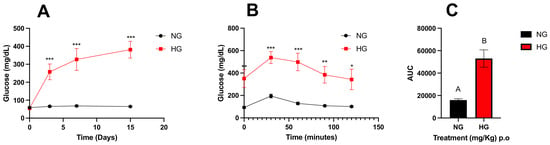
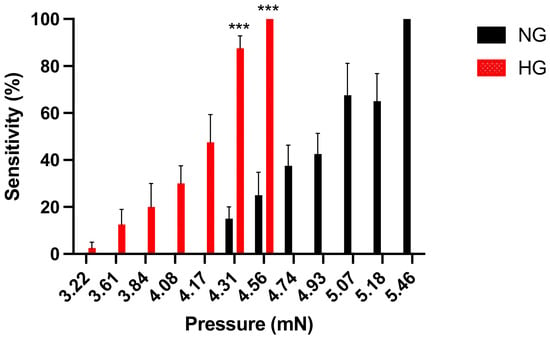
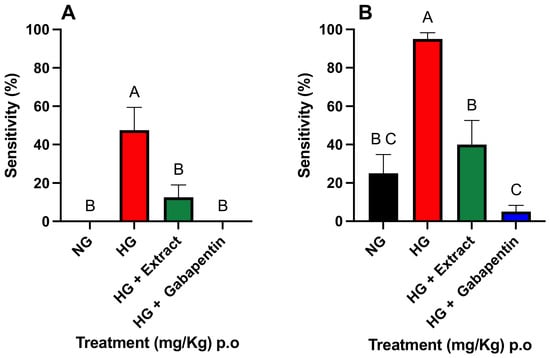
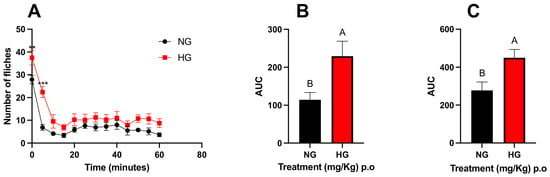
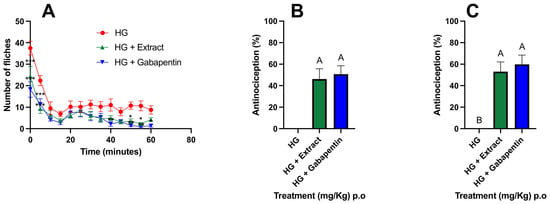
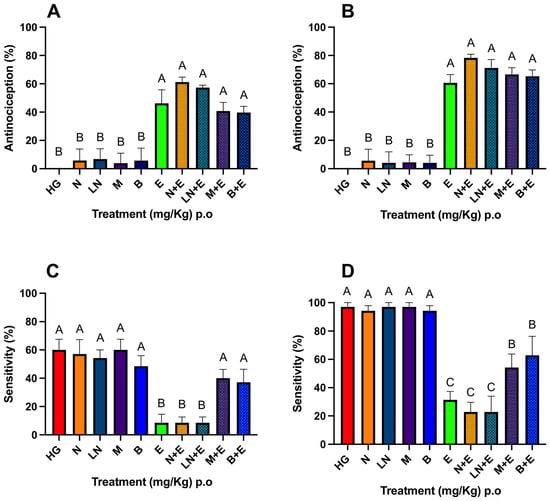
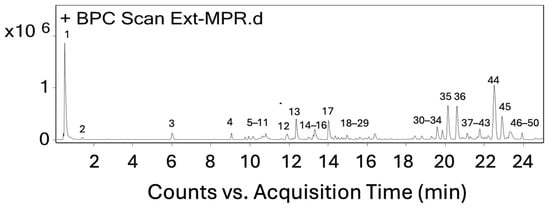
Petiveria alliacea L. (commonly known as “anamu,” “guiné,” “hierba de zorro,” and “tipi”) has been widely used in Mesoamerican traditional medicine to treat pain and inflammation. However, scientific evidence supporting its efficacy in diabetic neuropathy remains limited. This study evaluated the antinociceptive potential of a methanolic leaf extract of P. alliacea in a murine model of alloxan-induced diabetic neuropathy and investigated its possible mechanisms of action. Diabetic CD-1 mice were evaluated for mechanical allodynia and hyperalgesia using the Von Frey test and for tonic pain using the formalin test. Pharmacological antagonists were administered to assess the involvement of opioid, nitric oxide, serotonergic, and GABAergic pathways. Phytochemical profiling was performed by LC-ESI-MS/MS, and potential pharmacological and pharmacokinetic properties of the identified metabolites were predicted using in silico tools (PASS online, SwissTargetPrediction, SwissADME, and pkCSM). The methanolic extract significantly reduced mechanical allodynia and hyperalgesia in diabetic mice and attenuated nociceptive responses in both phases of the formalin test, showing an effect comparable to gabapentin. Antinociceptive activity was not altered by naloxone or L-NAME but was significantly attenuated by methiothepin and bicuculline, suggesting that serotonergic and GABAergic pathways contribute, at least in part, to the observed antinociceptive effects. LC-ESI-MS/MS analysis identified 38 metabolites, including flavonoids, alkaloids, and terpenes, with in silico predictions supporting their potential analgesic and anti-inflammatory activities. The methanolic leaf extract of P. alliacea exhibits significant antinociceptive activity in diabetic neuropathy, partially likely to involve serotonergic and GABAergic mechanisms, supporting its ethnomedicinal use and its potential as a source of novel analgesic agents.
Full article
(This article belongs to the Topic Natural Products and Drug Discovery—2nd Edition)
►▼
Show Figures

Figure 1
Open AccessArticle
Development of a Rationally Designed siRNA-Based Therapeutic Targeting PD-L1 in Triple-Negative Breast Cancer
by
Vivany Maydel Sierra-Sánchez, Sergio Adrian Ocampo-Ortega, Santiago Villafaña-Hernandez, Elvia Mera Jiménez, Rolando Alberto Rodríguez Fonseca, Asdrubal Aguilera-Méndez, Rodrigo Romero-Nava, Enrique Hong, Martha Edith Macías-Pérez and Santiago Villafaña
Sci. Pharm. 2026, 94(3), 53; https://doi.org/10.3390/scipharm94030053 - 30 Jun 2026
Abstract
►▼
Show Figures
In triple-negative breast cancer (TNBC), immune checkpoint pathways play a central role in tumor immune evasion. Programmed death protein 1 (PD-1) is an inhibitory receptor expressed on T cells, while its ligand, programmed death-ligand 1 (PD-L1), is commonly expressed on tumor cells and
[...] Read more.
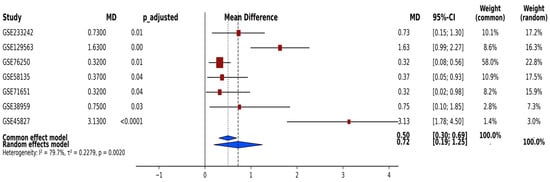
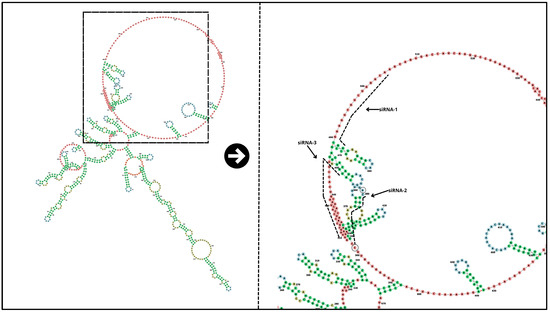
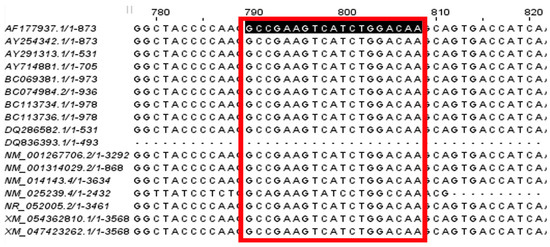
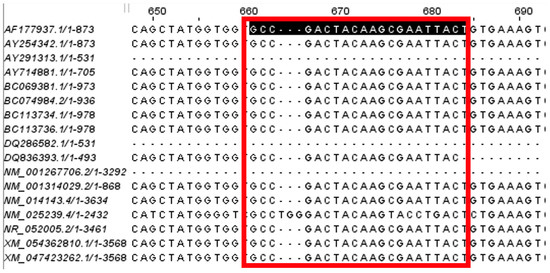
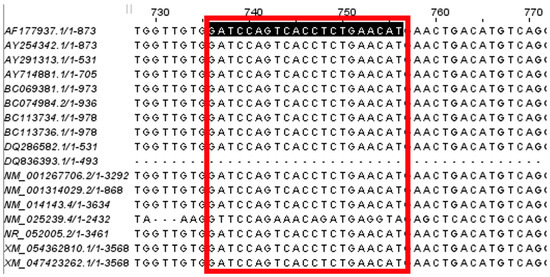
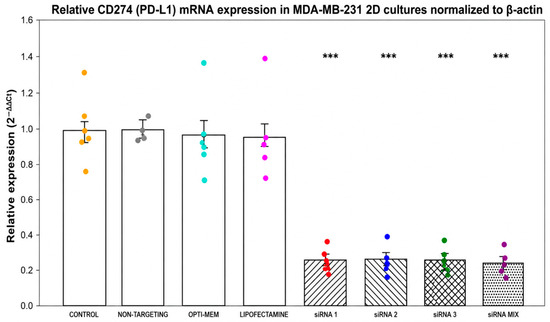
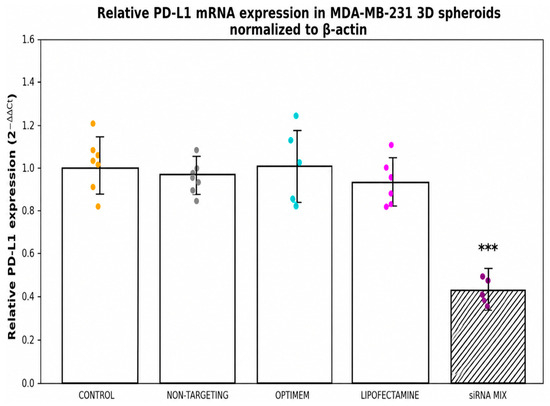
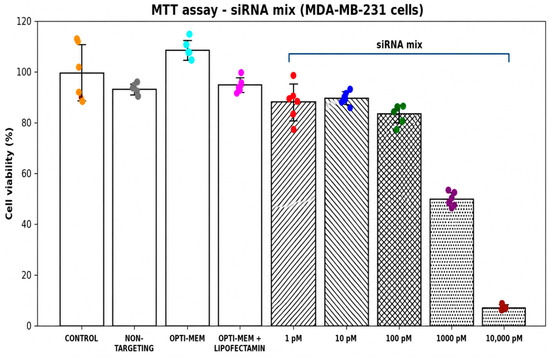
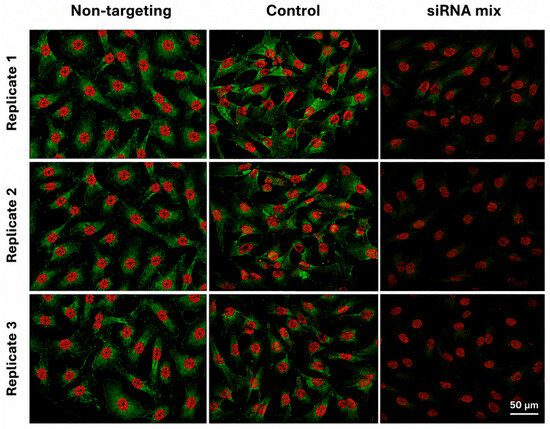
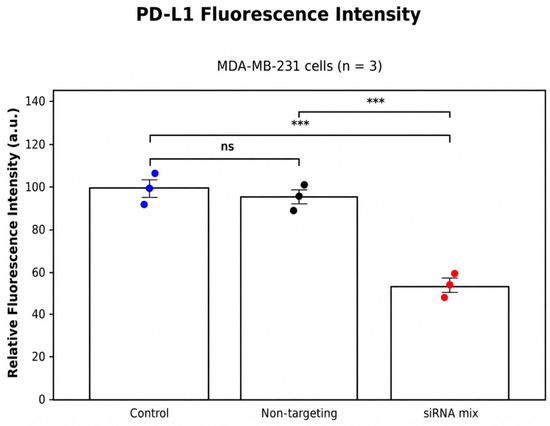
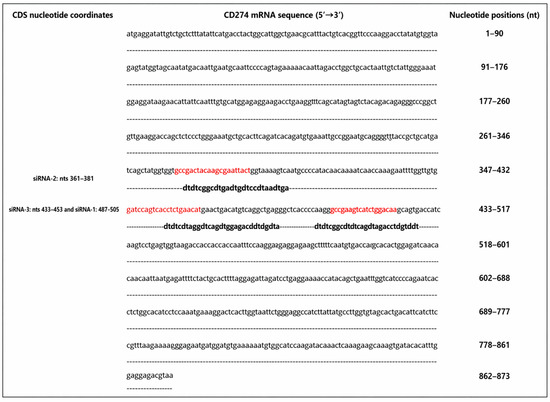
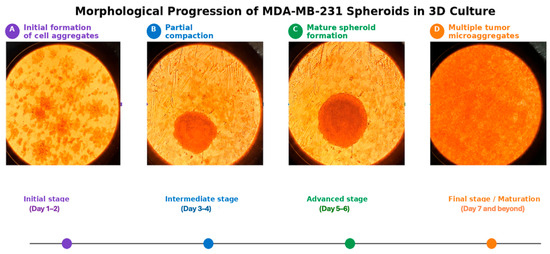
In triple-negative breast cancer (TNBC), immune checkpoint pathways play a central role in tumor immune evasion. Programmed death protein 1 (PD-1) is an inhibitory receptor expressed on T cells, while its ligand, programmed death-ligand 1 (PD-L1), is commonly expressed on tumor cells and cells within the tumor microenvironment. Their interaction suppresses T-cell activation and promotes immune escape. In this study, we evaluated the potential of small interfering RNA (siRNA) to silence PD-L1 expression in TNBC. Transcriptomic analysis of GEO datasets revealed consistent upregulation of CD274 (PD-L1) in TNBC samples. Three siRNA candidates were designed and evaluated in MDA-MB-231 cells. All siRNAs significantly reduced CD274 expression (>70%), as determined by RT-qPCR. Immunofluorescence analysis confirmed a reduction in PD-L1 protein levels (54.3 vs. 98.7 a.u.), while MTT assays demonstrated preserved cell viability at the working concentration (100 pM), supporting a non-cytotoxic and specific gene-silencing effect. These findings highlight PD-L1 as a viable molecular target and support siRNA-mediated silencing as a promising therapeutic strategy in TNBC.
Full article

Figure 1
Open AccessArticle
Formulation Optimization of Felodipine Push–Pull Osmotic Pump Capsules Using Quality by Design Approach
by
Chaowalit Monton and Poj Kulvanich
Sci. Pharm. 2026, 94(3), 52; https://doi.org/10.3390/scipharm94030052 - 25 Jun 2026
Abstract
►▼
Show Figures
Recently, the Quality by Design (QbD) principle has been implemented in the pharmaceutical industry to enhance product and process understanding through a science- and risk-based approach. This study aimed to apply QbD principles to the formulation development of felodipine push–pull osmotic pump (PPOP)
[...] Read more.
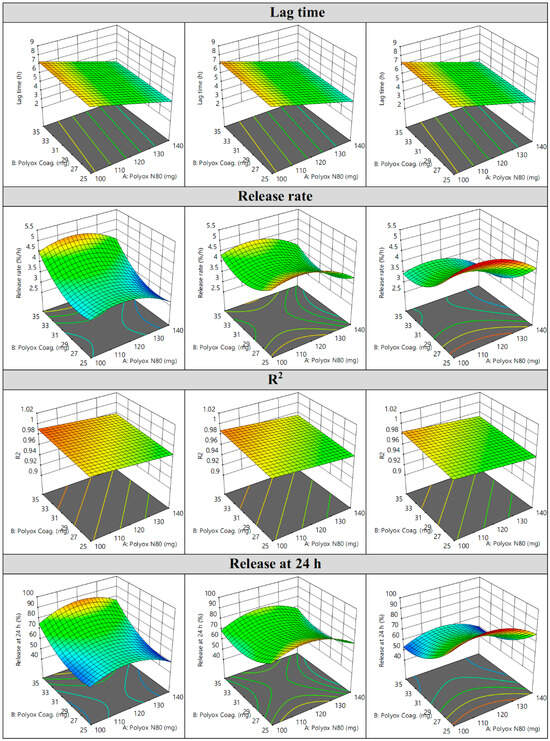
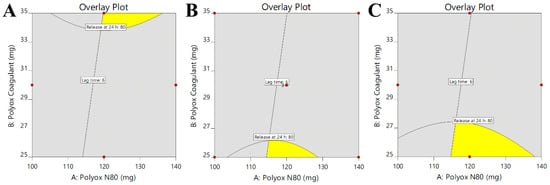
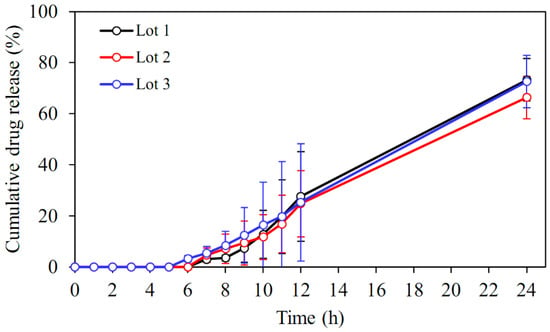
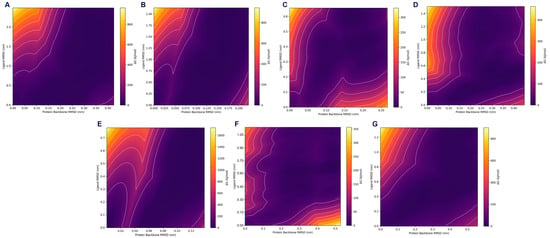
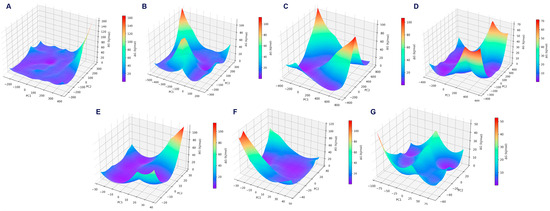
Recently, the Quality by Design (QbD) principle has been implemented in the pharmaceutical industry to enhance product and process understanding through a science- and risk-based approach. This study aimed to apply QbD principles to the formulation development of felodipine push–pull osmotic pump (PPOP) capsules. The quality target product profile (QTPP) and critical quality attributes (CQAs) were established. A Box–Behnken experimental design was employed to optimize the formulation variables, including the amounts of Polyox WSR N80, Polyox WSR Coagulant, and sodium chloride, selected based on the initial risk assessment. Four responses were monitored: lag time, release rate and R2 based on zero-order release kinetics, and drug release at 24 h. Results indicated that the optimal formulation consisted of 125 mg Polyox WSR N80, 26 mg Polyox WSR Coagulant, and 30 mg sodium chloride. This formulation met the predefined criteria for lag time (≤6 h) and release kinetics (R2 ≥ 0.95), while drug release at 24 h remained below the target value (≥80%). Because most fitted response surface models were not statistically significant, the generated regression equations and response surfaces were interpreted qualitatively to identify formulation trends rather than as predictive models. Experimental verification showed reasonable consistency in overall response trends, although substantial deviations between predicted and observed values were observed for some responses, particularly drug release at 24 h. Therefore, the present work should be considered a formulation-development and QbD feasibility study rather than a definitive optimization study. These findings demonstrate that the QbD-based approach enabled systematic, multivariate optimization and design space establishment, providing a more structured framework for formulation refinement compared with prior exploratory development and supporting controlled drug release characteristics of felodipine PPOP capsules.
Full article

Figure 1
Open AccessReview
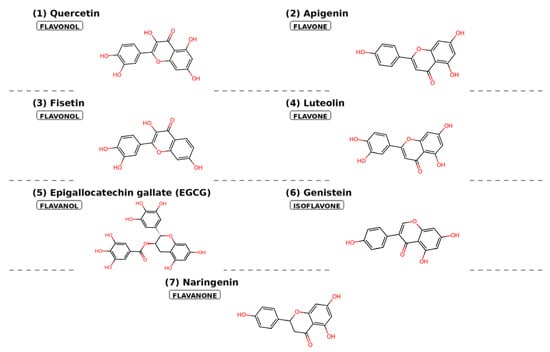
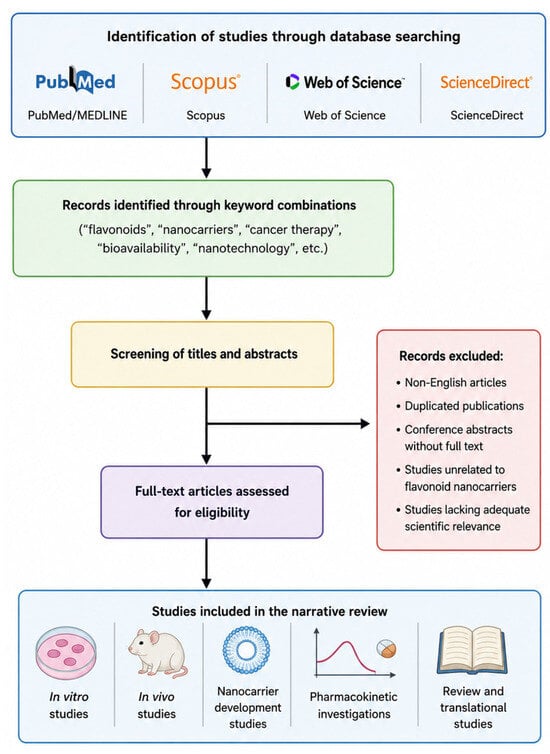
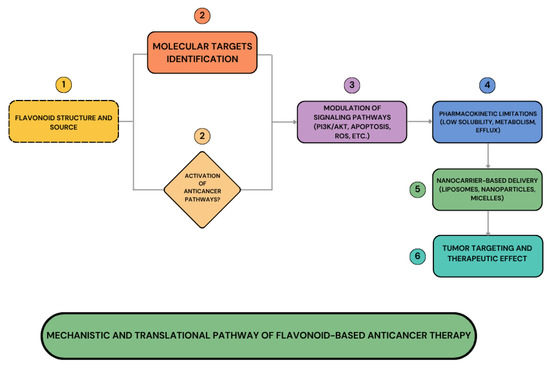
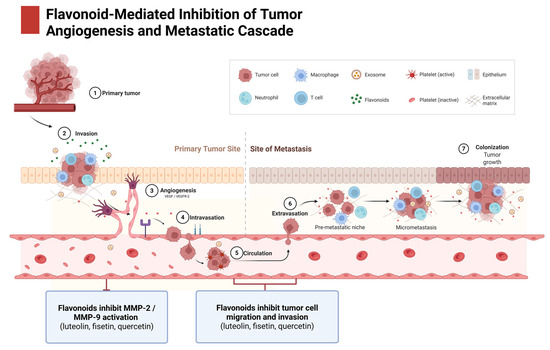
Flavonoids in Cancer Therapy: Nanocarrier Strategies to Overcome Bioavailability Limitations
by
Maykon Jhuly Martins de Paiva, Walmirton Bezerra D’Alessandro, Iangla Araújo de Melo Damasceno, Juliane Farinelli Panontin, Taides Tavares dos Santos, Sávia Denise Silva Carlotto Herrera, Mateus Silva Santos and Márcio Trevisan
Sci. Pharm. 2026, 94(2), 51; https://doi.org/10.3390/scipharm94020051 - 19 Jun 2026
Abstract
Flavonoids are a structurally diverse class of plant-derived polyphenolic compounds widely recognized for their pleiotropic biological activities, including antioxidant, anti-inflammatory, and anticancer effects. In oncology, these compounds have demonstrated the ability to modulate key signaling pathways involved in cell proliferation, apoptosis, angiogenesis, and
[...] Read more.
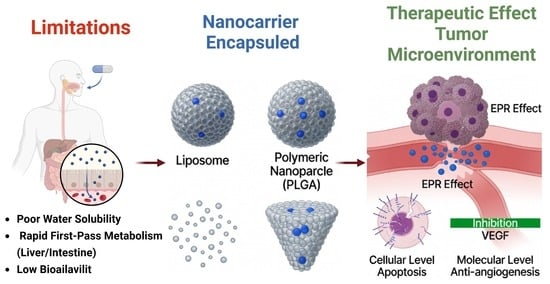
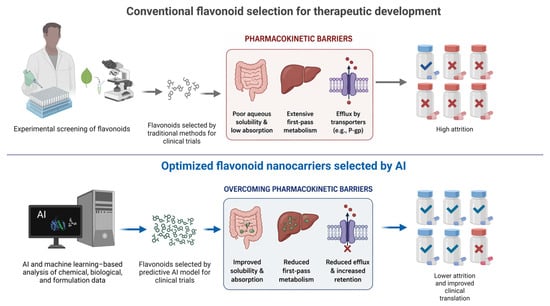
Flavonoids are a structurally diverse class of plant-derived polyphenolic compounds widely recognized for their pleiotropic biological activities, including antioxidant, anti-inflammatory, and anticancer effects. In oncology, these compounds have demonstrated the ability to modulate key signaling pathways involved in cell proliferation, apoptosis, angiogenesis, and metastasis, highlighting their potential as multitarget therapeutic agents. However, their clinical translation remains significantly limited by unfavorable pharmacokinetic properties, such as poor aqueous solubility, extensive first-pass metabolism, rapid systemic clearance, and consequently low oral bioavailability. In this context, nanotechnology has emerged as a promising strategy to overcome these limitations. This review provides a comprehensive and critical analysis of current nanocarrier-based delivery systems for flavonoids, including polymeric nanoparticles, lipid-based nanocarriers (liposomes, solid lipid nanoparticles, and nanoemulsions), micelles, and cyclodextrin complexes, emphasizing their role in improving drug stability, enhancing cellular uptake, and enabling targeted delivery to tumor tissues through both passive mechanisms, such as the enhanced permeability and retention effect, and active targeting approaches. In addition, recent in vitro and in vivo studies demonstrating the superior antitumor efficacy of nanoencapsulated flavonoids compared to free compounds are discussed. Finally, the major translational challenges, safety considerations, and future perspectives for the clinical application of flavonoid-based nanomedicines in cancer therapy are highlighted.
Full article
(This article belongs to the Special Issue Anticancer Potential of Natural Products)
►▼
Show Figures

Graphical abstract
Open AccessArticle
Absolute Bioavailability and PK/PD of Quercetin in Normoglycemic and Alloxan-Induced Diabetic Rats
by
Avel González-Sánchez, Jesús Alfredo Araujo-León, Rolffy Ortiz-Andrade, Tania Isolina Coral-Martínez and Zhelmy Martín-Quintal
Sci. Pharm. 2026, 94(2), 50; https://doi.org/10.3390/scipharm94020050 - 15 Jun 2026
Abstract
This study aimed to determine the absolute bioavailability of quercetin and quantitatively evaluate its pharmacokinetic–pharmacodynamic (PK-PD) relationship regarding acute glucose-lowering effects in normoglycemic and alloxan-induced diabetic rats, addressing whether its in vivo efficacy is driven by the free aglycone or its biotransformed intermediates.
[...] Read more.
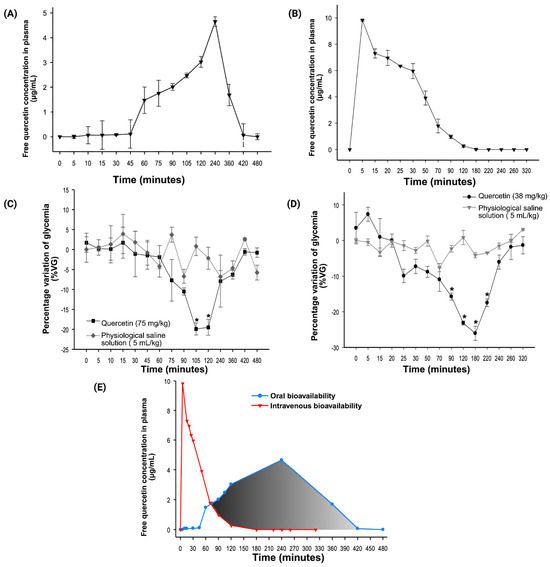
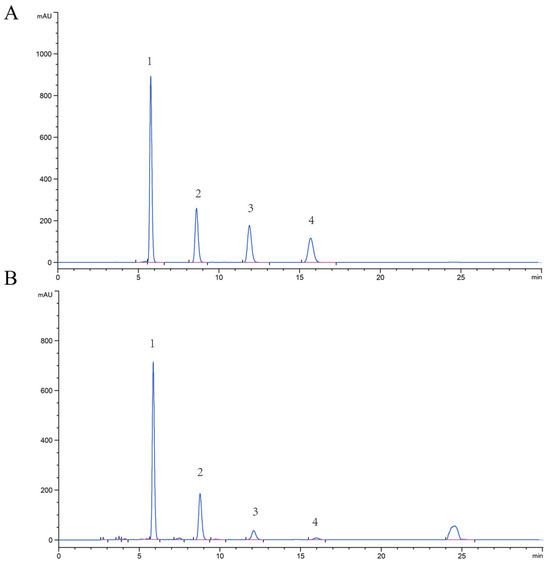
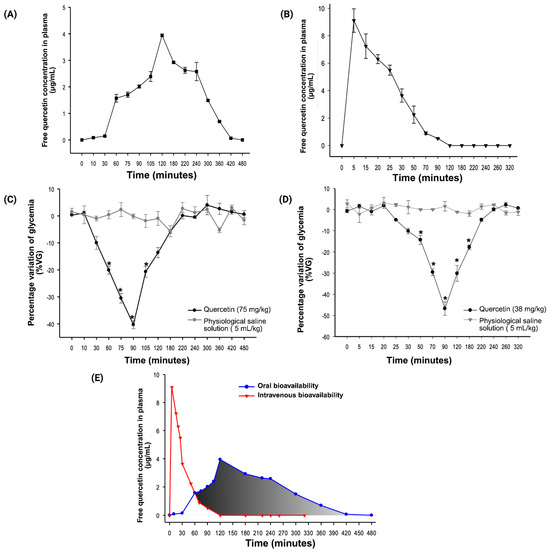
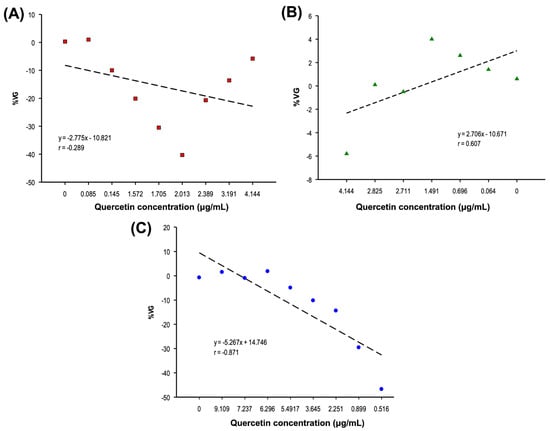
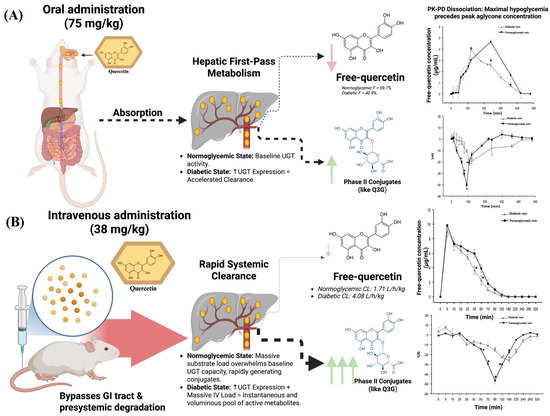
This study aimed to determine the absolute bioavailability of quercetin and quantitatively evaluate its pharmacokinetic–pharmacodynamic (PK-PD) relationship regarding acute glucose-lowering effects in normoglycemic and alloxan-induced diabetic rats, addressing whether its in vivo efficacy is driven by the free aglycone or its biotransformed intermediates. Healthy and diabetic rats received single doses of quercetin either orally (75 mg/kg) or intravenously (38 mg/kg). Plasma concentrations of free quercetin were quantified using a validated HPLC-DAD method, and temporal PK-PD relationships between systemic exposure and the percentage variation of glycemia were mathematically evaluated employing Pearson correlation analysis. The absolute bioavailability of free quercetin was significantly impaired by the pathophysiological state, dropping from 59.7% in healthy rats to 40.9% in diabetic subjects. Despite this diminished systemic exposure, oral administration elicited significant hypoglycemic responses. Crucially, the Pearson correlation analysis revealed a pronounced temporal dissociation: the onset of glycemic reduction occurred independently of the maximal circulating concentration of free quercetin. Furthermore, intravenous delivery bypassed first-pass barriers and induced a markedly faster and deeper hypoglycemic effect (up to −47% in diabetic rats). Finally, the diminished bioavailability under diabetic conditions and the stark PK-PD temporal dissociation strongly suggest that quercetin’s acute antihyperglycemic effect is driven by rapid hepatic Phase II biotransformation, implicating conjugated metabolites (rather than the free aglycone) as the principal pharmacological effectors.
Full article
(This article belongs to the Topic Natural Products and Drug Discovery—2nd Edition)
►▼
Show Figures

Figure 1
Open AccessArticle
Microwave-Assisted Synthesis and Characterization of Flavone–Thiazole–Aryl Hybrids with Potential Anticancer and Antiparasitic Activity
by
Stepan Sysak, Wojciech Szczolko, Marziyeh Raeispour, Malgorzata Kucinska, Pawel Bakun, Roman Lesyk, Philippe Grellier, Marek Murias and Tomasz Goslinski
Sci. Pharm. 2026, 94(2), 49; https://doi.org/10.3390/scipharm94020049 - 10 Jun 2026
Abstract
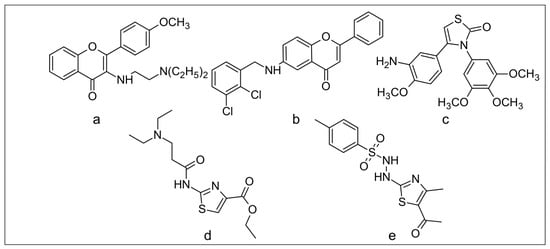
Flavone–thiazole–aryl hybrid molecules based on 6-aminoflavone and 5-arylidene-4-aminothiazol-2(5H)-ones were synthesized and subjected to physicochemical and biological studies. Microwave-assisted synthesis was performed in two steps. First, an aminolysis reaction of isorhodanine with 6-aminoflavone was carried out to achieve the corresponding hybrid flavone-thiazole
[...] Read more.
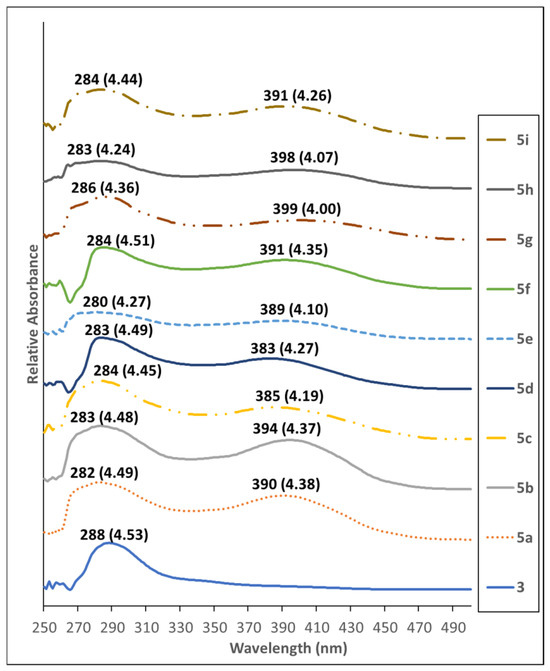
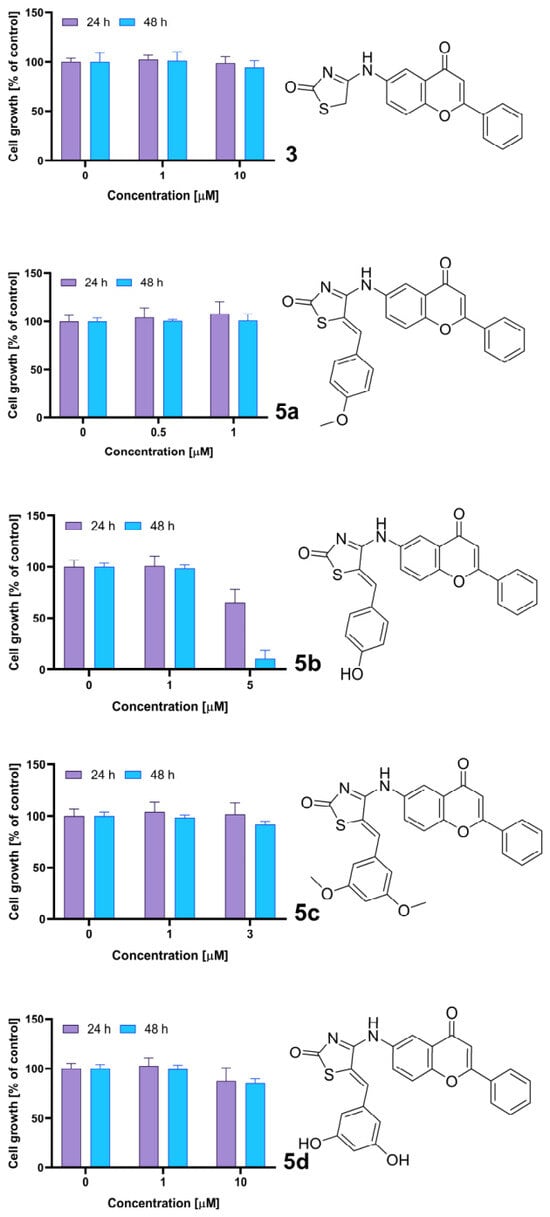
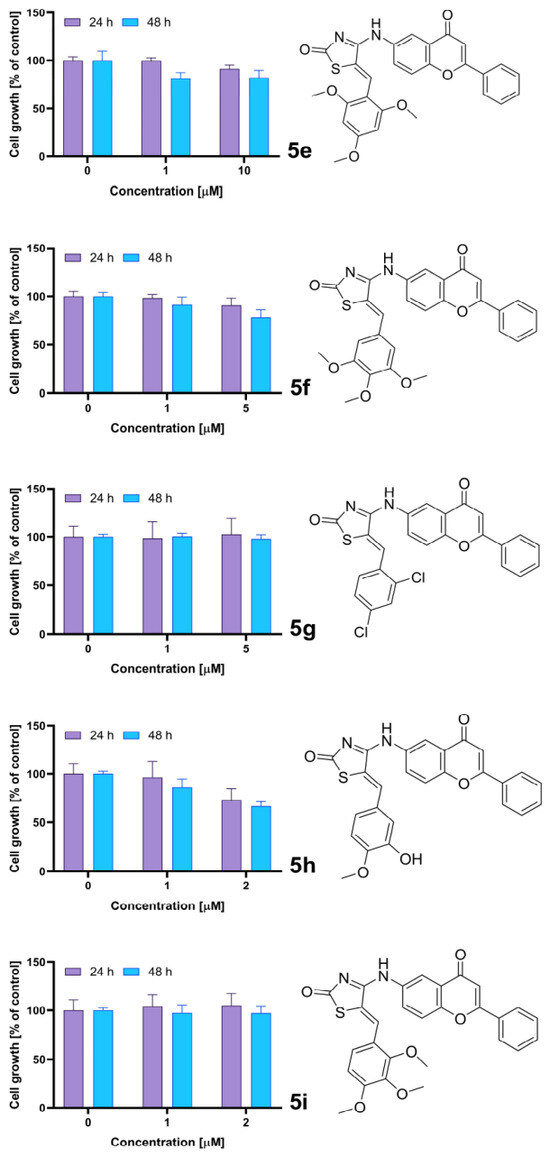
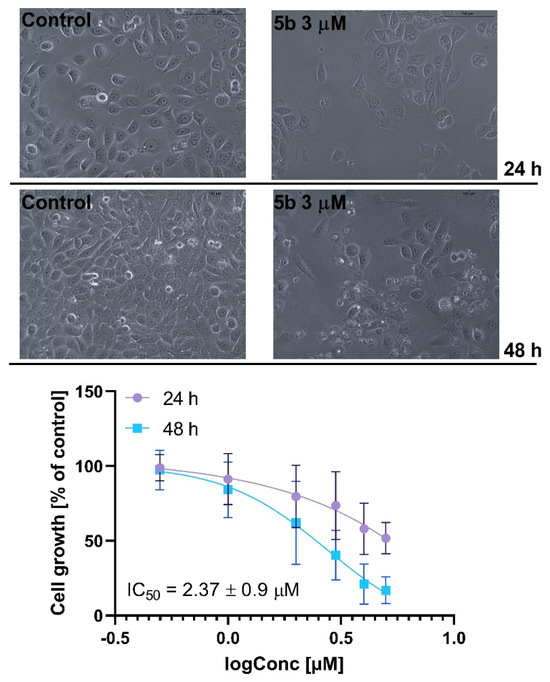
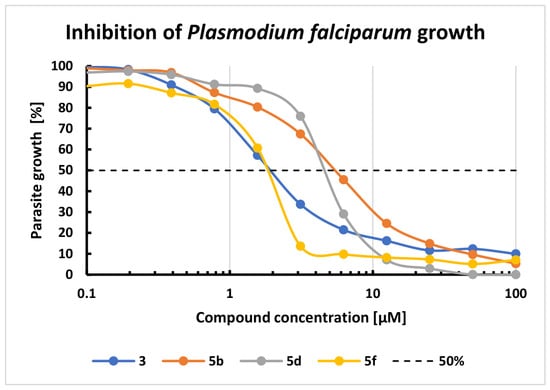
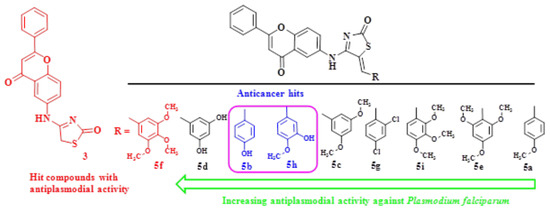
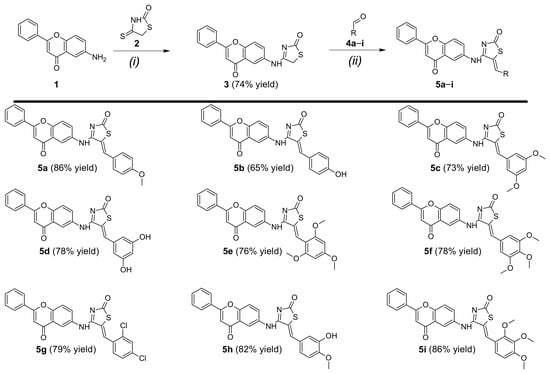
Flavone–thiazole–aryl hybrid molecules based on 6-aminoflavone and 5-arylidene-4-aminothiazol-2(5H)-ones were synthesized and subjected to physicochemical and biological studies. Microwave-assisted synthesis was performed in two steps. First, an aminolysis reaction of isorhodanine with 6-aminoflavone was carried out to achieve the corresponding hybrid flavone-thiazole 3, which was later subjected to a Knoevenagel condensation with selected aromatic aldehydes, yielding 5-arylidene derivatives 5a–5i. The resulting hybrids were purified and characterized by UV–Vis, NMR, and HR-MS (ESI). In the UV–Vis spectra of all compounds, two characteristic bands were noted. The UV–Vis spectra in DMF of the studied flavone–thiazole–aryl hybrids consist of two major bands with maxima appearing at 280–288 nm, corresponding to band II and 383–399 nm, corresponding to band I, which clearly distinguish them from the large group of modified flavonoids. Among the compounds tested on human bladder cancer 5637 cells, (5Z)-5-[(4-hydroxyphenyl)methylene]-4-[(4-oxo-2-phenyl-chromen-6-yl)amino]thiazol-2-one (5b) exhibited interesting micromolar activity (IC50 2.37 µM). In addition, four of the tested compounds (3, 5f, 5d, and 5b) presented noteworthy antiplasmodial activity against P. falciparum in the low micromolar range (IC50 1.90–4.90 µM). The obtained group of flavone–thiazole–aryl hybrid molecules constitutes valuable starting points for further structural optimisation, which could usher in future novel active pharmaceutical ingredients and pave the way for novel therapeutic strategies.
Full article
(This article belongs to the Special Issue Heterocyclic Chemistry in Drug Design 3.0)
►▼
Show Figures

Figure 1
Open AccessArticle
2,4-Bis{4-[(dialkylaminoalkyl)aminomethyl]phenyl}-7-substituted-7H-pyrrolo[2,3-d]pyrimidine Derivatives: Synthesis and Biological Evaluation as Novel Antiprotozoal Agents by Potentially Targeting G-Quadruplex
by
Jean Guillon, Solène Savrimoutou, Patrice Agnamey, Vittoria Milano, Céline Damiani, Luisa Ronga, Marie Hanot, Sandra Albenque, Tshering Zangmo, Sarah Monic, Noël Pinaud, Lindita Lari, Mathieu Marchivie, Stéphane Moreau, Jean-Louis Mergny, Serge Moukha, Pascale Dozolme, Clotilde Boudot, Bertrand Courtioux, Anita Cohen and Pascal Sonnetadd
Show full author list
remove
Hide full author list
Sci. Pharm. 2026, 94(2), 48; https://doi.org/10.3390/scipharm94020048 - 9 Jun 2026
Abstract
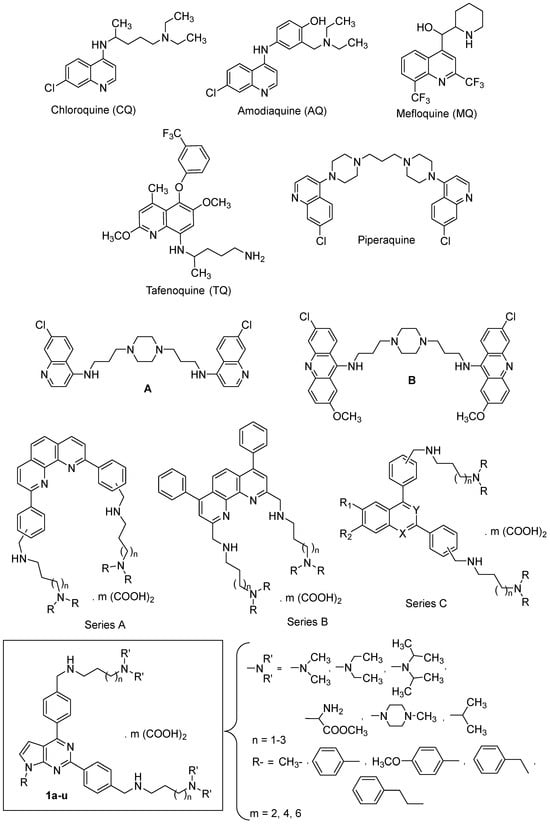
A series of substituted pyrrolo[2,3-d]pyrimidines was designed, synthesized, and evaluated in vitro against two protozoan parasites: Plasmodium falciparum and Trypanosoma brucei brucei. Pharmacological studies revealed antiprotozoal activity with IC50 values in the submicromolar to micromolar range. Additionally, the in
[...] Read more.
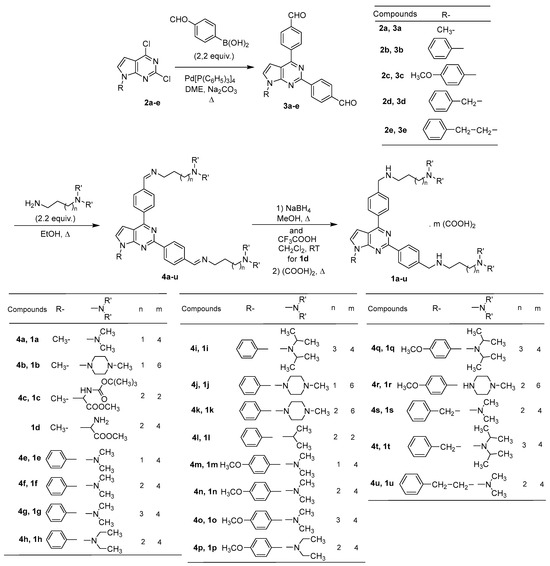
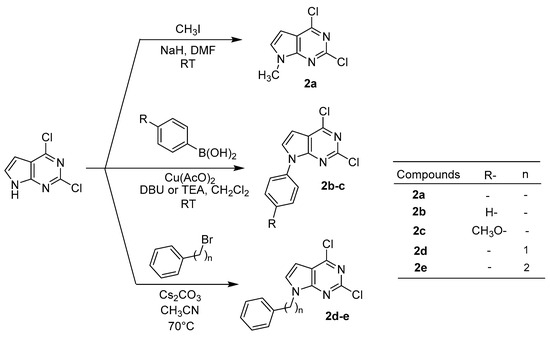
A series of substituted pyrrolo[2,3-d]pyrimidines was designed, synthesized, and evaluated in vitro against two protozoan parasites: Plasmodium falciparum and Trypanosoma brucei brucei. Pharmacological studies revealed antiprotozoal activity with IC50 values in the submicromolar to micromolar range. Additionally, the in vitro cytotoxicity of these new compounds was assessed using human HepG2 cells. Among them, the pyrrolopyrimidine derivative 1d emerged as the most potent antimalarial compound, exhibiting a selectivity index (SI) of 600.81 against the P. falciparum chloroquine-resistant W2 strain. For the chloroquine-sensitive 3D7 strain, the most notable selectivity index (SI) was observed for pyrrolo[2,3-d]pyrimidine 1c, with a value of approximately 123. Furthermore, compound 1b demonstrated the most interesting activity against Trypanosoma brucei brucei, with an SI of 39.52, marking it as a promising trypanocidal agent. FRET melting assays confirmed that these nitrogen-containing heterocyclic compounds bind to telomeric G-quadruplexes in P. falciparum and Trypanosoma. However, no clear correlation was found between G-quadruplex binding and antiparasitic activity or selectivity, suggesting that G-quadruplex targeting is unlikely to be the main mechanism underlying cytotoxicity.
Full article
(This article belongs to the Special Issue Pharmaceutical Applications of Heterocyclic Compounds)
►▼
Show Figures

Figure 1
Open AccessArticle
Evaluation of Plantago lanceolata (Ribwort Plantain) and StrepCough Plantain-Dry Cough Syrup in In Vitro Models of Pharyngitis and Cough
by
Olumayokun A. Olajide, Uzeme P. Aluta, Emmanuel Mfotie Njoya, Hope A. Ogiogio and Thomas Hallett
Sci. Pharm. 2026, 94(2), 47; https://doi.org/10.3390/scipharm94020047 - 9 Jun 2026
Abstract
Symptoms of respiratory tract infections (RTI) caused by viral or bacterial triggers include sore throat and cough. Plantago lanceolata (ribwort plantain) is used in herbal medicine to treat symptoms of RTI. This study evaluated the pharmacological actions of P. lanceolata extract (PL) and
[...] Read more.
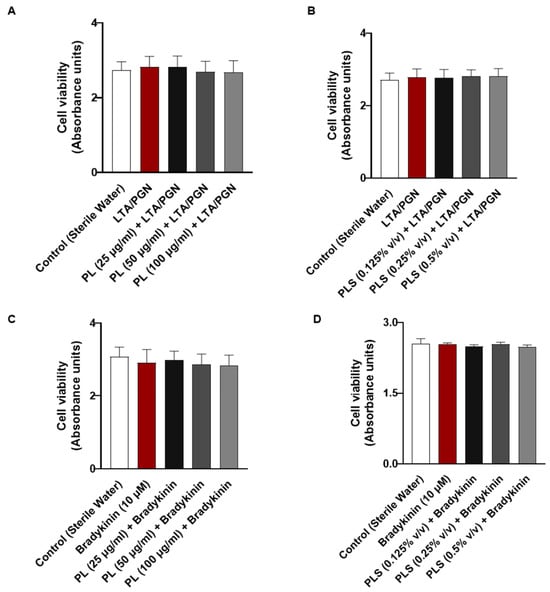
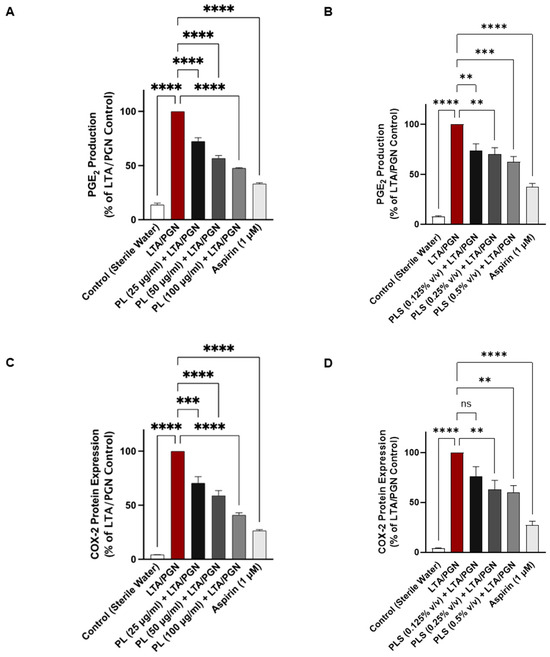
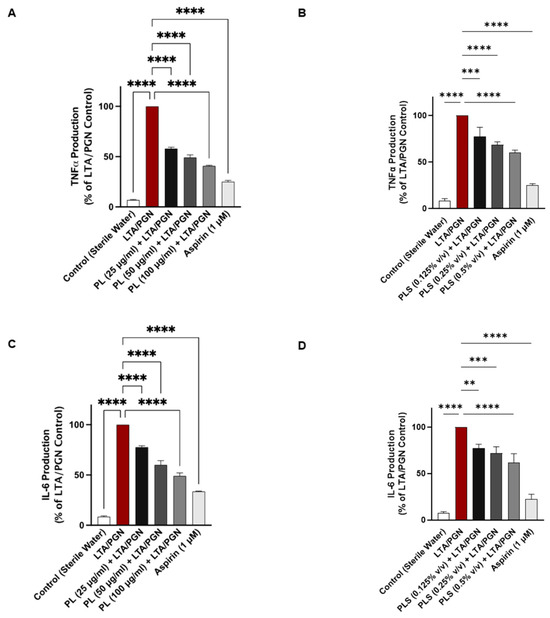
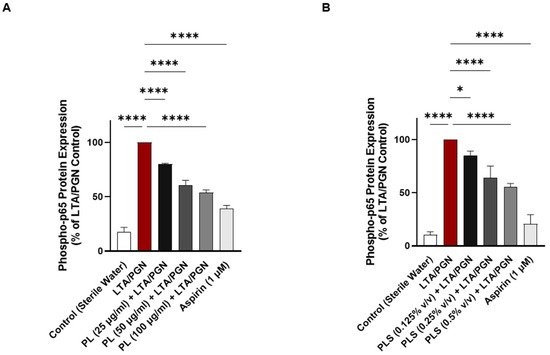
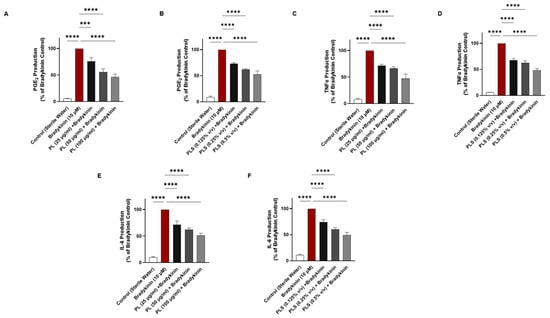
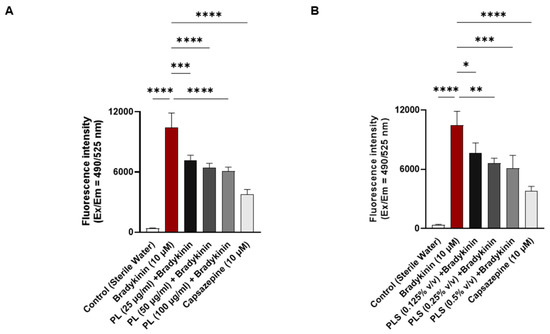
Symptoms of respiratory tract infections (RTI) caused by viral or bacterial triggers include sore throat and cough. Plantago lanceolata (ribwort plantain) is used in herbal medicine to treat symptoms of RTI. This study evaluated the pharmacological actions of P. lanceolata extract (PL) and StrepCough Plantain-Dry cough syrup (PLS) in in vitro models of sore throat and cough. Human tonsil epithelial cells (HTEpiC) cells were stimulated with a combination of lipoteichoic acid and peptidoglycan in the presence or absence of PL or PLS. Levels of TNF-α, IL-6, PGE2, and COX-2 were measured using ELISA, while phospho-p65 protein levels were measured using Lumit® immunoassay. The effects of PL and PLS on bradykinin-induced inflammation and increased intracellular Ca2+ were investigated in bronchial epithelial cells (BEAS-2B), cells over-expressing TRPV1. Results showed that the pre-treatment of HTEpiC cells with PL and PLS resulted in a significant (p < 0.05) reduction in the LTA + PGN-induced increased production of TNFα, IL-6, PGE2, as well as COX-2 and phospho-p65 protein levels. Bradykinin-induced increased levels of TNFα, IL-6, and PGE2 in BEAS-2B cells over-expressing TRPV1 were also reduced by PL and PLS, while reducing levels of intracellular Ca2+. This study has demonstrated that extract of P. lanceolata and StrepCough Plantain-Dry cough syrup reduce inflammation in human tonsil epithelial cells. The extract and syrup also reduced TRPV1-mediated inflammation and increased intracellular Ca2+ in BEAS-2B bronchial epithelial cells. This study has provided pharmacological evidence for the use of P. lanceolata in healthcare interventions to treat symptoms of respiratory tract infection.
Full article
(This article belongs to the Topic Natural Products and Drug Discovery—2nd Edition)
►▼
Show Figures

Figure 1
Open AccessArticle
Ocular Irritation Potential and Cytotoxicity of Selected Surfactants and Cosurfactants: Identifying Suitable Concentrations for Topical Ophthalmic Formulations
by
Zinah K. Al-Qaysi, Ali A. Al-Kinani and Raid G. Alany
Sci. Pharm. 2026, 94(2), 46; https://doi.org/10.3390/scipharm94020046 - 5 Jun 2026
Abstract
The cornea and conjunctiva are particularly susceptible to injury and adverse effects, either induced by topically applied drugs or excipients used in ophthalmic formulations. Surfactants and cosurfactants are important for producing topical eye formulations of poorly water-soluble drugs, yet they have not been
[...] Read more.
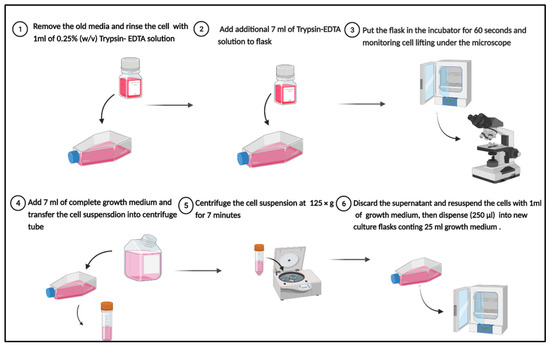
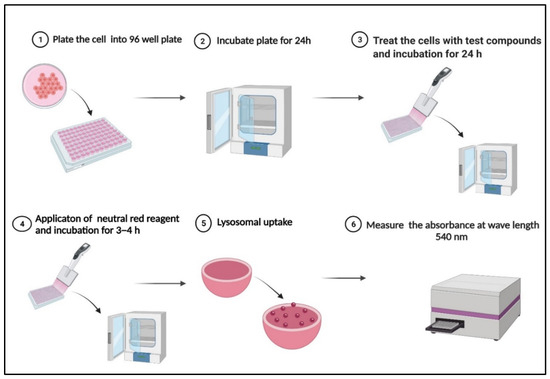
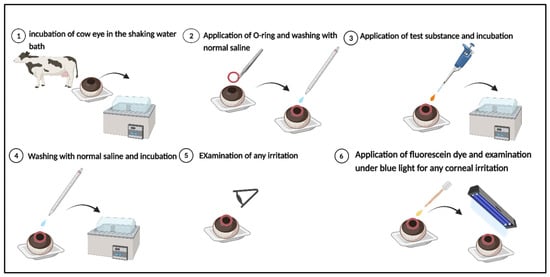
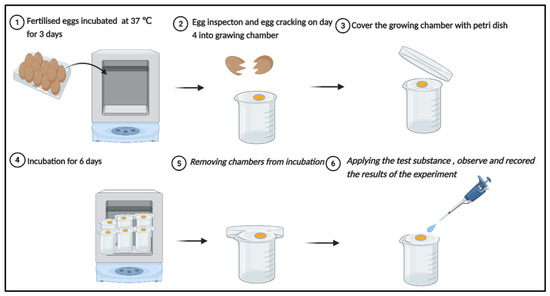
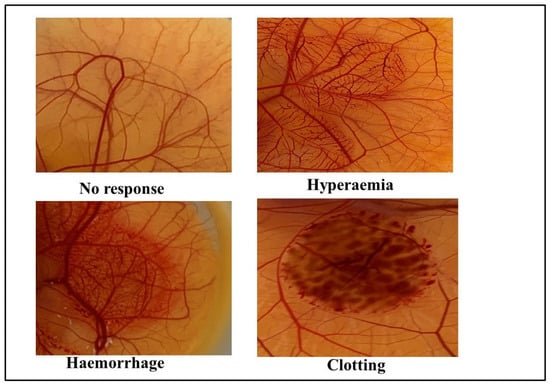
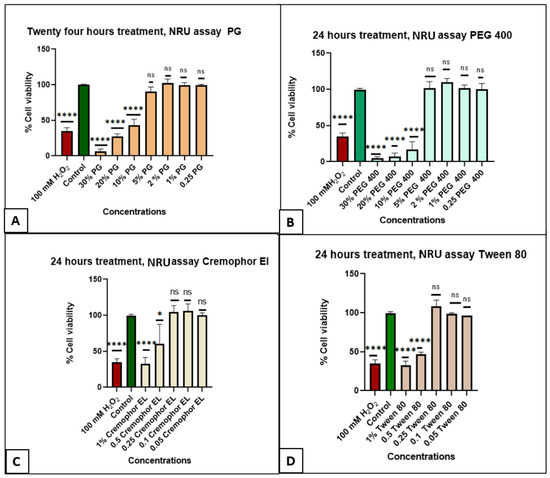
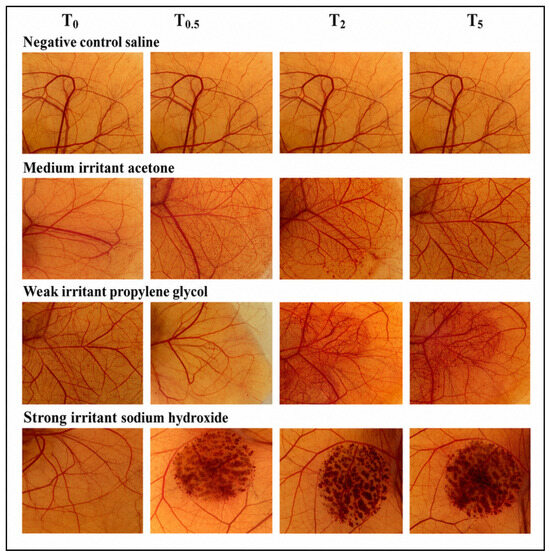
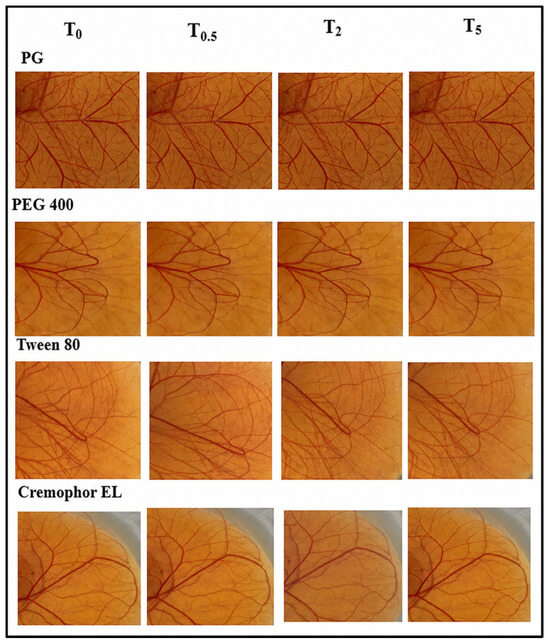
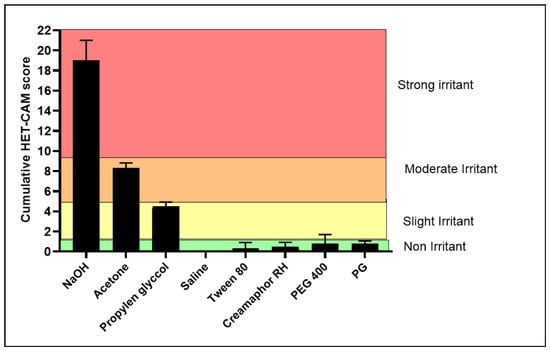
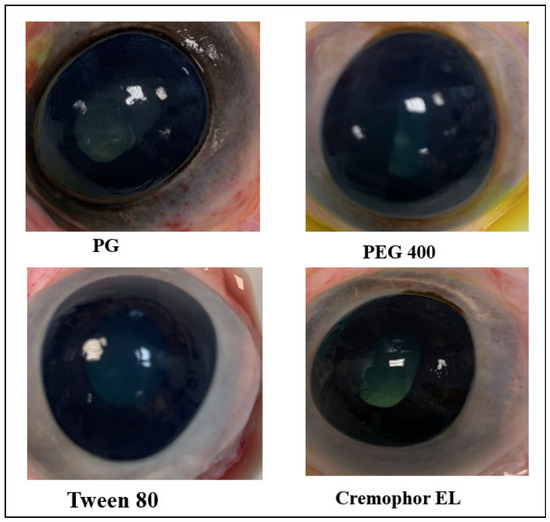
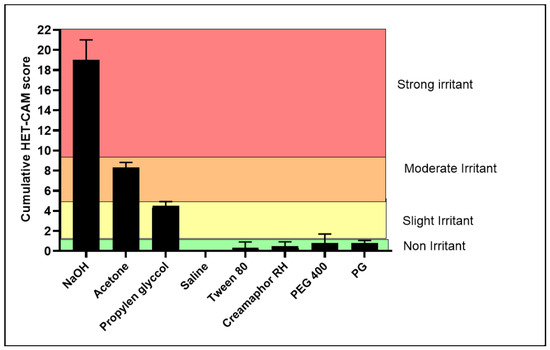
The cornea and conjunctiva are particularly susceptible to injury and adverse effects, either induced by topically applied drugs or excipients used in ophthalmic formulations. Surfactants and cosurfactants are important for producing topical eye formulations of poorly water-soluble drugs, yet they have not been always used in concentrations that are nontoxic and non-irritating to the ocular surface. This study systematically compared the cytotoxicity and ocular irritation potential of commonly used ophthalmic surfactants and cosurfactants under standardized experimental conditions using complementary in vitro and ex vivo ocular safety models. The ocular irritation of Tween 80, Cremophor EL, polyethylene glycol 400 (PEG 400) and propylene glycol (PG) was examined using the HET-CAM (conjunctival) and BCOP (corneal) eye assays. The toxic effect of the four excipients after 24 h on HLE-B3 cell growth was investigated and found to be dose-dependent. The highest tolerable concentrations of Tween 80 and Cremophor EL were 0.25% (w/w), whereas PEG 400 and PG were non-toxic at 5% (w/w). Tween 80 and Cremophor EL at 0.25% (w/w) and PEG 400 and PG at 5% (w/w) were all devoid of conjunctival and corneal irritation. This study systematically compared the cytotoxicity and ocular irritation potential of commonly used ophthalmic surfactants and cosurfactants under standardized experimental conditions using complementary in vitro and ex vivo ocular safety models. Interestingly, there is strong agreement between the results obtained using the HET-CAM and BCOP assays, where both have been successfully used to evaluate the potential for ocular irritation caused by the aforementioned excipients.
Full article
(This article belongs to the Special Issue Innovative Perspectives in Ocular Drug Research)
►▼
Show Figures

Figure 1
Open AccessArticle
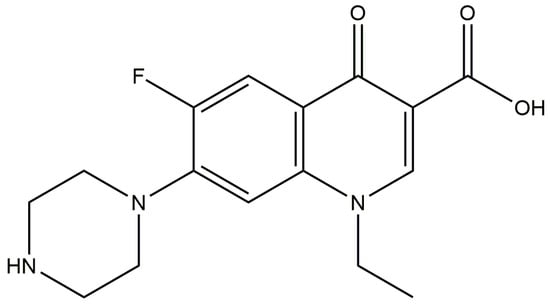
Preparation, Kinetic Stability, and Dissolution Study of Amorphous Norfloxacin
by
Alexander Gerasimov, Dar’ya Khabibulina, Liana Zubaidullina, Elina Mirgazieva, Nikolay Lyadov, Ruslan Nagrimanov and Semen Lapuk
Sci. Pharm. 2026, 94(2), 45; https://doi.org/10.3390/scipharm94020045 - 2 Jun 2026
Abstract
►▼
Show Figures
Obtaining amorphous forms of drugs is one of the ways to increase bioavailability. This is especially important for active pharmaceutical ingredients belonging to class II and IV according to the biopharmaceutical classification. These compounds include the currently widely used fluoroquinolone antibiotics. They have
[...] Read more.
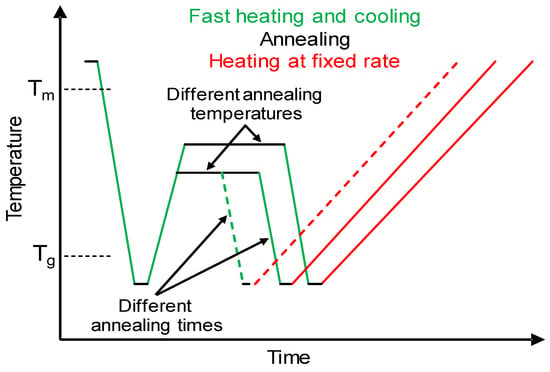
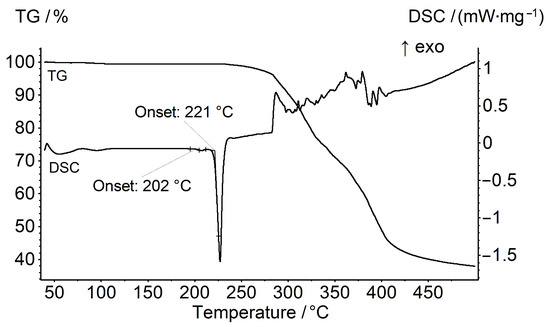
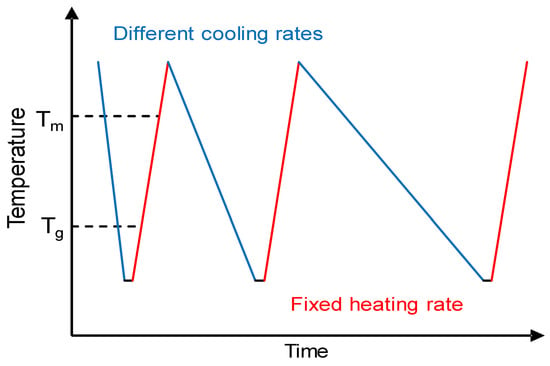
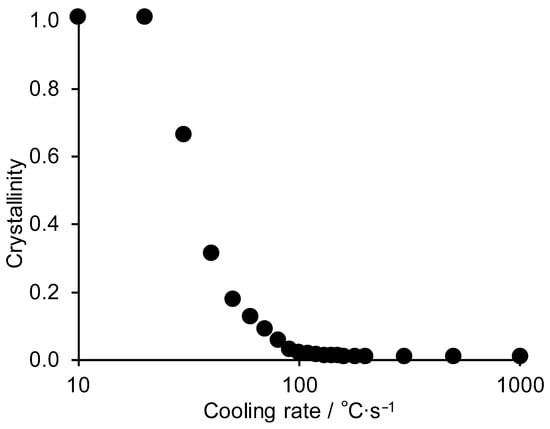
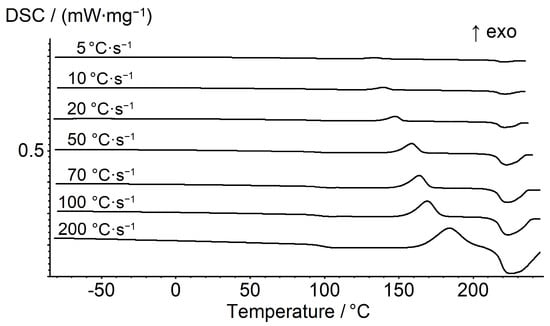
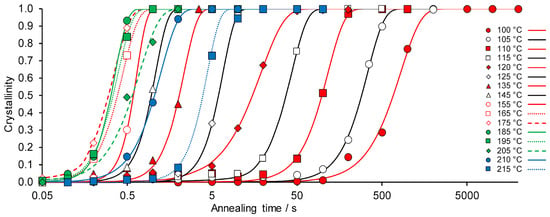
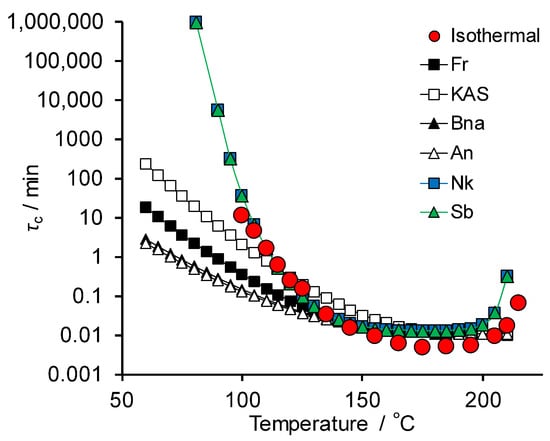
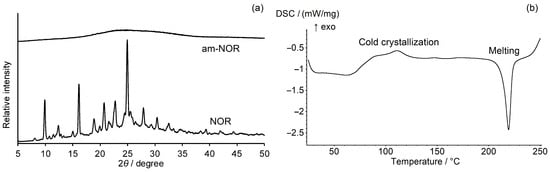
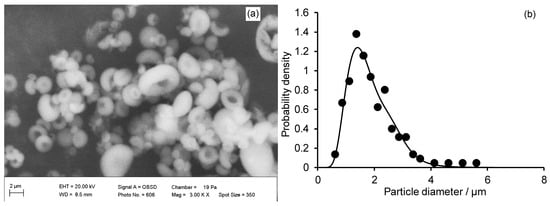
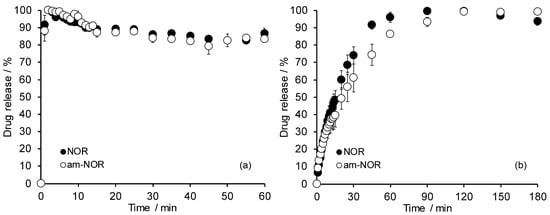
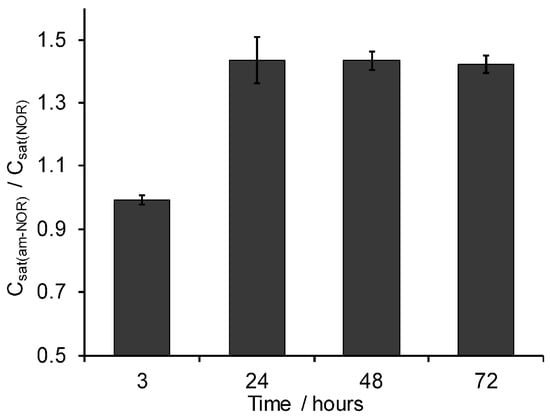
Obtaining amorphous forms of drugs is one of the ways to increase bioavailability. This is especially important for active pharmaceutical ingredients belonging to class II and IV according to the biopharmaceutical classification. These compounds include the currently widely used fluoroquinolone antibiotics. They have low solubility in water and are therefore typically used as hydrochlorides. The presence of a strong acid and a charged active pharmaceutical ingredient in the drug increases solubility, but can also lead to additional side effects and decreased permeability. One way to improve the properties of active pharmaceutical ingredients is to convert them to amorphous form. In this study, an amorphous form of the fluoroquinolone antibiotic norfloxacin was obtained, its stability was determined, and its solubility was studied. It was shown that the resulting amorphous form has good temporal stability. The optimal models describing the cold crystallization process are the Nakamura and Sbirrazzuoli models. Despite the slower dissolution kinetics compared to the crystalline sample, the amorphous form shows higher equilibrium solubility values. These results can be used in pharmaceutical engineering to produce amorphous forms of active pharmaceutical ingredients and determine their stability.
Full article

Figure 1
Open AccessArticle
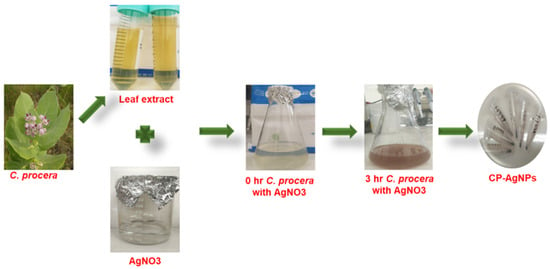
Green-Synthesized Silver Nanoparticles Derived from Calotropis procera as a Multifunctional Nanotherapeutic Platform Targeting Helicobacter pylori, Oxidative Stress, Inflammation, and Gastric Cancer
by
Mounishwaran Kamalesan, Mohanraj Raja, Rameshkumar Neelamegam, Muthukalingan Krishnan, Kayalvizhi Nagarajan and Douglas J. H. Shyu
Sci. Pharm. 2026, 94(2), 44; https://doi.org/10.3390/scipharm94020044 - 29 May 2026
Abstract
►▼
Show Figures
Green synthesis of silver nanoparticles (CP-AgNPs) using Calotropis procera (CP) offers a sustainable approach to producing multifunctional therapeutic nanomaterials. This study aimed to synthesize CP-AgNPs and evaluate their antimicrobial, antioxidant, anti-inflammatory, and anticancer potential, with a focus on Helicobacter pylori and gastric cancer
[...] Read more.
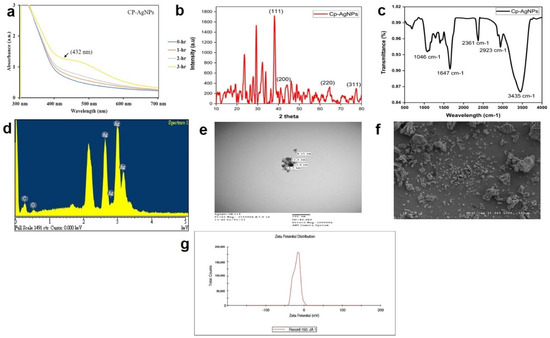
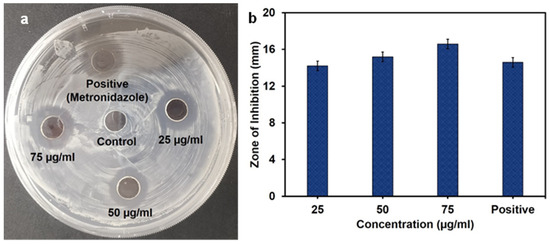
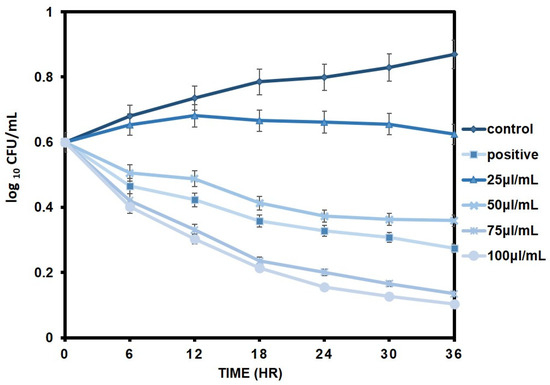
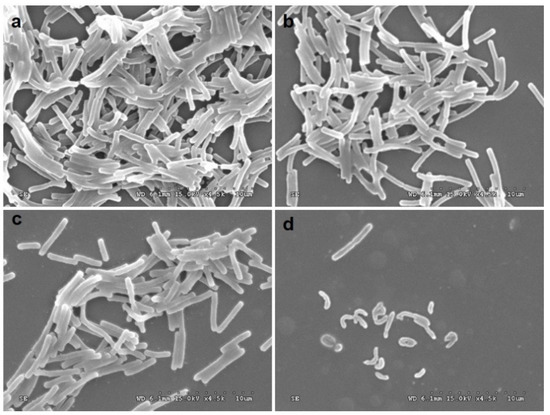
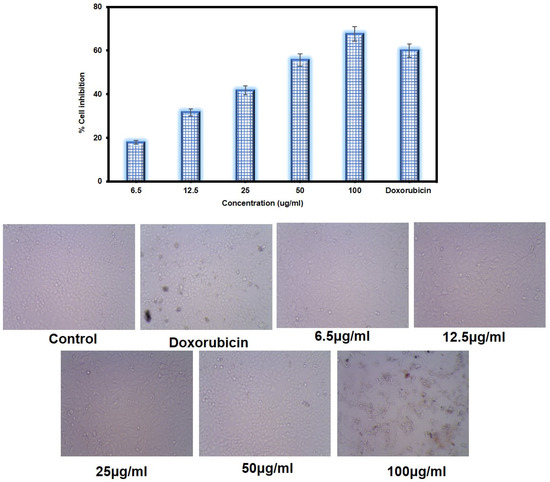
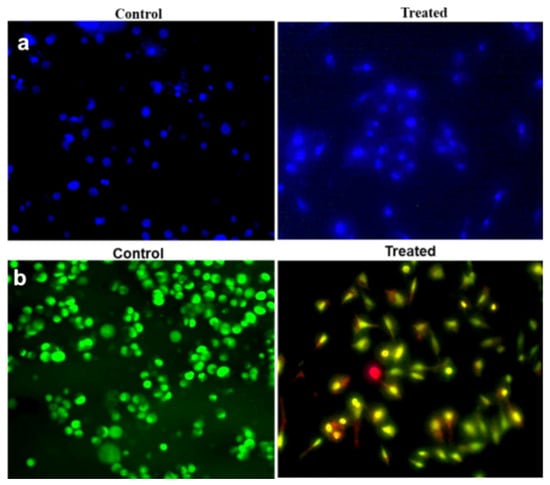
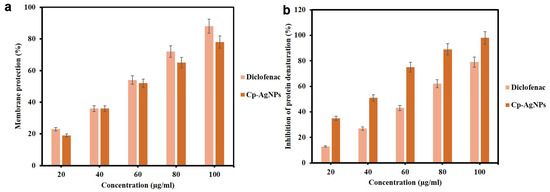
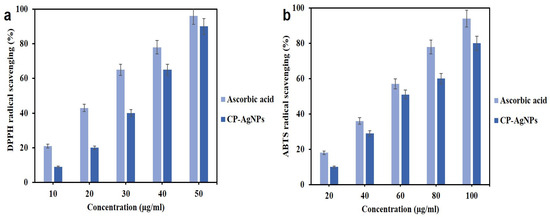
Green synthesis of silver nanoparticles (CP-AgNPs) using Calotropis procera (CP) offers a sustainable approach to producing multifunctional therapeutic nanomaterials. This study aimed to synthesize CP-AgNPs and evaluate their antimicrobial, antioxidant, anti-inflammatory, and anticancer potential, with a focus on Helicobacter pylori and gastric cancer cells. CP-AgNPs were prepared by phytochemical reduction using CP leaf extract and characterized by UV–Vis, XRD, FTIR, SEM, EDX, TEM, and Zeta. Antibacterial activity against H. pylori, time-kill kinetics, and SEM imaging of membrane damage were performed. Antioxidant (DPPH, ABTS) and anti-inflammatory assays, together with cytotoxicity studies in AGS cells (DAPI, AO/EtBr, and SEM), were also conducted. CP-AgNPs exhibited an SPR peak at 432 nm, face-centered cubic crystallinity, and spherical morphology (8–32 nm). They showed strong, dose-dependent antibacterial activity against H. pylori, surpassing metronidazole at higher doses. Time-kill assays and SEM confirmed membrane disruption. Antioxidant activity was notable (IC50: 40 µg/mL for DPPH; 60 µg/mL for ABTS). CP-AgNPs demonstrated significant anti-inflammatory effects and dose-dependent cytotoxicity in AGS cells, inducing apoptosis and morphological alterations. The broad biological activity of CP-AgNPs likely arises from the synergy between silver ions and CP phytochemicals. Their superior antibacterial effects, combined with antioxidant and anti-inflammatory properties, indicate strong therapeutic potential for gastric diseases. Anticancer activity in AGS cells suggests additional biomedical relevance, which may involve ROS-associated and apoptosis-related pathways, as suggested by previous studies. CP-AgNPs represent a promising natural nanoplatform for managing H. pylori infection, oxidative stress, inflammation, and gastric cancer, warranting further mechanistic and in vivo studies.
Full article

Figure 1
Open AccessArticle
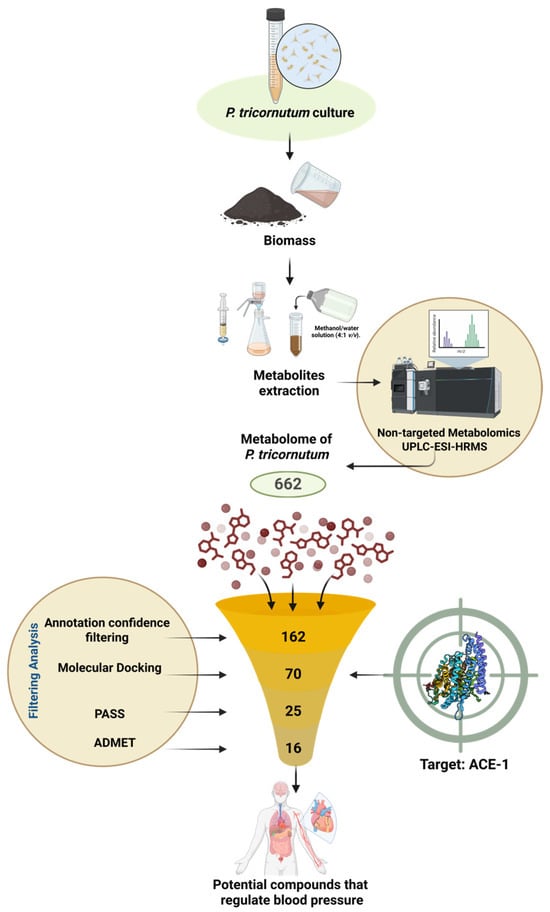
Discovery of Potential Antihypertensive Agents from the Marine Microalga Phaeodactylum tricornutum Through Metabolite Profiling and In Silico Analysis
by
Miguel Ernesto Guzmán-Rodríguez, Marco Antonio Valdez-Flores, Cinthia Ayón-Fernandez, José Juan Ordaz-Ortiz, Alma Marlene Guadrón-Llanos, Javier Magaña-Gómez, Alberto Kousuke de la Herrán-Arita, Josué Camberos-Barraza, Verónica Judith Picos-Cárdenas, Juan Fidel Osuna-Ramos, Claudia Desireé Norzagaray-Valenzuela and Loranda Calderón-Zamora
Sci. Pharm. 2026, 94(2), 43; https://doi.org/10.3390/scipharm94020043 - 21 May 2026
Abstract
►▼
Show Figures
Hypertension remains a leading cause of global morbidity and mortality, and angiotensin-converting enzyme (ACE) represents a central therapeutic target within the renin–angiotensin–aldosterone system. Marine microalgae, particularly Phaeodactylum tricornutum, provide an underexplored reservoir of structurally diverse metabolites with potential cardiovascular relevance. In this
[...] Read more.
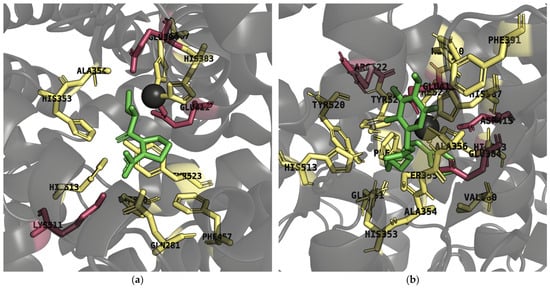
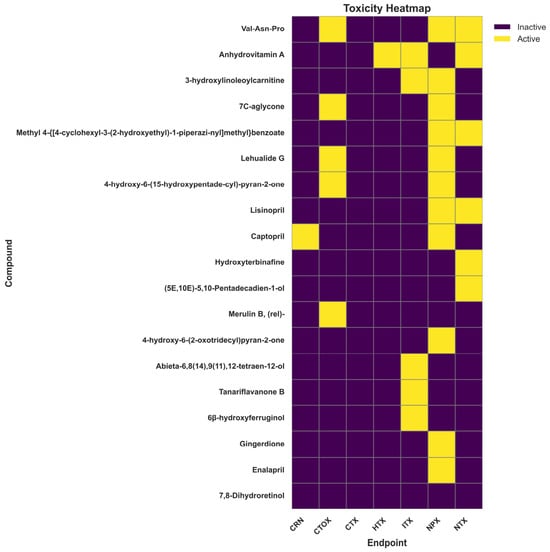
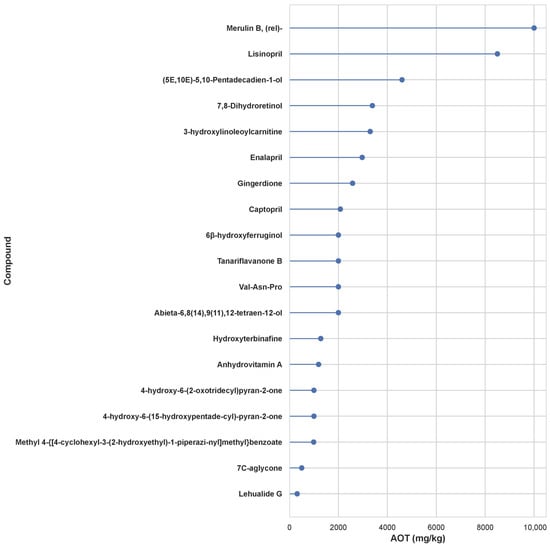
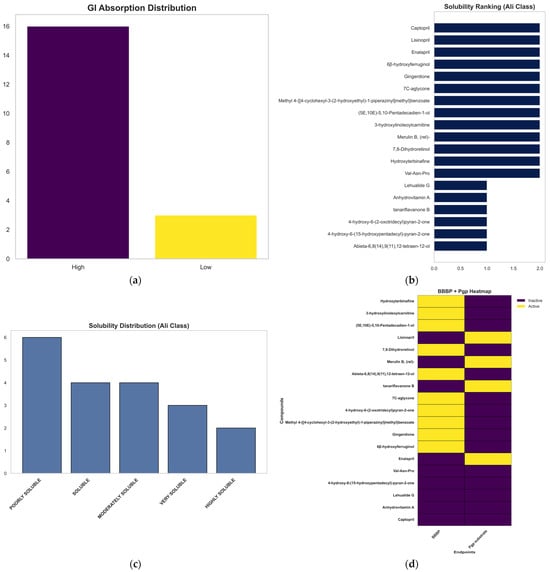
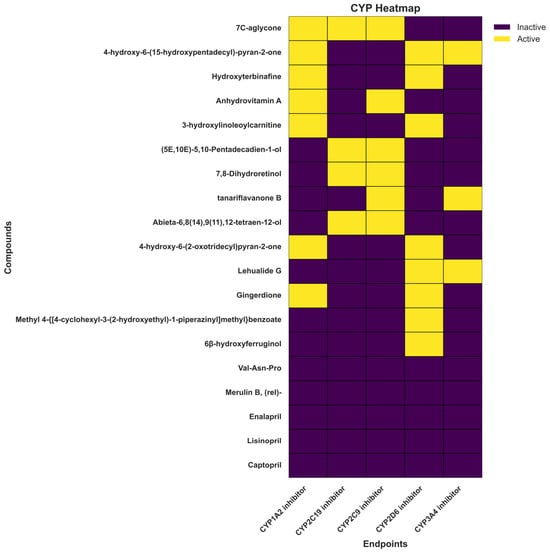
Hypertension remains a leading cause of global morbidity and mortality, and angiotensin-converting enzyme (ACE) represents a central therapeutic target within the renin–angiotensin–aldosterone system. Marine microalgae, particularly Phaeodactylum tricornutum, provide an underexplored reservoir of structurally diverse metabolites with potential cardiovascular relevance. In this in silico study, we characterized metabolites putatively annotated by UPLC-ESI-HRMS and evaluated their predicted ACE inhibitory potential. We performed molecular docking with AutoDock 4 and assessed pharmacokinetic and toxicological properties using the SwissADME, PASS, and ProTox platforms. Several metabolites showed favorable binding orientations within the ACE catalytic pocket, including interactions with key residues and proximity to the zinc-binding motif. Lehualide G, Val–Asn–Pro, tanariflavanone B, hydroxyterbinafine, and anhydro-vitamin A exhibited the most favorable docking profiles. PASS predictions indicated vascular-related bioactivity signals for selected compounds, whereas ADMET modeling revealed heterogeneous but classifiable pharmacokinetic and safety characteristics. The convergence of predicted binding compatibility, bioactivity signals, and stratified safety margins supports P. tricornutum as a promising source of candidate molecules for further experimental validation in antihypertensive research.
Full article

Figure 1
Open AccessArticle
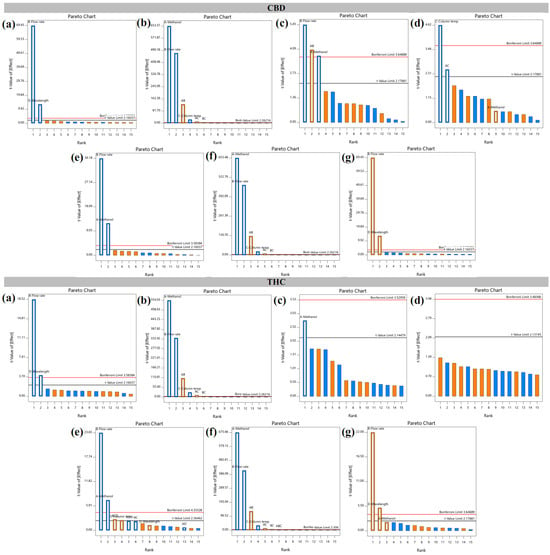
Multivariate Robustness Modeling of Cannabidiol and Δ9-Tetrahydrocannabinol Quantification Using Two-Level Full Factorial Design
by
Athip Maha, Thanapat Songsak, Surang Leelawat and Chaowalit Monton
Sci. Pharm. 2026, 94(2), 42; https://doi.org/10.3390/scipharm94020042 - 20 May 2026
Abstract
►▼
Show Figures
The present study aimed to establish a robustness modeling framework for the determination of cannabidiol (CBD) and Δ9-tetrahydrocannabinol (THC) in cannabis extract using a multivariate approach. A two-level full factorial design was implemented to examine four critical analytical factors, including methanol
[...] Read more.
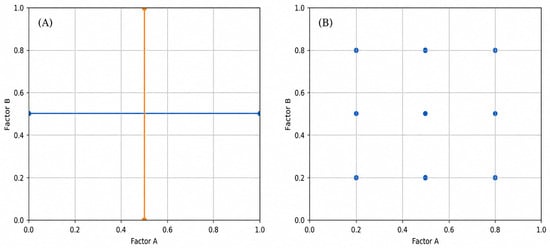
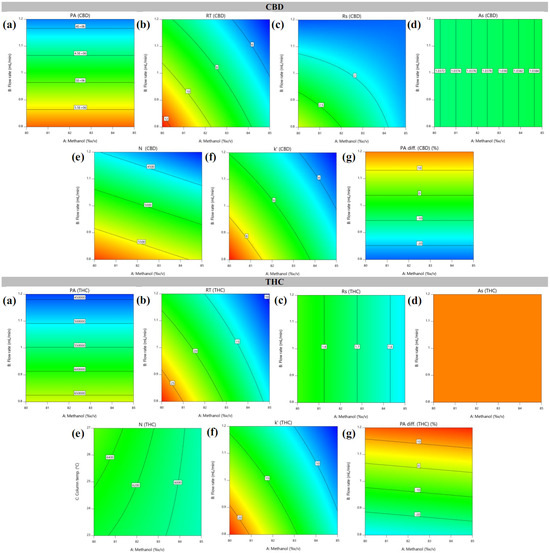
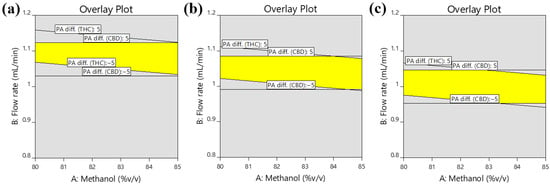
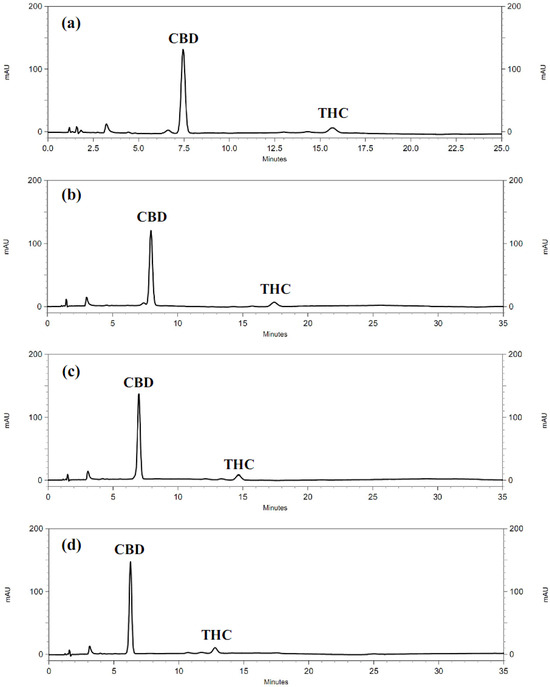
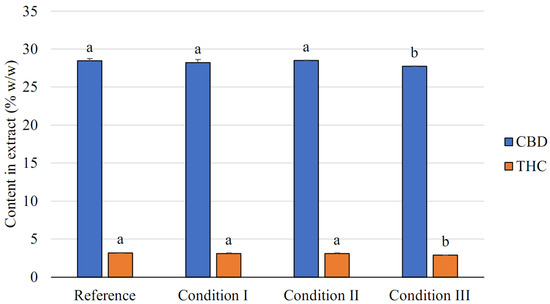
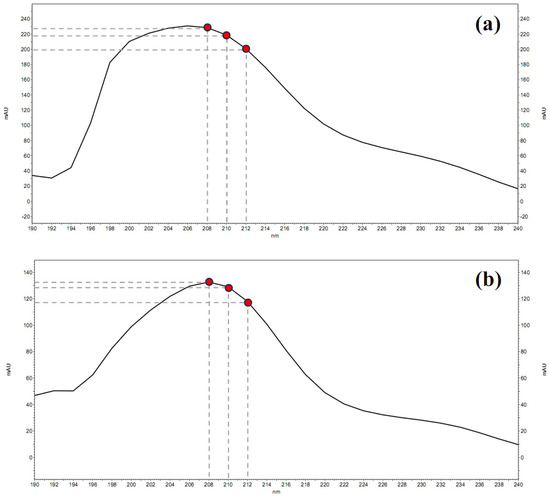
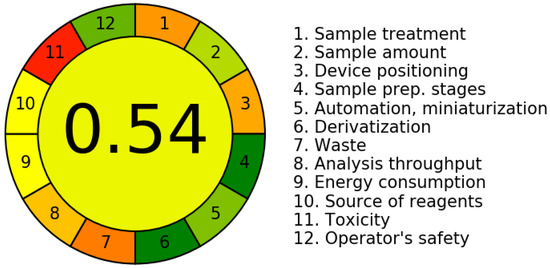
The present study aimed to establish a robustness modeling framework for the determination of cannabidiol (CBD) and Δ9-tetrahydrocannabinol (THC) in cannabis extract using a multivariate approach. A two-level full factorial design was implemented to examine four critical analytical factors, including methanol concentration (80–85% v/v), flow rate (0.8–1.2 mL/min), column temperature (23–27 °C), and detection wavelength (208–212 nm). Seven analytical responses for each compound were assessed, including peak area, retention time, resolution, asymmetry factor, number of theoretical plates, capacity factor, and peak area difference relative to the reference method. Statistical analysis demonstrated that both main effects and interaction effects significantly influenced the measured responses. Design space construction was performed based on predefined acceptance criteria to ensure method robustness: resolution > 1.5, asymmetry < 1.5, number of theoretical plates > 2000, capacity factor > 2, and peak area difference within −5% to 5%. Predictive performance of the developed models was verified by comparing predicted and experimental results. Good agreement was observed under most conditions, whereas deviation was noted for THC quantification at a detection wavelength of 212 nm. Furthermore, CBD and THC contents determined under three selected operating conditions within the established design space were statistically comparable to those obtained using the reference method, except for the condition employing 212 nm detection. The Analytical GREEnness Metric Approach (AGREE) assessment indicated moderate greenness performance of the analytical procedure. Overall, the multivariate two-level full factorial design proved to be an effective tool for robustness modeling of the HPLC method for simultaneous quantification of CBD and THC.
Full article

Figure 1
Open AccessReview
Active Pharmaceutical Ingredients in Medical Cannabis: Manufacturer Profiling, Standardization Challenges, and Technological Compatibility
by
Liliia Vyshnevska, Maryana Yaromiy, Iryna Pestun, Kaloyan D. Georgiev, Iliya Zhelev Slavov and Oleh Koshovyi
Sci. Pharm. 2026, 94(2), 41; https://doi.org/10.3390/scipharm94020041 - 18 May 2026
Abstract
►▼
Show Figures
The pharmaceutical development of cannabis-based medicinal products is challenged by significant variability in the quality, composition, and standardization of plant-derived active pharmaceutical ingredients (APIs). In Ukraine, despite recent legislative liberalization, a substantial shortage of standardized raw materials continues to limit the development of
[...] Read more.
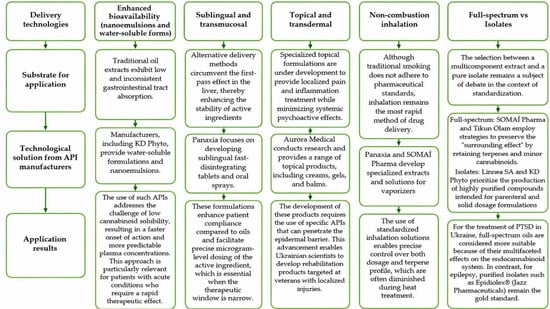
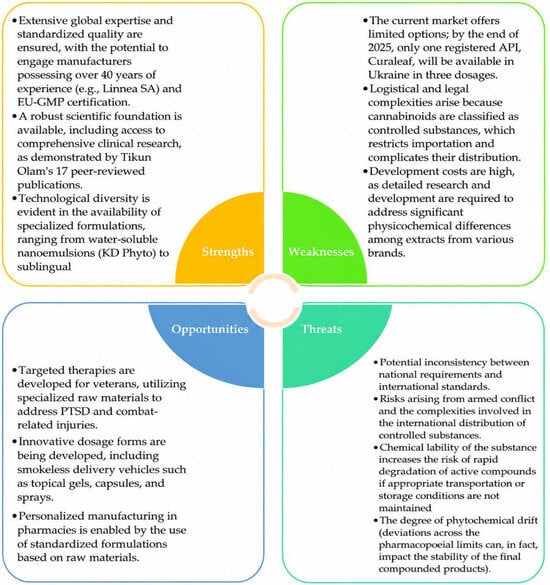
The pharmaceutical development of cannabis-based medicinal products is challenged by significant variability in the quality, composition, and standardization of plant-derived active pharmaceutical ingredients (APIs). In Ukraine, despite recent legislative liberalization, a substantial shortage of standardized raw materials continues to limit the development of innovative dosage forms. This study analyses international practices among API manufacturers to identify technological parameters necessary to overcome domestic market barriers and support the implementation of advanced drug delivery systems. Content analysis was conducted on regulatory documentation, professional literature, and manufacturers’ technical specifications. Candidate evaluation followed predefined inclusion and exclusion criteria. The study assessed compliance with Good Manufacturing Practice (GMP) requirements, extraction and purification technologies, the extent of analytical characterization, and batch-to-batch reproducibility. Purposive sampling enabled a comparative analysis of various technological approaches. Marked heterogeneity was observed in API standardization and analytical control indicators among manufacturers. Possession of a GMP certificate was found necessary but may be insufficient to ensure the pharmaceutical equivalence of materials. Differences in extraction methods and purification levels may affect stability profiles, pharmaceutical development strategies, and risk management related to final product quality. The findings demonstrate that manufacturer selection is a critical decision point in pharmaceutical development, with substantiated supplier choice directly influencing dosage form development and regulatory compliance.
Full article

Figure 1
Open AccessArticle
Synthesis and Biological Evaluation of Thiazolyl-Benzene/Camphor Sulfonamide Derivatives as Antibacterial, Antioxidant, and Antidiabetic Compounds
by
Sreenivas Avula, Satish Koppireddi, Micky D. Tortorella and Cleopatra Neagoie
Sci. Pharm. 2026, 94(2), 40; https://doi.org/10.3390/scipharm94020040 - 14 May 2026
Abstract
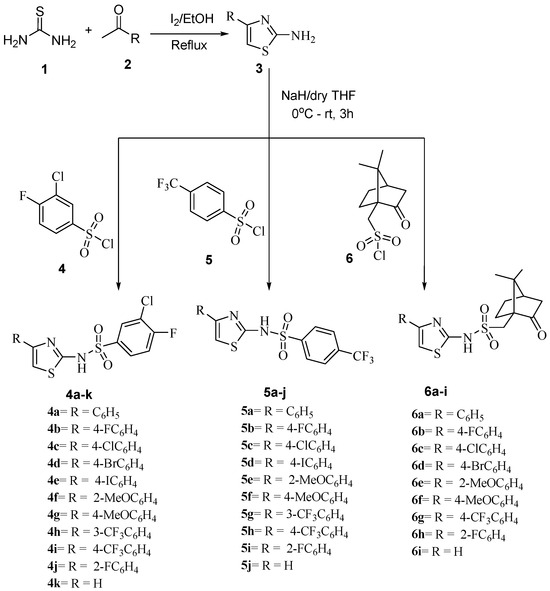
Thiazolyl-benzene/camphor sulfonamide derivatives (series 4a–k, 5a–j and 6a–i) were synthesized by reaction of various aryl sulfonyl chlorides and camphor sulfonyl chlorides with 2-amino-4-phenylthiazole. The compounds were evaluated for antibacterial, antioxidant, and α-glucosidase/α-amylase inhibitory activities. Biological screening showed that 4h, 5g
[...] Read more.
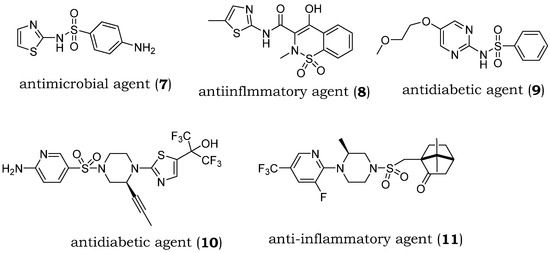
Thiazolyl-benzene/camphor sulfonamide derivatives (series 4a–k, 5a–j and 6a–i) were synthesized by reaction of various aryl sulfonyl chlorides and camphor sulfonyl chlorides with 2-amino-4-phenylthiazole. The compounds were evaluated for antibacterial, antioxidant, and α-glucosidase/α-amylase inhibitory activities. Biological screening showed that 4h, 5g and 5i displayed significant activity against most Gram-positive bacteria (MICs 4.68–18.75 µg/mL), while 4b and 5i were active against most Gram-negative bacteria with similar MIC ranges. In the DPPH assay, 4e, 4f, 4g and 4h exhibited slightly stronger radical-scavenging activity than ascorbic acid (IC50 ≈ 3.5–3.8 µM vs. 4.14 µM); 5f emerged as the best dual carbohydrate-digesting enzyme inhibitor, and 5b and 5e demonstrated selectivity toward α-amylase.
Full article
(This article belongs to the Special Issue Heterocyclic Chemistry in Drug Design 3.0)
►▼
Show Figures

Figure 1
Open AccessArticle
Machine Learning Integration of In-Silico QSAR, Graph Neural Networks and Docking Reveal Natural Products Inhibitors Against Mycobacterium tuberculosis
by
Sakthidhasan Periasamy, Rajesh Ramasamy, Rajasekar Chinnaiyan and Arun Sridhar
Sci. Pharm. 2026, 94(2), 39; https://doi.org/10.3390/scipharm94020039 - 14 May 2026
Abstract
►▼
Show Figures
Background/Objectives: Tuberculosis (TB), caused by Mycobacterium tuberculosis, remains a major global health challenge, exacerbated by the emergence of multidrug-resistant strains and limited efficacy of existing therapies. Given the involvement of multiple essential mycobacterial proteins, multitarget drug discovery represents a rational therapeutic strategy.
[...] Read more.
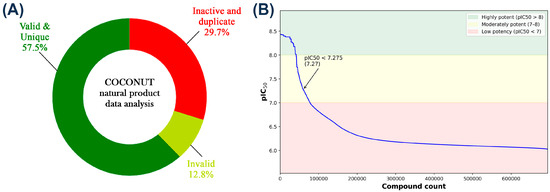
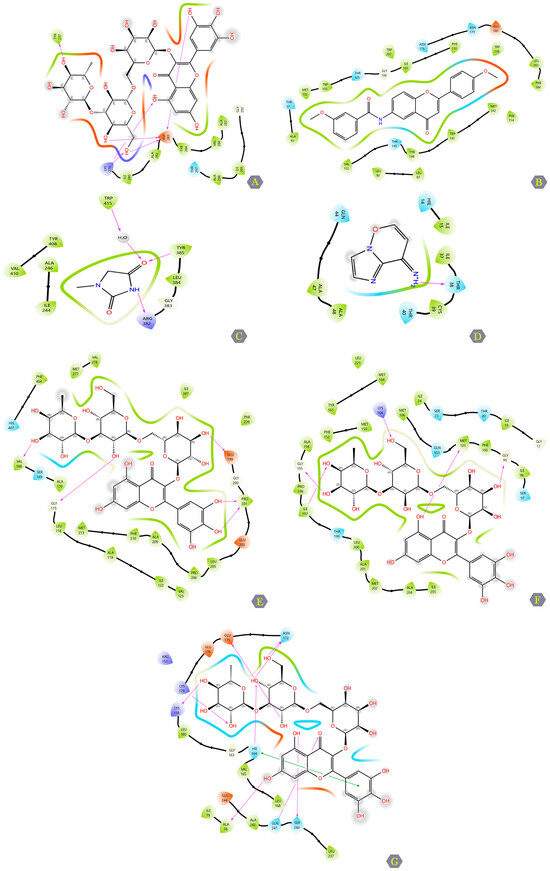
Background/Objectives: Tuberculosis (TB), caused by Mycobacterium tuberculosis, remains a major global health challenge, exacerbated by the emergence of multidrug-resistant strains and limited efficacy of existing therapies. Given the involvement of multiple essential mycobacterial proteins, multitarget drug discovery represents a rational therapeutic strategy. Methods: In this study, an integrated in silico pipeline combining machine learning–based quantitative structure–activity relationship modeling, graph neural network–driven drug–target affinity prediction, molecular docking, molecular dynamics (MD) simulations, and pharmacokinetic–toxicity profiling was employed to identify potential antitubercular leads from natural products. Results: A curated library of over 0.69 million compounds from the COCONUT database was systematically screened against seven essential M. tuberculosis protein targets. Machine learning and heterogeneous graph neural network models effectively captured complex ligand–protein interaction patterns, enabling high-confidence multitarget prioritization. Structure-based docking and MM-GBSA analyses revealed favorable binding affinities, further supported by 100 ns Molecular Dynamics simulations demonstrating stable binding and conformational integrity. In silico ADMET and toxicity predictions identified pharmacokinetically balanced candidates, while density functional theory calculations corroborated favorable electronic properties. Conclusions: Notably, a myricetin-based flavonoid glycoside exhibited consistent multitarget binding and dynamic stability across all targets. Overall, this study underscores the potential of integrated artificial intelligence and structure-based approaches in accelerating natural product-based antitubercular drug discovery and supports further experimental validation of prioritized leads.
Full article

Graphical abstract
Open AccessReview
Experimental Design in Pharmaceutical Formulation Development: Achievements, Limitations and the Transition Toward Intelligent Optimization
by
Ayşe Türkdoğan, Tarek Alloush and Burcu Demiralp
Sci. Pharm. 2026, 94(2), 38; https://doi.org/10.3390/scipharm94020038 - 13 May 2026
Abstract
►▼
Show Figures
Historically, pharmaceutical formulation development relied heavily on trial-and-error experimentation, which was useful for empirical progress but often provided limited mechanistic understanding and insufficient efficiency for increasingly complex drug products. The introduction of Design of Experiments (DoE) and Quality by Design (QbD) established a
[...] Read more.
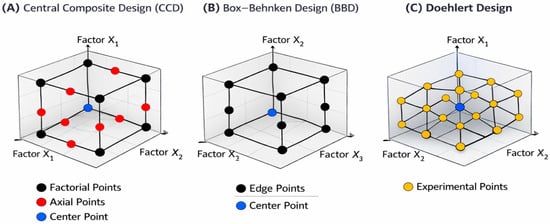
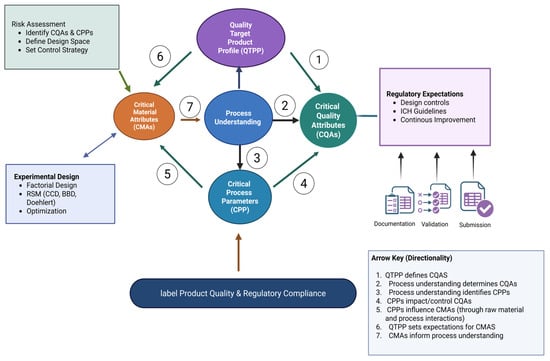
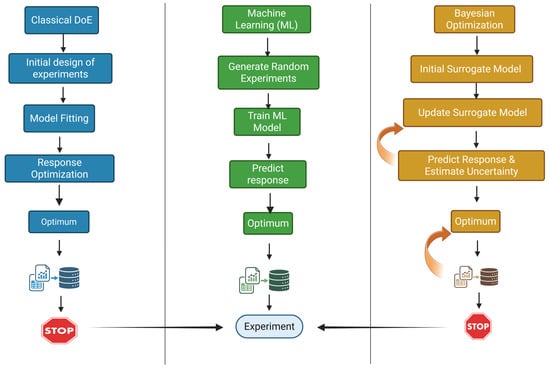
Historically, pharmaceutical formulation development relied heavily on trial-and-error experimentation, which was useful for empirical progress but often provided limited mechanistic understanding and insufficient efficiency for increasingly complex drug products. The introduction of Design of Experiments (DoE) and Quality by Design (QbD) established a more systematic framework for studying formulation variables, manufacturing parameters, and Critical Quality Attributes (CQAs). Approaches such as factorial designs, response-surface methodology, and mixture designs have therefore become central to modern pharmaceutical development because they improve experimental efficiency and support the definition of design space. However, as formulations become more nonlinear, high-dimensional, and multi-objective, these classical approaches may no longer be sufficient on their own. This review examines the evolution of experimental design in pharmaceutical research, from one-factor-at-a-time experimentation to structured DoE/QbD strategies, and then to emerging intelligent optimization methods. Its central objective is to clarify when conventional DoE/QbD remains appropriate and when it should be complemented by machine learning, Bayesian optimization, digital twins, and closed-loop experimental systems. The review first summarizes the foundations and strengths of classical experimental design; then, it discusses its practical limitations in complex formulation settings, and finally evaluates how data-driven and hybrid approaches can extend pharmaceutical development. Evidence from tablets, capsules, nanocarriers, transdermal patches, and biotherapeutic systems suggests that intelligent optimization can improve predictive performance and experimental efficiency when used alongside, rather than instead of, established pharmaceutical development principles.
Full article

Figure 1
Open AccessArticle
Design, Synthesis and Biological Activity of Regioisomeric 3,5-Disubstituted Isoxazoles and 5-(Hydroxy)Isoxazolines with Aryl and Either (Diterpenylfuran-2-Carbonyl) or (Methylfuran-2-Carbonyl) Moiety
by
Maksim E. Mironov, Dmitry S. Baev, Mohammad S. Hamad, Sergey A. Borisov, Vyacheslav I. Krasnov, Tatyana V. Rybalova, Maksim P. Pitukhin, Irina V. Sorokina, Tatyana G. Tolstikova, Andrey G. Pokrovsky, Anastasia I. Poltanovich and Elvira E. Shults
Sci. Pharm. 2026, 94(2), 37; https://doi.org/10.3390/scipharm94020037 - 12 May 2026
Abstract
►▼
Show Figures
Alkyn-1,2-diones have gained great attention as useful building blocks in organic synthesis. Regioselective synthetic routes towards 3,5-disubstituted isoxazoles, containing the methylfuroyl or diterpenylfuroyl moiety at the C-3 or C-5 position from alkyne-1,2-diones 1, 2, 3, are reported. The reaction with
[...] Read more.
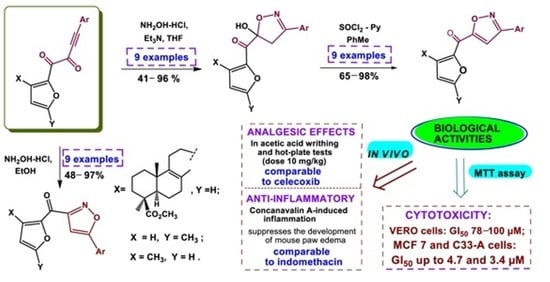
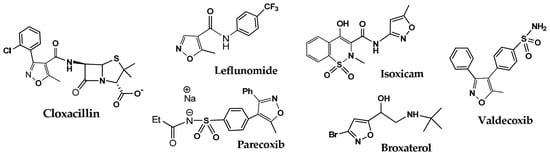
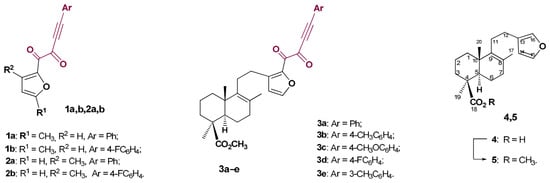
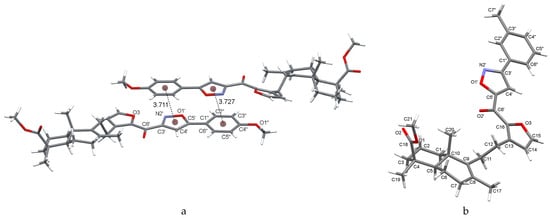
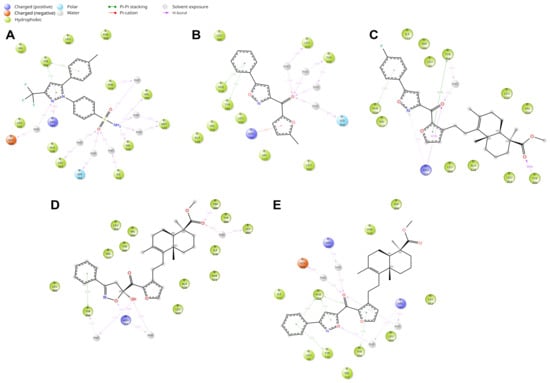
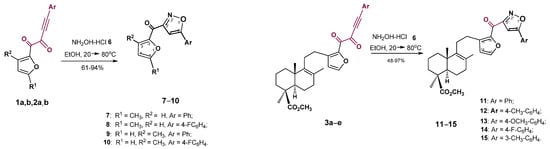
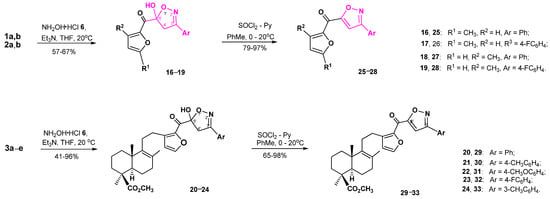
Alkyn-1,2-diones have gained great attention as useful building blocks in organic synthesis. Regioselective synthetic routes towards 3,5-disubstituted isoxazoles, containing the methylfuroyl or diterpenylfuroyl moiety at the C-3 or C-5 position from alkyne-1,2-diones 1, 2, 3, are reported. The reaction with hydroxylamine hydrochloride 6 in ethanol afforded the 1,2-addition products: 5-aryl-3-(methylfuran-2-carbonyl)isoxazoles (yield 61–94%) or 16-(5-arylisoxazole-3-carbonyl)labdatrienes (yield 48–97%). The reaction of alkynediones 1–3 with 6 in THF in the presence of triethylamine led to 5-hydroxy-4,5-dihydroisoxazoles and subsequent dehydration afforded regioisomeric 3-aryl-5-(methylfuran-2-carbonyl)isoxazoles or 16-(3-arylisoxazole-5-carbonyl)labda-trienes (yield 65–98%). New heterocyclic compounds exhibited significant analgesic action in acetic acid writhing and hot-plate tests, and the activity was comparable to reference drugs diclofenac sodium and celecoxib. Isoxazoles, which possessed the most analgesic activity, reduced the concanavalin A-induced inflammation by 34–51%; the effect was comparable to the drug indomethacin. The results of in vitro biological assays (MTT test) revealed that isoxazoles were non-toxic against the normal epithelial VERO cells, and 16-(3-aryl-5-hydroxyisoxazoline-5-carbonyl)labdatrienes 20–24 exhibited selective cytotoxicity against the breast adenocarcinoma MCF 7 (GI50 = 4.7–8.3 μM) and cervical cancer cells C33 A (GI50 = 3.4–4.7 μM). Molecular docking analysis to determine the binding potential of new molecules to the active site of human COX-1 and COX-2 enzymes was conducted.
Full article

Graphical abstract
Open AccessArticle
Investigation of the Efficacy of Qin Pi Extract in Alleviating Dry Eye Disease in Murine Models and Its Association with Suppression of Lymphangiogenesis
by
Feiyun Wang, Jing Hao, Mengjie Li, Yuying Zhu and Jiange Zhang
Sci. Pharm. 2026, 94(2), 36; https://doi.org/10.3390/scipharm94020036 - 5 May 2026
Abstract
►▼
Show Figures
Qin Bing eye drops, a traditional Chinese medicine-based in-hospital preparation, were historically indicated for the treatment of conjunctivitis, keratitis, and photokeratitis. This study aimed to develop Qin Pi extract (QP-E) using a proprietary extraction method, and to evaluate the therapeutic efficacy of QP-E
[...] Read more.
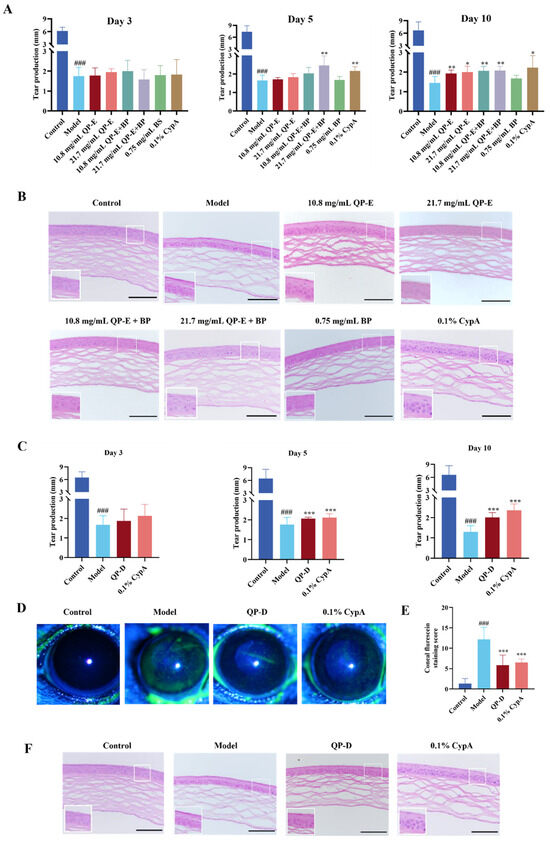
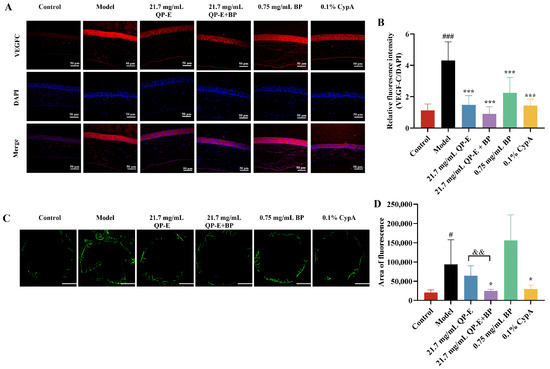
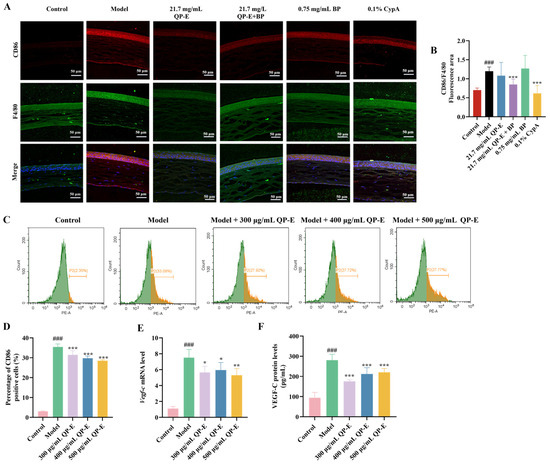
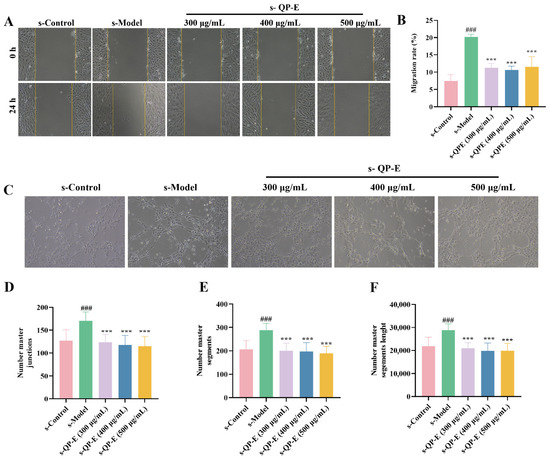
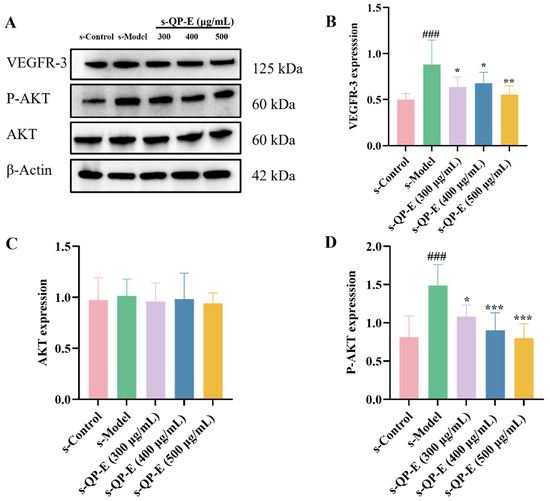
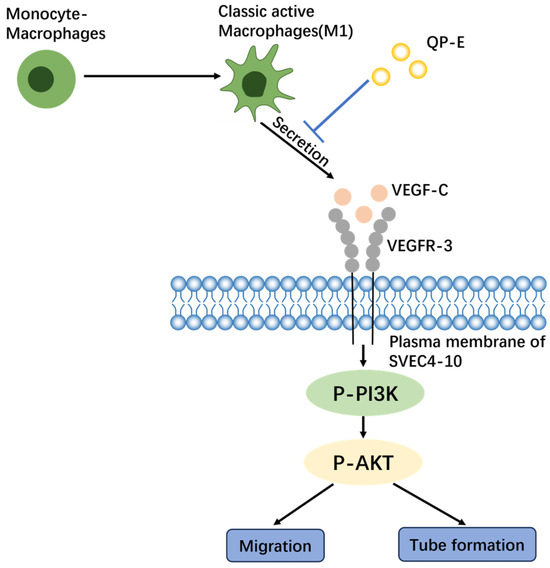
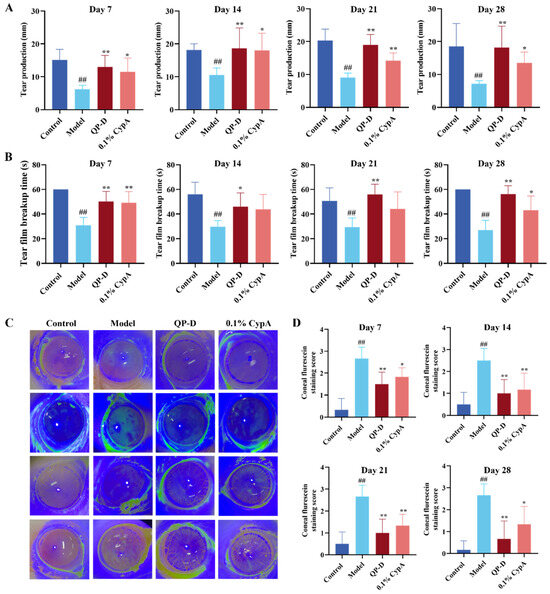
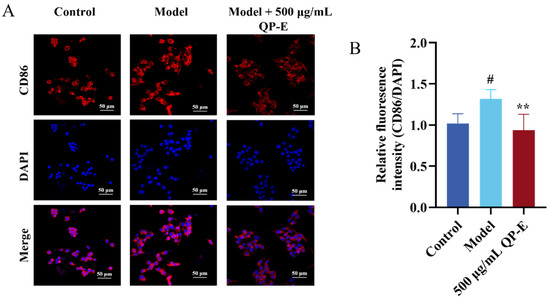
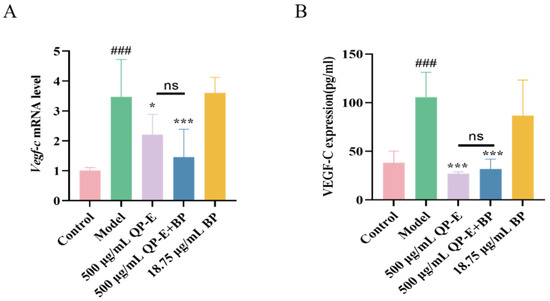
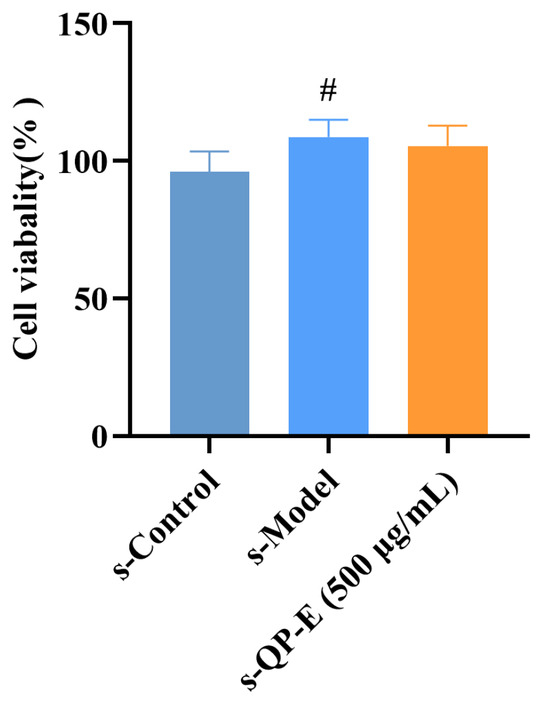
Qin Bing eye drops, a traditional Chinese medicine-based in-hospital preparation, were historically indicated for the treatment of conjunctivitis, keratitis, and photokeratitis. This study aimed to develop Qin Pi extract (QP-E) using a proprietary extraction method, and to evaluate the therapeutic efficacy of QP-E alone, QP-E combined with Bing Pian (BP), and an ophthalmic formulation (QP-D) comprising both constituents in a preclinical model of dry eye disease (DED). DED was induced in mice via subcutaneous scopolamine administration alone, whereas a more robust dry eye phenotype was established in rats through combined treatment with scopolamine and environmental stressors. Ocular surface evaluation included measurement of tear secretion volume and corneal fluorescein staining scores. The results demonstrated that both QP-E monotherapy and the QP-E–BP combination significantly ameliorated key pathological features of DED, including tear film instability and corneal epithelial damage. QP-D—formulated with rationally optimized concentrations of QP-E and BP—significantly enhanced basal tear secretion and attenuated corneal epithelial injury in both murine and rat dry eye models. Mechanistic investigations revealed that QP-E treatment markedly inhibited VEGF-C secretion from classically activated (M1) macrophages, suppressed phosphorylation-dependent activation of the VEGF-C/VEGFR-3 signaling axis, and consequently impaired lymphatic endothelial cell migration and in vitro tube formation. These correlative findings indicate that QP-E may partially alleviate DED by suppressing lymphangiogenesis; however, direct causal evidence—such as genetic ablation of VEGF-C or pharmacological inhibition of VEGFR-3—was not established in the present study. Collectively, our data yield a testable mechanistic hypothesis and propose a novel therapeutic strategy targeting lymphatic remodeling for DED intervention.
Full article

Figure 1
Journal Menu
► ▼ Journal MenuJournal Browser
► ▼ Journal BrowserHighly Accessed Articles
Latest Books
E-Mail Alert
News
Topics
Topic in
Biomedicines, IJMS, Sci. Pharm., Molecules, Future Pharmacology, Biomolecules
Natural Products and Drug Discovery—2nd Edition
Topic Editors: Sonia Piacente, Marta MenegazziDeadline: 30 September 2026
Topic in
Bioengineering, Molecules, Pharmaceuticals, Pharmaceutics, Processes, Sci. Pharm.
Complementary Strategies in Drug Delivery: From Particle Engineering to System Optimization
Topic Editors: Barbara R. Conway, Hisham Al-ObaidiDeadline: 30 October 2026
Topic in
Antibiotics, CIMB, IJMS, Pharmaceutics, Sci. Pharm., SynBio, Pharmaceuticals
Design, Synthesis, and Development of Antimicrobial Drugs
Topic Editors: Hao Wang, Wenxuan ZhangDeadline: 30 November 2026
Topic in
Biomedicines, IJMS, Medicines, Molecules, Pharmaceuticals, Sci. Pharm.
New Compounds Discovery and Development in Medicine — Advances in Research on Potential Therapeutic Agents and Drug Candidates, 2nd Edition
Topic Editors: Monika Wujec, Anna Bogucka-Kocka, Przemysław Kołodziej, Jacek BoguckiDeadline: 31 December 2026
Special Issues
Special Issue in
Sci. Pharm.
Monoclonal Antibodies in the Treatment of Diseases: Focus on Stability, Storage, and Administration
Guest Editor: Stefano RugaDeadline: 31 October 2026
Special Issue in
Sci. Pharm.
Heterocyclic Chemistry in Drug Design 3.0
Guest Editors: Roman B. Lesyk, Monika WujecDeadline: 31 October 2026
Special Issue in
Sci. Pharm.
Pharmaceutical Applications of Heterocyclic Compounds
Guest Editor: Thierry BessonDeadline: 31 October 2026
Special Issue in
Sci. Pharm.
Innovative Perspectives in Ocular Drug Research
Guest Editor: Susi BurgalassiDeadline: 31 October 2026