Article

Antinociceptive Activity of Petiveria alliacea L. Extract via GABAergic and Serotonergic Pathways in Diabetic Neuropathy Model


by
Kelly del C. Cruz-Salomón
1,
Alfredo Briones-Aranda
2,
Abumalé Cruz-Salomón
3,
Nancy Ruiz-Lau
4,
Mariano Martínez-Vázquez
5,
Joaquín A. Montes-Molina
1,
Gerardo Leyva-Padrón
3,
Josue V. Espinosa-Juárez
3,* and
Rosa I. Cruz-Rodríguez
1,*
1
División de Estudios de Posgrado e Investigación, Tecnológico Nacional de México/IT Tuxtla Gutiérrez, Tuxtla Gutiérrez 29050, Mexico
2
Facultad de Medicina Humana, Universidad Autónoma de Chiapas (UNACH), Tuxtla Gutiérrez 29090, Mexico
3
Escuela de Ciencias Químicas, Universidad Autónoma de Chiapas (UNACH), Ocozocoautla de Espinosa 29140, Mexico
4
Secretaría de Ciencia, Humanidades, Tecnología e Innovación, Tecnológico Nacional de México/IT Tuxtla Gutiérrez, Tuxtla Gutiérrez 29050, Mexico
5
Instituto de Química, Universidad Nacional Autónoma de México, C. Exterior, C. Universitaria, Coyoacán, Ciudad de México 04510, Mexico
*
Authors to whom correspondence should be addressed.
Sci. Pharm. 2026, 94(3), 54; https://doi.org/10.3390/scipharm94030054
Submission received: 18 May 2026 / Revised: 27 June 2026 / Accepted: 29 June 2026 / Published: 2 July 2026
(This article belongs to the Topic Natural Products and Drug Discovery—2nd Edition)

Abstract

Petiveria alliacea L. (commonly known as “anamu,” “guiné,” “hierba de zorro,” and “tipi”) has been widely used in Mesoamerican traditional medicine to treat pain and inflammation. However, scientific evidence supporting its efficacy in diabetic neuropathy remains limited. This study evaluated the antinociceptive potential of a methanolic leaf extract of P. alliacea in a murine model of alloxan-induced diabetic neuropathy and investigated its possible mechanisms of action. Diabetic CD-1 mice were evaluated for mechanical allodynia and hyperalgesia using the Von Frey test and for tonic pain using the formalin test. Pharmacological antagonists were administered to assess the involvement of opioid, nitric oxide, serotonergic, and GABAergic pathways. Phytochemical profiling was performed by LC-ESI-MS/MS, and potential pharmacological and pharmacokinetic properties of the identified metabolites were predicted using in silico tools (PASS online, SwissTargetPrediction, SwissADME, and pkCSM). The methanolic extract significantly reduced mechanical allodynia and hyperalgesia in diabetic mice and attenuated nociceptive responses in both phases of the formalin test, showing an effect comparable to gabapentin. Antinociceptive activity was not altered by naloxone or L-NAME but was significantly attenuated by methiothepin and bicuculline, suggesting that serotonergic and GABAergic pathways contribute, at least in part, to the observed antinociceptive effects. LC-ESI-MS/MS analysis identified 38 metabolites, including flavonoids, alkaloids, and terpenes, with in silico predictions supporting their potential analgesic and anti-inflammatory activities. The methanolic leaf extract of P. alliacea exhibits significant antinociceptive activity in diabetic neuropathy, partially likely to involve serotonergic and GABAergic mechanisms, supporting its ethnomedicinal use and its potential as a source of novel analgesic agents.

1. Introduction

Painful diabetic neuropathy is the most frequent chronic complication of diabetes mellitus and a leading cause of neuropathic pain worldwide [1,2,3]. Up to half of individuals with diabetes develop some degree of neuropathy, and a substantial proportion experience painful symptoms manifested as spontaneous pain, hyperalgesia, and mechanical allodynia, with major consequences for sleep, mood, and quality of life [4,5,6]. The pathobiology of painful diabetic neuropathy is multifactorial and encompasses both peripheral and central mechanisms, including metabolic and mitochondrial dysfunction, oxidative stress and neuroinflammation, microvascular impairment, and maladaptive plasticity within nociceptive circuits [5,7]. Current pharmacotherapy remains largely symptomatic and provides incomplete relief for many patients. Contemporary guidelines support first-line use of gabapentinoids, serotonin–norepinephrine reuptake inhibitors, tricyclic antidepressants, and selected sodium-channel blockers, while emphasizing the limited role of opioids because of an unfavorable benefit–risk profile in chronic neuropathic pain [8,9,10,11,12]. These limitations underscore the need to identify safer agents with novel mechanisms that are relevant to the neurobiological substrates of painful diabetic neuropathy.
Natural products remain a major source of clinically useful analgesics and continue to provide chemically diverse scaffolds for pain drug discovery. In this context, Petiveria alliacea L. (commonly known as “anamu,” “guiné,” “hierba de zorro,” and “tipi”), a medicinal plant widely used in Mesoamerica and tropical regions of the Americas, is traditionally employed for pain and inflammatory conditions [13,14,15]. Phytochemical investigations have described a complex metabolome enriched in organosulfur compounds, phenolics, and flavonoids, together with other specialized metabolites with potential neuroactive and anti-inflammatory properties [13,16,17,18].
Several experimental studies support the antinociceptive activity of P. alliacea in non-neuropathic paradigms. Early work with crude aqueous root extracts reported inhibition of chemically induced visceral nociception in rodents [19]. Subsequently, a lyophilized root extract showed analgesic effects in a pleurisy model, along with anti-inflammatory activity [20]. Bioactivity-guided studies further demonstrated that distinct root fractions attenuate nociceptive behaviors in acetic acid writhing, hot-plate, and formalin assays [21]. More recently, leaf extracts were evaluated in the formalin test alongside parallel in silico analyses, providing additional evidence of antinociception and identifying candidate metabolites [17]. Despite these advances, the available literature remains dominated by acute or inflammatory pain models and does not address painful diabetic neuropathy, in which hyperglycemia-driven neuroimmune changes and altered neurotransmission can reshape analgesic responsiveness [5,14].
Parallel lines of research suggest that P. alliacea may also modulate diabetes-related biology. Aerial-part preparations have been examined in experimental diabetes models with mixed metabolic outcomes [22], and a recent report described beneficial effects of a methanolic extract in a streptozotocin-based type 2 diabetes setting, with improvement of early diabetic nephropathy features [23]. However, to the best of our knowledge, no study has evaluated whether P. alliacea can attenuate pain-related behaviors in a diabetic neuropathy context, nor has any work integrated mechanism-focused behavioral pharmacology with comprehensive metabolite profiling for this indication. This knowledge gap is particularly relevant because painful diabetic neuropathy involves dysregulation of descending monoaminergic control and spinal inhibitory neurotransmission. Alterations in descending serotonergic/noradrenergic pathways have been documented in experimental painful diabetic neuropathy [24], and serotonergic and GABAergic signaling represent validated therapeutic entry points in neuropathic pain management [8,25]. Although mechanical allodynia and hyperalgesia represent the principal behavioral manifestations of painful diabetic neuropathy, complementary nociceptive assays may provide additional information regarding pain processing under diabetic conditions. Accordingly, the formalin test was incorporated not as an alternative model of diabetic neuropathy, but as a complementary inflammatory nociceptive challenge to determine whether the antinociceptive activity of P. alliacea is maintained when chronic neuropathic sensitization coexists with an acute inflammatory stimulus. This approach enables the evaluation of inflammatory pain processing and central sensitization in addition to disease-relevant mechanical hypersensitivity. Accordingly, to the best of our knowledge, this work is the first to evaluate a P. alliacea leaf extract in a diabetic neuropathic pain model, combining (1) disease-relevant mechanical hypersensitivity endpoints, (2) mechanism-oriented pharmacological antagonism, and (3) non-targeted LC-ESI-MS/MS chemical profiling integrated with in silico target prediction to support hypothesis generation beyond prior acute/inflammatory studies.
In this work, we investigated the antinociceptive potential of a methanolic leaf extract of P. alliacea in an alloxan-induced painful diabetic neuropathy mouse model and interrogated pathway involvement using targeted antagonism focused on serotonergic and GABAergic mechanisms. In parallel, we performed non-targeted LC-ESI-MS/MS profiling and in silico target prediction to support hypothesis generation on candidate metabolites and pathways that may contribute to activity. This integrated experimental design aims to provide a rigorous preclinical framework for evaluating P. alliacea metabolites for the treatment of painful diabetic neuropathy while generating mechanistic hypotheses to guide future pharmacological investigations.

2. Materials and Methods

2.1. Collection of Plant Material

Leaves of P. alliacea were collected from randomly selected individuals at the same phenological stage in Ocozocoautla de Espinosa, Chiapas, Mexico (16°45′07.4″ N, 93°22′22.6″ W). Botanical identification was performed at the Herbarium of the Dr. Faustino Miranda Botanical Garden, under the registration number 54016. The scientific name P. alliacea L. was verified using The Plant List database (http://www.theplantlist.org). Locally, the species is known in Spanish as “hierba de zorro,” and in English it is commonly referred to as “guinea hen weed”. Detailed information on the collection site, environmental conditions, and morphological traits of P. alliacea leaves is provided in Supplementary Table S1.

2.2. Extraction of Plant Material

Leaves of P. alliacea were dried in an oven (Ecoshel, Model 9023A, Shanghai, China) at 45 °C and manually ground to obtain a fine powder. The methanolic extract was obtained by macerating the powdered material with methanol at a 1:10 ratio, followed by sonication for 2 h at 4 °C. The mixture was then filtered and centrifuged at 5000 rpm for 15 min. The resulting extract was lyophilized at −40 °C under a vacuum of 0.035 mBar and resuspended in saline solution for subsequent evaluation [17].

2.3. Chemical Characterization by LC-ESI-MS/MS Analysis

The chemical characterization of P. alliacea extracts was performed using non-targeted liquid chromatography coupled to electrospray ionization tandem mass spectrometry (LC–ESI–MS/MS) for qualitative metabolite profiling. Analyses were conducted on a Waters 600 analytical HPLC system (Agilent Technologies, Santa Clara, CA, USA) equipped with a Synergi Polar-RP column (150 mm × 2.0 mm, 4 μm particle size), coupled to a Bruker Esquire 6000 ion trap mass spectrometer (Agilent Technologies, Santa Clara, CA, USA).
Extract samples were dissolved in 500 μL of HPLC-grade methanol (Sigma-Aldrich®, St. Louis, MO, USA) and filtered through a 0.45 μm nylon syringe filter (Agilent Technologies, Santa Clara, CA, USA). Chromatographic separation was achieved using a gradient elution with solvent A (0.1% formic acid in H2O) and solvent B (0.1% formic acid in CH3CN/MeOH, 1:1, v/v). The gradient program was as follows: 95% A for 5 min, 95–90% A over 10 min, 90–50% A over 55 min, 50–95% A over 65 min, and re-equilibration at 95% A up to 70 min. The injection volume was 10 μL, and the flow rate was set at 0.6 mL/min, with a 1:1 split prior to the mass spectrometer interface [26].
Mass spectra were acquired in positive ion mode over an m/z range of 150–1000, with a scan cycle time of 2 s. Electrospray ionization source parameters were as follows: drying gas (N2), capillary temperature 350 °C, spray voltage 40.0 V, auxiliary gas pressure 30 psi, and dry gas flow rate 10 L/min. All samples were analyzed in triplicate to ensure analytical reproducibility.
The LC–ESI–MS/MS method was validated for qualitative, non-targeted metabolite profiling, focusing on analytical reliability and reproducibility rather than quantitative determination. Validation criteria included consistent chromatographic performance, retention time stability, reproducible mass spectral features across replicate injections, and stable MS/MS fragmentation patterns. Tentative compound identification was achieved by comparing experimental MS/MS spectra with reference spectra from public databases, including the MassBank of North America (MoNA, 2025) (https://mona.fiehnlab.ucdavis.edu/) and the MassBank High Quality Mass Spectral Database (MassBank, 2025) (https://msbi.ipb-halle.de/MassBank/, accessed on 28 June 2026).

2.4. In Silico Analysis of Components in P. alliacea Extracts

The secondary metabolites identified in this study were encoded as SMILES (Simplified Molecular Input Line Entry System) strings obtained from the PubChem database. In silico analyses were performed using PASS online [27], SwissADME [28], SwissTargetPrediction [29], and pkCSM [30] to predict biological and toxicological activities, including pharmacological effects and potential interactions with enzymes and metabolic transporters involved in nociception. Each platform calculates physicochemical and structural properties, which were subsequently compared with their respective databases. Results were expressed as probabilities (P) ranging from 0 to 1, where 1 indicates a high likelihood of the event occurring in vivo, and 0 indicates a negligible likelihood.

2.5. Drugs and Reagents

The following drugs and reagents were used: alloxan monohydrate, naloxone, bicuculline, L-NAME, methiothepin (Sigma-Aldrich®, St. Louis, MO, USA), citrate buffer (Merck Millipore®, Darmstadt, Germany), gabapentin (Pharmalife®, Milan, Italy), formaldehyde (Reactivos LABESSA®, Mexico City, Mexico), Tween 80, methanol (Meyer®, Mexicali, Mexico), and saline solution (PiSA®, Guadalajara, Mexico).

2.6. Animal Model

All experimental procedures approved by the Institutional Committee of the National Technological Institute of Mexico in Tuxtla Gutiérrez (protocol No. 09-2022/ITTG). Male CD-1 mice (30–40 g) were used and housed under controlled humidity and a 12 h light/dark cycle, with ad libitum access to food and water; except for a 6 h fasting period before experimentation. All procedures complied with international ethical guidelines for animal research [31] and the Mexican Official Standard NOM-062-ZOO-1999 [32], ensuring minimization of suffering and the use of the fewest animals necessary.

2.7. Alloxan-Induced Diabetes Model

Diabetes was induced in male mice (35 g; 8–12 weeks old) via two intraperitoneal injections of alloxan monohydrate dissolved in 0.1 M citrate buffer (pH 4.5). Doses of 150 mg/kg and 100 mg/kg were administered 48 h interval, following the protocol described by Bromme et al. [33]. After the first dose, animals received a 10% sucrose solution for five days to prevent hypoglycemia, which was replaced with drinking water on day six. On day seven, mice with fasting blood glucose levels > 200 mg/dL were classified as diabetic [34]. Body weight was recorded every 3 days throughout the experimental period as an indicator of diabetes progression and general animal health. The corresponding data are provided in the Supplementary Material (Figure S3) and blood glucose were monitored on days 0 (2 h before induction), 3, 7, and 15 post-induction using capillary blood samples collected from the tail and measured with a portable glucometer (True Metrix, Trividia Health, Fort Lauderdale, FL, USA) [35].

2.8. Treatments

Experiments were conducted using groups of eight animals each. Treatments were administered orally (1 mL/100 g body weight) 30 min before testing. Experimental groups received Petiveria alliacea extract (100 mg/kg), selected from prior dose–response studies (10–316 mg/kg, p.o.) as the minimal dose producing maximal antinociceptive effect [17]. The positive control group received gabapentin (100 mg/kg), and the negative control received sterile distilled water containing Tween 80.

2.9. Von Frey Test

Mechanical allodynia and hyperalgesia were evaluated using calibrated Von Frey filaments (3.22–5.46 mN). Each filament was applied to the plantar surface of the right hind paw. The withdrawal threshold was defined as the minimal force that evoked paw withdrawal in at least three out of five consecutive applications, with 1–2 s intervals between stimuli, following the protocol described by Kim et al. [36]. The sensitivity (S%) was calculated using Equation 1, where Nw is the number of paw withdrawals observed, and Nt is the total number of stimulations applied (five consecutive applications). A complete withdrawal response in all stimulations corresponded to 100%, whereas the absence of withdrawal corresponded to 0%.
S   ( % ) = N w N t × 100

2.10. Formalin Test

The formalin test was performed as a complementary nociceptive assay to evaluate whether diabetic neuropathy modifies inflammatory pain processing and to determine whether the extract retains antinociceptive activity under conditions combining neuropathic hypersensitivity with an acute inflammatory stimulus. For nociceptive evaluation, nociception was induced by subcutaneous injection of 20 μL of 2% formalin into the dorsal surface of the right hind paw. Nociceptive behavior was quantified by recording the number of paw flinches for 1 min every 5 min over a 60 min observation period, according to established protocols [37,38]. The response was analyzed in two phases: the neurogenic phase (1–10 min) and the inflammatory phase (15–60 min). Responses were expressed as the area under the curve (AUC), calculated by the trapezoidal method. Antinociception (A%) was determined as the percentage relative to control groups using Equation (2), where AUCHG represents the nociceptive response of the hyperglycemic (HG) control group, and AUCTreat corresponds to that of the treated groups.
A   ( % ) = A U C H G A U C T r a t A U C H G × 100  

2.11. Evaluation of Mechanisms of Action Using Antagonists

The involvement of different pathways was evaluated in mice pretreated with specific antagonists: naloxone (2 mg/kg, intraperitoneally [i.p.], [39]) for the opioid pathway, bicuculline (1 mg/kg, i.p., [39]) for GABA receptors, L-Nitroarginine methyl ester (L-NAME, 10 mg/kg, i.p., [40]) for the nitric oxide pathway, and methiothepin (1 mg/kg, i.p., [41]) for serotonin receptors. 15 min after pretreatment, animals received P. alliacea extract (100 mg/kg) or vehicle (sterile distilled water). Nociceptive behaviors were then evaluated using the formalin test and the Von Frey test for mechanical allodynia and hyperalgesia [42].

2.12. Statistical Analysis

Statistical analyses were performed on data from all experimental groups. Results are expressed as mean ± standard error of the mean (SEM). Time-course experiments were analyzed using two-way ANOVA with Bonferroni’s post hoc test. Single time-point comparisons, including area under the curve (AUC) values from the formalin test and percentages of antinociception (A%), were analyzed using one-way ANOVA followed by Tukey’s post hoc test. To ensure consistency across datasets, this ANOVA-based framework was also retained in panels involving two-group comparisons (e.g., NG vs. HG), where statistical significance is indicated by different alphabetic letters (p < 0.05). A value of p < 0.05 was considered statistically significant.

3. Results

3.1. Chemical Profile Identified by LC-ESI-MS/MS

The methanolic leaf extract of P. alliacea was characterized by high-performance liquid chromatography coupled to tandem mass spectrometry (LC–ESI–MS/MS). The chromatographic fingerprint (Figure 1) revealed a complex profile composed of multiple peaks distributed throughout the retention time range, confirming the presence of a rich diversity of secondary metabolites.
A total of 38 compounds were tentatively identified in the methanolic extract of P. alliacea by LC–ESI–MS/MS. Fragmentation spectra and structural annotations are provided in Supplementary Figures S1 and S2, and the complete list of identified metabolites is reported in Supplementary Table S2. Compounds were annotated based on their retention time (RT), mass-to-charge ratio (m/z), molecular mass, relative abundance (%), structure and spectral matching with the MassBank and MoNA databases using a similarity threshold >0.80, providing a high level of confidence for non-targeted metabolite profiling.
Based on relative abundance and analytical reproducibility, the six most abundant metabolites were selected as major marker compounds and are summarized in Table 1. These compounds consistently exhibited the highest signal intensities across replicate analyses and were therefore considered representative of the dominant chemical features of the extract. The selection of these marker compounds was based on relative abundance rather than absolute quantification, in accordance with the non-targeted nature of the analytical approach.
The LC–ESI–MS/MS analysis revealed a broad phytochemical diversity encompassing multiple structural classes with potential pharmacological relevance. Among the identified metabolites (Supplementary Table S2), alkaloids (e.g., reserpine, hordenine, tetrandrine, sparteine, and solanidine), flavonoids and flavonoid glycosides (e.g., tricin, diosmin, fortunellin, isorhamnetin-3-O-rutinoside, pectolinarin, and acacetin-7-O-rutinoside), polyphenols, phenolic lactones, lipids, terpenoids, and plant steroids were detected.
Additional compounds included polyphenolic and aromatic derivatives such as xanthone and 4-methylumbelliferone, as well as diverse lipid species (monoacylglycerols, triacylglycerols, and phosphatidylcholines), which may influence membrane interactions and bioavailability. Oxygenated terpenes (e.g., sclareol and 3,7-epoxycaryophyllan-6-ol), plant steroids such as digoxigenin, and oxygenated carotenoids including β,β-carotene-2,2′-diol were also identified, highlighting the chemical complexity of the extract.
Overall, this chemically diverse profile supports the presence of a multicomponent phytochemical system, in which the six major marker compounds (Table 1), together with less abundant constituents (Supplementary Table S2), may contribute collectively to the biological activity observed. These findings provide the chemical basis for the subsequent pharmacological and in silico analyses, without implying direct causal relationships between individual metabolites and the observed antinociceptive effects.

3.2. In Silico Prediction of the Biological Activity of P. alliacea Components

The in silico evaluation of secondary metabolites identified by LC–ESI–MS/MS in the methanolic extract of P. alliacea was conducted to explore their predicted pharmacological activities, toxicokinetic properties, and potential molecular targets using PASS Online, SwissTargetPrediction, SwissADME, and pkCSM. The complete set of compounds subjected to computational analysis is reported in Supplementary Table S3.
Based on relative abundance and analytical reproducibility, the six major marker compounds selected in the chemical profiling analysis were prioritized for detailed in silico evaluation and are summarized in Table 2. These compounds were chosen to represent the dominant chemical features of the extract, and the resulting predictions are presented as supportive, hypothesis-generating evidence, rather than experimental validation of specific mechanisms.
Among the marker compounds (Table 2), several metabolites exhibited moderate to high probabilities of antinociceptive activity, including solanidine (Pa = 0.679) and hordenine (Pa = 0.587), both alkaloids previously reported to exert neuromodulatory effects. Other marker compounds displayed predicted affinities for serotonergic and GABAergic targets, consistent with the partial attenuation of antinociceptive effects observed following pharmacological antagonism in the behavioral assays. These convergent predictions suggest potential involvement of inhibitory and descending modulatory pathways, although direct molecular interactions remain to be experimentally confirmed.
Regarding anti-inflammatory activity, selected marker compounds, including diosmin, showed predicted interactions with pro-inflammatory mediators such as TNF-α, IL-2, and COX-2. These predictions are consistent with the attenuation of nociceptive behavior observed during the inflammatory phase of the formalin test and support a potential peripheral anti-inflammatory contribution to the overall antinociceptive profile. In addition, methyl 2-hydroxydodecanoate, one of the abundant constituents, exhibited predicted affinity for caspases 1, 3, 6, and 7, enzymes implicated in inflammatory and apoptotic signaling cascades relevant to neuropathic pain.
Predictive pharmacokinetic analyses indicated that most marker compounds exhibit favorable gastrointestinal absorption, and some such as solanidine and tetrandrine were predicted to cross the blood–brain barrier, supporting the plausibility of both peripheral and central sites of action. Most of the evaluated compounds complied with Lipinski’s criteria and did not display major toxicological alerts, including hepatotoxicity, mutagenicity, or hERG channel inhibition, suggesting an overall acceptable predicted safety profile.
The broader in silico analysis of all identified metabolites (Supplementary Table S3) revealed a wide range of predicted molecular targets, including serotonergic, GABAergic, cannabinoid, and vanilloid receptors, as well as cytokines, growth factor receptors, and caspase-related pathways. This diversity supports a multicomponent and multifactorial mode of action, characteristic of complex plant extracts. Compounds exceeding conventional oral bioavailability thresholds were retained in the analysis, as such metabolites may still contribute indirectly through synergistic interactions or by influencing the pharmacokinetic behavior of co-occurring constituents.
Overall, the in silico findings provide a computational framework that complements the chemical and behavioral data, supporting biologically plausible hypotheses regarding the mechanisms underlying the antinociceptive effects of the P. alliacea extract, without implying definitive molecular causality.

3.3. Alloxan Model

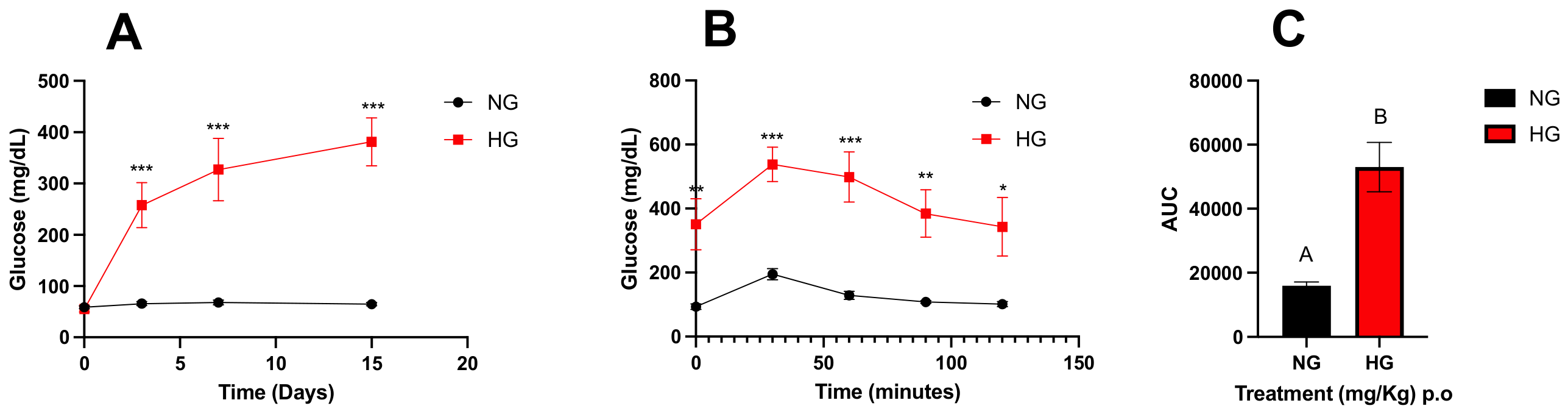
Administration of alloxan successfully induced diabetes in mice, as illustrated in Figure 2. The time course of blood glucose concentrations (Figure 2A) demonstrated that normoglycemic (NG) animals maintained stable glycemia around ~100 mg/dL throughout the 15-day period. In contrast, hyperglycemic (HG) animals exhibited a progressive and sustained increase in blood glucose, surpassing 200 mg/dL by day 7 and reaching >400 mg/dL by day 15 (p < 0.05 vs. NG). Consistent with this diabetic phenotype, HG mice also exhibited a progressive reduction in body weight throughout the experimental period compared with the normoglycemic group (Supplementary Figure S3). Neither the methanolic extract of P. alliacea nor gabapentin significantly altered diabetes-associated weight loss, indicating that the observed antinociceptive effects were unlikely to result from improvements in glycemic control or overall metabolic status.
The oral glucose tolerance test (OGTT) (Figure 2B) further differentiated the groups. NG mice showed a typical physiological response characterized by a transient rise in glycemia after glucose administration followed by a rapid return to baseline, reflecting efficient insulin secretion and glucose utilization. Conversely, HG animals displayed a pronounced elevation in glucose concentrations with delayed clearance, indicating impaired pancreatic β-cell function and altered glucose homeostasis. The area under the curve (AUC) analysis (Figure 2C) provided a quantitative measure of glucose tolerance, revealing significantly higher values in HG compared with NG mice. This metric consolidates the evidence that HG animals not only develop chronic hyperglycemia but also present defective glucose handling. Collectively, these results validate the alloxan-induced model as a robust and reliable representation of experimental diabetes, suitable for evaluating the potential antinociceptive and pharmacological effects of P. alliacea extract.

3.4. Mechanical Nociceptive Sensitivity Assessed by the Von Frey Test

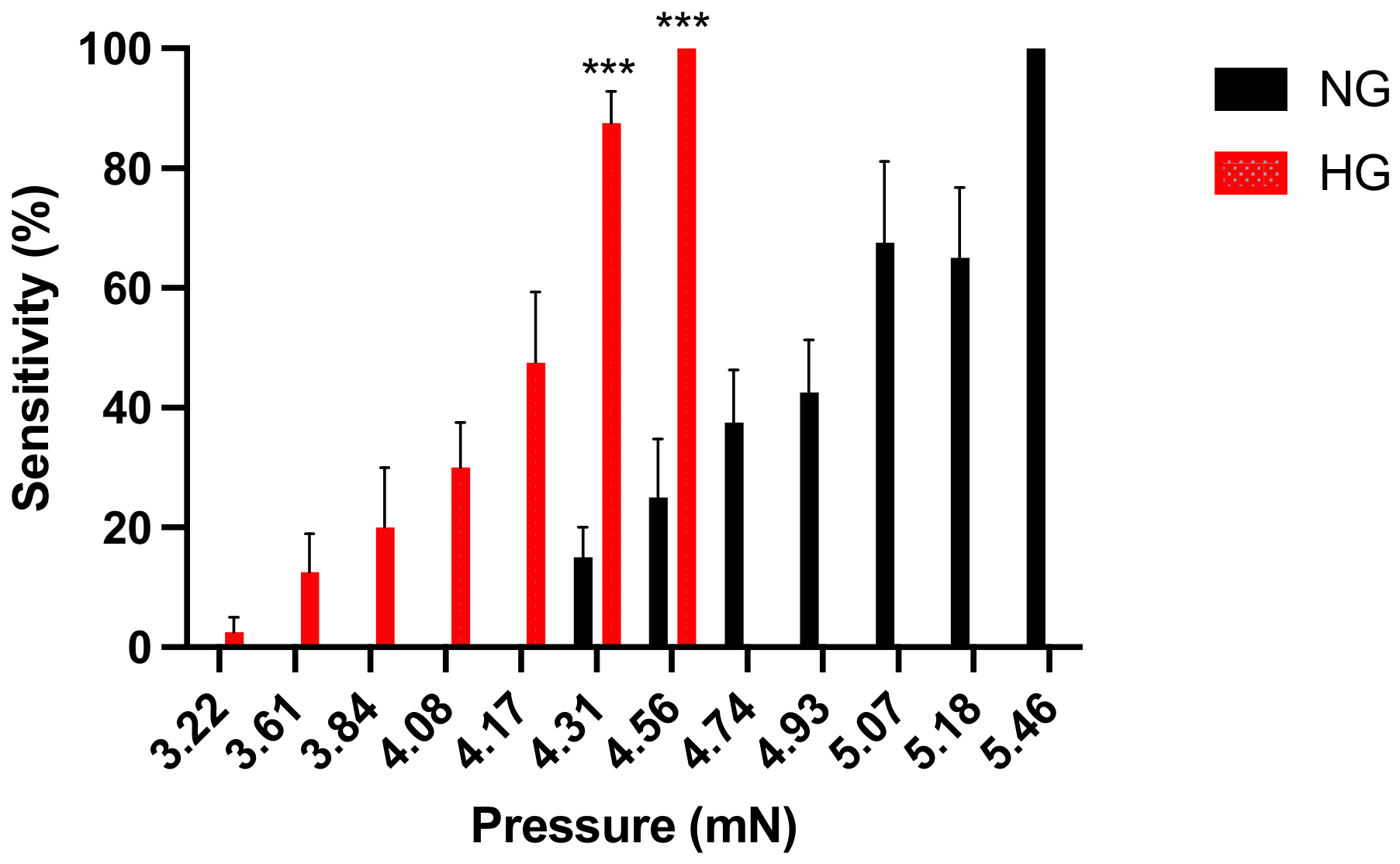
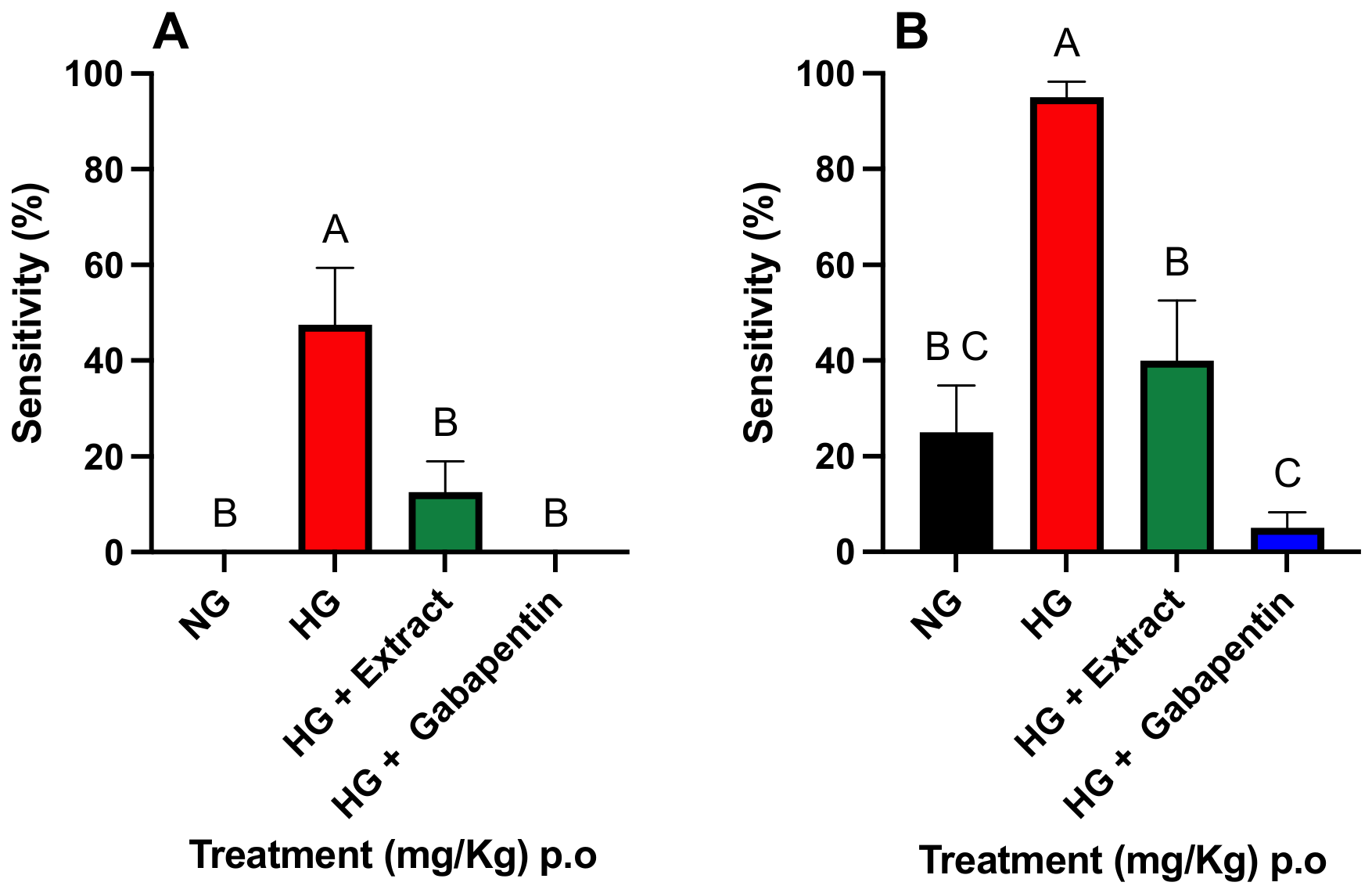
Mechanical sensitivity was assessed with Von Frey filaments ranging from 3.22 to 5.46 mN (Figure 3), revealing marked differences between normoglycemic (NG) and hyperglycemic (HG) mice.
Each bar represents the percentage of positive responses (paw withdrawal) following five consecutive applications of the mechanical stimulus. A full response (five withdrawals) corresponds to 100%, whereas a complete lack of response (zero withdrawals) corresponds to 0%. Error bars indicate the standard deviation calculated from the eight animals evaluated in each group.
At the lowest forces (3.22 and 3.61 mN), NG animals showed almost no response, reflecting a normal mechanical sensitivity threshold. In contrast, HG mice already exhibited 12–20% responses with stimuli of only 3.61–4.17 mN, indicating mechanical allodynia: the perception of normally non-noxious stimuli as painful. At 4.08 mN, the HG group reached approximately 30% responses, whereas NG mice remained below 5%.
Using higher-force filaments (4.31–4.56 mN), HG mice exhibited a sharp increase in mechanical sensitivity: approximately 50% withdrawal with the 4.31 mN filament and up to 90–100% with the 4.56 mN filament, compared to moderate responses (15–25%) in NG mice. These differences also indicate mechanical hyperalgesia, as the more intense stimuli elicited exaggerated reactions in the HG group. Above 4.56 mN, NG mice began to show increasing sensitivity, although their responses did not reach the levels observed in HG mice at the same force threshold. Based on these results, the 4.17 mN filament was selected to evaluate the effect of the extract on allodynia, and the 4.56 mN filament to assess effects on hyperalgesia.
The effect of the methanolic P. alliacea extract on altered mechanical sensitivity in alloxan-induced diabetic neuropathy mice is shown in Figure 4. Responses to the allodynic stimulus (4.17 mN filament, Figure 4A) and to the hyperalgesic stimulus (4.56 mN filament, Figure 4B) were analyzed. Both tests were conducted under controlled conditions using NG and HG groups, with treatments including the plant extract (E) or gabapentin (G), the latter serving as the reference drug.
In Figure 4A, NG animals showed no response to the low-intensity stimulus, as expected, since the 4.17 mN filament is below the basal nociceptive threshold. In contrast, HG animals exhibited increased sensitivity, with approximately 50% positive responses, indicating the presence of mechanical allodynia. Administration of the plant extract resulted in a significant reduction in this allodynic response, an effect also observed in the gabapentin-treated group. Although gabapentin completely abolished the response, and the extract did not achieve the same magnitude, no statistically significant differences were found between the two treatments, suggesting comparable efficacy under the experimental conditions employed.
In Figure 4B, the response to the hyperalgesic stimulus (4.56 mN) followed a similar pattern. NG animals displayed a limited response (~20%), whereas HG mice exhibited exaggerated sensitivity (>80%), confirming the presence of mechanical hyperalgesia. As observed with allodynia, both the extract and gabapentin significantly reduced the percentage of nociceptive responses. Although gabapentin showed a more pronounced reduction, no statistically significant differences were observed between the extract and gabapentin treatments, indicating that both interventions restored mechanical sensitivity to levels comparable to those of the NG group.

3.5. Formalin-Induced Nociceptive Responses

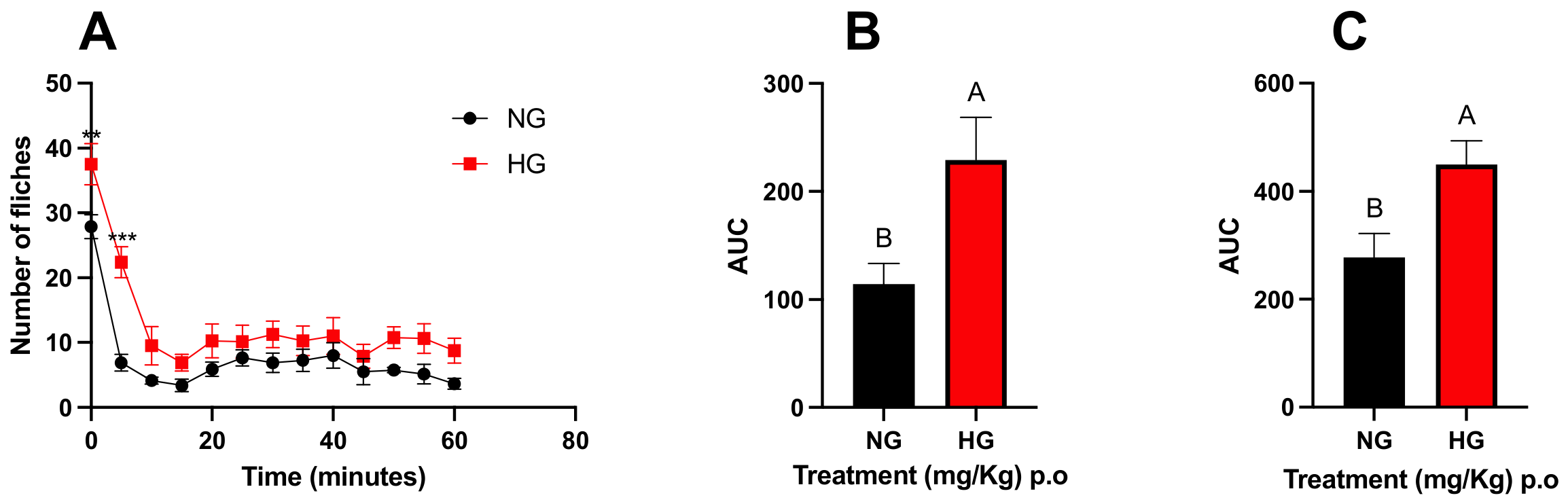
The nociceptive response of NG and HG mice to subcutaneous injection of 2% formalin was analyzed, using this model to evaluate biphasic tonic pain (Figure 5). This model is widely employed to study the antinociceptive activity of drugs and plant extracts, as it reproduces two distinct phases of pain: a neurogenic phase (0–10 min) associated with direct activation of peripheral C fibers, and an inflammatory phase (15–60 min) involving local mediators and central sensitization.
In Figure 5A, the time course of the number of pain responses (hind paw flinches) over 60 min is shown. Hyperglycemic animals exhibited a higher frequency of nociceptive responses in both phases compared to normoglycemic mice, indicating a generalized increase in pain sensitivity under chronic hyperglycemia. Figure 5B quantifies the response during the neurogenic phase using the area under the curve (AUC), showing a significant increase in the HG group relative to the NG group. This difference reflects greater primary nociceptor activation in diabetic animals. Figure 5C shows the AUC corresponding to the inflammatory phase, where the difference between NG and HG is even more pronounced, suggesting an exacerbation of the nociceptive inflammatory process in the context of sustained hyperglycemia.
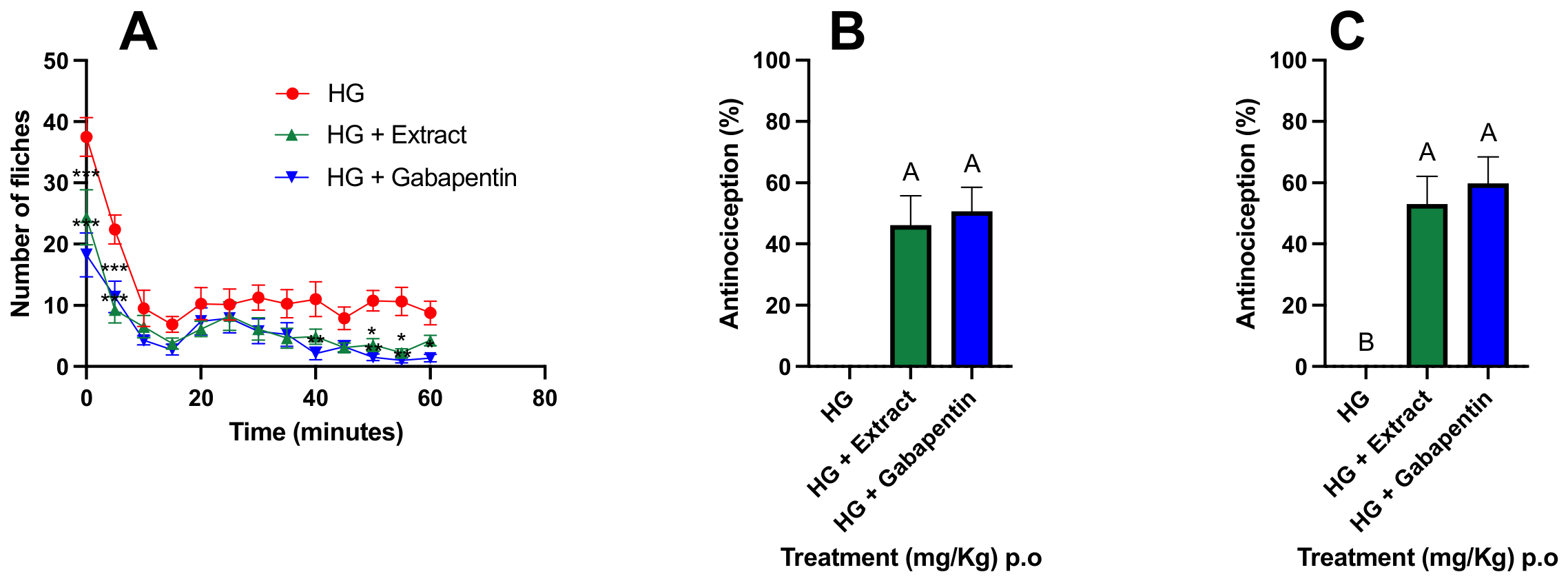
The time course of the nociceptive response in untreated hyperglycemic animals showed a high and sustained profile during both phases, indicative of a hyperalgesic state characteristic of diabetic neuropathy. In contrast, groups treated with P. alliacea and gabapentin exhibited a marked reduction in the number of pain responses throughout the test, particularly during the inflammatory phase, suggesting a sustained antinociceptive effect (Figure 6A).
Analgesic efficacy during the neurogenic (Figure 6B) and inflammatory (Figure 6C) phases was assessed by calculating the percentage of antinociception based on the AUC. Both treatments significantly reduced nociceptive responses compared to the untreated HG group. In the neurogenic phase, both the extract and gabapentin achieved similar levels of pain inhibition (~60%), with no statistically significant differences between them. During the inflammatory phase, the plant extract also demonstrated efficacy comparable to gabapentin, significantly reducing nociceptive activity.

3.6. Mechanistic Evaluation Using Pharmacological Antagonists

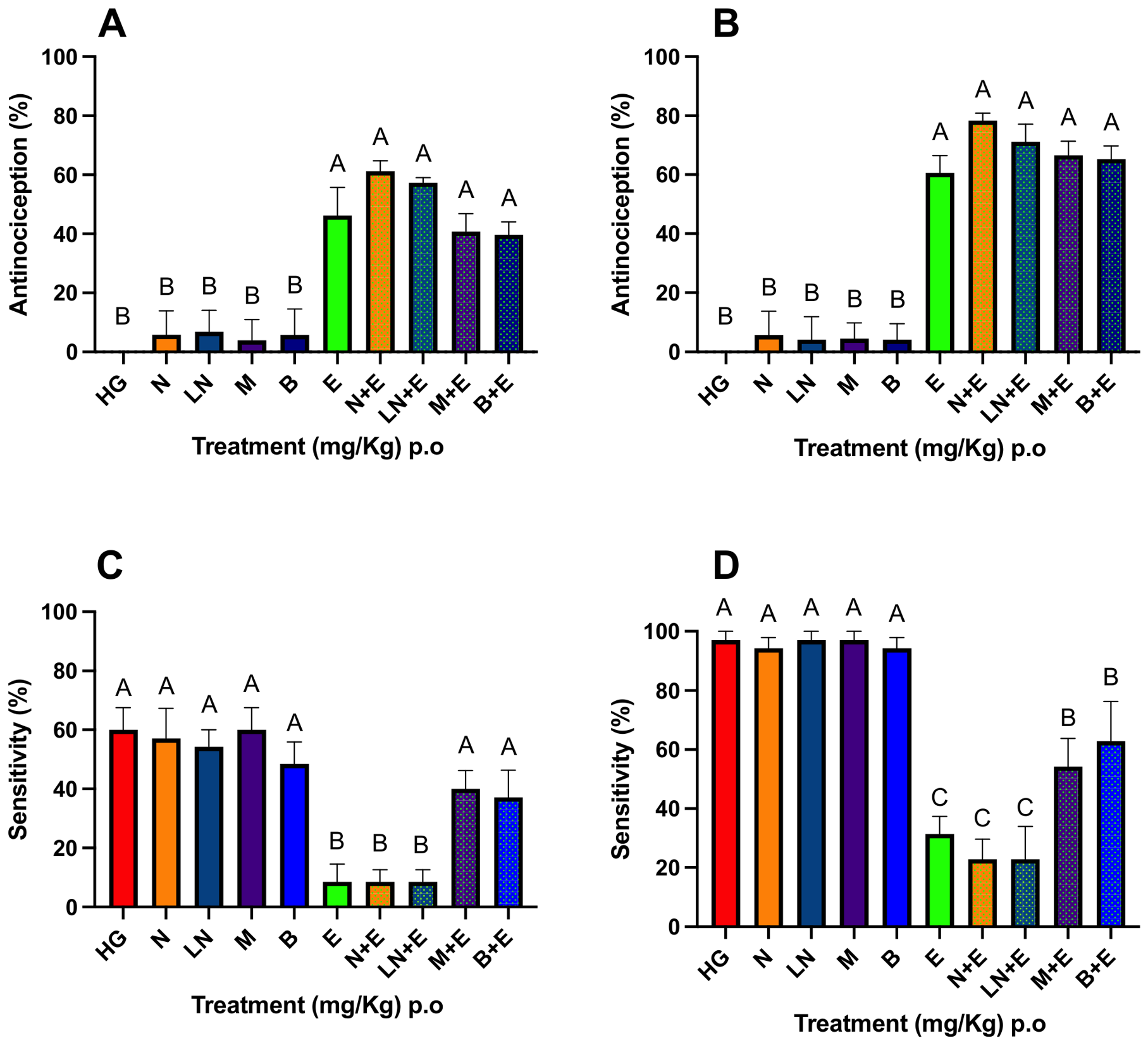
To determine potential mechanisms of action, antagonistic drugs were administered prior to evaluating the antinociceptive activity of the methanolic P. alliacea extract in hyperglycemic mice, using both the formalin test and the Von Frey assay. The antagonists employed were naloxone (opioid receptor antagonist), L-NAME (nitric oxide synthase inhibitor), methiothepin (serotonin receptor antagonist), and bicuculline (GABAA receptor antagonist).
In Figure 7A,B, corresponding to the neurogenic and inflammatory phases of the formalin model, the P. alliacea extract administered without antagonists significantly reduced nociceptive responses (~60% antinociception) compared to the untreated HG group. Notably, pretreatment with any of the antagonists did not significantly alter this antinociceptive activity, suggesting that the opioid and nitric oxide pathways are not substantially involved in the extract’s effect, at least in this chemical pain model.
However, in Figure 7 C,D, corresponding to the evaluation of mechanical pain via allodynia (4.17 mN filament) and hyperalgesia (4.56 mN filament) using the Von Frey test, critical differences were observed. Pretreatment with methiothepin and bicuculline significantly reduced the efficacy of the extract in attenuating both types of hypersensitivity. Under allodynic conditions, pretreatment with the serotonin (M) and GABA (B) antagonists increased the percentage of mechanical responses, partially reversing the protective effect of the extract. The same pattern was observed under hyperalgesic conditions, suggesting that serotonergic and GABAergic pathways may contribute to the observed antinociceptive activity.

4. Discussion

The present study provides integrative pharmacological, phytochemical, and computational evidence supporting the antinociceptive potential of the methanolic leaf extract of Petiveria alliacea in a murine model of diabetic neuropathy. By combining behavioral assays relevant to neuropathic and tonic pain, pharmacological antagonism, non-targeted LC-ESI-MS/MS profiling, and in silico predictions, this work offers a systems-level framework to contextualize the observed analgesic effects. Importantly, the mechanistic interpretations proposed herein should be regarded as hypothesis-generating rather than definitive molecular explanations, as the metabolites identified were not isolated, quantitatively validated using analytical standards, nor experimentally confirmed through receptor-binding or functional assays [27,29,30].
Oral administration of the P. alliacea methanolic extract produced a robust and reproducible reduction of mechanical allodynia and hyperalgesia in alloxan-induced diabetic mice, together with a marked attenuation of both phases of the formalin test. The magnitude and consistency of these effects were comparable to those of gabapentin across multiple behavioral endpoints, underscoring the potential therapeutic relevance of the extract in a disease-relevant model of neuropathic pain [12]. These findings extend previous reports describing antinociceptive or anti-inflammatory effects of P. alliacea in acute or inflammatory pain models toward a more complex and clinically relevant neuropathic context [14,17,20,21]. The inclusion of the formalin assay should not be interpreted as an attempt to establish an additional model of diabetic neuropathy. Rather, it was incorporated as a complementary nociceptive paradigm to determine whether the antinociceptive activity of the extract was preserved when chronic diabetic neuropathy was challenged by an acute inflammatory stimulus. This experimental approach extends the evaluation beyond disease-relevant mechanical hypersensitivity by providing complementary information on inflammatory nociceptive processing and central sensitization, both of which contribute to the complex pathophysiology of painful diabetic neuropathy. Consequently, the combined use of the Von Frey and formalin tests offers a broader pharmacological characterization of the extract than either assay alone.

4.1. Functional Relevance of GABAergic and Serotonergic Pathways in Diabetic Neuropathy

Diabetic neuropathy is characterized by sustained hyperglycemia-induced alterations in nociceptive processing at both peripheral and central levels, involving oxidative stress, neuroinflammation, peripheral nerve damage, and dysregulation of inhibitory and descending modulatory neurotransmitter systems [5,43,44]. Impairment of spinal GABAergic inhibitory tone and alterations in descending serotonergic pathways have been directly linked to central sensitization, mechanical allodynia, and hyperalgesia, which represent hallmark features of neuropathic pain under diabetic conditions [34,45,46]. In this context, the significant reversal of mechanical allodynia and hyperalgesia observed in the Von Frey test indicates that the P. alliacea extract modulates mechanisms specifically associated with neuropathic pain rather than producing a nonspecific suppression of nociceptive behavior. This interpretation is reinforced by pharmacological antagonism experiments, in which pretreatment with bicuculline and methiothepin partially attenuated the antinociceptive effects of the extract. Restoration or enhancement of inhibitory neurotransmission has been consistently shown to alleviate neuropathic pain symptoms in diabetic models [4,47]. Notably, in silico target prediction and PASS Online analysis revealed that several metabolites present in the extract display moderate-to-high probabilities of antinociceptive activity and converge on serotonergic and GABAergic targets. The recurrence of these targets across chemically distinct metabolites supports a network-level modulation of inhibitory neurotransmission rather than a single ligand–receptor interaction [27]. This convergence between behavioral antagonism and computational predictions supports the hypothesis that modulation of descending serotonergic pathways and spinal GABAergic neurotransmission may contribute, at least in part, to the antinociceptive profile of the extract.

4.2. Differential Modulation of Neuropathic and Inflammatory Nociception

A key observation of the present study is the differential contribution of neurotransmitter pathways across nociceptive paradigms. Although the extract significantly reduced nociceptive behavior in both phases of the formalin test, pretreatment with the tested antagonists did not significantly modify its efficacy in this assay. In contrast, blockade of GABAergic and serotonergic signaling selectively reduced antinociceptive activity in the Von Frey test. This distinction aligns with the mechanistic differences between tonic chemical pain and neuropathic mechanical pain models. The formalin test comprises an early neurogenic phase driven by direct activation of peripheral C fibers and a late inflammatory phase mediated by peripheral inflammation and central sensitization [35,36]. Conversely, mechanical hypersensitivity in diabetic neuropathy is closely associated with dysfunctional inhibitory control and impaired descending modulation of nociceptive transmission [44,45]. It should also be considered that nociceptive responses in experimental diabetic neuropathy vary according to the stage of disease progression. While advanced stages are frequently associated with degeneration of peripheral sensory fibers and the development of hypoalgesia, earlier stages are characterized by enhanced nociceptive sensitivity resulting from neuroinflammation, peripheral sensitization, and central sensitization [46,47,48,49]. In the present study, behavioral evaluations, including the formalin test, were performed 15 days after alloxan administration, corresponding to an early stage of experimental diabetic neuropathy in which persistent hyperglycemia and mechanical hypersensitivity had already been established. Therefore, the increased nociceptive responses observed in untreated diabetic mice are consistent with an early hyperalgesic phenotype rather than with the hypoalgesia reported during more advanced stages of disease progression. This temporal context supports the interpretation that the extract was evaluated under conditions of active neuropathic sensitization, in which modulation of inhibitory neurotransmission is expected to play a more prominent role. The selective involvement of GABAergic and serotonergic pathways in mechanical allodynia and hyperalgesia therefore supports the hypothesis that the P. alliacea extract preferentially targets neuropathic pain mechanisms.

4.3. Independence from Opioid and Nitric Oxide–Dependent Mechanisms

At the minimal maximally effective dose selected for mechanistic testing (100 mg/kg, p.o.), pretreatment with naloxone or L-NAME did not significantly modify the extract’s antinociceptive effects, indicating that opioid receptor activation and nitric oxide–dependent mechanisms are not required to sustain efficacy under the conditions examined. Importantly, we interpret these data as evidence against a major opioid/NO contribution at this dose, rather than as definitive proof of complete independence. This conclusion is compatible with the limited clinical efficacy of opioid-based strategies in diabetic neuropathic pain [12,50], but our inference is driven primarily by the pharmacological antagonism results.
In silico PASS/target-prediction analyses suggested that certain metabolites may interact with opioid receptors; however, these predicted interactions appear to be non-dominant and not functionally necessary at the tested exposure, given the absence of naloxone sensitivity in vivo. We therefore cannot exclude a subtle, context- or dose-dependent opioid component, which should be explored in future studies using additional dose levels and/or fractionated constituents. From a translational perspective, a mechanism that does not rely predominantly on opioid signaling may be advantageous by lowering the potential for tolerance and dependence.

4.4. Integration of Phytochemical Profiling and In Silico Analyses for Hypothesis Generation

Non-targeted LC-ESI-MS/MS analysis revealed a chemically diverse phytochemical profile, with 38 metabolites tentatively identified, including alkaloids, flavonoids, flavonoid glycosides, terpenoids, lipids, and phenolic compounds. Many of these classes have been independently associated with neuromodulator, anti-inflammatory, and antioxidant effects relevant to chronic pain and neuropathic conditions [20,21,51,52,53,54,55,56,57]. The integration of PASS Online, SwissTargetPrediction, SwissADME, and pkCSM analyses was intended to complement the phytochemical characterization by generating hypotheses regarding potential metabolite–target interactions. These computational approaches do not establish the contribution of individual constituents to the observed pharmacological activity but instead identify candidate metabolites and molecular pathways that warrant future experimental validation. Within this exploratory framework, several tentatively identified metabolites exhibited Pa values exceeding Pi for antinociceptive and anti-inflammatory activities, whereas target prediction suggested possible interactions with serotonergic, GABAergic, vanilloid, cannabinoid, and inflammatory pathways. Because the extract was evaluated as a complex multicomponent mixture, these computational predictions should not be interpreted as evidence that any individual metabolite is responsible for the observed antinociceptive effects. Instead, they provide a rational basis for prioritizing candidate constituents for future bioactivity-guided isolation and functional studies. Vanilloid and cannabinoid receptor interactions are particularly relevant to peripheral nociceptor sensitization, whereas predicted interactions with COX-2, TNF-α, interleukin-2, and caspase-related pathways support a role in inflammatory modulation [37,44]. Pharmacokinetic predictions further suggest a dual-site mechanism of action. Compounds predicted to cross the blood–brain barrier were predominantly associated with serotonergic and GABAergic targets, supporting central modulation of nociceptive processing. In contrast, metabolites exceeding classical drug-likeness thresholds were primarily associated with inflammatory mediators, consistent with a peripheral anti-inflammatory contribution [29]. Toxicological predictions indicated an overall acceptable safety profile, with limited predicted hepatotoxicity or cytochrome P450 inhibition.
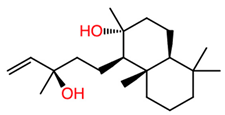
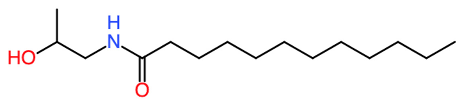
Representative metabolites were selected for detailed discussion based on their relative abundance, predicted pharmacological relevance, chemical diversity, and availability of supporting literature. Additional abundant metabolites with limited mechanistic evidence are briefly discussed to provide a more comprehensive overview of the phytochemical profile. The following examples illustrate how chemically distinct constituents may converge on complementary molecular targets involved in nociceptive processing and inflammatory modulation. Additional metabolites are discussed solely to support a phytochemical network perspective and are not intended to be considered formal marker compounds. Among the identified compounds (Table 1 and Table 2), 5-methoxy-3-indoleacetic acid was one of the most abundant constituents (18.08%) and was predicted to interact with serotonin receptors and cyclooxygenase-2 (COX-2). Structurally related indole derivatives have been extensively reported as modulators of serotonergic signaling, a pathway critically involved in descending inhibitory control of nociception, particularly under neuropathic pain conditions [58,59]. In parallel, indole-based metabolites and synthetic derivatives have demonstrated the ability to suppress COX-2 expression and activity, thereby contributing to anti-inflammatory and analgesic effects in both acute and chronic pain models [58,59]. The predicted interaction of 5-methoxy-3-indoleacetic acid with COX-2 therefore represents a plausible hypothesis that may contribute to explaining the attenuation of tonic nociception observed during the inflammatory phase of the formalin test, although direct functional validation remains necessary [58,59]. Xanthone, detected at lower relative abundance, was also associated with serotonergic targets [60,61,62]. Xanthone derivatives have been reported for their neuromodulator and anti-inflammatory properties, including modulation of monoaminergic transmission and suppression of pro-inflammatory mediators such as prostaglandins and cytokines [63,64]. Even at modest concentrations, such compounds may contribute synergistically within a phytochemical network, reinforcing serotonergic modulation, as supported by the partial reversal of antinociception observed following serotonergic antagonism. Sclareol and lauric isopropanolamide, both predicted to interact with GABAergic and vanilloid receptors, provide further mechanistic plausibility for the involvement of inhibitory and sensory pathways. GABAA-mediated neurotransmission plays a fundamental role in maintaining spinal nociceptive thresholds, and its dysfunction is a hallmark of neuropathic pain [65]. Recent evidence suggests that diterpenes such as sclareol can modulate GABA receptor activity, supporting a potential contribution to inhibitory reinforcement [66,67]. In addition, vanilloid receptors, particularly TRPV1, are key mediators of peripheral nociceptor activation and sensitization in inflammatory and neuropathic pain states [68,69]. Compounds capable of modulating TRPV1 signaling have been reported to reduce mechanical allodynia and hyperalgesia in preclinical models [70], consistent with the behavioral outcomes observed in the Von Frey test. Methyl 2-hydroxydodecanoate was predicted to interact with caspases-1, -3, -6, and -7, enzymes involved in apoptotic and inflammatory signaling cascades. Increasing evidence implicates caspase activation, particularly caspase-1–dependent inflammasome signaling, in neuroinflammation, peripheral nerve damage, and the maintenance of chronic pain, including diabetic neuropathy [71]. Thus, modulation of caspase-related pathways may contribute to limiting inflammatory and neurodegenerative processes that sustain nociceptive sensitization, providing a plausible link between the extract’s chemical profile and its sustained antinociceptive effects. Diosmin, a flavonoid glycoside detected at relatively high abundance (7.60%), was predicted to interact with pro-inflammatory cytokines such as TNF-α and interleukin-2 [72,73]. Diosmin and structurally related flavonoids have been extensively documented to suppress cytokine production, inhibit NF-κB activation, and attenuate inflammatory responses across multiple experimental models [74,75,76,77]. These properties are consistent with the marked inhibition of nociceptive behavior during the inflammatory phase of the formalin test and support a peripheral anti-inflammatory contribution to the extract’s overall analgesic profile [78,79,80].
Fortunellin, another highly abundant flavonoid glycoside (7.48%), also exhibited favorable PASS predictions for both antinociceptive and anti-inflammatory activities and was predicted to interact with TNF-α, interleukin-2, and cyclooxygenase-2. Because flavonoid glycosides frequently share antioxidant and anti-inflammatory properties, Fortunellin may complement the actions proposed for Diosmin through modulation of inflammatory signaling. However, its contribution to the overall pharmacological activity remains hypothetical and requires experimental confirmation. β-, β-Carotene-2,2′-diol, the second most abundant metabolite identified in the extract (16.44%), also showed favorable PASS predictions for antinociceptive and anti-inflammatory activities. Although SwissTargetPrediction did not identify specific pain-related molecular targets for this compound, oxygenated carotenoids have been associated with antioxidant and cytoprotective activities that may indirectly influence neuroinflammatory processes involved in chronic pain [81]. Therefore, this metabolite may contribute to the overall pharmacological profile of the extract through complementary mechanisms that were not specifically addressed in the present study. Digoxigenin, another relatively abundant constituent (5.68%), exhibited a favorable PASS prediction for antinociceptive activity, whereas SwissTargetPrediction primarily suggested ATP1A2 as its potential molecular target. Although this target is not directly associated with the nociceptive pathways investigated here, modulation of ion transport and membrane excitability could indirectly influence neuronal function [82]. Consequently, the potential contribution of Digoxigenin to the observed antinociceptive effects remains speculative and should be evaluated in future mechanistic studies.
Collectively, the representative metabolites discussed above, together with the additional abundant constituents considered herein, illustrate how chemically distinct compounds may converge on complementary molecular targets involved in nociceptive transmission, inhibitory neurotransmission, inflammatory signaling, and cellular protection. Although relative abundance does not necessarily imply pharmacological dominance, the convergence of these metabolites on key nociceptive and inflammatory pathways provides biological plausibility for the extract’s multicomponent antinociceptive effects. Rather than acting through a single dominant compound, the extract appears to exert its activity through a coordinated and potentially synergistic mechanism, in which serotonergic modulation, reinforcement of GABAergic inhibition, attenuation of vanilloid-mediated nociception, and suppression of inflammatory mediators may collectively contribute to the observed antinociceptive effects. These associations should be interpreted as biologically plausible hypotheses that guide future bioactivity-guided fractionation and functional validation studies, rather than as definitive evidence of direct molecular mechanisms. Overall, the present findings are consistent with a phytochemical network model in which compounds with complementary molecular targets and pharmacokinetic properties may act synergistically to modulate neuropathic and inflammatory pain. This framework provides a rationale for future bioactivity-guided fractionation and functional validation studies aimed at identifying the metabolites responsible for the observed biological activity [9].

4.5. Novelty, Limitations, and Future Perspectives

Previous studies on P. alliacea have primarily focused on hypoglycemic or acute anti-inflammatory effects [20,21,83]. In contrast, the present study is, to the best of our knowledge, the first to evaluate whether a P. alliacea extract attenuates pain-related behaviors in an experimental model of diabetic neuropathy characterized by mechanical allodynia and hyperalgesia, supported by complementary pharmacological and computational analyses. Nevertheless, several limitations should be acknowledged. The extract was evaluated as a complex multicomponent mixture; therefore, the contribution of individual metabolites to the observed antinociceptive activity could not be experimentally established. Likewise, the in silico analyses were intended exclusively to generate mechanistic hypotheses and do not constitute direct evidence of receptor interactions or molecular mechanisms.
In addition, receptor-binding studies, functional assays, and the evaluation of complementary parameters such as motor performance, paw edema, and inflammatory biomarkers were beyond the scope of the present work and should be addressed in future investigations. Accordingly, future studies should focus on bioactivity-guided fractionation, quantitative characterization of the active constituents, and molecular and pharmacological validation to confirm the mechanisms proposed herein and identify the compounds primarily responsible for the observed biological activity [83,84].

5. Conclusions

The present study provides integrative evidence supporting the antinociceptive potential of methanolic P. alliacea leaf extract in a murine model of diabetic neuropathy. Oral administration attenuated mechanical allodynia and hyperalgesia and reduced nociceptive behavior in both phases of the formalin test, with efficacy comparable to gabapentin. Pharmacological antagonism suggests involvement of serotonergic and GABAergic pathways, while opioid- and nitric oxide–dependent mechanisms appear minimal. LC-ESI-MS/MS tentative metabolite profiling revealed a chemically diverse extract, while in silico target predictions identified candidate metabolite–target interactions that support hypothesis generation regarding potential serotonergic, GABAergic, vanilloid, cannabinoid, and inflammatory pathways. The pharmacological activity of the extract is therefore more likely to result from additive or synergistic interactions among multiple constituents than from a single dominant compound, although the contribution of individual metabolites remains to be experimentally established. Collectively, the behavioral, pharmacological, phytochemical, and computational findings provide a biologically plausible framework that supports further investigation of P. alliacea as a potential multitarget candidate for the management of diabetic neuropathic pain, while emphasizing the need for bioactivity-guided fractionation, receptor-level validation, and functional studies to identify the metabolites responsible for the observed biological activity.

Supplementary Materials

The following supporting information can be downloaded at: https://www.mdpi.com/article/10.3390/scipharm94030054/s1, Figure S1: LC-ESI-MS/MS fragmentation spectra of compounds tentatively identified in the methanolic extract of P. alliacea. Compounds 1–24 are shown with their corresponding chemical structures and major fragment ions; Figure S2. LC-ESI-MS/MS fragmentation spectra of compounds tentatively identified in the methanolic extract of P. alliacea. Compounds 25–48 are shown with their corresponding chemical structures and major fragment ions; Figure S3. Changes in body weight throughout the experimental period. Table S1: Collection details of P. alliacea L. leaves used in this study; Table S2. Chemical characterization of secondary metabolites identified in P. alliacea extract by LC-ESI-MS/MS; Table S3. In silico prediction of pharmacological activities and toxicological properties of secondary metabolites from P. alliacea.

Author Contributions

Conceptualization, J.V.E.-J. and R.I.C.-R.; methodology, K.d.C.C.-S.; software, G.L.-P. and K.d.C.C.-S.; validation, J.V.E.-J. and R.I.C.-R.; formal analysis, K.d.C.C.-S.; investigation, K.d.C.C.-S.; resources, A.B.-A., M.M.-V., N.R.-L. and J.A.M.-M.; data curation, K.d.C.C.-S. and A.B.-A.; writing—original draft preparation, K.d.C.C.-S. and A.C.-S.; writing—review and editing, K.d.C.C.-S., A.C.-S. and G.L.-P.; visualization, K.d.C.C.-S.; supervision, J.V.E.-J. and R.I.C.-R.; project administration, R.I.C.-R.; funding acquisition, R.I.C.-R. All authors have read and agreed to the published version of the manuscript.

Funding

This research was funded by Tecnológico Nacional de México (TECNM) through project 21909.25P and Secretaría de Ciencia, Humanidades, Tecnología e Innovación (SECIHTI, México) through a graduate scholarship (No. 759625).

Institutional Review Board Statement

The animal study protocol was approved by the Institutional Ethics Committee of the National Technological Institute of Mexico-Technological Institute of Tuxtla Gutierrez (protocol code 05-2020/ITTG from 4 September 2024).

Informed Consent Statement

Not applicable.

Data Availability Statement

All data generated or analyzed during this study are included in this manuscript.

Acknowledgments

The authors gratefully acknowledge the support of the Escuela de Ciencias Químicas and the Facultad de Medicina of the Universidad Autónoma de Chiapas for providing access to their laboratories. Additionally, we acknowledge the support from the Secretaría de Ciencia, Humanidades, Tecnología e Innovación (SECIHTI).

Conflicts of Interest

The authors declare no conflicts of interest.

Abbreviations

The following abbreviations are used in this manuscript:
AAmes mutagenicity
A%Percentage of antinociception
UACArea Under the Curve
BBBBlood–Brain Barrier
CA2iCYP1A2 inhibitor
CA4iCYP3A4 inhibitor
CC19iCYP2C19 inhibitor
CC9iCYP2C9 inhibitor
CD6iCYP2D6 inhibitor
DNDiabetic Neuropathy
GABAGamma-Aminobutyric Acid
GABAAGamma-Aminobutyric Acid type A receptor
GIaGastrointestinal Absorption
HGHyperglycemic
HPHepatotoxicity
H1hERG I inhibitor
H2hERG II inhibitor
IGF-IRInsulin-like Growth Factor I Receptor
IL-8RAInterleukin-8 Receptor A
i.p.Intraperitoneal
LC-ESI-MS/MSLiquid Chromatography–Electrospray Ionization–Tandem Mass Spectrometry
L-NAMEL-Nitroarginine Methyl Ester
MWMolecular Weight
nAChR α2/β4Neuronal Acetylcholine Receptor alpha2/beta4
NGNormoglycemic
NONitric Oxide
NtTotal number of stimulations applied
NwNumber of paw withdrawals observed
PaProbability to be Active
PiProbability to be Inactive
p.o.per os, orally administered
P. alliaceaPetiveria alliacea
pkCSMPharmacokinetic Characterization by Structural Modelling
RTRetention Time
SSensitivity
SECIHTISecretaría de Ciencia, Humanidades, Tecnología e Innovación
SMILESSimplified Molecular Input Line Entry System
TNF-alphaTumor Necrosis Factor alpha

References

  1. American Diabetes Association Professional Practice Committee. Retinopathy, neuropathy, and foot care: Standards of medical care in diabetes. Diabetes Care 2022, 45, S185–S194. [Google Scholar] [CrossRef] [PubMed]
  2. Quiroz-Aldave, J.; Durand-Vásquez, M.; Gamarra-Osorio, E.; Suarez-Rojas, J.; Roseboom PJAlcalá-Mendoza, R.; Coronado-Arroyo, J.; Zavaleta-Gutiérrez, F.; Concepción-Urteaga, L.; Concepción-Zavaleta, M. Diabetic neuropathy. Past, present, and future. Casp. J. Intern. Med. 2023, 14, 153–169. Available online: http://caspjim.com/article-1-3542-en.html (accessed on 27 July 2025). [CrossRef]
  3. Naranjo, C.; Ortega-Jiménez, P.; del-Reguero, L.; Moratalla, G.; Failde, I. Relationship between diabetic neuropathic pain and comorbidity. Their impact on pain intensity, diabetes complications and quality of life in patients with type-2 diabetes mellitus. Diabetes Res. Clin. Pract. 2020, 165, 108236. [Google Scholar] [CrossRef] [PubMed]
  4. Kumar, A.; Kaur, H.; Singh, A. Neuropathic pain models caused by damage to central or peripheral nervous system. Pharmacol. Rep. 2018, 70, 206–216. [Google Scholar] [CrossRef] [PubMed]
  5. Feldman, E.L.; Callaghan, B.C.; Pop-Busui, R.; Zochodne, D.W.; Wright, D.E.; Bennett, D.L.; Bril, V.; Russell, J.W.; Viswanathan, V. Neuropatía diabética. Nat. Rev. Dis. Primers 2019, 5, 41–45. [Google Scholar] [CrossRef] [PubMed]
  6. Jensen, T.S. The pathogenesis of painful diabetic neuropathy and clinical presentation. Diabetes Res. Clin. Pract. 2023, 206, 110753. [Google Scholar] [CrossRef] [PubMed]
  7. Eid, S.A.; Rumora, A.E.; Beirowski, B.; Bennett, D.L.; Hur, J.; Savelieff, M.G.; Feldman, E.L. New perspectives in diabetic neuropathy. Neuron 2023, 111, 2623–2641. [Google Scholar] [CrossRef] [PubMed]
  8. Price, R.; Smith, D.; Franklin, G.; Gronseth, G.; Pignone, M.; David, W.S.; Armon, C.; Perkins, B.A.; Bril, V.; Rae-Grant, A.; et al. Oral and topical treatment of painful diabetic polyneuropathy: Practice guideline update summary: Report of the AAN guideline subcommittee. Neurology 2022, 98, 31–43. [Google Scholar] [CrossRef] [PubMed]
  9. Bernatoniene, J.; Sciupokas, A.; Kopustinskiene, D.M.; Petrikonis, K. Novel drug targets and emerging pharmacotherapies in neuropathic pain. Pharmaceutics 2023, 15, 1799. [Google Scholar] [CrossRef] [PubMed]
  10. Tesfaye, S.; Kempler, P. Conventional management and current guidelines for painful diabetic neuropathy. Diabetes Res. Clin. Pract. 2023, 206, 110765. [Google Scholar] [CrossRef] [PubMed]
  11. Mallick-Searle, T.; Adler, J.A. Update on treating painful diabetic peripheral neuropathy: A review of current US guidelines with a focus on the most recently approved management options. J. Pain Res. 2024, 2024, 1005–1028. [Google Scholar] [CrossRef] [PubMed]
  12. Andrejic, N.; Božovic, I.; Moradi, H.; Tataei, R.; Knezevic, N.N. Neuropathic pain management: A focused review of current treatments and novel data from main ongoing clinical trials. Expert Opin. Investig. Drugs 2025, 34, 287–299. [Google Scholar] [CrossRef] [PubMed]
  13. Luz, D.A.; Pinheiro, A.M.; Silva, M.L.; Monteiro, M.C.; Prediger, R.D.; Maia, C.S.F.; Fontes-Junior, E.A. Ethnobotany, phytochemistry and neuropharmacological effects of Petiveria alliacea L. (Phytolaccaceae): A review. J. Ethnopharmacol. 2016, 185, 182–201. [Google Scholar] [CrossRef] [PubMed]
  14. Conceição, B.C.D.; Silva, T.A.D.; Pantoja, L.V.P.D.S.; Luz, D.A.D.; Cardoso, E.K.S.; Reis, L.D.D.S.; Raiol-da-Silva, M.C.; Kussler, M.S.; Maia, C.S.F.; Fontes-Júnior, E.A. Amazonian plants: A global bibliometric approach to Petiveria alliacea L. pharmacological and toxicological properties. Plants 2023, 12, 3343. [Google Scholar] [CrossRef] [PubMed]
  15. Avoseh, O.N.; Giwa-Ajeniya, A.; Ogunwande, I.A. Toxicity, anti-nociceptive and anti-inflammatory activities of essential oils from medicinal plants from Nigeria. In Essential Oils; CRC Press: Boca Raton, FL, USA, 2024; pp. 147–165. [Google Scholar] [CrossRef]
  16. Gunawan, V.A.; Soetjipto, H.; Mustika, A. Hypoglicemic and antioxidant activity of Petiveria alliacea in diabetic rat models. Health Sci. J. 2020, 3, 19–23. [Google Scholar] [CrossRef]
  17. Cruz-Salomón, K.D.C.; Cruz-Rodríguez, R.I.; Espinosa-Juárez, J.V.; Cruz-Salomón, A.; Briones-Aranda, A.; Ruiz-Lau, N.; Ruíz-Valdiviezo, V.M. In vivo and in silico study of the antinociceptive and toxicological effect of the extracts of Petiveria alliacea L. leaves. Pharmaceuticals 2022, 15, 943. [Google Scholar] [CrossRef] [PubMed]
  18. Adesanya, E.; Oyesiku, O.; Adesanya, O.; Ogunlakin, A.; Odugbemi, A.; Egieyeh, S. Phytochemical components and GC–MS analysis of Petiveria alliaceae L. fractions and volatile oils. Phys. Sci. Rev. 2024, 9, 2239–2251. [Google Scholar] [CrossRef]
  19. Lima, T.C.D.; Morato, G.S.; Takahashi, R.N. Evaluation of antinociceptive effect of Petiveria alliacea (Guine) in animals. Memórias do Instituto Oswaldo Cruz 1991, 86, 153–158. [Google Scholar] [CrossRef] [PubMed]
  20. Lopes-Martins, R.A.B.; Pegoraro, D.H.; Woisky, R.; Penna, S.C.; Sertié, J.A.A. The anti-inflammatory and analgesic effects of a crude extract of Petiveria alliacea L. (Phytolaccaceae). Phytomedicine 2002, 9, 245–248. [Google Scholar] [CrossRef] [PubMed]
  21. Gomes, P.B.; da Silva Oliveira, M.M.; Nogueira, C.R.A.; Noronha, E.C.; Carneiro, L.M.V.; Neto, M.A.; Vasconcelos, S.M.M.; Fonteles, M.M.F.; Viana, G.S.B. Study of antinociceptive effect of isolated fractions from Petiveria alliacea L. (tipi) in mice. Biol. Pharm. Bull. 2005, 28, 42–46. [Google Scholar] [CrossRef] [PubMed][Green Version]
  22. Christie, S.L.; Levy, A. Evaluation of the Hypoglycaemic Activity of Petiveria alliacea (Guinea Hen Weed) Extracts in Normoglycaemic and Diabetic Rat Models. West Indian Med. J. 2013, 62, 685–691. [Google Scholar] [CrossRef] [PubMed]
  23. Ojo, O.A.; Abolade, O.; Ogunlakin, A.D.; Akintayo, C.O.; Olukiran, O.S.; Odesanmi, O.E.; Ajayi-Odoko, O.A.; Ojo, A.B.; Ajiboye, B.O.; Dahunsi, S.O. Petiveria alliacea L. extract protects against streptozotocin-induced type-2 diabetes by modulating the cAMP/PKA/CREB/cFOS pathway. Phytomed. Plus 2024, 4, 100596. [Google Scholar] [CrossRef]
  24. Morgado, C.; Silva, L.; Pereira-Terra, P.; Tavares, I. Changes in serotoninergic and noradrenergic descending pain pathways during painful diabetic neuropathy: The preventive action of IGF1. Neurobiol. Dis. 2011, 43, 275–284. [Google Scholar] [CrossRef] [PubMed]
  25. Finnerup, N.B.; Attal, N.; Haroutounian, S.; McNicol, E.; Baron, R.; Dworkin, R.H.; Gilron, I.; Haanpää, M.; Hansson, P.; Jensen, T.S.; et al. Pharmacotherapy for neuropathic pain in adults: A systematic review and meta-analysis. Lancet Neurol. 2015, 14, 162–173. [Google Scholar] [CrossRef] [PubMed]
  26. Rosa, L.A.; Álvarez-Parrilla, E.; García-Fajardo, J.A. Identificación de compuestos fenólicos en extractos de almendra (Prunus dulcis) y nuez pecana (Carya illinoinensis) mediante cromatografía líquida acoplada a espectrometría de masas en tándem (HPLC-MS/MS). TIP Rev. Espec. Cienc. Quím.-Biol. 2019, 22, 1–13. [Google Scholar] [CrossRef]
  27. Filimonov, D.A.; Lagunin, A.A.; Gloriozova, T.A.; Rudik, A.V.; Druzhilovskii, D.S.; Pogodin, P.V.; Poroikov, V.V. Prediction of the biological activity spectra of organic compounds using the pass online web resource. Chem. Heterocycl. Comp. 2014, 50, 444–457. [Google Scholar] [CrossRef]
  28. Yang, H.; Lou, C.; Sun, L.; Li, J.; Cai, Y.; Wang, Z.; Li, W.; Liu, G.; Tang, Y. admetSAR 2.0: Web-service for prediction and optimization of chemical ADMET properties. Bioinformatics 2018, 34, 1063–1065. [Google Scholar] [CrossRef] [PubMed]
  29. Daina, A.; Michielin, O.; Zoete, V. Swiss target prediction: Updated data and new features for efficient prediction of protein targets of small molecules. Nucl. Acids. Res. 2019, 47, W357–W364. [Google Scholar] [CrossRef] [PubMed]
  30. Douglas, E.V.; Tom LBlundell, T.L.; Ascher, D.B. pkCSM: Predicting small-molecule pharmacokinetic and toxicity properties using graph-based signatures. J. Med. Chem. 2015, 58, 4066–4072. [Google Scholar] [CrossRef] [PubMed]
  31. Zimmermann, M. Ethical guidelines for investigations of experimental pain in conscious animals. Pain 1983, 16, 109–110. [Google Scholar] [CrossRef] [PubMed]
  32. Norma Oficial Mexicana NOM-062-ZOO-1999, Especificaciones Técnicas para la Producción, Cuidado y Uso de los Animales de Laboratorio. Available online: https://cicual.unison.mx/wp-content/uploads/2024/02/NOM-062-ZOO-1999_220801.pdf (accessed on 28 June 2026).
  33. Bromme, H.J.; Morke, W.; Peschke, D.; Ebelt, H. Scavenging effect of melatonin on hydroxyl radicals generated by alloxan. J. Pineal Res. 2000, 29, 201–208. [Google Scholar] [CrossRef] [PubMed]
  34. Guex, C.G.; Reginato, F.Z.; de Jesus, P.R.; Brondani, J.C.; Lopes, G.H.H.; de Freitas Bauermann, L. Antidiabetic effects of Olea europaea L. leaves in diabetic rats induced by high-fat diet and low-dose streptozotocin. J. Ethnopharmacol. 2019, 235, 1–7. [Google Scholar] [CrossRef] [PubMed]
  35. Tuorkey, M.J. Effects of Moringa oleifera aqueous leaf extract in alloxan induced diabetic mice. Interv. Med. Appl. Sci. 2016, 8, 109–117. [Google Scholar] [CrossRef] [PubMed]
  36. Kim, H.Y.; Lee, H.J.; Zuo, G.; Hwang, S.H.; Park, J.S.; Hong, J.S.; Kim, K.H.; Soto Montero, S.; Yi, D.K.; Lee, J.T.; et al. Antinociceptive activity of the Caesalpinia eriostachys Benth. ethanolic extract, fractions, and isolated compounds in mice. Food Sci. Nutr. 2022, 10, 2381–2389. [Google Scholar] [CrossRef] [PubMed]
  37. Bannon, A.W.; Malmberg, A.B. Models of nociception: Hot-plate, tail-flick, and formalin tests in rodents. Curr. Protoc. Neurosci. 2007, 41, 8.9.1–8.9.16. [Google Scholar] [CrossRef] [PubMed]
  38. Tjolsen, A.; Berge, O.; Hunskaar, S.; Henrik, J.; Hole, K. The formalin test: An evaluation of the method. Pain 1992, 51, 5–17. [Google Scholar] [CrossRef] [PubMed]
  39. Ali, A.; Nasir, A.; Shah, S.W.A.; Khalil, A.A.K.; Ahn, M.; Shah, S.M.M.; Subhan, F.; Faheem, M.; Sajjad, W.; Shoaib, M.; et al. Evaluation of antinociceptive activity of Ilex dipyrena Wall. in mice. BMC Complement. Med. Ther. 2021, 21, 184. [Google Scholar] [CrossRef] [PubMed]
  40. Mehanna, M.M.; Domiati, S.; Nakkash Chmaisse, H.; El Mallah, A. Antinociceptive effect of tadalafil in various pain models: Involvement of opioid receptors and nitric oxide cyclic GMP pathway. Toxicol. Appl. Pharmacol. 2018, 352, 170–175. [Google Scholar] [CrossRef] [PubMed]
  41. Rocha-González, H.I.; Ramírez-Aguilar, M.; Granados-Soto, V.; Reyes-García, J.G.; Torres-López, J.E.; Huerta-Cruz, J.C.; Navarrete, A. Antineuropathic effect of 7-hydroxy-3,4-dihydrocadalin in streptozotocin-induced diabetic rodents. BMC Complement. Altern. Med. 2014, 14, 129. [Google Scholar] [CrossRef] [PubMed]
  42. Vinik, A.I.; Nevoret, M.L.; Casellini, C.; Parson, H. Diabetic neuropathy. Clin. Endocrinol. Metab. 2013, 42, 747–787. [Google Scholar] [CrossRef] [PubMed]
  43. Calcutt, N.A. Diabetic neuropathy and neuropathic pain: A confusion of pathogenic mechanisms? Pain 2020, 161, S65–S86. [Google Scholar] [CrossRef] [PubMed]
  44. Sandkühler, J. Models and mechanisms of hyperalgesia and allodynia. Physiol. Rev. 2009, 89, 707–758. [Google Scholar] [CrossRef] [PubMed]
  45. Ellis, A.; Bennett, D.L.H. Neuroinflammation and the generation of neuropathic pain. Br. J. Anaesth. 2013, 111, 26–37. [Google Scholar] [CrossRef] [PubMed]
  46. Echeverria-Villalobos, M.; Tortorici, V.; Brito, B.E.; Ryskamp, D.; Uribe, A.; Weaver, T. The role of neuroinflammation in the transition of acute to chronic pain and the opioid-induced hyperalgesia and tolerance. Front. Pharmacol. 2023, 14, 1297931. [Google Scholar] [CrossRef] [PubMed]
  47. Li, W.; Gong, Y.; Liu, J.; Guo, Y.; Tang, H.; Qin, S.; Zhao, Y.; Wang, S.; Xu, Z.; Chen, B. Peripheral and central pathological mechanisms of chronic low back pain: A narrative review. J. Pain Res. 2021, 14, 1483–1494. [Google Scholar] [CrossRef] [PubMed]
  48. Tsagareli, M.G. (Ed.) Allodynia and hyperalgesia in pain sensation: Prefatory chapter. In Hyperalgesia and Allodynia: A Closer Look; Nova Science: New York, NY, USA, 2019; pp. 1–24. Available online: https://www.researchgate.net/publication/346975888 (accessed on 10 October 2025).
  49. Fajrin, F.A.; Nugroho, A.E.; Nurrochmad, A.; Susilowati, R. Ginger extract and its compound, 6-shogaol, attenuates painful diabetic neuropathy in mice via reducing TRPV1 and NMDAR2B expressions in the spinal cord. J. Ethnopharmacol. 2020, 249, 112396. [Google Scholar] [CrossRef] [PubMed]
  50. Pasternak, G.W. Opioids and their receptors: Are we there yet? Neuropharmacology 2018, 136, 326–334. [Google Scholar] [CrossRef] [PubMed]
  51. Chu, C.C.; Wu, W.S.; Shieh, J.P.; Chu, H.L.; Lee, C.P.; Duh, P.D. The anti-inflammatory and vasodilating effects of three selected dietary organic sulfur compounds from Allium species. J. Funct. Biomater. 2017, 8, 5. [Google Scholar] [CrossRef] [PubMed]
  52. Trummer, M.; Galardon, E.; Mayer, B.; Steiner, G.; Stamm, T.; Kloesch, B. Polysulfides derived from the hydrogen sulfide and persulfide donor P* inhibit IL-1β-mediated inducible nitric oxide synthase signaling in ATDC5 cells: Are CCAAT/enhancer-binding proteins β and δ involved in the anti-inflammatory effects of hydrogen sulfide and polysulfides? Nitric Oxide 2022, 129, 41–52. [Google Scholar] [CrossRef] [PubMed]
  53. El-Banna, A.A.; Shawky, E.; Celik, I.; Ghareeb, D.A.; Abdulmalek, S.A.; Darwish, R.S. Deciphering the putative bioactive metabolites and the underlying mechanism of Juniperus horizontalis Moench (Creeping juniper) in the treatment of inflammation using network pharmacology and molecular docking. J. Pharm. Pharmacol. 2024, 76, 514–533. [Google Scholar] [CrossRef] [PubMed]
  54. Lawal, I.O.; Sowunmi, L.I.; Olaniyi, M.B.; Jegede, A.E.; Akanni, F.O.; Akinwumi, I.A.; Babalola, O.Y. Ethnobotany, chemistry and toxicity of Petivera alliacea: A review. Funct. Food Sci. 2024, 4, 69–82. [Google Scholar] [CrossRef]
  55. Millan, M.J. Descending control of pain. Prog. Neurobiol. 2002, 66, 355–474. [Google Scholar] [CrossRef] [PubMed]
  56. Szeitz, A.; Bandiera, S.M. Analysis and measurement of serotonin. Biomed. Chromatogr. 2018, 32, e4135. [Google Scholar] [CrossRef] [PubMed]
  57. Wu, K.K.; Cheng, H.H.; Chang, T.C. 5-methoxyindole metabolites of L-tryptophan: Control of COX-2 expression, inflammation and tumorigenesis. J. Biomed. Sci. 2014, 21, 17. [Google Scholar] [CrossRef] [PubMed]
  58. Li, X.; Zhang, Z.H.; Zabed, H.M.; Yun, J.; Zhang, G.; Qi, X. An insight into the roles of dietary tryptophan and its metabolites in intestinal inflammation and inflammatory bowel disease. Mol. Nutr. Food Res. 2021, 65, 2000461. [Google Scholar] [CrossRef] [PubMed]
  59. Bhat, M.A.; Al-Omar, M.A.; Raish, M.; Ansari, M.A.; Abuelizz, H.A.; Bakheit, A.H.; Naglah, A.M. Indole derivatives as cyclooxygenase inhibitors: Synthesis, biological evaluation and docking studies. Molecules 2018, 23, 1250. [Google Scholar] [CrossRef] [PubMed]
  60. Gang, J.; Park, K.T.; Kim, S.; Kim, W. Involvement of the spinal serotonergic system in the analgesic effect of [6]-Shogaol in Oxaliplatin-induced neuropathic pain in mice. Pharm. 2023, 16, 1465. [Google Scholar] [CrossRef] [PubMed]
  61. Martins, J.V.; Sela, V.R.; de Oliveira, S.; Cortez, D.A.; Audi, E.A. Serotonergic neurons of dorsal raphe nucleus on the effect of a xanthone from Kielmeyera coriacea stems in behavioral tests. Pharm. Biol. 2008, 46, 883–888. [Google Scholar] [CrossRef]
  62. Mahendran, G.; Vijayan, R. Neuropharmacological and molecular docking studies of xanthones from Swertia corymbosa. J. Recept. Signal Transduct. 2018, 38, 166–177. [Google Scholar] [CrossRef] [PubMed]
  63. Sałaciak, K.; Głuch-Lutwin, M.; Siwek, A.; Szafarz, M.; Kazek, G.; Bednarski, M.; Pytka, K. The antidepressant-like activity of chiral xanthone derivatives may be mediated by 5-HT1A receptor and β-arrestin signalling. J. Psychopharmacol. 2020, 34, 1431–1442. [Google Scholar] [CrossRef] [PubMed]
  64. Fotie, J.; Bohle, D.S. Pharmacological and biological activities of xanthones. Anti-Infect. Agents Med. Chem. 2006, 5, 15–31. [Google Scholar] [CrossRef]
  65. Siddique, S.; Ahmad, K.R.; Nawaz, S.K.; Raza, A.R.; Ahmad, S.N.; Ali, R.; Usman, M. Evaluation of the anti-inflammatory, analgesic, anti-pyretic and anti-ulcerogenic potentials of synthetic indole derivatives. Sci. Rep. 2023, 13, 8639. [Google Scholar] [CrossRef] [PubMed]
  66. Li, C.; Lei, Y.; Tian, Y.; Xu, S.; Shen, X.; Wu, H.; Wang, F. The etiological contribution of GABAergic plasticity to the pathogenesis of neuropathic pain. Mol. Pain 2019, 15, 1744806919847366. [Google Scholar] [CrossRef] [PubMed]
  67. Kamli, H.; Shaikh, A.; Bappi, M.H.; Raposo, A.; Ahmad, M.F.; Sonia, F.A.; Islam, M.T. Sclareol exerts synergistic antidepressant effects with quercetin and caffeine, possibly suppressing GABAergic transmission in chicks. Biomed. Pharmacother. 2023, 168, 115768. [Google Scholar] [CrossRef] [PubMed]
  68. Islam, M.T.; Al Hasan, M.S.; Ferdous, J.; Mia, E.; Yana, N.T.; Ansari, I.A.; Coutinho, H.D.M. GabaAergic sedative prospection of sclareol-linalool co-treatment: An antagonistic intervention through in vivo and in silico studies. Neurosci. Lett. 2025, 845, 138060. [Google Scholar] [CrossRef] [PubMed]
  69. Wong, G.Y.; Gavva, N.R. Therapeutic potential of vanilloid receptor TRPV1 agonists and antagonists as analgesics: Recent advances and setbacks. Brain Res. Rev. 2009, 60, 267–277. [Google Scholar] [CrossRef] [PubMed]
  70. Prottay, A.A.S.; Bappi, M.H.; Akbor, M.S.; Asha, A.I.; Bhuia, M.S.; Shafin, A.A.; Islam, M.T. Sclareol exerts an anti-inflammatory effect, possibly through COXs inhibition pathway: In vivo and in silico studies. Pharm. Sci. Adv. 2024, 2, 100029. [Google Scholar] [CrossRef] [PubMed]
  71. Maione, S.; De Petrocellis, L.; de Novellis, V.; Moriello, A.S.; Petrosino, S.; Palazzo, E.; Di Marzo, V. Analgesic actions of N-arachidonoyl-serotonin, a fatty acid amide hydrolase inhibitor with antagonistic activity at vanilloid TRPV1 receptors. Br. J. Pharmacol. 2007, 150, 766–781. [Google Scholar] [CrossRef] [PubMed]
  72. Tirozzi, A.; Quiccione, M.S.; Cerletti, C.; Donati, M.B.; de Gaetano, G.; Iacoviello, L.; Gialluisi, A. A multi-trait association analysis of brain disorders and platelet traits identifies novel susceptibility loci for major depression, Alzheimer’s and Parkinson’s disease. Cells 2023, 12, 245. [Google Scholar] [CrossRef] [PubMed]
  73. Zheng, Y.; Zhang, R.; Shi, W.; Li, L.; Liu, H.; Chen ZWu, L. Metabolism and pharmacological activities of the natural health-benefiting compound diosmin. Food Funct. 2020, 11, 8472–8492. [Google Scholar] [CrossRef] [PubMed]
  74. Rahman, L.; Talha Khalil, A.; Ahsan Shahid, S.; Shinwari, Z.K.; Almarhoon, Z.M.; Alalmaie, A.; Calina, D. Diosmin: A promising phytochemical for functional foods, nutraceuticals and cancer therapy. Food Sci. Nutr. 2024, 12, 6070–6092. [Google Scholar] [CrossRef] [PubMed]
  75. Fattori, V.; Rasquel-Oliveira, F.S.; Artero, N.A.; Ferraz, C.R.; Borghi, S.M.; Casagrande, R.; Verri, W.A., Jr. Diosmin treats lipopolysaccharide-induced inflammatory pain and peritonitis by blocking NF-κB activation in mice. J. Nat. Prod. 2020, 83, 1018–1026. [Google Scholar] [CrossRef] [PubMed]
  76. Gour, A.; Manhas, D.; Bag, S.; Gorain, B.; Nandi, U. Flavonoids as potential phytotherapeutics to combat cytokine storm in SARS-CoV-2. Phytother. Res. 2021, 35, 4258–4283. [Google Scholar] [CrossRef] [PubMed]
  77. Ferraz, C.R.; Carvalho, T.T.; Manchope, M.F.; Artero, N.A.; Rasquel-Oliveira, F.S.; Fattori, V.; Verri, W.A., Jr. Therapeutic potential of flavonoids in pain and inflammation: Mechanisms of action, pre-clinical and clinical data, and pharmaceutical development. Molecules 2020, 25, 762. [Google Scholar] [CrossRef] [PubMed]
  78. Khanna, S.; Kumar, S.; Sharma, P.; Daksh, R.; Nandakumar, K.; Shenoy, R.R. Flavonoids regulating NLRP3 inflammasome: A promising approach in alleviating diabetic peripheral neuropathy. Inflammopharmacology 2025, 33, 2231–2262. [Google Scholar] [CrossRef] [PubMed]
  79. Huwait, E.; Mobashir, M. Potential and therapeutic roles of diosmin in human diseases. Biomedicines 2022, 10, 1076. [Google Scholar] [CrossRef] [PubMed]
  80. Mustafa, S.; Akbar, M.; Khan, M.A.; Sunita, K.; Parveen, S.; Pawar, J.S.; Husain, S.A. Plant metabolite diosmin as the therapeutic agent in human diseases. Curr. Res. Pharmacol. Drug Discov. 2022, 3, 100122. [Google Scholar] [CrossRef] [PubMed]
  81. Abbaszadeh, F.; Jorjani, M.; Amirian, R.; Fakhri, S.; Khan, H. Exploring Mechanistic Insights by Carotenoids in Neuropathic and Inflammatory Pain. Curr. Neuropharmacol. 2025, 24, 528–555. [Google Scholar] [CrossRef] [PubMed]
  82. Tilley, D.M.; Cedeño, D.L.; Vetri, F.; Platt, D.C.; Vallejo, R. Differential target multiplexed spinal cord stimulation programming modulates proteins involved in ion regulation in an animal model of neuropathic pain. Mol. Pain 2022, 18, 17448069211060181. [Google Scholar] [CrossRef] [PubMed]
  83. Reyes-Pérez, V.I.; Granados-Soto, V.; Rangel-Grimaldo, M.; Déciga-Campos, M.; Mata, R. Pharmacological analysis of the anti-inflammatory and antiallodynic effects of zinagrandinolide e from zinnia grandiflora in mice. J. Nat. Prod. 2020, 84, 713–723. [Google Scholar] [CrossRef] [PubMed]
  84. Naik, G.G.; Uniyal, A.; Chouhan, D.; Tiwari, V.; Sahu, A.N. Natural products and some semi-synthetic analogues as potential TRPV1 ligands for attenuating neuropathic pain. Curr. Pharm. Biotechnol. 2022, 23, 766–786. [Google Scholar] [CrossRef] [PubMed]
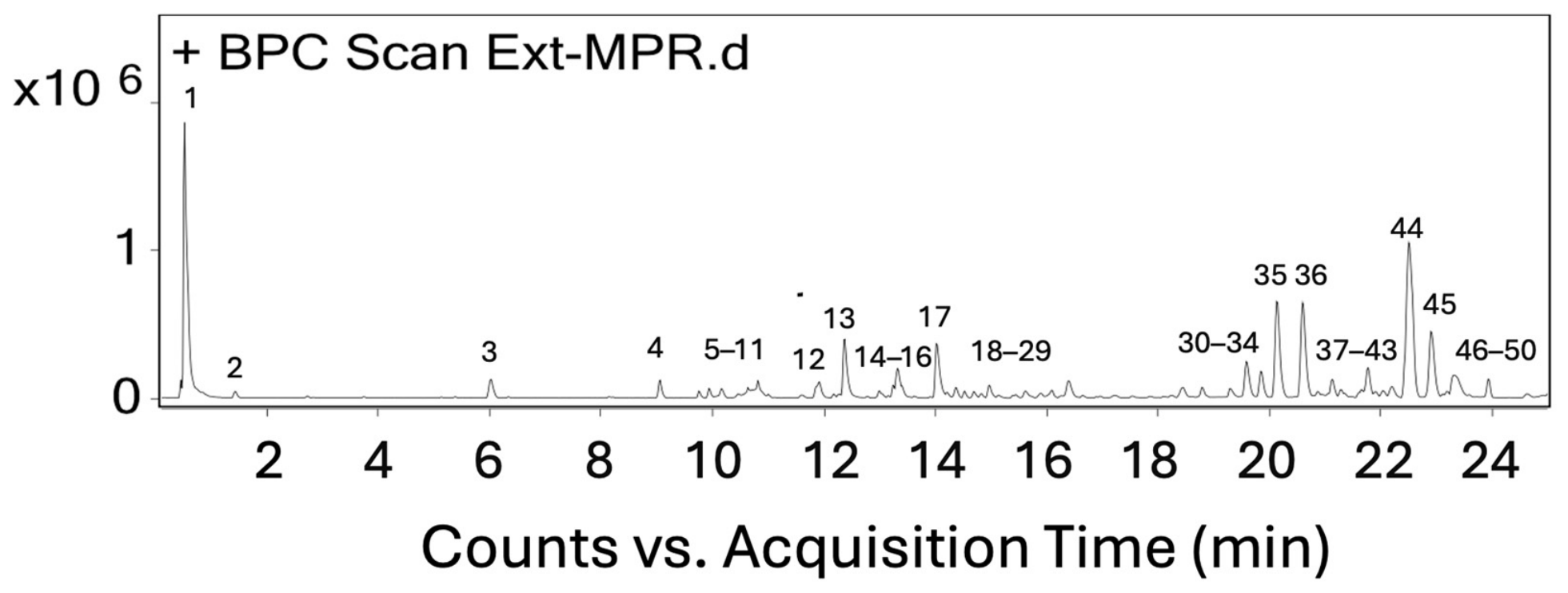
Figure 1. HPLC chromatographic fingerprint of P. alliacea extract.
Scipharm 94 00054 g001
Figure 2. Induction of diabetes in normoglycemic (NG) and hyperglycemic (HG) mice after alloxan administration. (A) Time course of blood glucose levels, (B) Oral glucose tolerance test (OGTT), and (C) Area under the curve (AUC) of the OGTT. Time-course data are expressed as mean ± SEM (n = 8/group). * p = 0.033; ** p = 0.002; *** p < 0.001 vs. NG (two-way ANOVA followed by Bonferroni’s multiple comparisons test). Bars represent mean ± SEM (n = 8/group). Different letters indicate significant differences between NG and HG groups, as determined by one-way ANOVA followed by Tukey’s post hoc test (p < 0.05).
Scipharm 94 00054 g002
Figure 3. Mechanical sensitivity to different pressures in normoglycemic (NG) and hyperglycemic (HG) mice. Mechanical sensitivity was evaluated in NG and HG mice using calibrated filaments. Bars represent mean ± SEM (n = 8/group). *** p < 0.001 vs. NG (two-way ANOVA followed by Bonferroni’s multiple comparisons test).
Scipharm 94 00054 g003
Figure 4. Mechanical sensitivity assessed with Von Frey filaments. (A) Mechanical allodynia assessed with the 4.17 mN filament and (B) Mechanical hyperalgesia assessed with the 4.56 mN filament. Animals were divided into the following groups: normoglycemic (NG), hyperglycemic (HG), HG treated with P. alliacea extract, and HG treated with gabapentin (positive control). Mechanical sensitivity is expressed as percentage response frequency. Bars represent mean ± SEM (n = 8/group). Different letters indicate statistically significant differences between groups, as determined by one-way ANOVA followed by Tukey’s post hoc test (p < 0.05).
Scipharm 94 00054 g004
Figure 5. Formalin-induced nociceptive responses in normoglycemic (NG) and hyperglycemic (HG) mice. (A) Time course of nociceptive behavior following formalin injection, expressed as the number of flinches over time. (B) Area under the curve (AUC) of the neurogenic phase (0–10 min). (C) AUC of the inflammatory phase (10–60 min). Time-course data are presented as mean ± SEM (n = 8/group) and were analyzed using two-way ANOVA followed by Bonferroni’s multiple comparisons test; statistical significance versus NG is indicated by asterisks (** p = 0.002; *** p < 0.001). Bar graphs represent mean ± SEM (n = 8/group). For panels (B,C), different uppercase letters indicate statistically significant differences between NG and HG groups, as determined by one-way ANOVA followed by Tukey’s post hoc test (p < 0.05).
Scipharm 94 00054 g005
Figure 6. Evaluation of treatments in the formalin test in hyperglycemic (HG) mice. (A) Time course of nociceptive responses, (B) Antinociceptive activity during the neurogenic phase, and (C) Antinociceptive activity during the inflammatory phase. Time-course data are expressed as mean ± SEM (n = 8/group). * p = 0.033; ** p = 0.002; *** p < 0.001 vs. NG (two-way ANOVA followed by Bonferroni’s multiple comparisons test). Bars represent mean ± SEM (n = 8/group). Different letters indicate statistically significant differences, as determined by one-way ANOVA followed by Tukey’s post hoc test (p < 0.05).
Scipharm 94 00054 g006
Figure 7. Evaluation of the percentage of antinociception in hyperglycemic (HG) mice. (A) Neurogenic phase of the formalin test, (B) Inflammatory phase of the formalin test, (C) Allodynia assessed with the 4.17 mN filament, and (D) Hyperalgesia assessed with the 4.56 mN filament. HG: hyperglycemic; N: naloxone; LN: L-NAME; M: methiothepin; B: bicuculline; E: P. alliacea extract. Bars represent mean ± SEM (n = 8/group). Different letters indicate statistically significant differences, as determined by one-way ANOVA followed by Tukey’s post hoc test (p < 0.05).
Scipharm 94 00054 g007
Table 1. Most abundant secondary metabolites identified in P. alliacea extract by LC–ESI–MS/MS.
No.RTTentative Compoundm/zRelative Abundance (%)Molecular MassChemical ClassificationStructure
10.55-Methoxy-3-indoleacetic acid.160.098618.08205.0739Heterocyclic aromatic organic acidScipharm 94 00054 i001
36Xanthone197.11931.34196.0525Oxygenated aromatic tricyclicScipharm 94 00054 i002
1311.9Sclareol331.25121.47308.27153DiterpeneScipharm 94 00054 i003
1613.3Methyl 2-hydroxydodecanoate231.16173.09230.1881Fatty hydroxyesterScipharm 94 00054 i004
1714Lauric isopropanolamide258.28224.06258.2822AmideScipharm 94 00054 i005
3520.1Diosmin609.27767.60608.17412Flavonoid glycosideScipharm 94 00054 i006
Retention time (RT), experimental mass-to-charge ratio (m/z), calculated m/z, and main fragment ions are listed for each compound. Identification was achieved by comparing fragmentation patterns with spectral data available in the MassBank of North America (MoNA) and MassBank High Quality databases.
Table 2. In silico prediction of pharmacological and toxicological properties of selected abundant secondary metabolites from P. alliacea.
No.Pass OnlineSwiss Target PredictionSwiss ADMEpkCSM
AntinociceptiveAntiinflamatoryTargetPharmacokineticsDruglikenessToxicology
PaPiPaPi GIaBHECA2iCC19iCC9iCD6iCA4iLipinskiAH1H2HP
10.3380.1190.4120.09Serotonin receptor
Cyclooxygenase-2
HYESNONONONONOYESNONOYESNO
30.4630.0610.4650.068Serotonin receptorHYESYESNONONONOYESNONOYESNO
130.4290.0870.5630.040GABA and Vanilloid receptorHYESNONONOYESNOYESNONONONO
160.4530.0680.7680.002Caspase-1,3,6 and 7HYESNONONONONOYESNONONONO
170.4890.043--GABA and Vanilloid receptorHYESYESNONOYESNOYESNONONONO
350.4000.1090.6920.017TNF-alpha
Interleukin-2
LNONONONONONOYESNONOYESNO
Pa: probability to be active; Pi: probability to be inactive; GIa: gastrointestinal absorption (H: high; L: low); BBB: blood–brain barrier permeant; CA2i: CYP1A2 inhibitor; CC19i: CYP2C19 inhibitor; CC9i: CYP2C9 inhibitor; CD6i: CYP2D6 inhibitor; CA4i: CYP3A4 inhibitor; A: Ames mutagenicity; H1: hERG I inhibitor; H2: hERG II inhibitor; HP: hepatotoxicity.
Disclaimer/Publisher’s Note: The statements, opinions and data contained in all publications are solely those of the individual author(s) and contributor(s) and not of MDPI and/or the editor(s). MDPI and/or the editor(s) disclaim responsibility for any injury to people or property resulting from any ideas, methods, instructions or products referred to in the content.