

Journal Description
Scientia Pharmaceutica
is an international, peer-reviewed, open access journal related to the pharmaceutical sciences, published quarterly online. It is the official journal of the Austrian Pharmaceutical Society (ÖPhG). Society members receive discounts on the article processing charges.
- Open Access— free for readers, with article processing charges (APC) paid by authors or their institutions.
- High Visibility: indexed within Scopus, ESCI (Web of Science), Embase, CAPlus / SciFinder, and other databases.
- Journal Rank: JCR - Q2 (Pharmacology and Pharmacy) / CiteScore - Q2 (Pharmaceutical Science)
- Rapid Publication: manuscripts are peer-reviewed and a first decision is provided to authors approximately 24.8 days after submission; acceptance to publication is undertaken in 4.5 days (median values for papers published in this journal in the first half of 2026).
- Recognition of Reviewers: reviewers who provide timely, thorough peer-review reports receive vouchers entitling them to a discount on the APC of their next publication in any MDPI journal, in appreciation of the work done.
- Journal Clusters-Pharmaceutical Science: Scientia Pharmaceutica, Marine Drugs, Pharmaceuticals, Pharmaceutics, Pharmacy, Biologics, Future Pharmacology, Pharmacoepidemiology, Drugs and Drug Candidates and Journal of Pharmaceutical and BioTech Industry.
Impact Factor:
3.6 (2025);
5-Year Impact Factor:
3.3 (2025)
Latest Articles
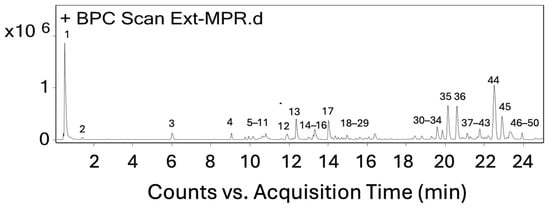
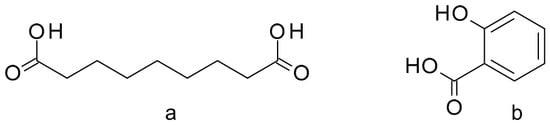
Development and Validation of a Capillary Zone Electrophoresis Method with Indirect UV Detection for the Simultaneous Determination of Azelaic Acid and Salicylic Acid in Pharmaceutical and Cosmetic Preparations
Sci. Pharm. 2026, 94(3), 67; https://doi.org/10.3390/scipharm94030067 - 8 Aug 2026
Abstract
►
Show Figures
Azelaic acid (AZA) and salicylic acid (SA) are widely used active ingredients in pharmaceutical and cosmetic formulations for the treatment of acne, rosacea, hyperpigmentation, and other dermatological conditions. Despite their frequent co-administration, analytical methods for their simultaneous determination remain limited. In the present
[...] Read more.
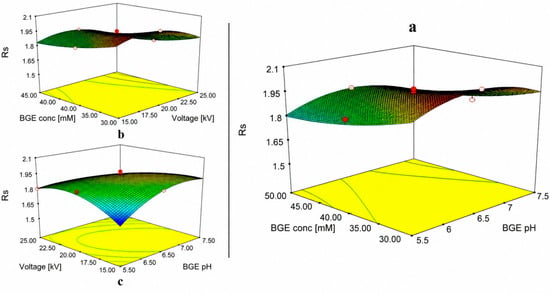
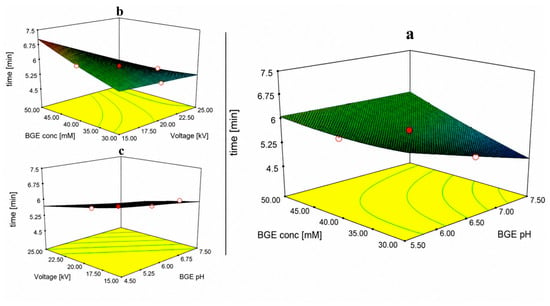
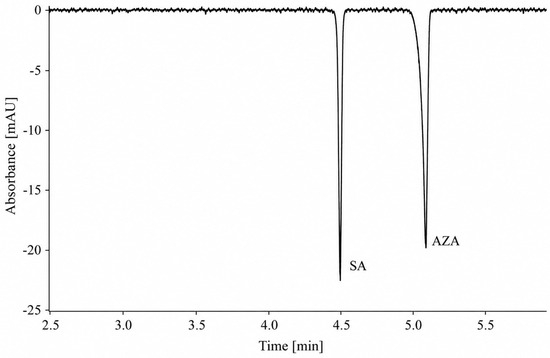
Azelaic acid (AZA) and salicylic acid (SA) are widely used active ingredients in pharmaceutical and cosmetic formulations for the treatment of acne, rosacea, hyperpigmentation, and other dermatological conditions. Despite their frequent co-administration, analytical methods for their simultaneous determination remain limited. In the present study, a capillary electrophoresis (CE) method with indirect UV detection was developed and validated for the simultaneous determination of AZA and SA in pharmaceutical and cosmetic preparations. Preliminary experiments demonstrated that direct UV detection was unsuitable because of the weak UV absorbance of AZA; therefore, indirect UV detection based on a sodium benzoate background electrolyte (BGE) was used. Following an initial one-factor-at-a-time (OFAT) screening, method optimization was performed using a face-centered central composite design (CCD) to evaluate the effects of BGE concentration, BGE pH, and separation voltage on the separation. The optimum separation was achieved using a 30 mM sodium benzoate BGE at pH 6.5 containing 5% (v/v) methanol, a separation voltage of +18 kV, a capillary temperature of 20 °C, and indirect UV detection at 230 nm. Baseline separation of both analytes was achieved within 5 min. The method was validated according to the ICH Q2(R2) guideline and demonstrated satisfactory accuracy, linearity, precision, selectivity, sensitivity, and robustness. The developed procedure was successfully applied to the analysis of commercial cosmetic formulations containing AZA, SA, or both active ingredients, providing assay results consistent with the declared contents. The proposed CE method provides a simple, rapid, cost-effective, and environmentally friendly alternative for the routine quality control of pharmaceutical and cosmetic formulations containing AZA and SA.
Full article
Open AccessReview
Bioactive Properties and Pharmaceutical Potential of New World Mistletoes of the Genus Tristerix: A Review
by
Erick Poulsen-Silva, María Carolina Otero, Diego Verdugo-Igor, Gloria González, Sofía Díaz-Cornejo, Camila Fuentes, Maite Rodríguez-Díaz, Cristian Atala and Felipe Gordillo-Fuenzalida
Sci. Pharm. 2026, 94(3), 66; https://doi.org/10.3390/scipharm94030066 - 7 Aug 2026
Abstract
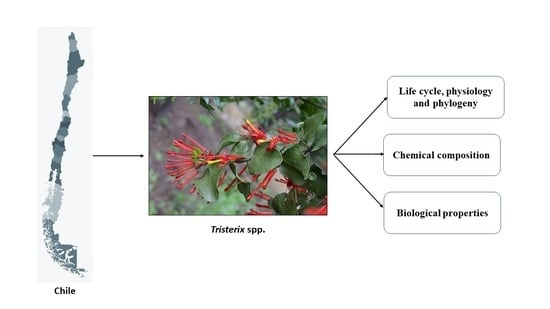
Mistletoes of the genus Tristerix, native to South America, represent a unique group of mostly hemiparasitic plants with potential medicinal applications. This review synthesizes existing knowledge on their biological and phytochemical properties, focusing on three main species endemic to Chile: Tristerix aphyllus
[...] Read more.
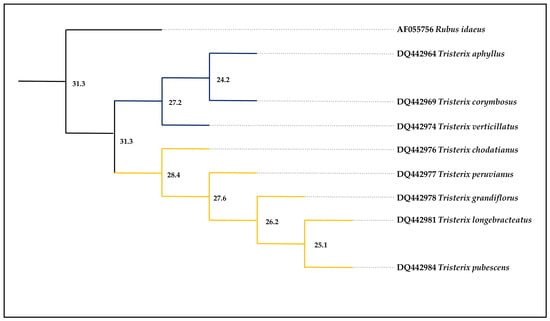
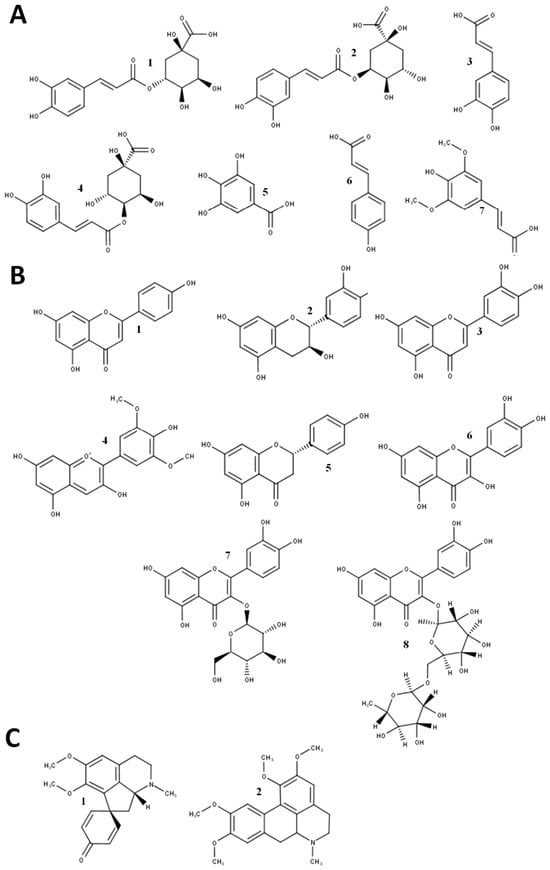
Mistletoes of the genus Tristerix, native to South America, represent a unique group of mostly hemiparasitic plants with potential medicinal applications. This review synthesizes existing knowledge on their biological and phytochemical properties, focusing on three main species endemic to Chile: Tristerix aphyllus, T. corymbosus, and T. verticillatus. These species exhibit diverse interactions with host plants, animal pollinators, and seed dispersers, where host identity can influence their chemical profile. Around 17 metabolites have been found in flowers, fruits, and leaves from Tristerix spp., including flavonoids (e.g., quercetin, apigenin, luteolin), phenolic acids (e.g., caffeic acid; gallic acid), and alkaloids (e.g., pronuciferine and glaucine). Those have demonstrated antioxidant, anti-inflammatory, antimicrobial, and anti-tumoral properties. Despite their traditional uses in Chilean medicine for ailments such as gastric ulcers and throat infections, experimental research on Tristerix spp. remains scarce. This review highlights their bioactive potential, emphasizing the need for further investigation into their pharmacological applications, including in vivo and clinical studies.
Full article
(This article belongs to the Topic Natural Products and Drug Discovery—2nd Edition)
►▼
Show Figures

Graphical abstract
Open AccessArticle
Orotic Acid–1,2,4-Triazole Hybrids as Potential MMP-2,9 Modulating Wound-Healing Agents: Synthesis, Molecular Docking and Biological Evaluation
by
Yuriy Karpenko, Volodymyr Parchenko, Lyudmila Kucherenko, Tetiana Chetvertak, Oleksii Bihdan, Iryna Pukhalska, Olena Roik, Daria Safronova, Ihor Meladze and Inna Bushueva
Sci. Pharm. 2026, 94(3), 65; https://doi.org/10.3390/scipharm94030065 - 5 Aug 2026
Abstract
The matrix metalloproteinases MMP-2 and MMP-9 are involved in extracellular matrix remodeling, inflammatory response, and tissue remodeling, and overactivity of certain metalloproteinases may also contribute to chronic wound healing. The aim of this work was to synthesize novel hybrid derivatives of orotic acid
[...] Read more.
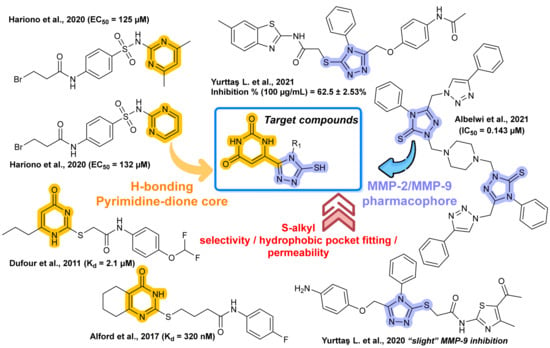
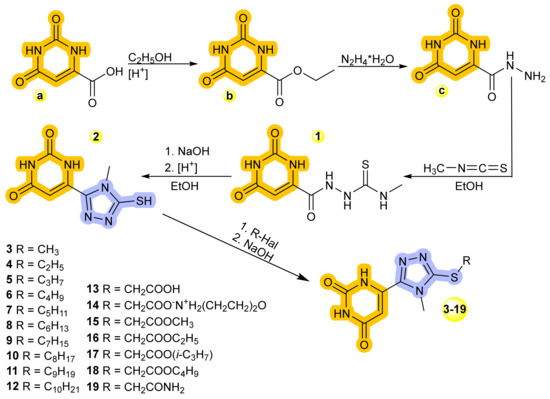
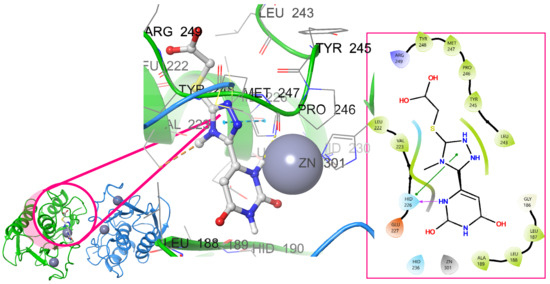
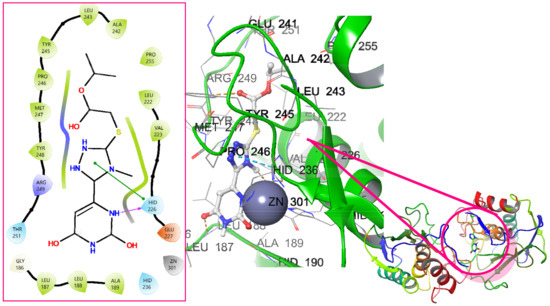
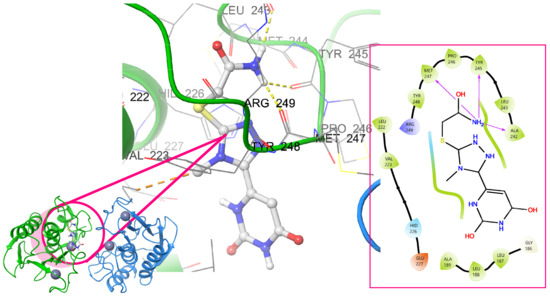
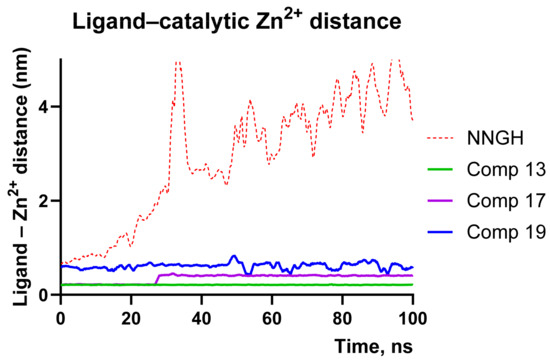
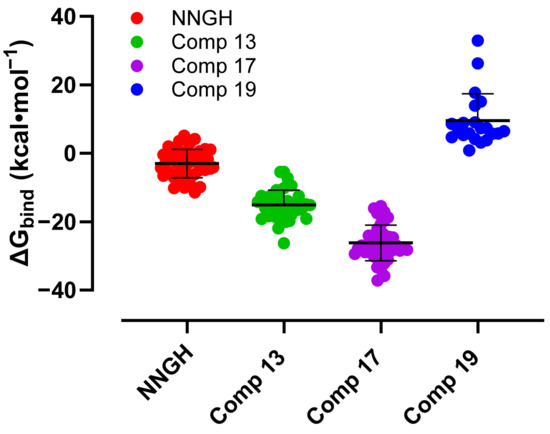
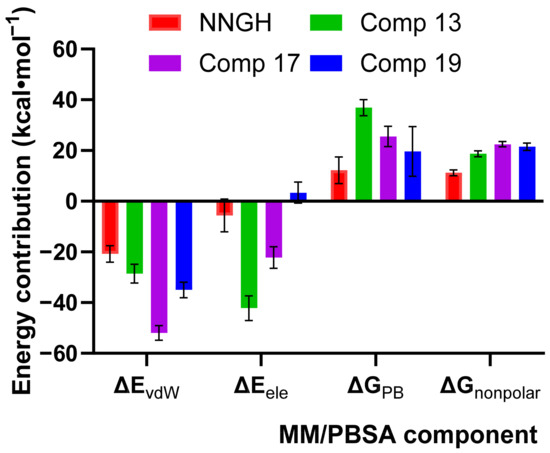
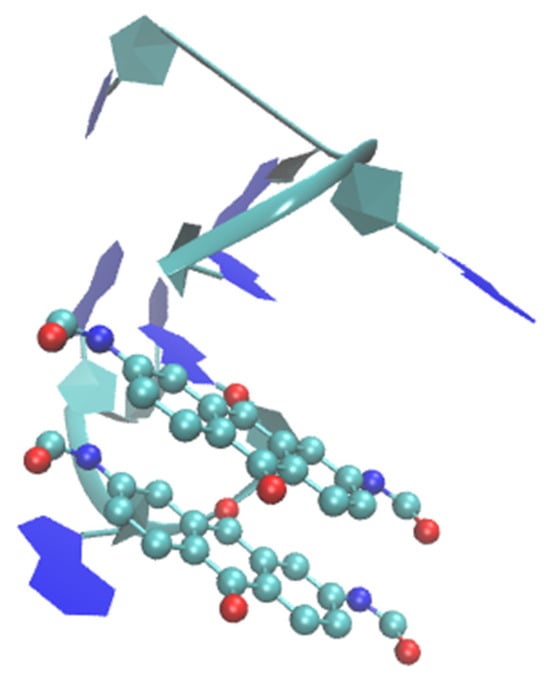
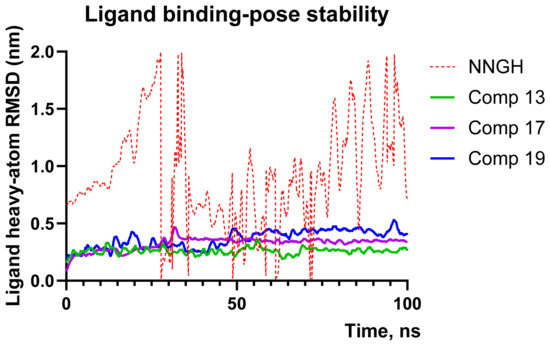
The matrix metalloproteinases MMP-2 and MMP-9 are involved in extracellular matrix remodeling, inflammatory response, and tissue remodeling, and overactivity of certain metalloproteinases may also contribute to chronic wound healing. The aim of this work was to synthesize novel hybrid derivatives of orotic acid and 1,2,4-triazole and investigate them as potential modulators of MMP-2/MMP-9. The structure of the compounds was confirmed by 1H, 13C NMR spectroscopy, LC–MS, and elemental analysis. Pharmacokinetic properties were calculated using SwissADME, and enzyme interactions were characterized using molecular docking strategies, protein–ligand contact analysis, and 100 ns molecular dynamics. The inhibitory effect was also assessed in vitro by fluorimetry at a concentration of 10 μM. The compounds had an acceptable drug-like profile, without violations of Lipinski’s rule and PAINS warnings. The highest affinity for MMP-9 was also found for the three target proteins 17, 19 and 13, which showed values of −9.65, −9.47 and −9.17 kcal/mol, respectively, compared to −8.37 kcal/mol for NNGH. Dynamic molecular analysis confirmed the stability of the 13–MMP-9 complex. Compounds 17 and 13 inhibited MMP-9 by 94.2 ± 4.8% and 85.2 ± 3.8%, respectively, with little effect on MMP-2, whereas compound 19 showed balanced inhibition of MMP-2 and MMP-9 by 74.2 ± 4.4% and 79.2 ± 2.8%, respectively. The results identified 13 and 17 as potential compounds with preferential effects on MMP-9, and 19 as a possible dual inhibitor for wound healing activity studies.
Full article
(This article belongs to the Special Issue Heterocyclic Chemistry in Drug Design 3.0)
►▼
Show Figures

Figure 1
Open AccessArticle
Identifying and Evaluating Flavonoids as Potential Inhibitors of SARS-CoV-2 Main Protease (Mpro/3CL) Through Docking and Molecular Dynamics
by
Getulio Flores-Tlalpa, Lenin Domínguez-Ramírez, Luis Márquez-Domínguez, Julio Reyes-Leyva, Paulina Cortés-Hernández, Fabiola Domínguez, Jesús Hernández, Irma Herrera-Camacho and Gerardo Santos-López
Sci. Pharm. 2026, 94(3), 64; https://doi.org/10.3390/scipharm94030064 - 31 Jul 2026
Abstract
►▼
Show Figures
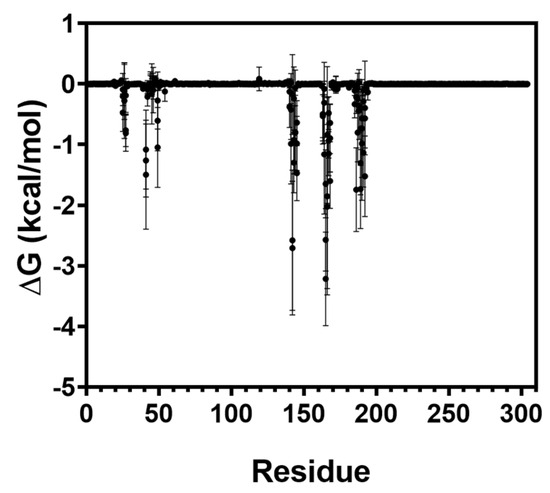
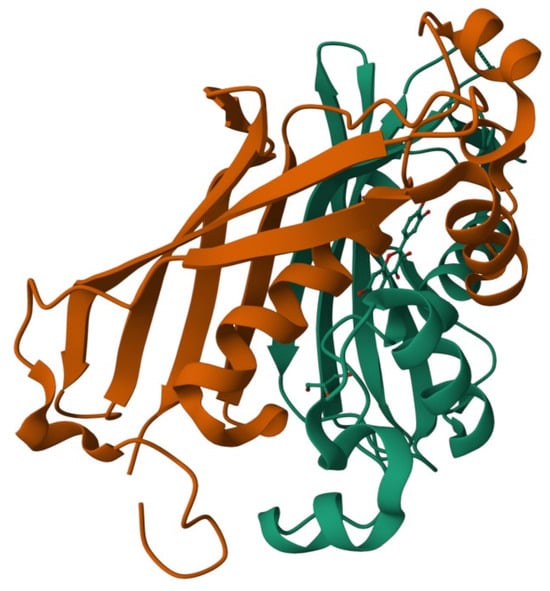
Although the acute phase of the SARS-CoV-2 pandemic has subsided, the continued emergence of viral variants underscores the need for structurally diverse antiviral inhibitors. In this study, molecular docking followed by molecular dynamics (300 ns) simulations and binding free energy calculations using the
[...] Read more.
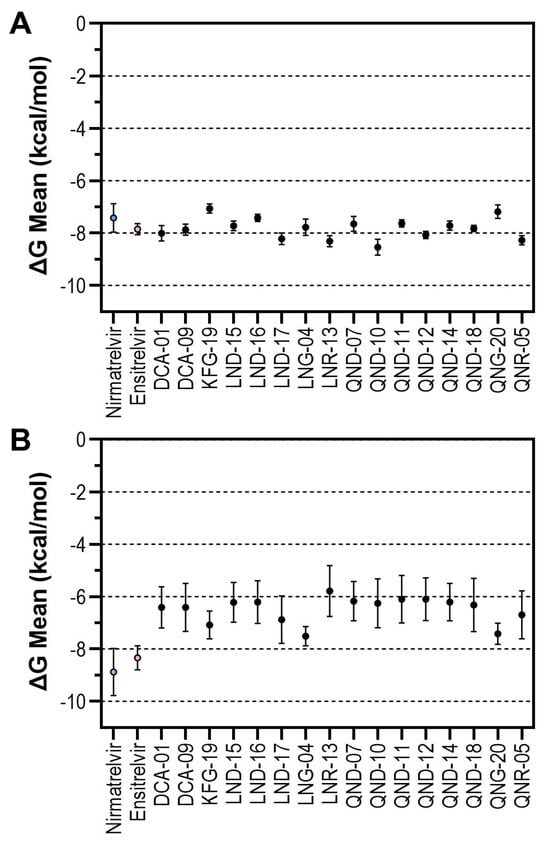
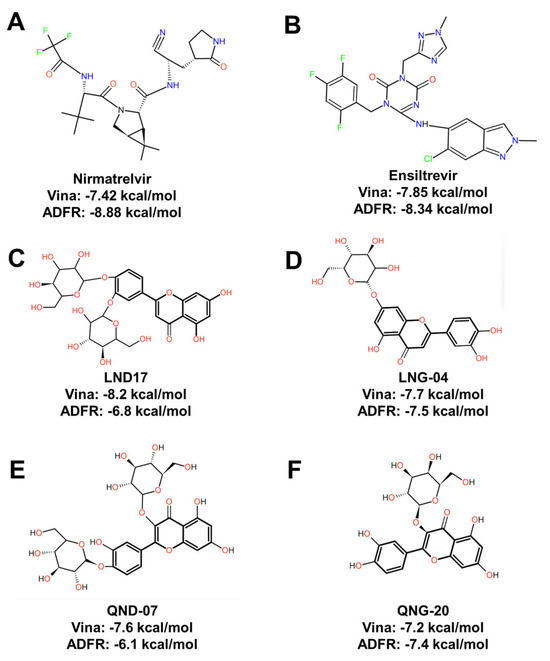
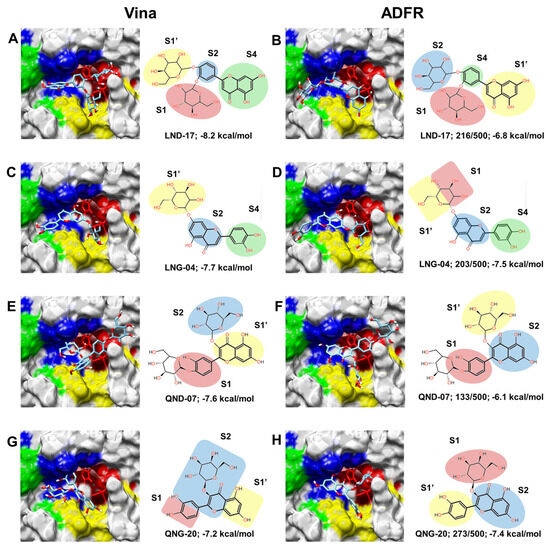
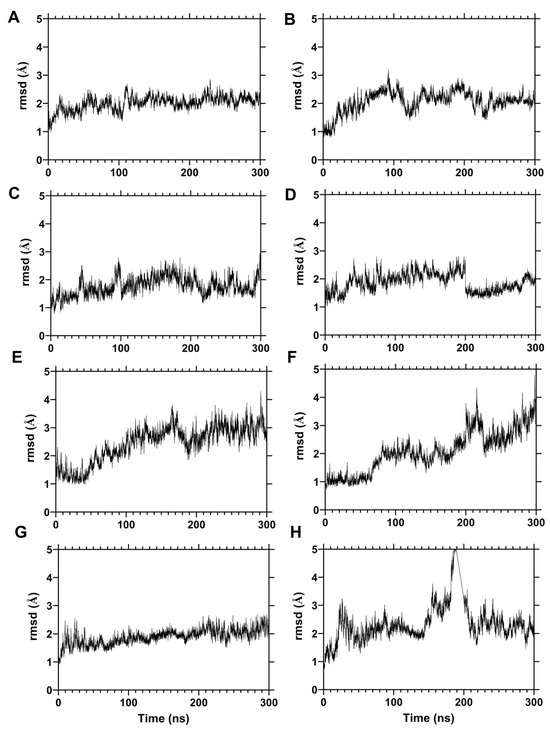
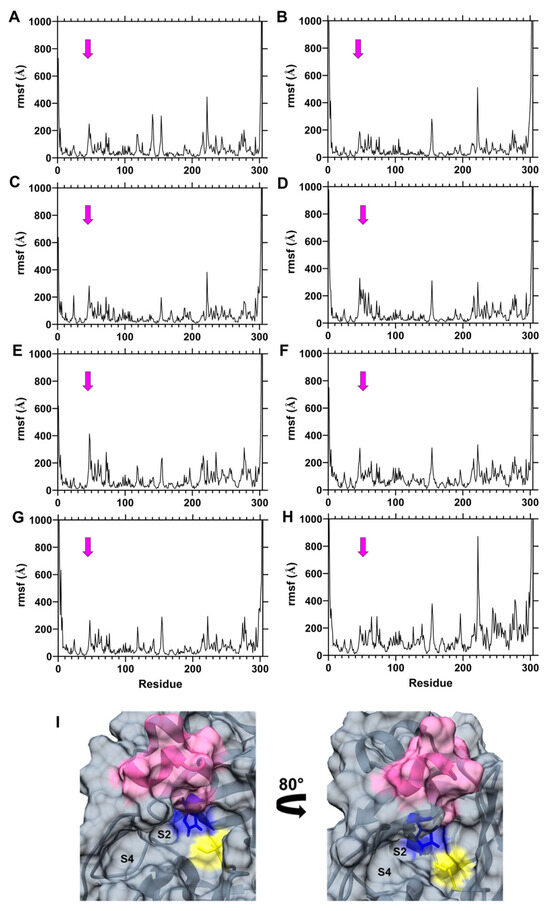
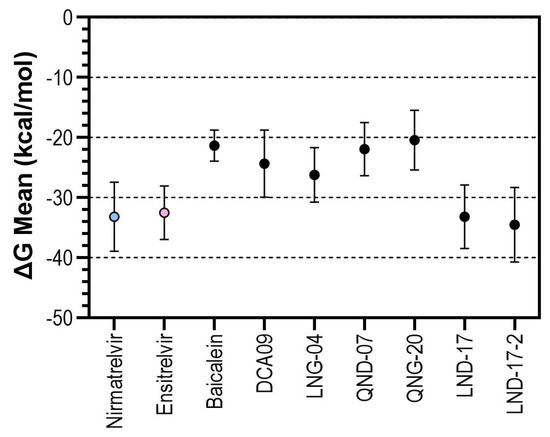
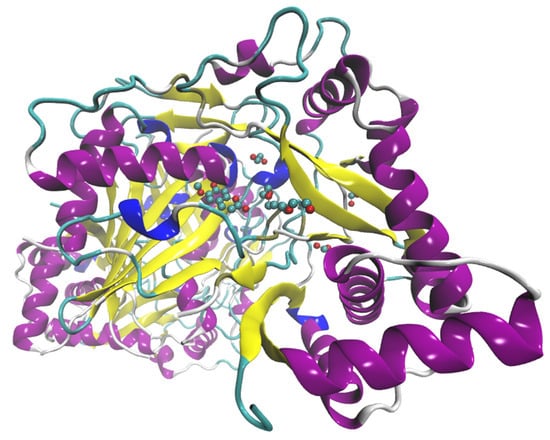
Although the acute phase of the SARS-CoV-2 pandemic has subsided, the continued emergence of viral variants underscores the need for structurally diverse antiviral inhibitors. In this study, molecular docking followed by molecular dynamics (300 ns) simulations and binding free energy calculations using the Molecular Mechanics Poisson–Boltzmann Surface Area (MM-PBSA) method were employed to evaluate substituted flavonoids derived from Taraxacum officinale and Urtica dioica as potential inhibitors of the SARS-CoV-2 main protease (Mpro/3CLpro). Docking analysis identified several derivatives with favorable binding scores; however, dynamic refinement revealed differential stability among the ligand–protein complexes. Among the evaluated compounds, the luteolin derivative LND-17 showed the most consistent performance, exhibiting binding free energy estimates approaching those obtained for the reference inhibitors nirmatrelvir and ensitrelvir, sustained catalytic pocket occupancy, and energetic contributions involving the catalytic dyad (His41 and Cys145). Additional derivatives, including LNG-04, QND-07, and QNG-20, showed moderate stabilization but lower overall consistency. These findings highlight glycosylated flavonoids as promising scaffolds for future structure-based optimization and provide structural insights to guide experimental validation.
Full article

Figure 1
Open AccessArticle
Synthesis and Analgesic Activity of Cridanimod–Monoterpene Conjugates
by
Danil D. Anikev, Anastasia Yu. Filippova, Olga I. Yarovaya, Serafim A. Tishchenko, Alla V. Pavlova, Alina A. Sonina, Kseniya S. Kovaleva, Mikhail V. Khvostov, Tatyana G. Tolstikova, Andrey Yu. Petrov and Nariman F. Salakhutdinov
Sci. Pharm. 2026, 94(3), 63; https://doi.org/10.3390/scipharm94030063 - 31 Jul 2026
Abstract
Cridanimod (acridoneacetic acid), the active ingredient of the immunomodulatory drug Cycloferon®, has a well-characterized antiviral profile, but an unexplored analgesic potential. Bornane monoterpenes, notably (+)-camphor and (−)-fenchone, are established scaffolds for analgesic drug design. We therefore synthesized thirteen cridanimod–monoterpene conjugates—seven amides,
[...] Read more.
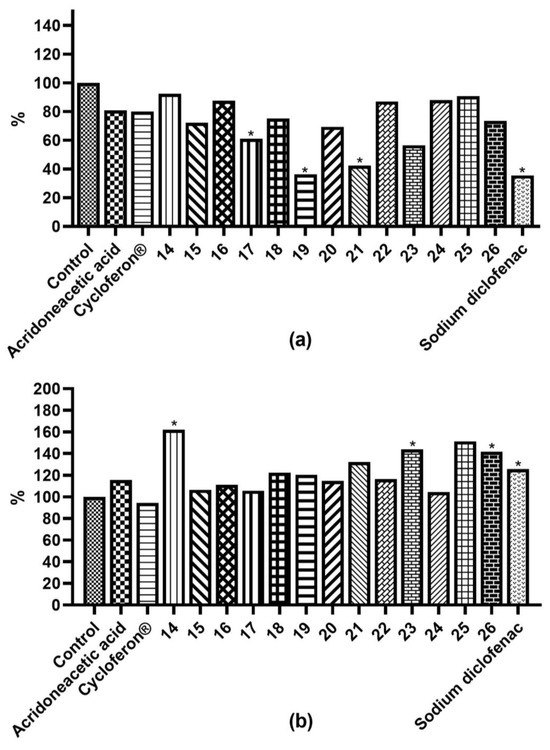
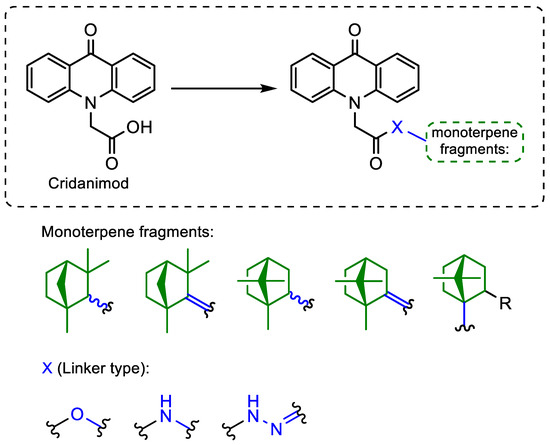
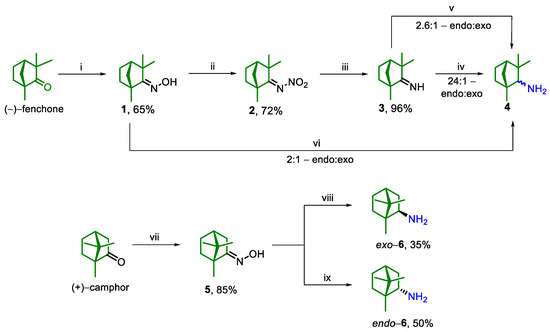
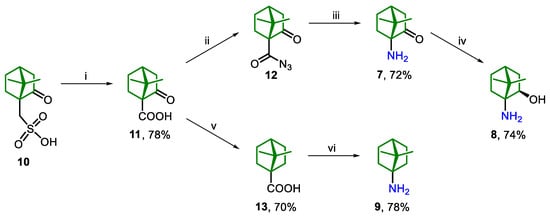
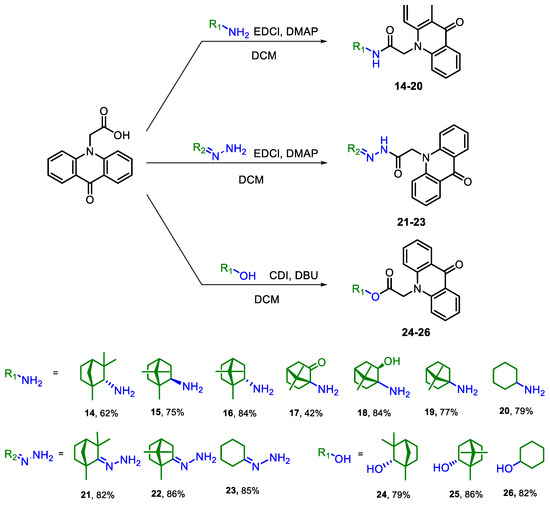
Cridanimod (acridoneacetic acid), the active ingredient of the immunomodulatory drug Cycloferon®, has a well-characterized antiviral profile, but an unexplored analgesic potential. Bornane monoterpenes, notably (+)-camphor and (−)-fenchone, are established scaffolds for analgesic drug design. We therefore synthesized thirteen cridanimod–monoterpene conjugates—seven amides, three acylhydrazones, and three esters—by EDCI/DMAP-mediated coupling or CDI/DBU-promoted esterification, and evaluated them in mice at an oral dose of 10.0 mg/kg in the acetic acid writhing and hot plate tests, with diclofenac sodium (10.0 mg/kg) as the reference. Acridoneacetic acid and Cycloferon® were themselves inactive in both assays. By contrast, six of the thirteen conjugates were significantly active (p < 0.05) in at least one test, with distinct leads in each: amide 19 matched diclofenac in the writhing test (−63.7% vs. −64.4%), whereas acylhydrazone 23 exceeded diclofenac in the hot plate test (+43.9% vs. +25.7%). The divergent profiles suggest that different structural subclasses engage peripheral and central antinociceptive mechanisms. Conjugation thus converts an analgesically inactive immunomodulator into a substance yielding analgesics that match or exceed a standard NSAID at the same oral dose, providing a promising starting point for the development of new pain-relieving agents.
Full article
(This article belongs to the Special Issue Pharmaceutical Applications of Heterocyclic Compounds)
►▼
Show Figures

Figure 1
Open AccessReview
Potential Interactions of Active Compounds of Morinda citrifolia (Noni) on Targets Involved in Human Diseases
by
Diana Rodríguez-Vera, Eunice D. Farfán-García, Elizabeth Estevez-Fregoso, Aldo A. Reséndiz-Albor, Ivonne Maciel Arciniega-Martínez, Eduardo Madrigal-Santillán, Jose A. Morales-González and Marvin A. Soriano-Ursúa
Sci. Pharm. 2026, 94(3), 62; https://doi.org/10.3390/scipharm94030062 - 20 Jul 2026
Abstract
Morinda citrifolia (Noni) is well known as a plant with therapeutic potential and is also attractive to the food and cosmetic industries. Traditional medicine supports its use, mainly for the treatment of metabolic disorders and chronic inflammation but also for certain types of
[...] Read more.
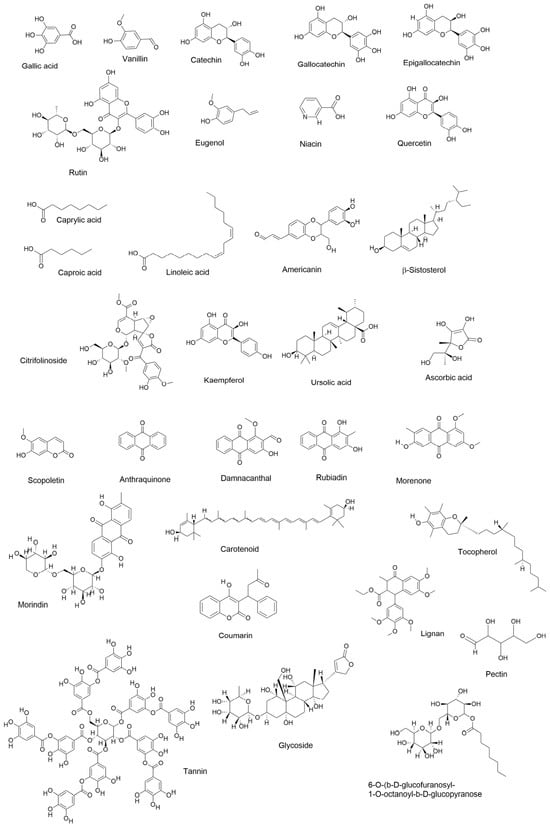
Morinda citrifolia (Noni) is well known as a plant with therapeutic potential and is also attractive to the food and cosmetic industries. Traditional medicine supports its use, mainly for the treatment of metabolic disorders and chronic inflammation but also for certain types of cancer. Noni has been the subject of considerable interest within the scientific community due to its purported health benefits. However, despite its growing popularity and extensive traditional use, significant gaps remain in the empirical understanding of its properties, mechanisms, and potential applications. To understand its biological activity, particular attention has been given to several chemical compounds present in its leaves and fruits, as they have been identified as bioactive agents. Moreover, several studies support the idea that specific flavonoids and anthraquinones from noni act on enzymes and transporters associated with glucose and lipid metabolism in humans. Its involvement in cardiovascular, neurological, metabolic, and inflammatory regulation across several high-burden diseases expands the potential medical applications of noni. This narrative review presents the current state of knowledge, highlighting preclinical studies that suggest the mechanisms of action underlying the observed effects, including theoretical approaches proposing specific interactions between noni compounds and proteins associated with human diseases as potential therapeutic targets. It also identifies areas where information remains insufficient and proposes future research directions for pharmacological applications, including the need for additional clinical studies and more comprehensive pharmacokinetic and toxicological evaluations.
Full article
(This article belongs to the Topic Natural Products and Drug Discovery—2nd Edition)
►▼
Show Figures

Figure 1
Open AccessReview
Natural Products in Modern Drug Discovery: Advances, Challenges and Emerging Technologies
by
Sousana K. Papadopoulou, Efthymios Poulios, Fotis Tsopelas, Anna Tsantili-Kakoulidou and Constantinos Giaginis
Sci. Pharm. 2026, 94(3), 61; https://doi.org/10.3390/scipharm94030061 - 16 Jul 2026
Cited by 1
Abstract
►▼
Show Figures
Drug discovery is a complex and resource-intensive process, with lead identification representing a major bottleneck due to high attrition rates. Natural products have long served as a valuable source of structurally diverse and biologically active compounds, offering advantages such as evolutionary optimization, target
[...] Read more.
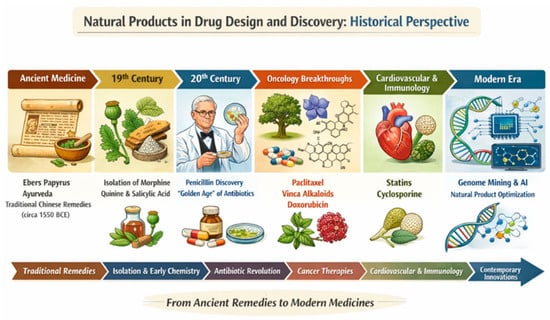
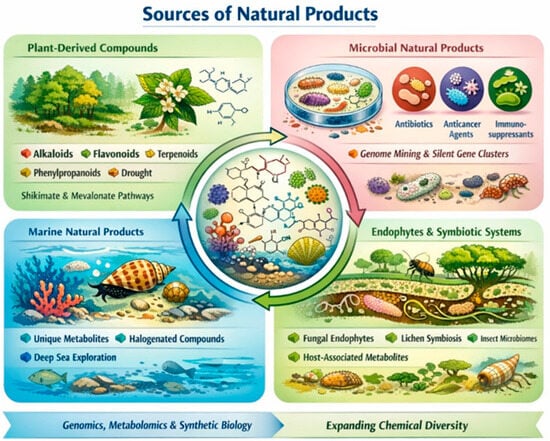
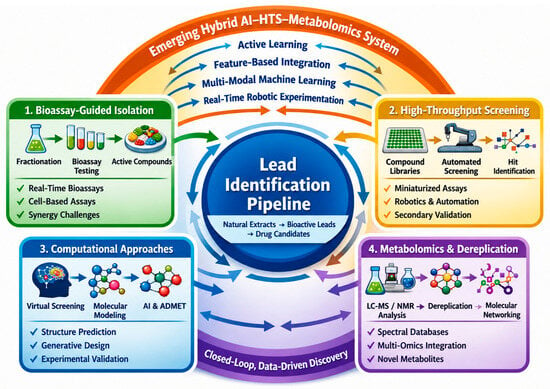
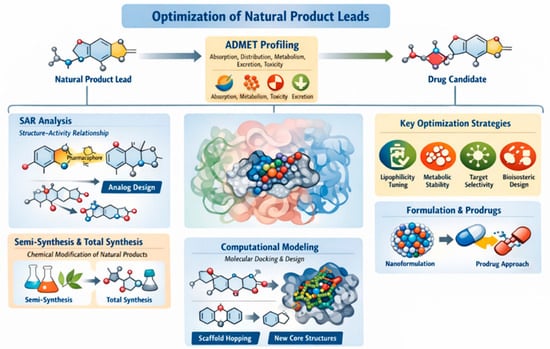
Drug discovery is a complex and resource-intensive process, with lead identification representing a major bottleneck due to high attrition rates. Natural products have long served as a valuable source of structurally diverse and biologically active compounds, offering advantages such as evolutionary optimization, target specificity, and unique chemical diversity. This review provides a comprehensive and mechanistic overview of natural products as lead compounds, emphasizing their chemical characteristics, biological relevance, sources, mechanisms of action, and integration into modern drug discovery pipelines. A narrative review was conducted using major scientific databases (PubMed, Scopus, Web of Science, and Google Scholar), covering literature from 2000 to 2026. Relevant studies were selected based on scientific rigor and contribution to key themes, including natural product diversity, discovery strategies, and technological advancements. Natural products exhibit superior structural complexity and occupy unique chemical space compared to synthetic compounds, enabling effective interaction with diverse biological targets and supporting polypharmacological activity. Key sources include plants, microorganisms, and marine organisms, which have yielded numerous clinically important drugs. Advances in analytical techniques, genome mining, metabolomics, synthetic biology, and artificial intelligence have significantly improved discovery and optimization processes. Despite challenges related to complexity and scalability, natural products remain indispensable in drug discovery, with emerging technologies enhancing their potential for addressing unmet medical needs.
Full article

Figure 1
Open AccessArticle
Assessment of Anti-Influenza Activity of Pyrimidin-4(3H)-one Derivatives Using Prediction Models
by
Yakov V. Gorokhov, Alexey D. Egorov, Nadezhda M. Andriyashina, Alexander N. Lobov, Irina S. Balashova, Aleksandrina S. Volobueva, Stanislav A. Grabovsky and Sophia S. Borisevich
Sci. Pharm. 2026, 94(3), 60; https://doi.org/10.3390/scipharm94030060 - 14 Jul 2026
Abstract
In this study, we used our own prediction models to assess the antiviral potential of pyrimidin-4(3H)-one derivatives against the A/H1N1 influenza virus strain. This assessment allows us to identify promising structures. The models are based on machine learning algorithms and molecular
[...] Read more.
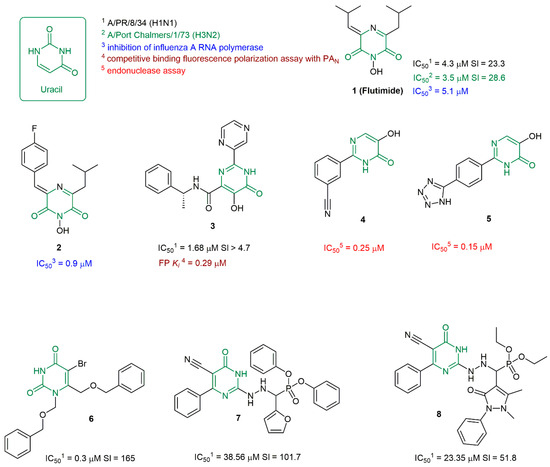
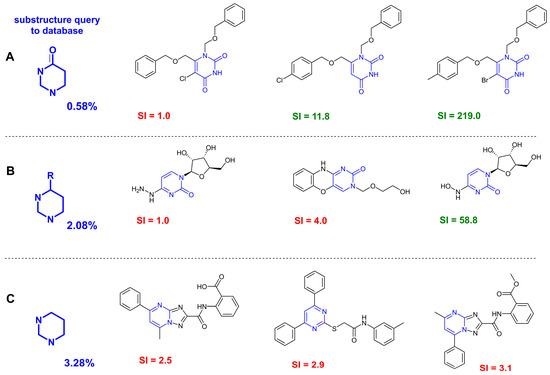
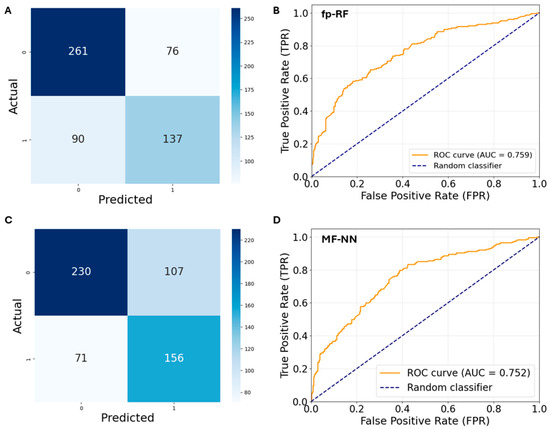
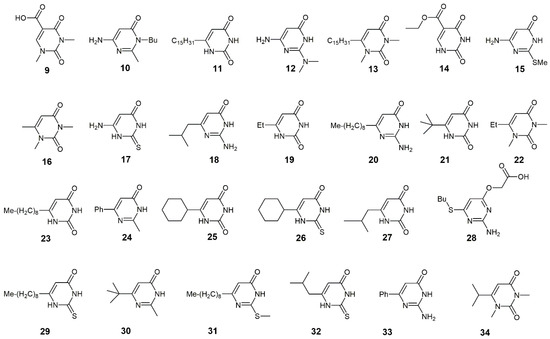
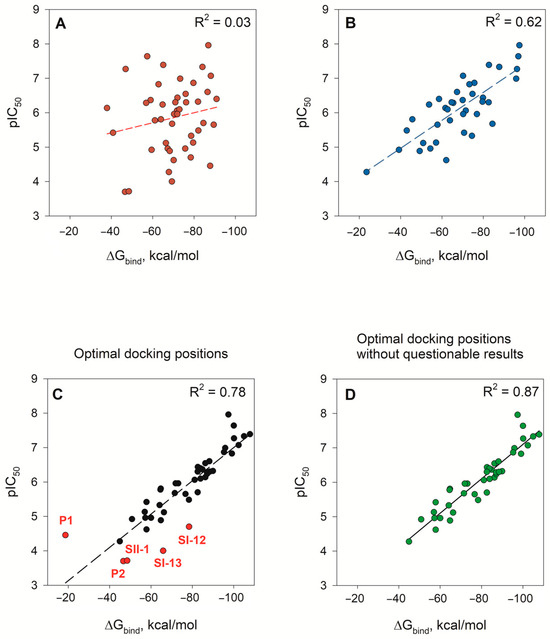
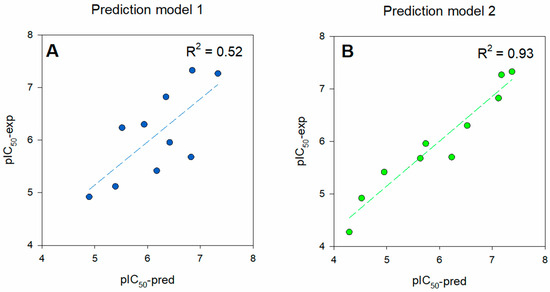
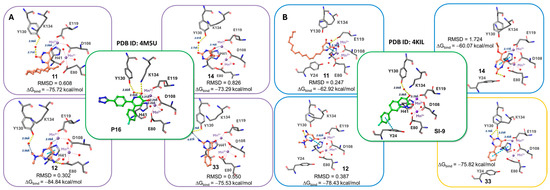
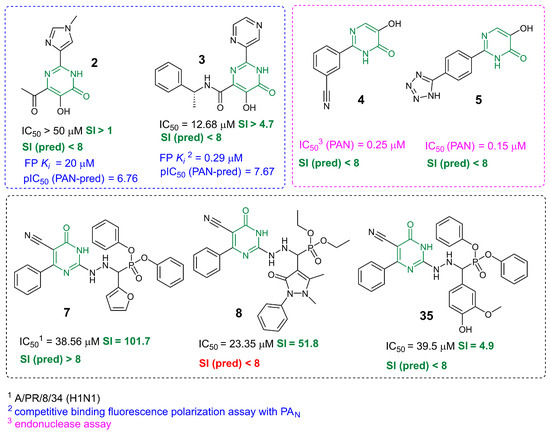
In this study, we used our own prediction models to assess the antiviral potential of pyrimidin-4(3H)-one derivatives against the A/H1N1 influenza virus strain. This assessment allows us to identify promising structures. The models are based on machine learning algorithms and molecular modeling results. In general, the prediction results are consistent with experimental data. The most promising compound, namely 12 (6-amino-2-(dimethylamino)pyrimidin-4(3H)-one), inhibits the reproduction of the A/Puerto Rico/8/34 (H1N1) influenza virus strain in vitro, likely by affecting the function of the endonuclease domain of the viral polymerase complex. Compound 12 can be used to create new PAN inhibitors by modifying its structure.
Full article
(This article belongs to the Special Issue Computer-Aided Drug Design and Molecular Synthesis)
►▼
Show Figures

Figure 1
Open AccessReview
Analytical Strategies for the Determination of Dapagliflozin in Pharmaceutical and Biological Matrices: A Comprehensive Review
by
Ecaterina Gliga, Denisa Gabriela Stroia, Gabriel Hancu and Eleonora Mircia
Sci. Pharm. 2026, 94(3), 59; https://doi.org/10.3390/scipharm94030059 - 14 Jul 2026
Abstract
►▼
Show Figures
Dapagliflozin (DAPA), a selective sodium–glucose cotransporter 2 inhibitor, is widely used in the management of type 2 diabetes mellitus, with additional indications in heart failure and chronic kidney disease. The growing analytical demand for DAPA determination in pharmaceutical formulations, fixed-dose combinations, and biological
[...] Read more.
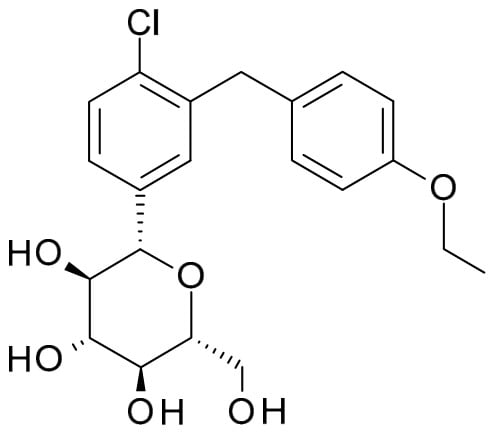
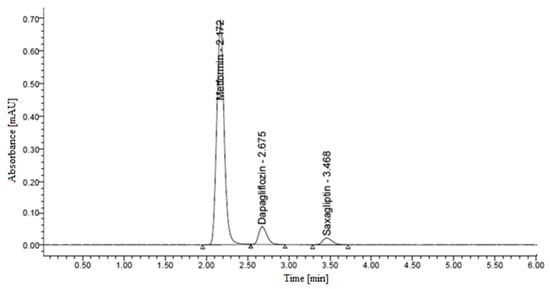
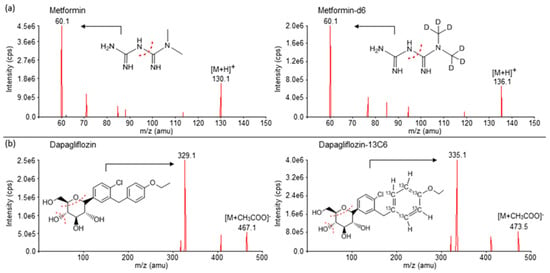
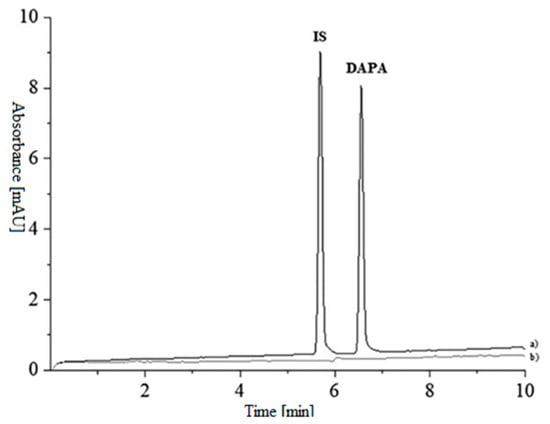
Dapagliflozin (DAPA), a selective sodium–glucose cotransporter 2 inhibitor, is widely used in the management of type 2 diabetes mellitus, with additional indications in heart failure and chronic kidney disease. The growing analytical demand for DAPA determination in pharmaceutical formulations, fixed-dose combinations, and biological matrices has stimulated the development of diverse analytical methods. This review provides a comprehensive evaluation of reported techniques for DAPA quantification in different matrices. Approaches discussed include chromatographic methods (TLC, RP-HPLC, UHPLC, LC-MS/MS), electromigration techniques (CE), and spectroscopic methods (UV–Vis, spectrofluorimetry). Emphasis is placed on key performance characteristics such as selectivity, sensitivity, linearity, robustness, and applicability to stability studies and bioanalysis. Recent trends, including the application of Quality by Design, green analytical chemistry principles, and advanced hyphenated techniques, are also addressed. While RP-HPLC remains widely used for routine quality control due to its robustness and accessibility, LC-MS/MS is generally regarded as the method of choice for trace-level bioanalysis owing to its superior sensitivity and selectivity. CE and spectroscopic techniques offer cost-effective and environmentally friendly alternatives, though with certain limitations. This review highlights current methodological gaps and outlines future directions for developing more sensitive and sustainable analytical strategies.
Full article

Figure 1
Open AccessReview
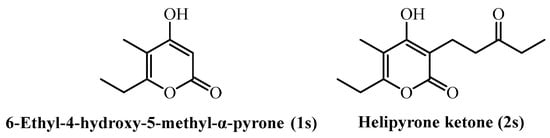
A Brief Review of Synthetic Strategies of α-Pyrone-Based Phloroglucinol Derivatives from Helichrysum spp. and Structure–Activity Insights
by
Yulian Voynikov, Konstantin Konstantinov, Iliyan Ivanov and Stanimir Manolov
Sci. Pharm. 2026, 94(3), 58; https://doi.org/10.3390/scipharm94030058 - 13 Jul 2026
Abstract
►▼
Show Figures
This review summarizes the synthesis and structural modification of α-pyrone-containing phloroglucinol derivatives from Helichrysum species. Synthetic routes to both natural products and synthetic analogues are covered, highlighting strategies ranging from β-keto ester cyclodehydration to multicomponent condensations. Key methods include aldehyde-mediated dimerization,
[...] Read more.
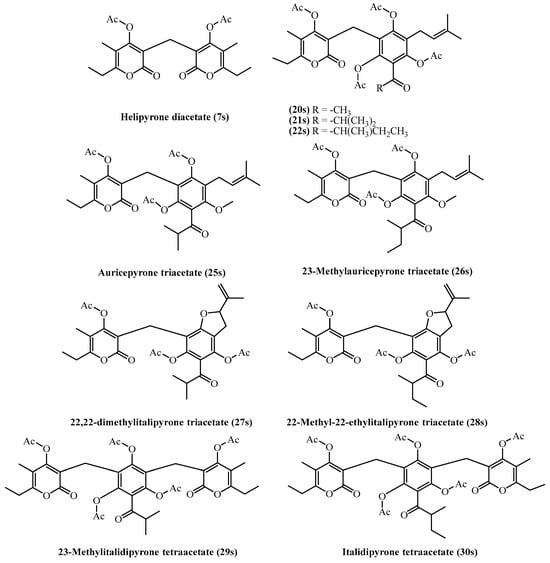
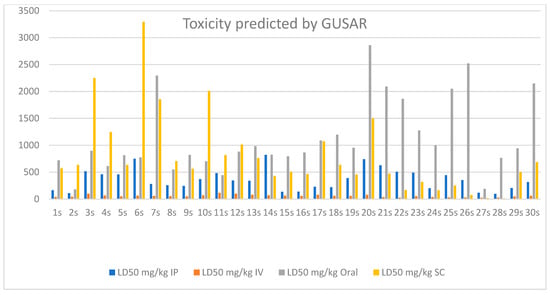
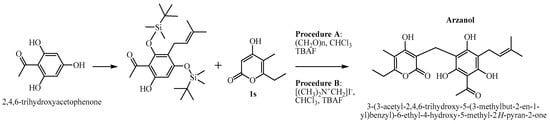
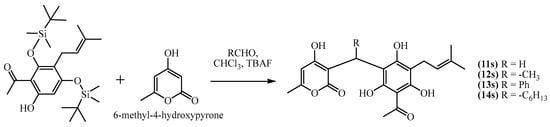
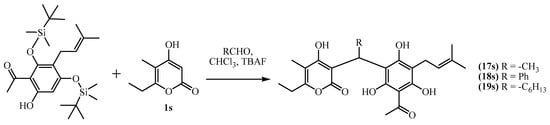
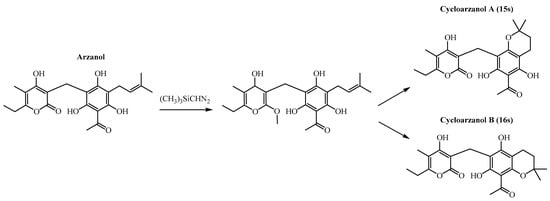
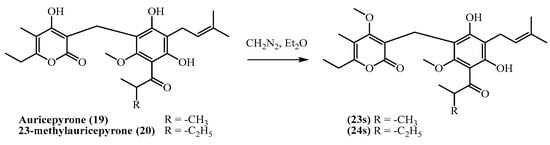
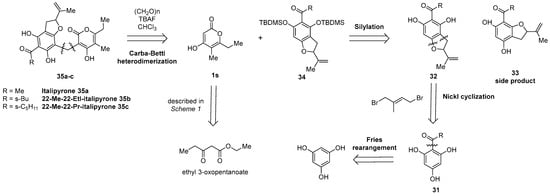
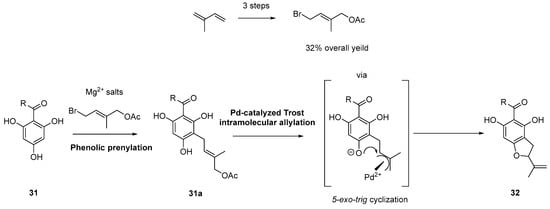
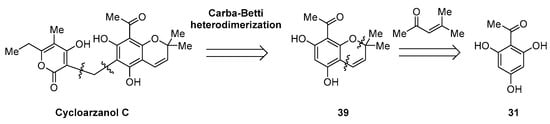
This review summarizes the synthesis and structural modification of α-pyrone-containing phloroglucinol derivatives from Helichrysum species. Synthetic routes to both natural products and synthetic analogues are covered, highlighting strategies ranging from β-keto ester cyclodehydration to multicomponent condensations. Key methods include aldehyde-mediated dimerization, fluoride-catalyzed heterodimerization, and acid-catalyzed cyclization to benzopyran frameworks. The reported approaches enabled access to diverse monopyrone, dipyrone, arzanol-type, and cyclized analogues. Additionally, retrosynthetic analyses toward phloroglucinol–pyrone heterodimers are discussed, highlighting convergent synthetic strategies for future access to benzofurane-, chromene-, and chromane-based analogues. This review integrates published experimental data with newly generated in silico predictions.
Full article

Figure 1
Open AccessArticle
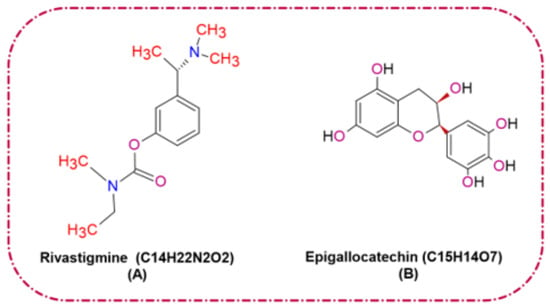
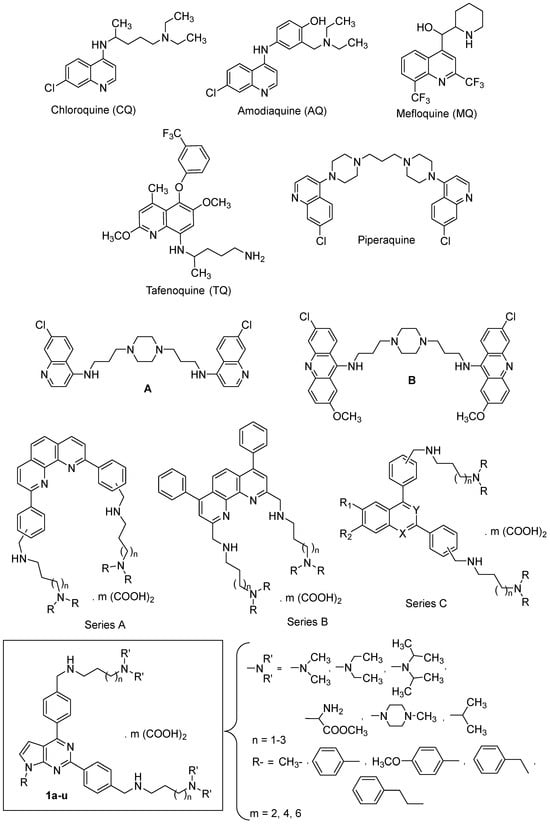
Targeting PD-1/PD-L1-MAPK1 Signaling by a Novel Synergistic Combination of Rivastigmine and Epigallocatechin in Alzheimer’s Disease: An Integrated In Silico Approach
by
Bhaswati Das and Marakanam Srinivasan Umashankar
Sci. Pharm. 2026, 94(3), 57; https://doi.org/10.3390/scipharm94030057 - 10 Jul 2026
Abstract
This study investigates the synergistic therapeutic potential of Rivastigmine (RVG) and Epigallocatechin (EGC) in Alzheimer’s disease (AD), a multifactorial neurodegenerative disorder characterized by neuroinflammation, oxidative stress, and dysregulated signaling pathways. Conventional therapies primarily provide symptomatic relief and target limited pathways, highlighting the need
[...] Read more.
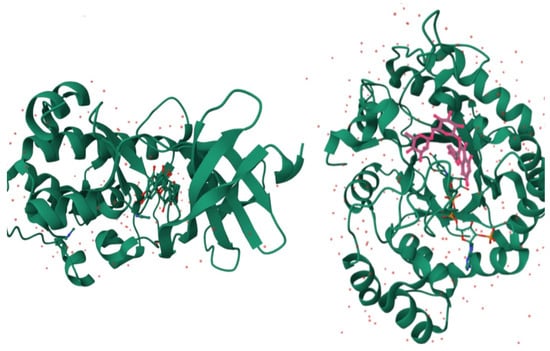
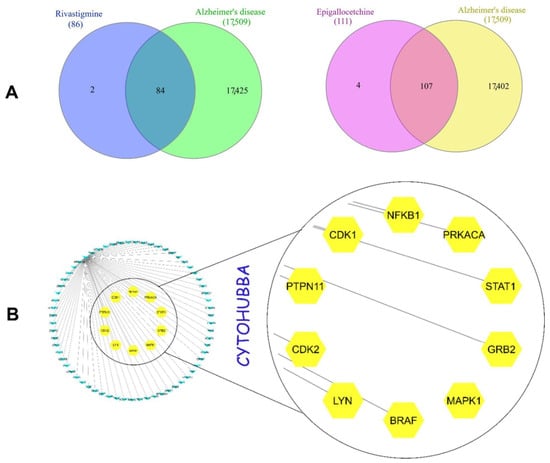
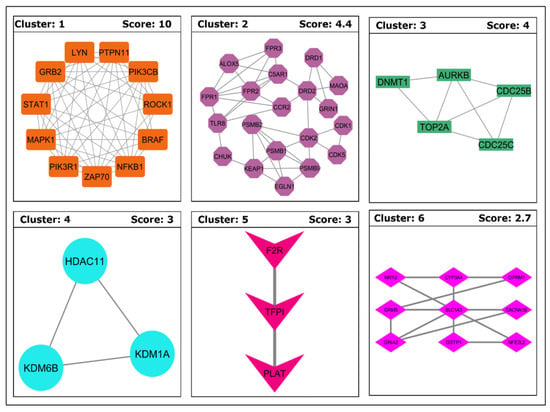
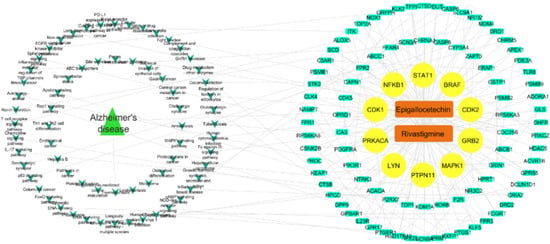
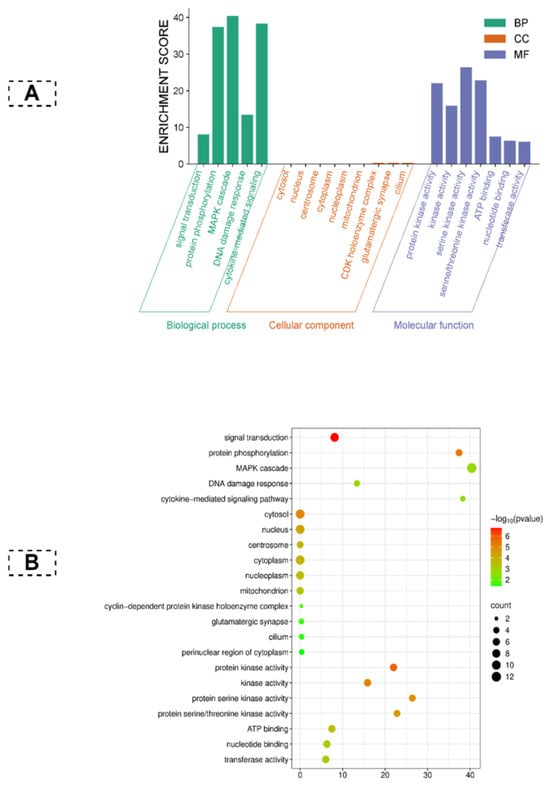
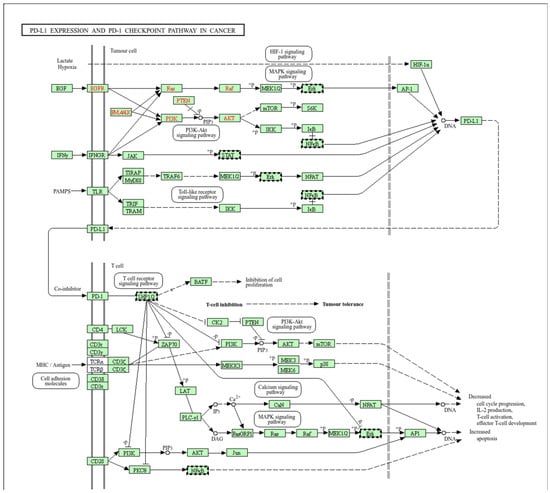
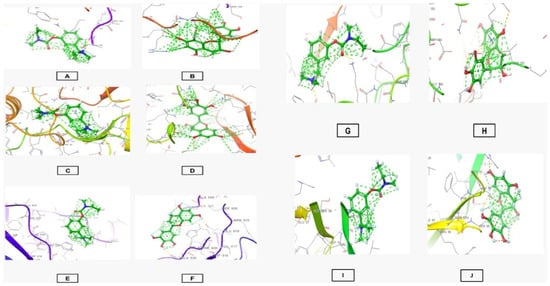
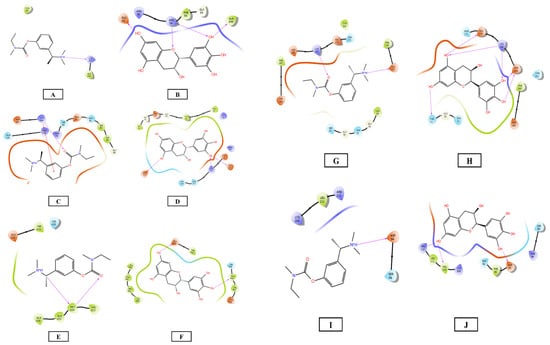
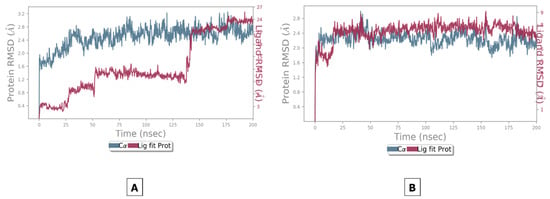
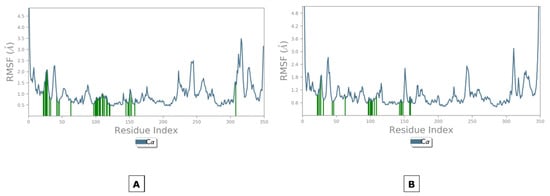
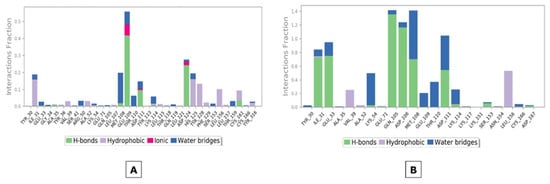
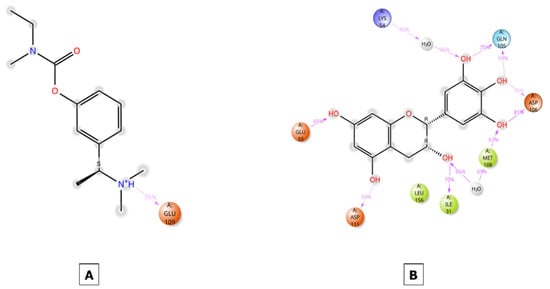
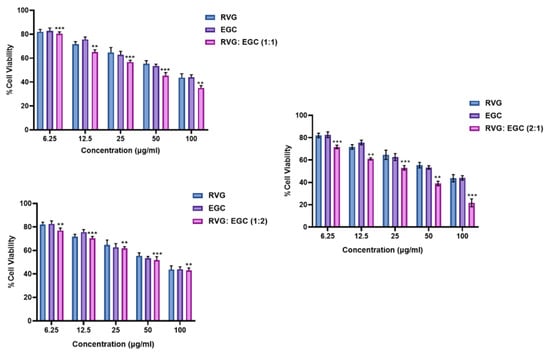
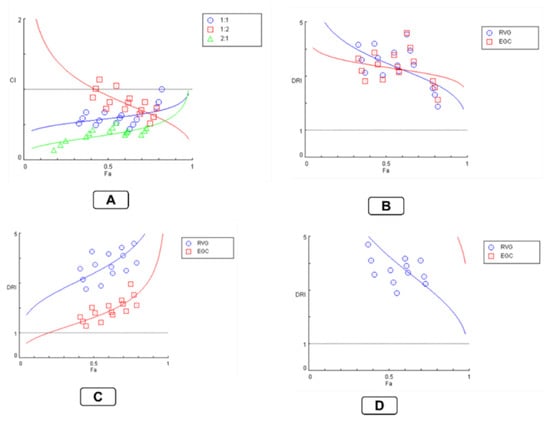
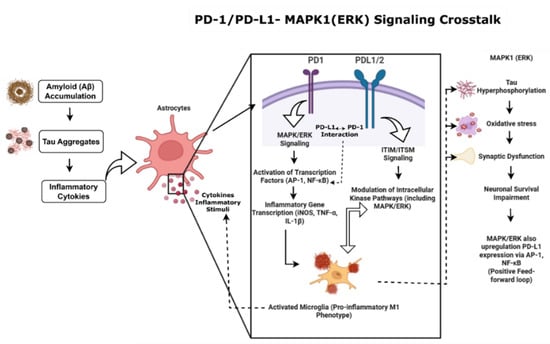
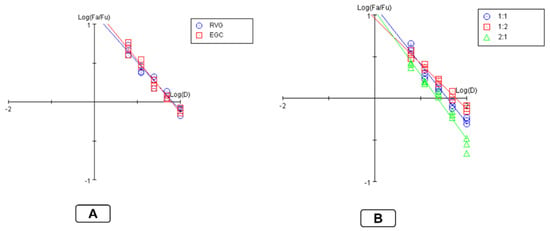
This study investigates the synergistic therapeutic potential of Rivastigmine (RVG) and Epigallocatechin (EGC) in Alzheimer’s disease (AD), a multifactorial neurodegenerative disorder characterized by neuroinflammation, oxidative stress, and dysregulated signaling pathways. Conventional therapies primarily provide symptomatic relief and target limited pathways, highlighting the need for multi-target strategies with improved efficacy and safety. An integrated in silico approach combining pharmacokinetic evaluation, network pharmacology, molecular docking, and molecular dynamics simulations is used to determine the synergistic potential of RVG and EGC. Pharmacokinetic analysis indicates favorable drug-likeness and acceptable ADME/Tox profiles for both compounds. Network pharmacology identified 146 overlapping targets associated with AD, highlighting key hub genes including NFKB1, MAPK1, STAT1, PRKACA, GRB2, LYN, and PTPN11, which are involved in neuroinflammation, synaptic signaling, and neuronal survival. Functional enrichment analysis indicated significant involvement of MAPK/ERK signaling and immune-regulatory pathways. Importantly, the PD-1/PD-L1 signaling pathway is identified as a novel mechanism connecting neuroimmune modulation with intracellular kinase-driven neurodegeneration. Molecular docking studies showed strong binding affinities of RVG and EGC toward key AD-related targets, particularly MAPK1, supported by stable hydrogen bonding and interaction profiles. Molecular dynamics simulations confirmed stable protein-ligand interactions, with EGC contributing structural stability and RVG exhibiting adaptive flexibility within the binding pocket. These results suggest that the RVG-EGC combination exhibits synergistic potential by simultaneously modulating neuroinflammatory, oxidative stress, and kinase-mediated signaling pathways. The integration of PD-1/PD-L1 and MAPK/ERK signaling provides a novel mechanistic pathway for multi-target therapeutic intervention in AD.
Full article
(This article belongs to the Special Issue Computer-Aided Drug Design and Molecular Synthesis)
►▼
Show Figures

Figure 1
Open AccessArticle
Pharmaceutical Development and Characteristics of Orally Disintegrating Tablets with Dihydroquercetin Formulation Modifications
by
Roman P. Terekhov, Maria D. Korochkina, Elizaveta V. Krivozubova, Grigory Yu. Evzikov, Artem A. Svotin, Maria N. Anurova and Irina A. Selivanova
Sci. Pharm. 2026, 94(3), 56; https://doi.org/10.3390/scipharm94030056 - 9 Jul 2026
Abstract
►▼
Show Figures
Oral diseases cause a wide range of difficulties for patients. The natural bioactive compound dihydroquercetin (DHQ), which demonstrates regenerative, anti-inflammatory, antioxidative, and antibacterial effects, is of interest for their treatment. The combination of DHQ and l-lysine DHQ is “very easily soluble”. The
[...] Read more.
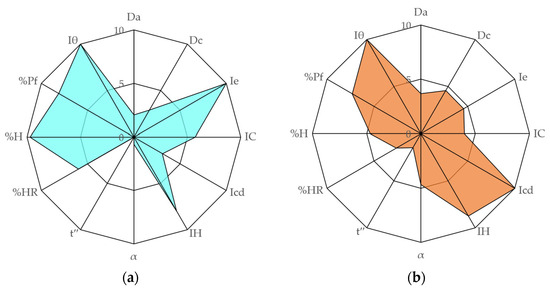
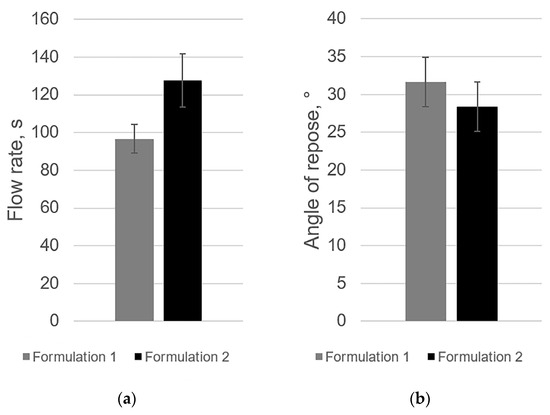
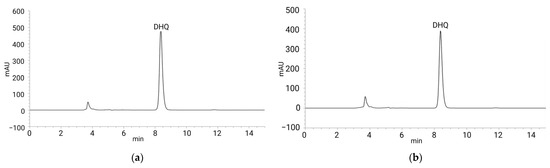
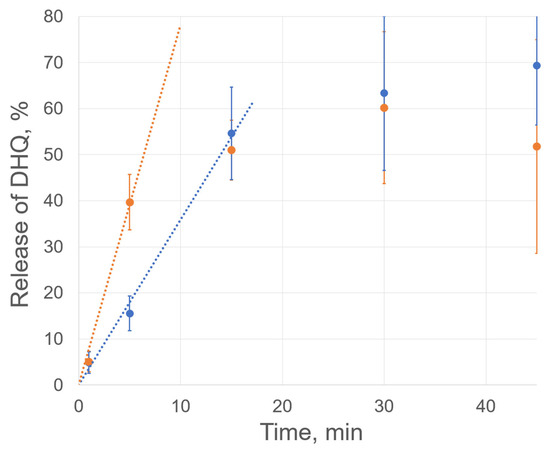
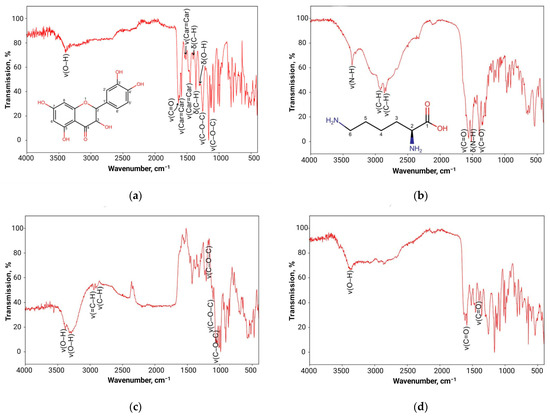
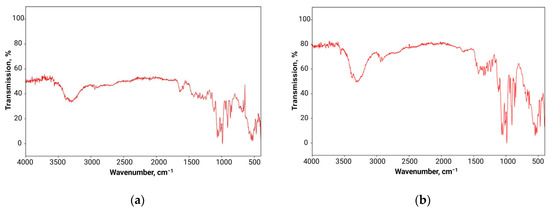
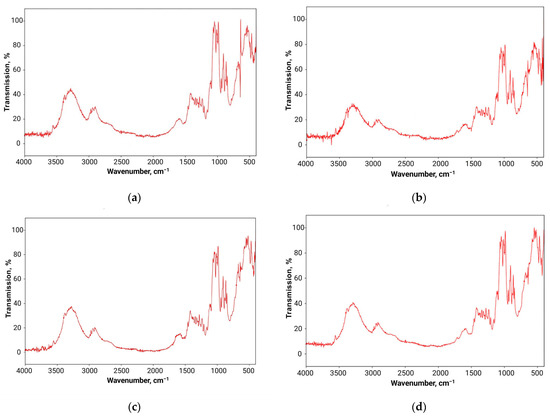
Oral diseases cause a wide range of difficulties for patients. The natural bioactive compound dihydroquercetin (DHQ), which demonstrates regenerative, anti-inflammatory, antioxidative, and antibacterial effects, is of interest for their treatment. The combination of DHQ and l-lysine DHQ is “very easily soluble”. The aim of this study is to compare orally disintegrating tablets based on raw DHQ and on the DHQ-l-lysine composition. Following the guidelines outlined in the ICH Q8 (R2) standard, a fundamental quality target product profile and critical quality attributes were established. The Sediment Delivery Model (SeDeM) method was used to evaluate the substance suitability for direct compression. Quantitative analysis of the DHQ release was carried out by high-performance liquid chromatography, and infrared (IR) spectroscopy was performed using the attenuated total reflection technique without any prior sample preparation. The DHQ-l-lysine composition shows improved dimensions (4.12) and flowability (4.96). The release rate constants (Krelease) were 8.14 and 3.61%/min, while the half-release periods (t50%) were 6.14 and 13.85 min for tablets with DHQ (TF1) and DHQ-l-lysine compositions (TF2), respectively. The difference factor (f1) and similarity factor (f2) were 23.43% and 43.37%, respectively. The tablet manufacture had a critical impact on the characteristics of the IR spectra (the r values −0.8785 and 0.5474 for TF1 and TF2). The conducted study demonstrates the promise of using DHQ-l-lysine composition for developing effective dosage forms with improved technological characteristics and controlled release of the active substance.
Full article

Figure 1

Open AccessReview
Current Challenges and Approaches to the Development of Novel Drug Products for Otic Administration: A Narrative Review
by
Elena O. Bakhrushina, Natalia N. Mikhailova, Anastasia N. Golub, Ksenia V. Eremeeva, Anna-Daniela Koynova, Anna A. Popova, Andrey B. Goryachev, Olga I. Stepanova, Ivan I. Krasnyuk, Jr. and Ivan I. Krasnyuk
Sci. Pharm. 2026, 94(3), 55; https://doi.org/10.3390/scipharm94030055 - 5 Jul 2026
Abstract
►▼
Show Figures
Acute otitis media is an inflammatory disease affecting all compartments of the middle ear, characterized by localized pain, fever, hearing impairment, and, occasionally, purulent exudate. It represents a significant clinical concern in both pediatric and adult populations, with approximately 709 million cases reported
[...] Read more.
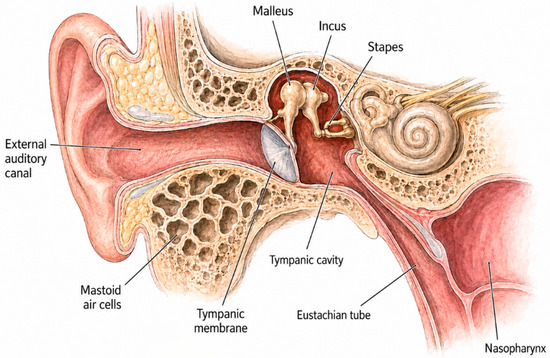
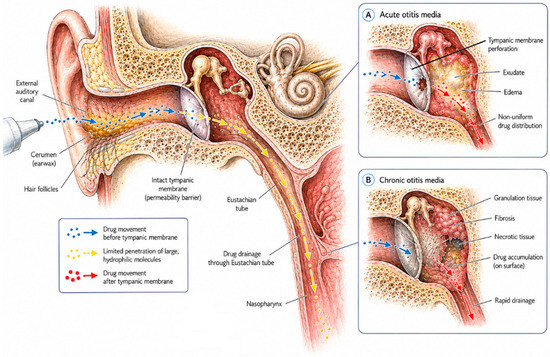
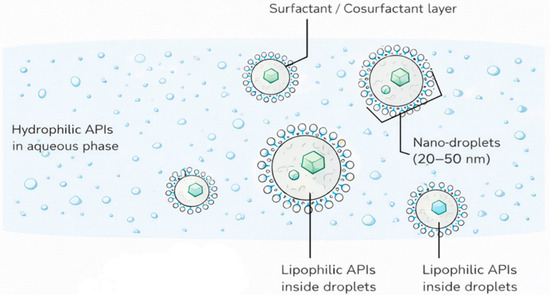
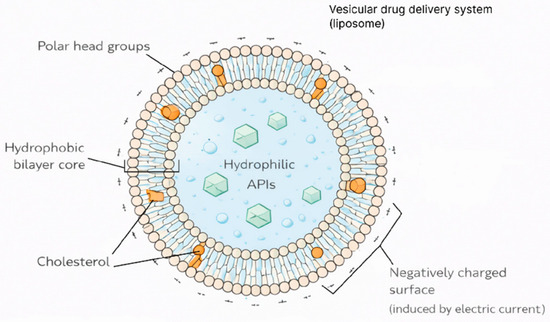
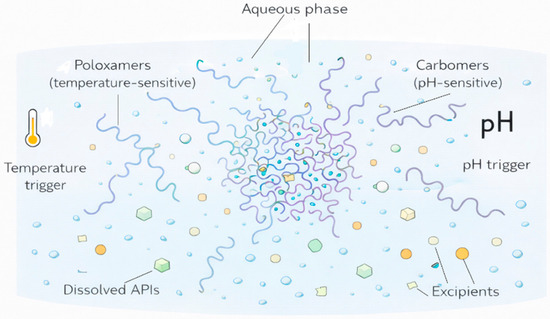
Acute otitis media is an inflammatory disease affecting all compartments of the middle ear, characterized by localized pain, fever, hearing impairment, and, occasionally, purulent exudate. It represents a significant clinical concern in both pediatric and adult populations, with approximately 709 million cases reported annually worldwide, 51% of which occur in children. However, currently available topical otic formulations are limited by their inability to achieve predictable therapeutic concentrations at the site of inflammation, resulting in reduced efficacy. In addition, the selection of appropriate active pharmaceutical ingredients (APIs) for drug products remains challenging; as a result, existing therapies do not comprehensively address all stages of pathogenesis. This study aimed to analyze existing locally acting formulations for middle ear drug delivery, evaluate their advantages and limitations, and assess modern approaches to the development of novel drug delivery systems and API combinations. A critical review of 69 publications (2010–2026) was conducted, supplemented by a strengths and limitations analysis of dosage forms and an evaluation of APIs based on clinical data. The findings highlight a lack of targeted drug delivery systems, limited efficacy of existing API combinations against bacterial biofilms, and their risk of ototoxicity. Emerging innovative drug delivery approaches, including microemulsions, vesicular systems, stimuli-responsive systems, and hydrogels, have demonstrated promising results in preclinical studies; however, their efficacy and safety remain to be confirmed in clinical settings before their full therapeutic potential in otitis media treatment can be realized.
Full article

Figure 1
Open AccessArticle
Antinociceptive Activity of Petiveria alliacea L. Extract via GABAergic and Serotonergic Pathways in Diabetic Neuropathy Model
by
Kelly del C. Cruz-Salomón, Alfredo Briones-Aranda, Abumalé Cruz-Salomón, Nancy Ruiz-Lau, Mariano Martínez-Vázquez, Joaquín A. Montes-Molina, Gerardo Leyva-Padrón, Josue V. Espinosa-Juárez and Rosa I. Cruz-Rodríguez
Sci. Pharm. 2026, 94(3), 54; https://doi.org/10.3390/scipharm94030054 - 2 Jul 2026
Abstract
Petiveria alliacea L. (commonly known as “anamu,” “guiné,” “hierba de zorro,” and “tipi”) has been widely used in Mesoamerican traditional medicine to treat pain and inflammation. However, scientific evidence supporting its efficacy in diabetic neuropathy remains limited. This study evaluated the antinociceptive potential
[...] Read more.
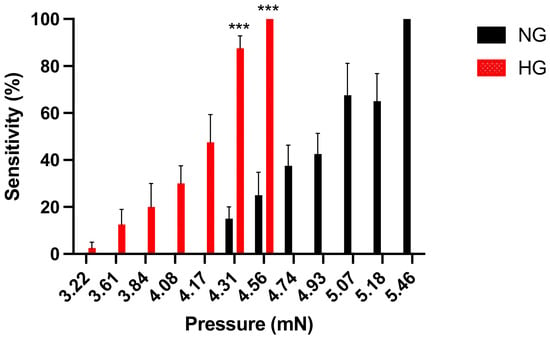
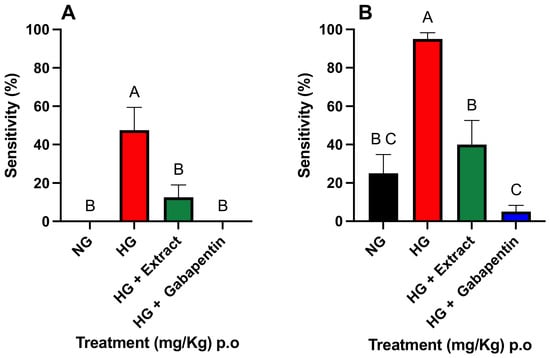
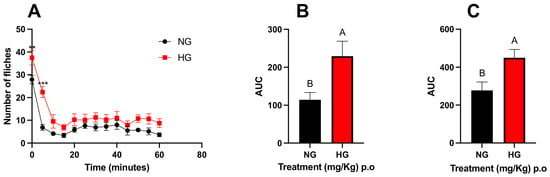
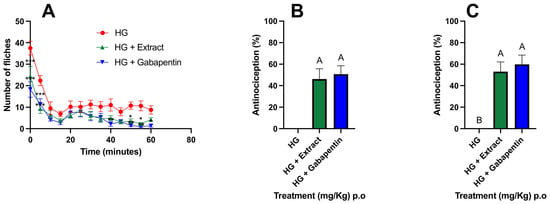
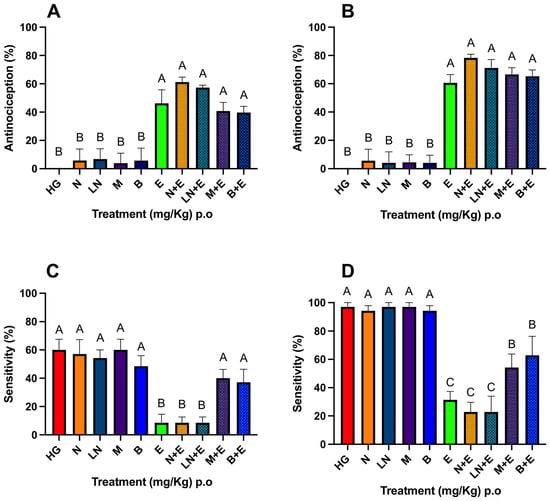
Petiveria alliacea L. (commonly known as “anamu,” “guiné,” “hierba de zorro,” and “tipi”) has been widely used in Mesoamerican traditional medicine to treat pain and inflammation. However, scientific evidence supporting its efficacy in diabetic neuropathy remains limited. This study evaluated the antinociceptive potential of a methanolic leaf extract of P. alliacea in a murine model of alloxan-induced diabetic neuropathy and investigated its possible mechanisms of action. Diabetic CD-1 mice were evaluated for mechanical allodynia and hyperalgesia using the Von Frey test and for tonic pain using the formalin test. Pharmacological antagonists were administered to assess the involvement of opioid, nitric oxide, serotonergic, and GABAergic pathways. Phytochemical profiling was performed by LC-ESI-MS/MS, and potential pharmacological and pharmacokinetic properties of the identified metabolites were predicted using in silico tools (PASS online, SwissTargetPrediction, SwissADME, and pkCSM). The methanolic extract significantly reduced mechanical allodynia and hyperalgesia in diabetic mice and attenuated nociceptive responses in both phases of the formalin test, showing an effect comparable to gabapentin. Antinociceptive activity was not altered by naloxone or L-NAME but was significantly attenuated by methiothepin and bicuculline, suggesting that serotonergic and GABAergic pathways contribute, at least in part, to the observed antinociceptive effects. LC-ESI-MS/MS analysis identified 38 metabolites, including flavonoids, alkaloids, and terpenes, with in silico predictions supporting their potential analgesic and anti-inflammatory activities. The methanolic leaf extract of P. alliacea exhibits significant antinociceptive activity in diabetic neuropathy, partially likely to involve serotonergic and GABAergic mechanisms, supporting its ethnomedicinal use and its potential as a source of novel analgesic agents.
Full article
(This article belongs to the Topic Natural Products and Drug Discovery—2nd Edition)
►▼
Show Figures

Figure 1
Open AccessArticle
Development of a Rationally Designed siRNA-Based Therapeutic Targeting PD-L1 in Triple-Negative Breast Cancer
by
Vivany Maydel Sierra-Sánchez, Sergio Adrian Ocampo-Ortega, Santiago Villafaña-Hernandez, Elvia Mera Jiménez, Rolando Alberto Rodríguez Fonseca, Asdrubal Aguilera-Méndez, Rodrigo Romero-Nava, Enrique Hong, Martha Edith Macías-Pérez and Santiago Villafaña
Sci. Pharm. 2026, 94(3), 53; https://doi.org/10.3390/scipharm94030053 - 30 Jun 2026
Abstract
►▼
Show Figures
In triple-negative breast cancer (TNBC), immune checkpoint pathways play a central role in tumor immune evasion. Programmed death protein 1 (PD-1) is an inhibitory receptor expressed on T cells, while its ligand, programmed death-ligand 1 (PD-L1), is commonly expressed on tumor cells and
[...] Read more.
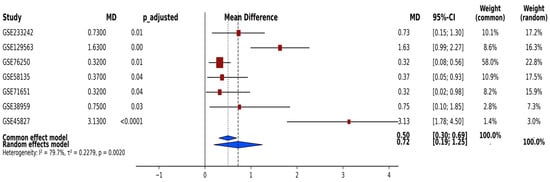
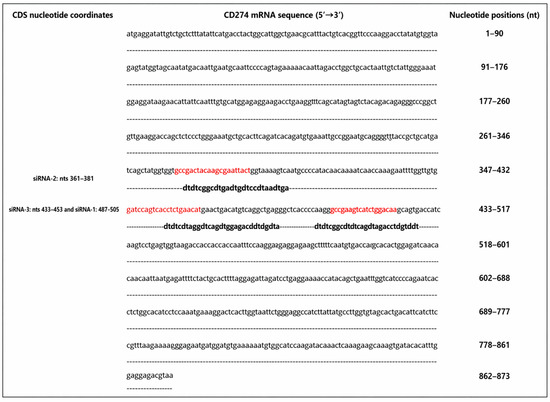
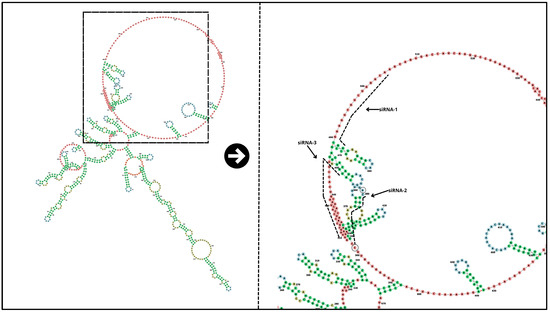
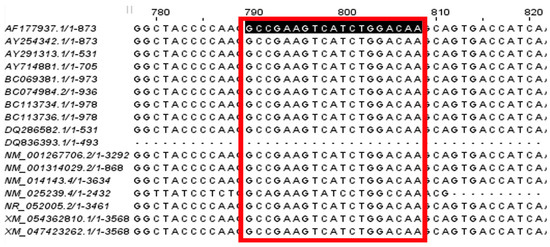
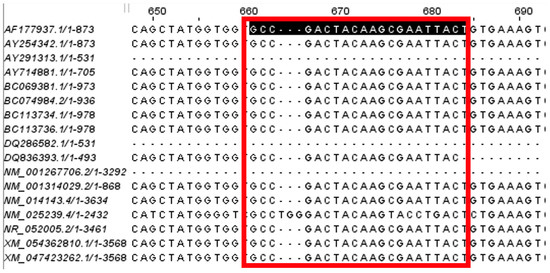
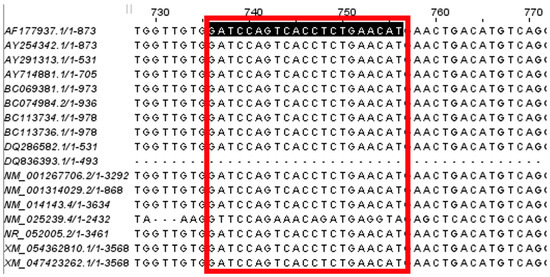
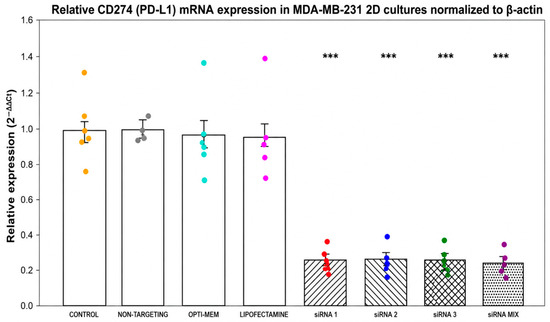
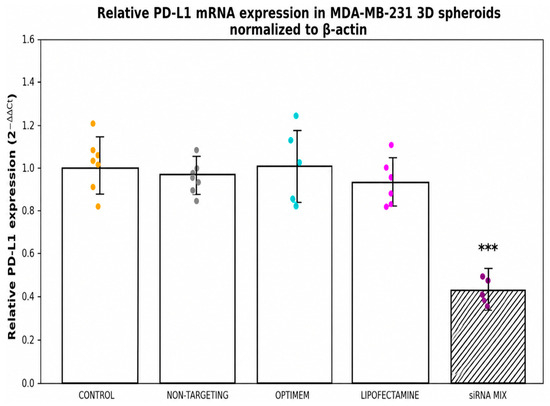
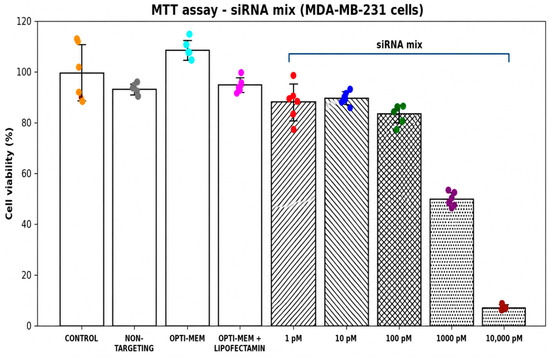
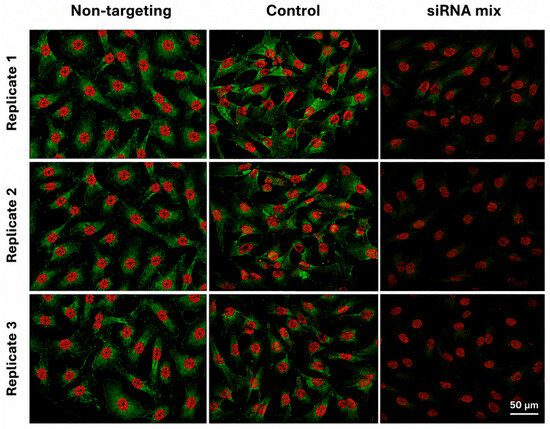
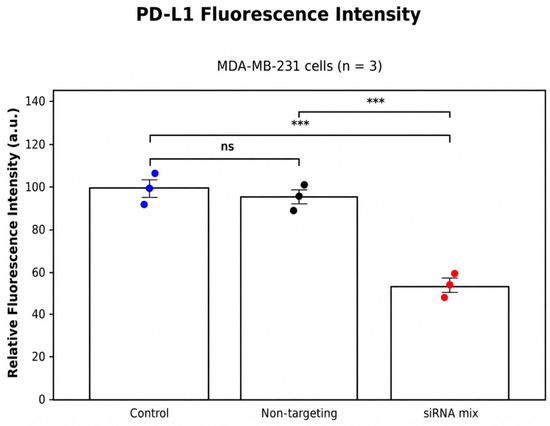
In triple-negative breast cancer (TNBC), immune checkpoint pathways play a central role in tumor immune evasion. Programmed death protein 1 (PD-1) is an inhibitory receptor expressed on T cells, while its ligand, programmed death-ligand 1 (PD-L1), is commonly expressed on tumor cells and cells within the tumor microenvironment. Their interaction suppresses T-cell activation and promotes immune escape. In this study, we evaluated the potential of small interfering RNA (siRNA) to silence PD-L1 expression in TNBC. Transcriptomic analysis of GEO datasets revealed consistent upregulation of CD274 (PD-L1) in TNBC samples. Three siRNA candidates were designed and evaluated in MDA-MB-231 cells. All siRNAs significantly reduced CD274 expression (>70%), as determined by RT-qPCR. Immunofluorescence analysis confirmed a reduction in PD-L1 protein levels (54.3 vs. 98.7 a.u.), while MTT assays demonstrated preserved cell viability at the working concentration (100 pM), supporting a non-cytotoxic and specific gene-silencing effect. These findings highlight PD-L1 as a viable molecular target and support siRNA-mediated silencing as a promising therapeutic strategy in TNBC.
Full article

Figure 1

Open AccessArticle
Formulation Optimization of Felodipine Push–Pull Osmotic Pump Capsules Using Quality by Design Approach
by
Chaowalit Monton and Poj Kulvanich
Sci. Pharm. 2026, 94(3), 52; https://doi.org/10.3390/scipharm94030052 - 25 Jun 2026
Abstract
►▼
Show Figures
Recently, the Quality by Design (QbD) principle has been implemented in the pharmaceutical industry to enhance product and process understanding through a science- and risk-based approach. This study aimed to apply QbD principles to the formulation development of felodipine push–pull osmotic pump (PPOP)
[...] Read more.
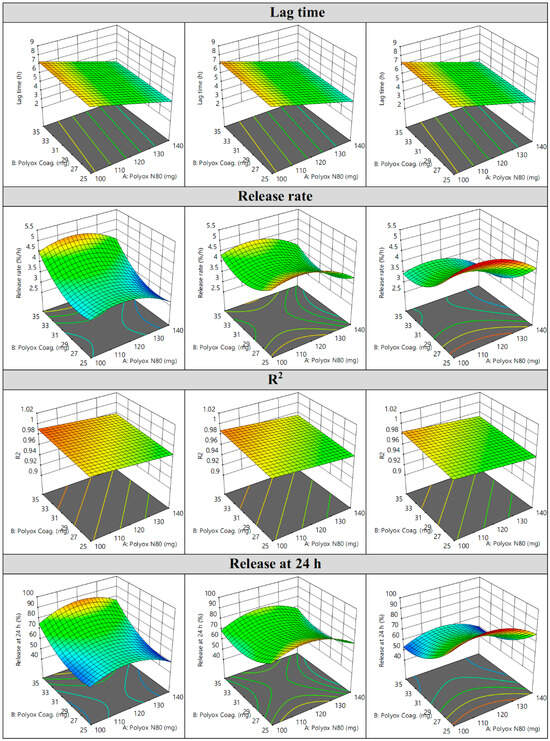
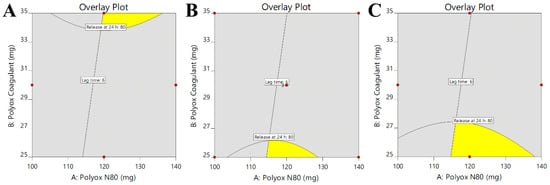
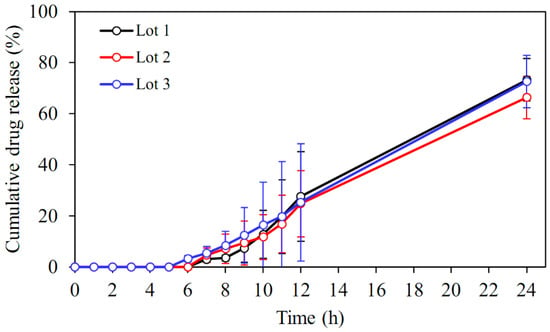
Recently, the Quality by Design (QbD) principle has been implemented in the pharmaceutical industry to enhance product and process understanding through a science- and risk-based approach. This study aimed to apply QbD principles to the formulation development of felodipine push–pull osmotic pump (PPOP) capsules. The quality target product profile (QTPP) and critical quality attributes (CQAs) were established. A Box–Behnken experimental design was employed to optimize the formulation variables, including the amounts of Polyox WSR N80, Polyox WSR Coagulant, and sodium chloride, selected based on the initial risk assessment. Four responses were monitored: lag time, release rate and R2 based on zero-order release kinetics, and drug release at 24 h. Results indicated that the optimal formulation consisted of 125 mg Polyox WSR N80, 26 mg Polyox WSR Coagulant, and 30 mg sodium chloride. This formulation met the predefined criteria for lag time (≤6 h) and release kinetics (R2 ≥ 0.95), while drug release at 24 h remained below the target value (≥80%). Because most fitted response surface models were not statistically significant, the generated regression equations and response surfaces were interpreted qualitatively to identify formulation trends rather than as predictive models. Experimental verification showed reasonable consistency in overall response trends, although substantial deviations between predicted and observed values were observed for some responses, particularly drug release at 24 h. Therefore, the present work should be considered a formulation-development and QbD feasibility study rather than a definitive optimization study. These findings demonstrate that the QbD-based approach enabled systematic, multivariate optimization and design space establishment, providing a more structured framework for formulation refinement compared with prior exploratory development and supporting controlled drug release characteristics of felodipine PPOP capsules.
Full article

Figure 1

Open AccessReview
Flavonoids in Cancer Therapy: Nanocarrier Strategies to Overcome Bioavailability Limitations
by
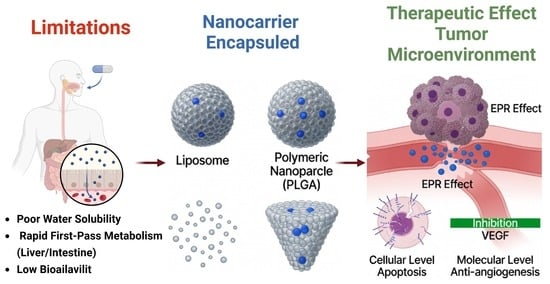
Maykon Jhuly Martins de Paiva, Walmirton Bezerra D’Alessandro, Iangla Araújo de Melo Damasceno, Juliane Farinelli Panontin, Taides Tavares dos Santos, Sávia Denise Silva Carlotto Herrera, Mateus Silva Santos and Márcio Trevisan
Sci. Pharm. 2026, 94(2), 51; https://doi.org/10.3390/scipharm94020051 - 19 Jun 2026
Abstract
Flavonoids are a structurally diverse class of plant-derived polyphenolic compounds widely recognized for their pleiotropic biological activities, including antioxidant, anti-inflammatory, and anticancer effects. In oncology, these compounds have demonstrated the ability to modulate key signaling pathways involved in cell proliferation, apoptosis, angiogenesis, and
[...] Read more.
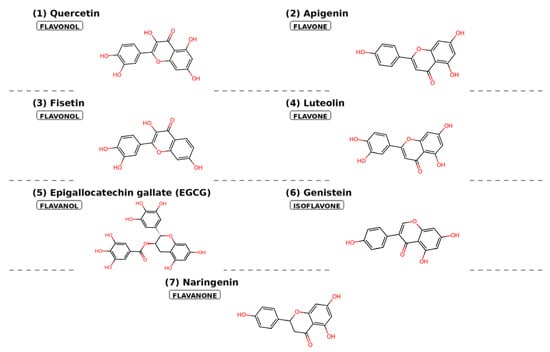
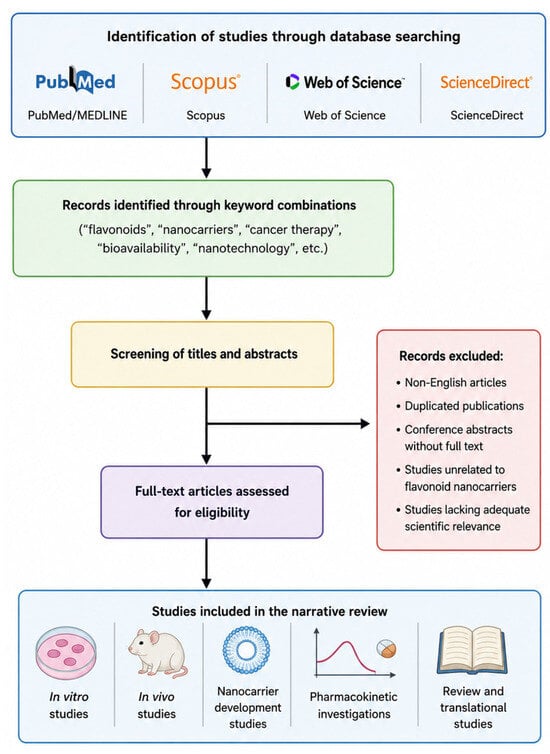
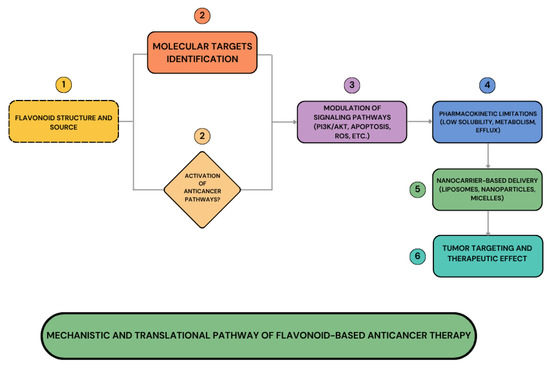
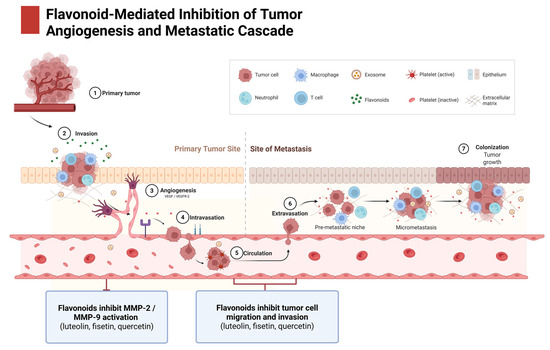
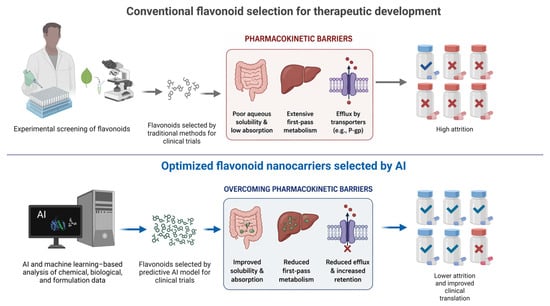
Flavonoids are a structurally diverse class of plant-derived polyphenolic compounds widely recognized for their pleiotropic biological activities, including antioxidant, anti-inflammatory, and anticancer effects. In oncology, these compounds have demonstrated the ability to modulate key signaling pathways involved in cell proliferation, apoptosis, angiogenesis, and metastasis, highlighting their potential as multitarget therapeutic agents. However, their clinical translation remains significantly limited by unfavorable pharmacokinetic properties, such as poor aqueous solubility, extensive first-pass metabolism, rapid systemic clearance, and consequently low oral bioavailability. In this context, nanotechnology has emerged as a promising strategy to overcome these limitations. This review provides a comprehensive and critical analysis of current nanocarrier-based delivery systems for flavonoids, including polymeric nanoparticles, lipid-based nanocarriers (liposomes, solid lipid nanoparticles, and nanoemulsions), micelles, and cyclodextrin complexes, emphasizing their role in improving drug stability, enhancing cellular uptake, and enabling targeted delivery to tumor tissues through both passive mechanisms, such as the enhanced permeability and retention effect, and active targeting approaches. In addition, recent in vitro and in vivo studies demonstrating the superior antitumor efficacy of nanoencapsulated flavonoids compared to free compounds are discussed. Finally, the major translational challenges, safety considerations, and future perspectives for the clinical application of flavonoid-based nanomedicines in cancer therapy are highlighted.
Full article
(This article belongs to the Special Issue Anticancer Potential of Natural Products)
►▼
Show Figures

Graphical abstract
Open AccessArticle
Absolute Bioavailability and PK/PD of Quercetin in Normoglycemic and Alloxan-Induced Diabetic Rats
by
Avel González-Sánchez, Jesús Alfredo Araujo-León, Rolffy Ortiz-Andrade, Tania Isolina Coral-Martínez and Zhelmy Martín-Quintal
Sci. Pharm. 2026, 94(2), 50; https://doi.org/10.3390/scipharm94020050 - 15 Jun 2026
Abstract
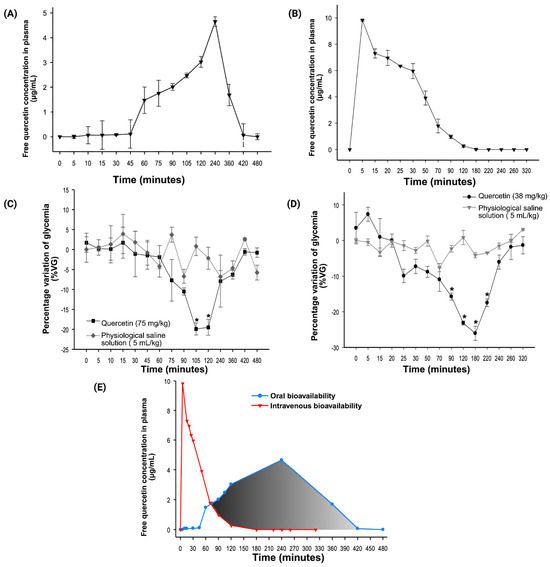
This study aimed to determine the absolute bioavailability of quercetin and quantitatively evaluate its pharmacokinetic–pharmacodynamic (PK-PD) relationship regarding acute glucose-lowering effects in normoglycemic and alloxan-induced diabetic rats, addressing whether its in vivo efficacy is driven by the free aglycone or its biotransformed intermediates.
[...] Read more.
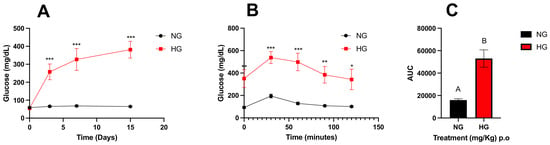
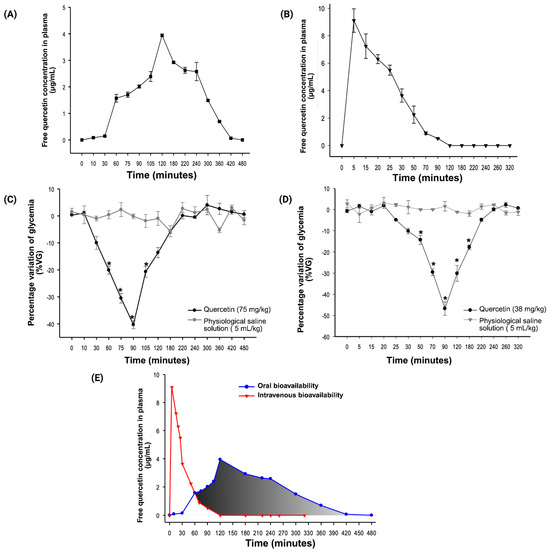
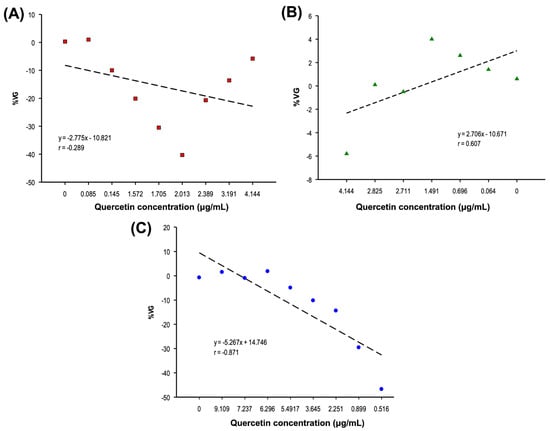
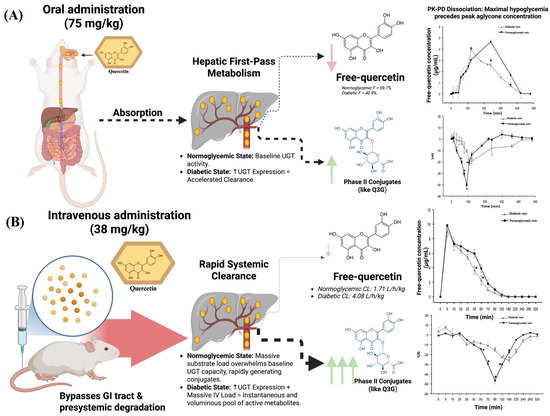
This study aimed to determine the absolute bioavailability of quercetin and quantitatively evaluate its pharmacokinetic–pharmacodynamic (PK-PD) relationship regarding acute glucose-lowering effects in normoglycemic and alloxan-induced diabetic rats, addressing whether its in vivo efficacy is driven by the free aglycone or its biotransformed intermediates. Healthy and diabetic rats received single doses of quercetin either orally (75 mg/kg) or intravenously (38 mg/kg). Plasma concentrations of free quercetin were quantified using a validated HPLC-DAD method, and temporal PK-PD relationships between systemic exposure and the percentage variation of glycemia were mathematically evaluated employing Pearson correlation analysis. The absolute bioavailability of free quercetin was significantly impaired by the pathophysiological state, dropping from 59.7% in healthy rats to 40.9% in diabetic subjects. Despite this diminished systemic exposure, oral administration elicited significant hypoglycemic responses. Crucially, the Pearson correlation analysis revealed a pronounced temporal dissociation: the onset of glycemic reduction occurred independently of the maximal circulating concentration of free quercetin. Furthermore, intravenous delivery bypassed first-pass barriers and induced a markedly faster and deeper hypoglycemic effect (up to −47% in diabetic rats). Finally, the diminished bioavailability under diabetic conditions and the stark PK-PD temporal dissociation strongly suggest that quercetin’s acute antihyperglycemic effect is driven by rapid hepatic Phase II biotransformation, implicating conjugated metabolites (rather than the free aglycone) as the principal pharmacological effectors.
Full article
(This article belongs to the Topic Natural Products and Drug Discovery—2nd Edition)
►▼
Show Figures

Figure 1
Open AccessArticle
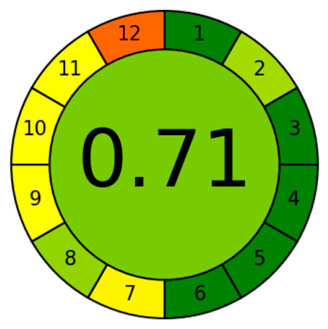
Microwave-Assisted Synthesis and Characterization of Flavone–Thiazole–Aryl Hybrids with Potential Anticancer and Antiparasitic Activity
by
Stepan Sysak, Wojciech Szczolko, Marziyeh Raeispour, Malgorzata Kucinska, Pawel Bakun, Roman Lesyk, Philippe Grellier, Marek Murias and Tomasz Goslinski
Sci. Pharm. 2026, 94(2), 49; https://doi.org/10.3390/scipharm94020049 - 10 Jun 2026
Abstract
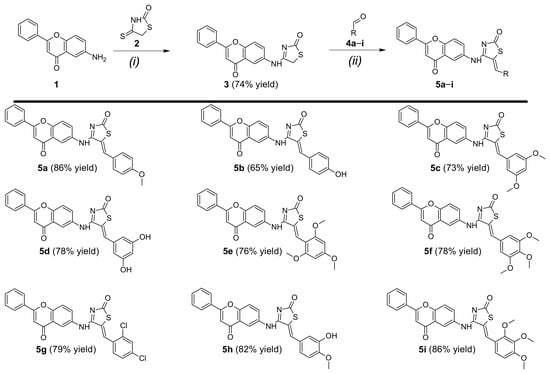
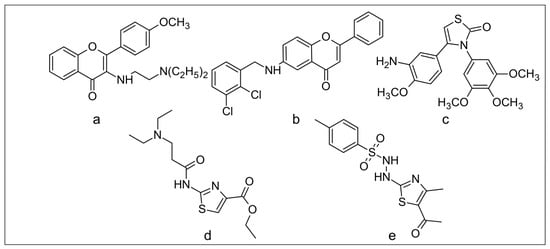
Flavone–thiazole–aryl hybrid molecules based on 6-aminoflavone and 5-arylidene-4-aminothiazol-2(5H)-ones were synthesized and subjected to physicochemical and biological studies. Microwave-assisted synthesis was performed in two steps. First, an aminolysis reaction of isorhodanine with 6-aminoflavone was carried out to achieve the corresponding hybrid flavone-thiazole
[...] Read more.
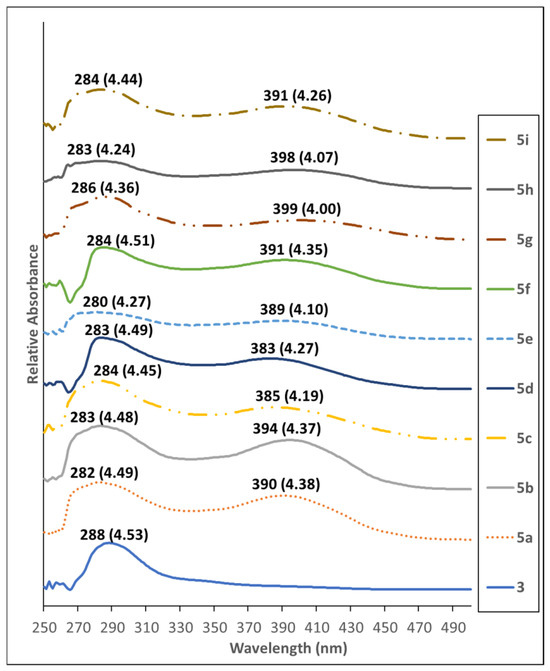
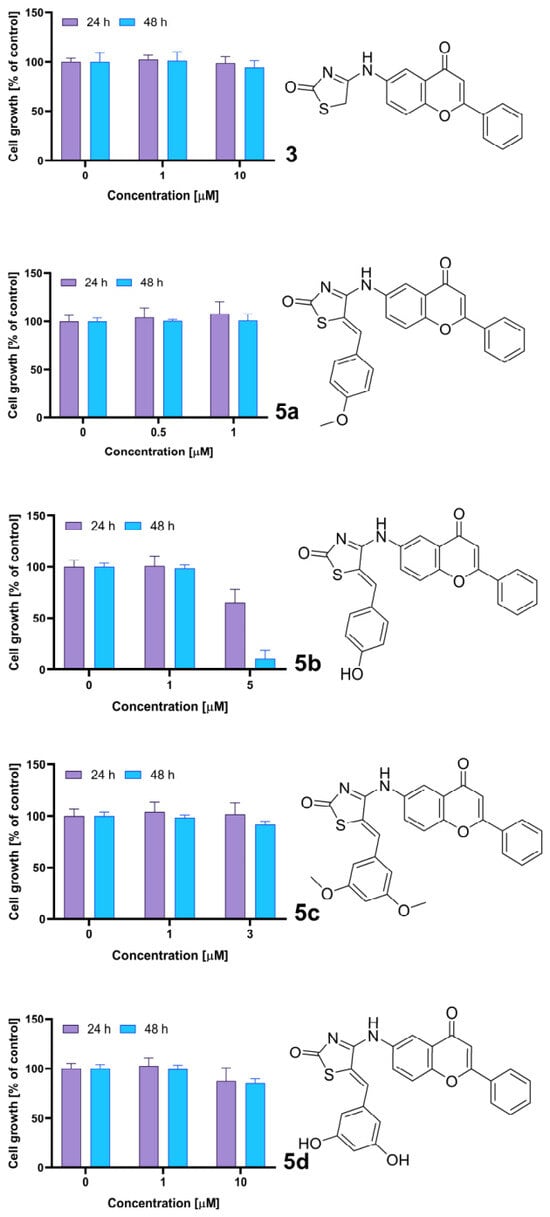
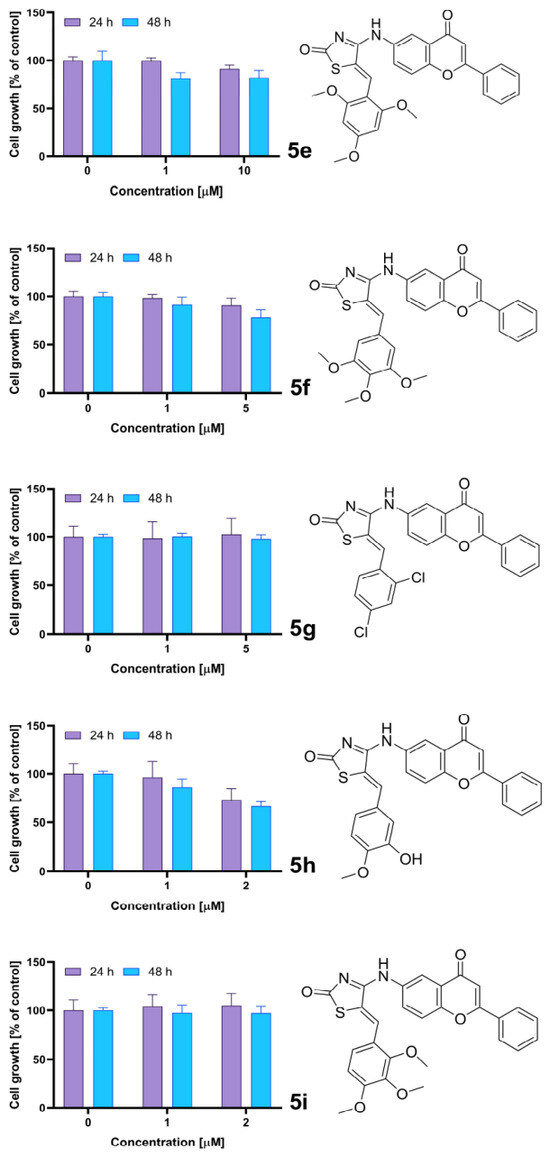
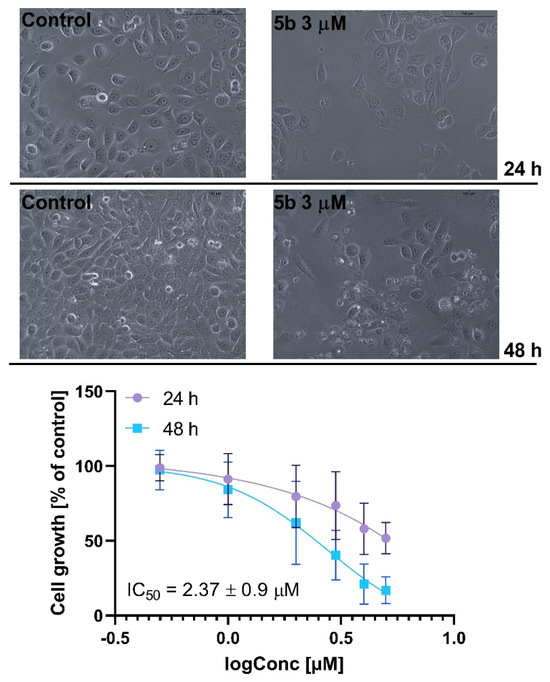
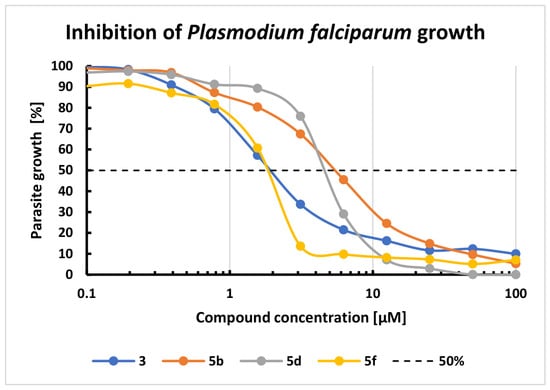
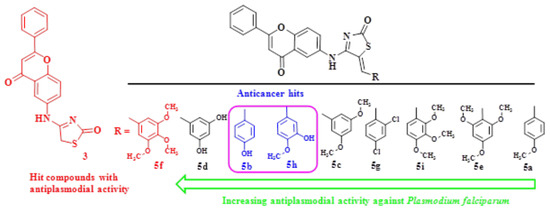
Flavone–thiazole–aryl hybrid molecules based on 6-aminoflavone and 5-arylidene-4-aminothiazol-2(5H)-ones were synthesized and subjected to physicochemical and biological studies. Microwave-assisted synthesis was performed in two steps. First, an aminolysis reaction of isorhodanine with 6-aminoflavone was carried out to achieve the corresponding hybrid flavone-thiazole 3, which was later subjected to a Knoevenagel condensation with selected aromatic aldehydes, yielding 5-arylidene derivatives 5a–5i. The resulting hybrids were purified and characterized by UV–Vis, NMR, and HR-MS (ESI). In the UV–Vis spectra of all compounds, two characteristic bands were noted. The UV–Vis spectra in DMF of the studied flavone–thiazole–aryl hybrids consist of two major bands with maxima appearing at 280–288 nm, corresponding to band II and 383–399 nm, corresponding to band I, which clearly distinguish them from the large group of modified flavonoids. Among the compounds tested on human bladder cancer 5637 cells, (5Z)-5-[(4-hydroxyphenyl)methylene]-4-[(4-oxo-2-phenyl-chromen-6-yl)amino]thiazol-2-one (5b) exhibited interesting micromolar activity (IC50 2.37 µM). In addition, four of the tested compounds (3, 5f, 5d, and 5b) presented noteworthy antiplasmodial activity against P. falciparum in the low micromolar range (IC50 1.90–4.90 µM). The obtained group of flavone–thiazole–aryl hybrid molecules constitutes valuable starting points for further structural optimisation, which could usher in future novel active pharmaceutical ingredients and pave the way for novel therapeutic strategies.
Full article
(This article belongs to the Special Issue Heterocyclic Chemistry in Drug Design 3.0)
►▼
Show Figures

Figure 1
Open AccessArticle
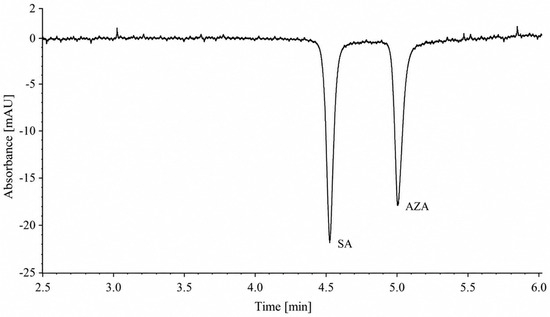
2,4-Bis{4-[(dialkylaminoalkyl)aminomethyl]phenyl}-7-substituted-7H-pyrrolo[2,3-d]pyrimidine Derivatives: Synthesis and Biological Evaluation as Novel Antiprotozoal Agents by Potentially Targeting G-Quadruplex
by
Jean Guillon, Solène Savrimoutou, Patrice Agnamey, Vittoria Milano, Céline Damiani, Luisa Ronga, Marie Hanot, Sandra Albenque, Tshering Zangmo, Sarah Monic, Noël Pinaud, Lindita Lari, Mathieu Marchivie, Stéphane Moreau, Jean-Louis Mergny, Serge Moukha, Pascale Dozolme, Clotilde Boudot, Bertrand Courtioux, Anita Cohen and Pascal Sonnetadd
Show full author list
remove
Hide full author list
Sci. Pharm. 2026, 94(2), 48; https://doi.org/10.3390/scipharm94020048 - 9 Jun 2026
Abstract
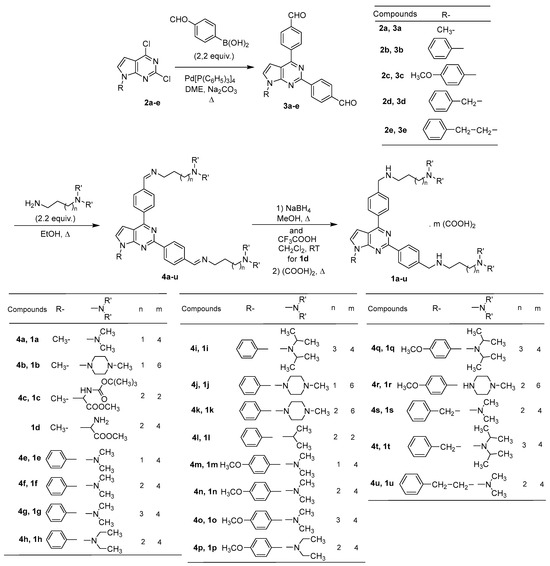
A series of substituted pyrrolo[2,3-d]pyrimidines was designed, synthesized, and evaluated in vitro against two protozoan parasites: Plasmodium falciparum and Trypanosoma brucei brucei. Pharmacological studies revealed antiprotozoal activity with IC50 values in the submicromolar to micromolar range. Additionally, the in
[...] Read more.
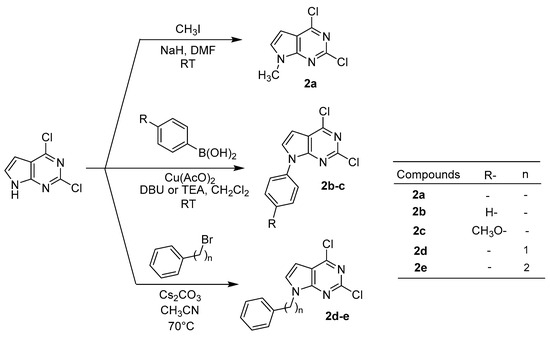
A series of substituted pyrrolo[2,3-d]pyrimidines was designed, synthesized, and evaluated in vitro against two protozoan parasites: Plasmodium falciparum and Trypanosoma brucei brucei. Pharmacological studies revealed antiprotozoal activity with IC50 values in the submicromolar to micromolar range. Additionally, the in vitro cytotoxicity of these new compounds was assessed using human HepG2 cells. Among them, the pyrrolopyrimidine derivative 1d emerged as the most potent antimalarial compound, exhibiting a selectivity index (SI) of 600.81 against the P. falciparum chloroquine-resistant W2 strain. For the chloroquine-sensitive 3D7 strain, the most notable selectivity index (SI) was observed for pyrrolo[2,3-d]pyrimidine 1c, with a value of approximately 123. Furthermore, compound 1b demonstrated the most interesting activity against Trypanosoma brucei brucei, with an SI of 39.52, marking it as a promising trypanocidal agent. FRET melting assays confirmed that these nitrogen-containing heterocyclic compounds bind to telomeric G-quadruplexes in P. falciparum and Trypanosoma. However, no clear correlation was found between G-quadruplex binding and antiparasitic activity or selectivity, suggesting that G-quadruplex targeting is unlikely to be the main mechanism underlying cytotoxicity.
Full article
(This article belongs to the Special Issue Pharmaceutical Applications of Heterocyclic Compounds)
►▼
Show Figures

Figure 1
Journal Menu
► ▼ Journal MenuJournal Browser
► ▼ Journal BrowserHighly Accessed Articles
Latest Books
E-Mail Alert
News
Topics
Topic in
Biomedicines, IJMS, Sci. Pharm., Molecules, Future Pharmacology, Biomolecules
Natural Products and Drug Discovery—2nd Edition
Topic Editors: Sonia Piacente, Marta MenegazziDeadline: 30 September 2026
Topic in
Bioengineering, Molecules, Pharmaceuticals, Pharmaceutics, Processes, Sci. Pharm.
Complementary Strategies in Drug Delivery: From Particle Engineering to System Optimization
Topic Editors: Barbara R. Conway, Hisham Al-ObaidiDeadline: 30 October 2026
Topic in
Antibiotics, CIMB, IJMS, Pharmaceutics, Sci. Pharm., SynBio, Pharmaceuticals
Design, Synthesis, and Development of Antimicrobial Drugs
Topic Editors: Hao Wang, Wenxuan ZhangDeadline: 30 November 2026
Topic in
Biomedicines, IJMS, Medicines, Molecules, Pharmaceuticals, Sci. Pharm.
New Compounds Discovery and Development in Medicine — Advances in Research on Potential Therapeutic Agents and Drug Candidates, 2nd Edition
Topic Editors: Monika Wujec, Anna Bogucka-Kocka, Przemysław Kołodziej, Jacek BoguckiDeadline: 31 December 2026
Special Issues
Special Issue in
Sci. Pharm.
Monoclonal Antibodies in the Treatment of Diseases: Focus on Stability, Storage, and Administration
Guest Editor: Stefano RugaDeadline: 31 October 2026
Special Issue in
Sci. Pharm.
Heterocyclic Chemistry in Drug Design 3.0
Guest Editors: Roman B. Lesyk, Monika WujecDeadline: 31 October 2026
Special Issue in
Sci. Pharm.
Pharmaceutical Applications of Heterocyclic Compounds
Guest Editor: Thierry BessonDeadline: 31 October 2026
Special Issue in
Sci. Pharm.
Innovative Perspectives in Ocular Drug Research
Guest Editor: Susi BurgalassiDeadline: 31 October 2026