


Abstract
Morinda citrifolia (Noni) is well known as a plant with therapeutic potential and is also attractive to the food and cosmetic industries. Traditional medicine supports its use, mainly for the treatment of metabolic disorders and chronic inflammation but also for certain types of cancer. Noni has been the subject of considerable interest within the scientific community due to its purported health benefits. However, despite its growing popularity and extensive traditional use, significant gaps remain in the empirical understanding of its properties, mechanisms, and potential applications. To understand its biological activity, particular attention has been given to several chemical compounds present in its leaves and fruits, as they have been identified as bioactive agents. Moreover, several studies support the idea that specific flavonoids and anthraquinones from noni act on enzymes and transporters associated with glucose and lipid metabolism in humans. Its involvement in cardiovascular, neurological, metabolic, and inflammatory regulation across several high-burden diseases expands the potential medical applications of noni. This narrative review presents the current state of knowledge, highlighting preclinical studies that suggest the mechanisms of action underlying the observed effects, including theoretical approaches proposing specific interactions between noni compounds and proteins associated with human diseases as potential therapeutic targets. It also identifies areas where information remains insufficient and proposes future research directions for pharmacological applications, including the need for additional clinical studies and more comprehensive pharmacokinetic and toxicological evaluations.
1. Introduction: Morinda citrifolia and Its Use in Traditional Medicine
Humans have used plants for thousands of years. Herbal medicine aligns with global research interests in uncovering traditional plant knowledge as a source of alternative therapies commonly used worldwide [1]. Recently, studies on the use of Morinda citrifolia (commonly known as noni or Indian mulberry) have gained attention by seeking to determine its effectiveness, mechanisms of action, safety, appropriate dosage, and target populations across a wide range of potential therapeutic applications [2]. However, the specific actions of some compounds found in this plant remain unclear, and their mechanisms of action are often poorly described or insufficiently supported.
The noni plant is a small- to medium-sized (3–10 m tall) fruit-bearing tree that grows throughout the tropics [3]. The fruit typically matures within 9 to 12 months after planting. When unripe, it is dark green, whereas when ripe, it has a lumpy green to yellowish-white appearance [4].
Noni has garnered significant attention in traditional medicine and contemporary research, including ethnopharmacological studies. Originating in Southeast Asia and Australasia, it has been traditionally used in various cultures for its purported health benefits [5], despite its association with certain myths and perceived toxicity [6]. Recent scientific investigations have sought to validate and understand the mechanisms underlying these traditional uses, focusing on its phytochemical constituents and biological activities. In addition, chemical analyses and genotoxicity tests have shown that noni does not exhibit genotoxic potential [7,8]. Due to increasing interest in this plant, several countries have promoted noni cultivation, and some have reported differences in its chemical composition associated with soil characteristics, temperature, and other environmental conditions [9]. Efforts to enhance the production of bioactive compounds in noni have also been undertaken, with studies focusing on optimizing conditions for root growth and compound extraction. Techniques such as adventitious root cultures in bioreactors have been employed to improve the yield of anthraquinones, phenolics, and flavonoids [10]. In traditional medicine, noni has been used to treat a wide variety of ailments. However, interest in its medical applications has increased substantially. As an example, the number of articles indexed in PubMed has increased from one or two publications per year approximately 70 years ago to nearly one hundred publications annually in recent years (Figure 1).
Figure 1.
Articles in the PUBMED-database regarding studies with Morinda citrifolia (Articles with terms “Morinda citrifolia OR noni” published between 1951 to 2025).
In fact, noni represents a promising avenue for the development of novel therapeutic agents. Continued research, particularly well-designed clinical studies, will be crucial for translating traditional knowledge into evidence-based applications in modern medicine.
For instance, in Polynesian cultures, the entire plant has been used to treat gastrointestinal disorders, respiratory diseases, and inflammatory conditions [11]. These traditional uses have provided the foundation for modern scientific investigations aimed at validating and understanding the mechanisms underlying the effects of noni [12]. Particular attention has been given to the noni fruit because of its therapeutic potential, which has been attributed to its diverse phytochemical profile. It has been reported to be effective in the treatment of numerous diseases, including cancer, hypertension, inflammation, diabetes, cardiovascular diseases, infections, arthritis, asthma, as well as mental depression, diarrhea, and indigestion [6,13,14].
The wide variety of phytochemical constituents in noni has demonstrated a broad spectrum of biological activities, including antimicrobial, antiseptic, antifungal, antioxidant, anti-inflammatory, anti-arthritic, anticancer, antidiabetic, antiviral, antiparasitic, and antituberculosis effects, as well as wound-healing, memory-enhancing, anxiolytic, sedative, analgesic, gastric ulcer-healing, antigout, antihyperuricemic, immune-enhancing, antiosteoporotic, otoprotective, antihelminthic, hypotensive, and LDL oxidation-preventive effects [15,16].
To explain its medicinal benefits, one of the most extensively studied properties of noni is its antioxidant activity. Noni fruit extract has demonstrated significant free radical-scavenging ability, which is attributed to its high phenolic content. This antioxidant capacity is associated with many of its therapeutic effects, including its potential for managing oxidative stress-related diseases [17]. It has also been associated with strong nitric oxide inhibitory activity, suggesting anti-inflammatory properties [6]. Accordingly, the anti-inflammatory potential of noni has also been the subject of considerable interest. Both in vivo and in vitro studies have shown that noni can modulate inflammatory pathways, suggesting its potential for the treatment of inflammatory disorders [18].
In addition, the anticancer potential of noni has been explored in several studies. Compounds isolated from noni, such as damnacanthal and nordamnacanthal, have demonstrated cytotoxic effects against various cancer cell lines. These findings suggest a potential role for noni in cancer therapy, either as a standalone treatment or as an adjunct to conventional therapies [19]. Likewise, noni also exhibits potential as an antidiabetic agent by inhibiting α-amylase and α-glucosidase [6,20].
Despite these promising findings, the medicinal use of noni should be approached with caution. Rigorous clinical trials are necessary to establish its safety and efficacy for therapeutic applications. Furthermore, the potential for interactions with conventional medications and the variability among noni preparations highlight the need for standardized products and dosage regimens in clinical research [6].
Advances in noni research have led to the identification of more than 200 bioactive constituents. These include a diverse array of carbohydrates, organic acids, alcohols, flavonoids, vitamins, ketones, fatty acids, sterols, carotenoids, phenolic compounds, and other phytochemicals (see below for details) [21,22]. The bioavailability of essential health-related elements in noni fruit is associated with the presence of minerals such as calcium, potassium, and phosphorus, which are found at relatively high concentrations together with bioactive compounds and may contribute to the observed immunomodulatory effects. These elements are essential for numerous physiological functions, including bone health, cellular function, and metabolic processes, further supporting the potential of noni as a nutritional supplement.
This narrative review presents the current state of knowledge and proposes future directions for research. It focuses on the analysis of compounds reported in preclinical studies, suggesting mechanisms of action that may explain the observed effects, including theoretical models indicating specific interactions with selected protein targets. Clinical trials and theoretical studies were subsequently analyzed to either refute or strengthen the evidence supporting putative targets involved in human diseases.
To this end, a literature search of English-language articles was conducted using the PubMed, Google Scholar, and Scopus databases. The search terms were “noni,” “Morinda citrifolia,” “biological effects,” and “therapeutic effects.” PubMed was searched using the Phytochemistry and Therapy Clinical Queries filters. Two authors (E.E.-F. and M.A.S.-U.) independently reviewed, discussed, and selected abstracts relevant to the treatment of high-burden diseases. Review articles published during the current century were given higher priority for inclusion; however, the relevance and recency of the available evidence were also considered. Some review articles were excluded because they contained information that substantially overlapped with that of other included manuscripts. To enrich the information regarding effects studied in humans, a search of ClinicalTrials.gov was conducted, and the retrieved information was analyzed and curated for inclusion in the final section of this manuscript. Finally, to illustrate specific molecular interactions, the Protein Data Bank was searched for structures involving selected compounds identified in noni, and the resulting information was incorporated into this manuscript.
Therefore, several studies support the notion that different flavonoids and anthraquinones present in noni act on enzymes and transporters associated with glucose and lipid metabolism in humans [16]. The involvement of metabolic and inflammatory regulation in several high-burden diseases, such as diabetes, cancer, stroke, and heart failure, further expands the potential medical applications of noni. Future investigations could focus on developing and optimizing methodologies for incorporating noni fruit into different products, with particular emphasis on modifying and improving its sensory properties. This approach aims to reduce or even eliminate adverse reactions arising from its characteristic taste and aroma, thereby expanding its applicability and acceptance within the food and nutrition industries.
2. The Chemical Compounds of Noni
As mentioned above, noni plants are rich in bioactive compounds, with more than 200 constituents having been identified, although some studies have reported just over 120, as reflected in the NCBI Phytochemical Library [23]. To optimize production, chemical analyses of noni extracts using techniques such as gas chromatography–mass spectrometry (GC-MS) have provided detailed profiles of the plant’s bioactive constituents [24]. These analyses are crucial for standardizing noni products and ensuring consistency in their therapeutic effects, which is particularly important for their use in clinical settings. GC-MS has been used to investigate the bioactive constituents present in ethanolic extracts of noni leaves and fruit juice, providing detailed chemical profiles of the plant [25].
The bioactive compounds of noni are distributed throughout different parts of the plant, including the fruit, leaves, and roots, each characterized by distinct chemical profiles and biological activities. Among the most notable compounds are anthraquinones, such as morindone and morindin, as well as aucubin, asperuloside, asperulosidic acid, and scopoletin [26], which are primarily recognized for their pharmacological potential [27,28]. In addition, noni has attracted attention as a sustainable and affordable nutritional resource [29]. This productive capacity further underscores the sustainability and economic viability of noni cultivation [30].
Scopoletin, octanoic acid, potassium, vitamin C, terpenoids, alkaloids, anthraquinones, iridoids, asperuloside, asperulosidic acid, deacetylasperuloside, citrifolinin, citrifoside, and dehydroepoxymethoxygaertneroside have been identified in different parts of the plant [31,32]. The iridoids present in the leaves exhibit potent antioxidant properties, making them of particular interest for the development of therapeutic agents targeting oxidative stress-related conditions [33,34].
Noni fruit is rich in phytochemicals, particularly anthraquinones, flavonoids, lignans, and iridoids, which are believed to contribute to its antioxidant, anti-inflammatory, and anticancer activities. The presence of these important bioactive compounds contributes to understanding the potential health benefits associated with M. citrifolia consumption. These compounds include phenolics, total flavonoids, ascorbic acid, monomeric anthocyanins, β-carotene, and lycopene [35]. For instance, iridoids, which are unique secondary metabolites found in noni, particularly deacetylasperulosidic acid, the most abundant iridoid, have attracted considerable research interest because of their broad range of biological activities [36]. Recently, this compound has shown great potential for modulating the immune response and improving dermal barrier function [37]. Damnacanthal is well documented for its antibacterial and antitumor activities, playing a critical role in modulating cancer cell proliferation and inducing apoptosis [38]. Noni fruit also contains octanoic acid, caprylic acid, hexanoic acid, and caproic acid, all of which have been shown to possess antifungal properties. Furthermore, asperulosidic acid exhibits antibacterial activity, while quercetin acts as a lipoxygenase inhibitor, providing anti-inflammatory effects. Additionally, the fruit contains Americanin A, a potent antioxidant [28].
Comprehensive phytochemical analyses of noni have also revealed other bioactive compounds, such as saponins and scopoletin, together with a rich profile of vitamins, including vitamin C, B1 (thiamine), B2 (riboflavin), B3 (niacin), and B12 (cobalamin) [39]. Scopoletin, another bioactive compound, exhibits anti-inflammatory, antihypertensive, and analgesic properties. These effects are mediated through its interaction with key cellular pathways, including peroxisome proliferator-activated receptor gamma (PPARγ), nuclear factor kappa B (NF-κB), and mitogen-activated protein kinase (MAPK) pathways, which are involved in immune modulation, cell proliferation, and the regulation of apoptosis (see below for details) [40].
Furthermore, the seeds of noni fruit contain polyphenols known for their antioxidant, antimutagenic, and antitumor properties, as well as flavonoids that have been reported to possess free radical-scavenging, anti-inflammatory, antiallergic, antiviral, and anticarcinogenic activities. Carotenoids present in noni contribute to cell signaling, antioxidant activity, metabolism, immune function, provitamin A activity, and protection of the skin against UV-induced damage, while their in vitro anticancer, antifungal, and antimicrobial activities further highlight their therapeutic relevance [26].
Moreover, a review by Lv et al. describes the diverse uses of different parts of the noni plant [41], reporting that the leaves contain Americanin A, a potent larvicidal and antioxidant compound, and quercetin, which is known for its antimicrobial activity. Ursolic acid, another constituent of the leaves, exhibits notable antitumor activity, whereas β-sitosterol has been associated with cholesterol-lowering effects and immunomodulatory functions. Additionally, citrifolinoside B, an iridoid, has been shown to suppress UVB-induced activation of activator protein-1 (AP-1), which is associated with cellular protective mechanisms. Scopoletin, a compound with documented antiproliferative effects, has also demonstrated potential in cancer treatment [41].
The roots of noni are rich in anthraquinones, such as damnacanthal, which exhibits antibacterial, antiviral, and antitumor activities, making the roots a promising resource for medicinal applications [34,41]. They also contain 8-hydroxy-8-methoxy-2-methylanthraquinone and 1,3-dihydroxy-6-methylanthraquinone, both of which display antiviral activity. In addition, the roots contain asperuloside, an iridoid with notable antibacterial effects; quercetin, a flavonoid with potent antioxidant properties; and scopoletin, which also exhibits antibacterial activity [32].
In addition to their wide range of bioactive compounds, noni leaves are a valuable nutritional resource, containing 15 amino acids of considerable nutritional importance. These amino acids, including essential amino acids such as lysine, leucine, and valine, contribute to the overall health benefits of noni leaves by playing vital roles in protein synthesis, muscle repair, and immune function. The presence of these amino acids not only enhances the therapeutic potential of the plant but also underscores its value as a nutritional supplement [42].
This review is centered on the identification of compounds with multiple biological activities, suggesting their potential applications in human diseases.
In the following table (Table 1), a collection of bioactive compounds is presented for easy location of information on each specific compound.
Table 1.
Phytochemical compounds of Morinda citrifolia and specific pharmacological evidence (chemical structures are in Figure 2) *.
Figure 2.
Chemical structures of some bioactive compounds in noni.
3. The Effects of Extracts in Recent Preclinical Studies
In recent years, bioactive compounds derived from noni have been extensively evaluated in preclinical models, particularly in cell-based systems and rodent models, including mice and rats. These studies have demonstrated the therapeutic potential of noni in managing a wide range of human diseases, including cancer; infections; inflammatory conditions; cardiovascular diseases (such as hypertension and stroke); metabolic disorders (particularly obesity and diabetes); and conditions associated with disease progression, for example, through modulation of the microbiota [77,78,79,80]. Based on the preclinical studies collected in this review, several findings have the potential to significantly impact human health in the coming years, as many have been published only recently.
Noni has demonstrated a variety of anticancer properties in animal models through multiple mechanisms, including antitumor, antiproliferative, proapoptotic, antiangiogenic, antimigratory, anti-inflammatory, and immunomodulatory activities [48]. As an illustrative example involving specific bioactive compounds, Matsuda et al. investigated the effects of noni extracts on melanin synthesis using both in vitro murine melanoma cell models and in vivo rat models. The authors found that noni extracts significantly inhibited four key processes associated with skin aging: tyrosinase activity, melanogenesis, human leukocyte elastase (HLE) activity, and matrix metalloproteinase-1 (MMP-1) activity. These findings suggest that noni may protect against the development of pigmented lesions and wrinkles, highlighting its potential as a therapeutic agent for skin health [81].
Another notable study, conducted in 2020, investigated silver nanoparticles synthesized using M. citrifolia and demonstrated their activity against Ehrlich ascites carcinoma cells transplanted into mice. The authors found that these nanoparticles effectively reduced oxidative responses and suppressed tumor growth, indicating potential anticancer properties [82]. A more recent review further expands the evidence supporting the effectiveness of noni against several types of cancer, including lung, esophageal, liver, and breast cancer, as well as its potential role in cancer chemoprevention. In particular, anthraquinones, flavonoids, sugar derivatives, and neolignans have been proposed as promising drug candidates or pharmacophores for the development of novel anticancer agents [83]. Moreover, some studies suggest that noni may serve as an adjuvant to current anticancer therapies. For example, noni has been reported to enhance the antineoplastic activity of cyclophosphamide while reducing toxicity in healthy cells in mice [82,83].
Recent applications in infectious diseases have also been reported. During the COVID-19 pandemic, Dharmashekara et al. conducted a virtual screening of phytochemical candidates against SARS-CoV-2. Among the compounds evaluated, one derived from M. citrifolia and another from Morus alba exhibited high binding affinity and favorable ADME properties, suggesting their potential as antiviral agents [84]. Other authors have also suggested that noni compounds may exert beneficial effects against viral infections and their associated symptoms, including post-COVID manifestations. More recently, in early 2024, Rajivgandhi et al. [85] reported that essential oils derived from noni exhibited potent antibacterial activity against multidrug-resistant bacteria, including Proteus mirabilis, Escherichia coli, Pseudomonas aeruginosa, and Staphylococcus aureus. These effects were observed after 24 h of incubation on Mueller–Hinton agar plates. Additionally, the essential oils inhibited the growth of A549 lung cancer cells, further highlighting their potential therapeutic applications [85].
Research into anti-inflammatory compounds derived from noni is extensive, with particular attention given to the fruit, including the pulp, juice, and seeds. Modulation of cytokine production and inhibition of enzymes such as cyclooxygenase-2 (COX-2) are among the principal mechanisms proposed to explain its anti-inflammatory effects. One particularly noteworthy report identified five compounds present in noni fruit juice—asperulosidic acid, rutin, nonioside A, (2E,4E,7Z)-deca-2,4,7-trienoate-2-O-β-D-glucopyranosyl-β-D-glucopyranoside, and triacetin—as active modulators of the expression of key enzymes, including cyclooxygenases [86]. In addition, a 2017 study in nephropathy-induced albino rats demonstrated that an alcoholic extract of noni exerted anti-inflammatory and nephroprotective effects. These effects were attributed to its antioxidant properties and its ability to reduce cholesterol levels [68]. Likewise, Campos et al. (2017) [87] conducted a series of experiments using male Swiss mice (25–30 g) to evaluate the anti-inflammatory activity of noni seeds. Using carrageenan-induced paw edema, carrageenan-induced peritonitis, and cerulein-induced acute pancreatitis models, the researchers demonstrated that Morinda citrifolia lipid transfer protein 1 (McLTP1) exhibited potent analgesic and anti-inflammatory properties, even after oral administration [87]. Additional studies in mice have shown that noni attenuates the complex inflammatory responses associated with colitis, including modulation of enzymatic activity and immune cell responses [88].
Regarding the cardiovascular system, Oluwafemi et al. [89] reported in 2020 that noni extracts attenuated transcriptional alterations and degenerative markers associated with cardiac toxicity in bisphenol A-treated male Wistar rats. The study also demonstrated significantly increased levels of nitric oxide and adenosine in treated animals, suggesting cardioprotective effects. A subsequent study published in 2023 by Oyabambi reported findings consistent with this cardioprotective action [89,90]. In addition, studies in rats have demonstrated antihypertensive activity, while preliminary in silico analyses suggest that scopoletin may be one of the principal bioactive compounds responsible for this effect [90].
Within the field of metabolic diseases, numerous preclinical studies have been conducted, and one of the principal commercial applications of noni is related to the use of noni juice for glycemic regulation. For example, in a series of studies conducted between 2022 and 2023, Mo et al. [91] demonstrated that noni fruit polysaccharides improved lipid metabolism disorders in male C57BL/6J mice. These disorders, induced by prolonged consumption of a high-fat diet, included hyperlipidemia, hypercholesterolemia, intestinal microbiota dysbiosis, and intestinal barrier dysfunction. Consumption of noni fruit ameliorated these metabolic disturbances [79]. Several studies support the combined antioxidant, anti-inflammatory, and antidiabetic effects of noni administration [7]. Although most studies confirm the hypoglycemic effects of noni, some have also raised concerns regarding potential toxic effects, including nephrotoxicity associated with chronic consumption. For example, Oliveira et al. found that noni administration improved time to fatigue and workload in diabetic rats, in addition to reducing hyperglycemia. These findings may be associated with improved energy efficiency promoted by noni supplementation, since oxygen consumption did not differ between groups despite longer exercise duration in animals receiving noni [92].
It should also be noted that abundant evidence exists regarding the effects of noni on the central nervous system in animal models of human disease [93,94]. In this context, several compounds appear to be active on amine receptors, particularly catecholamine and acetylcholine receptors, as well as on enzymes involved in amine biotransformation, such as monoamine oxidases [2,5].
4. Potential Targets of Identified Bioactive Compounds Isolated in Noni
4.1. From In Silico Assays
Due to the growing body of evidence supporting the beneficial effects of bioactive compounds isolated from noni, bioinformatics approaches have been employed to explore and identify the potential activities of specific compounds in human diseases. Accordingly, the potential effects of these compounds have been investigated at the level of RNA transcription and through their direct interactions with human proteins, including enzymes and membrane proteins associated with infectious and chronic degenerative diseases [95].
In silico studies provide a computational approach for understanding how these compounds interact with biological systems, allowing researchers to predict their potential efficacy in the treatment of various human diseases. These approaches have proven particularly valuable for identifying the molecular mechanisms through which noni-derived bioactive compounds exert their biological effects, especially at the level of RNA transcription and protein interactions [95].
Several studies have explored the effects of these compounds on transcriptional regulation, with particular emphasis on their influence on gene expression associated with chronic degenerative diseases such as cancer, diabetes, cardiovascular diseases, and infectious diseases. For example, in silico models and ligand–protein crystal structures have supported the potential regulatory effects of noni compounds, particularly the flavonoids rutin and quercetin, which are also found in other plant species, on transcription factors and enzymes involved in oxidative stress and inflammatory pathways (Figure 3) [96]. These pathways play central roles in the progression of chronic diseases [97] and are closely associated with the modulation of inflammatory processes.
Figure 3.
Crystal structures of experimentally solved complexes of Rutin on prostaglandin E synthase (PDB ID:1RY8, on the left) and Quercetin on Pim1, an inflammation oncogene-related protein (PDB ID: 2O3P, on the right). These two structures demonstrate interaction of compounds isolated from noni which can interact on human proteins involved in inflammatory processes.
Furthermore, the interaction of noni-derived compounds with human proteins, including enzymes and membrane receptors, has been an area of considerable interest. Molecular docking studies have predicted that compounds such as damnacanthal, quercetin, and scopoletin may interact with key proteins involved in metabolic and inflammatory pathways, including cyclooxygenase-2 (COX-2), 5-lipoxygenase (5-LOX), and nuclear factor kappa B (NF-κB) [98,99,100].
Figure 4 illustrates scopoletin bound to coumarin synthase, a plant enzyme that is structurally related to members of the animal acyltransferase superfamily. In humans, this structural fold is shared by several acyltransferases, most notably serotonin N-acetyltransferase and related enzymes involved in acetyl-CoA-dependent metabolic processes and neurotransmitter synthesis. These structural similarities provide a framework for exploring potential interactions between scopoletin and human proteins.
Figure 4.
Complex of scopoletin (in CPK representation, colored by atom type), suggested as one of the main active compounds of noni, on Coumarin synthase (colored by secondary structure, alpha helix in purple and beta sheets in yellow) of Arabidopsis thaliana (a plant enzyme related to human acyltransferases involved in metabolism and neuron processes), from solved crystal, PDB ID:8DQP. The details of interactions on this protein could be used to develop new inhibitors with application to treat inflammatory, neuronal and metabolic diseases.
These predicted interactions suggest a potential role for noni-derived compounds in mitigating inflammatory responses and preventing the progression of diseases such as arthritis, atherosclerosis, and certain types of cancer.
In addition to their role in modulating inflammatory pathways, some noni compounds have been shown to target enzymes involved in carbohydrate and lipid metabolism, making them potential therapeutic agents for metabolic disorders such as diabetes and hyperlipidemia. For instance, molecular docking studies have demonstrated that compounds such as deacetylasperulosidic acid and flavonoids present in noni may inhibit the activity of α-amylase and α-glucosidase, two enzymes that play critical roles in carbohydrate digestion, thereby reducing postprandial blood glucose levels [6]. These findings position noni as a promising candidate for diabetes management [101].
Furthermore, in silico models have predicted interactions between noni-derived compounds and membrane proteins involved in infectious disease pathways, as well as viral proteases responsible for the replication of pathogens such as SARS-CoV-2 and the hepatitis C virus. These studies suggest that noni compounds may possess antiviral potential by inhibiting the viral replication machinery, thereby reducing viral load and the severity of infection [102,103,104]. In addition, some compounds present in noni, such as fisetin, have been proposed to interact with key proteins of Mycobacterium spp. (Figure 5).
Figure 5.
The flavanol fisetin (a compound of noni, in bonds representation, colored by atom type) on the (3R)-hydroxyacyl-ACP dehydratase from Mycobacterium tuberculosis (from experimentally solved crystal complex with PDB ID: 4RLT, colored by protein monomer). This model could explain some effects of noni as agent for treating human infectious diseases.
One emerging area of research is the investigation of how noni compounds interact with the cytochrome P450 enzyme system. This system plays a crucial role in drug metabolism, and in silico studies have predicted that certain compounds present in noni may inhibit or induce specific cytochrome P450 enzymes, thereby influencing the metabolism of other drugs. This could have important implications for drug–drug interactions, particularly in individuals undergoing pharmacological treatment for chronic diseases [57]. Overall, in silico studies of noni compounds have provided valuable insights into their potential molecular targets and mechanisms of action. These findings support the potential use of noni-derived compounds as therapeutic agents for the treatment of a wide range of diseases, including metabolic and inflammatory disorders as well as infectious diseases.
Some recent reports have suggested that specific noni compounds may represent the principal bioactive agents responsible for these effects. For example, Rivera et al. proposed that nonioside E, a compound unique to noni fruit, exhibited favorable binding affinity toward protein kinase C alpha (PRKCA), a protein associated with several types of cancer and metabolic disorders, suggesting promising therapeutic potential [105]. Other research groups have evaluated specific compounds against well-established molecular targets. For example, Lolok et al. suggested that β-sitosterol and stigmasterol can bind to α-amylase, α-glucosidase, dipeptidyl peptidase-IV, and peroxisome proliferator-activated receptor gamma (PPARγ). All of these proteins represent attractive therapeutic targets for regulating carbohydrate metabolism [106,107], and these interactions may contribute to the hypoglycemic effects of noni. The authors also reported that these noni-derived compounds may offer advantages over acarbose, which is currently used in the treatment of patients with diabetes. It should be noted that relatively few compounds identified in noni have been characterized by crystallographic studies or evaluated through in silico analyses against target proteins. Nevertheless, structurally related compounds provide supporting evidence for these putative interactions (Figure 6).
Figure 6.
An inverted anthraquinone (in CPK representation, colored by atom type; as some compounds found in noni) in complex with a DNA fragment, from a crystal solved structure with PDB ID: 3GDD. This structure is model for suggesting interactions involved in some anticancer effects in humans.
Furthermore, it should be noted that noni compounds may exhibit pharmacological interactions with other medications, although the precise mechanisms underlying these interactions remain unclear. In this regard, noni juice has been reported to inhibit certain enzymes of the cytochrome P450 system, which plays a critical role in drug metabolism. Another important aspect of noni bioactivity is its influence on drug-metabolizing enzymes. Research has demonstrated changes in the activity of enzymes such as aminopyridine N-demethylase, UDP-glucuronosyltransferase (UGT), and glutathione S-transferase (GST) following treatment with plant extracts, suggesting a potential role in herb–drug interactions [83,108]. These effects could potentially alter the metabolism of concomitantly administered drugs, leading to either increased toxicity or reduced therapeutic efficacy. In addition, noni fruit contains relatively high levels of potassium, which may be problematic for patients with impaired kidney function or those following potassium-restricted diets. Consequently, noni may interact with medications that increase potassium levels, thereby increasing the risk of hyperkalemia.
On the other hand, noni juice has demonstrated hypoglycemic effects in animal studies. When administered together with antidiabetic medications, it may potentiate their effects and consequently increase the risk of hypoglycemia. Similarly, because of its potential blood pressure-lowering effects, noni may interact with antihypertensive medications, enhancing their pharmacological effects and potentially resulting in hypotension. Finally, it should be noted that concomitant use of noni with medications that affect liver or kidney function could increase the risk of hepatic or renal injury.
4.2. In Vitro Observations
Noni bioactive compounds have been extensively evaluated using in vitro assays (Table 2). These studies have primarily employed isolated cells, tissues, and enzymes of human and animal origin to investigate the potential health benefits of noni, with particular emphasis on its ability to modulate immune responses and to exert anti-inflammatory, antioxidant, antimicrobial, and anticancer activities. Accordingly, in vitro studies have substantially advanced our understanding of the bioactive compounds present in noni and their potential therapeutic applications. Nevertheless, it is important to recognize the inherent limitations of in vitro research, particularly when extrapolating these findings to clinical outcomes.
Table 2.
Summary of cell-based studies (in vitro) evaluating effects of Morinda citrifolia.
In vitro studies have also revealed significant antioxidant properties of noni, primarily attributed to its high content of phenolic compounds and flavonoids, which modulate key pathways involved in the pathogenesis of numerous chronic diseases, including cardiovascular diseases, neurodegenerative disorders, and cancer [49,107]. Some of these flavonoids are recognized for their neuroprotective effects [83,94,108]. Studies in human subjects have shown that noni consumption significantly increases antioxidant capacity, leading to a reduction in oxidative stress markers such as malondialdehyde and advanced glycation end-products (AGEs) [109]. This antioxidant activity plays an important role in mitigating systemic inflammation, a key driver of the pathogenesis of chronic diseases such as cardiovascular disorders and type 2 diabetes. The polyphenolic compounds present in noni, including flavonoids and anthocyanins, neutralize reactive oxygen species (ROS), thereby protecting cellular structures from oxidative damage [110].
The antioxidant activity of noni extracts has been demonstrated using various assays, including the DPPH (2,2-diphenyl-1-picrylhydrazyl) radical-scavenging assay, which has shown potent free radical-neutralizing activity [111]. This effect is important not only for neutralizing harmful ROS but also for preventing oxidative damage to DNA, lipids, and proteins. Moreover, in vitro evidence suggests that noni protects neuronal cells against oxidative damage, making it a potential candidate for therapeutic interventions in neurodegenerative diseases such as Alzheimer’s and Parkinson’s diseases [112]. Furthermore, the antioxidant properties of noni may also contribute to its proposed anti-aging effects, since oxidative stress is a well-established contributor to the aging process.
The anticancer potential of noni has also been a major focus of in vitro research. Several studies have investigated the cytotoxic effects of noni extracts on various cancer cell lines, including breast, colon, and lung cancer cells [65,112]. Bioactive compounds identified in noni, such as damnacanthal, scopoletin, and anthraquinones, have been shown to induce apoptosis (programmed cell death), inhibit cell proliferation, and reduce the metastatic potential of cancer cells, all of which are critical processes in cancer progression and treatment [113].
For example, in vitro studies have demonstrated that damnacanthal inhibits the activity of certain tyrosine kinases, enzymes that play critical roles in regulating cell division and survival. By inhibiting these enzymes, damnacanthal may prevent the uncontrolled proliferation of cancer cells, a hallmark of tumorigenesis [54]. Similarly, scopoletin has been shown to induce apoptosis in cancer cells by activating caspase-dependent pathways, leading to the elimination of malignant cells [114].
Although these findings are promising, the anticancer effects of noni observed in vitro require further validation through preclinical and clinical studies. The complexity of cancer biology means that in vitro findings, although indicative of therapeutic potential, do not always translate directly into effective clinical therapies. Nevertheless, the available evidence suggests that noni and its bioactive compounds could serve as valuable adjuncts to conventional cancer therapy.
In vitro investigations have also explored the antimicrobial and antifungal properties of noni. Studies have demonstrated that noni extracts possess broad-spectrum antimicrobial activity against a variety of bacterial and fungal species, including Escherichia coli, Staphylococcus aureus, and Candida albicans [115]. The antimicrobial activity of noni is thought to be primarily attributable to its anthraquinone and flavonoid content, which can disrupt microbial cell membranes and inhibit essential enzymatic processes in pathogenic microorganisms [38].
These findings are particularly relevant given the growing global concern regarding antimicrobial resistance. The ability of noni to inhibit drug-resistant bacteria and fungi suggests that it may have potential as a natural antimicrobial agent, either as a standalone treatment or in combination with existing antibiotics to enhance their efficacy [115]. The antifungal activity of noni against Candida albicans, a common pathogen responsible for infections such as oral thrush, further highlights its potential for the treatment of fungal infections, particularly those resistant to conventional antifungal therapies.
The immunomodulatory properties of noni are among the most extensively studied aspects of its in vitro bioactivity. Monocytes, key cells of the innate immune system, have been shown to respond to noni extracts by altering the production of several cytokines, which are critical signaling molecules involved in immune responses. Specifically, studies have demonstrated that noni inhibits the production of pro-inflammatory cytokines such as tumor necrosis factor-alpha (TNF-α), interleukin-1 beta (IL-1β), and interleukin-4 (IL-4), while simultaneously enhancing the production of interleukin-10 (IL-10), a cytokine with potent anti-inflammatory properties [109]. This dual action suggests that noni can suppress excessive inflammatory responses, which are characteristic of chronic inflammatory conditions, while promoting the resolution of inflammation and tissue repair through stimulation of IL-10 production [63,109]. These findings are particularly relevant to autoimmune diseases and chronic inflammatory disorders, in which dysregulated cytokine production plays a central role in disease progression.
In addition to its effects on cytokine production, noni has been shown to inhibit nitric oxide (NO) production in activated monocytes [116]. NO is a key mediator of the inflammatory response, and its excessive production is frequently associated with tissue damage in chronic inflammatory conditions. By reducing NO levels, noni extracts may help mitigate the deleterious effects of prolonged inflammation, highlighting their potential as therapeutic agents for the management of inflammatory diseases.
Although the effects of noni on monocytes are well documented, its impact on macrophages, another critical cell type of the innate immune system, appears to be more complex. In vitro studies have shown that noni extracts can enhance cytokine and nitric oxide production in macrophages while simultaneously inhibiting the expression of toll-like receptor 4 (TLR4) [117]. The downregulation of TLR4 suggests that noni may reduce the sensitivity of macrophages to pathogenic stimuli, potentially preventing excessive or inappropriate immune activation [118]. This capacity to modulate macrophage activity and TLR4 expression may be particularly beneficial for regulating immune responses in chronic infections, in which excessive immune activation can lead to tissue damage.
Furthermore, the ability of noni to influence macrophage function underscores its broader immunoregulatory capacity. By fine-tuning immune responses at the level of both monocytes and macrophages, noni may offer therapeutic benefits in a range of conditions characterized by immune dysregulation, including autoimmune diseases, chronic infections, and cancer, in which the immune system’s ability to distinguish between self and non-self may become compromised.
The traditional use of noni as a natural remedy for diabetes has also been supported by in vitro studies, which suggest that its bioactive compounds can target and modulate pathways involved in glucose metabolism and diabetes management [119]. Research has shown that noni extracts modulate enzymes involved in glucose metabolism, including α-glucosidase and glucose-6-phosphate dehydrogenase, both of which are key regulators of blood glucose homeostasis [120]. By inhibiting α-glucosidase, noni extracts can slow the breakdown of carbohydrates into glucose, thereby reducing postprandial blood glucose excursions [121]. In addition, the ability of noni to enhance insulin sensitivity in adipocytes suggests that it may improve glucose uptake and utilization in individuals with insulin resistance, a hallmark of type 2 diabetes [54].
One of the more recent areas of in vitro research on noni involves its potential interactions with pharmaceutical drugs. Studies have shown that noni extracts can influence the activity of several drug-metabolizing enzymes, including cytochrome P450 enzymes, UDP-glucuronosyltransferases (UGTs), and glutathione S-transferases (GSTs) [122]. These enzymes are responsible for the metabolism and detoxification of numerous drugs and xenobiotics, and modulation of their activity could have significant implications for drug efficacy and safety.
For example, inhibition of cytochrome P450 enzymes by noni extracts may reduce the metabolism of certain drugs, resulting in higher systemic drug concentrations and an increased risk of adverse effects [85]. Conversely, induction of UGTs and GSTs may enhance drug clearance, potentially reducing therapeutic efficacy [41]. These findings highlight the need for caution when noni is used concomitantly with prescription medications, particularly those with narrow therapeutic indices, for which small changes in drug concentrations may have important clinical consequences.
Given the therapeutic potential of noni, there has been growing interest in optimizing the production of its bioactive compounds. In vitro techniques such as tissue culture and bioreactor systems have been employed to increase the yield of key compounds, including anthraquinones, phenolics, and flavonoids [123]. For example, adventitious root cultures of noni have been shown to produce higher concentrations of these compounds than wild-type plants [124]. The use of bioreactor systems for the large-scale cultivation of noni tissues represents a promising strategy for the sustainable production of bioactive compounds, thereby supporting the growing demand for noni-based nutraceuticals and pharmaceuticals.
4.3. Examples of In Vivo Assays in Animals, as Well as Their Results, Suggesting Specific Targets
The effects of noni have been extensively investigated in various in vivo animal models, allowing researchers to explore the molecular mechanisms and therapeutic targets associated with its biological activity.
For example, one study evaluated the antioxidant effects of noni in a mammary carcinogenesis model induced by N-methyl-N-nitrosourea (NMU). NMU is a potent carcinogen known to induce oxidative stress, which plays a critical role in tumor development [125]. Administration of noni juice in this model resulted in a significant increase in the activity of key antioxidant enzymes, including superoxide dismutase (SOD) and catalase, both of which are essential for neutralizing reactive oxygen species (ROS). The upregulation of these enzymes indicates that noni enhances the endogenous antioxidant defense system against oxidative stress. Additionally, the study reported a significant reduction in lipid peroxidation markers, suggesting that noni attenuates oxidative damage to cellular membranes. These findings are particularly relevant because oxidative stress and lipid peroxidation are key contributors to the initiation and progression of carcinogenesis and identify antioxidant enzymes as potential molecular targets underlying the biological effects of noni [125,126].
In vivo studies have also demonstrated that noni juice increases the activity of superoxide dismutase (SOD) and glutathione peroxidase (GPx). The superoxide anion radical (SAR), one of the predominant reactive oxygen species, may be generated through enzymatic and nonenzymatic processes or originate from exogenous sources such as cigarette smoke. SOD plays a critical role in catalyzing the dismutation of the superoxide anion into hydrogen peroxide (H2O2) and molecular oxygen (O2), whereas GPx subsequently reduces H2O2 to water, thereby preventing its accumulation. In addition, GPx reduces lipid hydroperoxides, protecting polyunsaturated fatty acids in cellular membranes from free radical attack. The effects of noni juice on these two antioxidant enzymes may represent two of the principal mechanisms through which it protects lymphocyte DNA and reduces plasma concentrations of tobacco smoke-induced free radicals and peroxides [127].
On the other hand, Gupta et al. reported that noni juice promoted apoptosis in cervical cancer cells and enhanced the therapeutic effects of cisplatin. Taskin et al. found that noni juice induced apoptosis in Ehrlich ascites tumor cells in female BALB/c mice. Moreover, Wang et al. demonstrated that noni juice reduced cancer risk in active smokers by decreasing the formation of aromatic DNA adducts. Ling-di et al. further reported that noni juice downregulated the expression of the cell proliferation markers Ki67 and PCNA while upregulating the apoptotic protein caspase-3 [128,129]. Collectively, these findings support further investigation into the activity of specific noni compounds on DNA or DNA–protein complexes, as illustrated for anthracenes in Figure 6.
Despite the promising findings from these in vivo studies, further research is required to fully elucidate the molecular mechanisms underlying the biological activity of noni and to validate its therapeutic potential in human clinical trials (Table 3). Although the animal models used in these studies provide valuable insights into the biological effects of noni, translating these findings into clinical applications in humans remains an important area for future investigation.
Table 3.
Summary of preclinical studies evaluating Morinda citrifolia in Animal Models of human disease.
Relatively little information is available regarding other molecular targets; however, existing findings suggest that several proteins may contribute to the biological effects of noni. For example, another pivotal in vivo study investigated the anti-inflammatory properties of noni using a dextran sulfate sodium (DSS)-induced colitis model in mice [129]. DSS is widely used in experimental models to induce colitis through activation of the kynurenine pathway and disruption of the intestinal epithelial barrier, leading to inflammation and mucosal damage similar to that observed in human inflammatory bowel diseases (IBD), including ulcerative colitis and Crohn’s disease [130]. Administration of noni fruit juice for nine days significantly attenuated the inflammatory response, as demonstrated by improvements in several inflammatory biomarkers. Specifically, noni treatment resulted in a marked reduction in nitric oxide (NO) production and decreased myeloperoxidase (MPO) activity, both of which are established markers of inflammation. Furthermore, noni treatment significantly reduced the levels of pro-inflammatory cytokines, including tumor necrosis factor-alpha (TNF-α), interferon-gamma (IFN-γ), and interleukin-17 (IL-17), all of which are key mediators of the inflammatory cascade. The ability of noni to suppress these inflammatory mediators suggests that it may have therapeutic potential for the management of chronic inflammatory conditions [86,131].
5. Probed Effects of Noni in Humans
Noni has been used in humans, as suggested by traditional medicine, particularly for the treatment of chronic conditions such as arthritis, diabetes, hypertension, and infectious diseases. Its widespread use in indigenous medical systems has generated growing interest in modern pharmacological research, particularly regarding its antioxidant, anti-inflammatory, and anticancer properties.
The diverse phytochemical profile of noni contributes to its broad spectrum of pharmacological effects [27]. However, only a limited number of studies have demonstrated significant therapeutic benefits in humans. A search of ClinicalTrials.gov (https://clinicaltrials.gov/search?intr=noni (accessed on 17 July 2026)) identifies only seven registered studies, and results have been posted for only a few of them (see Table 4).
Table 4.
Summary of clinical evidence and registered trials for Morinda citrifolia.
Overall, currently available clinical evidence remains limited and heterogeneous. Most studies involve small sample sizes, observational designs, surrogate biomarkers, or quality-of-life outcomes rather than clinically validated therapeutic endpoints. Consequently, although preliminary findings are encouraging, the available evidence is insufficient to establish the clinical efficacy of Morinda citrifolia for any specific medical indication. Well-designed randomized controlled trials using standardized preparations remain necessary.
However, a search of the PubMed database indicates that the multiple effects of noni reported in humans are supported to varying degrees. These findings are summarized in the following sections.
Anticancer Potential. Emerging research has explored the potential anticancer effects of noni, particularly against breast and colorectal cancers. The proposed mechanisms include the induction of cell cycle arrest and apoptosis, as well as inhibition of metastasis through effects on cellular adhesion and migration, as demonstrated in preclinical studies. In vitro and in vivo studies suggest that noni extracts can induce cell cycle arrest in cancer cells, primarily by modulating cyclin-dependent kinase (CDK) activity and promoting apoptosis through activation of caspase enzymes [132]. Furthermore, noni has been shown to inhibit metastasis by modulating cell adhesion molecules and reducing cancer cell migration. These findings indicate that noni could serve as a valuable adjunct to cancer therapy; however, further clinical trials are required to confirm its efficacy and safety in humans. Additional preclinical efficacy and safety studies are also needed to facilitate the translation of these findings into future clinical investigations and to further substantiate the role of noni in cancer treatment [133].
Antimicrobial Potential. Although noni has demonstrated antibacterial and antifungal activity in vitro, only a limited number of clinical studies support its therapeutic use against infectious diseases. One example is a controlled study evaluating the efficacy of a topical ointment prepared from noni stem extract for the treatment of cutaneous leishmaniasis. Among 40 patients, 50% showed an excellent response, while 30% exhibited good clinical improvement. Morindicone and morinthone were proposed as the active compounds because they also demonstrated activity in vitro [134]. In addition, fisetin may contribute to these effects, as it has been predicted to bind to the Leishmania tRNA synthetase (PDB ID: 3P0H).
Cardiovascular Health. Noni has demonstrated beneficial effects on cardiovascular health, particularly through modulation of lipid profiles and protective effects against arteriosclerosis. Clinical studies have documented significant reductions in low-density lipoprotein (LDL) cholesterol and triglyceride levels, together with increases in high-density lipoprotein (HDL) cholesterol following noni supplementation [26]. These effects are thought to be mediated through the regulation of lipid metabolism pathways, possibly involving activation of AMP-activated protein kinase (AMPK) and modulation of lipogenic enzymes [79]. In addition, noni has been reported to exert vasodilatory effects that may help reduce blood pressure and improve arterial compliance, thereby contributing to protection against hypertension and cardiovascular events [52].
Antidiabetic Effects. Clinical studies suggest that noni supplementation may contribute to lowering fasting blood glucose levels and improving insulin sensitivity. Acute consumption of noni juice has been associated with significant reductions in blood pressure and heart rate, as well as a modest decrease in blood glucose levels [135]. In one study, volunteers consumed either noni juice or a fruit juice placebo daily for one month. Consumption of 29.5 to 188 mL of noni juice per day significantly reduced cholesterol, triglycerides, and high-sensitivity C-reactive protein (hs-CRP) levels. Reductions in LDL cholesterol and homocysteine, together with increases in HDL cholesterol, were also observed among participants consuming noni juice [136]. Furthermore, noni has shown beneficial effects in patients with type 2 diabetes, including reductions in glycated hemoglobin (HbA1c), possibly through modulation of glucose transporter (GLUT) proteins and insulin signaling pathways [137]. The antidiabetic potential of noni has been explored in several clinical studies, with evidence suggesting improvements in fasting blood glucose levels and insulin sensitivity. These effects are thought to be mediated through modulation of glucose transporters and insulin signaling pathways, including the phosphoinositide 3-kinase (PI3K)/Akt pathway [138]. Additionally, compounds present in noni, such as scopoletin, may enhance pancreatic β-cell function, thereby further improving glycemic control in patients with diabetes [139]. Several compounds that may contribute to glycemic regulation—including sitosterol, stigmasterol, anthraquinones, episesamin 2,6-dicatechol, lirioresinol B, lirioresinol B dimethyl ether, and ursolic acid—have been discussed above and reviewed extensively in recent years [113,140].
6. Fields with Insufficient or Missing Information, Toxicity Warnings and Prospective Approaches
Noni has been the subject of considerable interest within the scientific community because of its purported health benefits [140]. However, significant gaps remain in the empirical understanding of its properties, mechanisms of action, and potential applications. This review seeks to synthesize the current state of knowledge by highlighting areas where information remains insufficient and proposing future directions for research [108].
The pharmacological profile of noni has been partially elucidated, revealing a wide range of bioactive compounds, including anthraquinones, flavonoids, and lignans, which contribute to its antioxidant, anti-inflammatory, and potentially anticancer properties [124]. However, limited information is available regarding the interactions among these compounds. Recent studies have suggested that noni may modulate immune responses and exert antidiabetic effects, yet the underlying mechanisms remain incompletely understood [11,141]. Furthermore, most studies report only qualitative effects of noni. Dose–response relationships for individual bioactive compounds have been characterized in only a limited number of biological contexts. Examples include extracts exhibiting anti-inflammatory, diuretic, and sedative properties. In in vivo studies, excessive urination was observed in mice treated with doses of 50, 300, 2000, or 5000 mg/kg. Hypoactivity, indicative of a sedative effect, was observed only in the groups receiving 2000 and 5000 mg/kg [142].
In other studies, clear dose–response relationships have been established for anticancer activity in selected neoplastic cell lines using either fresh noni juice or a combination of extracts from Morinda citrifolia, Garcinia cambogia, and Glycyrrhiza glabra [143]. In addition, dose-dependent effects on specific metabolic pathways and biomarkers have been described in mammalian models. For example, compared with the untreated model group, serum uric acid levels were significantly reduced in both the allopurinol-treated group (positive control; p < 0.0001) and the noni fruit juice-treated groups (p < 0.05, p < 0.001, and p < 0.0001 for the low [3.3 mL/kg/day], medium [6.6 mL/kg/day], and high [13.2 mL/kg/day] doses, respectively) [144].
Only a limited number of compounds have been isolated from noni in pure form. One such compound, a polysaccharide designated NJSPd−1, was purified from fermented noni fruit juice and demonstrated dose-dependent antioxidant activity, as well as modulation of key proteins associated with diabetes. These effects were evaluated in HepG2 cells under conditions of high glucose-induced oxidative stress [145].
This limited mechanistic understanding restricts the development of therapeutic applications and hinders the establishment of standardized and effective dosage regimens.
The pharmacokinetic profiles of individual noni compounds are also only beginning to be understood. For example, scopoletin is rapidly absorbed into the circulation after noni ingestion, maintaining plasma concentrations between 0.5 and 5 ng/mL for at least 8 h following doses of 1500–2500 mg. However, its overall bioavailability appears to be low and exhibits considerable interindividual variability. In contrast, anthraquinones display very low bioavailability in all evaluated subjects. Iridoids exhibit distinct pharmacokinetic profiles depending on the parent nucleus and the substituent groups attached to the iridoid moiety [33,139]. More recently, several nanoformulations containing noni have been shown to improve bioavailability [146,147,148].
As discussed above, clinical studies evaluating noni have been sporadic and often methodologically limited. Small sample sizes and short follow-up periods have hindered definitive conclusions regarding its clinical efficacy [46]. Furthermore, there is a notable lack of large-scale, long-term clinical trials capable of providing robust evidence regarding the safety and efficacy of noni for the treatment of specific health conditions. This lack of high-quality clinical evidence limits its acceptance in mainstream medicine and creates uncertainty among both healthcare professionals and patients.
Toxicological studies have generally supported the safe use of noni when consumed in moderate amounts. Nevertheless, isolated cases of hepatotoxicity have been reported, raising concerns regarding its safety, particularly in individuals consuming large quantities or in those with pre-existing liver disease, including cases of toxic hepatitis associated with previous acetaminophen use [41]. Conversely, numerous studies have supported the overall safety of noni administration [149]. These findings underscore the need for more comprehensive safety evaluations and for the establishment of clear consumption guidelines, which should be assessed for each specific noni formulation [92].
Although several studies support the administration of high doses of noni extracts (derived from fruits or leaves) without adverse effects in mammals [150,151], available evidence also suggests a low potential for prenatal toxicity. In one study, no effects on fetal mortality, external malformations, or internal organ abnormalities were observed in any of the groups exposed to noni [152].
Overall, noni appears to have a more favorable safety profile than many other medicinal plants with bioactive properties. Oral administration of ethanolic extracts has produced no notable adverse effects at doses of up to 5000 mg/kg [153]. Acute oral toxicity of ethanolic extracts prepared from noni leaves was evaluated in male BALB/c mice, which were monitored for 14 days for behavioral changes, clinical signs of toxicity, mortality, food and water consumption, and changes in body and organ weights. No mortality was observed, and the estimated LD50 of the noni leaf extract exceeded 5000 mg/kg body weight. Some effects, including excessive urination and hypoactivity, were observed only at doses above 2000 mg/kg. These findings suggest that orally administered ethanolic extracts of noni are relatively nontoxic.
However, toxicity should also be evaluated according to the origin of the plant material and the extraction solvents employed. For example, studies of seed extracts reported no mortality or observable toxic effects at doses of up to 5000 mg/kg, nor were any significant adverse events observed. Moreover, administration of the extract at 200 mg/kg body weight produced significant antipyretic and anti-inflammatory effects in a xylene-induced ear edema model in mice [154]. Nevertheless, other studies have reported contrasting findings, suggesting potential toxicity following chronic topical administration of noni [155]. In addition, potential pharmacodynamic and pharmacokinetic interactions with coadministered medications warrant careful consideration, as several noni compounds can alter drug-metabolizing enzyme activity through multiple mechanisms, including inhibition of cytochrome P450 enzymes, as discussed above.
The potential role of noni in the prevention and treatment of chronic diseases—including diabetes, neurodegenerative disorders [41], cardiovascular diseases, and certain types of cancer—remains an important area for future investigation. Although in vitro and animal studies have provided encouraging preliminary evidence, validation through well-designed clinical studies in humans is essential to substantiate these therapeutic claims [156,157,158]. Overall, while noni exhibits considerable therapeutic potential, important gaps remain in our understanding of its pharmacological properties, clinical efficacy, and safety profile. Addressing these gaps will require coordinated efforts from the scientific community through rigorous and comprehensive research. Future studies should focus on identifying the specific bioactive compounds responsible for particular biological effects or therapeutic applications, elucidating their mechanisms of action, conducting robust clinical trials with comprehensive outcome reporting, and establishing evidence-based guidelines for safe consumption.
7. Conclusions
The pharmacological profile of noni has been partially elucidated, revealing a variety of bioactive compounds that contribute to its antioxidant, anti-inflammatory, and anticancer properties. Despite its widespread traditional use and the growing body of scientific evidence supporting its health benefits, critical gaps remain in our understanding of the precise mechanisms through which these compounds exert their biological effects. Recent studies have suggested that noni may modulate immune responses and exert antidiabetic effects; however, the underlying mechanisms remain incompletely understood. This limited mechanistic understanding restricts the development of therapeutic applications and hinders the establishment of standardized and effective dosage regimens. Information derived from ligand–protein complexes and in silico studies supporting biologically relevant interactions of noni compounds may facilitate future efforts aimed at isolating these compounds and promoting their safe therapeutic use.
Furthermore, although preliminary clinical studies suggest that noni may improve glycemic control, reduce oxidative stress, and decrease inflammatory markers, these findings are generally based on small sample sizes and short follow-up periods, limiting their generalizability and clinical relevance. The limited number of available studies, together with their methodological constraints, underscores the urgent need for larger, well-designed clinical trials capable of providing more definitive evidence regarding the efficacy and safety of noni. Such studies should also evaluate the potential therapeutic benefits of individual isolated compounds as well as combinations of bioactive constituents.
In particular, the lack of large-scale, long-term clinical trials remains a major barrier to the incorporation of noni into mainstream medical practice. Without robust clinical evidence, healthcare professionals remain reluctant to recommend its use, while patients continue to face uncertainty regarding its effectiveness for chronic conditions such as diabetes, cardiovascular diseases, and cancer. This uncertainty is further compounded by concerns regarding its safety, particularly in light of isolated reports of hepatotoxicity. Although toxicological studies indicate that noni is generally safe when consumed in moderate amounts, additional research is required to establish well-defined safety profiles and evidence-based dosage recommendations, especially for vulnerable populations and individuals with pre-existing liver disease.
The bioavailability and pharmacokinetic characteristics of noni-derived bioactive compounds also require further investigation. A better understanding of their absorption, metabolism, distribution, and excretion in humans is essential for optimizing their therapeutic potential and ensuring consistent efficacy across different populations. Moreover, variability in the concentrations of bioactive compounds among different noni preparations further complicates their therapeutic application, emphasizing the need for standardized cultivation, processing, and extraction methods.
Overall, noni exhibits considerable therapeutic potential, particularly in the areas of antioxidant defense, immune modulation, and metabolic regulation. Nevertheless, substantial knowledge gaps must be addressed before its pharmacological properties can be fully translated into clinical practice. Future research should prioritize elucidating the molecular mechanisms underlying its biological effects, including in silico studies that identify specific molecular targets and evaluate the pharmacological advantages of individual compounds. In addition, future investigations should include rigorous clinical trials and the development of standardized protocols for safe consumption in order to minimize adverse effects and potential toxicity. Only through such comprehensive scientific investigation can noni be reliably integrated into modern medical practice and its full therapeutic potential be realized.
Author Contributions
Conceptualization, M.A.S.-U. and D.R.-V.; search methodology, M.A.S.-U., J.A.M.-G., I.M.A.-M., E.D.F.-G. and A.A.R.-A.; investigation, D.R.-V., E.E.-F., E.M.-S. and M.A.S.-U.; writing—original draft preparation, D.R.-V. and M.A.S.-U.; writing—review and editing all authors; supervision, M.A.S.-U. and J.A.M.-G.; funding acquisition, M.A.S.-U., I.M.A.-M. and E.D.F.-G. All authors have read and agreed to the published version of the manuscript.
Funding
Authors would like to thank Secretaria de Investigación y Posgrado del Instituto Politécnico Nacional for the support of projects (Multidisciplinario-2303; 20260017). M.A.S.-U. thanks support by Secretaria de Ciencias, Humanidades, Tecnología e Innnovación (CBF-2025-i-440).
Institutional Review Board Statement
Not applicable.
Informed Consent Statement
Not applicable.
Data Availability Statement
No new data were created or analyzed in this study. Data sharing is not applicable to this article.
Acknowledgments
D.R.-V. thanks I.M.A.-M. from the immune-nutrition lab for her guidance. The authors thank Diana Duhart for checking their use of the English language.
Conflicts of Interest
The authors declare no conflicts of interest.
References
- Wesley-Guimaraes, B.; Chamberttan-Souza, D. Exploring the Potential Immunomodulatory Properties of Noni Juice on Human Monocytes and Macrophages. Biol. Act. Prod. Nat. 2023, 13, 167–178. [Google Scholar] [CrossRef] [Scilit]
- Almeida, É.S.; Oliveira, D.; Hotza, D. Properties and Applications of Morinda citrifolia (Noni): A Review. Compr. Rev. Food Saf. 2019, 18, 883–909. [Google Scholar] [CrossRef] [Scilit] [PubMed]
- West, B.J. The Immunomodulating Properties of Noni Juice. Preprints 2022. [Google Scholar] [CrossRef] [Scilit]
- Mani, J.S.; Johnson, J.B.; Naiker, M. The phytochemistry and Anticarcinogenic Activity of Noni juice. Eng. Proc. 2021, 11, 16. [Google Scholar] [CrossRef] [Scilit]
- Pawlus, A.D.; Kinghorn, A.D. Review of the Ethnobotany, Chemistry, Biological Activity and Safety of the Botanical Dietary Supplement Morinda citrifolia (Noni). J. Pharm. Pharmacol. 2007, 59, 1587–1609. [Google Scholar] [CrossRef] [Scilit] [PubMed]
- Samarasinghe, H.G.A.S.; Gunathilake, K.D.P.P.; Illeperuma, D.C.K. Proximate Composition, Bioactive Constituents, and Therapeutic Potentials of Pasteurized Noni Juice Derived from Morinda citrifolia (L.) Growing in Sri Lanka. Ceylon J. Sci. 2024, 53, 87–96. [Google Scholar] [CrossRef] [Scilit]
- Samarasinghe, H.G.A.S.; Illeperuma, D.C.K.; Gunathilake, K.D.P.P. An Assessment of the Bioactive Compounds and the Antioxidant, Anti-Inflammatory, and Antidiabetic Potential of Hydro-Methanolic Extracts Derived from Fresh Noni (Morinda citrifolia L.) Fruits Growing in Sri Lanka. Biol. Life Sci. Forum. 2023, 26, 12. [Google Scholar] [CrossRef] [Scilit]
- Samarasinghe, H.G.A.S.; Illeperuma, D.C.K.; Gunathilake, K.D.P.P. Comparative Cytotoxic Assessment of Hydro-Methanolic Extracts Derived from Ripe Morinda citrifolia L. Fruit (Fresh, Dried, Pasteurized Juice) and Dried Seeds On Eukaryotic Normal and Carcinogenic Cellular Models. Biol. Life Sci. Forum. 2023, 26, 93. [Google Scholar] [CrossRef] [Scilit]
- Dantas, A.C.; de Souza, T.A.F.; Coaracy, T.N.; Diniz, B.L.M.T.; Pereira, E.M. Soil Fertility, Physiological Traits, and Fruit Quality of Morinda citrifolia as Influenced by Agroecological Management Practices in a Tropical Ferralsol. Agric. Res. 2024, 14, 200–211. [Google Scholar] [CrossRef] [Scilit]
- Oluwole, S.O.; Abimbola, P.O.; Adewumi, O.D. Genus Morinda: An Insight to Its Ethnopharmacology, Phytochemistry, Pharmacology, and Industrial Applications. Arab. J. Chem. 2022, 15, 104024. [Google Scholar] [CrossRef] [Scilit]
- Lohani, M.; Majrashi, M.; Govindarajulu, M.; Patel, M.; Ramesh, S. Immunomodulatory Actions of a Polynesian Herb Noni (Morinda citrifolia) and Its Clinical Applications. Complement. Ther. Med. 2019, 47, 102206. [Google Scholar] [CrossRef] [Scilit] [PubMed]
- Gul, K.; Tak, A.; Singh, A.K.; Singh, P.; Yousuf, B. Chemistry, Encapsulation, and health Benefits of β-Carotene-A Review. Cogent Food Agric. 2015, 1, 1018696. [Google Scholar] [CrossRef] [Scilit]
- Krishnakumar, N.M.; Latha, P.G.; Suja, S.R.; Rajasekharan, S. A Review on the ethnomedicinal, Therapeutic and Nutraceutical Importance of “Noni” (Morinda citrifolia L.). Int. J. Med. Plants Nat. 2015, 1, 1–14. [Google Scholar]
- Basar, S.; Uhlenhut, K.; Högger, P.; Schöne, F.; Westendorf, J. Analgesic and antiinflammatory activity of Morinda citrifolia L. (Noni) fruit. Phytother. Res. 2010, 24, 38–42. [Google Scholar] [CrossRef] [Scilit] [PubMed]
- Ali, M.; Manjula, S.N.; Mohiuddin, I.; Mruthunjaya, K.; Shakeel, F. Noni Enhances the Anticancer Activity of Cyclophosphamide and Suppresses Myelotoxicity and Hepatotoxicity in Tumor-Bearing Mice. J. Cancer Res. Clin. Oncol. 2024, 150, 212. [Google Scholar] [CrossRef] [Scilit] [PubMed]
- Ali, M.; Kenganora, M.; Santhepete, M. Health Benefits of Morinda citrifolia (Noni): A Review. Pharmacogn. J. 2016, 8, 321–334. [Google Scholar] [CrossRef] [Scilit]
- Li, Y.; Yao, J.; Han, C.; Yang, J.; Chaudhry, M.T. Quercetin, Inflammation and Immunity. Nutrients 2016, 8, 167. [Google Scholar] [CrossRef] [Scilit] [PubMed]
- Wang, M.Y.; Peng, L.; Lutfiyya, M.N.; Henley, E.; Weidenbacher-Hoper, V. Morinda citrifolia (Noni) Reduces Cancer Risk in Current Smokers by Decreasing Aromatic DNA Adducts. Nutr. Cancer 2009, 61, 634–639. [Google Scholar] [CrossRef] [Scilit] [PubMed]
- Shaghayegh, G.; Alabsi, A.M.; Ali-Saeed, R.; Ali, A.M.; Vincent-Chong, V.K. Effects of Damnacanthal and Nordamnacanthal on Proliferation, Apoptosis, and Migration of Oral Squamous Cell Carcinoma Cells. Asian Pac. J. Cancer Prev. 2017, 18, 3333–3341. [Google Scholar] [CrossRef] [Scilit] [PubMed]
- Kumar, S.; Narwal, S.; Kumar, V.; Prakash, O. A-Glucosidase Inhibitors from Plants: A Natural Approach to Treat Diabetes. Pharmacogn. Rev. 2011, 5, 19–29. [Google Scholar] [CrossRef] [Scilit] [PubMed]
- Hou, S.; Ma, D.; Wu, S.; Hui, Q.; Hao, Z. Morinda citrifolia L.: A Comprehensive Review on Phytochemistry, Pharmacological Effects, and Antioxidant Potential. Antioxidants 2025, 14, 295. [Google Scholar] [CrossRef] [Scilit] [PubMed]
- Samoylenko, V.; Zhao, J.; Dunbar, D.C.; Khan, I.A.; Rushing, J.W. New Constituents from Noni (Morinda citrifolia) Fruit Juice. J. Agric. Food Chem. 2006, 54, 6398–6402. [Google Scholar] [CrossRef] [Scilit] [PubMed]
- Mahmud, S.; Paul, G.K.; Biswas, S.; Kazi, T.; Mahbub, S. Phytochemdb: A platform for virtual screening and computer-aided drug designing. Database 2022, 2022, baac002. [Google Scholar] [CrossRef] [Scilit] [PubMed]
- Rajyalakshmi, K.G.; Kiran Kumar, K.; Usha Kiran Reddy, T.; Bhagyaraj, K. GC-MS analysis of bioactive compounds of Morinda tinctoria fruit. TIJER—Int. Res. J. 2023, 10, a784–a792. [Google Scholar]
- Su, B.-N.; Pawlus, A.D.; Jung, H.-A.; Keller, W.J.; McLaughlin, J.L. Chemical Constituents of the Fruits of Morinda citrifolia (Noni) and Their Antioxidant Activity. J. Nat. Prod. 2005, 68, 592–595. [Google Scholar] [CrossRef] [Scilit] [PubMed]
- Hernández Ramírez, J.A.; Ulloa, J.A.; Ulloa Rangel, B.E.; Rosas Ulloa, P. Valorization of the noni (Morinda citrifolia) seeds as source of a protein concentrate and its physicochemical, functional, and structural characterization. Waste Biomass Valorization 2024, 15, 2033–2043. [Google Scholar] [CrossRef] [Scilit]
- Wang, M.Y.; West, B.J.; Jensen, C.J.; Nowicki, D.; Su, C. Morinda citrifolia (Noni): A Literature Review and Recent Advances in Noni Research. Acta Pharmacol. Sin. 2022, 23, 1127–1141. [Google Scholar] [CrossRef] [Scilit] [PubMed]
- Liu, X.; Lin, X.; Hu, X.; Li, C.; Fei, T. Noni (Morinda citrifolia) Fruit and by-Products: A Comprehensive Review of Its Chemical Compositions, Health-Promoting Effects, Safety Assessment and Industrial Applications. Trends Food Sci. Technol. 2024, 153, 104690. [Google Scholar] [CrossRef] [Scilit]
- Chan-Blanco, Y.; Vaillant, F.; Mercedes Perez, A.; Reynes, M.; Brillouet, J.M. The Noni Fruit (Morinda citrifolia L.): A Review of Agricultural Research, Nutritional and Therapeutic Properties. J. Food Compos. Anal. 2006, 19, 645–654. [Google Scholar] [CrossRef] [Scilit]
- Djamil, R.; Iskandar, M.C.; Pratami, D.K. Phytochemical profile, antioxidant activity, and sun protection potential of selected Annonaceae species. J. Ilmu Kefarmasian Indones. 2025, 23, 373–381. [Google Scholar] [CrossRef] [Scilit]
- Ponmurugan, P.; Anitha, A.; Mathivanan, N. Biomedical Applications and Health Benefits of Wild Noni and Its Fruits. In Pomotherapeutic Insights on Wild Edible Fruits; Springer Nature: Singapore, 2025; pp. 273–285. [Google Scholar] [CrossRef] [Scilit]
- Setyani, W.; Setyowati, H. Phytochemical Investigation of Noni (Morinda citrifolia L.) Leaves Extract Applicated for Sunscreen Product. Malays. J. Fundam. Appl. Sci. 2018, 14, 164–167. [Google Scholar] [CrossRef] [Scilit]
- Wang, C.; Gong, X.; Bo, A.; Zhang, L.; Zhang, M. Iridoids: Research Advances in Their Phytochemistry, Biological Activities, and Pharmacokinetics. Molecules 2020, 25, 287. [Google Scholar] [CrossRef] [Scilit] [PubMed]
- Wu, T.; Li, M.; Lan, Z. Reveal the Variation Patterns of Chemical Composition in the Fruit of Morinda citrifolia (Noni) during Postharvest Storage through Metabolomic Characterization. Trop. Plant Biol. 2019, 12, 85–97. [Google Scholar] [CrossRef] [Scilit]
- Pepe, G.; Pagano, F.; Adesso, S.; Sommella, E.; Ostacolo, C. Bioavailable Citrus Sinensis Extract: Polyphenolic Composition and Biological Activity. Molecules 2017, 22, 623. [Google Scholar] [CrossRef] [Scilit] [PubMed]
- Yang, X.; Lin, C.; Cai, S.; Li, W.; Tang, J.; Wu, X. Therapeutic Effects of Noni Fruit Water Extract And polysaccharide on Oxidative Stress and Inflammation in Mice under High-Fat diet. Food Funct. 2020, 1, 1133–1145. [Google Scholar] [CrossRef] [Scilit] [PubMed]
- Oh, J.S.; Seong, G.S.; Kim, Y.D.; Choung, S.-Y. Deacetylasperulosidic Acid Ameliorates Pruritus, Immune Imbalance, and Skin Barrier Dysfunction in 2,4-Dinitrochlorobenzene-Induced Atopic Dermatitis NC/Nga Mice. Int. J. Mol. Sci. 2021, 23, 226. [Google Scholar] [CrossRef] [Scilit] [PubMed]
- Bussmann, R.W.; Hennig, L.; Giannis, A.; Ortwein, J.; Kutchan, T.M. Anthraquinone Content in Noni (Morinda citrifolia L). Evid. Based Complement. Altern. Med. 2013, 2013, 208378. [Google Scholar] [CrossRef] [Scilit] [PubMed]
- Chavda, M.; Manani, L.; Chandarana, C.; Chavda, P. A Review on Noni: Insights into Botany, Ethnopharmacology, Phytochemistry and Commercial Prospects. Int. J. Pharmacogn. 2025, 12, 100–112. [Google Scholar]
- Lv, L.; Chen, H.; Ho, C.T.; Sang, S. Chemical Components of the Roots of Noni (Morinda citrifolia) and Their Cytotoxic Effects. Fitoterapia 2011, 82, 704–708. [Google Scholar] [CrossRef] [Scilit] [PubMed]
- Goel, F.; Garg, V.K. Noni (Morinda citrifolia) and Neurodegeneration: Exploring its Role in Oxidative Stress, Neuroinflammation, and Cell Survival Pathways. Mol. Neurobiol. 2026, 63, 289. [Google Scholar] [CrossRef] [Scilit] [PubMed]
- West, B.J.; Deng, S.; Isami, F.; Uwaya, A.; Jensen, C.J. The Potential Health Benefits of Noni Juice: A Review of Human Intervention Studies. Foods 2018, 7, 58. [Google Scholar] [CrossRef] [Scilit] [PubMed]
- Abou Assi, R.; Darwis, Y.; Abdulbaqi, I.M.; Vuanghao, L.; Laghari, M.H. Morinda citrifolia (Noni): A comprehensive review on its industrial uses, pharmacological activities, and clinical trials. Arab. J. Chem. 2015, 10, 691–707. [Google Scholar] [CrossRef] [Scilit]
- Sang, S.; Cheng, X.; Zhu, N.; Wang, M.; Jhoo, J.W. Iridoid Glycosides from the Leaves of Morinda Citrifolia. J. Nat. Prod. 2001, 64, 799–800. [Google Scholar] [CrossRef] [Scilit] [PubMed]
- Jahurul, M.H.A.; Jack, C.S.C.; Syifa, A.A.B.; Shahidul, I.; Norazlina, M.R. Physicochemical and Antioxidant Properties, Total Phenolic and Nutritional Contents of Noni (Morinda citrifolia) Seed and Its Oil Cultivated in Sabah, Malaysia. Food Chem. Adv. 2022, 1, 100079. [Google Scholar] [CrossRef] [Scilit]
- Sadino, A.; Levita, J.; Saptarini, N.M.; Fristiohady, A. An evidence-based review of Morinda citrifolia L. (Rubiaceae) fruits on animal models, human studies, and case reports. J. Pharm. Pharmacogn. Res. 2024, 12, 391–413. [Google Scholar] [CrossRef] [Scilit]
- Nascimento Júnior, J.A.C.; Santos, A.M.; Oliveira, A.M.S.; Santana Júnior, C.C.; Serafini, M.R.; Quintans, J.d.S.S.; Picot, L.; de Menezes, I.R.A.; Quintans-Júnior, L.J. Botany, Ethnomedicinal Uses, Biological Activities, Phytochemistry, and Technological Applications of Morinda citrifolia Plants. Molecules 2025, 30, 3831. [Google Scholar] [CrossRef] [Scilit] [PubMed]
- Chanthira Kumar, H.; Lim, X.Y.; Mohkiar, F.H.; Suhaimi, S.N.; Mohammad Shafie, N. Efficacy and Safety of Morinda citrifolia L. (Noni) as a Potential Anticancer Agent. Integr. Cancer Ther. 2022, 21, 15347354221132848. [Google Scholar] [CrossRef] [Scilit] [PubMed]
- Ibrahim, S.N.; Haron, N.; Abdullah, A.; Rahmat Sam, M.F. A Brief Review on the Phytochemistry and Pharmacological Activities of Morinda citrifolia L. Malays. J. Med. Health Sci. 2024, 20, 339–348. [Google Scholar] [CrossRef] [Scilit]
- Zhang, Q.; Li, Y.; Yin, G.; Li, Y.; Zhao, Y. The Effects of Supplementation with Noni (Morinda citrifolia L.) fruit polysaccharide-rich extract on antioxidant status and immune function in cashmere goats. J. Anim. Sci. 2022, 100, 276. [Google Scholar] [CrossRef] [Scilit] [PubMed]
- Swapnil, P.; Meena, M.; Singh, S.K.; Dhuldhaj, U.P.; Harish; Marwal, A. Vital Roles of Carotenoids in Plants and Humans to deteriorate stress with its structure, biosynthesis, metabolic engineering and functional aspects. Curr. Plant Biol. 2021, 26, 100203. [Google Scholar] [CrossRef] [Scilit]
- Figueiredo, R.; Santana, J.K.; Rajan, M.; Narain, N. Chemical Characterization of Different Parts of Noni (Morinda citrifolia) Fruit and Its Freeze-Dried Pulp Powder with Emphasis on Its Bioactive Compounds and Antioxidant Activities. Food Sci. Technol. 2023, 43, e103722. [Google Scholar] [CrossRef] [Scilit]
- Sinambela, G.N.; Tandanu, E.; Ikhtiari, R. The Wound Healing Effect of Morinda citrifolia Leaf Extract and Biomolecular Analysis on Inflammation and Proliferation Stages in Wistar Rats. J. Teknol. Lab. 2022, 11, 52–59. [Google Scholar] [CrossRef] [Scilit]
- Inada, A.C.; Silva, G.T.; Silva, L.P.R.D.; Alves, F.M.; Filiú, W.F.O. Therapeutic Effects of Morinda citrifolia Linn. (Noni) Aqueous Fruit Extract on the Glucose and Lipid Metabolism in High-Fat/High-Fructose-Fed Swiss Mice. Nutrients 2020, 10, 3439. [Google Scholar] [CrossRef] [Scilit] [PubMed]
- Sajani, J.; Maya, P. Phytochemical and Antioxidant Study of Morinda Citrifolia. Int. J. Adv. Res. Biol. Sci. 2020, 7, 156–160. [Google Scholar]
- Blanco-Pérez, F.; Steigerwald, H.; Schülke, S.; Vieths, S.; Toda, M. The Dietary Fiber Pectin: Health Benefits and Potential for the Treatment of Allergies by Modulation of Gut Microbiota. Curr. Allergy Asthma Rep. 2021, 21, 43. [Google Scholar] [CrossRef] [Scilit] [PubMed]
- Akbari, G. Molecular Mechanisms Underlying Gallic Acid Effects against Cardiovascular Diseases: An Update Review. Avicenna J. Phytomed. 2020, 10, 11–23. [Google Scholar] [PubMed] [PubMed Central]
- Enogieru, A.B.; Haylett, W.; Hiss, D.C.; Bardien, S.; Ekpo, O.E. Rutin as a Potent Antioxidant: Implications for Neurodegenerative Disorders. Oxid. Med. Cell. Longev. 2018, 2018, 6241017. [Google Scholar] [CrossRef] [Scilit] [PubMed]
- Orlo, E.; Russo, C.; Nugnes, R.; Lavorgna, M.; Isidori, M. Natural Methoxyphenol Compounds: Antimicrobial Activity against Foodborne Pathogens and Food Spoilage Bacteria, and Role in Antioxidant Processes. Foods 2021, 10, 1807. [Google Scholar] [CrossRef] [Scilit] [PubMed]
- Li, J.; Guasch-Ferré, M.; Li, Y.; Hu, F.B. Dietary Intake and Biomarkers of Linoleic Acid and Mortality: Systematic Review and Meta-Analysis of Prospective Cohort Studies. Am. J. Clin. Nutr. 2020, 112, 150–167. [Google Scholar] [CrossRef] [Scilit] [PubMed]
- Prati, F.; Bartolini, M.; Simoni, E.; De Simone, A.; Pinto, A. Quinones Bearing Non-Steroidal Anti-Inflammatory Fragments as Multitarget Ligands for Alzheimer’s Disease. Bioorg. Med. Chem. Lett. 2013, 23, 6254–6258. [Google Scholar] [CrossRef] [Scilit] [PubMed]
- Masyita, A.; Mustika Sari, R.; Dwi Astuti, A.; Yasir, B.; Rahma Rumata, N. Terpenes and Terpenoids as Main Bioactive Compounds of Essential Oils, Their Roles in Human Health and Potential Application as Natural Food Preservatives. Food Chem. X 2022, 13, 100217. [Google Scholar] [CrossRef] [Scilit] [PubMed]
- Souto, A.L.; Tavares, J.F.; da Silva, M.S.; Diniz, M.d.F.; de Athayde-Filho, P.F.; Filho, J.M. Anti-Inflammatory Activity of Alkaloids: An Update from 2000 to 2010. Molecules 2011, 16, 8515–8534. [Google Scholar] [CrossRef] [Scilit] [PubMed]
- Pramod, K.; Ansari, S.H.; Ali, J. Eugenol: A Natural Compound with Versatile Pharmacological Actions. Nat. Prod. Commun. 2010, 5, 1999–2006. [Google Scholar] [CrossRef] [Scilit] [PubMed]
- Bhattacharyya, A.; Sinha, M.; Singh, H.; Patel, R.S.; Ghosh, S. Mechanistic Insight Into the Antifungal Effects of a Fatty Acid Derivative Against Drug-Resistant Fungal Infections. Front. Microbiol. 2020, 8, 2116. [Google Scholar] [CrossRef] [Scilit] [PubMed]
- Mohd Zin, Z.; Abdul-Hamid, A.; Osman, A. Antioxidative Activity of Extracts from Mengkudu (Morinda citrifolia L.) Root, Fruit and Leaf. Food Chem. 2002, 78, 227–231. [Google Scholar] [CrossRef] [Scilit]
- Zhang, C.; Chen, X.; Guo, X.; Guo, R.; Zhu, L. A Novel Strategy for Improving the Antioxidant, Iridoid, and Flavor Properties of Noni (Morinda citrifolia L.) Fruit Juice by Lactic Acid Bacteria Fermentation. LWT 2023, 184, 115075. [Google Scholar] [CrossRef] [Scilit]
- Zhang, E.; Liao, P. Brain Transient Receptor Potential Channels and Stroke. J. Neurosci. Res. 2015, 93, 1165–1183. [Google Scholar] [CrossRef] [Scilit] [PubMed]
- Holeček, M. Aspartic Acid in Health and Disease. Nutrients 2023, 15, 4023. [Google Scholar] [CrossRef] [Scilit] [PubMed]
- Martami, F.; Holton, K.F. Targeting Glutamate Neurotoxicity through Dietary Manipulation: Potential Treatment for Migraine. Nutrients 2013, 15, 3952. [Google Scholar] [CrossRef] [Scilit] [PubMed]
- Davidson, M.; Rashidi, N.; Nurgali, K.; Apostolopoulos, V. The Role of Tryptophan Metabolites in Neuropsychiatric Disorders. Int. J. Mol. Sci. 2022, 23, 9968. [Google Scholar] [CrossRef] [Scilit] [PubMed]
- Khwaza, V.; Oyedeji, O.O.; Aderibigbe, B. Ursolic Acid-Based Derivatives as Potential Anti-Cancer Agents: An Update. Int. J. Mol. Sci. 2020, 21, 5920. [Google Scholar] [CrossRef] [Scilit] [PubMed]
- Fairweather-Tait, S.J.; Bao, Y.; Broadley, M.R.; Collings, R.; Ford, D. Selenium in Human Health and Disease. Antioxid. Redox Signal. 2011, 14, 1337–1383. [Google Scholar] [CrossRef] [Scilit] [PubMed]
- Kovendan, K.; Murugan, K.; Shanthakumar, S.P.; Vincent, S. Evaluation of Larvicidal and Pupicidal Activity of Morinda citrifolia L. (Noni) (Family: Rubiaceae) against Three Mosquito Vectors. Asian Pac. J. Trop. Dis. 2012, 2, S362–S369. [Google Scholar] [CrossRef] [Scilit]
- Kovendan, K.; Shanthakumar, S.P.; Praseeja, C.; Kumar, P.M.; Murugan, K. Mosquitocidal Properties of Morinda citrifolia L. (Noni) (Family: Rubiaceae) Leaf Extract and Metarhizium Anisopliae against Malaria Vector, Anopheles Stephensi Liston. (Diptera: Culicidae). Asian Pac. J. Trop. Dis. 2014, 4, S173–S180. [Google Scholar] [CrossRef] [Scilit]
- Wang, J.; Qin, X.; Chen, Z.; Ju, Z.; He, W. Two New Anthraquinones with Antiviral Activities from the Barks of Morinda citrifolia (Noni). Phytochem. Lett. 2016, 15, 13–15. [Google Scholar] [CrossRef] [Scilit]
- Serafini, M.R.; Detoni, C.B.; Menezes, P.d.P.; Pereira Filho, R.N.; Fortes, V.S. UVA-UVB Photoprotective Activity of Topical Formulations Containing Morinda citrifolia Extract. BioMed Res. Int. 2014, 2014, 587819. [Google Scholar] [CrossRef] [Scilit] [PubMed]
- Hofer, S.; Geisler, S.; Lisandrelli, R.; Nguyen Ngoc, H.; Ganzera, M. Pharmacological Targets of Kaempferol Within Inflammatory Pathways—A Hint Towards the Central Role of Tryptophan Metabolism. Antioxidants 2020, 9, 180. [Google Scholar] [CrossRef] [Scilit] [PubMed]
- Inada, A.C.; Figueiredo, P.S.; Santos-Eichler, R.A.D.; Freitas, K.D.C.; Hiane, P.A. Morinda citrifolia Linn. (Noni) and Its Potential in Obesity-Related Metabolic Dysfunction. Nutrients 2017, 9, 540. [Google Scholar] [CrossRef] [Scilit] [PubMed]
- Akash, M.S.H.; Fiayyaz, F.; Rehman, K.; Sabir, S.; Rasool, M.H. Gut Microbiota and Metabolic Disorders: Advances in Therapeutic Interventions. Crit. Rev. Immunol. 2019, 39, 223–237. [Google Scholar] [CrossRef] [Scilit] [PubMed]
- Matsuda, H.; Masuda, M.; Murata, K.; Abe, Y.; Uway, A. Study of the Anti-Photoaging Effect of Noni (Morinda citrifolia); InTech: London, UK, 2013; Section 23. [Google Scholar] [CrossRef] [Scilit] [PubMed]
- Jeyaprakash, K.; AlSalhi, M.S.; Devanesan, S. Anticancer and Antioxidant Efficacy of Silver Nanoparticles Synthesized from Fruit of Morinda citrifolia Linn on Ehrlich Ascites Carcinoma Mice. J. King Saud. Univ. Sci. 2020, 32, 3181–3186. [Google Scholar] [CrossRef] [Scilit]
- Kitic, D.; Miladinovic, B.; Randjelovic, M.; Szopa, A.; Seidel, V. Anticancer and Chemopreventive Potential of Morinda citrifolia L. Bioactive Compounds: A Comprehensive Update. Phytother. Res. 2024, 38, 1932–1950. [Google Scholar] [CrossRef] [Scilit] [PubMed]
- Dharmashekara, C.; Pradeep, S.; Prasad, S.K.; Jain, A.S.; Syed, A. Virtual Screening of Potential Phyto-Candidates as Therapeutic Leads against SARS-CoV-2 Infection. Environ. Chall. 2021, 4, 100136. [Google Scholar] [CrossRef] [Scilit] [PubMed]
- Rajivgandhi, G.; Chelliah, C.K.; Ramachandran, G.; Chackaravarthi, G.; Narayanan, M. Time Dependent Inhibition of Morinda citrifolia Essential Oils against Multi Drug Resistant Bacteria and A549 Lung Cancer Cells. J. King Saud. Univ. Sci. 2024, 36, 103023. [Google Scholar] [CrossRef] [Scilit]
- Lee, D.; Yu, J.S.; Huang, P.; Qader, M.; Manavalan, A. Identification of Anti-Inflammatory Compounds from Hawaiian Noni (Morinda citrifolia L.) Fruit Juice. Molecules 2020, 25, 4968. [Google Scholar] [CrossRef] [Scilit] [PubMed]
- Campos, D.C.O.; Costa, A.S.; Luz, P.B.; Soares, P.M.G.; Alencar, N.M.N. Morinda citrifolia Lipid Transfer Protein 1 Exhibits Anti-Inflammatory Activity by Modulation of pro- and Anti-Inflammatory Cytokines. Int. J. Biol. Macromol. 2017, 103, 1121–1129. [Google Scholar] [CrossRef] [Scilit] [PubMed]
- Batista, J.A.; Magalhães, D.A.; Sousa, S.G.; Ferreira, J.D.S.; Pereira, C.M.C. Polysaccharides Derived from Morinda citrifolia Linn Reduce Inflammatory Markers during Experimental Colitis. J. Ethnopharmacol. 2020, 248, 112303. [Google Scholar] [CrossRef] [Scilit] [PubMed]
- Oyabambi, A.O.; Aindero, B.B.; Fashetan, B.E.; Oni, K.T. Morinda citrifolia (Noni) Attenuated Transcriptional and Degenerative Markers of Cardiac Toxicity in Bisphenol A Treated Male Wistar Rats. J. Funct. Foods. 2023, 110, 105865. [Google Scholar] [CrossRef] [Scilit]
- Hijriansyah, L.O.A.H.; Hermilasari, H.; Subair, H.; Irianto, I.; Armyn, A.A.U. Study in Vitro and in Silico on Effectiveness Noni Fruit Extract (Morinda citrifolia) to Reducing Hypertension. Canrea J. 2020, 3, 57–64. [Google Scholar] [CrossRef] [Scilit]
- Mo, W.; Zou, J.; Wu, M.; Peng, Z.; He, W. Noni (Morinda citrifolia L.) Fruit Polysaccharide Ameliorated High-Fat Diet-Induced Obesity by Modulating Gut Microbiota and Improving Bile Acid Metabolism. J. Funct. Foods. 2023, 101, 105408. [Google Scholar] [CrossRef] [Scilit]
- de Oliveira Fernandes, D.; César, F.G.; Melo, B.P.; Brandão, J.D.S.F.; Dos Santos, K.J. Chronic Supplementation of Noni in Diabetic Type 1-STZ Rats: Effects on Glycemic Levels, Kidney Toxicity and Exercise Performance. Diabetol. Metab. Syndr. 2023, 15, 191. [Google Scholar] [CrossRef] [Scilit] [PubMed]
- Begum, A.; Pandy, V.; Chimakurthy, J.; Nadendla, R.R. A Comprehensive Review on Potential Pharmacological Activities of Morinda citrifolia Linn. for the treatment of Central Nervous System Disorders. J. Pharm. Negat. Results 2022, 13, 1600–1610. [Google Scholar] [CrossRef] [Scilit]
- Ramya, D.; Prasanna, S.V.; Haritha, C.; Pandy, V.; Nadendla, R.R. A Systematic Review on Neuropharmacological Activities of Morinda citrifolia Linn Fruit. Int. J. Bot. Stud. 2021, 6, 643–647. [Google Scholar]
- Lolok, N.; Sumiwi, S.A.; Muhtadi, A.; Susilawati, Y.; Hendriani, R. Molecular Docking and Molecular Dynamics Studies of Bioactive Compounds Contained in Noni Fruit (Morinda citrifolia L.) against Human Pancreatic α-Amylase. J. Biomol. Struct. Dyn. 2022, 40, 7091–7098. [Google Scholar] [CrossRef] [Scilit] [PubMed]
- Mehallah, H.; Djebli, N.; Ngoc Khanh, P.; Xuan Ha, N.; Thi Ha, V. In Silico and in Vivo Study of Anti-Inflammatory Activity of Morinda Longissima (Rubiaceae) Extract and Phytochemicals for Treatment of Inflammation-Mediated Diseases. J. Ethnopharmacol. 2024, 328, 118051. [Google Scholar] [CrossRef] [Scilit] [PubMed]
- Dang, T.T.; Tran, T.T.; Nguyen, V.L.; Huynh, Q.T.; Do, A.D. Enhancing anti-inflammatory activity of noni (Morinda citrifolia L.) juice using lactic acid fermentation by Leuconostoc lactis for developing fermented noni microcapsules as a novel nutraceutical supplement. Biocatal. Agric. Biotechnol. 2025, 67, 103660. [Google Scholar] [CrossRef] [Scilit]
- Cerella, C.; Sobolewski, C.; Dicato, M.; Diederich, M. Targeting COX-2 Expression by Natural Compounds: A Promising Alternative Strategy to Synthetic COX-2 Inhibitors for Cancer Chemoprevention and Therapy. Biochem. Pharmacol. 2010, 80, 1801–1815. [Google Scholar] [CrossRef] [Scilit] [PubMed]
- Awaluddin, F.; Putra, A.M.J.; Supandi, S. Molecular Docking Studies of Flavonoids of Noni Fruit (Morinda citrifolia L.) to Peroxisome Proliferator-Activated Receptor-Gamma (PPARγ). In Proceedings of the International Conference on Computation for Science and Technology, Bali, Indonesia, 23–25 September 2014; Advances in Computer Science Research; Atlantis Press: Dordrecht, The Netherlands, 2015. [Google Scholar] [CrossRef] [Scilit]
- Chandran, K.; Shane, D.I.; Zochedh, A.; Sultan, A.B.; Kathiresan, T. Docking simulation and ADMET prediction based investigation on the phytochemical constituents of Noni (Morinda citrifolia) fruit as a potential anticancer drug. Silico Pharmacol. 2022, 10, 14. [Google Scholar] [CrossRef] [Scilit] [PubMed]
- Wang, R.; Zhang, L.; Zhang, Q.; Zhang, J.; Liu, S. Glycolipid Metabolism and Metagenomic Analysis of the Therapeutic Effect of a Phenolics-Rich Extract from Noni Fruit on Type 2 Diabetic Mice. J. Agric. Food Chem. 2022, 70, 2876–2888. [Google Scholar] [CrossRef] [Scilit] [PubMed]
- Das, S.; Singh, A.; Samanta, S.K.; Singha Roy, A. Naturally Occurring Anthraquinones as Potential Inhibitors of SARS-CoV-2 Main Protease: An Integrated Computational Study. Biologia 2022, 77, 1121–1134. [Google Scholar] [CrossRef] [Scilit] [PubMed]
- Masruroh, M.S.; Ali, Z.; Asda, V.D.A. Bioinformation study of noni (Morinda citrifolia) as antitussive agent against SARS-CoV-2. Probilitas 2022, 1, 1–7. [Google Scholar] [CrossRef] [Scilit]
- West, B.J.; Deng, S. Morinda citrifolia (Noni) Fruit Juice Inhibits SARS-CoV-2 Spike Protein Binding of Angiotensin-Converting Enzyme 2 (ACE2). J. Biosci. Med. 2021, 9, 42–51. [Google Scholar] [CrossRef]
- Rivera, Z.A.A.; Talubo, N.D.D.; Cabrera, H.S. Network Pharmacology and Molecular Docking Analysis of Morinda citrifolia Fruit Metabolites Suggest Anxiety Modulation through Glutamatergic Pathways. Life 2024, 14, 1182. [Google Scholar] [CrossRef] [Scilit] [PubMed]
- Lolok, N.; Sumiwi, S.A.; Ramadhan, D.S.F.; Levita, J.; Sahidin, I. Molecular Dynamics Study of Stigmasterol and Beta-Sitosterol of Morinda citrifolia L. towards α-Amylase and α-Glucosidase. J. Biomol. Struct. Dyn. 2024, 42, 1952–1955. [Google Scholar] [CrossRef] [Scilit] [PubMed]
- Ali, M.; Singh, P.; Singh, L.; Pandey, R.K.; Soni, P.; Singh, A. Neuroprotective Effect of Morinda citrifolia on Behavioural and Biochemical Deficits in PTZ-Induced Kindled Mice. Infect. Disord. Drug Targets 2023, 23, 30–42. [Google Scholar] [CrossRef] [Scilit] [PubMed]
- Su, C.; Kang, J.; Liu, S.; Li, C. Exploring the influence of fruit ripeness on the microbiome, bioactive components, and flavor profiles of naturally fermented noni (Morinda citrifolia L.) juice. Food Chem. 2025, 482, 144192. [Google Scholar] [CrossRef] [Scilit] [PubMed]
- Tanikawa, T.; Kitamura, M.; Hayashi, Y.; Tomida, N.; Uwaya, A. Anti-Inflammatory Effects of Morinda citrifolia Extract against Lipopolysaccharide-Induced Inflammation in RAW264 Cells. Medicines 2021, 8, 43. [Google Scholar] [CrossRef] [Scilit] [PubMed]
- Bramorski, A.; Cherem, A.D.R.; Marmentini, C.P.; Torresani, J.; Mezadri, T. Total Polyphenol Content and Antioxidant Activity of Commercial Noni (Morinda citrifolia L.) Juice and Its Components. Braz. J. Pharm. Sci. 2010, 46, 651–656. [Google Scholar] [CrossRef] [Scilit]
- Pandy, V.; Bonam, S.R.; Raya, A.R.; Nadendla, R.R. Morinda citrifolia Linn. (Noni) Fruit, Antioxidant Effects, and Neuroprotection. Oxidative Stress Diet. Antioxid. Neurol. Dis. 2020, 291–307. [Google Scholar] [CrossRef] [Scilit]
- Sharma, K.; Pachauri, S.D.; Khandelwal, K.; Ahmad, H.; Arya, A. Anticancer Effects of Extracts from the Fruit of Morinda citrifolia (Noni) in Breast Cancer Cell Lines. Drug Res. 2016, 66, 141–147. [Google Scholar] [CrossRef] [Scilit] [PubMed]
- Nerurkar, P.V.; Hwang, P.W.; Saska, E. Anti-Diabetic Potential of Noni: The Yin and the Yang. Molecules 2015, 20, 17684–17719. [Google Scholar] [CrossRef] [Scilit] [PubMed]
- Bapat, V.A.; Kavi Kishor, P.B.; Jalaja, N.; Jain, S.M.; Penna, S. Plant Cell Cultures: Biofactories for the Production of Bioactive Compounds. Agronomy 2023, 13, 858. [Google Scholar] [CrossRef] [Scilit]
- Noviana, R.; Fajrina, A.; Eriadi, A.; Asra, R. Antimicrobial Activity of Morinda citrifolia L. Asian J. Pharm. Res. Dev. 2021, 9, 141–148. [Google Scholar] [CrossRef] [Scilit]
- Pawlus, A.D.; Su, B.N.; Keller, W.J.; Kinghorn, A.D. An Anthraquinone with Potent Quinone Reductase-Inducing Activity and Other Constituents of the Fruits of Morinda citrifolia (Noni). J. Nat. Prod. 2005, 68, 1720–1722. [Google Scholar] [CrossRef] [Scilit] [PubMed]
- Flees, J.; Rajaei-Sharifabadi, H.; Greene, E.; Beer, L.; Hargis, B.M. Effect of Morinda citrifolia (Noni)-Enriched Diet on Hepatic Heat Shock Protein and Lipid Metabolism-Related Genes in Heat Stressed Broiler Chickens. Front. Physiol. 2017, 8, 919. [Google Scholar] [CrossRef] [Scilit] [PubMed]
- Palu, A.K.; Kim, A.H.; West, B.J.; Deng, S.; Jensen, J. The Effects of Morinda citrifolia L. (Noni) on the Immune System: Its Molecular Mechanisms of Action. J. Ethnopharmacol. 2008, 115, 502–506. [Google Scholar] [CrossRef] [Scilit] [PubMed]
- Lee, S.Y.; Park, S.L.; Hwang, J.T.; Yi, S.H.; Nam, Y.D. Antidiabetic Effect of Morinda citrifolia (Noni) Fermented by Cheonggukjang in KK-A(y) Diabetic Mice. Evid. Based Complement. Altern. Med. 2012, 2012, 163280. [Google Scholar] [CrossRef] [Scilit] [PubMed]
- Zhao, C.; Yang, C.; Wai, S.T.C.; Zhang, Y.; Portillo, M.P. Regulation of Glucose Metabolism by Bioactive Phytochemicals for the Management of Type 2 Diabetes Mellitus. Crit. Rev. Food Sci. Nutr. 2019, 59, 830–847. [Google Scholar] [CrossRef] [Scilit] [PubMed]
- Khamis, M.; Talib, F.; Rosli, N.S.; Dharmaraj, S.; Mohd, K.S. In vitro α-amylase and α-glucosidase inhibition and increased glucose uptake of Morinda citrifolia fruit and scopoletin. Res. J. Pharm. Tech. 2015, 8, 189–193. [Google Scholar] [CrossRef] [Scilit]
- Hsu, P.-W.; Shia, C.-S.; Wu, C.-T.; Chang, N.-W.; Chao, P.-D.L. Noni Increased the Systemic Exposure of Methotrexate in Rats through Inhibition on Multi-Drug Resistance Protein 2 (MRP 2) and Breast Cancer Resistance Protein (BCRP). J. Funct. Foods. 2013, 5, 1414–1420. [Google Scholar] [CrossRef] [Scilit]
- Murthy, H.N.; Joseph, K.S.; Paek, K.Y.; Park, S.Y. Production of Anthraquinones from Cell and Organ Cultures of Morinda Species. Appl. Microbiol. Biotechnol. 2013, 107, 2061–2071. [Google Scholar] [CrossRef] [Scilit] [PubMed]
- Sina, H.; Dramane, G.; Tchekounou, P.; Assogba, M.F.; Chabi-Sika, K. Phytochemical Composition and in Vitro Biological Activities of Morinda citrifolia Fruit Juice. Saudi J. Biol. Sci. 2021, 28, 1331–1335. [Google Scholar] [CrossRef] [Scilit]
- Saminathan, M.; Rai, R.B.; Dhama, K.; Jangir, B.L.; Suresh, S. Effect of Morinda citrifolia (Noni) Fruit Juice on Antioxidant, Hematological and Biochemical Parameters in N-Methyl-N-Nitrosourea (NMU) Induced Mammary Carcinogenesis in Sprague-Dawley Rats. Int. J. Pharmacol. 2014, 10, 109–119. [Google Scholar] [CrossRef] [Scilit]
- Rosa, A.C.; Corsi, D.; Cavi, N.; Bruni, N.; Dosio, F. Superoxide Dismutase Administration: A Review of Proposed Human Uses. Molecules 2021, 26, 1844. [Google Scholar] [CrossRef] [Scilit] [PubMed]
- De-Lu, M.; Mai, C.; Chen, X.S.; Brett, J.W. In Vivo Antioxidant Activity of Deacetylasperulosidic Acid in Noni. J. Anal. Methods Chem. 2013, 2013, 804504. [Google Scholar] [CrossRef] [Scilit] [PubMed]
- Ling-Di, M.; Lin, G.B.; Yang, L.B.; Cao, J.L.; Wang, J. Morinda citrifolia (Noni) Juice Suppresses A549 Human Lung Cancer Cells via Inhibiting AKT/Nuclear Factor-κ B Signaling Pathway. Chin. J. Integr. Med. 2021, 27, 688–695. [Google Scholar] [CrossRef] [Scilit] [PubMed]
- Torres, M.A.O.; de Fátima, B.M.I.; Mondêgo-Oliveira, R.; de Sá, J.C.; Rocha, A.L. One Plant, Many Uses: A Review of the Pharmacological Applications of Morinda citrifolia. Phytother. Res. 2017, 31, 971–979. [Google Scholar] [CrossRef] [Scilit] [PubMed]
- Adamkova, P.; Hradicka, P.; Skalnikova, H.K.; Cizkova, V.; Vodicka, P. Dextran Sulphate Sodium Acute Colitis Rat Model: A Suitable Tool for Advancing Our Understanding of Immune and Microbial Mechanisms in the Pathogenesis of Inflammatory Bowel Disease. Vet. Sci. 2022, 9, 238. [Google Scholar] [CrossRef] [Scilit] [PubMed]
- Coutinho de Sousa, B.; Reis Machado, J.; da Silva, M.V.; da Costa, T.A.; Lazo-Chica, J.E. Morinda citrifolia (Noni) Fruit Juice Reduces Inflammatory Cytokines Expression and Contributes to the Maintenance of Intestinal Mucosal Integrity in DSS Experimental Colitis. Mediat. Inflamm. 2017, 2017, 6567432. [Google Scholar] [CrossRef] [Scilit] [PubMed]
- Chee, C.W.; Zamakshshari, N.H.; Lee, V.S.; Abdullah, I.; Othman, R. Morindone from Morinda citrifolia as a Potential Antiproliferative Agent against Colorectal Cancer Cell Lines. PLoS ONE 2022, 17, e0270970. [Google Scholar] [CrossRef] [Scilit] [PubMed]
- Wu, B.; Xu, X.; Zhu, Z.; Chan, Y.T.; Peng, S. Noni (Morinda citrifolia L.) Fermented Juice Inhibits Tumor Progression of Breast Cancer Angiogenesis Through Suppressing NF-κB Signaling. Food Front. 2026, 7, e70264. [Google Scholar] [CrossRef] [Scilit]
- Sattar, F.A.; Ahmed, F.; Ahmed, N.; Sattar, S.A.; Malghani, M.A. A Double-Blind, Randomized, Clinical Trial on the Antileishmanial Activity of a Morinda citrifolia (Noni) Stem Extract and Its Major Constituents. Nat. Prod. Commun. 2012, 7, 195–196. [Google Scholar] [CrossRef] [Scilit]
- Nowak, D.; Gośliński, M.; Wesołowska, A.; Berenda, K.; Poplawski, C. Effects of Acute Consumption of Noni and Chokeberry Juices vs. Energy Drinks on Blood Pressure, Heart Rate, and Blood Glucose in Young Adults. Evid. Based Complement. Altern. Med. 2019, 2019, 6076751. [Google Scholar] [CrossRef] [Scilit] [PubMed]
- Wang, M.Y.; Peng, L.; Weidenbacher-Hoper, V.; Deng, S.; Anderson, G. Noni Juice Improves Serum Lipid Profiles and Other Risk Markers in Cigarette Smokers. Sci. World J. 2012, 2012, 594657. [Google Scholar] [CrossRef] [Scilit] [PubMed]
- Algenstaedt, P.; Stumpenhagen, A.; Westendorf, J. The Effect of Morinda citrifolia L. Fruit Juice on the Blood Sugar Level and Other Serum Parameters in Patients with Diabetes Type 2 Diabetes. Evid. Based Complement. Altern. Med. 2018, 2018, 3565427. [Google Scholar] [CrossRef] [Scilit] [PubMed]
- Zhang, X.; Zhang, B.; Li, L.; Li, X.; Zhang, J. Fermented Noni (Morinda citrifolia L.) Fruit Juice Improved Oxidative Stress and Insulin Resistance under the Synergistic Effect of Nrf2/ARE Pathway and Gut Flora in Db/Db Mice and HepG2 Cells. Food Funct. 2022, 13, 8254–8273. [Google Scholar] [CrossRef] [Scilit] [PubMed]
- Gao, X.Y.; Li, X.Y.; Zhang, C.Y.; Bai, C.Y. Scopoletin: A Review of Its Pharmacology, Pharmacokinetics, and Toxicity. Front. Pharmacol. 2024, 15, 1268464. [Google Scholar] [CrossRef] [Scilit] [PubMed]
- Cui, J.; Huang, W.; Chen, C.; Xu, Y.; Zhang, W. Foodomics insights into refining effects on noni seed oil: Chemical parameters, phytochemicals, lipid profile, volatile compounds, and anti-inflammatory activity. Curr. Res. Food Sci. 2025, 11, 101117. [Google Scholar] [CrossRef] [Scilit] [PubMed]
- Ezzat, M.I.; Hassan, M.; Abdelhalim, M.A.; El-Desoky, A.M.; Mohamed, S.O. Immunomodulatory Effect of Noni Fruit and Its Isolates: Insights into Cell-Mediated Immune Response and Inhibition of LPS-Induced THP-1 Macrophage Inflammation. Food Funct. 2021, 12, 3170–3179. [Google Scholar] [CrossRef] [Scilit] [PubMed]
- Farizal, J.; Muslim, Z.; Abdillah, R. Acute Oral Toxicity Assessment of Morinda citrifolia L. (Noni) Leaves in Experimental Mice. Trop. J. Nat. Product. Res. 2024, 8, 9586–9590. [Google Scholar] [CrossRef] [Scilit]
- Hołota, M.; Posmyk, M.M. Nature-inspired strategies in cancer management: The potential of plant extracts in modulating tumour biology. Int. J. Mol. Sci. 2025, 26, 6894. [Google Scholar] [CrossRef] [Scilit] [PubMed]
- Liu, Y.; Liu, X.; Wang, M.; Chen, C.; Li, X. Characterizations of microRNAs involved in the molecular mechanisms underlying the therapeutic effects of noni (Morinda citrifolia L.) fruit juice on hyperuricemia in mice. Front. Nutr. 2023, 10, 1121734. [Google Scholar] [CrossRef] [Scilit] [PubMed]
- Zhang, B.; Wei, X.; Du, P.; Luo, H.; Hu, L. Structural Characterization of Polysaccharides from Noni (Morinda citrifolia L.) Juice and Their Preventive Effect on Oxidative Stress Activity. Molecules 2025, 30, 1103. [Google Scholar] [CrossRef] [Scilit] [PubMed]
- Nguyen, C.T.; Nguyen Di, K.; Phan, H.C.; Kha, T.C.; Nguyen, H.C. Microencapsulation of noni fruit extract using gum arabic and maltodextrin—Optimization, stability and efficiency. Int. J. Biol. Macromol. 2024, 269, 132217. [Google Scholar] [CrossRef] [Scilit] [PubMed]
- Daulai, M.S.; Wijayanti, I.; Retnani, Y. Nano emulsion Formulation of Noni Leaf Extract and Maggot Oil (Hermetia illucens) as an Alternative to Antibiotic Growth Promoters. Arch. Razi Inst. 2024, 79, 741–748. [Google Scholar] [CrossRef] [Scilit] [PubMed]
- Roy, S.; Sarkar, T.; Upadhye, V.J.; Chakraborty, R. Comprehensive Review on Fruit Seeds: Nutritional, Phytochemical, Nanotechnology, Toxicity, Food Biochemistry, and Biotechnology Perspective. Appl. Biochem. Biotechnol. 2024, 196, 4472–4643. [Google Scholar] [CrossRef] [Scilit] [PubMed]
- West, B.J.; Jensen, C.J.; Westendorf, J. Noni juice is not hepatotoxic. World J. Gastroenterol. 2006, 12, 3616. [Google Scholar] [CrossRef] [Scilit] [PubMed]
- West, B.J.; Jensen, C.J.; Palu, A.K.; Deng, S. Toxicity and antioxidant tests of Morinda citrifolia (noni) seed extract. Adv. J. Food Sci. Technol. 2011, 3, 303–307. [Google Scholar] [CrossRef] [Scilit]
- Lima, D.B.D.M.; Dos Santos, A.L.; Cardoso, C.A.L.; Krause, L.C.; Caramão, E.B. Studies related to the chemical composition, biological activities and toxicity of methanolic extracts of noni (Morinda citrifolia) fruits and leaves. Nat. Prod. Res. 2022, 36, 5868–5871. [Google Scholar] [CrossRef] [Scilit] [PubMed]
- West, B.J.; Su, C.X.; Jensen, C.J. Prenatal toxicity test of Morinda citrifolia (noni) fruit. J. Toxicol. Sci. 2008, 33, 647–649. [Google Scholar] [CrossRef] [Scilit] [PubMed]
- Zhou, S.; Huang, G. The chemical composition and pharmacological activities of Morinda citrifolia. Appl. Biol. Chem. 2024, 67, 104. [Google Scholar] [CrossRef] [Scilit]
- Imieje, V.O.; Akahomhen, L.I.; Unegbu, N.N.; Obarisiagbon, P.A. Phytochemical and acute toxicity screening, in vivo antipyretic and anti-inflammatory activity of Morinda citrifolia seeds extracts. ChemSearch J. 2024, 15, 126–134. [Google Scholar]
- Kim, C.J.; Duran Baez, D.; Ziyadin, L.; Huang, S.Y.; Reyes, J.V. A Case Report: Drug-Induced Liver Injury from Prolonged Topical Application of Noni (Morinda citrifolia). J. Investig. Med. High Impact Case Rep. 2026, 14, 23247096261429179. [Google Scholar] [CrossRef] [Scilit] [PubMed]
- Motshakeri, M.; Ghazali, H.M. Nutritional, phytochemical and commercial quality of Noni fruit: A multi-beneficial gift from nature. Trends Food Sci. Technol. 2015, 45, 118–129. [Google Scholar] [CrossRef] [Scilit]
- Chen, X.; Gu, C.; Zhu, K.; Xu, F.; Feng, Z. Insight into the effects of different ripeness levels on the quality and flavor chemistry of Noni fruit (Morinda citrifolia L.). Food Chem. 2024, 434, 137408. [Google Scholar] [CrossRef] [Scilit] [PubMed]
- Shin, S.M.; Park, S.H.; Bae, S.G.; Park, E.Y.; Lee, J.Y. Fermented Noni Polysaccharides and Immune-Related Biomarkers in Adults with Recurrent URTIs: A Randomized, Double-Blind, Placebo-Controlled Trial. Nutrients 2026, 18, 1691. [Google Scholar] [CrossRef] [Scilit] [PubMed]
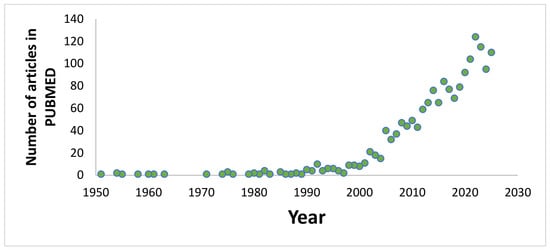
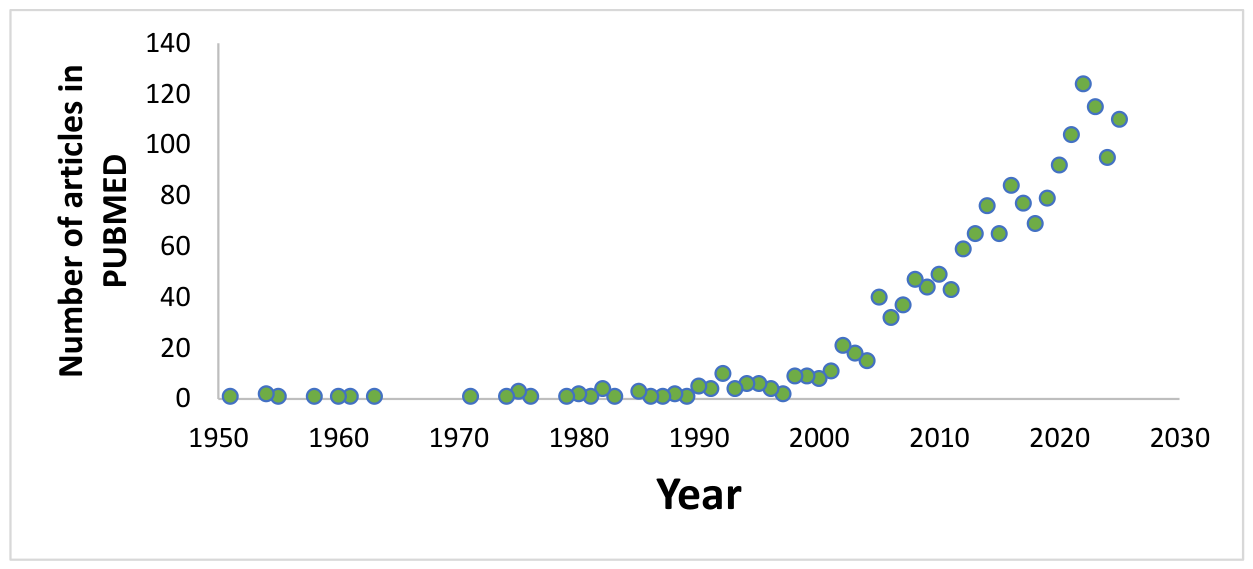
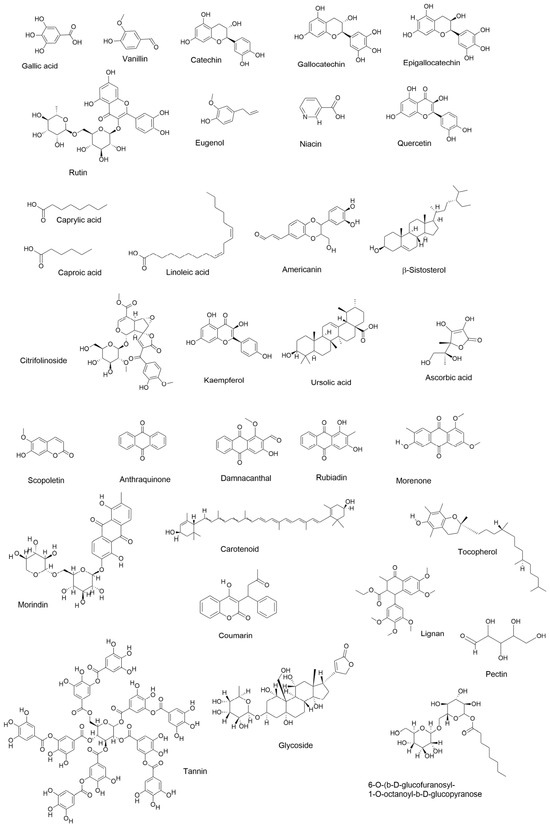
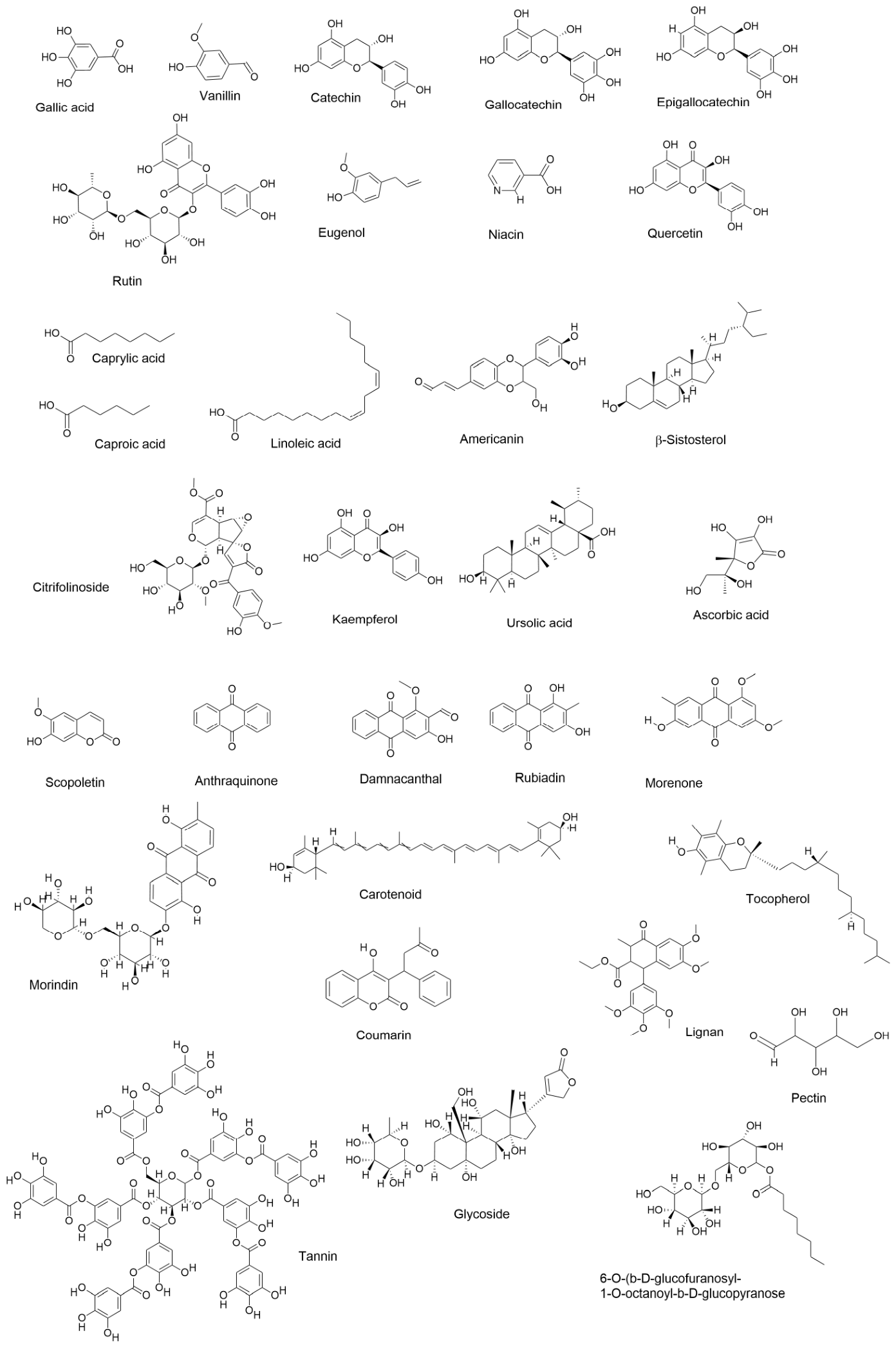
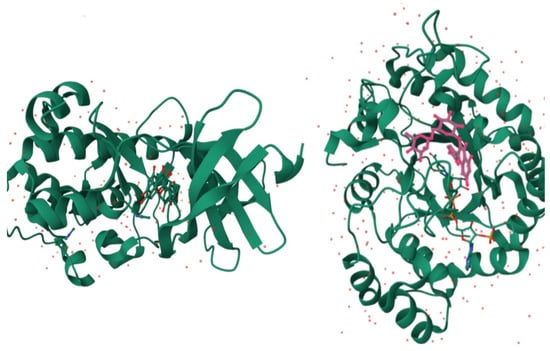
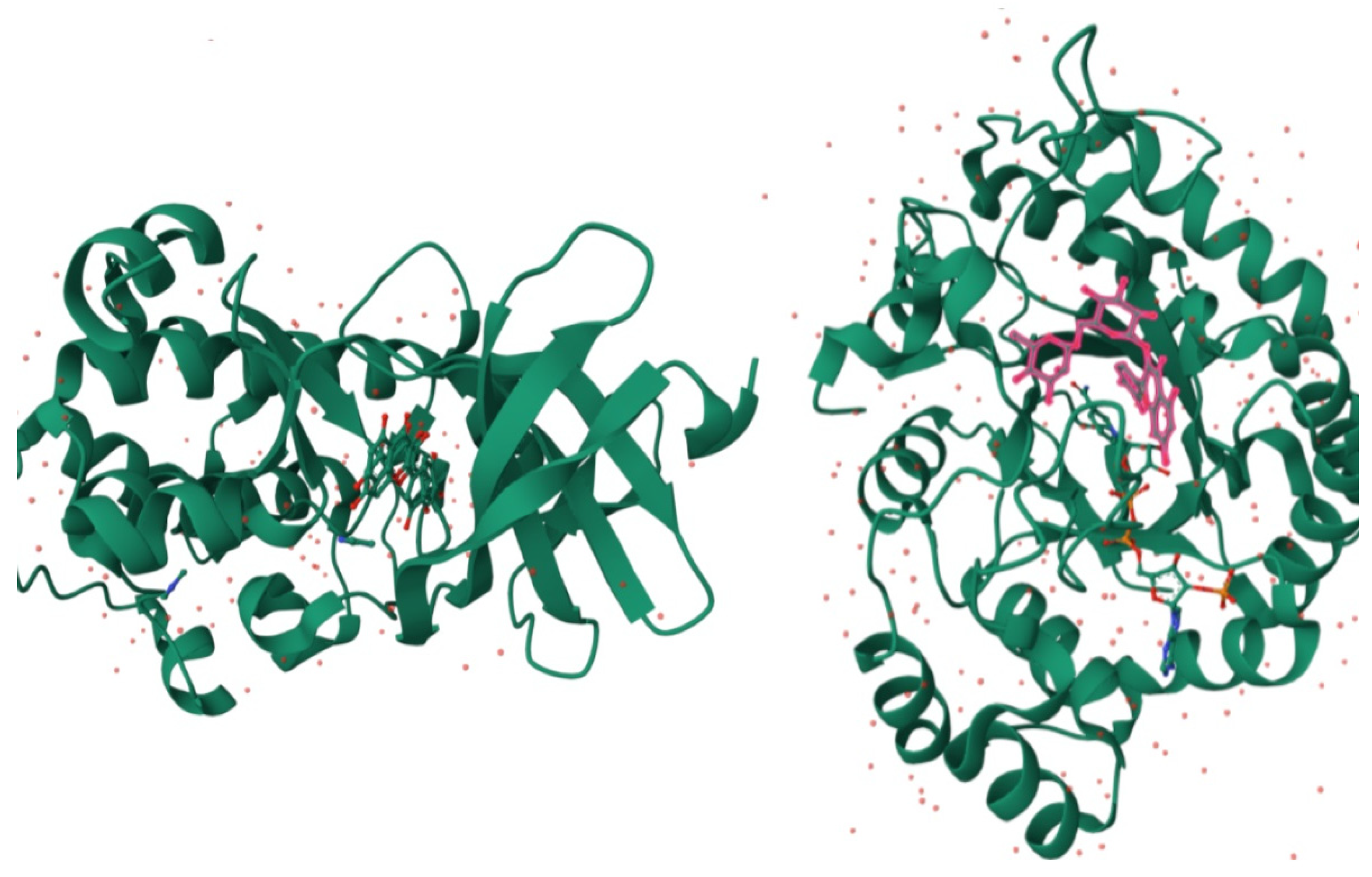
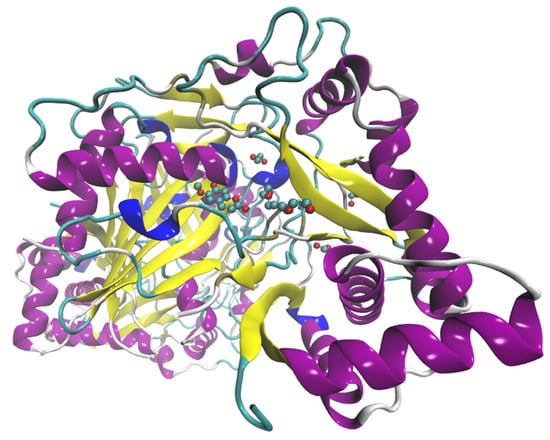
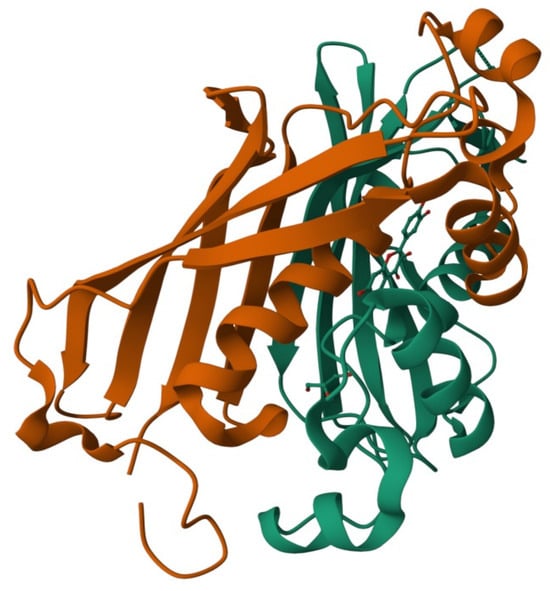
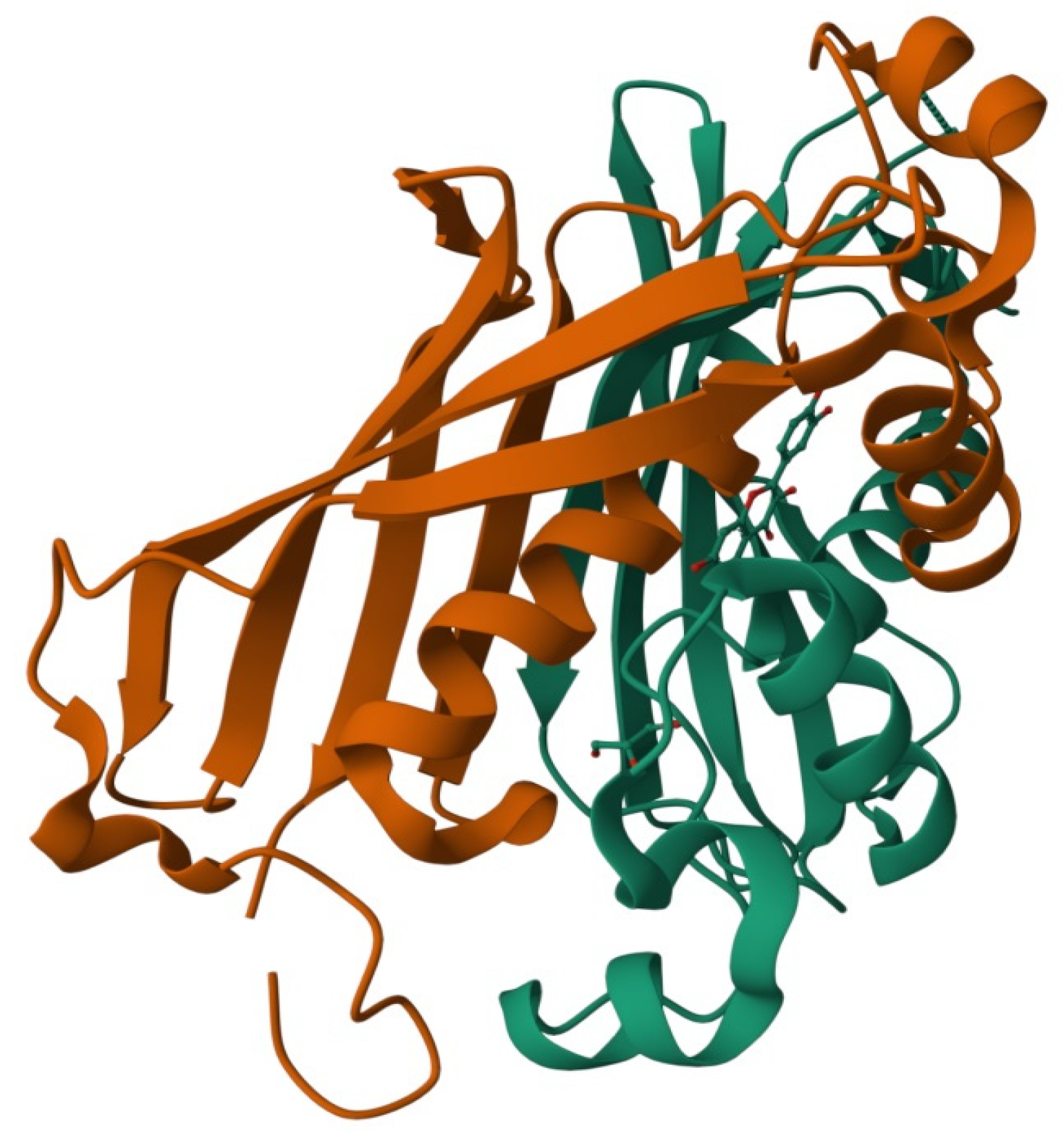
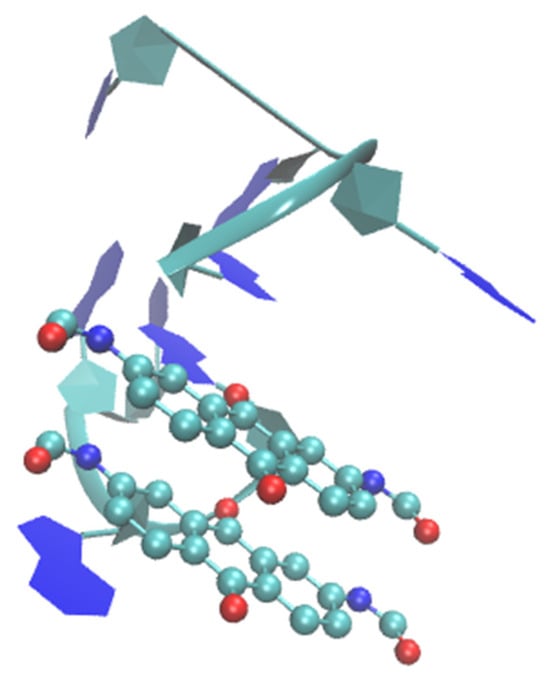
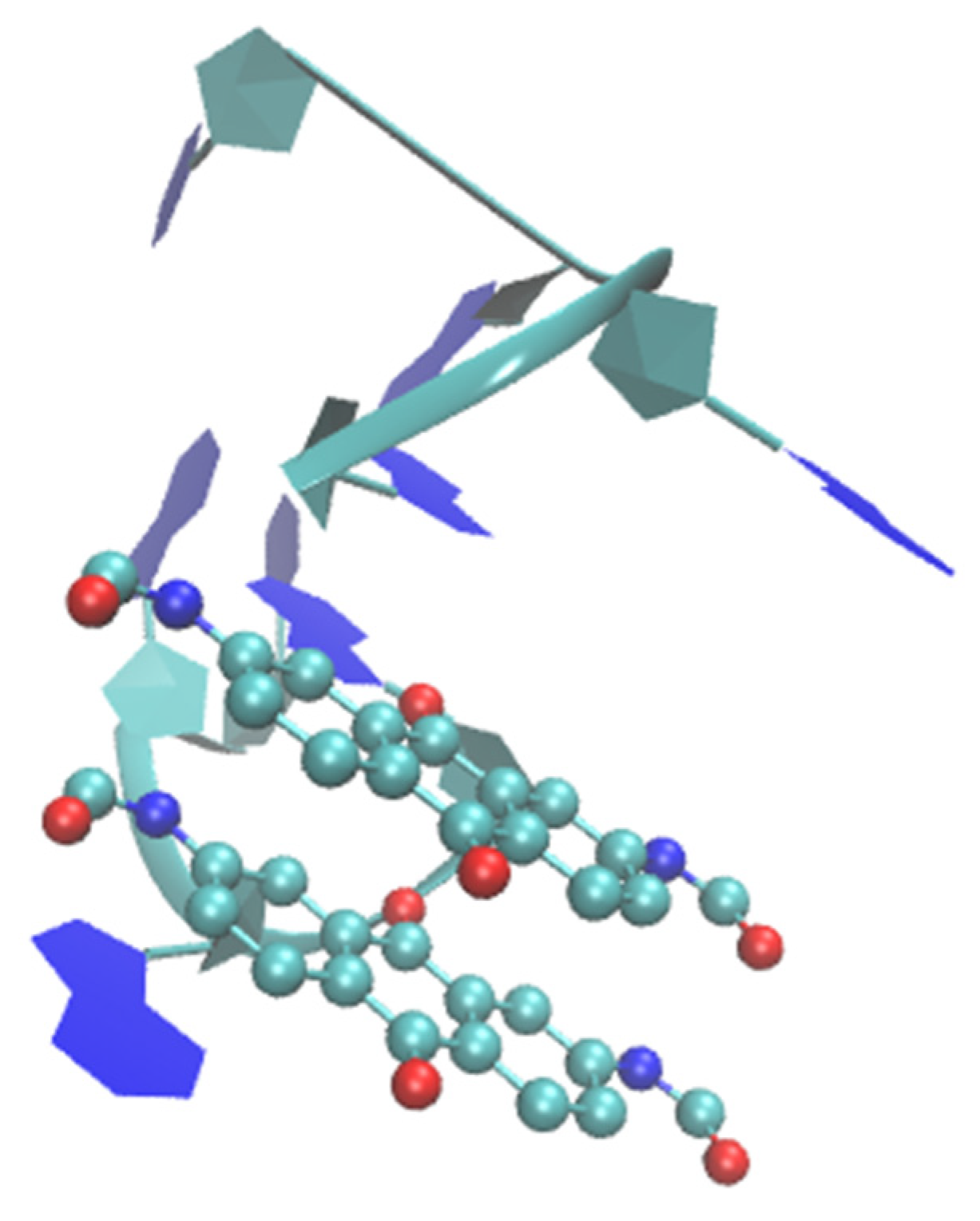

Disclaimer/Publisher’s Note: The statements, opinions and data contained in all publications are solely those of the individual author(s) and contributor(s) and not of MDPI and/or the editor(s). MDPI and/or the editor(s) disclaim responsibility for any injury to people or property resulting from any ideas, methods, instructions or products referred to in the content. |
© 2026 by the authors. Published by MDPI on behalf of the Österreichische Pharmazeutische Gesellschaft. Licensee MDPI, Basel, Switzerland. This article is an open access article distributed under the terms and conditions of the Creative Commons Attribution (CC BY) license.