

Journal Description
Pharmacy
Pharmacy
is an international, scientific, peer-reviewed, and open access journal dealing with pharmacy education and practice, and is published monthly online by MDPI. The Academy of Pharmaceutical Sciences (APS) is affiliated with Pharmacy and its members receive discounts on the article processing charges.
- Open Access— free for readers, with article processing charges (APC) paid by authors or their institutions.
- High Visibility: indexed within ESCI (Web of Science), PubMed, PMC, Embase, and other databases.
- Rapid Publication: manuscripts are peer-reviewed and a first decision is provided to authors approximately 22.2 days after submission; acceptance to publication is undertaken in 3.7 days (median values for papers published in this journal in the first half of 2026).
- Recognition of Reviewers: Reviewers who provide timely, thorough peer-review reports receive vouchers entitling them to a discount on the APC of their next publication in any MDPI journal, in appreciation of the work done.
- Journal Clusters-Pharmaceutical Science: Scientia Pharmaceutica, Marine Drugs, Pharmaceuticals, Pharmaceutics, Pharmacy, Biologics, Future Pharmacology, Pharmacoepidemiology, Drugs and Drug Candidates and Journal of Pharmaceutical and BioTech Industry.
Impact Factor:
2.2 (2025);
5-Year Impact Factor:
2.2 (2025)
Latest Articles
Building Tobacco Treatment Capacity and Sustainability: A Qualitative Study on Implementation of Community Pharmacy Technicians as Community Health Workers
Pharmacy 2026, 14(5), 114; https://doi.org/10.3390/pharmacy14050114 - 3 Aug 2026
Abstract
Community pharmacies are increasingly providing health care services like tobacco treatment and disease-related management but need sustainable models for implementation. As several state Medicaid programs reimburse for community health worker (CHW) services, one promising model is to have pharmacy technicians engage with patients
[...] Read more.
Community pharmacies are increasingly providing health care services like tobacco treatment and disease-related management but need sustainable models for implementation. As several state Medicaid programs reimburse for community health worker (CHW) services, one promising model is to have pharmacy technicians engage with patients as designated CHWs. This qualitative study interviewed staff in seven California pharmacies about their experience with and perspectives on implementing community pharmacy technicians as CHWs. Guided by implementation science frameworks, data were hand-coded and analyzed iteratively using thematic analysis. Relative advantage and compatibility of CHWs was high across all pharmacies. Pharmacy culture aligned with CHW values, and CHW integration helped formalize the work that pharmacy staff were already doing. Challenges included the complexity of billing and obtaining payment for services provided. Despite these barriers, pharmacies successfully integrated and expanded their CHW services, ranging from social service connections to tobacco treatment or disease-related management education. Pharmacy peer networks, health plan champions and patient outcome improvements accelerated diffusion. Community pharmacies provide a trusted setting for delivering both CHW education and extending health care services, but broad implementation will need health plans to improve policy and procedure with guidance specifically for the pharmacy context that helps overcome administrative barriers.
Full article
(This article belongs to the Section Pharmacy Practice and Practice-Based Research)
Open AccessReview
The Risks to Patients Associated with Using Artificial Intelligence Tools in Pharmacy Practice: A Scoping Review
by
Tracy Zhang, Minh-Hien Le, Noah Zlotnik, Amanda Yee, Anjali Patodia and Zubin Austin
Pharmacy 2026, 14(5), 113; https://doi.org/10.3390/pharmacy14050113 - 3 Aug 2026
Abstract
Artificial intelligence (AI) tools are being used in pharmacy practice in a variety of ways, such as enhancing the safety and efficiency of dispensing, compounding medications and helping pharmacists identify drug–drug interactions. The further development and use of these innovative technologies will be
[...] Read more.
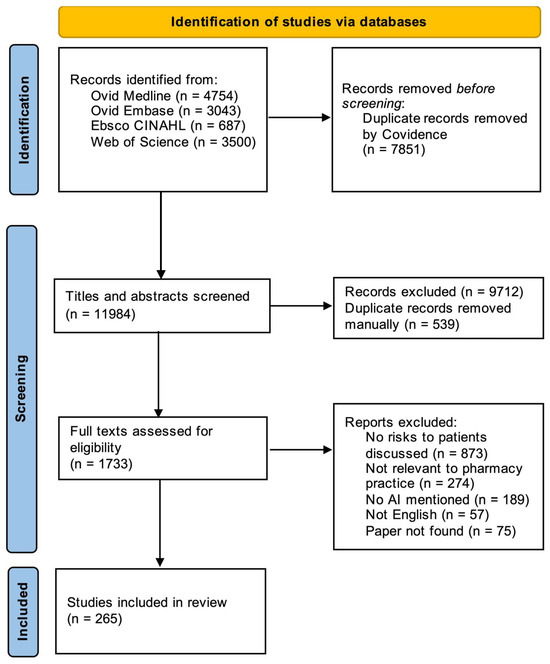
Artificial intelligence (AI) tools are being used in pharmacy practice in a variety of ways, such as enhancing the safety and efficiency of dispensing, compounding medications and helping pharmacists identify drug–drug interactions. The further development and use of these innovative technologies will be necessary to ensure patients can continue to access high-quality care amidst a growing health human resource crisis. However, in the field of pharmacy practice, little is known about actual or potential risks these tools pose to patients. A scoping review was conducted to map these risks. A database search of Ovid Medline, Ovid Embase, Ebsco CINAHL, and Web of Science, and a grey literature search were conducted. Three major potential risks were described in the literature: inaccuracies associated with AI outputs, privacy and data security concerns, and risks associated with algorithmic bias. Despite these potential risks, there is still a large gap in the literature regarding the study of risks of AI in pharmacy practice. While characterizing all risks associated with this rapidly changing technology may be impossible, further exploration of risk, perhaps using novel approaches to understanding risk itself, is warranted if these technologies are to be adopted responsibly and used safely.
Full article
(This article belongs to the Special Issue AI Use in Pharmacy and Pharmacy Education)
►▼
Show Figures

Figure 1
Open AccessArticle
“It’s Worth Its Weight in Gold”: Patient Reported Experience Measures of a National NHS-Funded Community Pharmacy-Based Common Ailments Service
by
Efi Mantzourani, David McRae, Egerton Hunter, Grace Naylor, Emma Hinks, Andrew Evans and Rebecca Cannings-John
Pharmacy 2026, 14(5), 112; https://doi.org/10.3390/pharmacy14050112 - 3 Aug 2026
Abstract
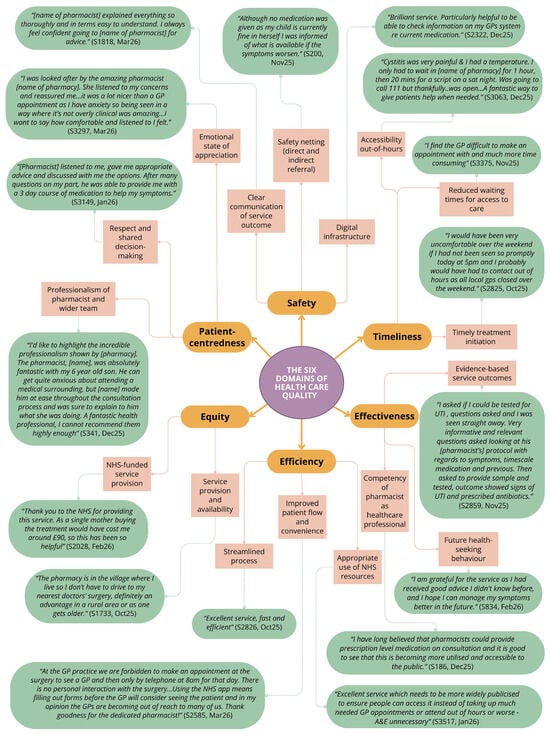
The NHS-funded Common Ailments Service (CAS) in Wales enables community pharmacists to manage 28 common ailments by providing advice and/or medication free of charge without the need for patients to book an appointment. The aim of this study was to evaluate the patient
[...] Read more.
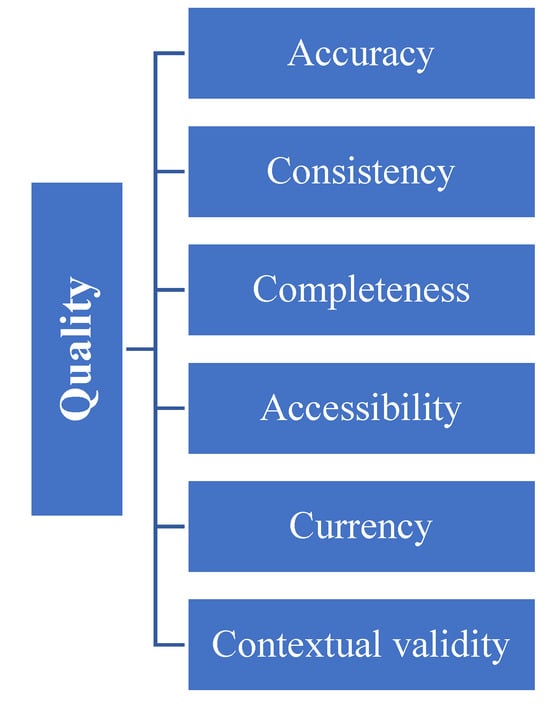
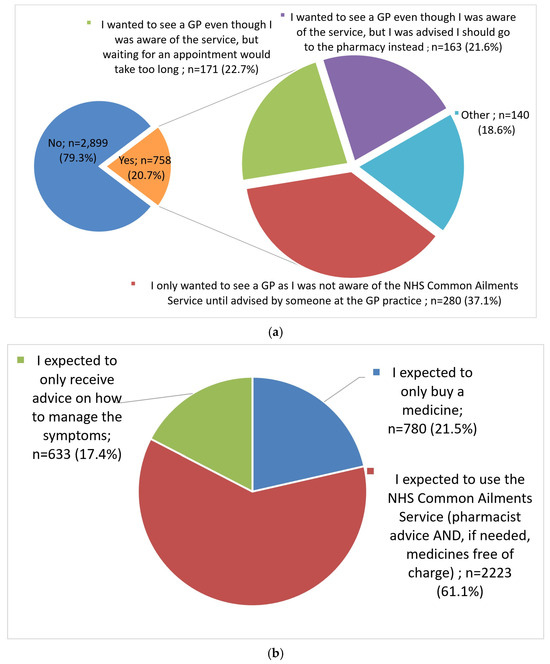
The NHS-funded Common Ailments Service (CAS) in Wales enables community pharmacists to manage 28 common ailments by providing advice and/or medication free of charge without the need for patients to book an appointment. The aim of this study was to evaluate the patient experience of the CAS using patient reported experience measures (PREMs) and determine the feasibility of digital data capture collected directly from patients through a pharmacist-led manual recruitment model. The study used prospective, primary data collected through an online survey accessible via a Quick Response code and census recruitment. A total of 3660 surveys were included in the analysis, completed between 27 October 2025 and 31 March 2026. Overall experience was rated as excellent by 95.1% of participants. A theory-based framework analysis of 1499 free-text comments across the six domains of healthcare quality confirmed the high standard of care provision, primarily influenced by consultation quality, convenience, accessibility, and short waiting times. It also identified targeted areas for improvement, such as the need for seamless referrals from other areas of primary care and consistent availability of the service across all pharmacies. While digital PREMs captured high-quality insights, the pharmacist-led recruitment model reached a “feasibility ceiling”, with an overall response rate of 3.2%.
Full article
(This article belongs to the Section Pharmacy Practice and Practice-Based Research)
►▼
Show Figures

Figure 1
Open AccessCommunication
Embedding Resilience Activities Across an Undergraduate Pharmacy Degree: An Educational Improvement Initiative and Cross-Sectional Evaluation
by
Abdullah Al-Juhaishi, Nilushi Karunaratne, Annie Chen-Chen, Anisha Kaur Sandhu, Kirsten Galbraith and Betty Exintaris
Pharmacy 2026, 14(5), 111; https://doi.org/10.3390/pharmacy14050111 - 3 Aug 2026
Abstract
Resilience, the capacity to recover from adversity, manage stress, and maintain well-being, is vital for pharmacy students to manage academic stress, clinical challenges, and future professional demands. Despite its recognised importance, pharmacy curricula often lack structured resilience education. This pilot study aimed to
[...] Read more.
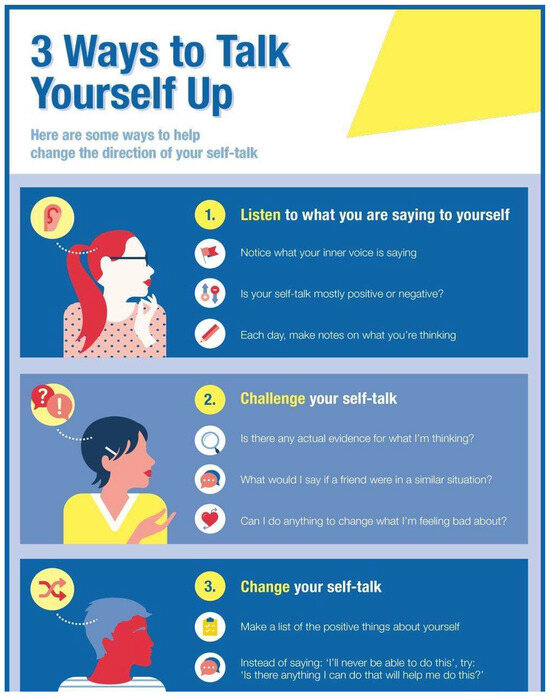
Resilience, the capacity to recover from adversity, manage stress, and maintain well-being, is vital for pharmacy students to manage academic stress, clinical challenges, and future professional demands. Despite its recognised importance, pharmacy curricula often lack structured resilience education. This pilot study aimed to design, implement, and evaluate resilience-focused activities within Monash University’s Bachelor of Pharmacy (Hons)/Master of Pharmacy program. This study employed a descriptive cross-sectional educational evaluation design using a single post-intervention survey to explore student perceptions following participation in curriculum-integrated resilience activities within the Skills Coaching program. Sessions used reflective frameworks and interactive small-group activities facilitated by staff and pharmacists across the Australian and Malaysian campuses. In 2022, 1061 students participated, with feedback response rates between 26 and 40%. Students reported perceived improvements in their understanding of resilience following participation in the sessions. Likert-scale responses indicated improved understanding of resilience and highlighted strong engagement with case discussions and reflective exercises. Findings from this pilot inform curriculum refinement, assessment design, and faculty development to support sustainable integration of resilience education in pharmacy programs. This work also supports the lead author’s doctoral research to develop a comprehensive resilience curriculum for undergraduate pharmacy education.
Full article
(This article belongs to the Section Pharmacy Education and Student/Practitioner Training)
►▼
Show Figures

Figure A1
Open AccessArticle
Management of Acute Sore Throat in Community Pharmacies: Insights from a Survey of Italian Pharmacists
by
Rachele Aspesi, Paolo Levantino, Giulia Ciancarella, Andrea Nacci, Pietro Tasegian and Diego Maria Michele Fornasari
Pharmacy 2026, 14(5), 110; https://doi.org/10.3390/pharmacy14050110 - 25 Jul 2026
Abstract
Background: Acute sore throat (pharyngitis) accounts for 10–30% of ambulatory visits annually. Bacterial etiology, primarily Group A Streptococcus, is confirmed in only 20–34% of cases, and inappropriate antibiotic administration remains frequent, contributing to antimicrobial resistance. Community pharmacists play a key role in
[...] Read more.
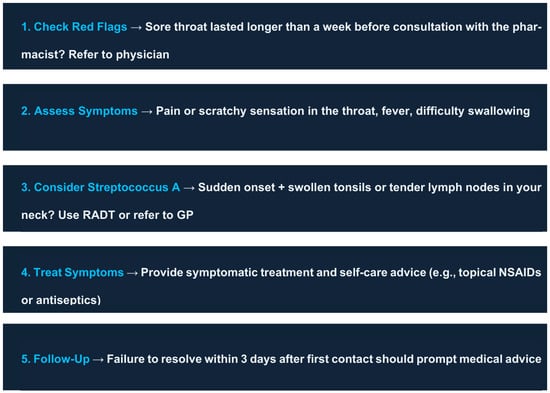
Background: Acute sore throat (pharyngitis) accounts for 10–30% of ambulatory visits annually. Bacterial etiology, primarily Group A Streptococcus, is confirmed in only 20–34% of cases, and inappropriate antibiotic administration remains frequent, contributing to antimicrobial resistance. Community pharmacists play a key role in symptomatic management and stewardship, but real-world practices remain underexplored. Methods: A 16-item online questionnaire surveyed 629 Italian community pharmacists via professional networks, covering demographics, diagnostic tools, symptom assessment, treatment preferences, and follow-up. Responses were analyzed using descriptive statistics and interpreted within a multidisciplinary expert framework. Results: Italian community pharmacists (n = 629), predominantly mid-career and experienced individuals, prioritize targeted symptom questioning (flu-like signs (59.96%), fever (48.73%), pain intensity (49.64%)) and medical referral over formal diagnostic tools like the Centor criteria (unused in 53.66% of cases). A total of 46.74% report performing a Strep A test in fewer than 20% of patients. Topical sprays (83.33%) and lozenges (44.69%), especially containing flurbiprofen (94.19%), dominate recommendations, followed by systemic analgesics (45.79%). For mild cases, anti-inflammatory/analgesic sprays/lozenges (35.42%) and antiseptic lozenges (35.61%) dominate, while in severe cases, drugs with anti-inflammatory or analgesic effects are often preferred (72.47%). Most pharmacists request a follow-up (73.22%). Conclusions: Italian community pharmacists report a predominantly topical-first approach focused on symptomatic treatment and referral when appropriate. Diagnostic gaps and inconsistent follow-up represent actionable targets. The findings inform training outputs prioritizing simplified triage, expanded symptom checklists, spray/lozenge optimization, and 3–5-day call-backs. This work aims to promote pharmacists’ antimicrobial stewardship to reduce antibiotic use while enhancing patient-centred sore throat care in Italy’s pharmacy network.
Full article
(This article belongs to the Section Pharmacy Practice and Practice-Based Research)
►▼
Show Figures

Figure 1
Open AccessArticle
An Underused Competence: Clinical Pharmacists’ Experiences of Writing Referrals in Transitions of Care
by
Katarina Wickman, Sara Modig, Cecilia Lenander and Gabriella Caleres
Pharmacy 2026, 14(5), 109; https://doi.org/10.3390/pharmacy14050109 - 23 Jul 2026
Abstract
►▼
Show Figures
Older people are at increased risk of medication-related problems, which may be identified by clinical pharmacists during hospital medication reviews. Some problems are better managed in primary care, where follow-up is possible. Medication-related communication by pharmacists may improve information transfer in care transitions,
[...] Read more.
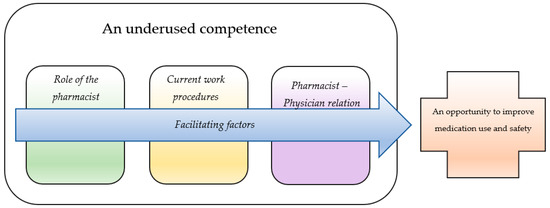
Older people are at increased risk of medication-related problems, which may be identified by clinical pharmacists during hospital medication reviews. Some problems are better managed in primary care, where follow-up is possible. Medication-related communication by pharmacists may improve information transfer in care transitions, but this practice remains uncommon in Sweden. This qualitative study explored clinical pharmacists’ experiences and perceptions of writing referrals to primary care. Data were collected through four focus groups and three supplementary interviews with 19 clinical pharmacists from hospitals and primary care, and analysed using qualitative content analysis. Eleven participants had experience writing referrals, although none did so regularly. Four categories emerged: role of the pharmacist, current work procedures, pharmacist–physician relationship and facilitating factors. Pharmacists believe they can contribute to patient safety through involvement in transitions of care. An overall concept of an underused competence permeated the categories. Referrals identifying medication-related problems are hindered by limited pharmacist integration into the healthcare team and limited continuity. Writing referrals was considered a new procedure requiring collaboration with unfamiliar partners. Organisational changes, including increased pharmacist continuity and clearer pharmacist roles, are needed to implement referral practices. Further research is needed to evaluate effects on medication treatment and patient outcomes.
Full article

Graphical abstract
Open AccessSystematic Review
Factors Influencing Phenoconversion in CYP-Mediated Drug Metabolism: A Scoping Review
by
Sierra Scodellaro, Stefanie Triantafilou and Iris Cohn
Pharmacy 2026, 14(4), 108; https://doi.org/10.3390/pharmacy14040108 - 16 Jul 2026
Abstract
Pharmacogenetics (PGx) aims to optimize drug therapy by predicting medication response based on genetic variation in drug-metabolizing enzymes. However, observed drug metabolism may differ from genotype-predicted metabolizer status given external or acquired influences. This phenomenon is known as phenoconversion. As PGx testing becomes
[...] Read more.
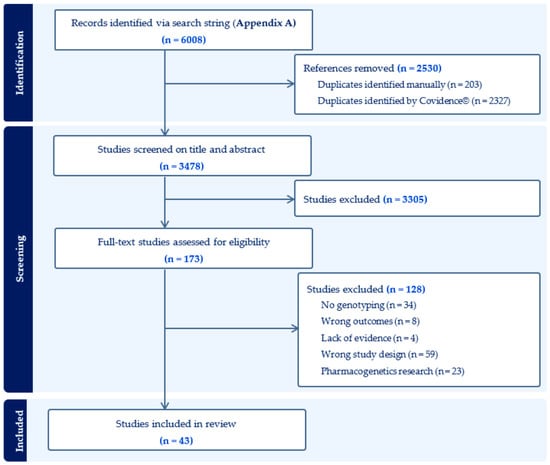
Pharmacogenetics (PGx) aims to optimize drug therapy by predicting medication response based on genetic variation in drug-metabolizing enzymes. However, observed drug metabolism may differ from genotype-predicted metabolizer status given external or acquired influences. This phenomenon is known as phenoconversion. As PGx testing becomes increasingly integrated into clinical care, understanding the contributing factors of phenoconversion is important for interpreting test results and guiding treatment. This scoping review aimed to categorize reported contributors of phenoconversion affecting CYP2D6, CYP2C19, and CYP3A4 metabolism. A structured literature search was conducted across Ovid MEDLINE®, Embase Classic + Embase, EBM Reviews, and Clarivate Web of Science. Records were screened using predefined inclusion and exclusion criteria, and data were extracted from eligible studies describing factors associated with metabolic activity inconsistent with genotype-predicted phenotypes. From 6008 records identified, 43 studies met the inclusion criteria. Reported contributors clustered into pharmacological factors, including drug–drug and drug–drug–gene interactions, clinical factors such as inflammation, physiological and demographic factors including pregnancy and age-related changes, and environmental influences such as smoking. Pharmacological contributors were most frequently studied, whereas environmental and demographic influences were less well characterized. These findings highlight the multifactorial nature of phenoconversion and underscore the need for further investigations to support phenoconversion integration into PGx-informed clinical decision-making.
Full article
(This article belongs to the Special Issue Personalized Pharmacy and Pharmaceutics: Advancing Precision Medicine Within Contemporary Pharmaceutical Science and Practice)
►▼
Show Figures

Figure 1
Open AccessArticle
Pharmacy-Inspection Outcomes in Great Britain: An Analysis of Regulatory Compliance and the Impact of Vaccination Service Provision
by
Cosmika Goswami, Yoni Carmel, Rosalind Gittins and Gazala Akram
Pharmacy 2026, 14(4), 107; https://doi.org/10.3390/pharmacy14040107 - 14 Jul 2026
Abstract
Community pharmacies provide vaccinations through nationally commissioned or private services. In Great Britain, pharmacies are regulated by the General Pharmaceutical Council (GPhC) and inspected for compliance against the 26 Standards for registered pharmacies. GPhC inspection outcomes between 2022 and 2024 were examined for
[...] Read more.
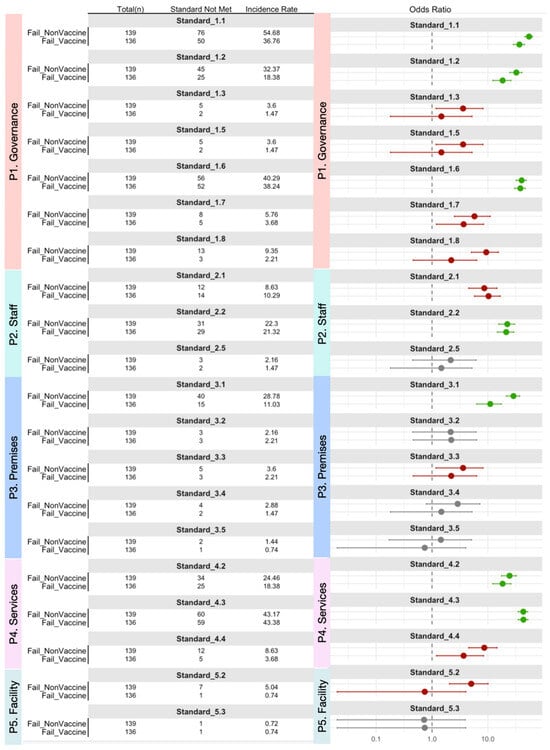
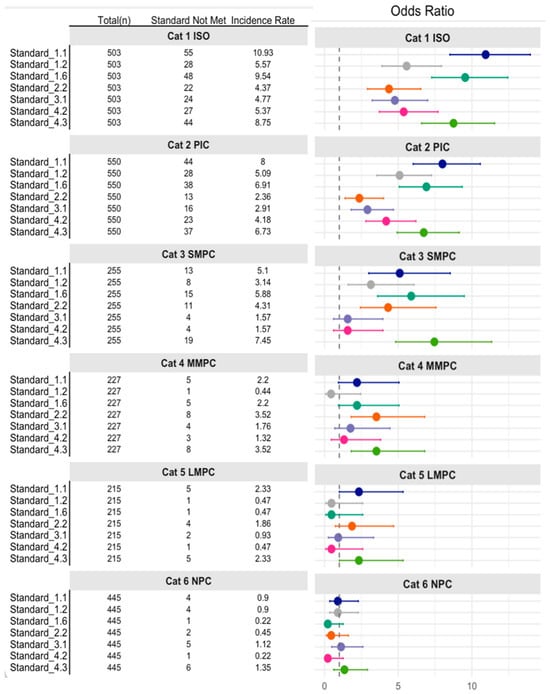
Community pharmacies provide vaccinations through nationally commissioned or private services. In Great Britain, pharmacies are regulated by the General Pharmaceutical Council (GPhC) and inspected for compliance against the 26 Standards for registered pharmacies. GPhC inspection outcomes between 2022 and 2024 were examined for differences between pharmacies offering vaccination services and those who did not. Inspection data from 2197 pharmacies, consisting of 1918 (87.3%) ‘brick-and-mortar’ pharmacies and 279 (12.7%) ‘other’ types (predominantly online pharmacies) were analysed. In total, 1922 (87.5%) pharmacies met all 26 Standards. Pharmacies providing vaccinations demonstrated higher compliance with Standards relating to governance, service delivery, and suitability of premises. Independent single-owner pharmacies and independent pharmacy chains were more likely to not meet standards. A gradient effect was observed across pharmacy-ownership categories, with progressively higher odds of inspection failure as the ownership model size decreased. Analysis of inspector comments identified three key factors influencing inspection performance: governance and organisational oversight; suitability of the physical environment; and staff competence and training. Strengthening governance structures, workforce development and infrastructure support, particularly in smaller independent pharmacies, may improve consistency in regulatory compliance, and support safe, high-quality delivery of vaccination services from community pharmacies.
Full article
(This article belongs to the Special Issue The Evolving Role of the Pharmacist in Improving Vaccination Uptake)
►▼
Show Figures

Figure 1
Open AccessArticle
The Labor Supply of Full-Time and Part-Time Pharmacists in the U.S.
by
Ioana Popovici, Manuel J. Carvajal and Rawan Alkhamisi
Pharmacy 2026, 14(4), 106; https://doi.org/10.3390/pharmacy14040106 - 11 Jul 2026
Abstract
The U.S. pharmacist workforce has undergone significant growth and demographic changes, particularly increased female participation and part-time employment. However, limited evidence exists on how labor supply behavior varies by gender and employment status. This study used a nationally representative sample of 12,064 pharmacists
[...] Read more.
The U.S. pharmacist workforce has undergone significant growth and demographic changes, particularly increased female participation and part-time employment. However, limited evidence exists on how labor supply behavior varies by gender and employment status. This study used a nationally representative sample of 12,064 pharmacists from the 2019–2022 American Community Survey (ACS) to examine heterogeneity in labor supply decisions. Ordinary Least Squares (OLS) regression models were estimated separately by employment status (full-time versus part-time) and gender. The dependent variable was the number of hours worked. Independent variables included wage rate, age, marital status, number of children, and race/ethnicity. Findings showed that women were more than twice as likely to work part-time as men and minority pharmacists were largely underrepresented in the study sample relative to nonminority pharmacists. Gender gaps in wages, hours worked, and demographic and family characteristics also differed markedly between full-time and part-time pharmacists. Finally, findings lent support to the contention than women are more likely to work fewer hours than men as they are expected to spend more hours at home raising children. Understanding how individual characteristics shape pharmacists’ labor supply, and how these relationships differ by gender and employment status, is essential for workforce planning and healthcare human resources policy.
Full article
(This article belongs to the Special Issue Pharmacist Workforce Challenges and Solutions: Perspectives from Research and Practice)
Open AccessArticle
Applying Cognitive Load Theory to Improve Instructional Efficiency and Learner Experience in Current Good Manufacturing Practices Training for Pharmacists
by
Russell D. Wilson, Paroma Arefin and Sujit S. Sansgiry
Pharmacy 2026, 14(4), 105; https://doi.org/10.3390/pharmacy14040105 - 9 Jul 2026
Abstract
Current Good Manufacturing Practice (cGMP) training is federally mandated for pharmaceutical manufacturing personnel and plays a critical role in ensuring product quality and patient safety. Despite extensive evidence supporting Cognitive Load Theory (CLT) and Mayer’s Cognitive Theory of Multimedia Learning (CTML), their application
[...] Read more.
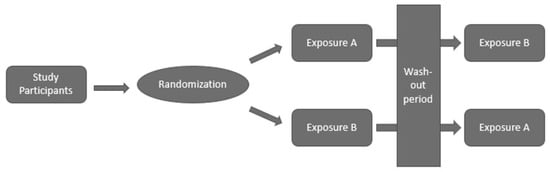
Current Good Manufacturing Practice (cGMP) training is federally mandated for pharmaceutical manufacturing personnel and plays a critical role in ensuring product quality and patient safety. Despite extensive evidence supporting Cognitive Load Theory (CLT) and Mayer’s Cognitive Theory of Multimedia Learning (CTML), their application to cGMP training has not been evaluated. This study examined whether a CLT/CTML-informed cGMP video training strategy could improve instructional efficiency and learner experience among pharmacists. A randomized repeated-measures crossover study was conducted among 49 pharmacists. Participants completed both an enhanced CLT/CTML-informed training strategy and a standard training strategy in randomized order. Instructional efficiency, calculated from learner performance and perceived mental effort, and learner experience outcomes were assessed using paired-samples t-tests. Compared with the standard training strategy, the CLT/CTML-enhanced strategy resulted in higher assessment scores (78% vs. 72%, p = 0.04), lower perceived mental effort (2.4 vs. 3.5, p < 0.001), and greater instructional efficiency (0.50 vs. −0.50, p < 0.001). Learner experience ratings, including satisfaction, perceived knowledge gain, and likelihood of future recommendation, also improved significantly (all p < 0.001). Applying CLT and CTML principles to cGMP video training significantly improved instructional efficiency and learner experience, supporting theory-informed instructional design as a practical approach for complex regulatory education.
Full article
(This article belongs to the Section Pharmacy Education and Student/Practitioner Training)
►▼
Show Figures

Figure 1
Open AccessArticle
Boosting Pharmacy Foundational Science Education Through Game-Based Learning and Active Engagement Strategies
by
Maria Victoria Tejada-Simón
Pharmacy 2026, 14(4), 104; https://doi.org/10.3390/pharmacy14040104 - 9 Jul 2026
Abstract
Background: Game-based learning (GBL) and active engagement strategies have shown promise in health professions education; however, their application in foundational basic science courses, which serve as critical academic gatekeepers in professional pharmacy programs, remains underexplored. Objective: This study evaluated the effect of a
[...] Read more.
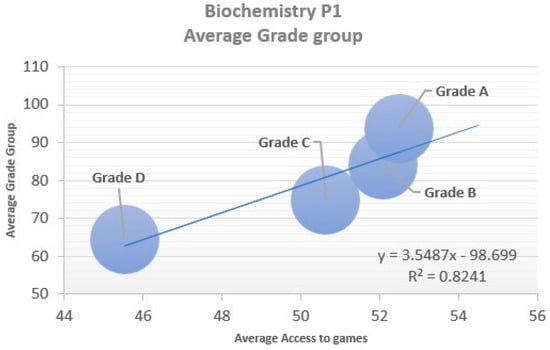
Background: Game-based learning (GBL) and active engagement strategies have shown promise in health professions education; however, their application in foundational basic science courses, which serve as critical academic gatekeepers in professional pharmacy programs, remains underexplored. Objective: This study evaluated the effect of a multimodal suite of faculty-developed, web-based GBL activities and active engagement strategies on academic performance, learning management system (LMS) engagement, and student perceptions in a required first-year (P1) pharmacy biochemistry course. Methods: A cross-sectional, descriptive study was conducted with 117 P1 pharmacy students. Game-based activities (including Jeopardy, Rapid Fire, and Crossword Puzzle games) were developed using WiscOnline and deployed via Blackboard alongside pre-class activities, a Workbook, and a Padlet discussion board. Engagement was measured via LMS access metrics, academic performance via examination scores, and perceptions via an end-of-semester anonymous Poll Everywhere survey. Results: The cohort achieved a mean examination score of 81.59%, with 83.8% earning a passing grade. A positive association was observed between game access frequency and grade group performance (R2 = 0.8241), though individual-level correlations did not reach statistical significance. Student perceptions were overwhelmingly positive, with over 90% of respondents agreeing that GBL activities were enjoyable, facilitated learning, and provided valuable practice opportunities. Conclusions: Low-cost, faculty-developed GBL tools can be successfully integrated into foundational pharmacy science courses, yielding high engagement and positive student perceptions. These findings underscore the importance of extending active learning research to foundational basic science courses and offer a replicable model for health professions programs seeking to enhance student engagement at this critical curricular stage.
Full article
(This article belongs to the Section Pharmacy Education and Student/Practitioner Training)
►▼
Show Figures

Figure 1
Open AccessPerspective
A Portable, Patient-Possessed Health Record: Architecture for Care Coordination as an Alternative to Centralized Data Aggregation
by
Richard Henry Parrish II
Pharmacy 2026, 14(4), 103; https://doi.org/10.3390/pharmacy14040103 - 8 Jul 2026
Abstract
The fragmentation of clinical information across health systems, community pharmacies, and specialty providers continues to undermine medication safety and emergency care, particularly when patients are unconscious or otherwise unable to communicate their history. The dominant response to this fragmentation has been the construction
[...] Read more.
The fragmentation of clinical information across health systems, community pharmacies, and specialty providers continues to undermine medication safety and emergency care, particularly when patients are unconscious or otherwise unable to communicate their history. The dominant response to this fragmentation has been the construction of a centralized data infrastructure—health information exchanges, prescription drug monitoring programs (PDMPs), and federated electronic health record (EHR) networks—that aggregates clinical information into institutional databases that are queryable by providers, insurers, regulators, and, in many jurisdictions, law enforcement. This article argues that the same care-coordination problems can be addressed through an architecturally different approach in which the patient, not the institution, holds the integrative artifact. The proposed design, here labeled the Guardian Card (a conceptual architecture, not a commercial product), pairs an HL7 Fast Healthcare Interoperability Resources (FHIR) clinical payload with the SMART Health Cards verifiable-credential framework and a dual-modality (QR code plus near-field communication) physical carrier. After describing the technical architecture, hardware options, and a five-phase deployment roadmap, the design is situated within the surveillance-critical scholarship that has documented PDMP function creep, third-party doctrine erosion, racial disparities in algorithmic prescribing oversight, and the surveillance-instrumentarian repackaging of nominally de-identified prescription data. The Guardian Card is offered as one operational implementation of a patient-controlled medication-record architecture, with community pharmacy and long-term post-acute care, where the Pharmacist eCare Plan integration is most feasible as a recommended first-deployment venue.
Full article
(This article belongs to the Special Issue Advancing Pharmacy Practice: Innovations and Expanding Horizons)
Open AccessSystematic Review
Impact of Pharmacist-Led Interventions on Patient Outcomes in Gulf Cooperation Council Countries: A Systematic Review and Meta-Analysis
by
Saleh Alghamdi
Pharmacy 2026, 14(4), 102; https://doi.org/10.3390/pharmacy14040102 - 6 Jul 2026
Abstract
Background: Pharmacist-led interventions in Gulf Cooperation Council (GCC) countries have been increasingly studied, yet their overall effectiveness across clinical and healthcare outcomes remains incompletely defined. To address this gap, a systematic review and meta-analysis of randomized controlled trials and quasi-experimental studies published between
[...] Read more.
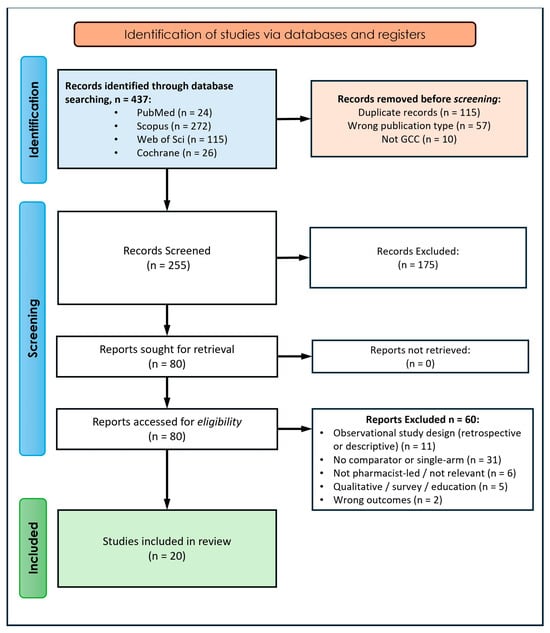
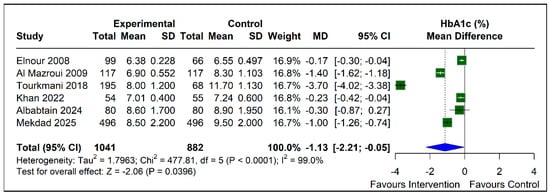
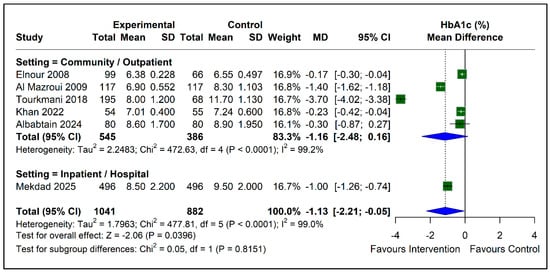
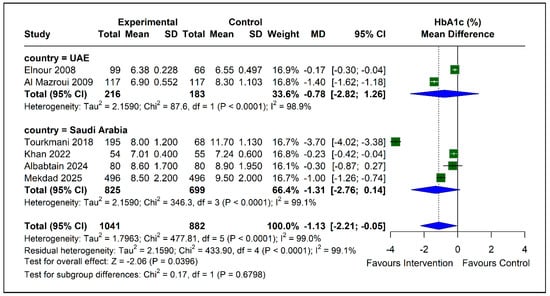
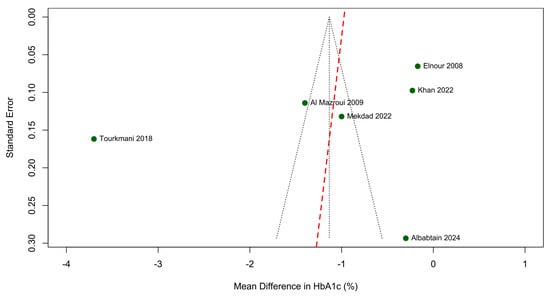
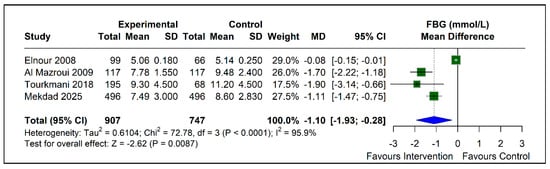
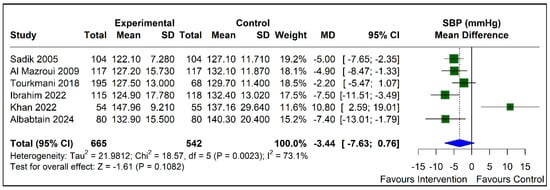
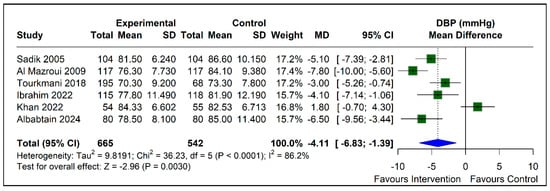
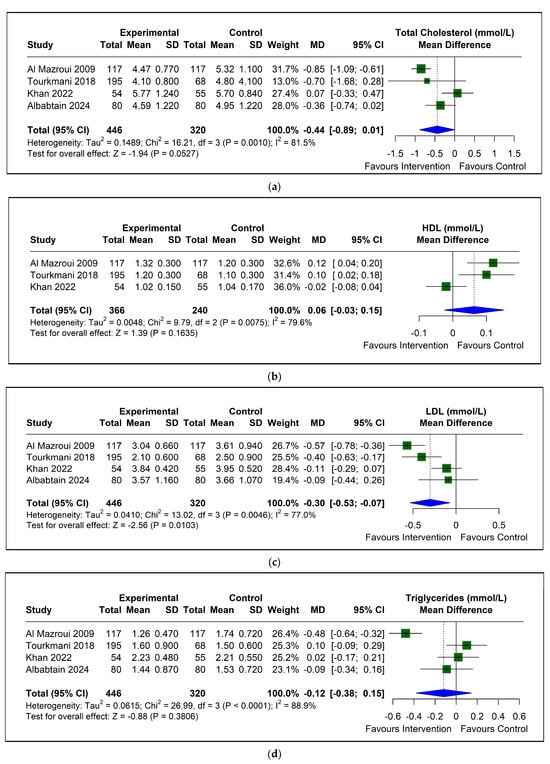
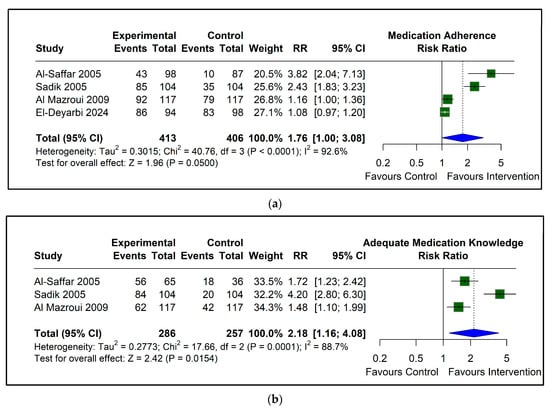
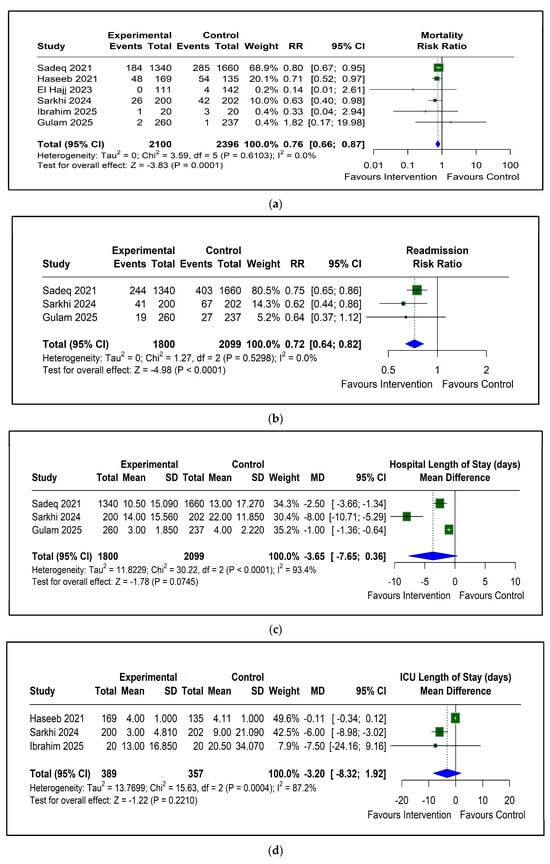
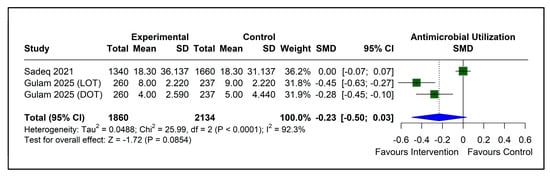
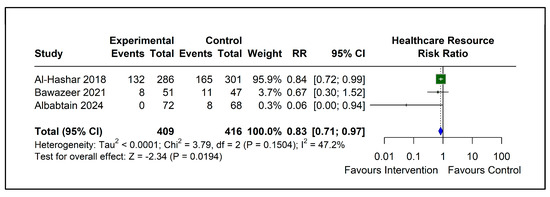
Background: Pharmacist-led interventions in Gulf Cooperation Council (GCC) countries have been increasingly studied, yet their overall effectiveness across clinical and healthcare outcomes remains incompletely defined. To address this gap, a systematic review and meta-analysis of randomized controlled trials and quasi-experimental studies published between 2000 and 2025 was conducted, following PRISMA 2020 and Cochrane standards. Methods: Searches of PubMed/MEDLINE, Scopus, Web of Science, and CENTRAL identified 437 records, of which 20 studies met the inclusion criteria; 13 contributed meta-analyzable data as randomized controlled trials and seven as quasi-experimental studies. Results: Pooled random-effects estimates favored pharmacist-led care for HbA1c, fasting glucose, low-density lipoprotein cholesterol, diastolic blood pressure, and medication knowledge, although these estimates carried substantial, largely unexplained heterogeneity and were rated as low to very low certainty under GRADE. The effects on systolic blood pressure, total cholesterol, triglycerides, high-density lipoprotein cholesterol, unplanned healthcare use, and antimicrobial utilization were favorable but not statistically significant. Quasi-experimental studies consistently demonstrated reductions in mortality and readmissions, though hospital and ICU length of stay remained variable. Risk of bias was judged as some concerns for randomized trials and moderate to serious for quasi-experimental studies, with substantial heterogeneity observed across blood pressure and lipid outcomes. Conclusions: Overall, pharmacist-led interventions in GCC settings were associated with improvements in glycemic control and LDL cholesterol, with additional benefits in mortality and readmissions, although the certainty of evidence was low to very low, owing to substantial heterogeneity and the predominance of non-randomized designs for the inpatient outcomes. These findings underscore the need for standardized intervention models and outcome measures.
Full article
(This article belongs to the Section Pharmacy Practice and Practice-Based Research)
►▼
Show Figures

Figure 1
Open AccessArticle
Sublingual Tropicamide Eye Drops for the Management of Clozapine-Induced Hypersalivation: A Case Series of Seven Patients
by
Seshadri Sekhar Chatterjee, Soumitra Das and Adesh Agrawal
Pharmacy 2026, 14(4), 101; https://doi.org/10.3390/pharmacy14040101 - 4 Jul 2026
Abstract
Clozapine-induced hypersalivation (CIH) affects 30–80% of patients on clozapine and is a major contributor of non-adherence. Current managements, largely based on systemic anticholinergics, can worsen other clozapine-related side effects. Here sublingual tropicamide 1% eye drops can be a low-cost alternative worth evaluating. We
[...] Read more.
Clozapine-induced hypersalivation (CIH) affects 30–80% of patients on clozapine and is a major contributor of non-adherence. Current managements, largely based on systemic anticholinergics, can worsen other clozapine-related side effects. Here sublingual tropicamide 1% eye drops can be a low-cost alternative worth evaluating. We report a case series of seven patients with schizophrenia treated with sublingual tropicamide 1% ophthalmic solution (4–8 drops/day) for CIH. Treatment response was assessed by patient-reported percentage reduction in salivation. All seven patients reported improvement (25–80%). One patient reported a transient bitter taste; no systemic anticholinergic effects occurred. Sublingual tropicamide was associated with patient-reported improvement in CIH and was well tolerated in this small, uncontrolled series. Its short duration of action and local administration may offer practical advantages over systemic anticholinergics, though the mechanism remains unproven. Randomised trials with validated outcome measures are needed to establish its efficacy and safety.
Full article
(This article belongs to the Section Pharmacy Practice and Practice-Based Research)
►▼
Show Figures

Figure 1
Open AccessArticle
Pharmacists’ Management of Urinary Tract Infection Symptoms in Community Pharmacy: Counseling Practices and Attitudes Toward Antibiotic Therapy
by
Aleksandar Jovanović, Radmila Veličković Radovanović, Ivana Tadić, Milica Drobac, Bojana Vidović, Dragana Pavlović, Marina Odalović and Dušanka Krajnović
Pharmacy 2026, 14(4), 100; https://doi.org/10.3390/pharmacy14040100 - 3 Jul 2026
Abstract
Background/Objectives: Pharmacists play a key role in managing urinary tract infection (UTI) symptoms by providing medications, self-care advice, and over-the-counter treatments, while referring patients to a doctor when necessary. This study aimed to examine the practices of community pharmacists in managing UTI
[...] Read more.
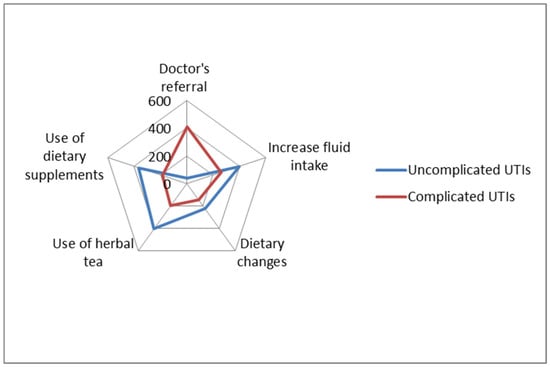
Background/Objectives: Pharmacists play a key role in managing urinary tract infection (UTI) symptoms by providing medications, self-care advice, and over-the-counter treatments, while referring patients to a doctor when necessary. This study aimed to examine the practices of community pharmacists in managing UTI symptoms and to gain insight into their attitudes toward antibiotic use for this condition. Methods: A cross-sectional study was conducted among community pharmacists in Serbia using a previously validated online questionnaire, assessed for content and face validity and pilot-tested among pharmacists. Results: A total of 430 community pharmacists participated in the study. Patients more often consulted pharmacists before visiting a doctor than after (median 5 vs. 3 per week; p < 0.001). For uncomplicated UTIs, pharmacists primarily recommended increased fluid intake (92.8%), herbal teas (94.7%), and food supplements (85.6%), whereas for complicated UTIs, most referred patients to a doctor (95.4%). Attitudes, perceived competence, and support for over-the-counter antibiotic availability were significantly associated with gender, years of experience, and specialization. Pharmacists who agreed that antibiotics are the most effective treatment for uncomplicated urinary tract infections were more likely to refer patients to a doctor (p < 0.01). Conclusions: Pharmacists are frequently consulted for UTI management and emphasize non-antibiotic approaches for uncomplicated cases. Their attitudes influence counseling practices, highlighting the need for standardized UTI counseling services, antimicrobial stewardship education, and structured communication training to support appropriate antibiotic use.
Full article
(This article belongs to the Section Pharmacy Practice and Practice-Based Research)
►▼
Show Figures

Graphical abstract
Open AccessReview
Pharmacy Students’ Perception of E-Learning During the COVID-19 Pandemic Across the League of Arab States: A Regional Scoping Review
by
Haroon Malak, Madeeha Mirza, Stephen F. Gambescia and Basil H. Aboul-Enein
Pharmacy 2026, 14(4), 99; https://doi.org/10.3390/pharmacy14040099 - 3 Jul 2026
Abstract
The COVID-19 pandemic compelled higher education to resort to e-learning, posing new challenges to the teaching/learning of pharmacy students worldwide. While digital learning provided flexibility, diverse technological infrastructure and institutional availability of resources greatly influenced the student experience. This scoping review aims to
[...] Read more.
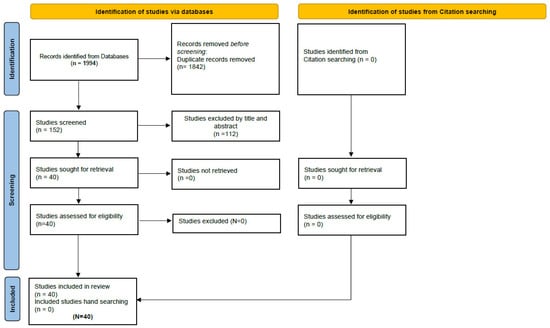
The COVID-19 pandemic compelled higher education to resort to e-learning, posing new challenges to the teaching/learning of pharmacy students worldwide. While digital learning provided flexibility, diverse technological infrastructure and institutional availability of resources greatly influenced the student experience. This scoping review aims to assess the perceptions relating to the pivot to e-learning among pharmacy students in the League of Arab States due to the COVID-19 pandemic and how the shift affected student engagement, learning outcomes, and institutional preparedness. Following PRISMA-ScR guidelines, a comprehensive search across ten databases was conducted to identify relevant studies published between January 2020 and December 2025. Forty studies satisfied the inclusion criteria. Pharmacy students in this region responded to the transition to e-learning in diverse ways. While most appreciated the convenience of online modalities, several challenges were consistently enumerated. These were limited technological infrastructure, reduced interpersonal interaction, and disruption of hands-on practical training. Blended learning approaches were largely favored, particularly for their ability to marry online theoretical instruction with face-to-face experiential learning. Reliability and validity issues of internet-based tests were felt by both faculty and students. Stress and mental health problems among students surfaced. Student complaints in general depicted pharmacy education’s need for pedagogic reform, better infrastructure, and student mental health services during e-learning. Areas identified from this review are instructional technology infrastructure improvement, adopting a blended learning strategy, and the need to consider the mental health of students learning at a distance.
Full article
(This article belongs to the Collection New Insights into Pharmacy Teaching and Learning during COVID-19)
►▼
Show Figures

Figure 1
Open AccessSystematic Review
Coordinated Primary-Care Access in Rural and Suburban Alberta, with a Contextual Comparison to Rural Wyoming: A Systematic Review and Narrative Synthesis of Community Pharmacist–Family Physician Care Models
by
Tomasz Karczewski, Jennifer M. L. Stephens, Dawid Karczewski, Sahar Feizizadeh, Dhwani Dixit and Mihaela Olsen
Pharmacy 2026, 14(4), 98; https://doi.org/10.3390/pharmacy14040098 - 2 Jul 2026
Abstract
Background/Objectives: Primary-care access in Alberta, Canada, is shaped by geography, attachment, timeliness, continuity, and local service capacity. Rural communities may face travel burden, workforce fragility, and intermittent services, whereas suburban communities may have nearby facilities but still experience delayed access, low attachment, and
[...] Read more.
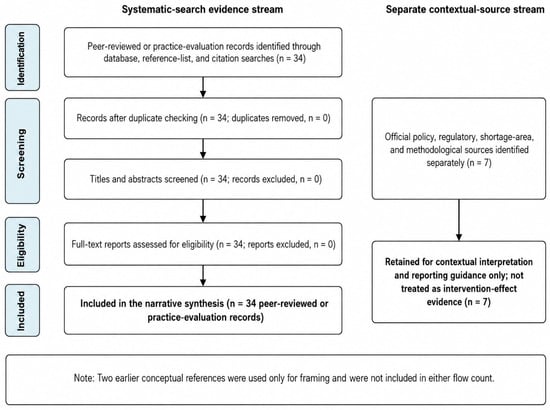
Background/Objectives: Primary-care access in Alberta, Canada, is shaped by geography, attachment, timeliness, continuity, and local service capacity. Rural communities may face travel burden, workforce fragility, and intermittent services, whereas suburban communities may have nearby facilities but still experience delayed access, low attachment, and fragmented episodic care. Rural Wyoming has some similar geographic and workforce constraints, although the jurisdictions differ in financing, regulation, and pharmacist scope. This systematic review and narrative synthesis examined evidence on coordinated community pharmacist–family physician care in rural and suburban Alberta and considered, separately, the contextual relevance of the findings to rural Wyoming and comparable frontier settings. Methods: We searched PubMed/MEDLINE, Embase, Scopus, CINAHL, and the Cochrane Library using controlled vocabulary and free-text terms to identify English-language peer-reviewed studies and practice-relevant evidence published from 1 January 2010 to 19 April 2026. Two authors screened titles/abstracts and full texts and resolved decisions by consensus. Methodological appraisal used design-appropriate Critical Appraisal Skills Programme criteria, and outcome-level certainty was considered using GRADE domains. Results: Thirty-four eligible peer-reviewed or practice-evaluation records were included in the narrative synthesis, and seven official contextual or methodological sources supported jurisdictional interpretation. Evidence was strongest for hypertension, cardiovascular risk reduction, medication management, and chronic disease monitoring. No included study directly compared the same intervention in Alberta and Wyoming; evidence for emergency-department effects and equivalent effectiveness across settings was limited. Conclusions: Coordinated pharmacist–family physician care may extend access to selected medication-related and chronic disease services when supported by documentation, referral, follow-up, and red-flag protocols. Application to Wyoming should be treated as a context-dependent proposition requiring local adaptation and prospective evaluation, not as demonstrated transferability or a substitute for physician-led longitudinal primary care.
Full article
(This article belongs to the Special Issue Advances in Rural Pharmacy Practice)
►▼
Show Figures

Graphical abstract
Open AccessArticle
Skills Developed by Student Pharmacists Completing a Research Project in the Doctor of Pharmacy Program
by
David R. Axon, Becka Eckert, Alyx Meilinger, Maren Steffen, Haylee Bingham, Justin Pacheco, Houston Swann and Kayleen Tubbs
Pharmacy 2026, 14(4), 97; https://doi.org/10.3390/pharmacy14040097 - 2 Jul 2026
Abstract
Objective: To explore fourth-year student pharmacists’ perspectives of the skills they develop by completing a research project in the pharmacy curriculum at one United States College of Pharmacy. Methods: Semi-structured interviews were conducted with a sample of fourth-year student pharmacists until thematic saturation
[...] Read more.
Objective: To explore fourth-year student pharmacists’ perspectives of the skills they develop by completing a research project in the pharmacy curriculum at one United States College of Pharmacy. Methods: Semi-structured interviews were conducted with a sample of fourth-year student pharmacists until thematic saturation was achieved. Interviews were recorded and transcribed verbatim. Thematic analysis was conducted to identify main themes. All records were reviewed by two researchers, and consensus was sought at each step of the analysis. Results: Eleven interviews were conducted. Three themes related to skills developed by students while completing a research project were apparent from the final reconciled code list: Theme 1—critical analysis skills; Theme 2—residency preparedness skills; and Theme 3—interpersonal skills. Critical analysis skills helped students review the literature and appropriately translate the findings into clinical settings. Residency preparedness skills described how students perceived completing a research project would prepare them for a residency program. Interpersonal skills were inter-related and consisted of collaboration, communication, conflict resolution, leadership, and project management skills. Conclusions: These study findings should be considered by curriculum committees as changes to the pharmacy program are considered. Future research is suggested to explore other perspectives of the research process.
Full article
(This article belongs to the Special Issue Advancing Pharmacy Education: Integrating Science and Clinical Practice)
Open AccessReview
Automated Processes and Artificial Intelligence in Generating Candidates for Oncology Drug Repurposing: Three-Year Scoping Review of Data
by
Antonio Ivanov, Ines Hababa-Ivanova, Savina Elitova, Svetoslav Stoev and Violeta Getova-Kolarova
Pharmacy 2026, 14(4), 96; https://doi.org/10.3390/pharmacy14040096 - 1 Jul 2026
Abstract
Oncology conditions are increasingly defined by their molecular profiles, and drug repurposing exploits this new evidence to identify new therapeutic uses of authorized/investigational medicinal products outside their original indication(s). This scoping review mapped original research published between January 2022 and December 2024 to
[...] Read more.
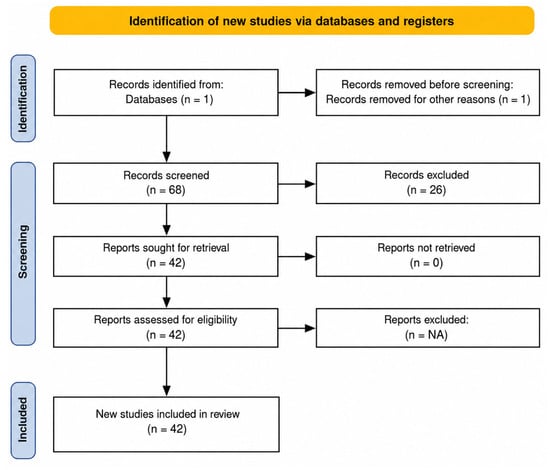
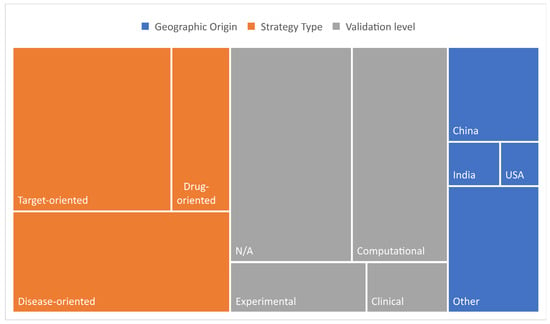
Oncology conditions are increasingly defined by their molecular profiles, and drug repurposing exploits this new evidence to identify new therapeutic uses of authorized/investigational medicinal products outside their original indication(s). This scoping review mapped original research published between January 2022 and December 2024 to determine the impact of automated processes and artificial intelligence in generating oncology candidates for drug repositioning, and 42 individual projects met the eligibility criteria and were analyzed. The included studies demonstrate extensive use of computational approaches for candidate prioritization, large-scale data integration, and hypothesis generation in oncology drug repurposing, creating opportunities for positive impact on efficiency. The included projects most commonly were target-oriented and disease-oriented and used multiple databases and computational validation procedures, while experimental and clinical validation were less frequently reported. The available open-access literature suggests substantial activity in China and India, which can support the notion that digitalization represents an important instrument in healthcare systems of low- and middle-income countries but should be interpreted cautiously. While the search was limited to PubMed and open-access English-language publications, we identified a relatively small number of drug-oriented projects, the importance of providing publicly accessible source code to reduce development costs, and the predominant role of academic institutions.
Full article
(This article belongs to the Special Issue Drug Repurposing: Strengthening Outcomes of Existing Pharmaceuticals to Shift Emerging Health Challenges)
►▼
Show Figures

Figure 1
Open AccessArticle
Experiential Learning Through Editorial Practice: The Panamacani Initiative in Pharmacy Education
by
Gustavo A. Hernández-Fuentes, Iván Delgado-Enciso, Alejandra E. Hernández-Rangel, Jesús E. Castrejón-Antonio, Héctor R. Galván-Salazar, Janet Diaz-Martinez, Nibardo Cobian-Gutiérrez, José Guzmán-Esquivel, Alicia Olvera-Montejano, Carmen Meza-Robles, Alberto M. Ramírez-Montes, Fabian Rojas-Larios, Gabriel Ceja-Espíritu and Daniel A. Montes-Galindo
Pharmacy 2026, 14(4), 95; https://doi.org/10.3390/pharmacy14040095 - 1 Jul 2026
Abstract
Science communication is increasingly recognized as a key component of higher education; however, its integration into disciplinary training remains limited, particularly in pharmaceutical sciences. This study analyzes the Panamacani initiative as an institutional science communication initiative embedded within pharmacy education, based on editorial
[...] Read more.
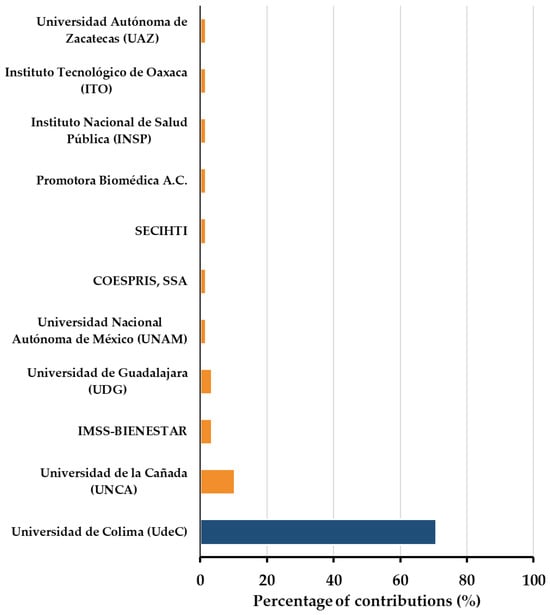
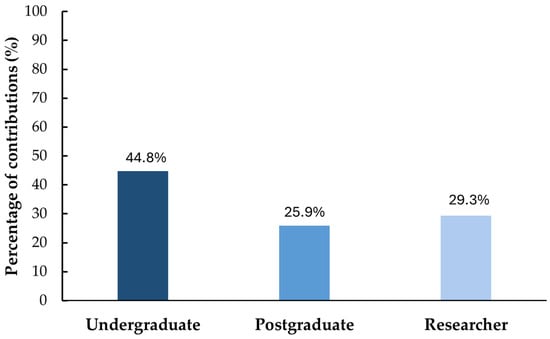
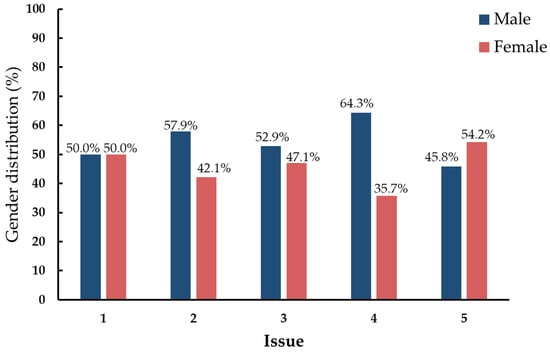
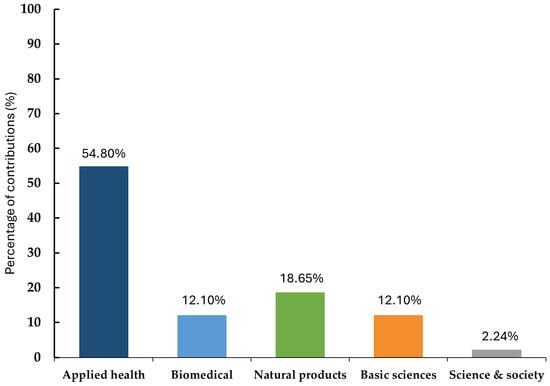
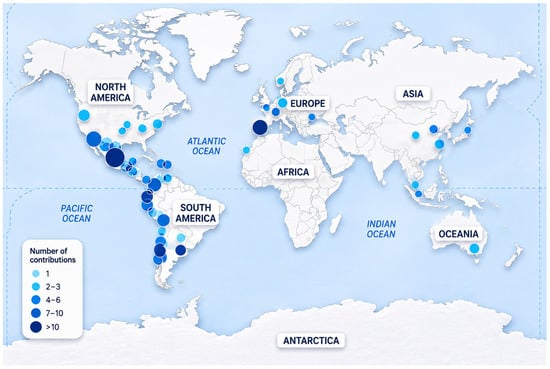
Science communication is increasingly recognized as a key component of higher education; however, its integration into disciplinary training remains limited, particularly in pharmaceutical sciences. This study analyzes the Panamacani initiative as an institutional science communication initiative embedded within pharmacy education, based on editorial practice within the Pharmaceutical Chemist Biologist program at the Universidad de Colima, Mexico. A descriptive institutional case study was conducted using data from the first five issues (2023–2025), comprising 58 published contributions. Institutional participation, authorship profiles, and audience engagement were evaluated through descriptive statistics and editorial records. Results showed that 70.7% of contributions originated from the host institution, while 29.3% involved external institutions, indicating progressive expansion. Undergraduate students accounted for 44.8% of authorship, with a gradual increase in participation from postgraduate students and researchers. External contributions reached up to 50% in one issue, suggesting increased visibility beyond the host institution. Article visibility totaled approximately 1500 views, with applied health topics receiving the highest level of audience attention. These findings suggest that editorial-based initiatives may provide opportunities for student participation in science communication, peer review, and knowledge dissemination. However, the present study did not directly evaluate educational outcomes or competency development. This model may represent a scalable framework for integrating science communication activities into pharmacy education while fostering public engagement with science.
Full article
(This article belongs to the Section Pharmacy Education and Student/Practitioner Training)
►▼
Show Figures

Graphical abstract
Journal Menu
► ▼ Journal Menu-
- Pharmacy Home
- Aims & Scope
- Editorial Board
- Reviewer Board
- Topical Advisory Panel
- Instructions for Authors
- Special Issues
- Topics
- Sections & Collections
- Article Processing Charge
- Indexing & Archiving
- Editor’s Choice Articles
- Most Cited & Viewed
- Journal Statistics
- Journal History
- Journal Awards
- Society Collaborations
- Editorial Office
Journal Browser
► ▼ Journal BrowserHighly Accessed Articles
Latest Books
E-Mail Alert
News
Topics
Topic in
JCM, Pharmaceuticals, Pharmaceutics, Pharmacy, Healthcare
Optimization of Drug Utilization and Medication Adherence
Topic Editors: Enrica Menditto, Sara Mucherino, Ignacio Aznar-LouDeadline: 30 October 2026
Topic in
Biomedicines, Future Pharmacology, Pharmacy, IJMS, Biomolecules, Genes
Prospects of Multi-Target Agonists in Metabolic and Epigenetic Medicine
Topic Editors: Riham Abouleisa, Yanming LiDeadline: 30 November 2026
Special Issues
Special Issue in
Pharmacy
The Pharmacist's Role in Cancer Prevention: Innovations and Best Practices
Guest Editor: George Mihai NitulescuDeadline: 15 August 2026
Special Issue in
Pharmacy
Optimizing Medication Management and Deprescribing Strategies for Older Adults
Guest Editors: Marta Lavrador, M. Margarida Castel-BrancoDeadline: 31 August 2026
Special Issue in
Pharmacy
Bridging Pharmacy Education and Health Outcomes: Translational Research in Curriculum to Practice
Guest Editor: Manuel MachucaDeadline: 1 September 2026
Special Issue in
Pharmacy
Personalized Pharmacy and Pharmaceutics: Advancing Precision Medicine Within Contemporary Pharmaceutical Science and Practice
Guest Editors: Anna Mihaylova, Evgeni Grigorov, Elina Petkova-GueorguievaDeadline: 15 September 2026
Topical Collections
Topical Collection in
Pharmacy
New Insights into Pharmacy Teaching and Learning during COVID-19
Collection Editors: Darko Modun, Ana Seselja Perisin