



-
International Benchmarking of Pharmacology Curricula and Prescribing Related Learning Outcomes, Implications for Australian Health Professional Education: A Systematic Review and Meta-Analysis -
Trends in Antipsychotic Drug Use in the United States, 2000–2016 -
Drug Manipulation in Pediatric Care: A Scoping Review of a Widespread Practice Signaling Systemic Gaps in Pharmaceutical Provision -
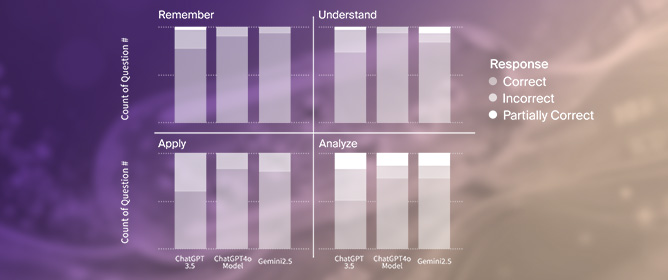
Evaluating the Accuracy and Educational Potential of Generative AI Models in Pharmacy Education: A Comparative Analysis of ChatGPT and Gemini Across Bloom’s Taxonomy -
Direct Oral Anti-Xa Anticoagulants and the Future of Factor XI/FXIa Inhibition: A New Paradigm in Thrombosis Prevention
Journal Description
Pharmacy
Pharmacy
is an international, scientific, peer-reviewed, and open access journal dealing with pharmacy education and practice, and is published bimonthly online by MDPI. The Academy of Pharmaceutical Sciences (APS) is affiliated with Pharmacy and its members receive discounts on the article processing charges.
- Open Access— free for readers, with article processing charges (APC) paid by authors or their institutions.
- High Visibility: indexed within ESCI (Web of Science), PubMed, PMC, Embase, and other databases.
- Rapid Publication: manuscripts are peer-reviewed and a first decision is provided to authors approximately 22.9 days after submission; acceptance to publication is undertaken in 4.6 days (median values for papers published in this journal in the second half of 2025).
- Recognition of Reviewers: Reviewers who provide timely, thorough peer-review reports receive vouchers entitling them to a discount on the APC of their next publication in any MDPI journal, in appreciation of the work done.
- Journal Clusters-Pharmaceutical Science: Scientia Pharmaceutica, Marine Drugs, Pharmaceuticals, Pharmaceutics, Pharmacy, Future Pharmacology, Pharmacoepidemiology, Drugs and Drug Candidates and Journal of Pharmaceutical and BioTech Industry.
Impact Factor:
1.8 (2024);
5-Year Impact Factor:
2.0 (2024)
Latest Articles
A Multi-Framework Approach to Medication Adherence Evaluation in Pharmacy Student-Led Medication Reviews: An Observational Exploratory Study
Pharmacy 2026, 14(3), 68; https://doi.org/10.3390/pharmacy14030068 - 30 Apr 2026
Abstract
Background: Medication adherence is essential for treatment effectiveness and safety, but pharmacy students may find it difficult to assess adherence comprehensively during medication reviews (MRs). This study examined how pharmacy students assess medication adherence in real-world MRs and explored whether complementary adherence frameworks
[...] Read more.
Background: Medication adherence is essential for treatment effectiveness and safety, but pharmacy students may find it difficult to assess adherence comprehensively during medication reviews (MRs). This study examined how pharmacy students assess medication adherence in real-world MRs and explored whether complementary adherence frameworks could support broader evaluation. Methods: This observational exploratory study was conducted in the integrated MSc (Master of Science) Pharmacy program at the University of Tartu, Estonia. During the internship, 21 pharmacy students performed a Brown Bag MR with patients aged 65 years or older who used at least 5 prescription medications. Data included patient interviews, e-prescription records, and a validated MR documentation form. An expert panel applied the World Health Organization Medication Adherence Model (WHO-MAM) and the Perceptions and Practicalities Approach (PAPA) to identify adherence determinants not captured by the student-used MR tool. Descriptive statistics and qualitative content analysis were used. Results: Students mainly documented therapy- and patient-related issues, such as incorrect dosing, side effects, and interactions, while socioeconomic and healthcare system factors were rarely identified. Students identified potential adherence-related issues in 19% of cases, whereas experts identified such issues in 57% of cases. Additional gaps included limited recognition of financial barriers, access difficulties, and social support factors. Conclusions: In this exploratory study, pharmacy students identified medication-use-related problems during MRs, but broader adherence-related determinants were less consistently documented. These preliminary findings suggest that structured frameworks such as WHO-MAM and PAPA may be useful for broadening adherence assessment in experiential pharmacy education.
Full article
(This article belongs to the Special Issue Advancing Pharmacy Education: Integrating Science and Clinical Practice)
Open AccessArticle
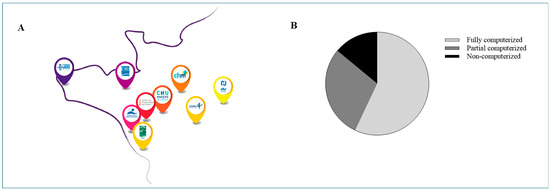
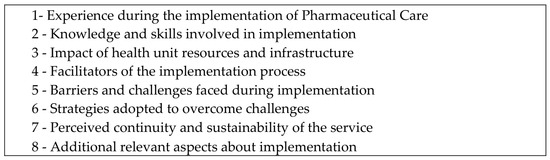
From Discourse to Practice—Facilitating Factors and Barriers to the Implementation of Pharmaceutical Care in Primary Health Care: A Qualitative Study
by
Jéssica Azevedo Aquino, Denise Alves Guimarães, Mariana Linhares Pereira, Luanna G. Resende Silva, João Pedro Vasconcelos Paolinelli and André Oliveira Baldoni
Pharmacy 2026, 14(3), 67; https://doi.org/10.3390/pharmacy14030067 - 30 Apr 2026
Abstract
►▼
Show Figures
Background: The implementation of pharmaceutical care (PC) in Primary Health Care (PHC) faces challenges related to interprofessional integration, management support, and infrastructure, despite its potential to improve patient-centered care. Objectives: To analyze, from the perspective of pharmacists working in PHC, the facilitating factors
[...] Read more.
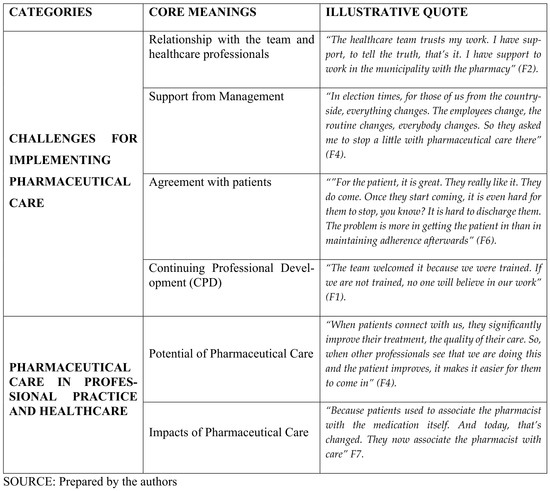
Background: The implementation of pharmaceutical care (PC) in Primary Health Care (PHC) faces challenges related to interprofessional integration, management support, and infrastructure, despite its potential to improve patient-centered care. Objectives: To analyze, from the perspective of pharmacists working in PHC, the facilitating factors and barriers to the implementation of PC in the public health system in a post-implementation context. Methods: This is a qualitative, exploratory study, with eight individual semi-structured interviews conducted remotely between December 2024 and February 2025. The interviews were recorded, transcribed, and subjected to thematic content analysis by a trained team, with peer validation. Results: The main facilitators identified were: a solid relationship with the team, participation in continuing education, and a bond with patients. Barriers included a lack of adequate infrastructure, workload, staff turnover, and resistance from the health team. Management support, although frequently cited as a facilitator, did not always translate into concrete actions for service implementation. Even in the face of these barriers, the implementation of PC contributed to strengthening patient-centered care, the clinical protagonism of pharmacists, and improving health outcomes. Conclusions: The analysis highlighted that the sustainability of PC depends on structural and relational conditions that go beyond individual training. The study reveals that, after implementation and continuing education processes, organizational barriers persist that limit the consolidation of PC, highlighting the need for institutional policies and ongoing management support to effectively integrate pharmacists into healthcare.
Full article

Figure 1
Open AccessArticle
Differences in Opioid Prescribing by Urban and Rural Pharmacists in Nova Scotia, Canada—A Time Series Analysis from 2018 to 2022
by
Edward Chisholm, Ying Zhang and Chiranjeev Sanyal
Pharmacy 2026, 14(3), 66; https://doi.org/10.3390/pharmacy14030066 - 29 Apr 2026
Abstract
During the COVID-19 pandemic, Health Canada temporarily exempted pharmacists from specific restrictions under the Controlled Drugs and Substances Act (CDSA), allowing them to prescribe opioids. However, it is not yet established whether opioid dispensing patterns differ between urban and rural pharmacists. This study
[...] Read more.
During the COVID-19 pandemic, Health Canada temporarily exempted pharmacists from specific restrictions under the Controlled Drugs and Substances Act (CDSA), allowing them to prescribe opioids. However, it is not yet established whether opioid dispensing patterns differ between urban and rural pharmacists. This study aims to assess the impact of the CDSA subsection 56(1) temporary exemption on opioid prescribing practices among urban and rural pharmacists between 1 February 2018 and 30 April 2022. Descriptive statistics and visualizations assessed differences in opioid prescribing between urban and rural pharmacists under the CDSA exemption. Initial analyses employed linear regression to examine changes, followed by evaluation of temporal dependence using autocorrelation and residual analysis. When appropriate, a suitable time series model was subsequently applied. Following the CDSA exemption, the mean weekly proportion of opioid claims prescribed by urban pharmacists increased from 0.0% to 1.03%. In contrast, rural pharmacists’ prescriptions rose from 0.0% to 0.35%. The estimated mean level change was 0.667% for urban pharmacists (95% CI: 0.520–0.838%, p < 0.0001) and 0.201% for rural pharmacists (95% CI: 0.140–0.291%, p < 0.0001). The study identified distinct differences in opioid prescribing practices between urban and rural pharmacists in Nova Scotia. Furthermore, opioid prescriptions increased steadily across all patient groups, indicating evolving patterns of opioid use within the province.
Full article
(This article belongs to the Special Issue Opioids and Opioid Use Disorder: Misuse, Overprescription and Addiction)
Open AccessReview
Prevalence and Association of Polypharmacy and Potentially Inappropriate Medications Among Older Adults with Type 2 Diabetes Mellitus: A Systematic Review and Meta-Analysis
by
Raniah A. Aljaizani, Arwa A. Althumairi, Khalid A. Alamer and Shakil Ahmad
Pharmacy 2026, 14(3), 65; https://doi.org/10.3390/pharmacy14030065 - 28 Apr 2026
Abstract
Older adults with type 2 diabetes mellitus (T2DM) are at high risk of polypharmacy and potentially inappropriate medication (PIM) use because of multimorbidity and complex treatment regimens. This systematic review and meta-analysis (PRISMA 2020; PROSPERO CRD420251149348) aimed to estimate the prevalence of polypharmacy
[...] Read more.
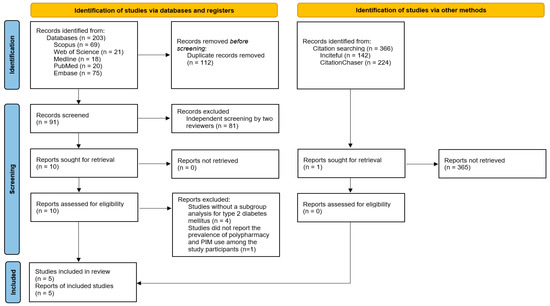
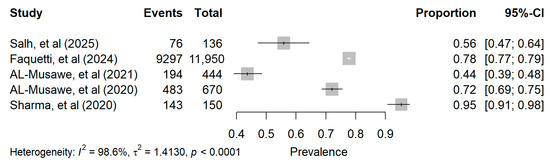
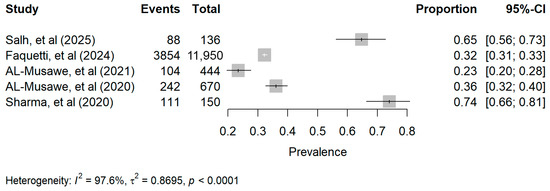
Older adults with type 2 diabetes mellitus (T2DM) are at high risk of polypharmacy and potentially inappropriate medication (PIM) use because of multimorbidity and complex treatment regimens. This systematic review and meta-analysis (PRISMA 2020; PROSPERO CRD420251149348) aimed to estimate the prevalence of polypharmacy and PIM use, describe PIM burden and patterns, and summarize the co-occurrence of PIMs among those with polypharmacy. On 7 September 2025, we searched PubMed, Scopus, Embase, Web of Science, and MEDLINE using a structured search strategy based on the PICO framework. Observational studies of older adults (≥65 years) with T2DM reporting polypharmacy and PIMs were included. Risk of bias was assessed using the JBI checklist, and prevalence estimates were synthesized using a random-effects meta-analysis. Five studies (13,350 participants) were included. Polypharmacy prevalence ranged from 43.6% to 95.3%, while PIM prevalence ranged from 23.4% to 74%. The co-occurrence of PIMs among polypharmacy users ranged from 39.6% to 74%. Commonly reported PIM classes included long-acting sulfonylureas, proton pump inhibitors, and benzodiazepines. Overall, polypharmacy and PIM use were frequently reported among older adults with T2DM; however, the wide variation in prevalence across studies indicates substantial clinical and methodological heterogeneity. These findings highlight the need for structured medication review and clinical context-based medication optimization beyond numerical thresholds.
Full article
(This article belongs to the Special Issue Diabetes Management at the Pharmacy: Interventions, Adherence, and Technology)
►▼
Show Figures

Figure 1
Open AccessArticle
Blended Learning to Enhance Competencies Among Practicing Pharmacists: A Pre–Post Evaluation of the European Health Professionals’ and the DigitAl Team SkillS Advancement Project in Romania
by
Tünde Jurca, Andrei-Flavius Radu, Gabriela S. Bungau, Annamária Pallag, Anett Jolán Karetka, Octavia Gligor, Laura Graţiela Vicaş, Florin Bănică, Diana Teaha, Claudia Costea, Nóra Fazekas, Zoltán Cserháti, Ilie Cirstea and Tiberiu Sebastian Nemeth
Pharmacy 2026, 14(3), 64; https://doi.org/10.3390/pharmacy14030064 - 24 Apr 2026
Abstract
The digital transformation of healthcare requires stronger digital competencies among pharmacists, yet evidence on the effectiveness of structured training remains scarce. This study examines the impact of a blended digital health training programme delivered to practicing pharmacists in Bihor County, Romania, as part
[...] Read more.
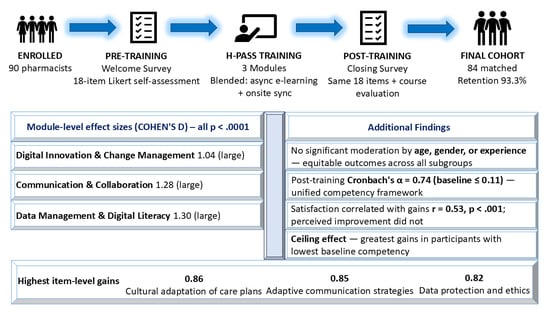
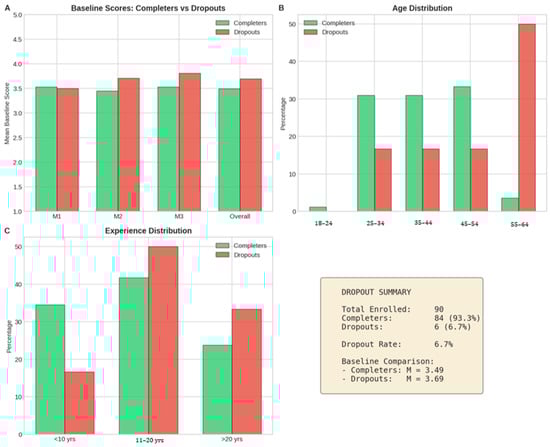
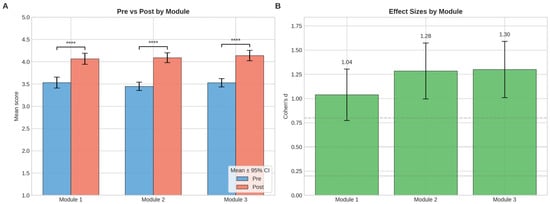
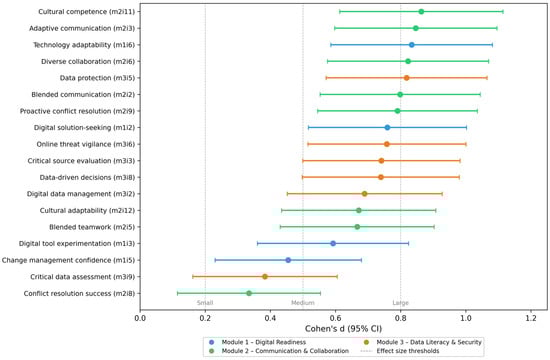
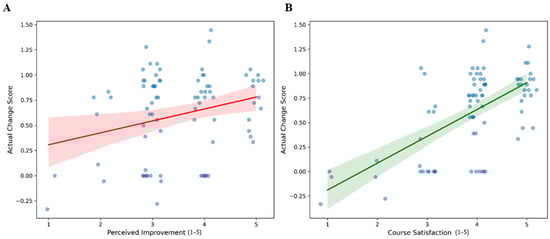
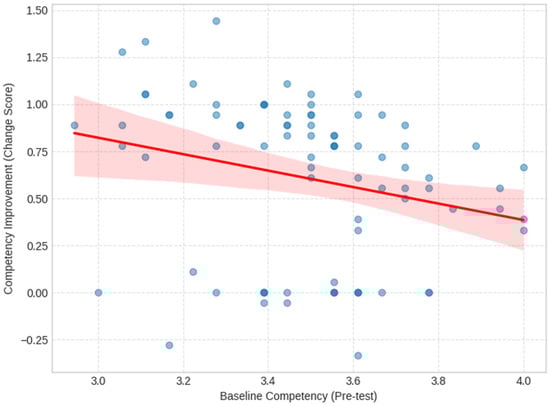
The digital transformation of healthcare requires stronger digital competencies among pharmacists, yet evidence on the effectiveness of structured training remains scarce. This study examines the impact of a blended digital health training programme delivered to practicing pharmacists in Bihor County, Romania, as part of the Romanian pilot of the EU-funded European Health Professionals’ and the DigitAl team SkillS (H-PASS) project. A single-group pre–post educational design was applied to pharmacists from Bihor County, Romania, participating in a modular digital health training programme delivered between May and July 2025. A total of 84 pharmacists completed both pre-training and post-training self-reported competency assessments comprising 18 items across three modules: digital innovation and change management, communication and collaboration, and data management and digital literacy. Paired samples t-tests, Cohen’s d effect sizes, Cronbach’s alpha, moderator analyses, and ceiling effect analyses were conducted using Python-based statistical workflows. Statistically significant improvements were observed across all three modules (all p < 0.0001), with large effect sizes (d = 1.04–1.30). Post-training internal consistency increased substantially, with overall Cronbach’s alpha reaching 0.74. The greatest item-level gains were recorded in adaptive communication, cultural adaptation of care, and data protection ethics. No significant moderation effects were found for age, gender, or years of experience. Course satisfaction showed a moderate positive correlation with competency gains (r = 0.528), while perceived improvement was not significantly associated with observed score change. A ceiling effect indicated greater gains among participants with lower baseline competencies. The Romanian implementation of the H-PASS training programme was associated with improved self-reported digital health competencies among practicing pharmacists, high-lighting its potential as a scalable model for digital upskilling in healthcare.
Full article
(This article belongs to the Section Pharmacy Education and Student/Practitioner Training)
►▼
Show Figures

Graphical abstract
Open AccessArticle
Real-World Effectiveness and Safety of Tildrakizumab in a Large Spanish Multicenter Cohort from Spanish Psoriasis Group (GPS)
by
Mar Llamas-Velasco, Mercedes Hospital, Anna López-Ferrer, Pedro Herranz, Ricardo Ruíz-Villaverde, Almudena Mateu, Francisco Javier García-Latasa, Raquel Rivera, Lourdes Rodriguez Fernández-Freire, Elena Del Alcazar, Sergio Santos, Salvador Arias, Alvaro Gónzalez-Cantero, Isabel Belinchon, Gregorio Carretero, Marta Ferran, Diana Ruiz-Genao, Noemí Eiris, Antonio Sahuquillo, Javier Mataix, Jose-María Carrascosa, Pablo de la Cueva and Laura Salgado-Boqueteadd
Show full author list
remove
Hide full author list
Pharmacy 2026, 14(3), 63; https://doi.org/10.3390/pharmacy14030063 (registering DOI) - 24 Apr 2026
Abstract
Background: Tildrakizumab, an anti-IL-23p19 monoclonal antibody, has demonstrated efficacy in clinical trials, but real-world evidence remains crucial for confirming its profile in diverse populations. Methods: We have conducted a multicenter, retrospective observational study within the Spanish Psoriasis Group (GPS). This study updates previous
[...] Read more.
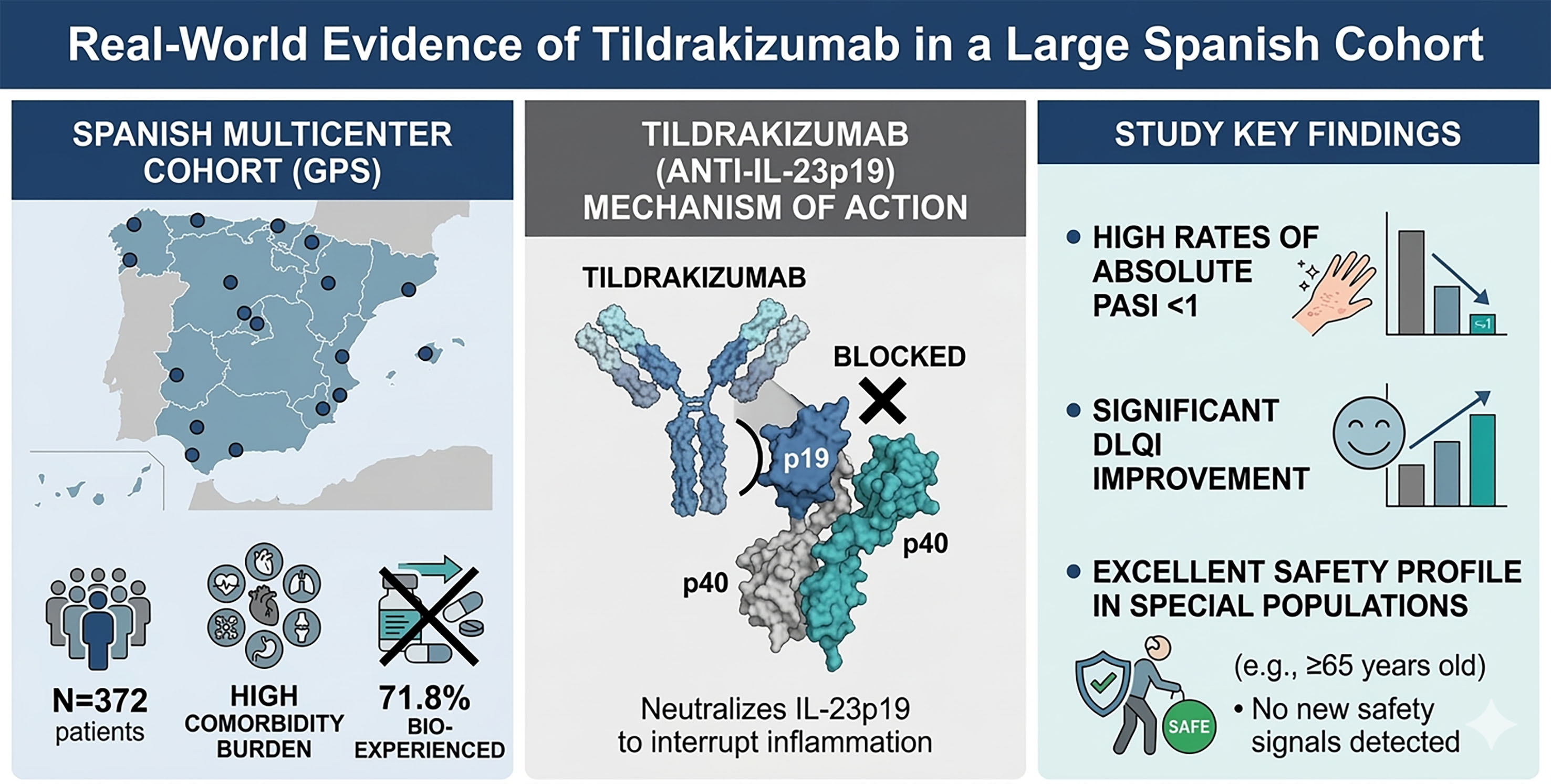
Background: Tildrakizumab, an anti-IL-23p19 monoclonal antibody, has demonstrated efficacy in clinical trials, but real-world evidence remains crucial for confirming its profile in diverse populations. Methods: We have conducted a multicenter, retrospective observational study within the Spanish Psoriasis Group (GPS). This study updates previous findings with a larger sample size (n = 372) and longer follow-up. We assessed absolute Psoriasis Area and Severity Index (PASI), Body Surface Area (BSA), and the Dermatology Life Quality Index (DLQI) improvements, as well as safety, in patients with moderate-to-severe plaque psoriasis. Results: The cohort included a large population of patients with a high prevalence of comorbidities and prior biologic exposure. Effectiveness was high, with a significant proportion of patients achieving PASI < 1. Compared to recent real-world data, our cohort demonstrates superior complete clearance rates (PASI < 1) and includes a comprehensive DLQI assessment. Notably, 79 patients were aged ≥65 years, confirming the drug’s utility in the elderly. Safety was consistent with previous reports, with no new signals detected. Conclusions: Tildrakizumab shows robust effectiveness and safety in a complex, bio-experienced real-world population. The lack of clinical predictors of response suggests a need for future pharmacogenetic exploration.
Full article
(This article belongs to the Section Pharmacy Practice and Practice-Based Research)
►▼
Show Figures

Graphical abstract
Open AccessArticle
From Classroom to Cleanroom: Evaluating Industrial Field Visits as a Pedagogical Tool in Parenteral Pharmaceutical Manufacturing and Quality Control Education
by
Sandi Ali Adib and Husam M. Younes
Pharmacy 2026, 14(2), 62; https://doi.org/10.3390/pharmacy14020062 - 17 Apr 2026
Abstract
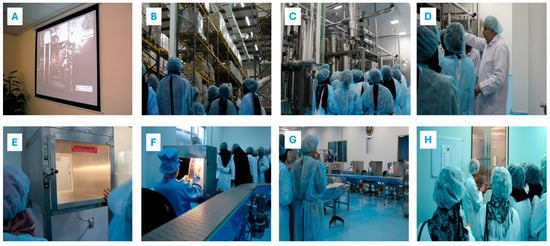
This study investigates the educational impact of an industrial field visit on the learning experience of second-year pharmacy students at Qatar University. The visit, integrated within the Pharmaceutics II course (PHAR 310), was designed to complement theoretical instruction by providing exposure to real-world
[...] Read more.
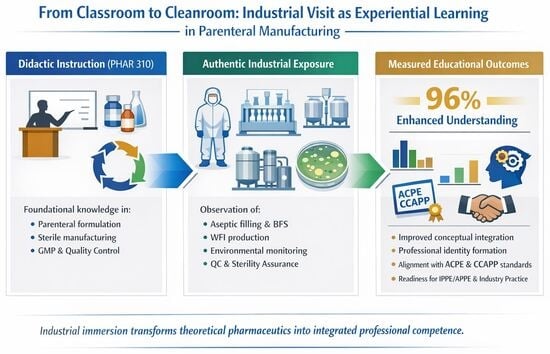
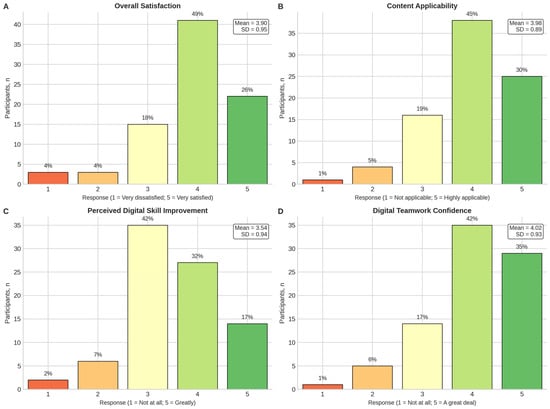
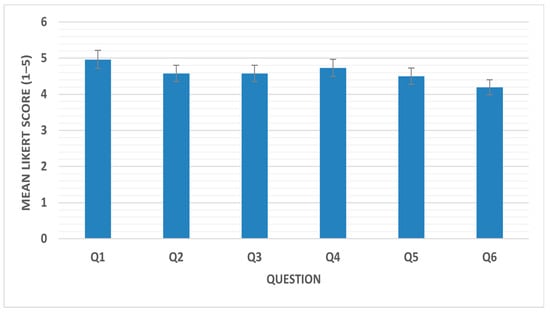
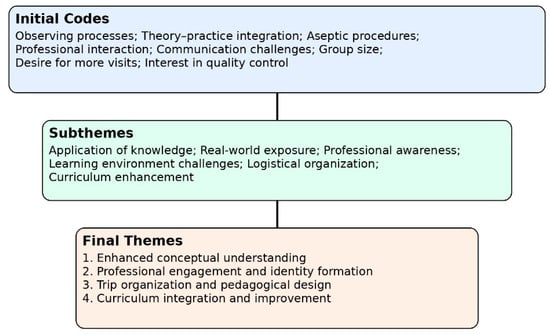
This study investigates the educational impact of an industrial field visit on the learning experience of second-year pharmacy students at Qatar University. The visit, integrated within the Pharmaceutics II course (PHAR 310), was designed to complement theoretical instruction by providing exposure to real-world pharmaceutical manufacturing and quality control processes, particularly for parenteral dosage forms. A mixed-methods approach was employed using quantitative and qualitative data derived from post-visit questionnaires. Findings indicated that students reported positive perceptions of the experience, with the majority indicating improved understanding of key pharmaceutical manufacturing concepts and strong support for the inclusion of similar activities within the curriculum. Qualitative analysis further suggested that the visit facilitated contextualization of theoretical knowledge, enhanced engagement, and supported early professional awareness. While these findings suggest that structured industrial visits may serve as a valuable complementary educational strategy in pharmacy training, the results should be interpreted with caution due to the small sample size and single-institution design. Further research incorporating larger cohorts, objective learning assessments, and longitudinal evaluation is underway to better establish the educational impact of these interventions.
Full article
(This article belongs to the Section Pharmacy Education and Student/Practitioner Training)
►▼
Show Figures

Graphical abstract
Open AccessArticle
Knowledge, Attitudes, and Practices Regarding the Disposal of Unused and Expired Medicines in Romania During the Early Implementation of the 2023 Hospital-Based Collection Framework
by
Anca Lupu, Ștefan Roșca, Ancuța Iacob, Marius Moroianu and Ramona-Oana Roșca
Pharmacy 2026, 14(2), 61; https://doi.org/10.3390/pharmacy14020061 - 16 Apr 2026
Abstract
Background: Improper disposal of unused and expired medicines represents an environmental and public health concern. In Romania, Law No. 269/2023 assigned the responsibility for collecting household pharmaceutical waste to public and private hospitals, while operational procedures were further detailed in the Ministry of
[...] Read more.
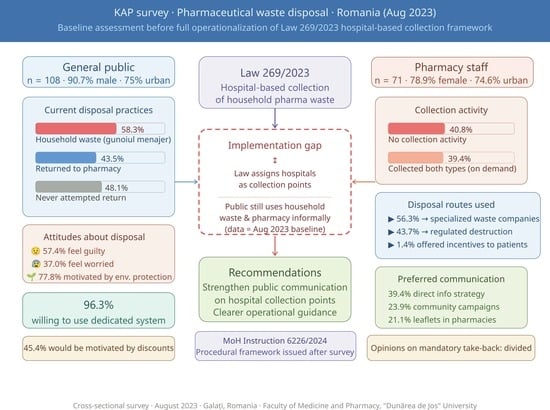
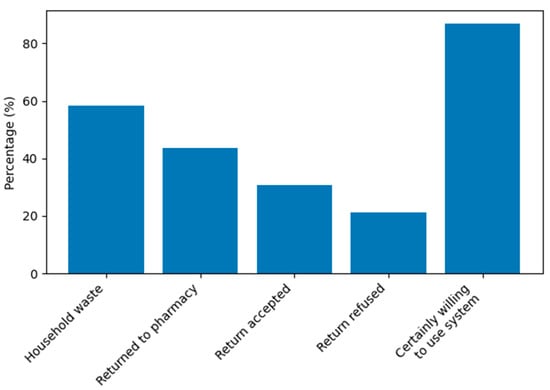
Background: Improper disposal of unused and expired medicines represents an environmental and public health concern. In Romania, Law No. 269/2023 assigned the responsibility for collecting household pharmaceutical waste to public and private hospitals, while operational procedures were further detailed in the Ministry of Health (MoH) Instruction No. 6226/2024. Objectives: This study aimed to assess knowledge, attitudes, and practices (KAP) related to the disposal of unused and expired medicines among the general public and community pharmacy staff during the early phase of implementation of the hospital-based medicine take-back system in Romania. Methods: A cross-sectional survey using convenience sampling was conducted between 1 and 31 August 2023. Two structured questionnaires were administered: one targeting the general public/patients and another addressing community pharmacy staff. Data were analyzed descriptively using frequencies and percentages. Several items allowed multiple responses. Results: Among public respondents (n = 108; predominantly male, 90.7%; urban, 75.0%), household waste disposal was the most frequently reported method (58.3%), followed by pharmacy return (43.5%). Willingness to use a dedicated collection system was very high (96.3%). Among pharmacy staff (n = 71; predominantly female, 78.9%; urban, 74.6%), 40.8% reported no collection activity; where collection occurred, it was typically on demand. Disposal routes included transfer to specialized waste companies (56.3%) and regulated destruction (43.7%). Only 1.4% of pharmacies offered incentives, while 45.4% of the public indicated discounts could motivate returns. Conclusions: Findings indicate an implementation and communication gap during the transition to a hospital-based pharmaceutical waste collection system. Strengthening public communication on official collection points and providing clearer operational guidance may support safer disposal practices.
Full article
(This article belongs to the Section Pharmacy Practice and Practice-Based Research)
►▼
Show Figures

Graphical abstract
Open AccessArticle
The Improper Disposal of Drugs and the Lack of Information About It Among a Highly Educated Population in Brazil: Analysis of the Factors Influencing Correct Disposal
by
Jamila Alessandra Perini, Thais da Silva Figueiredo, Mayara Calixto da Silva, Daniel Escorsim Machado and Jéssica Vilarinho Cardoso
Pharmacy 2026, 14(2), 60; https://doi.org/10.3390/pharmacy14020060 - 15 Apr 2026
Abstract
►▼
Show Figures
The improper disposal of household pharmaceuticals is a global public health concern, posing risks to both human health and the environment and highlighting the need to raise public awareness. This study aimed to identify individual characteristics associated with the inappropriate disposal of household
[...] Read more.
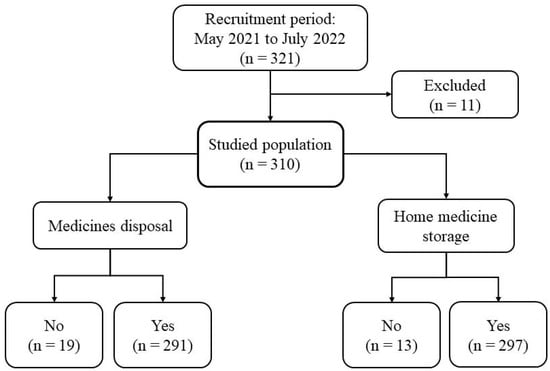
The improper disposal of household pharmaceuticals is a global public health concern, posing risks to both human health and the environment and highlighting the need to raise public awareness. This study aimed to identify individual characteristics associated with the inappropriate disposal of household pharmaceuticals and to determine which individuals may require greater awareness. This cross-sectional study included 310 participants who completed an online questionnaire collecting sociodemographic and clinical information, as well as data regarding the participants’ use, storage, and disposal of medications. Most participants were female (74%), single (57%), had a university degree (81%), and were 34 ± 12 years old; 37% had some non-communicable disease (NCD), 85% used some medication, and 62% disposed of pharmaceuticals inappropriately. Having no undergraduate degree (OR = 4.4; 95% CI = 2.01–9.8), an absence of NCDs (OR = 2.5; 95% CI = 1.1–5.6), a lack of knowledge about reverse logistics (OR = 3.6; 95% CI = 1.7–7.6) or environmental risks (OR = 13.5; 95% CI = 1.5–125), and a lack of guidance from healthcare professionals (OR = 3.6; 95% CI = 1.2–10.6) were associated with inappropriate disposal. Although most respondents (88.6%) were aware of the negative environmental impacts of improper disposal, 69.7% did not know what reverse logistics was or where to find collection points (73.5%). These findings highlight the importance of environmental education for the effective implementation of reverse logistics for household pharmaceuticals.
Full article

Figure 1
Open AccessArticle
A Faculty-Constructed AI Tutor for Personalized Learning and Remediation in a U.S. PharmD Immunology Course: An “In-House” Evaluation of New Learning Technology
by
Ashim Malhotra
Pharmacy 2026, 14(2), 59; https://doi.org/10.3390/pharmacy14020059 - 3 Apr 2026
Abstract
While generative AI becomes increasingly available in higher education, faculties find it challenging to design, implement, and evaluate AI-enabled personalized learning systems within accreditation-constrained professional curricula. This method paper describes ADAPT (Assessment-Driven AI for Personalized Tutoring), a home-grown AI tutoring and remediation ecosystem
[...] Read more.
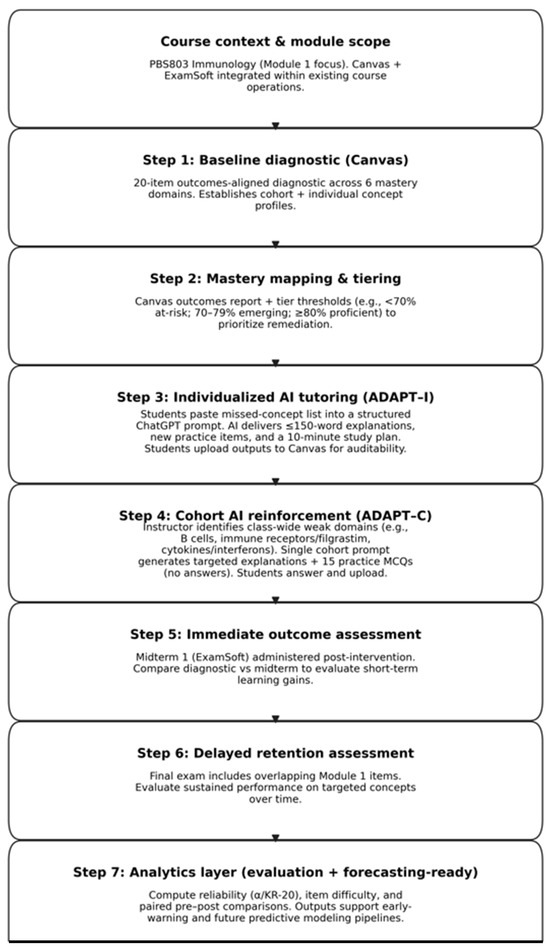
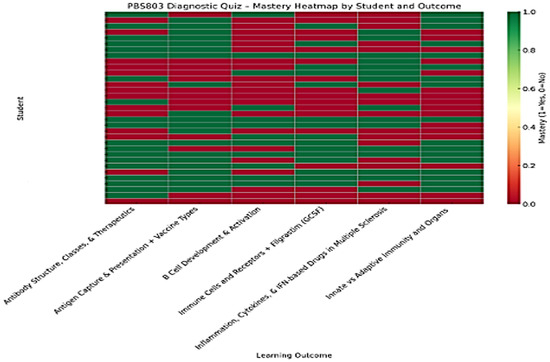
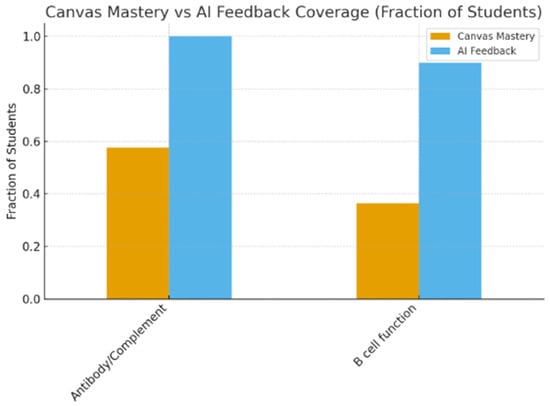
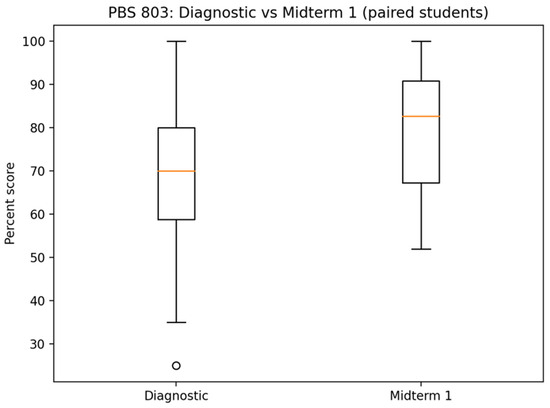
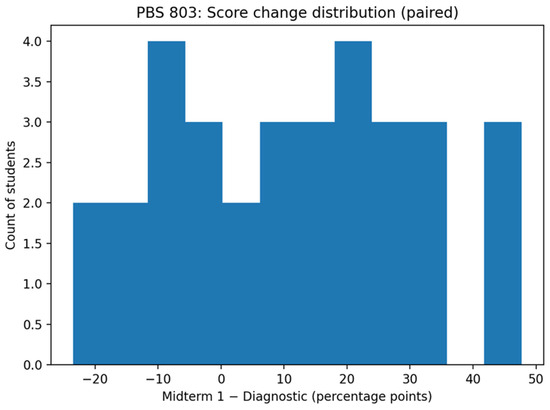
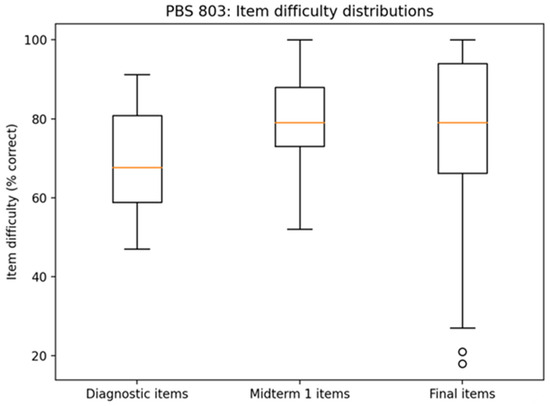
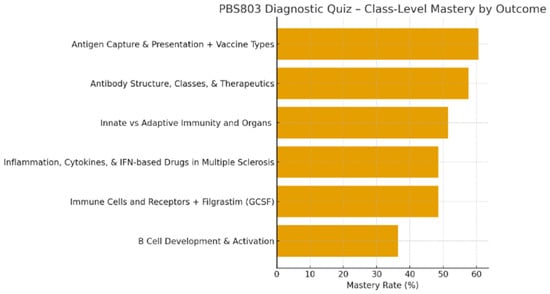
While generative AI becomes increasingly available in higher education, faculties find it challenging to design, implement, and evaluate AI-enabled personalized learning systems within accreditation-constrained professional curricula. This method paper describes ADAPT (Assessment-Driven AI for Personalized Tutoring), a home-grown AI tutoring and remediation ecosystem implemented in a required PharmD immunology course. Using standard learning management (Canvas) and assessment (ExamSoft) platforms, a 20-item quiz mapped to six immunology mastery domains (N = 34; mean 69.1%, SD 17.9; Cronbach’s α = 0.73) was used to trigger tiered, structured generative AI remediation at both individual student and cohort levels. Instructional impact was evaluated using reliability indices, item-level difficulty analyses, and paired pre/post-assessment comparisons. Following AI-guided remediation, mean performance increased to 79.8% (+10.7 percentage points), variability decreased (SD 14.4), and assessment reliability improved (ExamSoft KR-20 0.87) compared with the diagnostic exam, the first midterm exam, and the final exam, respectively. Item difficulty stabilized (mean ≈ 0.80), with sustained retention of targeted concepts on the final examination. ADAPT provides a replicable, low-cost methodological blueprint for faculties to independently construct assessment-driven AI tutoring systems and lays the foundational steps for future AI-based predictive analysis workflow for at-risk students.
Full article
(This article belongs to the Section Pharmacy Education and Student/Practitioner Training)
►▼
Show Figures

Figure 1
Open AccessArticle
Lacosamide Safety During Pregnancy and Breastfeeding: A Single-Centre Experience and Comprehensive Narrative Review
by
Kamila Saramak, Manuela Kaml, Marina Peball, Luisa Delazer, Gerald Walser, Anna Hussl, Iris Unterberger and Alexandra Astner-Rohracher
Pharmacy 2026, 14(2), 58; https://doi.org/10.3390/pharmacy14020058 - 1 Apr 2026
Abstract
(1) Background: The management of epilepsy during pregnancy requires balancing effective seizure control against potential teratogenic effects of antiseizure medications (ASMs). Data on the safety of lacosamide (LCM), a third-generation ASM, during pregnancy and breastfeeding are limited. (2) Methods: To evaluate the safety
[...] Read more.
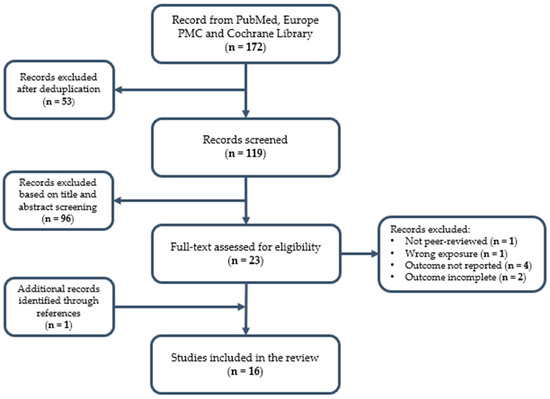
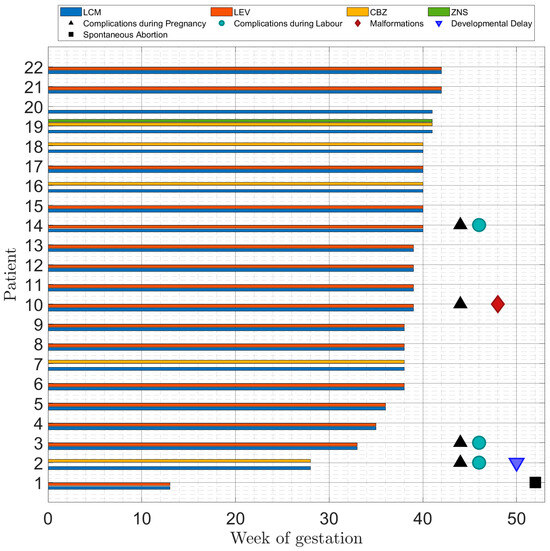
(1) Background: The management of epilepsy during pregnancy requires balancing effective seizure control against potential teratogenic effects of antiseizure medications (ASMs). Data on the safety of lacosamide (LCM), a third-generation ASM, during pregnancy and breastfeeding are limited. (2) Methods: To evaluate the safety and efficacy of LCM during pregnancy and breastfeeding, we report a single-centre case series and provide a comprehensive narrative review of the literature. (3) Results: In total, 22 cases of maternal exposure to LCM throughout pregnancy (1 monotherapy, 21 polytherapy) were identified, resulting in 21 live births (95.5%). Congenital malformations (atrial septal defect) were observed in one offspring exposed to LCM and levetiracetam (4.8%). Twelve newborns were breastfed (57.1%) without neurodevelopmental delay after twelve months. The literature search identified 16 studies, overall reporting data on 627 pregnancies with LCM (236 monotherapy, 391 polytherapy). Among 632 available pregnancy outcomes (3 twin pregnancies and 1 triplet in the polytherapy group) the proportion of live births was 81.3% (514/632). Major congenital malformations were reported in 2.5% (6/236) with LCM monotherapy and 11.9% (47/396) with polytherapy. (4) Conclusions: According to the literature, no major safety concerns, especially in LCM monotherapy, and no specific malformations associated with LCM exposure were identified. Conclusions are limited by the heterogeneity of studies and the small number of monotherapy-exposed cases. Larger, prospective studies with longer follow-up are required.
Full article
(This article belongs to the Special Issue Pharmacy Practice for Women’s/Reproductive Health)
►▼
Show Figures

Figure 1
Open AccessArticle
Guidance for Use of Artificial Intelligence in Community Pharmacy Practice: Perspectives and Needs of Pharmacists in Ontario, Canada
by
Zubin Austin and Paul Gregory
Pharmacy 2026, 14(2), 57; https://doi.org/10.3390/pharmacy14020057 - 1 Apr 2026
Abstract
Background: As Artificial Intelligence (AI) proliferates in society, community pharmacists must make decisions as to how to responsibly adopt this technology in their practice. Currently, there are few regulatory requirements or tools to support pharmacists in ensuring safe and ethical integration of AI
[...] Read more.
Background: As Artificial Intelligence (AI) proliferates in society, community pharmacists must make decisions as to how to responsibly adopt this technology in their practice. Currently, there are few regulatory requirements or tools to support pharmacists in ensuring safe and ethical integration of AI in their work. Methods: An exploratory qualitative study of community pharmacists in Ontario, Canada was undertaken to examine their needs for guidance, regulation, and support in adopting AI in their practice. Results: Semi-structured interviews with 24 community pharmacists were undertaken to the point of thematic saturation. Constant-comparative analysis highlighted three key themes: (a) currently, AI is being used in unstandardized and unregulated ways; (b) pharmacists desire guidance or regulation focused on patient safety considerations; and (c) in the absence of regulation, ad hoc informal decision making is occurring. Conclusions: With or without formal regulation, AI is being adopted in pharmacy practice. Current reliance on informal network support without clear regulatory guidance raises concerns for pharmacists regarding patient safety and their work as professionals.
Full article
(This article belongs to the Special Issue AI Use in Pharmacy and Pharmacy Education)
Open AccessArticle
Clinical Pharmacy in Radiopharmacy: A Cross-Sectional Survey of Practices Within the HUGOPharm Network
by
Evan Terrier, Laura Foucault-Fruchard, Nicolas Arlicot, Yann Venel, Mickaël Bourgeois, Serge Maia and Anne-Claire Dupont
Pharmacy 2026, 14(2), 56; https://doi.org/10.3390/pharmacy14020056 - 1 Apr 2026
Abstract
Radiopharmacy is a specialized area of hospital pharmacy dedicated to the preparation and appropriate use of radiopharmaceuticals for diagnostic imaging and targeted therapies. While clinical pharmacy activities are well established in many hospital settings, their integration into radiopharmacy remains poorly documented and lacks
[...] Read more.
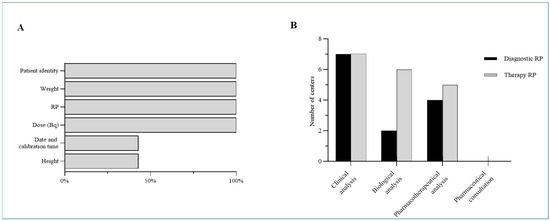
Radiopharmacy is a specialized area of hospital pharmacy dedicated to the preparation and appropriate use of radiopharmaceuticals for diagnostic imaging and targeted therapies. While clinical pharmacy activities are well established in many hospital settings, their integration into radiopharmacy remains poorly documented and lacks standardization, particularly in the context of the rapid development of theranostic applications. This descriptive, cross-sectional study aimed to assess current clinical pharmacy practices in radiopharmacy across the HUGOPharm network. Between July and September 2025, an anonymous online questionnaire was distributed to radiopharmacy teams, collecting information on prescription analysis, biological monitoring, interdisciplinary collaboration, and other clinical pharmacy activities. Descriptive statistics were used to analyze responses. All participating centers reported verifying patient identity and key prescription parameters; however, substantial variability in practices was observed. Pharmacotherapeutic analysis was more frequently performed for therapeutic procedures (71%) than for diagnostic procedures (57%). Pre-procedure biological testing was common in therapeutic contexts (86%) but infrequent for diagnostic applications (29%). No center reported conducting structured medication reviews or pharmaceutical consultations. The implementation of radioligand therapies, such as [177Lu]-PSMA, was associated with enhanced safety checks and increased interdisciplinary collaboration. Overall, clinical pharmacy in radiopharmacy is developing but remains inconsistently implemented. Structured clinical pharmacy activities appear particularly relevant for theranostic procedures and may represent priorities for future practice development to support patient safety and integrated care.
Full article
(This article belongs to the Section Pharmacy Practice and Practice-Based Research)
►▼
Show Figures

Figure 1
Open AccessArticle
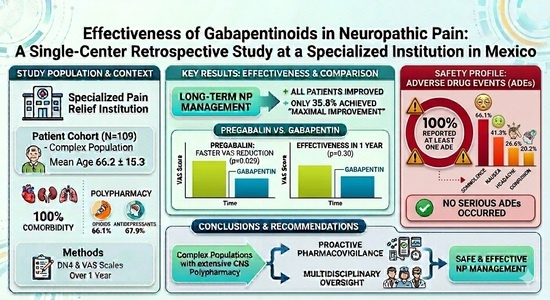
Effectiveness of Gabapentinoids in Neuropathic Pain: A Single-Center Retrospective Study at a Specialized Institution in Mexico
by
Carlos Eduardo Estrada-De La Rosa, Felipe Alexis Avalos-Salgado, Nancy Evelyn Navarro-Ruiz, Erika Fabiola López-Villalobos, Roberto de Jesús Sandoval-Muñiz, Monserratt Abud-González, María Luisa Muñoz-Almaguer and Raymundo Escutia-Gutiérrez
Pharmacy 2026, 14(2), 55; https://doi.org/10.3390/pharmacy14020055 - 29 Mar 2026
Abstract
Background/Objectives: Gabapentinoids are first-line treatments for neuropathic pain (NP); however, real-world evidence regarding their safety and effectiveness in complex clinical populations remains limited. This study aimed to evaluate the effectiveness and safety profile of gabapentinoid therapy in patients managed within a specialized pain
[...] Read more.
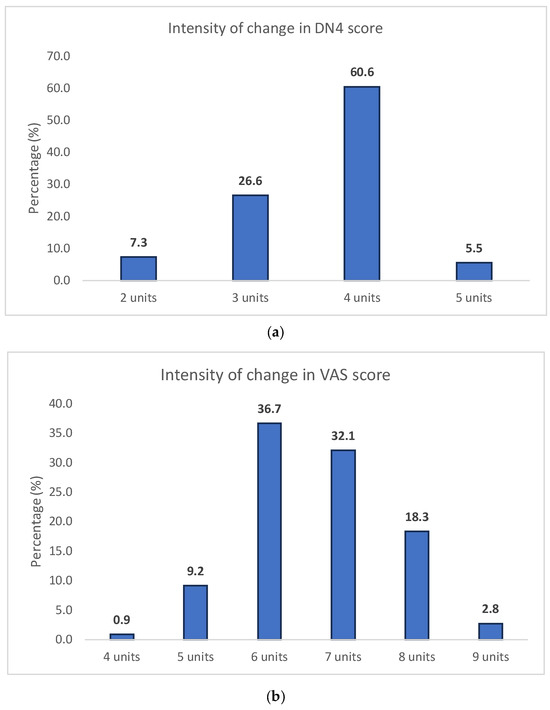
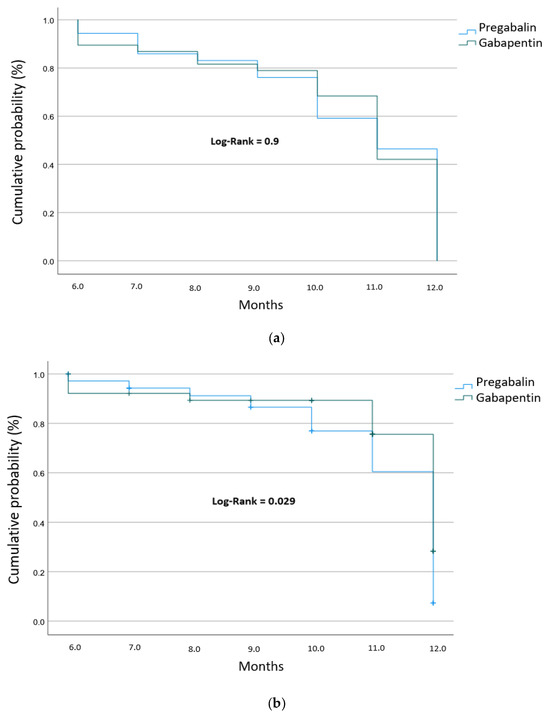
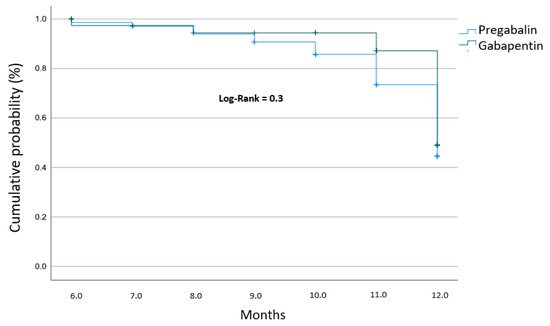
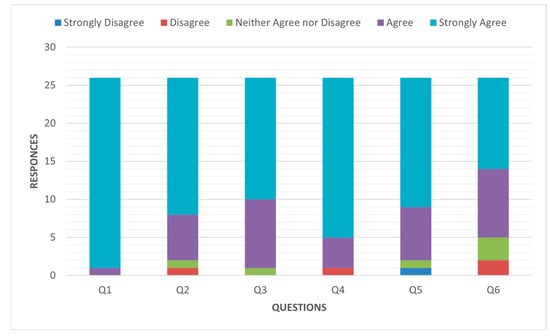
Background/Objectives: Gabapentinoids are first-line treatments for neuropathic pain (NP); however, real-world evidence regarding their safety and effectiveness in complex clinical populations remains limited. This study aimed to evaluate the effectiveness and safety profile of gabapentinoid therapy in patients managed within a specialized pain relief institution. Methods: A retrospective cohort study (n = 109) was conducted (January 2024 to December 2024). Effectiveness was assessed via DN4 and VAS over one year. Time to improvement was analyzed using Kaplan–Meier curves. Results: The cohort (mean age 66.2 ± 15.3 years) presented 100% comorbidity and polypharmacy (66.1% opioids; 67.9% antidepressants). Although all patients showed improvement, only 35.8% achieved “maximal improvement.” Pregabalin demonstrated faster VAS reduction than gabapentin (p = 0.029), though long-term success was comparable (p = 0.30). Significantly, 100% of patients reported at least one adverse drug event (ADE), primarily somnolence (66.1%), though no serious ADEs occurred. Lower baseline pain scores were significant predictors of therapeutic success. Conclusions: Gabapentinoids are effective for long-term NP management; however, their use is consistently associated with non-serious ADEs. In specialized settings characterized by extensive CNS-active polypharmacy, proactive pharmacovigilance and multidisciplinary oversight are essential to balance analgesic effectiveness with medication safety.
Full article
(This article belongs to the Special Issue Innovations and Systems Approaches to Medication Safety in Pharmacy Practice)
►▼
Show Figures

Graphical abstract
Open AccessBrief Report
Community Pharmacies Face Critical Sustainability Challenges in the United States: Academic Pharmacy Can Help
by
Karl M. Hess and Peter Lim
Pharmacy 2026, 14(2), 54; https://doi.org/10.3390/pharmacy14020054 - 29 Mar 2026
Abstract
Community pharmacies in the United States (US) face an increasingly unsustainable future due to declining third-party reimbursement (remuneration) and ongoing cash flow challenges following the elimination of retroactive direct and indirect remuneration (DIR) fees. These pressures have contributed to widespread pharmacy closures, the
[...] Read more.
Community pharmacies in the United States (US) face an increasingly unsustainable future due to declining third-party reimbursement (remuneration) and ongoing cash flow challenges following the elimination of retroactive direct and indirect remuneration (DIR) fees. These pressures have contributed to widespread pharmacy closures, the emergence of pharmacy deserts, and reduced access to care for millions of patients. Despite these challenges, community pharmacy remains the most common employment setting for pharmacy school graduates in the US. However, currently required community pharmacy Advanced Pharmacy Practice Experience (APPE) student rotations may offer limited exposure to business, management, and entrepreneurial activities, potentially leaving students underprepared for practice in this setting. US colleges and schools of pharmacy are uniquely positioned to address this gap by partnering with their community pharmacy APPE rotation sites to intentionally integrate business- and practice-focused knowledge, skills, and attitudes (KSAs) into the APPE. Equipping students with these KSAs may enhance early career readiness while also supporting the financial sustainability of US community pharmacies through the development of innovative, revenue-generating services. These efforts further align with the 2025 Accreditation Council for Pharmacy Education (ACPE) Standards and may help advance the profession. Future research should examine optimal community pharmacy APPE structures, models, and assessment strategies to maximize student preparedness and long-term community pharmacy sustainability.
Full article
(This article belongs to the Special Issue Pharmacist Workforce Challenges and Solutions: Perspectives from Research and Practice)
Open AccessBrief Report
Assessing the Frequency, Prescribing Patterns, and Characteristics of Patients Receiving Drugs with Pharmacogenomic (PGx) Guidelines Through an EMR: Follow-Up Analysis 5 Years Later
by
George E. MacKinnon III, Megan Mills and Ulrich Broeckel
Pharmacy 2026, 14(2), 53; https://doi.org/10.3390/pharmacy14020053 - 25 Mar 2026
Abstract
(1) Background: This follow-up retrospective analysis used electronic medical record (EMR) data from a health system to identify patients and medications prescribed in accordance with Clinical Pharmacogenetics Implementation Consortium (CPIC) guidelines. (2) Methods: This analysis included EMR data from a clinical research data
[...] Read more.
(1) Background: This follow-up retrospective analysis used electronic medical record (EMR) data from a health system to identify patients and medications prescribed in accordance with Clinical Pharmacogenetics Implementation Consortium (CPIC) guidelines. (2) Methods: This analysis included EMR data from a clinical research data warehouse encompassing 928,291 patients seen at an academic medical center between 2020 and 2024. The study evaluated 75 commercially available medications linked to 52 evidence-based CPIC pharmacogenomic (PGx) guidelines. (3) Results: Of the 928,291 patient encounters, 709,673 medication orders were recorded, with 416,621 patients (44.8%) prescribed at least 1 of the 75 CPIC-associated medications. This compares with 845,518 patients who had an encounter in 2015–2019 with 590,526 medication orders, and 335,849 (56.9%) patients had medication orders represented by CPIC-associated medications. One to three CPIC-associated medications accounted for 76.6% of patients in 2020–2024 compared to 75.6% in 2015–2019. (4) Conclusions: The findings demonstrate that the proportion of patients prescribed a CPIC-actionable medication remained just under half of those evaluated within a single institution’s EMR. About three-quarters of patients over the ten-year period had between one to three CPIC-associated medications identified, and the top five classes of medications remained the same in the two periods. This understanding of patient volume may help organizations as they begin to assess the implementation of PGx services.
Full article
(This article belongs to the Section Pharmacy Practice and Practice-Based Research)
Open AccessReview
Access to Medicines in Bulgaria and North Macedonia: Legislative, Pricing, and Reimbursement Perspectives
by
Anna Todorova, Dijana Miceva, Mariya Ivanova, Tanya Kazakova and Bistra Angelovska
Pharmacy 2026, 14(2), 52; https://doi.org/10.3390/pharmacy14020052 - 23 Mar 2026
Cited by 1
Abstract
National legislative frameworks governing prescribing, pricing, reimbursement, and dispensing play a decisive role in shaping access to medicines. This study examines the financial availability of medicines in Bulgaria and North Macedonia through a comparative review of national pharmaceutical legislation, pricing mechanisms, reimbursement models,
[...] Read more.
National legislative frameworks governing prescribing, pricing, reimbursement, and dispensing play a decisive role in shaping access to medicines. This study examines the financial availability of medicines in Bulgaria and North Macedonia through a comparative review of national pharmaceutical legislation, pricing mechanisms, reimbursement models, and digitalisation policies, assessed in relation to European Union standards. The findings indicate that access to medicines in both countries is shaped by the combined effects of multiple regulatory and financial instruments rather than by individual policy measures. Both systems apply strict control of prescribing and dispensing, external reference pricing, and positive reimbursement lists, reflecting alignment with international recommendations. However, significant differences in policy design lead to divergent access outcomes. Bulgaria’s more advanced digitalisation of prescribing and reimbursement, including mandatory electronic prescribing for selected therapeutic groups, enhances regulatory oversight and expenditure control but is associated with higher patient out-of-pocket expenditure, partly due to the application of the standard value-added tax on medicines. In contrast, North Macedonia combines lower taxation with capped patient co-payments, higher regulated pharmacy margins, and fixed pharmacy remuneration per prescription, contributing to improved financial affordability for patients while supporting pharmacy sustainability. Additional instruments, such as the Generics without Co-Payment List, further strengthen patient financial protection. The study provides comparative evidence relevant to pharmaceutical policy reforms and highlights the importance of balanced regulatory approaches that promote affordability, system sustainability, and equitable access to medicines.
Full article
(This article belongs to the Section Pharmacy Practice and Practice-Based Research)
Open AccessArticle
Assessment of Potential Exposure to Pregnancy-Contraindicated Medications Among Women of Reproductive Age in Japan: A Retrospective Database Study
by
Hiroyuki Ura and Noriko Matsuoka
Pharmacy 2026, 14(2), 51; https://doi.org/10.3390/pharmacy14020051 - 20 Mar 2026
Abstract
Preconception care is globally recognized as essential for optimizing pregnancy outcomes; however, in Japan, comprehensive data on medication-related potential exposure to pregnancy-contraindicated medications among women of reproductive age remain limited. We conducted a retrospective cross-sectional descriptive study using data from Japan’s National Database
[...] Read more.
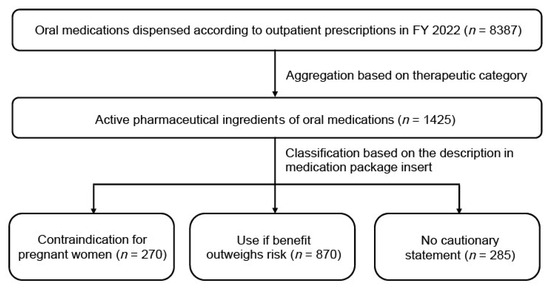
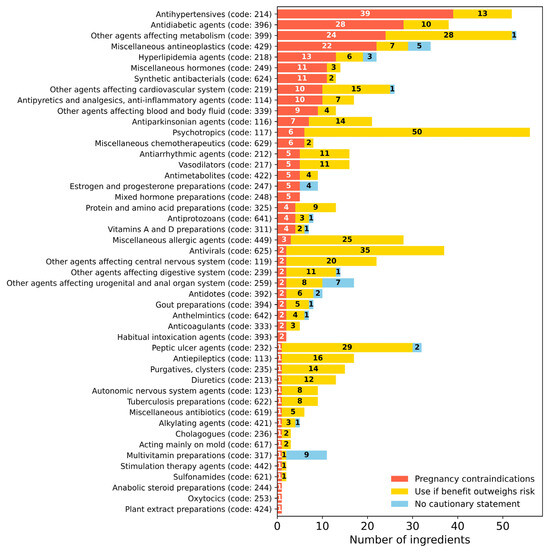
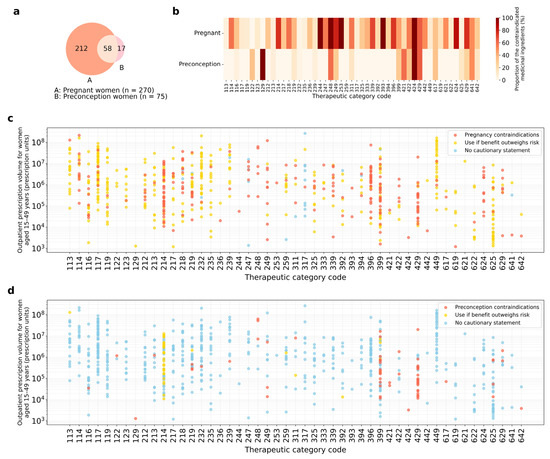
Preconception care is globally recognized as essential for optimizing pregnancy outcomes; however, in Japan, comprehensive data on medication-related potential exposure to pregnancy-contraindicated medications among women of reproductive age remain limited. We conducted a retrospective cross-sectional descriptive study using data from Japan’s National Database of Health Insurance Claims (fiscal year 2022) to assess the potential exposure to pregnancy-contraindicated medications among women of reproductive age. Outpatient prescriptions for oral medications dispensed to women aged 15–49 years were analyzed. In total, 270 medications classified as contraindicated during pregnancy were identified, of which 75 were also contraindicated for women planning pregnancy. Of these, 58 active ingredients were restricted in both phases. Notably, 212 medications were uniquely contraindicated during pregnancy, highlighting the broader contraindication profiles during fetal development than during the preconception period. Despite these contraindications, high prescription volumes were observed for medications such as loxoprofen sodium hydrate, sodium valproate, and metformin hydrochloride among women of reproductive age. These findings illustrate a high baseline utilization of pregnancy-contraindicated medications among women of reproductive age. As most women in this demographic are neither pregnant nor actively planning conception, these volumes primarily reflect standard care rather than inappropriate prescribing. In conclusion, pharmacists serve as an important supplementary safety net by routinely confirming pregnancy status to prevent inadvertent exposure.
Full article
(This article belongs to the Special Issue Pharmacy Practice for Women’s/Reproductive Health)
►▼
Show Figures

Figure 1
Open AccessReview
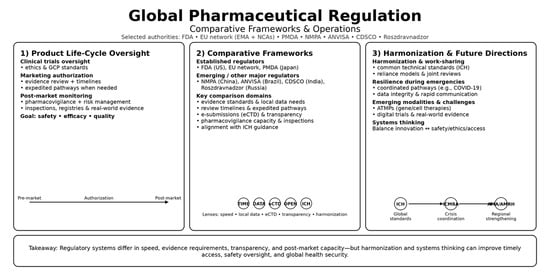
Global Pharmaceutical Regulation: Comparative Frameworks and Operations
by
Omolayo Tinuke Umaru, Adebowale Sylvester Adeyemi, Olajumoke Aderonmu, Balyodh Singh Bhangu, Harjot Singh Dhaliwal, Hae Lim and Taiwo Opeyemi Aremu
Pharmacy 2026, 14(2), 50; https://doi.org/10.3390/pharmacy14020050 - 18 Mar 2026
Abstract
►▼
Show Figures
Pharmaceutical regulation plays a central role in protecting public health by governing clinical trials, market authorization, and post-marketing safety monitoring throughout the medicine life cycle. While substantial literature describes established systems, particularly the United States Food and Drug Administration (FDA), Japan’s Pharmaceuticals and
[...] Read more.
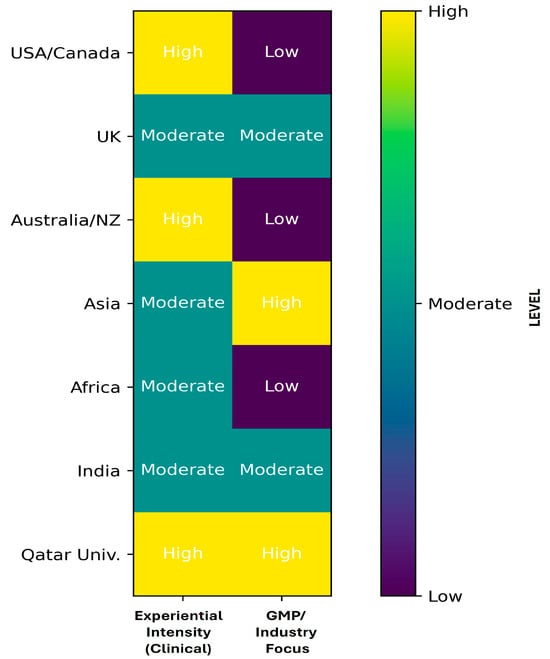
Pharmaceutical regulation plays a central role in protecting public health by governing clinical trials, market authorization, and post-marketing safety monitoring throughout the medicine life cycle. While substantial literature describes established systems, particularly the United States Food and Drug Administration (FDA), Japan’s Pharmaceuticals and Medical Devices Agency (PMDA), and the European medicines regulatory network coordinated by the European Medicines Agency (EMA) together with national competent authorities, comparative analyses that integrate both mature authorities, emerging regulators and transnational harmonization networks remain limited. This narrative review draws on primary regulator/network documentation and targeted peer-reviewed literature to compare core regulatory functions across jurisdictions, including approval pathways and evidentiary expectations, inspection and good manufacturing practice (GMP) oversight, transparency practices, and pharmacovigilance and risk-management approaches. Across regions, we observe increasing convergence in scientific expectations through initiatives such as the International Council for Harmonisation (ICH) and reliance and work-sharing models, alongside persistent differences in legal mandates, resourcing, timelines, and data requirements. These differences are most consequential for complex products (e.g., advanced therapies) and in crisis settings, where emergency or conditional authorizations amplify the need for strong lifecycle monitoring, real-world evidence governance, and cross-border communication. We conclude by outlining opportunities to strengthen regulatory resilience and equity through fit-for-purpose harmonization, investment in enabling infrastructure, and future work on interoperable data systems, signal detection, and coordinated post-marketing evaluation.
Full article

Graphical abstract
Open AccessArticle
Drug-Induced Hyponatremia as a Cause of Emergency Department Attendance
by
Joel Gené Grasa, Natalia Sanz López, Marta Docio Alfaya, Verónica Mate García, Alicia Serrano García-Calvo, Adrián Plaza Díaz and Jesús Ruiz Ramos
Pharmacy 2026, 14(2), 49; https://doi.org/10.3390/pharmacy14020049 - 17 Mar 2026
Abstract
Background: Hyponatremia is one of the most common electrolyte disturbances in emergency departments. This study aimed to describe the characteristics of patients presenting with drug-induced hyponatremia and analyse factors associated with 30-day revisits. Methods: Retrospective observational study including adult patients who attended the
[...] Read more.
Background: Hyponatremia is one of the most common electrolyte disturbances in emergency departments. This study aimed to describe the characteristics of patients presenting with drug-induced hyponatremia and analyse factors associated with 30-day revisits. Methods: Retrospective observational study including adult patients who attended the emergency department for drug-induced hyponatremia between 2020 and 2024. Results: 141 patients were analysed (mean age 80.5 years; 78% women). Thiazide diuretics were the most frequently implicated pharmacological class (50.3%). In univariable analyses, polypharmacy, dementia, and treatment changes at discharge were associated with a higher risk of revisit for hyponatremia. In the multivariable model, only polypharmacy remained significantly associated with 30-day revisits. Conclusions: Thiazide diuretics were the leading drug-related cause of hyponatremia in the emergency setting. Polypharmacy was identified as an independent factor associated with increased revisit risk, underscoring the need for systematic medication review and close clinical follow-up after hospital discharge.
Full article
(This article belongs to the Special Issue Drug Repurposing: Strengthening Outcomes of Existing Pharmaceuticals to Shift Emerging Health Challenges)
Journal Menu
► ▼ Journal Menu-
- Pharmacy Home
- Aims & Scope
- Editorial Board
- Reviewer Board
- Topical Advisory Panel
- Instructions for Authors
- Special Issues
- Topics
- Sections & Collections
- Article Processing Charge
- Indexing & Archiving
- Editor’s Choice Articles
- Most Cited & Viewed
- Journal Statistics
- Journal History
- Journal Awards
- Society Collaborations
- Conferences
- Editorial Office
Journal Browser
► ▼ Journal BrowserHighly Accessed Articles
Latest Books
E-Mail Alert
News
Topics
Topic in
JCM, Pharmaceuticals, Pharmaceutics, Pharmacy, Healthcare
Optimization of Drug Utilization and Medication Adherence
Topic Editors: Enrica Menditto, Sara Mucherino, Ignacio Aznar-LouDeadline: 30 October 2026
Topic in
Biomedicines, Future Pharmacology, Pharmacy, IJMS, Biomolecules, Genes
Prospects of Multi-Target Agonists in Metabolic and Epigenetic Medicine
Topic Editors: Riham Abouleisa, Yanming LiDeadline: 30 November 2026
Conferences
Special Issues
Special Issue in
Pharmacy
Advances in Rural Pharmacy Practice
Guest Editors: Kimberly McKeirnan, Megan UndebergDeadline: 31 May 2026
Special Issue in
Pharmacy
Advancing Pharmacy Practice: Innovations and Expanding Horizons
Guest Editors: Arit Udoh, Ifunanya IkhileDeadline: 15 June 2026
Special Issue in
Pharmacy
The AI Revolution in Pharmacy Practice and Education
Guest Editor: Maree SimpsonDeadline: 30 June 2026
Special Issue in
Pharmacy
Enhancing Mental Health and Well-Being in Pharmacy Students: Challenges and Interventions
Guest Editor: Candis M. MorelloDeadline: 30 June 2026
Topical Collections
Topical Collection in
Pharmacy
New Insights into Pharmacy Teaching and Learning during COVID-19
Collection Editors: Darko Modun, Ana Seselja Perisin