

Journal Description
Nutrients
Nutrients
is an international, peer-reviewed, open access journal of human nutrition published semimonthly online by MDPI. The Asia Pacific Nutrigenomics Nutrigenetics Organisation (APNNO), Italian Society for Pediatric Gastroenterology, Hepatology and Nutrition (SIGENP), Nutrition Society of New Zealand (NSNZ), Ocular Wellness & Nutrition Society (OWNS) and others are affiliated with Nutrients and their members receive discounts on article processing charges.
- Open Access— free for readers, with article processing charges (APC) paid by authors or their institutions.
- High Visibility: indexed within Scopus, SCIE (Web of Science), PubMed, MEDLINE, PMC, Embase, PubAg, AGRIS, and other databases.
- Journal Rank: JCR - Q1 (Nutrition and Dietetics) / CiteScore - Q1 (Nutrition and Dietetics)
- Rapid Publication: manuscripts are peer-reviewed and a first decision is provided to authors approximately 15 days after submission; acceptance to publication is undertaken in 2.4 days (median values for papers published in this journal in the second half of 2025).
- Recognition of Reviewers: reviewers who provide timely, thorough peer-review reports receive vouchers entitling them to a discount on the APC of their next publication in any MDPI journal, in appreciation of the work done.
- Companion journal: Dietetics.
- Journal Cluster of Food, Nutrition, and Health Science: Beverages, Dietetics, Foods, Nutraceuticals, Nutrients and Obesities.
Impact Factor:
5.0 (2024);
5-Year Impact Factor:
6.0 (2024)
Latest Articles
Immunonutritional Indices, Inflammatory Markers, and Thyroid-Related Parameters in Adults with Hashimoto’s Thyroiditis
Nutrients 2026, 18(11), 1698; https://doi.org/10.3390/nu18111698 - 26 May 2026
Abstract
Background: Hashimoto’s thyroiditis (HT) is a chronic autoimmune disorder characterized not only by thyroid dysfunction but also by metabolic disturbances, micronutrient inadequacies, and low-grade inflammation. Composite indices derived from routine laboratory parameters may therefore help capture the broader systemic profile of the disease.
[...] Read more.
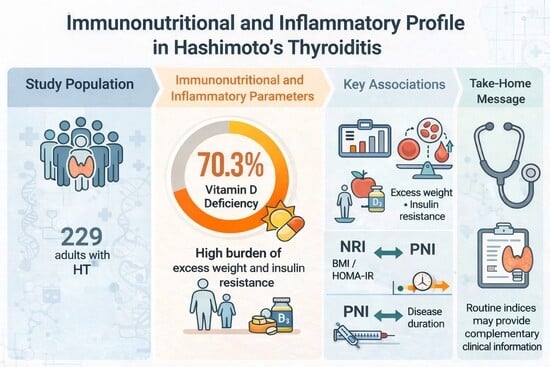
Background: Hashimoto’s thyroiditis (HT) is a chronic autoimmune disorder characterized not only by thyroid dysfunction but also by metabolic disturbances, micronutrient inadequacies, and low-grade inflammation. Composite indices derived from routine laboratory parameters may therefore help capture the broader systemic profile of the disease. This study explored within-cohort associations of immunonutritional indices including the Prognostic Nutritional Index (PNI), Nutritional Risk Index (NRI), and Controlling Nutritional Status (CONUT), and hemogram-derived inflammatory markers including the Neutrophil-to-Lymphocyte Ratio (NLR), Monocyte-to-Lymphocyte Ratio (MLR), Platelet-to-Lymphocyte Ratio (PLR), and Systemic Immune-Inflammation Index (SII), with thyroid function, thyroid autoimmunity, metabolic characteristics, disease duration, and vitamin D status in adults with Hashimoto’s thyroiditis. Methods: This cross-sectional study included 229 adults diagnosed with HT. PNI, NRI, CONUT, and complete blood count-derived inflammatory markers were evaluated in relation to thyroid function, thyroid autoimmunity, disease duration, metabolic characteristics, and vitamin D status. Because most variables were not normally distributed, the main analyses were conducted using non-parametric tests. Correlations were evaluated using Spearman’s rank correlation coefficients. Exploratory regression models were estimated using HC3 heteroscedasticity-consistent robust standard errors, and CRP-based sensitivity analyses were performed by excluding participants with CRP > 10 mg/L. Results: Vitamin D deficiency was highly prevalent and affected 70.3% of the participants. Among the immunonutritional indices, NRI differed significantly according to BMI category and HOMA-defined insulin resistance (both p < 0.001), indicating a closer relationship with metabolic burden. PNI was associated with disease duration (p = 0.009), whereas the inflammatory indices were largely similar across the clinical groupings examined. In exploratory robust regression models, the explanatory power remained modest (R2 = 0.066–0.171). PLR showed the most consistent index-related association with TSH, whereas the CONUT–FT3 association observed in the full-sample robust model was not retained after CRP-based sensitivity analysis. Conclusions: Adults with HT in this study showed frequent vitamin D deficiency together with a substantial burden of excess weight and insulin resistance. Routine immunonutritional and inflammatory indices may provide supportive information on within-cohort biochemical and metabolic heterogeneity, but they should not be interpreted as stand-alone diagnostic or prognostic markers. In particular, NRI appeared to reflect metabolic and adiposity-related burden more than nutritional risk alone, while PLR showed the most internally consistent index-related association with TSH.
Full article
(This article belongs to the Section Nutritional Immunology)
►
Show Figures
Open AccessReview
The Role of Polyphenols on Cognitive Function and Dementia Through Gut–Microbiota–Brain Axis Modulation: A Narrative Review
by
Oualid Sbai, Lorena Perrone and Patrick Poucheret
Nutrients 2026, 18(11), 1697; https://doi.org/10.3390/nu18111697 - 26 May 2026
Abstract
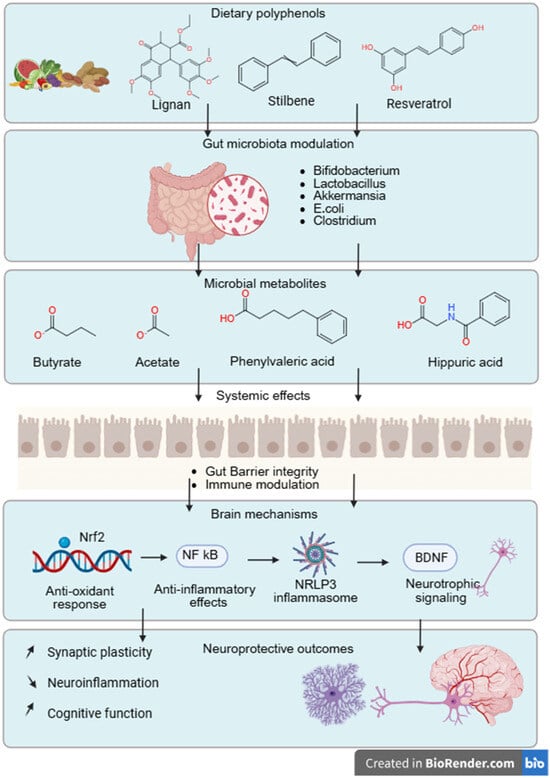
The number of individuals affected by dementia and cognitive decline is progressively increasing, becoming a serious global health challenge. Several investigations underline the role of nutrition and dietary habits as a preventive strategy. Recent studies suggest that dietary supplementation with polyphenols may constitute
[...] Read more.
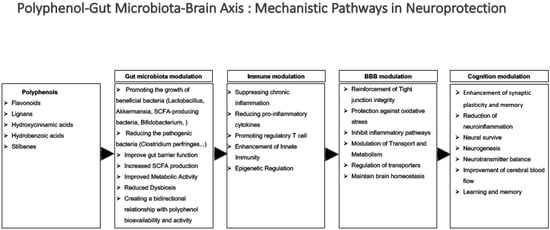
The number of individuals affected by dementia and cognitive decline is progressively increasing, becoming a serious global health challenge. Several investigations underline the role of nutrition and dietary habits as a preventive strategy. Recent studies suggest that dietary supplementation with polyphenols may constitute an efficient preventive strategy. Indeed, it is emerging that polyphenols exhibit a neuroprotective effect because of their pronounced antioxidant and anti-inflammatory activity. Notably, several studies underline the role of the gut microbiota in the metabolism of the polyphenols, producing bioactive molecules that are absorbed through the gastrointestinal tract. They may exhibit beneficial effects on the central nervous system. Moreover, dietary polyphenols modulate gut microbiota composition, demonstrating a reciprocal regulation between gut microbiota and polyphenol-induced effects on brain functions. Thus, polyphenols are proposed to have an important role on the gut–microbiota–brain axis regulation. The literature search for this narrative review was conducted across three electronic databases PubMed, Scopus, and Web of Science as well as the NIH ClinicalTrials.gov registry, covering the period from January 2000 to 10 February 2026. The following search terms were used: “polyphenols”, “microbiota”, “gut–brain axis”, “dementia”, “cognitive function”, “polyphenols and cognitive dysfunction”, and “polyphenols and microbiota”. The study selection process was performed in two sequential stages: (i) screening of titles and abstracts, followed by (ii) full-text assessment for eligibility. Articles were included if they were peer-reviewed studies (in vitro, in vivo, or clinical trials), published in English, and addressed the effects of polyphenols on cognitive outcomes, gut microbiota composition, or the gut–microbiota–brain axis. Exclusion criteria included non-peer-reviewed sources, studies lacking relevant cognitive or microbiota-related endpoints, and publications not available in full.
Full article
(This article belongs to the Special Issue The Impact of Dietary Nutrients and Dietary Habits on Alzheimer’s Disease and Dementia)
►▼
Show Figures

Figure 1
Open AccessArticle
Intermittent Fasting and Risk of Diabetic Retinopathy: Retrospective Data from the National Health and Nutrition Examination Survey
by
Sejeong Lee, Youngjoon Kim, Min Heui Yu, Yong-ho Lee, Byung-Wan Lee, Eun Seok Kang, Bong-Soo Cha, Soo-Hyun Park, Sungha Park, Min Kim, Christopher Seungkyu Lee, Eun Young Choi and Minyoung Lee
Nutrients 2026, 18(11), 1696; https://doi.org/10.3390/nu18111696 - 26 May 2026
Abstract
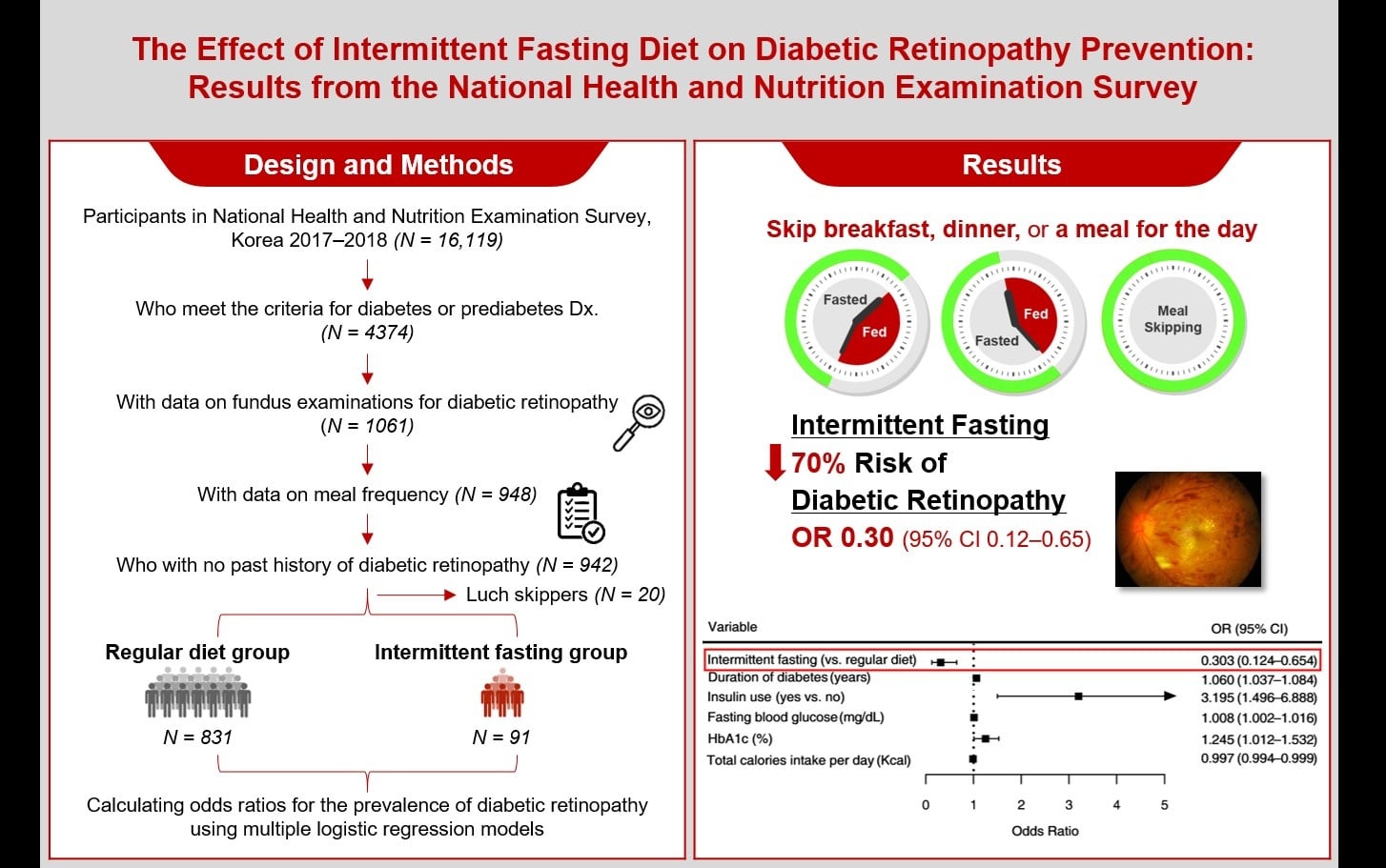
Background/Objectives: Diabetic retinopathy (DR) is the most common microvascular complication of diabetes and a significant cause of severe visual impairment. Intermittent fasting (IF) has demonstrated metabolic benefits. We investigated the association between IF and DR risk in individuals with prediabetes and diabetes. Methods:
[...] Read more.
Background/Objectives: Diabetic retinopathy (DR) is the most common microvascular complication of diabetes and a significant cause of severe visual impairment. Intermittent fasting (IF) has demonstrated metabolic benefits. We investigated the association between IF and DR risk in individuals with prediabetes and diabetes. Methods: This retrospective cohort study included participants of the Korean National Health and Nutrition Examination Survey 2017‒2018 aged ≥ 40 years who were diagnosed with diabetes or prediabetes who had fundus photography and dietary pattern data. Participants were allocated to the IF (fasting for 24 h or skipping breakfast or dinner) and regular diet groups. Demographic, dietary pattern and clinical data, including DR prevalence, were compared between the groups. Multiple logistic regression assessed the association between IF and DR risk. Results: Of 922 participants, 831 followed a regular diet while 91 practiced IF. The participants in the IF group were significantly younger and more obese, had higher fat intake, and showed a lower prevalence of DR than those in the regular diet group (8.8% vs. 20.6%, p = 0.010). After adjusting for multiple covariates, including demographics, comorbidities, health behaviors, biochemical parameters, and nutritional intake profiles, IF was associated with a 70% reduced risk of DR (OR 0.30, 95% CI 0.12–0.65, p = 0.005). This association did not differ across subgroups (all p for interaction > 0.05). Conclusions: IF was significantly associated with reduced DR risk in this study. Further studies are needed to validate the effectiveness of IF as a dietary intervention for DR.
Full article
(This article belongs to the Section Nutrition and Diabetes)
►▼
Show Figures

Graphical abstract
Open AccessReview
Nutritional Strategies to Support Performance Maintenance and Recovery in Football Under Hot Environmental Conditions: A Narrative Review
by
Xincheng Dai, Shuning Liu, Dixin Zou, Songru Zou, Xiaolin Shao, Yayi Jiang, Yao Yan, Wei Jiang, Kai Zhao and Chang Liu
Nutrients 2026, 18(11), 1695; https://doi.org/10.3390/nu18111695 - 26 May 2026
Abstract
Rising ambient temperatures and the increasing frequency of training and competition in hot climates have made heat stress a major challenge in football. Under such conditions, players experience greater cardiovascular and thermoregulatory strain, faster glycogen use, higher perceived exertion, and progressive impairment in
[...] Read more.
Rising ambient temperatures and the increasing frequency of training and competition in hot climates have made heat stress a major challenge in football. Under such conditions, players experience greater cardiovascular and thermoregulatory strain, faster glycogen use, higher perceived exertion, and progressive impairment in repeated high-intensity actions and decision-making. These responses have intensified interest in nutritional strategies that might complement heat acclimation, hydration/electrolyte planning, cooling practices, and recovery management. This narrative review critically synthesizes current evidence on nutritional interventions that may be relevant to football performed in the heat, with emphasis on hydration and electrolyte replacement, carbohydrate–protein strategies, taurine, branched-chain amino acids (BCAAs), creatine, menthol, antioxidant- and nitrate-related approaches, and selected multi-ingredient products. Across the available literature, hydration/electrolyte planning and carbohydrate–protein feeding remain the practical foundation, menthol appears most consistently useful for perceptual cooling, creatine seems safe and potentially helpful for repeated-sprint support, and taurine is promising but still supported by relatively few trials. By contrast, evidence for BCAAs, antioxidants, nitrates, and caffeine as stand-alone heat strategies, as well as for many compound supplements, remains inconsistent, context-specific, or too indirect for strong football-specific endorsement. Overall, the evidence base remains heterogeneous in study quality, protocol design, exercise mode, and sport specificity. A substantial proportion of the available data is derived from cycling, endurance, or laboratory heat-exercise models rather than football-specific trials. Accordingly, any practical recommendation should be interpreted cautiously and embedded within broader heat-management strategies. Future work should prioritize ecologically valid randomized controlled trials in football or football-like intermittent protocols, with transparent reporting of dose, timing, perceptual outcomes, and match-relevant performance measures.
Full article
(This article belongs to the Special Issue Dietary Strategies and Nutritional Supplements to Optimize Athletic Performance)
Open AccessArticle
Development of a Metagenomics-Guided Personalized Synbiotic Protocol for Children with Autism Spectrum Disorder: An Exploratory Case Series
by
Shaohan Zhang, Kevin Liu, Leo Shi, Chuyao Yan, Alma Wang, Ashley Liu, Haiyi Guo, Alex Xie and Xue-Jun Kong
Nutrients 2026, 18(11), 1694; https://doi.org/10.3390/nu18111694 - 26 May 2026
Abstract
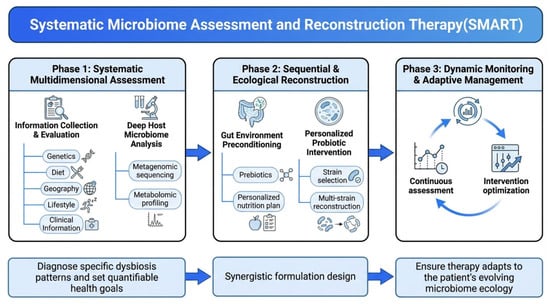
Background/Objectives: Gut microbiota dysregulation has been increasingly implicated in the pathophysiology of autism spectrum disorder (ASD), yet clinical responses to standardized probiotic interventions remain inconsistent, likely reflecting substantial inter-individual variability in baseline microbiome composition, host–microbe interactions, immune tone, and metabolic function. Here, we
[...] Read more.
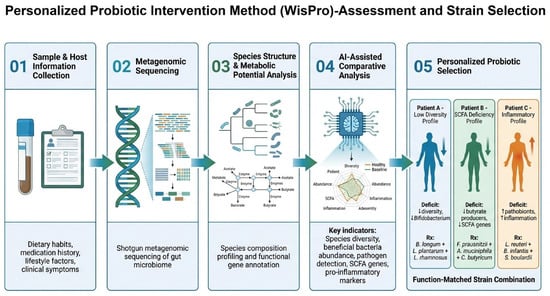
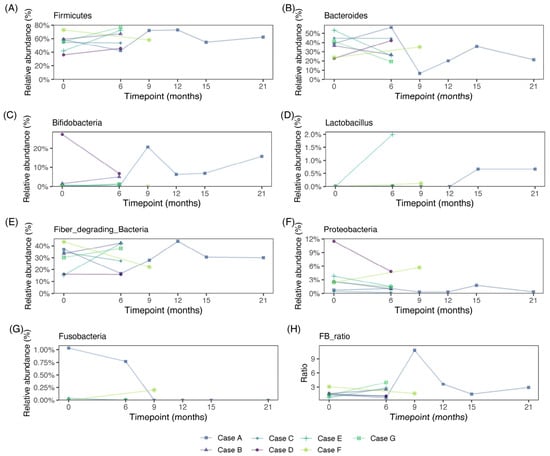
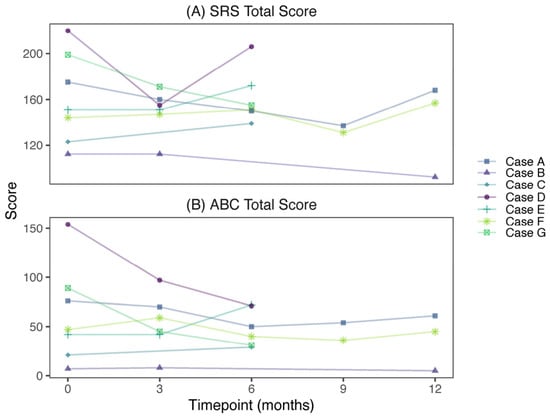
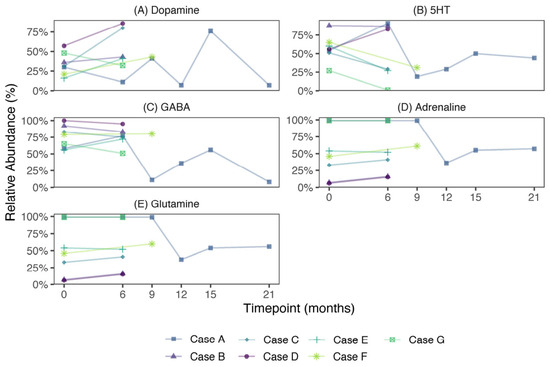
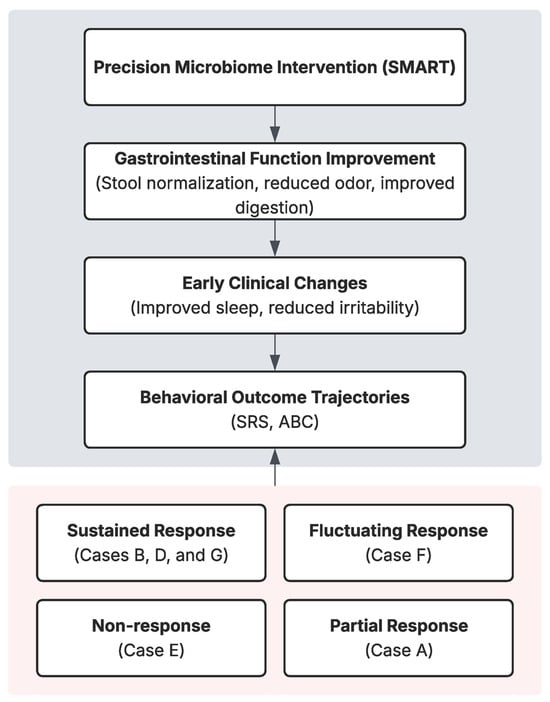
Background/Objectives: Gut microbiota dysregulation has been increasingly implicated in the pathophysiology of autism spectrum disorder (ASD), yet clinical responses to standardized probiotic interventions remain inconsistent, likely reflecting substantial inter-individual variability in baseline microbiome composition, host–microbe interactions, immune tone, and metabolic function. Here, we present a pilot implementation of a metagenomics-guided, personalized synbiotic intervention in children with ASD using the Systematic Microbiome Assessment and Reconstruction Therapy (SMART) framework. Methods: Seven children (aged 5–12 years) underwent longitudinal fecal shotgun metagenomic profiling, and dietary habits, food sensitivities, and regional dietary background were recorded as contextual factors potentially influencing microbiome composition and response to intervention. Individualized synbiotic formulations were constructed based on microbial taxonomic composition and inferred functional capacity and iteratively refined over time. Gastrointestinal outcomes were assessed through caregiver-reported clinical observations, whereas behavioral changes were evaluated using standardized instruments. Results: Several participants demonstrated improvements in gastrointestinal symptoms and selected behavioral domains. Notably, in a subset of participants, improvements in gastrointestinal function preceded measurable behavioral changes. Conclusions: Although limited by a small sample size and lack of a control group, these findings provide preliminary evidence supporting the feasibility of implementing a metagenomics-guided personalized synbiotic framework in ASD and generate hypotheses for future investigation. This work presents a preliminary conceptual framework for integrating microbial composition and inferred functional profiling into individualized intervention design and highlights the potential value of microbiome-informed stratification in future studies of treatment response. Larger controlled studies with objective outcome measures are warranted to further evaluate feasibility, reproducibility, and potential clinical utility.
Full article
(This article belongs to the Section Pediatric Nutrition)
►▼
Show Figures

Figure 1
Open AccessArticle
Maternal Methyl-Group Donor Intake and Neonatal Birth Size in Singleton IVF Pregnancies
by
Szilvia Bokor, Regina Felső, Ildikó Csölle, Tícia Oláh, Noémi Szabó, Róbert Herczeg, Attila Gyenesei, Reka Anna Vass, Simone Funke, Tibor Ertl and Dénes Molnár
Nutrients 2026, 18(11), 1693; https://doi.org/10.3390/nu18111693 - 26 May 2026
Abstract
Background/Objectives: Maternal intake of methyl-group donors (MGD) during pregnancy may influence fetal development, yet its role in in vitro fertilization (IVF) pregnancies remains poorly understood. The aim of the present study was to investigate maternal intake of MGDs during late pregnancy and
[...] Read more.
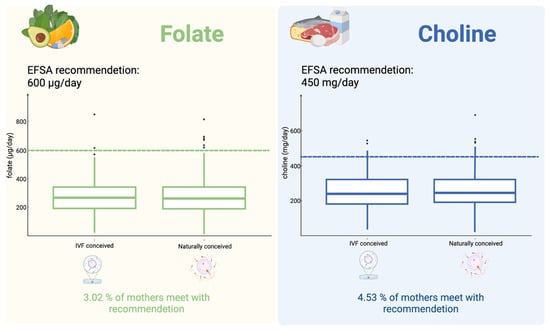
Background/Objectives: Maternal intake of methyl-group donors (MGD) during pregnancy may influence fetal development, yet its role in in vitro fertilization (IVF) pregnancies remains poorly understood. The aim of the present study was to investigate maternal intake of MGDs during late pregnancy and its association with neonatal outcomes in IVF versus spontaneously (S) conceived pregnancies. Methods: We assessed third-trimester, daily maternal intake of MGD (folate, betaine, choline, methionine, and folic acid) using a validated food-frequency questionnaire, and maternal supplement intake using a structured questionnaire. Methyl-donor nutrient score (MDNS) was calculated based on deciles of MGD intake. Serum folic acid and vitamin B12 concentrations were measured using standardized immunochemical assay. Predefined inclusion and exclusion criteria were applied. Anthropometric data were measured from singleton newborns (weight, length, head- and waist circumference, body composition) and mothers (height, weight, body composition) after delivery. Statistical analysis was conducted using R (4.1.2v). Results: 265 mother–child pairs were included in the study (IVF n = 83). Daily dietary intake of MGDs was similar between groups, but IVF mothers reported significantly higher daily folic acid (668.7 ± 1050.9 vs. 418.8 ± 419.2 µg, p = 0.0034) and vitamin B12 (11.07 ± 31.58 vs. 7.95 ± 29.00 µg, p = 0.0078) supplementation. Serum analyses were available in a subgroup (n = 131, IVF n = 61) of mothers, showing higher postpartum folate (IVF: 10.96 ± 5.54 vs. S: 8.29 ± 4.72 µg/L, p = 0.0064) and vitamin B12 (IVF: 288.22 ± 113.82 vs. S: 233.70 ± 78.23 ng/L, p = 0.0053). Maternal daily dietary choline intakes were significantly below recommendations (IVF: 251.9 ± 98.5 mg, S: 243.8 ± 106.8 mg). Among 151 singleton neonates (IVF n = 57), anthropometric parameters did not differ between IVF and spontaneously conceived groups and were not associated with MDNS tertiles. Conclusions: Maternal MGD intake during third trimester of pregnancy was not associated with neonatal anthropometric outcomes in singleton pregnancies. Consistently low dietary choline intake highlights a potential nutritional gap warranting improved dietary guidance and supplementation strategies.
Full article
(This article belongs to the Special Issue Breast Milk Composition and Feeding Strategies for Healthy Infant Growth)
►▼
Show Figures

Figure 1
Open AccessArticle
Caregiver-Associated Physical Activity Patterns, Dietary Behaviors and Interventional Beliefs in Individuals with Down Syndrome: Insights from a Large European Survey
by
Thomas Cahill, Valerie Nalesso, Pat Clarke, Maria Martinez de Lagran, Andre Strydom, Li Chan, Marie-Claude Potier, Johannes Beckers, Klaus Langohr, Pietro Liò, Rafael de La Torre, Laura Forcano, Anne Hiance-Delahaye, Yann Hérault, Mara Dierssen and GO-DS21 Consortium
Nutrients 2026, 18(11), 1692; https://doi.org/10.3390/nu18111692 - 26 May 2026
Abstract
►▼
Show Figures
Background: Lifestyle factors such as diet and physical activity significantly impact on the risk of obesity in individuals with Down syndrome (DS). However, in the absence of national nutritional guidelines in individuals with DS, further work is needed to understand their dietary and
[...] Read more.
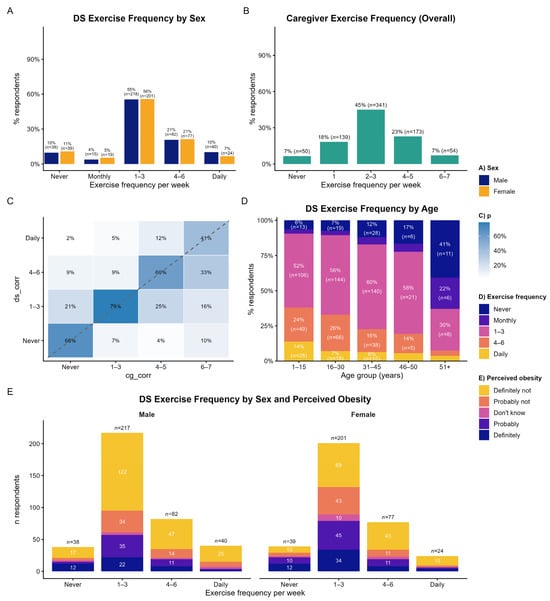
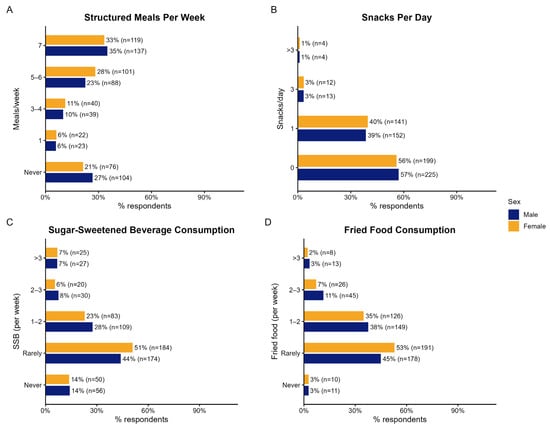
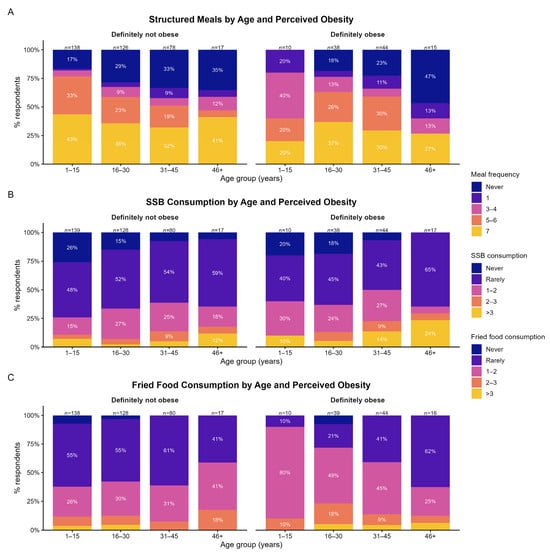
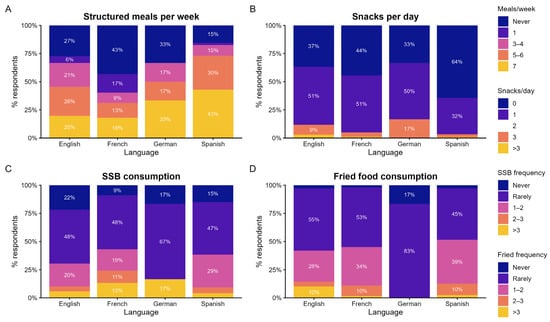
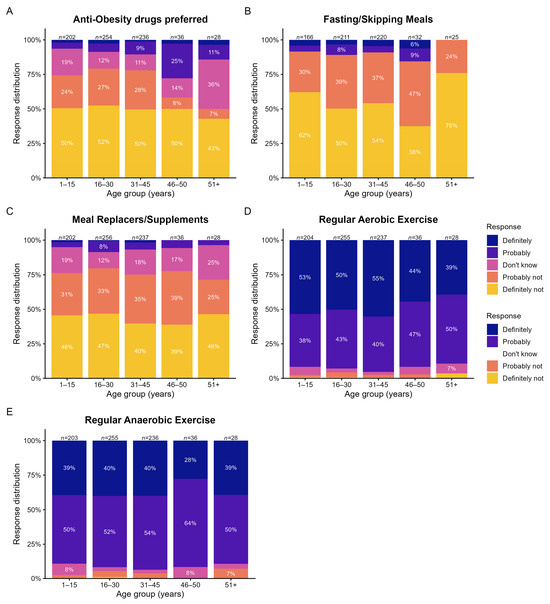
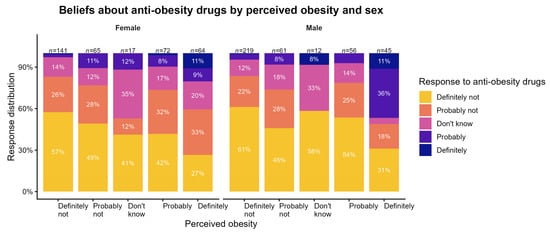
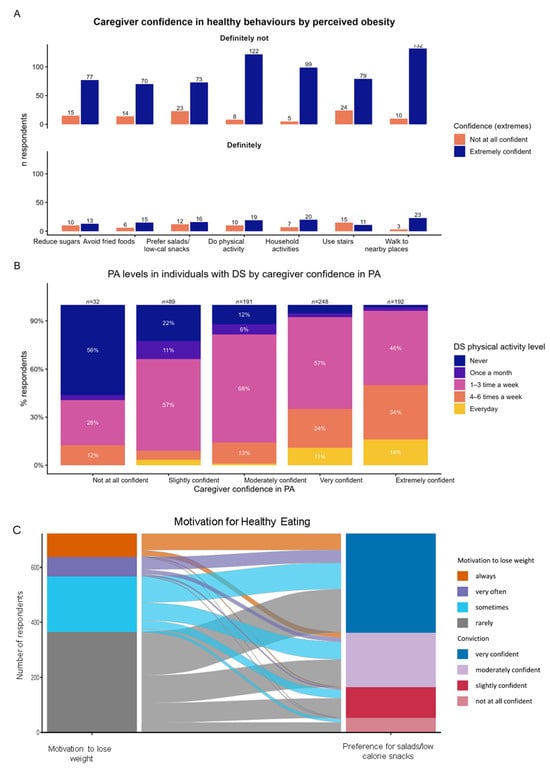
Background: Lifestyle factors such as diet and physical activity significantly impact on the risk of obesity in individuals with Down syndrome (DS). However, in the absence of national nutritional guidelines in individuals with DS, further work is needed to understand their dietary and physical activity patterns. In this work we retrieved caregivers’ responses on those aspects. Methods: We analyzed data from a cross-sectional online survey of caregivers of individuals with DS conducted as part of the GO-DS21 project and reported in the accompanying paper (nutrients-4216283) (n = 764). We explored physical activity patterns, dietary habits, beliefs around weight-loss interventions and caregiver confidence that family members with DS would engage in a healthier lifestyle. Associations were examined using correlation analysis, and cumulative and binary logistic regression models. Results: Caregivers reported that most individuals with DS exercised 1–3 times per week, with frequency declining with age. Males were more likely to exercise daily than females. Caregiver exercise frequency was positively correlated with that of their DS family member (ρ = 0.521, p < 0.001), suggesting clustering of shared health behaviors within households. In adjusted models, caregivers who exercised regularly had up to thirteen-fold higher odds of having a physically active family member with DS (aOR = 13.02, 95% CI: 7.40–24.06, p < 0.001). Fried food consumption and higher snack frequency were independently associated with perceived obesity status, while sugar-sweetened beverage consumption was not. Caregivers favored exercise as a weight-loss strategy, while anti-obesity drugs were endorsed by only 11% of caregivers primarily and were more likely to be endorsed when obesity was perceived (aOR = 4.21, 95% CI: 2.44–7.39, p < 0.001). Finally, caregiver confidence that their family member with DS would engage in healthier behaviors was associated with perceived obesity status and strongly associated with higher physical activity levels (aOR 14.68, 95% CI: 6.59–33.40, p < 0.001). Conclusions: In this large European caregiver survey, reported consumption of selected energy-dense foods was generally low, although fried food intake and higher snack frequency were associated with perceived obesity. Physical activity patterns were closely aligned between caregivers and individuals with DS, suggesting shared household health behaviors. These findings highlight the importance of involving caregivers and family environments in lifestyle interventions aimed at supporting physical activity and weight management in individuals with DS.
Full article

Figure 1
Open AccessArticle
Fermented Noni Polysaccharides and Immune-Related Biomarkers in Adults with Recurrent URTIs: A Randomized, Double-Blind, Placebo-Controlled Trial
by
Seon-Mi Shin, Seong-Hwan Park, Seon-Gyu Bae, Eun-Young Park, Jae-Yeon Lee, Hee-Yeon Kwon, Im-Joung La, Sang-Jun Youn, Yong Choi, Yeong-Eun Choi, Do-Hee Kim, Sun-Young Park, Cheol Moon and Tae-Yeon Kim
Nutrients 2026, 18(11), 1691; https://doi.org/10.3390/nu18111691 - 26 May 2026
Abstract
Background: Fermented polysaccharides derived from Morinda citrifolia (noni) have been suggested to modulate innate immune responses, but clinical evidence remains limited. Objectives: This randomized, double-blind, placebo-controlled trial evaluated the effects of fermented noni polysaccharides on natural killer (NK) cell activity and immune-related biomarkers
[...] Read more.
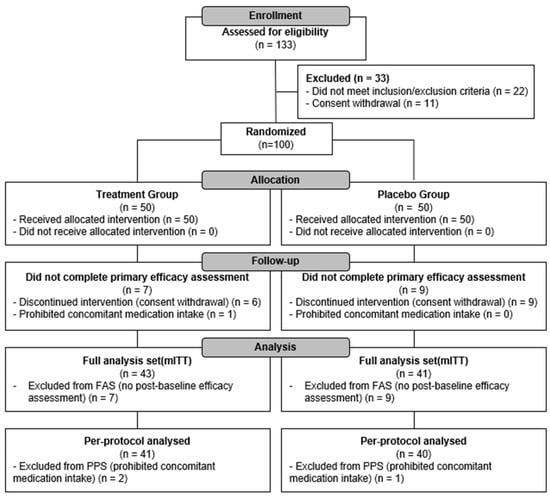
Background: Fermented polysaccharides derived from Morinda citrifolia (noni) have been suggested to modulate innate immune responses, but clinical evidence remains limited. Objectives: This randomized, double-blind, placebo-controlled trial evaluated the effects of fermented noni polysaccharides on natural killer (NK) cell activity and immune-related biomarkers in adults with recurrent upper respiratory tract infections (URTIs). Methods: A total of 100 adults aged 40 to <75 years with a documented history of ≥2 episodes of upper respiratory tract infection in the prior 12 months were randomly assigned to receive fermented noni polysaccharides (487.5 mg/tablet, two tablets once daily; 975 mg/day of FNP extract) or a matched placebo for 8 weeks. The primary endpoint was the change in NK cell activity at effector-to-target (E:T) ratios of 50:1, 25:1, and 12.5:1, assessed using K562 NK-sensitive target cells. Secondary endpoints included circulating cytokines (IFN-γ, TNF-α, IL-2, IL-6, IL-10, IL-12, IL-1β) and immunoglobulin G (IgG). Eighty-four participants (43 treatment, 41 placebo) were included in the modified intention-to-treat/full analysis set (mITT/FAS); 81 participants (41/40) constituted the per-protocol set (PPS). Primary efficacy was analyzed in the mITT/FAS. This trial was retrospectively registered at CRiS (KCT0011316) after trial completion; the IRB-approved protocol was finalised before enrolment and remained unchanged thereafter. Results: NK cell activity in the treatment group increased from baseline at all three E:T ratios, whereas it slightly decreased in the placebo group. Adjusted between-group LS mean differences (95% CI) were +8.94 (−0.61, 18.50; p = 0.066) at E:T 50:1, +7.68 (−1.14, 16.50; p = 0.087) at 25:1, and +3.29 (−2.95, 9.54; p = 0.145) at 12.5:1, all favouring treatment but not reaching the conventional threshold for significance in the mITT/FAS. Prespecified PPS sensitivity analyses reached significance at E:T 50:1 (+11.03; p = 0.025) and 25:1 (+9.94; p = 0.028). Selected cytokines (IFN-γ, IL-2, IL-6, IL-10, IL-1β) increased to a greater extent in the treatment group than in the placebo group, whereas TNF-α, IL-12, and IgG were unchanged. URTI incidence at week 4, week 8, and cumulatively did not differ significantly between groups. The intervention was well tolerated, with no serious adverse events and no treatment-related discontinuations. Conclusions: Compared with placebo, fermented noni polysaccharide supplementation showed numerically greater increases in NK cell activity at all three E:T ratios (50:1, 25:1, and 12.5:1) in the primary mITT/FAS analysis, although these between-group differences did not reach statistical significance. Prespecified per-protocol set (PPS) sensitivity analyses showed significant between-group differences at E:T ratios of 50:1 and 25:1. The treatment group also showed greater increases in selected cytokines (IFN-γ, IL-2, IL-6, IL-10) relative to placebo. No significant between-group differences were observed in URTI incidence, IgG, GARS, WBC, or leukocyte subset proportions. These exploratory biomarker findings, in the absence of safety signals, suggest a possible immunomodulatory profile but do not establish clinical efficacy. Confirmation in larger, prospectively registered trials with clinically adjudicated infection-related endpoints is warranted.
Full article
(This article belongs to the Special Issue Fermented Foods and Health Modulation)
►▼
Show Figures

Figure 1
Open AccessArticle
Dietary Supplementation with Amaranth Protein Isolate Modulates the Gut Microbiota in Children with Overweight and Obesity: A Nonrandomized Trial
by
Ana P. Barba-de la Rosa, Samuel Treviño, Cesaré Ovando-Vázquez, Antonio De León-Rodríguez, Oscar de Jesús Calva-Cruz, Alberto Barrera-Pacheco and Eduardo Espitia-Rangel
Nutrients 2026, 18(11), 1690; https://doi.org/10.3390/nu18111690 - 26 May 2026
Abstract
Background: Overweight and obesity are chronic diseases that result from complex interactions including genetics, environment, eating behaviors, and limited access to a healthy diet. Amaranth protein (AmProt) has several health benefits, but no studies have examined its effects on the modulation of children’s
[...] Read more.
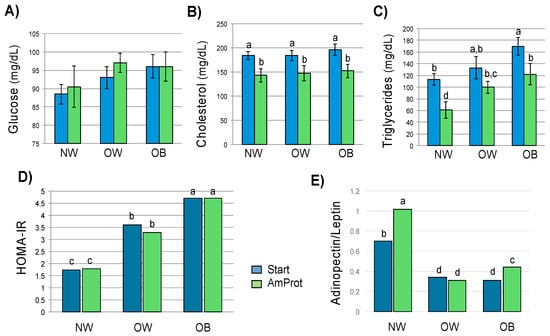
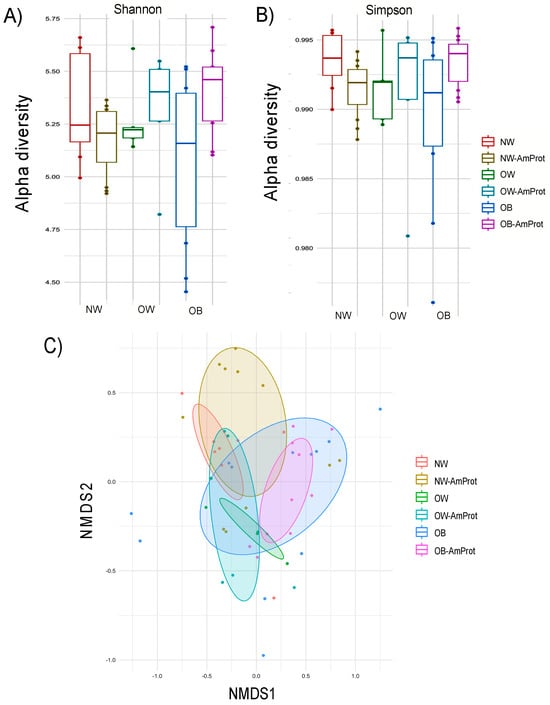
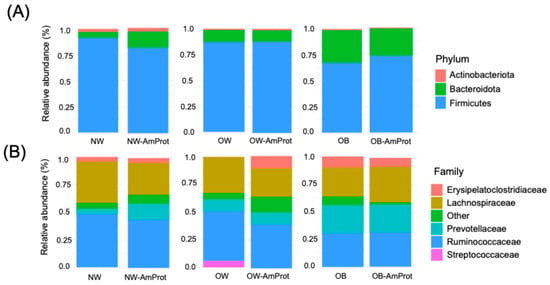
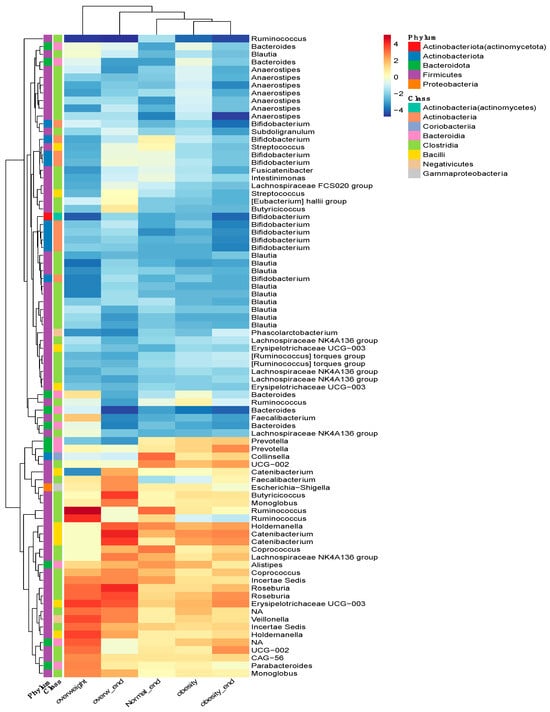
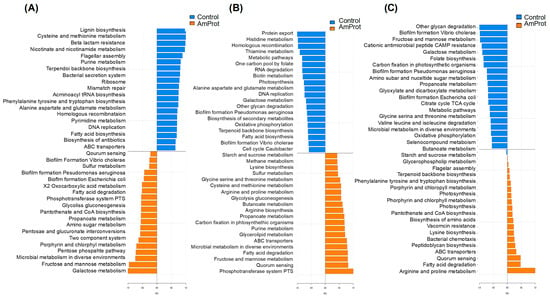
Background: Overweight and obesity are chronic diseases that result from complex interactions including genetics, environment, eating behaviors, and limited access to a healthy diet. Amaranth protein (AmProt) has several health benefits, but no studies have examined its effects on the modulation of children’s gut microbiota. The work aimed to analyze serum levels and changes in gut microbiota in children aged 8–10 years with different body mass index (BMI) values after supplementation with AmProt. Methods: Participating children were allocated into three groups according to their BMI: normal weight (NW), overweight (OW), and with obesity (OB). Children received AmProt for 90 days. Levels of fasting blood glucose, cholesterol, triglycerides, and insulin were analyzed before and after diet supplementation. HOMA-IR and adinopectin/leptin ratio were evaluated. Feces were collected and metagenome analysis was carried out. Results: No changes in glucose levels were observed across groups and treatments; however, cholesterol and triglycerides levels tended to decrease. The HOMA-IR value increased in relation to BMI and no changes were observed after treatment. Firmicutes were highly abundant in all groups. The lower abundance of Ruminococcus was observed in the OW and OB groups. In the OW group, Blautia, Butyricicoccus, and Roseburia were also observed in increased abundance. In all groups, AmProt consumption tended to increase the abundance of Coproccus, Prevotella, and Collinsella. Conclusions: Supplementation of the children’s diet with AmProt showed an improvement in serum cholesterol and triglyceride levels, which could be related to changes in the microbiota related to lipid metabolism.
Full article
(This article belongs to the Special Issue Nutrition and Obesity: From Mechanisms to Clinical Implications)
►▼
Show Figures

Figure 1
Open AccessArticle
Interactive Tree Analysis Identifies Dietary Fiber and Magnesium Adequacy as Exploratory Screening Markers for Assessing Nutrient-Dense, Immune-Supportive and Anti-Inflammatory Dietary Patterns in Young Adults Without Comorbidities: Proposition of the New StrongPOLA and RapidPOLA Indexes
by
Paweł Jagielski, Philip C. Calder, Izabela Bolesławska and Edyta Łuszczki
Nutrients 2026, 18(11), 1689; https://doi.org/10.3390/nu18111689 - 25 May 2026
Abstract
Background/Objectives: The POLA index is a comprehensive tool for evaluating the nutrient-dense, immune-supportive, and anti-inflammatory properties of the diet, but its multi-component structure may limit routine use. We aimed to identify simple dietary markers associated with a lower follow-up incidence of COVID-19 or
[...] Read more.
Background/Objectives: The POLA index is a comprehensive tool for evaluating the nutrient-dense, immune-supportive, and anti-inflammatory properties of the diet, but its multi-component structure may limit routine use. We aimed to identify simple dietary markers associated with a lower follow-up incidence of COVID-19 or influenza, as well as the anti-inflammatory properties of the diet, and to compare a simplified screening tool with the full POLA index. Methods: This prospective observational study included 146 healthy adults aged 25–45 years from two Polish cohorts examined in 2020 and 2022 (cohort/year adjusted). Habitual diet was assessed using at least 5-day food records, and nutrient adequacy was expressed relative to Polish dietary reference values. Classification and regression tree analyses were used to identify the most informative dietary predictors of the reduction in risk of infection, and logistic regression models were used to evaluate associations after adjustment for sex, diet type, physical activity, marital status, year of cohort and waist-to-height ratio. Results: During follow-up, 39/146 participants (26.7%) reported COVID-19 or influenza. Interactive tree analysis identified dietary fiber in g per kg/m2 of BMI ≥ 1, and magnesium adequacy as the key discriminators. In StrongPOLA, participants not meeting the cut-offs of ≥1 g fiber per kg/m2 of BMI and ≥130% of the magnesium reference value had a higher incidence of COVID-19 or influenza than those meeting both of those cut-offs (34.9% vs. 2.7%); however, this estimate was large and imprecise, with a wide confidence interval (the adjusted OR = 14.9 (95% CI: 1.89–118.06)), and should, therefore, be interpreted cautiously. In RapidPOLA, the participants not meeting the cut-offs of ≥1 g fiber per kg/m2 of BMI and ≥110% of the magnesium reference value (i.e., 352 mg/day for women and 462 mg/day for men) had a higher observed incidence of COVID-19 or influenza than those meeting both of those cut-offs (36.4% vs. 12.1%); the adjusted OR was 3.4 (95% CI: 1.18–8.75). RapidPOLA showed good agreement with the favorable result of the POLA classification (κ = 0.65). Conclusions: Dietary fiber in g per kg/m2 of BMI and magnesium adequacy appear to be practical markers of a broader nutrient-dense, immune-supporting, and anti-inflammatory dietary pattern associated with a lower follow-up incidence of COVID-19 or influenza in young adults without comorbidities. RapidPOLA may be useful as a simple screening tool for a nutrient-dense, immune-supportive, and anti-inflammatory (NUTRIDIMAF) diet in young people without obesity and comorbidities, whereas StrongPOLA may serve as a stricter reference profile. The proposed cut-offs require external validation in independent and more diverse cohorts.
Full article
(This article belongs to the Section Nutritional Immunology)
Open AccessReview
GLP-1 Receptor Agonists in the Rehabilitation of Patients with Heart Failure: Mechanisms, Clinical Evidence, and Future Perspectives
by
Luh Oliva Saraswati Suastika, Yasuko K. Bando, Keiji Hoshino, Norimichi Koitabashi, Yukihiro Saito, Shinsuke Yuasa and Kazufumi Nakamura
Nutrients 2026, 18(11), 1688; https://doi.org/10.3390/nu18111688 (registering DOI) - 25 May 2026
Abstract
Heart failure (HF) remains associated with high morbidity and mortality, with heart failure with preserved ejection fraction (HFpEF) becoming increasingly prevalent and therapeutically challenging despite advances in pharmacological and rehabilitative care. Beyond their glucose-lowering effects, glucagon-like peptide-1 receptor agonists (GLP-1RAs) confer cardiometabolic benefits
[...] Read more.
Heart failure (HF) remains associated with high morbidity and mortality, with heart failure with preserved ejection fraction (HFpEF) becoming increasingly prevalent and therapeutically challenging despite advances in pharmacological and rehabilitative care. Beyond their glucose-lowering effects, glucagon-like peptide-1 receptor agonists (GLP-1RAs) confer cardiometabolic benefits and may serve as effective adjuncts to cardiac rehabilitation (CR), particularly in obese patients with HFpEF. Obesity plays a central role in the pathophysiology of HFpEF, and GLP-1RAs promote weight loss, reduce insulin resistance and leptin signaling, and improve hemodynamic and metabolic abnormalities associated with HFpEF. Accumulating evidence suggests that the benefits of GLP-1RAs are phenotype-specific and more pronounced in patients with HFpEF than in patients with HF with reduced ejection fraction. Current clinical guidelines recommend GLP-1RAs for patients who have type 2 diabetes mellitus and established cardiovascular (CV) disease or are at high CV risk, with recent updates recognizing their potential benefits in patients with HFpEF and obesity. Cardiac rehabilitation, delivered through multidisciplinary programs, remains a cornerstone of HF management. Although caloric restriction and aerobic exercise can be beneficial in patients with HFpEF and obesity, these interventions alone are often insufficient. Sarcopenia is common in older patients with HFpEF and contributes to adverse outcomes, underscoring the importance of incorporating resistance training into CR programs. The most frequent adverse effects of GLP-1RAs are gastrointestinal events, which are generally mild to moderate but may lead to treatment discontinuation in some patients. Future studies should investigate the potential synergistic effects of GLP-1RAs and CR, clarify their long-term safety and efficacy in HF populations, and define their role beyond obese HFpEF phenotypes.
Full article
(This article belongs to the Special Issue GLP-1 Receptor Agonists and Nutrition)
Open AccessReview
Sports Drinks for Rehydration, Amelioration of Fatigue, and Recovery from Exertion
by
Katsuhiko Suzuki
Nutrients 2026, 18(11), 1687; https://doi.org/10.3390/nu18111687 - 25 May 2026
Abstract
Sports drinks have traditionally been formulated as carbohydrate–electrolyte beverages to support fluid replacement and energy provision during exercise. However, commercially available and experimentally tested formulations now include amino acids, proteins, phytochemicals, caffeine, menthol, ketone-related nutrients, and other functional ingredients intended to support thermoregulation,
[...] Read more.
Sports drinks have traditionally been formulated as carbohydrate–electrolyte beverages to support fluid replacement and energy provision during exercise. However, commercially available and experimentally tested formulations now include amino acids, proteins, phytochemicals, caffeine, menthol, ketone-related nutrients, and other functional ingredients intended to support thermoregulation, performance, or post-exercise recovery. This narrative review summarizes evidence on sports drinks and related functional beverages, with emphasis on hydration, gastric emptying and intestinal absorption, thermoregulation, biomarkers of hydration and recovery, and potential effects beyond hydration, including fatigue, muscle and organ damage, inflammation, and immune responses. Because available studies vary widely in population, exercise mode, environmental conditions, beverage composition, intake timing, and outcome measures, the evidence should be interpreted cautiously. A functional distinction is made between hydration-oriented carbohydrate–electrolyte beverages and beverages primarily designed for ergogenic or recovery-oriented purposes. Current evidence supports the practical value of appropriate fluid, electrolyte, and carbohydrate intake for maintaining hydration and exercise performance, whereas evidence for broader effects on inflammation, immunodepression, organ protection, and recovery remains context-dependent. Future studies should differentiate acute responses from longer-term adaptations, consider population-specific needs, and use standardized, context-appropriate biomarkers and ecologically valid protocols.
Full article
(This article belongs to the Section Sports Nutrition)
Open AccessArticle
Association Between Dietary Behavior and Mental Health in Adolescents from Multicultural and Non-Multicultural Families in Korea
by
Jeong-Hwa Choi and Young-Ran Heo
Nutrients 2026, 18(11), 1686; https://doi.org/10.3390/nu18111686 - 25 May 2026
Abstract
Background/Objectives: The growing population of multicultural adolescents (MCAs) has become a vital focus for national health policy. Despite their increasing numbers, MCAs often encounter unique socioeconomic challenges and dietary issues that may heighten mental health vulnerabilities. This study aimed to assess the dietary
[...] Read more.
Background/Objectives: The growing population of multicultural adolescents (MCAs) has become a vital focus for national health policy. Despite their increasing numbers, MCAs often encounter unique socioeconomic challenges and dietary issues that may heighten mental health vulnerabilities. This study aimed to assess the dietary behaviors of MCA and non-MCA and to explore the association between these behaviors and mental health outcomes, specifically generalized anxiety disorder (GAD) and severity of suicidal behavior. Methods: Using data from the 2024 Korea Youth Risk Behavior Survey, we analyzed the dietary behaviors of 44,796 adolescents, focusing on five key areas: breakfast consumption, fruit intake, caffeine drinks, sweetened beverages, and fast food. We also calculated a composite dietary behavior score and assessed mental health using the GAD-7 and a three-component suicidal behavior scale (including ideation, planning, and attempts). Results: MCAs experienced significant disparities in socioeconomic status and had a notably higher prevalence of suicide attempts compared to non-MCAs (p = 0.0107). In both groups, poorer dietary behaviors were linked to an increased likelihood of GAD and greater severity of suicidal behavior (ptrend < 0.05). This association with suicidal behavior severity was particularly pronounced in MCA (pinteraction = 0.0358). Conclusions: Dietary behavior is significantly associated with mental health issues among Korean adolescents. Given the vulnerabilities faced by MCA, it is essential to implement multifaceted policy support and targeted dietary interventions to improve outcomes for this population.
Full article
(This article belongs to the Section Nutrition and Public Health)
Open AccessArticle
Early Metabolic and Oxidative Effects of Hop Extract, Alendronate, and Their Combination Across Tissues in an Estrogen-Deficient Rat Model: An Exploratory Study
by
Edi Rođak, Nika Srb, Robert Grgac, Željko Debeljak, Ivana Ilić, Nada Oršolić and Nikola Bijelić
Nutrients 2026, 18(11), 1685; https://doi.org/10.3390/nu18111685 - 25 May 2026
Abstract
Background/Objectives: Postmenopausal osteoporosis is associated with systemic metabolic alterations related to estrogen deficiency. This exploratory study investigated the early metabolic, oxidative, and histomorphological effects of alendronate, a standardized hop extract, and their combination in ovariectomized (OV) rats. Methods: Female Wistar rats (n
[...] Read more.
Background/Objectives: Postmenopausal osteoporosis is associated with systemic metabolic alterations related to estrogen deficiency. This exploratory study investigated the early metabolic, oxidative, and histomorphological effects of alendronate, a standardized hop extract, and their combination in ovariectomized (OV) rats. Methods: Female Wistar rats (n = 70) were randomly allocated to seven groups: six OV groups or a sham-operated control (n = 10 per group). Following a 30-day postoperative period for model development, animals received daily treatment for 2 weeks with vehicle (placebo), low- or high-dose alendronate (1 and 2 mg/kg, respectively), standardized hop extract (60 mg/kg), or both. Oxidative stress markers, liver and perigonadal adipose tissue histology, and tissue metabolism were assessed. Results: No evidence of adverse hepatic, renal, or systemic effects was observed. Oxidative damage markers remained largely unchanged, although ovariectomy was associated with reduced hepatic catalase activity, which was increased by high-dose alendronate. Treatment-related morphological changes in adipose tissue were observed. Serum triglyceride levels were unaffected, whereas total cholesterol was significantly increased in animals receiving hop extract. Hepatic triglyceride levels were influenced by alendronate treatment, modified by hop extract. MALDI-TOF MS suggested no OV-related alterations in amino acid, lipid, steroid, and redox-related metabolism in liver and adipose tissue. The subsequent treatments, especially in the high-dose alendronate group and hop-extract group, partially modified these metabolic signatures; however, these findings remain provisional pending MS/MS validation. Conclusions: Most outcomes were not significantly altered by OV. Alendronate and hop extract exert distinct short-term effects on selected metabolic and oxidative parameters in this exploratory model. Further studies are needed to investigate translational potential.
Full article
(This article belongs to the Special Issue Anti-Cancer and Anti-Inflammatory Effects of Antioxidant-Rich Natural Food)
Open AccessArticle
Effects of Taurine-, Caffeine-, and Phosphatidylserine-Containing Supplementation Protocols on Physical and Cognitive Performance in Professional Male Football Players
by
Krzysztof Mizera, Elżbieta Mizgała-Izworska, Justyna Mizera and Jan Mackiewicz
Nutrients 2026, 18(11), 1684; https://doi.org/10.3390/nu18111684 - 25 May 2026
Abstract
Background: Nutritional supplementation is widely used to support physical and cognitive performance in football. However, evidence on multi-ingredient protocols combining taurine, caffeine, and phosphatidylserine (PS) remains limited in professional athletes. Methods: Eighty-one professional male football players (19–32 years) were randomly assigned
[...] Read more.
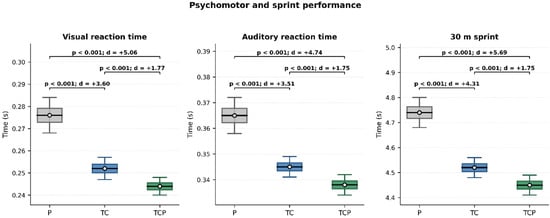
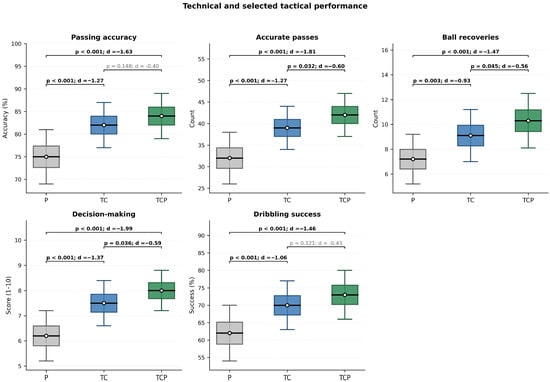
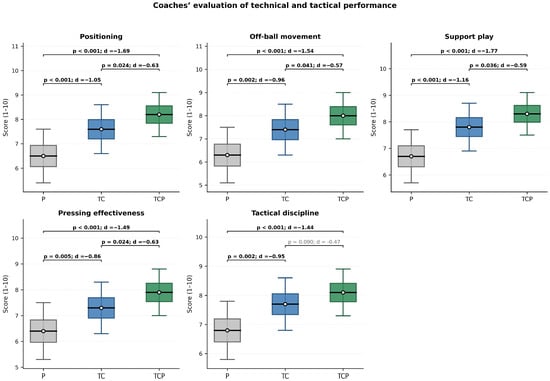
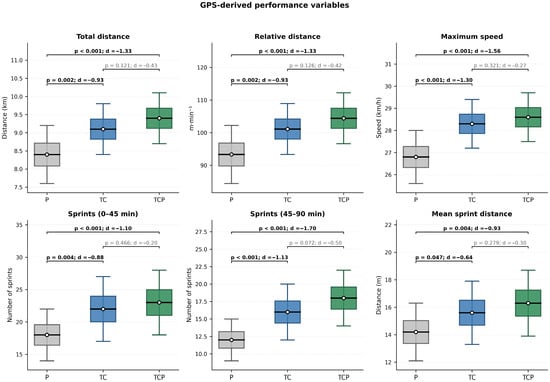
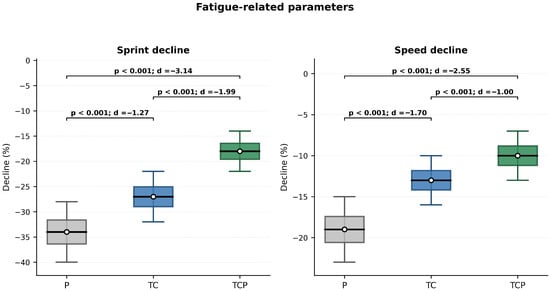
Background: Nutritional supplementation is widely used to support physical and cognitive performance in football. However, evidence on multi-ingredient protocols combining taurine, caffeine, and phosphatidylserine (PS) remains limited in professional athletes. Methods: Eighty-one professional male football players (19–32 years) were randomly assigned to three groups (n = 27): placebo (P), taurine + caffeine (TC; 1500 mg taurine + 200 mg caffeine), and taurine + caffeine + PS (TCP; 1500 mg taurine + 150 mg caffeine + 300 mg PS) in a randomized, placebo-controlled, single-blind trial. Supplementation lasted 10 days, with a final dose administered 60 min before a standardized 105 min training session. Reaction time, sprint performance, GPS-derived variables, and technical/tactical indicators were assessed. Data were analyzed using ANOVA with post hoc tests, and pairwise comparisons were additionally adjusted using the Holm–Bonferroni correction due to the exploratory nature of the analysis. Results: Compared with placebo, the TCP group was associated with more favorable physical, cognitive, and selected game-related outcomes (p < 0.05). TCP was associated with higher locomotor performance (η2 = 0.13–0.20) and smaller fatigue-related declines in sprint performance (−18% vs. −34%) and speed (−10% vs. −19%) (η2 = 0.18–0.22). Reaction time and technical indicators, including passing accuracy (84% vs. 75%) and dribbling success (73% vs. 62%), were also improved. Higher coach-rated tactical performance scores were observed in TCP (η2 = 0.19–0.25). Conclusions: A short-term multi-ingredient protocol including taurine, caffeine, and PS may be associated with improved physical, cognitive, and selected game-related outcomes in professional football players. However, due to differences in caffeine dosage between groups, the independent effect of PS cannot be determined. Further double-blind studies are warranted. Given the exploratory nature of the analysis, the multiple assessed outcomes, and the partly subjective coach-rated tactical evaluations, the cognitive and tactical findings should be interpreted cautiously and regarded as preliminary rather than confirmatory evidence.
Full article
(This article belongs to the Special Issue Nutrition Strategies to Improve Physical Performance in Team Sports Athletes)
►▼
Show Figures

Figure 1
Open AccessArticle
Impact of Adherence to a Plant-Based Residential Lifestyle Medicine Program on Cardiometabolic Disease Risk Factors
by
Aysha Inankur, Daniel O’Hare, Esteban Arevalo, Ruben Dursus-Élisée, Lyndetta P. Schwartz and Samara R. Sterling
Nutrients 2026, 18(11), 1683; https://doi.org/10.3390/nu18111683 - 25 May 2026
Abstract
Background: Residential lifestyle medicine programs have documented immediate and long-term improvements in cardiometabolic risk factors. Despite this, adherence among participants varies in such programs, limiting the positive outcomes that can be achieved. This study aimed to assess how adherence to positive lifestyle behaviors
[...] Read more.
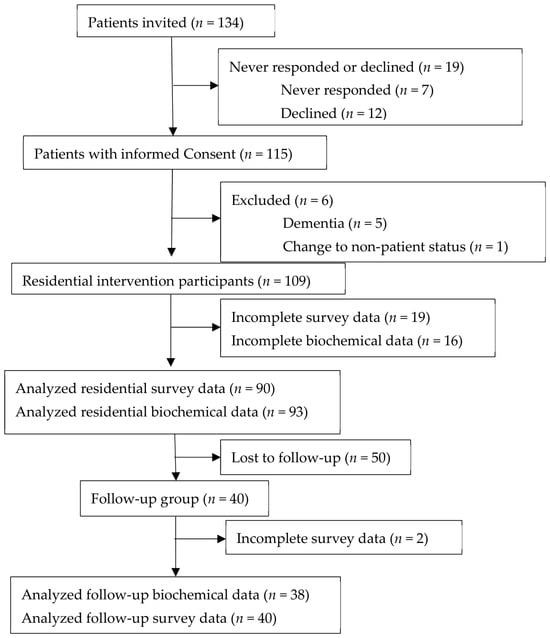
Background: Residential lifestyle medicine programs have documented immediate and long-term improvements in cardiometabolic risk factors. Despite this, adherence among participants varies in such programs, limiting the positive outcomes that can be achieved. This study aimed to assess how adherence to positive lifestyle behaviors correlates with cardiometabolic risk factors at the end of a residential lifestyle medicine program and at three or more months of follow-up. Methods: Patients enrolled in a NEWSTART® lifestyle medicine program were invited to participate in this prospective chart review. Outcomes included changes in BMI, blood pressure, medication and supplement use, cardiometabolic disease biomarkers, Mediterranean eating pattern, meat intake, and other lifestyle behaviors. Results: Among 109 adults (78% female; 62% overweight or obese) enrolled in a 6- to 39-day (mean 14.5-day) residential intervention, meat intake reduced by 3.2 servings/week, MEPA III scores increased by 2.3, water intake increased by 2.1 glasses/day, and exercise increased by 193 min/week (all p < 0.01). From baseline to end of program, reductions were noted in blood glucose (−5.3 mg/dL, p = 0.01), total cholesterol (−16.0 mg/dL, p < 0.01), LDL cholesterol (−11.0 mg/dL, p < 0.01), HDL cholesterol (−2.0 mg/dL, p < 0.01), triglycerides (−13 mg/dL, p < 0.01), serum creatinine (−0.03 mg/dL, p = 0.049), systolic blood pressure (−6.0 mmHg, p < 0.01), diastolic blood pressure (−3.0 mmHg, p = 0.01), and weight (−3.2 kg, p < 0.01). At a mean of 8.6 months follow-up, reductions in triglycerides (14.9 mg/dL, p = 0.03) and weight (2.8 kg, p < 0.01) from baseline were sustained, and water intake increased 20% from baseline (1.1 glasses/day, p = 0.01). Improved adherence to a Mediterranean eating pattern score, increase in water intake and reductions in meat intake and BMI predicted favorable health outcomes. Conclusions: Participation in the lifestyle medicine program was associated with improvements in cardiometabolic risk factors during intervention and at follow-up. These outcomes correlated with adherence to positive lifestyle behaviors. Sustained weight reduction as well as dietary and cardiometabolic improvements in our participants suggest the NEWSTART® intervention may hold promise for maintaining cardiometabolic health.
Full article
(This article belongs to the Special Issue Anti-Inflammatory Effects of Plant-Based Diets on Metabolic Health)
►▼
Show Figures

Figure 1
Open AccessArticle
Gut Microbiota Composition in Maintenance Hemodialysis Patients: Associations with Sex, Age, and Body Composition
by
Katarzyna Bąk, Michał Kowalski, Kamila Marszalek, Patrycja Olszewska, Andrzej Ossowski, Bartłomiej Grygorcewicz, Aleksandra Cader-Ptak, Leszek Domański, Violetta Dziedziejko and Ewa Kwiatkowska
Nutrients 2026, 18(11), 1682; https://doi.org/10.3390/nu18111682 - 25 May 2026
Abstract
Background/Objectives: Patients receiving maintenance hemodialysis (HD) commonly exhibit chronic low-grade inflammation, nutritional disturbances, altered body composition, and metabolic imbalance. Gut dysbiosis may contribute to these abnormalities through the gut–kidney axis; however, the relationship between the gut microbiota composition and host phenotype in HD
[...] Read more.
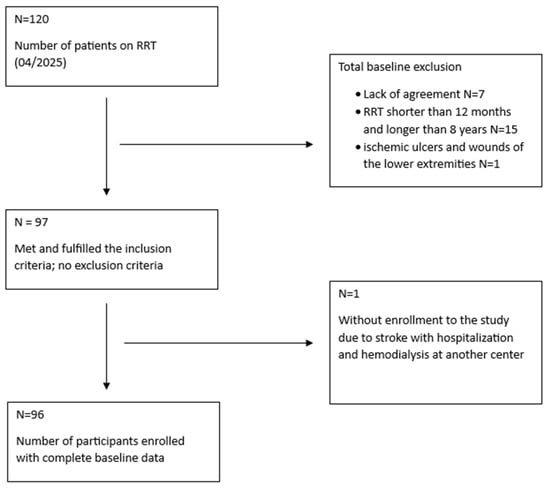
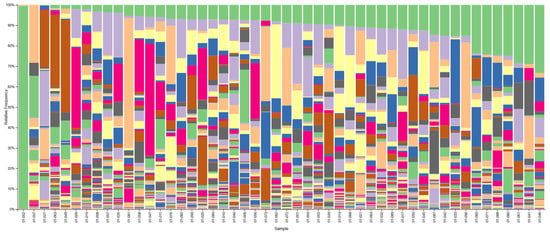
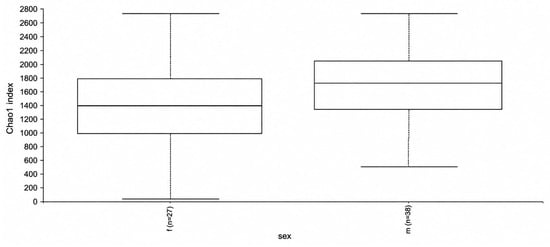
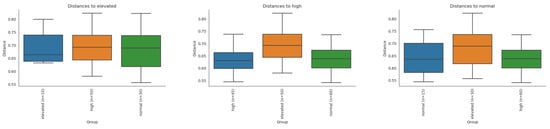
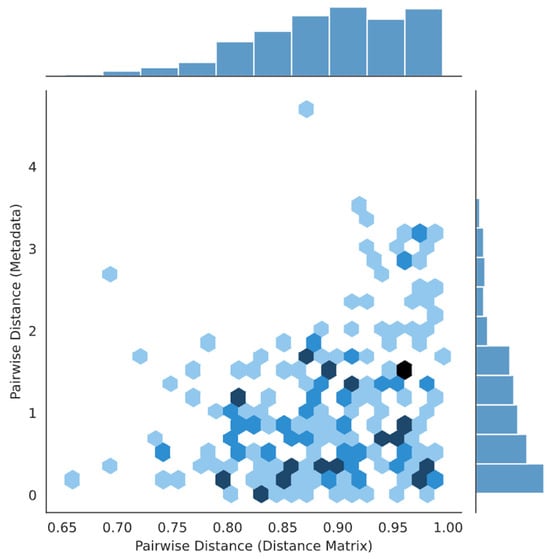
Background/Objectives: Patients receiving maintenance hemodialysis (HD) commonly exhibit chronic low-grade inflammation, nutritional disturbances, altered body composition, and metabolic imbalance. Gut dysbiosis may contribute to these abnormalities through the gut–kidney axis; however, the relationship between the gut microbiota composition and host phenotype in HD patients remains incompletely characterized. This study aimed to characterize the gut microbiota composition in maintenance HD patients and assess its cross-sectional associations with demographic, inflammatory, nutritional, dialysis-related, and bioimpedance-derived body composition parameters. Methods: This single-center cross-sectional study included 96 patients with end-stage kidney disease undergoing maintenance HD. The primary objective was to characterize the gut microbiota composition in maintenance HD patients. Secondary objectives were to assess cross-sectional associations with demographic factors (sex, age) and bioimpedance-derived body composition (specifically VAT). Clinical and laboratory data, inflammatory markers, nutritional indicators, malnutrition–inflammation score (MIS), dialysis-related variables, and bioimpedance-derived body composition parameters were collected. Stool samples were analyzed using full-length 16S rRNA sequencing. The gut microbiota composition was assessed using taxonomic profiling, alpha-diversity and beta-diversity analyses, subgroup comparisons, and exploratory distance-based analyses. Associations were interpreted within a descriptive and hypothesis-generating framework. Results: The gut microbiota composition showed marked inter-individual heterogeneity at the genus level, with dominant taxa including Blautia, Faecalibacterium, Streptococcus, Gemmiger, Ruminococcus, Escherichia-Shigella, and Enterococcus. Chao1 richness was higher in men than in women. Shannon entropy and Chao1 richness were positively associated with age and visceral adipose tissue (VAT), while Faith’s phylogenetic diversity increased with age. In contrast, the Gini index was negatively associated with age and VAT, indicating a more even microbial community structure in older individuals and in those with higher visceral adiposity. Beta-diversity analyses suggested modest differences in microbial community structure according to sex and selected body composition-related categories, particularly in sex-stratified analyses. Exploratory distance-based analysis showed a modest association between overall microbiota dissimilarity and host phenotype dissimilarity, although this finding was limited by reduced sample overlap. Conclusions: The gut microbiota composition in maintenance HD patients was highly heterogeneous and showed cross-sectional associations, mainly with sex, age, visceral adiposity, and broader host phenotype. These findings suggest that microbiota variation in HD reflects multidimensional demographic, inflammatory, nutritional, metabolic, and body composition-related factors rather than a single clinical determinant. Larger longitudinal studies integrating standardized dietary, medication, metabolic, and clinical outcome data are needed to determine the prognostic relevance of these microbiota patterns.
Full article
(This article belongs to the Section Nutrition Methodology & Assessment)
►▼
Show Figures

Figure 1
Open AccessArticle
A Synbiotic of Lacto-N-tetraose and Bifidobacterium animalis subsp. lactis MN-Gup Attenuates High-Fat Diet-Induced Obesity by Modulating Metabolism and Gut Microbiota in Mice
by
Ying Luo, Yang Li, Linjun Wu, Xiaoqiong Li, Xiangyu Bian, Jian Kuang, Jianqiang Li, Fangshu Shi, Xuguang Zhang, Xiaoqiang Han, Jinzhu Pang, Jinjun Li and Haibiao Sun
Nutrients 2026, 18(11), 1681; https://doi.org/10.3390/nu18111681 - 24 May 2026
Abstract
Background/Objectives: Obesity is closely associated with gut microbiota dysbiosis, intestinal barrier dysfunction, and impaired glucose and lipid metabolism. However, single probiotic or prebiotic interventions often yield only limited metabolic improvements. This study aimed to evaluate the effects of a synbiotic formulation comprising Lacto-
[...] Read more.
Background/Objectives: Obesity is closely associated with gut microbiota dysbiosis, intestinal barrier dysfunction, and impaired glucose and lipid metabolism. However, single probiotic or prebiotic interventions often yield only limited metabolic improvements. This study aimed to evaluate the effects of a synbiotic formulation comprising Lacto-N-tetraose (LNT) and Bifidobacterium animalis subsp. lactis MN-Gup (MN-Gup) in a high-fat diet (HFD)-induced obese mouse model. Methods: In this study, an HFD-induced obese mouse model was used to investigate whether the synbiotic formulation of LNT and MN-Gup could ameliorate obesity-related metabolic dysregulation, intestinal barrier dysfunction, and gut microbiota imbalance. Mice were treated with LNT alone, MN-Gup alone, or the synbiotic at different doses. Serum biochemical parameters, glucose tolerance, lipid profiles, liver histopathology, intestinal barrier markers, gut microbiota composition, short-chain fatty acid (SCFA) levels were analyzed. Results: High-dose synbiotic intervention significantly outperformed single-component treatments in reducing weight gain, improving glucose tolerance and lipid profiles, and attenuating hepatic lipid accumulation and injury in mice. These metabolic changes were accompanied by improved markers of intestinal barrier integrity and modulation of gut microbiota composition, characterized by the enrichment of beneficial genera (e.g., Akkermansia, Leuconostoc, and Alistipes) alongside a reduction in obesity-associated taxa (including Desulfovibrionaceae_unclassified, Colidextribacter, Helicobacter, Erysipelatoclostridium, Peptococcaceae_unclassified, and Firmicutes_unclassified). Spearman correlation analysis revealed associative links between microbial alterations and host metabolic markers. Conclusions: Collectively, these findings suggest that the synbiotic formulation comprising high-dose LNT and MN-Gup offers potential benefits for managing high-fat diet-induced metabolic dysregulation in mice.
Full article
(This article belongs to the Special Issue Prebiotics, Probiotics, and Gut Microbiota with Chronic Disease (2nd Edition))
Open AccessReview
How Is U.S. Food-Insecurity Related to Dietary Quality? A Scoping Review to Inform Nutrition Security Across the Lifespan
by
Analí Morales-Juárez, Jason B. Reed, Olivia Romanovich-Brown, Janet A. Tooze and Heather A. Eicher-Miller
Nutrients 2026, 18(11), 1680; https://doi.org/10.3390/nu18111680 - 24 May 2026
Abstract
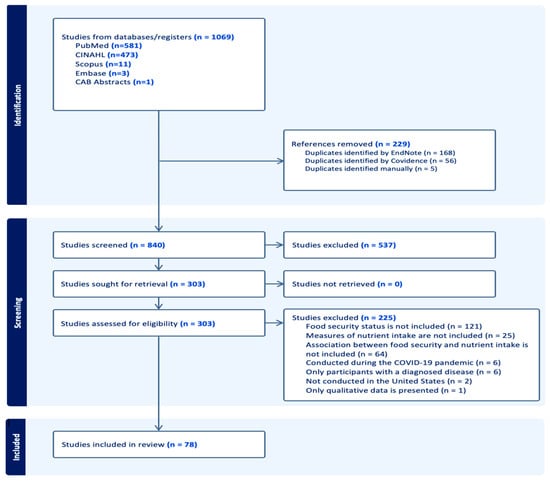
Background/Objectives: This review examined how different levels of U.S. food-security (FS) relate to dietary markers, informing the concept of nutrition security over the lifespan. Methods: The authors followed PRISMA-ScR guidelines. PubMed, CINAHL, Scopus, Embase, and CAB Abstracts were searched for eligible
[...] Read more.
Background/Objectives: This review examined how different levels of U.S. food-security (FS) relate to dietary markers, informing the concept of nutrition security over the lifespan. Methods: The authors followed PRISMA-ScR guidelines. PubMed, CINAHL, Scopus, Embase, and CAB Abstracts were searched for eligible U.S.-based, English-language studies examining FS and dietary markers in free-living, disease-free populations, excluding COVID-19-era research. Two reviewers independently screened records in Covidence, with discrepancies resolved by a third reviewer. The percentage of studies evaluating >2 FS levels was determined. Dietary markers were classified into three domains: food and beverage (9 components), nutrient (16 components) and bioactive (2 components) markers. The percentages of studies with significant differences were estimated for each dietary domain. Results: Of 1069 records, 78 met full-text eligibility. Among these, 15% evaluated dietary markers across >2 FS levels. Among adults, differences by FS status were observed in 67% of assessed food and beverage components (6 out of 9), 50% of nutrient components (8 out of 16), and all evaluated bioactives (100%; 2 out of 2). Children exhibited differences in all assessed food and beverage components (100%; 9 out of 9) and 29% (2 out of 7) of nutrients by FS level. Adolescents had fewer dietary marker differences than children and adults. Findings among infants, pregnant women and older adults were limited, with no studies for lactating women. Conclusions: Low FS level is associated with poorer dietary markers across the lifespan compared with FS. Age-specific differences highlight the need for targeted interventions and nutrition security measures.
Full article
(This article belongs to the Special Issue The Relationship Between Food Insecurity, Nutritional Environment and Human Health)
►▼
Show Figures

Figure 1
Open AccessArticle
Investigation of Dietary Intake and Nutrient Adequacy of Adolescents in Institutional Care by Comparing with National Survey Data in Taiwan: A Cross-Sectional Study
by
Hsin-Nung Kao, Kuang-Shuo Chen, Tsan-Hon Liou, Ning-Jo Kao, Kai-Wei Liao and Shyh-Hsiang Lin
Nutrients 2026, 18(11), 1679; https://doi.org/10.3390/nu18111679 - 24 May 2026
Abstract
Background/Objectives: Adolescence is a critical life stage characterized by rapid growth, increased nutrient requirements, and the establishment of long-term healthy behaviors. Growing evidence suggests that nutritional inadequacies may persist even when conventional indicators such as body mass index (BMI) appear normal, reflecting hidden
[...] Read more.
Background/Objectives: Adolescence is a critical life stage characterized by rapid growth, increased nutrient requirements, and the establishment of long-term healthy behaviors. Growing evidence suggests that nutritional inadequacies may persist even when conventional indicators such as body mass index (BMI) appear normal, reflecting hidden malnutrition, a condition characterized by micronutrient inadequacy despite adequate energy intake. This issue may be particularly relevant in structurally constrained environments. This study aimed to compare dietary intake and nutrient adequacy between adolescents residing in residential care institutions (RCIs) and those in the general population in Taiwan. Methods: A total of 248 adolescents were included in the analysis. Institutional data were collected in 2018 and compared with nationally representative data from the Nutrition and Health Survey in Taiwan (NAHSIT 2010–2012). To improve comparability, 1:1 propensity score matching (PSM) was applied based on age, sex, and geographic region. Nutrient intakes were evaluated according to the Taiwan Dietary Reference Intakes (DRIs). Results: Adolescents in RCIs demonstrated significantly lower energy and protein adequacy than their counterparts in the general population. Among boys aged 13–15 years, the proportion meeting protein adequacy was substantially lower in RCIs than in the general population (34.0% vs. 84.0%). Similarly, among girls aged 13–15 years, energy adequacy was markedly lower in RCIs (25.0% vs. 63.9%). In addition, inadequate intake of multiple micronutrients, particularly B vitamins and essential minerals, was observed. Despite these differences, BMI remained largely comparable between groups, indicating a mismatch between anthropometric status and underlying nutritional quality. Conclusions: These findings suggest that hidden nutritional vulnerability may persist even within structured institutional environments designed to ensure stable food provision. The results highlight the limitations of relying solely on anthropometric indicators to assess nutritional status and underscore the need for targeted nutritional strategies to improve dietary quality and reduce health inequalities in residential care settings.
Full article
(This article belongs to the Section Nutrition Methodology & Assessment)
►▼
Show Figures

Figure 1
Journal Menu
► ▼ Journal Menu-
- Nutrients Home
- Aims & Scope
- Editorial Board
- Reviewer Board
- Topical Advisory Panel
- Instructions for Authors
- Special Issues
- Topics
- Sections & Collections
- Article Processing Charge
- Indexing & Archiving
- Editor’s Choice Articles
- Most Cited & Viewed
- Journal Statistics
- Journal History
- Journal Awards
- Society Collaborations
- Conferences
- Editorial Office
Journal Browser
► ▼ Journal BrowserHighly Accessed Articles
Latest Books
E-Mail Alert
News
Topics
Topic in
Beverages, Foods, Molecules, Nutrients, Separations, Chemosensors
Advances in Analysis of Food and Beverages, 2nd Edition
Topic Editors: Constantinos G. Tsiafoulis, Anna M. KaczmarekDeadline: 31 May 2026
Topic in
Applied Sciences, Brain Sciences, JFMK, Nutrients, Sports
Exercise and Nutrition for Physical Performance, Mental Health and General Well-Being
Topic Editors: Gian Mario Migliaccio, Luca RussoDeadline: 12 July 2026
Topic in
Dietetics, Foods, Nutrients
Dietary Carbohydrate Chemistry, Nutrition, and Utilization
Topic Editors: Bin Zhang, Lijun Sun, Zhuqing XieDeadline: 31 July 2026
Topic in
Applied Microbiology, Fermentation, Foods, Microbiology Research, Microorganisms, Nutrients
News and Updates on Probiotics
Topic Editors: Alessandra Pino, Mutamed AyyashDeadline: 30 September 2026
Conferences
Special Issues
Special Issue in
Nutrients
Magnesium in Human Health and Disease: Research Advances and Clinical Perspectives
Guest Editor: Andrea RosanoffDeadline: 5 June 2026
Special Issue in
Nutrients
Research on Eating Disorders, Physical Activity and Body Image
Guest Editor: Antonio Cepeda-BenitoDeadline: 5 June 2026
Special Issue in
Nutrients
Nutritional Support as Part of the Management of Osteoporosis and Frailty in the Elderly: Challenges and Opportunities
Guest Editor: Elaine DennisonDeadline: 5 June 2026
Special Issue in
Nutrients
Nutrition and Food Supplements for Human Health: Exploring Strategies for Skin and Whole-Body Wellbeing
Guest Editor: Karolina Chilicka-HebelDeadline: 5 June 2026
Topical Collections
Topical Collection in
Nutrients
Connection between Microbiome, Lifestyle and Diet
Collection Editors: Eva Untersmayr, Peter M. Abuja
Topical Collection in
Nutrients
Diet and Multi-Omics
Collection Editors: Mohsen Mazidi, Richard Webb
Topical Collection in
Nutrients
Advances in Phenylketonuria (PKU) Nutrition and Diet Research (2nd Edition)
Collection Editors: Júlio César Rocha, Anita MacDonald
Topical Collection in
Nutrients
Nutritional Epidemiology among Chinese Populations
Collection Editors: Liang Wang, Gangqiang Ding, Xinyin JiangConference Reports
Nutrients 2024, 16(15), 2528; https://doi.org/10.3390/nu16152528
Nutrients 2024, 16(8), 1157; https://doi.org/10.3390/nu16081157