




Nutrients, Volume 18, Issue 11 (June-1 2026) – 190 articles
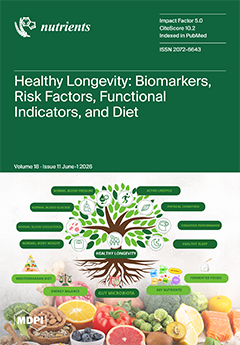
Cover Story (view full-size image):
Healthy longevity is determined not only by lifespan but also by the preservation of physiological, metabolic, physical, and cognitive functions throughout aging. This review examines the role of dietary patterns, nutrient intake, energy balance, and gut microbiota in shaping early biomarkers, risk factors, and functional indicators associated with healthy aging. The evidence highlights the benefits of Mediterranean and other plant-rich diets, which provide nutrients and bioactive compounds linked to favorable cardiometabolic, musculoskeletal, and cognitive outcomes. The review also discusses the potential contribution of gut microbiota to these associations. Adopting nutrient-rich, plant-forward dietary strategies may represent an effective approach to support healthy longevity and prevent age-related functional decline. View this paper
- Issues are regarded as officially published after their release is announced to the table of contents alert mailing list.
- You may sign up for e-mail alerts to receive table of contents of newly released issues.
- PDF is the official format for papers published in both, html and pdf forms. To view the papers in pdf format, click on the "PDF Full-text" link, and use the free Adobe Reader to open them.
Previous Issue
Next Issue
