


-
Some Approaches to Quantitative Classification of Plastic Deformation Processes Based on the Parameters of Their Stress–Strain State Determined by Simulation Modeling -
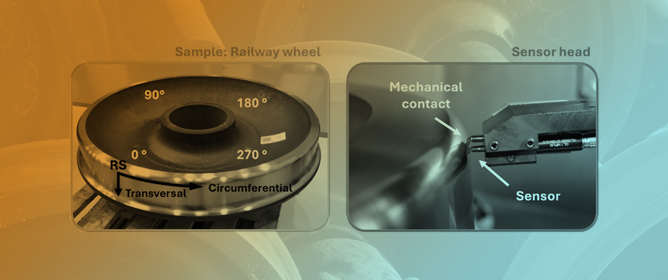
Integrated Eddy Current Inspection in Turning Machines with Deployable Algorithms for Automated Defect Detection in Railway Wheels -
Evaluation of Time-Dependent Magnetic Losses of Permanent Magnets -
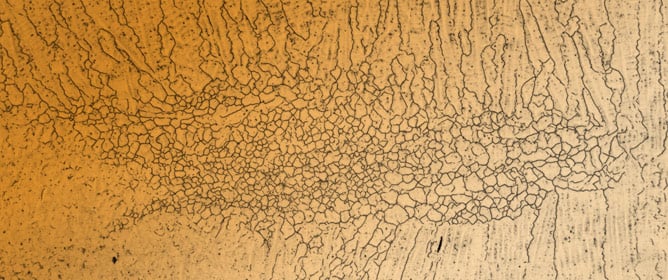
Effect of Dynamic Recrystallization Response on Ductility Dip Cracking Susceptibility in Welds of High-Chromium Nickel-Based Alloys
Journal Description
Metals
Metals
is an international, peer-reviewed, open access journal published monthly online by MDPI. The Spanish Materials Society (SOCIEMAT) is affiliated with Metals and their members receive discounts on the article processing charges.
- Open Access— free for readers, with article processing charges (APC) paid by authors or their institutions.
- High Visibility: indexed within Scopus, SCIE (Web of Science), Inspec, Ei Compendex, CAPlus / SciFinder, and other databases.
- Journal Rank: JCR - Q2 (Metallurgy and Metallurgical Engineering) / CiteScore - Q1 (Metals and Alloys)
- Rapid Publication: manuscripts are peer-reviewed and a first decision is provided to authors approximately 15.3 days after submission; acceptance to publication is undertaken in 2.9 days (median values for papers published in this journal in the first half of 2026).
- Recognition of Reviewers: reviewers who provide timely, thorough peer-review reports receive vouchers entitling them to a discount on the APC of their next publication in any MDPI journal, in appreciation of the work done.
- Companion journals for Metals include: Compounds, Alloys and Iron.
Impact Factor:
3.1 (2025);
5-Year Impact Factor:
3.2 (2025)
Latest Articles
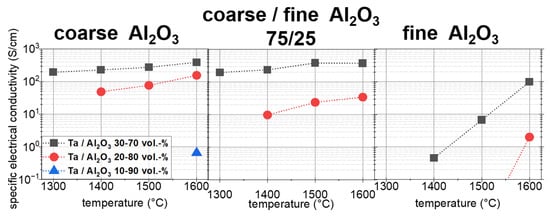
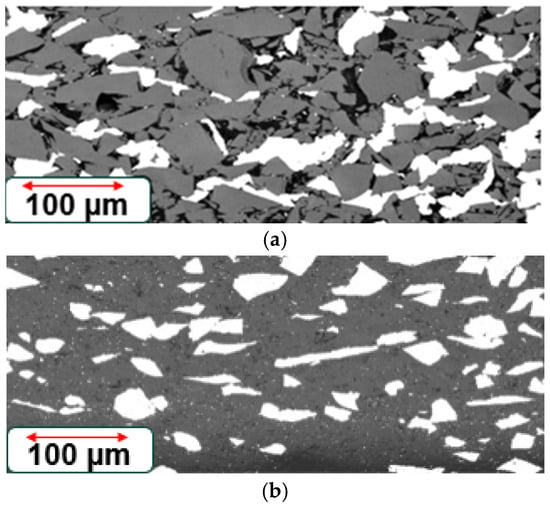
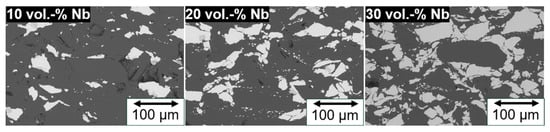
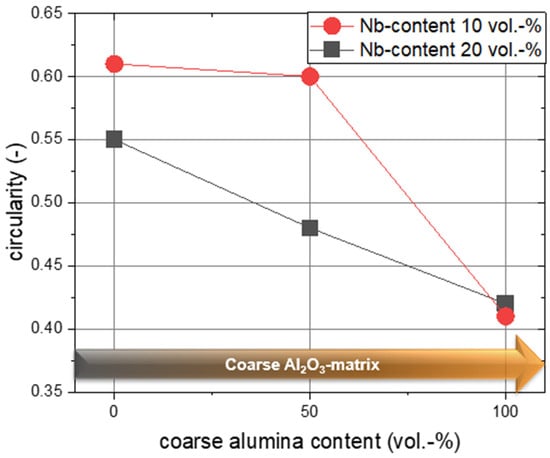
Percolating Ta/Nb-Al2O3 Refractory Composites via Spark Plasma Sintering
Metals 2026, 16(7), 742; https://doi.org/10.3390/met16070742 (registering DOI) - 5 Jul 2026
Abstract
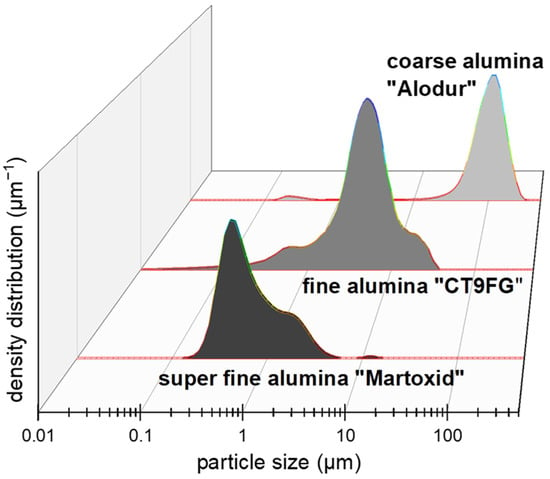
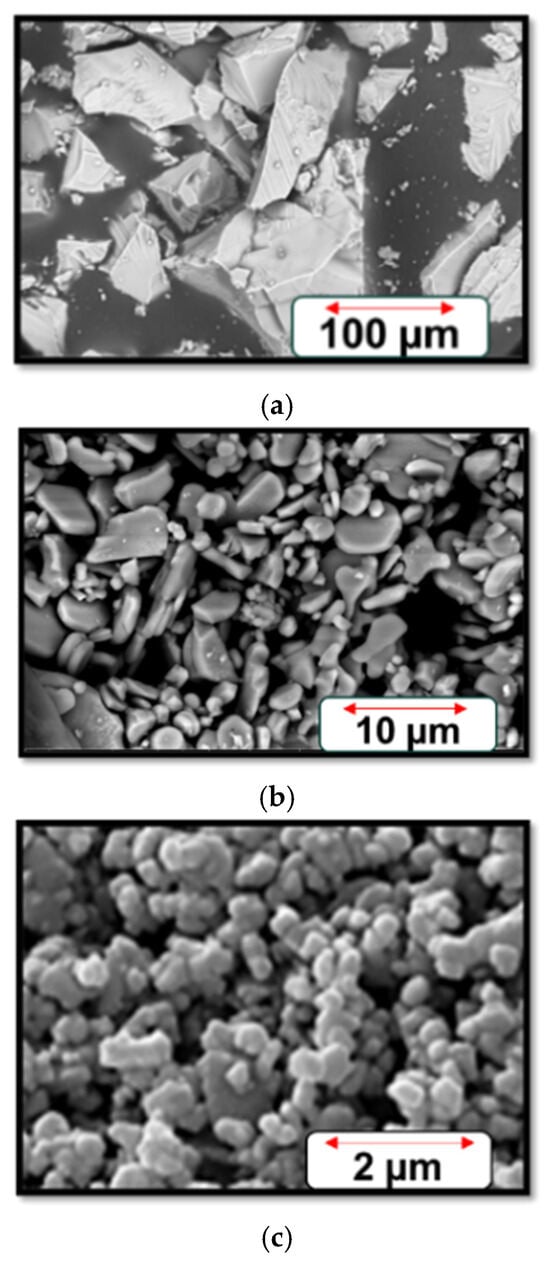
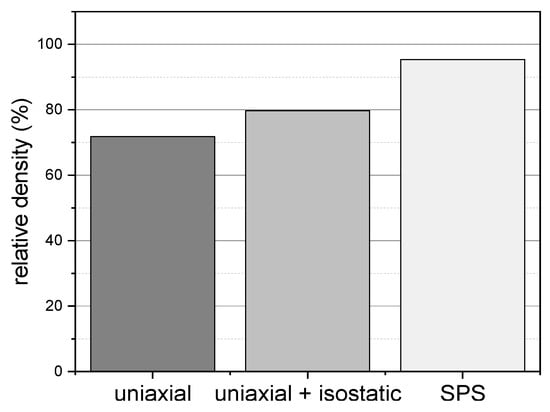
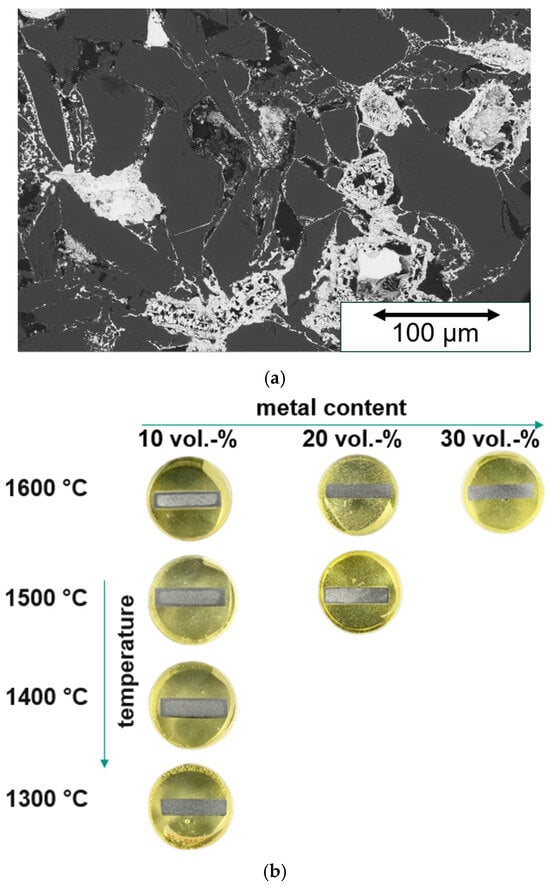
The electrification of high-temperature industrial processes requires refractory materials that combine thermal stability with tailored electrical functionality. In this study, Ta/Nb-Al2O3 composites were prepared by spark plasma sintering (SPS) to investigate densification, metal-phase deformation, electrical conductivity and percolation behavior. Coarse,
[...] Read more.
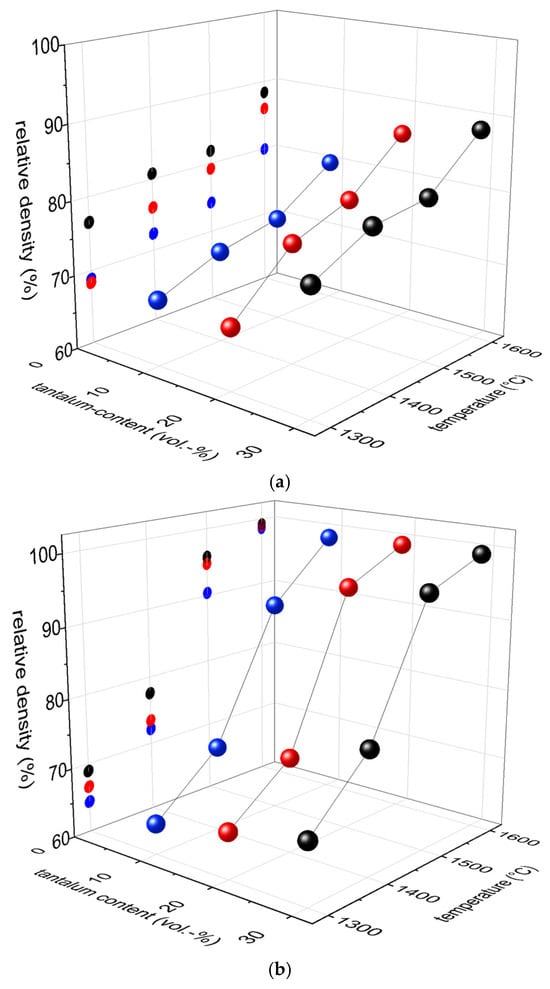
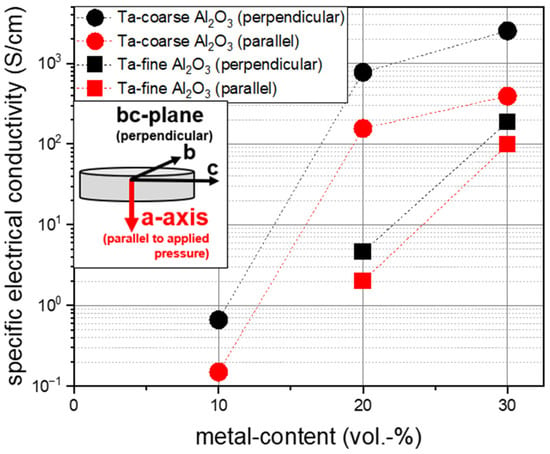
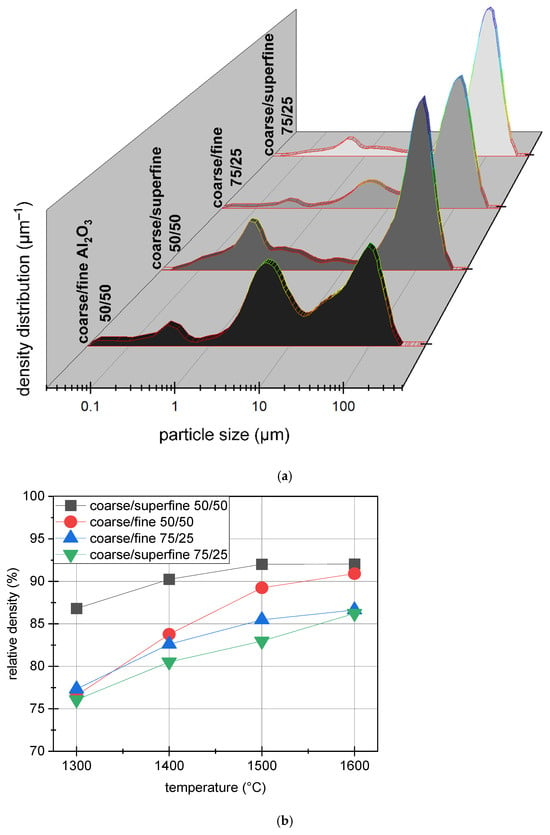
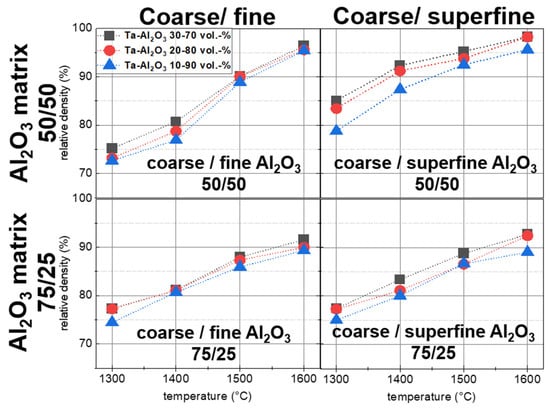
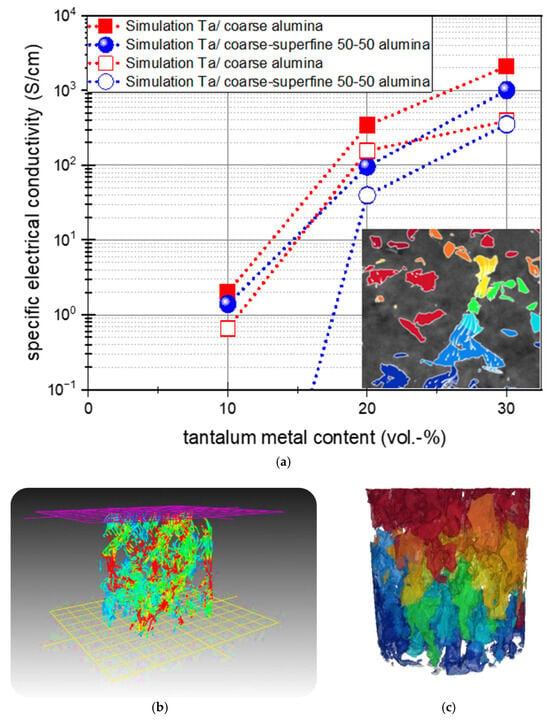
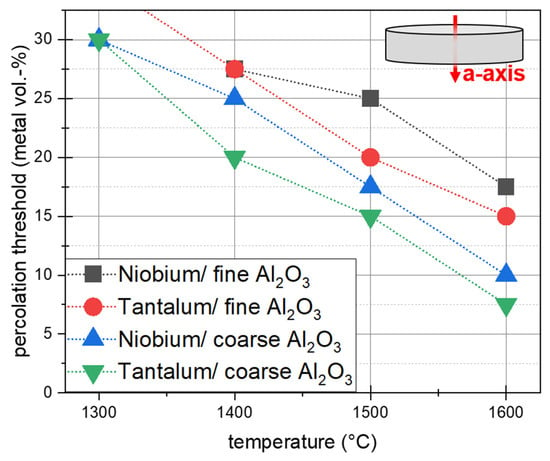
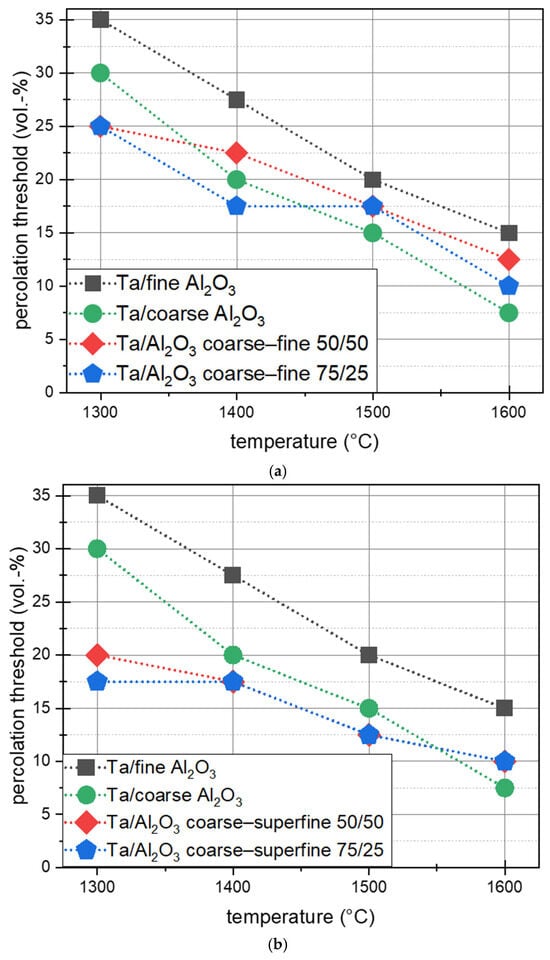
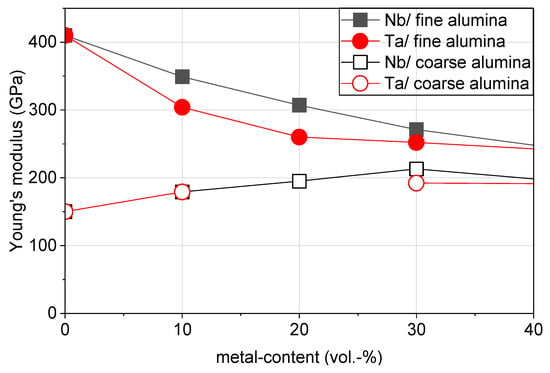
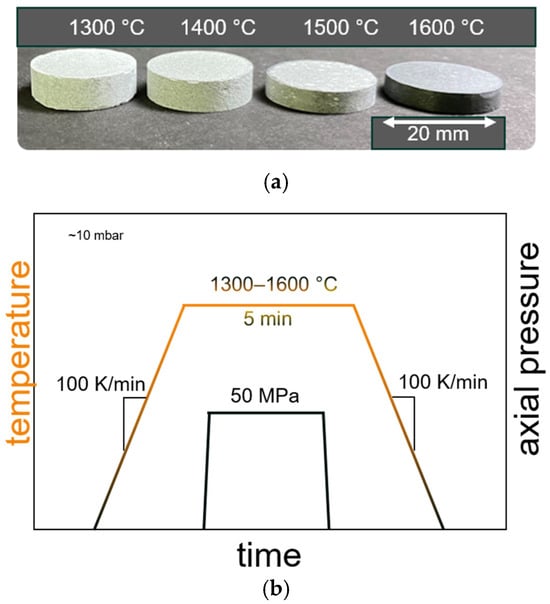
The electrification of high-temperature industrial processes requires refractory materials that combine thermal stability with tailored electrical functionality. In this study, Ta/Nb-Al2O3 composites were prepared by spark plasma sintering (SPS) to investigate densification, metal-phase deformation, electrical conductivity and percolation behavior. Coarse, fine and superfine alumina powders were combined with tantalum or niobium and sintered at 1300–1600 °C for 5 min with 50 MPa uniaxial pressure. The results show that the alumina particle size and morphology strongly influence the formation of conductive metal networks. Coarse alumina promotes deformation and elongation of the metallic phase, thereby improving metal-phase connectivity and lowering the operational percolation threshold. Fine and superfine alumina enhance densification but can delay percolation by embedding metal particles in a dense ceramic matrix. Combining these fractions, both effects can be balanced, enabling improved densification while maintaining effective conductive pathways. An operational percolation threshold of 7.5 vol.-% was obtained for Ta/coarse alumina, indicating highly effective metal-phase connectivity after SPS. Microstructural analysis supports the interpretation that matrix-controlled metal-particle deformation and spatial distribution govern the electrical response. Tailored alumina matrix design can reduce the refractory metal content required for conductive ceramic–metal composites.
Full article
(This article belongs to the Special Issue Mechanical and Functional Properties of Metal–Ceramic Composites for Harsh Environments)
►
Show Figures
Open AccessArticle
Surface Morphology, Relative Density, Microhardness and Microstructure of Tungsten Fabricated by Laser Powder Bed Fusion
by
Fang Wu, Fuping Liao, Zhihua Ju, Fangyuan Chen and Delin Yuan
Metals 2026, 16(7), 741; https://doi.org/10.3390/met16070741 (registering DOI) - 5 Jul 2026
Abstract
This study investigates the effects of laser power and scanning rate on the surface morphology, relative density, microhardness and microstructure of pure tungsten fabricated by laser powder bed fusion (LPBF). Increasing the laser power or decreasing the scanning rate effectively suppresses spheroidisation and
[...] Read more.
This study investigates the effects of laser power and scanning rate on the surface morphology, relative density, microhardness and microstructure of pure tungsten fabricated by laser powder bed fusion (LPBF). Increasing the laser power or decreasing the scanning rate effectively suppresses spheroidisation and enhances densification, achieving a maximum relative density of ~98%. However, excessive laser power intensifies Marangoni convection, leading to surface protrusions that reduce density. Microstructural analysis reveals that the laser-scanned surface is dominated by fine columnar grains (390–480 HV), whereas the side surface comprises coarser columnar grains with lower hardness (~390 HV). Electron backscatter diffraction analysis confirms that the side surface contains a high proportion of grains exceeding 100 μm and reveals a significant peak (~41.8%) at ~3.5° for low-angle grain boundaries, indicating substantial internal stress and microstrain. Pole figures show a weak preferred orientation (maximum texture intensity of 3.161). Phase analysis shows no significant phase transformation after LPBF, while internal stress and microstrain increase notably.
Full article
(This article belongs to the Special Issue Rare-Earth Alloying Effects in Advanced Metallic Materials)
Open AccessArticle
Ultrasonic Vibration-Assisted Plasma Cladding of Fe-Cr-C-Based Coatings: Microstructural Regulation and Wear Resistance Enhancement
by
Yubing Xu, Ding Zhang, Kai Li, Chao Tian, Shanhui Li, Ping Zhang, Zhe Ji and Chengjin Shen
Metals 2026, 16(7), 740; https://doi.org/10.3390/met16070740 (registering DOI) - 5 Jul 2026
Abstract
Fe-Cr-C-based coatings were fabricated on Q690 steel via ultrasonic vibration-assisted plasma cladding at varying ultrasonic powers (0–65 W) with a fixed frequency of 18.5 kHz. The coatings primarily consisted of martensite, retained austenite, and (Cr,Fe)7C3 carbides, along with (Cr,Fe,Mo)-B borides
[...] Read more.
Fe-Cr-C-based coatings were fabricated on Q690 steel via ultrasonic vibration-assisted plasma cladding at varying ultrasonic powers (0–65 W) with a fixed frequency of 18.5 kHz. The coatings primarily consisted of martensite, retained austenite, and (Cr,Fe)7C3 carbides, along with (Cr,Fe,Mo)-B borides along grain boundaries. Increasing ultrasonic power promoted cavitation and acoustic streaming, which refined columnar dendrites, reduced elemental segregation (notably for B and Mo), and increased the fraction of fine equiaxed grains without altering phase composition. As a result, the average microhardness increased from 797.1 to 828.5 HV0.1. The friction coefficient decreased from 0.675 to 0.626, while the wear-track width, wear depth, and wear mass loss decreased from 4.0 mm to 2.5 mm, from 112.5 μm to 32.4 μm, and from 20.40 mg to 4.75 mg, respectively. The wear mechanism shifted from severe adhesive wear to mild abrasive wear. These results demonstrate that increasing ultrasonic vibration power effectively refines the solidification microstructure and significantly improves the hardness and wear resistance of plasma-clad Fe-Cr-C-based coatings
Full article
(This article belongs to the Section Crystallography and Applications of Metallic Materials)
Open AccessArticle
Sealing Performance of Sn58Bi Low-Melting-Point Alloy for B-Annulus Plugging Under Cyclic Loading
by
Chunqing Zha, Jiajun Sun, Wei Wang, Gonghui Liu, Wei Liu and Jun Li
Metals 2026, 16(7), 739; https://doi.org/10.3390/met16070739 (registering DOI) - 4 Jul 2026
Abstract
In geological carbon storage, cyclic casing loading can induce micro-annuli in the B-annulus cement sheath, risking CO2 leakage. Compared with conventional cement, the Sn58Bi low-melting-point alloy boasts excellent flowability and favorable elastoplastic behavior, emerging as a promising sealing alternative. This study focuses
[...] Read more.
In geological carbon storage, cyclic casing loading can induce micro-annuli in the B-annulus cement sheath, risking CO2 leakage. Compared with conventional cement, the Sn58Bi low-melting-point alloy boasts excellent flowability and favorable elastoplastic behavior, emerging as a promising sealing alternative. This study focuses on enhancing wellbore integrity by using Sn58Bi alloy to seal the B-annulus cement sheath. An experimental system was established to simulate micro-annulus evolution, with gas migration tests conducted under cyclic internal pressure to systematically evaluate the effects of temperature and cyclic loading on the alloy’s sealing performance. Additionally, a three-layer casing–annulus–formation coupling model was constructed to investigate the radial displacement of the Sn58Bi alloy sheath and cement sheath at 30 °C and 20 MPa casing pressure, clarifying their distinct mechanical responses. Results show that the alloy’s sealing performance improves with temperature (30–90 °C), while elevated cyclic internal pressure accelerates gas breakthrough and reduces sustainable cycles. Under identical conditions (30 °C, 20 MPa), Sn58Bi alloy exhibits significantly superior CO2 sealing capacity to conventional cement. This study confirms the alloy’s potential for enhancing wellbore integrity and provides theoretical support for its application in B-annulus plugging during subsurface carbon storage.
Full article
Open AccessArticle
A Two-Step Strategy of Surface Modification and Low-Temperature Sintering for Reliable Cu/Graphite Joining
by
Zimeng Zhang, Chenghao Zhang, Qian Cheng, Chun Li, Xiaoqing Si, Zongjing He, Lin Cao, Chengxian Li, Shisheng Huang, Jun Wang and Yang Liu
Metals 2026, 16(7), 738; https://doi.org/10.3390/met16070738 (registering DOI) - 4 Jul 2026
Abstract
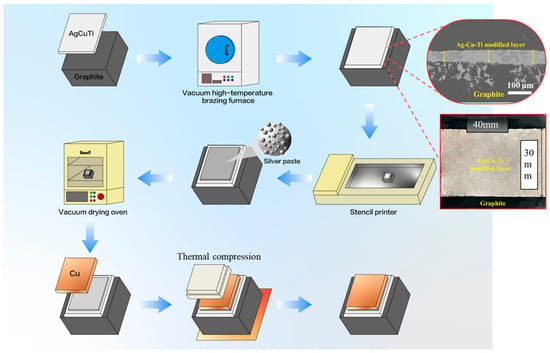
The reliable joining of graphite and Cu holds significant promise for applications in electronic heat dissipation and sliding electrical contacts. However, the substantial differences in their physicochemical properties, poor wettability, and mismatch in coefficients of thermal expansion often result in low joint strength.
[...] Read more.
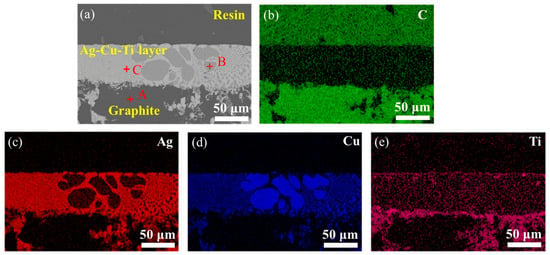
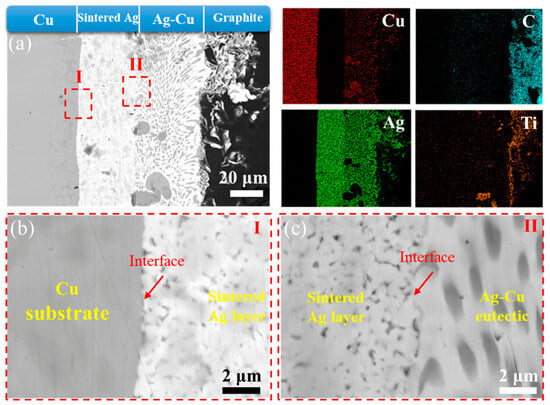
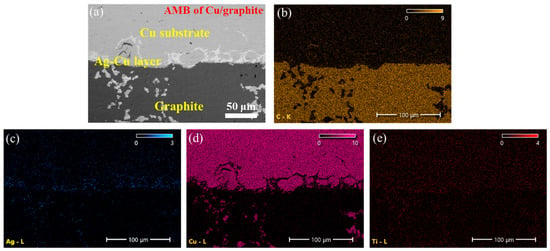
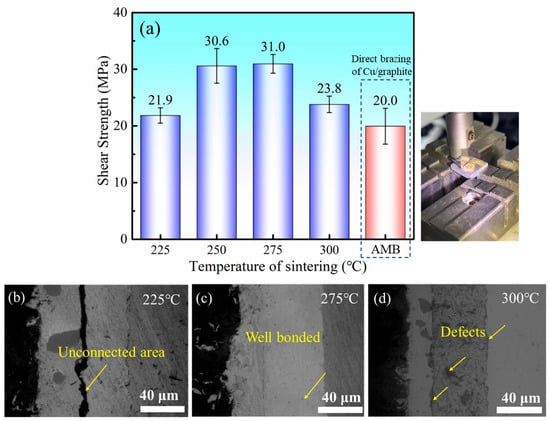
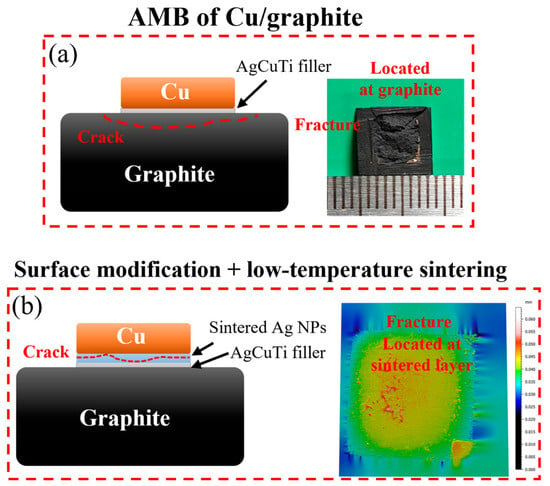
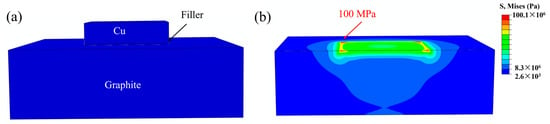
The reliable joining of graphite and Cu holds significant promise for applications in electronic heat dissipation and sliding electrical contacts. However, the substantial differences in their physicochemical properties, poor wettability, and mismatch in coefficients of thermal expansion often result in low joint strength. In this study, a two-step joining strategy combines surface modification with low-temperature sintering, and this is proposed for fabrication of Cu/graphite joints. First, the graphite surface is modified using an AgCuTi active filler alloy under vacuum conditions. Ti preferentially segregates at and reacts with the graphite interface, leading to the formation of an Ag-Cu eutectic modified layer on the graphite surface. Subsequently, low-temperature joining of the modified graphite to a Cu substrate is achieved via a hot-pressing sintering process using a Ag paste. In the sintered joint, the Ag sintered layer forms sound metallurgical bonds with both the Cu substrate and the graphite-modified layer. When the sintering temperature is 250 °C, the joint exhibits a shear strength of 30 MPa, which is significantly higher than that of a directly brazed joint. This strategy effectively reduces thermal residual stress in the joint during cooling and shifts the failure location from the brittle graphite substrate to the ductile Ag sintered layer, thereby substantially enhancing the mechanical performance.
Full article
(This article belongs to the Special Issue Weldability, Joint Microstructure and Properties of Dissimilar Metals)
►▼
Show Figures

Figure 1

Open AccessArticle
Microstructural Evolution and Protection Behavior of CoCrNiTiAl Nanocrystalline–Amorphous Composite Structure Films
by
Lei Huang, Zonglin Li, Xin Shen, Wei Jiang, Lingjie Chen and Longbo Li
Metals 2026, 16(7), 737; https://doi.org/10.3390/met16070737 (registering DOI) - 4 Jul 2026
Abstract
CoCrNiTiAlx high-entropy alloy films with varied Al contents were fabricated on 42CrMo steel substrates via magnetron sputtering. By adjusting the sputtering power of the Al target, an investigation was systematically carried out to explore the effect of different Al contents on the
[...] Read more.
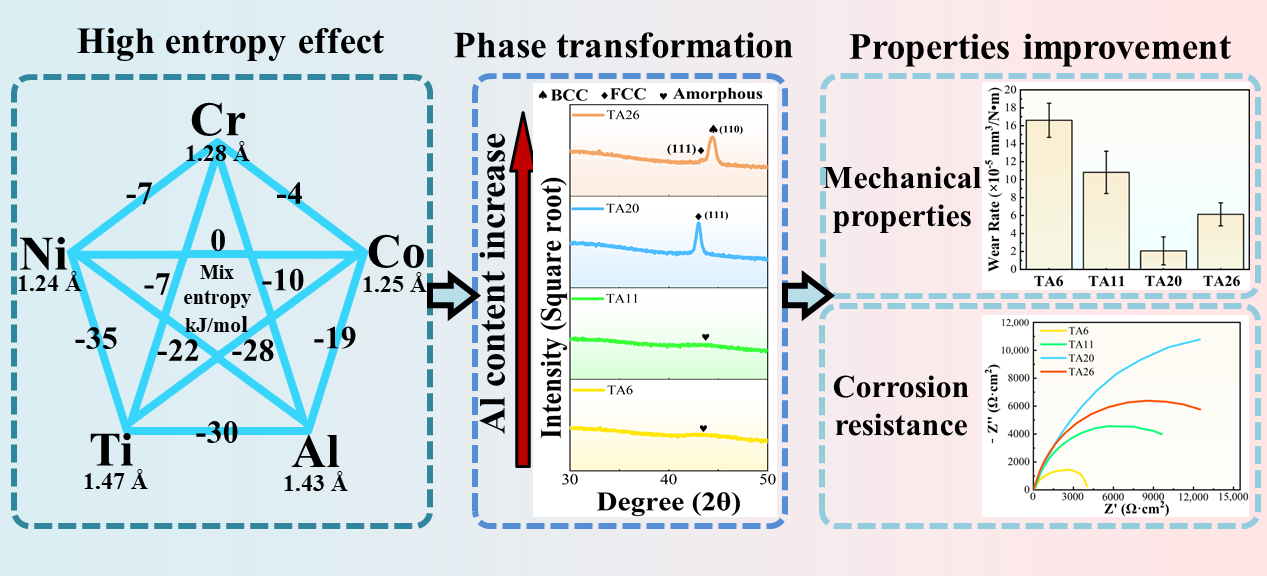
CoCrNiTiAlx high-entropy alloy films with varied Al contents were fabricated on 42CrMo steel substrates via magnetron sputtering. By adjusting the sputtering power of the Al target, an investigation was systematically carried out to explore the effect of different Al contents on the microstructural evolution, mechanical properties, and corrosion resistance of the film, with the underlying synergistic mechanism governing these properties being elucidated. With increasing Al content, the film microstructure gradually transforms from an amorphous phase at low Al contents to a nanocrystalline–amorphous composite structure, until it is converted into the BCC phase, and the film’s crystallinity exhibits a trend of first increasing and then decreasing. In terms of mechanical properties, the film hardness is significantly enhanced from 7.6 ± 1.3 GPa to 18.9 ± 1.1 GPa with increasing Al content, while the toughness gradually declines. Wear tests show that the film wear rate first decreases and then increases with rising Al content, reaching a minimum of 2.06 × 10⁻⁵ mm3/N·m. The superior protective state, characterized by a corrosion potential reaching −361.2 mV and corrosion current density dropping to 1.12 μA/cm2, arises from the generation of an integrated, consistently structured composite passivation barrier in 3.5 wt.% solution. This study confirms that appropriate Al doping can synergistically optimize the microstructure, mechanical properties, and corrosion resistance of CoCrNiTiAlx films, providing experimental and theoretical support for the compositional design and engineering applications of high-performance high-entropy alloy protective films.
Full article
(This article belongs to the Special Issue Phase Stability and Microstructural Evolution in Aluminum Alloys)
►▼
Show Figures

Graphical abstract
Open AccessCommunication
Recoverable Deformation Behavior of Ultrathin 30 μm Ti–24Nb–4Zr–8Sn Foils
by
Jiaxing Wang, Siyu Wei, Delun Gong, Xingbin Li, Dongmei Chen, Rui Zhang, Yadong Su, Rui Yang and Yulin Hao
Metals 2026, 16(7), 736; https://doi.org/10.3390/met16070736 (registering DOI) - 4 Jul 2026
Abstract
Ultrathin titanium alloy foils are attractive for engineering components requiring flexural compliance and mechanical support, yet their recoverable deformation behavior at the foil scale remains insufficiently characterized. This study evaluates 30 μm Ti–24Nb–4Zr–8Sn (wt.%, Ti2448) foils in the as-rolled and solution-treated states and
[...] Read more.
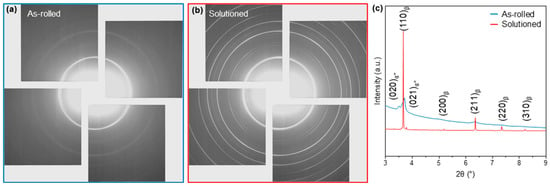
Ultrathin titanium alloy foils are attractive for engineering components requiring flexural compliance and mechanical support, yet their recoverable deformation behavior at the foil scale remains insufficiently characterized. This study evaluates 30 μm Ti–24Nb–4Zr–8Sn (wt.%, Ti2448) foils in the as-rolled and solution-treated states and compares their tensile loading–unloading response with same-thickness CP Ti and Ti–6Al–4V reference foils. The Ti2448 foils exhibit a larger recoverable-deformation window and a lower apparent loading modulus than the reference foils under the same testing protocol. The highest recoverable strain is obtained in the solution-treated longitudinal condition, indicating that the recoverable deformation is sensitive to both processing state and loading direction. These results suggest Ti2448 foils as potential candidates for flexure-related applications requiring large recoverable deformation.
Full article
(This article belongs to the Special Issue Recent Advances in Additive Manufacturing and Fatigue Properties of Titanium Alloys)
►▼
Show Figures

Figure 1
Open AccessArticle
Effect of Processing Speed on Microstructure Evolution and Mechanical Properties of Friction Stir Processed Al-Cu-Li Alloy
by
Wenhan Shen, Wenjie Xiao, Hao Xu and Ruizhi Wu
Metals 2026, 16(7), 735; https://doi.org/10.3390/met16070735 - 3 Jul 2026
Abstract
Cast Al-3Cu-Li alloys are limited by coarse grains and non-uniform Cu-rich phases, but their traverse-speed-dependent response to friction stir processing (FSP) has not been systematically clarified. The effect of FSP traverse speed on the microstructural evolution and mechanical properties of an Al-3Cu-Li alloy
[...] Read more.
Cast Al-3Cu-Li alloys are limited by coarse grains and non-uniform Cu-rich phases, but their traverse-speed-dependent response to friction stir processing (FSP) has not been systematically clarified. The effect of FSP traverse speed on the microstructural evolution and mechanical properties of an Al-3Cu-Li alloy was systematically investigated. The alloy was processed at traverse speeds of 20 mm/min and 100 mm/min, and the resulting microstructures were characterized by XRD, SEM, EDS, EBSD and TEM. The results show that FSP does not significantly change the main phase constitution of the alloy, which remains dominated by the α-Al matrix with Al-Cu-related secondary phases. However, FSP markedly modifies the grain structure and precipitate distribution. Compared with the as-cast alloy, both FSP-treated samples exhibit refined equiaxed grains formed through dynamic recrystallization. The FSP-20 sample shows a finer and more homogeneous recrystallized structure, with a mean grain size of 4.60 ± 0.62 μm based on 982 measured grains, whereas the FSP-100 sample exhibits a coarser grain structure with a mean grain size of 15.20 ± 2.17 μm based on 109 measured grains. EBSD analysis further reveals that the FSP-20 sample possesses lower grain orientation spread and more dispersed local misorientation, indicating more sufficient dynamic recrystallization and lower residual deformation. TEM observations confirm the presence of plate-like T1 precipitates in both FSP samples, while the precipitates in the FSP-100 sample are relatively coarser. Mechanical testing showed that the microhardness, yield strength, ultimate tensile strength and elongation increased from 62.4 HV, 92.8 MPa, 178.5 MPa and 10.86% in the as-cast alloy to 85.5 HV, 170.0 MPa, 228.9 MPa and 20.41% in FSP-20, and to 78.2 HV, 166.8 MPa, 202.9 MPa and 17.63% in FSP-100, respectively. Fracture analysis indicates that FSP-20 is dominated by ductile dimpled fracture, whereas FSP-100 shows more obvious quasi-cleavage features associated with coarse precipitates.
Full article
Open AccessArticle
Unloading Acceleration Driven by Shock Pressure: A Theoretical Model for Jet Formation of High Entropy Alloys
by
Yuanchen Wang, Zhengxiang Huang, Xudong Zu, Qiangqiang Xiao and Ming Xia
Metals 2026, 16(7), 734; https://doi.org/10.3390/met16070734 - 3 Jul 2026
Abstract
Accurately predicting the terminal state of shaped charge jets (SCJs) is crucial for optimizing their penetration performance. The core challenge lies in a deep understanding of the complete physical chain from shock compression to unloading expansion. This paper presents a hybrid analytical–numerical model
[...] Read more.
Accurately predicting the terminal state of shaped charge jets (SCJs) is crucial for optimizing their penetration performance. The core challenge lies in a deep understanding of the complete physical chain from shock compression to unloading expansion. This paper presents a hybrid analytical–numerical model for SCJ formation that incorporates a shock-pressure-driven unloading term. Unlike classical PER theory, the proposed model explicitly introduces an unloading term and derives a quantitative expression for the momentum conversion factor (ΠDMCF) to quantitatively characterize the momentum redistribution during collapse. Our analysis finds that ΠDMCF exhibits a typical S-shaped evolution law as the dimensionless Mach number (Ma) varies. This study uses a logistic function with two characteristic parameters, Ma0 and k, to accurately fit the data. The research results indicate that the model parameters have clear physical connotations: Ma0 characterizes the critical condition for the material to transition from “strength-dominated” to “kinetic-energy-dominated” behavior, while k reflects the degree of abrupt transition. After calibrating the model parameters using high-fidelity numerical simulations, the jet morphology and velocity data obtained from X-ray flash photography experiments are compared and verified, confirming that the model can significantly improve the prediction accuracy. Especially for Ti55Al20V5Zr5Nb15 HEA, the prediction error in the jet velocity is less than 4%, and the theoretically predicted shock pressure is highly correlated with the numerical results (R2 = 0.943). A further mechanistic analysis indicates that the proposed model successfully decodes the unique response of the HEA: its high dynamic strength results in a larger value, causing its momentum conversion efficiency to fall within a lower range under typical impact conditions. The theoretical framework constructed in this study provides a hybrid analytical–numerical and highly reliable theoretical tool for the accurate prediction of SCJs, as well as for the material selection and design of high-performance liners.
Full article
(This article belongs to the Section Entropic Alloys and Meta-Metals)
Open AccessArticle
Effects of Hot Compression Parameters on Flow Behavior and Microstructural Evolution of 7050 Aluminum Alloy
by
Liang Xu, Youping Yi, Shiquan Huang, Hailin He, Wenke Wang and Fei Dong
Metals 2026, 16(7), 733; https://doi.org/10.3390/met16070733 - 3 Jul 2026
Abstract
►▼
Show Figures
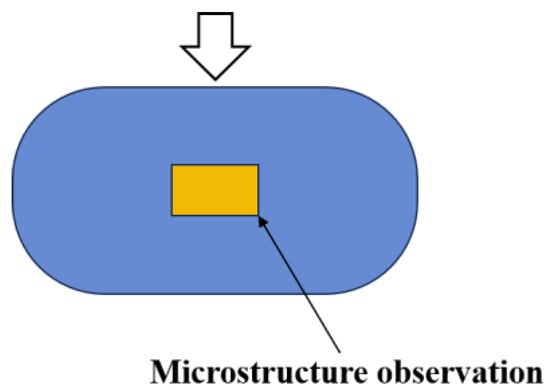
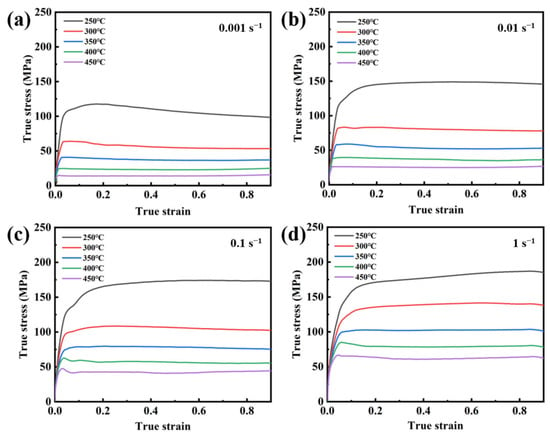
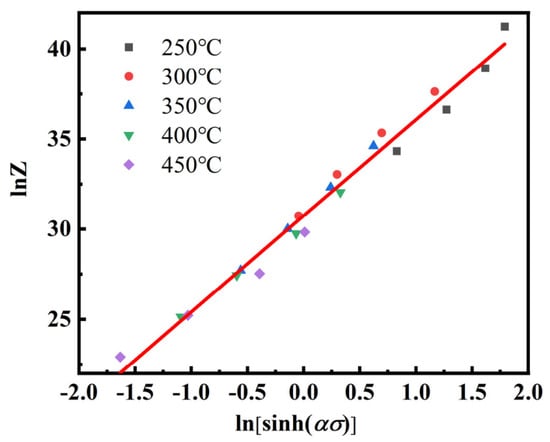
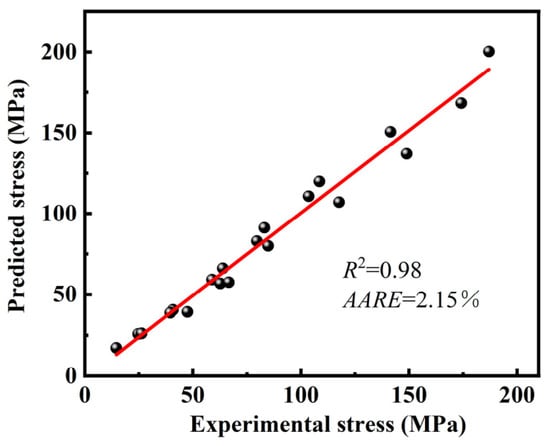
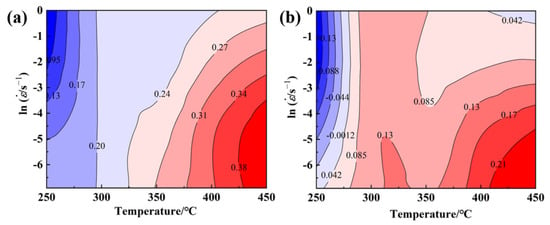
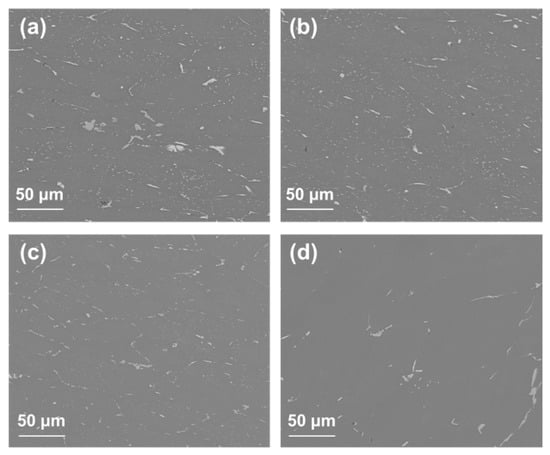
The hot deformation behavior of 7050 aluminum alloy was investigated by isothermal compression tests over a temperature range of 250 °C to 450 °C and a strain-rate range of 0.001 s−1 to 1 s−1. The flow stress was strongly dependent
[...] Read more.
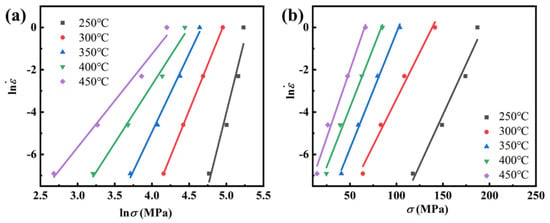
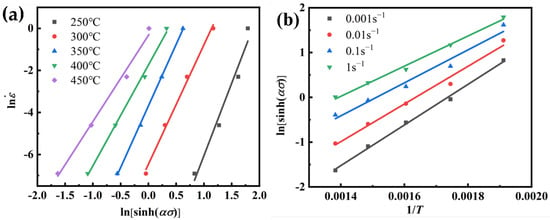
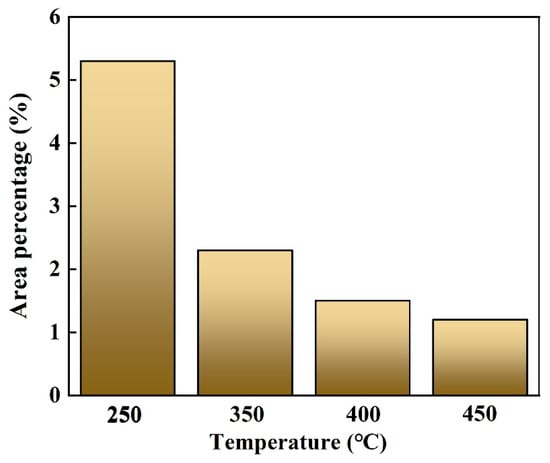
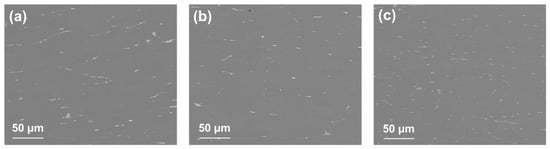
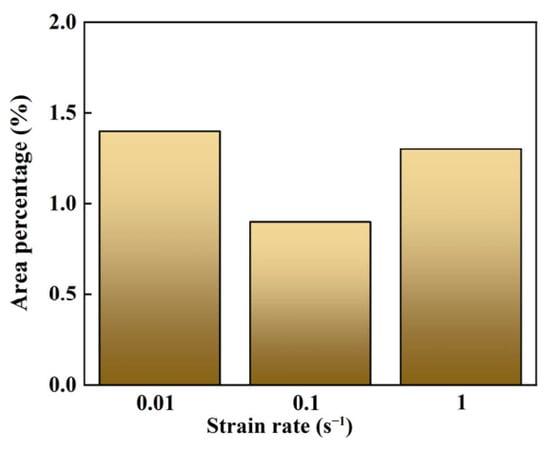
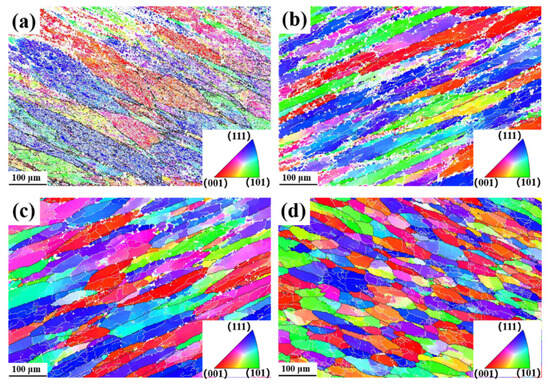
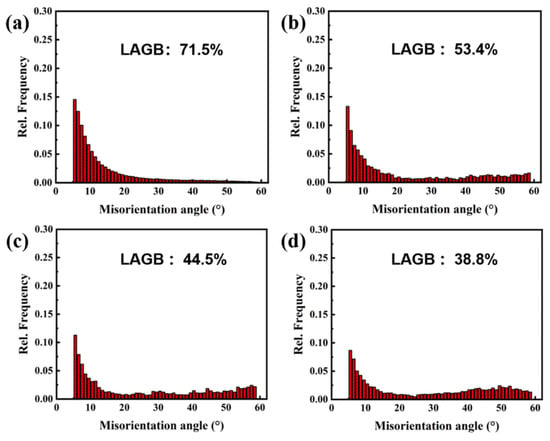
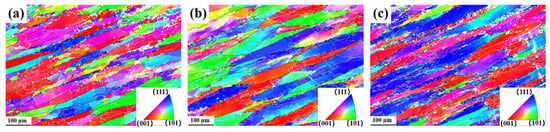
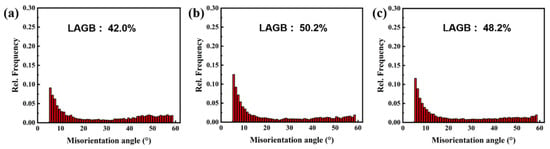
The hot deformation behavior of 7050 aluminum alloy was investigated by isothermal compression tests over a temperature range of 250 °C to 450 °C and a strain-rate range of 0.001 s−1 to 1 s−1. The flow stress was strongly dependent on both temperature and strain rate. At a strain rate of 0.1 s−1, increasing the temperature from 250 °C to 450 °C reduced the peak stress by 72.7%. At 450 °C, decreasing the strain rate from 1 s−1 to 0.001 s−1 reduced the peak stress from 66.7 MPa to 14.6 MPa, corresponding to a decrease of 78.1%. Based on the peak stress, an Arrhenius-type constitutive equation was established, with a deformation activation energy of 179.35 kJ mol−1. The predicted peak stresses agree well with the experimental values, giving a correlation coefficient (R2) of 0.98. The processing map indicates that the optimal hot working domain is located at 400–450 °C and 0.001–0.05 s−1. Scanning electron microscopy (SEM) observations showed that increasing temperature promoted the reduction in second-phase particles, with their area fraction decreasing from 5.3% at 250 °C to 1.2% at 450 °C under 0.001 s−1. In comparison, strain rate had a smaller effect on the particle area fraction at 450 °C. Electron backscatter diffraction (EBSD) analysis revealed that high temperature and low strain rate enhanced dynamic recovery and grain-boundary misorientation evolution. The fraction of low-angle grain boundaries (LAGBs) decreased from 71.5% to 38.8% as the temperature increased from 250 °C to 450 °C under 0.001 s−1, and decreased from 48.2% to 38.8% when the strain rate decreased from 1 s−1 to 0.001 s−1 at 450 °C.
Full article

Figure 1
Open AccessArticle
The Influence of Different Aging Temperatures on the Microstructure and Corrosion Behavior Evolution Characteristics of the Al-Cu-Li Alloy
by
Danyang Liu, Minghao Li, Wenbin Sun, Jinghang Zhou, Gengxuan Yang, Jianmei Li, Chao Cai and Jinfeng Li
Metals 2026, 16(7), 732; https://doi.org/10.3390/met16070732 - 2 Jul 2026
Abstract
In the current work, the microstructural characteristics and corrosion performance of an Al-3.6Cu-1.0Li-0.40Mg-0.32Mn-0.12Zr alloy are correlated across different artificial aging regimes (150 °C, 160 °C, and 170 °C). In the under-aging stage, the corrosion depth increases with rising aging temperature, from 342.86 μm
[...] Read more.
In the current work, the microstructural characteristics and corrosion performance of an Al-3.6Cu-1.0Li-0.40Mg-0.32Mn-0.12Zr alloy are correlated across different artificial aging regimes (150 °C, 160 °C, and 170 °C). In the under-aging stage, the corrosion depth increases with rising aging temperature, from 342.86 μm at 150 °C to 495.13 μm at 170 °C, indicating deteriorated corrosion resistance at higher temperatures. This trend is closely related to the significant increase in the proportion of the T1 phase in the matrix’s primary precipitate. Upon artificial aging for 24 h, the hardness increases gradually as the aging temperature rises. At higher aging temperatures, short-term aging hardness is higher, likely due to the formation of the T1 phase, which can also provide a strengthening effect. In contrast, the corrosion resistance of the alloy is enhanced at higher aging temperatures after 24 h of aging. These corrosion phenomena are closely related to the dominance of the θ″ phase during low-temperature aging and the gradual increase in the S′ phase during high-temperature aging. Furthermore, a transition from intergranular corrosion to pitting corrosion is identified at the high aging temperature of 170 °C with extended aging time. This corrosion mode transformation behavior is speculated to result from intermittent formation of magnesium segregation near the grain boundary, which alters the electrochemical heterogeneity between grain boundaries and the alloy matrix.
Full article
(This article belongs to the Topic Advances in Processing, Microstructure and Mechanical Properties of Lightweight Alloys)
Open AccessArticle
Anisotropy in Microstructure and Corrosion Behavior of NiTi Alloys Produced by Laser Powder Bed Fusion
by
Chenglong Teng, Yi-Fan Zhang, Hui Xiao, Yun-Fei Pei and Liang-Yu Chen
Metals 2026, 16(7), 731; https://doi.org/10.3390/met16070731 - 2 Jul 2026
Abstract
Laser powder bed fusion (LPBF) induces pronounced microstructural anisotropy in NiTi alloys, which strongly governs their corrosion behavior in physiological environments. Here, the orientation-dependent microstructure and corrosion performance of LPBF NiTi alloys were systematically investigated on the XY (perpendicular to build direction) and
[...] Read more.
Laser powder bed fusion (LPBF) induces pronounced microstructural anisotropy in NiTi alloys, which strongly governs their corrosion behavior in physiological environments. Here, the orientation-dependent microstructure and corrosion performance of LPBF NiTi alloys were systematically investigated on the XY (perpendicular to build direction) and XZ (parallel to build direction) planes. The XY plane is dominated by polygonal B2 grains, whereas semi-quantitative XRD analysis and TEM observations indicate a relatively larger contribution of lamellar B19′ martensite on the XZ plane. Electrochemical tests in Hank’s solution (pH 3–7) reveal pronounced corrosion anisotropy. At pH 7, the XZ plane exhibits a higher charge transfer resistance (143.9 vs. 109.1 kΩ cm2) and a lower corrosion current density (0.231 vs. 0.599 μA cm−2) than the XY plane. After 72 h immersion, the of the XZ plane remains approximately 31% higher than that of the XY plane at pH 7, while its apparent donor density is lower than that of the XY plane at pH 3 (7.38 × 1029 vs. 12.33 × 1029 cm−3). The superior electrochemical response of the XZ plane correlates with its denser lamellar B19′ morphology and lower passive-film donor density. Competition between interface-assisted passivation and interface-related electrochemical heterogeneity is proposed as a possible contributor to the anisotropic corrosion response.
Full article
(This article belongs to the Special Issue Microstructural and Corrosion Aspects in Additive Manufacturing of Alloys and Steel)
Open AccessArticle
Corrosion Resistance of Different Commercial Zr, Zr/Ti and Zr/Cr(III) Conversion Coatings Deposited on an Al Alloy 3003
by
Maja Mujdrica Kim and Ingrid Milošev
Metals 2026, 16(7), 730; https://doi.org/10.3390/met16070730 - 2 Jul 2026
Abstract
Chromate-free conversion coatings are increasingly investigated as environmentally acceptable alternatives to conventional chromate conversion coatings for corrosion protection of aluminum alloys. In the present study, the electrochemical behaviour and long-term corrosion stability of several commercial conversion coating systems based on trivalent chromium (TCP),
[...] Read more.
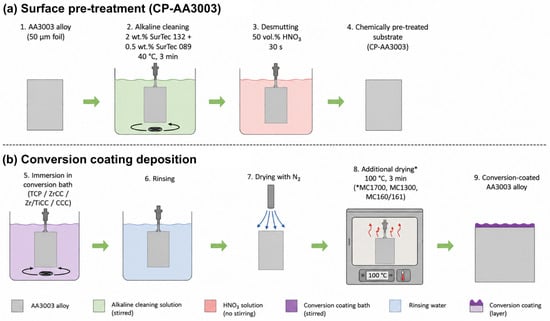
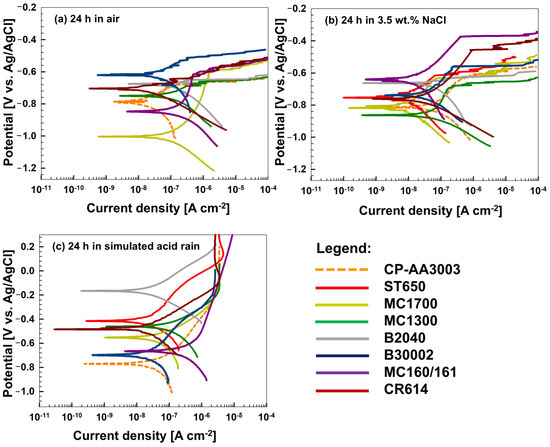
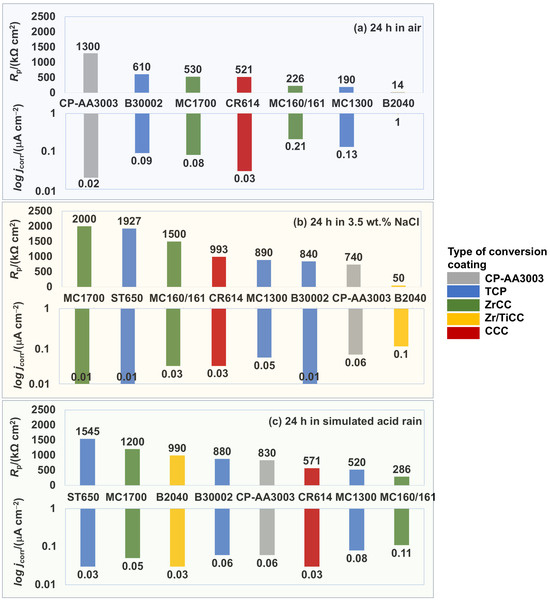
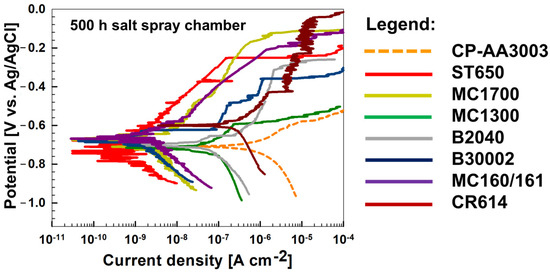
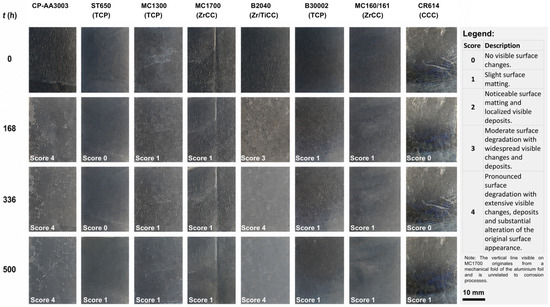
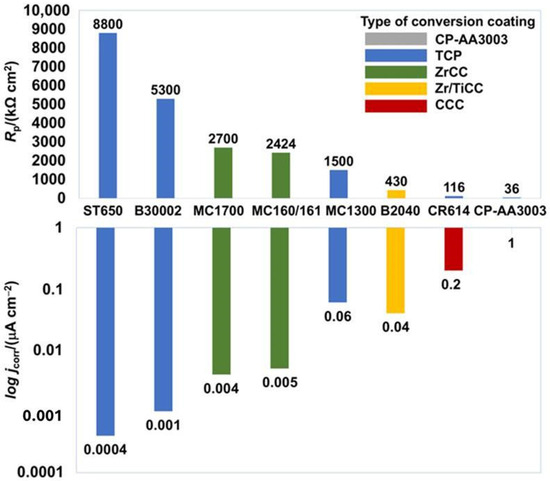
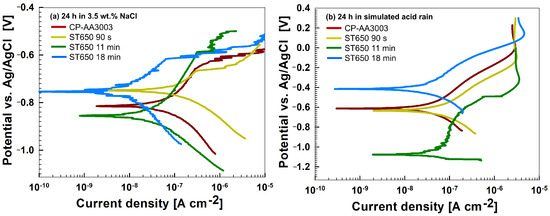
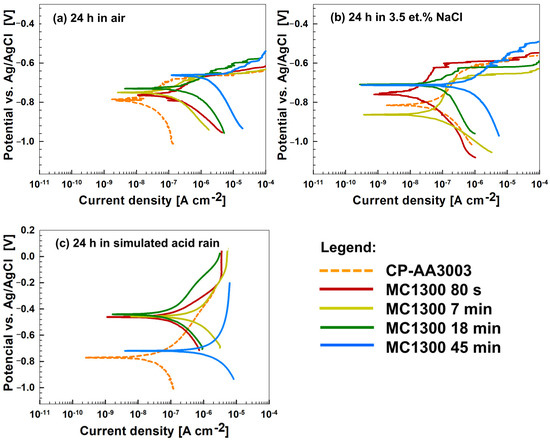
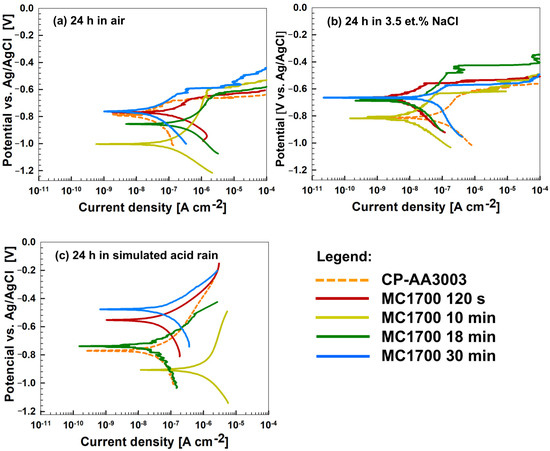
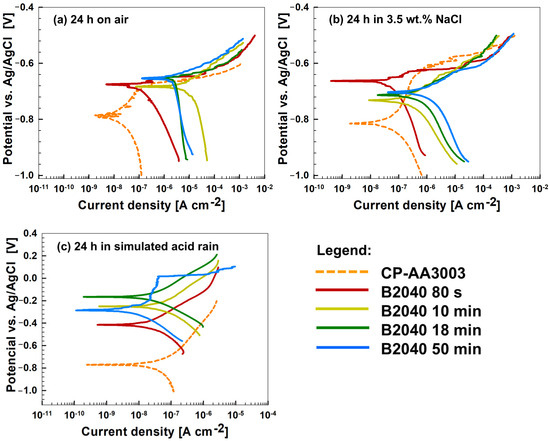
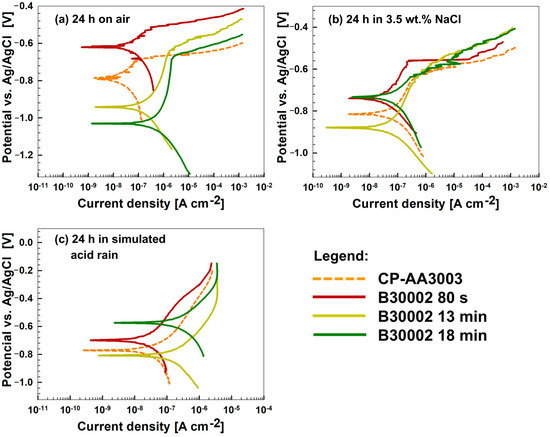
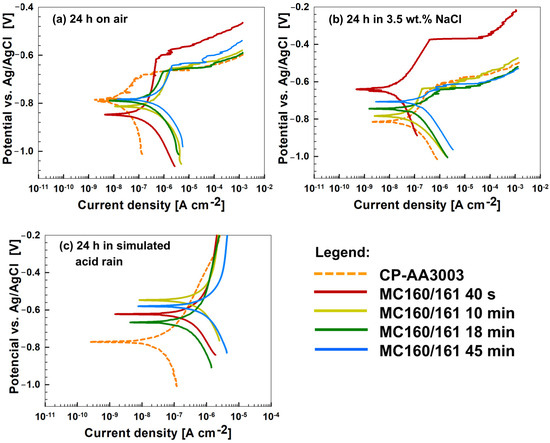
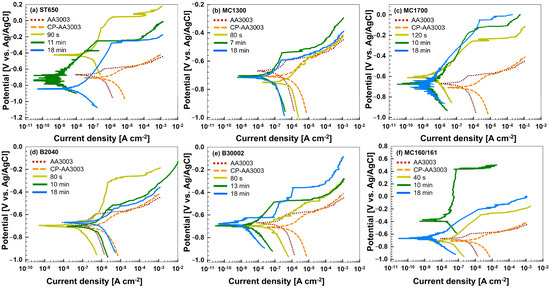
Chromate-free conversion coatings are increasingly investigated as environmentally acceptable alternatives to conventional chromate conversion coatings for corrosion protection of aluminum alloys. In the present study, the electrochemical behaviour and long-term corrosion stability of several commercial conversion coating systems based on trivalent chromium (TCP), zirconium (ZrCC) and zirconium/titanium (Zr/TiCC) were systematically evaluated on AA3003 aluminum alloy and compared to chromate conversion coating (CCC) CR614. Three TCP coatings (ST650, MC1300 and B30002), two ZrCC (MC1700 and MC160/161), and one Zr/TiCC (B2040) were investigated. Coatings were prepared at pre-selected pH and concentration, but at varying conversion times. The protective performance of the coating was then tested across various exposure conditions using potentiodynamic polarization measurements: (i) after 24 h of exposure to air, (ii) after 24 h of immersion in 3.5 wt.% NaCl solution and (iii) simulated acid rain solution, and (iv) after exposure in a salt spray chamber for 500 h. The protective performance strongly depended on both the conversion conditions and the exposure environment. The optimal conversion times ranged between 40 s and 18 min, depending on the coating type. Differences between the investigated systems remained relatively limited when investigated after exposure to air and immersion in the simulated acid rain solution. However, in chloride-containing environments, substantially greater differentiation between the coatings was observed. Among the investigated systems, TCP coatings exhibited the most favourable overall corrosion performance, particularly after prolonged salt spray exposure, where ST650 and B30002 polarization resistance values were approximately 8800 and 5300 kΩ cm2, respectively, together with corrosion current densities as low as 0.0004 and 0.001 μA cm−2. ZrCC systems MC1700 and MC160/161 also provided significant corrosion protection, achieving polarization resistance values around 2700 and 2400 kΩ cm2 after 500 h of salt spray exposure, whereas the Zr/TiCC coating B2040 exhibited poorer long-term performance. The results further demonstrated that prolonged salt spray exposure provides considerably more realistic evaluation of long-term coating protectiveness than short-term electrochemical measurements alone. Overall, optimized TCP and ZrCC systems provided corrosion protection under chloride-containing conditions comparable to or superior to the investigated conventional chromate conversion coating CR614 deposited on AA3003 alloy.
Full article
(This article belongs to the Special Issue Studies on Electrochemical Corrosion and Protection in Metals and Alloys)
►▼
Show Figures

Figure 1
Open AccessArticle
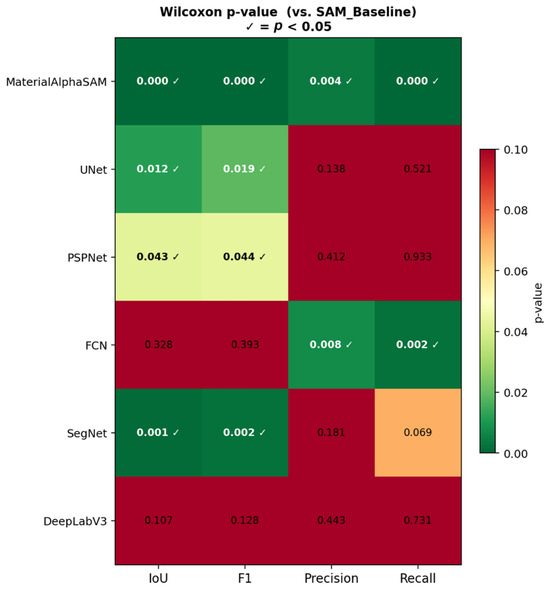
MaterialAlphaSAM: An Adaptive Prompting and Domain Adaptation-Based Segmentation Method for the Microstructure of Complex Titanium Alloys
by
Ke Li, Bowen Deng, Yanru Zhao, Wei Liu, Chao Yang, Jing Zhu, Di Tie, Huixian Gao and Wenzhong Luo
Metals 2026, 16(7), 729; https://doi.org/10.3390/met16070729 - 2 Jul 2026
Abstract
Precise segmentation of high-magnification titanium alloy micrographs under few-shot scenarios remains a non-trivial task, primarily owing to the intricate morphology, heterogeneous discrete distribution, and weak phase boundaries of the primary α phase. To address these issues, this paper presents MaterialAlphaSAM, a lightweight domain-adaptive
[...] Read more.
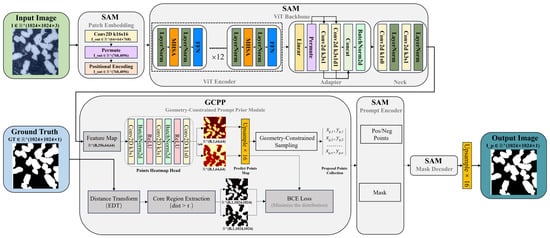
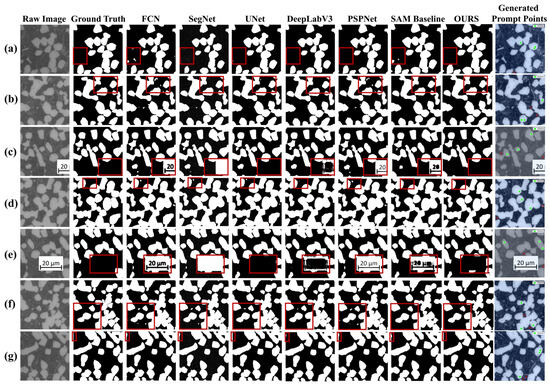
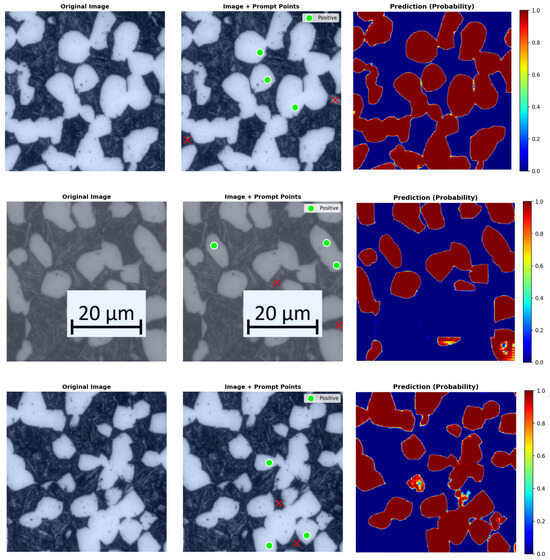
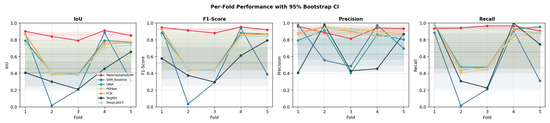
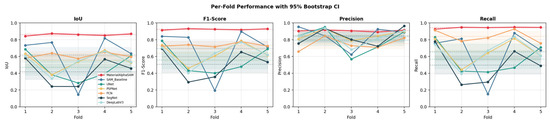
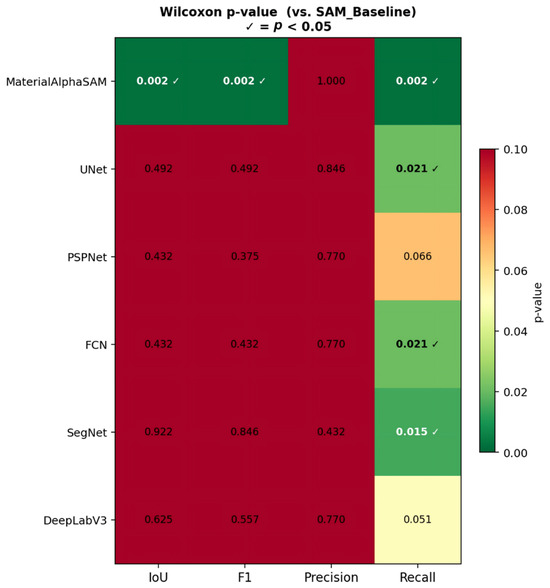
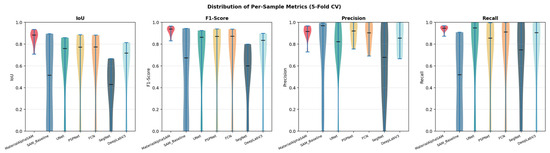
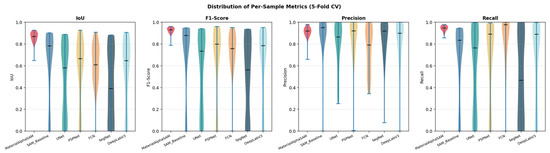
Precise segmentation of high-magnification titanium alloy micrographs under few-shot scenarios remains a non-trivial task, primarily owing to the intricate morphology, heterogeneous discrete distribution, and weak phase boundaries of the primary α phase. To address these issues, this paper presents MaterialAlphaSAM, a lightweight domain-adaptive segmentation framework built upon the Segment Anything Model (SAM). Leveraging SAM’s powerful global context modeling capability, the proposed method incorporates two key modules: a Geometry-Constrained Prompt Prior (GCPP) module and a Domain-Adaptation Adapter (DAA) module. The GCPP module explicitly embeds geometric and morphological priors to generate semantically guided prompts, effectively alleviating prompt redundancy and noise sensitivity. The DAA module performs cross-domain alignment of the encoder features, reducing the domain discrepancy between natural images and metallic microstructures. Extensive experiments demonstrate that both modules consistently boost segmentation performance. On the titanium alloy dataset, MaterialAlphaSAM achieves 89.53% IoU and a 94.40% F1-score, outperforming FCN, UNet, DeepLabV3, PSPNet and the vanilla SAM. It exhibits superior robustness to weak boundaries, fine-scale α phases, and complex background interference.
Full article
(This article belongs to the Special Issue Artificial Intelligence in Metallic Materials)
►▼
Show Figures

Figure 1

Open AccessArticle
Effect of TiC Content on the Microstructure and Wear Resistance of CoCrFeNi-TiC Composite Coatings Prepared by Laser Cladding
by
Weidan Liao, Xueguang Chen, Yang Yang, Kaihong Song, Yujie Wang, Shihong Ren, Nianxi Hua, Mengduo Hu and Jiaxuan Li
Metals 2026, 16(7), 728; https://doi.org/10.3390/met16070728 - 2 Jul 2026
Abstract
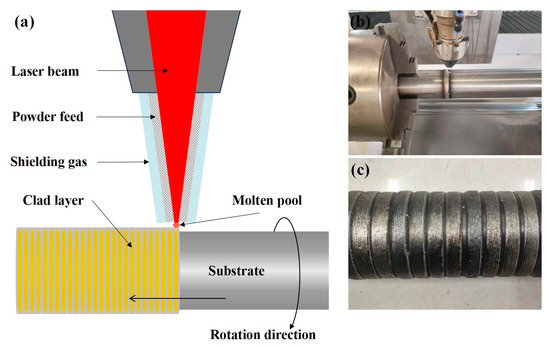
To overcome the insufficient hardness and wear resistance of CoCrFeNi alloy coatings under heavy-load conditions, CoCrFeNi-TiC composite coatings with varying TiC mass fractions were fabricated on a 42CrMo substrate using laser cladding. The present study systematically investigates the effects of TiC content on
[...] Read more.
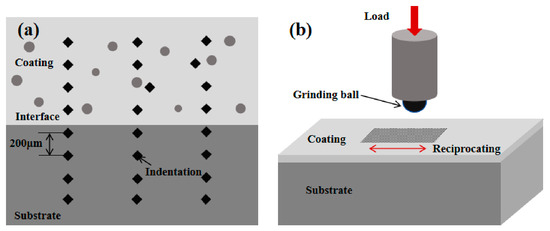
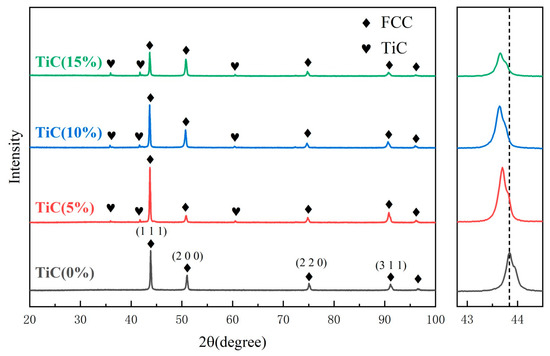
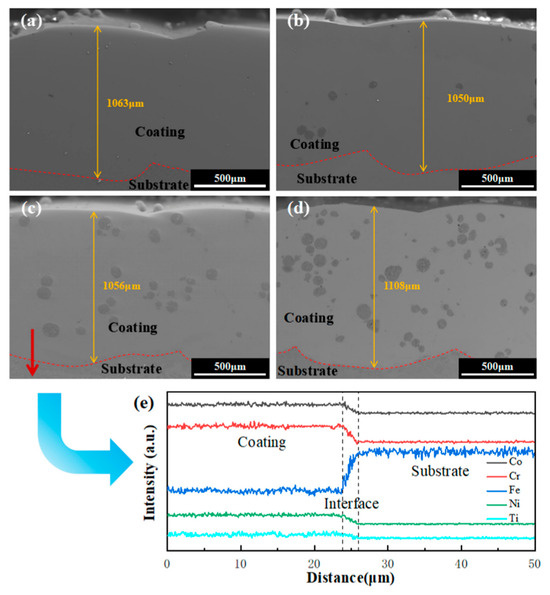
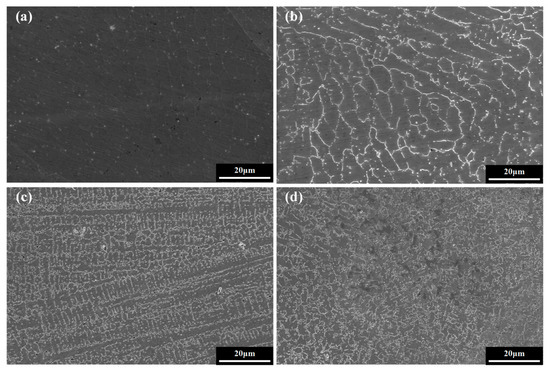
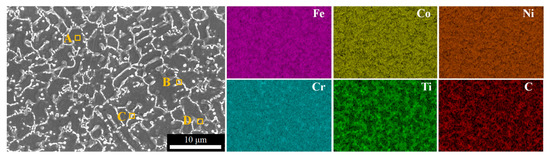
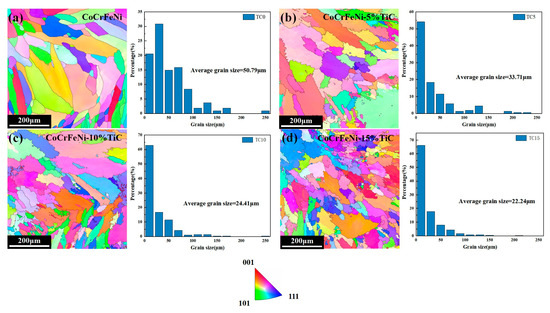
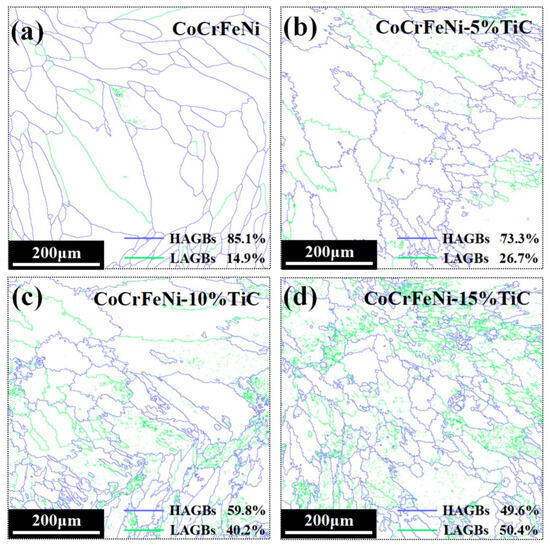
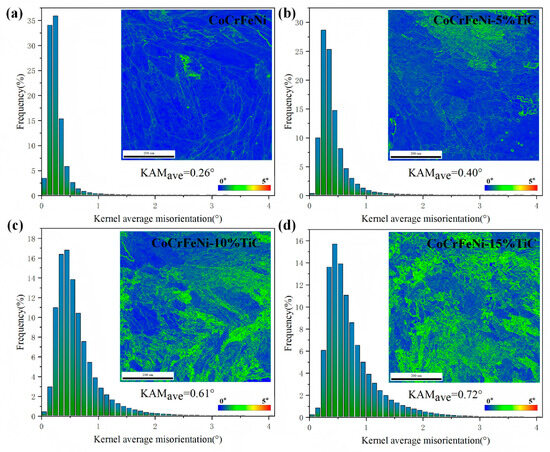
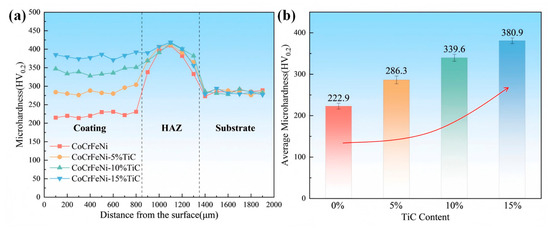
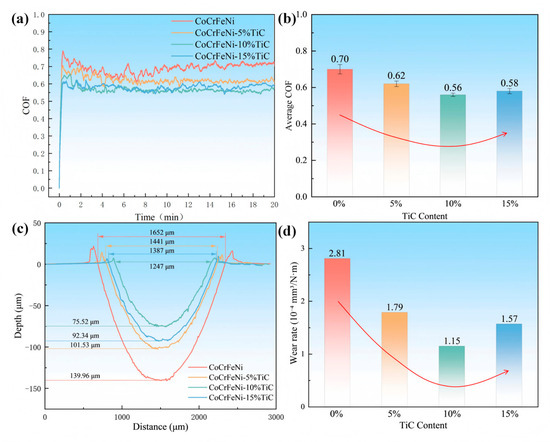
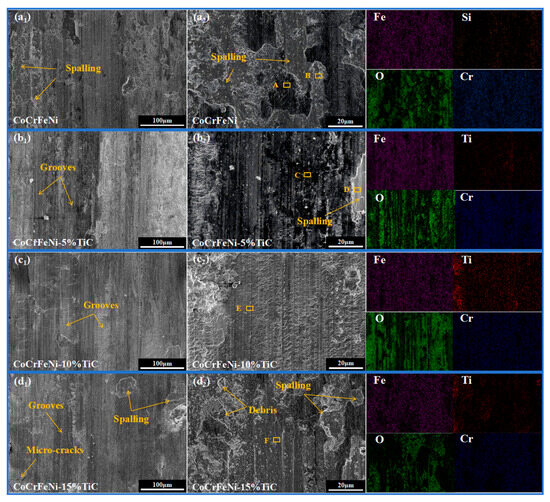
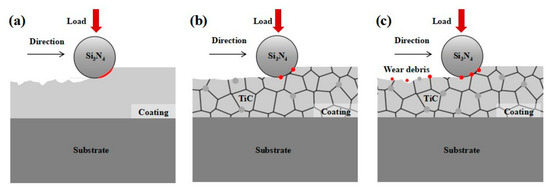
To overcome the insufficient hardness and wear resistance of CoCrFeNi alloy coatings under heavy-load conditions, CoCrFeNi-TiC composite coatings with varying TiC mass fractions were fabricated on a 42CrMo substrate using laser cladding. The present study systematically investigates the effects of TiC content on phase composition, microstructural evolution, microhardness, and tribological behavior. The results show that TiC addition does not change the primary phase constitution of the face-centered cubic (FCC) matrix, but induces lattice distortion and grain refinement, resulting in a pronounced enhancement of coating hardness. As the TiC content increased, the average microhardness rose from 222.9 HV0.2 to 380.9 HV0.2, which was 1.7 times that of the coating without TiC. The enhanced hardness is mainly attributed to grain refinement, solid-solution strengthening, and the dispersion effects of TiC particles. The tribological performance showed a non-monotonic dependence on TiC content. Among the tested samples, the coating with 10 wt.%TiC showed the best wear resistance, with an average friction coefficient of 0.56 and a wear rate of 1.15 × 10⁻⁴ mm3/(N·m). However, further increasing the TiC content to 15 wt.% slightly reduced wear resistance because particle spalling promoted three-body abrasive wear. These results indicate that an appropriate TiC content can improve the balance between hard-phase strengthening and wear stability of CoCrFeNi-based composite coatings. This work clarifies the microstructure regulation and wear failure mechanism of TiC-reinforced coatings, providing experimental guidance for heavy-load service coating design.
Full article
(This article belongs to the Section Welding and Joining)
►▼
Show Figures

Figure 1
Open AccessArticle
Investigation of Thermal Conductivity Enhancement in Al6061 Alloy Through Controlled Titanium Incorporation: Microstructural Correlation and Thermal–Mechanical Synergy
by
Srikantaswamy Rajeesh, Kempanapura Mallanna Ravi, Hudugur Suryanarayana Balasubramanya, Ravi Kumar Veerachamy, Borhen Louhichi, Santosh Kumar Sahu and Mohammed Aman
Metals 2026, 16(7), 727; https://doi.org/10.3390/met16070727 - 1 Jul 2026
Abstract
This paper presents a systematic parametric study of how incremental titanium additions (0.1, 0.2, and 0.3 wt.%) alter the thermal conductivity, grain morphology, hardness, and tensile behaviour of Al6061 alloy intended for electronic heat sink service. Unlike prior investigations focused primarily on the
[...] Read more.
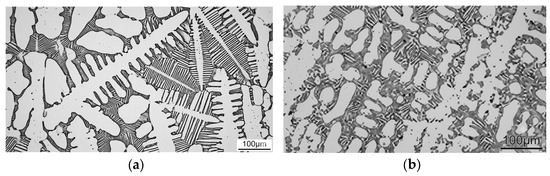
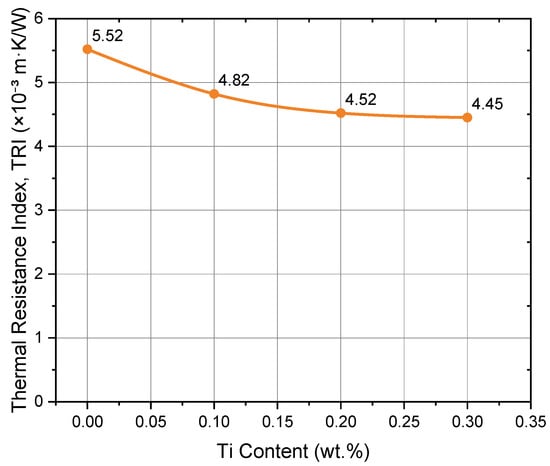
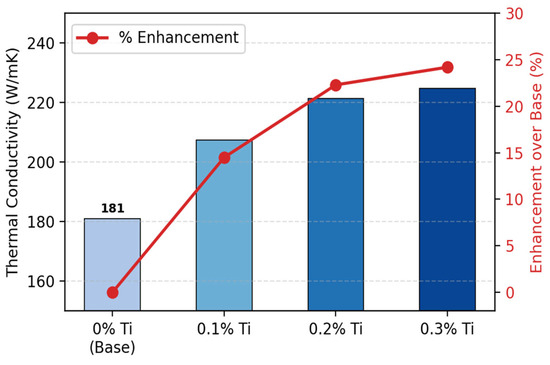
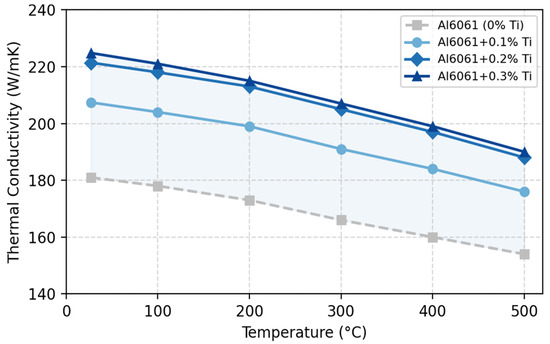
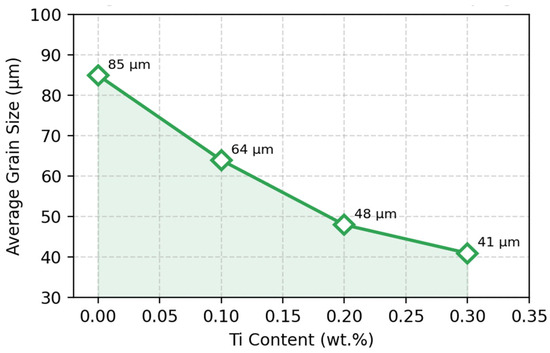
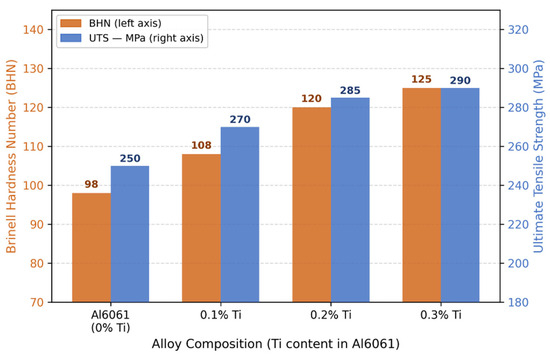
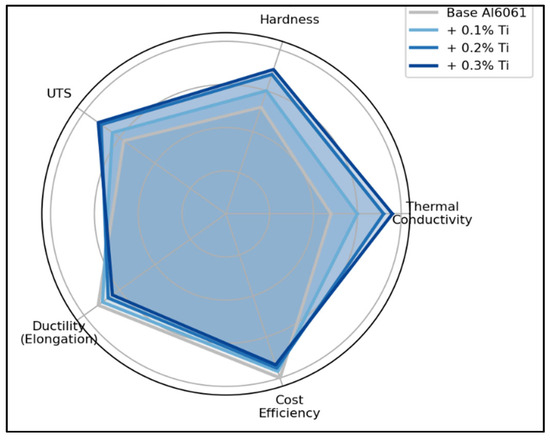
This paper presents a systematic parametric study of how incremental titanium additions (0.1, 0.2, and 0.3 wt.%) alter the thermal conductivity, grain morphology, hardness, and tensile behaviour of Al6061 alloy intended for electronic heat sink service. Unlike prior investigations focused primarily on the Al6063–Ti system or on ceramic-phase reinforced aluminium composites, the present work isolates the grain-refinement and intermetallic-formation pathways in the 6xxx series with lower alloying additions (≤0.3 wt.%), manufactures specimens via stir casting followed by controlled homogenisation and T6-equivalent ageing, and evaluates performance against a thermal resistance index (TRI) to enable direct cross-study comparison. Thermal conductivity measurements were conducted according to ASTM E1225 across a 27–500 °C window. The results confirm a monotonic rise in conductivity from a baseline of 181 W/mK (undoped alloy) to 221.42 W/mK at 0.2 wt.% Ti—a 22.3% improvement—driven by quantifiable grain refinement (grain size reduced from 85 μm to 48 μm) and the associated redistribution of Mg and Si solute atoms. Brinell hardness increased from 98 to 120 BHN and ultimate tensile strength climbed from 250 MPa to 285 MPa across the same composition range, confirming thermal–mechanical co-enhancement. The study defines a composition window of 0.2–0.3 wt.% Ti as optimal for heat sink grade Al6061 and provides quantitative benchmarks against published Ti-doped aluminium alloy.
Full article
(This article belongs to the Special Issue Processing, Microstructure and Properties of Aluminium Alloys)
►▼
Show Figures

Figure 1

Open AccessArticle
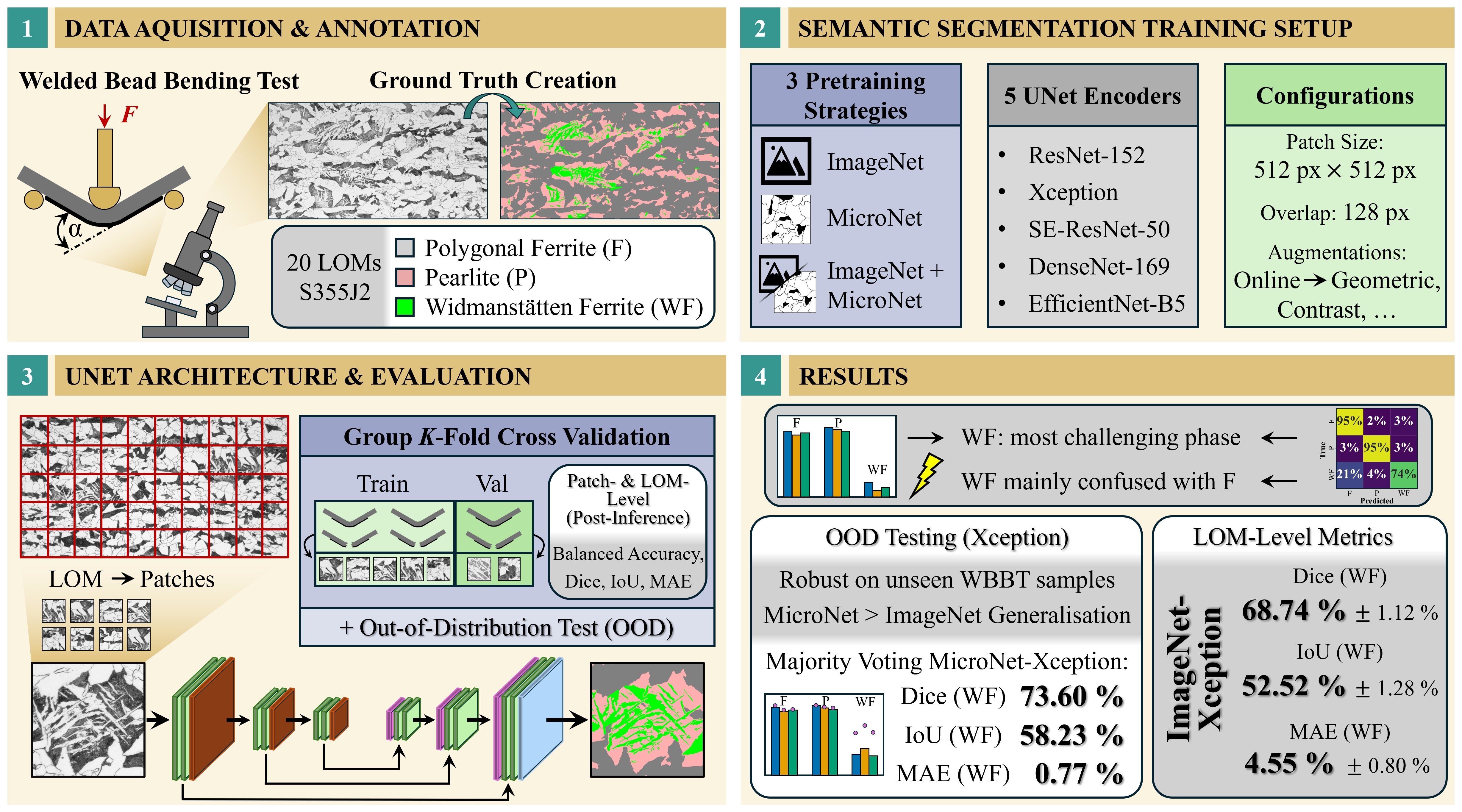
Benchmarking Convolutional Neural Network Architectures for Multi-Phase Semantic Segmentation: Challenges in Resolving Widmanstätten Ferrite Within Ferritic–Pearlitic Matrices
by
Fritz Backofen, Kristin Hockauf and Thorsten Halle
Metals 2026, 16(7), 726; https://doi.org/10.3390/met16070726 - 1 Jul 2026
Abstract
The welded bead bending test (WBBT) serves as a pivotal procedure for evaluating the crack-arrest capacity of structural steels used for construction of safety-critical infrastructure according to ZTV-ING Part 4 or Deutsche Bahn Standard 918 002-02. Previous research has established that light optical
[...] Read more.
The welded bead bending test (WBBT) serves as a pivotal procedure for evaluating the crack-arrest capacity of structural steels used for construction of safety-critical infrastructure according to ZTV-ING Part 4 or Deutsche Bahn Standard 918 002-02. Previous research has established that light optical microscopy images (LOMs) of specimens that do not pass the WBBT are frequently characterised by a high prevalence of Widmanstätten ferrite within the base material. While convolutional neural networks (CNNs) have successfully classified WBBT outcomes based on LOMs, the implemented approaches did not enable simultaneous pixel-wise delineation required for accurate quantification of Widmanstätten ferrite. However, the tonal similarity between Widmanstätten ferrite and polygonal ferrite renders conventional intensity-based thresholding ineffective for differentiation, necessitating a morphology-based segmentation approach. The present study proposes an automated semantic segmentation framework for the precise delineation of three microstructural phases present within the WBBT LOMs: polygonal ferrite, pearlite, and Widmanstätten ferrite. Utilising a dataset of 20 LOMs and corresponding manually annotated masks, five UNet encoder backbones were evaluated: ResNet-152, Xception, SE-ResNet-50, DenseNet-169, and EfficientNet-B5. To identify the optimal configuration for this microstructural segmentation task, each architecture was assessed using three distinct weight initialisation strategies: (A) ImageNet, (B) MicroNet, and (C) a combined approach. For Widmanstätten ferrite segmentation at patch level, DenseNet-169 pretrained on ImageNet achieves the best performance (Dice: 50.75% ± 3.38%, IoU: 38.45% ± 3.01%). Following inference-based aggregation, Xception pretrained on ImageNet yields improved results (Dice: 68.74% ± 1.12%, IoU: 52.52% ± 1.28%), with an MAE of 4.55% ± 0.80%.
Full article
(This article belongs to the Special Issue Machine Learning Models in Metals (2nd Edition))
►▼
Show Figures

Graphical abstract
Open AccessArticle
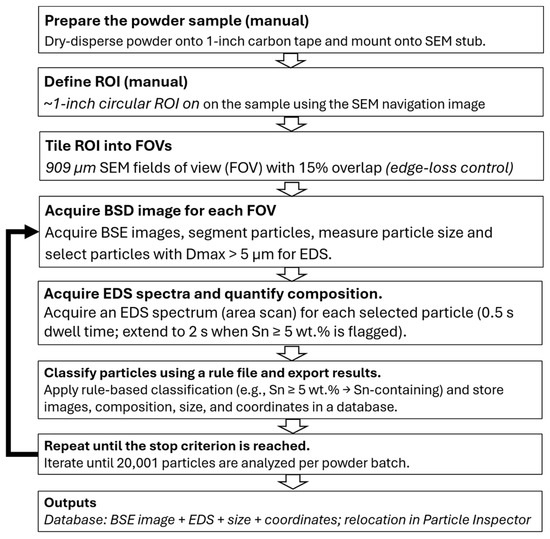
Automatic Identification and Consequences of Low-Melting-Point Impurity Particles in LPBF Al–Mg–Zr Powder
by
Xi Liu, Sophie De Raedemacker, Karl Kersten and Aude Simar
Metals 2026, 16(7), 725; https://doi.org/10.3390/met16070725 - 1 Jul 2026
Abstract
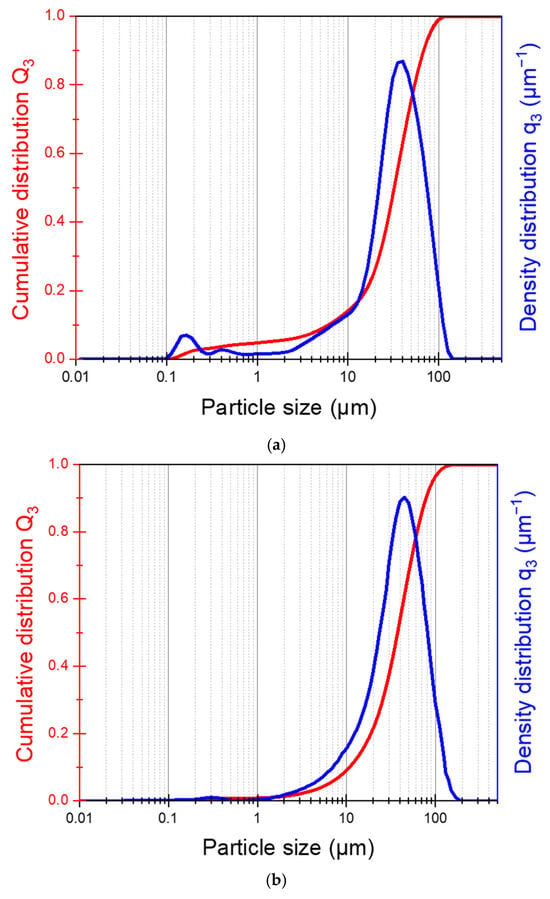
Low-melting-point impurities in powder feedstock can trigger local melting phenomena in laser powder bed fusion (LPBF) parts and may initiate defects in printed components. Here, we combine bulk chemistry with automated, high-throughput particle-by-particle SEM/EDS to identify and quantify Sn-containing impurity particles in two
[...] Read more.
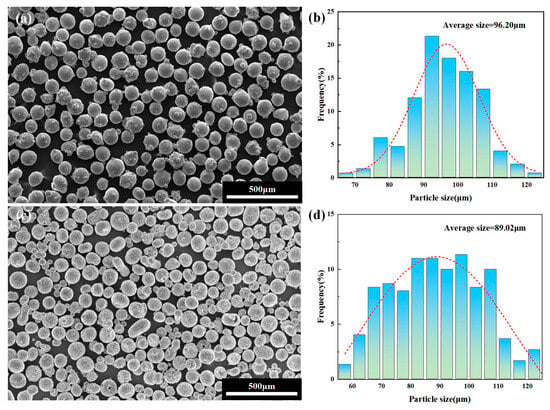
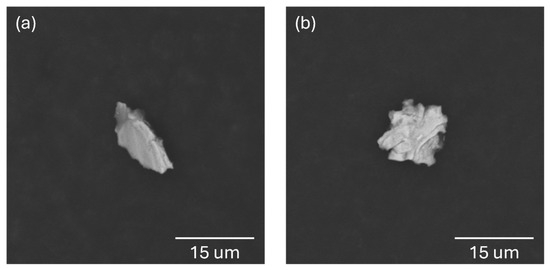
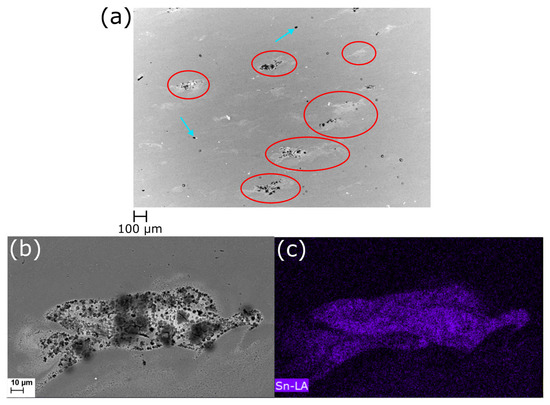
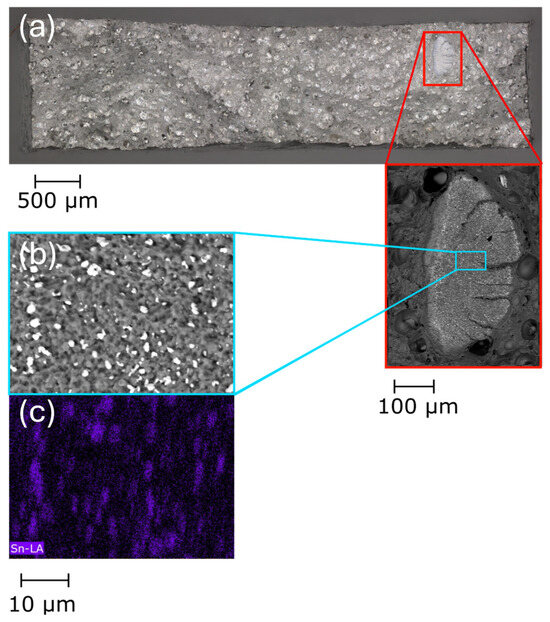
Low-melting-point impurities in powder feedstock can trigger local melting phenomena in laser powder bed fusion (LPBF) parts and may initiate defects in printed components. Here, we combine bulk chemistry with automated, high-throughput particle-by-particle SEM/EDS to identify and quantify Sn-containing impurity particles in two gas-atomized Al–Mg–Zr powder batches with different bulk Sn levels. The aim was not to establish a direct batch-to-batch performance comparison, but to clarify whether Sn was uniformly distributed among the powder particles or concentrated in rare impurity particles. Although ICP analysis indicated only 0.07 ± 0.02 wt.% Sn in the Sn-higher batch and <0.01 wt.% Sn in the Sn-lower batch, automated SEM/EDS screening of 20,001 particles per batch revealed that Sn was present as a very small number of highly enriched particles with Sn > 45 wt.% (eight particles in the Sn-higher batch and three particles in the Sn-lower batch). In the Sn-higher batch, Sn-rich particles were predominantly spherical and fell within the LPBF feedstock size window (Dmax ≈ 25–40 μm), implying that standard sieving would not remove them. BSE imaging and EDS mapping of polished sections and fracture surfaces of LPBF specimens built from the Sn-higher batch revealed spatially localized Sn-rich features associated with pores and Sn-rich phases on the fracture surface, supporting a direct powder-to-part transfer. These results demonstrate that low bulk impurity levels can mask highly localized, particle-scale contamination and highlight the need for particle-level compositional screening to support robust powder qualification and reuse decisions in LPBF.
Full article
(This article belongs to the Section Additive Manufacturing)
►▼
Show Figures

Figure 1
Open AccessReview
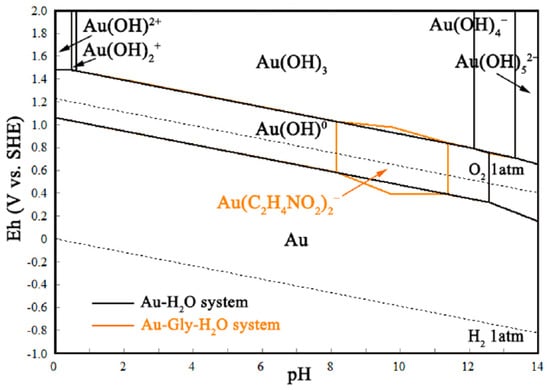
On the Use of Amino Acids to Leach Precious Metals from Primary and Secondary Resources
by
Simbarashe Fashu, Aaron Mukuya and Quinton Kanhukamwe
Metals 2026, 16(7), 724; https://doi.org/10.3390/met16070724 - 1 Jul 2026
Abstract
During hydrometallurgical processing of precious metals, the leaching process is the critical stage mainly contributing to environmental pollution problems. The most important process variables affecting leaching kinetics are temperature, lixiviant concentration, solid-to-liquid ratio, presents of catalysts and synergists, and the type of oxidant.
[...] Read more.
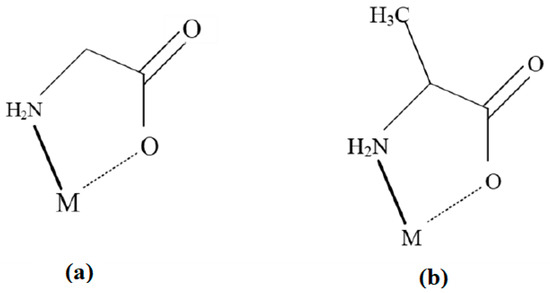
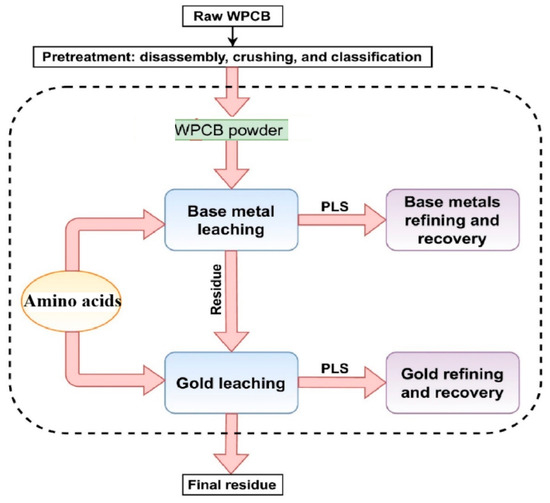
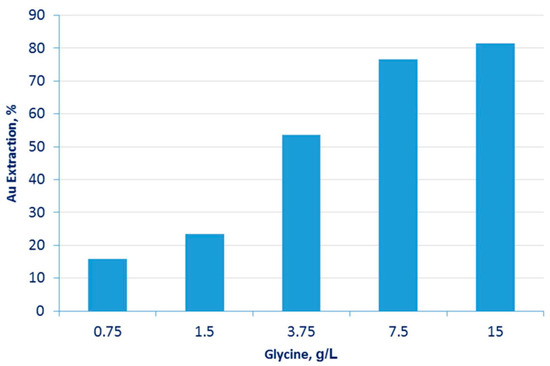
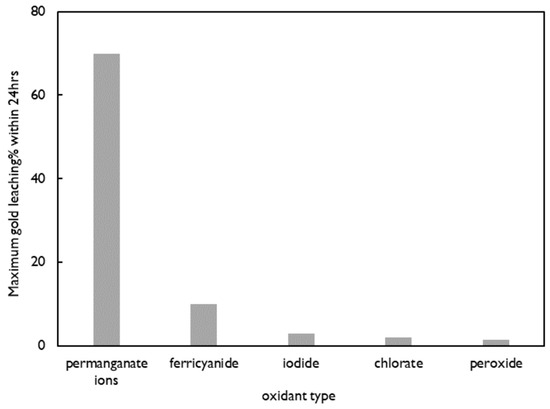
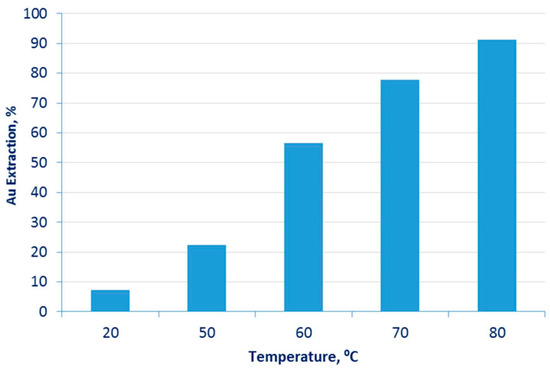
During hydrometallurgical processing of precious metals, the leaching process is the critical stage mainly contributing to environmental pollution problems. The most important process variables affecting leaching kinetics are temperature, lixiviant concentration, solid-to-liquid ratio, presents of catalysts and synergists, and the type of oxidant. There are significant efforts to replace harmful lixiviants with environmentally friendly solvents in leaching of precious metals during hydrometallurgical processing of precious metals. Of the different lixiviants researched, amino acids demonstrate much potential to compete with traditional lixiviants like cyanide and aqua regia. We have reviewed the chemistry and performance of amino acids in leaching of precious metals from primary and secondary resources and compared them with traditional approaches. The use of different approaches to enhance the leaching kinetics including starved cyanide, addition of strong oxidant, addition of synergists and catalysts, concentration and temperature were reviewed. Commonly used amino acids were reported and the future for commercialization of amino acids for precious metal leaching was discussed. The use of amino acids in absence of cyanide requires the use of strong oxidants and further research is still necessary on green amino acid–oxidant combinations capable of leaching secondary resources and producing high leaching efficiencies at a low cost.
Full article
(This article belongs to the Special Issue Advances in Hydrometallurgy of Metals: Sources, Pretreatment, Leaching, Extraction, Recovery, Raffination)
►▼
Show Figures

Figure 1
Open AccessArticle
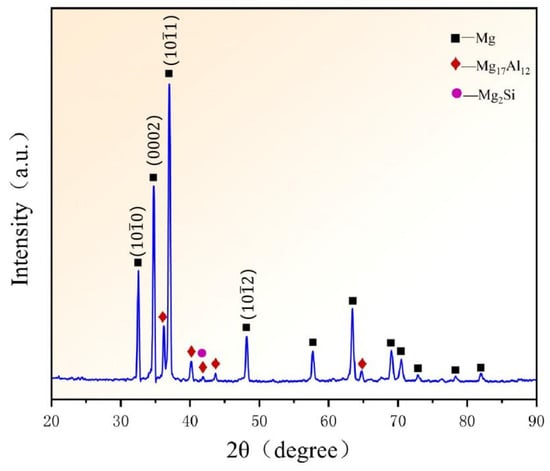
Effect of Coupled Extrusion and Heat Treatment on the Microstructure and Properties of Magnesium Matrix Composites
by
Lixing Min, Jiasheng Wang, Yong Zhang, Songmin Bai, Liying Ma and Guihong Geng
Metals 2026, 16(7), 723; https://doi.org/10.3390/met16070723 - 1 Jul 2026
Abstract
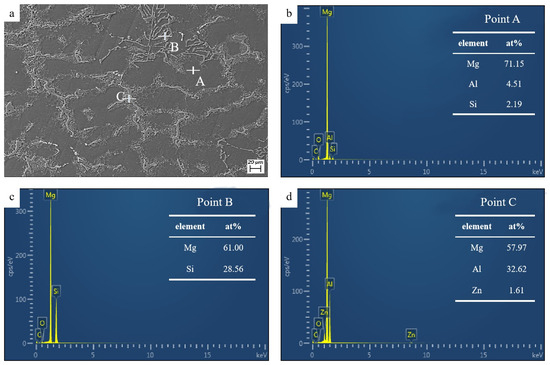
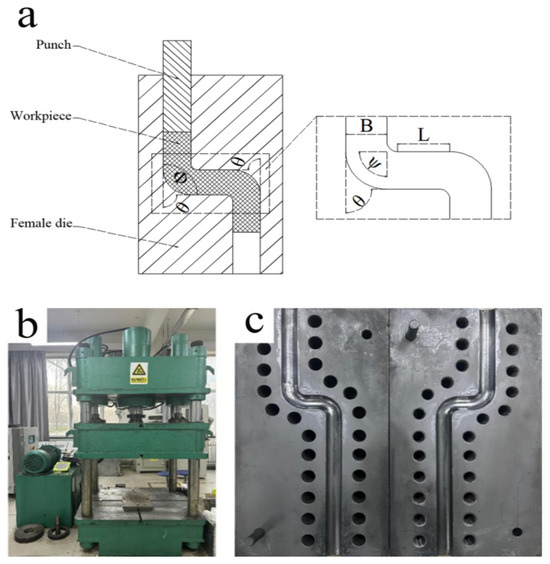
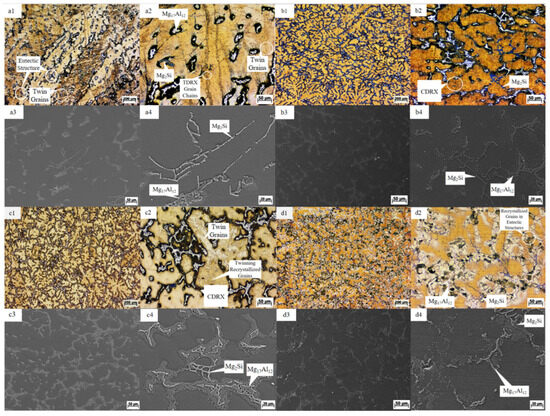
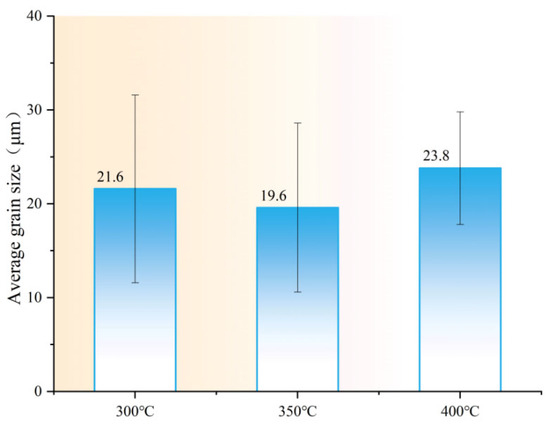
In this work, 2.0 wt.% SiCp/AZ91D magnesium matrix composite was fabricated by stir casting, and its microstructure and properties were optimized through a coupled process of parallel equal-channel angular combined extrusion (PC-ECAP) and T6 heat treatment. The results indicate that the extrusion temperature
[...] Read more.
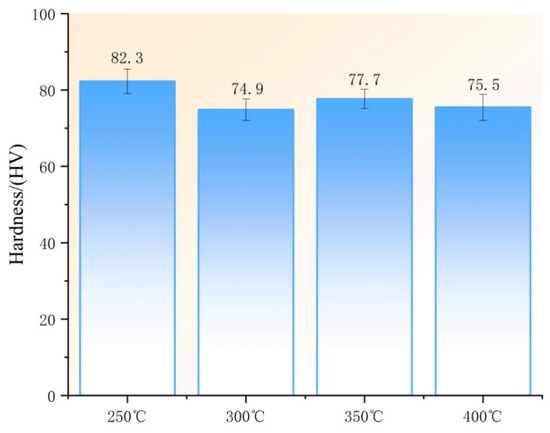
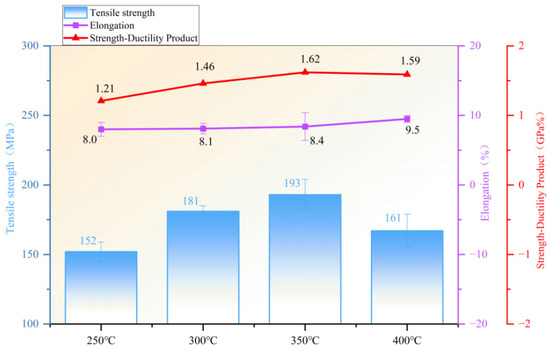
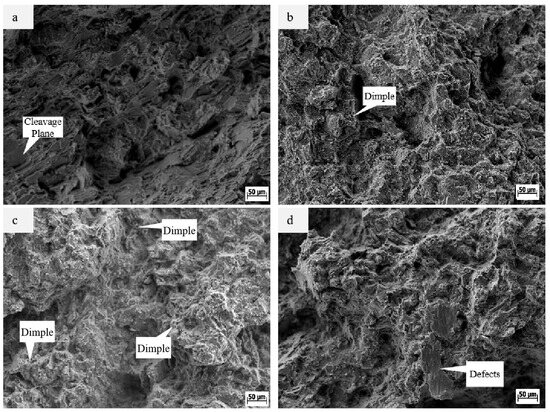
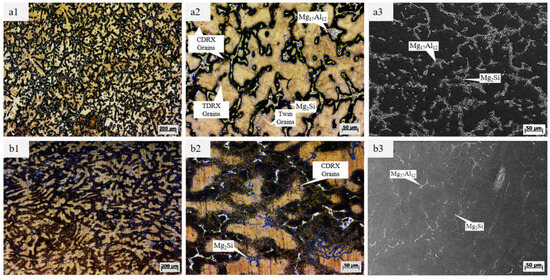
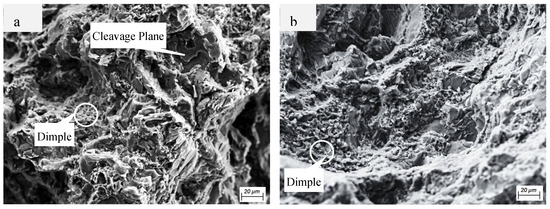
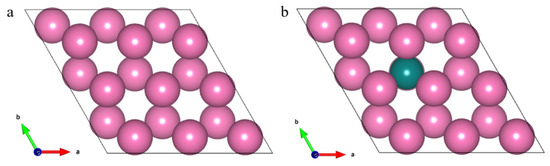
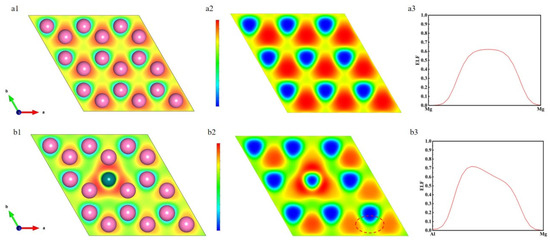
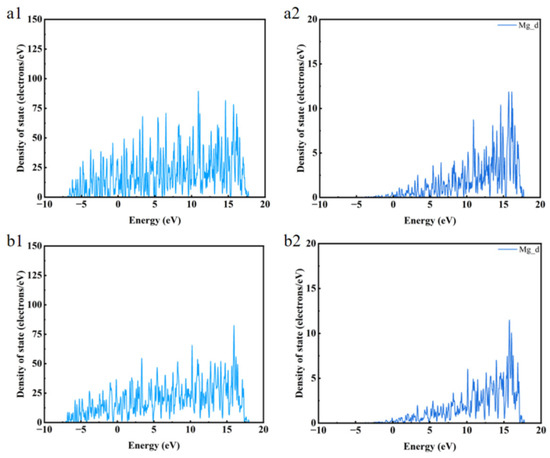
In this work, 2.0 wt.% SiCp/AZ91D magnesium matrix composite was fabricated by stir casting, and its microstructure and properties were optimized through a coupled process of parallel equal-channel angular combined extrusion (PC-ECAP) and T6 heat treatment. The results indicate that the extrusion temperature has a significant influence on the microstructure and mechanical properties of the material. At an extrusion temperature of 350 °C followed by T6 heat treatment, the 2.0 wt.% SiCp/AZ91D composite exhibits a tensile strength of 221 MPa, an elongation of 19.2%, and a product of tensile strength and elongation (PSE) of 4.24 GPa%, which represent increases of 14.5%, 128.6%, and 161.7%, respectively, compared with the as-cast specimen. To elucidate the microscopic mechanism of the enhanced ductility, first-principles calculations were further performed. It is found that Al solute atoms can reduce the electron localization in the Mg–Mg bond region, causing a downward shift of the d-band center, thereby weakening the interatomic bonding strength on the slip plane. This effect is equivalent to reducing the stacking fault energy of non-basal slip. The finding provides a theoretical explanation for the activation of multiple slip systems and the suppression of twinning observed in the experiments. By combining experiments with calculations, this study systematically reveals the mechanism underlying the synergistic regulation of strength and ductility in the composite by PC-ECAP coupled with T6 heat treatment, offering a theoretical basis and process reference for the fabrication of high-performance magnesium matrix composites.
Full article
(This article belongs to the Special Issue Design, Processing and Characterization of Advanced Metallic Materials)
►▼
Show Figures

Figure 1
Journal Menu
► ▼ Journal Menu-
- Metals Home
- Aims & Scope
- Editorial Board
- Reviewer Board
- Topical Advisory Panel
- Early Career Editorial Board
- Photography Exhibition
- Instructions for Authors
- Special Issues
- Topics
- Sections
- Article Processing Charge
- Indexing & Archiving
- Editor’s Choice Articles
- Most Cited & Viewed
- Journal Statistics
- Journal History
- Journal Awards
- Society Collaborations
- Conferences
- Editorial Office
Journal Browser
► ▼ Journal BrowserHighly Accessed Articles
Latest Books
E-Mail Alert
News
Topics
Topic in
Applied Mechanics, Applied Sciences, Materials, Polymers, Solids, Metals
Multi-scale Modeling and Optimisation of Materials
Topic Editors: Mustafa Awd, Frank WaltherDeadline: 31 August 2026
Topic in
Alloys, Materials, Metals
Development of Light Alloys with Excellent Mechanical Properties
Topic Editors: Zhirou Zhang, Isaac ChangDeadline: 10 October 2026
Topic in
Materials, Crystals, Metals, Coatings, Alloys
Microstructure and Properties in Metals and Alloys, 4th Edition
Topic Editors: Andrea Di Schino, Claudio Testani, Robert BidulskýDeadline: 31 October 2026
Topic in
Alloys, JETA, Materials, Metals, Sci, Applied Mechanics, Buildings
Advanced Failure Analysis of Materials
Topic Editors: Franco Concli, Isaac J. HongDeadline: 31 December 2026
Conferences
Special Issues
Special Issue in
Metals
Advanced Laser Welding and Joining of Metallic Materials
Guest Editor: Yanqiu ZhaoDeadline: 10 July 2026
Special Issue in
Metals
Recent Advances in Metal Ion Separation
Guest Editors: Maja Branko Đolić, Mirjana ĆujićDeadline: 15 July 2026
Special Issue in
Metals
Recent Advances in the Recycling and Reuse of Metallurgical Wastes and By-Products
Guest Editors: Valentina Colla, Ismael MatinoDeadline: 15 July 2026
Special Issue in
Metals
Advances in Metal Casting and Forming
Guest Editor: Hisaki WatariDeadline: 15 July 2026