




-
Underwater Object Recovery Using a Hybrid-Controlled ROV with Deep Learning-Based Perception -
Deep Learning-Based Prediction of Ship Roll Motion with Monte Carlo Dropout -
Past and Future Changes in Sea Ice in the Sea of Okhotsk: Analysis Using the Future Ocean Regional Projection Dataset -
When Citizen Science Becomes Speculation: Evaluating the Reliability of Lamnid Shark Identification from Photographic Records in the Mediterranean
Journal Description
Journal of Marine Science and Engineering
is an international, peer-reviewed, open access journal on marine science and engineering, published semimonthly online by MDPI. The Australia New Zealand Marine Biotechnology Society (ANZMBS) is affiliated with JMSE and its members receive discounts on the article processing charges.
- Open Access— free for readers, with article processing charges (APC) paid by authors or their institutions.
- High Visibility: indexed with Scopus, SCIE (Web of Science), Ei Compendex, GeoRef, Inspec, AGRIS, and other databases.
- Journal Rank: JCR - Q2 (Engineering, Marine) / CiteScore - Q2 (Ocean Engineering)
- Rapid Publication: manuscripts are peer-reviewed and a first decision is provided to authors approximately 16.5 days after submission; acceptance to publication is undertaken in 2.5 days (median values for papers published in this journal in the second half of 2025).
- Recognition of Reviewers: reviewers who provide timely, thorough peer-review reports receive vouchers entitling them to a discount on the APC of their next publication in any MDPI journal, in appreciation of the work done.
- Journal Clusters of Water Resources: Water, Journal of Marine Science and Engineering, Hydrology, Resources, Oceans, Limnological Review, Coasts.
Impact Factor:
2.8 (2024);
5-Year Impact Factor:
2.8 (2024)
Latest Articles
Numerical Investigation of Aerodynamic Characteristics of Biomimetic Wingsails for Unmanned Surface Vehicles
J. Mar. Sci. Eng. 2026, 14(9), 777; https://doi.org/10.3390/jmse14090777 (registering DOI) - 23 Apr 2026
Abstract
The aerodynamic characteristics of wingsails on unmanned surface vessels (USVs) play a crucial role in enhancing propulsion performance. Two-dimensional wingsail airfoils of owl wings, merganser wings, seagull wings, and teal wings were obtained through biomimetic design. Then a numerical investigation was conducted on
[...] Read more.
The aerodynamic characteristics of wingsails on unmanned surface vessels (USVs) play a crucial role in enhancing propulsion performance. Two-dimensional wingsail airfoils of owl wings, merganser wings, seagull wings, and teal wings were obtained through biomimetic design. Then a numerical investigation was conducted on the four biomimetic airfoils using the SST k-ω turbulence model to evaluate their aerodynamic performance. The results demonstrate that the bionic merganser airfoil exhibits the most superior lift performance, achieving a maximum lift coefficient of 3.21 across angles of attack ranging from 0° to 60° among the four biomimetic wingsails, and the bionic seagull airfoil is second, while the bionic teal airfoil shows the weakest lift characteristics. As the angle of attack increases, flow separation emerges at the trailing edge of the biomimetic airfoils, leading to the formation of separation vortices. For example, the backflow zone on the suction surface of the biomimetic merganser wingsail, caused by unsteady flow, persists at an angle of attack of 16 degrees. The vortex structure at the trailing edge of the biomimetic merganser wingsail periodically generates, develops, detaches, and dissipates, which affects the backflow of the suction surface of the wingsail and interferes with its lift coefficient. The study provides an excellent reference for selecting high-performance USV wingsails.
Full article
(This article belongs to the Special Issue Green Energy with Advanced Propulsion Systems for Net-Zero Shipping)
Open AccessArticle
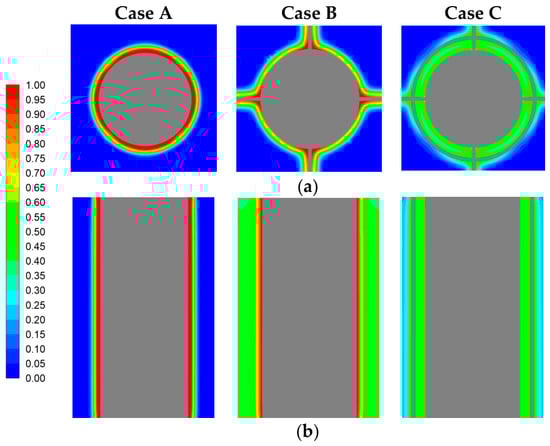
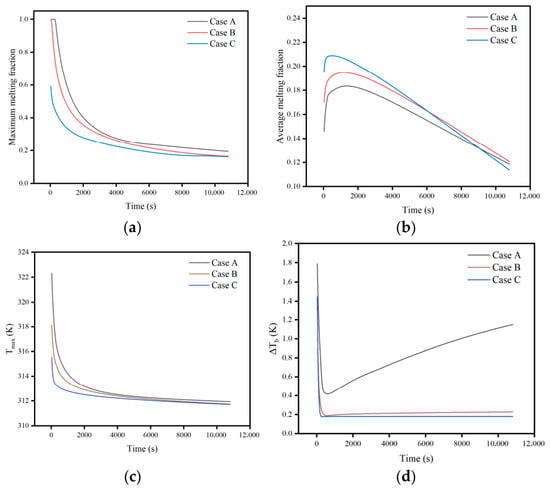
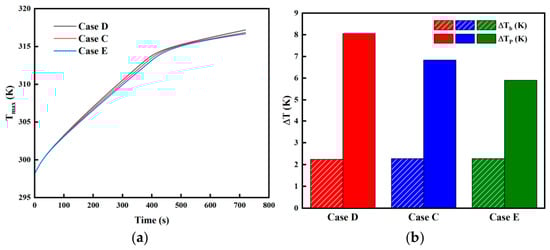
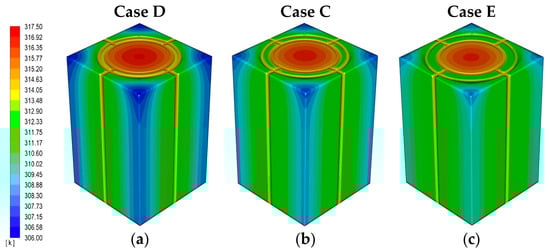
Numerical Investigation on the Thermal Management Performance of the PCM and Fin Network Structure for Lithium-Ion Batteries
by
Yiyao Chu, Shian Li, Ruiyang Zhang and Qiuwan Shen
J. Mar. Sci. Eng. 2026, 14(9), 776; https://doi.org/10.3390/jmse14090776 (registering DOI) - 23 Apr 2026
Abstract
With the accelerated transformation of green shipping and the advancement of ship electrification, lithium-ion batteries have become the core solution for ship propulsion due to their advantages of high energy density and zero emission. Efficient thermal management serves as a key technical support
[...] Read more.
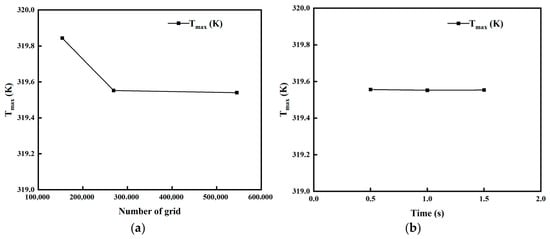
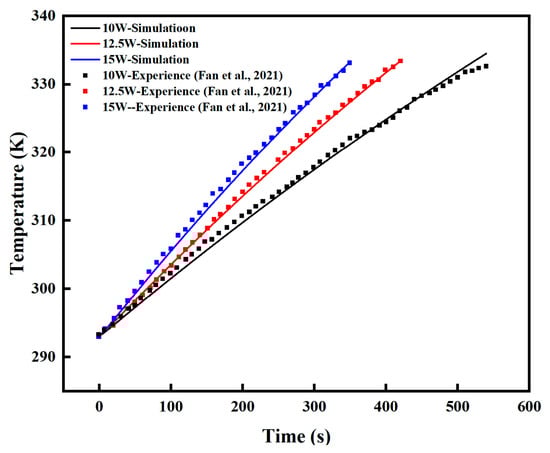
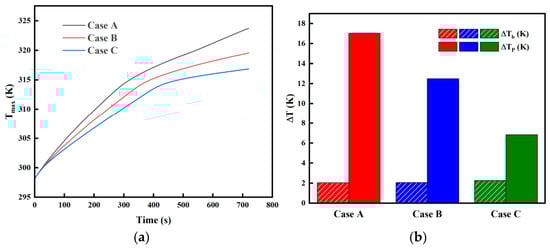
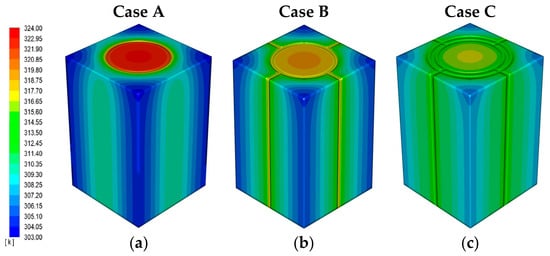
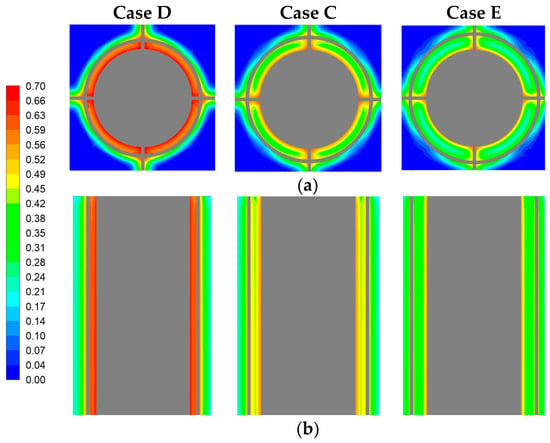
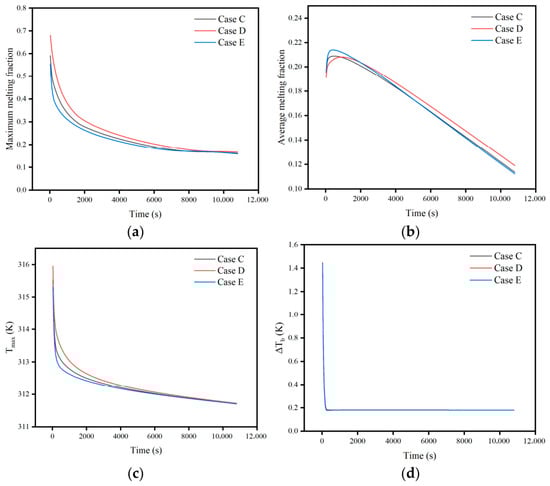
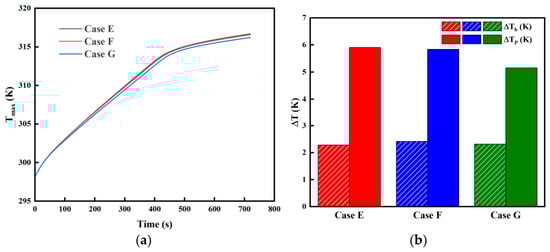
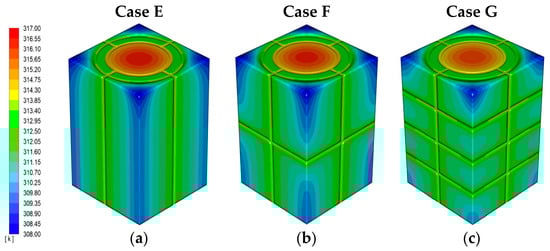
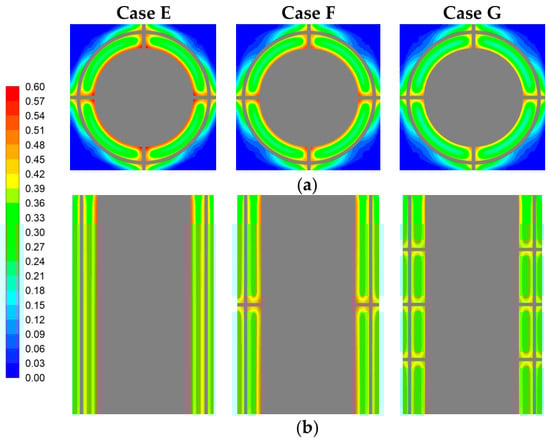
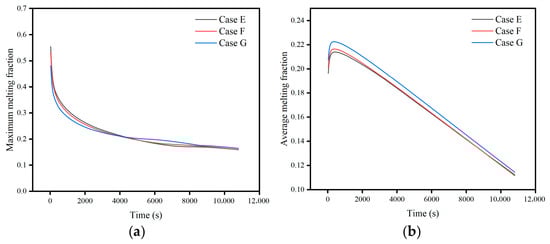
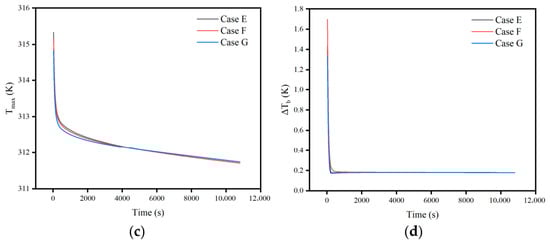
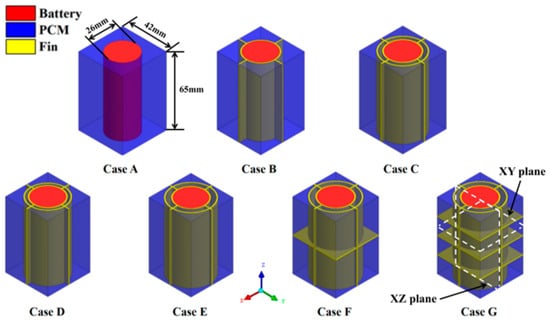
With the accelerated transformation of green shipping and the advancement of ship electrification, lithium-ion batteries have become the core solution for ship propulsion due to their advantages of high energy density and zero emission. Efficient thermal management serves as a key technical support to ensure the safe and stable operation of batteries, extend their service life, and mitigate the risk of thermal runaway. Lithium-ion batteries accumulate heat during discharge, and pure phase change material (PCM) cooling systems are limited by low thermal conductivity, leading to excessive battery temperature rise and poor temperature uniformity. To address this problem, RT42 (a paraffin-based PCM with a melting temperature range of 311.15–316.15 K) was selected as the PCM in this study. The battery thermal management system (BTMS) coupling RT42 with a three-dimensional fin network structure was designed. Numerical simulations were conducted via ANSYS Fluent, and the enthalpy-porosity method was adopted to simulate the PCM phase change process. The effects of fin distribution, spacing and layer number on BTMS performance were systematically investigated and compared. Results show that the heat transfer process in the PCM can be significantly improved due to the three-dimensional fin network, and the battery maximum temperature can be reduced by 7.53 K compared with the pure PCM system. This study provides theoretical support for the design and optimization of high-efficiency BTMS.
Full article
(This article belongs to the Topic Advancements and Challenges in Marine Renewable Energy and Marine Structures)
►▼
Show Figures

Figure 1
Open AccessArticle
Search-Information-Driven Collaborative Task Planning for Multi-UUV Systems
by
Peng Chang, Yintao Wang, Dong Li, Qingliang Shen and Zhengqing Han
J. Mar. Sci. Eng. 2026, 14(9), 775; https://doi.org/10.3390/jmse14090775 - 23 Apr 2026
Abstract
To address the problems of unreasonable task allocation and low target search efficiency in the collaborative search of multiple unmanned undersea vehicles (UUVs) in complex marine environments, this paper proposes a search-information-driven collaborative task planning method for multi-UUV systems, and constructs a systematic
[...] Read more.
To address the problems of unreasonable task allocation and low target search efficiency in the collaborative search of multiple unmanned undersea vehicles (UUVs) in complex marine environments, this paper proposes a search-information-driven collaborative task planning method for multi-UUV systems, and constructs a systematic and integrated multi-UUV collaborative task planning framework. Considering the spatial characteristics of the complex underwater environment and sonar detection rules, an underwater task environment grid model and an active sonar instantaneous detection model are constructed as the environmental and detection foundation of the framework. Within the framework, the Gaussian Mixture Model (GMM) is adopted to realize dynamic division of task regions, and reasonable resource allocation among multiple UUVs is achieved by defining scientific area allocation indicators. A search information map consisting of target probability distribution and environmental uncertainty is established, and a receding horizon planning framework is introduced to balance short-term detection effectiveness and long-term search value. Furthermore, a motion-coded Grey Wolf Optimization (GWO) algorithm is proposed to generate continuous UUV paths, which avoids path discontinuity caused by discrete grids and ensures the convergence efficiency of the algorithm. Simulation results verify that compared with traditional methods, the proposed method improves the total probability benefit by 19.87% and the number of discovered targets by 18.29%, demonstrating better search performance and environmental adaptability.
Full article
(This article belongs to the Special Issue Autonomous Marine Vehicle Operations—3rd Edition)
Open AccessEditorial
Research Progress on Ocean Observations Technology and Information Systems
by
Christos Tsabaris and Gabriele Pieri
J. Mar. Sci. Eng. 2026, 14(9), 774; https://doi.org/10.3390/jmse14090774 - 23 Apr 2026
Abstract
The oceans play a crucial role in the global ecosystem; they shape trends in the climate, weather, water management, and health (including biogeochemical cycles) [...]
Full article
(This article belongs to the Special Issue Research Progress on Ocean Observations Technology and Information Systems)
Open AccessArticle
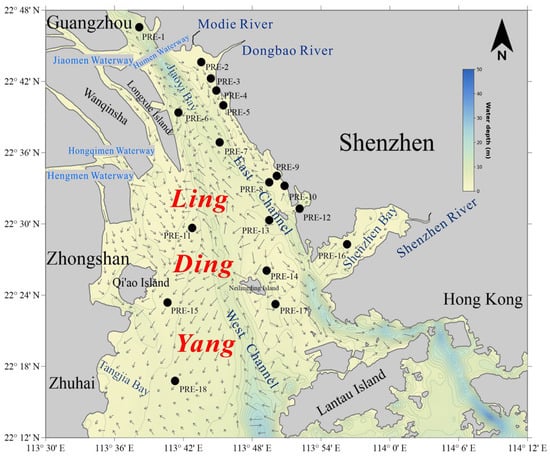
Multi-Proxy Constraints on the Sources and Spatial Variations of Organic Matter in Surface Sediments from Lingdingyang, Pearl River Estuary: Evidence from Stable Isotopes and GDGTs
by
Chang Liu, Yuan Gao, Yaoping Wang, Zike Zhao and Jia Xia
J. Mar. Sci. Eng. 2026, 14(9), 773; https://doi.org/10.3390/jmse14090773 - 22 Apr 2026
Abstract
►▼
Show Figures
To elucidate the sources and spatial variations in organic matter in surface sediments from Lingdingyang of the Pearl River Estuary, 18 surface sediment samples were collected and analyzed for obtaining total organic carbon (TOC), total nitrogen (TN), atomic TOC/TN ratio (C/Natom),
[...] Read more.
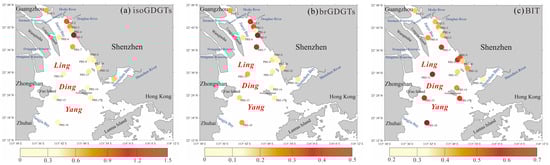
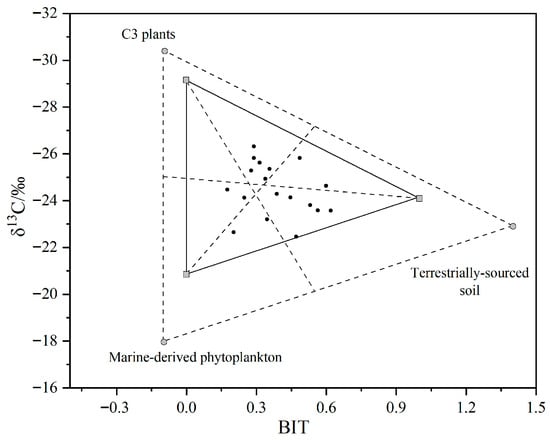
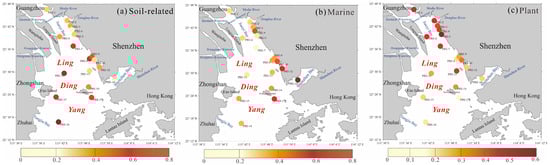
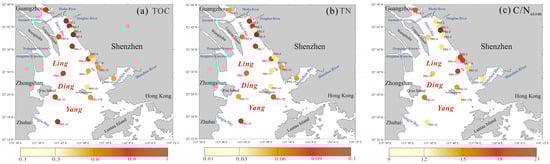
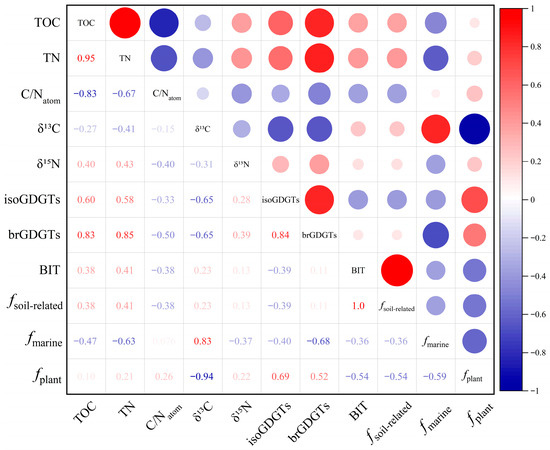
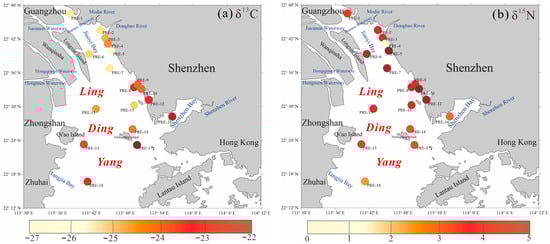
To elucidate the sources and spatial variations in organic matter in surface sediments from Lingdingyang of the Pearl River Estuary, 18 surface sediment samples were collected and analyzed for obtaining total organic carbon (TOC), total nitrogen (TN), atomic TOC/TN ratio (C/Natom), stable carbon and nitrogen isotopes (δ13C, δ15N), and glycerol dialkyl glycerol tetraethers (GDGTs). A three-endmember framework was constructed using the BIT and δ13C to constrain the sources of the organic matter. The results showed a significant positive correlation between TOC and TN, with relatively higher values in Jiaoyi Bay and western Lingdingyang, lower values in eastern Lingdingyang, and intermediate values in Shenzhen Bay. The C/Natom, δ13C, and δ15N results revealed that the sedimentary organic matter in the study area exhibits mixed-source characteristics, influenced by soil, C3 plants, and marine autochthonous organic matter. Among the subregions, Jiaoyi Bay is more strongly influenced by terrestrial inputs, while Shenzhen Bay receives relatively higher contributions from marine autochthonous organic matter. The GDGTs results showed that Jiaoyi Bay is characterized by elevated abundances of both brGDGTs and isoGDGTs, whereas isoGDGTs were also relatively enriched in Shenzhen Bay. brGDGTs exhibited a significant negative correlation with δ13C, whereas BIT showed no significant correlation with either brGDGTs or δ13C, indicating that BIT cannot be simply regarded as a unique proxy for soil input, but rather reflects the combined effects of in situ production, changes in archaeal lipids, and sedimentary preservation. The three-endmember model further revealed significant spatial variations in the sources of organic matter in surface sediments from Lingdingyang. Overall, the combined use of multiple proxies is more effective than any single proxy in revealing the sources and spatial differentiation of sedimentary organic matter in this subtropical, complex estuarine environment.
Full article

Figure 1
Open AccessArticle
Numerical Simulation of Tidal Flow Around Offshore Wind Turbine Monopile Array Using a Structural Drag Source-Term Approach
by
Fangyu Wang, Dongfang Liang, Jisheng Zhang, Yakun Guo and Hao Chen
J. Mar. Sci. Eng. 2026, 14(9), 772; https://doi.org/10.3390/jmse14090772 - 22 Apr 2026
Abstract
The increasing deployment of dense offshore wind turbine monopile foundations pose significant challenges for accurately simulating tidal-flow modification and energy transport at the array scale. Balancing physical realism with computational efficiency remains a key challenge in hydrodynamic modelling of offshore wind farms. In
[...] Read more.
The increasing deployment of dense offshore wind turbine monopile foundations pose significant challenges for accurately simulating tidal-flow modification and energy transport at the array scale. Balancing physical realism with computational efficiency remains a key challenge in hydrodynamic modelling of offshore wind farms. In this study, an established drag-based source-term approach is implemented through a dedicated module developed within the TELEMAC-3D framework to represent the momentum-blocking effects of offshore wind-farm arrays. A representative dense 8 × 10 wind turbine monopile array configuration is constructed in a typical tidal channel to systematically examine array-induced tidal-flow responses. The results indicate that the drag-based source-term approach preserves the regional-scale tidal flow structure while effectively capturing array-induced local velocity adjustments and pronounced downstream wake attenuation and recovery. Detailed analyses further reveal distinct spatial and temporal characteristics of the velocity response, including the decay and recovery of velocity deviations downstream of the array. In addition, the monopile array induces a clear modulation of flow kinetic energy, characterized by enhanced energy dissipation and a finite array-scale redistribution of kinetic energy. These findings demonstrate that this approach efficiently simulates the array-scale hydrodynamic and energetic impacts of large offshore wind farms and contribute to a better understanding of array-induced tidal flow modification and energy redistribution.
Full article
(This article belongs to the Special Issue Advances in Modelling Coastal and Ocean Dynamics)
Open AccessArticle
Farming Bivalves Under Climate Change: The Effects of Marine Heatwaves and Invasive Tunicates on Mussel (Mytilus edulis) Aquaculture
by
Shelby B. Clarke, Jasmine Talevi, Luc A. Comeau, André Nadeau, John Davidson and Ramón Filgueira
J. Mar. Sci. Eng. 2026, 14(9), 771; https://doi.org/10.3390/jmse14090771 - 22 Apr 2026
Abstract
Marine heatwaves and invasive tunicate fouling increasingly co-occur in mussel aquaculture, yet their combined effects on rope-level performance and plankton dynamics remain unclear. A 9-day field-based mesocosm experiment in Georgetown Harbour (Prince Edward Island, Canada) examined the independent and interactive effects of heatwaves
[...] Read more.
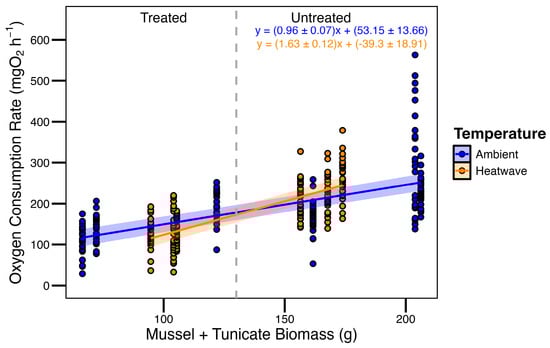
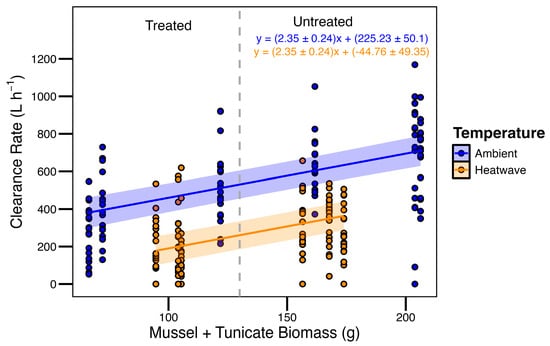
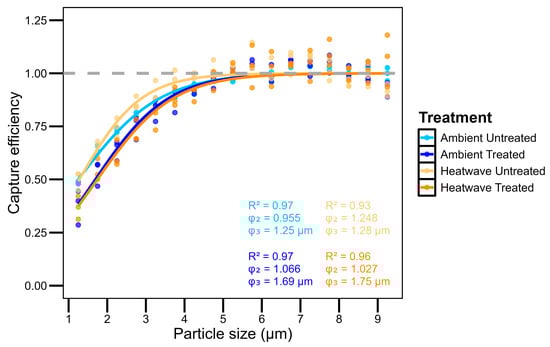
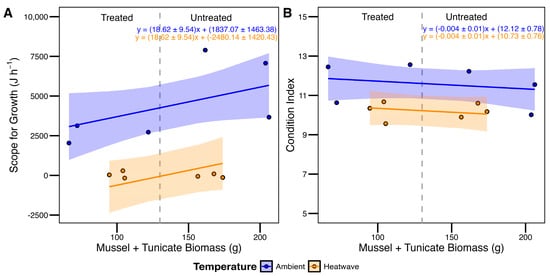
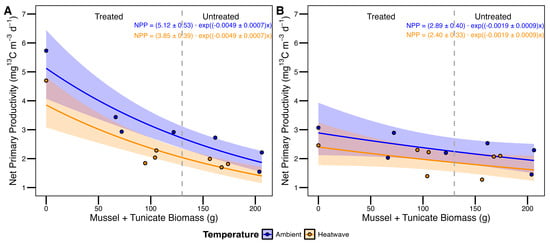
Marine heatwaves and invasive tunicate fouling increasingly co-occur in mussel aquaculture, yet their combined effects on rope-level performance and plankton dynamics remain unclear. A 9-day field-based mesocosm experiment in Georgetown Harbour (Prince Edward Island, Canada) examined the independent and interactive effects of heatwaves (~4.5 °C above ambient) and tunicates on 50 cm sections of Mytilus edulis culture rope. Oxygen consumption rate (OCR), clearance rate (CR), capture efficiency (CE), absorption efficiency (AE), scope for growth (SFG), and condition index (CI) were quantified to assess rope-level performance, and net primary productivity (NPP) was examined to evaluate ecosystem-level effects. OCR increased with rope biomass and exhibited a biomass-temperature interaction, with a stronger increase observed under heatwave conditions. CR also increased with biomass and decreased with temperature. These shifts in metabolism and feeding resulted in near-zero SFG and reduced CI under heatwave conditions, independent of biomass. Both grazer biomass and temperature significantly influenced NPP under high-light conditions, with increasing biomass reducing NPP. Tunicate presence enhanced the retention of smaller particles, highlighting species-specific differences in particle retention within the mussel rope community. The findings suggest that warming can reduce the performance of mussel rope communities, while fouling-associated shifts in community composition may amplify grazing pressure and alter particle removal dynamics, with potential consequences for ecosystem functioning.
Full article
(This article belongs to the Special Issue Particle Capture, Bioenergetics, and Ecological Role of Filter-Feeding Marine Invertebrates)
►▼
Show Figures

Figure 1
Open AccessArticle
Investigation into Fishtailing Effect of Oil Tankers Moored at Pile-Founded Column Single-Point Mooring (SPM) Systems
by
Hezheng Huang, Huifeng Wang, Bozhen Zhang, Liang Yang and Lei Sun
J. Mar. Sci. Eng. 2026, 14(9), 770; https://doi.org/10.3390/jmse14090770 - 22 Apr 2026
Abstract
Targeting the “Fishtailing Effect” associated with shallow-water, pile-founded column single point mooring (SPM) systems, this study investigates the vessel’s motion characteristics under multiple operational scenarios using a numerical calculation method validated by model tests. A refined classification of combined wind, wave, and current
[...] Read more.
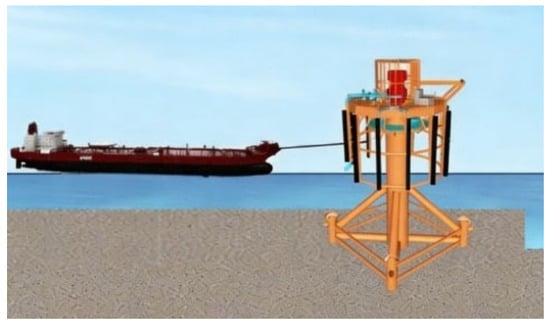
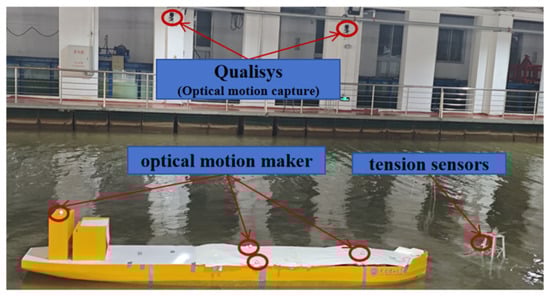
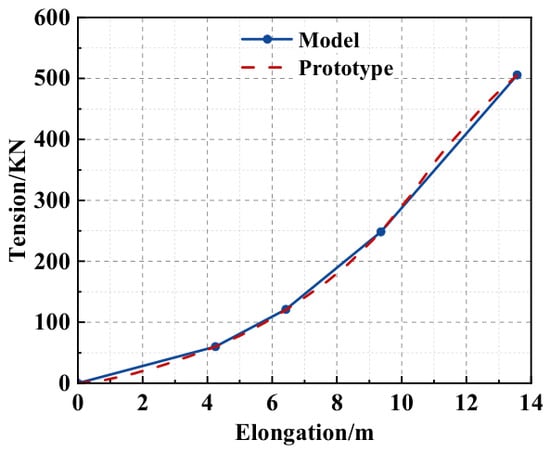
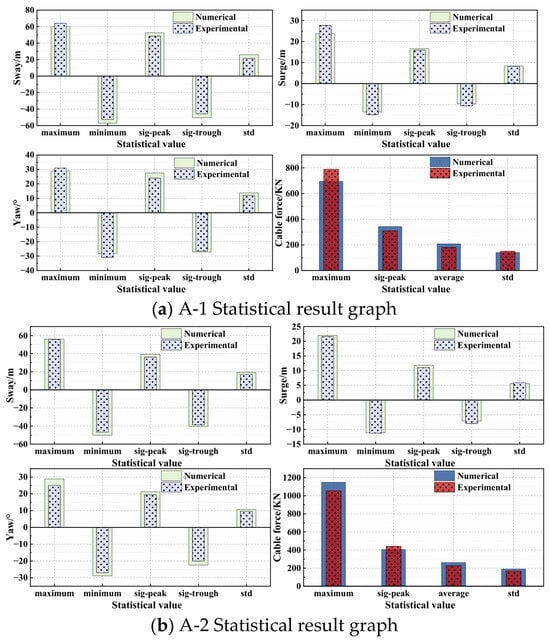
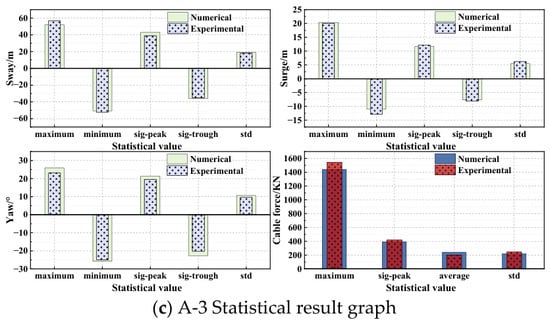
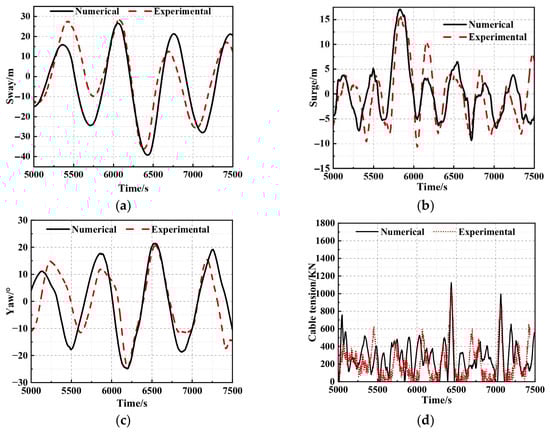
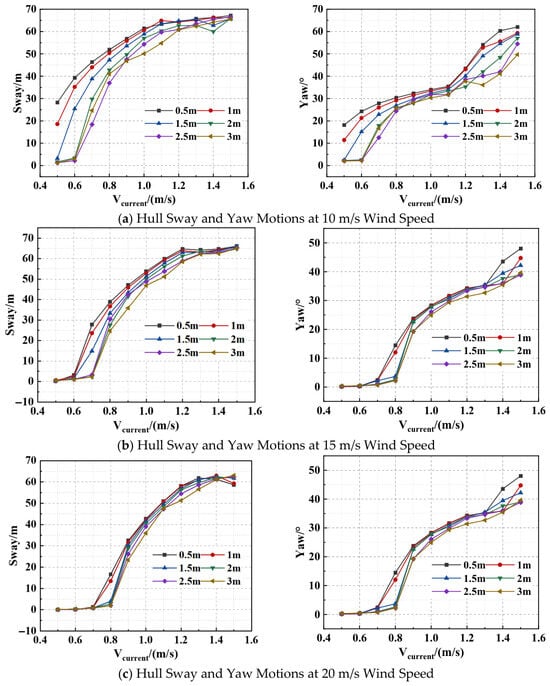
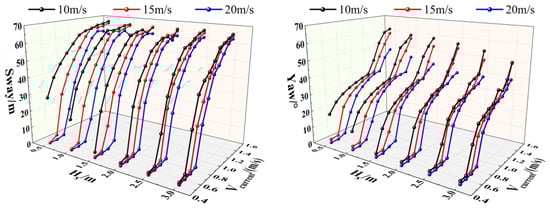
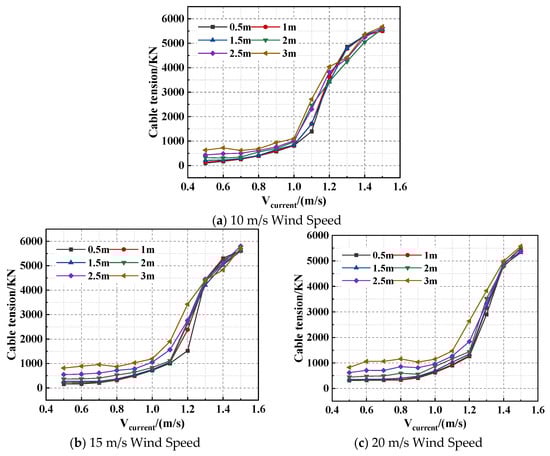
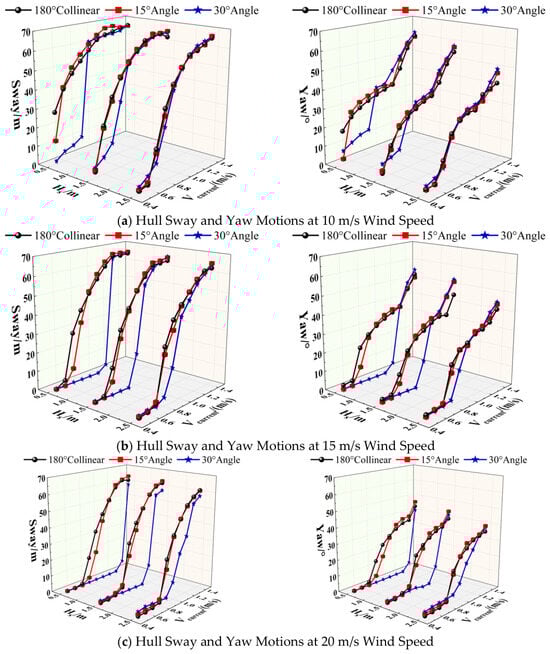
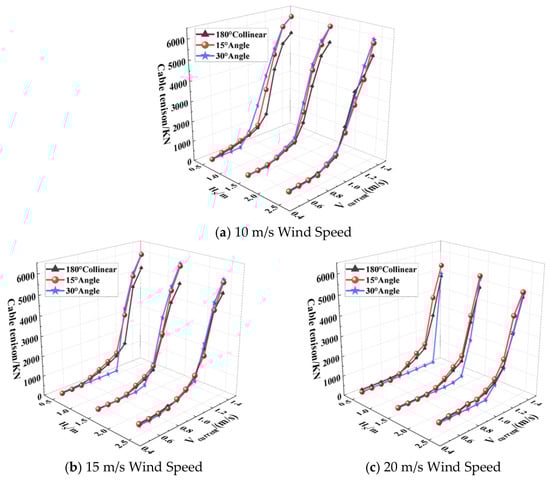
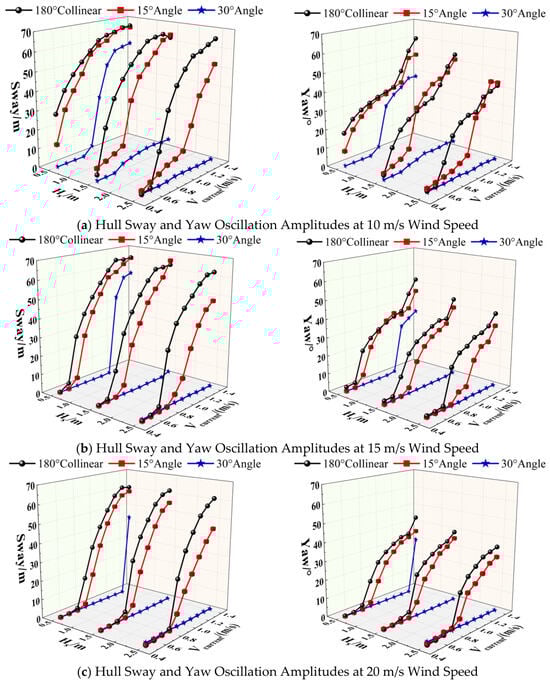
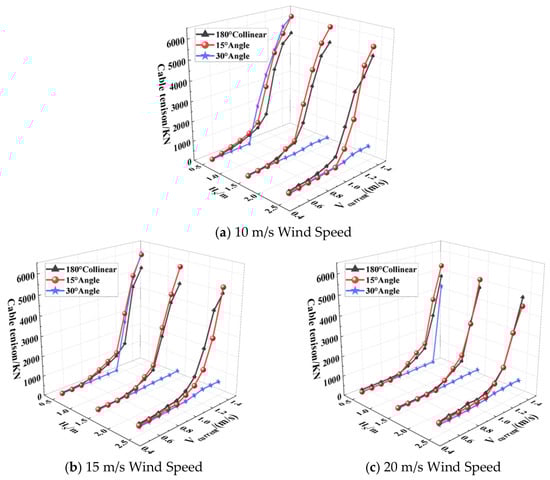
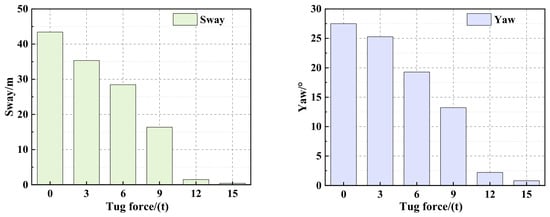
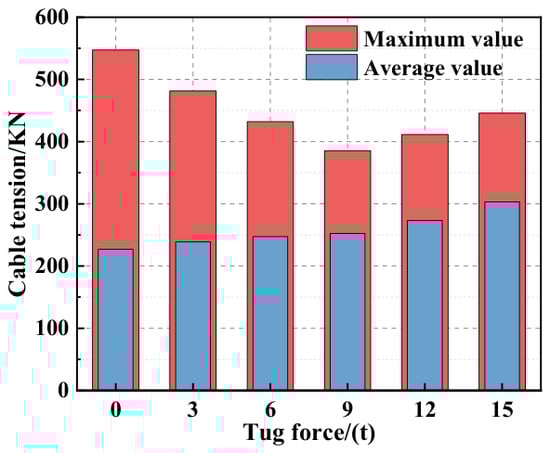
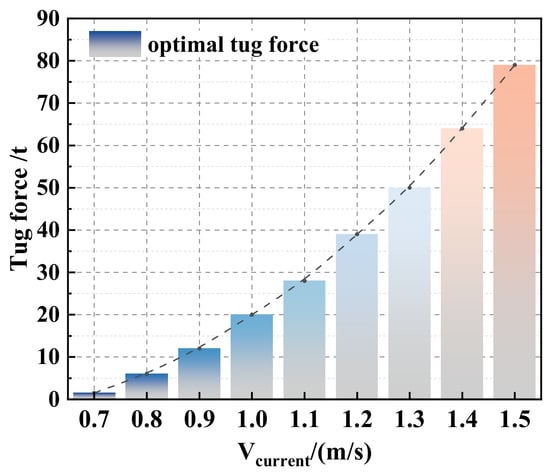
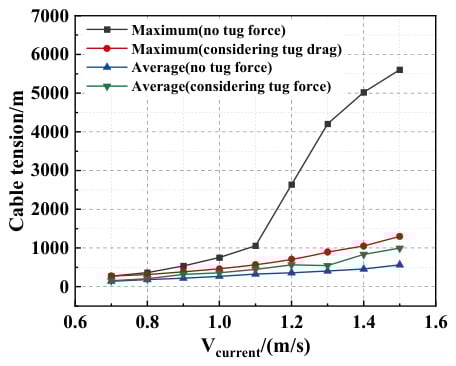
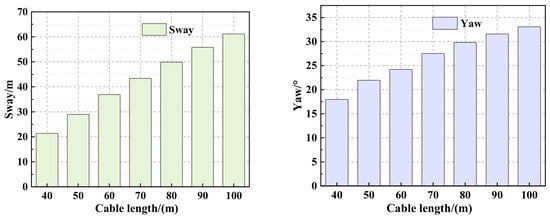
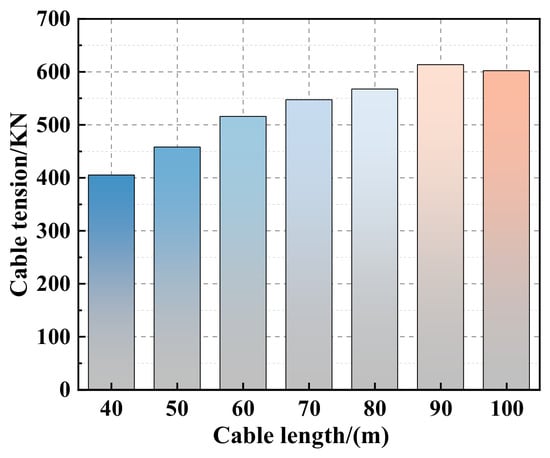
Targeting the “Fishtailing Effect” associated with shallow-water, pile-founded column single point mooring (SPM) systems, this study investigates the vessel’s motion characteristics under multiple operational scenarios using a numerical calculation method validated by model tests. A refined classification of combined wind, wave, and current conditions was conducted. The study examines the vessel’s sway and mooring line tension response under both collinear and non-collinear combinations of these environmental forces. Furthermore, methods for suppressing vessel motion were explored. The results indicate that vessel motion leading to the “Fishtailing Effect” is more prone to occur under collinear wind, wave, and current conditions. Wave and wind energy can, to some extent, mitigate the vessel motion. When the current speed exceeds a certain critical threshold, the extreme values of the mooring forces on the swaying vessel undergo an abrupt change. Applying a stern tug force and reducing the mooring line length are both effective in decreasing the vessel motion range and the tension in the mooring lines. The findings shed light on the fishtailing-effect characteristics of tankers moored at pile-founded column SPM systems, providing a valuable reference for the safety and stability design of such mooring systems.
Full article
(This article belongs to the Special Issue Floating Offshore Structures: Hydrodynamic Analysis and Design)
►▼
Show Figures

Figure 1
Open AccessArticle
Development and Testing of an In Situ Observation Device for Seafloor Boreholes
by
Haodong Deng, Jianping Zhou, Xiaotao Gai, Chunhui Tao and Bin Sui
J. Mar. Sci. Eng. 2026, 14(9), 769; https://doi.org/10.3390/jmse14090769 - 22 Apr 2026
Abstract
Seafloor hydrothermal systems at mid-ocean ridges are focal points for heat and matter exchange between the seawater and lithosphere. While seafloor seismographs (OBS) and pressure recorders (BPR) are standard for regional monitoring, achieving high-precision, vertical sub-surface data in complex hydrothermal terrains remains a
[...] Read more.
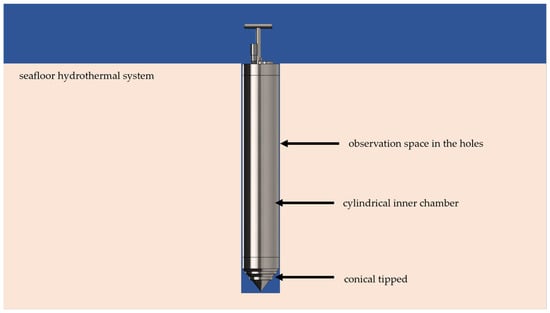
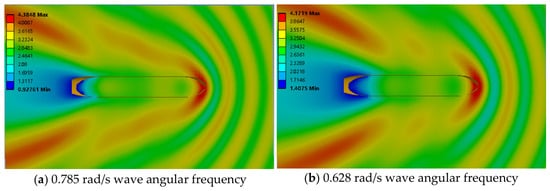
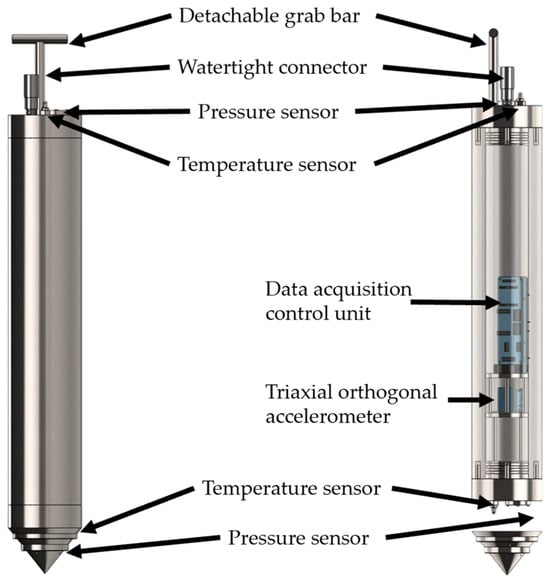
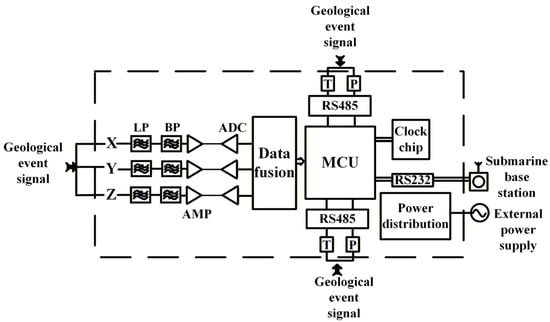
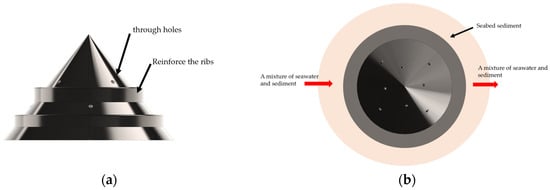
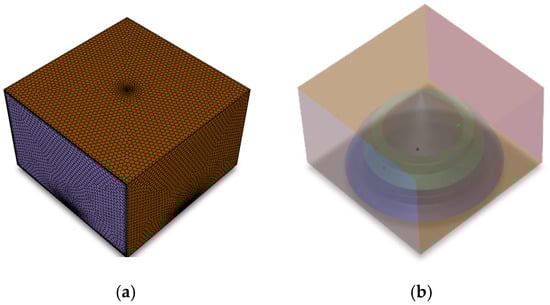
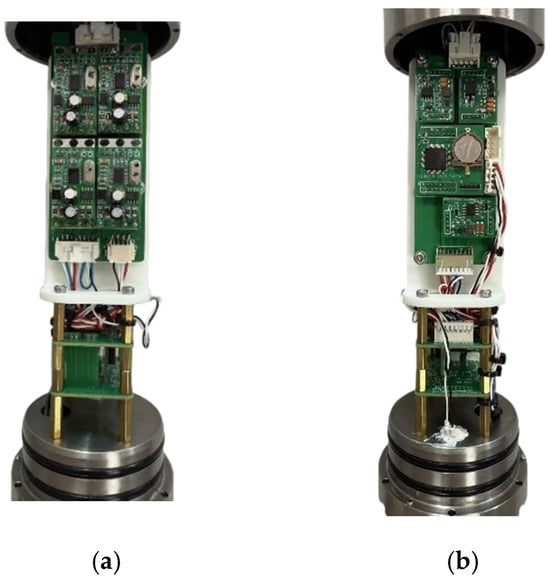
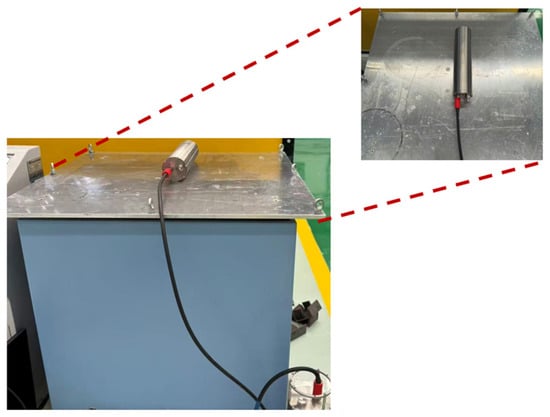
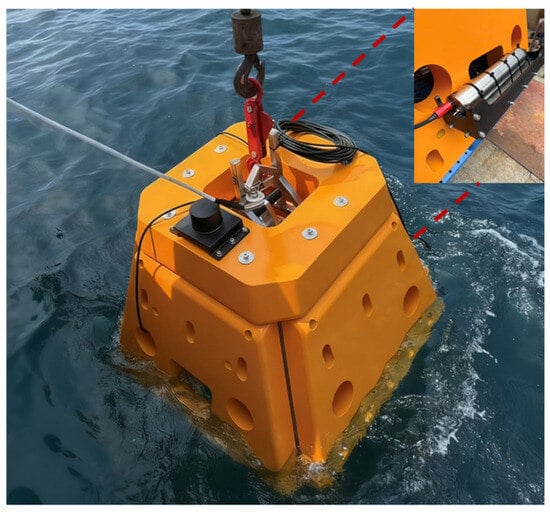
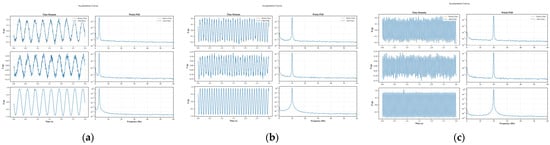
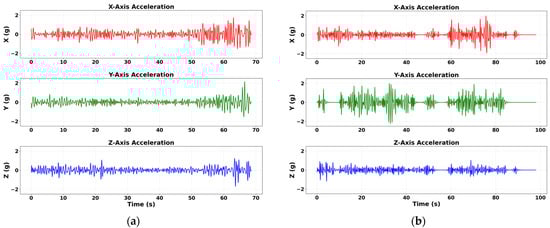
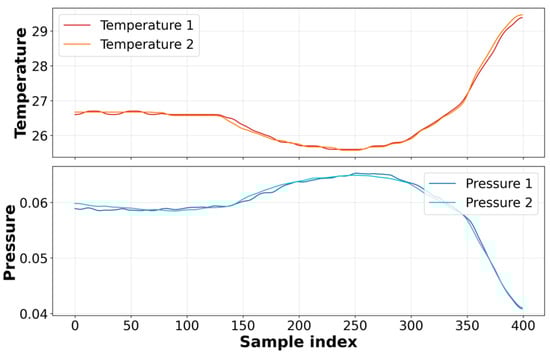
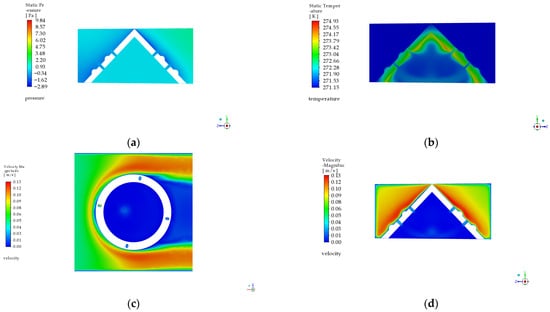
Seafloor hydrothermal systems at mid-ocean ridges are focal points for heat and matter exchange between the seawater and lithosphere. While seafloor seismographs (OBS) and pressure recorders (BPR) are standard for regional monitoring, achieving high-precision, vertical sub-surface data in complex hydrothermal terrains remains a significant technical objective. This study presents a novel in situ penetration probe designed for multi-parameter monitoring of marine hydrothermal vent areas. A key innovation of this work is its operational versatility and engineering efficiency: the probe is specifically designed for post-drilling deployment in boreholes, effectively utilizing existing coring sites to achieve direct coupling with the deep-seated crust, or for targeted placement via Remotely Operated Vehicles (ROVs). The device integrates a titanium-alloy conical tip and cylindrical chamber, housing tri-axial accelerometers and dual temperature-pressure sensors. Numerical simulations using the SST k-ω turbulence model and finite element analysis optimized the cone aperture and assessed fluid–structure stability under deep-sea conditions. Laboratory vibration tests and shallow-water sea trials validated the probe’s basic dynamic response, electromechanical integrity, and capability to acquire coupled environmental parameters. This compact, modular design provides a scalable and cost-effective framework for precise three-dimensional observation of sub-surface hydrothermal processes and deep-sea resource exploration.
Full article
(This article belongs to the Section Ocean Engineering)
►▼
Show Figures

Figure 1
Open AccessArticle
Study on Fatigue Crack Growth Prediction and Machine Learning Correction for Deepwater Risers
by
Fucheng Wang, Yong Yang, Baolei Cui and Di Wang
J. Mar. Sci. Eng. 2026, 14(9), 768; https://doi.org/10.3390/jmse14090768 - 22 Apr 2026
Abstract
Under long-term marine environmental loading, deep-water risers are highly susceptible to fatigue damage, and the accumulation of local damage may lead to global structural failure. In this study, the fatigue damage mechanism and crack growth behavior of a girth-welded riser are systematically investigated.
[...] Read more.
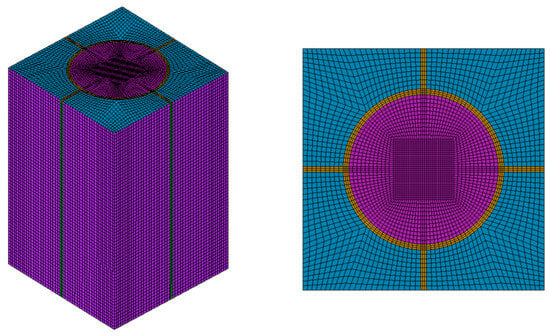
Under long-term marine environmental loading, deep-water risers are highly susceptible to fatigue damage, and the accumulation of local damage may lead to global structural failure. In this study, the fatigue damage mechanism and crack growth behavior of a girth-welded riser are systematically investigated. Full-scale radial fatigue test results of risers are referenced, and the experimental process is reproduced through numerical simulation. A finite element model of a girth-welded riser is established. The fatigue crack growth process is subsequently simulated, yielding the crack propagation path and crack growth rate curves. By comparison with experimental results, the characteristics of the crack growth process are analyzed, and the feasibility and accuracy of numerical simulations in predicting fatigue crack growth in riser girth welds are verified. A relatively accurate prediction model for fatigue crack growth in risers is proposed. To further improve the accuracy of crack growth prediction, a machine learning-based correction model is developed. On the basis of available in-service inspection data, a correction strategy is proposed in which the predicted crack growth process is dynamically updated with measured crack growth data. The proposed approach establishes a theoretical foundation for accurate and forward prediction of fatigue fracture damage in riser structures.
Full article
(This article belongs to the Special Issue Analysis of Strength, Fatigue, and Vibration in Marine Structures)
Open AccessArticle
Study on Transverse Vibration Suppression of Deep-Sea Mining Rigid Pipes Using Triple-Spring Nonlinear Energy Sink
by
Xiaomin Li, Yunlong Du, Fuheng Li and Honglu Gu
J. Mar. Sci. Eng. 2026, 14(9), 767; https://doi.org/10.3390/jmse14090767 - 22 Apr 2026
Abstract
Deep-sea mining systems are a critical pathway for acquiring key strategic resources such as nickel and cobalt. The core conveying component, the mining rigid pipe, is susceptible to transverse vibrations under complex wave excitation, which threaten system safety, necessitating the development of efficient
[...] Read more.
Deep-sea mining systems are a critical pathway for acquiring key strategic resources such as nickel and cobalt. The core conveying component, the mining rigid pipe, is susceptible to transverse vibrations under complex wave excitation, which threaten system safety, necessitating the development of efficient and reliable vibration control solutions. This paper proposes an improved Triple-spring nonlinear energy sink (TS-NES). An integrated dynamic model coupling the mining rigid pipe and the TS-NES is established using the vector form intrinsic finite element method and solved via the central difference method. The effectiveness and superiority of the TS-NES are verified through displacement, time–frequency, energy, and phase analyses. Subsequently, a systematic parameter sensitivity study is conducted. The results indicate that under both single-frequency and multi-frequency wave excitations, the TS-NES exhibits broadband, high-efficiency vibration suppression performance superior to that of the conventional tuned mass damper (TMD). It can substantially and uniformly dissipate vibration energy and maintain an approximately 90° phase lag with the primary structure. Parameter studies reveal that installing the TS-NES in the upper section of the pipe yields significant vibration reduction. The device is insensitive to stiffness variations, and appropriately increasing its mass, damping, and inclination angle can further enhance the vibration suppression effect.
Full article
(This article belongs to the Section Ocean Engineering)
Open AccessArticle
Robust Finite-Time Neural State Observer-Driven Fault-Tolerant Control of USVs Under Actuator Faults
by
Wenxue Su, Wei Liu, Yuan Hu, Jingtao Pei and Xingwang Huang
J. Mar. Sci. Eng. 2026, 14(9), 766; https://doi.org/10.3390/jmse14090766 - 22 Apr 2026
Abstract
To address the actuator fault problem faced by underactuated surface vessels (USVs), this study develops an active fault-tolerant control scheme based on finite-time output feedback. First, a finite-time neural terminal homogeneous state observer with a portional-integral structure is established. High-precision pose reconstruction enables
[...] Read more.
To address the actuator fault problem faced by underactuated surface vessels (USVs), this study develops an active fault-tolerant control scheme based on finite-time output feedback. First, a finite-time neural terminal homogeneous state observer with a portional-integral structure is established. High-precision pose reconstruction enables finite-time synchronous reconstruction of unmeasured states. This allows unknown nonlinearities to be explicitly expressed online and incorporated into the compensation channel, significantly reducing the sensitivity of modeling errors to control performance. A neural damping mechanism is used to structurally reconstruct uncertain dynamics and loss-of-effectiveness (LOE) fault factors within the system, thereby constructing an online approximator to achieve real-time identification and compensation of composite uncertainties. This integrates the unknown nonlinearities and fault effects of the original system into an online-updatable estimation channel. Adopting a backstepping-based design methodology, a finite-time hybrid event-triggered control (ETC) architecture is further constructed. By introducing an event-triggered update mechanism at the control layer, the real-time continuous control signal is transformed into a discrete update. Based on Lyapunov stability theory, a comprehensive analysis is carried out to verify the stability of the proposed control scheme. Numerical simulations are finally carried out to validate the effectiveness of the scheme. Simulation results show that the tracking error is reduced by about and compared to the comparison scheme.
Full article
(This article belongs to the Special Issue New Technologies in Autonomous Ship Navigation)
Open AccessArticle
Deep Reinforcement Learning-Based Resilient Restoration of Ship Cyber–Physical Systems
by
Yahui Liu, Shuli Wen, Qiang Zhao, Bing Zhang and Zhangchao Lu
J. Mar. Sci. Eng. 2026, 14(9), 765; https://doi.org/10.3390/jmse14090765 - 22 Apr 2026
Abstract
The rapid development of cyber–physical technologies has led to enhanced observability and controllability of shipboard power systems. However, the reliance of shipboard power systems on information networks undermines the traditional security provided by physical isolation; under malicious attacks, faults in the information domain
[...] Read more.
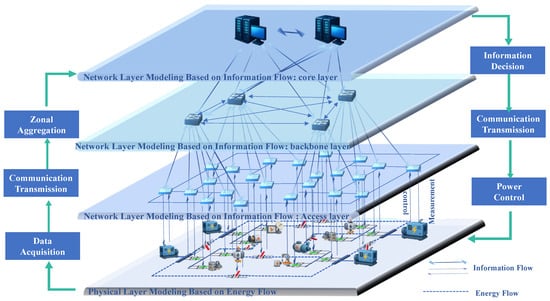
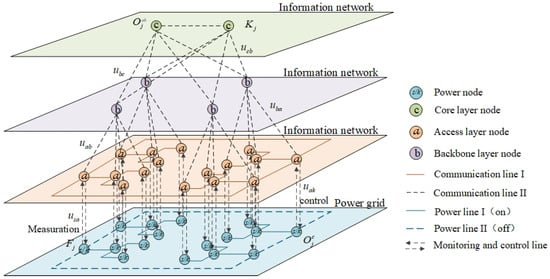
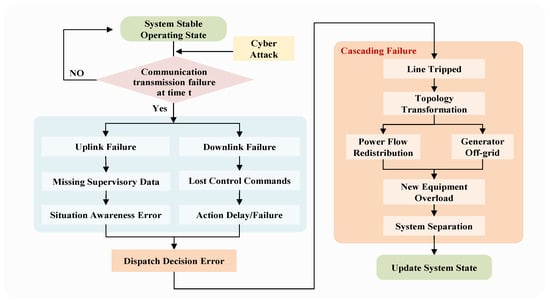
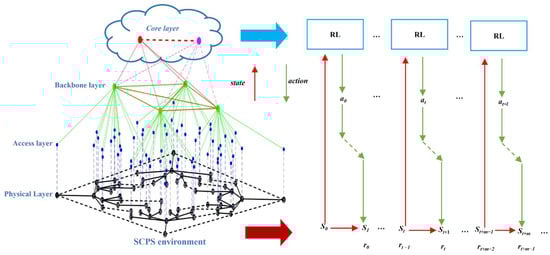
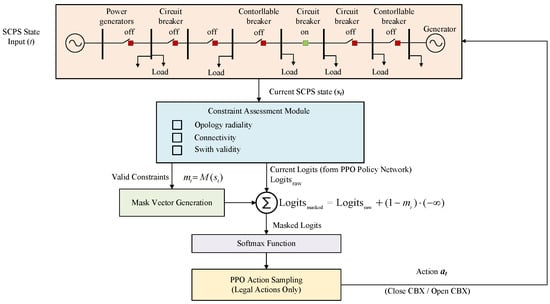
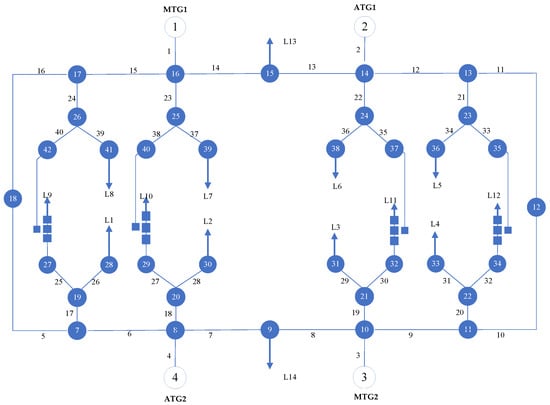
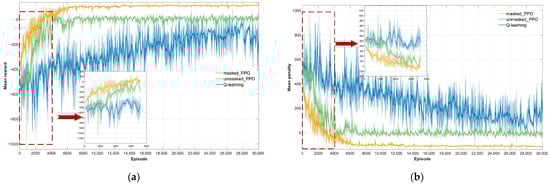
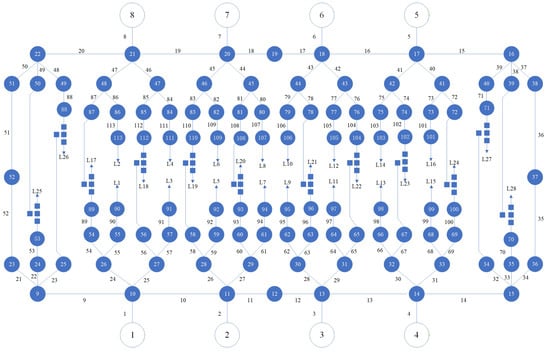
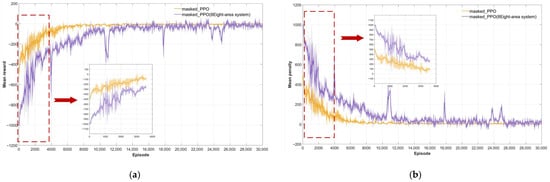
The rapid development of cyber–physical technologies has led to enhanced observability and controllability of shipboard power systems. However, the reliance of shipboard power systems on information networks undermines the traditional security provided by physical isolation; under malicious attacks, faults in the information domain can propagate rapidly, causing physical power outages and reducing the resilience of shipboard power systems. To address this issue, this paper investigates the cascading failure reconstruction and resilience enhancement in shipboard cyber–physical systems (SCPSs) under uncertain network attacks. First, a cascading failure propagation model is established to capture the interaction between attack paths and system vulnerabilities, revealing how cyberattacks spread through communication links and infiltrate the power topology. Then, a reinforcement learning-based load recovery strategy is developed, in which a masked proximal policy optimization (masked-PPO) algorithm is employed to optimize reconfiguration decisions under operational constraints. The proposed approach enables adaptive and efficient recovery actions in complex cross-domain environments. Case studies based on representative SCPS scenarios demonstrate that the proposed method improves cascading-failure reconfiguration capability by 13.21% and reduces the average decision time by 18.6%, validating its effectiveness, real-time performance, and scalability.
Full article
(This article belongs to the Special Issue Advances in Marine Electric Propulsion: Technologies, Systems Integration and Sustainable Maritime Transportation)
►▼
Show Figures

Figure 1
Open AccessArticle
A New Genetic and Evolutionary Model for the Ningbo Structure in the Xihu Sag, East China Sea Shelf Basin: Insights from Seismic Interpretation and Analogue Modeling
by
Jiafu Yu, Fusheng Yu, Zhongyun Chen, Chunfeng Liu, Yili Qi, Xin Liu and Chen Yang
J. Mar. Sci. Eng. 2026, 14(9), 764; https://doi.org/10.3390/jmse14090764 - 22 Apr 2026
Abstract
The central inversion tectonic belt of the Xihu Sag is a typical inversion structural zone in the East China Sea Shelf Basin and a key target for hydrocarbon exploration. The Ningbo structure underwent five evolutionary stages—rifting, post-rift transition, depression, transpressional inversion, and regional
[...] Read more.
The central inversion tectonic belt of the Xihu Sag is a typical inversion structural zone in the East China Sea Shelf Basin and a key target for hydrocarbon exploration. The Ningbo structure underwent five evolutionary stages—rifting, post-rift transition, depression, transpressional inversion, and regional subsidence—during which the stress regime evolved from extension to transpression-dominated strike-slip deformation. This study employs seismic interpretation, fault-throw analysis and sandbox analogue modeling to clarify its genetic mechanism and controlling factors. The results show that the fault system exhibits characteristics typical of strike-slip deformation, including high-angle master faults and well-developed flower structures. Along strike, fault throw alternates between normal and reverse displacement over short distances, forming a “dolphin effect,” reflecting spatial alternation between transtensional and transpressional domains. Comparison of three experimental models demonstrates that the overlap and lateral spacing of pre-existing basement faults primarily control deformation style. Greater overlap and closer spacing promote through-going fault linkage and the formation of a principal displacement zone, generating a narrow, continuous uplift belt. A three-dimensional genetic model is established, providing a unified explanation of structural patterns, with implications for similar inversion systems.
Full article
(This article belongs to the Section Geological Oceanography)
Open AccessArticle
Projected Changes in Wind Characteristics over Ireland Based on the CMIP6 Models Under the SSP Scenarios
by
Fulya Islek and Md Salauddin
J. Mar. Sci. Eng. 2026, 14(9), 763; https://doi.org/10.3390/jmse14090763 - 22 Apr 2026
Abstract
This study presents a comprehensive assessment of historical and projected variability in the wind climate over Ireland and its adjacent marine regions, including the North Atlantic Ocean, Irish Sea, and Celtic Sea. First, the long-term wind characteristics are examined using the ERA5 reanalysis
[...] Read more.
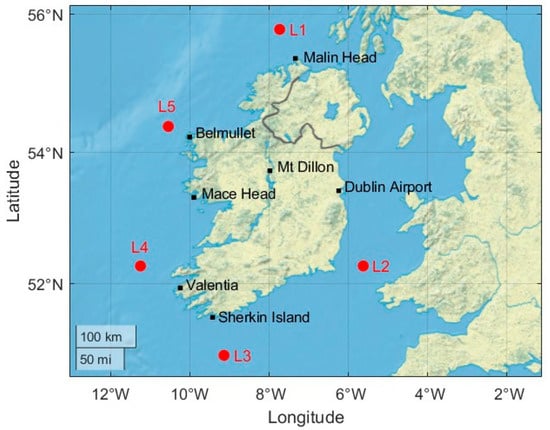
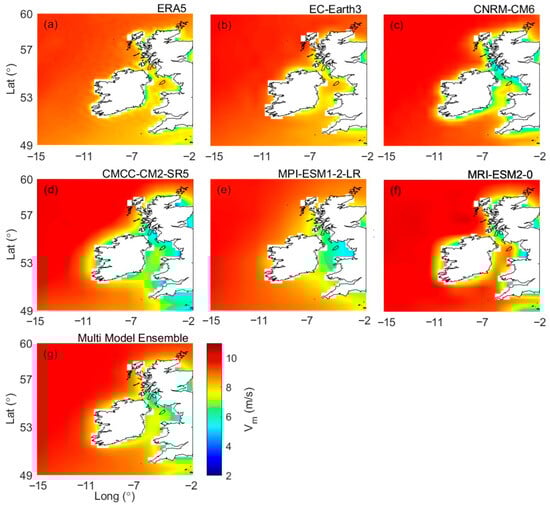
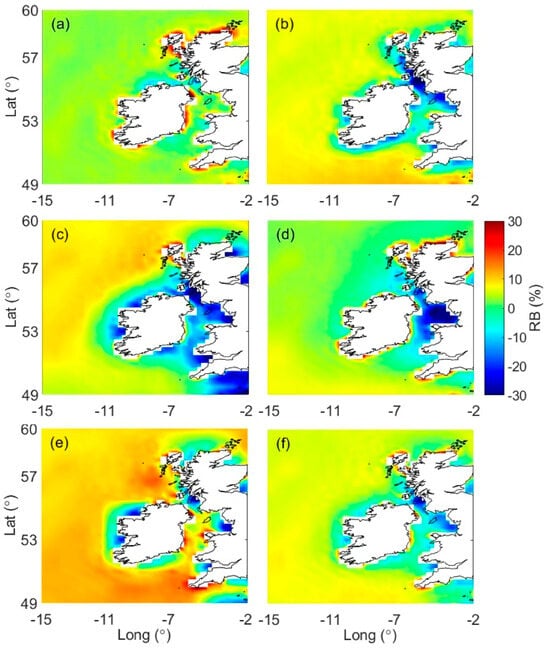
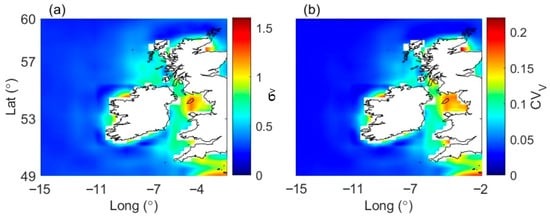
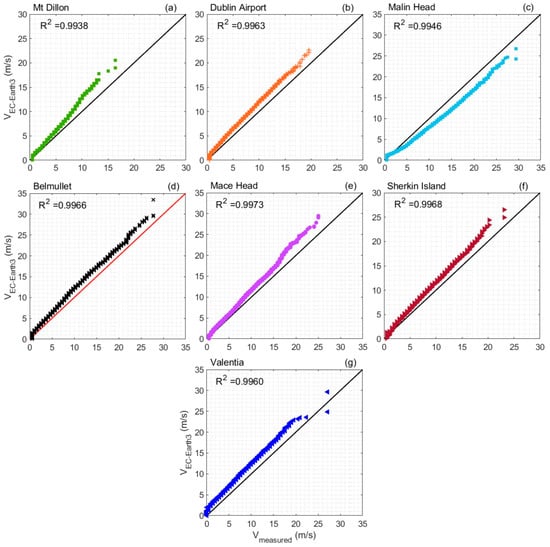
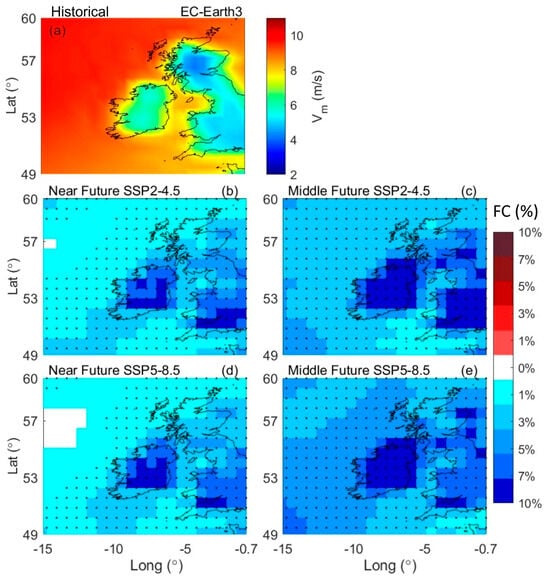
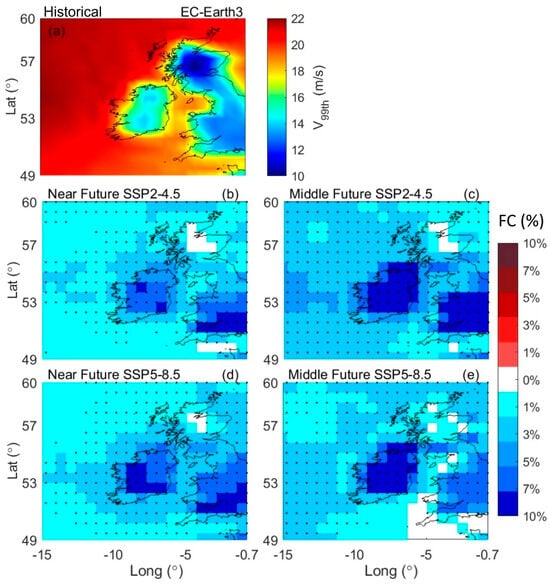
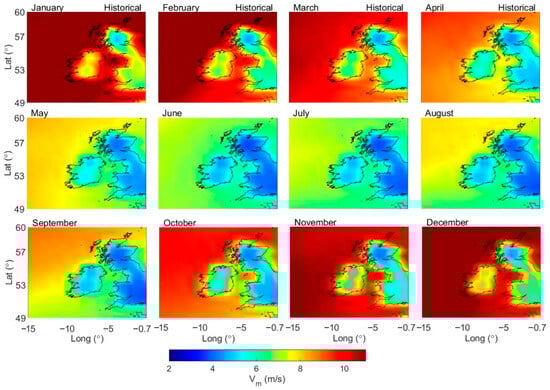
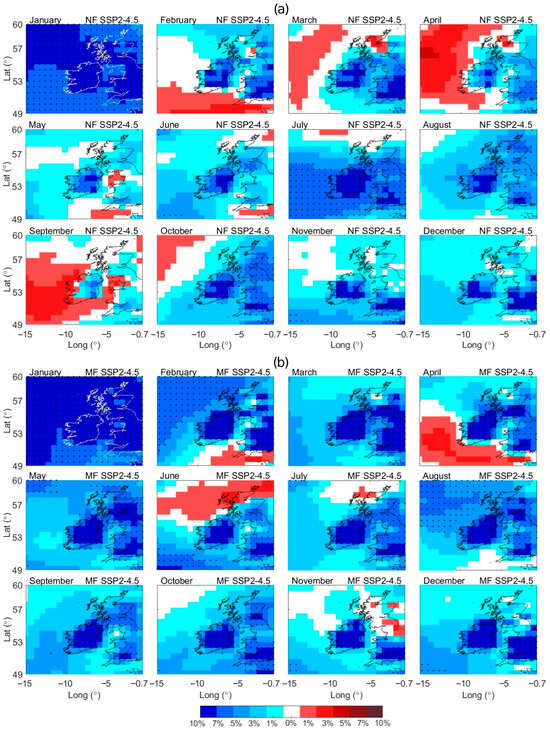
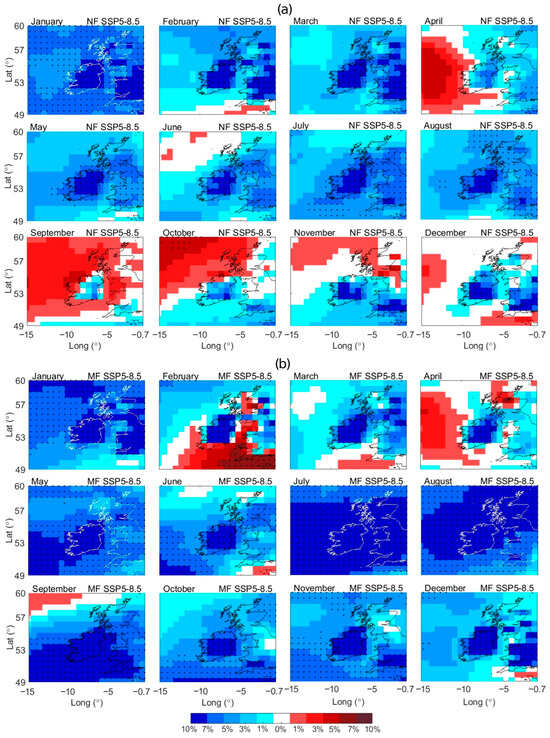
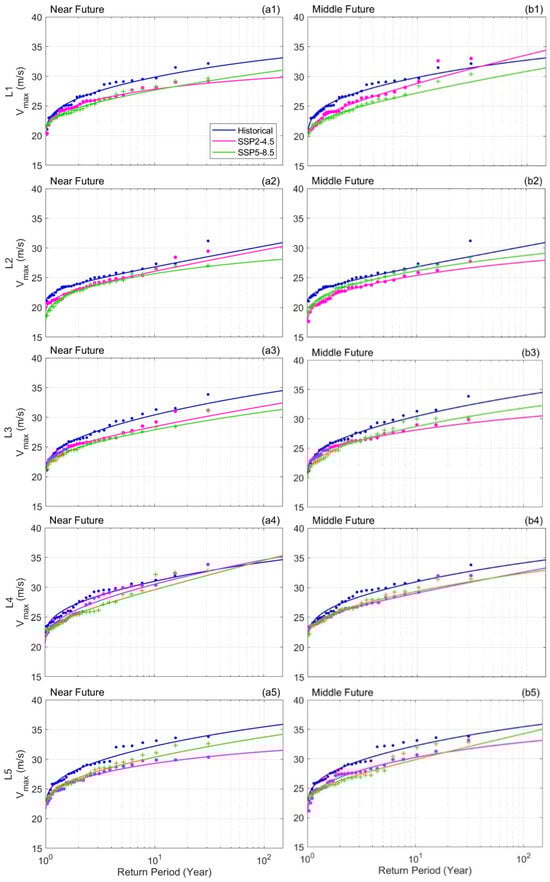
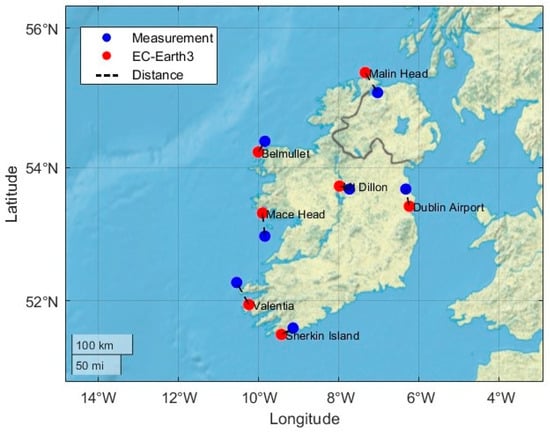
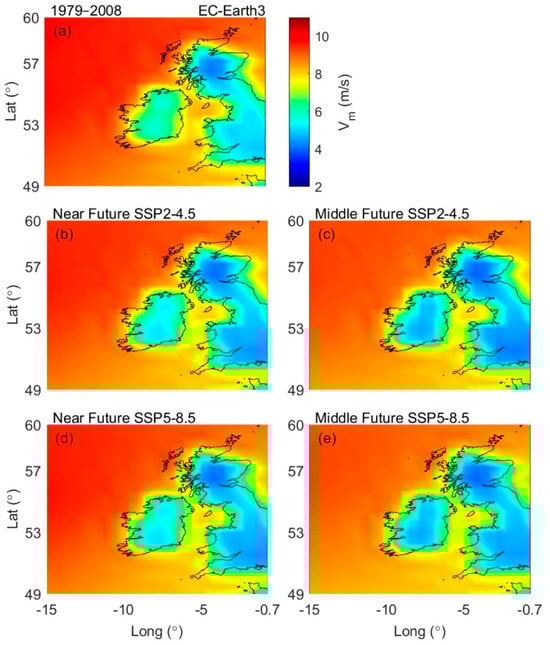
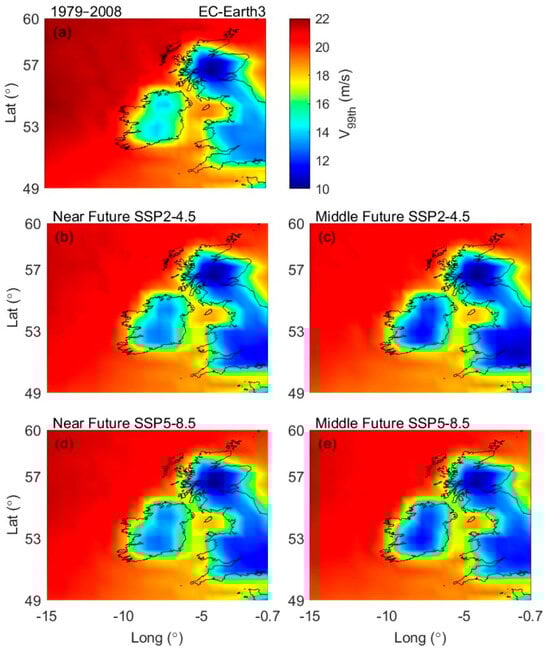
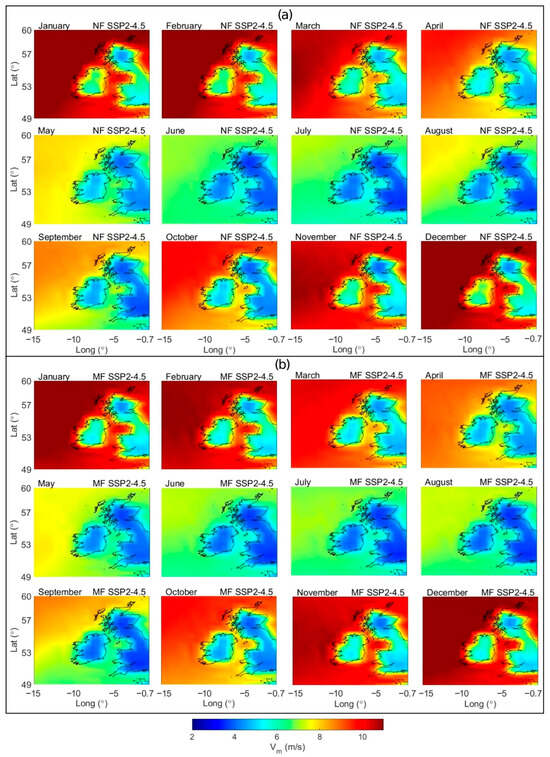
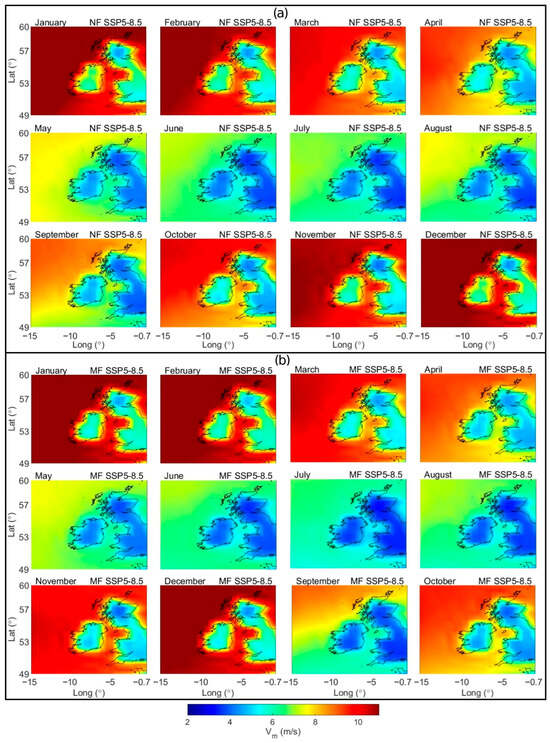
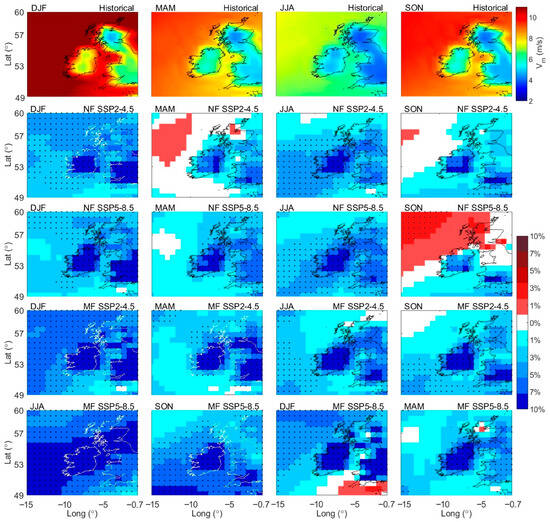
This study presents a comprehensive assessment of historical and projected variability in the wind climate over Ireland and its adjacent marine regions, including the North Atlantic Ocean, Irish Sea, and Celtic Sea. First, the long-term wind characteristics are examined using the ERA5 reanalysis dataset for the historical period (1979–2008), followed by an evaluation of five CMIP6 Global Climate Models (GCMs) to determine their performance in representing regional wind climatology. Based on spatial validation and relative bias analyses, the most suitable model is selected to investigate future wind changes under the SSP2-4.5 and 5-8.5 scenarios. The CMIP6 historical data is also compared locally at seven measurement stations. Two future projections are considered for the near-term (2031–2060) and mid-term (2071–2100), focusing on inter- and intra-annual variability and extreme wind behaviour. The results indicate an overall decrease in mean wind speed across the study area, with more pronounced reductions under SSP5-8.5 and during the mid-term period. In terms of seasonality, reductions are more pronounced during winter and summer than in the transitional seasons. According to the extreme value analysis based on the generalised extreme value distribution, general declines in extreme values are detected at selected critical locations, especially at wind speeds with large return periods.
Full article
(This article belongs to the Section Ocean and Global Climate)
►▼
Show Figures

Figure 1
Open AccessArticle
Petrological and Geochemical Characteristics of the Lower Cambrian Shuijingtuo Formation in the Middle Yangtze Block, South China: Implications for Organic Matter Accumulation on Carbonate Platform
by
Baomin Zhang, Quansheng Cai, Guotao Zhang, Oumar Ibrahima Kane, Lin Chen, An Liu, Peng Zhou and Ruyue Wang
J. Mar. Sci. Eng. 2026, 14(9), 762; https://doi.org/10.3390/jmse14090762 - 22 Apr 2026
Abstract
Understanding the development characteristics and controlling factors of organic-rich shales in carbonate platform settings is essential for predicting their distribution and assessing their natural gas exploration potential. However, the mechanisms governing the accumulation of such shales in these specific sedimentary environments remain poorly
[...] Read more.
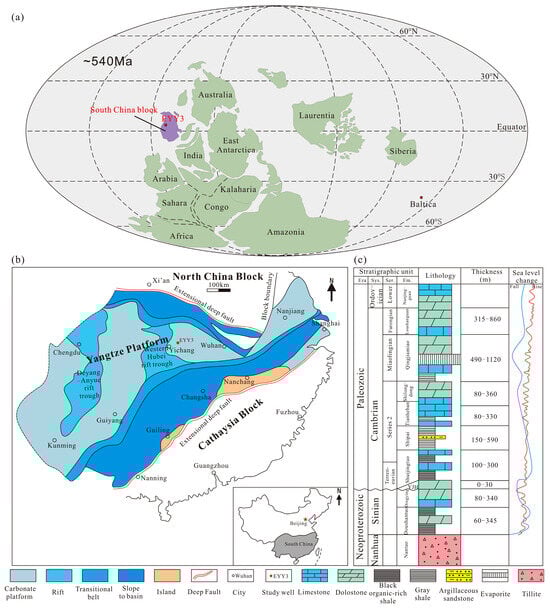
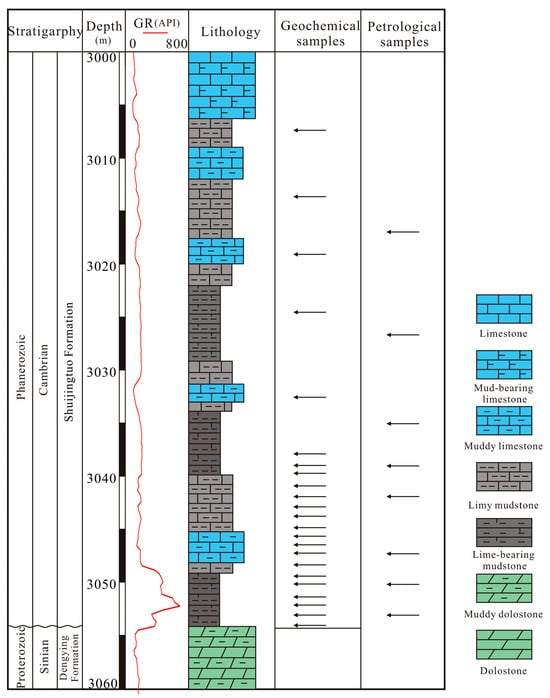
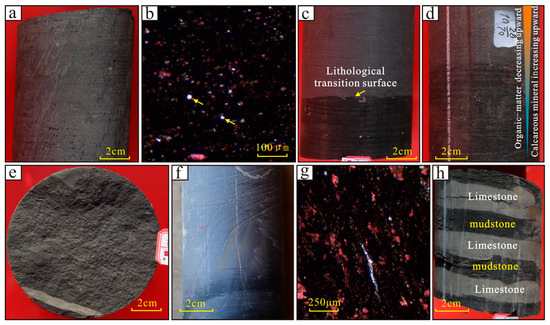
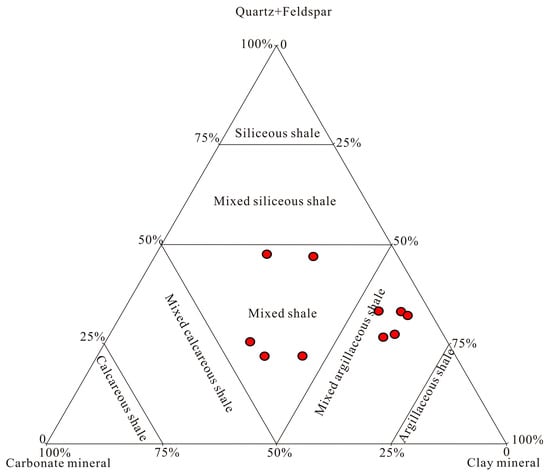
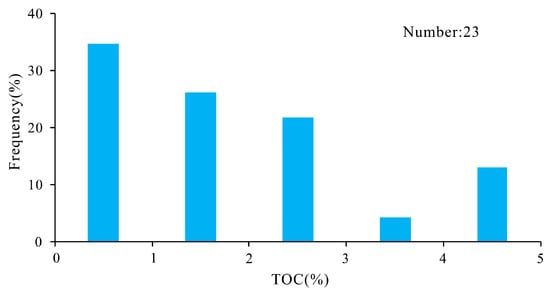
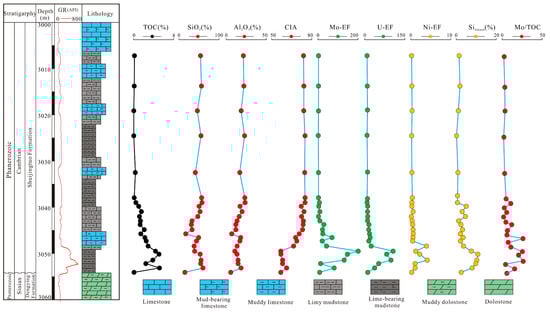
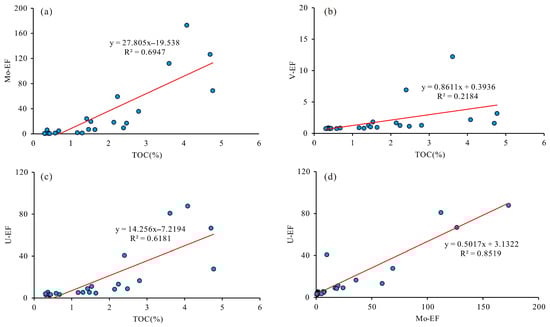
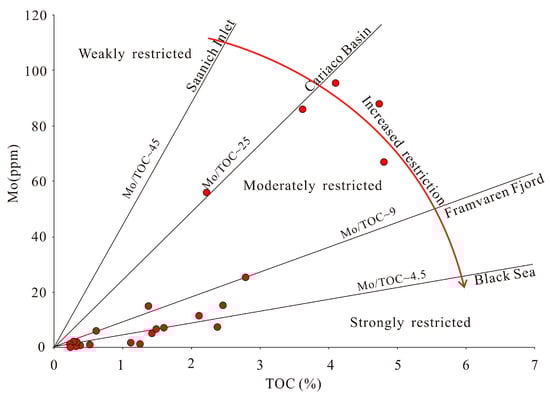
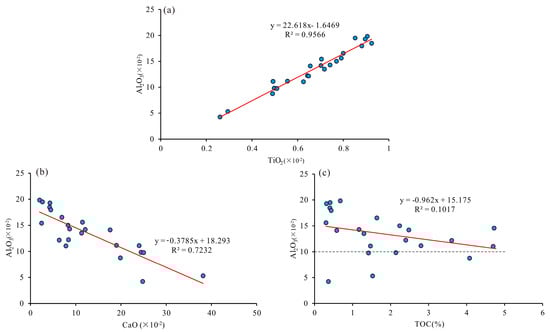
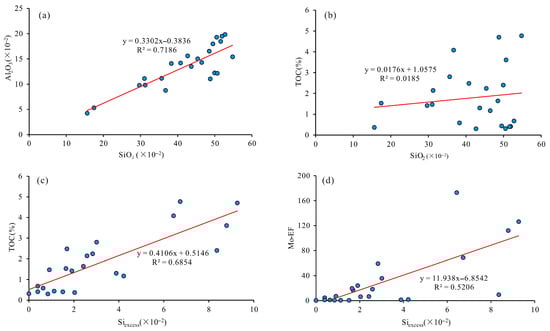
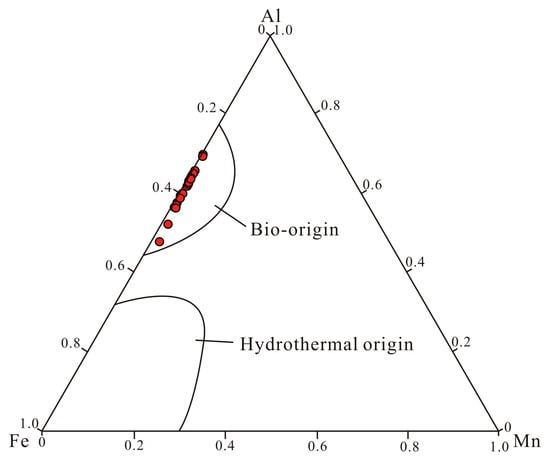
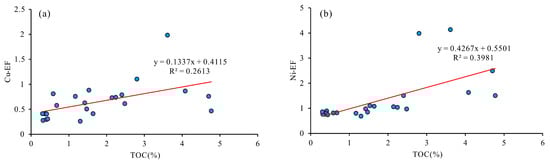
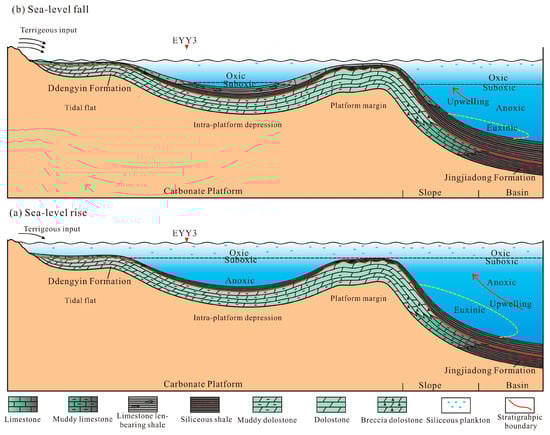
Understanding the development characteristics and controlling factors of organic-rich shales in carbonate platform settings is essential for predicting their distribution and assessing their natural gas exploration potential. However, the mechanisms governing the accumulation of such shales in these specific sedimentary environments remain poorly constrained, and the lack of integrated petrological and geochemical studies limits accurate evaluation of their resource potential. The key objective of this study is to investigate the development characteristics and formation mechanisms of organic-rich shales within intraplatform depressions. To address this objective, we conducted a comprehensive petrological and geochemical analysis of the Cambrian Shuijingtuo Formation organic-rich shale deposits deposited in a carbonate platform setting, particularly from Well EYY3 in Western Hubei, Central Yangtze region. The obtained results indicate that total organic carbon (TOC) contents in the Shuijingtuo Formation can reach up to 4.77%, with a thickness of approximately 9.5 m for shales containing over 2% TOC. Vertically, TOC content exhibits a rapid increase at the base, followed by a gradual decline toward the top, reflecting the evolution of depositional environments. The characteristics of organic-rich shale indicate a significant presence of carbonate minerals, which increase in concentration, alongside tuff lenticular bodies and lithological transition surfaces between tuff and shale. While the longitudinal variation of SiO2 content in shale is subtle, there is a slight increase in land-sourced clasts and excess silica, and TOC has a significant positive correlation. At the base of the Shuijingtuo Formation, redox parameters, including U-EF and Mo-EF, display a rapid increase followed by a gradual decrease. Conversely, changes in Ni-EF, which indicate paleoproductivity, are less pronounced, and their correlation with TOC is relatively poor. These findings suggest that rapid sea-level rise associated with Cambrian transgressions was the main factor influencing organic matter enrichment in the carbonate platform depressions. This rise supplied nutrients and silica-rich organisms, altering the biological landscape and fostering anoxic conditions in the intraplatform depressions, promoting organic-rich shale formation. As sea levels declined, water circulation became restricted, leading to oxidation of shallow water bodies, decreased paleoproductivity, and shale deposits transitioned to tuff. Therefore, organic-rich shale can also be developed on carbonate platforms, with its formation primarily controlled by fluctuations in sea level. During highstand periods, intraplatform depressions may serve as favorable zones for shale gas exploration.
Full article
(This article belongs to the Topic Reservoir Characteristics and Evolution Mechanisms of the Shale, 2nd Edition)
►▼
Show Figures

Figure 1
Open AccessArticle
Nighttime Encounter Situation Recognition for Unmanned Surface Vessels Based on Images of Vessel Navigation Lights
by
Ruoyun Huang, Xiang Zheng, Jianhua Wang, Gongxing Wu, Yu Tian and Yining Tian
J. Mar. Sci. Eng. 2026, 14(8), 761; https://doi.org/10.3390/jmse14080761 - 21 Apr 2026
Abstract
To address the limitations of existing perception methods for nighttime encounter situation recognition of unmanned surface vessels (USVs), this study proposes an image-based method for navigation-light recognition and encounter situation recognition. In accordance with the International Regulations for Preventing Collisions at Sea (COLREGs),
[...] Read more.
To address the limitations of existing perception methods for nighttime encounter situation recognition of unmanned surface vessels (USVs), this study proposes an image-based method for navigation-light recognition and encounter situation recognition. In accordance with the International Regulations for Preventing Collisions at Sea (COLREGs), a parameterized 3D geometric model of vessel navigation lights and encounter scenario models is established. Based on the camera imaging principle, a dataset of navigation-light images under various encounter situations is generated through simulation experiments. By analyzing the variation patterns of navigation-light images in different encounter situations, a feature vector composed of area-domain and azimuth-domain features is constructed, and an encounter situation recognition method is developed accordingly. To mitigate the effects of water reflections and interfering light sources in real images, a navigation-light image-processing method is designed for the stable extraction of feature parameters. Simulation results show that the classification accuracy ranges from 96.6% to 98.3% at different distance conditions. In field experiments conducted with a small USV under a three-light configuration, the proposed method achieves a navigation-light recognition accuracy of 96.2% and an encounter situation recognition accuracy of 94.94%. The proposed method provides an interpretable and lightweight complementary visual solution for nighttime encounter situation recognition, complementing existing nighttime perception technologies.
Full article
(This article belongs to the Section Ocean Engineering)
Open AccessArticle
Feasibility of Wave Energy Converters in the Azores Under Climate Change Scenarios
by
Marta Gonçalves, Mariana Bernardino and Carlos Guedes Soares
J. Mar. Sci. Eng. 2026, 14(8), 760; https://doi.org/10.3390/jmse14080760 - 21 Apr 2026
Abstract
The wave energy resource along the Azores coast is evaluated for the present (1990–2019) and future (2030–2059) periods using the third-generation wave model WAVEWATCH III, forced by winds and sea-ice cover from the RCP8.5 EC-Earth integration dynamically downscaled with the Weather Research and
[...] Read more.
The wave energy resource along the Azores coast is evaluated for the present (1990–2019) and future (2030–2059) periods using the third-generation wave model WAVEWATCH III, forced by winds and sea-ice cover from the RCP8.5 EC-Earth integration dynamically downscaled with the Weather Research and Forecasting model. The results indicate that the region is characterized by a high-energy wave climate, with mean wave power values typically ranging between 30 and 40 kW/m. A statistical comparison between the two periods shows a moderate reduction in wave energy potential under future conditions, with strong spatial variability. The performance of four wave energy converters (AquaBuoy, Wavestar, Oceantec, and Atargis) is analyzed, revealing significant differences in energy production and capacity factor depending on device–site matching. A techno-economic evaluation is performed by estimating the LCOE, accounting for capital expenditure, operational costs, device lifetime, and annual energy production (AEP). The results demonstrate that economic performance is primarily driven by energy production rather than capital cost alone, and that wave energy exploitation in the Azores remains viable under near-future climate conditions.
Full article
(This article belongs to the Section Marine Energy)
Open AccessArticle
Visual Localization for Deep-Sea Mining Vehicles During Operation
by
Yangrui Cheng, Bingkun Wang, Xiaojun Zhuo, Kai Liu and Yingjie Guan
J. Mar. Sci. Eng. 2026, 14(8), 759; https://doi.org/10.3390/jmse14080759 - 21 Apr 2026
Abstract
Deep-sea mining operations demand continuous, drift-free positioning over multi-day missions—a requirement that traditional acoustic dead-reckoning systems struggle to meet due to cumulative error accumulation and frequent DVL bottom-lock loss in sediment plume environments. Inspired by Google Cartographer’s 2D grid mapping paradigm, we present
[...] Read more.
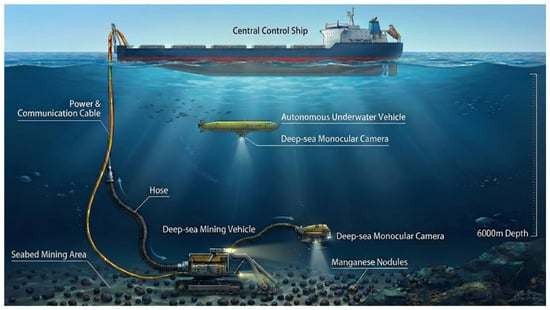
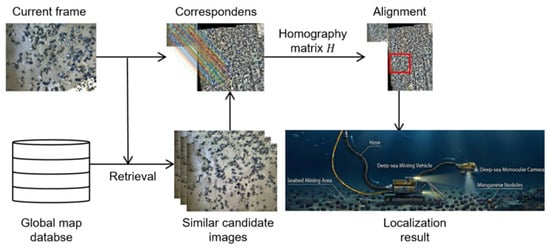
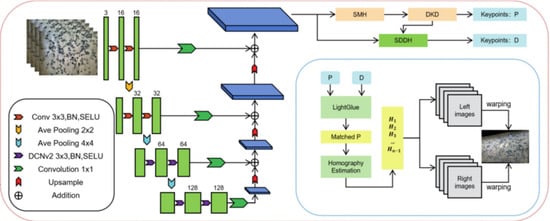
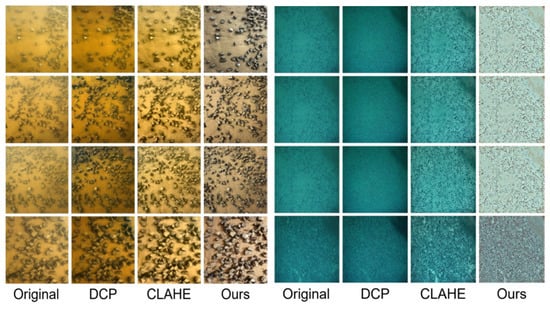
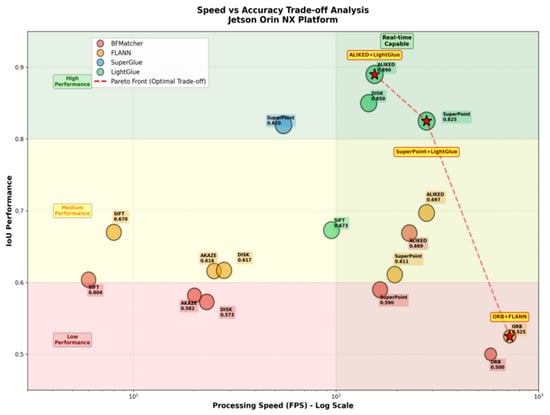
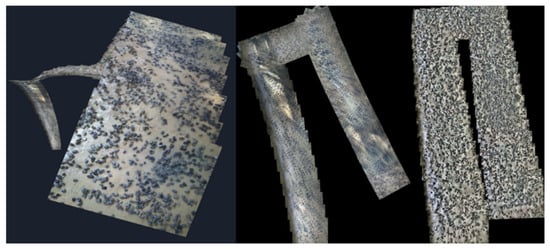
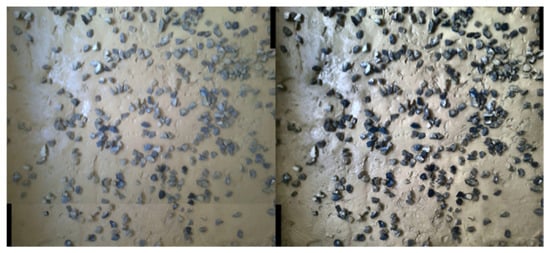
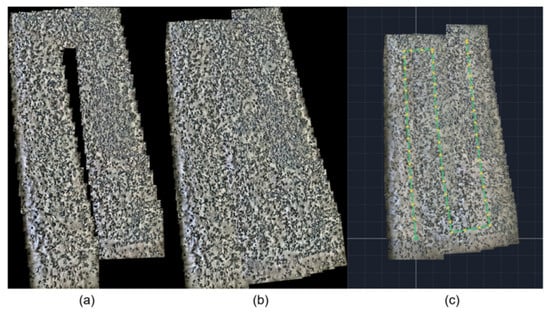
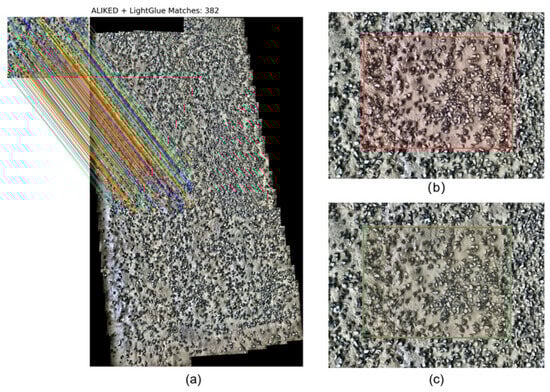
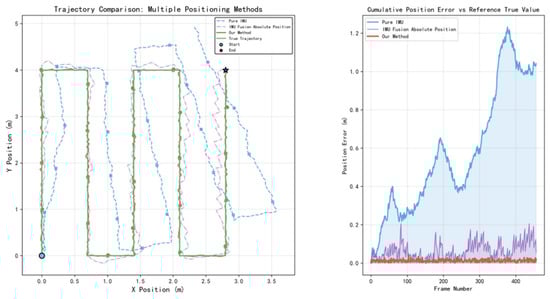
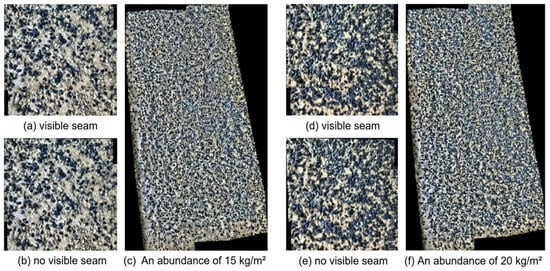
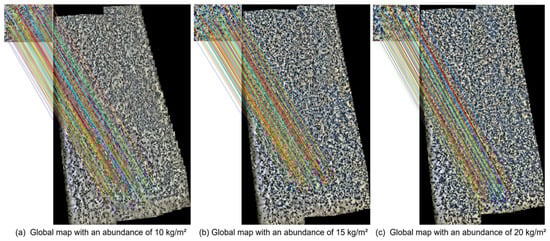
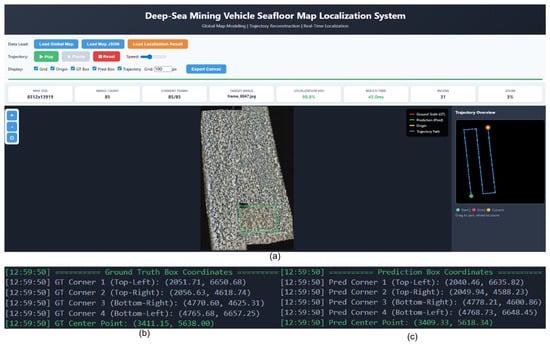
Deep-sea mining operations demand continuous, drift-free positioning over multi-day missions—a requirement that traditional acoustic dead-reckoning systems struggle to meet due to cumulative error accumulation and frequent DVL bottom-lock loss in sediment plume environments. Inspired by Google Cartographer’s 2D grid mapping paradigm, we present a prior map-based visual localization framework that decouples offline mapping from real-time localization, fundamentally eliminating drift through absolute image registration against pre-built seabed mosaics. By integrating adaptive keyframe selection, Multi-Scale Retinex (MSR) enhancement, and the AD-LG deep feature matching architecture, our system constructs globally consistent seabed maps for absolute positioning. The framework leverages deformable convolutions and LightGlue to effectively mitigate challenges such as low texture and non-rigid distortion. Quantitative validation on tank simulation datasets demonstrates significant superiority over IMU-only and standard fusion schemes; qualitative deployment on real Pacific CCZ imagery confirms near-real-time operational feasibility on an embedded Jetson Orin NX platform. This system establishes visual navigation as a viable backup to acoustic systems, addressing a critical gap in deep-sea mining vehicle autonomy.
Full article
(This article belongs to the Special Issue Advances in Underwater Positioning and Navigation Technology)
►▼
Show Figures

Figure 1
Open AccessArticle
Coordinated Vessel Arrival Time Prediction and Berth Allocation Optimization for Efficient Port Operations
by
Peng Fei, Wu Ning, Kecheng Li, Xiyao Xu, Xiumin Chu and Chenguang Liu
J. Mar. Sci. Eng. 2026, 14(8), 758; https://doi.org/10.3390/jmse14080758 - 21 Apr 2026
Abstract
Uncertainty in vessel arrival times can substantially reduce the efficiency of berth planning in port operations. To address this issue, this study proposes a unified, data-driven, predict-then-optimize framework that explicitly links vessel arrival time (VAT) prediction with downstream continuous berth allocation optimization. In
[...] Read more.
Uncertainty in vessel arrival times can substantially reduce the efficiency of berth planning in port operations. To address this issue, this study proposes a unified, data-driven, predict-then-optimize framework that explicitly links vessel arrival time (VAT) prediction with downstream continuous berth allocation optimization. In the prediction stage, heterogeneous maritime data, including port call records, AIS trajectories, and vessel physical characteristics, are integrated to construct VAT prediction models. In the optimization stage, the predicted VAT is embedded into a continuous berth allocation problem (BAP) model to support berth scheduling decisions. To better reflect real operations, a two-stage evaluation framework is further developed, in which berth plans generated from estimated arrival times (ETAs) or predicted VATs are re-evaluated under realized actual arrival times while preserving the original temporal and spatial service order. Experimental results show that the proposed framework improves VAT prediction accuracy substantially, reducing the MAE and RMSE from 4.795 h and 7.255 h for the vessel-reported ETAs to 2.844 h and 4.934 h, respectively. More importantly, the predicted-VAT-based BAP consistently outperforms the ETA-based benchmark, yielding an overall 35.96% reduction in objective value across tested scenarios. These findings demonstrate that improved VAT prediction can be effectively translated into meaningful operational gains in berth allocation.
Full article
(This article belongs to the Special Issue Artificial Intelligence and Its Applications in Intelligent Ship Navigation)
Journal Menu
► ▼ Journal Menu-
- JMSE Home
- Aims & Scope
- Editorial Board
- Reviewer Board
- Topical Advisory Panel
- Instructions for Authors
- Special Issues
- Topics
- Sections
- Article Processing Charge
- Indexing & Archiving
- Editor’s Choice Articles
- Most Cited & Viewed
- Journal Statistics
- Journal History
- Journal Awards
- Society Collaborations
- Conferences
- Editorial Office
Journal Browser
► ▼ Journal BrowserHighly Accessed Articles
Latest Books
E-Mail Alert
News
Topics
Topic in
Clean Technol., Energies, JMSE, Processes, Sustainability
Marine Energy
Topic Editors: Hongsheng Dong, Xiang Sun, Zeshao YouDeadline: 30 April 2026
Topic in
Energies, Geosciences, Hydrology, Sustainability, Water, JMSE
Advances in Groundwater Science and Engineering
Topic Editors: Michele Lancia, C. Radu GoguDeadline: 31 May 2026
Topic in
Diversity, JMSE, Sustainability, Taxonomy, Water
Taxonomy and Ecology of Zooplankton
Topic Editors: Manuel Elias-Gutierrez, Alexey A. KotovDeadline: 30 June 2026
Topic in
Drones, Electronics, Eng, JMSE, Robotics, Sensors, Vehicles
Advanced Technologies and Applications for Unmanned Systems
Topic Editors: Jinchao Chen, Chao Chen, Yingjie ZhangDeadline: 31 July 2026
Conferences
Special Issues
Special Issue in
JMSE
Artificial Intelligence and Its Application in Ocean Engineering
Guest Editors: Enhao Wang, Dixia FanDeadline: 25 April 2026
Special Issue in
JMSE
Advances in Coastal Dune and Aeolian Processes Research
Guest Editors: Nicolas Robin, Nicholas Cohn, Juan B. Gallego-FernándezDeadline: 25 April 2026
Special Issue in
JMSE
Bubble Dynamics and Fluid–Structure Interaction
Guest Editors: A-Man Zhang, Shiping Wang, Yunlong LiuDeadline: 25 April 2026