






Journal Description
Journal of Clinical Medicine
is an international, peer-reviewed, open access journal of clinical medicine, published semimonthly online by MDPI. The International Bone Research Association (IBRA), Spanish Society of Hematology and Hemotherapy (SEHH), Japan Association for Clinical Engineers (JACE), European Independent Foundation in Angiology/ Vascular Medicine (VAS) and others are all affiliated with JCM, and their members receive a discount on article processing charges.
- Open Access— free for readers, with article processing charges (APC) paid by authors or their institutions.
- High Visibility: indexed within Scopus, SCIE (Web of Science), PubMed, PMC, Embase, CAPlus / SciFinder, and other databases.
- Journal Rank: JCR - Q1 (Medicine, General and Internal) / CiteScore - Q1 (General Medicine)
- Rapid Publication: manuscripts are peer-reviewed and a first decision is provided to authors approximately 16.6 days after submission; acceptance to publication is undertaken in 2.8 days (median values for papers published in this journal in the first half of 2026).
- Recognition of Reviewers: reviewers who provide timely, thorough peer-review reports receive vouchers entitling them to a discount on the APC of their next publication in any MDPI journal, in appreciation of the work done.
- Companion journals for JCM include: Epidemiologia, Transplantology, Uro, Sinusitis, Rheumato, Journal of Clinical & Translational Ophthalmology, Journal of Vascular Diseases, Osteology, Complications, Therapeutics, Sclerosis, Pharmacoepidemiology, Journal of CardioRenal Medicine, Rare Diseases and Therapeutics and Journal of Respiration.
- Journal Clusters of Hematology: Hemato, Hematology Reports, Thalassemia Reports and Journal of Clinical Medicine.
Impact Factor:
3.3 (2025);
5-Year Impact Factor:
3.5 (2025)
Latest Articles
Hierarchical Multimodal Fusion of Multi-Sequence MRI and Clinical Metadata for the Classification of Rotator Cuff Tears
J. Clin. Med. 2026, 15(14), 5525; https://doi.org/10.3390/jcm15145525 (registering DOI) - 14 Jul 2026
Abstract
Background/Objectives: Rotator cuff tears are a leading cause of shoulder disability. While multi-sequence MRI is standard, the optimal deep learning integration of heterogeneous image series and clinical metadata remains unresolved. This study evaluated a hierarchical, sequence-aware multimodal framework for patient-level binary rotator
[...] Read more.
Background/Objectives: Rotator cuff tears are a leading cause of shoulder disability. While multi-sequence MRI is standard, the optimal deep learning integration of heterogeneous image series and clinical metadata remains unresolved. This study evaluated a hierarchical, sequence-aware multimodal framework for patient-level binary rotator cuff tear classification. Methods: A single-center cohort of 199 patients (100 tears, 99 controls) was analyzed across four MRI sequences (T1 coronal, T2 fat-suppressed sagittal, and proton density [PD] fat-suppressed coronal and transverse/axial) and nine demographic features. Under a patient-level stratified three-fold cross-validation scheme preventing data leakage, we evaluated ResNet50 and Vision Transformer baselines (Study 0), full-protocol fusion topologies (Study 1), and systematically mapped sequence-subset combinations with or without metadata (Study 2). Results: In Study 0, the PD coronal ResNet50 model was the top baseline (AUC = 0.9834, F1 = 0.9515). In Study 1, late decision fusion yielded the highest AUC (0.9909), while feature concatenation optimized threshold balance (F1 = 0.9502). In Study 2, a streamlined three-sequence subset with metadata (C14M: T2 + PDc + PDt) achieved peak performance (AUC = 0.9961, 95% CI: 0.9823–0.9987, F1 = 0.9618, MCC = 0.9238), outperforming the full protocol (AUC = 0.9909, F1 = 0.9355). Metadata utility was configuration-dependent, assisting only fluid-sensitive combinations. Conclusions: Rather than indiscriminately aggregating entire clinical protocols, multimodal fusion is optimized by selecting complementary imaging series. For binary classification, excluding non-fat-suppressed T1 images in favor of a streamlined T2 and PD set stabilized by clinical demographics maximized classification performance in this internally validated, single-center cohort.
Full article
(This article belongs to the Section Orthopedics)
►
Show Figures
Open AccessArticle
Serum Serotonin Levels and Postpartum Depression in Women with Gestational Diabetes Mellitus: A Prospective Psychobiological Study
by
Roba Bdeir and Sarah Al-Ja’freh
J. Clin. Med. 2026, 15(14), 5524; https://doi.org/10.3390/jcm15145524 (registering DOI) - 14 Jul 2026
Abstract
Background/Objectives: Gestational diabetes mellitus (GDM) is an established risk factor for postpartum depression (PPD), yet its psychobiological mechanisms remain poorly characterized. This study aimed to profile the psychological and biochemical-associated factors of PPD among women with GDM in Jordan. Methods: A
[...] Read more.
Background/Objectives: Gestational diabetes mellitus (GDM) is an established risk factor for postpartum depression (PPD), yet its psychobiological mechanisms remain poorly characterized. This study aimed to profile the psychological and biochemical-associated factors of PPD among women with GDM in Jordan. Methods: A prospective observational study recruited 204 pregnant women from three Jordanian hospitals. The Edinburgh Postnatal Depression Scale (EPDS) was administered antepartum and at 4–9 weeks postpartum, with EPDS ≥ 13 used to define probable PPD. Antepartum serum serotonin, cortisol, and CRP were measured by ELISA in a biomarker subsample of 115 participants (84 non-GDM and 31 GDM). Of 54 women diagnosed with GDM, 44 completed the postpartum EPDS and were included in the within-GDM psychological analysis; 25 of these also had stored antepartum serum and were included in the within-GDM biomarker analysis. Analyses were exploratory, consistent with a pilot design. Results: Probable PPD was identified in 26 of 44 GDM women (59.1%). GDM status did not predict PPD in the full cohort (p = 0.237). Within the GDM subgroup, women with probable PPD had significantly higher antepartum EPDS scores (p = 0.003), and elevated perceived stress (p = 0.049), than those without probable PPD. In the within-GDM biomarker subsample (n = 25), antepartum serum serotonin was significantly lower in women with probable PPD (p < 0.001); CRP and cortisol did not differ significantly. Serotonin and cortisol showed the strongest inverse correlations with postpartum EPDS (both p < 0.01). Among GDM women without antepartum depression, 19.0% developed new-onset PPD. Conclusions: In our study, GDM women who develop probable PPD exhibit a distinct profile of antenatal vulnerability and lower serum serotonin levels. Routine perinatal mental health screening and biomarker investigation are warranted in this high-risk group. Findings should be confirmed in larger, adequately powered cohorts.
Full article
(This article belongs to the Section Obstetrics & Gynecology)
Open AccessSystematic Review
Sarcopenia and Postoperative Outcomes Following Total Knee Arthroplasty: A Systematic Review of Observational Studies
by
Pierangelo Za, Marco Minelli, Carlo Esposito, Vincenzo Longobardi, Sebastiano Vasta, Giuseppe Calafiore and Federico Della Rocca
J. Clin. Med. 2026, 15(14), 5523; https://doi.org/10.3390/jcm15145523 (registering DOI) - 14 Jul 2026
Abstract
Purpose: Sarcopenia has emerged as a potential prognostic factor for postoperative complications, functional recovery, patient-reported outcomes, and healthcare costs in patients undergoing total knee arthroplasty (TKA). This systematic review aimed to evaluate its impact on these outcomes following primary TKA. Methods: A systematic
[...] Read more.
Purpose: Sarcopenia has emerged as a potential prognostic factor for postoperative complications, functional recovery, patient-reported outcomes, and healthcare costs in patients undergoing total knee arthroplasty (TKA). This systematic review aimed to evaluate its impact on these outcomes following primary TKA. Methods: A systematic review was conducted according to PRISMA guidelines and prospectively registered in PROSPERO (CRD420261320013). PubMed/MEDLINE, EMBASE, and Cochrane Library were searched up to 1 December 2025. Comparative clinical studies including sarcopenic and non-sarcopenic patients undergoing primary TKA and reporting postoperative outcomes were included. Methodological quality was assessed using the MINORS tool. Due to heterogeneity in study design, diagnostic criteria, and outcome measures, a narrative synthesis was performed. Results: Nine studies including more than 93,000 patients were analyzed. Sarcopenia prevalence ranged from 7.7% to 25%. Sarcopenic patients demonstrated higher rates of postoperative complications, including medical events, blood transfusion, falls, fractures, reoperations, and implant-related complications. Functional recovery was delayed, particularly in patients with sarcopenic obesity, with slower improvements in range of motion and gait speed. Although both groups improved after TKA, short- to mid-term patient-reported outcomes were often inferior in sarcopenic patients, while long-term differences were less consistent. Sarcopenia was also associated with longer hospital stay and increased healthcare costs. Conclusions: Sarcopenia is associated with worse postoperative outcomes following primary TKA and may represent a modifiable risk factor for perioperative optimization.
Full article
(This article belongs to the Section Orthopedics)
►▼
Show Figures

Figure 1

Open AccessCase Report
Posterior Fixation Combined with Anterior Transoral Plate Osteosynthesis for Chronic Gehweiler IIIb Atlas Fracture–Dislocation: Case Report and Literature Review
by
Qingfeng Shen, Xiaoming Tian, Shibo Ma, Wenbin Xue, Hua Wei, Junwei Gao, Haifeng Song and Yingpeng Xia
J. Clin. Med. 2026, 15(14), 5522; https://doi.org/10.3390/jcm15145522 (registering DOI) - 14 Jul 2026
Abstract
Objective: This study aims to report a clinical case involving posterior fixation combined with anterior transoral plate osteosynthesis in the management of chronic Gehweiler IIIb atlas fracture–dislocation, thereby providing a reference for similar cases. Methods: A patient with atlas fracture–dislocation following a fall
[...] Read more.
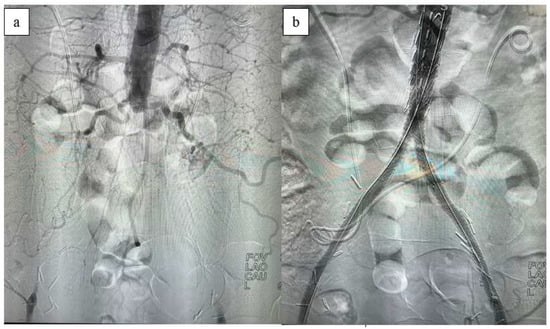
Objective: This study aims to report a clinical case involving posterior fixation combined with anterior transoral plate osteosynthesis in the management of chronic Gehweiler IIIb atlas fracture–dislocation, thereby providing a reference for similar cases. Methods: A patient with atlas fracture–dislocation following a fall injury underwent surgical intervention. Preoperative diagnosis confirmed Gehweiler IIIb fracture with right atlantoaxial lateral mass dislocation. The treatment protocol involved posterior reduction, instrumentation, and anterior transoral screw–plate fixation. Results: The postoperative recovery was uneventful, with significant alleviation of cervical pain. The most recent follow-up assessment revealed favorable osseous union and appropriate stabilization of the internal implants. The VAS score decreased from 4 preoperatively to 0 postoperatively, and the NDI decreased from 64% to 16%, concurrent with a notable enhancement in the patient’s quality of life. Conclusions: Combined posterior fixation and anterior transoral plate osteosynthesis demonstrates efficacy in ameliorating clinical manifestations and facilitating osseous consolidation in cases of chronic Gehweiler IIIb atlas fracture–dislocation. This surgical strategy demonstrates favorable therapeutic outcomes for refractory atlas fractures and warrants clinical application in analogous scenarios, but still requires extensive clinical verification.
Full article
(This article belongs to the Special Issue Advances in Cervical Spine Surgery: Techniques, Outcomes, and Complications)
Open AccessReview
Precision Therapeutics in Pancreatic Cancer: Emerging Targeted, Immune, and Antibody–Drug Conjugate Strategies Exemplified by Adagrasib, Dostarlimab, and Trastuzumab Deruxtecan
by
Piotr Kawczak, Katarzyna Kawczak and Tomasz Bączek
J. Clin. Med. 2026, 15(14), 5521; https://doi.org/10.3390/jcm15145521 (registering DOI) - 14 Jul 2026
Abstract
Pancreatic cancer remains one of the most aggressive and lethal malignancies, characterized by late-stage diagnosis, profound molecular heterogeneity, and limited responsiveness to conventional cytotoxic therapies. Recent advances in molecular diagnostics and biomarker-driven treatment stratification have accelerated the development of precision therapeutic approaches aimed
[...] Read more.
Pancreatic cancer remains one of the most aggressive and lethal malignancies, characterized by late-stage diagnosis, profound molecular heterogeneity, and limited responsiveness to conventional cytotoxic therapies. Recent advances in molecular diagnostics and biomarker-driven treatment stratification have accelerated the development of precision therapeutic approaches aimed at improving outcomes in selected patient populations. This review highlights three mechanistically distinct yet complementary therapeutic strategies that illustrate the evolving landscape of personalized pancreatic cancer management. Adagrasib represents targeted inhibition of oncogenic KRAS G12C signaling, reflecting recent progress in directly targeting historically “undruggable” driver mutations. Dostarlimab illustrates the tissue-agnostic application of immune checkpoint blockade in pancreatic cancers harboring mismatch repair deficiency (dMMR) or high microsatellite instability (MSI-H), highlighting the growing importance of biomarker-defined immunotherapy-responsive subsets despite the limited pancreatic cancer-specific clinical evidence currently available. Trastuzumab deruxtecan represents a next-generation HER2-directed antibody–drug conjugate (ADC) and demonstrates the potential of HER2-targeted therapy in the small subgroup of patients with HER2-positive pancreatic cancer, although the available evidence is derived primarily from basket trials and tumor-agnostic clinical development. Collectively, these therapeutic approaches underscore the expanding role of biomarker-guided treatment strategies integrating targeted inhibition, immunotherapy, and precision cytotoxic payload delivery. This review summarizes the molecular rationale, available clinical evidence, therapeutic limitations, and resistance mechanisms associated with these approaches while discussing emerging directions in translational research, rational combination strategies, liquid biopsy applications, and precision oncology that may further refine individualized treatment algorithms for pancreatic cancer.
Full article
(This article belongs to the Special Issue Advances in Pancreatic Cancer: Diagnosis and Therapy)
►▼
Show Figures

Figure 1

Open AccessArticle
Association Between Early Vascular Aging and Cardiometabolic Diseases: A Two-Year Longitudinal Study of the EVasCu Cohort
by
Marta Fenoll-Morante, Alicia Saz-Lara, Arturo Martinez-Rodrigo, Nerea Moreno-Herraiz, Iris Otero-Luis, José Alberto Martínez-Hortelano, Carla Geovanna Lever-Megina and Iván Cavero-Redondo
J. Clin. Med. 2026, 15(14), 5520; https://doi.org/10.3390/jcm15145520 (registering DOI) - 14 Jul 2026
Abstract
Background. Cardiometabolic diseases are the leading cause of morbidity and mortality worldwide and are driven by risk factors such as hypertension, diabetes mellitus, and dyslipidemia. Early vascular aging (EVA) is a pathological process characterized by accelerated arterial stiffness and endothelial dysfunction, which increase
[...] Read more.
Background. Cardiometabolic diseases are the leading cause of morbidity and mortality worldwide and are driven by risk factors such as hypertension, diabetes mellitus, and dyslipidemia. Early vascular aging (EVA) is a pathological process characterized by accelerated arterial stiffness and endothelial dysfunction, which increase the risk of cardiovascular events. Key markers of EVA include advanced glycation end products (AGEs), aortic pulse wave velocity (a-PWV), glycated hemoglobin A1c (HbA1c) and pulse pressure (PP). Although these markers are individually associated with cardiovascular outcomes, there is still limited evidence from longitudinal studies evaluating their combined association with cardiometabolic diseases and hypertension, particularly with consideration of gender differences. Therefore, in this study, data from the two-year EVasCu cohort were used to analyze the associations between EVA and cardiometabolic diseases and hypertension; the associations between EVA related parameters (AGEs, a-PWV, HbA1c and PP) were evaluated, and these associations were assessed by gender. Methods. AGE, a-PWV, HbA1c and PP were measured as indicators of EVA, in addition to sociodemographic and clinical variables. Logistic regression was applied to assess the association between EVA and cardiometabolic diseases (including hypertension, diabetes mellitus, acute myocardial infarction (AMI), dyslipidemia, angina pectoris, and heart failure (HF)) and hypertension, adjusting for age, gender and risk factors. Results. A 2-year longitudinal study was conducted with 200 adults in Cuenca, Spain. EVA was significantly associated with the development of cardiometabolic diseases (OR = 1.38; p = 0.028) and hypertension (OR = 1.63; p = 0.015), which was more pronounced in females. Cardiometabolic diseases and hypertension were associated with a-PWV and PP, but not with AGEs or HbA1c. Conclusions. a-PWV and PP are predictors of cardiometabolic diseases and hypertension, especially in females. Early detection and preventive strategies are essential for detecting cardiovascular risk and mitigating consequences. Further studies are needed to investigate the relationships between EVA and cardiometabolic factors.
Full article
(This article belongs to the Section Cardiovascular Medicine)
Open AccessArticle
Association Between Serum Parathyroid Hormone Levels and Femoral Bone Mineral Density in Patients with Chronic Kidney Disease Stage 3
by
Laura Montaño-Azor, Petra Cantón Guerrero, María Ángeles Jiménez Sánchez, María José Jiménez Moral, Raquel María García-Sáez, María Encarnación Rodríguez-Ortiz, Mariano Rodríguez, Victoria Pendón-Ruiz de Mier and Esperanza Romero-Rodríguez
J. Clin. Med. 2026, 15(14), 5519; https://doi.org/10.3390/jcm15145519 (registering DOI) - 14 Jul 2026
Abstract
Background: Chronic kidney disease (CKD) is associated with early disturbances in mineral metabolism that contribute to bone fragility. Secondary hyperparathyroidism is a key component of chronic kidney disease–mineral and bone disorder (CKD-MBD) and may affect bone even during the early stages of
[...] Read more.
Background: Chronic kidney disease (CKD) is associated with early disturbances in mineral metabolism that contribute to bone fragility. Secondary hyperparathyroidism is a key component of chronic kidney disease–mineral and bone disorder (CKD-MBD) and may affect bone even during the early stages of CKD. This study evaluated the association between serum parathyroid hormone (PTH) concentrations and bone mineral density (BMD) in patients with stage 3 CKD. Methods: A multicenter cross-sectional observational study was conducted in 203 patients with stage 3 CKD. Blood and 24 h urine samples were collected to measure creatinine, calcium, phosphate, magnesium, 25-hydroxyvitamin D, fibroblast growth factor 23 (FGF23), and PTH. Bone mineral density was assessed by dual-energy X-ray absorptiometry (DXA). Associations between serum PTH concentrations and BMD were analyzed. Results: Elevated serum PTH concentrations were associated with lower femoral BMD and less favorable femoral T-scores, whereas no significant associations were observed at the lumbar spine. Serum PTH concentrations were inversely correlated with femoral BMD and femoral T-scores. Patients with reduced femoral BMD also showed higher FGF23 concentrations and lower renal function, while serum calcium, phosphate, magnesium, and 25-hydroxyvitamin D concentrations did not differ significantly among the groups. Conclusions: Elevated serum PTH concentrations were associated with reduced femoral BMD in patients with stage 3 CKD, supporting preferential early involvement of cortical bone. Serum PTH may represent an accessible biomarker for the early identification of patients at increased risk of cortical bone loss before conventional biochemical abnormalities become clinically apparent.
Full article
(This article belongs to the Section Nephrology & Urology)
Open AccessReview
Biomarkers in Clinical Medicine Research: A Literature Survey in the PubMed Database and a Critical Evaluation
by
Dimitrios Tsikas, Katharina Habler and Stefan Ückert
J. Clin. Med. 2026, 15(14), 5518; https://doi.org/10.3390/jcm15145518 (registering DOI) - 14 Jul 2026
Abstract
Biomarker, the short form of “biological marker”, appeared in the scientific literature in the 1940s. Since then, many different definitions have been suggested, but a generally applicable explanation of the term biomarker in science is extremely challenging. The word biomarker is found in
[...] Read more.
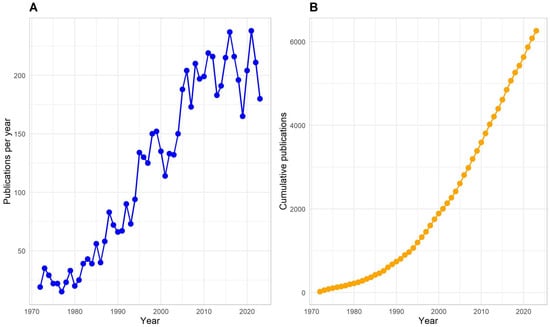
Biomarker, the short form of “biological marker”, appeared in the scientific literature in the 1940s. Since then, many different definitions have been suggested, but a generally applicable explanation of the term biomarker in science is extremely challenging. The word biomarker is found in 1.3 million articles in the scientific database PubMed® that currently comprises more than 39 million citations for biomedical literature. Biomarkers are closely associated with human health and disease. The present article attempts to approach and evaluate the multifaceted term “biomarker” from a clinical perspective by searching the PubMed database. The search term biomarker was combined with other search terms related to medicine, physiology, biochemistry, and chemistry. Currently generally accepted clinical biomarkers, such as the high-molecular-mass N-terminal prohormone of brain natriuretic peptide (NT-proBNP, 60%), prostate-specific antigen (PSA, 67%), and troponin (37%), serve as a kind of positive control. The combination of the search term biomarker with selected low-molecular substances of clinically non-validated and hence rather experimental character yielded surprisingly high fractions of 41% for 8-iso-prostaglandin F2α, 39% for symmetric dimethylarginine (SDMA), and 28% for asymmetric dimethylarginine (ADMA). The results of our survey are presented and discussed in detail for a wide spectrum of diseases. We focused on mechanisms that are assumed to underlie the biological activity and specificity of biomarkers. We also considered potential roles of the analytical chemistry of biomarkers including the emerging metabolomics and proteomics. Reliable analytical methods have been used for the quantification of the isomeric low-molecular-mass ADMA and SDMA in human biological samples. ADMA, but not SDMA, is considered an endogenous inhibitor of the endothelium-derived nitric oxide (NO) synthesis, one of the most potent endogenous vasodilators. Paradoxically, the utility of ADMA and SDMA as biomarkers in the renal and cardiovascular systems seems to contradict their main biological activity. This prominent pair is representative of many biomarkers and reveals that the supposed biomarker utility is likely to be predicated on not yet considered biological activity. The majority of human diseases are heterogenic, affect many organs and seem to include different and overlapping biochemical pathways. In recent years, especially proteomic studies provided a series of new potential candidate biomarkers. However, such biomarkers must still be validated in the clinic before they can be introduced into clinical practice. This is perhaps the most critical phase in the discovery of disease biomarkers. Our analysis reveals that the area of biomarker research is highly challenging. With minor exceptions, there is no specific biomarker for a single disease. In addition to clinical examinations, a combination of several biomarkers seems to be needed for reliable diagnosis and therapy. Analytical chemistry, especially proteomics, delivers a huge amount of data, which may complicate and even hinder progress in this area. Specific quantitative analysis of candidate biomarkers observed by proteomics (and metabolomics) is highly recommended to proceed with the same biological samples from studies in which the biomarkers were discovered.
Full article
(This article belongs to the Topic Biomarkers of Disease: Discovery and Clinical Applications)
Open AccessSystematic Review
Comparison of VISUMAX 800 and VISUMAX 500 Femtosecond Laser Systems for Myopia: A Systematic Review and Meta-Analysis
by
Qi Wan, Ran Wei, Li Chen and Ke Ma
J. Clin. Med. 2026, 15(14), 5517; https://doi.org/10.3390/jcm15145517 (registering DOI) - 14 Jul 2026
Abstract
Objectives: The VISUMAX 800 (Carl Zeiss Meditec) is the second-generation femtosecond laser for small incision lenticule extraction (SMILE), featuring faster pulse rates, automated cyclotorsion compensation (OcuLign), and automated centration (CentraLign) versus the VISUMAX 500. This systematic review and meta-analysis compared their clinical outcomes
[...] Read more.
Objectives: The VISUMAX 800 (Carl Zeiss Meditec) is the second-generation femtosecond laser for small incision lenticule extraction (SMILE), featuring faster pulse rates, automated cyclotorsion compensation (OcuLign), and automated centration (CentraLign) versus the VISUMAX 500. This systematic review and meta-analysis compared their clinical outcomes in myopia correction. Methods: Following PRISMA 2020 guidelines, we searched PubMed, EMBASE, and Web of Science through March 2026 for studies comparing the two platforms in myopia or myopic astigmatism with extractable data. Primary outcomes were predictability (SE ± 0.50 D) and astigmatism (CYL ≤ 0.50 D). Secondary outcomes included UDVA ≥ 20/20, safety (CDVA loss ≥ 1 line), R2 values, surgically induced astigmatism, axis alignment (±5°), and higher-order aberrations. Risk of bias was assessed using the ROBINS-I tool for all included studies, as no randomized controlled trials were available. Publication bias was evaluated via funnel plots, Egger’s test, and Begg’s test, with appropriate caution noted regarding the limited number of studies. Sensitivity analysis used the leave-one-out method. Results: Nine studies (1672 eyes: 646 VISUMAX 800, 1026 VISUMAX 500) were included. For SE ± 0.50 D, the pooled risk ratio (RR) was 1.065 (95% CI: 0.997–1.137, p = 0.061) with substantial heterogeneity (I2 = 64.7%, p = 0.004). For CYL ± 0.50 D (eight studies, 1585 eyes), the pooled RR was 1.022 (95% CI: 0.978–1.068, p = 0.333, I2 = 51.7%). Astigmatism axis within ±5° significantly favored VISUMAX 800 (RR = 1.157, 95% CI: 1.071–1.250, p = 0.0002, I2 = 0%). No statistically significant differences were observed for UDVA ≥ 20/20, safety, SEQ R2, cylinder R2, TIA, SIA, total HOAs, spherical aberration, or coma RMS. Publication bias tests showed no significant asymmetry for the primary outcomes, though these tests have limited power with fewer than 10 studies. ROBINS-I assessments classified most studies as having “serious” risk of bias due to their non-randomized designs. Conclusions: Both platforms yield comparable predictability, safety, and visual outcomes. VISUMAX 800 offers superior astigmatism axis alignment, likely due to automated compensation and centration. The borderline SE predictability warrants further randomized investigation
Full article
(This article belongs to the Special Issue Advancements in Femtosecond Laser Applications)
Open AccessCase Report
Rapidly Progressive Post-Infarction Left Ventricular Aneurysm: Multimodality Imaging-Guided Assessment of Adverse Remodeling and Surgical Ventricular Restoration
by
Alina Craciun-Mirescu, Oana Munteanu Mirea, Despina Emanuela Toader, Denisa Epingeac, Constantin Militaru and Victor Raicea
J. Clin. Med. 2026, 15(14), 5516; https://doi.org/10.3390/jcm15145516 (registering DOI) - 14 Jul 2026
Abstract
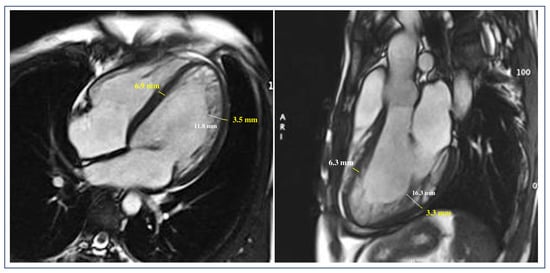
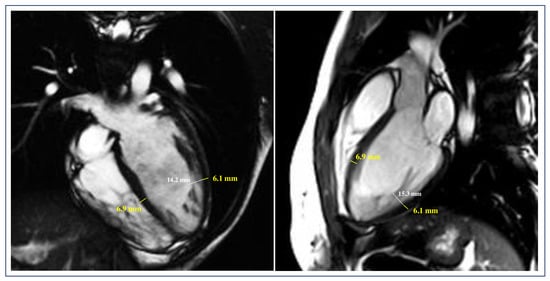
Background: Rapid, disproportionate expansion of post-infarction left ventricular (LV) aneurysms represents a high-risk remodeling phenotype characterized by progressive mechanical deterioration and severe geometric distortion. Methods: A 54-year-old male presented with late anterior myocardial infarction complicated by a partially thrombosed apical LV aneurysm with
[...] Read more.
Background: Rapid, disproportionate expansion of post-infarction left ventricular (LV) aneurysms represents a high-risk remodeling phenotype characterized by progressive mechanical deterioration and severe geometric distortion. Methods: A 54-year-old male presented with late anterior myocardial infarction complicated by a partially thrombosed apical LV aneurysm with an initial left ventricular ejection fraction (LVEF) of 35%. Despite clinical stability under optimal guideline-directed medical therapy, serial multimodality imaging at 7 weeks revealed an aggressive, disproportionate expansion of the aneurysmal component to 120 mL, inducing severe ventricular geometric distortion and secondary functional degradation (LVEF 20%). Multimodality imaging demonstrated a favorable geometry of the functional ventricle with preserved contractile function. Results: The patient underwent prompt surgical ventricular restoration using a double-patch Dor technique, effectively excluding the large aneurysm and restoring physiological ventricular geometry. The postoperative course was uneventful. At 6-month follow-up, cardiovascular magnetic resonance confirmed sustained reverse remodeling and significant recovery of systolic LV function (LVEF 47%). Conclusions: This case illustrates that rapid post-infarction aneurysmal expansion may occur despite apparent clinical stability. Comprehensive multimodality imaging may help identify selected patients in whom a reconstructible myocardial substrate supports surgical ventricular restoration despite severely reduced LVEF, even when conventional clinical indications for aneurysmectomy are absent.
Full article
(This article belongs to the Section Cardiology)
►▼
Show Figures

Figure 1

Open AccessArticle
Repeat Kidney Biopsy in Lupus Nephritis: Diagnostic Yield and Clinical Utility in a Real-World Single-Centre Cohort
by
Marc Patricio-Liébana, Maria José Soler, Alejandra Gabaldón, Sheila Bermejo, Sara Núñez, Marina López, Abel Andrés Orelogio, Josefina Cortés-Hernández, Oriol Bestard and Irene Agraz
J. Clin. Med. 2026, 15(14), 5515; https://doi.org/10.3390/jcm15145515 (registering DOI) - 14 Jul 2026
Abstract
Background/Objectives: Repeat kidney biopsy in lupus nephritis is increasingly used to resolve discrepancies between clinical, serological and histological findings, but its diagnostic yield in real-world practice remains incompletely defined. This study aimed to describe the indications, safety, histological transitions, clinically relevant findings, treatment
[...] Read more.
Background/Objectives: Repeat kidney biopsy in lupus nephritis is increasingly used to resolve discrepancies between clinical, serological and histological findings, but its diagnostic yield in real-world practice remains incompletely defined. This study aimed to describe the indications, safety, histological transitions, clinically relevant findings, treatment changes and clinical course of patients with lupus nephritis undergoing repeat native kidney biopsy. Methods: We conducted a retrospective single-centre study including adults with biopsy-proven lupus nephritis attended between 2003 and 2025 who underwent at least one repeat native kidney biopsy. Analyses were performed at patient level, comparing the index and last biopsy, and at episode level, evaluating consecutive biopsy transitions. Results: Nineteen patients and 45 native kidney biopsies were included. The most frequent indication for repeat biopsy was serological and/or proteinuric worsening. Comparing the index and last biopsy, histological or diagnostic change was observed in 14/19 patients (73.7%), including diagnoses not compatible with active lupus nephritis in 3/19 (15.8%). Sequential analysis identified 26 transitions; 17/26 (65.4%) showed lupus nephritis class change, 4/26 (15.4%) incident membranous component and 3/26 (11.5%) a diagnosis that was not compatible with active lupus nephritis. Two biopsy-related hematomas occurred and three patients required kidney replacement therapy during follow-up. Conclusions: In this real-world cohort, repeat kidney biopsy provided clinically relevant and potentially actionable diagnostic information, particularly through sequential analysis of consecutive biopsies.
Full article
(This article belongs to the Section Nephrology & Urology)
Open AccessCase Report
X-Linked Nephrogenic Diabetes Insipidus Associated with the AVPR2 c.964C>T (p.Pro322Ser) Variant: A Family Case Series
by
Kalliopi Vardaki, Ioannis Petrakis, Eleni Drosataki, Christos Pleros, Ariadni Androvitsanea, Dimitra Lygerou, Kleio Dermitzaki, Antonakis Andreas, Konstantina Kydonaki and Kostas Stylianou
J. Clin. Med. 2026, 15(14), 5514; https://doi.org/10.3390/jcm15145514 (registering DOI) - 14 Jul 2026
Abstract
Background: Nephrogenic diabetes insipidus (NDI) is a rare disorder characterized by renal resistance to arginine vasopressin, most commonly caused by pathogenic variants in the AVPR2 gene. While X-linked NDI classically affects males, heterozygous females may exhibit variable clinical expression. Certain AVPR2 variants are
[...] Read more.
Background: Nephrogenic diabetes insipidus (NDI) is a rare disorder characterized by renal resistance to arginine vasopressin, most commonly caused by pathogenic variants in the AVPR2 gene. While X-linked NDI classically affects males, heterozygous females may exhibit variable clinical expression. Certain AVPR2 variants are associated with partial NDI and milder phenotypes. Methods: We conducted a retrospective family study of a multigenerational Greek pedigree with suspected hereditary NDI. Clinical, biochemical, and pedigree data were collected through chart review and family interviews. Genetic analysis was performed using whole-exome sequencing, and variant interpretation followed ACMG/AMP guidelines. Results: Fourteen individuals across four generations were evaluated. Molecular analysis identified a familial AVPR2 (NM_000054.7):c.964C>T (p.Pro322Ser) missense variant in three males and three females, with obligate carrier status inferred in two deceased females, segregating in an X-linked pattern. Hemizygous males exhibited a broad phenotypic spectrum, ranging from partial NDI with later onset to severe early-onset disease with urinary tract complications. Heterozygous females showed variable expression, from asymptomatic carriers to mildly symptomatic individuals. The variant co-segregated with disease and, based on ACMG criteria, it was classified as pathogenic. Conclusions: In our family, the AVPR2 c.964C>T (p.Pro322Ser) variant was associated with a remarkably broad clinical spectrum, ranging from asymptomatic heterozygous females to severe early-onset disease with urinary tract complications in affected males. These observations emphasize the need for early molecular diagnosis, systematic evaluation of female carriers, and long-term surveillance to prevent disease-related complications and optimize genetic counselling.
Full article
(This article belongs to the Section Nephrology & Urology)
►▼
Show Figures

Figure 1
Open AccessArticle
Admission Liver Enzyme Elevation Grade for Risk Stratification in Critically Ill Patients: Development and Internal Validation of an Exploratory Prognostic Model
by
Giovanni Giordano, Veronica Zullino, Antonella Tosi, Giacomo Monaco, Beatrice Frasacco, Paola Celli, Franco Ruberto, Pierfrancesco Tozzi, Francesco Alessandri and Francesco Pugliese
J. Clin. Med. 2026, 15(14), 5513; https://doi.org/10.3390/jcm15145513 - 14 Jul 2026
Abstract
Background: Liver enzyme abnormalities are common in critically ill patients, but the prognostic relevance of graded aminotransferase elevation and its timing remains uncertain. We evaluated whether Liver Enzyme Elevation (LEE) grade at ICU admission provides prognostic information beyond SAPS II in a
[...] Read more.
Background: Liver enzyme abnormalities are common in critically ill patients, but the prognostic relevance of graded aminotransferase elevation and its timing remains uncertain. We evaluated whether Liver Enzyme Elevation (LEE) grade at ICU admission provides prognostic information beyond SAPS II in a heterogeneous ICU cohort. Methods: In this single-centre retrospective study, adult patients admitted to a mixed ICU between January 2023 and December 2024 and with ICU length of stay ≥72 h were analysed. LEE grade was assigned from AST and ALT according to predefined multiples of the local upper limit of normal, using the higher grade reached by either enzyme. The primary outcome was ICU mortality. Secondary outcomes included renal replacement therapy, ICU length of stay, and duration of invasive mechanical ventilation. A fixed logistic model including SAPS II and admission LEE grade was internally validated by bootstrap resampling. Results: Among 274 patients, ICU mortality was 27.7%. Admission LEE grade showed an adjusted association with ICU mortality (OR 1.26 per grade increase, 95% CI 1.00–1.58; p = 0.048), while SAPS II remained the dominant predictor (OR 1.04 per point, 95% CI 1.02–1.06; p < 0.001). Adding admission LEE grade to SAPS II yielded a small absolute increase in discrimination (AUC 0.737 vs. 0.703; DeLong p = 0.039). Bootstrap-corrected AUC was 0.730, with acceptable overall calibration. Admission LEE grade was also associated with RRT and longer ICU stay in exploratory secondary analyses. Conclusions: Admission LEE grade may provide modest complementary prognostic information beyond SAPS II. These findings are exploratory and require external validation before clinical implementation.
Full article
(This article belongs to the Special Issue New Perspectives and Innovations in Critical Illness)
►▼
Show Figures

Figure 1

Open AccessArticle
Platelet-to-Albumin Ratio and Clinical Outcomes in IDH-Wildtype Grade 4 Diffuse Glioma
by
Ozan Deniz Guven, Asim Armagan Aydin, Ahmet Unlu, Hayrani Kaya, Fatma Su Ovali, Abdullah Umit, Murat Kocer, Banu Ozturk and Mustafa Yildiz
J. Clin. Med. 2026, 15(14), 5512; https://doi.org/10.3390/jcm15145512 - 14 Jul 2026
Abstract
Background: Clinical outcomes in isocitrate dehydrogenase (IDH)-wildtype grade 4 diffuse glioma remain highly heterogeneous despite standard multimodal therapy. We evaluated the prognostic significance of pretreatment platelet-to-albumin ratio (PAR) and compared its performance with established inflammatory biomarkers. Methods: This retrospective cohort study included 166
[...] Read more.
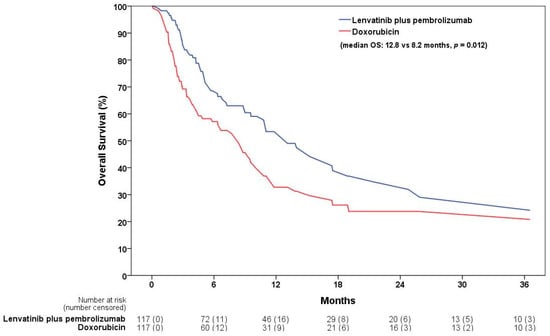
Background: Clinical outcomes in isocitrate dehydrogenase (IDH)-wildtype grade 4 diffuse glioma remain highly heterogeneous despite standard multimodal therapy. We evaluated the prognostic significance of pretreatment platelet-to-albumin ratio (PAR) and compared its performance with established inflammatory biomarkers. Methods: This retrospective cohort study included 166 patients with histopathologically confirmed IDH-wildtype grade 4 diffuse glioma treated between 2017 and 2025. Pretreatment PAR, neutrophil-to-lymphocyte ratio (NLR), systemic immune-inflammation index (SII), systemic inflammation response index (SIRI), pan-immune inflammation value (PIV), C-reactive protein-to-albumin ratio (CAR), and lactate dehydrogenase-to-albumin ratio (LAR) were evaluated. Discriminative performance was assessed using classical and inverse probability of censoring weighting (IPCW)-adjusted time-dependent receiver operating characteristic (ROC) analyses. Survival outcomes were evaluated using Kaplan–Meier analyses and predefined baseline-adjusted multivariable Cox proportional hazards regression models. Internal validation was performed using 1000 bootstrap resampling iterations. Results: PAR demonstrated the highest discriminative performance for 12-month overall survival (OS), with an area under the curve of 0.853. Using an optimal cutoff value of 79.459, patients with elevated PAR experienced significantly shorter OS (median, 6.2 vs. 16.7 months; p < 0.001) and progression-free survival (PFS) (median, 5.9 vs. 12.3 months; p < 0.001). In baseline-adjusted multivariable analyses, elevated pretreatment PAR remained independently associated with inferior OS (hazard ratio [HR], 3.287; 95% confidence interval [CI], 2.196–4.921; p < 0.001) and PFS (HR, 3.791; 95% CI, 2.501–5.749; p < 0.001). These findings were supported by sensitivity analyses and bootstrap internal validation. Conclusions: Pretreatment PAR was independently associated with survival outcomes and demonstrated favorable discriminative performance relative to other inflammatory biomarkers. PAR may represent an accessible biomarker reflecting tumor–host interactions in IDH-wildtype grade 4 diffuse glioma. The proposed PAR cutoff should be considered exploratory and requires external validation before routine clinical application.
Full article
(This article belongs to the Special Issue Clinical and Diagnostic Strategies for Glioma Treatment)
►▼
Show Figures

Figure 1

Open AccessReview
Mesenteric Panniculitis in a Patient with Ulcerative Colitis in Remission on Vedolizumab Therapy: A Case Report and Literature Review
by
Carmen Atodiresei, Alina-Ecaterina Jucan, Georgiana Elena Sârbu, Claudiu Vasile Mihai, Ioana Ruxandra Mihai, Bogdan-Victor Ștefănescu, Mihaela Dranga, Otilia Nedelciuc, Georgiana Emmanuela Gîlcă-Blanariu, Alin Constantin Pînzariu, Cristina Cijevschi Prelipcean and Cătălina Mihai
J. Clin. Med. 2026, 15(14), 5511; https://doi.org/10.3390/jcm15145511 - 14 Jul 2026
Abstract
Background: Mesenteric panniculitis (MP) is a chronic fibroinflammatory disorder of the mesenteric adipose tissue and is frequently considered an idiopathic condition. Its association with inflammatory bowel disease (IBD), particularly ulcerative colitis (UC), remains poorly characterized, with only limited evidence available in the
[...] Read more.
Background: Mesenteric panniculitis (MP) is a chronic fibroinflammatory disorder of the mesenteric adipose tissue and is frequently considered an idiopathic condition. Its association with inflammatory bowel disease (IBD), particularly ulcerative colitis (UC), remains poorly characterized, with only limited evidence available in the literature. In addition to presenting a clinical case, we performed a narrative review of the literature regarding the relationship between MP and IBD, including epidemiology, pathophysiological mechanisms, diagnostic challenges, and therapeutic approaches. Case Presentation: We report the case of a 32-year-old woman with UC in deep clinical, endoscopic, and histological remission while receiving vedolizumab therapy, who developed symptomatic MP diagnosed by contrast-enhanced computed tomography. Infectious, neoplastic, and selected fibroinflammatory causes were excluded during the diagnostic work-up. Histological confirmation was not obtained. The patient was treated with prednisone and tamoxifen, resulting in complete clinical and radiological remission while vedolizumab therapy was continued. Conclusions: This case describes the rare co-occurrence of MP and UC in deep remission during ongoing vedolizumab treatment. Given the absence of histological confirmation and the frequently idiopathic nature of MP, a causal relationship with either UC activity or vedolizumab therapy cannot be established. The observation should therefore be regarded as hypothesis-generating. Further studies are required to clarify the potential relationship between MP, IBD, and biologic therapies.
Full article
(This article belongs to the Special Issue Digestive Disorders: Updates on Disease Monitoring, Prediction Models and Management)
►▼
Show Figures

Figure 1

Open AccessReview
Metabolic Syndrome and Periodontitis—From Shared Mechanisms to Interdisciplinary Care: A Narrative Review of Clinical Evidence
by
Anna-Maria-Clara Gherbon, Mirela Frandes, Deiana Roman, Adriana Gherbon, Luciana Maria Goguta, Romulus Timar and Oana Albai
J. Clin. Med. 2026, 15(14), 5510; https://doi.org/10.3390/jcm15145510 - 14 Jul 2026
Abstract
Background/Objectives: Metabolic syndrome (MetS), defined by abdominal obesity, dysglycemia, dyslipidemia, hypertension, and insulin resistance, markedly increases the risk of type 2 diabetes mellitus and cardiovascular disease. Affecting an estimated 25–30% of the global adult population, MetS represents a major and growing public
[...] Read more.
Background/Objectives: Metabolic syndrome (MetS), defined by abdominal obesity, dysglycemia, dyslipidemia, hypertension, and insulin resistance, markedly increases the risk of type 2 diabetes mellitus and cardiovascular disease. Affecting an estimated 25–30% of the global adult population, MetS represents a major and growing public health challenge. A growing body of evidence supports a significant bidirectional relationship between MetS and oral health, particularly periodontitis. The present study aimed to synthesize current evidence on the pathophysiological mechanisms, epidemiological associations, interventional outcomes, and clinical implications of the bidirectional relationship between metabolic syndrome (MetS) and periodontitis. Methods: A narrative review following the SANRA framework was performed. PubMed, Scopus, and Web of Science were searched for articles published in January 2021–March 2026 using MeSH and free-text terms including “metabolic syndrome”, “periodontal disease”, “insulin resistance”, and “oral microbiota”. Eligible studies included original research and systematic reviews in English with full-text availability; animal and in vitro studies were included if directly informative of mechanistic pathways. Results: A total of 64 references were selected for inclusion. Shared mechanisms include chronic systemic inflammation, insulin resistance, oxidative stress, adipokine imbalance, endothelial dysfunction, and oral–gut microbiome dysbiosis. Cross-sectional and longitudinal studies show that MetS components are independently associated with higher prevalence and severity of periodontitis; meta-analyses report pooled odds ratios of 1.7–1.9 compared with metabolically healthy controls. Non-surgical periodontal therapy produces modest but significant reductions in glycated hemoglobin (HbA1c) and systemic inflammatory markers. Sodium–glucose cotransporter-2 (SGLT2) inhibitors may alter oral microbiota composition and cause mucosal changes, while glucagon-like peptide-1 (GLP-1) receptor agonists may increase caries risk through gastrointestinal side effects and xerostomia; both drug classes warrant proactive dental monitoring. Conclusions: The bidirectional relationship between MetS and oral health supports integrated screening and interdisciplinary management. Routine periodontal assessment should be integrated into the metabolic risk management pathway, and dental professionals should screen patients with severe periodontitis for metabolic risk factors. The oral microbiome emerges as a promising target for future mechanistic research and therapeutic intervention. Recognition of oral health as an integral component of metabolic health may improve risk stratification, prevention, and long-term patient outcomes. Large-scale randomized controlled trials with standardized endpoints are needed to establish causal directionality and optimize combined therapeutic strategies.
Full article
(This article belongs to the Special Issue Oral Health and Systemic Diseases: Clinical Insights)
►▼
Show Figures

Figure 1

Open AccessArticle
Treatment Switching and Drug Survival of Biologic Therapies in Psoriasis: A Real-World Italian Study Across Biologic Classes
by
Silvia Calabria, Paolo Gisondi, Marina Talamonti, Lorenzo Giovanni Mantovani, Chiara Veronesi and Luca Degli Esposti
J. Clin. Med. 2026, 15(14), 5509; https://doi.org/10.3390/jcm15145509 - 14 Jul 2026
Abstract
Background/Objectives: Psoriasis is a chronic inflammatory skin disease leading to substantial psycho-physical and social burden and reduced quality of life. Biologic agents have transformed its therapeutic landscape. This real-world Italian study described the pattern of treatment with biologic drugs in patients with
[...] Read more.
Background/Objectives: Psoriasis is a chronic inflammatory skin disease leading to substantial psycho-physical and social burden and reduced quality of life. Biologic agents have transformed its therapeutic landscape. This real-world Italian study described the pattern of treatment with biologic drugs in patients with psoriasis. Methods: A retrospective observational study was conducted using administrative databases from Italian Local Health Units, covering nearly 12 million individuals. The study included adults with psoriasis identified from January 2015 to March 2025 by hospitalization, co-payment exemption code, or topical anti-psoriatic prescriptions. Patients initiating a biologic drug (anti-TNFα, anti-IL12/23, anti-IL17, and anti-IL23) were selected and further analyzed in terms of treatment switching, drug survival, and healthcare resource utilization and related costs within the first year after biologic initiation, and compared. Results: A total of 10,270 biologic-naïve adult patients was included in the analysis (anti-TNFα N = 5078; anti-IL12/23 N = 767; anti-IL17 N = 2574; anti-IL23 N = 1851). Most patients (95.0%) starting an anti-IL23 agent did not switch. Compared with anti-TNFα, initiating an anti-IL23 inhibitor was associated with a significant reduced risk of switching (HR = 0.186; 95%CI: 0.144–0.240; p < 0.001). According to the cost analysis stratified by switching status, remaining on the index biologic was associated with a lower economic burden. Although differences between switchers vs. non-switchers among anti-IL23 users did not reach statistical significance (€12,052 vs. €11,406, respectively, p = 0.132), data support the economic advantage associated with greater treatment stability. Conclusions: Anti-IL23 agents showed effective, durable first-line use with potential long-term clinical and economic benefits in moderate-to-severe psoriasis.
Full article
(This article belongs to the Section Dermatology)
►▼
Show Figures

Figure 1
Open AccessArticle
Region-Wise Bézier Intensity Augmentation for Domain-Generalized Brain Tumor Segmentation with a Mamba U-Net
by
Mustafa Yurdakul, Merve Ersoy, Faruk Özger and Ishak Pacal
J. Clin. Med. 2026, 15(14), 5508; https://doi.org/10.3390/jcm15145508 - 14 Jul 2026
Abstract
Background/Objectives: Robust brain-tumor segmentation on contrast-enhanced MRI remains limited by scanner-dependent intensity shifts, scarce annotations, and evaluation protocols that may leak patient-specific information. We propose BA-SwinMamba, a region-wise Bézier intensity augmentation framework built on Swin-UMamba, a selective state-space U-Net that combines hierarchical Swin-style
[...] Read more.
Background/Objectives: Robust brain-tumor segmentation on contrast-enhanced MRI remains limited by scanner-dependent intensity shifts, scarce annotations, and evaluation protocols that may leak patient-specific information. We propose BA-SwinMamba, a region-wise Bézier intensity augmentation framework built on Swin-UMamba, a selective state-space U-Net that combines hierarchical Swin-style visual modeling with Mamba’s linear-complexity long-range sequence representation. Materials and Methods: During training, independent monotonic or non-monotonic Bézier transfer functions are sampled for tumor and background regions, perturbing lesion-to-background contrast while preserving the binary mask geometry. Fourteen convolutional, transformer-based, and state-space segmentation models were evaluated on the Cheng brain-tumor dataset, comprising 3064 contrast-enhanced T1-weighted slices from 233 patients, using a strictly patient-level five-fold protocol. Single-source domain generalization was assessed by training only on Cheng and testing, without fine-tuning, on two independent target datasets. Results: BA-SwinMamba achieved 89.6% Dice, 82.0% IoU, and 5.9-pixel HD95 on the source domain, outperforming the plain Swin-UMamba backbone by 1.7 Dice points. The benefit was larger under domain shift: mean target-domain Dice increased from 72.7% with Swin-UMamba to 78.3% with BA-SwinMamba. Ablation analysis showed that replacing global Bézier augmentation with the proposed region-wise formulation added 1.5 Dice points. Conclusions: The method introduces no inference-time cost because augmentation is disabled after training, without modifying the deployed network or requiring target-domain labels during model optimization or tuning. The results indicate that lesion-aware intensity perturbation can improve cross-dataset robustness of Mamba-based 2D brain-tumor segmentation, while wider volumetric and multi-institutional validation remains necessary.
Full article
(This article belongs to the Section Nuclear Medicine & Radiology)
►▼
Show Figures

Figure 1
Open AccessArticle
Upadacitinib Reduces Rates of Hospitalization in Ulcerative Colitis: A Large-Scale Nationwide Cohort Study
by
Chiaki Maeyashiki, Nobuharu Tamaki, Yuki Tanaka, Yutaka Yasui, Kaoru Tsuchiya, Hiroyuki Nakanishi and Masayuki Kurosaki
J. Clin. Med. 2026, 15(14), 5507; https://doi.org/10.3390/jcm15145507 - 14 Jul 2026
Abstract
Background/Objectives: Upadacitinib is recommended for moderate-to-severe ulcerative colitis (UC); however, data regarding its effectiveness and long-term outcomes in large patient populations remain limited. In this nationwide, hospital-based cohort study, we investigated the effectiveness and long-term outcomes of upadacitinib in patients with UC. Methods:
[...] Read more.
Background/Objectives: Upadacitinib is recommended for moderate-to-severe ulcerative colitis (UC); however, data regarding its effectiveness and long-term outcomes in large patient populations remain limited. In this nationwide, hospital-based cohort study, we investigated the effectiveness and long-term outcomes of upadacitinib in patients with UC. Methods: This study included 2694 patients with UC who received upadacitinib. The primary outcome was the comparison of hospitalization rates during the 1-year periods before and after the initiation of upadacitinib. Additionally, the cumulative hospitalization rate up to 2 years post-initiation was evaluated. Results: Of 2694 patients who were initiated on upadacitinib, the median age was 45 (31–57) years, and 60.5% were male. In the year preceding upadacitinib initiation, 29.3% of the patients were hospitalized due to UC. In the 1 year following upadacitinib initiation, the hospitalization rate significantly decreased to 9.6% (p < 0.001). Furthermore, the cumulative hospitalization rate up to 2 years was 12.6%. Among patients with a prior history of hospitalization, the hospitalization rate in the 1 year after upadacitinib initiation decreased from 100% to 16.8%. A significant improvement in the hospitalization rate was observed in both advanced therapy-naïve and -exposed patients. After adjusting for age, sex, steroid use, and history of advanced therapy, the hazard ratio (95% confidence interval) for hospitalization associated with upadacitinib initiation was 0.39 (0.33–0.46, p < 0.001). Conclusions: The initiation of upadacitinib was associated with significantly lower hospitalization rates, and this association was maintained for up to two years. These findings support upadacitinib as an effective and viable treatment option for patients with moderate-to-severe UC.
Full article
(This article belongs to the Section Gastroenterology & Hepatopancreatobiliary Medicine)
►▼
Show Figures

Figure 1
Open AccessArticle
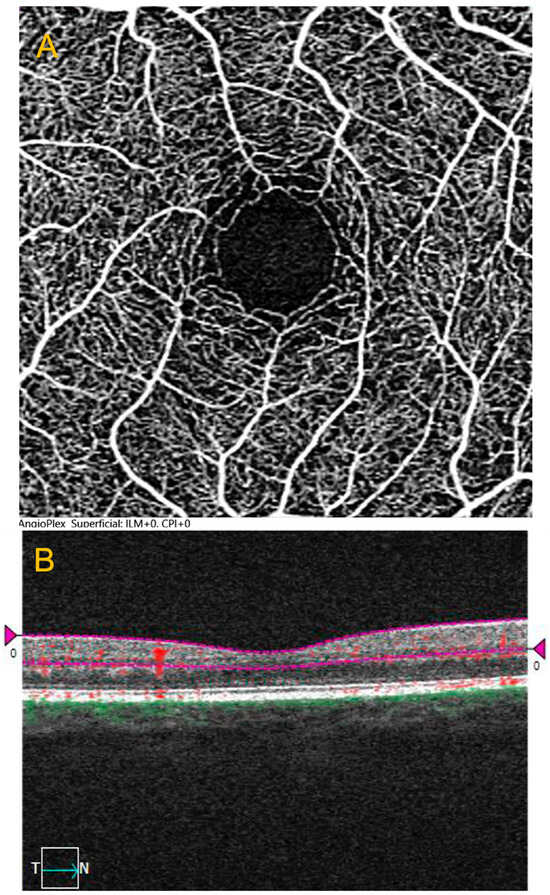
Visual Outcomes Three and Six Months After Bilateral Implantation of Extended Monofocal Isopure 1.2.3 Lenses
by
Wojciech Lubiński, Maria Strojny, Karolina Podborączyńska-Jodko, Urszula Danes-Bogacka and Maciej Mularczyk
J. Clin. Med. 2026, 15(14), 5506; https://doi.org/10.3390/jcm15145506 - 14 Jul 2026
Abstract
Objectives: The objective of this study was to compare visual outcomes three and six months after bilateral implantation of extended monofocal Isopure 1.2.3 lenses. Methods: Prospective study: 20 patients (40 eyes) aged 51–75 years underwent uncomplicated bilateral cataract surgery with the
[...] Read more.
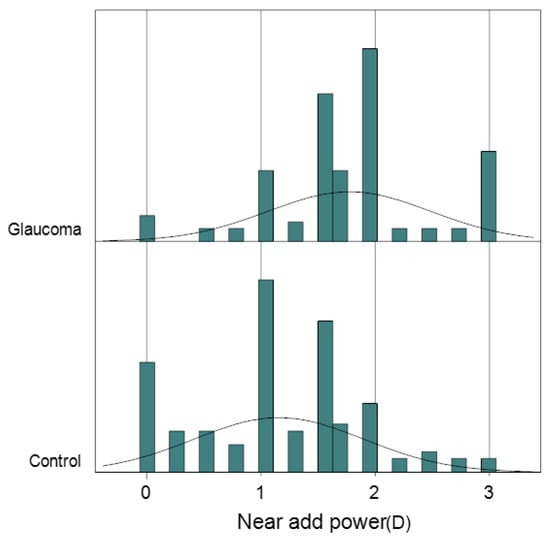
Objectives: The objective of this study was to compare visual outcomes three and six months after bilateral implantation of extended monofocal Isopure 1.2.3 lenses. Methods: Prospective study: 20 patients (40 eyes) aged 51–75 years underwent uncomplicated bilateral cataract surgery with the implantation of Isopure 1.2.3 lenses. Three and six months after surgery, the following examinations were performed: monocular and binocular UDVA, UIVA, UNVA, contrast sensitivity, patient satisfaction, spectacle independence, incidence of photic phenomena, and defocus curve (only 6-month assessment). Results: Three months after surgery, the means of monocular and binocular UDVA were 0.06 ± 0.08 logMAR and 0.02 ± 0.07 logMAR, respectively. The mean binocular UIVA values were 0.15 ± 0.12 logMAR (66 cm) and 0.19 ± 0.11 logMAR (80 cm), and those for UNVA 0.32 ± 0.12 logMAR (40 cm). Binocular contrast sensitivity was within the normal range. Defocus curve indicated prolonged depth of focus for intermediate vision. High level of patient satisfaction, low frequency and intensity of photic phenomena, and significant independence from glasses were achieved. Six months postoperatively, the visual outcomes and patient satisfaction did not differ significantly from the three-month follow-up. Conclusions: Bilateral implantation of Isopure 1.2.3 IOLs provides very good distance, good intermediate and acceptable near vision. With low incidence and perception level of photic phenomena, as well as significant spectacle independence, it should be considered an option for patients not suitable for multifocal IOLs. The investigated visual outcomes are stable starting from the third postoperative month, which could be the result of good neuroadaptation in a short period of time.
Full article
(This article belongs to the Section Ophthalmology)
►▼
Show Figures

Figure 1
Journal Menu
► ▼ Journal Menu-
- JCM Home
- Aims & Scope
- Editorial Board
- Reviewer Board
- Topical Advisory Panel
- Instructions for Authors
- Special Issues
- Topics
- Sections & Collections
- Article Processing Charge
- Indexing & Archiving
- Editor’s Choice Articles
- Most Cited & Viewed
- Journal Statistics
- Journal History
- Journal Awards
- Society Collaborations
- Conferences
- Editorial Office
Journal Browser
► ▼ Journal BrowserHighly Accessed Articles
Latest Books
E-Mail Alert
News
Topics
Topic in
Dentistry Journal, IJMS, JCM, Medicina, Applied Sciences
Oral Health Management and Disease Treatment
Topic Editors: Christos Rahiotis, Felice Lorusso, Sergio Rexhep TariDeadline: 31 July 2026
Topic in
Cancers, Diagnostics, Gastrointestinal Disorders, JCM, Current Oncology
Metastatic Colorectal Cancer: From Laboratory to Clinical Studies, 2nd Edition
Topic Editors: Ioannis Ntanasis-Stathopoulos, Diamantis I. TsilimigrasDeadline: 20 August 2026
Topic in
Cells, Immuno, IJMS, JCM, Allergies, Dermato
Skin Barrier Function and Immune Mediators as Key Therapeutic Targets of Main Inflammatory Diseases
Topic Editors: Marco Manfredini, Carlo PincelliDeadline: 31 August 2026
Topic in
Biomedicines, Clinics and Practice, Diagnostics, JCM, Rheumato
Rheumatic Disorder: From Basic Science to Clinical Practice—2nd Edition
Topic Editors: Andreina Manfredi, Caterina Vacchi, Giulia CassoneDeadline: 20 September 2026
Conferences
Special Issues
Special Issue in
JCM
Artificial Intelligence in Gastrointestinal Disorders: Current Updates from Theory to Clinical Practice
Guest Editors: Maria Pina Dore, Elettra MerolaDeadline: 15 July 2026
Special Issue in
JCM
Innovative Systemic Treatments for Atopic Dermatitis
Guest Editor: Luigi GargiuloDeadline: 15 July 2026
Special Issue in
JCM
Personalized Medicine: Future Perspectives on Personalized Oral and Maxillofacial Surgery
Guest Editors: Cosmin Ioan Faur, Rareș Calin Roman, Mihaela Carmen HedeşiuDeadline: 15 July 2026
Special Issue in
JCM
Recent Clinical Advances in Esophageal Surgery
Guest Editors: Guy Pines, James Tankel, Harbi KhalaylehDeadline: 15 July 2026
Topical Collections
Topical Collection in
JCM
Pediatric and Adolescent Gynecology
Collection Editor: Panagiotis Christopoulos