Journal Description
International Journal of Environmental Research and Public Health
(IJERPH) is a transdisciplinary, peer-reviewed, open access journal that covers global health, healthcare sciences, behavioral and mental health, infectious diseases, chronic diseases and disease prevention, exercise and health related quality of life, environmental health and environmental sciences, and is published monthly online by MDPI. The International Society Doctors for the Environment (ISDE), Italian Society of Environmental Medicine (SIMA) and Environmental Health Association of Québec (ASEQ‑EHAQ) are affiliated with IJERPH and their members receive discounts on the article processing charges.
- Open Access— free for readers, with article processing charges (APC) paid by authors or their institutions.
- High Visibility: indexed within Scopus, PubMed, MEDLINE, PMC, Embase, GEOBASE, CAPlus / SciFinder, and other databases.
- Journal Rank: CiteScore - Q1 (Public Health, Environmental and Occupational Health)
- Rapid Publication: manuscripts are peer-reviewed and a first decision is provided to authors approximately 24 days after submission; acceptance to publication is undertaken in 3.8 days (median values for papers published in this journal in the first half of 2026).
- Recognition of Reviewers: reviewers who provide timely, thorough peer-review reports receive vouchers entitling them to a discount on the APC of their next publication in any MDPI journal, in appreciation of the work done.
- Sections: published in 7 topical sections.
- Journal Cluster of Public Health: International Journal of Environmental Research and Public Health, Infectious Disease Reports, Epidemiologia, Occupational Health, International Journal of Environmental Medicine (IJEM), Journal of Market Access & Health Policy (JMAHP), Hygiene, Trends in Public Health, Digital Health and Innovation (DHI), Green Health and Health Economics and Policy.
- Companion journal: Trends in Public Health
Latest Articles
A Conceptual Framework and Narrative Review of Current and Emerging Posttraumatic Stress Disorder Treatments
Int. J. Environ. Res. Public Health 2026, 23(9), 1159; https://doi.org/10.3390/ijerph23091159 (registering DOI) - 5 Sep 2026
Abstract
Background: This narrative concept-generating review proposes a theoretical and heuristic framework for conceptualizing established and emerging interventions for posttraumatic stress disorder (PTSD) including three categories: top-down/conscious (e.g., cognitive processing therapy, CPT), bottom-up/non-conscious (e.g., pharmacotherapy) and hybrid/conscious and non-conscious integration (e.g., eye movement desensitization
[...] Read more.
Background: This narrative concept-generating review proposes a theoretical and heuristic framework for conceptualizing established and emerging interventions for posttraumatic stress disorder (PTSD) including three categories: top-down/conscious (e.g., cognitive processing therapy, CPT), bottom-up/non-conscious (e.g., pharmacotherapy) and hybrid/conscious and non-conscious integration (e.g., eye movement desensitization and reprocessing, EMDR). The categorization offers a preliminary novel classification of well established and emerging interventions, while highlighting gaps in current treatment approaches. Methods: Clinical guidelines and review articles from 2008 through 2026 were used to create the framework; PubMed and Google Scholar databases were searched for relevant meta-analyses, systematic reviews, narrative reviews, and randomized clinical trials. A total of 27 treatment modalities were included presenting effect size data from 43 published articles. Results: Treatments across categories present mixed results for efficacy. While guideline recommended treatments offer more robust evidence, many understudied emerging interventions exhibit preliminary efficacy. At the intersection of conscious and non-conscious approaches, hybrid modalities may present unique potential benefits. However, superiority determinations between modalities cannot be made and further empirical validation of categorization is needed. Conclusions: The proposed framework highlights the need for increased investigation of treatments that address PTSD as an interconnected whole-body disorder to potentially expand care options.
Full article
(This article belongs to the Special Issue Prevention and Treatment of Trauma-Related Mental Illness)
Open AccessSystematic Review
Climate Change and Suicidal Behavior in Older Adults: Determinants, Associated Factors, and Risk Factors: A Systematic Literature Review
by
Diego De Leo, Josephine Zammarrelli, Elena Zamò, Fausto Carlo De Rossi, Francesca Lippi, Martina Andrea Viecelli, Luca Vannucci and Cristina Bordignon
Int. J. Environ. Res. Public Health 2026, 23(9), 1158; https://doi.org/10.3390/ijerph23091158 (registering DOI) - 5 Sep 2026
Abstract
Background: Climate change is being recognized as a factor associated with increased suicidal behavior, especially in the older adult population. Extreme temperatures, thermal anomalies, and intense weather events can amplify pre-existing physical, psychological, and social vulnerabilities, increasing the risk of suicidal ideation and
[...] Read more.
Background: Climate change is being recognized as a factor associated with increased suicidal behavior, especially in the older adult population. Extreme temperatures, thermal anomalies, and intense weather events can amplify pre-existing physical, psychological, and social vulnerabilities, increasing the risk of suicidal ideation and behavior in older adults. Objectives: This systematic review aims to map the literature on the relationship between climate change and suicidal behavior in older people, identifying risk and protective factors, as well as the prevention and intervention strategies aimed at this age group. Methods: A systematic review was conducted according to PRISMA guidelines. The literature search was performed in the EBSCO PsycINFO, Scopus and MEDLINE (PubMed) databases in the period 2007–2025, using combinations of the keywords “climate change”, “global warming”, “older adults”, “elderly”, “suicide”, “suicidal ideation” and related terms. Out of 35 studies, 16 articles were included in the final analysis. Results: Five thematic areas emerged from the analysis of the studies: (1) risk factors, (2) protective factors, (3) sociodemographic factors, (4) prevention and intervention strategies and (5) variables associated with suicidal behavior. Across the included studies, suicidal ideation, non-fatal attempts, and suicide mortality were examined with differing frequency and are reported separately in the thematic synthesis rather than pooled, reflecting the heterogeneity of outcome definitions and study designs. Significant limitations in the literature remain, including the paucity of longitudinal studies, the widespread use of aggregate data and the limited integration of environmental, social, and psychological factors. Conclusions: Climate change and extreme weather events may contribute to suicidal behavior in older adults. It is therefore necessary to develop multidimensional approaches that address structural vulnerabilities and promote the active role of older adults in climate resilience and social cohesion.
Full article
Open AccessSystematic Review
Nature-Based Solutions, Climate, and Health in Chinese Cities: A Secondary Analysis of an English-Language Systematic Review with Implications for Urban Policy and Practice
by
Yirong Jia and Catalina Turcu
Int. J. Environ. Res. Public Health 2026, 23(9), 1157; https://doi.org/10.3390/ijerph23091157 (registering DOI) - 5 Sep 2026
Abstract
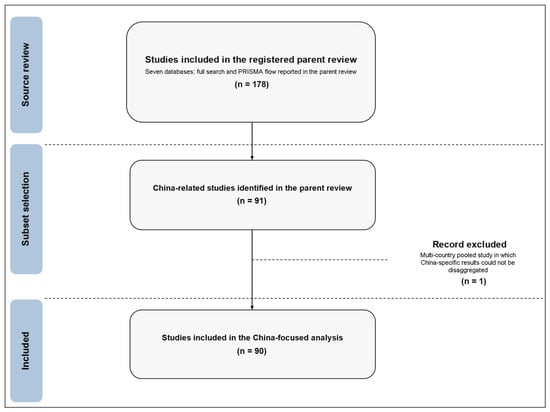
Urban nature-based solutions (NbSs) are increasingly deployed to address climate risks, yet their health co-benefits remain poorly understood. This paper presents a secondary analysis of 90 peer-reviewed, English-language China-specific studies drawn from a registered systematic review covering January 2015 to April 2025. Evidence
[...] Read more.
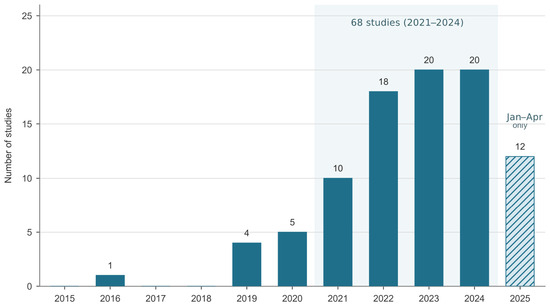
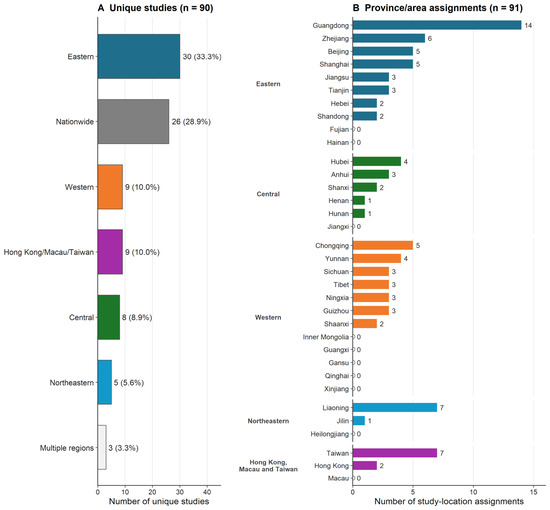
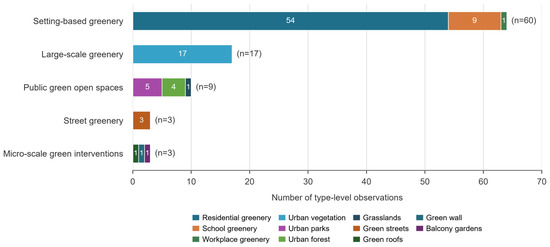
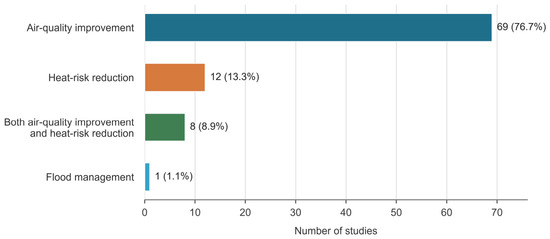
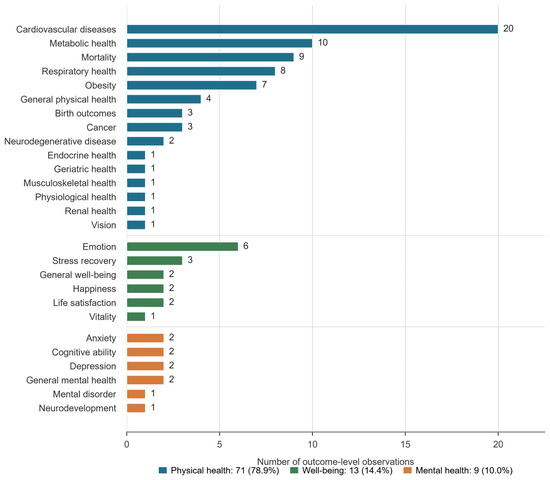
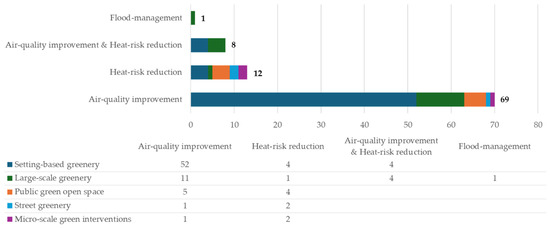
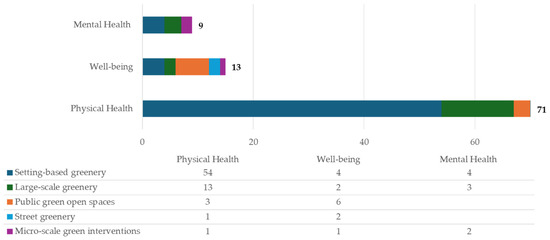
Urban nature-based solutions (NbSs) are increasingly deployed to address climate risks, yet their health co-benefits remain poorly understood. This paper presents a secondary analysis of 90 peer-reviewed, English-language China-specific studies drawn from a registered systematic review covering January 2015 to April 2025. Evidence was analyzed by geographical distribution, NbS category, climate-adaptation pathway, health outcome, and greenness measurement, with complementary comparison against 88 non-China-specific studies. Air-quality pathways and physical-health outcomes predominated, whereas heat received less attention, and only one study examined flood-related health. Thirty studies (33.3%) were located wholly in eastern China, while 9 of the 31 mainland provincial-level jurisdictions lacked dedicated or separately reported evidence. Setting-based greenery dominated the five-category NbS classification. Of 126 association units, 100 (79.4%) were favorable; null or adverse findings were confined to specific exposures or contexts, including allergenic or low-diversity vegetation and reduced visibility. Although the two subsets covered broadly similar topics, China-specific studies relied more heavily on aggregate greenness indices (e.g., NDVI: 73.3% versus 45.5%), less often distinguished vegetation types or strata (14.4% versus 36.4%), and included no studies treating urban trees or community gardens as distinct exposures. These findings support five China-specific policy priorities and adapt four international policy themes to Chinese governance contexts.
Full article
(This article belongs to the Section Environmental Health)
►▼
Show Figures

Figure 1
Open AccessArticle
Co-Creating Healthy Ageing: A Mixed-Methods Pilot Study of a Community-Based Intergenerational Programme
by
Adelinda Araújo Candeias and Adriana Simões Félix
Int. J. Environ. Res. Public Health 2026, 23(9), 1156; https://doi.org/10.3390/ijerph23091156 (registering DOI) - 5 Sep 2026
Abstract
Population ageing, social isolation, and limited opportunities for meaningful contact between generations pose important challenges to healthy ageing and community well-being. This mixed-methods pilot study examined the feasibility, acceptability, co-creation process, and preliminary outcomes of the P-IN Programme, a community-based intergenerational intervention involving
[...] Read more.
Population ageing, social isolation, and limited opportunities for meaningful contact between generations pose important challenges to healthy ageing and community well-being. This mixed-methods pilot study examined the feasibility, acceptability, co-creation process, and preliminary outcomes of the P-IN Programme, a community-based intergenerational intervention involving preschool children and older adults living in residential care. The programme was developed and implemented in partnership with a preschool and a residential care facility in Portugal and comprised ten intergenerational sessions shaped through an iterative co-creation process involving participants, professionals, and researchers. Twenty-three children, eighteen older adults, and five professionals contributed to the study. Quantitative pre–post assessment explored fluency in both generations and cognitive functioning, quality of life, subjective well-being, and social participation in older adults. Qualitative data examined intergenerational beliefs, participants’ experiences, relationships, and reciprocal learning, while also informing the co-creation process. Most quantitative outcomes remained stable, although cognitive functioning showed a moderate, non-significant effect. Perceived quality of life changed significantly in an unfavourable direction. In contrast, qualitative findings revealed broader and more relational representations of the other generation, alongside shared experiences and clearer recognition of reciprocal learning. The integration of both components showed that positive relational and experiential changes were not necessarily accompanied by changes in broader standardised outcomes. Overall, the P-IN Programme was feasible to implement and generally well received within the two participating community settings. These findings support further evaluation of co-created intergenerational programmes using larger samples, controlled designs, and longer-term follow-up.
Full article
(This article belongs to the Special Issue Health and Vulnerability in Societal Emotional Environments: Community-Based Interventions, Public Policy, and Environmental Determinants)
Open AccessArticle
Beyond Belief: Immigrant Youths’ Socially Constructed Climate Change Risk Perceptions and Implications for Climate Communication and Public Health
by
Md Badrul Hyder, Ranjan Datta, Didem Erman, Mozharul Islam, Mustahseem Chowdhury, Ruksana Rashid and Tanvir C. Turin
Int. J. Environ. Res. Public Health 2026, 23(9), 1155; https://doi.org/10.3390/ijerph23091155 (registering DOI) - 5 Sep 2026
Abstract
Climate change perception among youth has gained increasing scholarly attention; however, immigrant youth remain underrepresented in empirical research despite navigating climate change impacts across multiple sociocultural and geopolitical contexts. This study investigates (1) immigrant youths’ beliefs about climate change, (2) how climate risks
[...] Read more.
Climate change perception among youth has gained increasing scholarly attention; however, immigrant youth remain underrepresented in empirical research despite navigating climate change impacts across multiple sociocultural and geopolitical contexts. This study investigates (1) immigrant youths’ beliefs about climate change, (2) how climate risks are perceived across space and time, and (3) how they construct their climate change beliefs and associated risks. Drawing on Social Constructivism, and Risk Perception Theory, the study employs a qualitative descriptive design using eight focus group discussions with 41 immigrant youth aged 14–18 in Calgary, Canada. Reflexive thematic analysis reveals that immigrant youth widely recognise climate change as real and intensifying, with beliefs shaped through lived and observed environmental experiences, social interaction, family narratives, and transnational comparisons rather than abstract scientific reasoning alone. Climate risk perception emerges as complex and relational. Participants associated climate change with impacts on health, wellbeing, food security, and everyday life; however, they often perceived its most severe consequences as temporally and spatially distant. This produces a notable “belief–risk gap,” where acceptance of climate change does not translate into a strong sense of personal vulnerability or urgency. Risk perceptions are mediated by everyday experiences, institutional trust in the host country, and comparisons with other global crises. The findings highlight the critical role of transnational experiences in shaping climate understanding and advance an integrated interpretation linking socially constructed climate knowledge with perceptions of risk and psychological distance, with implications for climate communication and public health communication strategies for immigrant youth.
Full article
Open AccessProtocol
Violent Disciplinary Practices in Early Childhood Among Low-Income Families: A Protocol for a Global Scoping Review
by
Anyelle Barroso Saldanha, Denise Lima Nogueira, Tiago Neuenfeld Munhoz, Marcia Maria Tavares Machado, Luciano Lima Correia and Ana Cristina Lindsay
Int. J. Environ. Res. Public Health 2026, 23(9), 1154; https://doi.org/10.3390/ijerph23091154 - 4 Sep 2026
Abstract
Parenting practices involving violent discipline are a global health concern, particularly among low-income families. While the current literature offers general prevalence data, it lacks a comprehensive global perspective evaluating how diverse sociodemographic, cultural, and historical contexts intersect within disadvantaged households. This scoping review
[...] Read more.
Parenting practices involving violent discipline are a global health concern, particularly among low-income families. While the current literature offers general prevalence data, it lacks a comprehensive global perspective evaluating how diverse sociodemographic, cultural, and historical contexts intersect within disadvantaged households. This scoping review protocol aims to map the global evidence on parenting practices related to physical and psychological violence used as disciplinary practices against children within low-income contexts. Following the JBI Manual for Evidence Synthesis and PRISMA-ScR guidelines, we will conduct a comprehensive search across databases, including MEDLINE/PubMed (via the National Library of Medicine), CINAHL (EBSCO), APA PsycINFO (APA), Embase (Elsevier), ERIC, IBECS (via the VHL) and the WHO Global Index Medicus to capture global evidence published in recent years. Studies published in English, Portuguese, and Spanish between January 2015 and June 2026 that report violent disciplinary practices by parents or caregivers of children aged 1–8 years will be included. Rayyan software will assist with study selection. Mapping these practices across diverse socioeconomic settings may clarify current research gaps and synthesize the characteristics of families globally, shifting the interpretation of violent discipline from isolated parental choices to broader understanding of its social determinants and providing a clearer baseline to support future child protection research.
Full article
(This article belongs to the Section Behavioral and Mental Health)
Open AccessArticle
Breastfeeding Myths Among Nursing and Midwifery Students: A Descriptive Cross-Sectional Study
by
Şehma Şen, Meserret Aslan, Songül Gökkaya and Elif İlhan
Int. J. Environ. Res. Public Health 2026, 23(9), 1153; https://doi.org/10.3390/ijerph23091153 - 4 Sep 2026
Abstract
Background: Breastfeeding myths held by healthcare professionals may affect the accuracy and consistency of counseling provided to women and families. This study evaluated nursing and midwifery students’ breastfeeding myths and associated factors. Methods: This descriptive, cross-sectional study included 218 nursing and midwifery students
[...] Read more.
Background: Breastfeeding myths held by healthcare professionals may affect the accuracy and consistency of counseling provided to women and families. This study evaluated nursing and midwifery students’ breastfeeding myths and associated factors. Methods: This descriptive, cross-sectional study included 218 nursing and midwifery students at a university in Türkiye. Data were collected using a Personal Information Form and the Breastfeeding Myths Scale (BMS). Descriptive statistics, nonparametric tests, Spearman correlation, and a multivariable generalized linear model with robust covariance estimates were used. Results: The mean age was 21.24 ± 1.80 years, and 196 participants (89.9%) were female. The mean BMS score was 67.43 ± 16.39; 214 students (98.2%) had low myth levels and 4 (1.8%) had high levels. In unadjusted analyses, scores differed by gender, department, academic year, family breastfeeding experience, perceived knowledge, and age. In the adjusted model, female students had lower scores than male students (B = −9.481, 95% CI: −18.261 to −0.700, p = 0.034), nursing students had lower scores than midwifery students (B = −4.557, 95% CI: −8.321 to −0.793, p = 0.018), and each one-year increase in age was associated with a 1.52-point decrease in BMS scores (B = −1.524, 95% CI: −2.884 to −0.163, p = 0.028). Academic year, parental education, family income, family breastfeeding experience, and perceived knowledge were not independently associated with BMS scores. Conclusions: Most students had low levels of breastfeeding myths. Female gender, nursing enrollment, and older age were associated with lower BMS scores; however, the gender finding should be interpreted cautiously because all male participants were nursing students.
Full article
(This article belongs to the Special Issue Reproductive Health Decision-Making Among Women and Couples)
Open AccessArticle
Quantitative Evaluation of a Community DX Health Promotion Initiative Using Wearable Sensor Data: A Case Study in Older Adults
by
Jongseong Gwak, Takayuki Fujie, Akira Motohashi and Tatsumi Tokunaga
Int. J. Environ. Res. Public Health 2026, 23(9), 1152; https://doi.org/10.3390/ijerph23091152 - 4 Sep 2026
Abstract
Community-based digital transformation (DX) initiatives are increasingly used to promote healthy aging, although their effects are often evaluated using subjective self-reported measures. This study aimed to quantitatively evaluate a community DX health promotion initiative with Takashimadaira as its primary target area in Japan
[...] Read more.
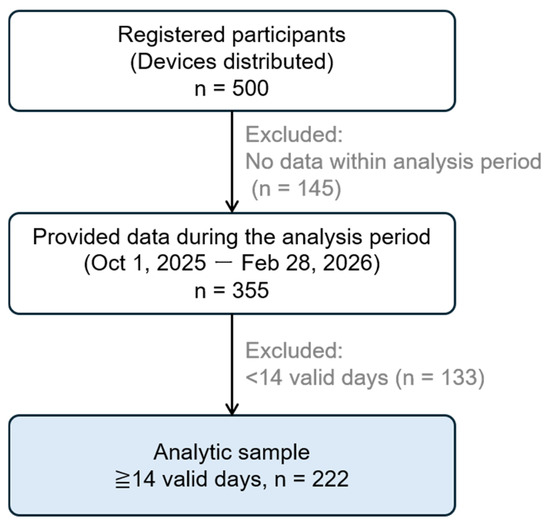
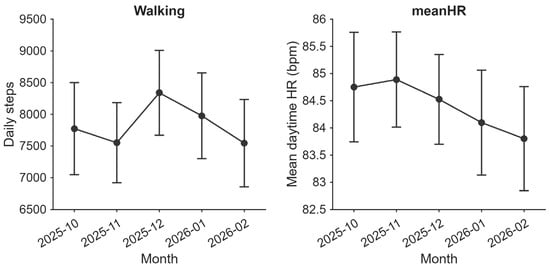
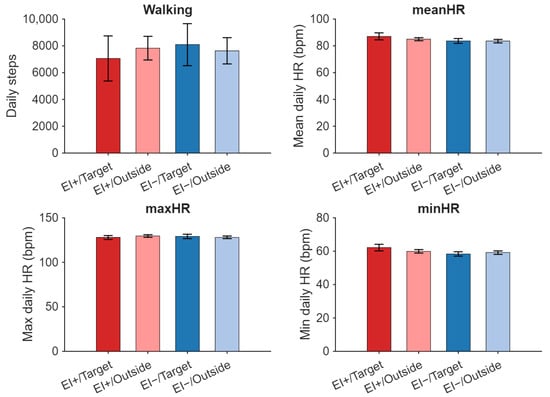
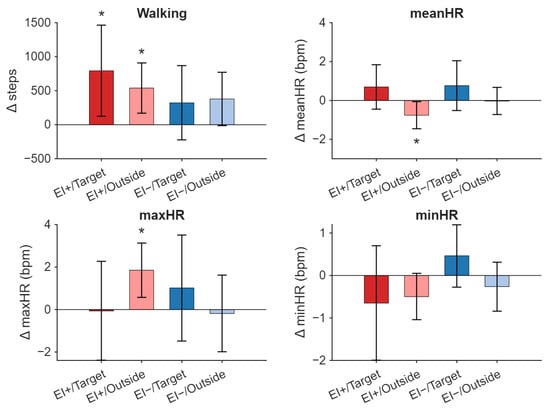
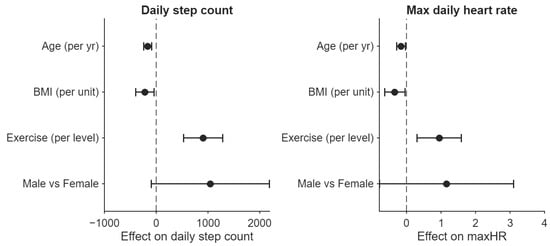
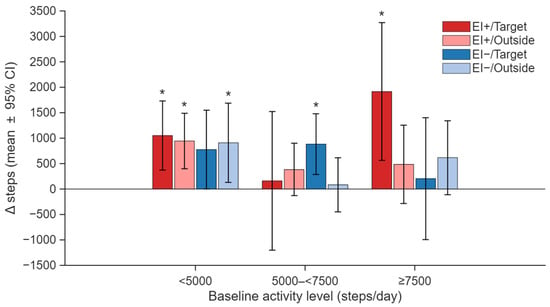
Community-based digital transformation (DX) initiatives are increasingly used to promote healthy aging, although their effects are often evaluated using subjective self-reported measures. This study aimed to quantitatively evaluate a community DX health promotion initiative with Takashimadaira as its primary target area in Japan using wearable sensor data. A total of 500 community-dwelling older adults participated in the initiative, and wearable sensor data were obtained from 355 participants during the five-month observational period. The initiative combined wearable device distribution with event-information dissemination via the messaging platform. Daily step count and heart-rate indices were analyzed. Within-participant analyses showed significant increases in daily step counts in the information-provision groups, whereas the primary linear mixed-effects model showed no significant information-provision × time interaction for daily step count. Information provision was associated with differences in mean and minimum daily heart rate in cross-sectional analyses. Adherence and dropout also varied by residential area. Age, BMI, and exercise frequency were associated with several health-related indices, but these associations were not interpreted as evidence of wearable measurement validity. These findings demonstrate the potential utility of using wearable sensor data to evaluate longitudinal changes in health-related behavior and physiological signals in community-based DX initiatives, while also revealing important feasibility limitations, including substantial attrition (only 222 of 355 participants met the 14-day criterion; 90-day dropout 58.3%) and indicating that observed within-participant changes should not be interpreted as demonstrated intervention effects. Community context may also be relevant to sustained participation in such programs.
Full article
(This article belongs to the Special Issue Community-Based Physical Activity Interventions for Health and Well-Being)
►▼
Show Figures

Figure 1
Open AccessArticle
Quality, Safety, and Public Awareness of Regulated and Unregulated Cannabis Products: A Comparative Survey Study of Dispensary Customers and the General Public Integrated with Laboratory Evaluation
by
Arvind Bagde, Hannah Burton, Sediqua Mctier, Sanskar Chouhan, Rajesh Singh Rathore, Tammie Johnson and Mandip Singh
Int. J. Environ. Res. Public Health 2026, 23(9), 1151; https://doi.org/10.3390/ijerph23091151 - 4 Sep 2026
Abstract
Cannabis use is expanding rapidly across the United States, yet product quality and consumer safety knowledge remain significant public health concerns. This cross-sectional study surveyed 325 adults in Florida dispensary customers (n = 185) and general public participants (n = 140) to compare
[...] Read more.
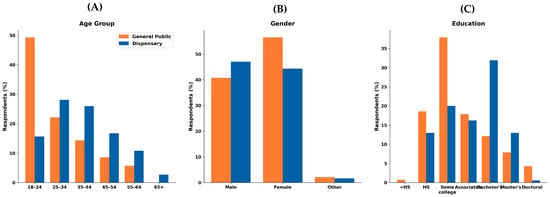
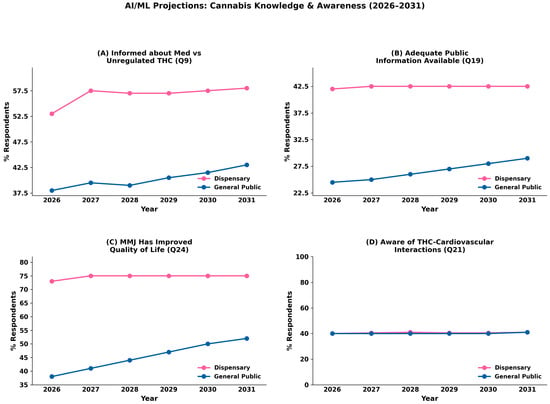
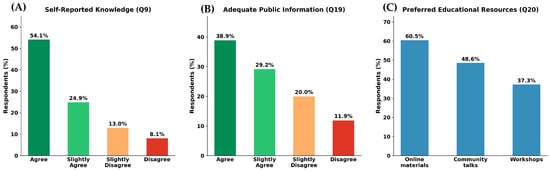
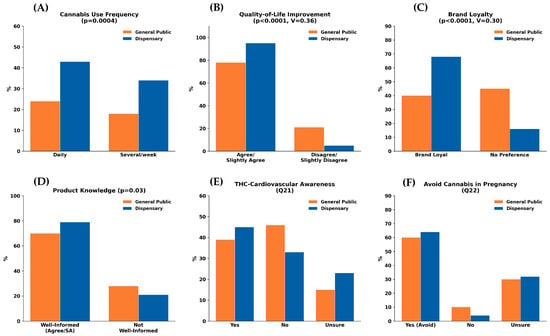
Cannabis use is expanding rapidly across the United States, yet product quality and consumer safety knowledge remain significant public health concerns. This cross-sectional study surveyed 325 adults in Florida dispensary customers (n = 185) and general public participants (n = 140) to compare cannabis use patterns, purchasing behaviors, and safety awareness. Cannabinoid gummy products were characterized using texture analysis; oil and topical formulations were evaluated for label accuracy by high-performance liquid chromatography (HPLC) against USP specifications (90–110% of label claim). Inter-laboratory variability accelerated stability testing, and a machine learning microsimulation projecting knowledge trend (2026–2031) were also conducted. Texture analysis revealed substantial variability in mechanical properties across gummy brands. Oil and topical formulations demonstrated generally acceptable labeling accuracy, though significant inter-laboratory variability in CBD quantification was observed. Dispensary respondents reported more frequent cannabis use, stronger brand loyalty, greater perceived quality-of-life benefits, and higher product knowledge than the general public; however, critical safety knowledge gaps regarding THC–cardiovascular drug interactions and pregnancy risks persisted across both groups. These findings highlight the need for stronger product quality standards, standardized analytical testing, and targeted public health education to promote safe and informed cannabis use.
Full article
(This article belongs to the Section Health Care Sciences)
►▼
Show Figures

Figure 1
Open AccessArticle
General Self-Efficacy and Physical Activity Among Healthcare Students: Associations with Self-Reported and Objectively Measured Activity, Physical Activity Habits, and Demographic Characteristics
by
Lāsma Spundiņa, Una Veseta, Agita Abele and Māris Munkevics
Int. J. Environ. Res. Public Health 2026, 23(9), 1150; https://doi.org/10.3390/ijerph23091150 - 4 Sep 2026
Abstract
PA is associated with numerous physical and mental health benefits, while self-efficacy is an important associated factor of health-related behaviors. However, evidence of the relationship between general self-efficacy and PA among healthcare students remains limited. This cross-sectional study included 747 healthcare students who
[...] Read more.
PA is associated with numerous physical and mental health benefits, while self-efficacy is an important associated factor of health-related behaviors. However, evidence of the relationship between general self-efficacy and PA among healthcare students remains limited. This cross-sectional study included 747 healthcare students who completed an online survey comprising the General Self-Efficacy Scale (GSES), IPAQ-SF, and measures of PA habits. A subsample of 50 participants additionally completed one week of activity monitoring using a Fitbit Versa 4. Associations were examined using non-parametric tests, Spearman’s rank correlation analyses, and multivariable linear regression models. Higher general self-efficacy was associated with greater self-reported PA, more frequent PA habits, and better self-rated physical fitness. Self-efficacy was also weakly associated with lower sitting time during weekends, but not during working days. Bivariate associations between self-efficacy and physical activity-related measures were weak (|ρ| ≤ 0.284). Total self-reported PA remained independently associated with self-efficacy in multivariable models, while the association with exercise frequency was attenuated after accounting for self-rated physical fitness. Model explanatory power was modest (adjusted R2 = 0.054–0.073). No clear associations were observed between self-efficacy and objectively measured weekly steps or active zone minutes. The agreement between self-reported and device-based measures was partial. General self-efficacy was associated with self-reported PA and perceived physical fitness, although associations were modest. Findings should be interpreted cautiously given the cross-sectional design, small monitoring subgroup, and multiple exploratory comparisons. Longitudinal studies are needed to clarify temporal relationships.
Full article
(This article belongs to the Special Issue Physical Activity and Its Association with Health in University Students)
Open AccessArticle
Health-Related Social Media Use and Health-Promoting Behaviors Among Community-Engaged, Functionally Independent Older Adults in Rural Thai Communities
by
Kanokporn Somporn, Niwat Songsin, Sittichai Singsu and Adithep Phranphithak
Int. J. Environ. Res. Public Health 2026, 23(9), 1149; https://doi.org/10.3390/ijerph23091149 - 4 Sep 2026
Abstract
►▼
Show Figures
Background: Health-promoting behavior is central to healthy aging, and digital platforms are an increasingly important channel through which older adults encounter health information. This study examined demographic, health-status, and health-related social media use factors associated with health-promoting behavior among older adults in Samut
[...] Read more.
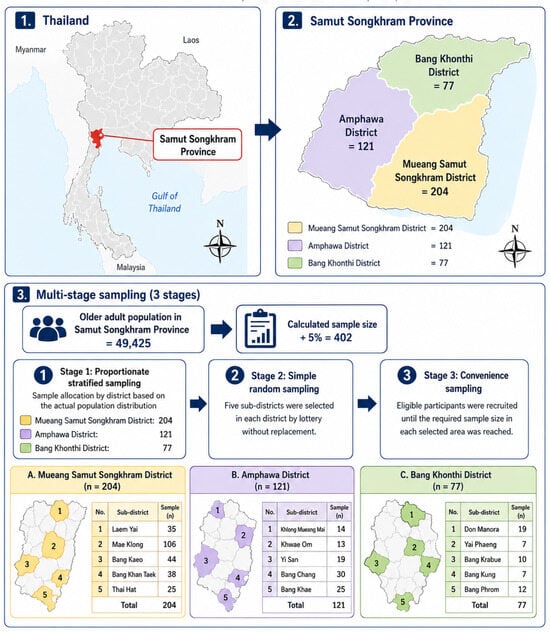
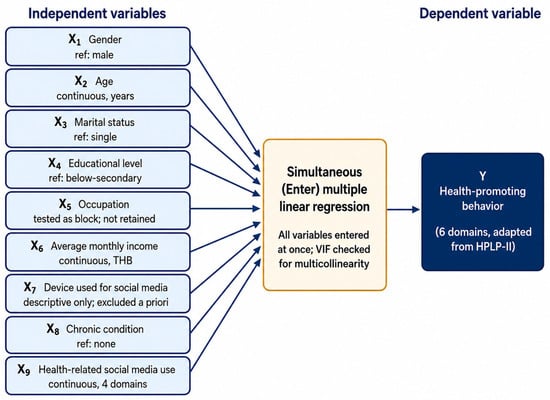
Background: Health-promoting behavior is central to healthy aging, and digital platforms are an increasingly important channel through which older adults encounter health information. This study examined demographic, health-status, and health-related social media use factors associated with health-promoting behavior among older adults in Samut Songkhram Province, Thailand, a small province with a disproportionately large share of older residents. Methods: A cross-sectional study was conducted among 402 community-engaged, functionally independent adults aged ≥ 60 years, recruited through a mixed multistage procedure with convenience recruitment at the individual level in the final stage, at community gathering points. Health-related social media use (22 items, four proposed content domains) and health-promoting behavior (31 items, six domains, adapted from the Health-Promoting Lifestyle Profile-II) were measured using structured, pilot-tested questionnaires. Associations were assessed with Spearman correlation and simultaneous multiple linear regression. Because regression diagnostics indicated heteroscedasticity, HC3 heteroscedasticity-consistent standard errors, 95% confidence intervals, and p-values were used as the primary regression inference. Results: Overall health-related social media use (M = 2.58, SD = 0.55) and health-promoting behavior (M = 3.34, SD = 0.48) were both classified as “high” under the pre-specified four-band descriptive convention. The adjusted model explained 54.65% of the variance in health-promoting behavior (R2 = 0.5465; adjusted R2 = 0.5349). Under HC3 robust inference, overall health-related social media use (β = 0.715, p < 0.001), marital status, bachelor’s-degree-or-higher education (inverse association), chronic condition status, and average monthly income (small inverse association, p = 0.032) were independently associated with the outcome. In a domain-specific sensitivity model, general/recreational use (B = 0.439, HC3 95% CI: 0.345 to 0.533, p < 0.001) and diverse types of use (B = 0.112, HC3 95% CI: 0.040 to 0.184, p = 0.002) were independently associated with health-promoting behavior, whereas duration of use and interpersonal health communication were not. Conclusions: Greater overall health-related social media use was associated with health-promoting behavior among community-engaged, functionally independent older adults; however, the domain-specific pattern suggests that this association primarily reflects broader digital/social engagement rather than specifically health-focused social media activity. Given the cross-sectional design, weak support for the proposed social-media subdomain structure, and the possibility of common-method variance and construct overlap, the findings should be regarded as hypothesis-generating and require confirmation in longitudinal or intervention studies using psychometrically refined measures.
Full article

Figure 1
Open AccessArticle
Impact of a Treatment Peer-Support Intervention on Linkage and Retention in Long-Term Hepatitis B Care in the West Nile Region of Uganda: An Interrupted Time Series Study
by
Joan Nankya Mutyoba, Julius Kiwanuka, Lourita Nakyagaba, Sara Nsibirwa, Emmanuel Seremba and Ponsiano Ocama
Int. J. Environ. Res. Public Health 2026, 23(9), 1148; https://doi.org/10.3390/ijerph23091148 - 4 Sep 2026
Abstract
Background: Strengthening hepatitis B(HBV) linkage and retention in care remains critical to the elimination of population health risks posed by HBV. Yet too few studies have assessed the effectiveness of peer-support-driven HBV care models in enhancing continuity in care in low-resource settings. Methods:
[...] Read more.
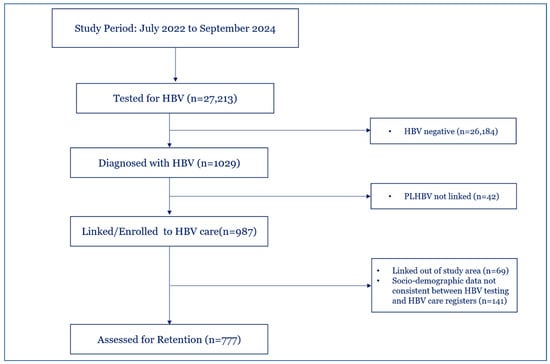
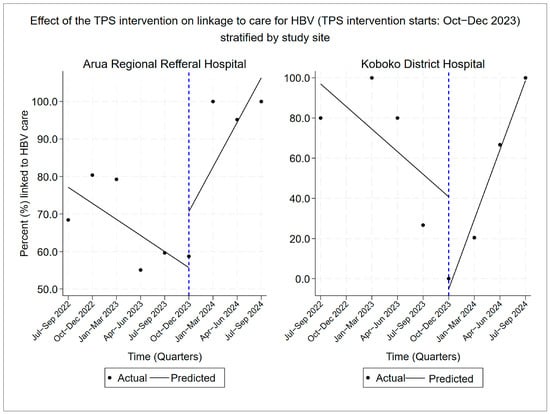
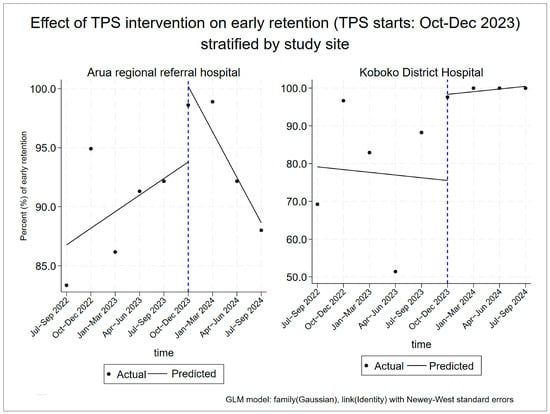
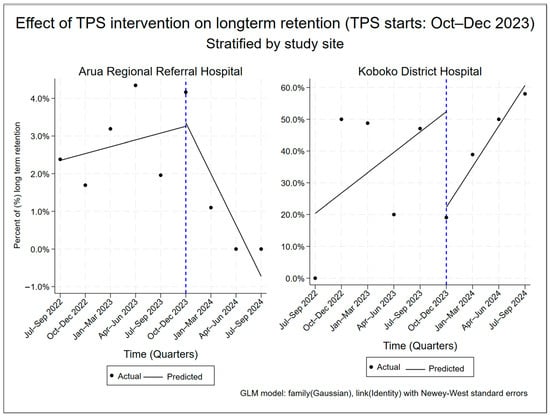
Background: Strengthening hepatitis B(HBV) linkage and retention in care remains critical to the elimination of population health risks posed by HBV. Yet too few studies have assessed the effectiveness of peer-support-driven HBV care models in enhancing continuity in care in low-resource settings. Methods: We co-designed and evaluated the impact of a treatment peer-support (TPS) intervention on HBV linkage and retention in care at two study sites (Arua and Koboko Hospitals) located in the north-west sub-region of Uganda using a quasi-experimental interrupted time series design and assessed factors related to long-term retention. Results: After TPS intervention, changes in the post-intervention trends of linkage to care of 16.2% (95% CI: 3.3, 29.0) (p = 0.014) and 45.9% (95% CI: 26.1, 65.6) (p < 0.001) were observed for Arua and Koboko respectively. Differences between pre- and post-intervention trends were 11.9% (95% CI: 0.3, 23.5) (p = 0.044) and 34.6% (95% CI: 29.5, 39.7) (p < 0.001) for Arua and Koboko respectively. The post-intervention level change for early retention increased by 6.4% (95% CI: 0.4, 12.4) (p = 0.035) at Arua but not at Koboko (22.8%, 95% CI: −20.9, 66.5) (p = 0.306). At Arua, the TPS intervention correlated with an overall declining trend of −3.9% (95% CI: −5.4, −2.3) (p < 0.001), while at Koboko it correlated with a difference between pre- and post-intervention trends of 0.7% (95% CI: −0.01, 1.4) (p = 0.053). For long term retention, the TPS intervention correlated with a change in post-intervention trend of −1.5% (95% CI: −2.3, −0.7) (p < 0.001) and a difference between pre- and post-intervention trends of −1.4% (95% CI: −2.1, −0.6) (p < 0.001) at Arua hospital. At Koboko hospital, the TPS intervention was associated with a difference between pre- and post-intervention trends of 12.8% (95% CI: 9.8, 15.8) (p < 0.001). In the stratified analysis, early retention was associated with the TPS intervention at Koboko (aPR = 1.16, 95% CI: 1.05, 1.28) (p = 0.004) but not Arua (aPR = 1.01, 95% CI: 0.95, 1.06) (p = 0.771). At Arua hospital, a previous history of HBV treatment predicted early retention in care (aPR = 1.08, 95% CI: 1.05, 1.11) (p < 0.001), whereas at Koboko, a PLHBV having a “treatment buddy” (aPR = 1.21, 95% CI: 1.11–1.33) (p < 0.001), being aged 19–24 years (aPR = 1.39, 95% CI: 1.04, 1.88) (p = 0.026) and being aged 25–34 years (aPR = 1.38, 95% CI: 1.04, 1.83) (p = 0.023) predicted early retention. Conclusions: Innovative interventions are needed to advance linkage to care and shift the trajectory of retention in long-term HBV care, including approaches that target young people living with HBV.
Full article
(This article belongs to the Section Infectious Diseases, Chronic Diseases, and Disease Prevention)
►▼
Show Figures

Figure 1
Open AccessBrief Report
Regional Variation in Parental Stroke History Among Korean Populations: Insights into Chronic Disease Risk
by
Grace Heyborne, Sujeong Kim, Choongwon Jeong, Martin Tristani-Firouzi, Edgar J. Hernandez and Melissa A. Ilardo
Int. J. Environ. Res. Public Health 2026, 23(9), 1147; https://doi.org/10.3390/ijerph23091147 - 4 Sep 2026
Abstract
►▼
Show Figures
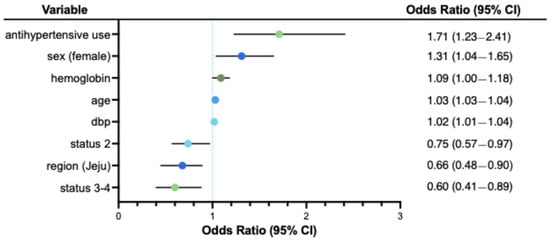
Background: Despite having one of the highest prevalences of hypertension in Korea, Jeju Island maintains the lowest rate of stroke mortality nationwide. This paradoxical cardiovascular disease health profile raises questions about the underlying factors contributing to differential stroke risk in the Jeju population.
[...] Read more.
Background: Despite having one of the highest prevalences of hypertension in Korea, Jeju Island maintains the lowest rate of stroke mortality nationwide. This paradoxical cardiovascular disease health profile raises questions about the underlying factors contributing to differential stroke risk in the Jeju population. Methods: We used health data from the Korea National Health and Nutrition Examination Survey (KNHANES) to investigate whether differences in regional stroke outcomes can be explained by known environmental and behavioral health contributors to increased cerebrovascular disease risk. We applied logistic regression with backward feature selection and cross-validation to identify predictors of parental history of stroke. Results: We found that individuals from Jeju Island were less likely to report a parental history of stroke compared to individuals from Seoul. This finding persisted even after adjusting for known cerebrovascular risk factors, including age, sex, SBP, antihypertensive use, dietary sodium intake, BMI, and hematocrit. Conclusions: Our results suggest that other hidden factors may contribute to the risk of cerebrovascular disease. Given the unique genetic architecture of the island, these findings prompt future analyses to explore whether genetic variation on Jeju contributes meaningfully to their reduced stroke mortality.
Full article

Figure 1
Open AccessCorrection
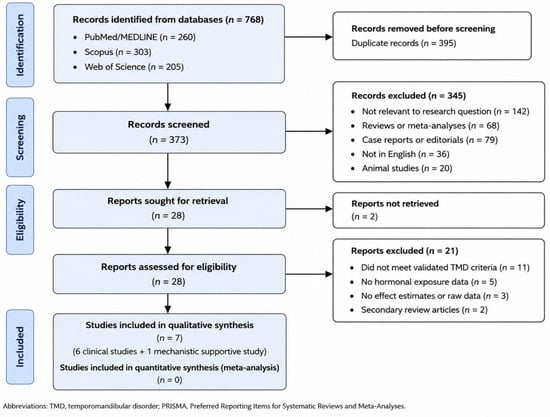
Correction: Mazareanu et al. Estrogen Status and Temporomandibular Disorders: A Systematic Review. Int. J. Environ. Res. Public Health 2026, 23, 717
by
Alexandru Mazareanu, Claudia Grigorov, Alin Pandea, Maria Iacob, Dragos George Balaiasa, Tzvika Greenbaum and Petr Konecny
Int. J. Environ. Res. Public Health 2026, 23(9), 1146; https://doi.org/10.3390/ijerph23091146 - 4 Sep 2026
Abstract
In the original publication [...]
Full article
(This article belongs to the Special Issue Headache and Evidence-Based Rehabilitation Strategies)
►▼
Show Figures

Figure 1
Open AccessArticle
Mental Health Burden and Developmental Timing of Premature Ovarian Insufficiency in Adolescents and Young Adult Females: A Retrospective Cohort Study
by
Faith Summersett Williams, Isabella Zaniletti, Lindsay F. Schwartz, Robert Garofalo, Lisa M. Kuhns, Karin Felsher, Yiyang Liu and Melissa Simon
Int. J. Environ. Res. Public Health 2026, 23(9), 1145; https://doi.org/10.3390/ijerph23091145 - 2 Sep 2026
Abstract
POI and EOI are rare but impactful conditions among adolescents and young adults (AYAs). Little is known about the timing and incidence of mental health (MH) conditions among AYAs diagnosed with POI/EOI. Data were collected using MarketScan Medicaid administrative claims among females aged
[...] Read more.
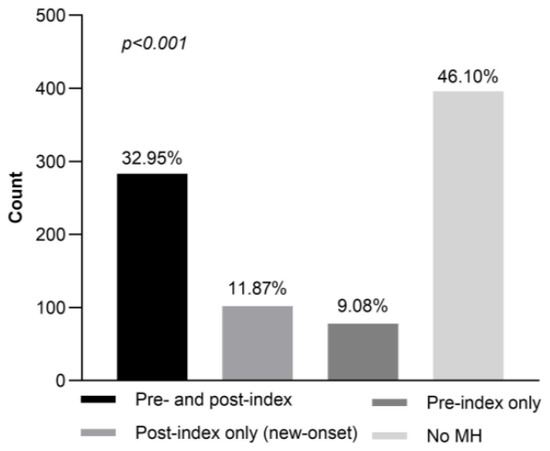
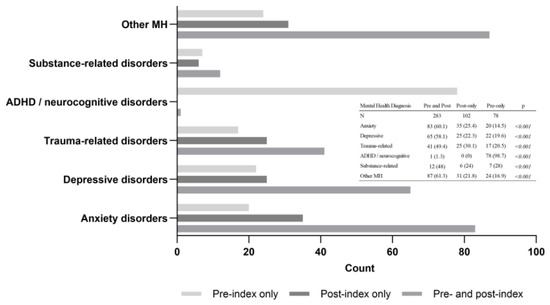
POI and EOI are rare but impactful conditions among adolescents and young adults (AYAs). Little is known about the timing and incidence of mental health (MH) conditions among AYAs diagnosed with POI/EOI. Data were collected using MarketScan Medicaid administrative claims among females aged 12–25 with POI/EOI. Merative™ MarketScan® Research Databases are large, de-identified U.S. administrative healthcare claims databases that contain individual-level information on enrollment, inpatient and outpatient medical services, and outpatient prescription drug claims. The databases include commercially insured individuals, Medicare beneficiaries with employer-sponsored supplemental coverage, and selected Medicaid populations. Claims are linked longitudinally using unique encrypted patient identifiers, allowing individuals to be followed over time across healthcare settings. In addition to healthcare utilization, the databases include demographic characteristics, diagnosis and procedure codes, dates of service, and payment information, making them well suited for epidemiologic, health services, and outcomes research. We characterized prevalence and timing of MH diagnoses, examined MH subtypes, and estimated new-onset MH among those without prior MH. Comparisons were made to demographically matched controls without POI/EOI (matched on age and calendar time) and to diagnosis-anchored comparator groups. Among 859 AYAs with POI/EOI, 53.9% had any MH diagnosis, including 32.9% with MH diagnoses before and after POI/EOI diagnosis and 11.9% with new-onset MH after POI/EOI diagnosis. Of all anxiety disorders, 60.1% were present pre- and post-diagnosis, while 25.4% were new-onset after diagnosis. Depressive disorders showed a similar pattern, with 58.1% being pre- and post-diagnosis MH group and 22.3% being new-onset. In total, 49.4% of individuals with trauma-related disorders had the diagnosis both before and after POI/EOI diagnosis, while 30.1% had it as a new-onset. In adjusted models, POI/EOI was associated with increased odds of MH diagnoses after diagnosis (aOR ~2.1, 95% CI ~1.4–3.1). Prior MH diagnoses were the strongest predictor of MH after diagnosis (aOR ~12.1). AYAs with POI/EOI experience substantial MH burden, with elevated risk of new-onset MH conditions following diagnosis. Findings highlight the importance of early MH screening and integrated care models for AYAs.
Full article
(This article belongs to the Special Issue Addressing Adolescent Sexual and Reproductive Health Disparities: Determinants, Effectiveness, and Implementation)
►▼
Show Figures

Figure 1
Open AccessArticle
Sustaining Mana in Mate Wareware Care: Whānau Perspectives
by
Kirsten Robertson (Kāi Tahu), Tui Kaitai-Martin (Kāi Tahu), Rob Thomson, Diane Ruwhiu (Ngā Puhi) and Maree Thyne
Int. J. Environ. Res. Public Health 2026, 23(9), 1144; https://doi.org/10.3390/ijerph23091144 - 2 Sep 2026
Abstract
Māori experience inequities in the recognition of mate wareware and in access to dementia and aged care support in Aotearoa New Zealand. Less is known about how whānau experience supporting a whānau member with mate wareware, what support they find helpful, and what
[...] Read more.
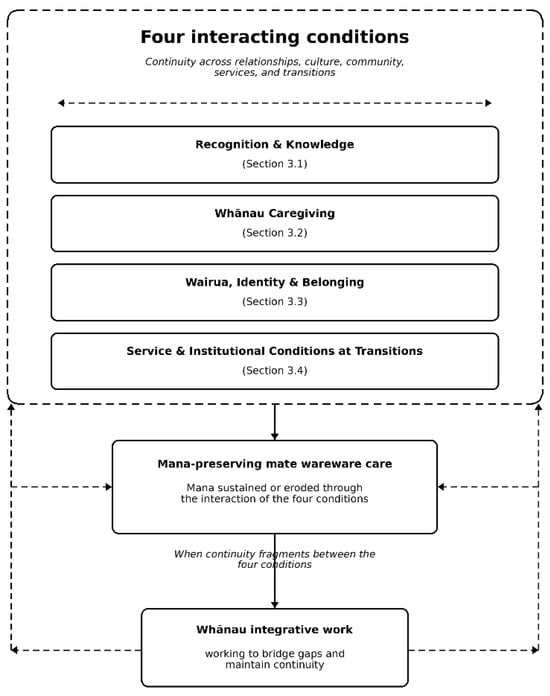
Māori experience inequities in the recognition of mate wareware and in access to dementia and aged care support in Aotearoa New Zealand. Less is known about how whānau experience supporting a whānau member with mate wareware, what support they find helpful, and what they consider important for mate wareware-friendly communities. This kaupapa Māori qualitative study involved a co-design phase with seven kaumātua, which informed the study questions and whānau hui guide, followed by ten in-depth whānau Māori hui involving 12 individual participants; the whānau hui formed the analytic dataset. Whānau hui data were analysed using reflexive thematic analysis. Four interconnected themes were developed: delayed recognition; whānau caregiving as collective strength alongside concentrated responsibility; sustaining wairua, identity, and belonging; and care transitions and structural barriers. Interpreted together, these themes informed a four-condition account of mana-preserving care, in which mana may be sustained or eroded through interactions among recognition and knowledge, whānau caregiving, wairua, identity and belonging, and service and institutional conditions at transitions. Where continuity fragmented, whānau frequently undertook integrative work to bridge gaps across people, places, culture, and services. The findings point to earlier mate wareware information and support through Māori-facilitated and community-based approaches, support that recognises concentrated caregiving responsibility, continuity across services and transitions, and routine practices that embed tikanga, while reducing reliance on whānau to compensate for fragmentation.
Full article
(This article belongs to the Special Issue Improving Health and Social Care Services for People with Dementia)
►▼
Show Figures

Figure 1
Open AccessArticle
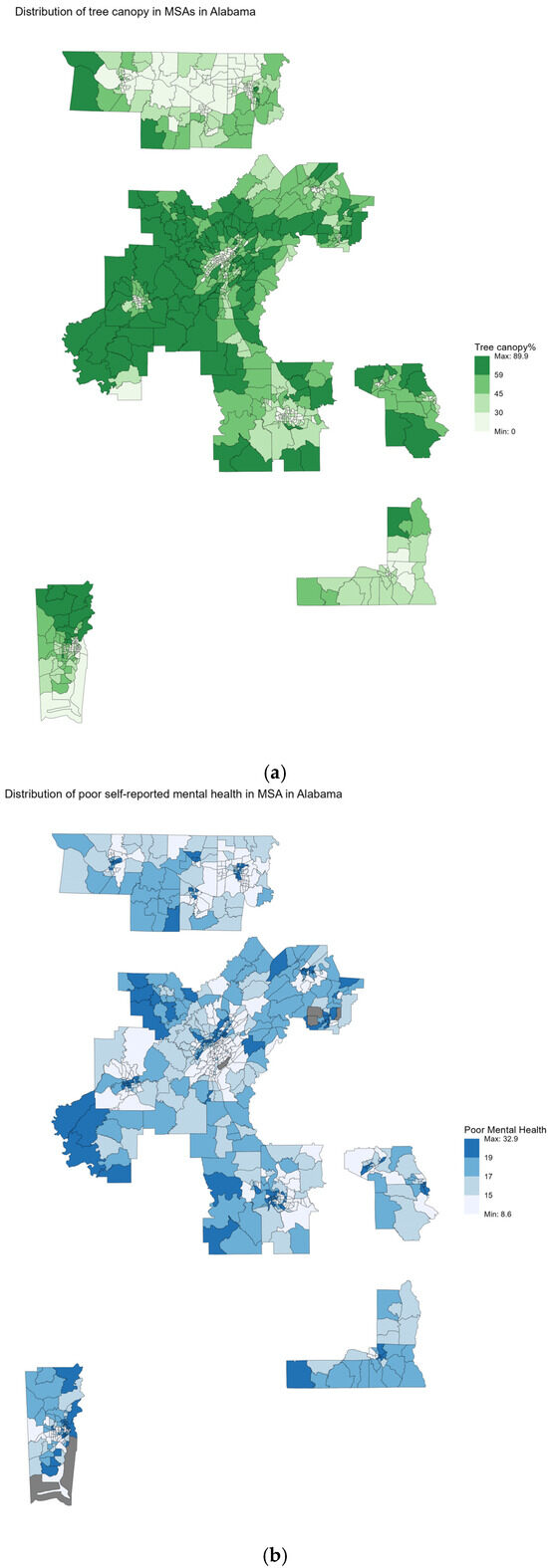
Tree Canopy and Self-Reported Mental and Physical Health in Urban Alabama: A Census Tract-Level Ecological Study
by
Simona N. Shirley, Bisakha Sen, Ye Liu, Rajarshi Dey, Elizabeth H. Baker and Laurie A. Malone
Int. J. Environ. Res. Public Health 2026, 23(9), 1143; https://doi.org/10.3390/ijerph23091143 - 2 Sep 2026
Abstract
►▼
Show Figures
Background: Urban tree canopy, the proportion of a city’s land surface covered by trees, has been linked to physical and mental health benefits. This association is understudied in the U.S. Deep South despite its high burden of poor health and environmental inequity. This
[...] Read more.
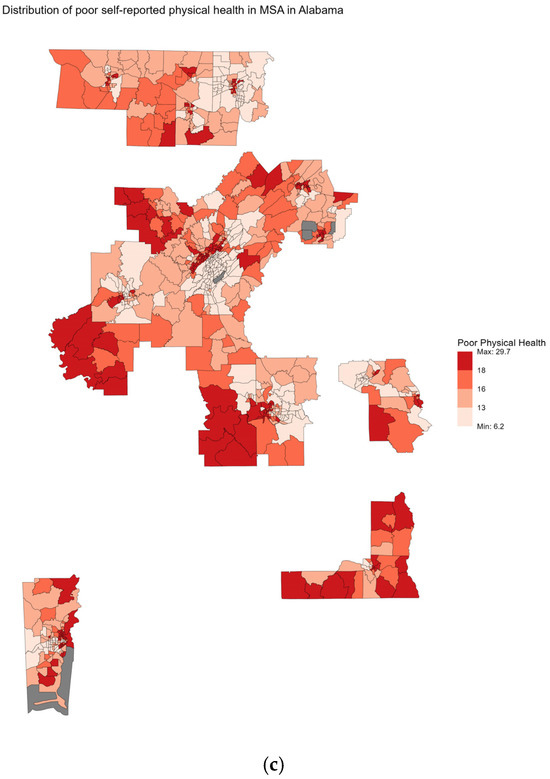
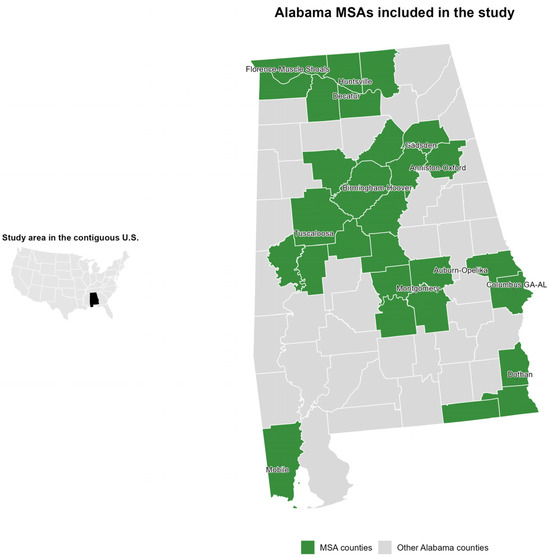
Background: Urban tree canopy, the proportion of a city’s land surface covered by trees, has been linked to physical and mental health benefits. This association is understudied in the U.S. Deep South despite its high burden of poor health and environmental inequity. This study examined associations between census tract-level tree canopy and self-reported mental and physical health in urban Alabama. Methods: We linked tract-level tree canopy estimates for Alabama metropolitan statistical areas with self-reported health and contextual measures from publicly available data, retaining tree canopy as the exposure of interest. A bootstrap-stabilized penalized variable-selection approach identified covariates from socioeconomic, demographic, housing, transportation, environmental, and health-related measures; we then mapped spatial distributions and fit spatial error multivariable models. Results: A higher proportion of land surface covered by trees was associated with a lower age-adjusted prevalence of adults who report 14 or more days during the past 30 days during which their mental health was not good (estimate: −0.0110; p < 0.001). A higher proportion of land surface covered by trees was also associated with a lower age-adjusted prevalence of adults who report 14 or more days during the past 30 days during which their physical health was not good (estimate: −0.0045; p = 0.002). Spatial error parameters persisted in both models, indicating residual spatial patterning not fully explained by canopy or the selected covariates. Conclusions: The findings extend the urban tree canopy literature to an understudied setting and demonstrate how publicly available tract-level data, combined with machine learning-guided covariate selection and spatial modeling, can generate actionable hypotheses for environmental health and equity research.
Full article

Figure 1
Open AccessArticle
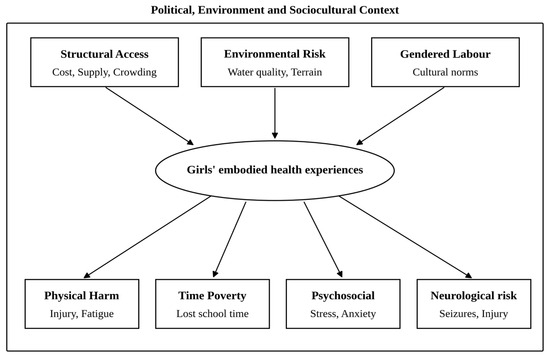
Water Insecurity as Health Crisis: Everyday Embodiment and Gendered Vulnerability Among Girls in Ghana’s Upper West Region
by
Mildred Naamwintome Molle, Sulemana Ansumah Saaka, Cornelius K. A. Pienaah, Elijah Bisung and Isaac Luginaah
Int. J. Environ. Res. Public Health 2026, 23(9), 1142; https://doi.org/10.3390/ijerph23091142 - 2 Sep 2026
Abstract
In semi-arid Ghana, girls bear primary responsibility for household water collection in communities without on-premises access, a burden intensified by climate change associated with rising temperatures and frequent droughts. Yet little is known about how this responsibility shapes their embodied health and well-being.
[...] Read more.
In semi-arid Ghana, girls bear primary responsibility for household water collection in communities without on-premises access, a burden intensified by climate change associated with rising temperatures and frequent droughts. Yet little is known about how this responsibility shapes their embodied health and well-being. Guided by a political ecology of health framework, this qualitative study examined how water insecurity shapes girls’ physical, psychosocial, and neurological health in two communities, Wechiau and Kandue, in Ghana’s Upper West Region. We conducted in-depth interviews with nineteen purposively selected girls aged 10 to 19 and analyzed the transcripts thematically. Four interconnected themes emerged: structural and political determinants of water access, environmental and ecological conditions, gendered social relations, and embodied health consequences. Financial barriers, governance failures, and infrastructure deficits force girls into long queues and repeated trips, a burden that falls disproportionately on girls under cultural norms exempting boys from water duties. This gendered allocation of labour produces gendered health harm, whereby girls sustain musculoskeletal pain and injury carrying heavy loads over hazardous terrain, while chronic time loss disrupts sleep, schooling, and psychological well-being. Girls with pre-existing conditions such as epilepsy face the most acute risk, as water fetching directly exacerbates their vulnerability to seizures. These findings show that addressing this crisis requires more than infrastructure investment. Coordinated public–private investment in water access must be paired with social protection for vulnerable households, gender-responsive water policy, and rainwater-harvesting strategies that confront the structural and gendered inequities placing this burden on girls.
Full article
(This article belongs to the Special Issue Health Impacts of Resource Insecurity on Vulnerable Populations)
►▼
Show Figures

Figure 1
Open AccessReview
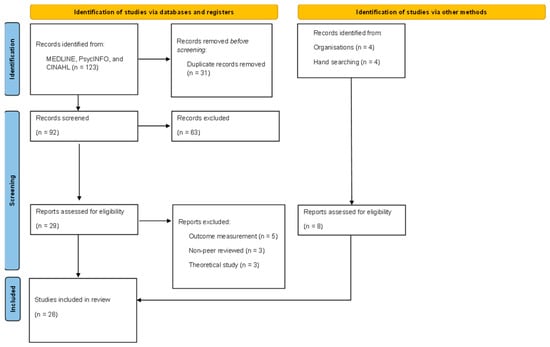
Shame, Stigma and Indebtedness in Gambling-Related Harm: A Rapid Review of Help-Seeking and Suicidality
by
Sharon Mallon, Jessica Runacres, Fiona McCormack, Victoria Riley and Emily Motta-Yanac
Int. J. Environ. Res. Public Health 2026, 23(9), 1141; https://doi.org/10.3390/ijerph23091141 - 2 Sep 2026
Abstract
Background: Gambling-related harm is recognised as a public health concern, yet limited synthesis has examined how shame, stigma and indebtedness shape help-seeking and suicidality across gendered and cultural contexts. This review addressed the following question: among individuals experiencing gambling-related harms, how do cultural
[...] Read more.
Background: Gambling-related harm is recognised as a public health concern, yet limited synthesis has examined how shame, stigma and indebtedness shape help-seeking and suicidality across gendered and cultural contexts. This review addressed the following question: among individuals experiencing gambling-related harms, how do cultural and gender-based understandings of shame and indebtedness influence suicidality and help-seeking across diverse settings? Methods: This rapid review searched MEDLINE, PsycINFO and CINAHL, alongside grey-literature and reference-list searches, for studies since 2000. Included studies were appraised (CASP, MMAT, or MQC-SP) and synthesised narratively. Results: Twenty-six qualitative, quantitative and mixed-methods studies were included. Gambling was portrayed as socially embedded and normalised, while gambling-related harm remained associated with judgement. Shame was linked to concealment, self-management and delayed disclosure. Indebtedness was associated with concealment, relationship strain, and sometimes made previously hidden gambling-related harm visible; however, the evidence did not allow firm conclusions about its relationship with crisis or suicidality. Help-seeking commonly occurred after harms had escalated and was facilitated by confidential, non-judgemental and culturally appropriate support. Gender and culture shaped meanings of responsibility, control, family reputation and disclosure, but were rarely examined analytically. Conclusions: Public health responses should improve early recognition of gambling-related harm through clear, non-judgemental messaging and stronger links between support services. Further research should clarify how shame, stigma and indebtedness relate to disclosure and suicidal distress, and should evaluate public health messaging, early-support routes, self-directed interventions and support for affected others.
Full article
(This article belongs to the Section Behavioral and Mental Health)
►▼
Show Figures

Figure 1
Open AccessReview
Culturally Sensitive Dimensions of Subjective Wellbeing Linked to Objective Measures: A Narrative Review
by
Joy M. Rooney
Int. J. Environ. Res. Public Health 2026, 23(9), 1140; https://doi.org/10.3390/ijerph23091140 - 31 Aug 2026
Abstract
Background: Subjective wellbeing frameworks are widely used to determine individual and collective holistic dimensions of wellness. Increasingly, they may be linked to objective measures for use in government wellbeing policy-making across the world, although their cultural sensitivity is questioned. Methods: Fifty-nine peer-reviewed studies
[...] Read more.
Background: Subjective wellbeing frameworks are widely used to determine individual and collective holistic dimensions of wellness. Increasingly, they may be linked to objective measures for use in government wellbeing policy-making across the world, although their cultural sensitivity is questioned. Methods: Fifty-nine peer-reviewed studies published between 2000 and 2026 were identified following Boolean searches in open access journals, screened, and quality assessed. Translated Western-English frameworks of seven authorities were compared, as were those ten within indigenous cultural groups. Ten other studies for consideration included objective and cultural dimensions. The remainder were used in background and synthesis presentation. Results: Five themes were distinguished: use of solid theoretical background; conceptual rationale for framework; methodological limitations; links, convergence, divergence, and contradictions; conceptual rationale for interpretation of related findings and theoretical considerations. Within a cultural group, even with great care in translation, and semantic amendments, most authorities’ dimensions of wellbeing models were questioned. Many interesting and adequate indigenous frameworks need invariance and longitudinal testing. Studies including quantitative objective measures of wellbeing more clearly defined unique cultural group effects within their environments. Conclusions: Dimensions of wellbeing need to be created, validated and reliably evaluated within the cultural groups they are intended to be used, rather than using translations. Much more quantitative research is needed with lay-consultation before, during, and following longitudinal studies.
Full article
(This article belongs to the Section Global Health)
Journal Menu
► ▼ Journal Menu-
- IJERPH Home
- Aims & Scope
- Editorial Board
- Reviewer Board
- Topical Advisory Panel
- Instructions for Authors
- Special Issues
- Topics
- Sections & Collections
- Article Processing Charge
- Indexing & Archiving
- Editor’s Choice Articles
- Most Cited & Viewed
- Journal Statistics
- Journal History
- Journal Awards
- Society Collaborations
- Conferences
- Editorial Office
Journal Browser
► ▼ Journal Browser-
arrow_forward_ios
Forthcoming issue
arrow_forward_ios Current issue - Vol. 23 (2026)
- Vol. 22 (2025)
- Vol. 21 (2024)
- Vol. 20 (2023)
- Vol. 19 (2022)
- Vol. 18 (2021)
- Vol. 17 (2020)
- Vol. 16 (2019)
- Vol. 15 (2018)
- Vol. 14 (2017)
- Vol. 13 (2016)
- Vol. 12 (2015)
- Vol. 11 (2014)
- Vol. 10 (2013)
- Vol. 9 (2012)
- Vol. 8 (2011)
- Vol. 7 (2010)
- Vol. 6 (2009)
- Vol. 5 (2008)
- Vol. 4 (2007)
- Vol. 3 (2006)
- Vol. 2 (2005)
- Vol. 1 (2004)
Highly Accessed Articles
Latest Books
E-Mail Alert
News
21 August 2026
Meet Us at The 5th International Online Conference on Environmental Research and Public Health (OCERPH 2027), 12–13 July 2027
6 May 2026
International Journal of Environmental Research and Public Health Outstanding Special Issue Award—Winners Announced
Topics
Topic in
Behavioral Sciences, Children, EJIHPE, IJERPH, Healthcare
Mental Health and the 2030 Sustainable Development Agenda: Old Problems and New Perspectives
Topic Editors: Carlos Laranjeira, Ana QueridoDeadline: 31 October 2026
Topic in
Behavioral Sciences, Healthcare, IJERPH, Social Sciences, EJIHPE
Mental Health in Trauma Survivors
Topic Editors: Hyojin Im, Asli Cennet Yalim, Gashaye Melaku Tefera, Isok KimDeadline: 30 November 2026
Topic in
Applied Sciences, Toxics, IJERPH, Biology, Cancers, Radiation
Disease Risks from Environmental Radiological Exposure
Topic Editors: Valentina Venuti, Francesco CaridiDeadline: 31 December 2026
Topic in
IJERPH, Microplastics, Polymers, Toxics
Plastic Contamination (Plastamination): An Environmental and Public Health-Related Concern
Topic Editors: Rosaria Meccariello, Antonino Testa, Francesco Cappello, Antonietta SantoroDeadline: 1 January 2027
Conferences
Special Issues
Special Issue in
IJERPH
Gender-Based Violence as a Global Public Health Challenge: Intersections, Determinants, and Pathways to Prevention
Guest Editors: Ariadna Munté-Pascual, Ane López De Aguileta, Carmen Elboj-SasoDeadline: 15 September 2026
Special Issue in
IJERPH
Unveiling Chronic Pain: Understanding Prevalence, Management, Psychiatric Comorbidity, and Inflammatory Mechanisms
Guest Editors: Nóra Kerekes, Marc Landry, Ana María Sánchez-PérezDeadline: 30 September 2026
Special Issue in
IJERPH
Healthcare Communication in Public Health
Guest Editor: Anne MoorheadDeadline: 30 September 2026
Special Issue in
IJERPH
Promoting Health and Safety in the Workplace
Guest Editors: Marta Regina Cezar-Vaz, Clarice Alves BonowDeadline: 30 September 2026
Topical Collections
Topical Collection in
IJERPH
Health Behaviors, Risk Factors, NCDs and Health Promotion
Collection Editor: Stefano Campostrini
Topical Collection in
IJERPH
Bullying, Cyberbullying, Dating Violence, and Cyber Dating Violence in Adolescence
Collection Editor: María-Jesús Cava
Topical Collection in
IJERPH
2nd Edition of Achieving Environmental Health Equity: Great Expectations
Collection Editors: Timothy E. Ford, Margaret J. Eggers