
Journal Description
International Journal of Environmental Research and Public Health
(IJERPH) is a transdisciplinary, peer-reviewed, open access journal that covers global health, healthcare sciences, behavioral and mental health, infectious diseases, chronic diseases and disease prevention, exercise and health related quality of life, environmental health and environmental sciences, and is published monthly online by MDPI. The International Society Doctors for the Environment (ISDE), Italian Society of Environmental Medicine (SIMA) and Environmental Health Association of Québec (ASEQ‑EHAQ) are affiliated with IJERPH and their members receive discounts on the article processing charges.
- Open Access— free for readers, with article processing charges (APC) paid by authors or their institutions.
- High Visibility: indexed within Scopus, PubMed, MEDLINE, PMC, Embase, GEOBASE, CAPlus / SciFinder, and other databases.
- Journal Rank: CiteScore - Q1 (Public Health, Environmental and Occupational Health)
- Rapid Publication: manuscripts are peer-reviewed and a first decision is provided to authors approximately 24 days after submission; acceptance to publication is undertaken in 3.8 days (median values for papers published in this journal in the first half of 2026).
- Recognition of Reviewers: reviewers who provide timely, thorough peer-review reports receive vouchers entitling them to a discount on the APC of their next publication in any MDPI journal, in appreciation of the work done.
- Testimonials: See what our editors and authors say about IJERPH.
- Sections: published in 7 topical sections.
- Journal Cluster of Healthcare Sciences and Services: International Journal of Environmental Research and Public Health, Infectious Disease Reports, Epidemiologia, Occupational Health, International Journal of Environmental Medicine (IJEM), Journal of Market Access & Health Policy (JMAHP), Hygiene, Trends in Public Health, Digital Health and Innovation (DHI), Green Health and Health Economics and Policy.
Latest Articles
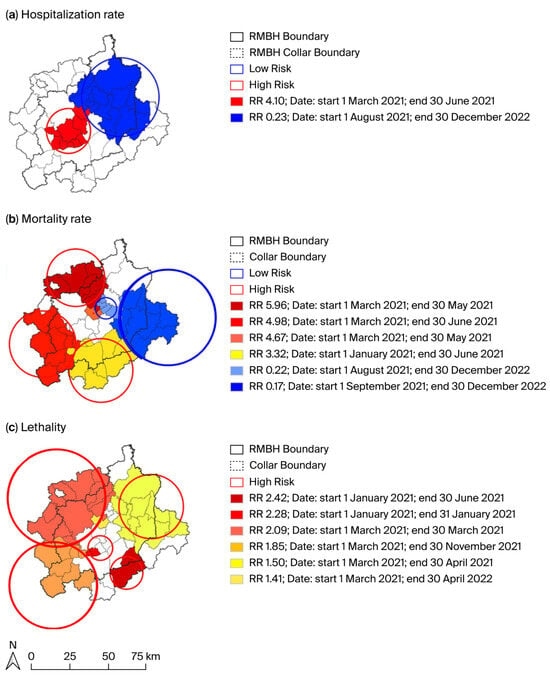
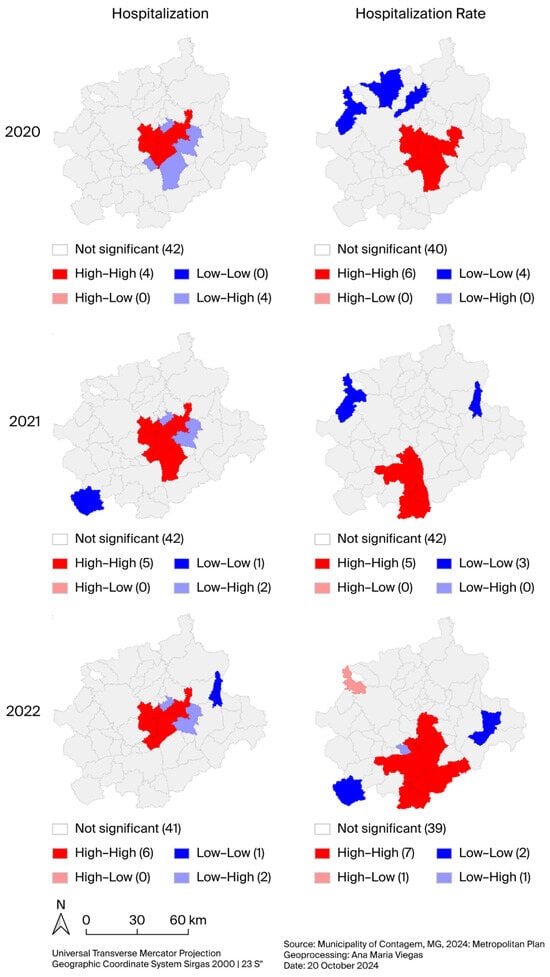
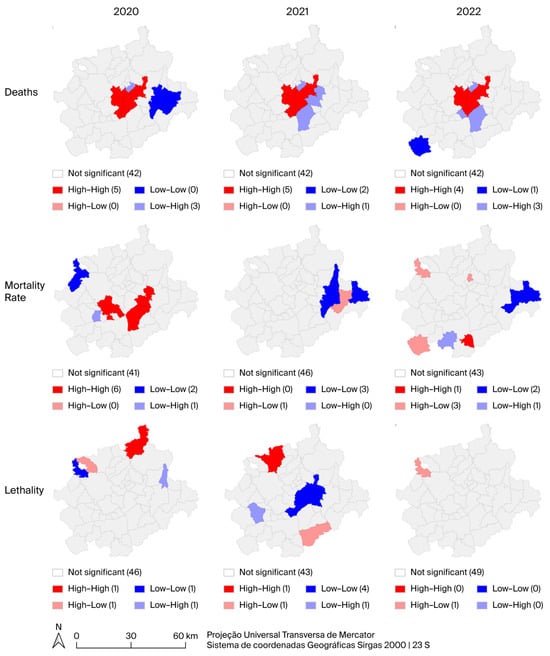
Territorial Vulnerabilities and Healthcare Capacity During the COVID-19 Pandemic: A Spatiotemporal Study of Hospitalizations and Mortality in a Large Metropolitan Area in Brazil
Int. J. Environ. Res. Public Health 2026, 23(7), 928; https://doi.org/10.3390/ijerph23070928 (registering DOI) - 20 Jul 2026
Abstract
Objective: This study aimed to identify priority areas, social vulnerability, and healthcare capacity and networks while considering hospitalization and mortality rates due to Severe Acute Respiratory Syndrome (SARS) caused by COVID-19 during the public health emergency period. Materials and Methods: A spatiotemporal analysis
[...] Read more.
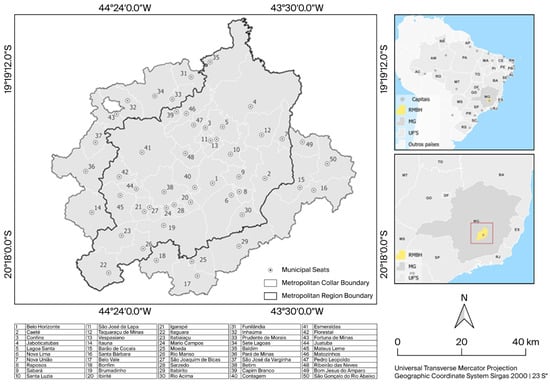
Objective: This study aimed to identify priority areas, social vulnerability, and healthcare capacity and networks while considering hospitalization and mortality rates due to Severe Acute Respiratory Syndrome (SARS) caused by COVID-19 during the public health emergency period. Materials and Methods: A spatiotemporal analysis was performed to assess hospitalization, mortality, and case fatality rates among hospitalized patients due to severe COVID-19 across the municipalities of the Metropolitan Region of Belo Horizonte (MRBH), Brazil, between 2020 and 2022. The findings were contextualized by considering the social vulnerability of the population as well as the healthcare infrastructure and organizational characteristics of municipalities and health regions. Results: Municipalities located in the central area of the MRBH showed higher hospitalization rates, corresponding to areas with a greater concentration of healthcare infrastructure. However, mortality and case fatality rates among hospitalized patients were higher in municipalities with more limited healthcare infrastructure and greater social vulnerability. Conclusion: The spatiotemporal disparities in hospitalization and mortality risks suggest health inequities that seem to be influenced by social determinants and healthcare system vulnerabilities. These findings emphasize the imperative for public health emergency responses to prioritize the strengthening of health system organization and the establishment of effective care pathways to enhance access and service delivery, particularly in municipalities exhibiting higher levels of social vulnerability.
Full article
(This article belongs to the Special Issue Pandemic Preparedness: Lessons from COVID-19, Arboviral Outbreaks, and Other Emerging Infectious Diseases)
►
Show Figures
Open AccessArticle
Exploring Peer Group and Cultural Influences on Substance Abuse Amongst School Learners in a Rural Community of Limpopo Province: A Qualitative Study
by
Nancy Netshakhuma, Livhuwani Muthelo and Linneth Nkateko Mabila
Int. J. Environ. Res. Public Health 2026, 23(7), 927; https://doi.org/10.3390/ijerph23070927 (registering DOI) - 20 Jul 2026
Abstract
Background: Adolescent substance abuse is a growing public health concern associated with poor mental health, unsafe sexual behaviour, violence, school dropout, and psychosocial dysfunction. In rural South Africa, peer influence, cultural practices, poverty, and inadequate psychosocial support may increase learners’ vulnerability to substance
[...] Read more.
Background: Adolescent substance abuse is a growing public health concern associated with poor mental health, unsafe sexual behaviour, violence, school dropout, and psychosocial dysfunction. In rural South Africa, peer influence, cultural practices, poverty, and inadequate psychosocial support may increase learners’ vulnerability to substance use. However, limited qualitative evidence exists on how these factors influence substance abuse among school learners in rural communities. Aim: This study explored peer-group and cultural influences on substance abuse among school learners in a rural community in Limpopo Province, South Africa. Methods: A qualitative, exploratory, descriptive, and contextual design was adopted. Purposive sampling was used to recruit 30 learners from selected secondary schools in the DIMAMO area of the Capricorn District, Limpopo Province. Data were collected through semi-structured one-on-one interviews until data saturation was reached. Interviews were audio-recorded, transcribed verbatim, and analysed using thematic analysis guided by Social Learning Theory. Trustworthiness was ensured through credibility, dependability, confirmability, and transferability. Ethical approval and informed consent were obtained prior to data collection. Results: Two major themes emerged: causes of substance abuse and factors maintaining substance use. Peer pressure and social influence contributed to the initiation of alcohol, cannabis, cigarette, and snuff use. Cultural practices and ancestral beliefs further normalised substance use behaviours. Psychological distress associated with poverty, family conflict, and inadequate parental support increased learners’ vulnerability. Continued substance use was reinforced by addiction, perceived emotional relief, social tolerance, and easy access to substances. Conclusions: Adolescent substance abuse in rural communities is influenced by interconnected social, cultural, psychological, and environmental factors. Integrated school- and community-based psychosocial interventions are needed to strengthen adolescent mental health and substance abuse prevention strategies.
Full article
Open AccessArticle
The Effect of Parenthood on Health Lifestyles: A Longitudinal Analysis Using Data from the German Socio-Economic Panel
by
Maja Großbach, Philipp Linden and Nadine Reibling
Int. J. Environ. Res. Public Health 2026, 23(7), 926; https://doi.org/10.3390/ijerph23070926 (registering DOI) - 19 Jul 2026
Abstract
►▼
Show Figures
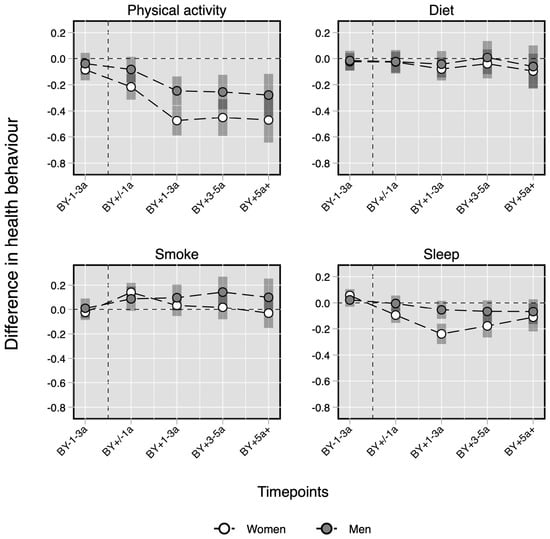
Parenthood has been linked to changes in health-related behavior, though studies have reported mixed findings on whether these changes are beneficial or harmful. To date, most research has focused on associations between parenthood and individual health behaviors, while research on the association with
[...] Read more.
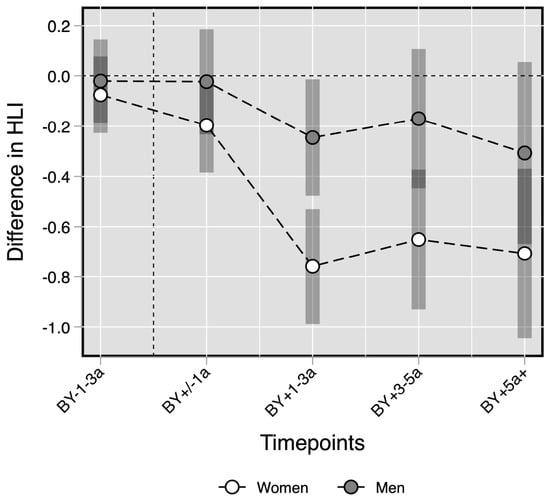
Parenthood has been linked to changes in health-related behavior, though studies have reported mixed findings on whether these changes are beneficial or harmful. To date, most research has focused on associations between parenthood and individual health behaviors, while research on the association with overall health lifestyles is limited. This study investigates how health lifestyles change following the transition to parenthood based on longitudinal data from the German Socio-Economic Panel (Sozioökonomisches Panel, SOEP) from 2008 to 2019. A Health Lifestyle Index (HLI) was constructed including the health behaviors physical activity, diet, smoking, and sleep. We use longitudinal group trend regression models to account for unobserved heterogeneity between parents and childless individuals. A decline in the HLI following childbirth was found, with the largest reduction observed in physical activity. For women, the decline in HLI scores was more pronounced than for men. Over time, the decline in HLI levels stagnated and did not revert to pre-birth levels during the 5+ years post-birth observed in this study. These results indicate that the transition to parenthood is associated with a shift towards a less healthy lifestyle. Women were disproportionally affected, highlighting gendered inequalities in changes in health lifestyles following the transition to parenthood.
Full article

Figure 1
Open AccessArticle
The Provision of Care for Patients with Tuberculosis and Diabetes Mellitus Multi-Morbidity in Addis Ababa, Ethiopia: An Analysis of Patients’ Perspectives
by
Sisay Tiroro Salato and Keitshepile Geoffrey Setswe
Int. J. Environ. Res. Public Health 2026, 23(7), 925; https://doi.org/10.3390/ijerph23070925 (registering DOI) - 18 Jul 2026
Abstract
►▼
Show Figures
Providing care for effective management of tuberculosis (TB) and diabetes mellitus (DM) is a challenge, particularly in resource-limited settings. This study assessed factors affecting the provision of care for patients with TB-DM in Addis Ababa, Ethiopia, using the six elements of the SELFIE—
[...] Read more.
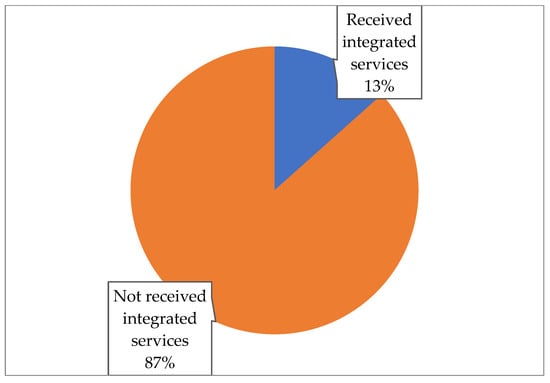
Providing care for effective management of tuberculosis (TB) and diabetes mellitus (DM) is a challenge, particularly in resource-limited settings. This study assessed factors affecting the provision of care for patients with TB-DM in Addis Ababa, Ethiopia, using the six elements of the SELFIE—Sustainable intEgrated chronic care modeLs for FinancIng and performancE framework. A health facility-based cross-sectional study was conducted with randomly selected patients with TB-DM multi-morbidity. Data were analysed using the Statistical Package for Social Sciences (SPSS) version 27. Logistic regression was employed to identify factors influencing TB-DM care provision. A total of 357 respondents participated, with a response rate of 96.5%. The mean age of the respondents was 49.8 years. Only 13.4% of patients received good TB-DM services. Key factors influencing TB-DM care were (a) insufficient counseling on the proper use of medication (AOR = 2.6, CI: 1.1–6.6, p = 0.035) and the risk of TB for DM patients (AOR = 10, CI: 3.7–27, p < 0.001), (b) leadership and governance including supportive leadership for TB-DM care (77.1%), organized TB-DM care (62.5%), the presence of a care policy (77.1%), and continuity of care (58.3%), (c) workforce factors such as the presence of a multidisciplinary team (60.4%), TB-DM service coordinator (58.3%), HCWs with adequate knowledge (87.5%), (d) costs of health services are fair (75%) and (e) lack of technologies such as EMR (88%) and lack of medical products to treat TB-DM (64.7%) delays care for TB-DM. Most TB-DM patients in Addis Ababa had limited access to care. The continuous monitoring of services can facilitate the identification of care gaps, thereby guiding the implementation of improved interventions.
Full article

Figure 1
Open AccessArticle
Relationship Between Pre-Pregnancy Body Mass Index, Gestational Weight Gain, and Perinatal Outcomes Among Women Delivering at a General Hospital, Nakhon Si Thammarat Province
by
Sumoltip Sontimuang, Rachadaporn Jantasuwan, Suda Jaihow, Kanyapak Pluemjai, Luksamon Luksanavimon, Salwismawati Badrin and Hasni Embong
Int. J. Environ. Res. Public Health 2026, 23(7), 924; https://doi.org/10.3390/ijerph23070924 (registering DOI) - 18 Jul 2026
Abstract
This retrospective study examined the associations between pre-pregnancy body mass index (BMI), gestational weight gain (GWG), and perinatal outcomes among women with singleton pregnancies delivering at a general hospital in Nakhon Si Thammarat Province, Thailand. Secondary data were retrieved from the HosXP electronic
[...] Read more.
This retrospective study examined the associations between pre-pregnancy body mass index (BMI), gestational weight gain (GWG), and perinatal outcomes among women with singleton pregnancies delivering at a general hospital in Nakhon Si Thammarat Province, Thailand. Secondary data were retrieved from the HosXP electronic medical database and delivery records. Of 4659 eligible delivery records, 4051 women met the study criteria and were included in the analysis. Multivariable binary logistic regression models were used to estimate adjusted odds ratios (aORs) and 95% confidence intervals (CIs). The incidences of preterm birth, small-for-gestational-age (SGA) infants, and below-optimal head circumference (HC) were 6.99%, 18.22%, and 42.85%, respectively. Maternal underweight before pregnancy was significantly associated with increased odds of preterm birth (aOR = 1.60, 95% CI: 1.21–2.12), SGA (aOR = 1.79, 95% CI: 1.44–2.24), and below-optimal HC (aOR = 1.44, 95% CI: 1.18–1.76). Inadequate GWG was also associated with higher odds of SGA (aOR = 1.66, 95% CI: 1.38–2.00) and below-optimal HC (aOR = 1.29, 95% CI: 1.11–1.49). Conversely, maternal overweight/obesity and excessive GWG were associated with lower odds of SGA and below-optimal HC. These findings indicate that pre-pregnancy BMI and GWG were independently associated with adverse perinatal outcomes among Thai women with singleton pregnancies and may provide context-specific evidence to support maternal nutritional assessment and gestational weight monitoring during antenatal care.
Full article
(This article belongs to the Section Health Care Sciences)
Open AccessArticle
Physical Activity Behavior and Acute Myocardial Infarction, Stroke, and Sepsis Outcomes in Brazil: Insights from Targeted Eigenvector Centrality Networks
by
Pedro Lelli Panizza, Pedro Paulo Menezes Scariot, Luana Alves Silva, Ivan Gustavo Masselli dos Reis and Leonardo Henrique Dalcheco Messias
Int. J. Environ. Res. Public Health 2026, 23(7), 923; https://doi.org/10.3390/ijerph23070923 (registering DOI) - 18 Jul 2026
Abstract
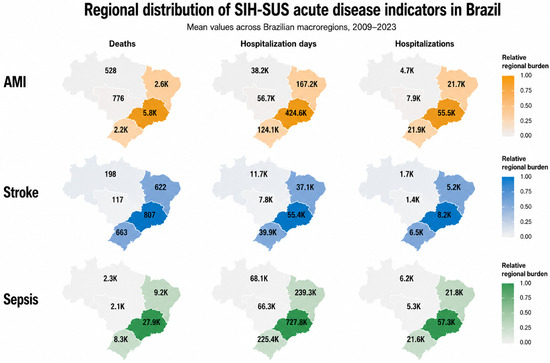
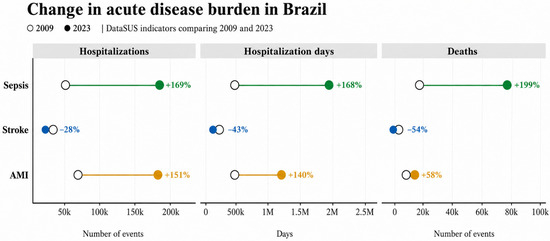
Acute myocardial infarction (AMI), stroke, and sepsis represent leading causes of hospitalization and in-hospital mortality in Brazil. Despite their substantial burden, no previous study has simultaneously examined these three conditions alongside population-level physical activity indicators in Brazil using a complex network approach. This
[...] Read more.
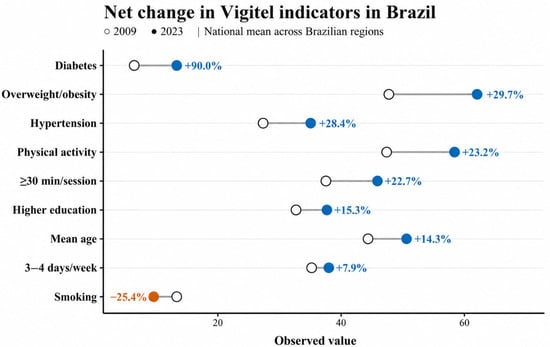
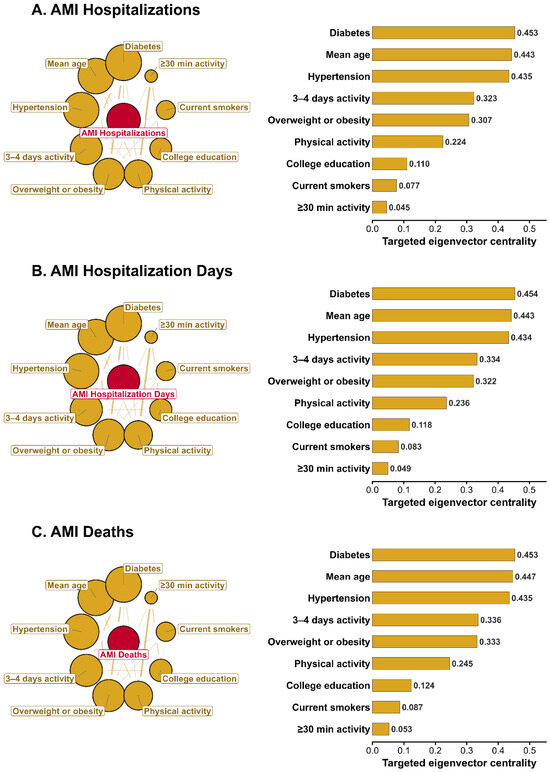
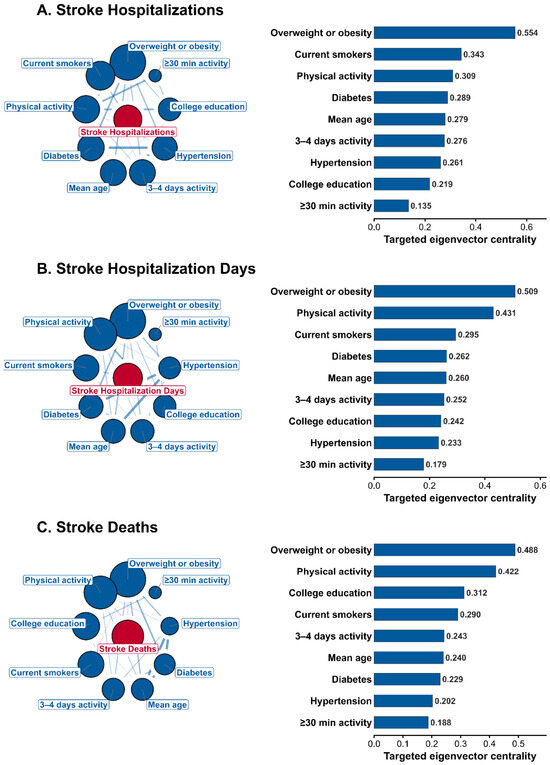
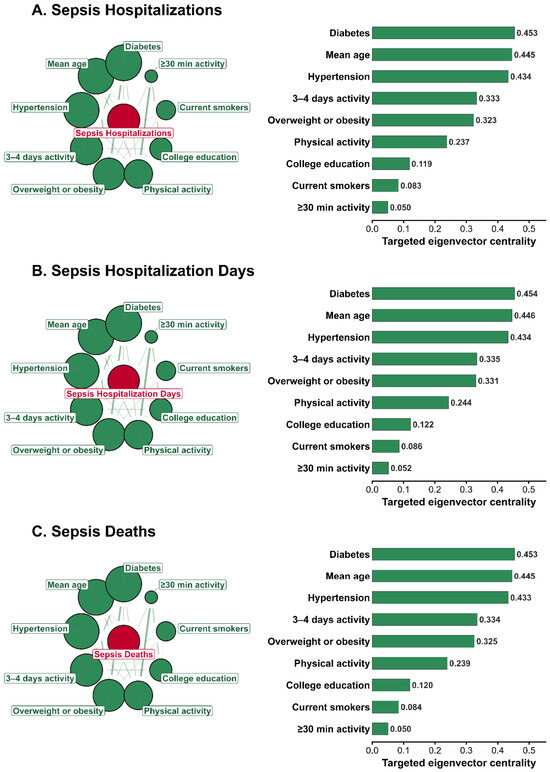
Acute myocardial infarction (AMI), stroke, and sepsis represent leading causes of hospitalization and in-hospital mortality in Brazil. Despite their substantial burden, no previous study has simultaneously examined these three conditions alongside population-level physical activity indicators in Brazil using a complex network approach. This study investigated temporal and spatial patterns in hospitalizations, hospitalization days, and deaths for AMI, stroke, and sepsis in Brazil from 2009 to 2023, integrating sociodemographic and lifestyle data from 648,460 VIGITEL survey participants. Targeted eigenvector centrality networks were constructed to identify the most systemically relevant variables associated with each outcome. For AMI and sepsis, diabetes, hypertension, and mean age consistently ranked as the most central variables, while overweight or obesity dominated the stroke networks. Physical activity emerged as a transversal component across all three conditions, with activity frequency consistently outranking session duration in all nine network analyses performed. These findings suggest that the regularity of physical activity engagement carries greater population-level protective relevance than session length, highlighting physical activity promotion as a cost-effective public health strategy for simultaneously reducing the burden of cardiovascular, cerebrovascular, and infectious acute disease in Brazil.
Full article
(This article belongs to the Special Issue The Physiological Effects of Sports and Exercise)
►▼
Show Figures

Figure 1
Open AccessArticle
Professional Quality of Life of Public Health Nurses: Associations with Personal Characteristics, Job-Related Workload and Professional Support
by
Ilona Karácsony and Gabriella Hideg-Fehér
Int. J. Environ. Res. Public Health 2026, 23(7), 922; https://doi.org/10.3390/ijerph23070922 (registering DOI) - 17 Jul 2026
Abstract
Background: The professional quality of life of public health nurses is a multidimensional construct associated with personal characteristics, job-related workload, and the availability of professional support. This study aimed to examine the associations between selected sociodemographic, occupational, and professional support factors and the
[...] Read more.
Background: The professional quality of life of public health nurses is a multidimensional construct associated with personal characteristics, job-related workload, and the availability of professional support. This study aimed to examine the associations between selected sociodemographic, occupational, and professional support factors and the professional quality of life of public health nurses in Hungary. Methods: A cross-sectional questionnaire-based study was conducted among public health nurses in Hungary using non-probability purposive sampling. The final sample consisted of 286 public health nurses who had been practicing for at least two years. In addition to self-developed items assessing sociodemographic characteristics, job-related factors, and professional support, the Professional Quality of Life Scale was applied. Data were analyzed using the Kolmogorov–Smirnov test, Mann–Whitney U test, Kruskal–Wallis test, and Spearman correlation analysis, with the level of significance set at p < 0.05. Results: Older age was associated with lower emotional overload resulting from work (r = −0.204, p = 0.001), lower secondary traumatization (r = −0.140, p = 0.018), and higher work satisfaction (r = 0.129, p = 0.029). Higher educational attainment was associated with lower emotional overload and burnout and higher work satisfaction. Public health nurses working in mixed districts reported higher emotional burden but also greater compassion satisfaction. Participation in professional training and case discussions was associated with more favourable positive indicators of professional quality of life, while supervision was associated with lower levels of burnout and secondary traumatization. Conclusions: The findings suggest that structured professional support systems, particularly regular case discussions, supervision, and continuing professional training, may contribute to maintaining professional well-being and workforce sustainability among public health nurses.
Full article
Open AccessReview
Statin Therapy and Cardiovascular Prevention: Contemporary Evidence, Challenges, and Future Directions—A Narrative Review
by
Don Zachariah, Dominic Kakooza, Sharifa Pothas, Anjana Thomas and Lanthe Kruger
Int. J. Environ. Res. Public Health 2026, 23(7), 921; https://doi.org/10.3390/ijerph23070921 (registering DOI) - 17 Jul 2026
Abstract
Cardiovascular disease (CVD) remains the leading cause of morbidity and mortality worldwide, and lowering low-density lipoprotein cholesterol (LDL-C) remains a cornerstone of cardiovascular prevention. Statins are among the most extensively studied and widely prescribed medications and have demonstrated substantial benefits in reducing major
[...] Read more.
Cardiovascular disease (CVD) remains the leading cause of morbidity and mortality worldwide, and lowering low-density lipoprotein cholesterol (LDL-C) remains a cornerstone of cardiovascular prevention. Statins are among the most extensively studied and widely prescribed medications and have demonstrated substantial benefits in reducing major adverse cardiovascular events in both primary and secondary prevention settings. Nevertheless, the effectiveness of statin therapy in routine clinical practice is frequently compromised by poor adherence, treatment discontinuation, concerns regarding adverse effects, and persistent residual cardiovascular risk. This narrative review synthesises contemporary evidence relating to the mechanisms of action of statins, their role in primary and secondary prevention, determinants of medication adherence, statin-associated muscle symptoms (SAMSs), and emerging developments in precision cardiovascular medicine. Current evidence indicates that although statins remain highly effective in reducing cardiovascular risk, long-term treatment success is strongly influenced by behavioural, psychological, social, and healthcare system factors. Increasing attention has also been directed towards the multifactorial nature of SAMSs and the contribution of nocebo effects to perceived statin intolerance. Emerging approaches involving pharmacogenomics, artificial intelligence, digital health technologies, and multidimensional risk assessment offer opportunities for more individualised prevention strategies, although important limitations relating to cost, accessibility, and external validity remain. Overall, contemporary cardiovascular prevention requires a patient-centred approach that integrates biological, behavioural, and social determinants of health to optimise treatment adherence and improve long-term cardiovascular outcomes.
Full article
(This article belongs to the Topic Advances in Chronic Disease Management)
Open AccessArticle
How Healthcare Practitioners Have Supported Their Prostate Cancer Patients to Try and Overcome Barriers to Physical Activity
by
Asmita Patel and Justin Keogh
Int. J. Environ. Res. Public Health 2026, 23(7), 920; https://doi.org/10.3390/ijerph23070920 (registering DOI) - 17 Jul 2026
Abstract
Physical activity (PA) can provide protective benefits for prostate cancer (PCa) survivors. Healthcare practitioners are ideally positioned to promote PA to their PCa patients. This study was designed to identify how practitioners have advised and supported their PCa patients to try and overcome
[...] Read more.
Physical activity (PA) can provide protective benefits for prostate cancer (PCa) survivors. Healthcare practitioners are ideally positioned to promote PA to their PCa patients. This study was designed to identify how practitioners have advised and supported their PCa patients to try and overcome barriers to PA. A secondary aim was to identify if there were differences in the types of PA advice provided based on practitioner specialty and number of years in practice. Participants were 13 healthcare practitioners from Auckland, New Zealand, who provide biomedical (urology, oncology) and allied health services (physiotherapy) to men who have received a diagnosis of PCa. Participants were individually interviewed and data were analyzed using an inducive thematic approach. Three main themes and four sub-themes were identified. Physical activity advice did not appear to differ based on practitioner specialty or length of time in practice; rather, PA advice was provided to help counteract the associated side effects of specific PCa treatments. Verbal information, encouragement and resources were provided to help support PA. Specialist cancer nurses can provide long-term PA advice and support. Individualized exercise programs through physiotherapy can benefit men receiving active PCa treatment, as well as men in remission experiencing treatment-related side effects.
Full article
(This article belongs to the Special Issue Healthy Ageing and the Role of Modifiable Lifestyle Factors: Health Promotion, Prevention and Management)
Open AccessSystematic Review
Laser Auriculotherapy for Anxiety Symptoms Across Diverse Populations: A Systematic Review and Meta-Analysis of Randomized Controlled Trials
by
Hernán Andrés de la Barra Ortiz, Claudio Chamorro Lange, Nivaldo Antonio Parizotto and Richard Eloin Liebano
Int. J. Environ. Res. Public Health 2026, 23(7), 919; https://doi.org/10.3390/ijerph23070919 (registering DOI) - 17 Jul 2026
Abstract
Anxiety disorders are highly prevalent conditions associated with substantial psychosocial burden, and low-level laser therapy auriculotherapy (LLLT-AT) has emerged as a non-invasive intervention with potential neuromodulatory effects for anxiety management. This systematic review aimed to evaluate the effects of LLLT-AT on anxiety symptoms
[...] Read more.
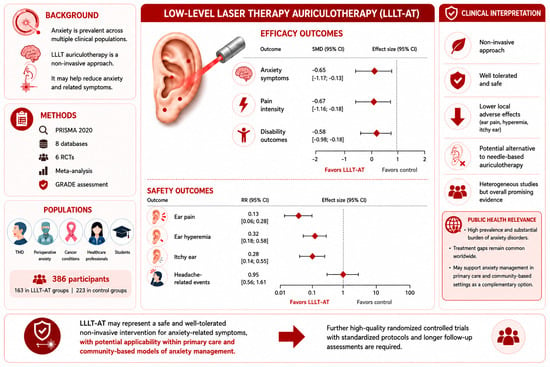
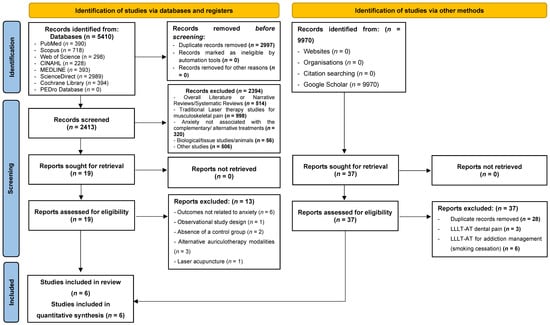
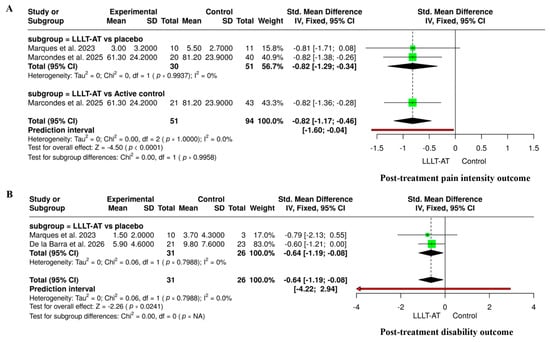
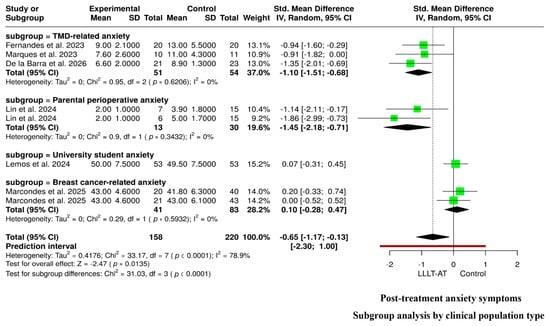
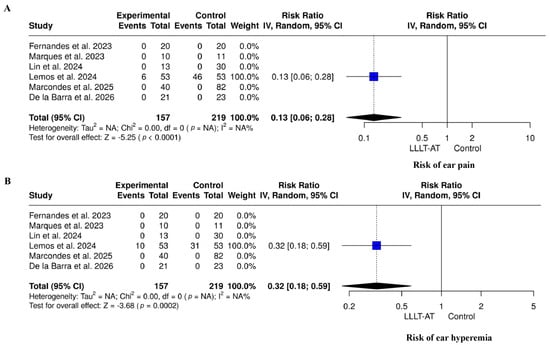
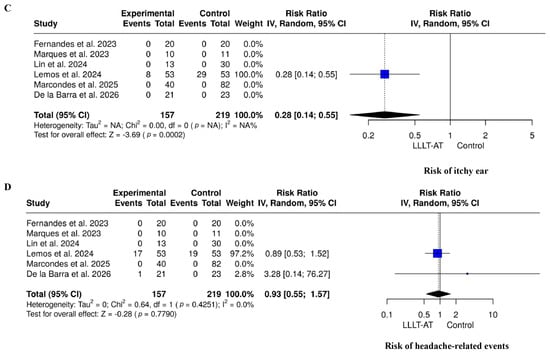
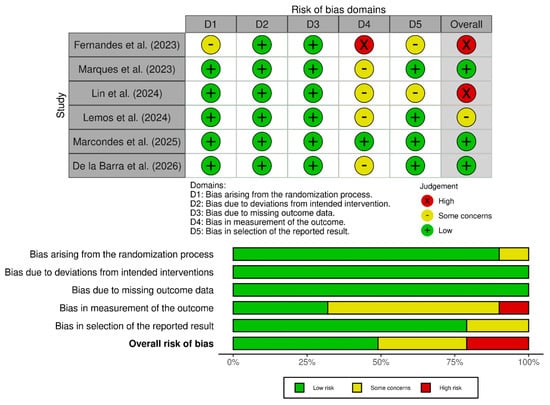
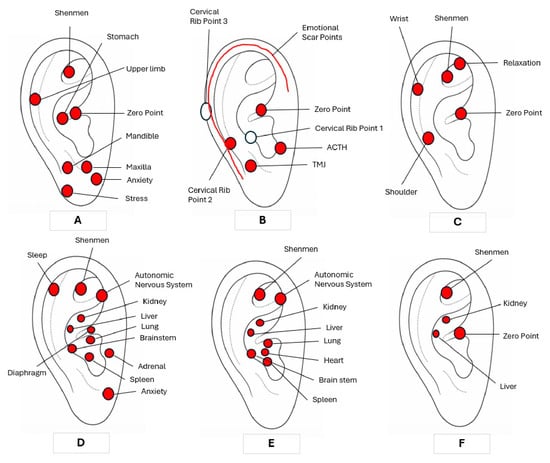
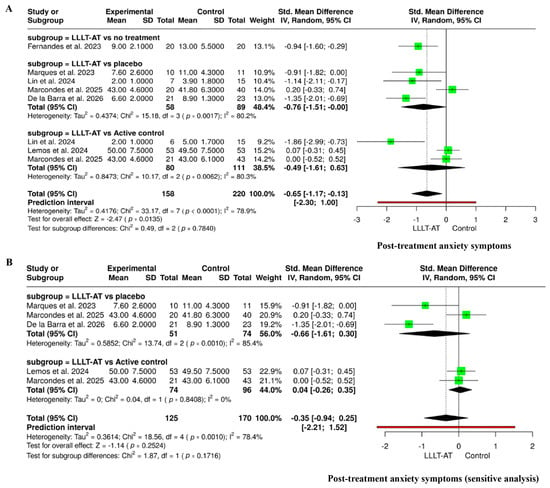
Anxiety disorders are highly prevalent conditions associated with substantial psychosocial burden, and low-level laser therapy auriculotherapy (LLLT-AT) has emerged as a non-invasive intervention with potential neuromodulatory effects for anxiety management. This systematic review aimed to evaluate the effects of LLLT-AT on anxiety symptoms across diverse populations. The review was conducted according to PRISMA 2020 guidelines and prospectively registered in PROSPERO (CRD420251159376). Randomized controlled trials comparing LLLT-AT with sham, placebo, or active interventions were identified through searches in PubMed, Web of Science, Scopus, CINAHL, MEDLINE, ScienceDirect, Cochrane Library, PEDro, and Google Scholar. The literature search was last updated on 2 July 2026. Risk of bias was assessed using RoB 2 and certainty of evidence using GRADE. Six RCTs involving 386 participants were included. Meta-analysis suggested significant reductions in post-treatment anxiety symptoms favoring LLLT-AT compared with control interventions (SMD = −0.65; 95% CI: −1.17 to −0.13), although substantial heterogeneity was identified (I2 = 78.9%). Significant reductions were also observed for pain intensity and disability, while adverse eventst analyses demonstrated lower risks of ear pain, hyperemia, and itchy ear following LLLT-AT. However, sensitivity analyses excluding studies with high risk of bias yielded a non-significant effect for anxiety outcomes (SMD = −0.35; 95% CI: −0.94 to 0.25). Interpretation of the findings should be considered cautiously due to substantial heterogeneity and the very low-to-low certainty of evidence for anxiety outcomes. Across all outcomes, the certainty of evidence ranged from very low to low, with very low certainty for anxiety outcomes and low certainty for pain intensity, disability, and adverse eventsoutcomes (ear pain, hyperemia, and itchy ear). LLLT-AT may represent a promising non-invasive complementary intervention for anxiety-related symptoms; however, these findings should be interpreted cautiously given the limited evidence base and substantial heterogeneity. Further high-quality randomized controlled trials with standardized protocols and longer follow-up assessments are required.
Full article
(This article belongs to the Section Behavioral and Mental Health)
►▼
Show Figures

Graphical abstract
Open AccessArticle
Evaluating the Psychometric Properties of the Indonesian Version of the Stroke Stigma Scale Among Indonesian Stroke Survivors
by
I Gede Juanamasta, Rapin Polsook, Bootan Ahmed, Yupin Aungsuroch, Ni Made Ratih Comala Dewi, I Gede Griya Suparta and Ferry Efendi
Int. J. Environ. Res. Public Health 2026, 23(7), 918; https://doi.org/10.3390/ijerph23070918 (registering DOI) - 17 Jul 2026
Abstract
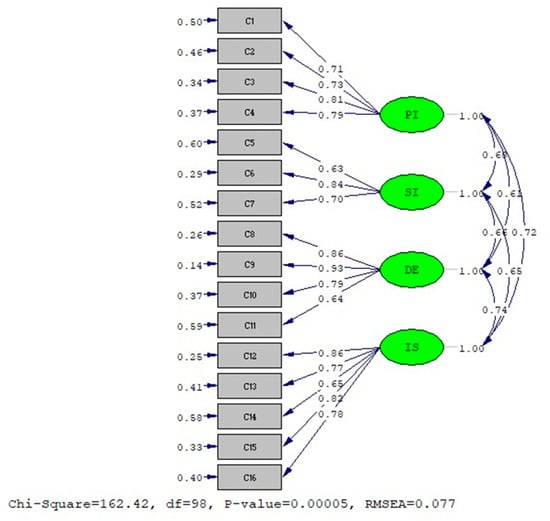
Purpose: To assess the validity and reliability of the Indonesian Stroke Stigma Scale (SSS-I), including its four dimensions and 16 items, among Indonesian stroke survivors. Validation of the Stroke Stigma Scale (SSS) is recommended across various mental health contexts and community settings. However,
[...] Read more.
Purpose: To assess the validity and reliability of the Indonesian Stroke Stigma Scale (SSS-I), including its four dimensions and 16 items, among Indonesian stroke survivors. Validation of the Stroke Stigma Scale (SSS) is recommended across various mental health contexts and community settings. However, construct validity, convergent validity, and reliability in particular have not been examined and validated among Indonesian stroke survivors. Materials and Methods: A total of 112 stroke survivors participated. The SSS was translated into Indonesian using Brislin’s back-translation method. Confirmatory factor analysis (CFA) was conducted to assess construct validity. Results: CFA indicated a good model fit, with factor loadings for all items exceeding 0.30. The convergent validity, represented by the average variance extracted, ranged from 0.507 to 0.666, suggesting that the latent constructs explained more than 50% of the variance. The scale demonstrated excellent reliability, with a total Cronbach’s alpha of 0.917 and composite reliability ranging between 0.752 and 0.887. Conclusions: The Indonesian version of the SSS demonstrated preliminary evidence of internal consistency and construct validity, supporting its use for assessing stigma among stroke survivors, with further validation recommended. This instrument helps healthcare providers to understand Indonesian stroke survivors’ needs, supports decision-making, and enhances outcomes.
Full article
(This article belongs to the Section Health Care Sciences)
►▼
Show Figures

Figure 1
Open AccessArticle
Feelings of Not Mattering and Moral Injury Distress in University Students Exposed to Traumatic Events and Adverse Childhood Experiences
by
Heather Lumsden-Ruegg, Anthony M. Battaglia, Gordon L. Flett, Stephan Bonfield and Joel O. Goldberg
Int. J. Environ. Res. Public Health 2026, 23(7), 917; https://doi.org/10.3390/ijerph23070917 (registering DOI) - 17 Jul 2026
Abstract
Many university students have a history of exposure to adverse and potentially traumatic life events and may therefore experience Moral Injury (MI). University students exposed to trauma, and especially relational trauma, should be less impacted if they feel and know with certainty that
[...] Read more.
Many university students have a history of exposure to adverse and potentially traumatic life events and may therefore experience Moral Injury (MI). University students exposed to trauma, and especially relational trauma, should be less impacted if they feel and know with certainty that they are valued and matter to other people. The current study uniquely examined MI distress and its correlates in 382 university students who reported the experience of at least one potentially traumatic event. Additionally, we examined the traumatic experiences faced by a subgroup of 2SLGBTQIA+ students and their associated reactions. Various self-report measures were administered including MI emotions, mattering, anti-mattering, and adverse childhood experiences (ACEs). Our analyses confirmed that MI distress was evident and was linked with ACEs and higher levels of anti-mattering. Main findings accord with the notion that traumatic interpersonal events are not only distressing but are connected with feeling unimportant and insignificant to others. In addition, comparisons with the sexual and gender non-minority subgroups established that 2SLGBTQIA+ students were exposed to higher rates of major life stressors and they had comparatively elevated feelings of not mattering to others and MI-related emotional distress. Collectively, the results underscore the heterogeneity that exists among students and that feelings of mattering versus feelings of not mattering can be a source of strength or vulnerability. Clinical and public health implications are discussed as relevant to addressing feelings of personal insignificance and moral-injury related shame and mistrust.
Full article
(This article belongs to the Section Behavioral and Mental Health)
Open AccessReview
Colorism and Sexual Health: A Rapid Review
by
Gina Diagou Sissoko, Ariana Jaspal, Sofia Walters and Jasmine Abrams
Int. J. Environ. Res. Public Health 2026, 23(7), 916; https://doi.org/10.3390/ijerph23070916 - 17 Jul 2026
Abstract
Colorism is a skin-tone stratification system that privileges proximity to Eurocentric features and disadvantages darker skin tones and Afrocentric features. Although colorism is increasingly recognized as a gendered social determinant of health, its role in shaping sexual health among Black and Brown girls
[...] Read more.
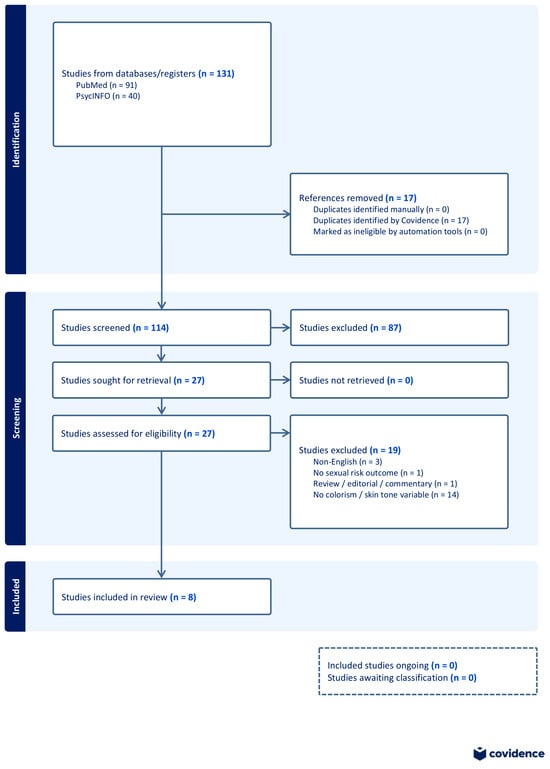
Colorism is a skin-tone stratification system that privileges proximity to Eurocentric features and disadvantages darker skin tones and Afrocentric features. Although colorism is increasingly recognized as a gendered social determinant of health, its role in shaping sexual health among Black and Brown girls and women remains understudied. This rapid review synthesized peer-reviewed empirical evidence on the relationship between colorism, skin tone, and sexual health outcomes among girls and women. Searches were conducted in PsycINFO and PubMed between April and May 2026. After removing duplicates, 114 unique records were screened in Covidence, yielding eight eligible studies. Five studies were quantitative, two were qualitative, and one was mixed methods. The included studies were synthesized narratively due to heterogeneity in study design, measurement, and outcomes. Findings suggest that colorism is associated with sexual risk behaviors, sexual agency and desirability, sexual development, and HIV-related sexual functioning. Across studies, colorism appeared to shape sexual health through three interrelated pathways: internalization and self-esteem, colorist desirability hierarchies that influence sexual agency and relationship dynamics, and differential sexualization experiences that shape girls’ sexual development and vulnerability across the life course. One study also highlighted parental support as a potential protective factor. Collectively, the findings position colorism as a potentially important social determinant of sexual health and underscore the need to integrate colorism into future sexual health research, prevention, and intervention frameworks.
Full article
(This article belongs to the Special Issue Addressing Adolescent Sexual and Reproductive Health Disparities: Determinants, Effectiveness, and Implementation)
►▼
Show Figures

Figure 1

Open AccessArticle
A Qualitative Study on Youth and Healthcare Provider Perspectives on Youth Access to Sexual and Reproductive Health Services in Northern Ghana: Implications for a Peer-Led Intervention
by
Xiaoying Zheng, Charles Timumpi Nignang, Elizabeth Holmes, Wajiha Alhassan, Zakaria Najlau, Mohammed Bahs, Breiana Brady, Nikita Kakkad, Nanki Singh, Kate Tolleson, Kwabalugu Webakura Albert, Juliana Opare-Duodu, Rayza Sison, Memunatu Chimsi, Hawa Malechi, Ana Maria Simono Charadan, Sasha Hernandez and Marie A. Brault
Int. J. Environ. Res. Public Health 2026, 23(7), 915; https://doi.org/10.3390/ijerph23070915 (registering DOI) - 16 Jul 2026
Abstract
Youth in northern Ghana experience high rates of unintended pregnancy due to limited access to and use of sexual and reproductive healthcare (SRH) services. Peer-led interventions are effective in increasing the youth uptake of SRH services, but limited peer-led interventions have been developed
[...] Read more.
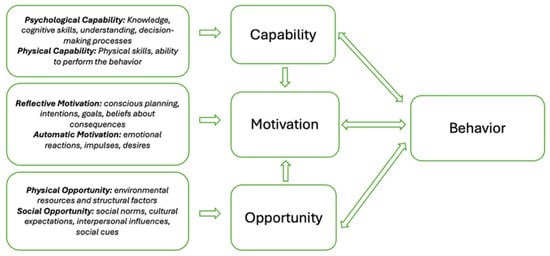
Youth in northern Ghana experience high rates of unintended pregnancy due to limited access to and use of sexual and reproductive healthcare (SRH) services. Peer-led interventions are effective in increasing the youth uptake of SRH services, but limited peer-led interventions have been developed for Ghana. This study explores youth (ages 15–24 years) and clinical provider perspectives on youth SRH to inform the co-design of a peer-led SRH counseling program in northern Ghana. We conducted a qualitative study using semi-structured interviews with 22 SRH providers and 27 youth. We then conducted an inductive thematic analysis and mapped themes onto the COM-B (Capability-Opportunity-Motivation-Behavior) model. Results revealed that youth capability to make informed and confident SRH decisions is constrained by a fragmented information environment. Although access to SRH services is increasing in the region, logistical and privacy barriers limit adolescents’ opportunities to engage in care. Religious and cultural norms stigmatize youth SRH care, though support for contraceptive use is growing among more educated sectors. Youth motivation to use SRH services is driven by a desire for autonomy but undermined by concerns about contraceptive side effects and anticipated stigma. This study supports the co-development of a contextually grounded peer counseling SRH intervention in northern Ghana.
Full article
(This article belongs to the Special Issue Health Promotion in Childhood and Adolescence)
►▼
Show Figures

Figure 1
Open AccessArticle
Effectiveness of Genetic Counseling Modalities on Knowledge, Attitudes, and Premarital Screening Intentions for Thalassemia Prevention: A Multi-Site Three-Arm Randomized Controlled Trial
by
Henri Setiawan, Chengyang Li, Muhammad Kamil Che Hasan, Thandar Soe @ Sumaiyah Jamaludin, Yudisa Diaz Lutfi Sandi, Andan Firmansyah, Yuyun Rahayu, Ima Sukmawati, Lilis Lismayanti and Edwin Nugroho Njoto
Int. J. Environ. Res. Public Health 2026, 23(7), 914; https://doi.org/10.3390/ijerph23070914 - 16 Jul 2026
Abstract
Thalassemia prevention relies on effective premarital screening. However, participation remains suboptimal because of multiple individual, sociocultural, and structural barriers, including limited knowledge, stigma, cultural and religious beliefs, healthcare accessibility, and socioeconomic constraints. This multi-site three-arm randomized controlled trial evaluated the effectiveness of digital
[...] Read more.
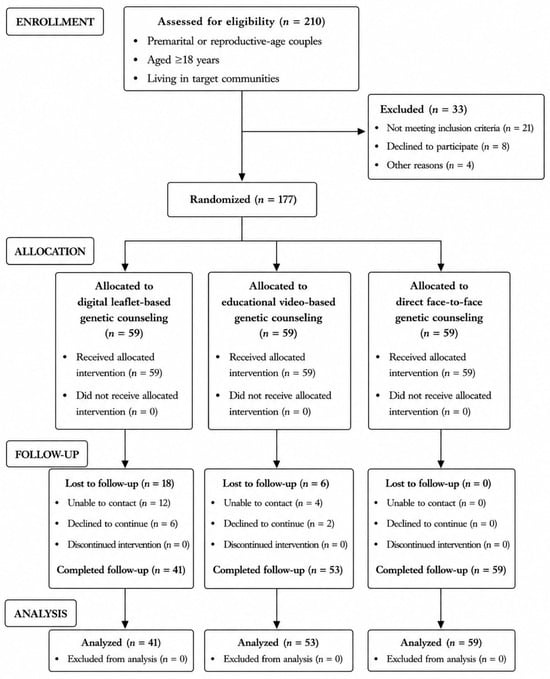
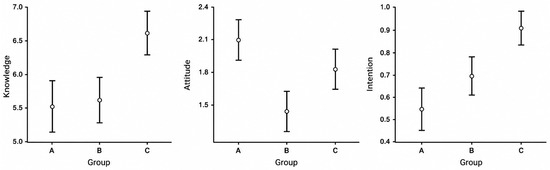
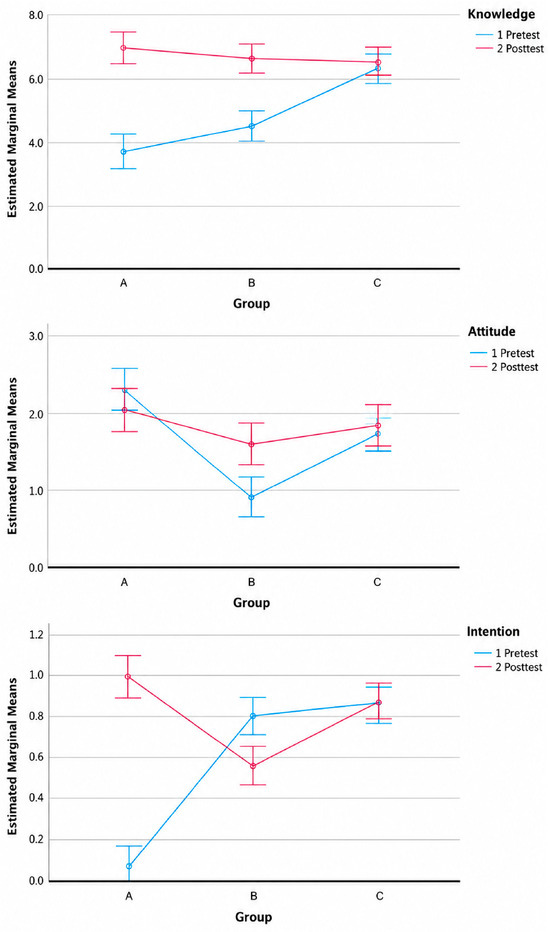
Thalassemia prevention relies on effective premarital screening. However, participation remains suboptimal because of multiple individual, sociocultural, and structural barriers, including limited knowledge, stigma, cultural and religious beliefs, healthcare accessibility, and socioeconomic constraints. This multi-site three-arm randomized controlled trial evaluated the effectiveness of digital leaflet-based, educational video-based, and face-to-face genetic counseling on knowledge, attitudes, and screening intentions among prospective couples in Ciamis District, Indonesia. A total of 177 prospective couples were randomized (digital leaflet = 59, video = 59, face-to-face = 59). After follow-up, 41, 53, and 59 participants, respectively, completed the post-intervention assessment and were included in the final analysis. Outcomes were measured at baseline and post-intervention using validated questionnaires and analyzed using Wilcoxon signed-rank tests and repeated-measures analysis of variance. Digital leaflet-based counseling significantly improved knowledge and screening intention (p < 0.001), while educational video-based counseling significantly improved knowledge, attitudes, and intention (p < 0.05). Face-to-face counseling showed no statistically significant changes across outcomes. Between-group analyses revealed significant differences in knowledge (η2 = 0.059, p < 0.001), attitudes (η2 = 0.080, p < 0.001), and intentions (η2 = 0.084, p < 0.001), with digital interventions outperforming face-to-face counseling. These findings suggest that digital genetic counseling modalities were associated with greater improvements in knowledge, attitudes, and premarital screening intentions than face-to-face counseling in this study setting.
Full article
(This article belongs to the Section Infectious Diseases, Chronic Diseases, and Disease Prevention)
►▼
Show Figures

Figure 1
Open AccessArticle
Association Between Health Literacy and Frailty in Older Adults: A Study in Two Brazilian Municipalities
by
Theda Manetta da Cunha Suter, Manoelito Ferreira Silva Junior and Marília Jesus Batista
Int. J. Environ. Res. Public Health 2026, 23(7), 913; https://doi.org/10.3390/ijerph23070913 - 16 Jul 2026
Abstract
Health literacy (HL), recognized as a modifiable social determinant, influences the autonomy and clinical outcomes of the elderly population, so that low levels of HL contribute to worse health outcomes, including frailty. The objective was to analyze the factors associated with frailty, with
[...] Read more.
Health literacy (HL), recognized as a modifiable social determinant, influences the autonomy and clinical outcomes of the elderly population, so that low levels of HL contribute to worse health outcomes, including frailty. The objective was to analyze the factors associated with frailty, with a focus on HL, in elderly people from two municipalities in the interior of São Paulo. In this cross-sectional study of 219 elderly individuals (≥60 years) from Jundiaí and Araçatuba, frailty was measured using the FRAIL-BR scale and the Clinical-Functional Vulnerability Index (IVCF-20), and HL was measured using the 14-item Health Literacy Scale (HLS-14). Sociodemographic, clinical, and behavioral variables were included. Bivariate analyses and multinomial logistic regression were performed, with a significance level of 5%. Women predominated (64.8%), with an average age of 71.8 (±7.55). Low HL remained associated with frailty according to the FRAIL scale (OR = 3.66; 95% CI: 1.51–8.85) and the IVCF-20 (OR = 5.65; 95% CI: 1.83–17.44). Other factors common to both scales were advanced age (FRAIL: OR = 4.24; 95% CI: 1.26–14.28; IVCF-20: OR = 28.67; 95% CI: 5.31–154.89) and family dysfunction (FRAIL: OR = 3.67; 95% CI: 1.06–12.68; IVCF-20: OR = 6.81; 95% CI: 1.72–27.06). Living alone and diabetes were associated with the IVCF-20, while depression was associated with the FRAIL scale. This research constitutes the first empirical study conducted in Brazil to provide evidence that low levels of health literacy are significantly associated with frailty in older adults.
Full article
(This article belongs to the Section Global Health)
Open AccessArticle
Beyond Temporary Sobriety: The Association Between Sobriety Campaign Completion and Intention to Quit Alcohol
by
Nittaya Srisuk, Manolee Sripaoraya Penpong, Paithoon Sonthon, Tharin Phenwan, Paul Toner and Udomsak Saengow
Int. J. Environ. Res. Public Health 2026, 23(7), 912; https://doi.org/10.3390/ijerph23070912 - 16 Jul 2026
Abstract
►▼
Show Figures
Sobriety campaigns (e.g., Dry January (UK), Dry July (Australia), and Thailand’s three-month sobriety campaign) have emerged as strategies to reduce alcohol use, with evidence suggesting sustained effects of such campaigns on drinking behavior for several months post-campaign. However, the relationship between campaign completion
[...] Read more.
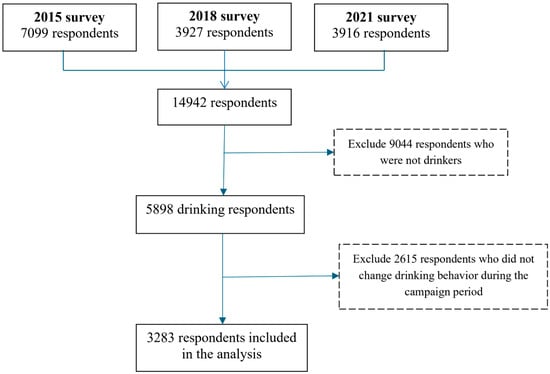
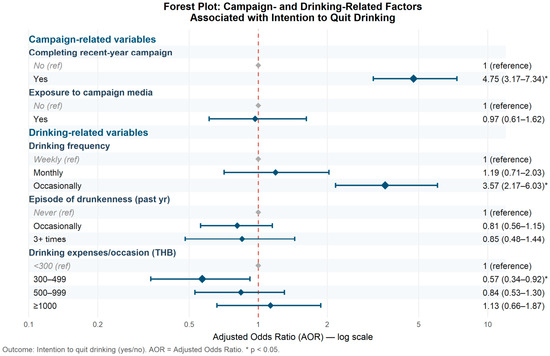
Sobriety campaigns (e.g., Dry January (UK), Dry July (Australia), and Thailand’s three-month sobriety campaign) have emerged as strategies to reduce alcohol use, with evidence suggesting sustained effects of such campaigns on drinking behavior for several months post-campaign. However, the relationship between campaign completion and intention to quit (a predictor of quitting behavior) remains underexplored. This study aims to examine the association between completing a sobriety campaign and intention to quit drinking. This is a pooled cross-sectional analysis of three waves of a nationally representative survey, using multivariate logistic regression. Intention to quit drinking was the dependent variable, and completion of the campaign (completely abstaining versus decrease in drinking) was the explanatory variable in the model, adjusting for demographic and drinking-related covariates. Overall, 12.6% of those completing the recent-year campaign expressed an intention to quit drinking. Completing the recent-year campaign was strongly associated with higher odds of intention to quit (adjusted OR 4.75; 95% CI, 3.17–7.34). The findings suggest that temporary sobriety campaigns may serve as an entry point for longer-term behavioral change. Policymakers should consider sobriety campaigns as a complementary strategy to reduce alcohol use alongside the WHO’s recommended interventions.
Full article

Figure 1
Open AccessArticle
Uncertainty Quantification in Zip Code Tabulation Area-Level Breast Cancer Screening: A Bayesian Geospatial Analysis in Hillsborough County, Florida
by
Bhaveshsai Reddy, Aarya Satardekar, Namit Choudhari, Benjamin G. Jacob, Rishil Shah and Anusha Parajuli
Int. J. Environ. Res. Public Health 2026, 23(7), 911; https://doi.org/10.3390/ijerph23070911 - 16 Jul 2026
Abstract
►▼
Show Figures
Geographic variation (GV) in screening patterns for breast cancer exists among Zip Code Tabulation Areas (ZCTAs) in Florida, but most spatial analyses are based on frequentist point estimates which do not formally represent uncertainty. This study used a three-stage analytical approach to the
[...] Read more.
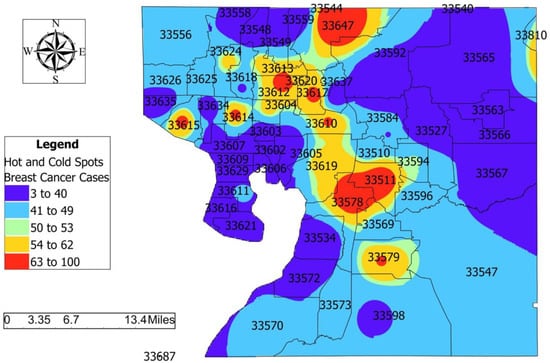
Geographic variation (GV) in screening patterns for breast cancer exists among Zip Code Tabulation Areas (ZCTAs) in Florida, but most spatial analyses are based on frequentist point estimates which do not formally represent uncertainty. This study used a three-stage analytical approach to the breast cancer screening data at the zip code tract (ZCTA) level in Hillsborough County, Florida (n = 55 ZCTAs): first, a frequentist Poisson regression was applied with diagnostics for multicollinearity; second, global spatial autocorrelation (GSA) analysis was conducted using Moran’s I; and third, a Bayesian Poisson and a Bayesian negative binomial regression were performed, both estimated via the No-U-Turn Sampler in the brms/Stan framework. In ArcGIS Pro 3.6, spatial analyses were carried out. The dependent variable was the number of breast cancer screening exams conducted at the ZCTA level over the study period. Across all racial/ethnic subgroups, the observed number of screenings was correlated with the number of females in the household, while no independent correlation was found for median household income, insurance status or age by stratum variables after adjustment. There was no significant and strong spatial autocorrelation across the study area (Moran’s I = 0.003, z = 0.326, p = 0.745). The Poisson model did best among the Bayesian models with a Bayesian R2 of 0.91, RMSE of 5.40, and MBE of 0.02. The results show the usefulness of Bayesian uncertainty quantification in small area public health surveillance and offer a framework for quantifying geographic variation in screening activity in a probabilistic manner. The results only compare screening examination (not population-standardized screening rates) and should be considered to reflect screening volume rather than screening participation.
Full article

Figure 1
Open AccessArticle
Identity, Belonging, and Psychological Well-Being Among Indigenous Minorities: The Case of Bedouin Young Adults
by
Nuzha Allassad Alhuzail
Int. J. Environ. Res. Public Health 2026, 23(7), 910; https://doi.org/10.3390/ijerph23070910 - 16 Jul 2026
Abstract
►▼
Show Figures
This cross-sectional study examined identity, belonging, perceived discrimination, and psychological well-being among 348 Bedouin young adults in Israel (ages 18–30; M = 20.8, SD = 3.7). The survey assessed identity endorsement and centrality, belonging to the Bedouin community, perceived discrimination, perceived identity threats,
[...] Read more.
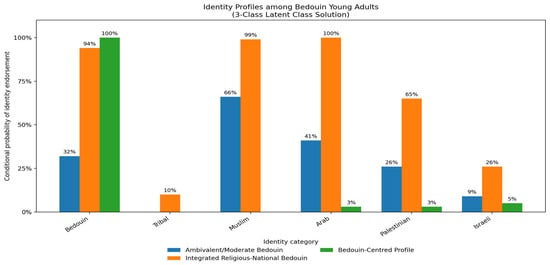
This cross-sectional study examined identity, belonging, perceived discrimination, and psychological well-being among 348 Bedouin young adults in Israel (ages 18–30; M = 20.8, SD = 3.7). The survey assessed identity endorsement and centrality, belonging to the Bedouin community, perceived discrimination, perceived identity threats, and psychological well-being. Latent class analysis identified three descriptive identity profiles: (1) Ambivalent/Moderate Bedouin (mixed identities with moderate endorsement; n = 158), (2) Bedouin-Centered (near-exclusive endorsement of Bedouin identity with limited endorsement of the other measured categories; n = 74), and (3) Integrated Religious-National Bedouin (high Bedouin, Arab, and Muslim endorsement; n = 116). The Integrated profile reported somewhat lower well-being, higher perceived discrimination, and more perceived identity threats in descriptive comparisons. In hierarchical regression, stronger belonging was associated with higher well-being and greater perceived discrimination with lower well-being after adjustment for demographics; identity profiles did not significantly improve prediction once these social experiences were included. The findings underscore that psychological well-being among Indigenous minority young adults is associated not only with identity configuration but also with the social conditions that enable belonging and reduce discrimination.
Full article

Figure 1
Open AccessArticle
Workplace Wellbeing in Ontario’s Public Sector: Employee and Employer Perspectives on Workplace Supports
by
Heather Katherine Scott-Marshall, Tegan Slot and Lucas Marshall
Int. J. Environ. Res. Public Health 2026, 23(7), 909; https://doi.org/10.3390/ijerph23070909 - 16 Jul 2026
Abstract
Background: Workplace wellbeing has become a key focus of occupational and public health, with increasing attention to mental health, psychosocial risks, fatigue, and work–life balance. However, limited evidence compares employee and employer perspectives, distinguishes support availability from support use, or examines whether wellbeing
[...] Read more.
Background: Workplace wellbeing has become a key focus of occupational and public health, with increasing attention to mental health, psychosocial risks, fatigue, and work–life balance. However, limited evidence compares employee and employer perspectives, distinguishes support availability from support use, or examines whether wellbeing is more closely associated with isolated interventions or the broader support environment. Method: Cross-sectional survey data were collected from public-sector employees (N = 1307) and employers (N = 321) in Ontario, Canada. Analyses compared employee and employer ratings of workplace wellbeing dimensions and supports, examined support availability and use, and assessed associations between support use and perceived workplace impact on personal wellbeing using linear regression models. Results: Employees consistently rated workplace wellbeing dimensions and supports as more important and more effective than employers. Several supports were widely available, but availability varied across sectors and did not consistently translate into use, particularly for mental health, psychological health and safety, and fatigue-related supports. Among employees using at least one support, the cumulative number of supports used was positively associated with wellbeing (B = 0.196, p < 0.01), whereas few individual supports demonstrated independent associations. Fatigue management programs showed a consistent positive association across model specifications. Conclusions: Findings suggest that workplace wellbeing is associated with the broader support environment, not only with individual programs. Employee-informed, integrated approaches that improve both access and uptake may strengthen workplace wellbeing; however, causal interpretation is limited by the cross-sectional design.
Full article
(This article belongs to the Special Issue Occupational Health and Prevention of Work-Related Diseases)
Journal Menu
► ▼ Journal Menu-
- IJERPH Home
- Aims & Scope
- Editorial Board
- Reviewer Board
- Topical Advisory Panel
- Instructions for Authors
- Special Issues
- Topics
- Sections & Collections
- Article Processing Charge
- Indexing & Archiving
- Editor’s Choice Articles
- Most Cited & Viewed
- Journal Statistics
- Journal History
- Journal Awards
- Society Collaborations
- Conferences
- Editorial Office
Journal Browser
► ▼ Journal Browser-
arrow_forward_ios
Forthcoming issue
arrow_forward_ios Current issue - Vol. 23 (2026)
- Vol. 22 (2025)
- Vol. 21 (2024)
- Vol. 20 (2023)
- Vol. 19 (2022)
- Vol. 18 (2021)
- Vol. 17 (2020)
- Vol. 16 (2019)
- Vol. 15 (2018)
- Vol. 14 (2017)
- Vol. 13 (2016)
- Vol. 12 (2015)
- Vol. 11 (2014)
- Vol. 10 (2013)
- Vol. 9 (2012)
- Vol. 8 (2011)
- Vol. 7 (2010)
- Vol. 6 (2009)
- Vol. 5 (2008)
- Vol. 4 (2007)
- Vol. 3 (2006)
- Vol. 2 (2005)
- Vol. 1 (2004)
Highly Accessed Articles
Latest Books
E-Mail Alert
News
Topics
Topic in
Behavioral Sciences, Children, Healthcare, IJERPH, JFMK, Obesities
The Effect of Physical Activity on the Population's Health
Topic Editors: Stefania Paduano, Federica ValerianiDeadline: 31 August 2026
Topic in
Behavioral Sciences, Children, EJIHPE, IJERPH, Healthcare
Mental Health and the 2030 Sustainable Development Agenda: Old Problems and New Perspectives
Topic Editors: Carlos Laranjeira, Ana QueridoDeadline: 31 October 2026
Topic in
Behavioral Sciences, Healthcare, IJERPH, Social Sciences, EJIHPE
Mental Health in Trauma Survivors
Topic Editors: Hyojin Im, Asli Cennet Yalim, Gashaye Melaku Tefera, Isok KimDeadline: 30 November 2026
Topic in
Applied Sciences, Toxics, IJERPH, Biology, Cancers, Radiation
Disease Risks from Environmental Radiological Exposure
Topic Editors: Valentina Venuti, Francesco CaridiDeadline: 31 December 2026
Conferences
Special Issues
Special Issue in
IJERPH
Health Management on the Quality of Life of Patients with Chronic Diseases
Guest Editor: Chintana WacharasinDeadline: 30 July 2026
Special Issue in
IJERPH
Critical Care and Public Health: Integrating Patients, Families, and Communities
Guest Editor: João Lindo SimõesDeadline: 30 July 2026
Special Issue in
IJERPH
Global Nursing Leadership for Climate Resilience and Health Equity
Guest Editor: Roberta Proffitt LavinDeadline: 30 July 2026
Special Issue in
IJERPH
Pharmaceutical Pollution in Aquatic Ecosystems: Public Health Risks and Sustainable Solutions
Guest Editor: Marcos Paulo Gomes MolDeadline: 31 July 2026
Topical Collections
Topical Collection in
IJERPH
Health Behaviors, Risk Factors, NCDs and Health Promotion
Collection Editor: Stefano Campostrini
Topical Collection in
IJERPH
Bullying, Cyberbullying, Dating Violence, and Cyber Dating Violence in Adolescence
Collection Editor: María-Jesús Cava