Journal Description
International Journal of Environmental Research and Public Health
(IJERPH) is a transdisciplinary, peer-reviewed, open access journal that covers global health, healthcare sciences, behavioral and mental health, infectious diseases, chronic diseases and disease prevention, exercise and health related quality of life, environmental health and environmental sciences, and is published monthly online by MDPI. The International Society Doctors for the Environment (ISDE), Italian Society of Environmental Medicine (SIMA) and Environmental Health Association of Québec (ASEQ‑EHAQ) are affiliated with IJERPH and their members receive discounts on the article processing charges.
- Open Access— free for readers, with article processing charges (APC) paid by authors or their institutions.
- High Visibility: indexed within Scopus, PubMed, MEDLINE, PMC, Embase, GEOBASE, CAPlus / SciFinder, and other databases.
- Journal Rank: CiteScore - Q1 (Public Health, Environmental and Occupational Health)
- Rapid Publication: manuscripts are peer-reviewed and a first decision is provided to authors approximately 24 days after submission; acceptance to publication is undertaken in 3.8 days (median values for papers published in this journal in the first half of 2026).
- Recognition of Reviewers: reviewers who provide timely, thorough peer-review reports receive vouchers entitling them to a discount on the APC of their next publication in any MDPI journal, in appreciation of the work done.
- Sections: published in 7 topical sections.
- Journal Cluster of Public Health: International Journal of Environmental Research and Public Health, Infectious Disease Reports, Epidemiologia, Occupational Health, International Journal of Environmental Medicine (IJEM), Journal of Market Access & Health Policy (JMAHP), Hygiene, Trends in Public Health, Digital Health and Innovation (DHI), Green Health and Health Economics and Policy.
- Companion journal: Trends in Public Health
Latest Articles
Disaster Preparedness, CBRN Attitudes, and Self-Efficacy Among Nursing Students: A Cross-Sectional Study
Int. J. Environ. Res. Public Health 2026, 23(9), 1174; https://doi.org/10.3390/ijerph23091174 - 7 Sep 2026
Abstract
Background: Disasters and chemical, biological, radiological, and nuclear (CBRN) incidents pose significant challenges to public health systems and require a well-prepared nursing workforce. Assessing nursing students’ disaster preparedness, CBRN attitudes, and self-efficacy is essential for identifying educational needs and strengthening future emergency response
[...] Read more.
Background: Disasters and chemical, biological, radiological, and nuclear (CBRN) incidents pose significant challenges to public health systems and require a well-prepared nursing workforce. Assessing nursing students’ disaster preparedness, CBRN attitudes, and self-efficacy is essential for identifying educational needs and strengthening future emergency response capacity. Methods: A total of 302 nursing students were recruited from universities in Istanbul between January–June 2024. Data were collected using an Information Form, the Nursing Student CBRN Attitude Scale, the Nursing Student CBRN Self-Efficacy Scale, and the Disaster Preparedness Scale. Results: While 92.7% of students considered CBRN important, 64.2% reported lacking knowledge. No gender differences emerged; however, significant correlations were found between knowledge of earthquakes and CBRN, students’ attitudes, self-efficacy, and preparedness. Conclusions: Self-efficacy levels increased with the academic year. Integrating disaster and CBRN education into nursing curricula with emphasis on applied training is crucial to strengthening future nurses’ preparedness and response capacity.
Full article
(This article belongs to the Section Global Health)
Open AccessArticle
Lessons Learned from a Pilot Study of the Relationship Between Rainfall and Levels of 1,4-Dioxane and Metals in Water Bodies Adjacent to Superfund Sites on Long Island, New York, USA
by
Sarah Grace Frueh, Jessica Alfano, Wil Cruz-Ruiz, Lissa Fortes Soares, Sheryl Jeanty, Janroy Caraan, Dimitrios E. Bakatsias, Brian Haldenwang, Roxanne Karimi, Xiayan Ye, Sudheera Yaparatne, Arjun K. Venkatesan, Carrie A. McDonough, Henry J. Bokuniewicz, Christopher J. Gobler, Kevin A. Reed and Jaymie R. Meliker
Int. J. Environ. Res. Public Health 2026, 23(9), 1173; https://doi.org/10.3390/ijerph23091173 - 7 Sep 2026
Abstract
►▼
Show Figures
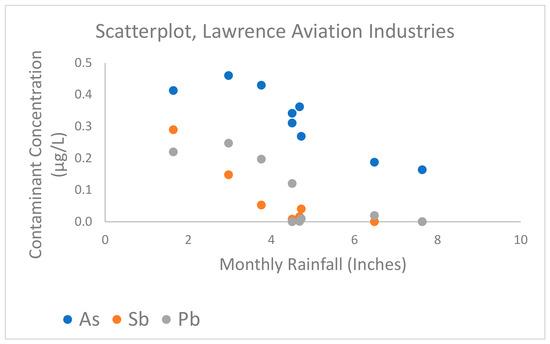
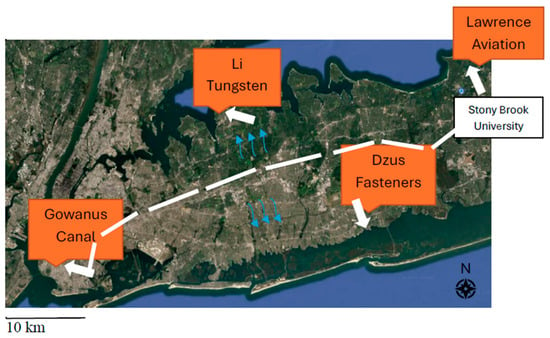
Rainfall and groundwater fluctuations may influence the migration or dilution of contaminants from US Superfund sites. This pilot study was designed to provide empirical data on relationships between rainfall and contaminant concentrations in water near Superfund sites. Four heterogeneous Superfund sites on Long
[...] Read more.
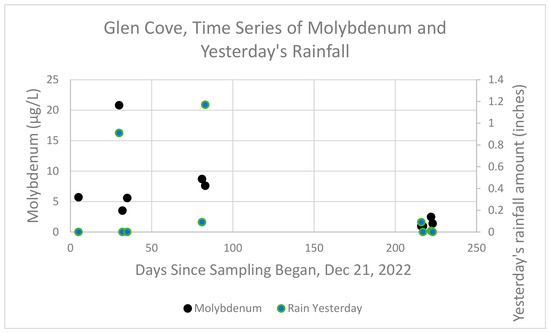
Rainfall and groundwater fluctuations may influence the migration or dilution of contaminants from US Superfund sites. This pilot study was designed to provide empirical data on relationships between rainfall and contaminant concentrations in water near Superfund sites. Four heterogeneous Superfund sites on Long Island, New York, were selected to represent a range of contaminant profiles and hydrogeologic conditions. Baseline samples were collected in December 2022, with subsequent samples obtained following major storms through September 2023. Samples were collected on 11–24 different days across the sites and measured for 18 metals and 1,4-dioxane. Overall, we observed few consistent associations between rainfall and contaminant concentrations across sites. Two trends, however, were noted: (1) at Gowanus Canal, a surface water site, there was a negative association between rainfall and contaminant concentrations using same-day or prior-day rainfall; and (2) in effluent from a treatment well near Lawrence Aviation, negative associations were observed between prior month’s rainfall and contaminant concentrations. Rainfall appeared to dilute contaminant concentrations using different hydrogeological processes at two of the four Superfund sites in this pilot study with a small sample size and study site heterogeneity. Given the increased frequency and intensity of extreme rainfall events, it is important to continue probing links between rainfall and contaminants near Superfund sites with intensive monitoring campaigns.
Full article

Figure 1
Open AccessPerspective
Addressing Heat Stress in Arid, High-Visitor Cities with a Focus on Makkah
by
Osman Ulvi, Saiful Momen, Iftikhar Sikder and Ubydul Haque
Int. J. Environ. Res. Public Health 2026, 23(9), 1172; https://doi.org/10.3390/ijerph23091172 - 7 Sep 2026
Abstract
►▼
Show Figures
Makkah faces substantial heat-stress challenges associated with extreme temperatures, dense urban form, and the large numbers of pilgrims present during Hajj and Umrah, creating important public health concerns. Recent heat-related fatalities highlight the need for complementary strategies that address outdoor as well as
[...] Read more.
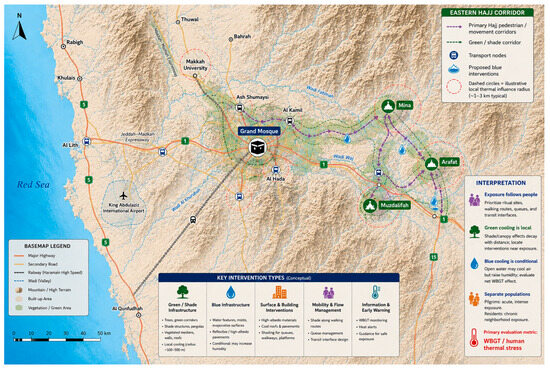
Makkah faces substantial heat-stress challenges associated with extreme temperatures, dense urban form, and the large numbers of pilgrims present during Hajj and Umrah, creating important public health concerns. Recent heat-related fatalities highlight the need for complementary strategies that address outdoor as well as indoor heat exposure, alongside conventional cooling approaches such as air conditioning. This article examines the potential role of nature-based and complementary engineered interventions in mitigating urban heat stress in Makkah, focusing on afforestation, urban greening, and the possible use of artificial water bodies, contingent on sustainable water management. Drawing on case studies and published evidence from arid and heat-prone regions, including China, Pakistan, Saudi Arabia, and the wider Middle East, we summarize reported cooling effects, implementation experience, and feasibility considerations and assess their potential relevance to Makkah. The perspective highlights critical challenges related to water scarcity, spatial constraints, ecological impacts, and governance, while proposing phased implementation pathways that could be evaluated incrementally. If carefully designed and integrated with urban planning and climate-adaptation strategies, nature-based and complementary interventions could potentially reduce human heat stress, reduce cooling demand, and strengthen climate resilience in Makkah. However, their effectiveness, water requirements, environmental impacts, and scalability require evaluation under Makkah-specific environmental and operational conditions.
Full article

Figure 1
Open AccessArticle
Using Conditional Random Forest and Feature Ranking Algorithms to Determine the Relative Importance of the Nicotine Metabolite Ratio (NMR) and Demographic and Behavioral Factors on Nicotine Dependence Severity
by
Michael Machiorlatti, Nicolle M. Krebs and Joshua E. Muscat
Int. J. Environ. Res. Public Health 2026, 23(9), 1171; https://doi.org/10.3390/ijerph23091171 - 7 Sep 2026
Abstract
►▼
Show Figures
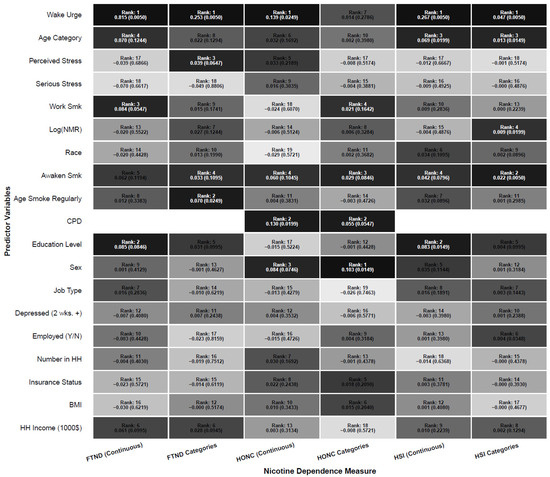
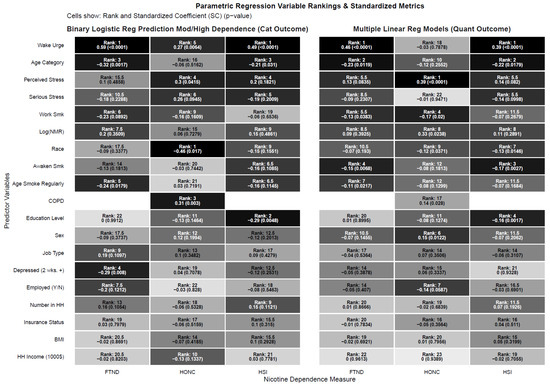
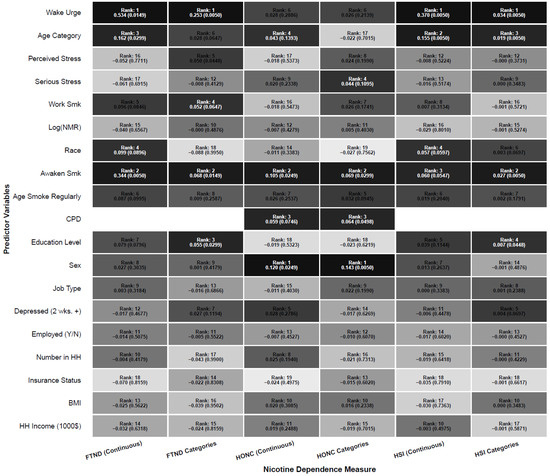
Cigarette smokers have different levels of nicotine dependence, which affect their daily cigarette consumption and ability to quit. Genetic factors play a role, and there is interest in tailored nicotine therapy based on an individual’s rate of nicotine metabolism, which can be measured
[...] Read more.
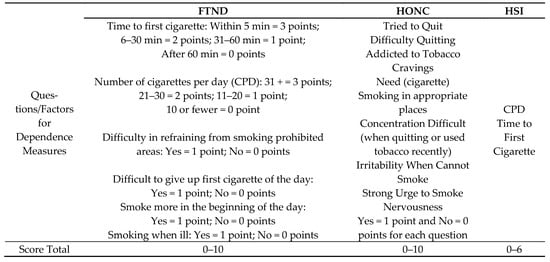
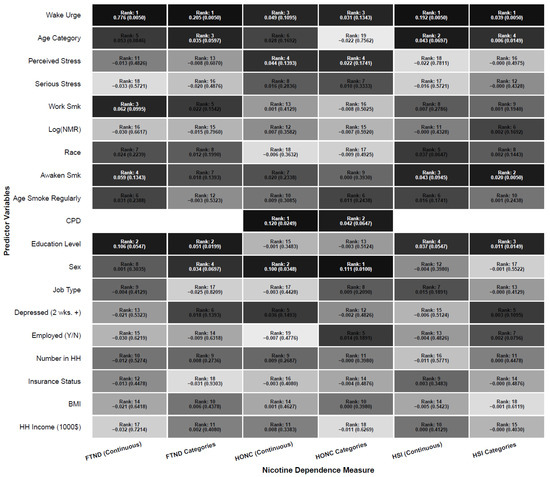
Cigarette smokers have different levels of nicotine dependence, which affect their daily cigarette consumption and ability to quit. Genetic factors play a role, and there is interest in tailored nicotine therapy based on an individual’s rate of nicotine metabolism, which can be measured by the ratio of 3′hydroxycotinine [3HC]-to-cotinine, e.g., the nicotine metabolite ratio [NMR]. However, many other behavioral factors or symptoms are considered important indicators of nicotine dependence. The current study uses machine learning (ML) and traditional statistical methods to rank the importance of NMR and non-NMR factors that contribute to nicotine addiction. Using data from the Pennsylvania Adult Smoking Study (PASS), we found that salivary NMR is a predictor of nicotine dependence in the most commonly used nicotine dependence scales, including the Fagerstrom Test for Nicotine Dependence, Heaviness of Smoking Index, and the Hooked On Nicotine Checklist. However, other predictor variables, such as waking urges, showed higher rankings than NMR, with findings dependent on the modeling approach. These results indicate that other factors besides NMR may be clinically useful for understanding the extent of dependence and approaches to quitting.
Full article

Figure 1
Open AccessArticle
Agreement Between Six-Minute Walk Test-Based Equations and Bruce-Derived Aerobic-Fitness Estimates in Adults with Metabolic Syndrome: A Single-City Cross-Sectional Method-Comparison Study
by
Anahy Ordóñez-Zea, Alberto Urzúa, Jorge Méndez-Cornejo, Edgardo Rojas-Mancilla, Carmen Zambrano-Bravo, Esteban Oñate-Henríquez, Trinidad Parada and Cristian Vidal-Silva
Int. J. Environ. Res. Public Health 2026, 23(9), 1170; https://doi.org/10.3390/ijerph23091170 - 7 Sep 2026
Abstract
►▼
Show Figures
Accessible assessment of aerobic fitness is important for adults with metabolic syndrome when cardiopulmonary exercise testing is unavailable. This study aimed to evaluate participant-level agreement between Six-Minute Walk Test (6MWT)-based equations and estimates derived from total Bruce treadmill duration. Using a single-city cross-sectional
[...] Read more.
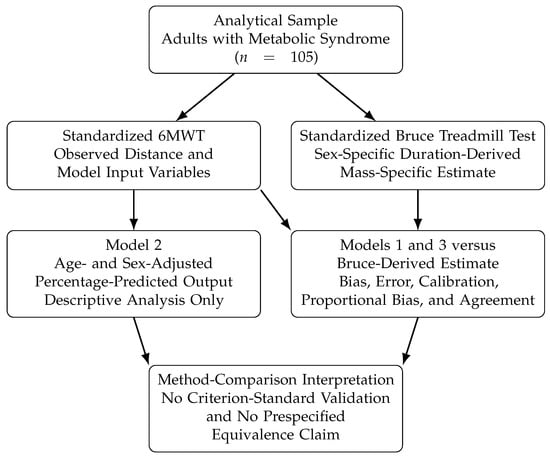
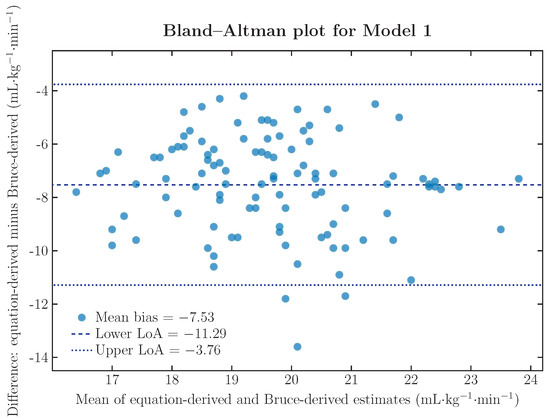
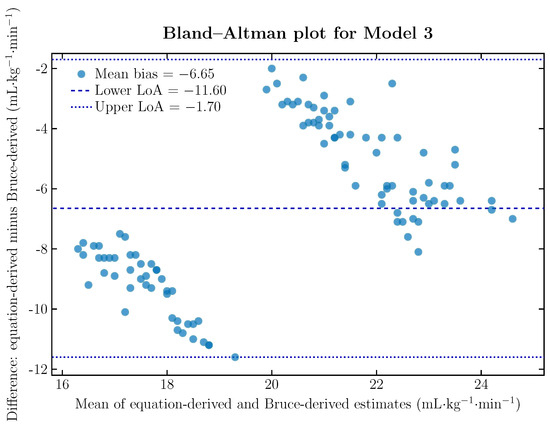
Accessible assessment of aerobic fitness is important for adults with metabolic syndrome when cardiopulmonary exercise testing is unavailable. This study aimed to evaluate participant-level agreement between Six-Minute Walk Test (6MWT)-based equations and estimates derived from total Bruce treadmill duration. Using a single-city cross-sectional method-comparison design, 105 newly recruited adults, comprising 67 women and 38 men, completed standardized 6MWT and graded treadmill assessments. Agreement was evaluated using mean bias, mean absolute error (MAE), root mean square error (RMSE), Pearson correlation, calibration, proportional-bias regression, and Bland–Altman limits of agreement. Mean Bruce-derived estimated peak oxygen uptake ( ) was mL·kg−1 min−1. Model 1 produced , with a mean bias of , an RMSE of 7.77, and limits of agreement from to . Model 3 produced , with a mean bias of , an RMSE of 7.11, and limits from to . Both models systematically underestimated Bruce-derived values, and Model 3 showed proportional bias. Model 2 produced on its original age- and sex-adjusted percentage-predicted scale. It was not converted to mass-specific units because the participant-specific reference values required for a valid back-conversion were unavailable. The observed bias and limits of agreement indicated that Models 1 and 3 did not achieve close participant-level agreement with the Bruce-derived approach. Validation against directly measured oxygen uptake remains necessary before clinical or public-health use.
Full article

Figure 1
Open AccessArticle
Philanthropic Hospitals and Geographic Access to Health Care in Brazil: Impact Evaluation of a Tax Relief Programme
by
Aléssio Tony Cavalcanti de Almeida, Luciana Mendes Santos Servo and Edvaldo Batista de Sá
Int. J. Environ. Res. Public Health 2026, 23(9), 1169; https://doi.org/10.3390/ijerph23091169 - 7 Sep 2026
Abstract
Philanthropic hospitals are key providers within Brazil’s public healthcare system and benefit from the Certification of Beneficent Social Assistance Entities in Health (CEBAS-Saúde), a tax relief program designed to incentivize service provision in underserved areas. We analyze a balanced panel of 1641 philanthropic
[...] Read more.
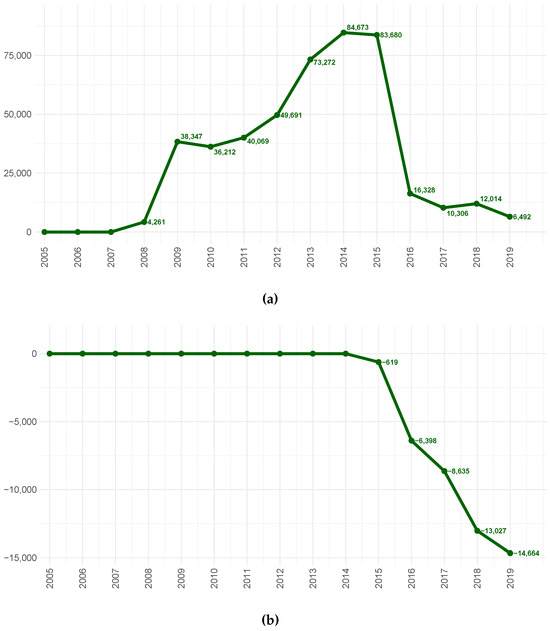
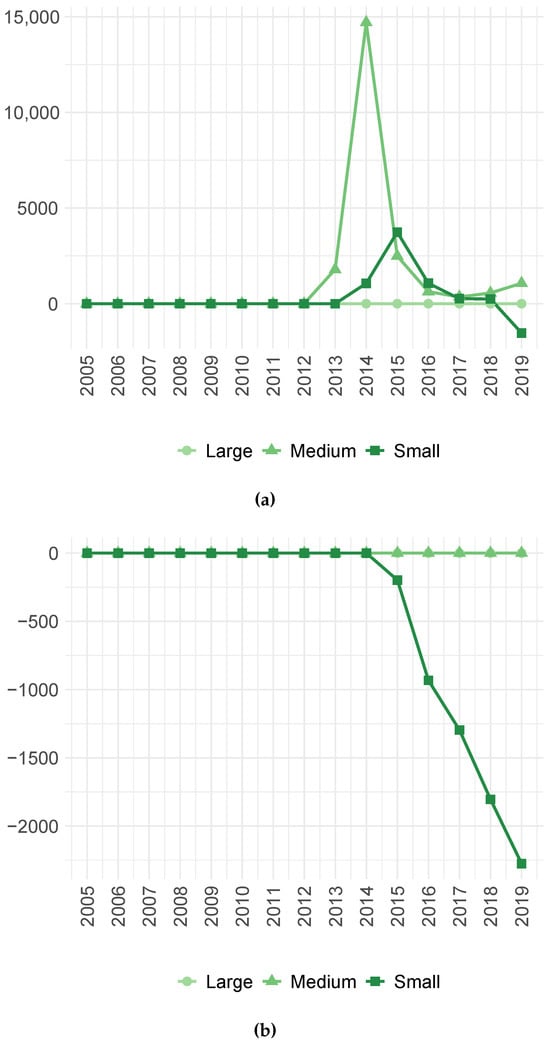
Philanthropic hospitals are key providers within Brazil’s public healthcare system and benefit from the Certification of Beneficent Social Assistance Entities in Health (CEBAS-Saúde), a tax relief program designed to incentivize service provision in underserved areas. We analyze a balanced panel of 1641 philanthropic general hospitals from 2005 to 2019, employing a conditional Difference-in-Differences (DiD) model with heterogeneous treatment exposure and entropy balancing to ensure comparability between certified and non-certified hospitals. The results show that certification significantly improved geographic access, mainly by reducing macro-regional patient evasion—the outflow of patients seeking care outside their designated health regions. This effect, most pronounced after ten years of certification, translated into an average annual reduction of approximately 8700 avoided hospitalizations between 2015 and 2019. The reduction was particularly concentrated in small hospitals and in the Northeast region, where access barriers are historically greater. These findings suggest that CEBAS-Saúde is an effective policy instrument for strengthening the regionalization of healthcare provision, reducing geographic inequities, and addressing service gaps in areas with limited healthcare supply.
Full article
(This article belongs to the Special Issue The Effects of Public Policies on Health)
►▼
Show Figures

Figure 1
Open AccessRetraction
RETRACTED: Lucas et al. Health Impact and Psychosocial Perceptions Among French Medical Residents During the SARS-CoV-2 Outbreak: A Cross-Sectional Survey. Int. J. Environ. Res. Public Health 2021, 18, 8413
by
David Lucas, Sandrine Brient, Bisi Moriamo Eveillard, Annabelle Gressier, Tanguy Le Grand, Richard Pougnet, Jean-Dominique Dewitte and Brice Loddé
Int. J. Environ. Res. Public Health 2026, 23(9), 1168; https://doi.org/10.3390/ijerph23091168 - 7 Sep 2026
Abstract
The journal retracts the article titled “Health Impact and Psychosocial Perceptions among French Medical Residents during the SARS-CoV-2 Outbreak: A Cross-Sectional Survey” [...]
Full article
Open AccessArticle
Using Generative AI to Improve Readability, Actionability, and Health Literacy of COPD Caregiver Materials
by
Michael L. Stellefson, Gracie Avery, Sarah Flora, Ansley Boles, Olivia Henry, Rakshan Sivalingam and Savanna Williams
Int. J. Environ. Res. Public Health 2026, 23(9), 1167; https://doi.org/10.3390/ijerph23091167 - 7 Sep 2026
Abstract
Informal caregiving for individuals with chronic obstructive pulmonary disease (COPD) places substantial emotional and physical demands on caregivers. However, many educational resources remain difficult to use due to high reading levels, dense medical language, and limited accessibility. Given that a large proportion of
[...] Read more.
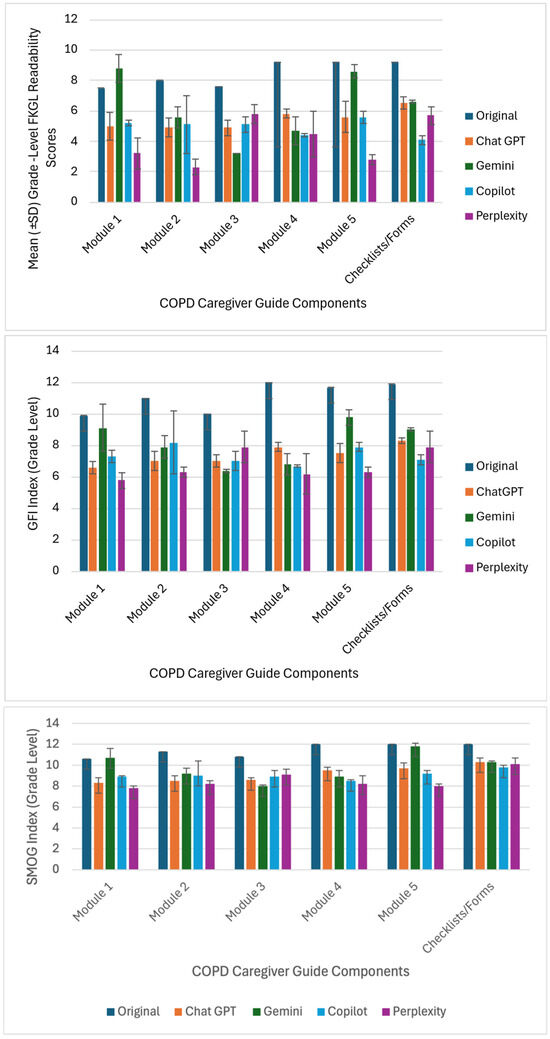
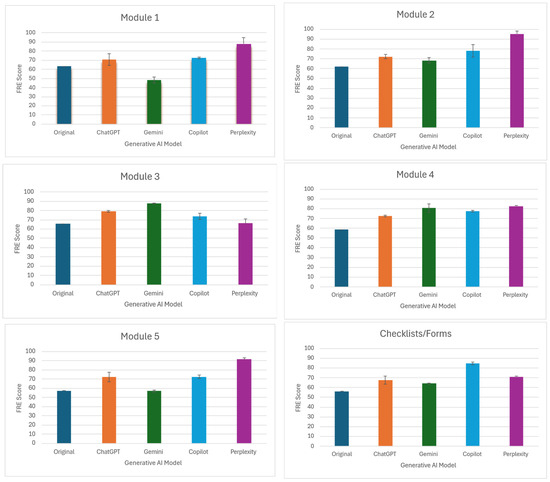
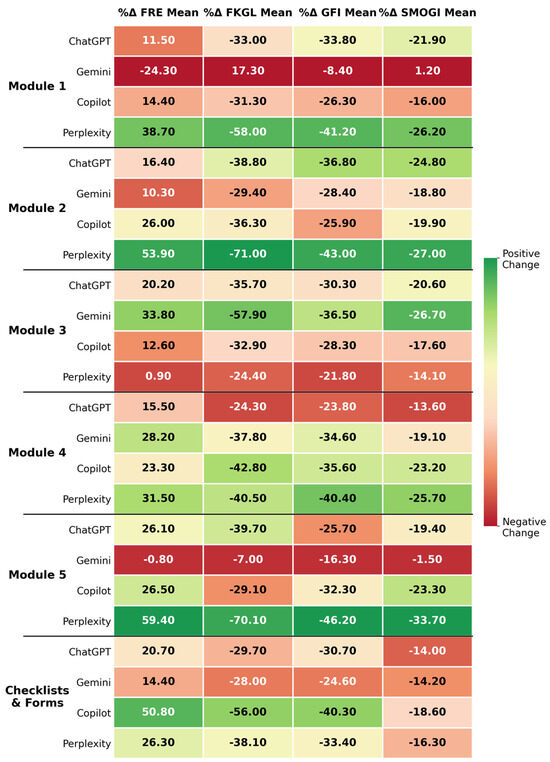
Informal caregiving for individuals with chronic obstructive pulmonary disease (COPD) places substantial emotional and physical demands on caregivers. However, many educational resources remain difficult to use due to high reading levels, dense medical language, and limited accessibility. Given that a large proportion of U.S. adults experience challenges with health literacy, existing caregiver toolkits may not provide the clear, actionable guidance needed to support caregiver self-efficacy or improve patient outcomes. This study introduces a reproducible, three-phase workflow that uses generative artificial intelligence (AI) to simplify and refine caregiver education materials, with application to the COPD Caregiver’s Toolkit. Four AI tools were used to simplify text, followed by human-guided refinement using the Sydney Health Literacy Lab (SHeLL) health literacy editor to ensure conceptual accuracy and usability. Readability indices and blinded assessments were used to evaluate changes in understandability and actionability across versions. AI-assisted simplification improved readability and clarity while maintaining high levels of actionability and preserving key instructional content. This scalable, adaptable approach may help public health researchers and practitioners improve the accessibility of educational resources across settings. Multi-phase, human-in-the-loop AI workflows may reduce linguistic complexity and improve the dissemination of essential health information to caregiving populations.
Full article
(This article belongs to the Topic Health Literacy and eHealth: New Challenges and Developments)
►▼
Show Figures

Figure 1
Open AccessArticle
Rational Risk or Cultural Resistance: Co-Produced Findings on Structural Barriers to Drug and Alcohol Recovery Among South Asian Muslim Communities in England
by
Zeibeda Sattar, Aneeta Shajan, Sheinaz Stansfield, Michael Cave, Humaira Khan, Mushtaq Dakri and William McGovern
Int. J. Environ. Res. Public Health 2026, 23(9), 1166; https://doi.org/10.3390/ijerph23091166 - 7 Sep 2026
Abstract
Background: South Asian Muslim (SAM) communities remain significantly underserved by mainstream drug and alcohol (D&A) recovery services in England. Cultural and religious misalignment in service design creates structural barriers to engagement. Family members from SAM communities who support individuals with substance use
[...] Read more.
Background: South Asian Muslim (SAM) communities remain significantly underserved by mainstream drug and alcohol (D&A) recovery services in England. Cultural and religious misalignment in service design creates structural barriers to engagement. Family members from SAM communities who support individuals with substance use disorders have identified structural, cultural, and religious barriers that hinder engagement with mainstream treatment services. This study builds on this body of evidence by working with service providers, commissioners and community stakeholders through participatory co-production to examine how these barriers can be addressed. Methods: Three participatory co-production workshops were held over a 12-week period. Data were also generated from a field visit to a culturally adapted recovery service and a content analysis of an Islamically adapted 12-step recovery workbook. Participants included commissioners, service providers, community ambassadors and service users (total n = 42 across three workshops; some participants attended more than one workshop). Results: Four interconnected themes that shaped recovery engagement were identified: (1) stigma and izzat operating as a collective structural risk management system; (2) confidentiality functioning as a precondition for engagement rather than a by-product of it; (3) service design, space and visibility as determinants of access; and (4) co-construction of religiously coherent recovery pathways. Low engagement among participants reflected rational risk management, in response to real social consequences, rather than cultural resistance. Conclusions: Findings suggest that inclusive recovery systems may benefit from the adaptation of mainstream services rather than the creation of parallel provision. Six evidence-based design principles are proposed for commissioners and service providers. Findings contribute to the evidence base for equitable health, culturally responsive D&A intervention design and have relevance beyond SAM communities to other marginalised faith communities across England.
Full article
(This article belongs to the Special Issue Alcohol Use in Disadvantaged Populations: Health Equalities and Appropriate Intervention)
Open AccessArticle
Bridging the Knowledge–Practice Gap in Hypertension Management: A Community-Engaged Systems Approach in Disadvantaged Rural Community
by
Aphiwe Khaya Yekani, Lindiwe Modest Faye, Ncomeka Sineke and Monwabisi Faleni
Int. J. Environ. Res. Public Health 2026, 23(9), 1165; https://doi.org/10.3390/ijerph23091165 - 7 Sep 2026
Abstract
►▼
Show Figures
Background: Hypertension is a major contributor to cardiovascular morbidity and mortality globally, with particularly poor control in disadvantaged communities. Although awareness is generally high, sustaining lifestyle changes and treatment adherence remains difficult. This study examined socioeconomic, behavioural, and health system factors associated with
[...] Read more.
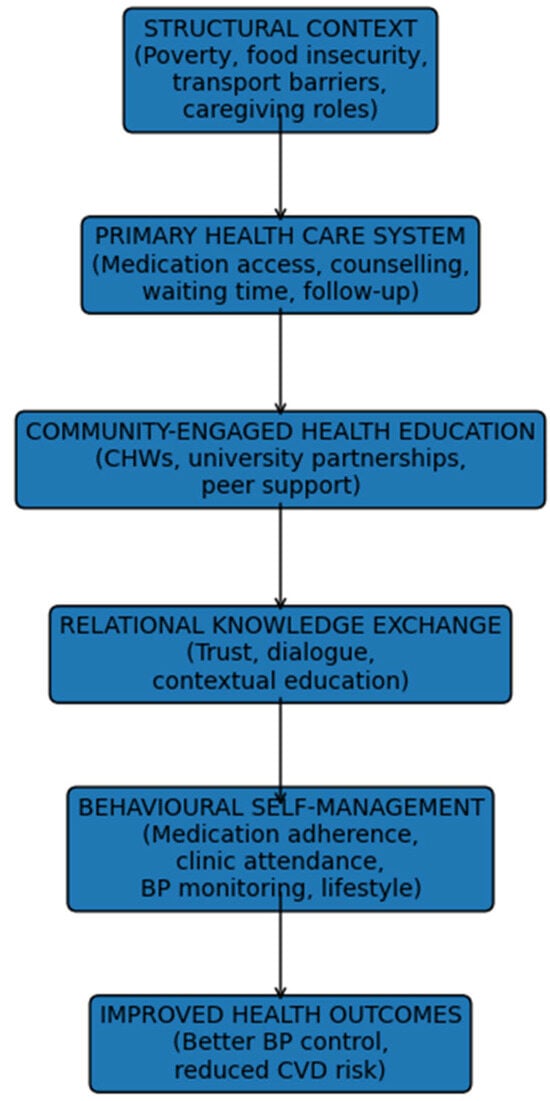
Background: Hypertension is a major contributor to cardiovascular morbidity and mortality globally, with particularly poor control in disadvantaged communities. Although awareness is generally high, sustaining lifestyle changes and treatment adherence remains difficult. This study examined socioeconomic, behavioural, and health system factors associated with hypertension management and explored the role of community-engaged health education in strengthening primary health care. Methods: A cross-sectional descriptive study was conducted among 107 adults with hypertension attending public primary health care facilities. Data were collected using structured questionnaires covering socioeconomic status, health system access, medication adherence, lifestyle practices, and knowledge and attitudes. Descriptive statistics summarized participant characteristics, while chi-square tests and multivariable logistic regression identified factors associated with clinic attendance, dietary adherence, lifestyle practices, and self-management. Results: Awareness of hypertension (86.9%) and trust in clinic care (91.6%) were high; however, a clear knowledge practice gap was evident. Although 79.4% acknowledged the importance of lifestyle changes, only 45.8% followed a hypertension-specific diet. Structural barriers included low income (39.3% earning <R3 000/month) and long distances to clinics (46.7% living ≥5 km away). Health worker advice strongly predicted dietary adherence (OR = 6.36, p = 0.001), lifestyle adherence (OR = 4.24, p = 0.006), and overall self-management (OR = 12.46, p = 0.024), whereas knowledge alone did not. Conclusions: Hypertension management is constrained more by structural and health system factors than by lack of awareness. Strengthening primary health care counselling and community-based health education may improve sustained lifestyle change and outcomes.
Full article

Figure 1
Open AccessArticle
Income Inequality and Mortality from Diabetes Mellitus and Hypertensive Diseases Among Adults Aged 30–69 Years in Brazilian Federative Units: A Longitudinal Analysis, 2012–2024
by
Miguel Medeiros da Silva, Luiz Alves Morais Filho, Janmilli da Costa Dantas Santiago, Isaque Augusto Rosendo Costa, Richardson Augusto Rosendo da Silva and Cristiane da Silva Ramos Marinho
Int. J. Environ. Res. Public Health 2026, 23(9), 1164; https://doi.org/10.3390/ijerph23091164 - 6 Sep 2026
Abstract
Objective: To analyze the association between income inequality and age-standardized mortality from diabetes mellitus and hypertensive diseases among adults aged 30–69 across Brazilian Federative Units (2012–2024). Methods: Ecological longitudinal study using balanced panel data from the 27 Federative Units. Data were retrieved from
[...] Read more.
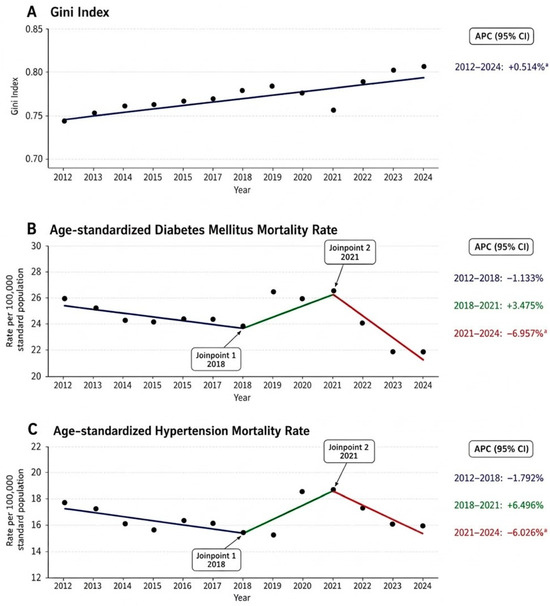
Objective: To analyze the association between income inequality and age-standardized mortality from diabetes mellitus and hypertensive diseases among adults aged 30–69 across Brazilian Federative Units (2012–2024). Methods: Ecological longitudinal study using balanced panel data from the 27 Federative Units. Data were retrieved from the Mortality Information System and IBGE/IPEA databases. Mortality rates were standardized using the direct method (WHO population). Trends were evaluated via Joinpoint regression, and associations were analyzed using mixed linear models with random intercepts and first-order autoregressive covariance structure. Results: Inequality decreased in 25 Federative Units, accompanied by rising income and declining poverty, whereas national aggregated analysis showed a linear increase in inequality (APC = 0.514%; p < 0.001). Overall mortality trends were stationary for diabetes (AAPC = −1.507%; p = 0.102) and hypertension (AAPC = −0.881%; p = 0.524), despite significant declines from 2021 to 2024. In adjusted mixed models, higher per capita household income was independently associated with lower diabetes mortality (β = −0.012; p = 0.031), while hypertension displayed an upward adjusted linear trend (β = 0.289; p = 0.001). Neither the Gini Index nor poverty rates maintained significant independent associations with mortality. Conclusions: After structural adjustment, only absolute per capita household income maintained an independent protective association with diabetes mortality, highlighting the relevance of material living conditions beyond inequality measures alone.
Full article
(This article belongs to the Section Health Care Sciences)
►▼
Show Figures

Figure 1
Open AccessArticle
Forgiveness of Family Offenses and Psychological Well-Being in Youth and Emerging Adults: A Cross-Sectional Study on the Mediating Role of Desire for Reconciliation
by
Agata Kasprzak and Karla Gabriela Gallo-Giunzioni
Int. J. Environ. Res. Public Health 2026, 23(9), 1163; https://doi.org/10.3390/ijerph23091163 - 6 Sep 2026
Abstract
Family offenses constitute relational experiences that can have a profound impact on the psychological well-being of sons and daughters. Although forgiveness has been consistently associated with higher levels of well-being, the relational processes that account for this association remain underexplored, particularly from the
[...] Read more.
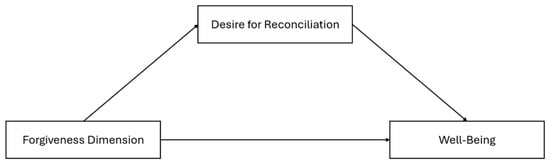
Family offenses constitute relational experiences that can have a profound impact on the psychological well-being of sons and daughters. Although forgiveness has been consistently associated with higher levels of well-being, the relational processes that account for this association remain underexplored, particularly from the perspective of adolescent and emerging adult sons and daughters. The present study used a cross-sectional design to examine whether the desire for reconciliation mediates the relationship between the positive and negative dimensions of forgiveness (affective, behavioral, and cognitive) and psychological well-being following a family offense. A non-probability convenience sample of 419 Spanish young people and emerging adults from the general population, aged between 16 and 25 years (M = 20.54, SD = 2.69), was recruited across Spain through university channels, social media and snowball sampling, and an online survey was completed. Participants completed the Enright Forgiveness Inventory (EFI-30), the Desire for Reconciliation Scale (DRS) and the Psychological Well-Being Scales for Youths–Short Form (PWB-YS-SF). Results indicated a pattern of associations consistent with the desire for reconciliation, mediating the relationship between all forgiveness dimensions and psychological well-being. These associations remained significant after adjusting for sociodemographic and offense-related covariates. However, the distinction between partial and full mediation across dimensions was not robust enough to correct for multiple testing, and when the overlap among the six highly intercorrelated dimensions was controlled, only positive affect and positive cognition retained a unique association with the desire for reconciliation. Overall, the findings suggest that the link between forgiveness and well-being in young people is partly accounted for by the desire to repair the family relationship.
Full article
(This article belongs to the Section Behavioral and Mental Health)
►▼
Show Figures

Figure 1
Open AccessArticle
Population-Adjusted Survival: A Real-World, Epidemiologic Approach for Analyzing Time-to-Event Clinical Trial Data
by
Jimmy T. Efird, Genevieve N. Dupuis, Yuk Ming Choi, Cynthia Hau, Sonia T. Anand, Michael J. Davenport, Maria Androsenko, Kaitlin J. Cassidy, Robert A. Lew and Hongsheng Wu
Int. J. Environ. Res. Public Health 2026, 23(9), 1162; https://doi.org/10.3390/ijerph23091162 - 6 Sep 2026
Abstract
Results of a clinical trial may misrepresent the target population. Inappropriate inclusion/exclusion criteria, selective recruitment, and differential participation may restrict the number of patients who consent to join the study. Frequently, they differ from the real-world population in terms of key outcome-related characteristics.
[...] Read more.
Results of a clinical trial may misrepresent the target population. Inappropriate inclusion/exclusion criteria, selective recruitment, and differential participation may restrict the number of patients who consent to join the study. Frequently, they differ from the real-world population in terms of key outcome-related characteristics. Such biased selection may make the therapeutic agent seem more or less effective within a certain stratum. While block randomization and an intent-to-treat design can help to minimize confounding within the trial sample, differences may still exist with respect to the distribution of these variables in the population. To mitigate misleading conclusions, the current manuscript illustrates how to ‘population-adjust’ survival estimates in a clinical trial using the Beckett–Bayes expansion method. In contrast to other population adjustment methods, this novel approach involves substituting the probability of belonging to a specific sample stratum with the corresponding population data (i.e., population borrowing). As a regression-free technique, the method is not susceptible to model misspecification. A large clinical trial focusing on cardiovascular-related deaths in patients with hypertension is used as an example to illustrate the method. The proposed framework is promising and easy to implement when reliable population-level information is available.
Full article
(This article belongs to the Special Issue Advances in Biostatistics for Cardiovascular and Cancer Research)
Open AccessArticle
From Needle-Related Fear to Lower Vaccination Intention: Exploring the Mediating Role of Vaccination Fear and Conspiracy Beliefs
by
Olga Malas, Marwa Khan and Aisha Zubair
Int. J. Environ. Res. Public Health 2026, 23(9), 1161; https://doi.org/10.3390/ijerph23091161 - 6 Sep 2026
Abstract
►▼
Show Figures
Background: Needle fear (NF), vaccination fear (VF), and conspiracy beliefs (CB) have been negatively associated with vaccination intention (VI), although the mechanisms linking these variables remain unclear. The aim of this cross-sectional exploratory study was to shed light on these relationships. Methods: The
[...] Read more.
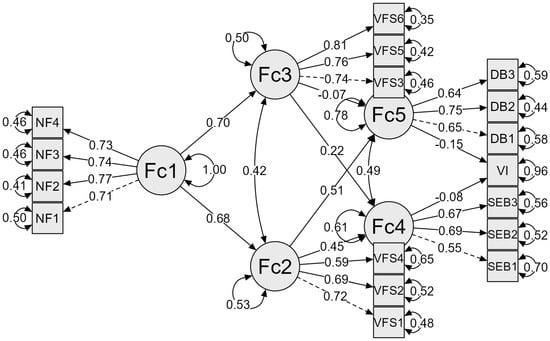
Background: Needle fear (NF), vaccination fear (VF), and conspiracy beliefs (CB) have been negatively associated with vaccination intention (VI), although the mechanisms linking these variables remain unclear. The aim of this cross-sectional exploratory study was to shed light on these relationships. Methods: The sample comprised 777 adults from the educational community in Pakistan (M = 23.39 years, SD = 6.83; 72.6% female), including students, academic/research staff, and administrative/support personnel. Descriptive and correlational analyses were conducted, followed by structural equation modelling (SEM) to examine the direct and indirect relationships among the study variables. Results: NF was not directly associated with VI. The best-fitting SEM model was the sequential model NF → VF → CB → VI. These findings suggest that the relationship between NF and VI is indirect through VF and CB. However, due to the cross-sectional design, the temporal direction of the associations cannot be established, and alternative explanations remain possible. Conclusions: These findings suggest that the relationship between NF and VI is indirect and is manifested through VF and CB. However, given the exploratory nature of this study and the use of ad hoc measures, further research is needed to determine whether VF and CB stem from NF or, alternatively, may serve as cognitive justifications for it.
Full article

Figure 1
Open AccessArticle
Intergenerational Strategies to Reduce Dementia-Related Stigma in Rural Communities: Stakeholder Perspectives from a Community-Based World Café Study
by
Juanita-Dawne R. Bacsu, Marc Viger, Alixe Ménard, Maya Kluch-Morrell, Anila Virani, Claudia Gonzalez, Wendy Hulko, Jim Mann, Melba Sheila D’Souza, Matthew Lee Smith, Myrna Norman, Sheila Blackstock and Mark Rakobowchuk
Int. J. Environ. Res. Public Health 2026, 23(9), 1160; https://doi.org/10.3390/ijerph23091160 - 6 Sep 2026
Abstract
Although dementia-related stigma is well-documented, there is a paucity of research examining intergenerational activities to reduce stigma within rural settings. Using a World Café approach, the objective of this paper was to explore rural stakeholders’ ideas and perspectives on intergenerational strategies to reduce
[...] Read more.
Although dementia-related stigma is well-documented, there is a paucity of research examining intergenerational activities to reduce stigma within rural settings. Using a World Café approach, the objective of this paper was to explore rural stakeholders’ ideas and perspectives on intergenerational strategies to reduce dementia-related stigma in rural communities. Seventy-five participants engaged in a facilitated workshop held in Kamloops, British Columbia, Canada, on 14 May 2025. Discussions were transcribed and analyzed using Braun and Clarke’s thematic analysis framework. The findings highlighted three themes for reducing dementia-related stigma in rural communities: (1) contact activities that promote meaningful interactions (e.g., shared hobbies, arts programs, and reminiscence activities) between people living with dementia and others across age groups; (2) educational interventions that enhance dementia knowledge and awareness (e.g., dementia information integrated into educational institutions across the life course); and (3) mixed interventions that combine contact-based and educational approaches. Moving forward, further research is needed to co-design, implement, and evaluate the impact of specific interventions. This study provides critical insights to inform the development of dementia stigma-reduction programs, policies, and interventions in rural settings.
Full article
(This article belongs to the Section Health Care Sciences)
Open AccessReview
A Conceptual Framework and Narrative Review of Current and Emerging Posttraumatic Stress Disorder Treatments
by
Trevor J. Murphy, Megan Jung, An-Fu Hsiao, Nichole M. Martin, Alec J. Jimenez, Andrea Munoz, Jennifer Lai-Trzebiatowski, Tyler Smith and Michael Hollifield
Int. J. Environ. Res. Public Health 2026, 23(9), 1159; https://doi.org/10.3390/ijerph23091159 - 5 Sep 2026
Abstract
Background: This narrative concept-generating review proposes a theoretical and heuristic framework for conceptualizing established and emerging interventions for posttraumatic stress disorder (PTSD) including three categories: top-down/conscious (e.g., cognitive processing therapy, CPT), bottom-up/non-conscious (e.g., pharmacotherapy) and hybrid/conscious and non-conscious integration (e.g., eye movement desensitization
[...] Read more.
Background: This narrative concept-generating review proposes a theoretical and heuristic framework for conceptualizing established and emerging interventions for posttraumatic stress disorder (PTSD) including three categories: top-down/conscious (e.g., cognitive processing therapy, CPT), bottom-up/non-conscious (e.g., pharmacotherapy) and hybrid/conscious and non-conscious integration (e.g., eye movement desensitization and reprocessing, EMDR). The categorization offers a preliminary novel classification of well established and emerging interventions, while highlighting gaps in current treatment approaches. Methods: Clinical guidelines and review articles from 2008 through 2026 were used to create the framework; PubMed and Google Scholar databases were searched for relevant meta-analyses, systematic reviews, narrative reviews, and randomized clinical trials. A total of 27 treatment modalities were included presenting effect size data from 43 published articles. Results: Treatments across categories present mixed results for efficacy. While guideline recommended treatments offer more robust evidence, many understudied emerging interventions exhibit preliminary efficacy. At the intersection of conscious and non-conscious approaches, hybrid modalities may present unique potential benefits. However, superiority determinations between modalities cannot be made and further empirical validation of categorization is needed. Conclusions: The proposed framework highlights the need for increased investigation of treatments that address PTSD as an interconnected whole-body disorder to potentially expand care options.
Full article
(This article belongs to the Special Issue Prevention and Treatment of Trauma-Related Mental Illness)
Open AccessSystematic Review
Climate Change and Suicidal Behavior in Older Adults: Determinants, Associated Factors, and Risk Factors: A Systematic Literature Review
by
Diego De Leo, Josephine Zammarrelli, Elena Zamò, Fausto Carlo De Rossi, Francesca Lippi, Martina Andrea Viecelli, Luca Vannucci and Cristina Bordignon
Int. J. Environ. Res. Public Health 2026, 23(9), 1158; https://doi.org/10.3390/ijerph23091158 - 5 Sep 2026
Abstract
Background: Climate change is being recognized as a factor associated with increased suicidal behavior, especially in the older adult population. Extreme temperatures, thermal anomalies, and intense weather events can amplify pre-existing physical, psychological, and social vulnerabilities, increasing the risk of suicidal ideation and
[...] Read more.
Background: Climate change is being recognized as a factor associated with increased suicidal behavior, especially in the older adult population. Extreme temperatures, thermal anomalies, and intense weather events can amplify pre-existing physical, psychological, and social vulnerabilities, increasing the risk of suicidal ideation and behavior in older adults. Objectives: This systematic review aims to map the literature on the relationship between climate change and suicidal behavior in older people, identifying risk and protective factors, as well as the prevention and intervention strategies aimed at this age group. Methods: A systematic review was conducted according to PRISMA guidelines. The literature search was performed in the EBSCO PsycINFO, Scopus and MEDLINE (PubMed) databases in the period 2007–2025, using combinations of the keywords “climate change”, “global warming”, “older adults”, “elderly”, “suicide”, “suicidal ideation” and related terms. Out of 35 studies, 16 articles were included in the final analysis. Results: Five thematic areas emerged from the analysis of the studies: (1) risk factors, (2) protective factors, (3) sociodemographic factors, (4) prevention and intervention strategies and (5) variables associated with suicidal behavior. Across the included studies, suicidal ideation, non-fatal attempts, and suicide mortality were examined with differing frequency and are reported separately in the thematic synthesis rather than pooled, reflecting the heterogeneity of outcome definitions and study designs. Significant limitations in the literature remain, including the paucity of longitudinal studies, the widespread use of aggregate data and the limited integration of environmental, social, and psychological factors. Conclusions: Climate change and extreme weather events may contribute to suicidal behavior in older adults. It is therefore necessary to develop multidimensional approaches that address structural vulnerabilities and promote the active role of older adults in climate resilience and social cohesion.
Full article
Open AccessSystematic Review
Nature-Based Solutions, Climate, and Health in Chinese Cities: A Secondary Analysis of an English-Language Systematic Review with Implications for Urban Policy and Practice
by
Yirong Jia and Catalina Turcu
Int. J. Environ. Res. Public Health 2026, 23(9), 1157; https://doi.org/10.3390/ijerph23091157 - 5 Sep 2026
Abstract
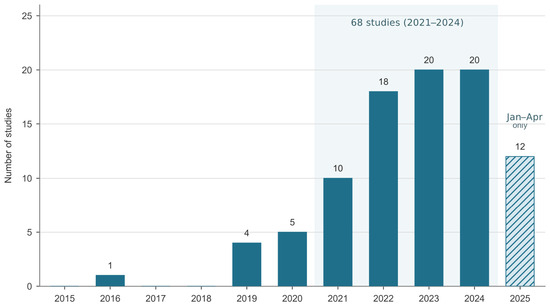
Urban nature-based solutions (NbSs) are increasingly deployed to address climate risks, yet their health co-benefits remain poorly understood. This paper presents a secondary analysis of 90 peer-reviewed, English-language China-specific studies drawn from a registered systematic review covering January 2015 to April 2025. Evidence
[...] Read more.
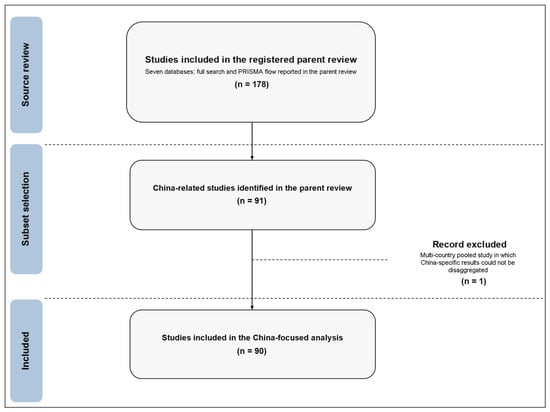
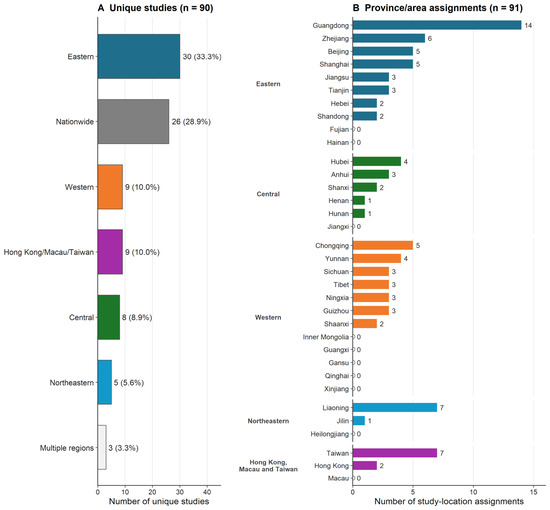
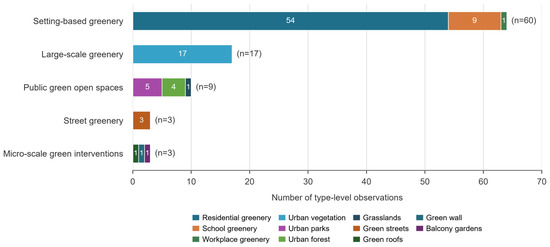
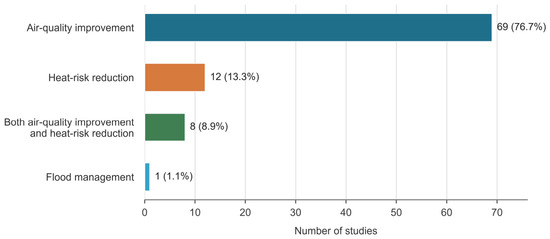
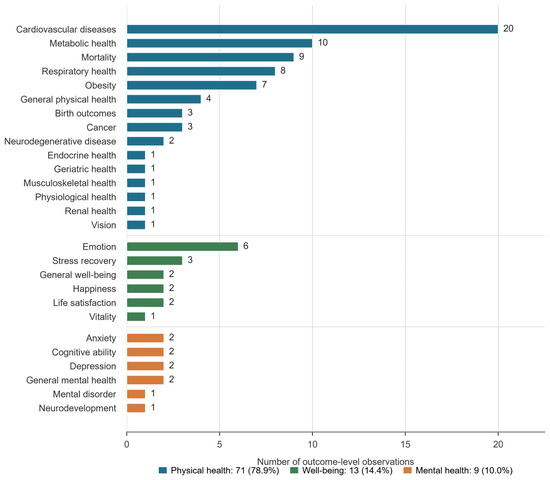
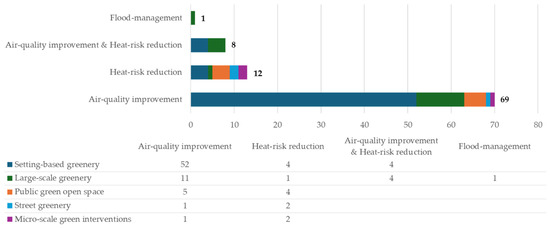
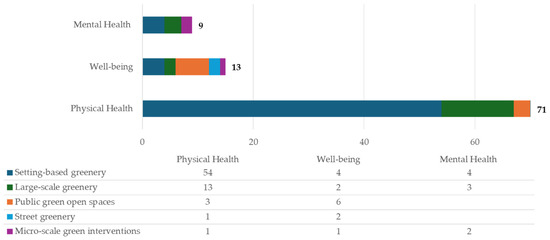
Urban nature-based solutions (NbSs) are increasingly deployed to address climate risks, yet their health co-benefits remain poorly understood. This paper presents a secondary analysis of 90 peer-reviewed, English-language China-specific studies drawn from a registered systematic review covering January 2015 to April 2025. Evidence was analyzed by geographical distribution, NbS category, climate-adaptation pathway, health outcome, and greenness measurement, with complementary comparison against 88 non-China-specific studies. Air-quality pathways and physical-health outcomes predominated, whereas heat received less attention, and only one study examined flood-related health. Thirty studies (33.3%) were located wholly in eastern China, while 9 of the 31 mainland provincial-level jurisdictions lacked dedicated or separately reported evidence. Setting-based greenery dominated the five-category NbS classification. Of 126 association units, 100 (79.4%) were favorable; null or adverse findings were confined to specific exposures or contexts, including allergenic or low-diversity vegetation and reduced visibility. Although the two subsets covered broadly similar topics, China-specific studies relied more heavily on aggregate greenness indices (e.g., NDVI: 73.3% versus 45.5%), less often distinguished vegetation types or strata (14.4% versus 36.4%), and included no studies treating urban trees or community gardens as distinct exposures. These findings support five China-specific policy priorities and adapt four international policy themes to Chinese governance contexts.
Full article
(This article belongs to the Section Environmental Health)
►▼
Show Figures

Figure 1
Open AccessArticle
Co-Creating Healthy Ageing: A Mixed-Methods Pilot Study of a Community-Based Intergenerational Programme
by
Adelinda Araújo Candeias and Adriana Simões Félix
Int. J. Environ. Res. Public Health 2026, 23(9), 1156; https://doi.org/10.3390/ijerph23091156 - 5 Sep 2026
Abstract
Population ageing, social isolation, and limited opportunities for meaningful contact between generations pose important challenges to healthy ageing and community well-being. This mixed-methods pilot study examined the feasibility, acceptability, co-creation process, and preliminary outcomes of the P-IN Programme, a community-based intergenerational intervention involving
[...] Read more.
Population ageing, social isolation, and limited opportunities for meaningful contact between generations pose important challenges to healthy ageing and community well-being. This mixed-methods pilot study examined the feasibility, acceptability, co-creation process, and preliminary outcomes of the P-IN Programme, a community-based intergenerational intervention involving preschool children and older adults living in residential care. The programme was developed and implemented in partnership with a preschool and a residential care facility in Portugal and comprised ten intergenerational sessions shaped through an iterative co-creation process involving participants, professionals, and researchers. Twenty-three children, eighteen older adults, and five professionals contributed to the study. Quantitative pre–post assessment explored fluency in both generations and cognitive functioning, quality of life, subjective well-being, and social participation in older adults. Qualitative data examined intergenerational beliefs, participants’ experiences, relationships, and reciprocal learning, while also informing the co-creation process. Most quantitative outcomes remained stable, although cognitive functioning showed a moderate, non-significant effect. Perceived quality of life changed significantly in an unfavourable direction. In contrast, qualitative findings revealed broader and more relational representations of the other generation, alongside shared experiences and clearer recognition of reciprocal learning. The integration of both components showed that positive relational and experiential changes were not necessarily accompanied by changes in broader standardised outcomes. Overall, the P-IN Programme was feasible to implement and generally well received within the two participating community settings. These findings support further evaluation of co-created intergenerational programmes using larger samples, controlled designs, and longer-term follow-up.
Full article
(This article belongs to the Special Issue Health and Vulnerability in Societal Emotional Environments: Community-Based Interventions, Public Policy, and Environmental Determinants)
Open AccessArticle
Beyond Belief: Immigrant Youths’ Socially Constructed Climate Change Risk Perceptions and Implications for Climate Communication and Public Health
by
Md Badrul Hyder, Ranjan Datta, Didem Erman, Mozharul Islam, Mustahseem Chowdhury, Ruksana Rashid and Tanvir C. Turin
Int. J. Environ. Res. Public Health 2026, 23(9), 1155; https://doi.org/10.3390/ijerph23091155 - 5 Sep 2026
Abstract
Climate change perception among youth has gained increasing scholarly attention; however, immigrant youth remain underrepresented in empirical research despite navigating climate change impacts across multiple sociocultural and geopolitical contexts. This study investigates (1) immigrant youths’ beliefs about climate change, (2) how climate risks
[...] Read more.
Climate change perception among youth has gained increasing scholarly attention; however, immigrant youth remain underrepresented in empirical research despite navigating climate change impacts across multiple sociocultural and geopolitical contexts. This study investigates (1) immigrant youths’ beliefs about climate change, (2) how climate risks are perceived across space and time, and (3) how they construct their climate change beliefs and associated risks. Drawing on Social Constructivism, and Risk Perception Theory, the study employs a qualitative descriptive design using eight focus group discussions with 41 immigrant youth aged 14–18 in Calgary, Canada. Reflexive thematic analysis reveals that immigrant youth widely recognise climate change as real and intensifying, with beliefs shaped through lived and observed environmental experiences, social interaction, family narratives, and transnational comparisons rather than abstract scientific reasoning alone. Climate risk perception emerges as complex and relational. Participants associated climate change with impacts on health, wellbeing, food security, and everyday life; however, they often perceived its most severe consequences as temporally and spatially distant. This produces a notable “belief–risk gap,” where acceptance of climate change does not translate into a strong sense of personal vulnerability or urgency. Risk perceptions are mediated by everyday experiences, institutional trust in the host country, and comparisons with other global crises. The findings highlight the critical role of transnational experiences in shaping climate understanding and advance an integrated interpretation linking socially constructed climate knowledge with perceptions of risk and psychological distance, with implications for climate communication and public health communication strategies for immigrant youth.
Full article
Journal Menu
► ▼ Journal Menu-
- IJERPH Home
- Aims & Scope
- Editorial Board
- Reviewer Board
- Topical Advisory Panel
- Instructions for Authors
- Special Issues
- Topics
- Sections & Collections
- Article Processing Charge
- Indexing & Archiving
- Editor’s Choice Articles
- Most Cited & Viewed
- Journal Statistics
- Journal History
- Journal Awards
- Society Collaborations
- Conferences
- Editorial Office
Journal Browser
► ▼ Journal Browser-
arrow_forward_ios
Forthcoming issue
arrow_forward_ios Current issue - Vol. 23 (2026)
- Vol. 22 (2025)
- Vol. 21 (2024)
- Vol. 20 (2023)
- Vol. 19 (2022)
- Vol. 18 (2021)
- Vol. 17 (2020)
- Vol. 16 (2019)
- Vol. 15 (2018)
- Vol. 14 (2017)
- Vol. 13 (2016)
- Vol. 12 (2015)
- Vol. 11 (2014)
- Vol. 10 (2013)
- Vol. 9 (2012)
- Vol. 8 (2011)
- Vol. 7 (2010)
- Vol. 6 (2009)
- Vol. 5 (2008)
- Vol. 4 (2007)
- Vol. 3 (2006)
- Vol. 2 (2005)
- Vol. 1 (2004)
Highly Accessed Articles
Latest Books
E-Mail Alert
News
21 August 2026
Meet Us at The 5th International Online Conference on Environmental Research and Public Health (OCERPH 2027), 12–13 July 2027
6 May 2026
International Journal of Environmental Research and Public Health Outstanding Special Issue Award—Winners Announced
Topics
Topic in
Behavioral Sciences, Children, EJIHPE, IJERPH, Healthcare
Mental Health and the 2030 Sustainable Development Agenda: Old Problems and New Perspectives
Topic Editors: Carlos Laranjeira, Ana QueridoDeadline: 31 October 2026
Topic in
Behavioral Sciences, Healthcare, IJERPH, Social Sciences, EJIHPE
Mental Health in Trauma Survivors
Topic Editors: Hyojin Im, Asli Cennet Yalim, Gashaye Melaku Tefera, Isok KimDeadline: 30 November 2026
Topic in
Applied Sciences, Toxics, IJERPH, Biology, Cancers, Radiation
Disease Risks from Environmental Radiological Exposure
Topic Editors: Valentina Venuti, Francesco CaridiDeadline: 31 December 2026
Topic in
IJERPH, Microplastics, Polymers, Toxics
Plastic Contamination (Plastamination): An Environmental and Public Health-Related Concern
Topic Editors: Rosaria Meccariello, Antonino Testa, Francesco Cappello, Antonietta SantoroDeadline: 1 January 2027
Conferences
Special Issues
Special Issue in
IJERPH
Gender-Based Violence as a Global Public Health Challenge: Intersections, Determinants, and Pathways to Prevention
Guest Editors: Ariadna Munté-Pascual, Ane López De Aguileta, Carmen Elboj-SasoDeadline: 15 September 2026
Special Issue in
IJERPH
Unveiling Chronic Pain: Understanding Prevalence, Management, Psychiatric Comorbidity, and Inflammatory Mechanisms
Guest Editors: Nóra Kerekes, Marc Landry, Ana María Sánchez-PérezDeadline: 30 September 2026
Special Issue in
IJERPH
Healthcare Communication in Public Health
Guest Editor: Anne MoorheadDeadline: 30 September 2026
Special Issue in
IJERPH
Promoting Health and Safety in the Workplace
Guest Editors: Marta Regina Cezar-Vaz, Clarice Alves BonowDeadline: 30 September 2026
Topical Collections
Topical Collection in
IJERPH
Health Behaviors, Risk Factors, NCDs and Health Promotion
Collection Editor: Stefano Campostrini
Topical Collection in
IJERPH
Bullying, Cyberbullying, Dating Violence, and Cyber Dating Violence in Adolescence
Collection Editor: María-Jesús Cava
Topical Collection in
IJERPH
2nd Edition of Achieving Environmental Health Equity: Great Expectations
Collection Editors: Timothy E. Ford, Margaret J. Eggers