


-
Beyond Climate: A Cambium-Centred Synthesis of Anthropogenic Drivers of Wood Formation in Urban Trees -
Predicting the Potential Distribution of Acantholyda posticalis (Hymenoptera: Pamphiliidae) and Its Host Plants in China Under the Influence of Climate Change -
Percentile-Based Modeling of Height to Crown Base Distribution Using Stand-Level Variables in Even-Aged Maritime Pine Stands -
Integrating Habitat Suitability in Urban Forest Ecosystem Service Assessments: Reflections from i-Tree Wildlife
Journal Description
Forests
Forests
is an international, peer-reviewed, open access journal on forestry and forest ecology published monthly online by MDPI.
- Open Access— free for readers, with article processing charges (APC) paid by authors or their institutions.
- High Visibility: indexed within Scopus, SCIE (Web of Science), Ei Compendex, GEOBASE, PubAg, AGRIS, PaperChem, and other databases.
- Journal Rank: JCR - Q2 (Forestry) / CiteScore - Q1 (Forestry)
- Rapid Publication: manuscripts are peer-reviewed and a first decision is provided to authors approximately 17.3 days after submission; acceptance to publication is undertaken in 2.6 days (median values for papers published in this journal in the first half of 2026).
- Recognition of Reviewers: reviewers who provide timely, thorough peer-review reports receive vouchers entitling them to a discount on the APC of their next publication in any MDPI journal, in appreciation of the work done.
- Testimonials: See what our editors and authors say about Forests.
- Journal Cluster of Ecosystem and Resource Management: Forests, Diversity, Fire, Conservation, Ecologies, Biosphere and Wild.
Impact Factor:
3.1 (2025);
5-Year Impact Factor:
3.1 (2025)
Latest Articles
Research Progress in Micronano Interface Coating Modification of Wood Porous Scaffolds for High-Value Utilization in Flame Retardancy and Acoustics
Forests 2026, 17(8), 996; https://doi.org/10.3390/f17080996 (registering DOI) - 21 Aug 2026
Abstract
Natural wood possesses a hierarchically porous and anisotropic structure, which provides a foundation for functional utilization, but its flammability and hygroscopicity limit its applications. Conventional bulk impregnation modification involves introducing functional agents throughout the entire pore system. This approach can enhance performance, but
[...] Read more.
Natural wood possesses a hierarchically porous and anisotropic structure, which provides a foundation for functional utilization, but its flammability and hygroscopicity limit its applications. Conventional bulk impregnation modification involves introducing functional agents throughout the entire pore system. This approach can enhance performance, but inevitably leads to lumen occlusion and increased density. To address this trade-off, researchers have recently developed micronano coating strategies based on interfacial decoration rather than bulk deposition within the lumina. These strategies confine functional components to cell wall surfaces while preserving the natural porous scaffold. Two fabrication routes have been developed, namely liquid-phase methods and gas-phase methods, which differ in coating precision, penetration depth, and interfacial bonding. In flame retardancy, interfacial coatings act as physical barriers and promote chemical charring. Inorganic layers suppress oxygen diffusion and heat transfer, while phosphorus or nitrogen components catalyze cellulose dehydration. In acoustics, conformal coatings regulate pore wall roughness and acoustic impedance, enhancing viscous and thermal dissipation without blocking channels. Challenges for practical application include mass transfer limitations in large logs, conflicts between high-precision processes and industrial economics, and interfacial durability under service conditions. This narrative review summarizes fabrication strategies, flame-retardant mechanisms, and acoustic regulation principles, providing guidance for coating strategy selection and process optimization. It is noted that this review focuses on wood species with open, permeable pore structures suitable for functional modification, rather than species whose pores are occluded by heartwood extractives.
Full article
(This article belongs to the Special Issue Modified Wood: Process–Properties–Durability Relationships)
Open AccessArticle
Photosynthetic Capacity and Water-Use Characteristics of Mangrove and Semi-Mangrove Species Inferred from Gas Exchange and A–Ci Analysis Under Field Conditions
by
Sangeun Kwak, Jueun Yang, Bora Lee, Moon-sub Lee, Citra Gilang Qur’ani, Byoungki Choi and Eunha Park
Forests 2026, 17(8), 995; https://doi.org/10.3390/f17080995 (registering DOI) - 21 Aug 2026
Abstract
This study compared net photosynthesis (A), water-use efficiency (WUE), intrinsic water-use efficiency (iWUE), and A–C curve-derived photosynthetic parameters (maximum carboxylation rate, ; maximum electron transport rate, ) across nine mangrove and semi-mangrove species at a tropical
[...] Read more.
This study compared net photosynthesis (A), water-use efficiency (WUE), intrinsic water-use efficiency (iWUE), and A–C curve-derived photosynthetic parameters (maximum carboxylation rate, ; maximum electron transport rate, ) across nine mangrove and semi-mangrove species at a tropical coastal site in Bali, Indonesia. Gas exchange measurements were conducted using portable photosynthesis systems (LI-6400 and LI-6800), and A–C curves were fitted to the Farquhar–von Caemmerer–Berry (FvCB) model. Sonneratia alba Sm. exhibited the highest A (15.29 ± 2.39 mol m s ), suggesting comparatively high photosynthetic performance, while Hibiscus tiliaceus L. and Pongamia pinnata (L.) Pierre showed the highest iWUE values (88–97 mol mol ), indicating relatively efficient carbon gain per unit stomatal conductance. Significant overall interspecific variation was detected in and ( and , respectively). The observed interspecific variation in A, iWUE, , and suggests differences in photosynthetic characteristics and leaf-level water-use efficiency among species. These ecophysiological baseline data may contribute to species selection for mangrove restoration and to understanding physiological responses to environmental change in tropical coastal forests.
Full article
(This article belongs to the Section Forest Ecophysiology and Biology)
Open AccessArticle
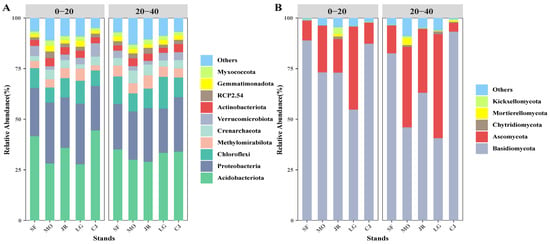
Soil Fertility Differences and Bacterial and Fungal Community Variation Among Subtropical Forest Stands Dominated by Different Tree Species
by
Yumeng Huang, Boyuan Jiang, Yali Chen, Gang Chen, Peng Qiu, Yi Jian and Rui Wang
Forests 2026, 17(8), 994; https://doi.org/10.3390/f17080994 - 21 Aug 2026
Abstract
Plantations dominated by different tree species can differ in soil nutrient cycling and microbial community assembly, but corresponding bacterial and fungal patterns have not been characterized for mature plantation stands and a natural secondary forest in the Longmen Mountains of southwestern China. This
[...] Read more.
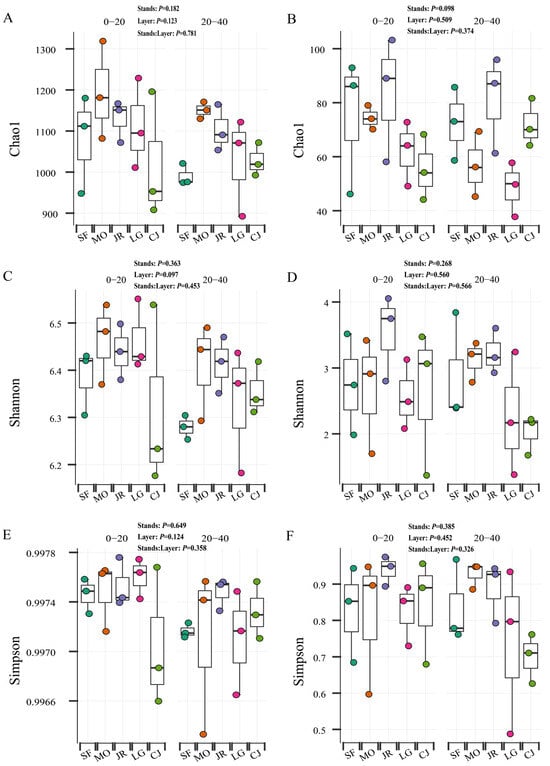
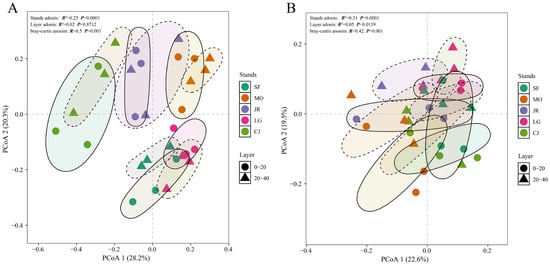
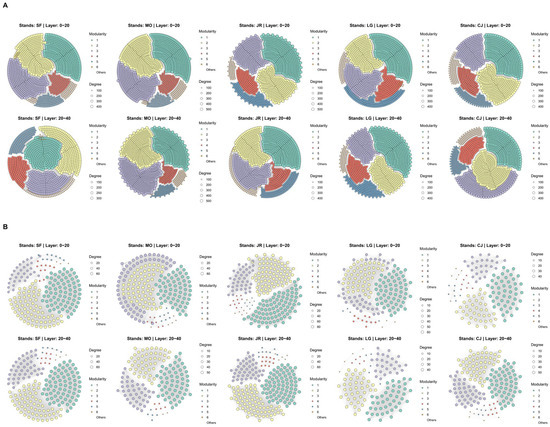
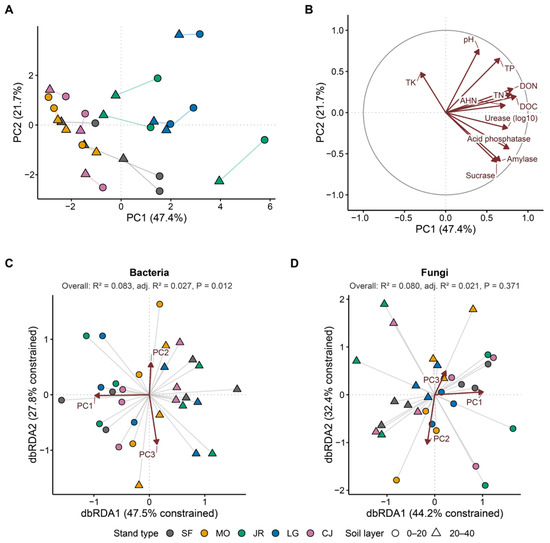
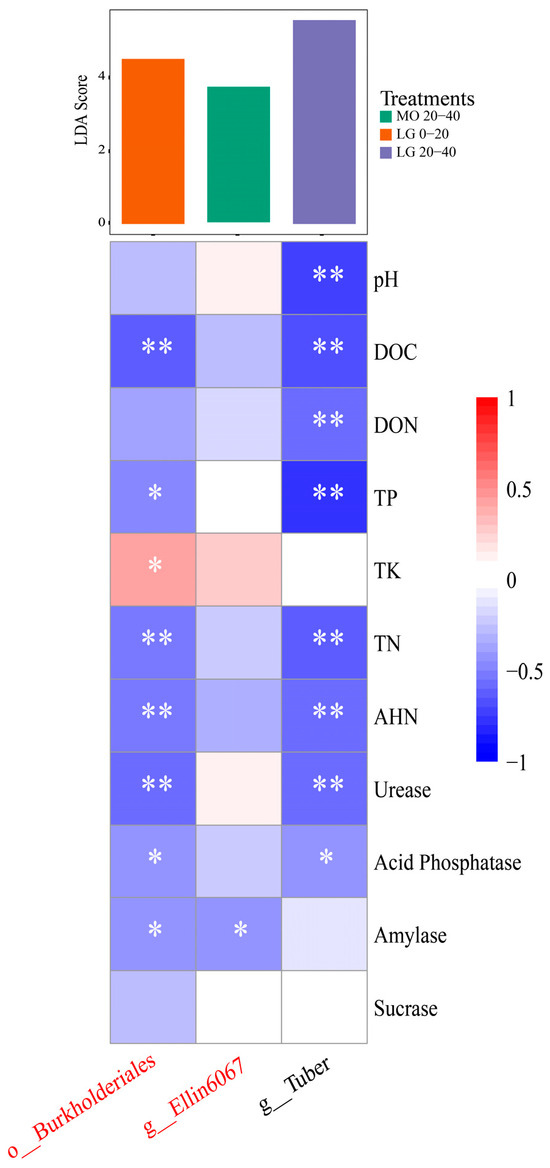
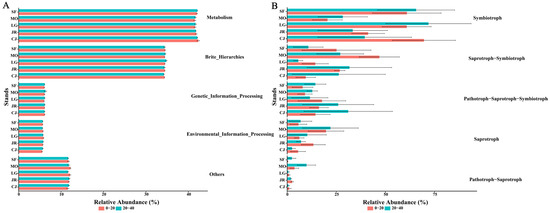
Plantations dominated by different tree species can differ in soil nutrient cycling and microbial community assembly, but corresponding bacterial and fungal patterns have not been characterized for mature plantation stands and a natural secondary forest in the Longmen Mountains of southwestern China. This study compared a natural secondary forest (SF) with four plantations, Magnolia officinalis (MO), Juglans regia (JR), Larix gmelinii (LG), and Cryptomeria japonica (CJ), in the Longmen Mountains of southwestern China, and investigated soil physicochemical properties, enzyme activities, bacterial and fungal community composition, co-occurrence networks, and predicted functional profiles in the 0–20 and 20–40 cm soil layers. The results showed that stand type was associated with total nitrogen (TN; p = 0.012), dissolved organic carbon (DOC; p < 0.001), dissolved organic nitrogen (DON; p < 0.001), and urease activity (p = 0.018), whereas pH differed between soil layers (p = 0.024) but not among stand types (p = 0.270). Relative to SF topsoil, DOC was 29.2% higher in JR and 36.1% higher in LG, while DON was 42.0% higher in JR and 51.4% higher in LG. TN and DON also showed stand type × soil layer interactions. None of the bacterial or fungal Chao1, Shannon, or Simpson indices showed significant stand type, soil layer, or interaction effects. In contrast, PERMANOVA indicated that bacterial and fungal community composition differed among the sampled stand types (p < 0.05), and fungal community composition also differed between the two soil layers (p < 0.05), whereas bacterial community composition did not. Paired partial dbRDA indicated that the integrated soil environmental gradients represented by the first three PCA axes were associated with bacterial community composition (R2 = 0.083, p = 0.012), whereas the corresponding association was not significant for fungi (R2 = 0.080, p = 0.371). Within the retained co-occurrence network analysis, MO had the most complex bacterial network, and JR had the most complex fungal network. PICRUSt2-predicted profiles were dominated by metabolism (38.6%–39.3%), but no bacterial KEGG Level 1 category or FUNGuild trophic-mode category showed a stand type, soil layer, or interaction effect after correction for multiple testing. These findings indicate that differences among the sampled stands were expressed more clearly in active carbon and nitrogen pools and microbial community composition than in alpha diversity or broad predicted functional profiles.
Full article
(This article belongs to the Section Forest Soil)
►▼
Show Figures

Figure 1
Open AccessArticle
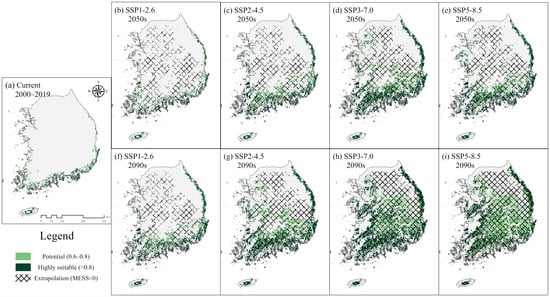
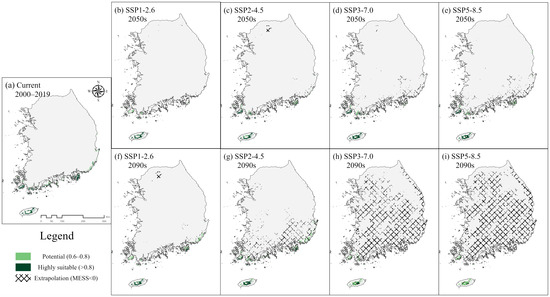
Assessing Potential Changes in the Distribution of Major Warm–Temperate Tree Species in South Korea Under Climate Change Scenarios
by
Jong-Hoon Park, Jeong-Gwan Lee, Han Doo Shin, Hee-Jin Lee, Du-Hee Lee, Su Hyeon Eum and Hyun-Jun Kim
Forests 2026, 17(8), 993; https://doi.org/10.3390/f17080993 - 21 Aug 2026
Abstract
Climate change drives shifts in forest vegetation zones, and the major tree species of warm–temperate evergreen broad-leaved forests in South Korea are also expected to undergo changes in their potential distributions under future climate conditions. This study applied a Committee Averaging (CA) ensemble
[...] Read more.
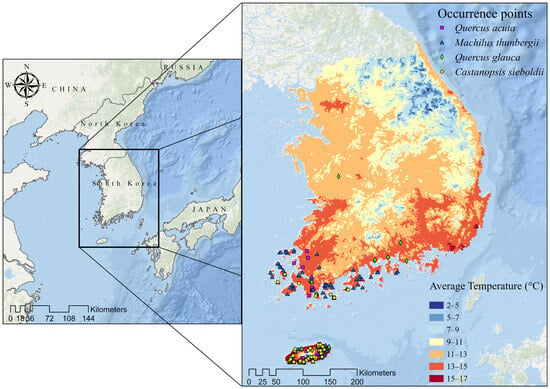
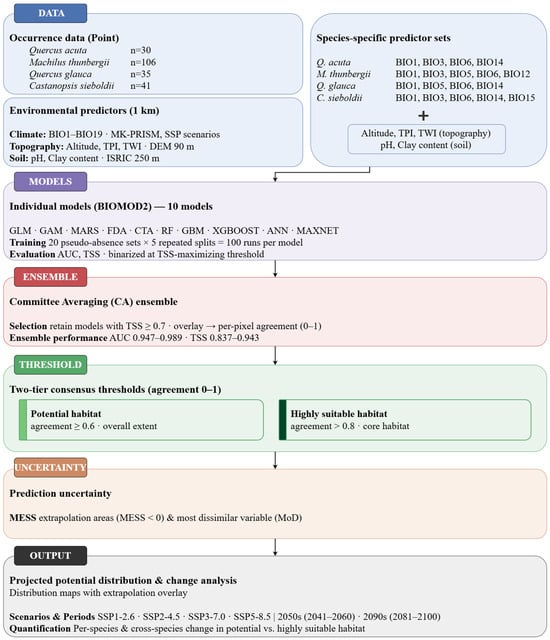
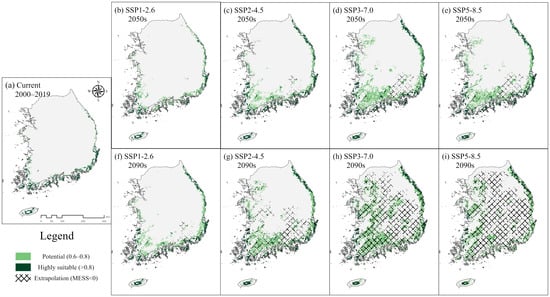
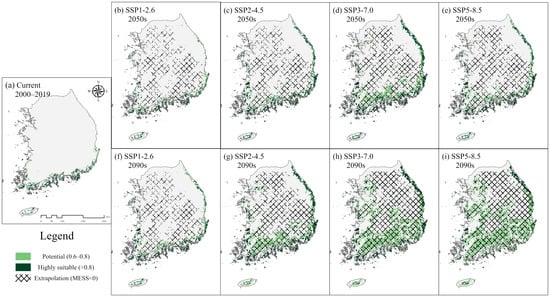
Climate change drives shifts in forest vegetation zones, and the major tree species of warm–temperate evergreen broad-leaved forests in South Korea are also expected to undergo changes in their potential distributions under future climate conditions. This study applied a Committee Averaging (CA) ensemble species distribution model to Quercus acuta, Machilus thunbergii, Quercus glauca, and Castanopsis sieboldii to project changes in their potential distributions under four Shared Socioeconomic Pathway (SSP) scenarios (SSP1-2.6, SSP2-4.5, SSP3-7.0, and SSP5-8.5) across two future periods (2050s and 2090s). To compare interspecific differences in response more clearly, we applied a two-tier threshold scheme that distinguished potential habitat (agreement ≥0.6) from highly suitable habitat (>0.8), and we concurrently conducted a Multivariate Environmental Similarity Surface (MESS) analysis to assess predictive uncertainty arising from extrapolation into future climates. The CA ensemble models showed excellent predictive performance (AUC 0.947–0.989; TSS 0.837–0.943). For Q. acuta, M. thunbergii, and Q. glauca, potential habitat expanded consistently across all SSP scenarios, and highly suitable habitat shifted northward into parts of the central and Gangwon regions. In contrast, both the potential habitat and the highly suitable habitat of C. sieboldii contracted under most future scenarios. These results demonstrate that even species belonging to the same warm–temperate evergreen broad-leaved forest community can respond differently to future climate. The two-tier threshold scheme applied in this study was effective not only for assessing whether distributions expand but also for delineating and evaluating climatically stable core habitats. Although our findings need to be interpreted in light of the uncertainty associated with extrapolation into future climates, they can serve as useful baseline data for establishing climate-change-adaptive forest conservation and species-specific management strategies.
Full article
(This article belongs to the Special Issue Modeling of Forest Dynamics and Species Distribution)
►▼
Show Figures

Figure 1
Open AccessArticle
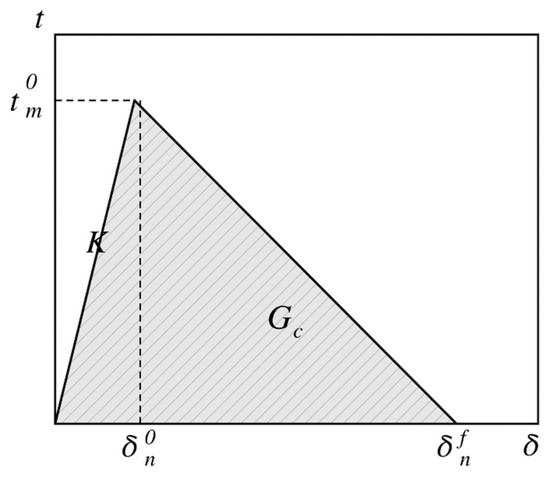
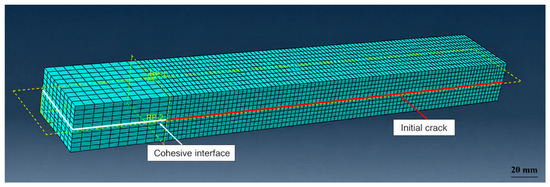
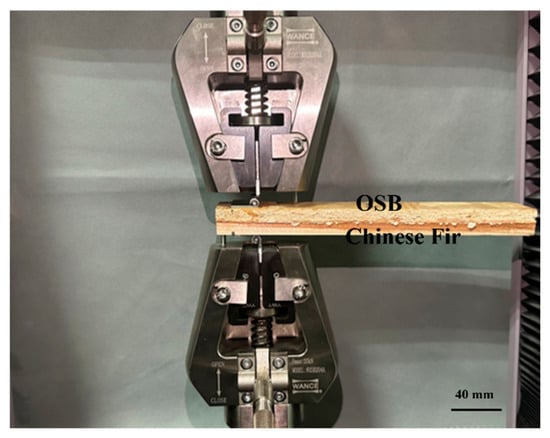
Mode I Fracture and Cohesive-Zone Modeling of PUR-Bonded Chinese Fir–OSB Bilayers: Effect of Sandblasting–HMR Pretreatment
by
Xinyi Liu and Haiyang Zhang
Forests 2026, 17(8), 992; https://doi.org/10.3390/f17080992 - 21 Aug 2026
Abstract
Hybrid cross-laminated timber combining plantation Chinese fir (Cunninghamia lanceolata (Lamb.) Hook.) with oriented strand board (OSB) is resource-efficient, but its bond line may govern delamination. Double cantilever beam (DCB) specimens bonded with one-component polyurethane were tested at four initial crack lengths (a
[...] Read more.
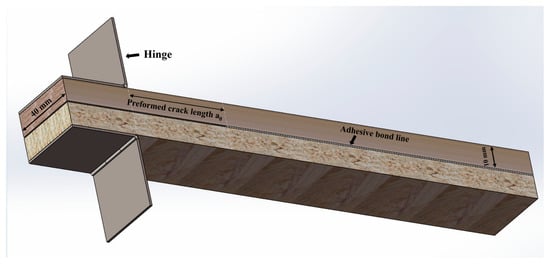
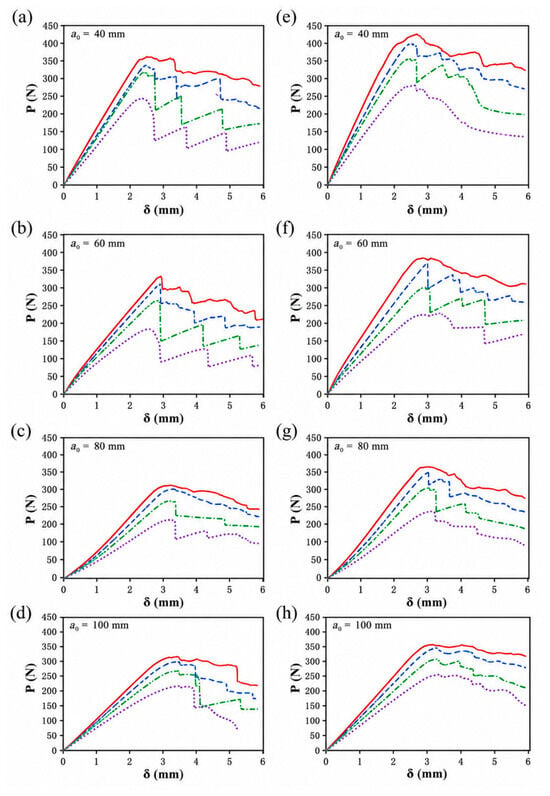
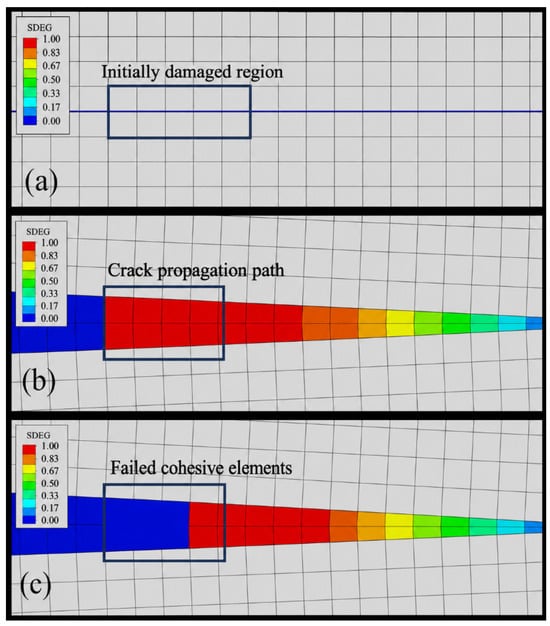
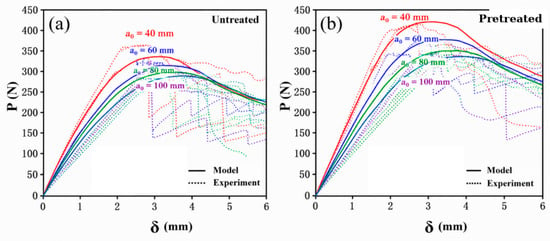
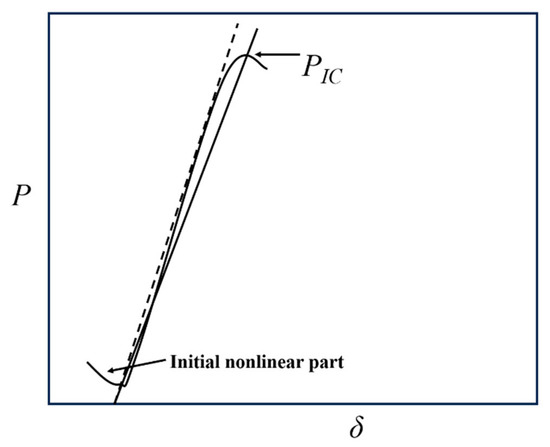
Hybrid cross-laminated timber combining plantation Chinese fir (Cunninghamia lanceolata (Lamb.) Hook.) with oriented strand board (OSB) is resource-efficient, but its bond line may govern delamination. Double cantilever beam (DCB) specimens bonded with one-component polyurethane were tested at four initial crack lengths (a0 = 40–100 mm), comparing untreated bond lines with bond lines pretreated by sandblasting followed by hydroxymethylated resorcinol (HMR). The arms differed in bending stiffness by a factor of about 3.7, so the specimen was an asymmetric bi-material DCB, and the reported values were apparent, predominantly Mode I quantities. Pretreatment raised the critical load by 17%–24% and the apparent initiation toughness by 18%–35%. A bilinear cohesive-zone model with one parameter set per surface condition reproduced all eight calibration groups to within 5% in critical load and load-point displacement; the calibrated cohesive energies (402 and 594 N/m) differed from the apparent toughness at a0 = 100 mm by −9.6% and +12.9%. Apparent toughness fell with crack length, but the measured compliances do not follow the cubic scaling expected of a DCB, so this trend is unexplained. The calibrated parameters describe the responses measured here; their transfer to other geometries remains to be verified.
Full article
(This article belongs to the Special Issue Sustainable High-Performance Wood–Bamboo/Inorganic Composites: Design, Function and Life-Cycle Calculation)
►▼
Show Figures

Figure 1
Open AccessArticle
Valuing the Forest Recreation Function in South Korea: Willingness to Pay and Its Determinants
by
Sooil Park, Yeonhee Lee, Sujin Park and Jaehyun Kim
Forests 2026, 17(8), 991; https://doi.org/10.3390/f17080991 - 21 Aug 2026
Abstract
Forest recreation is a key public-benefit function of forests, but as a non-market good, evidence of the public’s willingness to pay (WTP) for its sustained provision remains scarce. This study applied the double-bounded dichotomous choice contingent valuation method to estimate WTP for the
[...] Read more.
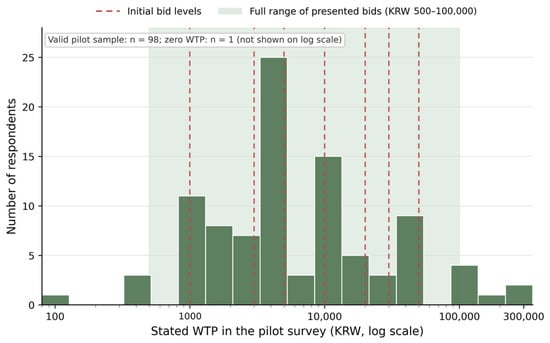
Forest recreation is a key public-benefit function of forests, but as a non-market good, evidence of the public’s willingness to pay (WTP) for its sustained provision remains scarce. This study applied the double-bounded dichotomous choice contingent valuation method to estimate WTP for the forest recreation function and identify its determinants. In September 2025, a nationwide online survey presented a hypothetical continued-provision scenario to 1050 adults aged 20–74 across South Korea’s 17 metropolitan and provincial regions and elicited WTP as a per-visit fee. Sociodemographic characteristics, awareness, use experience, satisfaction, perceived effects, and forest ecological sensitivity were examined, with a parallel analysis excluding 192 protest respondents. Mean stated WTP was KRW 17,418 (approximately USD 12.3). Household income, awareness, satisfaction with rest and leisure in forests, and forest ecological sensitivity were statistically significant determinants. After protest responses were excluded, mean stated WTP was KRW 21,483 (approximately USD 15.1), and use experience emerged as an additional significant determinant. These findings provide empirical evidence on stated WTP under a hypothetical per-visit payment scenario and may inform forest recreation service design and assessment of forests’ public-benefit functions.
Full article
(This article belongs to the Special Issue The Sustainable Use of Forests in Tourism and Recreation: 2nd Edition)
►▼
Show Figures

Figure 1
Open AccessEditorial
Application of Remote Sensing and Geographic Information Systems for Natural Resource Management of Forest Ecosystems
by
Pablito M. López-Serrano and Marín Pompa-García
Forests 2026, 17(8), 990; https://doi.org/10.3390/f17080990 - 21 Aug 2026
Abstract
Forest ecosystems constitute one of the fundamental components of the terrestrial biosphere, as they perform essential functions in climate regulation, the carbon cycle, biodiversity conservation, hydrological regulation, soil protection, and the provision of ecosystem services [...]
Full article
(This article belongs to the Special Issue Application of Remote Sensing and Geographic Information Systems for Natural Resource Management of Forest Ecosystems)
Open AccessArticle
Endozoochory by Goats and White-Tailed Deer: Type of Ruminant Affect Recovery and Germination of Neltuma pallida Seeds
by
Jorge Daniel Salinas-Marcos, Juancarlos Cruz-Luis and Lucrecia Aguirre-Terrazas
Forests 2026, 17(8), 989; https://doi.org/10.3390/f17080989 - 20 Aug 2026
Abstract
The “algarrobo” (Neltuma pallida) is a key tree species in the seasonally dry tropical forests in Equatorial Pacific coast of South America, currently at risk. Its regeneration depends on endozoochorous dispersal, in which seeds are ingested and later defecated by animals,
[...] Read more.
The “algarrobo” (Neltuma pallida) is a key tree species in the seasonally dry tropical forests in Equatorial Pacific coast of South America, currently at risk. Its regeneration depends on endozoochorous dispersal, in which seeds are ingested and later defecated by animals, helping to release and scarify them. We compared the role of the native white-tailed deer (Odocoileus virginianus peruvianus) and the introduced goat (Capra hircus) in seed dispersal. Seeds were recovered from the dung of both species after experimental feeding and from grazing goats in a fruiting N. pallida forest. Seed recovery was higher in deer dung (9.34%) than in goat dung (3.06%), and retention time was shorter in deer than in goats (peak at 48 and 84 h respectively). Only passage of seeds through the deer’s digestive tract significantly improved cumulative germination (63% vs. 44%) and germination rate (time to reach 25% germination, T25 = 8.98 days). Meanwhile, the passage of seeds through the goat’s digestive system reduced germination rate under experimental conditions (T25 = 19.25 days) but slightly increased it under forest conditions (T25 = 12.81 days), where goats ingest fruits constantly. Differences in seed recovery and germination are explained by the morphophysiological traits of ruminants. In conclusion, both goats and deer contribute to seed dispersal. White-tailed deer enhances seed germination (~66%), whereas goats maintain seed viability (~44%) and exhibit a longer seed retention time. During peak fruiting, alternating grazing between high-fruiting and degraded areas is recommended to maximize seed incorporation into the soil.
Full article
(This article belongs to the Special Issue Restoring Forest Resilience: Drivers and Processes of Tree Regeneration)
Open AccessSystematic Review
Mangrove Ecosystem Service Values and Coastal-Household Livelihood-Strategy Choices: A Systematic Review
by
Doan Ba Toai and Jianzhou Yang
Forests 2026, 17(8), 988; https://doi.org/10.3390/f17080988 - 20 Aug 2026
Abstract
Mangrove ecosystems underpin the livelihoods of coastal and rural households across the tropics, yet how their ecosystem service (ES) values are associated with livelihood-strategy choices remains unevenly understood. Following a Preferred Reporting Items for Systematic Reviews and Meta-Analyses (PRISMA)-guided protocol, this systematic review
[...] Read more.
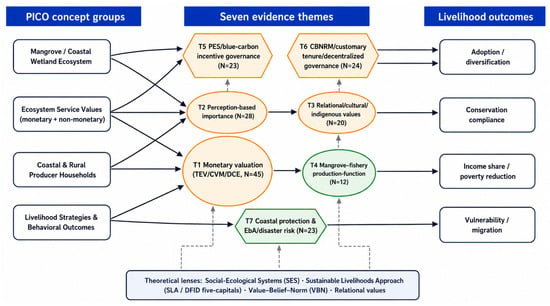
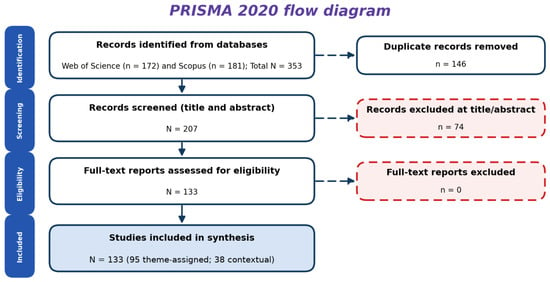
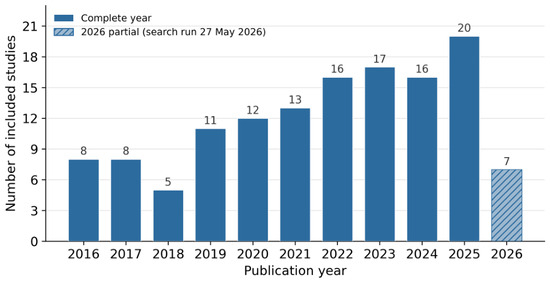
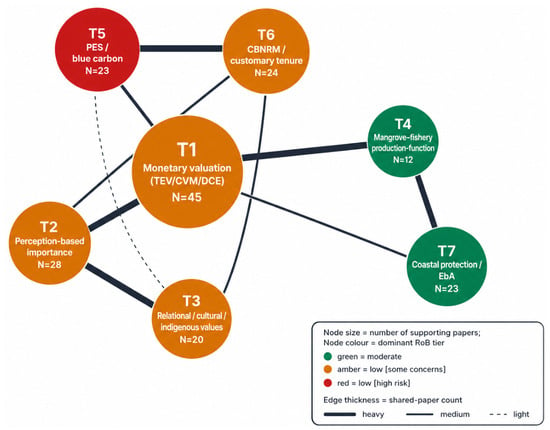
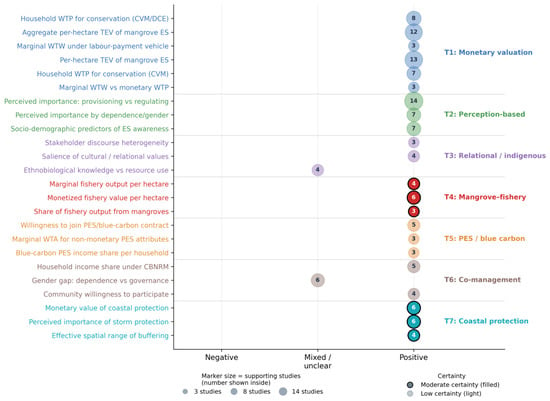
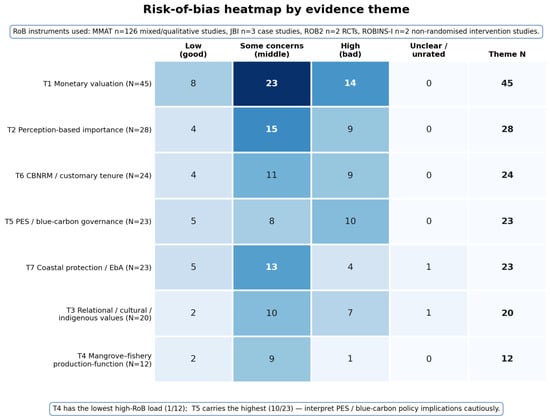
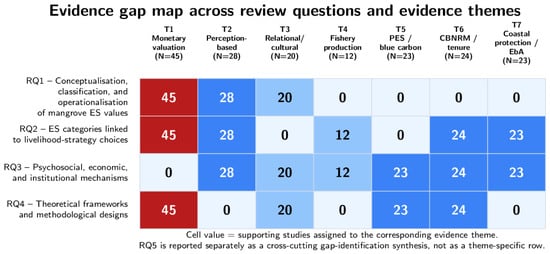
Mangrove ecosystems underpin the livelihoods of coastal and rural households across the tropics, yet how their ecosystem service (ES) values are associated with livelihood-strategy choices remains unevenly understood. Following a Preferred Reporting Items for Systematic Reviews and Meta-Analyses (PRISMA)-guided protocol, this systematic review searched Web of Science and Scopus for studies published between 2016 and 2026 (database search was run on 27 May 2026); of the 353 records identified and 207 screened after removing 146 duplicates, 133 unique studies were retained; 95 of these contributed evidence to one or more of seven outcome themes, while 38 were retained as contextual or background evidence. The seven themes were graded using a hybrid Grading of Recommendations Assessment, Development and Evaluation (GRADE)/Confidence in the Evidence from Reviews of Qualitative Research (CERQual) approach (zero, high certainty; two, moderate certainty; five, low certainty). A structured assessment of meta-analytic feasibility across six candidate outcome domains found that no domain met the operational requirement of at least three independent studies reporting one outcome construct on a harmonisable metric with usable variance information; therefore, this review reports the direction, consistency, and certainty of associations rather than pooled-effect magnitudes. The corpus shows a pronounced value-epistemology asymmetry, with monetary valuation forming the largest single evidence theme (45 studies, approximately one-third of the corpus) and relational or indigenous framings remaining a smaller but substantive theme (20 studies, about 15%), meaning that household decision-making is incompletely captured. Evidence for mangrove–fishery production linkages and the coastal-protection/ecosystem-based disaster-risk-reduction function was the most consistent and was rated as moderate certainty. However, the fishery evidence provides the more direct connection to livelihood dependence, whereas most coastal-protection estimates are biophysical or aggregate and do not directly demonstrate household livelihood-strategy responses. The five remaining themes rest on low-certainty evidence, with welfare estimates spanning orders of magnitude and value-to-behaviour pathways weakly tested. Asian settings account for roughly half of the evidence (Southeast and South Asia together 45%, 60/133), while African, Latin American, and Pacific Island settings remain under-represented, limiting transferability. Evidence on bundled payments for ecosystem services, blue-carbon governance, and secure community tenure should therefore be treated as context-dependent options for prospective evaluation rather than as established prescriptions. The clearest research priority is quasi-experimental and longitudinal work linking elicited values to observed livelihood behaviour.
Full article
(This article belongs to the Special Issue Forest Economics and Policy Analysis)
►▼
Show Figures

Figure 1
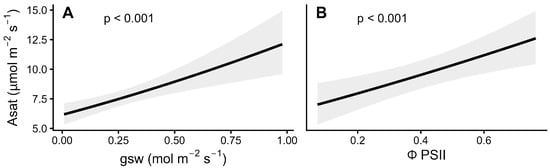
Open AccessArticle
Effects of Root Cutting on Physiological Responses of Tilia cordata and Acer platanoides Four Years After Intervention in Urban Parks
by
Ravosoa Ramaroson, Ian Major, Ilga Porth and Sivajanani Sivarajah
Forests 2026, 17(8), 987; https://doi.org/10.3390/f17080987 - 20 Aug 2026
Abstract
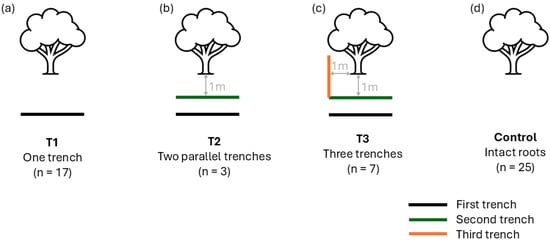
Urban construction often involves root cutting, which can affect tree stability and disrupt physiological processes. However, studies assessing the impacts of root cutting on urban trees remain limited. Our objective was to quantify the physiological responses of mature trees four years after root
[...] Read more.
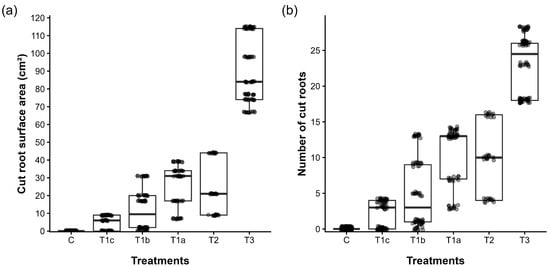
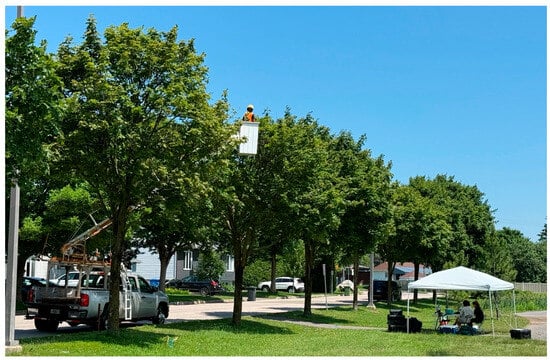
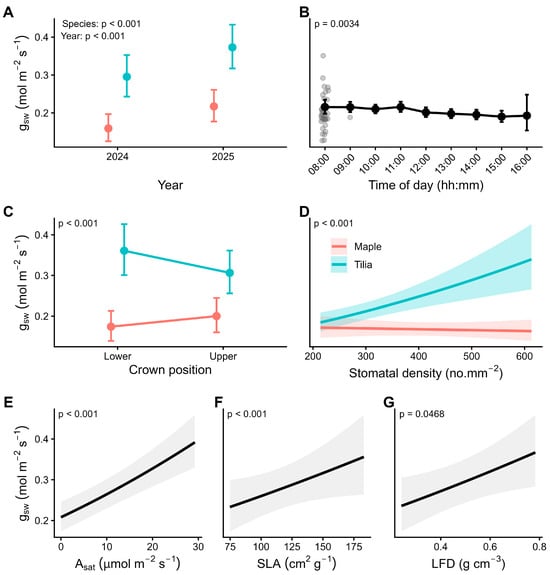
Urban construction often involves root cutting, which can affect tree stability and disrupt physiological processes. However, studies assessing the impacts of root cutting on urban trees remain limited. Our objective was to quantify the physiological responses of mature trees four years after root cutting of increasing severity, applied on one side of the tree or on two perpendicular sides. Stomatal conductance, net photosynthesis at the light saturation point and predawn leaf water potential were measured in Tilia cordata Mill. (n = 26) and Acer platanoides L. (n = 26), across six municipal parks in Québec City (Canada). No significant differences in stomatal conductance were observed among treatments. A general effect of root cutting on photosynthesis was detected, but no significant decline was observed with trench severity. Moreover, the predawn leaf water potential values suggest that trees maintained adequate overnight rehydration despite root disturbances. These results suggest the presence of compensatory root mechanisms and physiological resilience in both species under urban park conditions, even when trenching was performed closer to the trunk than the recommended distances, based on the International Society of Arboriculture Standards. This study can provide municipalities with valuable information to support root trench planning, assess associated risks, and implement effective measures to preserve mature trees in urban parks.
Full article
(This article belongs to the Special Issue Urban Forests and Greening for Sustainable Cities, 2nd Edition)
►▼
Show Figures

Figure 1
Open AccessArticle
Initial Soil Moisture Threshold Influences Rainfall–Runoff Processes of Mixed-Forest Catchment: A Case Study of the Dabie Mountains
by
Yu Mei, Qinghe Zhao, Di Wu, Tingting Wang, Luwei Zhang and Shengyan Ding
Forests 2026, 17(8), 986; https://doi.org/10.3390/f17080986 - 20 Aug 2026
Abstract
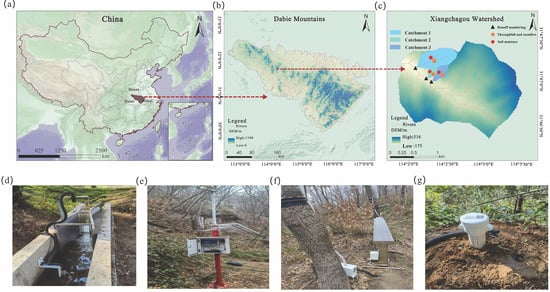
Initial soil moisture (ISM) represents the soil moisture condition before a rainfall event and is an important factor associated with rainfall and runoff responses in forested catchments. However, it remains unclear whether this nonlinearity can be characterized by distinct ISM thresholds and whether
[...] Read more.
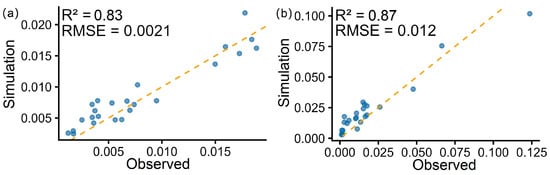
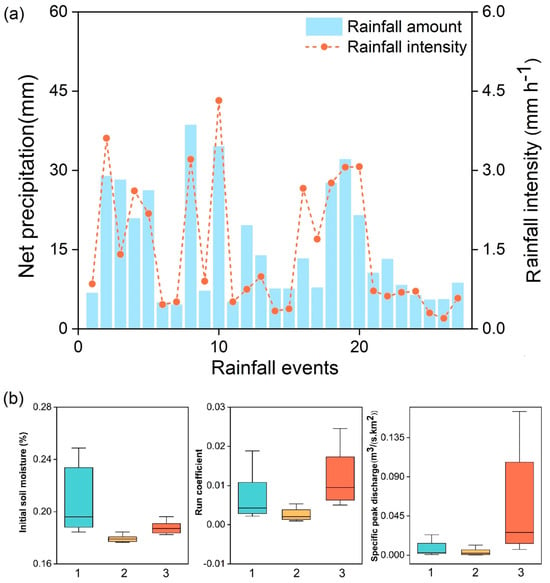
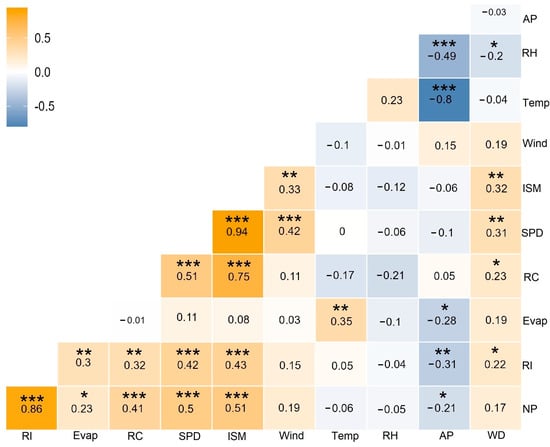
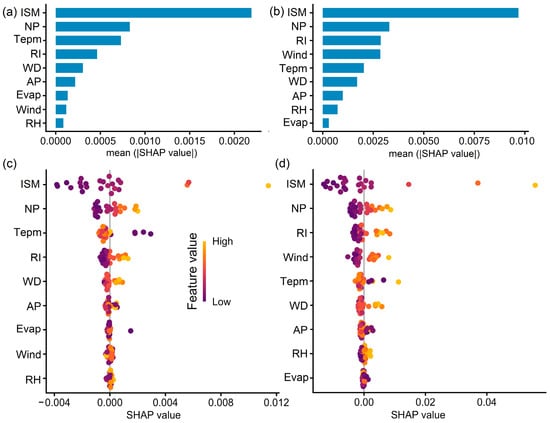
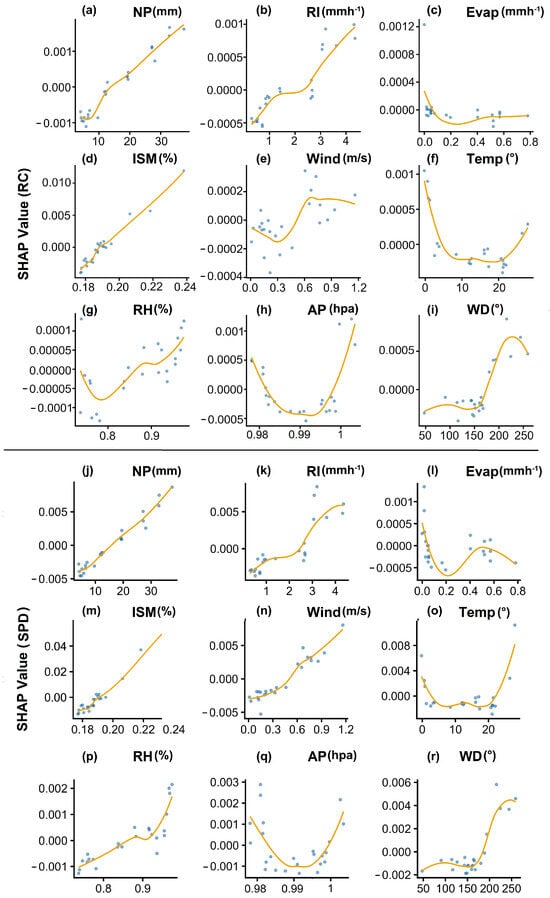
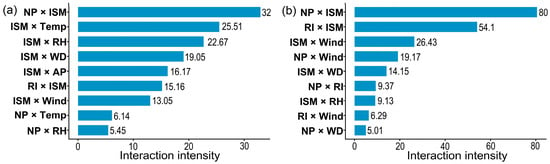
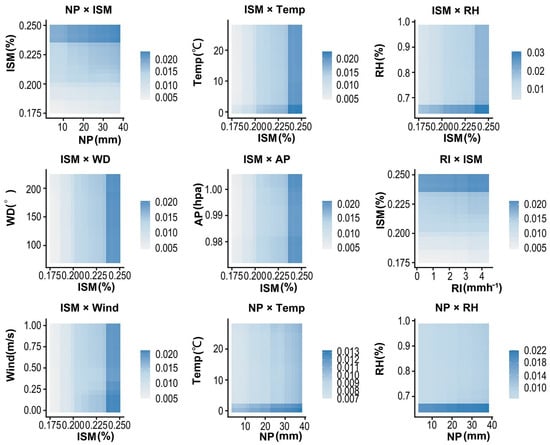
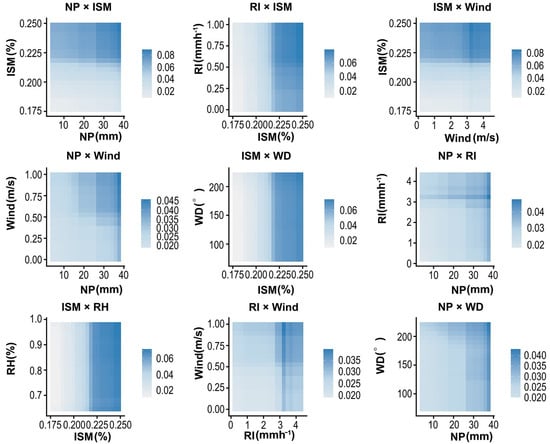
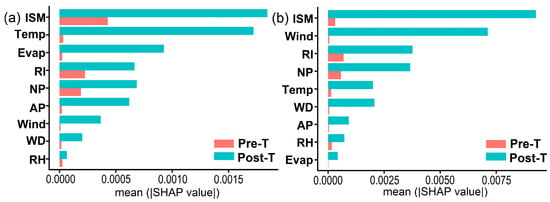
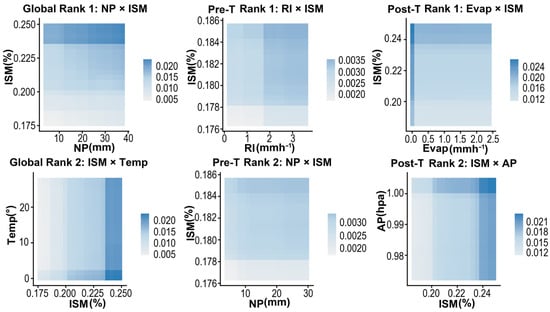
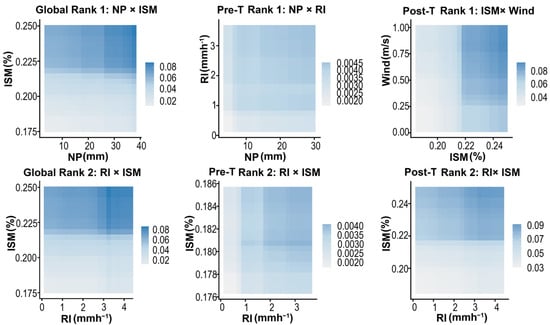
Initial soil moisture (ISM) represents the soil moisture condition before a rainfall event and is an important factor associated with rainfall and runoff responses in forested catchments. However, it remains unclear whether this nonlinearity can be characterized by distinct ISM thresholds and whether the dominant controls of runoff coefficient (RC) and specific peak discharge (SPD) differ between pre-threshold and post-threshold ISM states. To address this issue, this study analyzed 27 rainfall events monitored in mixed-forest catchments of the Dabie Mountains from 2024 to 2026. A random forest model combined with SHapley additive exPlanations (SHAP) and partial dependence plots (PDPs) was used to simulate RC and SPD, identify ISM thresholds, and compare state-dependent dominant factors and interactions. The results showed that the SHAP-derived ISM thresholds were 18.3% for RC and 19.2% for SPD. For RC, ISM remained the dominant factor in both ISM states. In the pre-threshold state, rainfall intensity (RI) and net precipitation (NP) were the main secondary factors, with RI × ISM and NP × ISM as the leading interactions. In the post-threshold state, temperature and evaporation (Evap) became more important, and the leading interactions shifted to Evap × ISM and ISM × atmospheric pressure. For SPD, the dominant factors in the pre-threshold state were RI, NP, and ISM, with NP × RI and RI × ISM as the main interactions. In the post-threshold state, ISM became the leading factor, wind speed and RI also remained important, and ISM × wind speed and RI × ISM were the main interactions. These findings indicate that event-scale rainfall–runoff responses in mixed-forest catchments are strongly dependent on ISM state, and that ISM thresholds can provide useful boundaries for distinguishing state-dependent runoff-control patterns.
Full article
(This article belongs to the Special Issue Monitoring and Managing Forest Hydrology)
►▼
Show Figures

Figure 1
Open AccessArticle
Publication Output and Internationalization Among a Defined Population of Italian Forest Researchers: A Bibliometric Assessment, 2013–2025
by
Giovanni D’Amico
Forests 2026, 17(8), 985; https://doi.org/10.3390/f17080985 - 20 Aug 2026
Abstract
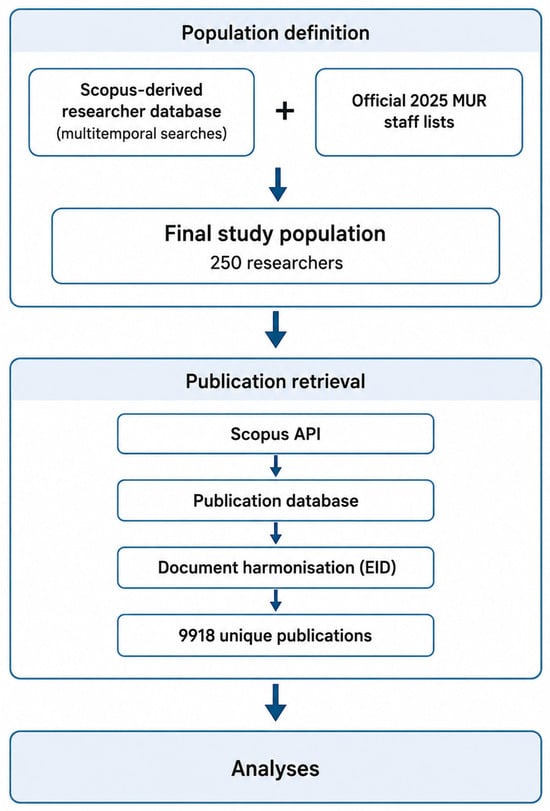
National bibliometric assessments can show how scientific communities change, but their results depend strongly on how the researcher population is defined. This paper assessed publication output, citation patterns, institutional structure, and collaboration for a defined Italian forest research population. Population identification was completed
[...] Read more.
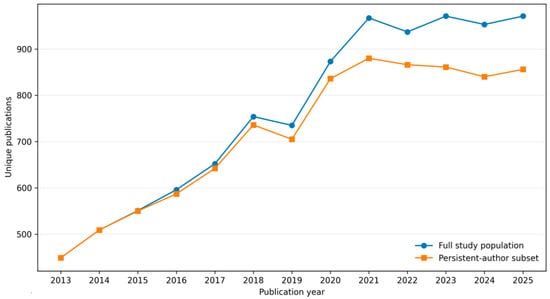
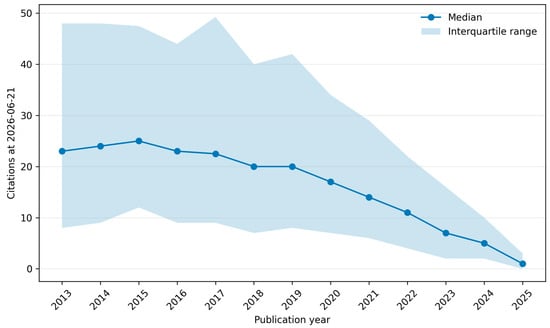
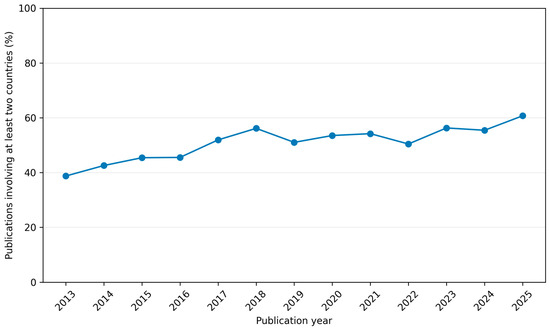
National bibliometric assessments can show how scientific communities change, but their results depend strongly on how the researcher population is defined. This paper assessed publication output, citation patterns, institutional structure, and collaboration for a defined Italian forest research population. Population identification was completed in February–March 2026 by combining a Scopus-derived researcher database with the official 2025 Ministry of University and Research staff lists for the relevant forest disciplines. The final study population comprised 250 researchers. All Scopus-indexed publications associated with these author IDs during 2013–2025 were retrieved through the Scopus API in June 2026; the primary corpus was not restricted by forest-topic screening. The corpus contained 9918 unique publications. Annual output associated with the study population increased from 449 publications in 2013 to 971 in 2025, while publication-active researchers increased from 148 to 236. Mean fractional output per active researcher increased from 3.13 publications per year in 2013–2015 to 4.08 in 2023–2025. A persistent-author subset of 188 researchers observed in both periods also exhibited higher late-period output, indicating that recent entry alone did not account for the increase. Internationally co-authored publications increased from 38.7% to 60.7%, and the top 10% of publications received 52.4% of all citations. A conservative title/source forest-signal subset reproduced the increasing output pattern. The results refer to the defined end-of-period study population rather than to a complete historical census, but provide a documented basis for future monitoring.
Full article
(This article belongs to the Section Forest Ecology and Management)
►▼
Show Figures

Figure 1
Open AccessArticle
Towards Integrating Forest Welfare Services for Social Workers into the Social Service System: A Mixed-Methods Study of Perceptions, Needs, and Policy Strategies
by
Neeeun Lee, Gyeongmin Min, Sinae Kang, Pyeongsik Yeon and Yeonhee Lee
Forests 2026, 17(8), 984; https://doi.org/10.3390/f17080984 - 19 Aug 2026
Abstract
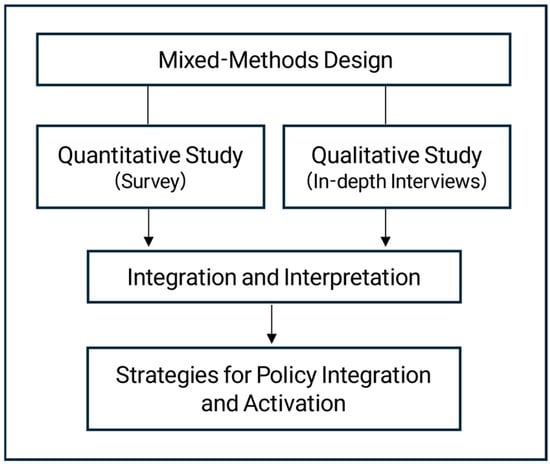
This study employed a mixed-methods design combining a survey of 167 social workers in Seoul and in-depth interviews with three social welfare experts to explore strategies for integrating forest welfare services into the social service system. The survey results showed a high willingness
[...] Read more.
This study employed a mixed-methods design combining a survey of 167 social workers in Seoul and in-depth interviews with three social welfare experts to explore strategies for integrating forest welfare services into the social service system. The survey results showed a high willingness to participate in forest welfare services. Demand was high for psychological and emotional stability (29.3%) and recreation and leisure enhancement (26.0%). Among the expected benefits, stress relief and improvement of psychological health showed the highest response rate (38.9%), while guaranteed participation during working hours was identified as the most important support needed (51.5%). Expert interviews indicated that a legal and institutional foundation, evidence of service effectiveness, professional program development, and cooperation among relevant organizations are necessary for sustained service operation and integration into the social service system. Based on these findings, this study proposes four major strategies for service revitalization: establishing a legal and institutional foundation, securing policy and academic evidence, developing tailored service models reflecting target characteristics, and establishing inter-organizational cooperation. These findings provide baseline information for future pilot implementation, effectiveness evaluation, and institutionalization of forest welfare services for social workers.
Full article
(This article belongs to the Section Forest Economics, Policy, and Social Science)
►▼
Show Figures

Figure 1
Open AccessArticle
High-Resolution Mapping of Farmland Shelterbelts in an Oasis Agricultural Region Using GF-2 Imagery and Semantic Segmentation
by
Yingqi Xu, Ping Lv, Zhuo Zhang, Lanjie Li, Zheng Chai, Yuanyuan Li and Cheng Tang
Forests 2026, 17(8), 983; https://doi.org/10.3390/f17080983 - 19 Aug 2026
Abstract
Farmland shelterbelts are important linear vegetation infrastructures in oasis agricultural landscapes. Their accurate extraction is essential for shelterbelt inventory and farmland management, but remains challenging because shelterbelts are narrow, elongated, locally discontinuous, and spectrally similar to croplands, orchards, roadside vegetation, bare soil, and
[...] Read more.
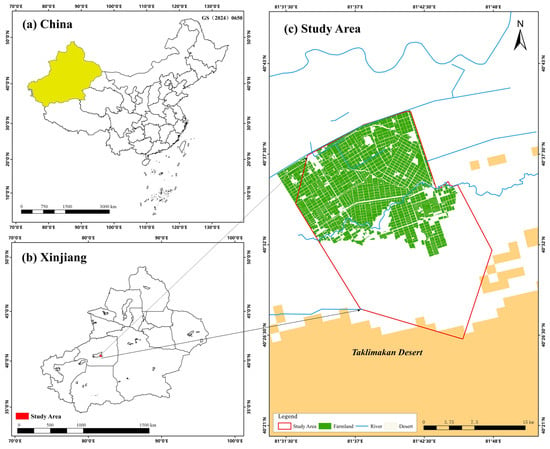
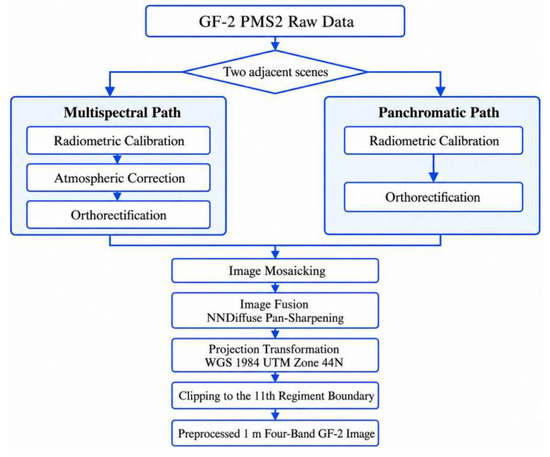
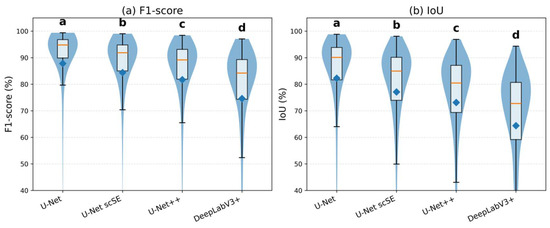
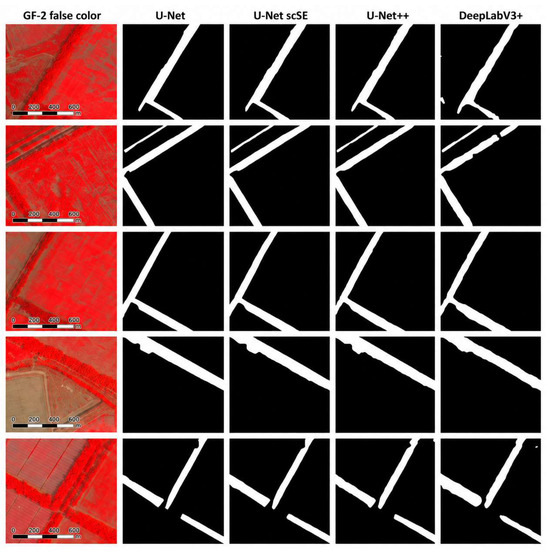
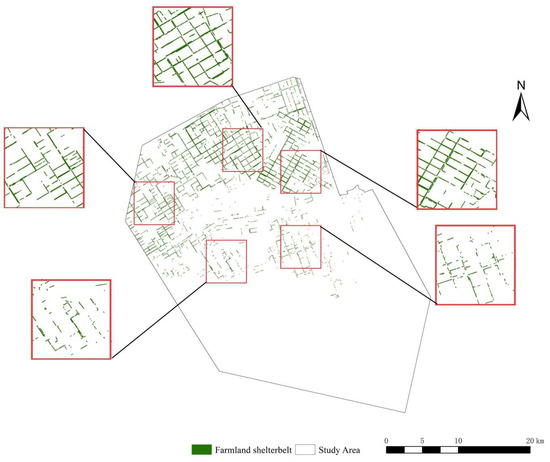
Farmland shelterbelts are important linear vegetation infrastructures in oasis agricultural landscapes. Their accurate extraction is essential for shelterbelt inventory and farmland management, but remains challenging because shelterbelts are narrow, elongated, locally discontinuous, and spectrally similar to croplands, orchards, roadside vegetation, bare soil, and irrigation-related features. This study developed a GF-2-based deep learning workflow for farmland shelterbelt extraction in the 11th Regiment of Alar City, Xinjiang, China. Four representative semantic segmentation models, namely U-Net, U-Net with scSE attention, U-Net++, and DeepLabV3+, were trained and evaluated using four-band GF-2 optical imagery under a unified experimental setting. Model performance was assessed using Precision, Recall, F1-score, Intersection over Union (IoU), overall accuracy, and Kappa coefficient. Patch-level statistical comparison and visual interpretation were further conducted to examine performance differences, shelterbelt continuity, boundary integrity, omission errors, and background confusion. The results showed that U-Net achieved the best overall performance, with a Precision of 94.58%, Recall of 94.77%, F1-score of 94.67%, IoU of 89.88%, overall accuracy of 99.71%, and Kappa coefficient of 0.9452. Compared with U-Net with scSE attention, U-Net++, and DeepLabV3+, U-Net better preserved the continuity and boundary integrity of narrow shelterbelts in regular field-boundary networks. The other models showed varying degrees of omission, boundary fragmentation, or confusion with spectrally similar agricultural objects. The best-performing U-Net model was then applied to the complete study area, and the extracted shelterbelt area was approximately 6.5 km2, accounting for about 4.37% of the cultivated land area. These results indicate that GF-2 optical imagery combined with semantic segmentation can support fine-scale farmland shelterbelt mapping in oasis agricultural landscapes. They also show that model evaluation for narrow linear vegetation features should consider not only pixel-level accuracy but also spatial continuity, boundary integrity, and typical error patterns. The proposed workflow provides a practical reference for GF-2-based farmland shelterbelt inventory, high-resolution linear vegetation mapping, and shelterbelt monitoring in arid oasis agricultural landscapes.
Full article
(This article belongs to the Section Forest Inventory, Modeling and Remote Sensing)
►▼
Show Figures

Figure 1
Open AccessArticle
Effect of Drying at 120 °C and 150 °C on Selected Mechanical Properties of Silver Fir (Abies alba Mill.)
by
Monika Sarvašová Kvietková, Ondřej Dvořák, Chia-Feng Lin and Denis Jones
Forests 2026, 17(8), 982; https://doi.org/10.3390/f17080982 - 18 Aug 2026
Abstract
High-temperature drying can considerably improve drying efficiency. However, information on its impact on the mechanical properties of silver fir during industrial high-temperature drying remains limited. Elevated drying temperatures may induce changes in wood structure that can influence mechanical performance. This study evaluated the
[...] Read more.
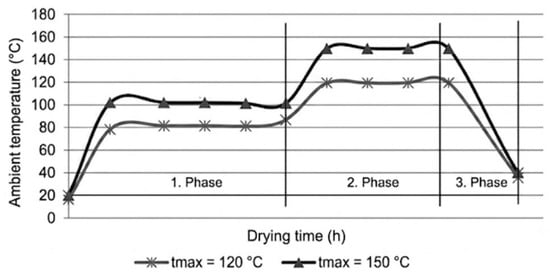
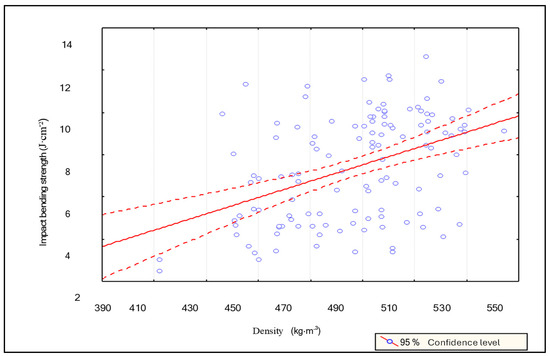
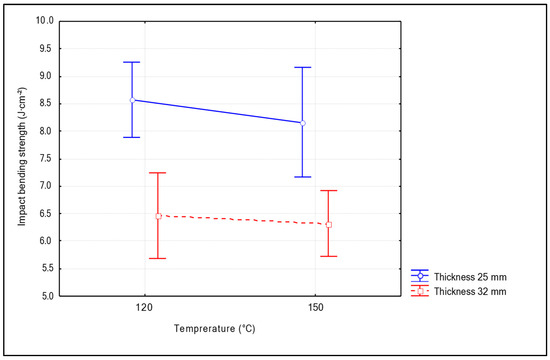
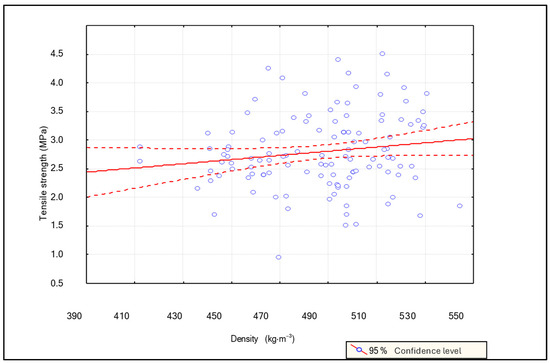
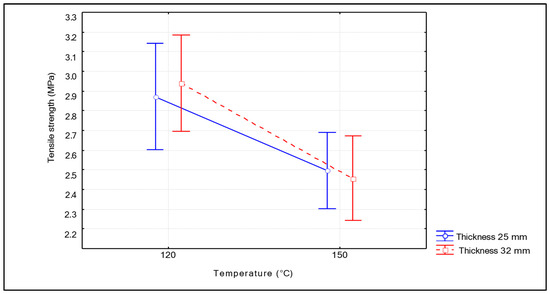
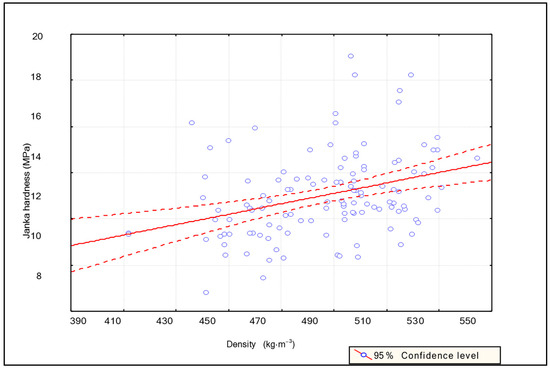
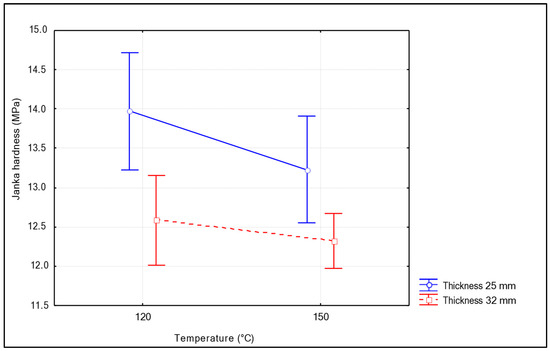
High-temperature drying can considerably improve drying efficiency. However, information on its impact on the mechanical properties of silver fir during industrial high-temperature drying remains limited. Elevated drying temperatures may induce changes in wood structure that can influence mechanical performance. This study evaluated the effect of high-temperature drying schedules based on industrially applied temperature levels (120 °C and 150 °C) on selected mechanical properties of silver fir (Abies alba Mill.). Wood samples were kiln-dried at 120 °C and 150 °C, conditioned to equilibrium moisture content, and tested for impact bending strength, tensile strength perpendicular to the grain, and Janka hardness. Because the experimental material originated from a single silver fir tree, the findings should be interpreted as describing responses within the investigated material rather than as population-level effects for silver fir. The results showed that drying at 150 °C was associated with a tendency toward reduced values of selected mechanical properties; however, the effect of drying temperature was not statistically significant for impact bending strength. ANOVA showed that specimen thickness significantly affected impact bending strength and Janka hardness, whereas drying temperature had a significant effect only on tensile strength perpendicular to the grain. The lowest mean values were observed in the β-150 group, with impact bending strength of 5.4 J·cm−2 and tensile strength perpendicular to the grain of 2.3 MPa. The mean oven-dry density was 456.9 kg·m−3, while only weak relationships between density and mechanical properties were observed (r2 = 0.023–0.178). This suggests that factors related to drying conditions may contribute to variability in mechanical performance beyond the effect of density alone. Thus, the effects of the investigated drying conditions were property-specific rather than consistently attributable to drying temperature. Within the investigated material, these results indicate that the optimization of high-temperature drying schedules should consider both drying parameters and variability in mechanical properties.
Full article
(This article belongs to the Special Issue Advanced Technology for Extraction, Processing and Testing of Forest Products)
►▼
Show Figures

Figure 1
Open AccessArticle
How the Succession Process Affects Soil Microbial Community Diversity and Network Complexity in Karst Forests
by
Limin Zhang, Song Ma, Yuanhong Luo, Yi Zhang and Lihua Zhao
Forests 2026, 17(8), 981; https://doi.org/10.3390/f17080981 - 18 Aug 2026
Abstract
Although many studies had been conducted on soil microbial communities in forest ecosystems before this one, how the diversity and network complexity of soil microbial communities evolved throughout the succession of karst forests remained unclear. We collected soil samples from three vegetation successional
[...] Read more.
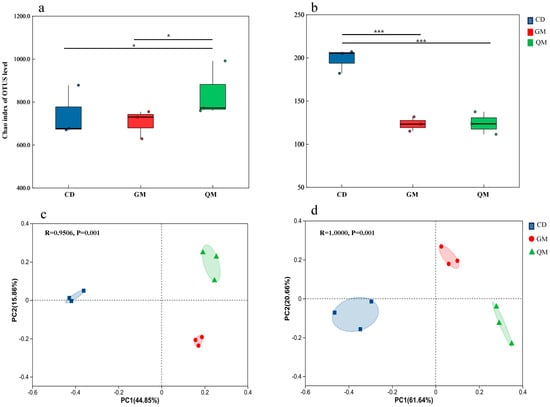
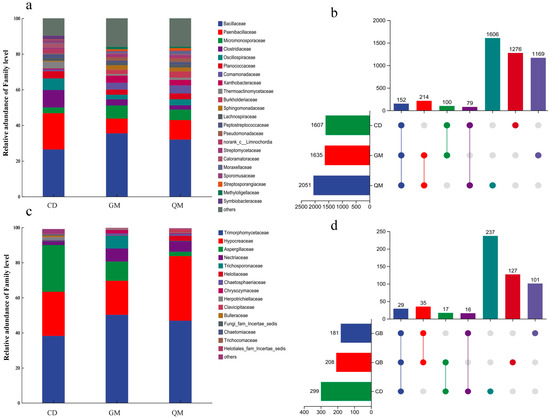
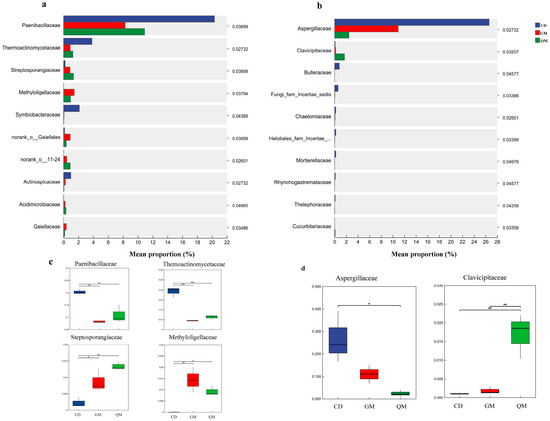
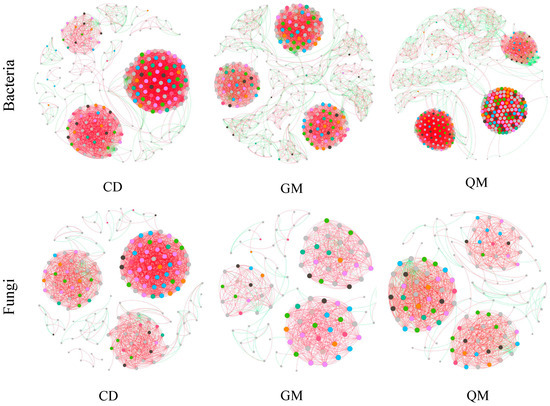
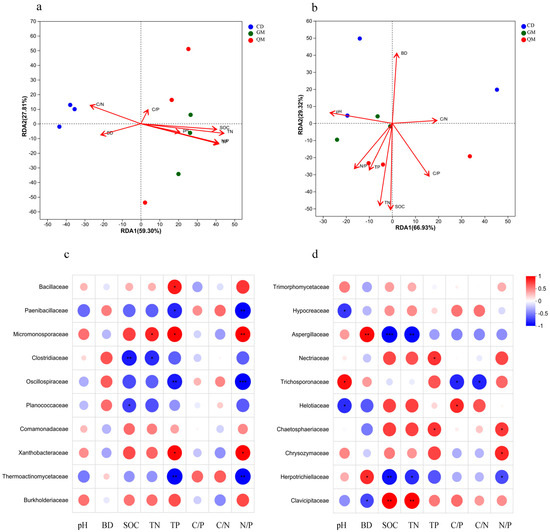
Although many studies had been conducted on soil microbial communities in forest ecosystems before this one, how the diversity and network complexity of soil microbial communities evolved throughout the succession of karst forests remained unclear. We collected soil samples from three vegetation successional stages (grassland stage, shrub stage and arbor stage) in Maolan National Nature Reserve, Guizhou Province, China, and applied high-throughput sequencing technology to explore soil microbial diversity, community composition, co-occurrence network characteristics and their internal correlations. The results showed that the succession process significantly affected soil microbial diversity (p < 0.05). Bacterial diversity increased by 12.33% as succession proceeded, whereas fungal diversity declined by 37.50%. The dominant microbial communities exhibited obvious stage-specific characteristics. For bacteria, Bacillaceae served as a universally dominant taxon. Paenibacillaceae and Thermoactinomycetaceae were enriched in the grassland (CD) stage, and the relative abundance of Streptosporangiaceae reached its maximum in the arbor (QM) stage. For fungi, Trimorphomycetaceae and Hypocreaceae were ubiquitous dominant groups. Aspergillaceae possessed the highest relative abundance in the CD stage, while Clavicipitaceae peaked in relative abundance in the QM stage. The complexity of bacterial co-occurrence networks rose with succession, whereas fungal network complexity decreased. Both positive and negative linkages in bacterial networks increased over succession, while both types of connections in fungal networks declined. Soil organic carbon (SOC), total nitrogen (TN), total phosphorus (TP) and N/P ratio exerted the strongest influences on bacterial communities and bulk density; SOC and TN were the key drivers structuring fungal assemblages. Micromonosporaceae and Xanthobacteraceae showed significant positive correlations with TP and N/P ratio (p < 0.05), whereas Thermoactinomycetaceae and Oscillospiraceae presented significant negative correlations with these two indicators (p < 0.01). Clavicipitaceae had strong positive correlations with SOC and TN (p < 0.01), and Herpotrichiellaceae together with Aspergillaceae displayed significant negative correlations with SOC and TN (p < 0.05). This study clarified the regulatory effects of karst forest secondary succession on soil microbial communities and provided theoretical evidence for the ecological restoration of karst regions.
Full article
(This article belongs to the Section Forest Soil)
►▼
Show Figures

Figure 1
Open AccessArticle
Effect of Isothermal Heat Treatment on Oregonin Content in Black Alder Bark Extract
by
Miljenko Klarić, Kristina Klarić, Martina Biošić and Josip Ištvanić
Forests 2026, 17(8), 980; https://doi.org/10.3390/f17080980 - 18 Aug 2026
Abstract
Black alder (Alnus glutinosa (L.) Gaertn.) wood is characterized by rapid and frequently non-uniform color changes after felling and during hydrothermal processing. These changes are largely associated with extractive compounds, among which oregonin, a phenolic diarylheptanoid glycoside, has been identified as a
[...] Read more.
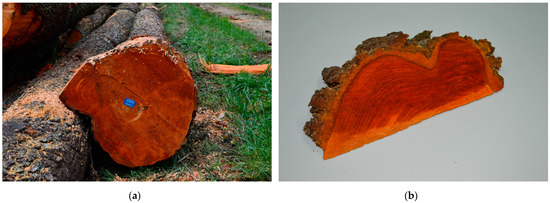
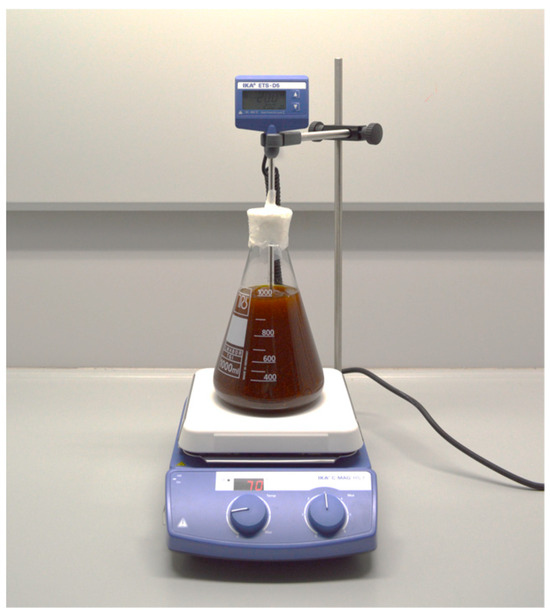
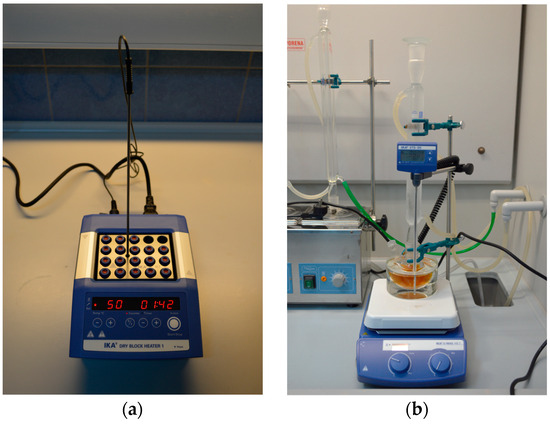
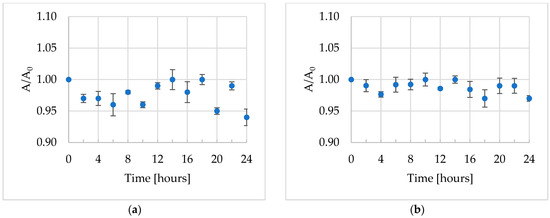
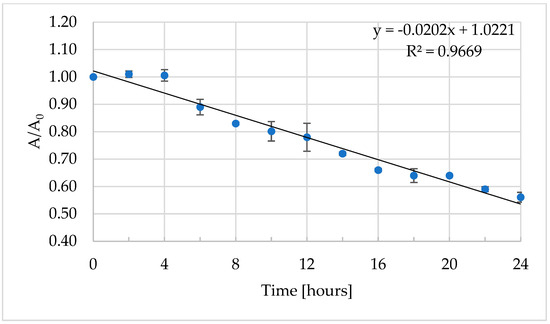
Black alder (Alnus glutinosa (L.) Gaertn.) wood is characterized by rapid and frequently non-uniform color changes after felling and during hydrothermal processing. These changes are largely associated with extractive compounds, among which oregonin, a phenolic diarylheptanoid glycoside, has been identified as a precursor of the characteristic orange-red coloration. However, information on the thermal stability of oregonin remains limited. This study investigated the effect of temperature and exposure time on oregonin content in black alder bark extract. Aliquots of the extract were exposed to isothermal conditions of 30, 40, 50, and 60 °C for up to 24 h. In a separate trial, a treatment at 98 °C was conducted to simulate the temperature conditions associated with wood saturated water steaming at atmospheric pressure. Oregonin concentration was determined using reversed-phase high-performance liquid chromatography with diode-array detection. Oregonin content remained comparatively stable during 24 h exposure at 30, 40, 50 and 60 °C, with reductions of 6.00%, 3.00%, 2.78%, and 1.64%, respectively, without clear increase in oregonin loss with increasing temperature. Exposure to 98 °C resulted in the most pronounced decrease in oregonin content, with a reduction of 43.93%. The results indicate comparatively high stability of oregonin during 24 h exposure at 30–60 °C, whereas a pronounced decrease was observed in the separate aqueous treatment at 98 °C. These findings are relevant for understanding chemical changes in alder extractives during wood drying and steaming and demonstrate the importance of minimizing unnecessary heat exposure during sample preparation, extraction, and storage.
Full article
(This article belongs to the Special Issue Phenomenon of Wood Colour—2nd Edition)
►▼
Show Figures

Figure 1
Open AccessArticle
Effects of Forest Type and Climatic Conditions on Pheromone-Trap Catches of Pityogenes chalcographus
by
Osman Mujezinović, Milan Pernek, Kenan Zahirović, Sead Ivojević, Damir Prljača and Mirza Dautbašić
Forests 2026, 17(8), 979; https://doi.org/10.3390/f17080979 - 18 Aug 2026
Abstract
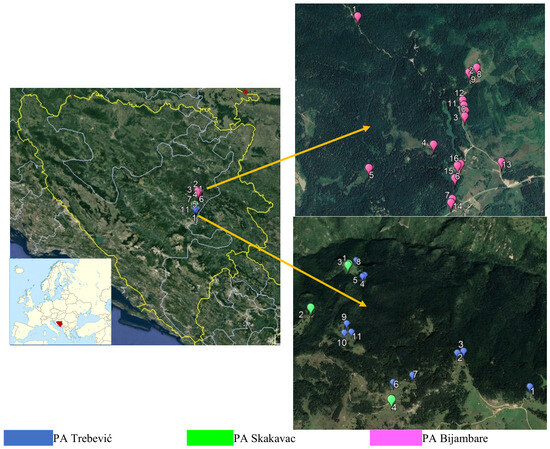
Pityogenes chalcographus was monitored using pheromone traps installed in different forest types across Bosnia and Herzegovina. The study was conducted within protected areas of Sarajevo Canton, including the Protected Landscapes of Bijambare and Trebević and the Skakavac Natural Monument. The investigated forest types
[...] Read more.
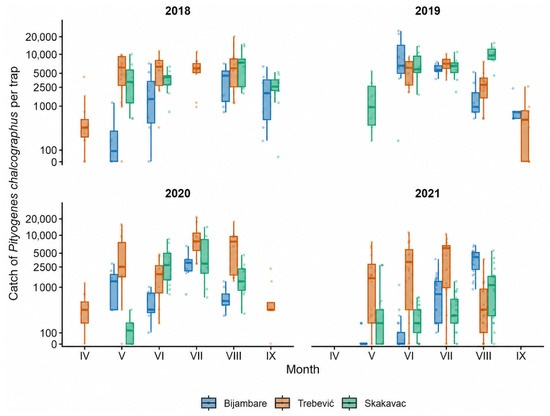
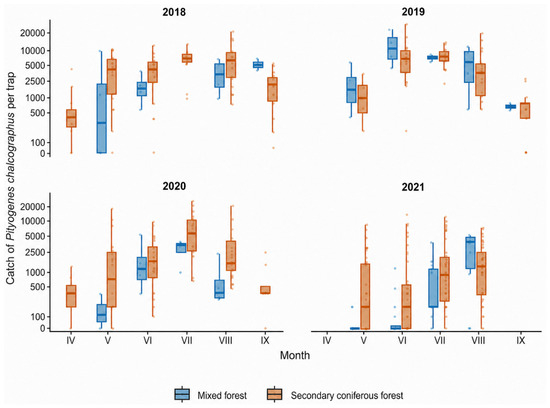
Pityogenes chalcographus was monitored using pheromone traps installed in different forest types across Bosnia and Herzegovina. The study was conducted within protected areas of Sarajevo Canton, including the Protected Landscapes of Bijambare and Trebević and the Skakavac Natural Monument. The investigated forest types comprised secondary fir–spruce stands and mixed beech–fir forests with spruce admixture. Data were collected between 2018 and 2021 to assess the effects of forest type and climatic factors on pheromone-trap catches of P. chalcographus. Mean trap catches in secondary fir–spruce forests ranged from 2317.6 to 6317.0 individuals per trap, whereas catches in mixed beech–fir forests with spruce ranged from 150.0 to 6840.0 individuals per trap. The highest mean catches were recorded in the Trebević Protected Landscape and the Skakavac Natural Monument. Overall, trap catches tended to be higher in secondary fir–spruce forests than in mixed beech–fir forests with spruce. Statistically significant differences in mean catches between forest types were detected only in 2021, while no significant differences were observed during 2018–2020. No statistically significant relationships were found between climatic variables and P. chalcographus trap catches during the study period.
Full article
(This article belongs to the Special Issue Integrated Pest Management and Control in Forestry)
►▼
Show Figures

Figure 1
Open AccessFeature PaperArticle
Multiscale Temporal Dynamics and Depth–Dependent Controls of Soil Respiration Components Across Subtropical Forest Types
by
Nan Deng, Yuxin Tian, Qingan Song, Yaqin Xiao and Fengfeng Ma
Forests 2026, 17(8), 978; https://doi.org/10.3390/f17080978 - 17 Aug 2026
Abstract
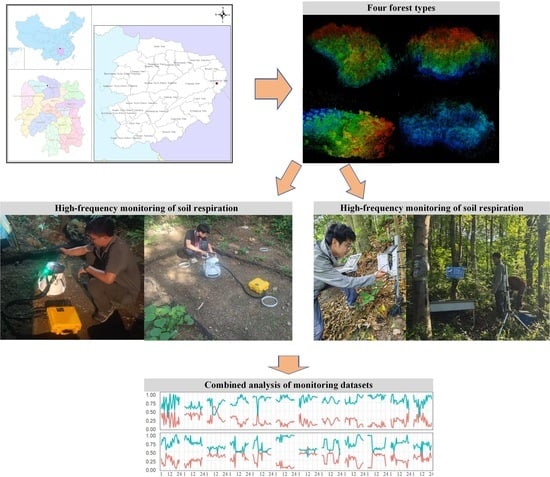
Soil respiration (Rs) is a key component of terrestrial carbon cycling, yet its temporal structure and vertical environmental controls remain insufficiently understood. This study investigated Rs and its components across four subtropical forest types in Hunan, China, using high–frequency 24–h observations combined with
[...] Read more.
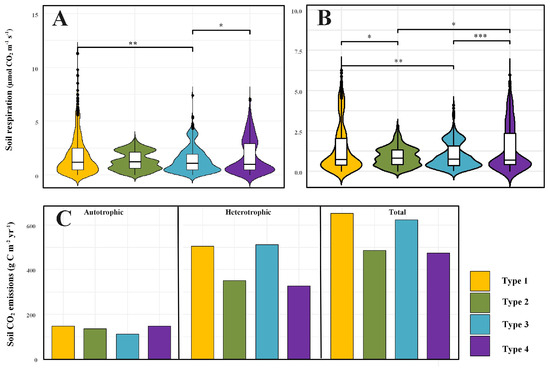
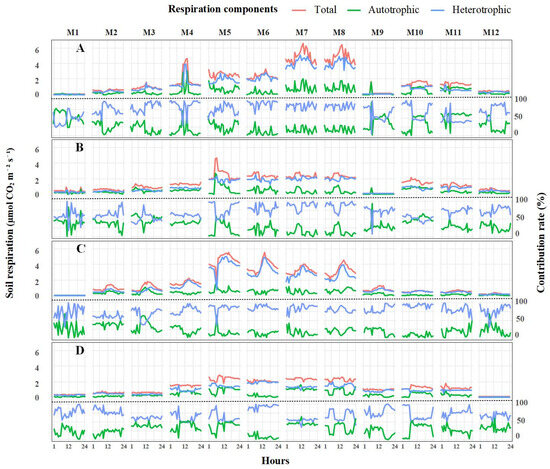
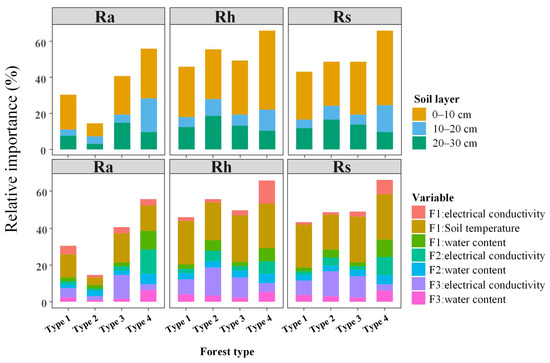
Soil respiration (Rs) is a key component of terrestrial carbon cycling, yet its temporal structure and vertical environmental controls remain insufficiently understood. This study investigated Rs and its components across four subtropical forest types in Hunan, China, using high–frequency 24–h observations combined with multi–month monitoring and measurements at three soil depths. Temporal dynamics were analyzed using harmonic fitting and two–way ANOVA–based variance partitioning, and environmental controls were quantified using linear mixed–effects models and relative importance analysis. Results showed that annual Rs ranged from 473.50 g C m−2 yr−1 in secondary broadleaf forest to 652.50 g C m−2 yr−1 in pure Pinus massoniana Lamb. plantation, with heterotrophic respiration dominating all stands (68.9%–82.1% of Rs). The cosine model best described diel cycles in 64.6% of cases, with amplitude significantly higher in summer than in winter. Variance partitioning revealed that seasonal (month) scale explained 89.2%–97.3% of total variation in Rs and Rh, whereas diel (hour) scale contributed only 0.4%–4.8%; for Ra, seasonal contribution dropped to 36.1%–73.7% and residual variance surged to 21.9%–54.3%, indicating substantially greater stochasticity. Linear mixed–effects models showed that topsoil temperature (0–10 cm) was the dominant driver of Rs and Rh, explaining 48% of their variation, whereas Ra was additionally regulated by subsurface soil moisture and conductivity, with only 19% of variation explained. Overall, soil respiration exhibited a structured, multi–scale, and depth–dependent response system shaped by forest type, temporal variability, and depth–specific soil heterogeneity.
Full article
(This article belongs to the Collection Interaction and Synergy of Carbon Sink, Storage and Substitution in Forest Value Chains)
►▼
Show Figures

Graphical abstract
Open AccessArticle
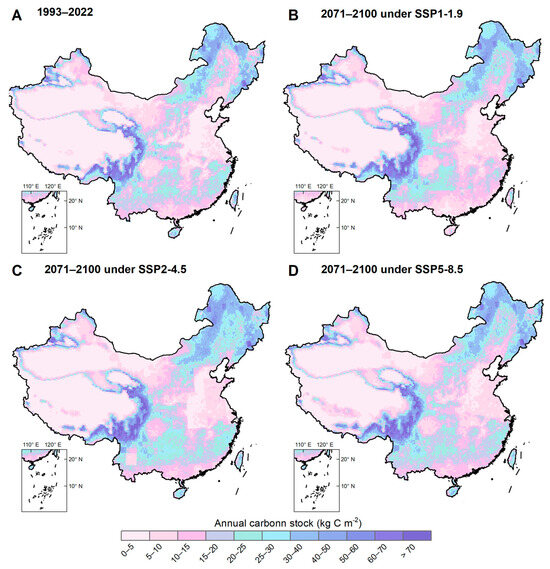
Carbon Sequestration Potential of China’s Terrestrial Ecosystem Incorporating Moisture Recycling
by
Jialan Nan, Wenling Li, Ziyu Lu and Shouzhang Peng
Forests 2026, 17(8), 977; https://doi.org/10.3390/f17080977 - 17 Aug 2026
Abstract
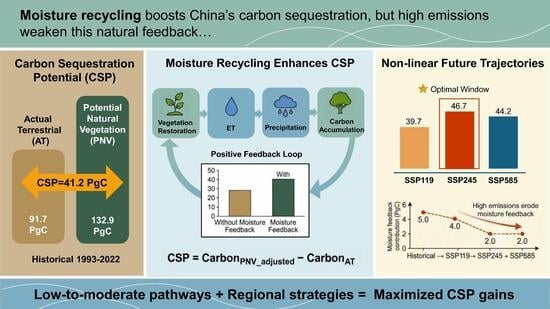
Terrestrial ecosystems play a critical role in achieving carbon neutrality, yet the carbon sequestration potential (CSP) of China’s terrestrial ecosystems remains incompletely characterized, particularly regarding the roles of future climate scenarios and land–atmosphere moisture feedbacks. Here we quantify China’s CSP using a process-based
[...] Read more.
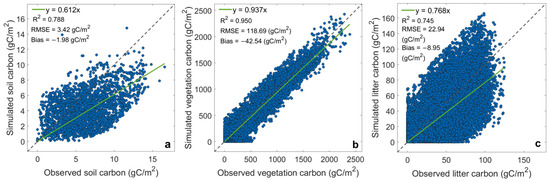
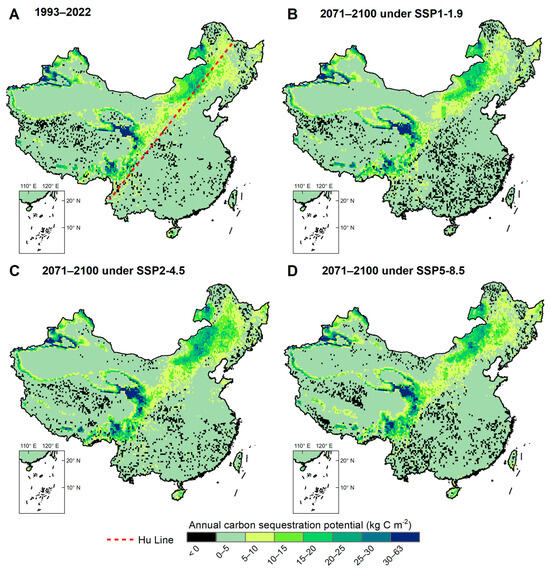
Terrestrial ecosystems play a critical role in achieving carbon neutrality, yet the carbon sequestration potential (CSP) of China’s terrestrial ecosystems remains incompletely characterized, particularly regarding the roles of future climate scenarios and land–atmosphere moisture feedbacks. Here we quantify China’s CSP using a process-based model (LPJ-GUESS) that explicitly simulates vegetation dynamics, combined with potential natural vegetation (PNV) benchmarks and moisture recycling. We estimate China’s historical (1993–2022) actual terrestrial (AT) carbon stock at 91.7 PgC, with a PNV ceiling of 132.9 PgC, yielding a CSP of 41.2 PgC. Under future scenarios (2071–2100), CSP follows a non-linear trajectory. Relative to the historical baseline, it declines slightly under SSP119, peaks under SSP2-4.5, and remains elevated but slightly reduced under SSP5-8.5. High-CSP areas are concentrated along the Hu Line and the belts of the Tianshan, Kunlun, and Qilian mountains, while scattered areas in southern China exhibit negative CSP due to intensive human interventions. Moisture recycling consistently enhances CSP across all periods and scenarios. Historically, it raised national CSP by approximately 5 PgC, and this enhancement gradually weakens to 4 PgC under SSP119 and further declines to around 2 PgC under SSP2-4.5/SSP5-8.5—revealing that high emissions erode this positive feedback. Our findings identify a critical window for maximizing restoration gains under moderate forcing (SSP2-4.5) and demonstrate that low-to-moderate emission pathways not only preserve direct carbon benefits but also safeguard indirect moisture recycling amplification. Regionally tailored restoration strategies accounting for moisture recycling are essential for achieving China’s 2060 carbon neutrality goals.
Full article
(This article belongs to the Section Forest Inventory, Modeling and Remote Sensing)
►▼
Show Figures

Graphical abstract
Journal Menu
► ▼ Journal Menu-
- Forests Home
- Aims & Scope
- Editorial Board
- Reviewer Board
- Topical Advisory Panel
- Instructions for Authors
- Special Issues
- Topics
- Sections & Collections
- Article Processing Charge
- Indexing & Archiving
- Editor’s Choice Articles
- Most Cited & Viewed
- Journal Statistics
- Journal History
- Journal Awards
- Conferences
- Editorial Office
Journal Browser
► ▼ Journal BrowserHighly Accessed Articles
Latest Books
E-Mail Alert
News
Topics
Topic in
Drones, Forests, Geomatics, IJGI, Land, Remote Sensing, Sensors, Water
Advances in Earth Observation Technologies to Support Water-Related Sustainable Development Goals (SDGs)
Topic Editors: Wei Jiang, Elhadi Adam, Qingke Wen, Teodosio Lacava, Yizhu LuDeadline: 31 August 2026
Topic in
Energies, Land, Sustainability, Administrative Sciences, Forests, Economies
Integrating Economy, Environment and Society for Systemic Sustainability: Dynamics, Thresholds and Power Relations
Topic Editors: Aleksy Kwilinski, Maciej KardasDeadline: 30 November 2026
Topic in
Environments, Forests, Land, Sustainability, Urban Science, Systems
Ecosystem-Based Adaptation: A Holistic Approach to Pursue Multiple Benefits
Topic Editors: Angela Pilogallo, Zhimin Liu, Yevheniia VaryvodaDeadline: 15 December 2026
Topic in
Applied Biosciences, Forests, Genes, Horticulturae, IJMS, Plants
Genetic Breeding and Biotechnology of Garden Plants
Topic Editors: Bin Dong, Guirong Qiao, Shiwei ZhongDeadline: 31 December 2026
Conferences
14–16 September 2026
The 5th International Electronic Conference on Forests–Forests at the Crossroads: Integrating Ecology, Technological Innovation, and Governance

Special Issues
Special Issue in
Forests
Forest Entomology and Phytopathology: Contemporary Challenges in Forest Conservation
Guest Editors: Robert Kuźmiński, Marta BełkaDeadline: 21 August 2026
Special Issue in
Forests
Wood Chemistry and Quality
Guest Editors: José Carlos Carvalho Rodrigues, Ana AlvesDeadline: 25 August 2026
Special Issue in
Forests
Physiological, Morphological and Anatomical Traits to Abiotic Stress in Woody Plants
Guest Editors: Maks Merela, Angela BalzanoDeadline: 25 August 2026
Special Issue in
Forests
Forest and Urban Green Space Ecosystem Services and Management
Guest Editors: Jianping Wu, Xin Xiong, Jianling Li, Zhongbing ChangDeadline: 25 August 2026
Topical Collections
Topical Collection in
Forests
Forests Carbon Fluxes and Sequestration
Collection Editor: Mark Harmon
Topical Collection in
Forests
Forest Sustainable Management in Europe
Collection Editor: Ignacio Diaz-Maroto
Topical Collection in
Forests
Interaction and Synergy of Carbon Sink, Storage and Substitution in Forest Value Chains
Collection Editors: Shuirong Wu, Manfred J. Lexer, Xufeng Zhang