


-
The Role of the Dietitian in Incretin-Based Obesity Therapies in Italy: Practical Clinical Challenges, Professional Clarity, and the Sarcopenic Obesity Perspective -
The Benefits of Human Breast Milk in Neonates and Infants: A Narrative Review -
Epigenetics, Vitamin Status, Maternal Nutrition, and Fetal Development: A Spotlight on the Importance of Precision Nutrition
Journal Description
Dietetics
Dietetics
is an international, peer-reviewed, open access journal on all aspects of human dietetics published quarterly online by MDPI.
- Open Access— free for readers, with article processing charges (APC) paid by authors or their institutions.
- High Visibility: indexed within ESCI (Web of Science), EBSCO and other databases.
- Rapid Publication: manuscripts are peer-reviewed and a first decision is provided to authors approximately 27.3 days after submission; acceptance to publication is undertaken in 11.7 days (median values for papers published in this journal in the second half of 2025).
- Recognition of Reviewers: APC discount vouchers, optional signed peer review, and reviewer names published annually in the journal.
- Dietetics is a companion journal of Nutrients.
- Journal Cluster of Food, Nutrition, and Health Science: Beverages, Dietetics, Foods, Nutraceuticals, Nutrients and Obesities.
Latest Articles
Does the Short-Term Use of Continuous Glucose Monitoring Detect Favorable Effects of Vinegar Ingestion at Mealtime in Adults with Prediabetes? A Pilot Trial
Dietetics 2026, 5(2), 31; https://doi.org/10.3390/dietetics5020031 - 21 May 2026
Abstract
►
Show Figures
Clinical trials suggest that daily vinegar ingestion improves fasting blood glucose concentrations, postprandial glucose excursions, and hemoglobin A1c levels in patients with prediabetes and type 2 diabetes. With the recent commercialization of continuous glucose monitoring (CGM) technologies, diabetes patients as well as other
[...] Read more.
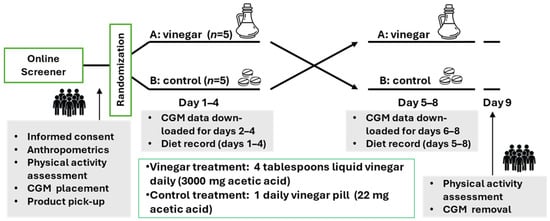
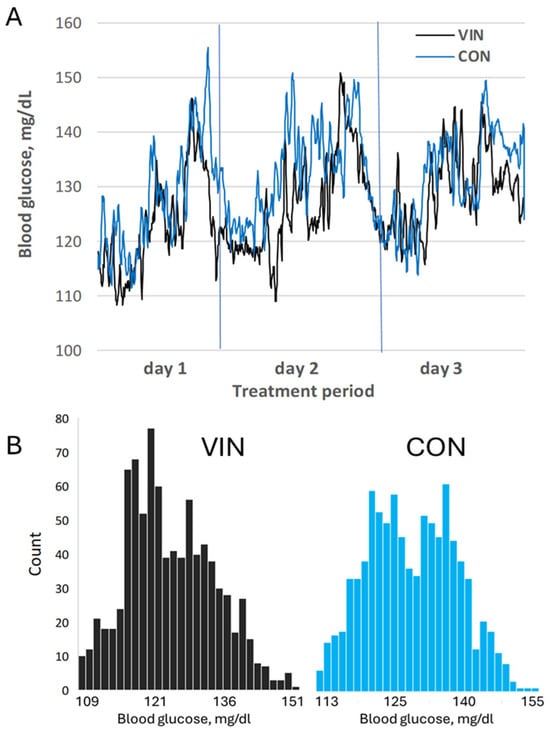
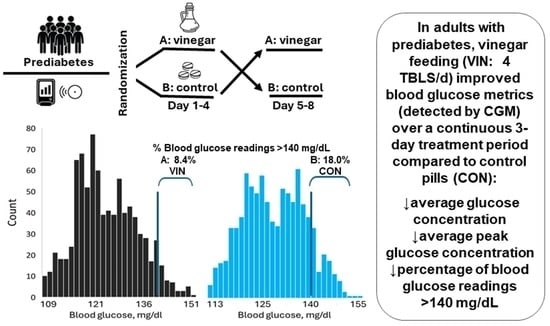
Clinical trials suggest that daily vinegar ingestion improves fasting blood glucose concentrations, postprandial glucose excursions, and hemoglobin A1c levels in patients with prediabetes and type 2 diabetes. With the recent commercialization of continuous glucose monitoring (CGM) technologies, diabetes patients as well as other health-conscious individuals can evaluate the impact of food choices in real-time and make data-driven decisions to improve dietary behaviors. This 9-day, randomized crossover study documented CGM-derived glycemic patterns during vinegar ingestion in adults with prediabetes. Participants consumed two tablespoons of vinegar twice daily with meals for four days or a control tablet each morning for four days in random order. For each phase, fasting blood glucose on day four, average blood glucose across three days, and peak glucose excursion across three days were calculated. Fasting glucose concentrations of participants (n = 10 women; 36.6 ± 15.6 y; 33.9 ± 6.5 kg/m2) averaged 105.8 ± 20.6 mg/dL at baseline. Vinegar ingestion was associated with significant reductions in the mean glucose concentration (−4.4 mg/dL) and the frequency of blood glucose excursions > 140 mg/dL (−10%) in comparison to the control treatment, but fasting glucose concentrations were unaffected. These data suggest that vinegar-induced improvements in blood glucose can be observed in real-time using a CGM device in adults with prediabetes.
Full article
Open AccessArticle
Exploring the Relationship Between Nutrition Literacy and Mediterranean Diet Adherence in Type 2 Diabetes: A Cross-Sectional Study
by
Georgia Tsakalou and Kalliopi Georgakouli
Dietetics 2026, 5(2), 30; https://doi.org/10.3390/dietetics5020030 - 12 May 2026
Abstract
Adherence to the Mediterranean Diet (MD) is a cornerstone in managing Type 2 Diabetes Mellitus (T2DM), with patients’ Nutrition Literacy (NL) playing a potential role in their dietary choices. This cross-sectional study investigated the association between NL and MD adherence in 81 patients
[...] Read more.
Adherence to the Mediterranean Diet (MD) is a cornerstone in managing Type 2 Diabetes Mellitus (T2DM), with patients’ Nutrition Literacy (NL) playing a potential role in their dietary choices. This cross-sectional study investigated the association between NL and MD adherence in 81 patients with T2DM from two Greek hospitals. Participants completed the NLS-GR questionnaire to assess NL and the 14-MEDAS for MD adherence, while socio-demographic and clinical data, including glycated haemoglobin (HbA1c), BMI, and disease duration, were obtained through researcher-conducted interviews and medical records. Median HbA1c was 6.9%, duration of T2DM was 13 years, and BMI 26.9 kg/m2. A total of 71.6% had moderate MD adherence (median 14-MEDAS: 7), and 96.3% had adequate NL (median NLS-GR: 23). HbA1c showed a weak negative correlation (r = −0.238, p = 0.033) with the 14-MEDAS. Median duration of DM showed a low negative correlation with NL (NLS-GR: r = −0.323, p = 0.003). No statistically significant correlation was found between 14-MEDAS and NLS-GR (r = 0.032, p = 0.775). Although MD adherence was correlated with HbA1c, neither MD adherence nor nutrition literacy were independent predictors after adjustment for confounding factors. Further studies are needed to demonstrate the extent to which NL can influence adherence to a specific dietary pattern.
Full article
Open AccessArticle
Supporting Mealtimes: Palatability of IDDSI Level 3 Smoothies
by
Carrie Knight, Simone Camel, Orlene Martens, Kerrilyn Phillips and Dawn Erickson
Dietetics 2026, 5(2), 29; https://doi.org/10.3390/dietetics5020029 - 8 May 2026
Abstract
►▼
Show Figures
Background: Dysphagia is a medically complex condition that often necessitates modified food textures to ensure safe swallowing. As smoothies continue to grow in popularity, developing nutritionally balanced recipes that meet the International Dysphagia Diet Standardisation Initiative (IDDSI) Level 3 guidelines may offer practical,
[...] Read more.
Background: Dysphagia is a medically complex condition that often necessitates modified food textures to ensure safe swallowing. As smoothies continue to grow in popularity, developing nutritionally balanced recipes that meet the International Dysphagia Diet Standardisation Initiative (IDDSI) Level 3 guidelines may offer practical, appealing options for caregivers and individuals managing dysphagia. Standardized recipes can potentially also support consistency in preparation. Purpose: The purpose of this research was to develop and evaluate palatable smoothie recipes that meet the IDDSI Level 3 consistency guidelines. Method: In this descriptive pilot study, using a pre-test/post-test design, 32 preprofessional students evaluated three smoothies prepared in a laboratory setting. Both fresh and frozen ingredients were used, and each smoothie was tested for IDDSI Level 3 consistency using the IDDSI funnel. Participants rated the smoothies on color, aroma, texture, flavor, appearance, palatability, and overall acceptability using a five-point Likert scale. Results: The results varied across evaluation criteria. Texture and color were the most influential factors in participants’ assessments. The strong impact of texture was an unexpected finding, as all smoothies met Level 3 standards according to the IDDSI funnel. Conversely, the influence of color was expected, as visual presentation is known to significantly affect food perception and acceptance. Conclusions: Given their nutritional value and ease of preparation, smoothies can be a practical addition to modified diets. While IDDSI Level 3 appears to be an appropriate consistency for this purpose, further research may be needed to evaluate the reliability of the IDDSI funnel in ensuring consistent texture outcomes.
Full article

Figure A1
Open AccessArticle
The Role of Plant-Forward Eating in Modulating the Association of Micronutrients with Blood Pressure and Body Composition
by
Mohamad Motevalli, Clemens Drenowatz, Markus Schauer, Susanne Mair, Michael Kohlberger, Gerhard Ruedl and Katharina Wirnitzer
Dietetics 2026, 5(2), 28; https://doi.org/10.3390/dietetics5020028 - 2 May 2026
Abstract
Micronutrient status is strongly influenced by dietary patterns; however, the extent to which plant-forward dietary patterns versus omnivorous diets shape micronutrient profiles and their associations with blood pressure, body composition, and cardiovascular health remains unclear. This cross-sectional study aimed to comprehensively assess associations
[...] Read more.
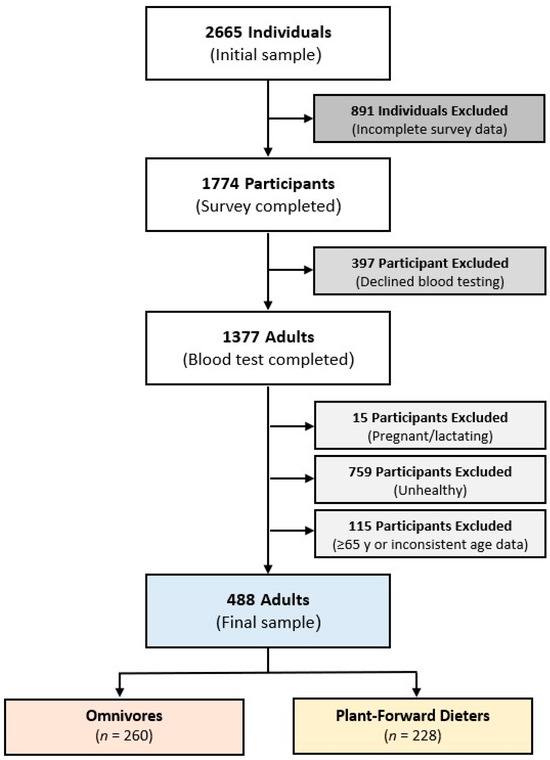
Micronutrient status is strongly influenced by dietary patterns; however, the extent to which plant-forward dietary patterns versus omnivorous diets shape micronutrient profiles and their associations with blood pressure, body composition, and cardiovascular health remains unclear. This cross-sectional study aimed to comprehensively assess associations between blood micronutrient profiles, blood pressure, and body composition in adults, with analyses stratified by dietary patterns to compare omnivorous and plant-forward dieters. Secondary cross-sectional analyses were conducted using data from an exploratory study of 488 Austrian adults (median age: 38 y [IQR 21]; 48% female, 52% male). Participants were classified as omnivores (n = 260) or plant-forward dieters (including 194 flexitarians, 25 vegetarians, and 9 vegans; n = 228). Blood pressure and anthropometric measurements were obtained alongside fasting venous blood sample analysis to quantify a comprehensive panel of micronutrient, hematological, lipid, and inflammatory biomarkers. Micronutrient concentrations were standardized (scaled −1 to +1, truncated ±3) and evaluated for deficiency or excess according to sex-specific reference ranges. Linear regression was used to analyze the association of micronutrients with BMI, including age and sex as covariates. Vitamin D showed the highest micronutrient deficiency, observed in 96% of omnivores and 93% of plant-forward dieters. Across both dietary subgroups, multiple micronutrients, together with age and sex, were significant correlates of body weight, body mass index, and blood pressure (p < 0.05). Significant differences between omnivores and plant-forward dieters were observed for blood pressure, lipid, hematological, and inflammatory markers, with participants adhering to plant-forward dietary habits exhibiting lower blood pressure and more favorable lipid profiles (p < 0.05). The findings highlight the potential of diet-type-specific strategies for personalized cardiometabolic risk management.
Full article
(This article belongs to the Special Issue Clinical Nutrition in the Era of Precision: Bioactives, Microbiome and Targeted Dietetic Interventions)
►▼
Show Figures

Figure 1
Open AccessArticle
Identification of Nutrition-Focused Physical Exam and Other Nutrition Assessment Components Specific to Bariatric Surgery: A Modified Delphi Study
by
Jane Sylvestre, Laura Byham-Gray and Diane Rigassio Radler
Dietetics 2026, 5(2), 27; https://doi.org/10.3390/dietetics5020027 - 1 May 2026
Abstract
►▼
Show Figures
Bariatric surgery (BS) is effective for treating obesity but carries significant nutritional risks. Patients often develop micronutrient deficiencies, loss of muscle mass, and other physiological complications. Standardized methods such as the Nutrition-Focused Physical Exam (NFPE) may not adequately capture physical findings specific to
[...] Read more.
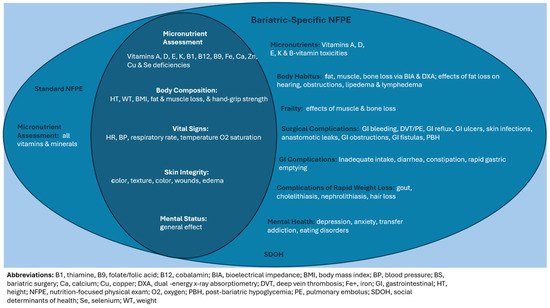
Bariatric surgery (BS) is effective for treating obesity but carries significant nutritional risks. Patients often develop micronutrient deficiencies, loss of muscle mass, and other physiological complications. Standardized methods such as the Nutrition-Focused Physical Exam (NFPE) may not adequately capture physical findings specific to BS. This study aimed to develop an expanded and modified bariatric-specific NFPE tool and achieve expert consensus on its essential components using a modified Delphi methodology. A literature review identified clinical signs of malnutrition and nutritional complications unique to patients undergoing BS, which informed proposed BS-NFPE components. A three-round modified Delphi study with expert bariatric dietitians (n = 25) achieved consensus (≥75% agreement) on 43 BS-NFPE components, including physical signs of micronutrient deficiencies and toxicities, changes in muscle and fat stores, indicators of surgical complications, gastrointestinal symptoms, and mental health effects. Experts also supported incorporating functional considerations and social determinants of health. This study introduces the first evidence-informed modified BS-NFPE tool to address limitations of the standard NFPE in bariatric populations. Use of BS-specific features may help clinicians identify malnutrition earlier, tailor care, and improve long-term patient support. Future research should evaluate this tool in clinical practice.
Full article

Figure 1
Open AccessReview
Diet Protocols and Weight Management Products: An Evidence-Based Narrative Review
by
Antonio Peracchia, Cecilia Rustichelli and Rossella Avallone
Dietetics 2026, 5(2), 26; https://doi.org/10.3390/dietetics5020026 - 1 May 2026
Abstract
►▼
Show Figures
Obesity is currently recognized as a chronic and multifactorial disease. According to epidemiological data released by the World Health Organization in 2022, more than 2.5 billion adults were overweight and more than 890 million were affected by obesity. The aim of this narrative
[...] Read more.
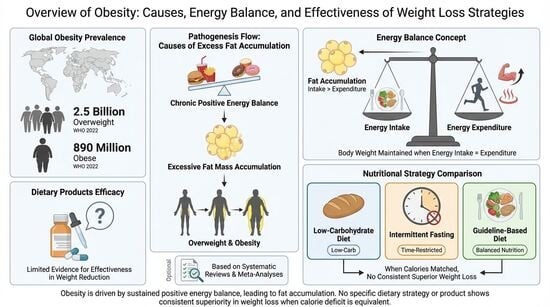
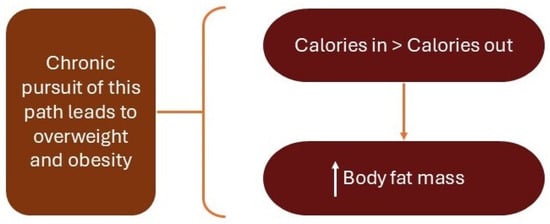
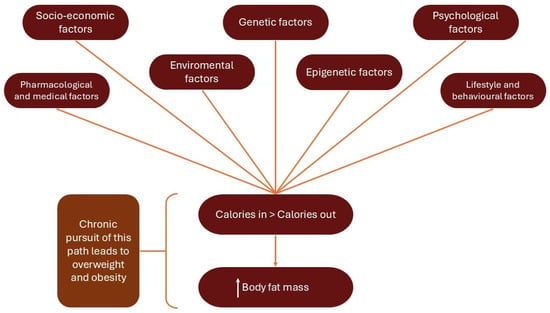
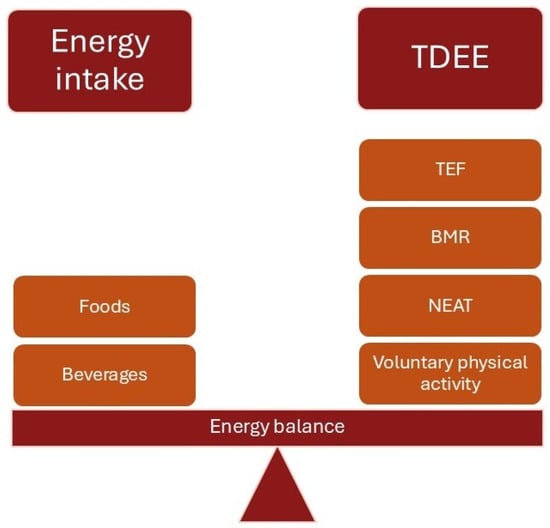
Obesity is currently recognized as a chronic and multifactorial disease. According to epidemiological data released by the World Health Organization in 2022, more than 2.5 billion adults were overweight and more than 890 million were affected by obesity. The aim of this narrative review is to clarify what leads to overweight and obesity, to explain the concept of energy balance, to address the limited effectiveness of dietary products marketed for weight reduction, to examine commonly promoted nutritional strategies for weight loss and to challenge claims of their superiority. The most recent, robust, and high-quality evidence available on the topic was selected, with particular emphasis on systematic reviews and meta-analyses. Overweight and obesity are characterized by an excessive accumulation of fat mass. At the basis of excessive adipose tissue accumulation lies a persistent positive energy balance. Energy balance is generally considered a central physiological determinant of body weight regulation. Approaches that do not explicitly incorporate this principle may be associated with variable or unsustained outcomes. Available evidence suggests that, when an equivalent caloric deficit is achieved, differences in the timing of energy intake or in dietary patterns—such as intermittent fasting or low-carbohydrate diets—are not consistently associated with greater weight loss compared with other guideline-based dietary strategies. Some supplements supporting weight loss, in selected cases, may offer marginal support; however, based on the current state of scientific knowledge, no product represents an effective shortcut for weight loss.
Full article

Graphical abstract
Open AccessBrief Report
Feasibility of a New Dietary Recall Method: Augmenting Interviewer-Administered 24-Hour Dietary Recalls with Photo-Based Mobile Food Records
by
Tamara P. Mancilha, Brad P. Yentzer, Samira Deshpande, Lisa Harnack, Erika Helgeson, Niki Oldenburg and Lisa Senye Chow
Dietetics 2026, 5(2), 25; https://doi.org/10.3390/dietetics5020025 - 23 Apr 2026
Abstract
►▼
Show Figures
Background: Assessing food and nutrient intake is an important yet challenging component of nutrition research, particularly in populations at higher risk for dietary underreporting. Objective: To evaluate the feasibility, acceptability, and preliminary measurement characteristics of augmenting interviewer-administered 24 h dietary recalls with
[...] Read more.
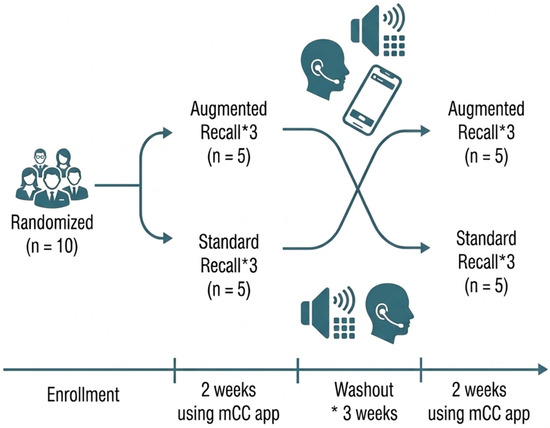
Background: Assessing food and nutrient intake is an important yet challenging component of nutrition research, particularly in populations at higher risk for dietary underreporting. Objective: To evaluate the feasibility, acceptability, and preliminary measurement characteristics of augmenting interviewer-administered 24 h dietary recalls with a photo-based mobile food record application (mCC: my Circadian Clock). Design: This was a randomized cross-over feasibility study in which each participant completed two sets of three 24 h dietary recalls. One set consisted of standard interviewer-administered recalls, while the other incorporated dietary intake captured via the mCC app during the 24 h preceding the recall to guide the interview. Participants: Participants (n = 10) were adults aged 18–65 years with obesity (BMI > 30 kg/m2) and less than a college-level education, recruited from a general community setting. Main Outcome Measures: Primary feasibility outcomes included recall adherence, protocol completion, participant burden, and usability of the mobile application. Secondary and exploratory outcomes included average energy intake (kcal/day), number of food items and eating occasions reported, Healthy Eating Index (HEI)-2015 scores, and recall duration. Statistical Analyses: Descriptive statistics and paired t-tests were used to explore differences between methods; analyses were considered exploratory and hypothesis-generating. Results: All enrolled participants completed every scheduled recall, resulting in 100% adherence and protocol completion. Most participants (70%) rated the mCC app as easy or very easy to use, although 60% reported greater burden with the Augmented Recalls. Average energy intake was 274 kcal/day lower with the augmented method compared with Standard Recalls (95% CI: −597, 50; p = 0.09), with no clear differences observed in reported food items, eating occasions, HEI-2015 scores, or recall duration. Conclusions: Augmenting interviewer-administered 24 h dietary recalls with a photo-based mobile food record is feasible and acceptable in adults with obesity, though it did not demonstrate clear improvements in dietary intake capture in this small feasibility sample. These findings provide practical guidance for refining technology-assisted recall protocols and informing the design of future, adequately powered studies.
Full article

Figure 1
Open AccessArticle
Higher Ultra-Processed Food (UPF) Intake Is Associated with Lower Food Literacy in Greek Adults with Overweight or Obesity: Results from a Cross-Sectional Study
by
Maria Ioannidou, Marios Skordis, Ioannis Kavvadias, Georgios I. Panoutsopoulos and Evaggelia Fappa
Dietetics 2026, 5(2), 24; https://doi.org/10.3390/dietetics5020024 - 9 Apr 2026
Abstract
►▼
Show Figures
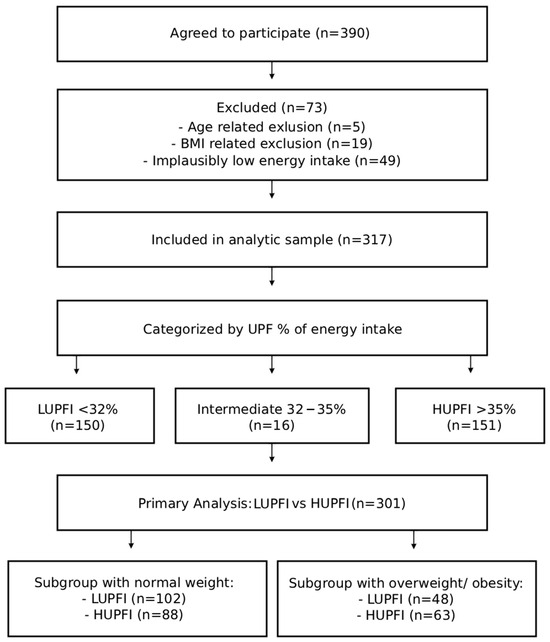
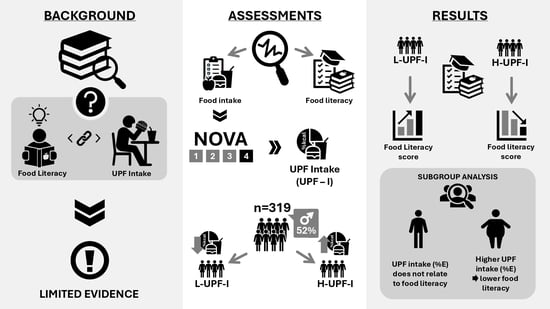
Background: Given the limited evidence in the field, the present study aimed to explore the association of UPF intake with food literacy levels in an adult Mediterranean-based population. Methods: Self-reported demographic and anthropometric data were collected from 317 apparently healthy adults (52.5% males)
[...] Read more.
Background: Given the limited evidence in the field, the present study aimed to explore the association of UPF intake with food literacy levels in an adult Mediterranean-based population. Methods: Self-reported demographic and anthropometric data were collected from 317 apparently healthy adults (52.5% males) Food literacy and dietary intake of this population were also assessed. Foods were classified as ultra-processed according to the NOVA system, and their contribution to total daily energy intake (%) was calculated. Then, participants were grouped into the (1) higher UPF intake (HUPFI), and (2) lower UPF intake (LUPFI) groups, based on the median value of this population as a cut-off. Results: Between-group analysis revealed that LUPFI scored statistically significantly higher than the HUPFI group in total food literacy (93.5 [84.0–104.0] vs. 86.0 [78.0–99.0], p < 0.001) and in three out of five food literacy sub-dimensions. Sub-analysis revealed no differences between LUPFI and HUPFI groups of individuals with normal weight. In participants with overweight or obesity, the LUPFI group scored lower than the HUPFI in the total food literacy score (95.0 [87.0–104.0] vs. 81.0 [70.0–94.0], p < 0.001) and in each sub-dimension. Conclusions: Higher UPF intake was associated, in adults with overweight or obesity, with lower levels of food literacy.
Full article

Graphical abstract
Open AccessArticle
Revising the Spanish Translation of the U.S. Household Food Security Survey Module (S-FSSM) for Immigrant Parents with Low English Literacy Through Cognitive Interviews: The FAMILIA Scale
by
Rickelle Richards, Anairany Zapata and Daphne C. Hernandez
Dietetics 2026, 5(2), 23; https://doi.org/10.3390/dietetics5020023 - 7 Apr 2026
Abstract
►▼
Show Figures
Higher rates of food insecurity have been observed among Hispanic immigrants, yet these individuals have traditionally been excluded from food insecurity survey development. The most common Spanish translated food insecurity scale—the Spanish Translation of the U.S. Household Food Security Survey Module (S-FSSM)—may not
[...] Read more.
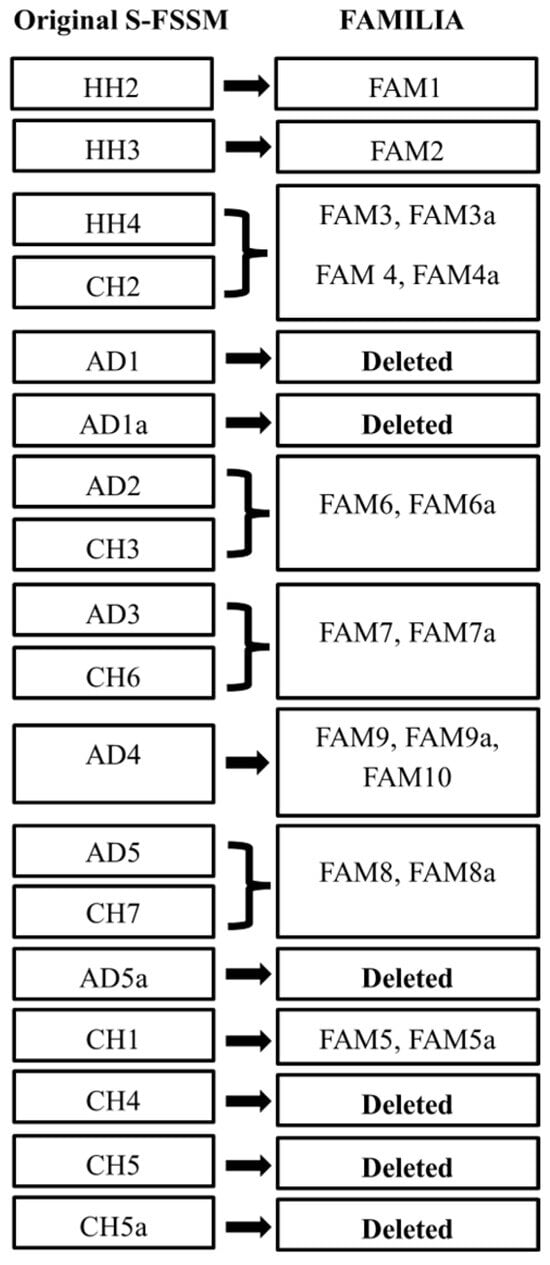
Higher rates of food insecurity have been observed among Hispanic immigrants, yet these individuals have traditionally been excluded from food insecurity survey development. The most common Spanish translated food insecurity scale—the Spanish Translation of the U.S. Household Food Security Survey Module (S-FSSM)—may not be capturing how Spanish-speaking immigrant parents conceptualize food insecurity. The purpose of this study was to gain insight into how Spanish-speaking immigrant parents with low English literacy conceptualize household food insecurity within the 18-item S-FSSM and to use this information to revise the S-FSSM instrument. Researchers conducted two rounds of cognitive interviews with Spanish-speaking adults at a community center in Houston, TX, USA (N = 19; Round 1: n = 9, October 2023; Round 2: n = 10, July 2024). Researchers used participants’ feedback to refine the S-FSSM. All participants were female (Rounds 1 and 2 = 100%) and most born in Mexico (Round 1 = 66.7%; Round 2 = 50%). In Round 1, eight items were combined to enhance cultural relevance and to add definitions. Follow-up questions were added to improve clarity. Two items were revised for relevancy, two items had no change, six items were deleted. In Round 2, modifications to wording occurred and one item was added. The revised scale, named Food Access Measure for Immigrant Latinos In America (FAMILIA), resulted in 17 survey items. Study findings suggested that the S-FSSM needed refinement to enhance relevancy for Spanish-speaking immigrant parents with low English literacy.
Full article

Figure 1
Open AccessArticle
Estimating Sodium Intake and Its Sources in Burkina Faso and Senegal: A Multi-Method Dietary Assessment Validated Against Urinary Sodium Excretion
by
Rita Wegmüller, Volkan Cakir, Fabian Rohner, Karim Koudougou, Maguette F. Beye, Regina Khassanova, Ndèye Yaga Sy, Sitor P. Ndour, Jean Kaboré, Zein Naber, Nicolai Petry, James P. Wirth and Valeria Galetti
Dietetics 2026, 5(2), 22; https://doi.org/10.3390/dietetics5020022 - 2 Apr 2026
Abstract
►▼
Show Figures
Accurate assessment of sodium intake and its dietary sources is essential for developing effective sodium reduction strategies. This study estimated total dietary sodium intake (DSI) and source-specific contributions using questionnaire-based methods, validated against urinary sodium excretion (USE). Two cross-sectional surveys were conducted in
[...] Read more.
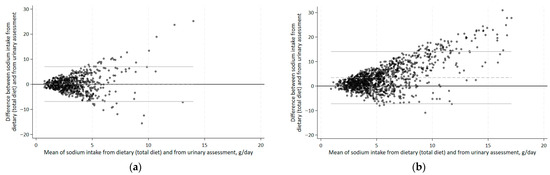
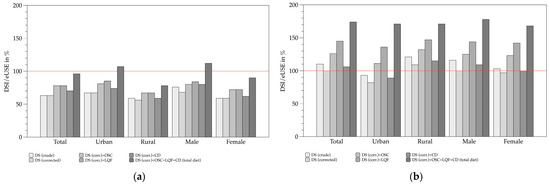
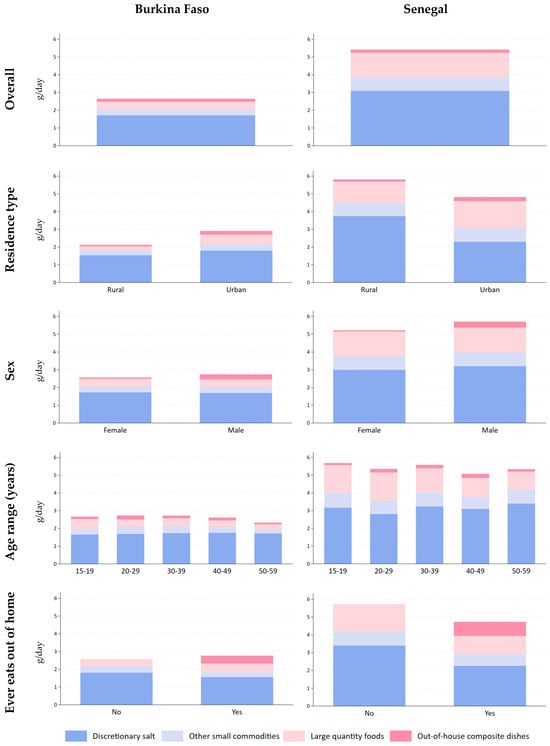
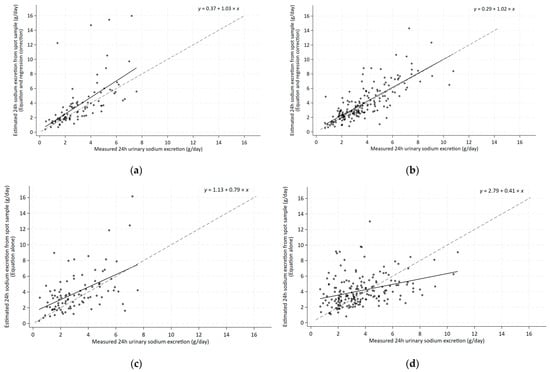
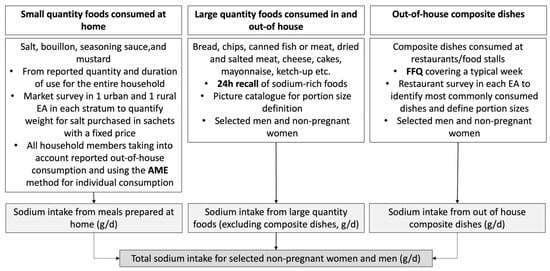
Accurate assessment of sodium intake and its dietary sources is essential for developing effective sodium reduction strategies. This study estimated total dietary sodium intake (DSI) and source-specific contributions using questionnaire-based methods, validated against urinary sodium excretion (USE). Two cross-sectional surveys were conducted in 2023 among adults aged 15–59 years in Burkina Faso (N = 749) and Senegal (N = 1340), selected through stratified sampling. USE was estimated from spot urine samples, calibrated using 24 h urine collections in a sub-sample (eUSE). DSI was assessed using three complementary methods: (1) household purchasing/adult male equivalent (AME) for small-commodity foods and discretionary salt, (2) 24 h recall for sodium-rich foods consumed in and outside the home, and (3) a food frequency questionnaire for composite dishes eaten outside the home. Median DSI from dietary methods (2.6 g/day) closely matched estimates from eUSE (2.7 g/day) in Burkina Faso but was overestimated in Senegal (5.4 vs. 3.1 g/day), mainly due to difficulty estimating discretionary salt use in households buying large quantities. The country-specific validation of spot urine showed good agreement with 24 h collections. Combining complementary dietary intake methods offers a feasible approach to estimating total and source-specific sodium intake in settings with frequent small salt purchases. In settings with large salt purchases and salt being used for purposes other than human consumption, the salt purchasing/AME method to quantify the use of discretionary salt at the household level should be replaced by the salt disappearance method.
Full article

Figure 1
Open AccessArticle
Phase Angle and Lean Mass Evolution After Roux-en-Y Gastric Bypass: Functional Outcomes and Comparison with GLP-1 Therapies
by
Julia Navarro-Marroco, Carmen Lucas-Abellán, Ana María García-Muñoz, Lucía Guardiola-García, Rebeca González-Louzao, Desirée Victoria-Montesinos and Pilar Hernández-Sánchez
Dietetics 2026, 5(2), 21; https://doi.org/10.3390/dietetics5020021 - 1 Apr 2026
Abstract
Background: Roux-en-Y gastric bypass (RYGB) is a highly effective treatment for severe obesity, achieving substantial weight loss and metabolic improvement. Beyond weight, assessing body composition and functional markers is essential. Phase angle (PA), obtained through bioelectrical impedance, is a relevant indicator of cellular
[...] Read more.
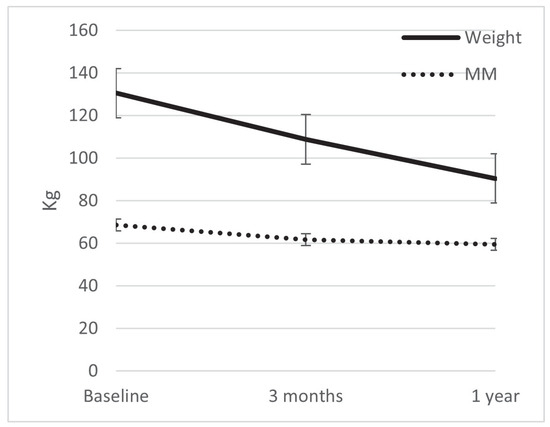
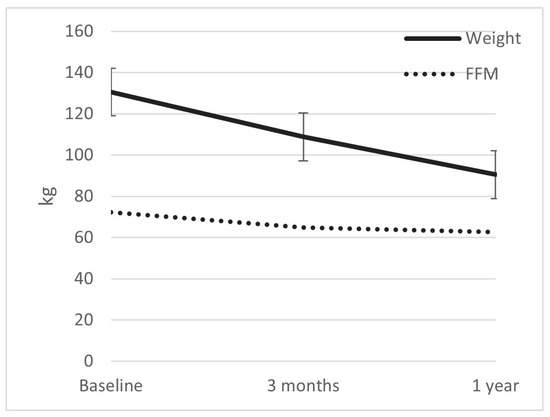
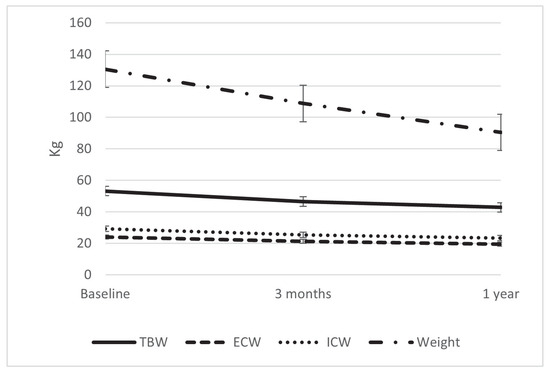
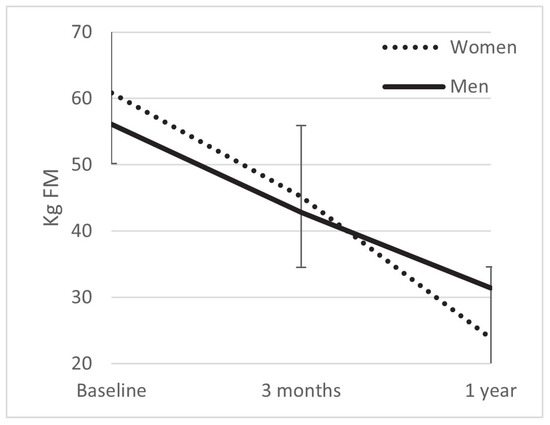
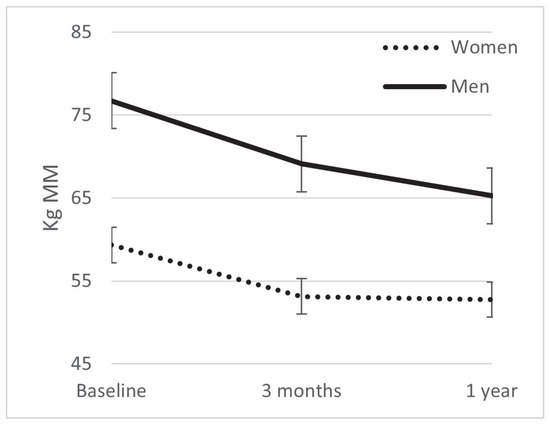
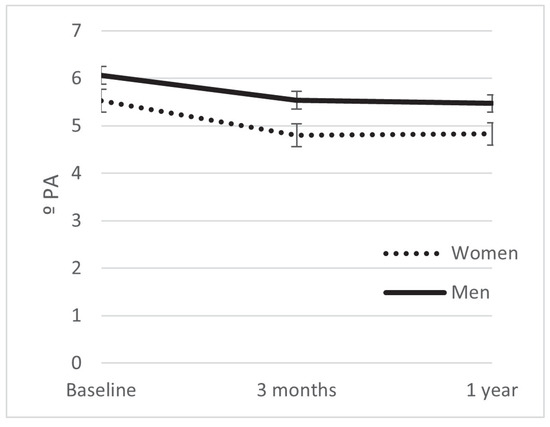
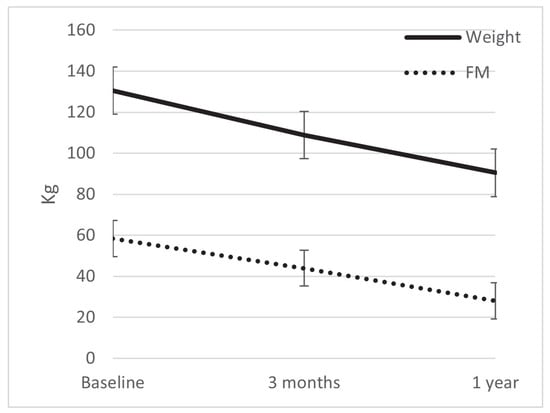
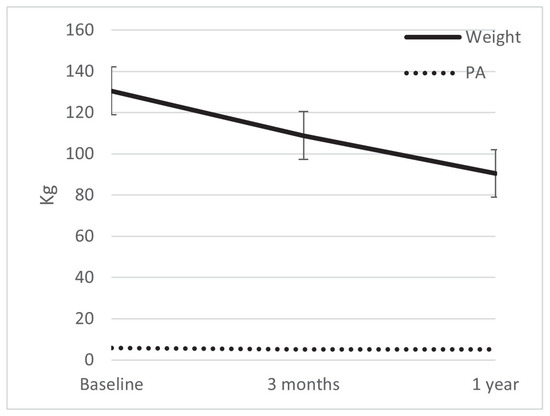
Background: Roux-en-Y gastric bypass (RYGB) is a highly effective treatment for severe obesity, achieving substantial weight loss and metabolic improvement. Beyond weight, assessing body composition and functional markers is essential. Phase angle (PA), obtained through bioelectrical impedance, is a relevant indicator of cellular integrity and nutritional status. The rise of glucagon-like peptide-1 and glucose-dependent insulinotropic polypeptide (GLP-1 and GLP-1/GIP) agonists makes comparison with surgical outcomes increasingly important. This study aimed to evaluate changes in fat mass, lean mass, hydration, and PA after RYGB and compare these findings with evidence from pharmacological therapies. Methods: A retrospective observational study was conducted in 15 patients (18–50 years, BMI > 35 kg/m2) at Quirón Salud Hospital Torrevieja. Body composition was assessed using multifrequency bioelectrical impedance (TANITA BC-980) before surgery and at 3 and 12 months. All patients received structured nutritional follow-up. Repeated-measures ANOVA and the Friedman test were applied. Results: After 12 months, weight decreased by 40.06 ± 11.86 kg; fat mass by 30.43 ± 10.81 kg; and fat-free mass by 9.64 ± 5.31 kg. PA declined 11% during the first 3 months and then stabilized. Women lost more fat mass; men lost more lean mass. Conclusions: RYGB combined with nutritional support produces high-quality weight loss with relative preservation of lean tissue and stabilization of PA, which proves valuable for postoperative monitoring.
Full article
(This article belongs to the Special Issue Clinical Nutrition in the Era of Precision: Bioactives, Microbiome and Targeted Dietetic Interventions)
►▼
Show Figures

Figure 1
Open AccessReview
Enhancing Product Value and Energy Efficiency in Seafood By-Product Processing Using Pulsed Electric Fields: A Critical Review
by
Gulsun Akdemir Evrendilek
Dietetics 2026, 5(2), 20; https://doi.org/10.3390/dietetics5020020 - 1 Apr 2026
Abstract
►▼
Show Figures
The global seafood industry generates millions of tons of by-products each year, creating environmental and economic challenges but also presenting a valuable opportunity for resource recovery. These by-products, rich in bioactive compounds such as proteins, omega-3 fatty acids, collagen, chitin, and antioxidants, have
[...] Read more.
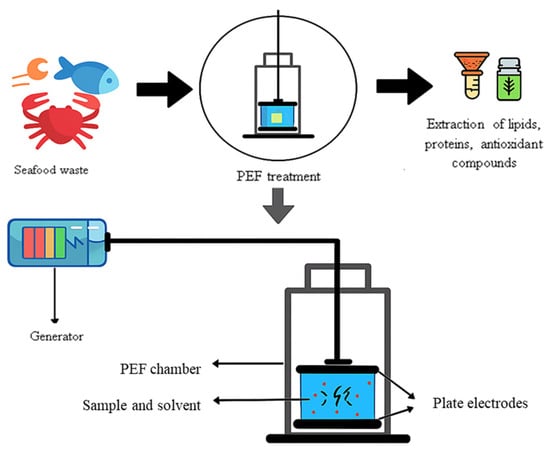
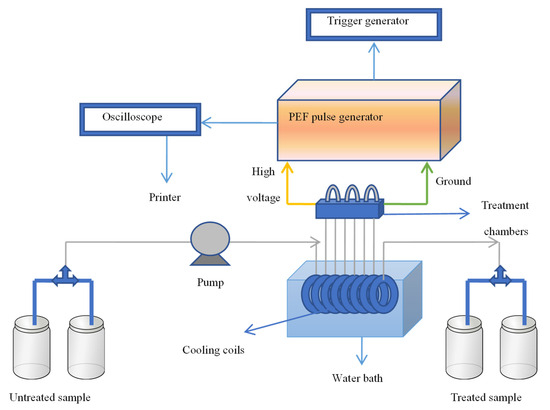
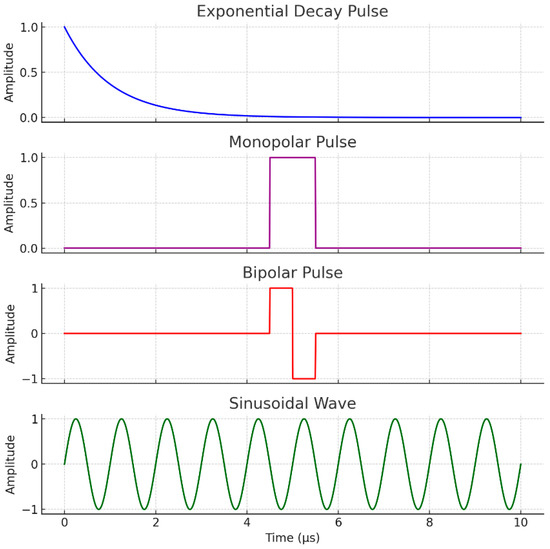
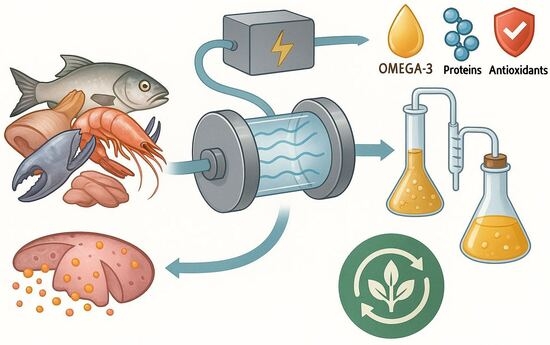
The global seafood industry generates millions of tons of by-products each year, creating environmental and economic challenges but also presenting a valuable opportunity for resource recovery. These by-products, rich in bioactive compounds such as proteins, omega-3 fatty acids, collagen, chitin, and antioxidants, have traditionally been underutilized due to inefficient and energy-intensive conventional extraction processes. Pulsed electric field (PEF) technology has emerged as a promising, non-thermal, and environmentally friendly method for valorizing seafood by-products by enhancing the permeability of biological membranes through electroporation, thereby facilitating the efficient extraction of high-value compounds. This manuscript critically reviews the scientific principles underpinning PEF, including dielectric breakdown and transmembrane potential generation, and explores its mechanisms for improving mass transfer during extraction and dehydration. Applications of PEF for recovering proteins, lipids, and antioxidants from diverse seafood side streams are comprehensively discussed, with emphasis on its advantages such as reduced energy consumption, preservation of thermolabile compounds, and improved product quality compared to conventional methods. Despite demonstrated laboratory-scale successes, industrial adoption of PEF remains limited due to challenges in process optimization, economic feasibility, and regulatory frameworks. This review synthesizes current knowledge and provides guidance for future research to advance the industrial implementation of PEF as a sustainable and efficient tool for seafood by-product valorization.
Full article

Graphical abstract
Open AccessReview
Epigenetics, Vitamin Status, Maternal Nutrition, and Fetal Development: A Spotlight on the Importance of Precision Nutrition
by
Dalia El Khoury, Haleema Ashraf, Ho Ching Nika Shiu, Sawsan G. A. A. Mohammed, Nader I. Al-Dewik and M. Walid Qoronfleh
Dietetics 2026, 5(2), 19; https://doi.org/10.3390/dietetics5020019 - 26 Mar 2026
Abstract
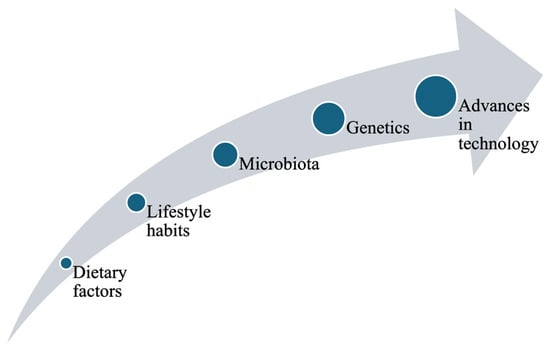
The reciprocal relationship between genes and nutrients, known as nutrigenetics and nutrigenomics, has been established in many studies. However, current investigations of maternal and neonatal nutrition using a precision nutrition approach focused on genomics are limited, especially in the Middle East and North
[...] Read more.
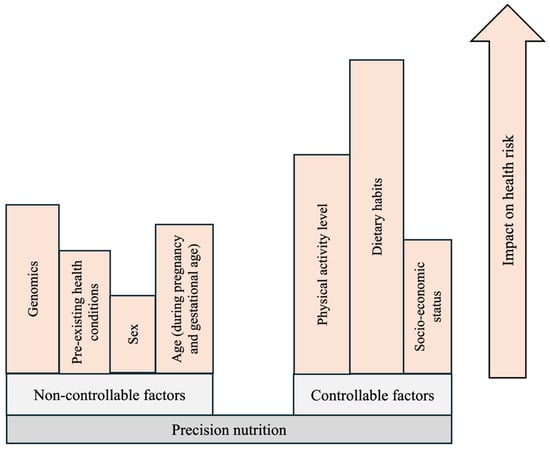
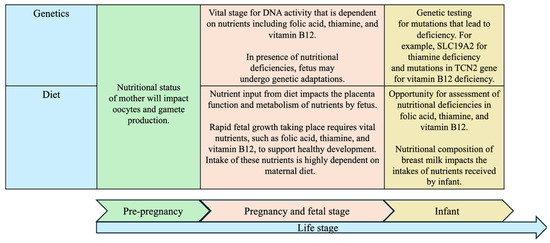
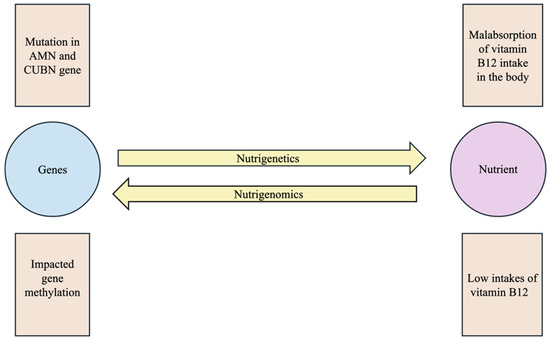
The reciprocal relationship between genes and nutrients, known as nutrigenetics and nutrigenomics, has been established in many studies. However, current investigations of maternal and neonatal nutrition using a precision nutrition approach focused on genomics are limited, especially in the Middle East and North Africa (MENA) region. This review aims to summarize the impacts of the dietary micronutrients, folic acid, thiamine, and cobalamin on optimal health outcomes during pregnancy, fetal development, lactation, and infant growth. In this review, the roles of folic acid, thiamine, and cobalamin are discussed in the context of various aspects of pregnancy, such as preconception, fetal development, and lactation, highlighting how genetic events occurring during developmental periods can have consequential impacts on health outcomes later in life. Deficiency rates and related health consequences as well as the prevalence of genetic mutations related to these nutrients of interest in the MENA region are also elaborated on. How to advance knowledge and applications of precision nutrition, how genes interact with the neurochemical changes during pregnancy, and how this interaction impacts maternal eating behaviors, and consequently fetal development and infant and child growth and health, should be further explored in future studies. This includes taking advantage of cutting-edge technologies and the role of artificial intelligence in this endeavor.
Full article
(This article belongs to the Special Issue Nutrigenetics, Nutrigenomics, and Personalized Nutrition)
►▼
Show Figures

Figure 1
Open AccessArticle
Complementary Feeding Practices of Māori, Pacific, and Other Infants in Aotearoa New Zealand
by
Maria Casale, Kathryn L. Beck, Cathryn A. Conlon, Lisa A. Te Morenga, Anne-Louise M. Heath, Rachael W. Taylor, Jill J. Haszard, Lisa Daniels, Neve H. McLean, Alice M. Cox, Emily A. Jones, Ioanna Katiforis, Kimberley J. Brown, Madeleine Rowan, Bailey R. Bruckner, Rosario Jupiterwala and Pamela R. von Hurst
Dietetics 2026, 5(1), 18; https://doi.org/10.3390/dietetics5010018 - 20 Mar 2026
Abstract
►▼
Show Figures
Complementary feeding influences infant growth and health. Māori and Pacific infants in Aotearoa New Zealand experience disproportionate nutrition-related disease, yet complementary feeding data are limited. Caregivers of 625 infants (7–10 months) completed a questionnaire on timing of introduction, baby-led weaning (BLW), and baby
[...] Read more.
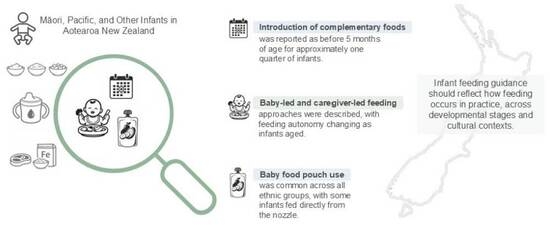
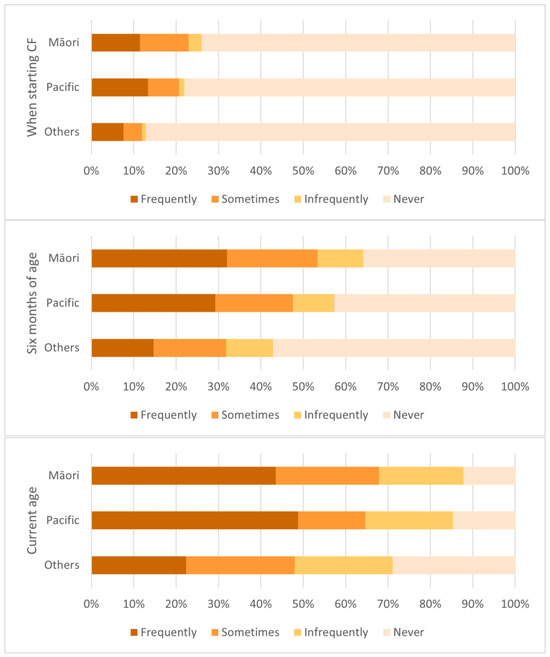
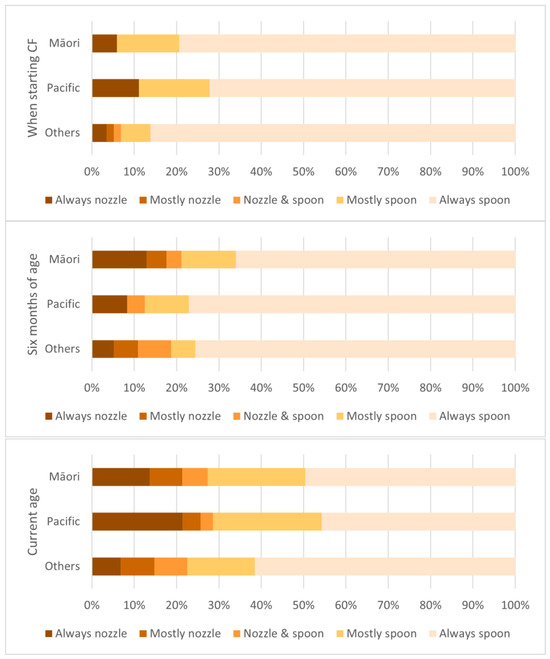
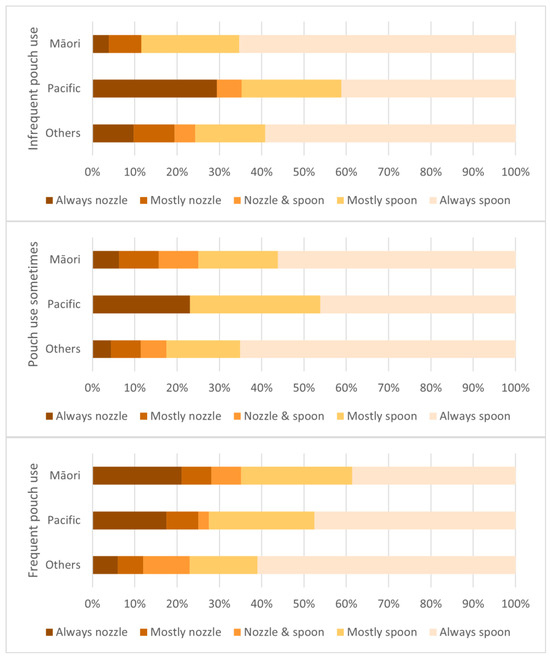
Complementary feeding influences infant growth and health. Māori and Pacific infants in Aotearoa New Zealand experience disproportionate nutrition-related disease, yet complementary feeding data are limited. Caregivers of 625 infants (7–10 months) completed a questionnaire on timing of introduction, baby-led weaning (BLW), and baby food pouch use. Ethnicity was total response; infants not Māori or Pacific were classified as ‘other’. Complementary foods were introduced at around six months for 56.5% of Māori, 62.2% of Pacific, and 80.9% of others; before five months for 40.5%, 34.2%, and 17.3%. BLW prevalence was 29.2% (Māori), 17.1% (Pacific), and 27.3% (other). Although pouches were uncommon when complementary feeding began, by 7–10 months about two-thirds of Māori and Pacific infants were fed pouches sometimes or frequently. Frequent pouch use with mostly or always nozzle feeding occurred in 12.2% of Māori infants, 12.2% of Pacific infants, and 2.7% of other infants. Vegetables and purée were the most common first food and texture. By six months, over half consumed red meat and about half consumed iron-fortified baby rice. These feeding practices have implications for nutrition-related health inequities among Māori and Pacific infants, highlighting the need for culturally centered public health approaches to support whānau with feeding.
Full article

Graphical abstract
Open AccessReview
The Role of the Dietitian in Incretin-Based Obesity Therapies in Italy: Practical Clinical Challenges, Professional Clarity, and the Sarcopenic Obesity Perspective
by
Daniela Ojeda-Mercado, Maurizio Fadda, Benedetta Beltrame, Martina Tosi, Amalia Bruno, Carmen Di Scala, Giancarlo Travaglia, Assunta Vitale, Rita Schiano di Cola, Stefano Boschetti, Federica Pessina, Roberta Jaccheri and Liisa Tolvanen
Dietetics 2026, 5(1), 17; https://doi.org/10.3390/dietetics5010017 - 12 Mar 2026
Abstract
►▼
Show Figures
Background: Incretin-based therapies, including glucagon-like peptide-1 (GLP-1) receptor agonists and dual GLP-1/glucose-dependent insulinotropic polypeptide (GIP) receptor co-agonists, advance obesity treatment by promoting weight loss and lowering the risk of type 2 diabetes and cardiovascular disease. Methods: This narrative review synthesizes clinical evidence to
[...] Read more.
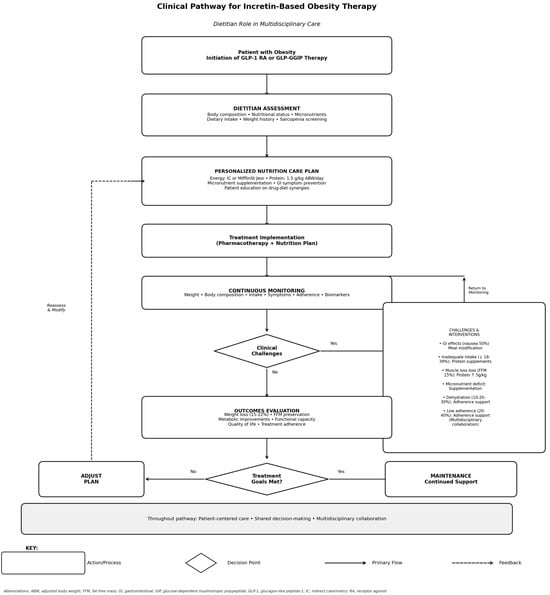
Background: Incretin-based therapies, including glucagon-like peptide-1 (GLP-1) receptor agonists and dual GLP-1/glucose-dependent insulinotropic polypeptide (GIP) receptor co-agonists, advance obesity treatment by promoting weight loss and lowering the risk of type 2 diabetes and cardiovascular disease. Methods: This narrative review synthesizes clinical evidence to highlight the role of dietitians in obesity management when incretin-based therapies are used. Results: GLP-1 receptor agonists and dual GLP-1/GIP receptor co-agonists achieve 15–21% weight loss and reduce cardiometabolic risk. Their effectiveness and safety are optimized when integrated with medical nutrition therapy (MNT) and personalized nutrition strategies. In Italy’s aging population, the rising burden of sarcopenic obesity requires dietitian-led care to preserve fat-free mass while reducing fat mass. Dual GLP-1/GIP co-agonists show superior reductions in visceral adiposity, but effects on fat-free mass remain inconclusive, underscoring the need for dietitian oversight to prevent adverse body-composition changes. Sarcopenic obesity is associated with increased mortality and functional decline. Dietitians are uniquely qualified to ensure adequate protein intake and protect muscle during pharmacologic interventions. In Italy, role clarity in clinical nutrition remains limited; however, under national law (DM 744/94; Law 42/1999), dietitians are recognized as the professionals authorized to provide medical nutrition therapy (MNT). Conclusions: The dietitian’s expertise maximizes therapeutic efficacy, minimizes adverse effects, and safeguards long-term outcomes. Integrating dietitians into pharmacological treatment pathways is essential to optimize outcomes, ensure patient safety, and safeguard long-term metabolic health.
Full article

Figure 1
Open AccessReview
The Benefits of Human Breast Milk in Neonates and Infants: A Narrative Review
by
Afroditi Mouratidou, Georgios Katsaras and Ilias Chatziioannidis
Dietetics 2026, 5(1), 16; https://doi.org/10.3390/dietetics5010016 - 11 Mar 2026
Abstract
Human breast milk evolves beyond simple nutrition to function as a complex signaling system that promotes neonatal development. This review analyzes the bioactive components, delineating how its specific constituents compensate for the physiological vulnerabilities of the neonate. Additionally, the distinct roles of colostral
[...] Read more.
Human breast milk evolves beyond simple nutrition to function as a complex signaling system that promotes neonatal development. This review analyzes the bioactive components, delineating how its specific constituents compensate for the physiological vulnerabilities of the neonate. Additionally, the distinct roles of colostral and mature milk are in fortifying the immature immune system and promoting gastrointestinal maturation. Focus is placed on the prevention of necrotizing enterocolitis, where milk oligosaccharides and microbiome function to maintain mucosal integrity and symbiosis, while preventing pathogens’ adhesion. Furthermore, how breastfeeding duration is linked to long-term metabolic and immunological programming is evaluated. MicroRNAs and bioactive lipids actively modulate gene expression and immune responses, thereby reducing the incidence of metabolic diseases and childhood malignancies. By integrating findings, this article underscores the irreplaceable role of breast milk in clinical dietetics and pediatric care.
Full article
Open AccessArticle
Long-Term Effects of the COVID-19 Pandemic on Eating Behaviors and Lifestyle in Families with School-Age Children in Rosario, Argentina
by
Monica Stanton Koko, Silvia del Cerro and Alicia Chung
Dietetics 2026, 5(1), 15; https://doi.org/10.3390/dietetics5010015 - 6 Mar 2026
Abstract
►▼
Show Figures
COVID-19 disrupted daily routines, altering eating patterns. However, it could encourage individuals to adopt healthier behaviors. While extensive research documented changes in dietary behaviors during the COVID-19 lockdown, few studies explored whether they persisted over time. This study aimed to identify the long-term
[...] Read more.
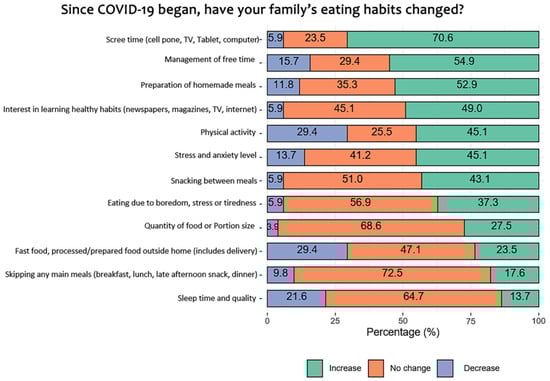
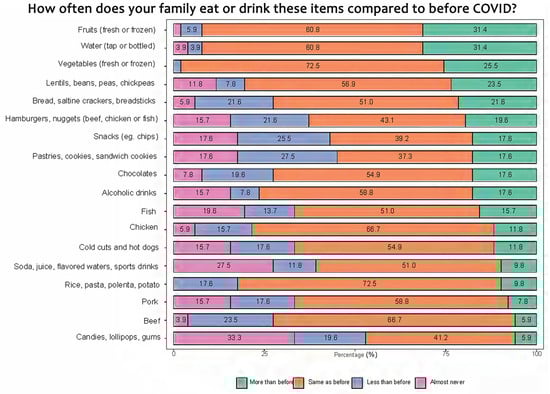
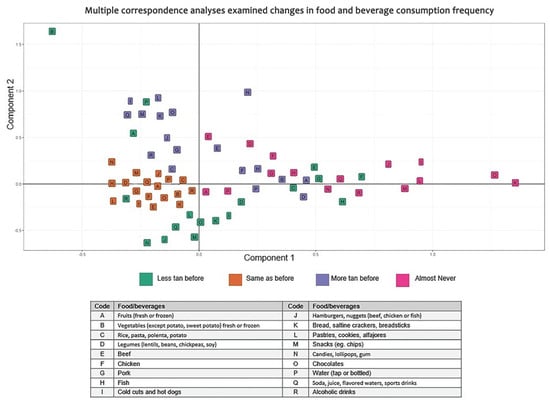
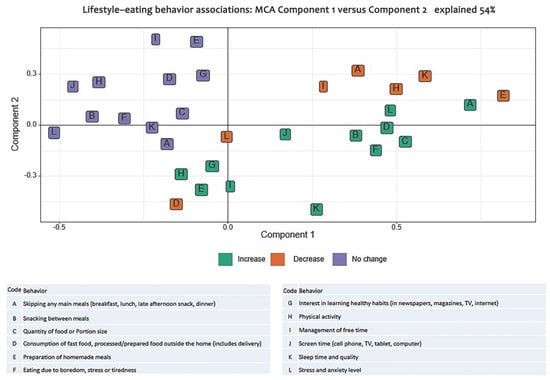
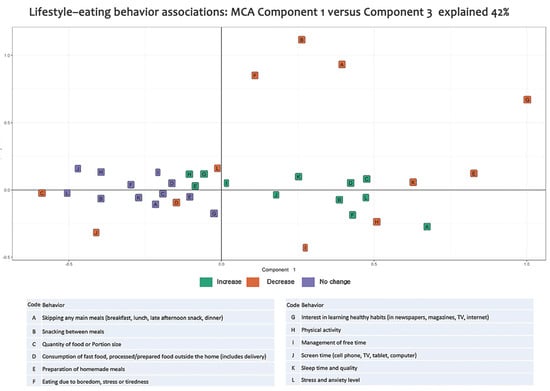
COVID-19 disrupted daily routines, altering eating patterns. However, it could encourage individuals to adopt healthier behaviors. While extensive research documented changes in dietary behaviors during the COVID-19 lockdown, few studies explored whether they persisted over time. This study aimed to identify the long-term effects of the pandemic on lifestyle and eating behaviors of families from a private primary school in Funes County, Rosario, Argentina. A total of 51 families (192 individuals) completed an anonymous survey on food intake and perceived dietary and lifestyle changes since the pandemic began. Multiple correspondence analysis revealed increased consumption of fast/processed foods, larger portion sizes, and snacking linked to eating from boredom, stress, or tiredness. Increased home-cooked meals, physical activity, interest in healthy habits, and leisure time enjoyment were also found. Dietary analysis revealed that higher intake of fruits, vegetables, legumes, and water was inversely associated with consumption of refined grains, cold cuts, pastries, and sugary drinks. Boredom, stress, or tiredness led to unfavorable changes. Interest in health, changes in home routines, spending more time together, and preparing meals with family resulted in healthier behaviors that remained present at the time of this study.
Full article

Figure 1
Open AccessArticle
An Observational Study of the Energy and Sugar Content of Drinks and Snacks Available in UK Coffee Shops and Cafés
by
Joshua Frederick Richardson, Joshua Brett and Amanda Avery
Dietetics 2026, 5(1), 14; https://doi.org/10.3390/dietetics5010014 - 3 Mar 2026
Abstract
►▼
Show Figures
Objective: To examine the proportion of drinks and snacks offered by the largest coffee shop chains in the UK that exceed the NHS and Public Health England maximum recommended intakes for energy and sugar. Design: Observational study design where nutritional information for drinks
[...] Read more.
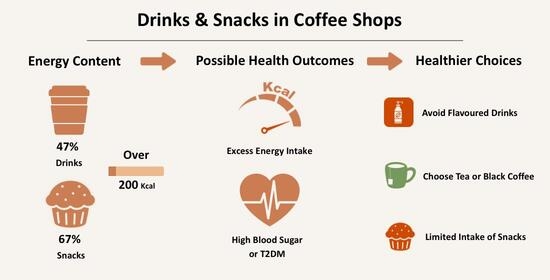
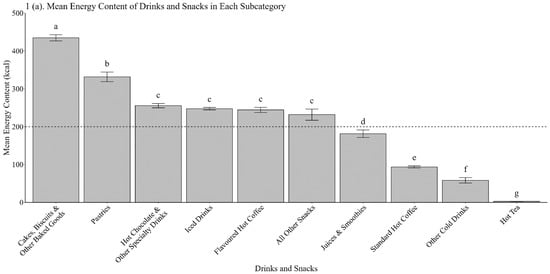
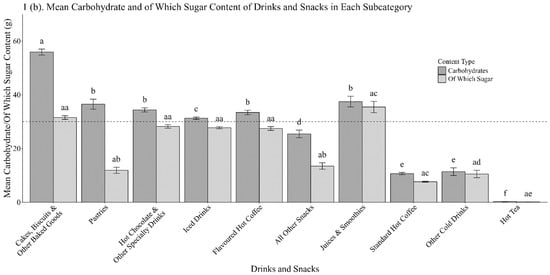
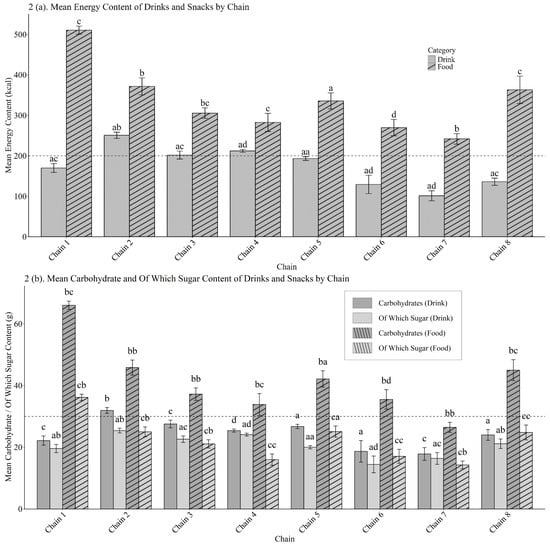
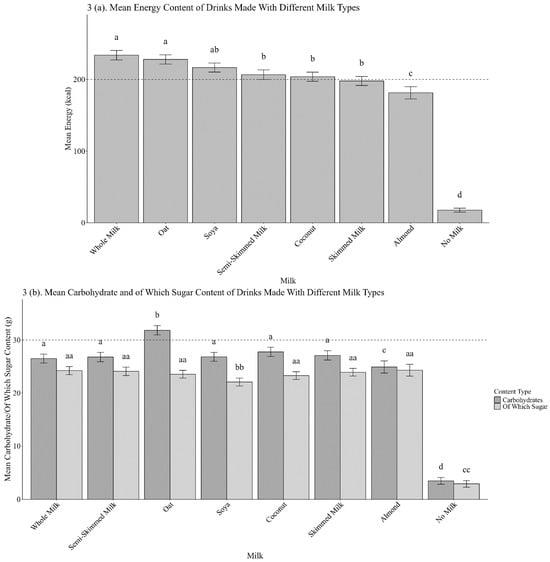
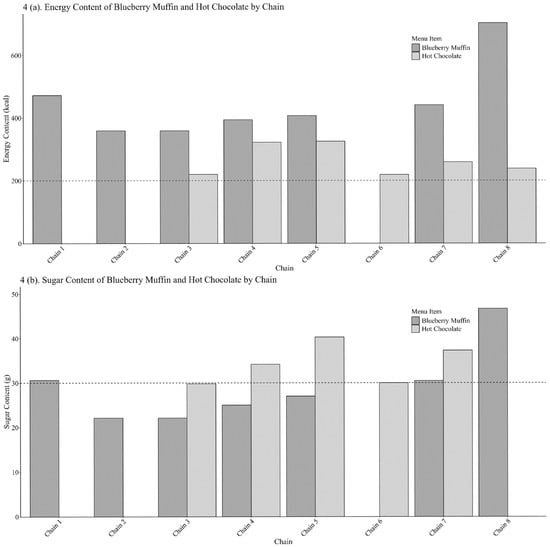
Objective: To examine the proportion of drinks and snacks offered by the largest coffee shop chains in the UK that exceed the NHS and Public Health England maximum recommended intakes for energy and sugar. Design: Observational study design where nutritional information for drinks and snacks was gathered from the official coffee shop chain website. Data were compared with the maximum recommended intakes of 200 kcal per drink or snack and 30 g of free sugar per day. Direct comparisons between mean values were performed using analysis of variance (ANOVA). Subjects: A total of 2707 drinks and 434 snacks across eight leading coffee shop chains in the United Kingdom. Results: Overall, 47.0% of drinks and 66.8% of snacks exceed the recommended energy intake, while 32.5% of drinks and 45.3% of snacks surpass the recommended daily free sugar intake. ‘Hot chocolates and other speciality drinks’ contain the most energy (255.6 ± 5.78 kcal) of all drink categories. Snacks contain significantly more energy than drinks (p < 0.001), with all three snack categories exceeding the recommended intake of energy. Variations in nutritional content were observed in dairy-alternative milk options and specific chains. Conclusions: The high energy and sugar content of drinks and snacks in major UK coffee chains may contribute to excessive energy intake, with almost half of all drinks and snacks exceeding the maximum recommended levels. Healthier choices, such as avoiding flavoured drinks or limiting the consumption of snacks, may be necessary to help mitigate weight gain and combat obesity and T2DM rates in the UK.
Full article

Graphical abstract
Open AccessArticle
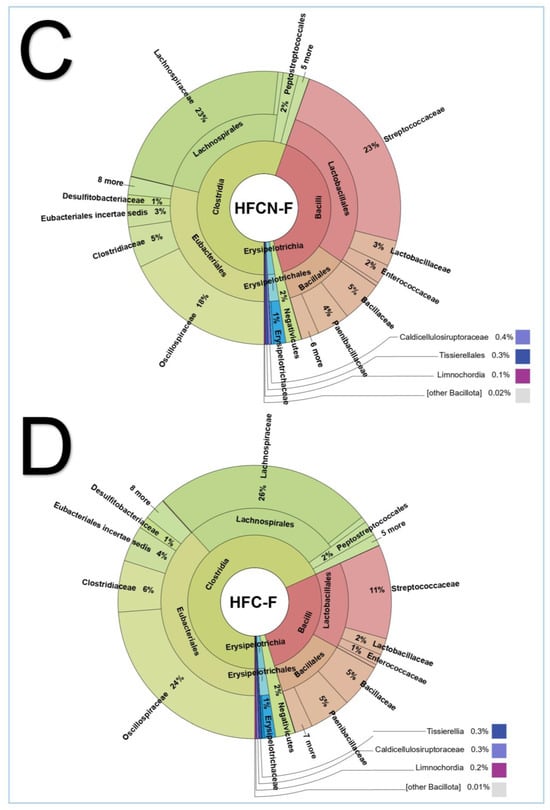
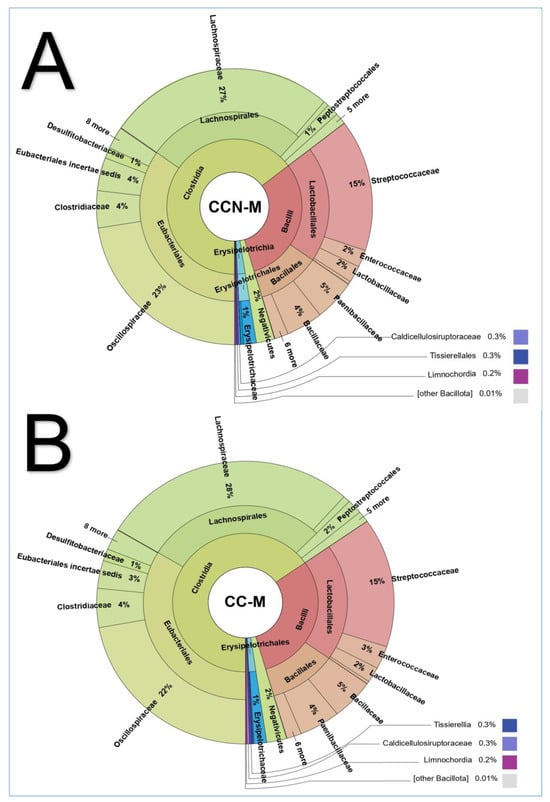
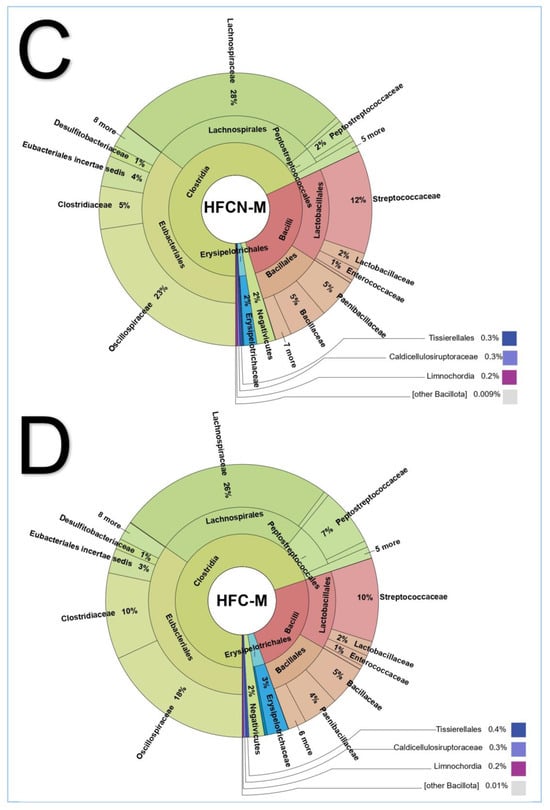
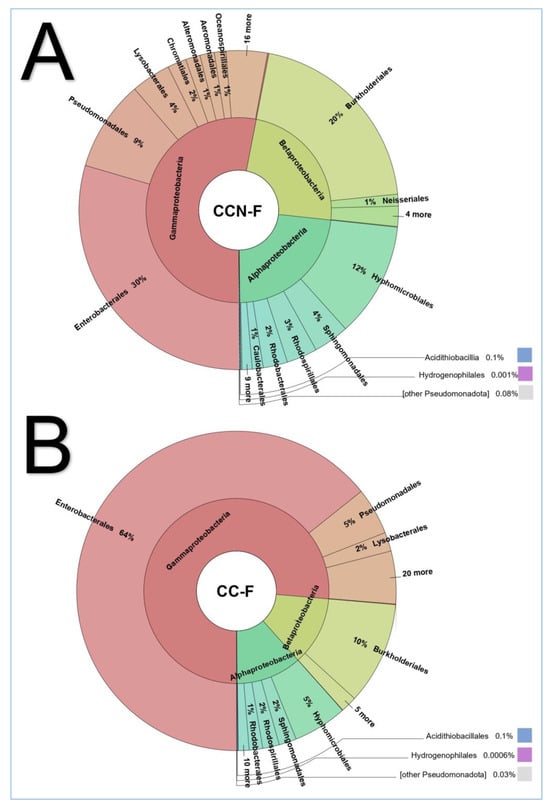
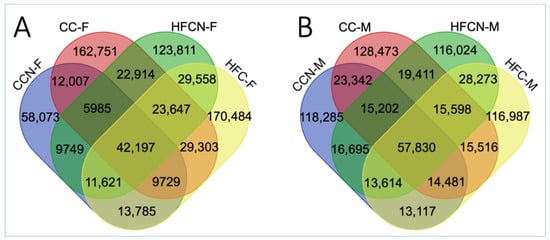
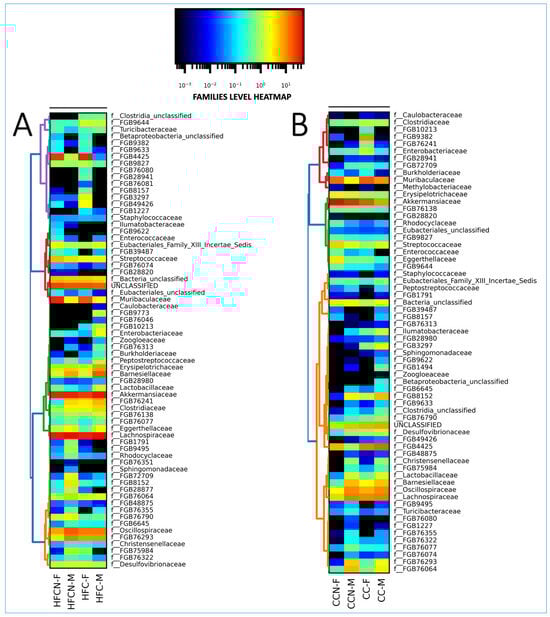
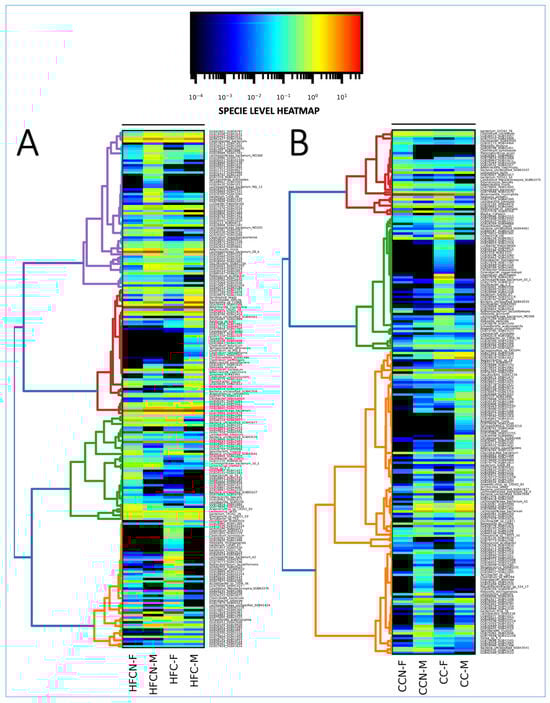
Microbiome Taxonomic and Functional Differences in C3H/HeJ Mice Fed a Long-Term High-Fat Diet with Casein Protein ± Ammonium Hydroxide Supplementation
by
Brayan Montoya-Torres, Amandeep Kaur, Benjamin Barr, Emily Garrison, Mindy M. Brashears, Amanda M. V. Brown and Lauren S. Gollahon
Dietetics 2026, 5(1), 13; https://doi.org/10.3390/dietetics5010013 - 26 Feb 2026
Abstract
(1) Background: Acidogenic Western-style diets disrupt gut bacteria promoting obesity-related diseases. Here, we investigated whether long-term feeding of alkalinized dietary casein as a protein source (ammonium hydroxide enhancement, AHE) modulates microbiome structure/functions under high-fat conditions, and normal diets, and whether these responses are
[...] Read more.
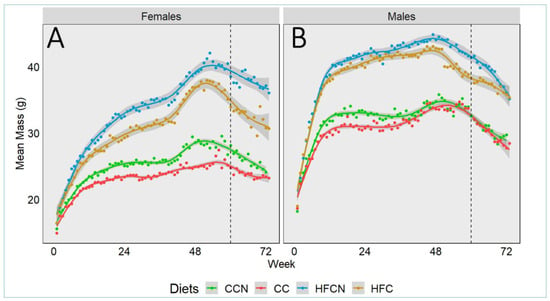
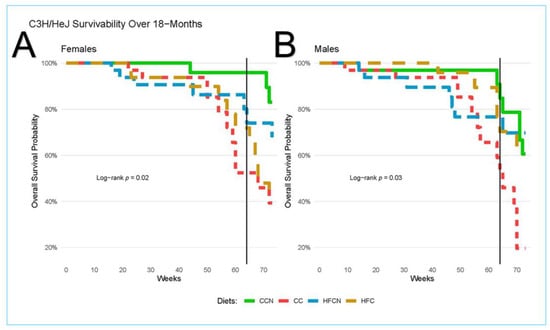
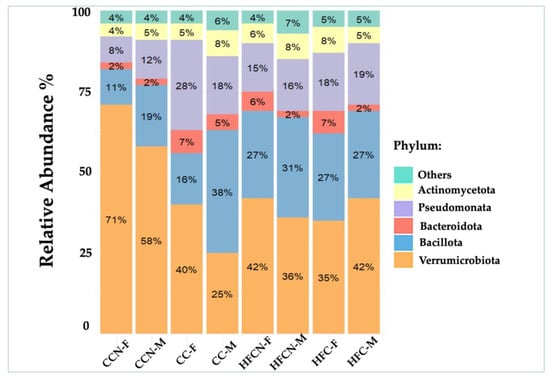
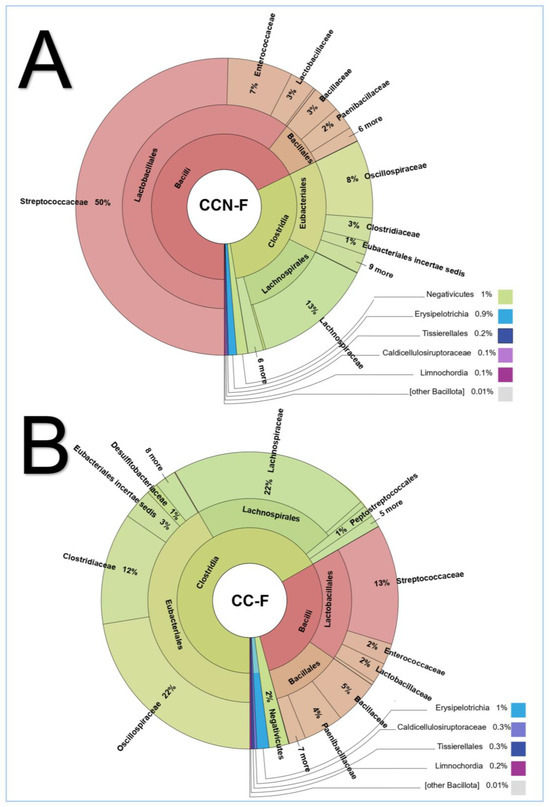
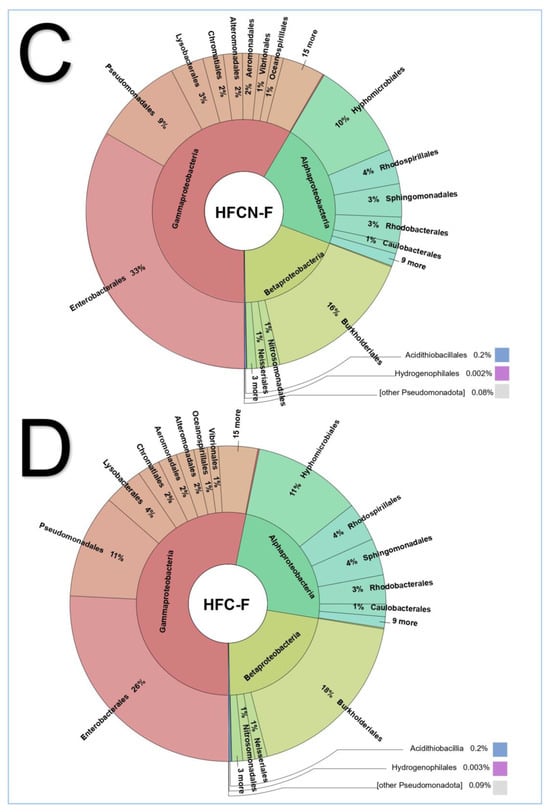
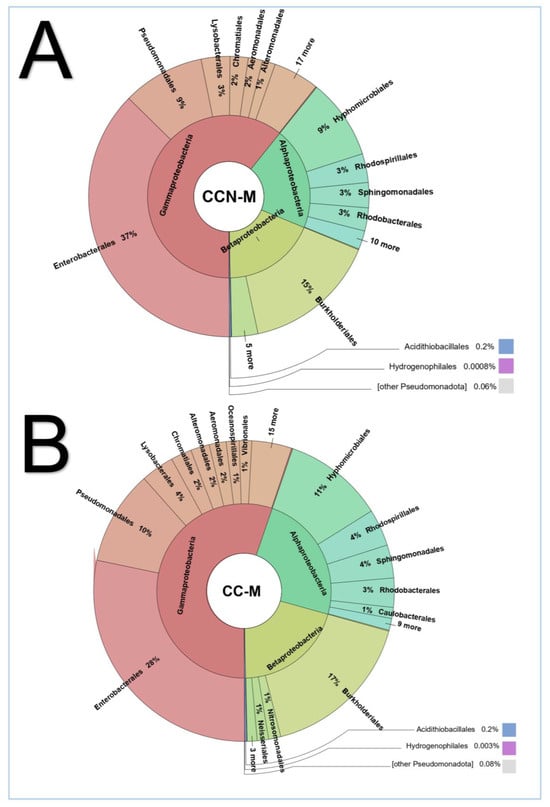
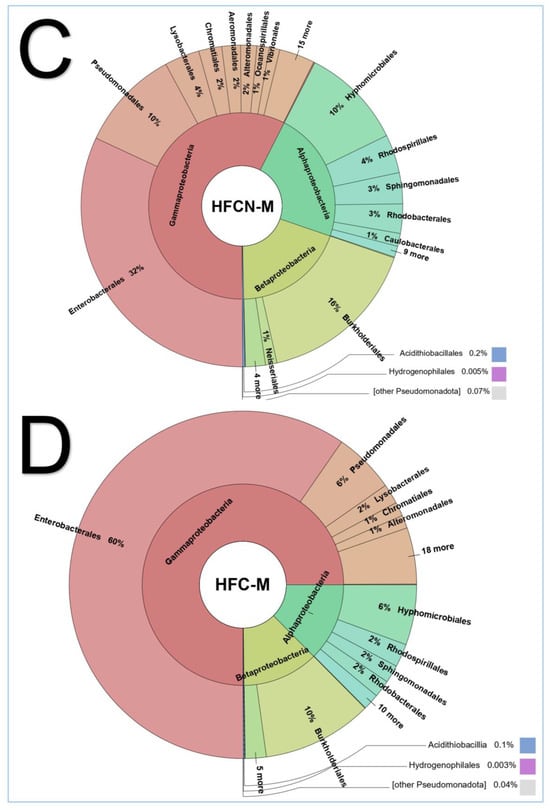
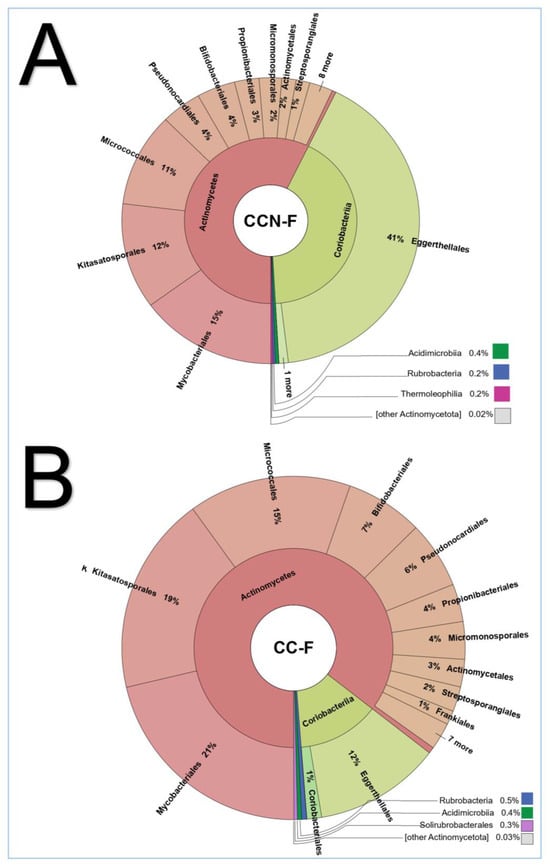
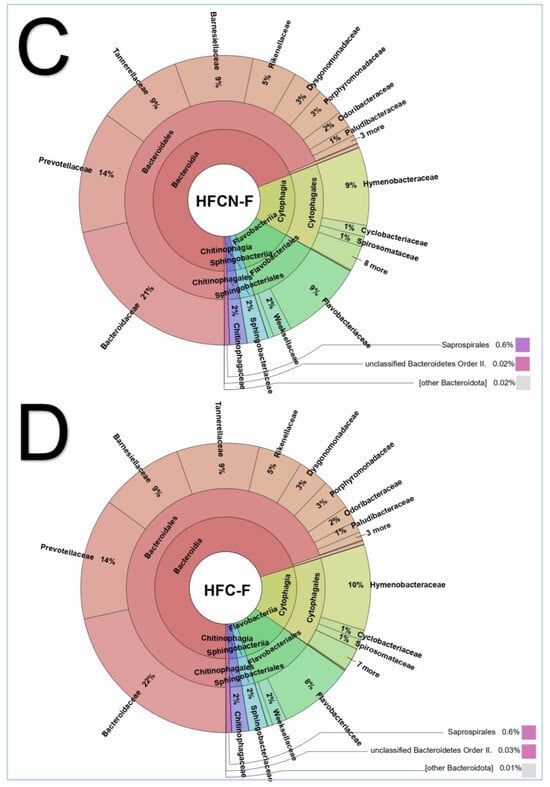
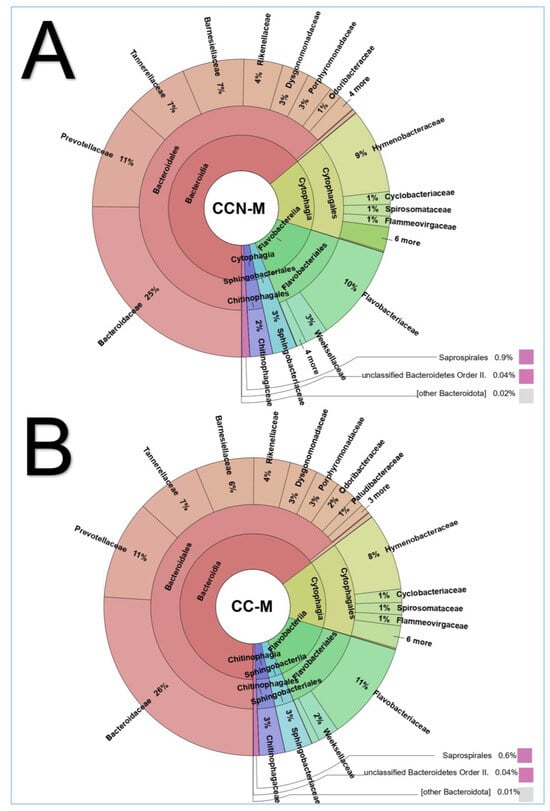
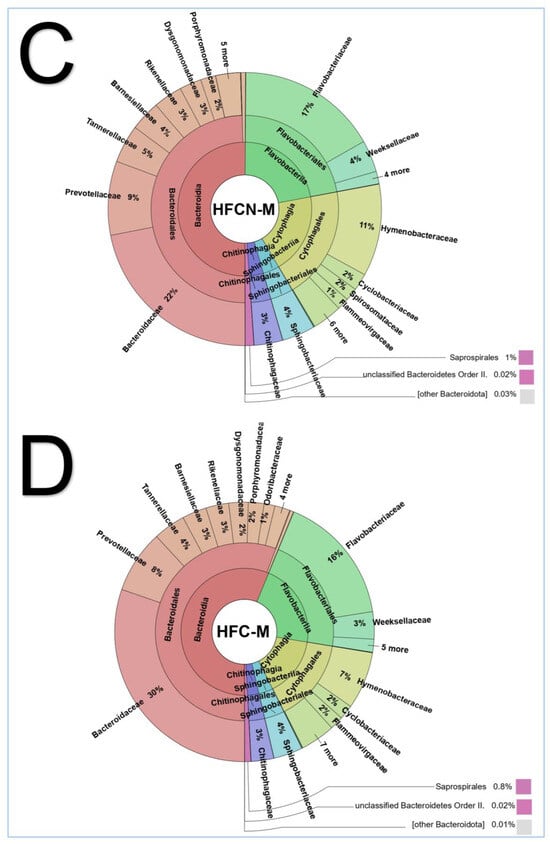
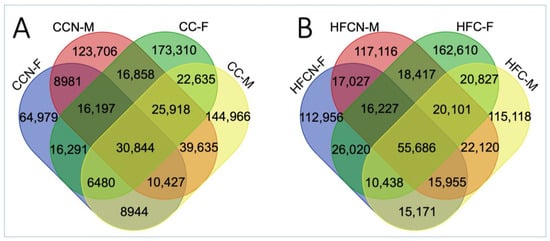
(1) Background: Acidogenic Western-style diets disrupt gut bacteria promoting obesity-related diseases. Here, we investigated whether long-term feeding of alkalinized dietary casein as a protein source (ammonium hydroxide enhancement, AHE) modulates microbiome structure/functions under high-fat conditions, and normal diets, and whether these responses are sex-dimorphic. (2) Methods: C3H/HeJ mice (N = 256; equal sex distribution) received either control casein (CC), AHE casein (CCN), high-fat casein (HFC), or AHE high-fat casein (HFCN) diets from 6 to 18 months. Body mass and survival were tracked; fecal samples collected at 16 months were sequenced and underwent shotgun metagenomics. (3) Results: Diet and sex jointly shaped host metrics. AHE diets taxonomically showed an abundance of Verrucomicrobiota phyla predominating in most cohorts, notably Akkermansia muciniphila. Within Pseudomonadota, Christensenella was identified, along with other taxa associated with beneficial health outcomes, including Lactococcus lactis, Lactococcus cremoris, Pediococcus acidilactici, and families Lachnospiraceae/Oscillospiraceae. Additionally, sex- and diet-dependent advantageous enriched functions associated with AHE that enhanced electron transport, B-vitamin cofactor pathways, and mucosal/redox support were observed. (4) Conclusions: In the long term, pH-directed protein chemistry is a tractable lever for gut ecology during high-fat feeding, enriching and promoting the balance of beneficial taxa, providing a mechanistic bridge between dietary acid load and microbiome remodeling.
Full article
(This article belongs to the Special Issue Clinical Nutrition in the Era of Precision: Bioactives, Microbiome and Targeted Dietetic Interventions)
►▼
Show Figures

Figure 1
Open AccessReview
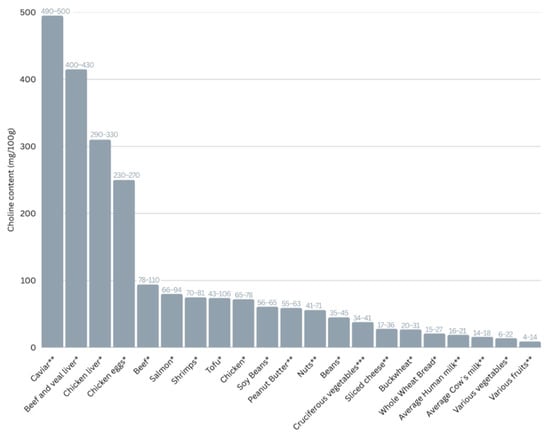
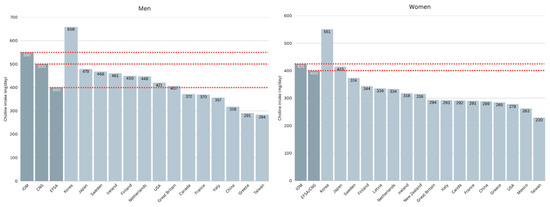
The Case for Establishing Choline Intake Recommendations Throughout Europe—A Narrative Review on the Importance of Choline for the European Population
by
Nikolaus Rittenau and Klaus Günther
Dietetics 2026, 5(1), 12; https://doi.org/10.3390/dietetics5010012 - 25 Feb 2026
Abstract
►▼
Show Figures
Choline is an essential nutrient whose physiological importance has not yet been sufficiently recognized by many European nutrition authorities. Despite convincing evidence of its crucial role in liver lipid export, one-carbon metabolism, cell membrane integrity, and nervous system development, explicit dietary recommendations for
[...] Read more.
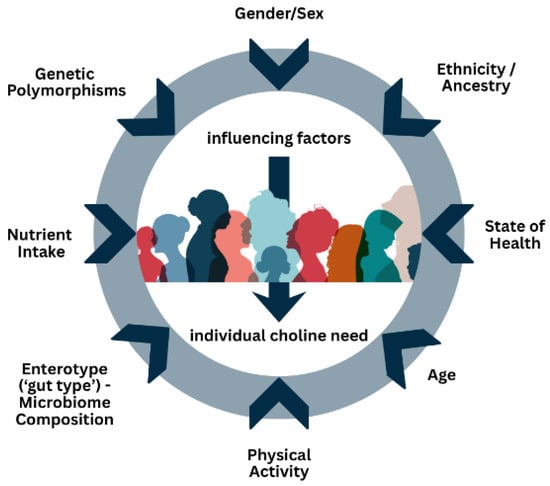
Choline is an essential nutrient whose physiological importance has not yet been sufficiently recognized by many European nutrition authorities. Despite convincing evidence of its crucial role in liver lipid export, one-carbon metabolism, cell membrane integrity, and nervous system development, explicit dietary recommendations for choline are still lacking in most European countries. In contrast, its importance has long been recognized in the national guidelines of the United States, Australia, China, and other regions. The current and rapidly spreading dietary shifts toward plant-based and vegan diets—characterized by a lower proportion of animal foods, the main sources of choline—increase the risk of suboptimal intake in broad segments of the population. Given the considerable interindividual differences in endogenous choline biosynthesis, which are influenced by sex hormones, physical activity, nutrient interactions, and genetic polymorphisms, adequate dietary intake is essential to meet physiological needs, especially during periods of increased demand such as pregnancy, lactation, and high-performance sports. This narrative review summarizes the evidence for the essentiality of choline, outlines the rationale for deriving intake recommendations for different life stages, and identifies an urgent need for coordinated action by European nutrition societies to address the growing risk of population-wide undersupply.
Full article

Graphical abstract
Highly Accessed Articles
Latest Books
E-Mail Alert
News
Topics
Topic in
Dietetics, Foods, Nutrients
Dietary Carbohydrate Chemistry, Nutrition, and Utilization
Topic Editors: Bin Zhang, Lijun Sun, Zhuqing XieDeadline: 31 July 2026
Topic in
Dietetics, Nutrients, Obesities, Diseases, IJMS, Metabolites
Dietary Habits in Liver Health and Disease: Preclinical and Clinical Studies
Topic Editors: Evelyn Nunes Goulart Da Silva Pereira, Rosane Harter Griep, Anissa DaliryDeadline: 31 December 2026
Topic in
Dietetics, Genealogy, Nutrients
Ancestry, Nutrition, and Health: From Ancestral Diets to Modern Nutritional Science
Topic Editors: Naim Akhtar Khan, Athena LeoussiDeadline: 15 January 2027
Topic in
Dietetics, Diseases, Foods, Nutrients, JCM
Environmental Influences on Dietary Patterns and Disease Risk: Nutritional Pathways and Health Implications
Topic Editors: Yuquan Chen, Guanhu YangDeadline: 1 February 2027
Conferences
Special Issues
Special Issue in
Dietetics
Nutrigenetics, Nutrigenomics, and Personalized Nutrition
Guest Editors: Sara Mahdavi, Ahmed El-SohemyDeadline: 15 June 2026
Special Issue in
Dietetics
Clinical Nutrition in the Era of Precision: Bioactives, Microbiome and Targeted Dietetic Interventions
Guest Editor: Carmen Lucas-AbellánDeadline: 5 July 2026
Special Issue in
Dietetics
Nutritional Strategies to Improve Exercise Performance and Recovery
Guest Editor: Derek BallDeadline: 15 November 2026
Special Issue in
Dietetics
Personalized Nutrition and Dietary Interventions in Inflammatory Bowel Disease (IBD)
Guest Editor: Bahram H. ArjmandiDeadline: 15 December 2026