


Abstract
Background: Roux-en-Y gastric bypass (RYGB) is a highly effective treatment for severe obesity, achieving substantial weight loss and metabolic improvement. Beyond weight, assessing body composition and functional markers is essential. Phase angle (PA), obtained through bioelectrical impedance, is a relevant indicator of cellular integrity and nutritional status. The rise of glucagon-like peptide-1 and glucose-dependent insulinotropic polypeptide (GLP-1 and GLP-1/GIP) agonists makes comparison with surgical outcomes increasingly important. This study aimed to evaluate changes in fat mass, lean mass, hydration, and PA after RYGB and compare these findings with evidence from pharmacological therapies. Methods: A retrospective observational study was conducted in 15 patients (18–50 years, BMI > 35 kg/m2) at Quirón Salud Hospital Torrevieja. Body composition was assessed using multifrequency bioelectrical impedance (TANITA BC-980) before surgery and at 3 and 12 months. All patients received structured nutritional follow-up. Repeated-measures ANOVA and the Friedman test were applied. Results: After 12 months, weight decreased by 40.06 ± 11.86 kg; fat mass by 30.43 ± 10.81 kg; and fat-free mass by 9.64 ± 5.31 kg. PA declined 11% during the first 3 months and then stabilized. Women lost more fat mass; men lost more lean mass. Conclusions: RYGB combined with nutritional support produces high-quality weight loss with relative preservation of lean tissue and stabilization of PA, which proves valuable for postoperative monitoring.
1. Introduction
Over the past decades, the diagnosis and treatment of patients with obesity have relied almost exclusively on body mass index (BMI), a simple yet limited tool that does not distinguish between fat mass, lean mass, or the distribution of adipose tissue. However, it has been shown that individuals with the same BMI may present very different metabolic profiles and clinical risks, highlighting the need for a more precise evaluation of body composition [1,2].
Currently, obesity is understood not only as an excess of fat mass but also as a functional alteration of adipose tissue, characterized by chronic low-grade inflammation, hormonal dysfunction, insulin resistance, and loss of fat-free mass [3]. This new paradigm has driven the use of more advanced techniques such as bioelectrical impedance analysis (BIA), which allows the estimation of functional parameters like active cell mass, hydration status, and phase angle (PA)—a parameter that reflects the integrity and functional state of cells. In the context of bariatric surgery, it allows for the assessment of changes in body composition and the early detection of malnutrition risk. By providing qualitative information about cellular status, it becomes a sensitive indicator of nutritional condition during the treatment and follow-up of the patient [4,5].
When lifestyle changes are not enough, bariatric surgery, particularly Roux-en-Y gastric bypass (RYGB), has proven to be one of the most effective interventions for both weight loss and improvement of metabolic comorbidities [6]. This technique, widely used before the appearance of glucagon-like peptide-1 (GLP-1) and glucose-dependent insulinotropic polypeptide (GIP) agonists, combines restrictive and malabsorptive effects that induce rapid weight loss and beneficial endocrine effects.
Beyond weight loss, it is essential to assess the quality of such loss. In this sense, the phase angle has been proposed as a functional marker of cell membrane integrity, related to nutritional status and active lean mass [7,8]. A high PA value is associated with better body composition, while low values may indicate inflammation, malnutrition, or functional deterioration. This study hypothesizes that RYGB, combined with an appropriate nutritional intervention, induces positive changes in body composition, including a relative improvement in PA. Furthermore, these results are discussed in comparison with the effects described in the literature for pharmacological treatments with GLP-1 and GLP-1/GIP analogs [9].
2. Materials and Methods
2.1. Study Design and Population
This research was designed as a retrospective longitudinal cohort study conducted at the Quirón Salud Hospital in Torrevieja (Spain). The study population consisted of adult patients between 18 and 50 years of age with severe obesity, defined as a BMI greater than 35 kg/m2, who underwent RYGB between 2022 and 2023. Data collection included three evaluation points: baseline (pre-surgery), three months postoperatively, and twelve months after surgery. This design made it possible to monitor the early and medium-term effects of surgery on body composition and functional parameters in a real-world setting.
Patients were considered eligible for inclusion if they met the age and BMI criteria, underwent RYGB, and had complete and consistent bioimpedance data at all three study timepoints. Exclusion criteria included the presence of comorbidities unrelated to obesity that could affect nutritional or metabolic status (such as active malignant disease, advanced hepatic or renal failure), chronic use of corticosteroids or immunosuppressants, and incomplete follow-up. Information on obesity-related comorbidities, including type 2 diabetes mellitus, hypertension, and dyslipidemia, as well as concomitant pharmacological treatments, was systematically collected. These variables were documented to provide clinical context and to acknowledge possible confounding factors, although the limited sample size restricted adjusted analyses.
2.2. Nutritional Intervention
All patients received a standardized nutritional intervention carried out by the same team of dietitians and nutritionists, ensuring consistent follow-up. The program was based on a combination of dietary counseling and supplementation aimed at reducing the risk of protein–energy malnutrition and facilitating metabolic recovery. Patients received a daily multivitamin supplement (Barimix®, Nutrisens, Lyon, France; catalogue number: 2020) and high-protein oral nutritional supplements (≥20 g protein per serving), enriched with essential amino acids and leucine to promote muscle preservation.
The dietary protocol was structured into five progressive stages. The clear liquid phase (days 1–3) included water and defatted broths to promote tolerance and hydration without overloading the gastrointestinal tract. The full liquid phase (days 4–10) introduced preparations with higher nutritional value, such as liquid protein supplements, drinkable yogurts, and strained soups. The semi-liquid/pureed phase (days 11–20) allowed soft homogeneous foods including vegetable purées, cooked fruits, and finely minced lean proteins. The soft solid phase (days 21–30) incorporated solid but easy-to-chew foods, such as cooked lean meats, fish, and eggs. Finally, from the second month onward, patients followed a modified basal diet, designed as a balanced and varied eating pattern adapted to individual tolerance and requirements.
Although patients were encouraged during consultations to gradually increase their physical activity, with special emphasis on aerobic and resistance exercise, no objective quantification of physical activity (such as accelerometry or validated questionnaires) was performed. This aspect is recognized as a limitation of the present study.
2.3. Bioelectrical Impedance Assessment
Body composition was evaluated using a multifrequency bioelectrical impedance analyzer (BIA) with a TANITA BC-980 (Tanita Corp., Tokyo, Japan). Parameters recorded included weight, BMI, total and visceral fat mass, muscle mass, fat-free mass, total body water (TBW), intracellular water (ICW), extracellular water (ECW), and phase angle (PA). To minimize variability, all measurements were performed under standardized conditions: in the morning, after an overnight fast of at least eight hours, with the bladder voided, and avoiding intense physical exercise during the previous 24 h. Data were obtained from the individual reports generated by the Dietowin® nutritional analysis software (Dietowin 8.0, Dietowin S.L., Barcelona, Spain) and subsequently consolidated into a dedicated database.
2.4. Sample Size Justification
The study was exploratory in nature and relied on the number of patients available with complete data across the three timepoints. A priori calculation was not performed; however, a post-hoc estimation showed that with 15 subjects, it was possible to detect a difference of at least 10 kg in body weight, assuming a standard deviation of 12 kg, with a statistical power greater than 80% at a significance level of 0.05. These considerations support the interpretation of this study as hypothesis-generating and as a preliminary step toward more robust research with larger cohorts.
2.5. Statistical Analysis
All statistical analyses were performed using SPSS version 30 (IBM, Armonk, NY, USA). Normality of data distribution was assessed with the Shapiro–Wilk test, and the homogeneity of variances was checked with Levene’s test. For variables meeting assumptions of normality and homogeneity, repeated-measures analysis of variance (ANOVA) was applied to assess changes across the three study timepoints. For non-normally distributed variables, the Friedman test was employed as a nonparametric alternative. Results are presented as means with 95% confidence intervals, and a p-value < 0.05 was considered statistically significant.
This study was conducted in accordance with the Declaration of Helsinki and was approved by the Clinical Research Ethics Committee of Quirón Salud Hospital Torrevieja and UCAM, Universidad Católica San Antonio de Murcia, CE102303.
3. Results
Fifteen patients were evaluated (46.6% women), with a mean age of 48.53 ± 12.38 years and an average follow-up of 343.67 ± 102.45 days. Body composition was assessed over the first 12 months of follow-up (Table 1). At baseline, mean body weight was 130.5 ± 24.97 kg, with a BMI of 44.9 ± 6.67 kg/m2.
Table 1.
Evolution of body composition at baseline, 3 months and 1 year after Roux-en-Y gastric bypass.
During the first three months after surgery, there was a significant weight loss of 21.7 ± 7.81 kg, accompanied by a reduction in BMI of 7.45 ± 2.54 kg/m2. This was associated with decreases of 5.33 ± 2.44 kg in fat mass, 6.95 ± 2.85 kg in muscle mass, and 7.3 ± 3.0 kg in fat-free mass. Phase angle decreased by 0.62 ± 0.49°.
Between three months and the end of follow-up, weight loss continued more gradually (18.36 ± 10.07 kg), with additional reductions in BMI (6.88 ± 3.9 kg/m2) and fat mass (16.02 ± 9.55 kg).
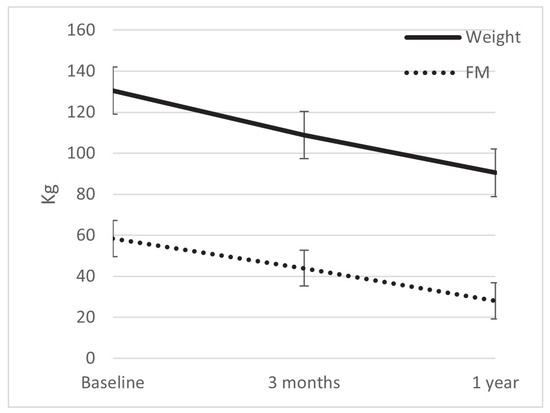
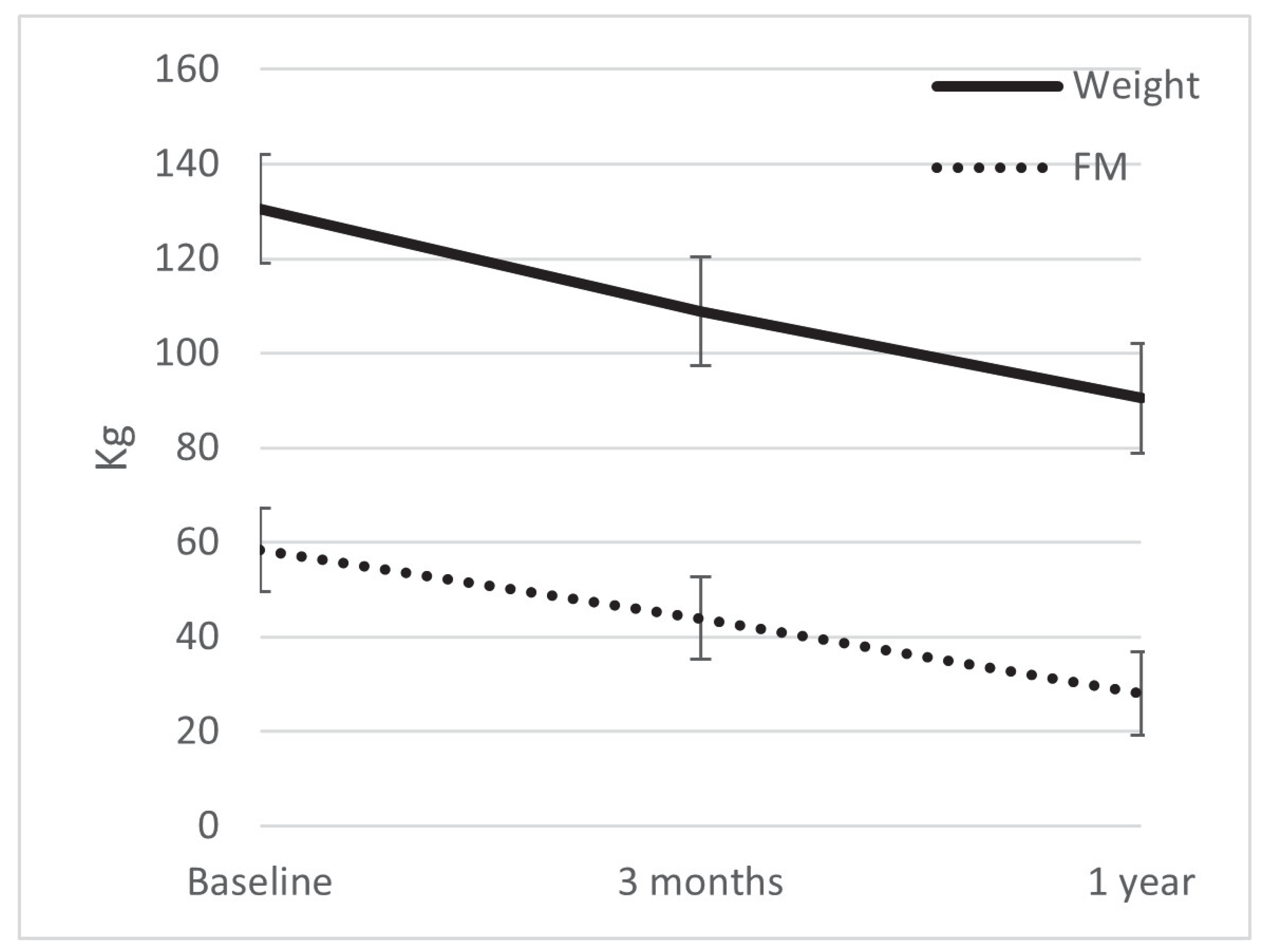
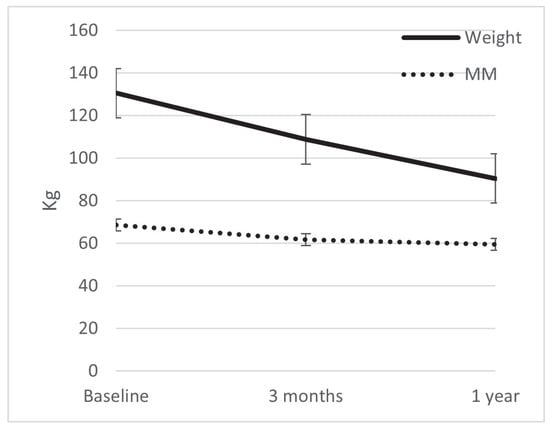
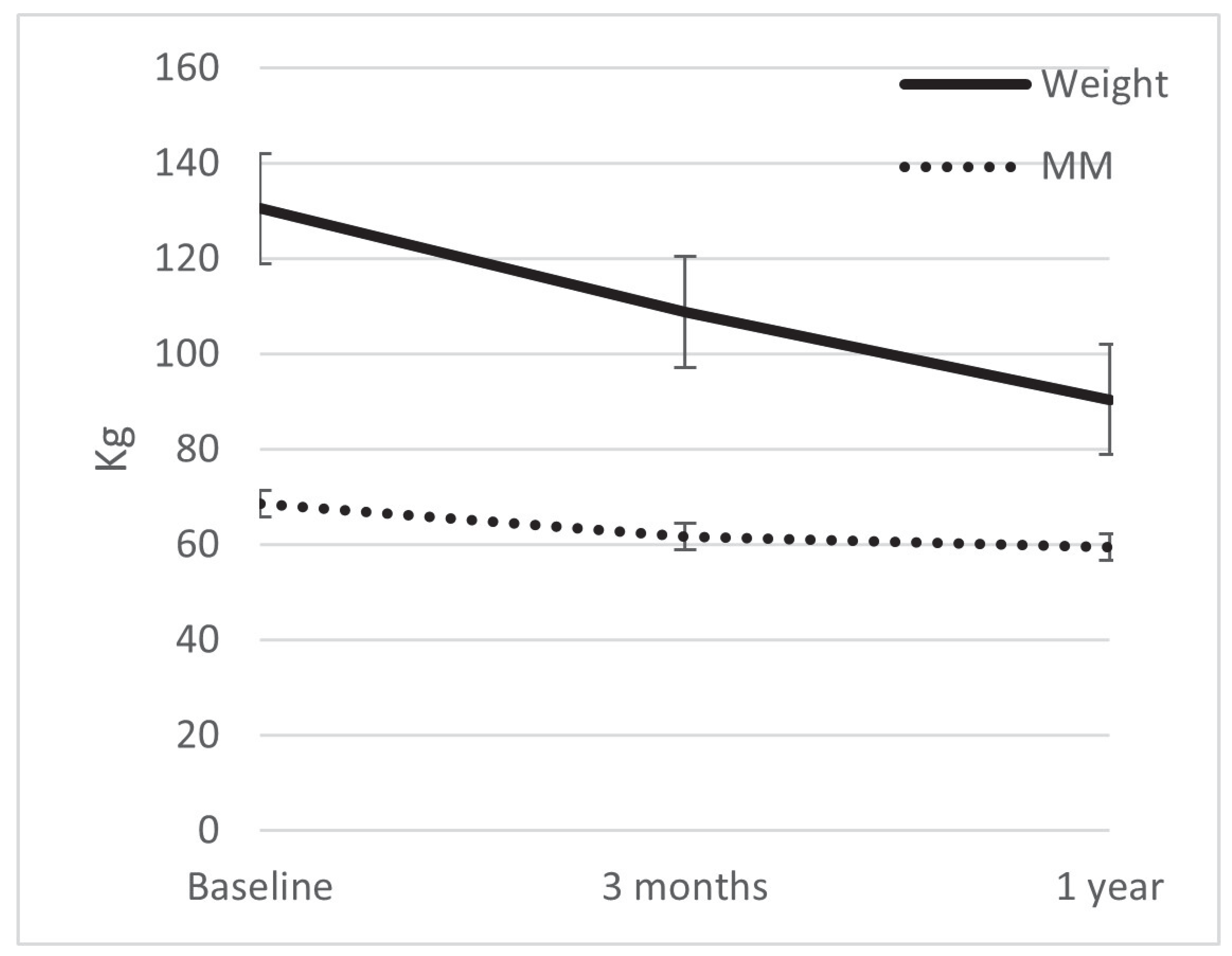
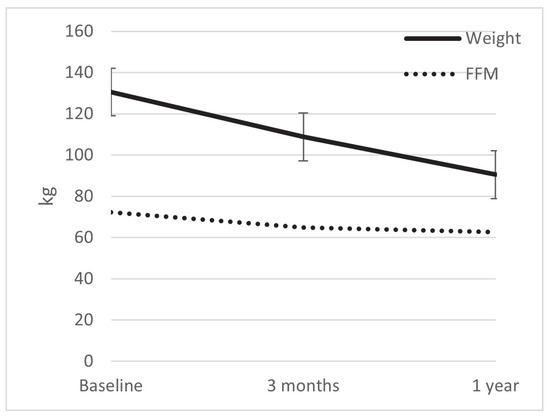
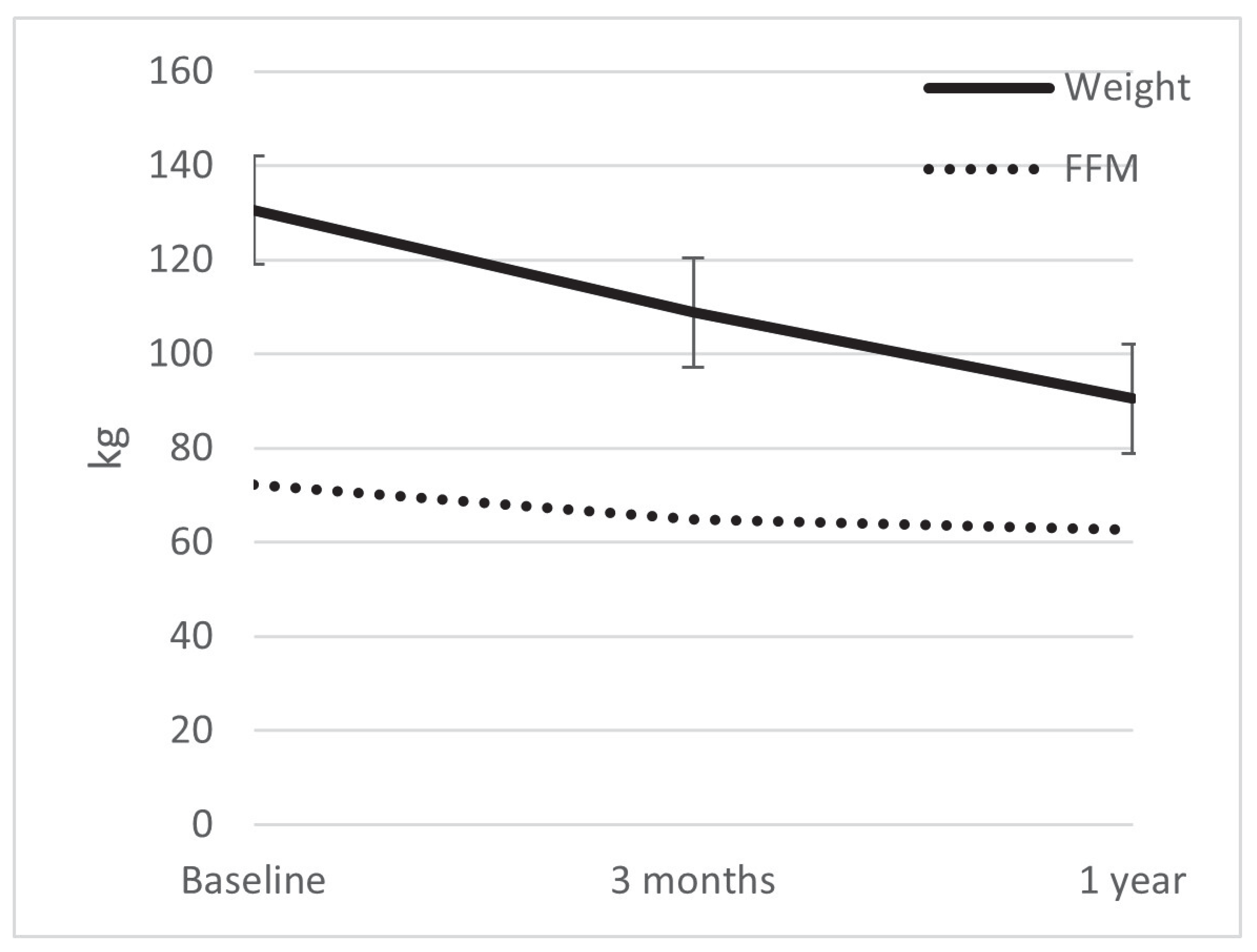
Table 1 and Figure 1 illustrate the evolution of body composition, highlighting weight and fat mass reductions. No statistically significant changes were observed in muscle mass or fat-free mass after the first three months, suggesting stabilization of lean tissue (Figure 2 and Figure 3).
Figure 1.
Mean weight and fat mass at baseline, 3 months and 1 year after Roux-en-Y gastric bypass.
Figure 2.
Mean weight and muscle mass at baseline, 3 months and 1 year after Roux-en-Y gastric bypass.
Figure 3.
Mean weight and fat-free mass at baseline, 3 months and 1 year after Roux-en-Y gastric bypass.
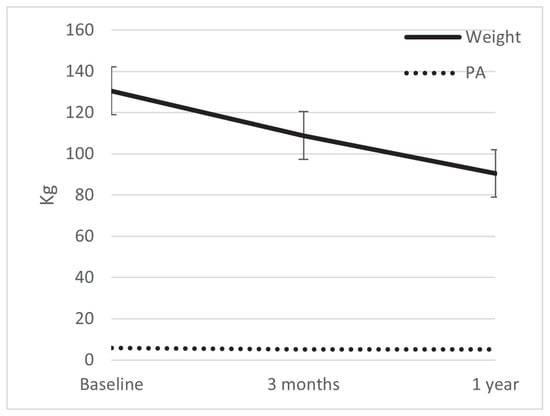
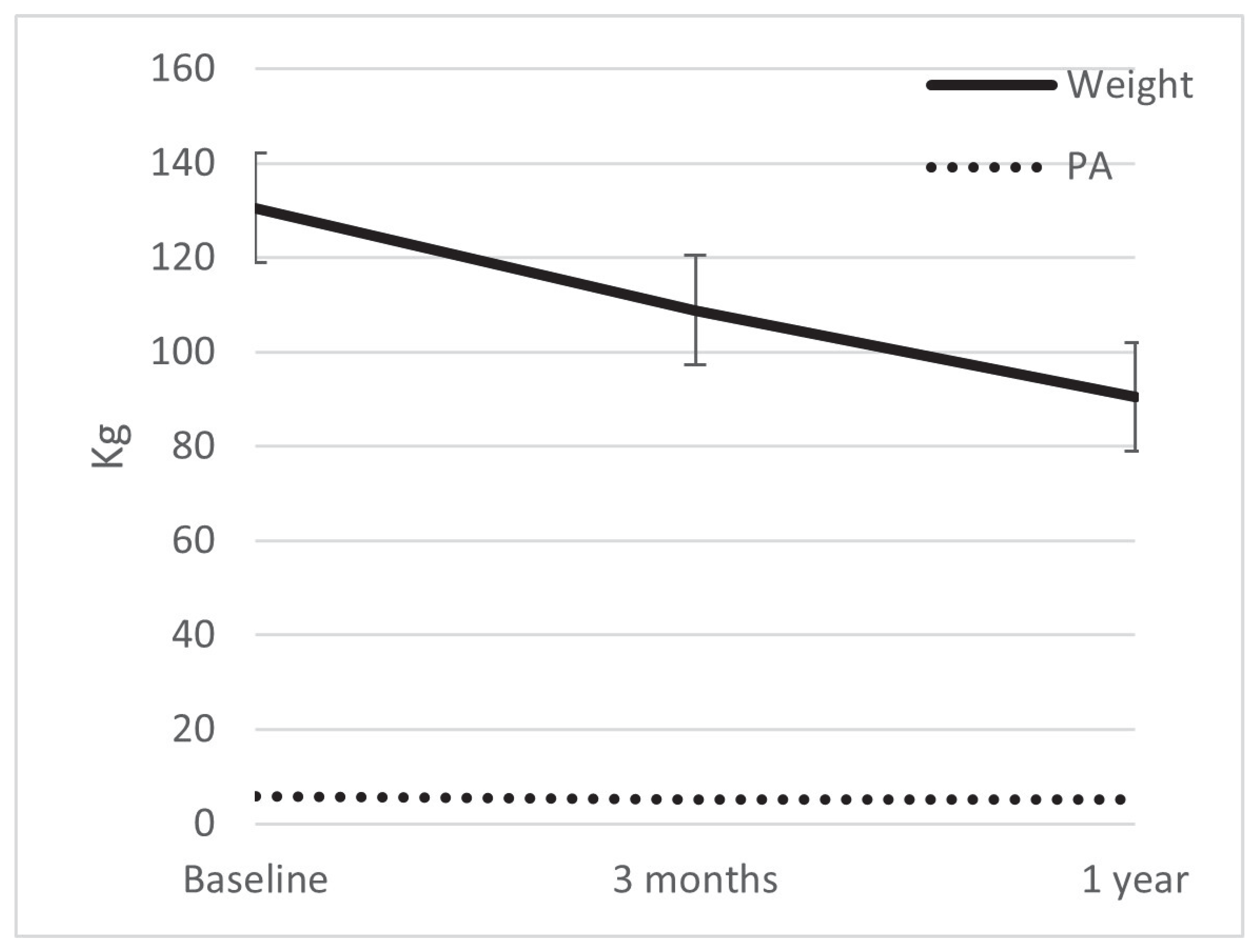
At one year, the total mean weight loss was 40.06 ± 11.86 kg, corresponding to a mean percentage of total weight loss (%TWL) of 30.7 ± 7.2%. This reduction was mainly due to fat mass loss (30.43 ± 10.81 kg), while lean mass accounted for 9.64 ± 5.31 kg. Phase angle decreased by 0.64 ± 0.52° over the 12 months, with the greatest decline occurring during the first three months (Figure 4).
Figure 4.
Mean weight and phase angle at baseline, 3 months and 1 year after Roux-en-Y gastric bypass.
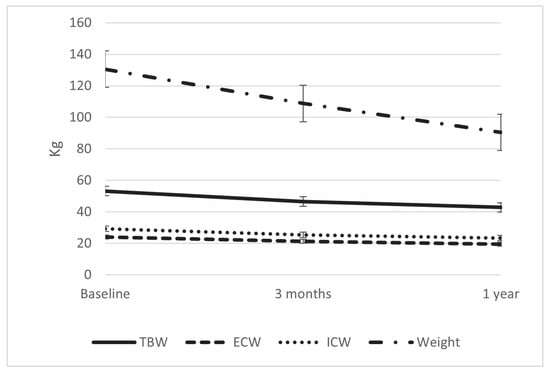
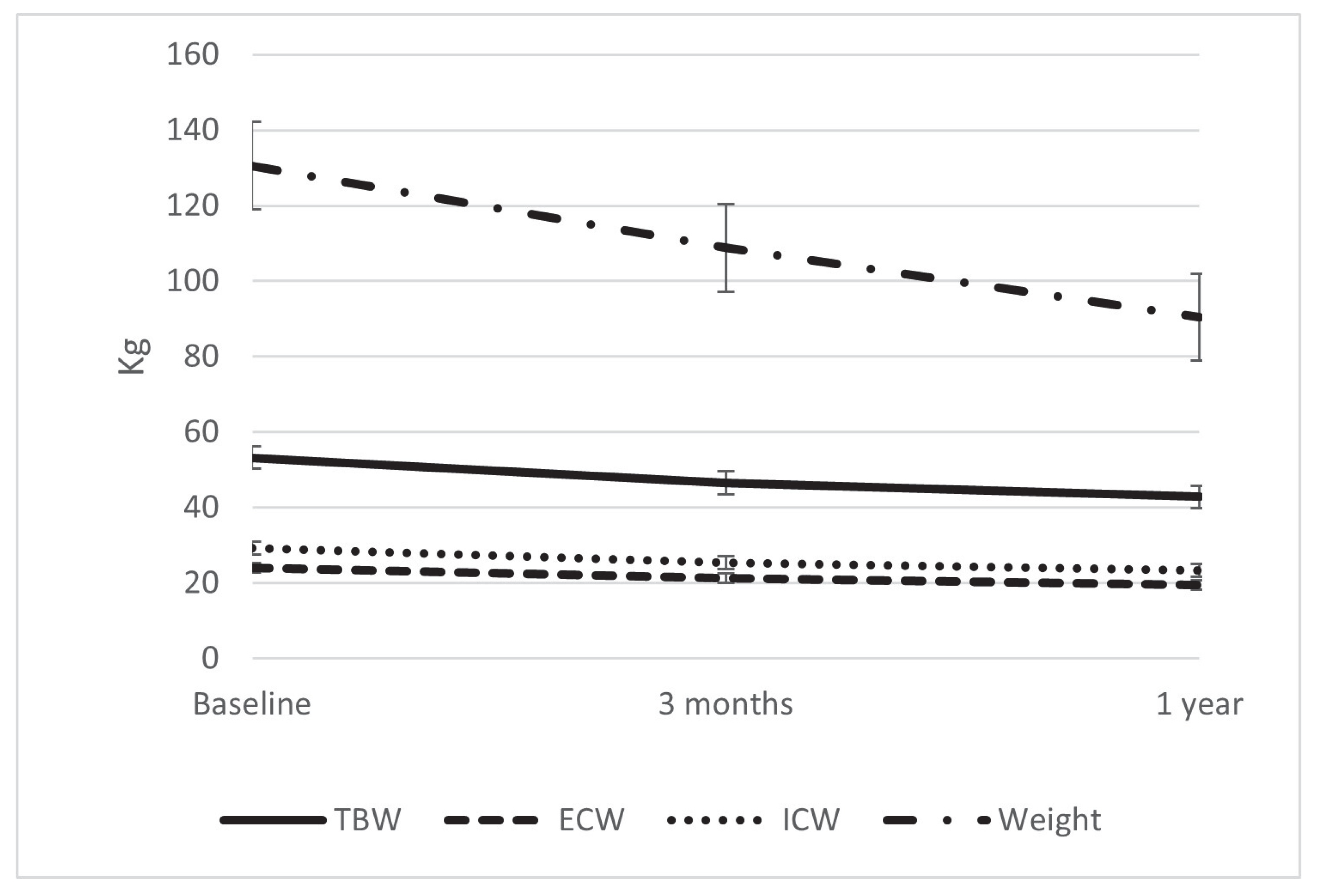
Regarding hydration status, reductions were observed in total body water (TBW, −10.45 kg), intracellular water (ICW, −5.91 kg), and extracellular water (ECW, −4.54 kg) (Table 2, Figure 5). Despite these absolute decreases, the relative percentage of TBW in relation to body weight increased throughout the follow-up.
Table 2.
Evolution of hydration compartments at baseline, 3 months and 1 year after Roux-en-Y gastric bypass.
Figure 5.
Hydration compartments evolution relative to weight loss at baseline, 3 months and 1 year after Roux-en-Y gastric bypass.
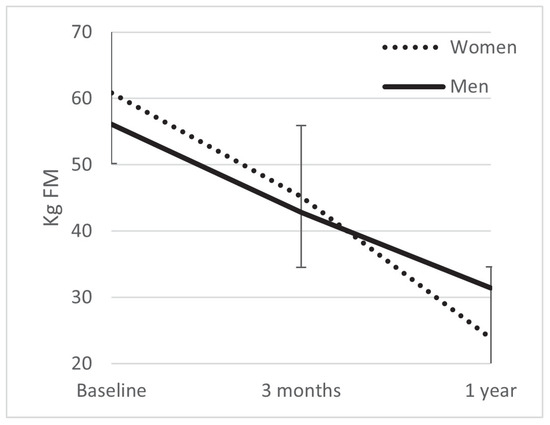
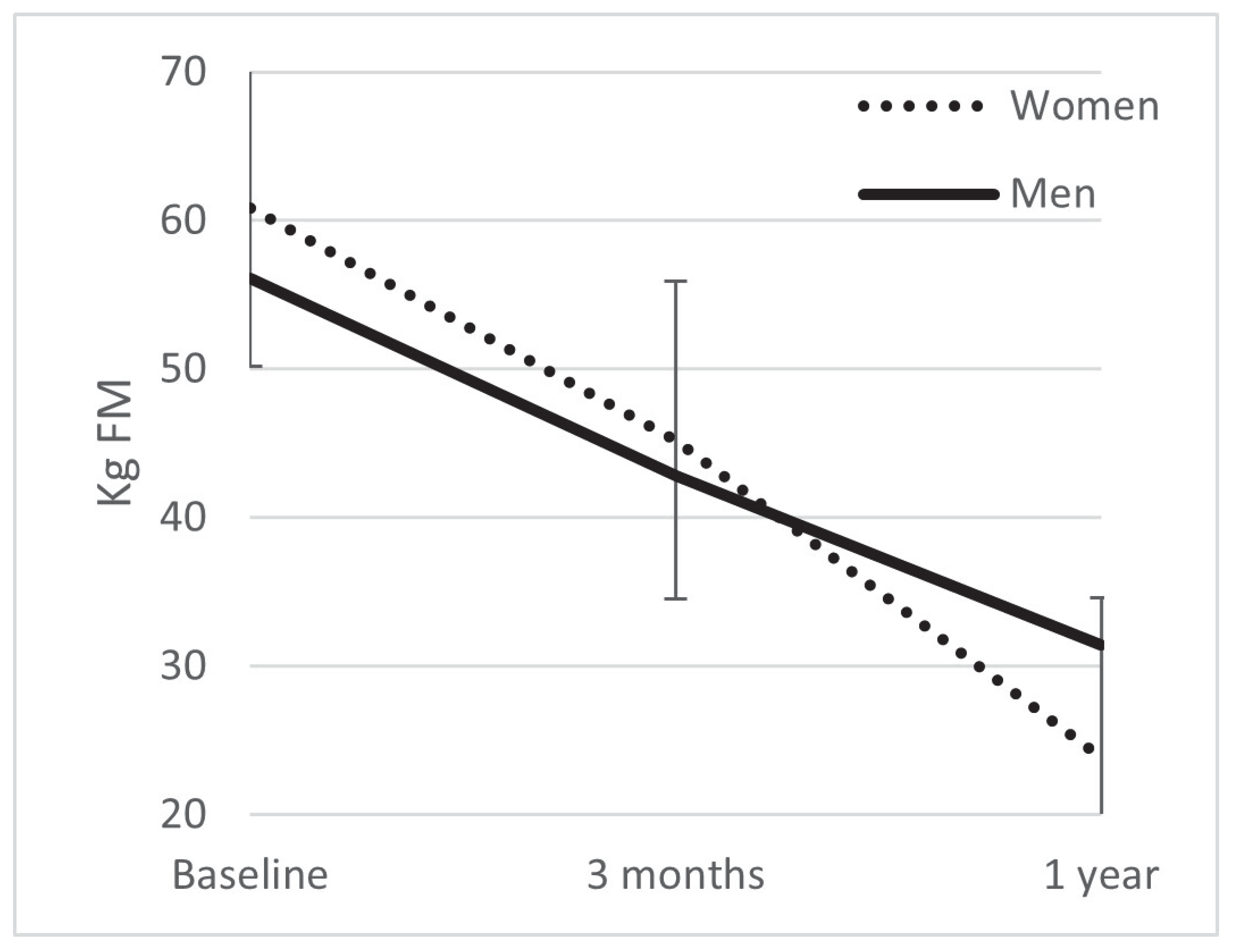
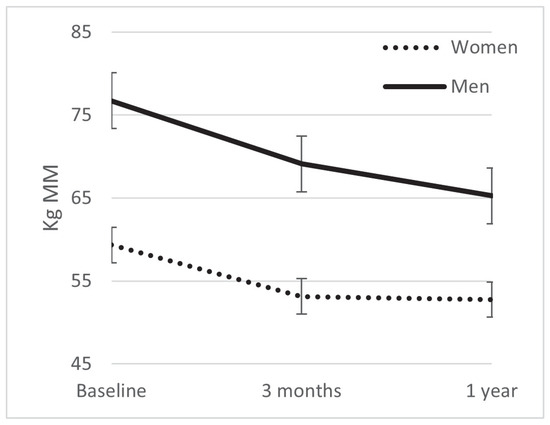
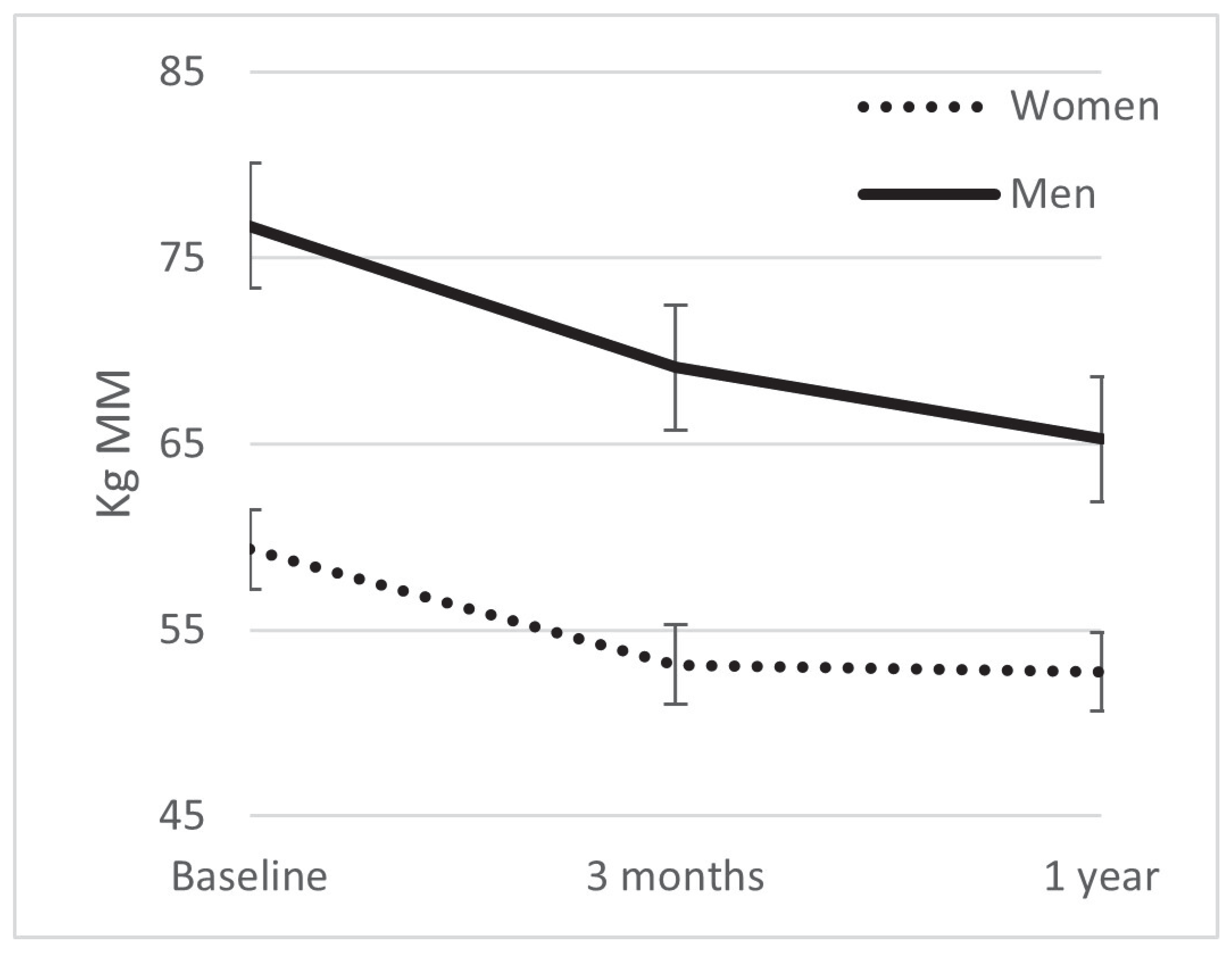
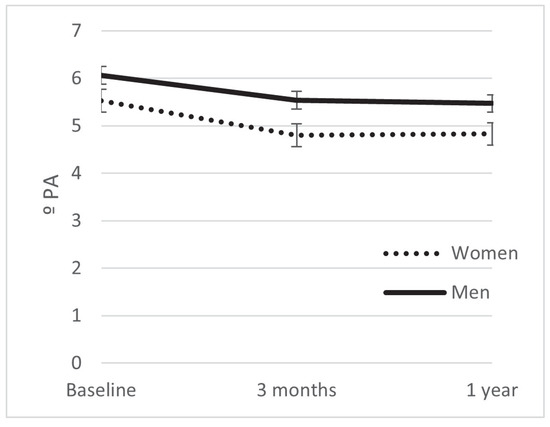
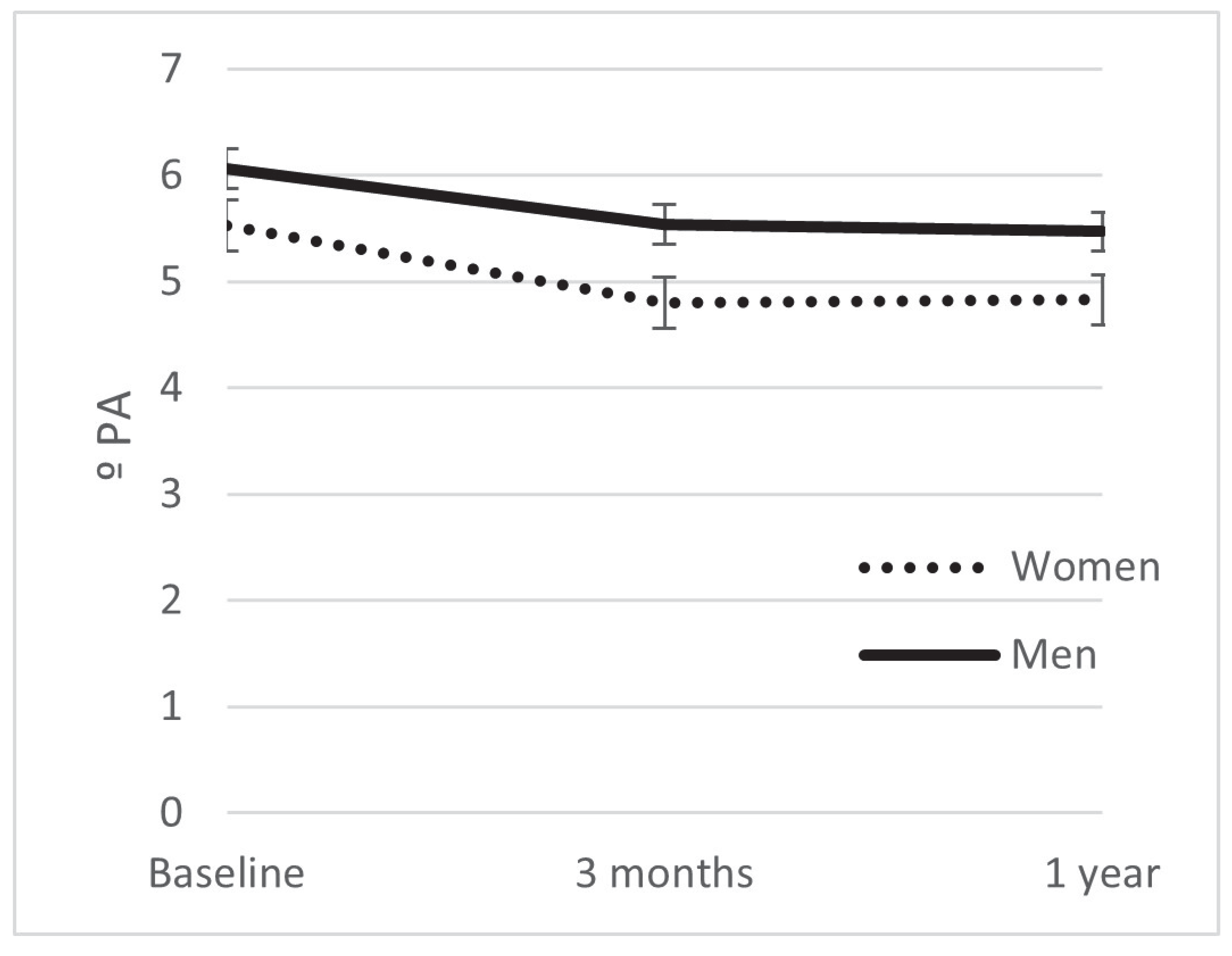
Sex-specific analysis is presented in Table 3 and Figure 6, Figure 7 and Figure 8. Men experienced greater losses in muscle mass (11.47 ± 3.20 kg vs. 6.57 ± 5.75 kg in women), whereas women lost more fat mass (36.97 ± 11.22 kg vs. 24.70 ± 6.76 kg in men). The decrease in phase angle was slightly greater among women.
Table 3.
Body composition evolution by sex at baseline, 3 months and 1 year after Roux-en-Y gastric bypass.
Figure 6.
Fat mass loss by sex at baseline, 3 months and 1 year after Roux-en-Y gastric bypass.
Figure 7.
Muscle mass loss by sex at baseline, 3 months and 1 year after Roux-en-Y gastric bypass.
Figure 8.
Phase angle loss by sex at baseline, 3 months and 1 year after Roux-en-Y gastric bypass.
Sex-specific analysis revealed a significant interaction between sex and time for fat mass and muscle mass evolution (p < 0.05). Women exhibited greater fat mass loss, whereas men showed a more pronounced reduction in muscle mass, which may reflect sex-related differences in baseline body composition and hormonal profile. Due to the limited sample size, particularly within sex-stratified subgroups, the absence of statistically significant differences should not be interpreted as evidence of absence of effect. The study may be underpowered to detect moderate between-group differences.
4. Discussion
Bariatric surgery remains one of the most studied interventions and has been shown to be the most effective option for weight loss, long-term weight maintenance, and improvement of comorbidities in severely obese patients who do not respond to lifestyle changes [7]. However, weight loss in these patients occurs rapidly, especially in the first months after surgery, which can negatively affect their nutritional status. Therefore, continuous monitoring of body composition and other variables to assess the patient’s condition before and during short- and long-term postoperative follow-up is essential to prevent and treat malnutrition early [7,10,11,12,13].
Moreover, beyond weight loss itself, these interventions induce changes in protein metabolism and hormonal profiles, such as decreased ghrelin or increased endogenous GLP-1, which may influence lean mass preservation and the evolution of phase angle.
In the present study, patients undergoing gastric bypass experienced a more pronounced weight loss during the first three months after surgery, which then stabilized. A similar pattern was observed in the reduction of fat mass and visceral fat. However, the loss of fat-free mass and muscle mass was also significant in the first months, but stabilized over time. One of the fundamental pillars in the follow-up of these patients was nutritional intervention, which included the administration of a multivitamin supplement and a high-protein oral nutritional supplement before and after surgery, with the aim of attenuating the loss of muscle mass and promoting optimal metabolic recovery. This reinforces the notion that lean mass loss after RYGB is not solely attributable to protein deficiency caused by malabsorption, but rather reflects a multifactorial process involving metabolic adaptation and endocrine changes. In agreement with what was observed in other studies such as Palacio et al. and Wells et al., although a notable decrease in fat-free mass occurred in the first three months, its subsequent stabilization could be attributed to continuous nutritional support and adequate dietary supervision throughout the process [7,14].
Gastric bypass is a restrictive-malabsorptive intervention, which decreases the absorption of dietary protein, a key factor in maintaining muscle mass. Muscle mass is a metabolically active tissue, and excessive reduction of muscle mass could affect basal energy expenditure [15,16]. In this sense, our findings are consistent with those of Wells et al., who reported that muscle mass loss in patients undergoing gastric bypass is less aggressive than expected [14]. Furthermore, previous studies have indicated that muscle mass loss associated with rapid weight loss should not exceed 22% of the baseline. In our study, the reduction was 13.4%, with the greatest loss recorded between the first and second follow-up measurements [17]. These data suggest that an appropriate nutritional intervention can mitigate the negative impact on muscle mass and, consequently, on the phase angle.
In assessing the impact of bariatric surgery, it is important to incorporate parameters beyond weight loss. In this study, we included PA, a parameter derived from electrical bioimpedance that reflects the state of the cell membrane and patient hydration. Its use has gained relevance due to its strong association with prognostic and diagnostic factors in various clinical conditions [10,18,19]. Akamatsu et al. have indicated that PA is an effective marker for the early detection and prevention of sarcopenia and malnutrition, as it is a direct reflection of muscle quality. Similarly, Bellido et al. have identified that PA provides information on cellular integrity, nutritional status, and oxidative damage [18,20].
Regarding phase angle, patients showed an 11% reduction at the end of follow-up, of which 10.6% occurred in the first three months. The early decrease could be interpreted as a transient reflection of inflammation and mild malnutrition associated with rapid weight loss, rather than irreversible structural deterioration. The subsequent stabilization of PA suggests a physiological adjustment process, likely supported by the nutritional intervention applied. On average, initial PA values were 5.82 ± 0.79°, with 5.53 ± 0.58° in women and 6.06 ± 0.28° in men. It was observed that men initially had a higher fat-free mass and a lower fat mass, a trend reported in other studies, where PA values in obese individuals typically range between 3.9–4.9° in women and 4.1–5.1° in men. Furthermore, greater fat mass loss was confirmed in women and greater muscle mass reduction in men [14,21].
Regarding the distribution of total body water, both intracellular and extracellular, a 20% reduction was observed. However, relative to total weight, the amount of water increased, likely reflecting the same transient adaptation described above.
The results of this study confirm the efficacy of RYGB as a therapeutic intervention for achieving significant weight and fat mass reduction, accompanied by favorable outcomes in functional parameters such as lean mass and phase angle. Weight loss was most abrupt in the first three months, subsequently stabilizing, suggesting a metabolic adaptation phase. One of the main concerns in bariatric surgery is muscle mass loss. In our study, although significant loss was observed in the early postoperative period, stabilization was achieved. This is consistent with the findings of Palacio et al. and Wells et al., who highlight the importance of nutritional support in preserving lean mass [7,8,14].
The role of lean tissue in the postbariatric setting has gained special relevance due to its endocrine, metabolic, and immunological functions. Lean mass contributes to maintaining insulin sensitivity, basal energy expenditure, and protein homeostasis; therefore, its preservation is associated with better clinical outcomes and a lower risk of weight regain [5,20,22,23,24,25,26,27,28]. In this sense, the integration of tools such as multifrequency bioimpedance and phase angle measurement could add value to post-bariatric follow-up, especially in the early detection of sarcopenia or functional malnutrition [29,30].
Recently, pharmacological treatments with GLP-1 receptor agonists and dual GLP-1/GIP agonists, such as semaglutide and tirzepatide, have demonstrated their efficacy in weight loss. However, studies such as those by Iepsen et al., Collet et al., and Gibbons et al. indicate that these therapies also cause significant reductions in lean mass, in some cases exceeding 30% of total weight loss [9,31,32]. Nauck et al. also indicated that muscle loss associated with these drugs can compromise functionality if not accompanied by specific nutritional strategies [33]. To contextualize our findings, as shown in Table 4, an indirect comparison was performed with the STEP 1 (semaglutide) and SURMOUNT-1 (tirzepatide) clinical trials, using approximate propensity matching based on age, sex, BMI, and baseline weight. The comparison with GLP-1 receptor agonists and dual GLP-1/GIP receptor agonists is exploratory and indirect, as it is based on independent clinical trials with different study designs, baseline characteristics, and follow-up durations. Therefore, no conclusions regarding superiority or inferiority of one intervention over another can be drawn. The purpose of this comparison is to contextualize the patterns of body composition change observed after Roux-en-Y gastric bypass. Differences should be interpreted descriptively, focusing on the qualitative characteristics of fat and lean mass evolution rather than comparative efficacy. Nevertheless, it should be emphasized that this comparison is indirect and exploratory, relying on cohorts with heterogeneous designs and follow-up durations. Therefore, the findings must be interpreted with caution and considered hypothesis-generating for future head-to-head studies.
Table 4.
Descriptive comparison of body composition trends between RYGB and selected pharmacological trials.
Our findings are consistent with those of Brosnihan et al., Barret et al., and Ceasovschih et al. [34,35,36], who demonstrated that pharmacotherapy for the treatment of obesity is less effective than bariatric surgery in terms of weight loss and favorable changes in body composition. Furthermore, these studies concur in pointing out that pharmacological treatments are associated with a higher frequency of adverse effects, high cumulative costs, high treatment abandonment rates, and a significant tendency toward weight regain in the medium and long term [37,38]. Another relevant aspect highlighted in the literature is the high prevalence of sarcopenic obesity among these patients, which compromises functional and metabolic prognosis. In this context, although bariatric surgery remains the most effective strategy, pharmacotherapy can play a complementary role in certain clinical scenarios: as an alternative in patients who are not candidates for surgery, as a temporary treatment prior to surgery, or as an adjuvant strategy in the postoperative phase. However, their true impact on body composition and phase angle requires further evaluation in larger comparative studies [34,35,36].
The proposed alert thresholds for phase angle (<5° in women and <6° in men, or a decrease ≥ 10% from baseline) are based on previously published observational and clinical studies in bariatric and general clinical populations (e.g., Vassilev et al., Bortoli et al., Akamatsu et al.) [20,29,30,38]. These cut-off values have been associated with increased risk of sarcopenia, impaired nutritional status, and poorer postoperative outcomes. However, it should be noted that specific reference ranges for severely obese patients undergoing RYGB are not yet fully standardized. Therefore, these thresholds should be interpreted as clinical warning indicators rather than absolute diagnostic criteria.
Based on these findings, the following recommendations are made:
Increase protein intake, adjusting it to 1.2–1.5 g/kg of target weight, prioritizing sources of high biological quality [7,8]. Consider specific supplementation with essential amino acids or leucine in cases of poor oral tolerance or early sarcopenia [20,22]. Assess nutritional adherence through dietary reminders and individualized re-education [23]. Promote early initiation of resistance exercise, if the patient’s condition allows [9,22]. Monitor physical activity more frequently (monthly or bimonthly) in high-risk patients (age > 50 years, extreme BMI, comorbidities) [20,25].
The main limitation of this study is its small sample size (n = 15), which limits the representativeness and statistical power of the results. Additionally, no systematic control of physical activity was performed, which may have influenced the evolution of lean mass and phase angle, and thus represents an additional limitation to consider. Its cross-sectional, observational design limits the possibility of establishing causality, increases the influence of outliers, and makes stratified analysis by age or sex difficult. Despite these limitations, the study has significant strengths. The design employed allowed for rapid and low-cost results, which constitutes a significant contribution to generating initial hypotheses and identifying preliminary associations related to body composition. Furthermore, it contributes to scientific literature by providing a methodological basis that can serve as a reference for subsequent studies. For future research, it is recommended to expand the sample, apply longitudinal or multicenter designs, stratify by sex and age, and consider comparisons with reference techniques or controlled interventions that include experimental and placebo groups. The small sample size (n = 15) restricts statistical power, especially for subgroup analyses and interaction effects over time. Consequently, non-significant findings may reflect insufficient statistical power rather than true equivalence between groups. These results should therefore be interpreted as exploratory and hypothesis-generating.
5. Conclusions
RYGB, accompanied by a structured nutritional intervention, proved to be an effective strategy for achieving substantial and high-quality weight loss in patients with severe obesity. In our cohort, fat mass reduction predominated, while lean mass was relatively preserved and phase angle stabilized after the initial postoperative decline. When descriptively contextualized alongside pharmacological GLP-1 and GLP-1/GIP receptor agonist trials, RYGB demonstrates a distinct pattern of weight and body composition evolution. However, due to heterogeneity in study designs and populations, these comparisons should be interpreted cautiously and not as evidence of comparative superiority.
Clinically, these findings underscore the importance of incorporating phase angle into routine postoperative monitoring to detect early functional decline and guide individualized nutritional strategies. Future studies with larger and more diverse populations, longer follow-up, and direct head-to-head comparisons with pharmacotherapies are warranted to confirm these results and establish standardized cut-offs for phase angle in the bariatric setting.
Author Contributions
J.N.-M., P.H.-S. and C.L.-A. were responsible for study design, patient follow-up coordination, data interpretation, and manuscript writing. A.M.G.-M. and D.V.-M. contributed to the statistical analysis, figure generation, and literature comparison. L.G.-G. and R.G.-L. supervised nutritional protocol implementation and contributed to the interpretation of bioimpedance data. All authors have read and agreed to the published version of the manuscript.
Funding
This research received no external funding.
Institutional Review Board Statement
This study was conducted in accordance with the Declaration of Helsinki and was approved by the Clinical Research Ethics Committee of Quirón Salud Hospital Torrevieja and UCAM, Universidad Católica San Antonio de Murcia, CE102303. Approve Date: 27 October 2023.
Informed Consent Statement
Due to its retrospective, non-interventional nature and the absence of added risk to patients, it was not necessary to obtain additional informed consent specific to this study.
Data Availability Statement
The datasets generated and analyzed during the current study are available from the corresponding author on reasonable request.
Acknowledgments
The authors would like to thank the clinical staff and nutrition team at Quirón Salud Hospital (Torrevieja, Spain) for their assistance in patient follow-up and data collection.
Conflicts of Interest
The authors declare no conflicts of interest.
Abbreviations
The following abbreviations are used in this manuscript:
| ANOVA | Analysis of Variance |
| BIA | Bioelectrical Impedance Analysis |
| BMI | Body Mass Index |
| ECW | Extracellular Water |
| GIP | Glucose-Dependent Insulinotropic Polypeptide |
| GLP-1 | Glucagon-Like Peptide-1 |
| ICW | Intracellular Water |
| PA | Phase Angle |
| RYGB | Roux-en-Y Gastric Bypass |
| TBW | Total Body Water |
| TWL | Total Weight Loss |
References
- The Lancet Diabetes Endocrinology. Redefining obesity: Advancing care for better lives. Lancet Diabetes Endocrinol. 2025, 13, 75. [Google Scholar] [CrossRef] [Scilit]
- De Lorenzo, A.; Soldati, L.; Sarlo, F.; Calvani, M.; Di Lorenzo, N.; Di Renzo, L. New obesity classification criteria as a tool for bariatric surgery indication. World J. Gastroenterol. 2016, 22, 681–703. [Google Scholar] [CrossRef] [Scilit]
- Blüher, M. Obesity: Global epidemiology and pathogenesis. Nat. Rev. Endocrinol. 2019, 15, 288–298. [Google Scholar] [CrossRef] [Scilit]
- Kyle, U.G.; Bosaeus, I.; De Lorenzo, A.D.; Deurenberg, P.; Elia, M.; Gómez, J.M.; Heitmann, B.L.; Kent-Smith, L.; Melchior, J.C.; Pirlich, M.; et al. Bioelectrical impedance analysis—Part I: Review of principles and methods. Clin. Nutr. 2004, 23, 1226–1243. [Google Scholar] [CrossRef] [Scilit] [PubMed]
- Norman, K.; Stobäus, N.; Pirlich, M.; Bosy-Westphal, A. Bioelectrical phase angle and impedance vector analysis—Clinical relevance and applicability of impedance parameters. Clin. Nutr. 2012, 31, 854–861. [Google Scholar] [CrossRef] [Scilit]
- Angrisani, L.; Santonicola, A.; Iovino, P.; Formisano, G.; Buchwald, H.; Scopinaro, N. Bariatric Surgery Worldwide 2013. Obes. Surg. 2015, 25, 1822–1832. [Google Scholar] [CrossRef] [Scilit] [PubMed]
- Palacio, A.; Quintiliano, D.; Lira, I.; Navarro, P.; Orellana, V.; Reyes, A.; Henriquez, D. Changes in body composition in patients following bariatric surgery: Gastric bypass and sleeve gastrectomy. Nutr. Hosp. 2019, 36, 334–339. [Google Scholar] [CrossRef] [Scilit]
- Cederholm, T.; Barazzoni, R.; Austin, P.; Ballmer, P.; Biolo, G.; Bischoff, S.C.; Compher, C.; Correia, I.; Higashiguchi, T.; Holst, M.; et al. ESPEN guidelines on definitions and terminology of clinical nutrition. Clin. Nutr. 2017, 36, 49–64. [Google Scholar] [CrossRef] [Scilit]
- Iepsen, E.W.; Lundgren, J.; Holst, J.J.; Madsbad, S.; Torekov, S.S. Successful weight loss maintenance includes long-term increased meal responses of GLP-1 and PYY3-36. Eur. J. Endocrinol. 2016, 174, 775–784. [Google Scholar] [CrossRef] [Scilit] [PubMed]
- Navarro-Marroco, J.; Hernández-Sánchez, P.; Victoria-Montesinos, D.; Barcina-Pérez, P.; Lucas-Abellán, C.; García-Muñoz, A.M. Comparative Effects of Sleeve Gastrectomy vs. Roux-en-Y Gastric Bypass on Phase Angle and Bioelectrical Impedance Analysis Measures: A Systematic Review and Meta-Analysis. J. Clin. Med. 2024, 13, 6784. [Google Scholar] [CrossRef] [Scilit]
- Lira, L.L.F.; Cavalcante, K.C.; Freire, T.T.; Takagi, I.M.; de Oliveira, C.M.B.; Moura, E.C.R.; da Cunha Leal, P. Intraoperative, sociodemographic, and postoperative parameters in individuals undergoing bariatric surgery. Rev. Assoc. Med. Bras. 2023, 69, e20230535. [Google Scholar] [CrossRef] [Scilit]
- Schiavo, L.; Scalera, G.; Pilone, V.; De Sena, G.; Iannelli, A.; Barbarisi, A. Fat mass, fat-free mass, and resting metabolic rate in weight-stable sleeve gastrectomy patients compared with weight-stable nonoperated patients. Surg. Obes. Relat. Dis. 2017, 13, 1692–1699. [Google Scholar] [CrossRef] [Scilit]
- Angrisani, L.; Vitiello, A.; Hasani, A.; Santonicola, A.; Colicchio, P. Endpoint of Bariatric Surgery is Not Only Preservation of Free Fat Mass but Restoration of Normal Body Composition. Obes. Surg. 2017, 27, 1633–1634. [Google Scholar] [CrossRef] [Scilit] [PubMed]
- Wells, J.; Miller, M.; Perry, B.; Ewing, J.A.; Hale, A.L.; Scott, J.D. Preservation of Fat-free Mass after Bariatric Surgery: A Comparison of Malabsorptive and Restrictive Procedures. Am. Surg. 2015, 81, 812–815. [Google Scholar] [CrossRef] [Scilit]
- Frühbeck, G.; Caballero, A.D.; Gil, M.J. Fundus functionality and ghrelin concentrations after bariatric surgery. N. Engl. J. Med. 2004, 350, 308–309. [Google Scholar] [CrossRef] [Scilit]
- Cunningham, J.J. Body composition as a determinant of energy expenditure: A synthetic review and a proposed general prediction equation. Am. J. Clin. Nutr. 1991, 54, 963–969. [Google Scholar] [CrossRef] [Scilit] [PubMed]
- Webster, J.D.; Hesp, R.; Garrow, J.S. The composition of excess weight in obese women estimated by body density, total body water and total body potassium. Hum. Nutr. Clin. Nutr. 1984, 38, 299–306. [Google Scholar]
- Bellido, D.; García-García, C.; Talluri, A.; Lukaski, H.C.; García-Almeida, J.M. Future lines of research on phase angle: Strengths and limitations. Rev. Endocr. Metab. Disord. 2023, 24, 563–583. [Google Scholar] [CrossRef] [Scilit] [PubMed]
- Llames, L.; Baldomero, V.; Iglesias, M.L.; Rodota, L.P. Values of the phase angle by bioelectrical impedance; nutritional status and prognostic value. Nutr. Hosp. 2013, 28, 286–295. [Google Scholar] [CrossRef] [Scilit]
- Akamatsu, Y.; Kusakabe, T.; Arai, H.; Yamamoto, Y.; Nakao, K.; Ikeue, K.; Ishihara, Y.; Tagami, T.; Yasoda, A.; Ishii, K.; et al. Phase angle from bioelectrical impedance analysis is a useful indicator of muscle quality. J. Cachexia Sarcopenia Muscle 2022, 13, 180–189. [Google Scholar] [CrossRef] [Scilit]
- Cancello, R.; Brunani, A.; Brenna, E.; Soranna, D.; Bertoli, S.; Zambon, A.; Lukaski, H.C.; Capodaglio, P. Phase angle (PhA) in overweight and obesity: Evidence of applicability from diagnosis to weight changes in obesity treatment. Rev. Endocr. Metab. Disord. 2023, 24, 451–464. [Google Scholar] [CrossRef] [Scilit]
- Basile, C.; Della-Morte, D.; Cacciatore, F.; Gargiulo, G.; Galizia, G.; Roselli, M.; Curcio, F.; Bonaduce, D.; Abete, P. Phase angle as bioelectrical marker to identify elderly patients at risk of sarcopenia. Exp. Gerontol. 2014, 58, 43–46. [Google Scholar] [CrossRef] [Scilit] [PubMed]
- Rivera-Carranza, L.T.G.; Serna-Thóme, M.G. Tratamiento nutricional en el paciente con superobesidad y bypass gástrico en Y de Roux. Nutr. Clin. Med. 2017, XI, 42–58. [Google Scholar] [CrossRef] [Scilit]
- Thomas, D.M.; Bredlau, C.; Bosy-Westphal, A.; Mueller, M.; Shen, W.; Gallagher, D.; Maeda, Y.; McDougall, A.; Peterson, C.M.; Ravussin, E.; et al. Relationships between body roundness with body fat and visceral adipose tissue emerging from a new geometrical model. Obesity 2013, 21, 2264–2271. [Google Scholar] [CrossRef] [Scilit]
- Lukaski, H.C. Evolution of bioimpedance: A circuitous journey from estimation of physiological function to assessment of body composition and a return to clinical research. Eur. J. Clin. Nutr. 2013, 67, S2–S9. [Google Scholar] [CrossRef] [Scilit]
- Otto, M.; Färber, J.; Haneder, S.; Michaely, H.; Kienle, P.; Hasenberg, T. Postoperative Changes in Body Composition—Comparison of Bioelectrical Impedance Analysis and Magnetic Resonance Imaging in Bariatric Patients. Obes. Surg. 2015, 25, 302–309. [Google Scholar] [CrossRef] [Scilit]
- Gerken, A.L.H.; Rohr-Kräutle, K.K.; Weiss, C.; Seyfried, S.; Reissfelder, C.; Vassilev, G.; Otto, M. Handgrip Strength and Phase Angle Predict Outcome After Bariatric Surgery. Obes. Surg. 2020, 31, 200–206. [Google Scholar] [CrossRef] [Scilit]
- Vassilev, G.; Hasenberg, T.; Krammer, J.; Kienle, P.; Ronellenfitsch, U.; Otto, M. The Phase Angle of the Bioelectrical Impedance Analysis as Predictor of Post-Bariatric Weight Loss Outcome. Obes. Surg. 2017, 27, 665–669. [Google Scholar] [CrossRef] [Scilit]
- Florêncio, G.; Souza, A.; Chaim, E.; Santos, A.; Duran, L.; Carvalho, C.; Monte Alegre, S. Phase Angle, Inflammation, and Sarcopenia in Late Postoperative Roux-En-Y Gastric Bypass. J. Clin. Med. 2023, 12, 5124. [Google Scholar] [CrossRef] [Scilit] [PubMed]
- Vassilev, G.; Galata, C.; Finze, A.; Weiss, C.; Otto, M.; Reissfelder, C.; Blank, S. Sarcopenia after Roux-en-Y Gastric Bypass: Detection by Skeletal Muscle Mass Index vs. Bioelectrical Impedance Analysis. J. Clin. Med. 2022, 11, 1468. [Google Scholar] [CrossRef] [Scilit]
- Collet, T.H.; Dubern, B.; Mokrosinski, J.; Connors, H.; Keogh, J.M.; de Oliveira, E.M.; Henning, E.; Poitou-Bernert, C.; Oppert, J.M.; Tounian, P.; et al. Evaluation of a melanocortin-4 receptor (MC4R) agonist (Setmelanotide) in MC4R deficiency. Mol. Metab. 2017, 6, 1321–1329. [Google Scholar] [CrossRef] [Scilit]
- Gibbons, C.; Blundell, J.; Tetens Hoff, S.; Dahl, K.; Bauer, R.; Bækdal, T. Effects of oral semaglutide on energy intake, food preference, appetite, control of eating and body weight in subjects with type 2 diabetes. Diabetes Obes. Metab. 2020, 23, 581. [Google Scholar] [CrossRef] [Scilit] [PubMed]
- Nauck, M.A.; D‘Alessio, D.A. Tirzepatide, a dual GIP/GLP-1 receptor co-agonist for the treatment of type 2 diabetes with unmatched effectiveness regrading glycaemic control and body weight reduction. Cardiovasc. Diabetol. 2022, 21, 169. [Google Scholar] [CrossRef] [Scilit]
- Brosnihan, P.; Luce, M.S.; Yetasook, A.K.; Perez, C.; Scharf, K.R.; Aly, S. Great Debates: Undergoing the Knife versus Pill-Popping—The Comparative Efficacy and Cost-Effectiveness of Bariatric Surgery and GLP-1 Receptor Agonists in the Management of Obesity. Am. Surg. 2025, 91, 1587–1593. [Google Scholar] [CrossRef] [Scilit] [PubMed]
- Barrett, T.S.; Hafermann, J.O.; Richards, S.; LeJeune, K.; Eid, G.M. Obesity Treatment with Bariatric Surgery vs GLP-1 Receptor Agonists. JAMA Surg. 2025, 160, 1232–1239. [Google Scholar] [CrossRef] [Scilit]
- Ceasovschih, A.; Asaftei, A.; Lupo, M.G.; Kotlyarov, S.; Bartušková, H.; Balta, A.; Sorodoc, V.; Sorodoc, L.; Banach, M. Glucagon-like peptide-1 receptor agonists and muscle mass effects. Pharmacol. Res. 2025, 220, 107927. [Google Scholar] [CrossRef] [Scilit]
- Koehler, K.B.; Moraes RAGde Rodrigues, J.B.; Portela BSde, M.; Miguel, G.P.S.; Pedrosa, R.G.; Haraguchi, F.K. Bioimpedance phase angle is associated with serum transthyretin but not with prognostic inflammatory and nutritional index during follow-up of women submitted to bariatric surgery. Clin. Nutr. ESPEN 2019, 33, 183–187. [Google Scholar] [CrossRef] [Scilit]
- Bortoli, A.M.; Braga, G.B.; Brito, B.B.; Moraes, R.A.G.; Miguel, G.P.S.; Pedrosa, R.G.; Haraguchi, F.K. Decrease phase angle one year after Roux-en-Y bypass and sleeve gastrectomy is related to risks to protein nutritional status. Clin. Nutr. ESPEN 2022, 52, 138–143. [Google Scholar] [CrossRef] [Scilit] [PubMed]

Disclaimer/Publisher’s Note: The statements, opinions and data contained in all publications are solely those of the individual author(s) and contributor(s) and not of MDPI and/or the editor(s). MDPI and/or the editor(s) disclaim responsibility for any injury to people or property resulting from any ideas, methods, instructions or products referred to in the content. |
© 2026 by the authors. Licensee MDPI, Basel, Switzerland. This article is an open access article distributed under the terms and conditions of the Creative Commons Attribution (CC BY) license.