Previous Article in Journal
Complementary Feeding Practices of Māori, Pacific, and Other Infants in Aotearoa New Zealand
 
 
Due to scheduled maintenance work on our servers, there may be short service disruptions on this website between 11:00 and 12:00 CEST on March 28th.
Review

Epigenetics, Vitamin Status, Maternal Nutrition, and Fetal Development: A Spotlight on the Importance of Precision Nutrition


by
Dalia El Khoury
1,*,
Haleema Ashraf
1,
Ho Ching Nika Shiu
1,
Sawsan G. A. A. Mohammed
2,
Nader I. Al-Dewik
3,4 and
M. Walid Qoronfleh
5,6
1
Department of Family Relations and Applied Nutrition, University of Guelph, Guelph, ON N1G 2W1, Canada
2
Clinical Science Department, College of Medicine, QU Health, Qatar University, P.O. Box 2713, Doha 00974, Qatar
3
Department of Research, Women’s Wellness and Research Center (WWRC), Hamad Medical Corporation (HMC), P.O. Box 3050, Doha 00974, Qatar
4
Faculty of Health and Social Care Sciences, Kingston University, St. George’s University of London, Surrey KT1 2EE, UK
5
Healthcare Research & Policy Division, Q3 Research Institute (QRI), Ypsilanti, MI 48917, USA
6
Healix Lab, Al Khuwair South, Muscat 123, Oman
*
Author to whom correspondence should be addressed.
Dietetics 2026, 5(2), 19; https://doi.org/10.3390/dietetics5020019
Submission received: 6 October 2025 / Revised: 19 December 2025 / Accepted: 6 February 2026 / Published: 26 March 2026
(This article belongs to the Special Issue Nutrigenetics, Nutrigenomics, and Personalized Nutrition)

Abstract

The reciprocal relationship between genes and nutrients, known as nutrigenetics and nutrigenomics, has been established in many studies. However, current investigations of maternal and neonatal nutrition using a precision nutrition approach focused on genomics are limited, especially in the Middle East and North Africa (MENA) region. This review aims to summarize the impacts of the dietary micronutrients, folic acid, thiamine, and cobalamin on optimal health outcomes during pregnancy, fetal development, lactation, and infant growth. In this review, the roles of folic acid, thiamine, and cobalamin are discussed in the context of various aspects of pregnancy, such as preconception, fetal development, and lactation, highlighting how genetic events occurring during developmental periods can have consequential impacts on health outcomes later in life. Deficiency rates and related health consequences as well as the prevalence of genetic mutations related to these nutrients of interest in the MENA region are also elaborated on. How to advance knowledge and applications of precision nutrition, how genes interact with the neurochemical changes during pregnancy, and how this interaction impacts maternal eating behaviors, and consequently fetal development and infant and child growth and health, should be further explored in future studies. This includes taking advantage of cutting-edge technologies and the role of artificial intelligence in this endeavor.

1. Introduction

As already widely understood, maternal nutrition impacts the risk of metabolic syndromes, malnutrition, and other health outcomes during pregnancy [1,2,3]. From the preconception to postnatal phases and into childhood, the developmental events that occur during pregnancy are dependent on the intake and levels of nutrients, including the micronutrients folic acid, thiamine, and cobalamin [4,5]. Poor development caused by poor nutritional health during these periods can lead to predisposition to diseases and an increased risk of negative health outcomes, some of which cannot be reversed [6].
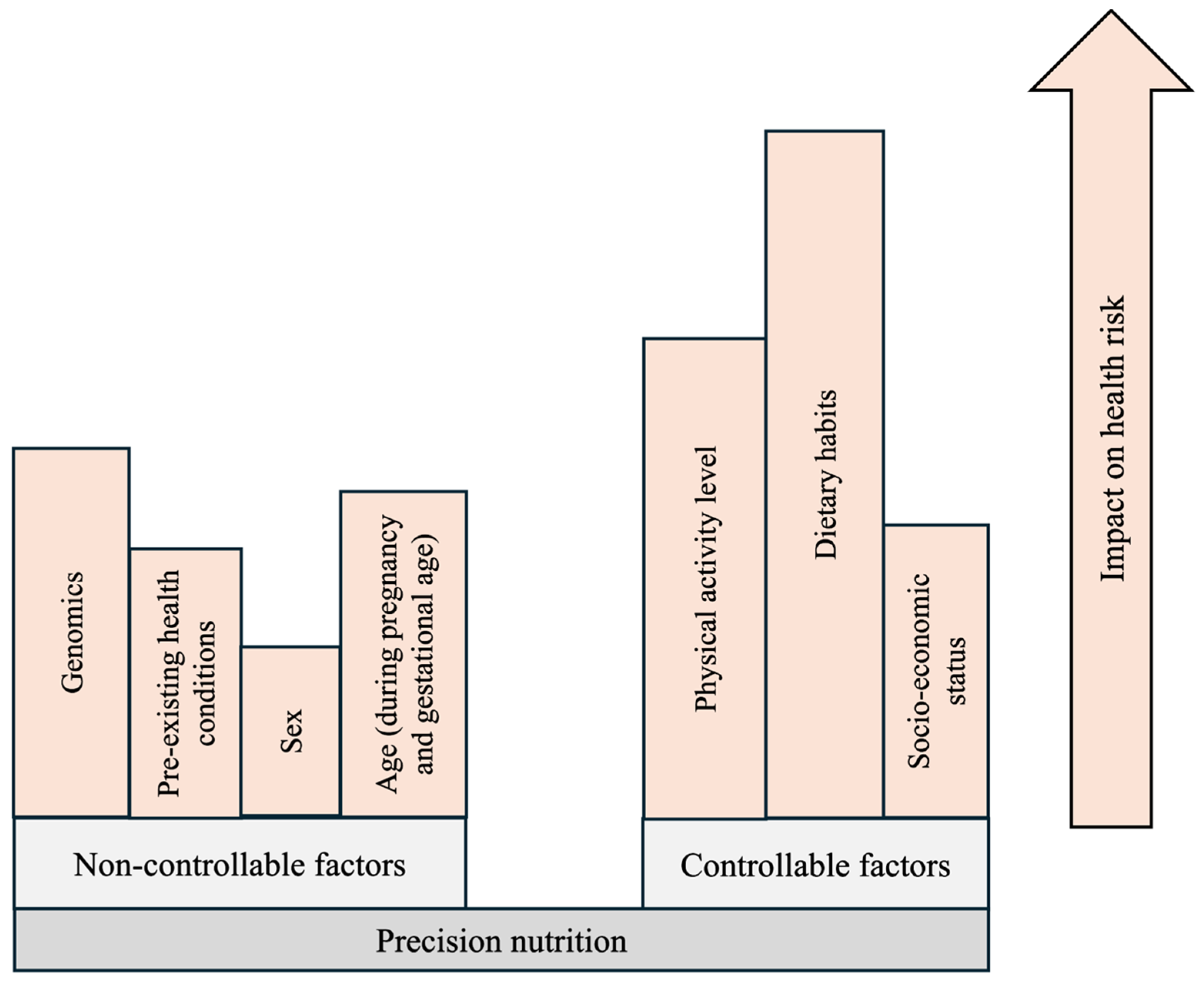
Previous studies have demonstrated the importance of a multifaceted approach to nutrition in pregnant and lactating women, highlighting that nutritional assessments should be accompanied by evaluations of personal and maternal characteristics [7], genetics [8], and microbiota [9,10], given the varying degrees of risk and potential treatment efficacy associated with these factors, as illustrated in Figure 1.
However, current standard nutritional care often follows a one-size-fits-all approach, typically providing generalized recommendations without accounting for individual differences. This approach may not adequately address variations in genetic predispositions, metabolic responses, lifestyle factors, or other personal characteristics that can influence maternal and fetal health outcomes, potentially limiting the effectiveness of interventions and the ability to optimize nutrition for everyone.
Precision nutrition (PN), also sometimes referred to as personalized nutrition, is an evolving area of study in the field of lifestyle medicine. A component of lifestyle medicine, PN focuses on the various genetic and non-genetic factors among individuals that contribute to the risks and diagnosis of diseases [6,12]. As seen in Figure 1, factors impacting nutritional health are either modifiable or non-modifiable [13]. Regardless of whether these can be changed or not, understanding and considering these factors when trying to understand a patient’s health risk is important for creating a PN plan based on the non-controllable and controllable factors and their interactions with each other. Together, these factors can create a holistic profile of a patient and their personal health risk. Although modifiable factors such as diet and physical activity may exert a greater overall influence on health outcomes, non-modifiable factors, including genetics, are essential for explaining interindividual variability in response to these interventions. Accordingly, this review focuses on nutrigenetics and nutrigenomics as the mechanistic foundation that enables more precise and effective modification of nutritional strategies.
The third level of PN, genotype-directed nutrition aims to steer nutrition care to focus on nutrigenetics and nutrigenomics and away from the first two levels of PN, which are conventional nutrition and individualized nutrition [12,14]. Nutrigenetics examines how the genetic variation between individuals causes responses to the same dietary components [15]. On the other hand, nutrigenomics examines the molecular mechanisms behind these different responses, including how food affects gene expression and how genes influence nutrient processing [16]. The main differences are that nutrigenetics emphasizes the role of genetic diversity in determining individual dietary responses, while nutrigenomics explores the underlying molecular processes that govern these gene–diet interactions.
Therefore, PN can complement the health care provided during pregnancy to promote desirable outcomes. Assessing genetic predispositions and the intrauterine environment can create optimal health outcomes before, during, and after pregnancy for both the mother and offspring [17]. As such, a PN approach for pregnant patients can decrease the incidence of negative health outcomes through an array of assessments, including dietary, genetic, and anthropometric measures. Precision nutrition also offers many exciting advantages, including potentially reducing health-care costs, boosting patients’ and clients’ motivation and compliance, extending the health and lifespan of individuals, and the ability to adapt to a patient’s needs as their health and personal circumstances change throughout their lifetime [14,18]. This allows for implementation of preventative measures and treatments that can be adapted as needed [18]. In addition, PN can cater to the specific interests of individuals that are not medically necessary, such as increased fertility, fitness goals, and increased cognitive performance [18].
Another area of exploration is the use of nutrigenetics in the formulation and use of nutraceuticals and functional foods, in which genetic profiles can be used to determine how different metabolisms respond to these supplemental foods [15,19]. This has created a new dimension of personalized medicine that can support the development of nutraceutical products using a genetic approach that considers variability between ethnic groups and individuals [15]. Meral et al. (2024) found that supplements are metabolized differently between individuals based on their genetic profiles and that an understanding of the responses by different genetic variants to supplementation can be useful to mitigate side effects that may occur from their usage [19].
Despite having areas of ambiguity and limited research, scientifically PN holds great future potential that should continue to be explored, particularly in maternal health application. This review aims to explore the role of precision nutrition, specifically in the context of nutrigenetics and nutrigenomics and how they improve maternal and fetal health outcomes in the MENA region. The review is structured to first examine key vitamins, followed by genetic influences and then other factors, reflecting a progression from modifiable nutrient intake to underlying biological and personalized determinants of maternal and fetal health.

2. Methodology

Search Strategy

A comprehensive literature search was conducted across multiple databases to ensure thorough coverage of relevant research in precision nutrition and maternal–neonatal health. The primary databases utilized included Web of Science for multidisciplinary scientific literature, PubMed for biomedical and life sciences research, and Medline for clinical and health sciences publications. Google Scholar was incorporated during later phases of the project to supplement the search, particularly for identifying regional literature from the MENA region that may not be fully indexed in traditional databases.
The search strategy was implemented in two distinct phases, reflecting the evolving scope of the review. During the initial phase, the search focused on precision nutrition in maternal and neonatal health contexts using several keyword combinations. Broad precision nutrition terms included combinations such as “precision AND nutrition AND maternal AND nutrition AND health,” “personal* AND nutrition AND maternal AND neonatal,” and “perinatal AND nutrition* AND personal* AND nutrition AND precision AND nutrition.” To capture literature on nutrient deficiencies and neurocognitive outcomes, searches incorporated terms such as “nutri* AND deficie* AND mother AND newborn AND infant* AND neurocognitive” and “nutr* AND defici* AND newborn AND neuro*.” Additionally, specific micronutrient searches were conducted using terms including “Vitamin B1 OR Thiamine,” “Vitamin B12 OR Cobalamin,” “Vitamin B9 OR Folic acid,” and “Neural tube defects OR NTDs.”
Following the decision to incorporate a MENA regional perspective into the review, the search strategy was expanded mid-project to include geographic and region-specific terms. These additional searches employed keywords such as “MENA,” “Middle East,” “Gulf countries,” and “Gulf Cooperation Council” in combination with the initial phase 1 keywords. Genetic and metabolic markers relevant to the region, including “Hcy gene,” were also incorporated into the search terms. Throughout both phases, Boolean operators (AND, OR) and truncation symbols (*) were employed to combine search terms and capture word variations, ensuring comprehensive retrieval of relevant literature. Search terms were refined iteratively based on initial results to optimize identification of pertinent studies.

3. Vitamins with a Maternal and Neonatal Focus

Although several micronutrients, including vitamin D, iron, choline, and iodine, are equally important for maternal and neonatal health and are commonly deficient in the MENA region [20], this review focuses specifically on thiamine (vitamin B1), cobalamin (vitamin B12), and folic acid (vitamin B9). These B vitamins were selected due to their interconnected roles in one-carbon metabolism, energy metabolism, and neurodevelopment, as well as their direct involvement in genetic and epigenetic regulatory pathways during early life. Concentrating on this group allows for a more focused examination of shared biological mechanisms within a precision nutrition framework. The following sections describe each vitamin individually, outlining their dietary sources, recommended intake, populations at risk of deficiency, and relevance to maternal and neonatal outcomes.

3.1. Folic Acid (Vitamin B9)

Vitamin B9 is a water-soluble vitamin that exists in two main forms: folate and folic acid. Folate is the naturally occurring form found in foods, while folic acid is the synthetic form used in supplements and fortified foods. The recommended folic acid intake for women of childbearing age is 400 mcg per day, which can be obtained through consumption of dietary sources such as green and leafy vegetables, beans, liver, fortified food products, and supplements. The recommended intake is 600 mcg and 500 mcg per day, respectively, for pregnant and breastfeeding women [21]. Groups at risk of folate deficiency include women of childbearing age and pregnant women [22].
However, some evidence suggests that higher folic acid intake or elevated folate status may be associated with adverse outcomes in specific settings, including less favorable reproductive outcomes and an increased risk of gestational diabetes mellitus, particularly with sustained high supplementation or elevated circulating folate levels [23]. In addition, high-dose folic acid intake has been noted to mask the hematological signs of vitamin B12 deficiency, potentially delaying diagnosis in susceptible individuals [24]. These findings underscore the importance of balancing adequacy with avoidance of excessive intake, especially during pregnancy.

3.2. Thiamine (Vitamin B1)

Thiamin(e) is another water-soluble vitamin. Its recommended intake for pregnant and lactating women is 1.4 mg per day [25]. Thiamine naturally occurs in foods such as beans, lentils, and pork. Some food products, such as wheat flour products or breakfast cereals, can be fortified with thiamine to help individuals meet their thiamine intake requirements [26]. Groups at risk of thiamine deficiency include pregnant women with chronic alcoholism, diabetes, human immunodeficiency virus (HIV), acquired immunodeficiency syndrome (AIDS), or who have undergone bariatric surgery [27,28].

3.3. Cobalamin (Vitamin B12)

Vitamin B12, or cobalamin, is a water-soluble vitamin that is found in meats, pulses, and eggs. Other forms of vitamin B12 intake include oral supplementation, intramuscular injections, and fortified foods [29]. The recommended intake for pregnant and lactating women is 2.6 mcg and 2.8 mcg, respectively [30]. In pregnant and breastfeeding women, vitamin B12 deficiency may cause neural tube defects (NTDs), developmental delays, failure to thrive, and anemia in offspring. Vitamin B12 is particularly important in pregnant women and women of childbearing age who follow vegans or vegetarian diets and those with diseases or impairments in bodily processes that impact vitamin B12 absorption and levels in the body [31].

4. Genetics

PN lies on the foundation of both nutrigenetics and nutrigenomics. This field connects genetics with their interactions with environmental factors, such as lifestyle and diet. This allows for a valuable understanding of how these factors impact the expressions of different gene variants [12]. As per the systematic review by Robinson et al. (2021), genetic assessments as part of the PN approach could increase motivation to improve health in individuals who discover that they have a higher genetic risk of disease [32]. This can be valuable for reducing the rate of disease for at-risk groups; however, additional research is needed to determine if, and how, PN could create and sustain behavior change [32].
Diet and nutrition create impactful changes in the body at a genetic and cellular level that affects the body’s homeostasis [14,33]. For example, dietary habits can alter and produce subsequent changes in deoxyribonucleic acid (DNA)-related processes such as the methylation of DNA and histone-modifying proteins, with the most commonly researched processes being those that are related to folate one-carbon metabolism (FOCM) [14,33]. As nutrients act as dietary signals that can enhance or alter genetic activity, thus affecting the body’s homeostasis, there is a need for a strong understanding of nutrigenetic and nutrigenomics during phases of rapid genetic changes such as fetal development [14].
Additionally, food preferences and nutrient requirements may be influenced by genetic makeup, which can somewhat explain a person’s eating habits and natural inclination toward certain foods [33,34,35]. Examples of genetic polymorphisms influencing the dietary preferences of an individual are variations of glucose transporter 2 (GLUT2) for sugar preferences and cytochrome P450 1A2 (CYP1A2), which impacts one’s sensitivity to caffeine [33]. As such, having a genetic predisposition for genes that influence food preferences can increase the risk of disease, especially when there are environmental exposures involved that can create a gene–environment relationship [36]. For instance, if one has an affected gene for GLUT2, which influences a strong preference for sugar, and resides in a society with easy access to high-sugar foods, the gene–environment interaction can increase the risk of obesity.
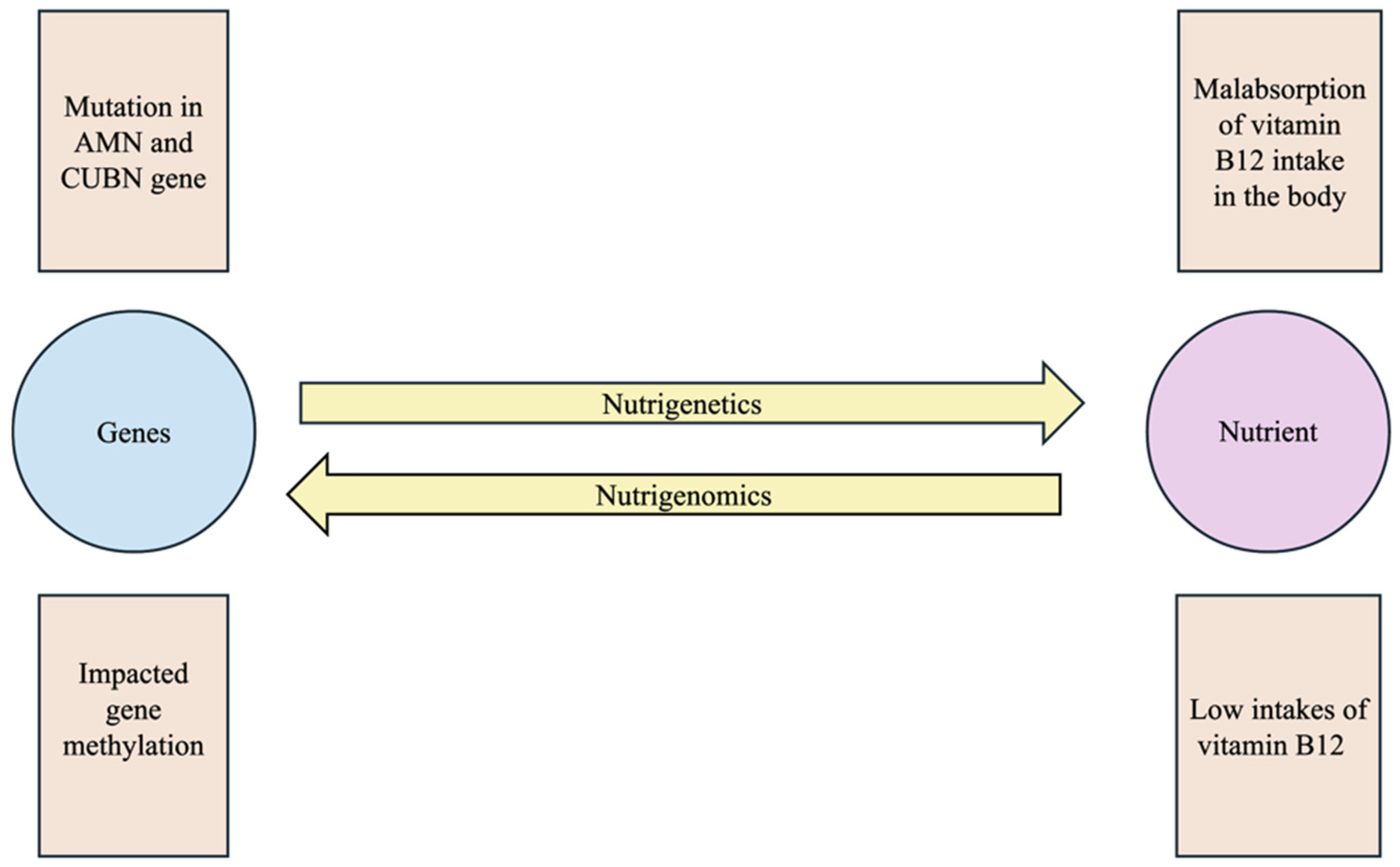
While nutrigenetics and nutrigenomics are opposites of each other, when considered together they provide useful context through their complementation [33]. Specifically, nutrigenetics focuses on how genetic composition affects the way that genes in the body will respond to nutrients and diets, whereas in contrast, nutrigenomics is the impact of nutrients on genetic expression [37]. Figure 2 shows an example of nutrigenomics through the relationship between low vitamin B12 intake from the maternal diet and gene methylation activity, a process that is important for fetal growth and development. In contrast, an example of nutrigenetics is how mutations of the amnion-associated transmembrane protein (AMN) gene and cubilin (CUBN) gene, known as the genetic disorder Imerslund–Gräsbeck syndrome (IGS), can cause malabsorption of vitamin B12 in the body [38]. Nutrigenomics aims to determine which genetic mutations are heterogeneous, which leads to the same expressed phenotype or disease in various individuals. Then, these mutations and their expressed phenotypes can be categorized appropriately and recorded in studies such as genome-wide association studies (GWASs) [37,39].
A nutrigenetic and nutrigenomic focus on maternal nutrition for optimal maternal and fetal health outcomes can provide a genotype-specific nutrition intervention plan. For example, Fabozzi et al. (2022) provides an example of a nutrition intervention for infertile women with impacted folate metabolism based on their genotype [40]. It was suggested that women should take 200 μg, 400 μg, and 800 μg per day of active 5-MTHF for the wild-type, intermediate, and at-risk genotype for the single-nucleotide polymorphisms (SNPs) rs1801131 and rs1801133 of the methylenetetrahydrofolate reductase (MTHFR) gene, in addition to a balanced diet that includes food sources of vitamin Bs.
While this study is used in various applications of medicine, GWASs can help identify genetic associations for nutrition-related diseases and those who may be at a greater risk of these diseases [6,39]. These data can then be applied to better understand others who have the same variant. However, it is important to keep in mind that there are other variables that can impact genetic expression, including non-genetic factors such as age, sex, physical activity levels, gut microbiota, and current health conditions [12].

4.1. Genetic Processes

4.1.1. Folic Acid

Folic acid has active roles in DNA replication, DNA methylation, and DNA-repair mechanisms [41]. These processes are important for preventing genetic mutations from arising and to ensure healthy fetus development. FOCM uses folic acid to methylate DNA [42]. In instances of low folic acid intake, little DNA methylation will happen, which is a phenomenon called hypomethylation [43]. When the homeostasis of FOCM is disturbed, it can lead to oxidative stress in the fetus, which results in damage and mutation to DNA [42]. During folic acid deficiency, there is decreased production of thymine, which is compensated for by substituting thymine with uracil instead [44]. However, this change can cause replication errors that increase the risks of diseases occurring [44].
Other genetic processes that folic acid is important for are neurogenesis, synaptogenesis, neuronal proliferation, and synthesis of neurotransmitters [41,45]. Neurodevelopmental issues arise when these processes do not occur correctly [41]. As a result, outcomes such as autism, NTDs, and other neurodevelopmental issues can arise when there is low folic acid intake received by the fetus [42].

4.1.2. Thiamine

Biochemically, thiamine acts as a cofactor for enzymes in the glucose metabolism pathway [26]. These enzymes partake in processes such as energy production, cell replication, and neural activity. Inadequate thiamine status impairs the body’s ability to carry out these processes properly and can lead to oxidative damage that may lead to cell death.

4.1.3. Vitamin B12

Vitamin B12 aids in biochemical reactions that support the functioning of the nervous system and cognitive functioning, including a role in the methylation of genes [46]. Signs and symptoms of deficiency include muscle weakness, negative impacts on psychological well-being, numbness, eye problems, and brain atrophy, and infants may experience an aversion to food [47].

4.2. Mutations in Genes

4.2.1. Folic Acid

A popular focus in genetic research is on the MTHFR gene. Mutations of this gene affect how folate is utilized in the body, thereby impacting an individual’s folic acid requirements [48]. Micronutrient deficiencies and inadequacies constitute a global health issue, particularly among countries in the Middle East, with folate deficiency representing a critical concern across the region. Based on recent comprehensive reviews focusing on countries in advanced nutrition transition and early nutrition transition, prominent deficits in folate, iron, and vitamin D are noted among children/adolescents, women of childbearing age, pregnant women, and the elderly [20]. Certain mutations are more common among some ethnic groups [49]. Through a stronger understanding of mutations that affect genotypes of the MTHFR gene, personal folic acid requirements can be determined.
For example, polymorphisms of C677T and A1298C of the MTHFR gene are often seen concurrently with NTDs [50]. C677T is associated with low plasma folate levels and DNA methylation activity.
The C677T polymorphism in the MTHFR gene reduces the level and availability of the substrate 5-MTHF by impairing the body’s ability to convert folate into 5-MTHF [50]. 5-MTHF is an important substrate that takes part in the one-carbon cycle and for methylation activity to occur. Decreased activity of the one-carbon cycle will lead to elevated homocysteine (Hcy) levels, which may increase the risk of NTDs and autism [51]. However, meeting adequate folic acid requirements for those with homozygosity for C677T can decrease total plasma Hcy levels, with potentially negative implications [52]. This could be demonstrating a possible link between genetic mutations, biomarkers for folic acid deficiency, and consequential negative health outcomes such as NTDs.
Recent studies on MTHFR gene variations have revealed differences across Middle Eastern populations, highlighting the need for tailored screening programs based on local genetics. A study by Al Khatib surveyed 470 women between ages 15 and 45 at government health centers in Lebanon, finding that one in four women had low folate levels (below 6.6 ng/mL) [20]. Across the Middle East, neural tube defects occur in 1 to 3.3 out of every 1000 births, which is concerning given that many countries in the region have folic acid fortification programs already in place. Saudi Arabia shows particularly troubling patterns, with observational studies documenting neural tube defect rates between 1.05 and 1.90 per 1000 births. These findings suggest that uniform fortification may not adequately meet the needs of individuals with genetic variants such as the MTHFR C677T polymorphism, which can impair folate metabolism and reduce responsiveness to standard folic acid intake. A precision nutrition approach incorporating genetic screening could help identify individuals at higher risk of folate insufficiency and enable targeted interventions, such as adjusted folate dosing or alternative folate forms, thereby addressing gaps left by population-level fortification programs.
A systematic review and meta-analysis by Alfaleh et al. (2023) noted that there was an association between recurrent pregnancy loss and carriers of mutations for the MTHFR C677T gene in Arab mothers [53]. Determining if these mutations and folate status are causing pregnancy loss to occur can provide a valuable opportunity for nutrition intervention. However, the authors advise that further research is needed on a greater population of Arab mothers that are carriers for the C677T mutation and the role of paternal genetic contribution in recurrent pregnancy loss.
In the Khan et al. (2024) study of 45 healthy females living in the United Arab Emirates (UAE), no women were found to be homozygous T for the MTHFR C677T polymorphism [54]. However, given the small sample, these findings cannot be generalized to draw broad conclusions about the genetic risk of MTHFR C677T polymorphism in the broader UAE female population. Larger population-based studies would be needed to accurately characterize the prevalence and genetic risk associated with this polymorphism in UAE women.
In Wilcken et al. (2003), a pattern of greater prevalence of homozygosity for the C677T (TT) was observed in certain regions and ethnic groups [52]. While comprehensive data for Middle Eastern populations remain limited, comparative analysis with populations sharing similar genetic backgrounds becomes particularly relevant for understanding potential MENA patterns. Samples of newborn specimens from Mexico, the region of Campania in Italy, the Han ethnic group in northern China, and Hispanics in Atlanta, US, had genotype frequencies of 32.2%, 26.4%, 19.8%, and 17.7%, respectively. These elevated frequencies in Mediterranean and other populations suggest that similar patterns may exist in Middle Eastern countries, particularly given shared ancestral backgrounds between Italian and some Arab populations.
These high genotype frequency rates for TT genotype of the C677T could explain other existing research findings of Mexico and northern China regarding their high incidence of NTDs [52]. Additionally, comparison of samples of newborn specimens from the same geographic region of Atlanta showed a 17.7% prevalence of homozygosity for C677T in babies of Hispanic background, whereas in Blacks there was only a 2.7% genotype frequency. Once again, these rates comparably coincide with the rates of NTDs in these groups within the United States of America and interestingly may suggest the large role of ethnicity in the genotypic frequency of C677T, even in those living in different geographic locations, such as Hispanics in the United States of America compared to those in Mexico. As noted by Wilcken et al. (2003) [52], the variation in genotype frequencies of C677T among ethnic groups can be valuable for public health policymakers in developing initiatives such as fortification programs for folic acid and daily folic acid requirements specific to geographic area and ethnic populations.
In addition to ethnicity, geographic location and direction in reference to other areas have highlighted trends in the distribution of the C677T genotype, such as the increase in homozygosity from Northern Europe to Southern Europe and from Alberta, Canada to Atlanta [52].
It is common for there to be mating between different ethnic groups in Arabian societies, which may make it difficult to conduct studies that focus on the genetic variability that exists within specific Arab ethnic groups [55].

4.2.2. Thiamine

Thiamine is an important micronutrient for energy metabolism, and as such, metabolic activities such as illness, stage of pregnancy, lactation, and physical activity levels influence its requirement [26]. Thiamine deficiency causes include excessive alcohol intake, refeeding syndrome, and surgical operations [56]. Lower absorption or higher excretion rates can also be caused by medical conditions like alcohol dependence, HIV, or AIDS.
Thiamine beriberi deficiency categories include wet, dry, or infantile beriberi. Dry beriberi causes damage to the nerves in the nervous system, especially in the extremities of the body, whereas wet beriberi affects cardiovascular function in the body [56]. Infantile beriberi is caused by low thiamine content in maternal breast milk, which can be due to the mother’s low thiamine intake or status [26]. Another thiamine deficiency category is Wernicke–Korsakoff syndrome, which is often accompanied by excessive alcohol use.
The genomic domain of PN can be analyzed to explore the hereditary causes of thiamine deficiency. Mutants for SLC19A2 and SLC19A3 thiamine transporter genes have lower thiamine absorption activity [57]. This can interrupt normal and critical functioning in the body, particularly those functions that have neurological impacts and can cause neurodevelopmental problems. Including genetic testing when assessing for diseases can provide an appropriate diagnosis and treatment plan earlier to prevent further disease progression. In our literature search, we were unable to find information on these mutations in Middle Eastern populations, highlighting a regional data gap. Similarly, information on AMN, CUBN, GIF, and TCN2 genes related to vitamin B12 in this region could not be found, underscoring the need for region-specific research to strengthen the applicability of precision nutrition strategies for these vitamins.

4.2.3. Vitamin B12

There are cases where vitamin B12 deficiency is not caused by low intake, but instead by genetic factors. Usually, these genetic mutations are caused by autosomal recessive genes [47]. Dysfunction of proteins and receptors related to vitamin B12 absorption can impact vitamin B12 status. Impairment in the functioning of these genes affects the enzymes, proteins, and receptors that have a role in methylation, leading to various cellular issues, and high Hcy and methylmalonic acid (MMA) levels. In most cases where deficiency is caused by genetic factors, lifelong treatment will be needed.
A few examples of genes that can impact vitamin B12 status include the AMN gene, CUBN gene, gastric intrinsic factor (GIF) gene, and transcobalamin II (TCN2) gene [38]. Again, here we were could not find information relevant to these genes for any Middle Eastern population. Additionally, individuals with the condition pernicious anemia are not able to absorb food-bound or free vitamin B12. Intrinsic factors are required to absorb vitamin B12, and when there is a low presence of or absence of intrinsic factors, pernicious anemia may arise. The inability to produce intrinsic factors can be caused by surgeries impacting the stomach, autoimmune conditions, and gastritis. A genetic screening test can determine if there are genetic factors impacting vitamin B12 status if supplementation is not bringing vitamin B12 status to the appropriate level.
The AMN and CUBN genes code for the proteins amnionless and cubilin, respectively [58]. These proteins form a complex that acts as a receptor for intrinsic factor–vitamin B12 for uptake of vitamin B12 [59]. Mutations in the AMN and CUBN genes can cause the genetic disorder IGS [38]. As mentioned in Figure 2, mutations of the AMN and CUBN genes result in the malabsorption of vitamin B12 in the body [58].
The TCN2 gene produces transcobalamin, and when mutated, it can cause a transcobalamin deficiency [38]. Transcobalamin transports vitamin B12 in the blood, and if deficient, vitamin B12 will not be delivered throughout the body [47]. Most vitamin B12 is bound to haptocorrin (HC), but unlike transcobalamin, it cannot enter cells [47]. Symptoms of transcobalamin deficiency include macrocytic anemia, hypotonia, and other neurological impacts [47].

4.3. Epigenetics

Epigenome-wide association studies (EWASs) are a collection of findings related to epigenetics and its activities in DNA methylation, non-coding ribonucleic acid (RNA), histone protein modifications, and chromatin remodeling [50,60]. These studies focus on the environmental factors that change how a gene expresses itself and its phenotype without changing the genetic code [50]. Factors such as physical activity, stress levels and sleep duration and quality can be interrelated with one another, thus creating an indirect impact on DNA expression [50,61]. For example, fetal DNA methylation is impacted by maternal profiles that include obesity, smoking, and poor diet and lifestyle habits [60]. Exposure to these environmental factors can affect genetic expressions as early as preconception [50]. Impactful periods of early life include fertilization of oocytes, pregnancy, infancy, and others that are important for the healthy development and growth of body tissues [14,17].
Fetal development is a time in which the synthesis of DNA is a major event required for healthy development and is dependent on folic acid intake and its by-products, such as purine rings, to do so [50]. MTHFR is an important enzyme that catalyzes folic acid and allows folic acid to participate in the one-carbon cycle. This important relationship allows neural tube closing and DNA methylation to occur. While adequate folic acid status is important for fetal development, high intake of folic acid has been associated with incidence of food allergies, asthma, and hepatotoxic affects. Weight gain in children whose mothers engaged in a maternal diet low in carbohydrate intake can be explained as an epigenetic phenomenon [62]. As per the predictive adaptive response (PAR) theory, the fetus will adapt to its intrauterine environment and the nutrition available in the womb [17]. Therefore, fetal development will occur based on the presumption that the nutrition available in the postnatal environment will be similar to the prenatal environment. The more significant the difference between the prenatal and postnatal nutrition intake is, the greater the risk of disease.

4.4. Homocystinuria: Genetics and Vitamin B Considerations in MENA

Accumulation of Hcy in the body can be indicative of a deficiency in some B vitamins or a genetic condition known as homocystinuria [63]. Homocystinuria is caused by mutations of the cystathionine beta-synthase (CBS) gene, which seems to have a greater prevalence in certain ethnic groups and geographic locations. Failure to reduce plasma Hcy levels can create consequences such as an increased risk of NTDs, cardiovascular disease, and neurodegenerative diseases [64]. Qatar has been reported to have a rate of 1:1800 newborns affected by homocystinuria, a rate that is higher than many other parts of the world. The presence of homocystinuria in Qatar is often caused by the missense mutation p.R336C [65]. Supplementation of folic acid and vitamin B6 and a low-protein diet are dietary interventions that can be implemented to lower Hcy levels, although the success of such dietary intervention to address high Hcy levels varies [64].
Folic acid and vitamin B12 are cofactors that are required for regulating Hcy levels [65,66]. Thus, genetic mutations that impair the body’s ability to absorb or metabolize folic acid and vitamin B12 or regulate Hcy levels can cause negative health effects on female fertility, gamete production, and increase the risk of NTDs [38,66,67]. The high consanguinity rate in Qatar can be a significant point that contributes to its high prevalence of the genetic condition homocystinuria, as the disease is an autosomal recessive disorder [64]. In other Middle East and North Africa (MENA) countries, such as Oman and Saudi Arabia, the prevalence of homocystinuria is 1/128,200 births and 2/100,000 live births, respectively. Similarly, consanguinity may increase the frequency of other B vitamin-related genetic conditions in MENA populations, highlighting the importance of population-specific risk assessment.
Precision nutrition can play a key role in preconception genetic screening in these societies by identifying carriers of relevant mutations and informing tailored nutritional and lifestyle interventions. Siblings of offspring affected by homocystinuria or those with a family medical history of homocystinuria should consider genetic testing if they wish to reproduce [64]. Early detection enables timely interventions, including diet optimization and supplementation, which can reduce the risk of adverse outcomes in offspring.

5. The Application of Precision Nutrition in Various Life Stages

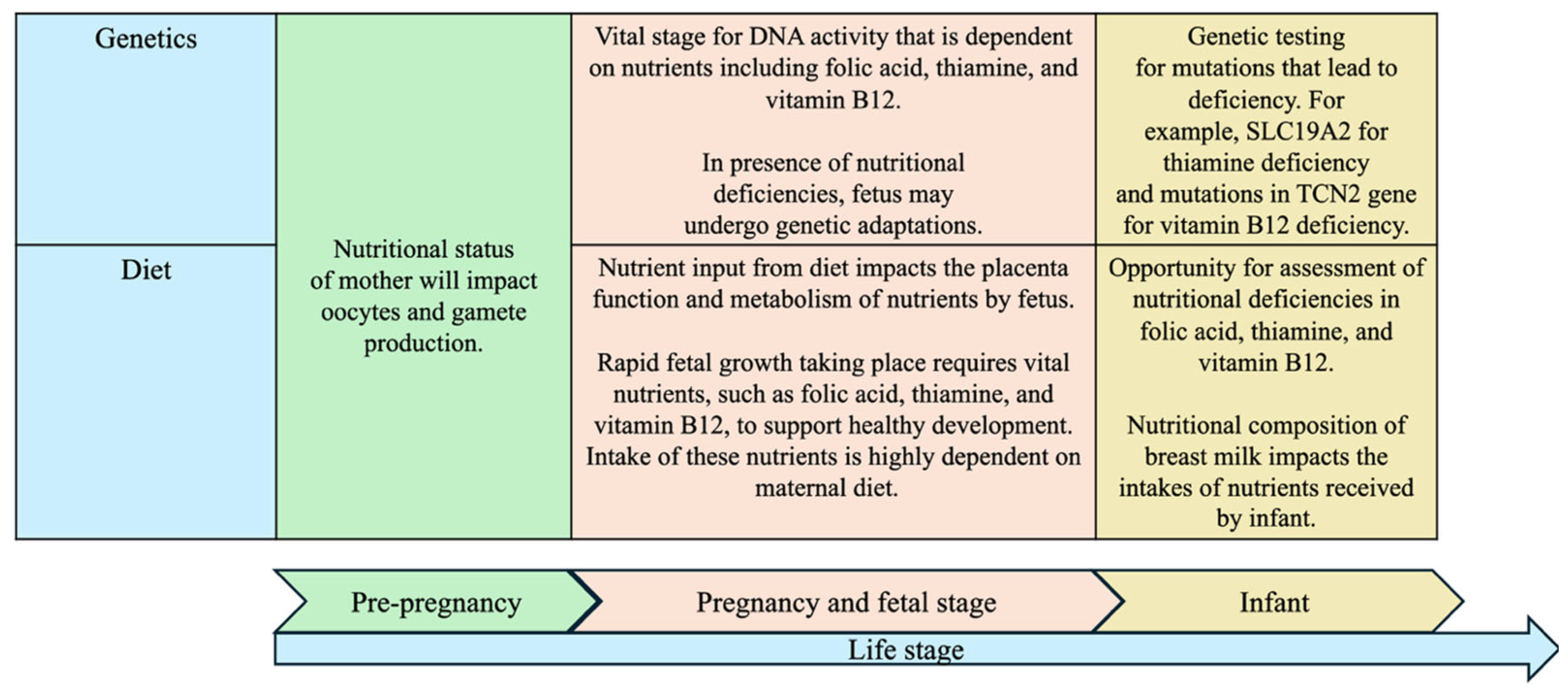
Poor nutrition during fetal and infant development can increase the risk of diseases such as cardiovascular disease, obesity, chronic obstructive pulmonary disease (COPD), and diabetes in later life [6]. As such, using PN in the early stages of development can prevent these diseases from occurring by playing an important role in the early stages of development and helping to prevent such diseases. PN can guide nutrition interventions during pregnancy, the neonatal stage, and lactation to optimize health outcomes for both infants and adults. Importantly, each life stage has unique nutritional needs, and interventions should be tailored accordingly, starting from pre-pregnancy. Figure 3 illustrates the changing roles of dietary and genetic factors from pre-pregnancy to infancy, highlighting how these factors can interact and complement each other.

5.1. Precision Nutrition During Pregnancy

5.1.1. Thrifty Phenotype/Barker Hypothesis

The “thrifty phenotype” or “Barker hypothesis” is the idea that poor nutrition during pregnancy and childhood can increase the risk of negative health outcomes such as type 2 diabetes [61]. This risk is thought to arise from reductions in hormone secretion and sensitivity, including insulin and insulin-like factors, which are critical for fetal development. These adaptations, also called fetal growth restriction, allow the fetus to prioritize life-sustaining organs while limiting non-essential growth [6,62]. This concept illustrates how early nutrition can shape long-term health, a foundation for the field of PN [61].

5.1.2. Overnutrition During Pregnancy

Overnutrition during pregnancy can also negatively impact fetal development by altering placental function and nutrient metabolism [6]. Consequences may include obesity and increased risk of eating disorders later in life [68]. Maternal overnutrition can influence offspring neurochemistry, creating reward pathways similar to those seen in addiction, which may affect dietary preferences and weight regulation. Additionally, maternal diet before and during pregnancy can influence genetic and epigenetic programming of gametes, with potential long-term effects on offspring health [6].

5.1.3. Neurochemistry and Eating Behaviors

PN should also consider the influence of genes that are involved with neurochemistry, including the levels and functioning of neurochemicals affecting mood and behavior. It is known that there are genes that impact eating behaviors, including binge eating disorder [69]. For example, the catechol-O-methyltransferase (COMT) gene holds the SNP rs4680 (G), which is associated with binge eating behaviors. Misfunctioning of the COMT gene can lead to abnormal levels of neurochemicals like dopamine and noradrenaline, which can contribute to the risk of binge eating disorders and obesity that may be accompanied by mood disorders. PN could be used to determine if someone is affected by a genetic mutation(s) for the COMT gene. Since the COMT gene is associated with binge eating disorder, nutraceuticals with catechins could be recommended to help with managing weight [70].
While Khoruddin et al. (2022) [69] and Gkouskou et al. (2021) [70] do not expand on the role of the COMT gene in the eating habits of mothers during pregnancy, understanding the neurochemical background of the reward–motivation system in relation to eating can be beneficial to use for PN in mothers during pregnancy and lactation, as this is a time when hormones and mood swings are common and impact the food decisions being made. This is a topic that should be explored, as if it is better understood, healthy food choices can be easier to make during pregnancy and lactation, which can prevent nutrient deficiencies in both the mother and their offspring.
An emphasis on adequate macronutrient and micronutrient intake in a diet for pregnant women is important for positive health outcomes of mothers and their offspring [62,71]. Characteristics of these diets include limited intake of simple sugars, processed foods, fatty red meat, and refined grains, which should be replaced with nutrient-dense foods such as plentiful intake of fruits and vegetables, whole grains, legumes, and fish [62]. To optimize the health outcomes of both mother and offspring, diet counseling should be included as part of pregnancy health care [71]. Fad diets, such as the paleo and ketogenic diet, and diets of excess saturated foods are not appropriate for pregnant women [62]. Additionally, a healthy maternal diet should also be accompanied with physical activity counseling for healthy weight gain during pregnancy [62].

5.2. Precision Nutrition Outcomes During Fetal Development and into Infancy

Although neonates may be growing as expected in their growth charts, other factors may be present that can cause negative health outcomes to occur, and these factors could be accounted for using PN during the neonatal stage [72]. Even during early life, factors such as sex can influence the nutritional needs of neonates.
Genes that are critical during fetal growth and development include H19, maternally expressed gene 3 (MEG3), sarcoglycan epsilon gene/paternally expressed gene 10 (SGCE/PEG10), and pleomorphic adenoma gene-like 1 (PLAGL1) [73]. While there is limited evidence of vitamin B concentrations influencing H19, SGCE/PEG10, and PLAGL1, MEG3 seems to have a link with vitamin B levels.
Low maternal levels of vitamin B6 and vitamin B12 can impact genes involved in DNA methylation and regulation that are involved in fetal growth and development, an example being MEG3. Dysregulation of MEG3 is associated with chromosomal disorders that could be caused by a uniparental disomy, creating lifelong impacts on the offspring [73]. The low rate of methylation of this gene can be associated with reduced activity of the one-carbon pathway due to low levels of maternal vitamin B6 and vitamin B12, which can lead to the dysregulation and functioning of MEG3. Further investigation should be conducted to determine the significance of the link between the status of vitamin B6 and vitamin B12 levels, and MEG3, which could be valuable for promoting positive pregnancy outcomes. Wang et al. (2021) noted that MEG3 gene’s role regarding the regulation of trophoblasts is related to the prevention of preeclampsia [74]. This could possibly be helpful to understand the association between vitamin B6 and vitamin B12 and preeclampsia risk with a greater focus on genetic detail. In particular, the active form of vitamin B6, pyridoxal phosphate, is associated with higher methylation of the MEG3 differentially methylated region (DMR) [73].

5.3. Precision Nutrition During Lactation

The breast milk of a mother is a form of personalized nutrition for their infant [75]. Breastfeeding is associated with numerous health benefits, including protection against obesity and higher protein content than formula milk, and it may prevent type 2 diabetes and other health conditions in later stages of life [6]. As maternal diet impacts the nutritional composition of breast milk, an adequate and balanced maternal diet is important for producing optimal health outcomes in the newborn [76]. In addition to maternal diet, maternal adipose nutrient stores, infant age, breasts, time of the day, and population group are all factors that contribute to maternal milk composition, including changes in its nutrient composition over time [62]. As maternal diet makes up the breast milk composition, it can also influence the flavor of their breast milk, which may cause taste preferences in their infant.
While breastfeeding benefits have been extensively researched, additional research should be conducted on mothers who have had bariatric surgery to determine what the optimal milk source may be for their infants, as the surgery can impact the nutritional content of breast milk, particularly its vitamin B12 and milk fat content [77]. PN strategies may help guide supplementation or dietary modifications to ensure optimal nutrition for these infants.

6. Risk Factors and Health Outcomes of Deficiency

6.1. Folic Acid

During pregnancy, the folic acid requirement is 600 mcg, which is an increase of five- to tenfold [21,78]. For breastfeeding women, the folic acid requirement is 500 mcg per day [21]. Folic acid requirements increase during fetal development because of its important roles for fetal genetic processes to ensure accurate nucleic acid synthesis for fetal development [41]. Low intake of folate, or folic acid, before and during pregnancy can increase incidence of NTDs and autism spectrum disorder (ASD) [42]. As such, there have been mandatory fortification programs enforced in countries such as Canada, the United States, Chile, and Saudi Arabia [79,80]. For example, Saudi Arabia’s mandatory flour fortification program with the Grain Silos & Flour Mills Organization in 2000 included the nutrients iron, folic acid, niacin, riboflavin, and thiamine [80,81].
The implementation of this program, which was enforced by the Ministry of Health, saw a decrease in the rate of NTDs from 1.9/1000 live births during 1997–2000 as reported by Safdar et al. (2007) [82] to 0.44/1000 live births from 2001 to 2010 as reported by Hakami and Majeed-Saidan (2011) [83]. It was later reported by Al Rakaf et al. (2015) that the rate increased to 0.90/1000 live births from 2010 to 2013 [81].
Unfortunately, there are varying conclusions from studies regarding the success of the folic acid fortification program in Saudi Arabia and the current rate of NTDs, which makes it difficult to determine what the true prevalence of NTDs is in Saudi Arabia [81]. There is a serious risk of fetal congenital defects in the offspring of pregnant mothers who are deficient in folic acid [84]. During pregnancy, folic acid aids in many vital processes supporting fetal development and placental functions such as maintaining blood flow in blood vessels to and from the placenta. Also, paternal folic acid status could impact the health outcomes of offspring [42]. Folic acid supplementation can prevent complications such as preeclampsia and improve overall pregnancy outcomes [84]. Genetic outcomes of low maternal folic acid status include oral clefts, risk of cardiovascular disease defects, NTDs, autism, and congenital heart disease [42]. However, it is important to keep in mind that low folate status can be due to factors other than inadequate intake [85]. Some of these factors are malabsorption of folic acid by the body, drug interactions with medications, and mutations in the enzymes that work with folate [85]. Also, a family medical history of NTDs and ASD should be considered as another possible contributor to similar health outcomes.
Regarding ASD, folic acid supplementation should ideally begin at a minimum of 2 months before pregnancy and should be continued into the first few months of pregnancy in order to prevent ASD [43]. One meta-analysis showed that there was a 58% reduced risk of ASD in the children of mothers who had prenatal folic acid supplementation, which is evidence of the association between ASD and maternal folic acid intake [45]. Like ASD, poor folic acid intake during fetal development can also cause NTDs [86]. NTDs occur when the neural tube fails to close correctly during early stages of development as a fetus [42]. This phenomenon, called spina bifida, causes weakness and paralysis in the lower limbs, abnormalities such as hip dislocation and scoliosis, and other neurological and growth defects [85]. Other types of NTDs are anencephaly and encephalocele. While folic acid has a major role in preventing NTDs, neural tube formation is an integrative mechanism that has many other factors that are dependent on beyond folic acid status [42]. Integrating these variable factors to foster optimal health outcomes during fetal development could be achieved through PN.
Beginning folic acid supplementation as early as the preconception period in women who are of childbearing age can be beneficial in terms of preventing NTDs in offspring [85]. As of 2006, the World Health Organization (WHO) recommended that to reduce the risk of NTDs during fetal development, women who are of reproductive age should have a daily folic acid intake of 400 μg and a folate concentration in red blood cells of 906 nmol/L in the first trimester [42].

6.2. Thiamine

Pregnant and breastfeeding women can meet their daily thiamine requirement of 1.4 mg by consuming fortified food products. Some food products, such as wheat flour products or breakfast cereals, can be fortified with thiamine to help individuals meet their thiamine intake requirements [26]. The need for thiamine is dependent on various factors specific to an individual. These factors include age, present health conditions, life stage, and physical activity level. As thiamine is important for energy metabolism, its requirements are affected by any metabolic activity, such as illness, stage of pregnancy, lactation, and physical activity levels. Other factors include excessive alcohol intake, refeeding syndrome, and surgical operations [56]. These events have an impact on energy metabolism and utilization [26]. These variable factors mean that thiamine requirements can vary among individuals, and consideration of these factors is needed to determine what the best intake of thiamine is for an individual. Additionally, it is important to recognize that there are other factors that can impact the absorption and utilization of thiamine other than inadequate intake, and that those instances would require different treatments [87].
Furthermore, thiamine has limited body stores, which requires it to be excreted often [26]. However, the body also has a high utilization rate of thiamine, which creates the need for frequent thiamine consumption in the diet. Currently, there is no established upper limit for thiamine.
The effects of infantile beriberi can have consequences that inhibit healthy neurodevelopment in infants, leading to poor long-term health outcomes [26]. Symptoms of thiamine deficiency in infants include a soundless cry, muscle weakness in the eyes, convulsions, irritability, vomiting, and little interest in breast milk [26,87]. Neurodevelopmental outcomes of thiamine deficiency are gross and fine motor impairments, poor language development, and cognitive deficits [26]. These are caused by disrupted glucose metabolism, which in turn impacts the brain development and function.
The risk of thiamine deficiency varies between demographics such as race and weight [60]. Groups at risk of deficiency include obese people, bariatric surgery recipients, certain races, pregnant women, and people in low- and middle-income countries [88,89].
Thiamine deficiency prevalence can be anywhere between 15% to 29% in obese people before bariatric surgery, and this value increases for those tested after bariatric surgery, accompanied with the added increased risk of Wernicke’s encephalopathy [88]. It has been observed that there is a comparable prevalence of thiamine deficiency between races among patients before bariatric surgery, suggesting that race may have a role [57]. For example, a prevalence of 47% and 31% of thiamine deficiency pre-bariatric surgery was found in Hispanics and African Americans, respectively, whereas only 6.8% of white people were deficient [90].
There is concern about whether prenatal vitamins are meeting the daily requirements of various micronutrients, among which are thiamine, vitamin B6, and vitamin B12 [88]. Pregnant women who are taking prenatal supplementation may still not be receiving adequate thiamine intake, which could be 27–38% of pregnant women. Low-income countries in Southeast Asia such as Cambodia, Laos, and Thailand have a marked thiamine deficiency trend in infants, children, and women of reproductive age [89]. For example, estimated ranges of thiamine insufficiency in Cambodia are 27–100% in women of reproductive age and 70–100% in infants. Even into childhood, it is estimated that 15–58% of children 6–59 months old have thiamine deficiency.

6.3. Vitamin B12

Vitamin B12 is one of the micronutrients needed for methylation of DNA and RNA, which impacts the rate of myelination [46]. Intake of 2.6 mcg and 2.8 mcg daily for pregnant and breastfeeding women, respectively, is recommended [30]. A low rate of myelination will reduce the speed of transmission of neural impulses, thus affecting learning, memory, and other cognitive functions [46]. Neurocognitive deficits that are associated with vitamin B12 deficiency include irritability, failure to thrive, and developmental regression [46].
During pregnancy, vitamin B12 is important for developing visual and auditory senses in the fetus [91]. As expected, low maternal intake and status of vitamin B12 will affect the fetus’s status during fetal development and during the lactation stage. Furthermore, vitamin B12 deficiency during pregnancy can increase the risks of hyperglycemia and obesity in pregnant patients, which can affect their and their fetus’s health. It is not currently clear which trimester low vitamin B12 status has the greatest negative impacts.
Breastfeeding and formula feeding are linked to the levels of vitamin B12 in children. There were higher levels of vitamin B12 in children who were both breastfed and formula-fed in a study by Y. Chen et al. (2024) [92]. Additionally, children who started eating solid foods after 4–6 months of age had higher vitamin B12 levels than children who began eating solid foods after 6 months of age. The findings of this study should be investigated further to determine the value of milk choices and solid food introduction for optimal vitamin B12 levels in children. These findings could help understand how the dietary choices made in early life can complement the dietary domain of PN.
Most of the vitamin B12 content of breast milk is bound to HC, which may help infants absorb vitamin B12, although it not known for sure [93]. In cow milk formula, vitamin B12 content is bound to transcobalamin II instead of HC. In infant formula, vitamin B12 is not bound to a protein and is free B12. In one study, it was found that transcobalamin II levels from cow milk may decrease during infant formula processing, which could impact the availability of vitamin B12 for the body to absorb. Variations of formula milks are cow milk-based formula, soy-based formula, and specialized formula [94]. Cow milk requires modifications to mimic breast milk composition, such as diluting and skimming it due to its higher content of fat, minerals, and protein, which is harmful to infants.
As mentioned earlier in Section 4.3, breast milk composition is dependent on the time of day and infant age, among other factors, including lactation duration, and time since last feeding [62,95]. As such, analyzing the composition of breast milk can be difficult due to continuous changes [95].

7. Public Health Initiatives

7.1. Folic Acid

The “eight stages and five dimensions” model of PN shows how additional measures can be used to provide nutrition counseling that is specific to a patient’s characteristics [96]. This model considers components such as genomic profiles and mutations and metabolomic interactions between nutrients, genes, and body organs. These measurements are used together with technology such as artificial intelligence (AI) algorithms, and big data to best understand each patient’s case.

7.1.1. Folic Acid Fortification in Flour

Folic acid fortification programs are enforced in many countries around the world, including Canada, the United States of America, and Chile [79]. In the MENA region, currently 11 out of 22 Middle Eastern countries have mandatory wheat flour fortification, primarily with iron and folic acid, while others have voluntary initiatives [97]. Flour is often the choice of food for fortifying folic acid because it is commonly consumed and changes in dietary habits are not needed. This gives women who are of childbearing age daily folic acid intake even during the preconception phase.
After the implementation of fortified flour products in Canada, there was a drop in the rates of NTDs from 1.58 per 1000 births to 0.86 per 1000 births [78]. This suggests that there is an association between folic acid supplementation and NTD rates and that fortification programs, such as Canada’s, are successful in preventing NTDs.
When comparing the economic costs of NTDs, folic acid fortification in flour is cheaper for society and health-care systems [79]. This economic advantage is particularly relevant for MENA countries, where some, such as Turkey and Syria, have strong and healthy agricultural sectors, while others rely heavily on imported food [98], making cost-effective interventions essential. A factor that affects the cost–benefit ratio of fortified flour is the dose of folic acid in it. The cost–benefit ratio is higher for fortified flour where the folic acid dose is above 300 μg/100 g than below it. Regardless, all these doses are still cost-effective in comparison to the economic and health costs of folic acid deficiencies on health-care systems. In addition, flour fortification is cost-effective for those who have limited or no health-care coverage, which is particularly important given the significant variation in food patterns and economic conditions across the Middle Eastern region.

7.1.2. Intended and Unintended Effects of Folic Acid Fortification

These programs can also increase folic acid intake in other groups such as males, children, and seniors [86]. However, future research is needed to understand if and what health concerns there are with over-supplementation and what groups are at greater risk. Currently, it is understood that high intake of folic acid does not improve brain development and could cause negative effects [41]. The possible negative outcomes of over-supplementation are immune diseases and ASD [42]. Perhaps using PN could help find the optimal folic acid intake for an individual. Additional concerns regarding folic acid fortification programs are the circulation of unmetabolized folic acid in the body and missed opportunities for diagnoses of vitamin B12 deficiency that is being masked by increased folic acid intake [86].

7.2. Thiamine

There are public health initiatives in regions where thiamine deficiencies are a concern [87]. Often, the diets in these regions lack food diversity, and the main sole source of nutrition comes from one common food source found in the area. An example of this is in Cambodia and in the Kurian people, where rice is a common staple of their diet, and can contribute to the prevalence of thiamine deficiency there [10,87]. Fortifying rice with thiamine in these settings offers the economic advantage that less thiamine will need to be added to the rice during processing, since rice is frequently consumed [10].
Changes in cooking and food preparation practices could address inadequate intake of thiamine. For example, instead of washing rice, which removes nutrients such as thiamine, rice could be parboiled [87]. However, inadequate intake is not always the cause of low thiamine status, as there could be poor absorption, transport, and bioavailability of thiamine in the body, so dietary interventions that aim to increase intake may not always be effective [26].

7.3. Vitamin B12

Additionally, there is interest in fortifying yeast with vitamin B12 to reach vegan and vegetarian populations, as these diets impose the risk of vitamin B12 deficiency due to the lack of meat, eggs, and dairy product consumption [99]. A literature review found a 17–39% presence of vitamin B12 deficiency in pregnant vegetarian women, using vitamin B12 serum concentrations as a biomarker [100].
Another literature review assessed the rate of vitamin B12 deficiency in various populations, including pregnant women [101]. This review found that 62% of pregnant women have vitamin B12 deficiency based on the lab values of MMA or holotranscobalamin II alone, or in some studies, both values were assessed together. When diagnosing vitamin B12 deficiency in pregnant women, there needs to be consideration of the fact that pregnancy increases vitamin B12 needs during fetal development and that dietary changes need to be made to reflect increased demands [102].

7.4. The Gulf Cooperation Council

The Gulf Cooperation Council (GCC) includes the countries Bahrain, Kuwait, Oman, Qatar, Saudi Arabia, and the UAE. Currently, there are limited existing nutrigenetic and nutrigenomic studies in these populations in relation to maternal and fetal nutrition. There may be a valuable opportunity for nutrigenetic and nutrigenomic science to prevent non-communicable diseases (NCDs). In Qatar, for example, it is predicted that 69% of deaths in the future may be related to NCDs that are caused by poor nutrition [103]. Functional foods consumption has been a recommended diet approach to maintaining a healthy lifestyle and reducing NCDs risk [104].
A limitation that may make it difficult to conduct strong population genetic studies in GCC countries could be the inter-mating between different populations and ethnic groups and mating between blood relatives, as the consanguinity rate is very high in the GCC, which could affect the gene pool and rate of NCDs [55,103]. As such, there may be a need to understand how consanguineous marriages and marriages between the people ethnic to the GCC with people that are not ethnic to GCC affect fetal development and the nutrigenetic and nutrigenomic interactions that may be affected as a result.

7.4.1. Folic Acid

Data from an online survey in a cross-sectional study by Al Arifi et al. (2022) aimed to determine the level of awareness of folic acid intake, its role during pregnancy, and the optimal period in relation to pregnancy that it should be taken in [105]. Participants were women of reproductive age. While 80% of participants were aware of what folic acid was and its correlation with NTDs, the same was not the case for their knowledge of when it should be taken. Only 25.3% of women believed that folic acid intake needed to be taken before pregnancy to prevent NTDs, whereas 37% and 23.2% believed it should be taken during the first trimester of pregnancy or throughout pregnancy, respectively, to prevent NTDs. Another study by Al-Mohaithef et al. (2021) found similar results among female university students in Jeddah and concluded that further education of folic acid and its association with NTDs is needed [80]. These results reveal a need for education in timely folic acid administration in women of reproductive age in reference to preventing NTDs [105]. To prevent NTDs in offspring, pregnant women should be taking 400 μg of folic acid per day prior to pregnancy, as NTDs take place during 22–28 days of fetal growth.

7.4.2. Vitamin B12

While a cross-sectional observational study in women aged 19 to 30 years in Saudi Arabia by Al-Musharaf et al. (2020) found that only 0.6% to 6% of women had vitamin B12 insufficiency based on various cut-off ranges used in the study [106]. Nutritional education programs can still be of value for regions where almost half of the pregnancies are unplanned.
In another cross-sectional study in Saudi Arabia, questionnaires were used to assess common public knowledge of vitamin B12 in the general public, including women [106]. It was found that among all demographics, there was generally a high awareness of vitamin B12 deficiency. Perhaps it would be valuable for further research to explore why this country has a low incidence of vitamin B12 deficiency and what leads to a high degree of awareness of this nutrient so that a similar approach can be applied to other parts of the world where there is not.
PN can be difficult to explore, as it requires designs that have strong controls to understand different characteristic groups. For example, in a study on vitamin B12 levels in children, race and maternal plasma levels were associated with influencing vitamin B12 and Hcy levels [92]. Since PN covers many domains, there is a need for many controls to be put in place for the results to be relevant and applicable in practice whilst considering the costs associated with these studies.

7.5. Using Technology for Public Health Care

Mobile health applications can address health inequities experienced by pregnant low-income women and allow health-care professionals to monitor the patient’s condition remotely [107]. This can address inequalities related to transportation to and from appointments and for women living in settings where access to health care is limited. Additionally, these tools can ease the workload and burden of health-care workers who are dealing with a large demand for health care, as seen during the COVID-19 pandemic.

8. Opportunities for Technology in Precision Nutrition

Emerging technologies offer opportunities to support future applications of precision nutrition, particularly by improving the assessment of biological responses to nutritional interventions. One such tool is magnetic resonance imaging (MRI), which may help advance research in this area.

Magnetic Resonance Imaging

Magnetic resonance imaging (MRI) is being explored within precision nutrition research to examine the effects of nutritional interventions on early-life neurodevelopment [108]. Due to the high cost and limited accessibility of MRI technology, its use is currently more feasible in research settings, where findings can later be translated into clinical practice. By linking nutritional exposure with neurodevelopmental outcomes, MRI-based studies may contribute to a more nuanced understanding of individualized nutrition strategies.
Overall, the use of advanced research tools such as MRI reflects a gradual shift toward more personalized approaches to nutrition. However, broader implementation will require careful consideration of data privacy, methodological transparency, and validation across diverse populations.

9. Conclusions

New studies should be conducted that have specific eligibility requirements or controls for participants, which will allow for valuable comparisons to be made among variables such as genetics, microbiota, and personal characteristics [6]. This can help move from general population studies in nutrition to explore PN in specific participant groups. As folic acid, thiamine, and vitamin B12 all have differing genetic roles, risk factors, health outcomes, biomarkers, and treatments, future studies on PN of these nutrients should consider these differences when trying to understand nutrition-related diseases.
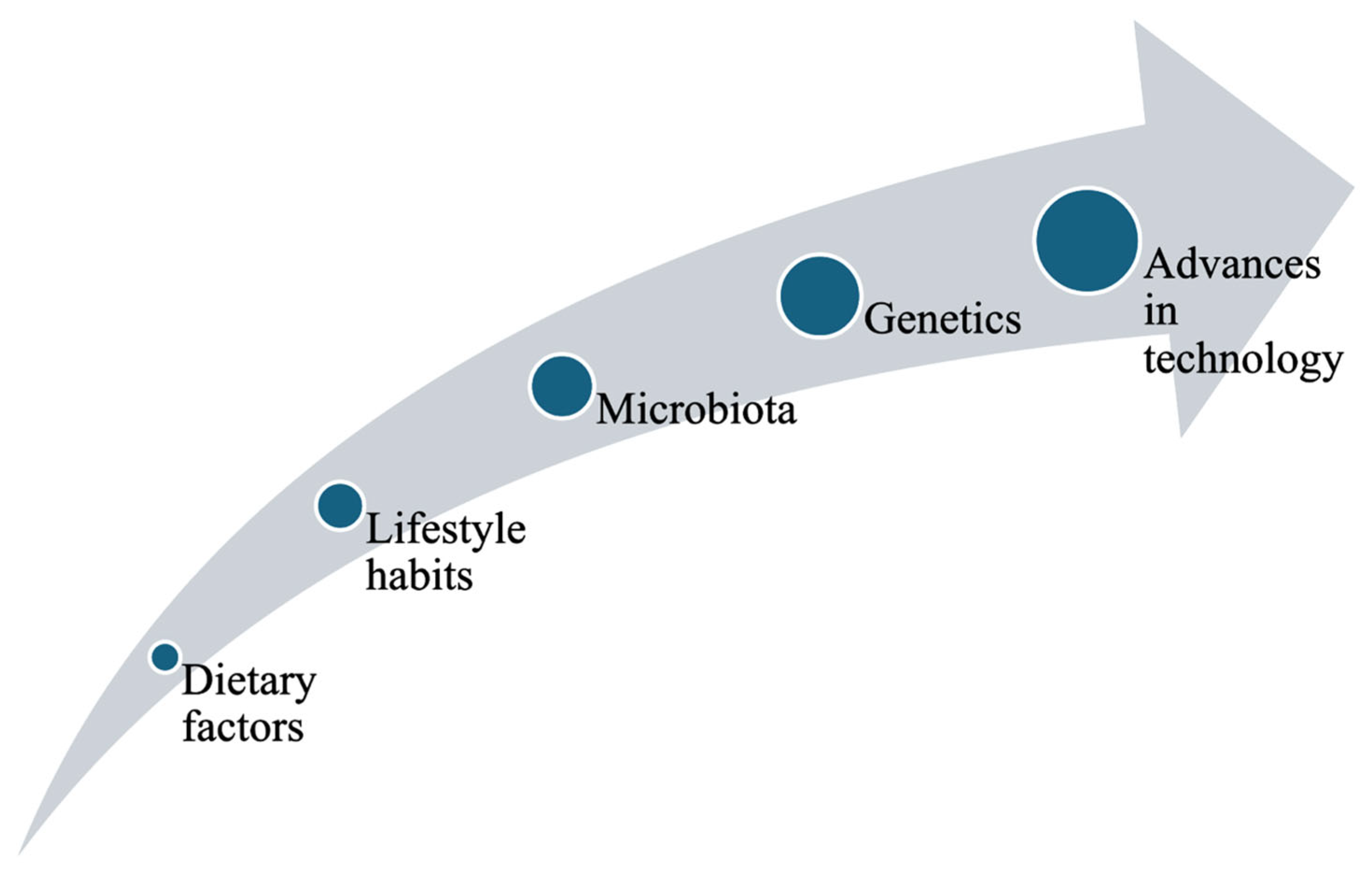
The use of advanced technology is an emerging area of interest in PN that offers a new dimension and direction in this field (Figure 4). While there is a fair amount of literature on the other domains, there is not as much literature about the role of technology, such as AI, as an addition to using multiomics in PN. Thus, further exploration should be carried out to understand its possibilities and application in health care.
Since needs for folic acid, thiamine, and vitamin B12 change over one’s lifetime, PN can be a useful tool to determine individual requirements and physiological responses during stages such as fetal development, pregnancy, lactation, childhood, and adulthood. Our review highlights that pregnancy reflects a complex interplay among maternal nutrition, maternal and fetal genetic variation, and nutrient availability in the intrauterine environment. Variations in folate-related pathways (e.g., MTHFR) may influence one-carbon metabolism and neurochemical processes linked to appetite regulation, while vitamin B12-dependent methylation pathways may affect hypothalamic signaling and energy balance. These findings point to meaningful links between gene–nutrient interactions and maternal dietary behaviors during pregnancy [109].
Given that requirements for these vitamins are not static and are influenced by genetics, epigenetics, and other omics, future PN research in maternal, fetal, and child health should focus on well-defined populations and critical life stages, investigate population-specific genetic variants, and clarify mechanisms connecting nutrient–gene interactions to health outcomes. Such efforts will strengthen PN models and enhance their relevance for improving maternal and child health [109].

Author Contributions

Conceptualization, D.E.K., S.G.A.A.M., N.I.A.-D., and M.W.Q.; methodology, D.E.K., S.G.A.A.M., N.I.A.-D., and M.W.Q.; validation, D.E.K., S.G.A.A.M., N.I.A.-D., and M.W.Q.; formal analysis, D.E.K., H.A., and H.C.N.S.; investigation, H.A., and H.C.N.S.; resources, H.A., and H.C.N.S.; data curation, H.A., and H.C.N.S.; writing—original draft preparation, D.E.K., H.A., and H.C.N.S.; writing—review and editing, D.E.K., H.A., H.C.N.S., S.G.A.A.M., N.I.A.-D., and M.W.Q.; visualization, H.A., and H.C.N.S.; supervision, D.E.K.; project administration, D.E.K., S.G.A.A.M., N.I.A.-D., and M.W.Q. All authors have read and agreed to the published version of the manuscript.

Funding

This research received no external funding.

Data Availability Statement

Any of the information can be obtained from the authors on request.

Conflicts of Interest

The authors declare no competing interests. Dr. Nader I. Al-Dewik was employed by the Hamad Medical Corporation (HMC), a government research institution, during the conduct of this study. His contributions to this work included Conceptualization, methodology, validation, study design, data acquisition, analysis and interpretation of data, manuscript revision. The Hamad Medical Corporation (HMC) is a government research institution. HMC had no involvement in this study. The authors declare that there is no conflict of interest in this article.

References

  1. Zhou, L.-Y.; Deng, M.-Q.; Zhang, Q.; Xiao, X.-H. Early-life nutrition and metabolic disorders in later life: A new perspective on energy metabolism. Chin. Med. J. 2020, 133, 1961–1970. [Google Scholar] [CrossRef]
  2. Parrettini, S.; Caroli, A.; Torlone, E. Nutrition and Metabolic Adaptations in Physiological and Complicated Pregnancy: Focus on Obesity and Gestational Diabetes. Front. Endocrinol. 2020, 11, 611929. [Google Scholar] [CrossRef]
  3. Lyon, P.; Strippoli, V.; Fang, B.; Cimmino, L. B Vitamins and One-Carbon Metabolism: Implications in Human Health and Disease. Nutrients 2020, 12, 2867. [Google Scholar] [CrossRef] [PubMed]
  4. Wang, N.; Zhou, T.; Ma, X.; Lin, Y.; Ding, Y. The Association between Maternal B Vitamins in Early Pregnancy and Gestational Diabetes Mellitus: A Prospective Cohort Study. Nutrients 2022, 14, 5016. [Google Scholar] [CrossRef] [PubMed]
  5. Kareem, O.; Nisar, S.; Tanvir, M.; Muzaffer, U.; Bader, G.N. Thiamine deficiency in pregnancy and lactation: Implications and present perspectives. Front. Nutr. 2023, 10, 1080611. [Google Scholar] [CrossRef]
  6. Alabduljabbar, S.; Zaidan, S.A.; Lakshmanan, A.P.; Terranegra, A. Personalized Nutrition Approach in Pregnancy and Early Life to Tackle Childhood and Adult Non-Communicable Diseases. Life 2021, 11, 467. [Google Scholar] [CrossRef]
  7. Wen, S.W.; Guo, Y.; Rodger, M.; White, R.R.; Yang, Q.; Smith, G.N.; Perkins, S.L.; Walker, M.C. Folic Acid Supplementation in Pregnancy and the Risk of Pre-Eclampsia—A Cohort Study. PLoS ONE 2016, 11, e0149818. [Google Scholar] [CrossRef] [PubMed]
  8. McKay, J.A.; Groom, A.; Potter, C.; Coneyworth, L.J.; Ford, D.; Mathers, J.C.; Relton, C.L. Genetic and Non-Genetic Influences during Pregnancy on Infant Global and Site Specific DNA Methylation: Role for Folate Gene Variants and Vitamin B12. PLoS ONE 2012, 7, e33290. [Google Scholar] [CrossRef]
  9. Gershuni, V.; Li, Y.; Elovitz, M.; Li, H.; Wu, G.D.; Compher, C.W. Maternal gut microbiota reflecting poor diet quality is associated with spontaneous preterm birth in a prospective cohort study. Am. J. Clin. Nutr. 2021, 113, 602–611. [Google Scholar] [CrossRef]
  10. Green, T.J.; Whitfield, K.C.; Daniels, L.; Brown, R.C.; Houghton, L.A. Modeling thiamine fortification: A case study from Kuria atoll, Republic of Kiribati. Ann. N. Y. Acad. Sci. 2021, 1498, 108–115. [Google Scholar] [CrossRef]
  11. Kim, M.S.; Shim, I.; Fahed, A.C.; Do, R.; Park, W.-Y.; Natarajan, P.; Khera, A.V.; Won, H.-H. Association of Genetic Risk, Lifestyle, and Their Interaction with Obesity and Obesity-Related Morbidities. Cell Metab. 2024, 36, 1494–1503.e3. [Google Scholar] [CrossRef]
  12. Ramos-Lopez, O.; Milton-Laskibar, I.; Martínez, J.A.; San-Cristobal, R.; Portillo, M.P. Precision nutrition based on phenotypical traits and the (epi)genotype: Nutrigenetic and nutrigenomic approaches for obesity care. Curr. Opin. Clin. Nutr. Metab. Care 2021, 24, 315–325. [Google Scholar] [CrossRef]
  13. Wu, Y.; Perng, W.; Peterson, K.E. Precision Nutrition and Childhood Obesity: A Scoping Review. Metabolites 2020, 10, 235. [Google Scholar] [CrossRef] [PubMed]
  14. Bordoni, L.; Gabbianelli, R. Primers on nutrigenetics and nutri(epi)genomics: Origins and development of precision nutrition. Biochimie 2019, 160, 156–171. [Google Scholar] [CrossRef] [PubMed]
  15. Subbiah, M.T.R. Nutrigenetics and nutraceuticals: The next wave riding on personalized medicine. Transl. Res. 2007, 149, 55–61. [Google Scholar] [CrossRef]
  16. Anon. National Cancer Institute. 2011. Available online: https://www.cancer.gov/publications/dictionaries/cancer-terms/def/nutrigenomics (accessed on 5 February 2026).
  17. Franzago, M.; Fraticelli, F.; Stuppia, L.; Vitacolonna, E. Nutrigenetics, epigenetics and gestational diabetes: Consequences in mother and child. Epigenetics 2019, 14, 215–235. [Google Scholar] [CrossRef]
  18. Berciano, S.; Figueiredo, J.; Brisbois, T.D.; Alford, S.; Koecher, K.; Eckhouse, S.; Ciati, R.; Kussmann, M.; Ordovas, J.M.; Stebbins, K.; et al. Precision nutrition: Maintaining scientific integrity while realizing market potential. Front. Nutr. 2022, 9, 979665. [Google Scholar] [CrossRef]
  19. Meral, G.; Aslan, E.S.; Burkay, N.; Alper Acar, E.G.; Karagöz, M.F.; Özkaya, M.; Sahin, E.; Alp, M.Y. Importance of Using Epigenetic Nutrition and Supplements Based on Nutrigenetic Tests in Personalized Medicine. Curēus 2024, 16, e66959. [Google Scholar] [CrossRef]
  20. Hwalla, N.; Al Dhaheri, A.; Radwan, H.; Alfawaz, H.; Fouda, M.; Al-Daghri, N.; Zaghloul, S.; Blumberg, J. The Prevalence of Micronutrient Deficiencies and Inadequacies in the Middle East and Approaches to Interventions. Nutrients 2017, 9, 229. [Google Scholar] [CrossRef] [PubMed]
  21. National Institutes of Health. Folate [Fact Sheet]. 2022. Available online: https://ods.od.nih.gov/factsheets/Folate-Consumer/ (accessed on 5 February 2026).
  22. Salgado, T.; Mocellin, M.C.; Ribas, S.A.; Teixeira, M.T.; Pereira, A.d.S.; Palermo, G.M.; Curioni, C.C. Deficiency of B vitamins in women of childbearing age, pregnant, and lactating women in Brazil: A systematic review. Syst. Rev. 2025, 14, 111. [Google Scholar] [CrossRef]
  23. Ledowsky, C.; Scarf, V.; Sobczyńska-Malefora, A.; Carter, T.; Timbrell, N.E.; Steel, A. Health Effects of Excess Folic Acid Use and High Blood Folate during Preconception and Pregnancy: A Systematic Review. Reprod. Biomed. Online 2025, 105240. [Google Scholar] [CrossRef]
  24. Mills, J.L.; Molloy, A.M.; Reynolds, E.H. Do the Benefits of Folic Acid Fortification Outweigh the Risk of Masking Vitamin B12deficiency? BMJ 2018, 360, k724. [Google Scholar] [CrossRef] [PubMed]
  25. National Institutes of Health. Thiamine [Fact Sheet]. 2021. Available online: https://ods.od.nih.gov/factsheets/Thiamin-Consumer/ (accessed on 5 February 2026).
  26. Smith, T.J.; Hess, S.Y. Infantile thiamine deficiency in South and Southeast Asia: An age-old problem needing new solutions. Nutr. Bull. 2021, 46, 12–25. [Google Scholar] [CrossRef]
  27. Martel, J.L.; Doshi, H.; Sina, R.E.; Franklin, D.S. Vitamin B1 (Thiamine); StatPearls Publishing: Tampa, FL, USA, 2024. Available online: https://www.ncbi.nlm.nih.gov/books/NBK482360/ (accessed on 5 February 2026).
  28. Layden, A.J.; Finkelstein, J.L. B-Vitamins and HIV/AIDS; Mehta, S., Finkelstein, J.L., Eds.; CRC Press: Boca Raton, FL, USA, 2018. Available online: https://www.ncbi.nlm.nih.gov/books/NBK572219/ (accessed on 5 February 2026).
  29. Finkelstein, J.L.; Fothergill, A.; Venkatramanan, S.; Layden, A.J.; Williams, J.L.; Crider, K.S.; Qi, Y.P. Vitamin B12 supplementation during pregnancy for maternal and child health outcomes. Cochrane Database Syst. Rev. 2024, 1, CD013823. [Google Scholar] [CrossRef]
  30. National Institutes of Health. Vitamin B12 [Fact Sheet]. 2023. Available online: https://ods.od.nih.gov/factsheets/VitaminB12-Consumer/ (accessed on 5 February 2026).
  31. Wirthensohn, M.; Wehrli, S.; Ljungblad, U.W.; Huemer, M. Biochemical, Nutritional, and Clinical Parameters of Vitamin B12 Deficiency in Infants: A Systematic Review and Analysis of 292 Cases Published between 1962 and 2022. Nutrients 2023, 15, 4960. [Google Scholar] [CrossRef] [PubMed]
  32. Robinson, K.; Rozga, M.; Braakhuis, A.; Ellis, A.; Monnard, C.R.; Sinley, R.; Wanner, A.; Vargas, A.J. Effect of Incorporating Genetic Testing Results into Nutrition Counseling and Care on Dietary Intake: An Evidence Analysis Center Systematic Review—Part I. J. Acad. Nutr. Diet. 2021, 121, 553–581.e3. [Google Scholar] [CrossRef]
  33. Agrawal, P.; Kaur, J.; Singh, J.; Rasane, P.; Sharma, K.; Bhadariya, V.; Kaur, S.; Kumar, V. Genetics, Nutrition, and Health: A New Frontier in Disease Prevention. J. Am. Nutr. Assoc. 2024, 43, 326–338. [Google Scholar] [CrossRef]
  34. Cornelis, M.C.; El-Sohemy, A.; Kabagambe, E.K.; Campos, H. Coffee, CYP1A2 Genotype, and Risk of Myocardial Infarction. JAMA 2006, 295, 1135–1141. [Google Scholar] [CrossRef]
  35. Eny, K.M.; Wolever, T.M.; Fontaine-Bisson, B.; El-Sohemy, A. Genetic variant in the glucose transporter type 2 is associated with higher intakes of sugars in two distinct populations. Physiol Genom. 2008, 33, 355–360. [Google Scholar] [CrossRef]
  36. Heianza, Y.; Qi, L. Gene-Diet Interaction and Precision Nutrition in Obesity. Int. J. Mol. Sci. 2017, 18, 787. [Google Scholar] [CrossRef]
  37. Farhud, D.; Zarif Yeganeh, M.; Zarif Yeganeh, M. Nutrigenomics and nutrigenetics. Iran. J. Public Health 2010, 39, 1–14. [Google Scholar]
  38. Gramer, G.; Hoffmann, G.F. Vitamin B12 Deficiency in Newborns and their Mothers—Novel Approaches to Early Detection, Treatment and Prevention of a Global Health Issue. Curr. Med. Sci. 2020, 40, 801–809. [Google Scholar] [CrossRef]
  39. Uffelmann, E.; Huang, Q.Q.; Munung, N.S.; de Vries, J.; Okada, Y.; Martin, A.R.; Martin, H.C.; Lappalainen, T.; Posthuma, D. Genome-wide association studies. Nat. Rev. Methods Primers 2021, 1, 59. [Google Scholar] [CrossRef]
  40. Fabozzi, G.; Verdone, G.; Allori, M.; Cimadomo, D.; Tatone, C.; Stuppia, L.; Franzago, M.; Ubaldi, N.; Vaiarelli, A.; Ubaldi, F.M.; et al. Personalized Nutrition in the Management of Female Infertility: New Insights on Chronic Low-Grade Inflammation. Nutrients 2022, 14, 1918. [Google Scholar] [CrossRef]
  41. Chen, H.; Qin, L.; Gao, R.; Jin, X.; Cheng, K.; Zhang, S.; Hu, X.; Xu, W.; Wang, H. Neurodevelopmental effects of maternal folic acid supplementation: A systematic review and meta-analysis. Crit. Rev. Food Sci. Nutr. 2023, 63, 3771–3787. [Google Scholar] [CrossRef] [PubMed]
  42. Liu, H.-Y.; Liu, S.-M.; Zhang, Y.-Z. Maternal Folic Acid Supplementation Mediates Offspring Health via DNA Methylation. Reprod. Sci. 2020, 27, 963–976. [Google Scholar] [CrossRef] [PubMed]
  43. Sampaio, A.C.; de Matos Neto, F.F.; de Lucena Lopes, L.; Marques, Í.M.M.; Tavares, R.M.; de Macedo Fernandes, M.V.; da Silva Teixeira, M.R.V.; de Brito, A.B.; Feitosa, A.C.; Guedes, T.O.; et al. Association of the Maternal Folic Acid Supplementation with the Autism Spectrum Disorder: A Systematic Review. Rev. Bras. Ginecol. Obs. 2021, 43, 775–781. [Google Scholar] [CrossRef]
  44. Crider, K.S.; Yang, T.P.; Berry, R.J.; Bailey, L.B. Folate and DNA methylation: A review of molecular mechanisms and the evidence for folate’s role. Adv. Nutr. 2012, 3, 21–38. [Google Scholar] [CrossRef]
  45. Iglesias Vázquez, L.; Canals, J.; Arija, V. Review and meta-analysis found that prenatal folic acid was associated with a 58% reduction in autism but had no effect on mental and motor development. Acta Paediatr. 2019, 108, 600–610. [Google Scholar] [CrossRef]
  46. Anand, S.; Thomas, S.; Jayachandra, M.; Thomas, T.; Strand, T.A.; Kurpad, A.V.; Duggan, C.P.; Srinivasan, K. Effects of maternal B12 supplementation on neurophysiological outcomes in children: A study protocol for an extended follow-up from a placebo randomised control trial in Bangalore, India. BMJ Open 2019, 9, e024426. [Google Scholar] [CrossRef]
  47. Huemer, M.; Baumgartner, M.R. The clinical presentation of cobalamin-related disorders: From acquired deficiencies to inborn errors of absorption and intracellular pathways. J. Inherit. Metab. Dis. 2019, 42, 686–705. [Google Scholar] [CrossRef]
  48. He, Q.; Li, J. The evolution of folate supplementation—From one size for all to personalized, precision, poly-paths. J. Transl. Intern. Med. 2023, 11, 128–137. [Google Scholar] [CrossRef]
  49. National Library of Medicine. Why Are Some Genetic Conditions More Common in Particular Ethnic Groups? MedlinePlus Genetics. Medlineplus.gov. 2021. Available online: https://medlineplus.gov/genetics/understanding/inheritance/ethnicgroup/ (accessed on 5 February 2026).
  50. Socha, M.W.; Flis, W.; Wartęga, M. Epigenetic Genome Modifications during Pregnancy: The Impact of Essential Nutritional Supplements on DNA Methylation. Nutrients 2024, 16, 678. [Google Scholar] [CrossRef]
  51. Rubini, E.; Baijens, I.M.M.; Horánszky, A.; Schoenmakers, S.; Sinclair, K.D.; Zana, M.; Dinnyés, A.; Steegers-Theunissen, R.P.M.; Rousian, M. Maternal One-Carbon Metabolism during the Periconceptional Period and Human Foetal Brain Growth: A Systematic Review. Genes 2021, 12, 1634. [Google Scholar] [CrossRef]
  52. Wilcken, B.; Bamforth, F.; Li, Z.; Zhu, H.; Ritvanen, A.; Renlund, M.; Stoll, C.; Alembik, Y.; Dott, B.; Czeizel, A.E.; et al. Geographical and ethnic variation of the 677C>T allele of 5,10 methylenetetrahydrofolate reductase (MTHFR): Findings from over 7000 newborns from 16 areas world wide. J. Med. Genet. 2003, 40, 619–625. [Google Scholar] [CrossRef] [PubMed]
  53. Alfaleh, A.; Alkattan, A.; Mahmoud, N.; Alfaleh, F.; Almutair, N.; Alanazi, A.; Kbbash, I.; Radwan, N. The Association Between MTHFR C677T Gene Polymorphism and Repeated Pregnancy Loss in Arabic Countries: A Systematic Review and Meta-Analysis. Reprod. Sci. 2023, 30, 2060–2068. [Google Scholar] [CrossRef]
  54. Khan, G.A.; Rahimi, N.M.H.; Gaeth, M.; Abdulhakim, B.; Nagy, F.; Bassam, R. Genotype and Allele Frequency of Methylenetetrahydrofolate Reductase 677CTmutation in Female Arabs residing in the United Arab Emirates. J. Med. 2024, 25, 141–148. [Google Scholar] [CrossRef]
  55. Tayeb, M.T. The methylenetetrahydrofolate reductase gene variant (C677T) in risk mothers with Down syndrome among Saudi population. Egypt. J. Med. Hum. Genet. 2012, 13, 263–268. [Google Scholar] [CrossRef]
  56. Polegato, B.F.; Pereira, A.G.; Azevedo, P.S.; Costa, N.A.; Zornoff, L.A.M.; Paiva, S.A.R.; Minicucci, M.F. Role of Thiamin in Health and Disease. Nutr. Clin. Pract. 2019, 34, 558–564. [Google Scholar] [CrossRef] [PubMed]
  57. Galyean, S.; Sawant, D.; Shin, A.C. Personalized Nutrition for Management of Micronutrient Deficiency-Literature Review in Non-bariatric Populations and Possible Utility in Bariatric Cohort. Obes. Surg. 2020, 30, 3570–3582. [Google Scholar] [CrossRef]
  58. Montgomery, E.; Sayer, J.A.; Baines, L.A.; Hynes, A.M.; Vega-Warner, V.; Johnson, S.; Goodship, J.A.; Otto, E.A. Novel compound heterozygous mutations in AMN cause Imerslund-Gräsbeck syndrome in two half-sisters: A case report. BMC Med. Genet. 2015, 16. [Google Scholar] [CrossRef]
  59. Coudroy, G.; Gburek, J.; Kozyraki, R.; Madsen, M.; Trugnan, G.; Moestrup, S.K.; Verroust, P.J.; Maurice, M. Contribution of cubilin and amnionless to processing and membrane targeting of cubilin-amnionless complex. J. Am. Soc. Nephrol. 2005, 16, 2330–2337. [Google Scholar] [CrossRef]
  60. Li, X.; Qi, L. Epigenetics in Precision Nutrition. J. Pers. Med. 2022, 12, 533. [Google Scholar] [CrossRef] [PubMed]
  61. Moreno-Fernandez, J.; Ochoa, J.J.; Lopez-Frias, M.; Diaz-Castro, J. Impact of Early Nutrition, Physical Activity and Sleep on the Fetal Programming of Disease in the Pregnancy: A Narrative Review. Nutrients 2020, 12, 3900. [Google Scholar] [CrossRef]
  62. Marshall, N.E.; Abrams, B.; Barbour, L.A.; Catalano, P.; Christian, P.; Friedman, J.E.; Hay, W.W.; Hernandez, T.L.; Krebs, N.F.; Oken, E.; et al. The importance of nutrition in pregnancy and lactation: Lifelong consequences. Am. J. Obstet. Gynecol. 2022, 226, 607–632. [Google Scholar] [CrossRef] [PubMed]
  63. Al-Sadeq, D.W.; Thanassoulas, A.; Theodoridou, M.; Nasrallah, G.K.; Nomikos, M. Pathogenic Homocystinuria-Associated T236N Mutation Dramatically Alters the Biochemical Properties of Cystathionine Beta-Synthase Protein. Biomedicines 2024, 12, 929. [Google Scholar] [CrossRef]
  64. Al-Sadeq, D.W.; Nasrallah, G.K. The Spectrum of Mutations of Homocystinuria in the MENA Region. Genes 2020, 11, 330. [Google Scholar] [CrossRef] [PubMed]
  65. Al-Sadeq, D.W.; Thanassoulas, A.; Islam, Z.; Kolatkar, P.; Al-Dewik, N.; Safieh-Garabedian, B.; Nasrallah, G.K.; Nomikos, M. Pyridoxine non-responsive p.R336C mutation alters the molecular properties of cystathionine beta-synthase leading to severe homocystinuria phenotype. Biochim. Et Biophys. Acta. Gen. Subj. 2022, 1866, 130148. [Google Scholar] [CrossRef]
  66. D’Souza, S.W.; Glazier, J.D. Homocysteine Metabolism in Pregnancy and Developmental Impacts. Front. Cell Dev. Biol. 2022, 10, 802285. [Google Scholar] [CrossRef]
  67. Rubini, E.; Snoek, K.M.; Schoenmakers, S.; Willemsen, S.P.; Sinclair, K.D.; Rousian, M.; Steegers-Theunissen, R.P.M. First Trimester Maternal Homocysteine and Embryonic and Fetal Growth: The Rotterdam Periconception Cohort. Nutrients 2022, 14, 1129. [Google Scholar] [CrossRef]
  68. Guillaumin, M.C.C.; Peleg-Raibstein, D. Maternal Over- and Malnutrition and Increased Risk for Addictive and Eating Disorders in the Offspring. Nutrients 2023, 15, 1095. [Google Scholar] [CrossRef]
  69. Khoruddin, N.A.; Lim, W.F.; Teh, L.K.; Noorizhab, M.N.F.; Mohd Yusof, F.Z.; Salleh, M.Z. Toward precision nutrition: A cross-sectional study on the genetic risks of nutrients deficiencies and eating behaviors among the Orang Asli and Malays. Precis. Med. Sci. 2022, 11, 146–154. [Google Scholar] [CrossRef]
  70. Gkouskou, K.K.; Grammatikopoulou, M.G.; Vlastos, I.; Sanoudou, D.; Eliopoulos, A.G. Genotype-guided dietary supplementation in precision nutrition. Nutr. Rev. 2021, 79, 1225–1235. [Google Scholar] [CrossRef]
  71. Jouanne, M.; Oddoux, S.; Noël, A.; Voisin-Chiret, A.S. Nutrient Requirements during Pregnancy and Lactation. Nutrients 2021, 13, 692. [Google Scholar] [CrossRef]
  72. Pammi, M.; Aghaeepour, N.; Neu, J. Multiomics, artificial intelligence, and precision medicine in perinatology. Pediatr. Res. 2023, 93, 308–315. [Google Scholar] [CrossRef]
  73. McCullough, L.E.; Miller, E.E.; Mendez, M.A.; Murtha, A.P.; Murphy, S.K.; Hoyo, C. Maternal B vitamins: Effects on offspring weight and DNA methylation at genomically imprinted domains. Clin. Epigenet. 2016, 8, 8. [Google Scholar] [CrossRef]
  74. Wang, R.; Zou, L.; Yang, X. microRNA-210/ Long non-coding RNA MEG3 axis inhibits trophoblast cell migration and invasion by suppressing EMT process. Placenta 2021, 109, 64–71. [Google Scholar] [CrossRef]
  75. DeBose-Scarlett, E.; Bendixen, M.M.; Lorca, G.L.; Parker, L.A. Human milk microbes: Strategies to improve delivery to the infant. Semin. Perinatol. 2021, 45, 151451. [Google Scholar] [CrossRef]
  76. Lockyer, F.; McCann, S.; Moore, S.E. Breast Milk Micronutrients and Infant Neurodevelopmental Outcomes: A Systematic Review. Nutrients 2021, 13, 3848. [Google Scholar] [CrossRef] [PubMed]
  77. Pathak, M.M.; Shekhar, K.V.; Meshram, R.J. A Narrative Review on Effects of Maternal Bariatric Surgery on Offspring. Curēus 2023, 15, e48513. [Google Scholar] [CrossRef] [PubMed]
  78. Koren, G.; Kaplan, Y.C. Obesity, neural tube defects and folic acid—A complex relationship. Clin. Exp. Obstet. Gynecol. 2021, 48, 223–227. [Google Scholar] [CrossRef]
  79. Rodrigues, V.B.; da Silva, E.N.; Pacheco Santos, M.L. Cost-effectiveness of mandatory folic acid fortification of flours in prevention of neural tube defects: A systematic review. PLoS ONE 2021, 16, e0258488. [Google Scholar] [CrossRef]
  80. AL-Mohaithef, M.; Alaslani, H.; Javed, N.B.; Chandramohan, S. Folic acid awareness and usage among females at Saudi Electronic University in Jeddah, Saudi Arabia. SAGE Open Med. 2021, 9, 20503121211059682. [Google Scholar] [CrossRef]
  81. Al Rakaf, M.S.; Kurdi, A.M.; Ammari, A.N.; Al Hashem, A.M.; Shoukri, M.M.; Garne, E.; Majeed-Saidan, M.A. Patterns of folic acid use in pregnant Saudi women and prevalence of neural tube defects—Results from a nested case–control study. Prev. Med. Rep. 2015, 2, 572–576. [Google Scholar] [CrossRef]
  82. Safdar, O.Y.; Al-Dabbagh, A.A.; Abuelieneen, W.A.; Kari, J.A. Decline in the incidence of neural tube defects after the national fortification of flour (1997–2005). Saudi Med. J. 2007, 28, 1227–1229. [Google Scholar] [PubMed]
  83. Hakami, W.S.; Majeed-Saidan, M.A. The incidence and spectrum of central nervous system malformations in newborns over a decade (2001–2010) in the Central Region of Saudi Arabia. Saudi Med. J. 2011, 32, 1137–1142. [Google Scholar] [PubMed]
  84. Kaldygulova, L.; Ukybassova, T.; Aimagambetova, G.; Gaiday, A.; Tussupkaliyev, A. Biological Role of Folic Acid in Pregnancy and Possible Therapeutic Application for the Prevention of Preeclampsia. Biomedicines 2023, 11, 272. [Google Scholar] [CrossRef] [PubMed]
  85. Barry, M.J.; Nicholson, W.K.; Silverstein, M.; Chelmow, D.; Coker, T.R.; Davis, E.M.; Donahue, K.E.; Jaén, C.R.; Li, L.; Ogedegbe, G.; et al. Folic Acid Supplementation to Prevent Neural Tube Defects: US Preventive Services Task Force Reaffirmation Recommendation Statement. J. Am. Med. Assoc. 2023, 330, 454–459. [Google Scholar] [CrossRef]
  86. Ismail, S.; Eljazzar, S.; Ganji, V. Intended and Unintended Benefits of Folic Acid Fortification-A Narrative Review. Foods 2023, 12, 1612. [Google Scholar] [CrossRef]
  87. Measelle, J.R.; Baldwin, D.A.; Gallant, J.; Chan, K.; Green, T.J.; Wieringa, F.T.; Borath, M.; Prak, S.; Hampel, D.; Shahab-Ferdows, S.; et al. Thiamine supplementation holds neurocognitive benefits for breastfed infants during the first year of life. Ann. N. Y. Acad. Sci. 2021, 1498, 116–132. [Google Scholar] [CrossRef]
  88. Marrs, C.; Lonsdale, D. Hiding in Plain Sight: Modern Thiamine Deficiency. Cells 2021, 10, 2595. [Google Scholar] [CrossRef] [PubMed]
  89. Johnson, C.R.; Fischer, P.R.; Thacher, T.D.; Topazian, M.D.; Bourassa, M.W.; Combs, G.F. Thiamin deficiency in low- and middle-income countries: Disorders, prevalences, previous interventions and current recommendations. Nutr. Health 2019, 25, 127–151. [Google Scholar] [CrossRef]
  90. Flancbaum, L.; Belsley, S.; Drake, V.; Colarusso, T.; Tayler, E. Preoperative Nutritional Status of Patients Undergoing Roux-en-Y Gastric Bypass for Morbid Obesity. J. Gastrointest. Surg. 2006, 10, 1033–1037. [Google Scholar] [CrossRef]
  91. Cruz-Rodríguez, J.; Díaz-López, A.; Canals-Sans, J.; Arija, V. Maternal Vitamin B12 Status during Pregnancy and Early Infant Neurodevelopment: The ECLIPSES Study. Nutrients 2023, 15, 1529. [Google Scholar] [CrossRef]
  92. Chen, Y.; Che, X.; Raghavan, R. Distribution and correlates of plasma folate, vitamin B12, and homocysteine in a sample of low-income minority children aged 6 months to 9 years in the U.S. Precis. Nutr. 2024, 3, e00074. [Google Scholar]
  93. Greibe, E.; Nexo, E. Forms and Amounts of Vitamin B12 in Infant Formula: A Pilot Study. PLoS ONE 2016, 11, e0165458. [Google Scholar] [CrossRef]
  94. Martin, C.R.; Ling, P.-R.; Blackburn, G.L. Review of Infant Feeding: Key Features of Breast Milk and Infant Formula. Nutrients 2016, 8, 279. [Google Scholar] [CrossRef] [PubMed]
  95. Petersohn, I.; Hellinga, A.H.; van Lee, L.; Keukens, N.; Bont, L.; Hettinga, K.A.; Feskens, E.J.M.; Brouwer-Brolsma, E.M. Maternal diet and human milk composition: An updated systematic review. Front. Nutr. 2024, 10, 1320560. [Google Scholar] [CrossRef] [PubMed]
  96. Song, Y.; Ping, C.; Zalloua, P.A.; Li, J.; Shi, H. Precision nutrition: 8 stages and 5 dimensions. Precis. Nutr. 2023, 2, e00057. [Google Scholar] [CrossRef]
  97. Abdul Majeed, S.; Said, S.; Hassan, D.A.; Sadiq, F.; Alhosani, M.; Al-Jawaldeh, A.; El-Obeid, T.; Tayyem, R. Evaluating the effectiveness and risks of bread fortification programs in the middle eastern region: A comprehensive review. Front. Public Health 2025, 13, 1530380. [Google Scholar] [CrossRef]
  98. CDC Grand Rounds: Additional Opportunities to Prevent Neural Tube Defects with Folic Acid Fortification. (n.d.). Available online: https://www.cdc.gov/mmwr/preview/mmwrhtml/mm5931a2.htm (accessed on 5 February 2026).
  99. White, N.D. Vitamin B12 and Plant-Predominant Diets. Am. J. Lifestyle Med. 2022, 16, 295–297. [Google Scholar] [CrossRef] [PubMed]
  100. Pawlak, R.; Lester, S.E.; Babatunde, T. The prevalence of cobalamin deficiency among vegetarians assessed by serum vitamin B12: A review of literature. Eur. J. Clin. Nutr. 2014, 68, 541–548. [Google Scholar] [CrossRef]
  101. Pawlak, R.; Parrott, S.J.; Raj, S.; Cullum-Dugan, D.; Lucus, D. How prevalent is vitamin B(12) deficiency among vegetarians? Nutr. Rev. 2013, 71, 110–117. [Google Scholar] [CrossRef]
  102. Barnabé, A.; Aléssio, A.C.M.; Bittar, L.F.; de Moraes Mazetto, B.; Bicudo, A.M.; de Paula, E.V.; Höehr, N.F.; Annichino-Bizzacchi, J.M. Folate, vitamin B12 and Homocysteine status in the post-folic acid fortification era in different subgroups of the Brazilian population attended to at a public health care center. Nutr. J. 2015, 14, 19. [Google Scholar] [CrossRef]
  103. Soldati, L.; Kerkadi, A.; Amuna, P.; Terranegra, A. State of art and science advances on nutrition and nutrigenetics in nutrition-related non-communicable diseases in Middle East. J. Transl. Med. 2015, 13, 40. [Google Scholar] [CrossRef]
  104. Essa, M.M.; Bishir, M.; Bhat, A.; Chidambaram, S.B.; Al-Balushi, B.; Hamdan, H.; Govindarajan, N.; Freidland, R.P.; Qoronfleh, M.W. Functional foods and their impact on health. J. Food Sci. Technol. 2023, 60, 820–834. [Google Scholar] [CrossRef]
  105. Al Arifi, M.N.; Alqahtani, A.M.; Alotaibi, A.N.; Babelghaith, S.D.; Alwhaibi, A.; Alsanea, S.; Alghadeer, S.M.; Al-Arifi, N.M. Knowledge and Practice of Childbearing Women in Saudi Arabia towards Folic Acid Supplement-Evidence from a Cross-Sectional Study. Nutrients 2022, 14, 357. [Google Scholar] [CrossRef]
  106. Al-Musharaf, S.; McTernan, P.G.; Hussain, S.D.; Aleisa, K.A.; Alnaami, A.M.; Wani, K.; Saravanan, P.; Al-Daghri, N. Prevalence and Indicators of Vitamin B12 Insufficiency among Young Women of Childbearing Age. Int. J. Environ. Res. Public Health 2020, 18, 1. [Google Scholar] [CrossRef]
  107. Alqurashi, R.M.; Aladwani, A.; Alosaimi, T.H.; Yousef, D.B.; Alkhaldi, M.H.; Amer, M.G. Awareness of the Effect of Vitamin B12 Deficiency on the Nervous System Among the General Population in Taif, Saudi Arabia. Curēus 2023, 15, e49343. [Google Scholar] [CrossRef]
  108. Ramakrishnan, R.; Rao, S.; He, J.R. Perinatal health predictors using artificial intelligence: A review. Women’s Health 2021, 17, 17455065211046132. [Google Scholar] [CrossRef] [PubMed]
  109. Morton, S.U.; Leyshon, B.J.; Tamilia, E.; Vyas, R.; Sisitsky, M.; Ladha, I.; Lasekan, J.B.; Kuchan, M.J.; Grant, P.E.; Ou, Y. A Role for Data Science in Precision Nutrition and Early Brain Development. Front. Psychiatry 2022, 13, 892259. [Google Scholar] [CrossRef] [PubMed]
Figure 1. Examples of modifiable and non-modifiable precision nutrition factors that can impact the health risk of mothers and their offspring. The height of each bar reflects the relative impact on health risk. Modifiable factors such as dietary habits and physical activity are shown to have a greater influence on health outcomes compared to non-modifiable factors like genomics or sex [11]. This representation illustrates which factors precision nutrition can most effectively target health improvement while recognizing that non-modifiable factors, particularly genomics, provide critical context for tailoring and optimizing these modifiable interventions.
Dietetics 05 00019 g001
Figure 2. Bidirectional interactions between genes and nutrients across life stages. Maternal nutritional status before and during pregnancy influences oocyte quality, placental function, and fetal nutrient metabolism, while fetal genetic adaptations affect nutrient requirements. Using vitamin B12 as an example, this figure illustrates how gene–nutrient interactions shape development and impact infant nutrient intake.
Dietetics 05 00019 g002
Figure 3. Relationship between genes and nutrients using vitamin B12 as an example. Changes in genes, such as mutations in AMN and CUBN or altered gene methylation, can affect how the body processes nutrients. At the same time, low vitamin B12 intake or malabsorption can influence gene activity and metabolic pathways. The arrows show the two-way interactions: nutrigenetics (how genes affect nutrient status) and nutrigenomics (how nutrients affect gene function).
Dietetics 05 00019 g003
Figure 4. Emerging areas of interest in precision nutrition.
Dietetics 05 00019 g004
Disclaimer/Publisher’s Note: The statements, opinions and data contained in all publications are solely those of the individual author(s) and contributor(s) and not of MDPI and/or the editor(s). MDPI and/or the editor(s) disclaim responsibility for any injury to people or property resulting from any ideas, methods, instructions or products referred to in the content.