




-
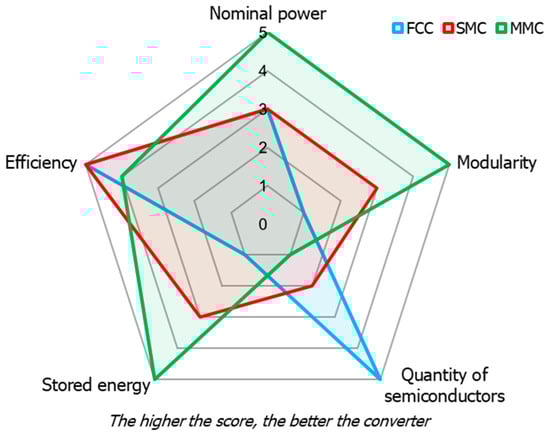
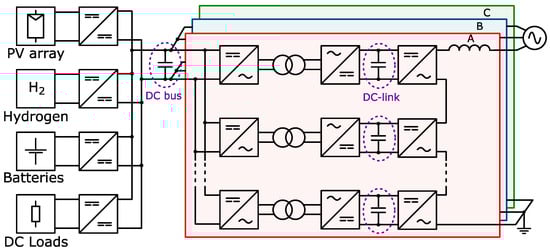
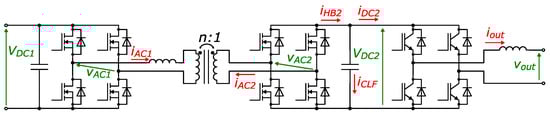
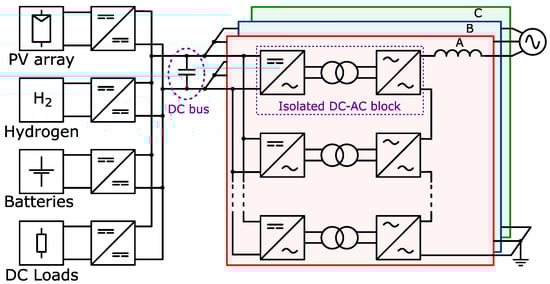
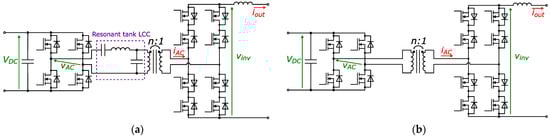
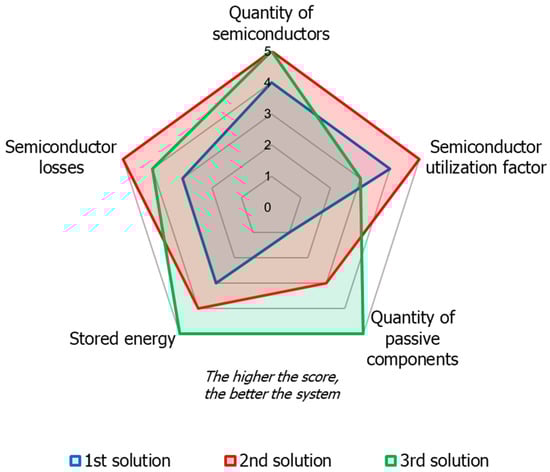
Medium Voltage Conversion Systems with Integrated Galvanic Isolation for Hybrid Photovoltaic Plants -
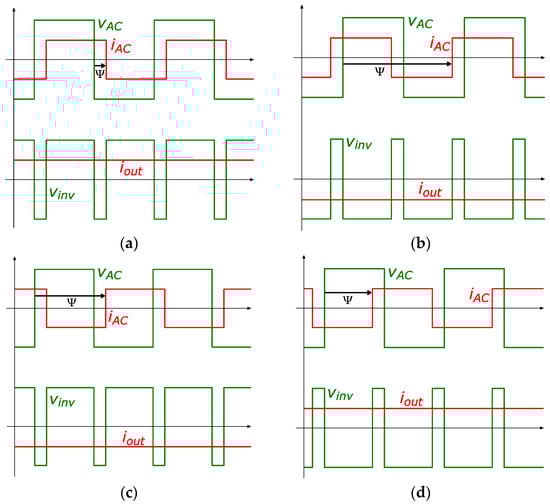
Comparison of Electricity Production Prediction Models Based on Meteorological Data for Photovoltaic Farms in Poland—Challenges and Problems -
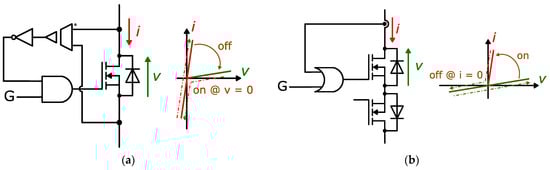
Cell-Level Modeling Approach for Accurate Irradiance Estimation in Bifacial Photovoltaic Modules -
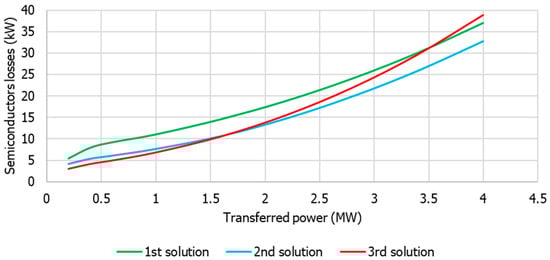
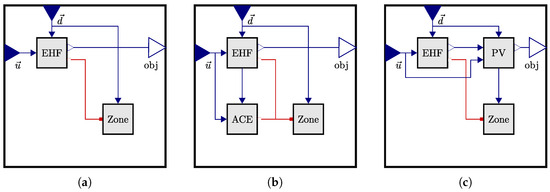
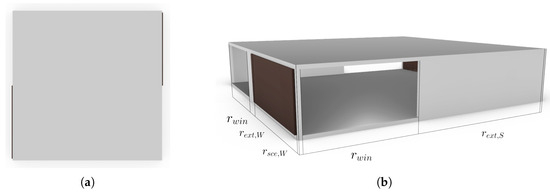
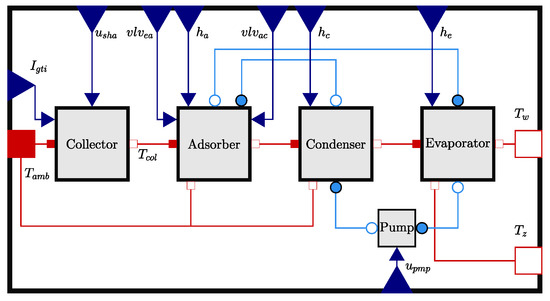
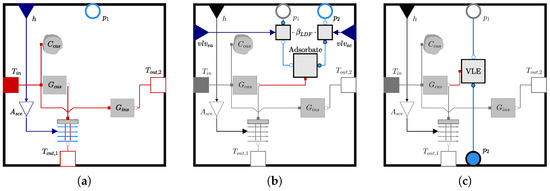
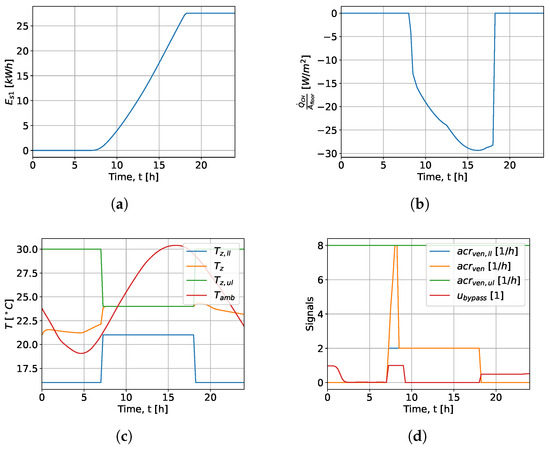
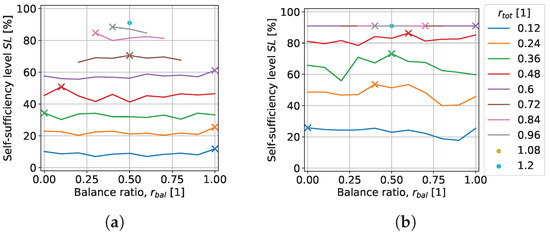
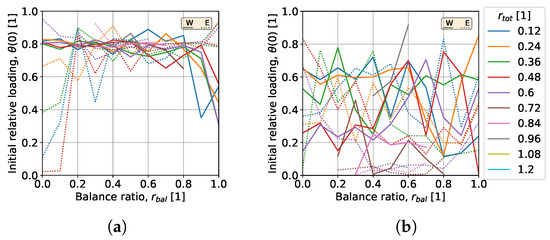
Dynamic Optimisation of Façade-Integrated Solar Cooling Elements: Adsorption Cooling Versus Photovoltaic Scenarios -
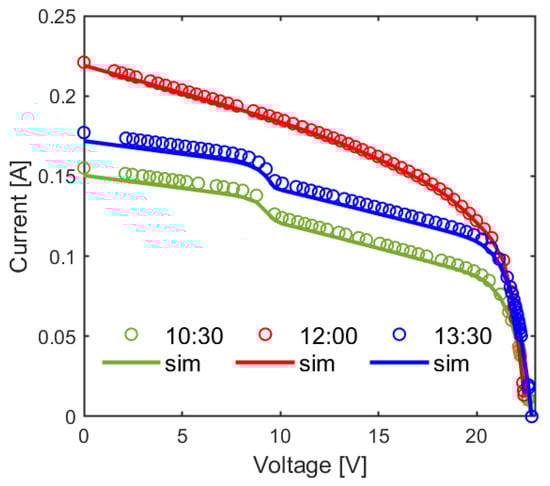
Optimizing Industrial Energy Saving with On-Site Photovoltaics: A Zero Feed-In Case Study in Greece
Journal Description
Solar
Solar
is an international, peer-reviewed, open access journal on all aspects of solar energy and photovoltaic systems published bimonthly online by MDPI.
- Open Access— free for readers, with article processing charges (APC) paid by authors or their institutions.
- High Visibility: indexed within ESCI (Web of Science), Scopus and other databases.
- Journal Rank: CiteScore - Q2 (Environmental Science (miscellaneous))
- Rapid Publication: manuscripts are peer-reviewed and a first decision is provided to authors approximately 19.8 days after submission; acceptance to publication is undertaken in 7.2 days (median values for papers published in this journal in the second half of 2025).
- Recognition of Reviewers: APC discount vouchers, optional signed peer review and reviewer names are published annually in the journal.
- Journal Cluster of Energy and Fuels: Energies, Batteries, Hydrogen, Biomass, Electricity, Wind, Fuels, Gases, Solar, ESA, Bioresources and Bioproducts and Methane.
Latest Articles
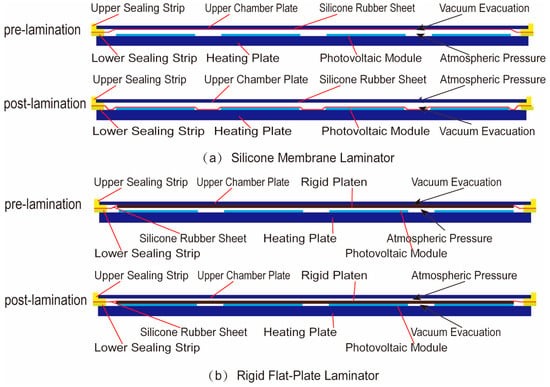
Design and Engineering Application of Flat-Bed Laminator for Photovoltaic Modules
Solar 2026, 6(3), 29; https://doi.org/10.3390/solar6030029 (registering DOI) - 24 May 2026
Abstract
Against the backdrop of the global energy transition and China’s dual-carbon strategy, the photovoltaic (PV) industry is entering a new stage of large-scale, intensive development, where efficiency improvement and cost control in module encapsulation have become the core of industrial competition. To address
[...] Read more.
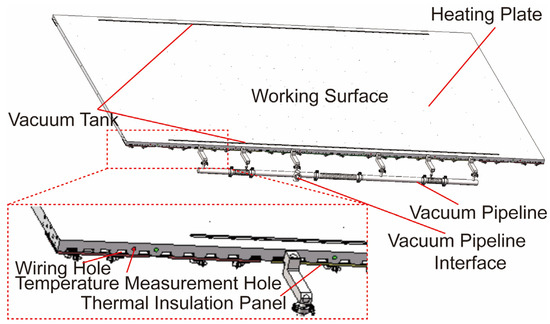
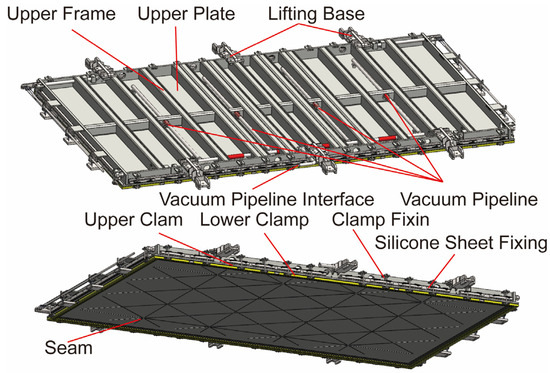
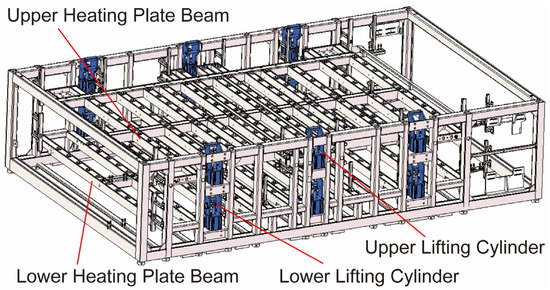
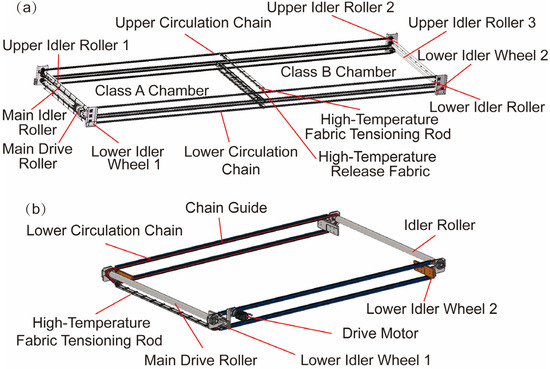
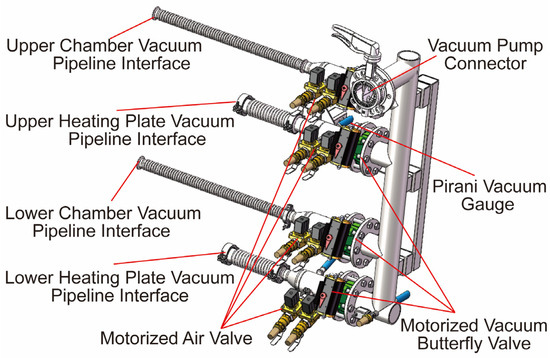
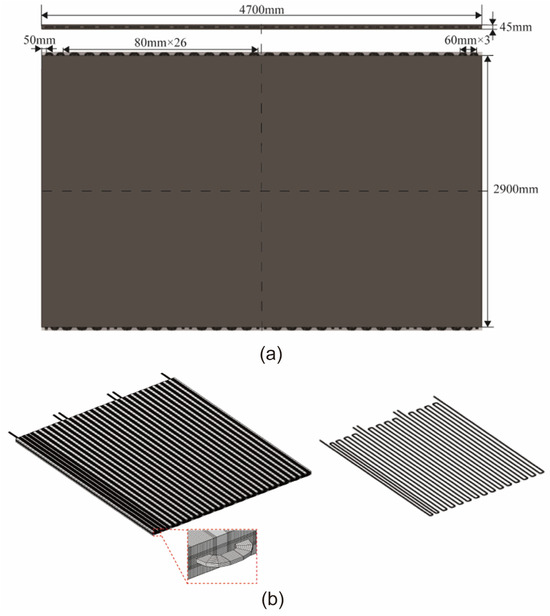
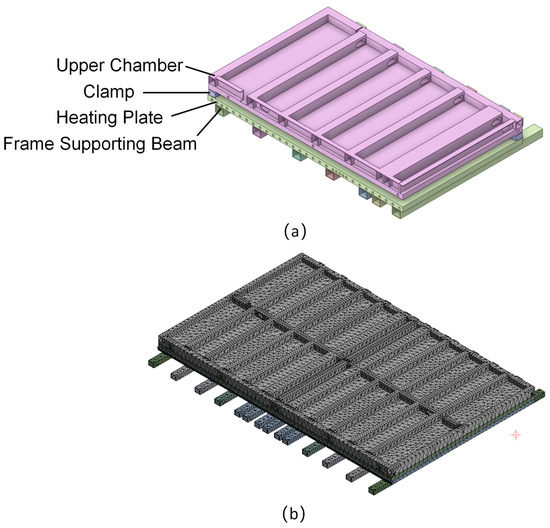
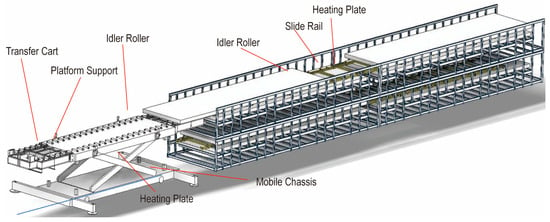
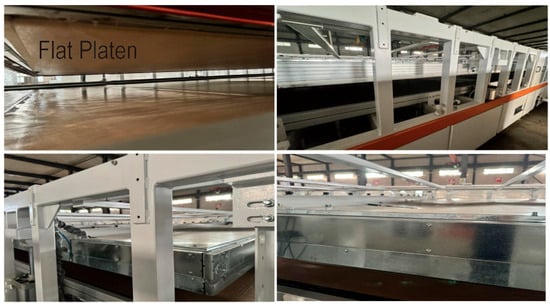
Against the backdrop of the global energy transition and China’s dual-carbon strategy, the photovoltaic (PV) industry is entering a new stage of large-scale, intensive development, where efficiency improvement and cost control in module encapsulation have become the core of industrial competition. To address the drawbacks of traditional silicone plate laminators—frequent consumable replacement, high maintenance costs, and poor adaptability to dual-glass module encapsulation—this paper proposes a flat-plate laminator technical scheme. By replacing flexible silicone plates with rigid pressure plates and optimizing pressure transmission paths and sealing structures, we achieved efficient, low-cost lamination. We first compared the working principles of flat-plate and silicone plate laminators, completed the structural design of five core modules with an optimized rigid platen and annular silicone sealing system, developed a modular retrofitting scheme for existing equipment, and verified performance via engineering tests. Tests show that the retrofitted equipment achieves a module thickness deviation ≤ ±0.06 mm, a product yield of 99.88%, annual cost savings of USD 342,000 per unit, and a 0.61-year investment payback period. This work provides theoretical support and an engineering reference for technical innovation in PV module encapsulation equipment, with significant promotion and application value.
Full article
(This article belongs to the Topic Advances in Solar Technologies, 2nd Edition)
►
Show Figures
Open AccessReview
Non-Conventional Substrates for Photovoltaic Technologies: Materials, Interfaces and Processing Constraints
by
Samuel Porcar-Garcia, Abderrahim Lahlahi, Santiago Toca, Dorina T. Papanastasiou, J. G. Cuadra, David Muñoz-Roja and Juan Bautista Carda
Solar 2026, 6(3), 28; https://doi.org/10.3390/solar6030028 - 18 May 2026
Abstract
The substrate plays a critical yet often underappreciated role in determining the performance, stability and manufacturability of photovoltaic devices. While conventional glass and polymer films have enabled the rapid development of solar technologies, emerging applications such as building-integrated photovoltaics, wearable systems and large-area
[...] Read more.
The substrate plays a critical yet often underappreciated role in determining the performance, stability and manufacturability of photovoltaic devices. While conventional glass and polymer films have enabled the rapid development of solar technologies, emerging applications such as building-integrated photovoltaics, wearable systems and large-area conformal devices demand the use of non-conventional substrates, including ceramics, metals, paper, textiles and elastomeric materials. This review provides a comprehensive analysis of the current state of the art of non-conventional substrates for photovoltaic technologies, with particular emphasis on the interplay between material properties, surface chemistry and deposition processes. These substrates introduce distinct mechanical, thermal and interfacial constraints that fundamentally alter thin-film growth, defect formation and device reliability. Key challenges such as porosity, roughness, thermal transport limitations and outgassing are discussed in relation to nucleation, film continuity and interfacial stability. The role of substrate-dependent effects in both chemical and physical deposition techniques is critically examined, highlighting cases where conventional processing approaches are insufficient. Representative device demonstrations are analyzed to illustrate how substrate selection influences performance and integration strategies across different photovoltaic platforms. Finally, common limitations and emerging opportunities are identified, emphasizing the need for the co-design of substrates, materials and processing routes. This work establishes a unified framework to guide the development of next-generation photovoltaic devices on unconventional substrates.
Full article
(This article belongs to the Section Photovoltaics)
Open AccessArticle
Measures to Improve Wide-Bandgap Cu(In,Ga)Se2 Solar Cells by Industry-Relevant In-Line Co-Evaporation
by
Wolfram Witte, Rico Gutzler, Stefan Paetel and Dimitrios Hariskos
Solar 2026, 6(3), 27; https://doi.org/10.3390/solar6030027 - 18 May 2026
Abstract
Chalcopyrite-based thin-film solar cells have great potential for various applications, such as top or bottom cells in tandem devices, in addition to their use as standard single-junction modules due to their tuneable bandgap energy. A bandgap energy Eg > 1.5 eV should
[...] Read more.
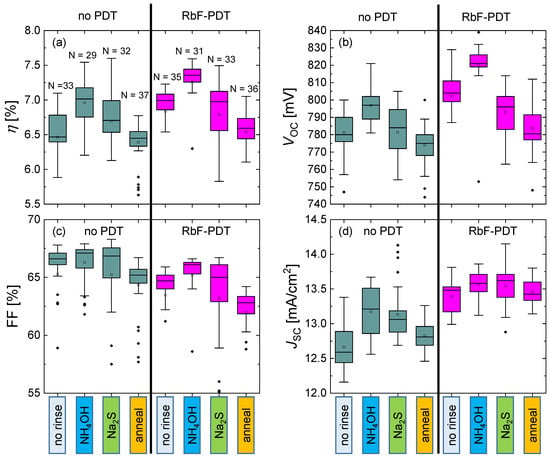
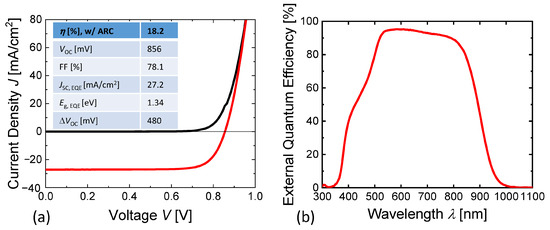
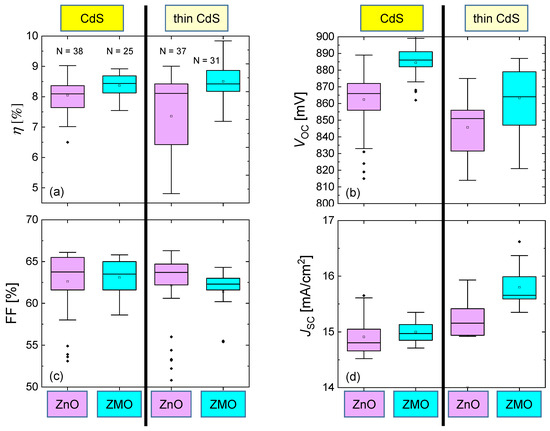
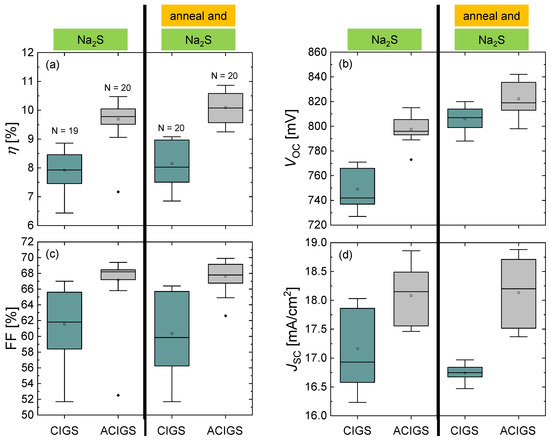
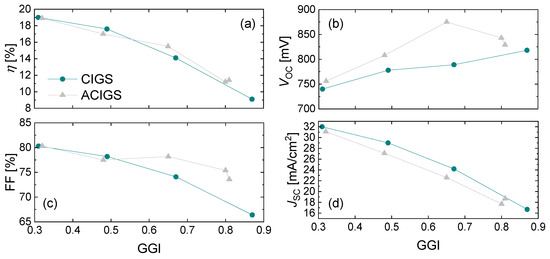
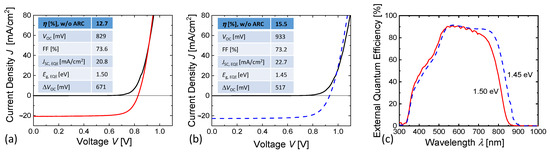
Chalcopyrite-based thin-film solar cells have great potential for various applications, such as top or bottom cells in tandem devices, in addition to their use as standard single-junction modules due to their tuneable bandgap energy. A bandgap energy Eg > 1.5 eV should be targeted to realize a wide-bandgap top cell, e.g., by increasing the [Ga]/([Ga] + [In]) (GGI) ratio in Cu(In,Ga)Se2 (CIGS) cells to the range of 0.7–1. A second approach is targeting the second theoretical efficiency maximum at a little lower Eg = 1.34 eV with a GGI around 0.6 for high-efficiency single-junction applications with reduced electrical losses. An industry-relevant (Ag,Cu)(In,Ga)Se2 (ACIGS) co-evaporation process for wide-bandgap cells fabricated with GGI ratios above 0.6, with moderate [Ag]/([Ag] + [Cu]) (AAC) ratios < 0.1 and in-line RbF-PDT, was established on molybdenum-coated soda-lime glass substrates. Both measures, Ag alloying and RbF-PDT, can increase power conversion efficiency (PCE) mainly due to improved open-circuit voltage (VOC). In addition, Ag addition can increase fill factor (FF), leading to an increase in the PCE for cells with GGI > 0.6 compared to Ag-free reference cells. (Zn,Mg)O, either with a [Mg]/([Mg] + [Zn]) ratio of 0.15 or 0.25, is a good option as high-resistive layer replacing the commonly used i-ZnO in combination with a CdS buffer. Our best ACIGS wide-bandgap solar cells with RbF-PDT and Zn0.85Mg0.15O (without anti-reflective coating (ARC)) from various experimental campaigns show a PCE of 12.7% (Eg = 1.50 eV), and with a slightly reduced Eg of 1.45 eV a PCE of 15.5%, with VOC of 933 mV (VOC deficit of 517 mV), and a good FF of 73.2%. In the case when the bandgap is significantly lowered to 1.34 eV (GGI = 0.61), to the second theoretical efficiency maximum, we achieved a PCE of 18.2% with ARC for an Ag-free CIGS cell with RbF-PDT. For this cell with a CdS/i-ZnO buffer system the VOC deficit is 480 mV, and the FF is 78.1%.
Full article
(This article belongs to the Section Photovoltaics)
►▼
Show Figures

Figure 1
Open AccessReview
Vehicle-Integrated Photovoltaics (VIPV) in Electrified Mobility: A Structured Systematic Review of Technical Performance, System Integration, and Strategic Deployment
by
Drew Coleneso, Mohamed Al-Mandhari, Shanza Neda Hussain and Aritra Ghosh
Solar 2026, 6(3), 26; https://doi.org/10.3390/solar6030026 - 14 May 2026
Abstract
The rapid electrification of road transport has increased interest in distributed energy strategies that reduce grid demand and support decarbonization. Vehicle-integrated photovoltaics (VIPV), including vehicle-applied photovoltaic configurations (VAPV), can generate electricity directly on the vehicle. This systematic review examines peer-reviewed VIPV literature published
[...] Read more.
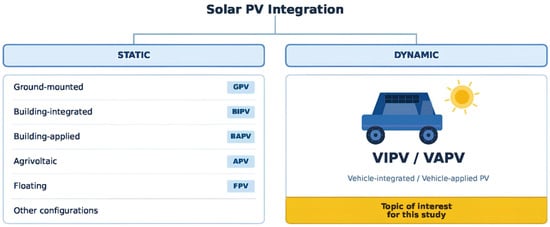
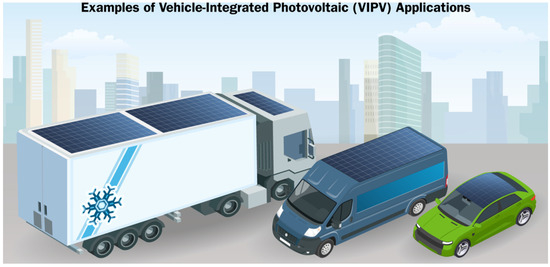
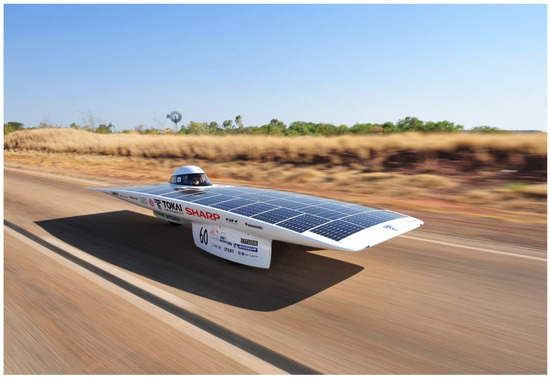
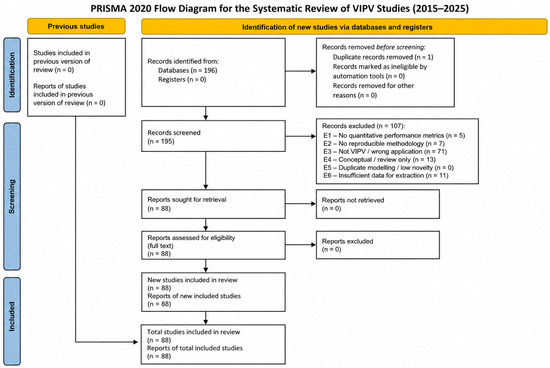
The rapid electrification of road transport has increased interest in distributed energy strategies that reduce grid demand and support decarbonization. Vehicle-integrated photovoltaics (VIPV), including vehicle-applied photovoltaic configurations (VAPV), can generate electricity directly on the vehicle. This systematic review examines peer-reviewed VIPV literature published between 2015 and 2026, focusing on the distinction between theoretical photovoltaic generation and practically usable energy. A Scopus search conducted on 2 May 2026 identified 196 records, of which 88 studies were included after screening against predefined criteria. Due to heterogeneity in vehicle types, climates, technologies, modeling assumptions, and reported metrics, no meta-analysis was performed. Instead, the review applies a multi-layered framework covering climate, geometry, thermal effects, electrical mismatch, battery state-of-charge interactions, fleet-scale modeling, economics, and life-cycle implications. The evidence shows that VIPV is technically feasible and can deliver measurable energy yields, especially in high-irradiance regions and vehicles with favorable daytime parking exposure. However, useful contribution depends strongly on curvature losses, dynamic shading, electrical configuration, SOC limits, charging behavior, seasonality, and vehicle energy demand. Therefore, VIPV is best understood as a context-dependent supplementary energy strategy rather than a transformative standalone solution. Its strongest value lies in specific vehicle classes, climates, and usage patterns where on-board generation can reduce charging demand, support operational resilience, or improve distributed self-consumption. The review also proposes minimum reporting requirements for future studies, including annual energy yield, Wh/km contribution, PV area or capacity, mileage assumptions, SOC modeling, and curtailment treatment. The review was not formally registered, and no formal risk-of-bias or certainty assessment was applied.
Full article
(This article belongs to the Section Photovoltaics)
►▼
Show Figures

Figure 1
Open AccessArticle
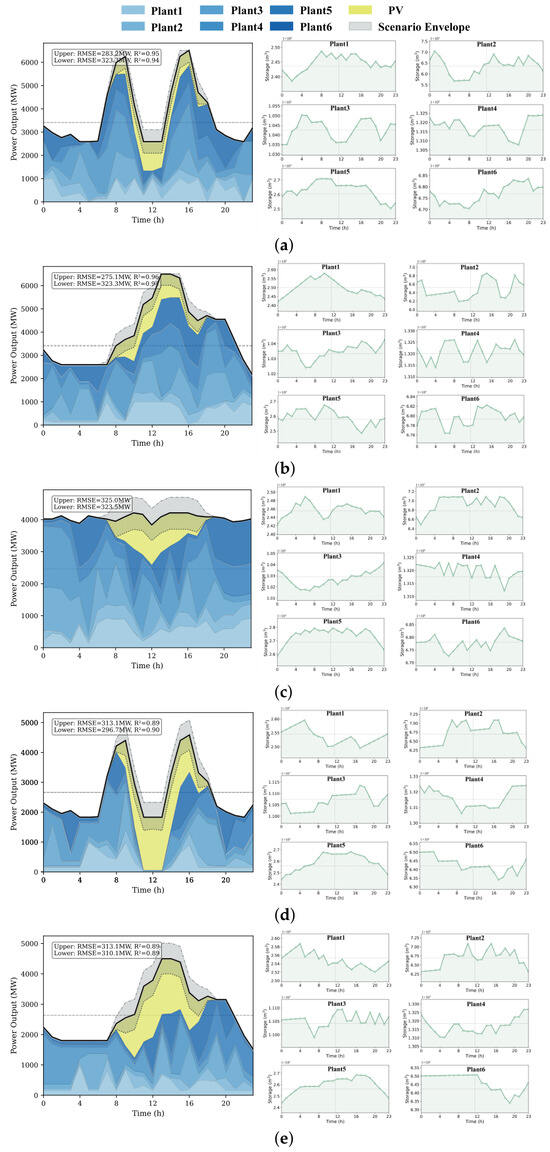
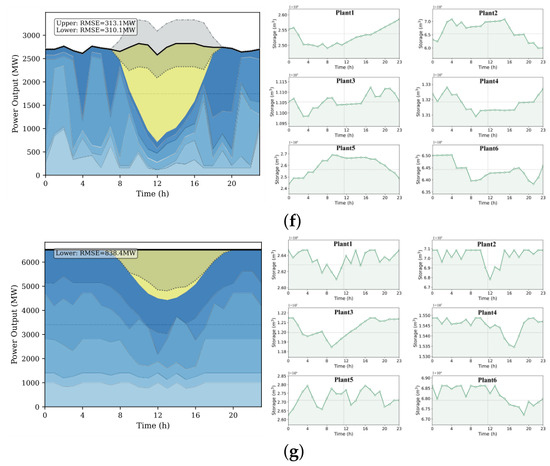
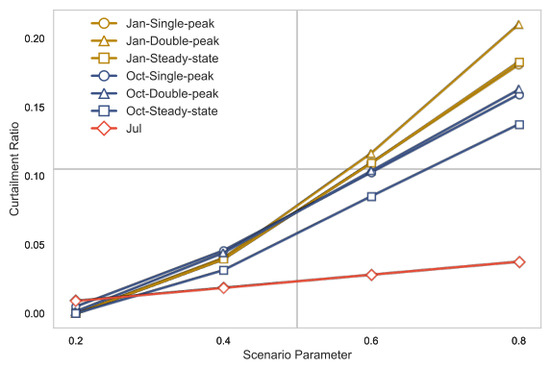
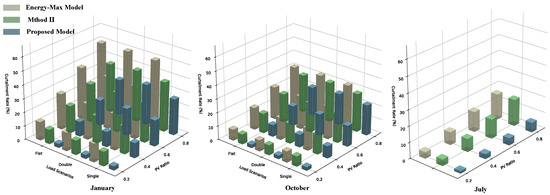
Coordinated Day-Ahead and Intra-Day Scheduling of Cascaded Hydro–Solar Hybrid System Considering Curtailment Risk
by
Xianren Ai, Honggang Li, Yuqian Wang, Qishun Zhang, Jie Peng, Feifan Li and Chulun Cheng
Solar 2026, 6(3), 25; https://doi.org/10.3390/solar6030025 - 12 May 2026
Abstract
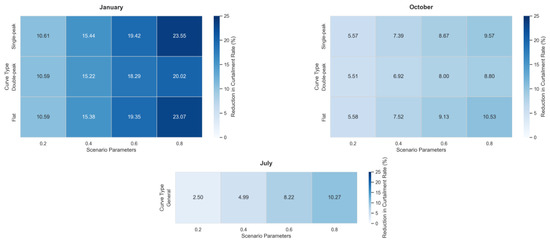
In recent years, cascaded hydropower (CHP) has been extensively leveraged to enhance the grid-connected penetration of photovoltaic (PV) generation. However, the inherent stochasticity and volatility of high-penetration PV often lead to significant renewable curtailment. To address this challenge, this paper proposes a coordinated
[...] Read more.
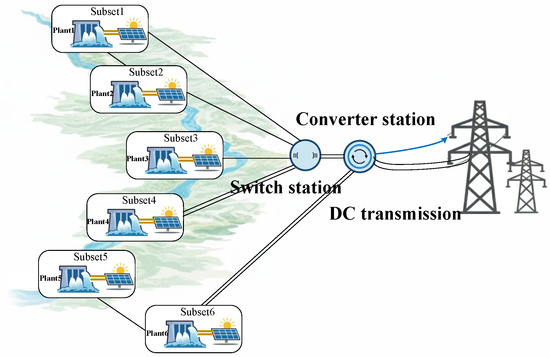
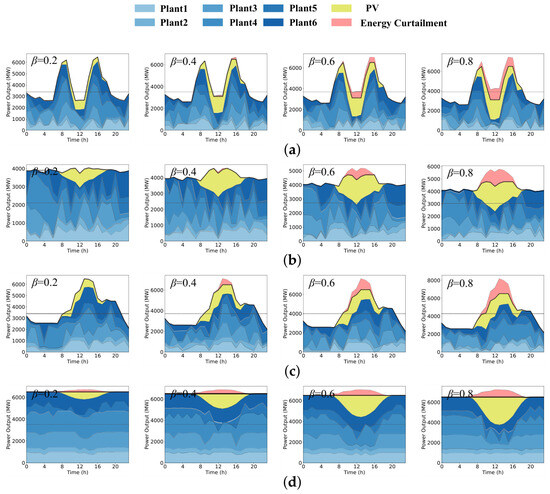
In recent years, cascaded hydropower (CHP) has been extensively leveraged to enhance the grid-connected penetration of photovoltaic (PV) generation. However, the inherent stochasticity and volatility of high-penetration PV often lead to significant renewable curtailment. To address this challenge, this paper proposes a coordinated day-ahead and intra-day scheduling model that incorporates curtailment risk assessment. The proposed framework employs a two-stage optimization architecture: the day-ahead stage establishes a baseline dispatch schedule with the objective of maximizing total energy production, while the intra-day stage refines this plan through multi-scenario optimization that explicitly accounts for curtailment risk. This synergistic mechanism achieves the objective of “maximizing day-ahead economic benefits and ensuring intra-day renewable accommodation”. Case studies on a specific river basin demonstrate the effectiveness of the proposed model. Simulation results indicate that, compared to conventional energy-maximization approaches, the proposed model significantly reduces intra-day curtailment rates and substantially enhances the integrated accommodation capacity of the hydro–solar hybrid system.
Full article
(This article belongs to the Section Photovoltaics)
►▼
Show Figures

Figure 1

Open AccessArticle
Deterministic Step-by-Step Control of Solar Generation Imbalances in Power Systems
by
Artur Zaporozhets, Vitalii Babak, Mykhailo Kulyk and Viktor Denysov
Solar 2026, 6(3), 24; https://doi.org/10.3390/solar6030024 - 8 May 2026
Abstract
This paper examines an algorithm and evaluates the upper limits of technical parameters for step-by-step management of forecast coverage for aggregated generation from solar power plants (SPPs) in Ukraine, given the high share of renewable energy sources in the integrated power system of
[...] Read more.
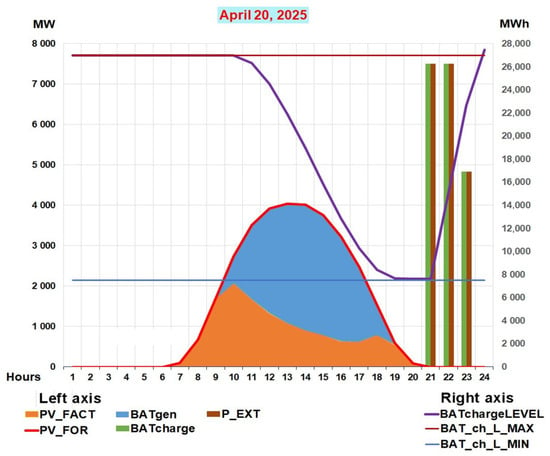
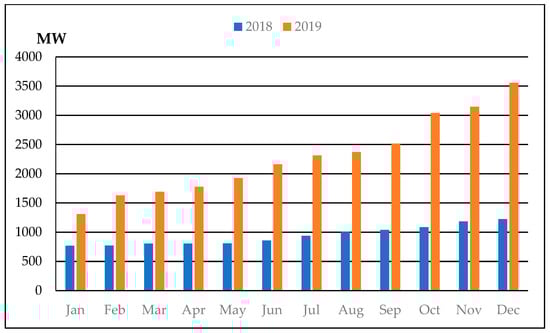
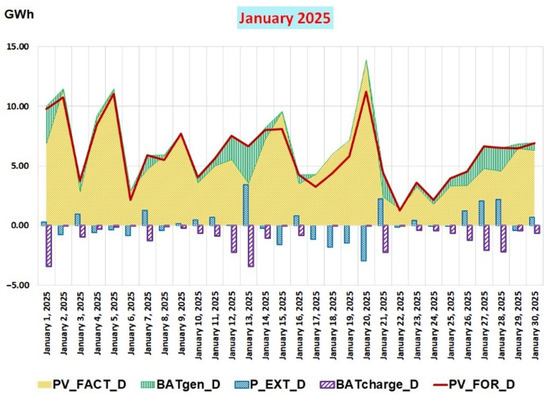
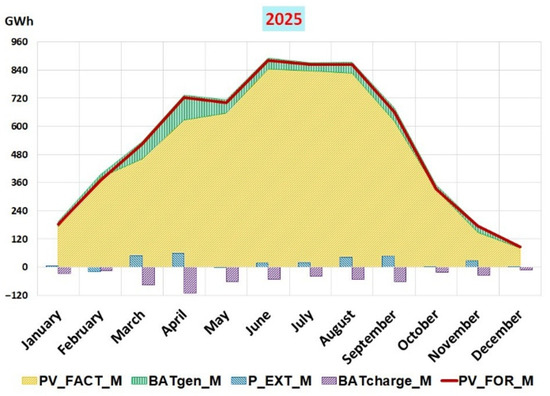
This paper examines an algorithm and evaluates the upper limits of technical parameters for step-by-step management of forecast coverage for aggregated generation from solar power plants (SPPs) in Ukraine, given the high share of renewable energy sources in the integrated power system of Ukraine. The relevance of the research is due to the growth in the installed capacity of SPPs, stricter requirements for forecasting accuracy, and the full financial responsibility of producers for imbalances in accordance with the current electricity market model. The problem is formulated as a special case of a hierarchically controlled quasi-dynamic power system, accounting for technological, energy, and economic constraints. The objective function is defined as the minimisation of the total hourly measure of discrepancy between the forecast and actual volumes of electricity supplied, whilst ensuring power balance through energy storage systems and flexible generation. The numerical implementation was carried out using the “SOPS” software and information complex. The input data used were hourly indicators of the forecasted and actual generation of Ukraine’s solar power plants for 2021–2025, published by the state-owned enterprise “Guaranteed Buyer”. Hourly, daily and monthly operating parameters for aggregated solar power generation in 2025 have been calculated. The calculations show that the maximum hourly mismatch between forecasted and actual solar generation in 2025 reached 3116 MW, while the maximum daily mismatch exceeded 19.8 GWh. Under the assumed operating conditions, an energy storage system with 30,000 MWh capacity and flexible generation of up to 7500 MW enabled full imbalance compensation, achieving IMB(t) = 0 for all hourly intervals in the analysed case. The required volumes of flexible generation and the operating parameters of the storage systems have been determined. The practical significance of the results lies in their potential use for operational planning of the operating modes of solar power plants, energy storage systems, and flexible generation on a daily and hourly basis, as well as for justifying technical and economic decisions aimed at reducing imbalances. The results obtained confirm the effectiveness of the proposed step-by-step control algorithm and demonstrate the potential to minimise imbalances through the rational coordination of solar power plants, energy storage systems, and flexible generation capacities.
Full article
(This article belongs to the Section Solar Energy Systems and Integration)
►▼
Show Figures

Figure 1
Open AccessReview
Numerical Modeling and Simulation of Solar Water Heating Systems for Enhanced Thermal Performance: A Review
by
Oluwaseyi O. Alabi, Oluwatoyin J. Gbadeyan and Oludolapo A. Olanrewaju
Solar 2026, 6(3), 23; https://doi.org/10.3390/solar6030023 - 8 May 2026
Abstract
Solar Water Heating Systems (SWHS) are increasingly recognized as vital technologies for reducing dependence on conventional energy sources and supporting sustainable thermal energy solutions. This study reviews recent advancements in the numerical modeling and simulation of SWHS, with a particular focus on improving
[...] Read more.
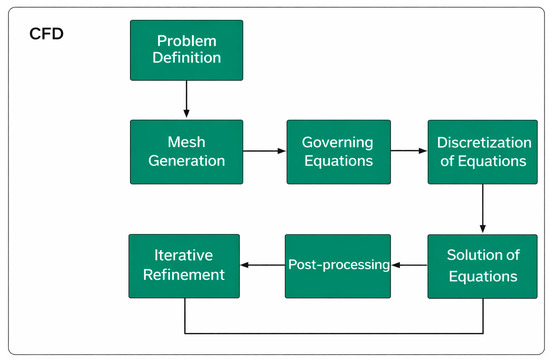
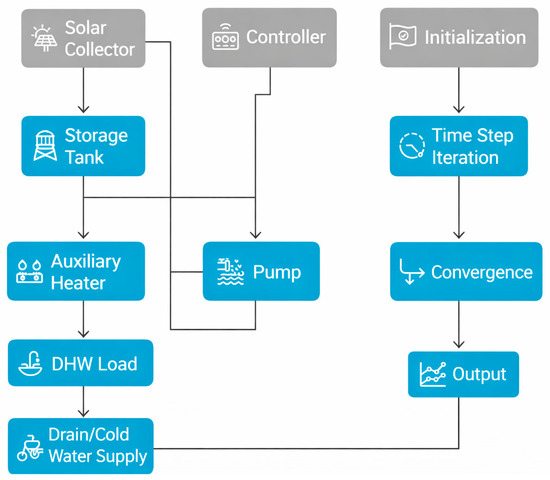
Solar Water Heating Systems (SWHS) are increasingly recognized as vital technologies for reducing dependence on conventional energy sources and supporting sustainable thermal energy solutions. This study reviews recent advancements in the numerical modeling and simulation of SWHS, with a particular focus on improving heat transfer efficiency and overall system performance. The primary aim is to evaluate how Computational Fluid Dynamics (CFD) and other simulation approaches accurately predict thermal behavior, fluid flow characteristics, and energy storage dynamics. The study identifies key objectives, including the analysis of critical design parameters, collector geometry, material properties, working fluid selection, and operating conditions, and their impact on thermal efficiency. This review integrates heat transfer, fluid dynamics, and energy storage within a unified numerical modeling framework. The current study also emphasizes advanced simulation techniques, including multi-physics analysis and optimization to enhance prediction accuracy and reduce computational cost. The outcomes indicate that validated numerical models provide reliable performance predictions under varying operating conditions and facilitate the development of high-efficiency, cost-effective SWHS for residential, commercial, and industrial applications. The findings also outline future research directions, including transient analysis, experimental validation, and advanced optimization frameworks, thereby contributing to the next generation of solar thermal technologies.
Full article
(This article belongs to the Section Solar Thermal and Solar Chemical Conversion)
►▼
Show Figures

Figure 1

Open AccessArticle
Forecasting Energy Storage Requirements for Energy Complex with Solar Power Plant and Battery Energy Storage System
by
Volodymyr Derii, Artur Zaporozhets, Tetiana Nechaieva and Yaroslav Havrylenko
Solar 2026, 6(3), 22; https://doi.org/10.3390/solar6030022 - 28 Apr 2026
Abstract
Despite the many advantages of renewable energy sources, the stochastic nature of their generation creates a mismatch between electricity production and demand timing. Without appropriate storage solutions, surplus energy remains unused. Although battery energy storage systems are increasingly applied to improve the flexibility
[...] Read more.
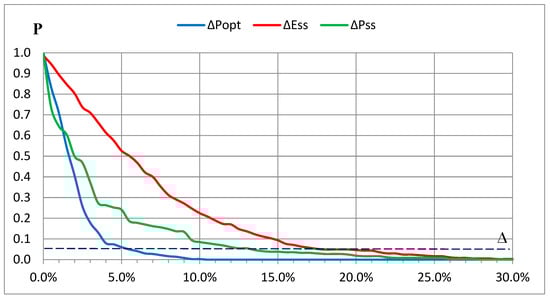
Despite the many advantages of renewable energy sources, the stochastic nature of their generation creates a mismatch between electricity production and demand timing. Without appropriate storage solutions, surplus energy remains unused. Although battery energy storage systems are increasingly applied to improve the flexibility and reliability of power systems, there is still a research gap in forecasting the optimal power and storage capacity of solar power plant–battery energy storage system energy complexes operating in parallel with the grid under short-term forecasting conditions, particularly when economic aspects such as partial leasing of storage capacity are considered. Therefore, the development of energy complexes based on solar power plants with the integration of battery energy storage systems, as well as the development of corresponding computational models, becomes critical for ensuring the stability, flexibility, reliability, and efficiency of power systems. Battery energy storage systems are widely used due to their availability, high response speed, significant energy density, and sufficient power capacity; however, their cost remains relatively high. This paper proposes a methodology and a calculation model for determining the optimal forecasted capacity and the rational storage requirements of an energy complex consisting of a solar power plant and a battery energy storage system operating in parallel with the grid at constant power under short-term forecasting conditions (day-ahead or longer). The proposed approach makes it possible to minimise the costs of energy companies associated with the short-term lease of part of a battery energy storage system when they do not own one, or, if such a system is available, to lease out its unused capacity and obtain corresponding profits. The validation of the computational model uses a dataset of hourly daily power outputs of solar power plants in the Integrated Power System of Ukraine for 2018. Statistical analysis of the obtained results shows that the probability of occurrence of maximum deviations for the optimal capacity of the energy complex (5.4%), as well as for the power and capacity of the battery energy storage system (13% and 18%, respectively), does not exceed 0.05 during the year. The results confirm that the proposed methodology provides a reliable basis for determining optimal parameters of solar power plant–battery energy storage system energy complexes and enables economically efficient use of storage capacity through short-term leasing mechanisms. Although the proposed methodology is applied using solar power plant generation data for the national power system as a whole, it can also be used for individual solar power plants located in different regions and countries with different climatic conditions. Certainly, the calculated coefficients differ, but the methodology itself and the sequence of its application remain the same.
Full article
(This article belongs to the Section Solar Energy Systems and Integration)
►▼
Show Figures

Figure 1

Open AccessArticle
A Multi-Source Spatiotemporal Framework for Vegetation Anomaly Detection in Solar Photovoltaic Fields Using Hierarchical Labels and Hybrid Deep Learning
by
Chahrazad Zargane, Anas Kabbori, Azidine Guezzaz, Said Benkirane and Mourade Azrour
Solar 2026, 6(3), 21; https://doi.org/10.3390/solar6030021 - 28 Apr 2026
Abstract
Moroccan installations of solar photovoltaic panels experience operational difficulties due to shading and vegetation-related soiling, which reduce energy output by 15–30%. Most monitoring systems depend upon a single vegetation index, which can reduce the accuracy of detecting even moderate anomalies. This paper presents
[...] Read more.
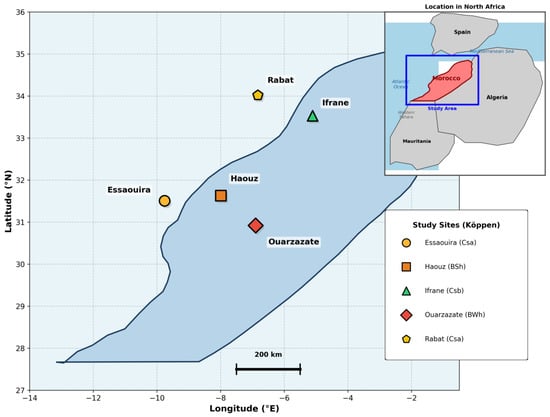
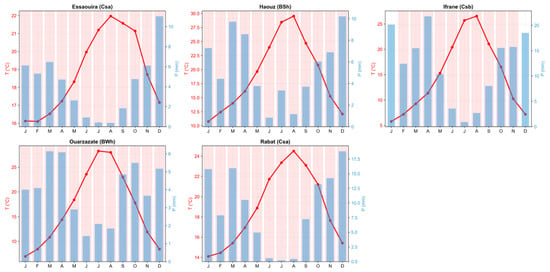
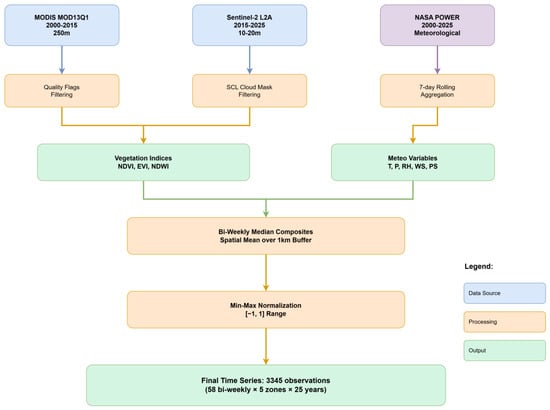
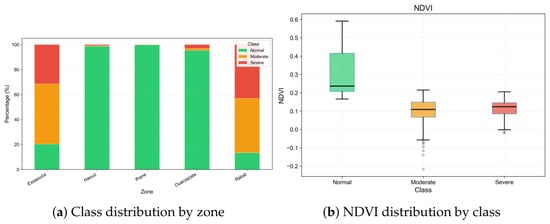
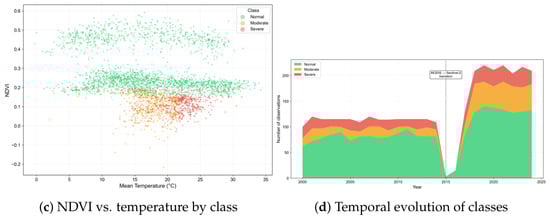
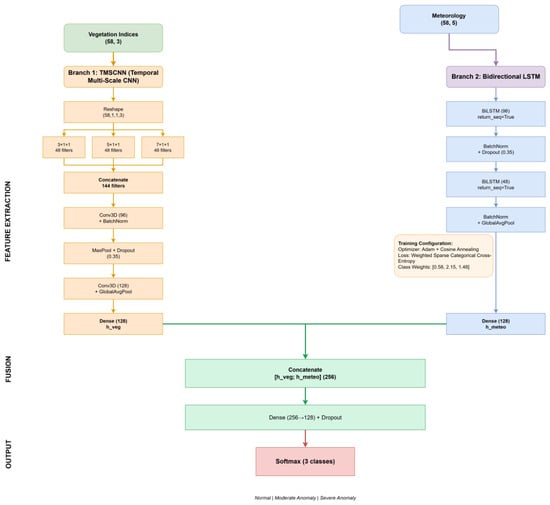
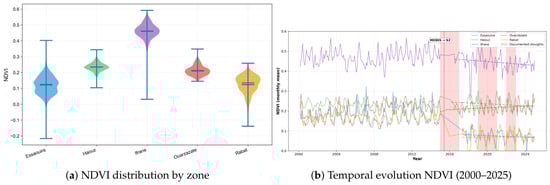
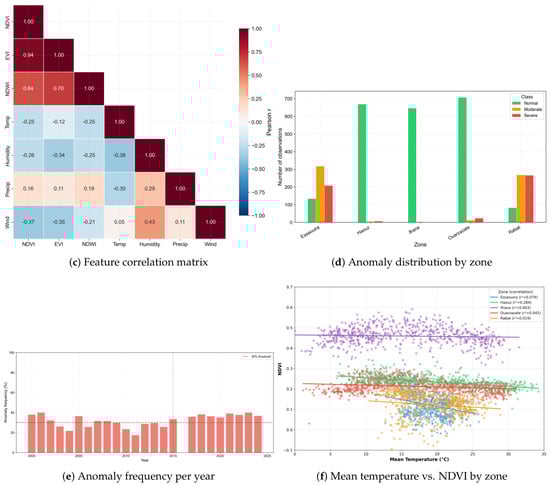
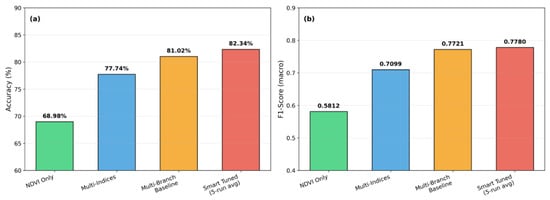
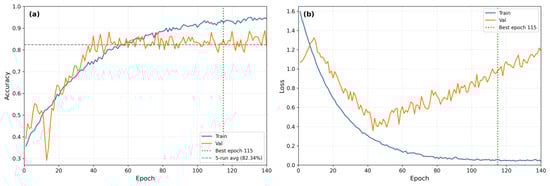
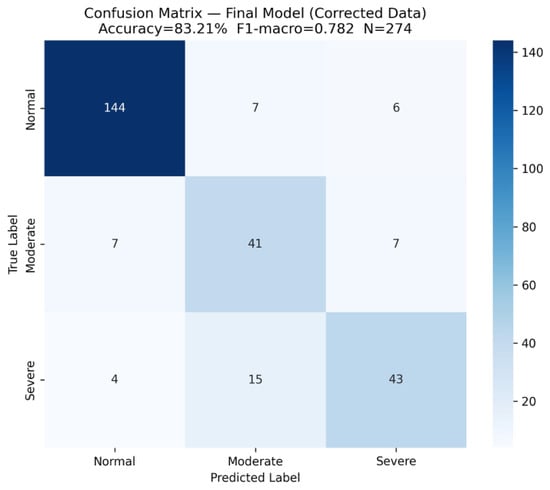
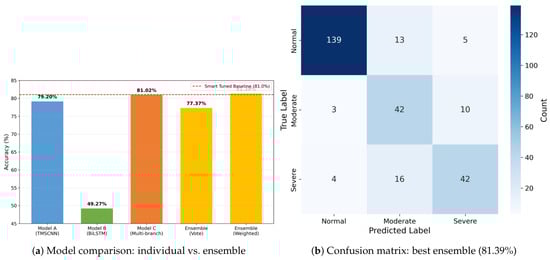
Moroccan installations of solar photovoltaic panels experience operational difficulties due to shading and vegetation-related soiling, which reduce energy output by 15–30%. Most monitoring systems depend upon a single vegetation index, which can reduce the accuracy of detecting even moderate anomalies. This paper presents a novel integration of multi-criteria hierarchical labeling with dual-branch deep learning for enhanced vegetation anomaly detection. We combined MODIS (2000–2015) and Sentinel-2 (2015–2025) images and NASA POWER weather records to study a 25-year vegetation record using multi-source satellite data in 5 of Morocco’s ecologically diverse zones. We introduced a three-class hierarchical labeling scheme (normal, moderate, severe) for dynamic vegetation models based on combined vegetation indices (NDVI, EVI, NDWI) and meteorological thresholds. The proposed dual-branch architecture uses independent data streams for unfused data, which include temporal multi-scale CNNs (TMSCNN) for spatiotemporal modeling and bidirectional LSTMs for weather-integrated vegetation data. Systematic ablation studies show improvements from using NDVI (68.98%) to multispectral indices (77.74%), meteorological integration (81.02%), and a final accuracy of 82.34% ± 0.88%. The moderate anomaly class exhibits lower precision (65%), demonstrating the challenge of operationalizing severity-based anomaly classification. This work integrates hierarchical, multi-criteria labeling and hybrid deep learning for solar photovoltaic vegetation monitoring.
Full article
(This article belongs to the Special Issue Machine Learning for Faults Detection of Photovoltaic Systems)
►▼
Show Figures

Figure 1
Open AccessArticle
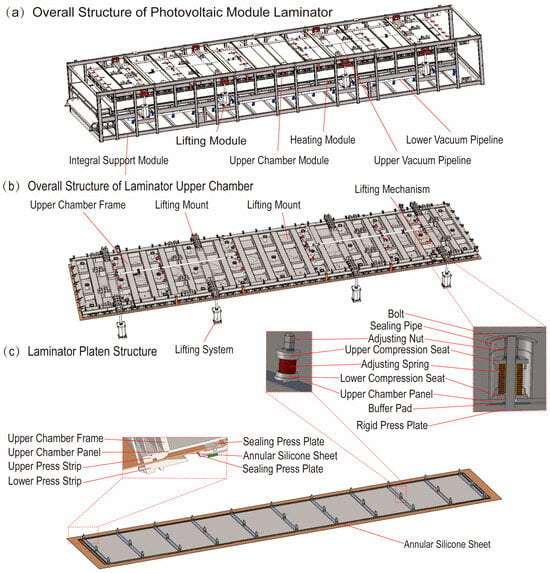
Design and Performance Validation of a Multi-Layer Laminator for Photovoltaic Modules
by
Pengju Duan, Yu Jin and Boda Song
Solar 2026, 6(3), 20; https://doi.org/10.3390/solar6030020 - 25 Apr 2026
Abstract
To address the demands of large-scale production in the photovoltaic industry for laminators with a small footprint, low energy consumption, and high encapsulation quality, this paper presents research on the structural design, simulation optimization, and performance validation of a multi-layer laminator for photovoltaic
[...] Read more.
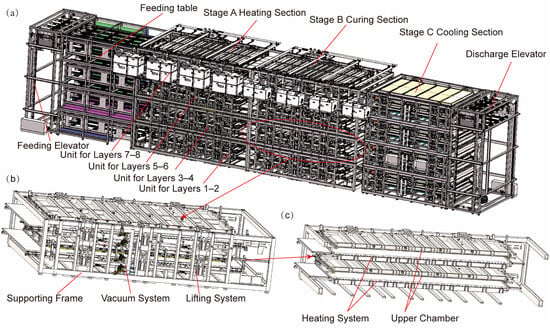
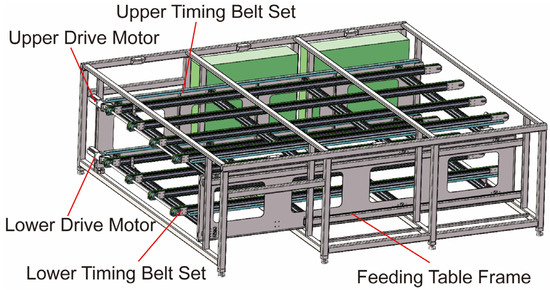
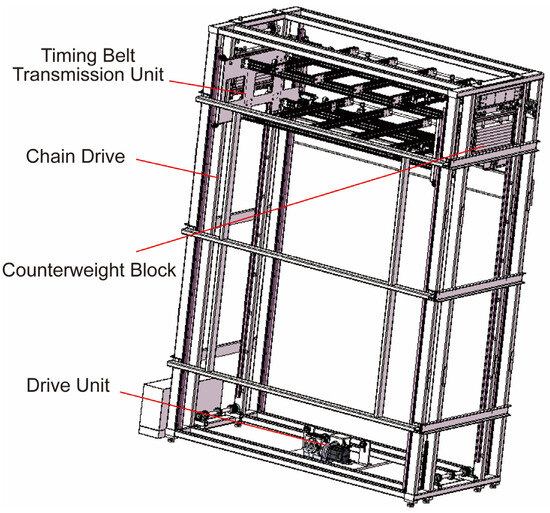
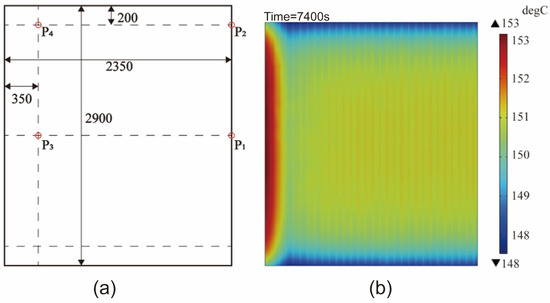
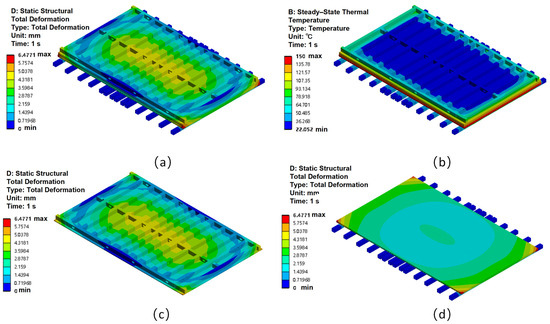
To address the demands of large-scale production in the photovoltaic industry for laminators with a small footprint, low energy consumption, and high encapsulation quality, this paper presents research on the structural design, simulation optimization, and performance validation of a multi-layer laminator for photovoltaic modules. Different from existing single-layer or double-layer structures, this paper proposes for the first time an eight-layer, three-stage overall scheme, develops modular lamination units, completes the design of core systems, and achieves multi-chamber coordination. Simulation validation was conducted on the temperature uniformity of the heating plates and the thermo-mechanical coupling under vacuum conditions. A prototype, model HCDL2743DSiT, was developed and subjected to a 30-day production trial. The results show that the equipment reaches a vacuum degree of 92 Pa within 100 s and drops to 38 Pa within 120 s; the temperature uniformity error of the heating plates is ±1.3 °C; the maximum positioning deviation of the transmission is ±2.8 mm. All core indicators meet the design requirements, and the module encapsulation pass rate reaches 99.9%. At the same production rate, the footprint is reduced by approximately 72% compared with that of a traditional double-layer laminator, achieving dual optimization of space utilization and energy consumption and providing technical equipment support for the high-efficiency encapsulation of photovoltaic modules.
Full article
(This article belongs to the Topic Advances in Solar Technologies, 2nd Edition)
►▼
Show Figures

Figure 1

Open AccessArticle
Carbon-Nanotube-Integrated Multilayer Titanium Dioxide/Tin Dioxide Photoanodes for Enhanced Dye-Sensitized Solar Cell Performance
by
Cheng-Ting Han and Hsin-Mei Lin
Solar 2026, 6(3), 19; https://doi.org/10.3390/solar6030019 (registering DOI) - 23 Apr 2026
Abstract
Dye-sensitized solar cells (DSSCs) remain attractive as low-cost photovoltaic devices; however, their practical efficiency is still constrained by electron-transport losses, interfacial recombination, and incomplete light harvesting in conventional titanium dioxide (TiO2) photoanodes. The effects of TiO2 film thickness, multi-walled carbon
[...] Read more.
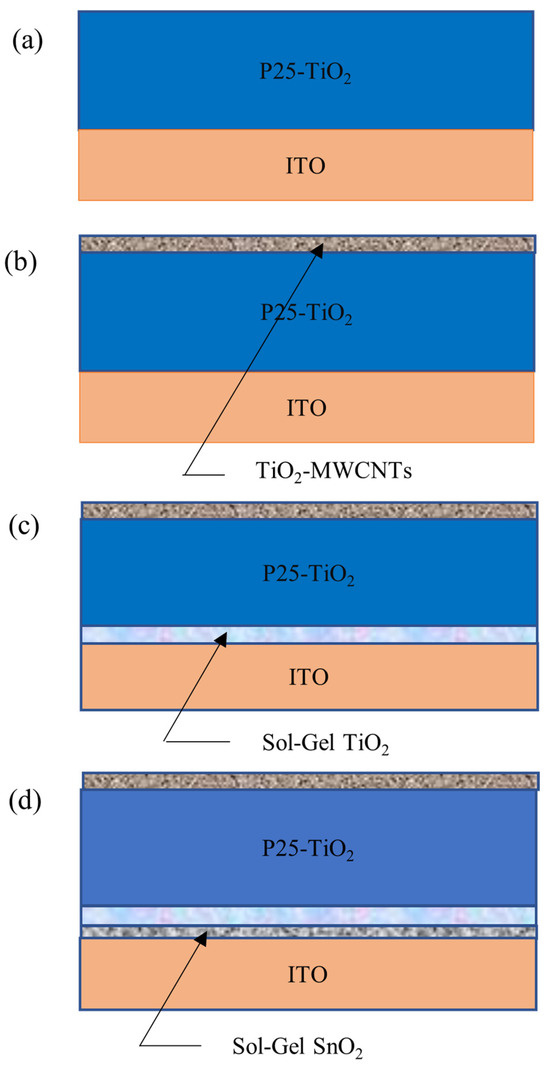
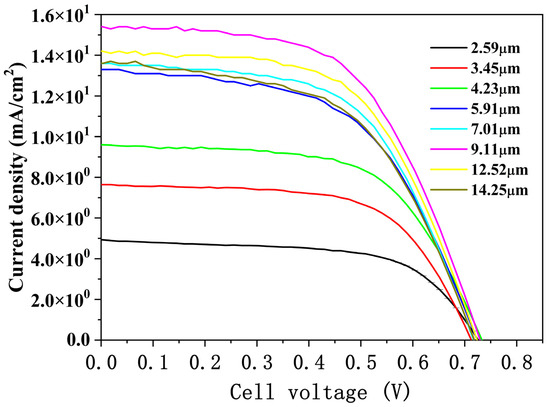
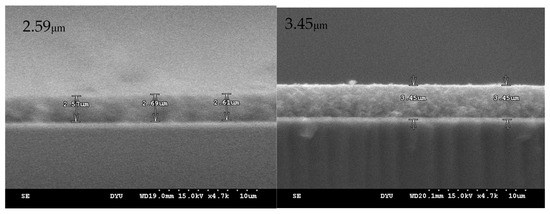
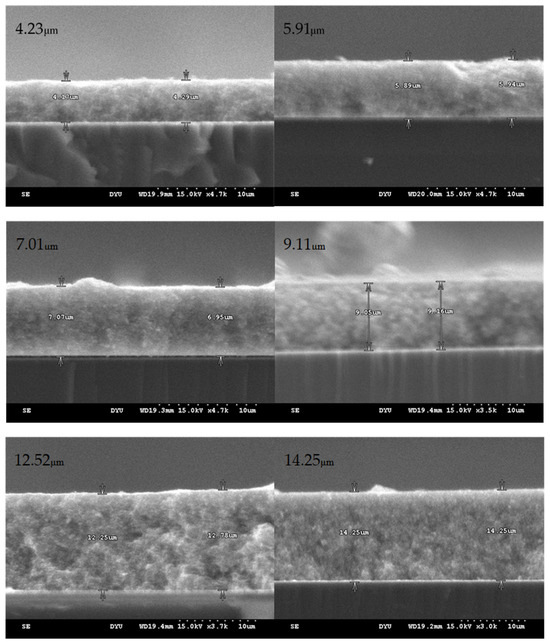
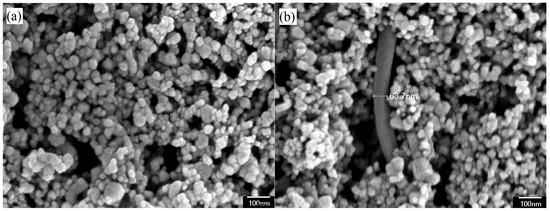
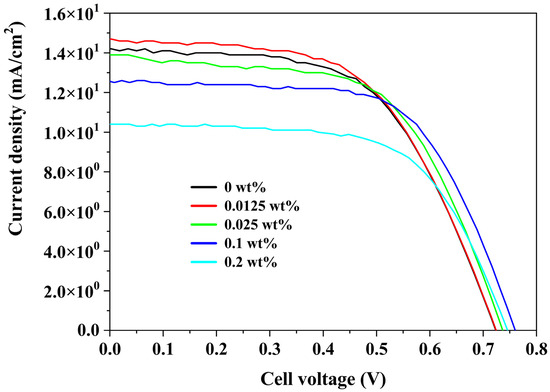
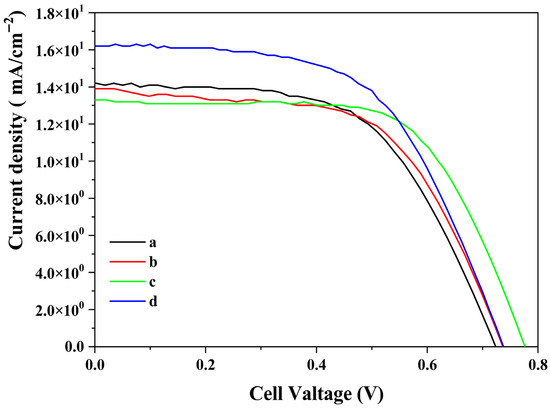
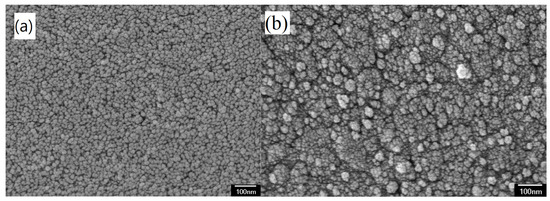
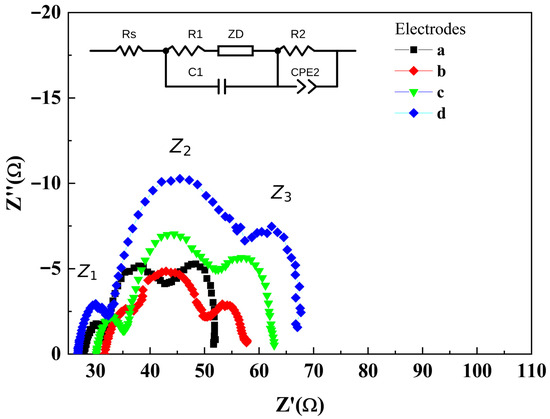
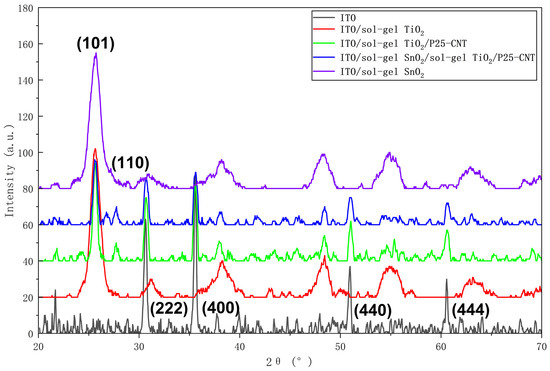
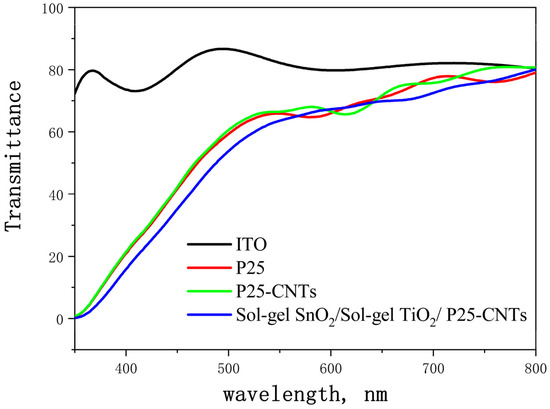
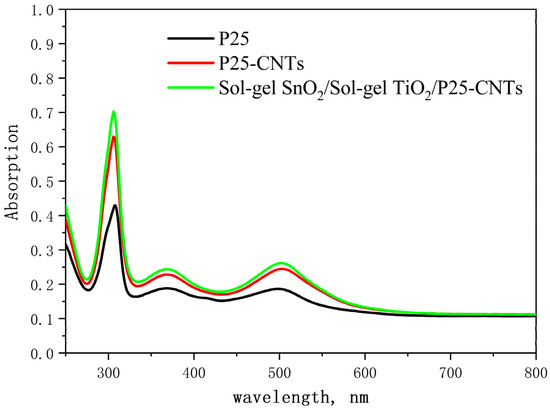
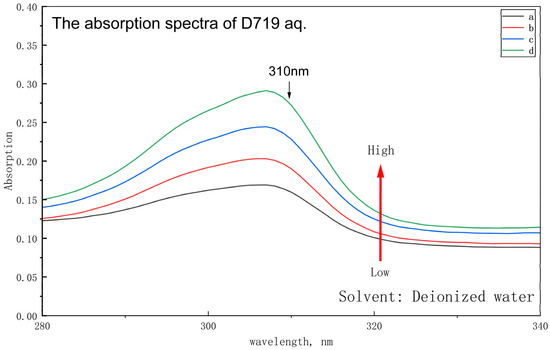
Dye-sensitized solar cells (DSSCs) remain attractive as low-cost photovoltaic devices; however, their practical efficiency is still constrained by electron-transport losses, interfacial recombination, and incomplete light harvesting in conventional titanium dioxide (TiO2) photoanodes. The effects of TiO2 film thickness, multi-walled carbon nanotube (MWCNT) incorporation, and multilayer oxide interface engineering on DSSC performance were examined. Degussa P25-TiO2 photoanodes were first optimized with respect to thickness, after which controlled MWCNT loadings and sequential compact sol–gel TiO2 and tin dioxide (SnO2) sublayers were introduced. The optimum pristine P25-TiO2 photoanode thickness was 9.11 μm, yielding an open-circuit voltage of 0.74 ± 0.01 V, a short-circuit current density of 14.10 ± 0.40 mA/cm2, a fill factor of 56.24 ± 1.00%, and a power-conversion efficiency of 5.93 ± 0.20%. The incorporation of 0.025 wt% MWCNTs increased the efficiency to 6.04 ± 0.20%, corresponding to an absolute gain of 0.11 percentage points. The best performance was obtained with the sol–gel SnO2/sol–gel TiO2/P25-CNT multilayer photoanode, which delivered 0.74 ± 0.02 V, 16.22 ± 0.40 mA/cm2, 57.59 ± 1.00%, and 6.89 ± 0.30%, respectively. FE-SEM, EIS, XRD, Heated Ultrasonic Cleaner and UV–visible analyses indicate that the multilayer architecture preserves porosity, enhances light harvesting, and suppresses interfacial recombination, while the CNT network facilitates charge transport.
Full article
(This article belongs to the Topic Advances in Solar Technologies, 2nd Edition)
►▼
Show Figures

Figure 1
Open AccessReview
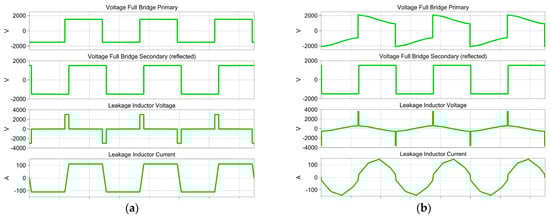
Medium Voltage Conversion Systems with Integrated Galvanic Isolation for Hybrid Photovoltaic Plants
by
Duc-Huy Nguyen, Jérémy Martin, Arnaud Gaillard and Quoc-Tuan Tran
Solar 2026, 6(3), 18; https://doi.org/10.3390/solar6030018 - 22 Apr 2026
Abstract
The demand for a more sustainable energy system is driving the development of renewable energy sources and green technologies within the electrical sector. However, integrating these technologies is challenging due to the increased complexity of the system components and grid architectures. This paper
[...] Read more.
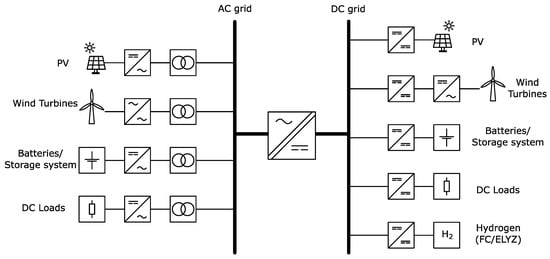
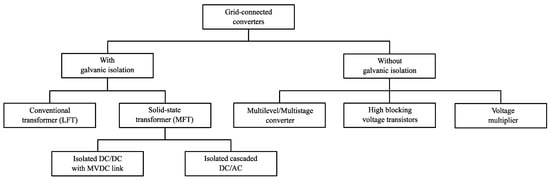
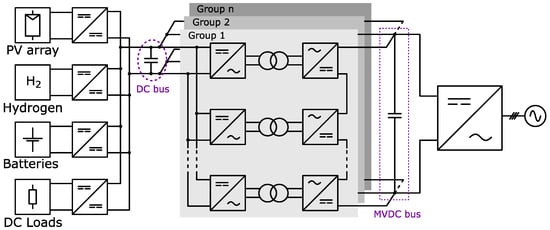
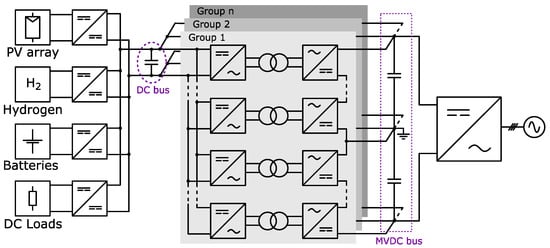
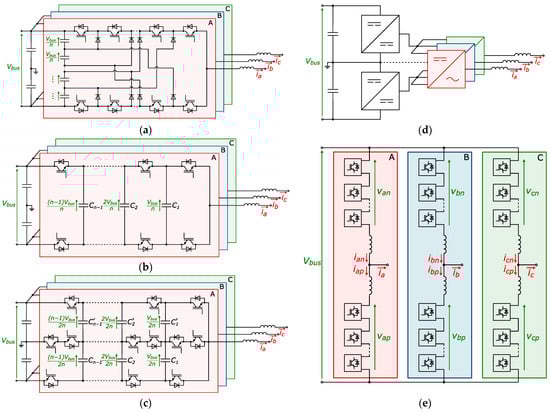
The demand for a more sustainable energy system is driving the development of renewable energy sources and green technologies within the electrical sector. However, integrating these technologies is challenging due to the increased complexity of the system components and grid architectures. This paper provides an overview of power electronic conversion systems that facilitate the connection of renewable energy sources (photovoltaic power plants) and direct-current energy storage systems to three-phase medium-voltage alternating-current grids. This paper presents a comprehensive study of the state-of-the-art converter architectures and proposes modifications and technological alternatives, providing insight into the future development of grid-interface power converters for hybrid energy systems.
Full article
(This article belongs to the Special Issue Efficient and Reliable Solar Photovoltaic Systems: 2nd Edition)
►▼
Show Figures

Figure 1
Open AccessArticle
Experimental Evaluation of the Parabolic Trough Solar Collector Under Cloudy Conditions: Case Study in Chachapoyas, Peru
by
Homar Santillan Gomez, Wildor Gosgot Angeles, Merbelita Yalta Chappa, Fernando Isaac Espinoza Canaza, Yasmin Delgado Rodríguez, Manuel Oliva Cruz, Oscar Gamarra Torres and Miguel Ángel Barrena Gurbillón
Solar 2026, 6(2), 17; https://doi.org/10.3390/solar6020017 - 1 Apr 2026
Abstract
►▼
Show Figures
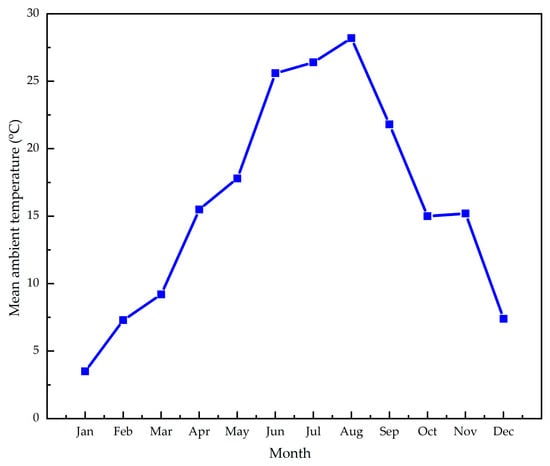
This study experimentally evaluates the thermal performance of a compact parabolic trough solar collector (PTSC) operating under actual solar conditions in Chachapoyas, a high-Andean city in northern Peru characterized by frequent cloud cover and variable irradiance. Despite the growing interest in solar thermal
[...] Read more.
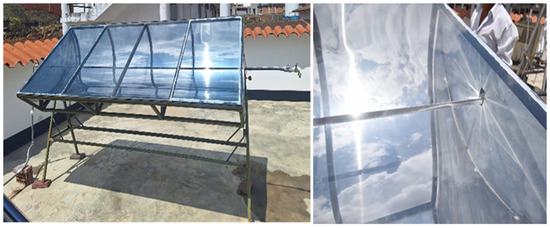
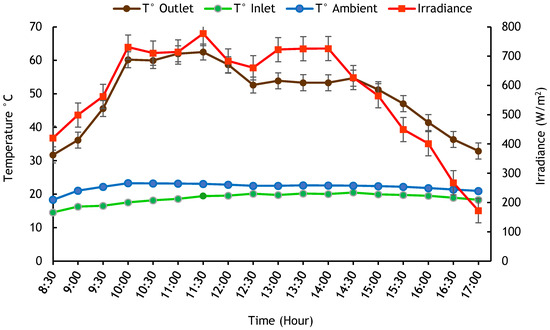
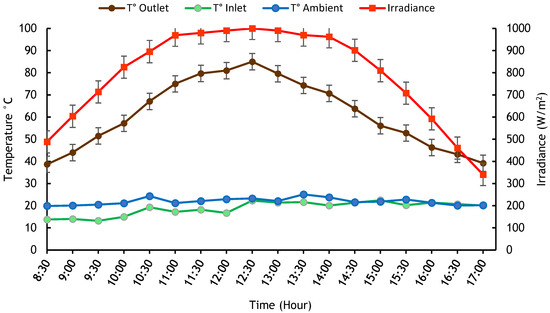
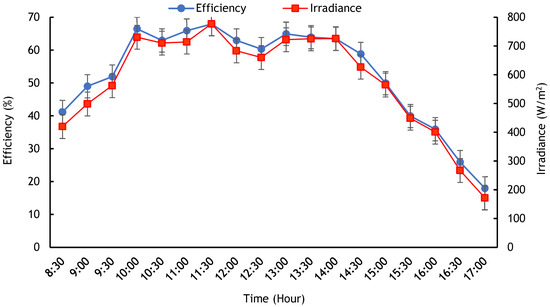
This study experimentally evaluates the thermal performance of a compact parabolic trough solar collector (PTSC) operating under actual solar conditions in Chachapoyas, a high-Andean city in northern Peru characterized by frequent cloud cover and variable irradiance. Despite the growing interest in solar thermal systems, few studies have assessed PTC behavior under high-altitude, diffuse radiation conditions typical of Andean regions. The PTSC, aligned along the north–south axis and equipped with a manual solar tracking system, was monitored for 30 consecutive days. Solar irradiance, ambient temperature, and water inlet/outlet temperatures were recorded at 30 min intervals using a DAVIS Vantage Pro Plus weather station and infrared thermometers (±0.5 °C accuracy). Thermal efficiency was determined from the ratio of useful heat gain to incident solar energy, based on instantaneous irradiance data. Results showed peak irradiance values of 1000 W m−2 and maximum outlet water temperatures of 85 °C, achieving an average efficiency of 68 ± 2.5%. The collector maintained stable operation even under fluctuating radiation, confirming its suitability for domestic hot-water and low-temperature industrial applications. These findings provide the first experimental evidence of efficient solar-thermal conversion in cloudy highland environments of Peru, supporting the deployment of decentralized renewable energy systems in the Andean region.
Full article

Figure 1
Open AccessArticle
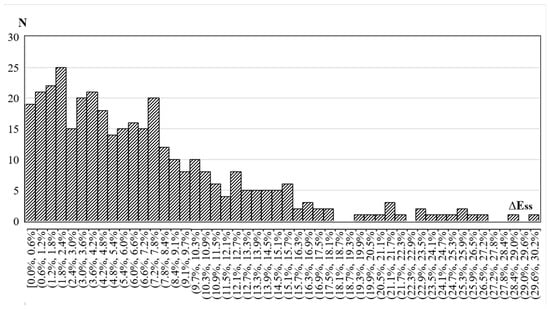
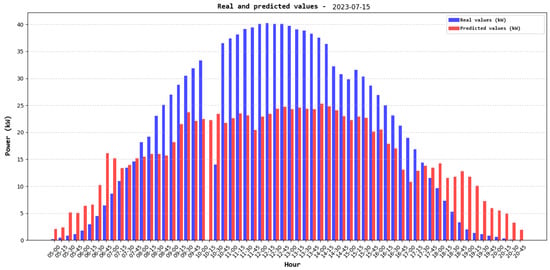
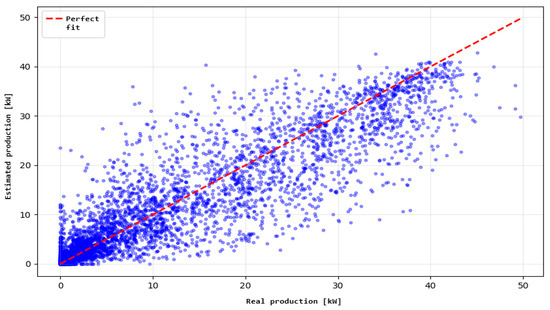
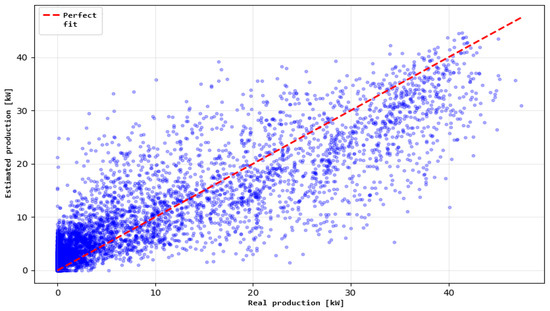
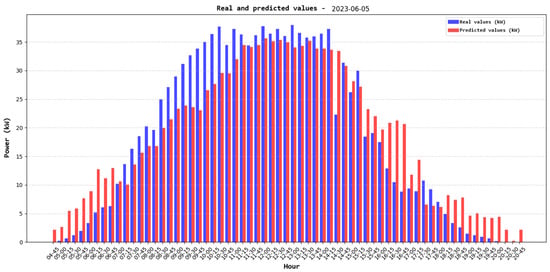
Comparison of Electricity Production Prediction Models Based on Meteorological Data for Photovoltaic Farms in Poland—Challenges and Problems
by
Piotr Kraska and Krzysztof Hanzel
Solar 2026, 6(2), 16; https://doi.org/10.3390/solar6020016 - 11 Mar 2026
Abstract
In response to the growing need for accurate forecasting of electricity generation from PV installations, which is crucial both for enhancing self-consumption and for balancing the power grid, this study presents a comparative analysis of selected machine learning models. The research focuses on
[...] Read more.
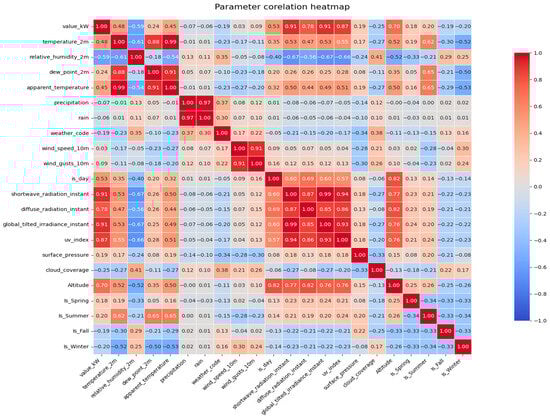
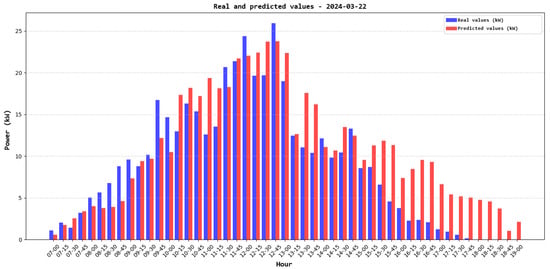
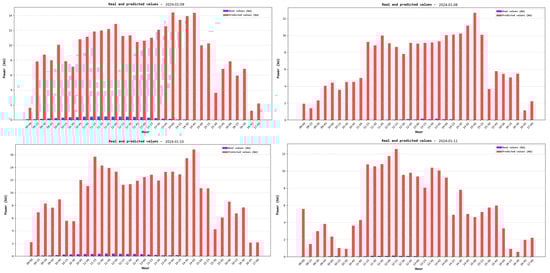
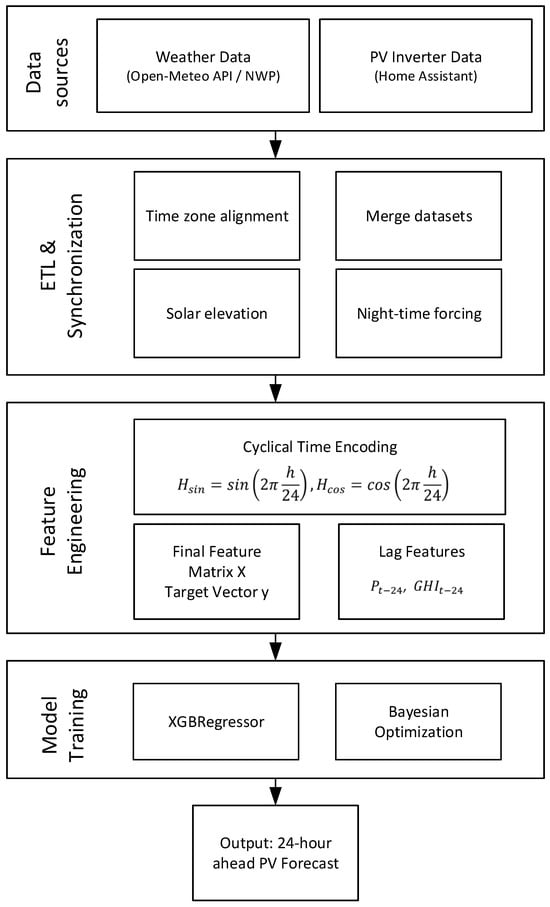
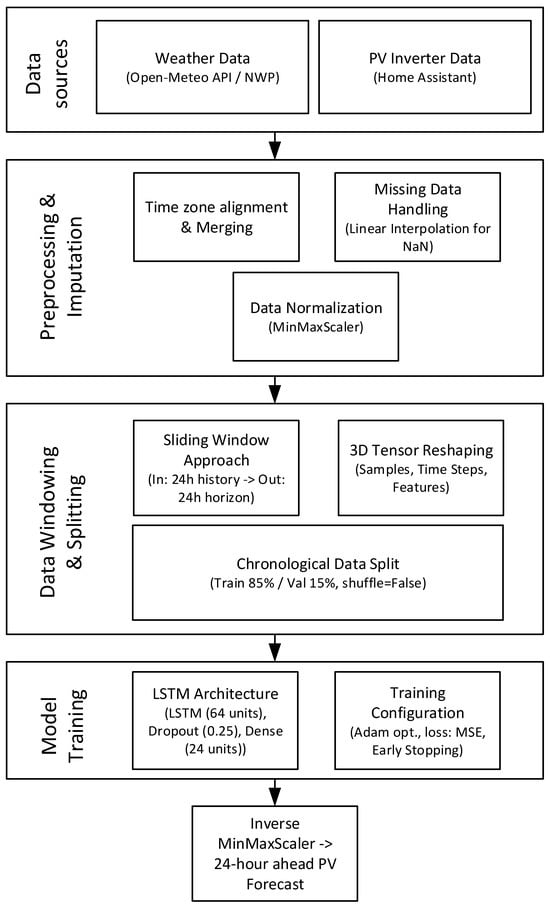
In response to the growing need for accurate forecasting of electricity generation from PV installations, which is crucial both for enhancing self-consumption and for balancing the power grid, this study presents a comparative analysis of selected machine learning models. The research focuses on the XGBoost algorithm and LSTM neural networks, applied to predict PV energy production based on meteorological data and historical generation records from four medium-sized PV installations (30–50 kWp) located in Poland. Meteorological data were retrieved from open sources and combined with actual production measurements to build the training dataset. This paper discusses the challenges posed by these data at the given latitude, as well as issues related to processing data from newly launched installations. The performance of both approaches was evaluated in short- and medium-term forecasting, with particular attention to prediction accuracy, robustness to noisy data, and the ability to capture nonlinear relationships.
Full article
(This article belongs to the Special Issue Efficient and Reliable Solar Photovoltaic Systems: 2nd Edition)
►▼
Show Figures

Figure 1
Open AccessArticle
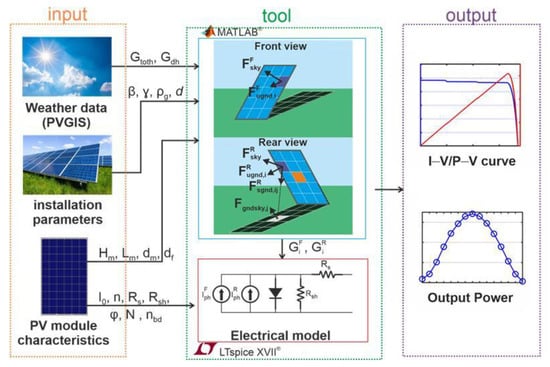
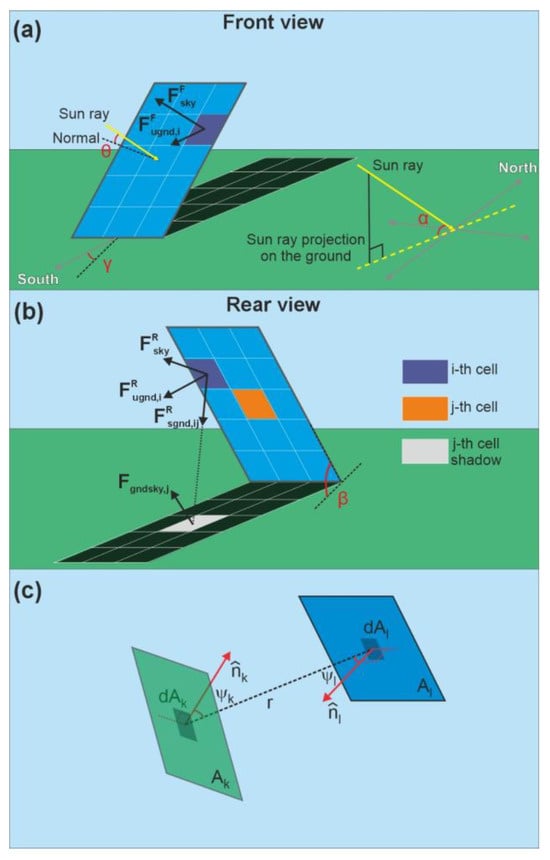
Cell-Level Modeling Approach for Accurate Irradiance Estimation in Bifacial Photovoltaic Modules
by
Monica De Riso, Gerardo Saggese, Pierluigi Guerriero, Santolo Daliento and Vincenzo d’Alessandro
Solar 2026, 6(2), 15; https://doi.org/10.3390/solar6020015 - 11 Mar 2026
Abstract
Accurate prediction of the energy yield of bifacial photovoltaic (PV) modules requires a proper evaluation of albedo irradiance and the associated mismatch losses. In this work, an advanced tool for the assessment of the power production of bifacial modules is presented. The tool
[...] Read more.
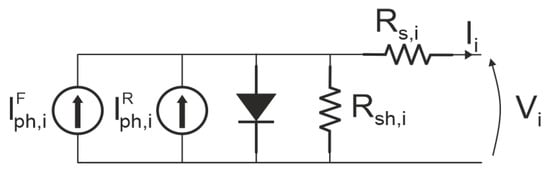
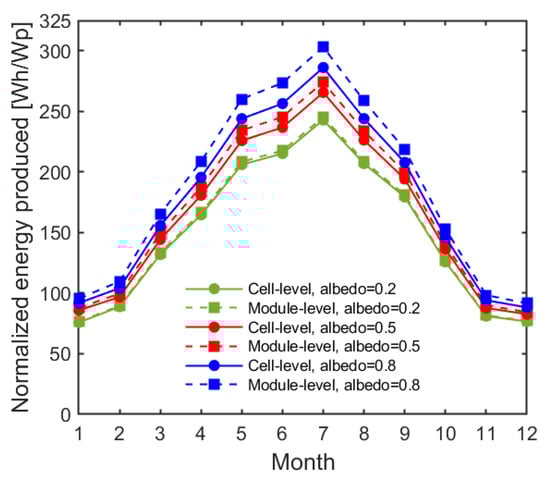
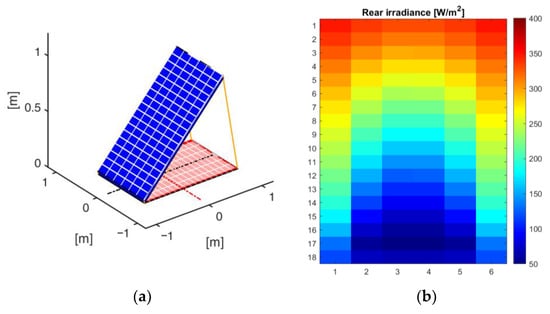
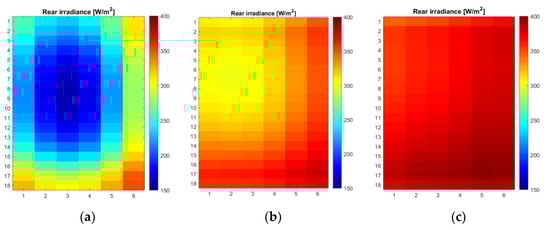
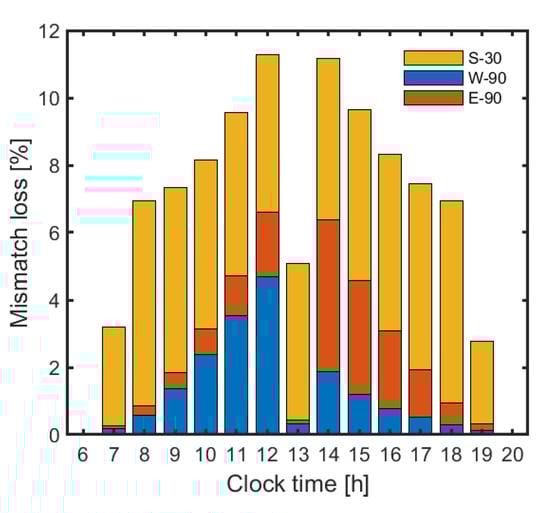
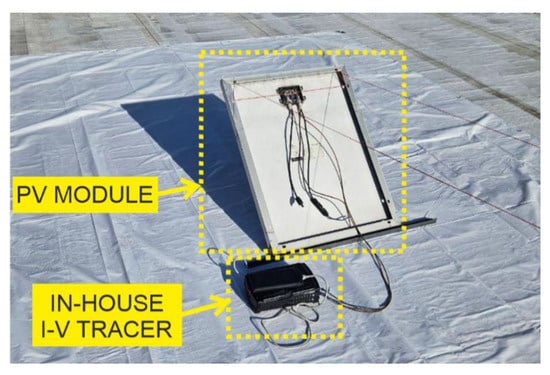
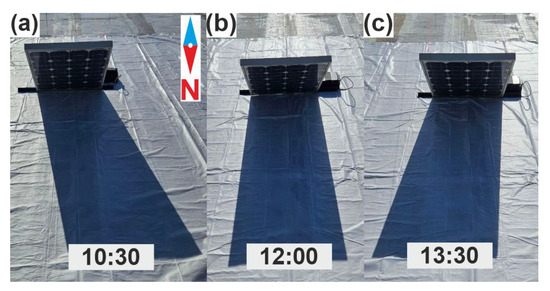
Accurate prediction of the energy yield of bifacial photovoltaic (PV) modules requires a proper evaluation of albedo irradiance and the associated mismatch losses. In this work, an advanced tool for the assessment of the power production of bifacial modules is presented. The tool benefits from a refined numerical evaluation of ground-reflected irradiance performed through a view-factor-based cell-level approach within a realistic three-dimensional (3D) Sun-module-shadow geometry. This allows capturing both vertical and lateral nonuniformities in the irradiance distributions over the module surfaces, which are neglected in conventional module-level models. The irradiances incident on the cells are subsequently supplied to a circuit-based block, operating with a cell-level granularity as well, which computes the I–V characteristics and the maximum power point (MPP) at selected time instants. Simulations performed on a simplified tool variant assuming uniform albedo irradiance show that this approximation leads to a non-negligible overestimation of power output. An extensive comparison against state-of-the-art tools, including the previous version of our framework, allows us to conclude that the proposed method is especially advantageous for standalone modules or short-row configurations under medium-to-high albedo conditions. Moreover—like its previous version—the tool can handle a large variety of detrimental effects, namely, partial architectural shading, localized snow coverage, bird droppings, and faulty cells. Additionally, a non-zero elevation from the ground can be effectively described. It is also found that south-oriented 30°-tilted bifacial modules suffer from appreciable albedo-induced mismatch losses on the rear surface during summer under medium-albedo conditions, whereas vertically-mounted West- and East-oriented configurations are less affected by such losses. Experimental validation confirms the accuracy of the proposed framework.
Full article
(This article belongs to the Special Issue Efficient and Reliable Solar Photovoltaic Systems: 2nd Edition)
►▼
Show Figures

Figure 1
Open AccessArticle
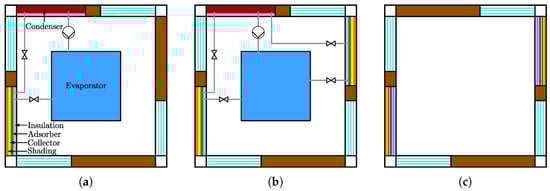
Dynamic Optimisation of Façade-Integrated Solar Cooling Elements: Adsorption Cooling Versus Photovoltaic Scenarios
by
Simon Oskar Weber and Philip Leistner
Solar 2026, 6(2), 14; https://doi.org/10.3390/solar6020014 - 3 Mar 2026
Abstract
Façade-integrated solar cooling technologies enable the utilisation of façade surface potential and the provision of resilient cooling. This work compares three solar cooling scenarios, positioning a solar cooling element in the west and east façades. The 2ACE scenario is based on a compact
[...] Read more.
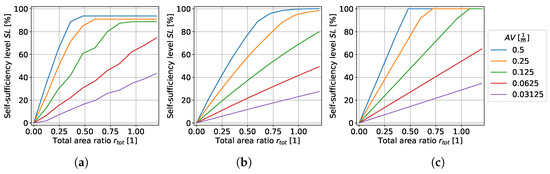
Façade-integrated solar cooling technologies enable the utilisation of façade surface potential and the provision of resilient cooling. This work compares three solar cooling scenarios, positioning a solar cooling element in the west and east façades. The 2ACE scenario is based on a compact adsorption cooling concept, while the 2PV scenario directly drives a compression chiller with photovoltaic elements, and 2PVB incorporates an additional battery. All Modelica system models are implemented in Modelon Impact and operated using dynamic optimisation for the hottest day of the year. Results indicate that the 2ACE scenario, utilising the adsorbent Silica Gel SG123, achieves near to double the self-sufficiency compared to Zeolite 13X. No clear optimal area balance between west and east elements is apparent. The 2PV scenario only surpasses the 2ACE scenario’s self-sufficiency with increased total element area, whereas 2PVB enables a drastic increase and complete self-sufficiency. This highlights the limitation of the adsorption cooling scenario due to its inability to compensate for ventilation’s electrical energy consumption. However, photovoltaic scenarios are heavily reliant on the assumed energy efficiency ratio. Additionally, slender buildings with a low AV ratio require less façade area to achieve the same self-sufficiency level as wider buildings.
Full article
(This article belongs to the Special Issue Solar Energy for Cooling and Heating: Theory, Methods and Applications)
►▼
Show Figures

Figure 1
Open AccessArticle
AI-Guided Evolutionary Optimization of Passive Solar Design for Residential Heating Across Distinct Climate Zones
by
Khuloud Ali, Ghayth Tintawi and Mohamad Khaled Bassma
Solar 2026, 6(2), 13; https://doi.org/10.3390/solar6020013 - 2 Mar 2026
Abstract
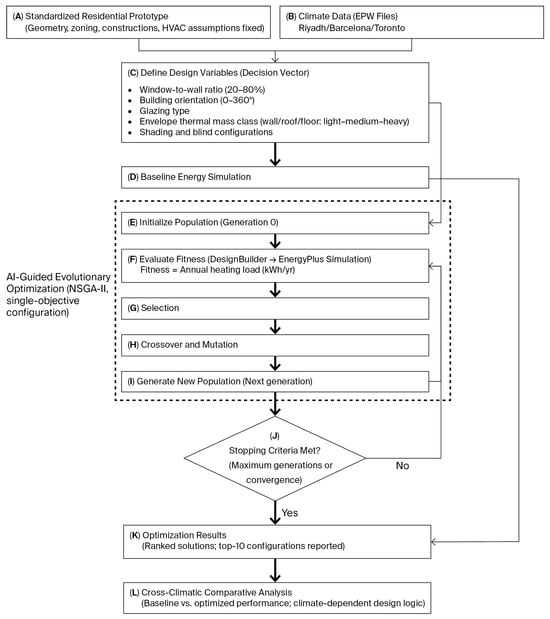
Achieving meaningful reductions in residential heating demand requires design strategies that can respond to climate-specific solar availability and envelope performance. Although passive solar principles are well established, their effectiveness remains highly context-dependent, and simplified prescriptive approaches may not capture interactions across different climates.
[...] Read more.
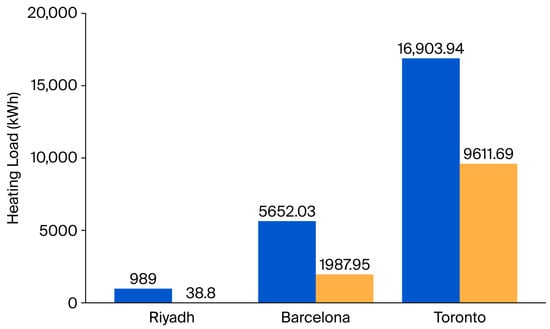
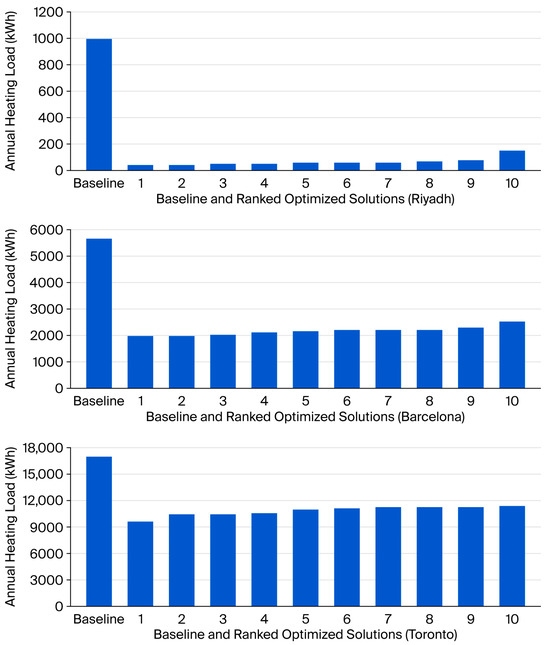
Achieving meaningful reductions in residential heating demand requires design strategies that can respond to climate-specific solar availability and envelope performance. Although passive solar principles are well established, their effectiveness remains highly context-dependent, and simplified prescriptive approaches may not capture interactions across different climates. This study presents an AI-guided evolutionary optimization framework for passive solar residential design, focusing exclusively on the reduction in annual space heating demand under standardized assumptions. A standardized single-story residential prototype is simulated across three climatic contexts: hot–dry (Riyadh), temperate (Barcelona), and cold (Toronto). Dynamic building performance simulations are conducted using EnergyPlus, coupled with DesignBuilder’s built-in Non-Dominated Sorting Genetic Algorithm II (NSGA-II) evolutionary optimization engine. Envelope-related variables, including the window-to-wall ratio, orientation, glazing configuration, and thermal mass, are optimized with a single objective: minimizing the annual heating load under idealized heating conditions. The results demonstrate substantial climate-dependent reductions in heating demand. In Toronto, the annual heating demand is reduced from approximately 16,900 kWh to 9600 kWh (≈43%). In Barcelona, a reduction from approximately 5650 kWh to 1990 kWh (≈65%) is achieved, while in Riyadh, heating demand is reduced from approximately 990 kWh to 39 kWh (>95%). The optimized solutions reveal distinct climate-specific design logic rather than universal passive rules. The results demonstrate that evolutionary optimization can support early-stage envelope design by revealing climate-specific heating strategies under clearly defined and comparable assumptions.
Full article
(This article belongs to the Special Issue Solar Energy for Cooling and Heating: Theory, Methods and Applications)
►▼
Show Figures

Figure 1
Open AccessArticle
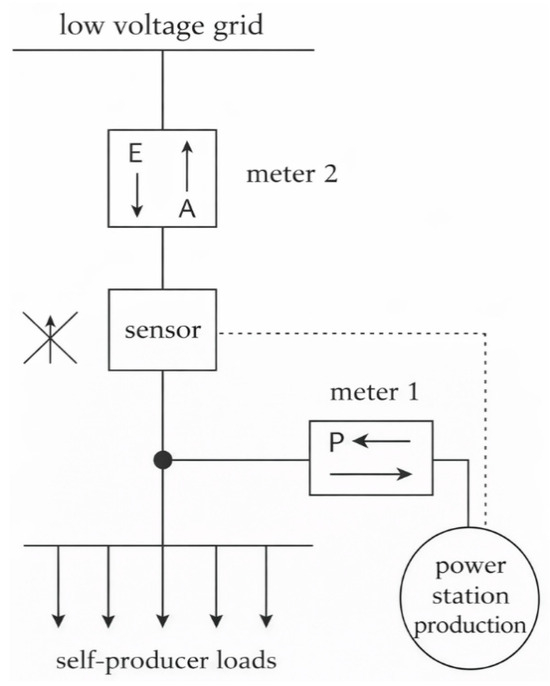
Optimizing Industrial Energy Saving with On-Site Photovoltaics: A Zero Feed-In Case Study in Greece
by
Nick Pelekas, Stefanos Keskinis, Ioannis E. Kosmadakis and Costas Elmasides
Solar 2026, 6(2), 12; https://doi.org/10.3390/solar6020012 - 1 Mar 2026
Cited by 1
Abstract
This paper investigates the integration of on-site photovoltaic (PV) systems in the industrial sector under a zero feed-in configuration, where all generated electricity is consumed locally without export to the grid. The analysis follows the current Greek regulatory framework and uses real operating
[...] Read more.
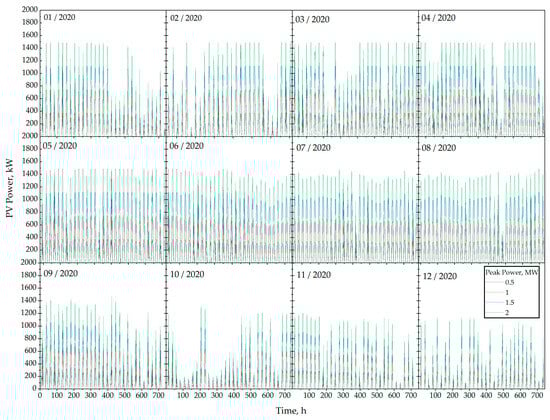
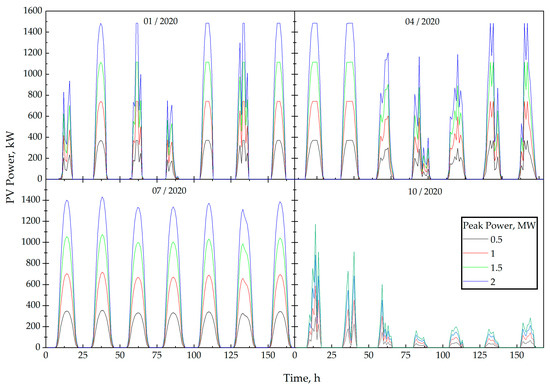
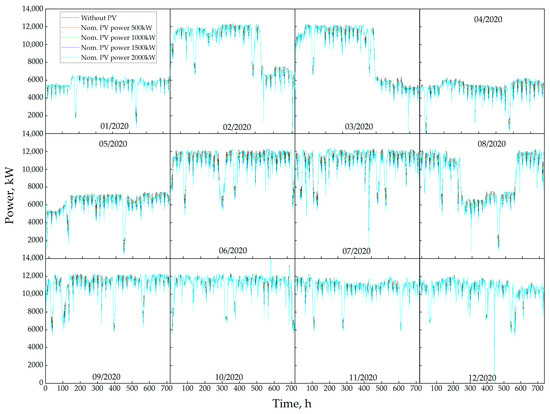
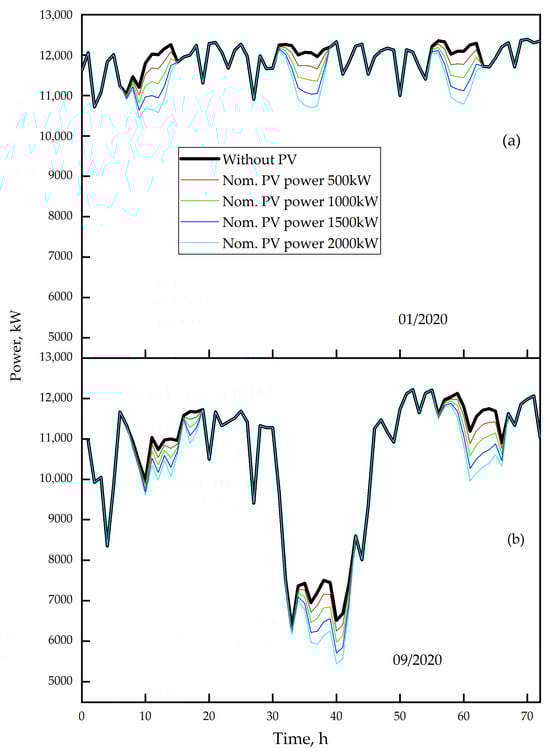
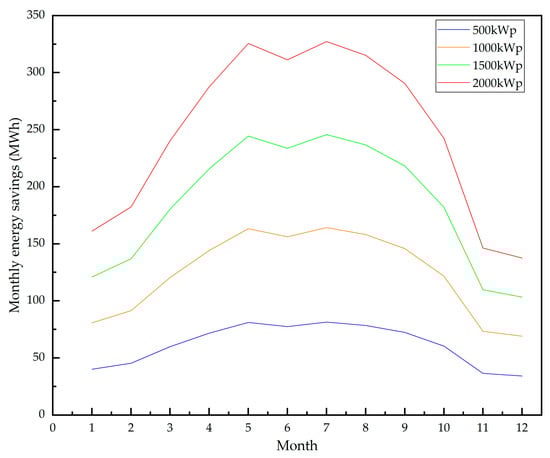
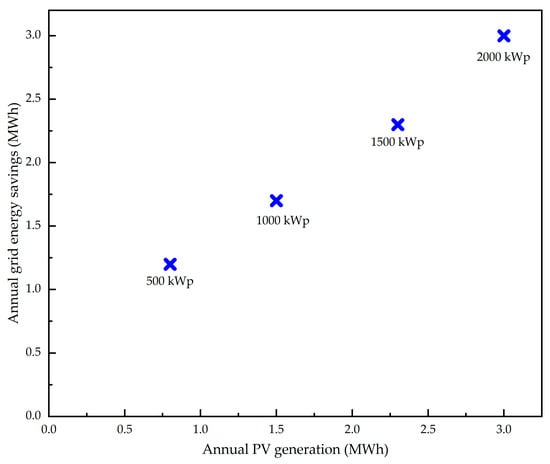
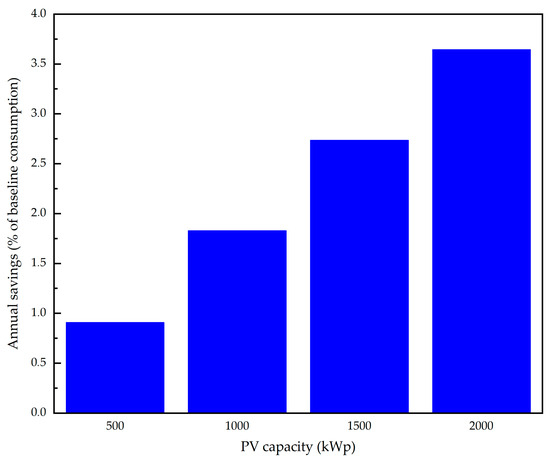
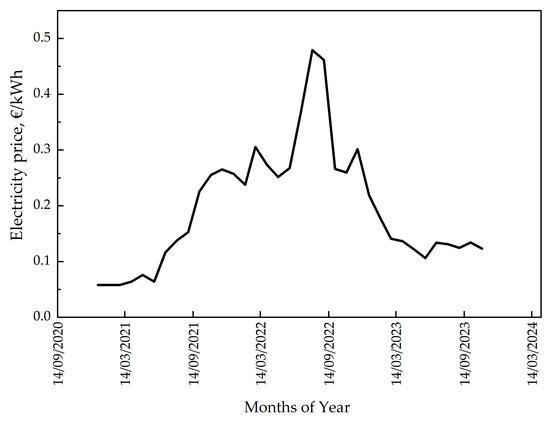
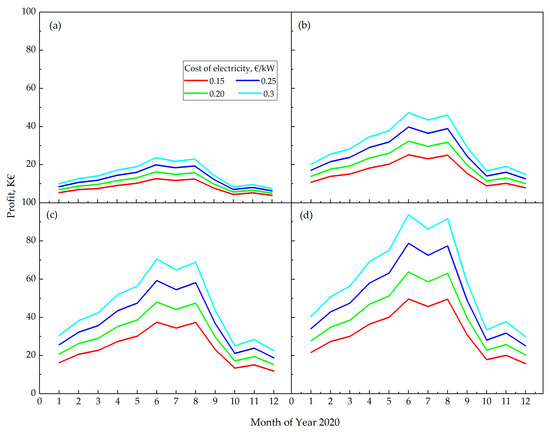
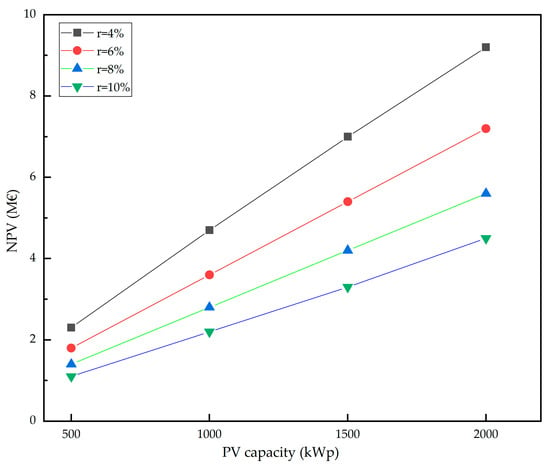
This paper investigates the integration of on-site photovoltaic (PV) systems in the industrial sector under a zero feed-in configuration, where all generated electricity is consumed locally without export to the grid. The analysis follows the current Greek regulatory framework and uses real operating data from an insulation materials manufacturing plant. Twelve months of measured electricity demand were combined with Typical Meteorological Year (TMY) solar data to simulate PV systems of 500, 1000, 1500, and 2000 kWp. Annual PV production ranges from approximately 739 MWh (500 kWp) to 2970 MWh (2000 kWp), and it is all fully self-consumed by the factory due to its high and continuous load. However, given the plant’s large annual electricity use, the PV systems offset 1.0–2.8% of total consumption. The avoided grid purchases correspond to 40–160 MWh/year of net energy savings, delivering positive Net Present Value (NPV) when electricity tariffs exceed EUR 0.15/kWh. The results confirm that zero feed-in PV deployment is technically feasible and economically attractive for industrial facilities facing high electricity prices, while also enhancing sustainability by reducing dependency on the public grid.
Full article
(This article belongs to the Special Issue Connecting Photovoltaic Systems to the Distribution Grid: Solar Power Integration)
►▼
Show Figures

Figure 1
Open AccessArticle
Numerical Study of a Parabolically Deformed Beam for Solar Concentration Applications
by
Rodolfo Y. Salas-Bernal, Pablo Sosa-Flores, Armando Piña-Ortiz, Carlos A. Pérez-Rábago, Agustín Brau-Ávila, Rafael E. Cabanillas-López and Ricardo A. Pérez-Enciso
Solar 2026, 6(1), 11; https://doi.org/10.3390/solar6010011 - 12 Feb 2026
Abstract
Recent advances in design, manufacturing and development techniques have been very relevant to making solar collectors feasible for production in a variety of applications. In the field of concentrated solar thermal technologies, several techniques have been developed to achieve high levels of radiation
[...] Read more.
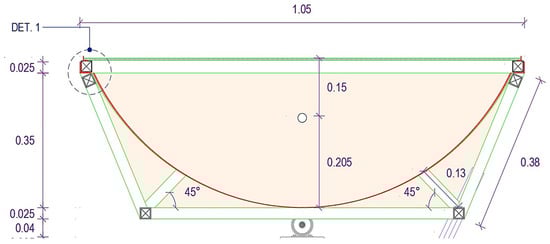
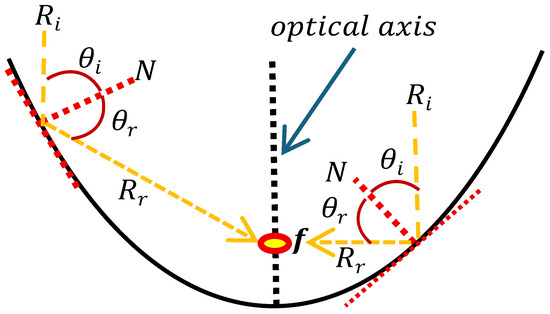
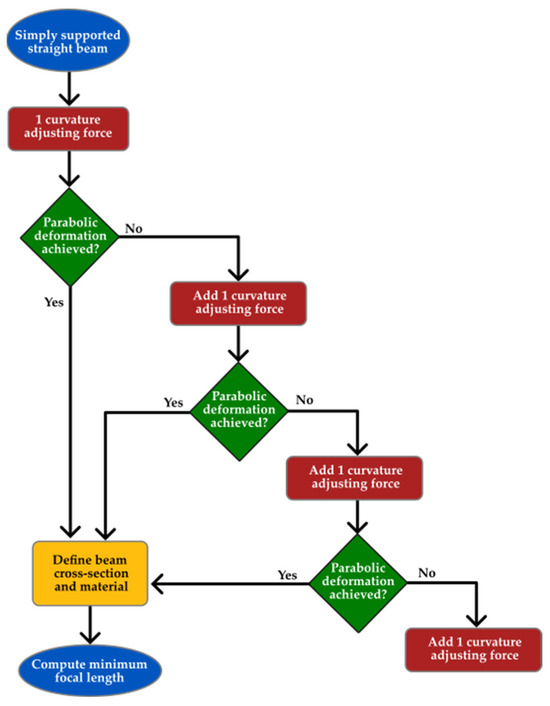
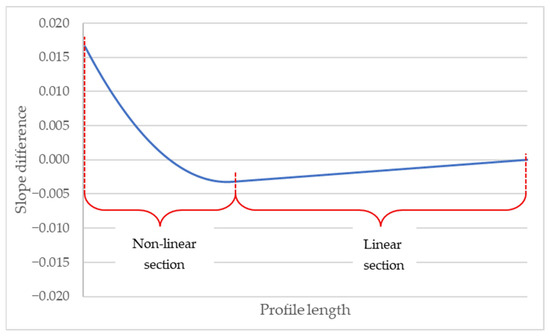
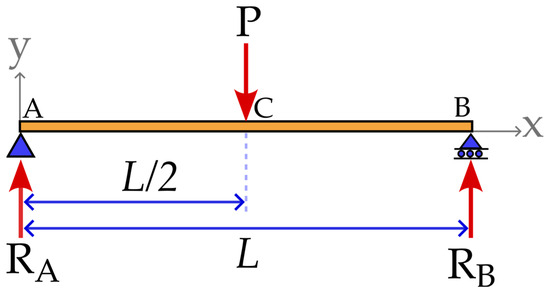
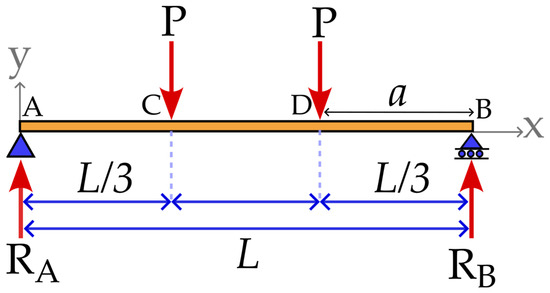
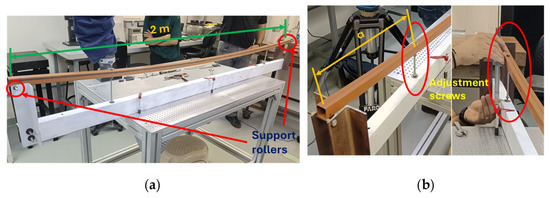
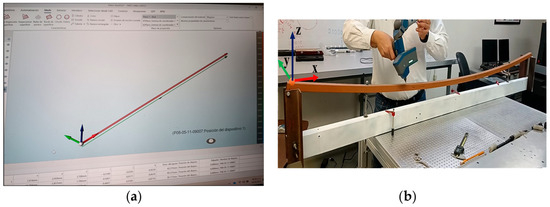
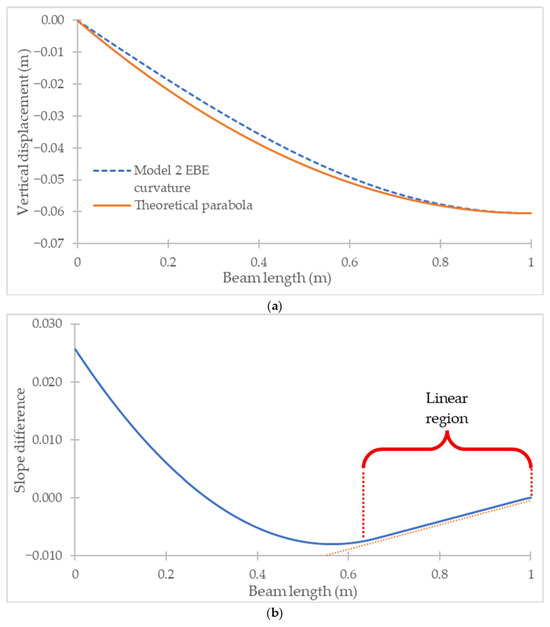
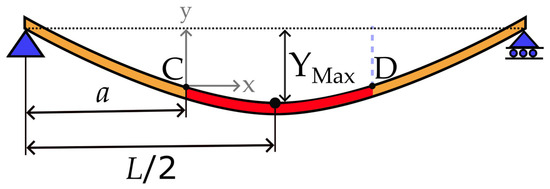
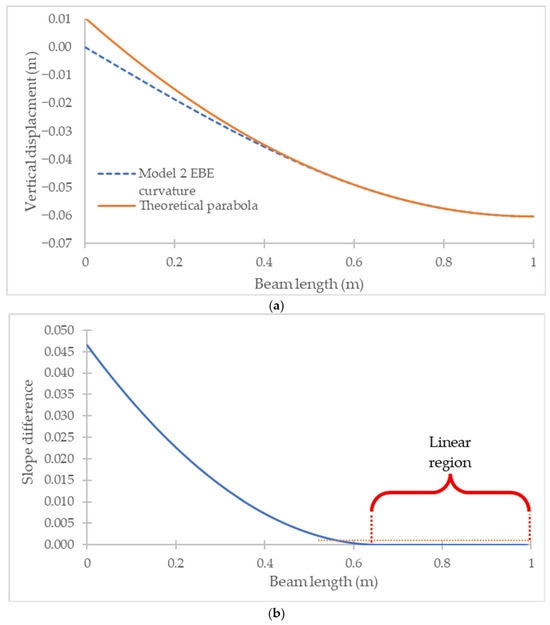
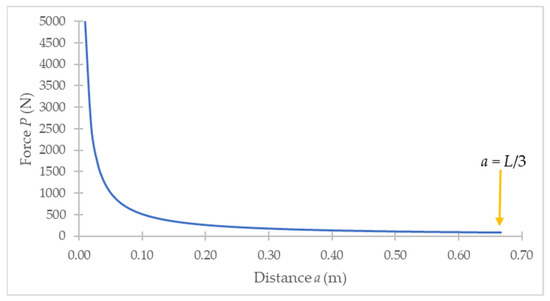
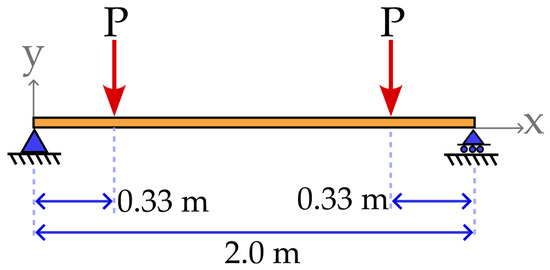
Recent advances in design, manufacturing and development techniques have been very relevant to making solar collectors feasible for production in a variety of applications. In the field of concentrated solar thermal technologies, several techniques have been developed to achieve high levels of radiation concentration. The generation of concave curvature geometry through the polishing of the reflective surface or through specialized machining is one of the most common methods. However, the way in which these bends are obtained can vary significantly, depending on the required quality of optical concentration for the application. This study presents a simple parametric technique to achieve a parabolic curvature for solar concentration applications. To do this, a controlled bending deformation was applied to a metal hollow profile beam supported by a pin and roller at each of the ends, and only two symmetric point loads were applied to generate a bending moment to induce a bending of a curved shape. It was found that, for a given load configuration, a parabolic geometry was generated along a partial center section of the beam. The analysis carried out showed that under the load configuration analyzed, up to 66% of the beam length adopted a fully parabolic geometry. The technique proposed in this work allows for the creation of parabolas with variable focal distances, offering versatility in the design of solar concentrating systems. It also allows corrective adjustments to be made during the assembly of the complete solar concentrator system.
Full article
(This article belongs to the Topic Advances in Solar Technologies, 2nd Edition)
►▼
Show Figures

Graphical abstract
Open AccessArticle
Thermal and Energy Performance Assessment of Evacuated Tube Collectors: Case Study at Rancho Luna Hotel
by
Leonel Díaz-Tato, Luis Angel Iturralde Carrera, Carlos D. Constantino-Robles, Fernando Banda-Muñoz, José M. Álvarez-Alvarado, Marcos Aviles and Juvenal Rodríguez-Reséndiz
Solar 2026, 6(1), 10; https://doi.org/10.3390/solar6010010 - 5 Feb 2026
Abstract
►▼
Show Figures
This study aimed to evaluate the thermal performance and operational behavior of an evacuated-tube solar collector field installed in a coastal hotel under real industrial conditions. The work analyzed temperature, irradiance, and mass-flow data to determine instantaneous efficiency and identify performance deterioration associated
[...] Read more.
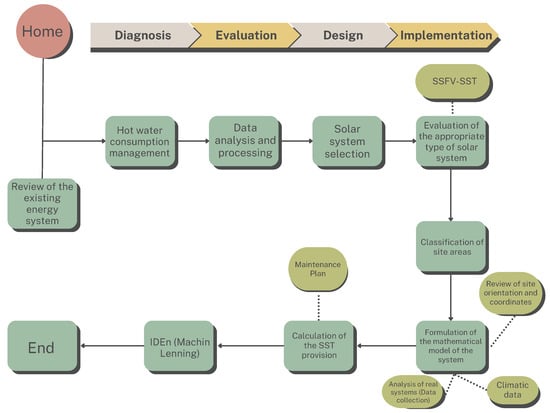
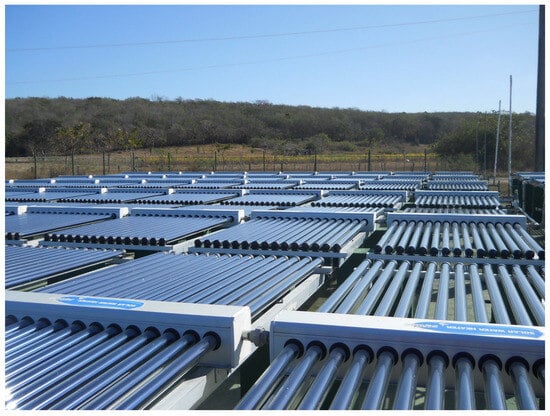
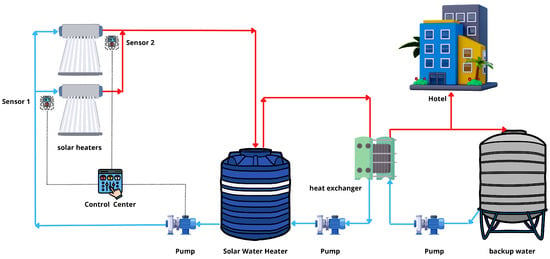
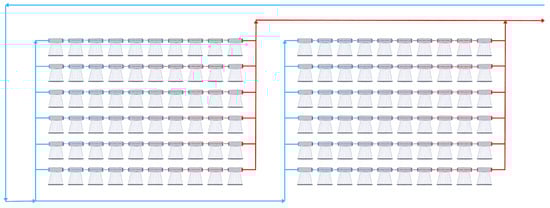
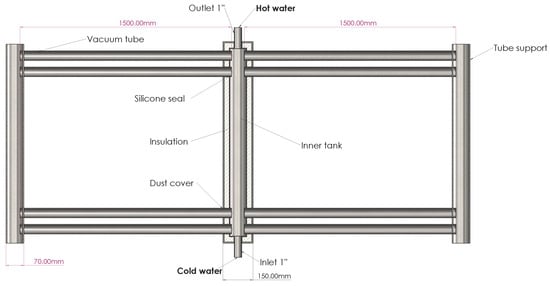
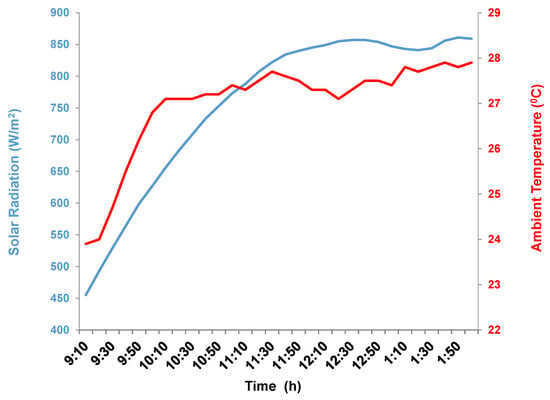
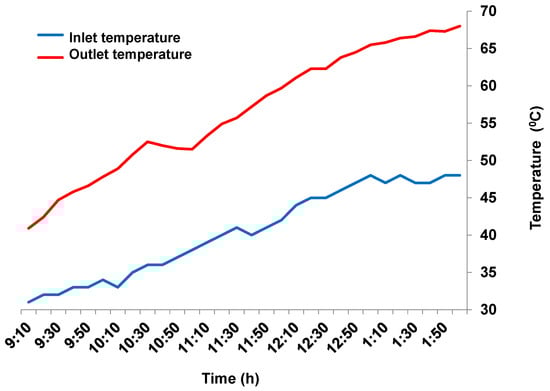
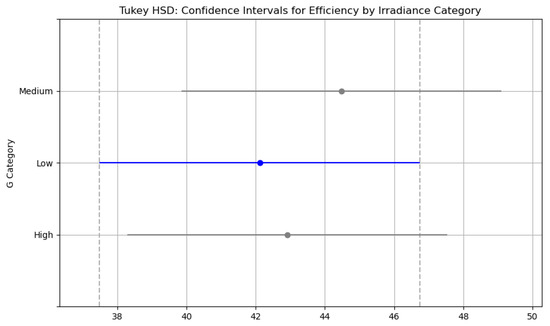
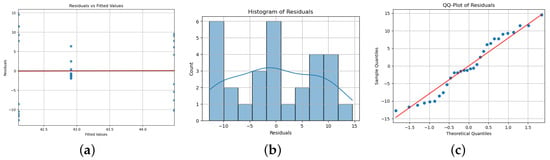
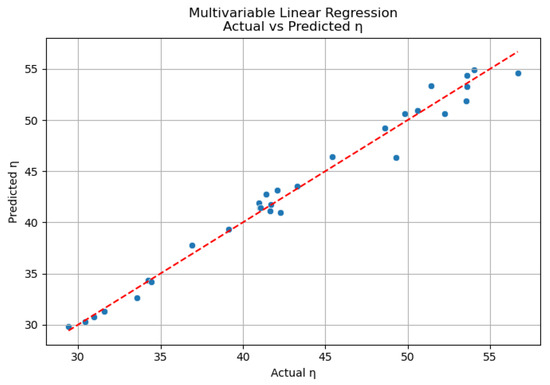
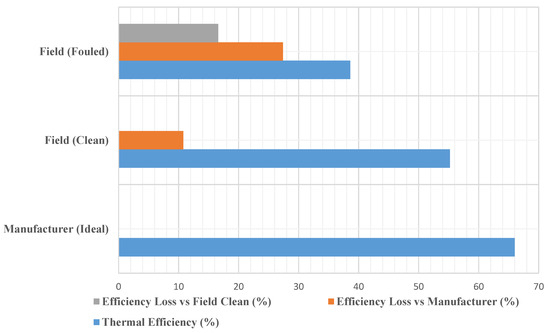
This study aimed to evaluate the thermal performance and operational behavior of an evacuated-tube solar collector field installed in a coastal hotel under real industrial conditions. The work analyzed temperature, irradiance, and mass-flow data to determine instantaneous efficiency and identify performance deterioration associated with fouling. A multivariable regression model was developed to predict collector efficiency as a function of operating parameters. The results showed an average efficiency of 40–55%, with a noticeable decrease attributed to soiling effects. The methodology and findings contribute to improving monitoring-based maintenance strategies and optimizing the energy performance of large-scale domestic hot-water systems.
Full article

Figure 1
Highly Accessed Articles
Latest Books
E-Mail Alert
News
Topics
Topic in
Batteries, Electronics, Energies, Eng, Smart Cities, Vehicles, Solar
Electric Vehicles Smart Charging: Strategies, Technologies, and Challenges
Topic Editors: Tao Chen, Hongxun Hui, Qianzhi Zhang, Zhao YuanDeadline: 31 May 2026
Topic in
Applied Sciences, Energies, Forecasting, Solar, Wind, Batteries
Solar and Wind Power and Energy Forecasting, 2nd Edition
Topic Editors: Emanuele Ogliari, Alessandro Niccolai, Sonia LevaDeadline: 31 July 2026
Topic in
Applied Sciences, Catalysts, ChemEngineering, Energies, Solar, Reactions
Water Splitting and CO2 Reduction via Electrocatalysis and Photocatalysis
Topic Editors: Yubin Chen, Nurdan Demirci Sankir, Sebastian Murcia-LópezDeadline: 30 September 2026
Topic in
Buildings, Designs, Energies, Materials, Sustainability, Solar
Net Zero Energy and Zero Emission Buildings
Topic Editors: Xiaohu Yang, Chao ShenDeadline: 31 October 2026
Special Issues
Special Issue in
Solar
Machine Learning for Faults Detection of Photovoltaic Systems
Guest Editors: Shruti Vyas, Mahmoud DhimishDeadline: 20 June 2026
Special Issue in
Solar
Efficient and Reliable Solar Photovoltaic Systems: 2nd Edition
Guest Editors: Philippe Poure, Shamsodin TaheriDeadline: 20 July 2026
Special Issue in
Solar
Recent Advances in Solar Photovoltaics
Guest Editor: Zhihua XuDeadline: 20 August 2026
Special Issue in
Solar
Solar Energy for Cooling and Heating: Theory, Methods and Applications
Guest Editors: Andreu Moià-Pol, Iván Alonso de MiguelDeadline: 25 September 2026