




Journal Description
Cells
Cells
is an international, peer-reviewed, open access journal on cell biology, molecular biology, and biophysics, published semimonthly online by MDPI. The Nordic Autophagy Society (NAS), the Spanish Society of Hematology and Hemotherapy (SEHH), the International Cell Death Society (ICDS), and the Spanish Group for Hematopoietic Transplantation and Cell Therapy (GETH-TC) are affiliated with Cells, and their members receive discounts on the article processing charges.
- Open Access— free for readers, with article processing charges (APC) paid by authors or their institutions.
- High Visibility: indexed within Scopus, SCIE (Web of Science), PubMed, MEDLINE, PMC, CAPlus / SciFinder, and other databases.
- Journal Rank: JCR - Q2 (Cell Biology) / CiteScore - Q1 (General Biochemistry, Genetics and Molecular Biology)
- Rapid Publication: manuscripts are peer-reviewed and a first decision is provided to authors approximately 15.5 days after submission; acceptance to publication is undertaken in 2.8 days (median values for papers published in this journal in the second half of 2025).
- Recognition of Reviewers: reviewers who provide timely, thorough peer-review reports receive vouchers entitling them to a discount on the APC of their next publication in any MDPI journal, in appreciation of the work done.
- Sections: published in 21 topical sections.
- Companion journal: Organoids.
Impact Factor:
5.2 (2024);
5-Year Impact Factor:
6.1 (2024)
Latest Articles
Microphthalmia/Transcription factor E (MiT/TFE) Pathways in Pulmonary Diseases: Current Evidence and Emerging Mechanisms
Cells 2026, 15(8), 719; https://doi.org/10.3390/cells15080719 (registering DOI) - 18 Apr 2026
Abstract
The MiT/TFE family transcription factors play a critical role in lysosomal biogenesis, autophagy, mitochondrial turnover and lipid catabolism by regulating the Coordinated Lysosomal Expression and Regulation (CLEAR)gene network. The dysregulation of MiT/TFE activity has been implicated in the onset and progression of cancer
[...] Read more.
The MiT/TFE family transcription factors play a critical role in lysosomal biogenesis, autophagy, mitochondrial turnover and lipid catabolism by regulating the Coordinated Lysosomal Expression and Regulation (CLEAR)gene network. The dysregulation of MiT/TFE activity has been implicated in the onset and progression of cancer and neurodegeneration, but its functions in association with pulmonary diseases remain poorly understood. In this review, we systematically summarize the findings from human pulmonary diseases and associated genetic disorders, such as asthma, cancer, Birt–Hogg–Dube (BHD) syndrome, and lung injury models that implicate MiT/TFE dysregulation in pathogenic progression. We also discussed MiT/TFE regulation and signaling through pathways involving mTORC1, AMPK, and lysosomal stress in different cellular contexts. Finally, we discussed significant mechanistic gaps, such as the absence of in vivo models targeting the combined activity of TFEB and TFE3 in disease progression and prevention. In conclusion, these insights seek to offer a comprehensive framework for understanding MiT/TFE signaling in human lung diseases and could present a promising opportunity for directing future mechanistic and translational research.
Full article
(This article belongs to the Special Issue Kidney and Lung Disorders: The Role of Tubular and Alveolar Epithelia in Health, Disease, Infection, and Organ Crosstalk)
Open AccessArticle
Epigenetics as Biomarkers of Cumulative Physical Performance in Community-Dwelling Adults: A Cross-Sectional Feasibility Study
by
Maayan Insler, Maxim Shapiro, Vered Hermush, Naama M. Kopelman, Gil Atzmon and Shmuel Springer
Cells 2026, 15(8), 718; https://doi.org/10.3390/cells15080718 (registering DOI) - 18 Apr 2026
Abstract
With global life expectancy steadily rising, promoting healthy aging is becoming a critical objective of public health. Physical function tends to decline gradually, often beginning in midlife, when subtle changes start to occur and accumulate undetected until later years. This study examines the
[...] Read more.
With global life expectancy steadily rising, promoting healthy aging is becoming a critical objective of public health. Physical function tends to decline gradually, often beginning in midlife, when subtle changes start to occur and accumulate undetected until later years. This study examines the feasibility of using DNA methylation-based epigenetic clocks as biomarkers for cumulative physical performance in 24 community-dwelling adults aged 39 years and older. Our findings reveal that several epigenetic age estimators, particularly DNAmAgeHannum, are significantly associated with a novel composite score criterion derived from standardized motor function assessments (DNAmAge: ρ = −0.48, p < 0.026; DNAmPhenoAge: ρ = −0.48, p < 0.026) with DNAmAgeHannum (ρ = −0.59, p < 0.005). These findings support the potential of using epigenetic aging markers to detect early physiological decline, even in relatively healthy, midlife populations, offering a promising tool for the early identification of age-related functional deterioration.
Full article
Open AccessArticle
Extracellular Vesicles Derived from VEGF mRNA-Engineered Mesenchymal Stem Cells Promote Endothelial Cell Survival
by
Cuiping Zhang, Peng Huang, Matthew Pak, Jennifer A. Korchak and Abba C. Zubair
Cells 2026, 15(8), 717; https://doi.org/10.3390/cells15080717 (registering DOI) - 18 Apr 2026
Abstract
Extracellular vesicles derived from mesenchymal stem cells (MSC-EVs) exhibit great therapeutic potential in ischemia-associated conditions and diseases such as myocardial infarction, ischemic stroke, and wound healing. Enhancing the therapeutic efficacy of MSC-EVs could advance their clinical application. Diverse cargos (proteins, mRNA, microRNA, etc.)
[...] Read more.
Extracellular vesicles derived from mesenchymal stem cells (MSC-EVs) exhibit great therapeutic potential in ischemia-associated conditions and diseases such as myocardial infarction, ischemic stroke, and wound healing. Enhancing the therapeutic efficacy of MSC-EVs could advance their clinical application. Diverse cargos (proteins, mRNA, microRNA, etc.) in MSC-EVs contribute to the therapeutic effects in various diseases. Vascular endothelial growth factor (VEGF) is one of the primary driving molecules in promoting angiogenesis and protecting endothelial cells lining blood vessels from apoptosis. In this study, we explored the feasibility of engineering parent MSCs with VEGF mRNA to potentiate therapeutic effects of their derived EVs. We first detected elevated levels of VEGF mRNA and protein in transfected MSCs and demonstrated the bioactivity of secreted VEGF by an angiogenesis assay. Furthermore, EVs derived from VEGF mRNA-engineered MSCs (VEGF-MSC-EVs) contained high levels of VEGF mRNA and protein and showed superior ability to protect human umbilical vein endothelial cells (HUVECs) from apoptosis compared to EVs derived from control MSCs (control MSC-EVs). To our knowledge, this is the first report demonstrating that VEGF-MSC-EVs boost therapeutic efficacy by promoting endothelial cell survival. Our findings offer a novel approach for cell-free therapy in ischemia-associated conditions and diseases.
Full article
Open AccessArticle
Effect of Vitrification on Lipidomics in Porcine Cumulus–Oocyte Complexes After In Vitro Maturation
by
Xinyu Huang, Zhen He, Decai Xiang, Jing Fu, Xuemei Li, Junyu Jiang, Guobo Quan, Guoquan Wu and Baoyu Jia
Cells 2026, 15(8), 716; https://doi.org/10.3390/cells15080716 (registering DOI) - 18 Apr 2026
Abstract
Due to its high efficiency and safety, oocyte vitrification finds broad application in many fields of life sciences, such as clinical assisted reproduction and conservation of animal genetic resources. However, vitrification may cause cellular damage and reduce the quality of oocytes and their
[...] Read more.
Due to its high efficiency and safety, oocyte vitrification finds broad application in many fields of life sciences, such as clinical assisted reproduction and conservation of animal genetic resources. However, vitrification may cause cellular damage and reduce the quality of oocytes and their cumulus cells (CCs), which could be closely related to disorders in lipid metabolism. At present, the impact of vitrification upon the lipid profile of oocytes and CCs has not been systematically elucidated. In this study, we used porcine germinal vesicle cumulus–oocyte complexes (COCs) as a model to analyze their lipid characteristics after vitrification and in vitro maturation (IVM), utilizing untargeted lipid metabolomics. Our results showed that an overall count of 37 down-regulated and 8 up-regulated differential lipids was identified in the vitrified oocytes. Pathway analysis confirmed the enrichment in glycerophospholipid metabolism and fat digestion and absorption, etc. Combined with transcriptomic analysis, three enriched pathways were revealed, including the AMPK signaling pathway, metabolic pathways, and fatty acid elongation. On the other hand, a total of four down-regulated and eight up-regulated differential lipids were detected in the vitrified CCs. Pathway enrichment implicated autophagy, glycerophospholipid metabolism, etc. A joint analysis of metabolomic and transcriptomic data revealed four enrichment pathways, including cholesterol metabolism, fat digestion and absorption, regulation of lipolysis in adipocytes, and metabolic pathways. Notably, the supplementation of lysophosphatidylcholine during IVM attenuated oxidative stress, enhanced mitochondrial activity, and enhanced the viability and embryonic development of cryopreserved porcine oocytes. The results indicate that vitrification alters lipids in oocytes and CCs, and the supplementation of lipids plays a role in improving the quality of vitrified oocytes.
Full article
Open AccessArticle
Exosomal microRNAs from Alveolar Macrophages Reveal a Protective Role of the Lung Microbiome Against Oncogenic Signaling During PAH Exposure
by
Harish Chandra, Brijesh Yadav, Damaris Kuhnell, Scott Langevin, Jacek Biesiada, Mario Medvedovic and Jagjit S. Yadav
Cells 2026, 15(8), 715; https://doi.org/10.3390/cells15080715 (registering DOI) - 18 Apr 2026
Abstract
Polycyclic aromatic hydrocarbons (PAHs), such as benzo[a]pyrene (B[a]P), are major risk factors for lung cancer and other diseases, acting through the aryl hydrocarbon receptor (AHR). Alveolar macrophages (AMs) help regulate the lung microenvironment by responding to inhaled toxicants and resident microbiota. Although small
[...] Read more.
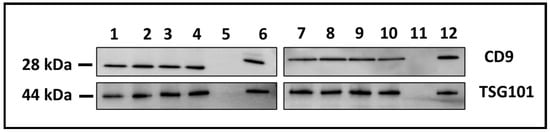
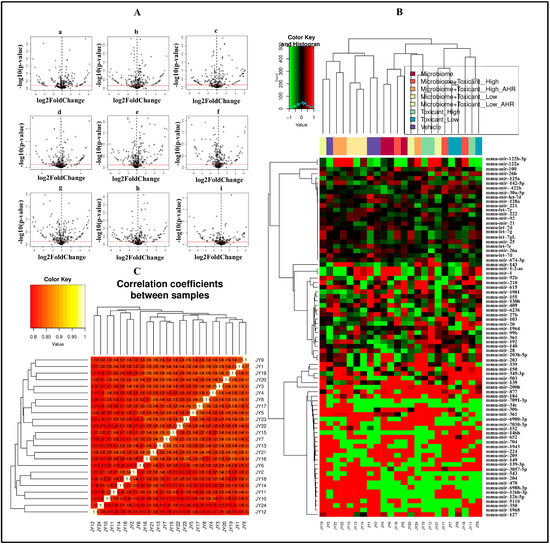
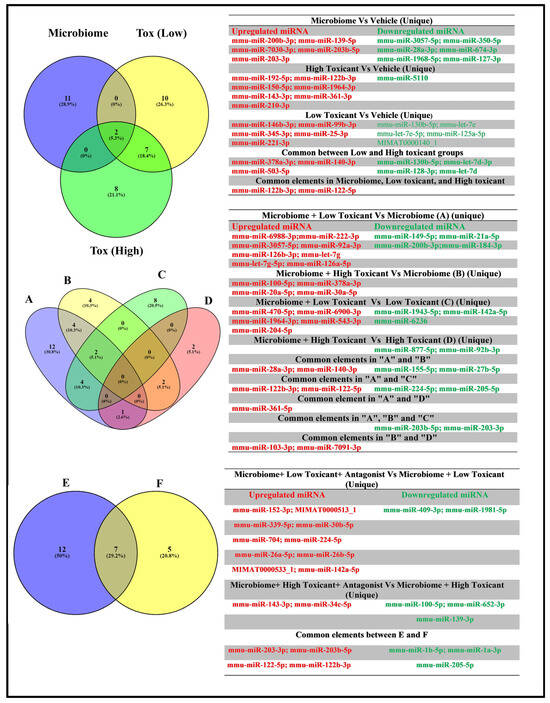
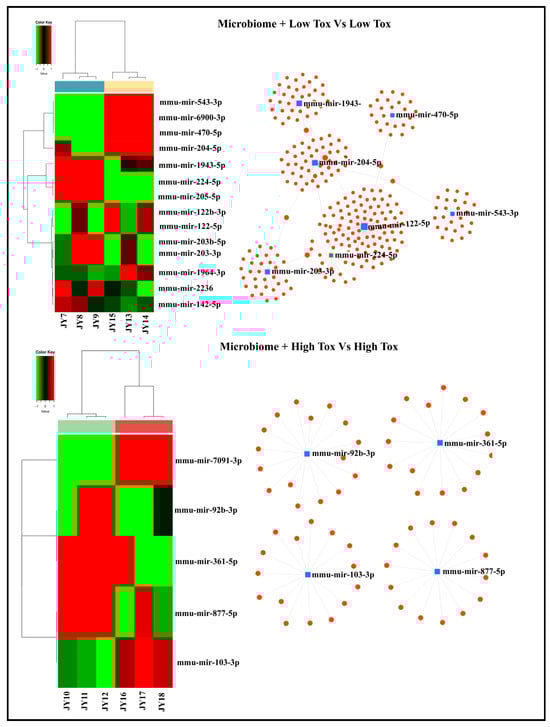
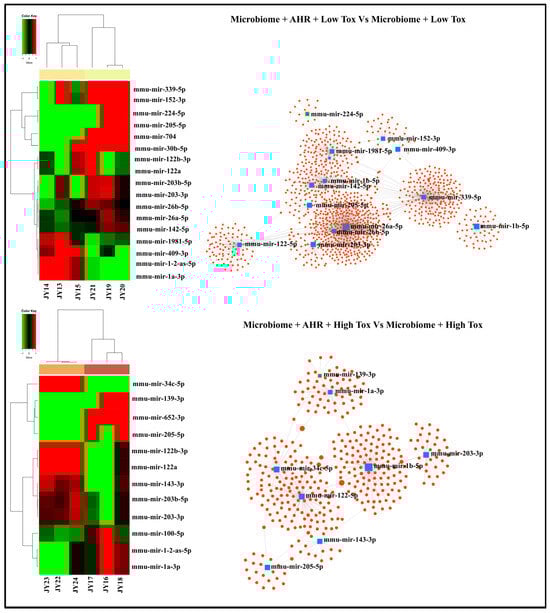
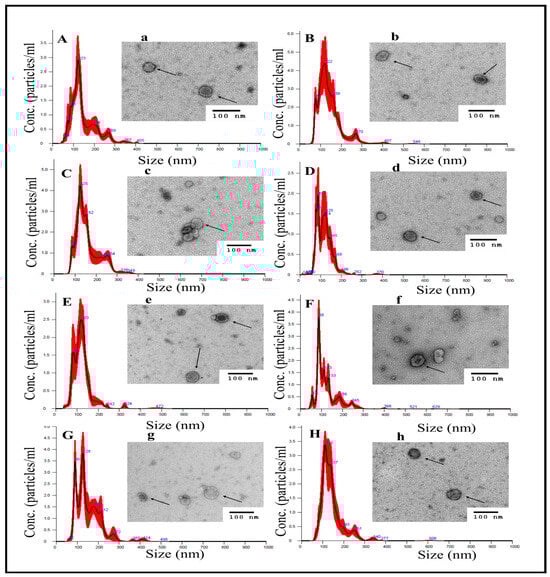
Polycyclic aromatic hydrocarbons (PAHs), such as benzo[a]pyrene (B[a]P), are major risk factors for lung cancer and other diseases, acting through the aryl hydrocarbon receptor (AHR). Alveolar macrophages (AMs) help regulate the lung microenvironment by responding to inhaled toxicants and resident microbiota. Although small extracellular vesicles (sEVs, aka exosomes) released by AMs mediate intercellular communication and immune responses, the influence of lung microbiota on sEV biogenesis and the mechanisms underlying sEV dysregulation during PAH exposure remain unknown. Here, we investigated the interplay between AMs, B[a]P, and lung microbiota, focusing on sEV-associated miRNAs (exo-miRNAs). Murine AMs (MH-S) were exposed to varying B[a]P concentrations in the presence or absence of murine lung microbiota with or without an AHR antagonist. sEVs from each condition were characterized and profiled for miRNA. Distinct miRNA signatures emerged: high-dose B[a]P enriched miRNAs linked to cancer progression, whereas lung microbiota alone or with low-dose B[a]P induced tumor-suppressor miRNAs that limit proliferation and metastasis and promote apoptosis, an effect enhanced by AHR antagonism. Lung microbiota appeared to counteract high-dose B[a]P by modulating tumor-suppressive exo-miRNAs. This study demonstrates that lung microbiota-induced exo-miRNAs critically shape AM-derived sEV-miRNA signaling during PAH exposure. The identified exosomal miRNAs could serve as important exposure biomarkers and therapeutic targets for mitigating B[a]P-induced toxicity and cancer development.
Full article
(This article belongs to the Section Cellular Immunology)
►▼
Show Figures

Figure 1
Open AccessArticle
Maternal Inflammation Alters Nuclear and Mitochondrial DNA Methylation Patterns in Neonatal Brain Monocytes
by
Andrew T. Ebenezer, Jonathan R. Hicks, Brooke Hollander, Alexander Hone, Mona Batish, Robert Akins, Adam Marsh and Elizabeth Wright-Jin
Cells 2026, 15(8), 714; https://doi.org/10.3390/cells15080714 (registering DOI) - 18 Apr 2026
Abstract
Neonatal hypoxic ischemic encephalopathy (HIE) is a common birth complication that can cause death or lifelong disabling conditions like cerebral palsy, epilepsy, and autism. It is well established that maternal infection and inflammation are significant risk factors for HIE but reasons for this
[...] Read more.
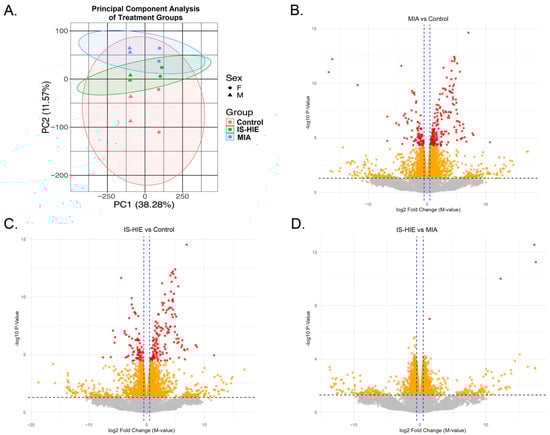
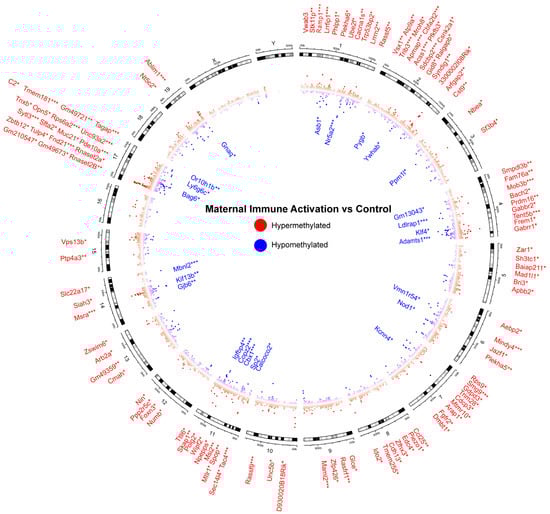
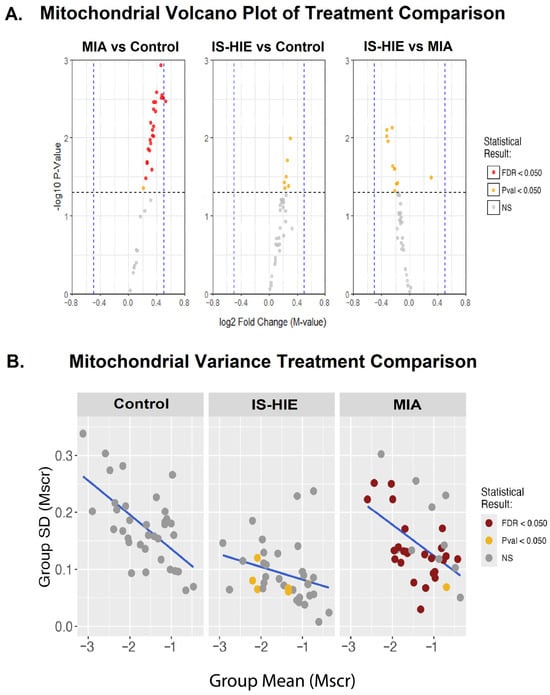
Neonatal hypoxic ischemic encephalopathy (HIE) is a common birth complication that can cause death or lifelong disabling conditions like cerebral palsy, epilepsy, and autism. It is well established that maternal infection and inflammation are significant risk factors for HIE but reasons for this increase in neurological risk to the offspring remain unknown. Inflammation or infection are associated with epigenetic changes and may contribute to the increased risk of neurodevelopmental disability in exposed offspring. Here, we analyzed and compared DNA methylation patterns in brain monocytes isolated from control, maternal immune activation (MIA), and an inflammation sensitized HIE (IS-HIE) CF-1 mouse model at postnatal day 7. We found that maternal inflammation induced significant methylation differences in neonates relative to control samples in both MIA and IS-HIE samples with no significant differences identified between the MIA and IS-HIE groups. MIA samples showed hypermethylation at loci involving craniofacial development and transcription factors important for regulating neurodevelopment and immune function. MIA samples also demonstrated significant hypermethylation at multiple mitochondrial genome CpGs. These findings suggest that maternal inflammation induces epigenetic alterations in fetal brain immune cells that are detectable in neonates. These changes may contribute to heightened neurodevelopmental risk in offspring following hypoxic injury, highlighting potential molecular pathways for future therapeutic targeting.
Full article
(This article belongs to the Special Issue Inflammation in the Brain: From Molecular and Cellular Mechanisms to Therapeutic Strategies)
►▼
Show Figures

Figure 1
Open AccessArticle
Elevation of Mitochondrial Ca2+ Above a Plateau Level Impairs Force Production and Accelerates Fatigue in Mouse Soleus Muscle
by
Joseph Bruton and Kent Jardemark
Cells 2026, 15(8), 713; https://doi.org/10.3390/cells15080713 - 17 Apr 2026
Abstract
Soleus muscle fibres display modest changes in tetanic force and [Ca2+]i during repeated contractions. In this study, we investigate whether increasing mitochondrial Ca2+ load during repeated contractions could induce premature fatigue. Intact, single fibres were dissected from the soleus
[...] Read more.
Soleus muscle fibres display modest changes in tetanic force and [Ca2+]i during repeated contractions. In this study, we investigate whether increasing mitochondrial Ca2+ load during repeated contractions could induce premature fatigue. Intact, single fibres were dissected from the soleus muscles of adult mice. Mitochondrial Ca2+ was measured with rhod-2 in intact fibres. Fatigue was induced by 70 Hz, 350 ms tetani given at 2 s intervals in the absence and presence of 10 µM CGP-37157, a potent inhibitor of the mitochondrial Na+-Ca2+ exchanger. In soleus fibres fatigued in the absence of CGP-37157, tetanic force was significantly reduced by about 30% at the end of the fatiguing stimulation, while mitochondrial [Ca2+] increased to a maximum after about 50 tetani and returned to its resting level within 20 min after the end of the stimulation. In the presence of CGP-37157, the maximal mitochondrial [Ca2+] increase was more than twice that in control fibres. In addition, fatigue developed more rapidly and force remained depressed after the end of the stimulation. No difference in mitochondrial membrane potential or ROS production was seen between control and CGP-37157 conditions. We conclude that while modest increases in mitochondrial Ca2 may be beneficial, excessive mitochondrial Ca2 loading depresses muscle function.
Full article
Open AccessArticle
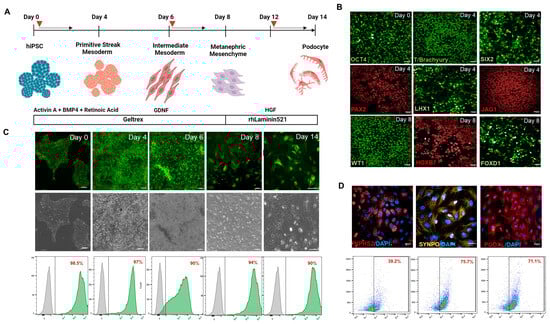
An Inducible hiPSC-Derived Human Podocyte Model for Functional Analysis of TRPC6 Variants Associated with FSGS
by
Lilas Batool, Krithika Hariharan, Gabriel Stölting, Tingting Zhong, Dimitry Tsvetkov, Manfred Gossen and Andreas Kurtz
Cells 2026, 15(8), 712; https://doi.org/10.3390/cells15080712 - 17 Apr 2026
Abstract
Podocyte injury is a characteristic feature of focal segmental glomerulosclerosis (FSGS) that leads to the development of nephrosis as its loss causes proteinuria and progressive glomerulosclerosis. The physiological function of podocytes is critically dependent on proper intracellular calcium levels; an excess or shortage
[...] Read more.
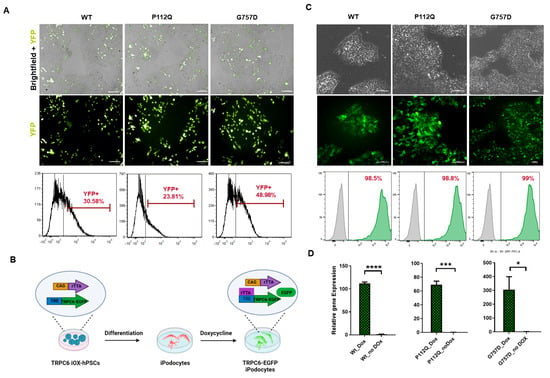
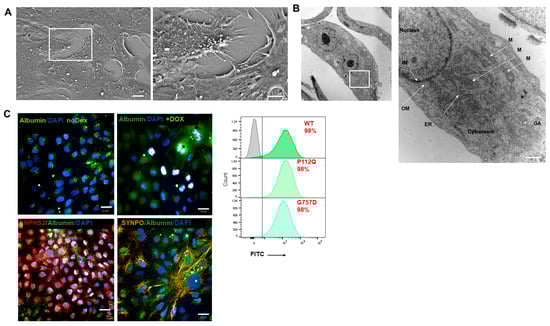
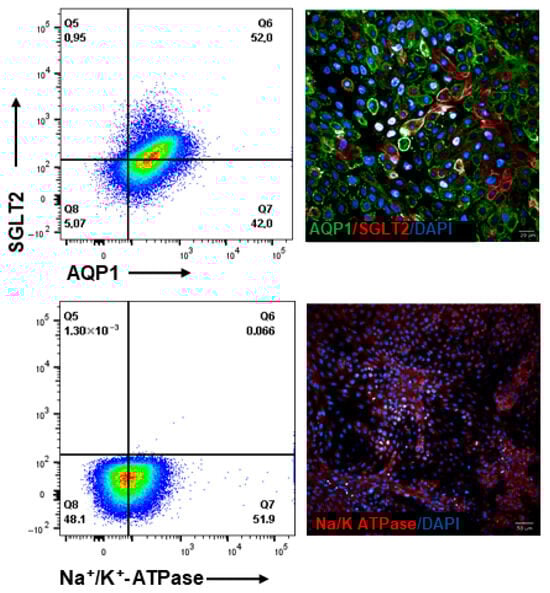
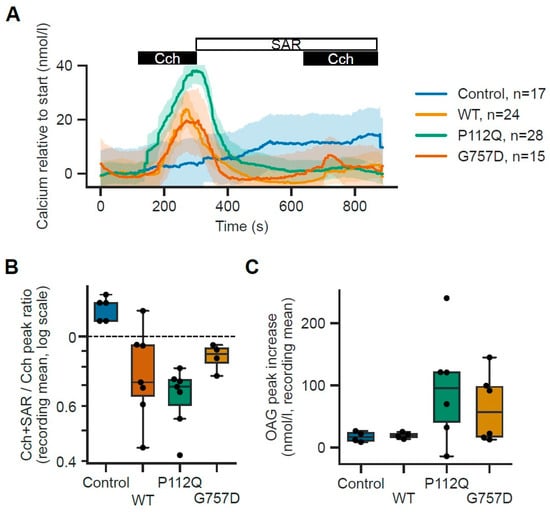
Podocyte injury is a characteristic feature of focal segmental glomerulosclerosis (FSGS) that leads to the development of nephrosis as its loss causes proteinuria and progressive glomerulosclerosis. The physiological function of podocytes is critically dependent on proper intracellular calcium levels; an excess or shortage of calcium influx in these cells may result in foot process effacement, apoptosis, and nephron degeneration. A key protein responsible for the regulation of calcium flux is the canonical transient receptor potential 6 (TRPC6) expressed in podocytes. Several mutations in the TRPC6 gene have been associated with FSGS. Here we present a systematically optimized inducible FSGS model system in human induced pluripotent stem cells (hiPSCs). We generated and phenotypically characterized three transgenic hiPSC lines with regulatable overexpression of TRPC6 wild-type and FSGS-associated gain-of-function (GoF, P112Q) and loss-of-function (LoF, G757D) mutations. Moreover, these cell lines were differentiated into induced podocytes (ipodocytes). We assessed the impact of TRPC6 GoF and LoF mutants on calcium influx in combination with TRPC6 agonists and antagonists. Our data showed relative calcium responses consistent with the GoF and LoF phenotypes. Transgenic iPSC-based models, like the one presented here, are instrumental to studying disease mechanisms in vitro and investigating the outcomes of, and possible therapeutic interventions for, this complex disease.
Full article
(This article belongs to the Section Stem Cells)
►▼
Show Figures

Figure 1
Open AccessArticle
Cellular, Molecular, and Behavioural Sequelae of Early-Life Continuous Low-Dose-Rate Irradiation in Mice
by
Feng Ru Tang, Hong Wang, Salihah Lau and Amanda Tan
Cells 2026, 15(8), 711; https://doi.org/10.3390/cells15080711 - 17 Apr 2026
Abstract
The Fukushima nuclear accident highlighted that evacuation-related psychosocial harm can outweigh direct radiation risks, underscoring the need to define the health impacts of chronic low-dose-rate (LDR) radiation and evidence-based thresholds for intervention. This study investigated the effects of continuous, postnatal LDR gamma irradiation
[...] Read more.
The Fukushima nuclear accident highlighted that evacuation-related psychosocial harm can outweigh direct radiation risks, underscoring the need to define the health impacts of chronic low-dose-rate (LDR) radiation and evidence-based thresholds for intervention. This study investigated the effects of continuous, postnatal LDR gamma irradiation (1.2 mGy/h, cumulative dose: 5 Gy) in male mice. While no changes in body weight, hippocampal neurogenesis, or major glial and neuronal populations were observed, persistent DNA damage (γ-H2AX foci) in dentate gyrus granule cells occurred in both irradiated male and female mice. Irradiated male mice developed anxiety-like behaviour, a phenotype not observed in a previously published study of female mice subjected to an identical irradiation protocol. Molecular profiling revealed two novel, dysregulated miRNA/mRNA axes in the hippocampus linking DNA damage to behaviour: a maladaptive miR-466i-5p/Tfcp2l1 pathway associated with genomic instability, and a potentially adaptive miR-101a-5p/BMP6 pathway promoting neuronal survival. Venn analysis further identified miR-124b-3p and novel-miR489-3p as conserved exposure biomarkers, altered in both the hippocampus and blood of irradiated animals. Our results show that a high cumulative dose of chronic LDR induces markedly less severe hippocampal pathology than has been reported for equivalent acute doses. These findings support the concept of dose-rate-dependent threshold dose and contribute to the evidence base for developing countermeasures following nuclear incidents or other radiation exposures.
Full article
(This article belongs to the Section Cellular Neuroscience)
Open AccessArticle
Ultrastructural Signs of High Functional Activity of Neuromuscular Synapses in Aging Rats After Photobiomodulation
by
Tatyana Vasyagina, Daria Nefedova, Andrey Seliverstov, Natalya Shchelchkova, Marina Bugrova and Anna Bavrina
Cells 2026, 15(8), 710; https://doi.org/10.3390/cells15080710 - 17 Apr 2026
Abstract
Aging is characterized by progressive degeneration of neuromuscular junctions (NMJs), which significantly contributes to muscle weakness and the development of sarcopenia. Photobiomodulation (PBM), a non-invasive therapeutic method based on the use of low-intensity light, has shown promising results in mitigating muscle degeneration in
[...] Read more.
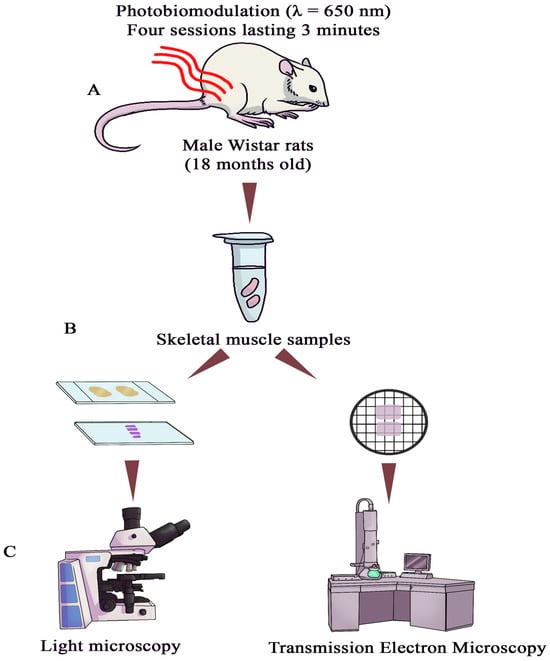
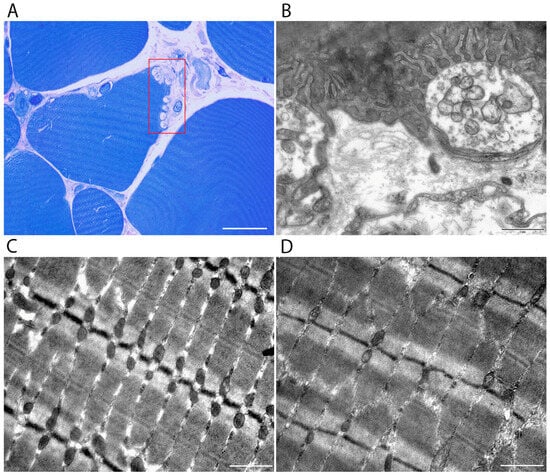
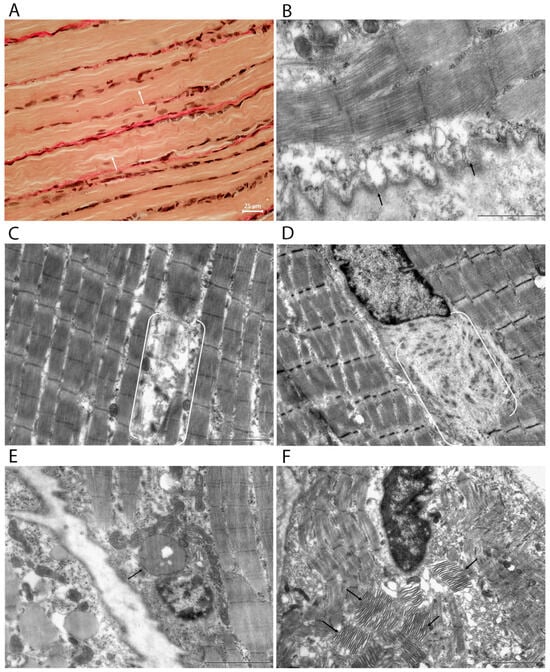
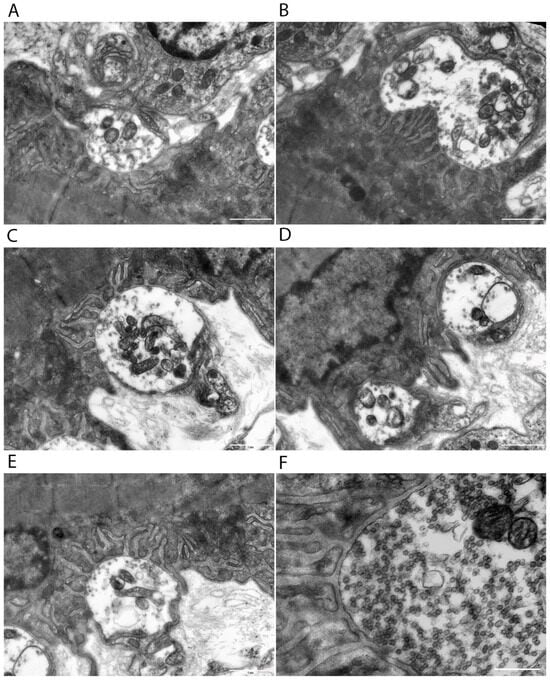
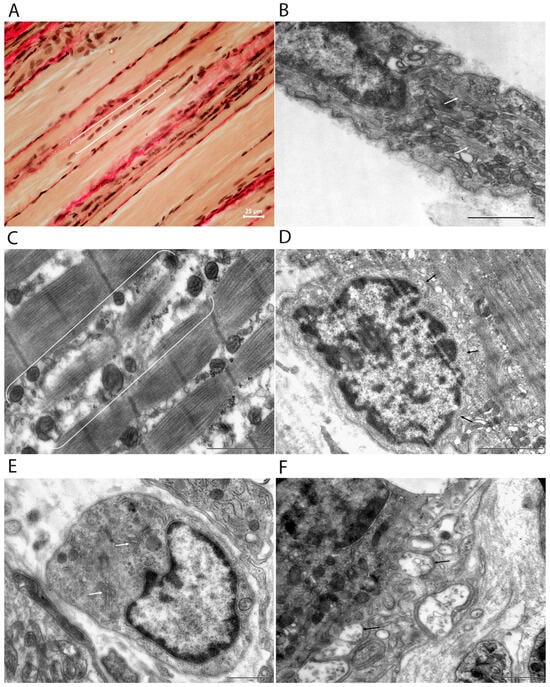
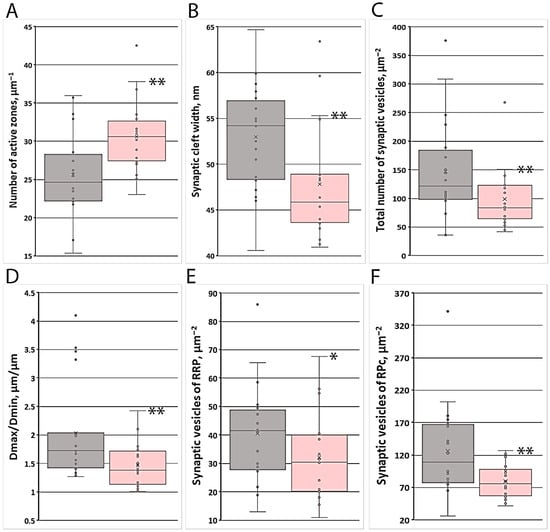
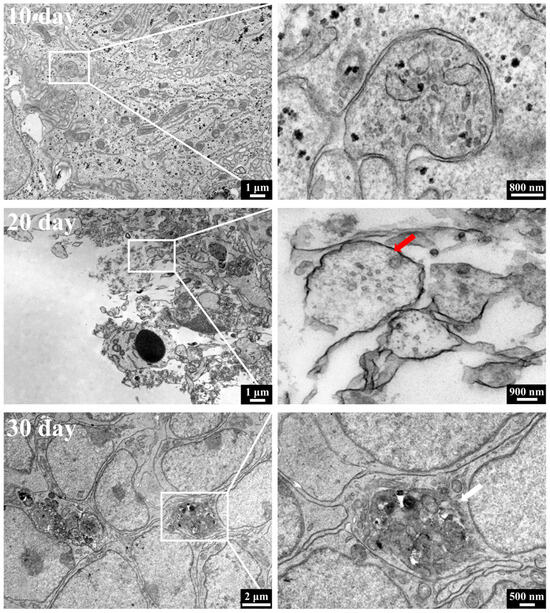
Aging is characterized by progressive degeneration of neuromuscular junctions (NMJs), which significantly contributes to muscle weakness and the development of sarcopenia. Photobiomodulation (PBM), a non-invasive therapeutic method based on the use of low-intensity light, has shown promising results in mitigating muscle degeneration in both experimental and clinical studies. The aim of this study was to evaluate the ultrastructural effects of photobiomodulation on neuromuscular junctions and skeletal muscle fibers in the m. vastus lateralis muscle of aged rats using light and transmission electron microscopy. Male Wistar rats (18 months old, body weight 650–800 g, n = 10) were subjected to photobiomodulation of the right m. vastus lateralis muscle (650 nm, 6 J/cm2, four consecutive daily sessions of 3 min each). The contralateral left limb served as an untreated control. Muscle samples were analyzed by light and transmission electron microscopy. Histological examination revealed typical age-related changes in control muscles, including variability in muscle fiber diameter, centrally located nuclei, and an increased volume of connective tissue. Ultrastructural analysis confirmed signs of skeletal muscle aging, such as myofibril fragmentation, sarcomere disorganization, lipofuscin accumulation, and tubular aggregate formation. Morphometric analysis of neuromuscular junctions after photobiomodulation showed an increase in the number of active zones on the presynaptic membrane, elongation of the postsynaptic membrane, and a reduction in the width of the synaptic cleft. In addition, mitochondrial hyperplasia was observed in presynaptic terminals, while the total number of synaptic vesicles decreased. These findings indicate a compensatory reorganization of neuromuscular junctions and suggest that photobiomodulation can enhance their functional activity in aged skeletal muscle.
Full article
(This article belongs to the Section Tissues and Organs)
►▼
Show Figures

Figure 1
Open AccessArticle
Small Subset, Big Impact: Regulatory Function of γδ T Cells in Arteriogenesis
by
Kira-Sofie Wimmer, Carolin Baur, Matthias Kübler, Christoph Arnholdt, Konda Kumaraswami, Franziska Heim, Katharina Elbs, Michael Reha Rohrmoser, Daphne Merkus and Elisabeth Deindl
Cells 2026, 15(8), 709; https://doi.org/10.3390/cells15080709 - 17 Apr 2026
Abstract
Despite the identification of several mediators of arteriogenesis, the growth of natural bypass, the role of lymphocytes, particularly T cells, in this process remains poorly defined. Among these, γδ T cells, which express alternative T cell receptors, have emerged as a key immune
[...] Read more.
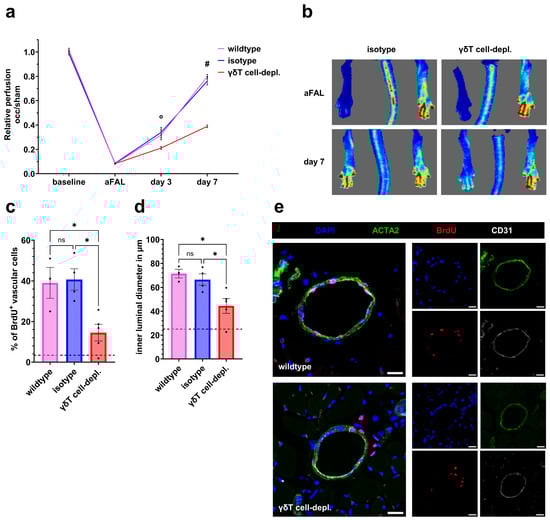
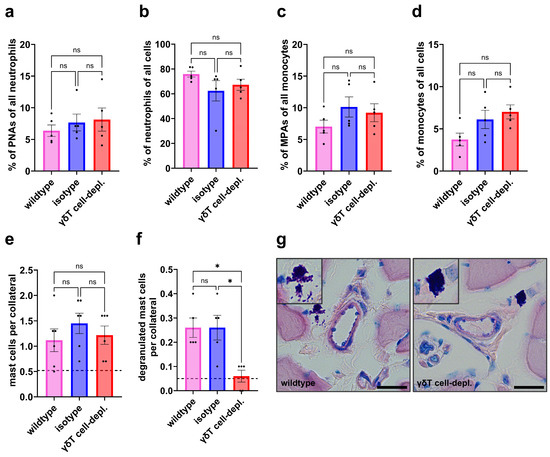
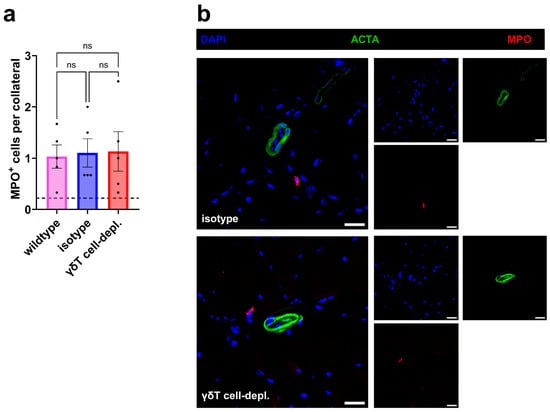
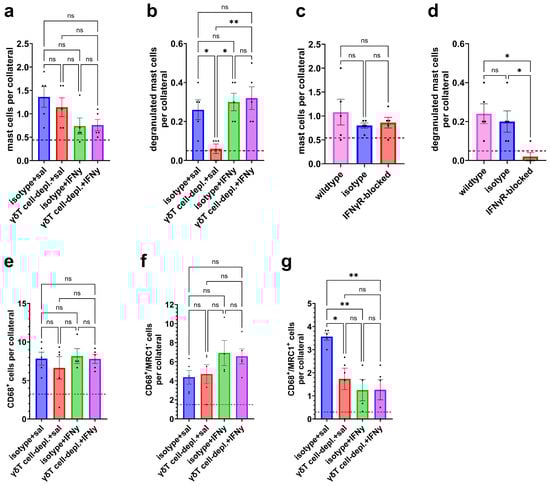
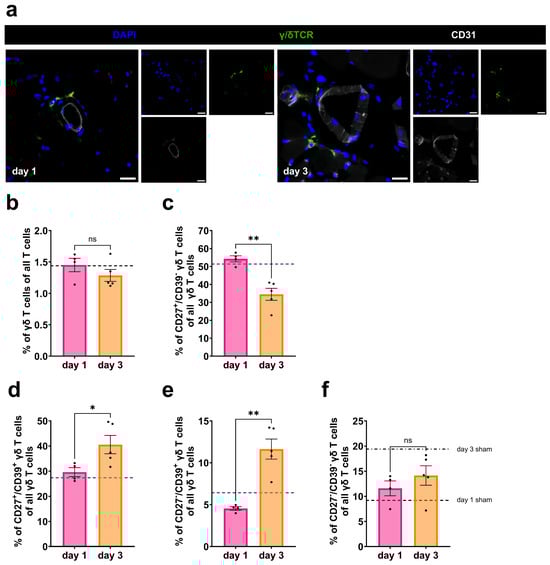
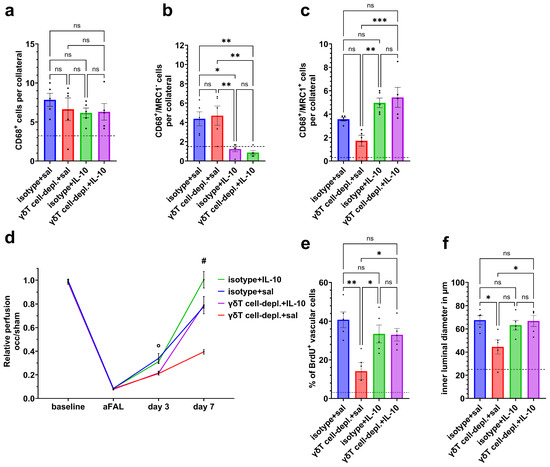
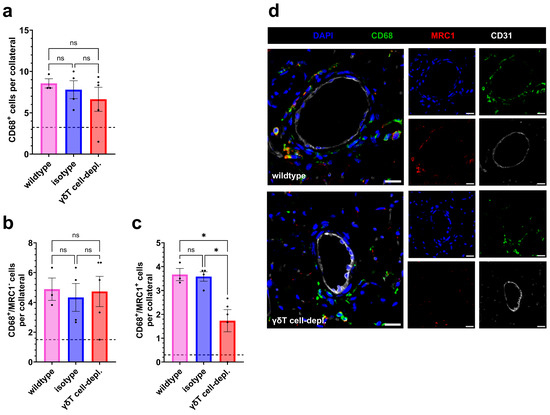
Despite the identification of several mediators of arteriogenesis, the growth of natural bypass, the role of lymphocytes, particularly T cells, in this process remains poorly defined. Among these, γδ T cells, which express alternative T cell receptors, have emerged as a key immune component. This study examined the roles of αβ and γδ T cells in arteriogenesis using a murine hindlimb model. While the absence of αβ T cells did not affect arteriogenesis, γδ T cell depletion markedly reduced vascular cell proliferation and perfusion recovery. Early phase analyses revealed impaired mast cell activation, whereas platelet–neutrophil aggregates and neutrophil extravasation were unaffected. In the later proliferative phase, γδ T cell depletion hindered perivascular M2-like (MRC1+) macrophage accumulation. Flow cytometric analysis of whole blood in wildtype mice revealed a temporal shift in γδ T cell populations from a CD27+/CD39− phenotype, commonly associated with pro-inflammatory functions and IFNγ production, to CD39+ phenotypes, which have been linked to anti-inflammatory properties and IL-10 production. In rescue experiments, administration of IFNγ to γδ T cell-depleted mice restored mast cell activation, whereas IL-10 treatment reestablished M2-like (MRC1+) macrophage accumulation. These findings collectively identify γδ T cells as critical regulators of both early and late phases of arteriogenesis through coordinated inflammatory and regenerative mechanisms.
Full article
(This article belongs to the Special Issue Decoding the Complexity of Angiogenesis: Insights into Vascular Formation and Disease)
►▼
Show Figures

Figure 1
Open AccessArticle
The Nuclear Transporter Transportin-3 Functions Under Oxidative Stress
by
Megan A. L. Barling, David R. Thomas, David A. Jans and Kylie M. Wagstaff
Cells 2026, 15(8), 708; https://doi.org/10.3390/cells15080708 - 17 Apr 2026
Abstract
Nuclear transport is a vital system that mediates movement of essential biomolecules between the nucleus and cytoplasm. It is tightly regulated by the Importin (IMP) superfamily to maintain separation of cellular compartments. Cellular stress in various forms, particularly oxidative, can suspend nuclear transport
[...] Read more.
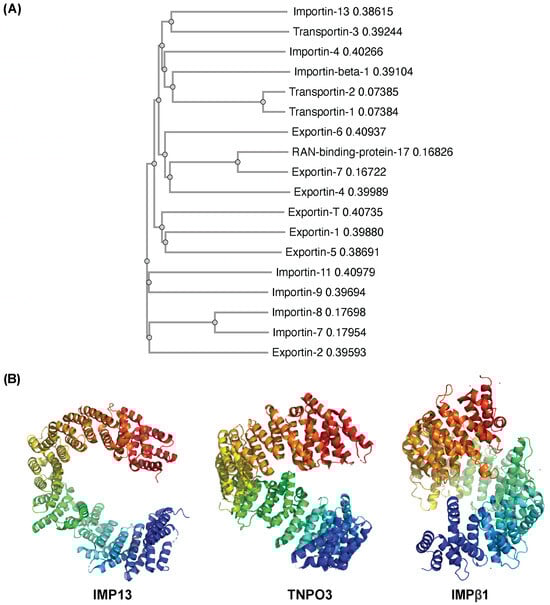
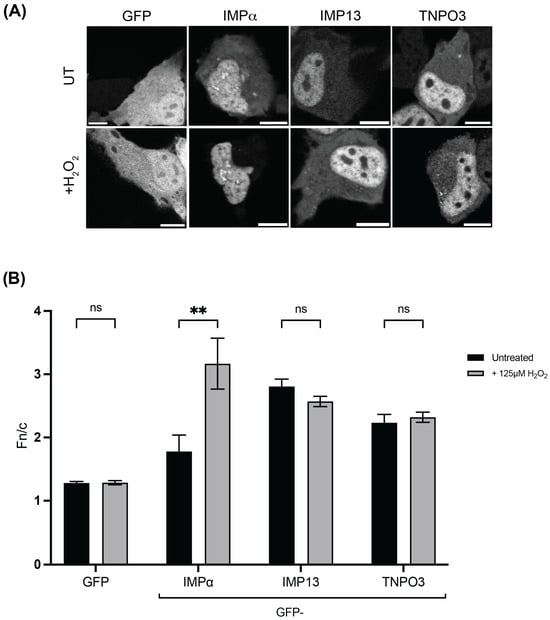
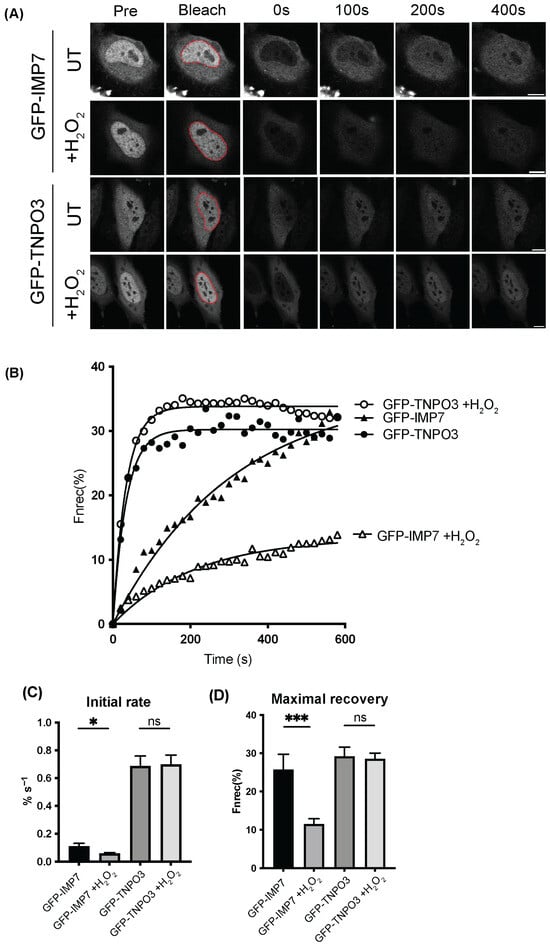
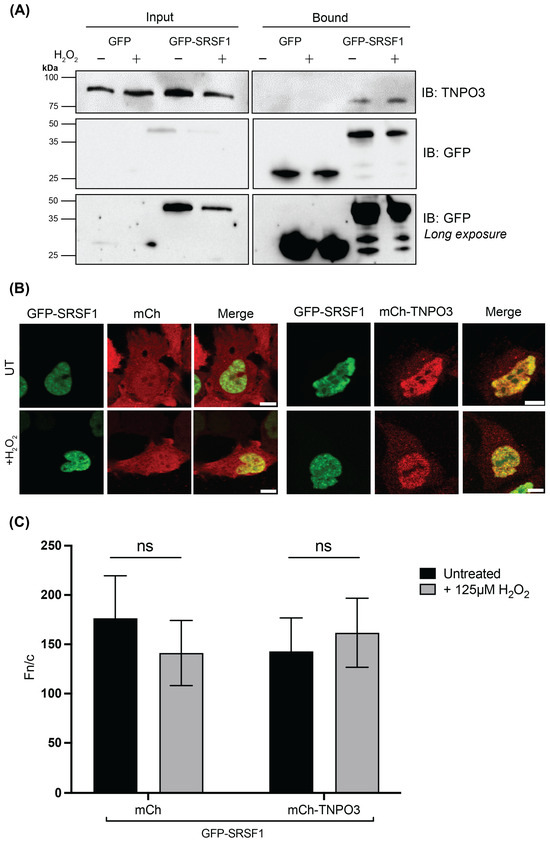
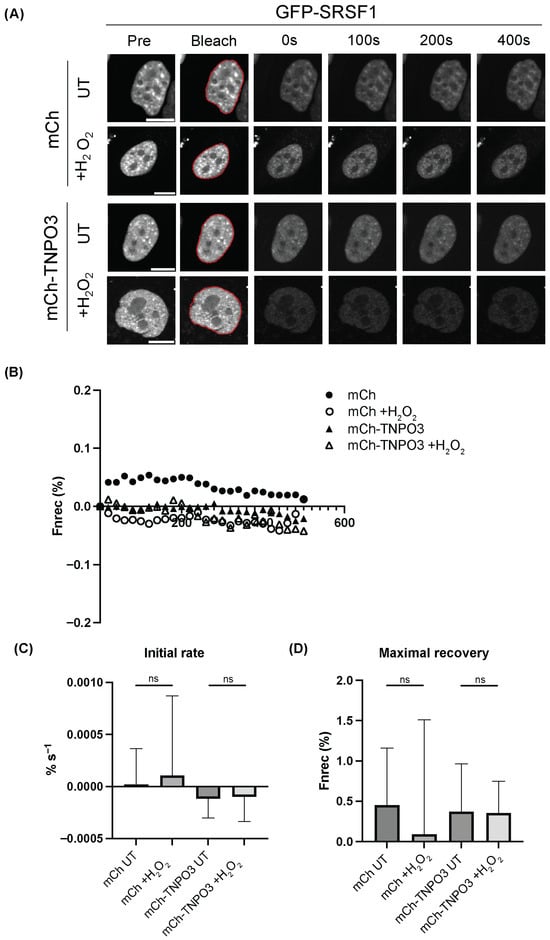
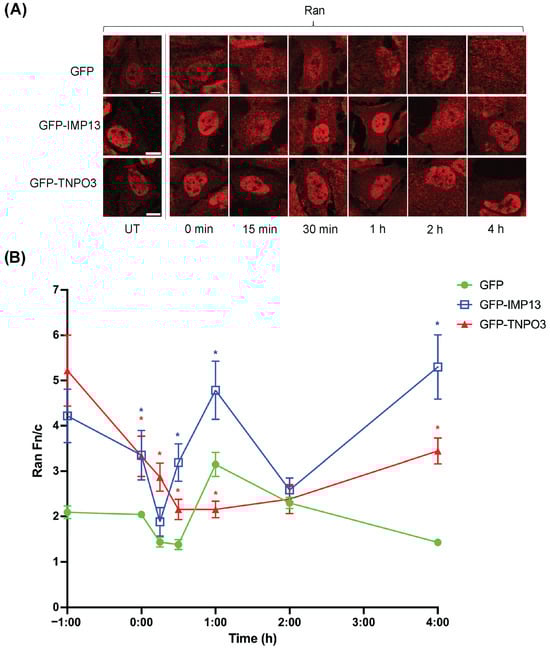
Nuclear transport is a vital system that mediates movement of essential biomolecules between the nucleus and cytoplasm. It is tightly regulated by the Importin (IMP) superfamily to maintain separation of cellular compartments. Cellular stress in various forms, particularly oxidative, can suspend nuclear transport and lead to cell death. Prolonged oxidative stress manifests in myriad conditions, including cancer, viral infection and metabolic disease. An IMP protein, Importin-13 (IMP13), retains function under stress, while all other IMP family members tested to date do not. Phylogenetic and structural analysis revealed Transportin-3 (TNPO3) as the closest homologue of IMP13, suggesting it may also retain its function under stress. Subcellular localisation studies indicated that TNPO3 maintained its typical subcellular localisation, even in the presence of stress, unlike most IMP family members. Also, fluorescence recovery after photobleaching (FRAP) demonstrated that TNPO3 shuttling is unaffected under stress. Co-immunoprecipitation studies examining cargo binding revealed the capacity of TNPO3 to bind its cargo in the presence of stress. This demonstrated for the first time that TNPO3 retains functionality under stress conditions, in contrast to other IMPs, but similar to IMP13. Furthermore, both IMP13 and TNPO3 appear to protect against the potentially critical mislocalisation of Ran, a key molecule involved in the maintenance of the nuclear transport system.
Full article
(This article belongs to the Section Cell Nuclei: Function, Transport and Receptors)
►▼
Show Figures

Figure 1
Open AccessArticle
Expression of Human CEACAM Receptors Promotes Inflammation and Organ Damage During Systemic Candida albicans Infection in Mice
by
Esther Klaile, Mario Marco Müller, Johannes Sonnberger, Anne-Katrin Bothe, Saskia Brehme, Juliet Ehrenpfordt, Tilman Eike Klassert, Sabina Kuhn, Kristina Dietert, Olivia Kershaw, Jan-Philipp Praetorius, Marc Thilo Figge, Torsten Bauer, Andreas Gebhardt, Gita Mall, Ilse Denise Jacobsen and Hortense Slevogt
Cells 2026, 15(8), 707; https://doi.org/10.3390/cells15080707 - 16 Apr 2026
Abstract
Invasive candidiasis is a fungal infection characterized by a high mortality rate. Carcinoembryonic antigen-related cell adhesion molecule (CEACAM) family receptors play a crucial role in regulating innate responses of both leukocytes and epithelia. Human CEACAM3, CEACAM5 and CEACAM6 receptors recognize Candida albicans and
[...] Read more.
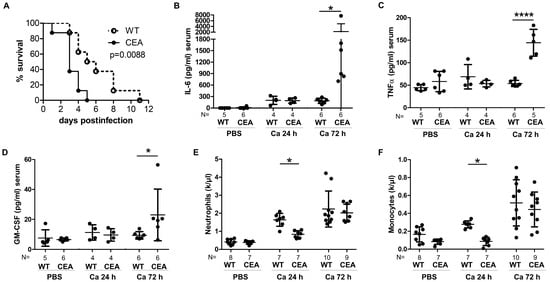
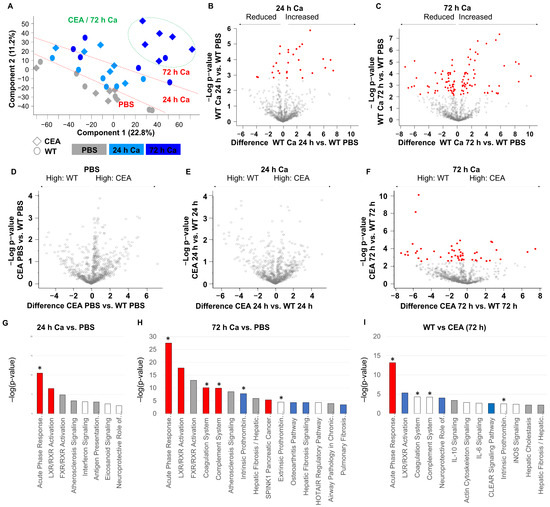
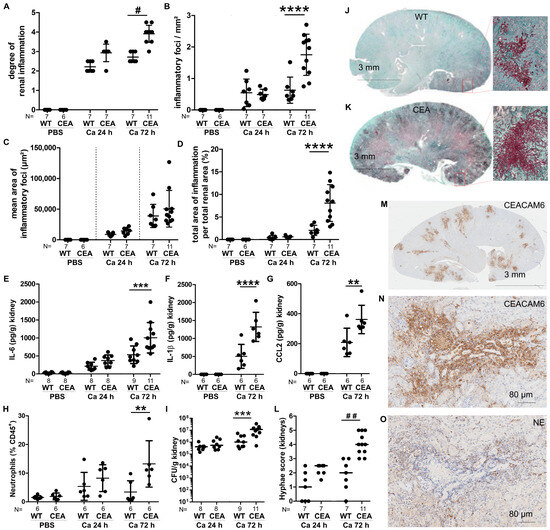
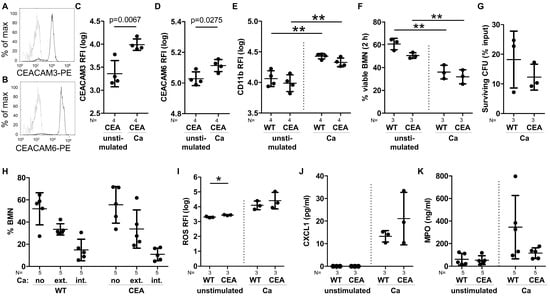
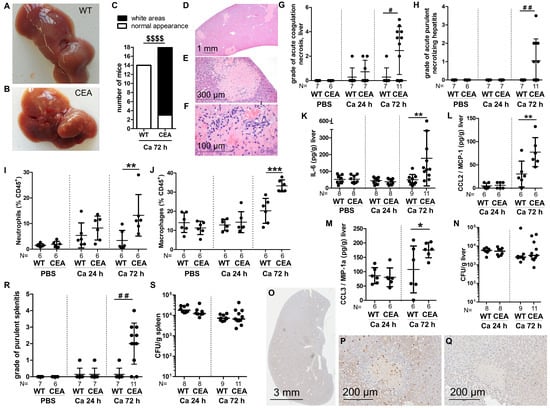
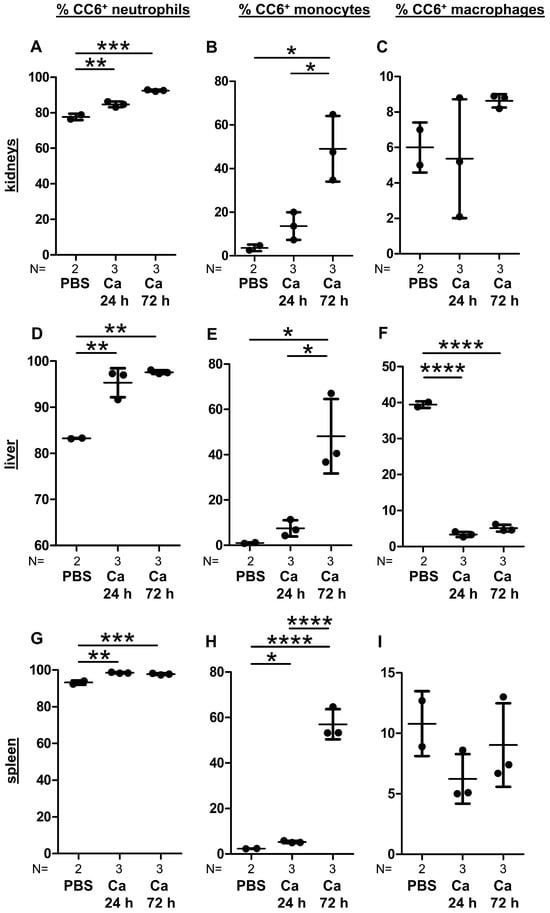
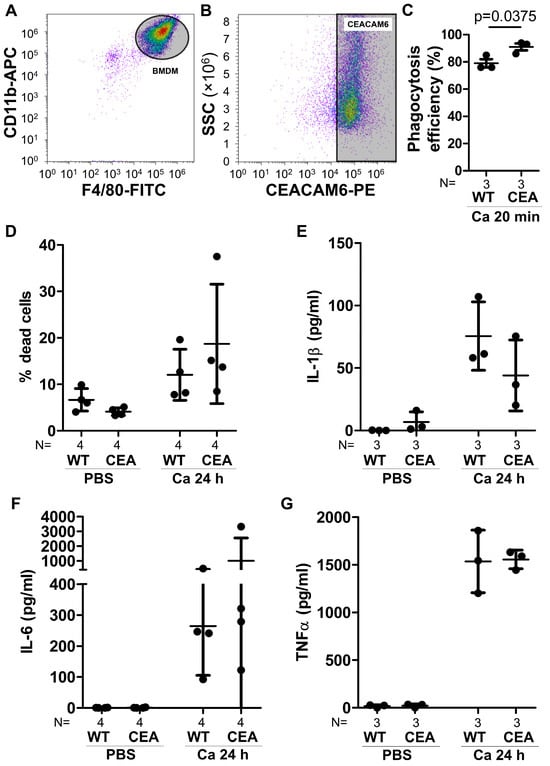
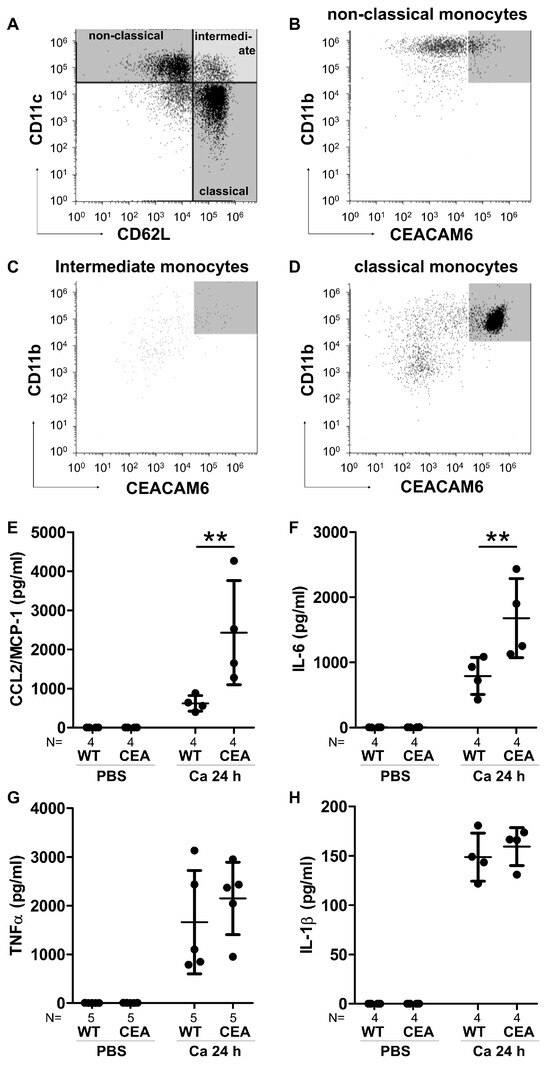
Invasive candidiasis is a fungal infection characterized by a high mortality rate. Carcinoembryonic antigen-related cell adhesion molecule (CEACAM) family receptors play a crucial role in regulating innate responses of both leukocytes and epithelia. Human CEACAM3, CEACAM5 and CEACAM6 receptors recognize Candida albicans and are expressed in transgenic CEABAC10 mice. In a murine C. albicans infection model, CEABAC10 mice exhibited a shortened survival period attributed to an early cytokine storm, an exacerbated acute phase response, and heightened systemic inflammation compared to their wild-type littermates. The livers and kidneys of CEABAC10 mice displayed intensified purulent necrotizing inflammation, accompanied by increased infiltration of neutrophils and macrophages. Our in vivo and in vitro data indicated that the expression of CEACAM6 on monocytes of CEABAC10 mice caused the elevated cytokine levels and the subsequent exacerbation of the acute phase response upon C. albicans infection, resulting in decreased survival.
Full article
(This article belongs to the Special Issue Host–Pathogen Interactions and Immune Responses)
►▼
Show Figures

Figure 1
Open AccessArticle
Serum Extracellular Vesicle Protein Signatures Associated with Early-Stage High-Grade Serous Ovarian Carcinoma
by
Michelle Lightfoot, Kalpana Deepa Priya Dorayappan, Vignesh Vudatha, Lakshmi Narasimhan. Chakrapani, Priyam Das, Lianbo Yu, Colin Hisey, Takahiko Sakaue, Thangavel Muthusamy, Parthiban Panneerselvam, Floor Backes, Casey Cosgrove, Derek Hansford, David E. Cohn, David M. O’Malley, Rajan Gogna and Karuppaiyah Selvendiran
Cells 2026, 15(8), 706; https://doi.org/10.3390/cells15080706 - 16 Apr 2026
Abstract
Background: High-grade serous ovarian carcinoma (HGSOC) is the most common and lethal subtype of epithelial ovarian cancer and is frequently diagnosed at advanced stages. Because currently available blood-based biomarkers have limited performance in early-stage disease, there is a need to identify circulating biomarker
[...] Read more.
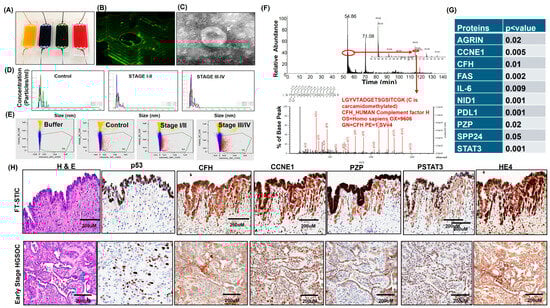
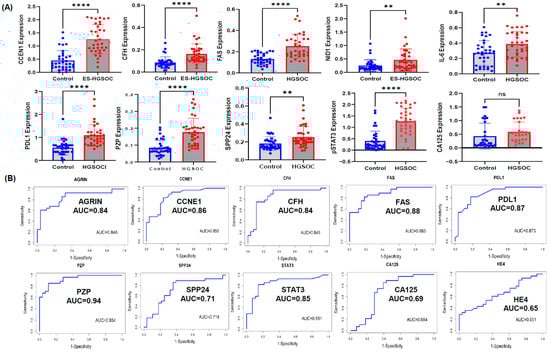
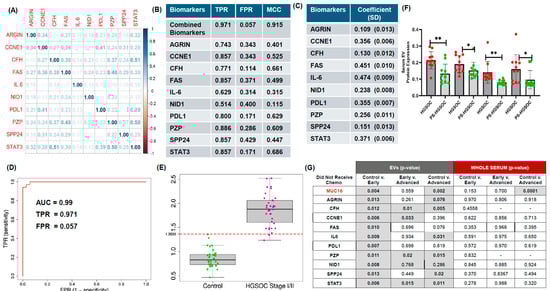
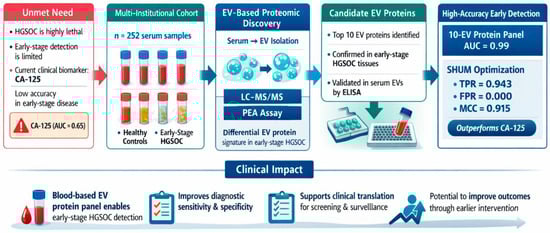
Background: High-grade serous ovarian carcinoma (HGSOC) is the most common and lethal subtype of epithelial ovarian cancer and is frequently diagnosed at advanced stages. Because currently available blood-based biomarkers have limited performance in early-stage disease, there is a need to identify circulating biomarker candidates associated with early-stage HGSOC. In this retrospective multi-institutional case–control study, we evaluated whether serum extracellular vesicle (EV)-associated protein signatures distinguish early-stage HGSOC from healthy controls. Methods: Serum samples (n = 252) were obtained retrospectively from multiple institutions and included healthy controls and patients with early- and advanced-stage HGSOC. EV-associated proteins were profiled using liquid chromatography–tandem mass spectrometry (LC–MS/MS) and proximity extension assay (PEA) to identify candidate proteins enriched in early-stage HGSOC. Selected candidates were evaluated by enzyme-linked immunosorbent assay (ELISA), and tissue-level expression was examined in early-stage HGSOC specimens. A multimarker combination model was generated using a smoothed empirical estimate of hyper-volume under the manifold (SHUM) approach and internally assessed by leave-one-out cross-validation. Results: Ten EV-associated serum proteins were prioritized on the basis of differential expression and fold change and were confirmed to be expressed in early-stage HGSOC tissues. In ELISA-based analyses, the combined 10-protein EV panel distinguished early-stage HGSOC from healthy controls with an area under the curve (AUC) of 0.99 in the study dataset, whereas MUC16 (CA-125) showed substantially lower performance in this comparison. The SHUM-based model yielded a true-positive rate of 0.971, a false-positive rate of 0.057, and a Matthews correlation coefficient of 0.915 in the analyzed cohort. Several candidate proteins were differentially enriched in EV fractions but not in matched whole serum. Conclusions: Serum EV-associated proteins are altered in early-stage HGSOC and define a multi-protein signature associated with this disease state in a retrospective case–control setting. These findings support further evaluation of EV-based biomarker candidates in clinically representative and prospectively collected cohorts that include benign gynecologic conditions, symptomatic patients, and pre-diagnostic samples.
Full article
(This article belongs to the Special Issue Cellular and Molecular Mechanisms in Gynecological Disorders—Second Edition)
►▼
Show Figures

Figure 1
Open AccessArticle
Optimization of Preimplantation Genome Profiling Supports Genomic Selection in Cattle
by
Shihui Yan, Saina Yan, Yuanweilu Cheng, Hengyuan Cui, Yang Pang, Jingfang Si, Li Jiang, Dongxiao Sun, Alfredo Pauciullo, Johannes A. Lenstra, Shenming Zeng and Yi Zhang
Cells 2026, 15(8), 705; https://doi.org/10.3390/cells15080705 - 16 Apr 2026
Abstract
►▼
Show Figures
Preimplantation embryo genomic selection (eGS) enables selection prior to implantation and could accelerate genetic gain in cattle. A major hurdle is the limited DNA from embryo biopsies, requiring efficient whole-genome amplification (WGA) for accurate genomic analyses. However, alternative WGA methods and genotyping strategies
[...] Read more.
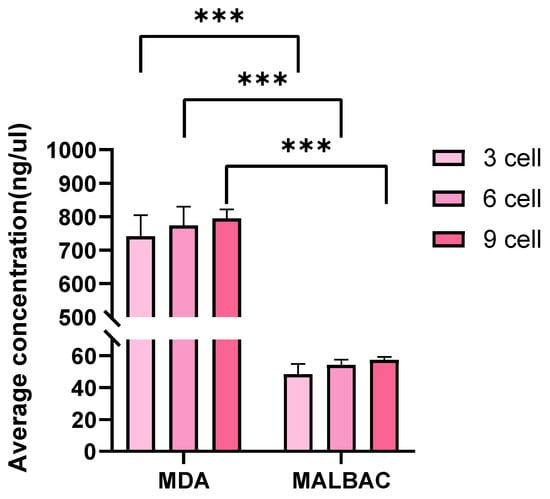
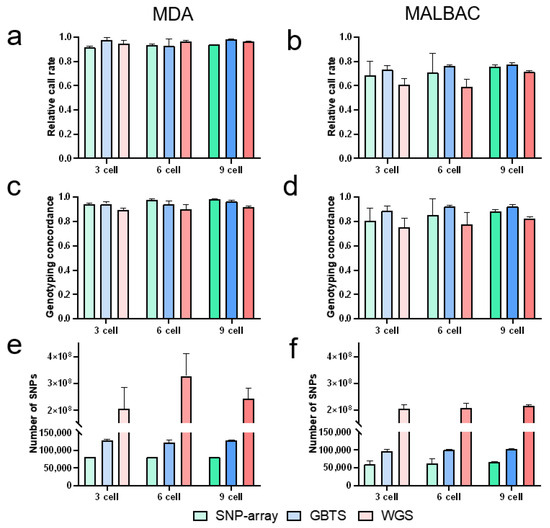
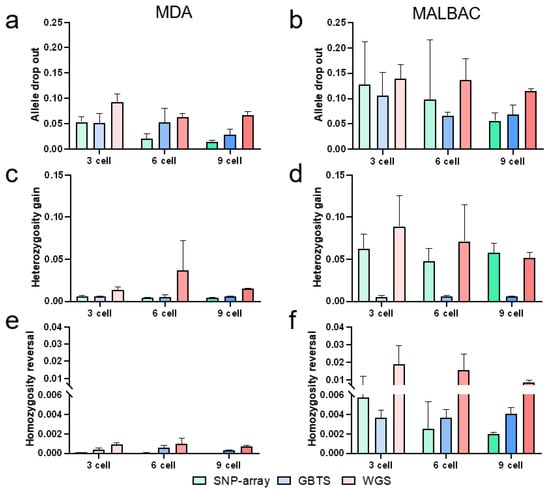
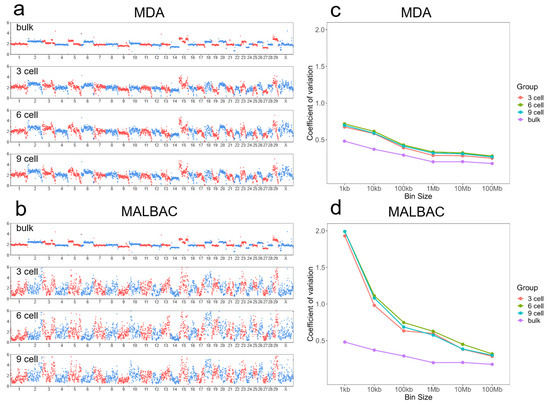
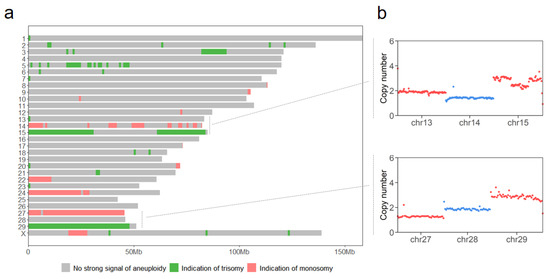
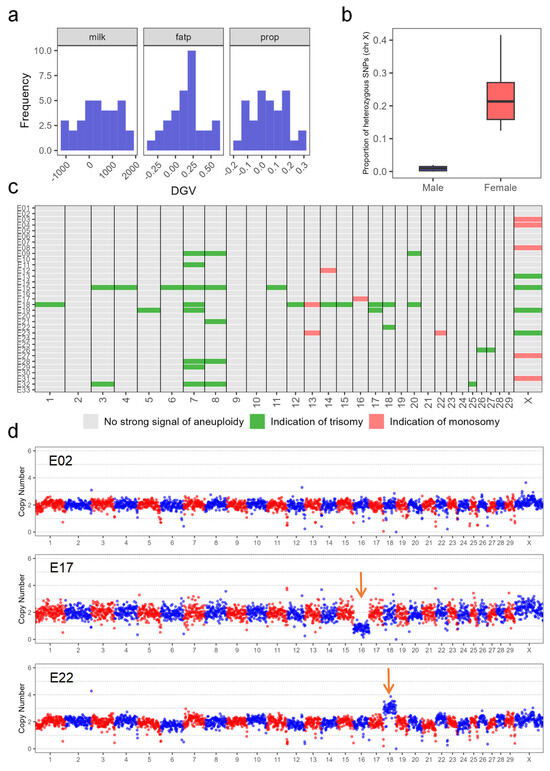
Preimplantation embryo genomic selection (eGS) enables selection prior to implantation and could accelerate genetic gain in cattle. A major hurdle is the limited DNA from embryo biopsies, requiring efficient whole-genome amplification (WGA) for accurate genomic analyses. However, alternative WGA methods and genotyping strategies have not been systematically compared in cattle. This study evaluated different methods for WGA (multiple displacement amplification (MDA) or multiple annealing and looping-based amplification cycles (MALBAC)) and for genotyping (single nucleotide polymorphism array (SNP-array), genotyping by targeted sequencing (GBTS), or whole-genome sequencing (WGS)) using 3-, 6-, and 9-cell bovine samples. MDA consistently outperformed MALBAC across various performance metrics, including amplification length, call rates, genome coverage (93.43–94.40% vs. 53.01–67.08%), and genotyping concordance (0.89–0.98 vs. 0.75–0.92). GBTS achieved the highest call rates, while SNP-array and GBTS showed excellent concordance and low error rates. WGS provided genome-wide data for precise aneuploidy detection. We further validated the workflow in trophectoderm biopsies and arrested embryos, generating reliable data for genomic evaluation, sex determination, and aneuploidy screening. MDA from ≥6 cells combined with GBTS or SNP-array showed a favorable balance of efficiency and accuracy for bovine eGS. This framework may facilitate the application of eGS in cattle breeding by enhancing selection intensity and accelerating genetic improvement.
Full article

Figure 1
Open AccessCorrection
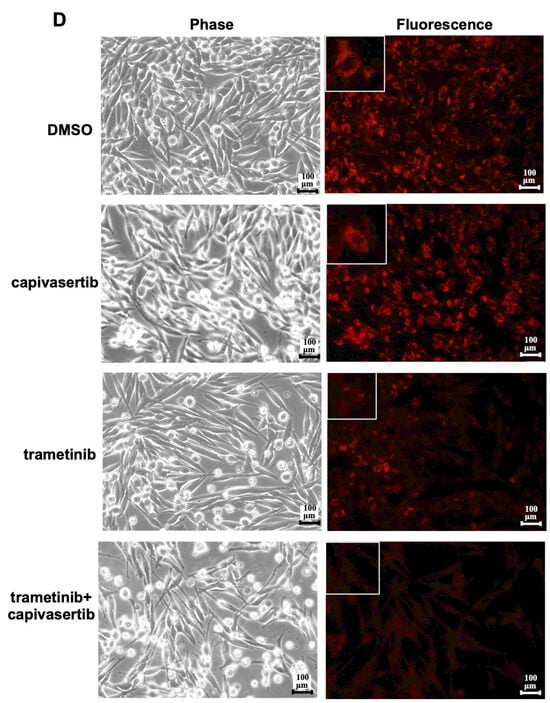
Correction: Alobaidi et al. Combinational Inhibition of MEK and AKT Synergistically Induces Melanoma Stem Cell Apoptosis and Blocks NRAS Tumor Growth. Cells 2025, 14, 248
by
Ryyan Alobaidi, Nusrat Islam, Toni Olkey, Yogameenakshi Haribabu, Mathew Shamo, Peter Sykora, Cynthia M. Simbulan-Rosenthal and Dean S. Rosenthal
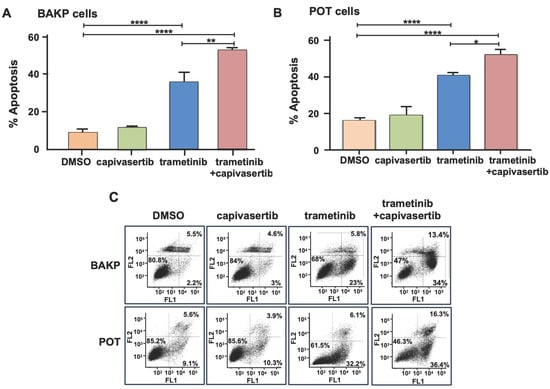
Cells 2026, 15(8), 704; https://doi.org/10.3390/cells15080704 - 16 Apr 2026
Abstract
►▼
Show Figures
In the original publication [...]
Full article

Figure 2
Open AccessArticle
Multiscale Comparative Analyses of OVB-Organoids and Cerebral Organoids
by
Jingyi Yang, Xue Zhang, Shuang Li and Zhixian Gao
Cells 2026, 15(8), 703; https://doi.org/10.3390/cells15080703 - 16 Apr 2026
Abstract
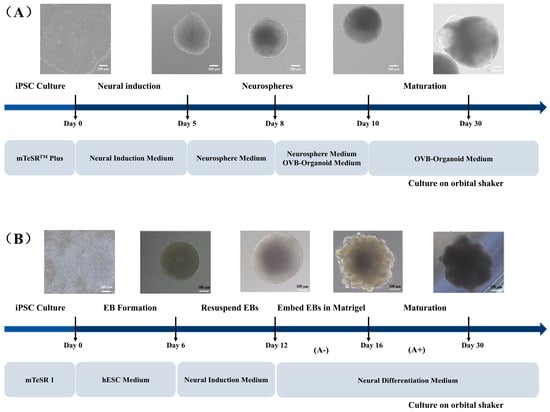
Organoid technology is critical for studying human brain development, but existing single-organoid culture systems fail to simulate inter-organ interactions (e.g., optic vesicle–brain) in embryogenesis. This study aimed to establish a more comprehensive in vitro model for early neurodevelopment. We established standardized protocols for
[...] Read more.
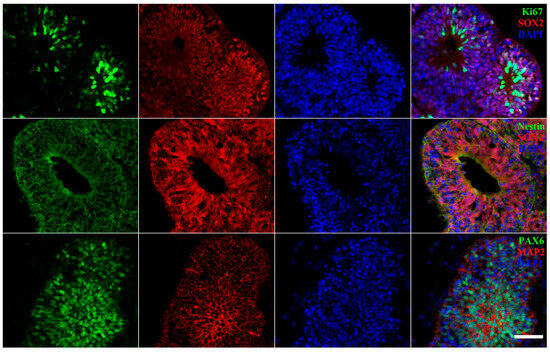
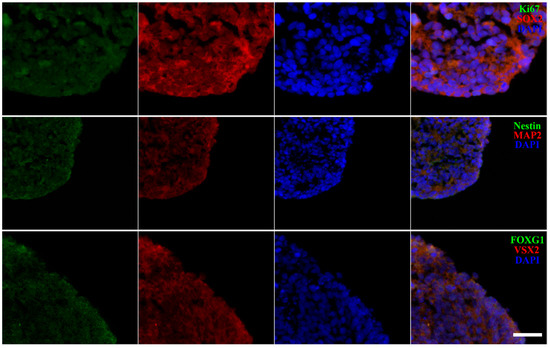
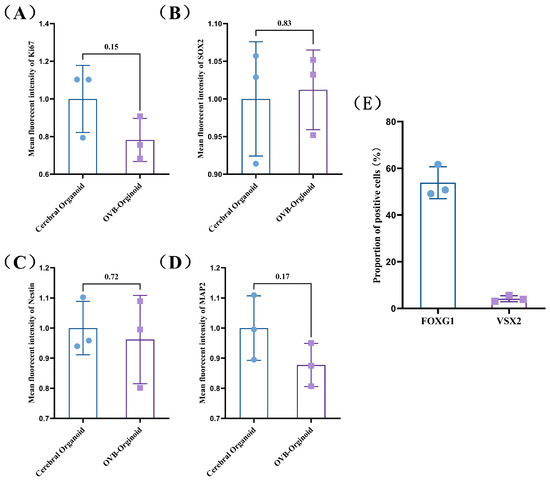
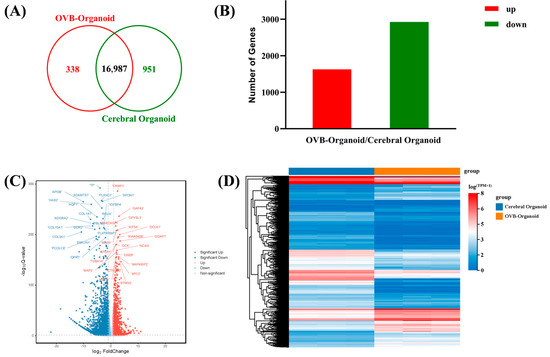
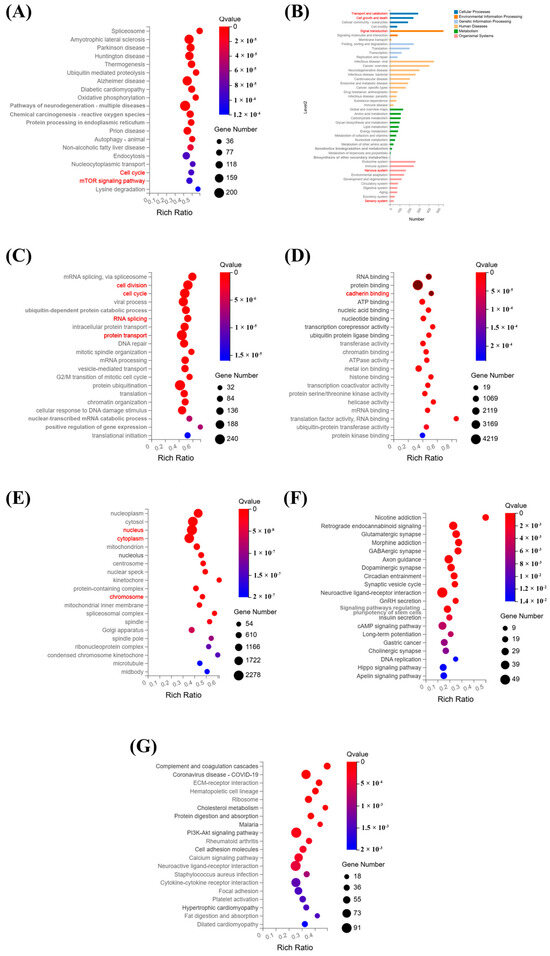
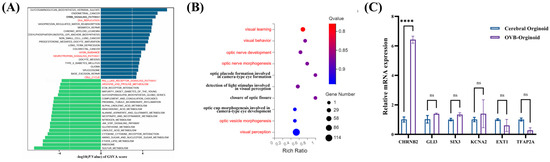
Organoid technology is critical for studying human brain development, but existing single-organoid culture systems fail to simulate inter-organ interactions (e.g., optic vesicle–brain) in embryogenesis. This study aimed to establish a more comprehensive in vitro model for early neurodevelopment. We established standardized protocols for cerebral organoids and optic vesicle-containing brain organoids (OVB-organoids), and performed multiscale analyses using immunofluorescence and transcriptomics to compare the two models. Key differences in cellular composition, structure, function and development were found; OVB-organoids better simulated early retinal development, visual-related structures/functions, with specific VSX2 expression and consistent transcriptomic profiles. OVB-organoids are an improved model for early neurodevelopment, providing a reliable basis for exploring eye-brain coordinated development mechanisms and having broad applications in developmental biology, disease research and personalized healthcare.
Full article
(This article belongs to the Special Issue Advances in Human Pluripotent Stem Cells)
►▼
Show Figures

Figure 1
Open AccessArticle
Pelargonium graveolens Essential Oil Suppresses Proliferation and Migration and Modulates Mesenchymal-Associated Cellular Functions in Human Endometriotic Cells
by
Elif Karakoç, Sezai Berkand Koçak, Kevser Kişifli Köş, Hülya Kayhan, Eda Erdem Şahinkesen, Cemil Can Eylem, Ferda Topal Çelikkan, Emirhan Nemutlu and Pergin Atilla
Cells 2026, 15(8), 702; https://doi.org/10.3390/cells15080702 - 15 Apr 2026
Abstract
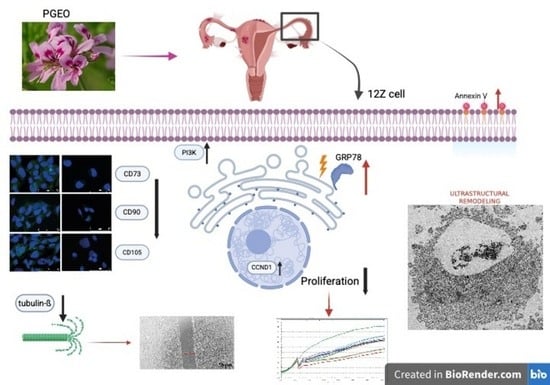
Endometriosis is characterized by enhanced cellular proliferation, migration, and resistance to apoptosis, contributing to lesion persistence and progression. Targeting cellular plasticity and mesenchymal-associated functions may therefore represent a promising therapeutic strategy. Here, we investigated the effects of Pelargonium graveolens essential oil (PGEO) on
[...] Read more.
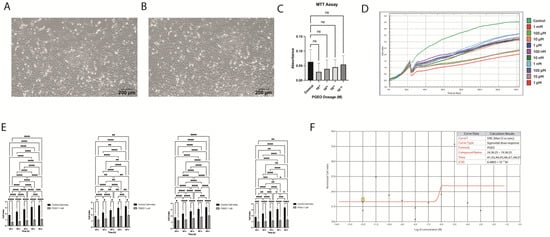
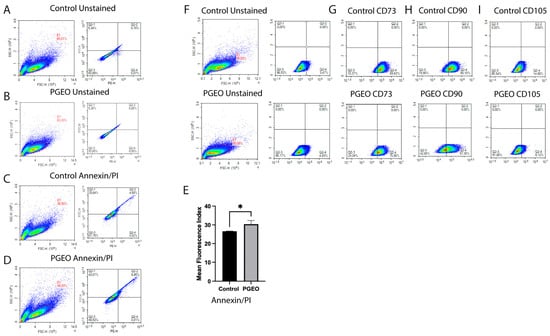
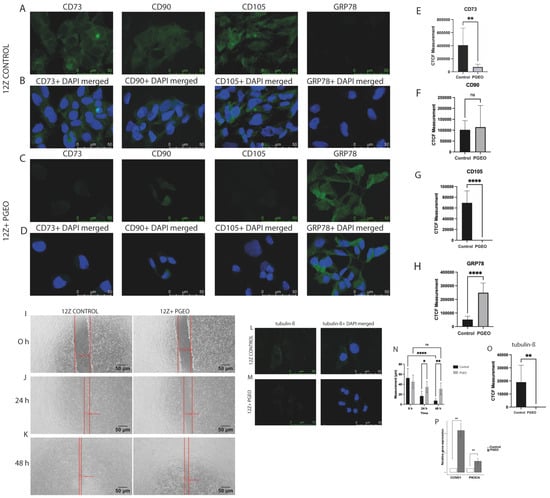
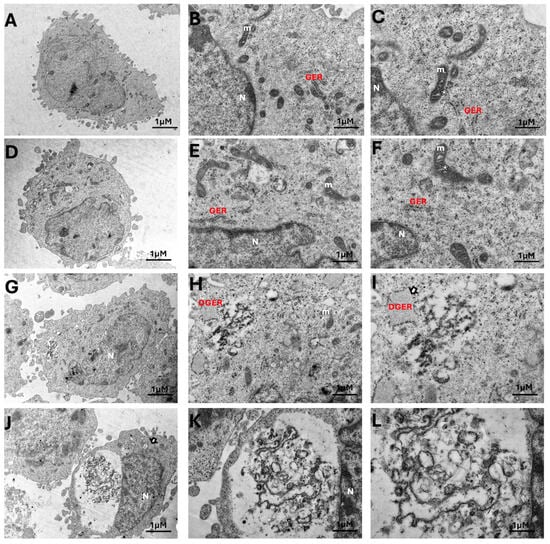
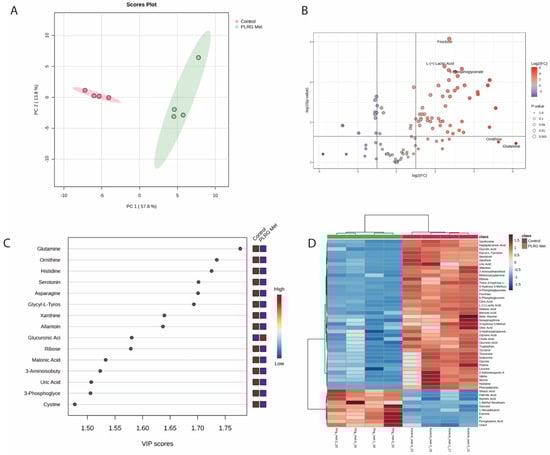
Endometriosis is characterized by enhanced cellular proliferation, migration, and resistance to apoptosis, contributing to lesion persistence and progression. Targeting cellular plasticity and mesenchymal-associated functions may therefore represent a promising therapeutic strategy. Here, we investigated the effects of Pelargonium graveolens essential oil (PGEO) on proliferation, apoptosis, migration, cytoskeletal organization, transcriptional regulation, and metabolic alterations in human endometriotic 12Z cells. PGEO treatment suppressed proliferative capacity in a concentration-dependent manner and significantly impaired cell migration, accompanied by reduced β-tubulin expression and decreased levels of mesenchymal-associated markers CD73 and CD105. Increased GRP78 expression together with ultrastructural alterations, including cytoplasmic vacuolization and mitochondrial and endoplasmic reticulum changes, indicated activation of cellular stress responses. Although transcriptional analysis revealed increased CCND1 and PIK3CA mRNA levels, these changes did not parallel the observed suppression of proliferation, suggesting compensatory regulatory responses. Untargeted metabolomic profiling revealed alterations in energy metabolism characterized by increased levels of glycolysis-related metabolites, reduced levels of several amino acids including glutamine and histidine, and changes in lipid-associated metabolites. Collectively, these findings demonstrate that PGEO suppresses proliferative and migratory behavior in endometriotic cells while modulating cytoskeletal, transcriptional, and metabolic pathways, highlighting its potential as a candidate for further investigation in endometriosis-targeted therapeutic strategies.
Full article
(This article belongs to the Special Issue Molecular Basis of Gynecological Disorders and Associated Infertility)
►▼
Show Figures

Graphical abstract
Open AccessReview
The Role of Non-Coding RNA in the Pathogenesis of Hypertensive Nephropathy
by
Paulina Plewa, Karolina Figiel, Maciej Ćmil, Patryk Skórka, Kacper Kupis and Andrzej Pawlik
Cells 2026, 15(8), 701; https://doi.org/10.3390/cells15080701 - 15 Apr 2026
Abstract
Hypertensive nephropathy (HN) is a leading cause of chronic kidney disease and end-stage renal disease worldwide and results from the long-term effects of hypertension on renal structure and function. The pathogenesis of HN is complex and involves haemodynamic disturbances, renal vascular injury, oxidative
[...] Read more.
Hypertensive nephropathy (HN) is a leading cause of chronic kidney disease and end-stage renal disease worldwide and results from the long-term effects of hypertension on renal structure and function. The pathogenesis of HN is complex and involves haemodynamic disturbances, renal vascular injury, oxidative stress, chronic inflammation, and progressive interstitial fibrosis. In recent years, increasing attention has focused on the role of non-coding RNAs (ncRNAs)—including microRNAs (miRNAs), long non-coding RNAs (lncRNAs), and circular RNAs (circRNAs)—as key regulators of gene expression involved in these processes. This review summarises the current understanding of the molecular mechanisms underlying HN, with particular emphasis on the roles of oxidative stress, activation of the renin–angiotensin–aldosterone system, transforming growth factor beta signalling, and inflammatory and fibrogenic pathways. The contribution of dysregulated ncRNAs to endothelial dysfunction, inflammatory responses, apoptosis, angiogenesis, and renal remodelling and fibrosis is also discussed. Particular attention is given to miRNAs and lncRNAs as mediators of disease progression and potential biomarkers, as well as to the emerging role of circRNAs in hypertensive kidney injury, including their involvement in the regulation of redox balance and intercellular communication. Collectively, available evidence indicates that ncRNAs represent a critical link between haemodynamic stimuli and persistent molecular alterations in renal tissue, highlighting their potential as diagnostic markers and therapeutic targets in HN.
Full article
(This article belongs to the Special Issue Role of RNA as Regulator, Therapeutic Target and Probe for Early Disease Diagnosis)
Open AccessReview
Integrative Computational Approaches to Prostate Cancer with Conditional Reprogramming and AI-Driven Precision Medicine
by
Ahmed Fadiel, Punit Malpani, Kenneth D. Eichenbaum, Frederick Naftolin, Aya Hassouneh, Geralyn Chong and Kunle Odunsi
Cells 2026, 15(8), 700; https://doi.org/10.3390/cells15080700 - 15 Apr 2026
Abstract
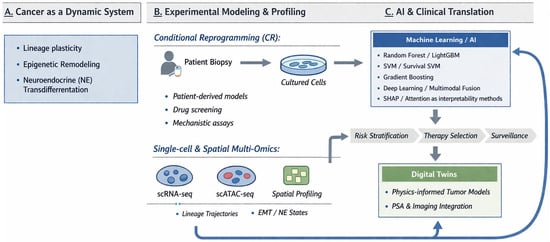
Prostate cancer, particularly metastatic castration-resistant prostate cancer (mCRPC), presents therapeutic challenges rooted in adaptive lineage plasticity and neuroendocrine transdifferentiation. Conventional genome-based models fail to account for the divergent clinical trajectories observed among tumors that share identical driver mutations. This limitation requires reconceptualizing cancer
[...] Read more.
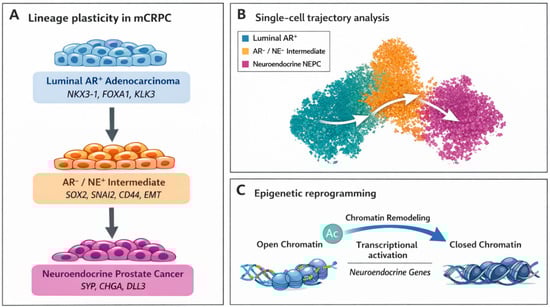
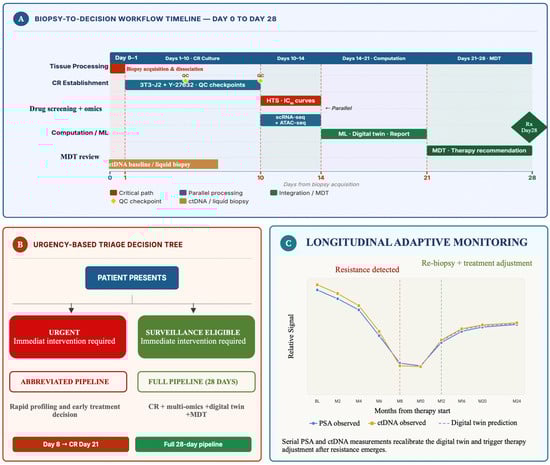
Prostate cancer, particularly metastatic castration-resistant prostate cancer (mCRPC), presents therapeutic challenges rooted in adaptive lineage plasticity and neuroendocrine transdifferentiation. Conventional genome-based models fail to account for the divergent clinical trajectories observed among tumors that share identical driver mutations. This limitation requires reconceptualizing cancer as a dynamic system in which tumor cells can execute context-dependent molecular programs governed by epigenetic and transcriptional network remodeling. This review critically evaluates three convergent technological pillars reshaping prostate cancer research and clinical care. First, conditional reprogramming (CR) enables the rapid generation of patient-derived models that preserve genomic fidelity, intratumoral heterogeneity, and reversible phenotypic plasticity without genetic manipulation. Second, single-cell and spatial multi-omics approaches have clarified the cellular trajectories underlying luminal-to-neuroendocrine transdifferentiation, identifying a therapeutically actionable intermediate state. They have revealed the hierarchical transcription factor network (FOXA2–NKX2-1–p300/CBP) which orchestrates chromatin remodeling during this lethal transition. Third, physics-informed machine learning and digital twin architectures aim to move beyond correlative risk prediction toward mechanistically sound forecasting of tumor evolution, treatment response, and resistance emergence. We address unresolved challenges in prospective clinical validation, spatial heterogeneity capture, regulatory pathways for functional diagnostics, and the imperative for causal, as opposed to associative, inference from perturbational datasets. The integration of these three domains through closed-loop experimental–computational feedback cycles represents a paradigm shift from reactive to anticipatory precision oncology.
Full article
(This article belongs to the Special Issue Conditional Programming of Cells, Advanced Computational Methods, and Intelligent Systems in Prostate Cancer Research)
►▼
Show Figures

Figure 1
Journal Menu
► ▼ Journal Menu-
- Cells Home
- Aims & Scope
- Editorial Board
- Reviewer Board
- Topical Advisory Panel
- Instructions for Authors
- Special Issues
- Topics
- Sections & Collections
- Article Processing Charge
- Indexing & Archiving
- Editor’s Choice Articles
- Most Cited & Viewed
- Journal Statistics
- Journal History
- Journal Awards
- Society Collaborations
- Conferences
- Editorial Office
Journal Browser
► ▼ Journal BrowserHighly Accessed Articles
Latest Books
E-Mail Alert
News
Topics
Topic in
Cells, JCM, Organoids, JMP
Novel Discoveries in Oncology 2nd Edition
Topic Editors: Michela Campolo, Giovanna Casili, Alessia Filippone, Marika LanzaDeadline: 20 June 2026
Topic in
Biomedicines, Biomolecules, Cancers, Cells, Hematology Reports, IJMS
Advances in Molecular Pathogenesis and Targeted Therapies for Multiple Myeloma
Topic Editors: Chung Hoow Kok, Cindy H. S. Lee, Claudio CerchioneDeadline: 3 August 2026
Topic in
Biology, Biomolecules, Cancers, Cells, IJMS, Pharmaceuticals, Kinases and Phosphatases
Kinases in Cancer and Other Diseases, 2nd Edition
Topic Editors: Jonas Cicenas, Anna M. CzarneckaDeadline: 31 August 2026
Topic in
Pharmaceuticals, Medical Sciences, JCM, Vision, Reports, Cells, IJMS
New Developments in Glaucoma Diagnostics and Therapeutics
Topic Editors: Shan C. Lin, Sunee ChansangpetchDeadline: 30 September 2026
Conferences
Special Issues
Special Issue in
Cells
Regulatory Factors and Signaling Pathways of Anti-Tumor Immune Responses
Guest Editor: Geeta UpadhyayDeadline: 20 April 2026
Special Issue in
Cells
Advancements in Research on hiPSC-Derived Cells
Guest Editor: Akhilesh KumarDeadline: 20 April 2026
Special Issue in
Cells
Recent Advances in Novel Cell and Gene Therapies for the Treatment of Immune Diseases
Guest Editor: Qingdong GuanDeadline: 20 April 2026
Special Issue in
Cells
Molecular Mechanisms of Tumor Pathogenesis
Guest Editors: Saverio Candido, Alessandro LavoroDeadline: 20 April 2026
Topical Collections
Topical Collection in
Cells
Molecular and Cellular Mechanisms of Ischemia-Reperfusion Injury and Protective Strategies
Collection Editors: Antonio Rodríguez-Sinovas, Marisol Ruiz-Meana, Javier Inserte
Topical Collection in
Cells
Cilia and Flagella: Structure, Function and Beyond
Collection Editors: William Tsang, Gang Dong
Topical Collection in
Cells
Insights That—unlike Serum Antibodies—Memory B Cells Can Provide
Collection Editors: Paul V. Lehmann, Greg A. Kirchenbaum
Topical Collection in
Cells
Recent Advances in Oncology Nanomedicine: Toward Novel Personalized Medicine Tools to Fight Human Cancer
Collection Editor: Sergio Comincini