



-
Arsenic Trioxide and the MNK1 Inhibitor AUM001 Exert Synergistic Anti-Glioblastoma Effects by Modulating Key Translational, Cell Cycle, and Transmembrane Transport Pathways -
Longitudinal Effects of Mindfulness Combined with Gratitude Touch on Anxiety, Depression, and Stress: A 12-Month Portable EEG-Based Study -
Regenerative Medicine Strategies for Spinal Cord Injury: Advances in Stem Cell Therapy -
PTSD Symptoms Are Associated with a Greater Use of Social Camouflaging Strategies in an Eating Disorder Sample with Elevated Autistic Traits -
The Effects of Mindfulness on Brain Network Dynamics Following an Acute Stressor in a Population of Drinking Adults
Journal Description
Brain Sciences
Brain Sciences
is an international, peer-reviewed, open access journal on neuroscience, published monthly online by MDPI. The British Neuro-Oncology Society (BNOS) and Panhellenic Federation of Alzheimer's Disease and Related Disorders (PFADRD) are affiliated with Brain Sciences and their members receive a discount on article processing charges.
- Open Access— free for readers, with article processing charges (APC) paid by authors or their institutions.
- High Visibility: indexed within Scopus, SCIE (Web of Science), PubMed, PMC, Embase, PSYNDEX, PsycInfo, CAPlus / SciFinder, and other databases.
- Rapid Publication: manuscripts are peer-reviewed and a first decision is provided to authors approximately 17.6 days after submission; acceptance to publication is undertaken in 2.5 days (median values for papers published in this journal in the second half of 2025).
- Recognition of Reviewers: reviewers who provide timely, thorough peer-review reports receive vouchers entitling them to a discount on the APC of their next publication in any MDPI journal, in appreciation of the work done.
- Journal Cluster of Neurosciences: Brain Sciences, Neurology International, NeuroSci, Clinical and Translational Neuroscience, Neuroimaging, Neuroglia, Psychiatry International, Clocks & Sleep and Journal of Dementia and Alzheimer's Disease.
Impact Factor:
2.8 (2024);
5-Year Impact Factor:
3.1 (2024)
Latest Articles
Neural Correlates of Inhibitory Control in Impulsivity Traits in Non-Ecological Human–Computer Tasks: An ALE Meta-Analysis
Brain Sci. 2026, 16(6), 609; https://doi.org/10.3390/brainsci16060609 - 3 Jun 2026
Abstract
Background/Objectives: Response inhibition is the capacity to restrain impulsive actions, representing a pivotal facet of cognitive control. Although several studies report a dynamic relationship between impulsivity and inhibitory control, the neural mechanisms remain unclear. The aim of the present study is to
[...] Read more.
Background/Objectives: Response inhibition is the capacity to restrain impulsive actions, representing a pivotal facet of cognitive control. Although several studies report a dynamic relationship between impulsivity and inhibitory control, the neural mechanisms remain unclear. The aim of the present study is to explore neural correlates of response inhibition as a function of impulsive personality traits. Methods: For this purpose, two groups of fMRI studies conducted on subjects with and without impulsive traits were compared. The selected studies were included based on both the impulsivity levels and the performance of the subjects in inhibitory human–computer tasks (e.g., Go/No-go, Stop-signal). This was done to minimize potential differences due to samples’ performances. Neuroimaging data were analyzed with an Activation Likelihood Estimation (ALE) meta-analysis approach. Results: Results reveal highly congruent clusters encompassing subcortical and prefrontal brain regions in both impulsive and non-impulsive subjects, albeit with subtle distinctions. Specifically, a direct contrast highlighted different activity in the right Middle and Superior Frontal Gyrus during inhibition tasks in the impulsive group. Conclusions: These findings deepen our comprehension of the neural mechanisms governing inhibitory control in human impulsivity. Understanding such mechanisms is increasingly relevant in today’s world, where frequent interactions with artificial systems may challenge or modulate inhibitory control, with potential implications for everyday behavior.
Full article
(This article belongs to the Special Issue Cognitive Processes in Human–AI Interaction: Neural and Behavioral Insights)
►
Show Figures
Open AccessArticle
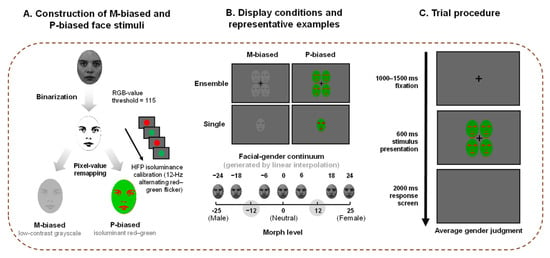
Enhanced Neural Responses to Self-Name Stimuli Relative to Tone and Reversed Speech Deviants in the Auditory Oddball Paradigm
by
Fang Duan, Xiongping Cao, Zheng Yan and Jianming Chen
Brain Sci. 2026, 16(6), 608; https://doi.org/10.3390/brainsci16060608 - 2 Jun 2026
Abstract
Background: Auditory oddball paradigms are widely used to investigate neural responses to deviant stimuli and attentional processing. However, different paradigms involve deviant stimuli with varying levels of stimulus relevance, and the corresponding neural responses have rarely been directly compared within a unified
[...] Read more.
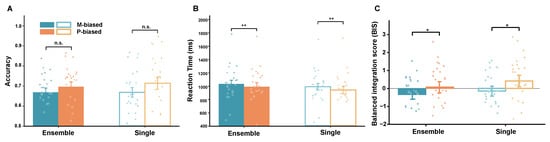
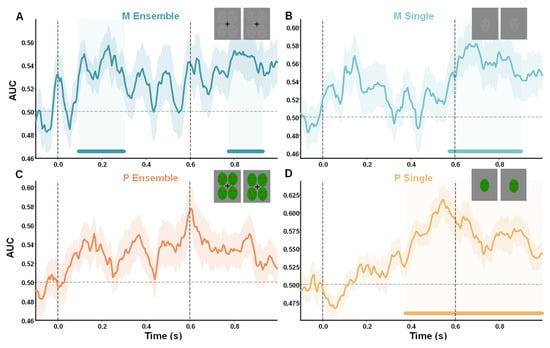
Background: Auditory oddball paradigms are widely used to investigate neural responses to deviant stimuli and attentional processing. However, different paradigms involve deviant stimuli with varying levels of stimulus relevance, and the corresponding neural responses have rarely been directly compared within a unified experimental framework. The aim of this study was to compare neural responses elicited by three variants of the auditory oddball paradigm that differ in the type of deviant stimuli: tone, reversed speech, and self-name deviants. Methods: Electroencephalography (EEG) data were recorded from 38 healthy participants while they performed three paradigm variants. Event-related potentials (ERPs) were analyzed to examine neural responses to deviant stimuli. In addition, cortical activation patterns were identified via source reconstruction, and classification analyses were conducted to assess the discriminability of neural responses across the three variants. Results: ERP results revealed that the self-name paradigm elicited the largest ERP responses, characterized by a significant P300 amplitude (3.95 μV) and prominent MMN (−6.39 μV). Crucially, source-space analysis revealed a graded expansion of cortical recruitment: acoustic deviance (tone) and structural reanalysis (reversed speech) were associated with 7 and 6 significant clusters, respectively, primarily in the auditory and fronto-cingulate cortices, whereas the self-name paradigm engaged 12 significant clusters spanning a distributed network encompassing salience-processing regions and cortical midline structures associated with self-referential processing (including the insula and posterior cingulate cortex). Classification analyses mirrored these findings, with the self-name paradigm consistently yielding the highest neural separability (~80% accuracy) and greater robustness to interindividual variability, demonstrating the superior discriminability of self-referential neural patterns. Conclusions: These findings demonstrate that self-referential auditory stimuli elicit stronger and more discriminable neural responses than other auditory deviant stimuli in the oddball paradigm. These results provide a comparative perspective on how different dimensions of auditory relevance modulate neural processing and may inform the design of effective auditory paradigms for cognitive neuroscience and related translational applications.
Full article
(This article belongs to the Section Sensory and Motor Neuroscience)
►▼
Show Figures

Figure 1
Open AccessEditorial
Neuromuscular Disorders: Recent Advances and Open Challenges
by
Vincenzo Di Stefano, Nicasio Rini and Claudia Vinciguerra
Brain Sci. 2026, 16(6), 607; https://doi.org/10.3390/brainsci16060607 - 2 Jun 2026
Abstract
Neuromuscular disorders (NMDs) encompass a heterogeneous group of acquired and inherited conditions affecting motor neurons, peripheral nerves, neuromuscular junctions, and skeletal muscle [...]
Full article
(This article belongs to the Special Issue Diagnosis, Treatment, and Prognosis of Neuromuscular Disorders)
Open AccessArticle
A Low-Cost Modular Multi-Region Electrode for Distributed Network Recording and Brain State Decoding
by
Bo-Yu Wang, Yu Chen, Bin Wang, Wen Xie, Jia-Yi Zeng, Yi-Zheng Wang and Chun-Kui Zhang
Brain Sci. 2026, 16(6), 606; https://doi.org/10.3390/brainsci16060606 - 1 Jun 2026
Abstract
Background: Precise decoding of brain states is essential for closed-loop neuromodulation, but current electrodes and recording strategies are inadequate. Multi-region recording offers network-level advantages over single-region approaches, yet remains underdeveloped due to the lack of low-cost, flexible multi-region electrodes and standardized workflows. Methods:
[...] Read more.
Background: Precise decoding of brain states is essential for closed-loop neuromodulation, but current electrodes and recording strategies are inadequate. Multi-region recording offers network-level advantages over single-region approaches, yet remains underdeveloped due to the lack of low-cost, flexible multi-region electrodes and standardized workflows. Methods: We developed a low-cost, modular, silica capillary tube-based 16-channel electrode for multi-region local field potential (LFP) recording in small animals, along with an integrated workflow for spectral analysis, functional connectivity assessment, and machine learning-based brain state decoding. Results: Our electrode design enables flexible customization of target regions and low-cost (~19.43 USD/unit) assembly without specialized equipment. In vivo validation in rats targeting eight emotional network nuclei achieved 79.2% implantation accuracy, with stable LFP recordings maintained for over 3 months. In a reserpine-induced depression model, spectral analysis revealed state-specific oscillatory changes including reduced alpha power in the infralimbic cortex. Inter-regional functional connectivity analysis further captured drug-induced network-level synchronization changes. We also developed a machine learning pipeline with random forest classifier that achieved ~96.4% accuracy in decoding brain states from the multi-region signals. Conclusions: This modular multi-region electrode provides a practical, adaptable, and low-cost platform for long-term distributed network recording, supporting quantitative LFP analysis, functional connectivity assessment, and high-accuracy brain state decoding, laying a technical foundation for preclinical closed-loop neuromodulation research.
Full article
(This article belongs to the Section Neurotechnology and Neuroimaging)
►▼
Show Figures

Figure 1
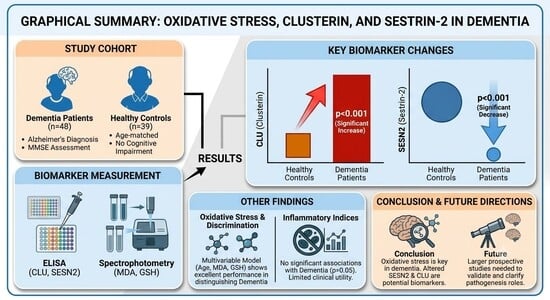
Open AccessArticle
Distinct Neural Dynamics of Spatial Transformations: Egocentric Perspective-Taking and Allocentric Rotation
by
Ido Amihai, Michael Kozhevnikov and Maria Kozhevnikov
Brain Sci. 2026, 16(6), 605; https://doi.org/10.3390/brainsci16060605 - 1 Jun 2026
Abstract
Background/Objectives: Egocentric and allocentric spatial transformations are central to spatial cognition, yet it is unknown whether they rely on the same neural mechanisms. The goal of this study was to examine whether egocentric transformations engage the neural processes associated with mental rotation in
[...] Read more.
Background/Objectives: Egocentric and allocentric spatial transformations are central to spatial cognition, yet it is unknown whether they rely on the same neural mechanisms. The goal of this study was to examine whether egocentric transformations engage the neural processes associated with mental rotation in visual–spatial working memory. Methods: High-density EEG was recorded while participants performed two matched pointing-direction tasks, in which they indicated the direction toward a target location, while instructed to use either allocentric array rotation or egocentric perspective-taking. Response times and accuracy were recorded, and event-related potential (ERP) responses were analyzed as a function of rotation angle (100° vs. 160°) and differences between front and back pointing directions. Results: Response times increased with rotation angle in both tasks, whereas a front–back asymmetry in accuracy was observed only in perspective-taking. Both tasks showed rotation-related ERP modulation, but the timing and spatial distribution of these effects differed across tasks. In the array-rotation task, rotation-related ERP effects were observed over right-parieto–occipital regions at 460–510 ms. In the perspective-taking task, the ERP effects were observed over left-central regions at 400–470 ms and 520–610 ms. ERP differences between front and back directions were robust and widespread in the egocentric condition but limited in the allocentric condition. Conclusions: Perspective-taking does not show the posterior rotation-related ERP effect associated with mental rotation of object representations in visual–spatial working memory. Instead, it appears to reflect updating of the observer-centered reference frame, consistent with simulated self-motion processes involving vestibular and proprioceptive signals.
Full article
(This article belongs to the Section Neuropsychology)
►▼
Show Figures

Figure 1

Open AccessArticle
Minor Physical Anomalies and Congenital Malformations Among Children with Psychotic Symptoms: An Exploratory Descriptive Study with Illustrative Clinical Cases
by
Zuzanna Ewa Wiśniewska, Przemysław Temistokles Zakowicz and Maria Skibińska
Brain Sci. 2026, 16(6), 604; https://doi.org/10.3390/brainsci16060604 - 1 Jun 2026
Abstract
Background/Objectives: Minor physical anomalies (MPAs) are subtle morphological markers of disrupted neuroectodermal development occurring during early gestation. Their increased prevalence has been reported in several neurodevelopmental and psychiatric conditions, including schizophrenia. However, data on MPAs in pediatric psychosis remain limited. This exploratory
[...] Read more.
Background/Objectives: Minor physical anomalies (MPAs) are subtle morphological markers of disrupted neuroectodermal development occurring during early gestation. Their increased prevalence has been reported in several neurodevelopmental and psychiatric conditions, including schizophrenia. However, data on MPAs in pediatric psychosis remain limited. This exploratory descriptive study aimed to characterize the occurrence of MPAs and congenital malformations in children presenting with early-onset psychotic symptoms and to illustrate the clinical heterogeneity through two representative cases. Methods: All participants underwent a comprehensive head-to-toe examination by a trained child and adolescent psychiatrist to identify MPAs. Key anatomical regions, including the face, hair vortex, palate, and extremities, were systematically photographed. Results were corroborated by MRI brain screening and consulted with a clinical geneticist. Anomalies were classified using the standardized Elements of Morphology terminology. Results: Among the 19 study participants, seven (37%) were diagnosed with very early-onset schizophrenia (VEOS). Identified minor physical anomalies included epicanthus (n = 5), café au lait spots (n = 2), and discoloured spots (n = 1). Furthermore, major congenital malformations were detected, specifically Arnold–Chiari malformation type I (n = 1), incomplete hippocampal inversion (n = 1), and a temporal cortex malformation (n = 1). Conclusions: MPAs and selected neuroanatomical anomalies were observed in a subset of children with early-onset psychotic symptoms. While the small sample size and absence of a control group limit interpretability, these exploratory findings suggest that systematic physical examination may provide supportive clinical information in the assessment of pediatric psychosis. Larger, controlled studies are needed to clarify whether specific MPAs may serve as early markers of neurodevelopmental vulnerability.
Full article
(This article belongs to the Section Neuropsychiatry)
Open AccessArticle
Nonlinear EEG Complexity as a Marker of Maladaptive Brain Plasticity in Substance Use Disorders: A Multi-Group Machine Learning Classification Study
by
Mashal Fatima, Faraz Akram and Imran Khan Niazi
Brain Sci. 2026, 16(6), 603; https://doi.org/10.3390/brainsci16060603 (registering DOI) - 31 May 2026
Abstract
Background: Chronic exposure to addictive substances induces persistent alterations in neural dynamics, reflecting maladaptive brain plasticity. While such changes are well documented using neuroimaging techniques, their electrophysiological signatures—particularly those derived from nonlinear EEG complexity—remain insufficiently explored across diverse substance use profiles. This preliminary
[...] Read more.
Background: Chronic exposure to addictive substances induces persistent alterations in neural dynamics, reflecting maladaptive brain plasticity. While such changes are well documented using neuroimaging techniques, their electrophysiological signatures—particularly those derived from nonlinear EEG complexity—remain insufficiently explored across diverse substance use profiles. This preliminary study aims to investigate whether nonlinear EEG complexity measures can serve as sensitive biomarkers of maladaptive plasticity in substance use disorder (SUD) across multiple substance categories. Methods: A total of 350 participants were included and categorized into seven groups (n = 50 each): six substance use groups (cannabis, heroin, heroin–cannabis, methamphetamine–cannabis, methamphetamine–heroin, and multi-drug) and one control group without a diagnosis of substance use disorder. Resting state EEG signals were recorded using an eight-channel system. Four nonlinear features, Largest Lyapunov Exponent (LLE), Fractal Dimension (FD), Hurst Exponent (HE), and Kolmogorov Complexity (KC) were extracted. Statistical analysis was performed using two-way ANOVA, and classification was conducted using the K Nearest Neighbour (KNN) algorithm. Results: Significant group differences (p < 0.05) were observed across all nonlinear features. Control participants without a diagnosis of substance use disorder consistently exhibited higher complexity values compared to substance use groups, indicating reduced neural dynamical variability associated with the history of sustained substance uses over multiple years. Region wise analysis revealed that frontal and central cortical areas linked to motor planning and sensorimotor integration were particularly affected. The KNN classifier achieved an accuracy of 98.4%, sensitivity of 100%, and specificity of 96.8%. Conclusions: Nonlinear EEG complexity measures provide a robust electrophysiological marker of substance induced maladaptive brain plasticity. The observed reduction in complexity reflects impaired neural adaptability, particularly within motor control networks. These findings highlight the potential of EEG based complexity metrics for objective assessment, classification, and neurorehabilitation monitoring in substance use disorders.
Full article
(This article belongs to the Special Issue Brain Plasticity and Motor Control—3rd Edition)
►▼
Show Figures

Graphical abstract
Open AccessOpinion
Psychopharmacology of Methamphetamine in Relation to the United Kingdom Sentencing Guidance: Comparative Analysis with Amphetamine, Cocaine and Heroin
by
Amira Guirguis, Arianna Giorgetti, Jegak Seo, John Martin Corkery and Fabrizio Schifano
Brain Sci. 2026, 16(6), 602; https://doi.org/10.3390/brainsci16060602 - 31 May 2026
Abstract
Methamphetamine presents a significant scientific and legal challenge for sentencing because, although it is a Class A drug in England and Wales, it is not assigned explicit indicative quantity thresholds within the principal Sentencing Council guideline. This review provides a comparative expert synthesis
[...] Read more.
Methamphetamine presents a significant scientific and legal challenge for sentencing because, although it is a Class A drug in England and Wales, it is not assigned explicit indicative quantity thresholds within the principal Sentencing Council guideline. This review provides a comparative expert synthesis of methamphetamine in relation to amphetamine, cocaine and heroin, with particular emphasis on pharmacodynamics, pharmacokinetics, route-specific harms, fatal toxicity indicators and broader patterns of individual-harm profiles. The analysis draws on human laboratory studies, neuroimaging, pharmacokinetic investigations, toxicological literature, drug-related mortality data and policy sources to assess where methamphetamine most appropriately sits within a harm-based sentencing framework. The evidence indicates that methamphetamine is pharmacologically closest to amphetamine, sharing core monoaminergic mechanisms of transporter-mediated neurotransmitter release and vesicular disruption, but differing across several pharmacokinetic and toxicity-related parameters. Compared with amphetamine, methamphetamine shows greater lipid solubility, more efficient central nervous system penetration, longer persistence, and exposure that may, under common high-intensity routes of use, be associated with higher risk of neuropsychiatric, cardiovascular and cerebrovascular harms. Smoked methamphetamine in particular achieves high systemic bioavailability and rapid onset, creating a pattern of exposure more severe than conventional amphetamine preparations and, in some practical respects, closer to high-intensity stimulant models such as crack cocaine. Contemporary evidence further indicates that methamphetamine is associated with higher fatal toxicity than amphetamine, although the magnitude of difference varies by endpoint and no single universal gram-for-gram conversion is supported or recommended. Overall, the literature does not justify treating methamphetamine as simply equivalent to amphetamine, nor does it support conflating it fully with heroin or crack cocaine. The most defensible interpretation is that amphetamine should remain the primary scientific comparator, but with upward adjustment to reflect methamphetamine’s greater persistence and toxicity-related burden, while cocaine may serve as a secondary comparator for proportionality within the Class A sentencing framework. Taken together, the evidence supports consideration of an upward-adjusted amphetamine-based interpretation rather than an unadjusted amphetamine analogue.
Full article
(This article belongs to the Special Issue From Circuits to Symptoms: Advances in Psychiatry and Brain Science)
Open AccessArticle
fNIRS Hyperscanning of Negotiation: The Role of Personality and Neural Synchronization
by
Michela Balconi, Angelica Daffinà, Laura Angioletti, Federica Saquella and Carlotta Acconito
Brain Sci. 2026, 16(6), 601; https://doi.org/10.3390/brainsci16060601 - 31 May 2026
Abstract
Background: Decision-making is often a shared and collective process, facilitated by negotiation dynamics. This study adopted fNIRS hyperscanning to explore similar brain hemodynamic responses during naturalistic negotiation and decision-making interactions and the role of individual differences. Methods: Homologous dyads of speaker A and
[...] Read more.
Background: Decision-making is often a shared and collective process, facilitated by negotiation dynamics. This study adopted fNIRS hyperscanning to explore similar brain hemodynamic responses during naturalistic negotiation and decision-making interactions and the role of individual differences. Methods: Homologous dyads of speaker A and speaker B engaged in a realistic negotiation task, deciding how to handle a non-conforming team member. The task included three steps: the Individual step (Indstep), where the participants individually selected how to decide; the Cooperation step (Coopstep), involving collaborative negotiation; and the Agreement step (Agrstep), where a mutual agreement was reached. General Decision-Making Style (GDMS), Maximization Scale (MS) and Big Five Inventory (BFI-10) were also administered. Results: Higher deoxygenated hemoglobin (HHb) dissimilarity emerged when speaker B was speaking and speaker A was listening, suggesting that the members exhibited differences in the level of cognitive demand required for the conversation, or that speaker A was attempting to assert his perspective. Moreover, the avoidant decision-making style, the alternative-search tendency, and the decision-making difficulties subscales negatively correlated with HHb dissimilarity in the left hemisphere during the Agrstep, as well as the extraversion trait during the Indstep and the Coopstep, highlighting how individual differences modulate the neural mechanisms underlying negotiation. Conclusions: These findings reveal that brain patterns of neural similarity in negotiation contexts are sensitive to both conversational roles and individual decision-making profiles. Integrating a hyperscanning paradigm with psychological assessment offers interesting insights into the neurocognitive foundations of cooperation, revealing the influence of cognitive and personality traits on neural activity associated with the naturalistic negotiation process.
Full article
(This article belongs to the Section Neuropsychology)
►▼
Show Figures

Figure 1
Open AccessArticle
Perfectionism Contributes to Sleep-Wake State Discrepancy: The Mediating Role of Pre-Sleep Arousal
by
Susie Y. Oh, Christian L. Nicholas, Lisa J. Phillips, David Cunnington, Maya T. Schenker, Cameron J. Patrick, Daniel Windred and Hailey Meaklim
Brain Sci. 2026, 16(6), 600; https://doi.org/10.3390/brainsci16060600 - 31 May 2026
Abstract
Objectives: Sleep-wake state discrepancy, the discrepancy between self-reported and objective sleep measures, is commonly experienced in poor sleep and insomnia. While perfectionism is implicated in insomnia, its relationship to sleep-wake state discrepancy has not been investigated. This study aimed to assess the association
[...] Read more.
Objectives: Sleep-wake state discrepancy, the discrepancy between self-reported and objective sleep measures, is commonly experienced in poor sleep and insomnia. While perfectionism is implicated in insomnia, its relationship to sleep-wake state discrepancy has not been investigated. This study aimed to assess the association between sleep-wake state discrepancy and perfectionism and explore whether dysfunctional sleep beliefs and pre-sleep arousal mediate that relationship. Methods: Sixty adult participants from community and clinical populations were conveniently sampled (85% females, mean age 30.28 ± 11.13 years, 38% with insomnia symptoms). Sleep-wake state discrepancy measures were calculated using data from actigraphy and sleep diary collected over 14 days. The Frost Multidimensional Perfectionism Scale (FMPS), Hewitt–Flett Multidimensional Perfectionism Scale (HFMPS), Dysfunctional Beliefs about Sleep (DBAS), and Pre-sleep Arousal Scale (PSAS) were also collected. Results: High perfectionism levels were associated with high levels of sleep-wake state discrepancy. Concern over Mistakes and Doubts about Actions correlated with sleep onset latency discrepancy with small effects (r = 0.26 and 0.29, respectively). Doubts about Actions was associated with sleep onset latency discrepancy. Furthermore, pre-sleep arousal and cognitive pre-sleep arousal mediated relationships between sleep onset latency discrepancy and Concern over Mistakes and Doubts about Actions. Conclusions: Concern over Mistakes and Doubts about Actions relate to a poorer perception of sleep relative to objective sleep measures. During sleep onset, cognitive pre-sleep arousal appears to mediate relationships between perfectionism and sleep-wake state discrepancy. Therefore, perfectionism may be an important cognitive-emotional factor to consider when assessing and treating sleep-wake state discrepancy that commonly accompanies insomnia.
Full article
(This article belongs to the Special Issue Behavioural, Emotional and Cognitive Processes Linked to Healthy Sleep and Insomnia)
►▼
Show Figures

Figure 1
Open AccessArticle
Assessment of Adverse Events Using the Therapy–Disability–Neurology (TDN) Grading System in a Cohort of Aneurysmal Subarachnoid Hemorrhage Patients: A Single-Center Retrospective Cohort Study
by
Vincens Kälin, Alexis Paul Romain Terrapon, Anna Maria Zeitlberger, Gareth Ambler, Svenja Maschke, Ahmed El-Garci, Sara Bonasia, Oliver Bozinov, Marian Christoph Neidert and Isabel Charlotte Hostettler
Brain Sci. 2026, 16(6), 599; https://doi.org/10.3390/brainsci16060599 - 31 May 2026
Abstract
Background/Objectives: Adverse events (AE) associated with neurosurgical interventions can cause neurological deficits and impaired functional outcomes. The Therapy–Disability–Neurology (TDN) grade classifies AE severity based on treatment requirements, disability, and neurological deficits, but has not been validated in aneurysmal subarachnoid hemorrhage (aSAH). We aimed
[...] Read more.
Background/Objectives: Adverse events (AE) associated with neurosurgical interventions can cause neurological deficits and impaired functional outcomes. The Therapy–Disability–Neurology (TDN) grade classifies AE severity based on treatment requirements, disability, and neurological deficits, but has not been validated in aneurysmal subarachnoid hemorrhage (aSAH). We aimed to validate the TDN grade in predicting functional outcomes and length of hospital stay (LOS) in aSAH patients, treated surgically and/or endovascularly. Methods: We conducted a single-center retrospective cohort study of a prospectively collected database of aSAH patients. Patients were recruited between 2009 and 2022. The TDN grade was retrospectively applied. Primary outcome variables were functional outcomes, assessed using the Glasgow Outcome Scale (GOS, selected for comparability with prior aSAH outcome literature), at discharge and last follow-up, and LOS. Results: We included 355 patients: mean age was 57.2 (12.9 SD) and 235 (66.1%) were female. The TDN grade showed a moderate positive correlation with length of hospital stay (rho = 0.4, p < 0.001). Negative correlations were observed with functional outcomes at discharge (GOS: rho = −0.56, p < 0.0001) and at last follow-up (GOS: rho = −0.58, p < 0.0001). The TDN grade demonstrated good discrimination for unfavorable outcome at last follow-up (AUC = 0.82) and good discrimination for employment status (AUC = 0.71). Patients with AEs stayed 7.63 days longer on average (p < 0.001). Conclusions: The TDN grade predicted hospital stay and functional outcomes in aSAH patients treated surgically and/or endovascularly, demonstrating good discrimination for unfavorable outcomes and employment status. These findings extend the grade’s applicability to both treatment- and disease-related complications and support its potential utility as a standardized tool for prognostication and resource planning. Results should be interpreted in light of the single-center retrospective design and selection bias.
Full article
(This article belongs to the Special Issue The Latest Exploration of Cerebrovascular Diseases: From Preclinical Research to Treatment—2nd Edition)
Open AccessHypothesis
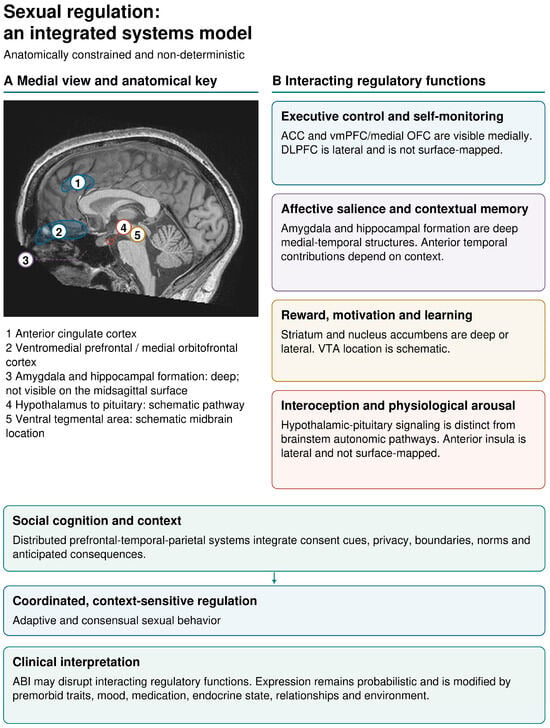
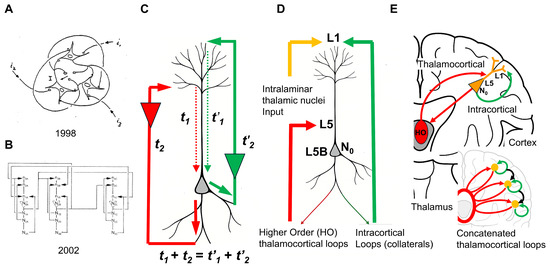
Toward a Neurobiological Model of Gestalt Confluence: Thalamocortical Integration as a Hypothetical Framework for Contact Interruption
by
Enrica Tortora, Valeria Cioffi, Chiara Scognamiglio, Lucia Luciana Mosca, Enrico Moretto, Roberta Stanzione, Francesco Marino, Giovanni Salonia, Claudia Montanari, Oliviero Rossi, Claudio Billi, Alexander Lommatzsch, Antonio Ferrara, Stefano Crispino, Elena Gigante, Mariano Pizzimenti, Roberta Melis, Efisio Temporin and Raffaele Sperandeo
Brain Sci. 2026, 16(6), 598; https://doi.org/10.3390/brainsci16060598 - 31 May 2026
Abstract
Background/Objectives: The integration of psychotherapeutic theory with contemporary neuroscience represents one of the most productive frontiers of clinical research. The fundamental theoretical constructs of Gestalt therapy have been developed with considerable clinical depth, yet their neurobiological foundations remain largely unexplored. Confluence, one of
[...] Read more.
Background/Objectives: The integration of psychotherapeutic theory with contemporary neuroscience represents one of the most productive frontiers of clinical research. The fundamental theoretical constructs of Gestalt therapy have been developed with considerable clinical depth, yet their neurobiological foundations remain largely unexplored. Confluence, one of the most debated mechanisms of contact disruption in Gestalt therapy, has recently been described as characterized by a three-dimensional conceptual structure: blurred boundaries, undifferentiation, and avoidance of contact. Methods: In this hypothesis article, we start from this structure and from neuroscientific evidence on thalamic filtering, thalamocortical synchronization, and salience attribution. Results: We propose an original theoretical framework—explicitly hypothesis-generating rather than empirically validated—for dysfunctional confluence, understood as a putative disruption of the transition from globally distributed somatosensory activation to the formation of differentiated figures in the salience network. Conclusions: The proposed correspondences are intended as heuristic mappings aimed at generating testable hypotheses and opening a productive dialogue between Gestalt theory, affective neuroscience, and clinical practice.
Full article
(This article belongs to the Section Neuropsychology)
►▼
Show Figures

Figure 1

Open AccessArticle
Gonadal Sex and Sex-Chromosome Complement Interact to Affect Ethanol Consumption in Adolescent Four Core Genotypes Mice
by
James D. Jentsch, Shawn M. Aarde and Jared R. Bagley
Brain Sci. 2026, 16(6), 597; https://doi.org/10.3390/brainsci16060597 - 30 May 2026
Abstract
Background/Objectives: Sex differences in ethanol consumption have been reported in both humans and laboratory rodents, but the independent/dependent contributions of genetic and hormonal sex biasing mechanisms to these phenotypes have not yet been fully explored. Methods: To examine the contributions of sex-chromosome complement
[...] Read more.
Background/Objectives: Sex differences in ethanol consumption have been reported in both humans and laboratory rodents, but the independent/dependent contributions of genetic and hormonal sex biasing mechanisms to these phenotypes have not yet been fully explored. Methods: To examine the contributions of sex-chromosome complement (SCC) and gonadal sex (GS) to ethanol consumption, we studied adolescent (28–32 days old) four core genotypes (FCG) mice on a C57BL/6J background, a model which allows for independent assortment of GS and SCC. A modified drinking-in-the-dark (DID) procedure was employed, in which mice were offered concurrent access to 20%, 10% and 0% ethanol (in water) in four daily 2 h sessions. Consumption at the level of individual bouts was recorded. Results: Overall ethanol intake differed substantially by group and was driven almost entirely by differences in consumption of the 20% ethanol solution; all groups preferred the 20% solution over the 10% and 0% solutions, but consumed similar amounts of the 10% and 0% solutions. Intake of the 20% ethanol solution followed the rank order XXM > XYM > XYF > XXF. This pattern reflects an interaction between SCC and GS, such that SCC effects were greatest in gonadal females (XY > XX), whereas GS effects were greatest in XX mice (gonadal males > gonadal females). Moreover, the magnitude of these effects varied both across and within drinking sessions. The behavioral microstructure of ethanol consumption (i.e., parameterization of within-session discriminable drinking bouts) support the validity of our three-bottle modification of the DID procedure as a model of binge-like consumption, because (1) the consumption rate of the 20% ethanol solution was ~80 g EtOH/kg/h within a bout (~12 s/bout, ~three bouts/session), (2) most of this ethanol consumption was completed in a single bout and (3) within-session ethanol consumption was greater earlier than later, indicating “front loading.” Conclusions: These results suggest that the effects of GS on binge-like ethanol consumption are observed in early adolescence and moderated by SCC in adolescent FCG mice, with GS effects most pronounced in XX mice and SCC effects evident mainly in gonadal females.
Full article
(This article belongs to the Section Behavioral Neuroscience)
Open AccessArticle
Serum GPVI for Diagnostic Assessment and Short-Term Risk Stratification in Patients with Suspected Transient Ischemic Attack: A Prospective Observational Cohort Study
by
Ömer Gençer, Mustafa Burak Sayhan, Mehmet Tahir Gökdemir, Eray Çeliktürk, Satuk Buğra Han Bozatlı and Rıza Serttaş
Brain Sci. 2026, 16(6), 596; https://doi.org/10.3390/brainsci16060596 - 30 May 2026
Abstract
Background/Objectives: Transient ischemic attack (TIA) is a neurological emergency associated with a substantial early risk of ischemic stroke, yet its diagnosis remains clinically challenging because objective biomarkers are limited. Glycoprotein VI (GPVI), a platelet collagen receptor involved in platelet activation and thrombus formation,
[...] Read more.
Background/Objectives: Transient ischemic attack (TIA) is a neurological emergency associated with a substantial early risk of ischemic stroke, yet its diagnosis remains clinically challenging because objective biomarkers are limited. Glycoprotein VI (GPVI), a platelet collagen receptor involved in platelet activation and thrombus formation, may reflect prothrombotic activity in cerebrovascular ischemia. This study aimed to evaluate the diagnostic assessment and short-term risk stratification value of serum GPVI levels in patients presenting to the emergency department with suspected TIA. Methods: This prospective observational cohort study included 85 adult patients with transient focal neurological symptoms suggestive of TIA. Patients were classified according to the Precise Diagnostic Score (PREDISC), and early stroke risk was assessed using the ABCD2 score. Serum GPVI levels were measured using enzyme-linked immunosorbent assay. Patients were followed for cerebrovascular events at 2 and 7 days. Associations between GPVI levels, clinical scores, and early outcomes were analyzed, and diagnostic performance was assessed using receiver operating characteristic analysis. Results: Serum GPVI levels differed significantly across PREDISC categories and increased from the “TIA unlikely” group to the “TIA very likely” group (p < 0.001). GPVI levels were also higher in patients with ABCD2 scores ≥4 than in those with lower scores (p < 0.001). GPVI showed positive correlations with both PREDISCs (Spearman’s r = 0.682, p = 0.001) and ABCD2 scores (Spearman’s r = 0.469, p = 0.001). All early cerebrovascular events occurred in the high-risk ABCD2 group. Patients who experienced cerebrovascular events had higher baseline GPVI levels, with a small-to-moderate effect size for 2-day outcomes (r = 0.22) and a moderate effect size for 7-day outcomes (r = 0.36). ROC analysis demonstrated discriminative performance for identifying patients classified as “TIA very likely” according to the PREDISC system, with an area under the curve of 0.821 (95% CI: 0.71–0.91). Conclusions: Serum GPVI levels were associated with PREDISC-based clinical TIA likelihood, higher ABCD2-defined risk categories, and early cerebrovascular events in patients with suspected TIA. These findings suggest that GPVI may have a potential complementary role within structured emergency department–based diagnostic assessment and short-term risk stratification frameworks, pending validation in larger independent cohorts. However, because of the exploratory single-center design, modest sample size, limited number of outcome events, and absence of external validation, these findings should be interpreted as hypothesis-generating and require confirmation in larger multicenter studies.
Full article
(This article belongs to the Section Neurosurgery and Neuroanatomy)
Open AccessArticle
Deficits in Cognitive–Motor Control of the Ipsilesional Upper Limb in Subacute Stroke Assessed Using a Robotic Exoskeleton: A Longitudinal Study
by
Emmanuel Segnon Sogbossi, Léandre Gagné-Pelletier and Catherine Mercier
Brain Sci. 2026, 16(6), 595; https://doi.org/10.3390/brainsci16060595 - 30 May 2026
Abstract
Background/Objectives: This study longitudinally assessed cognitive–motor control deficits in the ipsilesional upper limb following stroke and, secondarily, examined the effect of lesion laterality on these deficits. Methods: Forty-one participants (mean [SD] age: 64.6 [14.4] years; 24 with right-hemisphere lesion; 38 right-handed)
[...] Read more.
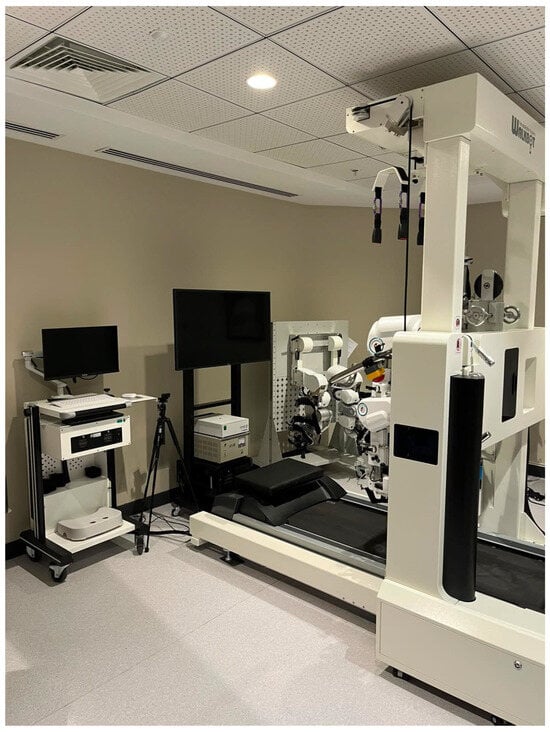
Background/Objectives: This study longitudinally assessed cognitive–motor control deficits in the ipsilesional upper limb following stroke and, secondarily, examined the effect of lesion laterality on these deficits. Methods: Forty-one participants (mean [SD] age: 64.6 [14.4] years; 24 with right-hemisphere lesion; 38 right-handed) were assessed using the KINARM Exoskeleton Lab at approximately 4 weeks (T1), 10 weeks (T2), and 29 weeks (T3) post-stroke. They completed the Visually Guided Reaching (VGR) and Reverse Visually Guided Reaching (RVGR; where the cursor moved in the opposite direction to the subject’s hand movement) tasks with their ipsilesional limb to assess motor control and cognitive–motor control, respectively. Global Task-scores and Z-scores for specific variables derived from normative data were used to determine the occurrence of deficits within each task. Linear mixed-effects models examined time and lesion-side effects. Results: About 88% and 56% of participants were impaired on the RVGR global Task-score, at T1 and T3, respectively. In contrast, only 12% and 9% of participants were impaired on the VGR Task-score, at T1 and T3, respectively. Performance on the RVGR task improved over time. Interestingly, deficits were significantly more severe for right-hemisphere lesions on several variables, except for the feedforward variables. Performance on the VGR task remained unchanged with no lesion-side effect. Conclusions: Stroke survivors exhibited significant impairments in cognitive–motor control of the ipsilesional upper limb, independent of pure motor deficits, persisting into the chronic stage. Right-hemisphere lesions were associated with greater impairments, indicating a potential hemispheric specialization for such cognitive–motor control task.
Full article
(This article belongs to the Special Issue Brain Plasticity and Motor Control—3rd Edition)
►▼
Show Figures

Graphical abstract
Open AccessReview
Diaschisis as Cerebello-Cortical Loop Dysfunction in Acute Ischemic Stroke: A Network Framework for Outcome Variability
by
Nannan Sheng, Qi Jia and Gilles Naeije
Brain Sci. 2026, 16(6), 594; https://doi.org/10.3390/brainsci16060594 - 30 May 2026
Abstract
Clinical outcomes after acute ischemic stroke remain highly heterogeneous, even among patients with comparable lesion characteristics and successful reperfusion, challenging traditional lesion-based models. Increasing evidence suggests that stroke should be conceptualized as a disorder of distributed brain networks, yet the mechanisms linking focal
[...] Read more.
Clinical outcomes after acute ischemic stroke remain highly heterogeneous, even among patients with comparable lesion characteristics and successful reperfusion, challenging traditional lesion-based models. Increasing evidence suggests that stroke should be conceptualized as a disorder of distributed brain networks, yet the mechanisms linking focal ischemia to large-scale dysfunction remain incompletely understood. In this review, we propose that diaschisis constitutes a central physiological mechanism underlying this transition from focal injury to network-level impairment. Building on advances in functional imaging, connectomics, and cerebellar physiology, we propose that diaschisis may be conceptualized, at least in part, as a disruption of cerebello-cortical loop dynamics rather than solely a nonspecific remote effect. These closed, polysynaptic circuits linking cortex, cerebellum, and thalamus support the integration of motor and cognitive processes and are particularly vulnerable to perturbation. Focal ischemia may therefore induce a cascade of dysfunction that propagates across these loops, leading to widespread impairment despite limited structural damage. Within this framework, outcome variability emerges from the interaction of three key factors: lesion characteristics, brain reserve and network vulnerability, and the extent of diaschisis. We further highlight that functional suppression of cerebellar output, even in the absence of structural degeneration, may play a critical role in mediating network dysfunction. This circuit-based perspective provides a mechanistic explanation for inter-individual variability in stroke outcomes and shifts the focus from lesion localization to network dynamics. Understanding diaschisis as a potential manifestation of cerebello-cortical loop dysfunction opens new avenues for prognosis and therapeutic intervention, emphasizing the potential of targeting network-level restoration to improve recovery after stroke.
Full article
(This article belongs to the Section Neurorehabilitation)
Open AccessReview
Large Language Models for Depression Detection: A Review with Prospects of Incomplete Multimodality
by
Anqi Dai, Weipeng Shi, Xiaogang Gu and Lingqin Huang
Brain Sci. 2026, 16(6), 593; https://doi.org/10.3390/brainsci16060593 - 30 May 2026
Abstract
Depression has emerged as one of the leading contributors to the global burden of mental disorders, ranking among the top causes of disability worldwide. With its steadily increasing prevalence, accurate and efficient depression detection has become an urgent yet challenging task. In this
[...] Read more.
Depression has emerged as one of the leading contributors to the global burden of mental disorders, ranking among the top causes of disability worldwide. With its steadily increasing prevalence, accurate and efficient depression detection has become an urgent yet challenging task. In this paper, we provide a comprehensive review of depression-recognition research from multiple perspectives. Specifically, we first outline the epidemiological status of depression and summarize the commonly used depression assessment scales and public datasets. Then, we structurally review the research progress of depression recognition from the perspectives of unimodal analysis and multimodal fusion, with a particular focus on large language model (LLM)-based methods and their potential in addressing challenges arising from incomplete multimodal data. Furthermore, we identify a critical gap in depression recognition under incomplete modality conditions, which are common in real-world clinical scenarios, and outline future directions toward LLM-driven and clinically applicable solutions. Finally, the clinical translation, ethical considerations, and human-centered deployment of LLM-based depression-recognition systems under real-world healthcare constraints are discussed.
Full article
(This article belongs to the Section Computational Neuroscience, Neuroinformatics, and Neurocomputing)
►▼
Show Figures

Figure 1
Open AccessArticle
Self-Rectifying Integrate-and-Fire Neuron and Collaborative Trim Training Framework for SNN-Based EEG Motor Imagery Classification
by
Yifan Chen, Weihao Sun and Ming Meng
Brain Sci. 2026, 16(6), 592; https://doi.org/10.3390/brainsci16060592 - 30 May 2026
Abstract
Background: Spiking neural networks (SNNs) have attracted significant attention in the field of brain–computer interfaces owing to their distinctive biological plausibility and energy efficiency advantages. However, the discrete nature of spikes renders gradient-based differentiation infeasible, making it difficult to directly obtain well-trained SNNs.
[...] Read more.
Background: Spiking neural networks (SNNs) have attracted significant attention in the field of brain–computer interfaces owing to their distinctive biological plausibility and energy efficiency advantages. However, the discrete nature of spikes renders gradient-based differentiation infeasible, making it difficult to directly obtain well-trained SNNs. A common approach is to transfer the weights from artificial neural networks (ANNs) to SNNs. However, this process introduces conversion errors that pose significant challenges. Methods: To address these challenges, we propose the self-rectifying integrate-and-fire (SRIF) neuron, which employs negative spikes to reduce asynchronism error and rectification spikes to diminish clipping error. Concomitantly, we propose a collaborative trim (CT) training framework that introduces a quantized network to perceive the weights and results of SNNs, which can further improve performance. Result: The proposed training methodology enables SNNs to achieve performance metrics comparable to those of ANNs in EEG-based motor imagery (MI) classification. Conclusions: Experimental results demonstrate that our method not only preserves the superior classification performance of ANNs but also leverages the superior energy efficiency and lower computational complexity of SNNs.
Full article
(This article belongs to the Section Computational Neuroscience, Neuroinformatics, and Neurocomputing)
►▼
Show Figures

Figure 1

Open AccessArticle
Adversarial Noise Isolation in Multimodal Perception: A Computational Framework Inspired by Inhibitory Control
by
Weichen Dai, Xingyu Li, Zeyu Wang, Pengbo Hu, Ningping Li, Ruibao Zhang and Yi Zhou
Brain Sci. 2026, 16(6), 591; https://doi.org/10.3390/brainsci16060591 - 30 May 2026
Abstract
Background: Robust perception involves processing heterogeneous sensory signals, such as facial expressions, vocal prosody, and language, particularly in noisy environments. In computational modeling, a key challenge is integrating these diverse inputs while actively filtering uninformative variations. While recent deep learning models address this
[...] Read more.
Background: Robust perception involves processing heterogeneous sensory signals, such as facial expressions, vocal prosody, and language, particularly in noisy environments. In computational modeling, a key challenge is integrating these diverse inputs while actively filtering uninformative variations. While recent deep learning models address this integration through complex fusion architectures, they typically aggregate features without explicit filtering modules analogous to inhibitory control. In this study, we propose Multi-modal Information Disentanglement (MInD), a computational framework designed to test the hypothesis that algorithmic noise isolation facilitates robust multisensory integration. Methods: Drawing conceptual inspiration from cognitive theories of modularity, our model decomposes sensory inputs into amodal (modality-invariant) and modal-specific pathways. Furthermore, we introduce an adversarial noise isolation mechanism to serve as an algorithmic analog to cognitive inhibition. Given that our model operates on pre-extracted high-level features, this mechanism functions to isolate latent distributional variance—uninformative fluctuations that persist after initial feature extraction—guiding the network to separate task-relevant affective cues from irrelevant feature variance. Results: Empirical evaluations on standard emotion recognition benchmarks indicate that this purification-before-fusion strategy is associated with competitive performance and stability across multiple metrics. Notably, the framework attains these results using simple linear integration layers, suggesting that separating representations prior to fusion may reduce the computational complexity required for subsequent integration. Conclusions: These observations highlight the computational utility of algorithmic noise suppression, illustrating how cognitive inspiration can inform efficient machine learning architectures without claiming direct neurobiological validation.
Full article
(This article belongs to the Section Computational Neuroscience, Neuroinformatics, and Neurocomputing)
►▼
Show Figures

Graphical abstract
Open AccessSystematic Review
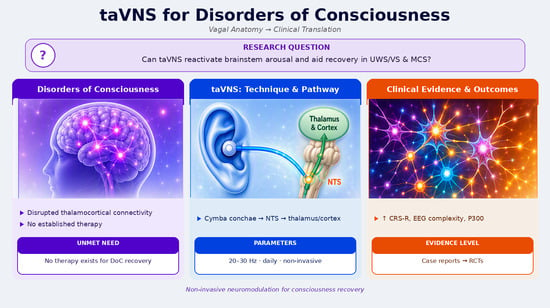
Eye-Tracking Assessment in Patients with Disorders of Consciousness: A Systematic Review
by
Anna Estraneo, Lorenza Marcello, Francesca Mancino, Alessia De Feo, Andrea Soricelli, Monica Franzese and Carlo Cavaliere
Brain Sci. 2026, 16(6), 590; https://doi.org/10.3390/brainsci16060590 - 30 May 2026
Abstract
Background/Objectives: Disorders of consciousness (DOC), including vegetative state/unresponsive wakefulness syndrome (VS/UWS) and minimally conscious state (MCS), present significant diagnostic challenges. Misdiagnosis rates approach 40%, often due to limitations in detecting subtle behavioural responses through clinical observation alone. Eye-tracking technology offers objective, quantitative assessment
[...] Read more.
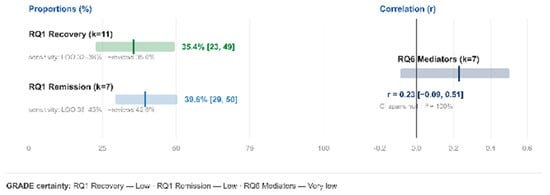
Background/Objectives: Disorders of consciousness (DOC), including vegetative state/unresponsive wakefulness syndrome (VS/UWS) and minimally conscious state (MCS), present significant diagnostic challenges. Misdiagnosis rates approach 40%, often due to limitations in detecting subtle behavioural responses through clinical observation alone. Eye-tracking technology offers objective, quantitative assessment of visual behaviours that may reveal covert signs of consciousness. This systematic review aimed to evaluate the diagnostic accuracy of eye-tracking technology compared to the Coma Recovery Scale-Revised (CRS-R) for detecting visual responses and consciousness signs in patients with DOC; to examine stimulus effects; and to assess prognostic value. Methods: A systematic literature search was conducted across SciSpace, Google Scholar, PubMed, and institutional libraries following PRISMA 2020 guidelines. Eligibility criteria specified studies involving patients with prolonged DOC assessed using eye-tracking technology. Data extraction, risk of bias assessment, and GRADE certainty evaluation were conducted systematically. Results: Fifteen studies (n = 4–123 patients; published 2012–2025) were included. Eye-tracking detected visual responses in significantly more patients than clinical observation alone (46.2% vs. 18.1% in one study). Mirror stimuli demonstrated the highest detection sensitivity (97% vs. 69% for person and 57% for object). Affectively salient stimuli elicited stronger tracking responses in patients with MCS (37.3% vs. 29.9–30.6% neutral). Advanced VR-based systems achieved high diagnostic accuracy (sensitivity 100%, specificity 88.9%) with prognostic value (overt tracking predicting 62.5% command-following at one year). GRADE certainty was Low for detection rates and diagnostic discrimination, and Very Low for sensitivity, specificity, and prognostic outcomes. Conclusions: Eye-tracking provides objective, sensitive assessment of visual behaviours in patients with DOC and may reduce misdiagnosis rates, supporting a conditional recommendation for its use as a supplementary assessment tool alongside CRS-R. Methodological heterogeneity, small sample sizes, and absence of blinding limit certainty. Adequately powered, multicentre prospective studies are urgently needed.
Full article
(This article belongs to the Special Issue Clinical Translation in Disorders of Consciousness: New Pathways and Challenges)
►▼
Show Figures

Graphical abstract
Journal Menu
► ▼ Journal Menu-
- Brain Sciences Home
- Aims & Scope
- Editorial Board
- Reviewer Board
- Topical Advisory Panel
- Early Career Editorial Board
- Instructions for Authors
- Special Issues
- Topics
- Sections & Collections
- Article Processing Charge
- Indexing & Archiving
- Editor’s Choice Articles
- Most Cited & Viewed
- Journal Statistics
- Journal History
- Journal Awards
- Society Collaborations
- Editorial Office
Journal Browser
► ▼ Journal BrowserHighly Accessed Articles
Latest Books
E-Mail Alert
News
Topics
Topic in
Applied Sciences, Brain Sciences, JFMK, Nutrients, Sports
Exercise and Nutrition for Physical Performance, Mental Health and General Well-Being
Topic Editors: Gian Mario Migliaccio, Luca RussoDeadline: 12 July 2026
Topic in
Brain Sciences, NeuroSci, Applied Sciences, Mathematics, Computation
The Computational Brain
Topic Editors: William Winlow, Andrew JohnsonDeadline: 31 July 2026
Topic in
Psychiatry International, Behavioral Sciences, Social Sciences, Brain Sciences
The Behavioral Intervention and Assessment of Suicide Risks
Topic Editors: Elvira Ventura Spagnolo, Xenia HadjicharalambousDeadline: 31 August 2026
Topic in
Brain Sciences, Clocks & Sleep, Neurology International, NeuroSci
Translational Advances in Neurodegenerative Dementias, Second Edition
Topic Editors: Francesco Di Lorenzo, Annibale AntonioniDeadline: 30 September 2026
Special Issues
Special Issue in
Brain Sciences
Fetal Foundations of Cognition: Tracing Neurodevelopmental Pathways from an Integrated Perspective
Guest Editors: Pasquale Anthony Della Rosa, Cristina BaldoliDeadline: 10 June 2026
Special Issue in
Brain Sciences
Current Advances in Intracranial Aneurysms: From Basic to Clinical Research
Guest Editors: Yanning Rui, Zhen XuDeadline: 10 June 2026
Special Issue in
Brain Sciences
Advances in Neurorehabilitation of Movement Disorders
Guest Editors: Mariusz Drużbicki, Agnieszka GuzikDeadline: 10 June 2026
Special Issue in
Brain Sciences
Exploration of the Effects of Circadian Rhythms on Behavior and Physiology
Guest Editors: Christos Frantzidis, Kalliopi MegariDeadline: 15 June 2026
Topical Collections
Topical Collection in
Brain Sciences
Editorial Board Members’ Collection Series: Autism Spectrum Conditions from Childhood to Adulthood—Current Situation and Prospects
Collection Editors: Barbara Carpita, Gerry Leisman
Topical Collection in
Brain Sciences
Collection on Neurobiology of Language
Collection Editor: Heather Bortfeld
Topical Collection in
Brain Sciences
Collection on Molecular and Cellular Neuroscience
Collection Editor: Andrew Clarkson
Topical Collection in
Brain Sciences
Hot Topics in Parkinson’s Disease: State of the Art and Future Perspectives
Collection Editor: Roberto Cilia