Review

Mechanisms, Biomarkers, and Therapeutic Interventions of Neuroplasticity After Ischemic Stroke—A Scoping Review


Department of Neurology, Beijing Friendship Hospital, Capital Medical University, Beijing 100050, China
*
Author to whom correspondence should be addressed.
Brain Sci. 2026, 16(8), 784; https://doi.org/10.3390/brainsci16080784

Submission received: 16 June 2026 / Revised: 17 July 2026 / Accepted: 22 July 2026 / Published: 25 July 2026
(This article belongs to the Special Issue How to Rewire the Brain—Neuroplasticity)

Abstract

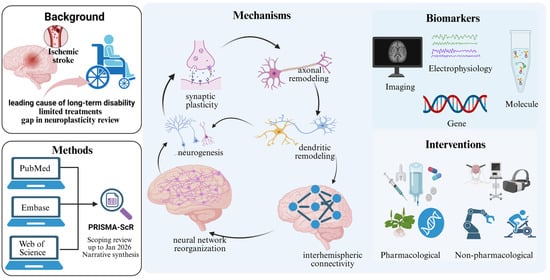
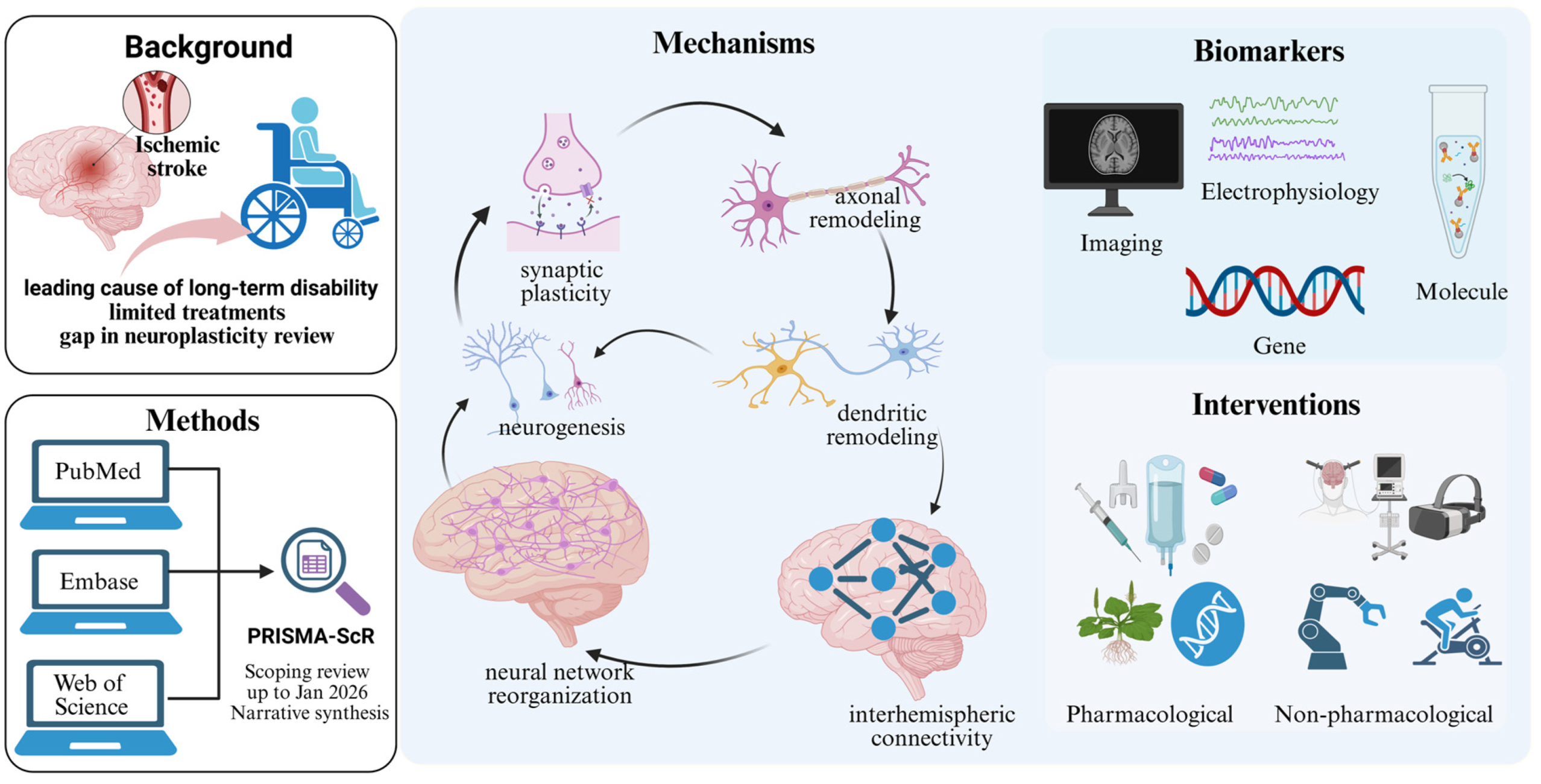
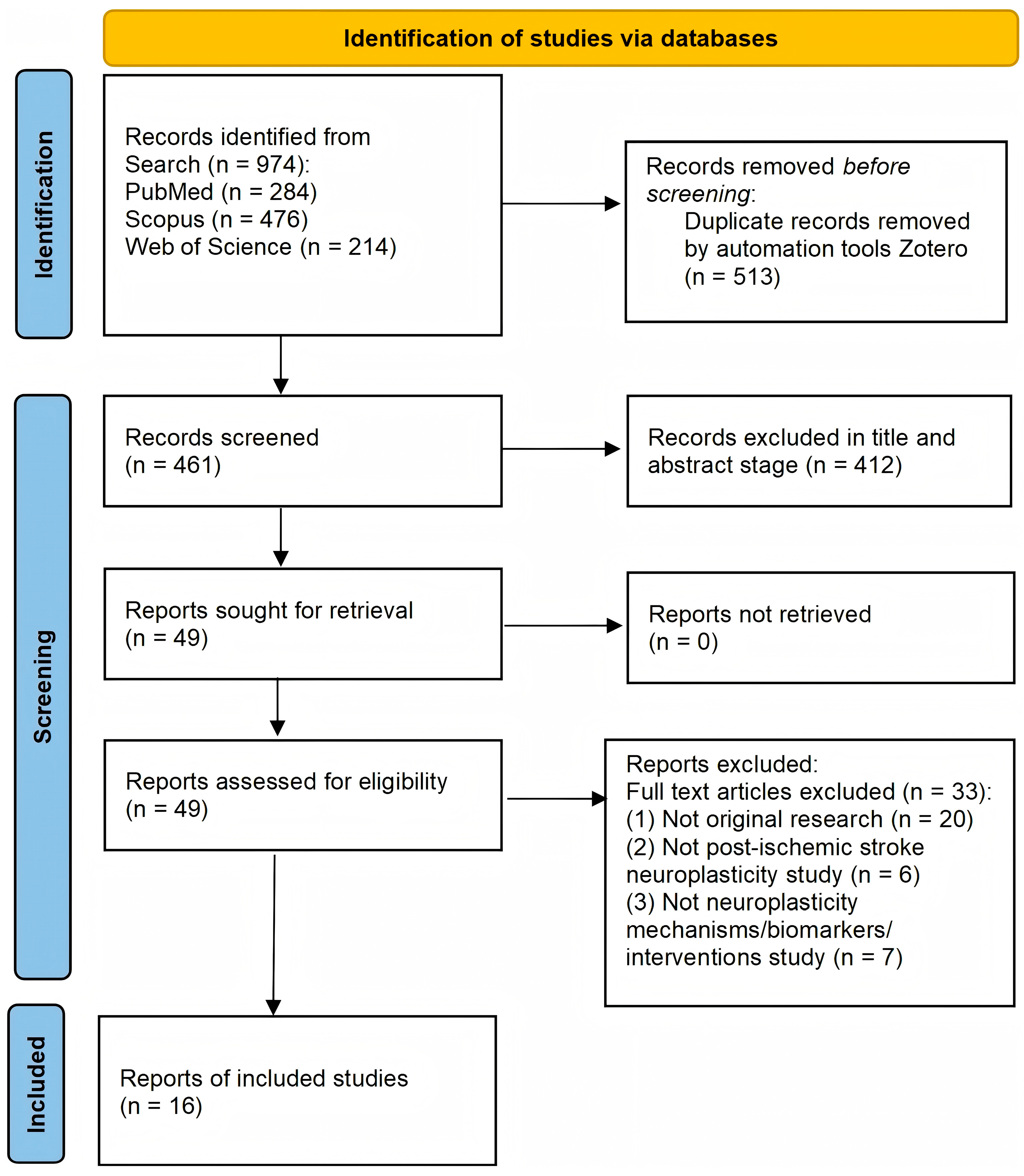
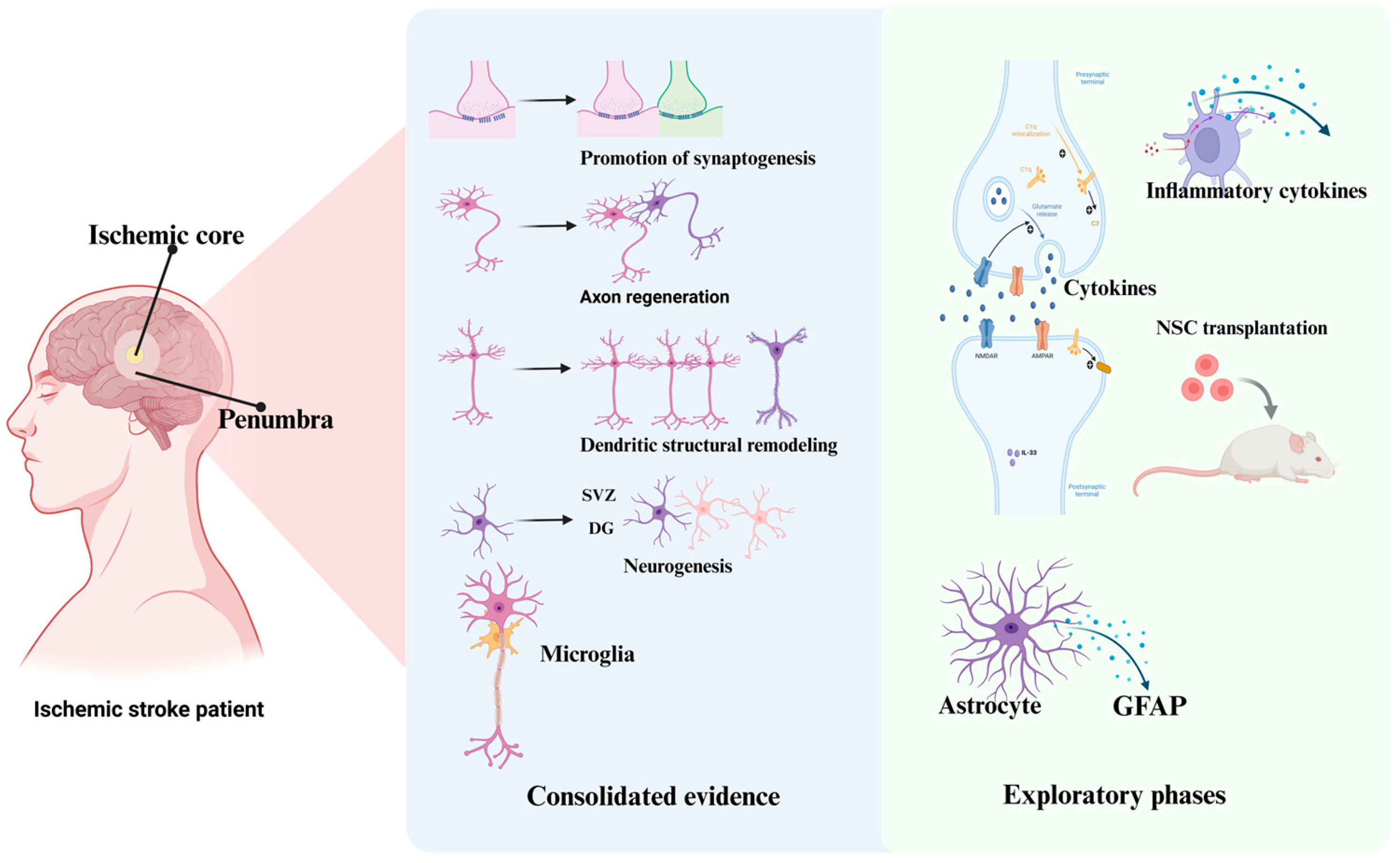
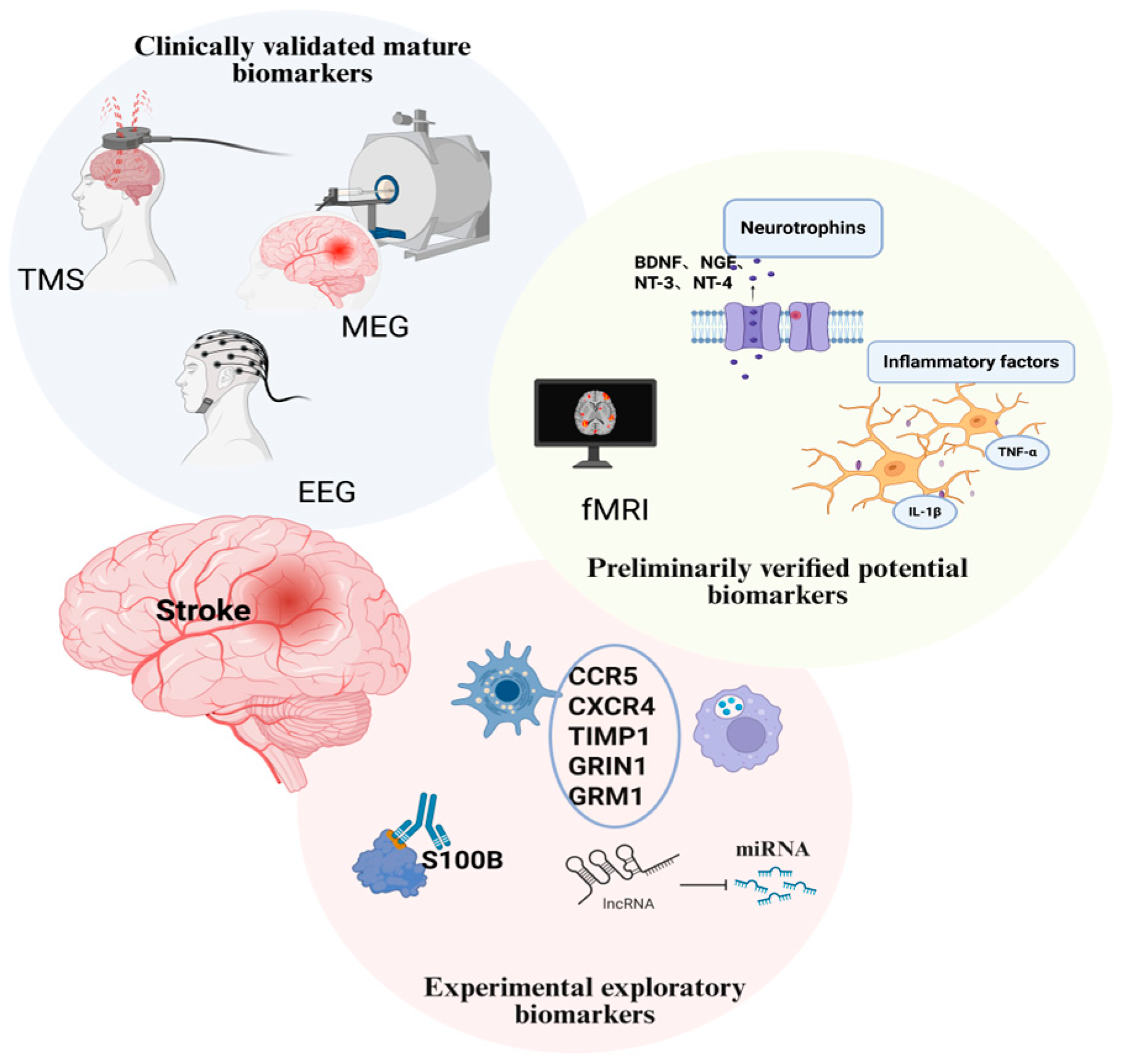
Background: Stroke remains a significant cause of persistent long-term disability globally. Post-stroke neuroplasticity is critical for neurological functional recovery and reducing disability. Nevertheless, the existing scoping reviews rarely systematically integrate its intrinsic mechanisms, predictive biomarkers, and actionable intervention strategies. This scoping review aims to map the current research landscape, synthesize the core research findings, and identify existing research gaps in this field. Methods: This scoping review was conducted following the PRISMA-ScR guidelines. Eligible studies published between 31 January 2021, and 31 January 2026, were retrieved from three major mainstream electronic databases: PubMed, Scopus, and Web of Science. All retrieved evidence was synthesized via narrative approach, focusing on core research findings concerning post-stroke neuroplasticity mechanisms, biomarkers, and therapeutic interventions. Results: The existing research on neuroplastic mechanisms following ischemic stroke is predominantly derived from in vitro and animal studies, which have collectively demonstrated multiple core adaptive alterations, including enhanced synaptic plasticity, dendritic and axonal structural remodeling, restored interhemispheric connectivity, endogenous neurogenesis, and functional reorganization of neural networks. In contrast, mechanistic investigations in human stroke patients primarily highlight compensatory activation within peri-infarct tissues and functionally remote brain regions. The relevant clinical biomarkers are mainly imaging and electrophysiological indicators. Research on therapeutic interventions has mainly focused on rehabilitation treatments such as non-pharmacological magnetic stimulation. Conclusions: This scoping review synthesized the current body of evidence on post-ischemic stroke neuroplasticity and identified critical research gaps, particularly regarding multimodal biomarkers and their translational relevance. The present findings confirm that neuroplastic alterations after ischemic stroke are regulated by multiple pathways, among which those involved in synaptic structure, dendrites, and neural network connections exert pivotal effects. Nevertheless, most existing investigations remain confined to in vitro experiments and animal models. The identification of neuroplasticity biomarkers has opened up new avenues for the development of targeted stroke therapies and offers promising prospects for rehabilitative treatment of stroke patients.
Keywords: neuroplasticity; ischemic stroke; mechanisms; biomarkers; rehabilitation; therapeutic interventions neuroplasticity; ischemic stroke; mechanisms; biomarkers; rehabilitation; therapeutic interventions
Graphical Abstract