



Next Issue
Volume 15, August
Previous Issue
Volume 15, June


Mar. Drugs, Volume 15, Issue 7 (July 2017) – 42 articles
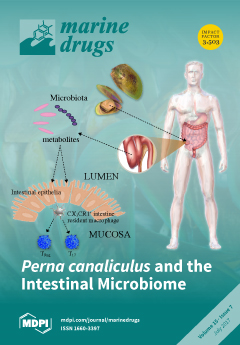
Cover Story (view full-size image): Treatment options for managing chronic conditions is an ever evolving and continuous process. Green lipped mussel extracts from marine molluscs can influence inflammatory symptomology. Two genera are discussed in this review for their potential therapeutic use, Perna canaliculus and Mytilus. Saltzman et al. explore P. canaliculus, positing prebiotic benefits for the intestinal microbiome that improve pro-inflammatory symptoms in patients diagnosed with osteoarthritis of the knee. Saltzman et al. outline how P. canaliculus influences the intestinal microbiome, suppressing exogenous and endogenous intestinal activities and promoting intestinal epithelial homeostasis. They also discuss how marine-derived omega-3 fatty acid supplementation could be utilized in the management of metabolic syndrome, associated complications and chemotherapy-induced mucositis. View Paper here
  • Issues are regarded as officially published after their release is announced to the table of contents alert mailing list.
  • You may sign up for e-mail alerts to receive table of contents of newly released issues.
  • PDF is the official format for papers published in both, html and pdf forms. To view the papers in pdf format, click on the "PDF Full-text" link, and use the free Adobe Reader to open them.
Order results
Result details
Section
Select all
Export citation of selected articles as:
14 pages, 3632 KB  
Article
Fucoidan Does Not Exert Anti-Tumorigenic Effects on Uveal Melanoma Cell Lines
by Michaela Dithmer 1, Anna-Maria Kirsch 1, Elisabeth Richert 1, Sabine Fuchs 2, Fanlu Wang 2, Harald Schmidt 3, Sarah E. Coupland 4, Johann Roider 1 and Alexa Klettner 1,*
1 Department of Ophthalmology, University of Kiel, University Medical Center, Arnold-Heller-Str. 3, 24105 Kiel, Germany
2 Experimental Trauma Surgery, University of Kiel, University Medical Center, Arnold-Heller-Str. 3, 24105 Kiel, Germany
3 MetaPhysiol, Am Römerberg, 55270 Essenheim, Germany
4 Department of Molecular and Clinical Cancer Medicine, Liverpool Ocular Oncology Research Group, Pathology, University of Liverpool, Liverpool L69 3BX, UK
Mar. Drugs 2017, 15(7), 193; https://doi.org/10.3390/md15070193 - 22 Jun 2017
Cited by 28 | Viewed by 5693
Abstract
Background. The polysaccharide fucoidan is widely investigated as an anti-cancer agent. Here, we tested the effect of fucoidan on uveal melanoma cell lines. Methods. The effect of 100 µM fucoidan was investigated on five cell lines (92.1, Mel270 OMM1, OMM2.3, OMM2.5) and of [...] Read more.
Background. The polysaccharide fucoidan is widely investigated as an anti-cancer agent. Here, we tested the effect of fucoidan on uveal melanoma cell lines. Methods. The effect of 100 µM fucoidan was investigated on five cell lines (92.1, Mel270 OMM1, OMM2.3, OMM2.5) and of 1 µg/mL–1 mg/mL fucoidan in two cell lines (OMM1, OMM2.3). Cell proliferation and viability were investigated with a WST-1 assay, migration in a wound healing (scratch) assay. Vascular Endothelial Growth Factor (VEGF) was measured in ELISA. Angiogenesis was evaluated in co-cultures with endothelial cells. Cell toxicity was induced by hydrogen-peroxide. Protein expression (Akt, ERK1/2, Bcl-2, Bax) was investigated in Western blot. Results. Fucoidan increased proliferation in two and reduced it in one cell line. Migration was reduced in three cell lines. The effect of fucoidan on VEGF was cell type and concentration dependent. In endothelial co-culture with 92.1, fucoidan significantly increased tubular structures. Moreover, fucoidan significantly protected all tested uveal melanoma cell lines from hydrogen-peroxide induced cell death. Under oxidative stress, fucoidan did not alter the expression of Bcl-2, Bax or ERK1/2, while inducing Akt expression in 92.1 cells but not in any other cell line. Conclusion. Fucoidan did not show anti-tumorigenic effects but displayed protective and pro-angiogenic properties, rendering fucoidan unsuitable as a potential new drug for the treatment of uveal melanoma. Full article
(This article belongs to the Collection Marine Compounds and Cancer)
Show Figures

Figure 1

14 pages, 911 KB  
Article
Isolation and Selection of Microalgal Strains from Natural Water Sources in Viet Nam with Potential for Edible Oil Production
by Tran Yen Thao 1,*, Dinh Thi Nhat Linh 1, Vo Chi Si 1, Taylor W. Carter 2 and Russell T. Hill 2,*
1 Research Institute for Oil and Oil Plants (IOOP), Ministry of Industry and Trade (MOIT), Ho Chi Minh City 71-175, Vietnam
2 Institute of Marine and Environmental Technology (IMET), University of Maryland Center for Environmental Science, Columbus Center Suite 236, 701 East Pratt Street, Baltimore, MD 21202, USA
Mar. Drugs 2017, 15(7), 194; https://doi.org/10.3390/md15070194 - 23 Jun 2017
Cited by 29 | Viewed by 6066
Abstract
Industrial vegetable oil production in Viet Nam depends on oil seeds and crude plant oils that are currently more than 90% imported. As the first step in investigating the feasibility of using microalgae to provide Viet Nam with a domestic source of oil [...] Read more.
Industrial vegetable oil production in Viet Nam depends on oil seeds and crude plant oils that are currently more than 90% imported. As the first step in investigating the feasibility of using microalgae to provide Viet Nam with a domestic source of oil for food and edible oil industries, fifty lipid-producing microalgae were isolated and characterized. The microalgae were isolated from water sources ranging from freshwater to brackish and marine waters from a wide geographic distribution in Viet Nam. Initial analyses showed that 20 of the 50 strains had good growth rates, produced high biomass and had high lipid content, ranging up to 50% of dry weight biomass. 18S rRNA gene sequence analyses of the 50 strains showed a great diversity in this assemblage of microalgae, comprising at least 38 species and representatives of 25 genera: Chlamydomonas, Poterioochromonas, Scenedesmus, Desmodesmus, Chlorella, Bracteacoccus, Monoraphidium, Selenastrum, Acutodesmus, Mychonastes, Ankistrodesmus, Kirchneriella, Raphidocelis, Dictyosphaerium, Coelastrella, Schizochlamydella, Oocystidium, Nannochloris, Auxenochlorella, Chlorosarcinopsis, Stichococcus, Picochlorum, Prasinoderma, Chlorococcum, and Marvania. Some of the species are closely related to well-known lipid producers such as Chlorella sorokiniana, but some other strains are not closely related to the strains found in public sequence databases and likely represent new species. Analysis of oil quality showed that fatty acid profiles of the microalgal strains were very diverse and strain-dependent. Fatty acids in the microalgal oils comprised saturated fatty acids (SFAs), poly-unsaturated fatty acids (PUFAs), and mono-unsaturated fatty acids (MUFAs). The main SFA was palmitic acid. MUFAs and PUFAs were dominated by oleic acid, and linoleic and linolenic acids, respectively. Some strains were especially rich in the essential fatty acid α-linolenic acid (ALA), which comprised more than 20% of the fatty acids in these strains. Other strains had fatty acid compositions similar to that of palm oil. Several strains have been selected on the basis of their suitable fatty acid profiles and high lipid content for further chemical and physical characterization, toxicity and organoleptic tests of their oils, and for scale-up. Full article
(This article belongs to the Special Issue Advances and New Perspectives in Marine Biotechnology II 2016)
Show Figures

Figure 1

11 pages, 2188 KB  
Article
Bonnevillamides, Linear Heptapeptides Isolated from a Great Salt Lake-Derived Streptomyces sp.
by Guangwei Wu 1, Jason R. Nielson 2, Randall T. Peterson 2 and Jaclyn M. Winter 1,*
1 Department of Medicinal Chemistry, University of Utah, Salt Lake City, UT 84112, USA
2 Department of Pharmacology and Toxicology, University of Utah, Salt Lake City, UT 84112, USA
Mar. Drugs 2017, 15(7), 195; https://doi.org/10.3390/md15070195 - 24 Jun 2017
Cited by 14 | Viewed by 5499
Abstract
Streptomyces sp. GSL-6B was isolated from sediment collected from the Great Salt Lake and investigation of its organic extract led to the isolation of three new linear heptapeptides, bonnevillamides A (1), B (2), and C (3). The [...] Read more.
Streptomyces sp. GSL-6B was isolated from sediment collected from the Great Salt Lake and investigation of its organic extract led to the isolation of three new linear heptapeptides, bonnevillamides A (1), B (2), and C (3). The bonnevillamides represent a new class of linear peptides featuring unprecedented non-proteinogenic amino acids. All three peptides contain the newly characterized bonnevillic acid moiety (3-(3,5-dichloro-4-methoxyphenyl)-2-hydroxyacrylic acid), as well as a heavily modified proline residue. Moreover, in bonnevillamide A, the terminal proline residue found in bonnevillamides B and C is replaced with 4-methyl-azetidine-2-carboxylic acid methyl ester. The structures of the three heptapeptides were elucidated by NMR, high-resolution electrospray ionization mass spectroscopy (HRESIMS), and LC-MS/MS, and the absolute configuration of all proteinogenic amino acid residues were determined by advanced Marfey’s method. Bonnevillamides A, B and C were evaluated for their effects on zebrafish embryo development. All three heptapeptides were shown to modulate heart growth and cardiac function, with bonnevillamide B having the most pronounced effect. Full article
(This article belongs to the Special Issue Connecting Marine Microbial Natural Products to Biosynthetic Pathways)
Show Figures

Graphical abstract

14 pages, 5232 KB  
Article
Comprehensive Expression Profiling and Functional Network Analysis of Porphyra-334, One Mycosporine-Like Amino Acid (MAA), in Human Keratinocyte Exposed with UV-radiation
by Sung-Suk Suh 1, Sung Gu Lee 1,2, Ui Joung Youn 1, Se Jong Han 1,2, Il-Chan Kim 1,2,* and Sanghee Kim 1,2,*
1 Division of Polar Life Sciences, Korea Polar Research Institute, Incheon 21990, Korea
2 Department of Polar Science, University of Science and Technology, Incheon 21990, Korea
Mar. Drugs 2017, 15(7), 196; https://doi.org/10.3390/md15070196 - 24 Jun 2017
Cited by 11 | Viewed by 4644
Abstract
Mycosporine-like amino acids (MAAs) have been highlighted as pharmacologically active secondary compounds to protect cells from harmful UV-radiation by absorbing its energy. Previous studies have mostly focused on characterizing their physiological properties such as antioxidant activity and osmotic regulation. However, molecular mechanisms underlying [...] Read more.
Mycosporine-like amino acids (MAAs) have been highlighted as pharmacologically active secondary compounds to protect cells from harmful UV-radiation by absorbing its energy. Previous studies have mostly focused on characterizing their physiological properties such as antioxidant activity and osmotic regulation. However, molecular mechanisms underlying their UV-protective capability have not yet been revealed. In the present study, we investigated the expression profiling of porphyra-334-modulated genes or microRNA (miRNAs) in response to UV-exposure and their functional networks, using cDNA and miRNAs microarray. Based on our data, we showed that porphyra-334-regulated genes play essential roles in UV-affected biological processes such as Wnt (Wingless/integrase-1) and Notch pathways which exhibit antagonistic relationship in various biological processes; the UV-repressed genes were in the Wnt signaling pathway, while the activated genes were in the Notch signaling. In addition, porphyra-334-regulated miRNAs can target many genes related with UV-mediated biological processes such as apoptosis, cell proliferation and translational elongation. Notably, we observed that functional roles of the target genes for up-regulated miRNAs are inversely correlated with those for down-regulated miRNAs; the former genes promote apoptosis and translational elongation, whereas the latter function as inhibitors in these processes. Taken together, these data suggest that porphyra-334 protects cells from harmful UV radiation through the comprehensive modulation of expression patterns of genes involved in UV-mediated biological processes, and that provide a new insight to understand its functional molecular networks. Full article
Show Figures

Figure 1

12 pages, 197 KB  
Commentary
Bioethical Considerations of Advancing the Application of Marine Biotechnology and Aquaculture
by Reginal M. Harrell
Department of Environmental Science and Technology, University of Maryland, 2113 AnSc/AgEng Bldg, College Park, MD 20742, USA
Mar. Drugs 2017, 15(7), 197; https://doi.org/10.3390/md15070197 - 24 Jun 2017
Cited by 5 | Viewed by 5951
Abstract
Normative ethical considerations of growth of the marine biotechnology and aquaculture disciplines in biopharming, food production, and marine products commercialization from a bioethical perspective have been limited. This paucity of information begs the question of what constitutes a bioethical approach (i.e., respect for [...] Read more.
Normative ethical considerations of growth of the marine biotechnology and aquaculture disciplines in biopharming, food production, and marine products commercialization from a bioethical perspective have been limited. This paucity of information begs the question of what constitutes a bioethical approach (i.e., respect for individuals or autonomy; beneficence, nonmaleficence, and justice) to marine biotechnology and aquaculture, and whether it is one that is appropriate for consideration. Currently, thoughtful discussion on the bioethical implications of use, development, and commercialization of marine organisms or their products, as well as potential environmental effects, defaults to human biomedicine as a model. One must question the validity of using human bioethical principlism moral norms for appropriating a responsible marine biotechnology and aquaculture ethic. When considering potential impacts within these disciplines, deference must be given to differing value systems in order to find common ground to advance knowledge and avoid emotive impasses that can hinder the science and its application. The import of bioethical considerations when conducting research and/or production is discussed. This discussion is directed toward applying bioethical principles toward technology used for food, biomedical development (e.g., biopharming), or as model species for advancement of knowledge for human diseases. Full article
(This article belongs to the Special Issue Advances and New Perspectives in Marine Biotechnology II 2016)
11 pages, 1823 KB  
Article
Maitotoxin Is a Potential Selective Activator of the Endogenous Transient Receptor Potential Canonical Type 1 Channel in Xenopus laevis Oocytes
by Pedro L. Flores 1, Emma Rodríguez 2, Estrella Zapata 2, Roxana Carbó 3, José María Farías 4 and Martín Martínez 5,*
1 Departamento de Instrumentación Electromecánica, Instituto Nacional de Cardiología “Ignacio Chávez”, Juan Badiano # 1, Col. Sección XVI, México City 14080, Mexico
2 Laboratorio de Biología Celular, Departamento de Fisiología, Instituto Nacional de Cardiología “Ignacio Chávez”, Juan Badiano # 1, Col. Sección XVI, México City 14080, Mexico
3 Departamento de Biomedicina Cardiovascular, Instituto Nacional de Cardiología “Ignacio Chávez”, Juan Badiano # 1, Col. Sección XVI, México City 14080, Mexico
4 Departamento de Fisiología, Facultad de Medicina, Universidad Nacional Autónoma de México, México City 04510, Mexico
5 Departamento de Fisiología, Instituto Nacional de Cardiología “Ignacio Chávez”, Juan Badiano # 1, Col. Sección XVI, México City 14080, Mexico
Mar. Drugs 2017, 15(7), 198; https://doi.org/10.3390/md15070198 - 25 Jun 2017
Cited by 15 | Viewed by 5322
Abstract
Maitotoxin (MTX) is the most potent marine toxin known to date. It is responsible for a particular human intoxication syndrome called ciguatera fish poisoning (CFP). Several reports indicate that MTX is an activator of non-selective cation channels (NSCC) in different cell types. The [...] Read more.
Maitotoxin (MTX) is the most potent marine toxin known to date. It is responsible for a particular human intoxication syndrome called ciguatera fish poisoning (CFP). Several reports indicate that MTX is an activator of non-selective cation channels (NSCC) in different cell types. The molecular identity of these channels is still an unresolved topic, and it has been proposed that the transient receptor potential (TRP) channels are involved in this effect. In Xenopus laevis oocytes, MTX at picomolar (pM) concentrations induces the activation of NSCC with functional and pharmacological properties that resemble the activity of TRP channels. The purpose of this study was to characterize the molecular identity of the TRP channel involved in the MTX response, using the small interference RNA (siRNA) approach and the two-electrode voltage-clamp technique (TEVC). The injection of a specifically designed siRNA to silence the transient receptor potential canonical type 1 (TRPC1) protein expression abolished the MTX response. MTX had no effect on oocytes, even at doses 20-fold higher compared to cells without injection. Total mRNA and protein levels of TRPC1 were notably diminished. The TRPC4 siRNA did not change the MTX effect, even though it was important to note that the protein level was reduced by the silencing of TRPC4. Our results suggest that MTX could be a selective activator of TRPC1 channels in X. laevis oocytes and a useful pharmacological tool for further studies on these TRP channels. Full article
(This article belongs to the Special Issue Marine Drugs and Ion Currents)
Show Figures

Figure 1

12 pages, 756 KB  
Article
Poecillastrosides, Steroidal Saponins from the Mediterranean Deep-Sea Sponge Poecillastra compressa (Bowerbank, 1866)
by Kevin Calabro 1,2, Elaheh Lotfi Kalahroodi 3, Daniel Rodrigues 3,4, Caridad Díaz 5, Mercedes de la Cruz 5, Bastien Cautain 5, Rémi Laville 2, Fernando Reyes 5, Thierry Pérez 4, Bassam Soussi 3,6,7,* and Olivier P. Thomas 1,3,*
1 School of Chemistry, National University of Ireland Galway, University Road, H91 TK33 Galway, Ireland
2 Cosmo International Ingredients, 855 avenue du Docteur Maurice Donat, 06250 Mougins, France
3 Géoazur, Université Côte d’Azur, CNRS, OCA, IRD, 250 rue Albert Einstein, 06560 Valbonne, France
4 Institut Méditerranéen de Biodiversité et d’Ecologie marine et continentale, CNRS—Aix-Marseille University, IRD—University Avignon, Station Marine d’Endoume, rue de la batterie des lions, 13007 Marseille, France
5 Fundación MEDINA, Centro de Excelencia en Investigación de Medicamentos Innovadores en Andalucía, Avda. del Conocimiento 34, Parque Tecnológico de Ciencias de la Salud, E-18016 Armilla, Granada, Spain
6 Department of Marine Sciences, University of Gothenburg, P.O. Box 460, SE40530 Gothenburg, Sweden
7 Oman Centre for Marine Biotechnology, P.O. Box 236, PC 103 Muscat, Oman
Mar. Drugs 2017, 15(7), 199; https://doi.org/10.3390/md15070199 - 26 Jun 2017
Cited by 17 | Viewed by 5665
Abstract
The first chemical investigation of the Mediterranean deep-sea sponge Poecillastra compressa (Bowerbank, 1866) led to the identification of seven new steroidal saponins named poecillastrosides A–G (17). All saponins feature an oxidized methyl at C-18 into a primary alcohol or [...] Read more.
The first chemical investigation of the Mediterranean deep-sea sponge Poecillastra compressa (Bowerbank, 1866) led to the identification of seven new steroidal saponins named poecillastrosides A–G (17). All saponins feature an oxidized methyl at C-18 into a primary alcohol or a carboxylic acid. While poecillastrosides A–D (14) all contain an exo double bond at C-24 of the side-chain and two osidic residues connected at O-2′, poecillastrosides E–G (57) are characterized by a cyclopropane on the side-chain and a connection at O-3′ between both sugar units. The chemical structures were elucidated through extensive spectroscopic analysis (High-Resolution Mass Spectrometry (HRESIMS), 1D and 2D NMR) and the absolute configurations of the sugar residues were assigned after acidic hydrolysis and cysteine derivatization followed by LC-HRMS analyses. Poecillastrosides D and E, bearing a carboxylic acid at C-18, were shown to exhibit antifungal activity against Aspergillus fumigatus. Full article
(This article belongs to the Special Issue Marine Glycosides)
Show Figures

Graphical abstract

10 pages, 1676 KB  
Article
A Novel Benzoquinone Compound Isolated from Deep-Sea Hydrothermal Vent Triggers Apoptosis of Tumor Cells
by Chenxi Xu, Xumei Sun, Min Jin and Xiaobo Zhang *
College of Life Sciences and Laboratory for Marine Biology and Biotechnology of Qingdao National Laboratory for Marine Science and Technology, Zhejiang University, Hangzhou 310058, China
Mar. Drugs 2017, 15(7), 200; https://doi.org/10.3390/md15070200 - 26 Jun 2017
Cited by 17 | Viewed by 5627
Abstract
Microorganisms are important sources for screening bioactive natural products. However, natural products from deep-sea microbes have not been extensively explored. In this study, the metabolites of bacteriophage GVE2 -infected (Geobacillus sp. E263 virus) thermophilic bacterium Geobacillus sp. E263, which was isolated from [...] Read more.
Microorganisms are important sources for screening bioactive natural products. However, natural products from deep-sea microbes have not been extensively explored. In this study, the metabolites of bacteriophage GVE2 -infected (Geobacillus sp. E263 virus) thermophilic bacterium Geobacillus sp. E263, which was isolated from a deep-sea hydrothermal vent, were characterized. A novel quinoid compound, which had anti-tumor activity, was isolated from the phage-challenged thermophile. The chemical structure analysis showed that this novel quinoid compound was 2-amino-6-hydroxy-[1,4]-benzoquinone. The results indicated that 2-amino-6-hydroxy-[1,4]-benzoquinone and its two derivatives could trigger apoptosis of gastric cancer cells and breast cancer cells by inducing the accumulation of intracellular reactive oxygen species. Therefore, our study highlighted that the metabolites from the phage-challenged deep-sea microbes might be a kind of promising sources for anti-tumor drug discovery, because of the similarity of metabolic disorder between bacteriophage-infected microbes and tumor cells. Full article
(This article belongs to the Special Issue Bioactive Compounds from Marine Microbes - II)
Show Figures

Graphical abstract

16 pages, 3105 KB  
Article
The Deep-Sea Polyextremophile Halobacteroides lacunaris TB21 Rough-Type LPS: Structure and Inhibitory Activity towards Toxic LPS
by Flaviana Di Lorenzo 1, Angelo Palmigiano 2, Ida Paciello 3, Mateusz Pallach 1, Domenico Garozzo 2, Maria-Lina Bernardini 3, Violetta La Cono 4, Michail M. Yakimov 4,5, Antonio Molinaro 1 and Alba Silipo 1,*
1 Department of Chemical Sciences, University of Naples Federico II, 80126 Naples, Italy
2 CNR-Istituto per i Polimeri, Compositi e Biomateriali IPCB–Unità di Catania, 95126 Catania, Italy
3 Department of Biology and Biotechnology "Charles Darwin", Sapienza-University of Rome, 00185 Rome, Italy
4 Marine Molecular Microbiology & Biotechnology, CNR-Institute for Coastal Marine Environment, 98122 Messina, Italy
5 Immanuel Kant Baltic Federal University, 236040 Kaliningrad, Russia
Mar. Drugs 2017, 15(7), 201; https://doi.org/10.3390/md15070201 - 27 Jun 2017
Cited by 31 | Viewed by 6237
Abstract
The structural characterization of the lipopolysaccharide (LPS) from extremophiles has important implications in several biomedical and therapeutic applications. The polyextremophile Gram-negative bacterium Halobacteroides lacunaris TB21, isolated from one of the most extreme habitats on our planet, the deep-sea hypersaline anoxic basin Thetis, [...] Read more.
The structural characterization of the lipopolysaccharide (LPS) from extremophiles has important implications in several biomedical and therapeutic applications. The polyextremophile Gram-negative bacterium Halobacteroides lacunaris TB21, isolated from one of the most extreme habitats on our planet, the deep-sea hypersaline anoxic basin Thetis, represents a fascinating microorganism to investigate in terms of its LPS component. Here we report the elucidation of the full structure of the R-type LPS isolated from H. lacunaris TB21 that was attained through a multi-technique approach comprising chemical analyses, NMR spectroscopy, and Matrix-Assisted Laser Desorption Ionization (MALDI) mass spectrometry. Furthermore, cellular immunology studies were executed on the pure R-LPS revealing a very interesting effect on human innate immunity as an inhibitor of the toxic Escherichia coli LPS. Full article
(This article belongs to the Special Issue Marine Oligosaccharides and Polysaccharides)
Show Figures

Graphical abstract

11 pages, 2119 KB  
Article
Isoprenoids from the Soft Coral Sarcophyton glaucum
by Chih-Hua Chao 1,2,†, Wen-Liang Li 3,†, Chiung-Yao Huang 3, Atallah F. Ahmed 4, Chang-Feng Dai 5, Yang-Chang Wu 6,7,8, Mei-Chin Lu 9,10, Chih-Chuang Liaw 3 and Jyh-Horng Sheu 3,6,11,12,*
1 School of Pharmacy, China Medical University, Taichung 404, Taiwan
2 Chinese Medicine Research and Development Center, China Medical University Hospital, Taichung 404, Taiwan
3 Department of Marine Biotechnology and Resources, National Sun Yat-sen University, Kaohsiung 804, Taiwan
4 Department of Pharmacognosy, College of Pharmacy, King Saud University, Riyadh 11451, Saudi Arabia
5 Institute of Oceanography, National Taiwan University, Taipei 112, Taiwan
6 Graduate Institute of Natural Products, Kaohsiung Medical University, Kaohsiung 807, Taiwan
7 Research Center for Natural Products & Drug Development, Kaohsiung Medical University, Kaohsiung 807, Taiwan
8 Department of Medical Research, Kaohsiung Medical University Hospital, Kaohsiung 807, Taiwan
9 Graduate Institute of Marine Biotechnology, National Dong Hwa University, Pingtung 944, Taiwan
10 National Museum of Marine Biology & Aquarium, Pingtung 944, Taiwan
11 Department of Medical Research, China Medical University Hospital, China Medical University, Taichung 404, Taiwan
12 Frontier Center for Ocean Science and Technology, National Sun Yat-sen University, Kaohsiung 804, Taiwan
These authors contributed equally to this work.
add Show full affiliation list remove Hide full affiliation list
Mar. Drugs 2017, 15(7), 202; https://doi.org/10.3390/md15070202 - 27 Jun 2017
Cited by 25 | Viewed by 5356
Abstract
Five new isoprenoids, 3,4,8,16-tetra-epi-lobocrasol (1), 1,15β-epoxy-deoxysarcophine (2), 3,4-dihydro-4α,7β,8α-trihydroxy-Δ2-sarcophine (3), ent-sarcophyolide E (4), and 16-deacetyl- halicrasterol B (5) and ten known compounds 6‒15, were characterized from the marine soft coral Sarcophyton glaucum, [...] Read more.
Five new isoprenoids, 3,4,8,16-tetra-epi-lobocrasol (1), 1,15β-epoxy-deoxysarcophine (2), 3,4-dihydro-4α,7β,8α-trihydroxy-Δ2-sarcophine (3), ent-sarcophyolide E (4), and 16-deacetyl- halicrasterol B (5) and ten known compounds 6‒15, were characterized from the marine soft coral Sarcophyton glaucum, collected off Taitung coastline. Their structures were defined by analyzing spectra data, especially 2D NMR and electronic circular dichroism (ECD). The structure of the known compound lobocrasol (7) was revised. Cytotoxicity potential of the isolated compounds was reported, too. Full article
(This article belongs to the Special Issue Natural Products from Coral Reef Organisms)
Show Figures

Graphical abstract

9 pages, 861 KB  
Article
Design, Synthesis, and Antifouling Activity of Glucosamine-Based Isocyanides
by Taiki Umezawa 1,*, Yuki Hasegawa 1, Ira S. Novita 1, Junya Suzuki 1, Tatsuya Morozumi 1, Yasuyuki Nogata 2,*, Erina Yoshimura 3 and Fuyuhiko Matsuda 1
1 Division of Environmental Materials Science, Graduate School of Environmental Science, Hokkaido University, N10W5, Sapporo 060-0810, Japan
2 Environmental Science Research Laboratory, Central Research Institute of Electric Power Industry, 1646 Abiko, Abiko, Chiba 270-1194, Japan
3 CERES, Inc., 1-4-5 Midori, Abiko, Chiba 270-1153, Japan
Mar. Drugs 2017, 15(7), 203; https://doi.org/10.3390/md15070203 - 29 Jun 2017
Cited by 8 | Viewed by 6707
Abstract
Biofouling, an undesirable accumulation of organisms on sea-immersed structures such as ship hulls and fishing nets, is a serious economic issue whose effects include oil wastage and clogged nets. Organotin compounds were utilized since the 1960s as an antifouling material; however, the use [...] Read more.
Biofouling, an undesirable accumulation of organisms on sea-immersed structures such as ship hulls and fishing nets, is a serious economic issue whose effects include oil wastage and clogged nets. Organotin compounds were utilized since the 1960s as an antifouling material; however, the use of such compounds was later banned by the International Maritime Organization (IMO) due to their high toxicity toward marine organisms, resulting in masculinization and imposex. Since the ban, there have been extensive efforts to develop environmentally benign antifoulants. Natural antifouling products obtained from marine creatures have been the subject of considerable attention due to their potent antifouling activity and low toxicity. These antifouling compounds often contain isocyano groups, which are well known to have natural antifouling properties. On the basis of our previous total synthesis of natural isocyanoterpenoids, we envisaged the installation of an isocyano functional group onto glucosamine to produce an environmentally friendly antifouling material. This paper describes an effective synthetic method for various glucosamine-based isocyanides and evaluation of their antifouling activity and toxicity against cypris larvae of the barnacle Amphibalanus amphitrite. Glucosamine isocyanides with an ether functionality at the anomeric position exhibited potent antifouling activity, with EC50 values below 1 μg/mL, without detectable toxicity even at a high concentration of 10 μg/mL. Two isocyanides had EC50 values of 0.23 and 0.25 μg/mL, comparable to that of CuSO4, which is used as a fouling inhibitor (EC50 = 0.27 μg/mL). Full article
(This article belongs to the Special Issue Antifouling Marine Natural Products)
Show Figures

Graphical abstract

13 pages, 1547 KB  
Article
Isobenzofuranones and Isochromenones from the Deep-Sea Derived Fungus Leptosphaeria sp. SCSIO 41005
by Xiaowei Luo 1,2, Xiuping Lin 1, Limbadri Salendra 1,2, Xiaoyan Pang 1,2, Yu Dai 1,2, Bin Yang 1, Juan Liu 1, Junfeng Wang 1, Xuefeng Zhou 1,* and Yonghong Liu 1,*
1 Chinese Academy of Sciences (CAS) Key Laboratory of Tropical Marine Bio-resources and Ecology/Guangdong Key Laboratory of Marine Materia Medica, South China Sea Institute of Oceanology, CAS, Guangzhou 510301, China
2 University of Chinese Academy of Sciences, Beijing 100049, China
Mar. Drugs 2017, 15(7), 204; https://doi.org/10.3390/md15070204 - 29 Jun 2017
Cited by 28 | Viewed by 5320
Abstract
Four new isobenzofuranones, leptosphaerins J–M (14), including an unusual naturally-occurring centrosymmetric dimer skeleton (1), and two new isochromenones, clearanols I–J (910), were obtained from a culture of a deep-sea sediment-derived fungus Leptosphaeria sp. [...] Read more.
Four new isobenzofuranones, leptosphaerins J–M (14), including an unusual naturally-occurring centrosymmetric dimer skeleton (1), and two new isochromenones, clearanols I–J (910), were obtained from a culture of a deep-sea sediment-derived fungus Leptosphaeria sp. SCSIO 41005, together with four known isobenzofuranones (58) and six known isochromenones (1116). These structures were elucidated by extensive spectroscopic analyses, and absolute configurations were assigned on the basis of electronic circular dichroism and optical rotations data comparison. Additionally, the absolute configurations of the new compounds 1 and 9, together with the known one 7 with stereochemistry undetermined, were further confirmed by single crystal X-ray diffraction experiments. A plausible biosynthetic pathway of these isobenzofuranones and isochromenones was also proposed. Full article
(This article belongs to the Special Issue Marine Secondary Metabolite II, 2017)
Show Figures

Graphical abstract

17 pages, 2172 KB  
Article
Antibacterial Activity of AI-Hemocidin 2, a Novel N-Terminal Peptide of Hemoglobin Purified from Arca inflata
by Chunlei Li 1,†, Jianhua Zhu 1,†, Yanqing Wang 2,†, Yuyan Chen 1, Liyan Song 3, Weiming Zheng 3, Jingjing Li 3 and Rongmin Yu 1,3,*
1 Biotechnological Institute of Chinese Materia Medica, Jinan University, Guangzhou 510632, China
2 National Engineering Research Center of Microsphere Technology for Controlled-Release Drug Delivery, Zhuhai 519090, China
3 Department of Pharmacology, Jinan University, Guangzhou 510632, China
These authors contributed equally to this work.
Mar. Drugs 2017, 15(7), 205; https://doi.org/10.3390/md15070205 - 29 Jun 2017
Cited by 21 | Viewed by 5635
Abstract
The continued emergence of antibiotic resistant bacteria in recent years is of great concern. The search for new classes of antibacterial agents has expanded to non-traditional sources such as shellfish. An antibacterial subunit of hemoglobin (Hb-I) was purified from the mantle of Arca [...] Read more.
The continued emergence of antibiotic resistant bacteria in recent years is of great concern. The search for new classes of antibacterial agents has expanded to non-traditional sources such as shellfish. An antibacterial subunit of hemoglobin (Hb-I) was purified from the mantle of Arca inflata by phosphate extraction and ion exchange chromatography. A novel antibacterial peptide, AI-hemocidin 2, derived from Hb-I, was discovered using bioinformatics analysis. It displayed antibacterial activity across a broad spectrum of microorganisms, including several Gram-positive and Gram-negative bacteria, with minimal inhibitory concentration (MIC) values ranging from 37.5 to 300 μg/mL, and it exhibited minimal hemolytic or cytotoxic activities. The antibacterial activity of AI-hemocidin 2 was thermostable (25–100 °C) and pH resistant (pH 3–10). The cellular integrity was determined by flow cytometry. AI-hemocidin 2 was capable of permeating the cellular membrane. Changes in the cell morphology were observed with a scanning electron microscope. Circular dichroism spectra suggested that AI-hemocidin 2 formed an α-helix structure in the membrane mimetic environment. The results indicated that the anti-bacterial mechanism for AI-hemocidin 2 occurred through disrupting the cell membrane. AI-hemocidin 2 might be a potential candidate for tackling antibiotic resistant bacteria. Full article
(This article belongs to the Collection Bioactive Compounds from Marine Invertebrates)
Show Figures

Graphical abstract

11 pages, 828 KB  
Article
Tricholides A and B and Unnarmicin D: New Hybrid PKS-NRPS Macrocycles Isolated from an Environmental Collection of Trichodesmium thiebautii
by Matthew J. Bertin 1,*, Alexandre F. Roduit 1, Jiadong Sun 1, Gabriella E. Alves 1, Christopher W. Via 1, Miguel A. Gonzalez 1, Paul V. Zimba 2 and Peter D. R. Moeller 3
1 Department of Biomedical and Pharmaceutical Sciences, College of Pharmacy, University of Rhode Island, Kingston, RI 02881, USA
2 Center for Coastal Studies and Department of Life Sciences, Texas A&M Corpus Christi, 6300 Ocean Drive, Corpus Christi, TX 78412, USA
3 Emerging Toxins Program, National Ocean Service/NOAA, Hollings Marine Laboratory, 331 Fort Johnson Road, Charleston, SC 29412, USA
Mar. Drugs 2017, 15(7), 206; https://doi.org/10.3390/md15070206 - 30 Jun 2017
Cited by 18 | Viewed by 6768
Abstract
Bioassay-guided isolation of the lipophilic extract of Trichodesmium thiebautii bloom material led to the purification and structure characterization of two new hybrid polyketide-non-ribosomal peptide (PKS-NRPS) macrocyclic compounds, tricholides A and B (1 and 2). A third macrocyclic compound, unnarmicin D ( [...] Read more.
Bioassay-guided isolation of the lipophilic extract of Trichodesmium thiebautii bloom material led to the purification and structure characterization of two new hybrid polyketide-non-ribosomal peptide (PKS-NRPS) macrocyclic compounds, tricholides A and B (1 and 2). A third macrocyclic compound, unnarmicin D (3), was identified as a new depsipeptide in the unnarmicin family, given its structural similarity to the existing compounds in this group. The planar structures of 13 were determined using 1D and 2D NMR spectra and complementary spectroscopic and spectrometric procedures. The absolute configurations of the amino acid components of 13 were determined via acid hydrolysis, derivitization with Marfey’s reagent and HPLC-UV comparison to authentic amino acid standards. The absolute configuration of the 3-hydroxydodecanoic acid moiety in 3 was determined using a modified Mosher’s esterification procedure on a linear derivative of tricharmicin (4) and additionally by a comparison of 13C NMR shifts of 3 to known depsipeptides with β-hydroxy acid subunits. Tricholide B (2) showed moderate cytotoxicity to Neuro-2A murine neuroblastoma cells (EC50: 14.5 ± 6.2 μM). Full article
(This article belongs to the Special Issue Compounds from Cyanobacteria II)
Show Figures

Graphical abstract

13 pages, 982 KB  
Review
Perna canaliculus and the Intestinal Microbiome
by Emma Tali Saltzman 1,2, Michael Thomsen 1,2, Sean Hall 2 and Luis Vitetta 1,2,*
1 Sydney Medical School, The University of Sydney, Sydney 17200, Australia
2 Medlab Clinical, Sydney 17200, Australia
Mar. Drugs 2017, 15(7), 207; https://doi.org/10.3390/md15070207 - 30 Jun 2017
Cited by 11 | Viewed by 10889
Abstract
Natural medicines are often an attractive option for patients diagnosed with chronic conditions. Three main classes of bioactives that have been reported from marine mussel extracts include proteins, lipids and carbohydrates. Commercially, the most relevant species of marine mollusks belong to two genera, [...] Read more.
Natural medicines are often an attractive option for patients diagnosed with chronic conditions. Three main classes of bioactives that have been reported from marine mussel extracts include proteins, lipids and carbohydrates. Commercially, the most relevant species of marine mollusks belong to two genera, Perna and Mytilus. Specifically, the Perna canaliculus species has been repeatedly demonstrated to harbor anti-inflammatory compounds such as omega-3 polyunsaturated fatty acids (ω-3 PUFAs) that can ameliorate pro-inflammatory conditions, or proteins that can promote thrombin inhibitory activity. Recent clinical studies have posited that extracts from green-lipped mussels may lead to prebiotic activity in the intestinal microbiome that in turn has been reported to improve symptoms of osteoarthritis of the knee. Prebiotics have been reported to favorably interact with the intestinal microbiome through the proliferation of beneficial bacteria in the gut, suppressing exogenous and endogenous intestinal infections and promoting homeostasis by balancing local pro- and anti-inflammatory actions. Bioactive compounds from Perna canaliculus are functional foods and, in this regard, may positively interact with the intestinal microbiome and provide novel therapeutic solutions for intra-intestinal and extra-intestinal inflammatory conditions. Full article
(This article belongs to the Special Issue Nutraceuticals and Functional Foods)
Show Figures

Figure 1

10 pages, 223 KB  
Article
Ciguatoxins and Maitotoxins in Extracts of Sixteen Gambierdiscus Isolates and One Fukuyoa Isolate from the South Pacific and Their Toxicity to Mice by Intraperitoneal and Oral Administration
by Rex Munday 1, Sam Murray 2,*, Lesley L. Rhodes 2, Michaela E. Larsson 3 and D. Tim Harwood 2
1 AgResearch, Ruakura Research Centre, Private Bag 3240, Hamilton 3214, New Zealand
2 Cawthron Institute, Halifax Street Campus, Private Bag 2, Nelson 7042, New Zealand
3 Climate Change Cluster, School of Life Sciences, University of Technology Sydney, P.O. Box 123, Broadway, Sydney 2007, NSW, Australia
Mar. Drugs 2017, 15(7), 208; https://doi.org/10.3390/md15070208 - 30 Jun 2017
Cited by 58 | Viewed by 5732
Abstract
Ciguatoxins (CTXs), and possibly maitotoxins (MTXs), are responsible for Ciguatera Fish Poisoning, an important health problem for consumers of reef fish (such as inhabitants of islands in the South Pacific Ocean). The habitational range of the Gambierdiscus species is expanding, and new species [...] Read more.
Ciguatoxins (CTXs), and possibly maitotoxins (MTXs), are responsible for Ciguatera Fish Poisoning, an important health problem for consumers of reef fish (such as inhabitants of islands in the South Pacific Ocean). The habitational range of the Gambierdiscus species is expanding, and new species are being discovered. In order to provide information on the potential health risk of the Gambierdiscus species, and one Fukuyoa species (found in the Cook Islands, the Kermadec Islands, mainland New Zealand, and New South Wales, Australia), 17 microalgae isolates were collected from these areas. Unialgal cultures were grown and extracts of the culture isolates were analysed for CTXs and MTXs by liquid chromatography tandem mass spectrometry (LC-MS/MS), and their toxicity to mice was determined by intraperitoneal and oral administration. An isolate of G. carpenteri contained neither CTXs nor MTXs, while 15 other isolates (including G. australes, G. cheloniae, G. pacificus, G. honu, and F. paulensis) contained only MTX-1 and/or MTX-3. An isolate of G. polynesiensis contained both CTXs and MTX-3. All the extracts were toxic to mice by intraperitoneal injection, but those containing only MTX-1 and/or -3 were much less toxic by oral administration. The extract of G. polynesiensis was highly toxic by both routes of administration. Full article
(This article belongs to the Special Issue Harmful Marine Phytoplankton)
11 pages, 1231 KB  
Article
Bistratamides M and N, Oxazole-Thiazole Containing Cyclic Hexapeptides Isolated from Lissoclinum bistratum Interaction of Zinc (II) with Bistratamide K
by Carlos Urda 1, Rogelio Fernández 1, Jaime Rodríguez 2, Marta Pérez 1,*, Carlos Jiménez 2,* and Carmen Cuevas 1
1 Medicinal Chemistry Department, PharmaMar S. A., Polígono Industrial La Mina Norte, Avenida de los Reyes 1, 28770 Madrid, Spain
2 Department of Chemistry, Faculty of Sciences and Center for Advanced Scientific Research (CICA), University of A Coruña, 15071 A Coruña, Spain
Mar. Drugs 2017, 15(7), 209; https://doi.org/10.3390/md15070209 - 1 Jul 2017
Cited by 21 | Viewed by 6380
Abstract
Two novel oxazole-thiazole containing cyclic hexapeptides, bistratamides M (1) and N (2) have been isolated from the marine ascidian Lissoclinum bistratum (L. bistratum) collected in Raja Ampat (Papua Bar, Indonesia). The planar structure of 1 and 2 was assigned [...] Read more.
Two novel oxazole-thiazole containing cyclic hexapeptides, bistratamides M (1) and N (2) have been isolated from the marine ascidian Lissoclinum bistratum (L. bistratum) collected in Raja Ampat (Papua Bar, Indonesia). The planar structure of 1 and 2 was assigned on the basis of extensive 1D and 2D NMR spectroscopy and mass spectrometry. The absolute configuration of the amino acid residues in 1 and 2 was determined by the application of the Marfey’s and advanced Marfey’s methods after ozonolysis followed by acid-catalyzed hydrolysis. The interaction between zinc (II) and the naturally known bistratamide K (3), a cyclic hexapeptide isolated from a different specimen of Lissoclinum bistratum, was monitored by 1H and 13C NMR. The results obtained are consistent with the proposal that these peptides are biosynthesized for binding to metal ions. Compounds 1 and 2 display moderate cytotoxicity against four human tumor cell lines with GI50 values in the micromolar range. Full article
Show Figures

Graphical abstract

13 pages, 2516 KB  
Article
24-Methyl-Cholesta-5,24(28)-Diene-3β,19-diol-7β-Monoacetate Inhibits Human Small Cell Lung Cancer Growth In Vitro and In Vivo via Apoptosis Induction
by Ting-Wen Chung 1, Jui-Hsin Su 2, Chi-Chen Lin 3, Yi-Rong Li 3,4, Ya-Hsuan Chao 3, Sheng-Hao Lin 4,* and Hong-Lin Chan 1,*
1 Department of Medical Sciences, Institute of Bioinformatics and Structural Biology, National Tsing Hua University, Hsinchu 300, Taiwan
2 Taiwan Coral Research Center, National Museum of Marine Biology & Aquarium, Pingtung 944, Taiwan
3 Department of Life Sciences, Institute of Biomedical Science, National Chung Hsing University, Taichung 402, Taiwan
4 Department of Internal Medicine, Changhua Christian Hospital, Changhua Division of Chest Medicine, Changhua 500, Taiwan
Mar. Drugs 2017, 15(7), 210; https://doi.org/10.3390/md15070210 - 1 Jul 2017
Cited by 11 | Viewed by 4982
Abstract
24-methyl-cholesta-5,24(28)-diene-3β,19-diol-7β-monoacetate (MeCDDA) is a natural steroid compound isolated from a wild-type soft coral (Nephthea erecta). The present study aimed to investigate the anti-small cell lung cancer (SCLC) effects of MeCDDA in vitro and in vivo, as well as to elucidate its [...] Read more.
24-methyl-cholesta-5,24(28)-diene-3β,19-diol-7β-monoacetate (MeCDDA) is a natural steroid compound isolated from a wild-type soft coral (Nephthea erecta). The present study aimed to investigate the anti-small cell lung cancer (SCLC) effects of MeCDDA in vitro and in vivo, as well as to elucidate its underlying mechanism. Our results indicated that H1688 and H146 cells show relevant sensitivity to MeCDDA, and the exposure to MeCDDA in SCLC cells caused dose-dependent growth inhibitory responses. In addition, MeCDDA treatment promoted cell apoptosis and increased the activities of caspases in H1688 cells, reducing the mitochondrial membrane potential and stimulating the release of cytochrome c into the cytosol. Along with the increase in Bax expression and reduction in Bcl-2, the MeCDDA treatment also significantly decreased Akt and mTOR phosphorylation. Finally, MeCDDA treatment in the mouse xenograft model of H1688 cells exhibited significant inhibition of tumor growth, corroborating MeCDDA as a potential pre-clinical candidate for the treatment of SCLC. Overall, our results demonstrate that the cytotoxic effects of MeCDDA towards H1688 and H146 cells, possibly through the activation of the mitochondrial apoptotic pathway and inhibition of the PI3K/Akt/mTOR pathway, merit further studies for its possible clinical application in chemotherapy. Full article
(This article belongs to the Special Issue Natural Products from Coral Reef Organisms)
Show Figures

Figure 1

13 pages, 1289 KB  
Article
Cytotoxic Effects of Sarcophyton sp. Soft Corals—Is There a Correlation to Their NMR Fingerprints?
by Mohamed A. Farag 1,*, Mostafa I. Fekry 1, Montasser A. Al-Hammady 2, Mohamed N. Khalil 1, Hesham R. El-Seedi 5,6, Achim Meyer 3, Andrea Porzel 4, Hildegard Westphal 3 and Ludger A. Wessjohann 4,*
1 Pharmacognosy Department, College of Pharmacy, Cairo University, Kasr el Aini st., P.B. 11562 Cairo, Egypt
2 National Institute of Oceanography and Fisheries, Red Sea Branch, 84511 Hurghada, Egypt
3 Leibniz Centre for Tropical Marine Research, Fahrenheit Str.6, D-28359 Bremen, Germany
4 Department Bioorganic Chemistry, Leibniz Institute of Plant Biochemistry, Weinberg 3, D06120 Halle (Saale), Germany
5 Department of Medicinal Chemistry, Division of Pharmacognosy, Uppsala University, Box 574, SE-75 123 Uppsala, Sweden
6 Department of Chemistry, Faculty of Science, El-Menoufia University, 32512 Shebin El-Kom, Egypt
Mar. Drugs 2017, 15(7), 211; https://doi.org/10.3390/md15070211 - 4 Jul 2017
Cited by 25 | Viewed by 6550
Abstract
Sarcophyton sp. soft corals are rich in cembranoid diterpenes, which represent the main chemical defense of corals against their natural predators in addition to their myriad biological effects in humans. Quantitative NMR (qNMR) was applied for assessing the diterpene variation in 16 soft [...] Read more.
Sarcophyton sp. soft corals are rich in cembranoid diterpenes, which represent the main chemical defense of corals against their natural predators in addition to their myriad biological effects in humans. Quantitative NMR (qNMR) was applied for assessing the diterpene variation in 16 soft coral specimens in the context of their genotype, origin, and growing habitat. qNMR revealed high diterpene levels in Sarcophyton sp. compared to Sinularia and Lobophyton, with (ent)sarcophines as major components (17–100 µg/mg) of the coral tissues. Multivariate data analysis was employed to classify samples based on the quantified level of diterpenes, and compared to the untargeted NMR approach. Results revealed that qNMR provided a stronger classification model of Sarcophyton sp. than untargeted NMR fingerprinting. Additionally, cytotoxicity of soft coral crude extracts was assessed against androgen-dependent prostate cancer cell lines (PC3) and androgen-independent colon cancer cell lines (HT-29), with IC50 values ranging from 10–60 µg/mL. No obvious correlation between the extracts’ IC50 values and their diterpene levels was found using either Spearman or Pearson correlations. This suggests that this type of bioactivity may not be easily predicted by NMR metabolomics in soft corals, or is not strongly correlated to measured diterpene levels. Full article
Show Figures

Figure 1

7 pages, 1262 KB  
Article
Sterols from the Octocoral Nephthea columnaris
by Ta-Yuan Whuang 1,2,†, Hong-Chieh Tsai 3,4,†, Yin-Di Su 2, Tsong-Long Hwang 5,6,7,* and Ping-Jyun Sung 1,2,8,9,10,*
1 Graduate Institute of Marine Biology, National Dong Hwa University, Pingtung 944, Taiwan
2 National Museum of Marine Biology and Aquarium, Pingtung 944, Taiwan
3 Graduate Institute of Clinical Medical Sciences, College of Medicine, Chang Gung University, Taoyuan 333, Taiwan
4 Department of Neurosurgery, Chang Gung Memorial Hospital, Taoyuan 333, Taiwan
5 Graduate Institute of Natural Products, College of Medicine and Chinese Herbal Medicine Research Team, Healthy Aging Research Center, Chang Gung University, Taoyuan 333, Taiwan
6 Research Center for Chinese Herbal Medicine, Research Center for Food and Cosmetic Safety, and Graduate Institute of Health Industry Technology, College of Human Ecology, Chang Gung University of Science and Technology, Taoyuan 333, Taiwan
7 Department of Anesthesiology, Chang Gung Memorial Hospital, Taoyuan 333, Taiwan
8 Chinese Medicine Research and Development Center, China Medical University Hospital, Taichung 404, Taiwan
9 Graduate Institute of Natural Products, Kaohsiung Medical University, Kaohsiung 807, Taiwan
10 Department of Marine Biotechnology and Resources, National Sun Yat-sen University, Kaohsiung 804, Taiwan
These authors contributed equally to this work.
add Show full affiliation list remove Hide full affiliation list
Mar. Drugs 2017, 15(7), 212; https://doi.org/10.3390/md15070212 - 4 Jul 2017
Cited by 10 | Viewed by 4212
Abstract
Two new sterols, columnaristerols B (1) and C (2), along with two known analogues, 5,6-epoxylitosterol (3) and litosterol (4), were obtained from the octocoral Nephthea columnaris. The structures of new sterols 1 and 2 [...] Read more.
Two new sterols, columnaristerols B (1) and C (2), along with two known analogues, 5,6-epoxylitosterol (3) and litosterol (4), were obtained from the octocoral Nephthea columnaris. The structures of new sterols 1 and 2 were elucidated by using spectroscopic methods and comparing the spectroscopic data with those of known related metabolites. Sterol 3 was found to suppress superoxide anion production and elastase secretion by human neutrophils. Full article
(This article belongs to the Special Issue Natural Products from Coral Reef Organisms)
Show Figures

Graphical abstract

18 pages, 3369 KB  
Article
Genome Sequences of Marine Shrimp Exopalaemon carinicauda Holthuis Provide Insights into Genome Size Evolution of Caridea
by Jianbo Yuan 1,2, Yi Gao 1,2, Xiaojun Zhang 1,2,*, Jiankai Wei 3, Chengzhang Liu 1,2, Fuhua Li 1,2 and Jianhai Xiang 1,2,*
1 Key Laboratory of Experimental Marine Biology, Institute of Oceanology, Chinese Academy of Sciences, 7, Nanhai Road, Qingdao 266071, China
2 Laboratory for Marine Biology and Biotechnology, Qingdao National Laboratory for Marine Science and Technology, 1, Wenhai Road, Qingdao 266071, China
3 Ocean University of China, 5, Yushan Road, Qingdao 266071, China
Mar. Drugs 2017, 15(7), 213; https://doi.org/10.3390/md15070213 - 5 Jul 2017
Cited by 55 | Viewed by 7495
Abstract
Crustacea, particularly Decapoda, contains many economically important species, such as shrimps and crabs. Crustaceans exhibit enormous (nearly 500-fold) variability in genome size. However, limited genome resources are available for investigating these species. Exopalaemon carinicauda Holthuis, an economical caridean shrimp, is a potential ideal [...] Read more.
Crustacea, particularly Decapoda, contains many economically important species, such as shrimps and crabs. Crustaceans exhibit enormous (nearly 500-fold) variability in genome size. However, limited genome resources are available for investigating these species. Exopalaemon carinicauda Holthuis, an economical caridean shrimp, is a potential ideal experimental animal for research on crustaceans. In this study, we performed low-coverage sequencing and de novo assembly of the E. carinicauda genome. The assembly covers more than 95% of coding regions. E. carinicauda possesses a large complex genome (5.73 Gb), with size twice higher than those of many decapod shrimps. As such, comparative genomic analyses were implied to investigate factors affecting genome size evolution of decapods. However, clues associated with genome duplication were not identified, and few horizontally transferred sequences were detected. Ultimately, the burst of transposable elements, especially retrotransposons, was determined as the major factor influencing genome expansion. A total of 2 Gb repeats were identified, and RTE-BovB, Jockey, Gypsy, and DIRS were the four major retrotransposons that significantly expanded. Both recent (Jockey and Gypsy) and ancestral (DIRS) originated retrotransposons responsible for the genome evolution. The E. carinicauda genome also exhibited potential for the genomic and experimental research of shrimps. Full article
Show Figures

Figure 1

13 pages, 1712 KB  
Article
Producing Novel Fibrinolytic Isoindolinone Derivatives in Marine Fungus Stachybotrys longispora FG216 by the Rational Supply of Amino Compounds According to Its Biosynthesis Pathway
by Ying Yin 1,4, Qiang Fu 2, Wenhui Wu 2, Menghao Cai 1, Xiangshan Zhou 1 and Yuanxing Zhang 1,3,*
1 State Key Laboratory of Bioreactor Engineering, East China University of Science and Technology, 130 Meilong Road, Shanghai 200237, China
2 College of Food Biotechnology, Shanghai Ocean University, 999 Huchenghuan Road, Shanghai 201306, China
3 Shanghai Collaborative Innovation Center for Biomanufacturing, 130 Meilong Road, Shanghai 200237, China
4 Institute of Plant Physiology and Ecology, Chinese Academy of Sciences, 300 Feng Lin Road, Shanghai 200032, China
Mar. Drugs 2017, 15(7), 214; https://doi.org/10.3390/md15070214 - 5 Jul 2017
Cited by 24 | Viewed by 5965
Abstract
Many fungi in the Stachybotrys genus can produce various isoindolinone derivatives. These compounds are formed by a spontaneous reaction between a phthalic aldehyde precursor and an ammonium ion or amino compounds. In this study, we suggested the isoindolinone biosynthetic gene cluster in Stachybotrys [...] Read more.
Many fungi in the Stachybotrys genus can produce various isoindolinone derivatives. These compounds are formed by a spontaneous reaction between a phthalic aldehyde precursor and an ammonium ion or amino compounds. In this study, we suggested the isoindolinone biosynthetic gene cluster in Stachybotrys by genome mining based on three reported core genes. Remarkably, there is an additional nitrate reductase (NR) gene copy in the proposed cluster. NR is the rate-limiting enzyme of nitrate reduction. Accordingly, this cluster was speculated to play a role in the balance of ammonium ion concentration in Stachybotrys. Ammonium ions can be replaced by different amino compounds to create structural diversity in the biosynthetic process of isoindolinone. We tested a rational supply of amino compounds ((±)-3-amino-2-piperidinone, glycine, and l-threonine) in the culture of an isoindolinone high-producing marine fungus, Stachybotrys longispora FG216. As a result, we obtained four new kinds of isoindolinone derivatives (FGFC4–GFC7) by this method. Furthermore, high yields of FGFC4–FGFC7 confirmed the outstanding production capacity of FG216. Among the four new isoindolinone derivatives, FGFC6 and FGFC7 showed promising fibrinolytic activities. The knowledge of biosynthesis pathways may be an important attribute for the discovery of novel bioactive marine natural products. Full article
(This article belongs to the Special Issue Genome Mining and Marine Microbial Natural Products)
Show Figures

Graphical abstract

11 pages, 3772 KB  
Article
Selenium-Containing Polysaccharide-Protein Complex in Se-Enriched Ulva fasciata Induces Mitochondria-Mediated Apoptosis in A549 Human Lung Cancer Cells
by Xian Sun 1,2,†, Yu Zhong 1,2,†, Hongtian Luo 1,2 and Yufeng Yang 1,2,*
1 Institute of Hydrobiology, Jinan University, Jinan 510632, China
2 Key Laboratory of Aquatic Eutrophication and Control of Harmful Algal Blooms, Guangdong Higher Education Institutes, Guangzhou 510632, China
These authors contributed equally to this work.
Mar. Drugs 2017, 15(7), 215; https://doi.org/10.3390/md15070215 - 16 Jul 2017
Cited by 43 | Viewed by 5672
Abstract
The role of selenium (Se) and Ulva fasciata as potent cancer chemopreventive and chemotherapeutic agents has been supported by epidemiological, preclinical, and clinical studies. In this study, Se-containing polysaccharide-protein complex (Se-PPC), a novel organoselenium compound, a Se-containing polysaccharide-protein complex in Se-enriched Ulva fasciata [...] Read more.
The role of selenium (Se) and Ulva fasciata as potent cancer chemopreventive and chemotherapeutic agents has been supported by epidemiological, preclinical, and clinical studies. In this study, Se-containing polysaccharide-protein complex (Se-PPC), a novel organoselenium compound, a Se-containing polysaccharide-protein complex in Se-enriched Ulva fasciata, is a potent anti-proliferative agent against human lung cancer A549 cells. Se-PPC markedly inhibited the growth of cancer cells via induction of apoptosis which was accompanied by the formation of apoptotic bodies, an increase in the population of apoptotic sub-G1 phase cells, upregulation of p53, and activation of caspase-3 in A549 cells. Further investigation on intracellular mechanisms indicated that cytochrome C was released from mitochondria into cytosol in A549 cells after Se-PPC treatment. Se-PPC induced depletion of mitochondrial membrane potential (ΔΨm) in A549 cells through regulating the expression of anti-apoptotic (Bcl-2, Bcl-XL) and pro-apoptotic (Bax, Bid) proteins, resulting in disruption of the activation of caspase-9. This is the first report to demonstrate the cytotoxic effect of Se-PPC on human cancer cells and to provide a possible mechanism for this activity. Thus, Se-PPC is a promising novel organoselenium compound with potential to treat human cancers. Full article
(This article belongs to the Collection Marine Compounds and Cancer)
Show Figures

Figure 1

14 pages, 1903 KB  
Article
Phytosterols from Dunaliella tertiolecta Reduce Cell Proliferation in Sheep Fed Flaxseed during Post Partum
by Maria Giovanna Ciliberti 1, Matteo Francavilla 1,2, Simona Intini 1, Marzia Albenzio 1, Rosaria Marino 1, Antonella Santillo 1 and Mariangela Caroprese 1,*
1 Department of the Sciences of Agriculture, Food and Environment, University of Foggia, Via Napoli, 25-71121 Foggia, Italy
2 Institute of Marine Science, National Research Council, Arsenale Castello, 2737/F, 30122 Venice, Italy
Mar. Drugs 2017, 15(7), 216; https://doi.org/10.3390/md15070216 - 6 Jul 2017
Cited by 11 | Viewed by 4678
Abstract
The post partum period is characterized by immunosuppression and increased disease susceptibility. Both phytosterols from microalga Dunaniella tertiolecta and dietary supplementation with n-3 polyunsaturated fatty acids (PUFA) influence cell proliferation and cytokine release during inflammation. The objective of this paper was the evaluation [...] Read more.
The post partum period is characterized by immunosuppression and increased disease susceptibility. Both phytosterols from microalga Dunaniella tertiolecta and dietary supplementation with n-3 polyunsaturated fatty acids (PUFA) influence cell proliferation and cytokine release during inflammation. The objective of this paper was the evaluation of the effects of physterols, extracted and purified from D. tertiolecta, on the in vitro immune responses of ewes supplemented with flaxseed during post partum. Twenty Comisana parturient ewes were divided in two balanced groups, and supplemented with flaxseed (FS, 250 g/day) or fed with a conventional diet (CON). Blood samples (15 mL) were collected for five weeks, starting from lambing, in order to isolate peripheral blood mononuclear cells (PBMC). Stimulated PBMC were treated with a total sterols fraction from D. tertiolecta (TS), a mix of ergosterol and 7-dehydroporiferasterol (purified extract, PE), and a mix of acetylated ergosterol and 7-dehydroporiferasterol (acetylated purified extract, AcPE), extracted and purified from D. tertiolecta at two concentrations (0.4 and 0.8 mg/mL). Results of the experiment demonstrated that n-3 PUFA from flaxseed induced an anti-inflammatory cytokine profile, with an increase of both IL-10, IL-6 and a decrease of IL-1β. TS, PE, and AcPE purified from D. tertiolecta showed an anti-proliferative effect on sheep PBMC regardless their chemical composition and concentration. Full article
(This article belongs to the Special Issue Marine Compounds and Inflammation II, 2017)
Show Figures

Figure 1

9 pages, 3181 KB  
Article
Discovery of DNA Topoisomerase I Inhibitors with Low-Cytotoxicity Based on Virtual Screening from Natural Products
by Lan-Ting Xin 1,2,†, Lu Liu 1,2,†, Chang-Lun Shao 1,2, Ri-Lei Yu 1,2, Fang-Ling Chen 1,2, Shi-Jun Yue 1,2, Mei Wang 1,2, Zhong-Long Guo 1,2, Ya-Chu Fan 1,2, Hua-Shi Guan 1,2,* and Chang-Yun Wang 1,2,*
1 Key Laboratory of Marine Drugs, The Ministry of Education of China, School of Medicine and Pharmacy, Ocean University of China, Qingdao 266003, China
2 Laboratory for Marine Drugs and Bioproducts, Qingdao National Laboratory for Marine Science and Technology, Qingdao 266071, China
These authors contributed equally to this work.
Mar. Drugs 2017, 15(7), 217; https://doi.org/10.3390/md15070217 - 9 Jul 2017
Cited by 32 | Viewed by 5855
Abstract
Currently, DNA topoisomerase I (Topo I) inhibitors constitute a family of antitumor agents with demonstrated clinical effects on human malignancies. However, the clinical uses of these agents have been greatly limited due to their severe toxic effects. Therefore, it is urgent to find [...] Read more.
Currently, DNA topoisomerase I (Topo I) inhibitors constitute a family of antitumor agents with demonstrated clinical effects on human malignancies. However, the clinical uses of these agents have been greatly limited due to their severe toxic effects. Therefore, it is urgent to find and develop novel low toxic Topo I inhibitors. In recent years, during our ongoing research on natural antitumor products, a collection of low cytotoxic or non-cytotoxic compounds with various structures were identified from marine invertebrates, plants, and their symbiotic microorganisms. In the present study, new Topo I inhibitors were discovered from low cytotoxic and non-cytotoxic natural products by virtual screening with docking simulations in combination with bioassay test. In total, eight potent Topo I inhibitors were found from 138 low cytotoxic or non-cytotoxic compounds from coral-derived fungi and plants. All of these Topo I inhibitors demonstrated activities against Topo I-mediated relaxation of supercoiled DNA at the concentrations of 5–100 µM. Notably, the flavonoids showed higher Topo I inhibitory activities than other compounds. These newly discovered Topo I inhibitors exhibited structurally diverse and could be considered as a good starting point for the development of new antitumor lead compounds. Full article
(This article belongs to the Collection Marine Compounds and Cancer)
Show Figures

Graphical abstract

14 pages, 4385 KB  
Article
Genome Sequence of Pseudomonas stutzeri 273 and Identification of the Exopolysaccharide EPS273 Biosynthesis Locus
by Shimei Wu 1, Rikuan Zheng 2,3,4, Zhenxia Sha 1,* and Chaomin Sun 2,4,*
1 College of Life Sciences, Qingdao University, Qingdao 266071, China
2 Key Laboratory of Experimental Marine Biology, Institute of Oceanology, Chinese Academy of Sciences, Qingdao 266071, China
3 College of Earth Science, University of Chinese Academy of Sciences, Beijing 100049, China
4 Laboratory for Marine Biology and Biotechnology, Qingdao National Laboratory for Marine Science and Technology, Qingdao 266071, China
Mar. Drugs 2017, 15(7), 218; https://doi.org/10.3390/md15070218 - 10 Jul 2017
Cited by 17 | Viewed by 7559
Abstract
Pseudomonas stutzeri 273 is a marine bacterium producing exopolysaccharide 273 (EPS273) with high anti-biofilm activity against P. aeruginosa PAO1. Here, the complete genome of P. stutzeri 273 was sequenced and the genome contained a circular 5.03 Mb chromosome. With extensive analysis of [...] Read more.
Pseudomonas stutzeri 273 is a marine bacterium producing exopolysaccharide 273 (EPS273) with high anti-biofilm activity against P. aeruginosa PAO1. Here, the complete genome of P. stutzeri 273 was sequenced and the genome contained a circular 5.03 Mb chromosome. With extensive analysis of the genome, a genetic locus containing 18 genes was predicted to be involved in the biosynthesis of EPS273. In order to confirm this prediction, two adjacent genes (eps273-H and eps273-I) encoding glycosyltransferases and one gene (eps273-O) encoding tyrosine protein kinase within the genetic locus were deleted and biosynthesis of EPS273 was checked in parallel. The molecular weight profile of EPS purified from the mutant Δeps273-HI was obviously different from that purified from wild-type P. stutzeri 273, while the corresponding EPS was hardly detected from the mutant Δeps273-O, which indicated the involvement of the proposed 18-gene cluster in the biosynthesis of EPS273. Moreover, the mutant Δeps273-HI had the biofilm formed earlier compared with the wild type, and the mutant Δeps273-O almost completely lost the ability of biofilm formation. Therefore, EPS273 might facilitate the biofilm formation for its producing strain P. stutzeri 273 while inhibiting the biofilm formation of P. aeruginosa PAO1. This study can contribute to better understanding of the biosynthesis of EPS273 and disclose the biological function of EPS273 for its producing strain P. stutzeri 273. Full article
(This article belongs to the Special Issue Marine Products for Health and Beauty)
Show Figures

Figure 1

10 pages, 2339 KB  
Article
The Epiphytic Genus Gambierdiscus (Dinophyceae) in the Kermadec Islands and Zealandia Regions of the Southwestern Pacific and the Associated Risk of Ciguatera Fish Poisoning
by Lesley L. Rhodes 1,*, Kirsty F. Smith 1, Sam Murray 1, D. Tim Harwood 1, Tom Trnski 2 and Rex Munday 3
1 Cawthron Institute, Private Bag 2, Nelson 7042, New Zealand
2 Auckland War Memorial Museum, Private Bag 92018, Victoria Street West, Auckland 1010, New Zealand
3 AgResearch, Ruakura Research Centre, 10 Bisley Road, Private Bag 3240, Hamilton 3214, New Zealand
Mar. Drugs 2017, 15(7), 219; https://doi.org/10.3390/md15070219 - 11 Jul 2017
Cited by 37 | Viewed by 6623
Abstract
Species in the genus Gambierdiscus produce ciguatoxins (CTXs) and/or maitotoxins (MTXs), which may cause ciguatera fish poisoning (CFP) in humans if contaminated fish are consumed. Species of Gambierdiscus have previously been isolated from macroalgae at Rangitahua (Raoul Island and North Meyer Islands, northern [...] Read more.
Species in the genus Gambierdiscus produce ciguatoxins (CTXs) and/or maitotoxins (MTXs), which may cause ciguatera fish poisoning (CFP) in humans if contaminated fish are consumed. Species of Gambierdiscus have previously been isolated from macroalgae at Rangitahua (Raoul Island and North Meyer Islands, northern Kermadec Islands), and the opportunity was taken to sample for Gambierdiscus at the more southerly Macauley Island during an expedition in 2016. Gambierdiscus cells were isolated, cultured, and DNA extracted and sequenced to determine the species present. Bulk cultures were tested for CTXs and MTXs by liquid chromatography-mass spectrometry (LC-MS/MS). The species isolated were G. australes, which produced MTX-1 (ranging from 3 to 36 pg/cell), and G. polynesiensis, which produced neither MTX-1 nor, unusually, any known CTXs. Isolates of both species produced putative MTX-3. The risk of fish, particularly herbivorous fish, causing CFP in the Zealandia and Kermadec Islands region is real, although in mainland New Zealand the risk is currently low. Both Gambierdiscus and Fukuyoa have been recorded in the sub-tropical northern region of New Zealand, and so the risk may increase with warming seas and shift in the distribution of Gambierdiscus species. Full article
(This article belongs to the Special Issue Harmful Marine Phytoplankton)
Show Figures

Figure 1

31 pages, 2611 KB  
Article
Maitotoxin-4, a Novel MTX Analog Produced by Gambierdiscus excentricus
by Francesco Pisapia 1,*, Manoëlla Sibat 1, Christine Herrenknecht 2, Korian Lhaute 1, Greta Gaiani 3, Pierre-Jean Ferron 4, Valérie Fessard 4, Santiago Fraga 5, Silvia M. Nascimento 6, R. Wayne Litaker 7, William C. Holland 7, Catherine Roullier 2 and Philipp Hess 1
1 Ifremer, Phycotoxins Laboratory, rue de l’Ile d’Yeu, BP 21105, F-44311 Nantes, France
2 Mer Molécules Santé (MMS) Laboratory EA2160, University of Nantes, LUNAM, Pharmacy Faculty, 9 rue Bias, F-44035 Nantes, France
3 Department of Life Science, University of Trieste, Via Giorgieri 5, 34127 Trieste, Italy
4 Toxicology of Contaminants Unit, ANSES Laboratory—French Agency for Food, Environmental and Occupational Health and Safety, Fougères, 10 B rue Claude Bourgelat, 35133 Javené, France
5 Instituto Español de Oceanografía (IEO), Centro Oceanográfico de Vigo, Subida a Radio Faro 50, 36390 Vigo, Spain
6 Laboratório de Microalgas Marinhas, Departamento de Ecologia e Recursos Marinhos, Universidade Federal do Estado do Rio de Janeiro (UNIRIO), Rio de Janeiro 22290-240, Brazil
7 National Oceanic and Atmospheric Administration, National Ocean Service, National Centers for Coastal Ocean Science, Center for Coastal Fisheries and Habitat Research (CCFHR), 101 Pivers Island Road, Beaufort, NC 28516, USA
Mar. Drugs 2017, 15(7), 220; https://doi.org/10.3390/md15070220 - 11 Jul 2017
Cited by 64 | Viewed by 9862
Abstract
Maitotoxins (MTXs) are among the most potent toxins known. These toxins are produced by epi-benthic dinoflagellates of the genera Gambierdiscus and Fukuyoa and may play a role in causing the symptoms associated with Ciguatera Fish Poisoning. A recent survey revealed that, of the [...] Read more.
Maitotoxins (MTXs) are among the most potent toxins known. These toxins are produced by epi-benthic dinoflagellates of the genera Gambierdiscus and Fukuyoa and may play a role in causing the symptoms associated with Ciguatera Fish Poisoning. A recent survey revealed that, of the species tested, the newly described species from the Canary Islands, G. excentricus, is one of the most maitotoxic. The goal of the present study was to characterize MTX-related compounds produced by this species. Initially, lysates of cells from two Canary Island G. excentricus strains VGO791 and VGO792 were partially purified by (i) liquid-liquid partitioning between dichloromethane and aqueous methanol followed by (ii) size-exclusion chromatography. Fractions from chromatographic separation were screened for MTX toxicity using both the neuroblastoma neuro-2a (N2a) cytotoxicity and Ca2+ flux functional assays. Fractions containing MTX activity were analyzed using liquid chromatography coupled to high-resolution mass spectrometry (LC-HRMS) to pinpoint potential MTX analogs. Subsequent non-targeted HRMS analysis permitted the identification of a novel MTX analog, maitotoxin-4 (MTX4, accurate mono-isotopic mass of 3292.4860 Da, as free acid form) in the most toxic fractions. HRMS/MS spectra of MTX4 as well as of MTX are presented. In addition, crude methanolic extracts of five other strains of G. excentricus and 37 other strains representing one Fukuyoa species and ten species, one ribotype and one undetermined strain/species of Gambierdiscus were screened for the presence of MTXs using low resolution tandem mass spectrometry (LRMS/MS). This targeted analysis indicated the original maitotoxin (MTX) was only present in one strain (G. australes S080911_1). Putative maitotoxin-2 (p-MTX2) and maitotoxin-3 (p-MTX3) were identified in several other species, but confirmation was not possible because of the lack of reference material. Maitotoxin-4 was detected in all seven strains of G. excentricus examined, independently of their origin (Brazil, Canary Islands and Caribbean), and not detected in any other species. MTX4 may therefore serve as a biomarker for the highly toxic G. excentricus in the Atlantic area. Full article
Show Figures

Figure 1

14 pages, 2526 KB  
Article
Mertensene, a Halogenated Monoterpene, Induces G2/M Cell Cycle Arrest and Caspase Dependent Apoptosis of Human Colon Adenocarcinoma HT29 Cell Line through the Modulation of ERK-1/-2, AKT and NF-κB Signaling
by Safa Tarhouni-Jabberi 1,2, Ons Zakraoui 3,4, Efstathia Ioannou 5, Ichrak Riahi-Chebbi 3,4, Meriam Haoues 4,6, Vassilios Roussis 5, Riadh Kharrat 1,4,* and Khadija Essafi-Benkhadir 3,4,*
1 Institut Pasteur de Tunis, Laboratoire de Toxines Alimentaires, LR11IPT08 Laboratoire des Venins et Molécules Thérapeutiques, 1002 Tunis, Tunisia
2 Faculté des Sciences de Bizerte, Université de Carthage, 1002 Tunis, Tunisia
3 Institut Pasteur de Tunis, LR11IPT04 Laboratoire d’Epidémiologie Moléculaire et de Pathologie Expérimentale Appliquée Aux Maladies Infectieuses, 1002 Tunis, Tunisia
4 Université de Tunis El Manar, 1068 Tunis, Tunisia
5 Department of Pharmacognosy and Chemistry of Natural Products, Faculty of Pharmacy, National and Kapodistrian University of Athens, Panepistimiopolis Zografou, Athens 15771, Greece
6 Institut Pasteur de Tunis, LR11IPT02 Laboratoire de Recherche sur la Transmission, le Contrôle et l’Immunobiologie des Infections, 1002 Tunis, Tunisia
Mar. Drugs 2017, 15(7), 221; https://doi.org/10.3390/md15070221 - 20 Jul 2017
Cited by 48 | Viewed by 5467
Abstract
Conventional treatment of advanced colorectal cancer is associated with tumor resistance and toxicity towards normal tissues. Therefore, development of effective anticancer therapeutic alternatives is still urgently required. Nowadays, marine secondary metabolites have been extensively investigated due to the fact that they frequently exhibit [...] Read more.
Conventional treatment of advanced colorectal cancer is associated with tumor resistance and toxicity towards normal tissues. Therefore, development of effective anticancer therapeutic alternatives is still urgently required. Nowadays, marine secondary metabolites have been extensively investigated due to the fact that they frequently exhibit anti-tumor properties. However, little attention has been given to terpenoids isolated from seaweeds. In this study, we isolated the halogenated monoterpene mertensene from the red alga Pterocladiella capillacea (S.G. Gmelin) Santelices and Hommersand and we highlight its inhibitory effect on the viability of two human colorectal adenocarcinoma cell lines HT29 and LS174. Interestingly, exposure of HT29 cells to different concentrations of mertensene correlated with the activation of MAPK ERK-1/-2, Akt and NF-κB pathways. Moreover, mertensene-induced G2/M cell cycle arrest was associated with a decrease in the phosphorylated forms of the anti-tumor transcription factor p53, retinoblastoma protein (Rb), cdc2 and chkp2. Indeed, a reduction of the cellular level of cyclin-dependent kinases CDK2 and CDK4 was observed in mertensene-treated cells. We also demonstrated that mertensene triggers a caspase-dependent apoptosis in HT29 cancer cells characterized by the activation of caspase-3 and the cleavage of poly (ADP-ribose) polymerase (PARP). Besides, the level of death receptor-associated protein TRADD increased significantly in a concentration-dependent manner. Taken together, these results demonstrate the potential of mertensene as a drug candidate for the treatment of colon cancer. Full article
Show Figures

Figure 1

18 pages, 3923 KB  
Article
Sponge-Inspired Dibromohemibastadin Prevents and Disrupts Bacterial Biofilms without Toxicity
by Tiffany Le Norcy 1, Hendrik Niemann 2, Peter Proksch 2, Karen Tait 3, Isabelle Linossier 1, Karine Réhel 1, Claire Hellio 4,* and Fabienne Faÿ 1
1 Laboratoire de Biotechnologie et Chimie Marines, Institut Universitaire Européen de la Mer, Université de Bretagne-Sud, 56100 Lorient, France
2 Institute of Pharmaceutical Biology and Biotechnology, Heinrich-Heine-University Düsseldorf, 40225 Düsseldorf, Germany
3 Plymouth Marine Laboratory, Plymouth PL1 3DH, UK
4 Biodimar, LEMAR UMR 6539, Institut Européen de la Mer, Université de Bretagne Occidentale, 29200 Brest, France
Mar. Drugs 2017, 15(7), 222; https://doi.org/10.3390/md15070222 - 12 Jul 2017
Cited by 13 | Viewed by 4888
Abstract
Since the banning of several families of compounds in antifouling (AF) coatings, the search for environmentally friendly AF compounds has intensified. Natural sources of AF compounds have been identified in marine organisms and can be used to create analogues in laboratory. In a [...] Read more.
Since the banning of several families of compounds in antifouling (AF) coatings, the search for environmentally friendly AF compounds has intensified. Natural sources of AF compounds have been identified in marine organisms and can be used to create analogues in laboratory. In a previous study, we identified that dibromohemibastadin-1 (DBHB) is a promising AF molecule, leading to the inhibition of the activity of phenoloxidase, an enzyme involved in the attachment of mussels to surfaces. This paper describes the activity of the DBHB on biofilm formation and its detachment and on bacterial adhesion and communication: quorum sensing. DBHB has an anti-biofilm activity without affecting adhesion of marine and terrestrial bacteria at a dose of 10 µM. Moreover, DBHB activity on quorum sensing (QS) is demonstrated at doses of 8 and 16 µM. The activity of DBHB on QS is compared to kojic acid, a quorum sensing inhibitor already described. This compound is a promising environmentally friendly molecule potentially useful for the inhibition of microfouling. Full article
Show Figures

Figure 1

9 pages, 1757 KB  
Article
Synthesis of Poly(norbornene-methylamine), a Biomimetic of Chitosan, by Ring-Opening Metathesis Polymerization (ROMP)
by Na Li, Huanhuan Wang, Xiaosai Qu and Yu Chen *
1 School of Materials Science & Engineering, Beijing Institute of Technology, Beijing 100081, China
These authors contributed equally to this work.
Mar. Drugs 2017, 15(7), 223; https://doi.org/10.3390/md15070223 - 14 Jul 2017
Cited by 9 | Viewed by 7955
Abstract
ROMP is an effective method for preparing functional polymers due to its having characteristics of “living” polymerization and rapid development of catalysts. In the present work, poly(norbornene-methylamine), a mimic of chitosan, was synthesized via ROMP reaction. The amino-protected product, 5-norbornene-2-(N-methyl)-phthalimide, was [...] Read more.
ROMP is an effective method for preparing functional polymers due to its having characteristics of “living” polymerization and rapid development of catalysts. In the present work, poly(norbornene-methylamine), a mimic of chitosan, was synthesized via ROMP reaction. The amino-protected product, 5-norbornene-2-(N-methyl)-phthalimide, was prepared by a reaction of 5-norbornene-2-methylamine with phthalic anhydride, which was then subjected to the ROMP reaction in the presence of Hoveyda-Grubbs 2nd catalyst to afford poly(norbornene-(N-methyl)-phthalimide). The target product, poly(norbornene-methylamine), was obtained by deprotection reaction of poly(norbornene-(N-methyl)-phthalimide). The products in each step were characterized by FTIR and 1H-NMR, and their thermal stabilities were determined by TG analysis. The effects of molar ratio between monomer ([M]/[I]) and catalyst on the average relative molecular weight ( M n ¯ ) and molecular weight distribution of the produced polymer products were determined by gel permeation chromatography (GPC). It was found that the M n ¯ of poly(norbornene-(N-methyl)-phthalimide) was controllable and exhibited a narrow polydispersity index (PDI) (~1.10). The synthesis condition of 5-norbornene-2-(N-methyl)-phthalimide was optimized by determining the yields at different reaction temperatures and reaction times. The highest yield was obtained at a reaction temperature of 130 °C and a reaction time of 20 min. Our work provides a new strategy to synthesize polymers with controllable structures and free –NH2 groups via ROMP. Full article
(This article belongs to the Special Issue Marine Biomimetics)
Show Figures

Graphical abstract

17 pages, 3465 KB  
Article
Inhibitory Growth of Oral Squamous Cell Carcinoma Cancer via Bacterial Prodigiosin
by Ming-Fang Cheng 1,2, Chun-Shu Lin 3, Yu-Hsin Chen 4,5, Ping-Jyun Sung 4,5,6, Shian-Ren Lin 4, Yi-Wen Tong 4 and Ching-Feng Weng 4,5,*
1 Department of Pathology, Tri-Service General Hospital, National Defense Medical Center, Taipei 10086, Taiwan
2 Division of Histology and Clinical Pathology, Hualian Army Forces General Hospital, Hualien 97144, Taiwan
3 Department of Radiation Oncology, Tri-Service General Hospital, National Defense Medical Center, Taipei 10086, Taiwan
4 Department of Life Science and Institute of Biotechnology, National Dong Hwa University, Hualien 97401, Taiwan
5 Graduate Institute of Marine Biotechnology, National Dong Hwa University, Pingtung 94450, Taiwan
6 National Museum of Marine Biology and Aquarium, Pingtung 94450, Taiwan
Mar. Drugs 2017, 15(7), 224; https://doi.org/10.3390/md15070224 - 15 Jul 2017
Cited by 38 | Viewed by 6243
Abstract
Chemotherapy drugs for oral cancers always cause side effects and adverse effects. Currently natural sources and herbs are being searched for treated human oral squamous carcinoma cells (OSCC) in an effort to alleviate the causations of agents in oral cancers chemotherapy. This study [...] Read more.
Chemotherapy drugs for oral cancers always cause side effects and adverse effects. Currently natural sources and herbs are being searched for treated human oral squamous carcinoma cells (OSCC) in an effort to alleviate the causations of agents in oral cancers chemotherapy. This study investigates the effect of prodigiosin (PG), an alkaloid and natural red pigment as a secondary metabolite of Serratia marcescens, to inhibit human oral squamous carcinoma cell growth; thereby, developing a new drug for the treatment of oral cancer. In vitro cultured human OSCC models (OECM1 and SAS cell lines) were used to test the inhibitory growth of PG via cell cytotoxic effects (MTT assay), cell cycle analysis, and Western blotting. PG under various concentrations and time courses were shown to effectively cause cell death and cell-cycle arrest in OECM1 and SAS cells. Additionally, PG induced autophagic cell death in OECM1 and SAS cells by LC3-mediated P62/LC3-I/LC3-II pathway at the in vitro level. These findings elucidate the role of PG, which may target the autophagic cell death pathways as a potential agent in cancer therapeutics. Full article
(This article belongs to the Special Issue Development and Application of Herbal Medicine from Marine Origin)
Show Figures

Graphical abstract

10 pages, 1286 KB  
Article
Urinary Excretion of Tetrodotoxin Modeled in a Porcine Renal Proximal Tubule Epithelial Cell Line, LLC-PK1
by Takuya Matsumoto 1,*, Yui Ishizaki 1, Keika Mochizuki 1, Mitsuru Aoyagi 1, Yoshiharu Mitoma 1, Shoichiro Ishizaki 2 and Yuji Nagashima 2
1 Department of Environmental Sciences, Faculty of Life and Environmental Science, Prefectural University of Hiroshima, Shobara, Hiroshima 727-0023, Japan
2 The Graduate School of Marine Science and Technology, Tokyo University of Marine Science and Technology, Minato, Tokyo 108-8477, Japan
Mar. Drugs 2017, 15(7), 225; https://doi.org/10.3390/md15070225 - 17 Jul 2017
Cited by 4 | Viewed by 5148
Abstract
This study examined the urinary excretion of tetrodotoxin (TTX) modeled in a porcine renal proximal tubule epithelial cell line, LLC-PK1. Time course profiles of TTX excretion and reabsorption across the cell monolayers at 37 °C showed that the amount of TTX [...] Read more.
This study examined the urinary excretion of tetrodotoxin (TTX) modeled in a porcine renal proximal tubule epithelial cell line, LLC-PK1. Time course profiles of TTX excretion and reabsorption across the cell monolayers at 37 °C showed that the amount of TTX transported increased linearly for 60 min. However, at 4 °C, the amount of TTX transported was approximately 20% of the value at 37 °C. These results indicate that TTX transport is both a transcellular and carrier-mediated process. Using a transport inhibition assay in which cell monolayers were incubated with 50 µM TTX and 5 mM of a transport inhibitor at 37 °C for 30 min, urinary excretion was significantly reduced by probenecid, tetraethylammonium (TEA), l-carnitine, and cimetidine, slightly reduced by p-aminohippuric acid (PAH), and unaffected by 1-methyl-4-phenylpyridinium (MPP+), oxaliplatin, and cefalexin. Renal reabsorption was significantly reduced by PAH, but was unaffected by probenecid, TEA and l-carnitine. These findings indicate that TTX is primarily excreted by organic cation transporters (OCTs) and organic cation/carnitine transporters (OCTNs), partially transported by organic anion transporters (OATs) and multidrug resistance-associated proteins (MRPs), and negligibly transported by multidrug and toxic compound extrusion transporters (MATEs). Full article
(This article belongs to the Special Issue Tetrodotoxin)
Show Figures

Figure 1

15 pages, 3258 KB  
Article
Accumulation of Microcystin (LR, RR and YR) in Three Freshwater Bivalves in Microcystis aeruginosa Bloom Using Dual Isotope Tracer
by Min-Seob Kim 1, Yeon-Jung Lee 2, Sun-Yong Ha 3, Baik-Ho Kim 4, Soon-Jin Hwang 5, Jung-Taek Kwon 6, Jong-Woo Choi 1 and Kyung-Hoon Shin 7,*
1 Department of Fundamental Environment Research, Environmental Measurement & Analysis Center, National Institute of Environmental Research, Incheon 404-708, Korea
2 Marine Ecosystem and Biological Research Center, Korea Institute of Ocean Science and Technology, Ansan 15627, Korea
3 Division of Polar Ocean Environment, Korea Polar Research Institute, Incheon 21900, Korea
4 Department of Life Sciences, Hanyang University, Seoul 04763, Korea
5 Department of Environmental Health Science, Konkuk University, Seoul 143-701, Korea
6 Monitoring and Analysis Division, Geum River Basin Environmental Office, Ministry of Environment, Daejeon 34142, Korea
7 Department of Marine Sciences and Convergent Technology, Hanyang University, Ansan 15588, Korea
Mar. Drugs 2017, 15(7), 226; https://doi.org/10.3390/md15070226 - 17 Jul 2017
Cited by 23 | Viewed by 5459
Abstract
Abstract: Stable isotope tracers were first applied to evaluate the Microcystis cell assimilation efficiency of Sinanodonta bivalves, since the past identification method has been limited to tracking the changes of each chl-a, clearity, and nutrient. The toxicity profile and accumulation [...] Read more.
Abstract: Stable isotope tracers were first applied to evaluate the Microcystis cell assimilation efficiency of Sinanodonta bivalves, since the past identification method has been limited to tracking the changes of each chl-a, clearity, and nutrient. The toxicity profile and accumulation of MC-LR, -RR and -YR in different organs (foot and digestive organs) from the three filter-feeders (Sinanodonta woodina, Sinanodonta arcaeformis, and Unio douglasiae) were assessed under the condition of toxigenic cyanobacteria (Microcystis aeruginosa) blooms through an in situ pond experiment using 13C and 15N dual isotope tracers. Chl-a concentration in the manipulated pond was dramatically decreased after the beginning of the second day, ranging from 217.5 to 15.6 μg·L−1. The highest amount of MCs was incorporated into muscle and gland tissues in U. douglasiae during the study period, at nearly 2 or 3 times higher than in S.woodiana and S. arcaeformis. In addition, the incorporated 13C and 15N atom % in the U. douglasiae bivalve showed lower values than in other bivalves. The results demonstrate that U. douglasiae has less capacity to assimilate toxic cyanobacteria derived from diet. However, the incorporated 13C and 15N atom % of S. arcaeformis showed a larger feeding capacity than U. douglasiae and S. wodiana. Our results therefore also indicate that S. arcaeformis can eliminate the toxin more rapidly than U. douglasiae, having a larger detoxification capacity. Full article
(This article belongs to the Special Issue Algal Toxins II, 2017)
Show Figures

Figure 1

11 pages, 5613 KB  
Article
The Inhibitory Activity of Luzonicosides from the Starfish Echinaster luzonicus against Human Melanoma Cells
by Olesya S. Malyarenko 1, Sergey A. Dyshlovoy 2,3,4, Alla A. Kicha 2, Natalia V. Ivanchina 2, Timofey V. Malyarenko 2,4, Bokemeyer Carsten 3, Von Amsberg Gunhild 3, Valentin A. Stonik 2,4 and Svetlana P. Ermakova 1,*
1 Laboratory of Enzyme Chemistry, G.B. Elyakov Pacific Institute of Bioorganic Chemistry, Far-Eastern Branch, Russian Academy of Sciences, Vladivostok 690022, Russia
2 Laboratory of Marine Natural Products Chemistry, G.B. Elyakov Pacific Institute of Bioorganic Chemistry, Far-Eastern Branch, Russian Academy of Sciences, Vladivostok 690022, Russia
3 Department of Oncology, Hematology and Bone Marrow Transplantation with Section Pneumology, Hubertus Wald-Tumorzentrum, University Medical Center Hamburg-Eppendorf, Hamburg 20246, Germany
4 School of Natural Sciences, Far East Federal University, Vladivostok 690922, Russia
Mar. Drugs 2017, 15(7), 227; https://doi.org/10.3390/md15070227 - 18 Jul 2017
Cited by 28 | Viewed by 5213
Abstract
Malignant melanoma is the most dangerous form of skin cancer, with a rapidly increasing incidence rate. Despite recent advances in melanoma research following the approval of several novel targeted and immuno-therapies, the majority of oncological patients will ultimately perish from the disease. Thus, [...] Read more.
Malignant melanoma is the most dangerous form of skin cancer, with a rapidly increasing incidence rate. Despite recent advances in melanoma research following the approval of several novel targeted and immuno-therapies, the majority of oncological patients will ultimately perish from the disease. Thus, new effective drugs are still required. Starfish steroid glycosides possess different biological activities, including antitumor activity. The current study focused on the determination of the in vitro inhibitory activity and the mechanism of action of cyclic steroid glycosides isolated from the starfish Echinaster luzonicus—luzonicoside A (LuzA) and luzonicoside D (LuzD)—in human melanoma RPMI-7951 and SK-Mel-28 cell lines. LuzA inhibited proliferation, the formation of colonies, and the migration of SK-Mel-28 cells significantly more than LuzD. Anti-cancer activity has been ascribed to cell cycle regulation and apoptosis induction. The molecular mechanism of action appears to be related to the regulation of the activity of cleaved caspase-3 and poly(ADP-ribose) polymerase (PARP), along with Survivin, Bcl-2, p21 and cyclin D1 level. Overall, our findings support a potential anti-cancer efficacy of luzonicosides A and D on human melanoma cells. Full article
Show Figures

Figure 1

16 pages, 3110 KB  
Article
A Transcriptomic Survey of Ion Channel-Based Conotoxins in the Chinese Tubular Cone Snail (Conus betulinus)
by Yu Huang 1,2,†, Chao Peng 2,†, Yunhai Yi 1,2, Bingmiao Gao 3 and Qiong Shi 1,2,4,*
1 BGI Education Center, University of Chinese Academy of Sciences, Shenzhen 518083, China
2 Shenzhen Key Lab of Marine Genomics, Guangdong Provincial Key Lab of Molecular Breeding in Marine Economic Animals, BGI Academy of Marine Sciences, BGI Marine, BGI, Shenzhen 518083, China
3 Hainan Provincial Key Laboratory of Research and Development of Tropical Medicinal Plants, Hainan Medical University, Haikou 571199, China
4 Laboratory of Aquatic Genomics, College of Life Sciences and Oceanography, Shenzhen University, Shenzhen 518060, China
These authors contributed equally to this work.
Mar. Drugs 2017, 15(7), 228; https://doi.org/10.3390/md15070228 - 18 Jul 2017
Cited by 7 | Viewed by 5067
Abstract
Conotoxins in the venom of cone snails (Conus spp.) are a mixture of active peptides that work as blockers, agonists, antagonists, or inactivators of various ion channels. Recently we reported a high-throughput method to identify 215 conotoxin transcripts from the Chinese tubular [...] Read more.
Conotoxins in the venom of cone snails (Conus spp.) are a mixture of active peptides that work as blockers, agonists, antagonists, or inactivators of various ion channels. Recently we reported a high-throughput method to identify 215 conotoxin transcripts from the Chinese tubular cone snail, C. betulinus. Here, based on the previous datasets of four transcriptomes from three venom ducts and one venom bulb, we explored ion channel-based conotoxins and predicted their related ion channel receptors. Homologous analysis was also performed for the most abundant ion channel protein, voltage-gated potassium (Kv; with Kv1.1 as the representative), and the most studied ion channel receptor, nicotinic acetylcholine receptor (nAChR; with α2-nAChR as the representative), in different animals. Our transcriptomic survey demonstrated that ion channel-based conotoxins and related ion channel proteins/receptors transcribe differentially between the venom duct and the venom bulb. In addition, we observed that putative κ-conotoxins were the most common conotoxins with the highest transcription levels in the examined C. betulinus. Furthermore, Kv1.1 and α2-nAChR were conserved in their functional domains of deduced protein sequences, suggesting similar effects of conotoxins via the ion channels in various species, including human beings. In a word, our present work suggests a high-throughput way to develop conotoxins as potential drugs for treatment of ion channel-associated human diseases. Full article
(This article belongs to the Special Issue Marine Drugs and Ion Currents)
Show Figures

Figure 1

21 pages, 657 KB  
Review
The Biological Activities of Sesterterpenoid-Type Ophiobolins
by Wei Tian, Zixin Deng and Kui Hong *
Key Laboratory of Combinatorial Biosynthesis and Drug Discovery, Ministry of Education, and Wuhan University School of Pharmaceutical Sciences, Wuhan University, Wuhan 430071, China
Mar. Drugs 2017, 15(7), 229; https://doi.org/10.3390/md15070229 - 18 Jul 2017
Cited by 66 | Viewed by 7793
Abstract
Ophiobolins (Ophs) are a group of tricarbocyclic sesterterpenoids whose structures contain a tricyclic 5-8-5 carbotricyclic skeleton. Thus far, 49 natural Ophs have been reported and assigned into A–W subgroups in order of discovery. While these sesterterpenoids were first characterized as highly effective phytotoxins, [...] Read more.
Ophiobolins (Ophs) are a group of tricarbocyclic sesterterpenoids whose structures contain a tricyclic 5-8-5 carbotricyclic skeleton. Thus far, 49 natural Ophs have been reported and assigned into A–W subgroups in order of discovery. While these sesterterpenoids were first characterized as highly effective phytotoxins, later investigations demonstrated that they display a broad spectrum of biological and pharmacological characteristics such as phytotoxic, antimicrobial, nematocidal, cytotoxic, anti-influenza and inflammation-promoting activities. These bioactive molecules are promising drug candidates due to the developments of their anti-proliferative activities against a vast number of cancer cell lines, multidrug resistance (MDR) cells and cancer stem cells (CSCs). Despite numerous studies on the biological functions of Ophs, their pharmacological mechanism still requires further research. This review summarizes the chemical structures, sources, and biological activities of the oph family and discusses its mechanisms and structure–activity relationship to lay the foundation for the future developments and applications of these promising molecules. Full article
Show Figures

Graphical abstract

8 pages, 881 KB  
Communication
Microindolinone A, a Novel 4,5,6,7-Tetrahydroindole, from the Deep-Sea-Derived Actinomycete Microbacterium sp. MCCC 1A11207
by Siwen Niu 1, Ting-Ting Zhou 1, Chun-Lan Xie 1, Gai-Yun Zhang 2 and Xian-Wen Yang 1,2,*
1 State Key Laboratory Breeding Base of Marine Genetic Resources, Key Laboratory of Marine Genetic Resources, Third Institute of Oceanography, State Oceanic Administration, 184 Daxue Road, Xiamen 361005, China
2 Fujian Key Laboratory of Marine Genetic Resources, South China Sea Bio-Resource Exploitation and Utilization Collaborative Innovation Center, Third Institute of Oceanography, State Oceanic Administration, 184 Daxue Road, Xiamen 361005, China
Mar. Drugs 2017, 15(7), 230; https://doi.org/10.3390/md15070230 - 19 Jul 2017
Cited by 31 | Viewed by 6060
Abstract
A novel indole, microindolinone A (1), was isolated from a deep-sea-derived actinomycete Microbacterium sp. MCCC 1A11207, together with 18 known compounds (219). By detailed analysis of the 1H, 13C, HSQC, COSY, HMBC, high resolution electron [...] Read more.
A novel indole, microindolinone A (1), was isolated from a deep-sea-derived actinomycete Microbacterium sp. MCCC 1A11207, together with 18 known compounds (219). By detailed analysis of the 1H, 13C, HSQC, COSY, HMBC, high resolution electron spray ionization mass spectrum (HRESIMS), and circular dichroism (CD) data, the absolute configuration of 1 was elucidated as 5R-hydroxy-4,5,6,7-tetrahydroindole-4-one. It is noteworthy that 1 is the second example of a saturated indole isolated from nature. Full article
(This article belongs to the Special Issue Natural Products from Marine Actinomycetes)
Show Figures

Graphical abstract

23 pages, 3184 KB  
Article
Rapid Estimation of Astaxanthin and the Carotenoid-to-Chlorophyll Ratio in the Green Microalga Chromochloris zofingiensis Using Flow Cytometry
by Junhui Chen 1, Dong Wei 1,* and Georg Pohnert 2
1 School of Food Sciences and Engineering, South China University of Technology, Guangzhou 510641, China
2 Institute for Inorganic and Analytical Chemistry, Bioorganic Analytics, Friedrich Schiller University Jena, Lessingstr. 8, D-07743 Jena, Germany
Mar. Drugs 2017, 15(7), 231; https://doi.org/10.3390/md15070231 - 19 Jul 2017
Cited by 60 | Viewed by 10927
Abstract
The green microalga Chromochloris zofingiensis can accumulate significant amounts of valuable carotenoids, mainly natural astaxanthin, a product with applications in functional food, cosmetics, nutraceuticals, and with potential therapeutic value in cardiovascular and neurological diseases. To optimize the production of astaxanthin, it is essential [...] Read more.
The green microalga Chromochloris zofingiensis can accumulate significant amounts of valuable carotenoids, mainly natural astaxanthin, a product with applications in functional food, cosmetics, nutraceuticals, and with potential therapeutic value in cardiovascular and neurological diseases. To optimize the production of astaxanthin, it is essential to monitor the content of astaxanthin in algal cells during cultivation. The widely used HPLC (high-performance liquid chromatography) method for quantitative astaxanthin determination is time-consuming and laborious. In the present work, we present a method using flow cytometry (FCM) for in vivo determination of the astaxanthin content and the carotenoid-to-chlorophyll ratio (Car/Chl) in mixotrophic C. zofingiensis. The method is based on the assessment of fluorescent characteristics of cellular pigments. The mean fluorescence intensity (MFI) of living cells was determined by FCM to monitor pigment formation based on the correlation between MFI detected in particular channels (FL1: 533 ± 15 nm; FL2: 585 ± 20 nm; FL3: >670 nm) and pigment content in algal cells. Through correlation and regression analysis, a linear relationship was observed between MFI in FL2 (band-pass filter, emission at 585 nm in FCM) and astaxanthin content (in HPLC) and applied for predicting astaxanthin content. With similar procedures, the relationships between MFI in different channels and Car/Chl ratio in mixotrophic C. zofingiensis were also determined. Car/Chl ratios could be estimated by the ratios of MFI (FL1/FL3, FL2/FL3). FCM is thus a highly efficient and feasible method for rapid estimation of astaxanthin content in the green microalga C. zofingiensis. The rapid FCM method is complementary to the current HPLC method, especially for rapid evaluation and prediction of astaxanthin formation as it is required during the high-throughput culture in the laboratory and mass cultivation in industry. Full article
(This article belongs to the Collection Bioactive Compounds from Marine Plankton)
Show Figures

Figure 1

30 pages, 3478 KB  
Review
Ladder-Shaped Ion Channel Ligands: Current State of Knowledge
by Yuri B. Shmukler * and Denis A. Nikishin
Group of Embryophysiology, N.K. Koltzov Institute of Developmental Biology, Russian Academy of Sciences, 26, Vavilov st, 119334 Moscow, Russia
Mar. Drugs 2017, 15(7), 232; https://doi.org/10.3390/md15070232 - 20 Jul 2017
Cited by 23 | Viewed by 6748
Abstract
Ciguatoxins (CTX) and brevetoxins (BTX) are polycyclic ethereal compounds biosynthesized by the worldwide distributed planktonic and epibenthic dinoflagellates of Gambierdiscus and Karenia genera, correspondingly. Ciguatera, evoked by CTXs, is a type of ichthyosarcotoxism, which involves a variety of gastrointestinal and neurological symptoms, while [...] Read more.
Ciguatoxins (CTX) and brevetoxins (BTX) are polycyclic ethereal compounds biosynthesized by the worldwide distributed planktonic and epibenthic dinoflagellates of Gambierdiscus and Karenia genera, correspondingly. Ciguatera, evoked by CTXs, is a type of ichthyosarcotoxism, which involves a variety of gastrointestinal and neurological symptoms, while BTXs cause so-called neurotoxic shellfish poisoning. Both types of toxins are reviewed together because of similar mechanisms of their action. These are the only molecules known to activate voltage-sensitive Na+-channels in mammals through a specific interaction with site 5 of its α-subunit and may compete for it, which results in an increase in neuronal excitability, neurotransmitter release and impairment of synaptic vesicle recycling. Most marine ciguatoxins potentiate Nav channels, but a considerable number of them, such as gambierol and maitotoxin, have been shown to affect another ion channel. Although the extrinsic function of these toxins is probably associated with the function of a feeding deterrent, it was suggested that their intrinsic function is coupled with the regulation of photosynthesis via light-harvesting complex II and thioredoxin. Antagonistic effects of BTXs and brevenal may provide evidence of their participation as positive and negative regulators of this mechanism. Full article
(This article belongs to the Special Issue Marine Drugs and Ion Currents)
Show Figures

Graphical abstract

18 pages, 318 KB  
Review
Toxicity at the Edge of Life: A Review on Cyanobacterial Toxins from Extreme Environments
by Samuel Cirés 1,*, María Cristina Casero 2 and Antonio Quesada 1
1 Departamento de Biología, Darwin, 2, Universidad Autónoma de Madrid, 28049 Madrid, Spain
2 Museo Nacional de Ciencias Naturales, MNCN-CSIC, Calle Serrano 115, 28006 Madrid, Spain
Mar. Drugs 2017, 15(7), 233; https://doi.org/10.3390/md15070233 - 24 Jul 2017
Cited by 78 | Viewed by 8169
Abstract
Cyanotoxins are secondary metabolites produced by cyanobacteria, of varied chemical nature and toxic effects. Although cyanobacteria thrive in all kinds of ecosystems on Earth even under very harsh conditions, current knowledge on cyanotoxin distribution is almost restricted to freshwaters from temperate latitudes. In [...] Read more.
Cyanotoxins are secondary metabolites produced by cyanobacteria, of varied chemical nature and toxic effects. Although cyanobacteria thrive in all kinds of ecosystems on Earth even under very harsh conditions, current knowledge on cyanotoxin distribution is almost restricted to freshwaters from temperate latitudes. In this review, we bring to the forefront the presence of cyanotoxins in extreme environments. Cyanotoxins have been reported especially in polar deserts (both from the Arctic and Antarctica) and alkaline lakes, but also in hot deserts, hypersaline environments, and hot springs. Cyanotoxins detected in these ecosystems include neurotoxins—anatoxin-a, anatoxin-a (S), paralytic shellfish toxins, β-methylaminopropionic acid, N-(2-aminoethyl) glycine and 2,4-diaminobutyric acid- and hepatotoxins –cylindrospermopsins, microcystins and nodularins—with microcystins being the most frequently reported. Toxin production there has been linked to at least eleven cyanobacterial genera yet only three of these (Arthrospira, Synechococcus and Oscillatoria) have been confirmed as producers in culture. Beyond a comprehensive analysis of cyanotoxin presence in each of the extreme environments, this review also identifies the main knowledge gaps to overcome (e.g., scarcity of isolates and –omics data, among others) toward an initial assessment of ecological and human health risks in these amazing ecosystems developing at the very edge of life. Full article
(This article belongs to the Special Issue Algal Toxins II, 2017)
Previous Issue
Next Issue
Back to TopTop
