




-
Qualitative Exploration of Ultrastructural Effects of Perfluorooctanoic Acid on Carp Gills: Mitochondria-Rich Cells as Candidate Biomarkers of Cytotoxicity -
Target and Non-Target Analysis of Polycyclic Aromatic Hydrocarbons and Emerging Aromatic Contaminants in Outdoor Dust from a Petrochemical-Impacted Residential Area -
Occurrence of Pharmaceuticals in the Seawater Samples of the Port of Cartagena (Murcia, Spain): A Pilot Study -
Optimization of the Quantification of Antibiotic Resistance Genes in Media from the Yangtze River Estuary
Journal Description
Toxics
Toxics
is an international, peer-reviewed, open access journal on all aspects of the toxic chemicals and materials, published monthly online by MDPI.
- Open Access— free for readers, with article processing charges (APC) paid by authors or their institutions.
- High Visibility: indexed within Scopus, SCIE (Web of Science), PubMed, PMC, Embase, CAPlus / SciFinder, AGRIS, and other databases.
- Journal Rank: JCR - Q1 (Toxicology) / CiteScore - Q1 (Chemical Health and Safety)
- Rapid Publication: manuscripts are peer-reviewed and a first decision is provided to authors approximately 17.8 days after submission; acceptance to publication is undertaken in 2.4 days (median values for papers published in this journal in the second half of 2025).
- Recognition of Reviewers: reviewers who provide timely, thorough peer-review reports receive vouchers entitling them to a discount on the APC of their next publication in any MDPI journal, in appreciation of the work done.
- Journal Cluster of Environmental Science: Sustainability, Land, Clean Technologies, Environments, Nitrogen, Recycling, Urban Science, Safety, Air, Waste, Aerobiology and Toxics.
Impact Factor:
4.1 (2024);
5-Year Impact Factor:
4.6 (2024)
Latest Articles
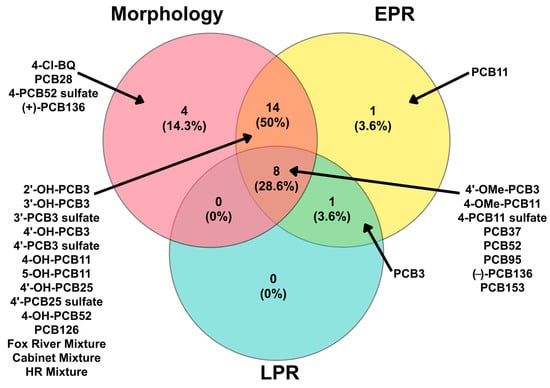
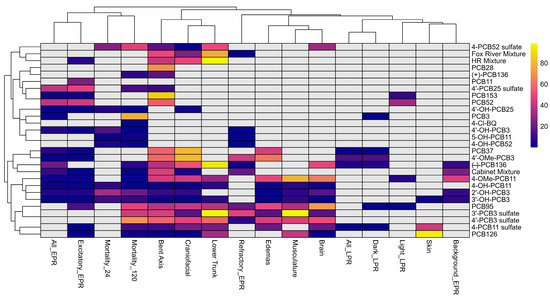
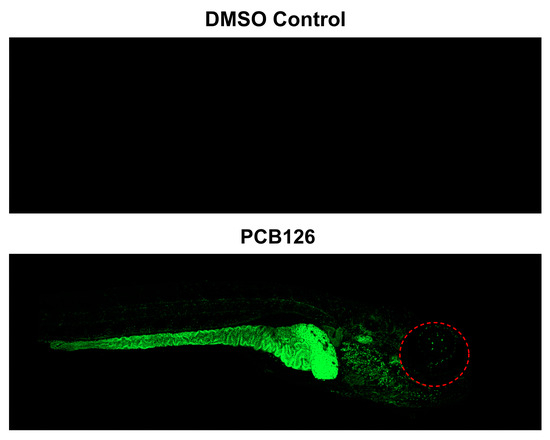
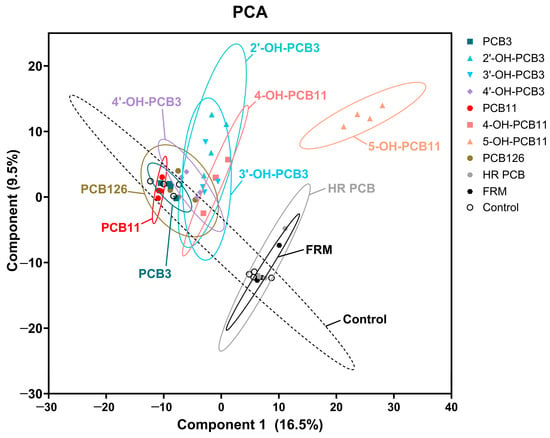
Morphological, Behavioral, and Transcriptomic Profiling Reveals Developmental Toxicity of PCB Metabolites in Zebrafish
Toxics 2026, 14(5), 444; https://doi.org/10.3390/toxics14050444 - 19 May 2026
Abstract
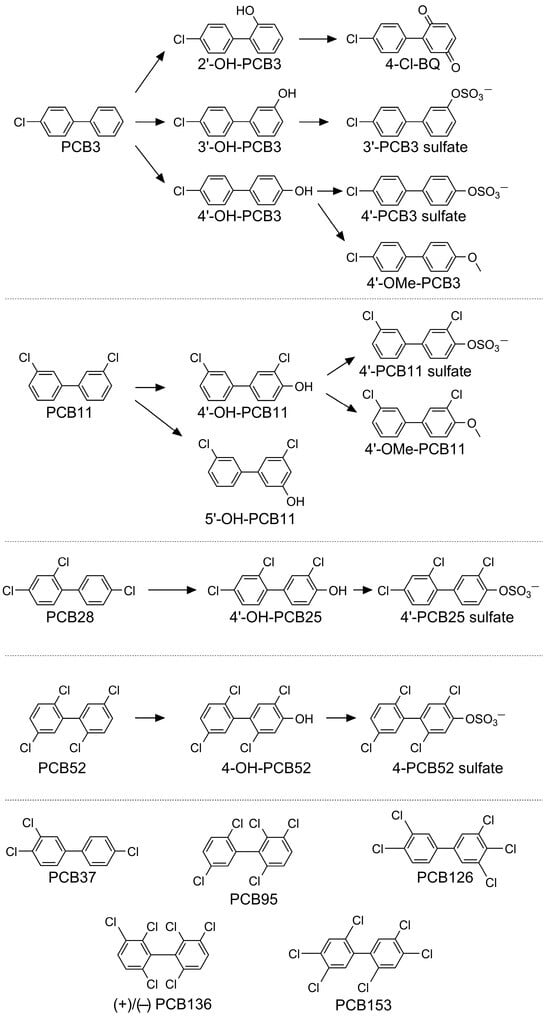
Polychlorinated biphenyls (PCBs) persist in the environment as complex mixtures and undergo extensive biotransformation, yet the developmental toxicity of PCB metabolites remains poorly defined. We evaluated developmental, neurobehavioral, and molecular effects of parent PCBs, hydroxylated, methoxylated, and sulfated metabolites, and environmentally relevant mixtures
[...] Read more.
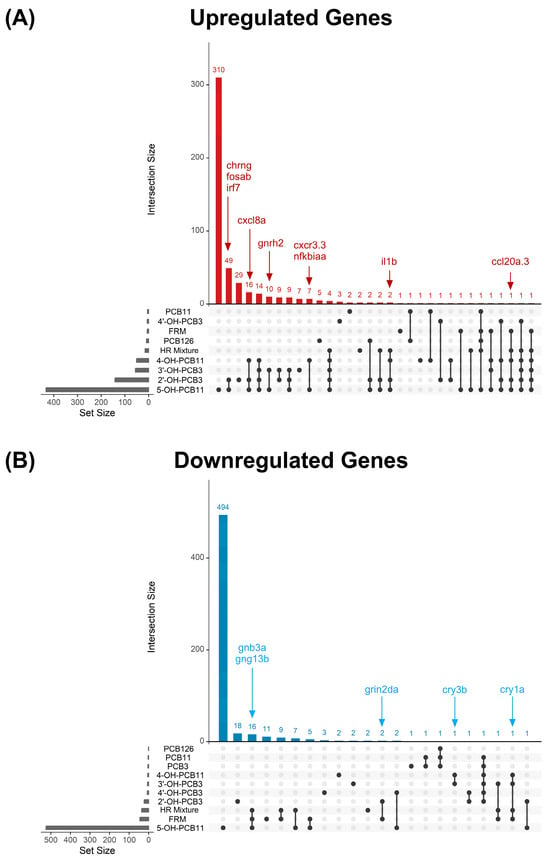
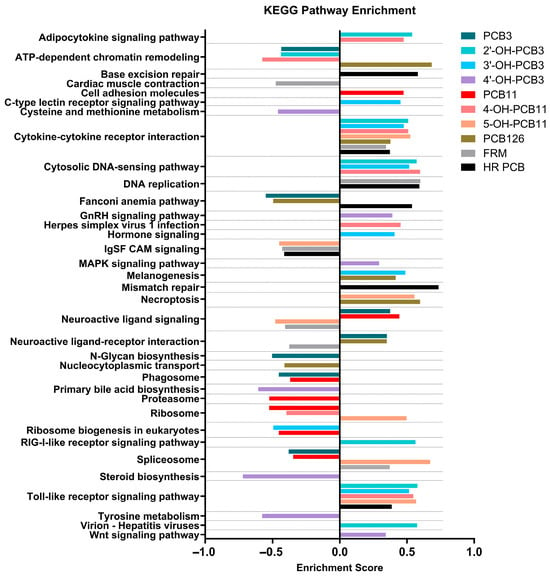
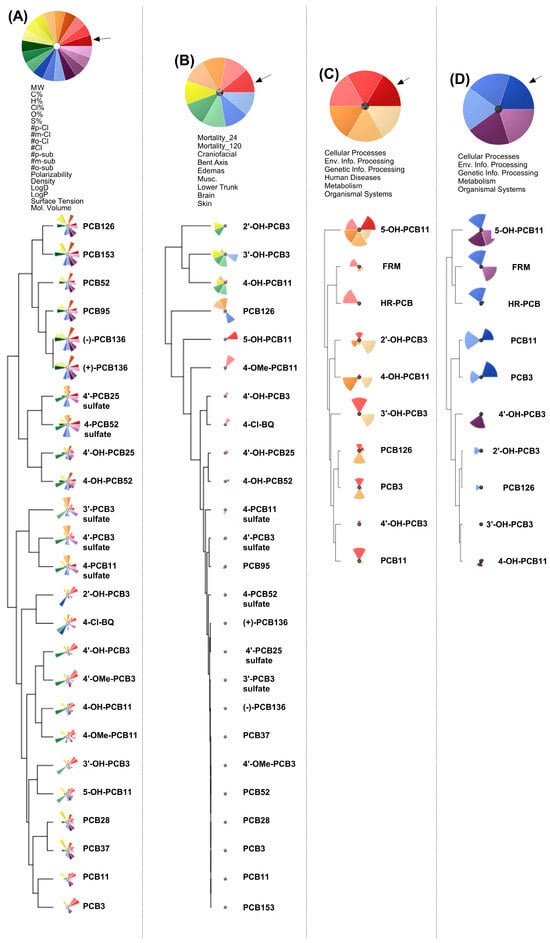
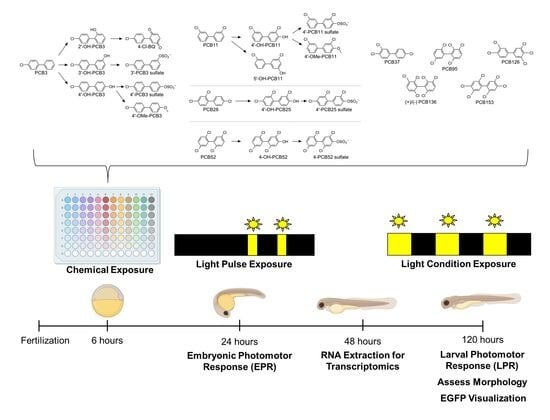
Polychlorinated biphenyls (PCBs) persist in the environment as complex mixtures and undergo extensive biotransformation, yet the developmental toxicity of PCB metabolites remains poorly defined. We evaluated developmental, neurobehavioral, and molecular effects of parent PCBs, hydroxylated, methoxylated, and sulfated metabolites, and environmentally relevant mixtures using embryonic zebrafish. This study employed a high-throughput screening approach using nominal exposure concentrations to enable rapid hazard identification and prioritization across a large chemical series. Morphological abnormalities and photomotor behavior were assessed across early development, followed by targeted cyp1a reporter analysis and transcriptomic profiling for a subset of potent exposures. Most chemicals induced morphological effects, with hydroxylated and sulfated metabolites producing effects more frequently and at lower benchmark concentrations than parent congeners. Behavioral alterations were more prevalent in embryonic photomotor response than larval photomotor response and generally co-occurred with morphological effects. Environmental mixtures elicited broad phenotypic profiles comparable to highly active individual compounds. Transcriptomic analyses revealed minimal responses for parent PCBs but robust, exposure-specific gene expression changes for select metabolites, particularly 5-OH-PCB11, and mixtures. Differentially expressed genes were enriched for xenobiotic metabolism, immune signaling, and neuroactive pathways, alongside consistent downregulation of circadian regulators. Together, these results demonstrate contributions of PCB metabolites and mixtures to toxicity.
Full article
(This article belongs to the Special Issue Neurotoxicity from Exposure to Environmental Pollutants)
►
Show Figures
Open AccessArticle
6PPDQ Exposure Exacerbates Seizure-Induced Neuronal Damage via the TP53/Nrf2 Axis: An Integrated Strategy Combining Network Toxicology and Experimental Validation
by
Ruijin Xie, Wei Xiao, Hua Xu, Yufan Luo, Xue Xiao, Qiyang Pan, Shengjie Xu, Li Liu, Chenyu Sun and Yueying Liu
Toxics 2026, 14(5), 443; https://doi.org/10.3390/toxics14050443 - 19 May 2026
Abstract
As an emerging tire wear-derived environmental contaminant, 6PPD-quinone (6PPDQ) has raised significant concerns regarding its neurotoxic potential, particularly for children exposed to recycled tire crumb rubber in playgrounds. However, the molecular mechanisms by which 6PPDQ influences neurological disorders such as epilepsy remain poorly
[...] Read more.
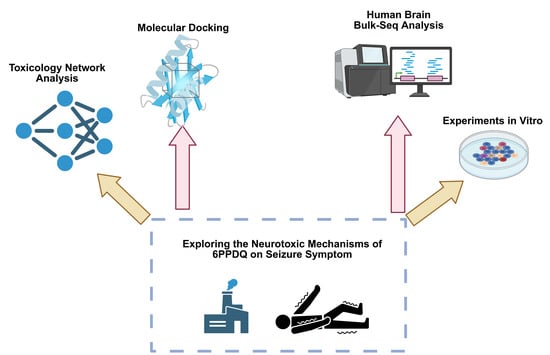
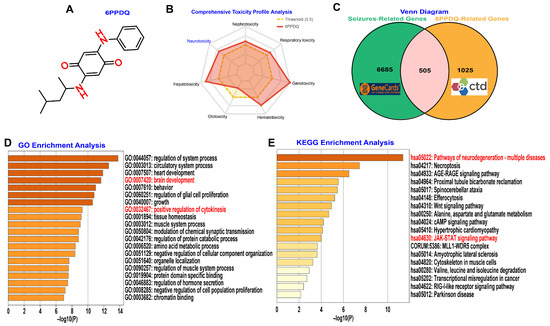
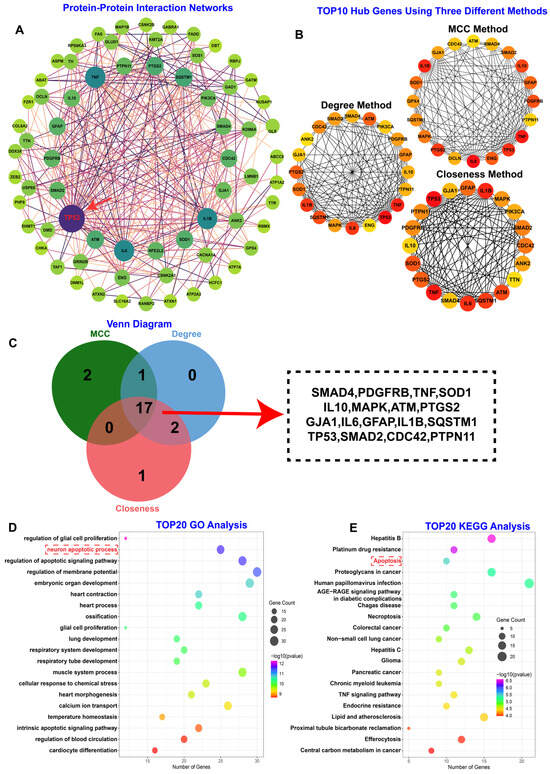
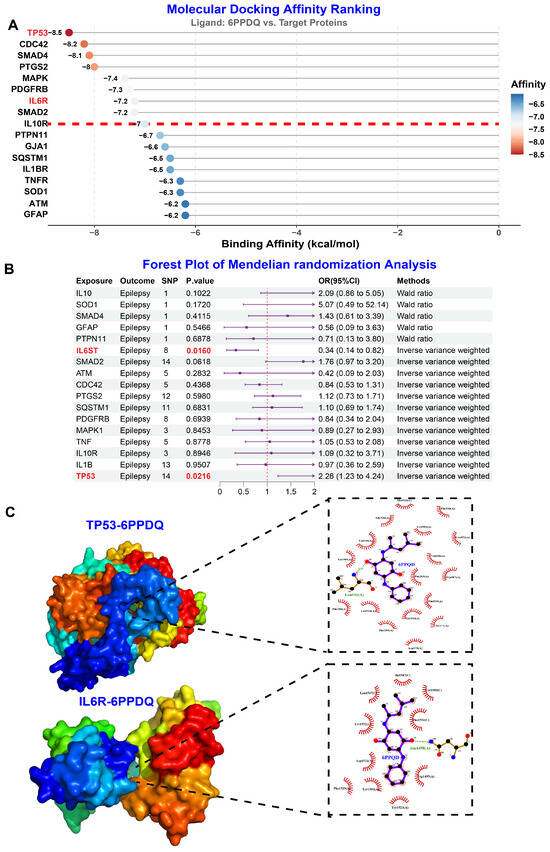
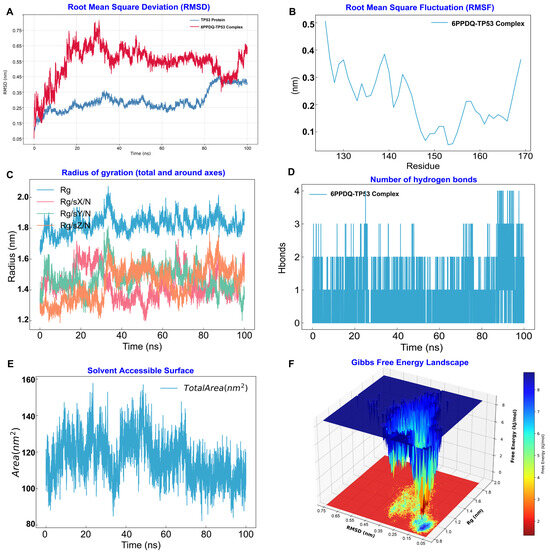
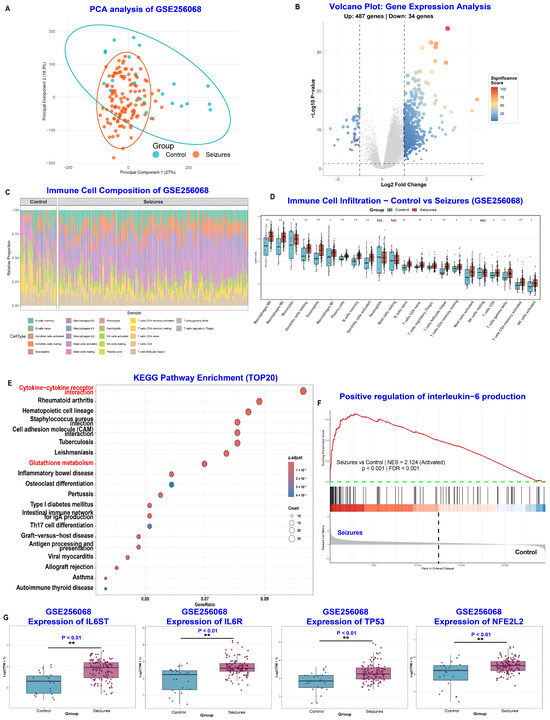
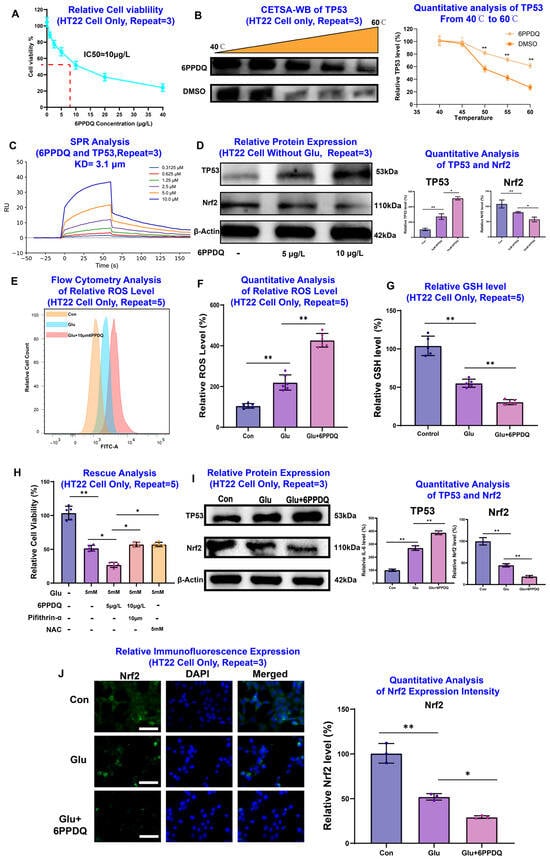
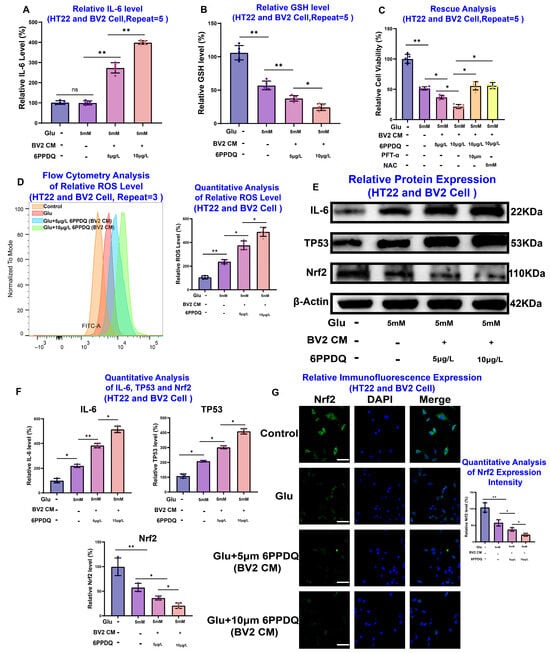
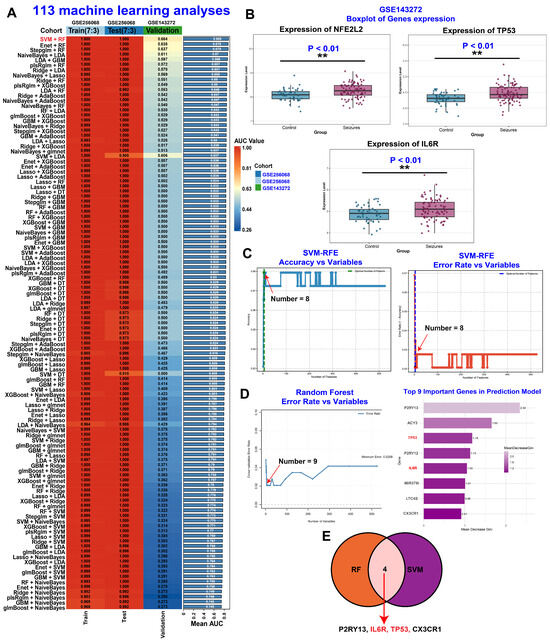
As an emerging tire wear-derived environmental contaminant, 6PPD-quinone (6PPDQ) has raised significant concerns regarding its neurotoxic potential, particularly for children exposed to recycled tire crumb rubber in playgrounds. However, the molecular mechanisms by which 6PPDQ influences neurological disorders such as epilepsy remain poorly understood. In this study, we employed an integrative framework combining network toxicology, bulk analysis of human epileptic brain tissues, Mendelian randomization, and molecular dynamics simulations to elucidate these mechanisms. Our findings, validated through CETSA-WB and SPR, identify 6PPDQ as a direct ligand that binds to and stabilizes neuronal TP53. Through a synergistic double-hit mechanism, 6PPDQ directly engages the TP53 pathway while simultaneously triggering microglial interleukin-6 secretion. These converging pathways lead to the suppression of the master antioxidant regulator Nrf2, resulting in glutathione depletion, excessive reactive oxygen species accumulation, and exacerbated neuronal damage under excitotoxic stress. Experimental validation using glutamate-induced HT22 cell models and microglia–neuron crosstalk systems confirmed that targeting the TP53/Nrf2 axis or scavenging ROS significantly attenuates 6PPDQ-induced neurotoxicity. Our findings highlight critical risks to pediatric neurological health posed by tire-derived contaminants and identify the TP53/Nrf2 axis as a promising therapeutic target. Furthermore, this work provides a robust scientific basis for refining risk assessment frameworks and developing regulatory strategies to mitigate environmental exposure to 6PPDQ.
Full article
(This article belongs to the Special Issue Environmental Exposure, Toxicity and Health Impact of Emerging Environmental Contaminants)
►▼
Show Figures

Graphical abstract
Open AccessReview
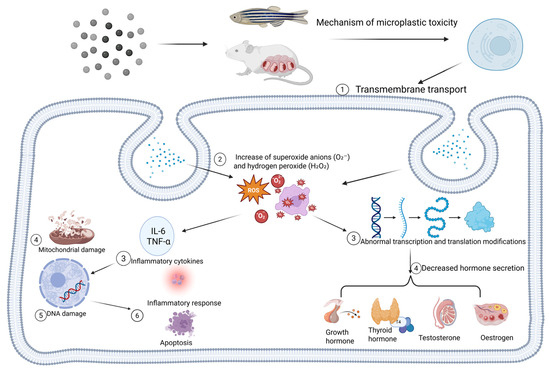
Environmental Micro(nano)plastic Exposure and Associated Human Health Risks: A Comprehensive Review
by
Weike Hu, Dongling Liu, Jianing Wang, Xia Huo and Xiang Zeng
Toxics 2026, 14(5), 442; https://doi.org/10.3390/toxics14050442 - 18 May 2026
Abstract
Micro(nano)plastics (MNPs) represent a pervasive and escalating threat to global ecosystems and human health. This review provides a critical synthesis of MNPs’ exposure risks across marine, atmospheric, and terrestrial compartments, with a distinct emphasis on identifying cross-media linkages and methodological inconsistencies that limit
[...] Read more.
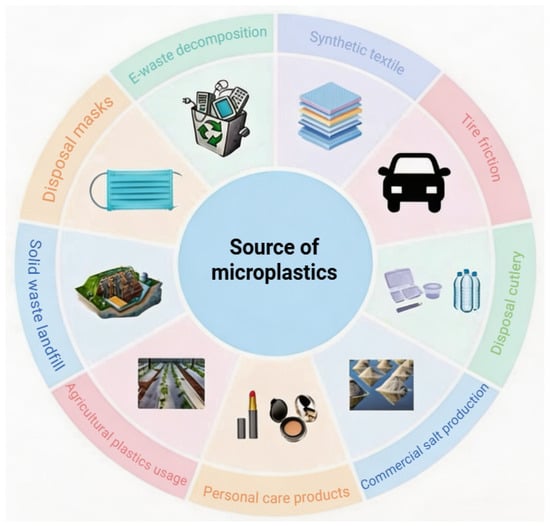
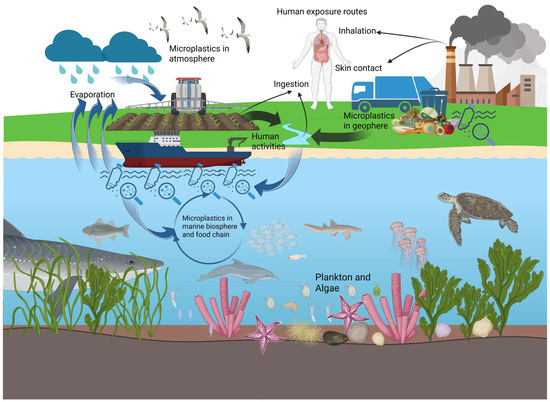
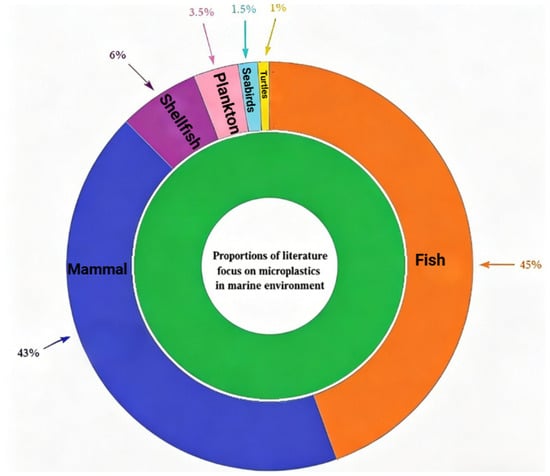
Micro(nano)plastics (MNPs) represent a pervasive and escalating threat to global ecosystems and human health. This review provides a critical synthesis of MNPs’ exposure risks across marine, atmospheric, and terrestrial compartments, with a distinct emphasis on identifying cross-media linkages and methodological inconsistencies that limit current risk assessments. Within marine environments, pollution hazard indices reveal significant spatial heterogeneity, yet their utility is constrained by the absence of toxicity weighting and particle characteristic integration. Atmospheric exposure profiles show variable risks, and the MNPs’ concentration in indoor air (up to 15.8 particles/m3) is significantly higher than in outdoor environments, posing a greater inhalation risk to infants and children who spend more time indoors. A marked increase in MNPs’ concentrations within agricultural soils is identified, where the MNP content in mulched soils (average: 570.2 particles/kg) is more than twice that of non-mulched soils (259.6 particles/kg). Critically, studies have now detected MNPs within human tissues, including the blood, intestines, liver, kidneys, tonsils, and brain, highlighting an urgent need to elucidate their multi-organ toxicity mechanisms, with a novel synthesis of gut–brain axis disruption and transgenerational effects. By integrating exposure dynamics with mechanistic toxicity data, this review advances a cross-system framework that identifies priority research directions, namely standardized detection methodologies, combined pollutant toxicity, and cross-system toxicity mechanisms, which are essential for informing mitigation strategies amid this escalating public health crisis.
Full article
(This article belongs to the Special Issue Human Exposure to Emerging Pollutants: Toxicological Effects and Health Risk Assessment)
►▼
Show Figures

Figure 1
Open AccessArticle
Effect of Flame Retardant (BDE-47) Exposure on Benthic Organisms from Coastal Areas: Experiment on Symbiont-Bearing Foraminifera of Genus Peneroplis
by
Marianna Musco, Marilena Vita Di Natale, Marco Torri, Tiziana Masullo, Carmelo Daniele Bennici and Angela Cuttitta
Toxics 2026, 14(5), 441; https://doi.org/10.3390/toxics14050441 - 15 May 2026
Abstract
Benthic foraminifera, single-cell marine organisms found worldwide, represent an important component of seabed ecosystems. Due to their sensitivity to environmental pollution, they are often used as bioindicators, providing an efficient tool in toxicity studies. Among the pollutants affecting marine coastal and estuarine environments,
[...] Read more.
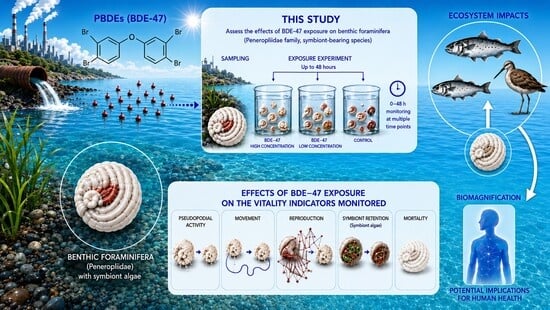
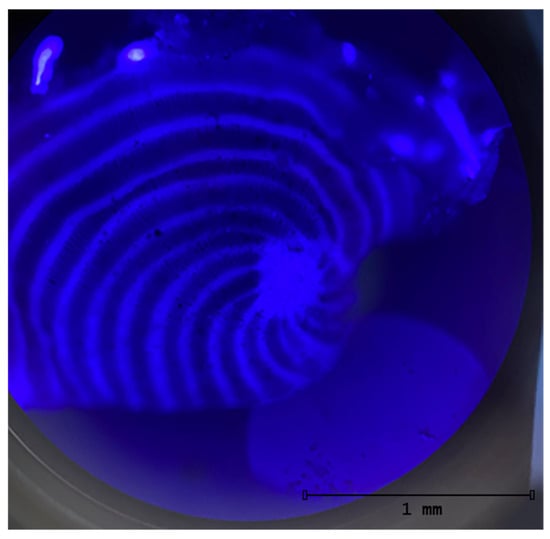
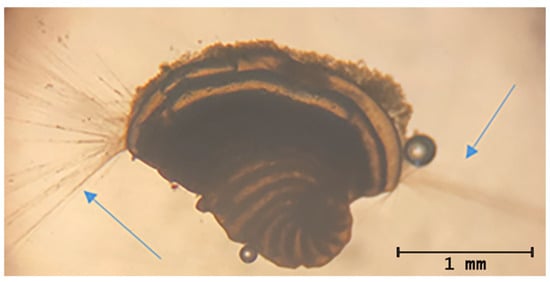
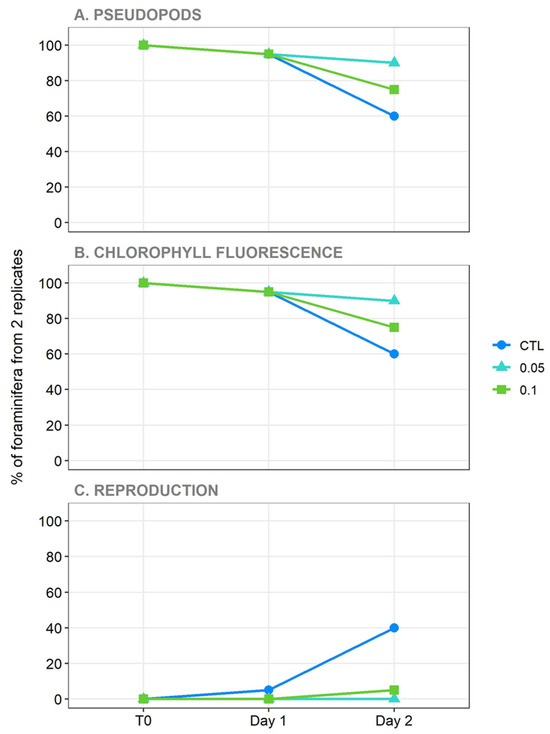
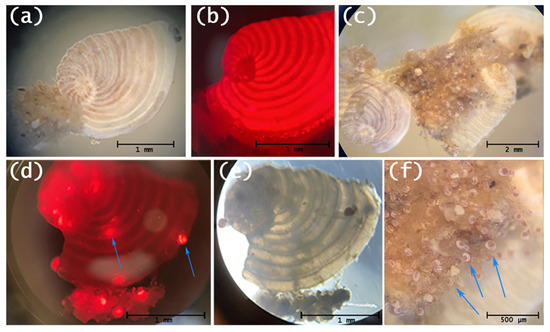
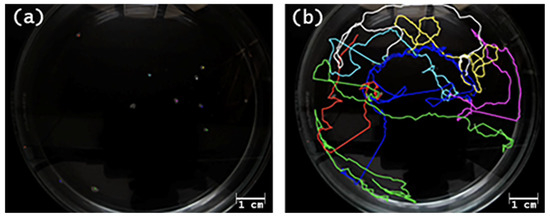
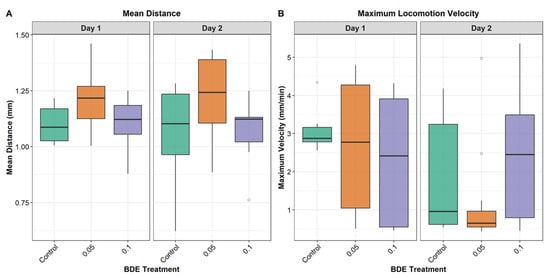
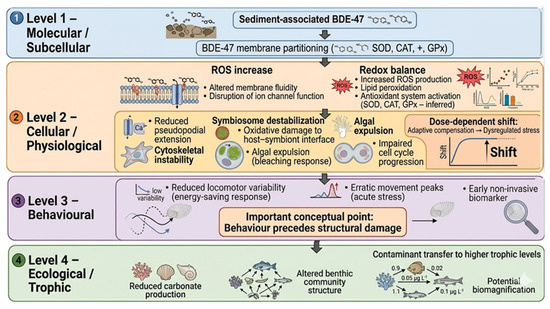
Benthic foraminifera, single-cell marine organisms found worldwide, represent an important component of seabed ecosystems. Due to their sensitivity to environmental pollution, they are often used as bioindicators, providing an efficient tool in toxicity studies. Among the pollutants affecting marine coastal and estuarine environments, persistent flame retardants, such as polybrominated diphenyl ethers (PBDEs), are frequently found. Low-level exposure to BDE-47, a PBDE congener, is known to affect organismal development. In this framework, this study aims to assess the effects of BDE-47 exposure on benthic foraminifera from coastal marine environments. Foraminifera specimens belonging to the symbiont-bearing Peneroplidae family were sampled and exposed to two different BDE-47 concentrations for up to 48 h. Vitality indicators such as changes in pseudopodial activity, movement, reproduction, loss of symbiont algae, and occasional mortality events were monitored during the experiment. Exposure to BDE-47 induced alterations in pseudopodial activity, movement, reproduction, and symbiont retention, with the progressive loss of vitality and limited mortality at increasing exposure levels, highlighting the sensitivity of this species to BDE-47. These findings suggest the harmful repercussions of PBDE pollution on marine coastal ecosystems, affecting benthic organisms and potentially contributing to biomagnification processes within the food web, with possible implications for human health.
Full article
(This article belongs to the Special Issue Occurrence and Environmental Risks of Organic Pollutants in Aquatic Environment—2nd Edition)
►▼
Show Figures

Graphical abstract
Open AccessArticle
Plasma Concentrations of Endotoxin Lipopolysaccharide and High-Mobility Group Box 1 Protein Are Consistent Sex-Specific Biomarkers of Alcohol Abstinence Associated with Alcohol Use Disorder
by
Isaac Hurtado-Guerrero, Nuria García-Marchena, Jaime Martín-Martín, María Flores-López, Nerea Requena-Ocaña, María del Mar Fernández-Arjona, Antonio J. López-Gambero, Patricia Rivera, Leticia Rubio, Gabriel Rubio, Antonia Serrano, Fernando Rodríguez de Fonseca and Juan Suarez
Toxics 2026, 14(5), 440; https://doi.org/10.3390/toxics14050440 - 15 May 2026
Abstract
Alcohol use disorder (AUD) is associated with gut dysbiosis through interactions with the immune system. The present study aimed to investigate whether endotoxin lipopolysaccharides (LPS) and high-mobility group box-1 protein (HMGB1), a key inflammatory mediator, as well as the metabolic fat mass hormone
[...] Read more.
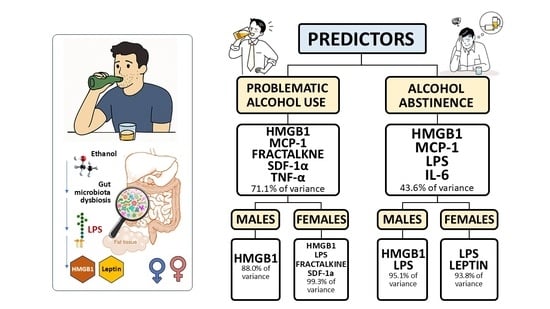
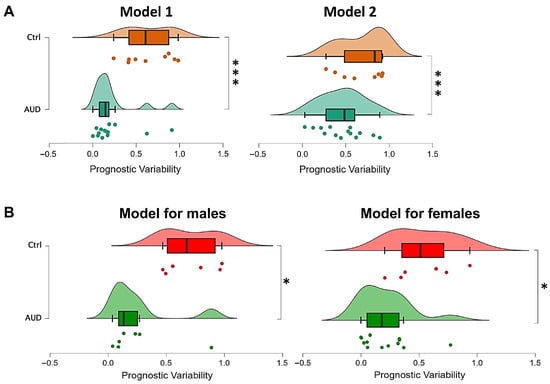
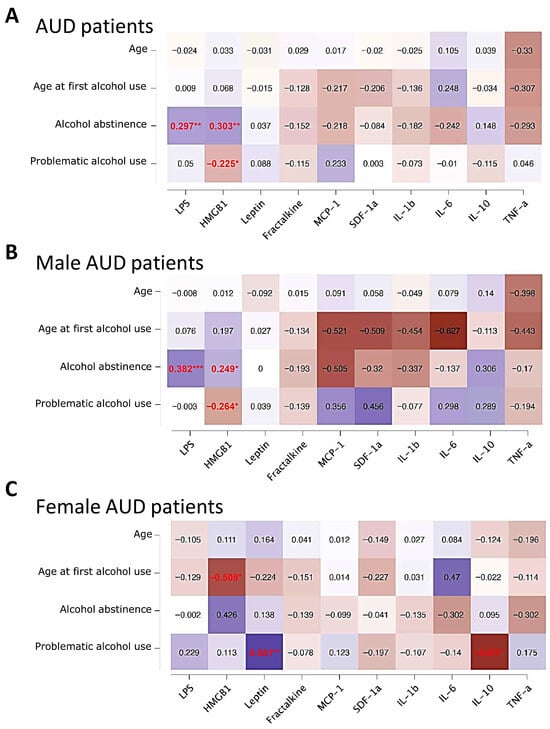
Alcohol use disorder (AUD) is associated with gut dysbiosis through interactions with the immune system. The present study aimed to investigate whether endotoxin lipopolysaccharides (LPS) and high-mobility group box-1 protein (HMGB1), a key inflammatory mediator, as well as the metabolic fat mass hormone leptin, are reliable biomarkers for the estimation of alcohol dependence and abstinence. AUD outpatients (N = 122) and healthy volunteers (N = 63) were recruited and assessed by using the Psychiatric Research Interview for Substance and Mental Disorders according to DSM-IV-TR after blood extraction. The results indicated that AUD patients had higher plasma concentrations of LPS and HMGB1, and lower plasma concentrations of leptin and SDF-1α compared to healthy subjects. Two logistic models, including HMGB1, leptin and SDF-1α (model 1) or LPS (model 2), provided high discriminatory powers to identify AUD patients [prognostic probability: model 1 = 0.90 (0.78); model 2 = 0.86 (0.79); p < 0.001]. LPS and HMGB1 positively correlated with alcohol abstinence duration in male AUD patients only. Linear logistic regression included LPS, HMGB1, fractalkine, SDF-1α and/or leptin to accurately estimate the duration of problematic alcohol use and alcohol abstinence when sexes were analyzed separately. These results suggest that LPS and HMGB1 are relevant sex-specific actors for predicting alcohol abstinence and problematic alcohol use in AUD patients.
Full article
(This article belongs to the Special Issue Drug Metabolism and Toxicological Mechanisms—2nd Edition)
►▼
Show Figures

Graphical abstract
Open AccessArticle
Cobinamide, a Vitamin B12 Analog, Attenuates Benzo[a]pyrene and Pyrene Toxicity Through Selective Redox Modulation
by
Anirudh Kalyanaraman, Connor B. Stauffer, Weirui Gao, Tong Zhong, Alexandra Nguyen, Darren E. Casteel, Renate B. Pilz, Gerry R. Boss, Hema Kalyanaraman and John Tat
Toxics 2026, 14(5), 439; https://doi.org/10.3390/toxics14050439 - 15 May 2026
Abstract
Polycyclic aromatic hydrocarbons (PAHs) are common environmental contaminants formed during the incomplete combustion of organic material. Their persistence, bioaccumulation, and metabolic activation contribute to mutagenic and cytotoxic outcomes. Among these are benzo[a]pyrene (B[a]P), the most studied PAH and a benchmark compound for PAH
[...] Read more.
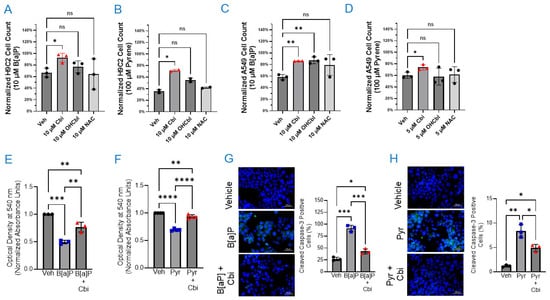
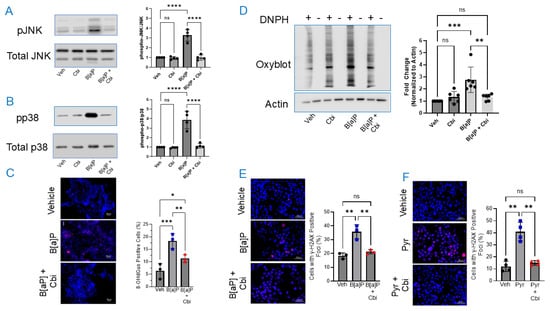
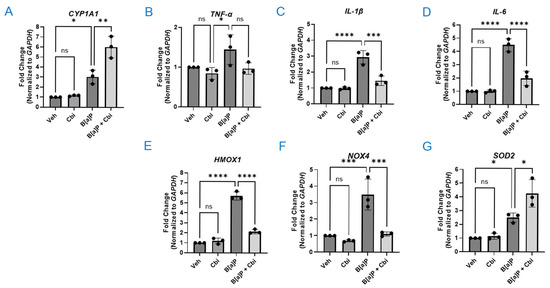
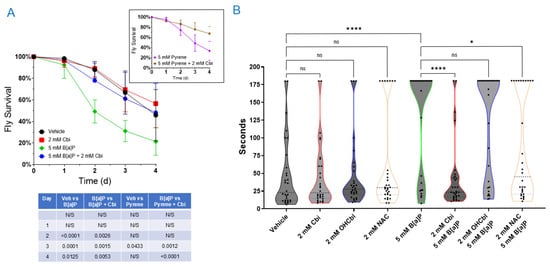
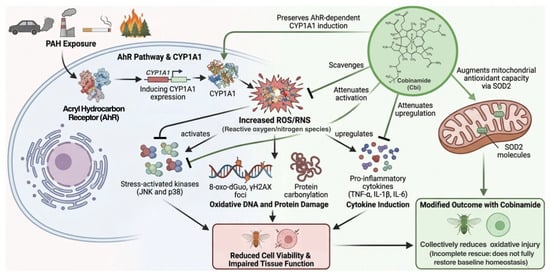
Polycyclic aromatic hydrocarbons (PAHs) are common environmental contaminants formed during the incomplete combustion of organic material. Their persistence, bioaccumulation, and metabolic activation contribute to mutagenic and cytotoxic outcomes. Among these are benzo[a]pyrene (B[a]P), the most studied PAH and a benchmark compound for PAH carcinogenicity, and pyrene, a PAH whose urinary metabolite 1-hydroxypyrene is widely used as a biomarker of PAH exposure. B[a]P undergoes CYP1A1-mediated oxidation to generate reactive oxygen species (ROS) via epoxide and quinone redox cycling, whereas pyrene produces ROS primarily through pyrene-quinone redox cycling. We investigated cobinamide, a vitamin B12/cobalamin analog with potent antioxidant properties, for mitigating benzo[a]pyrene- and pyrene-induced injury. In H9C2 rat embryonic cardiomyoblasts and A549 human lung epithelial cells exposed to B[a]P (10 μM) or pyrene (10–100 μM), cobinamide (5–10 μM) attenuated PAH-induced reductions in cell number in both models, while in H9C2 cells, it also attenuated decreases in metabolic activity and reduced apoptosis. Cobinamide also returned JNK/p38 phosphorylation to near baseline levels, decreased DNA and protein oxidation and DNA strand breaks. Transcriptionally, cobinamide suppressed inflammatory (TNF-α, IL-1β, and IL-6) and oxidative stress genes (HMOX1 and NOX4), while enhancing oxidative response (SOD2) and xenobiotic metabolism (CYP1A1). In Drosophila melanogaster exposed to 5 mM B[a]P/pyrene, 2 mM cobinamide improved survival and fully restored locomotion, outperforming cobalamin (minimal benefit) and N-acetylcysteine (partial rescue). Spectroscopic analyses showed no direct cobinamide-PAH binding. These findings demonstrate that cobinamide efficiently limits ROS-mediated PAH injury through redox modulation while preserving xenobiotic metabolism, suggesting its potential therapeutic use to mitigate PAH-induced toxicity.
Full article
(This article belongs to the Special Issue Toxic Threats to Sustainability: Mechanisms and Impacts of Environmental Contaminants on Health and Ecosystems)
►▼
Show Figures

Figure 1
Open AccessArticle
Potentially Toxic Elements in Phosphate Processing: A Comparative Assessment of Solid Wastes and Effluents from Beneficiation and Fertilizer Production in Southwest Tunisia
by
Elhem Bouchiba, Ariadna Verdaguer, Cristian Gómez Canela, Eduardo Alberto López-Maldonado and Mohamed Ali Borgi
Toxics 2026, 14(5), 438; https://doi.org/10.3390/toxics14050438 - 15 May 2026
Abstract
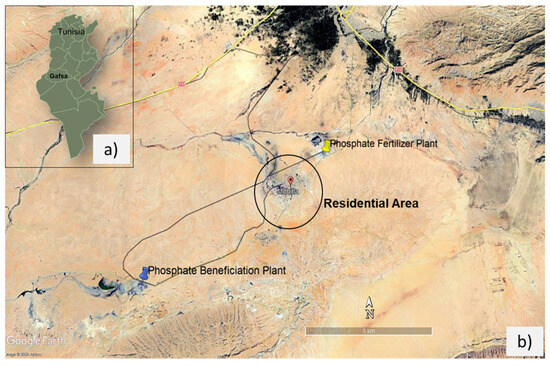
This study investigates the environmental and health impacts of potentially toxic elements (PTEs) in solid and liquid wastes from phosphate beneficiation and fertilizer production in the Mdhilla area, Gafsa Basin, Tunisia. Solid wastes, including phosphate tailings (PTs) and phosphogypsum (PG), and associated industrial
[...] Read more.
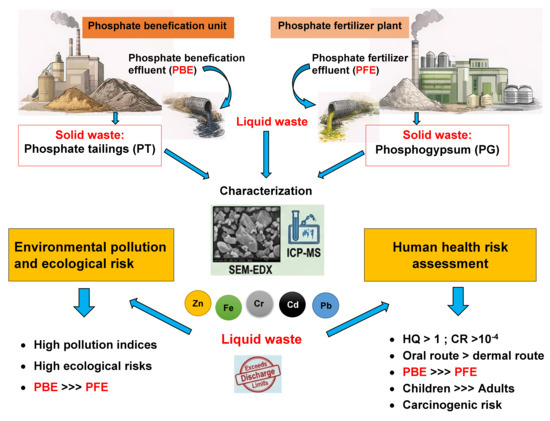
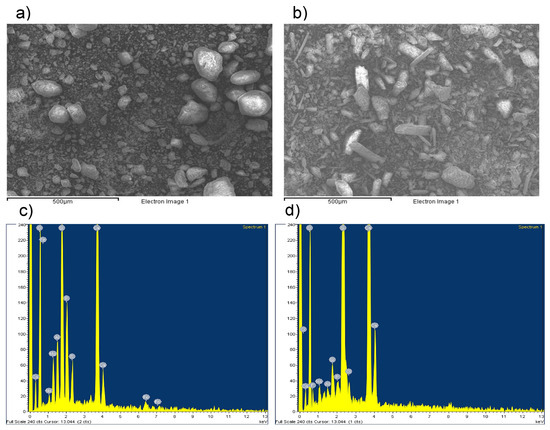
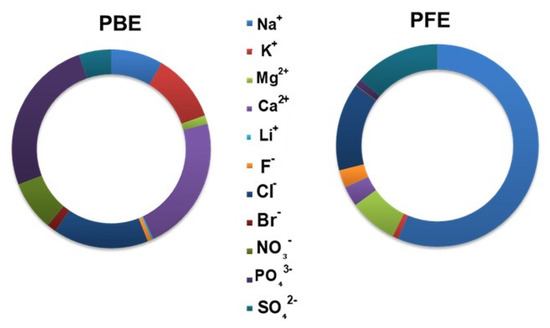
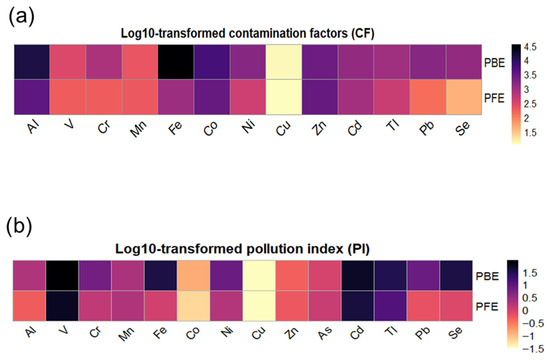
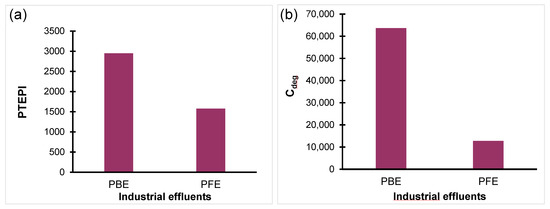
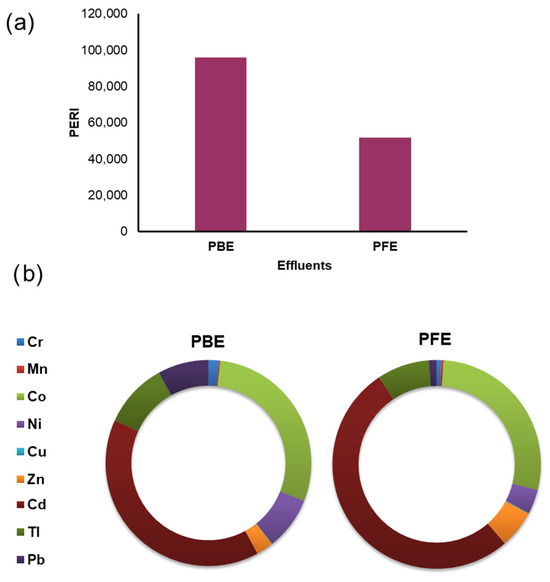
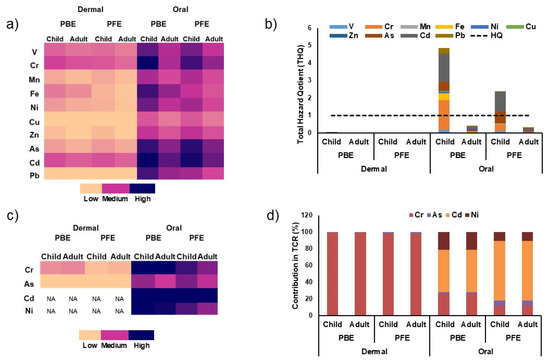
This study investigates the environmental and health impacts of potentially toxic elements (PTEs) in solid and liquid wastes from phosphate beneficiation and fertilizer production in the Mdhilla area, Gafsa Basin, Tunisia. Solid wastes, including phosphate tailings (PTs) and phosphogypsum (PG), and associated industrial effluents from phosphate beneficiation (PBE) and fertilizer production (PFE), were characterized using physicochemical analysis, ICP-MS, SEM–EDX, and ion chromatography. Single and integrated pollution indices, along with conservative human health risk assessments, were applied to evaluate cumulative contamination and potential risks. PT exhibited near-neutral pH (7.64) and high PTE enrichment (Zn 350 mg kg−1, Cr 329 mg kg−1, Cd 38.8 mg kg−1), whereas PG was strongly acidic (pH 3.13) and comparatively depleted in metals, reflecting process-dependent partitioning. Despite neutral pH, PBEs contained markedly higher metal concentrations than PFEs, with Fe (163 mg L−1), Cr (3.09 mg L−1), Cd (0.49 mg L−1), and Pb (0.71 mg L−1) exceeding discharge limits. Pollution indices indicated severe to extreme contamination, with PBE showing an exceptionally high contamination degree (Cdeg = 63,659) compared to PFE (Cdeg = 12,815), and elevated Toxic Element Pollution Index (PTEPI) values confirmed stronger cumulative pollution in PBE. Potential ecological risk indices (PERI > 600) revealed very high ecological risk for both effluents, primarily driven by Cd, Co, and Tl. Although dermal contact may represent the most frequent exposure route, risk assessment results indicated that accidental oral ingestion is the dominant pathway contributing to both non-carcinogenic and carcinogenic risks, with children being particularly vulnerable. Non-carcinogenic risk thresholds (HQ > 1) were exceeded for PBE, while total carcinogenic risks approached or exceeded regulatory limits (10−6–10−4), mainly due to Cd and Cr. Overall, phosphate beneficiation was the primary source of cumulative metal loading and associated ecological and health risks, while fertilizer production partially reduced contamination. These findings underscore the urgent need for improved management and mitigation of phosphate-processing wastes in industrial regions.
Full article
(This article belongs to the Special Issue Multi-Media Environmental Pollution and Health Risks: Tracing, Effects, and Collaborative Governance)
►▼
Show Figures

Graphical abstract
Open AccessArticle
Intermediate- and Long-Term Exposure to PM2.5 and Its Chemical Components in Relation to Nocturnal Sleep Duration and Daytime Napping Duration
by
Lidan Hu, Xiuhua Yan, Xinhui Qiu and Zhiyuan Li
Toxics 2026, 14(5), 437; https://doi.org/10.3390/toxics14050437 - 14 May 2026
Abstract
While the association between criteria air pollutants and sleep duration is well-documented, evidence on the impact of fine particulate matter (PM2.5) chemical components on sleep remains limited. This study investigated the effects of intermediate- (6-month) and long-term (2-year) exposure to PM
[...] Read more.
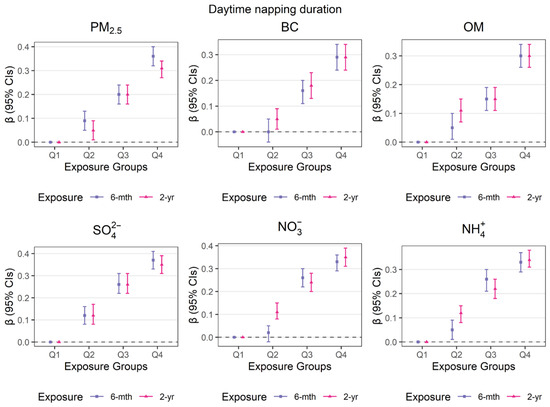
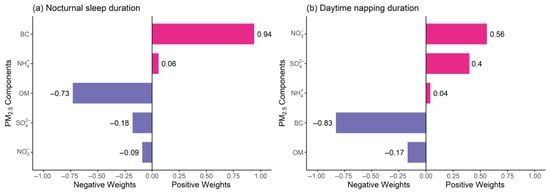
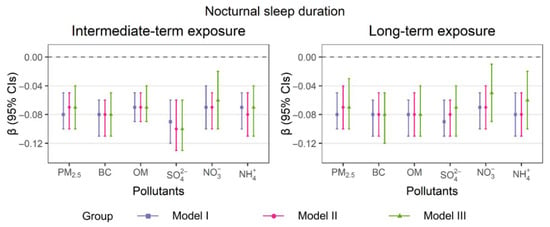
While the association between criteria air pollutants and sleep duration is well-documented, evidence on the impact of fine particulate matter (PM2.5) chemical components on sleep remains limited. This study investigated the effects of intermediate- (6-month) and long-term (2-year) exposure to PM2.5 and its five major components—black carbon (BC), organic matter (OM), sulfate (SO42−), nitrate (NO3−), and ammonium (NH4+)—on nocturnal sleep and daytime napping duration. We included 19,505 participants aged ≥ 45 years from the China Health and Retirement Longitudinal Study (CHARLS, 2011–2018). Residential PM2.5 and component concentrations were estimated via the Tracking Air Pollution in China dataset, and sleep data were collected through self-reported questionnaires. Linear mixed-effects models and quantile-based g-computation (qgcomp) were used to assess single- and multi-pollutant effects. Results showed that both intermediate- and long-term exposure to PM2.5 components was associated with shorter nocturnal sleep and longer daytime napping. Subgroup analyses revealed greater susceptibility among rural residents, solid fuel users, and individuals without pensions. These findings emphasize the need for component-specific PM2.5 control strategies and targeted public health interventions to reduce sleep-related health inequalities, especially in socioeconomically disadvantaged populations.
Full article
(This article belongs to the Special Issue Aerosol Particles: From Sources to Health Impacts)
►▼
Show Figures

Figure 1
Open AccessArticle
Geochemical Assessment of Sediment Heavy Metal(loid) Concentrations in Lofa County, Northwestern Liberia: A Comparative Analysis of Average Shale and Upper Continental Crust Background Values
by
Hafizou M. Sow, Quanrong Wang, Mohamed Hussein Yousif, Fred B. Wright, Kaixu Chen, Chong Chen and Abara A. Biabak Indrick
Toxics 2026, 14(5), 436; https://doi.org/10.3390/toxics14050436 - 14 May 2026
Abstract
Despite the proliferation of mining and industrial activities within the Mano River Union member states, sediment quality assessment remains limited due to the lack of a comprehensive geochemical dataset. To narrow this knowledge gap, we evaluated heavy metal(loid) concentrations in stream sediments from
[...] Read more.
Despite the proliferation of mining and industrial activities within the Mano River Union member states, sediment quality assessment remains limited due to the lack of a comprehensive geochemical dataset. To narrow this knowledge gap, we evaluated heavy metal(loid) concentrations in stream sediments from Lofa County, Liberia. A total of 313 samples were collected and analyzed for eight metal(loid)s (Cu, Pb, Zn, Cr, Cd, Ni, As, and Hg). The contamination factor (CF), enrichment factor (EF), geoaccumulation index (Igeo), and potential ecological risk index (PERI) were calculated independently against two background values: the average shale and upper continental crust (UCC) values. The UCC background values proved more appropriate than average shale for Liberia’s geographic location and geological setting, providing results that align with the empirical data. The results show that zinc concentrations were consistently low across all sampling sites, indicating regional depletion of the micronutrient. Despite variations in the methodological approaches, assessment results from all four indices identified mercury and arsenic as the contaminants of primary concern. The varying degrees of metal(loid) enrichment and depletion necessitate further research in the study area. This study should guide policymakers in devising a sustainable plan for tackling site-based contamination and delivering on the United Nations Sustainable Development Goal 6.3.
Full article
Open AccessArticle
A Mixture of Herbicides Dicamba and Glyphosate Causes Teratogenic Effects, Oxidative Stress, and Neurotoxicity in Zebrafish Embryos
by
Karoline Felisbino, Nathalia Kirsten, Shayane da Silva Milhorini, Karina Bernert, Rafaela Schiessl, Maiara Vicentini and Izonete Cristina Guiloski
Toxics 2026, 14(5), 435; https://doi.org/10.3390/toxics14050435 - 14 May 2026
Abstract
Exposure to pesticides during embryonic development can cause damage to health, especially when they are complex mixtures. This study evaluated the lethality, teratogenic effects, antioxidant system, and neurotoxicity in zebrafish (Danio rerio) embryos during a 96 h exposure to the herbicides
[...] Read more.
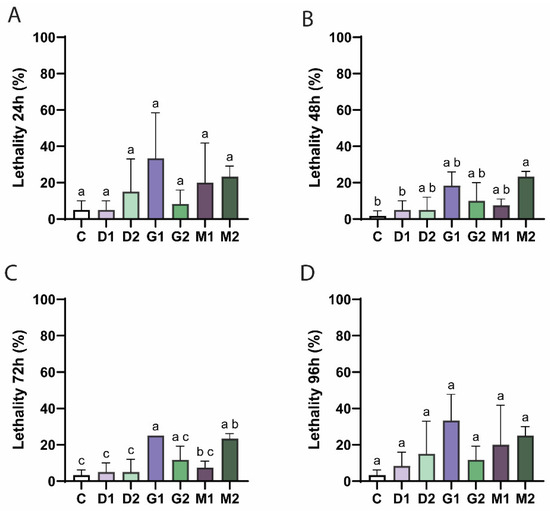
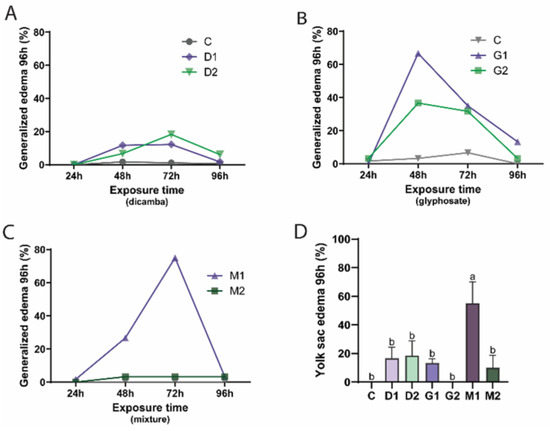
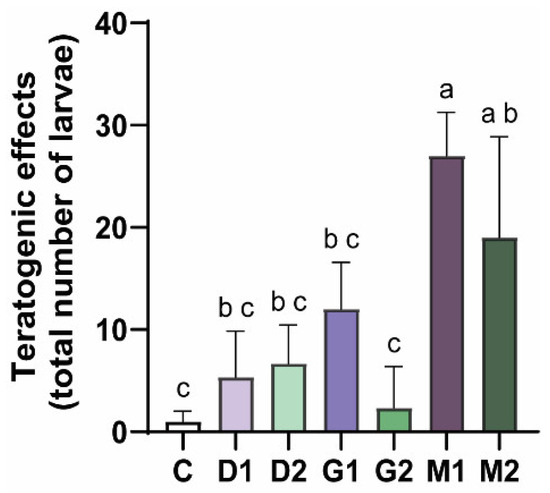
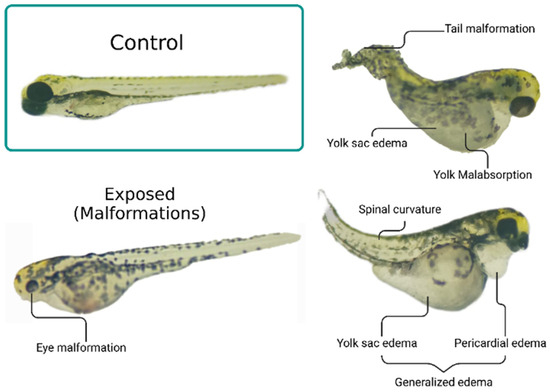
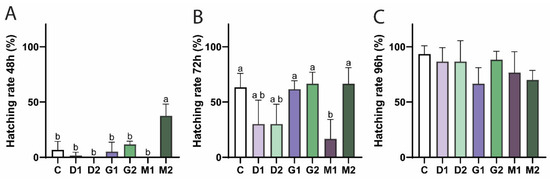
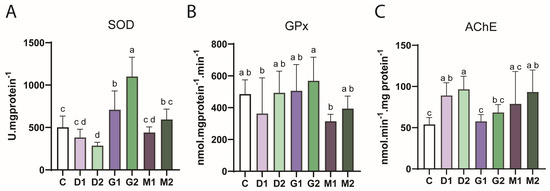
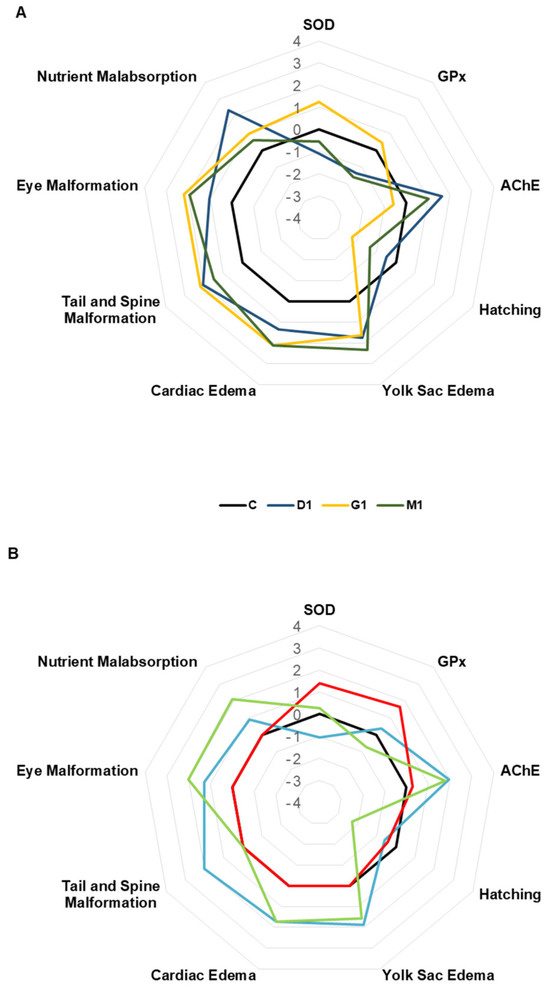
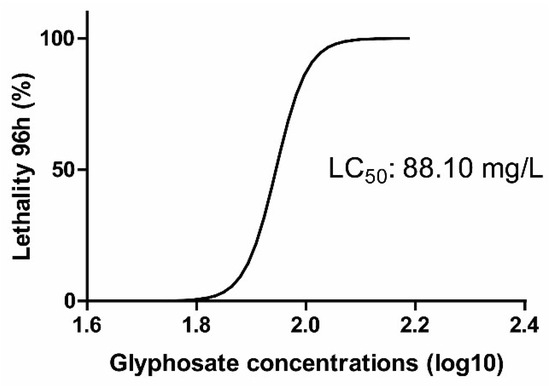
Exposure to pesticides during embryonic development can cause damage to health, especially when they are complex mixtures. This study evaluated the lethality, teratogenic effects, antioxidant system, and neurotoxicity in zebrafish (Danio rerio) embryos during a 96 h exposure to the herbicides dicamba (DIC) and glyphosate (GLY), alone and in a mixture. The embryos were exposed to 18 (D1) and 72 (D2) mg/L of DIC, 6 (G1) and 22 (G2) mg/L of GLY, and mixtures M1 (18 mg/L of DIC + 6 mg/L of GLY) and M2 (72 mg/L of DIC + 22 mg/L of GLY). The LC50 was 88.1 mg/L and 285.8 mg/L for GLY and DIC, respectively. M2 showed greater lethality at 48 and 72 h. The mixtures increased teratogenic effects. Generalized edema, predominant in embryos exposed to DIC, reached its maximum incidence between 48 and 72 h and then decreased. M1 delayed hatching by 72 h, while M2 accelerated it by 48 h. Yolk sac edema was significant in M1. Herbicides affected the antioxidant system differently: DIC reduced SOD activity, while GLY increased it. Additionally, DIC and M2 increased acetylcholinesterase activity, indicating neurotoxicity. This is the first study to report the effects of these herbicide mixtures on zebrafish embryos, highlighting the complexity and severity of their impact on embryonic development. Therefore, the importance of the controlled use of these pesticides is emphasized to avoid harmful effects on non-target organisms.
Full article
(This article belongs to the Special Issue Biological Responses to Environmental Stressors: Multilevel Approaches from Cells to Organisms)
►▼
Show Figures

Figure 1
Open AccessArticle
PIKfyve Deficiency Exacerbates Radiation-Induced Intestinal Toxicity
by
Aoqiang Ji, Xing Shen, Chunan Zhao, Zhaopeng Weng, Xuewen Zhang, Kai-Kai Yu, Shuang Xing, Xinlong Yan and Zuyin Yu
Toxics 2026, 14(5), 434; https://doi.org/10.3390/toxics14050434 - 14 May 2026
Abstract
Background: Intestinal acute radiation syndrome (IARS) represents a life-threatening component of acute radiation syndrome with limited effective countermeasures. Understanding molecular determinants governing intestinal epithelial resilience to ionizing radiation is critical for developing radiation toxicity mitigation strategies. Objectives: This study investigates the role of
[...] Read more.
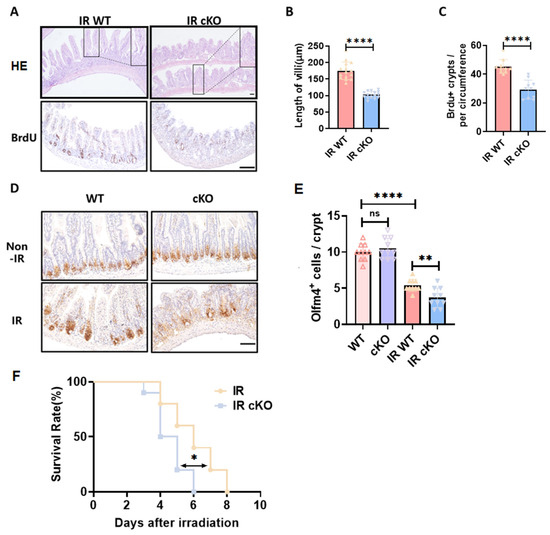
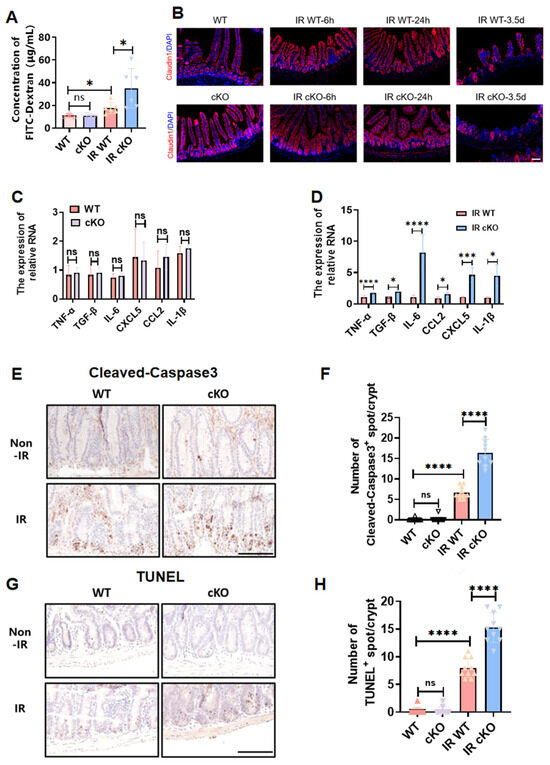
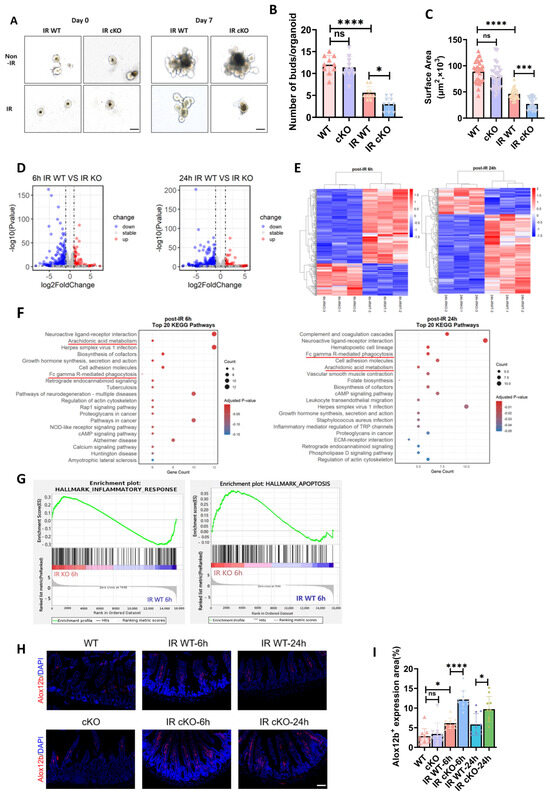
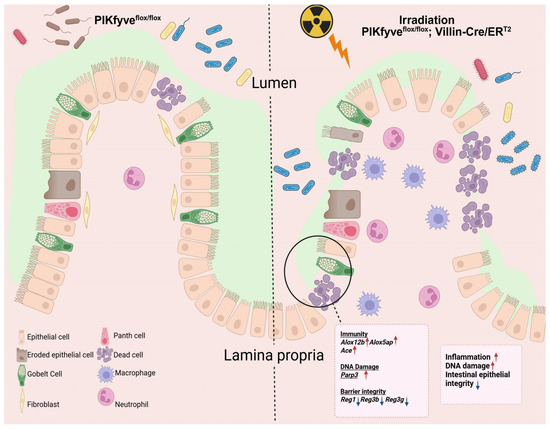
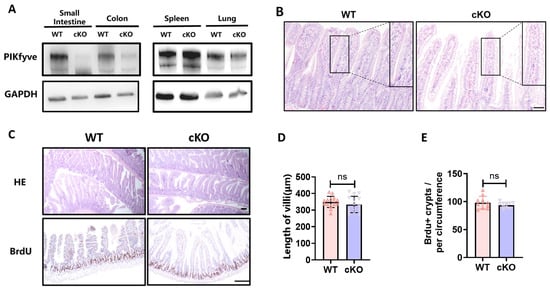
Background: Intestinal acute radiation syndrome (IARS) represents a life-threatening component of acute radiation syndrome with limited effective countermeasures. Understanding molecular determinants governing intestinal epithelial resilience to ionizing radiation is critical for developing radiation toxicity mitigation strategies. Objectives: This study investigates the role of PIKfyve, a phosphoinositide kinase essential for endolysosomal homeostasis, in modulating radiation-induced intestinal toxicity. Methods: We utilized an inducible intestinal epithelial-specific PIKfyve-knockout mouse model (PIKfyve cKO) subjected to 10 Gy abdominal irradiation. Intestinal toxicity was assessed through histopathology, barrier permeability (FD4 assay), apoptosis markers, and transcriptomic profiling. Small intestinal organoids were employed for mechanistic validation. Results: PIKfyve deletion alone did not perturb normal gut architecture but precipitated severe post-irradiation toxicity, including villous atrophy, crypt hypoplasia, and massive crypt-cell apoptosis. Barrier dysfunction was evidenced by elevated serum FD4 and heightened systemic pro-inflammatory cytokines, culminating in markedly increased mortality. Transcriptomic analysis revealed potentiated DNA-damage signaling and amplified inflammatory cascades in PIKfyve-deficient intestines. Conclusions: These findings identify PIKfyve as a critical guardian of intestinal epithelial integrity against radiation toxicity. Given emerging PIKfyve inhibitors in cancer therapy, our results raise important safety considerations for clinical radiotherapy and position PIKfyve as a potential target for radiation toxicity mitigation.
Full article
(This article belongs to the Special Issue Radiation Toxicology and Translation)
►▼
Show Figures

Figure 1
Open AccessArticle
Effects of E-Liquid Formulations on Nicotine Vapor Pressure and Implications for Nicotine Delivery and Toxicity
by
Kaiyuan Wang and Xue Gong
Toxics 2026, 14(5), 433; https://doi.org/10.3390/toxics14050433 - 14 May 2026
Abstract
►▼
Show Figures
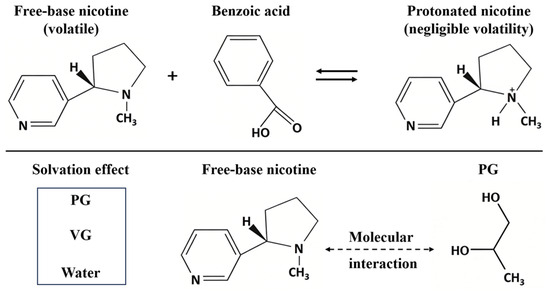
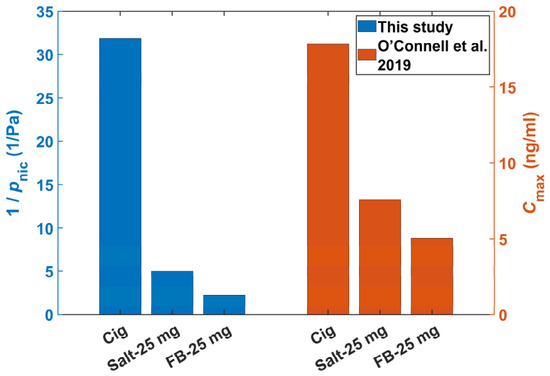
Electronic cigarettes are widely used as alternatives to conventional cigarettes. However, the relationships among e-liquid formulation, nicotine volatility, and nicotine delivery remain insufficiently investigated due to limited data on nicotine vapor pressure in e-liquid systems. This study aimed to investigate the effects of
[...] Read more.
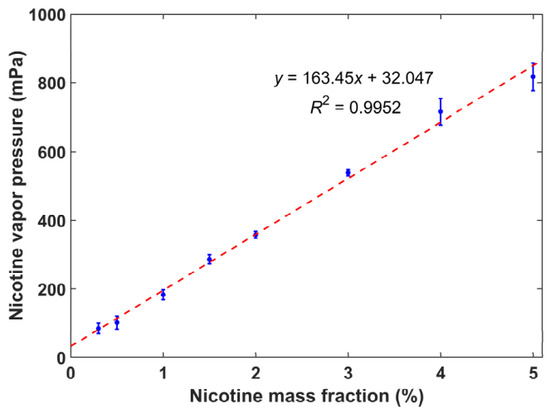
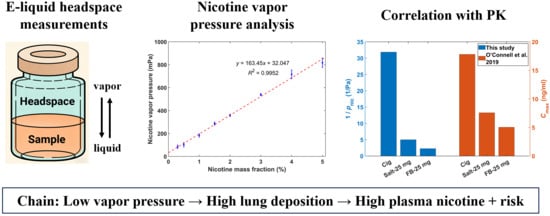
Electronic cigarettes are widely used as alternatives to conventional cigarettes. However, the relationships among e-liquid formulation, nicotine volatility, and nicotine delivery remain insufficiently investigated due to limited data on nicotine vapor pressure in e-liquid systems. This study aimed to investigate the effects of e-liquid formulations on nicotine vapor pressure, explore the underlying mechanisms, and establish correlations with nicotine delivery and pharmacokinetics. A headspace method was applied to measure nicotine vapor pressure at 37 °C, with variables including nicotine concentration, PG/VG ratio, organic acid type and ratio, and water content. The results showed that nicotine vapor pressure increased linearly with free-base nicotine fraction and decreased monotonically with increasing PG/VG ratio, acid-to-nicotine molar ratio, and water content. In addition, nicotine vapor pressure followed the order: free-base e-liquids > nicotine salt e-liquids > conventional cigarettes. Then, a correlation analysis was conducted between nicotine vapor pressure and nicotine pharmacokinetics. Lower vapor pressure correlated with deeper lung deposition, higher plasma nicotine, and greater potential toxicity, while higher vapor pressure correlated with more deposition in the upper respiratory tract and potential local irritation. Overall, nicotine vapor pressure can serve as an indicator for predicting nicotine delivery, supporting the rational regulation of e-liquid formulations and health risk assessment.
Full article

Graphical abstract
Open AccessArticle
Highly Efficient Removal of Barium(II) from Nuclear Wastewater by Calcined Magnesium–Aluminum Layered Double Hydroxides
by
Jun Wang, Zhaoxu Sun, Ziyi Liu, Xinglei Li, Yi Zhou, Ningchao Zheng, Qiang Wu, Chen Xu, Lu Gao, Hiroshi Watabe, Yanliang Chen, Yuezhou Wei and Xiangbiao Yin
Toxics 2026, 14(5), 432; https://doi.org/10.3390/toxics14050432 - 14 May 2026
Abstract
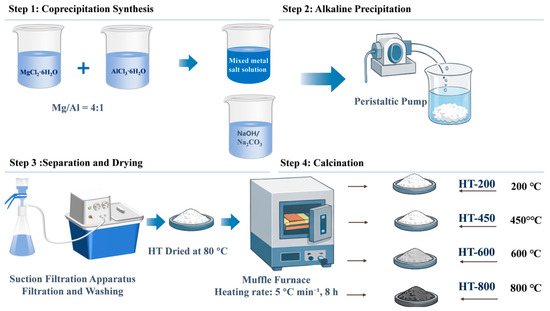
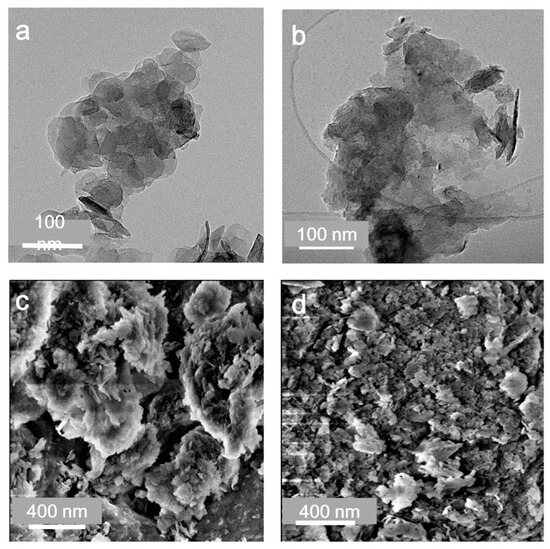
Radioactive Ba2+ poses significant risks to nuclear safety and environmental protection, yet its efficient removal from nuclear wastewater remains a considerable challenge. Herein, Mg-Al layered double hydroxides (LDHs) were synthesized via a co-precipitation method and systematically optimized by tuning the Mg/Al molar
[...] Read more.
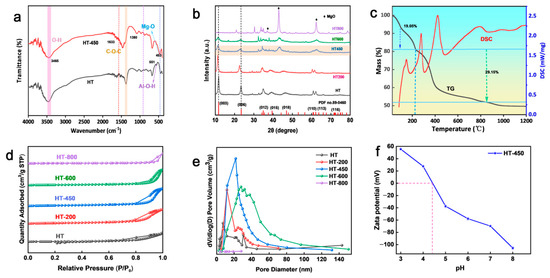
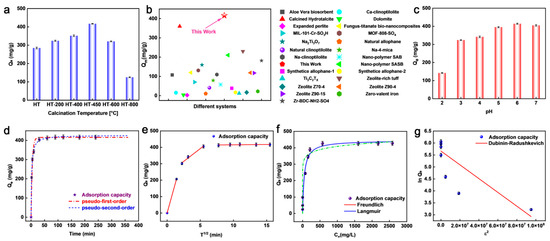
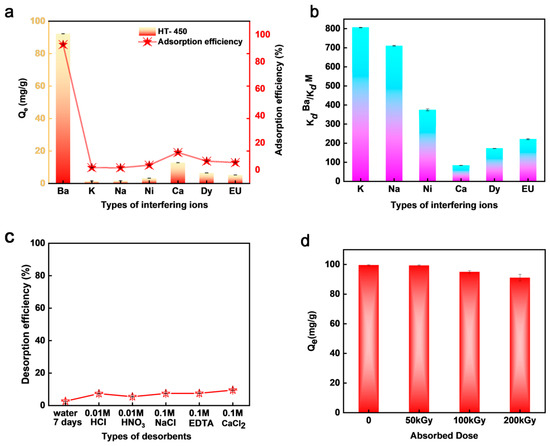
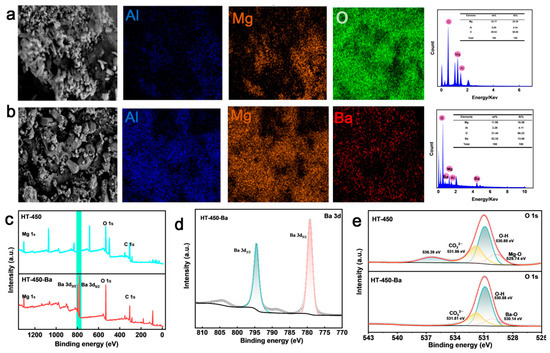
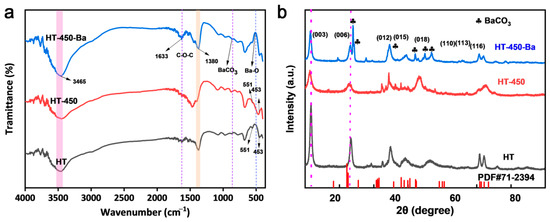
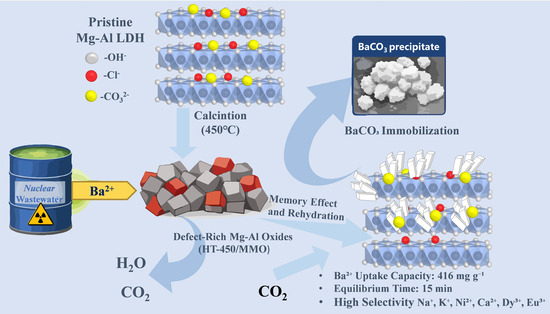
Radioactive Ba2+ poses significant risks to nuclear safety and environmental protection, yet its efficient removal from nuclear wastewater remains a considerable challenge. Herein, Mg-Al layered double hydroxides (LDHs) were synthesized via a co-precipitation method and systematically optimized by tuning the Mg/Al molar ratio and calcination temperature. The optimal material, obtained by calcining Mg-Al LDH with a Mg/Al ratio of 4:1 at 450 °C (denoted as HT-450), exhibited a high apparent Ba2+ uptake capacity of 416 mg g−1 and reached equilibrium within 15 min. Structural and spectroscopic analyses indicate that Ba2+ immobilization is more appropriately described as a reconstruction-coupled, interfacially mediated mineralization process, in which insoluble BaCO3 forms in close association with the reconstructed HT-450 surface rather than through simple reversible adsorption or ion exchange. HT-450 also exhibited stable performance over a wide pH range of 3–7, high selectivity toward Ba2+ in the presence of competing mono-, di-, and trivalent cations, and excellent radiation tolerance, retaining approximately 95% of its initial uptake capacity after exposure to 200 kGy high-energy electron irradiation. These results demonstrate that HT-450 is a promising candidate for the rapid and stable immobilization of Ba2+ from Ba-containing radioactive wastewater.
Full article
(This article belongs to the Section Metals and Radioactive Substances)
►▼
Show Figures

Graphical abstract
Open AccessArticle
Risk Perception of Military Firefighters and Brigades in Relation to Exposure to Smoke from Forest Fires in Brazil
by
Fausto Jaime Miranda de Araujo and Eloisa Dutra Caldas
Toxics 2026, 14(5), 431; https://doi.org/10.3390/toxics14050431 - 13 May 2026
Abstract
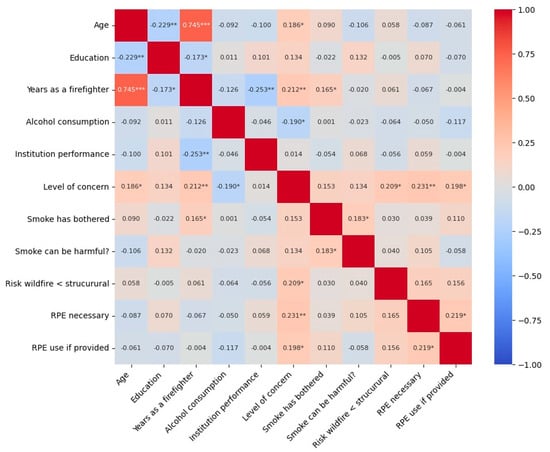
Firefighters and forest brigades engaged in wildfire suppression are routinely exposed to smoke containing toxic compounds that pose acute and chronic health risks, and it is important to understand how they perceive these risks during their work. This study aimed to evaluate health
[...] Read more.
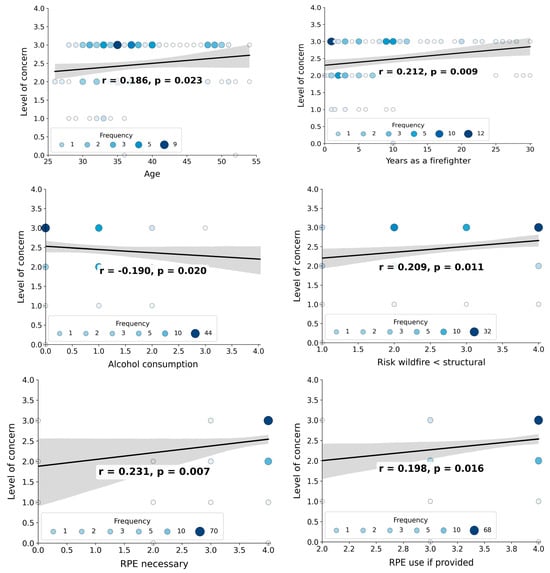
Firefighters and forest brigades engaged in wildfire suppression are routinely exposed to smoke containing toxic compounds that pose acute and chronic health risks, and it is important to understand how they perceive these risks during their work. This study aimed to evaluate health risk perception among military firefighters and contracted forest brigades in the Federal District, Brazil, the use of respiratory protection equipment (RPE), and institutional support. A questionnaire was administered to 150 firefighters and 22 brigades in 2023 and 2024. Most respondents were between 30 and 40 years old, with firefighters having a significantly higher education level than brigades (p < 0.0001). Most were concerned about smoke exposure and recognized its high health risk, including respiratory diseases and cancer, with brigades showing a higher risk perception than firefighters (p < 0.0001). Despite this high perceived risk, about 80% of firefighters and 86% of brigades reported not using RPE, mainly because it was not provided by their institutions (according to 53.8% of firefighters and 73.7% of brigades). The level of concern about wildfire smoke among participants correlated positively with age, years of experience, perceived necessity of RPE, and willingness to use it if provided. Firefighters rated their institution’s performance on occupational health and safety significantly less positively than brigades (p < 0.0001). The results of this study demonstrated that the lack of preventive and protective practices is not due to low risk perception, but rather to institutional failures in guidance, support, and provision of RPE.
Full article
(This article belongs to the Section Air Pollution and Health)
►▼
Show Figures

Figure 1
Open AccessArticle
Fucoidan Protects Against Cadmium-Induced Cytotoxicity in PK-15 Cells by Restoring Autophagic Flux: Involvement of the TFEB Signaling Pathway
by
Haobo Qu, Xiaoyu Zhao, Yifan Wang, Sichao Mao, Xingxiang Chen, Kehe Huang and Xinyi Xu
Toxics 2026, 14(5), 430; https://doi.org/10.3390/toxics14050430 - 13 May 2026
Abstract
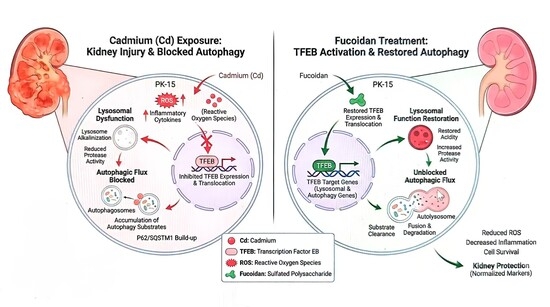
Cadmium (Cd) is a persistent environmental pollutant that poses a significant health risk to humans and animals, with acute exposure known to induce kidney injury. Fucoidan (Fc), a natural bioactive polysaccharide derived from brown algae, exhibits diverse biological activities; however, its potential to
[...] Read more.
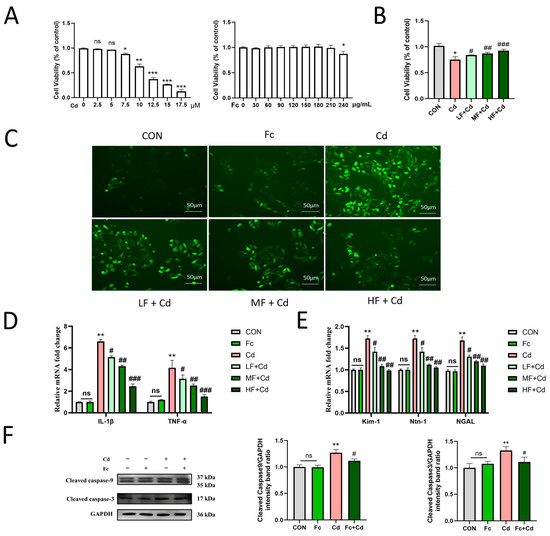
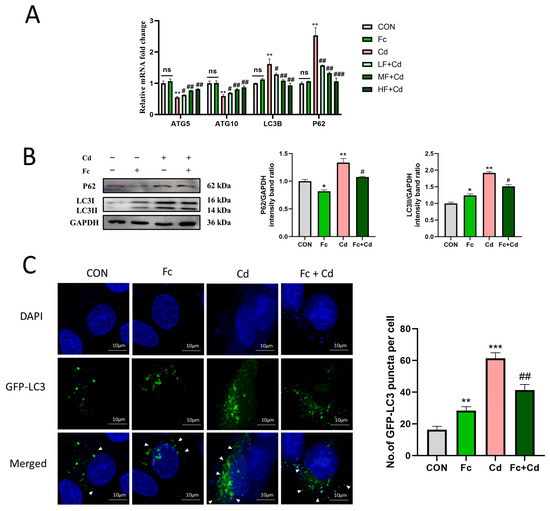
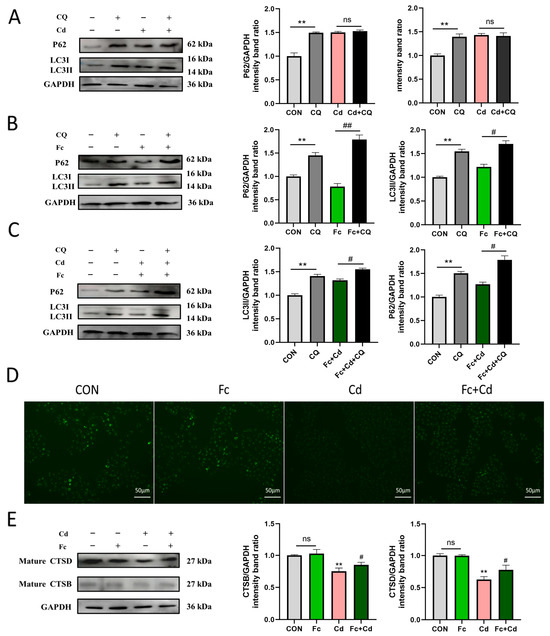
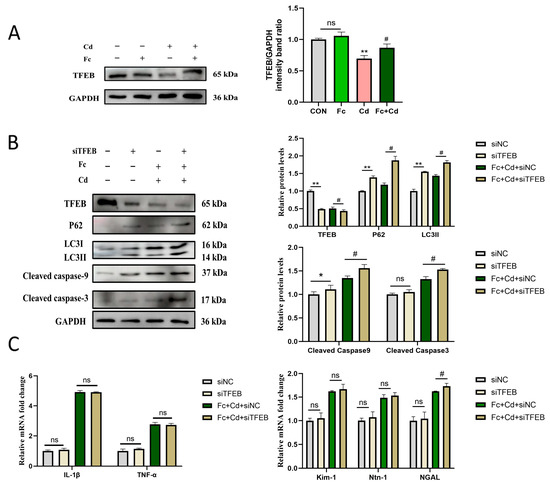
Cadmium (Cd) is a persistent environmental pollutant that poses a significant health risk to humans and animals, with acute exposure known to induce kidney injury. Fucoidan (Fc), a natural bioactive polysaccharide derived from brown algae, exhibits diverse biological activities; however, its potential to protect against Cd-induced kidney damage and the underlying mechanisms remain unclear. In this study, we investigated the effects of Fc on Cd-induced renal injury in vitro and further explored the role of transcription factor EB (TFEB) in regulating autophagy in its protective mechanism. Our results demonstrate that in Cd-exposed porcine kidney cells (PK-15), Fc suppressed the expression of renal inflammatory factors (TNF-α, IL-1β) and kidney injury markers (NGAL, NTN-1, KIM-1), reduced reactive oxygen species (ROS) production, and downregulated apoptosis-related proteins (cleaved caspase-3 and cleaved caspase-9). Mechanistically, Fc upregulated TFEB protein expression, enhanced the levels of lysosomal function-related proteins (Cathepsin B, CTSB; Cathepsin D, CTSD), and reversed Cd-induced autophagic flux blockade. Importantly, TFEB silencing abolished the protective effects of Fc. Collectively, these findings suggest that Fc exerts renoprotective effects against Cd-induced injury by restoring autophagic flux, a process that involves TFEB.
Full article
(This article belongs to the Special Issue Toxic Agent Analysis and Removal for Healthy Living and Safe Environment)
►▼
Show Figures

Graphical abstract
Open AccessReview
Toxic Substances in Plastics, Micro- and Nanoplastics: Utilizing ATSDR’s Plastics-Related Toxicological Profile Tool and Mixtures Framework for Human Health Risk Assessment
by
Custodio V. Muianga, Gregory M. Zarus, Katie Stallings, Gaston Casillas, Mohammad Shoeb, Kimberly Gehle, Mohammad Moiz Mumtaz and Christopher M. Reh
Toxics 2026, 14(5), 429; https://doi.org/10.3390/toxics14050429 - 13 May 2026
Abstract
The prevalence of plastics in the environment raises concerns about their complex and poorly understood effects on human health. Research continues to uncover more sources of exposure and wider ranges of plastics within the body. Adverse health effects have been observed in animals,
[...] Read more.
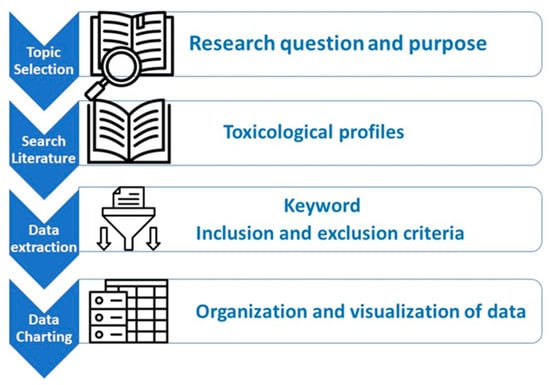
The prevalence of plastics in the environment raises concerns about their complex and poorly understood effects on human health. Research continues to uncover more sources of exposure and wider ranges of plastics within the body. Adverse health effects have been observed in animals, but their relevance to humans remains unclear. To address the growing need for reliable toxicity assessment resources and tools to aid in the synthesis of findings and the identification of data gaps and needs, we have developed a data visualization tool to provide streamlined access to the evaluated data on the chemical impacts of plastics on human health. The Plastics-Related Toxicology Profiles Tool uses Tableau Public to organize the extracted chemical-specific information from ATSDR Toxicological Profiles, the United Nations Environmental Program’s 2023 Chemicals in Plastics Technical Report, and a literature review of relevant research in Google Scholar and PubMed. The tool organizes extracted data from 98 ATSDR Toxicological Profiles representing over 476 substances related to plastics production in 16 tabulated health outcome categories associated with plastics exposure. The chemicals are organized into four categories based on their role in plastics manufacturing. The top four health endpoints impacted by all listed substance profiles are respiratory, neurologic, hepatic, and developmental effects. More than 30% of the substance profiles affected these systems as well as other non-cancer endpoints involving the immunological, renal, and reproductive systems, as well as increased cancer risk in respiratory and hepatic systems. Most monomers negatively impact development and the respiratory system, and most metal additives affect the respiratory system. We explain how this data visualization tool combined with ATSDR’s framework for assessing health impacts from multiple chemicals could be applied to identify the target organs impacted by components of the common plastic polyvinyl chloride. Hazard quotients and index show low toxicity and health risk of components in the cured product. This data provide a valuable resource for prioritizing health risk assessments. Use of this interactive tool can enhance the ability of public health professionals to navigate the expanding literature, synthesize findings, and identify future health risk assessment and research priorities.
Full article
(This article belongs to the Section Emerging Contaminants)
►▼
Show Figures

Figure 1
Open AccessArticle
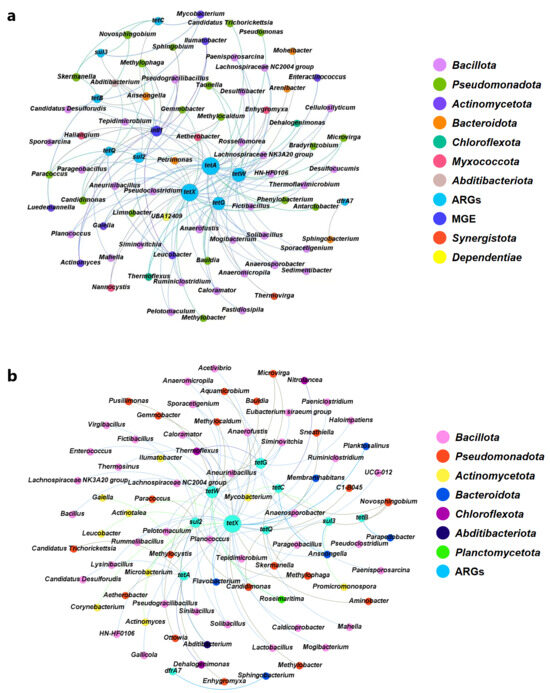
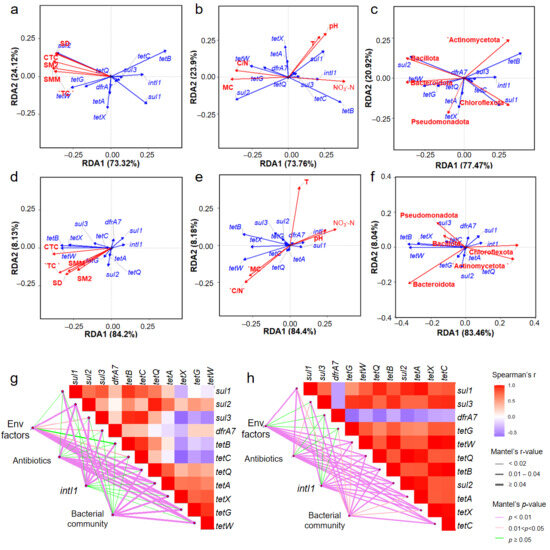
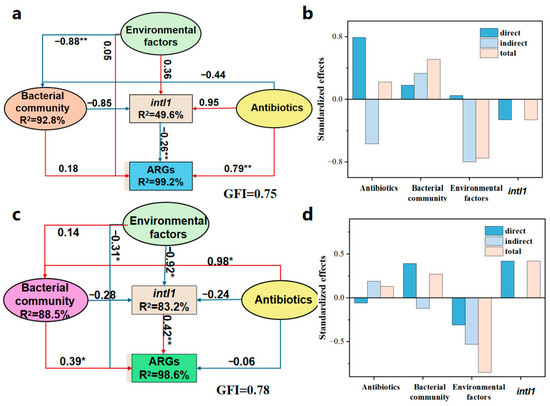
The Fate of Antibiotic Resistance Genes and Their Influential Factors During Large-Scale Cattle Manure Composting
by
Zhuo Sun, Siyu Yang, Tong Zhang, Hongyin Li, Peng Gao, Liqiu Zhang, Li Feng and Qi Han
Toxics 2026, 14(5), 428; https://doi.org/10.3390/toxics14050428 - 13 May 2026
Abstract
►▼
Show Figures
Animal manure represents a critical reservoir that facilitates the dissemination of antibiotic resistance genes (ARGs) and mobile genetic elements (MGEs). However, the current understanding of ARG evolution during extensive composting remains insufficient. This study systematically investigated two common aerobic composting techniques: push-flow trough
[...] Read more.
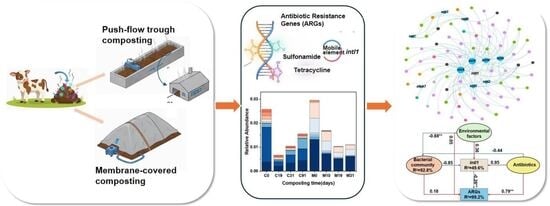
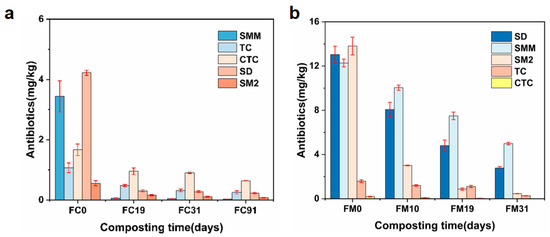
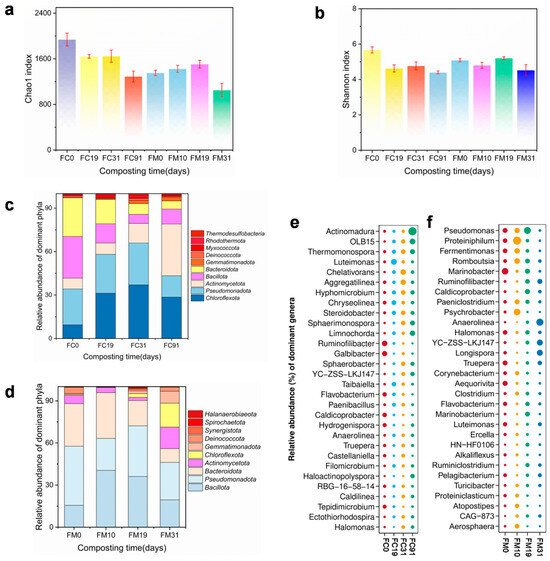
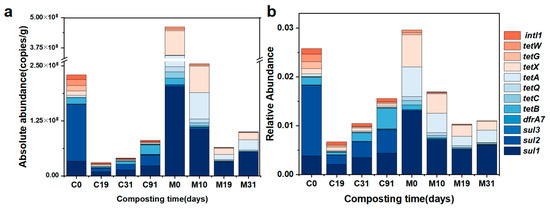
Animal manure represents a critical reservoir that facilitates the dissemination of antibiotic resistance genes (ARGs) and mobile genetic elements (MGEs). However, the current understanding of ARG evolution during extensive composting remains insufficient. This study systematically investigated two common aerobic composting techniques: push-flow trough composting (FC) and membrane-covered composting (FM). Results indicated that both processes demonstrated substantial antibiotic removal capacities, achieving total removal rates of 88.89% (FC) and 79.20% (FM). Nevertheless, their effectiveness in removing ARGs varied considerably. During the 31 days of composting, the total removal rates of ARGs were 59.97% (FC) and 76.11% (FM), while the removal rates for class 1 integron (intI1) were 2.31% (FC) and 69.13% (FM). With the exception of tetX, tetG, and tetW, all other ARGs exhibited a rebound during the later stage of the FC process. In contrast, the FM process effectively reduced the risk of ARG rebound during this phase, which can be attributed to its extended thermophilic period and the physical barrier effect of the semi-permeable membrane. Network analysis indicated that ARGs were primarily associated with Bacillota and Pseudomonadota. The Partial Least Squares Path Model (PLS-PM) revealed that the bacterial community was the main factor influencing ARG dynamics in FC, while in FM, both the bacterial community and intI1 were the primary drivers. This study provides critical insights for optimizing composting strategies to prevent the dissemination of antibiotic resistance.
Full article

Graphical abstract
Open AccessArticle
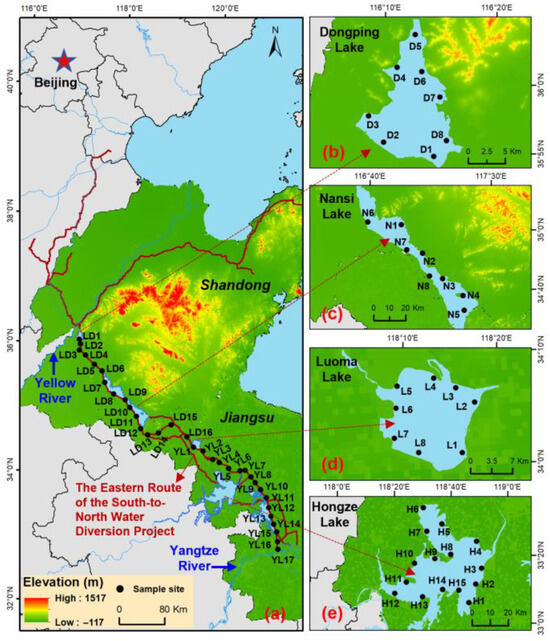
Occurrence, Distribution, and Risk Assessment of Phenolic Endocrine-Disrupting Chemicals in Surface Waters of the World’s Longest Water Diversion Project: The Non-Negligible Impact of Local Wastewater Emissions
by
Yuanxin Cao, Xiaoxin Zhang, Yubo Yan and Qiao Li
Toxics 2026, 14(5), 427; https://doi.org/10.3390/toxics14050427 - 13 May 2026
Abstract
Water contamination by phenolic endocrine-disrupting chemicals (EDCs) is a global environmental concern. Yet, the occurrence of phenolic EDCs in artificial water diversion systems remains poorly understood. Thus, the Eastern Route of the South-to-North Water Diversion Project, the world’s longest water diversion project, was
[...] Read more.
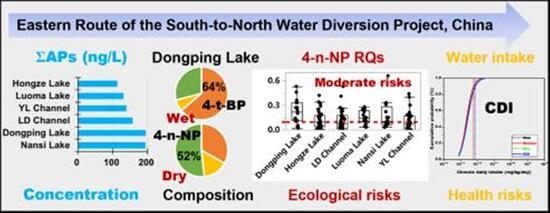
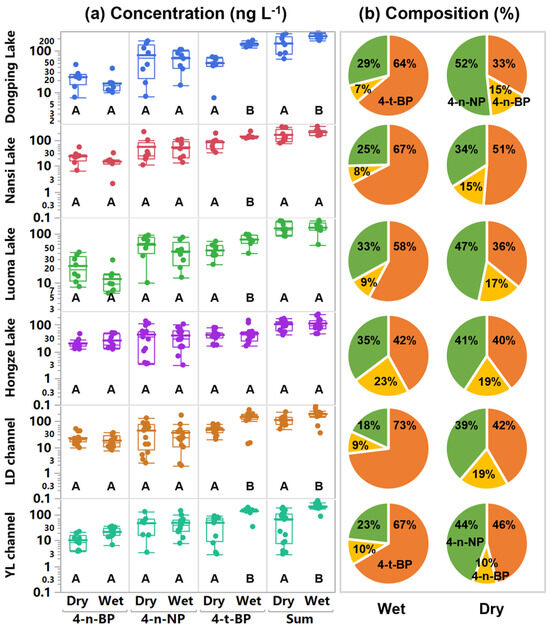
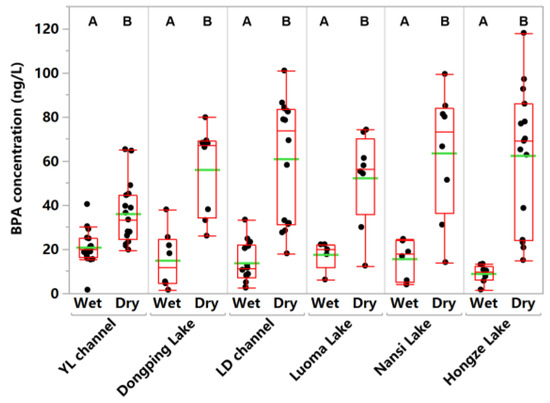
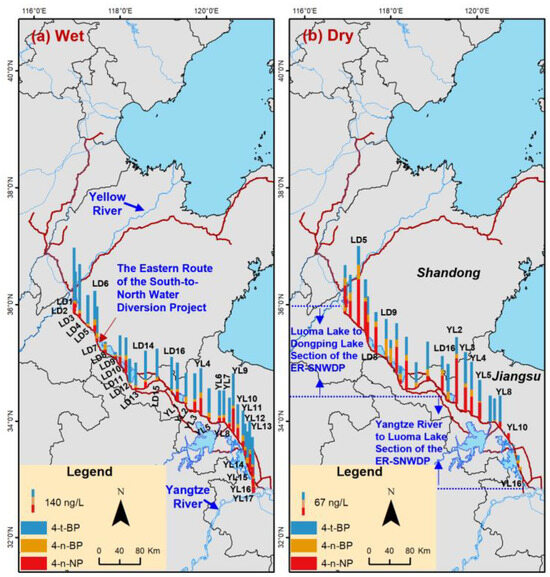
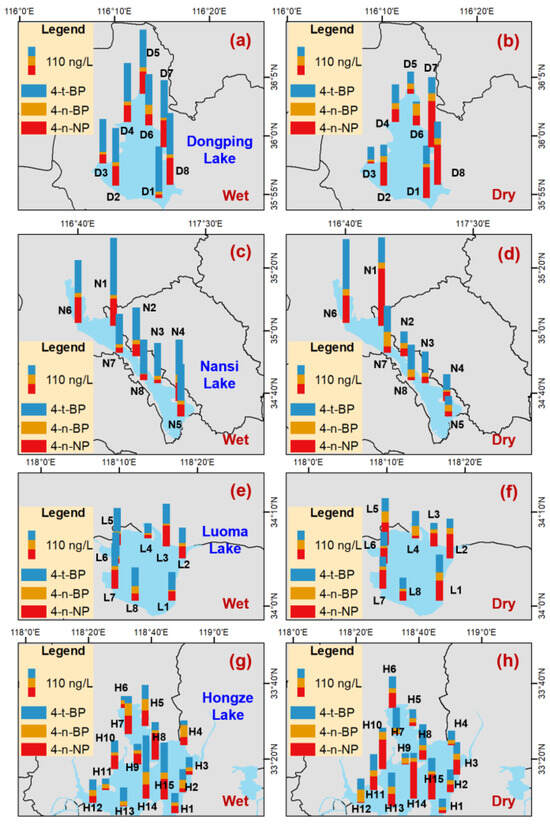
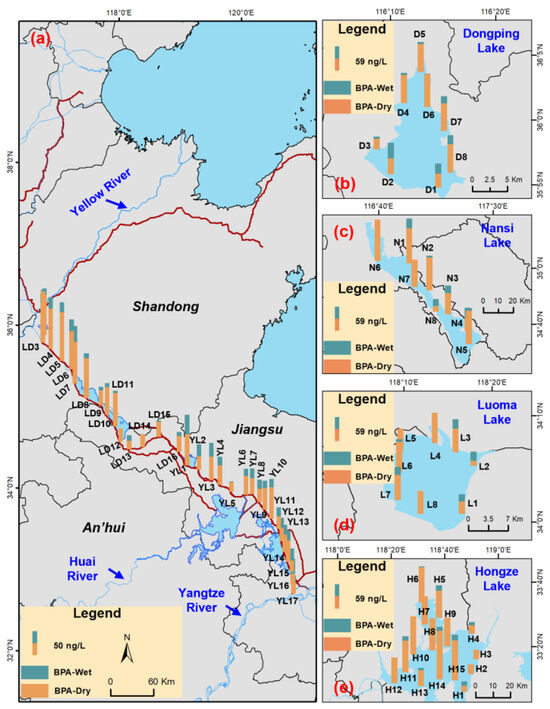
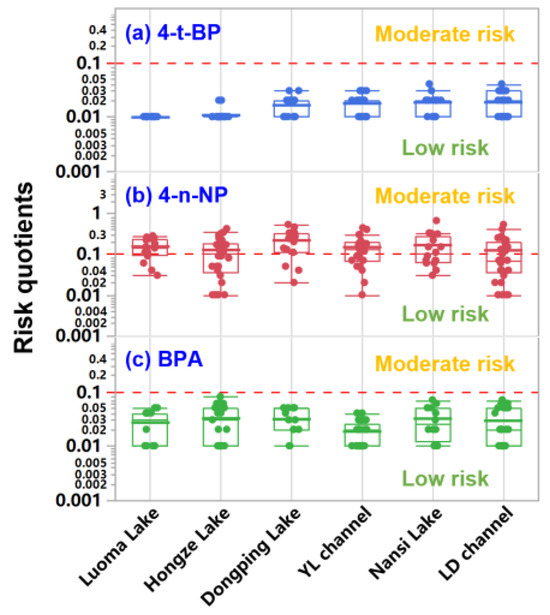
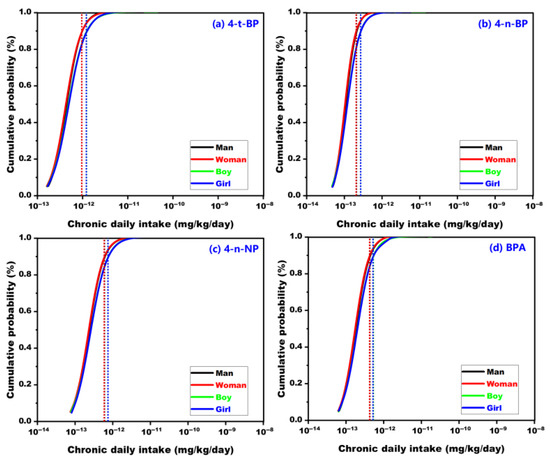
Water contamination by phenolic endocrine-disrupting chemicals (EDCs) is a global environmental concern. Yet, the occurrence of phenolic EDCs in artificial water diversion systems remains poorly understood. Thus, the Eastern Route of the South-to-North Water Diversion Project, the world’s longest water diversion project, was chosen as the study area to investigate the spatiotemporal distribution of alkylphenols (APs) and bisphenol A (BPA), typical phenolic EDCs, and to evaluate their risks. During the diversion operation, higher mean ΣAP concentrations were observed in lakes of Nansi and Dongping relative to the Luoma Lake–Dongping Lake and Yangtze–Luoma Lake diversion channels. The AP composition in the two lakes was also different from that in the two channels. These findings demonstrated that the canal water was not a key source of AP contamination in the lakes, highlighting the importance of local wastewater inputs. The spatial distribution of ΣAP and BPA concentrations in the lakes was mainly affected by the riverine inputs. For ecological risks, 4-n-nonylphenol (4-n-NP) exhibited moderate ecological risks at 81.3% of sampling sites in Dongping Lake and 68.8% of those in Luoma Lake, highlighting the need for heightened attention in future studies. Even under the high exposure scenario, 4-n-NP and BPA would not produce health risks to residents through water intakes. Overall, surface water resources of the Eastern Route Project were confirmed to be safe for human consumption.
Full article
(This article belongs to the Section Emerging Contaminants)
►▼
Show Figures

Graphical abstract
Open AccessArticle
Personal PM2.5 Exposure Using Time-Weighted Average Scenarios in the Seoul Metropolitan Area
by
Jae-Won Choi, Shin-Young Park and Cheol-Min Lee
Toxics 2026, 14(5), 426; https://doi.org/10.3390/toxics14050426 - 12 May 2026
Abstract
Personal exposure assessment is essential in environmental and epidemiological studies. However, conventional methods often do not adequately reflect individuals’ spatiotemporal activity characteristics. This study evaluates the suitability of personal exposure assessment methods using PM2.5 as a case study, comparing measured personal exposure
[...] Read more.
Personal exposure assessment is essential in environmental and epidemiological studies. However, conventional methods often do not adequately reflect individuals’ spatiotemporal activity characteristics. This study evaluates the suitability of personal exposure assessment methods using PM2.5 as a case study, comparing measured personal exposure concentrations with three exposure estimation scenarios (S1–S3). S1 relies on fixed-site monitoring data, S2 incorporates location-based outdoor concentrations and a single indoor measurement, and S3 integrates individual location with microenvironment-specific concentrations. Using personal PM2.5 measurements and time–activity data (TAD) from adults in the Seoul metropolitan area, exposure levels showed substantial variation depending on activity patterns and time spent in different microenvironments. Time-weighted average (TWA)-based estimates differed across scenarios; among them, the one integrating microenvironmental concentrations and TAD showed the closest agreement with measured exposure. In contrast, S1 and S2 generally overestimated exposure. Although S3 slightly underestimated short-term high-concentration events, it showed high correlation (r = 0.78) and low errors (RMSE = 4.79, MAE = 3.70), effectively capturing relative variability in personal exposure. These results suggest that integrating time–activity patterns with microenvironmental concentrations improves the accuracy and reliability of personal exposure assessment and is expected to further enhance the reliability of personal exposure assessment.
Full article
(This article belongs to the Special Issue Atmospheric Emissions, Exposure, Monitoring and Prediction)
Open AccessArticle
Radionuclide and Trace Element Distribution in Grey Wolves (Canis lupus): Implications for Environmental Contamination and Transfer in Terrestrial Ecosystems
by
Maja Lazarus, Božena Skoko, Mikael Hult, Tatjana Orct, Maja Ferenčaković, Ivana Coha, Josip Kusak, Slaven Reljić, Gerd Marissens and Heiko Stroh
Toxics 2026, 14(5), 425; https://doi.org/10.3390/toxics14050425 - 12 May 2026
Abstract
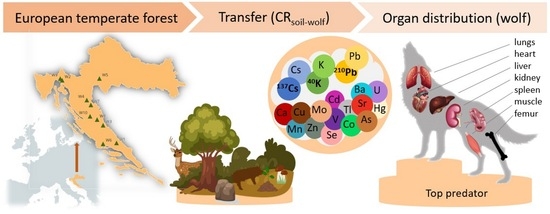
Anthropogenic pollution may impose additional pressure on European populations of large protected carnivores due to the systemic toxicity of contaminants such as cadmium, lead, and radiocaesium (137Cs). Our aim was to carry out 137Cs, radiopotassium (40K), and stable
[...] Read more.
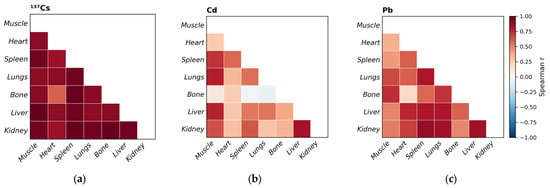
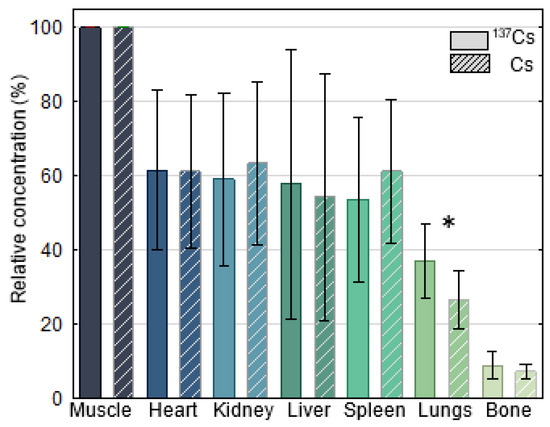
Anthropogenic pollution may impose additional pressure on European populations of large protected carnivores due to the systemic toxicity of contaminants such as cadmium, lead, and radiocaesium (137Cs). Our aim was to carry out 137Cs, radiopotassium (40K), and stable element distribution analysis through seven tissues of grey wolves (Canis lupus) from temperate forests of Croatia using ultra-low background gamma-ray spectrometry and ICPMS, respectively. In addition, radiolead (210Pb) massic activity was quantified in femoral bone. The massic activity of 137Cs in the heart, kidney, liver, spleen, lungs, and femoral bone (in decreasing order) ranged from 9–61% relative to muscle and showed strong inter-tissue correlations. However, correlations between radionuclides and their stable analogues in wolf tissues indicated considerable uncertainty in the use of stable element data for radiological risk assessment. In addition, concentration ratios (CRwhole organism-soil) derived from stable element data should be applied with caution when radionuclide data are lacking. Overall, radionuclide activities and element levels not subject to homeostatic regulation in grey wolves were comparable to or lower than those reported for other populations, particularly those from sub-Arctic regions. Despite being apex terrestrial predators, wolves inhabiting temperate ecosystems do not currently appear to be at risk of adverse health effects from exposure to the most relevant inorganic anthropogenic pollutants.
Full article
(This article belongs to the Special Issue Radioactive Contamination and Its Impact on the Environment)
►▼
Show Figures

Graphical abstract
Journal Menu
► ▼ Journal Menu-
- Toxics Home
- Aims & Scope
- Editorial Board
- Reviewer Board
- Topical Advisory Panel
- Instructions for Authors
- Special Issues
- Topics
- Sections & Collections
- Article Processing Charge
- Indexing & Archiving
- Editor’s Choice Articles
- Most Cited & Viewed
- Journal Statistics
- Journal History
- Journal Awards
- Conferences
- Editorial Office
Journal Browser
► ▼ Journal BrowserHighly Accessed Articles
Latest Books
E-Mail Alert
News
Topics
Topic in
Applied Sciences, Toxics, Water, ChemEngineering, Processes
Environmental Remediation: Research Advances Towards a Comprehensive Sustainability Approach
Topic Editors: Rongkui Su, Giovanni Vinti, Franco Hernan Gomez, Lei HuangDeadline: 31 May 2026
Topic in
IJERPH, Microplastics, Polymers, Toxics
Plastic Contamination (Plastamination): An Environmental and Public Health-Related Concern
Topic Editors: Rosaria Meccariello, Antonino Testa, Francesco Cappello, Antonietta SantoroDeadline: 30 June 2026
Topic in
IJERPH, JoX, Toxics, Children, Metabolites, Sustainability
Environmental Exposure and Health Risks for Vulnerable Populations
Topic Editors: Mingyang Wu, Yanling DengDeadline: 31 October 2026
Topic in
JMSE, JoX, Pollutants, Toxics, Water, Environments, Limnological Review
Aquatic Emerging Contaminants and Their Ecotoxicological Consequences, 2nd Edition
Topic Editors: Valerio Matozzo, François Gagné, Stefano MagniDeadline: 30 November 2026
Conferences
Special Issues
Special Issue in
Toxics
Environmental Monitoring and Health Risk Assessment of Traffic-Related Air Pollution
Guest Editors: Huanbo Wang, Tingting Huo, Li ZhouDeadline: 20 May 2026
Special Issue in
Toxics
PFAS Toxicology and Metabolism—2nd Edition
Guest Editors: Denise MacMillan, William S. Baldwin, Subham DasguptaDeadline: 20 May 2026
Special Issue in
Toxics
Pharmacological and Toxicological Insights into Bioactive Natural Products: From Traditional Use to Mechanistic Understanding
Guest Editors: Maria Loreta Libero, Simonetta Cristina Di SimoneDeadline: 20 May 2026
Special Issue in
Toxics
Aerosol Particles: From Sources to Health Impacts
Guest Editors: Matthias Karl, Fujie ZhuDeadline: 21 May 2026
Topical Collections
Topical Collection in
Toxics
Exposure and Effects of Environmental Pollution on Vulnerable Populations
Collection Editors: Matteo Vitali, Carmela Protano, Arianna Antonucci
Topical Collection in
Toxics
Artificial Intelligence and Data Mining for Toxicological Sciences
Collection Editors: Emilio Benfenati, Noel Aquilina