Journal Description
Separations
Separations
- formerly Chromatography - is an international, peer-reviewed, open access journal on separation and purification science and technology in all areas of chemical, biological, physical science, and separation performance, published monthly online by MDPI. The Central European Group of Separation Sciences (CEGSS) is affiliated with Separations and its members receive discounts on the article processing charges.
- Open Access— free for readers, with article processing charges (APC) paid by authors or their institutions.
- High Visibility: indexed within Scopus, SCIE (Web of Science), CAPlus / SciFinder, and other databases.
- Journal Rank: CiteScore - Q2 (Analytical Chemistry)
- Rapid Publication: manuscripts are peer-reviewed and a first decision is provided to authors approximately 16 days after submission; acceptance to publication is undertaken in 2.8 days (median values for papers published in this journal in the second half of 2025).
- Recognition of Reviewers: reviewers who provide timely, thorough peer-review reports receive vouchers entitling them to a discount on the APC of their next publication in any MDPI journal, in appreciation of the work done.
- Companion journal: Purification.
- Journal Cluster of Analysis and Sensing Technologies: Analytica, Biosensors, Chemosensors, Purification, Separations and Spectroscopy Journal.
Impact Factor:
2.7 (2024);
5-Year Impact Factor:
2.7 (2024)
Latest Articles
Enhancement of the Wastewater Treatment Process of a PETRO System by Natural and Commercial Coagulants
Separations 2026, 13(5), 141; https://doi.org/10.3390/separations13050141 - 5 May 2026
Abstract
Water pollution due to insufficient wastewater treatment is a global concern. In this paper, coagulation and flocculation as a tertiary polishing unit process were investigated to find a solution for a non-compliant wastewater treatment facility. The Palapye Pond Enhanced Treatment and Operation (PETRO)
[...] Read more.
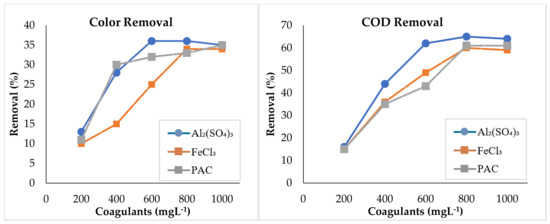
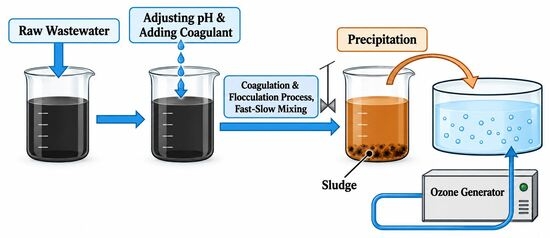
Water pollution due to insufficient wastewater treatment is a global concern. In this paper, coagulation and flocculation as a tertiary polishing unit process were investigated to find a solution for a non-compliant wastewater treatment facility. The Palapye Pond Enhanced Treatment and Operation (PETRO) system has not been compliant for a long time with effluent characterised by high turbidity, Biological Oxygen Demand/Chemical Oxygen Demand (BOD/COD), Total Suspended Solids (TSS), Nitrates (NO3−), and Phosphates (PO43−) The effluent from the plant is released into the stream that drains into the nearby Lotsane dam, posing significant danger to the water quality of the dam. The main objective of the study was to investigate the effect of coagulation and flocculation processes at the tertiary stage of the wastewater treatment process. Response Surface Methodology (RSM), Central Composite Design (CCD) and Multi Response Surface (MRS) were used to optimise the coagulation process and generate regression models to predict the coagulation and flocculation. The performance was evaluated using turbidity, Colour, COD and TSS as response variables. Response surface analysis indicated that the experimental data could be adequately fitted to quadratic polynomial models. Under optimum conditions the removal efficiency for Al2(SO4)3·18H2O: 91.1% (turbidity), 88.2% (colour), 58.9% (COD), 83.0% (TSS); for FeCl3·6H2O: 93.2%, 88.7%, 63.8%, 91.3%; for Moringa: 91.8%, 85.4%, 56.6%, 83.7%. The optimal removals based on MRS for Al2(SO4)3.18H2O, FeCl3.6H2O and Moringa oleifera were 90.7%, 89.7%, 59.9% and 88.5%; 94.7%, 90.8%, 58.1% and 93.8%; 94.0%, 87.2%, 60.1% and 82.1% for turbidity, colour, COD and TSS respectively. This research has demonstrated that the coagulation/flocculation process, operating synergistically with pH-induced precipitation softening, can be incorporated as an enhancement to the secondary treatment stage of the wastewater treatment facility. At the optimal alkaline conditions (pH 12–12.6), the dominant mechanism is the precipitation of native hardness ions (Mg2+, Ca2+) as Mg(OH)2 and CaCO3, which enmesh colloidal particles, while the added coagulants play a refining role by enhancing floc structure and settling. The study introduces a comparative evaluation of three coagulants within a single RSM-CCD optimisation framework, employing desirability functions for multi-response optimisation.
Full article
(This article belongs to the Special Issue Separation Techniques for Wastewater Treatment)
►
Show Figures
Open AccessArticle
Resource Recovery from High-Salinity Rare Earth Metallurgy Wastewater by Coupling Electrolysis and Membrane Processes
by
Yanxin Xie, Jiuyang Lin, Yinhua Wan, Chao Wang, Kaibo Hu, Wenjing Yuan, Ning Li and Xuewei Li
Separations 2026, 13(5), 140; https://doi.org/10.3390/separations13050140 - 2 May 2026
Abstract
The treatment of high-salinity wastewater generated from the use of sodium hydroxide (NaOH) in rare-earth metallurgy poses significant environmental and resource-recovery challenges. Conventional methods are often economically unfeasible due to their high energy consumption and limited value recovery. To address these limitations, this
[...] Read more.
The treatment of high-salinity wastewater generated from the use of sodium hydroxide (NaOH) in rare-earth metallurgy poses significant environmental and resource-recovery challenges. Conventional methods are often economically unfeasible due to their high energy consumption and limited value recovery. To address these limitations, this study proposes an innovative integrated electrochemical process designed not only to desalinate the wastewater efficiently but also to valorize it through the simultaneous co-production of NaOH, chlorine (Cl2), and hydrogen (H2). Systematic optimization reveals a critical trade-off between ion transport efficiency and side reactions, with optimal performance achieved at 2 mol L−1 NaCl, 80 mA cm−2 current density, 2 mm electrode spacing, 30 mL min−1 flow rate, and 5000 mg L−1 initial NaOH concentration. The system maintains exceptional long-term stability, sustaining 97.5% Cl− removal over 4410 min of continuous operation without membrane fouling, a key advantage over conventional processes. Validation with authentic rare earth wastewater achieves 90.3% desalination within 5 h. Techno-economic analysis shows that the market value of recovered NaOH nearly offsets the energy cost, achieving near-cost-neutrality. This work establishes electrolysis–membrane coupling as a technically viable and economically attractive strategy for transforming high-salinity industrial waste streams into valuable resources.
Full article
(This article belongs to the Special Issue Electrochemical Separation and Recovery Technology in Wastewater Treatment)
►▼
Show Figures

Graphical abstract
Open AccessReview
A Review on the Extraction, Purification, and Biological Activities of Polysaccharides from Elaeagnus angustifolia Fruits
by
Xinhan Fan and Wei Wang
Separations 2026, 13(5), 139; https://doi.org/10.3390/separations13050139 - 1 May 2026
Abstract
Elaeagnus angustifolia L., belonging to the family Elaeagnaceae and genus Elaeagnus, which is a medicinal and edible homologous material with significant economic and ecological value. Its polysaccharides are one of its key active components, exhibiting bioactivities, including antioxidant, immunomodulatory, antitumor, anti-fatigue, and
[...] Read more.
Elaeagnus angustifolia L., belonging to the family Elaeagnaceae and genus Elaeagnus, which is a medicinal and edible homologous material with significant economic and ecological value. Its polysaccharides are one of its key active components, exhibiting bioactivities, including antioxidant, immunomodulatory, antitumor, anti-fatigue, and hypolipidemic effects. This paper reviews the research progress on the extraction, purification, structural features, and bioactivities of E. angustifolia polysaccharides, aiming to provide a theoretical basis and reference for their high-value development and utilization.
Full article
(This article belongs to the Special Issue Design and Optimization of Extraction/Separation Processes for Natural Products)
Open AccessArticle
A Novel Hybrid Adsorbent Based on Fly Ash and Waste Flax Fibers for Efficient Separation of Rare Earth Ions from Water
by
Tijana Radojičić, Katarina Trivunac, Marina Maletić, Ivona Janković-Častvan, Miloš Simić, Ana Kalijadis and Marija Vukčević
Separations 2026, 13(5), 138; https://doi.org/10.3390/separations13050138 - 1 May 2026
Abstract
In this study, carbonaceous and hybrid adsorbents were synthesized from waste flax fibers and fly ash, integrating two abundant waste streams into a single functional material. Materials were thermally modified and activated with NaOH at 500 °C in a nitrogen atmosphere. The prepared
[...] Read more.
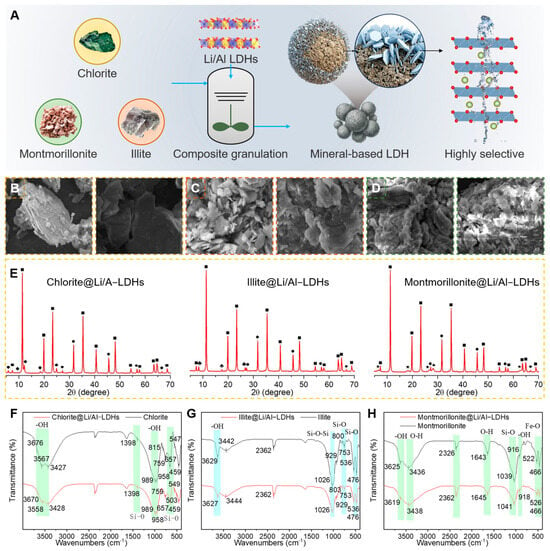
In this study, carbonaceous and hybrid adsorbents were synthesized from waste flax fibers and fly ash, integrating two abundant waste streams into a single functional material. Materials were thermally modified and activated with NaOH at 500 °C in a nitrogen atmosphere. The prepared adsorbents exhibit high efficiency for scandium ion removal, with the hybrid systems significantly outperforming the individual components. The obtained Langmuir maximum adsorption capacities for the adsorption of scandium onto hybrid adsorbents were 18.28 and 32.32 mg/g, depending on the flax fibers/fly ash ratio. The contrasting thermodynamic behavior between hybrid adsorbents of different composition highlights the significant influence of material structure on the adsorption mechanism. The results demonstrate that the synergistic integration of waste flax fibers and fly ash in hybrid materials produces efficient and environmentally sustainable adsorbents, offering a novel approach for REE recovery from aqueous systems.
Full article
(This article belongs to the Special Issue Recent Advances in Rare Earth Separation and Extraction)
►▼
Show Figures

Graphical abstract
Open AccessArticle
Selective Recovery of Gold Using Two Sea Algae (Ulva lactuca and Ulva pertusa) with or Without Concentrated Sulfuric Acid Treatment
by
Jhapindra Adhikari, Gehui Pang, Shintaro Morisada, Hidetaka Kawakita, Keisuke Ohto, Mikihide Demura and Kazuya Urata
Separations 2026, 13(5), 137; https://doi.org/10.3390/separations13050137 - 30 Apr 2026
Abstract
Four algal adsorbents were prepared from two types of green sea algae (Ulva lactuca and Ulva pertusa), either by treatment with concentrated sulfuric acid or without treatment. A comparative study of Au(III) adsorption in an HCl medium was performed. While both untreated adsorbents
[...] Read more.
Four algal adsorbents were prepared from two types of green sea algae (Ulva lactuca and Ulva pertusa), either by treatment with concentrated sulfuric acid or without treatment. A comparative study of Au(III) adsorption in an HCl medium was performed. While both untreated adsorbents showed good performance at low HCl concentrations, the treated adsorbents achieved quantitative adsorption and high selectivity for Au(III) across a broad range of HCl concentrations. The adsorption of Au(III) onto the algal biomass adsorbents followed the typical Langmuir monolayer adsorption model. At an HCl concentration of 0.010 M, the maximum adsorption capacities were 1.14, 0.86, 6.57, and 6.28 mol kg–1 for DUL, DUP, TUL, and TUP, respectively. A kinetic study conducted at different temperatures was consistent with the pseudo-first-order kinetic model and enabled estimation of the activation energy of the adsorption reaction. Structural changes before and after treatment were analyzed using FT-IR spectroscopy. Confirmation of Au(III) adsorption and its subsequent reduction to the elemental state was achieved through XRD and SEM/EDX analyses as well as digital imaging of the Au-loaded adsorbents. Finally, the adsorbed and reduced Au was successfully desorbed using an acidic thiourea solution.
Full article
(This article belongs to the Section Materials in Separation Science)
►▼
Show Figures

Graphical abstract
Open AccessArticle
Cobalt and Manganese Extraction of Spent Lithium–Nickel–Cobalt–Manganese Batteries Using Ascorbic Acid–Tartaric Acid as Organic Acids
by
Weihui Xu, Xueying Li, Guangjin Zhao, Weishu Wang, Kun Zheng, Yulu Zhang, Yue Wang and Yunlong Duan
Separations 2026, 13(5), 136; https://doi.org/10.3390/separations13050136 - 30 Apr 2026
Abstract
The growing demand for portable power has triggered a sharp increase in end-of-life lithium–nickel–cobalt–manganese oxide (NCM) batteries. Efficient recovery of NCM cathode materials is crucial for resource security. This study investigates an ascorbic acid–tartaric acid leaching system for extracting cobalt and manganese from
[...] Read more.
The growing demand for portable power has triggered a sharp increase in end-of-life lithium–nickel–cobalt–manganese oxide (NCM) batteries. Efficient recovery of NCM cathode materials is crucial for resource security. This study investigates an ascorbic acid–tartaric acid leaching system for extracting cobalt and manganese from spent NCM batteries. Temperature influences the leaching efficiencies of cobalt and manganese. Leaching efficiencies increase from 50 to 80 °C, consistent with the Arrhenius law. However, beyond 80 °C, side reactions inhibit cobalt leaching. Leaching efficiency increases with time over the range of 40 to 120 min, and then stabilizes at equilibrium. Ascorbic acid concentration plays a critical role. Within 0–1.5 mol/L, ascorbic acid promotes dissolution through reduction and coordination. At higher concentrations, excess H+ ions hinder complex formation. Similarly, tartaric acid concentration has an optimum range of 0.2–0.5 mol/L, where both H+ and ligands are supplied effectively. Outside this range, ligand availability is reduced. The solid–liquid ratio also affects performance. The optimal range of 5–15 g/L promotes mass transfer. Outside this range, efficiency declines due to solid accumulation or reduced diffusion. The results show that under optimal conditions, leaching recovery reaches 94.8% for Co and 99.3% for Mn. The optimal leaching conditions were determined as follows: tartaric acid, 0.5 M; ascorbic acid, 1.5 M; liquid-to-solid ratio, 15 g/L; stirring speed, 300 rpm; temperature, 80 °C; and leaching time, 120 min. This system represents a promising laboratory-scale approach for recovering cobalt and manganese from spent NCM batteries, pending further validation in larger-scale studies.
Full article
(This article belongs to the Section Separation Engineering)
►▼
Show Figures

Graphical abstract
Open AccessArticle
Rare Earth Element Occurrence and Leaching Behavior in Stone Coal Based on Synchrotron-Based Elemental Analysis
by
Hong-Hu Tang, Chuan-Yu Liao, Xiong-Xing Zhang, Li Wang, Qing-Jun Guan, Yang Cao and Wei Sun
Separations 2026, 13(5), 135; https://doi.org/10.3390/separations13050135 - 30 Apr 2026
Abstract
Stone coal is an important vanadium-bearing resource and a potential source of rare earth elements (REEs). Previous studies have mainly focused on the bulk occurrence, resource potential, and leaching behavior of V or REEs in stone coal, whereas the microscale spatial relationships between
[...] Read more.
Stone coal is an important vanadium-bearing resource and a potential source of rare earth elements (REEs). Previous studies have mainly focused on the bulk occurrence, resource potential, and leaching behavior of V or REEs in stone coal, whereas the microscale spatial relationships between V and REEs and their evolution during leaching remain poorly constrained. In this study, three representative stone coal samples were analyzed by synchrotron radiation micro-X-ray fluorescence (μXRF) to characterize the microscale distributions of V and REEs in raw samples and corresponding leaching residues. Pearson correlation analysis was further used to quantify changes in V–REE spatial relationships during leaching. The results showed that V–REE relationships were generally weak and were modified to different extents after leaching. In the GZ sample, the V–Eu correlation coefficient decreased from 0.63 to 0.34, indicating that the migration of V and REEs was not fully synchronized. The three samples also showed different REE distribution tendencies after leaching: GZ showed partial transfer of REEs to the leachate with residual retention, PX showed mixed behavior with appreciable retention in the residue, whereas PZ retained REEs predominantly in the residue. These results suggest that the integrated utilization of V and REEs in stone coal can be better achieved through a staged recovery route, in which the REE recovery pathway is determined according to their actual distribution between the leachate and the residue after V leaching. This study provides a microscale basis for the comprehensive utilization of coal-related critical metal resources.
Full article
(This article belongs to the Special Issue Recent Advances in Rare Earth Separation and Extraction)
►▼
Show Figures

Graphical abstract
Open AccessArticle
Bar Adsorptive Microextraction for Trace Determination of Natural and Semi-Synthetic Cannabinoids in Saliva
by
Maria Beatriz Pereira, Joana M. N. Sá, Gonçalo C. Justino, Alexandre Quintas and Nuno R. Neng
Separations 2026, 13(5), 134; https://doi.org/10.3390/separations13050134 - 30 Apr 2026
Abstract
Cannabis is the most widely consumed illicit substance worldwide, and the rise of synthetic and semi-synthetic cannabinoids poses growing public health concerns due to their high potency and unpredictable effects. This study presents a new analytical methodology for the simultaneous determination of natural
[...] Read more.
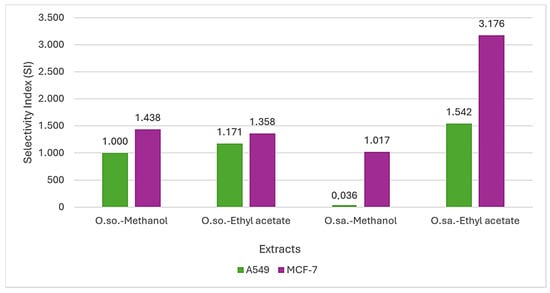
Cannabis is the most widely consumed illicit substance worldwide, and the rise of synthetic and semi-synthetic cannabinoids poses growing public health concerns due to their high potency and unpredictable effects. This study presents a new analytical methodology for the simultaneous determination of natural and semi-synthetic cannabinoids (cannabidiol (CDB), Δ8-tetrahydrocannabinol (∆8-THC), Δ9-tetrahydrocannabinol (∆9-THC), and hexahydrocannabinol (HHC)) in saliva using gas chromatography coupled with mass spectrometry (GC-MS) in combination with bar adsorptive microextraction (BAμE) as a green sample preparation. The optimized method showed satisfactory recoveries (57.3–80.6%), low detection and quantification limits (1.25 and 4.13 ng/mL, respectively), excellent linearity (r2 ≥ 0.9963), and robust precision and accuracy. Application to authentic saliva samples demonstrated cannabinoid levels consistent with literature values. Overall, the proposed methodology offers a cost-effective, miniaturized, and environmentally sustainable platform for routine oral fluid cannabinoid analysis, highlighting its potential for forensic, clinical, and toxicological applications.
Full article
(This article belongs to the Section Forensic Science and Toxicology)
►▼
Show Figures

Figure 1
Open AccessArticle
Environmental Heat Harvesting in 3D Gel–Sponge Evaporators for Efficient High-Salinity Solar Desalination
by
Yong Bai, Xiaoli Zhao, Dengxin Li and Fang Li
Separations 2026, 13(5), 133; https://doi.org/10.3390/separations13050133 - 28 Apr 2026
Abstract
Solar interfacial evaporation is promising for freshwater production, yet thermodynamic energy limits and mass transfer attenuation in high-salinity environments restrict practical applications. To address these challenges, a 3D high-efficiency evaporator is developed by cross-linking a hydrophilic composite gel onto a macroporous sponge scaffold.
[...] Read more.
Solar interfacial evaporation is promising for freshwater production, yet thermodynamic energy limits and mass transfer attenuation in high-salinity environments restrict practical applications. To address these challenges, a 3D high-efficiency evaporator is developed by cross-linking a hydrophilic composite gel onto a macroporous sponge scaffold. This spatially decoupled architecture enables fundamental water-state regulation and efficient environmental heat harvesting. Specifically, hydrophilic functional groups in the gel network reduce the equivalent enthalpy of vaporization of water to 1181.8 J g−1. Simultaneously, the 3D columnar structure induces a sidewall cold sink effect to extract additional ambient thermal energy. Through this synergy, the PCPH delivers a remarkable apparent evaporation rate of 8.59 kg m−2 h−1 under one standard sun. Furthermore, interconnected macropores within the sponge establish excellent convective pathways for rapid ion diffusion. Consequently, the device operated continuously for 8 h in a 10 wt% NaCl solution without significant blockage and decreased key metal ion concentrations in 3.5 wt% simulated seawater by 4 to 5 orders of magnitude. The purified water fully satisfies World Health Organization standards. This study offers an innovative strategy to surpass conventional photothermal bottlenecks and design highly durable water treatment materials.
Full article
(This article belongs to the Section Environmental Separations)
Open AccessArticle
Preferential Lithium Recovery and Temperature-Regulated Stepwise Desorption of Transition Metals from Simulated Spent NCM111 Leachate Using NaA Zeolite
by
Qian Cheng, Yongxiang Wang, Xiangyu Liu, Wenxi Zhang and Panfeng Gao
Separations 2026, 13(5), 132; https://doi.org/10.3390/separations13050132 - 28 Apr 2026
Abstract
Recycling spent lithium-ion batteries (LIBs) is critical for resource sustainability and carbon neutrality. This work presents a green strategy in which NaA zeolite is used to preferentially recover lithium from leachate of spent NCM111 batteries, combined with temperature-regulated stepwise separation of transition metals.
[...] Read more.
Recycling spent lithium-ion batteries (LIBs) is critical for resource sustainability and carbon neutrality. This work presents a green strategy in which NaA zeolite is used to preferentially recover lithium from leachate of spent NCM111 batteries, combined with temperature-regulated stepwise separation of transition metals. Benefiting from the distinct hydrated ionic radii and charge density between Li+ and divalent metal ions, NaA zeolite selectively adsorbs Ni2+, Co2+ and Mn2+, leaving Li+ in the raffinate. Under optimized conditions, two-stage adsorption achieves 95.6%, 96.7% and 99.7% removal of Ni2+, Co2+ and Mn2+, respectively, with 11% Li+ co-adsorption. Thermodynamic analysis reveals that the adsorption process is endothermic and thermodynamically spontaneous. The interaction strength between metal ions and NaA zeolite follows the order Ni2+ > Co2+ > Mn2+, and ion exchange is identified as the dominant mechanism. It is determined that 96.8% of Mn2+ can be recovered at 0 °C, followed by the desorption of 93.5% of Co2+ at 90 °C, and the sequential separation of Mn, Co and Ni is realized. Three consecutive adsorption–desorption cycles demonstrate the acceptable reusability of the Ni-loaded NaA adsorbent. High-purity Li2CO3 (purity 96.7%, yield 93.5%), MnO2 (purity 99.3%, yield 98.4%) and Co3O4 (purity 98.8%, yield 97.6%) are obtained from the corresponding solutions. This approach provides a scalable closed-loop pathway for full-component recovery of valuable metals from spent LIBs.
Full article
(This article belongs to the Special Issue Solid Waste Recycling and Strategic Metal Extraction)
►▼
Show Figures

Graphical abstract
Open AccessArticle
Step-Gradient Twin-Column Recycling Chromatography for Efficient Integrated Purification of Fidaxomicin Based on Complementary Binary Solvent Selectivity
by
Haolei Wu, Feng Wei and Huagang Ni
Separations 2026, 13(5), 131; https://doi.org/10.3390/separations13050131 - 25 Apr 2026
Abstract
Crude fidaxomicin contains difficult-to-separate impurities, and conventional dual-step purification usually requires intermediate concentration and transfer, which increases process complexity and may aggravate product loss or degradation. To address this challenge, this study exploits the complementary selectivity of methanol/water (80/20, v/v)
[...] Read more.
Crude fidaxomicin contains difficult-to-separate impurities, and conventional dual-step purification usually requires intermediate concentration and transfer, which increases process complexity and may aggravate product loss or degradation. To address this challenge, this study exploits the complementary selectivity of methanol/water (80/20, v/v) and acetonitrile/water (70/30, v/v) binary mobile phases and proposes two purification processes based on step-gradient twin-column recycling chromatography, namely spatial integration and system integration. In the spatial integration strategy, dual-stage separations that are conventionally performed in separate chromatographic systems are sequentially integrated into a single twin-column recycling system in combination with on-line heart-cutting, thereby eliminating intermediate off-line processing steps. In contrast, the system integration strategy merges the two binary mobile phases in defined proportions to construct a single ternary mobile phase composed of methanol/acetonitrile/water (37.5/37.5/25, v/v/v), enabling one-step complete separation. The results demonstrate that the spatial integration strategy, employing binary mobile-phase switching, produces fidaxomicin with a purity of 99.9%, recoveries ranging from 75.27% to 78.77%, and productivities ranging from 307.22 to 328.82 g·L−1·day−1, regardless of the switching sequence. The system integration strategy, based on one-step elution with the ternary mobile phase, achieves the same product purity of 99.9% without mobile-phase switching, with a recovery of 70.41% and a productivity of 246.33 g·L−1·day−1. These results confirm the applicability and flexibility of both integrated strategies for fidaxomicin purification, while indicating that the spatial integration strategy provides better overall preparative performance and the system integration strategy offers a simpler one-step operation.
Full article
(This article belongs to the Section Chromatographic Separations)
►▼
Show Figures

Figure 1
Open AccessArticle
Comparative Study of Atenolol Photodegradation by Fe(III)-Complex Activated Peroxydisulfate/Peroxymonosulfate Systems
by
Yanlin Wu, Lanhua Luo, Yuan Li, Shanghua Shi, Xiaoning Wang, Wenbo Dong and Gilles Mailhot
Separations 2026, 13(5), 130; https://doi.org/10.3390/separations13050130 - 22 Apr 2026
Abstract
Over the past 20 years, the iron-activated persulfate systems have been widely used for removing pharmaceuticals and personal care products (PPCPs) from water. However, slow Fe(III)/Fe(II) redox cycling and precipitation of iron, unless in very acidic conditions, were the main limitations. Thus, two
[...] Read more.
Over the past 20 years, the iron-activated persulfate systems have been widely used for removing pharmaceuticals and personal care products (PPCPs) from water. However, slow Fe(III)/Fe(II) redox cycling and precipitation of iron, unless in very acidic conditions, were the main limitations. Thus, two ligand-assisted Fe(III)/persulfate systems, Fe(III)-acetohydroxamic acid (AHA)/peroxydisulfate (PDS) and Fe(III)-nitrilotriacetic acid (NTA)/peroxymonosulfate (PMS), were comparatively investigated for the degradation of atenolol (ATL) in this study. The experimental results showed that the Fe(III)-NTA/PMS system worked much better than the AHA system. However, the cost of PMS is higher than that of PDS, which should be considered. The primary advantage of the NTA system was its ability to overcome the pH limitations. It worked well over a wide pH range (3.0–10.0), whereas the AHA system could only be used in a narrower pH window (pH 2.4 to 6.5). The investigation of radicals that contributed to ATL degradation revealed that sulfate radicals (SO4•−) were dominant in the NTA system, while hydroxyl radicals (•OH) and SO4•− were the primary and secondary radicals in the AHA system. These results provided useful insight into the comparative behavior of two ligand-assisted Fe(III)/persulfate systems for ATL degradation, with the Fe(III)-NTA/PMS system showing clear potential under neutral or near-neutral conditions, while Fe(III)-AHA/PDS may still represent a lower-cost option under acidic conditions.
Full article
(This article belongs to the Special Issue Advanced Oxidation Processes (AOPs) for Resource Recovery and Disinfection Byproduct Control)
►▼
Show Figures

Graphical abstract
Open AccessReview
Research Progress and Prospects of Sludge Electro-Dewatering
by
Song Huang, Yusong Zhang and Bingdi Cao
Separations 2026, 13(5), 129; https://doi.org/10.3390/separations13050129 - 22 Apr 2026
Abstract
Sludge electro-dewatering has emerged as a research hotspot in advanced sludge treatment due to its ability to effectively remove interstitial water that is difficult to separate by mechanical dewatering. This paper systematically reviews the fundamental principles, key influencing factors, evolution of electrode materials,
[...] Read more.
Sludge electro-dewatering has emerged as a research hotspot in advanced sludge treatment due to its ability to effectively remove interstitial water that is difficult to separate by mechanical dewatering. This paper systematically reviews the fundamental principles, key influencing factors, evolution of electrode materials, and engineering applications of electro-dewatering technology. Emphasis is placed on analyzing the effects of sludge properties, electric field parameters, and electrochemical reactions on dewatering efficiency. The characteristics and applicable scenarios of three generations of electrode materials—from conventional metal electrodes and carbon-based materials to dimensionally stable anodes (DSA)—are summarized. Current challenges include insufficient electrode stability, the trade-off between energy consumption and efficiency, limited understanding of underlying micro-scale mechanisms, and difficulties in process scale-up. Future efforts should focus on the development of high-performance electrode materials, investigation of multi-field coupling enhancement mechanisms, establishment of machine learning-based intelligent control strategies, and engineering design of continuous electro-dewatering equipment to promote its large-scale application in sludge treatment and disposal.
Full article
(This article belongs to the Section Purification Technology)
Open AccessArticle
Enhanced Selective Adsorption of Rare Earth Ions with Ion-Imprinted Poly(hydroxamic acid) Interpenetrating Polymer Networks: Fabrication, Performance, and Mechanisms
by
Miaomiao Huang, Qing Wang and Shuai Wang
Separations 2026, 13(5), 128; https://doi.org/10.3390/separations13050128 - 22 Apr 2026
Abstract
The separation of rare earth elements (REEs) is challenging due to their similar chemical properties. This study developed a series of novel polystyrene–ion-imprinted poly(hydroxamic acid) interpenetrating polymer networks (PS-IIPHAs) for the highly selective adsorption of La3+, Ce3+, and Y
[...] Read more.
The separation of rare earth elements (REEs) is challenging due to their similar chemical properties. This study developed a series of novel polystyrene–ion-imprinted poly(hydroxamic acid) interpenetrating polymer networks (PS-IIPHAs) for the highly selective adsorption of La3+, Ce3+, and Y3+. The effects of the solution pH, contact time, initial concentrations, and temperature on the adsorption performance of the resins were systematically investigated. The results showed that adsorption equilibrium was reached within 4 h at a pH of 1.0, following the Langmuir isotherm, with maximum adsorption capacities of 2.425, 3.012, and 2.927 mmol/g for La3+, Ce3+, and Y3+, respectively. The resins exhibited excellent selectivity toward the template ions, with separation factors of 35.45 for Ce3+-La3+, 17.52 for Y3+-La3+, and 11.04 for Ce3+-Y3+. These results indicate PS-IIPHAs as promising adsorbents for the efficient, highly selective recovery of REEs.
Full article
(This article belongs to the Special Issue Recent Advances in Rare Earth Separation and Extraction)
►▼
Show Figures

Figure 1
Open AccessArticle
A Novel Fixed-Bed Process Integrated with Additional Disproportionation Reactors for Silane Production
by
Qiang Geng, Tianshi Lan and Guoqiang Huang
Separations 2026, 13(4), 127; https://doi.org/10.3390/separations13040127 - 21 Apr 2026
Abstract
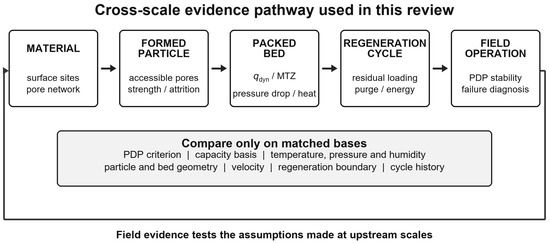
With the increase in the demand for electronic-grade high-purity silane in the semiconductor chip industry, it is of great significance to develop a green and economical method for silane production. Therefore, a novel energy-saving fixed-bed process was proposed innovatively. In this paper, the
[...] Read more.
With the increase in the demand for electronic-grade high-purity silane in the semiconductor chip industry, it is of great significance to develop a green and economical method for silane production. Therefore, a novel energy-saving fixed-bed process was proposed innovatively. In this paper, the thermodynamics and kinetics of the trichlorosilane disproportionation system were studied, and the optimal reaction conditions for the resin catalyst were determined, which were used for the subsequent simulation. Based on the conventional DR1 + DR2 process (which includes one trichlorosilane disproportionation reactor (DR1) and one dichlorosilane disproportionation reactor (DR2)), by adding an additional disproportionation reactor to the TCS recycle loop and/or DCS recycle loop, three improved process configurations were designed, including 2DR1 + DR2, DR1 + 2DR2, and 2DR1 + 2DR2 processes. Then, combined with four-column heat integration, the HI + 2DR1 + 2DR2 process was proposed to solve the bottleneck problems of high energy consumption and large circulation flow rate. The results show that the HI + 2DR1 + 2DR2 process achieved the best energy-saving effect. The TCS recycle loop flow rate reduced by 36.87%, the DCS recycle loop flow rate reduced by 12.41%, total energy consumption decreased by 62.8%, and CO2 emissions decreased by 56.72%. The unit energy consumption is 13.8 kg steam/kg SiH4, and the silane purity is greater than 99.9999%. This design can be easily applied to the existing production process of the silane plant, achieving energy-saving and low-cost production of silane.
Full article
(This article belongs to the Section Separation Engineering)
►▼
Show Figures

Graphical abstract
Open AccessArticle
Optimization of Process Conditions for the Separation and Purification of Erythromycin Thiocyanate Using Response Surface Methodology
by
Yining Wang, Yinghua Sun, Wuying Li and Shuqian Xia
Separations 2026, 13(4), 126; https://doi.org/10.3390/separations13040126 - 21 Apr 2026
Abstract
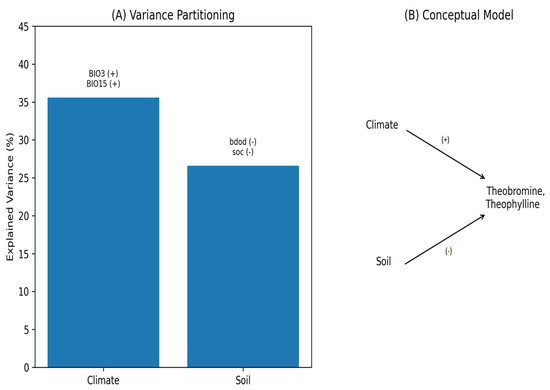
A water acetone biphasic extraction system was developed for the separation and purification of erythromycin thiocyanate. Response surface methodology based on a Box-Behnken design was used to evaluate the effects of pH, liquid-to-solid ratio, extraction temperature, and acetone-to-water volume ratio on mass yield.
[...] Read more.
A water acetone biphasic extraction system was developed for the separation and purification of erythromycin thiocyanate. Response surface methodology based on a Box-Behnken design was used to evaluate the effects of pH, liquid-to-solid ratio, extraction temperature, and acetone-to-water volume ratio on mass yield. All four variables influenced the extraction performance, and acetone-to-water volume ratio and liquid-to-solid ratio were the most significant factors. Under the optimized conditions of 50.5 °C, pH 9.2, a liquid-to-solid ratio of 3.0 mL/g, and an acetone-to-water volume ratio of 2.5 mL/mL, the mass yield reached 81.58 percent. The predicted and experimental values were in good agreement, confirming the adequacy of the model. The product obtained under the optimized conditions met the relevant requirements of the Chinese Pharmacopoeia. The proposed process is simple and effective, and provides a basis for the purification and scale up of erythromycin thiocyanate and related derivatives.
Full article
(This article belongs to the Special Issue Design and Optimization of Extraction/Separation Processes for Natural Products)
►▼
Show Figures

Figure 1
Open AccessArticle
Effect of Sintering Temperature on Phase Evolution and Oil-Repellent Performance of TiO2–Carbon-Coated Stainless-Steel Mesh
by
Kayla Laguana, Sonia Egenberger, Jack Tobin, Claudia Wong, Logan Lu, Jack G. Webster and Mingheng Li
Separations 2026, 13(4), 125; https://doi.org/10.3390/separations13040125 - 20 Apr 2026
Abstract
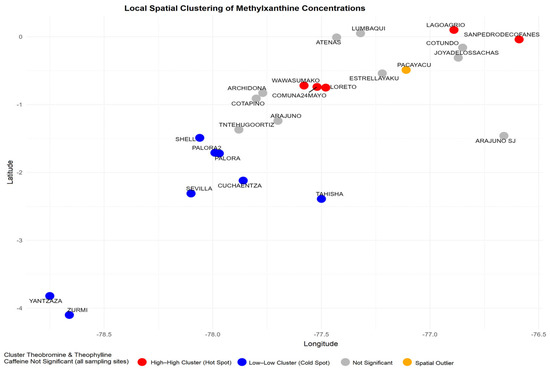
This study investigates how sintering temperature affects phase evolution, titanium carbide (TiC) formation, and oil-repellent performance in TiO2–carbon-coated 304 stainless-steel mesh for oil–water separation applications. Coated meshes sintered at 400, 500, 600, 700, and 800 °C were evaluated using gravity-driven oil
[...] Read more.
This study investigates how sintering temperature affects phase evolution, titanium carbide (TiC) formation, and oil-repellent performance in TiO2–carbon-coated 304 stainless-steel mesh for oil–water separation applications. Coated meshes sintered at 400, 500, 600, 700, and 800 °C were evaluated using gravity-driven oil permeation tests with 5W-20 motor oil and oil contact-angle measurements, while coating morphology, composition, and phase evolution were characterized by SEM, EDS, and XRD. Sintering temperature strongly influenced coating structure and wettability. Among the tested conditions, the mesh sintered at 600 °C showed the highest oil contact angle (105°) and the highest initial oil retention efficiency (80%), indicating the most favorable balance between oleophobicity and coating stability within the tested range. XRD analysis showed that 600 °C corresponded to the onset of the anatase-to-rutile transition and the initial formation of TiC. These results suggest that intermediate sintering temperatures can provide a favorable balance between retention of beneficial anatase content and enhanced interfacial interaction within the TiO2–carbon coating. Within the tested conditions, 600 °C was the best-performing sintering condition among the temperatures examined for this coating system.
Full article
(This article belongs to the Section Separation Science in Energies)
►▼
Show Figures

Figure 1
Open AccessArticle
Moisture Reduction and Particle Charging Promotion for Enhanced Electrostatic Separation of Coal Gasification Fine Slag by Molecular Sieve
by
Chaoyong Li, Hui Zhou, Haisheng Li, Yinghua Chen, Ziyin Xu, Jie Li, Qiqiang Gao and Qiang Zhao
Separations 2026, 13(4), 124; https://doi.org/10.3390/separations13040124 - 20 Apr 2026
Abstract
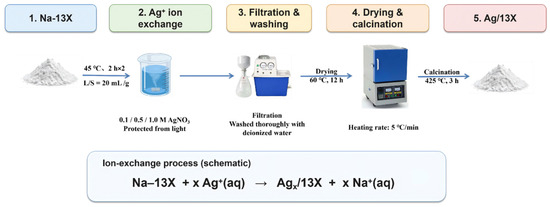
As an efficient dry separation technology, electrostatic separation exhibits significant potential for application in the sorting and recovery of carbon-rich resources from coal gasification fine slag (CGFS). The small particle size and high moisture content of CGFS particles are the main factors affecting
[...] Read more.
As an efficient dry separation technology, electrostatic separation exhibits significant potential for application in the sorting and recovery of carbon-rich resources from coal gasification fine slag (CGFS). The small particle size and high moisture content of CGFS particles are the main factors affecting the efficiency of separation. This study proposes a method integrating particle moisture reduction and charging promotion based on molecular sieves, with the aim of investigating its feasibility in improving the electrostatic separation efficiency of CGFS particles. The results indicate that molecular sieves can effectively adsorb moisture from the ambient humid air and the surface of particles, allowing for rapid drying of wet particles. The reduction in moisture content on the particle surfaces significantly promotes their charging capability, creating favorable conditions for electrostatic separation. After molecular-sieve-assisted charging enhancement, the carbon content in the ash-enriched positive plate product decreased by 4.96%, while the carbon content in the carbon-enriched negative plate product increased by 12.15%, indicating a significant improvement in carbon–ash separation efficiency. Correspondingly, the decarbonization efficiency of the positive plate and carbon recovery efficiency of the negative plate were increased by 21.30% and 52.17%, respectively. Furthermore, when the moisture content exceeds 10%, the phenomenon of inter-particle agglomeration can adversely affect the separation of carbon and ash particles. The most suitable operating conditions are a moisture content no higher than 10%, an electric field density of 30 kV/m, a filling molecular sieve of 400 g, and a gas velocity of 12 m/s (volumetric flow rate 84.78 m3/h). In practical industrial applications, it is advisable to consider pre-treating the particles for drying or employing secondary separation to enhance sorting accuracy.
Full article
(This article belongs to the Special Issue The Latest Progress in the Coal-Based Solid Waste Particle Separation)
►▼
Show Figures

Figure 1
Open AccessArticle
Deep Purification of Manganese Sulfate Electrolyte by Sodium Dimethyldithiocarbamate Chelation Precipitation: Process and Selective Coordination Mechanism
by
Tong Liu, Fei Zhu, Xijun Tian, Zhenping Cai, Kai Huang and Song Chen
Separations 2026, 13(4), 123; https://doi.org/10.3390/separations13040123 - 18 Apr 2026
Abstract
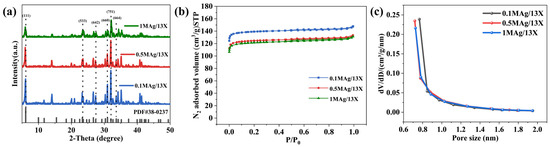
This study addresses the issue of insufficient product purity caused by the co-deposition of three major impurity ions—zinc, nickel, and lead—during the electrodeposition process of high-purity manganese. A targeted deep purification method for manganese sulfate electrolyte was developed using dithiocarbamate chelating agents (sodium
[...] Read more.
This study addresses the issue of insufficient product purity caused by the co-deposition of three major impurity ions—zinc, nickel, and lead—during the electrodeposition process of high-purity manganese. A targeted deep purification method for manganese sulfate electrolyte was developed using dithiocarbamate chelating agents (sodium dimethyldithiocarbamate, SDD). By optimizing key process parameters such as precipitant concentration, reaction temperature, reaction time, and solution pH, combined with density functional theory (DFT) calculations, to elucidate the selective impurity removal mechanism at the molecular level, a novel process for the efficient synergistic removal of Zn2+, Ni2+, and Pb2+ was established. The results showed that under the conditions of precipitant concentration of 1 g/L, solution pH of 6.5, reaction temperature of 55 °C, and reaction time of 2 h, the residual concentrations of Zn, Ni, and Pb in the electrolyte were all below 0.2 mg/L. DFT calculations revealed that SDD coordinates with metal ions through four sulfur atoms, and the absolute values of binding energies follow the order Ni2+ > Pb2+ > Zn2+ > Mn2+, indicating thermodynamically preferential capture of impurity ions. After purification, the manganese metal obtained by electrodeposition from the manganese sulfate solution achieved a purity exceeding 99.999%, with Zn, Ni, and Pb contents of 0.11 mg/kg, 0.038 mg/kg, and 0.05 mg/kg, respectively, meeting the raw material requirements for semiconductor-grade copper–manganese alloy targets.
Full article
(This article belongs to the Section Separation Engineering)
►▼
Show Figures

Figure 1
Open AccessArticle
Extractive Purification of Sulfur and Nitrogen Fuel Contaminants Using p-Toluenesulfonic Acid-Based Deep Eutectic Solvents
by
Salim Mokraoui, Lahssen El Blidi, Irfan Wazeer, Attiyah A. Al-Zahrani and Mohamed K. Hadj-Kali
Separations 2026, 13(4), 122; https://doi.org/10.3390/separations13040122 - 18 Apr 2026
Abstract
This study demonstrates the high efficiency and selectivity of p-toluenesulfonic acid-based deep eutectic solvents (DESs) for simultaneous extractive denitrogenation (EDN) and desulfurization (EDS) of model fuel. Three DESs—TBPB:PTSA, TBAB:PTSA, and ChCl:PTSA (1:1 molar ratio)—were synthesized and evaluated for their effectiveness against representative heteroaromatic
[...] Read more.
This study demonstrates the high efficiency and selectivity of p-toluenesulfonic acid-based deep eutectic solvents (DESs) for simultaneous extractive denitrogenation (EDN) and desulfurization (EDS) of model fuel. Three DESs—TBPB:PTSA, TBAB:PTSA, and ChCl:PTSA (1:1 molar ratio)—were synthesized and evaluated for their effectiveness against representative heteroaromatic pollutants: thiophene, dibenzothiophene, pyridine, and carbazole. The phosphonium-based TBPB:PTSA exhibited the highest extraction performance, achieving over 96% removal of nitrogen species and up to 85% removal of sulfur species at 40 °C. Increasing the temperature enhanced desulfurization by reducing viscosity, thereby improving mass transfer kinetics. Additionally, a 3:1 ratio of DES to fuel provided an optimal balance between solvent economy and operational efficiency. Denitrogenation was driven by strong acid–base protonation facilitated by PTSA, while desulfurization was governed by π–π and dispersion interactions, modulated by the hydrophobicity of the cations. The DES achieved nearly quantitative nitrogen removal and satisfactory sulfur extraction after three reuse cycles, while multistage operation enabled complete purification within four extraction steps. 1H NMR analysis confirmed that no DES components were found in the raffinate phase, verifying the immiscibility and stability of the solvent. These results indicate that TBPB:PTSA is a robust, regenerable, and environmentally benign solvent, effectively enabling simultaneous EDN–EDS of hydrocarbon fuels and positioning it as a promising green alternative to traditional hydrogen-based refining methods.
Full article
(This article belongs to the Special Issue The Application of Ionic Liquids and Deep Eutectic Solvents in Separation and Extraction Processes)
►▼
Show Figures

Figure 1
Journal Menu
► ▼ Journal Menu-
- Separations Home
- Aims & Scope
- Editorial Board
- Reviewer Board
- Topical Advisory Panel
- Instructions for Authors
- Special Issues
- Topics
- Sections & Collections
- Article Processing Charge
- Indexing & Archiving
- Editor’s Choice Articles
- Most Cited & Viewed
- Journal Statistics
- Journal History
- Journal Awards
- Society Collaborations
- Editorial Office
Journal Browser
► ▼ Journal BrowserHighly Accessed Articles
Latest Books
E-Mail Alert
News
Topics
Topic in
ChemEngineering, Materials, Molecules, Nanomaterials, Separations
Porous Materials for Energy and Environment Applications, 2nd Edition
Topic Editors: Yi-Nan Wu, Fei KeDeadline: 31 May 2026
Topic in
Applied Sciences, ChemEngineering, Membranes, Pollutants, Processes, Separations, Clean Technol.
Membrane Preparation and Its Application in Lithium Ions Extraction
Topic Editors: Lei Zhang, Xianhui LiDeadline: 20 June 2026
Topic in
Fermentation, Membranes, Recycling, Sustainability, Separations, ChemEngineering
Separation Techniques and Circular Economy
Topic Editors: Da-Qi Cao, Qunhui Wang, Yuanyuan Ren, Yangmo ZhuDeadline: 30 June 2026
Topic in
Applied Sciences, ChemEngineering, Molecules, Processes, Reactions, Separations
Processing Design and Intensification in Chemical Engineering
Topic Editors: Yang Yuan, Wenyu Xiang, Haisheng ChenDeadline: 25 August 2026
Special Issues
Special Issue in
Separations
Determination and Quantification of Pharmaceuticals Using Chromatography Methods
Guest Editors: Karol Wróblewski, Małgorzata Szultka-MłyńskaDeadline: 10 May 2026
Special Issue in
Separations
Innovative Separation Strategies for Bioactive Compounds from Plants: Methods, Mechanisms, and Applications
Guest Editors: Romero M. P. Brandão-Costa, Daniela A. Viana MarquesDeadline: 10 May 2026
Special Issue in
Separations
Isolation and Identification of Biologically Active Natural Compounds
Guest Editors: Iulia Varzaru, Arabela Elena UnteaDeadline: 20 May 2026
Special Issue in
Separations
Novel Separation Methods for the Analysis of Active and Toxic Components in Food: Second Edition
Guest Editors: Lorena González-Gómez, Sonia Morante ZarceroDeadline: 20 May 2026
Topical Collections
Topical Collection in
Separations
State of the Art in Plant Omics Analysis in Separations
Collection Editors: Ivana Tomaz, Darko Preiner
Topical Collection in
Separations
State-of-the-Art Separation and Analytical Methods in Energies
Collection Editors: Sascha Nowak, Yannick Philipp Stenzel
Topical Collection in
Separations
Feature Paper Collection in Section 'Purification Technology'
Collection Editors: Ki Hyun Kim, Jae Sik Yu
Topical Collection in
Separations
Separation and Analysis of Drugs and Poisons in Forensic Science
Collection Editor: Anna Carfora