
Journal Description
Remote Sensing
Remote Sensing
is an international, peer-reviewed, open access journal about the science and application of remote sensing technology, and is published semimonthly online by MDPI. The Remote Sensing Society of Japan (RSSJ) and Japan Society of Photogrammetry and Remote Sensing (JSPRS) are affiliated with Remote Sensing and their members receive discounts on the article processing charge.
- Open Access— free for readers, with article processing charges (APC) paid by authors or their institutions.
- High Visibility: indexed within Scopus, SCIE (Web of Science), Ei Compendex, PubAg, GeoRef, Astrophysics Data System, Inspec, dblp, and other databases.
- Journal Rank: JCR - Q1 (Geosciences, Multidisciplinary) / CiteScore - Q1 (General Earth and Planetary Sciences)
- Rapid Publication: manuscripts are peer-reviewed and a first decision is provided to authors approximately 24.9 days after submission; acceptance to publication is undertaken in 2.5 days (median values for papers published in this journal in the first half of 2025).
- Recognition of Reviewers: reviewers who provide timely, thorough peer-review reports receive vouchers entitling them to a discount on the APC of their next publication in any MDPI journal, in appreciation of the work done.
- Companion journal: Geomatics.
- Journal Cluster of Geospatial and Earth Sciences: Remote Sensing, Geosciences, Quaternary, Earth, Geographies, Geomatics and Fossil Studies.
Impact Factor:
4.1 (2024);
5-Year Impact Factor:
4.8 (2024)
Latest Articles
MAF-GAN: A Multi-Attention Fusion Generative Adversarial Network for Remote Sensing Image Super-Resolution
Remote Sens. 2025, 17(24), 3959; https://doi.org/10.3390/rs17243959 (registering DOI) - 7 Dec 2025
Abstract
Existing Generative Adversarial Networks (GANs) frequently yield remote sensing images with blurred fine details, distorted textures, and compromised spatial structures when applied to super-resolution (SR) tasks, so this study proposes a Multi-Attention Fusion Generative Adversarial Network (MAF-GAN) to address these limitations: the generator
[...] Read more.
Existing Generative Adversarial Networks (GANs) frequently yield remote sensing images with blurred fine details, distorted textures, and compromised spatial structures when applied to super-resolution (SR) tasks, so this study proposes a Multi-Attention Fusion Generative Adversarial Network (MAF-GAN) to address these limitations: the generator of MAF-GAN is built on a U-Net backbone, which incorporates Oriented Convolutions (OrientedConv) to enhance the extraction of directional features and textures, while a novel co-calibration mechanism—incorporating channel, spatial, gating, and spectral attention—is embedded in the encoding path and skip connections, supplemented by an adaptive weighting strategy to enable effective multi-scale feature fusion, and a composite loss function is further designed to integrate adversarial loss, perceptual loss, hybrid pixel loss, total variation loss, and feature consistency loss for optimizing model performance; extensive experiments on the GF7-SR4×-MSD dataset demonstrate that MAF-GAN achieves state-of-the-art performance, delivering a Peak Signal-to-Noise Ratio (PSNR) of 27.14 dB, Structural Similarity Index (SSIM) of 0.7206, Learned Perceptual Image Patch Similarity (LPIPS) of 0.1017, and Spectral Angle Mapper (SAM) of 1.0871, which significantly outperforms mainstream models including SRGAN, ESRGAN, SwinIR, HAT, and ESatSR as well as exceeds traditional interpolation methods (e.g., Bicubic) by a substantial margin, and notably, MAF-GAN maintains an excellent balance between reconstruction quality and inference efficiency to further reinforce its advantages over competing methods; additionally, ablation studies validate the individual contribution of each proposed component to the model’s overall performance, and this method generates super-resolution remote sensing images with more natural visual perception, clearer spatial structures, and superior spectral fidelity, thus offering a reliable technical solution for high-precision remote sensing applications.
Full article
(This article belongs to the Section Environmental Remote Sensing)
Open AccessArticle
Post-Disaster Building Damage Assessment: Multi-Class Object Detection vs. Object Localization and Classification
by
Damjan Hatić, Vladyslav Polushko, Markus Rauhut and Hans Hagen
Remote Sens. 2025, 17(24), 3957; https://doi.org/10.3390/rs17243957 (registering DOI) - 7 Dec 2025
Abstract
Natural disasters demand swift and accurate impact assessment, yet traditional field-based methods remain prohibitively slow. While semi-automatic techniques leveraging remote sensing and drone imagery have accelerated evaluations, existing datasets predominantly emphasize Western infrastructure, offering limited representation of African contexts. The EDDA dataset (a
[...] Read more.
Natural disasters demand swift and accurate impact assessment, yet traditional field-based methods remain prohibitively slow. While semi-automatic techniques leveraging remote sensing and drone imagery have accelerated evaluations, existing datasets predominantly emphasize Western infrastructure, offering limited representation of African contexts. The EDDA dataset (a Mozambique post-disaster building damage dataset developed under the Efficient Humanitarian Aid Through Intelligent Image Analysis project), addresses this critical gap by capturing rural and urban damage patterns in Mozambique following Cyclone Idai. Despite encouraging early results, significant challenges persist due to task complexity, severe class imbalance, and substantial architectural diversity across regions. Building upon EDDA, this study introduces a two-stage building damage assessment pipeline that decouples localization from classification. We employ lightweight You Only Look Once (YOLO)-based detectors—RTMDet, YOLOv7, and YOLOv8—for building localization, followed by dedicated damage severity classification using state-of-the-art architectures including Compact Convolutional Transformers, EfficientNet, and ResNet. This approach tests whether separating feature extraction tasks—assigning detectors solely to localization and specialized classifiers to damage assessment—yields superior performance compared to multi-class detection models that jointly learn both objectives. Comprehensive evaluation across 640+ model combinations demonstrates that our two-stage pipeline achieves competitive performance (mAP 0.478) with enhanced modularity compared to multi-class detection baselines (mAP 0.455), offering improved robustness across diverse building types and imbalanced damage classes.
Full article
Open AccessArticle
From Retrieval to Fate: UAV-Based Hyperspectral Remote Sensing of Soil Nitrogen and Its Leaching Risks in a Wheat-Maize Rotation System
by
Zilong Zhang, Shiqin Wang, Jingjin Ma, Chunying Wang, Zhixiong Zhang, Xiaoxin Li, Wenbo Zheng and Chunsheng Hu
Remote Sens. 2025, 17(24), 3956; https://doi.org/10.3390/rs17243956 (registering DOI) - 7 Dec 2025
Abstract
Spatiotemporally continuous monitoring of soil nitrogen is essential for rational farmland nitrogen management and non-point source pollution control. This study focused on a typical wheat-maize rotation system in the North China Plain under four nitrogen fertilizer application levels (N0: 0 kg/ha; N200: 200
[...] Read more.
Spatiotemporally continuous monitoring of soil nitrogen is essential for rational farmland nitrogen management and non-point source pollution control. This study focused on a typical wheat-maize rotation system in the North China Plain under four nitrogen fertilizer application levels (N0: 0 kg/ha; N200: 200 kg/ha; N400: 400 kg/ha; N600: 600 kg/ha). By integrating soil profile sampling with UAV-based hyperspectral remote sensing, we identified soil nitrogen distribution characteristics and established a retrieval relationship between hyperspectral data and seasonal soil nitrogen dynamics. Results showed that higher nitrogen fertilizer levels significantly increased soil nitrogen content, with N400 and N600 causing nitrate nitrogen (NO3−-N) peaks in both surface and deep layers indicating leaching risk. Hyperspectral imagery at the jointing stage, combined with PLSR and XGBoost-SHAP models, effectively retrieved NO3−-N at 0–50 cm depths. Canopy spectral traits correlated with nitrogen leaching and deep accumulation, suggesting they can serve as early indicators of leaching risk. The “sky-ground” collaborative approach provides conceptual and technical support for precise nitrogen management and pollution control.
Full article
(This article belongs to the Special Issue Applications of Unmanned Aerial Remote Sensing in Precision Agriculture)
►▼
Show Figures

Figure 1
Open AccessArticle
Integrating Remote Sensing, Machine Learning, and Degree-Day Models for Predicting Grasshopper Habitat Suitability in Temperate Grasslands
by
Raza Ahmed, Wenjiang Huang, Yingying Dong, Zeenat Dildar, Hafiz Adnan Ashraf, Zahid Ur Rahman and Alua Rysbekova
Remote Sens. 2025, 17(24), 3955; https://doi.org/10.3390/rs17243955 (registering DOI) - 7 Dec 2025
Abstract
China’s extensive grasslands are ecologically and economically vital but are increasingly degraded by grasshopper outbreaks. Traditional monitoring approaches are too limited for large-scale management. This study developed an advanced monitoring framework for the Xilingol League by integrating multi-source remote sensing, a degree-day model,
[...] Read more.
China’s extensive grasslands are ecologically and economically vital but are increasingly degraded by grasshopper outbreaks. Traditional monitoring approaches are too limited for large-scale management. This study developed an advanced monitoring framework for the Xilingol League by integrating multi-source remote sensing, a degree-day model, and machine learning (ML). Field survey data from 2018 to 2023 were combined with 29 environmental variables aligned to grasshopper life stages. Four ML algorithms—Random Forest (RF), XGBoost, Multilayer Perceptron (MLP), and Logistic Regression (LR)—were evaluated for predictive performance. RF consistently outperformed other models, achieving the highest accuracy and robustness. Spatial autocorrelation analysis (Global Moran’s I) confirmed that grasshopper distributions were persistently clustered across all years, highlighting non-random outbreak patterns. Suitability mapping showed highly suitable habitats concentrated in East Ujumqin, West Ujumqin, and Xilinhot, with pronounced interannual variability, including a peak in 2022. Variable importance analysis identified soil type and vegetation type as dominant universal drivers, while precipitation, soil texture, and humidity exerted region-specific effects. These findings demonstrate that coupling biologically informed indicators with integrated learning provides ecologically interpretable and scalable predictions of outbreak risk. The framework offers a robust basis for early warning and targeted management, advancing sustainable pest control and grassland conservation.
Full article
Open AccessArticle
Evidence of Subsidence Control in Shanghai Revealed by 10 Years of InSAR Observations
by
Wanting Li, Shuaiying Wu, Chuanhua Zhu, Huawei Hou, Xu Zhang, Chisheng Wang, Meng Lian and Jian Wang
Remote Sens. 2025, 17(24), 3954; https://doi.org/10.3390/rs17243954 (registering DOI) - 7 Dec 2025
Abstract
Since 2006, Shanghai has implemented a comprehensive subsidence control system, which aimed at groundwater extraction restrictions, artificial recharge, and the control of engineering-based settlement. While significant results have been achieved, a systematic scientific evaluation of its specific effectiveness remains unclear. This study utilizes
[...] Read more.
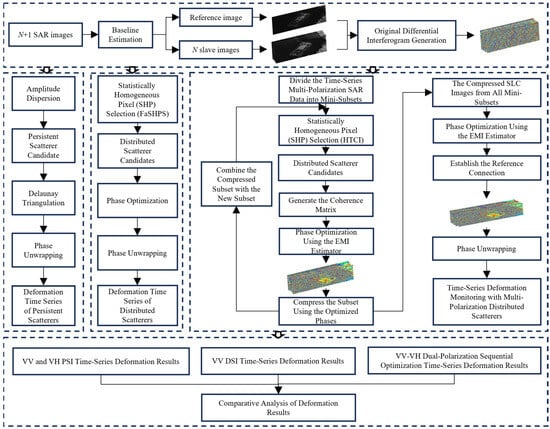
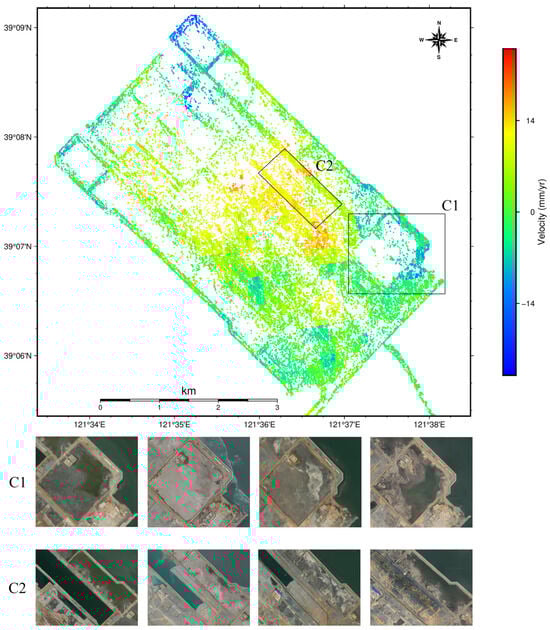
Since 2006, Shanghai has implemented a comprehensive subsidence control system, which aimed at groundwater extraction restrictions, artificial recharge, and the control of engineering-based settlement. While significant results have been achieved, a systematic scientific evaluation of its specific effectiveness remains unclear. This study utilizes Sentinel-1 SAR data from 2015–2024 and employs SBAS-InSAR technology to obtain high-precision ground deformation fields across Shanghai. A Multilayer Perceptron (MLP) model was introduced to intelligently classify time-series deformation data, through which we identified five typical patterns: rapid subsidence, minor subsidence, fluctuating deformation, periodic deformation, and uplift. Building upon this foundation, the research integrates Shanghai’s subsidence control zoning data and four-phase land use data (1990, 2000, 2015, 2022) to systematically evaluate the regional effectiveness of subsidence control policies and reveal the driving mechanisms of different deformation patterns from a land use transition perspective. Results demonstrate that the stratified subsidence control policy has achieved significant results with distinct spatial differentiation characteristics: major prevention zones exhibit stable deformation (benign patterns reaching 72.03%), while general prevention zones display high-risk, highly dynamic characteristics (benign patterns accounting for only 29.73%). Further analysis reveals strong coupling between the five deformation patterns and land use history: rapid subsidence concentrates in historical reclamation areas, and uplift correlates with active intervention measures. These findings confirm that subsidence control effectiveness is closely associated with regional “land use background” and “development stage.” This study provides a scientific basis for optimizing precision governance strategies in Shanghai and offers a valuable reference framework and methodology for other coastal megacities worldwide facing similar challenges.
Full article
(This article belongs to the Section Remote Sensing in Geology, Geomorphology and Hydrology)
►▼
Show Figures

Figure 1
Open AccessArticle
An Intelligent Identification Method for Coal Mining Subsidence Basins Based on Deformable DETR and InSAR
by
Shenshen Chi, Dexian An, Lei Wang, Sen Du, Jiajia Yuan, Meinan Zheng and Qingbiao Guo
Remote Sens. 2025, 17(24), 3953; https://doi.org/10.3390/rs17243953 (registering DOI) - 6 Dec 2025
Abstract
Underground coal mines are widely distributed across China, and underground mining is highly concealed. The rapid and accurate identification of the spatial distribution of coal mining subsidence over large areas is of significant importance for the reuse of land resources in mining areas
[...] Read more.
Underground coal mines are widely distributed across China, and underground mining is highly concealed. The rapid and accurate identification of the spatial distribution of coal mining subsidence over large areas is of significant importance for the reuse of land resources in mining areas and the detection of illegal mining activities. The traditional method of monitoring subsidence basins has limitations in terms of monitoring range and timeliness. The development of synthetic aperture radar (InSAR) technology has provided a valuable tool for monitoring mining subsidence areas. However, this method faces challenges in quickly and effectively monitoring subsidence basins using wide-swath SAR images. With the rapid development of deep learning and computer vision technologies, leveraging advanced deep learning models in combination with InSAR technology has become a crucial research direction to enhance the monitoring efficiency of surface subsidence in mining areas. Therefore, this paper proposes a new method for the rapid identification of mining subsidence basins in mining areas, which integrates Deformable Detection Transformer (Deformable DETR) and InSAR technology. First, the real deformation sample set of the mining area, obtained through interference processing, is combined with simulated deformation samples generated using the dynamic probability integral method, elastic transformation, and various noise synthesis techniques to construct a mixed InSAR sample set. This mixed sample set is then used to train the Deformable DETR model and compared with common deep learning methods. The experimental results show that the monitoring accuracy is significantly improved, with the model achieving a Precision of 0.926, Recall of 0.886, F1-score of 0.905, and mean Intersection over Union (mIoU) of 0.828. The detection model was applied to monitor the dynamically updated mining subsidence in the Huainan mining area from 2023 to 2024, detecting 402 subsidence basins. Further training demonstrates that the model exhibits strong robustness. Therefore, this method reduces the construction cost of the target detection training set and holds significant application potential for monitoring geological disasters in large-scale mining areas.
Full article
Open AccessArticle
Comparison of Broadband Surface Albedo from MODIS and Ground-Based Measurements at the Thule High Arctic Atmospheric Observatory in Pituffik, Greenland, During 2016–2024
by
Monica Tosco, Filippo Calì Quaglia, Virginia Ciardini, Tatiana Di Iorio, Antonio Iaccarino, Daniela Meloni, Giovanni Muscari, Giandomenico Pace, Claudio Scarchilli and Alcide Giorgio di Sarra
Remote Sens. 2025, 17(24), 3952; https://doi.org/10.3390/rs17243952 (registering DOI) - 6 Dec 2025
Abstract
The surface albedo, , is one of the key climate parameters since it regulates the shortwave radiation absorbed by the Earth’s surface. An accurate determination of the albedo is crucial in the polar regions due to its variations associated with climate change
[...] Read more.
The surface albedo, , is one of the key climate parameters since it regulates the shortwave radiation absorbed by the Earth’s surface. An accurate determination of the albedo is crucial in the polar regions due to its variations associated with climate change and its role in the strong feedback mechanisms. In this work, satellite and in situ measurements of broadband surface albedo at the Thule High Arctic Atmospheric Observatory (THAAO) on the northwestern coast of Greenland (76.5° N, 68.8° W) are compared. Measurements of surface albedo were started at THAAO in 2016. They show a large variability mainly in the transition seasons, suggesting that THAAO is a very interesting site for verifying the satellite capabilities in challenging conditions. The comparison of daily ground-based and MODIS-derived albedo covers the period July 2016–October 2024. The analysis has been conducted for all-sky and cloud-free conditions. The mean bias and mean squared difference between the two datasets are −0.02 and 0.09, respectively, for all sky conditions and −0.03 and 0.06 for cloud-free conditions. Very good agreement is found in summer in snow-free conditions, when the mean albedo is 0.17 in both datasets under cloud-free conditions. On the contrary, the capability to determine the surface albedo from space is largely reduced in the transition seasons, when significant differences between ground- and satellite-based albedo estimates are found. Differences for all-sky conditions may be as large as 0.3 in spring and autumn. These maximum differences are significantly reduced for cloud-free conditions, although a negative bias of MODIS data with respect to measurements at THAAO is generally found in spring. The combined analysis of the albedo, cloudiness, air temperature, and precipitation characteristics during two periods in 2023 and 2024 shows that, although satellite observations provide a reasonable picture of the long-term albedo evolution, they are not capable of following fast changes in albedo values induced by precipitation of snow/rain or temperature variations. Moreover, as expected, cloudiness plays a large role in affecting the satellite capabilities. The use of MODIS albedo data with the best value of the quality assurance flag (equal to 0) is recommended for studies aimed at determining the daily evolution of the surface radiation and energy budget.
Full article
Open AccessReview
A Review of Remote Sensing on Spartina alterniflora: Status, Challenge, and Direction
by
Nianqiu Zhang, Ling Luo, Hengxing Xiang, Jianing Zhen, Anzhen Li, Zongming Wang and Dehua Mao
Remote Sens. 2025, 17(24), 3951; https://doi.org/10.3390/rs17243951 (registering DOI) - 6 Dec 2025
Abstract
This review systematically analyzes 215 papers on the remote sensing monitoring of Spartina alterniflora (S. alterniflora) indexed in the Web of Science database to clarify research progress and future development directions in this field. We applied CiteSpace 6.3.R1 to conduct a
[...] Read more.
This review systematically analyzes 215 papers on the remote sensing monitoring of Spartina alterniflora (S. alterniflora) indexed in the Web of Science database to clarify research progress and future development directions in this field. We applied CiteSpace 6.3.R1 to conduct a bibliometric analysis of remote sensing literature on S. alterniflora, summarizing the technical methodologies across three major domains: distribution dynamics, parameter inversion, and ecosystem functions and services. We traced the technological evolution of multi-source remote sensing and artificial intelligence, and explored application prospects in addressing current challenges and supporting precision management. Our research indicates that the primary challenge lies in the complex and diverse spatiotemporal dynamics of S. alterniflora. To achieve timely monitoring of S. alterniflora changes and large-scale ecological impact assessments, it is essential to fully utilize the advantages of multi-source remote sensing big data. Harnessing artificial intelligence technologies to fully exploit the potential of remote sensing data, enhancing multi-source data fusion, and expanding sample libraries are essential to achieve comprehensive monitoring spanning spatial patterns, ecological processes, and ecosystem functions and services. These efforts will provide a scientific basis and decision-making support for the sustainable management of coastal wetlands.
Full article
(This article belongs to the Special Issue Ecological Environment Remote Sensing and Sustainable Development Evaluation in Coastal Zones)
Open AccessArticle
Advancing Soil Erosion Mapping in Active Agricultural Lands Using Machine Learning and SHAP Analysis
by
Fatemeh Nooshin Nokhandan, Kaveh Ghahraman, Ágnes Novothny and Erzsébet Horváth
Remote Sens. 2025, 17(24), 3950; https://doi.org/10.3390/rs17243950 (registering DOI) - 6 Dec 2025
Abstract
Soil erosion is a significant land degradation process in Hungary, especially in agricultural regions. This study assesses soil erosion susceptibility in a loess-covered, intensively cultivated area near Úri and Mende (central Hungary) using Random Forest and Light Gradient Boosting Machine (LightGBM) models. A
[...] Read more.
Soil erosion is a significant land degradation process in Hungary, especially in agricultural regions. This study assesses soil erosion susceptibility in a loess-covered, intensively cultivated area near Úri and Mende (central Hungary) using Random Forest and Light Gradient Boosting Machine (LightGBM) models. A balanced erosion inventory (500 erosion-affected and 500 non-erosion points) and thirteen geo-environmental factors were used to generate erosion susceptibility maps. Permutation importance and Shapley Additive Explanations (SHAP) identified slope, land use/land cover (LULC), and NDVI as the most influential predictors. The susceptibility maps indicate that 43% (Random Forest) and 46% (LightGBM) of the study area fall within the High and Very High susceptibility classes, with croplands being the most vulnerable. Random Forest achieved AUROC = 0.90, Overall Accuracy = 0.81, RMSE = 0.38, MAE = 0.14, and Kappa = 0.70 for the test dataset; LightGBM achieved AUROC = 0.91, Overall Accuracy = 0.82, RMSE = 0.39, MAE = 0.16, and Kappa = 0.67 for the test dataset. The results identified erosion-prone areas and confirm the reliability of the models. They also highlight the key driving factors as critical determinants of erosion susceptibility. The findings provide a solid foundation for designing targeted soil conservation measures and supporting sustainable land management strategies in central Hungary.
Full article
(This article belongs to the Section Remote Sensing in Geology, Geomorphology and Hydrology)
►▼
Show Figures

Figure 1
Open AccessArticle
Precise Cross-Sea Orthometric Height Determination Using GNSS Carrier-Phase Time-Frequency Transfer
by
Kuangchao Wu, Wen-Bin Shen, Ziyu Shen, Hok Sum Fok, Yanming Guo, Kezhao Li, Weitao Yan, Zengzeng Lian, Jinjiang Wang and Huijia Guo
Remote Sens. 2025, 17(24), 3949; https://doi.org/10.3390/rs17243949 (registering DOI) - 6 Dec 2025
Abstract
State-of-the-art atomic clocks, in combination with high-precision time-frequency transfer techniques, have established a novel relativistic geodetic approach for determining the Earth’s geopotential. By exploiting ultra-stable atomic clocks and GNSS Precise Point Positioning (PPP) time-frequency transfer, this study investigates the cross-sea Orthometric Height (OH)
[...] Read more.
State-of-the-art atomic clocks, in combination with high-precision time-frequency transfer techniques, have established a novel relativistic geodetic approach for determining the Earth’s geopotential. By exploiting ultra-stable atomic clocks and GNSS Precise Point Positioning (PPP) time-frequency transfer, this study investigates the cross-sea Orthometric Height (OH) determination between two remote stations separated by over 8000 km, corresponding to an OH difference of approximately 2260 m. Simulation results indicate that, when employing clocks with a frequency stability of 1 × 10 , the remote OH determination could achieve a limiting accuracy of approximately 20 cm. This limitation is primarily attributed to the finite precision of the PPP time-frequency transfer, which constrains the ultimate performance of the OH determination. Furthermore, aggregating multiple observation periods could further enhance the accuracy to approximately 6 cm. These findings demonstrate that the PPP time-frequency transfer facilitates high-precision OH determination over intercontinental distances and thereby provides a feasible pathway toward the realization of a centimeter-level International Height Reference System (IHRS).
Full article
(This article belongs to the Section Earth Observation Data)
Open AccessArticle
Temperature-Field Driven Adaptive Radiometric Calibration for Scan Mirror Thermal Radiation Interference in FY-4B GIIRS
by
Xiao Liang, Yaopu Zou, Changpei Han, Pengyu Huang, Libing Li and Yuanshu Zhang
Remote Sens. 2025, 17(24), 3948; https://doi.org/10.3390/rs17243948 (registering DOI) - 6 Dec 2025
Abstract
To meet the growing demand for quantitative remote sensing applications in GIIRS radiometric calibration, this paper proposes a temperature field-driven adaptive scan mirror thermal radiation interference correction method. Based on the on-orbit deep space observation data from the Fengyun-4B satellite, this paper systematically
[...] Read more.
To meet the growing demand for quantitative remote sensing applications in GIIRS radiometric calibration, this paper proposes a temperature field-driven adaptive scan mirror thermal radiation interference correction method. Based on the on-orbit deep space observation data from the Fengyun-4B satellite, this paper systematically analyzes the thermal radiation interference characteristics caused by scan mirror deflection and constructs the first scan mirror thermal radiation response model suitable for GIIRS. On the basis of this model, this paper further introduces the dynamic variation characteristics of the internal thermal environment of the instrument, enabling adaptive response and compensation for radiation disturbances. This method overcomes the limitations of relying on static calibration parameters and improves the generality and robustness of the model. Independent validation results show that this method effectively suppresses the interference of scan mirror deflection on instrument background radiation and enhances the consistency of the deep space and blackbody spectral diurnal variation time series. After correction, the average system bias of the interference-sensitive channel decreased by 94%, and the standard deviation of radiance bias from 2.5 mW/m2·sr·cm−1 to below 0.5 mW/m2·sr·cm−1. In the O-B test, the maximum improvement in relative standard deviation reached 0.15 K.
Full article
(This article belongs to the Special Issue Remote Sensing Data Preprocessing and Calibration)
Open AccessArticle
Vegetation Changes and Its Driving Factors in the Three-River Headwaters Region from 1990 to 2022
by
Chen Wang, Junbang Wang, Zhiwen Dong, Shaoqiang Wang and Xiaoyu Jiao
Remote Sens. 2025, 17(24), 3947; https://doi.org/10.3390/rs17243947 (registering DOI) - 6 Dec 2025
Abstract
►▼
Show Figures
Changes in vegetation coverage reflect the status and dynamic processes of ecosystems and serve as a crucial foundation for regional ecological protection. Using Landsat-5 and Sentinel-2 data, this study calculated the vegetation coverage in the Three-River Headwaters (TRH) region from 1990 to 2022
[...] Read more.
Changes in vegetation coverage reflect the status and dynamic processes of ecosystems and serve as a crucial foundation for regional ecological protection. Using Landsat-5 and Sentinel-2 data, this study calculated the vegetation coverage in the Three-River Headwaters (TRH) region from 1990 to 2022 with the pixel dichotomy model, identified land cover changes over the past three decades via a deep neural network, and analyzed the primary influencing factors behind vegetation coverage dynamics. The results indicate that vegetation coverage in TRH has generally increased, as very high vegetation coverage expanded by 10.3%, while very low and low vegetation coverage decreased by 4.2%. Extensive bare land in the western region decreased and transformed into grassland, while the areas of shrubland and forest in the central and eastern TRH areas increased. The areas of grassland, shrubland, and forest increased by 3.7 × 10⁴ km2, 2.1 × 10⁴ km2, and 4.7 × 10³ km2, respectively. Precipitation, elevation, and temperature are the main factors influencing the spatial variation in vegetation coverage. We found that the contributions of the permafrost active layer thickness and precipitation to changes in vegetation coverage are high. Finally, we provide a detailed and timely analysis of recent vegetation distribution and type changes on the Tibetan Plateau, offering a strengthened scientific foundation for monitoring, assessment, and ecological conservation efforts aimed at supporting ecosystem restoration in the region.
Full article

Figure 1
Open AccessArticle
Morphometric Analysis and Emplacement Dynamics of Folded Terrains at Avernus Colles, Mars
by
Caitlin Ahrens and Rachel A. Slank
Remote Sens. 2025, 17(24), 3946; https://doi.org/10.3390/rs17243946 (registering DOI) - 6 Dec 2025
Abstract
Folded, arcuate terrains on the surface of Mars provide insight into the volcanic properties of surface materials and emplacement dynamics. This research focused on the analysis of folded terrains in the chaotic-terrain Avernus Colles region, located near Elysium Planitia, using images from the
[...] Read more.
Folded, arcuate terrains on the surface of Mars provide insight into the volcanic properties of surface materials and emplacement dynamics. This research focused on the analysis of folded terrains in the chaotic-terrain Avernus Colles region, located near Elysium Planitia, using images from the Mars Odyssey Orbiter and altimetry data from the Mars Orbiter Laser Altimeter (MOLA). The combined data revealed areas of deformation, which is inferred to be the result of compressions and possibly collapse from the late Amazonian period. We identified and measured 19 distinct folds, with morphometric wavelengths ranging from 0.7 to 1.75 km. These measurements were applied to a simple two-layer regolith model to better understand the folding patterns observed. The model suggests that these folds could have formed with an upper viscous boundary layer less than 0.55 km thick and strain rates approximately 10−7 s−1. These strain rates indicate that the deformation of the terrains likely occurred over a relatively short period of time, ranging from 16 to 38 days. By studying these deformation patterns, we can enhance our understanding of the volcanic history and surface processes on Mars, offering insight into the planet’s geologic evolution and material properties.
Full article
(This article belongs to the Special Issue Planetary Geologic Mapping and Remote Sensing (Third Edition))
►▼
Show Figures

Figure 1
Open AccessReview
Soil Moisture Monitoring Method and Data Products: Current Research Status and Future Development Trends
by
Ruihao Liu, Cun Chang, Ruisen Zhong and Shiyang Lu
Remote Sens. 2025, 17(24), 3945; https://doi.org/10.3390/rs17243945 - 5 Dec 2025
Abstract
►▼
Show Figures
Soil moisture (SM) is a key variable regulating land–atmosphere energy exchange, hydrological processes, and ecosystem functioning. Though important, there are still unresolved problems in accurate SM monitoring and the practical application and validation of existing methods. In this review, we integrate mechanistic classification
[...] Read more.
Soil moisture (SM) is a key variable regulating land–atmosphere energy exchange, hydrological processes, and ecosystem functioning. Though important, there are still unresolved problems in accurate SM monitoring and the practical application and validation of existing methods. In this review, we integrate mechanistic classification and applicability and constraint discussions to develop a coherent understanding of current SM monitoring approaches. Within this framework, in situ measurements, optical and thermal infrared methods, active and passive microwave remote sensing (RS) techniques, and model-based simulations are compared, and publicly accessible SM dataset products are comparatively analyzed in terms of product characteristics and application limitations. Different from other published reviews, this study covers a large scope of SM monitoring methods varying from in situ observation to RS inversion, and classifies them based on their mechanisms, thereby constructing a complete comparative framework for SM research. Moreover, three types of open-access SM dataset products are investigated, optical and microwave RS products, model simulation and data fusion products, and reanalysis dataset products, and evaluated according to their resolution, depth, applicability, advantages, and limitations. By doing so, it is concluded that in situ observations remain essential for calibration and validation but are spatially limited. Optical and thermal infrared methods are restricted by atmospheric conditions and a shallow penetration depth, while microwave techniques exhibit varying performances under different vegetation and soil conditions. Existing datasets differ significantly in resolution, consistency, and coverage, making no single product universally applicable. Future research should focus on multi-source and spatiotemporal data fusions, the integration of machine learning with physical mechanisms, enhancement for cross-sensor consistency, the establishment of standardized uncertainty evaluation frameworks, and the refinement of high-order RTMs and parameterization.
Full article

Figure 1
Open AccessArticle
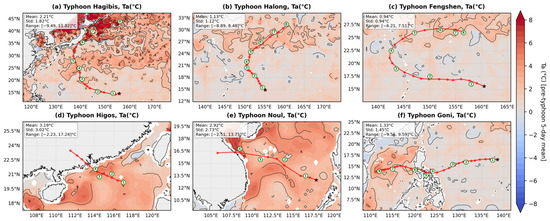
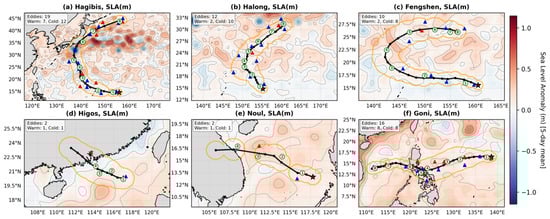
Predictability of Landfalling Typhoon Tracks in East China Based on Ensemble Sensitivity Analysis
by
Jing Zhang, Shoupeng Zhu, Yan Tan and Chen Chen
Remote Sens. 2025, 17(24), 3944; https://doi.org/10.3390/rs17243944 - 5 Dec 2025
Abstract
Accurate typhoon track forecasting is vital for disaster mitigation in East China, a region frequently impacted by landfalling typhoons. Despite advances in numerical weather prediction, uncertainties remain high, especially within 48 h of landfall, due to complex interactions among tropical cyclones, the subtropical
[...] Read more.
Accurate typhoon track forecasting is vital for disaster mitigation in East China, a region frequently impacted by landfalling typhoons. Despite advances in numerical weather prediction, uncertainties remain high, especially within 48 h of landfall, due to complex interactions among tropical cyclones, the subtropical high, and mesoscale systems. This study applies Ensemble-based Sensitivity Analysis (ESA) within a high-resolution regional ensemble prediction system (Shanghai Weather And Risk Model System-Ensemble Prediction System, SWARMS-EN) to investigate forecast uncertainties of three representative typhoons—Gaemi, Bebinca, and Kong-rey—that made landfall in East China in 2024. Our results reveal consistent sensitivity patterns across diverse large-scale environments, particularly around the western flank of the subtropical high and in proximity to nearby low-pressure systems. Track uncertainty was closely tied to fluctuations in the steering flow, notably its zonal component. Moreover, binary typhoon interactions emerged as key drivers of forecast divergence. ESA effectively identified sensitive regions where small initial perturbations exert significant downstream influence on typhoon tracks. This study demonstrates the operational value of ESA for diagnosing forecast error sources and guiding targeted observations. By linking forecast uncertainty to physical mechanisms, this research enhances our understanding of typhoon predictability and supports the development of more adaptive and accurate regional forecasting systems.
Full article
(This article belongs to the Special Issue Multi-Source Atmospheric Remote Sensing: Enabling High-Precision Meteorological Monitoring and Forecasting)
Open AccessArticle
Multiscale Attention-Enhanced Complex-Valued Graph U-Net for PolSAR Image Classification
by
Wanying Song, Qian Liu, Kuncheng Pu, Yinyin Jiang and Yan Wu
Remote Sens. 2025, 17(24), 3943; https://doi.org/10.3390/rs17243943 - 5 Dec 2025
Abstract
The powerful graph convolutional network (GCN) for polarimetric synthetic aperture radar (PolSAR) image classification generally relies on real-valued features, ignoring the phase information and thus limiting the modeling of complex-valued (CV) polarization characteristics. To address this issue, this paper proposes a novel multiscale
[...] Read more.
The powerful graph convolutional network (GCN) for polarimetric synthetic aperture radar (PolSAR) image classification generally relies on real-valued features, ignoring the phase information and thus limiting the modeling of complex-valued (CV) polarization characteristics. To address this issue, this paper proposes a novel multiscale attention-enhanced CV graph U-Net model, abbreviated as MAE-CV-GUNet, by embedding CV-GCN into a graph U-Net framework augmented with multiscale attention mechanisms. First, a CV-GCN is constructed based on the real-valued GCN, to effectively capture the intrinsic amplitude and phase information of the PolSAR data, along with the underlying correlations between them. This way can well lead to an improved feature representation for PolSAR images. Based on CV-GCN, a CV graph U-Net (CV-GUNet) architecture is constructed by integrating multiple CV-GCN components, aiming to extract multi-scale features and further enhance the ability to extract discriminative features in the complex domain. Then, a multiscale attention (MSA) mechanism is designed, enabling the proposed MAE-CV-GUNet to adaptively learn the importances of features at various scales, thereby dynamically fusing the multiscale information among them. The comparisons and ablation experiments on three PolSAR datasets show that MAE-CV-GUNet has excellent performance in PolSAR image classification.
Full article
(This article belongs to the Special Issue Advances in AI-Driven Synthetic Aperture Radar (SAR): Data Processing to Automatic Interpretation)
Open AccessArticle
Deep Learning-Based Remote Sensing Monitoring of Rock Glaciers—Preliminary Application in the Hunza River Basin
by
Yidan Liu, Tingyan Xing and Xiaojun Yao
Remote Sens. 2025, 17(24), 3942; https://doi.org/10.3390/rs17243942 - 5 Dec 2025
Abstract
Rock glaciers have been recognized as key indicators of geomorphic and climatic processes in high mountain environments. In this study, Sentinel-2 MSI imagery and topographic data were integrated to construct enhanced feature sets for rock glacier identification. Three state-of-the-art deep learning models (U-Net,
[...] Read more.
Rock glaciers have been recognized as key indicators of geomorphic and climatic processes in high mountain environments. In this study, Sentinel-2 MSI imagery and topographic data were integrated to construct enhanced feature sets for rock glacier identification. Three state-of-the-art deep learning models (U-Net, DeepLabV3+, and HRnet) were employed to perform semantic segmentation for extracting rock glacier boundaries in the Hunza River Basin, located in the eastern Karakoram Mountains. The combination of spectral and terrain features significantly improved the differentiation of rock glaciers from surrounding landforms, establishing a robust basis for model training. A series of comparative experiments were conducted to evaluate the performance of each model. The HRnet model achieved the highest overall accuracy, exhibiting superior capabilities in high-resolution feature representations and generalization. Using the HRnet framework, a total of 597 rock glaciers were identified, covering an area of 183.59 km2. Spatial analysis revealed that these rock glaciers are concentrated between elevations of 4000 m and 6000 m, with maximum density near 5000 m, and a predominant south and southwest orientation. These spatial patterns reflect the combined influences of topography, thermal conditions, and snow accumulation on the formation and preservation of rock glaciers. The results confirm the effectiveness of deep learning-based semantic segmentation for large-scale rock glacier mapping. The proposed framework establishes a technical foundation for automated monitoring of alpine landforms and supports future assessments of rock glacier dynamics under climate variability.
Full article
Open AccessArticle
Decrypting Spatiotemporal Dynamics and Optimization Pathway of Ecological Resilience Under a Panarchy-Inspired Framework: Insights from the Wuhan Metropolitan Area
by
An Tong, Yan Zhou, Jiazi Zheng and Ziqi Liu
Remote Sens. 2025, 17(24), 3941; https://doi.org/10.3390/rs17243941 - 5 Dec 2025
Abstract
Environmental degradation from rapid urbanization significantly threatens ecological resilience (ER). Nevertheless, accurately evaluating ER remains a persistent challenge. Prior studies’ limited attention to resilience’s cross-scale complexity has hindered evidence-based management. This study, based on long-term time series remote sensing and multi-source data, developed
[...] Read more.
Environmental degradation from rapid urbanization significantly threatens ecological resilience (ER). Nevertheless, accurately evaluating ER remains a persistent challenge. Prior studies’ limited attention to resilience’s cross-scale complexity has hindered evidence-based management. This study, based on long-term time series remote sensing and multi-source data, developed a cross-scale spatiotemporal ER analysis framework integrating landscape ecology and panarchy perspectives. A local “resistance–adaptation–recovery” substrate resilience evaluation was combined with telecoupling-based global network resilience to quantify multi-scale ER from 2000 to 2020. Key drivers across time scales were identified using a hybrid XGBoost–SHAP and genetic algorithm (GA)–optimized dynamic Bayesian network (DBN), and spatial optimization scenarios were simulated with patch-generating land use simulation (PLUS) model. ER decreased slightly from 0.4856 in 2000 to 0.4503 in 2020, with dynamic fluctuations across periods. A clear spatial pattern emerged, with higher ER in the east and lower in the west. Forest land contributed strongly to ER, while construction and cropland reduced it. Spatial composition factors—especially the proportions of forest and construction land—were dominant drivers, outweighing structural factors such as landscape pattern. DBN backward inference revealed nonlinear threshold effects among socio–natural–spatial drivers. Scenario-based simulations confirmed that regulating spatial composition via our optimization pathway can enhance ER. This is particularly effective when expanding forestland in mountainous regions while restraining the growth of built-up areas. This study proposes an integrated framework of “resilience assessment—driver analysis—spatial optimization,” which not only advances the theoretical basis for nested ER assessment but also offers a transferable approach for optimizing spatial patterns and sustainable land management, thereby enhancing ecological resilience in rapidly urbanizing regions.
Full article
(This article belongs to the Section Ecological Remote Sensing)

►▼
Show Figures

Figure 1
Open AccessArticle
Accuracy Assessment of Shoreline Extraction Using MLS Data from a USV and UAV Orthophoto on a Complex Inland Lake
by
Mariusz Specht and Oktawia Specht
Remote Sens. 2025, 17(24), 3940; https://doi.org/10.3390/rs17243940 - 5 Dec 2025
Abstract
►▼
Show Figures
Accurate shoreline determination is essential for the study of coastal and inland water processes, hydrography, and the monitoring of aquatic and terrestrial environments. This study compares two modern remote sensing technologies: MLS conducted with a USV and photogrammetry using a UAV. The research
[...] Read more.
Accurate shoreline determination is essential for the study of coastal and inland water processes, hydrography, and the monitoring of aquatic and terrestrial environments. This study compares two modern remote sensing technologies: MLS conducted with a USV and photogrammetry using a UAV. The research was carried out on Lake Kłodno, characterised by a complex shoreline with vegetation and hydrotechnical structures. Both approaches satisfied the accuracy requirements of the IHO Special Order for shoreline extraction (≤5 m at the 95% confidence level). For the UAV-derived orthophoto, the error within which 95% of shoreline points were located (corresponding to 2.45·σ) was 0.05 m for the natural shoreline and 0.06 m for the variant including piers, both well below the IHO threshold. MLS achieved a 95% error of 1.16 m, which also complies with the Special Order criteria. UAV data enable clear interpretation of the land–water boundary, whereas MLS provides complete three-dimensional spatial information, independent of lighting conditions, and allows surveys of vegetated or inaccessible areas. The results demonstrate the complementarity of the two approaches: UAV is well suited to highly accurate shoreline mapping and the identification of hydrotechnical structures, while MLS is valuable for analysing the nearshore zone and for surveying vegetated or inaccessible areas. The findings confirm the value of integrating these approaches and highlight the need to extend research to other types of waterbodies, to consider seasonal variability, and to develop methods for the automatic extraction of shorelines.
Full article

Figure 1
Open AccessArticle
DLiteNet: A Dual-Branch Lightweight Framework for Efficient and Precise Building Extraction from Visible and SAR Imagery
by
Zhe Zhao, Boya Zhao, Ruitong Du, Yuanfeng Wu, Jiaen Chen and Yuchen Zheng
Remote Sens. 2025, 17(24), 3939; https://doi.org/10.3390/rs17243939 - 5 Dec 2025
Abstract
High-precision and efficient building extraction by fusing visible and synthetic aperture radar (SAR) imagery is critical for applications such as smart cities, disaster response, and UAV navigation. However, existing approaches often rely on complex multimodal feature extraction and deep fusion mechanisms, resulting in
[...] Read more.
High-precision and efficient building extraction by fusing visible and synthetic aperture radar (SAR) imagery is critical for applications such as smart cities, disaster response, and UAV navigation. However, existing approaches often rely on complex multimodal feature extraction and deep fusion mechanisms, resulting in over-parameterized models and excessive computation, which makes it challenging to balance accuracy and efficiency. To address this issue, we propose a dual-branch lightweight architecture, DLiteNet, which functionally decouples the multimodal building extraction task into two sub-tasks: global context modeling and spatial detail capturing. Accordingly, we design a lightweight context branch and spatial branch to achieve an optimal trade-off between semantic accuracy and computational efficiency. The context branch jointly processes visible and SAR images, leveraging our proposed Multi-scale Context Attention Module (MCAM) to adaptively fuse multimodal contextual information, followed by a lightweight Short-Term Dense Atrous Concatenate (STDAC) module for extracting high-level semantics. The spatial branch focuses on capturing textures and edge structures from visible imagery and employs a Context-Detail Aggregation Module (CDAM) to fuse contextual priors and refine building contours. Experiments on the MSAW and DFC23 Track2 datasets demonstrate that DLiteNet achieves strong performance with only 5.6 M parameters and extremely low computational costs (51.7/5.8 GFLOPs), significantly outperforming state-of-the-art models such as CMGFNet (85.2 M, 490.9/150.3 GFLOPs) and MCANet (71.2 M, 874.5/375.9 GFLOPs). On the MSAW dataset, DLiteNet achieves the highest accuracy (83.6% IoU, 91.1% F1-score), exceeding the best MCANet baseline by 1.0% IoU and 0.6% F1-score. Furthermore, deployment tests on the Jetson Orin NX edge device show that DLiteNet achieves a low inference latency of 14.97 ms per frame under FP32 precision, highlighting its real-time capability and deployment potential in edge computing scenarios.
Full article
(This article belongs to the Special Issue Advances in Multiple Sensor Fusion and Classification for Object Detection and Tracking)
►▼
Show Figures

Figure 1
Journal Menu
► ▼ Journal Menu-
- Remote Sensing Home
- Aims & Scope
- Editorial Board
- Reviewer Board
- Topical Advisory Panel
- Photography Exhibition
- Instructions for Authors
- Special Issues
- Topics
- Sections & Collections
- Article Processing Charge
- Indexing & Archiving
- Editor’s Choice Articles
- Most Cited & Viewed
- Journal Statistics
- Journal History
- Journal Awards
- Society Collaborations
- Conferences
- Editorial Office
Journal Browser
► ▼ Journal BrowserHighly Accessed Articles
Latest Books
E-Mail Alert
News
Topics
Topic in
Energies, Aerospace, Applied Sciences, Remote Sensing, Sensors
GNSS Measurement Technique in Aerial Navigation
Topic Editors: Kamil Krasuski, Damian WierzbickiDeadline: 31 December 2025
Topic in
Geosciences, Land, Remote Sensing, Sustainability
Disaster and Environment Monitoring Based on Multisource Remote Sensing Images
Topic Editors: Bing Guo, Yuefeng Lu, Yingqiang Song, Rui Zhang, Huihui ZhaoDeadline: 1 January 2026
Topic in
Agriculture, Remote Sensing, Sustainability, Water, Hydrology, Limnological Review, Earth
Water Management in the Age of Climate Change
Topic Editors: Yun Yang, Chong Chen, Hao SunDeadline: 31 January 2026
Topic in
Applied Sciences, Electronics, Informatics, JCP, Future Internet, Mathematics, Sensors, Remote Sensing
Recent Advances in Artificial Intelligence for Security and Security for Artificial Intelligence
Topic Editors: Tao Zhang, Xiangyun Tang, Jiacheng Wang, Chuan Zhang, Jiqiang LiuDeadline: 28 February 2026
Conferences
Special Issues
Special Issue in
Remote Sensing
Advances in GNSS for Time Series Analysis
Guest Editors: Junping Chen, Alfonso Vitti, Weijie Tan, Nannan GuoDeadline: 10 December 2025
Special Issue in
Remote Sensing
Investigating State-of-the-Art Machine Learning Approaches in Vegetation Analysis through Earth Observation Data
Guest Editors: Arnick Abdollahi, Chandrama SarkerDeadline: 14 December 2025
Special Issue in
Remote Sensing
Machine Learning for Intelligent Processing and Applications of Multi-Source Remote Sensing Data
Guest Editors: Wei Li, Haiyong Gan, Heng-Chao Li, Wenshuai HuDeadline: 14 December 2025
Special Issue in
Remote Sensing
Advancements in LiDAR Technology and Applications in Remote Sensing
Guest Editor: Luis Miguel González de SantosDeadline: 14 December 2025
Topical Collections
Topical Collection in
Remote Sensing
Google Earth Engine Applications
Collection Editors: Lalit Kumar, Onisimo Mutanga
Topical Collection in
Remote Sensing
Discovering A More Diverse Remote Sensing Discipline
Collection Editors: Karen Joyce, Meghan Halabisky, Cristina Gómez, Michelle Kalamandeen, Gopika Suresh, Kate C. Fickas
Topical Collection in
Remote Sensing
Current, Planned, and Future Satellite Missions: Guidelines for Data Exploitation by the Remote Sensing Community
Collection Editors: Jose Moreno, Magaly Koch, Robert Wang
Topical Collection in
Remote Sensing
The VIIRS Collection: Calibration, Validation, and Application
Collection Editors: Xi Shao, Xiaoxiong Xiong, Changyong Cao