



-
Integrative Peptide Drug Development: Chemical Engineering, AI-Driven Design, and Cell-Penetrating Peptides -
Decoding Immune Dysregulation in Sepsis Through Extracellular Vesicles: A Path to Precision Medicine -
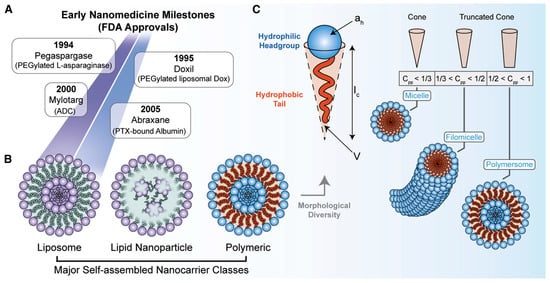
Nanoparticle Clearance and New Horizons in Engineered Drug Delivery -
Harnessing Pharmacokinetic Modeling to Develop a Long-Acting Subcutaneous HIV Treatment Platform for Young Children -
From Magnetic Moment to Magnetic Particle Imaging: A Comprehensive Review on MPI Technology, Tracer Design and Biological Applications
Journal Description
Pharmaceutics
Pharmaceutics
is a peer-reviewed, open access journal on the science and technology of pharmaceutics and biopharmaceutics, published monthly online by MDPI. The Spanish Society of Pharmaceutics and Pharmaceutical Technology (SEFIG), Pharmaceutical Solid State Research Cluster (PSSRC), Academy of Pharmaceutical Sciences (APS) and Korean Society of Pharmaceutical Sciences and Technology (KSPST) are affiliated with Pharmaceutics and their members receive a discount on the article processing charges.
- Open Access— free for readers, with article processing charges (APC) paid by authors or their institutions.
- High Visibility: indexed within Scopus, SCIE (Web of Science), PubMed, PMC, Embase, CAPlus / SciFinder, and other databases.
- Journal Rank: JCR - Q1 (Pharmacology and Pharmacy) / CiteScore - Q1 (Pharmaceutical Science)
- Rapid Publication: manuscripts are peer-reviewed and a first decision is provided to authors approximately 15.7 days after submission; acceptance to publication is undertaken in 3.5 days (median values for papers published in this journal in the second half of 2025).
- Recognition of Reviewers: reviewers who provide timely, thorough peer-review reports receive vouchers entitling them to a discount on the APC of their next publication in any MDPI journal, in appreciation of the work done.
- Companion journals for Pharmaceutics include: Future Pharmacology, Journal of Pharmaceutical and BioTech Industry and Medicines.
- Journal Clusters-Pharmaceutical Science: Scientia Pharmaceutica, Marine Drugs, Pharmaceuticals, Pharmaceutics, Pharmacy, Future Pharmacology, Pharmacoepidemiology, Drugs and Drug Candidates and Journal of Pharmaceutical and BioTech Industry.
Impact Factor:
5.5 (2024);
5-Year Impact Factor:
5.8 (2024)
Latest Articles
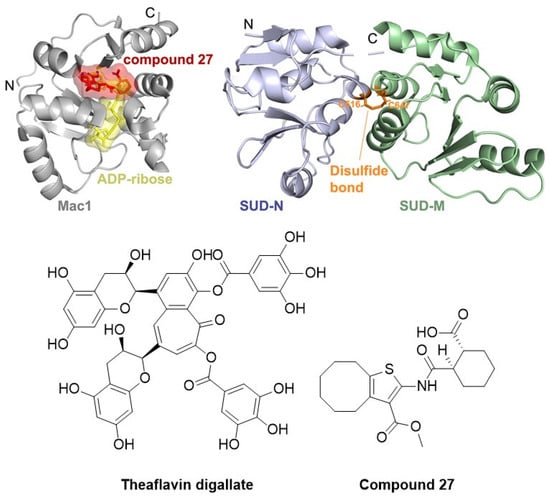
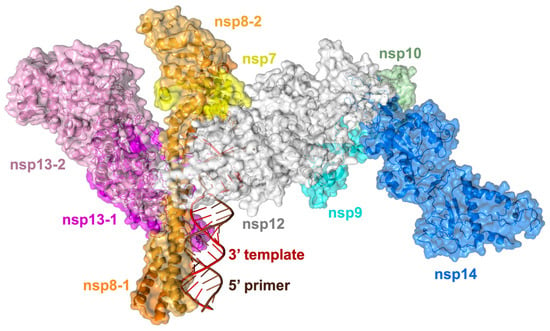
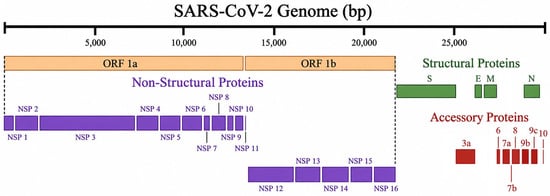
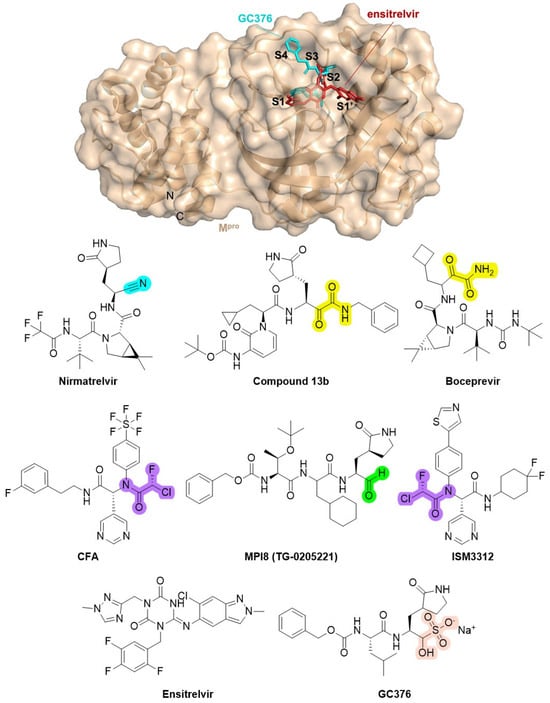
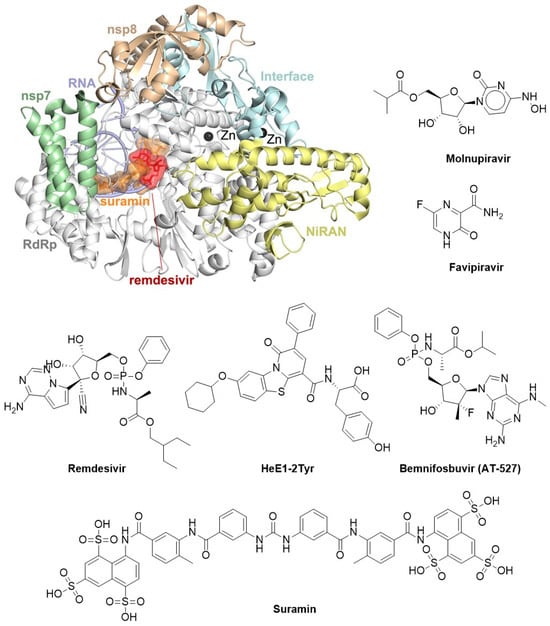
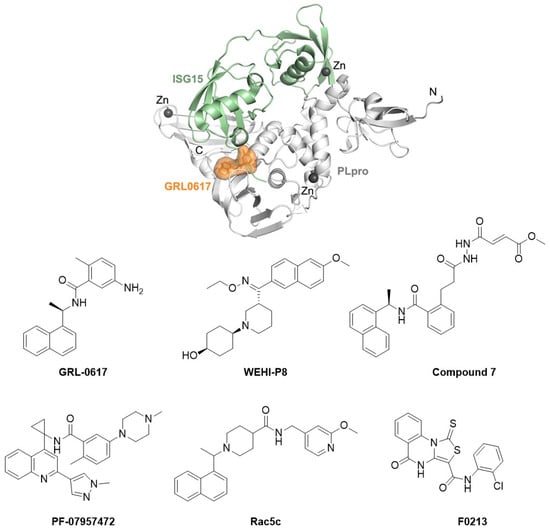
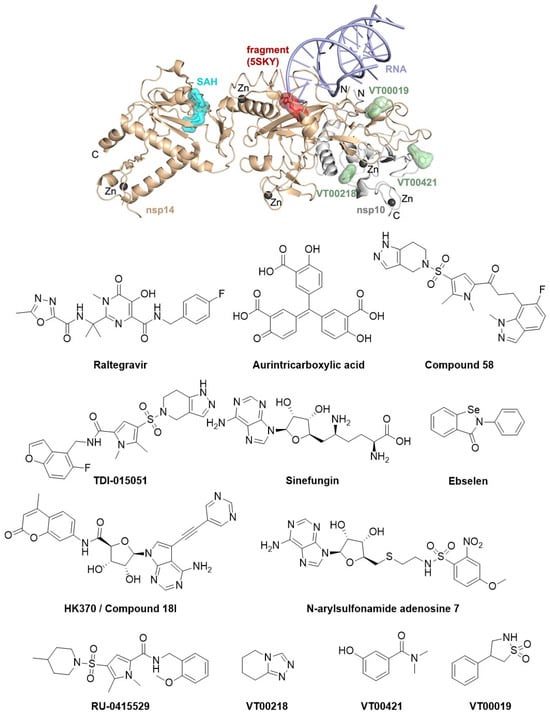
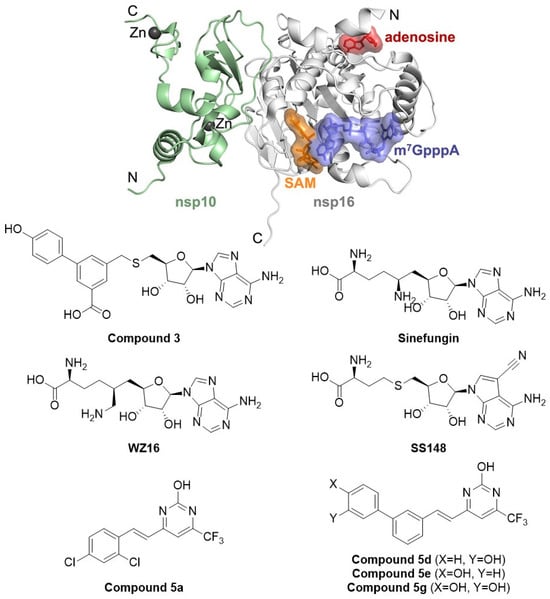
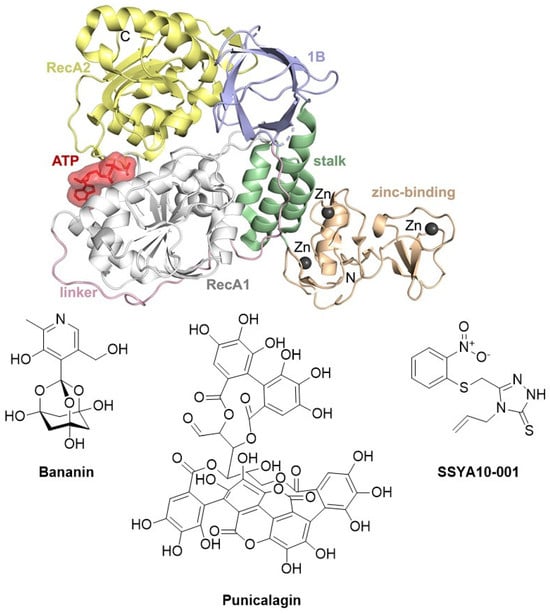
Targeting SARS-CoV-2 Non-Structural Proteins: A Blueprint for Next-Generation Small-Molecule Coronavirus Antivirals
Pharmaceutics 2026, 18(6), 693; https://doi.org/10.3390/pharmaceutics18060693 (registering DOI) - 2 Jun 2026
Abstract
The SARS-CoV-2 non-structural proteome remains the most clinically validated and strategically important landscape for direct-acting small-molecule antiviral drug discovery. The success of inhibitors targeting the main protease (Mpro, Nsp5) and RNA-dependent RNA polymerase (RdRp, Nsp12) has firmly established viral replication enzymes
[...] Read more.
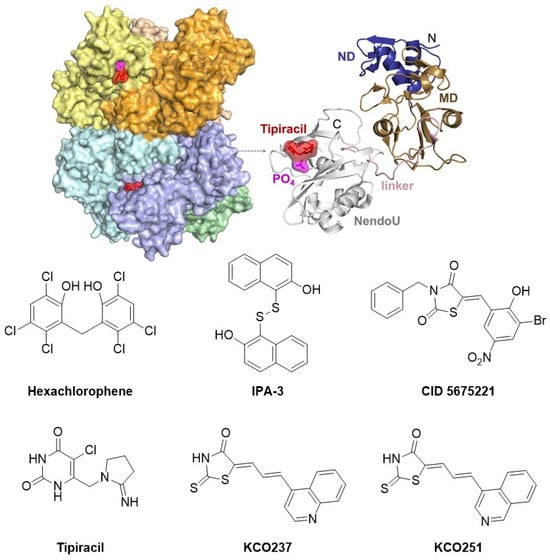
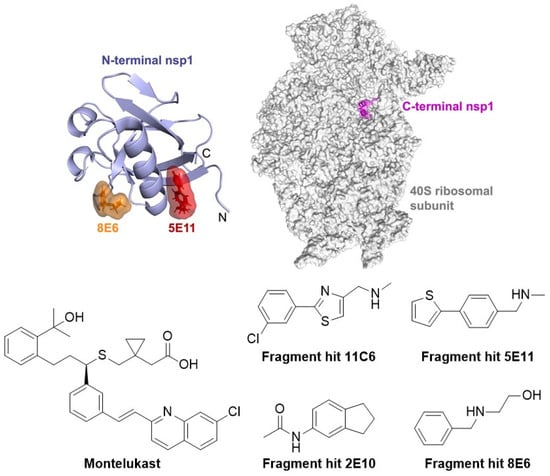
The SARS-CoV-2 non-structural proteome remains the most clinically validated and strategically important landscape for direct-acting small-molecule antiviral drug discovery. The success of inhibitors targeting the main protease (Mpro, Nsp5) and RNA-dependent RNA polymerase (RdRp, Nsp12) has firmly established viral replication enzymes as tractable, druggable, and therapeutically relevant targets, while setting clear benchmarks for translational antiviral development. Building on this foundation, a second wave of non-structural protein (Nsp) targets has emerged with increasing translational promise, including the papain-like protease (PLpro), the bifunctional Nsp14 proofreading and capping machinery, Nsp16 2′-O-methyltransferase, Nsp13 helicase, and Nsp15 endoribonuclease. In parallel, additional components such as Nsp1 and the Mac1 domain of Nsp3 continue to expand the antiviral design space, although they remain at earlier stages of chemical validation. In this review, we comprehensively assess SARS-CoV-2 non-structural proteins through a medicinal chemistry and translational lens, with an emphasis on structural tractability, mechanism of action, quality of chemical matter, cellular and in vivo antiviral evidence, evolutionary conservation, resistance liabilities, and developability. Particular attention is given to the features that distinguish tool compounds from genuinely actionable leads and to the opportunities for rational combination regimens that extend beyond first-generation protease- and polymerase-centred therapy. Collectively, the non-structural proteome offers the strongest foundation for next-generation and potentially broader-spectrum coronavirus antivirals with improved resilience to viral evolution.
Full article
(This article belongs to the Special Issue Novel Therapeutic Agents and Innovative Delivery Systems Against Infectious Diseases)
►
Show Figures
Open AccessArticle
Fabrication of Microneedle Patches by Suspension Casting of Drugs in Organic Solvents
by
Chao-Yi Lu, Lara Vaid, Asha Adler, Gulcin Arslan Azizoglu, Andrey V. Romanyuk and Mark R. Prausnitz
Pharmaceutics 2026, 18(6), 692; https://doi.org/10.3390/pharmaceutics18060692 (registering DOI) - 1 Jun 2026
Abstract
Background/Objectives: Drug administration by microneedle patch (MNP) offers advantages over conventional dosage forms as a painless, self-administered skin patch for parenteral delivery. Dissolvable MNPs are typically manufactured by casting an aqueous formulation containing dissolved active pharmaceutical ingredient (API) and excipients into a mold
[...] Read more.
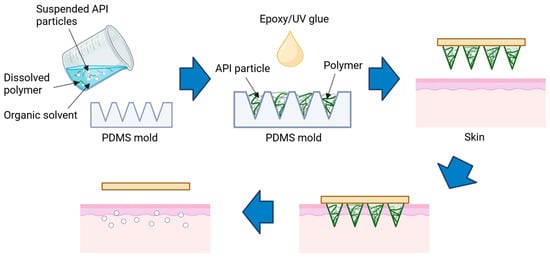
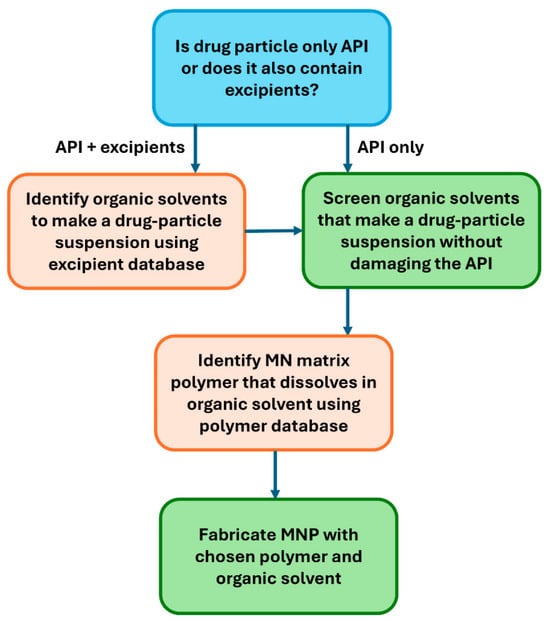
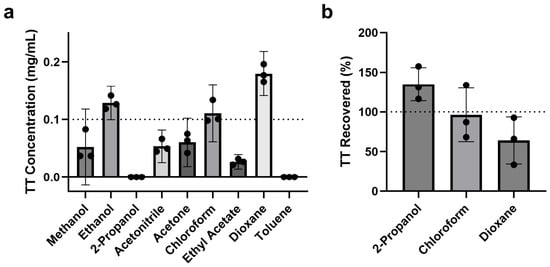
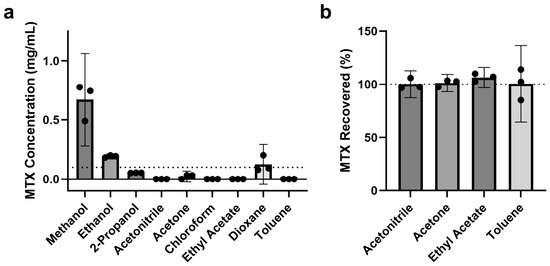
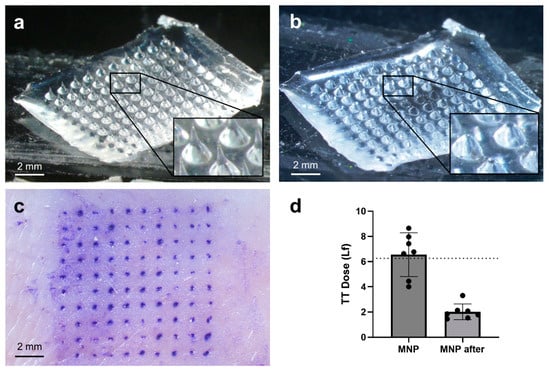
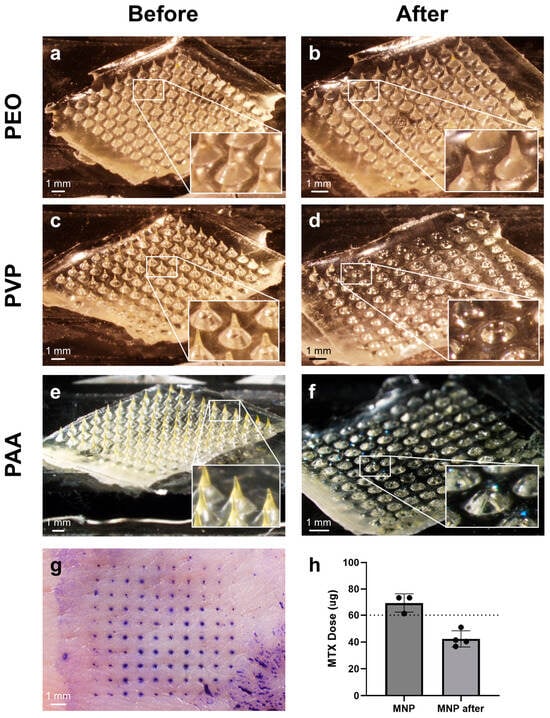
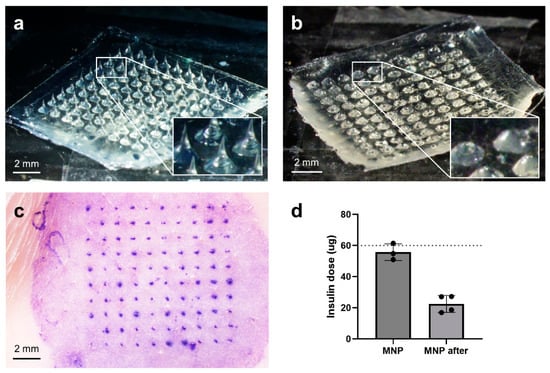
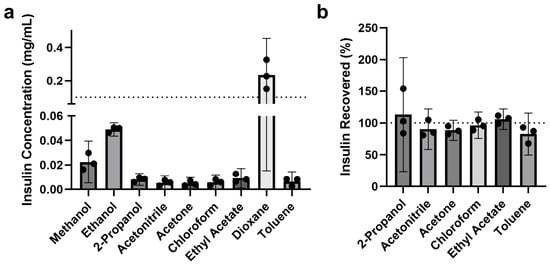
Background/Objectives: Drug administration by microneedle patch (MNP) offers advantages over conventional dosage forms as a painless, self-administered skin patch for parenteral delivery. Dissolvable MNPs are typically manufactured by casting an aqueous formulation containing dissolved active pharmaceutical ingredient (API) and excipients into a mold and allowing it to dry. This process can be detrimental to APIs that are sensitive to dissolution and drying during the casting process. Methods: This study presents a MNP fabrication process in which drug particles are suspended in an organic solvent carrier without being dissolved in the solvent. Results: We started with drug particles either as pure API or formulated with excipients to stabilize them. We then screened nine organic solvents, ranging from high (methanol) to low (toluene) polarity, to identify those that suspend the drug particles without dissolution or damage to the API. To guide formulation of stabilized drug particles, we generated a companion database of 16 common stabilizing excipients and measured their solubility in our panel of organic solvents to identify excipient–solvent combinations that did not lead to excipient dissolution. We generated a second database of 14 water-soluble polymers to serve as the microneedle matrix material and determined their solubility in our panel of solvents to identify solvents that enabled polymer dissolution. Using these data, we designed casting solutions that suspended particles of API (and excipients) in an organic solvent that dissolved a matrix polymer. Casting and drying these solutions on molds produced MNPs for delivery of three model compounds: lyophilized tetanus toxoid (i.e., a vaccine), methotrexate (i.e., a small molecule drug), and insulin (i.e., a biologic). Conclusions: We conclude that this fabrication method, guided by the excipient and polymer solubility databases, offers a novel method to produce MNPs by suspension casting of drugs in organic solvents.
Full article
(This article belongs to the Special Issue Microneedles for Drug and Vaccine Delivery)
►▼
Show Figures

Figure 1
Open AccessArticle
Versatile SI-ATRP Growth of Methacrylate Brushes on Superparamagnetic Iron Oxide Nanoparticles Enables Methotrexate-Mediated Antineoplastic Activity in MCF-7 Cells
by
Razvan Ghiarasim, Alexandru Rotaru, Cristian-Dragos Varganici, Mariana Pinteala, Narcisa-Laura Marangoci, Ion Tiginyanu and Natalia Simionescu
Pharmaceutics 2026, 18(6), 691; https://doi.org/10.3390/pharmaceutics18060691 (registering DOI) - 1 Jun 2026
Abstract
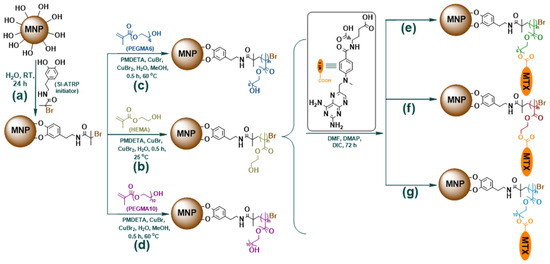
Background/Objectives: Superparamagnetic iron-oxide nanoparticles (SPIONs) bearing poly(methacrylate) brushes were synthesized via surface-initiated atom-transfer radical polymerization (SI-ATRP) as magnetically responsive nanoplatforms. Three brush architectures, poly(2-hydroxyethyl methacrylate) (PHEMA) and poly(poly(ethylene glycol) methacrylate) with six ethylene-oxide units (PPEGMA6) and ten units (PPEGMA10), were grown from a
[...] Read more.
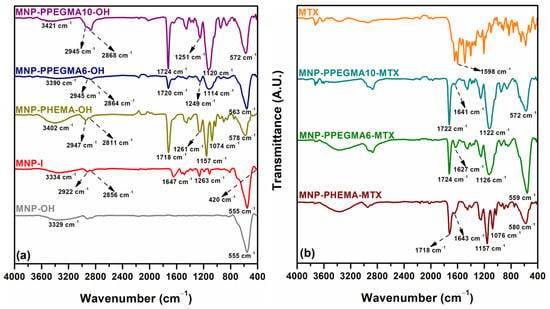
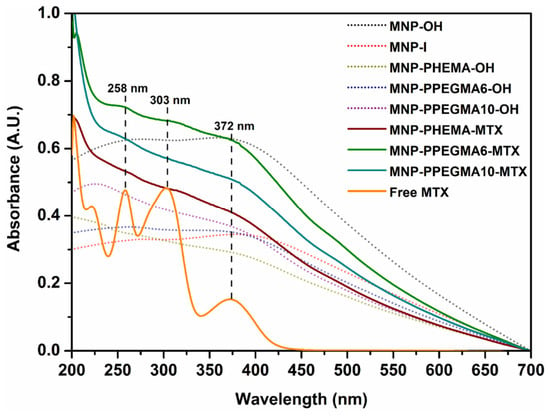
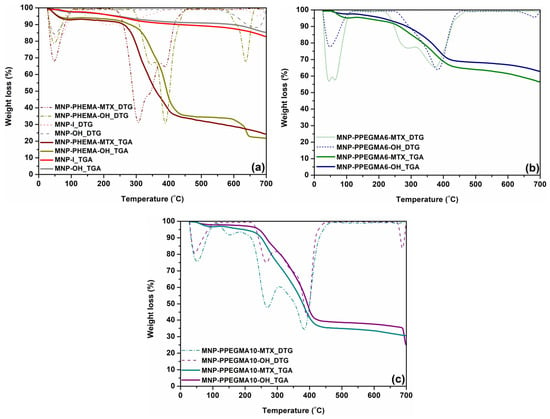
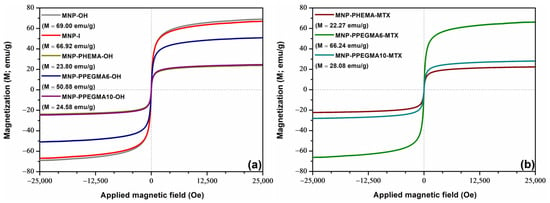
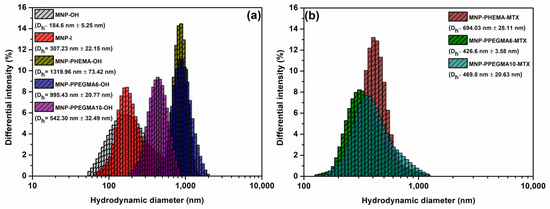
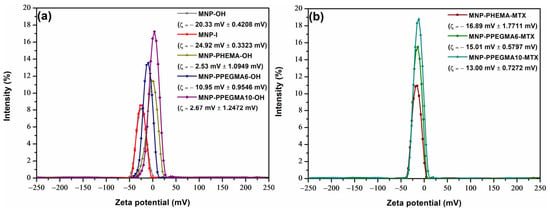
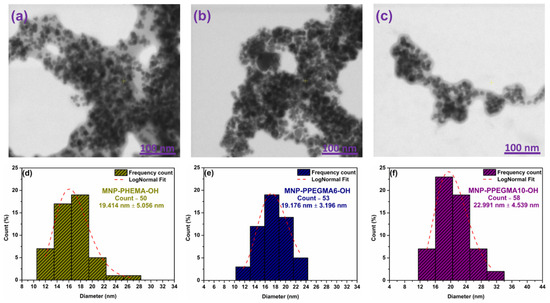
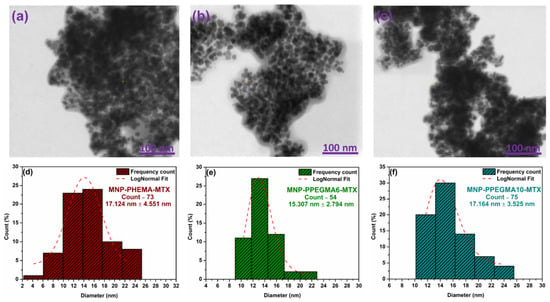
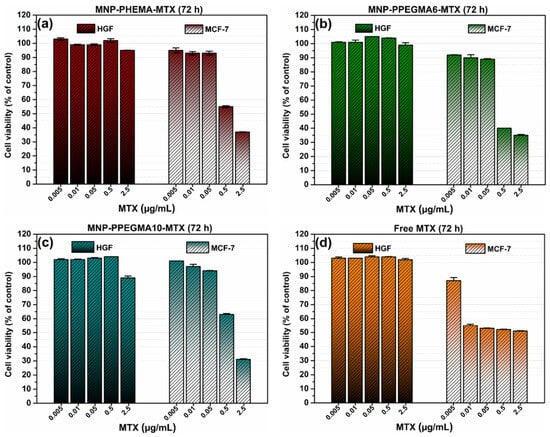
Background/Objectives: Superparamagnetic iron-oxide nanoparticles (SPIONs) bearing poly(methacrylate) brushes were synthesized via surface-initiated atom-transfer radical polymerization (SI-ATRP) as magnetically responsive nanoplatforms. Three brush architectures, poly(2-hydroxyethyl methacrylate) (PHEMA) and poly(poly(ethylene glycol) methacrylate) with six ethylene-oxide units (PPEGMA6) and ten units (PPEGMA10), were grown from a dopamine-anchored initiator and covalently loaded with methotrexate (MTX). Methods: Physicochemical characterization confirmed successful polymer grafting, tunable hydrodynamic size (185–1320 nm before MTX conjugation and 427–694 nm after), retained superparamagnetic properties (22–69 emu g−1), and high drug payloads, with PPEGMA6 achieving 131 µg mg−1. MTX conjugation induced partial compaction of the polymer shell yet maintained ζ-potentials conducive to colloidal stability. Results: In vitro assays showed negligible toxicity toward primary human fibroblasts, whereas MTX-decorated formulations induced a pronounced concentration-dependent cytotoxic effect in MCF-7 breast cancer cells, reaching 69% loss of viability—significantly higher than free MTX. Structure–activity analysis attributes the superior performance of PPEGMA6-MTX to its balanced brush density, high payload, and favorable surface charge. Conclusions: These findings demonstrate that precise modulation of polymer brush architecture via SI-ATRP yields SPION-based nanocarriers that integrate MRI visibility and the potential for magnetic guidance and targeted chemotherapy. The PPEGMA6-MTX construct is highlighted as a promising platform for future preclinical investigations.
Full article
(This article belongs to the Special Issue Carbohydrate-Based Carriers for Drug Delivery, 2nd Edition)
►▼
Show Figures

Figure 1
Open AccessArticle
Co-Formulation of Pembrolizumab Murine Surrogate RMP1-14 with Imagent® Ultrasound Contrast Agent Enhances Intratumoral Antibody Delivery Through a Transient Increase in Tumor Blood Perfusion
by
Imani A. Kirven, Patrice Penfornis, Muhammad R. Siddiqui, Kenneth R. Butler, Richard J. Roman, Clayton T. Larsen, Candace M. Howard and Pier Paolo Claudio
Pharmaceutics 2026, 18(6), 690; https://doi.org/10.3390/pharmaceutics18060690 (registering DOI) - 31 May 2026
Abstract
Background/Objectives: Immune checkpoint inhibitors targeting the PD-1/PD-L1 axis have transformed cancer treatment, yet therapeutic responses remain limited in many solid tumors due to poor and uneven drug distribution within the tumor microenvironment (TME). Here, we evaluated whether co-formulation of an anti-PD-1 antibody
[...] Read more.
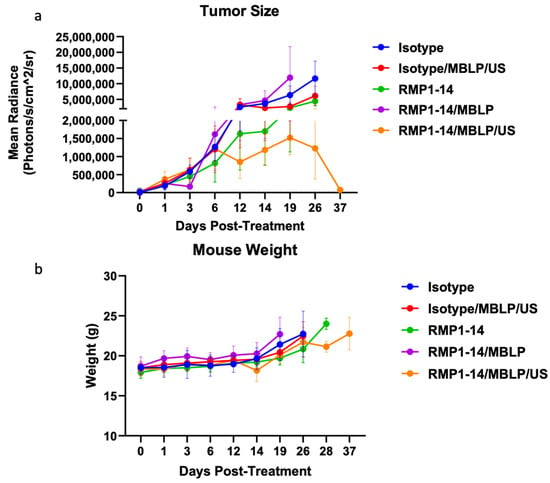
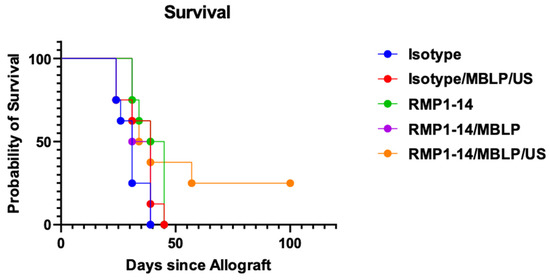
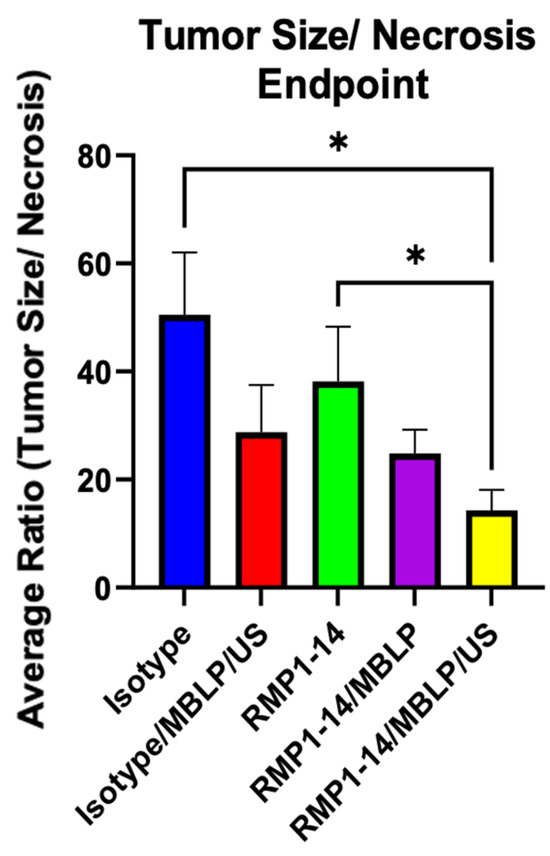
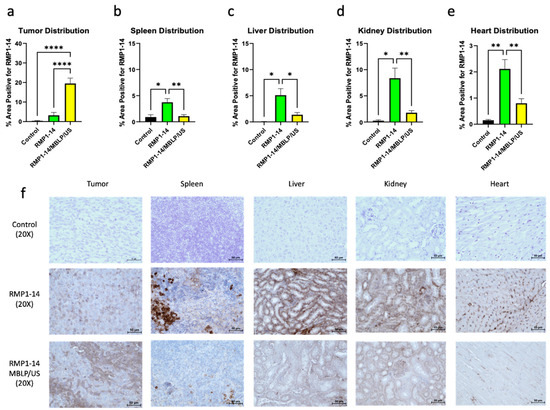
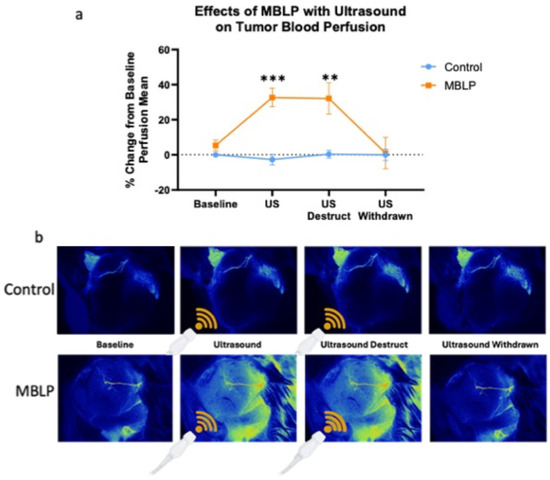
Background/Objectives: Immune checkpoint inhibitors targeting the PD-1/PD-L1 axis have transformed cancer treatment, yet therapeutic responses remain limited in many solid tumors due to poor and uneven drug distribution within the tumor microenvironment (TME). Here, we evaluated whether co-formulation of an anti-PD-1 antibody (RMP1-14, murine surrogate for pembrolizumab) with Imagent® microbubble/liposome (MBLP) complexes and ultrasound activation could enhance tumor-specific delivery while reducing systemic exposure. Methods: Immunocompetent MC-38 colorectal tumor-bearing mice (B6(Cg)-Tyrc-2J/J, 7-week-old females) received isotype control, isotype/MBLP/US, RMP1-14 alone, RMP1-14/MBLP, or RMP1-14/MBLP/US. Survival was analyzed by Kaplan–Meier curves, tumor necrosis by H&E staining, antibody biodistribution by immunohistochemistry, and tumor perfusion by laser speckle imaging. Results: No significant differences in tumor size or body weight were observed between groups. Survival analysis showed significant improvements in the RMP1-14 (p = 0.013) and RMP1-14/MBLP/US (p = 0.047) groups versus isotype controls, with the RMP1-14/MBLP/US group achieving the longest mean survival (57.8 days vs. 26.5 days for RMP1-14 alone) and complete tumor regression in 2/8 mice. The RMP1-14/MBLP/US group demonstrated significantly greater tumor necrosis than all other groups. Immunohistochemical analysis confirmed a 6.1-fold increase in intratumoral antibody accumulation with MBLP/US versus RMP1-14 alone (p = 0.0003), alongside significantly reduced off-target exposure in spleen, liver, kidney, and heart. Laser speckle imaging revealed a transient ~30% increase in tumor perfusion during MBLP/US treatment, consistent with cavitation-mediated hemodynamic effects. Conclusions: These findings demonstrate that MBLP/US co-formulation enhances intratumoral delivery of checkpoint inhibitors, improves survival, and reduces systemic organ exposure, representing a promising platform to improve the efficacy and safety profile of antibody-based immunotherapy.
Full article
(This article belongs to the Special Issue Combining Ultrasound and Microbubbles/Nanobubbles for Enhancing the Effects of Cancer Therapies)
►▼
Show Figures

Figure 1
Open AccessArticle
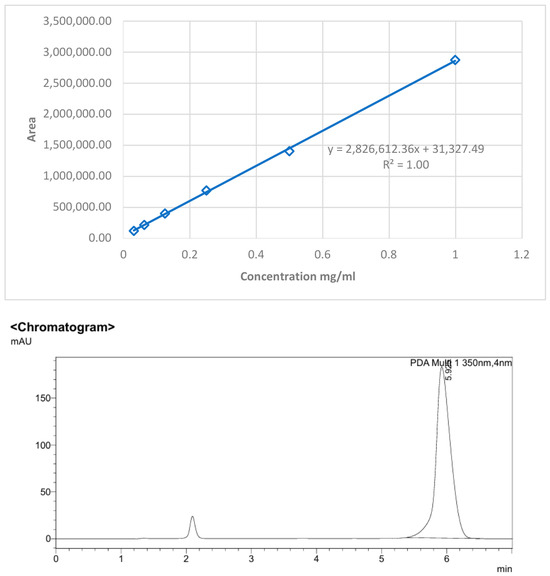
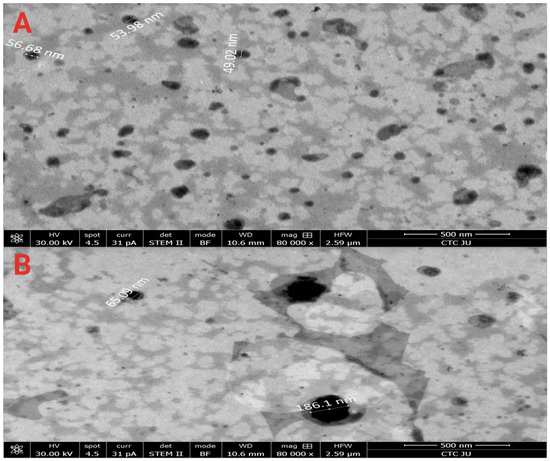
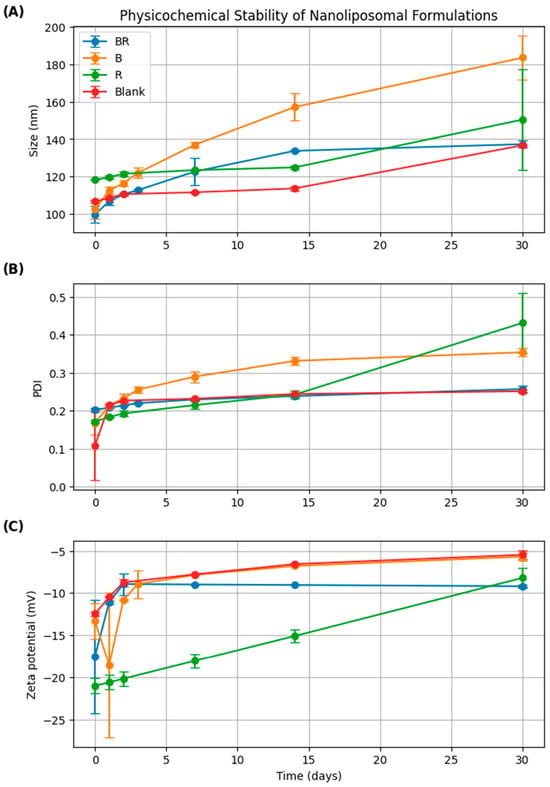
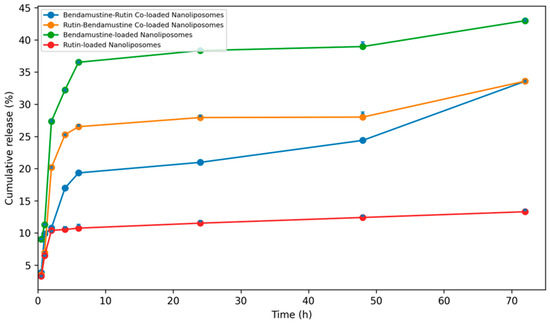
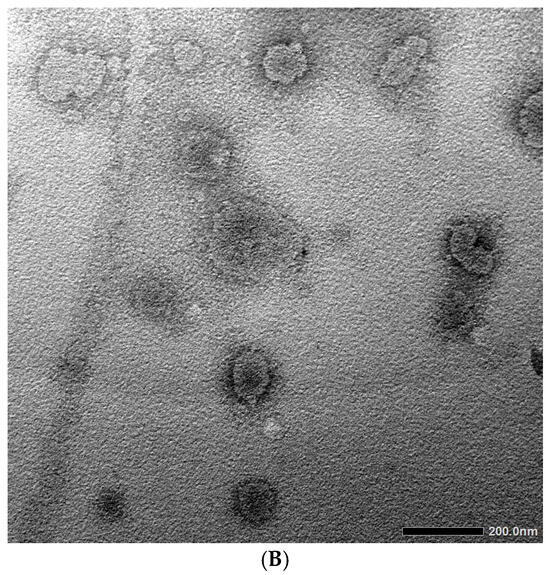
Co-Loaded PEGylated Nanoliposomes of Bendamustine and Rutin: Formulation, Release Kinetics, and a Hybrid Predictive Modeling Framework
by
Ali Al-Samydai, Ali Olamat, Arwa Al Khatib, Jamal Al Nabulsi, Hamdi Al Nsairat, Walhan Alshaer, Sara Al Mahamid, Alaa Alsanabrah, Ahmed S. A. Ali Agha and Hamza AbuOwida
Pharmaceutics 2026, 18(6), 689; https://doi.org/10.3390/pharmaceutics18060689 (registering DOI) - 31 May 2026
Abstract
Objectives: Current liposomal drug delivery studies remain largely formulation-specific and descriptive, with limited predictive capability. This study aimed to develop co-loaded nanoliposomes and establish an integrated framework for predictive analysis of drug release. Methods: PEGylated nanoliposomes co-loaded with bendamustine and rutin were prepared
[...] Read more.
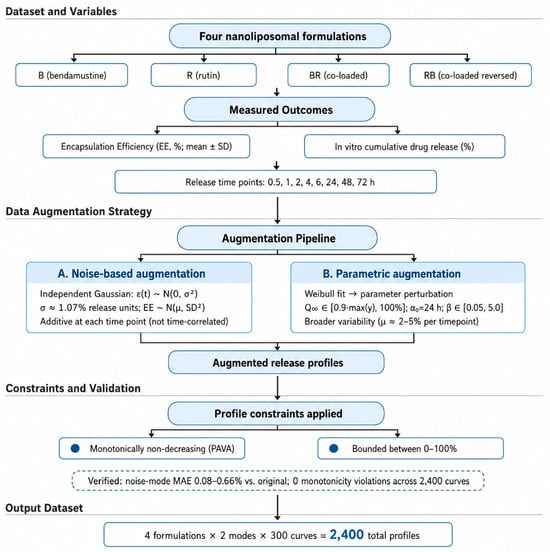
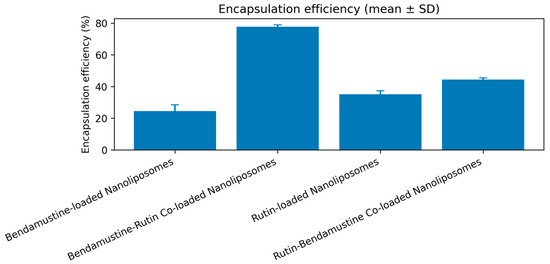
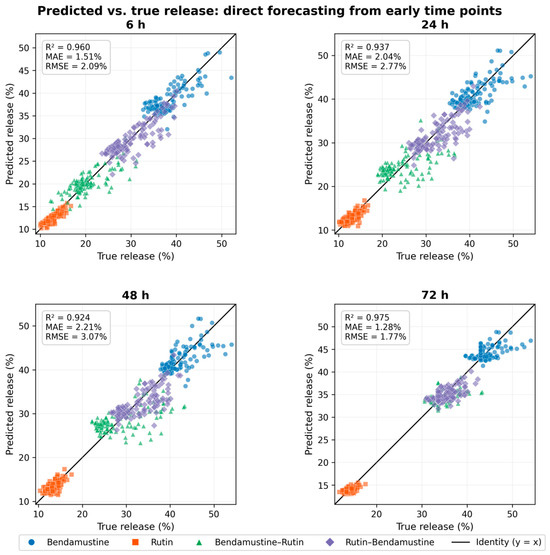
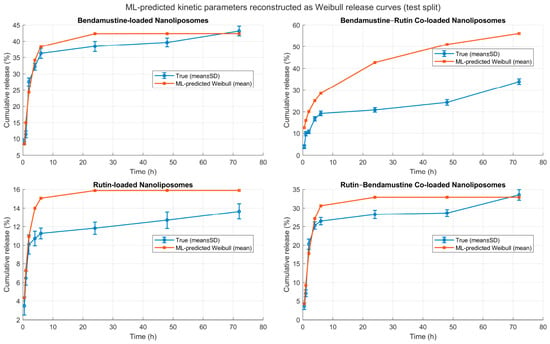
Objectives: Current liposomal drug delivery studies remain largely formulation-specific and descriptive, with limited predictive capability. This study aimed to develop co-loaded nanoliposomes and establish an integrated framework for predictive analysis of drug release. Methods: PEGylated nanoliposomes co-loaded with bendamustine and rutin were prepared using the thin-film hydration method. Physicochemical properties, encapsulation efficiency, and in vitro release were evaluated. An integrated analytical approach combining data augmentation, monotonicity-constrained denoising, Weibull kinetic modeling, and machine learning was applied to characterize and predict release behavior. Results: Co-loaded formulations exhibited higher encapsulation efficiency (up to 77.75%) and distinct release profiles compared to single-drug systems. Weibull modeling adequately described nonlinear release kinetics (R2 ≈ 0.90–0.94). Machine learning enabled within-formulation prediction of later-stage release from early time points (R2 > 0.98; MAE ≈ 0.83–1.00%), although leave-one-formulation-out cross-validation confirmed that cross-formulation generalization remains limited. Reconstructed release curves captured overall formulation-dependent trends, despite variable accuracy in individual kinetic parameters. Conclusions: The proposed hybrid framework enables early prediction of drug release and reveals that curve-level behavior may be approximated without precise parameter estimation, though this reflects parameter compensability rather than robust prediction. This work provides a proof-of-concept framework for analyzing nanoliposomal drug delivery systems.
Full article
(This article belongs to the Section Nanomedicine and Nanotechnology)
►▼
Show Figures

Figure 1
Open AccessArticle
Modulation of Caffeine Permeation Kinetics in a Skin-PAMPA Model by Probiotic Lysates and Bile Acids
by
Maja Đanić, Natalija Dedić, Dragana Zaklan, Slavica Lazarević, Bojan Stanimirov, Momir Mikov and Nebojša Pavlović
Pharmaceutics 2026, 18(6), 688; https://doi.org/10.3390/pharmaceutics18060688 (registering DOI) - 31 May 2026
Abstract
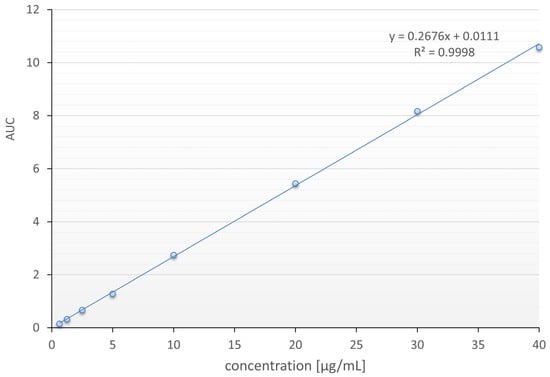
Background: Caffeine, although widely used in dermatological and cosmetic products, exhibits limited permeability through the stratum corneum, highlighting the need for strategies for optimizing delivery. The aim of this study was in vitro investigation of the effects of probiotic bacterial lysates and
[...] Read more.
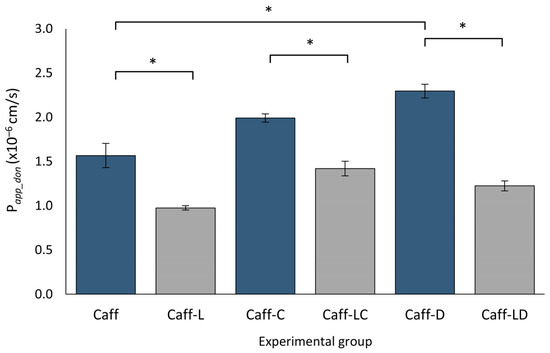
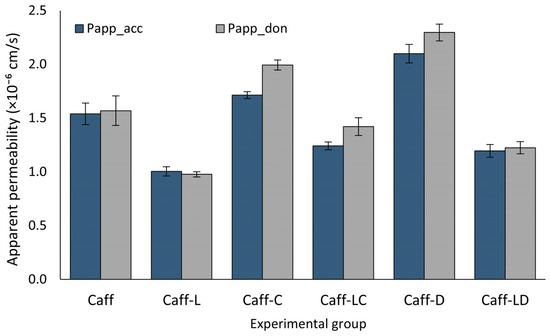
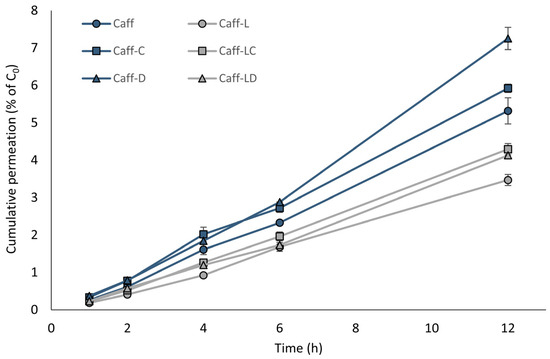
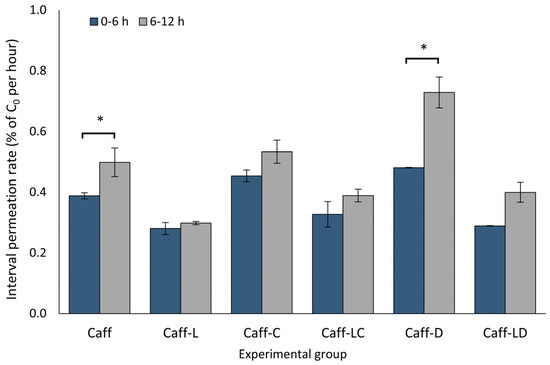
Background: Caffeine, although widely used in dermatological and cosmetic products, exhibits limited permeability through the stratum corneum, highlighting the need for strategies for optimizing delivery. The aim of this study was in vitro investigation of the effects of probiotic bacterial lysates and submicellar concentrations of bile acids on caffeine permeation, with a particular focus on permeation kinetics. Methods: Caffeine permeability was evaluated using the Skin Parallel Artificial Membrane Permeability Assay (Skin-PAMPA). Donor and acceptor concentrations were quantified by HPLC at predefined time points (1, 2, 4, 6, and 12 h), followed by calculation of apparent permeability coefficients, cumulative permeation profiles, and interval permeation rates in systems containing probiotic lysates and submicellar concentrations of cholic acid (CA) or deoxycholic acid (DCA). Results: Probiotic lysates significantly reduced caffeine permeability (0.98 ± 0.02 × 10⁻⁶ vs. 1.57 ± 0.14 × 10⁻⁶ cm/s in the control group) and modified transport kinetics resulting in lower early-phase interval permeation rates and reduced cumulative permeation. Conversely, bile acids increased the apparent permeability of caffeine, with the highest value observed in the DCA group (2.30 ± 0.08 × 10⁻⁶ cm/s). Conclusions: Overall, probiotic lysates and bile acids modulated caffeine permeation across the Skin-PAMPA membrane primarily by reshaping permeation kinetics rather than simply changing overall permeability. Their combined effects may provide a basis for designing topical formulations with tailored permeation profiles.
Full article
(This article belongs to the Special Issue Current and Future Perspectives in Dermal and Transdermal Drug Delivery)
►▼
Show Figures

Figure 1
Open AccessReview
Bioactive Anti-Inflammatory Compounds and Therapeutic Strategies for Promoting Resolution
by
Dipa K. Israni, Mansi Shah, Heena Chauhan, Mumuxa Rathod, Bhupendra G. Prajapati, Supachoke Mangmool, Sudarshan Singh and Chuda Chittasupho
Pharmaceutics 2026, 18(6), 687; https://doi.org/10.3390/pharmaceutics18060687 (registering DOI) - 30 May 2026
Abstract
Inflammation plays a crucial role in defending the body against harmful stimuli and maintaining physiological balance; however, when it becomes chronic, it contributes to the pathogenesis of several long-term diseases, including autoimmune conditions, cardiovascular and neurodegenerative disorders, and various cancers. Although conventional anti-inflammatory
[...] Read more.
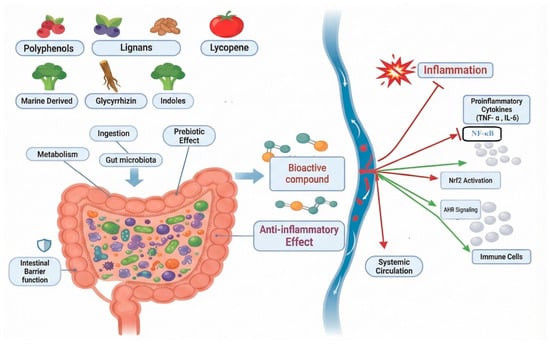
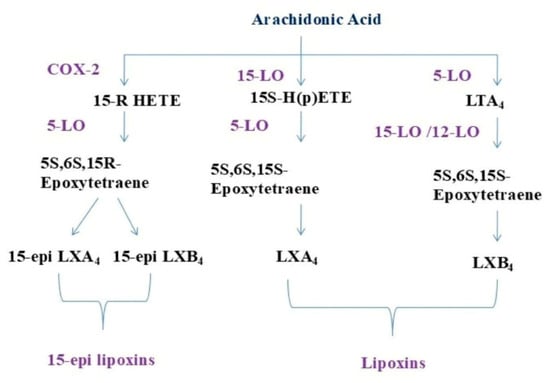
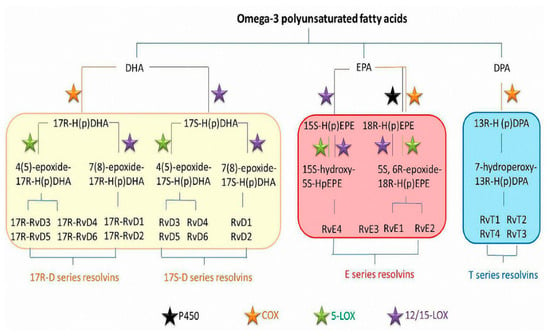
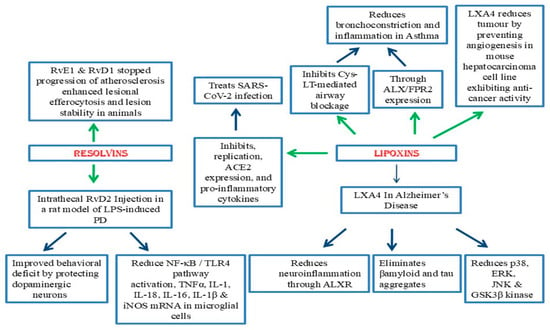
Inflammation plays a crucial role in defending the body against harmful stimuli and maintaining physiological balance; however, when it becomes chronic, it contributes to the pathogenesis of several long-term diseases, including autoimmune conditions, cardiovascular and neurodegenerative disorders, and various cancers. Although conventional anti-inflammatory drugs provide symptomatic relief, their long-term use is often associated with adverse side effects. This limitation has shifted scientific attention toward naturally occurring bioactive molecules with potent, safer anti-inflammatory activity. Dietary incorporation of phytopharmaceuticals, such as flavonoids, polyphenols, alkaloids, terpenoids, and fatty acids, has been shown to regulate immune and oxidative mechanisms and to modulate key inflammatory signaling cascades, including the NF-κB, mitogen-activated protein kinase (MAPK), and JAK/STAT pathways. These agents also influence cytokine secretion, NLRP3 inflammasome activation, and antioxidant defense mechanisms involving the Nrf2/HO-1 axis. The current review emphasizes the relevance of major natural plant products in therapy, like quercetin and rutin, resveratrol, glycyrrhizin, lycopene, and indole-3-carbinol. Moreover, recent progress in anti-inflammatory research has focused on novel resolution-based strategies that extend beyond inflammation and oxidative stress suppression. In addition, the review discusses innovations including nanoformulation-assisted targeted delivery, specialized pro-resolving lipid mediators such as resolvins and protectins, and microbiota-oriented therapeutic approaches. Additionally, the review highlights the integration of personalized medicine supported by multi-omics technologies to enhance treatment precision and clinical outcomes. By synthesizing findings from preclinical studies and clinical investigations, this work emphasizes the synergistic therapeutic potential of bioactive compounds from natural sources and resolution-enhancing techniques in restoring immune homeostasis and effectively mitigating chronic inflammation.
Full article
(This article belongs to the Special Issue Natural Compounds in Drug Delivery Systems)
►▼
Show Figures

Figure 1
Open AccessArticle
Vitreoscilla filiformis Supernatant: A Novel Postbiotic Secretome for the Prevention and Treatment of Wound Infections
by
Miranda Piccioni, Giuseppe Curcio, Alessandro Graziani and Donatella Pietrella
Pharmaceutics 2026, 18(6), 686; https://doi.org/10.3390/pharmaceutics18060686 (registering DOI) - 30 May 2026
Abstract
Background: Biofilms consist of complex microbial communities embedded in an extracellular matrix which confer resistance to the most used antimicrobial agents. Chronic wounds are often associated with burns, trauma, surgery, diabetes and peripheral vascular disease. They are characterized by a marked delay
[...] Read more.
Background: Biofilms consist of complex microbial communities embedded in an extracellular matrix which confer resistance to the most used antimicrobial agents. Chronic wounds are often associated with burns, trauma, surgery, diabetes and peripheral vascular disease. They are characterized by a marked delay in wound healing favoring the development of microbial biofilms, which in turn further delay tissue regeneration. Staphylococcus aureus, Staphylococcus epidermidis, and methicillin-resistant staphylococci biofilms are found in chronic wounds, seriously hindering wound treatment. Vitreoscilla filiformis, a Gram-negative non-pathogenic filamentous bacterium, has been shown to improve atopic dermatitis by reducing S. aureus colonization and inducing antioxidant responses in the skin. Objectives: The aim of the present study was to evaluate the antimicrobial, anti-inflammatory, and regenerative activities of the V. filiformis supernatant (VFS). Methods: The effect of VFS on bacteria growth was assessed by microbial growth kinetics and biofilm formation and dispersal. Antioxidant potential was determined by DPPH-scavenging ability and reduction in intracellular reactive oxygen species (ROS). The regenerative properties were assessed by scratch assay. Results: V. filiformis VFS holds strong anti-biofilm activity against S. aureus, S. epidermidis and methicillin-resistant S. aureus (MRSA), acting during both biofilm formation and dispersion. The decrease in biofilm mass is accompanied by a significant increase in the planktonic form compared to the untreated cells. Moreover, VFS is characterized by an interesting antioxidant activity, as demonstrated by a cell-free DPPH assay and a neutrophil-based in vitro assay. In addition, VFS can stimulate tissue regeneration in human dermal fibroblasts and keratinocytes. Conclusions: The demonstration of anti-biofilm, antioxidant and regenerative properties of V. filiformis supernatant could be exploited for the treatment of biofilm-associated wound infections.
Full article
(This article belongs to the Special Issue New Therapeutic Approaches for the Application of Natural Products in Skin Diseases)
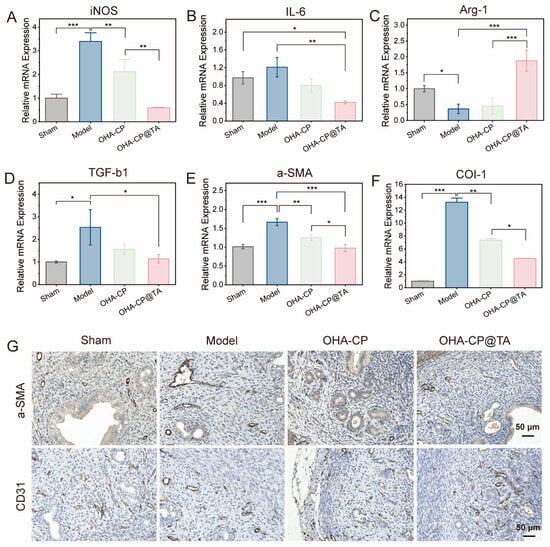
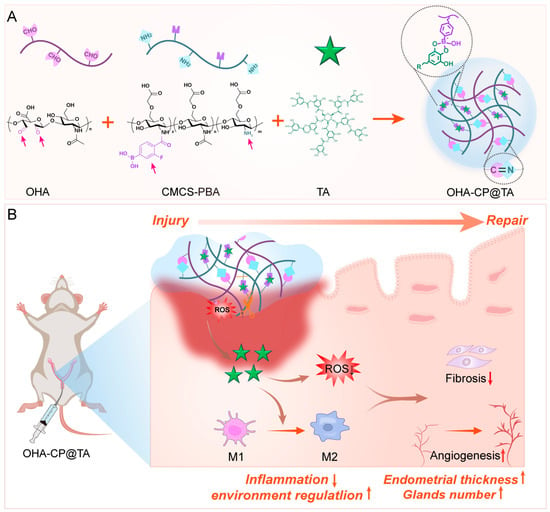
Open AccessArticle
A Reactive Oxygen Species-Responsive Biomimetic Adhesive Hydrogel Mediates Immunoregulation to Effectively Prevent Intrauterine Adhesions
by
Wanzhen Li, Chenyu Liao, Yuzhen Li, Zijun Lin, Danni Xiao, Gengsheng Ye, Yanjuan Huang, Chunshun Zhao and Shengmiao Cui
Pharmaceutics 2026, 18(6), 685; https://doi.org/10.3390/pharmaceutics18060685 (registering DOI) - 30 May 2026
Abstract
Background: Intrauterine adhesions, a leading cause of female infertility, frequently recur in 30–62.5% of patients despite hysteroscopic adhesiolysis and adjuvant therapies. Current intrauterine barriers, including injectable hydrogels, often lack sufficient bioactivity and tissue retention, failing to address the underlying pathological inflammation and oxidative
[...] Read more.
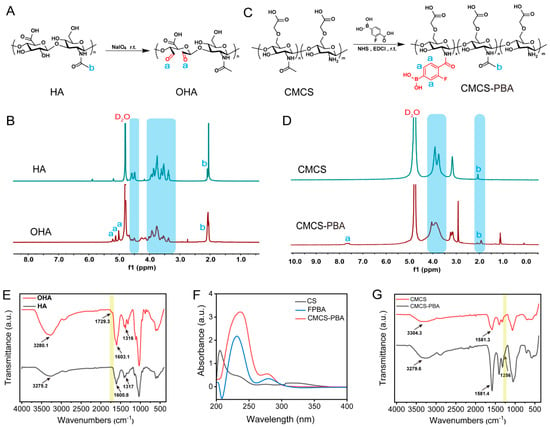
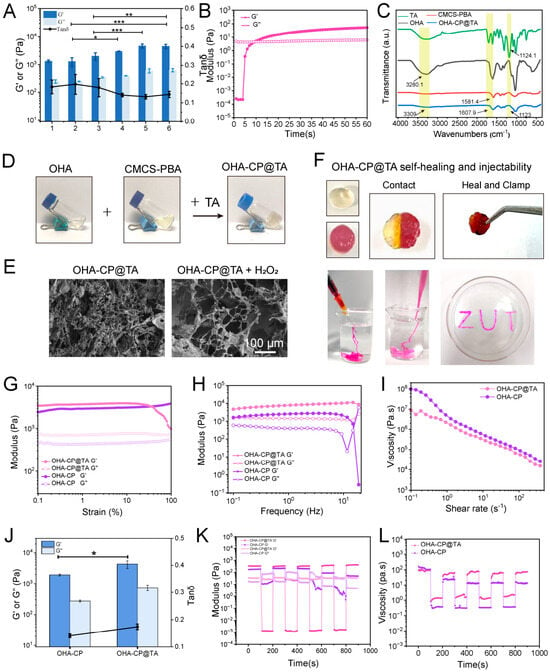
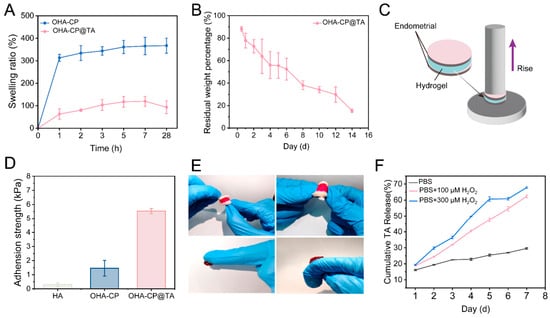
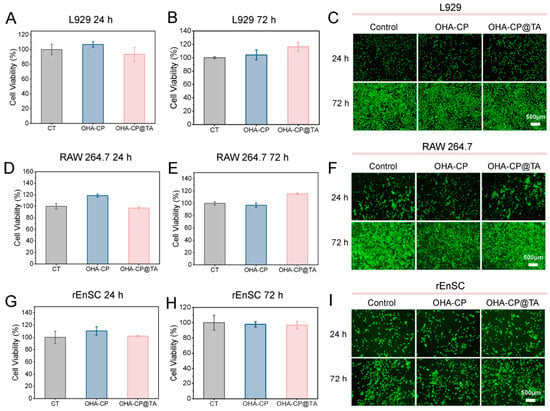
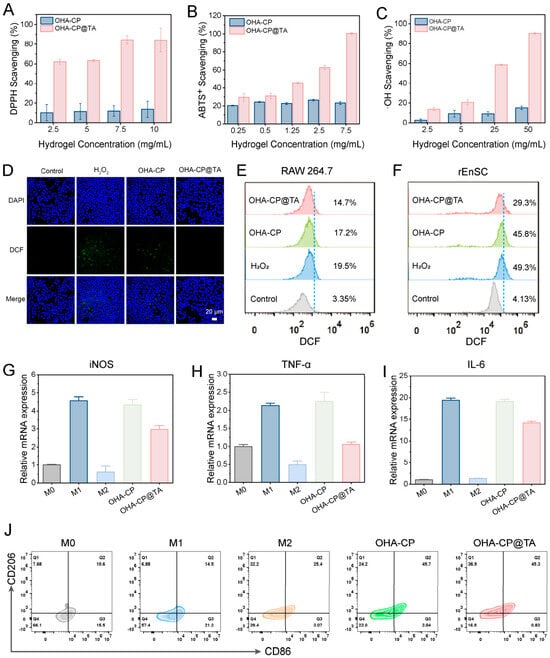
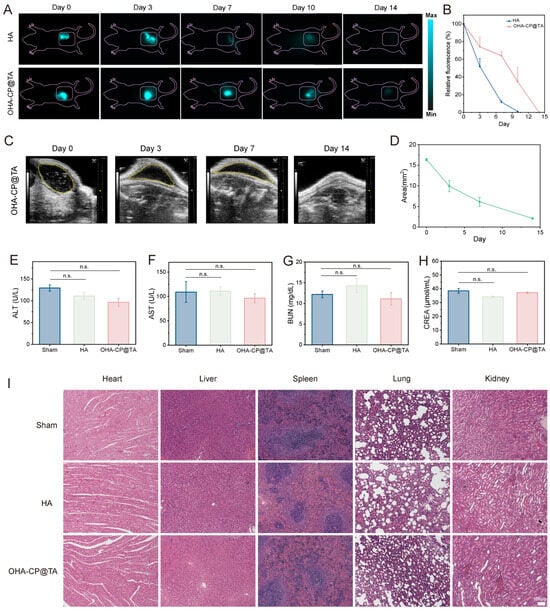
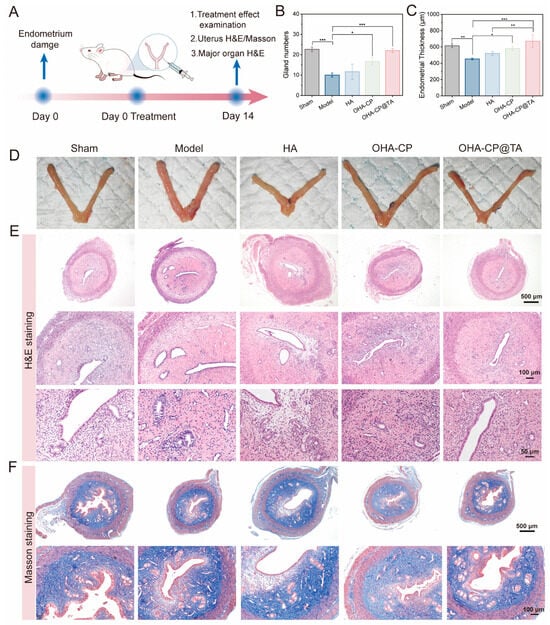
Background: Intrauterine adhesions, a leading cause of female infertility, frequently recur in 30–62.5% of patients despite hysteroscopic adhesiolysis and adjuvant therapies. Current intrauterine barriers, including injectable hydrogels, often lack sufficient bioactivity and tissue retention, failing to address the underlying pathological inflammation and oxidative stress driving abnormal fibrosis. Methods: Herein, we tailored a reactive oxygen species (ROS)-responsive, mussel-inspired adhesive injectable hydrogel (OHA-CP@TA) to intelligently modulate the inflammatory niche and promote normal endometrial regeneration. OHA-CP@TA was fabricated through Schiff base bonds between oxidized hyaluronic acid (OHA) and phenylboronic acid-modified carboxymethyl chitosan (CMCS-PBA), and boronate ester bonds between CMCS-PBA and tannic acid (TA). Results: OHA-CP@TA exhibited good mechanical strength, injectability, self-healing, and shear-thinning properties, and importantly, robust and stable adhesion to uterine tissue, overcoming endometrial mucus clearance. It also showed favorable in vivo uterine cavity retention for at least 7 days that covered the critical endometrial repair period. Within the postoperative inflammatory milieu, OHA-CP@TA intelligently released TA in a ROS-dependent manner, which effectively scavenged various ROS and significantly alleviated inflammation, and promoted M1 macrophage polarization into M2 phenotype. This targeted ROS scavenging and immunoregulation inhibited endometrium fibrosis progression, evidenced by downregulation of α-SMA and Col-1, and actively promoted endometrial repair and regeneration, demonstrated by enhanced angiogenesis, increased endometrial thickness, and restoration of glandular numbers. Furthermore, OHA-CP@TA exhibited good biocompatibility, in vivo biodegradability and safety. Conclusions: Therefore, OHA-CP@TA represents a promising, clinically translatable strategy for overcoming the limitations of current IUA management.
Full article
(This article belongs to the Section Biopharmaceutics)
►▼
Show Figures

Figure 1
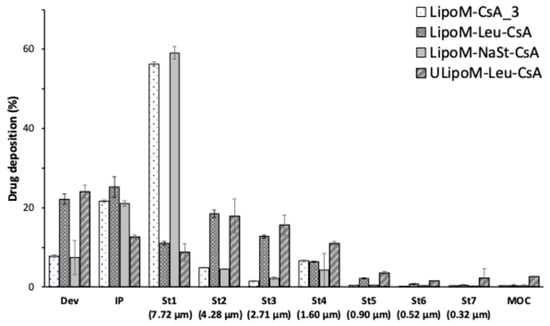
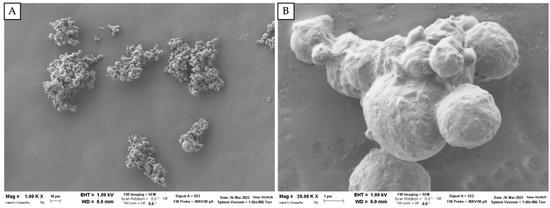
Open AccessArticle
CaP-Coated Cyclosporine A Liposomes Formulated as an Inhalable Dry Powder for Lung Inflammatory Diseases
by
Davide D’Angelo, Stefania Glieca, Lisa Flammini, Simona Bertoni, Annalisa Bianchera, Eride Quarta, Ben Forbes, Fabio Sonvico and Francesca Buttini
Pharmaceutics 2026, 18(6), 684; https://doi.org/10.3390/pharmaceutics18060684 (registering DOI) - 30 May 2026
Abstract
Background: Cyclosporine is widely used to prevent transplant rejection; however, its systemic administration is associated with low bioavailability and a risk of severe adverse side effects. In the context of lung transplantation, local pulmonary delivery represents a promising strategy to reduce the required
[...] Read more.
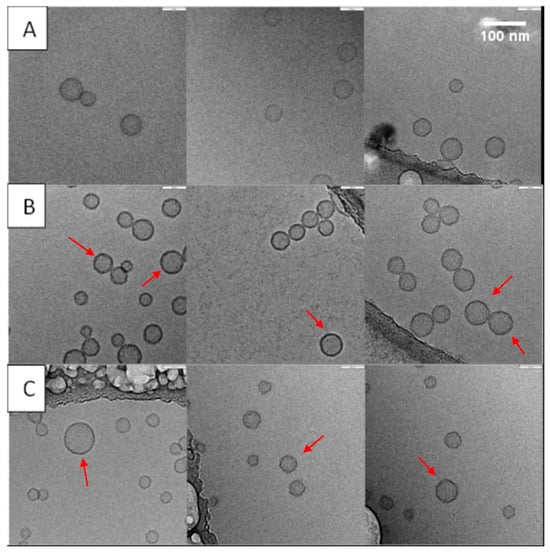
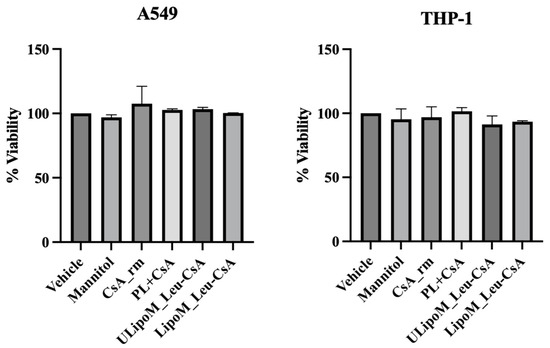
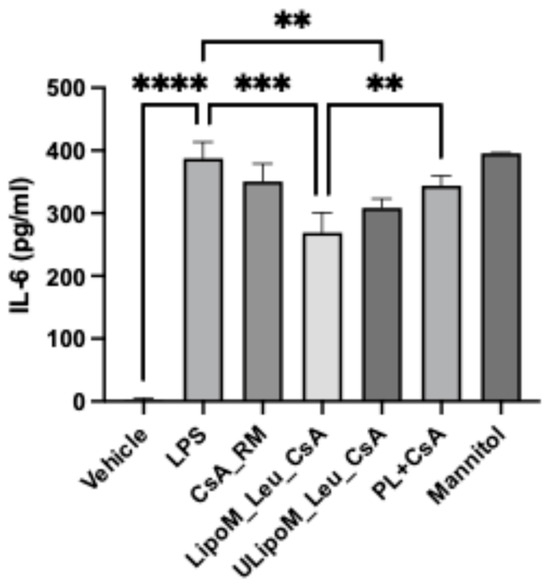
Background: Cyclosporine is widely used to prevent transplant rejection; however, its systemic administration is associated with low bioavailability and a risk of severe adverse side effects. In the context of lung transplantation, local pulmonary delivery represents a promising strategy to reduce the required dose while enhancing local anti-inflammatory efficacy and limiting systemic toxicity. Methods: In this study, cyclosporine was encapsulated in liposomes coated with calcium phosphate to improve cellular uptake. The liposomal formulation was subsequently converted into a dry powder for inhalation to enable pulmonary administration, combining cyclosporine-loaded liposomes with a calcium phosphate coating, extending prior work on inhaled liposomal cyclosporine and mineral-coated liposomes into a single platform. The cyclosporine loading was optimised to achieve an efficient drug content in the final formulation. Results: The presence of the calcium phosphate coating on the liposomal surface was confirmed by the shift in zeta potential and by cryo-transmission electron microscopy. The resulting dry powder exhibited suitable aerodynamic properties for pulmonary delivery with a fine particle fraction of 33.6 ± 1.6%. In vitro biocompatibility studies performed on A549 epithelial cells and THP-1 monocytic cells demonstrated that the formulation did not affect cell viability. Furthermore, the formulation containing calcium phosphate-coated liposomes showed a stronger anti-inflammatory effect compared with both uncoated liposomal formulations and the corresponding raw material, consisting of a physical mixture of phospholipids and cyclosporine. Conclusions: Overall, despite limitations on respirability and efficacy that will require further in vivo studies, this calcium phosphate-coated liposomal dry powder could represent a promising strategy for targeted pulmonary delivery of cyclosporine, with potential to improve the prevention of lung transplant rejection while minimising systemic side effects.
Full article
(This article belongs to the Section Pharmaceutical Technology, Manufacturing and Devices)
►▼
Show Figures

Figure 1

Open AccessArticle
Synergistic Inhibition of Colorectal Cancer Growth by Combined PI3K and COX-2 Blockade in Cell Lines and Patient-Derived Organoids
by
Emily Nghiem, Ariel Tzamarot, Terence Li, Zimo Huang, Mahshid Mohammadi, Dior Dedushi, Yvonne Saenger, Fernand Bteich and Chaoyuan Kuang
Pharmaceutics 2026, 18(6), 683; https://doi.org/10.3390/pharmaceutics18060683 (registering DOI) - 30 May 2026
Abstract
Background/Objectives: PI3K/AKT/mTOR is a key pathway in cell proliferation, metabolism, and survival. Activating PIK3CA mutations are seen in up to 20% of colorectal cancers and are associated with increased cyclo-oxygenase-2 (COX-2) expression. Recent studies demonstrated a significant survival benefit from taking low-dose aspirin,
[...] Read more.
Background/Objectives: PI3K/AKT/mTOR is a key pathway in cell proliferation, metabolism, and survival. Activating PIK3CA mutations are seen in up to 20% of colorectal cancers and are associated with increased cyclo-oxygenase-2 (COX-2) expression. Recent studies demonstrated a significant survival benefit from taking low-dose aspirin, a nonselective COX inhibitor, supporting further exploration of the synergistic effects of combined PI3Kα inhibitor (inavolisib) and COX-2 inhibitor (celecoxib) therapy. Methods: The effects of celecoxib–inavolisib combination treatment were tested on human colorectal cancer cell lines and patient-derived organoid models. Experiments included cell viability and colony formation assays, immunoblotting, and immunofluorescence. Results: We found that celecoxib and inavolisib demonstrated synergy in suppressing the growth of colorectal cancer cell lines, grown in both 2D and 3D cell culture, regardless of PIK3CA mutation status. In patient-derived organoid models, while synergy was seen in both organoids, growth of the PIK3CA mutated organoid was more potently suppressed. Immunoblotting of cells after combination treatment showed decreased expression of mitogenic signaling marker p-AKT across all 2D cell lines and in both cell lines grown as 3D spheroids, as well as increased expression of apoptotic marker cPARP in four out of five 2D cell lines and in both cell lines grown as 3D spheroids. Immunofluorescence staining of organoids after combination treatment, however, showed no significant increase in expression of apoptotic marker Cas-3 nor in mitogenic marker Ki-67 in either organoid. Furthermore, an apoptosis assay performed on two cell lines showed no significant increase in Annexin V or phosphatidylserine staining. Conclusions: Celecoxib and inavolisib demonstrated synergy in suppressing the growth of both colorectal cancer cell lines and patient-derived organoids, though PIK3CA mutation status did not appear to affect drug efficacy in cell lines as it did in patient-derived organoids. Potential compensatory or resistance mechanisms might include oncogene drivers in the MAPK/ERK pathway. When compared to monotherapy, combination therapy was the only drug condition to significantly increase the percentage of apoptotic cells based on Annexin V and phosphatidylserine staining, and this effect was only seen in the PIK3CA mutated cell line. Ultimately, our findings provide preliminary support for celecoxib–inavolisib combination treatment as a rational therapeutic avenue warranting further preclinical investigation.
Full article
(This article belongs to the Special Issue Combination Therapy Approaches for Cancer Treatment)
Open AccessArticle
Preparation of Oral Artesunate-Chitosan Oligosaccharide–Retinoic Acid Copolymer Micelles for Attenuating Hepatic Fibrosis
by
Shiyuan Lin, Feixian Lu, Qiao Li, Kefeng Zhang, Wei Zhang, Hui Chen and Jianxin Wang
Pharmaceutics 2026, 18(6), 682; https://doi.org/10.3390/pharmaceutics18060682 (registering DOI) - 29 May 2026
Abstract
Background: Hepatic fibrosis is characterized by the abnormal activation of hepatic stellate cells (HSCs) and excessive deposition of the extracellular matrix. Currently, effective clinical therapeutic strategies remain limited. Modulating ferroptosis-related pathways in activated HSCs has emerged as a promising therapeutic target for hepatic
[...] Read more.
Background: Hepatic fibrosis is characterized by the abnormal activation of hepatic stellate cells (HSCs) and excessive deposition of the extracellular matrix. Currently, effective clinical therapeutic strategies remain limited. Modulating ferroptosis-related pathways in activated HSCs has emerged as a promising therapeutic target for hepatic fibrosis treatment. Methods: An amphiphilic copolymer was synthesized by conjugating COS with ART, which spontaneously self-assembled into micelles; subsequent modification with retinoic acid (RA) yielded RA-functionalized ART–COS copolymer micelles. Curcumin was selected as a model drug to evaluate the potential of the micelles in enhancing intestinal epithelial transport, oral absorption and bioavailability. Meanwhile, in vitro targeting ability, capacity to modulate ferroptosis in HSCs and in vivo therapeutic efficacy were systematically investigated. Results: The RA-functionalized ART–COS micelles significantly enhanced intestinal epithelial drug transport, oral absorption, and bioavailability. In vitro experiments demonstrated that the micelles preferentially accumulate in activated HSCs, inhibit GPX4 expression, and induce excessive ROS production and ferroptosis, thereby effectively attenuating hepatic fibrosis. In vivo studies confirmed that the micelles regulated extracellular matrix metabolism, reduced collagen deposition, suppressed the activation and proliferation of HSCs, and ultimately helped attenuate hepatic fibrosis progression. Conclusions: This study successfully developed RA-functionalized ART–COS copolymer micelles. The micelles improve the accumulation of artesunate in liver tissue and yield favorable anti-fibrotic effects, thereby providing a promising translational strategy for anti-fibrotic therapy.
Full article
(This article belongs to the Section Drug Targeting and Design)
Open AccessArticle
Assessment of the Immune Potential of Calcium Phosphate-Outer Membrane Protein-Nanoparticles (CaP-Omp-Nps) Adjuvanted Nano-Vaccine Against Salmonella Typhimurium in Poultry Birds
by
Anjani Saxena, Yashpal Singh, Mumtesh Kumar Saxena, Sachin Kumar, Meena Mrigesh, Aman Kamboj, Manish Kumar Verma, Manjul Kandpal and Satya PalSingh
Pharmaceutics 2026, 18(6), 681; https://doi.org/10.3390/pharmaceutics18060681 (registering DOI) - 29 May 2026
Abstract
Background: Salmonella Typhimurium is a major pathogen causing non-typhoidal salmonellosis in humans. Poultry is a major reservoir of S. Typhimurium. Currently available vaccines against S. Typhimurium are not very effective. Therefore, the search for novel adjuvants to improve vaccine efficacy is a
[...] Read more.
Background: Salmonella Typhimurium is a major pathogen causing non-typhoidal salmonellosis in humans. Poultry is a major reservoir of S. Typhimurium. Currently available vaccines against S. Typhimurium are not very effective. Therefore, the search for novel adjuvants to improve vaccine efficacy is a priority for developing effective and efficient vaccines. Method: In this study, next-generation adjuvants, such as calcium phosphate nanoparticles, are being evaluated. Our objective was to assess the potential of calcium phosphate nanoparticles, using outer membrane proteins of Salmonella Typhimurium as antigens, for immune-potential testing in poultry, with Montanide as a control. The toxicity of the prepared vaccine formulation was evaluated in rats. Results: CaP-Omp-Nps in the 30–45 nm size range showed a protein entrapment efficiency of 42.5% and a loading capacity of 50.3%. Both vaccinated groups, calcium phosphate outer membrane protein nanoparticles (CaP-Omp-Nps) and Montanide, induced an efficient humoral immune response, with mean titers of 3.48 + 0.0245 and 4.9 + 0.0142 on the 15th day, 3.5 + 0.0118 and 4.79 + 0.009 on the 30th day, and 4.48 + 0.427 and 5.31 + 0.154 on the 45th day post vaccination, respectively, indicating an improvement (CaP-Omp-Nps group) or stability (Montanide group) over the study period. Further, the CaP-Omp-Nps group revealed a better cell-mediated immune response than the Montanide-Omp group. The toxicity study in rats showed no significant differences in serum biomarkers and blood chemistry parameters, indicating that the nano-vaccine formulation is non-toxic and safe. Outer membrane proteins of Salmonella Typhimurium, when used with a few conventional adjuvants, could not produce a balanced Th1 and Th2 immune response against Salmonella Typhimurium. Conclusions: In this study, we developed a novel nano-vaccine formulation composed of outer membrane proteins of Salmonella Typhimurium and calcium phosphate nanoparticles. The vaccine formulation was found to be safe and could elicit the desired Th1 and Th2 immune responses, as evidenced by humoral, cell-mediated, and protective immunity produced by the nano vaccine in poultry. Therefore, the present findings suggest that the CaP-Omp-Nps vaccine may be an efficient, safe, and cost-effective vaccine against Salmonella Typhimurium.
Full article
(This article belongs to the Special Issue Research on Protein-Based Nanoparticles and Their Pharmaceutical Applications)
Open AccessArticle
Formulation Engineering of Oral Semaglutide Tablets: Unleashing Gastric Intestinal Permeation with Sodium Caprate
by
Do-Hyub Kim, Sung-Kwan Hwang, Ji-Hyeon Yoon, Dong Hee Na, Young-Joon Park, Yoon-Jee Chae, Ji-Eun Chang and Joo-Eun Kim
Pharmaceutics 2026, 18(6), 680; https://doi.org/10.3390/pharmaceutics18060680 (registering DOI) - 29 May 2026
Abstract
Background/Objectives: Oral delivery of semaglutide (Rybelsus) relies on sodium N-(8-[2-hydroxybenzoyl]amino)caprylate (SNAC) to enhance peptide absorption. However, formulation constraints and SNAC’s localized gastric mechanism have prompted the exploration of alternative enhancers. This study evaluated whether sodium caprate (C10), a well-characterized medium-chain fatty acid
[...] Read more.
Background/Objectives: Oral delivery of semaglutide (Rybelsus) relies on sodium N-(8-[2-hydroxybenzoyl]amino)caprylate (SNAC) to enhance peptide absorption. However, formulation constraints and SNAC’s localized gastric mechanism have prompted the exploration of alternative enhancers. This study evaluated whether sodium caprate (C10), a well-characterized medium-chain fatty acid (MCFA), could achieve systemic exposure comparable to SNAC-based formulations when co-formulated in an immediate-release (IR) tablet. Methods: Preformulation studies assessed the physicochemical properties and buffering capacity of C10. Mechanistic feasibility was evaluated through Caco-2 transport studies and rat pharmacokinetic (PK) trials using aqueous suspensions, comparing the concentration-dependent effects of C10 and SNAC. Based on these findings, three IR tablet architectures (monolayer, bilayer, and dry compression-coated) were developed. The optimized formulation was evaluated in beagle dogs (14 mg semaglutide) and compared with the SNAC-based reference product. Results: C10 exhibited sufficient buffering capacity to neutralize acidic environments. In Caco-2 and rat PK studies, C10 enhanced semaglutide absorption in a concentration-dependent manner, yielding exposure levels equivalent to SNAC at matched doses. Among the tablet designs, the monolayer tablet showed the highest dissolution similarity (f2 = 67.8) to Rybelsus. In beagle dogs, the optimized monolayer formulation produced pharmacokinetic parameters, including Cmax, AUClast, and t1/2, that overlapped with those of the SNAC-based reference drug product under matched dosing conditions. Conclusions: These results demonstrate that C10 can effectively support oral semaglutide delivery when incorporated into a rationally designed IR tablet. The findings support the feasibility of MCFA-based permeation enhancer platforms as formulation alternatives to SNAC for oral peptide therapeutics.
Full article
(This article belongs to the Special Issue Dosage Forms in Drug Delivery: State of the Art and Future Perspectives, 2nd Edition)
Open AccessReview
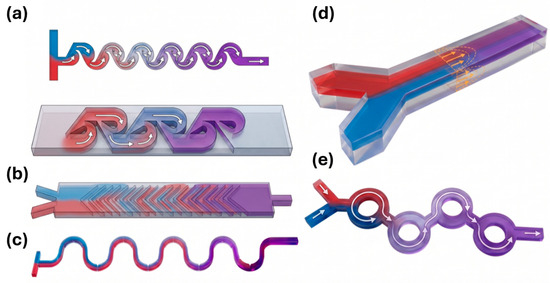
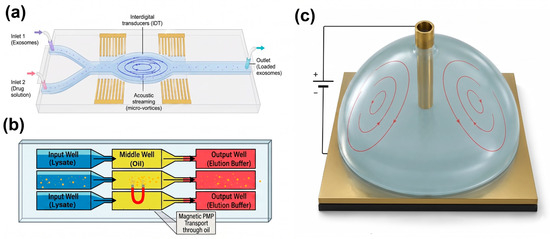
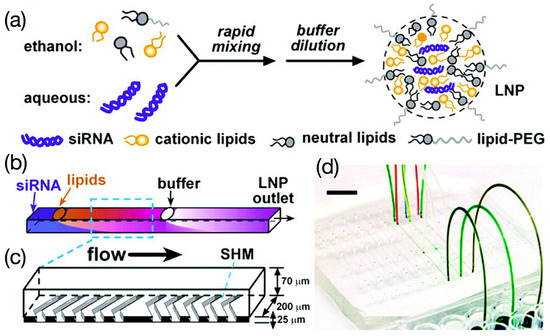
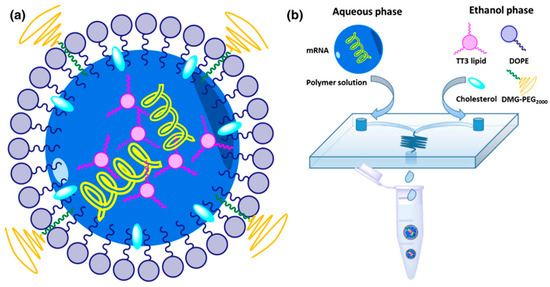
Microfluidic-Driven Assembly of RNA Nanocomplexes: Design, Process Control and Translational Perspectives in Oncology
by
Ronan Pinto Nobrega dos Santos, Dana Celeste Betancourt Roldan, Muslum Guven, Lucas Campana Leite, Francisco Jacomine Madrid Furlan, Gabriel Rocha Mariano da Silva, Vitória Almeida Pessoa de Oliveira, Carolline da Silva Capriglione, Josie Pereira da Silva, José Carlos Pinto, Ismail Eş and Tiago Albertini Balbino
Pharmaceutics 2026, 18(6), 679; https://doi.org/10.3390/pharmaceutics18060679 (registering DOI) - 29 May 2026
Abstract
RNA-based therapeutics are becoming increasingly important in oncology, particularly following the rapid development of mRNA technologies during the COVID-19 pandemic, but their success strongly depends on how efficiently they can be delivered to target cells. Microfluidic technologies have redefined the design and manufacturing
[...] Read more.
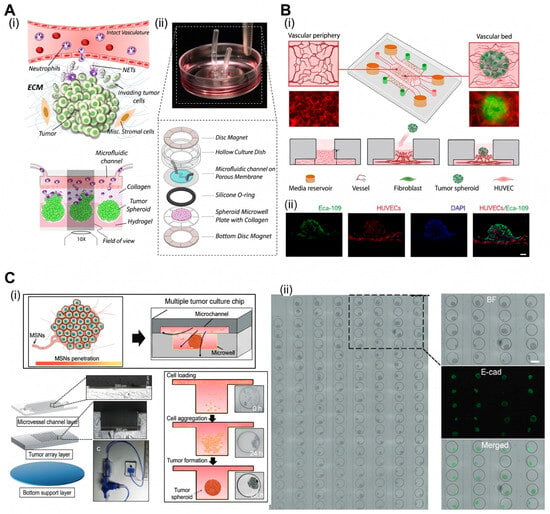
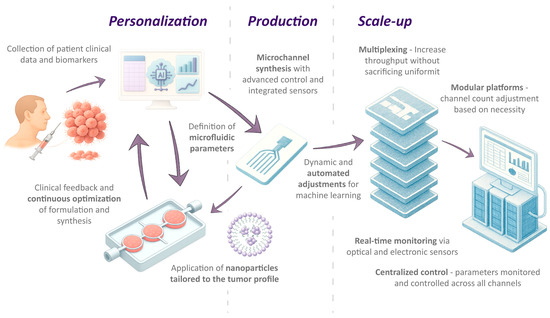
RNA-based therapeutics are becoming increasingly important in oncology, particularly following the rapid development of mRNA technologies during the COVID-19 pandemic, but their success strongly depends on how efficiently they can be delivered to target cells. Microfluidic technologies have redefined the design and manufacturing of RNA-based nanocomplexes, as they enable precise control over physicochemical features that are critical for clinical translation in oncology. This review examines recent developments in microfluidic-assisted synthesis of RNA nanocarriers, with a focus on cancer applications. Through a detailed analysis of material systems, device architectures, and formulation strategies, we explore how laminar flow environments enable reproducible encapsulation, tunable particle size, and improved payload stability. We examine the microfluidic assembly of lipid nanoparticles and polymeric carriers for RNA delivery, highlighting strategies to enhance durability, bioavailability, and cellular uptake. Advancements in process optimization, including flow parameter refinement and inline monitoring, are discussed alongside the influence of device geometries on mixing dynamics and nucleation. Beyond formulation, we explore the integration of microfluidics with tumor-on-chip platforms to evaluate transport, penetration, and therapeutic response in physiologically relevant cancer models. By connecting technological innovation with preclinical application, this work outlines the trajectory toward next-generation, personalized RNA nanomedicines enabled by microfluidic precision.
Full article
(This article belongs to the Special Issue Microfluidic Assembly of Nanocomplexes for Drug and Gene Delivery)
►▼
Show Figures

Figure 1
Open AccessArticle
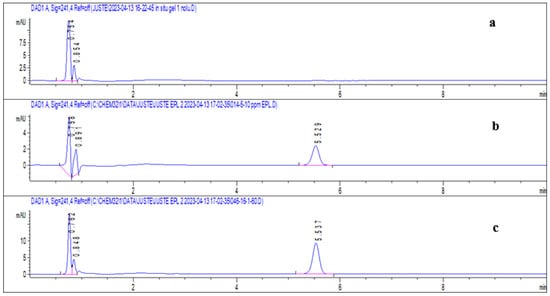
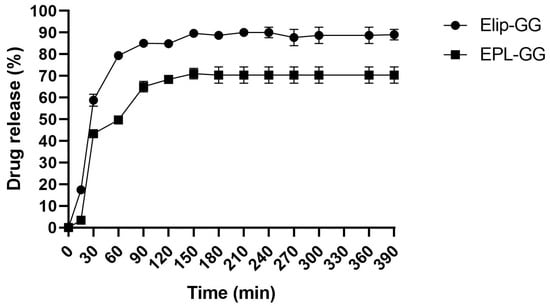
Development and Optimization of an Eplerenone-Loaded Liposomal In Situ Gel for Enhanced Intranasal Delivery
by
Juste Baranauskaite, Ipek Ceken, Asta Kubiliene, Rima Jurate Gerbutaviciene, Ebru Türköz Acar and Cetin Tas
Pharmaceutics 2026, 18(6), 678; https://doi.org/10.3390/pharmaceutics18060678 (registering DOI) - 29 May 2026
Abstract
Objectives: this study aimed to develop and optimize an intranasal delivery system for Eplerenone (EPL) by incorporating Eplerenone-loaded liposomes (Elip) into an in situ gel system (Elip-GG). The goal was to prolong the residence time of the drug in the nasal cavity
[...] Read more.
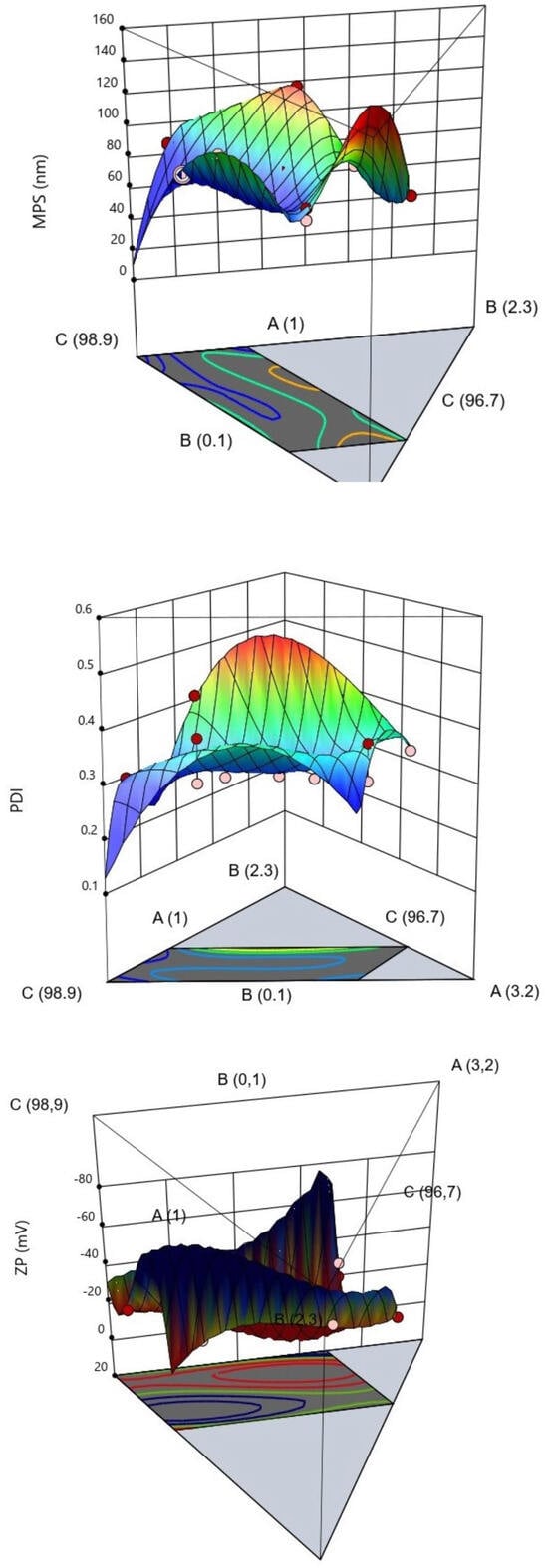
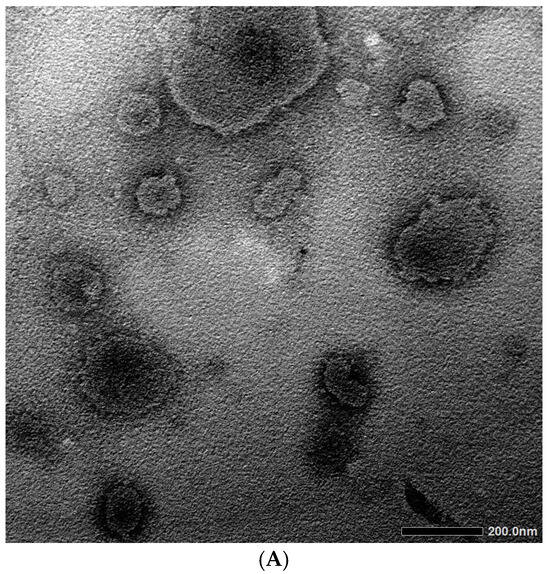
Objectives: this study aimed to develop and optimize an intranasal delivery system for Eplerenone (EPL) by incorporating Eplerenone-loaded liposomes (Elip) into an in situ gel system (Elip-GG). The goal was to prolong the residence time of the drug in the nasal cavity and ensure sustained release. Methods: Elip and unloaded liposomes were prepared using the thin-film hydration method. Key formulation variables such as encapsulation efficiency (EE%), mean particle size (MPS), polydispersity index (PDI), and zeta potential (ZP) were optimized. The Elip was then incorporated into a gellan gum (GG) in situ gel to form Elip-GG. The Elip-GG formulation was evaluated based on parameters such as pH, viscosity, rheological behavior, mechanical properties, and in vitro release. Results: the optimal Elip formulation exhibited an EE of 86.3%, a mean particle size of 86.56 nm, a PDI of 0.29, and a ZP of −29.86 mV. The cumulative drug release from the Elip-GG formulation exceeded 93% after 2.5 h. The Elip-GG formulation significantly increased the sustained release of Eplerenone when administered intranasally, offering a promising alternative to oral and parenteral delivery methods for hydrophilic antihypertensive drugs.
Full article
(This article belongs to the Section Drug Delivery and Controlled Release)
►▼
Show Figures

Figure 1
Open AccessArticle
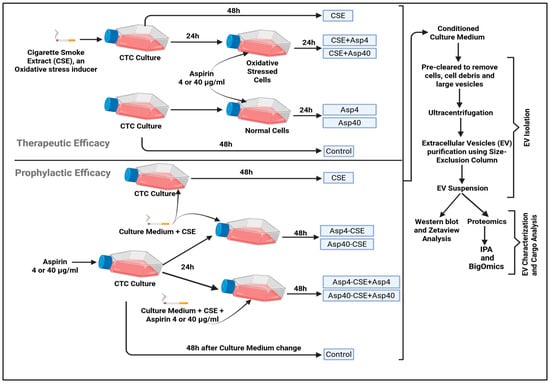
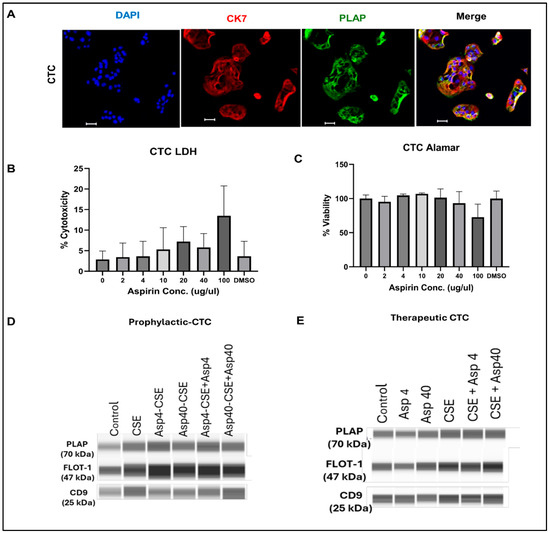
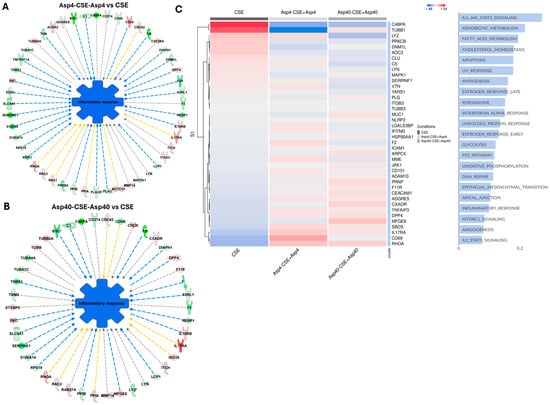
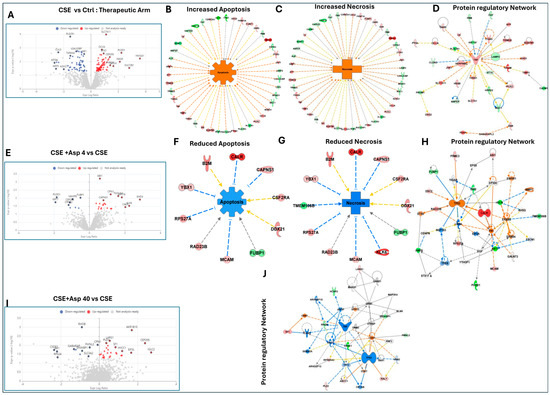
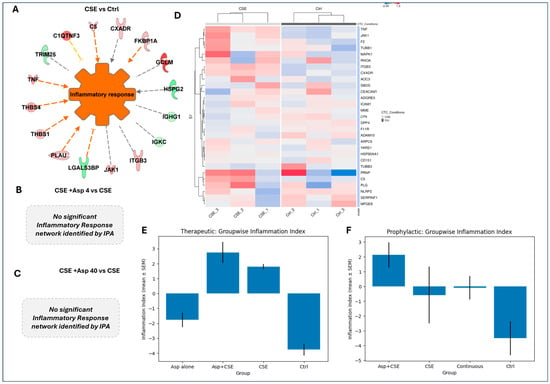
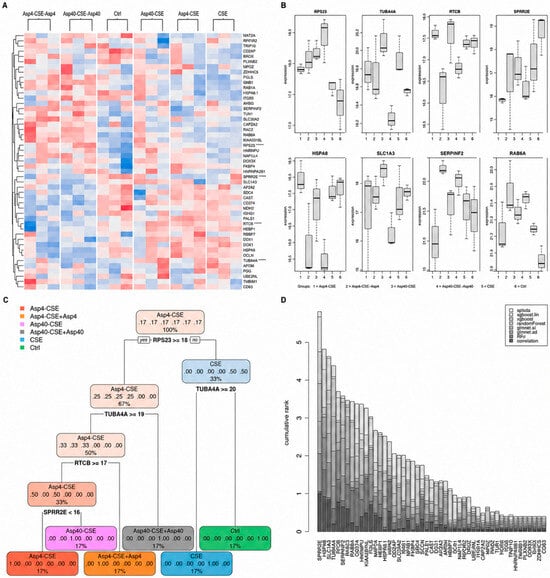
From Stress to Survival: Trophoblast-Derived Extracellular Vesicle Proteome Captures Aspirin-Driven Cellular Reprogramming in a Preeclampsia Model
by
Vineet Mahajan, Awanit Kumar, Jeena Jacob, Maged M. Costantine, Lauren S. Richardson, Rheanna Urrabaz-Garza, Emmanuel Amabebe, Ourlad Alzeus G. Tantengco, Ananth Kumar Kammala and Ramkumar Menon
Pharmaceutics 2026, 18(6), 677; https://doi.org/10.3390/pharmaceutics18060677 (registering DOI) - 29 May 2026
Abstract
Background: Low-dose aspirin (LDA) reduces preeclampsia (PE) risk by up to 40%, yet its molecular effects on chorion trophoblast cells (CTCs), a fetal membrane lineage at the feto-maternal interface, remain obscure. CTCs form a structural and immunoregulatory barrier whose dysfunction drives inflammation-associated membrane
[...] Read more.
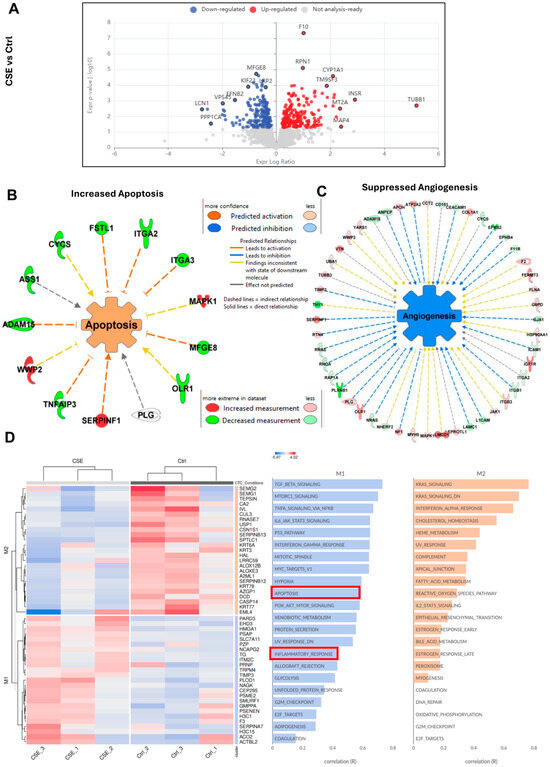
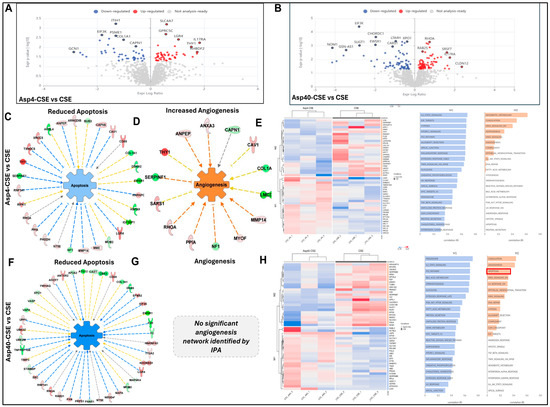
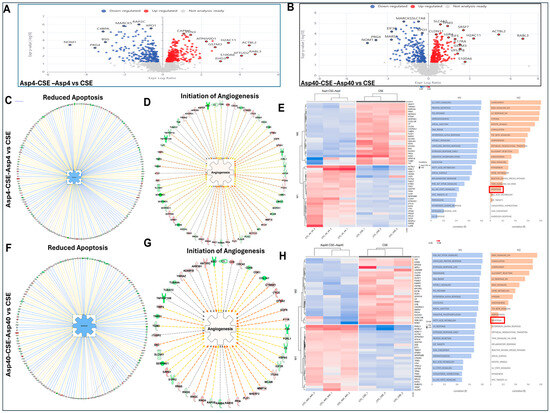
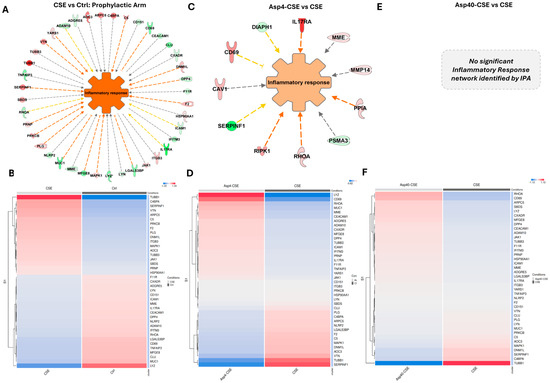
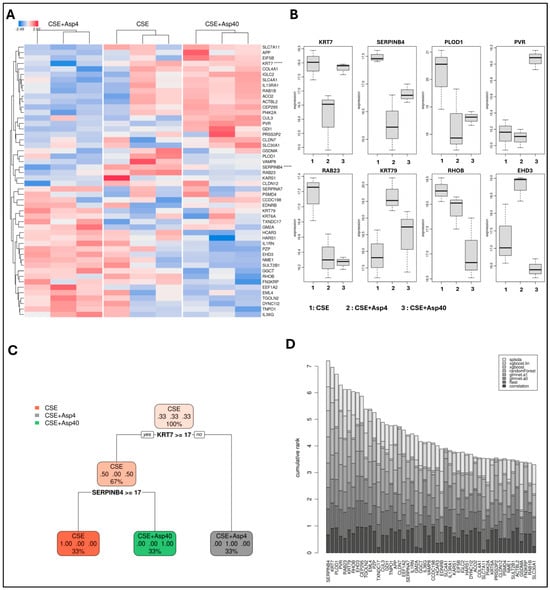
Background: Low-dose aspirin (LDA) reduces preeclampsia (PE) risk by up to 40%, yet its molecular effects on chorion trophoblast cells (CTCs), a fetal membrane lineage at the feto-maternal interface, remain obscure. CTCs form a structural and immunoregulatory barrier whose dysfunction drives inflammation-associated membrane pathology in PE. Extracellular vesicles (EVs) released by CTCs may encode cellular stress and adaptation states, offering a molecular window into aspirin’s timing-dependent effects on PE risk modification. Methods: Human CTCs were challenged with cigarette smoke extract (CSE) to model oxidative stress-driven PE pathology. Two paradigms were tested: (1) prophylactic aspirin (4 and 40 µg/mL) before and/or flanking the CSE, and (2) therapeutic aspirin after the CSE challenge. The EVs were isolated via ultracentrifugation and size-exclusion chromatography, characterized by nanoparticle tracking and immunoblotting, and profiled by quantitative mass spectrometry. A network pathway analysis and machine learning biomarker selection defined the EV-encoded molecular states. Results: The CTC-derived EVs from the CSE-exposed cells carried a PE-like proteomic signature marked by suppressed VEGF/ECM remodeling, activated TNF-p53 apoptotic signaling, and heightened inflammation. Prophylactic low-dose aspirin shifted the EV cargo toward an EV-encoded signature consistent with preserved angiogenic potential (enrichment of VEGFA, COL1A1, and MMP14) and predicted attenuation of apoptotic and NF-κB pathway activity by an Ingenuity Pathway Analysis. High-dose aspirin produced broad transcriptional suppression without an accompanying pro-angiogenic EV signature. Therapeutic (post-injury) aspirin partially attenuated the injury-associated EV cargo but did not restore the angiogenic EV signature. An exploratory machine learning analysis of EV proteomes identified a candidate prophylactic biomarker panel anchored by HSPA8, SERPINF2, COL4A1, and PLOD1, mapped to the predicted angiogenic recovery and redox-balance pathways. These EV cargo readouts represent the predicted molecular states and require functional validation before clinical interpretation. Conclusions: The CTC-derived EV proteomic signatures capture the dose- and timing-dependent aspirin effects in this in vitro CTC model, positioning the chorion as a candidate pharmacological “secondary responder” favoring cellular resilience over classical anti-inflammatory suppression. As an exploratory hypothesis-generating study, EV-based molecular profiling could provide a foundation for future investigations aimed at stratifying aspirin responders from non-responders, although clinical validation in maternal plasma cohorts will be required before any translational application.
Full article
(This article belongs to the Special Issue Medical Applications of Extracellular Vesicles)
►▼
Show Figures

Figure 1
Open AccessArticle
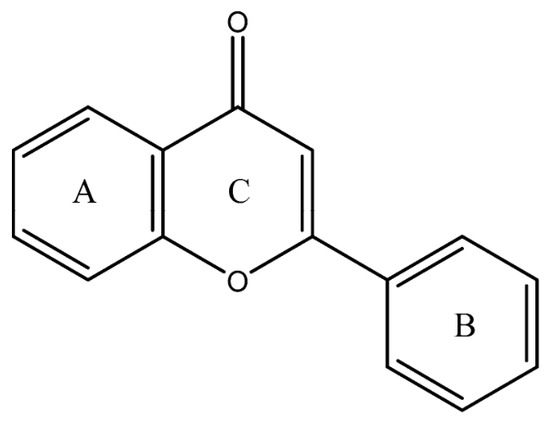
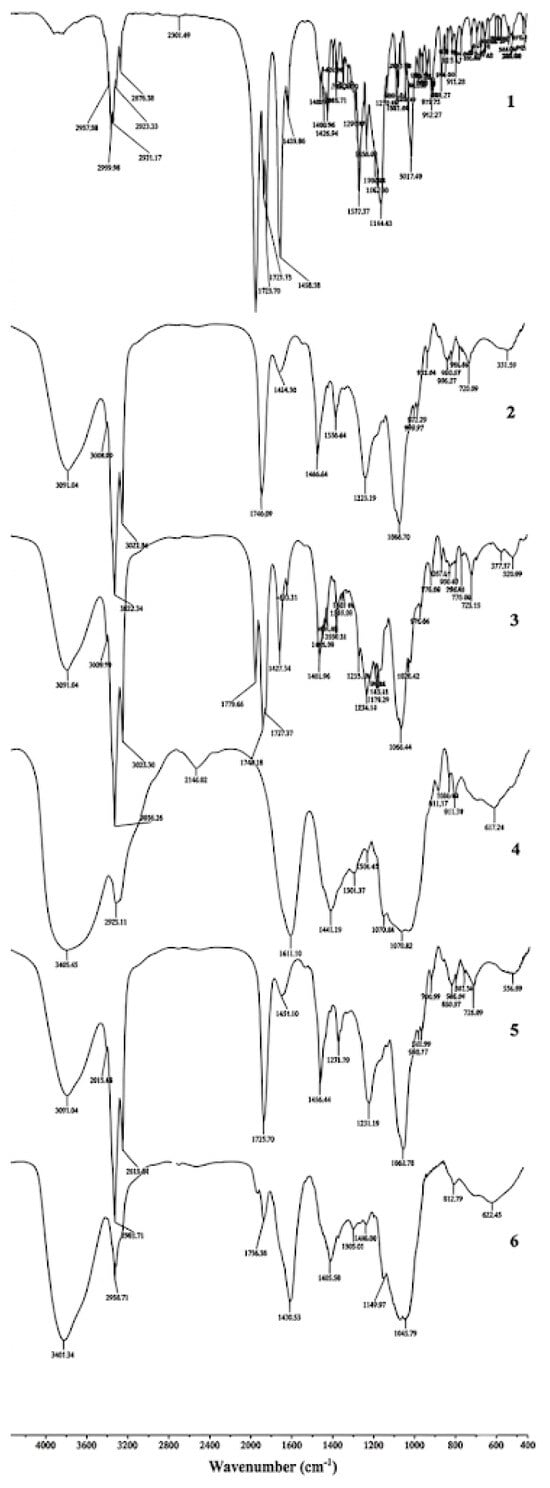
Plant-Based Flavones of Therapeutic Interest Loaded into Polymeric Nanoparticles
by
Cecilia Espíndola, Ira Wirth, Victoria Isabel Martín, Eva Bernal, José Antonio Lebrón, María Luisa Moyá, Rafael R. de la Haba, Cristina Sánchez-Porro, Antonio Ventosa, Carmen M. Granados-Carrera, Sara Molina, Alvaro Hidalgo, Manuel López-López, Pilar López-Cornejo and Francisco José Ostos
Pharmaceutics 2026, 18(6), 676; https://doi.org/10.3390/pharmaceutics18060676 (registering DOI) - 29 May 2026
Abstract
Background/Objectives: Flavonoids are low-molecular-weight polyphenolic compounds that are universally distributed in plants. They are a chemically varied group of secondary metabolites with a broad range of biological activity. The use of flavonoids is known to decrease the risk of many chronic diseases
[...] Read more.
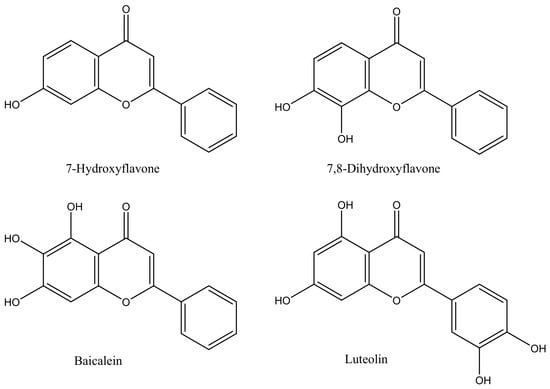
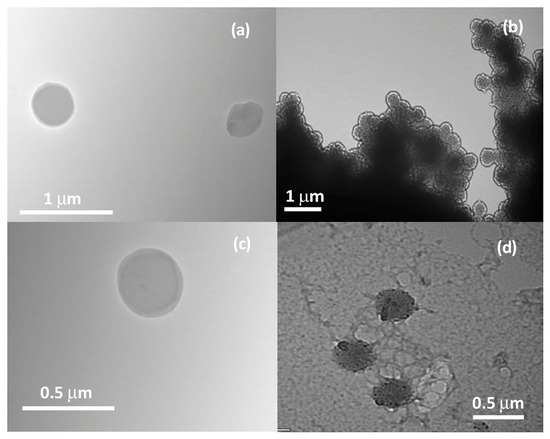
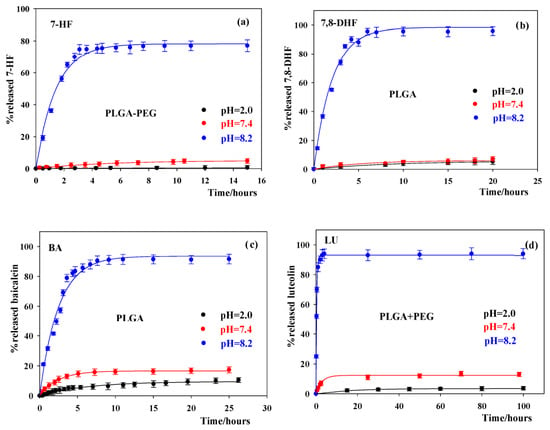
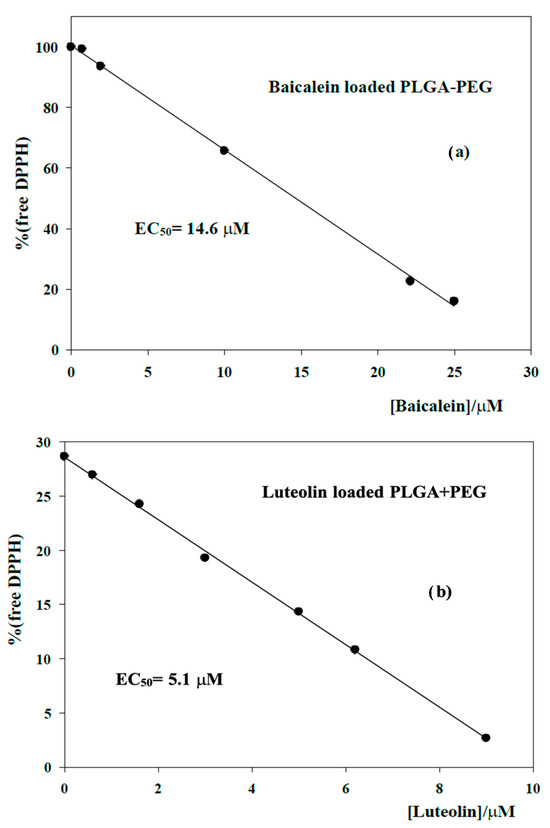
Background/Objectives: Flavonoids are low-molecular-weight polyphenolic compounds that are universally distributed in plants. They are a chemically varied group of secondary metabolites with a broad range of biological activity. The use of flavonoids is known to decrease the risk of many chronic diseases due to their radical scavenging, antioxidant, anti-inflammatory, anticarcinogenic, and antimutagenic properties. Limitations in the use of flavonoids include their low water solubility and poor stability, and therefore their low bioavailability. The encapsulation of flavonoids in different nanocarriers has helped to overcome this limitation. Taking this into account, in this work, the encapsulation of four flavones with several therapeutic applications—7-hydroxyflavone, 7,8-dihydroxyflavone, baicalein, and luteolin—in poly(lactic-co-glycolic) acid (PLGA)-derived polymeric nanoparticles (NPs) has been investigated. Methods: A physicochemical characterization of the NPs has been carried out using different techniques, including the evaluation of antioxidant and antimicrobial activities. Results: In all cases, the encapsulation efficiency of the four flavones in the prepared NPs was high (>90%), the zeta potential was about −31 mV, and the size was nanometric (~450 nm). The drug release from the nanoparticles was also studied, showing first-order kinetics. Statistical tools were applied to the release rate constants. The antioxidant activity and the in vitro antimicrobial activity of the free and flavone-loaded NPs were investigated, in the case of the latter using Gram-positive and Gram-negative bacteria. Results show that when the flavones are encapsulated, they retain their therapeutic properties. Conclusions: In summary, PLGA-based NPs not only prevent flavone degradation but also significantly boost solubility, ultimately optimizing bioavailability. Our results underscore these NPs as a promising platform for efficient flavone delivery.
Full article
(This article belongs to the Section Drug Delivery and Controlled Release)
►▼
Show Figures

Figure 1
Open AccessArticle
Suprachoroidal Triamcinolone Acetonide for the Treatment of Refractory Macular Edema Secondary to Non-Infectious Uveitis
by
Bryant Menke, Charlene H. Choo, Marc Ohlhausen, Timothy Kaftan, Nam Nguyen, Lindsay Helget, Alan Erickson, Christopher D. Conrady and Steven Yeh
Pharmaceutics 2026, 18(6), 675; https://doi.org/10.3390/pharmaceutics18060675 (registering DOI) - 29 May 2026
Abstract
Background/objective: Suprachoroidal triamcinolone acetonide (TA) was recently FDA-approved and is emerging as a new alternative to other local therapies for macular edema (ME) associated with noninfectious uveitis (NIU). The objective of this study is to evaluate the preliminary safety and efficacy of suprachoroidal
[...] Read more.
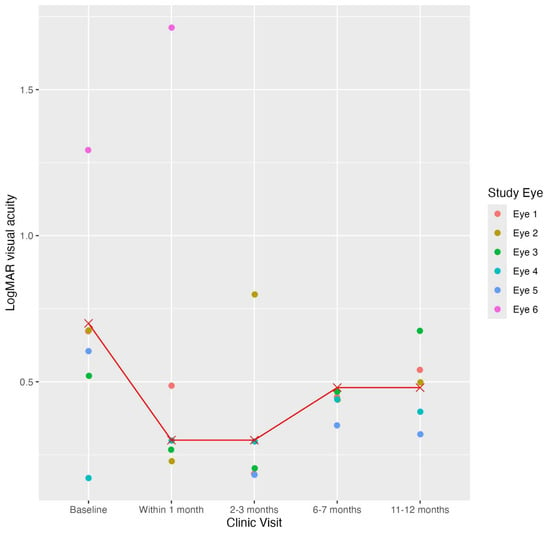
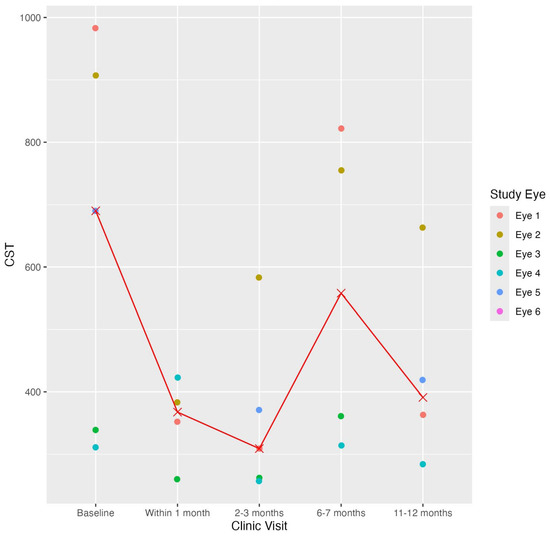
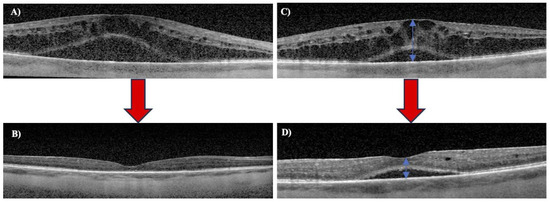
Background/objective: Suprachoroidal triamcinolone acetonide (TA) was recently FDA-approved and is emerging as a new alternative to other local therapies for macular edema (ME) associated with noninfectious uveitis (NIU). The objective of this study is to evaluate the preliminary safety and efficacy of suprachoroidal TA in patients with refractory ME secondary to NIU. Methods: This was a retrospective review of a small cohort of patients with refractory ME secondary to NIU treated with suprachoroidal TA from November 2022 to October 2023. Results: Six eyes from five patients with refractory ME secondary to NIU were included in the study. The cohort included two females (40%), and the median age was 62 years (IQR = 8). Ophthalmic diagnoses included intermediate uveitis (n = 2; 40%), birdshot chorioretinopathy (n = 1; 20%), autoimmune retinopathy (n = 1; 20%), and panuveitis (n = 1; 20%). The median logMAR visual acuity was 0.7 (Snellen 20/100) at baseline and improved to 0.3 (Snellen 20/40) during follow-up visits at 1 month and 2–3 months. The median central subfield thickness (CST) was 690 μm at baseline and improved to 367.5 μm and 309 μm at the follow-up visits at 1 month and 2–3 months, respectively. The initial improvement in logMAR visual acuity and CST was less pronounced at follow-up visits at 6–7 months and 11–12 months. Conclusions: This study demonstrates the safety of suprachoroidal TA and efficacy signals, including improvement in visual acuity and ME at 3 months in patients with severe, refractory ME secondary to NIU.
Full article
(This article belongs to the Section Clinical Pharmaceutics)
►▼
Show Figures

Figure 1
Open AccessReview
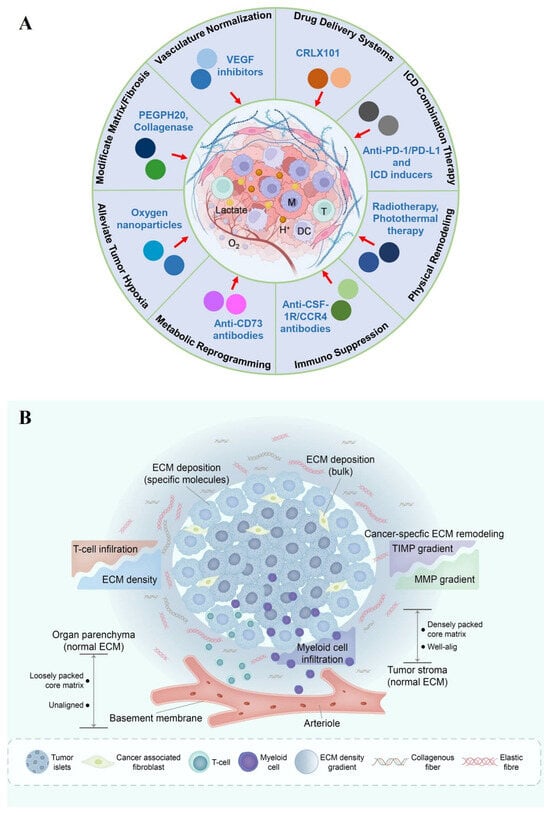
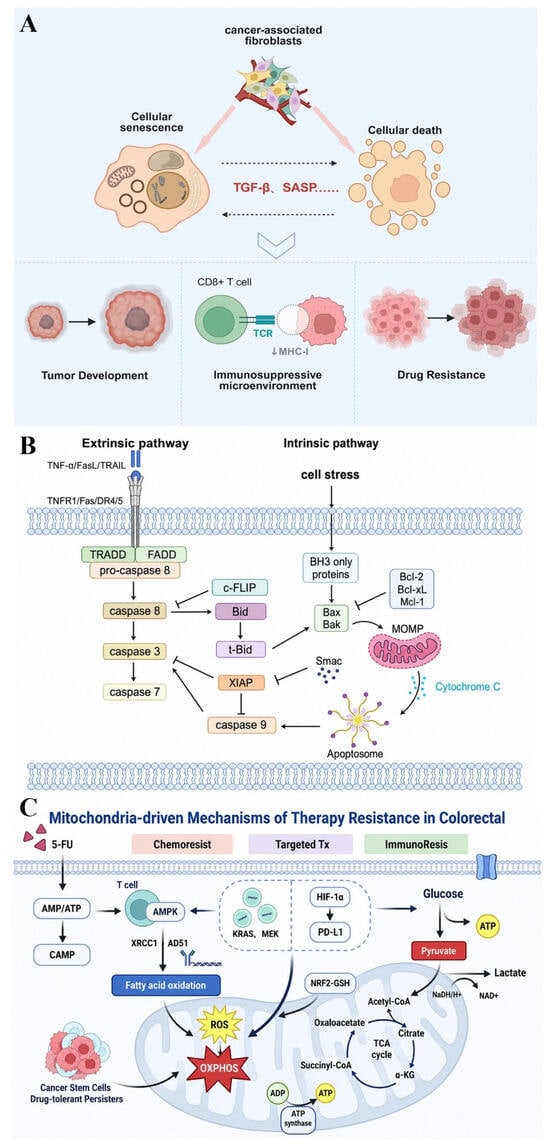
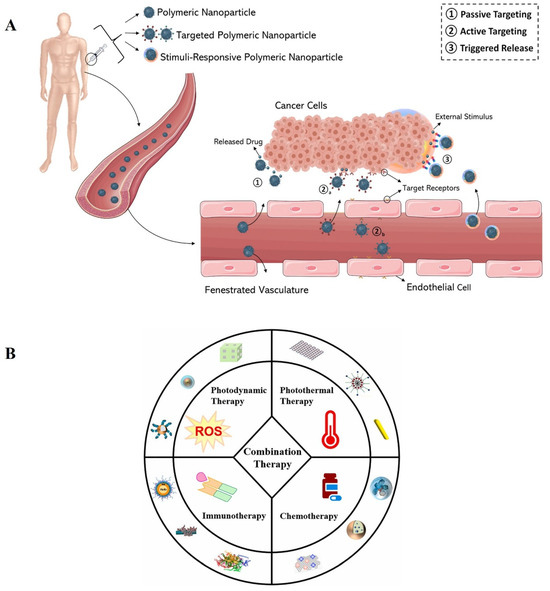
Polymeric Nano Drug Delivery Systems for Overcoming Tumor Microenvironment-Mediated Drug Resistance
by
Yonggyu Kang, Jeongeun Kim, Jisu Park, Subin Lee, Youngjin An, Kwang Suk Lim and Hyun-Ouk Kim
Pharmaceutics 2026, 18(6), 674; https://doi.org/10.3390/pharmaceutics18060674 (registering DOI) - 29 May 2026
Abstract
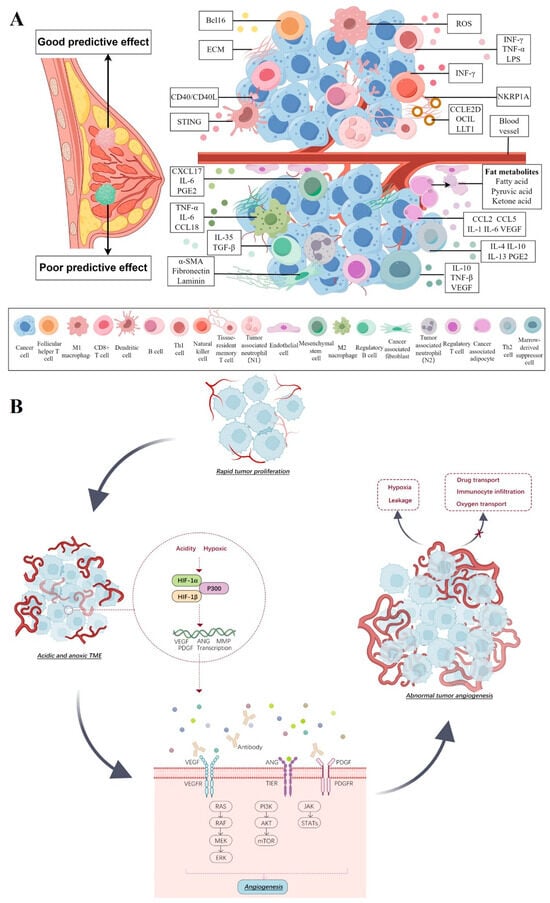
The tumor microenvironment (TME) acts as a major barrier to effective drug delivery and contributes to drug resistance in solid tumors. Hypoxia, acidosis, and elevated interstitial fluid pressure limit drug penetration, while cancer-associated fibroblasts and immunosuppressive cells promote survival signaling, drug efflux, and
[...] Read more.
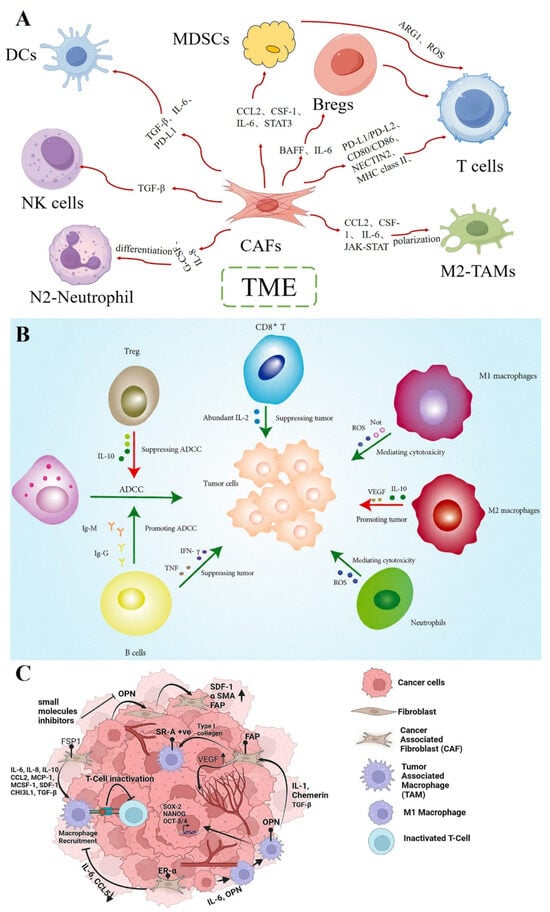
The tumor microenvironment (TME) acts as a major barrier to effective drug delivery and contributes to drug resistance in solid tumors. Hypoxia, acidosis, and elevated interstitial fluid pressure limit drug penetration, while cancer-associated fibroblasts and immunosuppressive cells promote survival signaling, drug efflux, and metabolic adaptation. Polymeric drug delivery systems offer a promising strategy to address these barriers because their structures can be precisely engineered and designed to respond to TME-specific stimuli. These properties enable controlled drug release at tumor sites and help improve therapeutic efficacy while reducing systemic limitations. This review discusses how physicochemical and cellular components of the TME contribute to drug resistance and how polymeric nanomedicines can be designed to overcome these barriers. In addition, it examines key challenges that limit clinical translation, including tumor heterogeneity, variable enhanced permeability and retention effects, manufacturing scalability, and regulatory requirements. Finally, this review highlights the future direction of polymer nanomedicine and focuses specifically on developing rational material design, enhancing preclinical models, and developing clinically appropriate strategies to combat TME-mediated drug resistance.
Full article
(This article belongs to the Special Issue Recent Advances in Tumor Microenvironment Responsive Formulations and Delivery Systems for Anticancer Therapy)
►▼
Show Figures

Figure 1
Journal Menu
► ▼ Journal Menu-
- Pharmaceutics Home
- Aims & Scope
- Editorial Board
- Reviewer Board
- Topical Advisory Panel
- Early Career Editorial Board
- Instructions for Authors
- Special Issues
- Topics
- Sections & Collections
- Article Processing Charge
- Indexing & Archiving
- Editor’s Choice Articles
- Most Cited & Viewed
- Journal Statistics
- Journal History
- Journal Awards
- Society Collaborations
- Conferences
- Editorial Office
Journal Browser
► ▼ Journal BrowserHighly Accessed Articles
Latest Books
E-Mail Alert
News
27 January 2026
Meet Us at the 5th Molecules Medicinal Chemistry Symposium, 14–17 May 2026, Beijing, China
1 June 2026
MDPI INSIGHTS: The CEO’s Letter #35 – 30 Years of Open Science, Open Access Policies, Spain Summit, MMCS 2026 & Antibiotics 2026
Topics
Topic in
CIMB, Molecules, Pharmaceuticals, Pharmaceutics, Sci. Pharm.
Challenges and Opportunities in Drug Delivery Research, 2nd Edition
Topic Editors: Lenuta Profire, Ioana Mirela VasincuDeadline: 30 June 2026
Topic in
Bioengineering, Molecules, Pharmaceuticals, Pharmaceutics, Processes, Sci. Pharm.
Complementary Strategies in Drug Delivery: From Particle Engineering to System Optimization
Topic Editors: Barbara R. Conway, Hisham Al-ObaidiDeadline: 30 October 2026
Topic in
Antibiotics, IJMS, Microbiology Research, Pharmaceuticals, Pharmaceutics, Nanomaterials, Microorganisms
Challenges and Future Prospects of Antibacterial Therapy, 2nd Edition
Topic Editors: Kwang-Sun Kim, Zehra EdisDeadline: 30 November 2026
Topic in
Applied Microbiology, Microorganisms, Pharmaceuticals, Pharmaceutics, Foods
Probiotics: New Avenues
Topic Editors: Daniela Machado, José Carlos AndradeDeadline: 10 December 2026
Conferences
Special Issues
Special Issue in
Pharmaceutics
Artificial Intelligence in Drug Discovery, Pharmaceutical Processes, and Drug Delivery
Guest Editors: Lisa Marinelli, Ivana CacciatoreDeadline: 10 June 2026
Special Issue in
Pharmaceutics
Multi-Target Ligands Design and Targeted Drug Delivery
Guest Editors: Katarina Nikolić, Slavica Oljacic, Marija Popovic NikolicDeadline: 10 June 2026
Special Issue in
Pharmaceutics
Chitosan in Modern Pharmacotherapy: From Drug Encapsulation to Targeted Delivery Systems
Guest Editors: Robertas Lazauskas, Dalia Adukauskienė, Lolita Kuršvietienė, Inga StanevicieneDeadline: 10 June 2026
Special Issue in
Pharmaceutics
Metal Complexes as Antimicrobial Agents: Pharmacokinetics and Drug Development Implications
Guest Editor: Žiko B. MilanovićDeadline: 15 June 2026
Topical Collections
Topical Collection in
Pharmaceutics
Women in Pharmaceutics
Collection Editors: Donatella Paolino, Cinzia Anna Ventura
Topical Collection in
Pharmaceutics
Advanced Pharmaceutical Science and Technology in Portugal
Collection Editors: João Sousa, Carla Vitorino, Alberto A. C. C. Pais
Topical Collection in
Pharmaceutics
Advanced Drug Delivery Systems and Technology in Hungary
Collection Editors: Romána Zelkó, Istvan Antal
Topical Collection in
Pharmaceutics
Advanced Pharmaceutical Research in the Czech Republic
Collection Editors: Jarmila Zbytovska, Jan Gajdziok, Jakub Vysloužil