You are currently on the new version of our website. Access the old version .
  • 28 days
    Time to First Decision

Medicines

Medicines is an international, peer-reviewed, open access journal on drug discovery and clinical application published quarterly online by MDPI.

All Articles (737)

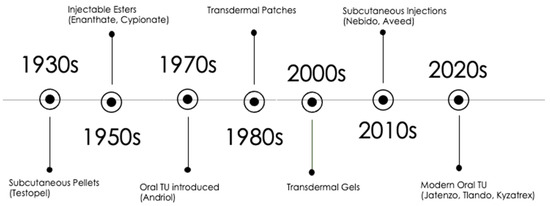
Symptomatic male hypogonadism, defined by low serum testosterone with associated clinical symptoms, is increasingly treated with testosterone replacement therapy. Traditional oral formulations were limited by hepatotoxicity and poor bioavailability, leading to reliance on injectable and transdermal routes. Recent advances in oral testosterone undecanoate formulations have introduced safer and more effective options. This review compares Jatenzo, Tlando, and Kyzatrex, highlighting their pharmacology, efficacy, safety, and clinical utility. Clinical trial data demonstrate restoration of eugonadal testosterone levels in most patients (80–88%), with shared risks including hypertension, polycythemia, and lipid changes. Differences in dosing regimens, titration requirements, and insurance coverage influence choice of therapy and patient adherence. Kyzatrex offers flexible titration and self-pay access, Tlando provides a fixed-dose regimen, and Jatenzo combines titratability with established clinical data. Collectively, these agents expand the therapeutic landscape of hypogonadism, offering effective, non-invasive alternatives that support individualized treatment strategies.

22 December 2025

Timeline of testosterone therapy development.

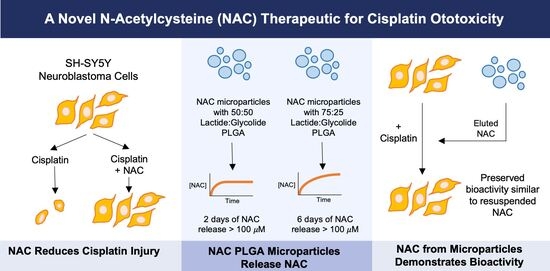
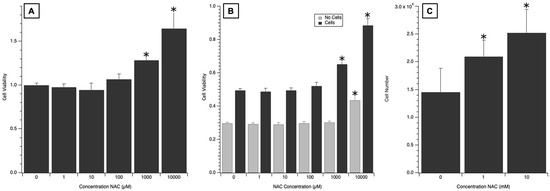
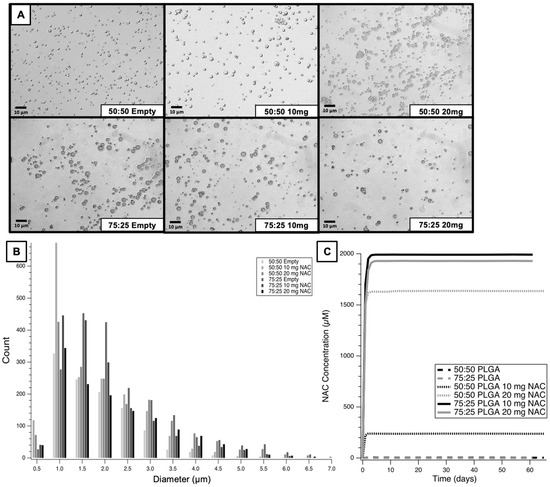
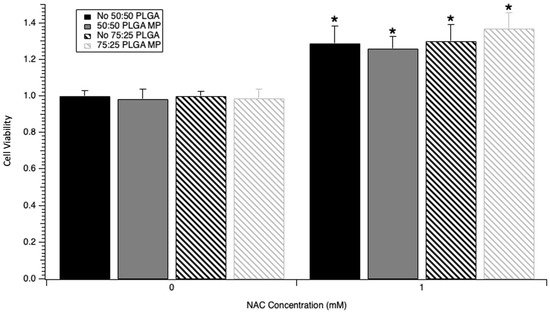
Background/Objectives: Though ototoxic, cisplatin is a mainstay of chemotherapy for a variety of cancers. One suggested mechanism of cisplatin ototoxicity involves damage to the spiral ganglion afferent neurons in the inner ear. There is a need for a high-throughput model to screen medications for efficacy against cisplatin and to develop a local therapeutic to mitigate cisplatin’s debilitating side effects. Microparticles encapsulating a therapeutic medication are an injectable and tunable method of sustained drug delivery, and thus a promising treatment. Methods: SH-SY5y human neuroblastoma cells were used as a cell line model for the spiral ganglion neurons. The cells were dosed with cisplatin and four potential therapeutics (melatonin, metformin, cyclosporine, and N-acetylcysteine), with cell viability measured by CCK-8 assay. The most promising therapeutic, N-acetylcysteine (NAC), was then encapsulated into multiple poly(lactic-co-glycolic acid) (PLGA) microparticle subtypes of varied lactide–glycolide (L:G) ratios and NAC amounts. The elution profile of each microparticle subtype was determined over two months. Results: Of the therapeutics screened, only cells dosed with 1 or 10 mM NAC prior to cisplatin injury demonstrated an improvement in cell viability (73.8%, p < 1 × 10⁻⁸) when compared to cells dosed with cisplatin alone. The 75:25 L:G microparticles demonstrated an increase in the amount of NAC released compared to the 50:50 L:G microparticles. Conclusions: NAC is a potential therapeutic agent for cisplatin toxicity when tested in a neuronal cell line model. NAC was encapsulated into PLGA microparticles and eluted detectable concentrations of NAC for 6 days, which is a first step towards otoprotection for the weeks long duration of chemotherapy treatment. This work describes a method of screening potential therapeutics and a strategy to develop local drug eluting treatments to protect against cisplatin ototoxicity.
9 December 2025

(A) Cisplatin dose curve from 0–1000 µM conducted on SH-SY5Y cells. 12 absorbances per cisplatin concentration taken across 2 experiments (6 absorbances per experiment) normalized to each experiment’s average absorbance at 0 µM dose of cisplatin. Dose of cisplatin required to reduce absorbance by 30% (6 µM) indicated by dashed line and LC30 label. 10× light microscopy images of SH-SY5Y cells without cisplatin injury (B) and with LC30 dose of 6 µM cisplatin (C). Black arrows indicate examples of rounded, non-viable cells in panel (C).

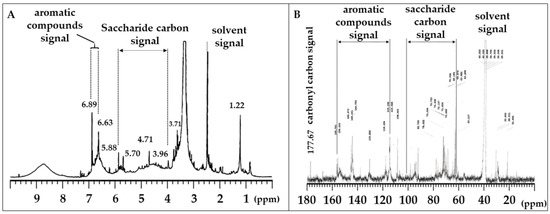
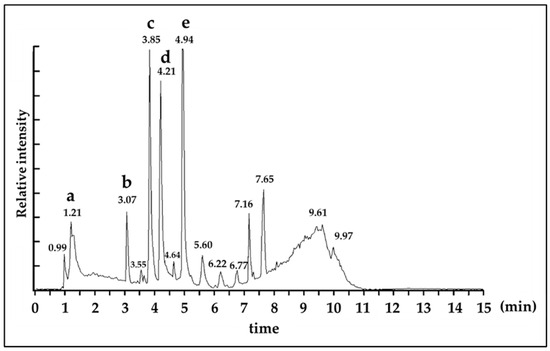
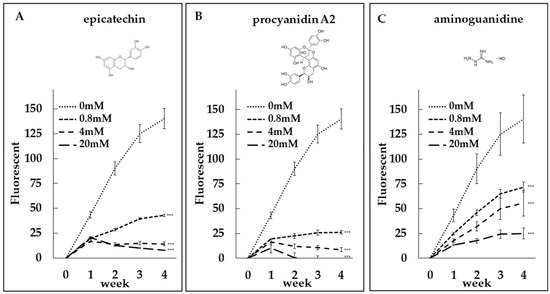
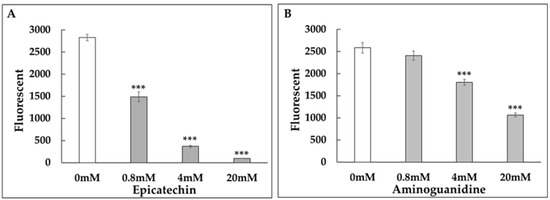
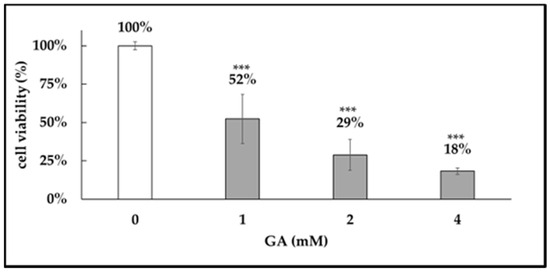
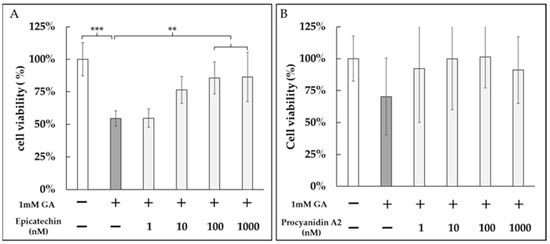
Background: Glycation, a non-enzymatic reaction between sugars and biomolecules, leads to the formation of advanced glycation end-products (AGEs), which are implicated in the progression of chronic diseases. Connarus ruber (Poepp.) Planch (C. ruber), a traditional medicinal plant used for diabetes, has shown anti-glycation activity. This study aimed to identify the active components in C. ruber extract and elucidate their anti-glycation mechanisms. Methods: Using NMR and LC-MS analyses, we identified epicatechin and procyanidin A2 as major polyphenolic constituents. Collagen glycation assays were performed to evaluate the inhibitory effects of these compounds on fructose- and glyceraldehyde (GA)-induced glycation. Additionally, their cytoprotective effects were assessed using GA-induced cytotoxicity assays in dental pulp stem cells (DPSCs). Results: Both epicatechin and procyanidin A2 inhibited fructose- and GA-induced glycation in a dose-dependent manner, showing greater efficacy than aminoguanidine. Furthermore, these compounds significantly alleviated GA-induced cytotoxicity in DPSCs. Conclusions: These findings suggest that epicatechin and procyanidin A2 are candidate contributors to the anti-glycation and cytoprotective effects of C. ruber. The results support the potential of C. ruber extract as a source of therapeutic agents for glycation-related diseases and for enhancing stem cell viability.

3 December 2025

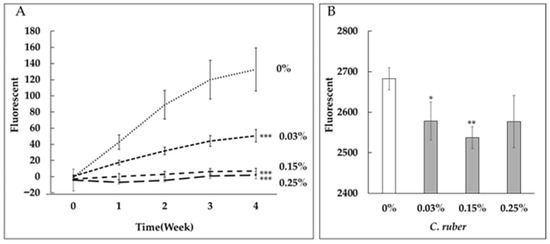
Dose-dependent inhibition of collagen glycation by C. ruber extract. Collagen glycation assays were performed to evaluate the anti-glycation activity of C. ruber extract at concentrations of 0.03%, 0.15%, and 0.25%. (A) Inhibition of fructose-induced collagen glycation. (B) Inhibition of glyceraldehyde (GA)-induced collagen glycation. Fluorescence intensity was measured at λex = 370 nm and λem = 440 nm after 24 h (GA) or weekly for 4 weeks (fructose). C. ruber extract demonstrated significant, dose-dependent inhibition of collagen glycation in both models. Each line represents the mean ± SD of four independent measurements. *: p &lt; 0.05, **: p &lt; 0.01, ***: p &lt; 0.001.

AΙ-Driven Drug Repurposing: Applications and Challenges

  • Paraskevi Keramida,
  • Nikolaos K. Syrigos and
  • Marousa Kouvela
  • + 3 authors

Drug repurposing is the process of discovering new therapeutic indications for already existing drugs. By using already approved molecules with known safety profiles, this approach reduces the time, costs, and failure rates associated with traditional drug development, accelerating the availability of new treatments to patients. Artificial Intelligence (AI) plays a crucial role in drug repurposing by exploiting various computational techniques to analyze and process big datasets of biological and medical information, predict similarities between biomolecules, and identify disease mechanisms. The purpose of this review is to explore the role of AI tools in drug repurposing and underline their applications across various medical domains, mainly in oncology, neurodegenerative disorders, and rare diseases. However, several challenges remain to be addressed. These include the need for a deeper understanding of molecular mechanisms, ethical concerns, regulatory requirements, and issues related to data quality and interpretability. Overall, AI-driven drug repurposing is an innovative and promising field that can transform medical research and drug development, covering unmet medical needs efficiently and cost-effectively.

13 November 2025

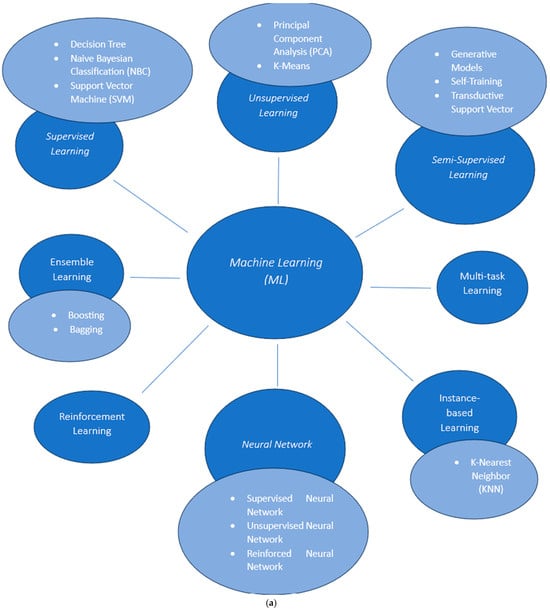
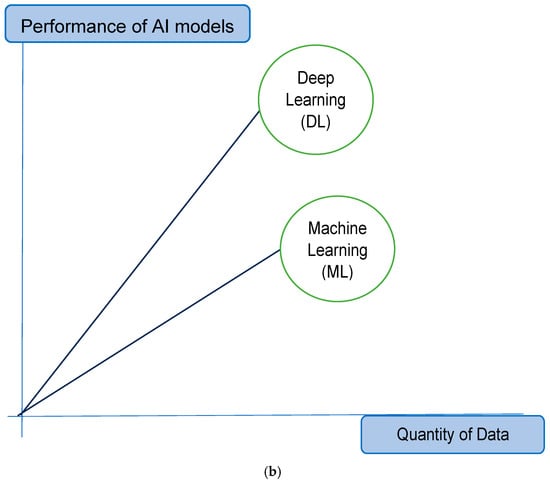
(a): Types of ML algorithms. (Based on “Machine Learning Algorithms—A Review”, Maseh, B. [15]). Note that the figure describes a simplified classification; some algorithms may be applicable across multiple categories depending on the conditions. (b): ML vs. DL performance correlated with the quantity of data (Based on “Machine Learning: Algorithms, Real-World Applications and Research Directions”, Sharker, I.H. [24]).

News & Conferences

Issues

Open for Submission

Editor's Choice

Get Alerted

Add your email address to receive forthcoming issues of this journal.

XFacebookLinkedIn
Medicines - ISSN 2305-6320